Advertisement

OPPO Find X8 Pro features industry-first dual periscope telephoto setup

OPPO is set to unveil its latest flagship, the Find X8 series, at a global launch event on October 24, 2024. The brand continues to generate buzz ahead of the launch, with Oppo’s Zhou Yibao confirming that the OPPO Find X8 Pro will feature an industry-first dual periscope telephoto setup.

This innovative configuration includes two specialized telephoto lenses: one designed to capture distant landscapes and another optimized for portrait shots, aiming to enhance details and provide a natural look to photos taken with both lenses.

The company also shared image samples, showcasing the camera’s capabilities, hinting at significant improvements in image quality.

Camera specifications:

Find X8 Pro is expected to boast a robust camera system. Rumors suggest it will feature an OIS-enabled 50-megapixel Sony LYT-800 main camera, a 50MP ultra-wide lens in addition to the telephoto cameras. The improvements in the Find X8 Pro’s image processing are likely supported by enhanced ISP capabilities from the MediaTek Dimensity 9400 chipset, which is expected to power the device​.

What to expect?

The OPPO Find X8 Pro is rumored to sport a 6.78-inch micro-quad-curved LTPO OLED display panel from BOE, supporting a 1.5K resolution (2760 x 1264 pixels) and a 120Hz refresh rate. The display, manufactured by BOE, promises vibrant colors and smooth animations, ensuring a top-tier viewing experience. This display configuration aligns with OPPO’s efforts to balance design aesthetics with performance, especially with the shift from a curved to a flat back design for the Find X8 series​.

Find-X8-Pro-camera-button-underwater-camera-usage

Powering the Find X8 Pro will be the MediaTek Dimensity 9400 chipset, known for its improved performance and energy efficiency. The chipset’s advanced Image Signal Processor (ISP) is expected to contribute significantly to the phone’s photography, enhancing details and low-light performance. The improved efficiency of the chipset, combined with other hardware optimizations, will likely translate to smoother multitasking and gaming experiences​.

Battery life is another area where the Find X8 Pro is expected to excel. The device packs a 5910mAh battery and has already been showcased by the company to outperform the iPhone 16 Pro Max in certain scenarios.
A big reason behind this achievement is the adoption of silicon-carbon anode battery technology, which promises faster charging speeds and longer battery longevity, addressing a key area of concern for power users.

The OPPO Find X8 series is shaping up to be a major player in the flagship segment. With its innovative dual periscope telephoto cameras, powerful MediaTek chipset, and high-quality display, the Find X8 Pro aims to offer an all-around premium smartphone experience. The shift to a flat design is also likely to appeal to users seeking a refined aesthetic. As the official launch nears, all eyes will be on OPPO to see how the Find X8 Pro fares against its competitors.

(Source)

Realme GT 7 Pro launch date revealed, set to debut by early November

Xiaomi, Honor, iQOO, and OnePlus are all launching their respective flagship phones in the last three days of this month. Since Realme started teasing the arrival of the Realme GT 7 Pro, it was being speculated that it may go official by the end of October. However, the brand released an official confirmation today that the GT 7 Pro will debut on Nov. 4 in China.

Realme GT 7 Pro launch date

Realme GT 7 Pro launch date

The Realme GT 7 Pro will debut in multiple markets in November. As seen in the poster above, it is scheduled to go official on Nov. 4 in China.

As per reports, the GT 7 Pro will debut as India’s first Snapdragon 8 Elite phone by mid-November. It is also expected to be released in Europe and Southeast Asian markets in the same month.

The Chinese wing of the brand has released the above images, confirming the inclusion of Samsung’s micro-quad-curved Eco Sky Screen in the Realme GT 7 Pro. The company has confirmed that the custom-made display provides low-frequency flicker-free eye protection and hardware-level full-brightness DC dimming, features typically found on more expensive foldable phones.

Realme is yet to confirm the other specs of the GT 7 Pro. However, reports have revealed that it will have a 6,500mAh battery with 120W fast charging support. It is expected to feature a 32-megapixel front camera and a 50-megapixel Sony IMX906 + 8-megapixel ultra-wide + 50-megapixel 3x periscope triple camera unit on the back. Other expected features include the Realme UI 6-based Android 15, an ultrasonic in-screen fingerprint sensor, a metallic frame, and an IP69-rated body.

Poco C75 to be priced at $109, launch date, design officially confirmed

Several reports have claimed that Poco is working on a new entry-level phone named the Poco C75. The brand has now officially confirmed its existence and announced that it will be launched on Oct. 25. Ahead of the launch, Poco has also revealed the early bird pricing of the device.

Poco C75 key specifications confirmed

Poco C75 launch date
Poco C75 early bird pricing

The above poster confirms the Poco C75’s massive 6.88-inch display and massive 5,160mAh battery. The C75 boasts a round camera module on its back, which houses an AI-driven 50-megapixel dual-camera system.

The Poco C75 will arrive with 6 GB / 8 GB of RAM and 128 GB / 256 GB of built-in storage. For security, it seems to feature a side-facing fingerprint scanner. The above image also confirms that the device’s top edge features a 3.5mm audio jack.

Poco C75 early bird pricing

Poco has also confirmed that the C75 will be available in two options, such as 6GB+128GB and 8GB+256GB. These variants will be available with early bird prices of $109 and $129, respectively. It will be sold in shades like black, silver, and green. All the color variants have a dual-tone finish.

According to other reports, the 6.88-inch LCD panel of the Poco C75 will support an HD+ resolution and a 120Hz refresh rate. It will feature a 13-megapixel front camera and a 50-megapixel + 0.08MP dual-camera setup on the back. The MediaTek Helio G85 chip will power the device, and it will support 18W charging via USB-C. It also expected to support NFC connectivity.

Razer Gaming Accessories are on sale with upto 74% off and additional 10% Flat discount using Coupon Code

On the occasion of Diwali sales, Razer Gaming Accessories are available with up to a 74% discount on Amazon India. The discount ranges from gaming keyboards and gaming mice to gaming headsets. There’s a 10% discount on all Razer accessories with the coupon code RAZERFLAT10. On top of the OEM discounts, there are additional bank offers that will further slash the price.

Razer Gaming Accessories Discounts

Razer is offering massive discounts on all its Gaming Accessories in India via Amazon. Interested users can grab the Razer BlackShark V2 Wired Gaming On-Ear Headphones just for Rs 3299 + an additional 10% flat discount. The Razer Barracuda X Wireless Multi-Platform Gaming and Mobile Headset is retailing for the price of Rs 7,999, down from Rs 14,999. There will be an additional Rs 799 discount if you apply the coupon code RAZERFLAT10. The Razer Death Adder Wired Gaming Mouse is also on sale for the price of Rs 1,299, down from Rs 4,499.

To grab the 10% flat off, the users need to apply the RAZERFLAT10 coupon code on the Payment Page of Amazon India. There are additional bank discounts on some of the products.

Grab Discounts on All Accessories

Further, there’s a 40% discount on the Razer Ornata V3 X gaming keyboard. The high-end Razer Viper V3 Pro Wireless Esports Gaming Mouse is now down to Rs 12,999. The popular Razer BlackWidow V3 Tenkeyless Mechanical Wired Gaming Keyboard is also on sale for the price of Rs 5,999. It usually retails for the price of Rs 11,999.

Please Note: When you buy something using the links in our articles, we may earn a small commission at no cost to you.

Razer festive extravaganza is the best deal out there on Razer Gaming Accessories. It could be the best chance for gamers to upgrade their accessories at the best possible prices. The prices may remain for a few more days or till the stocks last.

OnePlus 13R moniker spotted, could be coming with Snapdragon 8 Gen 3, 6,500mAh battery

OnePlus is gearing up to launch the OnePlus 13’s China launch, which is scheduled to take place on Oct. 31. The OP13 is likely to debut in the global market by January 2025. A new update, courtesy of 91mobiles Indonesia, reveals that the brand may also unveil the OnePlus 13R, a performance-focused affordable flagship alongside the more premium OnePlus 13.

OnePlus 13R SIRIM certified in Malaysia

OnePlus 13R SIRIM certified in Malaysia

The said publication has spotted the OnePlus 13R in the database of Malaysia’s SIRIM certification platform. While the listing has not revealed any information about the specifications of the device, it has confirmed its model number as CPH2645.

The OnePlus 13R will arrive as a successor to the OnePlus 12R, which came equipped with the Snapdragon 8 Gen 2 chipset. To recall, the 12R was a rebranded version of the OnePlus Ace 2, which was released exclusively in the Chinese market. Therefore, it’s possible that the OnePlus 13R is a rebranded version of the OnePlus Ace 3, rumored to launch in China in December 2024.

As per reports, the OnePlus Ace 3 will feature the Snapdragon 8 Gen 3 chipset and may pack a 6,500mAh battery with 100W fast charging support. Since it will be a performance-oriented device, it is unlikely to feature top-notch cameras. Nevertheless, a recent leak revealed that the device could feature a 50-megapixel Sony IMX9-series primary camera with a large sensor size of 1/1.56 inches. A 50-megapixel telephoto camera could potentially join it.

In terms of the display, the OnePlus Ace 3 is expected to feature a BOE-supplied OLED panel that supports a 1.5K resolution. In China, it will run on a ColorOS 15-based Android 15, whereas its global version will have OxygenOS 15 onboard.

HP Launches OmniBook Ultra Flip in India: A 2-in-1 Laptop for Creators and Freelancers

HP has introduced the OmniBook Ultra Flip in India, a 2-in-1 laptop designed for freelancers and creators. The device is powered by Intel’s Lunar Lake Processors and features a Neural Processing Unit (NPU), allowing easy switching between laptop, tablet, and tent modes for flexible use.

HP OmniBook Ultra Flip

HP OmniBook Ultra Flip laptop features

The OmniBook Ultra Flip comes with a 14-inch 2.8K OLED display, offering multitouch capability and a 48-120 Hz refresh rate. The screen has a 0.2 ms response time, edge-to-edge glass, a slim bezel, Low Blue Light technology, 400 nits brightness in SDR, 500 nits peak brightness in HDR, and supports over 1 billion colors in HDR mode. It also features a 16:10 aspect ratio for an enhanced viewing experience.

HP OmniBook Ultra Flip

Powered by the Intel Core Ultra 7 256V processor, the device reaches up to 4.8 GHz with 12 MB L3 cache and 8 cores/8 threads. It includes multiple connectivity options such as 2 Thunderbolt 4 ports, a USB Type-C port, and a headphone/microphone combo jack. Wireless connectivity includes Intel Fillmore Peak 2 Wi-Fi 7 and Bluetooth 5.4.

Running on the latest Windows OS, the OmniBook Ultra Flip comes with Microsoft Office Home & Student 2021 pre-installed. It has 16GB of LPDDR5X RAM and a 1TB PCIe Gen4 NVMe SSD for storage.

The device measures 31.37 x 21.62 x 1.49 cm, weighs 1.34 kg, and includes security features like a mic mute key, a camera privacy shutter, and a 6-cell, 64 Wh battery. It uses a 65 W USB Type-C adapter for charging.

Other features include a full-size backlit keyboard, a haptic touchpad, Intel Arc Graphics, a DIB PEN-TILT HP G1 NFB MPP 2.0 stylus, and a 9 MP IR TNR camera.

Pricing & availability

The laptop is available in two models:

  • OmniBook Ultra Flip 14 Next-Gen AI PC Ultra 7: Starting at Rs. 1,81,999
  • OmniBook Ultra Flip 14 Next-Gen AI PC Ultra 9: Priced at Rs. 1,91,999

Customers buying the OmniBook Ultra Flip before October 31, 2024, will receive Adobe Photoshop Elements and Premiere Elements worth Rs. 9,999 for free. No-cost EMI options are available through Bajaj Finance for up to 18 months.

(Source)

Casio’s classic AE-1200WHL-5AV watch gets a Leather-Band update

Casio has expanded its popular AE-1200WH series with a new leather band model, the AE-1200WHL-5AV. This iconic watch, known for its durability and functionality, now offers a more elegant and refined look.

Casio AE-1200WHL-5AV

The AE-1200WHL-5AV retains the series’ signature features, including 100-meter water resistance and an approximate 10-year battery life. It also features a unique display with a world map indicator and a subdial that displays the home time in all modes.

The new leather band adds a touch of sophistication to the watch while maintaining the same comfortable fit and lightweight design as the previous resin and stainless steel models. The watch’s overall weight remains at 39 grams, making it ideal for everyday wear.

In addition to the new band, the AE-1200WHL-5AV also features a slightly redesigned face with updated labels. The “Alarm,” “WR,” and “Chrono” labels have been relocated below the LCD display, and the “10-Year Battery” label has been moved below the hands subdial.

Casio AE-1200WHL-5AV features:

The Casio AE-1200WHL-5AV watch offers a wide range of features, including world time with 31 time zones and daylight saving on/off, a stopwatch with 1/100-second accuracy and multiple measuring modes, a countdown timer with a range of 1 second to 24 hours, 5 daily or one-time alarms with an hourly time signal, an LED light with selectable illumination duration, a full auto-calendar up to the year 2099, a 12/24-hour format, and 100-meter water resistance. Additionally, the watch features multi-time functionality for tracking time in four different cities.

Pricing & availability

The AE-1200WHL-5AV is scheduled for release in Asia (excluding Japan) in October 2024. It will cost S$65 in Singapore. Pricing details regarding other global markets are currently unknown.

(via)

Microsoft’s Xbox Wireless Headset Gets Major Upgrade: Here’s What’s New

Microsoft has rolled out an upgrade to its Xbox Wireless Headset to give gamers a better audio experience with added comfort. It is packed with features like Dolby Atmos, longer battery life, and enhanced voice clarity, which you can learn about in detail below.

Xbox Wireless Headset
New Xbox Wireless Headset (Image via Microsoft)

Dolby Atmos for 3D Sound

One of the standout features of the new headset is the inclusion of Dolby Atmos. This technology creates a 3D sound experience, making in-game audio more realistic. You’ll hear sounds like footsteps or explosions with more accuracy, helping you react faster in the game.

Clearer Voice Chat

Xbox Wireless Headset
New Xbox Wireless Headset (Image via Microsoft)

The updated headset also improves communication, thanks to auto-mute and voice isolation features. These tools reduce background noise, so your voice comes through clearly, whether you’re chatting with friends or coordinating with teammates.

Longer Battery and More Comfort

Gamers who spend long hours playing will appreciate the new battery, which now lasts up to 20 hours on a single charge. The headset is designed for comfort, with adjustable headbands and cushioned ear cups that won’t become uncomfortable, even during marathon sessions.

Easy Device Switching

The headset now offers Bluetooth 5.3, making it easier to switch between your Xbox, PC, and mobile devices. Plus, Qualcomm S5 Gen 2 technology ensures low-latency wireless performance, meaning smoother gameplay with less lag.

Customizable Controls

You can adjust the balance between game and chat audio using the on-ear controls. For more in-depth adjustments, like tweaking the sound profile or microphone sensitivity, the Xbox Accessories app lets you fine-tune settings to your liking.

Pricing & availability

The new Xbox Wireless Headset is now available for $109.99, the same price listed on the Xbox Store.

(Source)

Huge Savings on Samsung Galaxy Watch Ultra: Now Starting at $509.99 with Additional Discounts

Samsung Galaxy Watch Ultra is packed with advanced features and technology, designed to withstand the toughest environments while offering a seamless and intelligent experience. 

Ultra-Durable Design

The Galaxy Watch Ultra boasts an extremely tough design, featuring a cushion-style dial made from aerospace-grade titanium and sapphire glass. This durable construction ensures that the watch can handle harsh conditions, from rugged outdoor adventures to deep ocean dives, thanks to its 10ATM water resistance and IP68 rating. It’s also built to meet MIL-STD-810H standards, ensuring it functions reliably in extreme environments such as high altitudes and fluctuating temperatures.

Powerful Performance

Equipped with a cutting-edge 3nm processor, the Galaxy Watch Ultra is designed to offer lightning-fast performance. This processor not only boosts speed but also optimizes battery life, allowing the watch to run for up to 100 hours on a single charge. You can manage calls, alarms, and other functions with ease using simple gestures like double-pinch, adding convenience to your day-to-day activities.

Enhanced GPS and Location Tracking

One of the standout features is the dual-frequency GPS system, which offers more precise and consistent location tracking. Whether you’re navigating urban streets or exploring off the grid, the Galaxy Watch Ultra’s GPS capabilities are built to keep you on the right path at all times.

Advanced Health and Fitness Monitoring

The Galaxy Watch Ultra takes health and fitness tracking to the next level with its AI-powered monitoring system. It tracks your energy levels, heart rate, and physical performance using personalized algorithms. With features like Energy Score and Booster Card, the watch helps you optimize your daily activities based on your condition. It also measures vital signs like ECG and blood pressure with increased accuracy, thanks to the advanced 2nd-gen BioActive Sensor.

Customizable Convenience

For added convenience, the Galaxy Watch Ultra comes with a customizable Quick Button that allows users to set shortcuts for various tasks. This includes an emergency siren feature, adding an extra safety layer during outdoor adventures. Additionally, the watch automatically switches to a dedicated night mode for improved visibility in low-light conditions.

Seamless Connectivity

The Galaxy Watch Ultra offers a seamless experience when paired with Samsung smartphones. From quick-reply message suggestions to tap-and-pay functionality, it integrates perfectly with other Galaxy devices, making it easier to stay connected on the go.

EXCLUSIVE DISCOUNTS:

Samsung Galaxy Watch Ultra is now available starting at just $509.99, a significant $140 discount from its regular price of $650. This deal also beats the $111 price drop offered directly by Samsung. Additionally, through Samsung’s Offer Programs, you can save even more. Get up to $350 in instant trade-in credit or enjoy a $50 discount without needing to trade in a device. This makes it a fantastic opportunity to snag the Galaxy Watch Ultra at a much lower price while supplies last.

Huawei Nova 13 & Nova 13 Pro launched in China with new design, AI features & more

Huawei has unveiled its latest additions to the Nova series, the Nova 13 and Nova 13 Pro, during the HarmonyOS Next launch event. These smartphones come packed with top-tier AI photography features and improved communication capabilities. Let’s check out the key specs of these devices.

Huawei-Nova-13-Series
Huawei Nova 13 Pro

Huawei Nova 13 Series Specifications

The Nova 13 features a 6.7-inch OLED flat screen with a 2412×1084 resolution. It supports a 120Hz refresh rate, a 300Hz touch sampling rate, and 1440Hz high-frequency PWM dimming for eye comfort. It delivers 1.07 billion colors and uses reinforced lithium-silicon-aluminum glass for durability.

Meanwhile, the Nova 13 Pro sports a 6.76-inch OLED quad-curved screen with a 2776×1224 resolution. It shares the same 120Hz refresh rate and 300Hz touch sampling rate, but the PWM dimming frequency is upgraded to 2160Hz, ensuring a smoother visual experience. The Nova 13 Pro also features the same reinforced glass for enhanced screen protection.

Both devices are powered by the Kirin 8000 chipset, paired with 12GB of RAM; LPDDR4X for the Nova 13, and LPDDR5 for the Nova 13 Pro. Both models run on the HarmonyOS 4.2 system, delivering a user-friendly interface and seamless connectivity across Huawei’s ecosystem.

Huawei Nova 13
Huawei Nova 13

The Nova 13 boasts a 50MP RYYB main sensor with dual OIS, paired with an 8MP ultra-wide macro lens and a 2cm macro lens. It also has a 60MP front camera designed for stunning portrait selfies.

The Pro ups the ante with a 60MP front portrait camera, which includes a 5x zoom lens and QPD for precise focusing. Its rear camera setup features a 50MP ultra-variable anti-shake lens, a 12MP 3x telephoto portrait lens, and an 8MP ultra-wide macro lens. The Nova 13 Pro supports a physical variable aperture from f1.4 to f4.0, providing optimal adaptability for low-light and dynamic photography scenarios.

Both models integrate Huawei’s Da Vinci Portrait Engine 2.0, enabling intelligent enhancements for skin tone, texture, and background bokeh effects. The devices sport AI features like AI Best Expression, AI Upscaling, AI Object Removal, and AI Smart Cutout which take photo editing to the next level.

Huawei Nova 13 Pro

Both the Nova 13 and Nova 13 Pro are equipped with a 5000mAh silicon-carbon negative electrode battery that supports 100W Turbo fast charging. The phones can charge up to 50% in just 9 minutes, providing convenience for users on the go.

The series includes under-screen fingerprint sensors, NFC, Bluetooth 5.2, and stereo speakers. It also supports Beidou satellite communication, including the capability to send satellite text and picture messages, which ensures better communication in weak or congested signal environments.

The Nova 13 series is available in four color options: Lodeng Green, Feather Purple, Feather White, and Star Black. The Nova 13 Pro also features a unique space-textured glass for a premium feel.

Pricing & Availability

Huawei Nova 13 starts at 2,699 yuan ($378) for the 256GB variant, 2,999 yuan ($421) for the 512GB variant, and 3,499 yuan ($491) for the 1TB variant.

Meanwhile, the Pro model is priced at 3,699 yuan ($519) for the 256GB model, 3,999 yuan ($561) for the 512GB model, and 4,499 yuan ($631) for the 1TB model.

Both models will be available for purchase starting from October 25, with sales beginning at 10:08 AM.

Huawei drops Android, launches HarmonyOS Next: What’s new in this OS?

Huawei has officially launched HarmonyOS Next, its latest native version of HarmonyOS, during the new product launch event. This fifth-generation operating system brings a series of significant upgrades, focusing on enhanced privacy, improved security measures, and overall smoother user interactions.

Huawei HarmonyOS Next

Marked as the biggest update in HarmonyOS history, the system comes with a redesigned architecture built independently from Android, emphasizing native features and security.

1. UI and Interaction Updates

HarmonyOS Next introduces “Pure HarmonyOS,” a new design approach focused on visual appeal and fluidity, using immersive lighting, gravity-based animations, and central-axis symmetry.

Chief UX Designer Yang Zhiyan explains how six elements – light, movement, color, force, time, and space, create a cohesive digital experience. The UI features dynamic wallpapers, intelligent digital clocks, and seamless theme integration, with the lock screen adjusting its cinematic aesthetic based on weather, clock positioning, and lighting effects for more natural user interactions.

2. Privacy and Security Enhancements

Huawei emphasizes security with the introduction of the “Star Shield” architecture that prioritizes privacy with stricter permission management, keeping data on the device, and preventing unauthorized access. It introduces encrypted sharing, allowing users to limit file access and block screen recording.

The system reduces permission pop-ups by 76% compared to iOS and ensures app integrity by listing only rigorously reviewed apps. Huawei also enhances transparency with detailed access logs, allowing users to monitor data usage and app behavior.

3. Smart Assistant Upgrades

The updated XiaoYi Assistant in HarmonyOS Next, powered by the Pangu AI model, offers deeper AI integration with voice, gestures, and navigation bar shortcuts. It handles complex tasks like document summarization, mind mapping, and AI-driven image editing. Users can drag and drop files for instant processing, while knuckle-based circle selection enables quick image-based queries or product identification, boosting usability and efficiency.

4. Performance Improvements

HarmonyOS Next’s Distributed Soft Bus enhances cross-device collaboration with features like cross-device gallery sharing, clipboard sync, in-app video casting, and Tap-to-Share for seamless file and content sharing across Huawei devices.

The Ark Engine has been further refined, integrating components like graphics, multimedia, and memory scheduling for a smoother user experience. The system claims a 30% boost in smoothness, extended battery life by 56 minutes, and enhanced multitasking with 1.5GB of additional memory.

5. Availability

HarmonyOS Next now supports over 15,000 native Harmony apps and meta-services across 18 industries, ensuring broad compatibility and functionality. The public beta has begun with devices like the Huawei Pura 70 Series, Pocket 2 Series, and MatePad Pro 11-inch (2024). More devices, including the Mate XT | Ultimate Design, Nova Flip, and MatePad Air, will receive updates by early 2025.

Snapdragon 8 Elite (8 Gen 4) vs Dimensity 9400: Comparing Qualcomm & MediaTek’s Flagship

Qualcomm just announced the Snapdragon 8 Elite as the flagship processor, which will power upcoming premium smartphones. This announcement arrives mere weeks after MediaTek unveiled its own high end Dimensity 9400 SoC. We had written an early comparison based on rumors and leaks of these two chips. So let’s see how the Snapdragon 8 Elite compares against the Dimensity 9400 now.

1. Snapdragon 8 Elite vs Dimensity 9400: Specifications

Snapdragon-8-Elite-thermal-issues
Qualcomm Snapdragon 8 Elite

MediaTek’s new Dimensity 9400 features MediaTek’s 2nd Gen All Big Core design, which includes the powerful ARM Cortex-X925 core. These run at over 3.62GHz and combine three Cortex X4 cores and four Cortex A720 cores. This enables the chip to offer 35% faster single-core and 28% faster multi-core performance compared to the Dimensity 9300.

It is built on TSMC’s 2nd Gen 3nm process, allowing for up to 40% more power efficiency as well. The Dimensity 9400 has a new NPU for improved AI functionality and a 12-core ARM Immortalis-G925 GPU for 40% faster ray tracing performance.

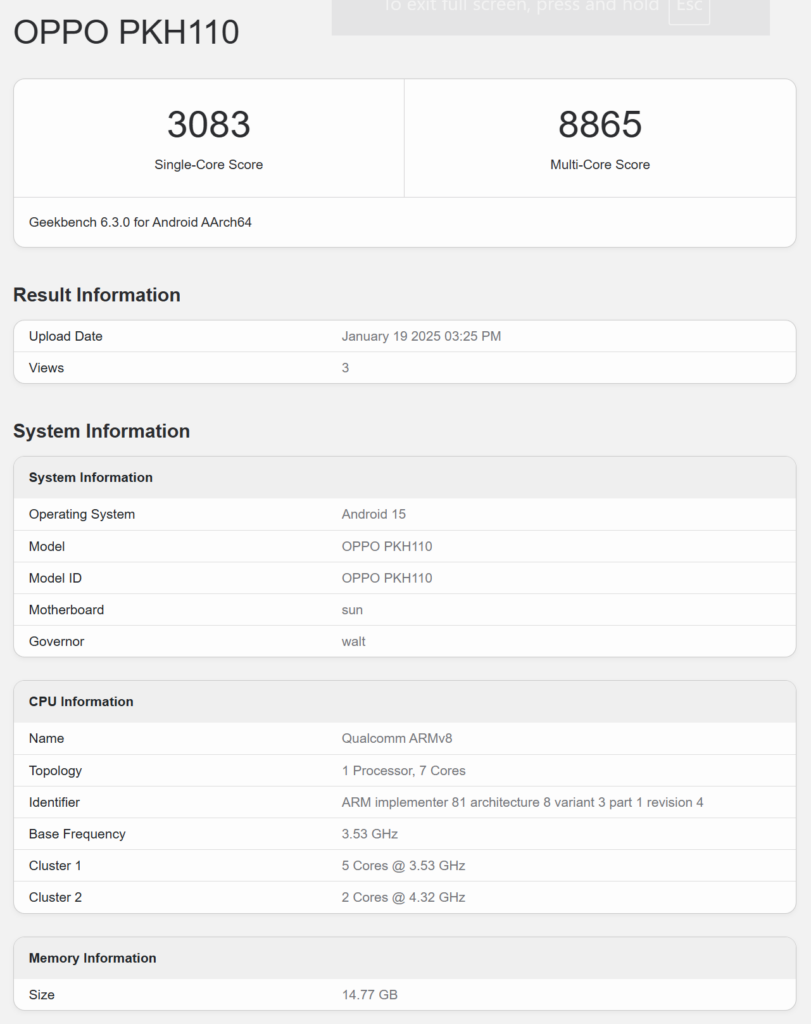
Qualcomm and MediaTek had the same idea as the Snapdragon 8 Elite also incorporates an All Big Core design. It has eight cores with 2x prime cores, which are clocked at an impressive 4.32GHz along with 6x performance cores with a 3.53GHz clock speed. The new Snapdragon 8 Elite was built on TSMC’s 3nm process, promising a 45% increase in CPU performance while boasting a 44% improvement in power efficiency.

Thanks to an upgraded Adreno 830 GPU, there is also a 40% improvement in both performance and power efficiency along with 35% faster ray tracing as well. This chip also supports Unreal Engine 5.3 and its Nanite virtualized geometry system.

2. Big Focus on AI

Dimensity 9400 launched
MediaTek Dimensity 9400

MediaTek showcased its Dimensity 9400 chip with its 8th Gen NPU. It launched as the first mobile chipset to support on-device LoRA training and high-quality on-device video generation. The chipset features Dimensity Agentic AI Engine (DAE) for up to 80% faster LLM prompt performance and 35% improved efficiency.

On the other hand, Qualcomm’s Snapdragon 8 Elite packed the new Hexagon NPU with a 45% improvement in AI processor speed. It arrives with support for both large and small AI models along with Qualcomm’s QI Engine, which brings multimodal AI support.

3. Benchmarks

Snapdragon-8-Elite-poster

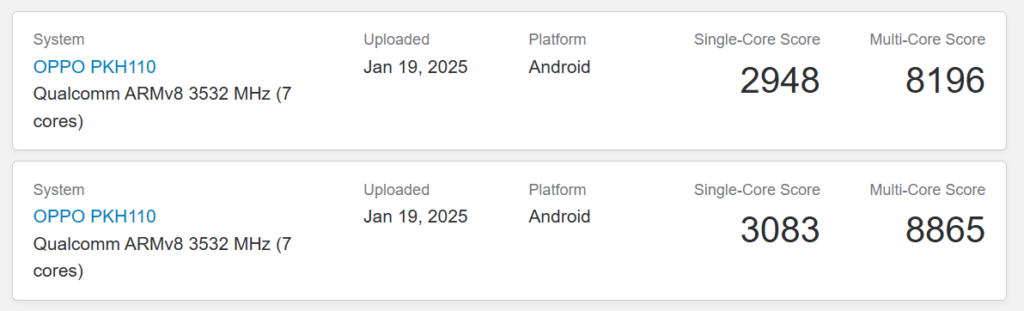
Just earlier today, our report covered how the Snapdragon 8 Elite’s performance managed to rival the Apple A18 Pro. It managed to rival the A18 Pro in single core test in GeekBench 6, while its multi core scores crossed over 10,000 points. Ahead of the launch, an older GeekBench sighting listed the device with 2884 (single) and 8840 (multi) points respectively. On AnTuTu, this chip managed to get a score of over 3 million. Regardless, it is one of the fastest processors for Android smartphones right now.

Meanwhile, the Dimensity 9400 was first seen getting a GeekBench score of 2818 points in the single core test, while its multi core scores reached 8847 points. Just like the Snapdragon 8 Elite, the MediaTek chip also crossed the 3 million mark on AnTuTu.

4. Conclusion

Both Qualcomm and MediaTek are offering a notable leap in performance with their latest flagship chips. But as I initially suspected, the Snapdragon 8 Elite and Dimensity 9400 are quite competitive in most aspects. Not only is there a notable bump in raw performance, but AI and graphics processing speeds have also seen an upgrade. Even battery efficiency has seen improvements. In the benchmarks, the two chips only have a single digit percentage difference. So real world test with the new premium phones might determine which processor is the best. But whatever you choose, these two are the best chipsets you can have on your Android flagship.

Oppo Reno 13 Pro key specs leaked, reveals quad-curved display, periscope lens with 3x zoom

Oppo has reportedly begun working on the Reno 13 series, and recent leaks from well-known tipster Digital Chat Station hint that the Pro variant could be a strong contender in the mid-range segment. While the leaked details are based on the engineering model and could change by the time the phone is released, they provide an early look at what the upcoming device might offer.

Oppo Reno 12 Pro
Oppo Reno 12 Pro

Major Leak Hints at Big Upgrades

According to the leakster, the Reno 13 Pro is rumored to feature a 6.78-inch quad-curved 8T LTPO OLED display with a 2780×1264 resolution, classified as 1.5K. This quad-curved design suggests uniform curvature across all edges, ensuring a seamless viewing experience.

Oppo Reno 13 Pro DCS leak

For photography enthusiasts, the Reno 13 Pro is expected to come equipped with a 50MP periscope telephoto lens capable of 3x optical zoom, improving long-range photography. It is also said to support 80W wired charging and 50W wireless charging, paired with advanced dust and water resistance.

Earlier this month, Digital Chat Station hinted that the device will be powered by MediaTek’s Dimensity 9300 chipset, making it one of the first to utilize this powerful chip. The leak also indicates that Oppo aims to distinguish between its mid-range and flagship models by not including a metal frame on the Reno 13 Pro. Additionally, it is expected to support magnetic wireless charging through a specialized magnetic protective case.

In terms of battery capacity, the Reno 13 is rumored to house a 5,600mAh battery, while the Pro variant is expected to have a larger 5,900mAh battery.

Comparing it to its predecessor, the Reno 12 Pro featured a 6.70-inch AMOLED display with 2412×1080 resolution and up to 1600 nits peak brightness. It also had a triple 50MP camera setup and was powered by MediaTek’s Dimensity 9200+ Star Speed Edition. The device offered up to 16GB of RAM, 512GB of storage, and a 5,000mAh battery with 80W fast charging, all packed in a slim 7.55mm body.

Disappointing! iPhone 16 sits below low-end Galaxy A35 and Pixel 9a in DxoMark display analysis

Apple‘s latest flagship, the iPhone 16, gets a mediocre score in DxOMark’s display analysis. The independent benchmark site, which scientifically assesses smartphones, lenses, and cameras, gives the iPhone 16 just 142 points—falling short for a premium smartphone.

This score puts the iPhone 16 behind several more affordable competitors, including the Samsung Galaxy A35 5G and Google Pixel 8a, which both managed 143 and 145 points respectively. DxOMark’s current display leader, the Google Pixel 9 Pro XL, sits comfortably at the top with 158 points.

One area where the iPhone 16 struggles is brightness. Apple says the phone boasts a maximum brightness of 2,000 nits, and DxOMark’s measurements also revealed a figure close to it at peak of 1,969 nits. 

However, it falls behind the Samsung Galaxy S24, which achieved a staggering 2,548 nits. Despite this discrepancy, DxOMark acknowledges that the iPhone 16’s brightness is adequate for most outdoor viewing scenarios.

iPhone 16 Display Fails to Impress in DxOMark Analysis

DxOMark also identified other shortcomings beyond raw brightness. In low-light conditions, the analysis found that Standard Dynamic Range (SDR) content appeared too dark and lacked sufficient contrast. Additionally, HDR10 content exhibited brightness fluctuations, potentially impacting viewing quality.  

iPhone 16 series
iPhone 16 series

Touchscreen responsiveness proved reliable in most situations, but DxOMark noted a minor issue with the new capture button. More concerning is the display’s refresh rate. Stuck at 60 Hz, the iPhone 16 lags behind competitors offering smoother 120 Hz displays. 

While the touchscreen response time itself remains competitive at 51-84 milliseconds, the lower refresh rate translates to less fluid animations.

DxOMark’s analysis also measured a Pulse Width Modulation (PWM) frequency of 480 Hz. This flickering rate matches the Samsung Galaxy S24, and while fast enough for most users to avoid issues, those sensitive to flickering displays might want to consider alternatives. 

(Source)

Snapdragon 8 Elite challenges Apple A18 Pro with Impressive performance gains

Qualcomm has officially launched the Snapdragon 8 Elite, set to power numerous flagship smartphones in late 2024. The new chip is expected to feature in devices like the OnePlus 13, Xiaomi 15, iQOO 13, and Realme GT 7 Pro, with many of these phones anticipated to debut between late October and early November.

Qualcomm showcased benchmark results comparing the Snapdragon 8 Elite with its competitors, including Apple’s A18 Pro, Samsung’s Snapdragon 8 Gen 3 “For Galaxy” edition, and Google’s Tensor G4. The tests were conducted on a reference smartphone with top-tier specifications, including a 4.32GHz clock speed Prime CPU core, 24GB LPDDR5X RAM, and a 144Hz AMOLED display.

1. CPU performance:

The Snapdragon 8 Elite’s custom Oryon CPU cores, built on an Arm architecture, demonstrated significant gains. In single-core performance, the chip closely rivaled Apple’s A18 Pro, with only a marginal difference of about 4%. Compared to Google’s Tensor G4, Qualcomm’s new chip showed a remarkable 63% improvement, highlighting its advantage over existing Android processors. However, while the Snapdragon 8 Elite’s peak clock speed of 4.32GHz is impressive, it remains to be seen how this translates to real-world power efficiency.

In multi-core tests, Qualcomm’s six performance cores helped it surpass Apple’s A18 Pro by 27%, although the Snapdragon 8 Elite has more cores, which gives it a structural edge. Per-core comparisons showed the A18 Pro cores still slightly outpacing the Oryon cores by about 4.5%.

2. GPU performance:

Graphics performance has seen a 40% improvement over the Snapdragon 8 Gen 3, according to tests like 3DMark’s Wild Life. The Snapdragon 8 Elite’s new GPU design promises to handle even the most demanding games with ease, showing a 34% uplift in advanced graphical effects. Qualcomm has also claimed improved ray-tracing capabilities, though specific benchmarks weren’t provided during the announcement.

3. Expected launch dates for Snapdragon 8 Elite-powered devices

Xiaomi 15 could be one of the first, launching globally by late October. iQOO 13 will debut in China on October 30th and arrive in other regions by early December​. The Vivo X200 Ultra is confirmed to feature this chipset, likely launching early next year.

OnePlus 13 is also anticipated around the end of October, followed by global sales. Realme GT 7 Pro is rumored to launch in November​. For those interested, here’s the full list of devices powered by Snapdragon 8 Elite.

4. Conclusion:

While Qualcomm’s benchmarks present promising results, it’s essential to take these numbers with caution. Reference devices often perform slightly better than retail units, so real-world tests will determine if the Snapdragon 8 Elite can maintain its impressive gains across various smartphone brands. More insights are expected during the Snapdragon Summit, where hands-on experience with Snapdragon 8 Elite devices might reveal additional details.

(Via)

Huawei HarmonyOS Next public beta now arrives on eight new smartphones including Pura 70 series

Earlier this month, Huawei rolled out the public beta update to the Mate 60 series, Mate X5 series, and the MatePad Pro 13.2-inch series. Now the company is bringing it to eight new devices.

Huawei HarmonyOS Next public beta

These devices include the Pura 70, Huawei Pura 70 Satellite Messaging Edition, Pura 70 Pro, Pura 70 Pro+, Pura 70 Ultra, Pocket 2, Pocket 2 Art Custom Edition, and MatePad Pro 11-inch (2024). Users who own any of these models can apply for the beta upgrade through the “My Huawei” app, specifically under the “Early Access” section.

Huawei HarmonyOS Next public beta

The latest HarmonyOS version, called HarmonyOS Next, marks a significant shift for Huawei’s software. It is now based on a single-framework architecture, which means that it no longer supports Android compatibility. This change makes HarmonyOS Next a fully self-developed operating system that relies solely on the HarmonyOS kernel.

However, according to a report, Huawei may implement a dual-OS strategy for its upcoming Mate 70 series, enabling support for both HarmonyOS Next and Android apps. This approach, rumored by leaker RuiPlaysDigital, aims to cater to both Chinese users familiar with HarmonyOS and global users who require Android compatibility, especially for Google apps restricted by US trade policies.

Initially announced in 2015, HarmonyOS officially launched in 2019 and has seen four major updates since then. In January 2024, Huawei revealed HarmonyOS Next, which is now tailored for a fully native HarmonyOS experience, focusing only on apps developed for the HarmonyOS ecosystem.

As of now, the top 5,000 apps in China are undergoing native development for HarmonyOS, and the HarmonyOS Next App Store currently offers over 10,000 apps and services, covering almost all basic usage needs.

A recent report from Counterpoint Research shows that HarmonyOS has gained significant market share in China, increasing from 8% in Q1 2023 to 17% in Q1 2024. Meanwhile, iOS’s market share dropped from 20% to 16% in the same period, making HarmonyOS the second-largest operating system in China, surpassing Apple’s iOS.

Huawei’s Xu Zhijun emphasized that for HarmonyOS to become a true mobile operating system, it needs its own robust ecosystem. The goal is to achieve better coordination among apps, the OS, and hardware, leading to an improved user experience.

Huawei is hosting an event today in China, where it will officially launch HarmonyOS Next alongside the Nova 13 series. The Mate 70 series is anticipated to debut in November.

(Via)

Upcoming Smartphones Powered by Qualcomm Snapdragon 8 Elite

After long rumors and leaks, Qualcomm finally unveiled the Snapdragon 8 Elite as its latest flagship processor. Shortly after the launch, various smartphone brand announced their smartphones that will feature the brand new chipset. So here’s a list of all the upcoming Snapdragon 8 Elite powered smartphones.

1. Xiaomi 15 Series

xiaomi 15 pro 2
Xiaomi 15

Xiaomi was one of the first to announce the launch date for its next gen flagship phone. The Xiaomi 15 series is set to be unveiled tomorrow (23rd October 2024). The original teaser was also the first to confirm the Snapdragon 8 Elite moniker. So the Xiaomi 15 and Xiaomi 15 Pro will be unveiled tomorrow, while the Xiaomi 15 Ultra is expected to launch later on.

2. Realme GT 7 Pro

Realme GT 7 Pro retail box
Realme GT 7 Pro Retail Box

The Realme GT 7 Pro is expected to be one of the first Snapdragon 8 Elite powered smartphones to launch outside of China. It was recently confirmed to be released globally in November, with the Indian launch also being teased earlier today.

3. Samsung Galaxy S25 Series

Samsung Galaxy S25 Ultra

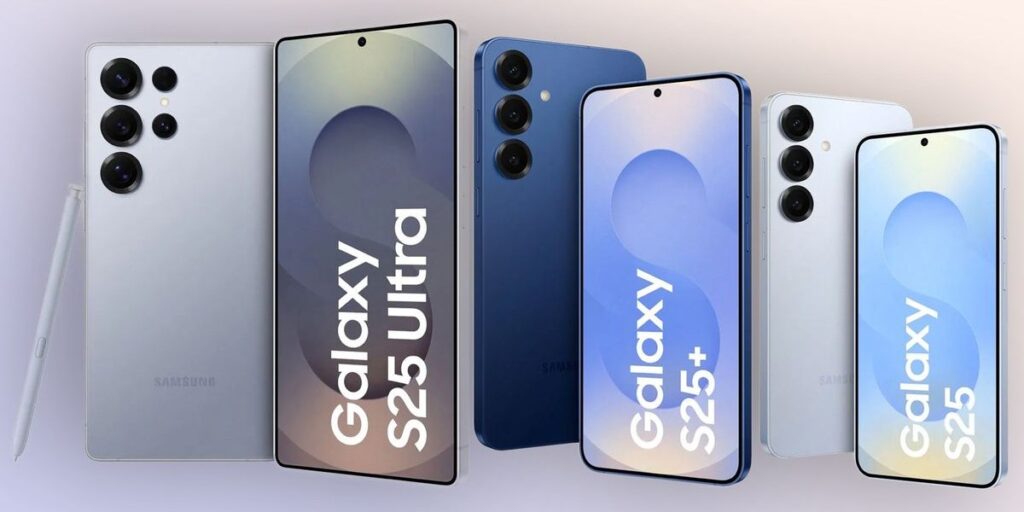
One of the most hyped launch is Samsung’s Galaxy S25 series. While an official launch date is still unknown, but it will likely launch sometime at the start of 2025. The South Korean tech giant will launch the Galaxy S25, Galaxy S25+, and Galaxy S25 Ultra. The Ultra model will launch with the Snapdragon 8 Elite, but the base and Plus options have been rumored with the Exynos 2500 and Dimensity 9400.

4. Honor Magic 7 Series

Honor Magic 7 Series

Honor’s upcoming Magic 7 series is the brand’s next gen flagship smartphone. These were previously spotted in a leak with advanced periscope telephoto cameras, while the official release was confirmed on 30th October 2024. The lineup consists of the Magic 7 and the Magic 7 Pro.

5. Vivo X200 Ultra

Vivo X200 Pro
Vivo X200 Pro

Vivo’s new premium smartphone lineup includes the new X200, X200 Pro, X200 Pro Mini, and X200 Ultra. However, the first three models were announced with the MediaTek Dimensity 9400 SoC. Only the Vivo X200 Ultra model would be equipped with the Snapdragon 8 Elite, although it has yet to be released. It is worth noting that its predecessor, the X100 Ultra, was exclusive to the Chinese market, so it’s unclear whether the Vivo X200 Ultra will launch globally this time around.

6. OnePlus 13

OnePlus 13 Blue-
OnePlus 13

OnePlus has teased the OnePlus 13 with new features and a refreshed design. In a fresh teaser, the brand confirmed the October 31 launch date of the upcoming flagship phone with Snapdragon 8 Elite. Unlike most other companies in this list, the OnePlus 13 is a lone model.

7. ASUS ROG Phone 9

Asus ROG Phone 9 serie
Asus ROG Phone 9 Series

ASUS is set to launch its new mobile gaming powerhouse soon. The new ROG Phone 9 just had its design revealed with LED lighting and gaming aesthetics. The launch of the ASUS ROG Phone 9 is set for 19th November 2024.

8. iQOO 13

Vivo iQOO 13
iQOO 13

iQOO 13 is one of the new flagship smartphones which was confirmed to launch with the Snapdragon 8 Elite. The high end device will debut in the brand’s home market of China on 30th October 2024. On the other hand, it is expected to debut in India on December 5.

9. Red Magic 10 Pro

Red Magic 9 Pro
Red Magic 9 Pro

Nubia’s Red Magic 10 series could be another flagship gaming smartphone with the Snapdragon 8 Elite. The higher end Red Magic 10 Pro recently visited China’s MIIT certification, which hints at its imminent release in the region.

Realme GT 7 Pro to be the First Snapdragon 8 Elite-powered Smartphone to Launch in India

Following Qualcomm’s announcement of the flagship Snapdragon 8 Elite processor, many brands teased their upcoming premium phones with this new chipset. Realme was one such brand, claiming that the Realme GT 7 Pro would be the first Snapdragon 8 Elite powered smartphone to launch in India.

Realme GT 7 Pro India Launch

The Chinese brand has just shared a teaser of the GT 7 Pro on its official X account (formerly Twitter). To recall, the Realme GT 7 Pro was recently confirmed to launch in November 2024 across the globe, and this teaser confirms the same launch timeline in the Indian market as well. This teaser also revealed the availability of the device as well. Realme’s latest flagship phone will go on sale via its official Realme India online website, Amazon India, and offline stores.

Realme GT 7 Pro India Launch
Realme GT 7 Pro India Launch Teaser

You can even click here to see our roundup of all the rumors regarding the Realme GT 7 Pro. But offering a quick breakdown, the Realme GT 7 Pro is expected to launch with a custom made Samsung AMOLED screen with 1.5K resolution, peak brightness of up to 2,000 nits, and a 120Hz refresh rate. Under the hood, it is equipped with the Qualcomm Snapdragon 8 Elite SoC, which brings 45 percent faster CPU performance than its predecessor. A massive 6,500mAh silicon carbon battery may power this phone, which supports 100W fast charging.

For optics, the Realme GT 7 Pro will feature a 50-megapixel Sony IMX906 primary camera at the back along with an 8-megapixel ultra-wide lens and a 50-megapixel Sony IMX882 periscope telephoto camera with 3x optical zoom. It might come with a 16-megapixel shooter for selfies and video calls on the front. Other notable features may include an IP68/69 rating for water and dust resistance, OIS (Optical Image Stabilization), and Android 15 OS based Realme UI 6 custom skin out of the box.

Honor Magic 7 series major leak: Periscope lens, Ultrasonic fingerprint, and Snapdragon 8 Elite

Honor is preparing to unveil its new flagship lineup, the Honor Magic 7 series, on October 30th, with recent leaks providing more details about the devices. According to a well-known tipster, Digital Chat Station, the series will consist of two models: the standard Magic 7 and the higher-end Magic 7 Pro.

Both phones will feature Qualcomm’s recently launched Snapdragon 8 Elite chipset, which promises improvements in CPU, GPU, and AI performance, making them among the first to use this new SoC.

Honor Magic 7/ Magic 7 Pro specifications:

The leaks reveal that the Honor Magic 7 Pro will come with advanced features such as a periscope telephoto lens for superior zoom capabilities, whereas the standard Magic 7 will have an optical telephoto lens.

Another upgrade across both models is the use of an ultrasonic fingerprint sensor, which is a step up from the optical sensors used in the Magic 6 series. Additionally, the Pro variant is expected to support 3D face unlock, akin to Apple’s Face ID, for enhanced security.

The devices will also offer robust fast-charging solutions, with both models supporting 100W wired charging. For context, the Magic 6 and Magic 6 Pro packs 66W and 80W charging respectively.

Earlier reports suggested that the Magic 7 Pro might include a 2K OLED display, likely with a high refresh rate, while the standard Magic 7 could feature a 1.5K display. The Pro model is also speculated to come with satellite communication capabilities, an addition that could set it apart from competitors​

Snapdragon 8 Elite chipset

The Magic 7 series will be powered by the Snapdragon 8 Elite, Qualcomm’s latest flagship processor. This chipset promises a boost in overall performance, particularly in graphics and AI tasks. It is designed to handle demanding applications with ease, providing a smoother user experience. Honor’s partnership with Qualcomm ensures the Magic 7 will stand out with cutting-edge hardware, potentially offering users faster processing speeds, better power efficiency, and more optimized AI processing.

(Source)

Redmi Note 14 Pro 4G to Launch Globally Soon: Certified on IMDA

An upcoming Xiaomi mid range smartphone has just surfaced in a fresh certification listing. The model in question is the Redmi Note 14 Pro 4G and its global release might be right around the corner. So here is everything we know so far.

Redmi Note 14 Pro 4G Visits IMDA

The Chinese tech giant’s Redmi Note 14 Pro 4G was certified on the IMDA platform, carrying the 24116RACCG model number (Via MySmartPrice). Unfortunately, the database did not reveal any finer details regarding the smartphone like its specs, features, and design. But it does confirm that the Note 14 Pro 4G will support 4G networking, WiFi, NFC, and Bluetooth for connectivity.

Redmi Note 14 Pro 5G

Just last week, the Redmi Note 14 Pro 4G had also surfaced on the FCC database. It listed the device with 24116RACCG model number, but more details were confirmed. The Redmi Note 14 Pro 4G sports a tall 6.67-inch pOLED display that has an FHD+ resolution. It would likely support a high refresh rate as well. This smartphone can be seen in the database in multiple storage configurations. This includes 8GB + 128GB, 8GB + 256GB, 12GB + 256GB, and 12GB + 512GB options.

A massive 5,500mAh battery pack is expected to power this smartphone. This is larger than its predecessor which had a 5,000mAh cell. However, the fast charging speeds are still unclear. While the chipset details are still unclear, the Redmi Note 14 Pro 4G will reportedly feature a MediaTek processor. However, the exact name of this processor is still unclear. In comparison, the 5G variant of the Redmi Note 14 Pro is believed to feature the MediaTek Dimensity 7300 Ultra. Considering how the Redmi Note 13 Pro 4G was powered by the Helio G99 Ultra SoC, we can expect a similar chipset with its successor as well.