Advertisement

Redmi Note 14 5G Global Launch Imminent? Upcoming Mid-Range Phone Gets Certified

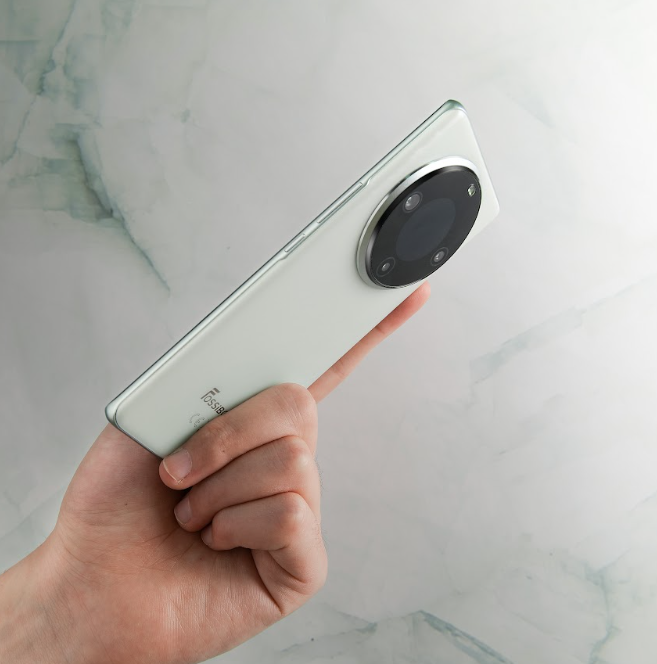
Xiaomi debuted the Redmi Note 14 5G in its home market of China last month. This new phone continued the legacy of the brand’s highly successful mid range Note series, and now, it seems that its global release is right around the corner as well. The Redmi Note 14 5G visited a certification recently, so here’s what we know so far.

Redmi Note 14 5G Certified in Indonesia

Redmi Note 14 5G
Redmi Note 14 5G

The Chinese tech giant’s Redmi Note 14 5G was spotted on Indonesia’s SDPPI certification database. The platform lists the smartphone with the 24094RAD4G model number along with its moniker. This sighting hints that the global launch of the Note 14 could be near. This certification sighting arrived days after the Redmi Note 14 Pro+ got clearance for launch in India. This same model even beat Apple’s iPhone 16 Pro Max in terms of popularity. Notably, the Redmi Note 14 Pro series is expected to launch globally with a 200-megapixel primary camera.

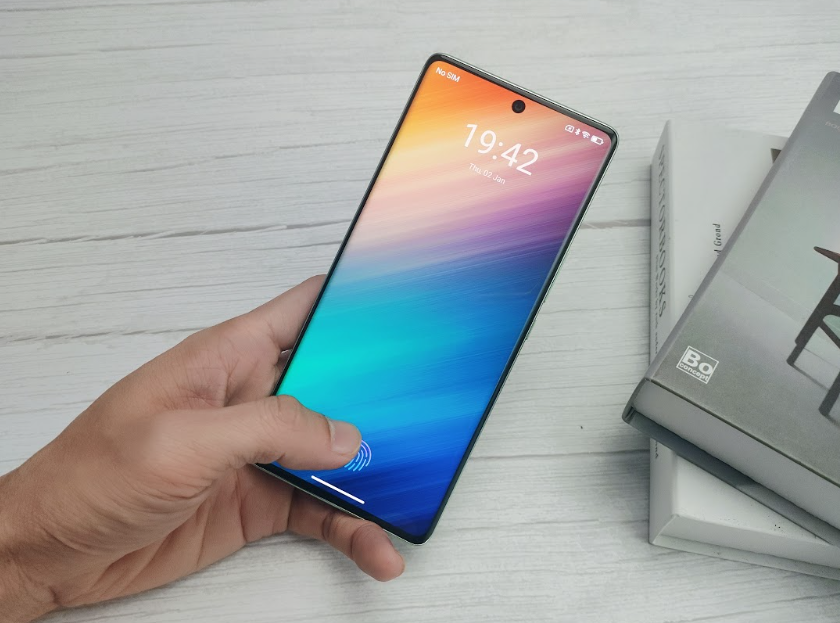
Unfortunately, the certification did not reveal any finer details, such as its specifications, features, and more. But based on the Chinese launch, the Redmi Note 14 5G sports a 6.67-inch OLED display with 1.5K resolution, a 120Hz refresh rate, and 2,100 nits of peak brightness. Under the hood, it is equipped with the MediaTek Dimensity 7025 Ultra SoC, which is paired with up to 12GB of RAM and 256GB of internal storage.

Redmi Note 14 5G
Redmi Note 14 5G visits SDPPI

A massive 5,110mAh battery pack powers this model that supports 45W wired fast charging. It runs on the Android 14 OS based HyperOS custom skin out of the box. For optics, the rear has a 50-megapixel dual camera setup while the rear has a 16-megapixel shooter for selfies and video calls. Other notable features include stereo speakers, Bluetooth 5.3, side mounted fingerprint scanner, an IP64 rating for water and dust resistance, dual SIM, and Corning Gorilla Glass 5 for screen protection on the front.

(Via)

Lenovo unveils Xiaoxin K6 magnetic axis keyboard for gamers in budget

Lenovo has launched a new keyboard for budget-conscious gamers looking for a customizable experience, called the Xiaoxin K6 keyboard. This wired keyboard features a sleek aluminum design, magnetic axis switches, and a range of adjustable features for a tailored gaming setup. So let’s walk through its details here. 

Lenovo Xiaoxin K6 keyboard price specs launch

Lenovo Xiaoxin K6 Keyboard Specifications

The K6 is built on Lenovo’s custom magnetic axis switches. These switches are claimed to have an 8K return rate for fast response times and a Rapid Trigger function that reduces pre-travel time for improving reaction speeds in games. 

Additionally, the switches offer adjustable actuation distance (0.1mm to 0.4mm), a trigger pressure of 50gf, and a lifespan of 100 million keystrokes.

The K6 is a compact 68-key layout keyboard that retains the essential direction and function keys while minimizing overall size.  The keycaps utilize a two-color injection molding process with a transparent silk screening printing method on the keycap. The function keys, according to Lenovo, use laser engraving technology instead. 

It also boasts full-key anti-collision, ensuring all key presses register accurately even during rapid keystrokes. 

Users can customize the keyboard with 14 lighting modes, 4 brightness levels, 5 depth levels, and 6 adjustable colors. Additionally, Lenovo offers custom driver support for the Xiaoxin K6 that allows users to further configure the keyboard to their specific gaming preferences.

Moreover, the keyboard has an 8K polling rate to minimize input lag between the keyboard and the computer. A higher polling rate can be beneficial for competitive gamers where reaction time is crucial.

Price and Availability

The Lenovo Xiaoxin K6 is currently available for pre-order in China at a price of 199 yuan (approximately $28 USD). You can pre-order it from the Chinese e-commerce site JD.com, however, details on international availability and pricing have not yet been disclosed.

Nothing explains why Phone (2a) gets Android 15 update earlier than Phone (2)

As Android 15 is nearing its official launch, many smartphone makers are inviting users to test the upcoming update through beta programs. Nothing also recently launched its Nothing OS 3.0 Open Beta program based on the latest Android OS.

But in a surprising twist, the company’s budget-friendly Phone (2a) received the update first, leaving its flagship Phone (2) out in the cold for the time being.

Nothing Phone (2a)

Why Phone (2a) received Android 15 update before Phone (2)

Akis Evangelidis, co-founder of Nothing, addressed this unexpected rollout strategy in a statement on social media platform X. 

Traditionally, new software updates land on a company’s top-of-the-line devices first. While Akis acknowledged that many expected the Phone (2) to be the first beta recipient, he explained the decision boiled down to technical optimization.

Much like other OEMs, Nothing relies on chip manufacturers like Qualcomm and MediaTek to adapt major Android updates to their processors.

In this case, Akis explains that MediaTek completed the optimization for the Phone (2a)’s Dimensity 7200 Pro processor faster than Qualcomm did for the Snapdragon 8+ Gen 1 used in the Phone (2). 

Nothing Phone 2a Blue Launch Specs Price

So rather than wait for the Phone (2) implementation to catch up, Nothing opted to prioritize early user testing with its budget device. 

“We wanted one of our users to start testing it as soon as possible,” says Akis. “This way, we can gather feedback and ensure we’re ready to roll out the public release of Nothing OS 3.0 by the end of the year.”

Looking forward, the co-founder acknowledges the need to prioritize its flagship devices as the company expands its product portfolio. 

While the Phone (2a) gets early access to the beta, the Nothing OS 3.0 update for the Phone (2) isn’t far behind. It’s set to roll out in November, with other phones, including the Phone (1), Phone (2a) Plus, and CMF Phone 1, receiving the update in December.

(Source)

Realme GT 7 Pro Camera details leaked! 50MP telephoto shooter tipped

The Realme GT 7 Pro has just been spotted in another leak. The company’s upcoming flagship smartphone had the key specs of the rear camera revealed, confirming the resolution, sensor type, and much more. So here’s everything you need to know.

Realme GT 7 Pro: What does it offer for photography?

The latest leak arrives from known tipster Digital Chat Station who shared the information on Weibo (a Chinese microblogging website). DCS claims that the primary camera on the Realme GT 7 Pro is a 50-megapixel Sony IMX906, which is paired with an 8-megapixel ultra wide angle lens, and a 50-megapixel Sony IMX882 telephoto shooter. In our previous report, the telephoto shooter was rumored to be a Sony LYT600 sensor. This telephoto lens will reportedly offer up to 3x optical zoom, and it will likely include higher hybrid magnification as well.

Realme GT 7 Pro mock render

Just recently, the tipster also revealed the battery capacity of the Realme GT 7 Pro. This model will apparently house the largest battery ever seen on a Realme phone. The smartphone has already been approved in China’s 3C certification platform. DCS claimed that the Realme GT 7 Pro has a massive 6,000mAh battery pack. The 3C platform confirms that its retail package may include a 120W fast charger. This is a sizeable upgrade over the 5,500mAh cell on the Realme GT 6. Realme may offer support for wireless charging as well.

Based on what we know so far, the Realme GT 7 Pro will sport a tall 6.78-inch BOE (Possibly Samsung) OLED display with a 120Hz refresh rate, 1.5K resolution, and a micro quad curved screen. Under the hood, it is expected to be equipped with the Snapdragon 8 Gen 4 (Snapdragon 8 Elite) SoC, along with up to 16GB of RAM and 1TB of UFS 4.0 storage. For selfies and video calls, the GT 7 Pro may house a 32-megapixel selfie shooter.

iQOO 13 boasts a brighter display that’s also more power efficient

Qualcomm is set to launch the Snapdragon 8 Gen 4 (possibly called the Snapdragon 8 Elite) chip on October 21, followed closely by the launch of several flagships including the Xiaomi 15 series, OnePlus 13, iQOO 13, and realme GT7 Pro. iQOO has already revealed the design and some specifications of their upcoming flagship. Now the 2024 vivo Developer Conference also reveals more information about the phone.

A higher peak brightness paired with improved power efficiency

According to the conference, the iQOO 13 will debut BOE’s latest Q10 luminescent display material, which reportedly brings a ‘comprehensive breakthrough’ in brightness, color accuracy, power efficiency, and overall lifespan. While improvements in the first three parameters are easy to understand, what does the fourth one really suggest? Fewer chances of seeing a green line on your screen in the future? To be perfectly honest, we’re not entirely sure.

For those curious about numbers, the display panel offers a 12.5% increase in global peak brightness, a more than 50% reduction in the color cast, a 33% increase in life, a 15% reduction in smearing, and a 10% reduction in power consumption. For context, the global peak brightness refers to the brightness level the display reaches in bright lighting conditions such as outdoors during the day.

According to previous reports, iQOO 13’s display panel will feature with 2K resolution, up from 1.5K of the iQOO 12. While we don’t have an exact number about the brightness level, the predecessor supports a global peak brightness of 1400 nits and a local peak brightness of 3000 nits.

iQOO 13 was previously rumored to launch sometime in November. However, the official confirmed that it will launch towards the end of October, just after the launch of Snapdragon 8 Gen 4.

According to previous rumors, the phone packs a 6100 mAh battery and supports 100W PD/PPS charging. Despite packing a massive battery, it measures 8.1mm in thickness and maintains a sleek form factor.

(Via)

Redmi K80 Pro features Snapdragon 8 Elite, 6000mAh battery and wireless charging, claims tipster

While Xiaomi is gearing up for the Xiaomi 15 series launch later this month, its sub-brand Redmi quietly preparing its next move with the Redmi K80 lineup. It is expected to include two models, the vanilla K80 and K80 Pro.

New details about the Redmi K80 Pro have surfaced now, courtesy of a tipster Digital Chat Station (DCS). Although the original Weibo post by DCS has been deleted, we managed to capture a screenshot before it vanished.

Redmi K80 Pro Specifications

DCS suggests the Redmi K80 Pro will sport Qualcomm’s upcoming Snapdragon 8 Elite processor. This isn’t a huge surprise considering the K70 Pro boasts the current top-of-the-line Snapdragon 8 Gen 3 chip. 

The K80 Pro might also pack a massive 6000mAh silicon battery, a notable upgrade from the K70 Pro’s 5000mAh cell.  

DCS also claims the “energy density set a new high”, which likely refers to the battery’s ability to store more power in a smaller space. 

Well, silicon batteries are known for higher energy density compared to lithium-based ones, allowing for either a smaller battery with the same capacity or a larger capacity in the same size. This means the device won’t need to be bulkier to accommodate a larger battery. 

So a “new high” energy density could mean an even slimmer battery that will also impact the overall thickness of the device. 

The K80 Pro is also tipped to support 100W fast charging. A key quality-of-life add-on, however, will be the support for wireless charging that DCS mentions.

If true, this would be a first for the Redmi K-series, offering a convenient way to top up your phone without fumbling with cables.

However, note that these are still rumors. We’ll have to wait for an official announcement from Redmi to confirm these details.

vivo X200 Pro/Pro Mini brings phenomenal AI performance

The vivo X200 series is going to be the first flagship based on the just-released Dimensity 9400 chip, which reportedly boasts up to 41% faster peak CPU performance, and 40% faster ray tracing performance. But what about the AI capabilities? Well, the vivo X200 Pro and X200 Pro Mini, which powers the chipset, are currently topping the AI-Benchmark listing.

Interestingly, the third and fourth positions are also occupied by two of the predecessors—the vivo X100 Pro and X100—which are equipped with the Dimensity 9300 chip.

Dimensity 9400 sets a new record in AI performance

For those curious about numbers, the X200 Pro and X200 Pro Mini scored 10132 and 10095 points in the AI benchmark test.

For those unfamiliar with the platform, AI-Benchmark tests and ranks smartphones based on their AI (Artificial Intelligence) performance. It assesses different devices using AI-related tasks, benchmarks their ability to handle machine learning models, and provides a score that reflects their AI performance capabilities.

The D2400 chipset packs MediaTek’s 8th Generation NPU, which enables flagships for the next wave of generative AI innovations. According to the company’s tests, it offers 100% faster diffusion generation performance and 80% faster LLM prompt performance all while consuming 30% less power as compared to its predecessor.

As for the devices, both the X200 Pro and Pro Mini are rumored to pack up to 16GB of LPDDR5x RAM and 1TB of UFS 4.0 storage. The compact flagship uses a 6.3″ 1.5K 120Hz display and packs a 5700mAh battery inside, which supports 90W fast charging.

Alongside the D2400 chip, the X200 series devices (at least the Pro models) also use a V3 imaging chip for better processing of details and color.

Speaking of real-world performance, the Oppo Find X8 Pro, powered by the D2400 chip, has significantly outperformed the iPhone 16 Pro in a 30-minute Genshin Impact gameplay test. Both the flagship lineups from vivo and Oppo are scheduled for launch on October 14 and October 24, respectively.

(Source)

Dimensity 9400 vs. Apple A18 Pro: Can MediaTek finally defeat Apple’s most powerful chip?

MediaTek recently unveiled the Dimensity 9400 as its most powerful chipset for mobile devices. The upcoming Vivo X200 series and Oppo Find X8 series will feature the D9400 SoC. The chipset has managed to breach the 3 million mark on AnTuTu, showcasing its remarkable performance. How does it fare against the Apple A18 Pro, which powers models like the iPhone 16 Pro and iPhone 16 Pro Max? This post provides a detailed comparison of these two processors, examining their performance, AI capabilities, power efficiency, and overall impact on the smartphone market.

MediaTek Dimensity 9400 vs Apple A18 Pro

1. Performance and Architecture

The MediaTek Dimensity 9400 is built on TSMC’s second-generation 3nm process, featuring an impressive array of cores: one Arm Cortex-X925 core operating at over 3.62GHz, three Cortex-X4 cores, and four Cortex-A720 cores. This configuration offers a 35 percent increase in single-core performance and a 28 percent boost in multi-core performance compared to its predecessor, the Dimensity 9300.

On the other hand, Apple’s A18 Pro is also manufactured using TSMC’s 3nm technology, with a six-core CPU composed of two performance cores clocked at 4.05GHz and four efficiency cores. Apple’s design focuses on balancing power and efficiency, delivering a processor that is both powerful and energy efficient. Benchmarks tests suggest that the A18 Pro can surpass the Dimensity 9400 in single-core performance. However, in multi-core scenarios, the 8-core design of the Dimensity 9400 might give it an edge.

2. Graphics and Gaming

When it comes to graphics and gaming, both chipsets push the boundaries of mobile GPU performance. The Dimensity 9400 features a 12-core Arm Immortalis-G925 GPU, providing a 40 percent boost in ray tracing performance and a 41% increase in peak performance compared to the Dimensity 9300. It also supports HyperEngine technology for super-resolution and improved picture quality, making it a formidable choice for gaming enthusiasts.

The Apple A18 Pro, with its six-core GPU, is nearly 40 percent faster than the GPU in the iPhone 15 series, enhancing the gaming experience and computational photography capabilities. This significant improvement ensures that the A18 Pro remains competitive against the latest Snapdragon processors. Early benchmarks of the D9400 suggest a significant lead over the A18 Pro’s 6-core GPU, particularly in graphics-intensive tasks and gaming.

3. AI Capabilities

AI and machine learning have become crucial in modern smartphones, and both the Dimensity 9400 and A18 Pro excel in this domain. The Dimensity 9400 is equipped with MediaTek’s 8th generation NPU, which introduces industry-first features like on-device LoRA training and high-quality video generation. It is designed to support agentic AI applications, offering up to 80 percent faster performance in large language model (LLM) prompts and 35 percent greater power efficiency compared to the Dimensity 9300.

Apple’s A18 Pro, with its new 16-core neural engine, can perform 35 trillion operations per second, more than doubling the AI processing power of the A16 Bionic. This enhancement allows for faster and more efficient on-device AI tasks, such as computational photography and voice recognition.

4. Power Efficiency

Power efficiency is a critical factor for mobile processors, impacting battery life and overall device performance. The Dimensity 9400 is up to 40 percent more power-efficient than its predecessor, the Dimensity 9300. This improvement translates to longer battery life, even under heavy use.

The Dimensity 9400 and Apple A18 Pro are built on TSMC’s advanced 3nm process, but with slight variations. The Dimensity 9400 utilizes TSMC’s N3B process, while the A18 Pro is uses the more advanced and power-efficient N3P process. This could give the A18 Pro an edge in power consumption and thermal management.

5. Additional Features

Beyond raw performance, both processors incorporate features that enhance the overall user experience. The Dimensity 9400 supports HDR video recording throughout the entire zoom range, with MediaTek’s Smooth Zoom technology for capturing moving subjects. It also includes Imagiq 1090 for improved image processing. A refreshed 5G modem with up to 7Gbps sub-6GHz performance, Wi-Fi 7 tri-band MLO support, and MediaTek Xtra Range 3.0 for extended Wi-Fi coverage. Additionally, the Dimensity 9400’s dual SIM dual active (DSDA) capabilities offer greater flexibility for users.

Apple’s A18 Pro likely integrates a custom 5G modem with similar capabilities. Additionally, the new chip continues the tradition of integrating advanced technologies seamlessly into the iOS ecosystem. Its 16-core neural engine enhances on-device AI calculations, making tasks like image processing and real-time language translation more efficient. The A18 Pro’s architecture also supports future-proofing for larger AI models, ensuring the chipset remains relevant as AI technology evolves.

6. Final Thoughts

The Dimensity 9400 and Apple A18 Pro represent the pinnacle of mobile chip technology, each with its own strengths and weaknesses. The Dimensity 9400 appears to have a significant advantage in GPU performance, potentially making it a better choice for gamers. Its “all-big-core” CPU design and advanced AI capabilities also make it a strong contender.

Apple’s A18 Pro, while potentially lagging in GPU performance, is likely to excel in single-core CPU performance and power efficiency. Its tightly integrated design and optimization within the Apple ecosystem will continue to be a major advantage. Both chipsets cater to different segments of the market, but they share a common goal: delivering unparalleled performance and efficiency to meet the demands of modern smartphone users.

Oppo Find N5, Find X8 Ultra launch timeframe tipped; Find X8, X8 Pro set for global launch as first Dimensity 9400 phones

Oppo recently confirmed that the Find X8 series will go official on Oct. 24 in China. The brand is expected to unveil the Find X8, Find X8 Pro, and Find X8 Pro Satellite Communication Version. All three devices will feature the Dimensity 9400 chipset. Additionally, the brand is also working on the Find X8 Ultra and Find N5 foldable phones. Two reliable sources have tipped the launch timeframe for the Find X8 series and Find N5.

Oppo Find X8 Ultra, Find N5 launch timeframe

Oppo-Find-X8-front-design
Oppo Find X8

According to tipster Teme, the Oppo Find X8 Ultra and Find N5 will debut in the first quarter of 2025. It is likely that some markets, such as India, may receive a rebranded version of the Find N5 under the OnePlus Open 2 moniker. The tipster added that the company is testing the N5 with the X8 Ultra’s quad camera setup. However, it is expected that the final device may feature a triple camera setup, similar to the original Find N5.

At present, there is no information about whether the Find X8 Ultra will be released globally. Regarding the Find N5, since the Find N3 was released in China and Southeast Asian markets, it is likely that the Find N5 will be heading to these markets within the said launch timeframe. As per reports, the Find N5 may debut as the world’s first foldable phone powered by the Snapdragon 8 Elite chip. The Find X8 Ultra is also expected to feature the same chip.

Find X8, Find X8 Pro global launch soon

According to Ice Universe, the Find X8 and Find X8 Pro will be the world’s first Dimensity 9400-powered phones to hit the global market. The Find X8 and X8 Pro have already been received in multiple markets such as India, Indonesia, Thailand, and Europe. It remains to be seen whether the Find X8 and X8 Pro will be released in global markets within this year.

Massive discounts on Samsung Galaxy Buds 3 and Galaxy Buds 2 at Amazon Prime Day Sale

It’s the last day of Amazon Prime Day in the US and Canada, and sometimes last-minute deals can help in significant savings. Among the abode of exciting deals, both the Galaxy Buds 3 and Buds 2 are retailing at massive discounted prices of $144 and $109, respectively.

Samsung Galaxy Buds 3 and Galaxy Buds 2 Amazon Prime Deal Explained

If you’re a Samsung user, then grabbing the Galaxy Buds 3 would help you better enjoy the whole ecosystem with premium sound. The Galaxy Buds 3 offers some impeccable features, including Active Noise Cancellation support. The Galaxy Buds 3 usually retails for the price of $209, but the recent Prime Day discount has brought the price down to $144.

Further, the Galaxy Buds 2 is also on sale, and with the recent discounts, the price is down to $109. It usually retails for the price of $149, but it lacks some Windows Quick Connection features. However, other

Galaxy Buds3 Specifications

  • Driver: 11mm dynamic driver
  • Battery Life: Up to 6 hours with ANC off (5 hours with ANC on)
  • Water Resistance: IP57 rated
  • Connectivity: Bluetooth 5.4, LE audio, Samsung’s 360 Audio with Auracast
  • Additional Features: Wireless charging case, touch controls

Galaxy Buds2 Specifications

  • Drivers: 6mm dual drivers
  • Battery Life: Up to 5 hours with ANC on (7.5 hours with ANC off)
  • Water Resistance: IPX2 rated
  • Connectivity: Bluetooth 5.2
  • Additional Features: Active Noise Cancellation, Ambient Sound mode, customizable EQ via Galaxy Wearable app

It is an interesting deal on both the Galaxy Buds 3 and Galaxy Buds 2.

Samsung dominates as India’s festive season smartphone sales grow 11%

Smartphone sales in India experienced a significant increase during the first wave of the festive season sales between September 26 and October 6, 2024. During this period, Amazon carried out the Amazon Great Indian Sale and Flipkart conducted the Big Billion Days Sale, while other retailers also held concurrent sales events. A survey conducted by TechInsights showed significant growth in India’s smartphone sales during the first wave of the 2024 festive season.

Samsung leads smartphone sales during the festive season sale

Samsung Galaxy S23 FE gets One UI 6.0 based on Android 14
Samsung Galaxy S23 FE

According to the latest estimates from TechInsights, sales grew by 11 percent year-over-year (YoY). It is important to note that the first wave of the festive season in 2024 lasted 11 days, compared to 7-8 days in the past couple of years. All YoY comparisons are made between the first wave of 2024 and that of 2023.

Samsung emerged as the leader in smartphone sales volume, capturing a 20 percent market share. The company’s top-selling models, such as the Galaxy M35, Galaxy S23, Galaxy A14, and Galaxy S23 FE, contributed significantly to this achievement. According to TechInsights, Samsung’s sales in unit terms grew by 17 percent YoY during the first wave of the 2024 festive season compared to the same period in 2023.

Abhilash Kumar, an industry analyst at TechInsights, commented on Samsung’s performance, stating, “Samsung had fantastic numbers in the first wave of festive season sales. This is driven by attractive deals and price cuts on products across price bands pertaining to Galaxy A, M, and S series. Also, Samsung was the main sponsor for sales events on Flipkart and Amazon, which gave it an additional push. Samsung sales in unit terms grew 17% YoY in 2024’s first wave.”

The growth in smartphone sales can be attributed to several factors. The extended duration of the festive season sales provided consumers with more time to make purchases. Additionally, the aggressive marketing strategies and attractive discounts offered by manufacturers and retailers played a crucial role in driving sales.

Honor Tablet GT Pro price leaks via the company’s official store

Honor is set to launch Tablet GT Pro in China on October 16th, alongside the Honor X60 series smartphones. Although the launch is still a few days away, Honor appears to have accidentally leaked the tablet’s pricing on its official website.

The tablet briefly appeared on Honor Mall, but the company was quick to remove the listing. However, a Weibo user managed to capture a screenshot before it disappeared.

Honor Tablet GT Pro price

So as you can see above, the listing reveals that the tablet will be priced at 2,899 yuan (about $410) for the 8GB RAM/256GB storage variant with Wi-Fi-only support. The color options listed are Star Black. 

Honor Tablet GT Pro: What we know so far

The Honor Tablet GT Pro features a 12.3-inch display with a rear camera and an LED light. Official renders show the tablet with extremely thin bezels and a front-facing selfie camera centered on the left bezel.

The tablet will only support Wi-Fi, meaning no cellular connectivity. It will be available in four memory options: 8GB+128GB, 8GB+256GB, 12GB+256GB, and 16GB+512GB.

Since we know the base model is 8GB+128GB and the leaked price is for the 8GB+256GB version, the starting price for the Honor Tablet GT Pro will be lower than $410.

Moreover, the tablet will come in three color options: Star Black, Moon Shadow White, and GT Blue.

That’s all the information we have about the Honor Tablet GT Pro so far. Key details like the display specs, chipset, and battery capacity are still under wraps. 

We are sure, though, that Honor will reveal more details about the tablet leading up to launch. We’ll keep you updated as more details surface.

(Source)

Oppo Find X8 Pro beats iPhone 16 Pro in Genshin Impact

MediaTek launched its 2024 flagship chipset, the Dimensity 9400, which will power several flagship Android devices launching in October, including the Oppo Find X8 series and vivo X200 series.

Ahead of the launch, Weibo user WhyLab tested the Oppo Find X8 Pro against the iPhone 16 Pro in Genshin Impact. For those unfamiliar, this is a resource intensive game that is often used to measure the raw performance capabilities of flagship devices.

Find X8 Pro sustains peak performance for 30 minutes

It was a 30-minute test, where the Dimensity 9400-powered flagship scored an average of 60.44fps while the iPhone 16 Pro only managed to achieve an average frame rate of 47.48fps. While the iPhone score doesn’t seem too bad, there were some stutters where the frame rate dropped below 35fps. In comparison, the Find X8 Pro only dropped below 50fps for once. This shows how capable the new Dimensity flagship is.

But gaming (or any sustained workload) also highly depends on power efficiency. While the Find X8 Pro reached a temperature of 47.7°C, the iPhone stayed at 45.9°C.

The difference could be due to two main factors. Firstly, the D2400 offers a significantly higher frame rate, which demands more resources. Secondly, the thermal designs of the Oppo Find X8 and iPhone are very different. Oppo’s device uses a more effective heat dissipation system, efficiently transferring heat from the processor to the environment through the surface. Devices with better heat dissipation can actually feel hotter on the surface, even if both generate the same amount of heat.

Based on the combination of battery capacity and battery life on the iPhone 16 Pro we have seen so far, we can say it’s more power efficient. Nonetheless, the Oppo Find X8 Pro is offering a much better gaming experience here.

The Oppo flagship is rumored to pack a 5800 mAh battery and is expected to offer significantly faster charging than the iPhone 16 Pro, making it a better option for those seeking a device tailored to gaming.

In other aspects, the phone packs a 6.82-inch 1.5K micro-curved OLED display and a flagship-grade camera system on the back.

(Source)

Logitech POP Icon Keys, Pop Mouse launched in India; Read pricing, key features

Logitech has launched the POP Icon Keys, a new keyboard designed to combine style with productivity. The keyboard stands out with its bold design, making it a vibrant addition to any workspace. It aims to provide a unique typing experience with responsive, low-profile keys that are both quiet and familiar.

Pop Icon Combo – All color options

The POP Icon Keys come in fresh colors with a transparent finish and a sleek silhouette, ensuring that it enhances and personalizes any desk. The keyboard includes four customizable Action Keys, which can be tailored using the free Logi Options+ app. These keys allow users to save time and work smarter by quickly accessing productivity tools, social media, music, and video apps, or launching AI tools like Logi AI Prompt Builder. Additionally, widely-used one-touch shortcut keys, such as mute, emoji menu, and screenshot, can be personalized to suit individual workflow needs. The keyboard is compatible with multiple operating systems and devices, enabling seamless typing across up to three computers, phones, or tablets.

Pop Icon Combo – Graphite

The POP Icon Combo pairs the keyboard with the POP Mouse, featuring a SmartWheel for precise navigation and Silent Touch Technology that reduces click noise by 90%. The POP Mouse also includes two customizable Action Buttons through the Logi Options+ app, allowing easy toggling between work and leisure modes. With a battery life of up to 24 months, the POP Mouse is designed for long-lasting use and can connect and switch between up to three devices.

Pop Icon Combo – Lilac

The POP Icon Keys and POP Mouse are designed with sustainability in mind, using post-consumer recycled plastic in their parts, ranging from 37% to 70% depending on the color. The paper packaging is sourced from FSC-certified forests and other controlled sources, further reducing the product’s carbon footprint.

Pricing and Availability

The POP Icon Keys will be available in rose/off-white, orange/off-white, graphite/green, lilac/off-white, and graphite/off-white in India this month (October) for Rs 6,695. The POP Icon Keys Combo will be priced at Rs 9,295, and the POP Mouse will be available for Rs 3,595. To complete any desk setup, the Logitech Desk Mat can be purchased for Rs 2,495, matching any aesthetic preference.

Vivo X200 Pro Mini live shots showcase compact design with ultra-thin bezels, color options

Vivo’s previous X-series generation included three models: Vivo X100, X100 Pro, and Vivo X100 Ultra. On October 14, the brand will announce the Vivo X200 and X200 Pro in China, and the Vivo X200 Ultra is expected to debut in January 2025. This time around, the brand has added a new device to the lineup dubbed the Vivo X200 Pro Mini. The device is said to have most of the innards of the X200 Pro in a compact form factor. It will also go official alongside the X200 and X200 Pro in the coming week. The Chinese manufacturer has already rolled an official poster to showcase the rear design and color options of the X200 Pro Mini. Now, the live shots of the device have emerged to give a good look at it design in real.

Vivo X200 Pro Mini live shots

Vivo-X200-Pro-Mini-live-shot-8

The Vivo X200 Pro Mini can be seen in black, white, green, and pink shades in real-life images. In another image, the device is placed alongside the iPhone 16 Pro. According to reports, the Vivo X200 Pro Mini will have a 6.3-inch display, similar to the iPhone 16 Pro. Therefore, both phones seem to have a similar compact form factor. Like the iPhone, the X200 Pro Mini has flat edges and, on the front, it features a flat screen with ultra-narrow, equal-sized bezels. Certainly, the X200 Pro Mini seems designed to appeal to iPhone buyers.

Vivo X200 Pro Mini specifications (rumored)

According to reports, the Vivo X200 Pro Mini will feature a 6.31-inch OLED LTPO flat display with a 1.5K resolution and a 120Hz refresh rate. It is expected to have an optical in-screen fingerprint sensor and be powered by the Dimensity 9400 chipset. The device will offer up to 16GB of LPDDR5x RAM and up to 1TB of UFS 4.0 storage. A 5,700mAh battery will support 90W wired charging and 30W wireless charging.

The rear camera setup is anticipated to include a 50-megapixel Sony LYT-818 primary sensor, a 50-megapixel Samsung JN1 ultra-wide lens, and a 50-megapixel Sony IMX882 3x periscope telephoto lens. Additionally, the phone will incorporate the Vivo V3 chip and run on Android 15 with OriginOS 5. The device is expected to have an IP68 rating for water and dust resistance. A recent report claimed that it will arrive in three options, such as 12GB+256GB, 16GB+256GB, and 16GB+512GB. These variants are likely to be priced at 4,599 Yuan (~$650), 4,899 Yuan (~$690), and 5,199 Yuan (~$735), respectively.

Xiaomi Pad 7 Ultra in the works, launch timeframe tipped alongside the Redmi gaming tablet

Xiaomi is expected to launch its upcoming Pad 7 series tablet in China later this month, likely starting with two models: the Pad 7 and Pad 7 Pro.

The Pad 7 Pro could be Xiaomi’s first tablet with an OLED display, though it may not offer top-tier performance, as it’s expected to feature a sub-flagship chip, possibly the Snapdragon 8 Gen 2 or Snapdragon 8s Gen 3.

A new rumor now suggests Xiaomi may also be planning a more premium option, the Xiaomi Pad 7 Ultra, for users who want a top-of-the-line machine.

Is Xiaomi Pad 7 Ultra incoming?

Words for it come from Weibo tipster Smart Pikachu, who briefly mentioned the Xiaomi Pad 7 Ultra in a new leak. If true, this will be the first Xiaomi tablet with an “Ultra” label.

There’s also mention of Redmi’s gaming tablet, but the tipster didn’t shed light on the specifics of any of these devices. 

Given the “Ultra” moniker, Xiaomi is likely to equip the tablet with a Snapdragon 8 Gen 3, or possibly the upcoming Snapdragon 8 Elite chip. Additionally, a previous report suggests that the Redmi gaming tablet will also have a Snapdragon 8-series chip. 

Smart Pikachu, however, did mention that both the Xiaomi Pad 7 Ultra and the Redmi gaming tablet will launch early next year.

The Xiaomi Pad 7 and Pad 7 Pro are expected to launch alongside the Xiaomi 15 and 15 Pro. It’s possible that the Pad 7 Ultra and Redmi gaming tablet could debut with the Xiaomi 15 Ultra, which is also slated for early next year.

At this stage, there’s very little known about either the Xiaomi Pad 7 Ultra or the Redmi gaming tablet. Hopefully, more details will emerge in upcoming reports. In the meantime, you can learn more about the Xiaomi Pad 7 here and the Pad 7 Pro here.

Redmi Watch 5 Active Hits European Markets: Packed with Features at a Budget Price

Xiaomi‘s Redmi Watch 5 Active has made its debut in several European countries. The Redmi Watch 5 Active, Initially launched on August 27 in India is a budget-friendly smartwatch that offers many attractive features at an attractive price point.

Redmi Watch 5 Active

Redmi Watch 5 Active features

The Watch 5 Active has a square dial with curved edges and a physical button on the right side. It sports a large 2-inch display with 500 nits peak brightness for enhanced visibility and a smooth user experience. The smartwatch is water-resistant up to 5ATM and has an IPX8 rating.

Redmi Watch 5 Active

Equipped with a 24/7 heart-rate monitor, SpO2 sensor, stress, and sleep trackers, the Watch 5 Active also includes a menstrual cycle tracker for women and a breathing reminder. It supports over 140 sports modes and can automatically detect certain activities.

The smartwatch features a built-in speaker and microphone for Bluetooth voice calls and operates on Xiaomi’s HyperOS, making it the first Redmi wearable to do so. Other features include SOS, privacy lock, theatre mode, torch, find your phone, and built-in Alexa for voice commands. Powered by a 470mAh battery, it offers up to 18 days of battery life on a single charge.

Pricing & availability

The Watch 5 Active is currently available in the Netherlands and Germany for a discounted price of €32.99. In the UK, it can be purchased for £29.99. Other European countries like France and Spain offer the smartwatch at €39.99.

In other news, Huawei will launch its Watch D2 smartwatch in the Philippines on October 14, 2024, with pre-orders already open. Known for its advanced health features, the Watch D2 offers Ambulatory Blood Pressure Monitoring (ABPM) with a built-in micropump and inflatable wrist strap for accurate readings. It also includes ECG, SpO2, heart rate, stress, and skin temperature monitoring through the TruSense system, which tracks nine health metrics with one tap.

(Source, via)

EarFun UBOOM X speaker Launches with 80W Output, IP67 Rating, and 30-Hour Playback

EarFun is expanding its range of wireless Bluetooth speakers with the launch of the UBOOM X, designed as a powerful and rugged portable audio solution.

EarFun UBOOM X speaker

The UBOOM X offers 80 watts of sound through dual 30-watt woofers, 10-watt tweeters, and outward-facing bass radiators. EarFun’s “JumboBass” system delivers enhanced bass performance, catering to users who enjoy deep, rich sound.

To further enhance the listening experience, EarFun worked with Oluv’s Gadgets to create seven custom EQ settings. These can be accessed through the EarFun Audio App, which also offers additional sound customization options.

The speaker features a “Party Connect” mode, allowing up to 50 speakers to sync together, making it ideal for larger gatherings. It also includes dynamic, multi-color LED lights that can be controlled through the app, perfect for nighttime events.

With Bluetooth 5.3, users can expect reliable connectivity, and a battery life of up to 30 hours ensures extended playback. The speaker also functions as a power bank, allowing users to charge their devices, and has a built-in microphone for hands-free calls using Siri or Google Assistant.

Built for outdoor use, the UBOOM X has an IP67 water-resistant rating and is equipped with SweatShield technology for extra durability. It also includes dedicated indoor and outdoor sound modes to adapt to different environments.

Pricing & availability

The EarFun UBOOM X is available now on EarFun’s website and Amazon for $159.99, offering a powerful, versatile, and portable speaker option.

(Source)

Early Bird Discounts on Creality Raptor X with Hybrid Blue Laser and NIR Technology

3D scanning has become essential across various industries, such as 3D printing, reverse engineering, healthcare, and AR/VR content creation. Companies and professionals alike are increasingly dependent on accurate 3D scans for applications like prototyping, design validation, and quality control. As demands increase for both efficiency and precision, the market is responding by creating tools that are more adaptable, user-friendly, and capable of handling a wide range of object sizes and complexities.

This need for enhanced versatility and high accuracy has led to the creation of the Creality Raptor X, the world’s first wireless hybrid blue laser line and NIR scanner, designed to meet modern scanning challenges with innovative technology.

Core Technological Innovations of the Raptor X

The Creality Raptor X sets itself apart through its pioneering hybrid system, combining 41 Blue Laser Lines with NIR (Near-Infrared) scanning technology, ensuring both large-scale efficiency and fine-detail accuracy.

  1. Blue Laser Line System:
    • 34 Cross Laser Lines: Designed to scan large objects efficiently, these laser lines allow for quick, seamless scanning of large surfaces, such as automotive parts, mechanical components, or even sculptures. The laser arrangement enables faster data collection without compromising the quality of the captured details.
    • 7 Parallel Laser Lines: This feature is built to scan small, intricate details precisely. Each single laser line can measure features as small as 0.1mm, making it ideal for delicate surfaces or objects with complex geometries, such as jewelry, medical implants, or fine artwork.
  1. NIR (Near-Infrared) Technology:
    • Markerless Scanning: Traditional scanning systems often require markers to capture accurate data. The Raptor X bypasses this need with its speckle-matching 3D imaging technology, which allows for direct, markerless scanning of feature-rich objects. This saves users time while ensuring accurate scans, especially in sectors like reverse engineering or medical prosthetics.
    • Face & Body Scanning Algorithm: Equipped with a unique face mapping algorithm, the Raptor X delivers high-quality scans for human body and facial scans—an asset in biometrics, virtual fitting, or VR character creation. The entire process takes just two minutes to complete.

The advanced optical system further supports the device’s accuracy, incorporating a low-distortion lens with less than 5‰ distortion, ensuring that even large depth-of-field scanning results remain true to form. The 9-element glass lens and metal lens housing provide durability and long-term reliability.

Advanced Scanning Capabilities and Accuracy

The Creality Raptor X excels in delivering high scanning accuracy and wide scanning ranges. The system is capable of metrology-grade accuracy, reaching up to 0.02mm precision, making it a valuable asset for industries requiring exact replication of object dimensions, such as aerospace, automotive, and manufacturing.

  • Laser Line Scanning Speed: The Raptor X processes data at up to 60 fps, with a remarkable capacity to capture 1,020,000 points per second using its 34 cross-laser lines. This allows for rapid scanning of medium-to-large objects, such as machinery components or architectural models.
  • NIR Scanning Speed: Complementing the blue laser line scanning, NIR technology supports a scanning speed of 30 fps, making it ideal for quick object captures in feature-heavy environments.
  • Scan Volume Flexibility: With a scanning volume range from 5mm³ to 4000mm³, the Raptor X can effortlessly switch between small, intricate objects (5mm³) and large-scale items (up to 4000mm³). This versatility ensures applicability across industries, from engineering prototypes to large archaeological finds.

Enhanced User Benefits

The Raptor X delivers clear user advantages in terms of ease of use, speed, and applicability across diverse scenarios.

  1. Wireless and Portable: Weighing just 370g, the Creality Raptor X is designed for mobility. The wireless handle enables seamless scanning without the hassle of cables, making it perfect for on-site work or outdoor scans. Coupled with Wi-Fi 6 technology, users can transmit data at speeds up to 4.7Gbps with a minimal 10mS delay.
  2. Long Battery Life: Equipped with a 35400mWh battery, the scanner offers over 4 hours of uninterrupted scanning, and can charge to 80% in just 1.5 hours, making it ideal for extended fieldwork. The built-in battery indicator ensures users can monitor power levels effectively.
  3. Superior Outdoor Scanning: The blue laser technology is highly resistant to environmental conditions, functioning efficiently even in bright outdoor conditions, up to 100,000 lux for cross-laser line mode. This capability makes it invaluable for construction, heritage conservation, and large-scale environmental scans.
  4. Intuitive Software: The Raptor X is paired with CrealityScan, a highly intuitive software that offers a range of features such as one-click processing, multi-project alignment, and point-cloud editing. The software’s user-friendly interface allows for quick learning and efficient model generation, making it accessible to users with minimal scanning experience.
  5. Material Compatibility: Unlike many scanners that struggle with reflective or dark surfaces, the Raptor X’s advanced scanning system can accurately capture black or metal objects without the need for additional sprays or coatings, providing a hassle-free scanning experience in challenging conditions.

Market Prospects

The Creality Raptor X is poised to capture a significant share of the growing 3D scanning market, driven by its hybrid scanning technology and wireless convenience. The market for high-precision 3D scanning continues to expand as industries such as healthcare, manufacturing, and architecture seek tools that deliver fast, accurate, and portable scanning solutions. The combination of blue laser lines and NIR technology gives the Raptor X a distinct competitive advantage in addressing these industry needs.

Looking ahead, the potential for 3D scanning to integrate with emerging technologies like digital twins, AI-driven design, and augmented reality applications positions the Raptor X at the forefront of a technological revolution. Its adaptability to different fields ensures that it will continue to play a critical role in the future of digital 3D modeling and manufacturing innovation.

Early Bird Discount

The Creality Raptor X 3D Scanner is available for pre-order with discounts during the early bird event. The first round of the Creality Raptor X 3D Scanner early bird event runs from October 8, 2024, 02:00 UTC to October 11, 2024, 15:59 UTC, offering a 35% discount.
In EU, Germany, and Spain, it’s priced at €4,699, with a 35% discount dropping it to €3,049. In the US, it’s $4,599, reduced to $2,999. UK buyers can expect £2,629, while in Australia it’s A$5,129. Canada gets it for CA$4,029, and Japan for ¥529,500. Prices rise slightly in the second round of the event.

Creality Raptor X’s innovative features address both precision requirements and the demand for user-friendly solutions, ensuring that it remains a top choice for those who need reliable, high-quality 3D data. 

Casio Desk Clock (DQD-851J-8JF): A Nostalgic Tribute to the A158 Wristwatch

Casio has announced the upcoming release of the DQD-851J-8JF desk clock, which will be available in Japan starting October 25. This clock, with a retro design inspired by the A158 digital wristwatch, captures the familiar shape and vintage style.

Casio DQD-851J-8JF

While it retains the nostalgic look, the DQD-851J-8JF offers several interesting features. Unlike the wristwatch, this desk clock includes a Wave Ceptor function for automatic time adjustment within Japan, ensuring accurate timekeeping. It also has a built-in thermometer and hygrometer, providing useful information about the environment.

Other key features include a customizable snooze alarm with five sound levels, a 12/24-hour format, a full auto calendar, and a clear display of the date and day. The clock also comes with an amber LED light that provides a soft afterglow for better visibility in low-light conditions.

Measuring 102 x 117 x 48 millimeters and weighing 185 grams, the DQD-851J-8JF runs on two AA batteries, which are expected to last about one year.

It’s worth noting that the Wave Ceptor function is designed for use in Japan, where it picks up radio time signals. In other countries, this feature may not work due to different radio transmitters, though the clock can still be used without it. The table clock is available for pre-order in Japan for ¥4,378.
In other news, Casio is releasing two new G-Shock Full Metal models this October: the GM-B2100SD-1A and GMC-B2100ZE-1A. The GM-B2100SD-1A offers a hybrid analog-digital display, Bluetooth connectivity, solar charging, and enhanced readability with a darker grey background. The GMC-B2100ZE-1A, celebrating Casio’s 50th anniversary, features a black ion-plated bezel with gold accents, Bluetooth, and solar charging, blending a sleek aesthetic with G-Shock’s signature ruggedness.