Advertisement

Motorola Edge 50 Neo vs Vivo V40e: Which is the Superior Mid-Range Phone?

Both Motorola and Vivo released impressive new mid-range smartphones in the Indian market. Just a few days ago, the Motorola Edge 50 Neo was announced, with the Vivo V40e releasing a day after. So which one should you spend your hard earned money on? Which one is superior? Read on to find out.

Motorola Edge 50 Neo vs Vivo V40e
Motorola Edge 50 Neo (L) vs Vivo V40e (R)

1. Motorola Edge 50 Neo vs Vivo V40e: Design & Display

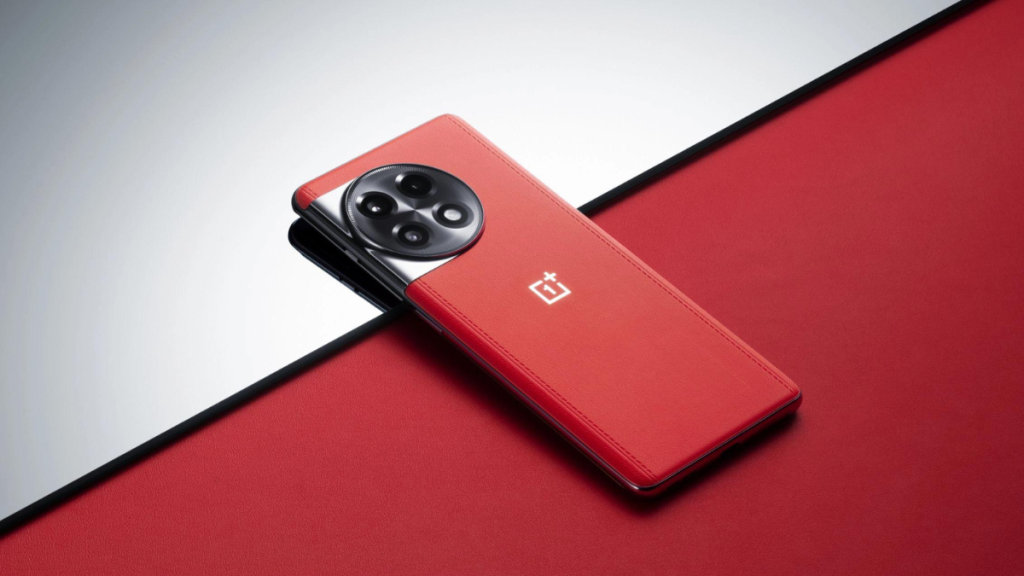
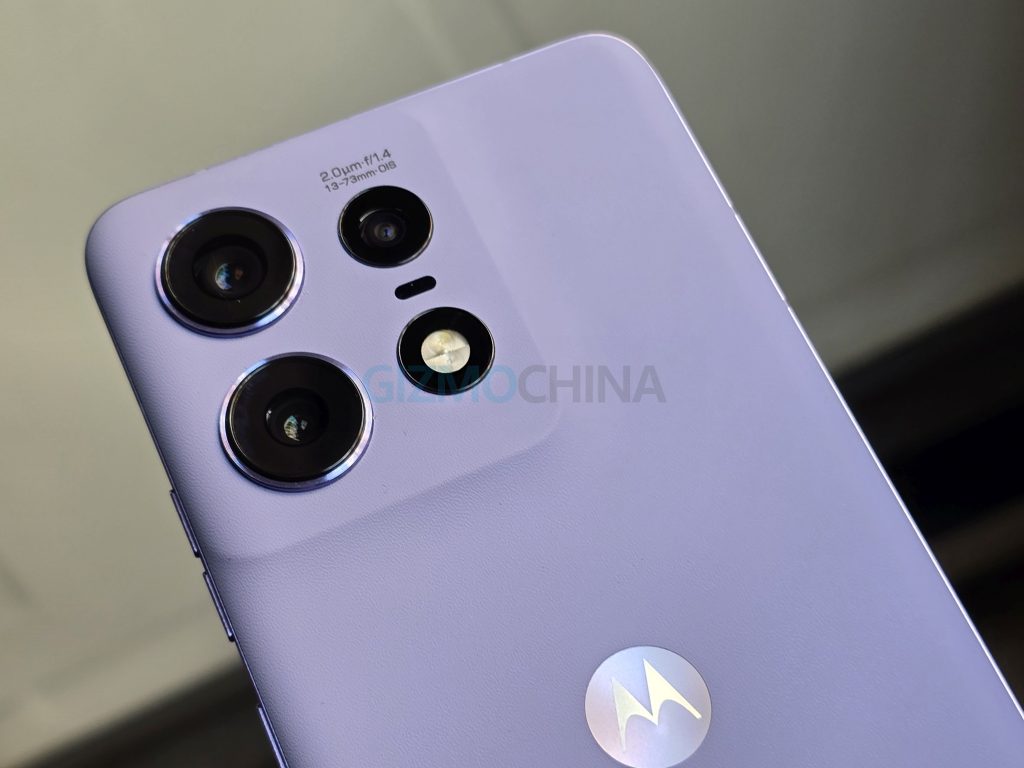
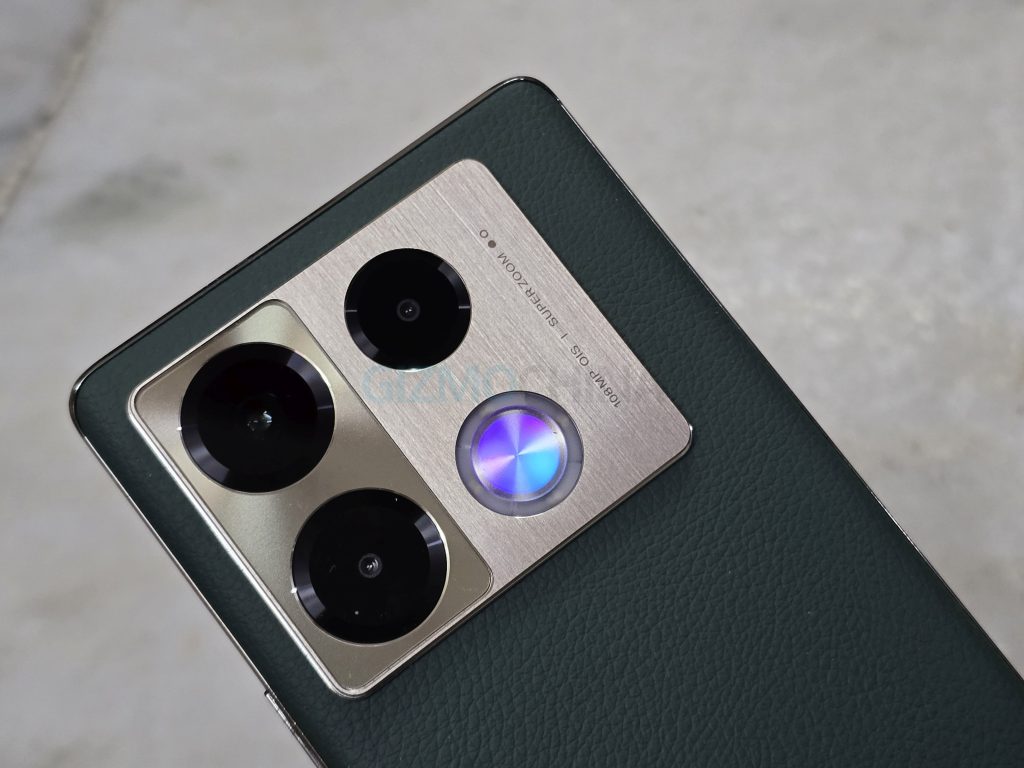
The Edge 50 Neo and Vivo V40e are the affordable entries in their respective lineups. So, there are certain cut corners in their design. While the Vivo V40 series has a premium glass body and metal frame, the V40e is built with a plastic frame and back. Even the Edge 50 Neo has a plastic frame and plastic back. However, Motorola has offered a vegan leather variant that feels more premium. This paired with a MIL-STD-810H military standard body makes the Edge 50 Neo better in terms of overall design and durability.

Thanks to its smaller 6.4-inch display, the Motorola Edge 50 Neo is basically one of the rare budget compact smartphones. This is a LTPO pOLED screen with a 120Hz refresh rate, HDR10+, and 3,000 nits of peak brightness. It also has Corning’s Gorilla Glass 3 for better screen protection. On the other hand, the Vivo V40e sports a taller 6.77-inch AMOLED screen with a 120Hz refresh rate and HDR10+ support. So based on your preference, you may prefer a smaller phone or a device with a taller screen.

2. Specifications

Under the hood, both smartphones are equipped with the MediaTek Dimensity 7300 SoC, which is paired with up to 8GB of RAM (12GB on the V40e) and 256GB of internal storage. Performance between the devices should be quite similar with the differences mainly being with battery life. A massive 5,500mAh battery pack powers the Vivo V40e, which supports 80W wired fast charging. Meanwhile, the Edge 50 Neo is a smaller 4,310mAh cell that offers 68W wired fast charging and 15W wireless charging support.

This is a sizeable difference so the former likely has a better battery life. Although, having wireless charging support is a positive on Motorola’s side. Other similar features include an in-display fingerprint scanner, stereo speakers, IP rating for water and dust protection, and Android 14 OS out of the box.

3. Camera

An area where the Vivo V40e is expected to shine is the photography department. While Motorola has a more versatile setup with a 50MP (Sony LYT700C Main) + 13MP (Ultrawide) + 10MP (Telephoto) and a 32MP (Selfie) cameras, the Vivo V40 series was supposed to offer top notch photography experience without the flagship pricing. The V40e doesn’t offer the same Zeiss lens but its 50MP Sony IMX882 main sensor is paired with an 8MP ultra wide angle lens.

There is also an Aura Light RING LED flash on the rear that can be used to adjust the color temperature while clicking low-light images. On the front, you get a 50MP selfie shooter. This model offers features like OIS + EIS, AI eraser, AI portrait enhancer, and more.

4. Pricing and Verdict

The Vivo V40e has a starting price tag of 28,999 INR for the 8GB + 128GB option, while the 12GB + 256GB variant costs 30,999 INR. This makes it more expensive than the Motorola Edge 50 Neo, which is currently on sale for just 23,999 INR for its lone 8GB + 256GB storage configuration.

So the Edge 50 Neo is a great feature packed compact phone that offers great value for its price. You get a vegan body, compact form factor, great durability, and budget friendly pricing. Its camera setup is decent as well, with support for wireless charging as well. But if you prefer a bigger screen, a good main camera, and more RAM for gaming, the Vivo V40e is a good mid range option as well.

Infinix Hot 50i launched with 120Hz display, 48MP main camera, Helio G81

Infinix unveiled the Infinix Hot 50 (5G) and Hot 40 (4G) in various markets in September. The brand is also reportedly developing the Infinix Hot 50 Pro+ (4G), which will feature a slim 6.8mm body and the MediaTek Helio G100 chip. In a new development, Infinix has quietly announced the Infinix Hot 50i, a 4G smartphone that adopts the same design language as the other Hot 50 models. Continue reading ahead to learn about the specifications, features, and price of the device.

Infinix Hot 50i specifications and features

Infinix Hot 5i (4G)
Infinix Hot 5i (4G)

The Infinix Hot 50i features a 6.7-inch HD+ LCD display with a resolution of 1600 x 720 pixels, a 20:9 aspect ratio, and a refresh rate of 120Hz. The dimensions of the device are 165.7 x 77.1 x 8.1mm, and it weighs 184g.

In terms of camera capabilities, the Hot 50i features an 8-megapixel front camera with an f/2.0 aperture and a selfie flash. On the rear, the device sports a dual-camera setup with a 48-megapixel main camera and an f/1.79 aperture, enabling users to capture clear and vibrant images. The device runs on Android 14 Go edition, enhanced with Infinix’s XOS 14.0 for a smooth user interface experience.

Powering the Infinix Hot 50i is the MediaTek Helio G81 chipset. Users can choose between 4 GB and 6 GB of LPDDR4X RAM, along with storage options of 128 GB or 256 GB, expandable via microSD up to 2TB. The device is equipped with a 5,000mAh battery that supports 18W fast charging.

The Hot 50i is equipped with other features dual SIM support, VoLTE, a USB Type-C connection terminal, a 3.5mm headphone jack, and Bluetooth 5.3 connectivity. The Hot 50i also comes with an IP54 rating for water and dust resistance and includes side-mounted fingerprint authentication for added security.

Infinix Hot 50i price and availability

The Infinix Hot 50i is expected to have a wider release later this month. The price for the device starts at approximately $110. Users can choose from four vibrant colors: Sleek Black, Sage Green, Titanium Grey, and Dreamy Purple.

Infinix AI launched, advanced AI features on upcoming Infinix phones revealed

Infinix has launched Infinix AI, a groundbreaking AI solution designed to enhance user interaction with technology. With the Infinix AI onboard, upcoming Infinix phones are expected to offer an unmatched user experience. Here is all the features that the Infinix AI suite will offer.

Infinix AI
Infinix AI

AI-powered Folax assistant

Central to this platform is Folax, an virtual assistant powered by a combination of Infinix’s proprietary models and advanced external models such as GPT-4o and Gemini. This assistant supports text, voice, and image inputs, offering real-time responses and personalized recommendations for seamless and intuitive interactions.

Advanced AI features for everyday tasks

Infinix AI offers a range of features that cater to both personal and professional needs. Live Texts allows users to instantly extract and summarize information from images and documents, making data retrieval faster and more efficient. This is particularly useful for students, professionals, and researchers who need quick access to vital information.

Writing Tools enhances professional communication by providing real-time grammar checks, content rewriting, and style improvements. This ensures that emails, reports, and other written materials are polished and impactful, optimizing clarity, tone, and precision.

For those in creative fields, Magic Create assists in turning ideas into reality. Whether crafting social media posts, writing songs, or developing storyboards, this feature supports users through the entire creative process, making it accessible to everyone.

Travelers can benefit from Visual Look Up, which provides detailed information about landmarks and cultural sites from a single photo, enhancing their travel experiences with rich, contextual insights.

Inclusive and region-specific solutions

Infinix AI also introduces features designed to cater to specific regional preferences. AI Wallpaper adapts to the cultural aesthetics of users in regions like the Middle East, India, sub-Saharan Africa, Europe, and Southeast Asia. This personalization ensures that users can enjoy customized backgrounds that reflect their unique styles.

Additional tools like AI Eraser, Smart Cutout, and AI Sketch enable users to create high-quality visuals effortlessly. Looking forward, Infinix AI plans to expand its capabilities with solutions like Smart Search for natural language searches and a Mobile Data and Balance Inquiry Assistant.

Advancing global connectivity

Developed over three years and refined through more than 1,000 iterations, Infinix AI delivers personalized, real-time responses that adapt to user preferences. Supporting over 100 languages, including a unique focus on Hausa, it aims to bridge connectivity gaps in regions such as sub-Saharan Africa and Southeast Asia.

Vivo X200 packs larger battery than both Oppo Find X8 and Xiaomi 15

Vivo will launch three new flagships on October 14 in China — the Vivo X200, X200 Pro mini, and X200 Pro. It was previously revealed that the new compact flagship packs a massive 5700 mAh battery. Now, the latest leak claims that the standard vivo X200 will feature a 5800 mAh battery, slightly larger than its compact counterpart.

Following the new trend, vivo is also using the silicon anode battery tech, which packs more capacity within a given volume.

2024 may finally offer compact phones with good battery life

In comparison, the Xiaomi 15 and Oppo Find X8 offer battery capacities of 5400 mAh and 5700 mAh, respectively.

Notably, all of the devices mentioned above adopt a compact form factor. According to the tipster, the Xiaomi 15, Oppo Find X8, and the vivo X200 packs 6.3x-inch, 6.5x-inch, and 6.6x-inch displays respectively. This is surprising because most of the compact flagships of the past have struggled to meet their sales targets, and companies gradually shifted to larger models.

Another major reason behind opting for a large form factor could be the battery life. Even last year’s models such as the 6.78 inch Oppo Find X7 only managed to pack a 5000 mAh battery while weighing over 200 grams. The adoption of the new silicon anode material in the battery seems to fix multiple problems – poor or below-average battery life, gigantic size, and weight.

Significant in context, Oppo has already confirmed that the Find X8 weighs less than 200 grams despite packing a much larger battery. According to a previous leak, the phone measures 7mm thick and weighs 190 grams only. On the other hand, the Pro and Ultra models will likely offer significantly longer battery life with over 6000 mAh capacity.

The leaker also mentioned that both the flagships from vivo and Xiaomi pack 90W fast wired charging, while the Find X8 offers slightly slower 80W charging. Unfortunately, there’s no information available about the dimensions and weight of the vivo X200 yet.

(Source)

Vivo X200, X200 Pro Mini, X200 Pro prices leak reveals first Dimensity 9400 phone to cost 3,999 Yuan (~$570)

While Vivo is expected to announce the Vivo X200 series on Oct. 14 in China, an image that has surfaced on Weibo has provided a sneak peek into the anticipated pricing of the lineup. The Vivo X200 series, which will include the Vivo X200, Vivo X200 Pro Mini, and Vivo X200 Pro, is set to be powered by the next-generation Dimensity 9400 chipset. Continue reading to learn about the X200 series’ leaked configurations along with their prices.

Vivo X200 series price leak

Vivo X200 price leak

Starting with the standard Vivo X200, the leak reveals four variants: the 12GB+256GB model priced at 3,999 Yuan (~$570), the 16GB+256GB variant at 4,299 Yuan (~$610), the 16GB+512GB version at 4,599 Yuan (~$655), and the top-tier 16GB+1TB model at 5,099 Yuan (~$725). The Vivo X200 will be available in Black, White, Blue, and Titanium colors.

Vivo X200 Pro Mini price leak

Moving to the Vivo X200 Pro Mini, the image indicates three configurations: the 12GB+256GB variant priced at 4,599 Yuan (~$655), the 16GB+256GB model at 4,899 Yuan (~$700), and the 16GB+512GB version at 5,199 Yuan (~$740). This model will come in Black, White, Green, and Pink color options. As per the Pro Mini will be a compact version of the X200 Pro.

Vivo X200 Pro price leak

Lastly, the Vivo X200 Pro will feature four configurations, including two special Satellite Editions. The standard 16GB+256GB variant is priced at 5,199 Yuan (~$740), while the 16GB+512GB model costs 5,499 Yuan (~$785). The Satellite Edition versions are priced at 5,699 Yuan (~$810) for the 16GB+512GB model and 6,199 Yuan (~$885) for the 16GB+1TB variant. It is expected to arrive in shades, such as Black, White, Blue, and Titanium.

It’s worth noting that last year’s X100 series started at 3,999 Yuan (~$570), and with reports suggesting that new flagships equipped with the Dimensity 9400 or Snapdragon 8 Gen 4 will cost at least 500 Yuan more, the leaked X200 pricing may not be entirely accurate. Enthusiasts and potential buyers will have to wait for the official announcement to confirm these details.

(Source)

Garmin Fenix 8: What’s New in the Latest Smartwatch?

Garmin officially unveiled the Fenix 8 series back in August, continuing its legacy of catering to athletes and outdoor enthusiasts with innovative upgrades. The Fenix 8 and Fenix 8 Solar bring several new features and enhancements that aim to solidify Garmin’s position as a leader in multisport smartwatch technology. Let’s dive into what’s new in this latest iteration of the Fenix series.

Garmin Fenix 8

1. AMOLED Display

Garmin Fenix 8 now comes with an AMOLED display for the standard model. This display upgrade marks a long-awaited shift for Garmin’s base Fenix line, offering a vibrant, high-contrast screen with true blacks and impressive visibility in different lighting conditions.

The 43mm and 47mm versions of the Fenix 8 come equipped with a 1.4-inch AMOLED screen, boasting a sharp 454 x 454-pixel resolution. This makes navigating menus, reading data, and engaging with the smartwatch’s features a more visually appealing experience.

For those who prioritize longer battery life, Garmin has retained its signature memory-in-pixel (MIP) display in the Fenix 8 Solar. This model also offers solar charging capabilities, making it ideal for users looking for maximum endurance during long outdoor activities. The Fenix 8 Solar is available in 47mm and 51mm sizes, with a 1.3-inch MIP display and a 260 x 260-pixel resolution.

2. Battery Life

The standard Fenix 8 can last up to 16 days in smartwatch mode, while the solar model extends this by an additional five days, thanks to the revamped solar technology. Garmin claims that the solar panel in the Fenix 8 Solar is 50% more efficient, significantly improving energy capture during sunlight exposure.

In GPS mode, the battery life also sees significant gains. The Fenix 8 Solar can last up to 92 hours (51mm model) in GPS-only mode, while the AMOLED version provides up to 43 hours of GPS usage. These improvements make the Fenix 8 series highly reliable for extended outdoor adventures where access to charging may be limited.

3. New Features for Fitness

The Fenix 8 series introduces several new fitness-focused features. It comes with targeted strength training, which offers tailored workout plans based on specific sports. This makes it easier for users to focus on training routines that directly improve their performance in activities like running, cycling, or swimming.

Additionally, it also comes with Garmin Share, a feature that allows for seamless data sharing between devices, making it easier to collaborate with fellow athletes or trainers. The smartwatch also supports expanded navigation capabilities with QZSS and BEIDOU positioning systems, ensuring precise tracking even in remote areas.

For outdoor enthusiasts, the Fenix 8 series brings dive-specific functionality, allowing users to engage in scuba diving and apnea activities. With leakproof buttons and a sensor guard, the smartwatch can handle depths of up to 40 meters. The watches are also tested to meet military standards for durability, making them highly resistant to tough environments.

4. Audio Features

The Fenix 8 series now comes with a built-in speaker and microphone. This allows for basic voice assistant interactions, taking calls directly from the wrist, and recording voice notes. Garmin has even added an offline voice assistant feature, enabling users to execute simple commands like starting a workout or setting a timer without needing a connection to their phone.

5. Design and Durability

The Fenix 8 is designed for maximum durability. Alongside the new sensor guard, Garmin has also introduced a scratch-resistant sapphire lens and an extremely durable titanium frame option. This makes the smartwatch well-suited for harsh outdoor conditions, where durability is critical for long-term use. Additionally, a built-in LED flashlight is included, offering extra visibility during nighttime activities.

6. Pricing and Availability

As with previous Fenix models, the Fenix 8 series commands a premium price. The base Fenix 8 starts at $999.99, while the Fenix 8 Solar starts at $1,099.99, with prices reaching up to $1,199.99 depending on the configuration. These smartwatches are now available worldwide through Garmin’s official channels and select retailers.

M4 MacBook Pro unboxed in lengthy YouTube video; performance compared to last year’s model

Apple is set to launch its next-gen M4 MacBooks later this month, but a surprising twist has already surfaced. An unboxing video of the 14-inch M4 MacBook Pro has appeared on YouTube revealing key details about the laptop.

We can be sure that the device in the video is a real M4 MacBook Pro as Mark Gurman from Bloomberg also shared the video on X (formerly Twitter).

Apple MacBook Pro M4 unboxing

So the video was posted by the Russian channel Wylsacom, though they didn’t mention how they got the device before its official release. Nonetheless, the unboxing confirms four key upgrades for the base 14-inch MacBook Pro. 

The box clearly mentions the device is powered by a M4 chip, and it’s with a 10-core CPU. That’s an upgrade over the 8-core M3 chip on last year’s model. The increase in CPU cores is expected to offer a 25% performance boost and the benchmark results shared by Wylsacom seem to support this claim.

In the Geekbench 6 benchmark, the new MacBook with the M4 chip scored 3864 points in the single-core test and 15288 in the multi-core test. For comparison, last year’s 16-inch MacBook Pro scored 2974 points in single-core and 20881 points in multi-core tests.

Another notable upgrade could be the bump in base RAM. There have been rumors that Apple may increase the minimum RAM to 16GB for future Macs, and we can see the box label of the M4 MacBook with 16GB of memory. However, we are unsure whether this is indeed a base variant of the device.

Additionally, the M4 MacBook Pro seems to come with three Thunderbolt 4 ports, a welcome upgrade from the two Thunderbolt 3 ports on current models.

The leak also hints at the introduction of a “Space Black” color option for the base 14-inch MacBook Pro. Currently, this color is only available on models with the more powerful M3 Pro or M3 Max chips.

Mark Gurman, known for his accurate Apple insights, expects the first M4-powered Macs to be announced in late October, with releases starting November 1st. If true, we won’t have to wait long for Apple to confirm these details.

Vivo X200, X200 Pro Mini, X200 Pro unveiled: Camera, chipset, and more officially confirmed

Today, Jia Jingdong, Vivo’s Vice President and General Manager of Brand and Product Strategy shared the first details of the Vivo X200 series of flagship phones, which are expected to debut on Oct. 14 in China. Apart from the official information, he also revealed the design of the Vivo X200, X200 Pro Mini, and X200 Pro, and shared camera samples for each model.

Vivo X200 series details officially confirmed

Vivo X200
Vivo X200

According to Jingdong, the Vivo X200 series is poised to build on the legacy of its predecessor, the X100 series, which was a milestone in Vivo’s journey to high-end smartphones. Dominating the 4-6K Yuan (~$570 to ~$855) price range, the X100 series solidified Vivo’s reputation globally and helped secure its position as China’s top mobile phone brand for three consecutive years. As the X100 series completes its lifecycle, the X200 series is set to continue this momentum, ushering in a new era of smartphone innovation driven by AI integration.

Regarding imaging capabilities, the X200 series stands out with its Zeiss 200MP APO super telephoto lens. This lens enhances portrait compression with a 135mm focal length and introduces a “telephoto macro” mode for refined compositions. Additionally, the series incorporates a pioneering “landscape mode” designed for capturing stunning sceneries.

Upgraded video features include 4K 120fps slow motion, 10-bit log, and 4K backlit movie portrait video, supported by Vivo’s proprietary imaging chip V3+ and the exclusive Sony LYT-818 sensor. These advancements aim to provide a superior photography and videography experience, appealing to both amateur and professional users.

Performance-wise, the X200 series is powered by the Dimensity 9400 processor, known for surpassing 3 million benchmark scores on AnTuTu. This chip, developed in close collaboration with Vivo, supports AI productivity tasks, real-time voice interaction, smart beauty filters, and more. Vivo’s commitment to connectivity is evident in introducing “kilometre-level network-free communication” technology, utilizing LoRa spread spectrum for long-distance, cost-free communication without network coverage.

Battery performance has also seen substantial improvements with upgraded “silicon negative electrode” and semi-solid battery technology, which enhances energy density, low-temperature resistance, and lifespan. This series promises dependable performance even in extreme conditions, supporting scientific expeditions in challenging environments like Antarctica and Mount Everest.

The OriginOS 5 on the X200 series is highly capable of handling most daily AI tasks directly on the phone, ensuring both independence and privacy. This includes millisecond-level real-time voice interaction and translation, fast live broadcast real-time filters, smart beauty features, “one-sentence video editing,” personalized and secure smart schedule management, NPC behavior-controlled game AI, and real-time object recognition with augmented reality overlays. In the AI productivity era, having a strong chip is no longer optional but essential.

Lastly, regarding the screen of the Vivo X200 series, Jingdong said that the X200 series will feature the Zeiss Master Color Screen and 2160Hz high-frequency PWM dimming, providing a display effect and eye protection experience close to the iPhone retina screen. The Pro Mini will have a small flat screen design, with narrow borders and smooth corners.

iQOO 13 packs a new heat dissipation system with a single-layer motherboard

Alongside Vivo, iQOO is preparing to release its 2024 flagship, the iQOO 13. Unlike the Dimensity 9400-powered Vivo X200 series expected this year, the iQOO flagship will feature Qualcomm’s Snapdragon 8 Gen 4 chip.

iQOO 12

Alongside the more expensive chipset, the iQOO 13 may also introduce a single-layer motherboard supported by a redesigned heat dissipation system, according to a Weibo leak by tipster Goblue V.

Better heat dissipation means better sustained performance with iQOO 13

While details about the cooling system remain sparse, it’s likely that the redesign in iQOO 13 includes a larger VC cooling plate for better dissipation of the heat generated by the processor. This should result in improved sustained performance during heavy workloads.

As for the Snapdragon 8 Gen 4, leaked block diagrams have revealed support for LPDDR5X RAM and UFS 4.0 storage. Interestingly, there will be two versions of the chip, differentiated by CPU clock speed and cellular connectivity, but it’s unclear which variant will power the iQOO 13.

According to earlier leaks, the Snapdragon 8 Gen 4 offers a significant 56% GPU performance boost over the already capable Snapdragon 8 Gen 3, while also being more power-efficient due to TSMC’s 3nm process node.

Rumors also hint at a massive 6,150 mAh battery for iQOO 13, which is a notable upgrade from the iQOO 12‘s 5,000 mAh capacity. Thanks to silicon-anode technology, this new battery could provide longer-lasting power and better overall battery life.

While the inclusion of a redesigned cooling system and larger battery capacity is promising, these are still leaks, so readers should take the information with a pinch of salt.

On the front, the phone packs a 6.7-inch 2K AMOLED panel from BOE with a smooth 144Hz refresh rate. The local variant of the phone has already been spotted on IMEI and reports also claim that the phone will be released in India sometime in December this year.

(Source)

Privacy Alert: Google’s Pixel 9 Pro XL Shares Your Data Every 15 Minutes

Google’s latest flagship, the Pixel 9 Pro XL, has been allegedly found to be sending excessive amounts of personal data to Google servers, raising concerns about user privacy.

Google Pixel 9 Pro XL
Pixel 9 Pro XL

Cybernews researchers have claimed to find potential privacy concerns with the Google Pixel 9 Pro XL smartphone. Their analysis shows that every 15 minutes, the device sends data packets to Google, including information like location, email address, phone number, network status, and other telemetry. The phone also periodically attempts to download and run new code, which could introduce security risks.

Image via Cybernews

Researchers used a “man-in-the-middle” approach to intercept traffic between the phone and Google’s servers. The phone sent personally identifiable information (PII) to various endpoints, including Device Management, Policy Enforcement, and Face Grouping. It also transmitted location data even when GPS was disabled, relying on nearby Wi-Fi networks for estimation.

Image via Cybernews

Another observation was that the phone communicated with services without the user’s explicit consent. It contacted Google Photos’ Face Grouping feature even though the researchers did not interact with the Photos app, highlighting potential concerns around biometric data processing. Additionally, the Voice Search feature sent various data points, such as the number of times the device was restarted and a list of installed apps.

Image via Cybernews

The phone also frequently checked in with Google servers to potentially download new software packages. It reached out to a staging environment service, indicating that it has the capability for remote software installation. This raised concerns about user control over the device.

While the device did not transmit data to third parties during the observation period, it did regularly request scam-related number updates, presumably for its call-screening feature. “The amount of data transmitted and the potential for remote management casts doubt on who truly owns the device,” said Aras Nazarovas, Cybernews researcher. Google has not yet responded to these findings.

(Source)

Vivo to launch two new power banks with built-in cable and up to 45W charging support on October 14th

Vivo‘s upcoming X200 series launch on October 14th in China is shaping up to be a bigger event than previously thought. While the spotlight will undoubtedly be on the new flagship phones boasting the Dimensity 9400 processor, a Weibo leak suggests some interesting accessory announcements are also in store.

Vivo may launch two new power banks alongside the X200 series phones

Thanks to tipster Li Ang Ang ah, we have a sneak peek at what appear to be two new Vivo power banks. Both models ditch the traditional cable-free design in favor of a built-in cable for on-the-go convenience. 

Additionally, each power bank features two extra ports, so you can charge a total of three devices simultaneously – perfect for keeping your phone, tablet, and earbuds juiced on the go.

The higher-end power bank supports 45W charging and has a 20,000 mAh capacity. Pricing for this model is rumored to be around CNY 239, which translates to roughly $34.

The second power bank appears to offer a more modest 22.5W fast charging option. While the leaked image doesn’t confirm the capacity, it could likely be around 10,000 mAh – a standard size for powerbanks of this wattage range. This more portable option is listed at CNY 179, which translates to approximately $25.50.

Beyond these details, the leaked images remain tight-lipped on additional features like size, weight, or specific charging protocols supported. Thankfully, the wait for a full reveal won’t be long. 

Both power banks are expected to launch alongside the X200 series on October 14th in China. So we’ll have all the official details, including international availability (if any), in just a week’s time. 

(Source)

OnePlus 13 magnetic wireless charging support confirmed in a unusual way

With the launch of the OnePlus 13 expected later this month, details about the upcoming flagship continue to trickle out. This time, it’s about a feature that has been gaining attention in the Android world lately, magnetic wireless charging.

The revelation came in a bit unusual way. On China’s social media platform Weibo, Liu responded to a fan’s question about the return of bamboo cases for the OnePlus 13, a popular material for early OnePlus phones. 

Lee made it clear that wooden cases aren’t returning as there is “no plan for this CMF” for the time being. But he did mention wood grain cases for the OnePlus 13, which he says feel “very good.” 

OnePlus 13 will have magnetic wireless charging

More interestingly, he revealed that these cases include a “magnetic suction function,” suggesting that the OnePlus 13 will support magnetic wireless charging.

OnePlus’ sister brand, Oppo, is also jumping on the magnetic charging train with its upcoming Find X8 series. Oppo is even prepping a range of magnetic accessories, including a power bank. Looks like OnePlus 13 users will also be able to tap into that ecosystem, expanding their charging options.

OnePlus 13 front

Beyond charging, the magnetic system opens doors for other accessories like car mounts and wallet cases. It’s a way to offer a more integrated user experience, similar to what Apple has done with MagSafe.

Leaks so far suggest that the OnePlus 13 will feature a slightly curved 2K LTPO display, the latest Snapdragon 8 Gen 4 flagship processor, a triple 50MP rear camera setup, and a large 6,000mAh battery. The phone is expected to support 100W fast wired charging, along with 50W magnetic wireless charging.

OnePlus will likely follow it’s usual release pattern for the OnePlus 13. That is, a China launch first, followed by a global rollout. We’ll keep you updated as more details emerge.

(Source)

Big Snapdragon 8 Gen 4 leak reveals block diagram and two SoC variants

Qualcomm is scheduled to launch its next-gen Snapdragon 8 Gen 4 processor later this month. But before the official unveiling, a leak just spoiled the surprise with a detailed look at the processor’s design and the long list of features it’ll pack.

This is likely the most substantial leak since August, and unless Qualcomm makes an official announcement, it might be the closest we get to the full picture.

The leak comes from a Baidu user named ‘SalothSar,’ who shared a block diagram of the chip along with a spec sheet of supported technologies. While the details are highly technical, we’ll focus on the key highlights from the leak.

Snapdragon 8 Gen 4 chip block diagram

Snapdragon 8 Gen 4 comes in two flavors

The leak confirms the Snapdragon 8 Gen 4 will come in two flavors — the SM8750 and the SM8750P. The latter is likely the performance variant of the chip with a slightly overclocked CPU. However, the main differentiation between them is in cellular connectivity. 

The spec sheet reveals the standard SM8750 supports both mmWave and sub-6GHz 5G bands, while the SM8750P only supports Wi-Fi. 

For memory, both versions will use the familiar LPDDR5X RAM standard. Although there have been rumors of LPDDR6 RAM support, this leak suggests that we might have to wait for Snapdragon 8 gen 5 for that upgrade.

Snapdragon 8 Gen 4 chip supported technologies

The storage standard is also the same as the Snapdragon 8 Gen 3, that is UFS 4.0, which will utilize two lanes dedicated from the PCIe bandwidth pool. This configuration allows for impressive read and write speeds of up to 4,500MB/s and 4,000MB/s, respectively.

The leak also sheds light on display capabilities. The Adreno 8-series DPU, the display processing unit powering the Snapdragon 8 Gen 4, is reportedly capable of driving displays with resolutions exceeding 4K (3,840 x 2,560) at a smooth 144Hz refresh rate. 

Whether or not smartphone manufacturers will capitalize on this capability with such high pixel-density displays remains to be seen. 

Interestingly, the leak suggests that the core functionalities of the Snapdragon 8 Gen 4 haven’t undergone a dramatic overhaul compared to the Snapdragon 8 Gen 3. 

However, the standout feature of this generation’s SoC is Qualcomm’s custom Oryon CPU cores. These cores are designed to deliver substantial improvements in both single-core and multi-core performance. We’ve already seen some impressive results from early benchmarks of the OnePlus 13 on Geekbench 6.

(Source)

Oppo Find X8 packaging box revealed ahead of launch

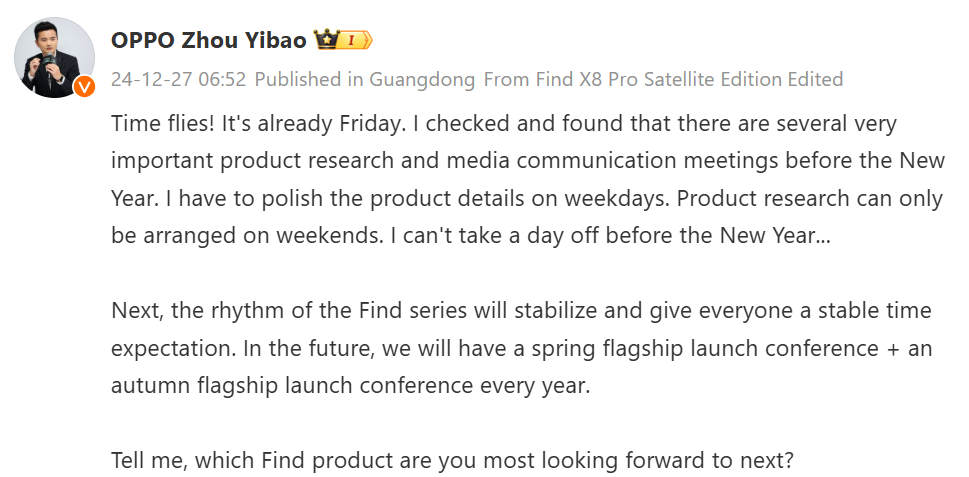
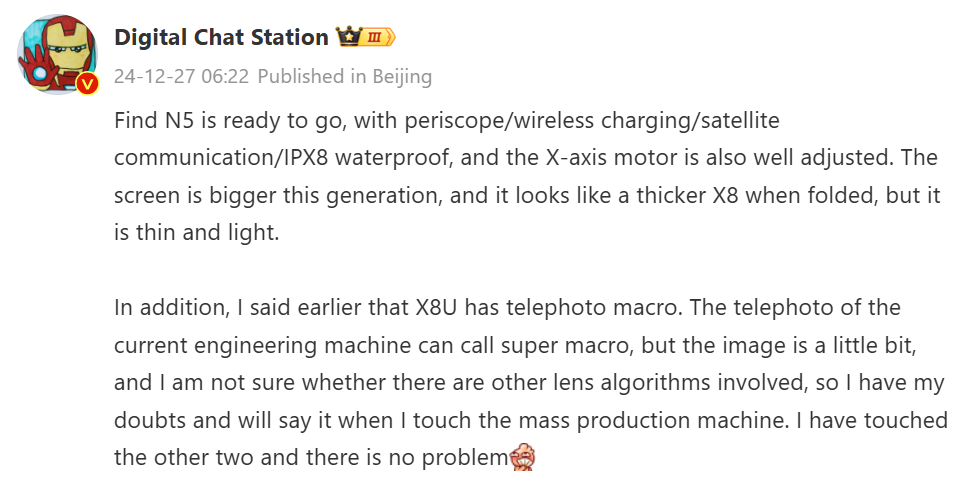
Oppo has continued its minimalist design philosophy with the upcoming Find X8. The device’s packaging, recently revealed by Zhou Yibao, features a sleek lid-and-base design in a predominantly gray and white color scheme. The box includes standard accessories like a phone case, SuperVOOC charger, and data cable, but the actual phone remains hidden.

The “Oppo Find X8” text is positioned in the upper left corner of the box, with the number “8” printed in the lower left corner, and the Hasselblad logo prominently displayed at the bottom.

Oppo Find X8 packaging box

We have already seen the device’s front design. The device boasts an ultra-narrow, symmetrical bezel display which is very similar to iPhones. It’s also slimmer and lighter than its predecessor Find X7.

The Find X8 is also expected to feature a premium metal frame and glass back with an IP68/69 rating for water and dust resistance. It measures 7mm thick, weighs 190 grams, and will be available in Black, Blue, White, and a new Pink shade.

As per leaks, the device will sport a 6.5-inch BOE display with 1.5K resolution and ultra-narrow equal-sized bezels. The phone will include an optical in-screen fingerprint sensor for secure access. The device is expected to be powered by the MediaTek Dimensity 9400 chipset along with a 5,700mAh battery supporting 80W wired charging and 50W magnetic wireless charging.

For photography enthusiasts, the Find X8 will feature a triple camera setup, including a Sony LYT-600 50MP periscope telephoto lens, although macro support is absent. The device will run Android 15 with ColorOS 15 and will introduce a virtual pressure-sensitive button and an alert slider.

The company is also planning to introduce accessories as well like a 5000mAh magnetic power bank, 50W magnetic charger, and slim magnetic case, with the X8 Pro offering a satellite communication version.

The Find X8 series may launch on October 21, following OPPO’s Developer Conference on October 17.

Huawei’s Kirin 9100 chip price tipped, it’s more expensive than Dimensity 9400

Huawei‘s upcoming Mate 70 series phones are expected to be powered by Kirin 9100 chip. A previous report suggests that this chip might outperform Qualcomm’s Snapdragon 8 Gen 2 in terms of performance. Now, it looks like the SoC price will also be similar to Snapdragon processors.

Huawei Kirin 9100

According to a tipster on China’s Weibo platform, the Kirin 9100 could cost manufacturers around 1100 yuan to 1300 yuan (roughly $157 to $186). While verifying component costs is notoriously difficult – chip manufacturers rarely share such details – this leak suggests the Kirin 9100 might fall within the same price range as upcoming flagship processors from Qualcomm and MediaTek.

Qualcomm’s Snapdragon 8 Gen 4 is reportedly priced at $190 for phone makers, while MediaTek’s Dimensity 9400 sits at a slightly lower $155. If the Kirin 9100 rumor holds true, it aligns closely with these competitors in terms of cost.

Kirin 9100: What we know so far

A previous report suggests that Huawei is planning to use a “domestically developed n+2/3 process” to manufacture its next Kirin chip, which translates to a 5nm node. The chip will be produced using Deep Ultraviolet (DUV) lithography with multiple patterning.

China-based chipmaker SMIC is reportedly developing a 5nm process using DUV lithography and is expected to manufacture Huawei’s next-gen Kirin 9100 chip. 

However, a report from July also suggests the company is facing yield and production cost issues with 5nm DUV lithography, so the Kirin 9100 could still be a 7nm chip

Even if SMIC successfully achieves a decent yield from its 5nm process, it will not still match the leading-edge EUV (extreme ultraviolet) lithography used by TSMC and Samsung. 

As a result, it would be hard for the Kirin 9100 to match the performance or efficiency of the latest offering from Qualcomm or MediaTek. However, as mentioned earlier, its performance will reportedly be on par with the Snapdragon 8 Gen 2.

(Source)

Xiaomi may end bootloader unlocking globally by 2025

Xiaomi, a leading smartphone manufacturer, is reportedly considering a significant change in its software policies. According to recent reports, the company may be planning to phase out bootloader unlocking for its global users, following a similar move in China. This decision, if confirmed, could have far-reaching implications for the Xiaomi community, which has long valued the freedom to customize their devices.

Xiaomi bootloader

The Potential Impact on Users

Bootloader unlocking is a critical feature that allows users to install custom ROMs, root their devices, and gain administrative control over their smartphones. This has been a major selling point for Xiaomi, attracting tech-savvy users who appreciate the flexibility and customization options. However, the company’s decision to restrict bootloader unlocking in China has raised concerns about its future plans for global markets.

If Xiaomi were to implement a global ban on bootloader unlocking, it would significantly limit the customization options available to users. Many rely on custom ROMs for improved performance, security updates, or unique features. Restricting bootloader access would effectively tie users to Xiaomi’s official software, potentially limiting their ability to tailor their devices to their specific needs.

Xiaomi’s decision to end bootloader unlocking in China may reflect a shift in their software approach due to stricter Chinese regulations on user data and device security. The upcoming HyperOS 2.0, launching with the flagship Xiaomi 15 series, is expected to implement this full bootloader lock, confirming earlier reports.

The Xiaomi community is closely watching this development with a mix of concern and speculation. While the company has not officially confirmed or denied these reports, the potential implications for users are significant. Many are hoping that Xiaomi will reconsider its plans and continue to prioritize user freedom, even as it navigates the evolving regulatory landscape.

As the situation unfolds, it remains to be seen whether Xiaomi will ultimately decide to restrict bootloader unlocking for its global users. The company’s decision will have a profound impact on the future of customization and user freedom in the Android ecosystem.

(Source, Via)

The Only Budget Compact Smartphones Available in India

There aren’t a lot of options for compact smartphones or small phones, to begin with, and most of the popular choices target the flagship segment. There’s the base Apple iPhone 16 and the Samsung Galaxy S24 which are some of the best-known options, but here’s a list of good compact smartphones available in India for a budget.

1. Motorola Edge 50 Neo

Motorola Edge 50 Neo

One of the best compact smartphones that doesn’t break the bank is the Motorola Edge 50 Neo. It launched as one of the most affordable and feature packed options for its price. The device was released for 23,999 INR and arrived in three bright color variants. One of its notable aspects is the 6.4-inch pOLED display with a 1.5K resolution, a 120Hz refresh rate and a peak brightness of 3000 nits. The Edge 50 Neo’s screen is the tallest in this list.

Under the hood, the device is equipped with the Dimensity 7300 SoC. For optics, you get a 50MP (Main) + 13MP (Ultrawide) + 10MP (Telephoto) on the rear, while the front houses a 32MP selfie shooter. The device is built using a plastic frame and either a plastic back or a vegan leather variant. Other notable features include WiFi 6E, Bluetooth 5.3, NFC, Android 14, a 4,310mAh battery with 68W fast charging, and dual stereo speakers.

2. Google Pixel 7a

Google Pixel 7a

The Google Pixel 7a was announced last year as a mid range Pixel series smartphone. You can buy this phone right now for 31,999 INR via Flipkart. It’s the smallest compact smartphone in this list thanks to its 6.1-inch OLED display that offers FHD+ resolution and a 90Hz refresh rate. Under the hood, the Pixel 7a is equipped with the Tensor G2 processor. A 4,386mAh battery pack powers this device with support for 18W wired and wireless charging.

The rear features a 64MP (Main) + 13MP (Ultrawide) dual camera setup. For selfies and video calls, there is a 13MP shooter on the front. Overall, this is a great option for those that need a budget mid range phone that has a compact form factor.

3. Samsung Galaxy S23 FE

Samsung Galaxy S23 FE

Samsung’s Galaxy S23 FE is its budget flagship phone from last year. This model is the most premium out of all models in this list, with an aluminum frame and glass back. It is currently on sale via Flipkart for 29,999 INR. Under the hood, the smartphone features the Exynos 2200 SoC in India, but the Snapdragon 8 Gen 1 option was also listed on Flipkart last year. The front sports a 6.4-inch Dynamic AMOLED 2X display with HDR10+, a 120Hz refresh rate, and 1450 nits of peak brightness.

For photography, the rear has a 50MP (Main) + 8MP (Telephoto) + 12MP (Ultrawide) triple camera setup, while the front houses a 10MP sensor for selfies and video calls. A 4,500mAh cell powers this device, which supports 25W wired fast charging, 15W wireless charging, and reverse wireless charging. Other notable features include an under display fingerprint scanner, Samsung DeX, dual stereo speaker setup, and Android 13 OS out of the box with 4 major OS upgrades promised.

Please Note: When you buy something using the links in our articles, we may earn a small commission at no cost to you.

Infinix Hot 50 Pro Plus is the slimmest phone we’ve seen in a while

An interesting rumor last month tipped that Infinix is working on the world’s thinnest phone. Turns out, there was some truth to that.

The company has officially started teasing the Infinix Hot 50 Pro Plus in the Philippines, and while details are still a bit thin on the ground, it’s clear this will be one of the slimmest smartphones we’ve seen in a long time.

However, it is not world’s slimmest phone. The official teaser reveals the device is 6.8mm thick—impressively slim, but not quite as thin as the 2014 Vivo X5 Max, which had an astonishing 4.75mm profile.

Still, the Infinix Hot 50 Pro Plus will be the slimmest non-foldable smartphone since the Tecno Camon 11 series, launched in 2018.

Infinix Hot 50 Pro Plus Specifications

When it comes to the other specs, things get a bit more mid-range. The phone will be powered by a MediaTek Helio G100 processor, which Infinix assures will offer “5-year performance fluency” thanks to TUV certification. 

While not the top-of-the-line chip, it should be adequate for everyday tasks. The Helio G100 will be paired with 8GB of RAM and a decent 256GB of storage.

Infinix Hot 50 Pro Plus Specifications

On the front, you’ll find an AMOLED display with support for 120Hz refresh rate. The teaser also confirms the inclusion of an in-display fingerprint scanner for added convenience. Beyond these details, information on the Infinix Hot 50 Pro Plus remains scarce.  

Moreover, the official launch date is also under wraps as of now. But Infinix officially teasing the device in the Philippines suggests an imminent arrival in the region. 

Pricing information is also not yet available. However, given the phone’s mid-range specs, it safe to assume that it will be a budget-friendly option for users who prioritize a sleek design over top-tier performance.

(Source)

Vivo Y300+ specifications, pricing for India leaked, may launch soon

The existence of the Vivo Y300+ 5G was revealed when the moniker was spotted in the IMEI database. The said device, which is said to have the V2422 model number, is expected to launch soon, as per a new leak by tipster Abhishek Yadav. A new X post released by the tipster has revealed the key specifications and price of the device.

Vivo Y300+ specifications (rumored)

Vivo Y200 Pro

As per the leak, the Vivo Y300 Plus 5G is expected to feature a 6.78-inch OLED display with support for an FHD+ resolution. There is no information about the display design and supported refresh rate. For security, it may feature an in-screen fingerprint sensor.

The Y300 Plus’ rear camera setup is likely to include a 50-megapixel primary sensor and a 2-megapixel secondary sensor. For selfies and video calls, it said to feature a 32-megapixel front camera.

The Vivo Y300+ 5G will likely be powered by the older Snapdragon 695 chipset. It will come with 8 GB of RAM and 128 GB of internal storage. It will pack a 5000mAh battery with 44W fast charging support.

While it is not mentioned in the leak, the Y300+ may ship with Android 14 with a layer of Funtouch OS 14 on top. The device will have an IP54 rating for dust and water resistance and will come in two thickness options: 7.57mm and 7.49mm, weighing 183 grams and 172 grams, respectively.

Vivo Y300+ price (rumored)

The Vivo Y300+ 5G is expected to be priced at Rs 23,999 (~$285) for the 8GB+128GB variant. There is no information abouat the launch timeframe of the device. Probably, the Y300+ may debut this month in India.

(source)

Global iQOO 13 5G model spotted, likely to launch this year

By the end of this month, iQOO is expected to unveil the iQOO 13, equipped with the Snapdragon 8 Gen 4, in China. A recent report claimed that the company is also planning to launch it in India around December this year. In addition to India, the device is expected to release in several Southeast Asian markets, similar to the iQOO 12. Ahead of its anticipated global launch, the device’s global version has emerged in the IMEI database, revealing its model number.

iQOO 13 5G appears in the IMEI database

iQOO 13 5G IMEI databse listing
iQOO 13 5G IMEI database listing

According to reports, the iQOO 13 variant heading to China has the model number V2408. As for the global variant, the newly spotted IMEI database listing reveals the model number I2401. Unfortunately, the listing has no information about the specifications of the device. Continue reading ahead to learn what the rumor mill has revealed so far about the iQOO 13.

iQOO 13 5G specifications (rumroed)

According to reports, the iQOO 13 will have a 6.78-inch flat BOE Q1 screen that offers a 2K resolution and a 144Hz refresh rate. It will be powered by the Snapdragon 8 Gen 4 chipset, up to 16 GB of LPDDR5x RAM, and a 6,100mAh battery with 120W wired and 50W wireless charging support. The device may arrive with up to 1 TB of UFS 4.0 storage in China, whereas its global model may max out at 512 GB.

For selfies, the Vivo X200 may feature a 16-megapixel front-facing camera. Its rear camera setup may include an OIS-enabled 50-megapixel Sony IMX921 primary camera, a 50-megapixel Samsung JN1 ultra-wide lens, and a 50-megapixel IMX826 telephoto camera with 2x optical zoom. It will come preloaded with OriginOS 5-based Android 15.

The iQOO 13 is likely to arrive with other features, such as dual speakers, an ultrasonic in-screen fingerprint sensor, and an IR blaster. As far as the build is concerned, the iQOO 13 may arrive with a metal middle frame, a halo light strip on the back, and an IP68 rating for durability. The device is likely to cost around Rs 55,000 in India.

(va)