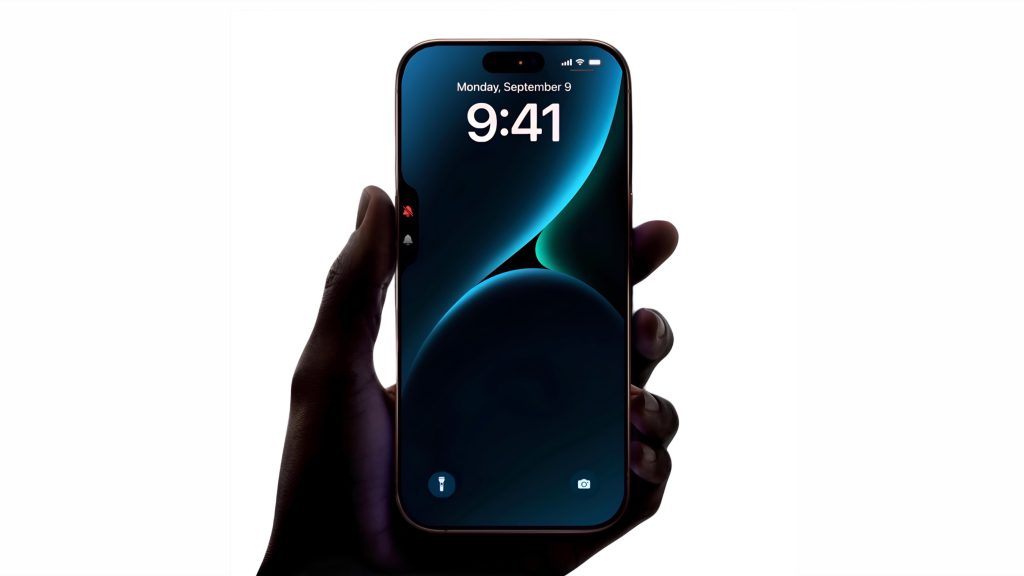
When Apple announced the iPhone 16 series, many were disappointed by the fact that the base iPhone 16 and iPhone 16 Plus still featured the standard 60Hz refresh rate. For flagship phones starting from $799, the display was the Achilles heel of these two devices. But the next generation iPhone 17 might finally bring support for a higher refresh rate.
Apple iPhone 17 finally gets a display upgrade
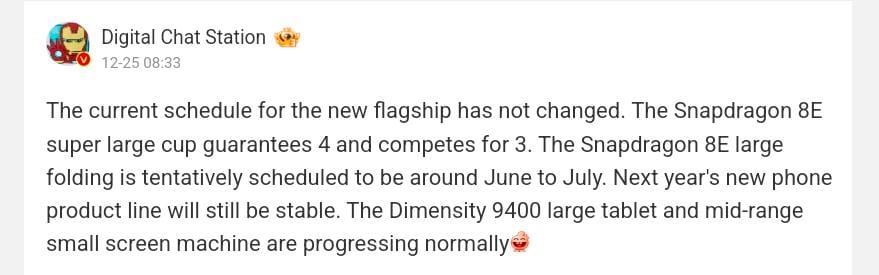
The latest information arrives from known tipster Digital Chat Station who shared the details on Weibo. Apple is reportedly planning on improving the display refresh rate on its standard and Plus models. To recall, the Pro and Pro Max variants come with the support of the ProMotion display tech, which offers a 120Hz adaptive refresh rate of 1-120Hz. This feature might finally become universal across the entire 2025 iPhone lineup.
The tipster claims that the iPhone 17 will support a higher refresh rate, although, we still don’t know the exact refresh rate. So it is entirely possible that the Cupertino based giant might have you settle for just a 90Hz refresh rate. This panel might not support variable/adaptive refresh rate either. However, this is just speculation at this point. Unfortunately, that is all the information that was shared by Digital Chat Station.
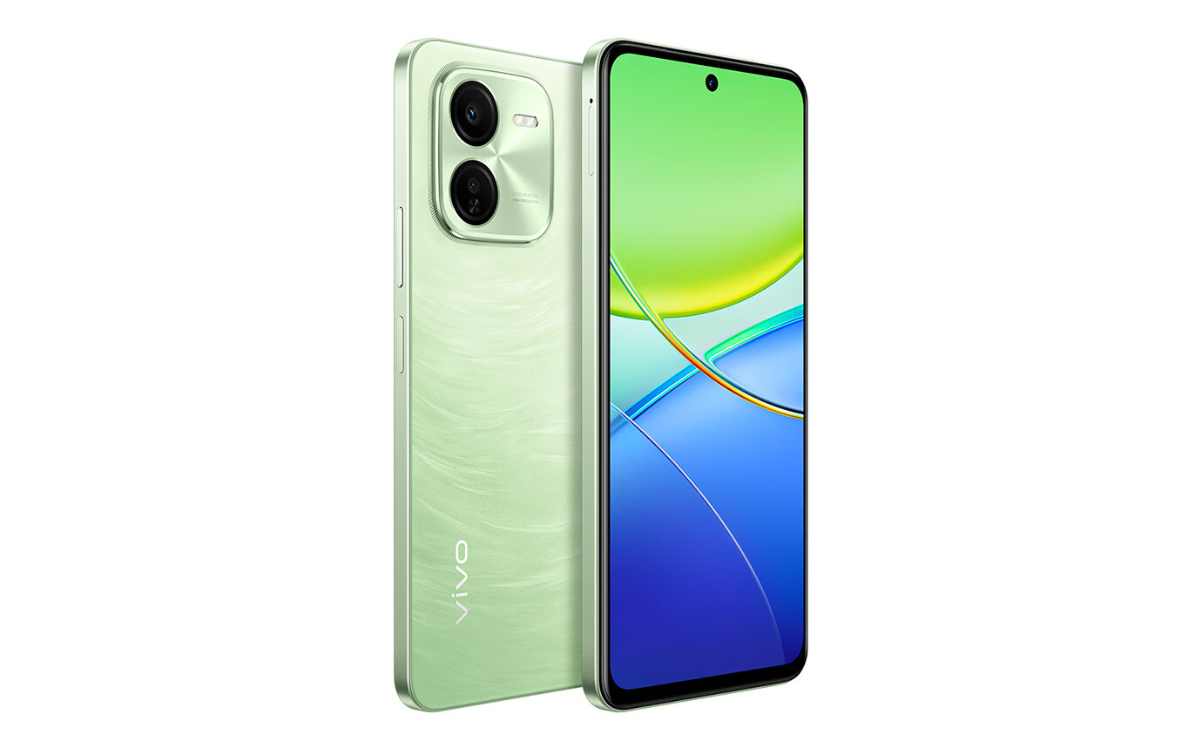
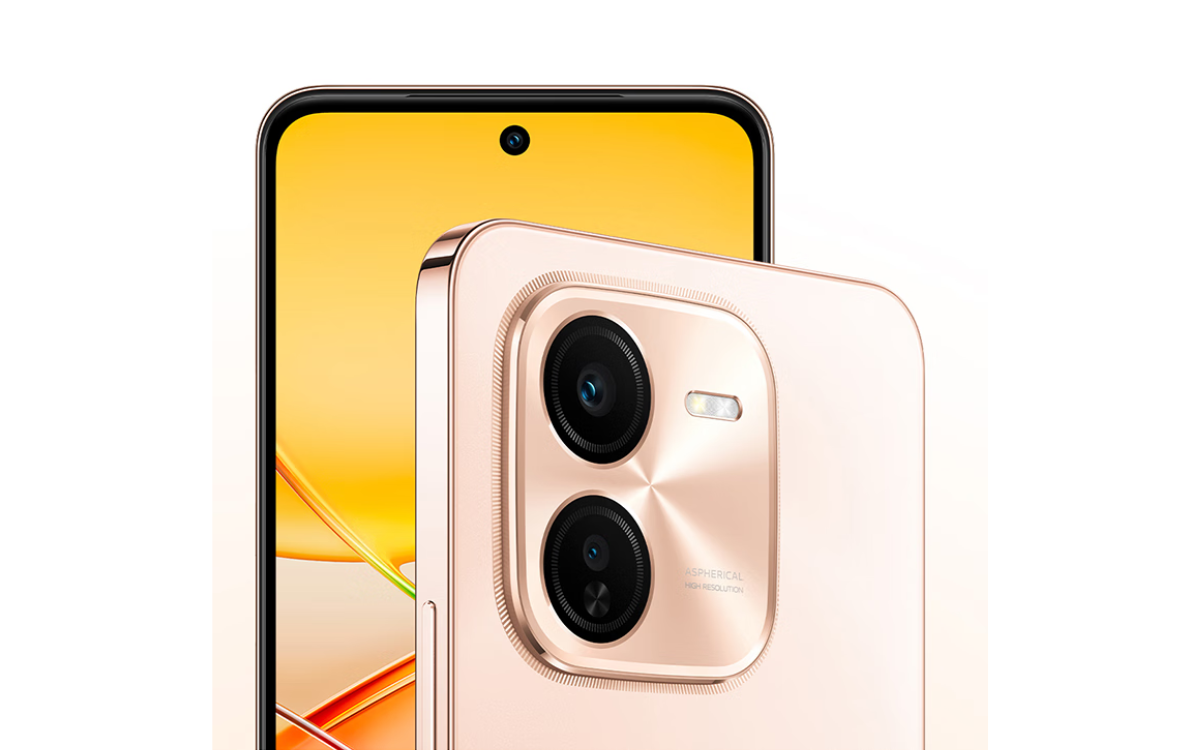
Vivo has officially unveiled its latest budget-friendly smartphone, the Vivo Y200+, in the Chinese market. Here’s a closer look at its specifications, pricing, and availability.
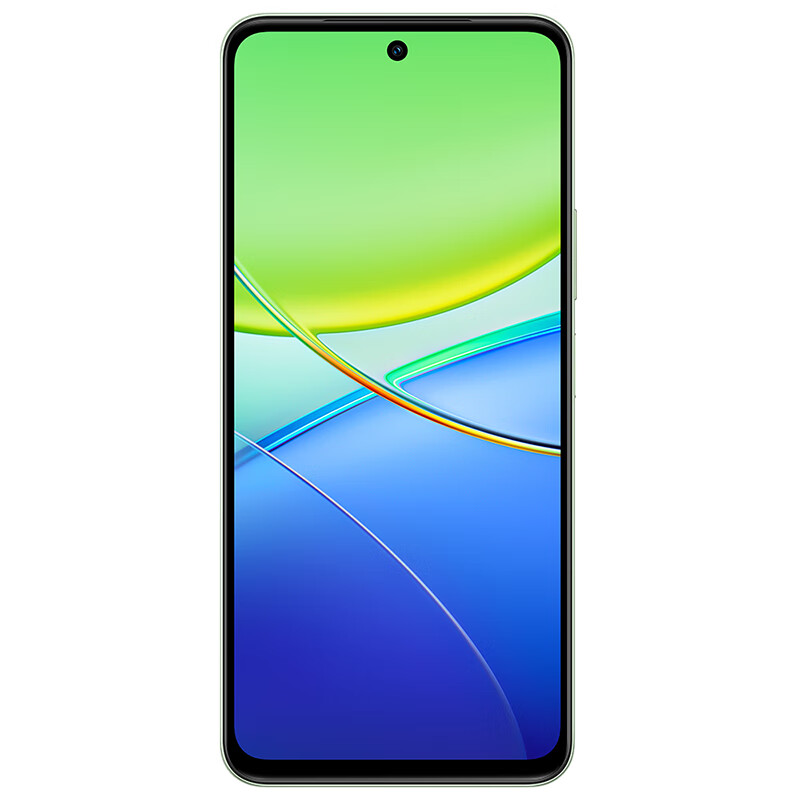
Vivo Y200+ features a 6.68-inch LCD display with a resolution of 720×1608 and a 120Hz refresh rate for smooth visuals. It comes with 1000 nits of peak brightness, ensuring clarity even in sunlight. It equips TÜV Rheinland certification for low blue light and global DC dimming to reduce flicker.
Under the hood, the Y200+ is powered by the Qualcomm Snapdragon 4 Gen 2 processor. This chipset ensures smooth multitasking, casual gaming, and reliable performance for everyday tasks. It is paired with up to 12GB of RAM and 512GB of storage, with options for memory expansion to accommodate additional files and apps.
The device runs on Funtouch OS, providing a user-friendly interface with smart features. The operating system is designed to optimize performance and offer tools like AI call enhancements, simplified modes for elderly users, and fraud call blocking for added security.
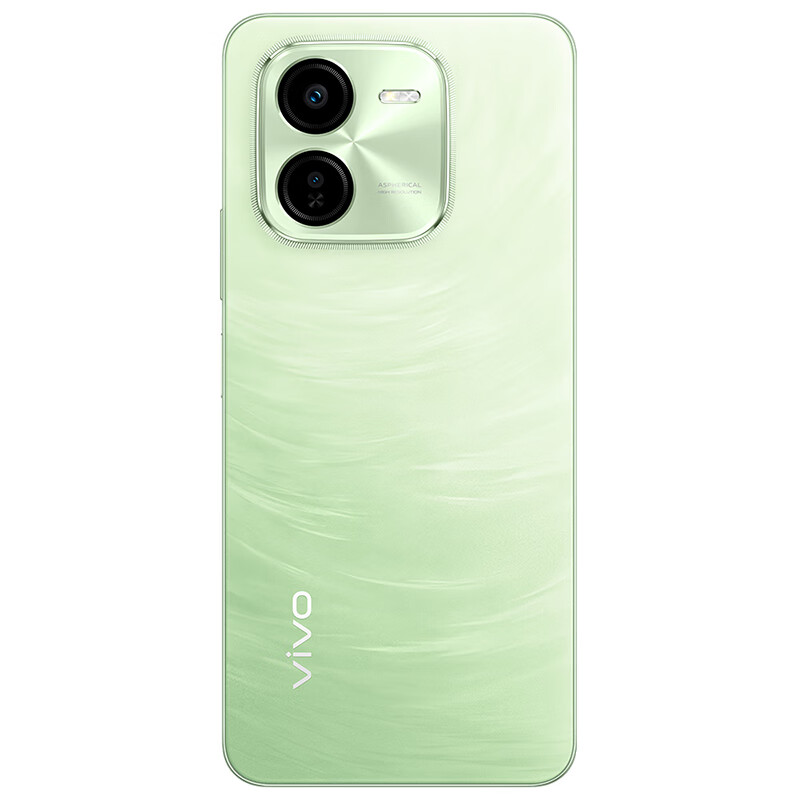
For photography, the Vivo Y200+ is equipped with a dual-camera setup featuring a 50MP ultra-clear primary camera and a 2MP depth sensor. These cameras work together to deliver sharp, detailed photos, even in low-light conditions, with the help of night mode. On the front, a 5MP portrait camera handles selfies and video calls effortlessly, complete with AI enhancements for optimal results.
Vivo Y200+ stands out with its 6000mAh battery, offering extended usage on a single charge. It supports 44W fast charging, allowing users to reach 50% in just 36 minutes, making it ideal for those who need long-lasting power with minimal downtime.
Despite housing a large battery, the vivo Y200+ maintains a slim and ergonomic design with a thickness of just 7.99mm. Its IP64 certification ensures resistance to dust and water splashes, while the “Rock Solid Shock Absorption” structure enhances durability. The device also features 5G and dual stereo speakers capable of delivering up to 300% ultra-high volume.
2. Pricing and Availability
Vivo Y200+ is now available for purchase on platforms like JD.com, with multiple memory configurations to suit various needs:
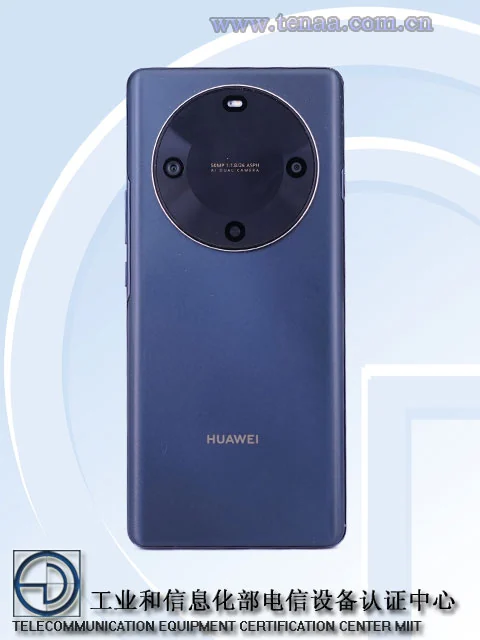
Huawei is set to launch the Enjoy 70X, the latest model in its Enjoy 70 series, on December 30th in China. This mid-range smartphone introduces notable improvements, including Huawei’s Kirin 8000A 5G processor.
One of the key features of the Enjoy 70X is its Beidou satellite messaging capability, which provides an additional communication option in areas with limited cellular coverage.
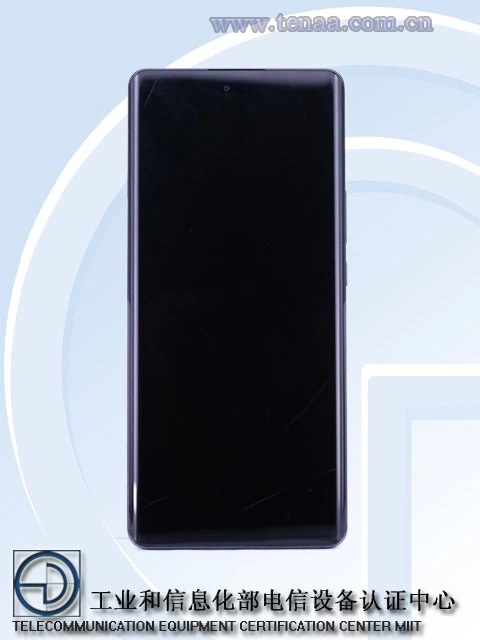
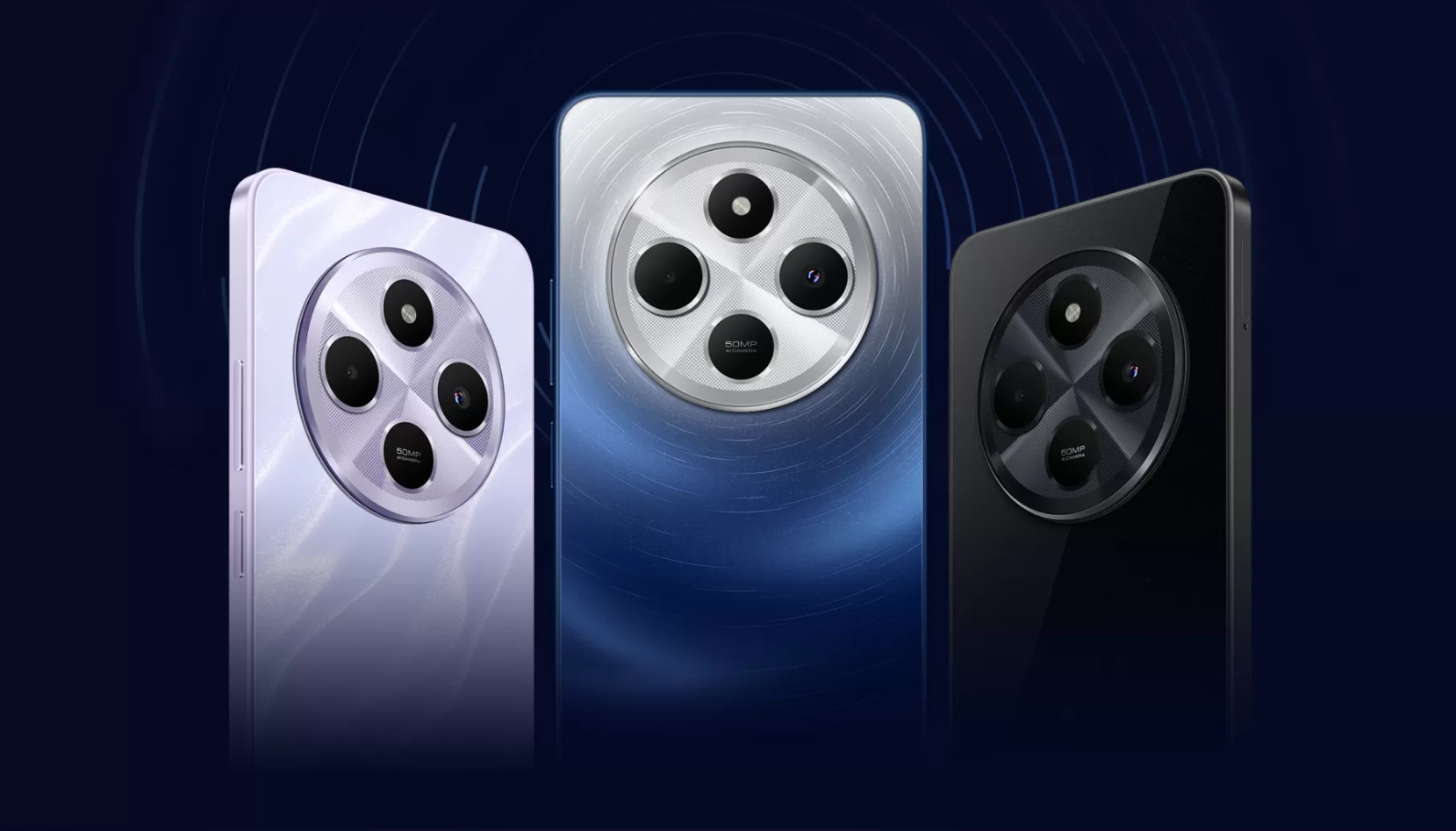
In terms of design, the Enjoy 70X is expected to feature a dual-hole hyperbolic display with a centrally aligned layout, offering a modern look. Leaked images suggest a circular camera module on the rear panel with a distinctive star-ring design.
The camera setup is anticipated to include a 50MP primary sensor with RYYB technology for improved low-light performance, a 2MP macro camera for close-up shots, and an 8MP front camera for selfies.
The device is rumored to feature a 6.78-inch display with a resolution of 2700 x 1224 pixels and 10-bit color depth for accurate color reproduction. It is expected to house a 6000mAh battery with 40W fast charging support, ensuring extended usage and faster recharging.
Storage options are likely to range from 128GB to 512GB, paired with 8GB of RAM to handle multitasking efficiently. An under-display fingerprint scanner is expected to provide secure and easy device access.
The Enjoy 70X has already received certifications from the TENAA authority, paving the way for its market debut. Combining the Kirin 8000A processor, satellite messaging, and a robust feature set, the Enjoy 70X aims to appeal to mid-range smartphone buyers with its refined design and practical capabilities.
The Realme 14 Pro series was just teased earlier this week that revealed its color changing panel. Now, the company has officially shared more details regarding the upcoming lineup’s display and another variant with a different back panel. So let’s check it out.
Realme 14 Pro goes premium with suede leather
The Chinese tech giant is set to unveil the Realme 14 Pro and Realme 14 Pro+ in January 2025. We already know one variant of the series will feature a temperature sensitive color changing design, which will have it shift from pearl white to vibrant blue when the temperature falls below 16 degrees Celsius. But another version has been confirmed to offer a gray vegan suede leather that brings a more premium feel.
Realme 14 Pro teased with Suede Leather
Realme confirmed that the new devices will measure just 7.5mm thick, making them ultra slim as well. This Suede Gray version will offer a textured finish and support IP66, IP68, and IP69 ratings for protection against dust, water, and high pressure liquids and steam. That’s not all, the teaser showcases the display on the front of the Realme 14 Pro series. While the exact size has yet to be revealed, it will sport a 1.5K AMOLED display with curved edges and 3,840Hz PWM dimming.
Based on what we know so far, the Realme 14 Pro+ may be equipped with the Snapdragon 7s Gen 3 SoC. On the rear, it may feature a triple camera setup with a 50MP Main + 50MP periscope telephoto shooter + 8MP Ultra Wide Angle lens. A massive 6,000mAh battery pack could power this device, with support for 80W wired fast charging. We can expect AI powered features and more from these models, so stick around for more updates.
Smartphone design affects a user’s purchasing decision in many ways. It’s the first thing you notice when choosing a device and the first feature you show off to friends.
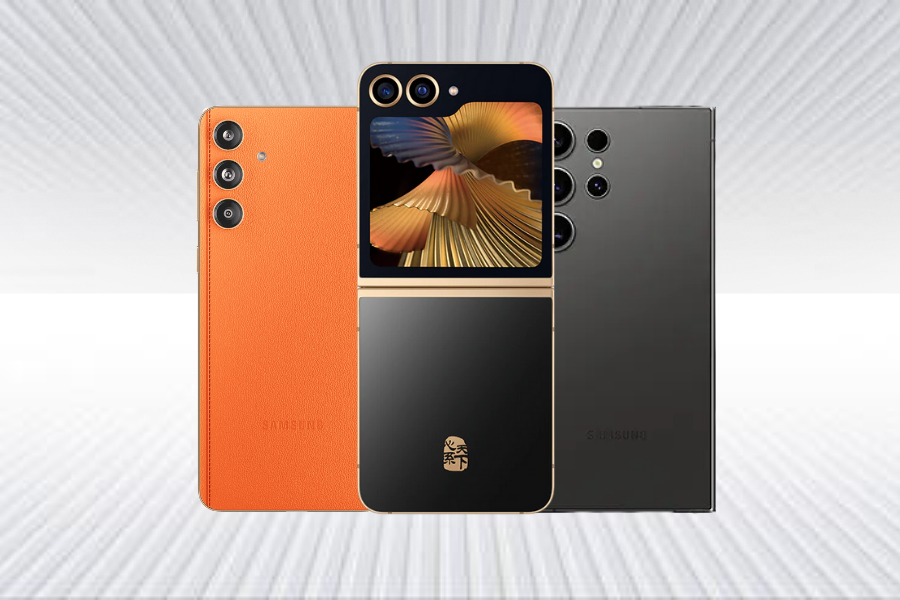
If you’re in the market for a Samsung phone with great design, know that Samsung follows a consistent design philosophy that blends familiarity with elegance.
Unlike some brands that experiment with flashy features like lights or color-changing backs, Samsung usually focuses on timeless appeal while giving each device a distinctive touch. So let’s explore what we think are the best-looking Samsung phones you can buy.
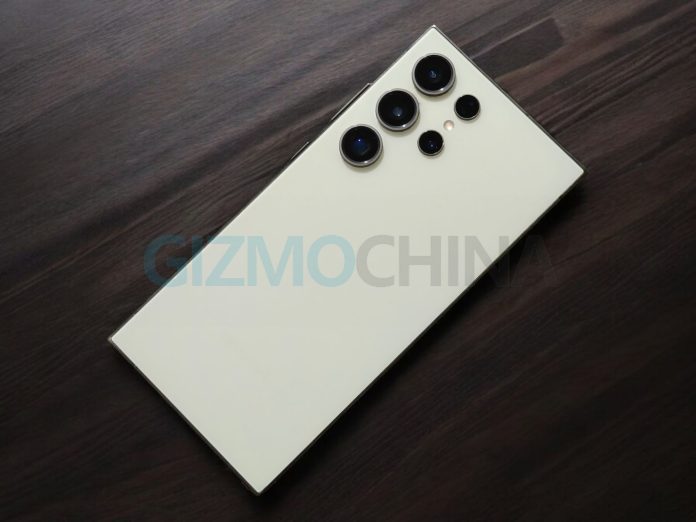
The Galaxy S24 Ultra is Samsung’s flagship, and while it may not stray too far from the tried-and-true design of its predecessor, that’s not necessarily a bad thing. The sharp lines, minimal bezels, and flat display give it a commanding presence.
Samsung started opting for a titanium frame with S24 Ultra which makes it feel even more premium in hand. The satin finish on the back means fingerprints won’t ruin the look, and the subtle camera housing integrates seamlessly into the design rather than sticking out awkwardly.
Sure, the S24 Ultra might not be radically different from the S23 Ultra, but the refined edges and new color options (Titanium Gray, Blue, and Orange) are enough to make it look like a step up. The squared-off corners give it that unmistakable “Ultra” identity, setting it apart from the more rounded designs in the rest of Samsung’s lineup.e
2. Samsung Galaxy F55
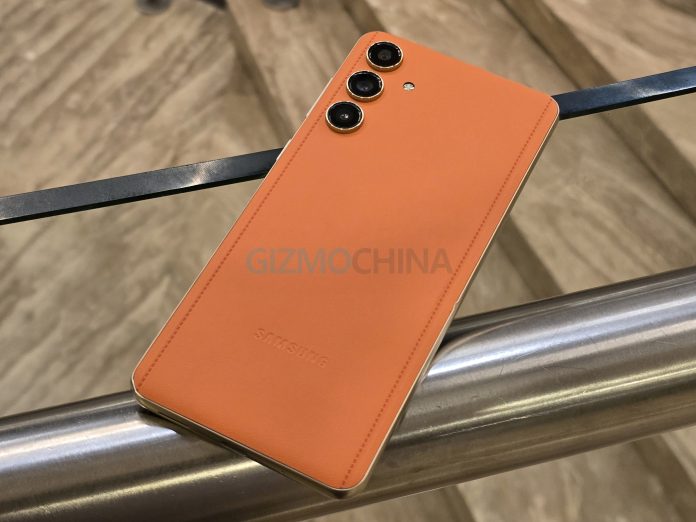
What sets the F55 (review) apart is its vegan leather back. It’s Samsung’s first phone to feature this material and to complement the soft texture, the back has rounder frames which give the phone a luxurious feel that’s both comfortable to hold and visually distinctive.
It’s an Apricot color variant with a golden frame and saddle stitch pattern further enhancing the look of the device. And for those who don’t want a flashy phone, you can opt for a Black shade.
At just 7.8mm thick, the F55 slips effortlessly into pockets and small bags. And it doesn’t have a protruding camera module like we see on other mid-rangers. This ensures that the F55 lies flat on any surface—a small but significant detail that improves the overall design experience.
3. Samsung Z Fold Special Edition
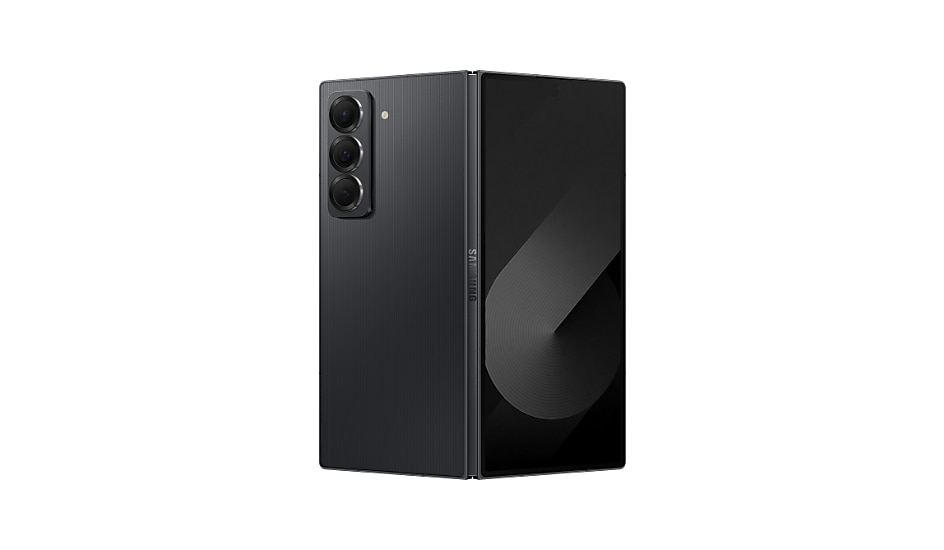
Foldable phones still feel futuristic, and the Z Fold Special Edition leans into that aesthetic. For the special edition, Samsung took the standard Z Fold 6 design and refined it further to give it a more polished look.
For instance, it’s the Samsung’s slimmest foldable yet. The unfolded dimensions are slightly larger—157.9 x 142.6 x 4.9 mm—than the Galaxy Z Fold 6, which measures 153.5 x 132.6 x 5.6 mm when opened.
When folded, the Special Edition measures 157.9 x 72.8 x 10.6 mm compared to the Galaxy Z Fold 6’s 153.5 x 68.1 x 12.1 mm, making it both narrower and easier to hold.
Both the internal foldable and cover screens maintain the same specifications as the Galaxy Z Fold 6 in terms of size, resolution, and display quality. But the difference lies in the aspect ratio.
The Special Edition’s foldable screen adopts a 20:18 aspect ratio instead of the Galaxy Z Fold 6’s 4:3. This results in a broader, more immersive display when unfolded. The cover screen’s ratio is also more expansive at 21:9, compared to the Galaxy Z Fold 6’s 22.1:9.
For users accustomed to standard slab-style smartphones, this wider cover display on the Special Edition offers a familiar experience, making it easier to manage tasks without needing to unfold the device.
While all this is impressive, the downside is its limited availability. The Special Edition fold is only available in South Korea, while in China it goes under the name Galaxy W25 Fold.
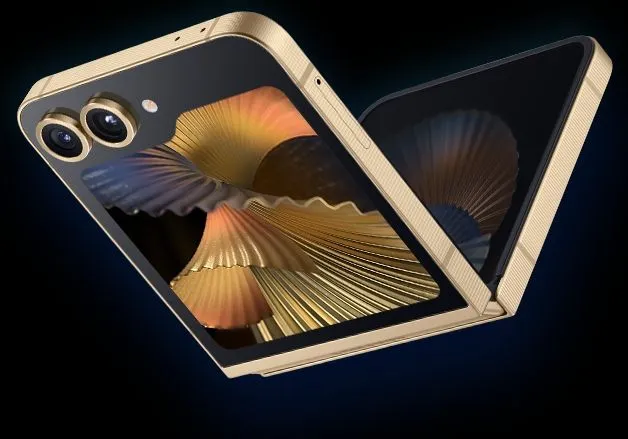
4. Samsung Galaxy W25 Flip
If the Z Fold is for those who want to go big, the W25 Flip is for those who want to keep things compact yet stylish. The W25 Flip stands out because of its playful design and pocketable form factor.
It has a luxurious design featuring a ceramic black back panel accentuated by the “Heart of the World” logo, inlaid with a delicate matte finish for a touch of elegance and nobility to the device.
The interplay of gold and black not only enhances its aesthetic appeal but also showcases a low-key yet sophisticated taste.
The W25 Flip features a gold-armored aluminum frame paired with an ultra-closed, thin, and finely crafted hinge. This hinge, with its gold gem-like texture and high-grade matte finish, provides a stable and reliable folding mechanism.
However, like the W25 Fold, the W25 Flip is limited to the Chinese market only.
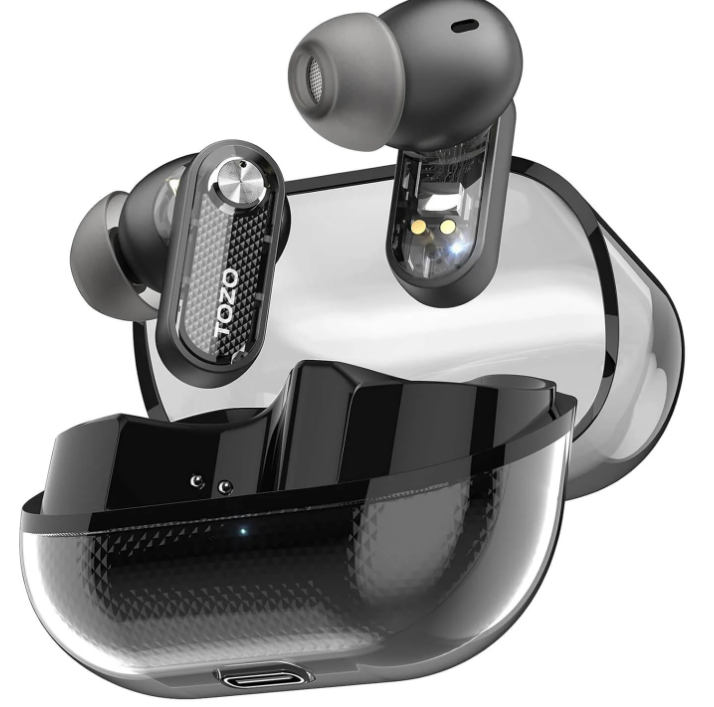
TOZO Crystal Pods set a new benchmark for wireless earbuds, combining cutting-edge technology, sleek design, and outstanding audio performance. Designed for users who value both aesthetics and functionality, these earbuds offer an immersive audio experience with a host of advanced features.
Sleek and Transparent Design
The TOZO Crystal Pods feature a modern transparent design that extends to both the earbuds and their charging case. This stylish aesthetic seamlessly combines contemporary elegance with advanced engineering, making them the ideal accessory for on-the-go use. Compact, lightweight, and effortlessly fashionable, they cater to users who appreciate both form and function.
Immersive Sound Quality
At the heart of the TOZO Crystal Pods is a commitment to superior audio. Equipped with oversized 10mm drivers and enhanced by OrigX Acoustic 2.0 technology, these earbuds deliver a rich and captivating sound experience. Expect powerful bass, clear mids, and crisp treble that elevate your music, podcasts, and movies to new levels of clarity and depth.
Hybrid Active Noise Cancelling (ANC)
The TOZO Crystal Pods utilize hybrid Active Noise Cancelling (ANC) technology to reduce unwanted background noise by up to 38dB. This feature ensures a distraction-free listening experience, whether you’re in a noisy office, commuting on public transport, or relaxing at home. The ANC system provides the perfect escape into your world of music or focus.
Crystal-Clear Call Performance
Say goodbye to muffled conversations with the TOZO Crystal Pods’ AI-powered call noise cancellation. Featuring dual microphones, these earbuds effectively suppress background noise during calls, ensuring your voice comes through with clarity and precision. Whether you’re taking an important business call or chatting with friends, the TOZO Crystal Pods deliver excellent communication quality.
Extended Battery Life and Fast Charging
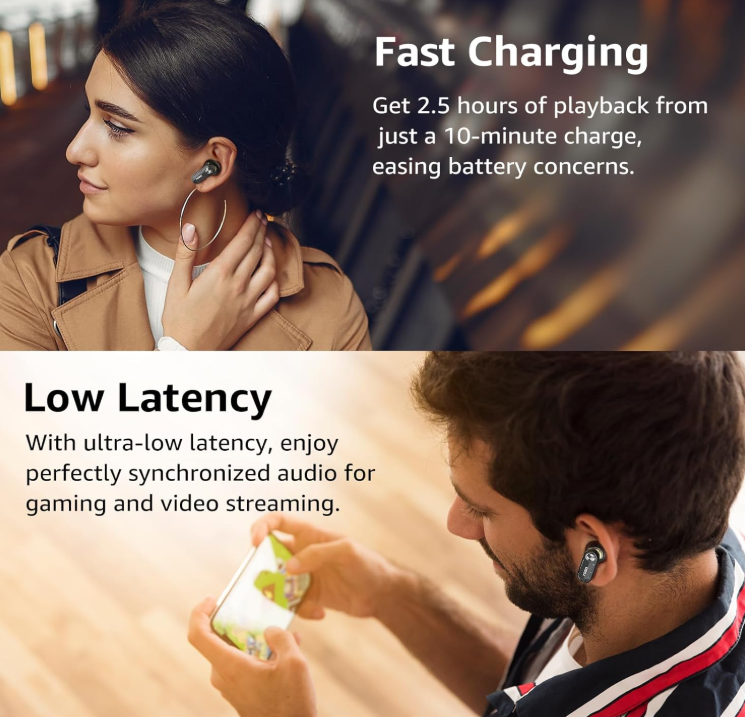
Battery life is no concern with the TOZO Crystal Pods. With ANC off, you’ll enjoy up to 7 hours of playtime on a single charge, and a total of 35 hours with the charging case. Even with ANC activated, the earbuds provide 6 hours of playtime and 30 hours with the case. Plus, a quick 10-minute charge delivers over 2 hours of playback, ensuring you’re never without your music for long.
Personalized Listening Experience
The TOZO Crystal Pods come with the TOZO app, offering a fully customizable listening experience. Choose from 32 EQ presets or create your own custom equalizer settings to suit your preferences. Share your unique sound profiles with a community of over 2,000 audiophiles in the app’s “EQ Zone.”
Reliable Connectivity with Bluetooth 5.4
Powered by advanced Bluetooth 5.4 technology, the TOZO Crystal Pods ensure fast, stable connections with low latency. This guarantees seamless audio synchronization, whether you’re enjoying a movie or gaming. The technology also enhances pairing efficiency and connection reliability, making these earbuds a hassle-free choice for everyday use.
Durability and Waterproofing
With an IPX5 waterproof rating, the TOZO Crystal Pods are resistant to water and sweat. This makes them ideal for workouts, outdoor adventures, and daily wear. Their robust construction ensures they withstand the rigors of an active lifestyle.
Deals and Availability:
The TOZO Crystal Pods are currently available with fantastic deals on both the official website and Amazon, making them more affordable than ever.
Official Website Deal: Enjoy $12 off your purchase by using the code 4DV7CBFG at checkout on TOZO’s official website.
Amazon Deal: On Amazon, the TOZO Crystal Pods are listed at a discounted price of $29.99, down from the original price of $49.99, saving you $20 (40%). Additionally, you can apply a $10 page coupon at checkout, bringing the total cost down even further for incredible value.
OnePlus has started releasing OxygenOS 15 for the OnePlus 11R in the Indian region. The update, identified as CPH2487_15.0.0.300(EX01), brings improvements across animations, AI tools, visuals, and functionality.
Animations and Graphics
The update features a new graphics engine designed for smoother rendering and animation performance. Parallel animation now applies to more elements, ensuring seamless transitions even during multitasking. Swipe consistency has been extended to third-party apps for a uniform scrolling experience.
AI Tools and Enhancements
AI-powered tools like image clarity restoration and reflection removal improve photo quality. The AI Notes suite includes tools for text formatting and voice recording cleanup. Features like AI Reply offer contextual message suggestions, and AI Rewrite provides grammar and style adjustments for enhanced text editing.
Design and Customization
The Home screen includes redesigned icons, updated rounded corners, and expanded customization for Always-On Display, Lock screen, and Home screen. Live Alerts have been adjusted for easier visualization and interaction, while live photo capture now spans three seconds for more complete moments.
Usability Updates
New Floating Window gestures enable easier multitasking with resizable windows. Notifications and Quick Settings are now accessible with separate swipes, and file sharing with iOS devices is supported. A “Charging limit” feature, stopping at 80%, helps prolong battery life.
Privacy and Connectivity
Private Safe now includes categorized views for easier data management. Hidden apps can be accessed more quickly, and network transitions have been optimized for smoother connectivity.
You can check the official changelog, as well as how to proceed with this update below.
OnePlus 11R OxygenOS 15 update changelog
Animations
A cutting-edge system graphics engine is available to deliver superior rendering and animation performance. Its innovative parallel drawing architecture ensures smooth, uninterrupted visuals, even when switching between multiple apps or pushing the system to its limits. Stability and fluidity are guaranteed under any conditions.
Parallel animation covers more elements like widgets, components, and folders, ensuring seamless transitions and smooth animations, even during frequent interruptions.
System-wide swipe consistency is extended to third-party apps, including WebView interfaces, for a uniform scrolling experience across the entire system.
AI Retouch
The Enhance clarity feature is added to restore detail to blurred images, making cropped, zoomed-in, or low-quality photos appear clearer and more defined.
With AI Reflection Eraser, blurred photos regain their sharpness, color accuracy, and lighting, ensuring that special moments with pets, kids, and others are vividly preserved.
The new Remove reflections feature eliminates unwanted reflections from glass, allowing you to capture more natural photos when shooting through windows.
AI Notes
The new AI writing suite offers features such as continued writing, text polishing, and style enhancement to help you draft and improve your content to spark creativity effortlessly.
The new Format feature arranges fragmented content into structured and readable ones that are more attractive and reader-friendly.
The new Clean up feature refines voice recordings by eliminating filler words for better sentence clarity without altering the original audio.
AI tools
The new AI Reply feature generates contextual recommendations and supports multiple language tones for more natural interactions.
The new AI check feature detects and corrects grammatical, punctuational and spelling errors, typos, and more, ensuring easy and faultless writing.
The new AI rewrite feature facilitates text modifications such as extending, condensing, expanding, and elaborating, along with style alterations enhancing writing efficiency and inspiration.
Visual effects
The Home screen is revamped with newly designed icons, presenting a fresh look with balanced proportions and enhanced colors for fuller and sharper visuals.
Numerous system function icons are overhauled for improved visual uniformity throughout the system.
The rounded corner design is enhanced for uniformity and continuous curvature is applied throughout the system.
Themes
The new flux themes feature a vast array of high-quality themes, allowing customization with system wallpapers and personal photos for a personalized touch.
Extensive customization is added for Always-On Display, the Lock screen, and the Home screen. Flux and classic modes are supported for Always-On Display. Clock color blending, blurred wallpapers, AI depth effects, AI auto-fills, and more are supported for the Lock screen. Blurred wallpapers, and more are supported for the Home screen.
The new flux themes present fluid and seamless transition animations among Always-On Display, Lock screen, and Home screen for improved visual consistency.
Live Alerts
The new Live Alerts design is concentrated on efficient information visualization, positioned centrally for a balanced and streamlined display.
The new Live Alerts interaction allows capsules to expand into detailed cards with a tap, providing efficient access to multiple live activities by swiping in the status bar.
The new Live Alerts animation system brings a fluid, elastic design and dynamic blurring effects in real time, making card visuals smoother and more refined.
Livephotos
The live photo duration is lengthened to 3 seconds, allowing more moments to be captured.
Photo editing
The new globally reversible photo editing capability saves previous edit settings for seamless subsequent edits, ensuring uninterrupted creative flow.
The integration between Camera and filters is enhanced, allowing for the post-editing, changing, or removing of applied filters in Photos.
Floating Window and Split View
The new Floating Window gestures: you can swipe down a notification banner to open a floating window, swipe down to enlarge it, swipe up to close it, and swipe sideways to hide it.
The resizable Split View windows allow you to drag the divider or tap the window for a more extensive display area.
Notifications & Quick Settings
The new Split mode allows separate access to the notification drawer (top-left swipe) and Quick Settings (top-right swipe), with swipe left or right to switch.
Quick Settings is revamped with a more visually appealing and consistent layout, along with refined and enhanced animations.
OnePlus Share
The new file transfer capability with iOS devices, easily connecting and sharing files through OnePlus Share.
Now you can easily share live photos with nearby iOS devices.
Battery & charging
The new “Charging limit” feature halts charging at 80%, helping to extend battery life and minimize degradation.
The new battery protection reminder activates the Charging limit feature if the device remains charging for too long, enhancing battery protection.
More
Exclusive OxygenOS Always-On Displays and Lock screen clock styles are added for a unique visual experience.
The new Home screen clock widget gives you the flexibility to resize as desired.
An easter egg is added in Calculator and will pop up when you input “1+=”, embodying OnePlus’s enduring “Never Settle” mentality.
New wallpapers are added to infuse your device with OnePlus’s signature style.
Exclusive app icon designs for OxygenOS are added, offering a fresh visual experience.
Now you can swipe up to the left to quickly enable Split View when an app is displayed in full screen.
The design of the About device and the System update pages are enhanced for clearer and more visually appealing information display.
The style and visuals of the Notes widgets are enhanced, making them more appealing and practical.
Apps in large folders can now be displayed in 3 × 3 grids.
Optimizes the widgets of Clock on the Home screen.
Optimizes the widgets of Notes on the Home screen.
The multitasking experience is enhanced by automatically guiding you to the last used app in the recent tasks view for easier app switching.
The Drawer mode is optimized to keep the existing Home screen app layout upon initial entry.
Privacy
The Private Safe is optimized by implementing categorized views for images, videos, and documents, simplifying data management.
A new Home screen entry is added for hidden apps, allowing quick access by tapping the folder and verifying your privacy password.
Wi-Fi
The multi-network experience is enhanced to deliver more efficient, accurate, and uninterrupted transitions between networks
How to Update
Users can join the Release Candidate Program via system settings (Go to Settings > System & Updates > Software update > Beta Program > Click the “update now” button on the card to download the update.). The update is rolling out in batches in the Indian region, with broader availability expected soon.
Motorola has released the Android 15 stable update for the Edge 50 Pro. The update, firmware version V1UM35H.10-38-1, is 1.77GB in size and brings several new features to improve connectivity, accessibility, and security. However, users have reported issues, highlighting areas that may need further refinement.
Motorola Edge 50 Pro
Key Features in the Update
The update introduces enhanced connectivity options, including satellite messaging for areas without network coverage and a one-tap hotspot connection for devices under the same Google account. Bluetooth settings now provide more functionality, such as viewing paired devices’ battery levels and adjusting sound settings.
Accessibility improvements include better font scaling, support for Braille Display HID, and enhanced controls for hearing devices with environment-specific sound presets. Security upgrades allow for offline tracking of phones and accessories and adaptive authentication to deter theft. Users can also use biometrics to access saved passwords more easily.
Other additions include on-screen search functionality, larger photo thumbnails for easier selection, and new customizable emoji stickers, including AI-powered designs.
User Feedback on Issues
Despite the new features, users have reported multiple issues with the update. Complaints include random black screen freezes, increased battery drain, and app crashes. Some features, such as the “circle to search” tool and Private Space, are not functioning as expected for some users.
Camera problems persist, with reports of the camera button failing intermittently. Navigation inconsistencies have also been noted, such as the back button displaying duplicate app windows. Additionally, Bluetooth toggles are not opening settings as intended.
Motorola has not yet addressed these concerns publicly, but users are hoping for a follow-up update to resolve the reported problems.
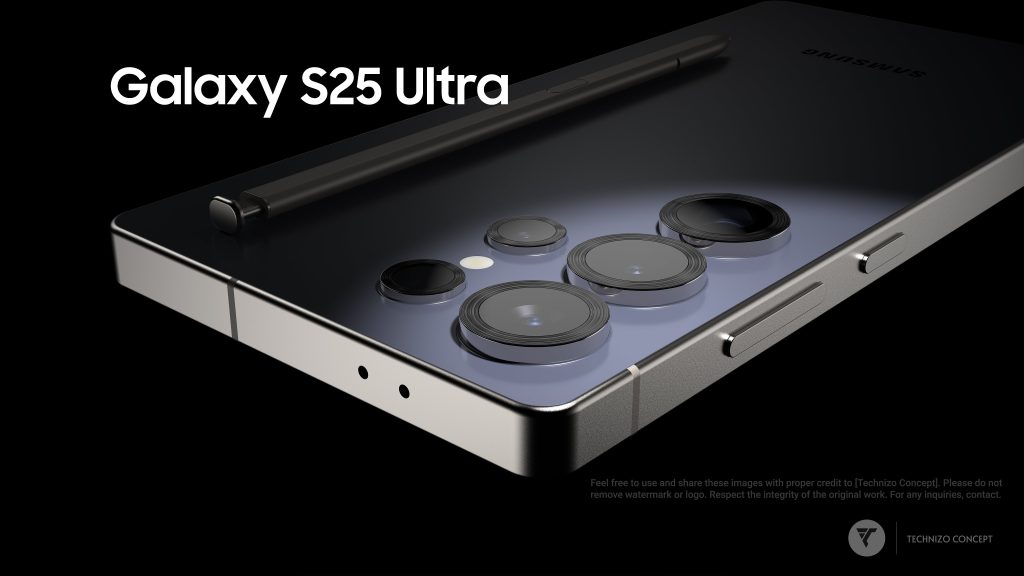
The Galaxy S24 Ultra was the first smartphone to use Corning’s Gorilla Glass Armor, earning praise for its anti-reflective coating that made it the least reflective smartphone screen in history. This innovation significantly enhanced usability in various lighting conditions. With the Galaxy S25 Ultra, Samsung is stepping up by incorporating the next-gen Gorilla Glass Armor, which is rumored to boast even better anti-reflective properties alongside improved durability.
While details about the upgraded glass are limited, this exclusive partnership between Samsung and Corning positions the S25 Ultra as a trailblazer in smartphone screen technology. The anti-reflective coating is expected to enhance the visual experience further, and users can anticipate a more robust build, making the device more resilient to everyday wear and tear.
Galaxy S25 Ultra also has a significant redesign over its predecessor
Beyond its cutting-edge display technology, the Galaxy S25 Ultra is set to feature a revamped design. Unlike its predecessor, the S25 Ultra will sport a completely flat display, flat middle frame, and back, along with rounded corners. However, leaked renders suggest the corners will remain slightly sharper compared to the Galaxy S25’s base and Plus models.
The S25 Ultra will be powered by Qualcomm’s Snapdragon 8 Elite (list of devices with it) chipset, ensuring a flagship-level performance. It is also expected to carry over the same 5,000mAh battery as the S24 Ultra, providing robust battery life to complement its high-end specs.
However, the next-gen Gorilla Glass Armor raises some important questions. Reports of the anti-reflective coating layer on the S24 Ultra peeling off within a year of regular use have surfaced recently, leaving many users concerned. Whether Corning has addressed this issue in the new glass remains to be seen.
Overall, the Galaxy S25 Ultra is shaping up to be another standout device from Samsung, with a strong emphasis on practical design. While the next-gen Gorilla Glass Armor is undoubtedly an exciting upgrade, its long-term effectiveness will be worth paying attention to.
Vivo seems to be gearing up for an exciting 2025, with leaks revealing the launch timeline of the Vivo X200 Ultra in China and offering insights into the brand’s broader smartphone roadmap for the coming year. The Vivo X200 and X200 Pro have already hit global markets, but all eyes are now on the Ultra variant.
Renowned tipster Digital Chat Station (DCS) has suggested that a flagship Vivo smartphone powered by Qualcomm’s Snapdragon 8 Elite chipset will be unveiled in March or April 2025. This device is widely believed to be the Vivo X200 Ultra, which, if true, would launch earlier than its predecessor, the Vivo X100 Ultra, which debuted in May 2024.
Camera enthusiasts have a lot to look forward to with the Vivo X200 Ultra. It is expected to feature a triple-camera setup, including a 50MP primary sensor (1/1.3-inch) and a groundbreaking 200MP periscope sensor (1/1.4-inch). These high-resolution sensors are similar to what Vivo included in the X100 Ultra and X200 Pro, promising exceptional photography capabilities.
However, Vivo has yet to bring the X100 Ultra to India, and there’s little optimism about the X200 Ultra making its way to the country. The brand’s focus for this model seems to remain centered on the Chinese market.
Vivo’s 2025 smartphone roadmap tipped
In addition to the X200 Ultra, Vivo’s product lineup for 2025 is shaping up to be diverse and ambitious. According to DCS, Vivo plans to introduce several new flagship and midrange devices next year, spanning various categories. It includes a Snapdragon 8 Elite-powered foldable, possibly named the Vivo X Fold 4 or X Fold 4 Pro, could debut around June or July 2025. This timeline marks a shift from the X Fold 3 series, which launched in March 2024.
Vivo is also working on compact midrange smartphones powered by MediaTek’s Dimensity 9400 (vs Snapdragon 8 Elite) chipset, appealing to users who prefer smaller devices. A MediaTek Dimensity 9400-powered tablet is reportedly in development. The Vivo X200s series, likely to follow the X100s lineup, could arrive as early as April 2025, accelerating Vivo’s usual launch cycle for its S-branded models.
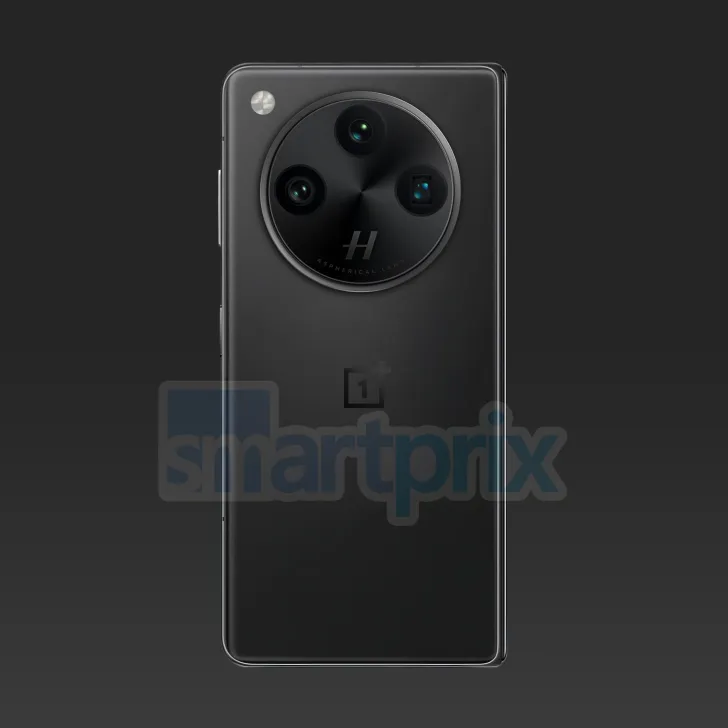
OnePlus fans have something exciting to look forward to as the OnePlus Open 2, the brand’s second-generation foldable, is on the horizon. Recently leaked renders of the device provide a first look at its design, revealing notable refinements and upgrades over its predecessor, the OnePlus Open, which debuted in October 2023. Let’s delve into the details of what’s new and improved in this highly anticipated foldable smartphone.
OnePlus Open 2 appears to be thinner
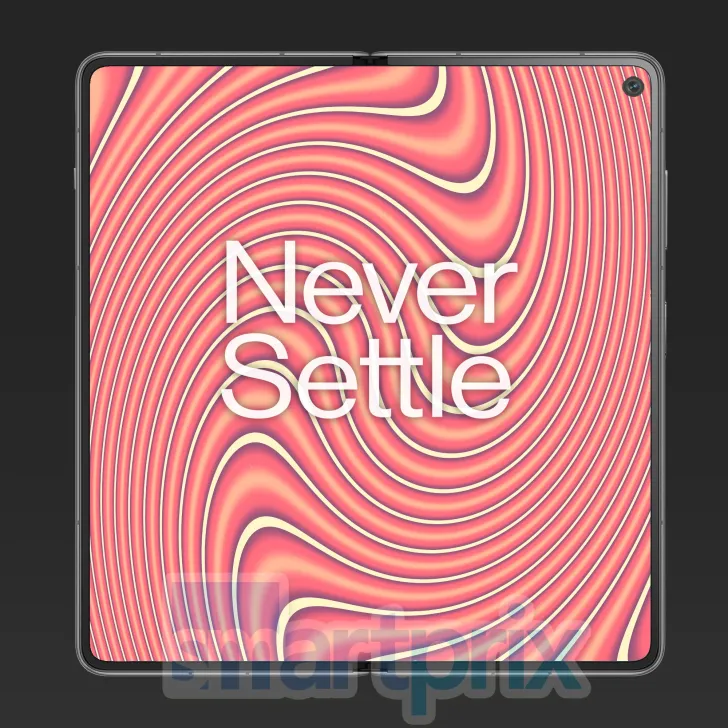
The newly leaked renders, shared by Smartprix in collaboration with Yogesh Brar and Chunvn, showcase a prototype design of the OnePlus Open 2.
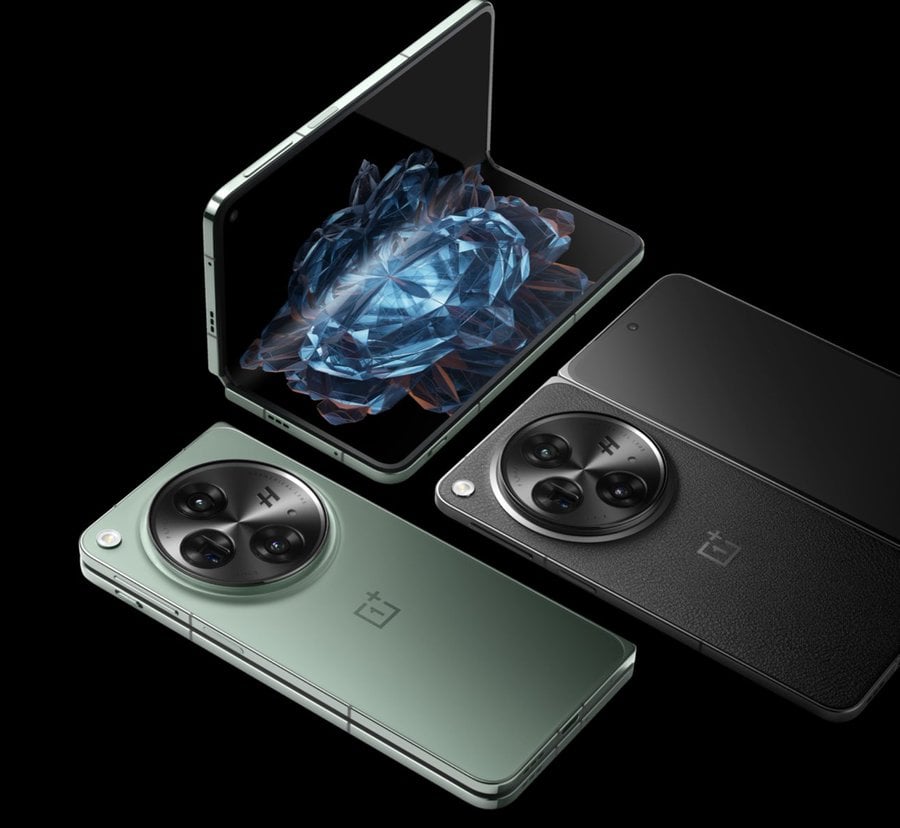
Compared to the original OnePlus Open, the Open 2 is said to be larger yet thinner, with a slim profile of just 10mm—making it potentially the slimmest foldable phone in its category. For reference, the first-generation OnePlus Open measured 11.7mm thick. This sleek design refinement could position the Open 2 as a leading contender in the foldable segment.
Another notable design upgrade is the expected IPX8 water resistance, a step up from the IPX4 rating of its predecessor, which will enhance durability and appeal to users seeking a more rugged foldable device.
What else should you expect?
The phone could feature an 8-inch 2K LTPO AMOLED inner screen with a 120Hz refresh rate, complemented by a 6.4-inch AMOLED outer display for seamless usage. The Open 2 might ship with up to 16GB of RAM and 1TB of storage, ensuring ample space and multitasking capabilities.
It’s expected to be powered by the Snapdragon 8 Elite (vs Snapdragon 8 Gen 3) SoC, marking a significant performance upgrade over the Snapdragon 8 Gen 2 in the OnePlus Open. OnePlus offered some impressive multitasking features with the first-generation phone to offer the best possible user experience. The Open 2 will run OxygenOS 15 based on Android 15, likely featuring even more refined multitasking and AI-powered functionalities.
The rear camera setup is expected to house three 50MP sensors (main, ultrawide, and telephoto with 3x optical zoom), while the front cameras could include 32MP and 20MP sensors.
A larger 5,900mAh battery with 80W wired and 50W wireless charging will ensure improved battery life and faster charging.
The OnePlus Open 2 is rumored to debut in China in early 2025, with a global release expected within Q1 2025. Given the OnePlus Open’s availability in India, the Open 2 is also likely to launch there.
Huawei appears to be preparing for the launch of its Pura 80 Ultra, the successor to the Pura 70 Ultra released in April. Recent leaks from China have revealed key camera specifications, positioning the Pura 80 Ultra as a flagship device for photography enthusiasts.
The Pura 80 Ultra is rumored to feature a 50 MP main camera with a 1-inch type sensor and variable aperture, a 50 MP ultrawide camera, and a “super large” periscope zoom lens equipped with a 1/1.3″ type sensor. While these specs suggest a significant focus on advanced imaging capabilities, it’s important to note that they are based on current prototypes. Adjustments could still occur before the phone enters mass production.
Huawei Pura 70 Ultra
Although the official launch is expected in Q2 2025, likely around April to align with the Pura 70 Ultra’s release schedule, these early details highlight Huawei’s ambition to make the Pura 80 Ultra a photography powerhouse.
Looking at its predecessor, the Pura 70 Ultra, provides additional context. That device featured a 6.8-inch OLED LTPO display with a 120Hz refresh rate and FHD+ resolution, combined with advanced color and dimming technologies. Its rear camera system included a 50 MP retractable lens, a 40 MP ultrawide lens, and a 50 MP macro telephoto camera. The front camera was a 13 MP ultrawide lens.
The Pura 70 Ultra also boasted a 5200mAh battery with 100W wired and 80W wireless fast charging, along with reverse charging capabilities. These specifications set a high bar for the upcoming model.
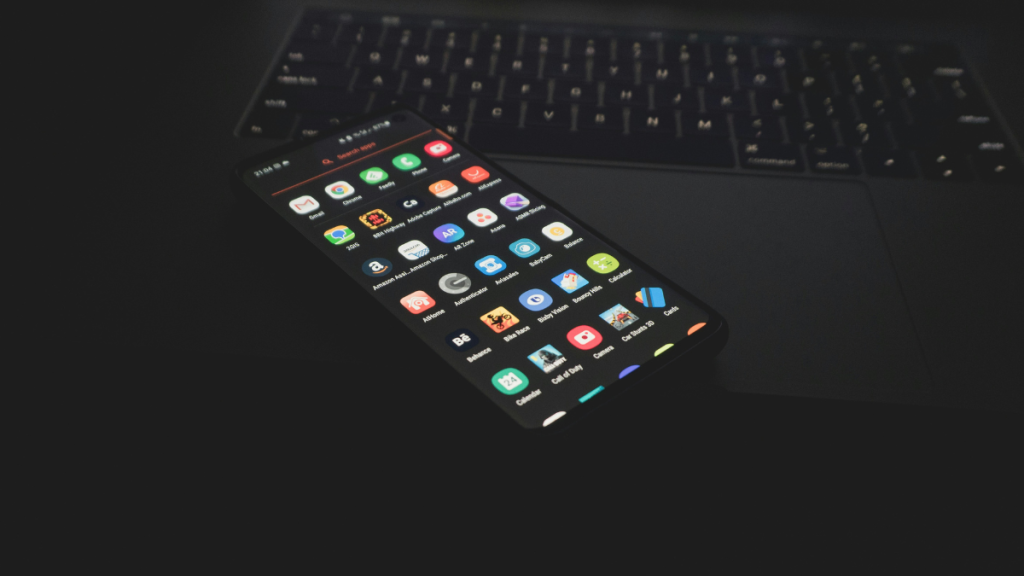
After unboxing and setting up your new Samsung phone, the first step, perhaps, is to delete all unnecessary preinstalled apps so that you don’t have to juggle between a lot of apps later on to quickly find your favorite ones. This also saves some storage space and CPU resources. Carriers may also contribute to bloatware on Samsung phones, but most of them can be removed, fortunately.
While One UI is still one of the most popular Android skins, bloatware is still a problem that’s been around for years. But, in 2021, Samsung made a significant step in that direction. It made Google Messages the default messaging app on all phones launched since 2021, but only for specific regions. Samsung phones still come with Samsung Messages, though.
Here, we’ve prepared a list of apps that Samsung should stop preinstalling on Galaxy phones, which will not only improve its reputation in bloatware but also the user experience.
1. Microsoft Office apps
Microsoft’s partnership with Samsung extends beyond Link to Windows, as Galaxy phones also come with a suite of Microsoft Office apps, such as Microsoft 365 and Outlook. While the auto-installation can be prevented when setting up your Samsung Galaxy, it’s easy to miss out when quickly setting things up.
Microsoft Office apps are useful, but they do not work on mobile phones as good as they do on computers. And the presence of Google alternatives, such as Google Drive and Gmail, further reduces the incentive.
2. Microsoft OneDrive and LinkedIn
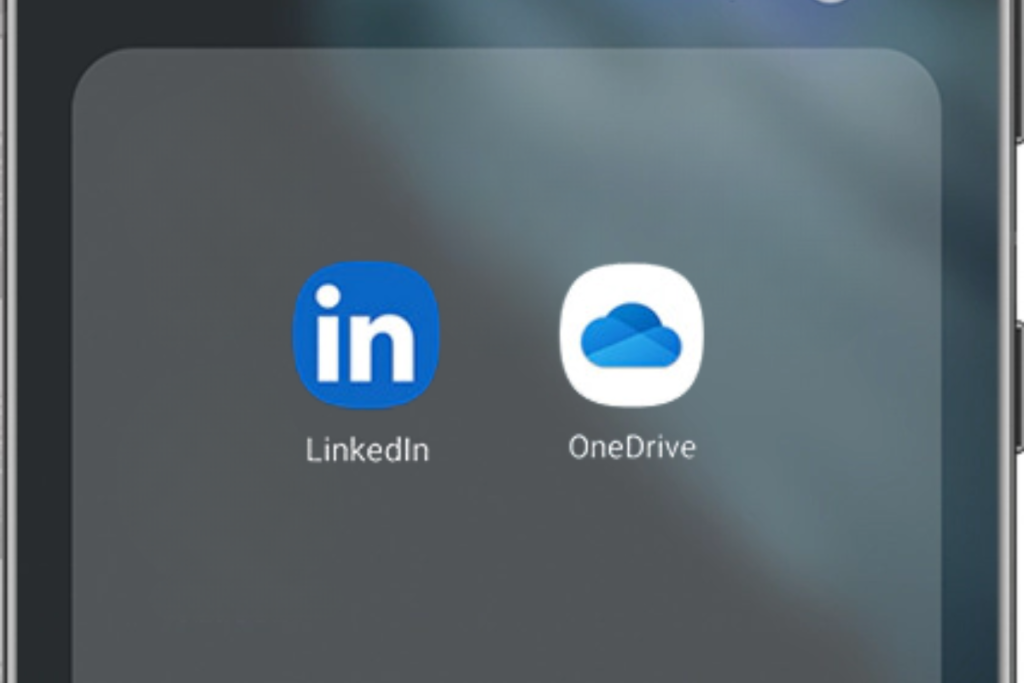
Besides Microsoft Office apps, Samsung shouldn’t preinstall OneDrive and Linked as well. Samsung Galaxy phones already have Google Drive with 3x more free storage than OneDrive and better compatibility with most Android apps for backups.
LinkedIn isn’t for the general public but for professionals and businesses. The primary reason for preinstalling apps should be to target the majority, not a specific segment. Hence, LinkedIn shouldn’t be preinstalled on our phones.
3. Samsung Kids
Samsung Kids app helps parents create a safe and engaging digital environment for their children by allowing them to modify the app’s access, monitor app usage, add screen time limits, and restrict access to specific websites. However, more than being a useful app, it feels like bloatware, as the majority of Samsung users are adults.
Instead of preinstalling Samsung Kids, Samsung should make it available on the Google Play Store so that users searching for it can install it easily while reducing one bloatware for millions of Galaxy owners.
4. Samsung Calendar
Samsung Calendar is a useful app, but its non-compatibility with other devices always frustrates me. The app only works with Samsung devices, unfortunately.
I used the app for a few weeks only to get frustrated because of a lack of PC support. Every time I had to look at the calendar to see my upcoming meetings or set a task/reminder while using the PC, I had to grab my phone. I strongly felt the need for PC compatibility. Eventually, I switched to Google Calendar that works with any device and has an excellent integration with Gmail. Since then, I didn’t feel the need to make another switch.
Samsung should allow users to access Samsung Calendar through any other device or not install this app at all. That’s my strong advice to Samsung.
5. Samsung Keyboard
Samsung Keyboard works well with Samsung phones, but there are many great keyboard apps with extra features. Gboard is one of them, featuring better word prediction capabilities, more accurate glide typing, undo backspace feature, and a wide range of themes and customizations. Integrated Google Translate makes texting easier.
6. Samsung Free
Samsung Free lets users watch channels (limited), read news, and play games. It’s a completely free service but is limited to certain regions, including India.
In a world with so much free content on YouTube and premium services like Netflix and Amazon Prime Video, Samsung Free offers less incentive to drive people to the platform. For news, you can use the Google app, and the Play Store has an extensive collection of engaging games (free and paid).
There are better alternatives to Samsung Free. Therefore, Samsung shouldn’t preinstall this app on its phones, in my strongest opinion.
Did we miss something on the list? If so, mention them in the comments below.
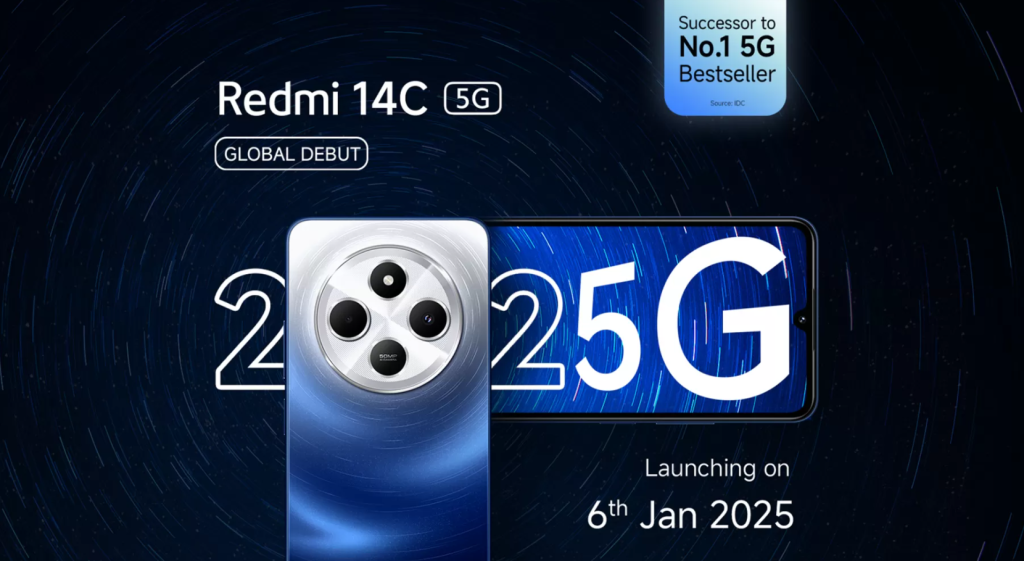
Xiaomi has announced the launch of its Redmi 14C 5G smartphone, scheduled for January 6, 2025, in both Indian and global markets. The device was initially teased as a “2025G” smartphone on the Redmi India X platform and later confirmed through a Flipkart landing page. It is expected to be a rebranded version of the Redmi 14R 5G.
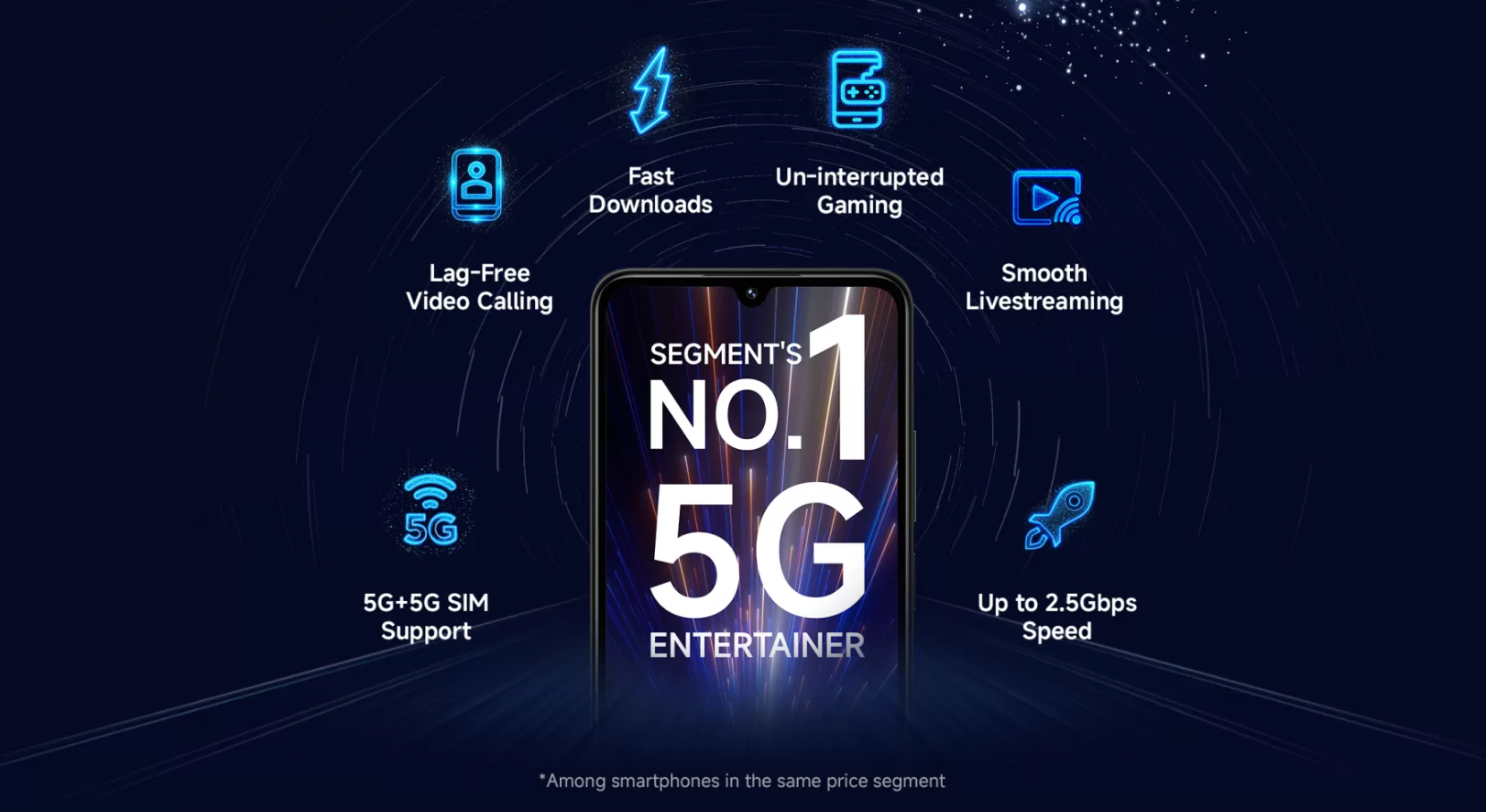
The Redmi 14C 5G is being promoted as a leading option in its segment, with features such as dual 5G SIM support, seamless video calling, smooth live-streaming, uninterrupted gaming, and download speeds of up to 2.5Gbps. It will be available in three colors—White, Blue, and Black—and features a “Premium Starlight Design.”
While detailed specifications specific to the Redmi 14C 5G are yet to be fully disclosed, the Redmi 14R 5G provides insight into what consumers might expect. This includes a 6.88-inch display with a resolution of 1640 × 720 pixels, a peak brightness of 600 nits, and a touch sampling rate of 240Hz.
The screen also supports DC dimming, eye protection, and functionality even when wet. The device is powered by the Snapdragon 4 Gen 2 chipset and offers up to 8GB of RAM along with 256GB of internal storage. It includes a 13MP rear camera, a 5MP front-facing camera, and a 5160mAh battery that supports 18W fast charging. Its dimensions are 171.88mm x 77.8mm x 8.22mm.
In other news, Xiaomi is gearing up to launch the Redmi Turbo 4 in its home market, powered by the recently announced Dimensity 8400 processor. The phone is rumored to include a 6.67-inch LTPS OLED display with 1.5K resolution, a large 6,550mAh battery, and a design featuring a plastic frame and glass back. Globally, the device is expected to be rebranded as the POCO F7.
Infinix is gearing up for the launch of its Note 50 series, with one of its models recently spotted in the FCC certification database. This certification not only confirms the imminent release of the device but also offers a glimpse into its body design and connectivity features.
Infinix Note 40 series’ Active Halo Light
While the Infinix Note 50 series has been making headlines since its GSMA database listing in October 2024, detailed information about the phones had remained under wraps—until now. With the FCC certification, key details about the smartphone’s design and connectivity have been unveiled.
Specifications revealed by the FCC certification:
The FCC listing identifies the Infinix Note 50 under the model number X6858, and two color configurations—green and pink—were observed. The phone’s rear panel sports a rectangular camera module with rounded corners, located in the upper-left corner.
This module houses four lenses arranged in two rows: two large lenses and one small lens on the left, alongside a small lens and an LED flash on the right. The camera module matches the rear body’s color, while the Infinix logo adorns the bottom-left corner of the device.
The Infinix Note 50 measures 163.2 mm in length, 74.4 mm in width, and 9 mm in thickness. The FCC listing reveals support for 2G, 3G, and 4G LTE connectivity across multiple bands, along with dual-band Wi-Fi, Bluetooth (likely version 5.0 or above), and NFC. The device will also support fast charging up to 45W. While the exact battery capacity remains undisclosed, the phone features a nominal voltage of 3.91V.
What else can you expect from the Infinix Note 50 series?
The Note 50 series is expected to include multiple models: the Note 50, Note 50X, Note 50 Pro, and Note 50 Pro Plus 5G, with corresponding model numbers X6858, X6857, X6855, and X6856, respectively. If the launch follows the timeline of its predecessor, the Infinix Note 40, the Note 50 series could debut in Indonesia and other markets by early 2025.
Infinix Note 40 Pro (4G) with MagPad
As for pricing, 91mobiles speculates that the Infinix Note 50 may launch at around IDR 2.8 million (~Rs 14,785) or even reach IDR 3 million, slightly higher than its predecessor. The Note 40, released in March 2024, had a starting price of IDR 2.7 million.
The OnePlus Open made its official debut back in October 2023. Now, over a year after its initial release, the company is offering a massive discount worth Rs 40,000 on its flagship foldable phone. This model is now available for purchase for under Rs 1 lakh. So here are all the details.
OnePlus Open Sells for Just Rs 99,999
The OnePlus Open is currently listed on Amazon for its lowest price ever. OnePlus is selling its first ever foldable phone for just 99,999 INR (roughly 1,169 US Dollars). To recall, the OnePlus Open had a 139,999 INR launch price in India. It is worth noting that this discount is only available on Amazon since the official OnePlus website in India still carries the original 139,999 INR price tag.
OnePlus Open
That’s not all, Amazon is even offering a Try and Buy option for the OnePlus Open. For those unaware, this is a trial order that lets users try the OnePlus Open at their home for just 149 INR. This helps them figure out whether they wish to buy the phone after using it at home for a bit. Similarly, the brand’s 2024 flagship, the OnePlus 12, also got a notable discount earlier this week. It got a 7,000 INR discount, bringing it down to its most affordable price.
The OnePlus Open has a 6.3-inch external screen and a 7.82-inch internal display. Both panels are an LTPO AMOLED with 2K resolution and a 120Hz refresh rate. Under the hood, it is equipped with the Snapdragon 8 Gen 2 SoC. For optics, the rear has a 48MP triple camera setup, while the external and internal screens have a 20MP and 32MP selfies camera respectively. A 4,800mAh battery pack powers this device, which supports 67W wired fast charging.
For years, Xiaomi’s Redmi line stood as the go-to option for budget-conscious consumers seeking the best possible specifications without breaking the bank.
The Redmi Note series, in particular, was hailed as a disruptor in the mid-range smartphone market, offering features that undercut competitors at the same price point. Fast forward to today, and that narrative is starting to shift. While Redmi smartphones remain popular, there’s a growing sentiment that their value proposition has diminished.
In contrast, Poco—a sub-brand of Xiaomi—appears to be quietly but steadily inheriting the mantle once held by Redmi. Poco phones now occupy the sweet spot where aggressive pricing meets high-end specifications, a position that Redmi used to dominate.
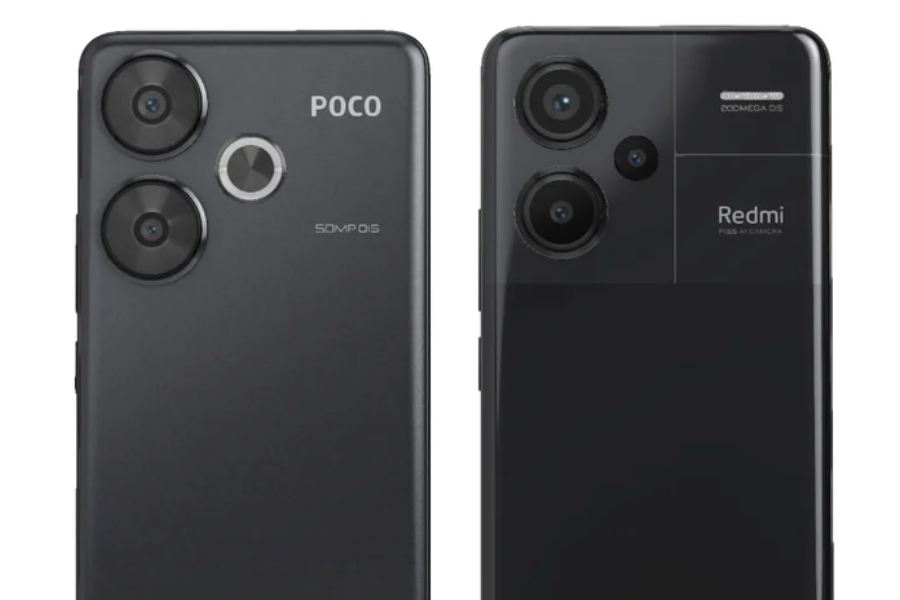
Ironically, Poco’s devices are often near replicas of their Redmi counterparts, differing primarily in branding and subtle design changes. Yet, the pricing disparity between the two lines leaves Poco looking like the better deal more often than not.
Redmi earned its reputation by redefining what consumers could expect from budget and mid-range phones. From the Redmi Note 5 Pro to the Redmi Note 10 series, each launch generated significant buzz, thanks to their high performance-to-price ratio.
A Redmi Note phone would typically boast capable processors, large batteries, and capable cameras—all for a fraction of the price competitors charged.
However, over the last couple of years, Redmi devices have gradually crept up in price. The once-affordable Redmi Note series now commands a price that puts it in competition with brands like Samsung.
And with increased competition and marginal improvements year-over-year, Redmi smartphones have lost some of their allure. What was once an easy recommendation for budget buyers is now seen by many as just another generic mid-ranger.
2. Enter Poco
Poco entered the market in 2018 with the launch of the Poco F1, a device that immediately garnered attention for packing a flagship Snapdragon processor into a body that cost less than many premium mid-range phones.
Poco’s strategy was simple: take Xiaomi’s supply chain, leverage its manufacturing, and strip away any unnecessary frills to deliver pure performance at a cutthroat price.
In the years since Poco has continued to embrace that ethos. The brand consistently undercuts Redmi on price while offering nearly identical specifications. For instance, the Poco X6, launched earlier this year, shares most of its hardware with the Redmi Note 13 Pro but arrives at a noticeably lower price point.
3. Similar Specs, Lower Prices
One of the key reasons behind Poco’s better value proposition lies in its pricing strategy. Despite often being rebranded Redmi devices, Poco phones are marketed at slightly more aggressive prices. A typical example is the Poco M6 Pro 5G, which mirrors the Redmi Note 14 5Gin design and specifications but comes in at a lower starting price.
From a hardware perspective, there’s little to differentiate the two brands. Both Poco and Redmi phones often feature the same MediaTek processors, AMOLED displays, and large-capacity batteries. The camera systems, too, are strikingly similar. But you can get the M6 Pro for Rs 12,999 in India while the Redmi Note 14 costs Rs 18,999.
4. Branding and Target Audience
Part of the reason Poco can afford to undercut Redmi may lie in its branding approach. Where Redmi aims to strike a balance between mass-market appeal and competitive pricing, Poco targets tech-savvy buyers who prioritize performance over aesthetics. Poco doesn’t shy away from cost-cutting measures, such as opting for slightly less premium finishes.
These design choices resonate with buyers looking for maximum performance without concern for luxury materials. By focusing on what matters most to this segment—speed, battery life, and display quality—Poco manages to stay competitive while keeping prices in check.
In contrast, Redmi appears to be pushing into more premium territory, especially with its latest Redmi Note 14 Pro series. This shift has made room for Poco to position itself as the new budget king. Where Redmi once cornered the sub-₹20,000 market in India or the sub-$300 category globally, Poco now steps in to fill that gap.
5. The Bottom Line
Poco’s value proposition lies in its ability to deliver nearly identical specifications to Redmi at a lower price point. While Redmi devices still offer solid performance and build quality, the gradual increase in pricing has lessened their appeal to budget-conscious consumers. Poco, with its aggressive pricing and no-frills approach, now stands as the better value-for-money option in Xiaomi’s portfolio.
As long as this pricing strategy continues, Poco is likely to keep winning over buyers who once flocked to Redmi for their smartphone needs. And while Redmi may be shifting toward premium aspirations, Poco seems content to stick with the formula that originally made Redmi a household name.
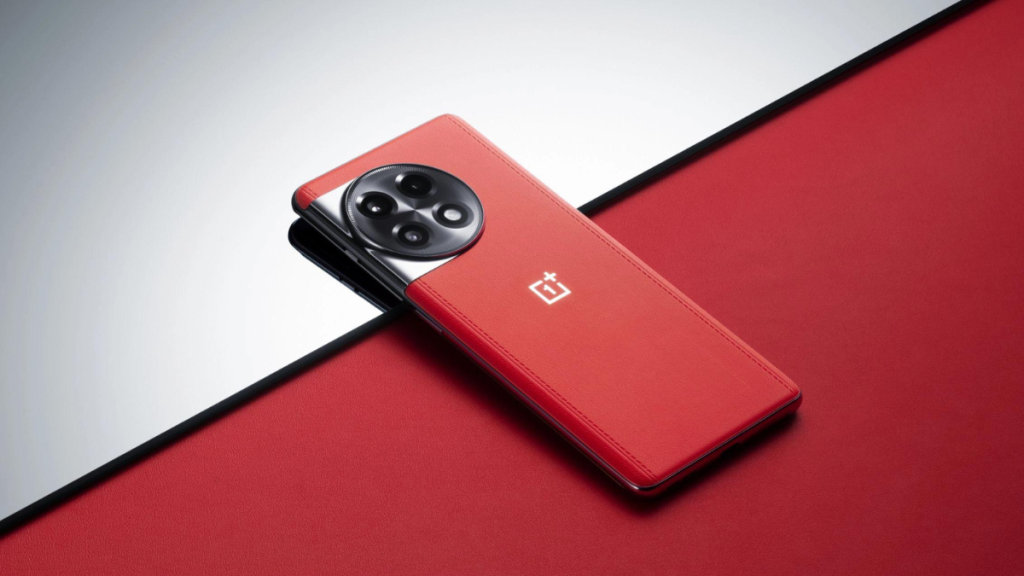
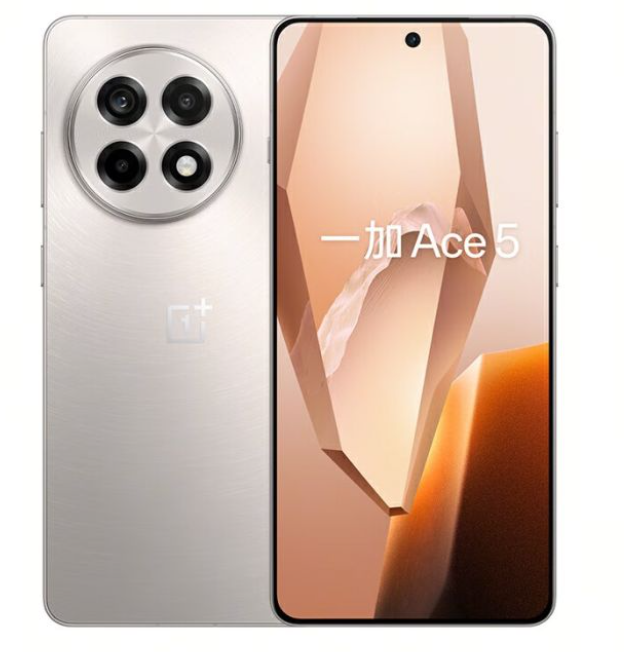
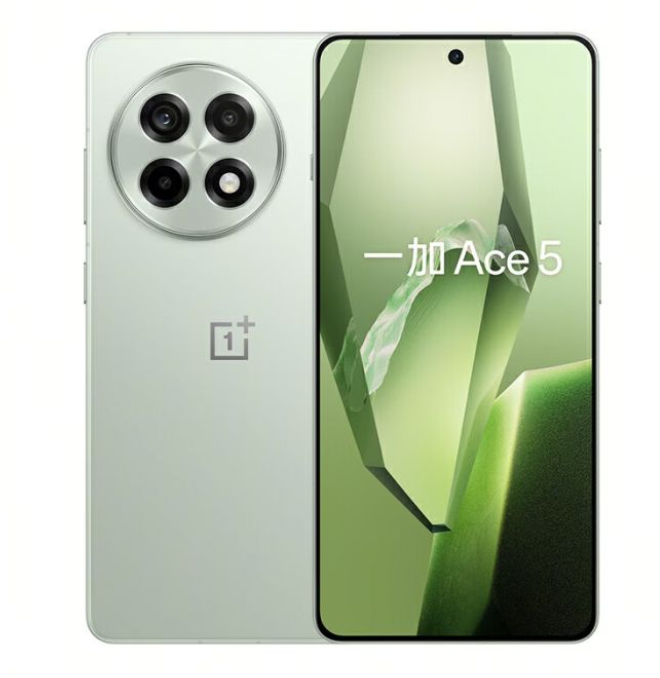
OnePlus Ace 5 is the latest innovation in smartphone technology, designed to deliver a powerful and seamless user experience. Combining cutting-edge hardware with elegant design, the ACE 5 sets a new performance, visuals, and functionality benchmark. Whether you’re a gamer, a photographer, or a multitasker, this device offers something extraordinary for everyone. You can get the OnePlus Ace 5 for a starting price of $399 at Geekwills.
Unmatched Performance with Snapdragon 8 Gen 3
At the heart of the ACE 5 lies the Qualcomm Snapdragon 8 Gen 3 chipset, a powerhouse designed to handle even the most demanding apps and games. This advanced processor ensures smooth multitasking, faster app launches, and a lag-free gaming experience, making it the perfect companion for tech enthusiasts and power users.
A Display That Dazzles
The ACE 5 boasts a stunning 6.78-inch display with 1.5K resolution, delivering crisp visuals and vibrant colors. Whether you’re watching movies, gaming, or browsing social media, the screen provides an immersive and lifelike experience. The larger display size and sharp resolution make it ideal for users who demand superior visuals in every interaction.
Exceptional Camera Capabilities
Capture your world in stunning detail with the 50-megapixel Sony IMX906 primary camera. This high-performance sensor is complemented by an ultra-wide-angle lens, enabling you to take expansive landscape shots and group photos with ease. With the ACE 5, your photography reaches professional levels, ensuring every moment is captured in its full glory.
All-Day Battery Life
Stay powered throughout the day with the ACE 5’s robust 6400mAh battery. Thanks to its 80W fast-charging support, you’ll spend less time tethered to a charger and more time enjoying your device. Whether you’re gaming, streaming, or working on the go, the ACE 5 keeps up with your busy lifestyle.
Sleek and Durable Design
The ONEPLUS ACE 5 combines a sleek, modern aesthetic with a durable build. Its ergonomic design ensures a comfortable grip, while the premium materials offer resilience against daily wear and tear. It’s a phone that looks as good as it performs.
Intuitive Software
Running on the latest OxygenOS, the ACE 5 offers a clean and intuitive user interface. The software is designed to enhance your experience, providing fast performance, smooth navigation, and customizable features tailored to your preferences.
Flexible Storage and RAM Options
The ACE 5 is available in multiple configurations, ensuring there’s a model to suit every user’s needs. From casual users to multitasking professionals, the ample storage and RAM options provide the flexibility and space you require for your apps, photos, and files.
Key Specs:
Processor: Qualcomm Snapdragon 8 Gen 3
Display: 6.78-inch 1.5K resolution
Primary Camera: 50MP Sony IMX906 with ultra-wide-angle lens
Battery: 6400mAh with 80W fast charging
Software: OxygenOS
Storage and RAM: Multiple configurations are available
OnePlus 13 is set to make its global debut soon, with its Indian release being highly anticipated as well. But ahead of the 7th January 2024 release, the OnePlus 13 had its Indian price range and storage options revealed in a new leak. There are also details regarding the OnePlus 13R, so let’s check it out.
OnePlus 13 India Price Range & Storage Variants
The news arrives from known tipster Yogesh Brar, who shared the information on X (formerly Twitter). It seems that OnePlus is bringing a slight price hike to its next gen flagship. The OnePlus 12 was announced in India for a starting price tag of 64,999 INR (roughly 758 USD). However, the OnePlus 13 is expected to release in the region for around 67,000 INR and 70,000 INR (roughly 817 USD).
OnePlus 13
OnePlus 13 is rumored to launch in two variants, namely a 12GB + 256GB option and a 16GB + 512GB variant, which is the same as its predecessor. Although there might be more options in the global variant. Yogesh Brar also revealed one key information regarding the OnePlus 13R. The price range for this model wasn’t tipped, but the OnePlus 13R might launch in just one variant in India, which might be the 12GB + 256GB model. This model is the successor to the OnePlus 12R.
For those unaware, the OnePlus 13R is a rebranded Ace 5 series phone that was just unveiled in China. Brar claimed that the OnePlus 13 would arrive in multiple color options in the region, which includes a Black Eclipse, Arctic Dawn, and Midnight Ocean. On the other hand, the OnePlus 13R arrives in two colors Nebula Noir and Astrail Trail. This is all the information we have at the moment, so stick around for more updates.
OnePlus Ace 3 Pro is a feature-packed smartphone that combines style, performance, and cutting-edge technology. Whether you are a gaming enthusiast, a photography lover, or someone who needs a reliable device for everyday tasks, the OnePlus Ace 3 Pro has something to offer. You can now get $100 OFF on OnePlus Ace 3 Pro at Giztop.
Display and Design
The OnePlus Ace 3 Pro features a stunning 6.78-inch OLED display with a resolution of 2780×1264 pixels. The 120Hz refresh rate and 360Hz touch sampling rate make it perfect for smooth scrolling and immersive gaming experiences. The display supports HDR10+ and offers 100% DCI-P3 color gamut, ensuring vivid and lifelike visuals. With a peak brightness of 4500 nits, the screen remains sharp and clear even in bright sunlight.
Performance
Under the hood, the OnePlus Ace 3 Pro is powered by the Snapdragon 8 Gen 3 processor, delivering top-tier performance. The device comes with up to 16GB of LPDDR5X RAM, ensuring seamless multitasking and fast app launches. An independent graphics chip boosts in-game frame rates, making it a perfect companion for gaming enthusiasts. The HyperBoost Game Frame Stabilization Engine 2.0 further enhances gaming by minimizing frame drops and jittering.
Camera Capabilities
The OnePlus Ace 3 Pro boasts a triple rear camera setup, including a 50MP Sony IMX890 primary sensor with optical image stabilization (OIS) and 4K video recording. The 8MP ultra-wide-angle lens with a 120-degree field of view and the 2MP macro lens allow users to capture diverse and creative shots. For selfies and video calls, the device is equipped with a 16MP Samsung ISOCELL front camera.
Battery and Charging
With a massive 6100mAh battery, the OnePlus Ace 3 Pro ensures all-day usage on a single charge. The device supports 100W SuperVOOC fast charging, allowing you to quickly recharge and get back to your activities. The battery comes with TÜV Rheinland certification for safe and reliable fast charging.
Software and Connectivity
The OnePlus Ace 3 Pro runs on ColorOS 14, which offers a fresh, intuitive interface and features like Dark Mode 2.0. It supports dual SIM functionality, 5G connectivity, Wi-Fi 7, Bluetooth 5.4, and NFC. Additional features include dual stereo speakers, an x-axis linear motor, and the iconic OnePlus alert slider.
Storage Options
The device comes with UFS 4.0 storage options ranging from 256GB to 1TB. This ensures ample space for your apps, photos, music, and more. The fast storage standard also contributes to quicker read and write speeds, enhancing overall performance.
We use cookies on our website to give you the most relevant experience by remembering your preferences and repeat visits. By clicking “Accept”, you consent to the use of ALL the cookies.
This website uses cookies to improve your experience while you navigate through the website. Out of these, the cookies that are categorized as necessary are stored on your browser as they are essential for the working of basic functionalities of the website. We also use third-party cookies that help us analyze and understand how you use this website. These cookies will be stored in your browser only with your consent. You also have the option to opt-out of these cookies. But opting out of some of these cookies may affect your browsing experience.
Necessary cookies are absolutely essential for the website to function properly. This category only includes cookies that ensures basic functionalities and security features of the website. These cookies do not store any personal information.
Any cookies that may not be particularly necessary for the website to function and is used specifically to collect user personal data via analytics, ads, other embedded contents are termed as non-necessary cookies. It is mandatory to procure user consent prior to running these cookies on your website.