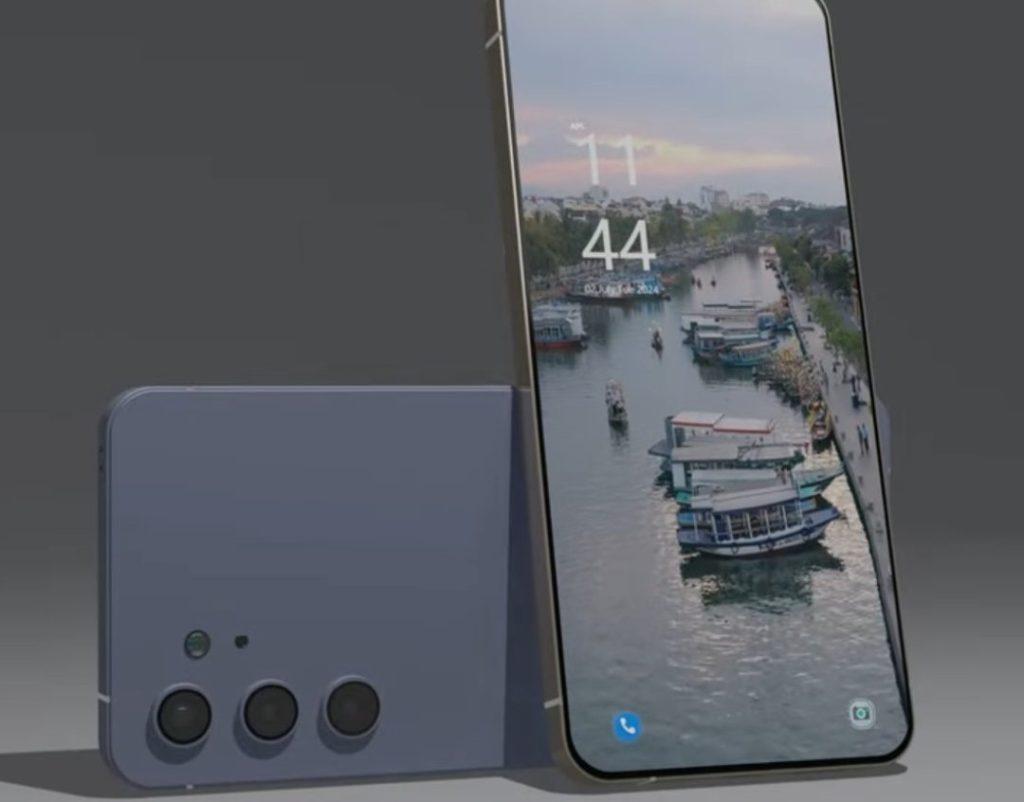
Samsung is preparing to unveil its much-anticipated Galaxy S25 series, and the leaks just keep coming! Among the lineup, a new model—the Galaxy S25 Slim—is generating buzz for its slick design and impressive specifications. While official confirmation from Samsung is still pending, rumors suggest the company will host its next Unpacked event on January 22, 2025, to debut the Galaxy S25 lineup. However, conflicting reports hint that the Slim model might see a separate launch later in the year.
Galaxy S25 Slim appears in new leak:
The Galaxy S25 Slim is rumored to measure under 7 mm in thickness, making it one of the thinnest smartphones Samsung has ever produced. For comparison, Apple’s iPhone 17 Air is expected to come in even slimmer at just 5-6 mm. This focus on sleek design could signal a new trend in the smartphone market, with companies prioritizing aesthetics alongside performance.
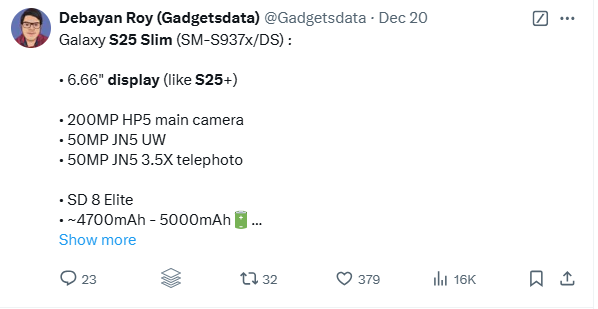
Despite its thin profile, the Galaxy S25 Slim is said to pack a 4700mAh to 5000mAh battery. This is impressive, especially considering that Samsung’s current Ultra model houses a similar 5000mAh capacity while delivering excellent battery life. The Slim model is also rumored to feature a 6.66-inch display, comparable to the Galaxy S24+. Under the hood, it will reportedly be powered by the Snapdragon 8 Elite chip, just like the other models in the lineup.
On the camera front, the leak corroborates earlier reports about the device’s triple-lens setup:
200MP HP5 main camera
50MP JN5 ultra-wide lens
50MP JN5 3.5x telephoto lens
These specifications suggest Samsung is doubling down on photography and video capabilities, even for its slimmer models.
Beyond the Slim model’s immediate appeal, the leaks suggest it could play a pivotal role in shaping Samsung’s future design philosophy. Rumors indicate that Samsung is employing innovative lens technology to fit larger, high-resolution sensors without significantly increasing the camera bump. This aligns with the Slim’s design goals, offering a sleeker appearance without compromising on functionality.
The Galaxy S25 Slim could launch separately
Interestingly, reports suggest the Galaxy S25 Slim might launch separately in Q2 2025 (April–June). This potential staggered release could give Samsung more time to market the device and gauge consumer interest. Moreover, its success is expected to influence the design language of the Galaxy S26 series and beyond.
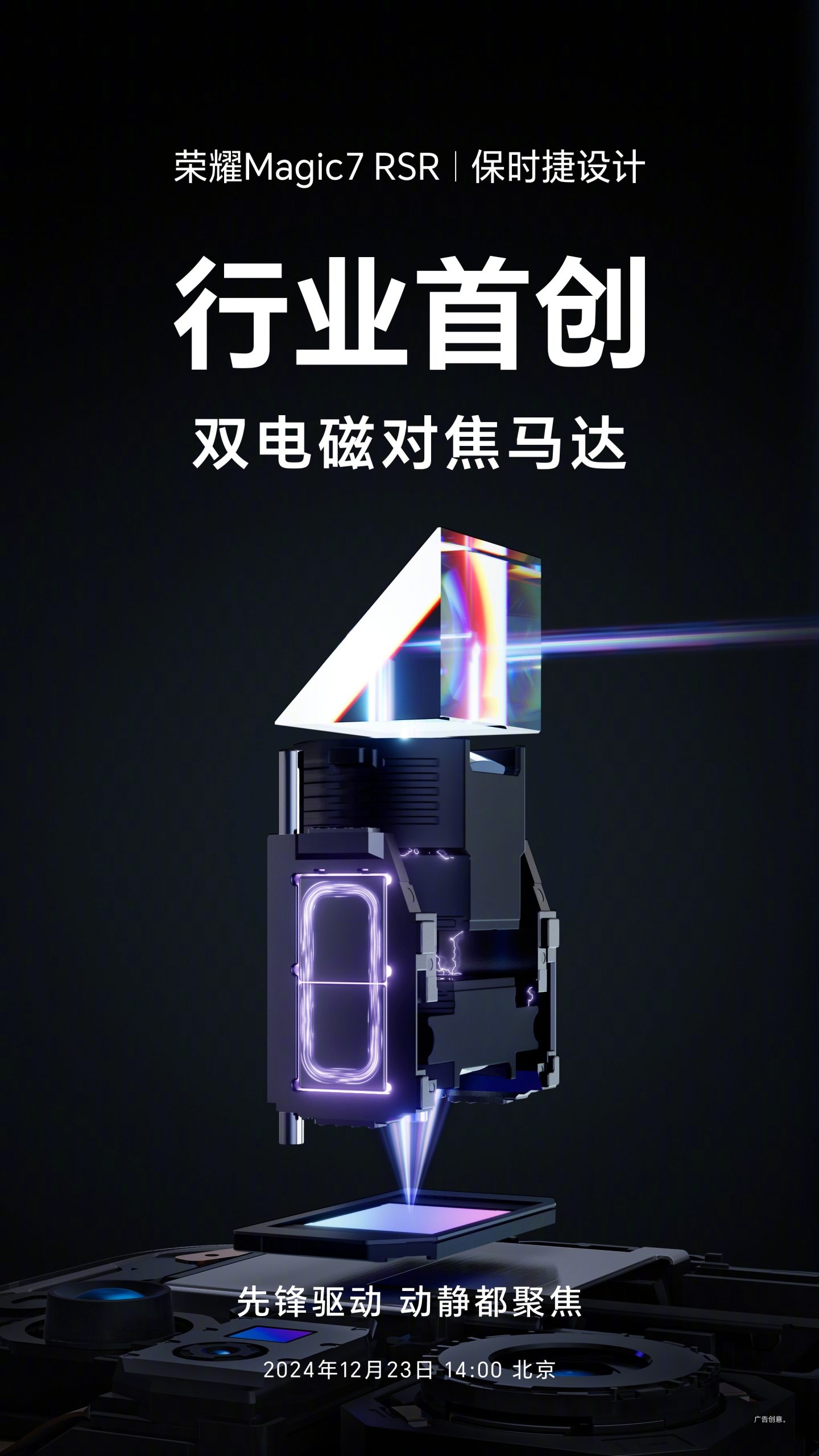
Honor is set to unveil the Magic 7 RSR Porsche Design at a launch event on December 23 at 2:00 PM. Ahead of the official launch, the smartphone is now listed on Honor’s official website in Provence Purple and Agate Gray, with two storage configurations: 16GB + 512GB and 24GB + 1TB.
The brand has also confirmed that the device features the industry’s first 100x AI super-telephoto camera. This technology promises exceptional clarity at both close and long-range distances, supported by a periscope telephoto lens with a super-large f/1.88 aperture. Honor claims this setup overcomes low-light limitations with superior resolution.
The device also features the industry’s first dual electromagnetic focus motor, ensuring precision in capturing high-speed moments.
Previous reports have mentioned that the Magic 7 RSR Porsche Design will boast a 6.8-inch LTPO display with a resolution of 2800×1280 pixels (1.5K). It will include advanced eye protection features like 4320Hz PWM dimming and circular polarized light technology, designed to reduce eye strain.
The phone’s primary camera setup is said to feature a 200MP sensor with a 1/1.4″ sensor size and 3x optical zoom. More details are expected to emerge ahead of the official launch. Its predecessor, the Honor Magic 6 RSR Porsche Design debuted in March of 2024 with a 6.80-inch FHD+ OLED display supporting 5,000 nits of peak brightness.
It also has a triple rear camera system that includes a 50MP wide-angle sensor with OIS and variable aperture (f/1.4–f/2.0), a 180MP periscope telephoto lens with up to 100x zoom, and a 50MP ultra-wide lens, supporting 4K video. It packs a 5600mAh battery with 80W wired, 66W wireless, and reverse wireless charging.
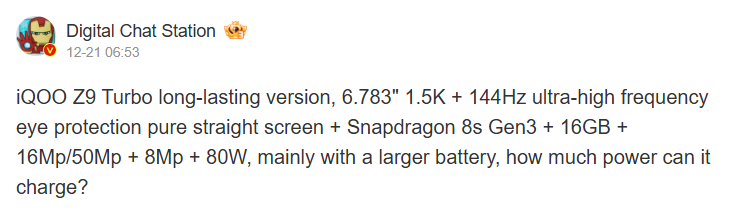
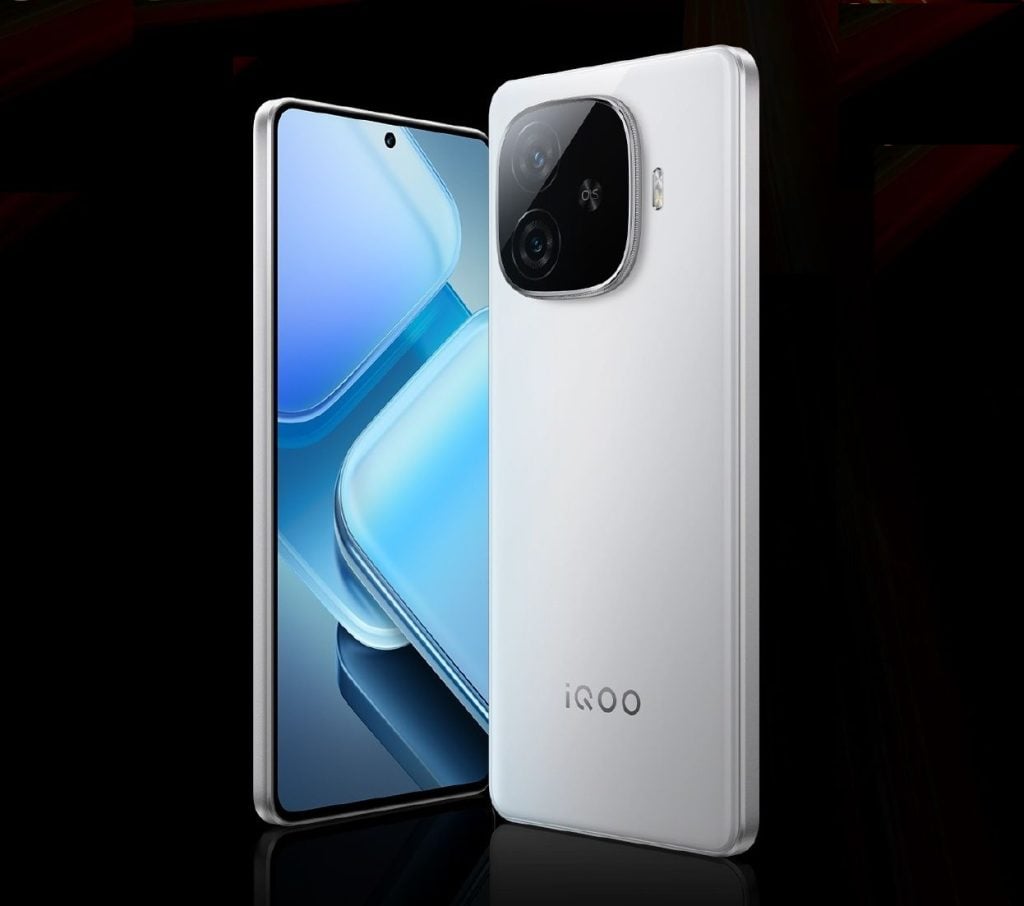
iQOO is preparing to release a new version of its Z9 Turbo smartphone, called the “Endurance Edition.” According to leaker Digital Chat Station, this variant will feature an upgraded battery, although the exact capacity has not been confirmed.
That said, the iQOO Z9 Turbo “Endurance Edition” with model number V2352GA recently appeared on China’s 3C certification database, revealing 80W fast charging. It is rumored that the device could feature a 6,400mAh battery, similar to the Z9 Turbo Plus.
iQOO Z9 Turbo
Other specifications are expected to remain unchanged. For reference, the iQOO Z9 Turbo is equipped with a 6.78-inch flat OLED display offering 1.5K resolution and a 144Hz refresh rate. It features a 16-megapixel front camera and a dual rear camera setup with 50-megapixel and 8-megapixel sensors. The device also supports up to 16 GB of LPDDR5x RAM and up to 512 GB of UFS 4.0 storage.
In related news, the brand is also reportedly working on the iQOO Z10 Turbo, which could debut with a 7,000mAh single-cell silicon battery. The device is expected to be powered by Qualcomm’s upcoming Snapdragon 8s Elite chip (SM8735) and could include a 1.5K OLED display with a 144Hz refresh rate. Additional features may include a dual rear camera setup with a 50-megapixel main sensor and support for either 80W or 90W fast charging.
Smartwatches have evolved from niche gadgets to mainstream tech in just a few years. Brands like Apple, Samsung, and Garmin are among the leading players in this business. They offer wearables with precise health tracking features and other software functionality. But they don’t come cheap.
The latest Apple Watch Series 10 will set you back $400, which is the cost of a mid-range phone. So this begs the question, are they worth it?
The answer largely depends on what you need from your devices and how much you value the features smartwatches provide. Let’s break it down.
Fitness tracking is a key selling point for smartwatches. Most models come with a set of standard features such as step counting, calorie tracking, and sleep monitoring.
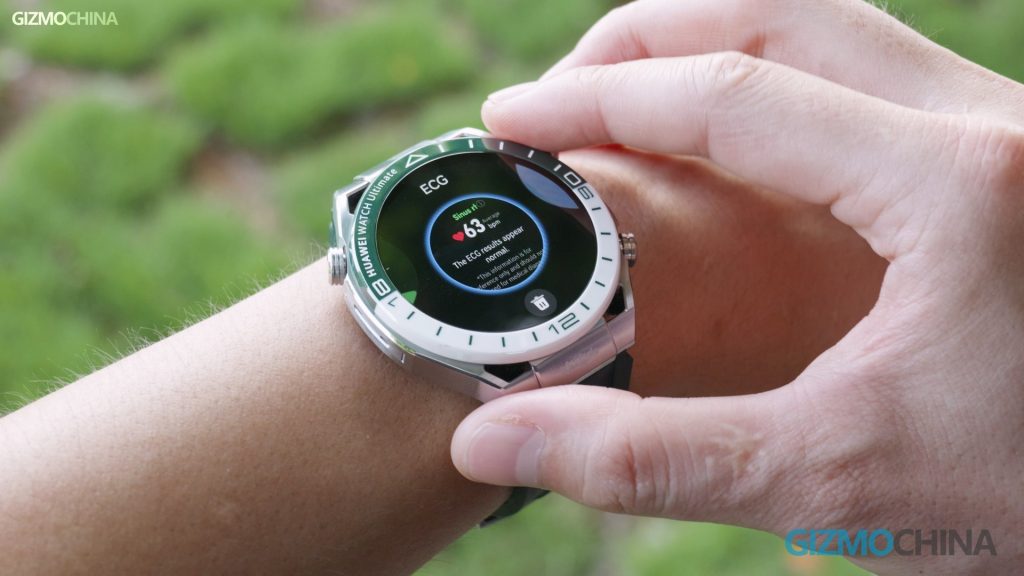
And while those are basics, premium models like Apple Watch Series 10 and Galaxy Watch 7 offer much more advanced features like ECGs, and VO2 max estimates. They can also detect atrial fibrillation or Samsung even offers blood pressure monitoring on their watches.
Keep in mind though, they’re in no way substitutes for medical devices. These features could be valuable for health-conscious users or those managing chronic conditions.
Convenience
Another key offering of smartwatches is their ability to handle notifications and communication. They provide quick access to calls, messages, and app alerts.
While that’s definitely convenient, it often overlaps with smartphone usage, which might make it redundant for those already accustomed to checking their phones regularly.
Productivity and Entertainment
Smartwatches also cater to productivity and entertainment needs. You can use them to set timers, wake voice assistants, or even play some games.
LTE-equipped smartwatches model takes this convenience further by enabling phone-free activities like streaming music or making calls. However, these added benefits come with a higher price tag.
Last but not least, the smartwatch isn’t just functional—it’s a fashion statement. So most brand offers customizable watch faces, interchangeable straps, and diverse designs to ensure there’s a style to match everyone’s preferences.
Who Benefits Most from a Smartwatch?
The utility of a smartwatch largely depends on individual lifestyles. It’s a great device for fitness enthusiasts and athletes who can benefit from the detailed workout metrics provided by many models.
On the other hand, health-focused users with chronic conditions or who prioritize wellness might find the health-tracking capabilities of smartwatches valuable.
Another niche audience for smartwatches is tech-savvy consumers who are already invested in ecosystems like Apple’s or Samsung’s and appreciate how seamlessly these devices integrate with other gadgets. And for busy professionals, the ability to quickly manage notifications or tasks to streamline their routines makes a smartwatch a practical addition to their toolkit.
2. The Downsides of Smartwatches
Despite these advantages, smartwatches are not without drawbacks. One significant limitation is the battery life.
Premium models from Apple and Samsung which are loaded with health and wellness features require daily or bi-daily charging. And this could be inconvenient for users accustomed to traditional watches that last months or years on a single battery.
Cost is another factor, as high-end smartwatches are priced comparably to smartphones. Budget models, on the other hand, often compromise on durability and features. Additionally, there is a learning curve for less tech-savvy users to optimize smartwatch functionality.
Durability is also a concern. Unlike traditional watches, smartwatches are more prone to scratches, damage, and obsolescence. Their lifespan is also tied to software support, which often lasts only 4-5 years.
Most important of all, exclusivity is one of the major drawbacks, especially of Apple and WearOS smartwatches. That is, the Apple Watch isn’t compatible with Android phones, and WearOS watches don’t work with Apple smartphones.
3. What About the Alternatives?
For individuals who find smartwatches excessive, there are alternatives you can consider. Fitness trackers like the Fitbit Inspire or Xiaomi Band cater to fitness-focused users without the additional features of a smartwatch.
There are also hybrid watches from brands like Withings and Garmin that combine traditional aesthetics with basic smart functionalities. Such models often have great battery life.
And for niche needs who want pinpoint accuracy from their devices, be it in terms of navigation or heath-tracking, going with standalone GPS units or medical-grade health monitors might be more suitable.
4. Are They Worth It for You?
To decide if a smartwatch is worth it, ask yourself:
How much do I value fitness and health tracking? If you already use a fitness tracker or don’t engage in activities where these metrics matter, a smartwatch may not add much value.
Am I comfortable with regular charging and updates? A smartwatch requires more upkeep than a traditional watch, from software updates to daily charging routines.
Does it fit within my budget? Spending $200-$800 on a smartwatch is a commitment. Alternatives might achieve similar outcomes for a fraction of the cost.
5. Final Thoughts
Smartwatches aren’t a one-size-fits-all solution. They offer versatility and have compelling use cases, but they’re not essential for everyone. Fitness enthusiasts, health-conscious users, and tech-savvy individuals may find them valuable, while others may be perfectly satisfied with their smartphones or simpler devices.
The key is to consider your lifestyle and priorities in relation to the cost and functionality of a smartwatch. For some, it’s a game-changer; for others, it’s an expensive accessory. Either way, it’s important to assess whether this blend of tech and convenience aligns with what you truly need.
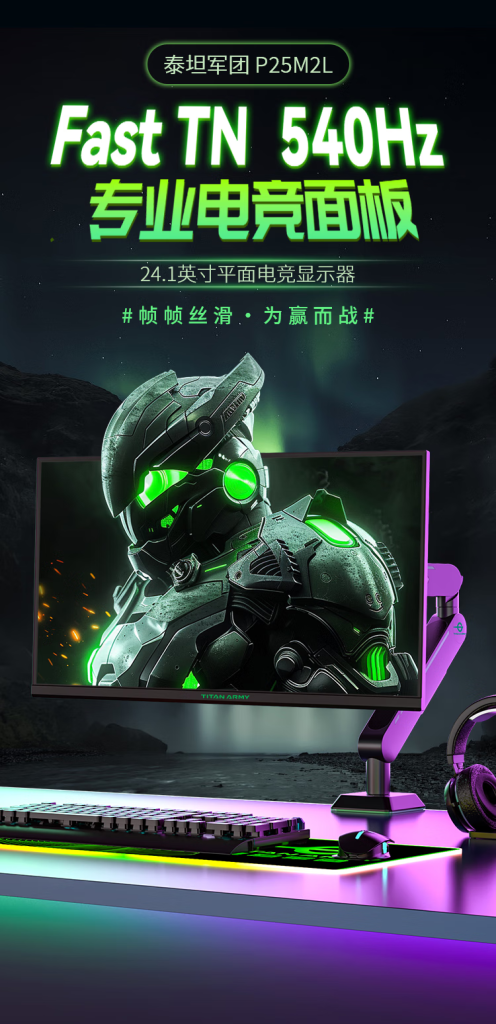
Titan Army has introduced a new gaming monitor in the Chinese market, boasting an impressive 540Hz refresh rate. The model, P25M2L, is priced at 5,499 yuan ($754) and is now available on JD.com. Here’s a look at its key specifications.
Titan Army P25M2L Specifications
Titan Army P25M2L features a 24.1-inch flat panel designed for e-sports enthusiasts. The panel comes with an FHD resolution of 1920×1080 with a 16:9 aspect ratio and offers a 178° wide viewing angle, ensuring clear visuals from virtually any perspective.
The monitor comes with an industry-leading 540Hz refresh rate that delivers ultra-smooth motion clarity for fast-paced gaming. It boasts a lightning-fast 0.5ms GTG response time and 0.2ms MPRT 2.0 technology, ensuring minimal motion blur and exceptional dynamic clarity, giving gamers a competitive edge.
In terms of color performance, the P25M2L supports a wide color gamut with 96% DCI-P3, 99% Adobe RGB, and 153% sRGB coverage, providing vibrant and accurate colors. It is factory-calibrated to achieve a Delta E<2 color accuracy for reliable color reproduction.
The monitor is HDR500 certified, with a peak brightness of 500 nits, offering enhanced contrast and lifelike visuals, making it ideal for both gaming and professional tasks like photo or video editing.
The monitor features Adaptive-Sync technology to synchronize the refresh rate with the GPU, eliminating screen tearing and stuttering for a seamless gaming experience. It also comes with Game+ tools such as customizable crosshairs, refresh rate monitoring, and game-specific modes further enhancing its gaming capabilities.
The monitor includes low blue light and flicker-free technology, reducing eye strain during extended use. It also supports advanced multitasking with PIP (Picture-in-Picture) and PBP (Picture-by-Picture) modes, allowing users to display multiple video inputs simultaneously.
For connectivity, the P25M2L includes dual HDMI 2.1 ports, one DisplayPort 1.4, and an audio-out jack, ensuring compatibility with a wide range of devices. The monitor also includes a fully adjustable stand that supports height adjustment, tilt, swivel, pivot, and portrait mode. Its modular design allows for desk clamp or through-hole installation, catering to diverse user setups.
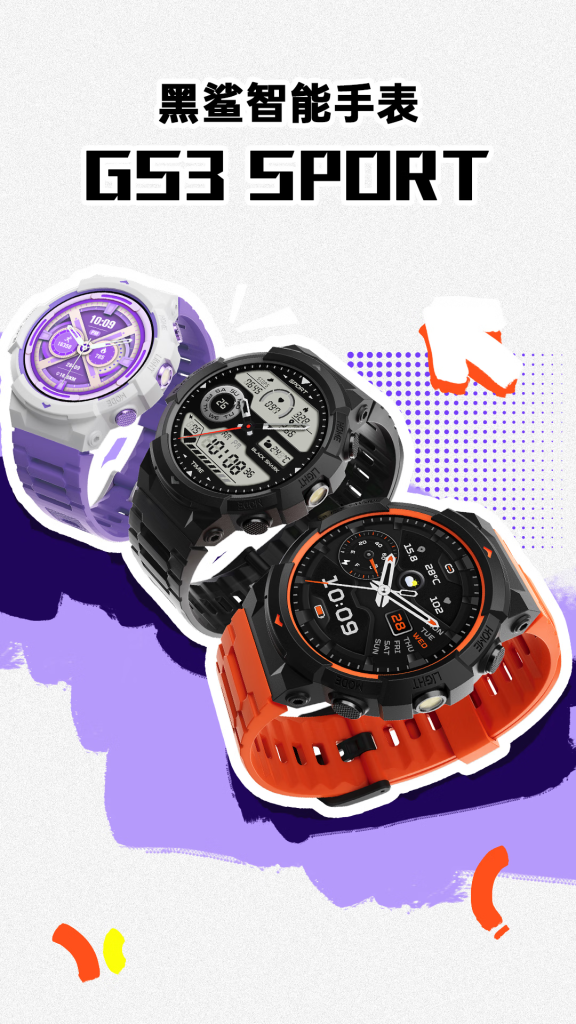
Black Shark has launched a new smartwatch called GS3 Sport in the Chinese market. This comes after the launch of GS3 earlier this year. The pricing of the smartwatch isn’t unveiled yet and it is now listed on JD.com.
Black Shark GS3 Sport Specifications
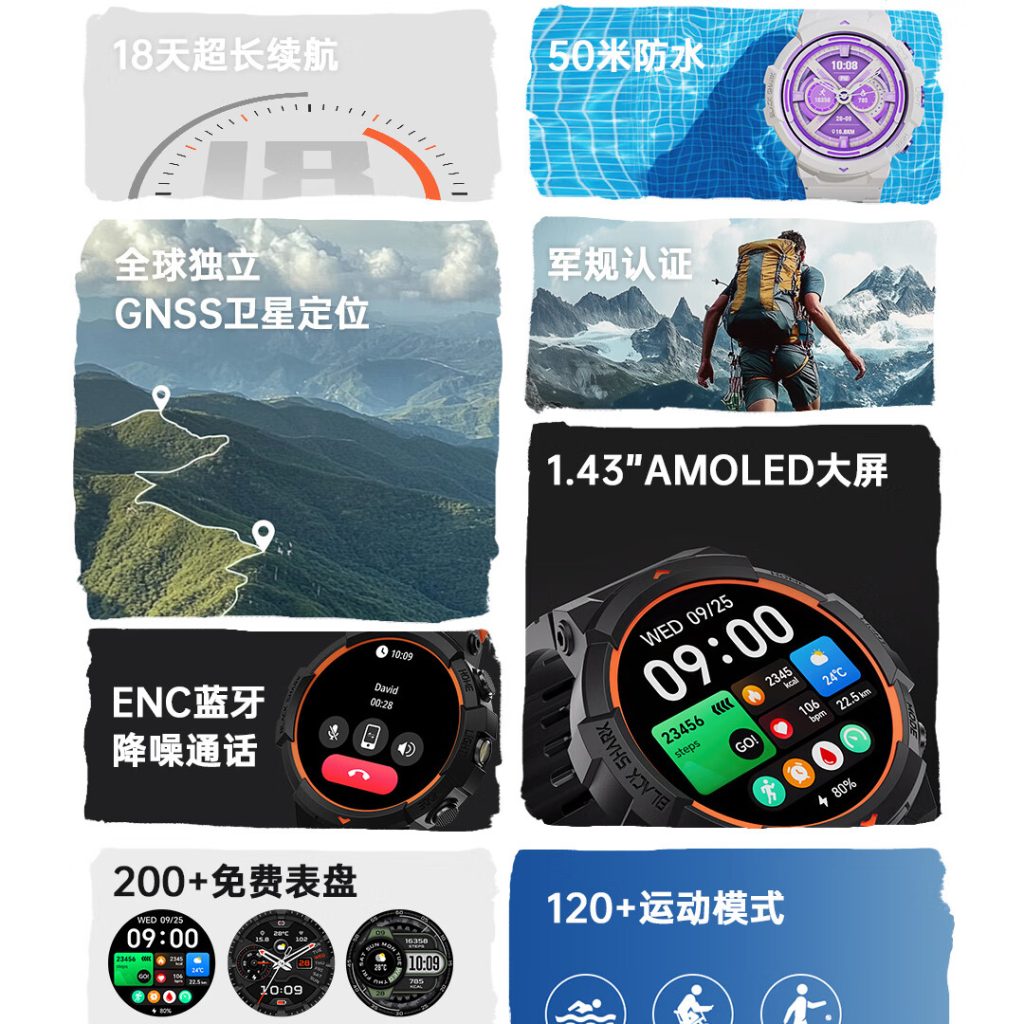
The Black Shark GS3 Sport is a feature-packed smartwatch designed for outdoor adventures and fitness enthusiasts. It sports a vibrant 1.43″ AMOLED display with a resolution of 466×466 pixels, 60Hz refresh rate, 326 PPI, and a brightness of 600 nits. This screen ensures bright, colorful, and smooth visuals, perfect for any lighting condition.
It comes with an impressive 18-day battery life under normal usage and up to 35 days in standby mode. Even in GPS mode, the watch provides up to 26 hours of continuous tracking, making it an excellent companion for extended outdoor adventures. For those seeking a more dynamic interface, the watch offers over 200 customizable watch faces to suit various styles and moods.
The GS3 Sport equips a high-precision GNSS chip that supports five global satellite systems. This, combined with intelligent trajectory compensation algorithms, delivers fast and accurate location tracking, even in challenging environments. For safety during nighttime activities, the watch features an LED flashlight with four brightness levels, ensuring visibility in low-light conditions.
It is built to endure tough conditions, boasting military-grade certification (MIL-STD-810G-2014 and MIL-STD-810H-2019) and 15 rigorous durability tests, including temperature shock, vibration, rain, and sand resistance. Additionally, it is water-resistant up to 50 meters, making it suitable for swimming and other water activities.
The GS3 Sport features a lightweight construction, weighing just 48g with straps. It comes with support for over 120 sports modes, including running, swimming, cycling, hiking, and more. It equips advanced ENC Bluetooth technology and a high-performance microphone to ensure clear calls even in noisy environments.
Additionally, it sports advanced health monitoring capabilities, including 24/7 heart rate tracking, blood oxygen measurements, and sleep monitoring. A women’s health management feature is also included, enabling users to track menstrual and ovulation cycles effortlessly.
iQOO recently unveiled the iQOO 13 in India, powered by the Snapdragon 8 Elite chip. It starts at an enticing price of Rs 54,999 (~$650). This phone is set to face stiff competition from the OnePlus 13, which is scheduled to debut globally, including in India, on January 7. Both smartphones boast stellar displays, versatile camera systems, larger batteries, and powerful processors. Choosing between them depends on your priorities and preferences. Let’s break down their strengths to help you decide.
The iQOO 13 is a powerhouse designed for users who crave speed and immersive visuals. Here’s why it could be the right choice for you:
Unmatched Performance: Powered by the Snapdragon 8 Elite, the iQOO 13 offers lightning-fast processing for demanding apps and multitasking. The inclusion of the Q2 supercomputing chip enhances the gaming experience, ensuring smoother gameplay.
Visual Feast: The 6.78-inch flat OLED display supports a 1.5K resolution and a 144Hz refresh rate, offering vibrant visuals. It is also the first Android phone to feature circular polarized light eye protection technology.
Big Battery with Fast Charging: With a 6,150mAh battery, the iQOO 13 supports 120W fast charging, ensuring rapid recharges.
Photography Prowess: While performance is the primary focus, the iQOO 13 still offers a solid photography setup. It includes a 32-megapixel front camera and a triple rear camera system: a 50-megapixel (Sony IMX921, OIS), 50-megapixel (Samsung JN5, ultra-wide), and 50-megapixel (Sony IMX816, 2x telephoto, OIS).
Other Key Features: The iQOO 13 also offers an ultrasonic in-screen fingerprint scanner, a 7000mm² VC cooling system, an RGB-lit halo light system around the camera island, a metal middle frame, and an IP68 rating. iQOO promises four years of OS upgrades and five years of security patches.
Please Note: When you buy something using the links in our articles, we may earn a small commission at no cost to you.
2. OnePlus 13: Camera-Focused Flagship
The OnePlus 13 features the same Snapdragon 8 Elite processor as the iQOO 13 but focuses more on camera performance. Here’s what the OnePlus 13 brings to the table:
Top-Notch Camera System: The OnePlus 13 boasts a 32-megapixel Sony IMX615 camera for selfies. On the back, it features a 50-megapixel (Sony LYT-808, OIS) main sensor, a 50-megapixel (Samsung JN5, ultra-wide), and a 50-megapixel (LYT-600, 3x periscope telephoto, OIS). Hasselblad camera optimizations further enhance the photography experience.
Smooth and Vivid Display: The OnePlus 13 has a slightly larger 6.82-inch OLED panel with a micro-quad-curved design, offering a 2K resolution and a 120Hz refresh rate. While the iQOO 13 has a flat 1.5K display, the OnePlus 13’s curved screen might appeal to those looking for a more premium feel.
Flagship Performance: Both phones are powered by the Snapdragon 8 Elite chipset, LPDDR5x RAM, and UFS 4.0 storage, so performance on both is likely to be nearly identical.
Long-Lasting Battery: The OnePlus 13 is equipped with a 6,000mAh battery and 100W fast charging support, slightly smaller than the iQOO 13’s battery. However, it stands out with 50W magnetic wireless charging support.
Other Key Features: Like the iQOO 13, the OnePlus 13 features an alert slider, an ultrasonic in-screen fingerprint sensor, a metal middle frame and an IP68 rating. OnePlus also promises five years of OS upgrades and seven years of security patches, potentially providing longer software support than the iQOO 13.
3. Key Differences and Considerations:
Camera System: While both phones offer impressive camera setups, the OnePlus 13 edges out with its Hasselblad-tuned cameras, a periscope telephoto lens for greater zoom capabilities, and a higher-resolution selfie camera.
Display: The iQOO 13 offers a flat OLED display with a 144Hz refresh rate, ideal for gamers. The OnePlus 13 has a slightly larger, curved OLED display with a 2K resolution and a 120Hz refresh rate, potentially offering a more immersive multimedia experience.
Battery and Charging: The iQOO 13 packs a slightly larger battery and faster wired charging. However, the OnePlus 13 supports wireless charging, including magnetic wireless charging.
Software Updates: While both offer extended software support, OnePlus historically provides longer updates, including more OS upgrades and security patches.
Design and Extras: iQOO 13 features a unique RGB-lit halo light system around the camera island and an ultrasonic in-screen fingerprint scanner. OnePlus 13 boasts a more understated design with a micro-curved display.
4. Buy the iQOO 13 if:
You prioritize raw performance and gaming. The Snapdragon 8 Elite chip, coupled with the Q2 supercomputing chip and 144Hz refresh rate, ensures a smooth and responsive gaming experience.
You prefer a flat display. Flat displays can offer better usability for gaming and reduce accidental touches.
You need a bigger battery with faster wired charging. The 120W fast charging on the iQOO 13 will top up your battery quicker than the OnePlus 13’s 100W charging. Moreover, it promises to last longer than the OP13 thanks to the inclusion of a slightly bigger battery.
You want a more affordable option. The iQOO 13 comes with a lower starting price compared to the expected price of the OnePlus 13. The OnePlus 12 was priced at Rs 64,999 (~$765) in India. So, it is likely that the OP13 may hit the market with a similar pricing.
5. Buy the OnePlus 13 if:
Camera quality is your top priority. The Hasselblad-tuned cameras, periscope telephoto lens, and higher-resolution selfie camera promise a superior photography experience.
You prefer a curved display with a higher resolution. The OnePlus 13’s 2K curved display offers a more immersive viewing experience for multimedia content.
Wireless charging is essential for you. The OnePlus 13 supports both wired and wireless charging, offering more flexibility.
You want longer software support. OnePlus has a track record of providing extended software updates, including more OS upgrades and security patches.
As 2024 ends soon, Oppo is set to be busy right from the start of 2025. While the brand prepares to launch the Reno 13 series globally, the Chinese market is expected to see multiple device releases, including the Oppo Find N5, Find X8 Ultra, and Find X8 Mini. A recent Weibo post by Oppo’s Find Product Manager, Zhou Yibao, has revealed the launch sequence for the Find N5 and X8 Ultra.
As can be seen above, Zhou Yibao responded to a query on Weibo about the launch timeframe of upcoming devices. When asked whether the Find X8 Ultra would be released in January, Zhou indicated that the company plans to first launch the Find N5 foldable phone
He reassured that the Find X8 Ultra will follow and promised that both devices will be impressive. However, he did not mention the X8 Mini, which is expected to have the smallest screen in the X8 series. The X8 Mini will likely launch alongside the X8 Ultra or within a few weeks of its release.
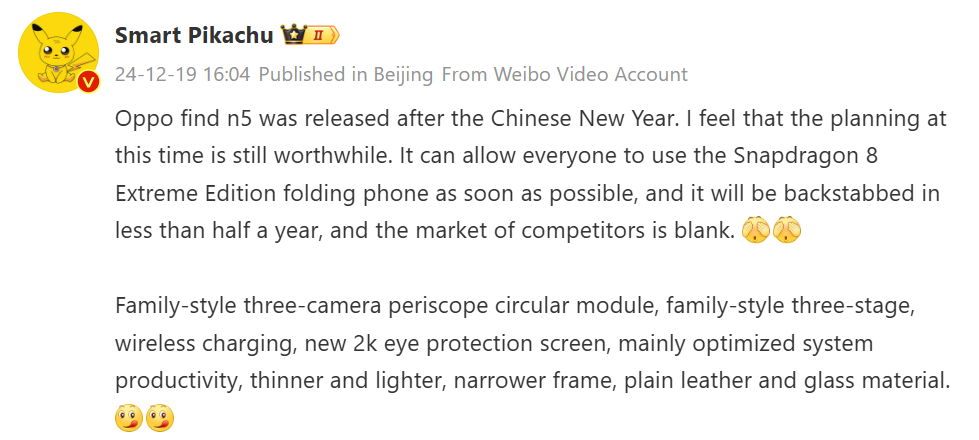
Meanwhile, tipster Smart Pikachu has shared intriguing details about the Find N5. According to the leak, the device will feature a large foldable screen with support for 2K+ resolution, providing users with an impressive visual experience. As per other reports, the Find N5 may launch as the world’s first foldable phone powered by the Snapdragon 8 Elite chipset.
Photography enthusiasts will appreciate the phone’s 50-megapixel Sony triple camera setup, which includes a single periscope lens for enhanced zoom capabilities. In terms of design, the Find N5 is expected to be thinner and lighter than its predecessor, the Find N3. Additionally, the phone will benefit from structural reinforcement and waterproofing, adding to its durability and user appeal. These details align with previous leaks and provide no new surprises.
As far as the launch timeframe is concerned, the leak claims that the Find N5 will be released after the Chinese New Year 2025. This suggests that the Find N5 may break cover in February 2025. Globally, the N5 is expected to get rebranded as the OnePlus Open 2.
Recently, the OnePlus Ace 5 and Ace 5 Pro were spotted in the databases of China’s MIIT authority, which revealed images of one of the phones. The certification listings have now been updated with all the major specs, providing nearly complete details about these sub-flagship phones that are scheduled to launch on Dec. 26 in China.
As revealed by the leaks and now confirmed by the certification listings, the OnePlus Ace 5 (model number: PKG110) and Ace 5 Pro (model number: PKR110) share several specifications. The main differences between these devices lie in their chipsets, battery sizes, and charging capabilities.
OnePlus Ace 5, Ace 5 Pro specifications (rumored)
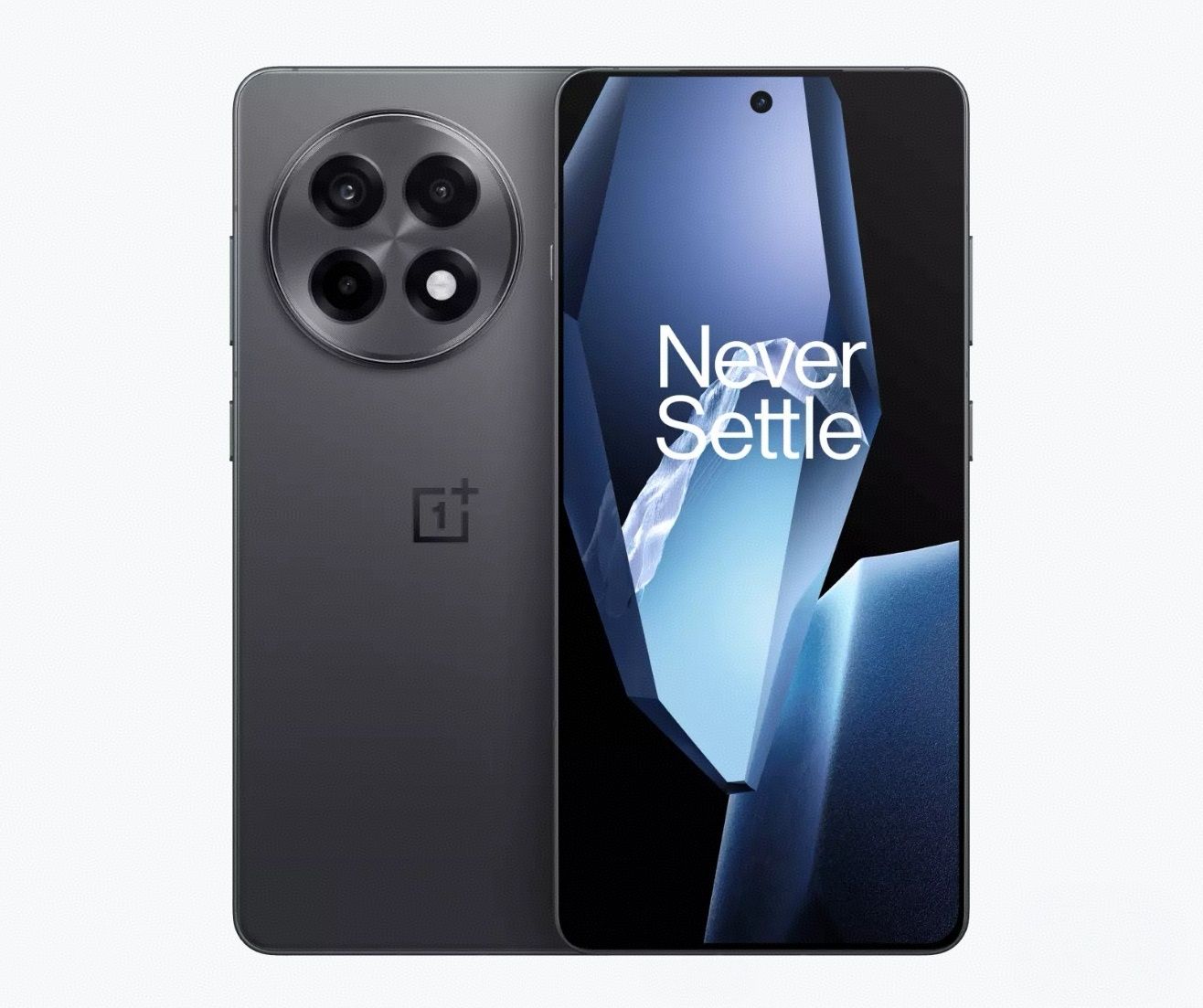
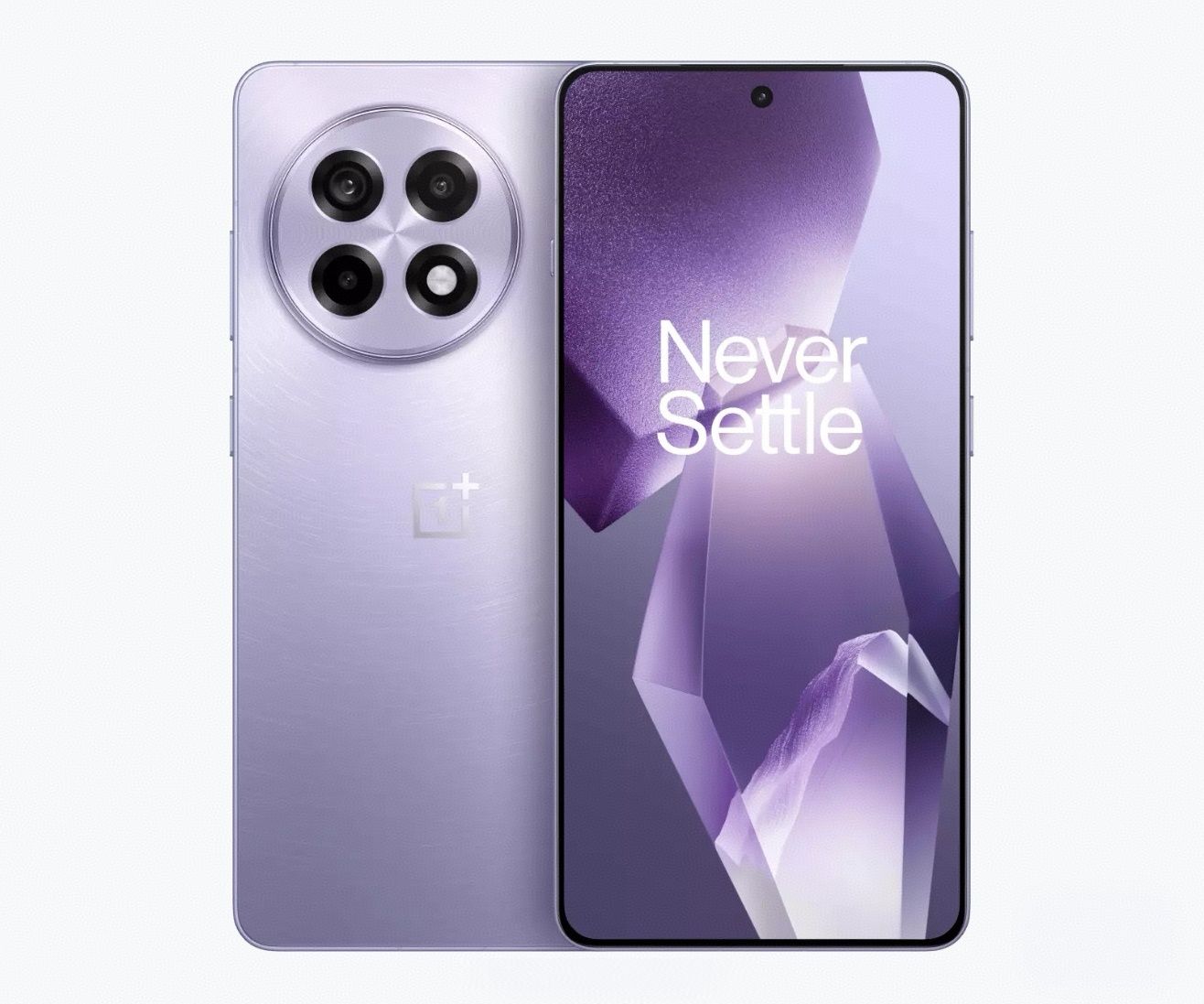
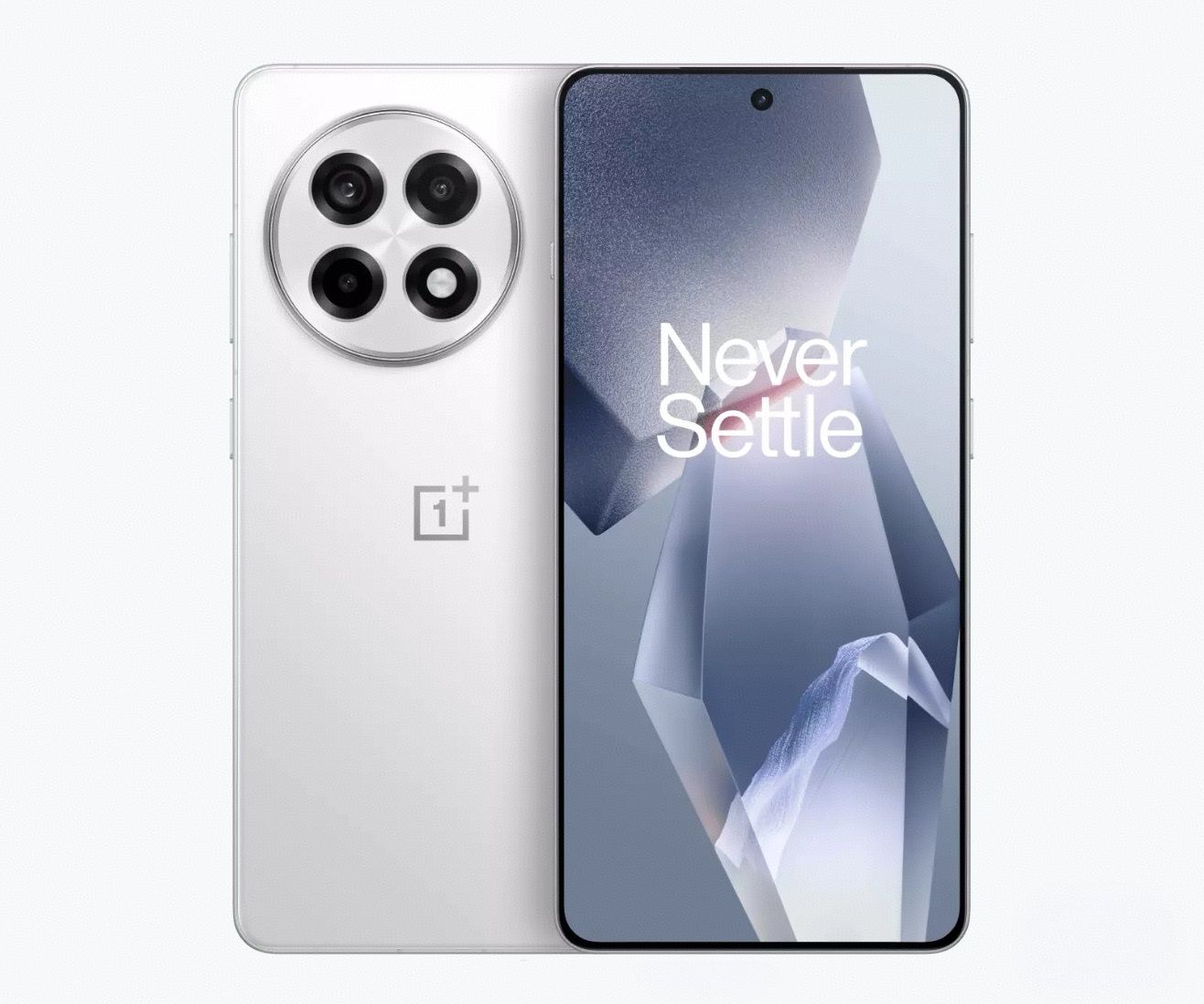
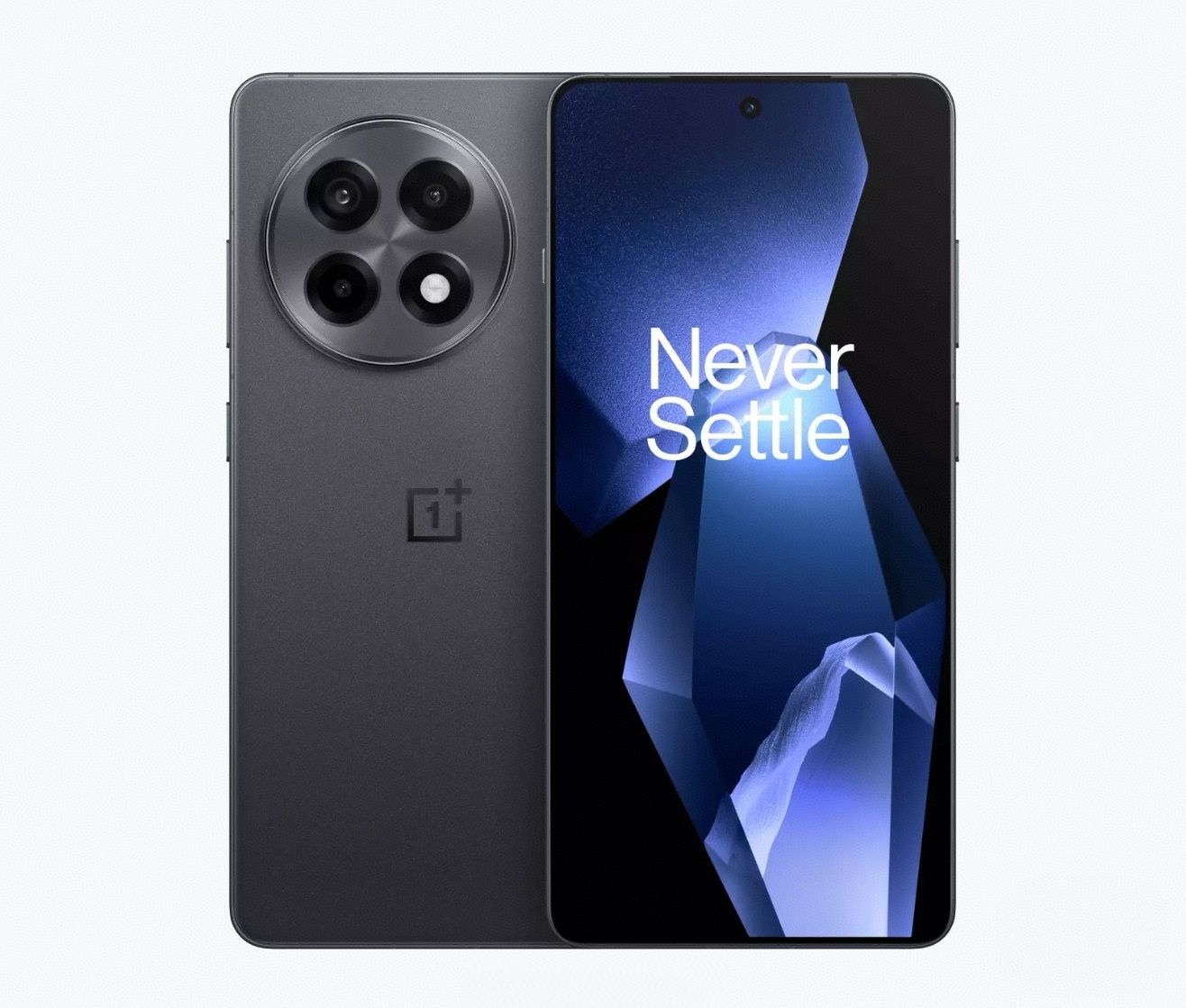
OnePlus Ace 5 – Celestial PorcelainOnePlus Ace 5 – Gravitational TitaniumOnePlus Ace 5 – Full Speed Black
The OnePlus Ace 5 and Ace 5 Pro have a 6.78-inch flat AMOLED panel with a 1.5K resolution of 2780 x 1264 pixels. Possibly, both phones support a 120Hz refresh rate and have an optical-type in-screen fingerprint scanner. Like the OnePlus 13, the Ace 5 series is expected to ship with ColorOS 15-based Android 15.
According to the certification, the OnePlus Ace 5 and Ace 5 Pro run on 3.3GHz and 4.3GHz octa-core chipsets, which are the Snapdragon 8 Gen 3 and 8 Elite, respectively. Both phones are officially confirmed to arrive in five configurations: 12GB+256GB, 12GB+512GB, 16GB+256GB, 16GB+512GB, and 16GB+1TB.
OnePlus Ace 5 Pro – Starry PurpleOnePlus Ace 5 Pro – White Moon PorcelainOnePlus Ace 5 Pro – Submarine Black
The Ace 5 has a 6,285mAh rated value battery, and its typical value seems to be 6,400mAh. On the other hand, the Ace 5 Pro is backed by a dual-cell battery with a 2,970mAh rated value for one of its cells. Rumors have it that the Ace 5 Pro features a 6,100mAh (typical) value battery. As per reports, the standard model will support 80W charging, whereas the Pro variant may offer 100W charging.
The Ace 5 and Ace 5 Pro have a 16-megapixel camera for snapping selfies. Both devices have a 50-megapixel main camera coupled with 8-megapixel and 2-megapixel auxiliary cameras on the back. While the megapixel count appears the same on both models, it remains to be seen whether they come with different primary camera sensors. Both devices also feature an IR blaster.
The Ace 5 measures 161.72 x 75.77 x 8.02mm and weighs 206 grams, whereas the Ace 5 Pro has dimensions of 161.72 x 75.77 x 8.14mm and weighs 203 grams. While there is no information about the Ace 5’s IP rating, the Pro variant is confirmed to arrive with an IP65-rated chassis. It’s already known that the Ace 5 will be available in Gravitational Titanium, Full Speed Black, and Celestial Porcelain colors, whereas the Ace 5 Pro will be sold in options such as Moon White Porcelain, Submarine Black, and Starry Purple.
OnePlus will hold a launch event on Jan. 7 to unveil the 13 series. It is speculated that the OnePlus 13R, which launches alongside the OnePlus 13, will be a toned-down version of the Ace 5.
Wireless earbuds have become an essential part of our everyday life. It combines portability with increasingly sophisticated features like active noise cancellation (ANC), transparency modes, and customizable audio profiles.
TOZO, an electronics brand based in Seattle, USA, has been contributing to this space since its establishment in 2015. The brand, known for its “Tech Around You” ethos, focuses on delivering intelligent wearable products with the latest technology at affordable prices.
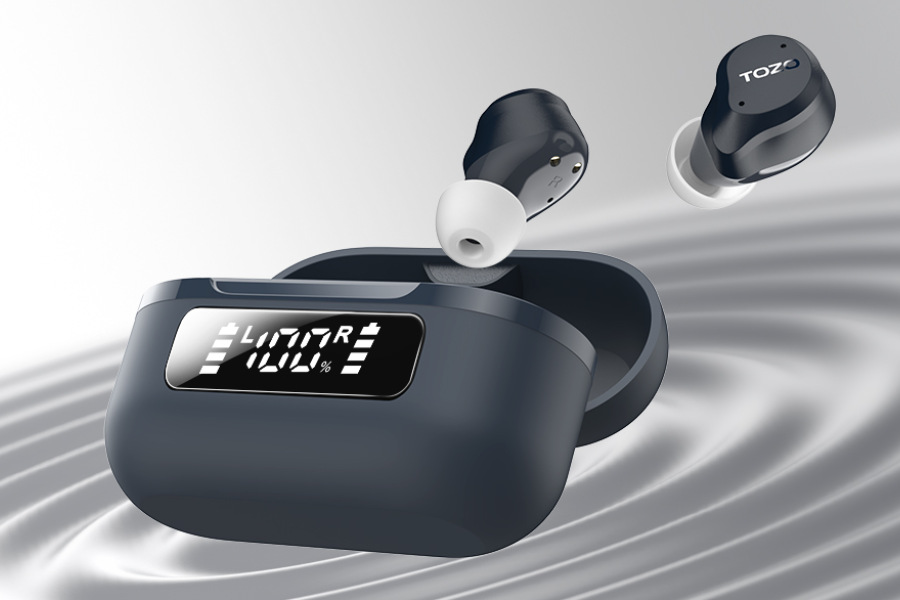
The Tozo NC9 is a new product in their earbuds portfolio that delivers high-quality performance and user-friendly features without breaking the bank.
TOZO NC9 Specifications
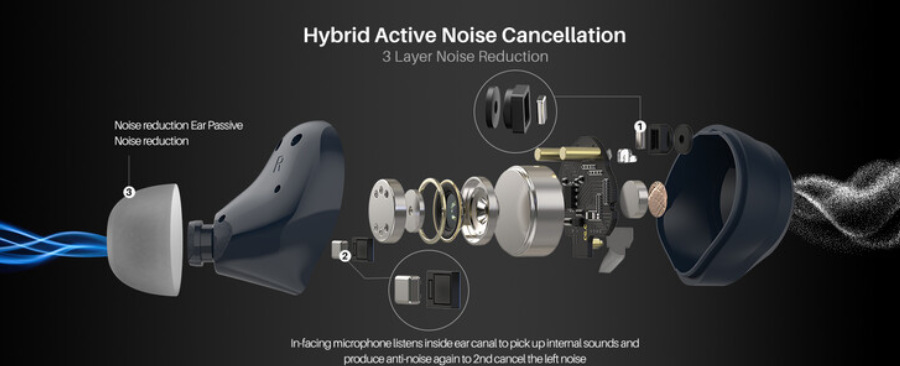
The standout feature of the TOZO NC9 is its three-layer hybrid active noise cancellation system. The system employs outward-facing microphones to detect ambient noise and counter it with equal anti-noise.
Then, inward-facing microphones listen inside the ear canal to pick up internal sounds and produce anti-noise again to cancel the left noise twice. Last but not least, Tozo claims the bud’s ear caps block up to 90% of external sound.
The multi-layered approach ensures that the NC9 effectively isolates the outside world while you listen to your favorite artist. And for moments when there is a need to be aware of your surroundings, you can switch to Transparency Mode.
When it comes to audio, the NC9 offers 32 different audio preset profiles, allowing you to tailor the sound to your preferences. You can shuffle between these audio modes via the Tozo app which also allows you to create and share custom equalizer settings with other users. The app is also home to six different ANC profiles.
TOZO has integrated a suite of proprietary algorithms into the NC9 to elevate the music listening experience. These include:
TOZO OrigX: Ensures lifelike sound by compensating for frequency loss as sound passes through the ear canal, delivering audio closest to reality.
EarTune AI: Uses AI-powered auditory algorithms to personalize sound in real-time, optimizing audio sensitivity for a tailored and immersive experience.
TOZO Bass+: Features a high-rigidity composite dome and a flexible polymer diaphragm to produce clear highs and deep, powerful bass.
TOZO HydroGuard: Offers complete water protection with a fully sealed cavity design, paired with an IPX8 waterproof rating for reliable performance in wet conditions.
TOZO SmartPow: Monitors and controls power usage with ultra-low-power chips and intelligent management, ensuring accurate battery status updates on the high-definition display.
The NC9 earbuds are designed for convenience. Pairing them is as simple as opening the charging case—your device will detect and connect to the earbuds automatically. Equipped with Bluetooth 5.0, the NC9 ensures stable connectivity and low-latency performance for streaming and gaming.
The NC9 offers up to 14 hours of playback on a single charge, and the included charging case extends this to an impressive 59 hours. The case has a high-definition display that shows real-time updates on battery levels. And not to forget, the buds are IPX6 rated, so you can use them during workouts and light rain.
The Tozo NC9 earbud is currently available at an exciting discount price for a limited time via the Tozo official store and Amazon.
Christmas is just around the corner, and capturing those festive moments with friends and family is a tradition we all cherish. Whether it’s the warm glow of lights on a tree or a bustling holiday dinner, having a smartphone with excellent camera capabilities can make all the difference. Here are the top smartphones of 2024 for clicking stunning Christmas pictures, each equipped with cutting-edge features to make your holiday memories last forever.
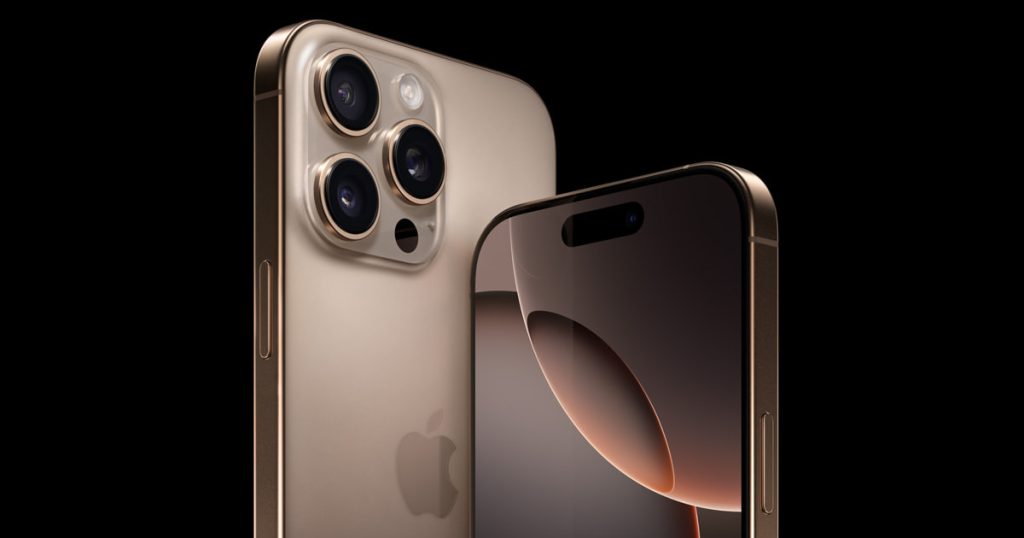
Apple’s iPhone 16 Pro series sets a new benchmark for smartphone photography. Both the iPhone 16 Pro and Pro Max come equipped with a cutting-edge 48MP fusion camera equipped with a second-generation quad-pixel sensor. The sensor sports vibrant and detailed photo capabilities, even in low-light settings, making it ideal for Christmas evening celebrations.
It features a 5x telephoto lens with a 120mm focal length, allowing you to capture distant subjects like beautifully lit trees or scenic snowfalls with ease. It comes with ProRAW and 4K120 slow-motion video recording capabilities, letting you create professional-grade holiday memories. Additionally, it equips Spatial Audio capture for immersive sound quality in video recordings, making Christmas carols sound as lively as they are in person.
Please Note: When you buy something using the links in our articles, we may earn a small commission at no cost to you.
2. Xiaomi 14 Ultra
For those looking to push the boundaries of smartphone photography, the Xiaomi 14 Ultra is an exceptional choice. It boasts a 50MP 1” Sony LYT-900 sensor with a variable aperture ranging from f/1.63 to f/4. This flagship device excels in low-light photography, making it perfect for nighttime Christmas lights or cozy indoor shots by the fireplace. Its quad-camera system includes 50MP ultra-wide, 50MP 3.2x telephoto, and 50MP 5x periscope lenses, ensuring versatility for capturing every holiday scene.
It features advanced AI photography capabilities and comes with the ability to shoot 8K videos, ensuring your Christmas photos and videos are nothing short of stunning. It sports 90W wired charging and 80W wireless charging, keeping you ready for every festive moment without worrying about battery life.
Please Note: When you buy something using the links in our articles, we may earn a small commission at no cost to you.
3. Vivo X100 Ultra
If you’re looking for exceptional zoom capabilities, the Vivo X100 Ultra is the smartphone to consider. It comes with a 200MP ISOCELL HP9 sensor and equips an 85mm periscope lens with 20x magnification, making it perfect for capturing intricate details of Christmas ornaments or distant holiday decorations.
It features the BlueImage algorithm, which enhances photos taken in tricky lighting conditions, such as backlit Christmas trees or snow-covered streets at dusk. It also comes with 4K portrait video recording, ensuring cinematic-quality memories.
Please Note: When you buy something using the links in our articles, we may earn a small commission at no cost to you.
4. Samsung Galaxy S24 Ultra
Samsung’s Galaxy S24 Ultra features a blend of elegance and functionality, making it an excellent choice for festive photography. It sports a 200MP primary camera that comes with advanced image stabilization, ensuring sharp and vivid images even in challenging conditions.
It features AI-powered editing tools that allow you to enhance your pictures effortlessly. It comes with 8K video recording and wide-angle shots, making it easy to capture every festive detail, from large gatherings to intricately decorated trees. Additionally, it equips up to 100x Space Zoom, letting you capture the sparkle of distant stars in the winter sky.
Please Note: When you buy something using the links in our articles, we may earn a small commission at no cost to you.
5. Google Pixel 9 Pro & Pro XL
Google’s Pixel 9 Pro and Pro XL feature exceptional computational photography capabilities. They come with a 50MP main camera and a 48MP telephoto lens, producing stunning photos in various lighting conditions. Additionally, they equip Magic Eraser and Photo Unblur features, which are particularly useful for removing unwanted distractions from your Christmas pictures.
Please Note: When you buy something using the links in our articles, we may earn a small commission at no cost to you.
6. iPhone 16
For those who prefer a more budget-friendly option without compromising on quality, the iPhone 16 and 16 Plus are excellent choices. These feature a 48MP wide-angle camera with sensor-shift stabilization, ensuring crisp and clear images. They come with a quad-pixel sensor that equips a 2x telephoto option for versatile framing, making it ideal for snapping everything from Christmas cookies to group portraits.
These models also feature enhanced battery life and come with 25W MagSafe charging, making these models reliable companions for capturing memories throughout the day.
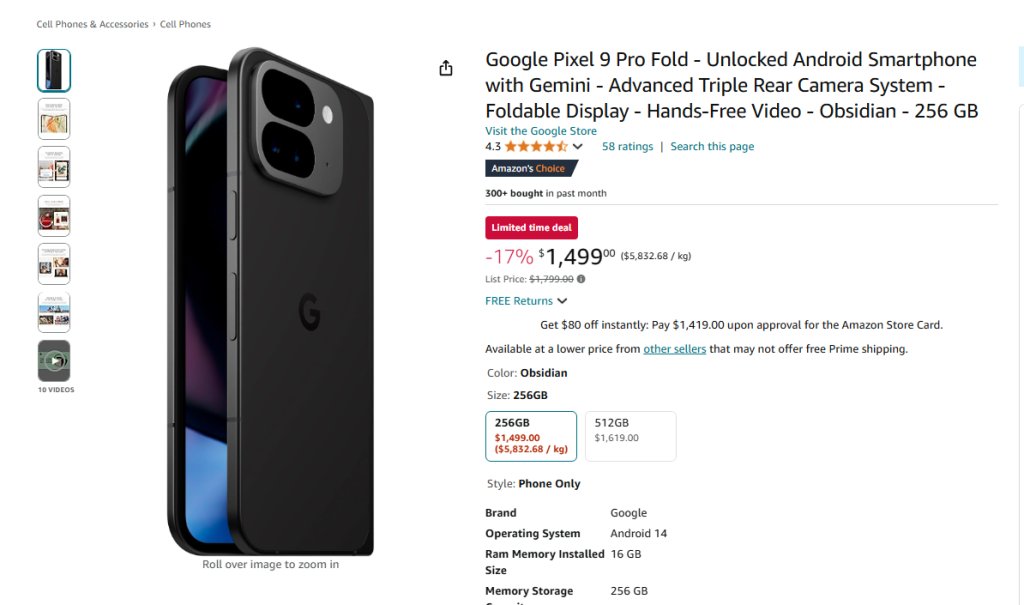
Google Pixel 9 Pro Fold has received a $300 discount on Amazon, reducing the price from $1799 to the final price of $1499. It is the finest foldable smartphone available at the price. Placing an order today will get your device on the eve of Christmas, aka. December 25. The smartphone bundles all the Google joys, from AI to a whopping 2 TB of storage via Google One for free. The flagship foldable smartphone combines cutting-edge hardware with innovative features.
Packing Tensor 4 SoC, the Pixel 9 Pro Fold is discounted for $300, bringing the price from $1799 to $1499. The smartphone features a dual 120Hz display measuring 8.0 inches and 6.3 inches. Both the OLED display offers exciting brightness and resolution. The smartphone is available in two storage options: 16GB RAM and 256GB storage and 16GB RAM and 512GB storage.
In the camera section, the smartphone hosts a 48MP primary sensor with support for optical image stabilization. Meanwhile, there’s also a 10.8 MP telephoto lens and a 10.5 MP ultrawide sensor. However, for better selfies and video calling, the search giant added dual 10MP sensors on the front. With an IPX8 water resistance rating and support for both Nano SIM and eSIM, the Pixel 9 Pro Fold is built for reliability and convenience.
Further, there’s Bluetooth 5.3, GPS, NFC, and USB Type-C 3.2 in connectivity. It offers a 4650mAh battery with 21W wired and 7.5W wireless charging. It is available in obsidian and porcelain color options. Running on Android 14, the phone is backed by a 7-year commitment to OS and security updates, ensuring longevity.
Qualcomm has emerged victorious in a crucial court case against Arm Holdings, a British chip designer. The lawsuit centered on whether Qualcomm breached a licensing agreement after it acquired startup Nuvia in 2021. Nuvia’s chip designs were allegedly based on Arm’s technology, and Arm argued that Qualcomm should pay a higher royalty rate for using them after the acquisition.
Credit: geospatialworld
Qualcomm Wins, but Uncertainty Remains in Arm Lawsuit
The jury ultimately sided with Qualcomm on the most critical issue, ruling that the company’s central processor chips were properly licensed under its agreement with Arm. This is a significant win for Qualcomm as it paves the way for the company to continue selling its chips, including those that incorporate Nuvia’s technology.
However, the verdict wasn’t entirely clean-cut. The jury couldn’t reach a unanimous decision on whether Nuvia itself breached its licensing terms with Arm before being acquired by Qualcomm. This leaves some uncertainty hanging over the case, and it’s possible that this aspect could be retried in the future.
Judge Maryellen Noreika, who presided over the case, encouraged both parties to mediate their dispute to avoid another trial. “I don’t think either side had a clear victory or would have had a clear victory if this case is tried again,” Noreika remarked.
Despite the mixed verdict, the outcome is a relief for Qualcomm. The company’s stock price rose 1.8% in after-hours trading following the news. Arm, on the other hand, saw its shares dip by 1.8% in extended trading.
The legal battle between Qualcomm and Arm has been closely watched by the tech industry, as it has implications for the broader chip market. Arm licenses its chip designs to numerous companies, including many of Qualcomm’s competitors. The outcome of this case could set a precedent for future licensing agreements between Arm and its partners.
Huawei has announced a major price reduction for its flagship Pura 70 Ultra smartphone, further enhancing its appeal to consumers seeking premium features at a more accessible price. As part of this move, the company has introduced a new 12GB RAM + 512GB storage variant priced at an attractive 7,499 yuan ($1,027), lowering the entry point for high-end performance.
Huawei Drops Pura 70 Ultra Price
Previously available only in 16GB RAM configurations, the addition of the 12GB RAM option maintains the device’s signature sleek design and specs. The price cut coincides with Huawei’s year-end promotions, making it an excellent time to invest in one of the market’s leading smartphones.
Since its launch earlier this year, the Pura 70 Ultra has earned widespread acclaim for its innovative design and exceptional imaging capabilities. The device has consistently ranked among the top performers in its segment, with reports indicating it has already surpassed 10 million units in global shipments.
In addition to the new variant, Huawei has also reduced the prices of the existing 16GB RAM models. The 16GB + 512GB version is now available for 7,999 yuan ($1,096), down from its original price of 8,999 yuan ($1,233), while the top-tier 16GB + 1TB model is now priced at 8,999 yuan ($1,233), a significant drop from 9,999 yuan ($1,370).
The price reductions are not limited to the Ultra model. Huawei has extended similar discounts to other smartphones in the Pura 70 series, offering consumers a wide range of options to upgrade their devices at competitive prices. The Pura 70 series is also fully compatible with the upcoming HarmonyOS Next update, making it a compelling choice for Chinese users.
In terms of specs, the Pura 70 Ultra features a 6.8″ OLED LTPO display with a 120Hz refresh rate, FHD+ resolution, and advanced color and dimming technologies. The rear camera system includes a 50MP retractable lens, 40MP ultra-wide, and 50MP macro telephoto, while the front camera is a 13MP ultra-wide lens. It is powered by a 5200mAh battery that supports 100W wired and 80W wireless fast charging with reverse charging capabilities.
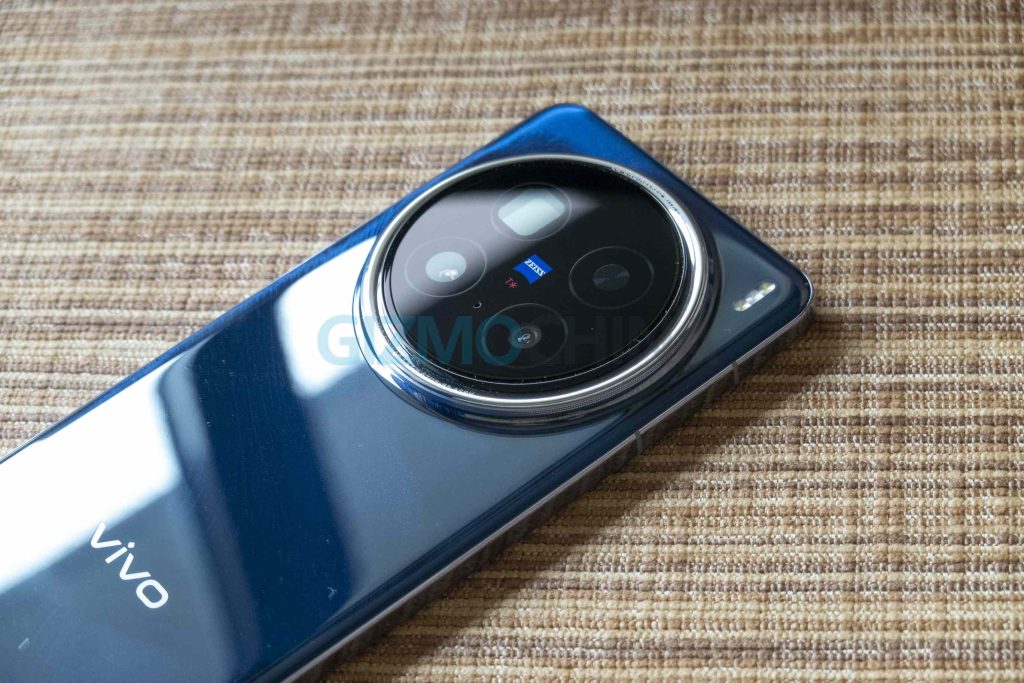
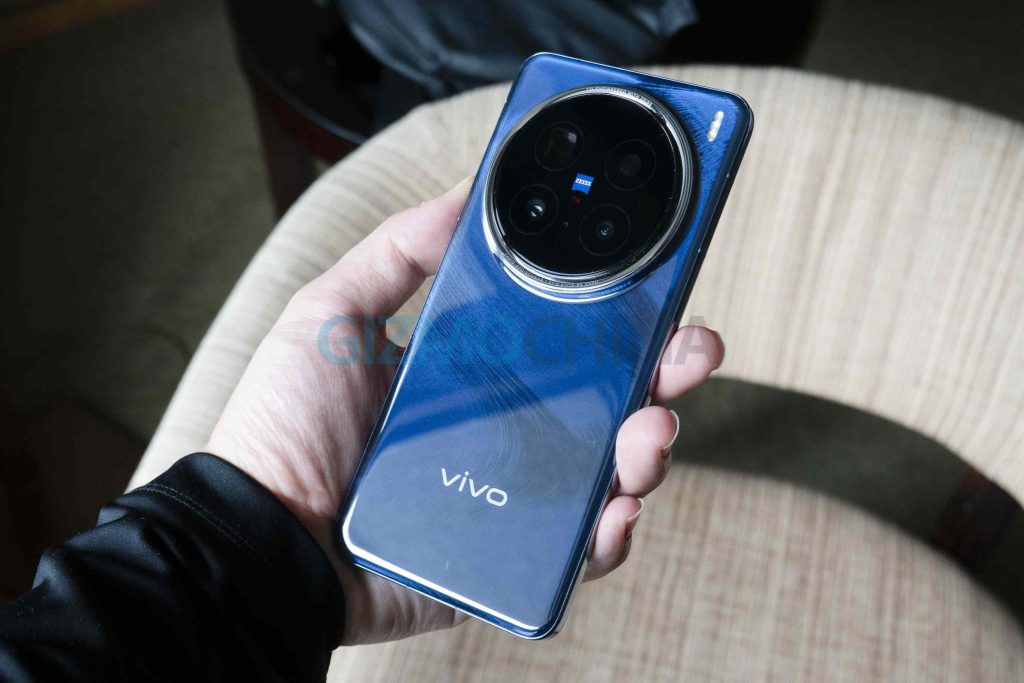
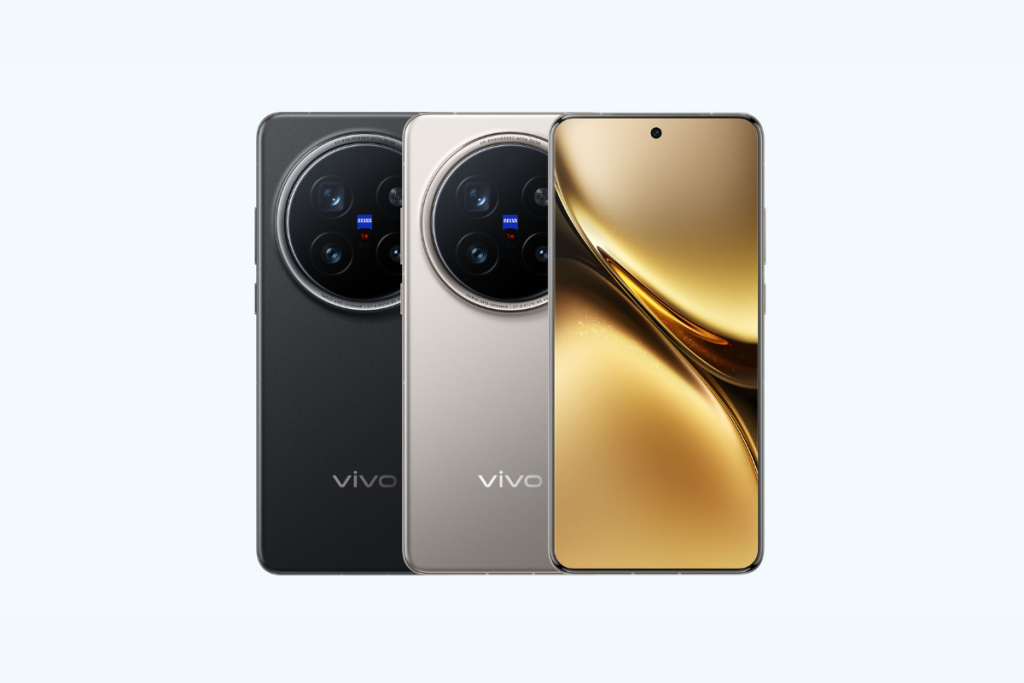
Vivo’s latest flagship, the X200 Pro, has just arrived outside China, and it’s already making big headlines. It has the best camera setup on any Vivo smartphone, combined with the powerful Dimensity 9400 chipset, making it a solid package overall. However, not everything is sunshine and rainbows about this Vivo phone, as it lacks greatness in several areas.
In case you’re looking to buy the Vivo X200 Pro, make sure to read these 6 critical points to ensure you’re making the right decision.
1. Premium look and feel
The design hasn’t changed much from its predecessor, the X100 Pro, but minor adjustments have improved the aesthetics and premium-ness. The camera cluster is a little bigger, taking more space on the back. It’s a heavy phone weighing 223g, but that’s a norm with high-end phones nowadays as they pack additional hardware. It’s the same size as the Galaxy S24 Ultra and, in fact, slightly lighter than the iPhone 16 Pro Max. In fact, the X200 Pro is more comfortable to hold than these two.
Keeping up with trends, Vivo is also making the side aluminum rails more sizable and flatter, as Samsung and Apple have been doing with their last few generations. And with IP68 and IP69 ratings (yes, both), the X200 Pro is better sealed than the majority of smartphones.
Please Note: When you buy something using the links in our articles, we may earn a small commission at no cost to you.
2. Excellent display and battery
The X200 Pro rocks an excellent LTPO display that you’ll find nothing to complain about. It’s bright (peaks at 4500 nits) and supports a 120Hz refresh rate. What’s more exciting is that the screen refresh rate can go as low as 0.1Hz to save extra power. There’s also 2160Hz PWM dimming for comfortable viewing at low brightness.
The 6.78-inch OLED screen shows punch colors. The text appears sharp. Even for gaming and media consumption, it’s a great display and probably the best Vivo has to offer. Not to forget, the X200 Pro supports all major HDR video standards, including HDR10+ and Dolby Vision (lacking on the X100 Pro). Streaming platforms like Netflix and Prime Video lets you enjoy FullHD streams thanks to the Widevine L1 certification.
The battery is another big plus point for the X200 Pro. It easily lasts more than a day on a single charge, and with moderate usage, you can stretch it to two days. That’s a 6,000mAh battery capacity, by the way. The device ships with 90W charging support, which only takes about 45 minutes to reach 100%. There’s also 30W wireless charging support.
3. Smooth performance
The Vivo X200 Pro is rocking the Dimensity 9400, which is MediaTek’s most powerful mobile chipset. It smoothly handles all everyday tasks, such as browsing, scrolling, and streaming. Even high-end games, such as Genshin Impact and Diablo Immortal, run swiftly without any lag. However, the phone gets a little hot, especially when playing high-end games or software.
Vivo X200 Pro is indeed a powerful smartphone that delivers excellent performance. However, it remains behind the Snapdragon 8 Elite phones such as iQOO 13 and Realme 7 Pro on benchmarks. Read our Snapdragon 8 Elite vs Dimensity 9400 comparison here.
4. Great cameras (with some flaws)
Vivo X200 Pro
The biggest upgrade for the Vivo X200 Pro is its telephoto camera. It’s a 200MP Samsung ISOCELL HP9 sensor with 3.7x optical zoom, the same sensor from Vivo X100 Ultra that impressed everyone with its zoom shots. The telephoto camera takes nice, detailed shots with accurate colors and dynamic range. Portrait shots are also excellent, though.
Vivo has made a significant change to the X200 Pro’s primary camera. It has got a new sensor, Sony Lytia LYT-818, but that’s a smaller one at 1/1.28-inch (vs. 1-inch on the X100 Pro). It seems like a compromise to fill the gaps with an Ultra model (we’re not sure if X100 Ultra is coming, but it seems so). However, the outputs are excellent in daylight, showing the right exposure and dynamic range. The colors are also acurate and so are the details.
Low-light shots with the portrait sensor are also fantastic, leaving no room for improvement. Macro shots are also too good, with great amount of details and accurate colors. However, the ultrawide camera isn’t as good as I expected. While it brings good colors and dynamic range, the shots are not very sharp. The output quality doesn’t match that of the primary or telephoto sensor.
The selfie camera is another weak area of the X200 Pro. The photos don’t have lots of details, and the lack of autofocus is also not a good thing for a flagship phone. It’s the same sensor from the X100 Pro. It would have been a better choice to include the X100 Ultra’s selfie sensor.
The bottom line is that Vivo X200 Pro has excellent cameras, overall. You won’t probably find such great camera phone at this price point.
5. Improved but still filled with bloatware
The Vivo X200 Pro boots Android 15 out of the box, with a layer of Funtouch OS 15 skin at the top. That’s a plus point, considering many recent flagships were released with Android 14. Vivo has promised 4 years of Android OS updates and 5 years of security updates for the X200 Pro, the best Vivo has to offer but not the best of all brands. Samsung and Google offer 7 years of Android updates.
The software is more polished and smooth, thanks to Funtouch OS 15 optimizations. It feels snappier, and there are plenty of new features and customizations as well. However, the bloatware is still there. You still get plenty of unnecessary apps pre-installed on the device, though most can be removed manually.
After an October launch in China, the Vivo X200 Pro recently entered the global market, including India.
The X200 Pro with 16GB RAM, 512GB storage is currently available for Rs. 94,999. With bank offers, you can bring the price down to Rs. 85,499. You can also ship it to the US and more parts of the world via Giztop and other retailers for $849.
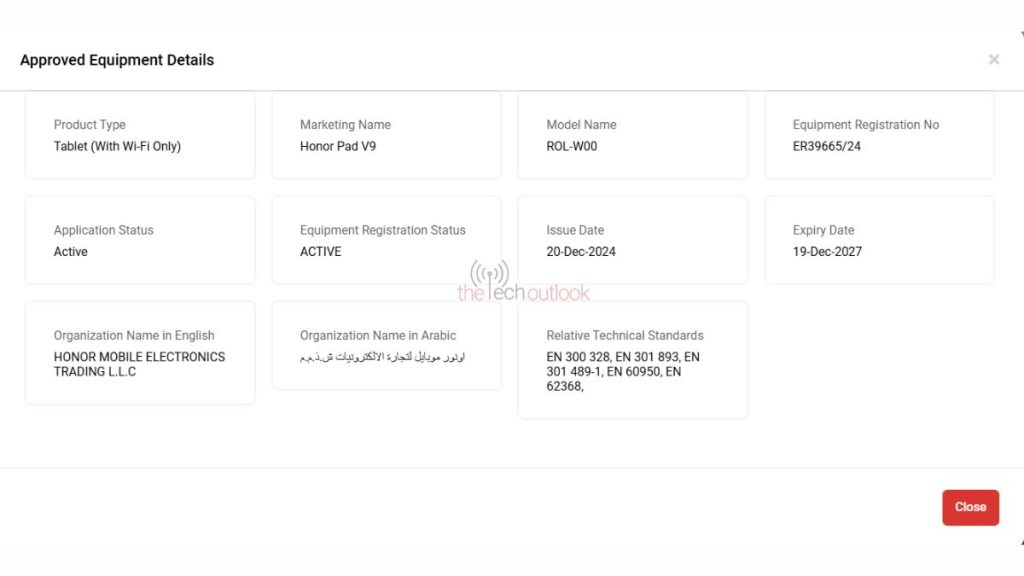
Honor has moved a step closer to the global release of its Pad V9 tablet following its debut in China. The device, bearing model number ‘ROL-W00,’ has received TDRA certification in the UAE (spotted by Thetechoutlook), signaling its imminent launch in the region. The certification, valid until December 19, 2027, lists the device as Wi-Fi-only.
Specifications and Features
The Honor Pad V9 boasts a sleek 6.1mm ultra-slim metallic body, weighing just 475 grams and certified with SGS Gold Five Star durability. It features a large 11.5-inch display with 2.8K resolution, 144Hz refresh rate, 500 nits peak brightness, and IMAX Enhanced optimizations for an improved visual experience.
Honor Pad V9
The audio system is equally impressive, with eight IMAX-enhanced speakers supporting Spatial Audio and Hi-Res Audio for a rich sound profile. These features make the Pad V9 well-suited for immersive multimedia consumption. Under the hood, the tablet is powered by the MediaTek Dimensity 8350 Extreme Edition SoC, ensuring reliable performance. It houses a 10,100mAh battery, supporting 66W wired fast charging for extended usage.
The Pad V9 includes a 13MP rear camera and an 8MP front-facing camera for basic photography and video calls. Connectivity options include Wi-Fi 6 and Bluetooth 5.2, enhancing wireless performance. Running on Magic OS 9.0 based on Android 15, the tablet features Honor’s YOYO AI assistant for smarter interactions, catering to productivity and entertainment needs.
With its TDRA certification, the Honor Pad V9 is expected to reach UAE markets soon, alongside a broader global rollout. We can expect the device to emerge on other regional certification databases soon.
ASUS has announced the ASUS NUC 14 Pro AI, a mini PC designed for tasks requiring AI processing, gaming, and edge computing. Powered by Intel Core Ultra processors (Series 2) and integrated with Microsoft Copilot+, the device combines performance and efficiency in a compact design.
ASUS NUC 14 Pro AI features
The ASUS NUC 14 Pro AI is equipped with Intel Core Ultra 9 processors, combining CPU, GPU, and NPU technologies to deliver up to 120 platform TOPS (Tera Operations Per Second) and 48 NPU TOPS—three times the AI performance of earlier models. Its Intel Arc GPU with Xe2 Architecture provides up to 67 TOPS, along with XeSS and XMX AI engines, to enhance gaming and content creation.
The device is designed for continuous use, featuring advanced thermal management and security measures such as Secure Boot, TPM, and fingerprint recognition. With a 0.6-liter chassis and a height of 34mm, it fits well into IoT and edge computing setups. A tool-free access design makes upgrades straightforward.
Connectivity options include Wi-Fi 7, Bluetooth 5.4, and dual Thunderbolt 4 ports for fast data transfer and compatibility. The ASUS Control Center and Windows Autopilot support easy deployment and integration into IT environments.
The NUC 14 Pro AI offers configurations with Intel Core Ultra 5, 7, and 9 processors, paired with up to 32GB LPDDR5x-8533 memory. Storage options include an M.2 PCIe Gen4x4 slot supporting up to 2TB NVMe SSDs. The device also features a variety of I/O ports, including Thunderbolt 4, USB 3.2, HDMI, and 2.5G LAN.
Availability details
Pricing and availability details will be shared later, and customers can contact ASUS representatives for more information.
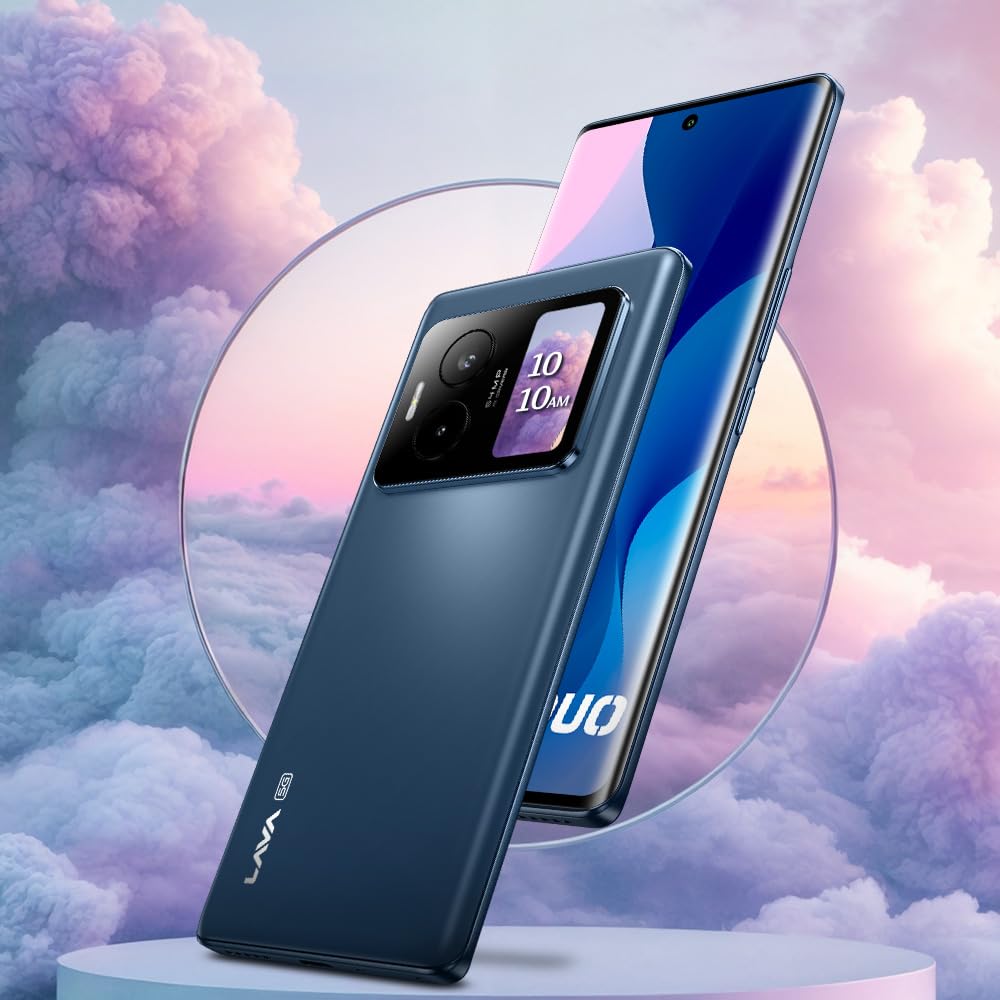
Lava recently launched the Blaze Duo 5G, a dual-display smartphone designed for the Indian market. Packed with premium features and competitive pricing, the device is now available for purchase with enticing launch offers on Amazon.in.
Blaze Duo 5G Key Specifications
The Blaze Duo 5G boasts a 6.67-inch FHD+ 3D curved AMOLED display with a 120Hz refresh rate, delivering smooth visuals. It features a secondary 1.58-inch AMOLED screen on the back. Under the hood, the phone is powered by the MediaTek Dimensity 7025 processor, ensuring seamless performance for everyday tasks and gaming.
The device comes in two RAM and storage configurations: 6GB/128GB and 8GB/128GB, both utilizing LPDDR5 RAM and UFS 3.1 storage for faster app loading and multitasking. On the software front, the device has launched with Android 14, offering a clean software experience.
For photography, the Blaze Duo 5G has a 64MP primary camera featuring a Sony sensor and a 2MP macro lens. A 16MP front camera caters to selfies and video calls. Additional features include an in-display fingerprint sensor, USB Type-C audio, stereo speakers with Dolby Atmos, and IP64-rated dust and water resistance.
The device supports 5G connectivity across multiple bands, dual 4G VoLTE, Wi-Fi 6E, Bluetooth 5.4, and advanced GPS systems. It is powered by a 5000mAh battery with 33W fast charging.
Pricing and Launch Offers
Available in Celestial Blue and Arctic White, the Blaze Duo 5G is priced at ₹16,999 for the 6GB variant and ₹17,999 for the 8GB variant. Amazon is offering an instant ₹2,000 discount for HDFC Bank cardholders, bringing the effective prices down to ₹14,999 and ₹15,999, respectively.
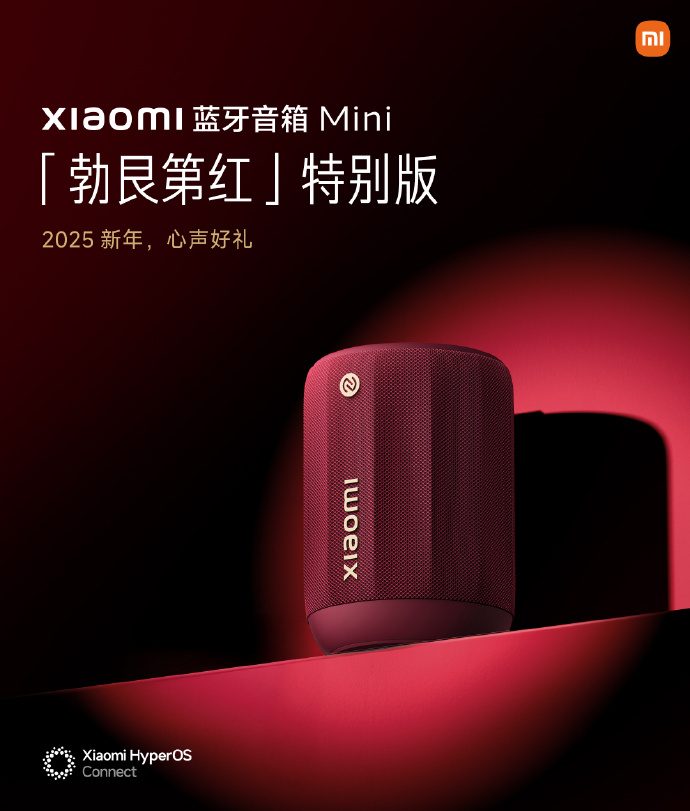
Xiaomi has launched a limited-edition Burgundy Red version of its Mini Bluetooth Speaker to mark the Chinese New Year.
Xiaomi Burgundy Red Mini Bluetooth Speaker
The Burgundy Red speaker combines practical features with a festive design. It delivers 360° sound using a 3-unit acoustic design with symmetrical full-range speakers, ensuring balanced audio for all-around listening.
The speaker is built to withstand tough conditions with an IP67 rating, making it dustproof and water-resistant—ideal for outdoor activities.
Its 2000mAh battery provides up to 11 hours of playback on a single charge and fully recharges in just 1.8 hours, making it convenient for everyday use.
The device supports Bluetooth 5.3 and NFC for quick and easy pairing, as well as seamless music sharing. Xiaomi’s HyperOS Connect and the Mijia App allow for over-the-air updates and sound customization, giving users more control over their listening experience.
The speaker also features customizable RGB lighting. The top light strip can be adjusted using the Mijia App, allowing users to set the mood for any occasion.
Pricing and Availability
This special edition speaker is part of Xiaomi’s festive gift collection, with the tagline “心声好礼” (heartfelt gift). Available from December 20, 2024, at 10:00 AM (China time), the speaker is priced at 199 yuan ($28) during its promotional period, discounted from the usual 229 yuan.
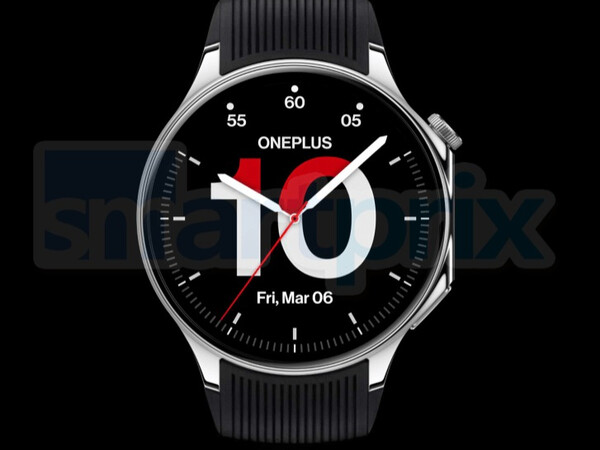
OnePlus is gearing up to launch the OnePlus 13 and the OnePlus 13R smartphones on January 7, alongside a new color variant for the OnePlus Buds 3 Pro. Additionally, reports suggest the brand is developing a new smartwatch. According to an exclusive report by Smartprix, the OnePlus Watch 3 is slated for a global launch in Q1 2025, aiming to deliver a more functional, feature-packed device to strengthen its position in the competitive wearables market.
OnePlus Watch 3 (Image via Smartprix)
A render shared alongside the report suggests that the OnePlus Watch 3 retains the sleek design of its predecessor but introduces a key feature: a rotary dial. Similar to Apple’s Digital Crown, this feature improves navigation, especially in situations where touchscreen controls are impractical, such as when hands are wet. It will have added ECG functionality to further elevate the health tracking capabilities of the Watch 3, allowing it to compete with premium models like the Samsung Galaxy Watch and Apple Watch. However, market-specific health certifications may limit its availability.
Another standout feature of the Watch 3 could be LTE connectivity, enabling the device to operate independently from a smartphone. This would allow users to make calls, receive notifications, and stream music without needing a paired phone. However, this feature may initially be restricted to certain markets, with China being a likely first destination.
The report also suggests that the Watch 3 could pack a powerful Qualcomm Snapdragon W5 Gen 1 processor, paired with 2GB of RAM and 32GB of storage. The report suggests that the watch will have a 500mAh battery, however, a previous FCC certification has claimed that it will feature a larger 631mAh battery. Like its predecessor, it will run on a dual OS setup of WearOS and RTOS.
The previous FCC listing has also claimed the OnePlus Watch 3, with model number OPWWE251 will measure 46.6 x 47.6 x 11.75mm, making it slightly larger than last year’s model. Since it has picked up the FCC certification, we can expect a global launch soon. More details are expected to emerge in the coming days, so stay tuned.
We use cookies on our website to give you the most relevant experience by remembering your preferences and repeat visits. By clicking “Accept”, you consent to the use of ALL the cookies.
This website uses cookies to improve your experience while you navigate through the website. Out of these, the cookies that are categorized as necessary are stored on your browser as they are essential for the working of basic functionalities of the website. We also use third-party cookies that help us analyze and understand how you use this website. These cookies will be stored in your browser only with your consent. You also have the option to opt-out of these cookies. But opting out of some of these cookies may affect your browsing experience.
Necessary cookies are absolutely essential for the website to function properly. This category only includes cookies that ensures basic functionalities and security features of the website. These cookies do not store any personal information.
Any cookies that may not be particularly necessary for the website to function and is used specifically to collect user personal data via analytics, ads, other embedded contents are termed as non-necessary cookies. It is mandatory to procure user consent prior to running these cookies on your website.