Advertisement

OnePlus 13: What’s Coming in the Next-Gen Flagship Phone

With Qualcomm gearing up to launch the Snapdragon 8 Gen 4, OnePlus is expected to be the first brand to launch a flagship smartphone with its high-end chipset. The device in question is the OnePlus 13, which has recently surfaced in various rumors and reports. So here’s a comprehensive preview of what’s coming in the new premium phone.

1. OnePlus 13: Design & Display

Oppo Find X8 Ultra, Pro, OnePlus 13 display design
OnePlus 13 Display

While we still don’t have an official look at the OnePlus 13, it will likely feature a premium design like its predecessor. To recall, the OnePlus 12 launched with a Gorilla Glass back on the rear and an aluminum frame. So we can expect a similar design to the OnePlus 13. The rear should also pack a large circular camera island on the back. Similar to its predecessor, the OnePlus 13 would likely feature an IP rating for water and dust resistance (possibly IP69/69 rating).

On the front, OnePlus is reportedly supplying the BOE X2 displays. The screen will have a micro-curvature design on all four sides. In other words, the display will blend the advantages of flat and curved displays. The OnePlus 13 is expected to sport a tall 6.8-inch 8T LPTO OLED screen with a 120Hz refresh rate and 2K resolution (3160 x 1440 pixels). There will likely be an ultrasonic fingerprint scanner under the display.

2. Specifications

OnePlus 12
OnePlus 12

Under the hood, the upcoming flagship phone is confirmed to be equipped with the Snapdragon 8 Gen 4 SoC. The OnePlus 13 recently surfaced on the GeekBench platform, achieving 3,236 and 10,049 points in the single core and multi core tests respectively. This processor is paired with LPDDR5x RAM and UFS 4.0 storage. On GeekBench, the device was listed with 16GB of RAM.

OnePlus 13 is expected to run on the Android 15 OS based ColorOS 15 out of the box. While the OnePlus 12 packs a sizeable 5,400mAh battery pack, the next-gen flagship is rumored to feature a massive 6,000mAh cell. This is a pretty big battery and the OnePlus 13 could also support 100W wired fast charging and 50W wireless fast charging. The premium phone is believed to feature the O916T haptic motor, which is the same vibrator motor found in the OnePlus 12.

3. Camera

OnePlus is expected to pack a 50-megapixel LYT808 primary camera on the back. This sensor may be coupled with a 50-megapixel ultra wide angle lens and a 50-megapixel periscope telephoto shooter that offers 3x optical zoom and higher hybrid zoom. For selfies and video calls, rumors hint at a 32-megapixel shooter on the front. Going by the current trend, the brand might employ more AI powered features in the camera app.

4. Launch Date

Qualcomm is set to announce the Snapdragon 8 Gen 4 chipset during the Snapdragon Tech Summit 2024. This event will take place between 21st October to 23rd October 2024 in Maui, Hawaii. OnePlus is rumored to also take the stage during this major conference to unveil its next gen flagship phone. So the OnePlus 13 announcement might be next month, with sales kicking off soon after.

Meizu has a “star-track” design phone in works

Meizu seems to be gearing up to launch a new affordable smartphone in its home country China. The usually reliable tipster, Digital Chat Station (DCS), has revealed the device on Weibo.

The tipster refers to the phone as the Meizu “Lucky 08” and has also shared images showing it in two color options: Black and White. But what’s really unique about this guy is its camera design.

Unlike the ubiquitous rectangular camera humps dominating the market, the Lucky 08 features a distinctive design with one camera seemingly orbiting the other, set against an interesting radiating background. DCS calls it a star-track design. 

While details on the camera specifications remain under wraps, the leaks suggest the Lucky 08 is said to have a sizable 6,000mAh battery. Additionally, the phone is expected to retain the Flyme AIOS features found on Meizu’s flagship devices.

However, being a budget device, it will likely show some compromises. The tipster suggests the Lucky 08 will feature a plastic frame with flat edges. The phone, however, will still have narrow and symmetrical bezels on the front.

Meizu-Lucky-08-Design-2

There’s no official word on when or where Meizu will launch the smartphone. But with live photos already circulating, a September or October release seems likely.

It’s surprising that Meizu is continuing with smartphone launches even after announcing it was exiting the market earlier this year. Since the announcement, the company has already released at least five phones, if not more. 

Meizu is also expected to launch the M20, its first M-series phone in five years. It seems the company is reviving its old lineup rather than leaving the smartphone market. So, what was all the fuss about earlier this year?

Realme unveils budget-friendly Pad 2 Lite in India

Realme today announced a new budget tablet in India, the Pad 2 Lite. Unveiled alongside the Realme P2 Pro 5G smartphone, the tablet focuses on delivering the essentials for a competitive price point. Let’s go through its details here. 

Realme Pad 2 Lite Specifications

The centerpiece of the Pad 2 Lite is its 10.95-inch 2K Super Display with a 90Hz refresh rate. The panel has a screen-to-body ratio of 85.2% and a peak brightness of 450 nits.

Under the hood, the Pad 2 Lite runs on the MediaTek Helio G99 processor, a familiar choice in the budget segment. It’s paired with an ARM Mali GPU for graphics.

The base model comes with 4GB of RAM, while the higher-tier option has 8GB memory. Both are LPDDR4X RAM and Realme has included its Dynamic RAM” technology can allocate an additional 8GB from storage on the 8GB RAM variant. 

Storage options include 128GB and 256GB, with the ability to expand further via a microSD card slot (up to 1TB).

The Pad 2 Lite comes pre-installed with Realme UI 5.0 for Pad, based on the latest Android 14 operating system. This ensures access to the newest features and security updates.  

The audio experience is handled by quad stereo speakers and you get dual microphones with noise cancellation for calls and video conferencing.  

The tablet’s camera setup is also quite modest. It features an 8MP sensor on the rear and a 5MP front-facing camera. While not ideal for photography enthusiasts, it should suffice for basic video calls and document scanning.

The Pad 2 Lite packs a sizeable 8300mAh battery, but, charging is limited to just 15W. It also supports reverse charging, allowing it to act as a power bank for other devices.  

Pricing and Availability

The Realme Pad 2 Lite comes in two configurations — 4GB RAM with 128GB storage priced at Rs 14,999 (approx. USD 180) and 8GB RAM with 256GB storage priced at Rs 16,999 (approx. USD 205). 

Availability will be through Realme’s official website and Flipkart, though a specific sale date hasn’t been announced yet.

Here’s a first look at Samsung’s Galaxy S25: Next-Gen Flagship Phone’s Full Design Revealed

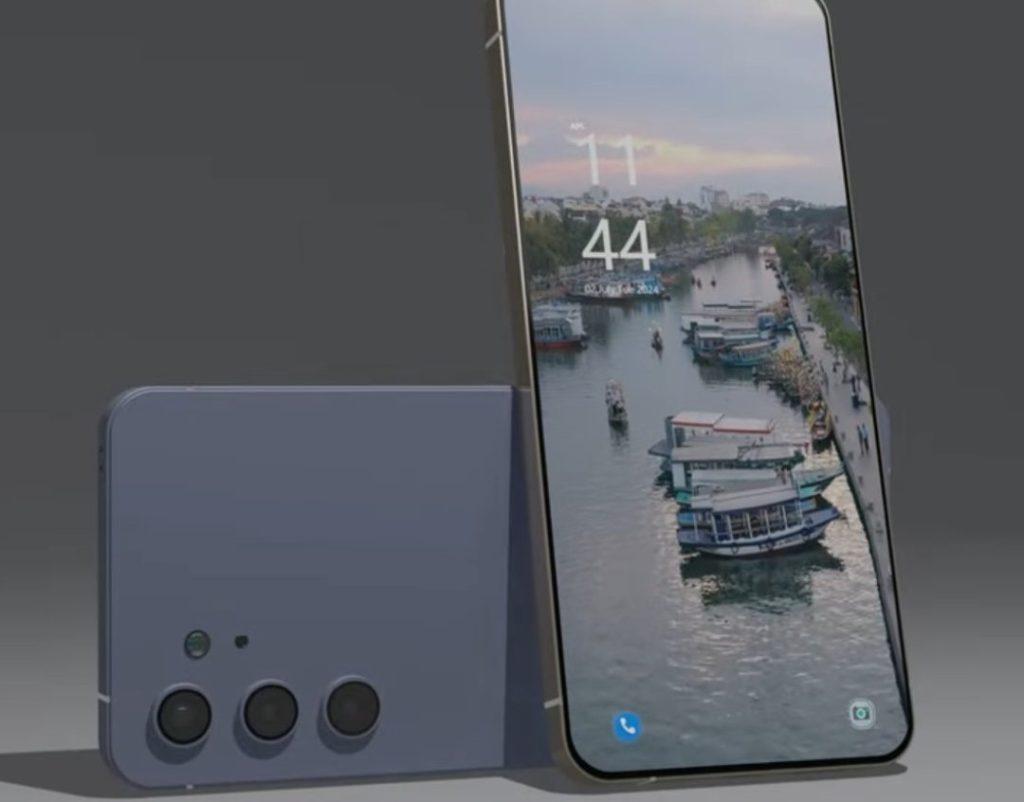
We finally have a proper look at Samsung‘s next-gen flagship smartphone, the Galaxy S25. The device is the brand’s upcoming flagship model, which will likely launch at the start of next year. The full design of the smartphone is revealed in these new renders. So let’s check it out.

Samsung Galaxy S25 Renders

Samsung Galaxy S25

The renders were shared via AndroidHeadlines and OnLeaks. Looking at the images, Samsung’s Galaxy S25 isn’t bringing any major redesign over its predecessor. The rear and sides still appear to be flat with the back featuring a vertically stacked triple camera setup. However, the cameras can be seen with textured rings around them. Meanwhile, the front retains a flat display with a punch hole cutout with slim bezels that might be uniform throughout.

While the screen size isn’t confirmed, it appears to be similar to the Galaxy S24’s 6.2-inch panel. The report adds that the new Galaxy S25 measures 146.9 x 70.4 x 7.2mm, which makes it smaller and around 0.4mm thinner than the Galaxy S24. So it might weigh the same if not lighter than last year’s flagship. Based on what we know so far, Samsung may launch the Galaxy S25 with an Exynos and Snapdragon chipset like last year. However, rumors have hinted at Snapdragon being the sole chipset on the 2025 Galaxy flagship.

Samsung Galaxy S25

The S25 could also pack 12GB of RAM, getting a 4GB bump over the S24. It is unlikely that this model will get any notable upgrade, so it could retain the 50MP primary camera on the rear and a 12MP selfie shooter on the front. Samsung is expected to pack this model with a 4,000mAh battery pack once again, which would likely support 25W wired fast charging. We can expect it to run on the Android 15 OS based One UI 7 custom skin out of the box.

Realme P2 Pro 5G With 120Hz Curved Display, 80W Charging Launched In India

Realme launched a new smartphone and a tablet today in India. The former is the latest offering in the brand’s P-series. It is dubbed the Realme P2 Pro 5G. The device seems to be the successor to the P1 Pro that debuted earlier in April this year. This is because it packs upgraded specifications. Read on to know what the Realme P2 Pro 5G offers out of the box. 

Realme P2 Pro 5G specs

Realme P2 Pro 5G

The Realme P2 Pro 5G comes with a 6.7-inch curved AMOLED display. It features an FHD+ resolution, a 120Hz refresh rate, 2,000 nits peak brightness, and support for Pro-XDR. The smartphone is said to be durable with Gorilla Glass and a strong middle frame. It is claimed to survive drops up to 1.65m. Design-wise, the Realme P2 Pro 5G flaunts a slim profile with a middle frame and squircle camera island accentuated by Gold colors. 

In terms of imaging, the Realme P2 Pro’s dual camera setup comprises the 50MP Sony LYT-600 main sensor with OIS support and an 8MP ultra-wide-angle lens. There is a 32MP snapper on the front. 

On the hardware front, the Realme P2 Pro 5G houses the Snapdragon 7s Gen 2 processor. It packs up to 12GB RAM and 512GB internal storage. There is a VC cooling system for heat dissipation. The smartphone features GT mode found on the flagship Realme GT 6. The device is fuelled by a 5,200mAh battery unit with support for 80W charging. It also supports reverse charging. 

The Realme P2 Pro costs Rs 21,999 for the base 8GB + 128GB variant. The 12GB + 256GB and 12GB + 512GB options are priced at Rs 24,999 and Rs 27,999 respectively. The device comes in Parrot Green and Eagle Grey colors. It can be purchased from September 17 from Flipkart, Realme’s website, and retail stores.

Honor’s latest mid-range phone is launching next week in India

Honor today confirmed the upcoming launch of the Honor 200 Lite smartphone in India. It’s scheduled for release in the country on September 19th but has already been launched in the European market in April.

The company also teased some of the features along with the announcement. Let’s go through it. 

Honor 200 Lite Specifications

The phone will have a triple-camera setup on the rear boasting a 108MP main sensor with an f/1.75 aperture, an ultrawide with an f/2.2 aperture, and a macro with an f/2.4 aperture. Although the company has not specified, the latter two are 5MP and 2MP sensors. 

Honor says the phone is “specialized in portraits” and can handle “1x Environmental Portrait, 2x Atmospheric Portrait, and 3x Close-up Portrait” scenarios.

For selfies, the phone gets a 50MP front camera. This camera also has AI Wide-angle Selfie functionality that automatically adjusts to a 90° field of view to ensure everyone gets included in group selfies. Additionally, a Selfie Light is included for well-lit front-facing photos even in low-light situations.

Beyond the cameras, Honor touts the phone’s sleek and durable design. The Honor 200 Lite measures a mere 6.78mm in thickness and weighs just 166g. 

The company claims the phone is built to withstand everyday wear and tear, earning an SGS 5-star Drop Resistance certification for added peace of mind.

Honor is mum on the rest of the details, but the phone is powered by a Dimensity 6080 chip and runs on MagicOS 8.0 based on Android. It is fueled via a 4500mAh battery with support for 35W charging.

The Honor 200 Lite will be available in India on Starry Blue, Cyan Lake, and Midnight Black color options. You will be able to purchase it through Amazon.in, exploreHonor.com, and select mainline stores when it launches on September 19th.

Xiaomi confirms September 26 launch for 14T series, renders leak details

Xiaomi has officially announced the global launch date for its upcoming 14T smartphone series. The Xiaomi 14T and 14T Pro are scheduled to be unveiled on September 26, continuing the company’s focus on powerful mid-range devices with premium camera experiences.

This launch confirms Xiaomi’s ongoing partnership with Leica, following the successful collaboration on the Xiaomi 13T series. Both the 14T and 14T Pro will boast co-engineered Leica lenses and color science.

Xiaomi 14T Series launch confirmed

Xiaomi’s press release specifically mentions “cinematic artistry and humanistic photography” hinting at new Leica color profiles for the phone. 

Xiaomi 14T / 14T Pro renders leak

Adding fuel to the pre-launch hype, full renders of both smartphones have leaked online. These images showcase the Xiaomi 14T in four color options, while the 14T Pro appears in three.

As expected, we can also spot the Leica branding emblazoned on the rectangular camera module. Both models will feature a triple-camera setup with a dedicated LED flash. Notably absent is a periscope zoom lens, but that’s usual for Xiaomi T-series.

The leaked renders reveal a curved back panel on the standard 14T, contrasting with the straighter design of the 14T Pro. Both phones maintain the flat-edged chassis design, though.

Further details gleaned from the leaks suggest a 6.67-inch “1.5K” AMOLED display with a smooth 144Hz refresh rate and 4,000 nits peak brightness for the 14T. 

The phones are expected to run on the MediaTek Dimensity chipsets — the 14T will use the Dimensity 8300-Ultra and the 14T Pro will leverage the top-of-the-line Dimensity 9300+. 

Both models are rumored to boast a generous 12GB of RAM, with the 14T offering 256GB of storage and the 14T Pro doubling that capacity to 512GB.

The camera systems will include a 50MP main sensor on both phones. It will be joined by a 50MP telephoto lens and a 12MP ultrawide sensor, with a 32MP selfie camera will complete the package. Both phones are expected to boast IP68 water and dust resistance.

While official pricing is yet to be confirmed, rumors suggest a €649 starting price for the Xiaomi 14T and a €899 price tag for the 14T Pro. 

New CUKTECH Power Banks Quick Review: Built-in-Cabled one, or CUKTECH 15 Budget Version – Take Your Pick

CUKTECH CP 253L (PB200N) and 15 SE (PB200N)– The two power banks are our main protagonists from the brand CUKTECH in this review. I would like to thank CUKTECH, as soon as new models were coming out, we were lucky enough to get them for testing and hands-on, which are good. The brand didn’t ask for anything. So you guys can rest assured that the team won’t favor them.

Back to the two power banks, they look familiar with some existing models. But there’s no doubt that both of them have done a great job of optimizing for various usage scenarios. Besides unboxing them, we will also test their actual output power and compatibility along the way. This will also serve as a reference for you to buy. So, let’s start with the big one, which is also the one you might be most interested in.

CUKTECH CP 253L (PB200N)

I don’t know if you guys have ever had this experience: going out for a trip, the power bank is in your backpack, but the charging cable is still lying in your bed. So this design of the CUKTECH CP 253L (PB200N) puts an end to this situation. Because of this USB-C cable, it is definitely the most special existence among all CUKTECH power banks. This built-in cable greatly improves utility while adding little to no burden or waste.

It has a battery capacity of 20,000mAh, maximum output power of 55W, and input power of 40W. There is also a Seven-segment display on the side. Apart from this cable, there is also a Type-C port and a USB-A port. Because the maximum output power of the USB-A port is only 33W, the Type-C port and built-in cable share the same outputs and protocols. So we only need to test the actual output power of this cable to know how powerful it is.

Since this is a test of the CUKTECH power bank, it’s definitely going to use Xiaomi’s devices – the best-accompanied devices. The Xiaomi 14 Pro supports up to 45W charging, which allows the power bank to deliver its full output. After peaking for a short period, its output can be stabilized at over 40W until being fully charged.

In daily use, another premium phone the Vivo X100 Pro, is a great example of a charging-compatible phone. It’s possible to achieve the maximum power that can be delivered to a non-Xiaomi device when using PPS protocols. For the full-charging test, it even surprisingly sticks at over 40W fast output.

As for the iPhone…since many people are using it, we have to test it as well. As expected, it’s also able to activate the full potential of the iPhone 15 Pro – keep 20-25W output for the whole test.

CUKTECH 15 SE (PB200)

Is the CUKTECH 15 SE (PB200) very similar to the CUKTECH 15 power bank? Yes, it is the little brother of CUKTECH 15, and it is a budget/essential version. It still has the same battery capacity of 20,000mAh and a Seven-segment display on the side.

There are still 2*USB-C ports and 1*USB-A port, but the max total output power has been cut from 150W to 85W, and the size has been changed a little bit as well. It got slimmer, so the grip and storage is better than the CUKTECH 15. Specifically, the USB-C1 supports up to 67W output, while for C2 and USB-A ports, the max figures would be 33W.

The 65W output via USB-C1 theoritically is enough to power up the laptop. So, we tested its actual output power when charging the MacBook Pro by the way. As the image shows below, the efficiency with the MacBook Pro was almost reaching its limits and running pretty stable here.

Summarize

I’m glad there are companies like CUKTECH that can make high-power banks in various lines to fit different scenarios and price levels. The specified lineups of new products are highly competitive and widely compatible in the marketplace. CUKTECH balanced portability, high power, and price to make these two products for different target groups. Because of CUKTECH, Xiaomi phone users are one of the luckiest user groups in the world, as they do not need to pay much budget to get excellent power accessories almost the same as the officials’. Even if you are not a Xiaomi user, it has the best compatibility and the most stable performance with all kinds of devices from different brands.

Infinix Zero 40 5G India launch date, camera specs, Pro-vlogging features officially confirmed

Infinix recently unveiled the Infinix Zero 40 4G and Zero 40 5G for the global market. The Indian wing of the company has confirmed the official launch of the Zero 40 5G in India on Sept.18. As is customary for Infinix phones, a microsite revealing the key features of the Zero 40 5G has appeared on Flipkart.

Infinix Zero 40 5G India-specific details confirmed

Infinix Zero 40 5G
Infinix Zero 40 5G India launch date

One of the major highlights of the Zero 40 5G is that it will come equipped with the Infinix AI suite of AI-driven features. These include an AI Eraser for removing unwanted objects from photos, an AI Wallpaper for creating custom wallpapers, an AI Cut-Out Sticker for dynamic sticker creation, an AI Translate, an AI Text Generator, and an AI Vlog for simplifying vlog creation.

Infinix Zero 40 5G camera specifications

The round camera module on the phone’s back features a triple camera setup, which comprises a 108-megapixel primary camera with optical image stabilization (OIS) and electronic image stabilization (EIS), a 50-megapixel ultra-wide sensor, and a depth sensor. For selfies, there’s a 50-megapixel front camera. Notably, the front camera as well as the primary camera on the back support 4K video recording at 60fps with adaptive anti-shake technology, making it a standout feature for vloggers and video enthusiasts.

Infinix has confirmed that the Zero 40 5G integrates seamlessly with GoPro cameras, enabling users to control settings, preview, and edit content directly from the phone. It also supports long-exposure photography for dynamic effects and features professional voice recording with three directional microphones for clear audio. The Video Portrait mode provides a professional blurred background effect similar to that of DSLR cameras. The front camera offers a Group Selfie mode with zoom options (0.8x and 2x) to capture both wide and close-up shots clearly.

Infinix Zero 40 5G color options

The Flipkart page also mentions that the Zero 40 5G will be available in three shades in India. These include Violet Garden, Moving Titanium, and Rock Black. The device will have a thin profile of 7.9mm and weigh 195 grams.

After charger, Apple removes USB-C cable from the box

Following their decision to exclude power adapters from iPhone boxes a few years ago, Apple is taking a further step towards its minimal packaging approach with the new AirPods 4.  

The recently announced AirPods 4 wireless earbuds, available in both standard and noise-canceling variants, will ship without a USB-C charging cable in the box. 

The information is confirmed on Apple’s official AirPods comparison webpage, which lists “USB-C Charge Cable sold separately” for the AirPods 4 models.

Apple has just completed the switch to USB-C across its devices, and it’s already dropping the supporting cable. Sure, some users might already have a USB-C cable (or ten) lying around.

But what about those upgrading from older devices or new users entering the Apple ecosystem? For them, it means an extra purchase just to get their AirPods charged up and ready to go.

Now, Apple might argue that they’re being environmentally conscious by reducing packaging waste. That’s a fair point, and it’s certainly a trend we can all get behind. But is removing a single cable the most impactful step they could take? Certainly not. 

AirPods 4 USB-C Cable Sold Separately

Next up could be the iPhone. The iPhone 16 still ships with a USB-C cable for now, but who knows? At this point, I wouldn’t be surprised if Apple also removes the charging case for earphones next.

Apple AirPods 4 Specifications

Despite the lack of a cable, the AirPods 4 themselves boast a range of features. The design stays true to the previous models with a semi-in-ear stem and silicone tips, but Apple claims it offers a more universal fit. 

Both versions are IPX4 water-resistant and retain the tap control functionality. Users can now add a head nod for “yes” and a head shake for “no” to manage Siri and calls.

The audio experience receives an upgrade with Personalized Spatial Audio featuring head tracking, promising an immersive listening experience.

The standard AirPods 4 lack ANC, while the premium option integrates the noise cancellation technology previously exclusive to AirPods Pro. Both models offer a “Conversational Mode” to reduce volume while talking, with the ANC version adding Transparency Mode and Adaptive Audio for further user control.

The H2 chip powers both AirPods 4 models, aiming to improve battery life, personalize audio, and facilitate faster pairing. In terms of battery life, Apple claims 30 hours total with the wireless charging compatible case, and 6.5 hours of playback on the earbuds themselves.

OnePlus, Reliance Jio team up to test 5G network slicing, commercial deployment soon

achievement in their 5G innovation collaboration. They have successfully completed joint testing of 5G network slicing at their recently launched 5G innovation lab in India. This development is a notable step towards enhancing the 5G experience for smartphone users across the country.

5G network slicing tested on OnePlus Nord 4

oneplus nord 4
OnePlus Nord 4

In their demonstration, the teams connected the core network and chip module of the newly launched OnePlus Nord 4. This integration allowed them to successfully conduct tests on 5G network slicing technology.

The testing showed how different applications could leverage dedicated network slices to enhance their 5G performance. By doing so, the network can offer more flexible and efficient connectivity, tailored to the demands of various applications and services.

Ramagopala Reddy, Vice President at OnePlus India, expressed satisfaction with the progress. He highlighted the collaboration’s significance in advancing technology and improving user experiences in India. Reddy emphasized that this successful deployment of 5G network slicing serves as a crucial benchmark for practical implementation and will guide network operators globally.

Looking ahead, OnePlus and Jio will focus on finalizing the details required for commercial deployment, which is expected in the coming months. Their ongoing efforts will aim at further innovation in 5G technology, working with global stakeholders to advance network slicing solutions. This will help in delivering more secure, reliable, and adaptable 5G services to users across India.

What is 5G network splicing?

For those who don’t know, 5G network slicing is a technology that divides a single physical 5G network into multiple virtual networks, each optimised for specific use cases or applications. These virtual networks, or “slices,” can be customised with different features such as speed, bandwidth, security, and reliability to meet varying needs. This approach allows for more efficient and flexible network management, ensuring that different services and applications receive the appropriate resources and performance levels.

Oppo Find X8, X8 Pro receive MIIT certification, 3C certification reveals 80W charging

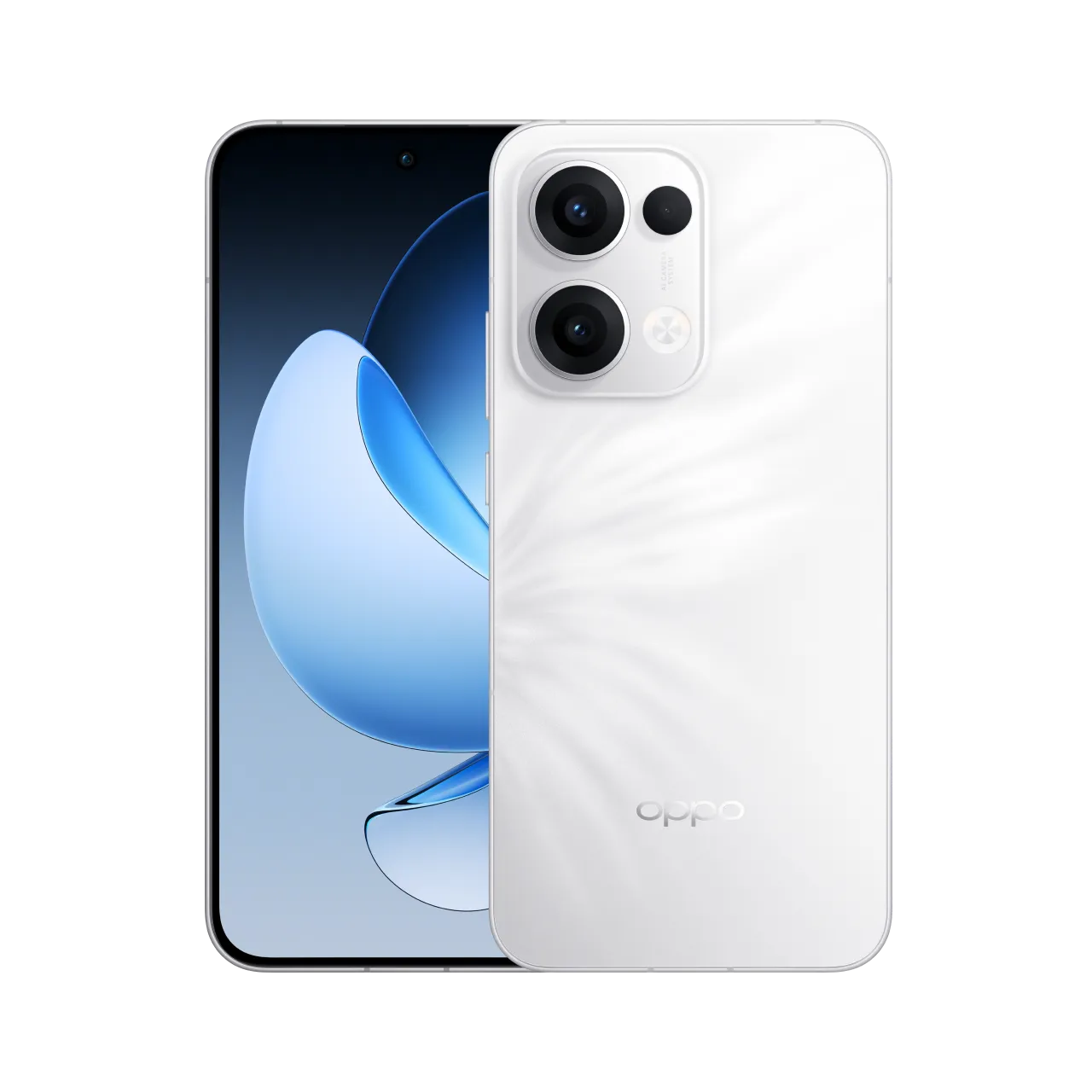
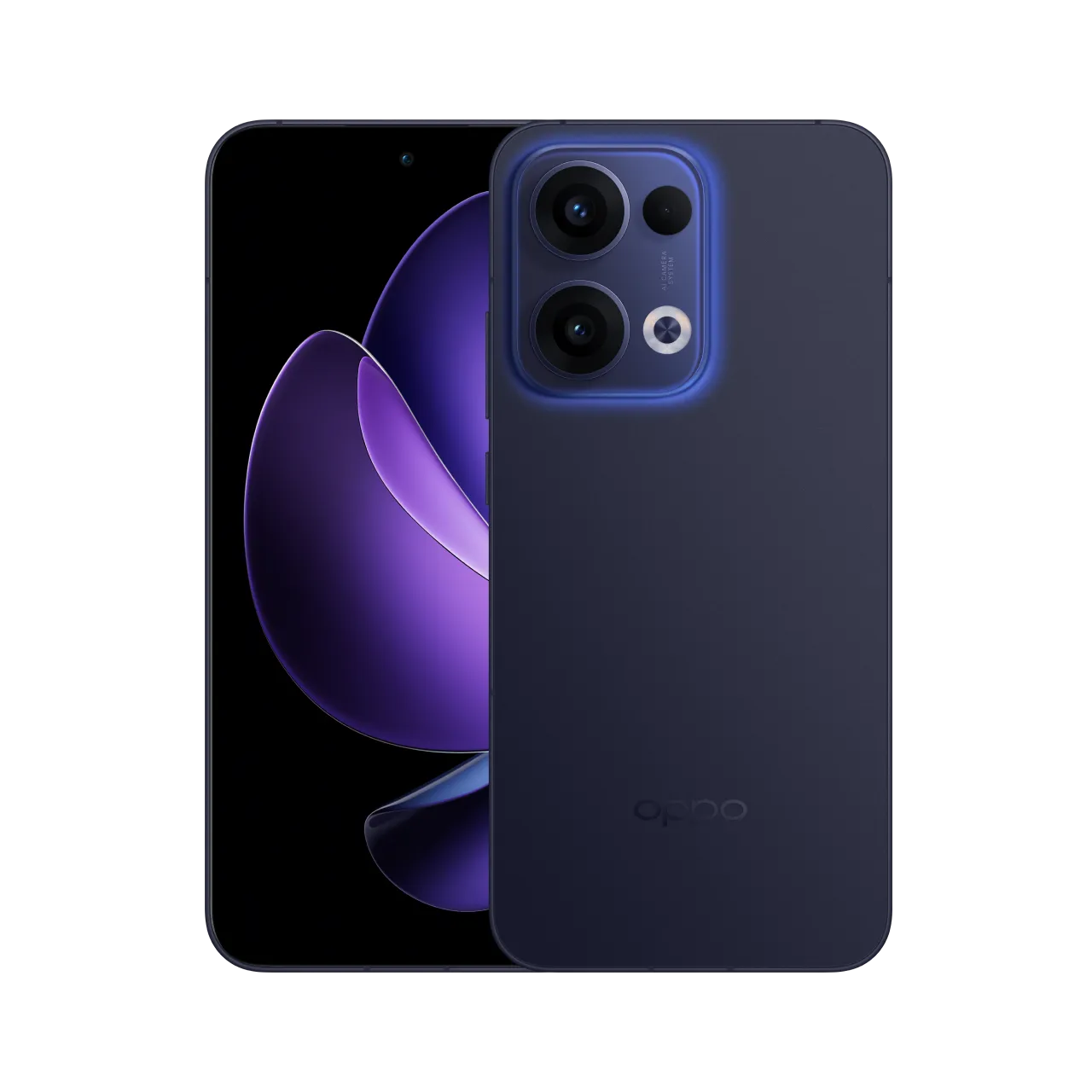
Oppo is one of the brands that is expected to unveil new flagship phones in October in China. Rumors suggest that the upcoming Find X8 lineup will include three models, such as Find X8, Find X8 Pro, and Find X8 Ultra. While the standard and Pro models are expected to debut next month, the Ultra variant is likely to go official in January 2025. Ahead of the expected launch, the Find X8 and X8 Pro phones have received approval from Chinese certification platforms.

Oppo Find X8, X8 Pro, X8 Pro Satellite Communication model numbers revealed

According to a recent Weibo post by reliable leaker Digital Chat Station, the Find X8, Find X8 Pro, and Find X8 Pro Satellite Communication Edition have all completed their registrations in China. The leak suggests that the respective model numbers of these phones are as follows: PKB110, PKC110, and PKC130.

Oppo Find X8 3C certified in China

OPPO PKB110 3C certified
OPPO Find X8 (PKB110) 3C certified

Interestingly, the Oppo Find X8 (PKB110) has been spotted in the databases of MIIT and 3C certification platforms in China. While the MIIT certification hasn’t revealed anything significant, the 3C listing suggests that it will ship with an 80W fast charger.

The leaker added that the Find X8 has a flat display, a Dimensity 9400 chip, a large battery, and supports 80W fast charging. As per previous reports, the device will have a 5,600mAh battery, wireless charging support, a 50-megapixel triple camera setup equipped with a 3x periscope telephoto camera, and an IP69 rating. As can be seen below, the Oppo Find X8 Pro (PKC110) has also surfaced in MIIT’s database, but its yet to receive 3C certification.

Alleged Oppo K13 phone in works

In related news, DCS’ leak also reveals the existence of a new K-series phone with model number PKS110. Uncertainty surrounds the phone’s name, but the leak reveals that it will sport a single-cell battery with a rated capacity of 6,220mAh and a typical value of 6,500mAh. Probably, this device will be dubbed the Oppo K13 when it arrives in China.

Lava Blaze 3 5G price, key specifications officially revealed before launch

Lava is all set to announce the Blaze 3 5G, an affordable 5G smartphone, in India. Before the launch, its landing page revealing its design and key specifications emerged on Amazon India. Here’s a look at all the information that’s mentioned on the page.

Lava Blaze 3 5G design

Lava Blaze 3 5G Glass Blue
Lava Blaze 3 5G in Glass Blue

The Lava Blaze 3 5G will arrive with a premium glass back design and will be available in two shades: Glass Blue and Glass Gold. The square camera module on the back features a pair of cameras and a “Vibe Light” ring LED that provides effective illumination for low-light photography, portrait mode with a studio-like effect, and video recording.

Lava Blaze 3 5G specifications

Lava Blaze 3 5G Glass Gold
Lava Blaze 3 5G in Glass Gold

The Amazon page reveals that the Lava Blaze 3 5G features a 6.56-inch LCD panel that supports an HD+ resolution and a 90Hz refresh rate. The device will be powered by the Dimensity 6300 processor. It comes with 6 GB of RAM, an additional 6 GB of virtual RAM, and 128 GB of UFS 2.2 storage. For additional storage, it has a microSD card slot.

The Blaze 3 5G houses a 5,000mAh battery with 18W charging support. For cameras, it has an 8-megapixel front camera and a dual rear camera setup with 50-megapixel and 2-megapixel sensors. Other features include dual stereo speakers, a 3.5mm audio jack, a side-facing fingerprint scanner, and a glass back. The phone runs on Android 14 with a near-stock experience, which will be free from ads and bloatware.

Lava Blaze 3 5G price in India

The 6GB+128GB variant of the Lava Blaze 3 5G will be at a special launch price of Rs 9,999 (~$120), including bank offers. Like other Lava phones, the Blaze 3 buyers will also benefit from the company’s free service at home. Unfortunately, the brand has not confirmed the launch date of the device.

Redmi Note 14 series officially confirmed to launch in September, read what’s known so far

Today, Redmi announced two significant milestones through its Weibo handle in China. The company is celebrating the tenth anniversary of the Redmi Note series with global cumulative sales of 420 million units. Additionally, Redmi will release the all-new Redmi Note 14 series this month.

Redmi Note series: 420 million units sold

Redmi Note 14 series September launch
Redmi Note 14 series September launch officially confirmed

The Redmi Note series has achieved an impressive milestone, selling over 420 million units globally in its ten-year history. As part of the celebration, Redmi has revealed that the Note 14 series will be launched this month. To recall, the Note 13 series was announced in September 2023.

The upcoming Note series is expected to include three models: Redmi Note 14, Redmi Note 14 Pro, and Redmi Note 14 Pro+. The Pro models are said to be powered by the Snapdragon 7s Gen 3 and Dimensity 7350, respectively.

As per reports, the Redmi Note 14 Pro series will feature a 1.5K curved display, marking Redmi’s first curved screen model this year, maintaining the design consistency seen in the previous Note 13 Pro+. Leaked renders indicate that the Pro series will sport a large centrally aligned triple camera setup with a design reminiscent of the Xiaomi logo and an overall aesthetic that leans towards high-end devices. The Pro models are expected to feature a 50-megapixel main camera.

Redmi’s executives have shared their insights on the new Note 14 series. Xiaomi China’s Marketing Deputy General Manager and Redmi General Manager, Wang Teng Thomas, noted that the new Note devices boast impressive durability and battery life, with an IP68 rating ensuring robust waterproof capabilities. Redmi’s Deputy General Manager, Zhang Yifan, added that the new devices offer a balanced user experience, excellent hand feel, and satisfactory battery performance.

There is no concrete information about the global launch of the Note 14 series. The global markets may probably receive it in the first quarter of 2025.

Amazon Great Indian Festival Sale 2024 Announced: Know Details and Offers

The highly anticipated Amazon Great Indian Festival Sale 2024 has been officially announced, perfectly timed for Diwali and the upcoming festive season. Amazon has shared the details, showcasing major deals across a wide range of products. From electronics to home essentials, the discounts promise to be exceptional. Let’s dive into the details of the Amazon Great Indian Festival Sale 2024 below:

great indian festival

Amazon Great Indian Festival Sale 2024 Details

The exciting sale kicks off on October 7 for Amazon Prime members, giving them early access to the best deals. For regular customers, the sale will open a few hours later, but securing an Amazon Prime subscription could lead to substantial savings and exclusive offers.

Amazon Great Indian Festival Sale Offers

Expect discounts of up to 80% on select items during the sale, covering everything from electronics and home appliances to groceries, books, and digital goods. Along with the broad discounts, there are additional savings to be had through special offers from leading banks. It’s the perfect opportunity to make the most of your festive shopping this year.

Notably, SBI credit cardholders will enjoy 10% instant discounts, and customers can take advantage of other enticing offers like no-cost EMI, exchange deals, and Amazon Pay Later options, further maximizing their savings.

Deals and Discounts: Categorical Breakdown

  • Electronics: Get up to 50% off on gadgets such as mobile phones, laptops, smartwatches, and smart TVs.
  • Home Appliances: Expect up to 70% off on a variety of household gadgets during the festival.
  • Amazon Devices: Look for record-low prices on Amazon Alexa and the Fire TV Stick.
  • Smartphones: Major discounts are expected on the latest Galaxy S23 Ultra 5G, Galaxy M35 5G, Galaxy M15 5G, and many more.

Notably, the newly launched iPhone 16 and previous models will see their prices slashed during the sale, while the Galaxy Z Flip and other S Series smartphones are also expected to be heavily discounted. Whether you’re eyeing smartphones, tablets, or wearables, the deals are set to impress.

  • Home & Kitchen: Enjoy up to 75% off on home appliances, with kitchen and outdoor essentials available at 50% off.
  • Toys & Games: Get your hands on them with up to 70% off.
  • Fashion & Lifestyle: Fashion enthusiasts can expect up to 80% off, making it the ideal time to update your wardrobe.
  • Books & Entertainment: Stock up on your reading list or entertainment gear with up to 60% off.

Moreover, handpicked items will have special discounts throughout the sale, making it well worth exploring the entire catalog. Don’t miss out on these incredible offers during the Amazon Great Indian Festival!

Xiaomi launches Redmi Projector 3 with 1080p resolution, 260 CVIA lumens, HyperOS & more

Xiaomi has introduced the Redmi Projector 3 in the Chinese market. The projector is now available for purchase priced at 999 yuan ($140). Let’s check out its key specs.

Xiaomi Redmi Projector 3

Xiaomi Redmi Projector 3 Specifications:

The projector features 1080p resolution and 260 CVIA lumens of brightness for clear visuals. It also features a ToF laser sensing module and AI algorithms for automatic focus and calibration, providing quick and accurate image adjustments without interrupting the viewing experience.

The projector has a 1.2:1 throw ratio, projecting screen sizes from 55 to 110 inches in smaller spaces. It is SGS-certified for low blue light to reduce eye strain and weighs 1.44 kg, making it compact and easy to use.

The projector comes with a self-developed enclosed optical engine that provides dust-proofing and noise reduction for a better viewing experience. Its enhanced light efficiency improves brightness and overall picture quality.

The device is powered by the Amlogic T950D4 quad-core processor, combined with 1.5GB of RAM and 32GB of storage, which delivers stable performance for various multimedia needs.

Xiaomi has equipped the projector with two 5W speakers, complemented by a digital amplifier to provide better audio output. For added convenience, the projector supports Xiaomi’s HyperOS Connect system, which allows seamless integration with other smart home devices, including lights and curtains. It is also compatible with the Mi Home app.

In terms of connectivity, the Redmi Projector 3 offers dual-band Wi-Fi and a built-in screen mirroring tool, enabling wireless casting from smartphones, tablets, and computers. The projector also includes several input options, such as USB 2.0, an HDMI (ARC) port, a headphone jack, and a DC power input.

What to expect from MediaTek Dimensity 9400?

The Android market is gearing up for another flagship chipset showdown. MediaTek is set to unveil its new Dimensity 9400 chip, to compete head-on with established players like Qualcomm’s Snapdragon and Samsung’s Exynos series.

MediaTek Dimensity 9400 IPC Performance Leak

Expected to launch by early October, the Dimensity 9400 will face stiff competition from the Apple A18 Pro, Qualcomm Snapdragon 8 Gen 4, and Samsung Exynos 2500. Here’s a breakdown of what to expect from MediaTek’s latest offering.

1. MediaTek Dimensity 9400 Overview

The Dimensity 9400 will serve as MediaTek’s next flagship chipset in the Dimensity 9000 series, succeeding the Dimensity 9300. One of the highlights of the SoC will be its transition from TSMC’s 4nm node to the second-generation 3nm N3E node. 

The newer manufacturing process should offer improvements in terms of performance as well as efficiency. And being a flagship SoC of 2024/2025, we can also expect it to handle AI tasks quite well. 

The MediaTek Dimensity 9400 is also confirmed to feature Samsung’s LPDDR5X memory, the first for the industry. It’s the world’s fastest memory with data transfer speeds reaching 10.7Gbps and is touted for improved on-device AI performance for tasks such as voice-to-text generation.

According to rumors, the Dimensity 9400 should offer 30% improvement in single-core CPU performance and a 40% boost in Neural Processing Unit (NPU) capabilities compared to its predecessor.

2. Release Date and Expected Availability

MediaTek is likely to unveil the Dimensity 9400 in October 2024, in line with the company’s history of releasing flagship chips during the final quarter of the year. The Dimensity 9000, 9200, and 9300 were all released in Q4 of 2021, 2022, and 2023 respectively, and it seems MediaTek will continue this trend with its upcoming launch.

While no exact date has been confirmed, a Chinese news outlet has suggested an October 2024 release. This seems more likely now that Vivo has scheduled the release of its X200 series smartphones for October 14. Since these devices are expected to feature the Dimensity 9400, the chipset will likely be unveiled ahead of the smartphone launch.

3. Key Features of the Dimensity 9400

MediaTek will use TSMC’s 3nm N3E node for the first time with the Dimensity 9400. This advanced node is expected to offer up to 30% energy efficiency compared to previous generations, which could result in noticeable improvements in battery life for devices using this chip.

On the processing side, the Dimensity 9400 will support a tri-cluster octa-core CPU setup, as confirmed via a recent Geekbench AI benchmark listing. The SoC includes a single high-performance Cortex-X5 core running at 3.63 GHz, three Cortex-X4 cores at 2.80 GHz for additional power, and four Cortex-A725 cores at 2.10 GHz for handling everyday tasks.

Compared to the Dimensity 9300, there’s a noticeable boost in clock speed, especially with the prime core which increases from 3.25 GHz to 3.63 GHz. 

However, the competition is tough for MediaTek. Qualcomm’s Snapdragon 8 Gen 4 is rumored to reach a peak clock speed of 4.32 GHz, while Apple’s A18 series supposedly reaches 4.04 GHz.

We’ll have to wait and see how the Dimensity 9400 compares, but here’s how it stacks up against the Dimensity 9300:

Features/Performance Dimensity 9300Dimensity 9400 (Rumored)
CPU Architecture – 1x Cortex-X4 core @ 3.25GHz
– 3x Cortex-X4 @ 2.85GHz
– 4x Cortex-A720 @ 2.0GHz
– 1x Cortex-X5 core @ 3.63GHz
– 3x Cortex-X4 @ 2.80GHz 
– 4x Cortex-A725 @ 2.10GHz
GPUImmortalis-G720Immortalis G9 GPU
NPU MediaTek NPU 790NPU computing power rumored to increase by about 40 percent for AI tasks
Manufacturing Process TSMC’s third-generation 4nm processTSMC’s second-generation 3nm process
Memory LPDDR5T memory running at 9600 MbpsLPDDR5X memory running at 10.7Gbps

4. Benchmark claims

The SoC hasn’t yet appeared on performance benchmarks, so its exact performance remains unclear. However, rumors have surfaced about how the Dimensity 9400 might perform in these tests.

For instance, the Dimensity 9400 is expected to achieve a Geekbench 6 single-core score of 2700, a 19.3% increase over the Dimensity 9300. Its multi-core score is rumored to reach 9800, reflecting a 24.7% improvement. 

As for the GPU, equipped with the Immortalis G9xx series, it’s expected to deliver 110fps in the GFXBench Aztec Ruins test at 1440p resolution—an 11.1% boost from the previous generation’s 99fps.

Additionally, ray tracing performance is said to have improved by nearly 20% over the previous generation. This performance reportedly brings the Dimensity 9400 closer to offering PC-level ray tracing support.

5. Phones Expected to Feature the Dimensity 9400

MediaTek chips power a wide range of smartphones, from budget models to high-end devices. The Dimensity 9400 is likely to appear in several flagship Android phones. 

As previously mentioned, the Vivo X200 and X200 Pro are likely to be the first phones to feature this chipset. There are even claims that Vivo may have secured exclusive launch rights for the Dimensity 9400 with its X200 series, which now appears to be true.

Additionally, the Oppo Find X8 and Find X8 Pro are also rumored to be among the first devices to adopt this new chipset.

6. Why the Dimensity 9400 Matters for Android Devices

The Dimensity 9400’s advancements in CPU and NPU architecture suggest it will bring meaningful improvements to Android devices. With a 30% boost in single-core performance and a 40% improvement in AI-related tasks, users can expect faster processing speeds, better multitasking, and enhanced on-device AI capabilities. These improvements should also translate to more efficient battery usage, allowing smartphones to last longer on a single charge.

The inclusion of Samsung’s LPDDR5X memory at 10.7Gbps and the new Immortalis G9 GPU further enhances the chipset’s potential, particularly for gaming and graphics-heavy applications. 

These upgrades could make the Dimensity 9400 a strong contender in the premium smartphone market, providing stiff competition to Qualcomm’s Snapdragon 8 Gen 4 and Samsung’s Exynos 2500.

7. Final Thoughts

The MediaTek Dimensity 9400 looks set to be a major player in the high-end smartphone market. It will offer upgrades in performance, battery life, and AI functionality. 

With several key phones likely to feature this chipset, MediaTek is strengthening its position as a key competitor in the industry.

Of course, we will have to wait for the official release to see how the Dimensity 9400 truly stacks up against its rivals. Based on the available details, though, it appears to be a strong contender for Android users, offering the power and efficiency expected from a flagship SoC.

Caviar launches gold-plated iPhone 16 Pro in exclusive desert titanium color, starting at $10,630

Dubai-based luxury smartphone manufacturer Caviar has once again pushed the boundaries of opulence with its latest release: a solid gold iPhone 16 Pro in the exclusive Desert Titanium color. This limited-edition device is part of Caviar’s “Art & Gold” collection, which combines exquisite craftsmanship with the latest technology.

Caviar iPhone 16 Pro Art and Gold Collection

Caviar’s Art & Gold Collection

Inspired by Apple‘s September 9th presentation, Caviar’s designers sought to complement the iPhone 16 Pro’s new color palette with variations in white, red, and yellow gold. The result is a stunning collection of smartphones that are truly works of art.

The flagship model of this collection is the iPhone 16 Pro, whose case is entirely crafted from 18-karat gold in a shade that perfectly matches the new Desert Titanium color introduced by Apple. Caviar’s artisans have drawn inspiration from various artistic epochs, incorporating motifs from medieval Gothic, Art Deco, and modern parametric designs into the gold ornamentation.

The “Symphony” model, for example, features a parametric pattern based on an Archimedean spiral, combining symmetry and the golden ratio. The phone’s Apple logo is also crafted from 18-karat gold in the Desert Titanium color.

In addition to the Symphony model, Caviar is offering two other limited-edition iPhone 16 Pro models: the Duomo and the Paramount. Each model boasts unique gold ornamentation and is available in both 18-karat and 24-karat gold versions.

The custom iPhone 16 Pro/Max models are priced between $10,630 and $62,740, depending on the gold purity and design. With extremely limited availability, these devices are sure to be highly sought after by collectors and those who appreciate the finer things in life.

Redmi 14R 5G with Snapdragon 4 Gen 2 SoC debuts in China

Xiaomi has introduced the Redmi 14R 5G, a new model in its Redmi lineup. This phone aims to give users the basic features they need, focusing on reliability and practicality.

Redmi 14R

Redmi 14R 5G specs:

The Redmi 14R 5G has a 6.88-inch screen with 1640 x 720p resolution and a 120Hz refresh rate. It can reach up to 600 nits in high brightness mode.

The phone uses a Snapdragon 4 Gen 2 processor, an upgrade over the Dimensity 6100+ used in the Redmi 13R. With its 5160mAh battery, the Redmi 14R 5G is built to last through a full day of moderate use. The brand has also included a 10W charger in the box, although the phone is rated for 18W fast charging.

Coming to optics, the Redmi 14R 5G has a 13MP rear camera and a 5MP front camera. These cameras aren’t high-end, but they work well enough for taking regular photos and making video calls.

Additional features include a side-mounted fingerprint sensor, dual SIM capability, microSD card support, a 3.5mm headphone jack, and a single speaker. On the software front, the device comes with an Android 14-based HyperOS operating system. The weight of the device ranges from 205.39g to 212.35g, depending on the material. The phone measures 171.88 x 77.8 x 8.22mm.

Pricing & availability

The Redmi 14R 5G is priced at 1,099 yuan (around 155 USD). The Redmi 14R comes in various finishes—leather (green), glass (black and purple), and plastic (blue).

In other news, Xiaomi has launched the budget-friendly Redmi 14C globally, following its initial release in Vietnam on March 31st. The smartphone features a 6.88-inch Dot Drop Display with 600 nits peak brightness and a 120Hz refresh rate. It is powered by the MediaTek Helio G81 Ultra processor, with up to 8GB of RAM and 256GB of expandable storage. The device runs on Xiaomi’s HyperOS, based on Android 14.

(Source, via)

Tensor G4 vs Tensor G3: Benchmarks and Key Differences

Tensor G4 vs Tensor G3

The Tensor G4 was released with the Pixel 9 series in August. The tech community, including us at Gizmochina, was expecting some significant improvements over last year’s Tensor G3, but the benchmark results surprised us.

The Google Tensor G4 lags behind the Snapdragon 8 Gen 3 by a good margin on benchmarks (see the Tensor G4 vs. Snapdragon 8 Gen 3 comparison).

According to Google, the new Tensor chip offers 20% faster web browsing, 17% faster app launching, and up to 20% improved power efficiency. But how does it perform on benchmarks against the Tensor G3? And is it worth spending extra cash for Tensor G4? Let’s compare the two chips to find the answer.

Let’s begin our comparison with the spec sheet:

Tensor G4Tensor G3
Release DateAugust 2024October 2023
Process Node4nm4nm
ManufacturerSamsungSamsung
CPU Cores89
CPU Architecture1 x Cortex-X4 @ 3.10 GHz
3 x Cortex-A720 @ 2.60 GHz
4 x Cortex-A520 @ 1.92 GHz
1 x Cortex-X3 @ 2.91 GHz
4 x Cortex-A715 @ 2.37 GHz
4 x Cortex-A510 @ 1.70 GHz
GPUArm Mali-G715 MC7
(940 MHz)
Arm Mali-G715 MC7
(890 MHz)
Machine Learning3rd-gen Tensor Processing Unit3rd-gen Tensor Processing Unit
MemoryLPDDR5XLPDDR5X
StorageUFS 3.1, UFS 4.0UFS 3.1, UFS 4.0
Media DecodeH.264, H.265, VP9, AV1H.264, H.265, VP9, AV1
ModemExynos 5400 5G modem
Downlink: 14.79 Gbps
Exynos 5300i modem
Downlink: 10 Gbps
ConnectivityWi-Fi 7
Bluetooth 5.3
Satellite connectivity
Wi-Fi 7
Bluetooth 5.3

Tensor G4 vs Tensor G3: Benchmarks

[Note: For testing on different benchmarks, we picked the Pixel 9 Pro XL (powered by the Tensor G4) and the Pixel 8 Pro (powered by the Tensor G3).] 

[Geekbench 6]

It’s a CPU-centric test that runs a device through a series of computation workloads, including compression (text & images), encryption, physics simulations, rendering, ray tracing, and speech recognition.

The benchmarking platform outputs single-core and multi-core results. The single-core score shows the device/chip capability when a single core is used, and the multi-core score tells the CPU performance when multiple cores are at work.

Tensor G4 vs Tensor G3 - Geekbench 6

The latest Tensor G4 manages to pull off higher points in both single-core and multi-core tests than last year’s Tensor G3. However, the difference is not significant. Let’s look at some more benchmarks for better understanding. 

Tensor G4Tensor G3
Single Core1,9671,772
Multi Core4,6974,485

[AnTuTu 10]

AnTuTu is a popular benchmarking platform that measures the CPU, GPU, memory, and UX performance of devices.

Tensor G4 vs Tensor G3 - AnTuTu 10

It’s quite surprising to see the Tensor G3 leading the CPU chart on AuTuTu 10, that too, by a significant margin. While GPU, memory, and UX scores went in favor of Tensor G4.

Tensor G4Tensor G3
CPU1,86,6082,70,092
GPU4,48,6754,01,268
Memory1,69,1761,42,784
UX1,90,7871,84,212
Total Score9,95,2469,98,356

Before you start thinking a lot about these benchmarking results, let me quickly remind you that these scores do not reflect real-time performance, as it depends on many other factors, such as software optimizations, devices, and usage patterns.  

Tensor G4 vs Tensor G3: Key Differences

Samsung has manufactured the Tensor G4 and Tensor G3 using its 4 nm process node. However, the Tensor G4 has been manufactured using a newer technology, which translates to better efficiency.

The Tensor G3 has nine CPU cores, while the Tensor G4 has one less CPU core. It doesn’t mean lower performance or efficiency on the latest Tensor chip as it has high-performance and more efficient cores.

The latest Tensor chip has one Cortex-X4 prime core clocked at 3.1 GHz (vs. Cortex-X3 @ 2.91 GHz). The four Cortex-A720 performance cores also run at a higher clock speed than the Cortex-A715 in the Tensor G3. The remaining Cortex-A520 cores are more power-efficient than Cortex-A510 in Tensor G3.

Both chips have the same 7-core Mali-G715 GPU, although the newer chip runs at a higher clock frequency for better peak performance.

Tensor G4 doesn’t bring a big performance leap over last year’s Tensor G3, and Google is okay with it. Tensor chips have never been about blazing-fast performance; they’re more about unique features. “When we are designing the chip, we’re not designing it for speeds and feats. We’re not designing it to beat some specific benchmark that’s out there. We’re designing it to meet our use cases,” said Soniya Jobanputra, a key member of Google’s Pixel product management team.

The focus with Tensor G4 was not to beat benchmarks but to improve the speed and efficiency of opening apps. “We knew that we had a pain point with opening apps. And so as we built G4, we really focused on, okay, what do we need to do to make sure that experience is better for users,” Jobanputra added.

Besides CPU and GPU performance, some key changes have been made to improve connectivity. Tensor G4 has a new Exynos 5400 modem, which offers a 50% higher peak download speed. The new chip also supports satellite connectivity, which will be enabled when upgrading to Android 15, which is lacking on Tensor G3.

Tensor G4 vs Tensor G3: Verdict

Even though Tensor G4 has the latest ARM CPU cores, performance has not gone up drastically compared to last year’s Tensor G3. The GPU is unchanged, but it now runs at a higher clock frequency that might offer better peak performance, but again, it’s not a big deal.

On benchmarks, the Tensor G4 can’t even match the Snapdragon 8 Gen 2, released in 2022. So, Google seems a generation behind the latest chips from Qualcomm and Apple as far as performance is concerned. However, Tensor chips enable AI features you wouldn’t find on non-Pixel devices.

The bottom line is Tensor G4 is not a major upgrade over Tensor G3. However, we see big improvements coming next year, as Google will reportedly switch to TSMC for the manufacturing of Tensor G5 using its cutting-edge technology.

Popular Chip Comparisons:
1. Tensor G4 vs Snapdragon 8 Gen 3
2. Snapdragon 8 Gen 3 vs 8 Gen 2
3. Snapdragon 8 Gen 3 vs Dimensity 9300