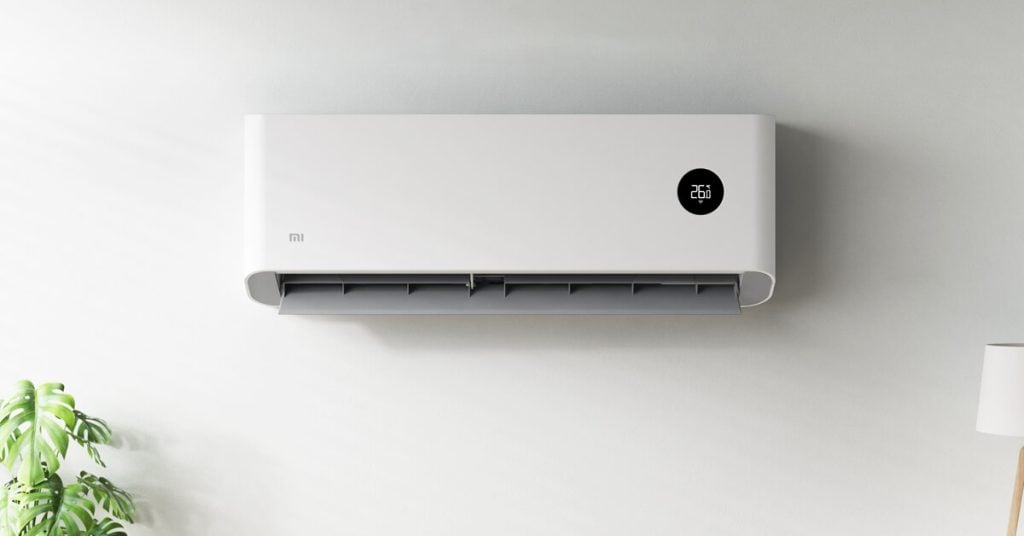
Xiaomi, the tech giant known for its smartphones and smart devices, is gearing up to solidify its position in the home appliance market. The company has recently unveiled ambitious plans for its major appliance business, including the construction of a massive intelligent home appliance factory in Wuhan, Hubei Province.
This state-of-the-art facility, scheduled to commence large-scale production by 2026, will significantly boost Xiaomi’s manufacturing capabilities and production capacity.
New Air Conditioners and Factory Expansion
To ensure the quality and reliability of its products, Xiaomi has established a dedicated Intelligent Home Appliance Testing Center. This center, staffed by over 20 engineers and equipped with 47 laboratories, subjects Xiaomi’s existing and upcoming products to rigorous testing under extreme conditions. By simulating diverse climates, from the frigid temperatures of Mohe to the scorching heat of the Flaming Mountains, Xiaomi aims to develop robust and durable appliances.
As part of its expansion strategy, Xiaomi is set to introduce a range of new air conditioners in the coming year, including central air conditioning systems. This move aligns with the growing demand for efficient and smart home cooling solutions. The company’s strong performance in the air conditioner market, with a significant increase in shipments, further shows its commitment to this segment.
Xiaomi’s recent financial report highlighted its impressive growth trajectory, with a 30.5% year-over-year increase in revenue. Notably, the company’s air conditioner shipments surged by over 55%, while refrigerator and washing machine shipments experienced substantial growth as well. These positive results demonstrate Xiaomi’s ability to capture market share and meet consumer needs.
With its focus on innovation, quality, and customer satisfaction, Xiaomi is poised to become a major player in the global home appliance market. The company’s new factory and testing center will enable it to accelerate product development, enhance production efficiency, and deliver cutting-edge solutions to consumers worldwide.
Xiaomi is also expected to shake up the electric SUV market with its YU7, an all-electric SUV featuring 681 hp, a sleek design, and competitive pricing to rival Tesla’s Model Y. Launching in mid-2025, it builds on the success of the SU7 sedan while facing stiff competition from Tesla, BYD, and Nio.
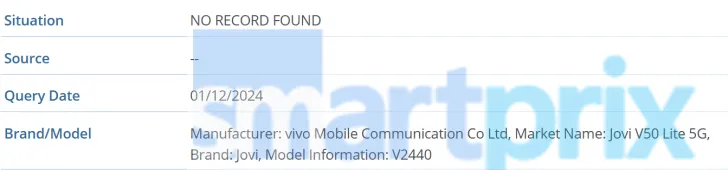
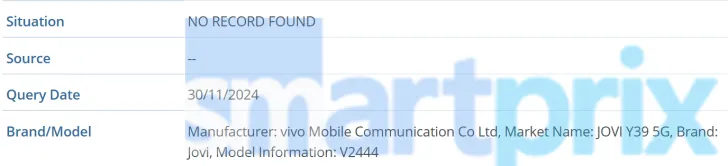
Vivo appears to be preparing to launch yet another new sub-brand — Jovi. This move could further strengthen its position in the global smartphone market and enhance competition with rivals like Xiaomi. Recently, three devices bearing the Jovi brand have been spotted on the GSMA database, fueling speculation about the brand’s imminent launch.
The emergence of Jovi as a new brand
While the name “Jovi” is not new to Vivo users — the company has previously used it for its AI assistant — it seems that Jovi is set to evolve into a standalone smartphone brand. Leaked information suggests that Jovi is preparing to introduce the Jovi V50, Jovi V50 Lite 5G, and Jovi Y39 5G.
These devices have appeared on the GSMA database, each showing model numbers that align closely with Vivo’s existing devices. For instance, the Jovi V50 and Vivo V50 share the same model number, V2427, and the Jovi V50 Lite 5G mirrors the Vivo V50 Lite 5G (V2440). This could mean that Jovi-branded phones are, at least initially, rebranded versions of Vivo’s smartphones.
What to expect from Jovi smartphones
From the leaked models, it seems that Jovi’s initial focus will be the mid-range and entry-level price segment. The Jovi V50 Lite 5G and Jovi Y39 5G indicate that the new brand might prioritize affordable 5G devices, capitalizing on the rapidly expanding 5G market, especially in regions with increasing adoption of 5G.
There is also speculation that Jovi will have a regional focus, particularly in China. For example, the Jovi Y39 5G appears to have a China-specific variant with a Vivo-branded model number. This suggests that Jovi might begin its journey in China before eventually expanding to other regions. However, Vivo has yet to officially confirm these details.
While the news of a new sub-brand is exciting, it’s also important to remain cautious. The appearance of Jovi models in the GSMA database may simply be an early step and does not guarantee the products will be launched. Companies often register model names without a definite product release in mind.
In this review, we will look into this TCL D1 Pro Palm Vein Smart Lock, to see if it is a better option than other biometric smart locks. The Smart Lock series is currently on promotion at a competitive price, it’s a good option for updating your home security. Honestly, it is also the first time we’ve seen or even reviewed such kind of smart lock, so let’s check them out in this review.
Packaging
Overall, the packaging is simple, but made with a sense of security. On the box, there are all the features of this lock, along with the contents inside, and the QR code for installing the App.
Here are the contents inside the package:
Front Lock * 1
Rear Lock * 1
Lock Cylinder * 1
Lithium Battery * 1
Fobs * 2
Screw Accessories Package * 1
Video Guide Card * 1
Instructions * 1
You have all the components to put it on the door, or replace your old lock. One thing we need to give TCL credit is that, there are help guides everywhere. Like the Installation template inside the box, Guides in the box, Customer support info, and also a lot of instructions on the website.
Installation
The installation is pretty easy, if you don’t know how to do it, you can find step-by-step guides in the card provided, which will take you to the Google Drive folder, and you can certainly download them to watch it again and again.
For me, there is one step that I need to learn, which is measuring the holes in the door, but the good thing is that, there are two different locators included, which can pretty much cover the most common situations at your house.
Overall, the installation process is pretty easy and straightforward, and I am glad that there are many guides to help.
User Experience
Primarily, you should use the palm vein to unlock it, which is the way this smart lock was created, but there are actually 6 ways in total built into it, which are: Palm Vein, Password, Physical Keys, NFC Card, App, Voice Control Unlock, Fobs Unlock. And of course, the most convenient and safest way is palm vein recognition.
The way to use it is also super easy, once you have registered the palm veins, in just 4-6 inches distance, it will unlock instantly. Other than being very fast, I also found some other advantages of it:
Palm upPalm downPalm covered by dirt
1. It is very secure. I tried to register my left palm first, but then I couldn’t unlock it with my right palm. Also I asked my colleagues to try to unlock it with their palms, but they all failed to do it, so the palm vein lock is really secured.
2. It is very fast. Not only does it detect people very fast as soon as there is a person in front of it, but also once it recognizes the right palm, it unlocks the door very fast. You can check the pictures here.
3. It can unlock in many situations. For example, once your palms are registered, you can either unlock with your palm up, or the the way around. Also, it can unlock even if your palm is covered with dirt, which is very impressive.
4. It supports 50 groups of palms. So it is suitable for a family, or a small-middle team. I would suggest that everyone register both palms, as you may run into situations like holding something in one hand, and then you can just unlocking the door with the other palm.
How Does It Work
So after testing it, I was very curious to find out how it works. Basically the lock uses near-infrared light to scan the unique patterns of the palm veins,and store them in the database, every time the right palm shows up, it will unlock the door. So even the patterns in your left and right palm are different, let alone different person.
I would say this technology is even better than face and fingerprint recognition, because those two can be easily replicated, then being used the wrong way. There are many situations in which fingerprints won’t work well, such as: 1. For older people, their fingerprints are actually fading, so in some time, they will not be able to use that method to do anything 2. Kids’ hands often get dirty, so fingerprints won’t work for them either. However, your veins will stay the same in whatever situation.
Other Features
The unit has a 7800mAh rechargeable battery inside, it supports months of use. In our short period of time with the lock, we won’t be able to test that, but it should be reliable. Plus there is a low battery warning, you can always charge it up through the Type-C port. You can unlock it with a power bank if it runs out of battery completely.
You can send a temporary password for somebody else, like the housemaid or baby keeper.
There are logs of the door opening, so you can take control of anything unusual.
There is a button below the knob, one press will open or close the door, which is very convenient.
Verdict
Overall, the TCL D1 Pro Palm Vein Smart Lock is quite an innovative and secure product. Other than the face and fingerprint recognition, palm vein is the unique password to unlock anything, so you can rest assured of the security level. There are also five other ways to unlock the door, to be used by anyone in the family. It can be used in extreme weather for a long time, so it can also be used as the front door lock. If you want to know more about it or make a purchase, here is the link. For the D1 Pro, there’s a coupon code to get 10% off – 10TCLD1P10 .Do not miss it.
OnePlus has officially started taking reservations for two new products in China. The Ace 5 series of smartphones pre-bookings went live earlier today (12th December 2024), and now, the reservations for the OnePlus Buds Ace 2 and a new OnePlus Pad have also kicked off. So here are all the details.
New OnePlus Pad & OnePlus Buds Ace 2 Reservations Live
OnePlus Pad Go 2
The Chinese brand’s new truly wireless earbuds and the tablet are set to be unveiled alongside the Ace 5 series. OnePlus shared teasers of these two gadgets confirming their design and color variants. The Buds Ace 2 has a stem design with silicon tips and arrives in a dual tone color with a gray body and charging case and green housing in the inside. On the other hand, the new OnePlus Pad has a green color option with a dark gray or black colored stylus.
Those interested can head to the brand’s official website in China to reserve the OnePlyus tablet by paying a sum of just 1 Yuan. Reservations bring special benefits like a free OnePlus Smart Stylus worth 399 yuan, 68 yuan BiliBili VIP card, and a 330 Yuan maximum subsidy. The new Buds Ace 2 is a pair of affordable earbuds, while the new OnePlus Pad is likely a rebranded version of the Oppo Pad 3.
OnePlus Buds Ace 2
In an earlier report, OnePlus was rumoured to launch a new mid-range tablet that is a rebadged Oppo Pad 3 model. So this is likely the very same model in our earlier report. Based on what we know so far, the upcoming OnePlus Pad Go 2 might sport an 11.6-inch IPS LCD panel with a 2.8K resolution panel and a 144Hz refresh rate. Under the hood, it is expected to be equipped with the Dimensity 8350 SoC. A massive 9,520mAh battery pack powers this device, which support 67W wired fast charging.
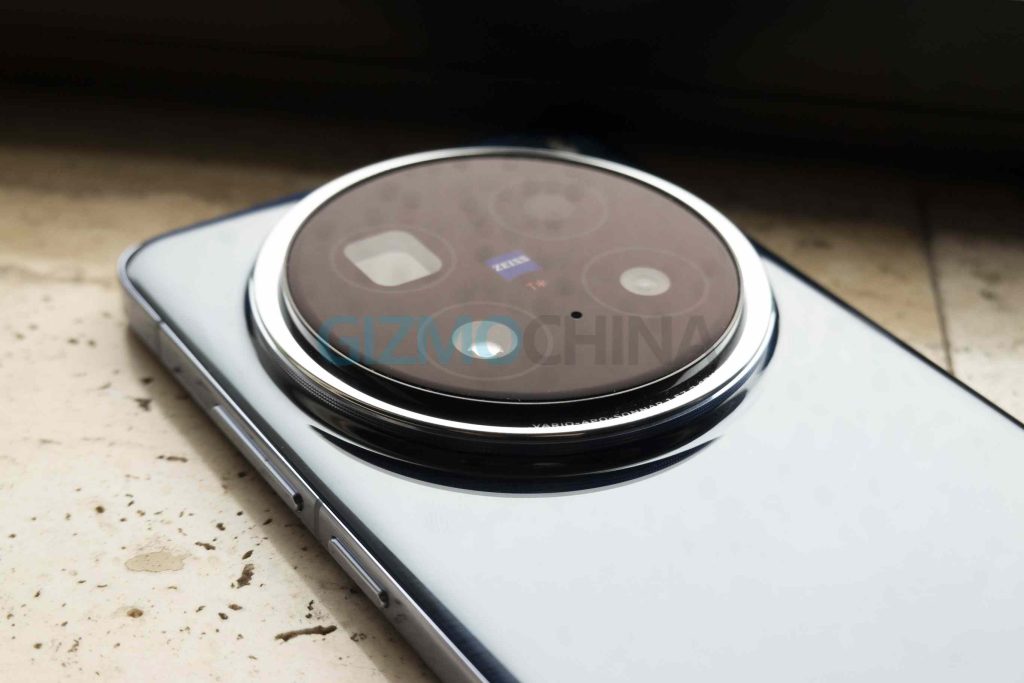
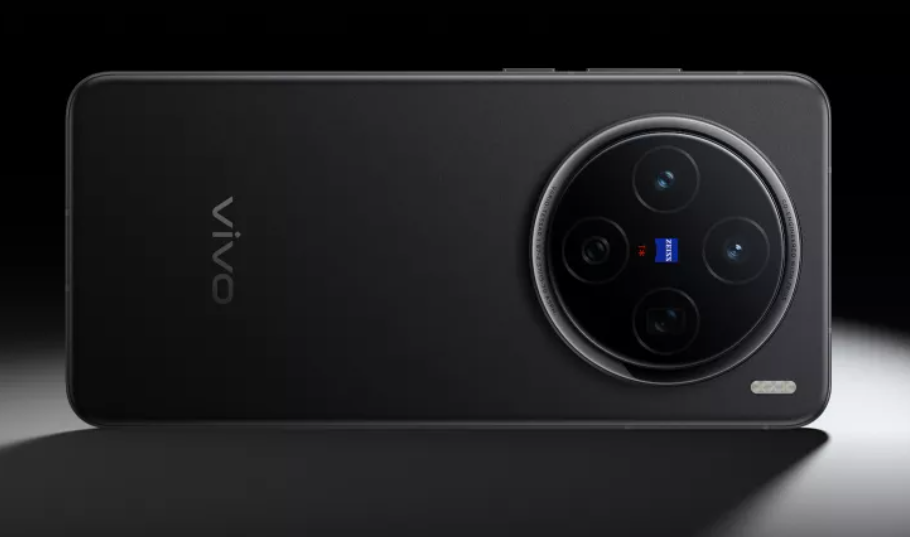
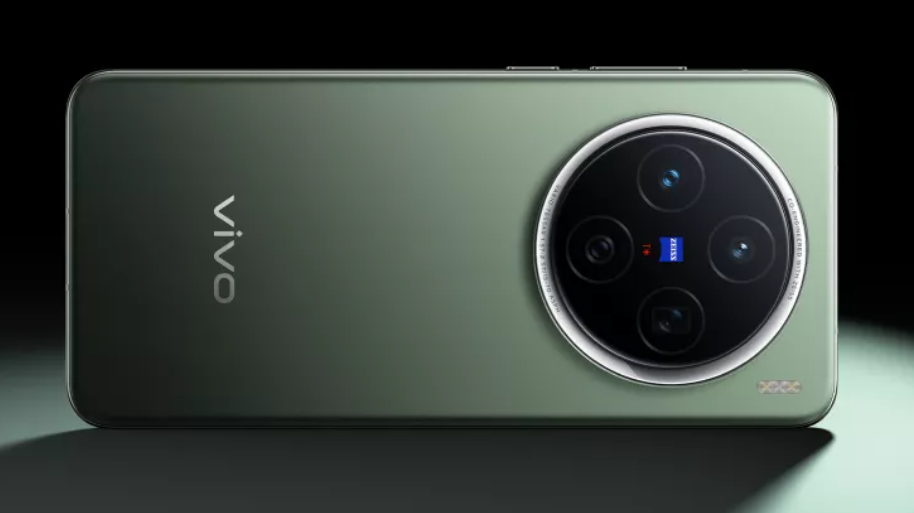
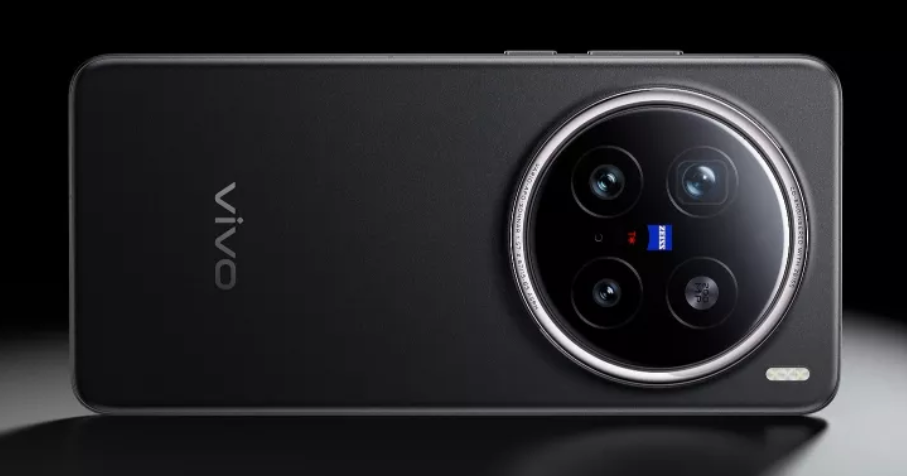
Vivo has officially launched its much-anticipated X200 series in India, marking the debut of its photography-focused flagship lineup for 2024. The Vivo X200 and X200 Pro are designed to outperform their competitors such as the OnePlus 13 or the Galaxy S24 Ultra terms of imaging capabilities.
Vivo X200 Pro
The base model starts at Rs 65,999, with the Pro variant priced at Rs 94,999. Both phones will be available for sale starting December 19, 2024, on Amazon and other platforms, with special offers available for HDFC Bank and select cardholders.
Vivo X200: a camera-centric flagship
Cosmos BlackNatural Green
Before we get into the camera, let’s take a look at the basics. The phone comes equipped with a 6.67-inch 10-bit OLED LTPS micro quad-curved display (the display panel is flat) that can reach a peak brightness of 4,500 nits. This makes the X200’s screen not only vibrant but also suitable for content consumption in bright environments. The device houses a 5,800mAh battery with 90W wired charging support, ensuring that users can quickly power up the phone. For context, the Galaxy S25 Ultra packs a 5000mAh battery and supports 45W charging.
Photography is a key highlight of the Vivo X200, with a triple rear camera setup. It features a 50MP Sony IMX921 primary sensor, a 50MP Sony IMX882 telephoto lens, and a 50MP ultra-wide-angle camera. This combination promises a versatile photography experience, offering users the flexibility to capture a wide range of shots with great detail and clarity.
Vivo X200 Pro: a 200MP telephoto, larger main sensor, and V3+ imaging chip
Titanium GrayCosmos Black
The Vivo X200 Pro packs a slightly larger 6.78″ display (up from 6.67″ of the base model). It also comes with slimmer 1.63mm bezels, offering a more immersive viewing experience. The Pro variant ups the ante in the camera department with a 200MP Zeiss APO telephoto sensor, paired with Vivo’s V3+ imaging chip, enabling advanced features such as 4K HDR Cinematic Portrait video and 10-bit Log video recording at 60fps. The main camera uses the Sony LYT-818 (1/1.28-inch) sensor.
3.7x20x
In terms of power, the X200 Pro houses a larger 6,000mAh battery and also supports 90W fast charging. Both the standard and Pro models are powered by the MediaTek Dimensity 9400 chipset, built on a 3nm process, ensuring exceptional performance and power efficiency.
Pricing and availability
The Vivo X200 starts at Rs 65,999 for the 12GB RAM + 256GB storage variant, while the X200 Pro is priced at Rs 94,999 for the 16GB RAM + 512GB storage model.
Both devices will be available for purchase starting December 19, 2024. Customers can also benefit from a 10% cashback on purchases made using select HDFC Bank cards. Interested users can also pre-book the devices from the company’s official website now.
While the Apple iPhone 16 series just launched a couple of months ago, early leaks have teased the design of the upcoming iPhone 17 lineup. It showcases a major change in design on the rear, so let’s have a look at this leaked render.
Apple iPhone 17 Leaked with New Design Refresh
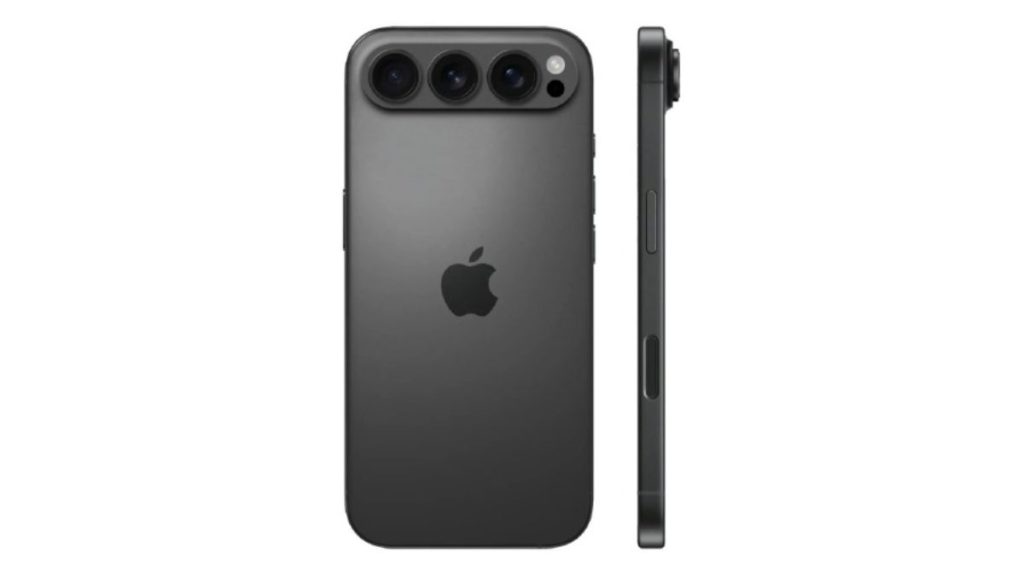
The render of the iPhone 17 series model was shared by known tipster Digital Chat Station on Weibo (a Chinese microblogging website). Looking at the image, we can see that Apple is keeping the pill shaped module, which we saw on the base iPhone 16 (Via TechOutlook). However, the image sensors are not vertically stacked, rather, they are taking inspiration from the recent Google Pixel 9.
Apple iPhone 17 Pro
The leaked renders reveal three camera sensors and an LED flash. The Cupertino based giant brought a design refresh on the iPhone 16, but it appears that the iPhone 17 might be making a bolder change. If this leak is true, this would be the biggest change to the iPhone in years. The exact details of the camera setup is still unclear, but Digitat Chat Station added that Android smartphone makers might also be adopting a similar design.
The three camera sensors hint that this is an iPhone 17 Pro series model. Apart from this, the leaked iPhone 17 Pro also packs a dedicated camera button on the side. Since this is such an early leak, I’d suggest you take this report with a pinch of salt. It still seems unlikely that Apple would bring such a massive change. So stick around for more as we will be providing updates when more information is available regarding the next gen iPhones. The 2025 iPhone lineup may include a new iPhone 17 Air model as well that could be over 2mm thinner than the iPhone 16.
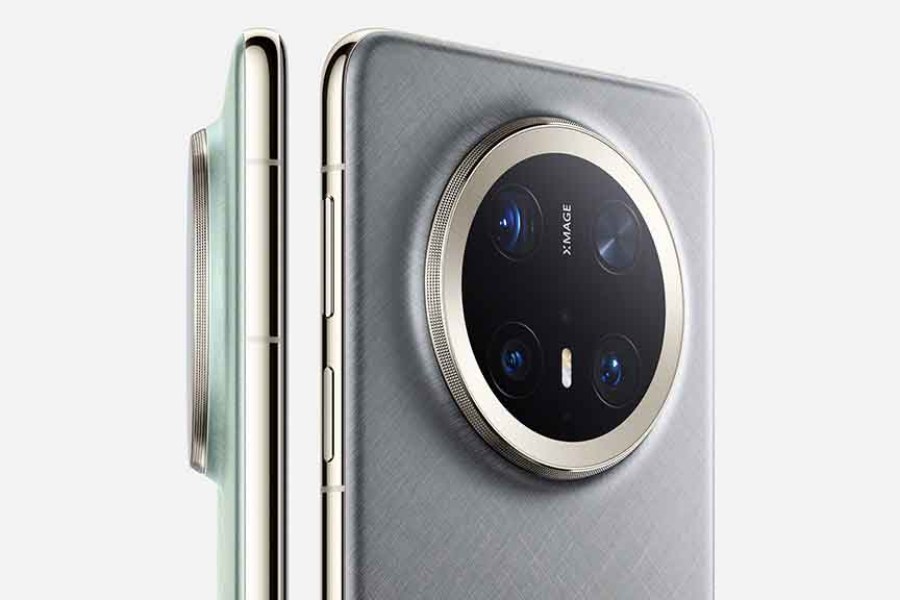
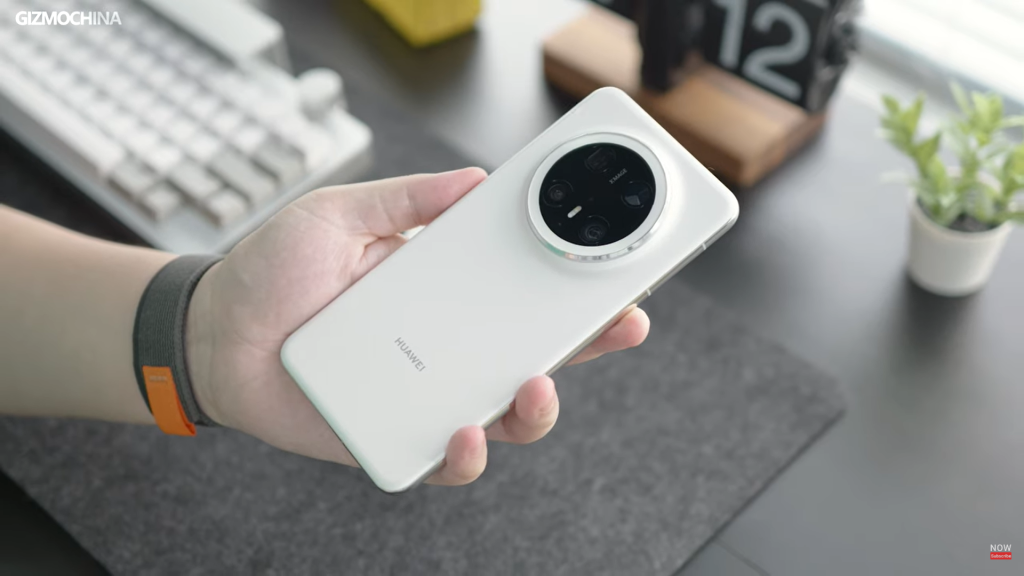
In a recent appearance at Baoan Middle School in Shenzhen, Huawei CEO Richard Yu dropped a noteworthy detail about the company’s latest flagship, the Mate 70. According to Yu, the Mate 70 is a 100% made-in-China phone, which of course, includes the self-developed Kirin 9020 chip.
The executive shared that Huaewi has achieved 100% domestic production of chips, which is a big milestone towards domestic chip production autonomy for the Chinese tech giant.
It’s nothing short of amazing that Huawei has been able to steer its smartphone business without any influence from the West. The company has successfully secured two key pillars for its smartphone operations: chipsets and operating systems.
Alongside the self-developed chip, the Mate 70 is powered by the HarmonyOS NEXT OS. It’s designed from the ground up and has no reliance on Android or AOSP code. As a result, it doesn’t support Android apps natively.
Whether or not Huawei will roll out the OS to the global audience is yet to be seen. Limited app support outside China might pose challenges for international users. However, the company’s launch event for the Mate 70 series in Dubai today could provide more clarity. If you’re curious about the Mate 70 series, here’s a quick overview of what it offers.
Huawei Mate 70 series overview
The Mate 70 series includes four models: Mate 70, Mate 70 Pro, Mate 70 Pro+, and Mate 70 RS. While the Mate 70 adopts a flat frame and screen, the Pro models feature quad-curved displays, making them standout designs in 2024.
All models come with a prominent circular camera island on the rear and triple punch-hole cutouts on the front for the selfie camera, Face ID, and gesture navigation. The series offers IP69 water and dust resistance.
The Mate 70 has a 6.7-inch OLED screen, while the Pro and Pro+ sport 6.9-inch OLED displays with a 1-120Hz adaptive refresh rate and up to 2,500 nits of brightness.
The Mate 70 features a 5,300mAh battery with 66W wired/50W wireless charging, while the Pro models have a 5,500mAh battery and support 100W wired/80W wireless charging.
In terms of memory, the Mate 70 and Mate 70 Pro offer up to 12GB of RAM and 1TB of storage, while the Pro+ and RS have 16GB of RAM. The Mate 70 Pro and Pro+ come with a 50MP main camera, a 48MP telephoto camera with 4X optical zoom, and a 40MP ultrawide camera, each featuring different sensor patterns for enhanced color accuracy.
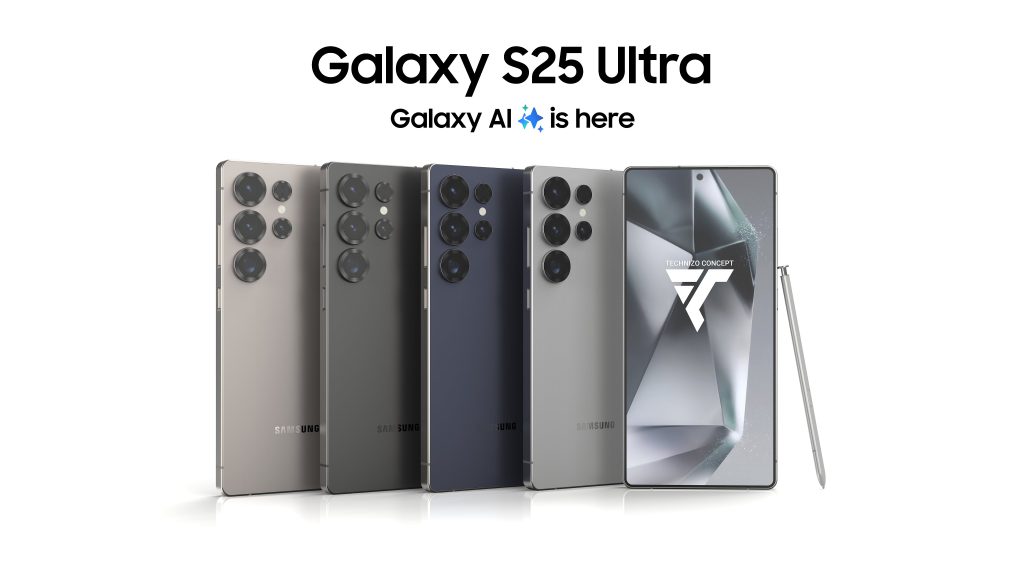
The upcoming Samsung Galaxy S25 series is expected to maintain the same pricing structure as its predecessor, the Galaxy S24 series. According to retailer data (via WinFuture), Samsung is seemingly sticking with the pricing model introduced with the Galaxy S24, which means the new devices will likely be available at the same prices across several markets.
While Samsung has not yet provided official confirmation of the pricing for the Galaxy S25 series, preliminary information from Scandinavian retailers indicates that the prices for the Galaxy S25, Galaxy S25+, and Galaxy S25 Ultra will be identical to those of the previous generation models.
In Sweden, for example, the Galaxy S24 was launched starting at 11,490 krone for the base model, with the S24+ priced at 14,490 krone and the S24 Ultra at 17,790 krone. Retailers are quoting the same prices for the upcoming Galaxy S25 series, including for the versions with higher storage options.
Reported pricing:
If this pricing strategy holds for other regions, including Germany, customers can expect the following base prices for the Galaxy S25 series (in euros):
Galaxy S25
128GB: €899
256GB: €959
Galaxy S25+
256GB: €1149
512GB: €1269
Galaxy S25 Ultra
256GB: €1449
512GB: €1569
1024GB: €1809
We previously reported that the prices are expected to go up due to the Snapdragon 8 Elite being significantly more expensive than the 8 Gen 3. Weibo tipster Setsuna Digital claimed that the S25 Ultra’s bill of materials alone has gone up by at least $110. So what’s going on?
Exynos 2500 in Europe?
Samsung may be choosing to maintain prices due to economic factors and market conditions. After all, it increased the price of the Ultra model by $100 last year. Also, WinFuture only reported the pricing in Europe, where Samsung has historically sold phones with its in-house Exynos chips.
In that context, the base and plus models have surfaced with both the Exynos 2500 and Snapdragon 8 Elite chip in Geekbench. This suggests that Samsung may continue its dual-platform strategy, using different chips for different regions. This could explain why the prices in Europe remain the same, despite the Snapdragon 8 Elite being more expensive. The official unveiling of the Samsung Galaxy S25 series is set for January 22, 2025.
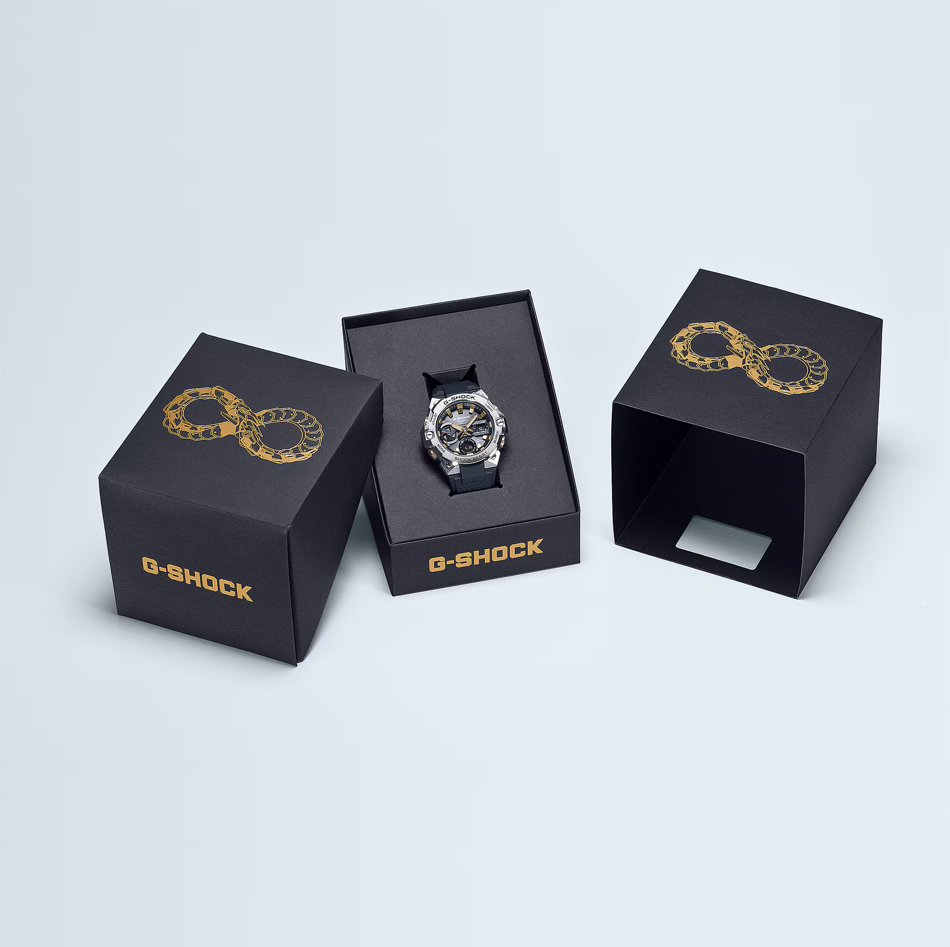
Casio just released a new G-Steel watch in the US that celebrates the Year of the Snake. The GST-B400CX-1A watch, which first came out in Japan this month, stands out for both its looks and features.
Casio GST-B400CX-1AJR
Casio G-Steel GST-B400CX-1A features
The watch’s design draws from an ancient symbol of ouroboros – a snake eating its own tail – which represents endless cycles and renewal. The watch has a silver metal frame around a black face with gold details, making it work well for both casual and dressy occasions. Casio has also added snake patterns on the side buttons and across the dial, plus an ouroboros design carved into the back.
This is the thinnest G-Steel watch Casio has ever made, coming in at just 12.9mm thick. They achieved this by using smaller parts and a thinner core. Even though it’s slimmer, it’s still tough thanks to Casio’s Carbon Core Guard structure. The watch keeps useful features like solar power charging and the ability to connect to your phone through Bluetooth.
Speaking of phone connectivity, you can pair the watch with Casio’s app to do several helpful things: your watch will set itself to the right time automatically, help you find your phone if you lose it, keep track of when and where you’ve been, and show you the time in 38 different time zones around the world.
The watch comes with other practical features too. It has two LED lights, can work as a stopwatch down to 1/100th of a second, has a countdown timer, and can set five different alarms. The face is made of mineral glass that resists scratches, and you can take it swimming since it’s waterproof up to 200 meters. The band is made of resin, which makes it comfortable to wear.
For those interested in the specifics: the watch measures 46.6 x 49.6 x 12.9mm and weighs 86 grams. Its case combines stainless steel and carbon for durability. When fully charged, the battery can last up to 18 months if you use the power-saving mode. You can buy it now on Casio’s US website for $380 and Amazon.
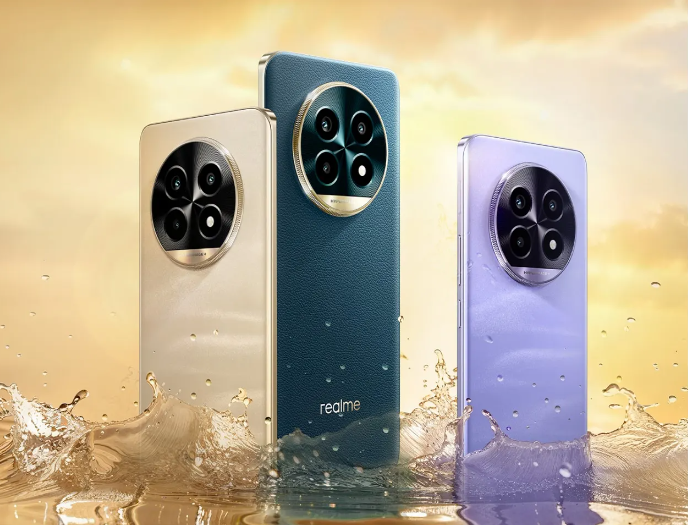
A mysterious Realme smartphone, with the model number RMX5051, has made an appearance on Geekbench after making its appearance on Camera FV-5. While the marketing name for the device has yet to be confirmed, several key details have surfaced, suggesting it could be a part of the Realme 14 Pro series. We also got a glimpse of what to expect from this upcoming handset.
Alleged Realme 14 Pro’s Geekbench listing:
The phone managed to score 1166 in the single-core test and 3214 in the multi-core test, which suggests a solid performance across tasks and applications. For context, the realme 13 Pro scored 923 and 2912 on the same test. So the successor seemingly brings a sizable performance improvement.
The device will run Android 15 out of the box and come equipped with 7.24GB (8GB) of RAM, with the possibility of multiple RAM options at launch. These specifications indicate a device built to handle both everyday tasks and more demanding applications with ease.
The core configuration and clock speeds suggest that the chipset is the Snapdragon 7s Gen 3, an upgrade from the Snapdragon 7s Gen 2 found in the Realme 13 Pro. The listing notes the chipset features an octa-core CPU configuration, with four cores clocked at 1.80GHz, three cores at 2.40GHz, and one core at 2.50GHz. The source code section also lists the Adreno 810 GPU, further suggesting that the Snapdragon 7s Gen 3 could be at the heart of this device.
Realme 13 Pro
The Realme 14 Pro has already been teased for an imminent launch in India, with reports suggesting the device will be available in multiple configurations, including 8GB + 128GB, 8GB + 256GB, and 12GB + 512GB storage options. As I mentioned above, the Realme RMX5051 has also been spotted on the Camera FV-5 database, revealing key details about its camera setup. Check out the camera specs here.
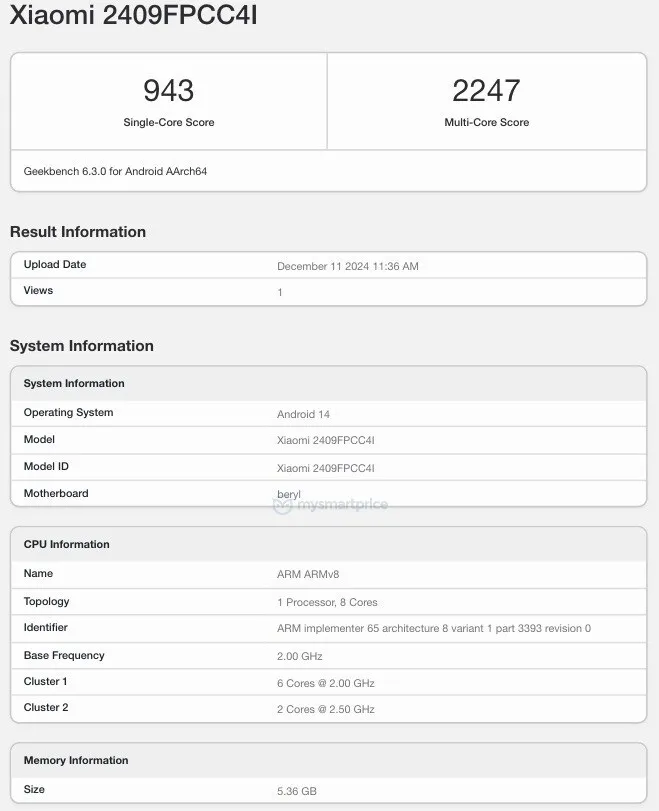
POCO seems almost ready to introduce its latest smartphone, the POCO X7 Neo, to the Indian market. Now the phone has surfaced on Geekbench showcasing the performance ahead of launch. The listing also provides a glimpse of the X7 Neo’s performance and specifications.
Poco X7 neo Geekbench listing
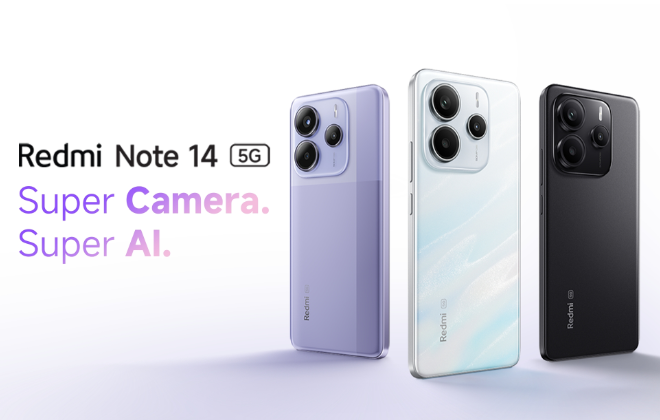
The device scored 943 points in the single-core test and 2,247 points in the multi-core test. These scores suggest that the phone will be capable of handling day-to-day tasks with ease, including multitasking and moderate gaming. The listing also reveals 6GB of RAM and Android 14 (however, there could be higher RAM variants), with the possibility of an updated interface—HyperOS—based on this latest Android version. For context, the Poco X6 Neo comes with an optional 8GB or 12GB RAM. The Redmi Note 14, which is expected to be rebranded as the Poco X7 Neo, also offers 8GB RAM.
Moving on to the chipset, the Geekbench listing hints that the POCO X7 Neo will likely feature a powerful yet efficient MediaTek chipset. The exact SoC remains unconfirmed. However, the core architecture and clock speeds suggest that it could be the MediaTek Dimensity 7025 Ultra.
The chip features a 6+2 core configuration, with six efficiency cores running at 2.0GHz and two high-performance cores clocked at 2.50GHz. This architecture aligns with the Dimensity 7025 Ultra found in the Redmi Note 14, which the company has just launched in India. The GPU mentioned in the listing is the PowerVR B-Series BXM-8-256, which should be capable of handling graphics-intensive tasks with decent performance.
While the POCO X7 Neo shares many similarities with the Redmi Note 14 5G, POCO might offer slight differences to differentiate its device, much like it did with the POCO X6 Neo, which was an affordable variant of the Redmi Note 13 5G. To give you an idea of what to expect, the recently launched Redmi Note 14 features a 6.67-inch AMOLED display, a 5110 mAh battery, and 45W fast charging. These specs would make it a strong contender in the mid-range smartphone market.
The Poco X7 Neo was launched back in March this year and the successor is also expected to launch around the same time. As the launch date approaches, more details about the phone are expected to emerge.
In recent years, the gaming landscape has expanded beyond traditional consoles and desktop PCs. Among the most exciting developments are gaming handhelds and gaming laptops, two devices designed to offer gaming experiences on the go. But which one is better suited to your needs? Let’s explore the strengths and weaknesses of each.
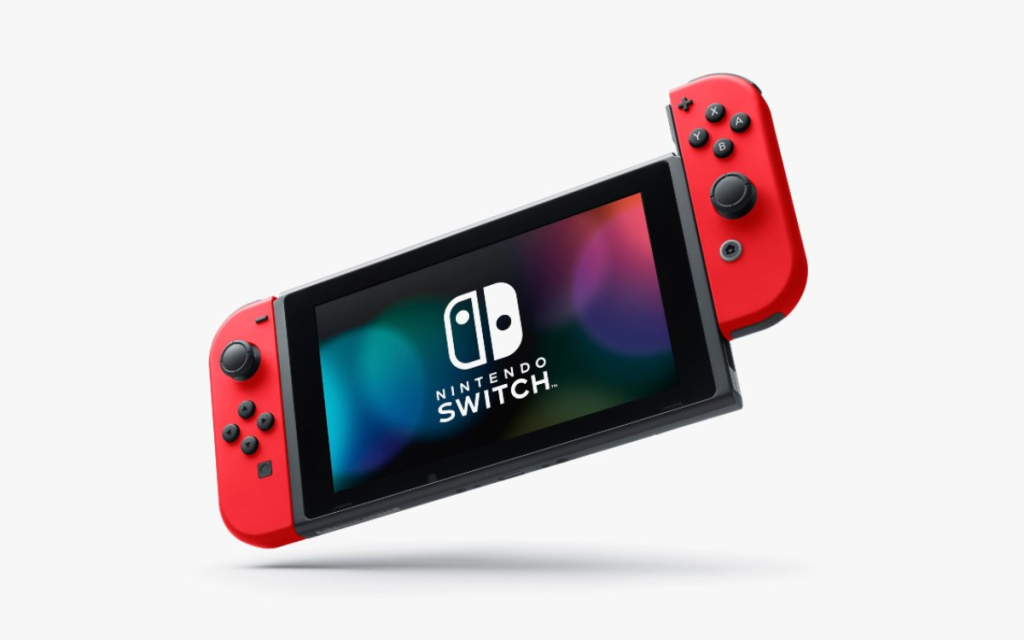
When it comes to portability, gaming handhelds have a clear advantage. Devices like the Nintendo Switch and the Steam Deck are specifically designed for gamers who want to take their games anywhere. These handheld consoles are compact, lightweight, and feature built-in screens and controllers. Whether you’re commuting, traveling, or lounging on the couch, you can easily slip them into a bag or carry them in your hands without much hassle.
On the other hand, gaming laptops, such as the Alienware m18 R2 or AsusROG Zephyrus, while still portable, are significantly bulkier. They weigh between 4-6 pounds, and even the thinnest models still require a dedicated space to use comfortably. While portable, gaming laptops are more suited for long gaming sessions at home or in a stationary setting, rather than constant on-the-go gaming.
2. Performance
Gaming laptops excel in performance. Equipped with high-end CPUs (like Intel i7/i9 or AMD Ryzen 7/9) and powerful GPUs (such as the Nvidia RTX series), they can run AAA titles with ease at high settings. Laptops like the Alienware m18 R2 or the MSI Titan GT77 are capable of delivering desktop-like performance in a compact, portable form factor.
Handheld consoles, on the other hand, are constrained by their size and power consumption. While devices like the Steam Deck have made huge strides in terms of performance, they still can’t match the raw power of a gaming laptop. Handhelds typically feature custom AMD APU chips or lower-end processors designed to balance performance and battery life, making them ideal for less demanding games or those optimized for portable hardware.
3. Display and Controls
While gaming laptops generally come with larger screens (ranging from 15 to 17 inches), gaming handhelds offer more compact displays, typically between 7 to 8 inches. Although gaming laptops have the advantage of bigger screens with higher resolutions, gaming handhelds provide an immersive experience on a smaller display, often with high refresh rates and touch controls. The Steam Deck, for example, has a 7-inch 1280 x 800 LCD touchscreen, which is perfectly suitable for the mobile gaming experience.
Controls on both devices are tailored to their size and purpose. Gaming laptops rely on a keyboard and mouse or external controllers, which of course offer more precision in competitive gaming. Handhelds, however, feature integrated gamepads that allow for a console-like experience, and while they may not provide the same level of precision as a keyboard and mouse, they are more than sufficient for casual gaming and many mainstream titles.
4. Battery Life
Battery life is another area where handhelds generally outperform laptops. A device like the Nintendo Switch can run for 4-6 hours on a single charge, depending on the game, while the Steam Deck offers around 3-5 hours of gameplay. These battery durations are more than enough for short to medium gaming sessions while on the go.
Gaming laptops, however, struggle with battery life. Due to the high power demands of gaming, most gaming laptops offer only 1-3 hours of gameplay on a single charge when playing graphically intensive games. While some laptops, like the Asus Zephyrus G14, have made improvements in battery efficiency, they still don’t match the longevity of handheld devices.
5. Price and Value
In terms of cost, gaming handhelds are more affordable than gaming laptops. The Nintendo Switch starts at around $300, while the Steam Deck offers models ranging from $399 to $649.
These prices are significantly lower than gaming laptops, which can range anywhere from $1,000 to $3,000 depending on specifications. While laptops offer more in terms of multitasking, performance, and versatility, gaming handhelds are a more budget-friendly option for casual gamers.
6. Conclusion
Both gaming handhelds and gaming laptops offer distinct advantages depending on your gaming needs. If portability, convenience, and affordability are your top priorities, a gaming handheld like the Steam Deck or Nintendo Switch is an excellent choice.
On the other hand, if you seek top-tier performance, the ability to play demanding titles, and a device that can handle multiple tasks, a gaming laptop like the ROG Zephyrus G14 or Alienware m18 R2 will better suit your needs.
Ultimately, the decision between a gaming handheld and a gaming laptop comes down to how you balance portability, power, and price in your gaming experience.
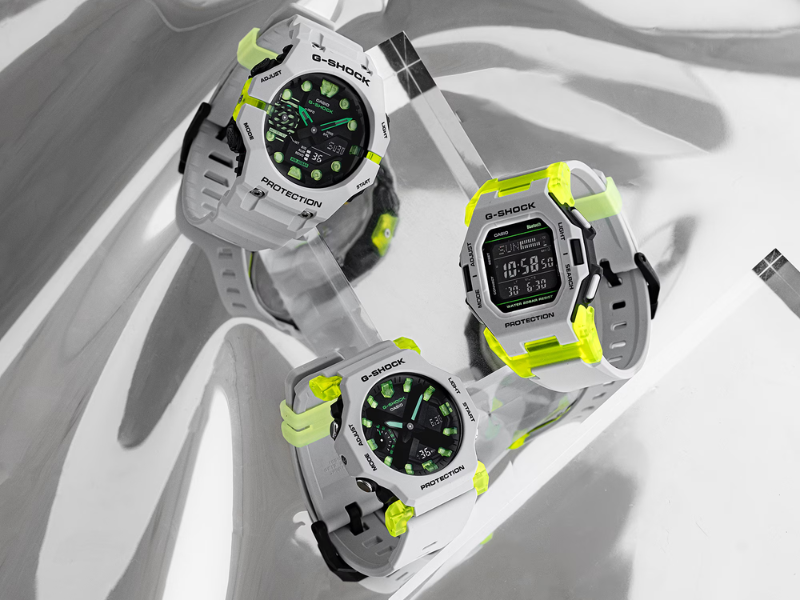
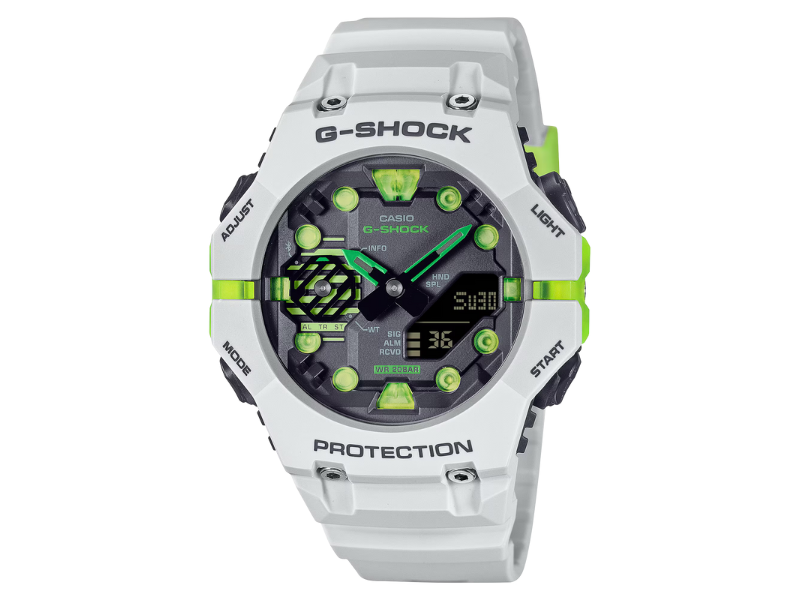
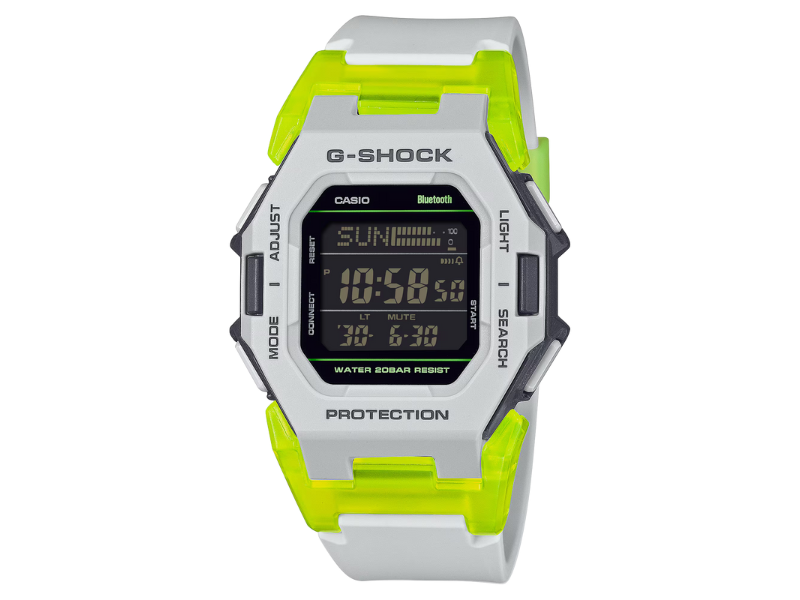
Casio has introduced its latest G-Shock Virtual Mix Collection collection in Japan, featuring three models that blend industrial design with modern aesthetics. The lineup includes the GA-B001MW-8AJF, GD-B500MW-8JF, and GA-2300MW-8A, each sporting a distinctive gray and neon green color scheme.
The flagship GA-B001MW-8AJF showcases a Carbon Core Guard with resin casing, featuring a hybrid analog-digital display with luminous green hour markers. Moving away from traditional G-Shock bulkiness, the watch presents a notably slimmer, more angular profile suited for urban wear. It includes Bluetooth connectivity for smartphone pairing, enabling features like automatic time adjustment, and phone-finding capabilities. Battery life extends to two years, supported by power-saving features and low-battery alerts.
Casio-GD-B500MW-8JFCasio-GD-B500MW-8JF
The GD-B500MW-8JF, while omitting the carbon construction, adds fitness tracking through a step counter that syncs with smartphones. Its large negative LCD display offers enhanced readability, maintaining the series’ streamlined aesthetic. Both models retain G-Shock’s essential features: world time, 1/100-second stopwatch, and multiple daily alarms.
The entire collection is a pretty huge design evolution for G-Shock, with cases that appear more architecturally inspired than their predecessors. The matte gray finish on the main bodies definitely adds a more sophisticated look to the base, while the angular case designs and pronounced geometric shapes suggest Casio took some inspiration from modern tech accessories and gaming hardware.
The GA-B001MW-8AJF is priced at ¥22,550 ($150), while the GD-B500MW-8JF retails for ¥20,900 ($139) in Japan. The third model, GA-2300MW-8A, appears in promotional materials but lacks pricing and availability details. International release dates remain unconfirmed.
OnePlus has begun rolling out its latest Android 15-based OxygenOS 15 update for the OnePlus 11, its second major update as it launched with Android 13 onboard. It is expected to receive at least two more Android versions in the future.
The OxygenOS 15 update (CPH2447_15.0.0.201) introduces a host of new features and enhancements aimed at improving functionality, personalization, and user experience. Initially available in the India (IN) region, the update will expand to North America (NA) and Europe (EU) within three weeks, pending smooth implementation.
The update introduces a new graphics engine for smoother animations and transitions during multitasking and app switching. Swipe gestures are now consistent across the system, including third-party apps, ensuring uniform navigation.
Photography features are improved with AI Retouch, which sharpens blurred images, removes reflections, and improves color accuracy. Live Photos capture three seconds of motion, and reversible editing allows adjustments without losing previous edits.
Customization options now include flux themes and expanded personalization for the Always-On Display, Lock screen, and Home screen. Interface improvements feature smoother transitions and uniformly rounded corners.
AI tools boost productivity with AI Notes, which organizes fragmented content, improves text quality, and removes filler words from voice recordings. New gesture controls simplify multitasking, enabling easier management of floating windows and split screens.
Connectivity updates include smoother Wi-Fi transitions and iOS file-sharing support via OnePlus Share. A new Charging Limit feature stops charging at 80% to protect battery health during prolonged charging.
Privacy updates provide categorized views in the Private Safe for easier data management and quick access to hidden apps from the Home screen. Notifications and Quick Settings are redesigned for better usability, and widgets for Clock and Notes are optimized.
Additional changes include new wallpapers, updated app icons, and an enhanced calculator app with a hidden Easter egg. Multitasking is improved with better app-switching guidance. You can check the official changelog below.
OnePlus 11 OxygenOS 15.0.0.201 update changelog
Animations
A cutting-edge system graphics engine is available to deliver superior rendering and animation performance. Its innovative parallel drawing architecture ensures smooth, uninterrupted visuals, even when switching between multiple apps or pushing the system to its limits. Stability and fluidity are guaranteed under any conditions.
Parallel animation covers more elements like widgets, components, and folders, ensuring seamless transitions and smooth animations, even during frequent interruptions.
System-wide swipe consistency is extended to third-party apps, including WebView interfaces, for a uniform scrolling experience across the entire system.
AI Retouch
The Enhance clarity feature is added to restore detail to blurred images, making cropped, zoomed-in, or low-quality photos appear clearer and more defined.
With AI Reflection Eraser, blurred photos regain their sharpness, color accuracy, and lighting, ensuring that special moments with pets, kids, and others are vividly preserved.
The new Remove reflections feature eliminates unwanted reflections from glass, allowing you to capture more natural photos when shooting through windows.
AI Notes
The new AI writing suite offers features such as continued writing, text polishing, and style enhancement to help you draft and improve your content to spark creativity effortlessly.
The new Format feature arranges fragmented content into structured and readable ones that are more attractive and reader-friendly.
The new Clean up feature refines voice recordings by eliminating filler words for better sentence clarity without altering the original audio.
Circle to Search
The new Circle to Search feature allows on-screen searches by simply holding the Home button or the navigation bar and circling the desired area for information.
Visual effects
The rounded corner design is enhanced for uniformity and continuous curvature is applied throughout the system.
Themes
The new flux themes feature a vast array of high-quality themes, allowing customization with system wallpapers and personal photos for a personalized touch.
Extensive customization is added for Always-On Display, the Lock screen, and the Home screen. Flux and classic modes are supported for Always-On Display. Clock color blending, blurred wallpapers, AI depth effects, AI auto-fills, and more are supported for the Lock screen. Blurred wallpapers, and more are supported for the Home screen.
The new flux themes present fluid and seamless transition animations among Always-On Display, Lock screen, and Home screen for improved visual consistency.
Live Alerts
The new Live Alerts design is concentrated on efficient information visualization, positioned centrally for a balanced and streamlined display.
The new Live Alerts interaction allows capsules to expand into detailed cards with a tap, providing efficient access to multiple live activities by swiping in the status bar.
The new Live Alerts animation system brings a fluid, elastic design and dynamic blurring effects in real time, making card visuals smoother and more refined.
Livephotos
The live photo duration is lengthened to 3 seconds, allowing more moments to be captured.
Photo editing
The new globally reversible photo editing capability saves previous edit settings for seamless subsequent edits, ensuring uninterrupted creative flow.
The integration between Camera and filters is enhanced, allowing for the post-editing, changing, or removing of applied filters in Photos.
Floating Window and Split View
The new Floating Window gestures: you can swipe down a notification banner to open a floating window, swipe down to enlarge it, swipe up to close it, and swipe sideways to hide it.
The resizable Split View windows allow you to drag the divider or tap the window for a more extensive display area.
Notifications & Quick Settings
The new Split mode allows separate access to the notification drawer (top-left swipe) and Quick Settings (top-right swipe), with swipe left or right to switch.
Quick Settings is revamped with a more visually appealing and consistent layout, along with refined and enhanced animations.
OnePlus Share
The new file transfer capability with iOS devices, easily connecting and sharing files through OnePlus Share.
Now you can easily share live photos with nearby iOS devices.
Battery & charging
The new “Charging limit” feature halts charging at 80%, helping to extend battery life and minimize degradation.
The new battery protection reminder activates the Charging limit feature if the device remains charging for too long, enhancing battery protection.
More
Exclusive OxygenOS Always-On Displays and Lock screen clock styles are added for a unique visual experience.
The new Home screen clock widget gives you the flexibility to resize as desired.
An easter egg is added in Calculator and will pop up when you input “1+=”, embodying OnePlus’s enduring “Never Settle” mentality.
New wallpapers are added to infuse your device with OnePlus’s signature style.
Exclusive app icon designs for OxygenOS are added, offering a fresh visual experience.
Now you can swipe up to the left to quickly enable Split View when an app is displayed in full screen.
The style and visuals of the Notes widgets are enhanced, making them more appealing and practical.
Apps in large folders can now be displayed in 3 × 3 grids.
Optimizes the widgets of Clock on the Home screen.
Optimizes the widgets of Notes on the Home screen.
The multitasking experience is enhanced by automatically guiding you to the last used app in the recent tasks view for easier app switching.
The Drawer mode is optimized to keep the existing Home screen app layout upon initial entry.
Privacy
The Private Safe is optimized by implementing categorized views for images, videos, and documents, simplifying data management.
A new Home screen entry is added for hidden apps, allowing quick access by tapping the folder and verifying your privacy password.
Wi-Fi
The multi-network experience is enhanced to deliver more efficient, accurate, and uninterrupted transitions between networks
The update, which has already begun rolling out, will be released in batches throughout the week. OnePlus has also included a rollback option for users who wish to revert to Android 14. To know more about it, you can check out the OnePlus Community thread.
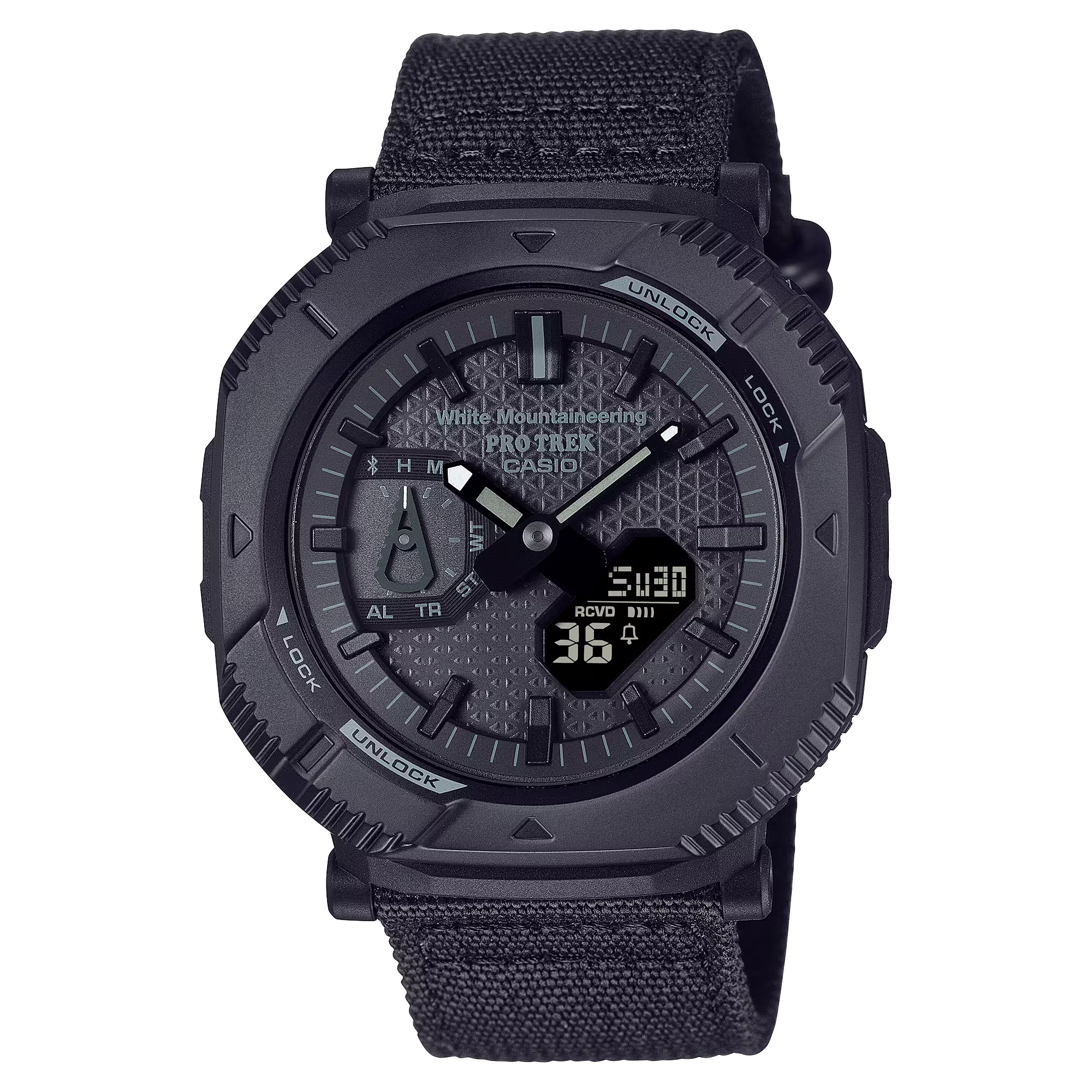
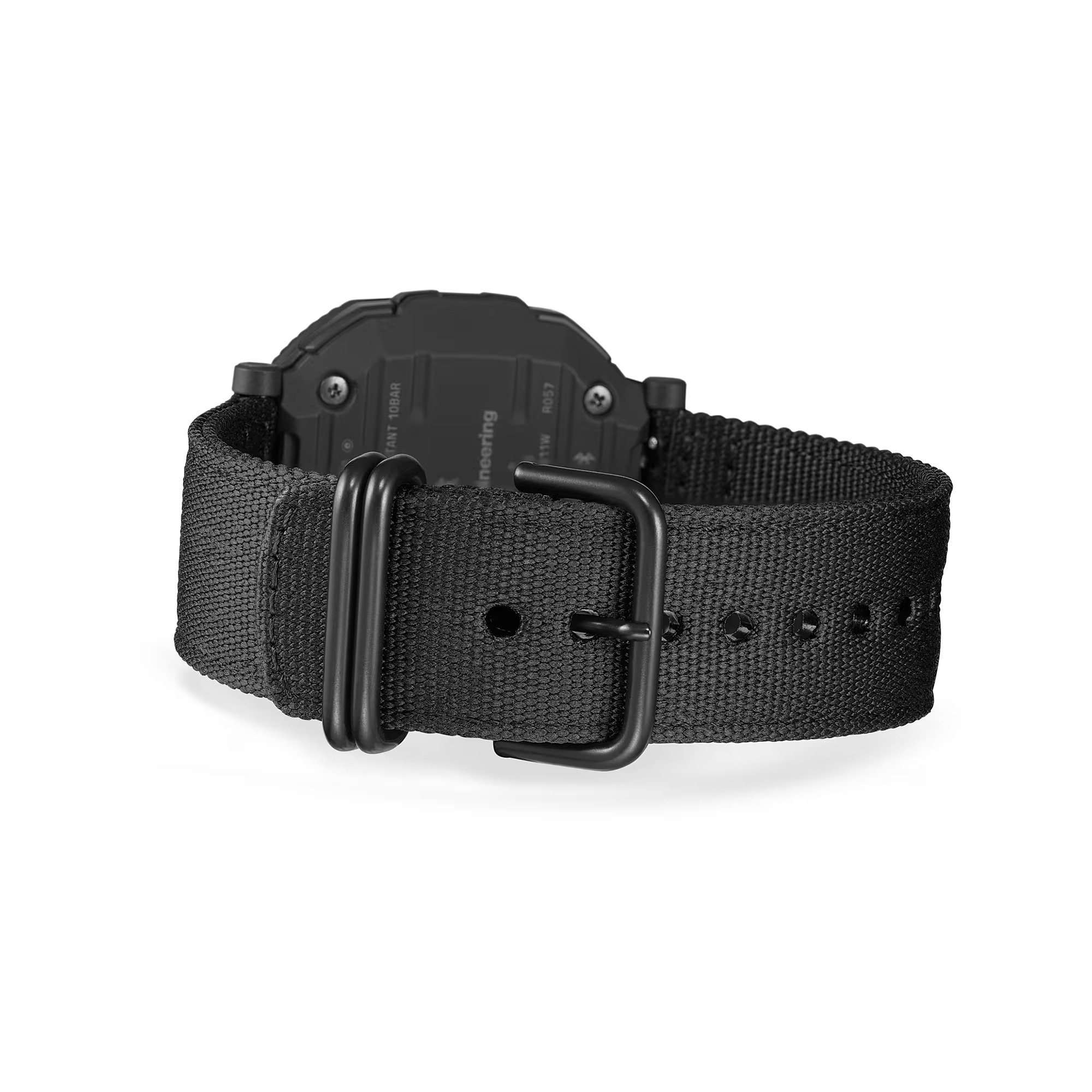
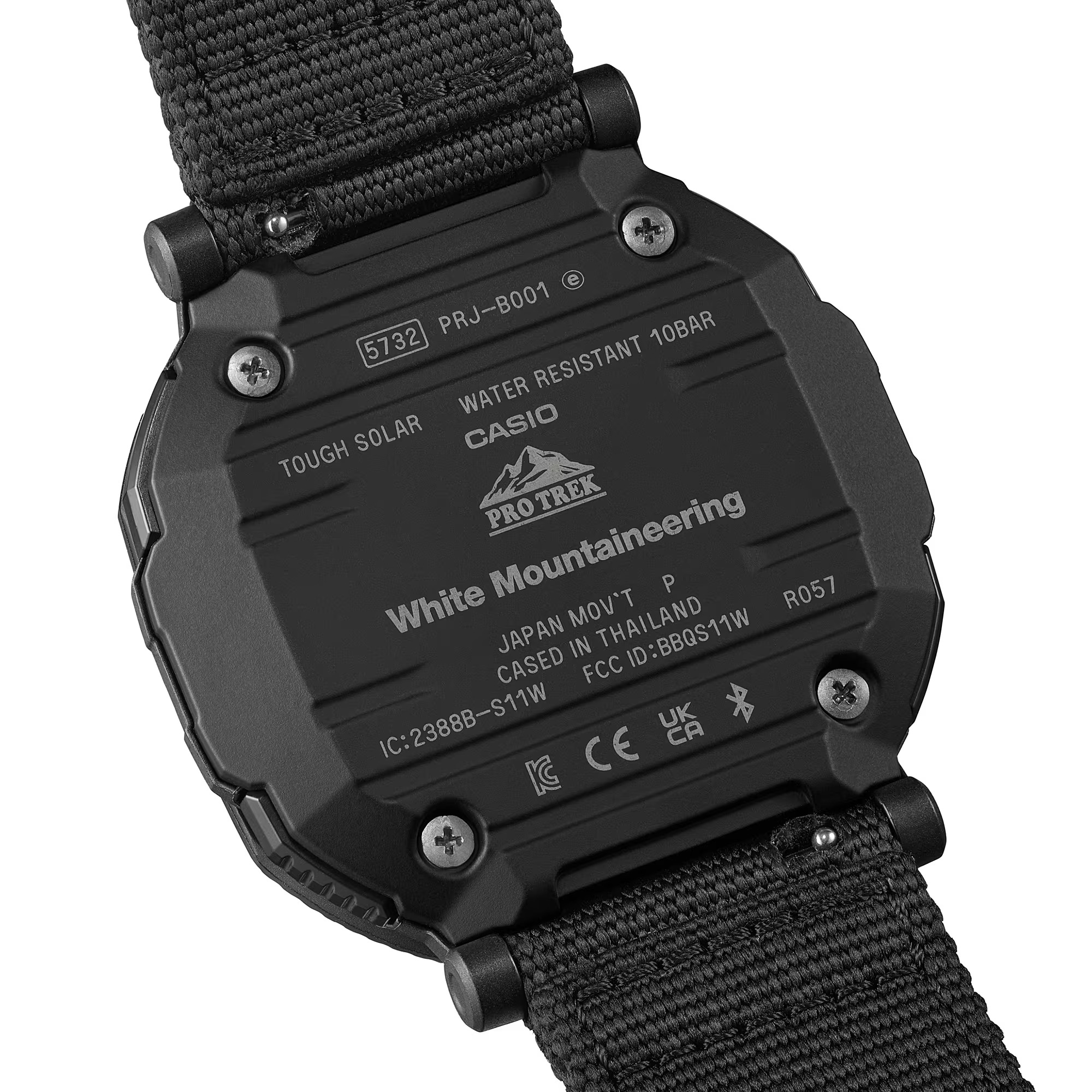
Casio has launched a new Pro Trek PRJ-B001WM-1 watch in collaboration with fashion brand White Mountaineering from Tokyo. It combines urban style with outdoor functionality in a thoughtful design meant for versatile use.
Casio Pro Trek PRJ-B001WM-1
Casio Pro Trek PRJ-B001WM-1 features
The watch features an all-black design with White Mountaineering’s signature triangle pattern subtly worked into the dial. Its case and bezel are crafted from a mix of regular and bio-based resin, showing Casio’s commitment to sustainability. The standout feature is its special flame-resistant cloth band, made from castor oil plants. This band material offers excellent durability and can withstand extreme temperatures while protecting against accidental burns.
On the technology front, the watch is solar-powered, eliminating the need for battery changes. It connects to your phone through Bluetooth, enabling automatic time updates, phone-finding capabilities, and activity tracking. A useful time and location recording feature makes it particularly valuable for outdoor enthusiasts.
The watch includes a rotating bezel guard that can cover the buttons to prevent accidental presses during activities, while still allowing easy access when needed.
The technical specifications include dimensions of 50.3 x 46 x 13.6 mm and a lightweight build at just 47g. It’s water resistant to 100 meters and can function in temperatures as low as -10°C. The watch face is made of mineral glass, and it comes equipped with essential features including world time, stopwatch, timer, alarm, and backlight functions.
Pricing & availability
The Pro Trek PRJ-B001WM-1 is expected to retail for around $200 in the US market. It is currently going for ¥33,000 in Japan (~$196). Interested buyers can purchase it through Casio’s authorized dealers and online platforms.
If you’re into electric vehicles, you’ve likely heard about Xiaomi‘s foray into the automotive world with the SU7 sedan. Now, the Chinese tech giant is upping its game by introducing the YU7, an all-electric SUV that’s set to hit the market in the summer of 2025.
The YU7 was unveiled quite literally under the regulatory spotlight. As part of the homologation process with China’s Ministry of Industry and Information Technology (MIIT), Xiaomi had to reveal key specs and the first official images of the YU7.
It’s a process that often irks automakers because it spills the beans on models before they’re ready to be officially launched, but for us, it’s a treasure trove of information. Here’s what we know about the YU7.
It’s an all-electric SUV, stretching to 4,999 mm in length, 1,996 mm in width, and standing 1,600 mm tall, with a wheelbase of 3,000 mm. This model isn’t playing around in terms of power either. It’s equipped with dual electric motors — one at the front with 220 kW and another at the rear with 288 kW, offering a combined output of 508 kW or 681 hp. That’s enough to push this SUV to a top speed of 253 km/h, which is quite the performance for an SUV.
The energy for the SUV comes from a lithium NMC battery supplied by CATL, though specifics on the battery’s capacity are still under wraps. Given Xiaomi’s partnership with CATL, we can expect some impressive range figures, although exact numbers will have to wait until closer to the launch.
Design-wise, the YU7 resembles the sleek aesthetics of the SU7 sedan. The YU7’s design has been teased with images shared by Xiaomi CEO Lei Jun on Weibo which shows a vehicle that’s both sporty and modern.
2. Building on Success
The YU7 will be another offering from Xiaomi that will build on the success of the SU7 sedan. Launch in March for a starting price of 215,900 yuan (around $29,700), it has already surpassed 100,000 deliveries by mid-November 2024. And Xiaomi is aiming for 130,000 units by year’s end.
The SU7 was not only a commercial success, it also garnered praise from unexpected quarters. Ford CEO Jim Farley was so impressed after driving an SU7 that he reportedly didn’t want to return it.
3. Xiaomi YU7 has competitors to succeed
Unlike the SU7 which is a sedan, the upcoming YU7 will dive into a different arena — the burgeoning electric SUV market in China, where it will directly challenge the likes of Tesla’s Model Y.
The Model Y starts at 249,900 yuan in China, so it’s likely that Xiaomi will keep its price close to Tesla’s offering.
Interestingly, despite the homologation revealing all, Xiaomi has decided to keep the YU7 under wraps. However, the CEO has confirmed that the launch will happen in June or July 2025.
This timeline might seem a bit delayed given the regulatory clearance, but Lei Jun sees this as an opportunity for extended testing. He mentioned in a Weibo post that removing the camouflage early would allow for more “comprehensive, detailed, long-term and large-scale testing” to ensure the vehicle’s quality.
4. Context in the Tech-Driven Car Race
Xiaomi’s progress in the EV space is particularly noteworthy, especially compared to tech giants like Apple and Sony. Apple’s long-rumored car project has yet to yield tangible results, and reports suggest the company has scaled back its ambitions.
On the other hand, Sony has partnered with Honda to develop the Afeela EV, expected to debut in the coming years.
Xiaomi, however, has moved faster, with the SU7 and now the YU7 marking tangible entries into the market. Xiaomi isn’t alone either, though. It has teamed up with CATL for batteries and BAIC for manufacturing.
5. Challenges Ahead
Xiaomi has stiff competition in the EV market. Tesla is a dominant player, not just globally but also in China, where the Model Y SUV is among its top sellers. Then there are domestic rivals like BYD and Nio which have their own offering of performance-oriented electric SUVs.
So for Xiaomi, the price of the YU7 will be a crucial factor. Xiaomi has a history of undercutting competitors in the smartphone market, but building EVs is inherently more expensive, and achieving competitive pricing while maintaining quality will be another challenge for the brand.
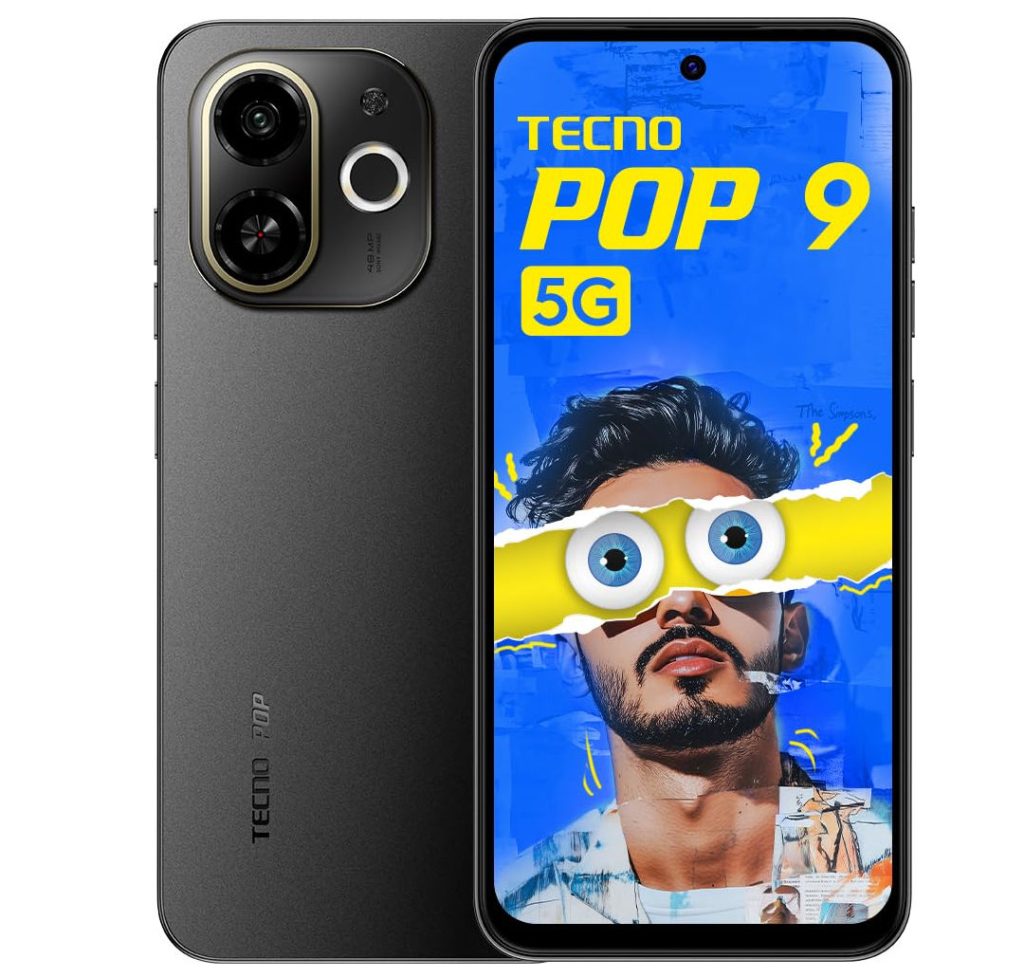
In 2024, owning a smartphone is no longer a luxury, but a necessity. Even better, you don’t have to break the bank to enjoy a quality mobile experience. The entry-level phone market is booming, offering impressive features and performance at incredibly affordable prices. After careful consideration and thorough testing, we’re excited to announce the Tecno Pop 9 5G as the best entry-level phone of 2024.
While the Infinix Hot 50 5G, Redmi A4 5G, and Tecno Pop 4G all offer compelling features for budget-conscious consumers, the Tecno Pop 9 5G stands out with its impressive combination of 5G connectivity, long-lasting battery life, and capable performance, all at an incredibly competitive price point ofRs 9,499.
Future-Proof Connectivity: The Tecno Pop 9 5G is one of the most affordable 5G smartphones on the market, offering access to blazing-fast download speeds and low latency for a smoother online experience. This future-proofs your investment and ensures you can enjoy the benefits of 5G as it becomes more widespread.
All-Day Power: With its large battery capacity, the Tecno Pop 9 5G easily lasts a full day of moderate use. You can browse the web, watch videos, and stay connected without worrying about running out of juice.
Smooth Performance: Powered by a capable processor and ample RAM, the Tecno Pop 9 5G delivers smooth performance for everyday tasks. Whether you’re browsing social media, chatting with friends, or playing casual games, the phone handles it all with ease.
Impressive Display: The Tecno Pop 9 5G features a large, vibrant display that’s perfect for enjoying multimedia content. The screen offers good color accuracy and decent brightness, making it enjoyable to watch videos and browse photos.
Value Champion: The Tecno Pop 9 5G offers exceptional value for money, packing in impressive features and performance at an incredibly affordable price.
Please Note: When you buy something using the links in our articles, we may earn a small commission at no cost to you.
2. Runner-Ups: Budget-Friendly Contenders
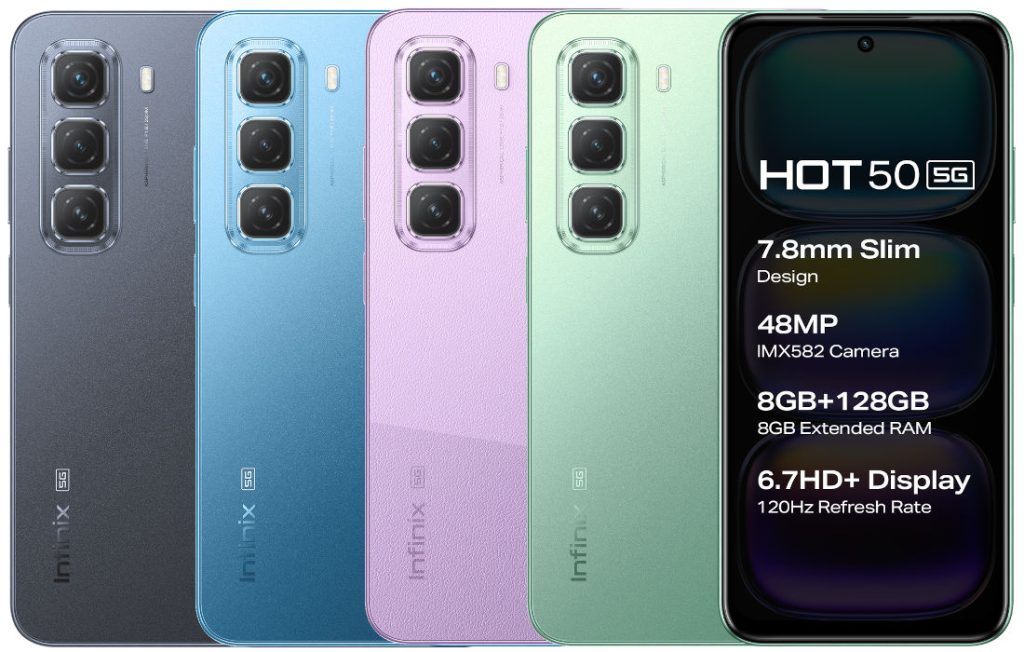
Infinix Hot 50 5G
The competition in the entry-level segment is fierce, and these runner-up phones each offer unique strengths:
Infinix Hot 50 5G (Rs 9,999): This phone boasts a powerful processor, making it a great choice for mobile gaming on a budget. It also features a large display and a long-lasting battery, ensuring an immersive and uninterrupted entertainment experience. The Infinix Hot 50 5G also includes a capable camera system for capturing memorable moments.
Redmi A4 5G (Rs 8,499): Known for its reliable performance and clean software experience, the Redmi A4 5G is a solid choice for those seeking a no-frills smartphone. It offers a decent display, a capable Snapdragon 4s Gen 2 chipset, and a long-lasting battery, all at an attractive price point. Xiaomi’s HyperOS offers a user-friendly interface with helpful features.
Tecno Pop 4G (Rs 6,699): For those who prioritize affordability above all else, the Tecno Pop 4G is an excellent option. It delivers a respectable performance for basic tasks, features a decent camera for capturing everyday moments, and offers a long-lasting battery to keep you connected throughout the day.
The Tecno Pop 9 5G emerges as the best entry-level phone of 2024, striking the perfect balance between price, performance, and features. Its 5G connectivity, long-lasting battery, and smooth performance make it a compelling choice for budget-conscious consumers. While the runner-up devices offer their unique strengths, the Tecno Pop 9 5G stands out as the overall value champion.
Samsung Electronics has made significant strides in its semiconductor division, successfully stabilizing the production yield of its highly anticipated Exynos 2500 chipset built on the advanced 3nm process.
Samsung to deploy Exynos 2500 in premium foldables
Despite these advancements, the Exynos 2500 will not feature in the forthcoming Galaxy S25 series. Instead, Samsung is set to integrate this powerful SoC into its premium foldable lineup, specifically the upcoming Galaxy Z Flip 7 and potentially the Galaxy Z Flip FE models.
According to reports from Korea’s Chosun Ilbo, the Exynos 2500, developed by Samsung’s System LSI division and manufactured by Samsung Foundry, faced initial production challenges due to low yield rates. These hurdles led to the decision to exclude the Exynos 2500 from the Galaxy S25 series, where performance expectations are particularly high.
The performance gap between the Exynos 2500 and Qualcomm’s Snapdragon 8 Elite further influenced this strategic move, ensuring that Samsung maintains its flagship performance standards by continuing to utilize Snapdragon chips for the Galaxy S25.
Instead, Samsung is channeling its efforts into revitalizing its in-house processor business by equipping the next-generation Galaxy Z Flip 7 and the anticipated Galaxy Z Flip FE with the Exynos 2500. This marks a significant shift, as previous Galaxy Z Flip models exclusively featured Snapdragon chipsets.
With a more affordable Exynos 2500 chip, Samsung could potentially achieve a starting price point significantly lower than the current Z Flip models. This could be a major step in making foldable phones more accessible to a wider audience.
The report also says that internal tensions between Samsung’s Foundry and System LSI divisions over the Exynos 2500’s production delays have reportedly been resolved, fostering better collaboration and paving the way for stable mass production slated for 2025.
According to a senior Samsung official who remains anonymous, “The 3nm second-generation GAA process has overcome significant challenges, and we are now poised to commence mass production. While supply constraints prevent us from equipping the Galaxy S25 series with Exynos 2500, our premium Z Flip models will fully leverage its capabilities.”
Looking ahead, Samsung plans to launch the Galaxy S25 series in January next year, followed by the next generation of foldable phones in the third quarter. The Galaxy Z Flip 7 is expected to feature a slimmer design with a larger display, while the Galaxy Z Flip FE may offer a more affordable option without compromising on performance.
Ulefone, a renowned name in rugged smartphone technology, has officially launched its latest innovation, theArmor Mini 20. This compact yet powerful smartphone is now available globally, with an exciting first-sale price of just $199.99. Interested buyers can take advantage of this limited-time offer on AliExpress, but hurry as the sale ends on December 15.
Performance Powerhouse
At the heart of the Armor Mini 20 is the advanced 6nm Helio G99 4G chipset, ensuring smooth and efficient performance for all your needs. Whether running multiple apps, streaming videos, or navigating through rugged terrains, the Armor Mini 20 offers unparalleled reliability and speed.
Capture the Night with a 64MP Infrared Camera
The standout feature of the Armor Mini 20 is its impressive 64MP infrared night vision camera. This feature is designed to capture stunning images even in complete darkness, making it a perfect companion for adventurers and professionals working in low-light environments.
Durability Redefined
The Armor Mini 20 boasts a rugged design that combines strength with style. Its 4.7-inch mecha-style build is compact yet highly durable. The phone is drop-proof and capable of surviving falls from heights of up to 2 meters. Additionally, it is waterproof, functioning seamlessly at depths of up to 2 meters for 24 hours, and is resistant to extreme temperatures ranging from -30°C to 55°C.
Lighting Solutions for Every Need
Whether you’re camping in the wilderness or handling emergencies, the Armor Mini 20’s built-in LED lights are indispensable. These versatile lights serve as both camping and emergency lighting, adding a layer of utility for outdoor enthusiasts.
Long-Lasting Battery Life
The Armor Mini 20 is equipped with a robust 6200mAh battery, ensuring extended use without frequent charging. The device supports 33W fast wired charging and 15W wireless charging, keeping you connected and powered up on the go. Additionally, it doubles as a portable power bank, allowing you to charge other devices when needed.
Why Choose the Ulefone Armor Mini 20?
Combining affordability, durability, and advanced features, the Armor Mini 20 is tailored for adventurers, outdoor enthusiasts, and professionals alike. Its rugged design, infrared night vision camera, and versatile lighting make it a standout choice for those seeking a reliable smartphone that performs in challenging conditions.
Where to Buy
The Ulefone Armor Mini 20 is available now at the official AliExpress store. Don’t miss your chance to grab this feature-packed rugged smartphone for the special first-sale price of $199.99. Please note that the offer ends on December 15.
Casio is best known for its G-Shock watches that are built to meet the various needs of the users. This includes durable to even more elegant models. Now, we have compiled a list of some of the Best Casio G-Shock watches that are for women, which cost around $200.
Kicking off this list we have the Casio G-Shock GMS2100PG-4A. It is a part of the brand’s popular 2100 series, which is also known as the Casioak series. It features an octagonal body that features an elegant pink gold stainless steel frame. This is paired with a beige trap that adds to its premium aesthetic as well.
This model was specifically built for women with a smaller and more compact footprint. Although, it still carries the G-Shock DNA with a shock resistant design. It is currently listed on the brand’s official website for $200.
The Casio G-Shock GMAS110ST-2A watch was just announced for the US market. It is part of a trio of hybrid watches that feature pearlescent shine that includes a GMAS110ST-4A and GMAS110ST-7A variant. These offer eye-catching and bright designs, offering three color options, namely pink, blue, and white. But these soft colors are featured on a rugged G-Shock.
The series combines both analog and digital displays. Staying true to its name, you get up to 200 meters of water resistance, shock resistance, as well as magnetic resistance. So you get an attractive and unique design with a durable body. You can get your hands on these watches for $140.
From the popular 5600 lineup, we have the Casio G-Shock GMS5600PG-4 model. This watch is a downsized version of the iconic series. It brings a premium metal finish that brings a luxurious feel and tough build. The watch features 200 meter water resistance and shock resistance as well.
The GMS5600PG-4 watch can be purchased in various elegant color variants for $180. Casio just announced G-Shock x thisisneverthat collaboration for a fresh minimalist take on the Classic DW-6900 series watch. So you can check this model out as well.
We use cookies on our website to give you the most relevant experience by remembering your preferences and repeat visits. By clicking “Accept”, you consent to the use of ALL the cookies.
This website uses cookies to improve your experience while you navigate through the website. Out of these, the cookies that are categorized as necessary are stored on your browser as they are essential for the working of basic functionalities of the website. We also use third-party cookies that help us analyze and understand how you use this website. These cookies will be stored in your browser only with your consent. You also have the option to opt-out of these cookies. But opting out of some of these cookies may affect your browsing experience.
Necessary cookies are absolutely essential for the website to function properly. This category only includes cookies that ensures basic functionalities and security features of the website. These cookies do not store any personal information.
Any cookies that may not be particularly necessary for the website to function and is used specifically to collect user personal data via analytics, ads, other embedded contents are termed as non-necessary cookies. It is mandatory to procure user consent prior to running these cookies on your website.