Samsung is facing production disruption in India. The company’s plant in the country has been hit with backlash from its workers, who are currently on strike. These employees are protesting for multiple reasons, which include higher wages. So here’s what we know so far.
Hundreds of Samsung Workers Strike for Higher Wages and Union Recognition
According to a Reuters report, one of Samsung Electronics’ key production plants in South India has been hit with operations disruption. This marks the second day of disruption as hundreds of employees are on strike. The employees are striking for higher wages, while Samsung executives are looking to resolve the problem. Samsung is a major player in the Indian market, which is also a key region for the brands consumer electronics and home appliances.
Samsung’s Largest Mobile Factory in the world in Noida, UP, India
However, workers are on strike in the Sriperumbudur plant that mainly produces electronic products outside of smartphones. Regardless, it still contributes around 30 percent of Samsung’s annual revenue from India. The factory employs around 1,800 people, but the site in Chennai is on “Indefinite Strike” as per posters. Union Leader E. Muthukumar stated that the strike will continue for a third day as well.
The employees aren’t just asking for better wages but also for better hours. They even want Samsung to recognize the formation of a union, which is backed by the Entre of Indian Trade Unions group. As of right now, Samsung’s senior officials are set to visit the factory to find a resolution. About 800 employees have signed a register outside the factory to record their protest, which arrives right ahead of the crucial festive season in India. During this period, brands offer deals on their products to encourage purchasing these goods or getting gifts for others.
Android 15 was released by Google in October 2024, and it’s already rolling out to Motorola devices. The latest upgrade brings a host of new features and improvements, including a suite of theft protection features, Private Space, app archiving, and new accessibility features. Additionally, it should include a bundle of improvements from the development team at Motorola.
If you have a Motorola device that’s yet to receive the Android 15 update, here’s everything you need to know about the next major upgrade, including the eligible devices list, rollout timeline, and new features.
Motorola Android 15 update rollout timeline
Motorola isn’t the fastest, or among the fastest brands, when it comes to software updates. It takes at least a few months to begin the rollout once the stable version of a new Android OS goes live.
The company began rolling out the stable Android 15 update in December, with the Edge 50 Ultra and Edge 50 Fusion receiving the first bite. The update then gradually expanded to more Motorola devices over the coming weeks, including the Razr 50 series, Razr 40 series, Edge 50 series, Edge 40 series, and several Moto G-series models.
If your Motorola device hasn’t received the update yet, you may want to check if it’s actually eligible for Android 15 by looking at the list below.
These Motorola phones are eligible for Android 15 update
Motorola Razr lineup:
Motorola Razr 50 Ultra (Razr+ 2024) — released
Motorola Razr 50 (Razr 2024) — released
Motorola Razr 50s — released
Motorola Razr 40 Ultra (Razr+ 2023) — released
Motorola Razr 40 (Razr 2023) — released
Motorola Razr 40s — released
Motorola Edge lineup:
Motorola Edge (2024) — released
Motorola Edge (2023)
Motorola Edge+ (2023) — released
Motorola Edge 50 Ultra — released
Motorola Edge 50 Pro — released
Motorola Edge 50 Neo — released
Motorola Edge 50 Fusion — released
Motorola Edge 50 — released
Motorola Edge 40 — released
Motorola Edge 40 Neo — released
Motorola Edge 40 Pro — released
Motorola Edge 30 Ultra — released
Motorola Moto G lineup:
Moto G Power 5G (2024) — released
Moto G Stylus 5G (2024) — released
Moto G 5G (2024) — released
Moto G85 — released
Moto G84 — released
Moto G75 — released
Moto G64
Moto G55 — released
Moto G54 — released
Moto G45 — released
Moto G35
Moto G34 5G — released
Motorola ThinkPhone lineup:
ThinkPhone by Motorola — released
ThinkPhone 25 — released
Nearly all eligible Motorola phones have already been upgraded to Android 15, with the remaining few should be done in a few weeks from now.
What’s new in Android 15?
Android 15 does not bring many visual changes. In fact, you’d be hardly able to tell any difference just by looking at the home screen. However, there are still many new things to be excited about.
One of the great additions to Android 15 is the Theft Detection Lock feature. It uses Google AI to determine when your device has been snatched from your hands and then immediately locks it to prevent thieves from stealing your data.
If they manage to factory reset your device, they won’t be able to activate it unless they know your Google account login details. Therefore, the device becomes technically unusable, which reduces the incentive for thieves.
The new Android OS supports satellite connectivity to send and receive messages even if there are no cell towers nearby, as long as you have access to the open sky. However, this feature will likely require a special chip and carrier support. Additionally, there is real-time fraud protection that enables the Google Play Store to detect when malicious apps may misuse device permissions.
Android 15 brings significant changes to keep your data safer and more secure. There’s a new partial screen sharing feature that lets you share the screen with others for a single app. The other person can’t see any other data, including incoming notifications. This feature also works with screen recording.
Then, there’s Private Space — it lets you hide and secure apps you don’t want others to access. You can also hide videos, documents, or other types of files. The app archive feature, which allows you to remove an app while retaining user data, was previously restricted to Google Play Store apps and is now integrated into Android 15 to support other app stores. This means you’ll be able to achieve or unarchive apps, even those installed outside of the Play Store.
Google has announced native earthquake detection in Android 15 for U.S. users. There’s also a new high-quality webcam mode, which allows you to use your Android phone as a webcam for your PC. Last but not least, you’ll be able to create shortcuts for your favorite pair of split-screen apps on large screen devices.
Tecno has just announced the new Pova 6 Neo 5G after teasing the smartphone last week. The company’s latest device is a budget model that offers some notable specs despite its affordable price tag. So here are all the details like its specs, pricing, and special launch offers.
Tecno Pova 6 Neo 5G Specs
The Tecno Pova 6 Neo 5G sports a tall 6.67-inch LCD display that offers a 120Hz refresh rate and HD+ resolution. Under the hood, it is equipped with the MediaTek Dimensity 6300 SoC, which is paired with up to 8GB of RAM and 256GB of internal storage. Users can also expand storage by up to 1TB via a microSD card slot. A large 5,000mAh battery pack powers this device, which supports 18W wired fast charging.
Tecno Pova 6 Neo 5G Launched in India in three color options
For optics, the rear features a 108-megapixel dual camera setup with LED flash. Meanwhile, the front houses an 8-megapixel camera for selfies and video calls. Other notable features include an IP54 rating for water and dust resistance, a 3.5mm audio jack, stereo speakers, Bluetooth 5.3, NFC, side mounted fingerprint scanner, and dual SIM support. It also supports various AI powered features like AI cutout, AI magic eraser, AI wallpaper, and more.
Pricing and Availability
Tecno just launched the Pova 6 Neo 5G in three color options, namely Midnight Shadow, Azure Sky, and Aurora Cloud. It has a starting price tag of 11,999 INR for the 6GB + 128GB option, while the 8GB + 256GB variant costs 12,999 INR. These prices are inclusive of Rs 1,000 instant bank discount. Additionally, the company is offering 1,000 INR off as an exchange bonus. The first sale of the Pova 6 Neo 5G is set to kick off on 14th September 2024 via Amazon India. The company is even offering a free annual OTTPlay subscription with the phone.
FOSSiBOT has launched the F109 5G Rugged Smartphone, a powerhouse device designed for extreme environments and heavy-duty use. Whether you’re an adventurer, a construction worker, or someone who values durability and performance, the FOSSiBOT F109 is crafted to handle tough conditions while offering advanced features. Officially launched on September 11th, the F109 will be available at a world premiere discounted price until September 18th.
Pricing and Availability:
The FOSSiBOT F109 is priced at a retail value of $269.99, but early buyers can enjoy significant discounts. On Aliexpress, the phone is being offered at the world premiere price of $159.99, while the FOSSiBOT Official Website lists it at $169.99. For its feature set, this is a great value, especially when compared to other rugged smartphones with similar capabilities, which typically retail for over $200.
Dual Display Innovation
One of the standout features of the F109 is its dual-display design. The main screen is a 6.745-inch HD+ display with a 20:9 aspect ratio and an 89% screen-to-body ratio, ensuring an immersive viewing experience. Complementing the main display is a 1.32-inch rear secondary screen designed to quickly access notifications, music controls, and essential tools such as a timer and clock. This secondary display helps conserve battery life by reducing the need to activate the main screen frequently.
Powerful Performance with MediaTek Dimensity 6300+
At the heart of the FOSSiBOT F109 is the MediaTek Dimensity 6300+ chipset built on a 6nm architecture, ensuring smooth and efficient performance. The octa-core CPU architecture includes 2 Cortex-A76 cores clocked at 2.2GHz for performance-intensive tasks and 6 Cortex-A55 cores at 2.0GHz for efficient everyday use. The device comes with 8GB of RAM, which can be expanded to 24GB with virtual RAM expansion. With 256GB of internal storage and support for up to a 2TB TF card, users will never run out of space for apps, photos, and videos.
Advanced Camera System
The F109 sports a versatile camera setup, making it an excellent choice for photography enthusiasts. The 50MP AI main rear camera delivers stunning shots, while the 5MP macro camera lets you capture intricate details. On the front, a 16MP centered camera is perfect for selfies and video calls. The camera system includes multiple modes such as night mode, bokeh, pro mode, and an underwater camera, allowing users to take professional-quality photos in various conditions.
Massive Battery Life for Long-Term Use
Battery life is another area where the F109 excels. Its 10,600mAh battery provides exceptional longevity, offering over 25 days of standby time with a single SIM card. For GPS users, the phone can last 16 days with medium screen brightness and half-volume settings. The device supports 18W fast charging, achieving 80% charge in 3 hours and a full charge in 4 hours, ensuring minimal downtime.
Rugged Design and Durability
The F109 is built to withstand the harshest conditions, with a waterproof rating of IP68/IP69K and MIL-STD-810H certification for military-grade toughness. Whether you’re working at a construction site, engaging in water-based activities, or hiking in extreme weather, the F109’s rugged design ensures that it can handle shocks, dust, and water without compromising performance. It’s the perfect companion for those who enjoy extreme outdoor activities or work in challenging environments.
Operating System and Security
Running on Android 14, the F109 offers the latest Android features and security updates, ensuring the device stays future-proof for years to come. For added convenience and security, the phone includes both facial recognition via the front camera and a fingerprint scanner integrated into the power button. Additionally, NFC support enables quick payments, file sharing, and access control.
The FOSSiBOT F109 5G Rugged Smartphone is available on both the Aliexpress FOSSiBOT Official Store and the FOSSiBOT Official Website starting from September 11th. With its combination of powerful performance, rugged durability, and long-lasting battery life, the F109 is a competitive option for those looking for a feature-packed smartphone at a value-driven price. The world premiere sale ends on September 18th, so be sure to grab this incredible device while the offer lasts.
Xiaomi has added two new models to its gaming monitor lineup: the G24i and the G27Qi. These monitors are designed for both gamers and content creators, offering solid performance and useful features.
Xiaomi 2K Gaming Monitor G27Qi
The G24i is the more budget-friendly option, featuring a 23.8-inch FHD IPS screen with a 180Hz refresh rate and 1ms response time, which helps provide smooth gameplay by reducing motion blur. It also includes AMD FreeSync technology to prevent screen tearing during gaming.
Xiaomi Gaming Monitor G24i
For content creators, the G24i offers Delta E < 2 color calibration for accurate color reproduction, making it a good option for tasks like photo editing. It also has TÜV Low Blue Light certification to reduce eye strain during long periods of use.
The G27Qi, the larger of the two, comes with a 27-inch 2K IPS display, offering a sharper resolution of 2560 x 1440. Like the G24i, it includes a 180Hz refresh rate and 1 ms response time, making it suitable for competitive gaming.
Both monitors have a sleek design with narrow bezels and a tilting stand for better comfort. Xiaomi has not yet announced the pricing for either model, but they come with a good set of features for their target audience.
Other features include a joystick control on the G24i for easier menu navigation and a variety of ports, such as HDMI, DisplayPort, and a headphone jack. The G27Qi offers similar connectivity, along with additional USB ports for peripherals.
In related news, Xiaomi has launched its first Mini LED gaming monitor for the international market, the G Pro 27i. This 27-inch QHD monitor features a 180Hz refresh rate, 1ms response time, and AMD FreeSync for smooth gaming. Its standout feature is the Mini LED backlight with 1152 dimming zones, achieving 1,000 nits peak brightness and VESA DisplayHDR 1000 certification for enhanced HDR performance. It also offers excellent color accuracy, covering 97% Adobe RGB, 99% DCI-P3, and 100% sRGB.
Earlier in May this year, Sonos launched its first-ever headphones called Sonos Ace in the global markets. Now the brand has brought the audio device to India. The Sonos Ace packs flagship specifications at a premium price tag. This makes the device go up against the likes of similar offerings such as the AirPods Max, Bose QuietComfort, Sony, and more.
Sonos Ace arrives in India
The Indian variant of the Sonos Ace has the same specifications as its global counterpart. The headphones have an over-the-ear design with large earcups, and memory foam padding. They are lightweight ensuring a comfortable fit for prolonged usage. The ear cushions can be easily replaced. There are tactile buttons and the ear cups can be folded for easy storage in the bundled case.
In terms of audio, the Sonos Ace is equipped with custom 40mm drivers for a rich and powerful sound quality. There is an active noise cancellation for eliminating any surrounding noise. Meanwhile, the aware mode lets you stay aware of the surroundings when needed. The headphones also feature Spatial Audio and Dolby Atmos with head tracking for an immersive listening expeirence. The Sonos Ace comes with Lossless Audio that delivers original sound quality without any compression.
The Sonos Ace packs eight total microphones along with beamforming technology for a clear quality on calls. Other features include a 3.5mm jack, Bluetooth 5.4 with multipoint connection, wear detection, and more. The headphones are touted to offer 30 hours of battery life and support fast charging.
The Sonos Ace carries a price tag of Rs 39,999 and is offered in Black and White colors. The headphones can be purchased from the brand’s official website.
Sony has finally launched the highly anticipated PlayStation 5 Pro. This is the company’s mid cycle refresh and arrives as an upgraded PS5. The PlayStation 5 Pro is Sony’s latest gaming console, packing cutting edge hardware and innovative new technology. So here’s everything you need to know.
Sony announced the PS5 Pro for gamers and gaming creators that require more performance. The company is aiming to offer smoother frame rates, without compromising on graphical fidelity. In other words, some demanding titles will run at 60FPS with high graphics. This is thanks to an upgraded GPU as Sony promises 67 percent higher Compute Units and 28 percent faster memory than the standard PS5, which allows up to 45 percent faster rendering for smoother gameplay.
The brand has even made improvements to the ray tracing capabilities on the PS5 Pro with ray cast speeds doubling or tripling the base PS5. Sony is using AI to bring superior Image Upscaling. The PS5 Pro uses PlayStation Spectral Super Resolution and machine learning tech to enhance image clarity. Gamers often have to choose between performance or quality, and PlayStation lead architect Mark Cerny wants to remove this toggle with the PS5 Pro.
2. Games Optimized for PS5 Pro
There are a bunch of titles that will get optimized for the PS5 Pro. So here’s a list:
Alan Wake 2
Assassin’s Creed: Shadows
Demon’s Souls
Dragon’s Dogma 2
Final Fantasy 7 Rebirth
Gran Turismo 7
Hogwarts Legacy
Horizon Forbidden West
Marvel’s Spider-Man 2
Ratchet & Clank: Rift Apart
The Crew Motorfest
The First Descendant
The Last of Us Part II Remastered
More games are also expected to get enhanced versions that can take advantage of the better performance of the PS5 Pro.
3. Pricing and Availability
Sony is set to launch the PS5 Pro starting from 7th November 2024 via leading retailer and its official website. Pre-orders will kick off on 26th September 2024. The console has starting price tag of 699.99 US Dollars and includes a DualSense wireless controller, 2TB SSD storage, and Astro’s Playroom pre-installed. There is also a disc-less version, with a Disc Drive sold separately.
Realme has launched a new television range in India. The newest offering is called Realme TechLife Cinesonic and it comes in four models. All options pack nearly the same specifications and features apart from being different in screen sizes, display technology, and audio. Read on to know all the technical details below.
Realme TechLife Cinesonic TVs specifications
The Realme TechLife Cinesonic televisions come in 43, 50, 55, and 65-inch screen sizes. The 43 and 50-inch variants have a regular LED display whereas the 55 and 65-inch models come with QLED technology that integrates quantum dots for vibrant visuals, high brightness for a superior viewing experience. All four TVs offer a UHD 4K resolution and a 60Hz refresh rate. They also support HDR10 and Dolby Vision.
In terms of audio, the Realme TechLife Cinesonic televisions are equipped with stereo speakers with a sound output of 40W. There is a Total Sonic technology by DBX for virtual and cinematic surround sound.
Internally, the Relame TechLife Cinesonic TVs are powered by a quad-core MediaTek processor. They pack 2GB RAM and 16GB onboard storage for a seamless performance. Software-wise, the televisions run on Google TV and come with screen mirroring and pre-installed popular OTT apps like Prime Video, Netflix, and more. Connectivity options on the TVs include three HDMI ports, two USB ports, WiFi, and Bluetooth.
The Realme TechLife Cinesonic TV range starts at Rs 41,999 for the 43-inch variant whereas the 50-inch model costs Rs 53,999. The 55-inch and 65-inch QLED televisions are priced at Rs 66,999 and Rs 85,999 respectively. The televisions will be available for purchase from Flipkart.
Apple recently introduced the iPhone 16 series, which features updated designs including a new camera module for the iPhone 16 and 16 Plus, and the addition of a Camera Control touch-sensitive button on all four iPhone 16 models. In response, brands that manufacture iPhone cases are launching new cases specifically designed for the iPhone 16 series. Beats, an Apple subsidiary, has also released a new line of iPhone cases that complement the iPhone 16 series, focusing on both functionality and style. These cases are now available for order in a variety of shades.
Beats iPhone 16 cases
iPhone 16 cases by Beats
The Beats iPhone 16 cases feature a hardshell polycarbonate back paired with flexible sidewalls, which aim to provide optimal shock absorption while maintaining a thin and lightweight profile. This design ensures the case is easy to grip and handle. The outer surface of the case is treated with a glossy, scratch-resistant coating, adding an extra layer of protection against daily wear and tear. Inside, the case is lined with soft microfiber material to safeguard the iPhone’s surface.
A notable feature of these cases is their compatibility with the new Camera Control functionality on the iPhone 16 lineup. The cases include a sapphire crystal and a conductive layer that interacts with the Camera Control, allowing for precise finger movements to be communicated directly to the camera.
In addition to the above-mentioned features, the Beats iPhone 16 case supports MagSafe technology. This integration ensures that the case aligns perfectly with all iPhone 16 models, facilitating a seamless attachment process and efficient wireless charging.
The packaging of the Beats iPhone 16 cases is made from 100% fibre-based materials, with the wood fibres being either recycled or responsibly sourced, aligning with sustainability practices. Overall, the Beats iPhone 16 cases offer a blend of protection, style, and functionality, designed to enhance the user experience with the latest iPhone models.
Beats iPhone 16 cases price in India, availability
The Beats iPhone 16 cases come in color options, such as Midnight Black, Summit Stone, Riptide Blue, and Sunset Purple. Priced at Rs 4,900, the cases can be purchased from Apple’s official website.
Today, we have exclusive hands on video and article on the Huawei Mate XT tri foldable, OnePlus 13 was spotted on benchmark, Xiaomi’s mini-LED monitor goes global, and Galaxy S24 FE pricing could disappoint you.
Today’s Tech Highlights:
Huawei Mate XT Hands-On: Get an exclusive first look at the world’s first tri-folding smartphone, as we share our hands-on impressions of Huawei’s groundbreaking Mate XT Ultimate Design.
Xiaomi’s Mini LED Gaming Monitor: Know more about Xiaomi’s first foray into the global Mini LED gaming monitor market with the G Pro 27i, bringing high-end display technology to gamers worldwide.
OnePlus 13 Benchmark Leak: We come to know more about the latest performance insights of the upcoming OnePlus 13, spotted on Geekbench with the highly anticipated Snapdragon 8 Gen 4 chip.
Galaxy S24 FE Pricing Concerns: We recently came to know about the price leak of the Galaxy S24 FE and its implications for Samsung’s “Fan Edition” strategy in the competitive smartphone market.
Plus, don’t miss our roundup of other exciting stories, including a comparison between Snapdragon 8 Gen 4 and Apple A18 Pro, a face-off between iPhone 16, Galaxy S24, and Xiaomi 14, the first official details of the Redmi Note 14 series, and Realme GT 7 Pro’s innovative camera control feature!
Huawei has finally announced the highly anticipated Mate XT Ultimate Design, marking a significant milestone in foldable device technology. As the world’s first tri-folding smartphone, the Mate XT stands out in a market dominated by traditional inward-folding devices.
We got a quick hands-on with the device after its launch in China, and here are our thoughts.
Xiaomi has finally unveiled its first Mini LED gaming monitor for the international market. The aptly named Mini LED Gaming Monitor G Pro 27i arrives a little over four months after a brief appearance on the company’s global website. However, its roots trace back further, having debuted earlier this year in China as the Redmi Display G Pro 27.
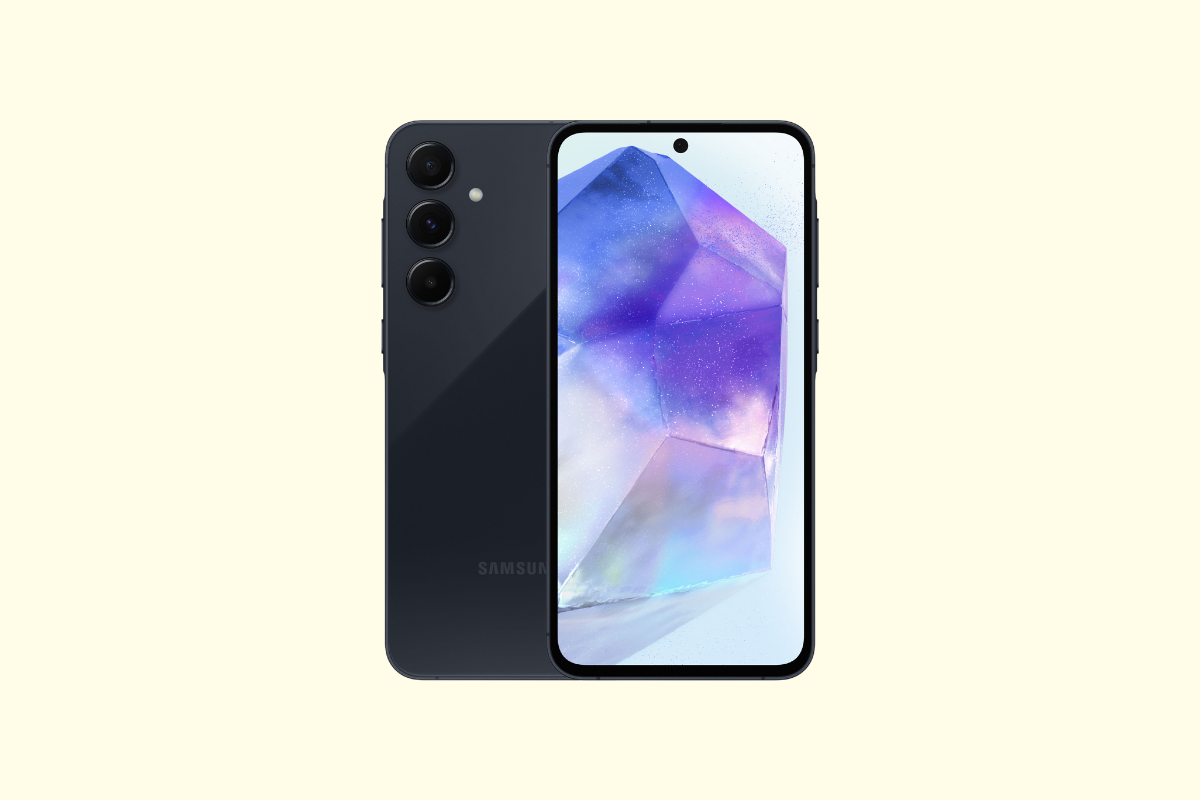
OnePlus is expected to unveil the OnePlus 13 in October in China. Ahead of the launch, a new OnePlus smartphone bearing the PJZ110 model number has appeared on Geekbench. According to reliable tipster Digital Chat Station, this device is nothing but the upcoming OnePlus 13.
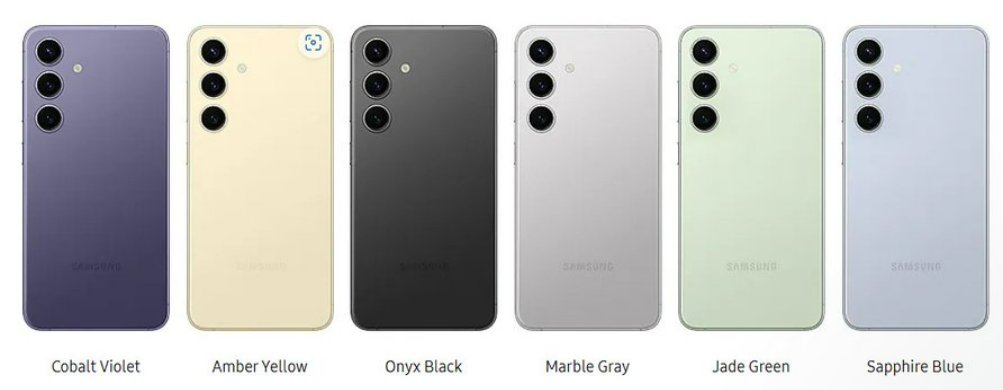
The Galaxy S24 FE has been a constant murmur in the rumor mill, and for good reason. Samsung‘s “Fan Edition” phones typically provide a more affordable way to access flagship features. However, a recent leak suggests this year’s model may not be as budget-friendly.
Vivo’s Vice President and General Manager for Brand and Product Strategy, Jia Jingdong, took to Weibo today to state that Vivo has been recognized as an “Innovation Star” on the 2024 Kantar BrandZ Top 100 Most Valuable Chinese Brands List, marking it as the highest-ranked new brand on the list. For those who don’t know, Kantar BrandZ is a leading global brand valuation ranking, assessing brand value based on financial data and consumer perceptions, including brand meaning, differentiation, and salience. The same Weibo post by Jingdong also mentions key details about the Vivo X200 series.
Vivo X200 series’ first details officially confirmed
Alleged Vivo X200 render by DCS
According to Jingdong, the Vivo X200 series is poised to be one of the most notable flagship devices in the second half of this year. Recently, Vivo has seen strong performance in the high-end 4,000-6,000 Yuan market segment in China, largely due to a significant influx of iPhone users switching devices. To cater to these users, who are accustomed to the traditional flat-screen design of iPhones, the X200 series will feature a similar screen style to minimize the adjustment period and ease the transition.
The Vivo X200 series will feature advanced technology, including a custom-designed sensor and imaging chip, a high-capacity battery system, and a top-tier chipset supported by Blue Crystal technology. These details hint at rumored specs of the Vivo X200, which include a 6.3-inch flat OLED panel, a 22nm 50-megapixel primary camera, the Vivo V3+ imaging chip, a 5,600mAh battery, and the Dimensity 9400 SoC.
The latest Origin OS 5, likely running on Android 15, will power the Vivo X200 series. Jingdong said that the new version of Origin OS includes more efficient local processing of AI capabilities, upgraded natural interaction experiences, and personalized service recommendations based on intent recognition.
According to a recent report, the Vivo X200 series will be announced in the third week of October. The lineup is expected to include the Vivo X200, X200+, and X200 Pro, all featuring the Dimensity 9400 chip.
The story of the Poco F1 is one of audacity, trade-offs, and perseverance, as revealed by Jai Mani, former head of product at Poco, in a series of candid tweets. In his reflections, he takes us behind the curtain of one of the most talked-about budget smartphones ever, sharing how the idea was conceived and the challenges faced during its development.
It all started with a simple yet bold idea: Snapdragon 845 for $299 (approx. Rs. 20,000 at the time). Jai scribbled this down and passed it to the head of product planning, although initial reactions were less than encouraging. “Impossible” was the response he got. Despite communication hurdles (Mani’s limited proficiency in Chinese), this clear and simple goal set the wheels in motion for what would become a game-changing device in the budget smartphone market.
2. Trade-offs and Design Decisions
Jai Mani emphasizes how trade-offs played a crucial role in the development of the Poco F1. To achieve the aggressive price point, sacrifices had to be made, starting with the build quality. Mani and his team realized that most users put cases on their phones anyway, so they didn’t need to splurge on premium materials. This is where the polycarbonate body came into play, functional but far from the luxurious finishes of flagship devices at the time.
Another significant decision was opting for a notch in the design, which Jai wasn’t personally fond of. However, market feedback suggested that the notch made the phone feel more “premium.” In addition, it allowed for extra space to incorporate face recognition hardware. While some users may have disliked it, there was always the option to hide the notch through software settings.
Kevlar also emerged as an interesting material choice for Poco F1, countering the notion that plastic equals cheap. Initially skeptical, Jai eventually came around to the idea when he saw samples of the Armored Edition. Kevlar added a rugged, durable feel to the phone, and it helped set Poco F1 apart from the glass-and-metal competition.
3. Balancing Features and Cost
At its core, the Poco F1 was about delivering flagship performance at an accessible price point. The phone was powered by Qualcomm’s Snapdragon 845, a processor typically reserved for premium devices. With additions like LiquidCool technology and up to 8GB of RAM, Poco made it clear that their focus was on delivering top-tier performance to a broader audience.
Other flagship features were brought down to the budget level as well, including a 4,000mAh battery, considered large for a phone of its class at the time. The goal was clear: “If we couldn’t win design awards with a plastic back, we might as well give users a big battery.”
Camera performance, traditionally a weak spot for budget phones, was another area where Poco F1 aimed to punch above its weight. While the camera hardware wasn’t necessarily flagship-level, the tuning was meticulously optimized to ensure that users got a reliable and capable shooter. As Jai put it, “Not flagship, but not bad” was good enough.
4. Collaborating with the Community
One of the most forward-thinking moves from Poco was its focus on the software experience. Jai took a risk by giving popular tech reviewer Marques Brownlee (MKBHD) a beta version of MIUI, which included changes to make notifications behave more like stock Android. He also reached out to custom ROM developers, offering devices to help them develop software for users who preferred a pure Android experience. This community-first approach helped solidify Poco’s standing among tech enthusiasts.
5. Leveraging Xiaomi’s Supply Chain
The success of the Poco F1 was largely due to its integration into Xiaomi’s supply chain. Mani acknowledged that without Xiaomi’s established resources, particularly in sourcing and manufacturing, producing the Poco F1 at such a low price would have been impossible.
6. The Beginning of Poco as a Brand
Perhaps the most significant outcome of the Poco F1 wasn’t just its success as a device but how it helped establish Poco as a distinct brand. Jai Mani recalls the moment when Xiaomi founder Lei Jun discussed creating a sub-brand, and he knew he wanted to be a part of it. Winning MKBHD’s “Best Budget Phone of the Year” only solidified the team’s vision that they had done something special.
The Poco F1 may not have been a perfect phone, but as Jai Mani explains, it was a product born from clear decisions, necessary compromises, and a commitment to delivering flagship performance at an unbeatable price. It remains a testament to what’s possible when a brand dares to challenge industry norms.
Sony India has unveiled its new SA-D40M2 home theater system, bringing powerful and immersive sound to living rooms at an attractive price point.
The SA-D40M2 boasts a compact design with four satellite speakers and a subwoofer, offering a total output of 100W. This 4.1 channel setup delivers clear and dynamic audio for movies, music, and gaming, ensuring rich detail even at high volumes.
Users can enjoy wireless freedom with Bluetooth connectivity, allowing music streaming from smartphones, tablets, and other Bluetooth devices. The system remembers up to eight paired devices for effortless switching between sources.
For wired playback options, the SA-D40M2 features a USB port and a 3.5mm stereo mini jack, accommodating USB drives, older MP3 players, and non-Bluetooth devices.
Key Features:
100W total power output (RMS)
4.1 channel surround sound
Compact satellite speakers for flexible placement
Advanced Bluetooth connectivity with multi-device pairing
USB playback and 3.5mm AUX input
Pricing & Availability:
The Sony SA-D40M2 is available now for Rs. 9,990 at Sony Centers, authorized dealers, major electronics stores, and online retailers like Amazon.in and Flipkart.com across India.
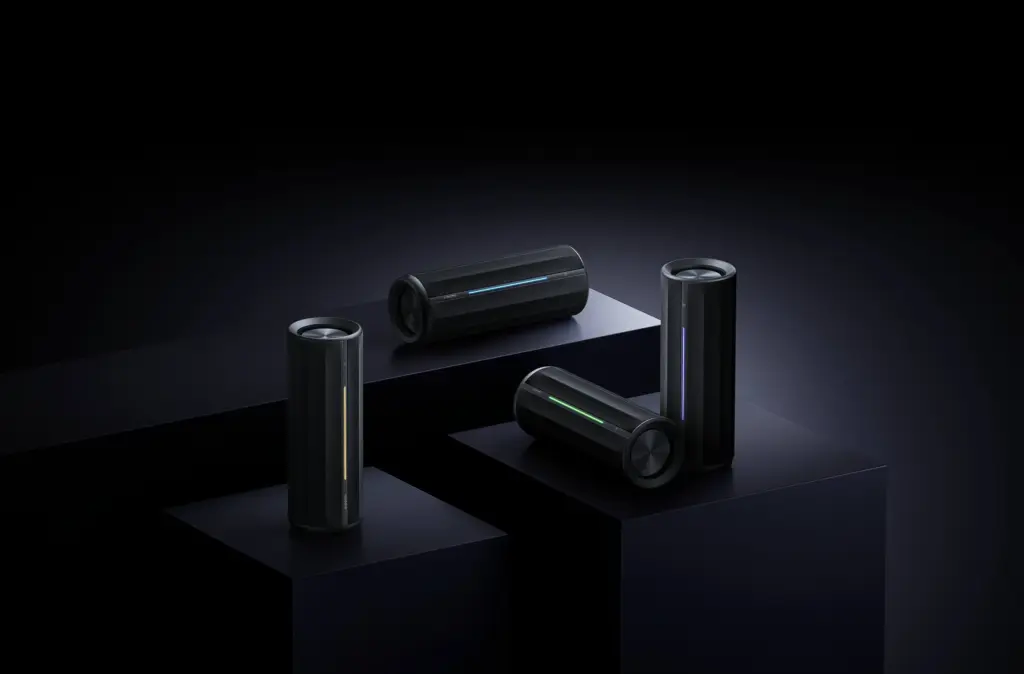
In other news, Huawei has launched the Sound Joy 2, a portable speaker with a compact design, powerful sound, and smart features. It is powered by an 8800mAh battery, offering 26 hours of playtime, and supports fast charging via a 40W Type-C port. The speaker’s quad-unit Huawei Sound System delivers rich audio through a 20W speaker, 10W tweeter, and two passive radiators.
OnePlus is expected to unveil the OnePlus 13 in October in China. Ahead of the launch, a new OnePlus smartphone bearing the PJZ110 model number has appeared on Geekbench. According to reliable tipster Digital Chat Station, this device is nothing but the upcoming OnePlus 13. Here’s a look at the details that have emerged through its Geekbench listing.
As per the Geekbench listing, the alleged OnePlus 13 has a Qualcomm chip with six CPU cores clocking at 3.53GHz and two CPU cores working at 4.32GHz. These details purportedly pertain to the Snapdragon 8 Gen 4, set to make its debut next month at Qualcomm’s Snapdragon Tech Summit 2024 event. TSMC is reportedly using its second-generation 3nm manufacturing process to build the chip.
The OnePlus 13’s Geekbench listing further reveals the presence of 16 GB of RAM and Android 15. In the single-core and multi-core tests, the device scored 3,236 and 10,049 points, respectively. This means that the Snapdragon 8 Gen 4 promises better performance than Apple’s A18 chip, which scored 3,114 and 6,666 points on Geekbench. Readers should note that the OP13’s Geekbench listing could not be found on Geekbench at the time of writing this post.
According to DCS, the single-core and multi-core performance of the Snapdragon 8 Gen 4 surpasses that of Apple’s chip. However, these results are without the manufacturers’ performance optimizations, so there is still potential for future improvements.
Speaking of DCS, he released the above Weibo post to share information about what appears to be the OnePlus 13’s battery and charging capabilities. The leak reveals that the alleged OnePlus 13 has a silicon dual-cell battery with BLPxxx model number and a 6,000mAh capacity. In terms of charging, the device will support 100W wired and 50W wireless charging.
The OP13 will have a new Hasselblad Master Mode, the latest flagship algorithms, and an all-glass body, including a white glass variant. He also mentioned that the production of the OnePlus 13 has started, indicating an October announcement.
Vivo is all set to announce the Vivo T3 Ultra 5G smartphone on Sept. 12 in India. Its microsite, available on Flipkart, has already confirmed several details about the smartphone. However, the updated page now reveals key details about T3 Ultra’s cameras and display.
Vivo T3 Ultra camera, display details confirmed
The Vivo T3 Ultra 5G will come equipped with a 50-megapixel Sony IMX921 main camera with OIS support and an 8-megapixel ultra-wide lens. The same camera is also available as a primary snapper on the Vivo V40 Pro.
For selfies, the Vivo T3 Ultra features a 50-megapixel front-facing camera. Both the 50-megapixel cameras will have support for 60fps 4K video recording. Like the V40 series, the rear camera setup also includes an Aura Light ring-LED flash.
In terms of the display, the Vivo T3 Ultra 5G has a 6.78-inch AMOLED screen with curved edges. The display supports HDR10+ support, a 120Hz refresh rate, 10-bit colors, and up to 4,500nits of peak brightness.
A previous report revealed that the Vivo T3 Ultra will feature the Dimensity 9200 Plus chipset. It is likely that the device will be available in 8GB+256GB and 12GB+256GB configurations. The phone will also come equipped with up to 12 GB of virtual RAM.
The T3 Ultra packed a 5,500mAh battery with 80W fast charging. Despite packing a massive battery, the device sports a thin profile of 7.58mm. Additionally, the device will offer an IP68-rated dust and water resistance. It is likely that it will be priced at around Rs 33,000.
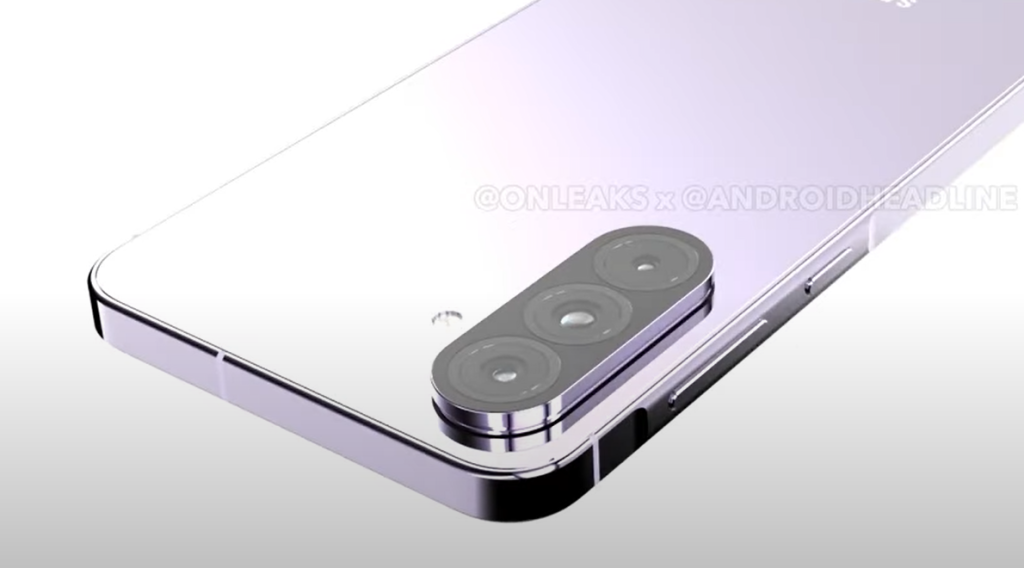
Previously, Samsung’s upcoming tablets, the Galaxy Tab S10 Ultra and the Galaxy Tab S10 Plus, were spotted at the 3C certification platform in China. Today, a new Samsung phone with model number SM-S9380 has emerged in 3C’s database. Given the fact that the Galaxy S24 Ultra carried the SM-S9280 model number, it is safe to assume the SM-S9380 is the upcoming Galaxy S25 Ultra. At the same time, well-known leaker Steve Hemmerstoffer (OnLeaks) has shared a render to give the first look at its design.
Samsung Galaxy S25 Ultra 3C certified
Samsung Galaxy S25 Ultra 3C certified in China
The Galaxy S25 Ultra’s 3C certification reveals that it will continue to support 45W charging like its predecessors. Like the S24 Ultra, the retail package of the S25 Ultra will not include a charger. What’s intriguing about this certification is that it also reveals support for satellite connectivity. Therefore, the S25 Ultra will be Samsung’s first phone to offer satellite communication support.
Samsung Galaxy S25 Ultra design
Samsung Galaxy S25 Ultra CAD render by OnLeaks / AndroidHeadlines
The Galaxy S25 Ultra CAD renders released by OnLeaks in collaboration with AndroidHeadlinessuggest that Samsung fans should not expect an overhaul in design compared to the S24 Ultra. However, readers should note that another reliable leaker, Ice Universe, claimed these renders are not 100 percent accurate because of some errors in the camera ring’s design, texture, bezels, and metal frame.
Samsung Galaxy S25 Ultra CAD render by OnLeaks / AndroidHeadlines
The new leak also states that the device will measure 162.8 x 77.6 x 8.2mm. In comparison, the S24 Ultra has 162.3 x 79 x 8.6mm. Therefore, the S25 Ultra is slightly taller, narrower, and thinner than its predecessor, the S24 Ultra. While the S24 Ultra weighs 232 grams, its successor is a lighter device, weighing 219 grams. In terms of screen size, it will have the same sized (6.8-inch) display as its predecessor. Shown below is a slightly modified version of the S25 Ultra’s CAD render by Ice Universe.
Samsung Galaxy S25 Ultra’s modified CAD render by Ice Universe
Honor has recently released a significant update for the Honor 200 Pro smartphone in India. This latest update introduces new features, including AI-powered image editing tools, enhanced language translation capabilities, and various system optimizations including the September Android security patch. You can check out the complete changelog below.
Honor 200 Pro September update changelog:
Gallery: The new AI Eraser can help you intelligently remove the passers-by and other unwanted elements from images with a single tap. Try it out by going to: Gallery > Select a photo > Edit > AI Eraser.
Face-to-face translation: In a turn-taking situation, it can provide mutual translation between Chinese, English, French, German, Spanish, Italian, Russian, Turkish, Malay, and Arabic. It also supports voice and text input, as well as translation broadcast. You can try it out by going to: Settings > Assistant > Face-to-face translation.
Multi-Window: App combinations in split-screen mode can now be saved. In split-screen mode, you can tap the button in the middle of the divider to save the combination as an icon on the home screen. Later you can tap the icon to quickly open the app combination.
Magic Portal: Magic Portal now supports more third-party apps.
Notification panel: The layout of notification panel is optimised, making the interface more streamlined and visually appealing.
Camera: Optimises the shooting effect in some scenarios.
Performance: Enhances the system performance and the smoothness of motion effect in some scenarios.
Battery life: The power consumption is reduced in some scenarios.
System: User authentication is required when switching USB connection purposes. A verification or security prompt appears when you select Transfer photos or Transfer files / Android Auto, instead of Charge only, ensuring safer data transfer. Improves the system stability to make your device run more stably.
Security: Android Security Patch (Sept 2024) has been incorporated for system security.
The update is now available for download and has a file size of 1.27GB. Users can identify the update by the firmware version 8.0.0.162(C675E7R2P2).
LUMINKEY has launched its latest gaming keyboard, the Magger 68 HE, which stands out as a testament to both style and functionality. This compact yet powerful keyboard is designed to enhance both professional and gaming environments, making it a centerpiece on any desk. Let’s explore what makes the Magger 68 HE a compelling choice for enthusiasts and professionals alike.
Design and Build
The LUMINKEY Magger 68 HE features a sleek, minimalist design that effortlessly complements contemporary desk setups. With a 68% ANSI layout, this keyboard strikes an optimal balance between compactness and functionality. Its well-spaced 68 keys provide the full functionality of a larger keyboard while maintaining a space-saving profile. The 7° typing angle is engineered to ensure ergonomic comfort during extended typing sessions, reducing wrist strain and enhancing overall typing efficiency.
The Magger 68 HE’s build quality is further enhanced by its split top and bottom case sandwich structure, which adds stability and texture. This design, secured by screws, creates a closed space that minimizes internal component movement and vibration, thereby extending the keyboard’s lifespan. The aluminum plate inside contributes to stability and durability, resulting in a crisper typing sound.
Premium Materials and Keycaps
The Magger 68 HE incorporates high-quality PBT keycaps, co-developed with the renowned ALOHAKB custom team. PBT is known for its superior wear resistance and reduced susceptibility to oil shine compared to standard ABS keycaps. The thicker PBT material provides a more solid feel and maintains its texture and appearance over time, enhancing both durability and aesthetic appeal.
In contrast, ordinary magnetic switch keyboards often use cheaper materials, resulting in poor thickness and feel. These materials are more prone to wear and diminish in quality over time, impacting the keyboard’s usability and overall user experience. The attention to detail and quality are evident in the Magger 68 HE’s keycaps highlighting LUMINKEY’s commitment to delivering a premium product.
Switch Performance
The Magger 68 HE features the exclusive GATERON custom dual-track Magnetic Pro switch, offering sensitive and stable performance. This switch is finely tuned for higher trigger accuracy and faster response times, making it ideal for demanding gamers and high-efficiency office users. The magnetic activation ensures exceptional performance with instant and precise activation, catering to users who require top-tier responsiveness.
Performance Insights
Human reaction time, from the brain sending a command to the finger completing a key press, is typically around 20ms under optimal conditions. In comparison, the Magger 68 HE boasts an average response time of just 0.2ms. While you are preparing for your next move, the Magger 68 HE is always ready to respond instantly, providing a competitive edge in both gaming and high-intensity tasks.
Luminkey HE Magnetic gaming keyboard:
Key Features
Number of Keys: The Magger 68 HE offers a 68-key layout that provides a harmonious blend of functionality and space efficiency, making it suitable for both work and gaming.
Typing Angle: The keyboard’s 7° typing angle promotes a natural and comfortable typing posture, helping to reduce typing fatigue and improve overall ergonomics.
Layout: The 68% ANSI layout is streamlined without sacrificing essential keys, offering versatility for diverse typing needs.
EZ-Assemble Structure: LUMINKEY’s EZ-Assemble Structure simplifies the setup process, allowing for quick and easy assembly with minimal effort.
RGB Backlight: Full RGB backlighting with North Facing RGB adds a customizable aesthetic touch to your setup. The backlight options are adjustable to suit personal preferences or ambient lighting conditions.
Mounting and Stabilizers: The sandwich mount design enhances durability and typing stability. Plate mount stabilizers ensure a consistent and responsive keystroke experience, contributing to overall typing satisfaction.
Latency and Connectivity: With a latency of less than 0.5ms and wired connectivity featuring an 8000Hz polling rate, the Magger 68 HE delivers exceptional responsiveness. This makes it ideal for both gaming and intensive work tasks.
Dynamic Keystrokes: The keyboard supports 4-in-1 action keys, enabling users to execute multiple commands with a single keystroke, adding convenience and efficiency.
Compatibility: The Magger 68 HE is compatible with Mac, Windows, and Linux systems, ensuring versatility across different operating environments.
Price and Availability
The LUMINKEY Magger 68 HE is priced at $119.00, a special price of $99 in the term September 20 to October 20. This positions it as a premium option for users seeking a high-end, customizable keyboard that excels in both aesthetics and functionality. Its price reflects its advanced features and superior build quality.
LUMINKEY Magger 68 HE sets a new benchmark in keyboard design by blending modern aesthetics with practical features. Its minimalist layout, ergonomic design, and advanced functionality make it a valuable addition to any workspace or gaming setup. Whether you’re a professional seeking elegance and efficiency or a gamer in need of top-tier performance, the Magger 68 HE is designed to exceed expectations.
Boat has introduced its latest budget-friendly smartwatch, the Storm Call 3 Plus, just months after launching the Storm Call 3 in April. This new wearable is designed to offer a host of impressive features, including a larger display, turn-by-turn navigation, and Bluetooth calling, all at an affordable price.
Priced at just Rs. 1,149, it’s set to cater to a wide range of users, especially those looking for a cost-effective yet feature-packed smartwatch.
The Storm Call 3 Plus comes with a 1.96-inch display featuring a resolution of 240×288 pixels, offering clear visuals and ease of use. It supports an always-on display and wake gesture functionality, making it convenient for users to check the time and notifications without pressing any buttons. The watch is also equipped with a functional crown that allows easy navigation through the interface.
The smartwatch is powered by Crest+ OS. It offers Bluetooth 5.2 calling support, complete with a dial pad and contact-saving features, enabling users to make and receive calls directly from their wrist.
The smartwatch is powered by a 300mAh battery, providing up to 7 days of battery life, or 2 days when Bluetooth calling and Always On Display are enabled.
2. Special Features
The smartwatch features MapmyIndia navigation integration, providing accurate turn-by-turn directions, making it ideal for frequent travelers or those navigating unfamiliar routes. It includes a customizable watch face through the DIY Watch Face Studio, adding a personal touch. It comes with over 700 sports modes, catering to fitness enthusiasts by tracking activities like running, cycling, swimming, and yoga.
For health monitoring, it offers heart rate tracking, SpO2 monitoring, sleep analysis, and energy score tracking, all integrated into the Crest App Health Ecosystem for personalized insights. Additional features include Emergency SOS, camera and music controls, weather updates, alarms, stopwatches, and even games. The watch is also IP67-rated for resistance to sweat, dust, and water, making it versatile for various conditions.
3. Pricing & Availability
The Boat Storm Call 3 Plus is available at an introductory price of Rs. 1,149 and can be purchased from the Boat website and Flipkart.
The smartwatch comes in several vibrant colors, including Active Black, Olive Green, Dark Blue, Cherry Blossom, Mint Green, Salmon Peach, and Black Metal Mesh, giving users plenty of options to choose from based on their style preference.
Huawei has finally announced the highly anticipated Mate XT Ultimate Design, marking a significant milestone in foldable device technology. As the world’s first tri-folding smartphone, the Mate XT stands out in a market dominated by traditional inward-folding devices.
We got a quick hands-on with the device after its launch in China, and here are our thoughts.
Revolutionary Triple Folding Design
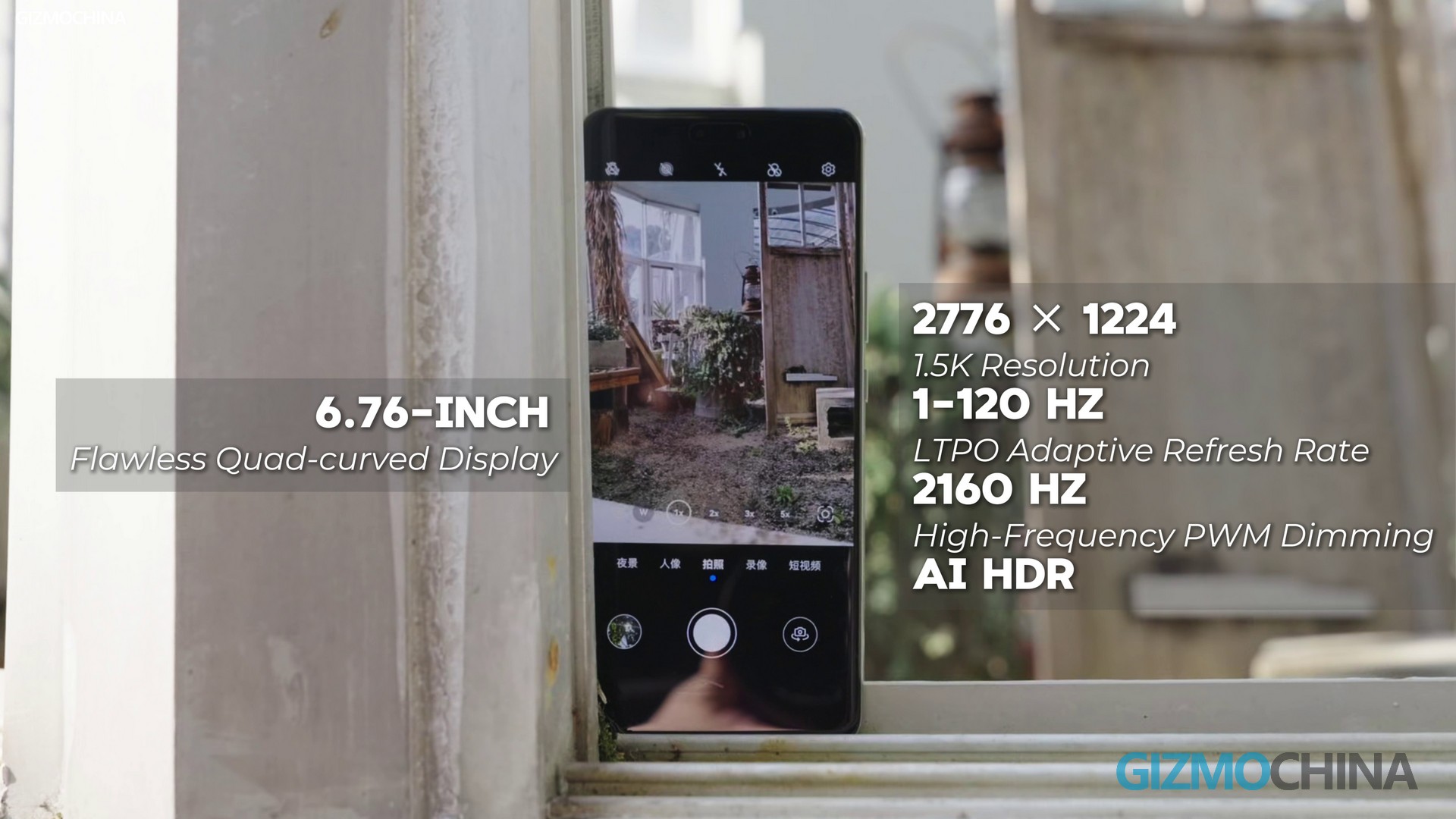
The Mate XT’s unique tri-folding design allows for a substantially larger inner screen compared to its competitors. When unfolded, it boasts an impressive 10.2-inch 3K display, effectively transforming into a full-sized tablet. To complement this tablet-like functionality, Huawei offers an optional keyboard accessory as well.
The tablet is thin and light like other recent foldables on the market, but what’s different is that it folds in a Z shape instead of the traditional V. One side folds backwards while the other side folds towards the front. So folding the Mate XT will take some getting used to.
Despite its innovative folding mechanism, the Mate XT maintains a remarkably slim profile. When folded, it measures just 12.8mm in thickness—only marginally thicker than the Samsung Galaxy Z Fold 6’s 12.1mm folded state.
The crease is visible and could be more obvious in long term use. We were impressed by the edges of the display, it was extremely thin, especially when compared with a similar sized tablet.
Good Camera System
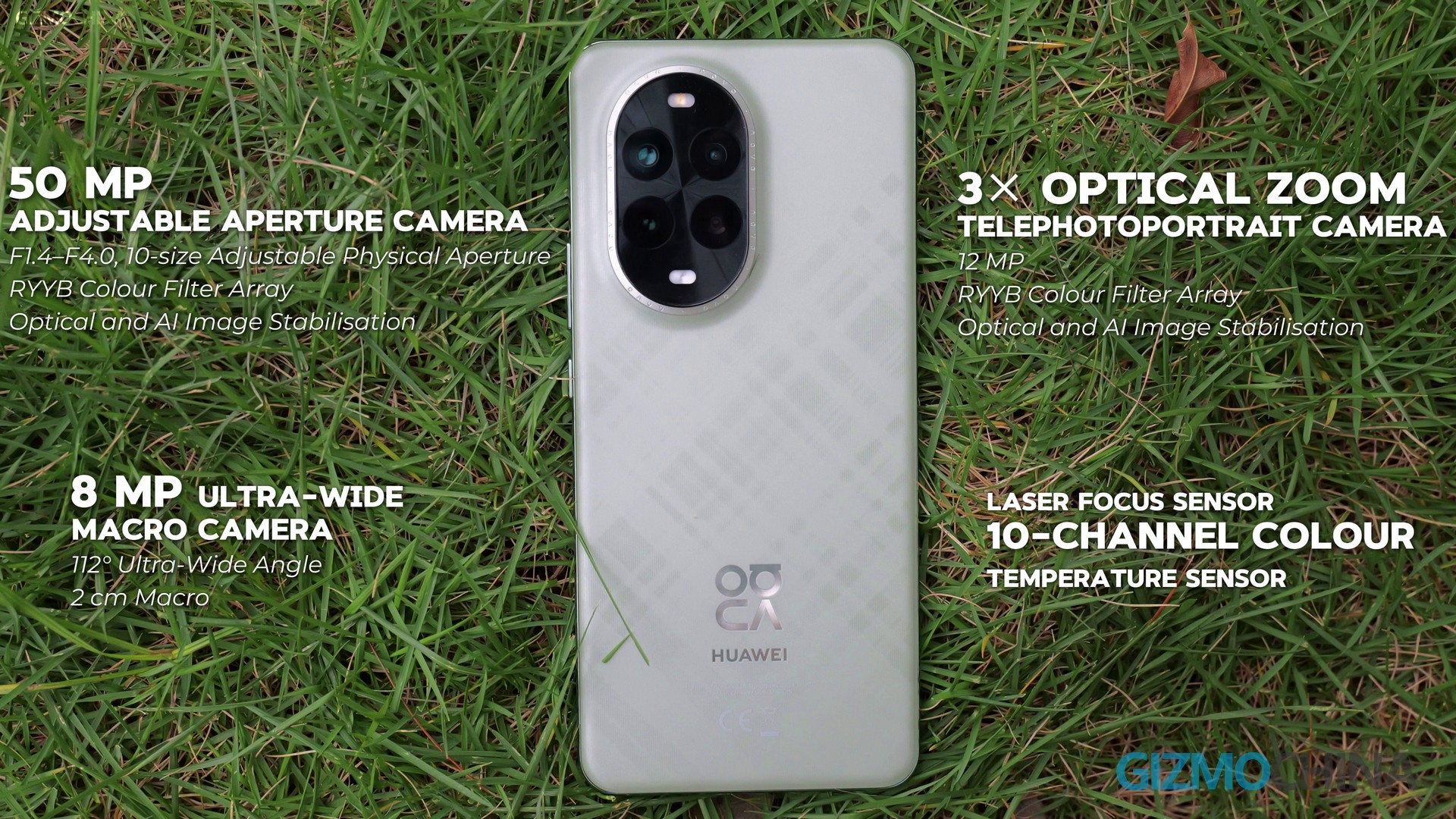
The Mate XT features a versatile camera setup:
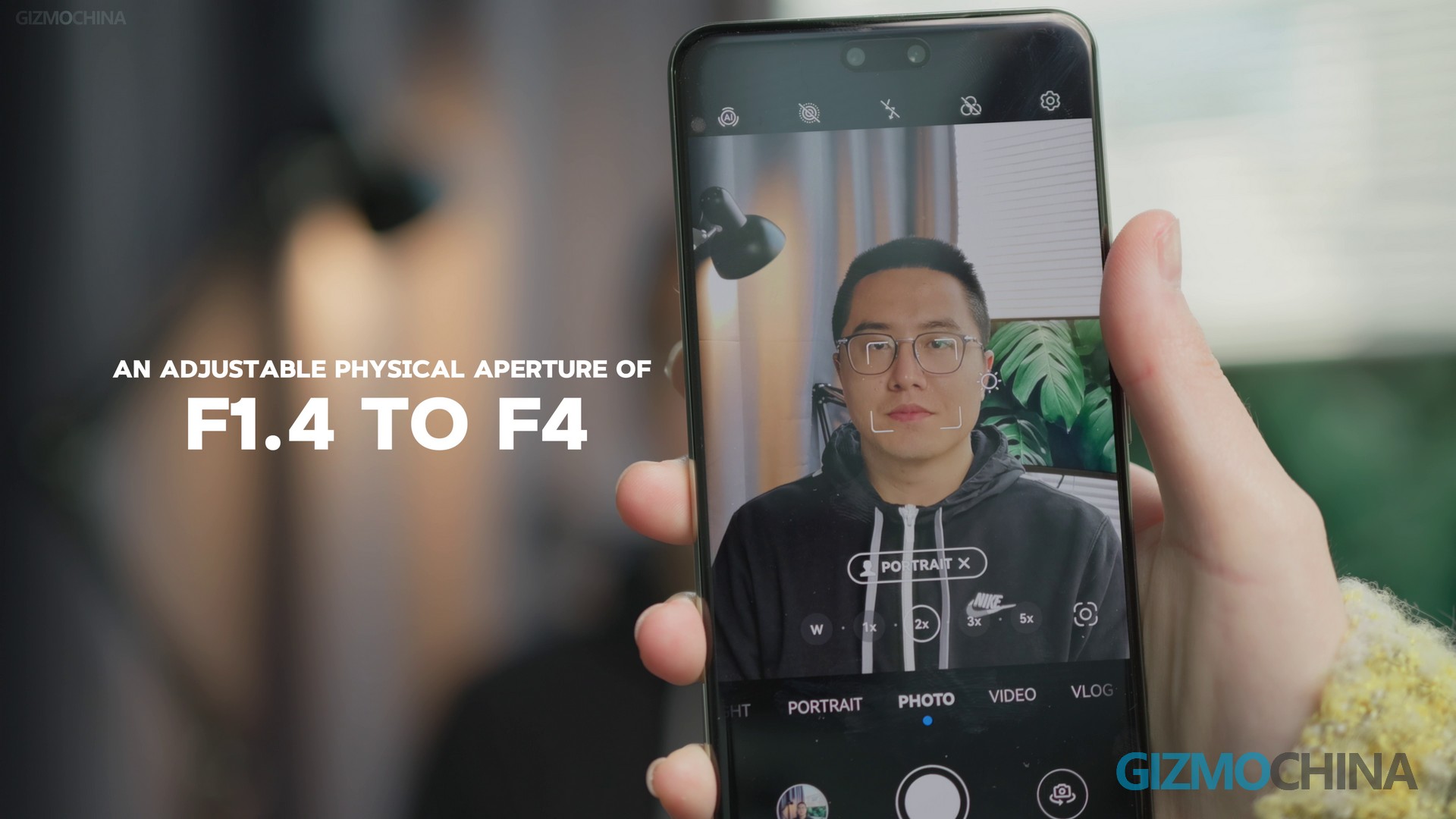
Primary sensor: 50MP with variable aperture (f/1.4 to f/4.0)
Ultrawide camera: 12MP
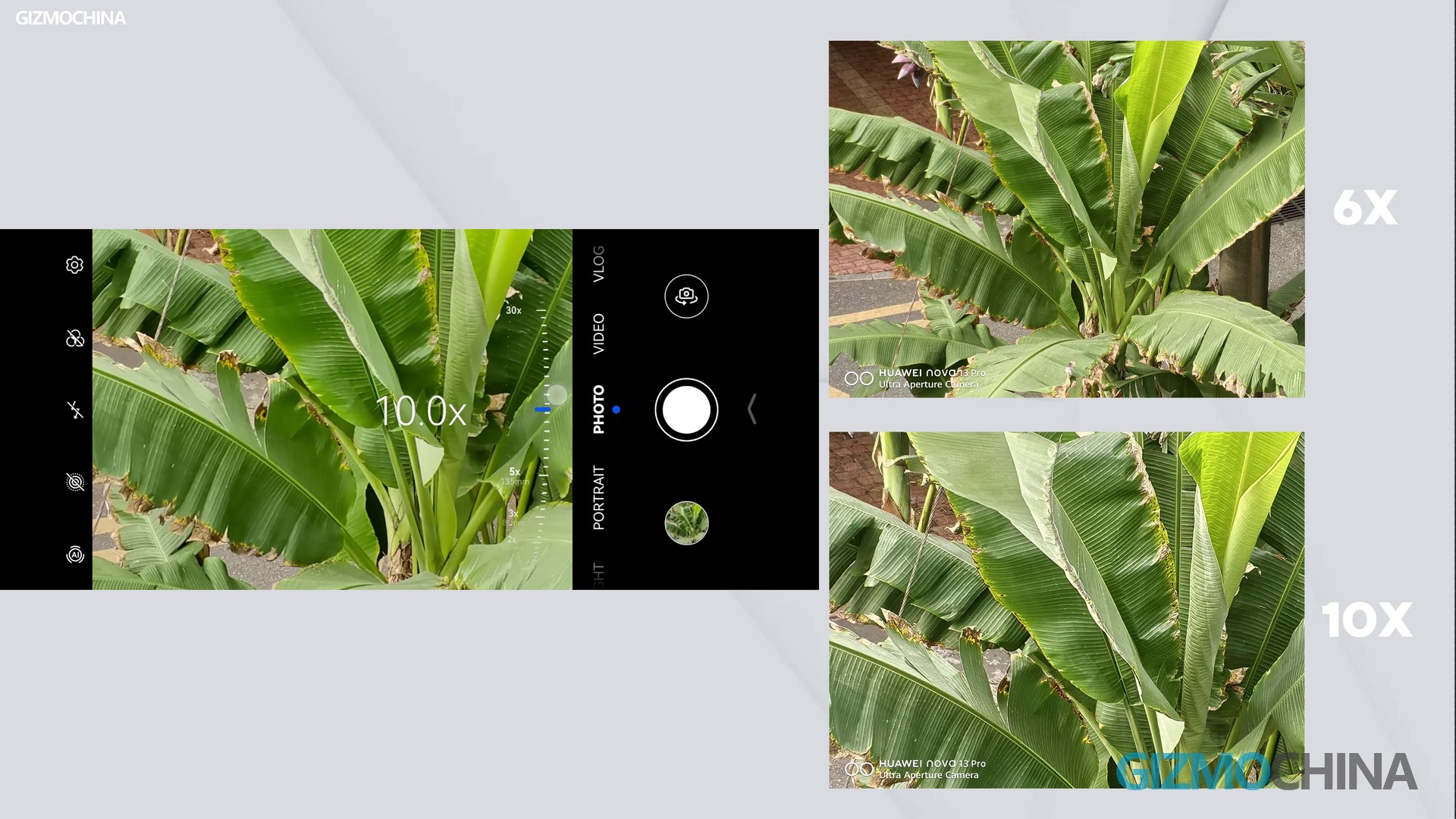
Periscope telephoto: 12MP
Front-facing camera: 8MP for selfies
Super Slim Battery Technology
One of the key factors enabling the Mate XT’s slim design is its advanced battery technology. The device incorporates a 5600mAh silicon carbon battery, which Huawei claims is one of the world’s thinnest. Despite its compact size, the battery supports up to 66W wired fast charging, ensuring users don’t have to compromise on battery life or charging speeds.
In our limited use, we could see the Huawei Mate XT represented a significant leap forward in foldable smartphone technology, offering a unique combination of a larger screen with enhanced portability.
It would be interesting to see how the foldable performs in everyday use, but Huawei’s definitely got our attention. The phone goes on sale officially from September 20 in China.
We use cookies on our website to give you the most relevant experience by remembering your preferences and repeat visits. By clicking “Accept”, you consent to the use of ALL the cookies.
This website uses cookies to improve your experience while you navigate through the website. Out of these, the cookies that are categorized as necessary are stored on your browser as they are essential for the working of basic functionalities of the website. We also use third-party cookies that help us analyze and understand how you use this website. These cookies will be stored in your browser only with your consent. You also have the option to opt-out of these cookies. But opting out of some of these cookies may affect your browsing experience.
Necessary cookies are absolutely essential for the website to function properly. This category only includes cookies that ensures basic functionalities and security features of the website. These cookies do not store any personal information.
Any cookies that may not be particularly necessary for the website to function and is used specifically to collect user personal data via analytics, ads, other embedded contents are termed as non-necessary cookies. It is mandatory to procure user consent prior to running these cookies on your website.