Advertisement

GameBaby turns iPhone into a handheld console with retro gaming controls

Bitmo Lab has officially launched the GameBaby, a unique mobile accessory designed for retro gaming on iPhones. This product functions as both a protective case and a gaming controller, providing physical buttons for playing classic emulator games on the iPhone.

Bitmo Lab GameBaby Retro Gaming Controller

iPhone Case that Doubles as a Retro Gaming Controller

Unlike other mobile controllers that need to be attached separately, the GameBaby doubles as a phone case, making it convenient for users who want to switch between regular phone use and gaming without carrying extra accessories.

Bitmo Lab GameBaby Retro Gaming Controller

The case is divided into two parts. When gaming, the bottom half of the case is placed on the front of the iPhone, covering part of the screen and adding physical directional buttons and keys that mimic handheld consoles like the Game Boy, Game Boy Color, Game Boy Advance, and NES. When not gaming, the case’s bottom half can be moved to the back of the phone, turning it into a standard protective case.

The standout feature of the GameBaby is that it operates without any power source or connection to the phone. Instead, it uses capacitive touch control to function. Bitmo Lab has designed this accessory to be compatible with the Delta emulator, the iPhone 15 Pro Max, and the upcoming iPhone 16 Pro Max, ensuring it can handle multiple handheld console layouts.

Bitmo Lab GameBaby Retro Gaming Controller

Pricing for the GameBaby starts at $20 for the first 1,000 pre-orders, after which the price will increase to $25. Shipments are expected to begin in October. After the pre-order period, the regular price of the GameBaby will be set at $39.99.

Bitmo Lab, known for its work with JSAUX on Steam Deck accessories, has developed the GameBaby as their second iPhone case, with a specific focus on retro gaming enthusiasts.

(Via)

Here’s how the Nokia Lumia 1020-inspired HMD smartphone could look

HMD is reportedly working on a new phone which is inspired by the design language of the Nokia Lumia 1020. The new phone from HMD will have a large circular camera island on the back. You can check out the leaked schematic of the phone below.

As can be seen, the phone will have a total of four cameras within the circular camera island on the back, which also includes the flash module. For context, the Nokia Lumia 1020 from 2013 had a similar circular camera island but only one camera in it. It also looks like the new device from HMD will also come with rounded sides similar to the Lumia 1020.

The Nokia Lumia 1020 was considered one of the best camera phones of its time and HMD could also focus on the imaging capabilities of the upcoming device.

Nokia

To recall, the Lumia 1020 comes with a 41MP rear camera and a 1.2MP selfie camera. For comparison, the iPhone 5s (from 2013) had only 8MP resolution for the back camera, whereas Nokia utilized the resolution to offer 4x lossless zoom at that time.

Unfortunately, not much is known about the internals of the upcoming HMD smartphone yet.

The recently released HMD Skyline packs a 108MP main sensor that has a sensor size of 1/1.67″. This is accompanied by a 50 MP 2x telephoto and a 13 MP ultrawide. On the front, the phone packs another 50 MP sensor for selfies. Speaking of the overall imaging capability, it has been well-received, especially for its price range.

The 108MP main camera is praised for capturing detailed and sharp images in good lighting conditions. It also includes Optical Image Stabilization (OIS) to reduce blur in photos.

Given the upcoming device is largely inspired by the camera-centric Lumia 1020, it may offer similar if not better imaging capabilities as compared to the HMD Skyline.

(Via)

Is the Upcoming iPhone SE 4 the Best Budget iPhone Yet?

Over the last couple of weeks, Apple‘s next-gen budget iPhone has been spotted in various rumors and leaks. The iPhone SE series has struggled to find a proper space among its higher-end counterparts. However, fresh reports have pointed out that the upcoming iPhone SE 4 has some impressive upgrades over its predecessors. So would that make it worth buying? Read on to find out.

1. The Problem with Apple iPhone SE

Apple’s iPhone SE models are basically cutdown versions of its flagship phones that feature older tech and design to make them more affordable. But these devices often faced issues similar to the mini models. For those unaware, the iPhone 13 mini was the last of its kind as the company discontinued the small iPhone in favor of the Plus. To customers, bigger is better and the iPhone SE is even smaller than the mini.

While the iPhone 13 mini at least had some specs on par with its taller siblings, the iPhone SE packs features that are a couple of years behind. This is mainly seen in its design, camera, and display. The chipsets under the hood are quite capable and in line with other models. Recent rumors have hinted that the iPhone SE 4 would make improvements in almost all of these areas.

2. All upgrades for iPhone SE 4

Apple iPhone

One of the biggest upgrades coming to the iPhone SE 4 is the inclusion of an OLED display. This means that Apple is finally bringing OLED to all of its iPhones. Rumors have suggested that the iPhone SE 4 may feature iPhone 13’s OLED panel. Reports have also pointed at China’s BOE and South Korea’s LG Display will be supplying the OLED screens for the new iPhone SE. The screen is expected to be a taller 6.06-inch panel, making it much larger than the 4.7-inch on the iPhone SE 3.

Unlike the iPhone SE (2022), which launched with a generations-old design, the iPhone SE 4 would be more in line with something like the iPhone 14 in front. So no huge chin black bezels on the top and bottom, just a notch. In this same report from back in July, we even talked about the camera and specifications. The CAD renders point at the iPhone SE 4 possibly having only a single camera module and not the dual camera setup that was previously rumored.

Under the hood, the iPhone SE 4 may pack Apple’s A18 Bionic chipset, which may be coupled with 6GB or 8GB of LPDDR5 RAM. Looking at the notch, the iPhone SE 4 would finally bring support for Face ID, which will replace the Face ID. Similar to the iPhone 15, the iPhone SE 4 would include a USB Type-C port for charging.

3. But is it worth buying?

Considering all of these rumors are mostly true, Apple’s new iPhone SE 4 is undoubtedly the best budget iPhone from the back. It is expected to be a noteworthy upgrade and is rumored to have a price tag between 499 to 549 US Dollars. This makes it over 200 US Dollars cheaper than the base iPhone 15. Keep in mind that this is still just speculation at this point so take these rumors with a pinch of salt.

Samsung’s Galaxy Book 5 Pro 360 Launched: Premium AI-powered laptop with Intel’s Core Ultra 200V CPUs

Following Intel’s announcement of the Core Ultra 200V series of processors, Samsung is one of the first companies to announce a PC that will feature these cutting edge chipsets. The Galaxy Book 5 Pro 360 has just been unveiled, blending Copilot+ with Galaxy AI.

1. Samsung Galaxy Book 5 Pro 360: What makes it special?

Samsung Galaxy Book 5 Pro 360

Samsung’s Galaxy Book 5 Pro 360 is the brand’s premium notebook that offers some impressive specs and features. It features a thin and light design with a metallic body. It measures just 12.8mm in thickness and weighs 1.69 kilograms in weight. On the front, the notebook sports a 16-inch Dynamic AMOLED 2X display that has a WQXGA+ resolution (2880 x 1800). This panel offers 500 nits of peak brightness, 120 percent DCI P3 color gamut, Vision Booster tech, and a 120Hz adaptive refresh rate.

Under the hood, Samsung equips the Galaxy Book 5 Pro 360 with Intel Core Ultra processors (Series 2) and Intel ARC graphics, coupled with up to 32GB of RAM and 1TB of SSD storage. The hardware promises up to 47 TOPS NPU with 17 percent improvements in graphics.

2. What’s with all the AI?

Thanks to these specs, the notebook to bring Copilot+ along with Galaxy AI. The Galaxy Book 5 Pro 360 arrives with over 300 AI powered features supported on over 100 apps for productivity, gaming, creativity, and more. Samsung’s new laptop integrates Microsoft Phone Link along with Galaxy AI, which lets you Cricle to Search with Google, Chat Assist, and Live Translate. AI has become quite

3. Other notable features

Samsung Galaxy Book 5 Pro 360

Connectivity options include Bluetooth v5.4, WiFi 7, USB-A (3.2), HDMI 2.1, 2 x Thunderbolt 4 ports, a microSD slot, and an audio jack. A sizeable 76Wh battery pack powers this laptop, which the company claims will offer up to 25 hours of video playback. It fast charges via a 65W USB Type-C adapter. On the front, buyers get a 2-megapixel HD webcam. There are also dual microphones and a quad speaker setup with Dolby Atmos. These laptops run on the Windows 11 Home out of the box with Samsung Knox for security.

4. Pricing and Availability

The Samsung Galaxy Book 5 Pro 360 is currently listed for preorders right now. The base 16GB + 512GB variant costs 1,699 GBP (roughly 2,228 US Dollars), while the higher 32GB + 1TB variant has a 1,899 GBP price tag (roughly 2,490 US Dollars). It arrives in Gray and Silver in markets like Canada, France, Germany, UK, and US.

(Via)

Gmktec launches G6 mini PC with AMD Ryzen 3 5425U, WiFi 6E, up to 4TB storage & 64GB RAM

Gmktec has launched a new mini PC called G6 in the Chinese market. The mini PC comes in two versions: a barebones system without SSD priced at 888 yuan ($125), and a fully equipped version with 16GB of RAM and a 512GB SSD for 1388 yuan ($195). Let’s check out its key specs.

Gmktec G6 Mini PC

Gmktec G6 Mini PC Specifications:

The G6 min PC is powered by the AMD Ryzen 3 5425U processor which offers a 35W low-power consumption solution while delivering solid performance. The processor features 4 cores and 8 threads, with a base clock speed of 2.7GHz and the ability to turbo boost up to 4.1GHz.

The mini PC features AMD Radeon Graphics (6-core, 1600MHz), dual 2.5G network ports for fast internet, and WiFi 6E with Bluetooth 5.2 for reliable wireless connectivity. Its dual 2×2 array antennas provide broad coverage and faster data transmission.

The Gmktec G6 supports dual-channel memory and has two SO-DIMM slots for DDR4 3200MHz RAM, allowing for a maximum of 64GB. For storage, it offers dual M.2 2280 SSD slots, each capable of supporting up to 2TB, allowing for a maximum storage capacity of 4TB.

Gmktec G6 Mini PC

The PC features a dual-turbine cooling system with stereo surround intake vents to maintain optimal temperatures during heavy use. It offers various connectivity options, including USB 3.2, USB 2.0, Type-C, HDMI 2.0 (supporting 4K @ 60Hz), and DisplayPort (supporting 4K @ 120Hz) for display connections.

The mini PC is designed in a sleek, compact form factor, measuring just 128.8 x 127 x 47.8mm, and comes in a sophisticated titanium blue color. It comes with Windows 11 Professional (barebones) pre-installed and supports three custom performance modes: Balanced, Performance, and Silent modes, catering to various user needs, from basic computing to resource-intensive tasks.

Intel Core Ultra 200V Series Debuts with Powerful Xe2 Graphics for Cutting-Edge AI PCs: Can it outperform Apple M3 & Snapdragon X Elite?

Intel has just announced its most efficient family of x86 processors. The Intel Core Ultra 200V series processors brings breakthroughs in performance, efficiency, and AI computing. These new CPUs arrive with more powerful integrated graphics. So here’s everything you need to know.

1. Intel Core Ultra 200V Series: What’s New & What’s Improved?

Intel Core Ultra 200V series Processors

The chipmaker’s latest Core Ultra 200V series aims to offer improved performance with better power efficiency. It is designed to deliver better low power performance for next-gen AI PCs. Intel claims that its latest processors consume up to 50 percent less power while achieving up to 120 TOPS in performance with the CPU, GPU, and NPU. The Core Ultra 200V series processors pack Intel’s fourth generation NPUs that offer up to 4 times faster than the last gen model.

With the Intel Core Ultra 200V series, the brand plans to make PCs great with every model being capable of productivity and battery life of up to 20 hours with typical work use. Thanks to the AI enhancements, the company can leverage over 500 optimized AI models to help in content creation, security, productivity, and gaming. These are the four main areas that will employ Intel’s cutting-edge tech.

2. Improved Graphics

Apart from making the new processors faster and more efficient, Intel has upgraded the graphics performance with the new Xe2 integrated graphics. Xe2 enhanced performance by 30 percent over its predecessors. Furthermore, the built-in Intel Arc GPUs now include up to 8x 2nd Gen Xe cores, 8x Ray Tracing units, and supports up to three 4K monitors. The new Intel Xe Matrix Extension AI delivers up to 67 TOPS that help applications in creative fields and gaming as well.

3. Can it outperform Apple M3, Ryzen HX 370, & Snapdragon X Elite?

Intel Core Ultra 200V

To showcase the prowess of its new AI processors, Intel pits it against AMD’s new Ryzen HX 370 series, Qualcomm’s Snapdragon X Elite, and even Apple M3. Graphs showed that the Core Ultra 200V processors offer up to three times the performance per thread along with an 80 percent hike in peak performance. All of this while promising a battery life of up to 20 hours.

The top-end Core Ultra 9 2988V outclassed the Ryzen HX 370 and Snapdragon X Elite and Apple MC in speed and power efficiency. Intel showed off the efficiency of its new processors with a laptop that is powered by a 72Wh battery. This notebook managed to run for up to 14 hours while running productivity applications or 9.5 hours while running Microsoft Teams.

Intel Core Ultra 200V

4. When can we expect them?

Intel Core Ultra 200V
LG Gram 16 Pro

Intel Core Ultra 200V processors are currently available for preorder and will be released globally starting from 24th September 2024. LG Electronics will be the first to debut the new lineup with the LG Gram 16 Pro with the Intel Core Ultra processor (Series 2), during the Intel Core Ultra Global launch event. Other major brands like Acer, Dell, GP, MSI, Samsung, and others will also launch their offerings soon.

(Via)

Pixel 9a’s Tensor G4 adopts inferior chip packaging tech

The Google Pixel 9a is expected to be released later this year, possibly at the end of 2024. Some sources suggest it could launch in May 2025, which will be in line with the launch date of the last two generations of A series devices – the Pixel 8a and Pixel 7a.

pixel 8a
Google Pixel 8a

In the latest news, Kamila Wojciechowska, a source inside Google, claims that the Pixel 9a will pack Google’s latest Tensor G4 chip but an older modem.

We have seen Google’s A series Pixel phones coming closer and closer to the base model of the flagship tear Pixel. While it sounds like a good deal, it has created confusion among users regarding their purchase decisions. Notably, the pricing of the A series devices has also increased.

According to the source, Google might be trying to clear up some of the confusion by better differentiating its A series devices from the more premium models, and using an older modem could be a step in that direction.

Pixel 9a’s Tensor G4 to adopt inferior chip packaging tech

Speaking of the Tensor G4 chip that will power the Pixel 9a, the silicon die remains the same, however, the packaging is different. For those unfamiliar, the packaging protects the die from the external environment and also interconnects it to the PCB (Printed Circuit Board). The packaging element also helps dissipate heat generated by the SoC during operation, which is crucial for maintaining a stable performance. Advanced packaging may include materials or designs that enhance thermal conductivity.

Specifically speaking, the Tensor G4 chip for the Pixel 9a has shifted to IPoP (Integrated Package on Package) from FOPLP (Fan-Out Panel Level Packaging). According to Samsung, the FOPLP is the company’s newer and more advanced packaging method, which is thinner and dissipates heat better. So, technically, the Pixel 9 series flagship devices may maintain an edge in performance and stability while the decision to shift to IPoP may make the Pixel 9a slightly less expensive to manufacture.

(Source)

OnePlus Ace 5 Pro, Ace 5 leak reveals Snapdragon 8 Gen 4, 8 Gen 3, 6,000mAh+ battery, and more

Last week, tipster Smart Pikachu claimed that the OnePlus Ace 5 series will debut in November. He also suggested that the Ace 5 and Ace 5 Pro will compete directly with the Redmi K80 and K80 Pro smartphones, which are also expected to launch in the same month. Today, tipster Digital Chat Station released a Weibo post revealing key details about both OnePlus devices.

According to the leak, the Ace 5 will be powered by the Snapdragon 8 Gen 3, while the Ace 5 Pro will feature the Snapdragon 8 Gen 4. As a result, both phones are expected to rival the Redmi K80 and K80 Pro, which are anticipated to come equipped with the same chipsets.

The OnePlus Ace 5 and Ace 5 Pro are said to come with a high-density silicon battery with a capacity of around 6,000mAh. Both devices will sport a customized BOE X2 8T LTPO panel, offering a 1.5K resolution on a flat display with ultra-thin bezels on all four sides. For added durability, they will be equipped with a right-angled metal middle frame.

The Ace 5 series is expected to feature a 50-megapixel triple-camera setup, without a periscope lens. For security, both devices will include an ultra-thin optical fingerprint sensor. A previous leak claimed that the Ace 5 Pro will have a ceramic build.

It is speculated that the OnePlus Ace 5 may get rebranded as the OnePlus 13R in the global market. On the other hand, the Ace 5 Pro may remain confirmed to the Chinese market.

Who should upgrade to iPhone 16?

Apple‘s fall event on September 9, 2024, is set to unveil the new iPhone 16 series, and with it, the question on many minds is: “Should I upgrade to the iPhone 16?” With four devices in the lineup—the iPhone 16, 16 Plus, 16 Pro, and 16 Pro Max—the base models, iPhone 16 and 16 Plus, are particularly appealing for those who want the latest tech without splurging on the Pro variants. But is the iPhone 16 base model the right choice for you? Let’s break it down.

iPhone 16 Series Mockup

1. The Key Upgrades: AI Integration and More

The iPhone 16 base models bring significant upgrades, with AI being the most talked-about feature. Apple is integrating AI across its devices for the first time, promising enhanced experiences through features like an improved Siri, AI-driven suggestions in Messages and Mail, writing tools using ChatGPT, and new capabilities in Photos, such as object removal. These AI features are designed to make daily tasks smoother and more intuitive, even in the base models.

The iPhone 16 also comes with hardware improvements, including the A18 chip and 8GB of RAM, ensuring that the AI features run efficiently. This bump in memory and processing power also contributes to better overall performance, including faster app launches and smoother multitasking.

2. Who Should Consider Upgrading?

iPhone 13 or Older Users: If you’re still using an iPhone 13 or an even older model, the iPhone 16 base model offers a substantial upgrade. You’ll experience faster performance, better battery life, and significantly improved camera quality. The AI features alone will transform how you use your phone, from smarter Siri interactions to more powerful photo editing tools.

Budget-Conscious Users: If you want a new iPhone without the hefty price tag of the Pro models, the iPhone 16 base model is a solid choice. It offers many of the new features and improvements without the extra cost associated with Pro features like the advanced cameras and additional AI capabilities exclusive to those models.

Casual Smartphone Users: If you use your iPhone for basic tasks like browsing, messaging, and social media, the iPhone 16 will more than meet your needs. The AI integration enhances these everyday activities, making the experience smoother and more enjoyable. The iPhone 16’s improvements in battery life and performance also make it a reliable choice for day-to-day use.

Early Adopters of AI: If you’re excited about AI and want to experience its integration into smartphones, the iPhone 16 is the entry point. While the Pro models will offer more advanced AI features, the base model still provides a strong introduction to what AI can do in a mobile setting, from personalized Siri responses to AI-powered photo enhancements.

3. Who Should Hold Off?

iPhone 14 or 15 Users: If you own a recent iPhone, like the 14 or 15, the upgrade to the iPhone 16 base model may not be worth it unless you’re specifically interested in the AI features. The performance and camera improvements, while notable, might not be enough to justify the upgrade if your current phone is still serving you well.

Power Users: If you rely heavily on your smartphone for professional-grade photography, video editing, or other intensive tasks, you might find the Pro models more suitable. The base model, while powerful, may not satisfy those who need the absolute best in performance and camera technology.

4. Conclusion

The iPhone 16 base model is a compelling choice for those looking to upgrade from older iPhones or for those interested in experiencing AI without breaking the bank. It balances new features with a familiar design, making it an excellent option for casual users, budget-conscious buyers, and early adopters of AI. However, if you already own a recent iPhone or require the highest-end features, you might want to consider other options.

Xiaomi Mi 11X: Still Worth Keeping?

Xiaomi has recently announced that it will be ending software support for the Mi 11X, which is also known as the Redmi K40 in China. When this device was launched in 2021 with a starting price of Rs 29,999, it quickly became an attractive option for many, thanks to its dependable Snapdragon 870 SoC and impressive high-resolution E4 AMOLED display. Now that the device has reached the end of its software support, the question arises: Should users now consider upgrading to a newer model?

Xiaomi Mi 11X

1. Everything the Mi 11X has to offer

The Mi 11X, which is a rebrand of the Redmi K40 launched with a 6.67-inch E4 AMOLED panel, offering an FHD+ resolution with 120Hz refresh rate and 360Hz touch sampling rate. It supports HDR 10+ with a peak brightness of 1300 nits.

Under the hood, the device has a Snapdragon 870 SoC, paired with LPDDR5 RAM and UFS 3.1 storage. It has a respectable battery size of 4520mAh, supported by 33W fast charging.

For optics, the Mi 11X is equipped with a triple camera setup, featuring a 48-megapixel primary sensor, an 8-megapixel ultra-wide-angle lens, and a 5-megapixel macro camera. For connectivity, it supports 5G (SA: N77 | N78, NSA: N77 | N78), along with Bluetooth 5.1 and WiFi 6. As for software, the device made its debut with Android-11-based MIUI 12 and received its final Android 14-based HyperOS update a few months back.

2. Here’s Why the Mi 11X is Still Worth Keeping

The Mi 11X carries an impressive spec sheet, which can easily get you through your day-to-day needs of multi-tasking, high-speed internet use, and snapping some sharp pictures. The device uses a Snapdragon 870 SoC, which is still respected in the gaming community for being a well-balanced chip that provides performance as well as stability with excellent thermal management.

The display still holds up well by modern standards, featuring a high brightness mode of 900 nits. With a 360Hz touch sampling rate and a 120Hz refresh rate, it’s great for gaming. While it’s true that smartphone camera sensors have advanced significantly since 2021, most of the improvements have been in low-light imaging quality and contrast.

3. Balancing Repair Costs and Device Longevity

While we have given you many reasons to stick with the Mi 11X for the time being, some instances could force your hand to go for a replacement/upgrade. As per the official spare parts price of the Mi 11X provided by Xiaomi on its Indian website, if you end up cracking your display, it could cost you up to or beyond Rs 9,000 to get an original replacement.

On the other hand, if your motherboard fails, it’s probably more practical to invest in a new device, as repairs could easily cost over Rs 20,000. Battery issues are common with older phones, but replacing the battery in this model is relatively affordable, with an official replacement priced at just Rs 700. This inexpensive fix could extend your phone’s lifespan for a few more years. We would like to point out that since the device is old, it could be harder to find a replacement battery at service centers, and third-party sellers could charge more for the replacement.

As for the end-of-life software support we mentioned earlier, the device got its Android 14-based HyperOS update in May, so it has all the latest Android features onboard, making it good to use for another couple of years.

4. A few options if you do decide to upgrade

In case you want to or need to upgrade or replace your Xiaomi Mi 11X, here are a few options to consider:

  • Xiaomi 14 Civi – If you want to stick to the same software experience with upgrades to the camera and processor, the 14 Civi will serve you well with a starting price of around Rs 40,000 (8GB + 256GB), including discounts.
  • OnePlus 12R – The OnePlus 12R is also a compelling option, with starting prices as low as Rs 38,000 with discounts. It comes with a 1.5K display, a flagship primary camera sensor, and a massive battery that supports 100W fast charging.
  • Nothing Phone 2 – The Phone (2) by Nothing is a smartphone worth trying if you are bored of the conventional look and feel of regular Android smartphones since it has unique Glyph lights on the back as well as a monochrome user interface.
  • Samsung Galaxy S23 FE – Samsung’s Galaxy S23 FE is a safe option for users looking for a device with longevity and long-lasting software support.
  • POCO F6 – The POCO F6 will meet your needs if you are looking for a performance-focused smartphone in the Sub-30,000 price range. It comes with a Snapdragon 8s Gen 3 chip, paired with a 1.5K AMOLED display
  • OPPO Reno 12 Pro – The Reno 12 Pro is a good option if you are looking for a camera phone around the Rs 35,000 range as it offers a 50MP (main) + 8MP (ultrawide) + 50MP (telephoto) camera setup, alongside a 50MP selfie snapper.

Oppo Find N5 leak reveals launch timeframe, Snapdragon 8 Gen 4 chip, display, camera details and more

Last year, Oppo unveiled the Oppo Find N3 foldable phone in the Chinese market. However, the brand did not release its successor this year. Recent reports have claimed that the brand may unveil the Oppo Find N5 in the first quarter of 2025. In a new leak, tipster Digital Chat Station has shared some key details about Oppo’s next-generation foldable phone.

Oppo Find N5 key specifications (rumored)

Oppo Find N5 leak by DCSOppo Find N5 leak by DCS
Oppo Find N5 leak by DCS

The foldable phones that have launched this year, such as the Vivo X Fold 3 Pro, the Honor Magic V3, and the Samsung Galaxy Z Fold 6 are all equipped with the Snapdragon 8 Gen 3 chipset. According to DCS, the Find N5 will come equipped with the SM8750 chipset, which is nothing but the next-generation Snapdragon 8 Gen 4 SoC, which is slated to debut in October. Therefore, it appears that the Find N5 could be the world’s first foldable phone powered by the Snapdragon 8 Gen 4 chip.

The leak suggests that the inner foldable display and the cover screen will support a 2K resolution. The back panel of the device will feature a triple camera setup headline by a 50-megapixel Sony camera. It will be joined by a periscope telephoto camera and probably, an ultra-wide lens. Like the predecessor model, the Find N5 will have a large circular camera island.

Notably, the Find N5 will be exceptionally thin and lightweight, with a body thickness estimated to be around 9.x mm. It will also include a three-stage alert slider button and is expected to feature enhanced structural reinforcement and waterproofing.

The leak does not provide information about the Oppo Find N5’s battery. However, considering that the predecessor model featured a 4,800mAh battery and there is a growing trend of offering high-density silicon batteries in newer phones, it is likely that the Find N5 may come equipped with a larger battery.

GC Daily: Pixel 9 Pro XL auto-brightness issue, Snapdragon 8 Gen4 Clock speed

In today’s roundup, we talk about an issue with the Pixel 9 Pro XL’s auto brightness, the Snapdragon 8 Gen 4’s clock speed, and more.

This image has an empty alt attribute; its file name is iPad-Mini-7.jpg

Today’s Tech Highlights:

  1. Pixel 9 Pro XL Auto-Brightness Issue: There seems to be a problem with the Pixel 9 Pro XL’s auto-brightness feature.
  2. Snapdragon 8 Gen 4’s Potential Clock Speed: Latest rumors suggest that Qualcomm’s upcoming chipset might exceed previously reported performance expectations.
  3. AnTuTu’s Mid-Range Smartphone Rankings: Analyze the latest performance rankings for mid-range smartphones, highlighting the continued dominance of Snapdragon 7+ Gen 3 powered devices.
  4. iPad Mini 7 On the Horizon: Get the latest updates on the long-awaited iPad Mini 7, potentially set for a release later this year with enhanced performance.

Plus, don’t miss our roundup of other exciting stories, including a preview of upcoming September smartphone launches, Xiaomi’s new high-capacity power bank, leaked details about mysterious Nothing smartphones, and an analysis of the Samsung Galaxy S24 FE’s potential shortcomings as a budget flagship!


Pixel 9 Pro XL reportedly facing auto-brightness issue—But there’s a fix

A Pixel 9 Pro XL user reported issues with auto-brightness, stating that he often has to manually increase the brightness to match his comfort level. He mentioned that he upgraded from the Pixel 7 Pro, where he never encountered this problem.”

Read More


Snapdragon 8 Gen 4 tops its own peak clock speed in new rumor

Qualcomm confirms Snapdragon 8 Gen 4 launch date

Qualcomm‘s upcoming Snapdragon 8 Gen 4 processor might be packing a bigger punch than initially anticipated. A new leak suggests the chip could reach clock speeds exceeding the previously confirmed 4.09 GHz via Geekbench listing.

Read More


AnTuTu Top 10 mid-rangers of August: Snapdragon 7+ Gen 3 powered smartphones are still dominant

OnePlus Ace 3V

AnTuTu has released the list of the top 10 mid-range smartphones for August based on their average performance on the AnTuTu Benchmark. The list has remained quite stagnant in the last few months, with the same OnePlus Ace V3, the Realme GT Neo 6 SE, and the Redmi K70E laying claim to the first, second, and third spots on the list.

Read More


iPad Mini 7 may Finally be on the horizon with Enhanced Performance

Apple launched the iPad Mini 6 back in September 2021. Previously the tablet was expected to be announced around this time last year, however, it didn’t come true. Now it seems that Apple may finally launch the product towards the end of this year.

Read More


🔥More Top Stories You Might Have Missed

Incott G23 Pro Hot Swappable Gaming Mouse Review: Affordable, Lightweight, Great for Gamers

Having spent considerable time reviewing various gaming peripherals, I recently got my hands on the Incott G23 Pro, a unique hot-swappable gaming mouse. While I’m accustomed to hot-swappable keyboards, this was my first experience with a mouse offering the same feature.

Incott G23 Pro Hot Swappable Gaming Mouse Review

The Incott G23 Pro stands out with its impressive specifications and customizable options, making it an intriguing choice for gamers and tech enthusiasts alike.

1. What’s in the Box?

Incott-G23-Pro-Mouse-Review

When you first unbox the Incott G23 Pro, you’ll notice that Incott has ensured that all essential accessories are included, making the setup process seamless.

  • Incott G23 Pro Gaming Mouse
  • 8K Receiver
  • USB-A to USB-C Cable
  • Switch Remover
  • Extra Paddings
  • User Manual

2. Design and Build Quality

Incott-G23-Pro-Mouse-Review

Incott G23 Pro closely resembles the Logitech G Pro Superlight in both design and feel. Straight out of the box, the first thing that caught my attention was its lightweight structure. Weighing in at approximately 65 grams, the mouse is incredibly easy to maneuver, contributing to an overall improved gaming experience. The compact dimensions of 126×63.5x40mm make it comfortable to hold, particularly for claw and palm grip users.

The mouse features two side buttons and a DPI button, which also doubles as a shell for storing the dongle in the non-Pro version. Underneath, it is equipped with two PTFE skates, one at the top and one at the bottom, that ensure smooth gliding on various surfaces. A switch on the underside allows for toggling between 2.4G mode and Hz mode, the latter adjusting the polling rate.

Incott G23 Pro Hot Swappable Gaming Mouse Review

The build quality of the Incott G23 Pro is commendable. The mouse feels sturdy, with no creaking or flexing observed during my twist and squeeze tests. The skin-like coating adds to the overall premium feel, providing a comfortable grip during extended use.

3. Hot-Swappable Feature

Incott-G23-Pro-Mouse-Review

The standout feature of the Incott G23 Pro is its hot-swappable design. The mouse allows users to easily replace the left and right click buttons, offering a level of customization typically reserved for keyboards. By default, the mouse comes with Huano transparent blue shell pink-dot switches, which deliver a crisp and satisfying click.

Incott G23 Pro Hot Swappable Gaming Mouse Review

The box also includes three additional sets of switches: Huano transparent green shell white-dot switches, Huano black shell blue-dot switches, and brown shell white-dot switches.

Incott G23 Pro Hot Swappable Gaming Mouse Review

Using the included key puller, I tested all the switches and found the default blue switches to be my favorite, thanks to their fine sound and tactile feedback. The brown switches, being mute, offer a quieter experience, but overall, the hot-swap functionality works flawlessly.

4. Features and Performance

Incott-G23-Pro-Mouse-Review

The Incott G23 Pro is equipped with a customized PAW3950ES-King sensor, offering an impressive 45,000 DPI with precise adjustments in 150 DPI increments. This high-end sensor ensures pixel-precise accuracy, crucial for competitive gaming. The Pro model also supports an ultra-fast 8,000 Hz polling rate, which translates to almost instantaneous response times, giving gamers a significant edge in fast-paced scenarios.

During my testing, the Huano switches provided consistent, reliable clicks, whether in the heat of an intense gaming session or during everyday tasks. The mouse’s lightweight design enhances precision, making it easy to navigate through complex gaming environments. The dual-mode connectivity (Wired USB and Wireless 2.4GHz) functioned flawlessly, and I appreciated the flexibility in DPI settings, which can be adjusted across six stages to suit different needs.

The side buttons are well-placed and easily accessible during gameplay. However, I found the button placement on the Ghero mouse from the same company to be slightly better. The scroll wheel is smooth and precise, making it effortless to switch weapons or navigate menus.

Overall, the performance of the Incott G23 Pro is top-notch, making it a high-performance tool for any serious gamer or tech enthusiast who enjoys experimenting with different micro switches.

5. Software and Battery Life

Incott-G23-Pro-Mouse-Review

The accompanying software for the Incott G23 Pro offers a range of customization options, including DPI settings, polling rate adjustments, LOD, ripple control, angle snapping, motion sync, and macros. However, the battery indicator in the software is a simple bar rather than a precise percentage, which could be frustrating for users who prefer to closely monitor their battery levels.

The battery life is generally sufficient, with the company claiming up to 143 hours at a 1000Hz polling rate. However, I primarily used the mouse in wired mode, so I didn’t track the battery life closely. The good news is that the mouse supports ultra-fast charging, allowing it to recharge in just 50 minutes, which significantly reduces downtime.

6. Verdict

Incott G23 Pro is a fantastic gaming mouse that offers outstanding value for money. Its high-end features, such as the 8,000 Hz polling rate, hot-swappable micro switches, and PAW3950ES-King sensor, set it apart from the competition. The build quality is exceptional, and the mouse’s lightweight, ergonomic design makes it a joy to use, especially for gamers who demand precision and reliability.

While the mouse has a few minor flaws, such as the less informative battery indicator and the side button placement that might not be ideal for all users, these are small compromises in an otherwise excellent product. The Incott G23 Pro is a top choice for gamers looking for a customizable, high-performance mouse that can keep up with the demands of competitive play.

7. Pricing and Availability

Incott G23 Pro gaming mouse is available for $69.99 and comes with an 8K dongle bundled. It can be purchased from Mechkeys and Aliexpress.

Huawei Mate XT’s first commercial released, here’s what revealed

Huawei recently announced that it will host a launch event on Sept. 10, during which it expects to unveil multiple products. Among them is the groundbreaking Huawei Mate XT, hailed as Huawei’s most innovative and disruptive product to date, featuring a unique triple-fold design. Today, the company rolled out the Mate XT’s first commercial to tease its arrival.

Popular Chinese actress Yang Mi can be seen endorsing the Huawei Mate XT in a promotional video. She highlighted its dimensions, thickness, and innovative folding mechanism, which allows for multiple usage modes. Yang Mi expressed her excitement, stating, “Triple-fold, it’s simply amazing.”

Huawei Mate XT: What to expect?

According to reports, the Huawei Mate XT’s screen size can reach around 10 inches when fully unfolded, making it comparable to a tablet. Powered by Huawei’s proprietary HarmonyOS, the device supports advanced multitasking features such as three-screen split interaction. It also offers a tablet-like writing experience when paired with a stylus, significantly enhancing productivity.

The triple-fold design allows the Mate XT to be used in various modes: fully unfolded for a large-screen experience, completely folded as a regular smartphone, or partially folded to create a square-shaped display similar to current mainstream foldable phones.

Huawei CEO Richard Yu has described this device as the company’s most innovative and groundbreaking product, a culmination of five years of research and development. “This is a product that others might have imagined but couldn’t bring to life. We’ve turned science fiction into reality. Stay tuned for Huawei’s masterpiece!”

The Mate XT’s triple-fold screen, produced by BOE, represents a first in the industry. The folding mechanism is particularly unique, involving a pull-out screen that then folds back, creating an exceptionally thin and premium-feeling device. When fully unfolded, the thickness of the device is expected to be less than 5mm, setting a new benchmark in foldable screen technology. The previously seen leaked images of the device revealed that it has a round camera module on the back.

Vivo T3 Pro 5G is available with Rs 3,000 discount: offers Snapdragon 7 Gen 3 processor, 50MP Sony IMX 882 main camera & more

Vivo recently launched the T3 Pro 5G smartphone in India. The smartphone has a sub-25k price tag, and offers a lot for the asking price, like a large AMOLED display, a powerful processor, and a massive battery. The device is Now available for purchase across multiple platforms, including Flipkart, the Vivo India e-store, and partner retail stores.

Vivo T3 Pro 5G price & launch offers

The Vivo T3 Pro smartphone is priced at Rs. 24,999 for the 8GB RAM with 128GB storage variant and Rs. 26,999 for the 8GB RAM with 256GB storage variant.

The T3 Pro 5G comes with launch offers, providing customers with a flat Rs. 3,000 discount for HDFC and ICICI Bank users or an exchange bonus of the same value. Additionally, Vivo offers up to six months of no-cost EMI.

Vivo T3 Pro specs:

The Vivo T3 Pro 5G features a 6.77-inch Full HD AMOLED display with a 20:9 aspect ratio, HDR10+ support, and a peak brightness of up to 4500 nits. The screen also boasts a 120Hz refresh rate.

The Vivo by the Qualcomm Snapdragon 7 Gen 3 Mobile Platform, paired with an Adreno 720 GPU, the T3 Pro 5G promises robust performance. It runs on Android 14 with Vivo’s FuntouchOS 14 and offers dual SIM support. It has a 5500mAh battery, which supports 80W fast charging. The device offers support for 5G SA/NSA, dual 4G VoLTE, Wi-Fi 6, Bluetooth 5.4, and GPS.

Vivo T3 Pro 5G specs

The camera setup includes a 50MP main camera with a Sony IMX 882 sensor and OIS, an 8MP ultra-wide camera, and a 16MP front camera. Other features include an in-display fingerprint sensor, stereo speakers, and IP64 dust and splash resistance. It is available in multiple finishes, including Titanium Matte, Onyx Green, Luxe Marble, and Flamboyant Orange Leather, with a weight ranging from 180g to 190g depending on the model.

Official images show Red Magic Gaming Pad as world’s first tablet with transparent design

Red Magic will announce two gaming-focused tablets tomorrow. As per reports, the two models will have a 10.9-inch and a 12.4-inch display, respectively. Ahead of the launch, the brand has released the following images to showcase the design of the Red Magic Gaming Pad. It is likely that both tablets may sport the same design and mainly differ in some specifications, such as screen size, chipset, and battery capacity.

Red Magic Gaming Pad design revealed

Red Magic has confirmed that the Red Magic Gaming Pad will come in two colors: Deuterium Transparent Silver Wing and Deuterium Transparent Dark Night. The tablet’s rear side prominently displays a camera module located in the upper-left corner. It houses a 50-megapixel primary camera, an LED flash, and RGB lighting.

Below it, there’s a vertical transparent strip imprinted with texts such as “Snapdragon 8 Gen 3 Leading Version,” “Cooling System,” and “Red Magic” branding, with a circuit board design in the background. The bottom edge of the tablet features a pair of speakers, a microphone, and a USB-C port.

The right edge of the tablet houses a power button, an unknown recessed button, and a pair of microphones. The left spine appears to have connectors for attaching a keyboard. Finally, the tablet’s back panel features the brand’s logo in the centre.

Red Magic Gaming Pad specifications (rumored)

According to reports, the Red Magic Gaming Pad will have a 10.9-inch LCD panel offering a 2.8K resolution and a 144Hz refresh rate. It will be powered by the Snapdragon 8 Gen 3 Leading Version, LPDDR5x RAM, UFS 4.0 storage, and a 10,100mAh battery with 120W fast charging.

The device will have a 20-megapixel front camera and a 50-megapixel rear camera. It is also said to have other features, such as a metal body, a built-in cooling fan, a 3D heat pipe, and a 3D internal air duct.

The Red Magic Gaming Pad’s other variant featuring a 12.4-inch LCD panel is expected to feature the Snapdragon 8 Gen 2 chipset. In addition, it may pack a larger battery.  

Do social media sites listen to your phone’s mic? Facebook partner says Yes!

Ever suddenly come across an advertisement for something you were just talking about? Well, we could never be sure if our phones were listening to us until one of Facebook’s advertising partners confirmed the existence of ‘Active Listening.’

According to a report from 404 Media, “Active Listening” is a software that uses an artificial intelligence model to “capture real-time intent data by listening to our conversations”. Leaked documents cite a pitch deck from Cox Media Group (CMG), which is a TV and radio giant that is one of Facebook’s alleged marketing partners. “Advertisers can pair this voice data with behavioral data to target in-market consumers,” the deck continues.

Aside from Facebook, Google and Amazon also adopt the same practices and are clients of CMG’s Active Listening service. Upon being reached out by 404 Media for a comment on the partnership, Google reportedly removed CMG from its “Partners Program.”

Companies deny using ‘Active Listening’ technology

A Meta spokesperson also informed that CMG was a general partner, not a partner in the program advertised in the deck. “Meta does not use your phone’s microphone for ads and we’ve been public about this for years,” he noted. “We are reaching out to CMG to get them to clarify that their program is not based on Meta data.”

An Amazon spokesperson also noted that they have never worked with CMG for ads and have no plans to do it in the future.

This isn’t the first time though where 404 Media has reported on CMG’s shady voice targeting service. In December last year, 404 Media not only put a marketing company on blast for boasting about such creepy tech on its podcast but also talked about the Active Listening functionality.

“We know what you’re thinking. Is this even legal?” noted a blog post from CMG from November last year. “It is legal for phones and devices to listen to you. When a new app download or update prompts consumers with a multi-page term of use agreement somewhere in the fine print, Active Listening is often included.”

CMG revealed that it can identify users who are “ready-to-buy” and create targeted ad lists based on their interests.

(Source | Via)

Vivo X200 front design render emerge, showcases compact design

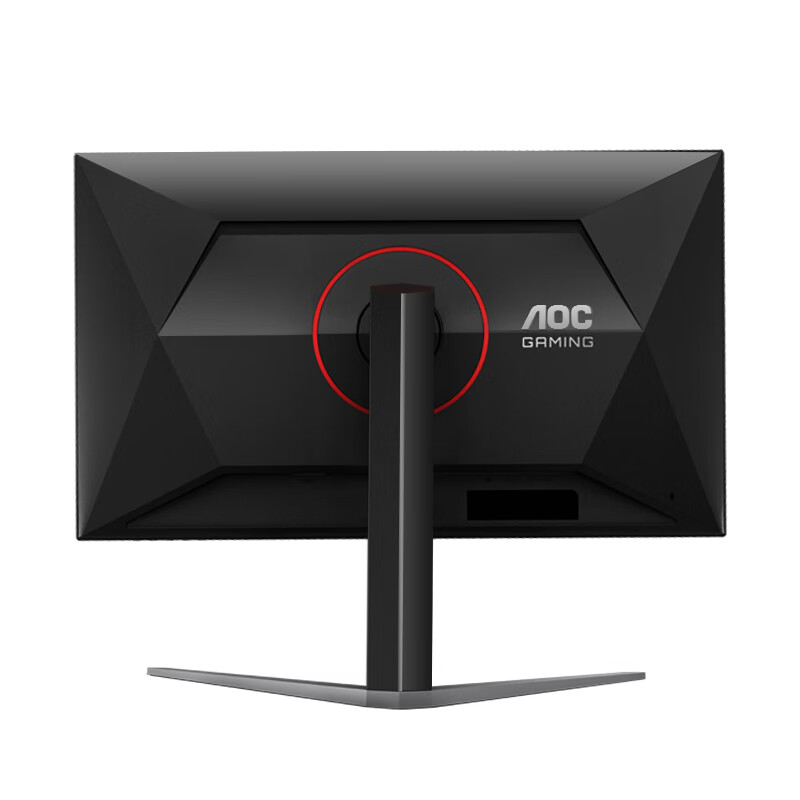
Tipster Digital Chat Station recently suggested that the Vivo X200 series will be announced in the third week of October in China. The series is expected to include three models: the Vivo X200, X200+, and X200 Pro, featuring displays of approximately 6.3 inches, 6.4 to 6.5 inches, and 6.7 inches, respectively. In a new leak, DCS has shared a render that showcases the front design of an upcoming smartphone without specifying its name. Given its 6.3-inch screen, the image seems to provide a clear look of the X200’s front design.

Alleged Vivo X200’s front design

Vivo X200 render
Alleged Vivo X200 render by DCS

According to the tipster, the above render, created based on a real phone, features a 6.3-inch screen.  The display has rounded corners and symmetrical bezels on all four sides. It has a selfie camera cutout, and the right edge of the device has a volume rocker and a power key.
Vivo X200 specifications (rumored)

According to reports, the Vivo X200 will feature a 6.3-inch OLED LTPO panel that offers a 1.5K resolution and a 120Hz refresh rate. For security, it will have an optical-type in-display fingerprint sensor.

Like the Vivo X200+ and X200 Pro, the X200 is also expected to feature the Dimensity 9400 chipset. It may pack a 5,600mAh battery with 90W fast charging support. The device is also expected to support wireless charging.

There’s no information about the Vivo X200’s front camera. Reports suggest that the Vivo X200’s rear camera setup features a 50-megapixel main camera that supports OIS. An ultra-wide snapper and a 70mm periscope telephoto camera with 3x optical zoom will accompany the primary camera.

The entire X200 series is expected to run on Android 15 with the latest version of OriginOS on top. Finally, it is expected to sport a slim profile of 8.x mm.

(source)

Redmi A3 Pro is coming, the first details leaked

The new Redmi A3 Pro appeared out of nowhere on HyperOS Code. The smartphone was spotted with model number 2409BRN2CG. We don’t know when this new smartphone will be unveiled. It’s known that the Redmi A3 Pro will not only be introduced in China. The Redmi A3 Pro will be exclusive to the global market. This smartphone promises to deliver a pure Android experience with faster performance than previous Redmi A series models.

Redmi A3 Pro will be completely different from the previous Redmi A series

The Redmi A3 Pro marks an important development in the Redmi A series. Previous Redmi A series phones used entry-level MediaTek processors. However, the Redmi A3 Pro will feature a more powerful mid-to-lower-end chipset. This upgrade is expected to deliver a smoother and more efficient user experience, making the new device a strong contender in the budget smartphone market.

The Redmi A3 Pro will have the codename “pond” and the model number “2409BRN2CG”. The device is also expected to feature a 13MP main camera. The smartphone is basically exactly the same as the Redmi 14C and should be more affordable compared to the 14C model. This data is taken from HyperOS source code, so it is reliable.

The Redmi A3 Pro is expected to be very affordable and priced at around $14 dollars, similar to the Redmi 14C at around $130. We will be back with more information about the new smartphone!

Source: XiaomiTime

Pixel 9 Pro XL reportedly facing auto-brightness issue—But there’s a fix

A Pixel 9 Pro XL user reported issues with auto-brightness, stating that he often has to manually increase the brightness to match his comfort level. He mentioned that he upgraded from the Pixel 7 Pro, where he never encountered this problem.”

Reddit user matteventu shared a possible reason behind the issue. He speculates that restoring an existing backup from the user’s previous device (Pixel 7 Pro) could have resulted in its adaptive brightness model migrating to the Pixel 9 Pro XL. Since the display panels between the two devices have different brightness levels and curves, it could be causing the inaccurate prediction of brightness levels in auto mode.

In terms of hardware, the Pixel 9 Pro XL’s display panel reaches 2000 nits in HBM, while the Pixel 7 Pro gets only up to 1000 nits for the same.

Here’s how you can reset the adaptive brightness:

If you are also facing a similar issue, you can try the steps noted below.

  • You will need to go to Settings > Apps > See all apps
  • Inside ‘See all apps’ you can search for “Device Health Services” and tap on it.
  • Go to Storage and cache
  • Tap on Clear storage and you will find the ‘Reset adaptive brightness’ option, which resets the adaptive brightness.

However, Aamir Siddiqui from AndroidAuthority notes that it may not completely reset the model the phone has fine-tuned over a period of time, and users will have to adjust the brightness manually for some time to let the adaptive brightness model adapt to the user preferences. In certain scenarios where the lighting condition changes frequently, users can also turn off the brightness to avoid frustration.

We are not sure how widespread this issue is and whether it has caught Google’s attention.

(Source)