Advertisement

OxygenOS 15: Release Date, Eligible Devices, and New Features

OxygenOS 15 release date, features, eligible devices

Android 15 release is around the corner, and smartphone brands have already started working on their version of custom skin. For OnePlus, it will be the OxygenOS 15, based on Android 15.  

OxygenOS 14 introduced many new features, design changes, and enhancements, such as Anamorphic Design, Go Green AOD, and Trinity Engine. The next iteration — OxygenOS 15 — is also expected to bring a host of new features and upgrades.

Here’s everything you need to know about the OxygenOS 15, including the release date, eligible devices, and expected features.

OnePlus OxygenOS 15 Release Date

Android 15 is in the platform stability phase, the final development cycle before it is out for the public. So far, Google has followed last year’s beta release timeline. Therefore, the stable version is also expected to drop around the same time as last year’s, in October.

Last year, OxygenOS 14 was released in November, and OxygenOS 13 also arrived in the same month. Considering previous releases, we can expect OnePlus to release the Android 15-based OxygenOS 15 in November.

As you may already know, recent high-end phones are the first in line to receive the latest upgrade, and then it gradually expands to other models.

If you have a high-end OnePlus device, you may have a chance to early experience the new OS by joining the beta program. The Android 15 beta program is currently available for the OnePlus 12 and OnePlus Open users. More OnePlus models should join the party in the coming weeks.

OxygenOS 15 Eligible Devices

  • OnePlus Open
  • OnePlus 12
  • OnePlus 12R
  • OnePlus 11
  • OnePlus 11R
  • OnePlus 10 Pro
  • OnePlus 10T
  • OnePlus 10R
  • OnePlus Nord 4
  • OnePlus Nord 3
  • OnePlus Nord CE 4
  • OnePlus Nord CE 4 Lite
  • OnePlus Nord CE 3
  • OnePlus Nord CE 3 Lite
  • OnePlus Nord N30 SE
  • OnePlus Pad 2
  • OnePlus Pad Pro
  • OnePlus Pad 

We have prepared the above list after analyzing the software update policy for each OnePlus device and the past rollout history. We’ll update it once the official list is out.

OxygenOS 15: What to Expect?

The next major upgrade will bring plenty of new features and upgrades from the development team at OnePlus. Plus, there will be new features and enhancements directly from Google as a part of Android 15.

Here are the most significant changes we expect to see in OxygenOS 15 (including features from Android 15):

1. Lock Screen Customizations

The OxygenOS 15 is expected to bring new features for a more tailored lock screen experience. The upcoming version might allow users to customize lock screen fonts, colors, clock styles, and widgets.

OnePlus might also add a depth effect to lock screen wallpapers like iOS and bring a new set of wallpapers.

2. Video Battery Saver

Folks at Android Authority have spotted a new feature called “Video battery saver” in early Android 15 betas for OnePlus phones. This feature automatically optimizes battery usage when a supported video app is draining the battery. This will extend battery life but may slightly affect your video-watching experience.

This feature was spotted in the beta build. Hence, we’ll wait to see if OnePlus integrates it into the final version of OxygenOS 15. 

3. Revamped Control Center

The OxygenOS 14 revamped the control center, but that’s not the end of the road. The upcoming OxygenOS 15 is expected to bring some notable changes to enhance the user experience. 

4. Theft Detection Lock

This is not an OxygenOS 15-specific feature but an Android 15 feature to stop thieves from stealing your data.

The Theft Detection Lock feature uses Google’s AI to determine when your device has been snatched from your hands. If it detects this, the device will lock itself automatically, preventing thieves from stealing your data. The best part is that thieves won’t be able to activate the device until they have your Google account details.

Snatching/stealing Android phones and selling them off for some money is a common practice among thieves, but Android 15 reduces the incentive by making the device unusable without the correct Google account details.

5. More AI Integration

OnePlus phones running OxygenOS 15 already have some AI features, but Android 15 could take the AI experience to another level by introducing many new features, including Gemini AI integration. We might also see new AI features from the OnePlus development team.

6. Satellite Connectivity Support

Android 15 “extends platform support for satellite connectivity.” It provides support for SMS, MMS, and native RCS apps to use satellite connectivity for sending and receiving messages.

The new OS adds some UI elements to ensure a consistent user experience. All Android 15 phones may not support satellite connectivity, as they will likely require special chip and carrier support.

7. Fluid Cloud Improvements

Fluid Cloud is the OnePlus’s version of Dynamic Island available on iPhones. Copying a feature from other brands for the benefit of users isn’t bad, but the feature is too restricted to call it beneficial.

The Fluid Cloud, introduced last year with OxygenOS 14, only works with system apps. Only recently, the brand added support for Spotify. However, OxygenOS 15 might add support for various third-party apps, such as food delivery apps, travel apps, and other music-streaming platforms, to work with Fluid Cloud.

8. Split Screen App Pairs

It’s an Android 15 thing that allows users to create shortcuts for their favorite split-screen apps. For example, you can make a shortcut icon to open YouTube and Notes in the split-screen mode.

If you often use apps in the split screen mode, Android 15 will save you a lot of time.

9. App Archiving

Android 15 will allow users to uninstall unnecessary apps while keeping the user data around. It works similarly to offloading apps on iPhones. There won’t be any data loss; you can continue where you left off after reinstalling/unarchiving the app.

Android already has app archiving via the Google Play Store, allowing you to archive and restore apps. However, Android 15 integrates this feature at the OS level, allowing users to archive/restore apps, even those installed outside of the Google Play Store.

10. Notification Cooldown

This is also an Android 15 feature that reduces the volume of successive notifications coming from the same app. This feature is designed to prevent users from getting annoyed by too many notifications.

I’m pretty sure there will be a lot more exciting stuff to look forward to in OxygenOS 15, based on Android 15. What are your expectations with the next major upgrade? Share your thoughts in the comments below.

More Android 15 Stories:
1. These OnePlus Phones Won’t Get OxygenOS 15 Update
2. How to Install Android 15 Beta on OnePlus Phones
3. 10 Amazing Features Coming to Android 15

Realme Narzo 70 Turbo confirmed to launch in India

Realme has confirmed that the Narzo 70 Turbo will soon be launched in India. While the official launch date hasn’t been announced yet, this new model will join the existing Narzo 70 lineup, which includes the standard 5G model, the Pro variant, and the Narzo 70x 5G.

The teaser image shared by Realme shows the Narzo 70 Turbo with a bold yellow stripe running down the center of the back, with black finishes on the sides. We are not sure whether this is a limited-edition model or if Realme plans to release it as a standard variant. 

However, the design clearly hints that the company is placing an emphasis on performance with the upcoming phone. Realme says the Narzo 70 Turbo will feature an advanced “Turbo Technology,”  though the specifics of it are under wraps. 

Additionally, the phone features a 3.5mm headphone jack and speaker grilles at the top. While these are the only official details available so far, a report from earlier this week has revealed some key specs of the phone.

It suggests the Narzo 70 Turbo will come in purple, and green, in addition to the yellow variant. The memory options are said to include 6/12GB of RAM and 128/256GB of storage. The phone may have a 50-megapixel primary camera with EIS support on the back and a 16-megapixel selfie camera.

Realme is also set to launch the 13+ 5G smartphone in India on August 29—just two days from now. Rumors suggest that this phone may share some of its specifications with the Narzo 70 Turbo. 

The Realme 13+ 5G is expected to come with a 6.67-inch AMOLED FHD+ 120Hz display, a Dimensity 7300 Energy chipset, a 5,000mAh battery with 45W fast charging, a 16-megapixel front camera, and a 50-megapixel + 2-megapixel dual-camera setup on the back.

MediaTek Dimensity 9400 claimed to pack PC-level ray tracing capabilities

MediaTek is reportedly aiming for a mid-October release of the Dimensity 9400 chip, which is around the same time Qualcomm will release the Snapdragon 8 Gen 4 chip. Now tipster makes strong claims about the ray tracing performance of the Dimensity 9400.

MediaTek Dimensity 9400 IPC Performance Leak

According to a Weibo post from tipster Ice Universe, the ray tracing performance of Dimensity 9400 has been improved by nearly 20% compared to the previous generation.

He also claims that this is made possible thanks to a new ray tracing technology, which will be released for the first time on the mobile terminal. This is reportedly comparable to the best ray tracing technology OMM (Opacity Micro-Maps) on PC. According to NVIDIA, Opacity Micro-Maps are used to accelerate ray tracing of high detail geometry by efficiently encoding the opacity states of micro-triangles and micro meshes.

Another Weibo tipster named ‘Digital Chat Station’ also made a bold claim about the GPU performance of the Dimensity 9400. He mentioned that the chip scores 30% higher in the 3D Mark test with 40% 40% lower power consumption as compared to the current Snapdragon 8 Gen 3.

The Dimensity 9400 is said to be based on TSMC’s 3nm process, the same as the upcoming Snapdragon 8 Gen 4. The chipset is expected to feature an octa-core architecture consisting of a single Cortex-X5 prime core running at a 3.4GHz clock speed, paired with three Cortex-X4 performance cores, and four Cortex-A720 efficiency cores. The company may also further increase the clock speed of the Cortex-X5 core before launch. Speaking of the CPU performance, the single-core score is said to be around 30% higher than the Dimensity 9300.

The Dimensity 9400 will power flagships like the Vivo X200, Vivo X200 Pro, OPPO Find X8, OPPO Find X8 Pro, and Redmi K80 Ultra.

(Source)

Why you shouldn’t buy a budget laptop

When it comes to making a tech purchase, one of the most tempting choices for many consumers is opting for a budget laptop. After all, who wouldn’t want to save money while still getting their hands on a device that seemingly offers all the essentials? However, the allure of a low price tag often masks a host of potential drawbacks that could lead to frustration, underperformance, and wasted money in the long run. In this article, we’ll dive into the reasons why you should think twice before buying a budget laptop and explore the real tech elements that underscore these concerns.

Dell XPS laptop

1. Compromised Build Quality

Budget laptops are often constructed with cheaper materials to keep costs down. This usually means plastic chassis, flimsy hinges, and keyboards that feel like they’ll give out after a few months of use. While manufacturers may try to make these laptops look sleek, the reality is that they are not built to last. Over time, you might find that the laptop’s casing starts to crack, the hinges become loose, and the keyboard keys begin to stick or fail altogether.

Moreover, the screens on budget laptops are typically of lower quality, often with poor color accuracy and limited viewing angles. This can be particularly frustrating if you plan to use the laptop for any kind of creative work, such as photo or video editing, where accurate color representation is crucial.

2. Inferior Performance

Budget laptops are often equipped with low-end processors, minimal RAM, and slower storage solutions. Let’s break down what this means in real-world use:

Processor: These budget CPUs can handle basic tasks like web browsing or word processing, but they struggle with more demanding applications. Even tasks like running multiple browser tabs, streaming HD videos, or working with large spreadsheets can cause noticeable lag and slowdowns.

RAM: Many budget laptops come with just 4GB of RAM, which is barely enough to keep modern operating systems running smoothly. With multiple applications open, you might quickly find yourself running out of memory, leading to sluggish performance and frequent freezing.

Storage: The storage in budget laptops is often limited to a small-capacity hard drive (HDD) or a low-end solid-state drive (SSD). While SSDs are generally faster than HDDs, the ones used in budget laptops are usually of lower quality, offering slower read/write speeds. Additionally, the limited storage space (often 128GB or less) means you’ll quickly run out of room for your files, forcing you to rely on external storage solutions or cloud services.

3. Poor Battery Life

Battery life is another area where budget laptops often fall short. To save costs, manufacturers may opt for smaller, less efficient batteries. Additionally, the energy efficiency of low-end processors and other components isn’t optimized, leading to shorter battery life. While the specifications might claim up to 6-8 hours of battery life, real-world usage can bring that down to just a few hours, especially if you’re doing anything more demanding.

4. Limited Upgradeability

Manufacturers often solder components like RAM or storage to the motherboard to save on space and costs. This means that if you find your laptop struggling to keep up with your needs, you won’t be able to upgrade it easily. In contrast, higher-end laptops often offer more flexibility, allowing you to add more RAM or swap out the storage drive for something with higher capacity and faster speeds.

5. Subpar Software Experience

Budget laptops often come preloaded with a slew of bloatware—unnecessary software and trial programs that can slow down your system and clutter your desktop. Removing these programs can be time-consuming, and they can sometimes leave behind remnants that continue to affect performance. Additionally, budget laptops might not come with a full version of the operating system. While you can usually upgrade to the full version, this is yet another hidden cost that adds to the total price of ownership.

6. Security Concerns

In the realm of security, budget laptops can be a risky choice. These devices often lack advanced security features such as biometric authentication (fingerprint scanners or facial recognition), which are becoming standard on mid-range and premium laptops.

7. Conclusion

While the low price tag of a budget laptop might be appealing, the reality is that these devices come with significant compromises that can lead to a frustrating user experience. From inferior performance and build quality to poor battery life and limited upgradeability, the disadvantages far outweigh the initial savings.

In the long run, you’re likely to spend more on repairs, replacements, or external accessories to compensate for the laptop’s shortcomings. Therefore, it’s often wiser to invest a bit more upfront in a higher-quality laptop that will serve you well for years to come. Whether you’re a student, a professional, or someone who simply values a smooth and reliable computing experience, avoiding budget laptops is a decision you won’t regret.

Vivo T3 Pro 5G lands in India: Mid-range phone with a curved display and 80W charging

Vivo has officially launched the T3 Pro 5G in India after weeks of teasers and leaks. The phone positions itself in the mid-range segment, offering a curved AMOLED display, a large battery with fast charging, and a decent camera system. Let’s go through its details here. 

Vivo T3 Pro Specifications

The T3 Pro 5G is built around a 6.77-inch FHD+ 3D curved AMOLED display that features a 120Hz refresh rate. The screen can reach a peak brightness of 4,500 nits, which should ensure good visibility even in bright conditions  

Vivo offers the phone in two color options — Emerald Green with a gradient finish and in Sandstone Orange with a “vegan leather” job. Both versions feature golden-accented camera borders that add a touch of elegance to the design.

Vivo T3 Pro 5G Specs Price Launch India

Under the hood, the phone is powered by the mid-tier Qualcomm Snapdragon 7 Gen 3 chipset, paired with 8GB of LPDDR4X RAM and 128GB or 256GB UFS 2.2 storage.

On the back, the T3 Pro 5G sports a dual-camera system with a 50MP Sony IMX882 primary sensor. It is accompanied by an 8MP ultra-wide camera—a fairly standard setup in this price range.

Vivo also says the phone has AI features like Photo Enhance and Erase for improved image processing, but the overall camera setup doesn’t break new ground. There’s a single 16MP front-facing camera that caters to selfie needs.  

Software-wise, the phone runs FunTouch OS 14 based on Android 14.  And Vivo is promising 2 years of Android updates and 3 years of security updates. Fueling the device is a hefty 5,500mAh battery and supports 80W fast charging. 

Rounding out the package, the T3 Pro 5G boasts an in-display fingerprint sensor, an IP64 rating for dust and water resistance, and dual stereo speakers. Notably, the phone also includes “wet touch technology” which might be helpful for users interacting with the phone in damp conditions.  

Price and Availability

As for the price, Vivo is offering the T3 Pro 5G in two variants:

  • 8GB RAM + 128GB storage: Rs 24,999 (approximately $303)
  • 8GB RAM + 256GB storage: Rs 26,999 (approximately $327)  

The first sale for the Vivo T3 Pro 5G is scheduled for September 3rd via Flipkart and the Vivo India website. The company is offering launch discounts of up to Rs 3,000 with select banks and exchange bonuses for older smartphones. 

Should you buy the Apple iPhone 15 series before the iPhone 16 launch?

The launch of Apple’s next generation of iPhones is near with leaks and rumors making the rounds online. But with the iPhone 16 series announcement being near, it begs the question, should you buy a model from the iPhone 15 lineup now? Or hold on for a bit longer? Here’s our professional opinion about this annual dilemma.

Best Pre Order Deals iPhone 15 Free
Apple iPhone 15 Pro

1. iPhone 16 launch makes the iPhone 15 more attractive

Every year, Apple unveils a brand new series of iPhones that bring generational upgrades over their predecessors. While the improvements aren’t always massive, the latest models typically offer better chips, new tech and software features, along with improved cameras. With the iPhone 16, we can expect upgrades in all of these areas. But apart from these changes, the brand also makes its older iPhones more affordable. So assuming it sticks to this tradition, the Apple iPhone 16’s launch should make the iPhone 15 more affordable.

Please Note: When you buy something using the links in our articles, we may earn a small commission at no cost to you.

Please Note: When you buy something using the links in our articles, we may earn a small commission at no cost to you.

2. There’s a catch

As older iPhones get cheaper, you can buy them without a second thought, right? Well, things are slightly more complicated than that. Apple only lowers the official price tag for the lower end models. In other words, the iPhone 15 and the iPhone 15 Plus may get an official price cut after the iPhone 16 series announcements. Meanwhile, the higher end Pro models like the iPhone 15 Pro and iPhone 15 Pro Max will likely be discontinued immediately. So you can’t simply get last year’s flagship for a more affordable price.

3. Worth the wait?

Despite all of this, it is still worth waiting for the iPhone 15 following the iPhone 16’s debut. The iPhone 15 and iPhone 15 Plus are expected to become more affordable, but there’s also a short window where retailers and third party sellers sell the iPhone 15 Pro models with heavy discounts. This doesn’t mean that they are as cheap as a mid-range phone, but easily more accessible than their launch price.

If you want the latest and greatest, it makes sense to go for Apple’s shiny new iPhone 16 models. Based on recent rumors, the iPhone 15 could outperform an M4 powered iPad Pro in AI performance. A leak even hinted at the Pro variants getting 5x tetraprism telephoto cameras as well as higher resolution ultra wide angle lenses. However, these upgrades aren’t expected to bring a huge upgrade, so the iPhone 15 could serve as a better value for money. The company isn’t well known for launching affordable mid range devices, but its flagship phones definitely become better deals after the newer generation is introduced.

Xiaomi X Pro QLED Series Launched In India With Bezel-Less Design, Google TV, And More

Xiaomi has announced a new television and a smartwatch in India. The brand has launched premium TVs after a long time. It is called the Xiaomi X Pro QLED Series. The televisions come in three sizes with some premium specifications including an immserive viewing experience, powerful audio, and ample storage. Read on to know what they offer out of the box. 

Xiaomi X Pro QLED Series announced in India

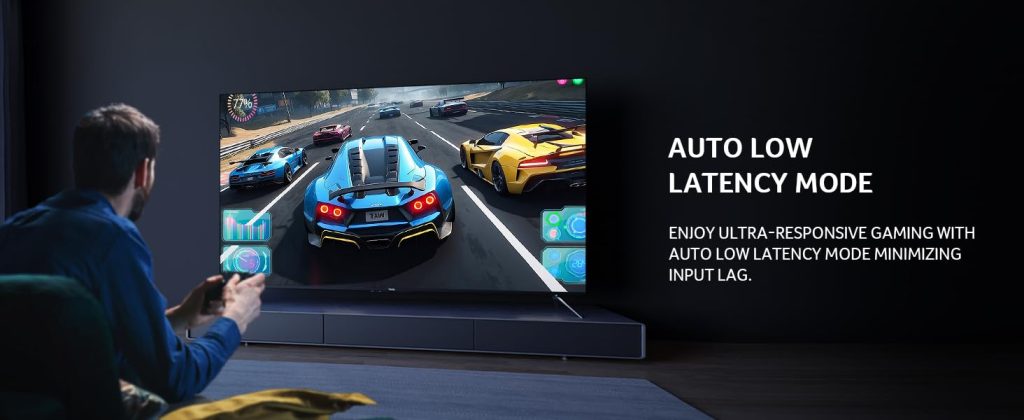
The Xiaomi X Pro QLED Series is offered in 43, 55, and 65-inch screen sizes. The display is surrounded by ultra-thin bezels on three sides for an immersive viewing experience. All three models feature QLED technology to deliver exceptional brightness and deeper contrast levels. They pack a 4K resolution with support for HDR10+, and Dolby Vision. There is a Vivid Picture Engine for accurate and realistic colors. The TVs also come with MEMC support and ALLM mode for smooth visuals especially when viewing fast-paced scenes. 

On the audio front, the Xiaomi X Pro QLED Series is equipped with dual speakers with Dolby Audio, and DTS:X producing a sound output of 30W. The televisions are claimed to offer a cinematic audio experience. The TVs feature a premium metallic aluminium frame in terms of design.

Internally, the Xiaomi X Pro QLED Series is powered by a quad-core A55 processor. It packs 2GB RAM for a seamless performance. There is a 32GB internal storage for streaming movies, shows, and unlimited games. Software-wise, it runs on Google TV OS with Xiaomi’s PatchWall UI on the top. The former comes with built-in Chromecast, Google Assistant, as well as, content first UI, kids profile, ambient mode, and more.

The Xiaomi X Pro QLED Series starts at Rs 34,999 for the base 43-inch model. The 55 and 65-inch variants carry a price tag of Rs 49,999 and Rs 62,999 respectively. All three TVs can be purchased from Mi.com, Amazon, Flipkart, and Xiaomi stores across the country starting August 30.

Redmi Watch 5 Active With HyperOS, 18-Day Battery Life, And More Launched In India

Alongside the launch of the Xiaomi X Pro QLED Series televisions, the company’s sub-brand also announced a new smartwatch. The Redmi Watch 5 Active arrives as the successor to last year’s Watch 3 Active. The latest offering retains the same design as its predecessor but packs some incremental upgrades in terms of specifications and features. Read on to find out what the wearable device offers out of the box. 

Redmi Watch 5 Active debuts in India 

Redmi-Watch-5-Active

The Redmi Watch 5 Active has a square dial with curved corners and a physical button on the right side. It features a large 2-inch display with a 500 nits peak brightness for better visibility and a smooth usage experience. The smartwatch is waterproof up to 5ATM and has IPX8 certification.

The Redmi Watch 5 Active is equipped with a 24×7 heart-rate monitor, SpO2 sensor, stress, and sleep trackers. It is also capable of monitoring menstrual cycles for women. There is also a breathing reminder. The wearable device packs support for tracking more than 140 sports modes along with auto-detection for some activities.

The Redmi Watch 5 Active comes with a built-in speaker and microphone for Bluetooth voice calling. It runs on Xiaomi’s HyperOS making it the first Redmi wearable to come with the OS. The device packs features like SOS, privacy lock, theatre mode, torch, find your phone, and more. There is also built-in Alexa for performing tasks by giving voice commands. The smartwatch is backed by a 470mAh battery that is claimed to offer a battery life of up to 18 days on a single charge. 

The Redmi Watch 5 Active carries a special launch price tag of Rs 2,799. It will be available for purchase from Amazon, Flipkart, and the brand’s website from September 3. The smartwatch is offered in Midnight Black and Matte Silver colors.

Realme GT 7 Pro render leak reveals renewed design

A mock render of the upcoming Realme GT 7 Pro has emerged on Weibo. To recall, the Realme GT 5 Pro, which debuted in December 2023, featured a massive round camera module. However, the mock render of the GT 7 Pro will be more in line with the Realme GT 6 (China variant), which sports a square camera island.

Realme GT 7 Pro design (rumored)

Upcoming flagship phones’ design leaked by DCS

Earlier this month, reliable tipster Digital Chat Station shared the above schematic, which showcased the design of upcoming flagship phones. In the leaked schematic, the GT 7 Pro’s design can be seen on the extreme left.

The mocker render created based on the leaked schematic depicts a white back panel with a prominent square-shaped camera module situated in the top-left corner. It houses three cameras and an LED flash. The rest of the back maintains a clean and minimalist aesthetic, with the “realme” branding oriented vertically along the bottom left side of the device.

Realme GT 7 Pro specifications (rumored)

Realme GT 7 Pro mock render

As per reports, the Realme GT 7 Pro is expected to feature a 6.78-inch BOE X2 LTPO display with a 1.5K resolution, boasting a micro-curved design on all four sides. The device will likely incorporate a single-point ultrasonic in-screen fingerprint sensor for enhanced security. The phone is also expected to come with Android 15 and an IP68/69 rating for water and dust resistance.

It is speculated to be powered by the Snapdragon 8 Gen 4 chipset, paired with 16 GB of RAM and 1 TB of internal storage. The battery is expected to exceed 6,000mAh, supporting 100W fast charging.

On the rear, the Realme GT 7 Pro’s camera setup is rumored to include a 50-megapixel main sensor, an ultra-wide lens, and a Sony LYT-600 3x periscope telephoto lens. The camera system is expected to support 10x hybrid zoom and up to 120x digital zoom. There’s no information about the GT 7 Pro’s front camera.

Realme GT 7 Pro launch timeframe (rumored)

The Realme GT 7 Pro is rumored to launch in China between October and November. A global launch is expected by December, and it could potentially be the first device to bring the Snapdragon 8 Gen 4 chipset to market.

(via)

Xiaomi 15 Ultra vs Galaxy S25 Ultra vs Find X8 Ultra as January 2025 launch tipped

Xiaomi is expected to announce the Xiaomi 15 series of smartphones in October this year. Like in recent years, the “Ultra”-branded model in the series will have a dedicated launch in 2025. For reference, the Xiaomi 14 Ultra was unveiled in February of this year. Therefore, it has been speculated that the Xiaomi 15 Ultra may go official around the same time in 2025. However, a new leak from tipster Digital Chat Station suggests that the 15 Ultra might launch earlier than expected, possibly to compete with “Ultra”-branded smartphones from Samsung and Oppo.

Xiaomi 15 Ultra’s January 2025 launch tipped

Xiaomi 15 Ultra

In the above Weibo post, DCS is reportedly hinting at the Xiaomi 15 Ultra’s launch in January 2025. This strategy is likely aimed at gaining a larger market share in China.

Rumors are rife that Oppo will unveil the Oppo Find X8 Ultra, featuring the Snapdragon 8 Gen 4 chip, in January 2025. The Samsung Galaxy S25 Ultra, equipped with an overclocked Snapdragon 8 Gen 4, is also expected to break cover in the same month. Additionally, there’s a possibility that the Honor Magic 7 Ultimate, powered by the Snapdragon 8 Gen 4, may also debut around the same time. However, there are no concrete leaks yet regarding the Ultimate variant of Magic 7. With the Xiaomi 15 Ultra now rumored to launch in January, it is set to directly compete with these flagship devices.

Xiaomi 15 Ultra specifications (rumored)

According to reports, the Xiaomi 15 Ultra will feature an OLED panel with a micro-curvature design. The device is expected to offer a 2K resolution, a 120Hz refresh rate, and an ultrasonic in-screen fingerprint sensor. Powered by the Snapdragon 8 Gen 4, it is likely to ship with 24 GB of RAM, 1 TB of storage, and a battery capacity of around 6,200mAh.

The rear camera setup is expected to include a 50-megapixel primary camera with a sensor size exceeding one inch. It may also be equipped with an ultra-wide lens, a telephoto camera, and a 200-megapixel Samsung HP9 periscope telephoto camera with 4x optical zoom. The device is expected to come with Android 15 and Xiaomi’s HyperOS 2.0. It is expected to be available in plain leather, fiberglass, and ceramic build variants.

OnePlus Ace 5, Ace 5 Pro to rival Redmi K80, K80 Pro with November launch

Redmi is expected to unveil the Redmi K80 series of smartphones in November in China. The lineup will reportedly include at least two models, such as the Redmi K80 featuring the Snapdragon 8 Gen 3 chip and the Redmi K80 Pro equipped with the Snapdragon 8 Gen 4. According to tipster Smart Pikachu, the K80 lineup will face competition from the OnePlus Ace 5 series.

OnePlus Ace 5 series November launch tipped

Several reports have claimed that the OnePlus 13 will be one of the first Snapdragon 8 Gen 4-powered phones to debut in China. Therefore, it is likely that the OP13 may break cover in October.

Previous reports have claimed that the OnePlus Ace 5 series will debut in the fourth quarter of this year. Now, tipster Smart Pikachu claims that the Ace 5 lineup will be announced in November to take on the Redmi K80 lineup.

The leak also suggests that the two chips powering the Ace 5 series will be the same as those in the Redmi K80 series. This suggests that the Snapdragon 8 Gen 3 could power the Ace 5, and the Snapdragon 8 Gen 4 could power the Ace 5 Pro. The leaker added that the standard model will have a ceramic build, whereas the Pro variant will feature a 2K resolution screen.

According to other reports, the Redmi K80 Pro may remain exclusive to the Chinese market. Considering that the Ace 3 Pro and Ace 2 Pro remained confined to the home market, it is likely that the Ace 5 Pro may not launch outside of China. Readers can visit these posts to learn about the key specifications of the Ace 5 and Ace 5 Pro.

Speculations are rife that the Redmi K80 will be rebranded as the Poco F7 Pro for the global market in the coming year. On the other hand, the Ace 5 may get renamed as the OnePlus 13R in the global market.  The 13R may break cover with the OnePlus 13 in January 2025.

Vivo X200 series launch date in October’s third week tipped

Several flagship phones powered by next-generation chipsets, such as the Dimensity 9400 and Snapdragon 8 Gen 4, are expected to launch in China this October. Rumors suggest that Vivo will be the first brand to release its new flagship devices, starting with the launch of the Vivo X200 series, which may include three models: the X200, X200+, and X200 Pro. A new Weibo post by reliable leaker Digital Chat Station reportedly reveals the launch timeframe for the X200 series.

Vivo X200 series launch date (rumored)

The leaker shared the above image, highlighting three dates in the third week of October. The calendar shown in the image is reportedly a screenshot from Vivo’s in-house calendar app for China, suggesting that the tipster could be hinting at the launch timeframe of the Vivo X200 series. Therefore, it is likely that the X200 series launch event could be held on October 14, 15, or 16.

The Vivo X200 series will be powered by the Dimensity 9400 chipset. It is likely that the X200 series launch event will take place soon after MediaTek announces the D9400 chip. Speaking of the new flagship chip from MediaTek, it is expected to offer a 30 percent improvement in CPU performance.

According to reports, the Oppo Find X8 series equipped with the D9400 chip will also debut in October soon after the X200 series. The lineup is expected to include two models, such as the Find X8 and Find X8 Pro.

The X200 series and X8 series are expected to face competition from the Xiaomi 15 soon. Rumors are rife that the Xiaomi 15 and 15 Pro will debut as the world’s first Snapdragon 8 Gen 4-powered smartphones. Qualcomm will possibly announce the new chip through the Snapdragon Summit 2024 event, which will take place between Oct. 21 and 23, indicating that the Xiaomi 15 series may debut in the fourth or fifth week of October.

GC Daily: Honor & Google Cloud Partnership, Xiaomi’s tri-foldable phone in works

In today’s roundup, we talk about Honor and Google’s partnership, Xiaomi’ tri foldable display and more.

Today’s Highlights:

  1. HONOR and Google Cloud’s AI Alliance: Dive into the newly announced partnership between HONOR and Google Cloud, bringing advanced AI features to the upcoming Magic V3 foldable.
  2. Google’s Pixel A Series Redesign: Examine the leaked renders of the alleged Pixel 9a, suggesting a significant design shift for Google’s mid-range offering.
  3. Samsung’s Premium 2-in-1 Laptop: Get the scoop on the recently certified Galaxy Book 5 Pro 360.
  4. Xiaomi’s Tri-Foldable Phone: Uncover the latest developments in Xiaomi’s rumored tri-foldable smartphone. We’ll speculate on how this device could impact the evolving foldable phone landscape.

Plus, don’t miss our roundup of other exciting stories, including the Realme Note 60’s impending launch, alternatives to the Moto G64 5G, Red Magic’s upcoming gaming tablets, and Roborock’s innovative new vacuum cleaner!


HONOR, Google Cloud Team Up for Magic V3’s AI features

HONOR has announced a partnership with Google Cloud to introduce three new cloud AI features on its upcoming foldable smartphone, the HONOR Magic V3. These features, which will be unveiled at IFA 2024 along with the Magic V3, include AI Eraser, Face-to-Face Translation, and HONOR Notes Live Translation.

Read More


Is Google Rethinking the Pixel A Series with a New Design?

Google Pixel 9a

Google recently unveiled the Pixel 9 series containing three models: Pixel 9, Pixel 9 Pro, and 9 Pro XL. Google usually adds a mid-range “A” series model later down the line like the Pixel 8a, which launched back in May 2024. Now, the first renders of the alleged Pixel 9a have emerged, revealing a significant shift in design.

Read More


Samsung’s new Premium laptop coming soon? 2-in-1 Galaxy Book 5 Pro 360 gets certified

Samsung Galaxy Book 5 Pro 360

Following the Galaxy S24 FE sighting, Samsung appears to be working on another flagship grade product. But unlike the affordable flagship phone, this one appears to be a premium laptop offering. The Galaxy Book 5 Pro 360 was just spotted getting certified, so here’s everything we know.

Read More


Xiaomi’s tri-foldable phone is in works, here’s what to expect?

Huawei's tri-foldable phone Yu Richard

In the coming years, tri-foldable phones could become the next major trend in the smartphone industry. In May, TCL showcased the world’s first functional tri-foldable phone at the Society for Information Display (SID) 2024 exhibition, although it is not yet available for purchase. It is speculated that Huawei’s upcoming tri-foldable device, expected to debut in the next few months, could be the world’s first commercially available tri-foldable phone. A new development reveals Xiaomi may also release a tri-foldable smartphone in the near future.

Read More


🔥More Top Stories You Might Have Missed

OnePlus 13 main camera, battery size, wired & wireless charging details leaked

It is speculated that OnePlus will announce the OnePlus Ace 5 series of smartphones in China this November. Therefore, it appears that the OnePlus 13 may debut in October as one of the first smartphones powered by the Snapdragon 8 Gen 4 chipset. Today, reliable tipster Digital Chat Station shared a Weibo post revealing the main camera, battery size, and charging capabilities of the OnePlus 13.

OnePlus 13 key details tipped

According to DCS, the OnePlus 13 will come equipped with the LYT-808 camera sensor with an f/1.6 aperture. This is the same 50-megapixel primary camera found on the OnePlus 12. As per a previous leak from the same source, the rear camera setup will also include a 50-megapixel ultra-wide lens and a 50-megapixel periscope telephoto camera with 3x optical zoom.

The latest leak indicates that the OnePlus 13 will see a significant upgrade in the battery department compared to the OnePlus 12, which features a 5,400mAh battery. As per the leak, the OnePlus 13 will support 100W wired charging and 50W wireless charging like the OP12.

Additionally, it is reported that the OnePlus 13 will be equipped with the O916T haptic motor, the same vibrator motor used in the OnePlus 12. As per previous leaks, the OP13 will have a 6.8-inch 8T LTPO OLED panel that a micro-curvature design on all four sides. It will offer a 2K resolution of 1440 x 3168 pixels, a 120Hz refresh rate, and an ultrasonic in-screen fingerprint sensor. The device will also offer an IP68/69-rated dust and water resistance. It is expected to come preloaded with ColorOS 15-based Android 14.

At present, there is no information available about the global launch of the OnePlus 13. There’s a possibility that it may debut with the Snapdragon 8 Gen 3-powered OnePlus 13R in January in markets outside of China.

Should you wait for the Galaxy Tab S10 series? Here’s what we know (so far)

Deciding whether to buy the current model or wait for the next big release is a dilemma we all are familiar with. This is especially true right now for those considering a new tablet, as Samsung is expected to launch its Galaxy Tab S10 series soon.

Its predecessor, the Galaxy Tab S9 is a fantastic device in its own right. It boasts all the features and performance you’d expect from a top-tier tablet in 2024. However, with an upgrade just around the corner, it’s natural to wonder if it’s worth holding off on a purchase.

Unfortunately, without official details about the Tab S10 series, it’s hard to give a definitive answer. But let’s dive into the rumors and see what they suggest. Based on what we know so far, here’s why you might want to wait for the Tab S10—or why the Tab S9 is still a fantastic option.

1. A Shift in Strategy — No vanilla Tab S10

Let’s first address the biggest rumored change for the Galaxy Tab S10 series. Samsung is reportedly simplifying its Galaxy Tab S series with the upcoming S10 generation. 

Instead of offering three models—a base, a Plus, and an Ultra—the company is rumored to be focusing solely on larger display options this year. That is to say that the Galaxy Tab S10 line is expected to include only the Galaxy Tab S10 Plus and S10 Ultra, leaving out the 11-inch model.

The rumor gained credibility when the IMEI database revealed only two models for the Galaxy Tab S10 series in the works. Additionally, a recent leak showed promotional material featuring only the Galaxy Tab S10 Plus and S10 Ultra. So if you prefer a smaller tablet but still want the latest hardware, you may need to consider other options.

2. No big changes outside

Samsung-Galaxy-Tab-S10-Plus-render
Tab S10 Plus

The leaked renders of the Galaxy Tab S10 series suggest that the tablets will not see any drastic design changes. They appear as thin slabs with large screens, and the Ultra model even retains the notched display of its predecessor.

The Galaxy Tab S9 series featured aluminum frames and an S Pen attachment slot on the back, so these design elements are likely to continue. Additionally, the Tab S9 series introduced an IP68 rating for dust and water resistance, making it a reasonable assumption that Samsung will maintain this feature for the Tab S10 range.

3. Expected specifications and features

While the design of the Galaxy Tab S10 series remains largely unchanged, Samsung is rumored to be making some notable changes inside. Particularly, the company is expected to switch to MediaTek processors for the upcoming tablets.

Although there is no official confirmation yet, the reliable tipster Ice Universe suggests that Samsung will use the Dimensity 9300 Plus for these new tablets. 

Samsung has traditionally favored Qualcomm’s chipsets for its flagship tablet series. However, the company seems to be making a strategic shift towards MediaTek this year. 

Tab S10 Ultra

There could be several factors affecting the change, but we think it has something to do with the chip prices. Reportedly, the Dimensity 9300+ is about 10% cheaper than Snapdragon 8 Gen 3. 

Even with MediaTek, we don’t think there would be a noticeable difference in terms of user experience. The Dimensity 9300+ is a highly capable chipset and can handle tasks with ease, just like the Snapdragon 8 Gen 3. Moreover, the 3C certification of the Tab S10 Plus and S10 Ultra reveal 45W fast charging support. 

Additionally, the Tab S9s has S Pen support, so it’s likely the new tablets will include it as well. It’s also worth noting that the Galaxy Tab S9 series introduced OLED screens across the entire lineup. Therefore, it makes sense that the Tab S10 series would continue this trend.

4. When the Galaxy Tab S10 series might launch?

Traditionally, Samsung has unveiled its flagship tablets alongside other marquee devices. The Galaxy Tab S9 series arrived in July 2023 alongside the Galaxy Z Fold 4 and Z Flip 4, while the Galaxy Tab S8 series debuted concurrently with the Galaxy S22 lineup in February 2022. 

So this year, we were expecting the Galaxy Tab S10 series at the July 2024 Galaxy Unpacked event where Samsung unveiled their latest foldables, Galaxy Z Fold 6 and Z Flip 6. The tablets didn’t make an appearance, though. So its to anyone guess when the tablets may arrive now.

That said, industry insider Max Jambor recently suggested on X (formerly Twitter) that the Tab S10 series might launch in October. If nothing else, we now have a tentative timeframe to look forward to.

5. The Allure of the S9

Now, let’s take a look at the Galaxy Tab S9 series. It has three models to choose from — the Tab S9, S9 Plus, and S9 Ultra. All three devices have Dynamic AMOLED 2x display with 120Hz and HDR 10+ certification.

Powering them is a Snapdragon 8 Gen 2 chip while all the devices support 45W charging. Other specs of the tablets like IP68 rating, Stylus support, and almium frames remain the same across the models. 

However, the differences in size among the models lead to some noticeable differences. For instance, the standard model has an 8,400mAh battery, while the Plus model boasts a 10,090mAh cell, and the top-tier Ultra model is equipped with a substantial 11,200mAh battery.

Moving on, the Tab S9 has a 12MP camera on the rear, while the S9 Plus and S9 Ultra add an 8MP ultra-wide lens to the setup. The S9 Ultra also includes an additional 12MP ultra-wide front-facing camera for selfies, alongside the standard 12MP front camera found on all models.

With these specifications, the current S9 series remains a strong option for users. From a durable build, and vibrant display, to reliable performance, the Tab S9 series covers most of what you’d need. Additionally, retailers are likely to offer discounts on the S9 lineup as the S10 approaches launch. So you might get an overall better deal on them.

6. Verdict

Ultimately, the decision to wait for the S10 depends on your personal needs. But we say wait for the Tab S10 series only if you want the very best that Samsung will offer or if you prefer to make a more informed decision by comparing the S9 series with its successor once it’s officially launched.

However, if you need a flagship tablet now, any of the Tab S9 models will serve you well for the next 2-3 years. As mentioned earlier, you might also find them at a discount, making them an even better deal.

Realme Note 60 to launch on September 5, renders & live images leak

Realme is set to expand its Note series with the upcoming launch of the Realme Note 60. After a massive leak revealed all of the key specifications and details of this upcoming device, tech publication Passionategeekz has also gone ahead and revealed some live images of Note 60, along with its renders and launch date.

As per the report, this budget-friendly smartphone is expected to make its global debut on September 5th, offering a compelling combination of features and affordability.

Realme Note 60 specs (leaked):

As per the report, the Realme Note 60 boasts a 6.74-inch IPS LCD display with a 90Hz refresh rate. Under the hood, the Note 60 is powered by the Unisoc Tiger T612 chipset, an 8-core processor that delivers solid performance for everyday tasks. Coupled with 4GB of RAM, the device can handle multitasking and demanding applications.

To keep you going throughout the day, the Note 60 is apparently packed with a 5000mAh battery. The charging speed is limited to 10W.

In terms of camera capabilities, the Note 60 features a dual rear camera setup consisting of a 32MP primary sensor and a 2MP depth sensor. For selfies and video calls, the device sports an 8MP front-facing camera.

Realme Note 60 pricing (expected):

The Realme Note 60 is expected to be priced between $60 and $70, making it a highly affordable option for those seeking a budget-friendly smartphone with impressive features.

(Source)
Google Pixel 9a Leaked Image Reveals a New Design

Google recently unveiled the Pixel 9 series containing three models: Pixel 9, Pixel 9 Pro, and 9 Pro XL. Google usually adds a mid-range “A” series model later down the line like the Pixel 8a, which launched back in May 2024. Now, the first renders of the alleged Pixel 9a have emerged, revealing a significant shift in design.

As per a couple of leaked images shared by @VNchocoTaco on X, the alleged Pixel 9a will be ditching the signature Pixel visor in favor of a minimalist camera island that hardly protrudes from the flat back. The sides of the device are also flat, with a slight curve at the edges to make them comfortable to hold. The bezel size appears to be similar to its predecessor.

While the legitimacy of these images is yet to be confirmed, the X user claims that the person who shared these images is a Compal employee. For those unaware, Compal manufactures many products for Google, and it looks like the brand could use it to make the Pixel 9a.

This redesign of the Pixel 9a seems to be an effort by the brand to differentiate the Pixel A series from the flagship models, giving them a more distinct identity. Currently, there isn’t any information regarding the specifications, however, we can expect the device to debut with the Tensor G4 chip based on past trends. It will be interesting to see if the brand devices give the 9a a camera upgrade, since the Pixel 8a and the Pixel 7a pretty much use the same camera hardware.

(Source, via)

Sony PS5 Pro might arrive sooner than expected

Rumors are swirling about Sony‘s upcoming gaming console, the PS5 Pro. While the tech giant has remained tight-lipped about an official release, recent reports from developers and industry analysts suggest that the console is closer than ever to hitting shelves.

Sony PS5 Pro

Sony PS5 Pro May Arrive This Holiday Season

According to leaks from Gamescom 2024 via Wccftech, developers have already received specifications for the PS5 Pro, and many believe that Unreal Engine 5 will run significantly faster on this new hardware compared to the standard PS5. The Italian website Multiplayer also reported hearing from a developer who delayed their game due to the upcoming console.

Spec-wise, the PS5 Pro is rumored to deliver a 45% boost in rasterized rendering performance, achieved through a more powerful GPU and faster memory. This translates to smoother gameplay and more detailed visuals.

Ray tracing, which simulates realistic light behavior, is expected to see a significant enhancement on the PS5 Pro as well, potentially leading to more immersive and lifelike gaming experiences.

Additionally, the PS5 Pro is rumored to include a custom machine learning architecture capable of 300 TOPS (Tera Operations Per Second) of 8-bit computation. This will support Sony’s PlayStation Spectral Super Resolution (PSSR) upscaling technology, which promises to improve image quality without adding extra strain on rendering performance.

While Sony hasn’t confirmed a release date, rumors suggest that the PS5 Pro might be unveiled in September and released in November, similar to the launch timeline of the PS4 Pro. The PS5 Pro is estimated to cost between $600 and $700.

As we await more official information from Sony, it’s clear that the PS5 Pro is shaping up to be a compelling option for gamers seeking a more powerful and feature-rich console.

(Via)

TCL launches 50T5K 50-inch 4K QLED smart TV with Dolby Vision, Onkyo Hi-Fi sound, & more

TCL has announced its latest 50-inch smart TV called 50T5K in the Chinese market. The TV is now up for pre-order on JD.com and it will officially go on sale on August 31st. The model is priced at 2099 Yuan ($294). Let’s check out its key specs.

TCL 50T5K TV

TCL 50T5K TV Specifications:

The TCL 50T5K TV features a QLED Quantum Dot panel with a 98% screen-to-body ratio and 96% DCI-P3 color gamut coverage. It is designed for long-lasting color quality, with TCL claiming up to 100,000 hours of vibrant and accurate color performance.

The TV includes advanced Quantum Dot Pro 2024 technology, using four-element quantum dot materials for enhanced brightness, color purity, and reliability. It also offers professional-level color accuracy with a ΔE<0.99 rating and is TÜV Rheinland certified for low blue light, reducing eye strain.

The TCL 50T5K TV offers a 178° wide viewing angle and a native contrast ratio over 5000:1, surpassing typical IPS screens. This technology reduces glare, eliminates light halos, and enhances clarity, even in challenging lighting conditions.

The TV is powered by a 12nm 1.9 GHz A55 processor, supported by 4GB of RAM and 64GB of storage, ensuring smooth performance and ample space for apps and media.

For audio, the TV is equipped with Onkyo Hi-Fi sound, enhancing the overall viewing experience. The model supports Dolby Vision, MEMC Motion Compensation and includes a built-in T2 image quality chip.

In terms of connectivity, the 50T5K comes with a comprehensive set of ports. These include 2 HDMI 2.1 ports, 2 USB-A 3.0 ports, 1 USB-A 2.0 port, an AV input, an RJ45 Ethernet port, an RF antenna input, and a 3.5mm audio output jack.

Additionally, the T5K TV comes with far-field hands-free AI voice control and screen casting, making it easy to interact with and control the TV without needing a remote. The slim integrated design adds to the TV’s aesthetic appeal, making it a stylish addition to any living room.

HONOR, Google Cloud Team Up for Magic V3’s AI features

HONOR has announced a partnership with Google Cloud to introduce three new cloud AI features on its upcoming foldable smartphone, the HONOR Magic V3. These features, which will be unveiled at IFA 2024 along with the Magic V3, include AI Eraser, Face-to-Face Translation, and HONOR Notes Live Translation.

The HONOR Magic V3, which was launched in China last month, aims to improve the foldable smartphone experience for global users with these new AI features.

AI Eraser is a photo editing tool that allows users to remove unwanted objects from their images. Face-to-Face Translation provides real-time translation during in-person conversations, making it easier to communicate across languages. HONOR Notes Live Translation offers instant translations for handwritten notes, which could be useful for students, professionals, and travelers.

In addition to these cloud-based features, the HONOR Magic V3 also includes HONOR’s on-device AI feature, Magic Portal. This assistant offers personalized recommendations based on the user’s behavior. The Magic Portal on Foldable feature, unique to the HONOR Magic V3, uses the large inner screen to let users open two different floating apps simultaneously, which can help with multitasking and productivity.

Alongside the foldable smartphone, the brand has also confirmed the launch of the Honor MagicPad 2 tablet and the MagicBook Art 14 laptop for the global market, both of which will be showcased at the IFA 2024 show on September 5 in Berlin.