Advertisement

Garmin Fenix 8 launched with up to 21 days of battery life

After weeks of leaks, Garmin has officially launched the Fenix 8 and Fenix 8 Solar multisport smartwatches. While these models still cater to athletes and outdoor enthusiasts, they bring some noteworthy upgrades, including a long-awaited display change for the base Fenix line. Here are the details.

Garmin Fenix 8 and Fenix 8 Solar Specifications

The headline addition is the AMOLED display on the standard Fenix 8. However, for those who prioritize longer battery life, Garmin has kept the memory-in-pixel (MIP) display with solar charging for the Fenix 8 Solar model.

Both models come in 47mm and 51mm sizes, but the Fenix 8 with the AMOLED screen also offers a smaller 43mm option. The AMOLED version features a slightly larger and sharper 1.4-inch display with a 454 x 454-pixel resolution.

In contrast, the Solar Edition has a 1.3-inch MIP screen with a 260 x 260 pixel resolution. Additionally, it is slightly thicker at 15.2mm compared to the standard Fenix 8’s 13.7-14.7mm profile.

Feature-wise, all the smartwatches now have a built-in speaker and microphone for basic voice assistant interaction and voice note recording, alongside a built-in flashlight.

Additionally, the Fenix 8 series offers targeted strength training tailored to specific sports, Garmin Share for data sharing between devices, and support for QZSS and BEIDOU global navigation systems.

Garmin has even included a sensor guard and leakproof buttons on the Fenix 8 and has been tested to military standards for durability. The watch is water-resistant up to 40 meters and includes new scuba diving and apnea modes.

The Fenix line is renowned for its battery life, and the Fenix 8 models continue this tradition. The standard model can last up to 16 days in smartwatch mode, and the solar model extends that by an additional five days. Garmin also claims that the new solar technology captures 50% more solar energy than previous models.

Price and Availability

In terms of price, the Garmin Fenix 8 starts at a hefty $999.99, climbing to $1,199.99 for the top configuration. The Fenix 8 Solar comes in slightly higher, starting at $1,099.99 and reaching $1,199.99 for the most expensive model.

Samsung’s much anticipated VR headset spotted on Geekbench with 16GB RAM

Samsung is known to be working on a VR headset for a while. In the latest news, 91 Mobiles have spotted a Samsung device with 16GB RAM on the Geekbench database, which is expected to be the VR headset.

Samsung Gear VR 2
Samsung Gear VR

The device is believed to be the VR headset and not an upcoming smartphone because most if not all of the smartphone chips used these days equip a total of 8 cores while the listing reveals that the device runs on a 6-core SoC. Interestingly, the Snapdragon XR2+ Gen 2 chip that is expected to power Samsung’s upcoming VR headset also comes with a 4+2 CPU cluster.

In addition to that, the Geekbench listing reveals that the device runs on a base frequency of 2.36GHz, which is also close to the 2.4 GHz clock speed of the chipset. While

The model number from the Geekbench listing further suggests that this is indeed the VR headset Samsung is working on. Previously, tipster Ronald Quandt noted that this model number represents the VR headset from Samsung.

While these are just rumors, a Samsung device with a 6-core chipset highly suggests it to be the upcoming VR headset from the company. The listing also reveals that the device runs on Android 14. While we don’t know much about the headset yet, a report from last month speculates that the device could run on Android. Patently Apple also previously revealed that Samsung’s VR headsets will run on the Android XR platform.

Speaking of the features we know so far, the device may come with a feature similar to Persona on the Apple Vision Pro. Not to mention, the device will include multiple sensors to observe the environment around it. The device may also offer some health-tracking features.

(Source)

Xiaomi Smart TV X Series 2024 debuts in India: Affordable, 4K & supports Dolby Vision

Alongside the Xiaomi X Pro QLED TV series that launched earlier today, Xiaomi has also introduced its new X Series 2024 TVs in India, offering three models: 43-inch, 50-inch, and 55-inch, all featuring 4K resolution for clear and vibrant visuals.

Xiaomi Smart TV X Series 2024

Xiaomi Smart TV X Series 2024 features:

These TVs are designed to provide a premium viewing experience without a hefty price tag. They come with a sleek, bezel-less design and a thin metal frame, suitable for modern households. As mentioned above, all of these TVs come with a 4K resolution (3840 × 2160 pixels), and offer a wide viewing angle of 178 degrees.

A key highlight of the X Series 2024 is Dolby Vision support, enhancing picture quality with deeper blacks, brighter whites, and vibrant colors. The TVs also feature MEMC with Reality Flow to reduce motion blur and improve the clarity of fast-paced content. For audio, the X Series 2024 is equipped with 30W speakers and Dolby Audio support.

Xiaomi Smart TV X Series 2024

Under the hood, the TVs are powered by a quad-core A55 processor, 2GB of RAM, and 8GB of storage, ensuring smooth performance and efficient multitasking. They run on Google TV with Xiaomi’s PatchWall interface, giving users access to a wide range of apps and content.

Connectivity options include Wi-Fi 802.11 ac, Bluetooth 5.0, and three HDMI 2.1 ports, one of which supports ARC. Additionally, the TVs have two USB 2.0 ports for external devices.

Pricing & availability

Xiaomi has priced the X Series 2024 competitively: the 43-inch model at Rs. 28,999, the 50-inch at Rs. 35,999, and the 55-inch at Rs. 39,999. With bank offers on ICICI Bank and Kotak Credit cards, discounts of up to Rs. 7,000 can bring the prices down to Rs. 24,999, Rs. 31,999, and Rs. 35,999, respectively.

The Xiaomi Smart TV X Series 2024 will be available from August 30th on mi.com, Amazon.in, Flipkart, and Xiaomi Retail stores. With its feature-rich offering and competitive pricing, the X Series 2024 is set to attract consumers looking for a high-quality 4K TV at an affordable price.

Exclusive: Realme is developing 10 new smartphones [Updated: 27 August 2024]

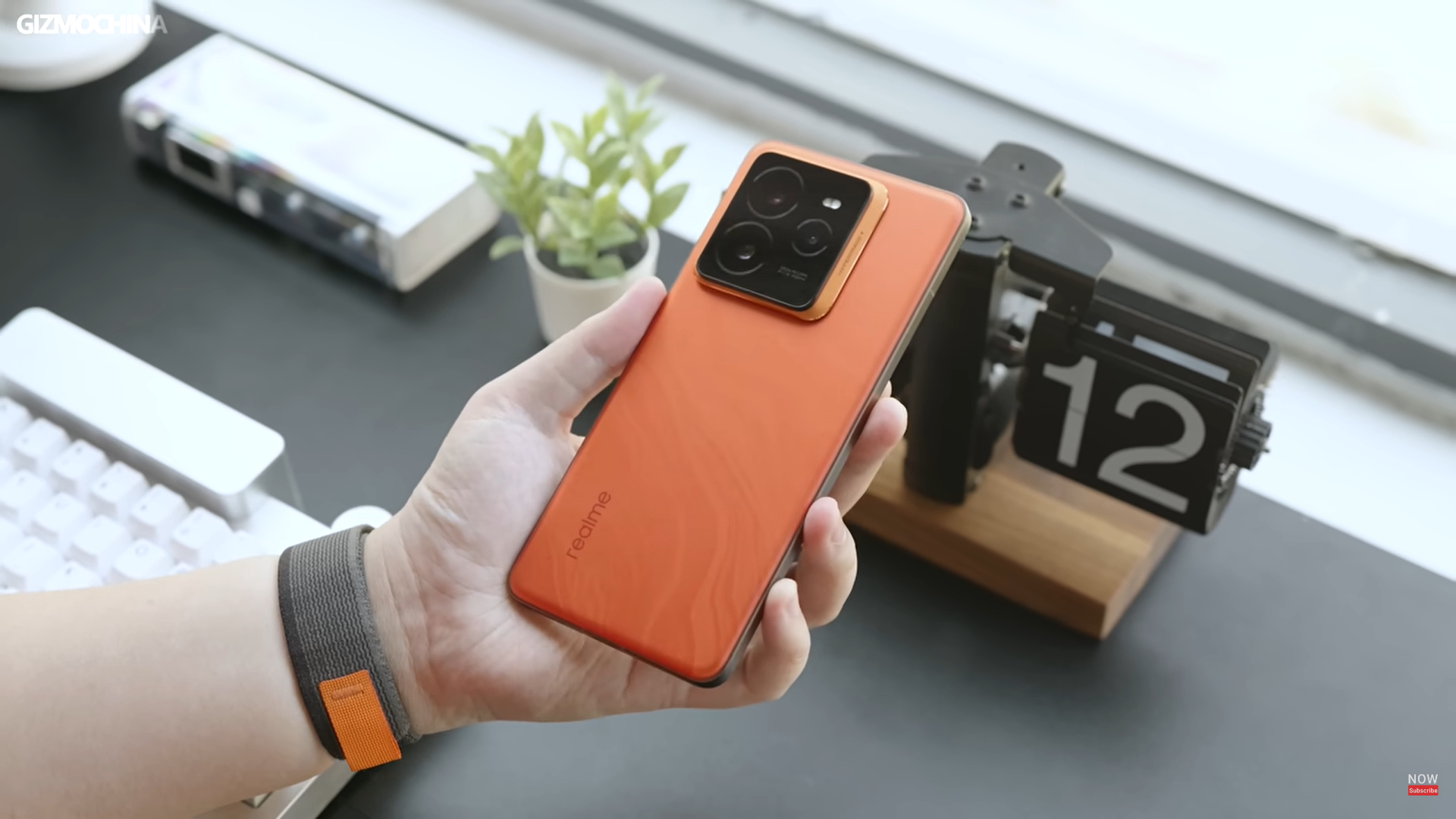
Realme’s new 6 different smartphones have been revealed. The Gizmochina team found some remarkable details about the devices and in this article we will reveal everything. We have already spotted 4 different new Realme models. Now, 6 more new Realme models have been surfaced. We don’t have any information about the specifications of the smartphones. However, the detected model numbers point to a new generation of Realme smartphones.

Previously, we reported that Realme was working on four different smartphones. The model numbers of these four devices were “RMX5000”, “RMX5002”, “RMX5010” and “RMX5011”. The Gizmochina team detected 6 more new Realme smartphones. The model numbers of new devices are “RMX5003”, “RMX5004”, “RMX5050”, “RMX5051”, “RMX5055” and “RMX5056”. These model numbers will belong to future Realme models. Considering that Realme’s model numbers are normally ordered as RMX1000, RMX2000, and RMX3000, it is noteworthy that the RMX4000 series is skipped and goes directly to the RMX5000 series.

Superstitions in Chinese culture are thought to be effective behind this unusual transition. In Chinese culture, the number 4 is considered inauspicious as it is pronounced similarly to the word “death”. This is called “Tetraphobia”, the fear of 4. This belief has led many Chinese brands to avoid the number 4 in their product numbering. Realme’s parent company Oppo did something similar, skipping the Find X4 and launching the Find X5 directly. Therefore, Realme’s decision to do the same and skip the RMX4000 series and go straight to the RMX5000 series may be due to this superstition in Chinese culture.

Realme is a brand known for its innovative technologies and affordable products. These four new devices are expected to generate interest among consumers. It shows that the brand is working on new models and the numbering of these models is influenced by superstitions in Chinese culture. The fact that Realme is a sub-brand of Oppo and under the umbrella of BBK Electronics shows that the brand has strong support and a wide technology infrastructure. Realme is expected to introduce these new devices in the future and present them to technology lovers.

Xiaomi launches Pocket Power Bank Pro 10,000mAh & Power Bank 4i 20,000mAh launched in India

Last month, Xiaomi debuted the Pocket Power Bank and the Power Bank 4i in the Indian market alongside the Redmi 13 5G and the Redmi Buds 5C. Just a month later, the brand unveiled new and improved models for these power banks called the Xiaomi Pocket Power Bank Pro, and the Power Bank 4i 20000mAh.

Xiaomi Pocket Power Bank Pro

1. Xiaomi Power Bank 4i 20,000mAh

Xiaomi Power Bank 4i

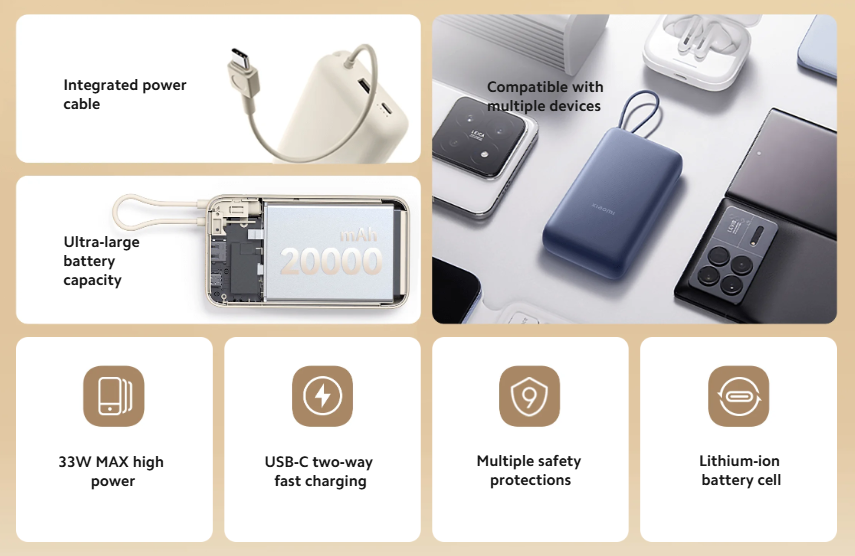
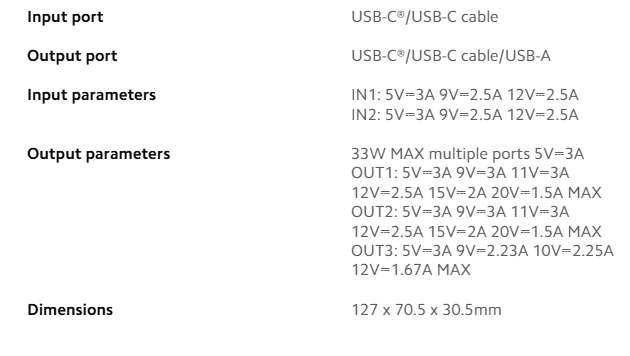
The Power Bank 4i offers a large 20,000mAh capacity, making it suitable for users who need to charge multiple devices over extended periods. This power bank is made from durable PC+ABS material and supports 33W fast charging, allowing for quick recharges. It features a versatile Type-C port that works as both an input and output port and supports popular charging standards like PD (Power Delivery) and QC 3.0 (Quick Charge). Additionally, the Power Bank 4i includes two USB-A ports, a low-power delivery mode for smaller devices, and 12-layer protection to ensure safety.

2. Pocket Power Bank Pro

Xiaomi Pocket Power Bank Pro

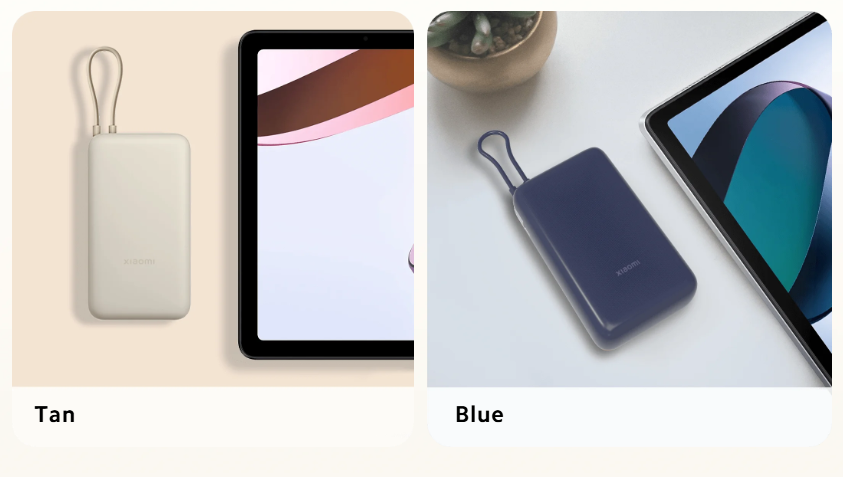
The Pocket Power Bank Pro is designed for users who need a portable charging solution. Despite its compact size, it has a 10,000mAh capacity. The power bank is made from the same durable material as the Power Bank 4i and features a minimalist design that makes it easy to carry. It includes a Type-C port for two-way fast charging, two USB-A ports, and 12-layer safety protection. The Pocket Power Bank Pro can be fully recharged in less than two hours when using a 30W charger.

3. Pricing and Availability

The Pocket Power Bank Pro (10,000mAh) is priced at Rs. 1,799 and is available in black. The Power Bank 4i (20,000mAh) is priced at Rs. 2,199 and comes in Jet Black, Nitro Green, and Turbo Blue. Both models will be available for purchase starting August 30, 2024, on Xiaomi’s website, Amazon, Flipkart, and at Xiaomi retail stores across India.

(Source 1, 2)

Oppo Pad 3 Pro rumored to feature Snapdragon 8 Gen 3 AE, ColorOS 15 arriving later

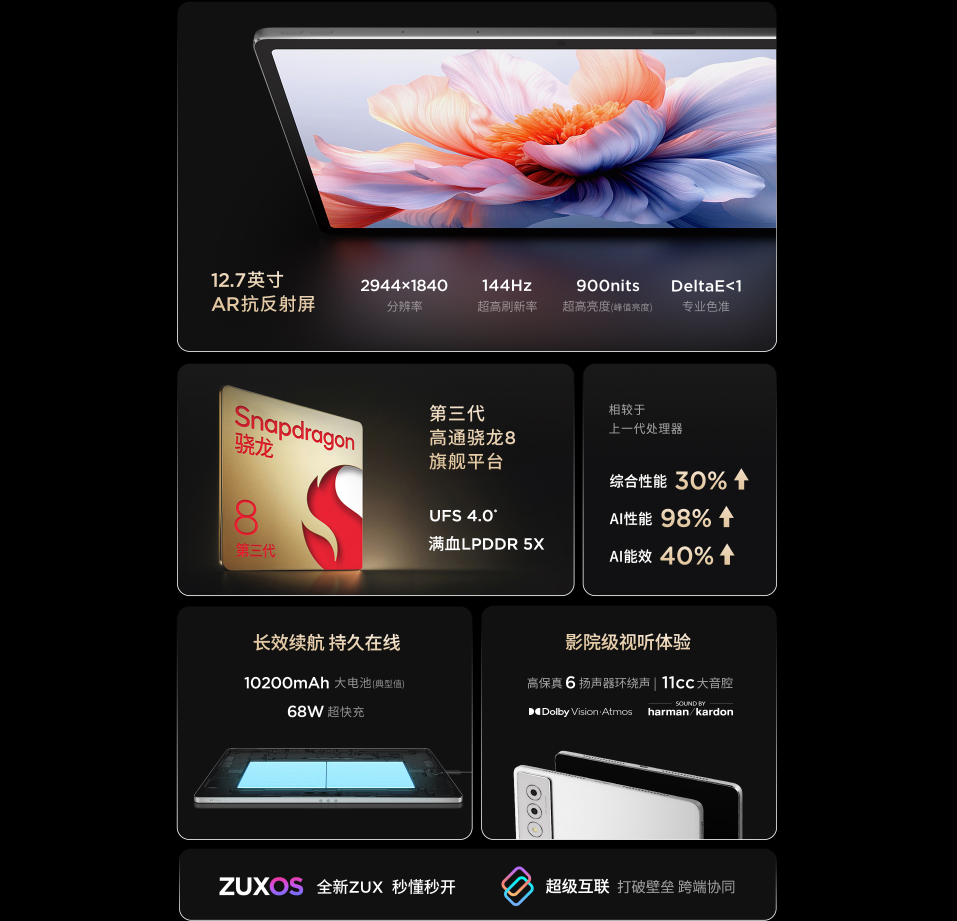
Oppo is expected to unveil a new tablet in the Chinese market soon, the Oppo Pad 3 Pro and rumors are swirling about its key features. According to Digital Chat Station, the tablet will be powered by the Snapdragon 8 Gen 3 Accelerated Edition processor, positioning it among the high-performance tablets in the market.

Oppo Pad 3 Pro to feature Snapdragon 8 Gen 3 Accelerated Edition

Oppo Pad 3 Pro DCS leak

Additionally, the tablet is rumored to come with 16GB of RAM paired with 1TB of storage, making it suitable for heavy multitasking and extensive media storage.

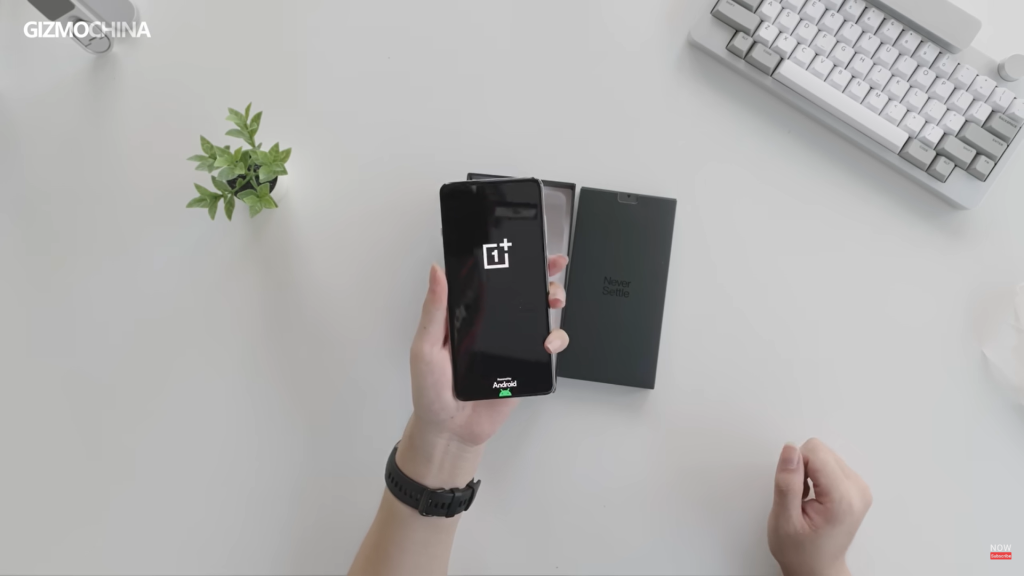
However, the much-anticipated ColorOS 15 system update won’t be available right at launch. The tipster mentioned that this new version of ColorOS will arrive later on the device, though no specific timeline has been provided. The beta testing of the ColorOS 15 is about to start by the end of this month on the OnePlus 12 and Oppo Find X7 series smartphones.

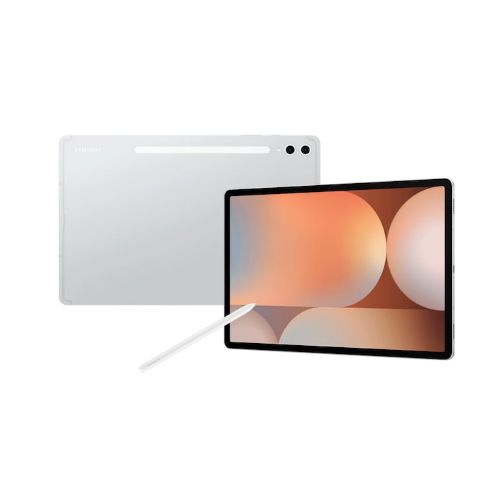
As per previous leaks, the Oppo Pad 3 Pro’s design is reported to be almost identical to the OnePlus Pad Pro. The tablet will come in two color options: Blue and Gold expanding the color palette from the existing grey and green options of the OnePlus Pad Pro.

Alongside the tablet, Oppo will also offer accessories such as a smart protective case and the Oppo Pencil 2 Pro stylus in black, enhancing its utility for both professional and casual users.

In the comment section, Digital Chat Station also suggested that the Xiaomi Pad 7, another upcoming competitor in the tablet market, will offer “significantly lower performance,” even though it’s expected to feature the Snapdragon 8 Gen 3 processor. While details are sparse, this implies that the Oppo Pad 3 Pro could have a significant advantage over Xiaomi’s offering in terms of processing power.

Additionally, Digital Chat Station hinted that the OnePlus Ace 5 might also be equipped with the Snapdragon 8 Gen 3 Accelerated Edition processor, potentially setting a new performance benchmark in its category.

Galaxy S25 Ultra rendering shows major shift in design

The front design of the Galaxy S25 Ultra surfaced on the internet earlier this month through a leaked render, which only revealed the relatively more rounded corners and a narrower bezel. In the latest news, tipster Ice Universe has shared a more detailed render of the phone that also reveals the side profile.

As you can see from the image, the upcoming device is expected to come with completely flat sides. While the company has made slight changes in the middle frame over the past few years, this leaked render suggests a big shift in design. If true, the upcoming Galaxy flagship could look more similar to recent Meizu devices with flat sides and slightly rounded corners than the Galaxy S24 Ultra.

Nonetheless, it’s important to keep in mind that the render comes from an unofficial source, and there’s still time for the company to make changes. That being said, readers should take the refreshed design with a pinch of salt.

What we know so far about the S25 Ultra

A previous leak mentioned that the phone will become slightly narrower, but house a wider panel thanks to the narrower bezels. Specifically speaking, the width of the S25 Ultra is said to be the same as the iPhone 16 Pro Max. The S25 Ultra’s display will also be slightly bigger than its predecessor.

The phone will launch sometime in Q1 2025 and will be powered by the Snapdragon 8 Gen 4 chip. It may use the 200MP ISOCELL HP2 as the main sensor, a 50MP (upgraded from 10MP) 3x telephoto, and a 50MP 5X periscope telephoto sensor. The phone is also said to use a new version of the 1/2.76-inch JN1 sensor for the ultrawide camera, that has a resolution of 50 MP.

It was also reported that one of the telephoto lenses will include a 1/3″ ISOCELL sensor, which improves the clarity and stability of zoomed shots. It could be the 50 MP 5x periscope telephoto.

(Source)

Unlock Big Savings: Get $100 OFF on Black Zero 3-in-1 Portable Tool Set

Black Zero 3-in-1 Portable Tool Set redefines the DIY experience with a comprehensive, portable solution that combines manual and electric tools with essential accessories. Whether tackling home improvement projects, automotive repairs, or intricate crafting tasks, this versatile toolbox simplifies your workflow with high-performance tools and a well-organized storage system.

Exclusive Deal:

Get the Black Zero 3-in-1 Portable Tool Set now for a limited-time deal at just $249.99, down from its original price of $349.99. This versatile DIY toolbox is exclusively available at this discounted rate on the official website.

16.8V Brushless Drill: Next-Generation Efficiency

The heart of this toolset is the 16.8V Brushless Drill, which features a smart LED display and precise torque control, ensuring accurate results every time. With a maximum torque of 60N·m and a brushless motor, it offers stable, spark-free operation with enhanced efficiency. The drill operates across 5-speed settings, reaching up to 1000 RPM, making it suitable for various tasks, from drilling to screwdriving. The integrated 1600mAh battery allows the drill to drive up to 850 screws per charge, and it fully charges in just 50 minutes, thanks to its 45W power input. Additionally, the detachable battery doubles as a power bank for charging your devices on the go.

Screwdriver & Sheepshead Hammer: Precision and Comfort

For precise and convenient repairs, the toolset includes two magnetic screwdrivers in different sizes (180mm and 80mm), offering unmatched flexibility. The magnetic design securely holds screws, making one-handed operation easier. Complementing the screwdrivers is a sheepshead hammer with a magnetic top for effortless nail handling. The hammer features a non-slip rubber cap that not only protects surfaces from scratches but also reduces noise, making it perfect for indoor tasks.

Multi-Purpose Pliers & Self-Locking Tape Measure: Accuracy Meets Versatility

The set also includes 6-inch sharp-nosed pliers designed with labor-saving springs and wide-mouthed jaws. These pliers are highly versatile, allowing for fast and efficient stripping, crimping, curling, and cutting of various materials. Additionally, the 3-meter (10-foot) self-locking tape measure offers smooth, one-touch retraction and ensures precise measurements every time, making it ideal for quick and reliable work in tight spaces.

Comprehensive Accessories: Ready for Any Task

The Black Zero Tool Set doesn’t stop at hand tools—it also includes a complete box of 12 different types of high-quality accessories, totaling 525 pieces. From stainless steel screws and barrel nuts to elastic-plastic expansion screws, each component is crafted for durability and corrosion resistance. The customizable compartments in the storage box allow you to organize tools and accessories efficiently, maximizing workspace utility and minimizing clutter.

Advanced Design and Portability

The toolbox is housed in a tough, wear-resistant ABS case with a 3-tiered design that allows for compact storage or easy separation for specific tasks. This design, combined with the lightweight and minimalist approach of the tools, ensures you can carry and use the set comfortably, whether at home or on the go.

Key Features:

  • 16.8V Brushless Drill
  • 60N·m High Torque
  • 1600mAh Battery
  • 5-Speed Settings
  • Magnetic Screwdrivers (180mm and 80mm)
  • Sheepshead Hammer with Non-Slip Rubber Cap
  • 6-Inch Sharp-Nosed Pliers
  • 3-Meter Self-Locking Tape Measure
  • 12 Types of Accessories (525 Pieces Total)
  • Portable ABS Toolbox
  • 3-Tier Design for Storage
  • Customizable Compartments

The Black Zero 3-in-1 Portable Tool Set is more than just a toolbox; it’s a comprehensive solution that simplifies your toolkit while offering the performance and versatility needed for a wide range of applications. From high-powered drilling and magnetic screwdrivers to multi-functional pliers and durable accessories, this set has you covered for any DIY or professional task.

Xiaomi’s 6 smartphones added to EOL list, will never receive updates again

Xiaomi is a well-known brand in the world of technology, especially for its smartphones and tablets. In recent years, Xiaomi has released many devices that have become very popular and sold in large numbers. However, like all technology products, these devices have a limited life span. After a certain period, Xiaomi decides to stop providing updates for some of its devices. This decision is called “End of Life” (EOL), which means the devices will no longer receive software or security updates.

Xiaomi adds 6 more devices to the EOL list

Recently, Xiaomi added six more devices to its EOL list. These devices are the Xiaomi MIX 4, Xiaomi Pad 5 Pro 5G, Xiaomi Pad 5, POCO F3 GT, POCO F3, and Redmi K40. As of August 27th, these devices are officially part of Xiaomi’s EOL list. This means they will not receive any more updates in the future.

The devices added to the EOL list were once popular models. For example, the Xiaomi MIX 4 was known for its innovative design and strong performance. The Xiaomi Pad 5 series was also loved by users for its high-quality screens and powerful hardware. The POCO F3 GT and POCO F3 were popular because they offered great performance at an affordable price. The Redmi K40 was a big success, especially in the Chinese market.

The addition of these devices to the EOL list may cause some concern for current users. Without updates, these devices might become more vulnerable to security risks over time. They also won’t get new features or performance improvements anymore. However, these devices will still work and can be used with their existing features.

Xiaomi usually makes this decision after a device has been on the market for a certain amount of time, typically 2-3 years. After this period, Xiaomi focuses its resources and engineering support on newer devices, which is why they stop providing updates for older models.

In conclusion, the inclusion of these six devices in Xiaomi’s EOL list is a natural part of the technology cycle. Users can continue using these devices, but they may want to consider upgrading to newer models for better security and performance. Xiaomi’s decision reflects its effort to focus on new technologies and devices.

Via / Source

ASUS ROG Zephyrus G16 2024 gaming laptop arrives in India: 2.5K 240Hz OLED display & AMD Ryzen AI 9 processor

ASUS unveiled its ROG Zephyrus G16 2024 gaming laptop last month on the world stage and started selling it in the US only a couple of weeks back. Now, the laptop has arrived in India as well.

ASUS ROG Zephyrus G16

ASUS ROG Zephyrus G16 specs:

The ROG Zephyrus G16 comes with a premium aluminum CNC unibody design which is 25% thinner compared to its predecessor. The laptop boasts a 16-inch ROG Nebula OLED display with QHD+ (2560 x 1600 pixels) resolution. It has a refresh rate of 240Hz, with a 0.2ms response time. Its brightness peaks at 500 nits, and it is Dolby Vision and VESA DisplayHDR True Black 500 certified. It offers 100% coverage of the DCI-P3 color gamut, with Pantone-validated colors that have an accuracy of Delta E < 1.

ASUS ROG Zephyrus G16 (2024)

Under the hood, the laptop features an AMD Ryzen AI 9 HX 370 processor, paired with up to 32GB of LPDDR5X-7500MHz RAM. For graphics, there is a choice between an RTX 4060 and an RTX 4070 laptop GPU. As for storage, the laptop has two M.2 SSD slots and can be configured with up to 4TB of storage.

For audio, the laptop has a stereo speaker setup certified by Dolby Atmos and Hi-Res Audio. The laptop also offers two-way AI noise cancellation for disturbance-free video calls. The G16 is also the first ROG laptop equipped with WiFi 7 for ultra-fast wireless connectivity.

The I/O ports feature 1 x USB4 (supports DisplayPort / Power Delivery), 1 x Type C USB 3.2 Gen 2 (supports DisplayPort / Power Delivery), 2 x Type-A USB 3.2 Gen 2, 1 x HDMI 2.1, 1 x SD Card Reader (SD 7.0), 1 x Audio jack, and 1 x ASUS Slim Power Jack. It measures 35.4 x 24.6 x 1.49~1.74 cm and weighs 1.85 kg.

Pricing & availability

The ASUS ROG Zephyrus G16 (2024) is available in two models: the Zephyrus G16 (GA605WI-QR067WS) priced at Rs. 2,49,990, and the Zephyrus G16 (GA605WV-QP078WS) priced at Rs. 1,94,990. Both models can be purchased through the Asus Store, eShop, Flipkart, and Amazon.in.

Xiaomi’s first button-less smartphone “Zhuque” leaked

Some details about Xiaomi’s first buttonless smartphone have leaked. According to research by the XiaomiTime, this device will be introduced in 2025. The new buttonless smartphone is expected to come in 2 different versions. One will support satellite communication and the other will not have this feature.

Xiaomi’s first buttonless smartphone is here!

Back in July, a device with the codename “zhuque” was found on Mi Code by XiaomiTime and we thought it could be the new Xiaomi MIX 5. We didn’t share this speculation at the time because we didn’t have much concrete information. The name ‘Zhuque’, according to the Taoist five element system, the Wu Xing, represents the Fire element, the southern direction and, accordingly, the summer season. For this reason, it is sometimes also called the Vermillion Bird of the South (Chinese: 南方朱雀, Nán Fāng Zhū Què). And this made us believe that the new device could belong to the premium MIX series. The idea was supported by the fact that the new MIX smartphone was listed on Mi Code along with other high-end devices.

Recently, more information has come to light that confirms earlier assumptions. It seems that the “zhuque” device will come in two versions, “Satellite” and standard. This suggests that one of the models may include advanced satellite communication, a feature that is becoming increasingly common in high-end smartphones.

The Mi Code also revealed that the “zhuque” device will likely be a button-less phone. References to “Removebutton” codes were found in the HyperOS framework, hinting that the phone’s design will have no physical buttons, allowing the entire front of the phone to be used as a screen.

  • 2503FVPB1C
  • 25031VP29C

There are two model numbers associated with this device: The new “zhuque” has been detected in the IMEI database. The device has 2 different model numbers. As we said above, the 1st model number is the 1st version of the device that supports satellite and the 2nd model number is the 2nd version of the device that does not support satellite.

The “25-03” in the model number indicates a release date around March 2025. XiaomiTime first spotted these model numbers in July 2024 but did not share them at the time because it was not sure.

It’s worth noting that back in 2018, Xiaomi introduced a prototype of a trifold MIX smartphone with the model number U1, which used the SDM845 chip and had no buttons. The “zhuque” design might be similar to this earlier prototype.

Source: XiaomiTime

Sony launches ZV-E10 II 26MP mirrorless vlogging camera in India for Rs. 94,990

Sony has launched the ZV-E10 II in India, the second generation of its mirrorless vlogging camera series aimed at content creators. It retains the compact, user-friendly design of its predecessor with several key enhancements. This follows its global launch in July, with the first generation introduced in India in 2021.

Sony ZV-E10 II

Sony ZV-E10 II Specifications:

The Sony ZV-E10 II features a 26-megapixel backside-illuminated Exmor R CMOS sensor with a BIONZ XR image processing engine, offering an ISO range of 100 to 32000 for versatile lighting performance.

The camera comes with a 759-point phase-detection autofocus system with real-time eye AF and tracking, ideal for fast-moving subjects. It is compact and lightweight, weighing 377 grams and measuring 121 x 68 x 54mm.

For video, the ZV-E10 II oversamples at 5.6K to produce 4K footage (1.1x cropped) at up to 60p. It also supports Active Mode electronic image stabilization to reduce shake during handheld shooting. It also supports 10-bit 4:2:2 color recording for professional-grade editing.

The ZV-E10 II introduces a new vertical user interface that automatically rotates, along with a vari-angle LCD monitor for versatile shooting angles.

The camera features an upgraded large-capacity Z battery (NP-FZ100) that supports up to 195 minutes of continuous recording. It includes built-in features like Product Showcase Setting, Background Defocus for bokeh effects, and a 3-capsule microphone with selectable directivity for better audio.

In terms of connectivity, the camera includes a USB 3.2 Type-C port for fast data transfer and live streaming through the Creators App. It also supports 5 GHz Wi-Fi for stable live streaming.

Sony is offering the E PZ 16-50mm F3.5-5.6 OSS II lens, available separately or with the ZV-E10 II kit. This compact lens retracts to 1.25 inches and weighs about 107 grams, offering a 24-75 mm full-frame equivalent focal length and close focusing at 9.8 inches. It includes optical stabilization and in-body breathing compensation for stable video capture.

Pricing and Availability

Sony ZV-E10 II is priced at Rs. 94,990 for the body-only version, with the price for the kit including the 16-50mm Power Zoom Lens to be announced soon. It is available at Sony Centers, Alpha Flagship stores, major electronics stores, and online platforms like Amazon.in and Flipkart.

(Via)

Here’s why POCO Pad 5G is better value for money than Redmi Pad Pro in India

Following the release of the Redmi Pad Pro models in India last month, Xiaomi has just unveiled another 5G enabled tablet in the region dubbed the POCO Pad 5G. Apart from the name, the new mid range tablet from POCO appears to be nearly identical to the Redmi Pad Pro. But despite being a rebranded version of the same tablet, why is the POCO Pad 5G a better value for money in India? Let’s find out.

Poco Pad 5G
Poco Pad 5G

1. POCO Pad 5G vs Redmi Pad Pro 5G: Identical Design & Display

First, we must get familiar with what these two tablets offer. Both models feature a premium metal unibody with the rear featuring two camera rings and a dual tone design. On the front, the POCO Pad 5G sports a tall 12.1-inch display that is surrounded by minimal bezels.

It has an LCD panel that offers a 2.5K resolution, a 120Hz refresh rate, and 600 nits of peak brightness. The screen brings various color schemes and supports Dolby Vision as well for an enhanced viewing experience. Just like the Redmi Pad Pro 5G, POCO’s new tablet also supports Stylus and keyboard.

2. What about the hardware?

Redmi Pad Pro
Redmi Pad Pro 5G

POCO launched its first ever tablet in India after releasing it in the global market earlier this year. You can even click here to check out our review. Under the hood, it is equipped with the Qualcomm Snapdragon 7s Gen 2 SoC, which is paired with up to 8GB of RAM and 256GB of internal storage. A massive 10,000mAh battery pack powers this device, which supports 33W wired fast charging.

The POCO Pad 5G runs on the Android 14 OS based HyperOS custom skin out of the box. It also comes with Xiaomi Interconnectivity features that bring multi platform support. For audio, POCO Pad houses a quad speaker setup with Dolby Atmos support and two microphones. The tablet also has an 8-megapixel camera on the rear and the front for selfies and video calls.

Looking at these specs, the configuration is basically identical to the Redmi Pad Pro 5G. So these would likely offer a similar experience with near identical performance. This means that the only major difference is the price, which is what makes the POCO Pad 5G a better value for money than the Redmi Pad Pro.

3. There’s just one big difference

Xiaomi launched the two tablets with similar kits but varying prices. On launch, the Redmi Pad Pro 5G was released for 24,999 INR for the base 8GB + 128GB option. On the other hand, the POCO Pad 5G was announced in India for just 22,999 INR for the same storage option. This means it is around 2,000 INR cheaper, which is also reflected on the higher end 256GB option as well. So it is easy to say that POCO Pad is a better deal.

All Apple M4 Macs to come with 16GB of RAM as base

Apple might be giving Mac users what they’ve been asking for: more RAM. According to Bloomberg’s Mark Gurman, the California-based tech giant is testing its upcoming M4-powered Macs with a minimum of 16GB of unified memory, a big upgrade from the current 8GB standard.

The 8GB base configuration has been a sticking point for Mac users, particularly for those involved in creative fields or with demanding workflows. 

Sure, you can choose a higher-tier model at the time of purchase. But the price difference between the base and upgraded options is often quite steep. This makes the higher-tier models a poor value for money.

Now, moving to a 16GB base means we’re likely to see a price increase. But we think Apple will find a way to make the new configuration competitive in the market. They have to!

Back to Gurman’s report, Apple is said to be testing four new Mac models with M4 chips. These chips will come in 8-core and 10-core variants, similar to those in the latest iPad Pros. To be specific, the higher-end M4 will likely have 4 performance cores and 6 efficiency cores, while the base model will have a 4/4 core setup.

Besides the increase to 16GB RAM, there may be other changes. The report suggests a broader M4 refresh for the Mac lineup, possibly including updates for the MacBook Pro, Mac mini, and iMac. 

The switch to 16GB as standard is particularly noteworthy because Apple’s M-series chips integrate RAM directly into the processor package. This means upgrading RAM after purchase is next to impossible.

So, a 16GB of baseline RAM would not only ensure smoother performance out of the box, but it will also eliminate the need for users to pay extra for a more RAM-equipped model from the outset. These details are still unconfirmed by Apple, so they remain very much speculative at the moment. 

Lenovo’s Legion Go handheld gets several exciting accessories including an USB-C Doc and a Joystick

Lenovo released a number of accessories for the Legion Go handheld yesterday, which includes a USB-C charging dock, a carry case, joystick and joystick caps, a multi-device Bluetooth mini keyboard, and two curved monitors.

Legion Go USB-C Dock

The Legion Go USB-C dock offers a USB-C Power port (up to 100Wmax), 1G RJ45 port, full-function Type-C™ port, two USB-A 3.0 ports, and an HDMI 2.0 port that supports up to 4K at 60Hz. The integrated Type-C cable is 230mm long.

This product is currently priced at US$58.79 on the official website.

Legion Go Charging Connector

This charging connector is designed to turn the Lenovo Legion Go’s detachable TrueStrike controllers into a single, chargeable controller. It has a built-in 10.55Wh (2850mAh) battery and can also replenish the battery life of the TrueStrike controller when connected to a USB Type-C cable. it is measured at 128.5×94.7×14.3 (mm) and it weighs 152.5g.

This accessory is expected to be available starting October 2024 starting at 59.99 €.

Legion Go Carry Case

It measures 320.9×148.2×108.9 (mm), which is large enough to hold the handheld, USB data cable, USB flash drive, power adapter, headphones, and other accessories. This case also features a clapboard to protect the screen.

It’s expected to be available starting January 2025 starting at 29.99 €.

Legion Go Joystick and Joystick Caps

The Legion Go Joystick and Joystick Caps are designed to offer more precise control in games. The extra grippy textured material enhances comfort and control during long gaming sessions.

The set includes replacement joysticks and joystick caps in three shapes: spherical, concave, and cylindrical. Each of them includes a pair of products in four colors: Eclipse Black, Glacier White, Luna Grey, and Lenovo Red.

The Legion Go Joystick and Joystick Caps are expected to be available starting October 2024 starting at 9.99 €.

Multi-Device Bluetooth Mini Keyboard

This keyboard is the perfect complement to the Lenovo Legion Go as a 75% layout, super light 180g keyboard, which is only 5.6mm thick. It can easily switch between up to three devices with multi-device connection and supports Microsoft Windows, Android, and iPadOS.

This multi-device keyboard is expected to be available starting November 2024 starting at 39.99 €.

Legion R27qc-30 and Lenovo Legion R32qc-30 Monitors

Legion Go owners now have two new display options – the 27-inch Lenovo Legion R27qc-30 and the 31.5-inch Lenovo Legion R32qc-30. The 27-inch monitor supports 120% sRGB and 90% DCI-P3 and the 31.5-inch supports 112% sRGB.

Both monitors feature an up to 180Hz refresh rate and 0.5ms (MPRT) response times in their 1500R curved displays. Speaking of connectivity, both monitors come with two HDMI 2.1 ports, a single DP1.4 port, and an audio out, as well as a pair of 3W speakers.

Both the 27-inch and 31.5-inch monitors are expected to be available starting October 2024 with price tags of 259 € and 349 € respectively.

(Source | via)

Poco F7 may launch sooner than expected, grabs its second certification

Earlier this month, a new Poco phone appeared in the IMEI database. The device carrying the model 2412DPC0AG is rumored to be the upcoming Poco F7. 

We were initially skeptical about this listing, though, as the Poco F6 series was only released three months ago, in May. So we were expecting the successor, the Poco F7 series, to launch around the same time next year, likely in Q2 2025.

But it looks like Poco is accelerating its F-series release cycle this year. Following the IMEI listing, the alleged Poco F7 has now secured EEC certification with the same model number.

Poco F7 EEC certification

While the certification doesn’t provide specifics about the phone’s hardware or features, it increases the likelihood that the Poco F7 could launch sooner than expected.

Looking at past patterns, the Poco F6 received EEC certification in January of this year and was officially unveiled in May. If Poco follows a similar strategy for the Poco F7, we might see the new series debut in December. 

Perhaps, the phone’s model number “2412” is already hinting at this schedule—“24” for the year and “12” for the month. However, it’s important to note that this is still just a speculation and Poco hasn’t confirmed any of this. 

Regardless, the Poco F7 is expected to be a rebrand of the Redmi Turbo 4 for the global market. The F7 Pro, on the other hand, could be a rebranded version of Redmi K80. 

Poco F6

The Redmi K80 series is rumored to launch in China this November, so a December release for the Poco F7 series is still very possible. It’s just that Xiaomi typically takes some time to introduce its China-exclusive phones to the global market. While we were expecting this pattern to continue, there seems to be a shift in strategy this year. We’ll keep you updated with any news about the Poco F7 series.

Sony’s latest Budget TWS earbuds launched in 4 bright colors, $60 price tag, & 11hr battery

Sony is expanding its TWS lineup with a pair of new affordable earbuds. The latest budget TWS earbuds are the WF-C510, which is basically a refreshed version of the older WF-C500. The brand’s latest hearables recently surfaced in a leak and have finally been released in bright new colors and some notable specs for a price that doesn’t hurt your wallet. So let’s check it out.

Sony WF-C510: What does the Budget TWS offer?

Sony’s new WF-C510 was announced with a smaller and lighter body than the C500. It was a closed design with silicon ear tips and an IPX4 rating for sweat resistance. This makes it a good partner during your workout sessions. The company used recycled plastic for its body. Since the TWS was announced for a budget friendly focus, it skips certain premium features like ANC (Active Noise Cancellation) but users do get an ambient mode, which is basically a transparency mode that lets you listen to the environment around you.

Sony WF-C510 Budget TWS Earbuds

Another feature you miss out on is the multipoint Bluetooth connectivity. On a single full charge, the Sony WF-C510 has an extended battery life of up to 11 hours on the earbuds alone. Meanwhile, the charging case offers another full charge. So you get a total of 22 hours. There is also a button for easy operation and the app allows you to tweak audio settings. Other notable features include DSEE upscaling that can recover the details lost due to compression and 360 Reality Audio.

Pricing, Colors, and Availability

Sony introduced the WF-C510 for an affordable price tag of just 60 US Dollars. This makes it even more attractive and accessible than its predecessor, which was released for 100 US Dollars. Buyers can choose between four color options, which include Black, Blue, White, and Yellow. It is set to hit the shelves early next month.

Samsung’s debuts Premiere series of 4K projectors: 130-inch Dolby Atmos enhanced Premium Home Theatre experience

We’ve recently covered plenty of smart projectors that have a budget price tag. These feature big projections and are a great value for money. But Samsung is taking a step in a different direction, aiming to offer a top-of-the-line home theatre experience with its new Premiere series of projectors.

Samsung Premiere 9 & Premiere 7 4K Projectors

Samsung’s Premiere lineup consists of two variants, namely Premiere 9 and Premiere 7. Both models offer up to a 130-inch screen projection size (120-inch on the Premiere 7) along with HDR10+ support for clear and vivid images. These natively support 4K resolution along with AI Upscaling and Vision Booster to enhance content to 4K as well. The Premiere 9 employs triple laser technology for accurate colors and offers up to 3,450 ISO lumens that cover 154 percent of the DCI P3 color gamut.

Samsung Premiere Projector Launch
Samsung Premiere Series of 4K Projectors

Meanwhile, the Premiere 7 provides 2,500 ISO lumens and covers 100 percent DCI P3. These are ultra short throw projectors, which means that they are made to be placed close to the projection surface. Samsung also paid special attention to the design, building compact premium projectors with a minimalist white design with a rounded body and a premium Kvadrat fabric finish.

To ensure users get the best home theatre experience, Samsung even packs the Premiere projectors with built in Dolby Atmos speakers. The more expensive Premiere 9 houses the 40W 2.2.2 channel speakers, while the Premiere 7 features 30W 2.2 channel speakers. Other notable features include access to popular streaming platforms like Netflix, YouTube, and Amazon Prime Video, cloud based gaming without needing a console, Tap View, and easy mirroring from smartphones.

Pricing and Availability

The Samsung Premiere 9 and Premiere 7 projectors were just announced in the US, Canada, and China. The Premiere 9 4K Smart Triple Laster Projector has a price tag of 5,999 US Dollars, while the Premiere 7 4K Smart Laser Projector costs 2,999 US Dollars. These are set to be released in other regions later this year.

OxygenOS 15: Release Date, Eligible Devices, and New Features

OxygenOS 15 release date, features, eligible devices

Android 15 release is around the corner, and smartphone brands have already started working on their version of custom skin. For OnePlus, it will be the OxygenOS 15, based on Android 15.  

OxygenOS 14 introduced many new features, design changes, and enhancements, such as Anamorphic Design, Go Green AOD, and Trinity Engine. The next iteration — OxygenOS 15 — is also expected to bring a host of new features and upgrades.

Here’s everything you need to know about the OxygenOS 15, including the release date, eligible devices, and expected features.

OnePlus OxygenOS 15 Release Date

Android 15 is in the platform stability phase, the final development cycle before it is out for the public. So far, Google has followed last year’s beta release timeline. Therefore, the stable version is also expected to drop around the same time as last year’s, in October.

Last year, OxygenOS 14 was released in November, and OxygenOS 13 also arrived in the same month. Considering previous releases, we can expect OnePlus to release the Android 15-based OxygenOS 15 in November.

As you may already know, recent high-end phones are the first in line to receive the latest upgrade, and then it gradually expands to other models.

If you have a high-end OnePlus device, you may have a chance to early experience the new OS by joining the beta program. The Android 15 beta program is currently available for the OnePlus 12 and OnePlus Open users. More OnePlus models should join the party in the coming weeks.

OxygenOS 15 Eligible Devices

  • OnePlus Open
  • OnePlus 12
  • OnePlus 12R
  • OnePlus 11
  • OnePlus 11R
  • OnePlus 10 Pro
  • OnePlus 10T
  • OnePlus 10R
  • OnePlus Nord 4
  • OnePlus Nord 3
  • OnePlus Nord CE 4
  • OnePlus Nord CE 4 Lite
  • OnePlus Nord CE 3
  • OnePlus Nord CE 3 Lite
  • OnePlus Nord N30 SE
  • OnePlus Pad 2
  • OnePlus Pad Pro
  • OnePlus Pad 

We have prepared the above list after analyzing the software update policy for each OnePlus device and the past rollout history. We’ll update it once the official list is out.

OxygenOS 15: What to Expect?

The next major upgrade will bring plenty of new features and upgrades from the development team at OnePlus. Plus, there will be new features and enhancements directly from Google as a part of Android 15.

Here are the most significant changes we expect to see in OxygenOS 15 (including features from Android 15):

1. Lock Screen Customizations

The OxygenOS 15 is expected to bring new features for a more tailored lock screen experience. The upcoming version might allow users to customize lock screen fonts, colors, clock styles, and widgets.

OnePlus might also add a depth effect to lock screen wallpapers like iOS and bring a new set of wallpapers.

2. Video Battery Saver

Folks at Android Authority have spotted a new feature called “Video battery saver” in early Android 15 betas for OnePlus phones. This feature automatically optimizes battery usage when a supported video app is draining the battery. This will extend battery life but may slightly affect your video-watching experience.

This feature was spotted in the beta build. Hence, we’ll wait to see if OnePlus integrates it into the final version of OxygenOS 15. 

3. Revamped Control Center

The OxygenOS 14 revamped the control center, but that’s not the end of the road. The upcoming OxygenOS 15 is expected to bring some notable changes to enhance the user experience. 

4. Theft Detection Lock

This is not an OxygenOS 15-specific feature but an Android 15 feature to stop thieves from stealing your data.

The Theft Detection Lock feature uses Google’s AI to determine when your device has been snatched from your hands. If it detects this, the device will lock itself automatically, preventing thieves from stealing your data. The best part is that thieves won’t be able to activate the device until they have your Google account details.

Snatching/stealing Android phones and selling them off for some money is a common practice among thieves, but Android 15 reduces the incentive by making the device unusable without the correct Google account details.

5. More AI Integration

OnePlus phones running OxygenOS 15 already have some AI features, but Android 15 could take the AI experience to another level by introducing many new features, including Gemini AI integration. We might also see new AI features from the OnePlus development team.

6. Satellite Connectivity Support

Android 15 “extends platform support for satellite connectivity.” It provides support for SMS, MMS, and native RCS apps to use satellite connectivity for sending and receiving messages.

The new OS adds some UI elements to ensure a consistent user experience. All Android 15 phones may not support satellite connectivity, as they will likely require special chip and carrier support.

7. Fluid Cloud Improvements

Fluid Cloud is the OnePlus’s version of Dynamic Island available on iPhones. Copying a feature from other brands for the benefit of users isn’t bad, but the feature is too restricted to call it beneficial.

The Fluid Cloud, introduced last year with OxygenOS 14, only works with system apps. Only recently, the brand added support for Spotify. However, OxygenOS 15 might add support for various third-party apps, such as food delivery apps, travel apps, and other music-streaming platforms, to work with Fluid Cloud.

8. Split Screen App Pairs

It’s an Android 15 thing that allows users to create shortcuts for their favorite split-screen apps. For example, you can make a shortcut icon to open YouTube and Notes in the split-screen mode.

If you often use apps in the split screen mode, Android 15 will save you a lot of time.

9. App Archiving

Android 15 will allow users to uninstall unnecessary apps while keeping the user data around. It works similarly to offloading apps on iPhones. There won’t be any data loss; you can continue where you left off after reinstalling/unarchiving the app.

Android already has app archiving via the Google Play Store, allowing you to archive and restore apps. However, Android 15 integrates this feature at the OS level, allowing users to archive/restore apps, even those installed outside of the Google Play Store.

10. Notification Cooldown

This is also an Android 15 feature that reduces the volume of successive notifications coming from the same app. This feature is designed to prevent users from getting annoyed by too many notifications.

I’m pretty sure there will be a lot more exciting stuff to look forward to in OxygenOS 15, based on Android 15. What are your expectations with the next major upgrade? Share your thoughts in the comments below.

More Android 15 Stories:
1. These OnePlus Phones Won’t Get OxygenOS 15 Update
2. How to Install Android 15 Beta on OnePlus Phones
3. 10 Amazing Features Coming to Android 15

Realme Narzo 70 Turbo confirmed to launch in India

Realme has confirmed that the Narzo 70 Turbo will soon be launched in India. While the official launch date hasn’t been announced yet, this new model will join the existing Narzo 70 lineup, which includes the standard 5G model, the Pro variant, and the Narzo 70x 5G.

The teaser image shared by Realme shows the Narzo 70 Turbo with a bold yellow stripe running down the center of the back, with black finishes on the sides. We are not sure whether this is a limited-edition model or if Realme plans to release it as a standard variant. 

However, the design clearly hints that the company is placing an emphasis on performance with the upcoming phone. Realme says the Narzo 70 Turbo will feature an advanced “Turbo Technology,”  though the specifics of it are under wraps. 

Additionally, the phone features a 3.5mm headphone jack and speaker grilles at the top. While these are the only official details available so far, a report from earlier this week has revealed some key specs of the phone.

It suggests the Narzo 70 Turbo will come in purple, and green, in addition to the yellow variant. The memory options are said to include 6/12GB of RAM and 128/256GB of storage. The phone may have a 50-megapixel primary camera with EIS support on the back and a 16-megapixel selfie camera.

Realme is also set to launch the 13+ 5G smartphone in India on August 29—just two days from now. Rumors suggest that this phone may share some of its specifications with the Narzo 70 Turbo. 

The Realme 13+ 5G is expected to come with a 6.67-inch AMOLED FHD+ 120Hz display, a Dimensity 7300 Energy chipset, a 5,000mAh battery with 45W fast charging, a 16-megapixel front camera, and a 50-megapixel + 2-megapixel dual-camera setup on the back.