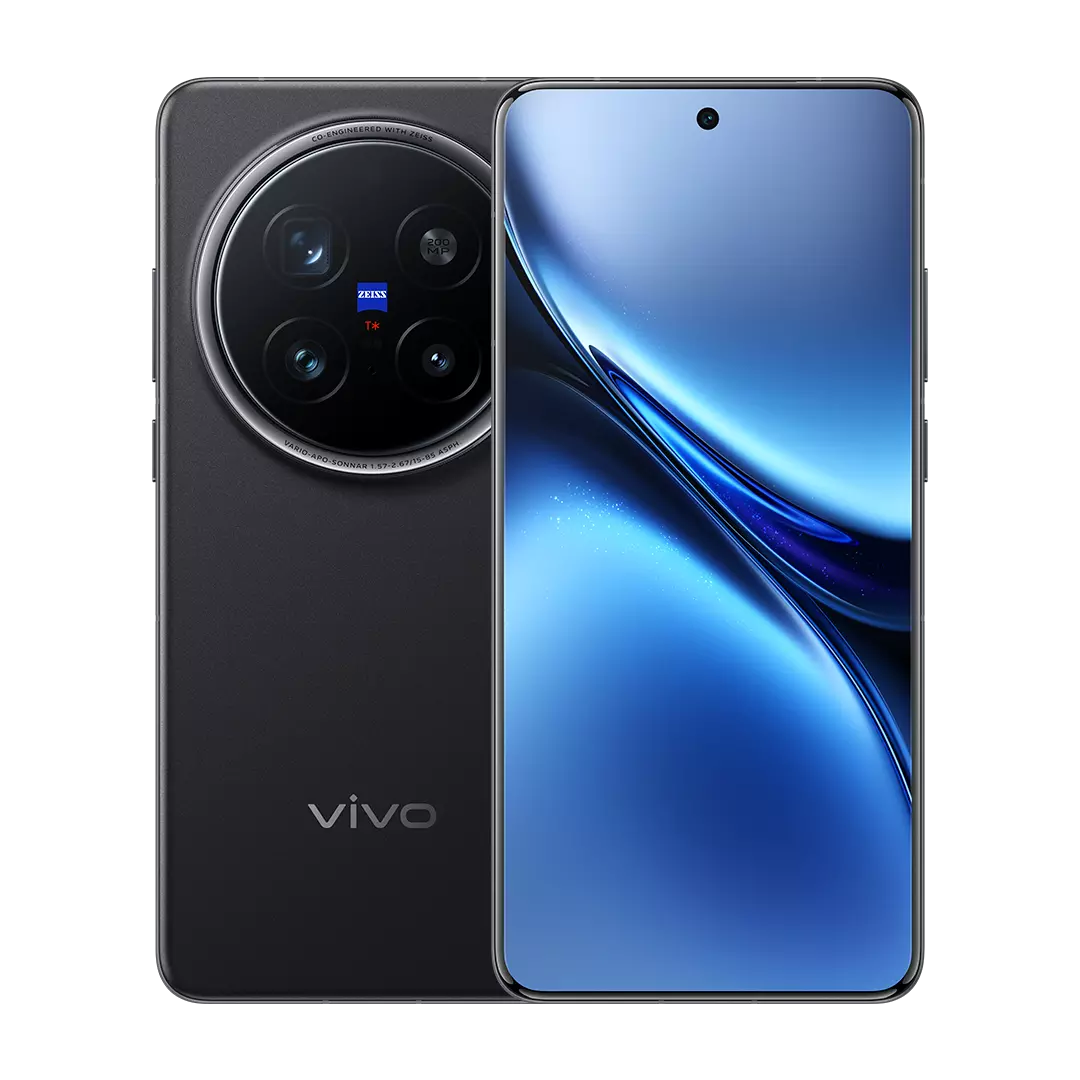
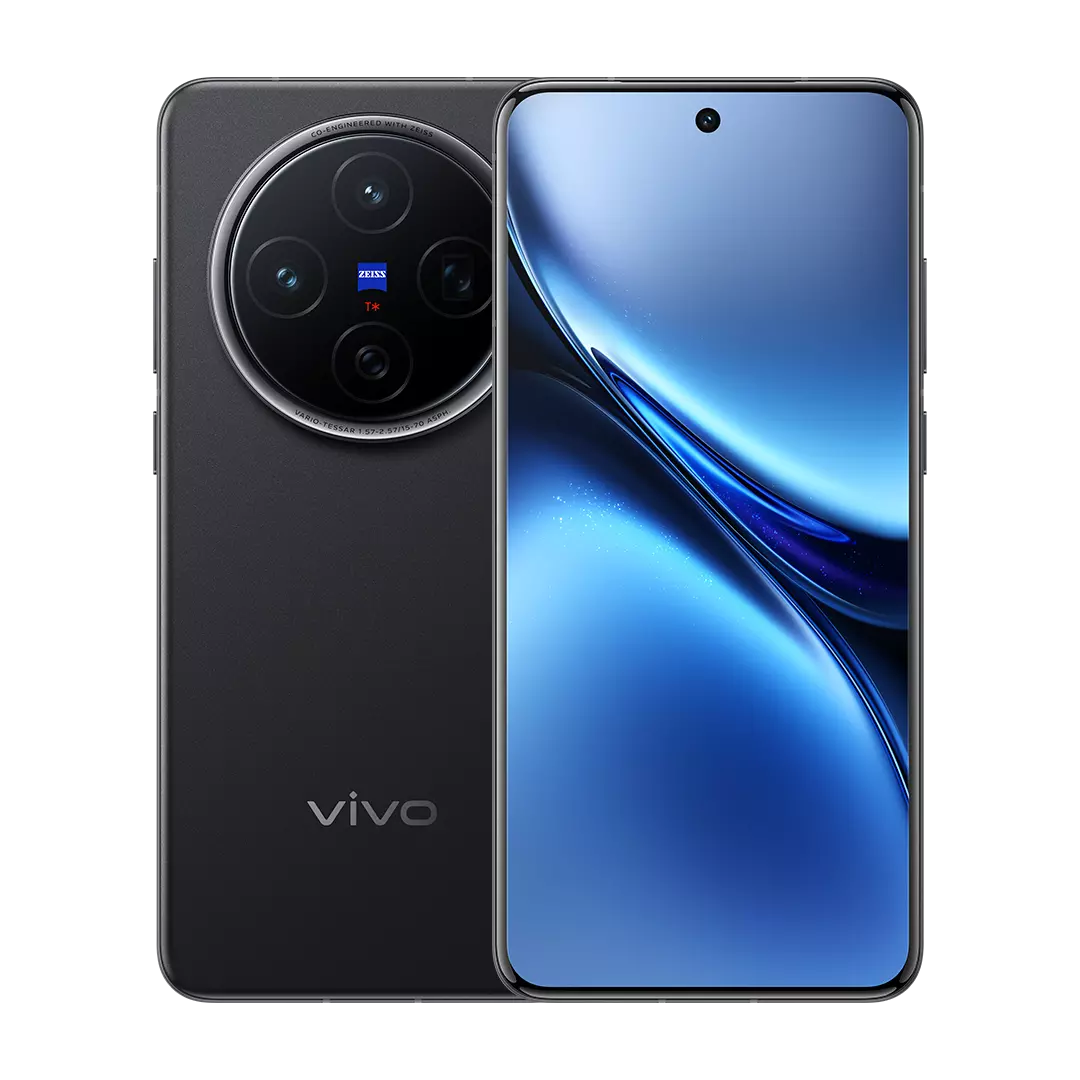
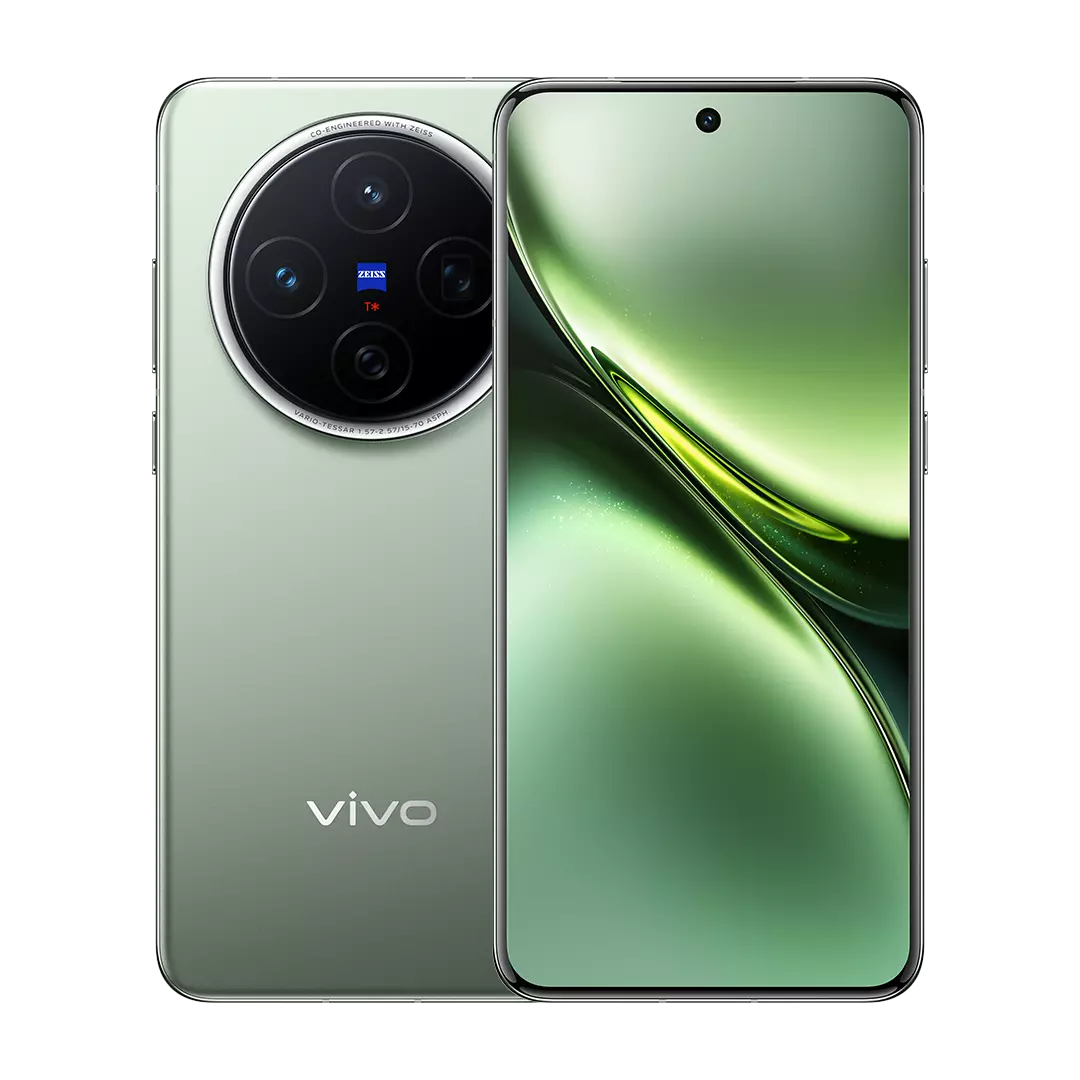
Vivo has officially confirmed the design and key features of its upcoming S20 series, set to launch on November 28. Jia Jingdong, the vice president of the Vivo brand, revealed the details via a Weibo post, offering a sneak peek at the design and specs of the highly anticipated devices. The company official has given consumers an early look at what they can expect from the Vivo S20 and S20 Pro models.
vivo S20 series design: slick and refined
The Vivo S20 series brings a fresh, refined design compared to its predecessor, the Vivo S19 series. Both the standard S20 and the S20 Pro come with a flat back panel and a flat middle-frame design, maintaining the signature pill-shaped camera island. The ring light around the camera is now much larger, becoming a more prominent design element.
One of the standout features of the new S20 series is its “Eye-pleasing Eye Protection Screen,” a BOE Q10 display, designed to minimize eye strain for users. The display on both models reportedly measures 6.7″, and offers a 1.5K resolution for a sharp and immersive viewing experience.
According to Weibo tipster Digital Chat Station, the base S20 features a flat display, while the S20 Pro is expected to come with a micro-quad curved display for added visual appeal.
Impressive battery life and thin design
The Vivo S20 is also confirmed to impress with its massive 6,500mAh battery. Despite the large battery, the phone manages to maintain a slim profile at just 7.19mm in thickness and a lightweight design weighing only 180g. On the other hand, the S20 Pro, which features more advanced camera technology, is expected to pack a slightly smaller 5,800mAh battery and be 7.55mm thick, likely due to the space occupied by the 3x periscope camera module.
The official confirms Dimensity 9300+ for the S20 Pro, while according to previous rumors, the base model uses the Snapdragon 7 Gen 3 chip.
Vivo has already begun pre-reservations for the S20 series in China. Those who reserve the phones early have a chance to win a gift worth NT$278, with 2,500 lucky participants receiving prizes such as a 44W charger and a one-year extended warranty.
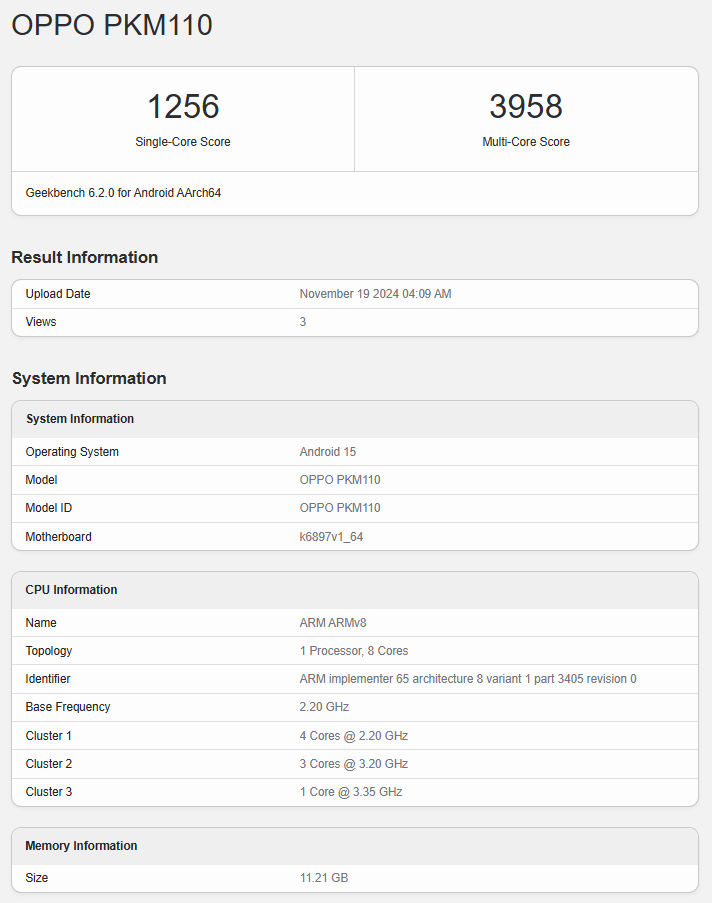
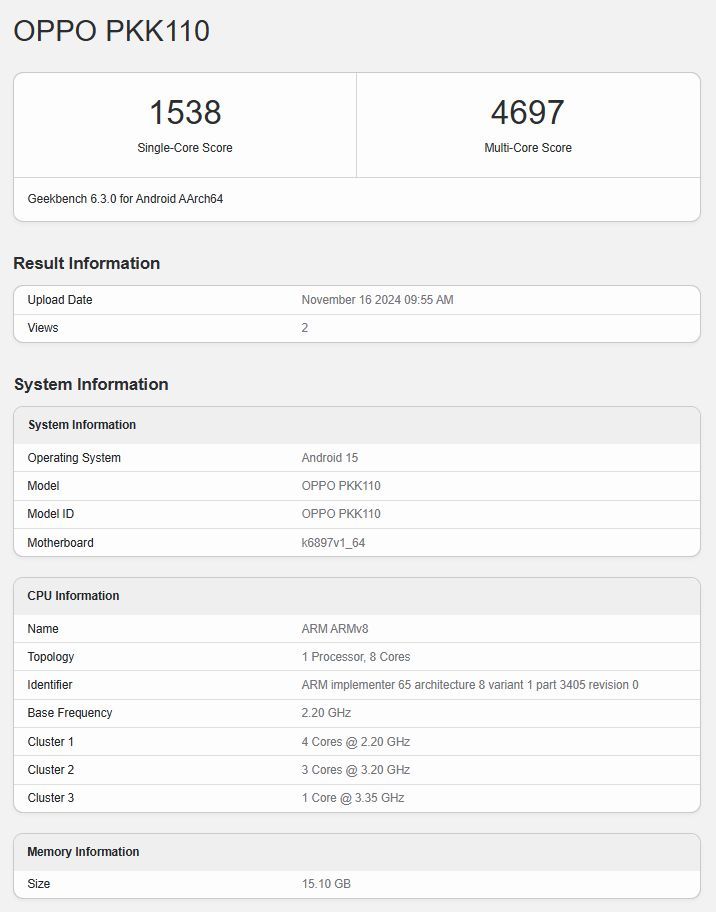
On Nov. 25, Oppo will announce the Reno 13 and Reno 13 Pro smartphones in China. These devices will replace the Reno 12 and Reno 12 Pro, which came equipped with the Dimensity 8250 and the Dimensity 9200 Plus, respectively. Recently, the Reno 13 Pro was spotted with a Dimensity 8-series chipset in Geekbench’s database. Now, the standard model has also appeared on the same benchmarking platform to reveal its chipset.
Oppo Reno 13 Geekbench
Oppo Reno 13 GeekbenchOppo Reno 13 Pro Geekbench
The above screenshots show two upcoming Oppo phones with model numbers PKM110 and PKK110. These are the model numbers for the Chinese editions of the Reno 13 and Reno 13 Pro, respectively. A recent report revealed that their global editions have the model numbers CPH2689 and CPH2697, respectively.
The Reno 13 Pro appeared in Geekbench’s database in the previous week. The listing reveals that the Dimensity 8300 SoC powers the Reno 13 Pro. The same chipset also powers the Reno 13.
There have been reports that the Reno 13 series will feature the all-new Dimensity 8350 SoC. This new chip may have the same CPU and GPU as the D8300, along with some other tweaks. The Reno 13 and Reno 13 Pro have appeared with 12 GB and 16 GB of RAM on Geekbench. Both devices have appeared with the Android 15 OS.
Oppo has already confirmed that the Reno 13 and 13 Pro will be available in versions, such as 12GB+256GB, 12GB+512GB, 16GB+512GB, and 16GB+1TB. The standard model will also come in a 16GB+256GB edition. The Reno 13 duo will be sold in Midnight Black and Butterfly Purple colors. The standard and Pro will also come in distinguishing shades, such as Galaxy Blue and Starlight Pink, respectively.
Samsung‘s Galaxy S25 series is already shaping up to be a highly anticipated release, and recent leaks suggest that a new “Slim” model could join the lineup. This model, expected to feature a unique camera configuration, aims to balance top-tier performance with a sleeker design.
Galaxy S25 Slim concept render
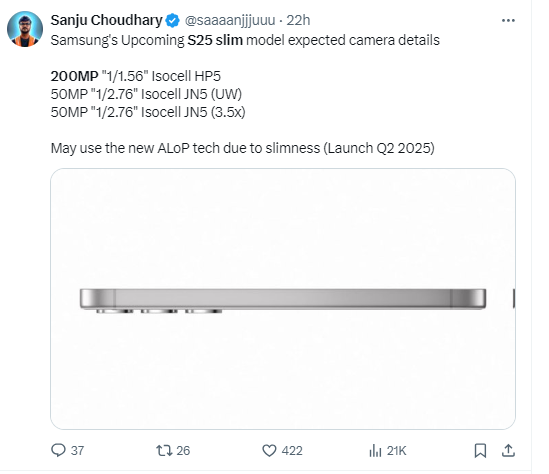
A previous report by the prominent leaker Ice Universe suggested that this new model would feature an “Ultra” camera, which was expected to include a 200MP main camera. However, the tipster didn’t share any further details about the camera system. A new leak from X user @Saaaanjjjuuu has now detailed all three sensors that the rumored Galaxy S25 Slim could feature.
Camera specifications of the Galaxy S25 Slim
The Galaxy S25 Slim is rumored to feature a 200MP primary camera, powered by Samsung’s yet-to-be-announced Isocell HP5 sensor. This sensor measures 1/1.56″, making it smaller than the 1/1.3″ Isocell HP2 sensor used in the Galaxy S24 Ultra. This compact size aligns with Samsung’s push for a slimmer design, as it reduces the camera module’s protrusion and potentially contributes to a thinner overall device profile.
Complementing the main sensor, the Slim model is expected to include two 1/2.76″ Isocell JN5 sensors, used for ultrawide and 3.5x telephoto purposes. The telephoto lens stands out with its higher resolution (50MP vs 10MP of the current 3x telephoto), and slightly longer zoom. With a 50MP resolution, this telephoto setup also promises sharper digital zoom capabilities, similar to what we have seen with the Galaxy S24 Ultra’s 50MP 5x telephoto lens and the Oppo Find X8 Pro’s 6x telephoto lens.
S25 Slim could debut Samsung’s ALoP lens technology
Samsung’s new ALoP (Advanced Lens on Plastic) technology reportedly plays a crucial role in the Slim model’s design. This innovation minimizes the thickness of the camera assembly without compromising on optical performance. Additionally, AI-powered enhancements are expected to improve clarity and detail, particularly in zoomed shots, building upon the capabilities introduced with the Galaxy S24 series.
The combination of a 200MP primary sensor, the 50MP 3.5x telephoto lens, and cutting-edge AI is likely to offer a substantial improvement over the Galaxy S24 and S24 Plus.
The Galaxy S25 series is rumored to debut in January 2025, with the Slim model possibly arriving later in the year.
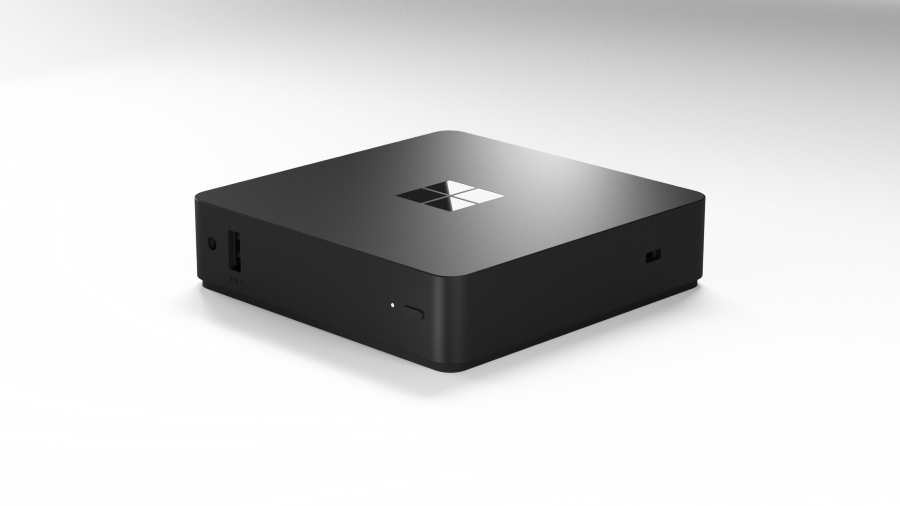
Microsoft has introduced the Windows 365 Link, its first-ever desktop PC designed exclusively to connect users to Windows in the cloud. Priced at $349, the device will go on sale in April 2025 and is targeted at enterprise customers.
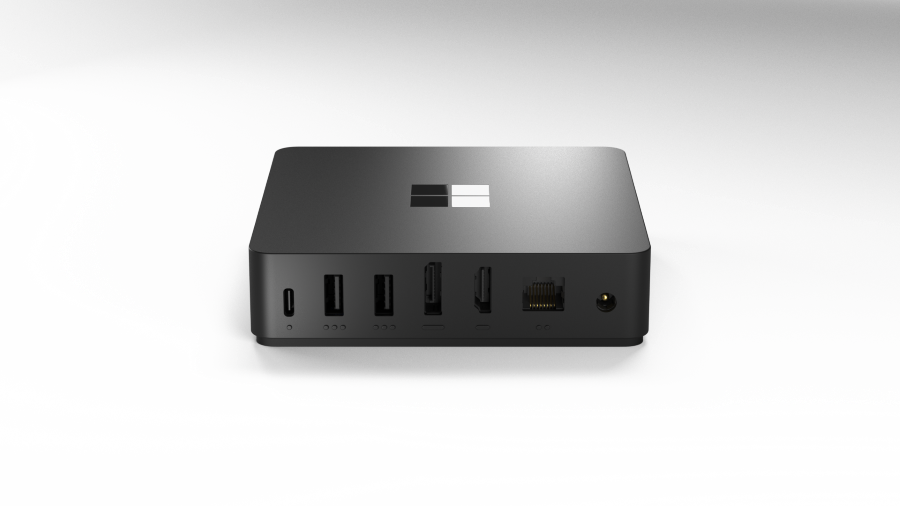
The Windows 365 Link features a sleek and portable design, measuring just 120x120x30 mm and weighing under a pound. This compact form factor makes it ideal for hot-desking and shared workspaces. It comes with a fanless build for silent operation and an elegant puck-like chassis that can sit on a desk or mount behind a monitor. The device boots in seconds and wakes instantly from sleep.
It equips an Intel processor alongside 8GB of RAM and 64GB of onboard storage. While the storage is minimal, the device relies entirely on cloud computing, eliminating the need for local applications or data. It supports dual 4K monitors, making it a suitable choice for modern office setups requiring high-resolution displays.
The device sports a versatile array of ports, including three USB-A 3.2 ports, one USB-C 3.2 port, an Ethernet jack, an audio jack, and both HDMI and DisplayPort for connecting to external displays. It supports Wi-Fi 6E and Bluetooth 5.3, ensuring fast and reliable wireless connections. This robust connectivity makes the Windows 365 Link adaptable for various office configurations and peripherals.
2. Cloud-First Functionality
The Windows 365 Link features a stripped-down operating system, optimized to stream Windows 11 from the cloud via the Windows 365 platform. It comes with automatic background updates, which install during off-hours to ensure minimal disruption. The system enforces strict security protocols, including application controls that cannot be disabled, providing businesses with a secure computing environment.
The device does not store user data locally, ensuring that all activities are tied directly to the cloud. It supports local processing for applications like Microsoft Teams and Webex, delivering high-fidelity video conferencing experiences.
Microsoft has announced that the Windows 365 Link will support advanced Copilot+ features, including Windows Recall, Click To Do, and AI in Search, through cloud updates in 2024. These features enhance productivity by integrating AI-powered tools directly into the Windows 11 experience.
The device is tailored for businesses, with easy management via Microsoft Intune. Organizations can remotely configure, update, or wipe devices, streamlining IT operations. It is particularly suited for hot-desking environments, allowing multiple users to access their personalized Cloud PCs on shared workstations.
3. Rethinking Desktop Computing
The Windows 365 Link shifts the paradigm of traditional desktop PCs by focusing on cloud integration over hardware power. It eliminates the need for high-end local hardware, instead offering a gateway to scalable, on-demand computing. This approach not only reduces maintenance costs but also emphasizes flexibility and cost-efficiency for enterprises.
Although designed for business use, the device hints at future possibilities for consumers. With refinements and consumer-oriented pricing, the Windows 365 Link could become an affordable, maintenance-free computing solution for students, home offices, and casual users.
4. Pricing and Availability
The Windows 365 Link will be available in select markets, including the US, Canada, UK, and Germany, starting in April 2025 for $349. However, this price excludes the required Windows 365 subscription, which enterprises must purchase separately. A preview program is already open for organizations looking to test the device.
If you have made it this far, then you can also read this article on the top 10 Xiaomi gadgets of 2024 that you shouldn’t miss.
Vivo has officially launched its latest flagship smartphone series, the X200, and X200 Pro, in Malaysia. This marks the international debut of the series, which was first unveiled in China last month.
Vivo X200 series features
Both smartphones feature a 120Hz, 4,500 nits bright OLED display, with the X200 sporting a 6.67-inch panel and the X200 Pro featuring a slightly larger 6.78-inch display. The Pro model also adds an ultrasonic under-display fingerprint sensor for enhanced security.
Vivo X200 Pro
Under the hood, both devices are powered by the MediaTek Dimensity 9400 chipset, paired with LPDDR5x RAM and UFS 4.0 storage. The X200 features a triple-camera setup with three 50MP sensors, while the X200 Pro upgrades the telephoto lens to a 200MP sensor for improved zoom capabilities.
Vivo X200
The X200 is equipped with a 5,800mAh battery, while the X200 Pro packs a 6,000mAh battery. Both models support 90W wired charging, with the Pro model also offering 30W wireless charging.
Pricing & availability
The X200 Pro is available in two color options: Titanium Gray and Midnight Blue. Both models come in a single configuration with 16GB of RAM and 512GB of storage. The X200 Pro is priced at MYR 4,699 ($1,050).
The vanilla X200 is offered in Midnight Blue and Aurora Green color options, also in a single 16GB/512GB configuration. It is priced at MYR 3,599 ($800).
The vivo X200 series is now available for pre-order in Malaysia, with shipments expected to begin shortly after the pre-order period ends. We expect the device to launch in Thailand next on November 28. Details about launches in other markets like the EU, the UK, and India are currently unknown.
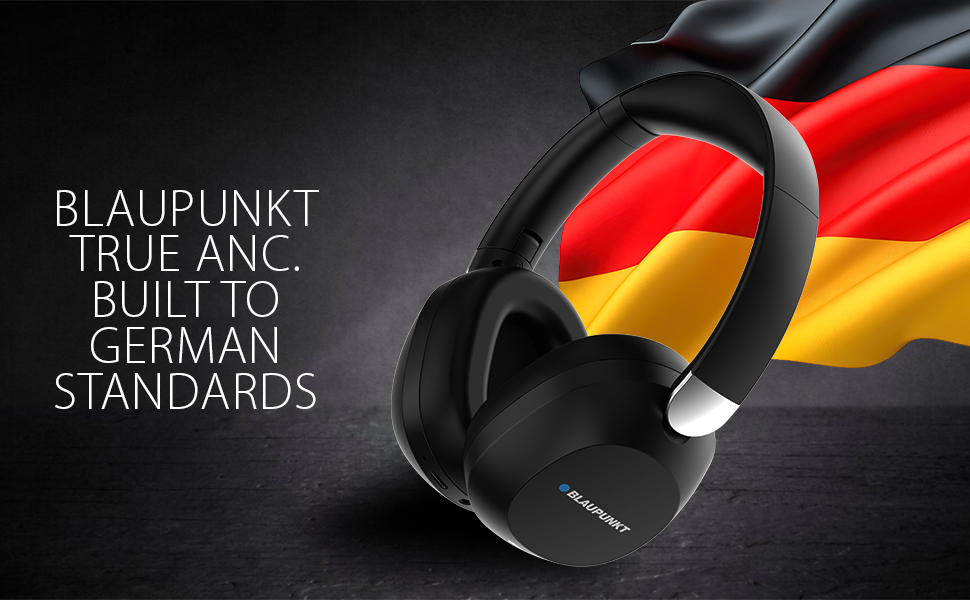
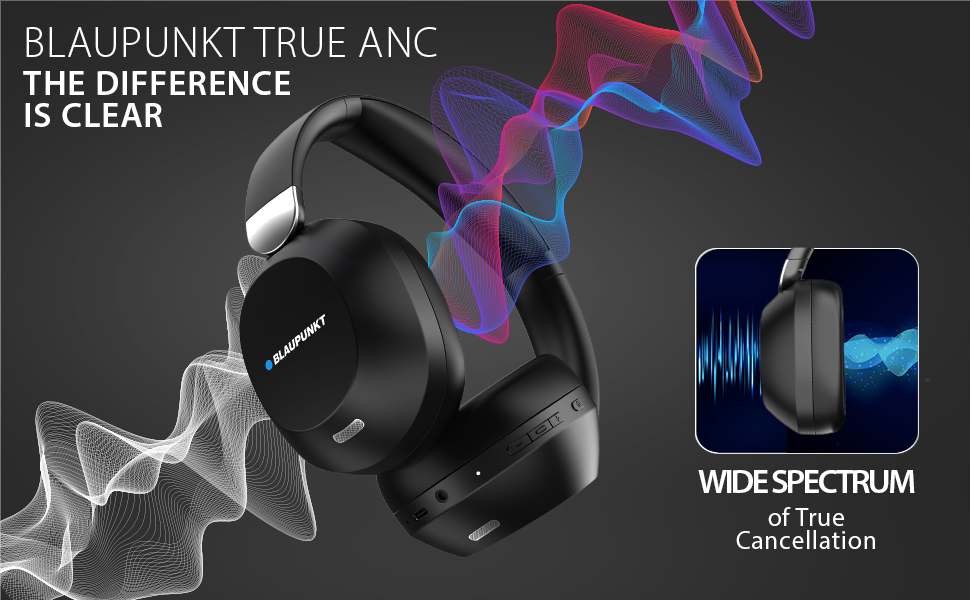
Blaupunkt has introduced its latest ANC headphones, the BH61 Moksha, in India. These headphones are designed to provide an effective noise-canceling experience at a reasonable price.
Blaupunkt BH61 ANC headphones’ specs
The BH61 Moksha features Moksha ANC technology, reducing ambient noise to enhance the listening experience. The headphones prioritize comfort with soft protein cushion earpads and an adjustable padded headband, making them suitable for extended wear. With an IPX5 water resistance rating, the headphones are also well-suited for workouts or light outdoor use.
The headphones offer a long battery life of up to 50 hours on a single charge, complemented by TurboVolt fast charging for quick power boosts. Connectivity is supported by Bluetooth 5.4 with dual-pairing, allowing seamless switching between devices. A high-sensitivity microphone ensures clear voice calls, while the 3.5mm audio port provides the option for wired use.
The headphones include multiple sound modes, such as Blaupunkt Music Mode and Turbo Bass Mode, to suit different audio preferences. A tactile control panel provides convenient access to essential functions, further enhancing ease of use.
Pricing & availability
The BH61 Moksha headphones are available for purchase on Amazon, Blaupunkt’s official website, and select retail stores. Priced at ₹2,999 (~$36), they offer a strong combination of features, performance, and comfort, making them a competitive option for budget-conscious buyers seeking quality ANC headphones.
In other news, Blaupunkt has also launched the SBA02 soundbar in India at Rs. 2,499. Compact and portable, it delivers 30W sound through dual drivers and a passive radiator, with up to 8 hours of battery life from its 3600mAh battery.
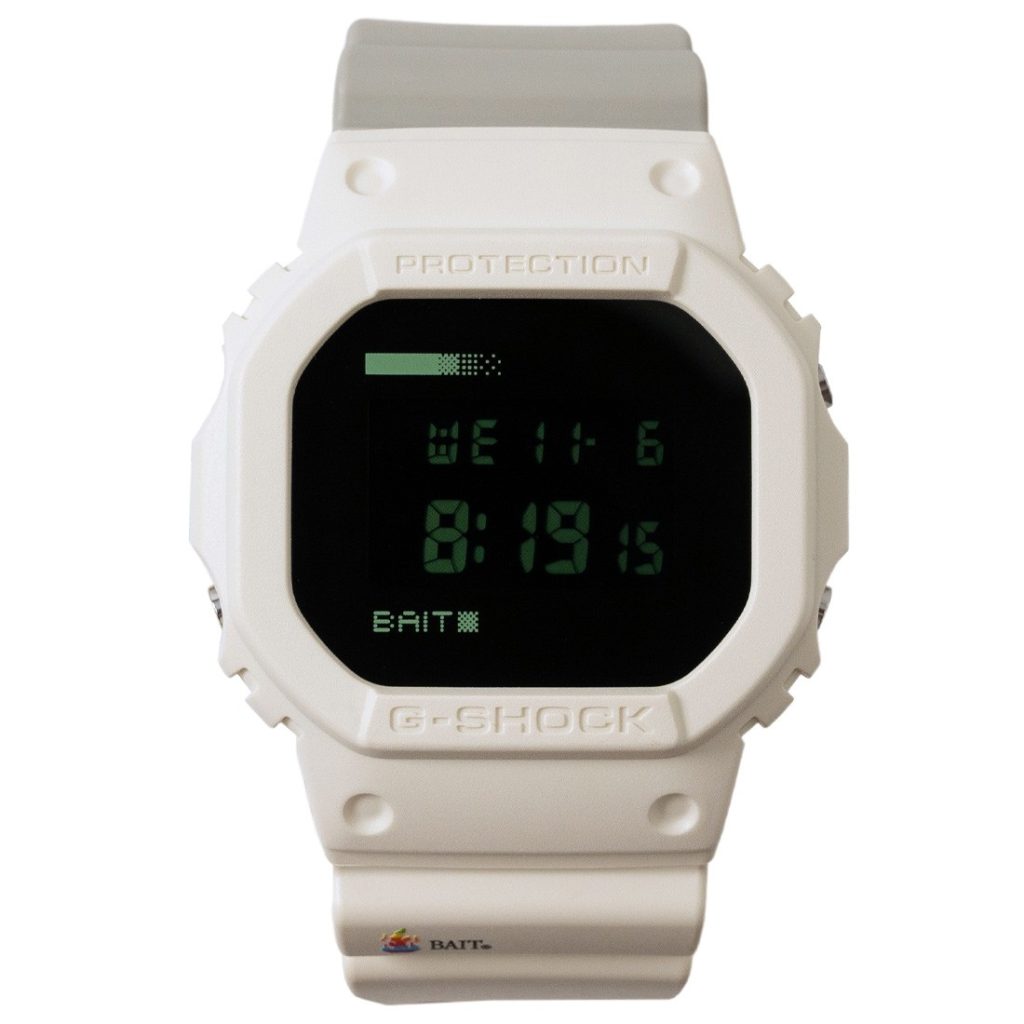
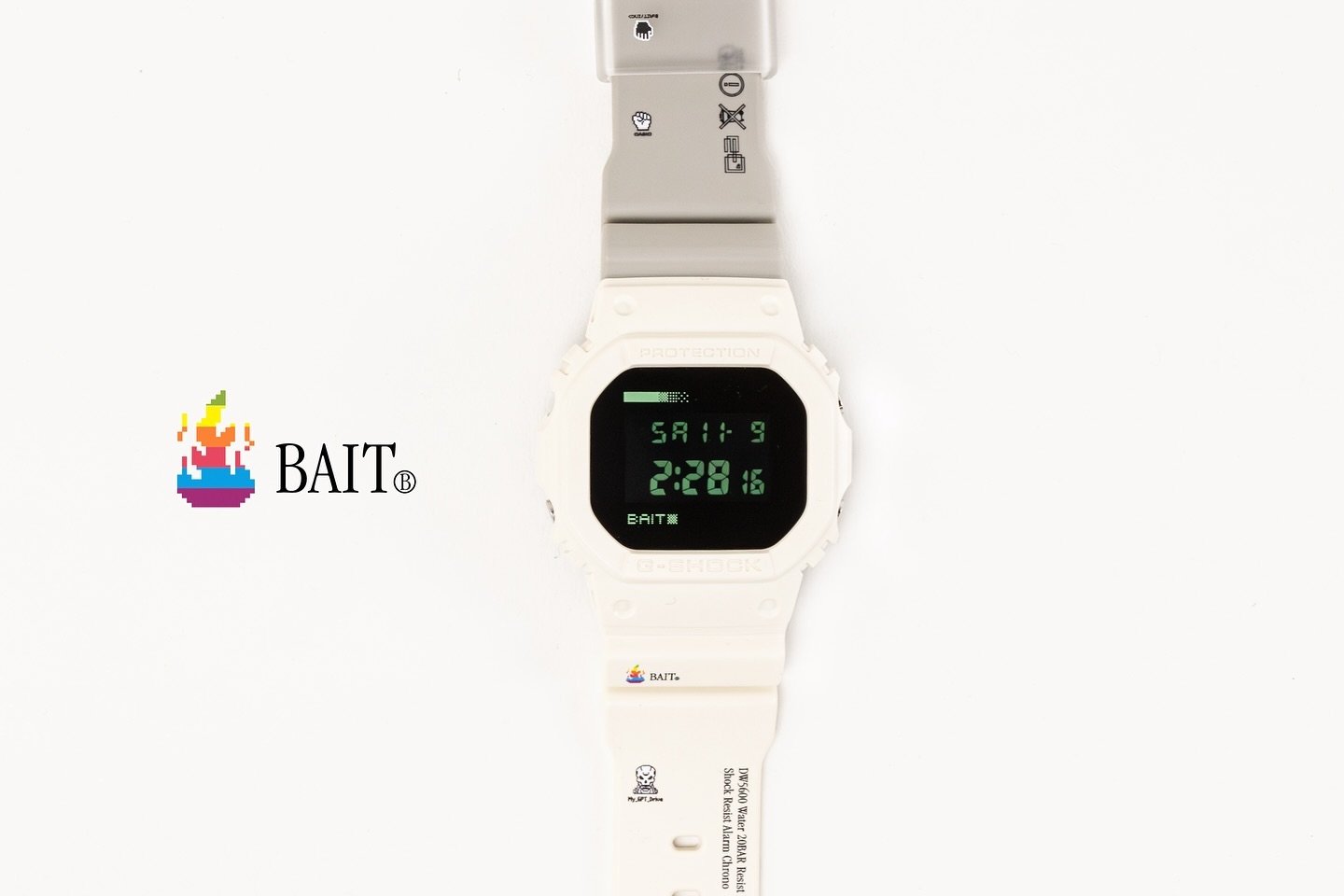
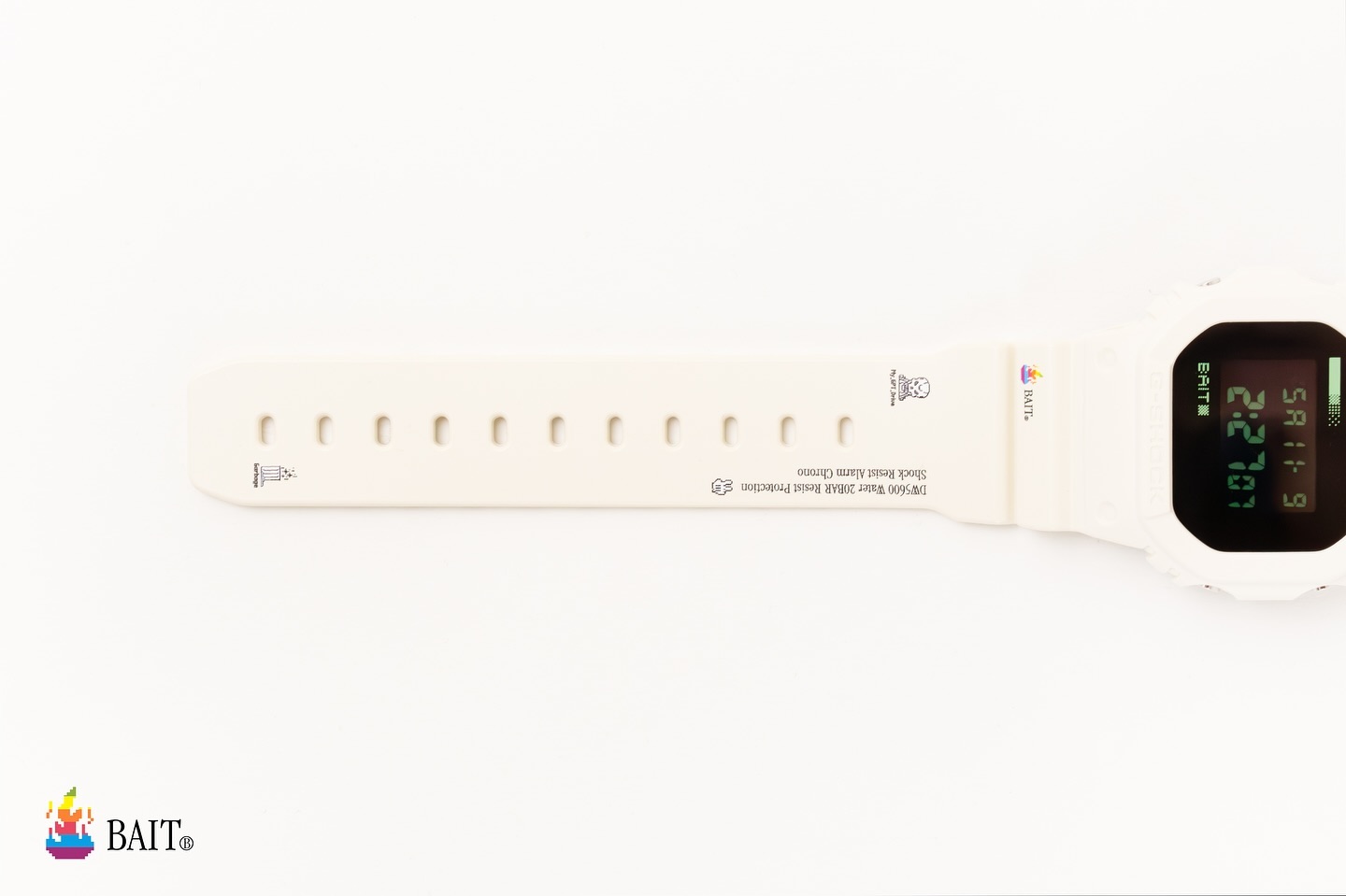
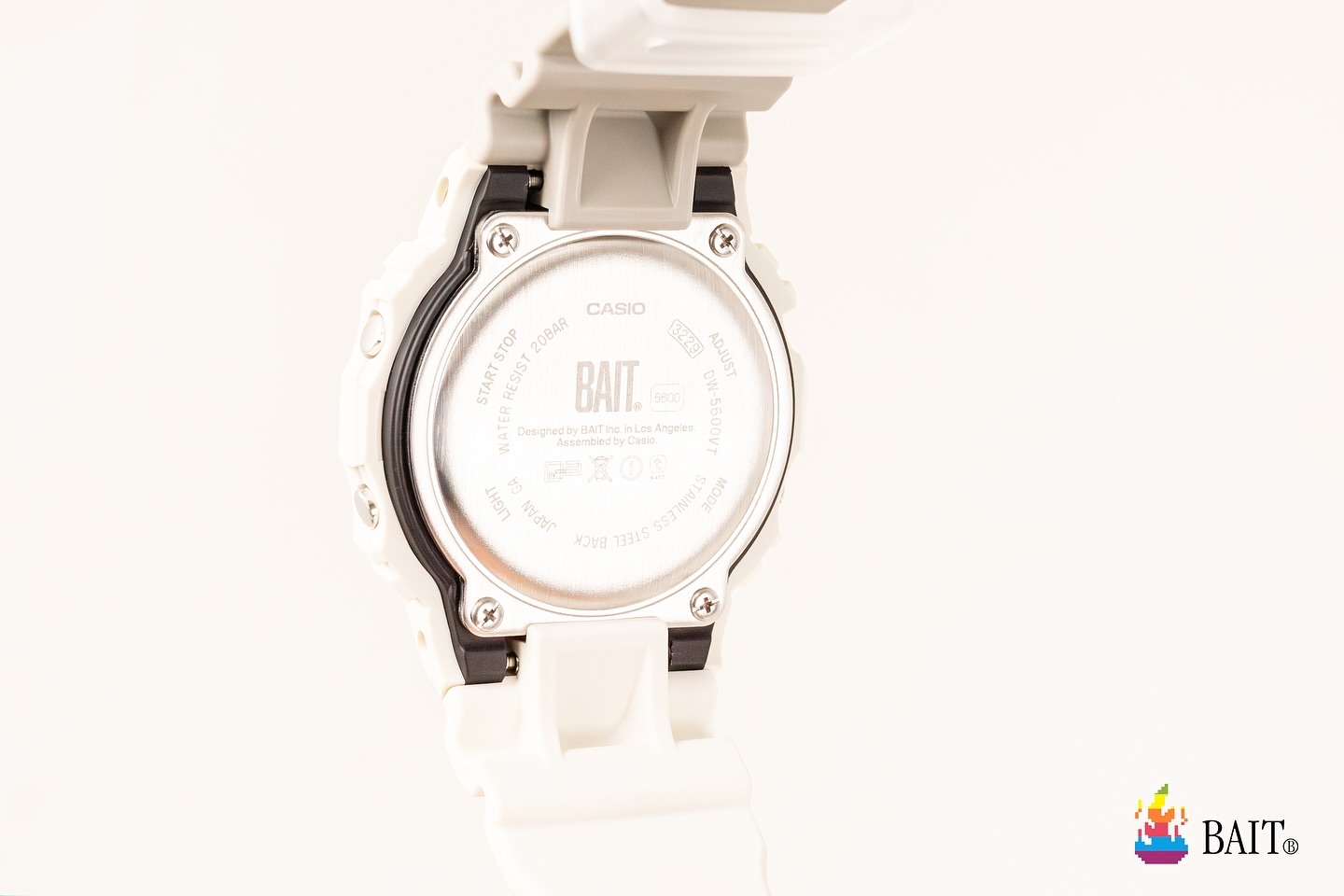
Bait, a renowned streetwear brand, has once again partnered with Casio to release a limited-edition G-Shock DW5600. The new collaboration, dubbed “Innovation,” pays homage to the dawn of personal technology in the 80s, coinciding with the original release of the iconic DW5600 model in 1983.
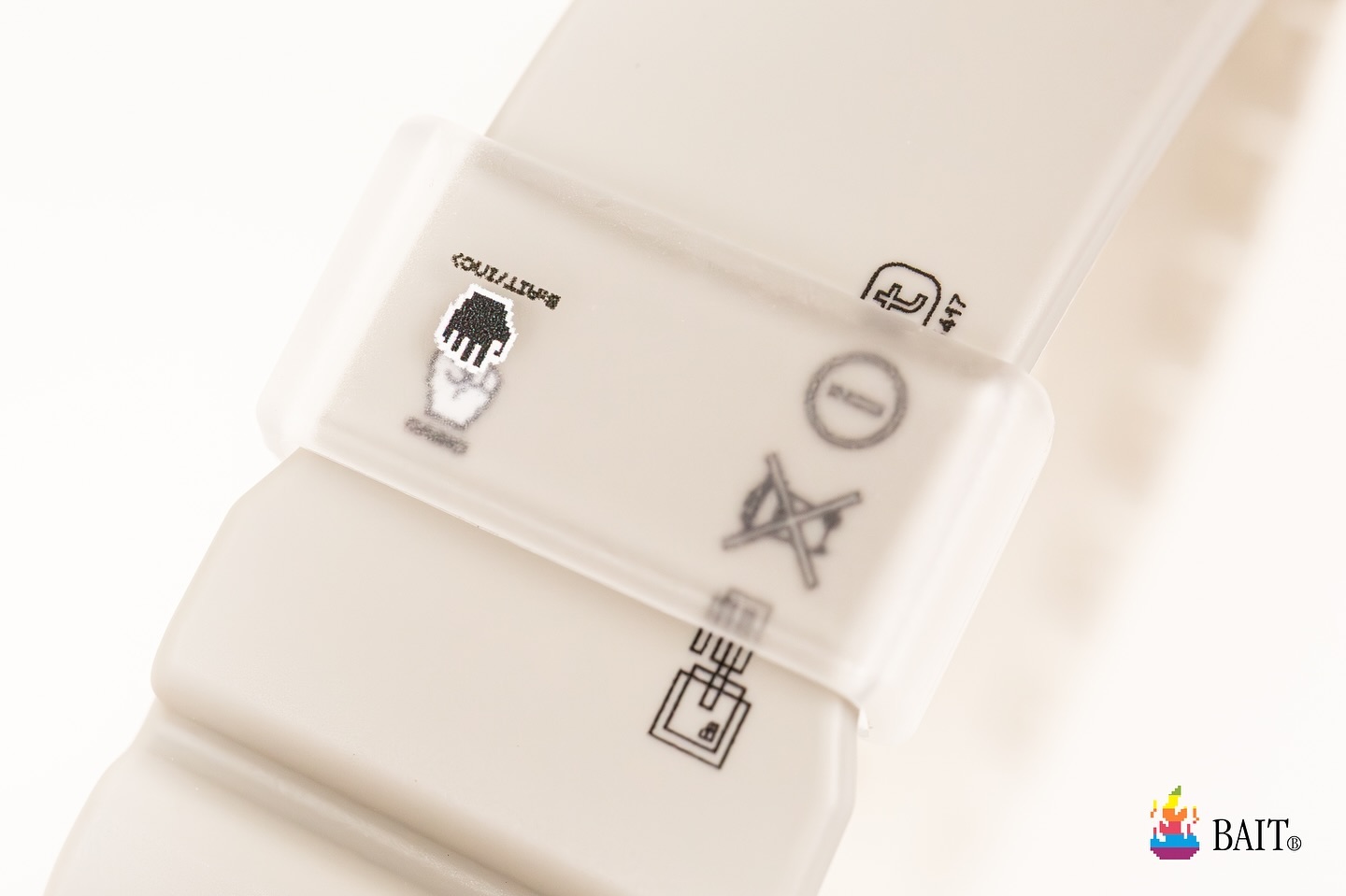
The Bait x Casio G-Shock DW5600 showcases a bold white resin case, strap, and octagonal bezel. Its design takes inspiration from Apple’s 80s branding, featuring a rainbow-striped flame icon and a matching font on the band. The dial includes glow-in-the-dark accents around the green negative LCD, offering better visibility in low light and adding a nostalgic retro touch.
True to G-Shock’s heritage, the watch includes standard features such as a stopwatch, countdown timer, alarm, and 200-meter water resistance. It also boasts a shock-resistant resin construction, a mineral glass display, and an electro-luminescent backlight with a blue-green afterglow. The DW5600 offers a full auto-calendar (valid until 2099), 12/24-hour timekeeping, and an accuracy of ±15 seconds per month.
Pricing & availability
Additional functionalities include a multi-function alarm, hourly time signal, and a flash alert feature. Its battery life is approximately two years on a CR2016 cell, with a warranty of two years. The watch will be available for purchase at Bait’s online and physical stores in the US for $150.
After launching the OnePlus 13 in China, OnePlus is now focusing on its upcoming performance-oriented Ace 5 series, the base model of which will likely be rebranded as the OnePlus 13R for global markets. According to Weibo tipster Digital Chat Station, a compact Ace series device is also in the works and is expected to launch in Q2 next year.
We could see more compact phones next year
For context, the Ace 3 series currently includes three devices: the OnePlus Ace 3 (launched in January), Ace 3V (launched in March), and the Ace 3 Pro (launched in June). Among these, the Ace 3V features a slightly smaller 6.74-inch display and a less powerful chipset (Snapdragon 7+ Gen 3) compared to the other models. The tipster hasn’t specified the name of the compact model, but it could be the OnePlus Ace 5V or another new addition to the Ace lineup.
The compact phone market is becoming increasingly competitive, with Vivo recently joining the space to rival Samsung and Xiaomi’s base flagships. Meanwhile, Oppo is also rumored to be developing a compact flagship under the Find X8 series.
While the tipster hasn’t disclosed the screen size of the upcoming compact device from OnePlus, comparisons can be drawn from existing models. For instance, the Vivo X200 Pro mini features a 6.31″ display, while the Xiaomi 15 (our review) comes with a slightly larger 6.36″ panel. Both devices boast 1.5K resolution displays with a pixel density of around 460 PPI, which could serve as a benchmark for OnePlus’ offering.
Details about the chipset and other specifications for the compact Ace device remain undisclosed. However, the Ace 5 and Ace 5 Pro are rumored to feature the Snapdragon 8 Gen 3 and Snapdragon 8 Elite processors, respectively—mirroring the strategy of their predecessors. The Ace 5 is expected to launch in China this December.
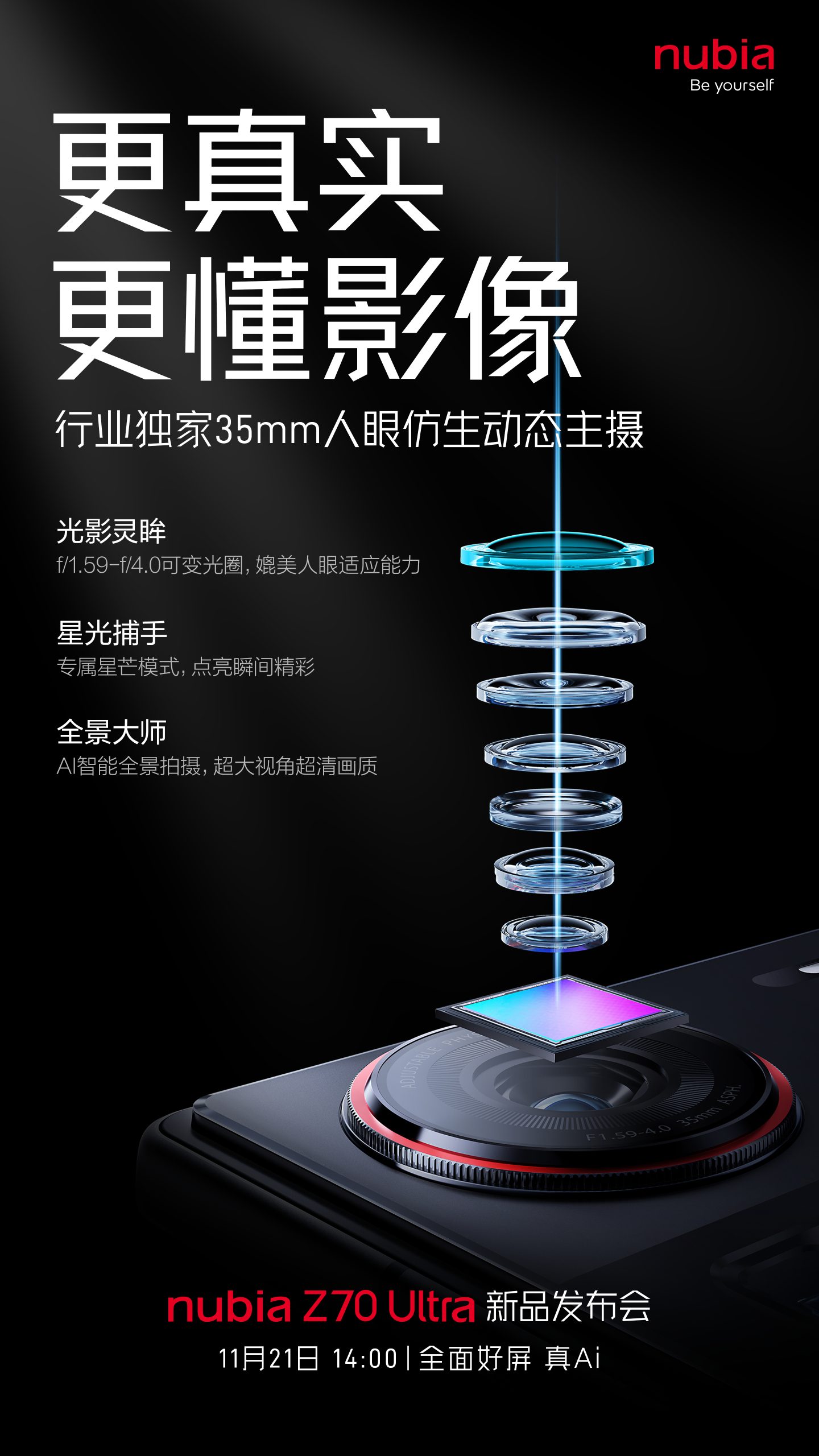
Nubia is gearing up to unveil its latest flagship smartphone, the Z70 Ultra, in just two days. The company has been teasing key features of the device, particularly its impressive camera capabilities.
As per the latest teaser, the Z70 Ultra will feature a 50MP main camera with a variable aperture lens, ranging from f/1.59 to f/4.0. This innovative feature will allow for greater flexibility in various lighting conditions. Additionally, the phone will boast a 64MP telephoto lens with a wider aperture of f/2.48, enabling improved low-light performance and closer focus capabilities. The ultra-wide-angle camera has also been upgraded, offering a 122-degree field of view and a closer minimum focusing distance of 2.5cm.
For added convenience, the Z70 Ultra features a physical camera button, inspired by the Xperia 1 series, for a tactile and straightforward way to take photos without relying solely on software.
As per previous leaks and teasers, the Snapdragon 8 Elite processor will power the device, paired with 16GB of RAM. It will run Android 15, offering the latest software features and security updates. The device was recently spotted on Geekbench scoring 3203 in single-core and 10260 in multi-core performance.
The phone’s front will showcase a 6.85-inch OLED display with a 144Hz refresh rate for smooth visuals and responsive touch performance. The display supports a peak brightness of 2000 nits, ensuring good visibility in bright environments, and uses under-display camera technology to create a truly full-screen viewing experience.
Nubia Z70 Ultra Starry Night Color
Besides the specifications, the brand has confirmed that it will launch the iconic Starry Night variant of the device, inspired by Vincent van Gogh’s masterpiece. More details will be unveiled on November 21, so stay tuned.
Motorola’s 2024 flip-style foldable phones are packed with exciting upgrades. With upgraded cameras, high-performance chipsets, and bigger batteries, Razr+ 2024 and Razr 2024 are now much better than their predecessors. They also get more screen space outside (the cover display), though it goes heavily in the base Razor’s favor.
The upgrades make the Razr 2024 a good buy for anyone looking to spend around $600. However, adding an extra $200 gives you some nice upgrades. The question here is whether those upgrades justify the additional bucks or whether going with the base model is a better decision. Dive into this detailed comparison to make an informed decision.
Motorola Razr+ 2024: Pricing
You can now snag the Razr 2024 for $600 and the Razr+ 2024 for $800, down from their launch prices of $699 and $999, respectively.
The cover displays have got significant upgrades, particularly the base model. The Razr 2024’s cover display is more than doubled at 3.6 inches, while the Plus model has received a comparatively minor jump from 3.6 to 4 inches. So, you’ll be able to do a lot more with the cover display on the base model compared to last year’s base Razr model.
The bigger cover displays offer higher screen resolutions for better clarity. The refresh rate and peak brightness have also increased, offering extra smoothness and enhanced visibility outdoors. They still have the same Gorilla Glass Victus protection, though.
The primary (inner) displays on both models are still 6.9 inches, but with one difference, though. The Razr 2024’s screen refreshes at 120Hz, while the plus model offers a 165Hz refresh rate for extra smoothness. While both are getting their peak brightness bumped up, the screen refresh rate on the base model has been downgraded from 144Hz to 120Hz compared to 2023’s Razr models.
Motorola Razr+ 2024 vs Razr 2024: Performance
The 2024 Razr models have upgraded chips: MediaTek Dimensity 7300X on the Razr 40 and the Snapdragon 8s Gen 3 on the Razr+ 2024. However, there’s a big difference between them. The Dimensity 7300X is more of a mid-range chip from MediaTek, whereas the Snapdragon 8s Gen 3 is a sub-flagship chip. Hence, you’d see a significant performance gap between the two, with the Snapdragon chip at the top.
On Geekbench 6, the base Razr 2024 scored 1,048 single-core points and 3,049 multi-core points. The plus model, on the other hand, did a lot better, with 1,975 single-core points and 4,815 multi-core points.
The Razr 2024 scored 656,387 points on the AnTuTu 10 benchmarking platform, while the Razr+ 2024 scored 1,138,620 points.
The cheaper Razr has improved in performance over the last year, but it can’t match the performance offered by Razr+ 2024.
Motorola Razr+ 2024 vs Razr 2024: Cameras
The Razr 2024 and Razr+ 2024 greatly differ in terms of camera capabilities, and that difference is surprising. Both have a 50-megapixel primary camera, paired with a 13MP ultrawide camera on the Razr 2024, whereas the Plus model gets a 50MP telephoto lens with 2x optical zoom.
So, Motorola has traded the ultrawide camera on the Plus model for a telephoto lens for a 2x optical zoom when most flagships out there offer 3x or 5x optical zoom. I’m not sure if this is the right move. However, according to Moto, many Razr Plus users were spending more time taking portraits than ultrawide shots. The selfie cameras are unchanged, though.
Although phones have the same specs for the primary camera, the results are different. Thanks to Razr+’s superior chipsets, the shots are more detailed with better color accuracy and much better low-light performance than the base model. The base Razr 2024 is good enough for group shots, thanks to the ultrawide camera. And because of the foldable form factor, you can use the 50MP primary camera for selfies, which delivers far better results than the 32MP internal selfie shooter.
As for the video recording, the high-end Razr+ 2024 offers 4K 60fps video recording with rear and selfie cameras, while the Razr 2024 tops out at 30fps.
Motorola Razr+ 2024 vs Razr 2024: Battery and Connectivity
The Razr+ 2024 and Razr 2024 bring noticeable differences in battery capacity and charging capabilities. The cheaper model packs a 4,200mAh battery, whereas the Plus model gets a slightly smaller 4,000mAh battery. Though the difference looks small, the Razr 2024 lasts a few additional hours.
The Razr+ 2024 compensates for its smaller battery capacity by offering a faster charging of 45W wired charging (vs. 30W on the Razr 2024). Both carry 15W wireless charging support if you like to do things without cables. The Plus model also supports 5W reverser charging to power up your accessories or other phones.
In terms of connectivity, the Razr 2024 brings Wi-Fi 6e support. The more-premium Razr also supports Wi-Fi 7 for strong connectivity. Although both have Bluetooth 5.4 support, the Razr+ 2024 also supports aptX HD, aptX Adaptive, and aptX Lossless.
Motorola Razr+ 2024 vs Razr 2024: Which one should you choose?
The Razr+ 2024 and Razr 2024 are solid flip-style foldable phones, offering great specs for the price. However, picking one of them really boils down to your preference.
Here are the top reasons to consider the Razr+ 2024 or Razr 2024:
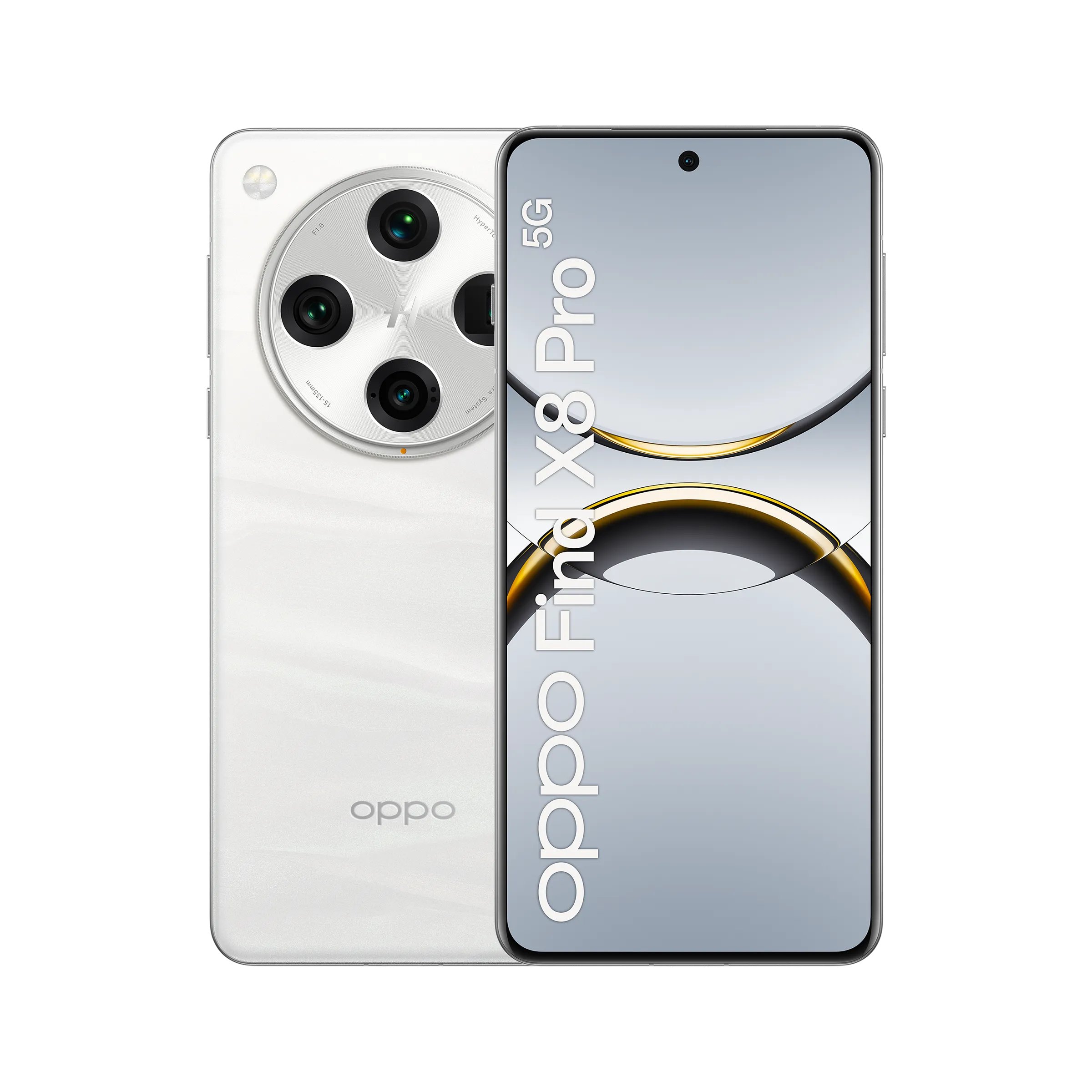
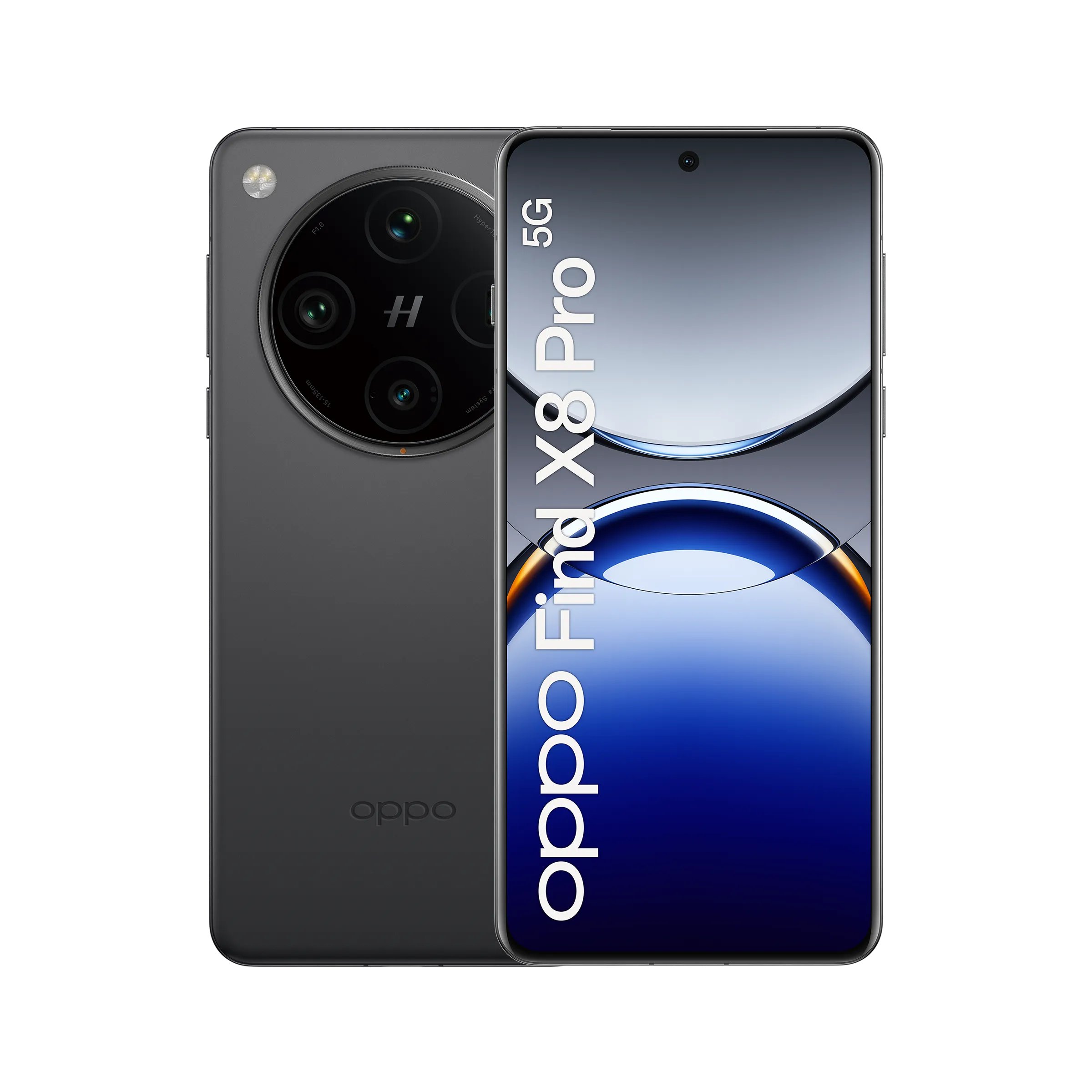
OPPO‘s latest flagship smartphone, the Find X8 Pro, is gearing up for its global launch, including in India and Europe. The device is officially set to launch on November 21st at 10:30 AM IST in Bali, Indonesia. Ahead of the launch, recent leaks have revealed details about its pricing and design for the European market.
As per a post on X by tipster Sudhanshu Ambhore, the Find X8 Pro will be available in a 16GB RAM and 512GB storage configuration, priced at around €1199. It is expected to come in two color options: Black and White. The tipster has neither confirmed nor denied the possibility of other configurations.
In terms of specifications, the Find X8 Pro is anticipated to feature a 6.8-inch LTPO AMOLED display with a 120Hz adaptive refresh rate and a peak brightness of 4500 nits. It will be powered by the MediaTek Dimensity 9400 processor, coupled with up to 16GB of RAM and 1TB of storage.
A key highlight of the Find X8 Pro is its dual periscope camera system, consisting of two 50MP sensors offering 3x and 6x optical zoom capabilities. The device will also support AI-powered Telescope Zoom, the HyperTone Image Engine, and Hasselblad’s image processing technology for enhanced photography and videography.
Other notable features include a large 5910mAh battery with support for 80W wired, 50W wireless, and 10W reverse wireless charging.
In other news, Vivo will launch its X200 series in Malaysia on November 19, 2024, featuring the X200 and X200 Pro. While a third model, the X200 Pro Mini was released in China, it won’t be available internationally. The global models are expected to match the specifications of the Chinese versions.
Samsung recently introduced the Galaxy Z Fold Special Edition with a sleeker design and a higher price tag than the Z Fold 6. Now, the company finally appears to be shifting gears, with rumors suggesting it is exploring a more affordable option for those seeking a device with a hinge. According to industry insider Ross Young, the Galaxy Z Flip FE—a budget-friendly foldable—is expected to launch in 2025.
A more affordable flip phone from Samsung?
After years of speculation about a low-cost foldable smartphone, it seems Samsung is finally making progress in delivering on this promise. The device is rumored to feature the same display as the upcoming Galaxy Z Flip 7 but may cut costs by using a lower-tier camera system and an older processor.
Unlike the Galaxy Z Flip FE, Samsung reportedly has no plans to develop a budget version of its larger Galaxy Z Fold series, focusing its cost-reduction efforts solely on its compact foldable lineup.
As for the hardware, speculation around the Galaxy Z Flip FE’s chipset is growing. A report from Sammobile suggests Samsung might equip the phone with the Exynos 2400 or Exynos 2400e (which is used on the S24 FE)—older chips by the time of its release. However, there’s also a possibility that the device could debut with the Exynos 2500, provided Samsung Foundry resolves ongoing yield rate challenges with its 3nm process node.
Samsung W25 Flip (left) and Galaxy Z Flip 6-(right)
The Exynos 2500 is rumored to be a powerful processor initially intended for the Galaxy S25 series. Current production limitations have reportedly pushed its use in the S25 lineup into question, making it a potential candidate for the Z Flip FE.
If the Galaxy Z Flip FE becomes a reality, it could mark an important milestone for foldable phones, making it more accessible to a broader audience. While exact pricing and specifications remain unclear, the device is expected to combine affordability with Samsung’s brand value.
Notably, Motorola quietly unveiled a budget friendly flip phone called the Motorola Razr 50s on Japan back in September this year. The phone is powered by the Dimensity 7300X chip and is priced at around JPY 115,200 (~$800).
Samsung is gearing up to roll out its One UI 7 update, based on Android 15, and speculation around eligible devices is heating up. While the company has yet to release an official list or timeline, tipster @TheGalox_ lists over 50 devices that are likely to receive the update.
The list compiled by @TheGalox_ includes a wide range of Galaxy smartphones and tablets, spanning flagship, mid-range, and budget segments. Notable entries are Galaxy S smartphones as far back as the S21 series, including the S21 FE. Samsung’s foldable lineup—ranging from the Z Fold 6 to the Z Flip3—is also expected to make the cut. While the recently launched China exclusive Galaxy W25 and W25 Flip are absent in the list, they are also likely to receive the Android 15-based update.
Galaxy smartphones expected to receive One UI 7 update
• Galaxy Z Fold Special Edition • Galaxy Z Fold6 • Galaxy Z Fold5 • Galaxy Z Fold4 • Galaxy Z Fold3 • Galaxy Z Flip6 • Galaxy Z Flip5 • Galaxy Z Flip4 • Galaxy Z Flip3
• Galaxy S24 series • Galaxy S23 series • Galaxy S22 series • Galaxy S21 series
• Galaxy Tab S10 series • Galaxy Tab S9 series • Galaxy Tab S9 FE series • Galaxy Tab S8 series • Galaxy Tab S6 Lite 2024 & 2022 • Galaxy Tab A9 series • Galaxy Tab Active5 • Galaxy Tab Active4 Pro
What’s New in One UI 7?
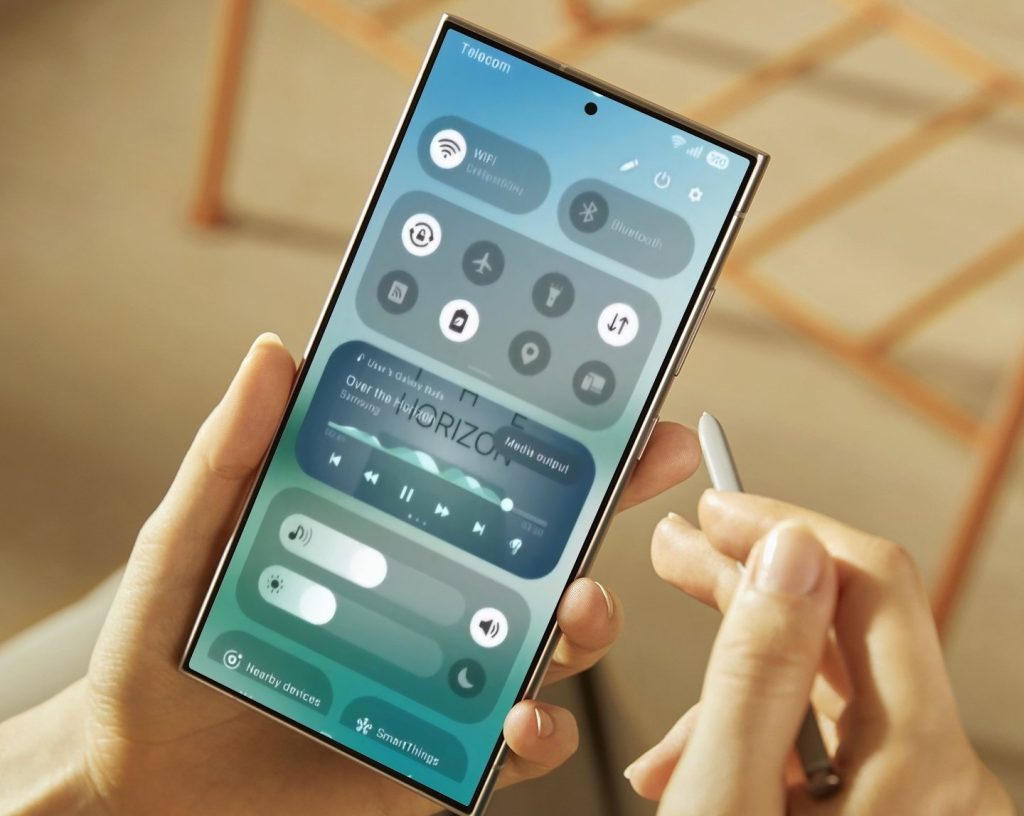
One UI 7 is expected to be the biggest upgrade in the history of One UI. It’s expected to bring a fresh design and several functional enhancements. Leaked screenshots suggest updates like new icons, widgets, and wallpapers, as well as support for large folders that can organize more content at a glance.
The software may also introduce a revamped camera interface, enhancing user experience with a more intuitive layout. Other visual upgrades include a new unlock animation and updated battery and charging icons.
A significant redesign appears to be coming to the control center, with larger toggles for brightness and volume adjustments, potentially making the interface more user-friendly.
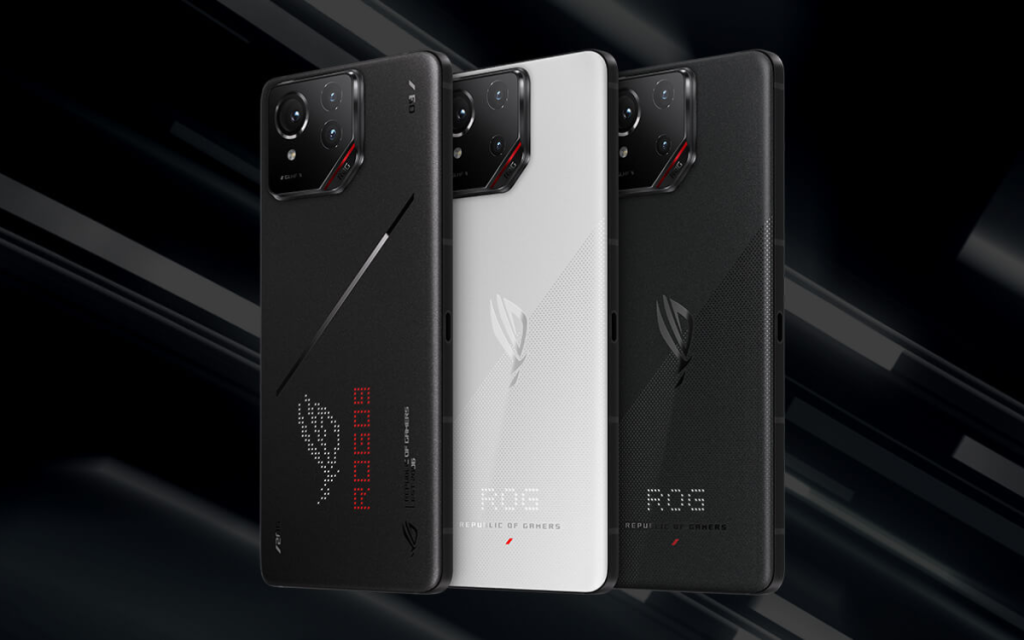
Asus has officially unveiled the ROG Phone 9 series, comprising the ROG Phone 9 and ROG Phone 9 Pro. These smartphones cater specifically to gaming enthusiasts, delivering cutting-edge hardware and innovative features for an enhanced gaming experience. Here’s a detailed look at their specifications and pricing.
Asus ROG Phone 9 Series Specifications
The ROG Phone 9 series features a 6.78-inch Full HD+ AMOLED HDR LTPO display, supporting a refresh rate of up to 165Hz for smooth gaming and 185Hz in select titles. It offers 2500 nits peak brightness, 107% DCI-P3 color gamut, and Corning Gorilla Glass Victus 2 for added durability.
Under the hood, the phones are powered by the Snapdragon 8 Elite SoC, boasting a 45% increase in CPU performance and a 40% improvement in GPU capabilities compared to the previous generation. Paired with LPDDR5X RAM and UFS 4.0 storage, the series supports configurations of up to 24GB RAM and 1TB storage, achieving a record-breaking AnTuTu score of 3,121,390.
Asus has significantly improved the cooling system with a 360° SoC Cooling System Gen 3 design, a 57% larger graphite sheet, and a redesigned AeroActive Cooler X Pro, which includes 12.5% larger fan blades and enhanced thermal materials. The cooler also features a subwoofer for 2.1 stereo sound and adds hardware shoulder buttons for a more immersive gaming experience.
Additionally, the series comes with the ROG Chill Case, which leverages Composite Vapor Chamber (CVC) technology to reduce temperatures by up to 17%, ensuring consistent peak performance even during demanding AAA gaming.
The smartphones run on Android 15 with ROG UI, which offers a tailored gaming interface along with the latest Android features. Asus guarantees two major OS updates and four years of security updates.
The ROG Phone 9 features a triple camera setup with a 50MP Sony LYTIA 700 sensor as the primary lens, offering 6-axis gimbal stabilization for enhanced video stability. It is accompanied by a 13MP ultra-wide camera and a 5MP macro sensor.
The ROG Phone 9 Pro, on the other hand, replaces the macro lens with a 32MP 3x telephoto camera featuring OIS for clearer zoomed-in shots. Both models have a 32MP front-facing camera for selfies and video calls.
The series is powered by a 5800mAh battery, supporting 65W fast charging with HyperCharge technology. It also offers 15W Qi wireless charging and is compatible with Quick Charge 5.0 and Power Delivery standards.
Both devices include dual SIM support, 5G SA/NSA connectivity, Wi-Fi 7, Bluetooth 5.4, and an in-display fingerprint sensor. The phones retain the beloved 3.5mm audio jack and dual stereo speakers. They also feature IP68 water and dust resistance, making them durable and reliable for varied environments.
The ROG Phone 9 series features the AniMe Vision display at the back, with 85 programmable mini-LEDs on the base model and 648 on the Pro, offering enhanced customization and striking visuals for gaming enthusiasts.
Pricing and Availability
Asus ROG Phone 9 starts at $999.99 or €1,099 for the 12GB RAM + 256GB storage model, while the 12GB + 512GB variant is priced at €1,149. It comes in Storm White and Phantom Black colors.
The ROG Phone 9 Pro, available only in Phantom Black, costs $1,199.99 or €1,300 for the 16GB + 512GB model.
The premium ROG Phone 9 Pro Edition, with 24GB RAM and 1TB storage bundled with the AeroActive Cooler X Pro, is priced at $1,499.99 or €1,500.
The phones are available for pre-order now and will start shipping tomorrow in Taiwan, Hong Kong, and China, with Europe shipments in December and the US launch slated for January 2025. There’s no info regarding the India launch yet.
In related news, Nubia recently unveiled the Red Magic 10 Pro and 10 Pro+, featuring the Snapdragon 8 Elite chipset, a 144Hz OLED display, and a 7050mAh battery.
The iPhone 16 Pro and Vivo X200 Pro Mini are both compact flagship phones. Even the base model of the Xiaomi 15 series is a small premium phone. However, the Xiaomi 15 Pro has a taller display, which is perfect for those who need more screen real estate and often consume media content on their smartphones.
Unlike the 6.1-inch Super Retina OLED panel on the iPhone 16 Pro, the Xiaomi 15 Pro sports a tall 6.73-inch LTPO AMOLED screen. That’s not all, the iPhone 16 Pro has a peak brightness of 2000 nits, while the Xiaomi 15 Pro features 3200 nits of max brightness.
2. Accessible and Comparable Performance
The iPhone 16 Pro is one of the fastest smartphones in the market, and the Xiaomi 15 Pro is a notable competitor. The A18 Bionic is a powerful yet energy efficient processor, while the Xiaomi flagship is equipped with the Snapdragon 8 Elite SoC. From synthetic benchmark performance to battery efficiency, this chip goes toe to toe with the A18 Bionic.
Despite this even footing, the Xiaomi 15 Pro has a starting price tag of just 742 US Dollars (5,299 Yuan in China) for the base 12GB + 256GB storage configuration. This makes it over 250 US Dollars more affordable than the 999 US Dollar iPhone 16 Pro, which only offers 128GB for its starting variant.
So when you take the Xiaomi 15 Pro’s entire specs sheet into account, you get an impressive package. You get three cameras on the back with Leica lenses, an IR blaster, an ultrasonic fingerprint scanner, and much more, which gives it an edge over the iPhone 16 Pro.
3. Bigger Battery and Faster Charging
New Apple iPhones have impressive battery life that can easily be compared to Android flagships. But the newer Android devices are no slouch either. But unfortunately, the iPhone 16 Pro only maxes out at around 45W wired fast charging rate, along with 25W wireless fast charging.
This is still better than older models, but the Xiaomi 15 Pro simply outclasses the iPhone. The Xiaomi 15 Pro supports 90W wired fast charging and 50W wireless fast charging. The Chinese tech giant’s premium phone houses a massive 6,100mAh battery pack, which is much larger than the battery on the iPhone 16 Pro.
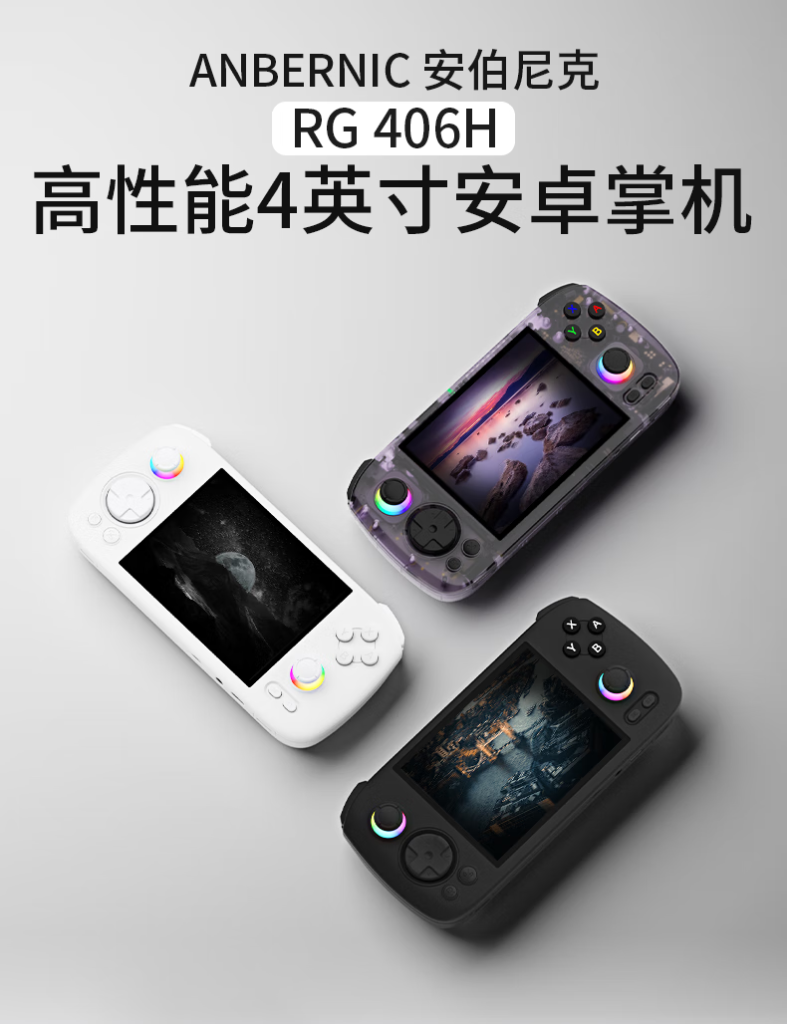
Anbernic has launched its latest Android gaming handheld called RG 406H. The handheld is available in both Chinese and international markets. Let’s check out its key specs.
Anbernic RG 406H Specifications
It features a 4-inch IPS touchscreen with OCA full lamination, offering a 960×720 resolution and multi-touch capability for an immersive gaming experience. It comes in three color options: Black, White, and Transparent Purple, catering to different aesthetic preferences.
Under the hood, it equips the powerful Unisoc T820 processor, a 6nm EUV 5G SOC chip, featuring 8 cores, and a quad-core Mali-G57 GPU running at 850MHz for seamless gaming performance. It sports 8GB LPDDR4X RAM and 128GB UFS 2.2 storage, ensuring smooth multitasking and ample space for games and apps.
The device runs on Android 13, offering access to a wide range of apps and games, and supports FOTA wireless updates to keep the system up to date. It supports over 30 kinds of simulators and allows users to download games in compatible formats.
The RG406H comes with high-fidelity stereo speakers for an enhanced audio experience and features a 5000mAh polymer lithium battery, delivering up to 7 hours of gameplay. It supports fast charging via a 5V/2A USB Type-C port, taking approximately 3 hours to fully charge.
It equips a six-axis gyroscope sensor for precise motion controls and features advanced active cooling with a high-speed fan and heat pipe for effective heat dissipation. It also comes with a large-angle 3D Hall joystick and Hall triggers to ensure accurate control and comfortable gaming.
For connectivity, it supports 2.4/5G Wi-Fi and Bluetooth 5.0. The handheld also supports wireless projection, online multiplayer, and USB Type-C 1080p Display Port output. Additionally, it includes customizable RGB lighting with 16 million colors, a vibration motor, and a 3.5mm stereo earphone jack.
This gaming handheld supports TF card expansion up to 2TB, making it a versatile choice for gamers who need extra storage. The handheld features an ergonomic grip design for comfort and extended gaming sessions.
Pricing and Availability
The Anbernic RG 406H starts at 998 yuan in China and offers three variants globally and domestically: the standard version without an SD card priced at $157.99, the 128GB model preloaded with 4,000+ games priced at $172.99, and the 256GB version featuring 9,000+ games priced at $187.99. The device can be purchased through Anbernic’s official store.
In related news, you can explore the best Xbox Black Friday game deals, including titles like Star Wars Outlaws, Red Dead Redemption 2, and more. Additionally, check out the best PlayStation Black Friday game deals, featuring games like Tekken 8, Resident Evil 4, and others.
While the iPhone 16 Pro is one of Apple’s latest premium smartphones, the next gen flagship Android smartphones are bringing top notch performance and cutting edge features as well. So now, here’s how the Vivo X200 Pro Mini is better than the iPhone 16 Pro.
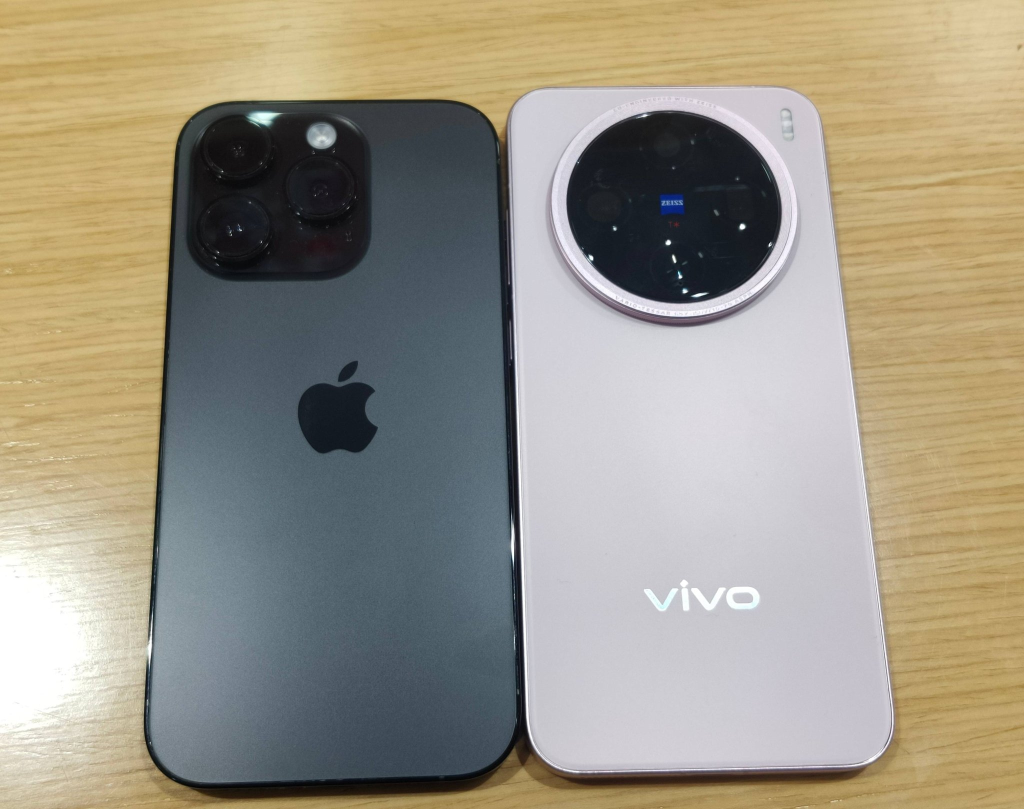
Both the Apple iPhone 16 Pro and Vivo X200 Pro Mini are compact flagship smartphones with displays that are smaller than typical premium devices. The former sports a 6.3-inch panel, while the latter has a 6.31-inch screen. So while these seem nearly identical, the Vivo X200 Pro Mini is not only thinner but also lighter when compared to the iPhone.
Apple’s new flagship measures 8.3mm in thickness and weighs 199 grams. On the other hand, the Vivo X200 Pro Mini measures only 8.2mm and weighs 187 grams. With modern day smartphones (especially the premium ones) often reaching 200 grams in weight, a light smartphone is more convenient to carry around.
2. Unmatched Charging Speeds
Apple is still years behind its competitors in terms of charging rates. While the Cupertino based giant has managed to match and even outpace its Android rivals in battery life, charging speeds have been one of its weaknesses. The Vivo X200 Pro Mini faced no such issues.
The device packs a large 5,700mAh battery pack, which supports 90W wired fast charging, 30W wireless fast charging, and even reverse charging support. Apple does not reveal the official fast charging rate for its iPhones, but it is expected to offer around 45W speed in wired charging speeds.
3. Flagship Made Accessible
Apple’s flagships are known to launch with a premium price tag and the iPhone 16 Pro is no different. Its base 128GB storage model costs 999 US Dollars, making it quite expensive. However, the Vivo X200 Pro Mini undercuts this, by a couple of hundred dollars.
Unlike the iPhone 16 Pro, the Vivo X200 Pro Mini’s starting model is the 12GB + 256GB model. With a starting price tag of 4,699 Yuan, this is roughly about 649 US Dollars. So you’re not only getting double the storage but various upgrades that is also 350 US Dollars cheaper. This is a massive difference considering how you also get three 50MP cameras on the rear with Zeiss optics and a 32MP selfie shooter. From camera to performance, the device is even well optimized with AI integration. There is also an IR blaster as well that helps control home appliances.
Samsung’s upcoming Galaxy A56 5G has been listed on China’s 3C certification website, offering key insights into its charging capabilities. As a successor to the Galaxy A55 5G, the A56 5G will introduce significant upgrades, including support for faster charging, better performance, and possible camera enhancements, making it another exciting addition to Samsung’s mid-range lineup.
Key 3C listing highlights
The 3C certification reveals that the Galaxy A56 5G (model number SM-A5660) will support 45W charging, a clear leap from the 25W charging speed of its predecessor. This improvement brings the Galaxy A56 closer to Samsung’s flagship charging standards, as seen with the Galaxy S24 Ultra. However, how this upgrade translates to real-world charging performance remains to be seen, especially given the minimal differences observed between 25W and 45W charging speeds in Samsung’s flagship models.
Buyers upgrading from an A or M series device will also need to purchase a compatible 45W adapter separately to fully leverage the enhanced charging speeds.
Other aspects of the Galaxy A56 5G
In addition to faster charging, the Galaxy A56 5G is rumored to feature an Exynos 1580 chipset. Early reports suggest this processor could offer performance similar to the Snapdragon 888, Qualcomm’s 2021 flagship chipset used on the S21 Ultra.
The upcoming A series device also appeared on Geekbench last month with single and multi-core scores of 1341 and 3836 respectively—a significant improvement over the Galaxy A55’s Exynos 1480 chipset, which scores around 1100 and 3400 in the respective tests.
As for the cameras, the rear camera setup is expected to remain unchanged from the A55, with a 50MP+12MP+5MP triple lens. However, the company is expected to use a new 12MP sensor for the front facing camera.
The Galaxy A56 5G is likely to debut sometime in 2025, following the release of the Galaxy S25. While pricing details remain speculative, the Galaxy A55 launched in March 2024 at Rs 39,999 for the base model, offering a potential indicator of the A56’s pricing strategy.
The Nubia Z70 Ultra will be officially announced in the Chinese market soon. But ahead of the official announcement, a fresh teaser was just shared by the brand that confirmed its color variants and camera details. One of these colors includes one of Van Gogh’s most popular works, so let’s check it out.
Nubia Z70 Ultra Starry Night
To recall, the Nubia Z70 Ultra is set to launch in China on 21st November 2024. This upcoming flagship smartphone was just teased, confirming three of its color options. We have already seen the Black Seal and Amber color variants. But now, the third version was revealed with Van Gogh’s Starry Night. This design is similar to the Nubia’s older Z60 Ultra Leading Edition. The rear panel features a large circular camera for the primary sensor, along with a telephoto shooter on a smaller housing.
Nubia Z70 Ultra in Van Gogh’s Starry Night
This pill shaped module also features the LED flash and an ultra wide angle lens. Another teaser has also confirmed support for up to 100x digital zoom while its main camera supports a 35mm sensor with an adjustable physical aperture. Based on what we know so far, the Nubia Z70 Ultra was recently spotted on a benchmark platform with the Snapdragon 8 Elite. This processor is paired with 16GB of RAM. The GeekBench listing revealed that the device will launch with the Android 15 OS out of the box.
On the front, it sports a tall 6.85-inch OLED display with a 144Hz refresh rate, 2000 nits of peak brightness, and an under-display camera. Earlier this month, the company also shared camera samples of the Nubia Z70 Ultra as well. There is an Independent Pixel Driver and AI Transparency Algorithm 7.0 to offer improved light transmittance for a clearer view. It also expected to launch with an IP68/IP69 rating for water and dust resistance.
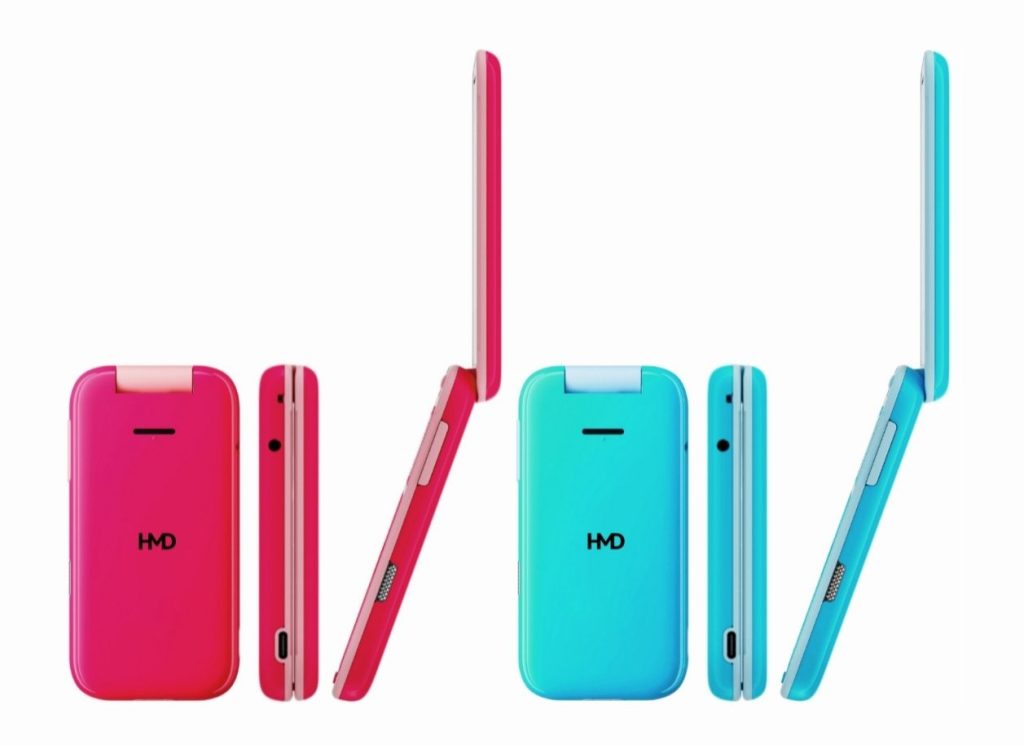
The upcoming HMD Icon Flip 1 flip phone has been leaked, with specifications and design details shared by @smashx_60 on the X platform on November 18. The leak highlights the phone’s retro-modern design, vibrant color options, and modest specs, signaling a continued focus on feature phones for users looking for simplicity.
The HMD Icon Flip 1 will be available in Magenta, Bleen (a blend of blue and green), and Glossy Black. Leaked images reveal a two-tone design, a textured power button on the right, and ports on the left, giving it a distinctive flair.
Leaked specifications:
According to the leaked information, the HMD Icon Flip 1 will support 4G LTE and draw power from a Unisoc T127 chipset—the same processor found in the HMD 105 4G announced earlier this year. It will pair the chipset with 48MB of RAM and 128MB of storage, adequate for basic usage. Running on the S30+ operating system, the phone will also support web apps, making it suitable for users seeking a no-frills device.
The phone is equipped with a 2.8-inch main display and a 1.7-inch cover screen.
A 2MP front-facing camera is included, but there’s no rear camera, reflecting its position as a feature phone.
Other key features include Bluetooth 5.0, an audio jack, a USB-C port, and a 1,500mAh removable battery.
While the leak did not confirm a price or launch date, comparisons were drawn with the HMD Barbie—available for about $130—indicating the Icon Flip 1 might fall within a similar price range. Design-wise, the phone also shares similarities with the Nokia 2660 Flip but adopts a more daring color palette.
HMD’s latest development aligns with its collaboration with Xplora to promote addiction-free technology. Not to mention, the phone appeals to those seeking a digital detox or a secondary phone with essential features.
We use cookies on our website to give you the most relevant experience by remembering your preferences and repeat visits. By clicking “Accept”, you consent to the use of ALL the cookies.
This website uses cookies to improve your experience while you navigate through the website. Out of these, the cookies that are categorized as necessary are stored on your browser as they are essential for the working of basic functionalities of the website. We also use third-party cookies that help us analyze and understand how you use this website. These cookies will be stored in your browser only with your consent. You also have the option to opt-out of these cookies. But opting out of some of these cookies may affect your browsing experience.
Necessary cookies are absolutely essential for the website to function properly. This category only includes cookies that ensures basic functionalities and security features of the website. These cookies do not store any personal information.
Any cookies that may not be particularly necessary for the website to function and is used specifically to collect user personal data via analytics, ads, other embedded contents are termed as non-necessary cookies. It is mandatory to procure user consent prior to running these cookies on your website.