Advertisement

Here are three PC builds from MSI with Ryzen 9000 series processor: one uses RTX 4080 Super

AMD’s Ryzen 9000 series desktop processors are finally available. MSI has officially announced three PC builds equipped with Ryzen 9000 series processors, the top-of-the-line build uses the Ryzen 9 9950X, paired with the RTX 4080 Super. So let’s take a look one by one.

The first one packs Ryzen 5 9600X + AMD Radeon RX 6750 XT 10GB graphics

The first one is based on the Ryzen 5 9600X and is equipped with an AMD Radeon RX 6750 XT 10GB graphics card, which can offer a decent gaming and multitasking experience. This build uses the MSI PRO B650M-B motherboard, which provides a solid foundation for the build. This PC comes with a 1TB Kingston NV2 M.2 high-speed SSD.

Speaking of the power supply, it uses the MAG A600DN PSU, which provides a stable power supply. On the exterior, you will be looking at the MSI PAG FORGE M100L “Tomahawk Mini” case, which comes with a transparent side.

This build reportedly costs 5,499 yuan, which is equivalent to US$770.

The second build packs a more capable Ryzen 7 9700X CPU

This build uses the Ryzen 7 9700X CPU, which comes with an 8-core 16-thread design and a maximum acceleration frequency of up to 5.5GHz. It can easily handle many high-intensity workloads and heavy titles. The Ryzen 7 9700X is paired with Lexar 32GB dual-channel DDR5 memory. This build equips the MSI B650M GAMING WiFi motherboard, which comes with built-in WiFi6E for reliable connectivity.

For cooling it packs Limin’s 360 water cooling and PAG FORGE M100L case for a transparent look. This build is priced at 9,499 yuan, which is equivalent to US$1325.

The top-of-the-line build boasts the Ryzen 9 9950X CPU and MSI RTX 4080 Super GPU

The motherboard in this build, the MSI X670E GAMING PLUS, also supports built-in WiFi connectivity. The Ryzen 9 9950X CPU packs 16 cores and 32 threads and reaches a Max Boost Clock of 5.7GHz, where the base clock speed is 4.3GHz. The default TDP of this chip is 170W.

The MSI RTX 4080 Super graphics card pushes the graphics processing capabilities to the top. This build should handle both heavy games and professional graphic design.

Speaking of storage and memory, this build uses the ADATA D500G DDR5-6800MHz high-frequency memory and the Pterosaur S70 Blade 1TB M.2 SSD.

It uses the 850W MAG A850GL PCIE5 power supply and Limin’s WARFRAME PRO 360 ARGB ice armor water cooling system. On the exterior, it offers the MPG VELOX 100R blade case.

Google’s New standalone weather app now available for download (Unofficially)

A pre-release version of Google‘s upcoming Weather app, intended for the Pixel 9 series, has surfaced online. While the Pixel 9 launch is still a week away, users eager to try out new features can now sideload the app on their Android 14 devices.

Currently, Google bundles weather information within the clock app, but it will be launching a dedicated weather app with the Pixel 9 series. That means Pixel 9 phones will be the first to come pre-loaded with this new app.

If you don’t want to wait that long, the APK is now available for download on APKMirror, courtesy of Kamila Wojciechowska from Android Authority

The app has a pretty minimalist design. It displays the current weather conditions at the top followed by an hourly forecast. Below that, there’s a large tile that shows a 10-day forecast. This is also the only interactive tile on this APK which you can click to view detailed weather information for the upcoming days.

Below this, you will find separate circular and square tiles that show details like wind speed, sunrise and sunset times, UV Index, and more.

Although you can now sideload the app — I tested it on my Galaxy S22 Ultra, and it works fine — the app might not function properly on every device. Also, make sure the device you’re sideloading it on runs Android 14 or above.

This pre-release version might also be missing features that will appear in the final release. According to a 9to5Google report, the app will eventually offer weather notifications. Additionally, Dylan Roussel on X (formerly Twitter) mentioned that it will include features like weather maps and AI-generated weather summaries.

HMD Barbie phone is an uninspiring flip phone that looks like a toy from 2000’s

Following HMD‘s confirmation of a global launch for the HMD Barbie phone on August 28th, its specs and renders have now surfaced on China’s TENAA certification.

When HMD first introduced this phone earlier this year, they made it clear that it would be a classic feature flip phone rather than a smartphone. And the TENAA certification confirms this.

The photos of the actual device reveal a decidely uninspired feature phone aimed at capitalizing on brand recognition rather than innovation. It looks like a toy my sister once wished for to complete her self-made Barbie collection.

As expected, its specs are quite underwhelming. The phone features a 2.8-inch TFT screen with a resolution of 240 x 320 pixels. The certification also mentions a secondary display, which is even smaller at 1.77 inches with a 128 x 160-pixel resolution, but we couldn’t spot it in the images provided by TENAA.

The phone runs on a single-core SoC clocked at a modest 1.05 GHz and comes with just 64MB of RAM and 128MB of internal storage. This setup is unlikely to support much beyond basic calling and texting.

Storage expansion is limited to 32GB via a micro-SD card slot, and the device has 4G LTE for connectivity. It will be powered by a 1450mAh battery which is easily swappable thanks to the user-replacable back cover. For basic photography, you’ll find a single rear camera with an LED flash.

Unsurprisingly, the overall design leans heavily into the Barbie aesthetic. The phone is a vibrant shade of pink, with a big Barbie logo prominently displayed on lid of the device. The back, however, has a contrasting silver finish. The device measures 108 x 55 x 18.9 mm and weighs 123 grams.

There’s no information on pricing yet, but we’ll find that out in a couple of weeks. Expect it to be an affordable option.

Vivo Y58 price drops in India: Now sells from Rs 18,499

Vivo is making one of its Y series smartphones more affordable in the Indian market. The Chinese brand unveiled the Vivo Y58 back in June 2024. This model is a budget mid range device that offers a massive battery, a smooth display, and a sleek design.

Vivo Y58 5G: New Price

The company’s Vivo Y58 model was initially launched in a lone 8GB + 128GB variant with a 19,499 INR price tag. But now, the smartphone got a 1,000 INR price slash, which brought its cost down to just 18,499 INR. This price change is currently live and can be purchased from the Vivo India e-store, Flipkart, and other partner stores like Amazon India. The Vivo Y58 is available in two color options, namely Sundarbans Green and Himalayan Blue.

Vivo Y58
Vivo Y58 5G

Specs

Talking about its specs, the device sports a tall 6.72-inch LCD panel that offers an FHD+ resolution, a 120Hz refresh rate, and up to 1024 nits of peak brightness. Under the hood, Vivo equips with Y58 5G with the Qualcomm Snapdragon 4 Gen 2 SoC that is coupled with the Adreno 613 GPU, 8GB of RAM, and 128GB of internal storage. Users can even expand the storage via a microSD card slot (up to 1TB). For photography, you get a 50-megapixel dual camera setup with an LED flash on the rear and an 8-megapixel shooter for selfies and video calls on the front.

A massive 6,000mAh battery pack powers this device that supports 44W wired fast charging. The Vivo Y58 runs on the Android 14 OS based Funtouch OS 14 custom skin out of the box. Other notable features include an IP64 water and dust resistance rating, stereo speakers, a 3.5mm audio jack, a side mounted fingerprint scanner, hybrid Dual SIM (nano + nano/microSD), and Bluetooth 5.1 support.

CMF Phone 1 vs iQOO Z9, which is better?

CMF Phone 1: May 28, 2024

iQOO Z9: September 22, 2023

SPECS TABLE

CMF Phone 1iQOO Z9
Price$259$206
Display6.67-inch AMOLED screen6.67-inch AMOLED screen
Refresh rate1 – 120Hz adaptive1 – 120Hz adaptive
Rear cameras50MP wide (f/1.8), 2MP depth (f/2.4).50MP wide (f/1.8), 2MP depth (f/2.4).
Front camera16MP (f/2.0)16MP (f/2.0)
ChipsetMediaTek Dimensity 7300MediaTek Dimensity 7200
RAM6GB, 8GB8GB
Storage128GB, 256GB128GB, 256GB
Battery5000 mAh5000 mAh
Charging33W wired44W wired
Water/dust resistanceDust/water-resistantIP54 dust/water-resistant
Size164 x 77 x 8.2 mm (6.46 x 3.03 x 0.32 in)163.2 x 75.8 x 7.8 mm (6.43 x 2.98 x 0.31 in)
Weight202g (6.95 ounces)188g (6.63 ounces)
ColoursBlack, Orange, Light GreenBrushed Green, Graphene Blue
CMF Phone 1 vs iQOO Z9 comparison table.

The Nothing CMF Phone 1 took the internet by storm as the brand’s more affordable entry for buyers. It features budget level specifications and features, as well as a design that make it stand out from the crowd. But how does this device compare with other budget level Android entries? In this article, we pitch the CMF Phone 1 against the iQOO Z9 to find out which is better.

CMF Phone 1 vs iQOO Z9: Price

CMF Phone 1
Poco X6
CMF BY NOTHING Phone 1 5G (128 GB) (6 GB RAM) (Black)
iQOO Z9 5G (Brushed Green, 8GB RAM, 128GB Storage) | Dimensity 7200 5G Processor | Sony IMX882 OIS Camera | 120Hz AMOLED with 1800 nits Local Peak Brightness | 44W Charger in The Box
₹ 15,999
₹ 19,999
CMF Phone 1
CMF BY NOTHING Phone 1 5G (128 GB) (6 GB RAM) (Black)
₹ 15,999
Poco X6
iQOO Z9 5G (Brushed Green, 8GB RAM, 128GB Storage) | Dimensity 7200 5G Processor | Sony IMX882 OIS Camera | 120Hz AMOLED with 1800 nits Local Peak Brightness | 44W Charger in The Box
₹ 19,999

Please Note: When you buy something using the links in our articles, we may earn a small commission at no cost to you.

CMF Phone 1 vs iQOO Z9: Design and colours

CMF Phone 1:

The CMF Phone 1 comes with a very impressive design language that might not be for everybody. It comes with a dual rear camera setup as well as a circular cutout towards the base of the device for modular add-ons. On the right side of the device sits the power button, and to the left side are the volume rocker keys. At its base is the USB-C port, speakers, microphone, and the SIM tray slot. A major selling point for this device is its modular design, as users can sap out the rear panel for a different colour or screw in different accessories. Available colour options on this device are Black, Orange, and Light Green.

iQOO Z9:

Unlike the CMF Phone 1, the iQOO Z9 isn’t a modular device, but it packs good looks. This device comes with a dual rear camera setup with a large cutout. On the right side of this device sits the power button and volume rocker keys. At its base you’ll find the SIM tray slot, the USB-C port, microphone, and speaker. Available colour options on this device are Brushed Green and Graphene Blue.

Major differences:

  • Modular design on the CMF Phone 1.
  • Traditional design on the iQOO Z9.

CMF Phone 1 vs iQOO Z9: Display

CMF Phone 1 and iQOO Z9:

When it comes to the display performance of these devices, they come with some similarities. First they both come with AMOLED screen displays but the CMF Phone 1 comes with a higher peak brightness. Despite featuring the same screen size, the iQOO Z9 comes with slimmer bezels than the CMF Phone 1.

Major differences:

  • Brighter display on the CMF Phone 1.
  • Slimmer bezels on the iQOO Z9.

CMF Phone 1 vs iQOO Z9: Cameras

CMF Phone 1 and iQOO Z9:

These devices come with the same rear and front facing cameras. A main 50MP sensor and a secondary 2MP depth sensor with 4K video recording capability. Up front, this device gives users 16MP sensors with no 4 K video recording ability.

Major differences:

  • Nil.

CMF Phone 1 vs iQOO Z9: Performance

CMF Phone 1 and iQOO Z9:

These devices make use of a processor that is just a generation apart from one another. The CMF Phone 1 comes with the MediaTek Dimensity 7300 processor, while the Vivo Z9 comes with the MediaTek Dimensity 7200 processor. Both devices offer up to 8GB of RAM and 256GB worth of storage capacity.

Major upgrades & differences:

  • The Dimensity 7300 processor on the CMF Phone 1.

CMF Phone 1 vs iQOO Z9: Software

CMF Phone 1 and iQOO Z9:

Both devices run on Android 14 out of the box but use different software programs. The CMF Phone 1 uses the Nothing OS, while the iQOO Z9 makes use of the Funtouch 14 software. You can get up to 3 years of OS upgrade if you purchase either of these devices.

Major differences:

  • CMF Phone 1 runs OriginOS 4.
  • iQOO Z9 runs iOS 17 out of the box.

CMF Phone 1 vs iQOO Z9: Battery life and charging

CMF Phone 1 and iQOO Z9:

While both devices come with a 5000mAh battery capacity the iQOO Z9 comes with faster charging. Yes it features 44W fast charging while the CMF Phone 1 comes with 33W fast charging.

Major differences:

  • Faster charging on the iQOO Z9.

CMF Phone 1 vs iQOO Z9: Final Verdict

Considering the fact that these devices are very similar in specifications some might have a hard time picking which to  purchase. If you’re out for a device that will turn heads and has better performance then the CMF Phone 1 is for you. But if you want something simple yet powerful and comes with faster charging,  the iQOO Z9 is the pick for you.

Redmi Pad Pro 5G arrives in UK & Eurozone with pre-order offers

Xiaomi’s Redmi Pad Pro 5G, previously launched in India, has expanded its reach to European and UK markets. While the tablet is mostly similar to the already available Redmi Pad Pro, the key upgrade is 5G connectivity.

The Redmi Pad Pro 5G comes with starts at £279 in the UK and €379.90 in the Eurozone. Configurations vary by region, with up to 8GB RAM and 256GB storage available. Pre-orders include a free cover, and additional accessories like the Redmi Buds 5 or the Redmi Smart Pen stylus.

Redmi Pad Pro 5G specs:

The Redmi Pad Pro 5G supports dual SIMs, allowing 5G connectivity on both. It has the same specifications as the earlier Wi-Fi-only model. The tablet has a 12.1-inch 2.5K LCD screen with a resolution of 2560 × 1600 pixels, a 120 Hz refresh rate, and a 180Hz touch sampling rate. The display reaches up to 600 nits of brightness, supports Dolby Vision, and is protected by Corning Gorilla Glass 3.

Redmi Pad Pro 5G

It runs on an Octa-Core Snapdragon 7s Gen 2 processor with a clock speed of up to 2.4 GHz, paired with an Adreno 710 GPU. The tablet offers 6GB or 8GB of LPDDR4X RAM and 128GB or 256GB of UFS 2.2 storage, expandable up to 1.5TB via microSD. The operating system is Android 14-based HyperOS.

For cameras, it has an 8MP rear camera and an 8MP front camera. Other features include an in-display fingerprint sensor, an infrared sensor, quad speakers with Dolby Atmos support, and dual microphones.

The tablet measures 280 × 181.85 × 7.52 mm and weighs 571 grams. Connectivity options include 5G, Wi-Fi 6 (802.11 ac) on 2.4GHz and 5GHz bands, Bluetooth 5.2, and USB Type-C 2.0. It has a 10,000mAh battery with 33W fast charging.

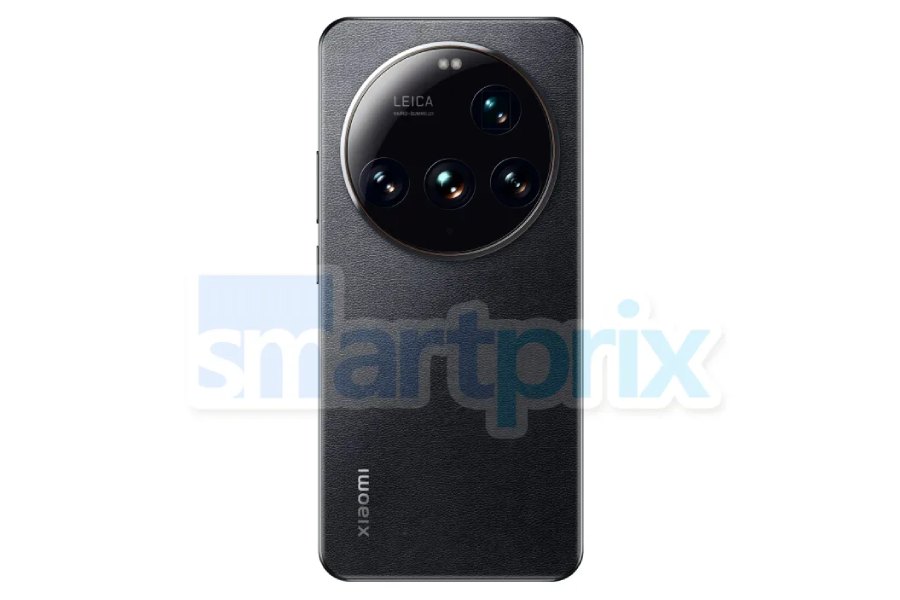
In other news, more details about the Xiaomi 15 Ultra have emerged. As per a leak from tipster Ice Universe, the Xiaomi 15 Ultra will have a quad-camera setup, including a 200-megapixel periscope telephoto lens with 4.x optical zoom.

OnePlus announces new update series for OxygenOS, check eligible smartphones

OnePlus has launched a new monthly update series for its OxygenOS system, targeting both phones and tablets. From what we’ve been able to understand, this isn’t a standard over-the-air (OTA) update. Instead, it will upgrade OnePlus’ own apps and add some new system features to enhance the software experience.

According to OnePlus, the new update series will be available for phones and tablets carrying the firmware versions U120P01(BRB1EX01) and U120P01(BRB3EX01). 

OxygenOS update series eligible smartphones

The update has already started its phased deployment from August 2nd and is expected to reach users across Asia-Pacific regions like India, Hong Kong, and Singapore, as well as select Middle Eastern countries, including the UAE and Saudi Arabia, by September 6th.

The main advantage of this new series is faster access to updates for OnePlus’ self-developed apps and new features, avoiding the usual staggered OTA rollout. This means quicker bug fixes, performance improvements, and possibly new functionalities.

The initial update, U120P01, is relatively minor, focusing on optimizing the unit converter interface within the Calculator app and general system stability improvements.

Changelog Overview
Calculator
• Optimizes the Unit converter interface on the Calculator to make it neater and more intuitive.
System
• Improves system stability.

The update series is compatible with a wide range of OnePlus devices, including current flagships and some older models. Eligible devices include:
OxygenOS 14: OnePlus 12 series, OnePlus Open, OnePlus 11 series, OnePlus 10 series, OnePlus 9 series, OnePlus 8T
OxygenOS 13.1.0/OxygenOS 13: OnePlus Nord 4 5G, OnePlus Nord 3 5G, OnePlus Nord 2T 5G, OnePlus Nord CE 4 5G, OnePlus Nord CE 3 5G, OnePlus Nord CE 3 Lite 5G, OnePlus Nord CE 2 lite 5G, OnePlus Pad, OnePlus Pad Go
Older Models: OnePlus 8, OnePlus 8 Pro, OnePlus Nord 2 5G, OnePlus Nord CE 2 5G, OnePlus Nord CE 5G

Users can check for the update by navigating to Settings > About Device > OxygenOS card. As with most OTA updates, OnePlus is using an incremental rollout strategy, initially reaching a limited number of users before a wider release.

(Source)

Oppo Find X8, X8 Pro, X8 Ultra display details leaked

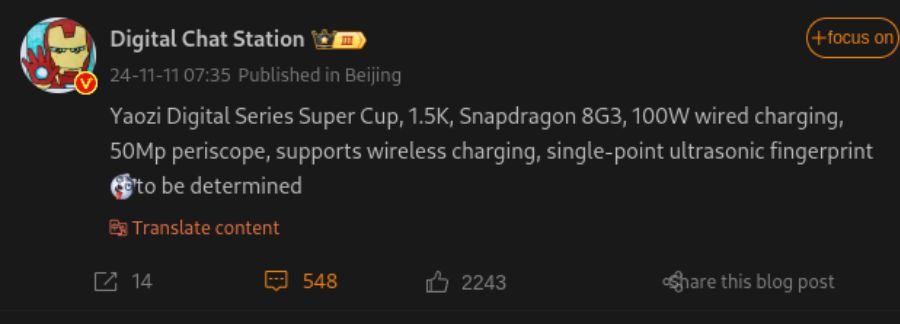
Oppo is expected to unveil the Find X8 series of smartphones in October of this year in China. The Find X7 series included two models, the Find X7 and the Find X7 Ultra. However, recent reports suggest that the X8 lineup will comprise as many as three models, such as the Find X8, the Find X8 Pro, and the Find X8 Ultra. In a recent Weibo post, tipster Digital Chat Station leaked the battery and charging details of all three phones. In a new post on the microblogging platform, the tipster shared the display specifications of the X8 series.

Oppo Find X8 series display specifications (rumored)

The above leak suggests that the Find X8 series will have a variety of displays, including 1.5K flat screens, 1.5K shallow curved screens, and 2K shallow curved screens. It appears that he is talking about the Find X8, the X8 Pro, and the X8 Ultra, respectively.  

DCS’ post further suggests that the prototypes of these phones currently use displays from Tianma Microelectronics (TM) and Beijing Oriental Electronics (BOE). Notably, the 2K 8T LTPO display from BOE with the new substrate is impressive, showing significant improvements in display quality, brightness, and dimming strategies. In addition, the screen is surrounded by ultra-thin bezels on all four sides.

The Find X8 Ultra, which is expected to launch in January 2025, is likely to feature the Snapdragon 8 Gen 4. Speculation suggests that the Find X8 and Find X8 Pro will come equipped with the Dimensity 9400 chipset.

The tipster recently revealed that the Find X8, X8 Pro, and X8 Ultra will pack 5,600mAh, 5,700mAh, and 6,100mAh or 6,200mAh batteries, respectively. The series is expected to run on Android 15 with a layer of ColorOS 15.

The Find X8 Ultra is expected to feature a quad-camera setup that includes a pair of periscope telephoto cameras, similar to the X7 Ultra. In addition, it is also expected to support two-way satellite connectivity and feature an ultrasonic in-screen fingerprint sensor.

DCS responded that the Pro variant has dual periscope telephoto cameras, an ultrasonic in-screen fingerprint sensor, and a larger battery when asked about notable differences between the Find X8 and X8 Pro. Hence, it appears that the Find X8 will have an optical-type in-screen fingerprint sensor and a triple camera unit.

MediaTek Dimensity 9400 is reported to have a 30% single-core performance boost over last-gen

MediaTek’s next flagship processor, the Dimensity 9400, is expected to launch in October, ahead of Qualcomm’s Snapdragon 8 Gen 4, which is planned for an October 21st reveal.

A new leak from Digital Chat Station suggests that the Dimensity 9400 will have a 30% improvement in single-core performance compared to its predecessor. 

Based on benchmarks, this increase over the Dimensity 9300 (which scored 2,207 in Geekbench 6.2) suggests a potential score of around 2,869 for the Dimensity 9400. This would put it very close to the Snapdragon 8 Gen 4’s single-core performance of 2,884. This performance boost could likely be due to the collaboration of MediaTek with Arm on the development of the Cortex-X925 CPU core, codenamed Blackhawk. 

Additionally, the leak suggests the Dimensity 9400 achieves this performance while using only 30% of the power consumed by the Snapdragon 8 Gen 3 for similar tasks, highlighting a focus on efficiency.

MediaTek Dimensity 9400 performance

The Dimensity 9300 featured an all-performance core design, a strategy likely to continue with the 9400. While this approach enhances raw power, it can cause thermal throttling. However, the reported efficiency gains of the Dimensity 9400, along with the use of Samsung’s faster 10.7 Gbps LPDDR5x memory modules, could address these thermal issues and position the chip as a strong competitor in the smartphone processor market.

Both the Dimensity 9400 and Snapdragon 8 Gen 4 are expected to be manufactured on TSMC’s N3 process node, leveling the playing field in terms of raw power.

The real wildcard in this upcoming generation might be Samsung’s Exynos 2500. Rumored to mark a comeback for Samsung’s mobile chip division, it uses the 3GAP process node and incorporates the innovative GAAFET (Gate-All-Around Field-Effect Transistor) technology instead of the traditional FinFET design. 

Additionally, there are rumors of an RDNA 3-based integrated GPU suggesting the Exynos 2500 might become a strong contender in the mobile gaming arena.

While MediaTek’s focus on single-core performance and efficiency promises a competitive offering, the true performance picture will only become clear with benchmark results and real-world testing.

iQOO Z9 Turbo+ MIIT certified, Dimensity 9300+ powered phone to launch soon

iQOO unveiled the iQOO Neo 9S Pro featuring the all new Dimensity 9300 Plus chipset in May this year. It was announced with a starting price of 2,699 Yuan (~$375). Recent reports have claimed that the company is working on the iQOO Z9 Turbo equipped with the same chipset. Being a Z-series phone, it is likely to be priced around 2,000 Yuan (~$280) in China. The arrival of the Z9 Turbo+ seems to be close at hand as it has been approved by the MIIT regulatory body in China.

iQOO Z9 Turbo+ bags MIIT certification

iQOO Z9 Turbo+ MIIT certified

As can be seen above, a new Vivo device bearing the V2417A model number has been approved by the MIIT authority. As per a Weibo post from reliable leaker Digital Chat Station, the said model number is associated with the upcoming Z9 Turbo+.

Unfortunately, the MIIT certification has no information about the specifications of the iQOO Z9 Turbo+. It is likely that the phone may go official either by the end of this month or in September. Here is a look at what the rumor mill has leaked about the device so far.

iQOO Z9 Turbo+ specifications (rumored)

iQOO Z9 Turbo
iQOO Z9 Turbo

There’s a possibility that the iQOO Z9 Turbo+ could be largely similar to the Snapdragon 8s Gen 3-powred iQOO Z9 Turbo, which debuted with a price tag of 1,999 Yuan (~$280) in April in China. As per leaks, the iQOO Z9 Turbo+ will have a flat OLED screen that offers a 1.5K resolution and an in-screen fingerprint sensor.

The Dimensity 9300+ powered device is expected to pack a 6,000mAh battery. The rest of the specs of the phone are under wraps.

To recall, the Z9 Turbo features a 6.78-inch flat OLED panel that offers a 1.5K resolution and a 144Hz refresh rate. The Snapdragon 8s Gen 3-powered phone has LPDDR5x RAM, UFS 4.0 storage, and a 6,000mAh battery with 80W fast charging support. It has a 16-megapixel front camera and a 50-megapixel (main) + 8-megapixel (ultrawide) dual-camera system.

Upcoming Xiaomi device may pack a 7,500mAh battery with 100W charging

Until last year, Chinese smartphone brands were focused on offering faster charging solutions while slightly reducing battery size. However, this year, the trend has shifted to launching phones with larger silicon batteries instead of lithium-ion types and offering fast charging at around 100W. By doing this, phones can maintain longer battery life and provide more efficient performance. A new Weibo post by tipster Digital Chat Station suggests that Xiaomi may launch a device equipped with a 7,500mAh battery in future.

Xiaomi reportedly testing multiple battery and charging configurations

According to the tipster Digital Chat Station, Xiaomi is currently researching various fast charging solutions for their batteries. It is considering multiple configurations, including a 5,000mAh battery with 120W fast charging, which can fully charge in 18 minutes, and a 5,500mAh battery with 100W fast charging, which takes 34 minutes to fully charge.

Additionally, it is looking into a 6,000mAh battery with 120W fast charging that charges in 30 minutes, a 6,500mAh battery with 100W fast charging that requires 49 minutes for a full charge, a 7,000mAh battery with 120W fast charging that charges in 40 minutes, and a 7,500mAh battery with 100W fast charging that takes 63 minutes to fully charge.

Some of the recent Xiaomi phones, such as the Redmi Note 13 Pro series, Redmi K70 Pro, K70, Redmi Note 12 Pro+, Redmi K60 Ultra, K60 Pro, K50 Ultra, K50 Pro, Xiaomi 13T Pro, Xiaomi 12T series, and Xiaomi 11T Pro, already offer 5,000mAh+120W combination. The K70 Ultra, which debuted last month, offers a 5,500mAh battery with 100W rapid charging.

It is speculated that the upcoming Xiaomi 15 series will have silicon batteries of around 6,000mAh. Expected to launch next year, the 15 Ultra could have a 6,200mAh battery.

Usually, batteries of around 6,500mAh to 7,500mAh are good enough to power entry-level tablets. However, now that phone brands are working on phones with silicon batteries with increased energy densities, it may not be long before we see phones packed with 7,500mAh batteries.

GC Daily: OnePlus Open Goes Crimson – Limited Edition Foldable with 1TB Storage Unveiled

Today’s roundup showcases the dynamic landscape of the tech world, from news about foldables to upcoming wearables and the best mid-range smartphones.

Today’s Highlights:

  1. OnePlus Open Apex Edition: Dive into the details of OnePlus’s luxurious new foldable variant. We’ll explore its upgraded storage, VIP mode, and what sets it apart from the standard edition.
  2. Google Pixel Watch 3 Rumors: Get the scoop on the latest leak suggesting significant improvements in display brightness and battery life for Google’s upcoming smartwatch. We’ll discuss what this could mean for the wearable market.
  3. Huawei’s Tri-Folding Innovation: Uncover the exciting rumors about Huawei’s upcoming tri-folding phone. We’ll examine the potential for ‘PC-level’ applications and the reported minimal crease, potentially revolutionizing the foldable phone landscape.
  4. Best Phones Under ₹50,000: Explore our comprehensive guide to the top smartphones in this competitive price range. We’ll break down the best options for performance, camera capabilities, and overall value.

Plus, don’t miss our roundup of other headline-grabbing stories, including Android 15 update eligibility, Amazon’s Great Freedom Sale deals, Realme’s latest budget offering, and a comparison of Snapdragon chipsets!


OnePlus Open Apex Edition Debuts With 1TB Storage, VIP Mode: Check Pricing And Offers

The OnePlus Open was released last year in Emerland Dusk and Voyager Black color options. Now, the brand has launched the foldable phone in a new color variant along with bumped-up storage and additional features. Commenting on the launch, CEO Kinder Liu states that the OnePlus Open Apex Edition offers a more luxurious option with some new additions. Read on to learn everything about the device below, including the pricing and discounts. 

Read More


Google Pixel Watch 3 is rumored to offer a much brighter display than the Pixel Watch 2

The Pixel Watch 3 is expected to be officially announced at Google’s hardware event on August 13 alongside the Google Pixel 9 series. Ahead of the launch, a new leak claims that the Pixel Watch 3 will come with an improved display and battery life.

Read More


Huawei’s upcoming tri-folding phone reportedly supports ‘PC-level’ applications and has minimal crease

Huawei is known to be working on a tri-folding device for a while. The company has also filed a number of patents for the folding technology it’s working on. A relatively recent one shows a tri-folding phone with two hinges and a flexible screen that folds outwards.

Read More


Best Phones under ₹50000 – August 2024

Finding a high-performance smartphone under ₹50,000 can be a game-changer, blending advanced technology with premium features. This price range offers a range of impressive options, from stellar battery life and top-notch performance to exceptional camera systems. Whether you’re looking for the best value, unparalleled speed, or a versatile camera setup, there’s a standout choice to meet your needs. Explore these top picks that balance cutting-edge features with cost-effectiveness, making them perfect for tech enthusiasts and everyday users alike.

Read More


🔥More Top Stories You Might Have Missed

Poco F6 Deadpool Limited Edition goes on sale in India for Rs 29,999

Poco unveiled the Poco F6 equipped with the Snapdragon 8s Gen 3 chip in May 2024. At the end of July, the brand unveiled a special variant of the phone dubbed the Poco F6 Deadpool Limited Edition in India. Designed for Marvel enthusiasts, the limited edition variant is now available for purchase via Flipkart in the country.

Poco F6 Deadpool Limited Edition price in India

Poco F6 Deadpool box contents

The Poco F6 Deadpool Limited Edition comes with 12 GB of RAM and 256 GB of storage. It comes in a special box, which includes a Deadpool-themed charger and a SIM ejector. While there are no custom themes or wallpapers, the device sports an elegant red-colored back panel with a Deadpool logo on it.

In terms of price, the Poco F6 Deadpool Limited Edition is priced at Rs 33,999 (~$380). However, it can be bought for as low as Rs 29,999 (~$357) with the offers. Readers should note that as it is a limited-edition variant, only 3,000 units are available for purchase.

Poco F6 Deadpool specifications

Poco F6 Deadpool

The specifications of the Poco F6 Deadpool Limited Edition are the same as its regular version. It has a 6.7-inch OLED panel that offers a 1.5K resolution and a 120Hz refresh rate. The screen is embedded with a fingerprint sensor. When it comes to durability, the device comes with an IP64 rating and features Gorilla Glass Victus protection for the screen.

Under the hood, the Poco F6 Deadpool Limited Edition has the Snapdragon 8s Gen 3 chip, LPDDR4x RAM, UFS 4.0 storage, and a 5,000mAh battery with 90W fast charging. The device runs on Android 14 and HyperOS. It has a 20-megapixel camera on the front for selfies and its rear panel has an OIS-assisted 50-megapixel Sony IMX882 primary camera and an 8-megapixel ultrawide lens. Its other features include dual stereo speakers and an IR blaster.

Amazon Great Freedom Sale: Discounts on Amazon Basics Power Banks, Power Adapters, and other useful items

Amazon Great Freedom Sale is already here, and the discounts on some major smartphones to tablets, including Xiaomi Pad 6, OnePlus Smartphones, iPhone 13, iQOO Smartphones, Sony PlayStation 5, and other items. The sale is now extended to Amazon Basics products including Power Banks, Power Adapters, TWS Earbuds, Electronic Keypad Locker, and others. Let’s look in detail for deals:

Amazon Basics Deal at Great Freedom Sale in India

Along with 10% instant SBI card savings, and additional Amazon discounts over the top, the price is at its lowest. Amazon Basics TWS is available at a discount price of Rs 999, which usually retails for Rs 2499. Meanwhile, the Amazon Basics 12 Watt DC Digital Tyre Inflator is available at Rs 1436, which is 50% off its usual retail price.

Further, there’s a luxurious discount on a USB C 65W charger, which is available for Rs 2699. However, the users can grab a 10000 mAh Power Bank at Rs 799. To keep all things safe, users can buy the Amazon Basics Digital Safe with Electronic Keypad Locker for Rs 6,799.

There are plenty of other Amazon Basics accessories that you may grab at a considerable price at the ongoing Amazon Freat Freedom Sale in India.

Apart from the electronics, the users can grab kitchen items from Amazon’s homegrown Solimo brand, Popsugar, and other companies at massive discounts. There is a 70% off on some items on Amazon. Furthermore, interested folks can choose from thousands of home improvement items, including furniture, cleaning essentials, furnishing, and other tools.

You should also not forget to check our Deals section for more offers and discount details.

Realme’s 300W fast charging to be showcased on August 14

Realme was the first brand to showcase 150W and 240W fast charging technologies in the world of smartphones. Recent reports claim that the brand is now using 300W rapid charging technology. Today, the brand officially confirmed that it will hold an event on Aug. 14 in China to reveal a new milestone in fast charging technology.

Realme 300W’s fast charging tech: What to expect?

Several smartphone brands, including Redmi, reportedly developed 300W fast charging technology last year. However, the recent trend in the smartphone industry has shifted to offering larger batteries of around 6,000mAh capacities while keeping the fast charging to around 100W. It appears that Realme will be the first smartphone brand to announce 300W fast charging tech.

In June, Realme Global Head of Marketing, Francis Wong, revealed in an interview that his company was testing 300W rapid charging tech. The official details of the new fast charging solution have not been confirmed. However, reports suggest that it can charge from 0 to 50 percent in less than three minutes and reach 100 percent in approximately five minutes.

At present, there is no clarity on which of the upcoming Realme phones will come with support for 300W fast charging. This month, the brand is expected to launch the Realme 13 and 13 Pro series of smartphones in China. At the end of this year, it will unveil the Realme GT 7 Pro, equipped with the new Snapdragon 8 Gen 4 chipset. However, it may not come with support for 300W rapid charging.

While Realme’s 300W fast charging technology will be announced next week, it may take a couple of months before we see a Realme phone supporting it.

Android 15 Update Won’t Come to These Devices

Android 15 ineligible devices

We’re close to the release of Android 15 as the development is almost final, and Google is wrapping it up by making final adjustments. Unlike the last two iterations, this one is going to be an exciting upgrade, packed with plenty of new features and enhancements (more on that later).

Google is expected to drop the stable version of Android 15 in the coming weeks. Those who haven’t participated in the beta program are eagerly waiting to test out the new features and changes. But, like every year, millions of Android devices won’t get the latest Android OS because of limited software support.

Here, I have curated a list of Android devices from major brands that won’t get the Android 15 update. Review the list to determine if you’ll need to upgrade to a newer model to enjoy the latest features and optimizations.

These Devices Won’t Get Android 15 Update

[Google Pixel]

  • Pixel 5
  • Pixel 5a 5G
  • Pixel 4
  • Pixel 4 XL
  • Pixel 4a
  • Pixel 4a 5G
  • Pixel 3
  • Pixel 3XL
  • Pixel 3a
  • Pixel 3a XL
  • And older Pixels

[Samsung]

(Galaxy S series)

  • Galaxy S20 Ultra
  • Galaxy S20+
  • Galaxy S20 FE
  • Older S-series phones

(Galaxy Z series)

  • Galaxy Z Fold 2
  • Galaxy Z Flip 2
  • Older Z-series phones

(Galaxy Tab series)

  • Galaxy Tab A8 10.5 (2021)
  • Galaxy Tab A7 Lite
  • Galaxy Tab S7 FE
  • Older Tablets launched before 2021

(Galaxy A series)

  • Galaxy A72
  • Galaxy A52
  • Galaxy A52 5G
  • Galaxy A52s 5G
  • Galaxy A32
  • Galaxy A32 5G
  • Galaxy A22
  • Galaxy A22 5G
  • Galaxy A13 5G
  • Galaxy A12
  • Galaxy A12 Nacho
  • Galaxy A03
  • Galaxy A03s
  • Galaxy A03 Core
  • Galaxy A02
  • Galaxy A01 Core
  • Older A-series phones launched before 2021

(Galaxy M series)

  • Galaxy M04
  • Galaxy M13
  • Galaxy M13 5G
  • Galaxy M53 5G
  • Galaxy M33 5G
  • Galaxy M23 5G
  • Older M-series phones launched before 2022

(Galaxy F series)

  • Galaxy F04
  • Galaxy F13
  • Galaxy F23 5G
  • Older F-series phones launched before 2022

[OnePlus]

  • OnePlus 9R
  • OnePlus 9RT 5G
  • OnePlus Nord N30
  • OnePlus Nord N300
  • OnePlus Nord N20 SE
  • OnePlus Nord 2T
  • OnePlus Nord N20 5G
  • OnePlus Nord CE 2 Lite 5G
  • OnePlus Nord CE 2 5G
  • OnePlus Nord 2 5G
  • OnePlus Nord N200 5G
  • OnePlus Nord CE 5G
  • And devices launched before 2021

[Oppo]

(Oppo Find series)

  • Oppo Find X5 Lite
  • Oppo Find N
  • Oppo Find X3
  • Oppo Find X3 Pro
  • Oppo Find X3 Neo
  • Oppo Find X3 Lite
  • Older Find models

(Oppo Reno series)

  • Oppo Reno 8
  • Oppo Reno 8 4G
  • Oppo Reno 8 Z
  • Oppo Reno 8 Lite
  • Oppo Reno 8 Pro
  • Oppo Reno 8 Pro+
  • Oppo Reno 7
  • Oppo Reno 7 5G
  • Oppo Reno 7 Lite
  • Oppo Reno 7 Z 5G
  • Oppo Reno 7 Pro
  • Oppo Reno 7 SE 5G
  • Older Reno models

(Oppo K series)

  • Oppo K10
  • Oppo K10 5G
  • Oppo K10x
  • Oppo K10 Pro
  • Older K models

(Oppo F series)

  • Oppo F21 Pro
  • Oppo F21 Pro 5G
  • Older F models

(Oppo A series)

  • Oppo A78
  • Oppo A77s
  • Oppo A58x
  • Oppo A56
  • Oppo A17
  • Oppo A17k
  • Oppo A1
  • Oppo A1x
  • Oppo A1 Pro
  • And those launched with Android 12 or before

[Vivo]

(Vivo X series)

  • Vivo X80 Lite
  • Vivo X70
  • Vivo X70 Pro
  • Vivo X70 Pro+
  • And older X-series phones

(Vivo V series)

  • Vivo V25
  • Vivo V25e
  • Vivo V25 Pro
  • Vivo V23 5G
  • Vivo V23 Pro
  • Vivo V21s
  • And older V-series phones

(Vivo T series)

  • Vivo T1x
  • Vivo T1x 4G
  • Vivo T1 5G
  • Vivo T1 Pro
  • Vivo T1 (Snapdragon 680)
  • Vivo T1 (Snapdragon 778G)

(Vivo Y series)

  • Vivo Y200
  • Vivo Y100
  • Vivo Y100A
  • Vivo Y78
  • Vivo Y78t
  • Vivo Y56
  • Vivo Y55s (2023)
  • Vivo Y36
  • Vivo Y36 5G
  • Vivo Y28
  • Vivo Y27
  • Vivo Y27s
  • Vivo Y27 5G
  • Vivo Y17s
  • Vivo Y02t
  • Vivo Y02A
  • And older Y-series phones launched before 2023

[iQOO]

  • iQOO 10 Pro
  • iQOO 9 SE
  • iQOO 9 Pro
  • iQOO 9T
  • iQOO Z6
  • iQOO Z6 44W
  • iQOO Z6 Pro
  • iQOO Z6 Lite
  • iQOO Neo 6
  • And older iQOO phones

[Xiaomi]

  • Xiaomi Civi
  • Xiaomi 12X
  • Xiaomi 11i
  • Xiaomi 11i HyperCharge 5G
  • Xiaomi 11 Lite 5G NE
  • Xiaomi 11T
  • Xiaomi 11T Pro
  • Xiaomi Mi 11X
  • Xiaomi Mi 11X Pro
  • Xiaomi Mi 11 Pro
  • Xiaomi Mi 11 Ultra
  • Xiaomi Mi 11i
  • Xiaomi Mi 11 Lite
  • Xiaomi Mi 11 Lite 5G
  • Xiaomi Mi 10S
  • Xiaomi Mi 10i 5G
  • Xiaomi Mi Mix Fold
  • Xiaomi Pad 5
  • Xiaomi Pad 5 Pro
  • Xiaomi Mix 4
  • And all older devices

[Redmi]

  • Redmi Note 12 Pro 5G
  • Redmi A2
  • Redmi A2+
  • Redmi Note 12 5G
  • Redmi K60E
  • Redmi 12C
  • Redmi Note 12 Pro
  • Redmi Note 12 Pro+
  • Redmi Note 12 Discovery
  • Redmi Pad
  • Redmi Note 11R
  • Redmi A1+
  • Redmi 11 Prime
  • Redmi 11 Prime 5G
  • Redmi A1
  • Redmi Note 11 SE
  • Redmi K50 Ultra
  • Redmi K50i
  • Redmi Note 11T Pro
  • Redmi Note 11T Pro+
  • Redmi Note 11 SE
  • Redmi 10 Power
  • Redmi 10 Prime 2022
  • Redmi 10A
  • Redmi Note 11S 5G
  • Redmi Note 11 Pro+ 5G
  • Redmi K50
  • Redmi K50 Pro
  • Redmi K40S
  • Redmi 10
  • Redmi 10C
  • Redmi Note 11E
  • Redmi Note 11E Pro
  • Redmi K50 Gaming
  • Redmi 10 (2022)
  • Redmi Note 11
  • Redmi Note 11 Pro
  • Redmi Note 11 Pro 5G
  • Redmi Note 11S
  • And all older devices

[Poco]

  • Poco X5
  • Poco X5 Pro
  • Poco X4 GT
  • Poco X4 Pro 5G
  • Poco M5
  • Poco M5s
  • Poco M4 5G
  • Poco M4 Pro 5G
  • Poco F4
  • Poco F4 GT
  • Poco C55
  • Poco C50
  • Poco C40
  • And all older devices

[Realme]

(Realme GT series)

  • Realme GT 2
  • Realme GT 2 Pro
  • Realme GT 2 Explorer Master
  • Realme GT Neo 3
  • Realme GT Neo 3 150W
  • Realme GT Neo 3T
  • And all older GT phones

(Realme number series)

  • Realme 10
  • Realme 10 5G
  • Realme 10s
  • Realme 10T
  • Realme 9
  • Realme 9 5G
  • Realme 9 Pro
  • Realme 9 Pro+
  • Realme 9i
  • Realme 9i 5G
  • Realme 9 SE
  • And all older devices

(Realme Narzo series)

  • Realme Narzo 50
  • Realme Narzo 50 5G
  • Realme Narzo 50 Pro
  • Realme Narzo 50A
  • Realme Narzo 50A Prime
  • Realme Narzo 50i
  • Realme Narzo 50i Prime
  • Realme Narzo N55
  • Realme Narzo N53
  • And all older devices

(Realme C series)

  • Realme C67
  • Realme C55
  • Realme C51s
  • Realme C53
  • Realme C51
  • Realme C35
  • Realme C33 (2023)
  • Realme C31
  • Realme C30s
  • And all older devices

[Motorola]

(Razr series)

  • Motorola Razr (2022)
  • Motorola Razr 5G
  • And older Razr phones

(Edge series)

  • Motorola Edge 30 Fusion
  • Motorola Edge 30 Neo
  • Motorola Edge (2022)
  • Motorola Edge+ 5G UW (2022)
  • Motorola Edge 30 Pro
  • And older Edge phones

(Moto series)

  • Motorola Moto G84
  • Motorola Moto G73
  • Motorola Moto G54
  • Motorola Moto G53
  • Motorola Moto G54 Power
  • Motorola Moto G23
  • Motorola Moto G14
  • Motorola Moto G13
  • Motorola Moto G Stylus 5G (2023)
  • Motorola Moto G Stylus (2023)
  • Motorola Moto G (2023)
  • Motorola Moto G Power 5G
  • Motorola Moto X40
  • And older Moto phones

So far, only Google has confirmed which devices will receive Android 15 and which won’t. Other brands haven’t yet made it official. So, we had to analyze the software update policy and past rollouts for the remaining brands to prepare the list above.

If your device isn’t on the above list, you’re good to go. However, if you’ve spotted your device there, plan your next upgrade to continue receiving the latest Android updates.

Also Read: 10 Amazing Features Coming to Android 15

When Will Android 15 Start Rolling Out?

Android 15 has already entered the platform stability phase. It’s the final phase of development, where Google fixes known bugs and other problems and adds a final touch to the new OS to prepare it for a stable release.

Although we don’t have an official release date yet, the timeline is similar to last year’s Android 14. Hence, we’re expecting Google to drop the stable build of Android 15 around the same time as last year, which means early October.

Here’s a quick look at the significant milestones for Android 15:

  • Android 15 DP1 — February 16, 2024
  • Android 15 DP2 — March 21, 2024
  • Android 15 Beta 1 — April 11, 2024
  • Android 15 Beta 1.1 — April 22, 2024
  • Android 15 Beta 1.2 — April 25, 2024
  • Android 15 Beta 2 — May 15, 2024
  • Android 15 Beta 2.1 — May 20, 2024
  • Android 15 Beta 2.2 — June 3, 2024
  • Android 15 Beta 3 — June 18, 2024
  • Android 15 Beta 3.1 — July 1, 2024
  • Android 15 Beta 4 — July 18, 2024
  • Android 15 Beta 4.1 — July 29, 2024

Notably, Google has scheduled its Made by Google event on August 13, where the tech giant will unveil Pixel 9 Pro and Pixel 9 Pro Fold, among other products. These upcoming Pixels are expected to come with Android 15 out of the box. This means that Google might release the new OS at this event.

As soon as the stable build arrives, it will roll out to Google Pixels, and then other brands should follow quickly after making necessary changes to their custom skins. For non-Pixels, you can expect the update to hit the flagship devices first and then to the remaining models.
More Android 15 Stories:
1. These Devices Are Eligible for Android 15 Upgrade
2. How to Install Android 15 Beta

POCO F7 surfaced, but it’s too early

We leaked the top-end model of the POCO F7 series, the POCO F7 Pro. Now, information from the XiaomiTime team has revealed the regular model of the series, the POCO F7. The new POCO F7 will be a rebranded version of the Redmi Turbo 4. Xiaomi is working on new devices and the first information for the POCO F7 series has already leaked.

POCO F7 spotted

The POCO F7 has surfaced with 2 different model numbers. These are “2412DPC0AG” and “2412DPC0AI“. The first model number represents the POCO F7 designed for users in the Global market. The other model number represents the POCO F7 model developed specifically for users in the Indian market. Of course, there may be differences in system applications etc. due to legal situations in the regions. However, the POCO F7 to be sold in both regions will have exactly the same hardware specifications.

It’s too early for the POCO F7 and, this new POCO F7 series is not expected to be unveiled before May 2025. Therefore, you will have to wait a long time. The POCO F7 and F7 Pro will launch with the latest Qualcomm processor and are now expected to offer significant improvements in the camera.

The POCO F7 will be a rebranded version of the Redmi Turbo 4. On the other hand, the POCO F7 Pro is a rebranded version of the Redmi K80. The codename of the POCO F7 Pro is “miro”. The code name “Miro” comes from the painter Joan Miro. The Redmi K and POCO F Pro series are often codenamed after painters. This tradition continues with new smartphones. The codenames of the Redmi Turbo series are taken from gemstones. In any case, you will wait until May 2025. Because the POCO F6 series was announced in May 2024.

Source: XiaomiTime.com

Realme 13 4G debuts with Snapdragon 685, 6.67″ OLED display & 50MP Sony LYT-600 primary camera

Realme has launched the Realme 13 4G in Indonesia, adding to its Realme 13 series, which includes the Realme 13 Pro and Realme 13 Pro+. Unlike its 5G counterparts, the Realme 13 4G focuses on providing solid features at an affordable price.

Realme 13 4G

Realme 13 4G specs:

The phone has a 6.67-inch OLED display with a 120Hz refresh rate, a 180Hz touch sampling rate, FHD+ resolution, and a peak brightness of 2,000 nits. The display includes an in-display fingerprint scanner that also works as a heart rate monitor and a “Rain Water Touch” feature for use when wet.

Under the hood, it is powered by a Snapdragon 685 processor with 8GB of RAM and offers two storage options: 128GB and 256GB, along with a a microSD card slot for extra storage. The phone is powered by a 5,000mAh battery with 67W fast charging, reaching 50% in 19 minutes and full capacity in 47 minutes. It runs on Realme UI 5.0 based on Android 14 and includes a GT Mode for better performance during gaming and other demanding applications.

Realme 13 4G specs

For optics, the rear camera setup has a 50MP main camera with a Sony LYT-600 sensor and Optical Image Stabilization (OIS), along with a 2MP depth sensor. The front camera is a 16MP sensor capable of recording 1080p video at 30fps. Other features include dual SIM support, NFC, dual-band Wi-Fi, stereo speakers, and a 3.5mm headphone jack. The Realme 13 4G has an IP64 rating for better dust and water resistance compared to the Realme 12 4G, which had an IP54 rating.

Pricing & availability

The Realme 13 4G is available in Skyline Blue and Pioneer Green, priced at approximately $187 (IDR 2,999,000) for the 128GB version and around $199 (IDR 3,199,000) for the 256GB version. It is now listed on Realme’s online store, with sales starting from August 8.

(Source)

Lenovo Motorola’s New 5G Phone Gets Network Access Approval in China

Motorola is set to release a new 5G smartphone, model XT2409-5, after obtaining network access approval from the Ministry of Industry and Information Technology in China. The device features a triple-camera setup on the rear, a vertical edge frame design, and a 6.36-inch OLED display with a resolution of 1200×2670 pixels.
The smartphone has a 4310mAh battery and has multiple memory options

Powered by an octa-core processor with a 2.5GHz clock speed, the smartphone boasts a 4310mAh battery and offers multiple memory options ranging from 8GB to 16GB. The triple camera system includes a 50MP main sensor, a 13MP secondary sensor, and a 10MP camera with 3x optical zoom capability. A 32MP front camera is also included for selfies and video calls.

Lenovo Motorola

While specific details about the device’s release date and pricing remain undisclosed, the approval from Chinese regulatory authorities suggests an imminent launch.

Motorola’s new 5G smartphone is expected to compete in the mid-range market segment.

(Via)

EarFun Air Pro 4 Budget-Friendly Noise Cancelling Earbuds launched with aptX Lossless audio support

EarFun has introduced its latest in-ear headphones, the Air Pro 4, priced at $90. These new earbuds aim to provide good sound quality and useful features at a reasonable price.

EarFun Air Pro 4

High-Quality Audio and Connectivity

With Qualcomm’s QCC3091 SoC, the Air Pro 4 supports aptX Lossless and LDAC codecs for better sound quality. Future firmware updates will enable LE audio and Auracast compatibility. The 10mm composite dynamic drivers provide rich, detailed sound. The earbuds also support multi-device connectivity, allowing easy switching between devices.

Effective Noise Cancellation and Clear Calls

EarFun Air Pro 4

The Air Pro 4 features QuietSmart 3.0 Adaptive Noise Cancellation with six microphones and AI algorithms, reducing ambient noise by up to 50 dB. Users can adjust ANC levels through the EarFun Audio app. The six-microphone setup, combined with cVc 8.0 technology, ensures clear call quality, even in noisy environments.

Long Battery Life and Easy Charging

The Air Pro 4 earbuds offer up to 11 hours of playback on a single charge, extending to 52 hours with the charging case. The case supports both USB Type-C and wireless charging, and a quick 10-minute charge adds 2 hours of listening time.

User-Friendly Features and Durability

EarFun Air Pro 4

Google Fast Pair allows quick pairing with Android devices, and in-ear detection pauses playback when the earbuds are removed. A low-latency gaming mode reduces latency to 50 milliseconds. The Air Pro 4 is IPX5-rated for water and sweat resistance, making it suitable for workouts and outdoor activities. As mentioned in the beginning, the EarFun Air Pro 4 is available for about $90 and can be bought through Amazon.

(Source, via)