Around ten days ago, iQOO announced the Snapdragon 8 Elite-powered iQOO 13 in China. The brand has now officially teased the Neo 10 series of sub-flagship phones. It is expected to rival the Redmi K80 and K80 Pro, which are rumored to launch by the end of November in China.
iQOO Neo 10 series officially teased
iQOO Neo 10 series teaser
The iQOO Neo Product Manager, who released the above teaser, highlighted that over the last three years, the Neo series has consistently been at the forefront of innovation. With continuous support from users, the series has seen considerable success.
He stated that the next generation will exceed expectations by delivering enhanced dual-core performance. This suggests the possibility of dual flagship models, akin to the Neo 9 series, which featured both the Neo 9 and Neo 9 Pro.
Reports have revealed that the Neo-10 lineup will include the Neo10 and Neo 10 Pro. There have been mentions of a third model, but its details remain unclear. It is yet to be determined if this model will be named the iQOO Neo 10e when it hits the market. According to the reports, the Neo 10 series is expected to be unveiled by the end of November, positioning it as a competitor to the Redmi K80 and K80 Pro, which are anticipated to feature the Snapdragon 8 Gen 3 and 8 Elite chipsets, respectively.
The Snapdragon 8 Gen 3 and Dimensity 9400 chipsets, respectively, will power the Neo 10 and Neo 10 Pro, according to reports. Both devices are expected to arrive with common specs, such as a 6.78-inch OLED 8T LTPO flat screen with a 1.5K resolution and a 144Hz refresh rate, a 16-megapixel front camera, a 6,000mAh to 6,500mAh battery with 120W fast charging, up to 16 GB of LPDDR5x RAM, up to 1 TB of UFS 4.0 storage, and OriginOS 5-based Android 15.
The iQOO Neo 10 may feature a 50-megapixel + 8-megapixel dual-camera system and an optical in-screen fingerprint sensor. On the other hand, the iQOO Neo 10 Pro will have a 50-megapixel + 50-megapixel dual-camera system and an ultrasonic in-display fingerprint scanner.
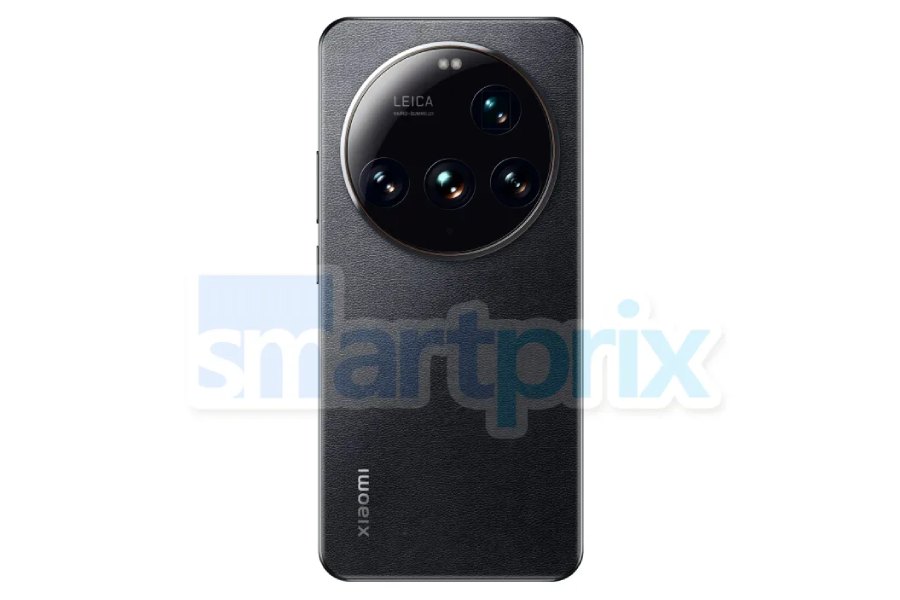
Xiaomi’s upcoming high-end flagship smartphone, the Xiaomi 15 Ultra, is set to launch in early 2025. The device will be home to a beefy camera module with flagship specs to go along with it.
For instance, the 15 Ultra will feature a 50-megapixel main sensor with a 23mm focal length and an f/1.6 aperture. It will also include two telephoto lenses, one of which reportedly uses a massive 200MP sensor with 4.3x optical zoom, a 100mm focal length, and an f/2.6 aperture.
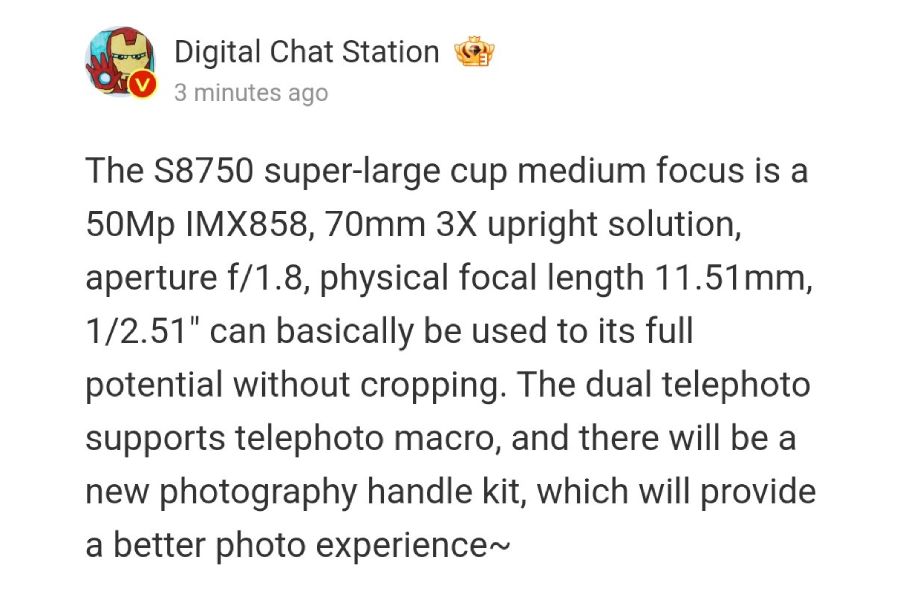
Popular Weibo tipster Digital Chat Station now shared more details about the other telephoto sensor. Interestingly, this one isn’t a major upgrade; it retains the same Sony IMX858 sensor found in the Xiaomi 14 Ultra, along with an f/1.8 aperture and 1/2.51” sensor size. However, the focal length has slightly decreased from 75mm to 70mm.
According to DCS, the phone’s dual telephoto camera will support telephoto macro mode and there will be a new camera kit to further improve the photography experience. Rounding out the camera setup will be a 50MP ultrawide sensor.
Rest of the spec
Apart from this, the Xiaomi 15 Ultra is rumored to feature a 6.7-inch, 120Hz LTPO OLED display with micro-curved edges. The display will also house an ultrasonic in-display fingerprint sensor for convenient and secure unlocking.
The 15 Ultra is said to come in three material finishes — plain leather, fiberglass, or ceramic. The phone’s render has also surfaced online in a black leather option.
Under the hood, the phone will likely use the latest Snapdragon 8 Elite chipset for powerful performance. It may also pack a 6,000mAh battery with support for 90W wired and 80W wireless charging. On the software side, it’s expected to run Xiaomi’s HyperOS 2.0, based on Android 15.
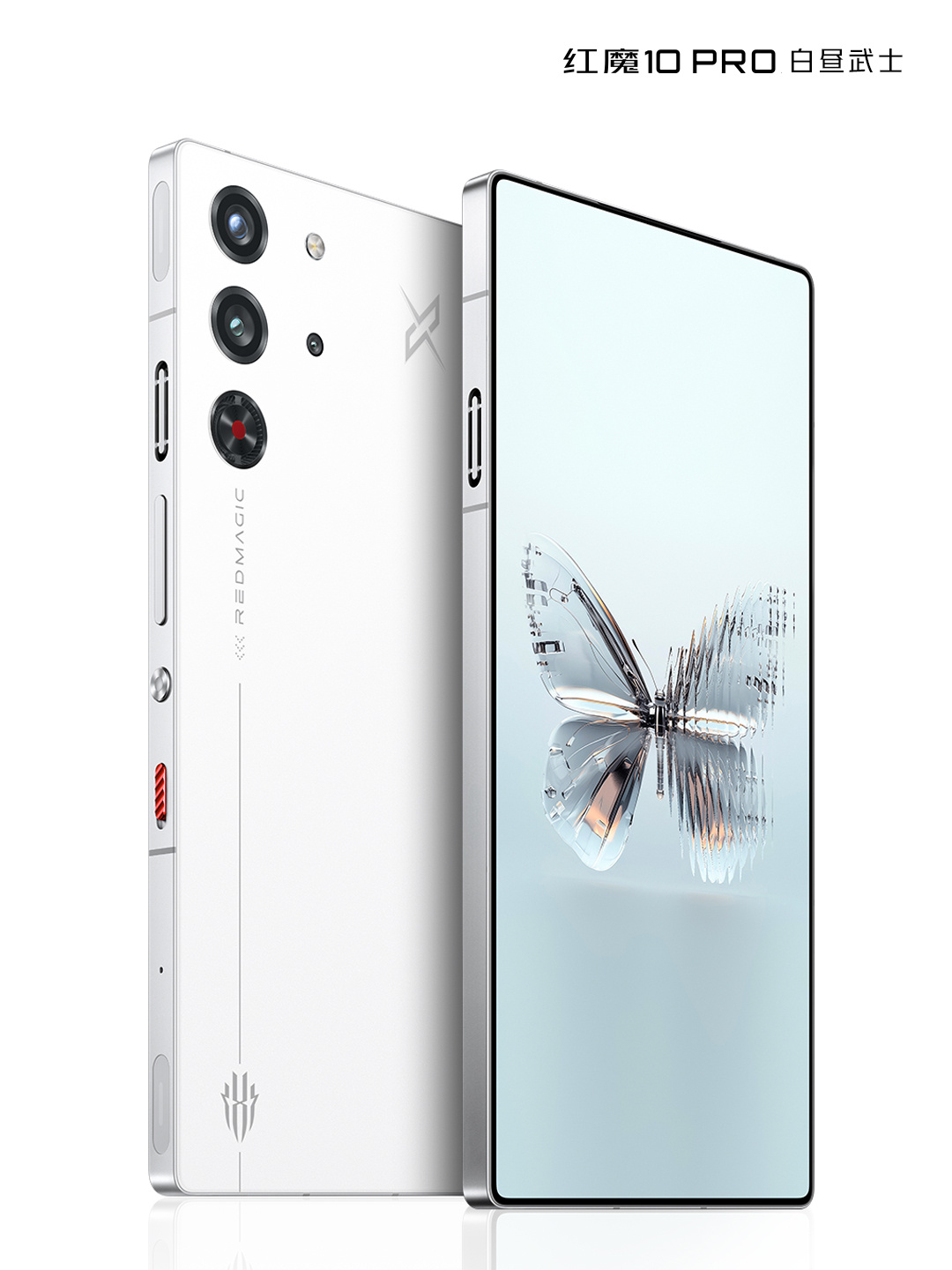
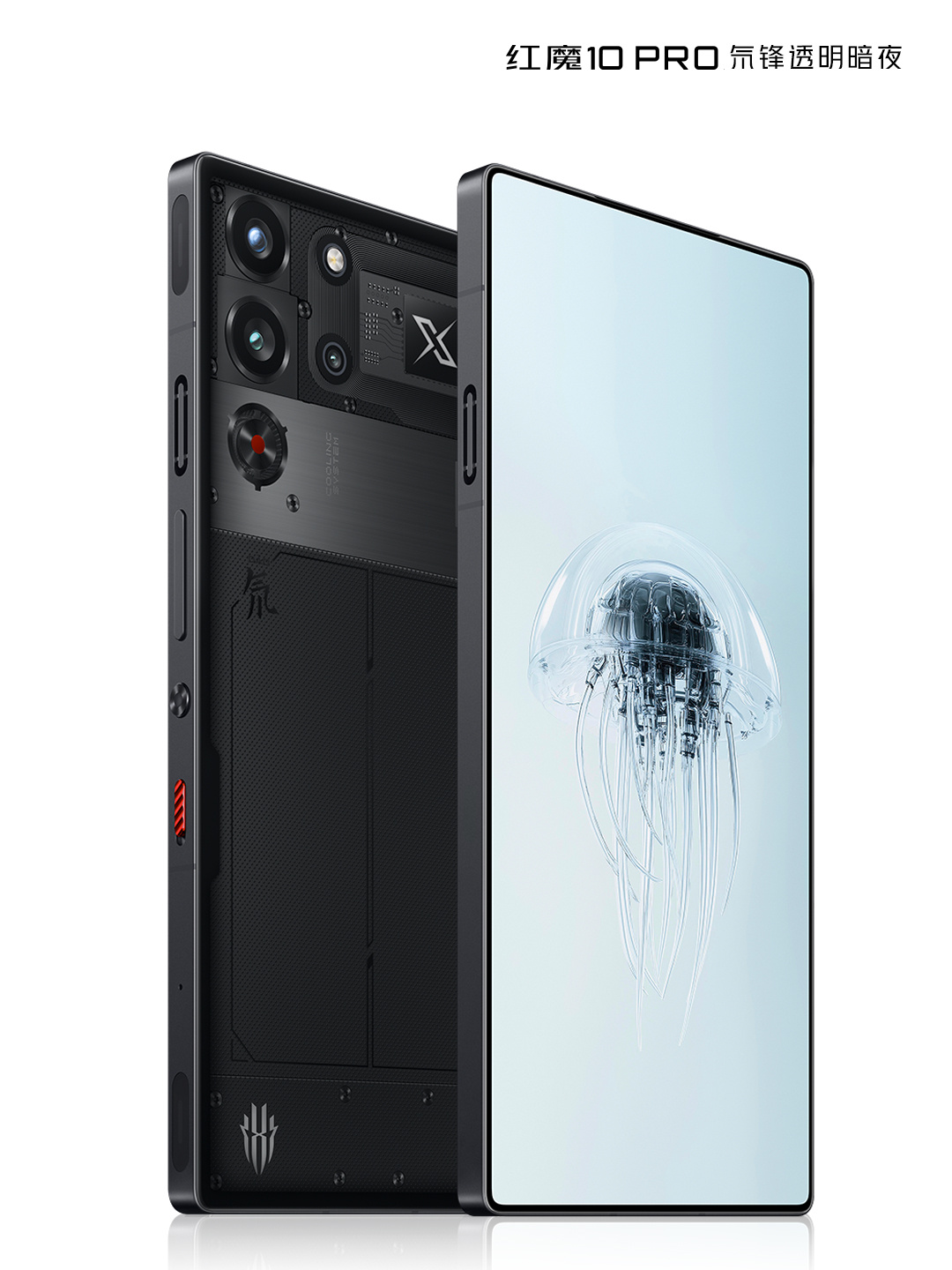
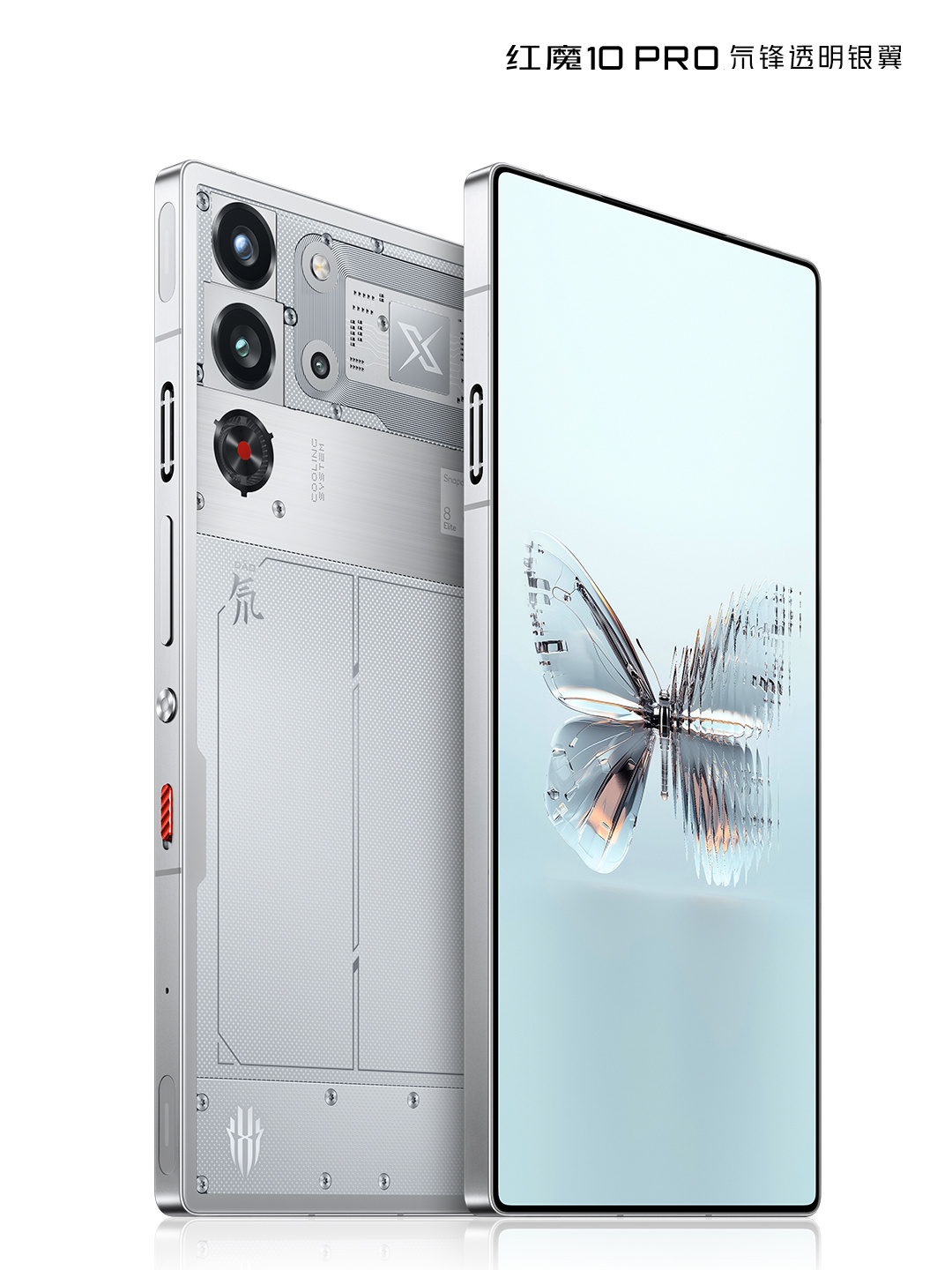
Red Magic, Nubia’s gaming sub-brand, will launch the Red Magic 10 Pro series of smartphones on Nov. 13. Today, the brand shared the official images of the Red Magic 10 Pro series to showcase its design and color options for the first time. Like the predecessor Red Magic 9 Pro series, the upcoming lineup continues to sport a flat design without any camera protrusion on the back.
Red Magic 10 Pro series design revealed
Red Magic 10 Pro series – Dark KnightRed Magic 10 Pro series – Day Warrior
The Red Magic 10 Pro series will be available in four shades, such as Dark Night, Day Warrior, Deuterium Transparent Dark Night, and Deuterium Transparent Silver Wing. With no camera punch-hole on the front, the Red Magic 10 Pro series promises an amazing full-screen appearance.
The Red Magic 10 Pro series has a completely flush camera module on the glass back. The Red Magic 10 Pro series maintains its triple camera setup, positioning the RGB-LED ring below the two large cameras. The “X” logo that represents the tenth edition of the Red Magic 10 series can also be on the back.
Red Magic 10 Pro series – Deuterium Transparent BlackRed Magic 10 Pro series – Deuterium Transparent Silver Wing
The right edge of the Red Magic 10 Pro series features gaming trigger buttons, a fan vent, a volume rocker, a power button, and a mode slider switch. The left side of the phone features another fan vent. The transparent variants have some transparent elements on the back, including the Snapdragon 8 Elite logo.
According to recent reports, the Red Magic 10 Pro series will feature a 6.86-inch OLED panel with a 1.5K resolution and 144Hz refresh rate. The Pro+ edition of the device is expected to arrive with a 7-inch+ screen, up to 24 GB of RAM, and up to 1 TB of storage. Under the hood, both phones will have the Snapdragon 8 Elite chip along with the company’s self-developed R3 gaming chip for an enhanced gaming experience. The Pro+ variant is also said to arrive with a 7,050mAh battery with 120W fast charging support.
After launching the OnePlus 13, OnePlus likely has turned its focus to new models in the Ace series, which are expected to be the OnePlus Ace 5 and Ace 5 Pro. According to a recent leak from Weibo tipster Smart Pikachu, these devices will feature a refreshed design compared to their predecessors.
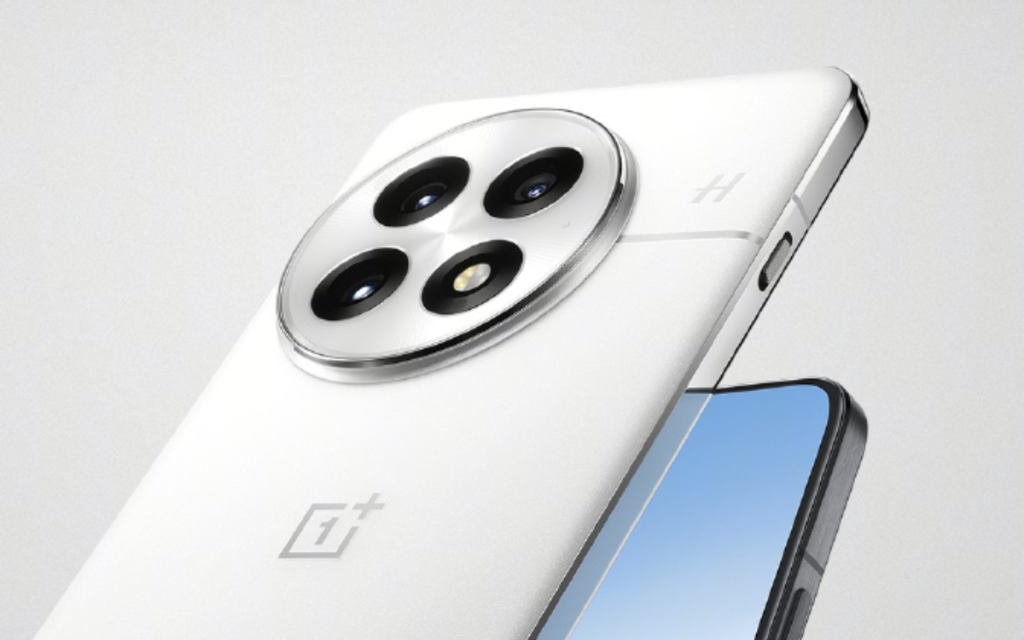
The tipster’s post reveals that the Ace 5 series has an updated rear design. A similar rumor circulated about the OnePlus 13, and indeed, the company introduced a slight design change for its latest flagship. The phone’s camera island is no longer connected to the frame, but the circular camera island remains consistent with previous models.
Since the OnePlus Ace series has followed the design trend of the main OnePlus lineup for at least of couple of years now, we can reasonably expect the Ace 5 series to adopt a design similar to the OnePlus 13.
Smart Pikachu adds that the new phone includes a large battery within a ceramic body. It also retains the classic alert slider, and the top-tier version will come with 24GB of RAM.
OnePlus Ace 5 series specification
The OnePlus Ace 5 will come with the Snapdragon 8 Gen 3 processor, while the higher-end Ace 5 Pro may pack an even more powerful Snapdragon 8 Elite chip.
Reports also suggest that the Ace 5 will feature a 1.5K resolution OLED flat display from BOE, marking a shift from the Ace 3’s curved screen design. It will support 100W wired fast charging, though it won’t include wireless charging. The Ace 5 Pro may adopt BOE’s X2 flat screen, also with a 1.5K resolution.
OnePlus 13
Notably, the Ace 5 Pro’s camera system is expected to see major upgrades, featuring a Sony IMX906 main camera and an ISOCELL JN1 telephoto sensor, potentially using image processing technology similar to that in the Find X8 series. Both the IMX906 and JN1 are 50-megapixel sensors.
Although the Ace 3 Pro launched at CNY 3,199, the starting price of the Ace 5 Pro may rise due to an earlier release schedule and the higher cost of the Snapdragon 8 Elite chip.
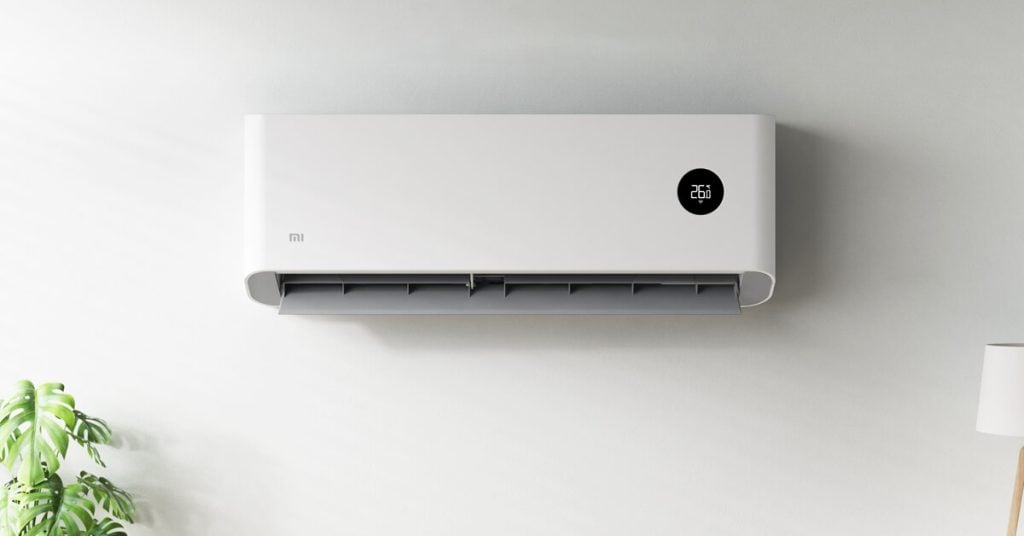
Xiaomi‘s air conditioners are blowing hot and cold (pun intended) in China’s online market, rapidly gaining ground on long-time leader Gree. According to AVC data, Xiaomi currently holds the third-largest market share at 11.82%, a significant 4.31% year-over-year increase. This growth spurt puts them right behind Gree’s 24.04% share, which has seen a concerning 3.01% decline in the same period.
Xiaomi climbs to third in China’s online AC market
Midea remains the undisputed champion with a 25.01% share, but even they haven’t escaped the shifting market dynamics. Their average price point has dipped by 2.32%, reflecting a trend towards more budget-friendly options.
This is where Xiaomi thrives. Their air conditioners boast an average price of 2,281 yuan ($318), making them a compelling choice for value-conscious consumers. This strategy seems to be paying off, with a JD.com delivery agent claiming earlier this year that Xiaomi deliveries have jumped from 20% to a staggering 70% compared to last year.
Meanwhile, Gree seems to be feeling the heat. Their recent financial report revealed a worrying 15.84% drop in revenue for the third quarter, totaling 46.939 billion yuan ($6.57 billion). This has prompted CEO Dong Mingzhu to take a rather bold marketing approach.
In a recent statement, she declared, “Only a fool wouldn’t use Gree air conditioners, which can save you 20%-30% on electricity costs each year.”
Since entering the market in 2021, Xiaomi’s shipments have surged, with 4.4 million units sold in 2023 and a 63% growth in early 2024, projecting over 7 million units by year-end. Analysts expect Xiaomi’s air conditioners to outpace even its own TV sales by 2026, marking a strategic shift in Xiaomi’s IoT revenue focus.
So, the question on everyone’s mind is: with Xiaomi’s ACs offering a compelling combination of affordability and features, will consumers choose the innovative upstart or stick with the established, if slightly flustered, Gree? Only time will tell who will reign supreme in China’s air conditioning battleground.
In related news, Xiaomi launched the Mijia Fresh Air Pro air conditioner last month, a 1.5 HP wall-mounted unit featuring 30-second rapid cooling, heating down to -35°C, HyperOS smart integration, AI-driven performance enhancements, and a starting price of 3,599 Yuan ($506).
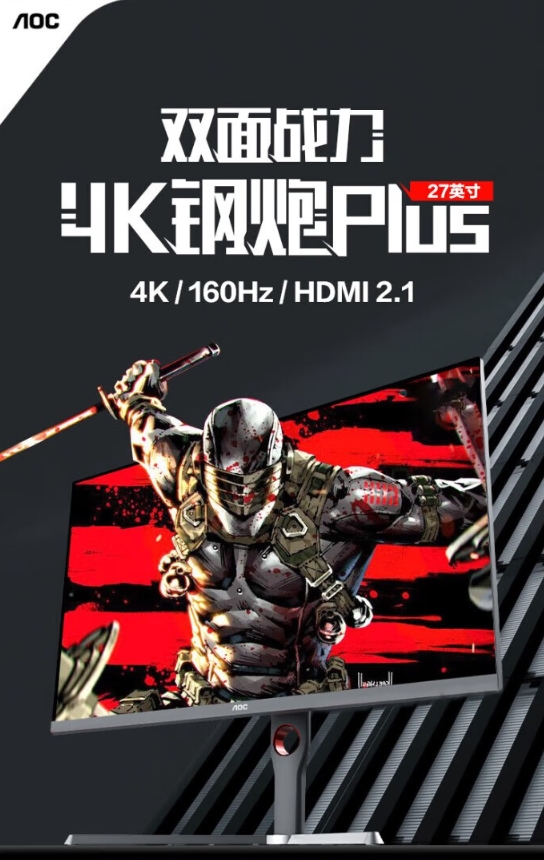
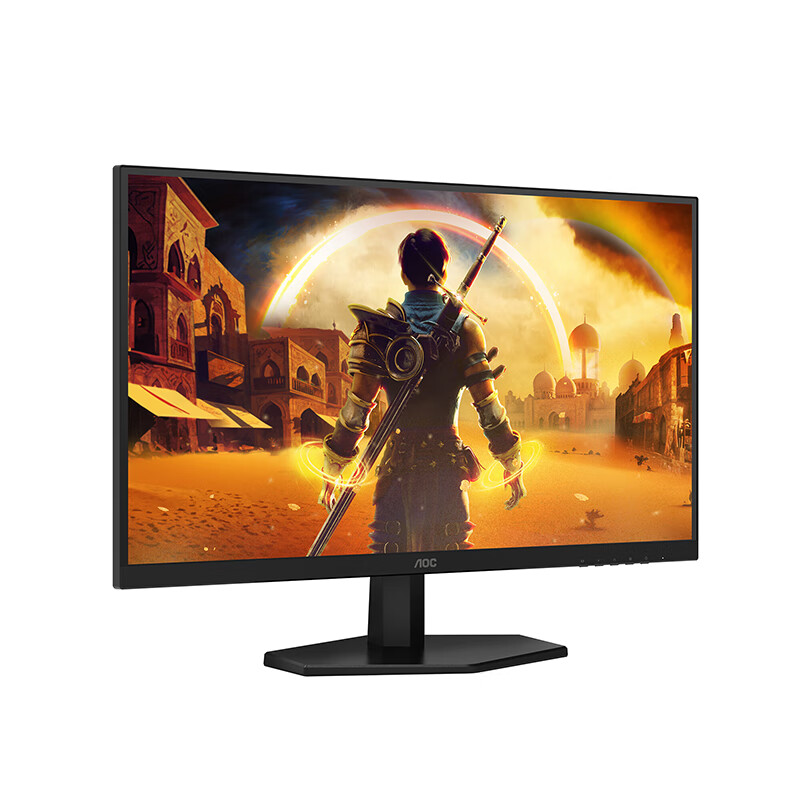
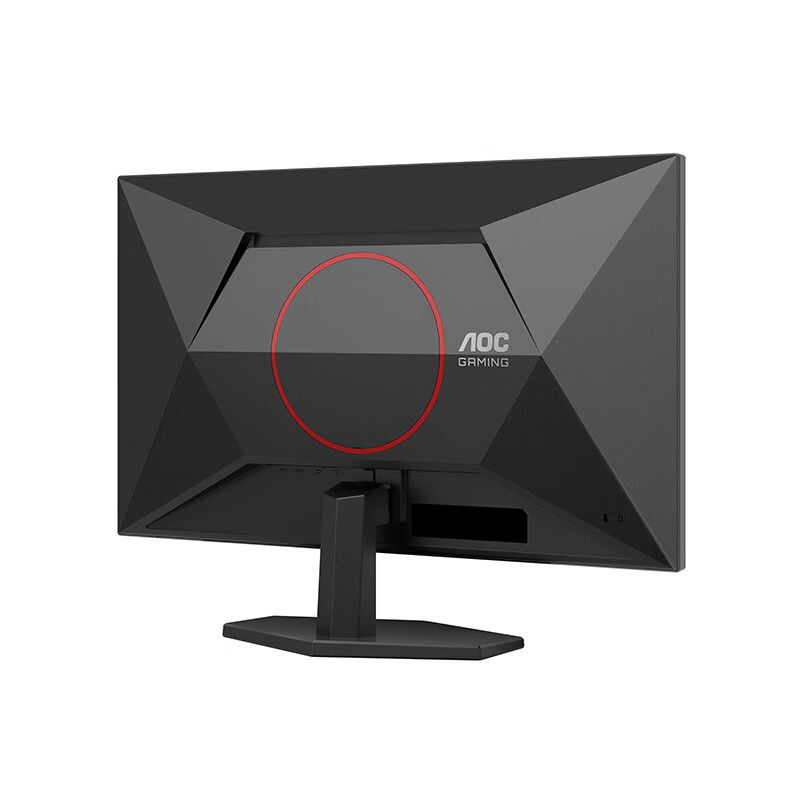
AOC has launched a new 4k gaming monitor with model number “U27G40E” in the Chinese market. The monitor is priced at 1,899 Yuan ($264) and is now available on JD.com. Let’s check out its key specs.
AOC U27G40E Monitor Specifications
AOC U27G40E features a 27-inch 4K (3840×2160 resolution) panel with a high refresh rate of 160Hz, providing ultra-smooth visuals. It comes with a 1ms grey-to-grey response time, which minimizes motion blur and enhances clarity during fast-paced gameplay.
The monitor offers 450 nits brightness, a 1000:1 contrast ratio, and supports 10-bit color with 100% sRGB and 95% DCI-P3 color gamuts. It features DisplayHDR 400 certification which enhances dynamic range, revealing details in shadows and highlights for realistic visuals.
It provides 10.7 billion colors, ΔE<2 color accuracy, covering 126% sRGB and 95% DCI-P3, professionally calibrated for vivid and precise color, suitable for gaming and creative work.
For eye comfort, the monitor features Low Blue Light Mode and Flicker-Free technology, reducing harmful blue light exposure and screen flicker to minimize eye strain during long hours of use. It also supports PBP (Picture-by-Picture) and PIP (Picture-in-Picture) modes, allowing users to view content from two sources on a single screen, which is great for multitasking.
The monitor equips a dedicated gaming mode with Adaptive Sync technology, reducing screen tearing and providing a competitive edge by enhancing the overall gaming performance. It also includes G-MENU software for customizing game settings, color, and brightness, enhancing the gaming experience.
In terms of connectivity, the monitor includes 2 HDMI 2.1 ports, 1 DP 1.4 port, and a 3.5mm audio jack. The monitor features an adjustable stand with cable management and a quick-release mechanism for easy setup. The stand supports tilt, height adjustment, rotation, and VESA 100x100mm wall mounting.
AOC also recently launched two gaming monitors as well: a 34-inch ultrawide model with a 240Hz refresh rate, 1500R curvature, and HDR400, and a 27-inch 2K QD-Mini LED monitor with a 180Hz refresh rate, HDR1000, and a peak brightness of 1200 nits.
In related news, Xiaomi has globally launched the TV Max 2025 series with 85- and 100-inch models featuring 4K 144Hz QLED displays, Dolby Vision and Dolby Atmos support, advanced gaming features, Google TV, and prices starting at €1299.99 for the 85-inch and €1999.99 for the 100-inch models.
Honor has officially launched its latest smartwatch, the Honor Watch 5, in select European markets including the UK, Spain, and Germany. The device, which was unveiled at IFA 2024 in September, offers a range of features and improvements over its predecessor.
Honor Watch 5 specs
The Watch 5 features a larger 1.85-inch AMOLED display with higher pixel density, providing a sharp and vibrant viewing experience. With a slim 11mm profile and a weight of 35g, it’s comfortable for everyday use.
For health tracking, the Watch 5 monitors key metrics like heart rate and SpO2, along with a one-click health scan for quick assessments. The AccuTrack positioning system enhances GPS accuracy for precise activity tracking.
Equipped with a 480mAh silicon-carbon battery, the Watch 5 delivers up to 15 days of battery life, supported by Turbo X Smart Power Management for greater energy efficiency.
It also offers over 400 customizable watch faces, 24/7 heart rate monitoring, SpO2 and sleep tracking, and 85 sports modes, including 12 professional workout options. With 5 ATM water resistance and support for various GPS systems, it’s ready for a range of activities.
Pricing & availability
The Honor Watch 5 is available in two variants: a 64MB+4GB model with a black or gold silicone strap for £129.99/€149.00, and a more expensive version with a green leather strap priced at £149.99/€169.00. It remains unclear when the smartwatch will be released in other European countries.
In related news, Xiaomi has recently introduced the Xiaomi Watch S4, a budget-friendly alternative to the Watch S4 Sport. The Watch S4 offers personalization through interchangeable straps, watch faces, and replaceable bezels, plus features like a digital crown, gesture recognition, and 150+ sports modes.
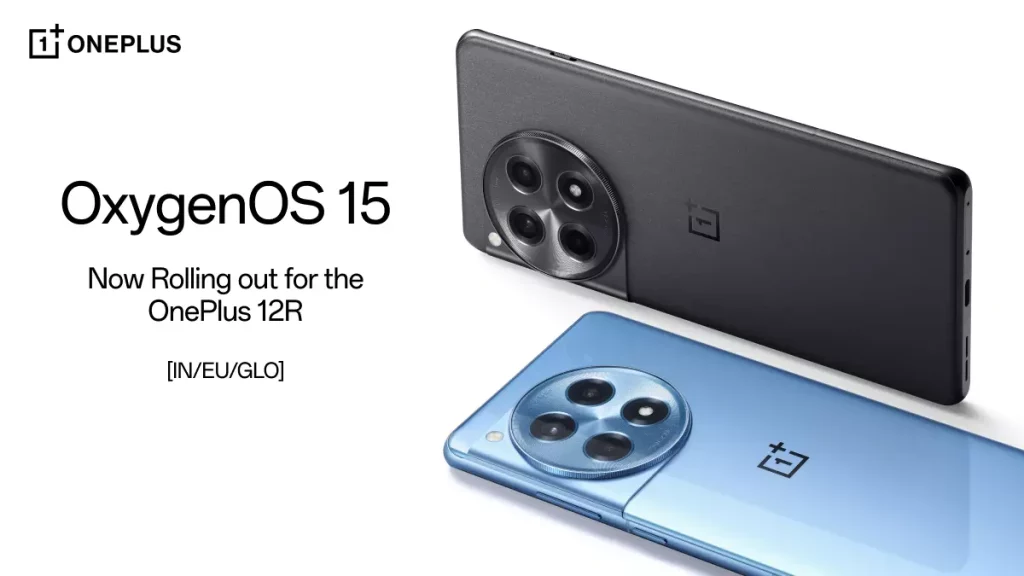
OnePlus has officially rolled out the highly anticipated OxygenOS 15 update for its OnePlus 12R smartphone in India, Europe, and Global markets. The update, which is being deployed in stages, brings a host of new features and improvements to the device.
The build versions for different regions are as follows:
IN Customized Version: CPH2585_15.0.0.200(EX01M001)
NA Customized Version: CPH2611_15.0.0.200(EX01M001)
EU Customized Version: CPH2609_15.0.0.200(EX01M001)
A state-of-the-art system graphics engine now powers superior rendering and animation performance, driven by an advanced parallel processing that ensures smooth, uninterrupted visuals, even when multitasking or running resource-intensive applications.
Parallel processing extends to elements like widgets, components, and folders, providing seamless transitions and smooth animations, even during frequent interruptions.
System-wide swipe consistency is extended to third-party apps, including WebView interfaces, for a uniform scrolling experience across the entire system.
Visual effects
The Home screen features a refreshed design with newly crafted icons, achieving a balanced look with enhanced proportions and vibrant colors for sharper, fuller visuals.
Numerous system function icons have been updated to improve visual uniformity, creating a cohesive aesthetic throughout the system.
The rounded corner design has also been refined to ensure uniformity, with smooth, continuous curvature applied across all elements.
OnePlus OneTake
The new flux themes offer a broad selection of high-quality options, enabling customization with system wallpapers and personal photos for a uniquely personalized experience.
Extensive customization features are available for the Always-On Display, Lock screen, and Home screen. Both flux and classic modes are supported for Always-On Display. The Lock screen supports clock color blending, glass textures, blurred wallpapers, AI depth effects, AI auto-fills, and more. Glass patterns, blurred wallpapers, and additional elements are available for the Home screen.
Flux themes provide fluid and seamless transition animations across Always-On Display, Lock screen, and Home screen for enhanced visual consistency.
Fluid Cloud
The updated Fluid Cloud enhances app compatibility, now supporting a wider range of overseas applications like Spotify, Swiggy, and Zomato. This enables real-time synchronization of information in various scenarios such as food ordering and music listening.
The design focuses on efficient information visualization, positioned centrally for a balanced and streamlined display.
Interaction with alerts allows capsules to expand into detailed cards with a tap, providing efficient access to multiple live activities by swiping in the status bar.
The new animation system brings a fluid, elastic design with dynamic blurring effects in real-time, making card visuals smoother and more refined.
Livephotos
Capture more with live photo! With upto 3 seconds playback, livephotos allow more moments to be captured.
Photo editing
The new globally reversible photo editing capability saves previous edit settings for seamless subsequent edits, ensuring uninterrupted creative flow.
The integration between Camera and filters is enhanced, allowing for the post-editing, changing, or removing of applied filters in Photos.
Floating Window and Open Canvas
New Floating Window gestures: swipe down on a notification banner to open a floating window, swipe down again to enlarge it, swipe up to close it, and swipe sideways to hide it.
Resizable Split View windows allow dragging the divider or tapping to expand the display area as needed.
Notifications & Quick Settings
The new Split mode allows separate access to the notification drawer (top-left swipe) and Quick Settings (top-right swipe), with swipe left or right to switch.
Quick Settings has been revamped for a more visually appealing layout, with smoother and refined animations.
OnePlus Share
The new file transfer capability with iOS devices, easily connecting and sharing files through OnePlus Share.
Battery & charging
The new “Charging limit” feature halts charging at 80%, helping to extend battery life and minimize degradation.
The new battery protection reminder activates the Charging limit feature if the device remains charging for too long, enhancing battery protection.
More
Exclusive OxygenOS Always-On Displays and Lock screen clock styles are added for a unique visual experience.
The new Home screen clock widget offers customizable resizing for added flexibility.
The classic easter egg is added in the Calculator and will pop up when you input “1+=”, embodying OnePlus’s enduring “Never Settle” philosophy.
New wallpapers are added to infuse your device with the signature OnePlus style.
Exclusive app icon designed for OxygenOS are added, offering a fresh visual experience.
A new Two-Tone theme color allows Quick Settings and the Settings app icon to be displayed in “Black,” highlighting OxygenOS’s iconic design.
Enhanced Notes widgets offer improved aesthetics and functionality.
The multitasking experience is optimized, automatically directing you to the last used app in the recent tasks view for smoother app switching.
Drawer mode has also been refined to preserve your Home screen app layout upon first use.
Safety
The app security control feature is added to block unwanted pop-ups and background activities, improving system security and battery efficiency.
Privacy
The Private Safe is optimized by implementing categorized views for images, videos, and documents, simplifying data management.
A new Home screen entry is added for hidden apps, allowing quick access by tapping the folder and verifying your privacy password.
How to Update:
To update your OnePlus 12R to OxygenOS 15, simply check for updates in the Settings menu. The update is being rolled out in stages, so it may take some time to reach all devices.
Important Note:
Before updating, it is strongly recommended to back up important data to avoid any potential data loss.
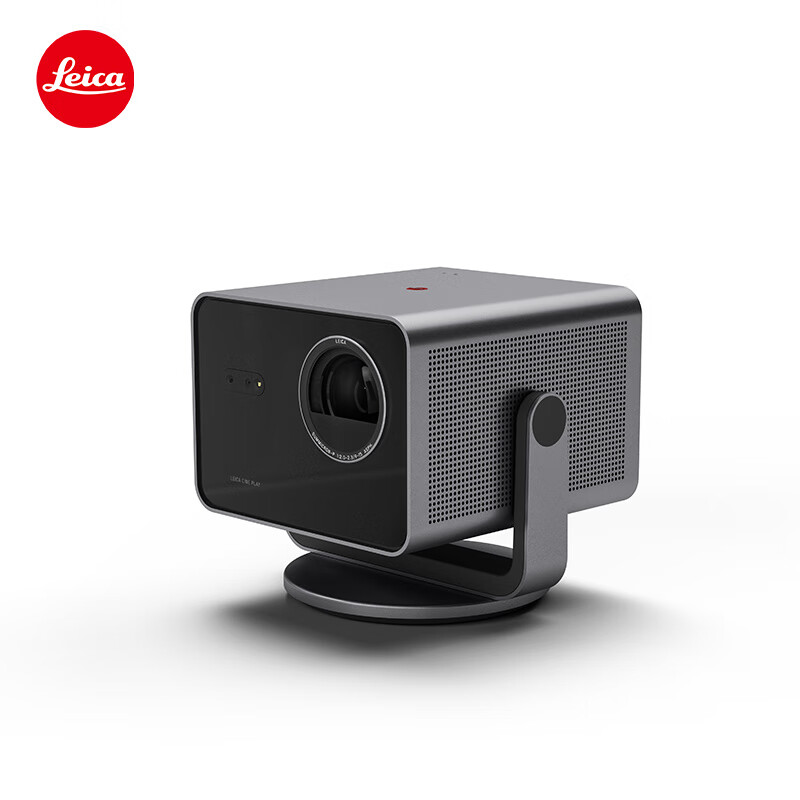
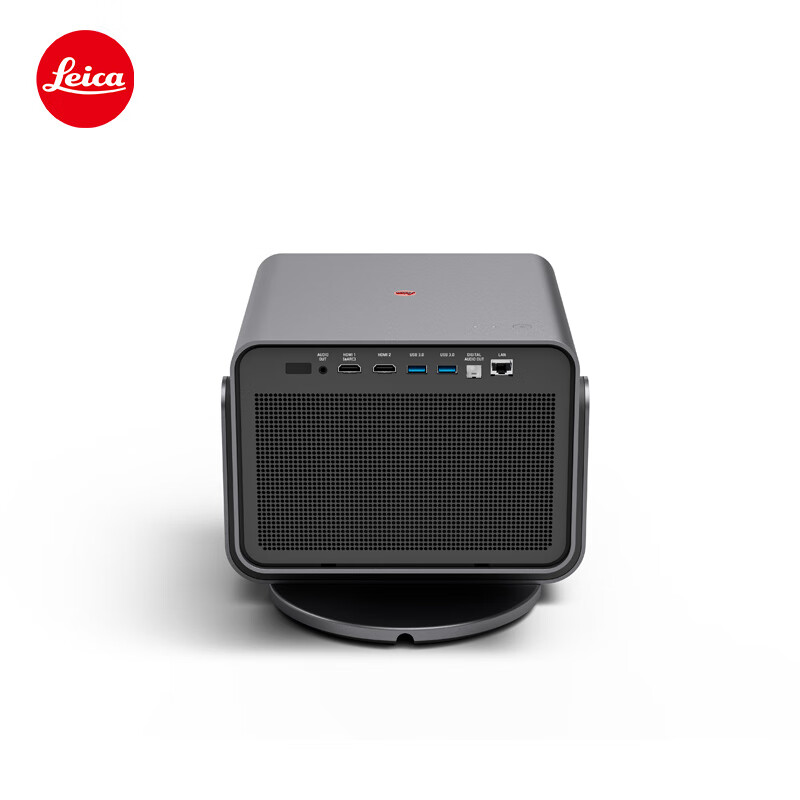
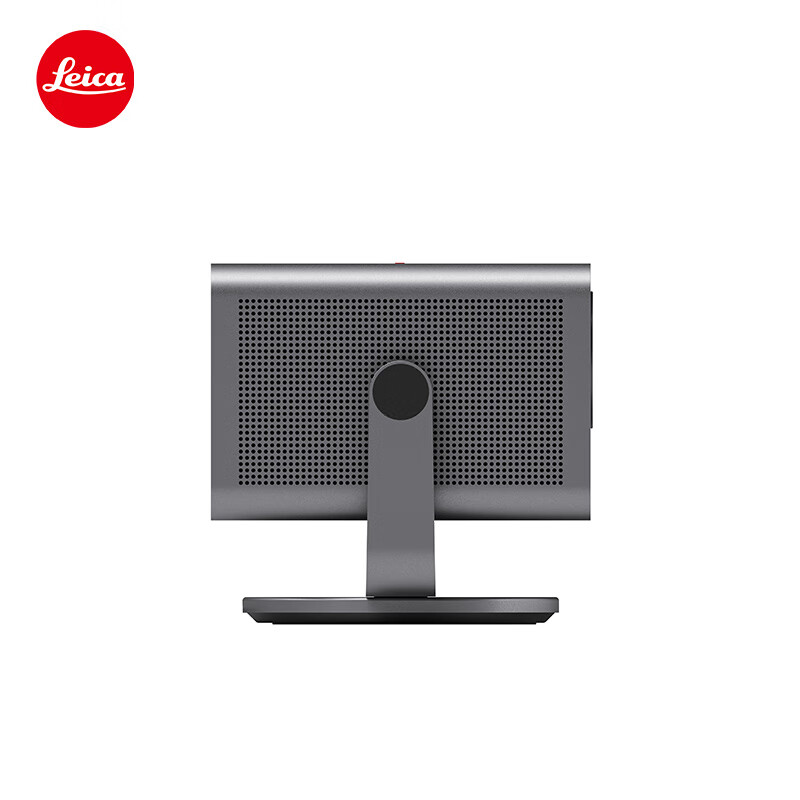
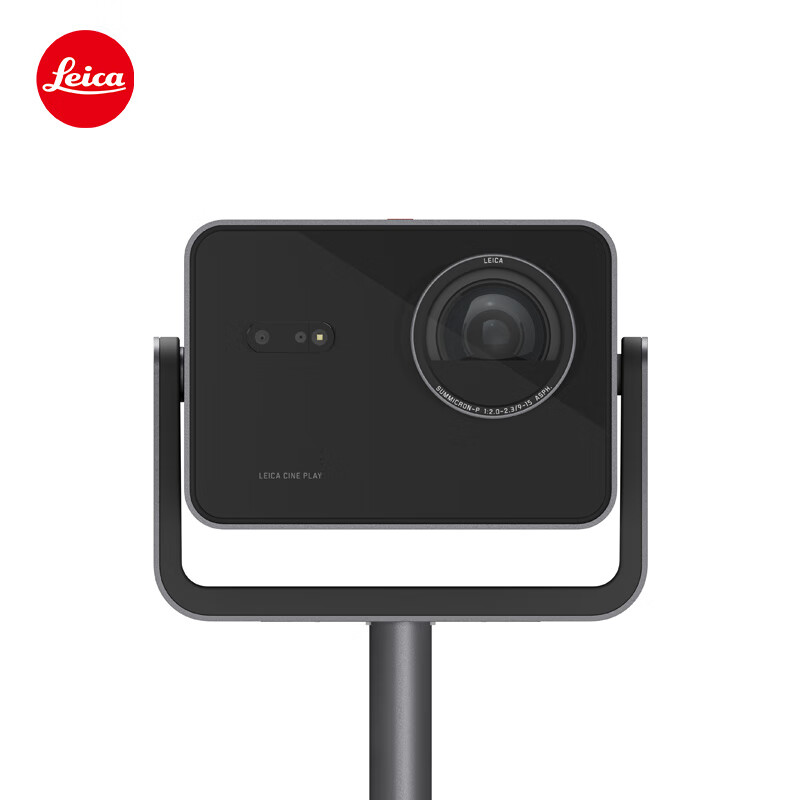
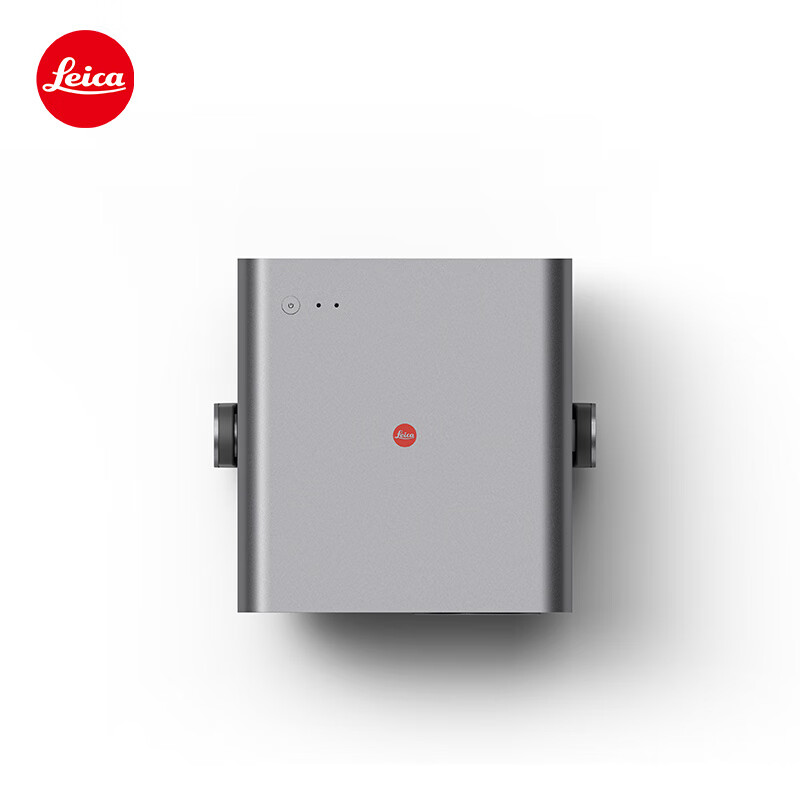
Leica has launched the Cine Play 1 smart mini premium projector in China, available on JD.com. Originally priced at 15,888 Yuan ($2,213), it is currently offered at a discounted rate of 13,888 Yuan ($1,934) through a subsidy. Let’s check out the key specs of this projector.
Leica Cine Play 1 Specifications:
The Leica Cine Play 1 projector sports a compact, portable design with advanced laser technology. It features 4K resolution support and can project images up to 300 inches, making it ideal for both indoor and outdoor entertainment.
The projector equips RGB triple-laser technology with a lifespan of over 25,000 hours, providing a brightness of 3000 CVIA lumens, which ensures clear, high-contrast visuals even in well-lit environments. It also supports Dolby Vision, HDR10, HDR10+, and HLG.
It comes with a high-performance Leica Summicron zoom lens, which maintains 4K image quality across a range of screen sizes from 65 to 300 inches. To enhance image quality, it features Leica Image Optimization (LIOTM) technology, which supports natural color reproduction, smooth gradients, and high contrast.
For audio, the Cine Play 1 equips dual 10W speakers that deliver powerful bass and clear sound. It also supports DTS Virtual technology, offering a 3D surround sound experience for a more immersive viewing experience.
The projector sports multiple connectivity options, including Apple AirPlay, Bluetooth, Wi-Fi, and ports such as HDMI, USB, and LAN. This allows users to seamlessly stream content from various devices, including smartphones, laptops, and external drives.
It comes with an intuitive built-in smart system, giving users quick access to popular streaming apps. The projector also supports smart home integration and voice control for ease of use.
The Cine Play 1 offers automatic calibration and focus, allowing easy setup without manual adjustments. It comes with a lightweight, Bauhaus-inspired design, featuring aluminum and a glass front, providing a premium look suitable for any interior.
Just yesterday, Xiaomi ecosystem company Xming launched its affordable Q5 Neo projector, featuring 300 CVIA brightness, 4K decoding, and a 360° gimbal for versatile viewing.
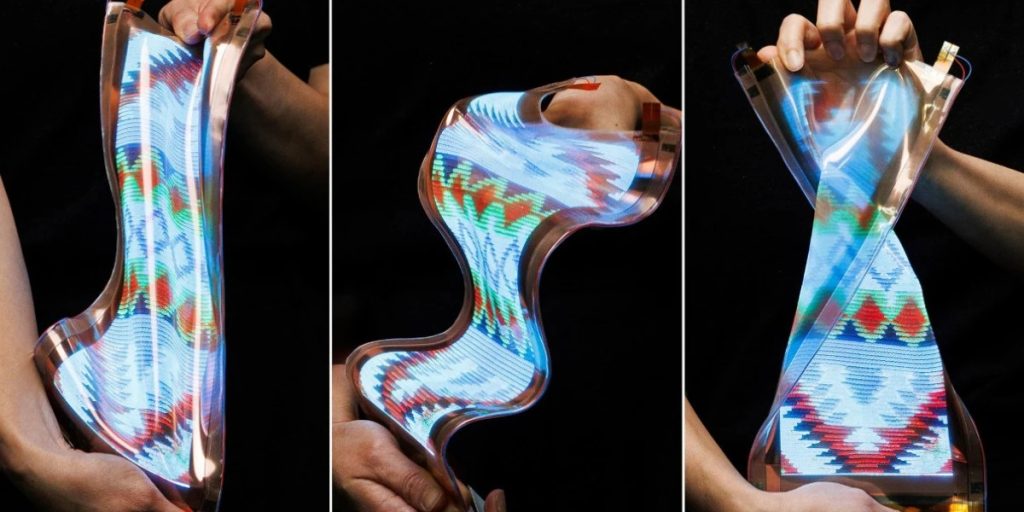
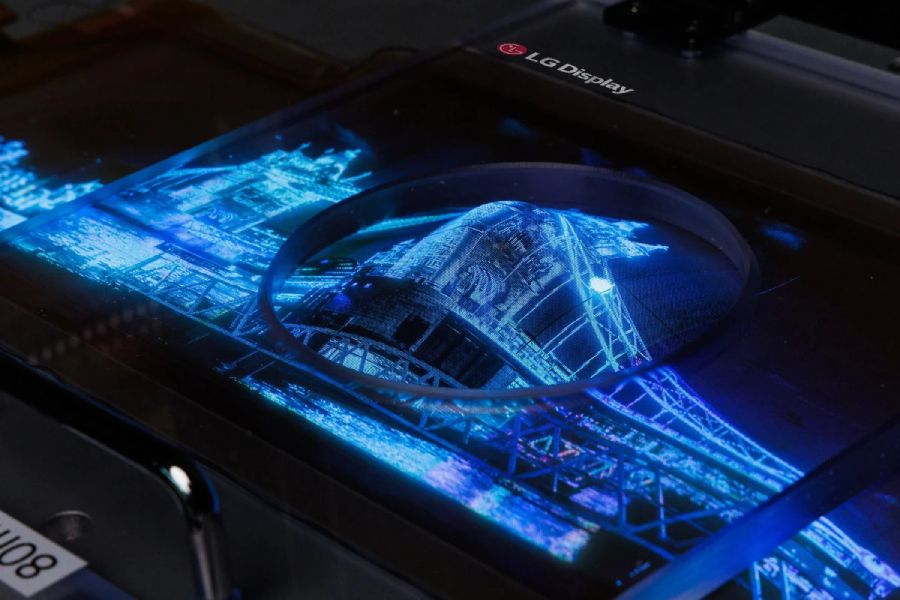
LG Display may have just redefined “flexible” displays. On Friday, the South Korean company unveiled a prototype for the world’s first truly stretchable display, capable of expanding by 50% without sacrificing image quality.
The prototype features a 12-inch screen that stretches to 18 inches while maintaining a high resolution of 100 pixels per inch and full RGB color.
This isn’t LG’s first attempt at creating a stretchable display. The company showcased a prototype in 2022, though it had a maximum elongation rate of just 20%.
LG’s stretchable display is truly unique
“Ultimate display technology” is how LG describes its innovation. Unlike current flexible displays that bend or fold, these displays can truly transform, twist, and stretch into various shapes. This opens doors to a plethora of innovative applications across diverse sectors.
The development is part of a national project spearheaded by South Korea’s Ministry of Trade, Industry and Energy, launched in 2020. LG Display leads the consortium of 19 research institutes involved in the project.
While the initial target was a 20% elongation rate, the team successfully doubled it through novel technologies. These include a special silicon substrate material commonly used in contact lenses and a groundbreaking approach to display wiring.
Durability is another key feature. LG Display claims the prototype can withstand repeated stretching up to 10,000 times. Additionally, the display employs a micro-LED light source measuring just 40 micrometers. This ensures consistent image quality even in challenging environments with extreme temperatures or external shocks.
At the event, the company demonstrated several applications of the display, including a curved automotive display that can be controlled by touch gestures and a wearable display integrated into firefighters’ uniforms for real-time information access.
In addition to their unique stretchability, these displays are thin, lightweight, and can adhere to curved surfaces, such as clothing or skin. LG expects this technology to be widely adopted across various industries, from fashion and wearables to the mobility sector.
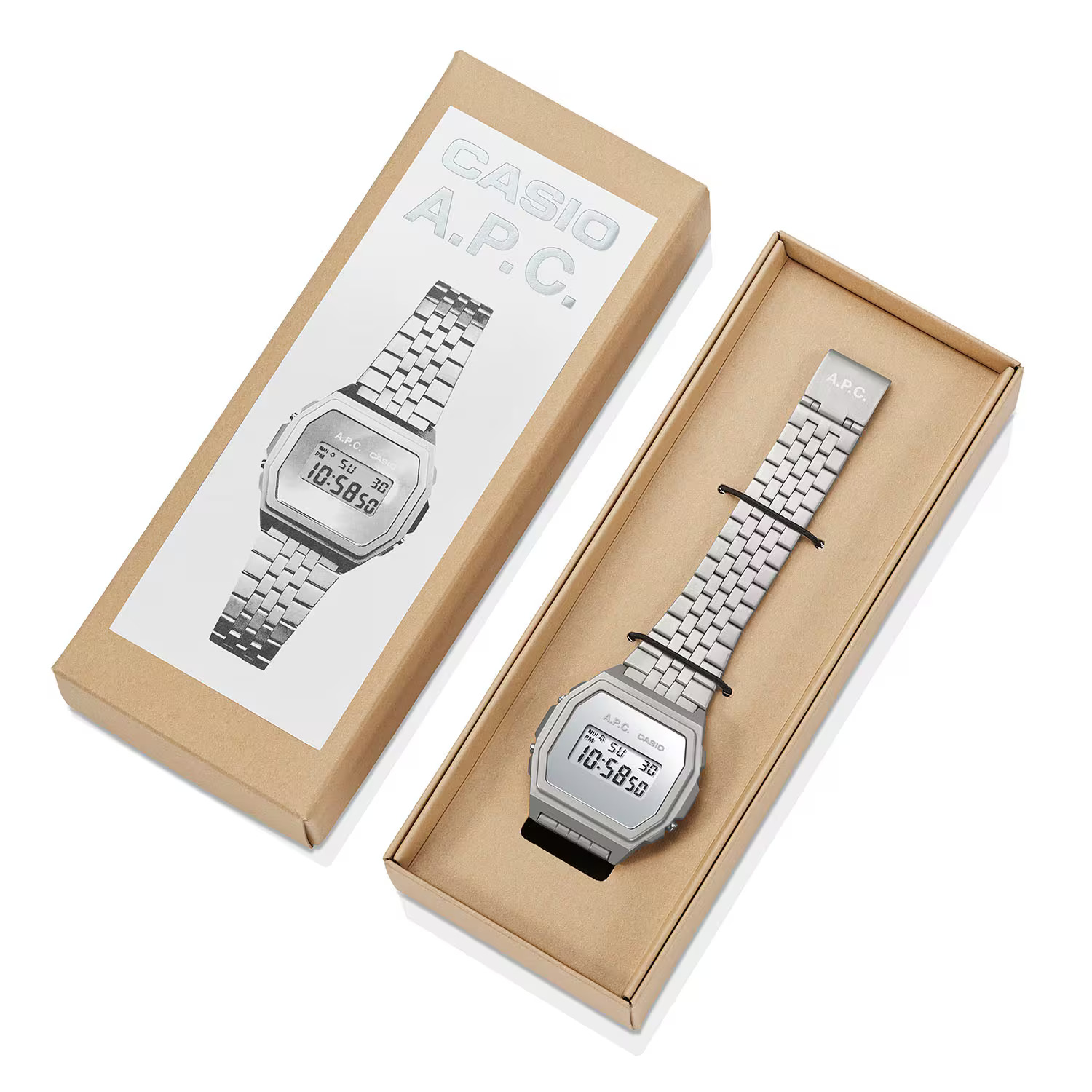
A.P.C., the French fashion brand, has partnered with Casio to introduce a modern take on the classic A1000 watch model. This collaboration has two watches, the A1000ACD-7, and the A1000ACG-9, that draw from the 1970s style, merging vintage design with updated functionality.
The result is a unisex watch that combines style with practicality. The watch features an octagonal case and a minimalist dial with a clear LCD display for essential timekeeping. Mode indicators are subtly engraved on the case back, next to A.P.C.’s guitar dagger logo, adding to the design’s understated look.
Casio A1000ACD-7
Available in silver and gold, the watch offers a sleek contrast in colors. The mirrored dial and matte steel bracelet bring together different textures, while the adjustable bracelet ensures a comfortable fit for any wrist.
Casio A1000ACD-7Casio A1000ACD-7
Though inspired by a vintage aesthetic, the watch includes modern features like a 1/100th-second stopwatch, daily alarm, hourly signal, and automatic calendar. It also comes with Casio’s Super Illuminator LED backlight for easy reading in low light. The watch is accurate to within 30 seconds per month and has a battery life of up to three years with a CR1616 battery.
The A.P.C. x Casio A1000 is currently available in Europe, priced at €169 for the silver version and €189 for the gold. Availability in other regions has not yet been announced.
In other news, Casio’s Shiba Inu-inspired G-Shock collection is set to launch in the U.S. in November, following a successful Japan release. The line features three models inspired by Shiba Inu color variations—sesame (brown), black, and white—each with unique designs and G-Shock durability. Prices range around $130–$140, and each watch includes features like stopwatch functions, countdown timers, shock resistance, water resistance up to 200 meters, and a two-year battery life.
Apple looks set to achieve something it hasn’t done in over a decade—refresh its entire Mac lineup with a single chip generation. While it’s been four years since the M1 chip launched, Apple has yet to update the whole lineup at once.
When Apple introduced the M1, it left out the Mac Pro, and the M2 update skipped the iMac. This staggered update pattern isn’t new for the Cupertino-giant—it’s a trend that predates the M-series chips.
For example, Apple updated several Macs with Intel’s latest SoC at the time but skipped the iMac Pro and Mac mini. The last time we saw a truly unified Mac update was way back in 2013 with the “trashcan” Mac Pro. So, if the M4 rumors hold true, it’ll be a historic moment for Apple and Mac users alike.
Every Mac will have M4 chip by 2025
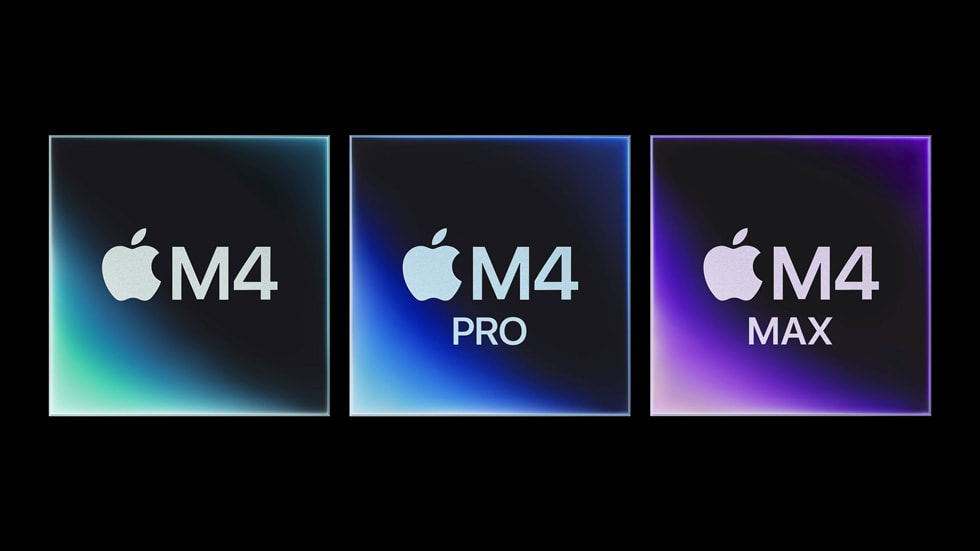
However, industry insider Mark Gurman now suggests that by mid-2025, Apple will add the M4 chip to the MacBook Air, Mac Studio, and Mac Pro, to unify the lineup.
The company has already updated the MacBook Pro, iMac, and Mac mini, introducing several noteworthy upgrades, such as additional, faster Thunderbolt ports, nano-texture display options, and Center Stage camera improvements.
The standout feature of the new products is the performance boost from the M4 chip. In the MacBook Pro, for example, the M4 chip delivers notable speed improvements, running 1.8 times faster than the 13-inch M1 MacBook Pro in gigapixel photo editing and 3.4 times faster in rendering complex scenes in Blender. It also includes a 16-core Neural Engine, which operates three times faster than the M1.
Talking about the more powerful M4 Pro chip, it delivers significant boost in both single-core and multi-core performance. The Mac mini with the M4 Pro is now the fastest desktop Mac Apple offers, surpassing even the M2 Ultra in CPU power.
Recently, I had the chance to test out the Baseus PicoGo 45W GaN USB-C Charger along with the Baseus Nomos Retractable USB-C Cable. As someone who’s often juggling multiple devices, I’m always on the lookout for compact, efficient, and reliable charging solutions.
After using these two products together for a while, I have to say, they deliver on several fronts without overstating their capabilities. Here’s a closer look at my experience with each.
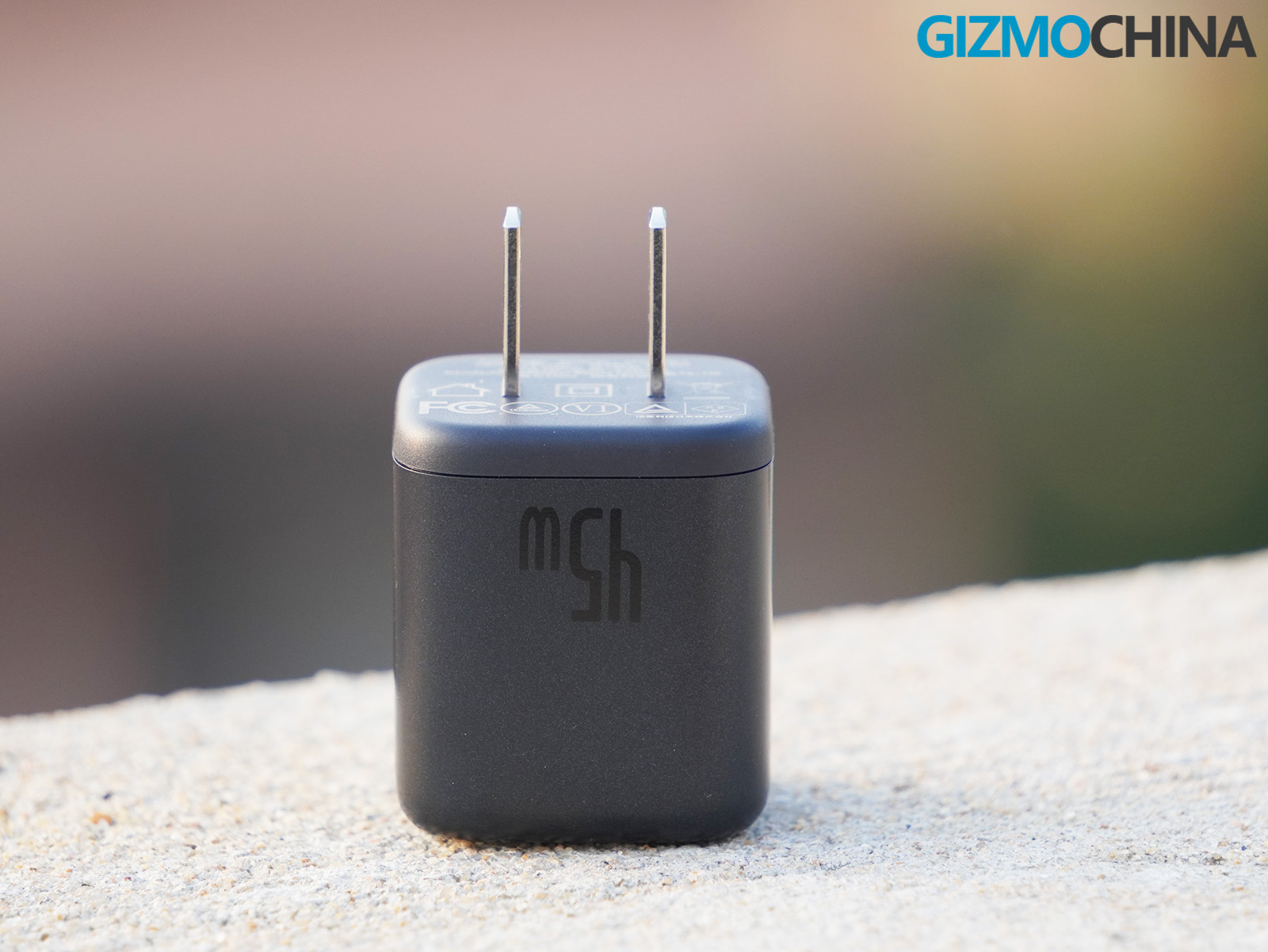
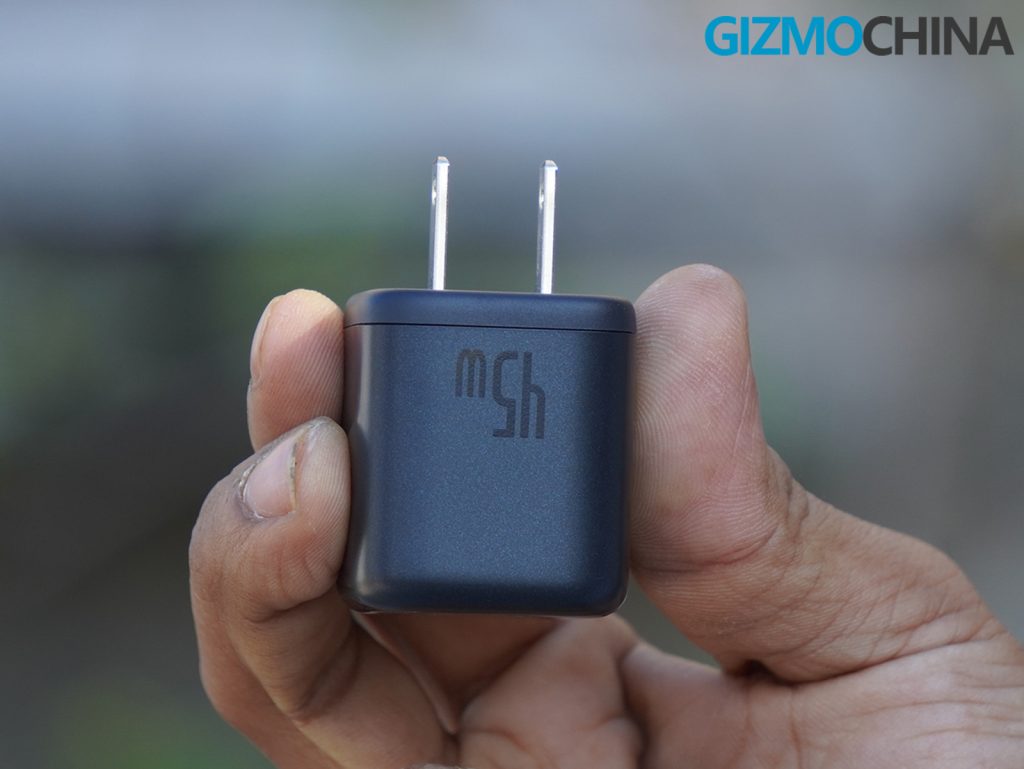
The first thing I noticed about the Baseus PicoGo Charger is how small and lightweight it is. Weighing just 83.35 grams, it’s incredibly portable. Baseus has clearly optimized it for on-the-go use, and it feels like a solid alternative to the larger, bulkier chargers that often come with laptops or tablets.
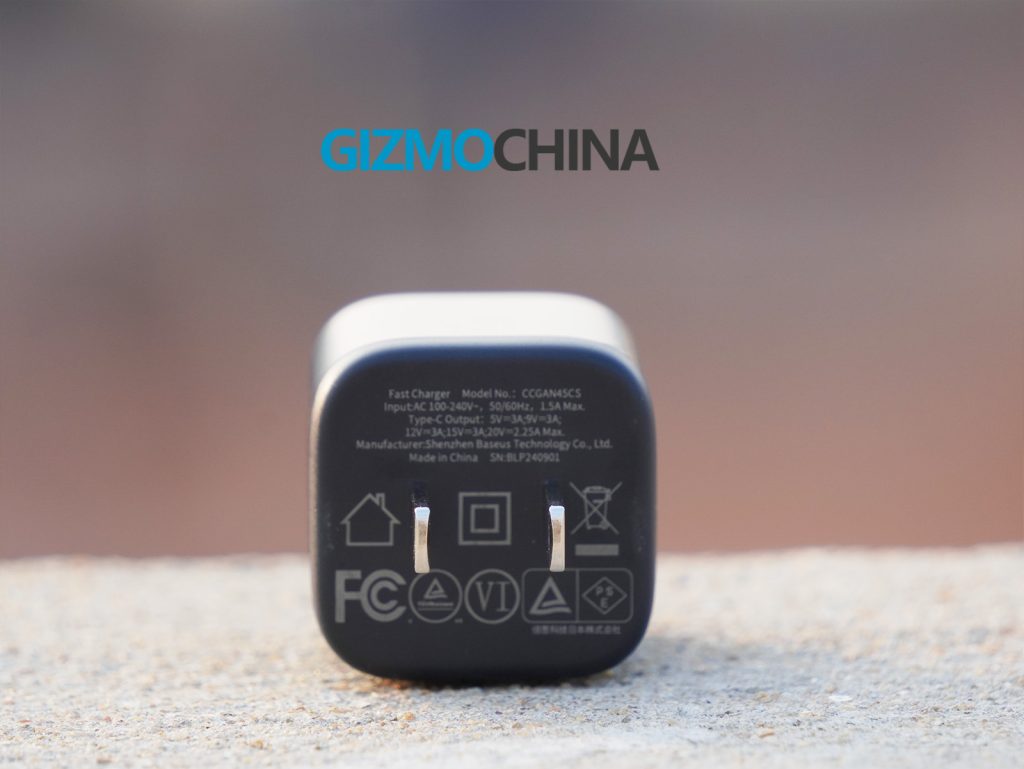
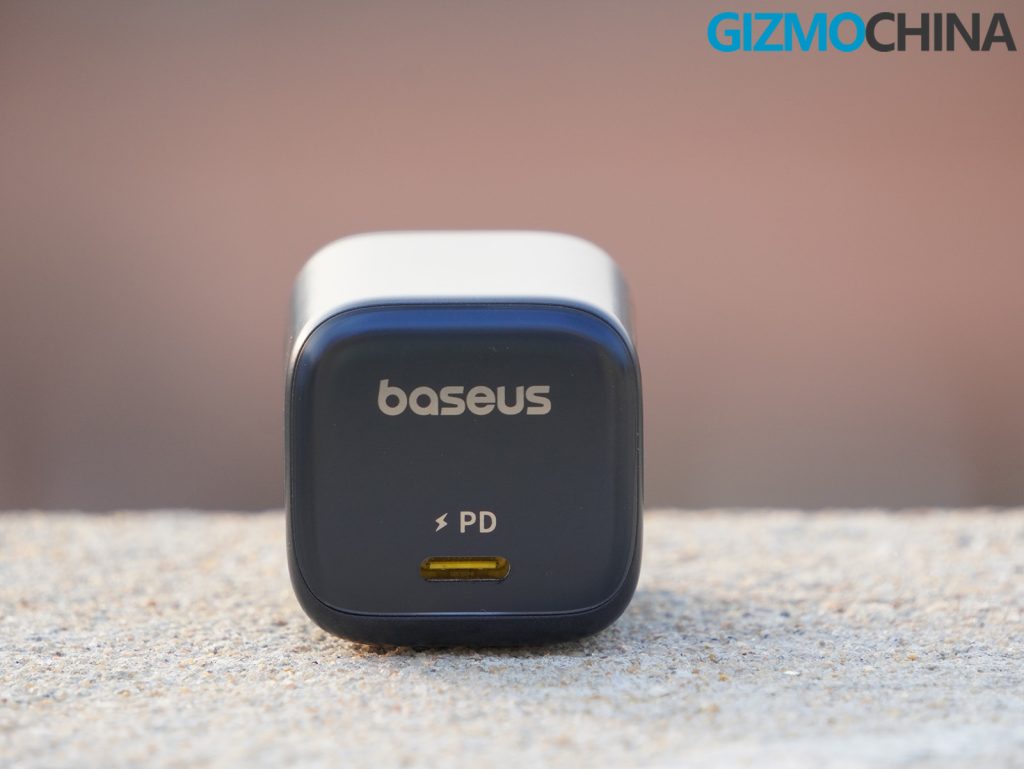
Despite its compact size, it packs a punch with its 45W output, making it compatible with a variety of devices, including iPhones, Xiaomi, OnePlus, Samsung Galaxy phones, iPads, and even some laptops like the MacBook Air and MacBook Pro. It is also compatible with low-power devices like smartwatches and earbuds.
Build Quality and Design
The build quality of the charger feels robust, and it has a minimalistic design that’s easy on the eyes. It doesn’t have a foldable plug, which could be a drawback for those who prefer a more compact packing experience. However, the plug’s solidity gives me confidence that it won’t wear out easily over time.
The charger is made with advanced GaN 6 technology, which, according to Baseus, contributes to both efficiency and heat management. In my experience, this holds up well; even after prolonged charging sessions, the adapter barely gets warm.
The dual heat dissipation system, which includes graphene and polymer silicon materials, seems to be doing its job effectively. I recently reviewed another adapter called the DeperAI Superpower 65W Pro which used to get significantly warm compared to this.
Charging Performance
I tested the PicoGo Charger on various devices. With my iPhone 13, it charged up to 50% in about 28 minutes, and it reached a similar speed with the Xiaomi Mi 11X.
This aligns with the claims Baseus makes about its fast-charging capabilities. For a 45W charger, the performance is definitely impressive. It’s worth mentioning that it supports multiple protocols (PD 3.0, QC 3.0, PPS, FCP, SCP, and AFC), so compatibility shouldn’t be an issue for most users.
The energy conversion rate is stated to be 93%, and although it’s hard to measure this precisely in everyday use, the efficiency does seem high. My devices charged quickly without excessive heat buildup, which suggests good energy management.
Safety Features
The charger also comes with the TÜV Rheinland certification, a rigorous safety standard that ensures the charger has passed extensive testing for safety and reliability. It includes multiple layers of protection: short circuit, over-current, over-voltage, and surge protection.
There’s even a monitoring system that tracks the charging status 720,000 times per hour, which is quite reassuring.
2. Baseus Nomos Retractable USB-C Cable (100W)
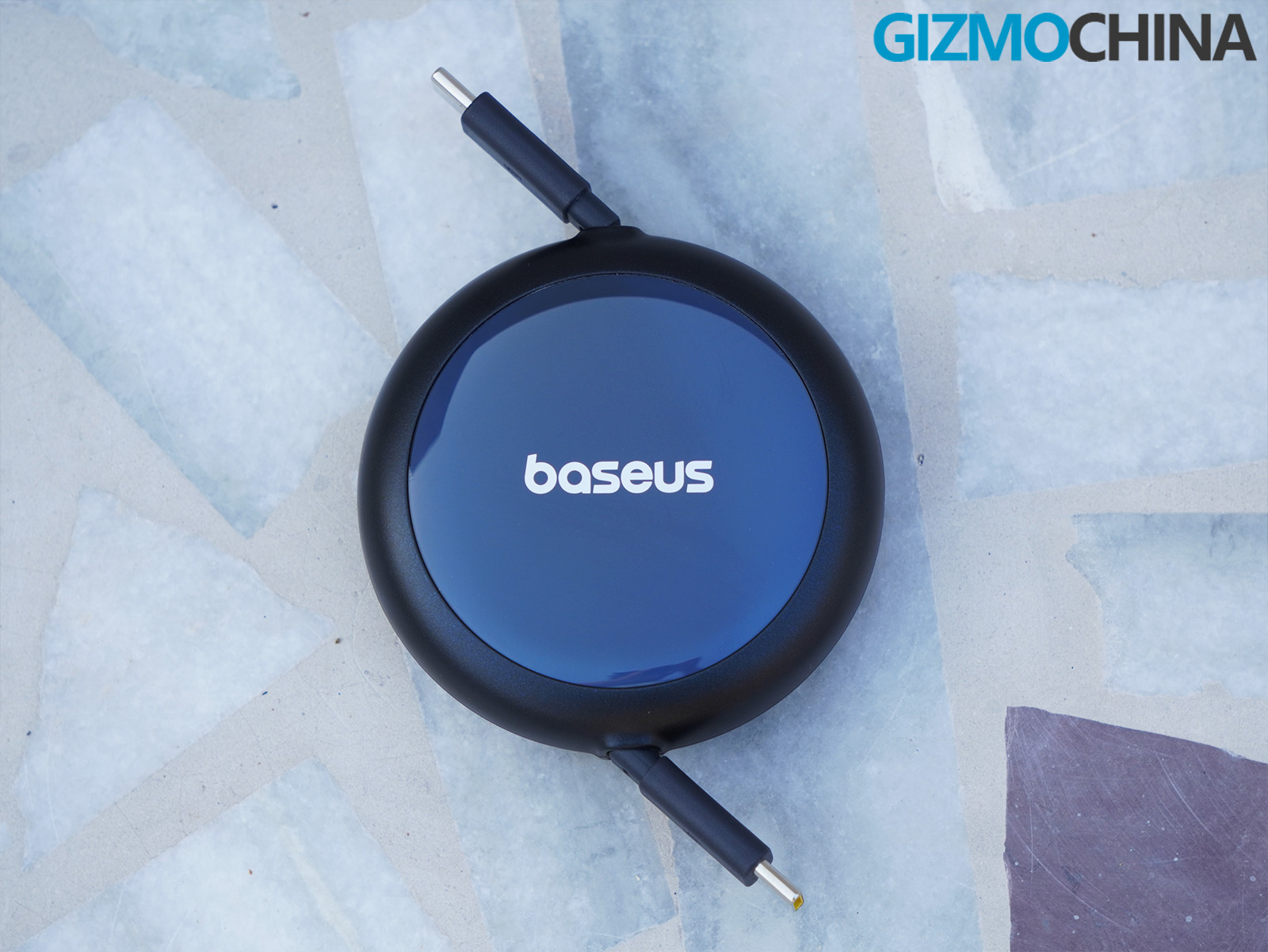
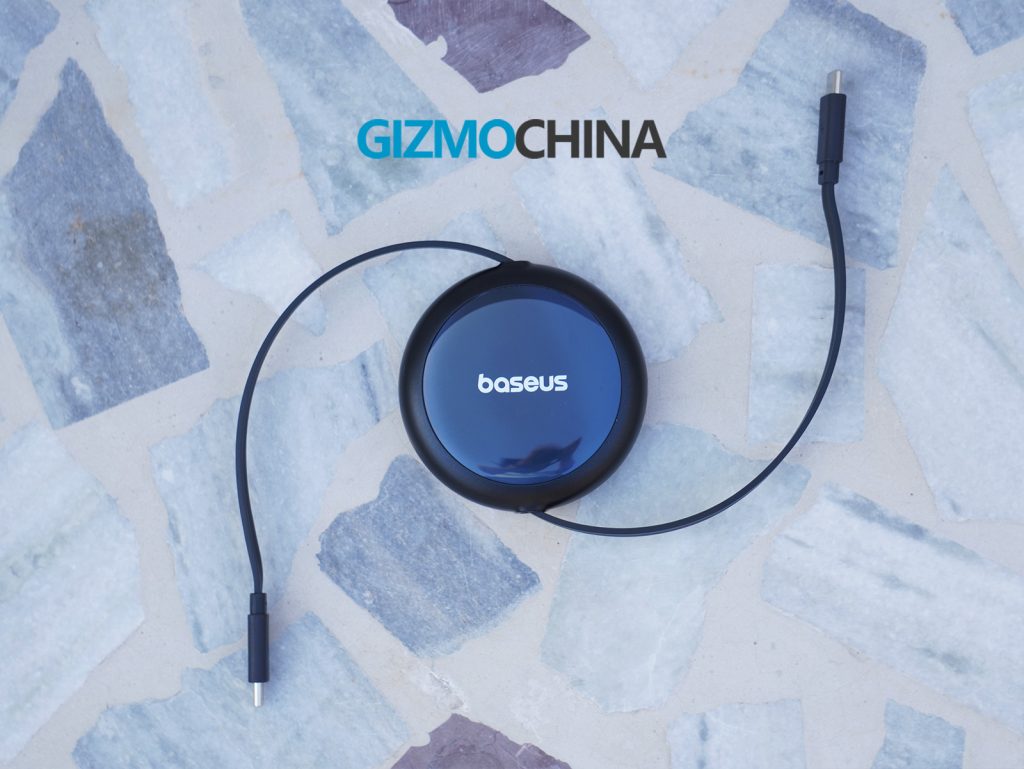
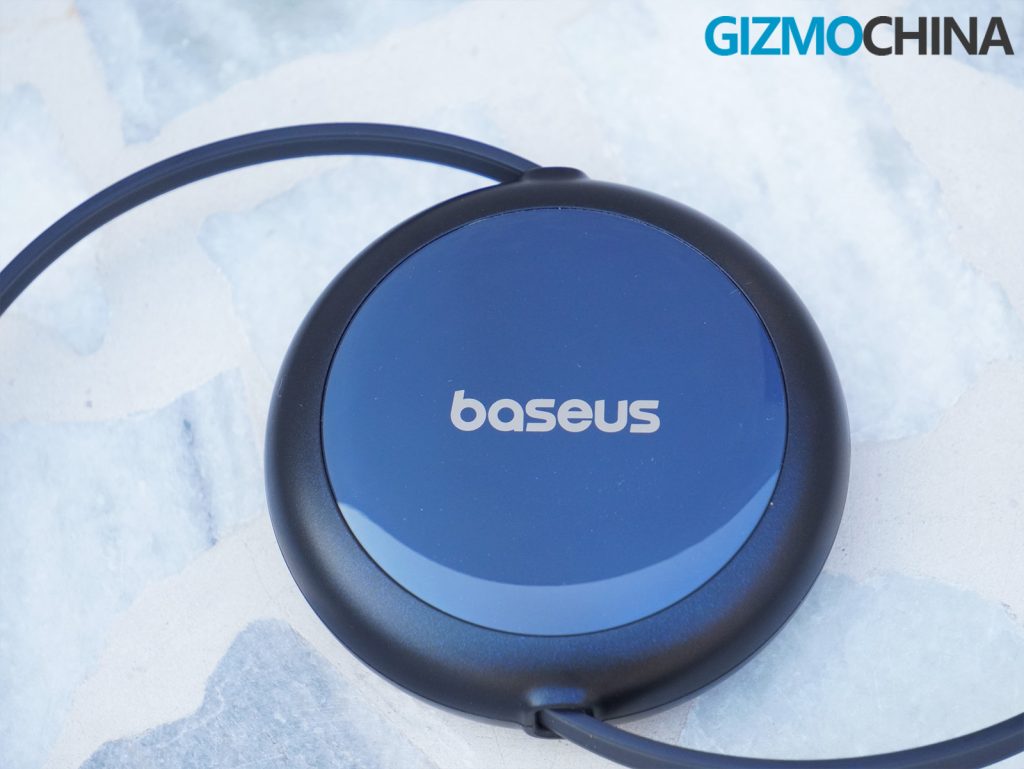
Now, onto the Baseus Nomos Retractable USB-C Cable. This is not your average charging cable. It comes with a retractable mechanism that I found very convenient.
I could adjust the length based on my setup, keeping things neat whether I was charging at my desk or plugging in beside my bed. The cable extends up to 4.9 feet, which is plenty for most situations, and retracts easily without any snagging or tangling.
Build Quality and Design
The Nomos Cable is made from durable materials, and it feels sturdy to the touch. It’s marketed to withstand over 50,000 pulls, and while I haven’t put it through that many uses yet, it certainly feels durable.
The connectors have a solid grip, and the retractable case feels well-made. The cable’s flat design helps it stay tangle-free, which is a nice touch when you’re constantly winding and unwinding it.
Charging Performance
This cable supports up to 100W charging, which is more than enough for the PicoGo Charger’s 45W output. However, it also makes the cable versatile if you’re using a higher-power adapter for charging something like a MacBook Pro.
The data transfer speeds are decent, and it worked seamlessly with all my USB-C devices. I tested it with an iPhone and a Xiaomi Mi 11X, and both recognized it immediately for charging and data transfer. With my MacBook Pro, it provided a stable and fast charging experience without any interruptions.
Portability and Ease of Use
The retractable design makes this cable highly portable. I could toss it into my bag without worrying about it getting tangled up with other items. It’s a good fit for anyone who travels frequently or likes to keep their workspace organized.
The six adjustable lengths are practical for different scenarios; I found myself using the full length when sitting farther from the outlet and retracting it partially when I needed a cleaner desk setup.
3. Final Thoughts
The PicoGo 45W charger and Nomos retractable USB-C cable make a great combination for anyone looking for a compact yet powerful charging solution. The charger’s GaN technology keeps it cool and efficient, and the multiple charging protocols ensure compatibility across a wide range of devices. The retractable cable adds a layer of convenience, reducing clutter and making it easier to carry around.
While I would have liked a foldable plug on the charger, it’s a minor drawback in the grand scheme of things. Overall, this combo delivers on performance, portability, and durability, making it a solid investment for anyone who needs a versatile charging solution.
4. Pricing and Availability
The Baseus PicoGo GaN 45W Charger is currently priced at $25.54, and the Nomos Retractable USB-C Cable is available for $21.49 on Baseus’s official website and Amazon. These prices make both items affordable choices.
Baseus is offering exciting discounts during the Black Friday sales. The 45W Picogo Charger is now available for just $19.99, and the Nomos Retractable Cable is also priced at $19.99.
In the first half of this year, iQOO unveiled the iQOO Z9x, Z9, and Z9 Turbo in China. The Turbo model came equipped with the Snapdragon 8s Gen 3 chip and a 6,000mAh battery. In September, the brand announced the Z9 Turbo+ packed with the Dimensity 9300 Plus chip and a bigger 6,400mAh battery in China. A new development reveals that it may soon unveil a new iQOO Z9 Turbo variant.
iQOO Z9 Turbo’s new variant 3C certified
The above screenshot reveals that an upcoming Vivo phone with the model number V2352GA has been approved by China’s 3C authority. Since the existing Z9 Turbo has the model number V2352A, it appears that the V2352GA could be based on the Z9 Turbo.
The new device has been spotted with an 80W charger. With 3C certification under the belt, it seems that the handset may go official later this month in China.
Speaking of iQOO phones, the brand is expected to announce the iQOO Neo 10 and Neo 10 Pro by the end of November in China. The Neo 10 and 10 Pro are expected to feature the Snapdragon 8 Gen 3 and the Dimensity 9400 chipsets, respectively. Regarding the upcoming Z9 Turbo variant, it seems likely that it will utilize the same Snapdragon 8s Gen 3 chip as the Z9 Turbo.
According to a Chinese tipster, the Vivo V235GA phone could be called the iQOO Z9 Turbo Long-Life Version (machine-translated). He revealed in the comments section of the Weibo post that it could be packed with a 6,400mAh battery, which is available inside the Z9 Turbo+ phone. The rest of the specs of the phone are likely to be identical to the regular Z9 Turbo.
To recall, the iQOO Z9 Turbo features a 6.78-inch flat OLED panel that offers a 1.5K resolution and a 144Hz refresh rate. It has a 16-megapixel front camera and a 50-megapixel + 8-megapixel dual-camera system on the back. The device offers up to 16 GB of LPDDR5x RAM and up to 512 GB of UFS 4.0 storage. It also features a dedicated display for enhanced gaming experience and an in-screen fingerprint sensor.
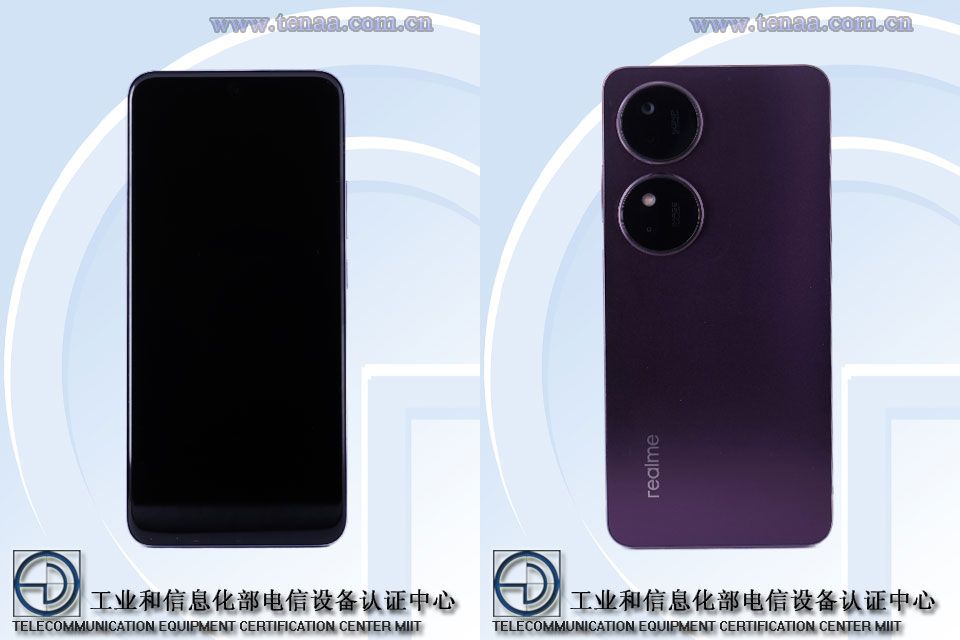
Last week, an upcoming Realme phone with the model number RMX3942 was approved by Chinese certification platforms such as 3C and TENAA. While TENAA revealed almost everything about the device, its images were not disclosed. However, the updated listing now includes the images of the phone. Unfortunately, there is still no information about the final name of the device. Until then, here is a look at what to expect from the smartphone.
Realme RMX3942 design
Realme RMX3942 TENAA images
The Realme RMX3942 handset seems to feature a regular punch-hole screen on the front. The back panel of the device has two round camera islands, with the company’s branding toward the bottom. The right edge of the phone features a volume rocker and a power button, which appear to be integrated with a fingerprint sensor.
Realme RMX3942 specifications
As per the TENAA certification, the Realme RMX3942 measures 165.7 x 76.22 x 8.16mm and weighs 197 grams. On the front, it has a 6.67-inch LCD panel that produces an HD+ resolution. It has an 8-megapixel camera on the front and a single 50-megapixel snapper with an LED flash on the back.
The RMX3942 is a 5G-enabled phone powered by a 2.3GHz chip. It is backed by a 5,465mAh (rated value) battery. In China, the phone may arrive in RAM options, such as 4 GB, 6 GB, 8 GB, and 12 GB. There could be a variety of storage options available, including 128 GB, 256 GB, 512 GB, and 1 TB. At present, there is no information on whether it is an upcoming Realme 14 series or a V-series phone for the Chinese market.
The 3C certification of the RMX3942 has revealed that it may ship with a 45W charger. Interestingly, the 3C listing also reveals the existence of an unknown RMX3953 phone. While it is also expected to ship with a 45W charger, there are no details about its other specifications.
Xiaomi, Honor, iQOO, and OnePlus announced their flagship offerings in China in the last three days of October. It appears that there could be a similar situation this month (November) in the home market. A recent leak by tipster Digtial Chat Station revealed that Oppo may unveil the Reno 13 series on Nov. 25. He also claimed that the Redmi K80 and Redmi K80 Pro will be announced by November end in China. Now, the same source has revealed the launch timeframe for the next offerings from iQOO and Vivo.
iQOO Neo 10, Vivo S20 series launch timeframe (rumored)
As can be seen above, DCS has claimed that the iQOO Neo 10 lineup and the Vivo S20 series are also scheduled to launch in China by the end of this month. Reports have revealed that the Neo series will include the iQOO Neo 10 and Neo 10 Pro equipped with the Snapdragon 8 Gen 3 and Dimensity 9400 chipsets, respectively. There’s a possibility that the series may include a third model, but there is no clarity on it yet.
According to recent reports, the Vivo S20 series is expected to feature the Snapdragon 7 Gen 3-powered Vivo S20 and the Vivo S20 Pro, which is expected to feature the Dimensity 9300 Plus chipset. This series is also expected to include the Vivo S20e, but the rumor mill is yet to leak details about it.
At the same time, Honor is also said to be working on the Honor 300 series for China. Reports suggest that the 300 lineup may also debut soon in China. Meanwhile, OnePlus is also gearing up to unveil the Ace 5 and Ace 5 Pro smartphones with the Snapdragon 8 Gen 3 Leading Version and 8 Elite chipsets, respectively.
The Chinese market is also expected to receive a new Honor GT series phone powered by a flagship Snapdragon chip and the Realme GT Neo 7 equipped with the Snapdragon 8 Gen 3 Leading Version.
HBADA E3 Ergonomic Office Chair combines innovative design and advanced ergonomic features to provide unmatched comfort and support for prolonged sitting. Whether working, gaming or resting, this chair offers functionality and luxury to ensure a comfortable user experience. The E3 is a key product of the collaboraiton between HBADA and the International Chiropractors Association (ICA), which makes its professional design stand out from the category. Let’s look closer at the key features that make this chair professional and reliable.
About Hbada:
A Leader in Ergonomic Technology
Founded in 2008, Hbada is a professional brand focused on creating healthy home solutions through innovative technology and ergonomic design. Whether for home, office, or entertainment, Hbada aims to enhance comfort and promote a healthy lifestyle.
Vision and Mission With a mission to become a global leader in healthy living, Hbada continuously innovates to improve human health by developing ergonomic products.
Key Milestones
2008: Hbada Group was founded, pioneering adjustable technology for chairs.
2011: Hbada began independent R&D, focusing on ergonomics.
2016: Expanded to overseas markets including Europe and the U.S.
2023: Launched the groundbreaking E3 Structural Master chair.
Global Recognition Hbada holds over 300 technical patents, including its unique T-shaped support system and three-zone lumbar support, and graint the German IGR Ergonomics Certification. The brand has won international awards like the London Design Award and holds certifications from organizations like TÜV and SGS. HBADA products have also won numerous design awards, including the London Design Award and the Gold Medal at the French Design Gold Awards.
EXCLUSIVE DEAL:
HBADA E3 Ergonomic Office Chair (with Footrest) is now on Sales of Black Friday! This premium ergonomic chair, designed for maximum comfort with features like a T-Shape Support System and 140° reclining function, is available at this discounted price on the official website. Don’t miss out on this limited -time deal.
T-Shape Support System
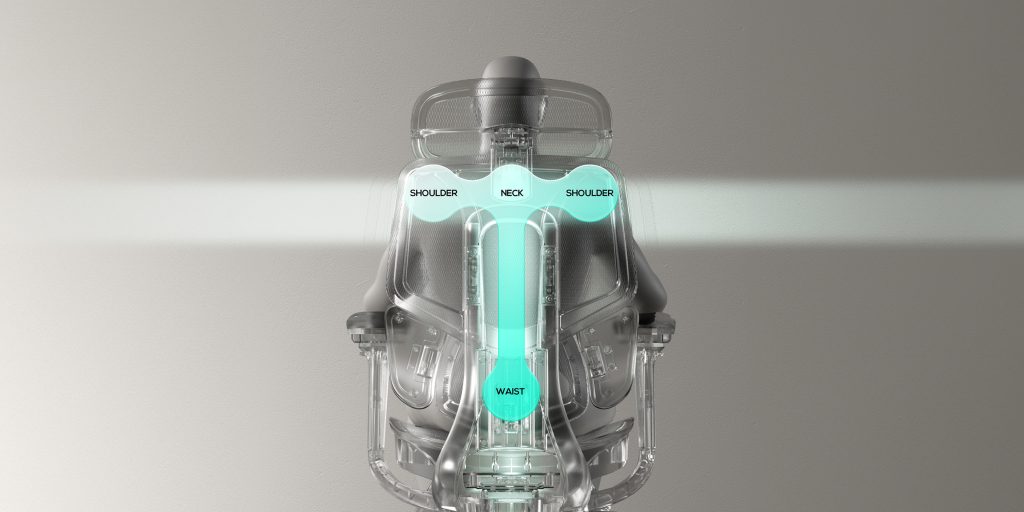
At the heart of the Hbada E3 is its T-Shape Support System, designed to alleviate the three common types of discomfort caused by long hours of sitting—neck, waist, and shoulder pain. This unique structure ensures full support for these critical areas, helping you maintain a healthy posture even during extended periods of use.
Three-Zone Elastic Lumbar Support
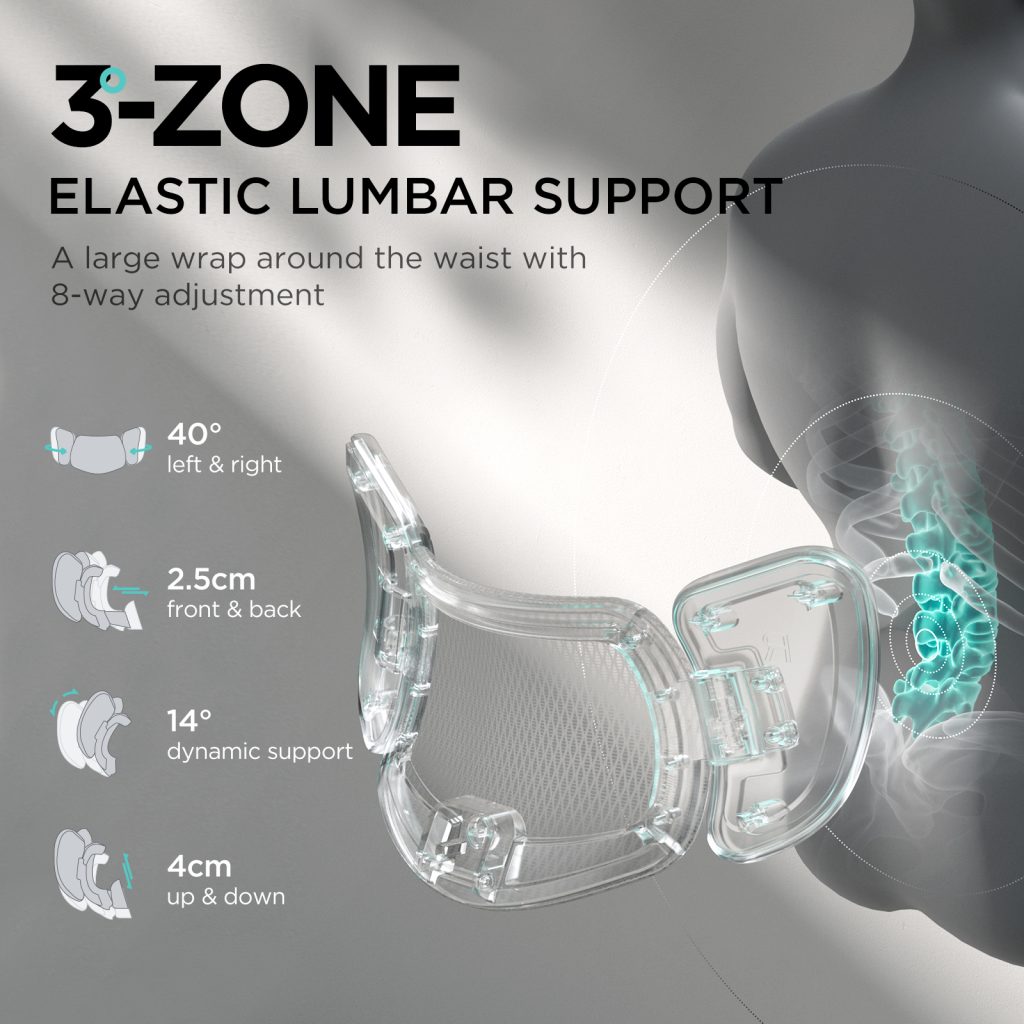
The Three-Zone Elastic Lumbar Support is a large waist wrap with 8-way adjustments, offering precise support for all body types.
Left and right floating wings rotate 40° both inward and outward, providing a snug fit for various body sizes.
Dynamic support allows for 14° of adjustment, ensuring that the lumbar region is supported no matter how you sit.
The lumbar system adjusts up and down by 1.6″ and front and back by 1”, offering customized support that follows your movements.
4D Headrest for Neck Relief
The 4D headrest of the Hbada E3 adapts to different sitting postures, whether you’re leaning forward, sitting upright, or reclining.
Adjusts up and down by 1.8” and front and back by 2.2”, with a dual-axis rotation of 70°, ensuring full support and relieving cervical vertebrae pressure. This headrest design is perfect for reducing neck pain caused by long hours of sitting.
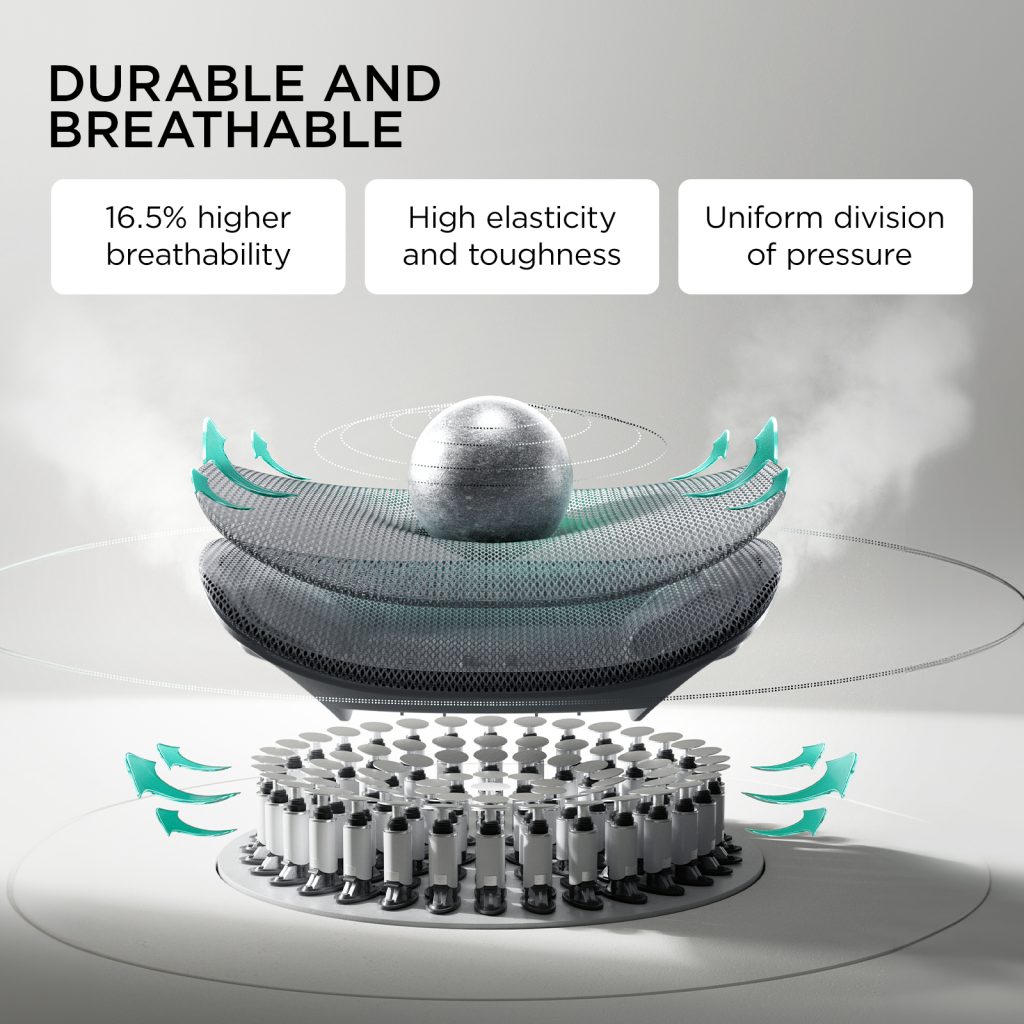
High Elasticity Cushion and Mesh
Sitting for long periods can often cause leg numbness, but the Hbada E3 counters this with a high elasticity cushion that provides full leg support.
The chair is covered in 16.5% breathable mesh, enhancing air circulation while offering a firm yet comfortable support.
The nylon and yarn mesh not only provide durability but also help you stay cool and comfortable throughout the day.
6D Mechanical Armrests
The 6D mechanical armrests are designed to support your arms in various positions, reducing shoulder strain.
They adjust front and back by 1.2”, up and down by 3”, and left and right by 1.2”, allowing for maximum flexibility.
The armrests also rotate left and right by 70° and can be flipped up by 40° for added convenience, ensuring that your arms are always supported, whether you’re working or relaxing.
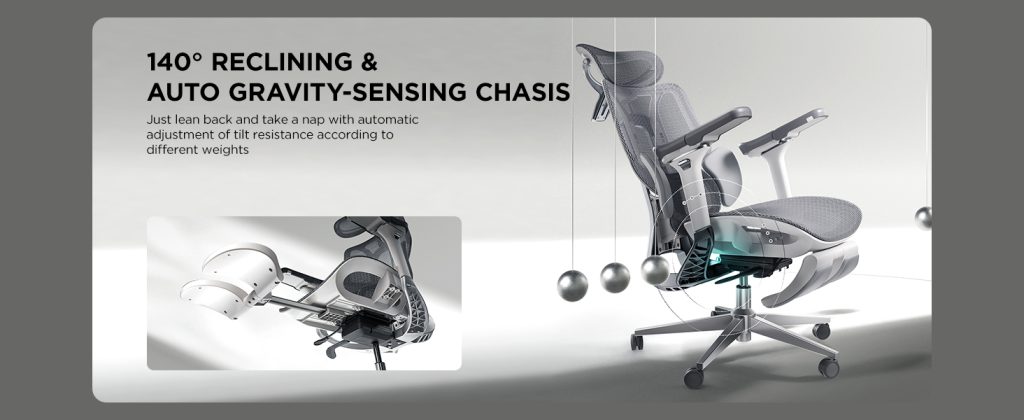
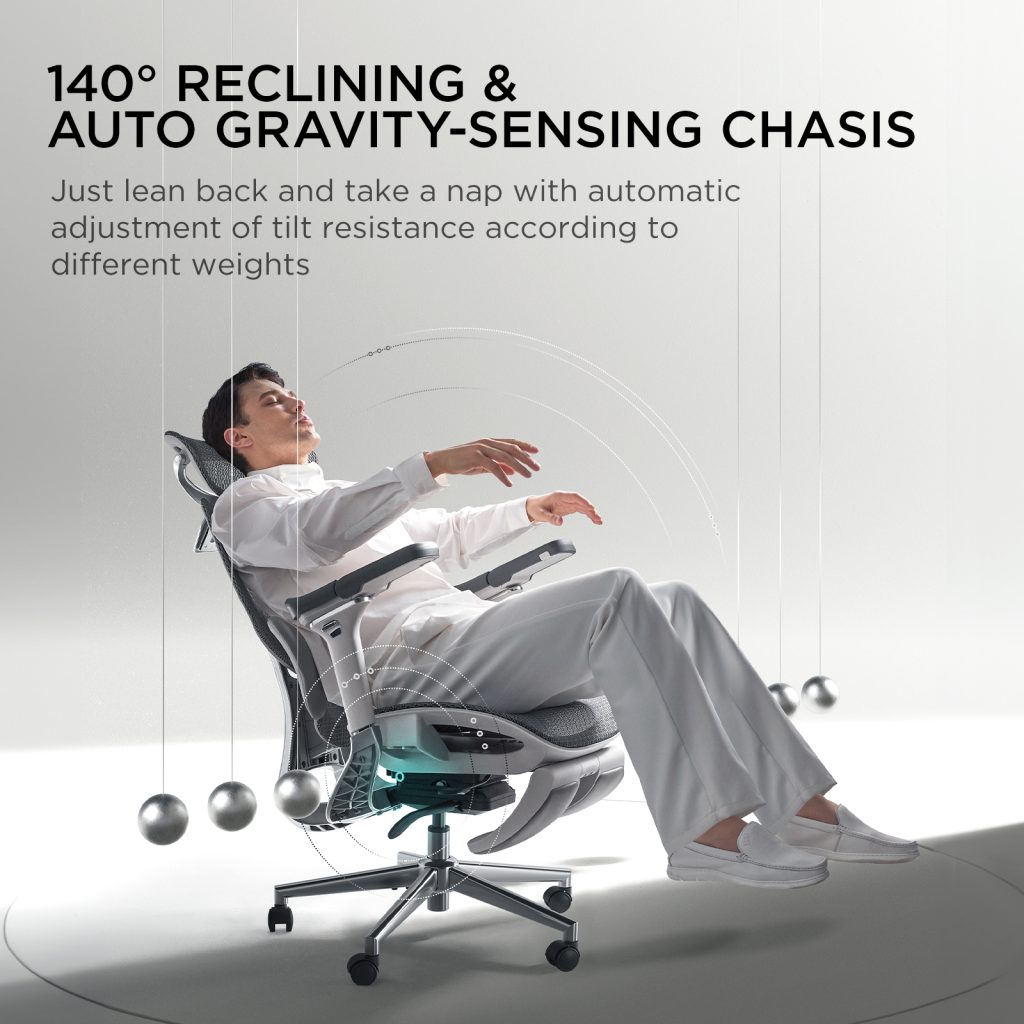
Auto Gravity-Sensing Chassis
The auto gravity-sensing chassis detects changes in weight and posture to adjust the chair’s settings automatically. This advanced feature allows the chair to adapt to your body without manual adjustments, providing a seamless and intuitive sitting experience.
Adjustable Cushion for Personalized Comfort
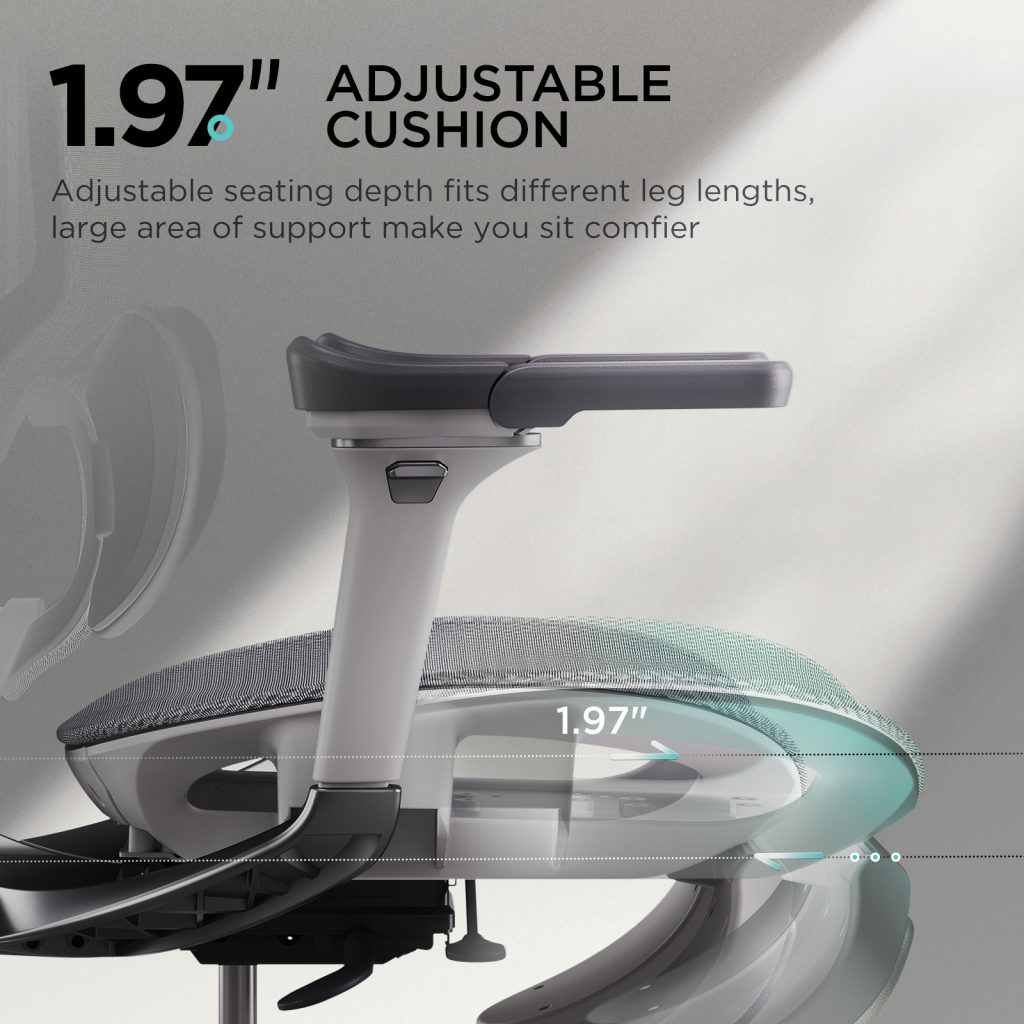
The chair features a 1.97” adjustable cushion, making it suitable for users of different heights. The cushion’s adjustable seating depth ensures that your legs are properly supported, preventing discomfort during long hours of use.
140° Reclining Feature for Relaxation
When you need to take a break, the Hbada E3 offers a 140° reclining function that allows you to lean back and relax comfortably.
Whether you want to take a nap or simply unwind, the reclining feature ensures that you can rest in complete comfort.
Quality and Safety Standards
The Hbada E3 is built to last, featuring high-quality components that enhance both durability and safety.
It uses an SGS level 4 pneumatic rod that has passed over 120,000 cycles of safety tests, ensuring the chair’s safety for extended use.
The chair’s low-noise rollers and high-load-bearing five-pin base provide stability and long-term durability, without disturbing your environment.
The Hbada E3 Ergonomic Office Chair is the ideal solution for those who seek ergonomic excellence, whether in the office or at home. Its T-shape Support System, customizable lumbar support, advanced features like auto gravity-sensing technology, and a 140° reclining feature offer superior comfort and support. Designed with users’ well-being in mind, the Hbada E3 helps promote a healthier, more comfortable lifestyle. This Black Friday, HBADA brings consumers the ultimate seating experience with the E3 chair at a limited discount. Don’t miss out on this once-in-a-year opportunity to revamp your workspace or gaming setup with a chair that’s designed for comfort, support, and style.
The Vivo X200 series, unveiled last month in China, is set to launch globally soon. The confirmation comes from Vivo’s Malaysian branch, which has started teasing the phones on the country’s social media handles.
The X200 lineup comprises three models: the standard X200, the X200 Pro, and the X200 Pro mini. However, the teaser from Vivo Malaysia hints at the launch of only the X200 and X200 Pro in the country. This also aligns with their recent appearance in Malaysia’s SIRIM certification.
Meanwhile, rumors suggest Vivo may launch these phones in India later this month. Although Vivo hasn’t confirmed a date, X tipster Paras Guglani claims the phones could be unveiled on November 22nd.
Guglani, however, didn’t specify the target market for the launch, leaving the possibility open for Malaysia, India, or other regions.
Vivo X200, X200 Pro specifications
Moving to the technical details, the Vivo X200 features a 6.67-inch OLED display with a smooth 120Hz refresh rate and an impressive peak brightness of 4500 nits.
The Pro variant steps up with a slightly larger 6.78-inch display, retaining the same specs but adding an ultrasonic fingerprint sensor beneath the screen.
Both models rely on the powerful MediaTek Dimensity 9400 chipset, complemented by LPDDR5x RAM and UFS 4.0 storage.
Battery life shouldn’t be a concern either. The X200 packs a robust 5,800mAh battery, while the Pro model ups the ante with a 6,000mAh cell. Both models boast 90W wired charging, while the Pro version adds the convenience of 30W wireless charging.
In terms of cameras, both phones offer a 32-megapixel selfie camera. The standard X200 features a triple-lens rear setup with a 50-megapixel Sony IMX921 main sensor with OIS, a 50-megapixel Samsung JN1 ultra-wide sensor, and a 50-megapixel LYT-600 3x periscope lens with OIS for distant shots.
The X200 Pro elevates the camera experience even further with a 50-megapixel LYT-818 main sensor with OIS alongside a staggering 200-megapixel Samsung S5KHP9 3.7x periscope lens, also boasting OIS. Both models share the same 50-megapixel ultra-wide sensor for capturing expansive landscapes.
We look forward to Vivo’s official announcements on the X200 series’ launch date and target markets. Stay tuned for more updates.
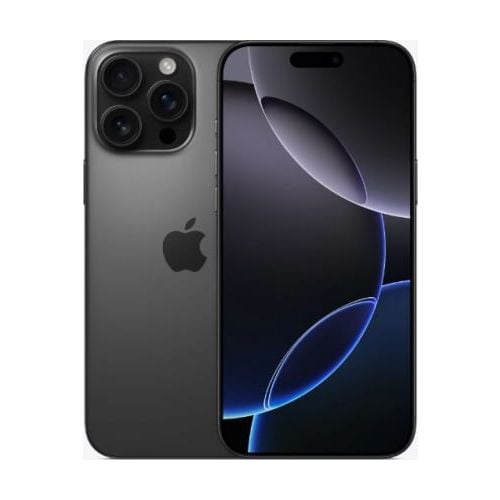
Apple seems set to join a trend started by several Android competitors. The iPhone 18 Pro, expected to go official in 2026, might come with a variable aperture camera system, according to analyst Ming-Chi Kuo.
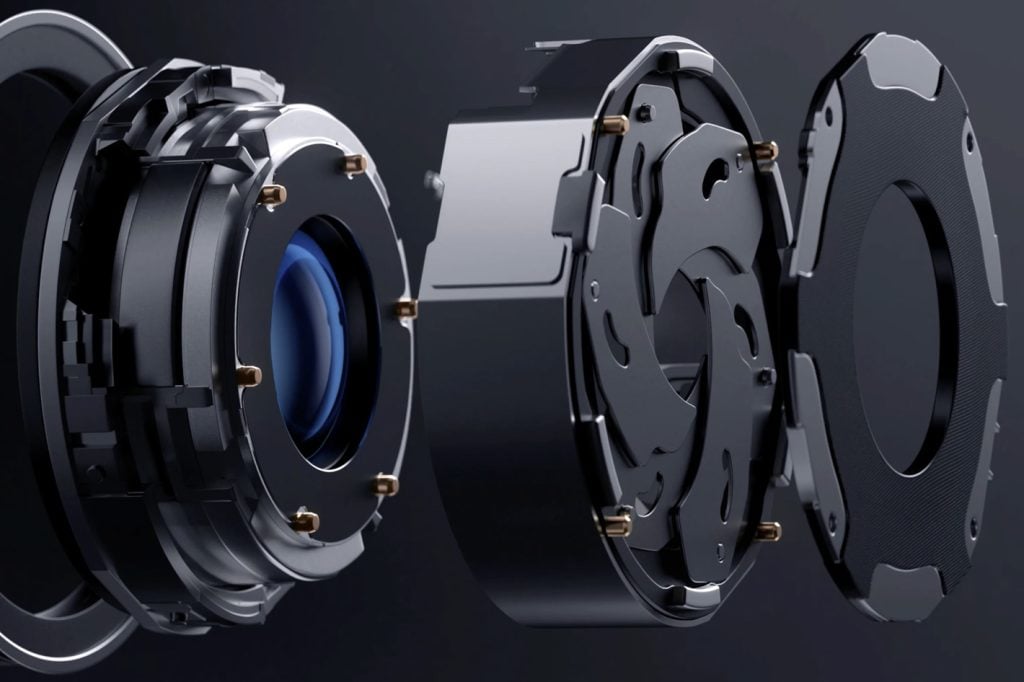
Android manufacturers have long experimented with variable aperture lenses to give users more control over light intake and depth of field. These lenses adjust their opening size, much like professional cameras.
In bright settings, a narrower aperture allows for sharper images and a deeper depth of field, where both foreground and background elements remain in focus.
Conversely, a wider aperture admits more light, ideal for capturing well-exposed photos in dimly lit environments, albeit with a shallower depth of field that blurs the background behind the subject.
It’s iPhone 18 if not the 17
The Information previously hinted that a variable aperture camera might debut on at least one iPhone 17 model, but Kuo’s latest report suggests this feature could be delayed until the 2026 iPhone 18 lineup.
Specifically, Kuo expects the iPhone 18 Pro’s primary rear camera to benefit from this technology.
His industry survey indicates that Sunny Optical will likely be the primary supplier for the camera’s shutter mechanism, with Luxshare as a secondary source. Notably, Sunny Optical is also expected to supply the variable aperture lens as a secondary provider, with Largan Precision remaining the primary source.
So far, all iPhone models rely on fixed aperture lenses, which limits the control over light intake and depth of field. Variable aperture technology, however, could give users finer control over these settings, allowing adjustments to suit their preferences.
It’s important to note that Kuo’s report is based on industry surveys and should be treated as an informed prediction rather than a confirmed fact. With the iPhone 18 launch still two years away, Apple has ample time to refine its plans and possibly change t its camera strategy.
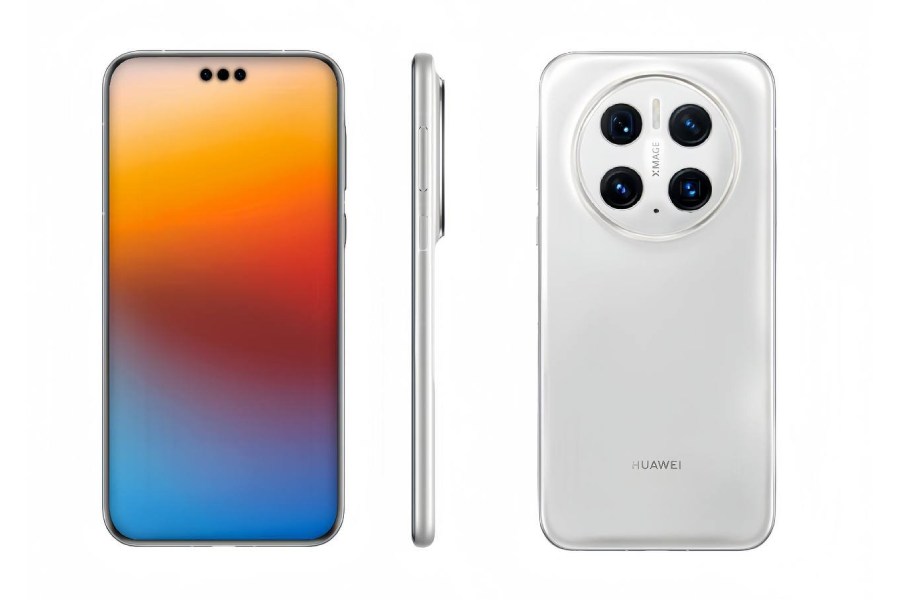
Huawei‘s upcoming Mate 70 series could see a slight bump in price compared to its predecessor, the Mate 60.
Words for it come from a Weibo tipster, Fixed Focus Digital, who suggests the new flagship line will carry a premium due to advanced features and a possibly costly new Kirin chip. However, consumers may find some relief in that the increase is expected to be modest.
Looking at past launch trends, Huawei typically raises prices by 100-200 yuan for its new flagship phones. Following this pattern, the Mate 70 series could see a similar price adjustment. As a reference, the Mate 60 series launched at a starting price of 5499 yuan.
It’s important to note that this is just speculation based on past trends. The actual price increase for the Mate 70 series remains to be seen.
Kirin chip could drive up Mate 70’s cost
A separate leak suggests the new Kirin chip could be a significant factor in the price hike. This next-generation chip is rumored to be more expensive to produce than previous versions, which could translate to a higher cost for the phones themselves. Additionally, other advanced features and components could contribute to the price increase.
Users eager to get their hands on the Mate 70 series won’t have to wait much longer. Sales are expected to begin early next month.
Another tipster suggests online sales could kick off later this month, with offline availability following in December. The exact launch date for the flagship model is still unclear, although Huawei has confirmed a launch within this month.
The Mate 70 series launch is expected to be accompanied by a wave of other new products, potentially including a tablet, earbuds, and the Watch D2. While the price remains unconfirmed, it seems Huawei is focusing on high-end features for the Mate 70 series, with any price hike likely kept within Huawei’s typical range of adjustments.
We use cookies on our website to give you the most relevant experience by remembering your preferences and repeat visits. By clicking “Accept”, you consent to the use of ALL the cookies.
This website uses cookies to improve your experience while you navigate through the website. Out of these, the cookies that are categorized as necessary are stored on your browser as they are essential for the working of basic functionalities of the website. We also use third-party cookies that help us analyze and understand how you use this website. These cookies will be stored in your browser only with your consent. You also have the option to opt-out of these cookies. But opting out of some of these cookies may affect your browsing experience.
Necessary cookies are absolutely essential for the website to function properly. This category only includes cookies that ensures basic functionalities and security features of the website. These cookies do not store any personal information.
Any cookies that may not be particularly necessary for the website to function and is used specifically to collect user personal data via analytics, ads, other embedded contents are termed as non-necessary cookies. It is mandatory to procure user consent prior to running these cookies on your website.