Advertisement

OnePlus Nord 4 With Metal Design, Four OS Updates Launched Globally

At its summer event held today, OnePlus unveiled a new tablet, smartphone, smartwatch, and TWS earphone. The OnePlus Nord 4 arrives as the successor to the last year’s Nord 3. It packs significant upgrades compared to its predecessors. The brand is bringing back the metal design on the latest offering. Additionally, it also comes with a longer software support policy. Read on to know what the smartphone offers out of the box.

OnePlus Nord 4 specifications 

The OnePlus Nord 4 has a different design compared to other devices in the Nord 4 series. It flaunts a metal unibody along with a flat frame. Yet the brand is touting it as the slimmest Nord ever measuring just 0.8cm thin. The left edge has the iconic alert slider. The back panel has horizontally placed camera sensors.  

On the front, the OnePlus Nord 4 sports a 120Hz flat AMOLED display with a 1.5K resolution and a 2,150 nits peak brightness. The 6.5-inch screen with a centre-aligned punch-hole cutout has very thin bezels. It features AquaTouch technology for using with wet hands.

The OnePlus Nord 4’s dual rear camera setup comprises a 50MP Sony LYT-600 main sensor with OIS and an 8MP ultra-wide-angle lens. There is a 16MP front-facing selfie snapper.

Under the hood, the OnePlus Nord is powered by a Snapdragon 7+ Gen 3 processor. It packs up to 16GB RAM and 512GB storage. The device is equipped with a robust heat dissipation system comprising a high-density graphite sheet, a steel vapour chamber, and a micron-level copper foil. Additionally, the aluminium alloy material ensures that the temperature control capability of the Nord 4 isn’t compromised by its back cover. The smartphone is backed by a 5,500mAh battery cell with support for 100W charging. It is said to last 1,600 charging cycles. 

Software-wise, the OnePlus Nord 4 runs on Android 14 out of the box with features like AI Eraser, AI Clear Face, and AI Best Face. The device is eligible for 6 years of software support including 4 OS updates and additional 2 years of security patches.  

The OnePlus Nord 4 carries a starting price tag of Rs 29,999 for the base 8GB + 128GB variant. The 12GB + 128GB and 12GB + 256GB configurations cost Rs 32,999 and Rs 35,999, respectively. There is an instant bank discount of Rs 3,000 on eligible cards. In Europe and the UK market, the 12+256GB and 16+512GB are priced at EUR 499/GBP 429 and EUR 599/GBP 529 respectively. The smartphone is offered in Mercurial Silver, Obsidian Black, and Oasis Green colors.

Specs Comparison: Vivo T3x vs Realme P1

Vivo T3x vs Realme P1

Vivo T3x: April 17, 2024

Realme P1: April 15, 2023

SPECS TABLE

Vivo T3xRealme P1
Price$167$181
Display6.72-inch IPS LCD screen6.67-inch AMOLED screen
Refresh rate1 – 120Hz adaptive1 – 120Hz adaptive
Rear cameras50MP wide (f/1.8), 2MP depth (f/2.4).50MP wide (f/1.8), 2MP depth (f/2.4).
Front Camera8MP (f/2.1)16MP (f/2.5)
ChipsetSnapdragon 6 Gen 1MediaTek Dimensity 7050
RAM4GB, 6GB, 8GB6GB, 8GB
Storage128GB, 256GB128GB, 256GB
Battery6000 mAh5000 mAh
Charging44W wired45W wired
Water/dust resistanceIP64 dust/water-resistantIP54 dust/splash resistant
Size165.7 x 76 x 8 mm (6.52 x 2.99 x 0.31 in)163 x 75.5 x 8 mm (6.42 x 2.97 x 0.31 in)
Weight199g (7.02 ounces)188g (6.63 ounces)
ColoursCrimson Bliss, Celestial GreenPhoenix Red, Peacock Green
Vivo T3x vs Realme P1 comparison table.

Budget smartphones are great options for those looking to purchase a new device. The Vivo T3x and the Realme P1 are both budget Android devices and in this article, we’ll compare the both side by side. The aim of this comparison is to find out which is the best buy and which you should go for considering your needs. Despite existing in the same price range, both devices come with different features that make them stand out from one another.

Vivo T3x vs Realme P1: Price

Vivo T3x
Realme P1
Vivo T3X 5G Smartphone (Crimson Bliss, 4GB Ram, 128GB Storage)
realme P1 5G (Peacock Green, 6GB RAM, 128GB Storage) | Up to 6GB + 6GB Dynamic RAM | Dimensity 7050 5G Chipset | AMOLED Display | 7-layer VC Cooling System | 50MP Color AI Camera |45W SUPERVOOC Charge
₹ 15,999
₹ 15,999
Vivo T3x
Vivo T3X 5G Smartphone (Crimson Bliss, 4GB Ram, 128GB Storage)
₹ 15,999
Realme P1
realme P1 5G (Peacock Green, 6GB RAM, 128GB Storage) | Up to 6GB + 6GB Dynamic RAM | Dimensity 7050 5G Chipset | AMOLED Display | 7-layer VC Cooling System | 50MP Color AI Camera |45W SUPERVOOC Charge
₹ 15,999

Please Note: When you buy something using the links in our articles, we may earn a small commission at no cost to you.

Vivo T3x vs Realme P1: Design and colours

Vivo T3x:

Vivo really hit the nail on the head with this smartphone in terms of its design. Not only is this device simple to look at, but it also comes with a very impressive design. On the rear sits a circular camera cutout that is positioned towards the top right-hand side of the rear panel. This is unlike the design approach on the Realme P1 that centralizes its rear camera cutout. The sides of this device come with a flattened-out glossy finish, and it houses the power button and volume rocker eyes on its right side. At the base is a charging port, 3.5mm headphone jack, a microphone, and speakers. The SIM eject tool is on the left side of the frame, and its available color options are Crimson Bliss and Celestial Green.

Realme P1:

Without any doubt, this device comes with an impressive design that makes it stand out from the crowd. Coming with flat edges, and a circular camera cutout. With impressive colour options, the Realme P1 aims to win buyers’ hearts. Just like with the Vivo T3x, this device places the power button and volume rocker keys on the right side frame. On its base sit the USB-C port, SIM tray, microphone, and speakers, the 3.5mm headphone jack sits at the top of this device. The available colors on this device are Phoenix Red, and Peacock Green, and these are very similar to those on the Vivo T3x.

Major differences:

  • Positioning of the camera cutout.
  • The 3.5mm headphone jack is placed at the bottom of the Vivo T3x, but at the top of the Realme P1.

Vivo T3x vs Realme P1: Display

Vivo T3x and Realme P1:

The Vivo T3x comes with a larger 6.72-inch IPS LCD screen display. The Realme P1 comes with a smaller 6.67-inch AMOLED screen display panel. In this comparison, Realme boasts having the brighter screen display and better screen-to-body ratio.

Major differences:

  • Slightly better screen to body ratio on the Realme P1.
  • The Realme P1 comes with an AMOLED screen display.

Vivo T3x vs Realme P1: Cameras

Vivo T3x and Realme P1:

The rear cameras on these devices are the same, as both come with a dual rear camera setup. The main camera on both of these devices is a 50MP sensor, and the secondary lens is a 2MP sensor. Things start to change in favour of the Realme P1 when we turn our attention to the front facing cameras. Realme packs a 16MP lens in the P1, while Vivo stickers with an 8MP sensor on the T3x. However, Vivo tries to outperform the competition by offering 4K video recording on the rear cameras of the T3x.

Major differences:

  • Different selfie cameras on both devices.
  • 4K video recording on the Vivo T3x.

Vivo T3x vs Realme P1: Performance

Vivo T3x and Realme P1:

In every smartphone comparison, the performance of the competing devices often determines the better device. Between the Vivo T3x and the Realme P1, the latter comes with a slightly more powerful processor. However, the Vivo T3x gives buyers more freedom when choosing storage options that meet their budget as this device comes with 4GB, 6GB, and 8GB RAM options. Those going for the Realme P1 will have to settle for either a 6GB or 8GB RAM variant.

Major upgrades & differences:

  • A more powerful processor on the Realme P1.
  • 4GB RAM offering on the Vivo T3x.

Vivo T3x vs Realme P1: Software

Vivo T3x and Realme P1:

The Vivo T3x and the Realme P1 both run on Android 14 out of the box. The Vivo T3x comes with Vivo’s FunTouch 14 software, bringing a few years of OS upgrade. As for the Realme P1, it comes with Realme UI 5.0 out of the box, and it also brings a few years of OS update.

Major differences:

  • FunTouch 4 On the Vivo T3x.
  • Realme UI 5.0 on the Realme P1.

Vivo T3x vs Realme P1: Battery life and charging

Vivo T3x and Realme P1:

Here the Vivo T3x takes the crown as it comes with a massive, 6000mAh battery and 44W fast charging. Realme equips the P1 with a 5000mAh battery capacity and 45W fast charging capability.

Major differences:

  • Faster charging on the Realme P1.
  • Larger battery on the Vivo T3x.

Vivo T3x vs Realme P1: Final Verdict

These devices are both impressive and affordable entries into the Android smartphone market. However, when shopping for a new device and trying to pick between these two entries, the Realme P1 is the better pick. From its performance to design and even its camera system, the Realme P1 has found a way to edge slightly above the Vivo T3x. While the Vivo T3x is also a good device, it finds itself wanting in some areas that the Realme P1 shines in.

Specs Comparison: Vivo T3x vs Poco X6 Neo

Vivo T3x: April 17, 2024

Poco X6 Neo: April 15, 2023

SPECS TABLE

Vivo T3xPoco X6 Neo
Price$167$195
Display6.72-inch IPS LCD screen6.67-inch AMOLED screen
Refresh rate1 – 120Hz adaptive1 – 120Hz adaptive
Rear cameras50MP wide (f/1.8), 2MP depth (f/2.4).108MP wide (f/1.8), 2MP depth (f/2.4).
Front camera8MP (f/2.1)16MP (f/2.5)
ChipsetSnapdragon 6 Gen 1MediaTek Dimensity 6080
RAM4GB, 6GB, 8GB8GB, 12GB
Storage128GB, 256GB128GB, 256GB
Battery6000 mAh5000 mAh
Charging44W wired33W wired
Water/dust resistanceIP64 dust/water-resistantIP54 dust/splash resistant
Size165.7 x 76 x 8 mm (6.52 x 2.99 x 0.31 in)161.1 x 75 x 7.7 mm (6.34 x 2.95 x 0.30 in)
Weight199g (7.02 ounces)175g (6.17 ounces)
ColoursCrimson Bliss, Celestial GreenAstral Black, Horizon Blue, Martian Orange
Vivo T3x vs Poco X6 Neo

There are a lot of budget Android devices available for purchase today, but in this article we’ll focus on just two. The Vivo T3x and the Poco X6 Neo, both of which are currently top picks for most people shopping for a new device. If you are also shopping for a new device, then this article will help you top pick between the two options it has in consideration. Already you know that the Poco X6 is an incredible device, but how does its less powerful variant stack up against the competition? Let’s find out.

Vivo T3x vs Poco X6 Neo: Price

Vivo T3x
Poco X6 Neo
Vivo T3X 5G Smartphone (Crimson Bliss, 4GB Ram, 128GB Storage)
POCO X6 Neo 5G (Martian Orange, 12GB RAM, 256GB Storage)
₹ 15,999
₹ 15,749
Vivo T3x
Vivo T3X 5G Smartphone (Crimson Bliss, 4GB Ram, 128GB Storage)
₹ 15,999
Poco X6 Neo
POCO X6 Neo 5G (Martian Orange, 12GB RAM, 256GB Storage)
₹ 15,749

Please Note: When you buy something using the links in our articles, we may earn a small commission at no cost to you.

Vivo T3x vs Poco X6 Neo: Design and colours

Vivo T3x:

Vivo really hit the nail on the head with this smartphone in terms of its design. Not only is this device simple to look at, it also comes with a very impressive design. On the rear sits a circular camera cutout that is positioned towards the top right-hand side of the rear panel. This is unlike the design approach on the Poco X6 Neo that centralizes its rear camera cutout. The sides of this device come with a flattened out glossy finish, and it houses the power button and volume rocker eyes on its right side. At the base is a charging port, 3.5mm headphones jack, a microphone, and speakers. The SIM eject tool is on the left side of the frame and its available colour options are Crimson Bliss, Celestial Green.

Poco X6 Neo:

The design on the Poco X6 Neo is rather simple, and some might consider it to be mature. But despite being single, Poco did well to make a solid smartphone that can compete in the budget Android smartphone category. This device comes with flat sides and a dual camera cutout that sits far from the smartphone’s rear panel. On its side sits the volume and power rockers as well as the SIM tray, on its base are the USB-C, speaker, and microphone cutouts. On top, of the Poco X6 Neo is the 3.5mm headphone jack as well as an upward firing speaker. Available colours on this device are Astral Black, Horizon Blue, Martian Orange.

Major differences:

  • Positioning of the camera cutout.
  • An extra colour on the Poco X6 Neo.
  • The 3.5mm headphone jack is placed at the bottom of the Vivo T3x, but at the top of the Poco X6 Neo.

Vivo T3x vs Poco X6 Neo: Display

Vivo T3x and Poco X6 Neo:

The Vivo T3x comes with a larger 6.72-inch IPS LCD screen display. The Poco X6 Neo comes with a smaller 6.67-inch AMOLED screen display panel. In this comparison, Poco boasts having a better screen-to-body ratio.

Major differences:

  • Slightly better screen to body ratio on the Poco X6 Neo.
  • The Poco X6 Neo comes with an AMOLED screen display.

Vivo T3x vs Poco X6 Neo: Cameras

Vivo T3x and Poco X6 Neo:

The Poco X6 Neo comes with a better camera layout than on the Vivo T3x, despite both devices featuring a dual rear camera setup. Poco mounts a 108MP main camera sensor on the X6 Neo, as the Vivo T3x gets a 50MP main camera sensor. Both devices get a supporting 2MP depth sensor, but coming to the front-facing camera, the Poco X6 Neo once again outperforms the Vivo T3x. Up front, the Vivo T3x houses an 8MP selfie camera, as the Poco X6 Neo packs a 16MP selfie camera.

Major differences:

  • Different selfie cameras on both devices.
  • 4K video recording on the Vivo T3x.

Vivo T3x vs Poco X6 Neo: Performance

Vivo T3x and Poco X6 Neo:

When it comes to the performance of these devices, we see that both pack similar performing processors. However, a series of benchmark tests show that the Snapdragon 6 Gen 1 processor on the Vivo T3x is better. But the Poco X6 Neo makes things up by offering a higher RAM option than the Vivo T3x. Yes, the Poco X6 Neo comes with a 12GB RAM option, while the RAM options on the Vivo T3x tops out at 8GB.

Major upgrades & differences:

  • A more powerful processor on the Vivo T3x.
  • 4GB RAM option on the Vivo T3x.
  • 12GB RAM option on the Poco X6 Neo.

Vivo T3x vs Poco X6 Neo: Software

Vivo T3x and Poco X6 Neo:

While the Vivo T3x comes with Android 14 out of the box, the Poco X6 Neo comes with Android 13 out of the box. For its onboard OS, the Vivo T3x comes with Funtouch 14 OS.

Major differences:

  • FunTouch 4 On the Vivo T3x.
  • Android 14 on the Vivo T3x.

Vivo T3x vs Poco X6 Neo: Battery life and charging

Vivo T3x and Poco X6 Neo:

Here the Vivo T3x takes the crown as it packs a massive, 6000mAh battery pack. The Poco X6 Neo comes with a 5000mah battery capacity. For their charging speeds, the Vivo T3x comes with a faster 44W charging ability, while the Poco X6 Neo comes with a 33W fast charging capability.

Major differences:

  • Larger battery and faster charging on the Vivo T3z.

Vivo T3x vs Poco X6 Neo: Final Verdict

Overall, the Vivo T3x proves itself as a better device in comparison with the Poco X6 Neo. Despite the Poco X6 Neo coming with better cameras and a 12GB RAM option, it still doesn’t outperform the Vivo T3x. The Vivo T3x is more affordable, slightly more powerful, features a more impressive design, a bigger battery, and faster charging. So if you’re out shopping for a new device and are to choose between either device in this article, you’ll make a well-informed decision.

HarmonyOS PC UI design leaks with minimal look and multi-device compatibility

Huawei‘s HarmonyOS is expected to expand to PCs later this year, and a recent update on the Huawei Developer website may have offered a glimpse of the software’s user interface (UI) design.

The leak reportedly appears in the Design Guide section of the developer website, showcasing the overall UI and app adaptation for PCs.

The UI design leans towards a clean and minimalistic aesthetic. The status bar, located in the top right corner, displays essential information like time, battery level, network connection, volume, and input method. Notably, the icons are spaced out for better readability.

The Dock bar resides at the bottom of the screen, housing frequently used applications and key functionalities. This layout suggests a potentially simpler and more accessible user experience compared to Windows.

App adaptation is another key aspect of the leaked UI design. The guide reportedly covers various app categories including audio, video, social media, photography, reading, shopping, finance, and more. Applications like Maps and Music appear to benefit from a clearer layout for controls and functions.

The Huawei Developer Design Guide reportedly emphasizes the efficient and immersive experience these apps offer across different devices. The apps are designed to adapt seamlessly to various screen sizes without compromising usability. Examples include Weather, File Explorer, and others.

A noteworthy aspect is the alleged compatibility of the HarmonyOS PC UI with both smartphones and tablets. Additionally, the design bears a resemblance to Apple’s macOS user interface. Overall, the UI seems to prioritize efficient use of space and clear information presentation.

The updated Design Guide also reportedly details how new apps and features can be developed to function effectively in a multi-device environment. It emphasizes responsive layout design for smooth navigation and user-friendly features.

While Huawei hasn’t officially confirmed the launch of HarmonyOS for PCs, leaks suggest a potential release alongside the Mate 70 series in Q4 2024. We can expect further details about the software to emerge in the coming months.

Hisense Starlight S1 Pure Enjoyment Edition has been launched

Hisense launched the 100″ Starlight S1 laser TV back in March for 19,999 yuan. Now the company has unveiled the Starlight S1 Pure Enjoyment Edition, which also offers a 100″ 4K screen. The TV is currently also available for pre-order in China.

The product is projected to offer an excellent viewing experience with nearly accurate colors. For audio, the TV equips an independent speaker with 360° omnidirectional sound output.

The Starlight S1 Pure Enjoyment Edition uses the same technology as IMAX cinemas

The Starlight S1 Pure Enjoyment Edition reportedly uses the same technology as IMAX cinemas, which is used by 90% of cinemas around the world. The TV offers IMAX’s unique 1.9:1 output and shows good texture with a 99% DCI-P3 “movie-level” color gamut, which provides a good visual experience. This reportedly looks brighter and more vivid with richer colors as compared to most LCD TVs.

Speaking of the listening experience, the Starlight S1 Pure Enjoyment Edition comes with two built-in speakers, that reflect the sound from the roof in order to offer a more immersive experience. There are two additional “bionic front sound” units that fire the audio directly at the user. With the setup, the product is claimed to offer an “unparalleled sense of immersion”.

The viewing distance of Hisense Starlight S1 Pure Enjoyment Edition is also claimed to be only 50% of that of a traditional TV. The display panel is also claimed to be eye-friendly. In conclusion, the product could be a great collection of people who want to have a theater-like experience at home.

According to the market research firm Omdia, the company’s shipments of large-screen TVs above 100 inches ranked first in the world in the high-end large-screen TV market.

Xiaomi Buds 5 officially announced, all set to launch on July 19

Xiaomi has scheduled a launch event for July 19th at 7:00 PM CST, where they will unveil several new products. Among the anticipated releases is the new set of earbuds, the Xiaomi Buds 5. The company has also released several promotional posters showcasing the design of these upcoming earbuds.

Xiaomi Buds 5

The Xiaomi Buds 5 is expected to focus on improved audio quality with support for lossless audio, described by Xiaomi as delivering “lossless audio, natural sound.” This suggests an upgrade from the previous generation’s offerings.

The design appears to remain semi-in-ear, similar to Apple’s AirPods, but with the addition of a new gold color option. The Xiaomi Buds 5 will come in Moonlight Black, Snow Mountain White, Frost Blue, and Titanium Gold colors. Promotional images hint at a revised charging case design, with a more rounded rectangular shape compared to the previous iteration.

The Xiaomi Buds 4, launched in 2022, included a semi-in-ear design, IPX54 water resistance, active noise cancellation with real-time adjustability, and support for Hi-Res Audio Wireless certification and the LHDC 5.0 transmission protocol for CD-level sound quality.

The Xiaomi Buds 4 also boasted a graphene-dual magnetic dynamic driver for rich audio, 360-degree spatial audio for an immersive listening experience, and a transparency mode for increased situational awareness. Functionality included microphone cutouts on each earbud for clear calls, tap controls on the stem for easy interaction, and three built-in microphones with noise-reduction capabilities.

The battery life of the Xiaomi Buds 4 offered 6 hours of playback per charge from the earbuds themselves, with the pebble-shaped charging case extending that total to 30 hours. Each earbud housed a 30mAh battery, while the case packed a 480mAh capacity. The Xiaomi Buds 4 offered the convenience of connecting to two devices simultaneously.

While details about the Xiaomi Buds 5 remain scarce, the upcoming launch event will reveal all the specs along with pricing. The event will also be the platform for the official unveiling of the Redmi K70 Ultra.

Xiaomi has also confirmed the launch of the Xiaomi Mix Fold 4, their foldable phone offering, alongside the Xiaomi Smart Band 9 and Xiaomi Watch S4 Sport. With a packed schedule, July 19th promises to be a significant day for Xiaomi and its product line.

Oppo Reno 12 vs Realme GT 6T: Battle of the Chinese mid-range phones

After weeks of teasers and reports, the Oppo Reno 12 was finally announced in India. It is an upper mid-range smartphone packed with AI powered features. But at this price range, it competes with the Realme GT 6T. So which one is better? Let’s find out.

Oppo Reno 12 vs Realme GT 6T

Oppo Reno 12 vs Realme GT 6T: What’s with all the AI?

We recently reviewed the Oppo Reno 12 and its new generative AI and features were definitely a highlight. The device brings GenAI features like AI Eraser 2.0, which is handy in removing unwanted objects in your photos. AI Clear Face and AI Best Face are pretty useful, improving facial details and more. Other notable AI features include AI Recording Summary, AI LinkBoost, and more. All of these help in productivity and also aid in daily use.

The use of AI on the Realme GT 6T is more modest. It focuses more on functionality for photography. So you get access to AI Night Vision and AI Smart Removal. Artificial Intelligence is also employed in frame stabilization to improve the users’ gaming experience. But the Reno 12 easily outshines in this regard.

Snapdragon vs Dimensity

The use of AI was great for various features on the Reno 12, but Realme GT 6T easily takes the lead in raw performance. The latter is the first smartphone in India to feature the Snapdragon 7+ Gen 3 chip, which achieved a score of over 1.5 million on AnTuTu.

On the other hand, Oppo equipped the Reno 12 with a Dimensity 7300 Energy chipset. This is still a capable chip but benchmark scores show a clear gap in performance between the two processors. The gap isn’t large enough to affect daily use or in most scenarios. But intensive tasks like gaming would have a noticeable difference.

Realme with the bigger battery & faster charging

Oppo’s new Reno 12 is powered by a respectable 5,000mAh battery pack that supports 80W wired fast charging. This is a great combo, although, the Realme GT 6T has an edge once again. The GT 6T packs a larger 5,500mAh cell that supports 120W wired fast charging. So you get a bigger battery, which can also be charged quicker.

Realme GT 6T’s display is 5 times brighter

Once again, the Realme GT 6T has another trick up its sleeve. It sports a tall 6.78-inch LTPO AMOELD display that has a Full HD+ resolution, a 120Hz refresh rate, 1000 nits of typical brightmess and a peak brightness of 6,000 nits. This is 10 times higher than the Oppo Reno 12’s maximum configurable brightness (600 nits) and 5 times higher than its peak brightness of 1200 nits.

The screen on the Reno 12 is also a shorter 6.7-inch OLED panel but it also offers a 120Hz refresh rate and a FHD+ resolution. This means that you miss out on the variable refresh rate from 1-120Hz on the GT 6T along with a taller and a brighter display.

Pricing

Out of the two phones, the Realme GT 6T is more affordable with a starting price tag of 30,999 INR for its base 8GB + 128GB option. Oppo’s Reno 12 has a slightly higher 32,999 INR price tag for its starting model, but offers 8GB RAM and higher 256GB storage. This price tag is identical to the Realme GT 6T’s 8GB + 256GB option. You also get more experience options like the 12GB + 256GB and 12GB + 512GB variants.

Between the two phones, there isn’t a clear distinction as to which is better. Oppo has a some useful tricks with AI, but Realme has its own advantages with the hardware. So depending on how you use your phone you can make your own decision. A gamer would likely require the extra horsepower on the Reno 12, but the software experience has an edge in the Reno 12.

Upcoming Sony Xperia 5 VI appears in render images

Following the recent successful launch of the Xperia 1 VI, Sony is gearing up to release the Xperia 5 VI! Render images of the Xperia 5 VI have been spotted on a German case retailer’s website.

Some internet rumors claimed that Sony was discontinuing the Xperia 5 lineup, but it turns out that’s not the case. Sony is set to introduce the Xperia 5 VI soon. The render images indicate that the design of the upcoming Xperia 5 VI is quite similar to its predecessor, Xperia 5 V.

The cameras appear to have a similar size and layout as those on Xperia 5 V. The images also show a side-mounted fingerprint sensor and volume buttons above it. Unfortunately, the shutter button which is welcomed among photography enthusiasts, is missing from Xperia 5 VI. Additionally, while the Xperia 1 VI has a boxier design, the Xperia 5 VI features rounded corners.

Sony Xperia 5 VI also features a 3.5mm headphone jack at top of the phone. This is what we know all about the future Sony Xperia 5 VI.

(source)

Snapdragon 7s Gen 3 makes its way to Geekbench for first time

Qualcomm‘s upcoming mid-range processor, the Snapdragon 7s Gen 3, has made an uninspiring debut on Geekbench. Traditionally, SoCs with “s” in their name signify a slight downgrade compared to their non-s counterparts. The trend seems to hold true here, with the 7s Gen 3 offering performance nearly identical to the standard Snapdragon 7 Gen 3.

Geekbench 6.3 scores show the 7s Gen 3 achieves 1,157 and 3,157 in single-core and multi-core tests, respectively. These figures are practically indistinguishable from the regular 7 Gen 3’s scores of 1,147 and 3,129. 

Snapdragon 7s Gen 3 Geekbench

When compared to its predecessor, the Snapdragon 7s Gen 2, the new chip offers a marginal improvement – a 15% bump in single-core and a 12% increase in multi-core performance. These gains fall within the realm of expected generational iteration for mid-tier processors, offering little cause for excitement.

As for the technical specifications, the 7s Gen 3 will have a tri-cluster CPU architecture. The primary core clocks in at 2.5 GHz, flanked by three performance cores at 2.4 GHz. Two efficiency cores round out the package, operating at a conservative 1.8 GHz. 

Rumors suggest that for performance, the SoC will use Arm’s Cortex-A720 core. The graphics processing duties are handled by an Adreno 810 GPU clocked at 480 MHz.

Based on Geekbench, the Snapdragon 7s Gen 3 is likely to offer a predictable update in Qualcomm’s mid-range portfolio. You will get dependable performance but don’t expect any major boost in terms of performance.

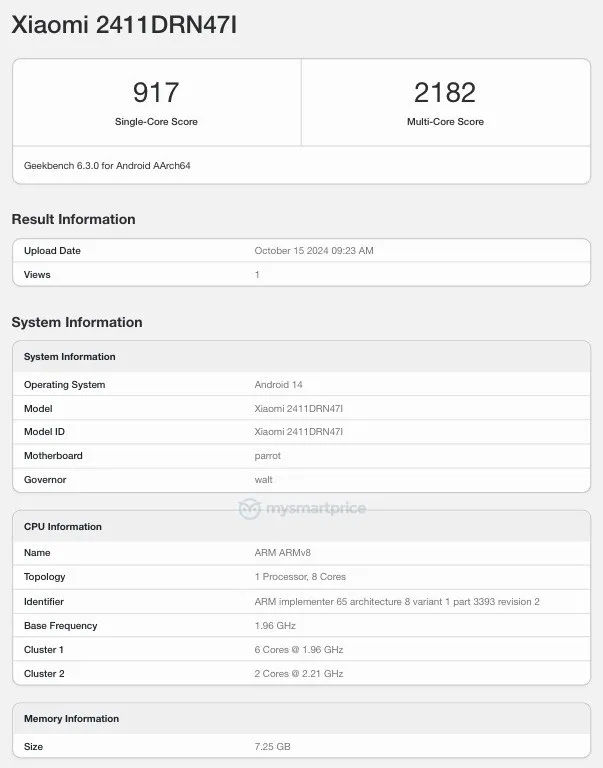
Although it’s not confirmed yet, the Snapdragon 7s Gen 3 might debut with the Redmi Note 14 Pro smartphone. This is likely because its predecessor, the Redmi Note 13 Pro, features the Snapdragon 7s Gen 2 SoC.

(Source)

Will Xiaomi unveil a new car on July 19 during Lei Jun’s annual speech?

Previously it was rumored that Xiaomi is working on the “Xiaomi SU8” which was apparently scheduled to be unveiled today. A Xiaomi official recently denied the presence of the “Xiaomi SU8” in one of his Weibo posts. He said that the news is fake and that there is no such car under development. However, there have been some spy photos of an SUV that is said to be from Xiaomi.

Netizens are seemingly excited to see a successor to the Xiaomi SU7

Lei Jun, CEO of Xiaomi, announced today that he would hold the fifth annual speech at 19:00 on the evening of July 19. he will talk about the ins and outs of car manufacturing and the ups and downs of the past three years. So far, he has not revealed anything about the development or launch time of a new car. However, according to rumors, the company could unveil a new car (speculated to be an SUV) at the event.

According to some previous reports, the event on July 19 will also include the announcement of the Xiaomi Mix Fold 4, Redmi K70 Ultra, and Xiaomi Mix Flip. While we cannot be sure about the unveiling of a new car from the company, spy photos show that the car is an SUV, which is reportedly code-named MX11. The car is expected to be unveiled by the end of this year or early next year.

Not to mention, the leaked images of the SUV reveal a design similar to the Xiaomi SU7, such as the M-shaped headlights, pebble-style laser radar, etc.

Speaking of the Xiaomi SU7, the company has ramped up its production to shorten the waiting period. A previous report claims that the company sold over 10,000 units of the SU7 in June and is also expected to sell another 10,000 units this month. Xiaomi Auto is reportedly planning to deliver a total of 100,000 EVs this year.

(Source)

HP OmniBook Ultra & OmniStudio X AIO Desktop launched: Powered by Intel & AMD AI CPUs

Expanding its new AI powered PC portfolio, HP has just announced the OmniBook Ultra laptop and the OmniStudio X AIO desktop computer. Both models are equipped with AI enabled chipsets from AMD and Intel that bring access to a bunch of features.

HP OmniBook Ultra AI PC

Not to be confused with the Snapdragon X Elite powered OmniBook X, the OmniBook Ultra is a different laptop that features AMD Ryzen AI 300 series processor. This CPU is paired with a Radeon 800M GPU. The processor is paired with the up to 32GB of DDR5 RAM and up to 2TB of PCIe Gen 4 SSD storage. It sports a 1-inch 2.2K (2240 x 1400) IPS LCD screen that offers touchscreen support and a 16:10 aspect ratio. The OmniBook Ultra is a workstation designed to enhance LLM (large language model) development by detecting and correcting biases in models.

HP OmniBook Ultra AI PC

A 68Wh battery pack powers this device, which promises to offer 21 hours of video playback. Connectivity options include two Thunderbolt 4 ports, one USB-A port, and a 3.5mm headphone jack. On the front, you get a 9MP webcam for video calls. For audio, there is a quad speaker setup with DTS Ultra. Other notable features include a fingerprint scanner for security, an HP Wolf Security chip (AI assisted protection against cyberattacks), and 1.57 kilograms of weight. The body uses 90 percent recycled material and 5 percent ocean plastic.

HP OmniStudio X AIO

Alongside the new AI laptop, the company also unveiled the OmniStudio X AIO desktop PC with AI functionality. It arrives in two variants, namely 27-inch and 31.5-inch options. The front offers 4K resolution and a 5MP webcam. HP has used 25 percent recycled metals and 35 percent consumer-recycled plastics and has EPEAT Gold with Climate and ENERGY STAR certifications. Interestingly, the OmniStudio X 31.5-inch version is the first ever AIO PC to receive IMAX Enhanced certification.

HP OmniBook Ultra AI PC
HP OmniStudio X AIO Desktop PC

Under the hood, the OmniStudio X is equipped with the Intel Core Ultra 7 processors, which can be paired with up to an NVIDIA RTX 4050 GPU. This brings a suite of AI features like HP AI Companion that helps in creative editing and productivity. Buyers get access to Z by HP AI Studio thanks to built in generative AI for LLM development. For connectivity, there is a USB-C connection that supports video, audio, data, keyboard, and mouse control.

Pricing and Availability

HP has announced the OmniBook Ultra in a Meteor Silver color option. It is set to go on sale in August from the brand’s official website as well as BestBuy. It has a price tag of 1,449 US Dollars. On the other hand, the HP OmniStudio X AIO is also set to go on sale next month and will be listed for purchase on HP.com. It has a starting price tag of 1,149 US Dollars. Galileo integration for Z by HP AI Studio will arrive in the fall of 2024.

(Via)

Lenovo Legion Gaming Tablet visits Flipkart, preorders on July 19

Lenovo‘s upcoming Legion Gaming Tablet has made an appearance on Flipkart, with pre-orders kicking off on July 19. The specs featured in the marketing materials look quite promising.

Unlike the Steam Deck or ASUS’s ROG Flow, which feature AMD’s latest mobile processors, Lenovo’s new Legion Gaming Tablet comes with the Snapdragon 8+ Gen 1 chipset. The revealed specs are impressive, and it could be a fantastic option for gamers if the priced fair.

The tablet sports an 8.8-inch display with a 2.5K resolution. It boasts a 144 Hz refresh rate and 500 nits of brightness, making for a solid screen. The tablet comes with a 6550 mAh battery and includes a 45W charger in the box. It also features stereo speakers and two microphones.

One standout feature is the dual USB-C ports. One port supports 10 Gbps data transfer and display output, while the other supports 45W charging. This means you can connect the tablet to a monitor and charge it simultaneously. Additionally, there’s a microSD card slot for extra storage. The tablet is listed on Flipkart with 12GB RAM and 256GB storage.

Pricing for the Lenovo Legion Gaming Tablet hasn’t been announced yet. You can check it out on Flipkart through the provided link.

Acer launches 31.5-inch IPS monitor at Rs. 13,699 in India!

Acer has expanded its monitor lineup in India with the launch of two new 31.5-inch IPS models. On Flipkart’s website, you’ll find two different models: the SA322Q and the SA322QU.

Acer SA322Q monitor has an FHD resolution, while the SA322QU has a WQHD resolution. Considering that 31.5 inches is quite large for a monitor, opting for WQHD over FHD would be a better choice. The sale prices of the monitors are ₹13,699 and ₹16,299, respectively.

The main difference between the two monitors lies in the resolution. Both monitors have a 75 Hz refresh rate and 300 nits brightness. In terms of connectivity, the regular model has VGA and HDMI ports, while the SA322QU comes with HDMI and Display Port. Both monitors also have a 1 ms response time.

Flipkart’s website is currently online, and a 10% discount is also available with an Axis Bank Credit Card. You can visit Flipkart’s website to check out the new Acer SA322Q and SA322QU monitors from the given link.

Oppo plans to push AI to 50 million devices by the end of 2024

Oppo is reportedly planning to push its AI capabilities to 50 million devices by the end of 2024. It’s also revealed that India is regarded as one of the most important markets when it comes to the company’s latest AI rollout plan.

The company is expected to offer over 100 AI features to its products this year

The company is expected to launch more than 100 AI features this year and become a leader in the platform shift driven by the new technology. Peter Dohyung, the head of product strategy at Oppo, has already revealed the company’s roadmap for the integration of AI in its devices.

Notably, one of the key steps in the roadmap is to push generative AI features to the products. A company official said in an interview that OPPO hopes that all phones will have GenAI capabilities in the near future. He also revealed that the company aims to start with its AI strategy by rolling out generative AI features to 50 million devices by 2024.

Reportedly, the camera system will benefit from the integration of this new technology. How? Well, a company official said the company will “continue to integrate AI to enhance the imaging experience.” However, we don’t know much about how exactly the addition is going to enrich the camera system. There is also a summary feature that utilizes generative AI.

It is also claimed that the AI features will be rolled out with strict data privacy measures. This is especially important because we have already seen server-side implementations of similar AI features from multiple brands, where user data leaves their device for more advanced processing.

That being said, Oppo is committed to uplifting the user experience with the use of generative AI. The company is also making a significant contribution to the research and development of the technology. The company has been focusing on improving its data centers and building Large Language Models that power the AI features for the past couple of years.

(Via)

HMD to unveil brand-new HMD Crest series

HMD is preparing to introduce its new Crest series smartphones. The company is known for its budget-friendly phones. In India, due to their affordability, HMD phones have become quite popular. Previously, they introduced the HMD Pulse phone, which was branded as HMD Arrow in India. Now, the ‘HMD Crest’ series is on the horizon.

HMD’s naming scheme can be a bit confusing. The HMD Crest might either be a rebranded version of HMD Pulse series or an entirely new lineup.

We already stated that HMD is already well-known in India due to affordable pricing. The official HMD Crest webpage has been launched, although it’s currently available only in India. This suggests that the upcoming HMD Crest series might be specifically offered for the Indian market.

Unfortunately, the website doesn’t provide any additional details about the phones. What we do know about the HMD Crest series is that it features models named HMD Crest and HMD Crest Max.

Hands-On with Samsung Galaxy Z Flip 6 and Galaxy Z Fold 6: Know the Improvements

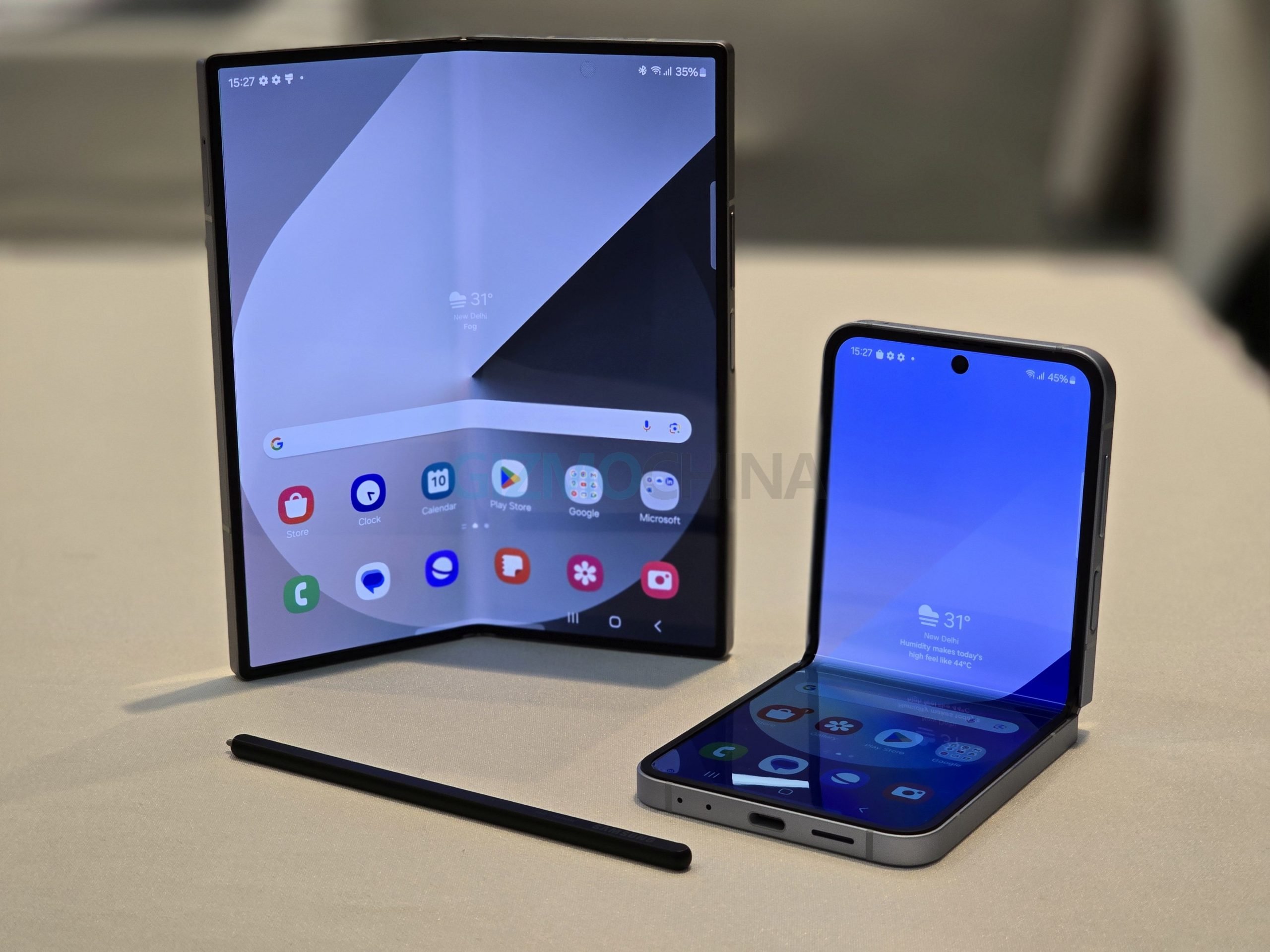
Samsung’s latest foldable phones, the Galaxy Z Flip 6 and Galaxy Z Fold 6, are here, and they bring several noteworthy upgrades. Here’s an in-depth look at these new devices, exploring their design, features, performance, and overall user experience.

1. Design and Build

Samsung Galaxy Z Flip 6

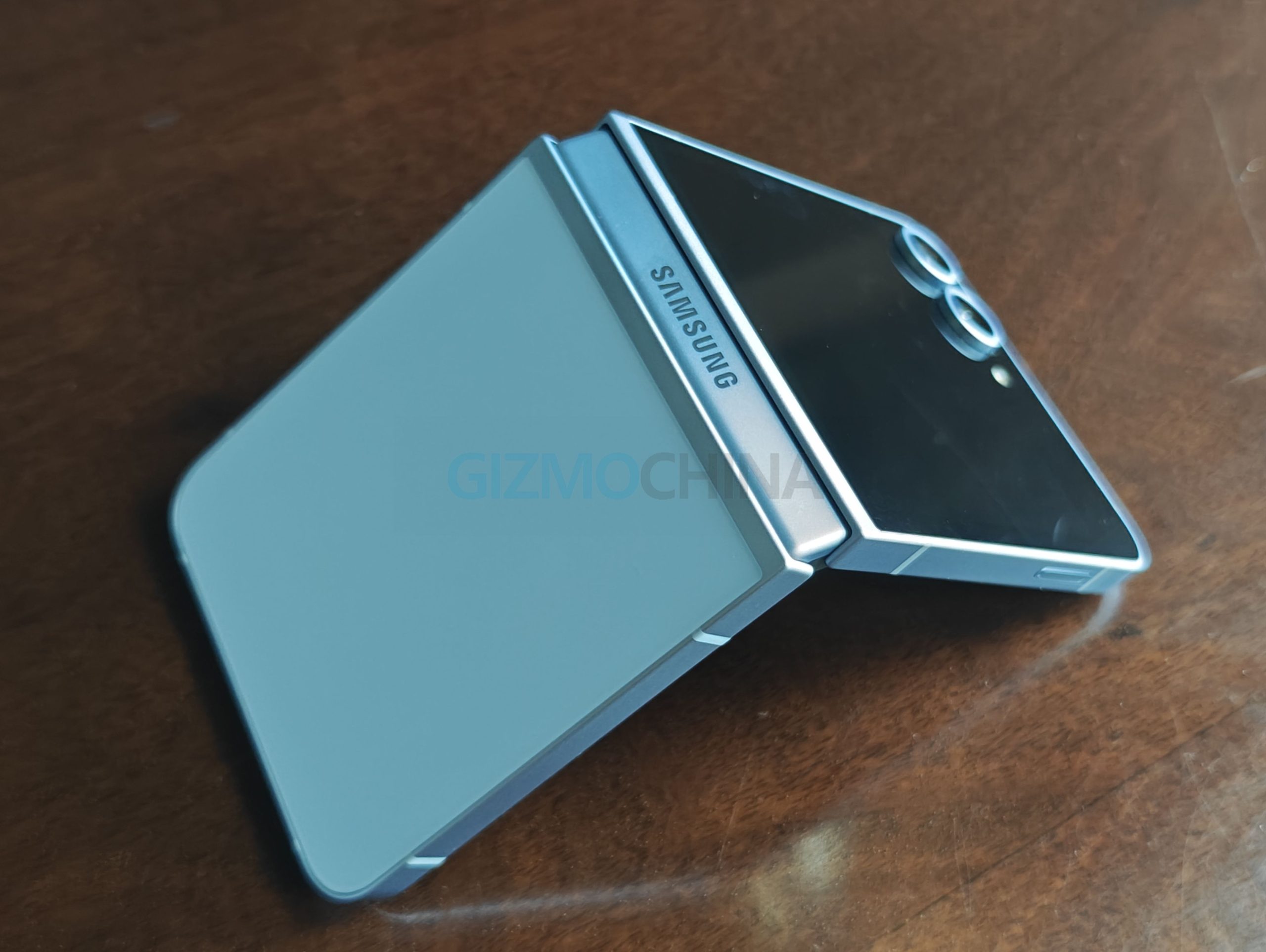
Galaxy Z Flip 6: The Z Flip 6 continues the stylish and compact design of its predecessors. It now features Gorilla Glass Victus 2 on both sides and an IP48 rating, providing limited dust protection in addition to water resistance. The device feels sturdy, with a refined hinge mechanism that makes the crease on the main display less noticeable. It comes in various colors, including Silver Shadow, Blue, and Mint, with Samsung.com exclusives like Black, White, and Peach.

Galaxy Z Fold 6
Samsung Galaxy Z Fold 6

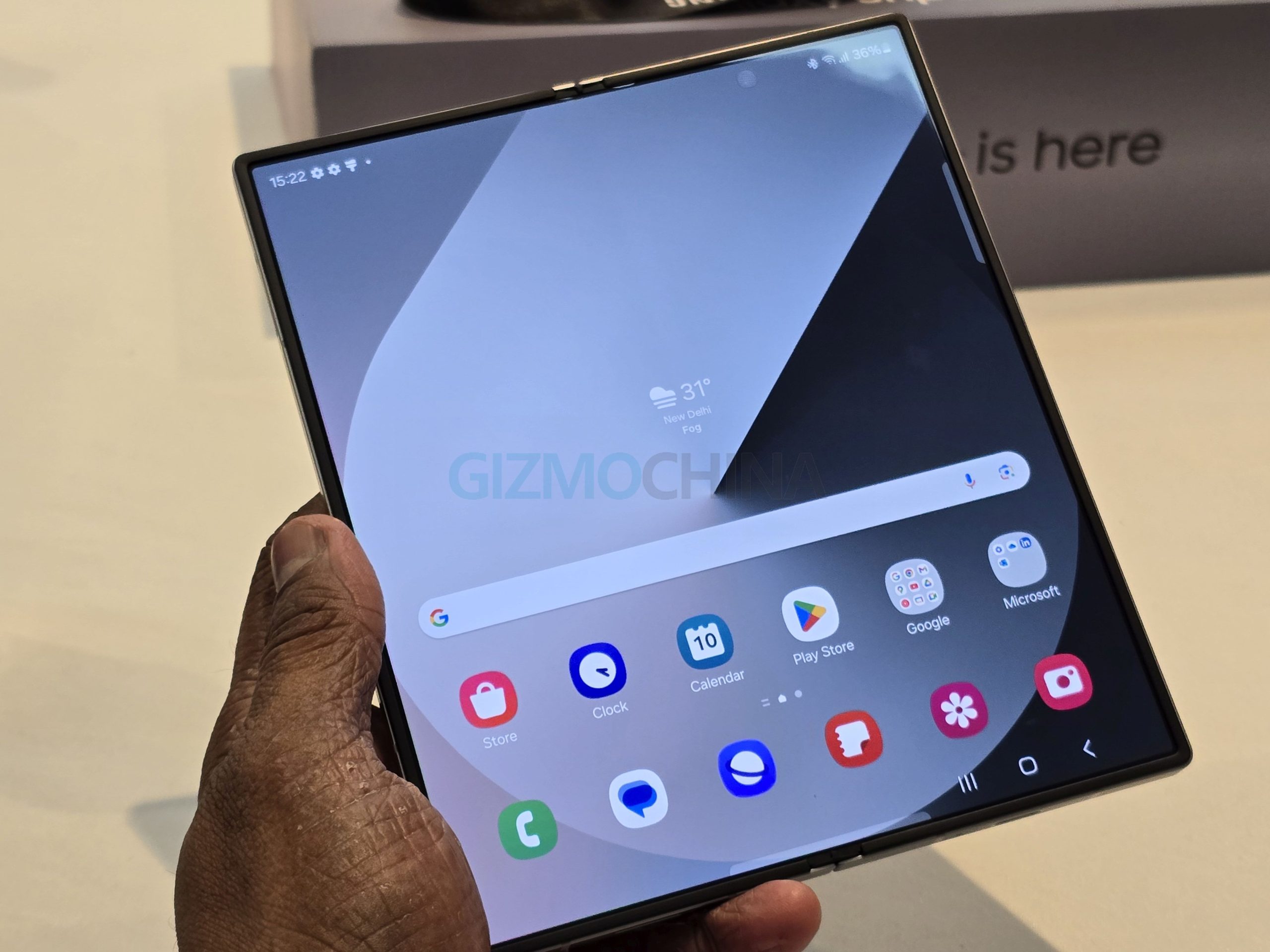
Galaxy Z Fold 6: The Z Fold 6, on the other hand, maintains its book-style design with some enhancements. The hinge has been refined for smoother operation, and the device now offers a more robust build quality. It also offers an IPX8 dust and water resistance. The outer screen is slightly larger, making it more functional when the device is folded. It also comes in a variety of colors, such as Silver Shadow, Navy, and Pink. On Samsung.com, buyers can avail exclusive shades, such as Black and White.

2. Display
Samsung Galaxy Z Flip 6

Galaxy Z Flip 6: The main display is a 6.7-inch Dynamic AMOLED 2x panel with LTPO technology, supporting a 1-120Hz refresh rate for smooth scrolling and improved battery efficiency. The cover display remains a 3.4-inch AMOLED panel, but with better functionality, allowing more widgets and interactive elements.
Samsung Galaxy Z Fold 6

Galaxy Z Fold 6: The Fold 6 houses a 7.6-inch Dynamic AMOLED 2x main display with a 120Hz refresh rate and excellent brightness levels, making it ideal for both productivity and entertainment. The outer display is a 6.2-inch AMOLED, also with a 120Hz refresh rate, ensuring a seamless experience whether the device is open or closed.

3. Performance

Samsung Galaxy Z Fold 6 and Galaxy Z Flip 6

Both devices are powered by the Snapdragon 8 Gen 3 for Galaxy chipset, which is an overclocked version of the regular Snapdragon 8 Gen 3 that powers other Android flagships. The Z Flip 6 gets a significant boost with 12 GB of RAM, compared to its predecessor’s 8GB, making multitasking and using AI features smoother. Storage options include 256 GB and 512 GB.

The Z Fold 6 similarly offers powerful performance, equipped with up to 16GB of RAM and up to 1TB of internal storage, catering to power users who need ample space and speed for demanding tasks.

4. Battery Life

Samsung Galaxy Z Flip 6

Galaxy Z Flip 6: The battery capacity has been increased to 4,000mAh, providing better endurance compared to the previous model.

Galaxy Z Fold 6: The Fold 6 also sees an improvement in battery life, with a larger 4,400mAh battery supporting the dual displays. It supports fast charging, both 25W wired and 15W wireless, ensuring that the device can be quickly recharged when needed. Both devices took around 1:20 hours to achieve a full charge in initial tests.

5. Cameras

Samsung Galaxy Z Flip 6

Galaxy Z Flip 6: The camera setup gets an upgrade as it features a new OIS-enabled 50-megapixel main sensor, alongside a 12-megapixel ultrawide lens. The selfie camera remains a 10-megapixel sensor. These upgrades ensure better photo quality, especially in varied lighting conditions, and the addition of AI enhancements helps with image processing.

Samsung Galaxy Z Fold 6

Galaxy Z Fold 6: The Fold 6 features a versatile triple camera setup on the back, including an OIS-assisted 50-megapixel main sensor, a 12-megapixel ultrawide lens, and a 12-megapixel telephoto lens with 3x optical zoom. The front cameras, both on the cover and the inner display, offer 10-megapixel and 4-megapixel (under screen) respectively.

6. Software and Features

Samsung Galaxy Z Fold 6 and Galaxy Z Flip 6

Both devices run Android 14 with Samsung’s One UI 6.1.1, offering a cohesive and user-friendly interface. The Z Flip 6 introduces several new cover screen widgets and interactive wallpapers, enhancing usability without having to unfold the device. The Fold 6 benefits from Samsung’s multitasking features, making it a productivity powerhouse with its large screen real estate and app continuity features.

Samsung promises seven years of OS and security updates for both devices, which is a significant commitment to ensuring longevity and security for users.

The Galaxy Z Fold 6 and Flip 6 also come equipped with Samsung’s latest AI features, powered by the new Snapdragon 8 Gen 3 chipset. These AI enhancements are integrated throughout the user experience, providing smarter and more intuitive interactions. A good thing is that there is a dedicated “Galaxy AI” section in the Settings, where users can find all the AI-driven features.

  1. Call Assist: Automatically transcribes and provides summaries of phone calls, making it easier to keep track of important conversations.
  2. Chat Assist: Provides intelligent suggestions and auto-completion for messages, making texting faster and more efficient.
  3. Interpreter: Real-time translation for conversations in different languages, helping users communicate seamlessly.
  4. Note Assist: Automatically organizes notes and highlights key points, making it easier to review and find important information.
  5. Transcript Assist: Converts voice recordings into text, allowing for easy documentation and reference.
  6. Browsing Assist: Provides recommendations and shortcuts while browsing, enhancing the internet experience.
  7. Photo Assist: Uses AI to enhance photo quality, offering suggestions for the best shots and automatic adjustments.
  8. Drawing Assist: Helps create better sketches by offering suggestions and corrections based on the drawing style.
  9. Photo Ambient Wallpaper: Creates dynamic wallpapers from your photo library, keeping the home screen fresh and personalized.
  10. Health Assist: Tracks health metrics and provides personalized insights and recommendations, integrating seamlessly with Samsung Health.

The Galaxy Z Fold 6 continues to support the S Pen. While there are no new upgrades to the stylus itself, the enhanced AI features offer an improved user experience. The S Pen is available as an optional accessory, and there is no storage slot for it available on the device. Both devices continue to feature the side-facing fingerprint scanner.

7. Pricing and Availability

Samsung Galaxy Z Flip 6

The Galaxy Z Flip 6 starts at $1,099 for the base model in the US, while the Galaxy Z Fold 6 is priced at $1,799. Both devices have been available for pre-order from July 10, with general availability set for July 24.

In India, both foldable phones are available for pre-orders via multiple platforms, such as Samsung India’s website, Flipkart, Amazon, other online retailers, and offline stores. Both devices will go on sale in India from July 24, with the Galaxy Z Flip 6 and Z Fold 6 starting at Rs 1,09,999 and Rs 1,64,999, respectively. Readers can visit this post to see detailed information on the prices of all the variants and offers of both foldable phones.

Final thoughts

Samsung Galaxy Z Fold 6 and Galaxy Z Flip 6

Both the Samsung Galaxy Z Flip 6 and Galaxy Z Fold 6 offer notable improvements over their predecessors, with enhancements in design, display, and AI features. The Galaxy Z Flip 6, with its compact form factor and durable hinge, promises a more refined foldable experience, while the Galaxy Z Fold 6 brings a larger screen and versatile multitasking capabilities. AI features such as Call Assist, Interpreter, and Note Assist enhance user convenience and productivity on both devices.

The improvements in battery life, processing power, and software support make these devices strong contenders in the foldable market. A more detailed review will be added soon to provide further insights into their capabilities.

Xiaomi Watch S4 Sport gets officially announced; will launch on July 19

Xiaomi officially announced today that it will hold the 2024 annual conference at 19:00 on July 19 in China. The company will release a number of new products at the event, which includes the new foldable and Xiaomi Watch S4 Sport.

The Watch S4 Sport is going to be the company’s first professional sports smartwatch. It will reportedly come with a titanium body, sapphire on the front and back along with a new rotating crown. From the appearance and design, it looks like the product can be somewhat comparable to the Apple Watch Ultra in certain aspects.

Certification listings have revealed that the watch comes with a circular OLED screen and boasts a 586mAh battery. It also supports eSIM, so you can use it without a smartphone. Speaking of connectivity and usability, it lets you answer calls, send messages, and open certain app applications directly on the watch. It also supports support GPS, NFC, and heart rate monitoring among other functions.

According to a previous report, the Xiaomi Watch S4 Sport supports 10W charging, a focus on battery life, and comes pre-installed with HyperOS.

Speaking of the regular Watch S4, it is expected to be launched around October with the Xiaomi 15 series. It will also likely come with e-SIM support, which has already been spotted on the IMEI database with a model number M2424W1. launched the Watch S3 towards the end of last year.

(Source | Via)

Realme Watch S2 launch date & ChatGPT AI voice assistant support confirmed

Realme Watch S2 had its design leaked recently. This new smartwatch would mark the return of the brand’s wearable lineup, following a gap of two years. While the Watch S2 was rumored to launch on July 30, the company has now officially confirmed it.

Realme Watch S2 Launch Date

Realme’s official website revealed the release date for its upcoming Realme 13 Pro series. These new smartphones are set to launch in India on 30th July 2024. Alongside the Realme 13 Pro series, the Realme Watch S2 will also be announced in the region. For those unaware, this is the successor of the original Realme Watch S. The teaser poster revealed some notable features of the new smartwatch as well.

Realme Watch S2

The Realme Watch S2 will feature an AI voice assistant that is powered by ChatGPT. We also get a glimpse of its design, with the Watch S2 sporting a circular display. This screen seems to be surrounded by a golden rim, which could match the Monet Gold on the Realme 13 Pro series. Two buttons can also be seen on the right side that are likely for navigation and other functionality. Unfortunately, Realme hasn’t confirmed any finer details like its specs and features. But based on the previous generation, the Realme Watch S2 should sport an AMOLED panel and support GPS.

Just last month, the smartwatch was spotted on the FCC database carrying the RMW2401 model number. This revealed the digital crown and a metal link strap. FCC also lists the device with a 380mAh battery pack that supports 5W charging. The company might also release only one variant of the smartwatch this time around, but that is still just speculation at this point. More details should surface as we get closer to the release date. So stick around for more as we will be providing updates.

Samsung One UI 7 to bring major design overhaul, claims tipster

For the past three years, Samsung‘s One UI interface hasn’t seen many significant changes. Last year’s One UI 6.0 update mainly focused on the Quick Panel layout. However, a recent leak suggests a major design overhaul is coming with One UI 7.0, which will be based on Android 15. 

The words come from reliable tipster Ice Universe who claims that One UI 7.0 will introduce a completely new UI design. The tipster said it could be “the most changed version in the history of One UI.” The update is also expected to include revamped app icons, marking a rare departure from Samsung’s usual design cycle.

Samsung has a history of sticking with icon designs for extended periods, typically refreshing them every five years or so. If the rumors hold weight, a new icon design language alongside a broader UI revamp would solidify One UI 7.0 as a major update. Previous rumors also hinted at the possibility of a vertical app drawer in One UI 7.0, though this has not been confirmed.

The rollout strategy is also taking shape, with reports suggesting a beta program kicking off in the next two months. The Galaxy S24 series is expected to be the initial testing ground. The beta program might then be extended to older high-end devices like the Galaxy S23 series in the following weeks. 

Based on Samsung’s historical update cadence, a stable release of One UI 7.0 could land in October or November of this year. High-end and mid-range devices, foldables included, could see the update before 2024’s close. Whereas entry-level and some mid-range phones might have to wait until the first quarter of 2025 to get the update.

Samsung is also likely to push further on its AI capabilities, although details are scarce at the moment. We will keep you informed about any new information regarding One UI 7.0.

(Source)

iQOO Neo 9s Pro+ now on sale, here’s how you can purchase it globally

The iQOO Neo 9s Pro+, the latest addition to the Neo 9 series, is now on sale in China. The smartphone joins the existing standard, Pro, and 9s Pro variants, offering another option for consumers seeking a high-performance device. Here are its pricing and availability details.

Pricing and Options

The iQOO Neo 9s Pro+ comes in three storage configurations: 12GB RAM with either 256GB or 512GB storage, and 16GB RAM with either 256GB, 512GB, or 1TB storage. Color options include Buff Blue, Star White, and Fighting Black.

The base 12GB + 256GB model starts at CNY 2,999, while the top-of-the-line 16GB + 1TB variant reaches CNY 4,099. Here’s a breakdown of the China pricing:

  • 12GB + 256GB: CNY 2,999 (~$412)
  • 12GB + 512GB: CNY 3,399 (~$467)
  • 16GB + 256GB: CNY 3,299 (~$454)
  • 16GB + 512GB: CNY 3,699 (~$509)
  • 16GB + 1TB: CNY 4,099 (~$564)

Global Availability

While the iQOO Neo 9s Pro+, like its predecessors in the series, is currently only available for purchase in China, international buyers have an option through Geekwills, a third-party retailer that offers global shipping. Prices on Geekwills are listed in USD and are slightly higher than the China pricing.

Here’s a look at the global pricing offered by Geekwills:

  • 12GB + 256GB: USD 529
  • 12GB + 512GB: USD 599
  • 16GB + 256GB: USD 579
  • 16GB + 512GB: USD 659
  • 16GB + 1TB: USD 739

It’s important to note that Geekwills is an independent retailer, and its pricing and warranty policies may differ from those offered by iQOO directly.

Specifications

The iQOO Neo 9s Pro+ boasts a large 6.78-inch OLED display with a 144Hz refresh rate and a 3D ultrasonic in-display fingerprint sensor. Powering the device is a Snapdragon 8 Gen 3 processor which is complemented by an in-house iQOO Q1 chip that caters to elevate the gaming experience.

iQOO Neo 9S Pro Plus

The phone has a dual rear camera system that includes a 50MP main sensor and a 50MP ultra-wide sensor, while the front camera is 16MP. A 5,500mAh battery with 120W fast charging keeps the phone powered, and it boots on OriginOS 4 based on Android 14 which has a variety of AI features built-in.