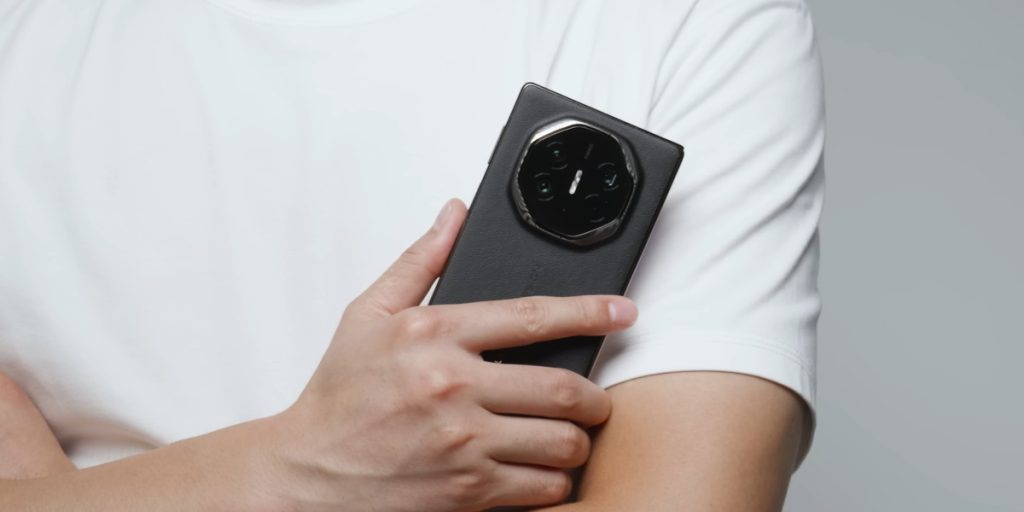
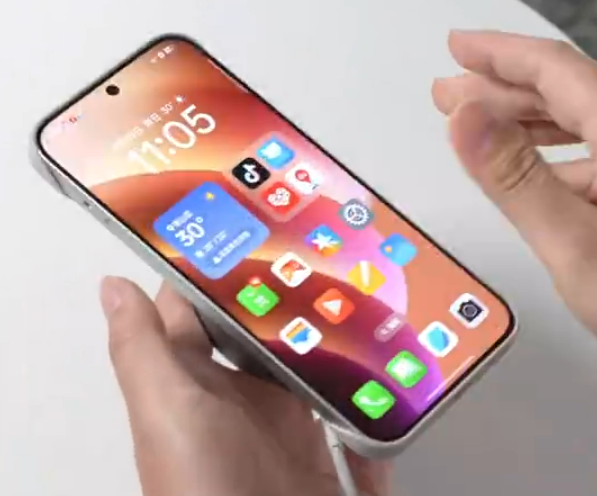
HMD Global, the brand behind recent Nokia phones, has recently focused on budget and mid-range devices under its own brand. However, leaked specifications suggest that HMD may be preparing to re-enter the flagship market with a new device called the HMD Moon Knight.
HMD Skyline
According to a leak from @smashx_60 on platform X, the Moon Knight (model TA-1691) is expected to feature a P-OLED display with FHD+ resolution and a 144Hz refresh rate, though the exact screen size remains unknown. The device is also likely to be powered by the Snapdragon 8s Gen 3 chipset, which isn’t exactly the top-of-the-line SoC from Qualcomm, however, it offers performance on par with previous years’ flagships like the Snapdragon 8+ Gen 1 and the Snapdragon 8 Gen 2. Details about RAM and storage were not included in the leak.
One standout feature is the rumored addition of POGO pins, hinting at a modular design similar to the HMD Fusion. This could enable attachments like cases with added functionality. The phone is also expected to feature dual speakers and an aluminum frame.
In terms of cameras, it’s reported to include a quad-camera setup, and the design might draw inspiration from the Nokia Lumia. However, details are still limited, so we’ll need to wait for more information and renders to surface in the near future.
In other news, HMD Global is preparing to launch the HMD Aura 2, a successor to the budget-friendly Aura. Leaked details reveal key upgrades, including a larger 6.56-inch LCD display with a 90Hz refresh rate, a dual-camera setup (13MP + 0.8MP), an upgraded 8MP front camera, and a more powerful UNISOC T603 processor with 4GB RAM and up to 128GB storage.
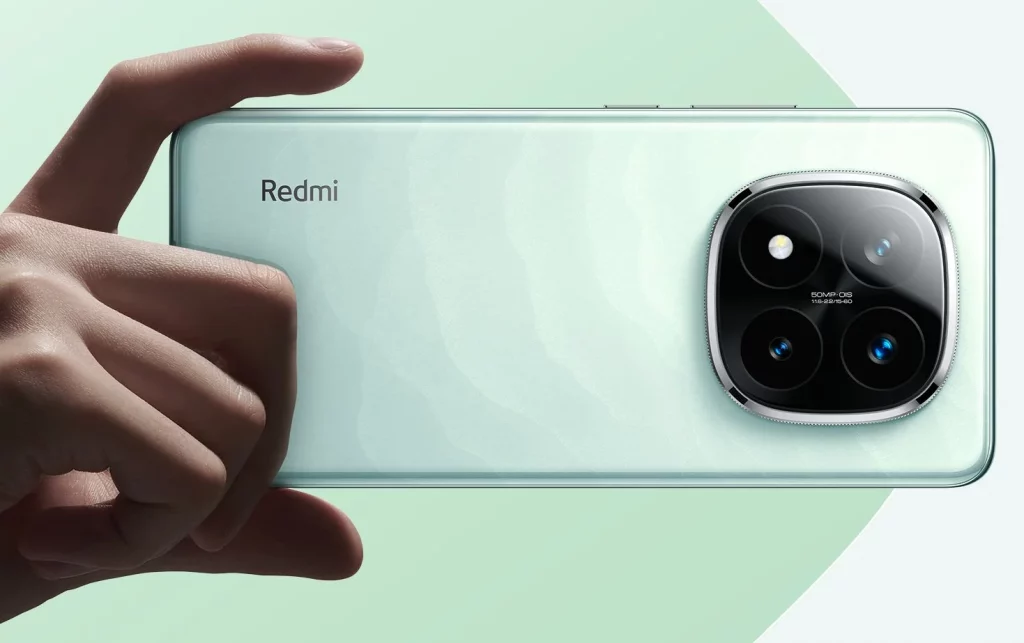
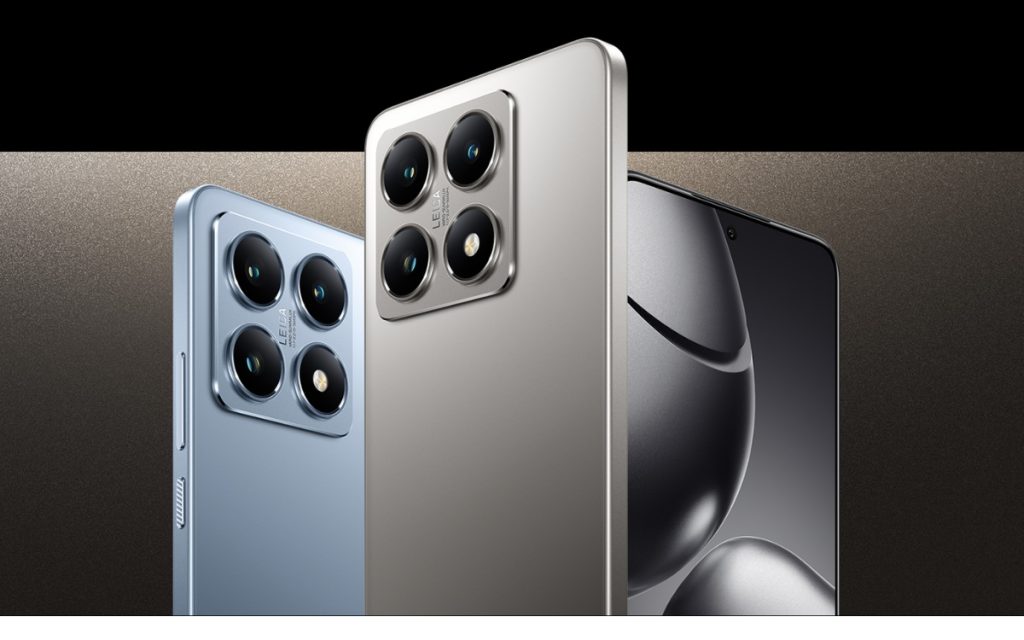
Xiaomi recently unveiled the Redmi Note 14 Pro and Note 14 Pro+ smartphones, and as expected, the Pro+ variant steals the spotlight with an array of standout features.
Packed with premium specifications that set it apart from its competitors, the Redmi Note 14 Pro+ raises the bar for mid-range smartphones, particularly in the camera department, battery technology, and performance enhancements. Here’s a detailed look at what makes this device truly special.
One of the first things to catch your eye about the Redmi Note 14 Pro+ is its stunning curved display. Redmi Note 14 Pro+ features a striking 6.67-inch curved OLED display with a 120Hz refresh rate, 3000 nits peak brightness, and 12-bit color depth for excellent color accuracy.
It also includes 1920Hz PWM dimming to minimize flicker and reduce eye strain. For durability, the display is protected by Corning Gorilla Glass Victus 2, offering strong protection against scratches and drops.
The device is offered in Star Sand Green, Mirror Porcelain White, and Midnight Black colors, which lend an elegant and premium aesthetic to the phone.
2. Performance
Redmi Note 14 Pro+ is powered by the Qualcomm Snapdragon 7s Gen 3 processor, built on a 4nm process for fast and efficient performance, ideal for multitasking, gaming, and intensive applications.
However, there’s an important distinction: the 12GB/256GB variant uses LPDDR4X RAM and UFS 2.2 storage, while the 16GB/512GB model is upgraded to LPDDR5 RAM and UFS 3.1 storage. This upgrade in the 16GB variant results in a significant performance boost.
Additionally, the Plus variant comes with Xiaomi’s Pascal T1 signal enhancement chip that improves connectivity, enhance call quality and data speeds even in poor network conditions.
3. Battery
Redmi Note 14 Pro+ features a massive 6200mAh silicon-carbon battery with an impressive 814Wh/L energy density and 6% silicon content, offering extended battery life and a lifespan of up to four years. It also supports 90W fast charging, allowing for quick recharges, ideal for users on the go.
4. Durability
Additionally, the phone comes with an IP66+IP68+IP69 rating, meaning it offers excellent protection against dust and water, making it more durable than typical smartphones in the market. It also comes with features like stereo speakers with Dolby Atmos, an in-display fingerprint sensor, and 5G connectivity further elevating the premium feel of the device.
5. Final Thoughts
The Redmi Note 14 Pro+ delivers a comprehensive package of cutting-edge features that make it stand out in the crowded mid-range smartphone market.
From its Snapdragon 7s Gen 3 performance, 120Hz curved OLED display, and advanced triple-camera setup, to its 6200mAh silicon-carbon battery with 90W fast charging, this phone is designed to cater to users who seek both performance and value.
The device also appeals to those who prioritize durability, thanks to its robust waterproof rating. All of this is offered at a price that undercuts many flagship smartphones, making the Redmi Note 14 Pro+ a compelling choice for consumers looking for high-end features without breaking the bank.
The first Snapdragon X Elite laptops began shipping in June this year. This ARM-based PC chip stands out compared to Intel chips primarily due to its superior power efficiency. On one hand, it means much longer battery life, on the other, it ensures a thin and lightweight body as it doesn’t require same cooling measures anymore.
The first Snapdragon X Elite laptops began shipping in June this year. This ARM-based PC chip stands out from Intel chips primarily due to its superior power efficiency. On one hand, it offers much longer battery life; on the other, it allows for thinner and lighter designs, as it no longer requires the same cooling measures. But ever wondered how that big of a change Qualcomm made possible by just replacing the chipset?
While it started with bold efficiency claims from the company and ended with positive reviews regarding battery life, detailed information about the chipset was scarce until now.
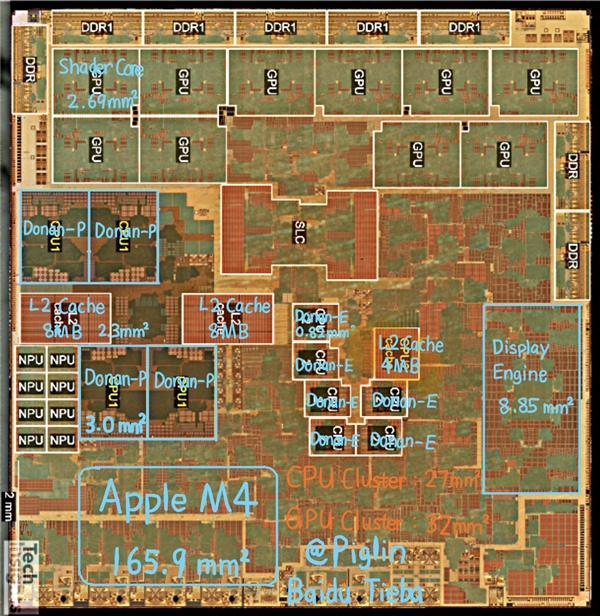
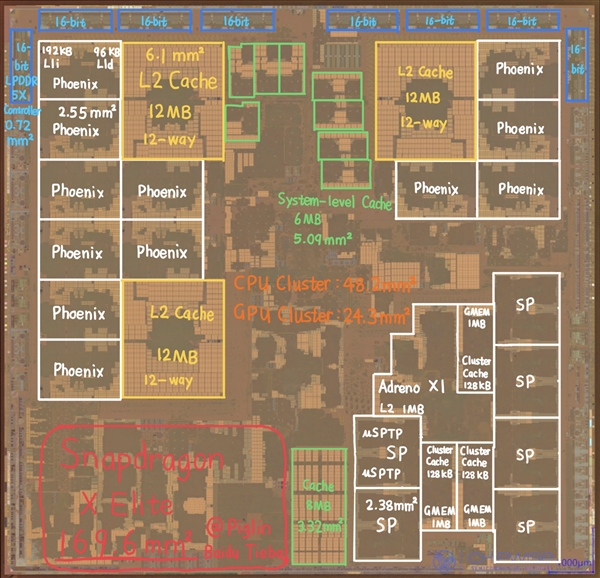
In the latest news, Snapdragon X Elite’s kernel images and module distribution map have been exposed and compared with Apple M4, which leads to some surprising discoveries.
Apple M4Snapdragon X Elite
Snapdragon X Elite is only slightly larger than Apple M4
The Snapdragon X Elite has a core area of 169.6 square millimeters, which is almost exactly the same as the Apple M4. However, the Snapdragon chip is based on TSMC’s 4nm process while the Apple M4 is based on TSMC’s 3nm process.
So the Apple M4 can pack more transistors per square millimeter compared to the Snapdragon X Elite, which uses TSMC’s 4nm process. For those unfamiliar, as processes shrink, the space between transistors decreases, allowing more transistors to fit in the same die area. Therefore, the Apple M4 is likely to have a higher transistor count despite the similar core area, which suggests better performance and energy efficiency as compared to Qualcomm’s offering. But surprisingly, the difference in performance and energy efficiency doesn’t seem to be that big.
Notably, while transistor density is a big factor, architecture, design choices (e.g., number of CPU cores, cache size, clock speeds), and optimization also significantly impact performance. For instance, the design of the individual cores and the use of AI accelerators also matter.
A much larger CPU cluster and a relatively compact GPU
The Snapdragon X Elite is equipped with up to 12 Oryon architecture CPU cores, codenamed Phoenix, with a single area of 2.55mm2. This is slightly smaller than the Apple M4’s 3mm2 performance core and is exactly the same as the A16’s performance core. Each core has 192KB of L1 instruction cache and 96KB of L1 data cache, while every four cores share 12MB of 12-way L2 cache (36MB in total), with a single group area of 6.1mm2.
While the CPU cluster occupies significantly more space, the Adreno X1 GPU turns out to be only 24.3mm2, which is 25% smaller than that of Apple’s M4.
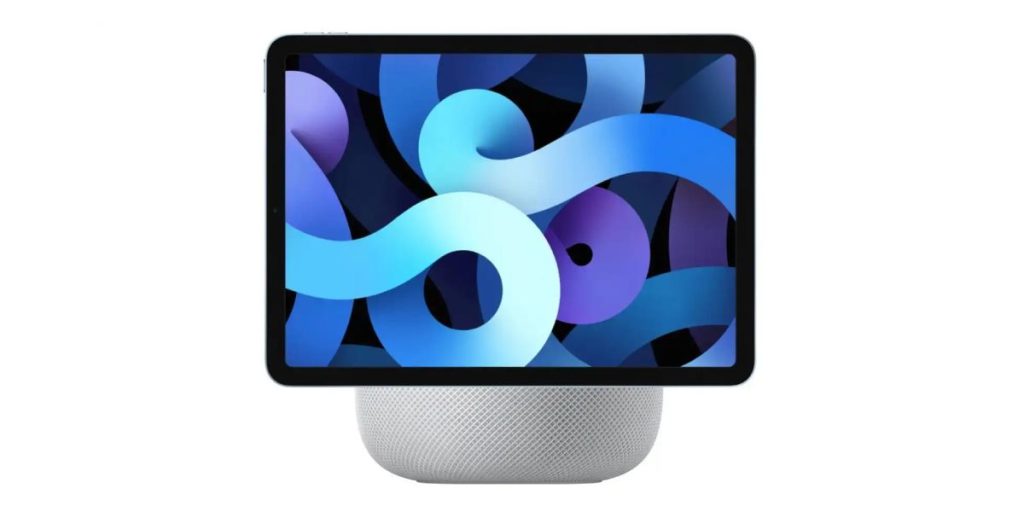
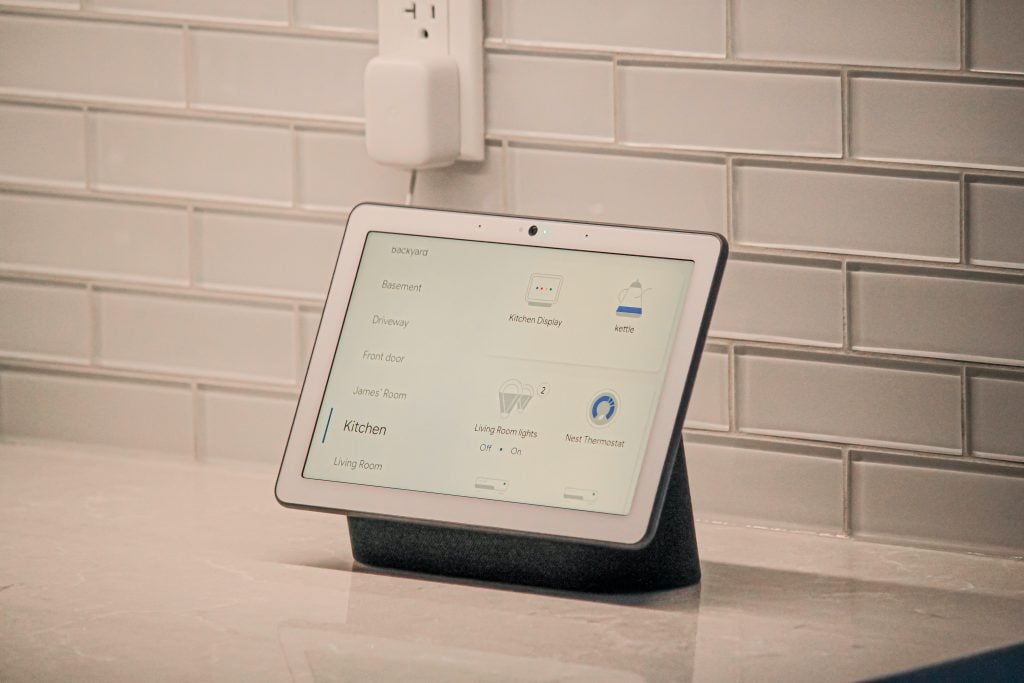
Apple has long been rumored to be working on a smart display to compete with Amazon’s Echo and Google Nest. A new leak now suggests that these devices could finally debut in 2025, running on a brand new platform called homeOS.
Words for it come from Bloomberg’s Mark Gurman who claimed Apple is working on not one, but two pairs of smart displays, each designed to bring their AI smarts to your home.
The first model is reportedly code-named J595 and is expected to be the premium option of the two. Gurman previously reported that this model might come with a robotic arm that can tilt and rotate the screen for better viewing.
The second device, code-name J490, will be a more affordable offering and is said to be designed primarily for running apps like Calendar, Notes, and Home. It will also include an interface optimized for controlling home appliances and quickly seeing information. Apple’s prototypes for these smart displays are also reportedly capable of magnetically attaching to walls or sitting atop desks.
Apple’s first smart display might launch in 2025
Gurman suggests that we might see the launch of the affordable model as early as next year. While the insider mentions no specific release timeframe for the J595, it is expected to cost over a thousand dollars.
Both these displays are rumored to run on Apple’s new HomeOS that will be built on the existing tvOS that powers Apple TV devices. The key differentiator here seems to be the integration of Apple Intelligence features.
Unlike current Apple TVs and HomePods that lack the hardware muscle for on-device AI processing, these smart displays might be able to run some (or all) of those features locally.
Functionally, these Apple smart displays will be similar to what Amazon’s Echo and Google Nest offer. It’s just the usual Apple pattern of entering markets with existing traction in its own style. Unsurprisingly, users already in the Apple ecosystem are likely to prefer these upcoming smart devices over the existing options.
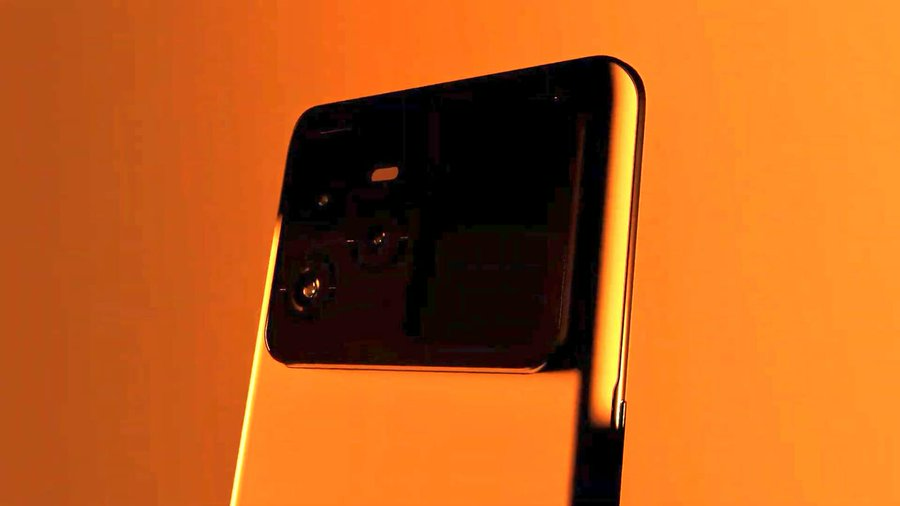
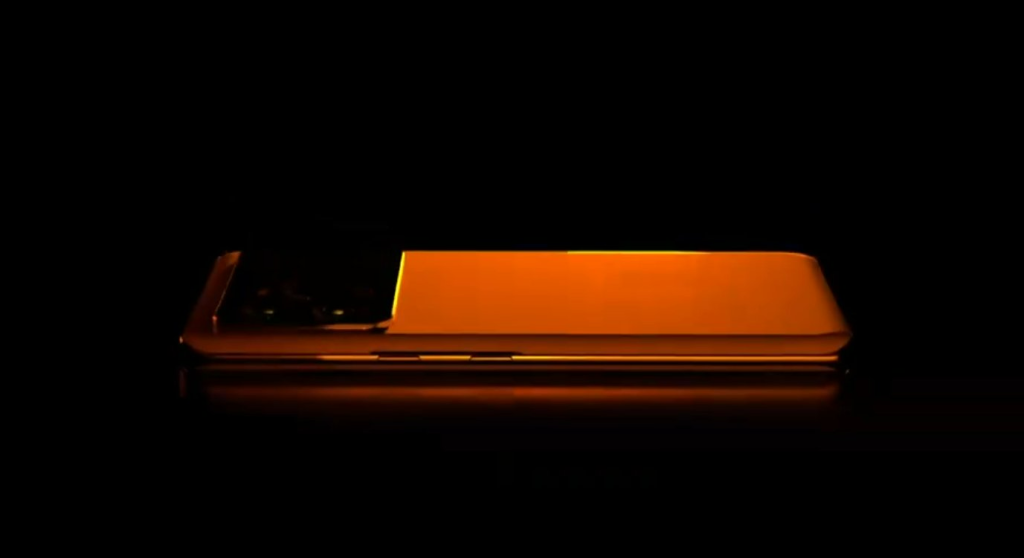
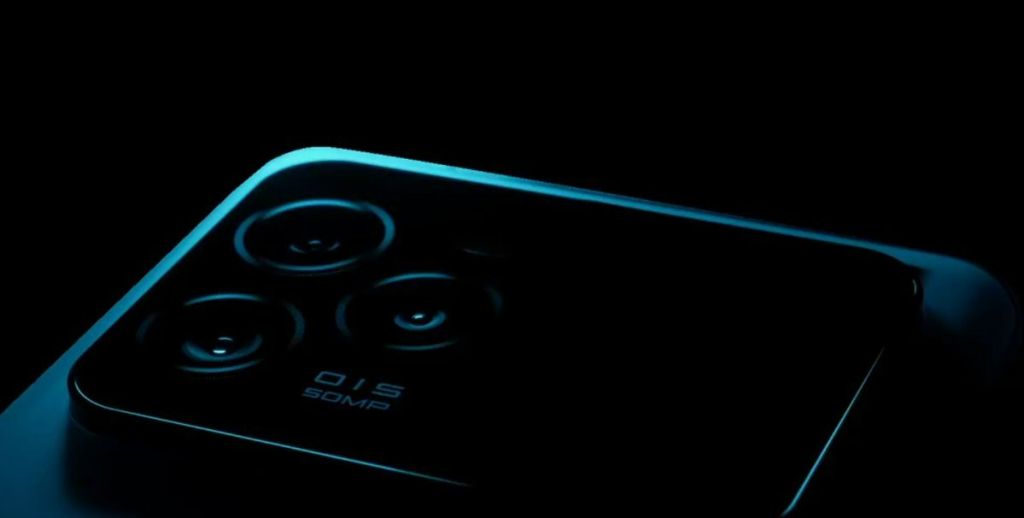
Lava has finally confirmed the launch date for the much-awaited Lava Agni 3 5G smartphone. The brand will take off covers from the next Agni-branded phone on Oct. 4 in India. The company is yet to confirm the technical specifications of the device. However, the official teasers carry some hints about its rear design.
Lava Agni 3 design (rumored)
:Lava Agni 3 5G teaser
The Lava Agni 3 5G features a rectangular camera module with a triple camera unit on the left side. There appears to be a vacant space on the right, which, according to reports, houses a secondary display. This display could be used for basic features like a calendar, a steps counter, and more. Therefore, it seems that the rear design of the phone is inspired by the Xiaomi 11 Ultra.
Interestingly, the Lava Agni 3 seems to feature a volume rocker on the left. The right side appears to have an additional button apart from the power button. This new button bears a resemblance to the Action button on iPhones.
Lava Agni 3 5G teaser
The Lava Agni 3’s front design is yet to be revealed by the company. Likely, the phone will continue a curved-edge OLED panel. It might have an in-screen fingerprint sensor for security.
Lava Agni 3 5G specifications (rumored)
Lava Agni 3 5G teaser
The teasers released by Lava have confirmed that the Agni 3 is fitted with an OIS-enabled 50-megapixel triple camera system. It may arrive with a 6.78-inch AMOLED panel that offers an FHD+ resolution and a 120Hz refresh rate.
Under the hood, the Agni 3 5G could be equipped with the Dimensity 7300X chipset. Like the Agni 2 from last year, the successor model may ship with 8 GB of RAM and 256 GB of built-in storage. It will run on Android 14 and offer a bloatware-free experience like other Lava phones.
The Lava Agni 2 5G retailed for Rs 21,999 (~$263). Therefore, it is likely that the Agni 3 may arrive with similar pricing.
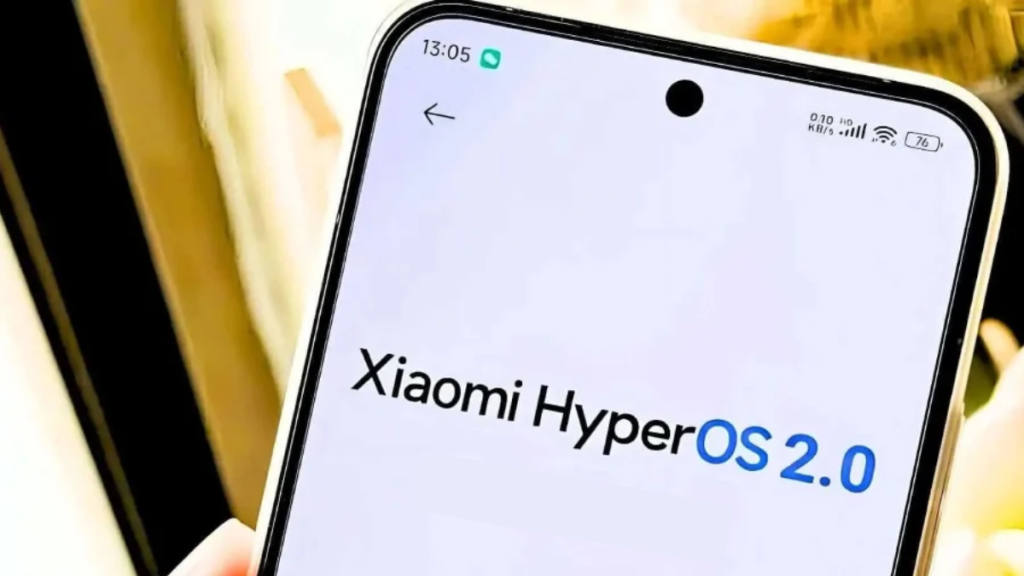
To begin with, HyperOS Enhanced Edition is an independent branch of Xiaomi’s HyperOS, which serves as a testing ground for the company to experiment with new kernel-level technical solutions. According to Xiaomitime, these technologies might later be integrated into the main OS after thorough testing.
In the latest news, Xiaomi released the HyperOS Enhanced Edition Beta version 1.4.0.VNCCNXM.BETA and 1.1.4.0.VMLCNXM.BETA for Xiaomi 14 and Redmi K60 Extreme Edition respectively.
The company has officially stated that the beta update offers more natural system animations and optimized power consumption during gameplay.
Xiaomi 14 changelog
Desktop
Optimize the problem of incomplete icon display after folder expansion
Optimize the problem of large blank space at the top of the desktop layout
Optimize desktop drawer interface layout
Fixed the issue where the desktop stopped running in some scenarios
Fixed the issue of delayed updates for smart recommended apps
Lock screen
Fixed the issue where the interface occasionally flickers when switching from “off screen” to “lock screen”
Recent Tasks
Fixed the issue of the app card shaking when pushing up the app
Redmi K60 Ultra changelog:
Desktop
Optimize the problem of incomplete icon display after folder expansion
Optimize the problem of large blank space at the top of the desktop layout
Optimize desktop drawer interface layout
Fixed the issue where the desktop stopped running in some scenarios
Fixed the issue of delayed updates for smart recommended apps
Recent Tasks
Fixed the issue of the app card shaking when pushing up the app
Recorder
Fixed the issue where recording could not be performed after granting microphone permission
A previous report also suggests that the HyperOS Enhanced Beta could be a preview of HyperOS 2.0, which the company could announce as soon as October this year. This means that those who use the Enhanced Beta get an early look at the new changes before anyone else.
The OnePlus 13 has been making headlines for months, fueled by a steady flow of leaks and rumors. Now, we’re finally getting some official details.
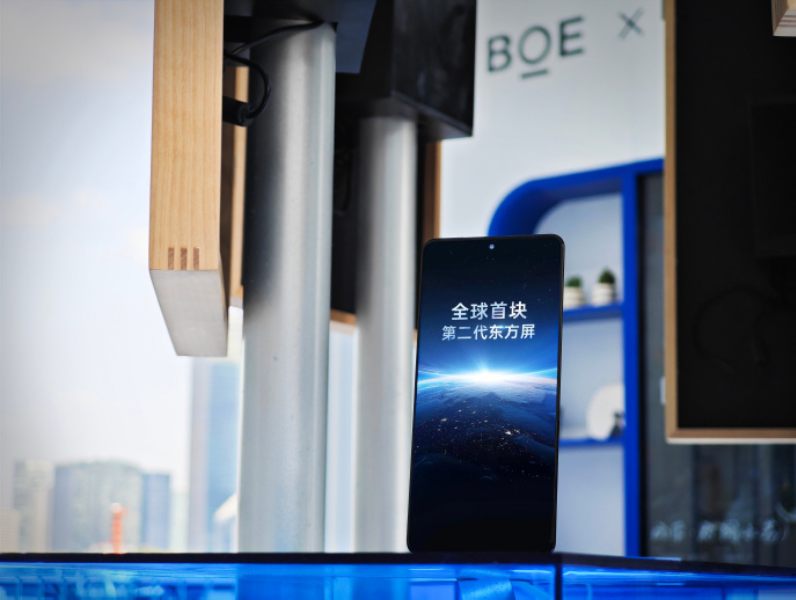
Louis Lee, President of OnePlus China, shared the first look at the OnePlus 13 on Weibo. The image reveals only the front of the phone, or more specifically, just the display panel with a small punch-hole cutout in the center. The bezels appear slim, but it’s hard to say for sure since the device isn’t fully assembled.
OnePlus 13 to come with BOE’s second-gen Oriental Screen
The star of the show, however, is BOE’s second-gen Oriental Screen the OnePlus 13 is now confirmed to debut with. Its predecessor, the OnePlus 12, featured the first-gen Oriental screen with a peak brightness of 4,500 nits, 3168x1440p resolution, 120Hz refresh rate, 2160Hz high-frequency PWM dimming, and pixel density of 510 PPI.
Li Jie says that this “second-generation Oriental screen” will provide even better performance, claiming it will be “far ahead of others.”
What does this mean? To be perfectly frank, we have no idea. The President hasn’t provided many details, but we can expect an upgrade from the already impressive display on the OnePlus 12.
A recent leak also revealed the back design of the OnePlus 13. It shows a distinct camera area, unlike the OnePlus 12’s camera module, which seamlessly blends into the phone’s edge.
Camera-wise, it is expected to come with a 32-megapixel camera, while the back will have a triple camera setup: a 50-megapixel (LYT-808, OIS), a 50-megapixel (LYT-600, ultra-wide), and a 50-megapixel (LYT-600, 3x periscope) lens. The phone is also expected to feature an IP69-rated body, an alert slider, a metallic frame, and a 0916 Turbo haptic motor.
Honor is gearing up to launch the Honor Magic 7 series of smartphones in China. A new development reveals that the entire Magic 7 series models have received approval from the 3C certification platform in China. This suggests that the company may release it in the home market as early as next month.
Honor Magic 7 series 3C certified
Honor Magic 7 series 3C certified
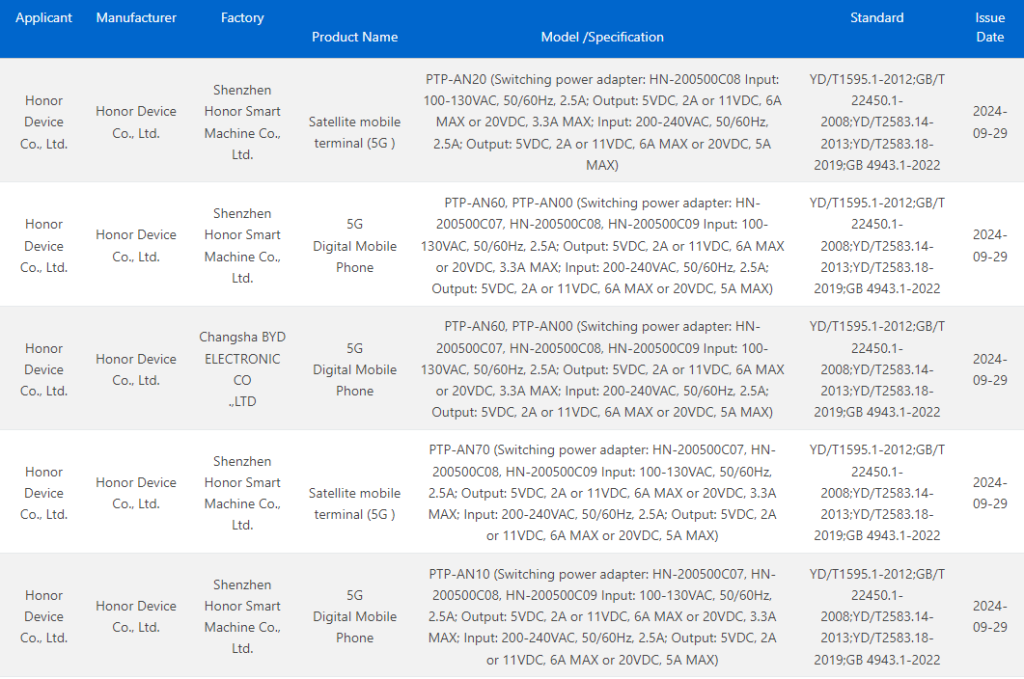
The above screenshot shows that multiple Honor smartphones have received 3C’s approval in China. These include five models, such as PTP-AN20, PTP-AN60, PTP-AN00, PTP-AN70, and PTP-AN10. As can be seen, the model numbers AN20 and AN70 have support for satellite connectivity, while the remaining three models lack support for it.
There is a possibility that the PTP-AN00, PTP-AN10, and PTP-AN60 could be the Magic 7, Magic 7 Pro, and Magic 7 Ultimate devices, respectively. Likely, the PTP-AN20 and PTP-AN60 could be the Magic 7 Pro and Magic 7 RSR Porsche Design phones with satellite connectivity support.
The above listings also show that all five Magic 7 series will have support for 100W wired charging. Like the predecessor models, the Magic 7 models are expected to support wireless charging.
Earlier this month, a leaked image surfaced on Chinese social media platforms to showcase the front design of the alleged Maic 7 Pro. The device was seen sporting a micro-quad-curved display design. The pill-shaped cutout on the top suggests that the Magic 7 Pro will continue to support 3D face recognition.
Under the hood, the Magic 7 series is expected to feature the Snapdragon 8 Gen 4 chipset. It is speculated to debut by the end of October in China. In the home market, the device will be competing with the Xiaomi 15 series, OnePlus 13, Oppo Find X8 series, and Vivo X200 series.
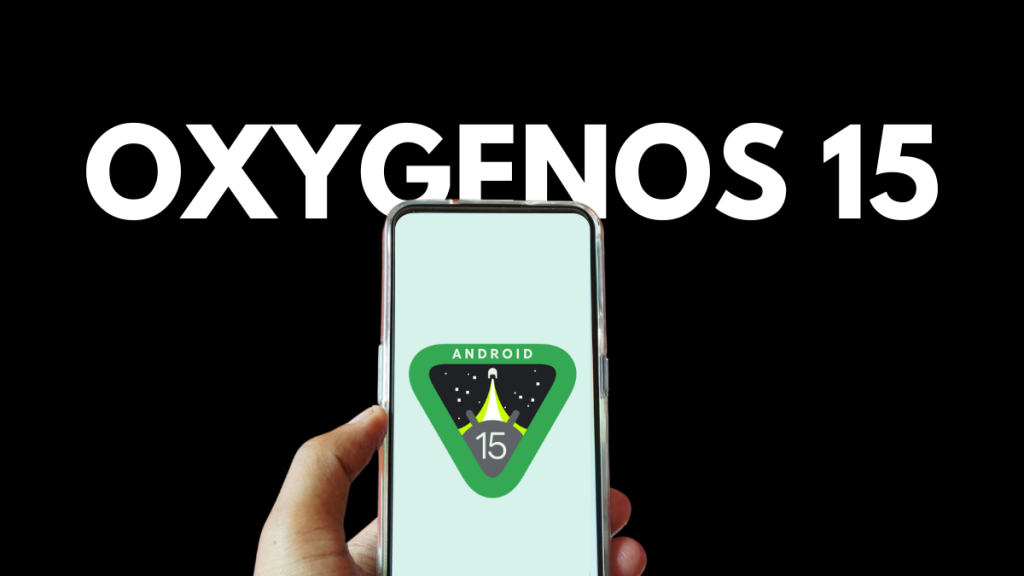
OnePlus’s release of the next iteration of its custom skin, OxygenOS 15, is around the corner. The beta program might kick off this month or early next month, with a stable version starting to roll out around November. However, thanks to leaks, we already know plenty about the upcoming changes and additions in Oxygen OS 15, which will be based on Android 15.
While we wait for an official announcement, let’s look at what the OxygenOS 15 update might offer.
OxygenOS 15: What to Expect?
1. Redesigned Control Center
While Android 15 doesn’t bring many changes to the user interface, OxygenOS 15 will. The next OxygenOS version might get a revamped control center, inspired by iOS and HyperOS.
The new control center supposedly has two large toggles at the top, much like HyperOS. Below that, there is a 2×2 media player, a 1×2 brightness slider, and a 1×2 volume panel. The control center is also leaked to have many 1×1 circular toggles for the remaining quick settings.
The control center is a single scrollable page with an option to edit the layout to make it more personal. It will also let you customize things like we can do on iOS 18, such as rearranging the icons and the ability to hide/unhide tablets. It will also be possible to switch back to the previous layout with ease.
Another significant change OxygenOS 15 might introduce is the splitting of the control center and notification area. Swiping down from the right reportedly exposes the control center, while swiping down from the left reveals all your notifications.
2. Return of the Never Settle Easter Egg
The update might have a special treat for long-term OnePlus fans — the return of the Never Settle easter egg. You will see the easter egg when you type ‘1+’ into the Calculator app and press the equals button (‘=’).
3. Many iOS-Inspired Changes
OnePlus is reportedly working to introduce a Dynamic Island-like feature to OxygenOS 15. Instead of sitting on the left, the new screen detail sits on top of the center punch hole.
The new OxygenOS software might reintroduce a Live Photos option in the Camera app to shoot live images. iOS already has this feature with the same name. This feature will supposedly let users take short video clips each time they take a photo, provided something is moving.
OxygenOS 15 might also introduce a redesigned volume slider, similar to iOS. The new slider starts out large but narrows if pressed again, just like the volume slider behaves on iOS.
4. Lock Screen Customizations
OxygenOS 15 might introduce plenty of lock screen customizations, including turning on the 3D lock screen. Users may have an option to alter the size, position, color, and font of the lock screen clock. There might also be many presets to choose from.
5. Video Battery Saver
A new feature called “Video battery saver” was spotted in early Android 15 builds on OnePlus phones. OnePlus might introduce this feature in OxygenOS 15, which optimizes battery usage when a supported video app drains the battery. This feature may extend the battery life, but the video-watching experience may be slightly affected.
Besides these changes from OnePlus’s development team, the next major upgrade will include many new features from Android 15. We have included them below in this list.
6. Satellite Connectivity Support
Android 15 introduces satellite connectivity support that allows users to send text messages even if there are no cellular towers nearby, as long as they have access to the open sky. However, this feature will likely require a special chip and support from the carrier.
The upcoming OS will support SMS, MMS, as well as, RCS apps to use the satellite connectivity feature.
7. Theft Detection Lock
This will be one of the most useful features coming to Android 15. This feature is designed to stop others from stealing your data and reduces the incentive they get for selling off the device.
The theft detection lock uses Google’s AI to determine if your phone has been snatched from your hands. Once detected, the device locks itself automatically to prevent any data theft.
If the thief manages to factory reset the device, he won’t be able to activate it until he knows the Google account details previously used on the device.
8. Split App Pairs
The next major upgrade for OnePlus phones might allow users to create shortcuts for their favorite pairs of split-screen apps. This feature is particularly useful on large-screen devices and will save some time.
9. App Archiving
Android 15 will allow users to uninstall unnecessary apps while keeping the user data around. It works similarly to offloading apps on iPhones. There won’t be any data loss; you can continue where you left off after reinstalling/unarchiving the app.
Android phones already have app archiving via the Google Play Store, allowing you to archive and restore apps. However, Android 15 integrates this feature at the OS level, allowing users to archive/restore apps, even those installed outside of the Google Play Store.
10. AI Features
Every major software update now includes some AI smartness, and OxygenOS 15 will be no different. While we don’t know about those new AI features, some will arrive from OnePlus’s development team, and the rest will be part of Android 15.
I’m sure OxygenOS 15 will bring many more new features and improvements, which we’ll learn about once it goes official.
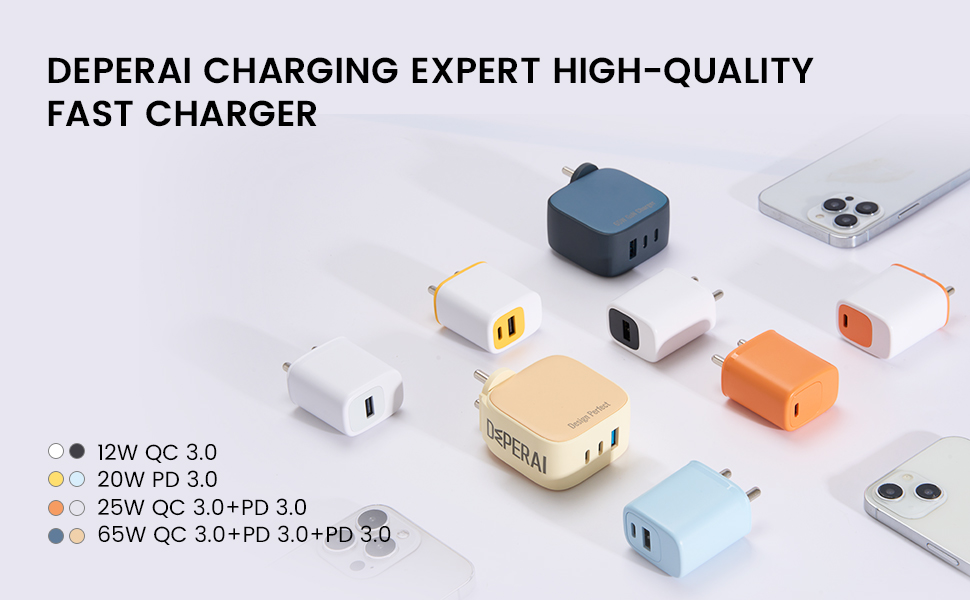
DeperAI, a new tech brand founded by former OnePlus executive Jim Zhang, has launched its fast-charging adapters in India, now available on Amazon starting at Rs. 499.
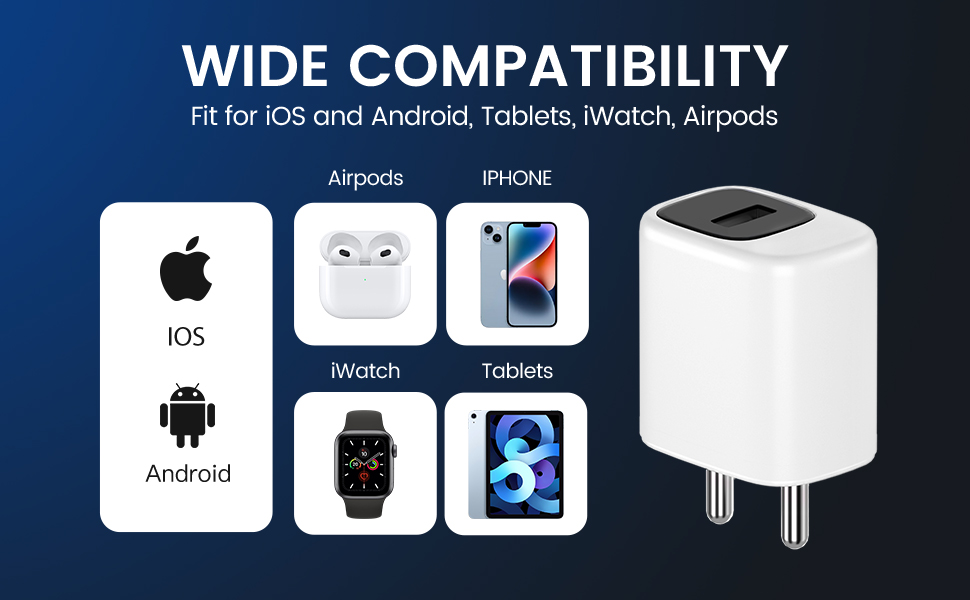
Made in India, these sleek adapters are the first in the country to support UFCS (Universal Fusion Fast Charging), ensuring compatibility with both iOS and Android devices.
The DeperAI fast chargers lineup includes the 20W, 25W, and 65W Pro adapters, each featuring advanced technology for efficient charging.
DeperAI 20W Specifications
The DeperAI 20W GaN III Fast Charger is a compact and affordable option priced at Rs. 499. It uses GaN III technology for faster, more efficient charging while staying cooler than traditional chargers.
With a USB-C port and PD 3.0 support, it can charge devices up to three times faster. The charger offers safety features like protection against surges, overvoltage, and overheating, and it stops charging when a device is fully charged. It is made from fireproof ABS + PC material and comes in Orange and Orange & White color options.
DeperAI 25W Specifications
The DeperAI 25W GaN III Fast Charger, priced at Rs. 599, offers dual charging ports, USB-C and USB-A, allowing users to charge two devices simultaneously. It features GaN III technology for faster, more efficient, and cooler charging, along with PD 3.0 support for rapid charging across a wide range of devices, including smartphones, laptops, and tablets. It also includes safety features including overcharging, overheating, and power surges. The charger is available in Blue and Yellow.
DeperAI 65W Pro Specifications
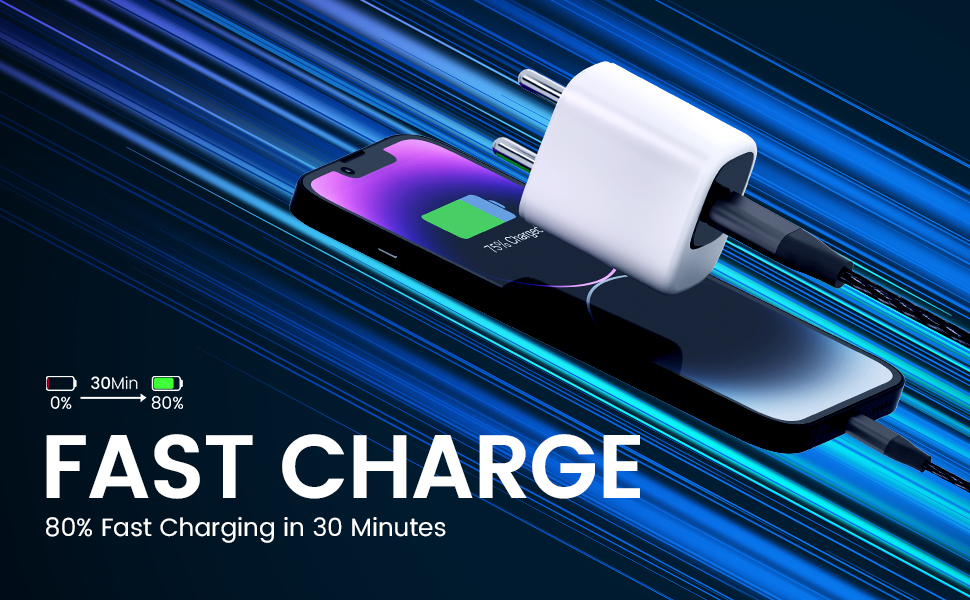
Topping the lineup is the DeperAI 65W Pro 3-in-1 fast charger, available for Rs. 1,999. This adapter offers three charging ports: two USB-C and one USB-A, allowing users to charge up to three devices simultaneously. Ideal for those who need to charge laptops, tablets, and smartphones at the same time, the 65W Pro supports ultra-fast charging, powering devices like iPhones from 0% to 80% in just 30 minutes.
It uses GaN III technology to ensure efficient energy use while maintaining cool temperatures, even during heavy-duty charging sessions. Like the other models, this adapter is equipped with multiple layers of safety protection, including safeguards against surges, overvoltage, and overheating. It is available in dynamic Dark Blue and Yellow color options.
Also, if you’re into Anker products, we’ve got you covered with some great accessories. You can check out our top 5 Anker accessories for boosting laptop productivity right here.
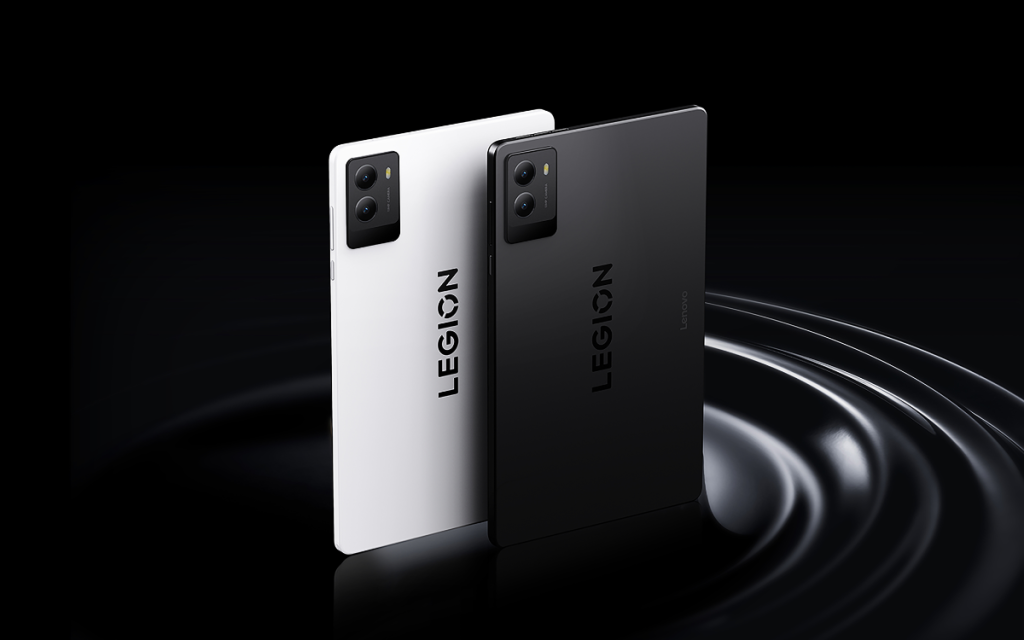
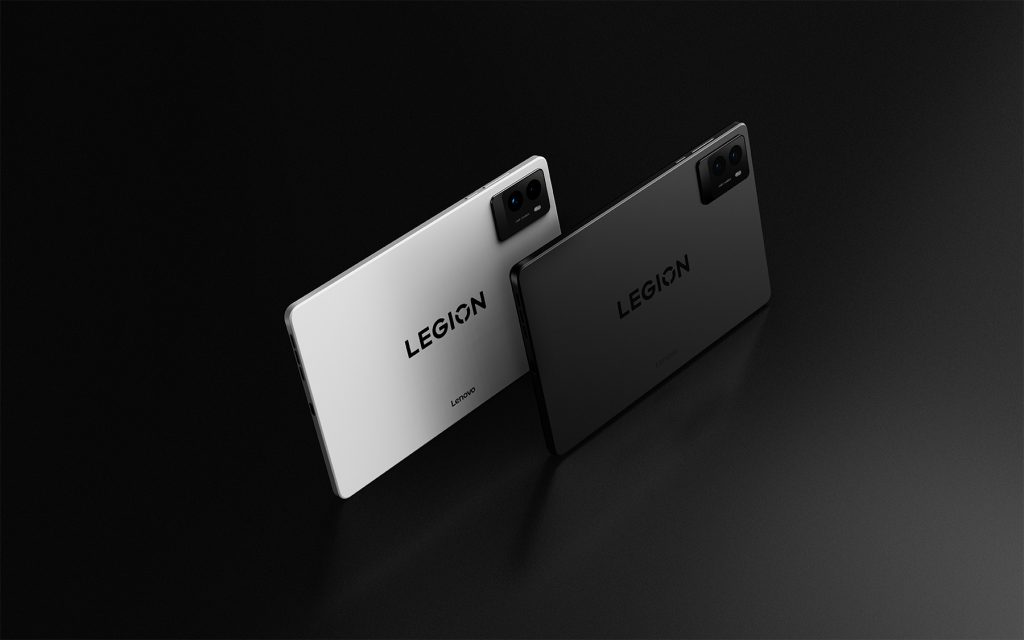
As expected, Lenovo has officially unveiled its next-generation Legion Y700 (2024) gaming tablet, a powerful device tailored for gaming enthusiasts. Let’s check out its key specs.
Lenovo Legion Y700 (2024) Specifications:
The Lenovo Legion Y700 features an 8.8-inch gaming display with a resolution of 2560×1600, offering sharp visuals with a pixel density of 343 PPI. The screen supports a 165Hz refresh rate, ensuring smooth gameplay. It also supports DCI-P3 wide color gamut and high color accuracy with an average DeltaE<1.
The tablet also includes global DC dimming and a typical brightness of 500 nits. Additionally, it is TÜV Rheinland certified for low blue light and flicker-free performance, ensuring eye comfort during long hours of gaming.
Under the hood, the tablet is powered by the Qualcomm Snapdragon 8 Gen 3 processor, paired with LPDDR5X RAM and UFS 4.0 storage for fast and efficient performance. The Y700 is equipped with Lenovo’s QianKun cooling architecture, featuring a massive 10,004mm² vapor chamber for optimal heat dissipation, even during heavy usage.
The Y700 sports an optional Super Control Dynamic screen that enhances smoothness by 4.1x, reduces screen glare by 96.5%, and cuts reflection points by 45%, making it an excellent choice for outdoor gaming.
The tablet is also equipped with Lenovo’s proprietary Lingjing Engine, which reduces touch latency by 32.2% and network latency by 45.8% in specific games, offering a competitive edge in multiplayer settings.
The device includes dual USB-C ports, allowing for simultaneous charging and wired headphone use, and it supports DP video output through one of the ports. It comes with dual X-axis linear motors and dual ultra-linear speakers that enhance the gaming experience with immersive audio and precise haptic feedback. The tablet also weighs just 350g, making it lightweight and portable.
The Lenovo Y700 (2024) tablet runs on ZUI 16.1 and has a 6,550mAh battery, offering up to 14.6 hours of video playback and 8.9 hours of gaming.
Pricing & Availability
The Lenovo Legion Y700 (2024) is available for pre-order in Carbon Black starting at 2,899 yuan ($413) for the 12GB + 256GB model and 3,299 yuan ($470) for the 16GB + 512GB version. Ice White models are priced at 2,999 yuan ($427) and 3,399 yuan ($484) for the same configurations.
The Super Control Dynamic version will be available starting at 3,299 yuan $470) for the 12GB + 256GB model and 3,799 yuan ($542) for the 16GB + 512GB Ice White version.
The official sale for the Carbon Black version starts on October 25, while the release date for the Ice White version has not yet been announced.
Where to Buy
Lenovo Legion Y700 2024 gaming tablet is now available on Giztop.
ALLDOCUBE has launched the iPlay 60 Mini Turbo, its first-ever mini tablet with the powerful Qualcomm Snapdragon 6 Gen 1 processor. This compact device is specifically designed for gamers, movie enthusiasts, and multitaskers.
Impressive Display and Performance
The ALLDOCUBE Mini Tablet features an 8.4-inch screen that offers crisp and vibrant visuals, making it ideal for media consumption and gaming. Whether you’re watching high-definition movies or playing fast-paced games, the display provides an immersive experience that enhances visual clarity. Combined with the Qualcomm Snapdragon 6 Gen 1 processor, users can expect seamless multitasking, fast streaming, and smooth gameplay without any lag. This processor is known for its power efficiency and high performance, making it a great fit for those who need a device that can handle multiple tasks at once.
Designed for Portability
One of the key highlights of the ALLDOCUBE Mini Tablet is its portability. With a compact and lightweight design, it is perfect for users who are constantly on the go. Whether you’re commuting, traveling, or simply prefer a smaller device for everyday tasks, this tablet ensures you don’t compromise on performance while staying mobile. Its user-friendly size makes it a great companion for long trips or quick breaks.
Ideal for Media Lovers
ALLDOCUBE has optimized the tablet for multimedia consumption, especially video playback. The tablet’s display and processing power make it an excellent choice for movie lovers and content consumers who want a superior viewing experience. With a focus on video quality and uninterrupted streaming, this device is tailored for users who prioritize entertainment on their tablets.
Collaborations and Innovations
ALLDOCUBE’s partnership with industry giants such as Intel, Microsoft, and Qualcomm plays a vital role in enhancing the innovation and performance of their products. The company’s dedication to providing value through cutting-edge technology is evident in this new release. Over the past decade, ALLDOCUBE has sold over 10 million tablets globally, further cementing its position as a leader in the smart device market.
Key Features:
Display: 8.4-inch screen
Processor: Qualcomm Snapdragon 6 Gen 1
Performance: Seamless gaming, fast streaming, smooth multitasking
Portability: Compact and lightweight design
Multimedia Focus: Optimized for video playback
Target Audience: Gamers, movie enthusiasts, multitaskers
Special Launch Offer
The ALLDOCUBE Mini Tablet is now available for purchase at a special price of $149.99 on AliExpress. This launch offer will run until October 3, 2024. Users can take advantage of this exclusive deal by visiting their official store at AliExpress.
With its high-performance processor, excellent display, and portability, the ALLDOCUBE Mini Tablet is expected to be a popular choice for gamers, multitaskers, and media enthusiasts. The limited-time offer makes it an even more attractive option for those looking for an affordable yet powerful device.
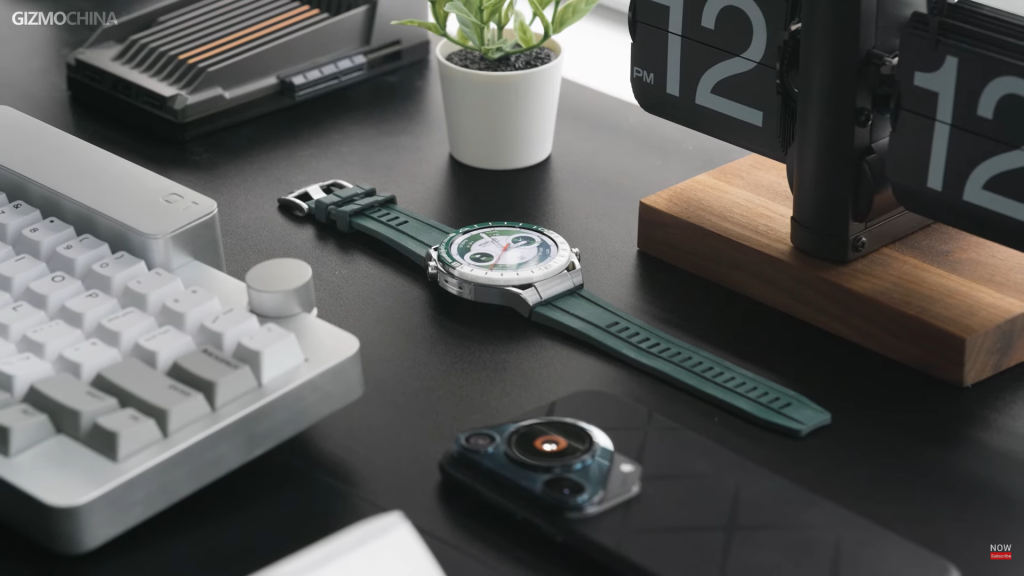
The Huawei Watch Ultimate, originally launched last year, has received several new features along with a fresh colorway. We’ve just released our full video review, breaking down everything you need to know about this impressive smartwatch. Here’s a quick preview of the highlights.
Why the Huawei Watch Ultimate is so special?
Luxury design:Huawei has gone above and beyond, making the Watch Ultimate resemble high-end traditional watches like the Rolex Submariner, which is quite expensive. The new green model also looks striking, which resembles the Rolex GMT-Master II.
Top-notch materials & attention to detail: Aside from the appearance, the materials of this watch are also somewhat special. The watch features a zirconium-based liquid metal case, stronger and lighter than stainless steel. It also comes with three different straps, including a titanium one. There is also an extended version of the rubber strap for divers that can easily wrap around their suits.
Specialized sports modes: For divers and golfers, this watch is a game-changer with its 100-meter dive mode and golf mode packed with swing data and course maps. The Huawei Watch Ultimate is indeed a blend of specialized technology and fine watch-making.
Health monitoring: With features like ECG, sleep apnea detection, heart rate, blood oxygen level, and body temperature monitoring, it covers almost all your health needs.
Long battery life: One full charge can last up to a week, even with heavy usage.
Disadvantages:
Some features, like the diving and golf modes, are highly specialized and may not be relevant to the majority of users. This could make the smartwatch less appealing to those who don’t engage in these specific activities. In addition to that, the luxury watch aesthetic may not appeal to everyone, especially users who prefer a more minimalist or tech-forward smartwatch design like those from Apple or Samsung.
Want to dive deeper? Check out the video here where we explore its features in more detail, from the luxurious design to the powerful tech packed inside!
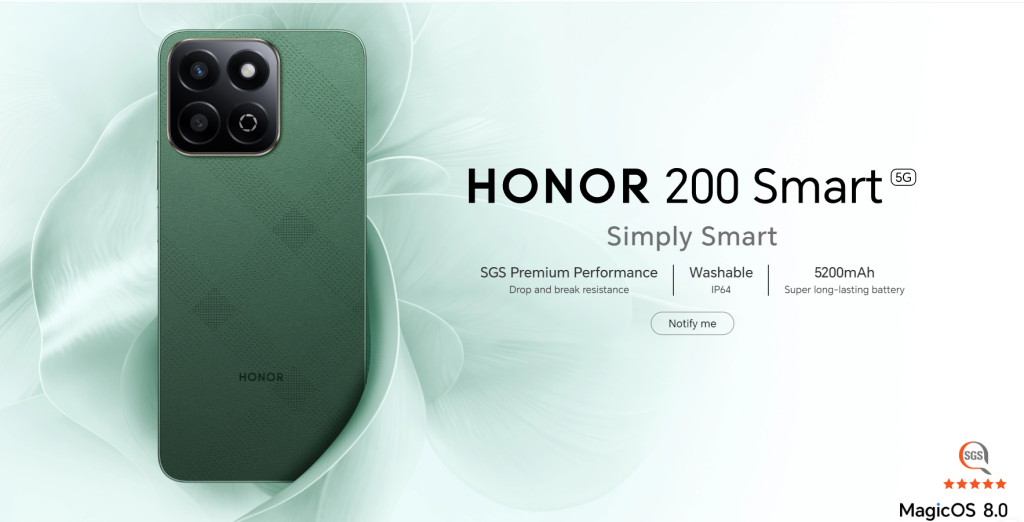
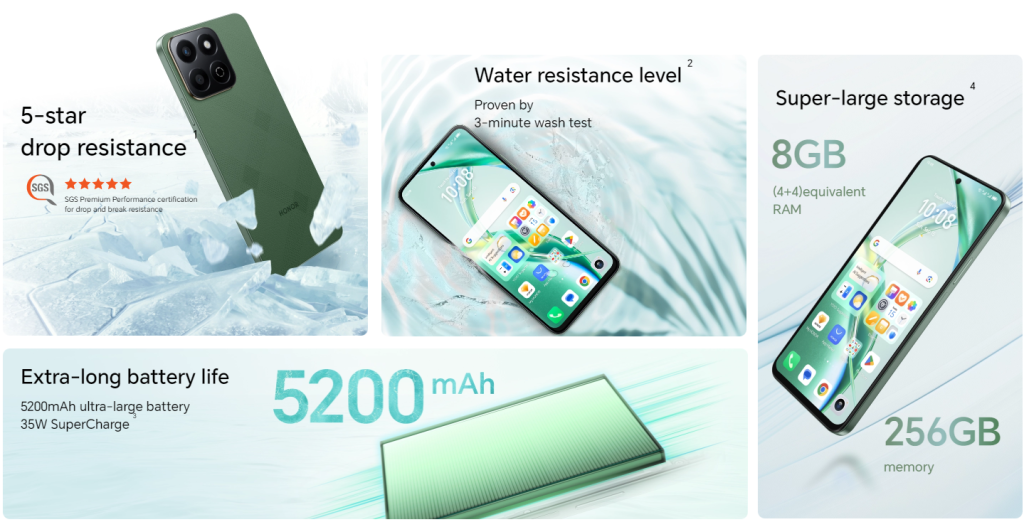
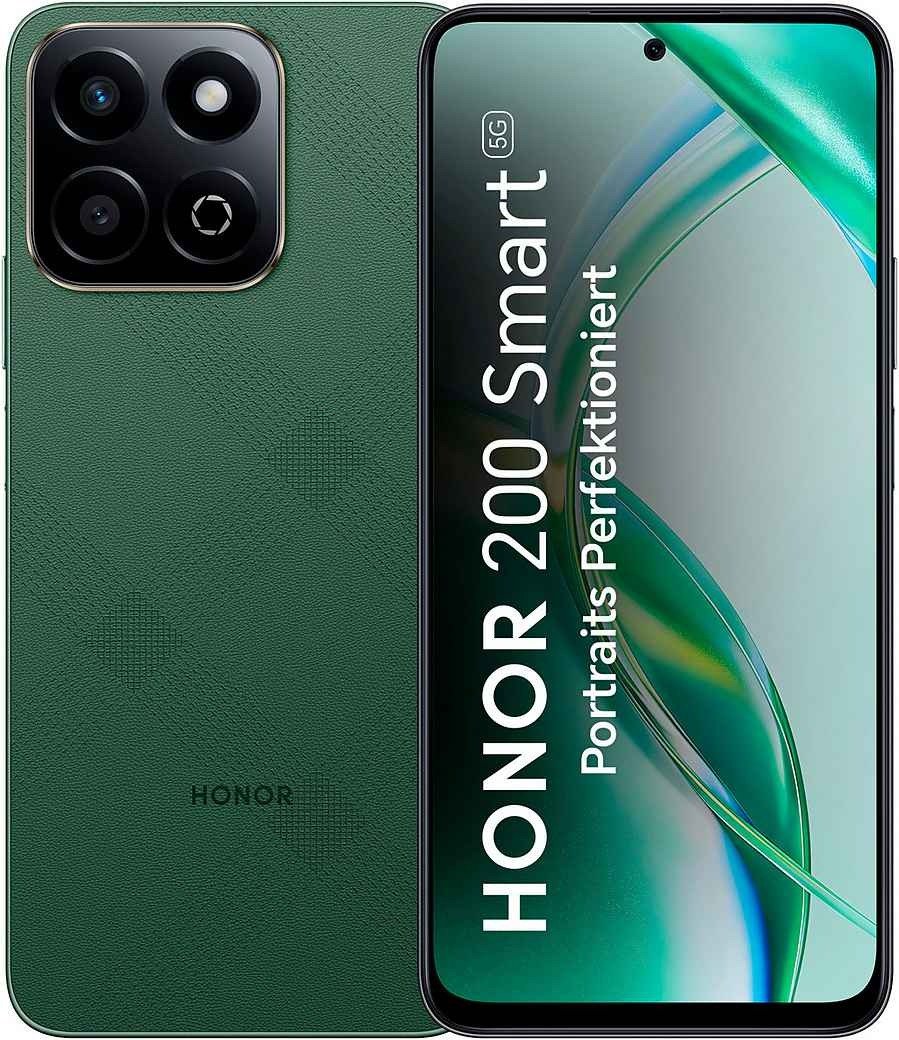
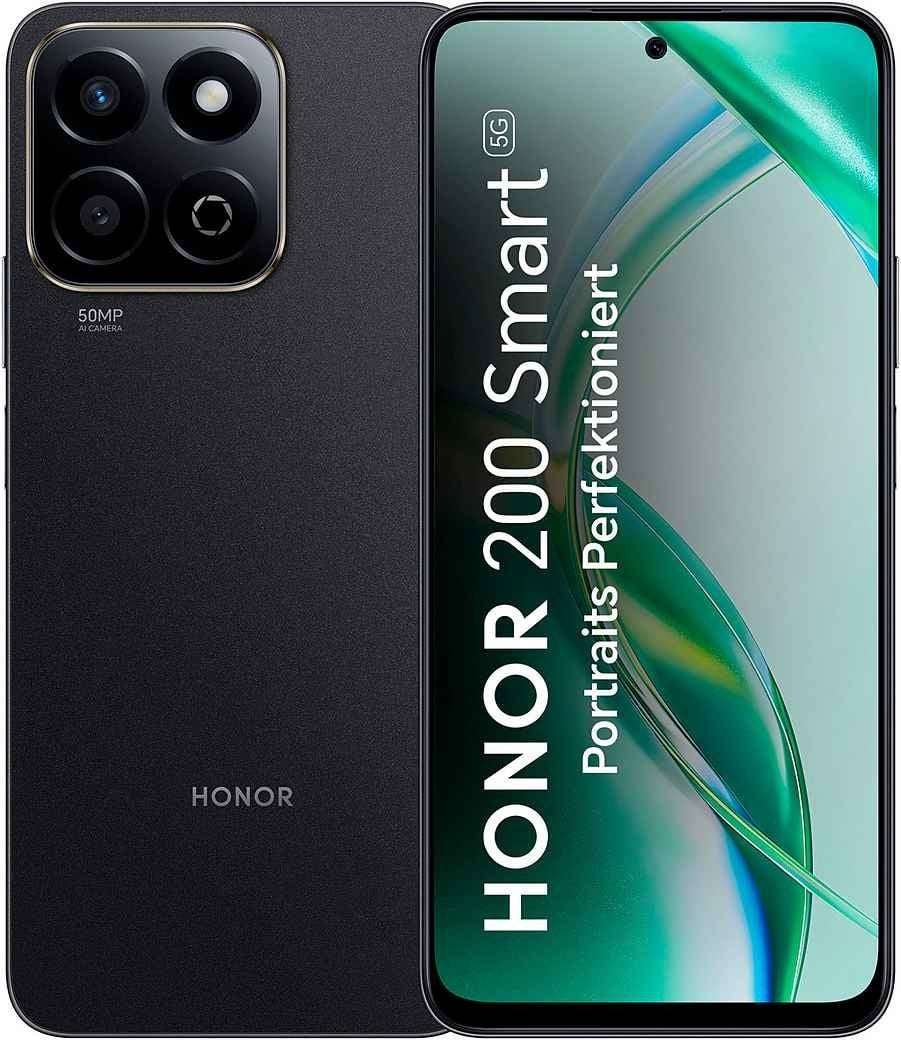
Honor has added a new phone to its 200 Series lineup, the Honor 200 Smart. It’s aimed at users who want good features without spending too much. This phone is positioned as a more affordable option compared to the Honor 200, 200 Pro, and 200 Lite.
Honor 200 Smart specs:
The Honor 200 Smart uses a 6.8-inch TFT LCD screen with a 2412 × 1080 pixel resolution. The screen supports 16.7 million colors, so images look fairly vibrant and clear. It’s made of aluminosilicate glass, which adds some durability.
The phone has a Snapdragon 4 Gen 2 processor, which is suitable for everyday tasks like browsing, using social media apps, and watching videos. It comes with 4GB of RAM and 256GB of internal storage. While this might not be enough for users who run many apps at once or need lots of space, it should work fine for most people.
Honor 200 Smart Honor 200 Smart
For photography, the 200 Smart has two rear cameras: a 50MP main sensor and a 2MP depth sensor. The main camera can take decent photos in different lighting conditions, though it doesn’t have the advanced features of flagship models. The 2MP sensor helps create a blurred background effect for portraits. It also allows for 1080P video recording and has an 8X digital zoom to get closer to your subjects. For selfies and video calls, there’s a 5MP front camera that captures good enough images and can shoot 1080P videos.
The device has a large 5200mAh battery, which means users can expect a long battery life, even with heavy use. Plus, the phone supports 35W HONOR SuperCharge, so it can be quickly recharged when needed.
The 200 Smart also covers basic connectivity needs. It supports 5G for fast internet, dual-band Wi-Fi, Bluetooth 5.0, and NFC for quick data transfer. For security, it offers both a side-mounted fingerprint sensor and facial recognition for easy unlocking.
The phone comes in two colors: Midnight Black and Forest Green. The Midnight Black model is 8.09mm thick and weighs 191g, while the Forest Green is slightly thicker at 8.24mm and weighs 193g.
Pricing & availability
It is now available for purchase on Honor Global’s official website, priced at €219.90.
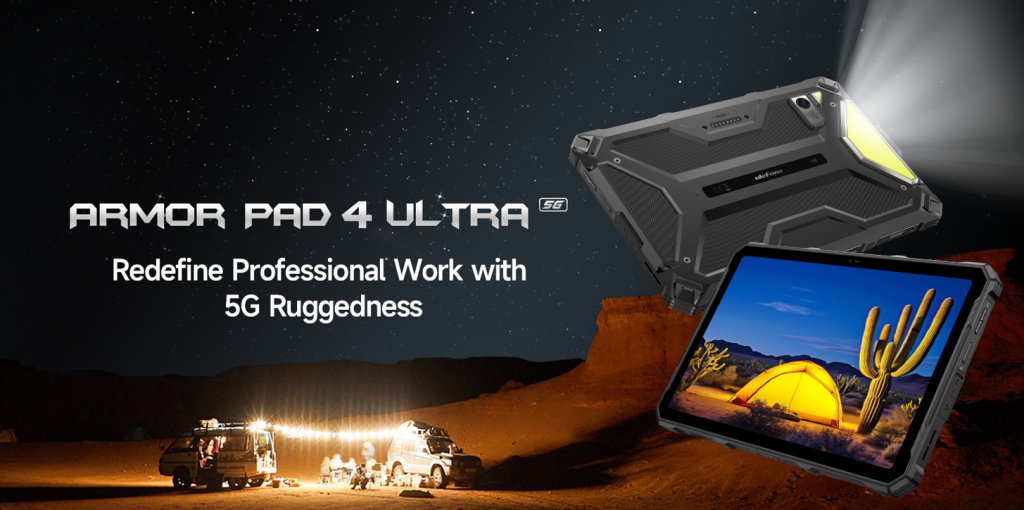
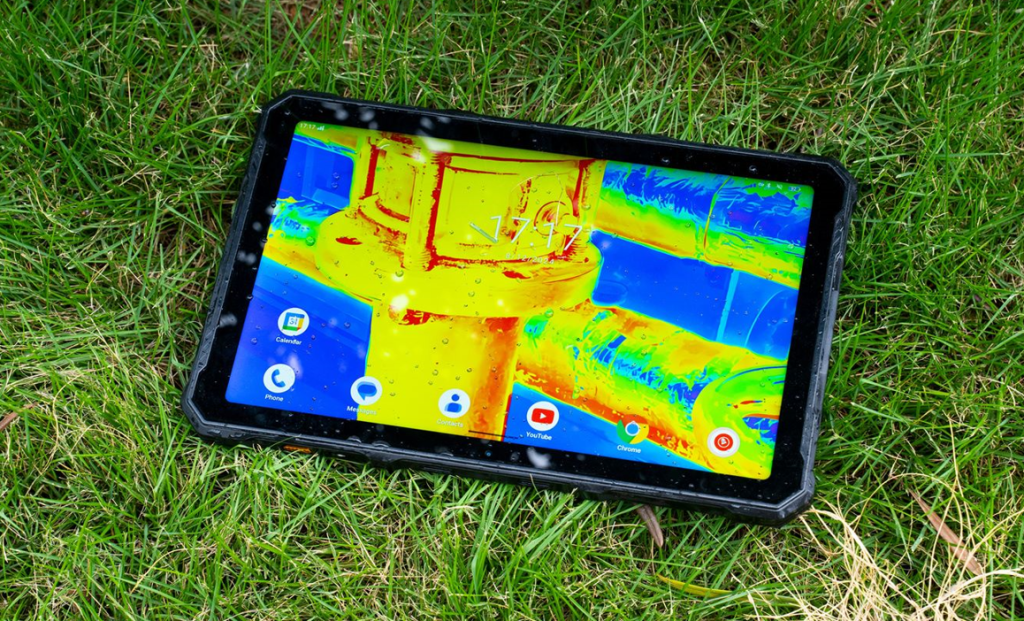
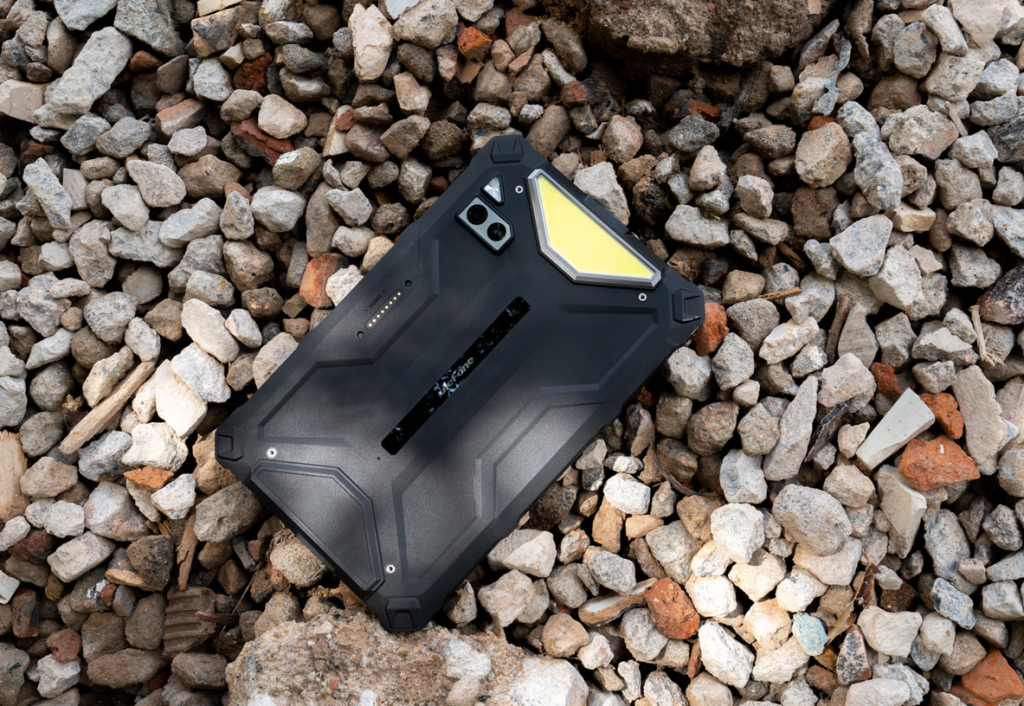
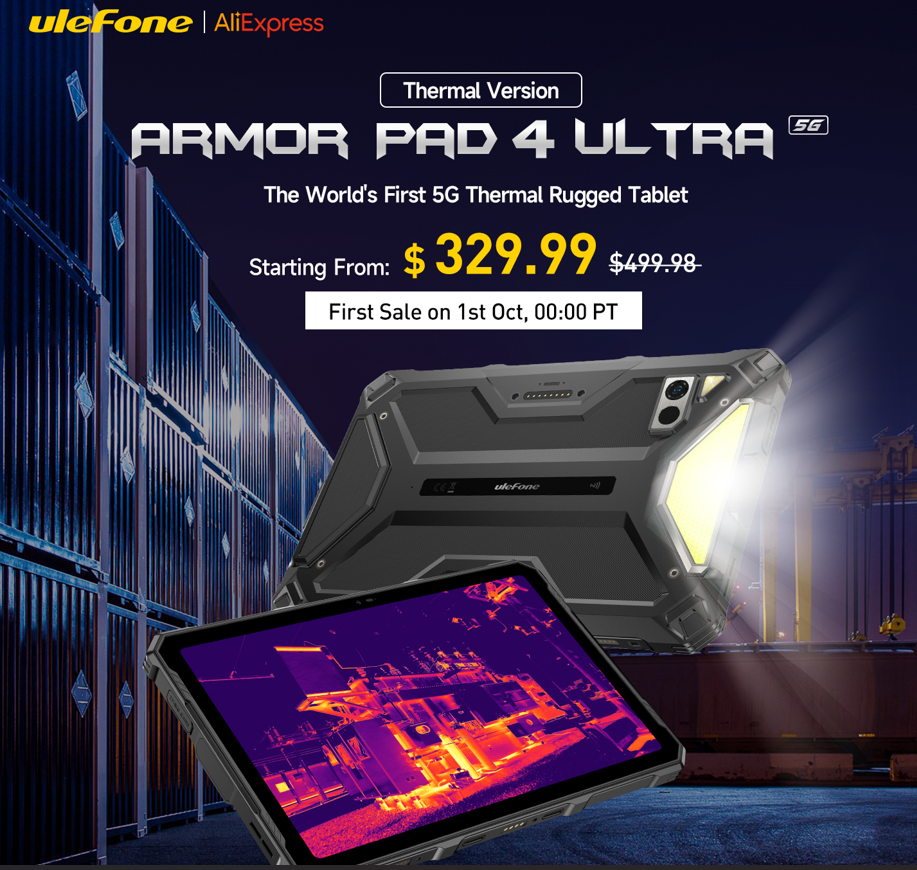
Ulefone unveils the Armor Pad 4 Ultra Series the world’s first 5G rugged tablet with built-in thermal imaging capabilities. Designed for professionals who work in challenging environments, the tablet also caters to outdoor enthusiasts with its robust features. As the successor to the Armor Pad 3 Pro, this tablet builds on its predecessor’s legacy with enhanced durability and advanced performance features.
The Armor Pad 4 Ultra series is available in two variants: a Standard Version and a Thermal Imaging Version, each designed to meet the needs of both work and recreation.
World’s First 5G Rugged Tablet
The Armor Pad 4 Ultra Series is the first rugged tablet to offer 5G connectivity, a key feature for users who require fast, reliable data transfer in remote areas or during fieldwork. Whether for downloading large files or maintaining smooth communication, the 5G capability ensures high-speed internet access, making it invaluable for emergency response teams, construction professionals, and adventurers.
Two Versatile Models
Ulefone offers two versions of the Armor Pad 4 Ultra series. The Standard Model focuses on durability and performance, making it suitable for those who need a rugged device for daily tasks. The Thermal Imaging Model is equipped with a state-of-the-art ThermoVue™ thermal sensor, designed for users who require precise temperature readings and thermal imaging for their work or outdoor activities.
Cutting-Edge Thermal Imaging Technology
The ThermoVue™ thermal sensor featured in the thermal version offers a 160 x 120 resolution and a 25Hz refresh rate, providing smooth and accurate thermal imaging. With the built-in ThermoVue App, users can capture thermal images, record videos, and create time-lapse sequences to monitor temperature changes in real-time. This makes the Armor Pad 4 Ultra Thermal Version ideal for tasks like electrical inspections, firefighting, and search-and-rescue operations.
Military-Grade Rugged Design
The Armor Pad 4 Ultra Series boasts an impressive level of durability. It is IP68/IP69K and MIL-STD-810H certified, ensuring that it can withstand extreme conditions, including dust, water, and shock. This makes the tablet highly reliable for use in tough environments such as construction sites, remote expeditions, and industrial settings. Additionally, the tablet includes an integrated LED camping light that can function as a flashlight, headlight, or camp light, offering versatility for outdoor activities like camping, fishing, and hiking, as well as professional use in emergency repairs and vehicle maintenance.
High Performance and Long Battery Life
The MediaTek Dimensity 6300 5G SoC powers the tablet, ensuring seamless performance, even when handling heavy workloads. With 16GB of RAM and 256GB of internal storage, users can expect smooth multitasking and ample space for applications and media. The Armor Pad 4 Ultra is equipped with an impressive 11800mAh battery, offering extended battery life for long days in the field or outdoor excursions. The tablet supports both fast charging and wireless charging, adding to its convenience.
Immersive Display and Latest Software
The tablet features a 10.36-inch 2K display, providing sharp, immersive visuals whether users are watching videos, viewing thermal images, or using the tablet for work. Running on Android 14, the Armor Pad 4 Ultra offers the latest software enhancements for optimized performance, security, and user experience.
Pricing and Availability
The Ulefone Armor Pad 4 Ultra Series is set to launch on October 1 and will be available on Ulefone’s AliExpress store. The Standard Version is priced at $279.99, while the Thermal Version will be available for $329.99, making it a competitive option for those needing a rugged tablet with top-tier features.
With its rugged design, high performance, and thermal imaging capabilities, the Armor Pad 4 Ultra series is positioned to be a game-changer for professionals in harsh environments and outdoor enthusiasts alike.
Huawei unveiled the world’s first tri-fold phone, the Huawei Mate XT Ultimate, or Ultimate Design a couple of weeks ago. Its tri-fold feature doesn’t mean the phone folds three times; rather, it folds twice but has three screens. So technically, it’s a two-fold.
Image: Gizmochina
As an innovative piece of tech, it’s unsurprising how much interest this phone garnered globally. Another reason for the hype is that it was made by Huawei, a company that has been under scrutiny by the US government, barring trade and exchange of any innovations from America.
Naturally, the Mate XT caught our attention as well. So we rushed to grab one in the Huawei store and shared a hands-on video of the phone on our YouTube channel two weeks ago. After spending time reviewing the device since then, our full review is finally out on YouTube.
We reviewed the tri-fold, Huawei Mate XT Ultimate
What’s impressive about the Mate XT is how well-crafted it is. It is just 3.6mm thick when completely unfolded, and even when folded, it measures 12.8mm—just 0.7mm thicker than the Samsung Galaxy Z Fold 6. It’s unsurprisingly heavy, though, at 306 grams, so you need to ensure it fits snugly in your pocket.
The highlight of the Mate XT is its 10.2-inch tablet-sized screen. While it’s not the most feature-packed panel, with just a 90Hz refresh rate and LTPO support up to 60Hz, these are minor drawbacks. The most comfortable aspect is its 16:11 aspect ratio, which is better for browsing and productivity due to its ability to display more vertical content.
The phone also boasts a flagship-level camera, which is arguably the best on a foldable device. Moreover, despite the complex hinge mechanism, Huawei has managed to fit in a sufficiently large 5600mAh battery, which, in our testing, delivered a full day’s worth of runtime under normal usage.
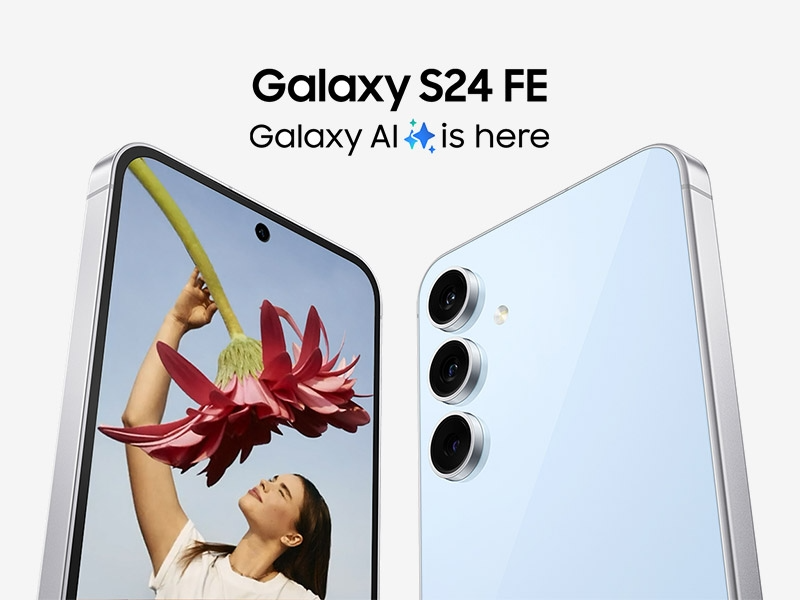
Samsung’s Galaxy S24 FE (Fan Edition) has garnered significant attention since its announcement, and for good reason. This smartphone provides a compelling mix of flagship features at a more approachable price point, making it a strong contender for anyone in the market for a new device. Let’s explore whether the Galaxy S24 FE is worth the investment.
The Galaxy S24 FE maintains a sleek, near bezel-less design that closely resembles its predecessor, ensuring a familiar yet modern aesthetic. The 6.7-inch Dynamic AMOLED 2X FHD+ display offers a smooth 120Hz refresh rate, enhancing the overall experience for gaming, video watching, and everyday browsing. The device is equipped with an in-screen fingerprint scanner and its equipped with flat edges, which accentuates its appeal. When it comes to durability, the S24 FE offers Gorilla Glass Victus+ protection fro the display and an IP68 level of dust and water resistance.
2. Performance
Under the hood, the Galaxy S24 FE is powered by Samsung’s new Exynos 2400e processor, which, while a slightly downclocked variant of the regular Exynos 2400, promises impressive performance. Samsung has emphasized that this processor delivers similar capabilities to its Snapdragon counterparts of the S24 lineup in everyday usage. With a performance core maxing out at 3.1GHz, it is designed to handle daily tasks and gaming efficiently, while also optimizing power consumption and thermal management.
3. Camera capabilities
Photography enthusiasts will appreciate the camera system on the S24 FE. The device features an OIS-50-megapixel main sensor, complemented by a 12-megapixel ultra-wide lens and an 8-megapixel telephoto lens with 3x optical zoom, allowing for diverse shooting options. The inclusion of Samsung’s ProVisual camera engine enhances night photography and overall image quality, and with various AI-driven editing features, users can enjoy a seamless photography experience right out of the box.
4. Software support
Another notable aspect of the Galaxy S24 FE is its software longevity. With Samsung promising 7 years of updates, users can expect a device that remains relevant and secure for years to come. This commitment is particularly attractive for those looking for a long-term investment in a smartphone. Another major highlight in the software department on the S24 FE is the inclusion of the Galaxy AI suite of features, which is also available on the Galaxy Z Fold 6, Z Flip 6, S24, S24+, and S24 Ultra.
5. Pricing
The Galaxy S24 FE comes in two variants: the 128GB model priced at Rs 59,999 (~$715) and the 256GB model at Rs 65,999. In the US, it starts at $649. Notably, there has been no price increase compared to the Galaxy S23 FE, making it an appealing option for fans of the series. Moreover, in India, Samsung is offering attractive deals such as the chance to buy the 256GB variant at the price of the 128GB model, along with discounts through the Samsung Shop app and exchange offers. Customers can also benefit from a Samsung Care+ package, originally worth Rs 4,799, available for just Rs 999.
6. Final Thoughts
In conclusion, while the Samsung Galaxy S24 FE offers a range of attractive features like longer software support and the Galaxy AI additions, its pricing may still seem a bit steep for some consumers. At Rs 59,999 for the base model, potential buyers might consider opting for the Galaxy S24 (8GB + 128GB variant), which is currently available for Rs 62,999 on Samsung India’s website. With various promotional offers, the S24 can be purchased at an even lower price, making it a more compelling option for those seeking flagship-level performance without compromising too much on budget. Ultimately, while the S24 FE is a strong device, customers may find greater value in the regular Galaxy S24.
For those who are interested, the S24 FE is now available for pre-orders in multiple markets. It is scheduled to go on sale on Oct. 3.
Both phones pack impressive features, but for prospective buyers, the question remains: which one offers the better value for your needs? Let’s break down the key differences between the two models to help you make an informed decision.
Both the Xiaomi 14T and 14T Pro boast a 6.67-inch 1.5k CrystalRes AMOLED display, supporting a 144Hz refresh rate, which promises smooth scrolling and a vibrant viewing experience. The displays also reach a peak brightness of 4000 nits, ensuring excellent visibility even under direct sunlight. In terms of design, both models feature durable Xiaomi Shield Glass protection and support Dolby Vision for enhanced color accuracy.
If you’re someone who enjoys watching high-definition content or playing mobile games, the display quality on both models is equally satisfying. However, the real difference starts to emerge in terms of performance, which is crucial depending on your use case.
2. Performance and Processor
The Xiaomi 14T Pro is equipped with the powerful MediaTek Dimensity 9300+ chipset, while the Xiaomi 14T runs on the MediaTek Dimensity 8300-Ultra SoC. The Pro model has a significant edge in raw processing power, thanks to the more advanced chipset and the presence of a 3D cooling area for better heat dissipation. This makes the Pro model ideal for users who engage in heavy multitasking, gaming, or video editing, where the added performance will be noticeable.
For regular users who need a smartphone for daily tasks such as browsing, social media, and light gaming, the Xiaomi 14T’s Dimensity 8300-Ultra is more than sufficient.
3. Camera
Both models offer impressive camera systems, but there are some differences. The Xiaomi 14T features a 50MP Sony IMX906 main camera, a 50MP telephoto lens, and a 12MP ultra-wide camera, which makes it highly versatile. The Pro model, on the other hand, uses a bigger Light Fusion 900 sensor for its 50MP main camera, offering superior dynamic range and low-light performance, thanks to Xiaomi’s AI LM computational photography platform.
If photography is a priority for you, the Xiaomi 14T Pro is the better option due to its enhanced sensor, which provides better detail and color accuracy in challenging conditions. Both models share advanced software features like Master Portrait mode, UltraHDR, and professional-level video recording with MasterCinema, but the Pro excels with its 10-bit Rec. 2020 format support for capturing high-quality HDR videos.
4. Battery and Charging
Both phones house a 5000mAh battery, but their charging speeds differ. The Xiaomi 14T Pro supports 120W HyperCharge, allowing the battery to charge to 100% in just 19 minutes, whereas the Xiaomi 14T supports 67W fast charging, which takes about 45 minutes to fully charge. Additionally, the Pro model supports 50W wireless charging, which is absent in the standard 14T.
For those who value fast, convenient charging and prefer wireless charging options, the Xiaomi 14T Pro is a clear winner. However, if you can live with slightly slower wired charging and don’t need wireless charging, the Xiaomi 14T still delivers excellent battery performance.
5. Price and Value
The pricing is another crucial factor. The Xiaomi 14T starts at 650 Euros for the 12GB + 256GB model, making it a more budget-friendly option. The Pro model starts at 800 Euros, with the top-end 1TB variant priced at 1000 Euros. Given the price difference, the Pro model’s additional features like the faster processor, enhanced camera system, and faster charging might not be necessary for all users.
6. Which One to Buy?
The choice between the Xiaomi 14T and 14T Pro depends on your priorities. If you’re looking for better performance, faster charging, and top-tier camera quality, the Xiaomi 14T Pro is worth the investment. However, if you want a phone with solid features but don’t need the high-end specs and can save a few hundred Euros, the Xiaomi 14T will more than meet your expectations for daily use.
For casual users, the Xiaomi 14T offers excellent value for money, but power users and photography enthusiasts will likely prefer the Pro model for its premium features.
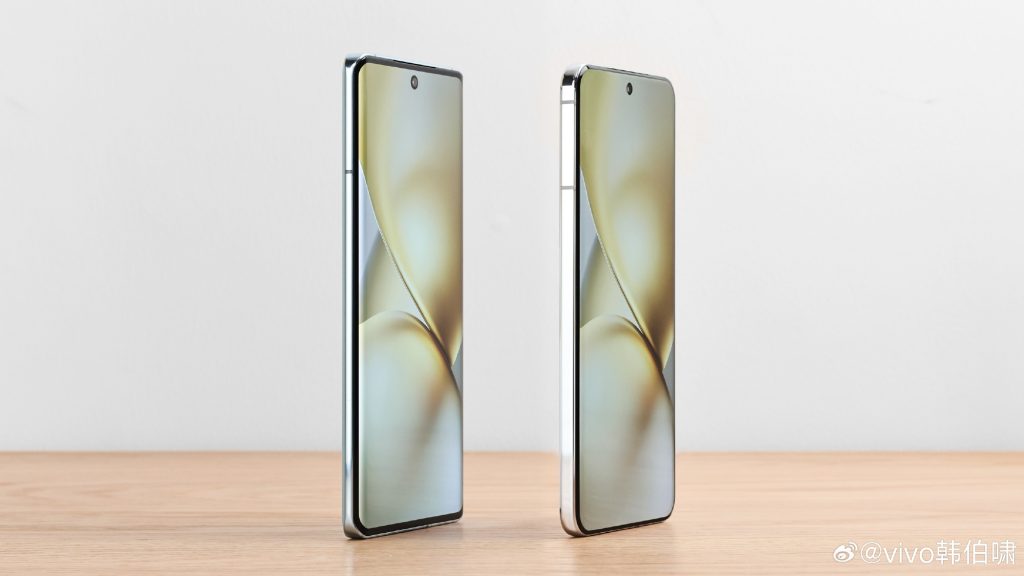
Vivo’s Product Manager Han Boxiao recently released an image to showcase the X200’s rear design. Today, he shared a new image through his Weibo to give the first look at the X200’s front design. In the image, the Vivo X100 can be seen on the left and the upcoming X200 can be seen on the right.
Vivo X200’s front design revealed
Vivo X100 (left) | Vivo X200 (right)
The above image showcases the X200’s ultra-narrow bezels and innovative micro-quad-curved design. This unique design harmonizes the experience of both flat and curved screens, offering an elegant and refined look.
The X200 with its flat edges promises a better grip. The X200, when placed alongside the X100, looks more premium and irresistible. Han Boxiao emphasized that this model delivers a superior hand feel. Rumor has it that the X200 will come in a variety of colors, including Sapphire Blue, Moonlight White, Titanium, and Midnight Black.
The X200’s back panel features fine wave patterns that change appearance under different angles and lighting conditions. In addition to its striking design, the Vivo X200 excels in photography. Earlier this month, Boxiao shared a low-light photography sample of the X200, highlighting its clear and detailed capture of night scenes without glare or overexposure.
As per reports, the X200 is expected to feature a 50-megapixel Sony IMX921 primary camera with OIS support, a 50-megapixel Samsung JN1 ultra-wide lens, and a 50-megapixel IMX882 periscope telephoto camera with 3x optical zoom. It will feature the Dimensity 9400 chipset, 16 GB of RAM, 1 TB of storage, a 5,700mAh battery with 90W fast charging support, and OriginOS 15-based Android 14.
Oppo is gradually revealing details about the upcoming Find X8 series of smartphones, expected to launch in China on Oct. 21. Today, Oppo product manager Zhou Yibao took to his Weibo handle to share fresh information about the Find X8 lineup. He also released a video to demonstrate the magnetic wireless accessories that the company will announce alongside the Find X8 lineup.
Oppo to launch several magnetic wireless charging accessories
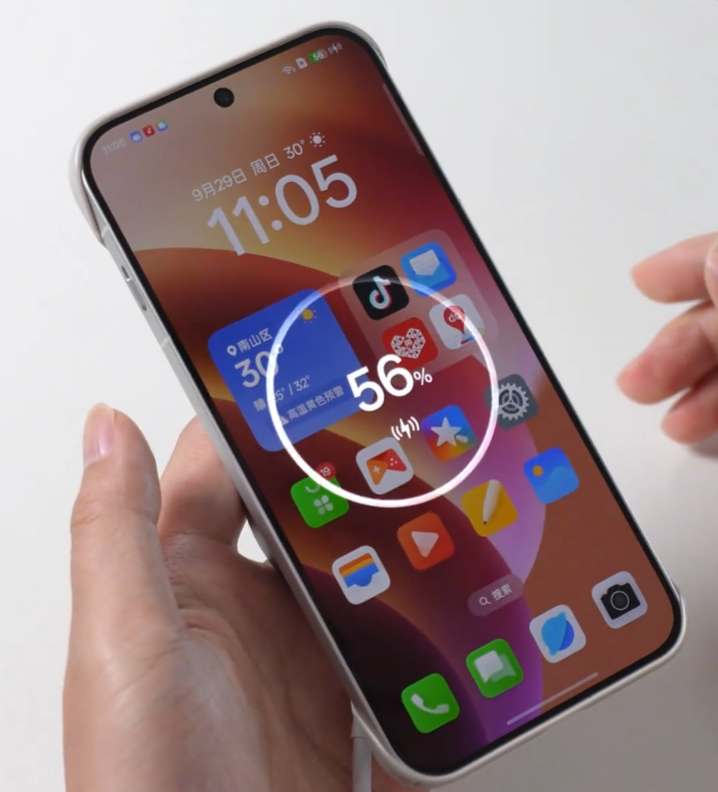
Yibao revealed that the Find X8 series features 50W wireless charging across all models, along with reverse charging capabilities. He added that Oppo will introduce a range of magnetic wireless charging accessories, including ultra-thin magnetic cases, portable magnetic power banks, and 50W magnetic chargers. These accessories will be compatible with other brands, such as iPhones.
An upcoming Find X8 series phone can also be seen in the video at the 17-second mark. As can be seen, the X8 will need a special case to support snap-on magnetic wireless charging.
Find X8 series phoneFind X8 series phone
Yibao explained the importance of wireless charging by saying that it saw limited use previously, with daily active usage rates below 5 percent. This was due to the lack of applicable scenarios. However, the advent of new usage contexts, particularly in the automotive sector, has changed this.
Today, more than 50 percent of new energy vehicles (NEVs) come equipped with wireless charging pads in China. This trend is also spreading to new fuel-powered vehicles. At the same time, many owners of older cars are also retrofitting their vehicles with wireless charging capabilities.
Recognizing this shift, Oppo plans to include wireless charging as a standard feature across all future Find series models, including the Find N series. Alongside this, the company also aims to continue to expand its wireless charging ecosystem. Stay tuned for more updates and enhancements.
Therefore, it appears that apart from the Find X8, X8 Pro, X8 Pro Satellite Communication Version, and Find X8 Ultra, the Oppo Find N5 (OnePlus Open 2 for global) foldable phone will also have wireless charging. As per reports, the X8 Ultra and Find N5 / Open 2 are scheduled to debut in the first quarter of 2025.
The Oppo AirVOOC 50W magnetic charger (OAAWV08 model number) was recently approved by Malaysia’s SIRIM authority. This suggests that the Oppo may launch its magnetic wireless charging accessories in markets outside of China.
We use cookies on our website to give you the most relevant experience by remembering your preferences and repeat visits. By clicking “Accept”, you consent to the use of ALL the cookies.
This website uses cookies to improve your experience while you navigate through the website. Out of these, the cookies that are categorized as necessary are stored on your browser as they are essential for the working of basic functionalities of the website. We also use third-party cookies that help us analyze and understand how you use this website. These cookies will be stored in your browser only with your consent. You also have the option to opt-out of these cookies. But opting out of some of these cookies may affect your browsing experience.
Necessary cookies are absolutely essential for the website to function properly. This category only includes cookies that ensures basic functionalities and security features of the website. These cookies do not store any personal information.
Any cookies that may not be particularly necessary for the website to function and is used specifically to collect user personal data via analytics, ads, other embedded contents are termed as non-necessary cookies. It is mandatory to procure user consent prior to running these cookies on your website.