Xiaomi is gearing up to launch the Xiaomi 15 flagship smartphone lineup soon. While the Xiaomi 15 series is set to debut in China on October 23rd, the Xiaomi 15 Ultra variant is rumored to appear separately next year.
Xiaomi 15 Ultra EEC certification
The Xiaomi 15 Ultra, which is expected to be released in China, Europe, and India, has now received EEC certification, indicating it is ready for launch in Russia and other Eurasian markets. The device is anticipated to feature a quad-camera system, with a standout 200MP telephoto lens. This lens is expected to offer impressive zoom capabilities, including low-light telephoto and ultra-telephoto macro modes.
The main camera sensor is likely to be a large 1-inch+ sensor, similar to the one used in the Xiaomi 14 Ultra. This larger sensor is important for capturing high-quality photos, especially in low-light situations. The 200MP telephoto lens is rumored to incorporate Samsung’s HP3 sensor, potentially offering up to 10x optical zoom.
In terms of performance, the Xiaomi 15 Ultra is expected to be powered by the Snapdragon 8 Gen 4 SoC, which will now be known as the Snapdragon 8 Elite. It will be paired with up to 24GB of RAM. The phone is also expected to come with a massive 6,200mAh battery for long-lasting power and run on the latest HyperOS 2.0, based on Android 15.
The Xiaomi 15 Ultra is expected to have a 2K display with micro-curvature on all four sides. The phone is also rumored to feature an ultrasonic in-display fingerprint sensor for convenient and secure unlocking. The Xiaomi 15 Ultra is expected to come in three material finishes: plain leather, fiberglass, or ceramic, offering a variety of options to suit different preferences and styles.
Oppo is expected to launch its next flagship, Find X8 series, phones in a couple of weeks. Leaks and rumors have already given us a glimpse of both the front and rear design. Now, Zhou Yibao, head of the Oppo Find series, has personally revealed more details about the device.
Yibao shared on Weibo that he has been using the Find X8 for a few months now. And although he didn’t discuss the hardware, he revealed two software features of the Find X8 that have stood out to him.
Oppo Find X8 to come with IR and NFC smart card cutting
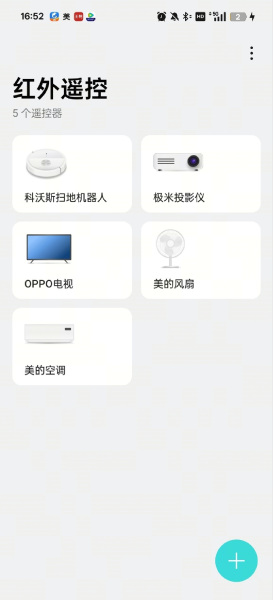
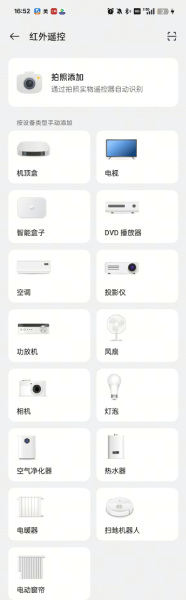
The first is the inclusion of an IR blaster. “It doesn’t seem like a high-tech function at all,” Yibao admits, “but it solves many problems in my life.”
He elaborates on the frustration of misplaced remotes, especially during holidays. “You finally find it, but the batteries are dead – another trip to the store!” With the Find X8, your phone becomes a universal remote, eliminating the need for multiple remotes and the inevitable battery woes.
The second feature takes advantage of a widely available technology – NFC. While NFC itself isn’t new, the way Oppo is implementing it in the Find X8 promises a more streamlined user experience.
Many of us carry a plethora of NFC-enabled access cards, from work badges to community entry cards. Juggling these cards can be inconvenient, requiring you to constantly switch between them.
Oppo’s solution for this is what Zhou called ” NFC smart card cutting,” which uses location awareness to automatically switch between cards based on where you are. So, when you approach your workplace, your phone seamlessly switches to your company access card without you having to select it manually.
As for the hardware specs, the Find X8 line is expected to be powered by the Dimensity 9400 chipset, paired with 16GB RAM and Android 15.
Oppo Find X8 series is likely to launch in mid-October, likely on October 21 in China. The series is also expected to launch in the global markets as well including India.
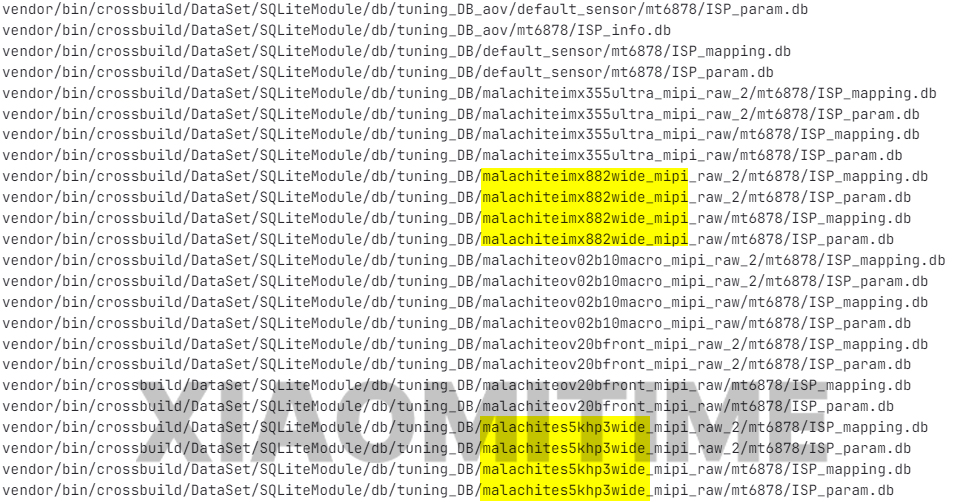
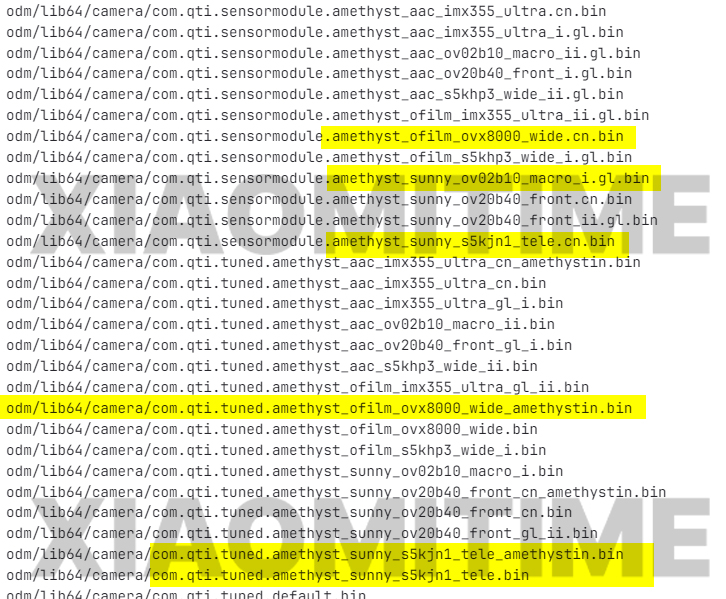
Xiaomi recently announced the Redmi Note 14 series in China. These smartphones came with a 50MP main camera. However, the brand made some changes and decided to introduce the Redmi Note 14 Pro series with a 200MP camera in the Global market. According to information obtained by XiaomiTime from HyperOS software, the Redmi Note 14 Pro and Pro+ will feature Samsung’s ISOCELL HP3 camera sensor.
This change suggests that the 50MP JN1 Telephoto sensor in the Chinese version of the devices will not be in the models sold in the Global market. Meanwhile, the Redmi Note 14 Pro series won’t show any differences in India, using the same camera sensor as the devices unveiled in China.
The Redmi Note 14 Pro series stands out with a 200MP main camera
With the introduction of the Redmi Note 14 series, all the features of the smartphones were officially announced. The devices with 50MP triple camera system attract a lot of attention. Xiaomi is preparing to introduce the Redmi Note 14 series in the Global market and accordingly made some changes to the new smartphones. Redmi Note 14 Pro and Pro+ will come with a 200MP Samsung ISOCELL HP3 camera sensor.
The Chinese version of the Redmi Note 14 Pro+ used the 50MP OVX8000 camera sensor. But this has changed with the Global version. Also, a 2MP OV02B10 macro sensor was added instead of the Telephoto camera. The Redmi Note 14 Pro gets the Samsung ISOCELL HP3 sensor, which should be better than the Sony IMX882 in the Chinese version of this device. We hope Xiaomi manages to surprise users with a good camera software.
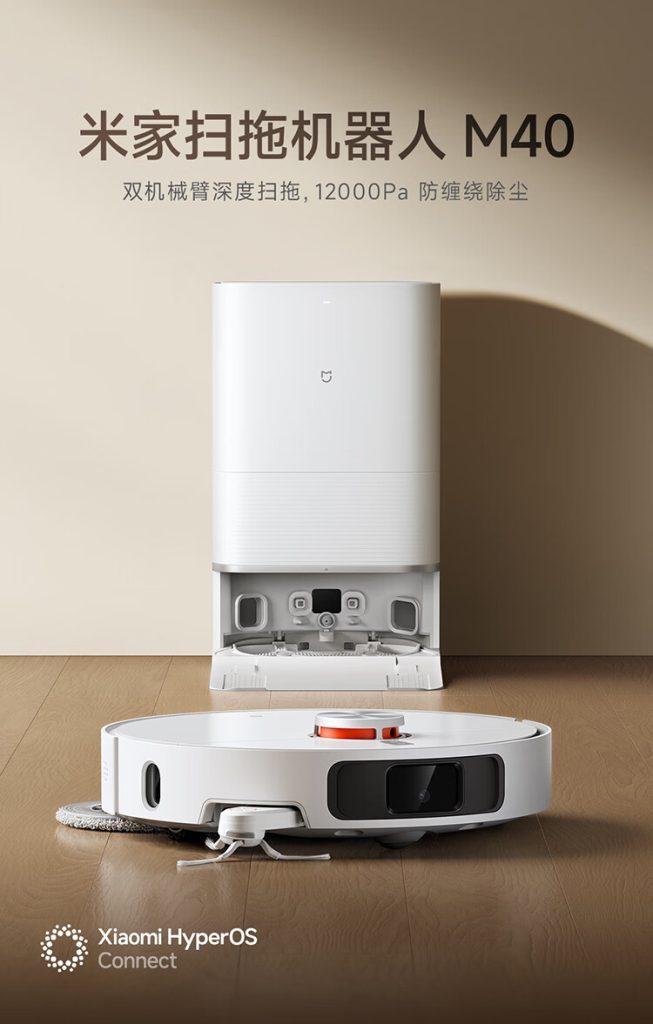
Xiaomi has unveiled its latest home cleaning product, the Mijia M40 Sweeping and Mopping Robot, which combines sweeping, mopping, washing, and drying in one compact device. This comes after the recent launch of the Mijia H40. Let’s check out its key specs.
The Mijia M40 is powered by a 12,000Pa suction system which can efficiently tackle tough debris and dust without hair getting tangled in the brushes. The robot operates on Xiaomi’s HyperOS Connect, ensuring seamless integration into the Xiaomi smart ecosystem.
The robot also features LDS panoramic laser navigation, which scans the entire home at 360° for accurate cleaning path planning. It can cross obstacles up to 20mm in height, allowing it to move smoothly between different rooms and surfaces. The robot has a 5200mAh battery that ensures long-lasting performance.
2. Special Features
The Mijia M40 comes with dual mechanical arms. The first arm functions as a side brush that precisely cleans corners, while the second arm is a mechanical mop designed for detailed edge cleaning. Both arms are retractable, providing flexible cleaning capabilities that adapt to different environments. The mechanical arms have undergone over 500,000 retraction cycles during testing to ensure long-term reliability.
The robot also offers a self-cleaning base with 70°C hot water cleaning for the mop. After mopping, the robot can dry itself within two hours using hot air drying, reducing the chances of mold or unpleasant odors. It also comes with a dust collection system, which requires the dust bag to be emptied only once every 75 days, making the maintenance of the device hassle-free.
The Mijia M40 integrates seamlessly with Xiaomi’s Mijia App, allowing users to control the robot remotely. The app supports custom cleaning schedules, setting restricted areas, and specifying cleaning preferences for different surfaces such as carpets and hard floors. Additionally, the robot supports voice commands through XiaoAI, enabling users to start and stop cleaning with simple voice prompts.
3. Pricing & Availability
The Xiaomi Mijia M40 Sweeping and Mopping Robot is available in two versions. The standard water tank version is priced at 2999 yuan ($427), while the model with automatic water supply is priced at 3398 yuan ($484). Both versions are set to go on pre-order on September 28, with wider availability expected soon through Xiaomi’s official channels.
Recently, Xiaomi announced the Robot Vacuum S20 globally, featuring 5,000Pa suction power, LDS laser navigation, and smart app controls.
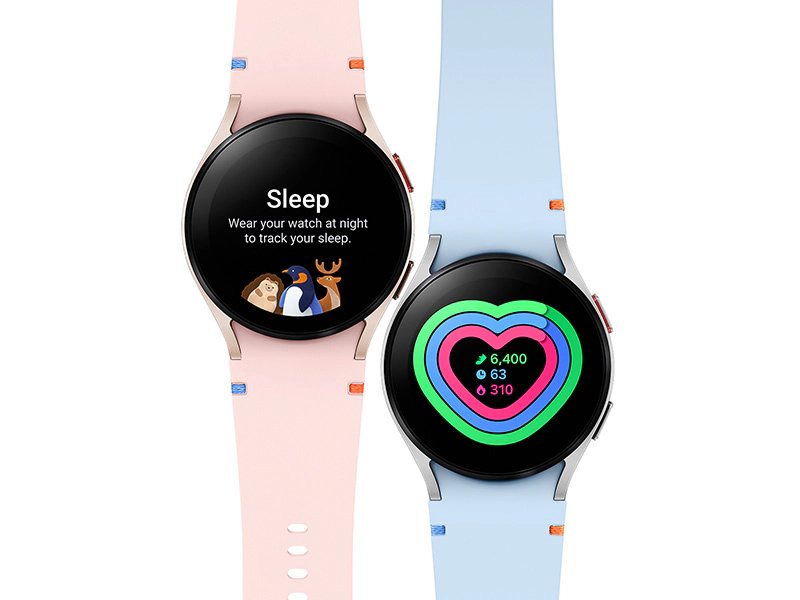
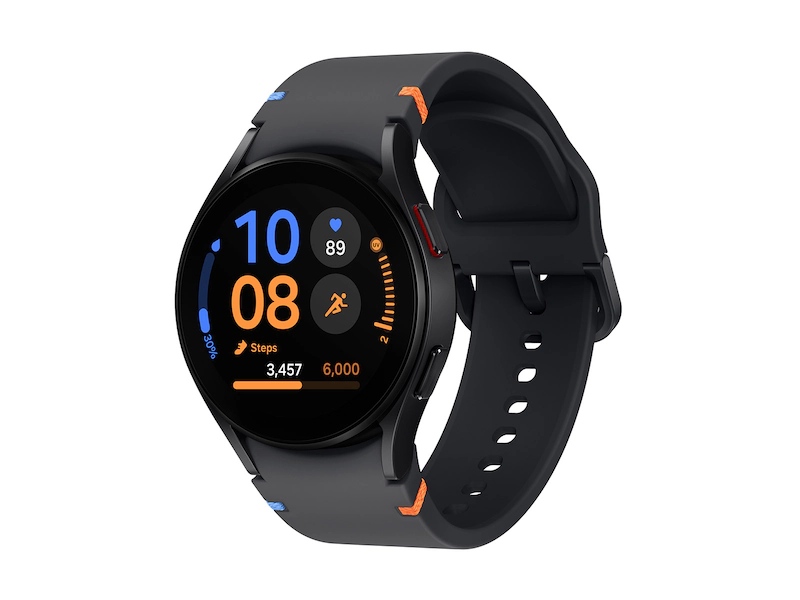
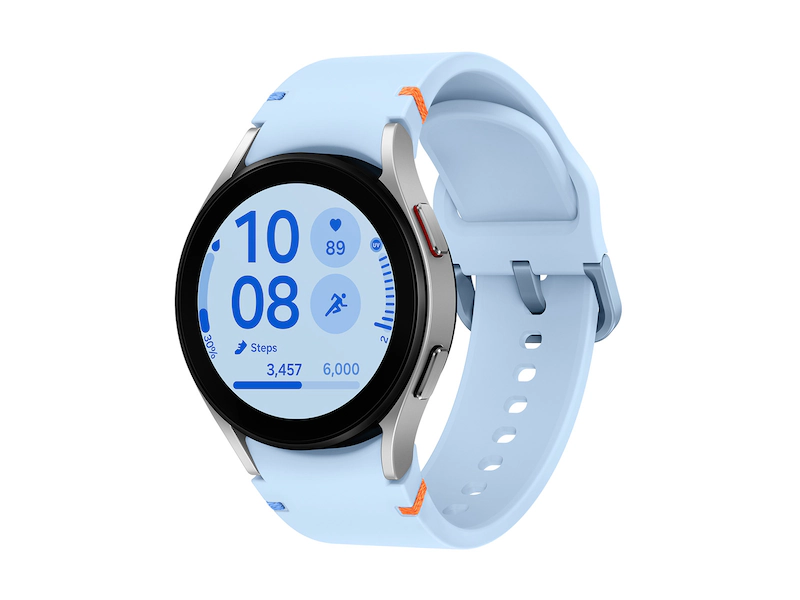
Samsung has just introduced the LTE connectivity variant of the Galaxy Watch FE. The comparitively affordable smartwatch comes with high-end features like Wear-OS, a Super AMOLED display & ECG tracking.
One of the key features of the Galaxy Watch FE LTE is its LTE connectivity, which allows users to make calls, send texts, and receive notifications directly on their wrist, eliminating the need to take out their smartphones. This is particularly appealing to fitness enthusiasts or those who prefer to leave their phones behind during outdoor activities.
The watch is powered by Samsung’s Exynos W920 chipset, paired with 1.5GB of RAM and 16GB of internal storage. The 1.02-inch Super AMOLED display with Always-On functionality ensures clear visibility of time, notifications, and fitness metrics even in bright outdoor settings.
In terms of health and fitness tracking, the Galaxy Watch FE LTE offers a comprehensive suite of features, including body composition analysis, heart rate monitoring, ECG readings, SpO2 measurements, and sleep analysis. The watch also includes an accelerometer, gyroscope, altimeter, and barometer for precise tracking of fitness activities and outdoor adventures.
In addition to health fetures, the watch offers a WearOS based operating system, with gives it access to Google apps and services. It supports Wi-Fi, Bluetooth 5.0, and NFC for easy pairing with various devices and services. The 247mAh battery, while not the largest in the market, is optimized for decent usage time and supports wireless charging. Samsung has also equipped the watch with an IP68 rating for dust and water resistance and a 5ATM rating for diving, ensuring its durability in various environments.
Pricing & availability
The Galaxy Watch FE LTE is available for pre-order and will officially launch on October 3rd. It is priced at $249.99.
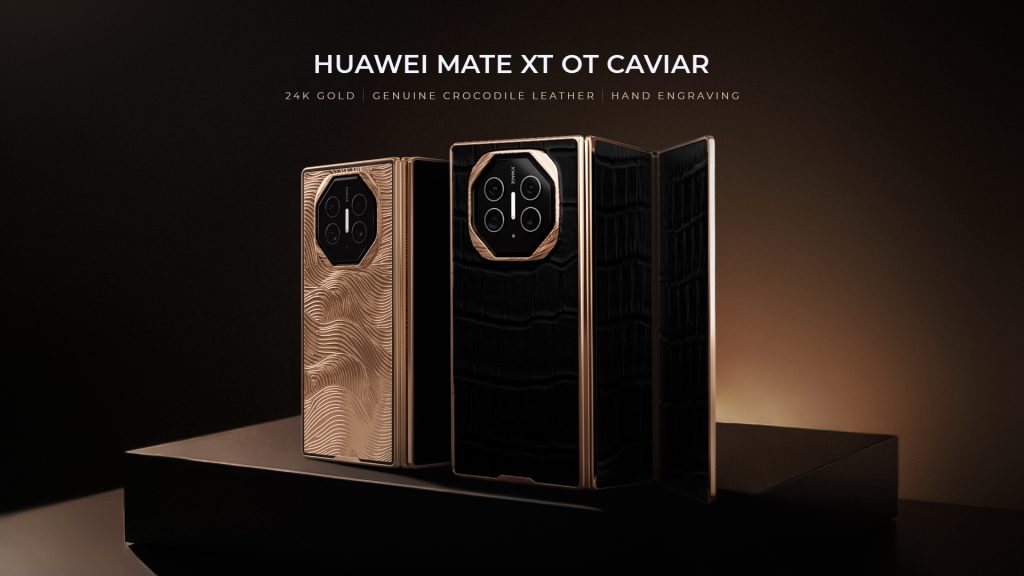
Caviar has unveiled the world’s first custom tri-fold Huawei Mate XT Ultimate, featuring premium materials like gold, carbon, titanium, and crocodile leather. Priced from $12,770, this luxury edition targets high-end tech enthusiasts following the Huawei Mate XT Ultimate’s recent launch in China.
Caviar Mate XT Ultimate Specifications
The Huawei Mate XT Ultimate is the world’s first triple-fold smartphone, featuring three screens and pre-orders that have already surpassed six million units. The standard edition of the Mate XT is available in faux leather finishes in red and black, but Caviar has taken this design to new heights with their exclusive “Rich Colors” collection.
The collection includes two custom versions: Gold Dragon and Black Dragon. These devices are crafted from the finest materials, offering a luxurious blend of Chinese heritage and modern technology.
The Gold Dragon model is the flagship of this collection, adorned in 24K gold using Double Electroplating technology. It features intricate patterns inspired by the ancient Chinese art of multi-layer sword forging from Longquan, a technique over 3,000 years old. The decorative design echoes the iconic Mate XT camera frame, elevating the device into a unique collector’s piece.
On the other hand, the Black Dragon version is inspired by the legendary Xuanlong from Chinese mythology and features black crocodile leather resembling dragon scales and gold-plated accents. It exudes power and sophistication, making it a bold statement piece for luxury design enthusiasts.
Pricing and Availability
Caviar’s custom Huawei Mate XT Ultimate is available in 256GB, 512GB, and 1TB storage options. The Black Dragon version starts at $12,770, while the Gold Dragon model starts at $14,500.
Each version is part of a limited-edition release, with only 88 units available, paying homage to the number 8, which is considered the luckiest number in Chinese culture.
Last month, Caviar introduced a gold-plated iPhone 16 Pro in the exclusive Desert Titanium color, with prices starting at $10,630.
Huawei‘s next big phone, the Mate 70 Pro, is rumored for a release sometime next month or if late, in November. Although the company hasn’t confirmed anything yet, we’ve been hearing about it via leaks and rumors. A leaked image of the device has now surfaced online showing the upcoming phone in real for the first time.
Huawei Mate 70 Pro image reveals few design details
The image, according to the source, shows a Huawei executive holding the Mate 70 Pro. The phone appears to sport a familiar circular camera island on the back and is housing a whopping five cameras. The display also seems to curve along all edges, following a design trend we’ve seen on other flagships.
Huawei Mate 70 Pro Live Image Leaks
While the case keeps the phone’s rear material and design a mystery, we can see the volume rocker and a potentially accented power button on the right-hand side. The case itself has three cutouts at the top, likely for a SIM card tray, microphone, and possibly an IR blaster.
Specifications
As for the specs, the Mate 70 Pro is expected to be powered by a new Kirin 9100 chipset. The details of this SoC are fairly scarce at the moment, but we can expect it to offer better performance and efficiency compared to the Kirin 9000S found in the Mate 60 Pro.
Huawei Mate 60 Pro front
We are also expecting changes to the camera systems. According to a previous report, the phone is expected to have a triple rear camera system with a 60MP main, 12MP ultrawide, and a 48MP telephoto. However, if the new image indeed shows the Mate 70 Pro with five cameras, the previous leaks may no longer be accurate.
So it’s important to note that leaks can be inaccurate even if they come from reliable sources. Huawei has yet to officially confirm any details about the Mate 70 series. But if the details hold true, what do you think—are these changes enough to compete with the latest flagships from other manufacturers?
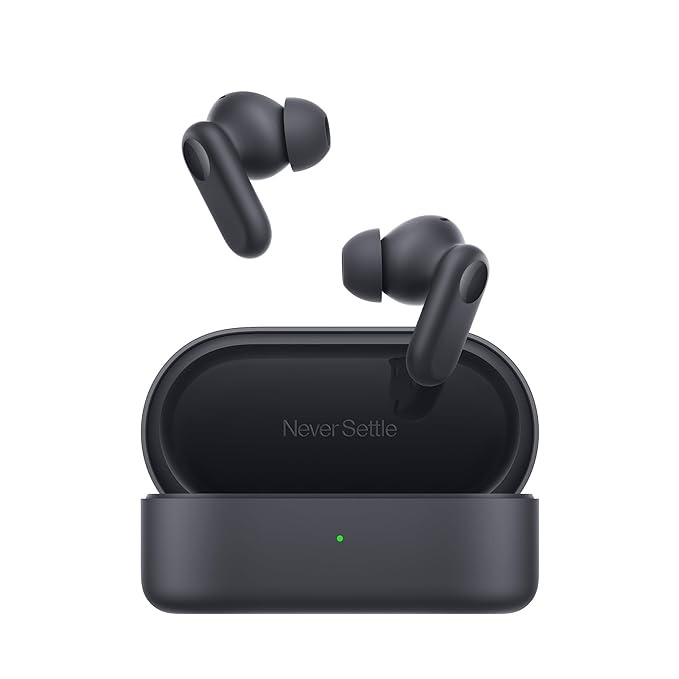
The company’s popular entry-level earbuds, OnePlus Nord Buds 2R, are available at the all-time lowest price on Amazon India. The Amazon Great Indian Festival sale is live now, and there are huge discounts available on various products. It is an excellent deal for interested folks who are looking for quality earbuds at an affordable price.
OnePlus Nord Buds 2r Earbuds Deal Details
Launched at Rs 2,199, the OnePlus Nord Buds 2R Earbuds are now retailing for Rs. 1599. Currently, you can grab additional discounts via the SBI Cards, which brings its price down to just Rs. 1,449. There’s another parallel deal running on Sony’s WF-C500 Earbuds, which is available at a Rs. 1,500 discount.
Please Note: When you buy something using the links in our articles, we may earn a small commission at no cost to you.
OnePlus Nord Buds 2r Earbuds Specifications and Features
The earbuds have a semi-in-ear design with angled silicone ear tips. OnePlus Nord Buds 2r Earbuds are packed with a 12.4mm titanium-coated dynamic driver, which delivers a crisp and clear audio experience. Dolby Atmos and Dirac Audio Tuner are both used to tune the sound. It has dual mics and an AI clear call algorithm to reduce the noise.
OnePlus Nord Buds 2R Earbuds have a battery life of up to 38 hours with a charging case, and without it, the earbuds last up to 8 hours on a single charge. The earbuds have Bluetooth 5.3 for connectivity with 94 ms latency, which is quite low. It also has an IP55 water and sweat resistance rating.
The festive season is here, and there are so many deals available out there on various gadgets, we list the best ones in our deals section, which you must visit.
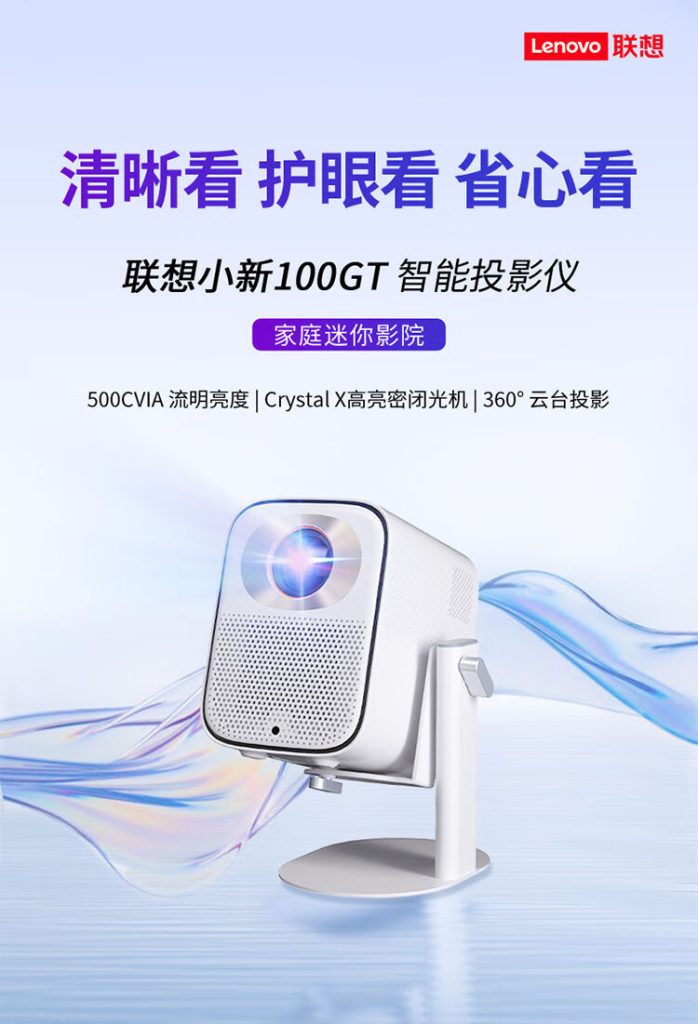
Lenovo has officially launched the Xiaoxin 100GT projector in the Chinese market, a feature-packed device that delivers high-quality visuals and immersive audio in a compact form. Let’s check out its key specs.
Lenovo Xiaoxin 100GT Projector Specifications
The Xiaoxin 100GT boasts a brightness level of 500 CVIA lumens (equivalent to approximately 1400 ANSI lumens), offering crisp and bright images even in moderately lit rooms.
The projector utilizes a Crystal X fully sealed optical engine, which ensures a longer lifespan by preventing dust from accumulating inside the lens system. It also delivers a 1080p resolution and supports content decoding at 1080p@60Hz. The device is powered by 2GB of RAM and includes 32GB of internal storage, giving users ample space to store apps and media files.
It comes with Wi-Fi 6 and Bluetooth 5.0, ensuring fast connectivity. Lenovo has included a HiSilicon chipset to power the device, ensuring smooth operation and efficient content decoding.
Special Features
The Xiaoxin 100GT features a 360° portable mount, enabling flexible projection in any direction, whether mounted on a ceiling or placed on a table, for an optimal viewing experience in various settings.
The projector runs on Lenovo’s ZUI Smart Projection OS, offering an ad-free boot experience and intelligent features like automatic keystone correction, auto-focus, and screen alignment. It also has intelligent obstacle avoidance, which adjusts the image to avoid any obstructions in the projection area.
For those who prioritize eye health, Lenovo has equipped the projector with low blue light and diffuse reflection technology, minimizing strain during extended viewing sessions.
In addition to its visual capabilities, the Lenovo Xiaoxin 100GT delivers a superior audio experience with its dual 5W full-range speakers. These speakers are housed within a 400cc sound cavity and are tuned for bass down to 80Hz, offering a rich and immersive sound that complements the projector’s visual output.
Pricing & Availability
Lenovo Xiaoxin 100GT Projector is now available for purchase on JD.com at a launch price of 1,079 yuan ($153).
Lenovo is also set to launch a new gaming tablet called Legion Y700 on September 29th, powered by the Snapdragon 8 Gen 3 chip, delivering impressive performance with an average of 59.9 FPS in 3D and RPG games at low power consumption. The tablet also features a 165Hz refresh rate screen and a large vapor chamber cooling system for enhanced thermal management.
A fire erupted early Saturday morning at a major Tata Electronics iPhone assembly plant in Hosur, Tamil Nadu which resulted in a complete production halt. Thankfully, reports of the incident suggest there were no human casualties or injuries.
A spokesperson for Tata Electronics Private Limited confirmed the incident, stating, “There has been an unfortunate incident of fire at our plant in Hosur, Tamil Nadu.”. “Our emergency protocols at the plant ensured that all our employees are safe”, he added.
Tata Electronics iPhones assembly plants are under impact by fire
However, the fire did cause significant damage to the manufacturing plants. ETTimes reports that production at the plant has halted and employees were sent home for the day because of the fire. The report adds fire officials confirmed a building had collapsed within the plant.
A source familiar with the plant’s operations told Reuters that the affected building produced certain iPhone components. However, it remains unclear if the nearby building, where smartphone production is set to begin by the end of the year, was also impacted.
Officials’ response suggests the situation will likely take time to stabilize. “We can’t go inside now as the pathway is destroyed,” stated J. Saravanan, the district’s senior industrial safety official, to Reuters. “It will take one day for it to cool down.”
VIDEO | Tamil Nadu: A major fire breaks out at a Tata manufacturing unit in Hosur. More details are awaited.
The full impact of the catastrophe is still unknown. Tata Electronics has not commented on any potential delays, but, likely, the plants will take time and a significant effort to get back running at their original capacity.
For those unaware, Tata Electronics is one of the major contract makers of iPhones in India, along with Foxconn. The Hosur plant, Apple’s fourth assembly facility in India, was expected to begin production in November this year, though this timeline may now be pushed back due to the incident.
The plant covers 250 acres, and according to Bloomberg, the facility is expected to house around 20 assembly lines and employ approximately 50,000 workers within the next two years.
TCL Technology’s subsidiary, TCL China Star Optoelectronics Technology (CSOT), has announced its ambitious plan to acquire a significant stake in LG Display’s (LGD) Chinese operations.
This strategic move includes the acquisition of 80% of LG Display (China) Co., Ltd. (LGDCA) and 100% of LG Display (Guangzhou) Co., Ltd. (LGDGZ), at a base price of CNY 10.8 billion ($1.512 billion).
Image Credit: Yicaiglobal
TCL CSOT to Strengthen Its LCD Market Leadership
This acquisition is expected to have a profound impact on TCL’s standing in the global display industry. The 8.5-generation plant in Guangzhou is primarily focused on producing large-sized LCD panels, especially for TV screens. It’s estimated to churn out around 14 million units in 2024, with a significant portion of the production focusing on panels 55 inches and above. By acquiring these assets, TCL CSOT will not only enhance its production capacity but also position itself as a dominant player in the large-sized LCD panel market.
TCL’s market share is set to surge, with CSOT’s share in large-generation LCD production surpassing 20%, making it the second-largest player in the sector globally. By 2026, CSOT’s market share is projected to climb to 23.9%, consolidating its influence alongside industry leader BOE, which currently holds 27%. Combined, these two Chinese manufacturers will control a commanding portion of the global LCD market.
For LG Display, this deal aligns with the company’s broader strategy to transition away from the increasingly saturated LCD market and focus on its more profitable OLED business. OLED technology has emerged as a growth area, particularly in premium display applications, and LGD aims to reinforce its leadership in this segment.
The sale of its Chinese LCD assets provides LG Display with much-needed capital to stabilize its financials, following multiple quarters of losses due to decreasing demand for LCD panels used in electronic devices.
This shift from LCD to OLED represents a strategic refocusing for LG Display, ensuring that it remains competitive in a rapidly evolving market. By shedding its LCD operations, LGD can now dedicate more resources to OLED technology, which is expected to drive future profitability as consumer demand for premium displays continues to rise.
However, this aggressive expansion may come with challenges. Many of LG Display’s South Korean clients overlap with CSOT’s existing customer base, potentially prompting shifts in supply chains as brands like Samsung Electronics and LG Electronics may seek alternative suppliers.
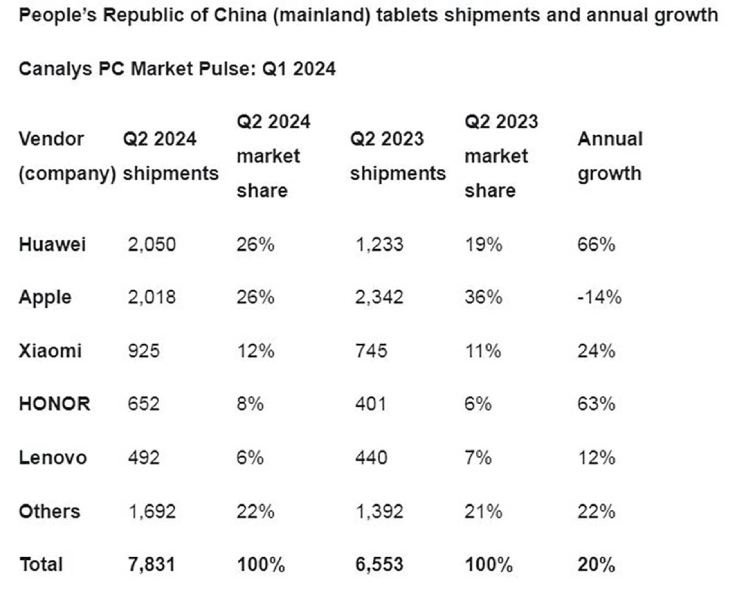
Huawei‘s grip on the Chinese tablet market is now stronger than ever. For the second straight quarter, the Chinese tech giant has outsold Apple in tablet shipments, according to a recent report by Canalys.
Huawei shipped more tablets than Apple in China
The report reveals that Huawei shipped a whopping 20.5 million tablets in Q2 2024 within China, translating to a dominant 26% market share. This not only secures them the top spot but also represents a significant 66% year-on-year growth.
The success can likely be attributed to Huawei’s aggressive launch strategy. Their diverse MatePad lineup, including the recently released dual-layer OLED MatePad Pro 12.2, seems to be resonating well with Chinese consumers.
Apple, despite holding a similar market share to Huawei (around 20.1 million tablets shipped), finds itself in a less rosy situation. The Cupertino company is facing a 14% decline in annual growth, possibly indicating a struggle to keep pace with the evolving Chinese tablet market.
The competition gets even fiercer when you consider local players like Xiaomi and Honor. Xiaomi grabbed the third spot with 9.25 million tablets shipped, while Honor saw an impressive 63% YoY growth, securing fourth place with 6.5 million units.
The trend clearly shows the growing competitiveness within the Chinese tablet landscape, with local vendors offering attractive alternatives to traditional giants like Apple.
This surge in competition has also fueled overall tablet sales in China. According to Canalys report, the Chinese market saw a 20% increase in tablet shipments compared to last quarter, likely driven by aggressive online promotions. The market research firm further predicts a 9% increase in shipment for the entire year.
Looking ahead, the focus seems to be shifting towards AI features. Canalys expects tech vendors to leverage AI functionalities to differentiate their products and attract customers in a market increasingly saturated with capable devices.
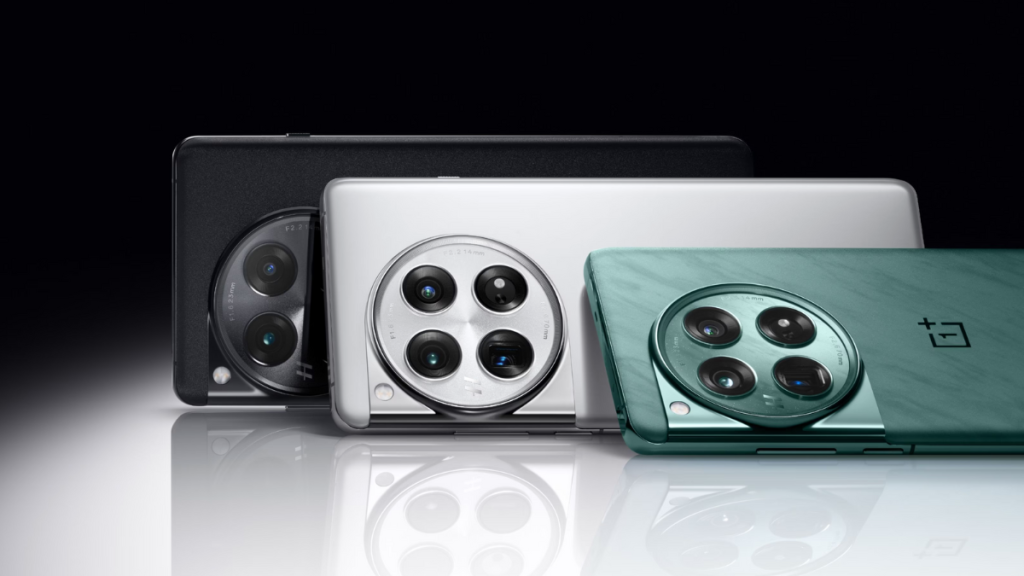
OnePlus 12 is a popular flagship phone released in 2023. It’s driven by the powerful Snapdragon 8 Gen 3 chipset and features a large circular triple camera module and a 5,400mAh battery with 100W fast charging support.
Here’s how the OnePlus 12 has performed in our tests on various benchmarks:
OnePlus 12 benchmarks
Scores
AnTuTu score
17,53,326
Geekbench
2,130 (single-core) 6,175 (multi-core)
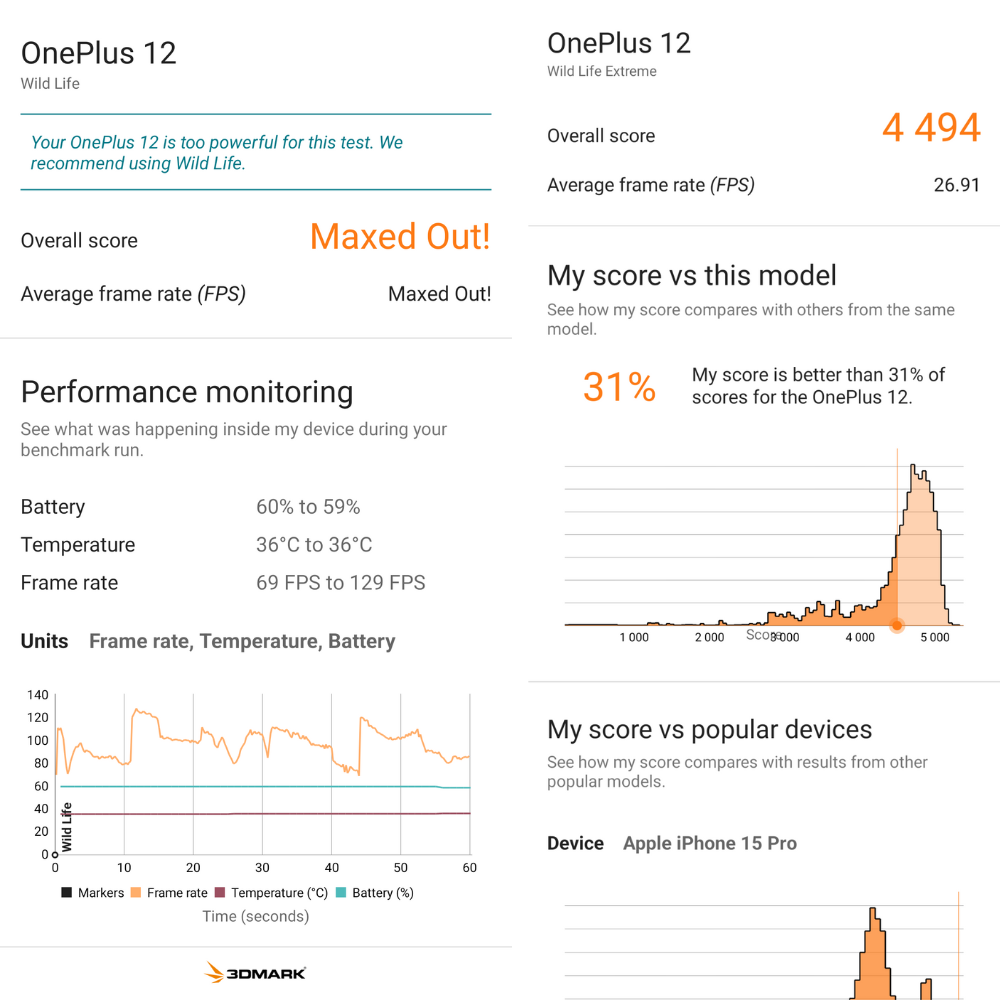
3DMark WildLife
Maxed out
3DMark WildLife Extreme
4,494
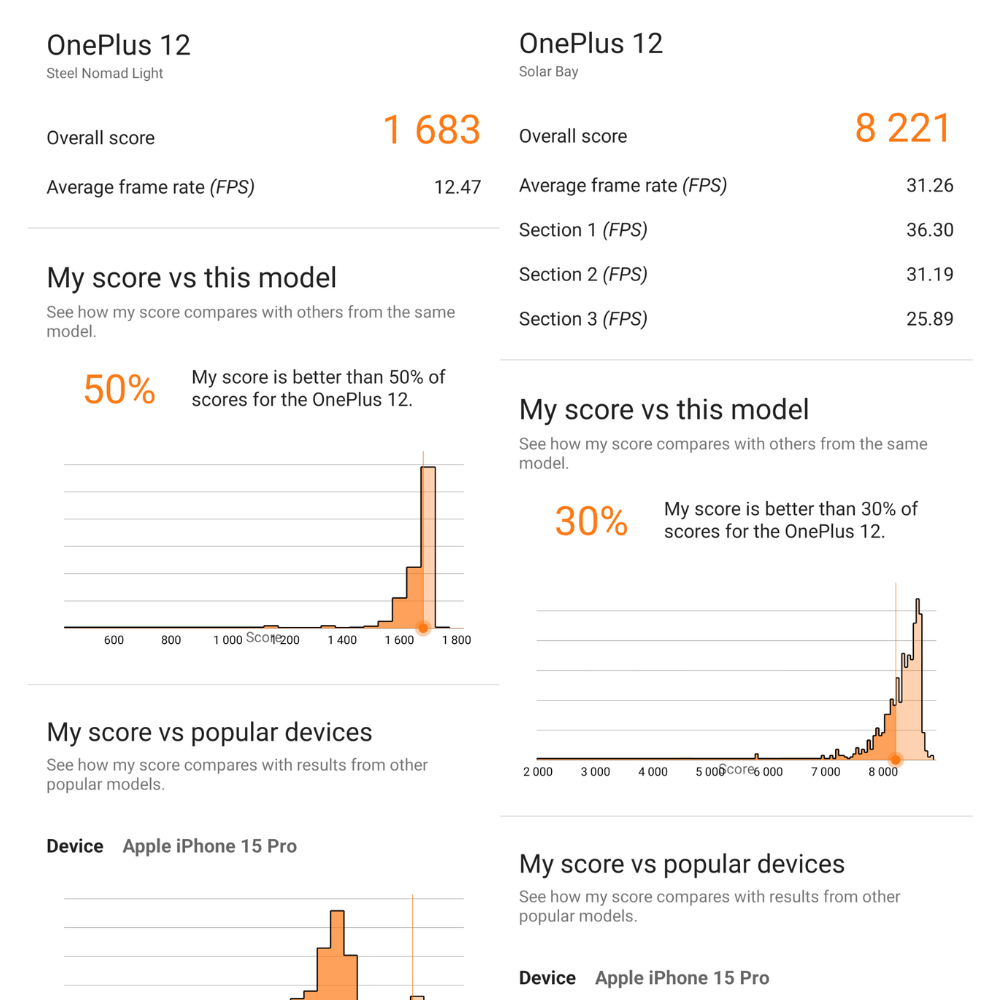
3DMark Steel Nomad Light
1,683
3DMark Solar Bay
8,221
If you are looking to buy the OnePlus 12, don’t forget to read our detailed review.
OnePlus 12 AnTuTu Score Analysis
AnTuTu is a popular benchmarking platform that runs a device through a series of tests that measure different aspects of its performance, such as CPU, GPU, memory, and UX. The combined score represents the overall performance of a device.
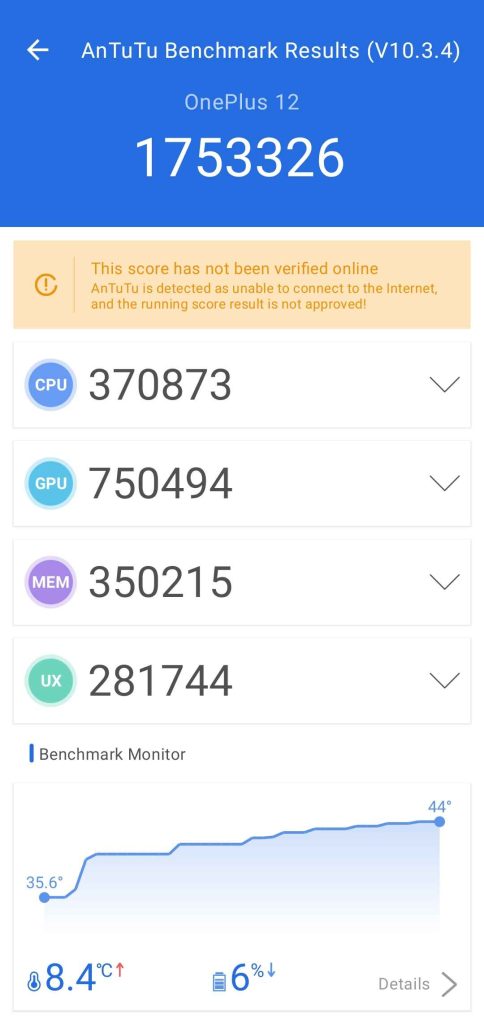
On the AnTuTu 10 benchmarking platform, the Snapdragon 8 Gen 3-powered OnePlus 12 has achieved a total score of 17,53,326. The CPU score is 370,873, the GPU score is 750,494, the memory score is 350,215, and the UX score is 281,744.
Asus ROG Phone 8 Pro currently has the highest AnTuTu score of 21,13,236, as per a recent official data. This device is powered by the Snapdragon 8 Gen 3, the same chip that powers the OnePlus 12. However, there’s a significant difference between the two in terms of AnTuTu scores, which could result from different software optimizations, cooling systems, and memory/storage speeds, to name a few.
OnePlus 12 Geekbench Score Analysis
Geekbench evaluates a device’s performance through a series of tests designed around practical scenarios. The tests include image processing, compression (text & image), speech recognition, and PDF rendering, to name a few.
On the Geekbench 6 platform, the OnePlus 12 has pulled off 2,130 points in the single-core test and 6,175 points in the multi-core test.
According to the official Geekbench data, the Galaxy S24 Ultra obtained the highest score, 2,141 for the single-core and 6,692 for the multi-core. The device is powered by the same chip, Snapdragon 8 Gen 3. As I mentioned before, the difference could be due to different software optimizations, cooling systems, and memory/storage speeds.
OnePlus 12 3DMark Score Analysis
3DMark is a popular benchmarking platform for evaluating the graphics performance of a device. It has various benchmarking methods, such as Wild Life, WildLife Extreme, Steel Nomad Light, and Solar Bay, to test various capabilities of a GPU.
The OnePlus 12 score on the 3DMark WildLife test is “Maxed out,” which means the device is too good for this test. The WildLife Extreme, as the name suggests, is a more enhanced version designed for high-performance devices, whereas the OnePlus 12 has scored 4,494 with an average FPS of 26.91.
Now, we move to the WildLife Steel Nomad Light, which measures graphics capabilities by simulating game-like workloads without ray-tracing. It has given the OnePlus 12 a total score of 1,683 and an average FPS of 12.47. We also ran the device through the 3DMark Solar Bay test, which resulted in a total score of 8,221 and an average FPS of 31.26.
OnePlus 12 Burnout Benchmark
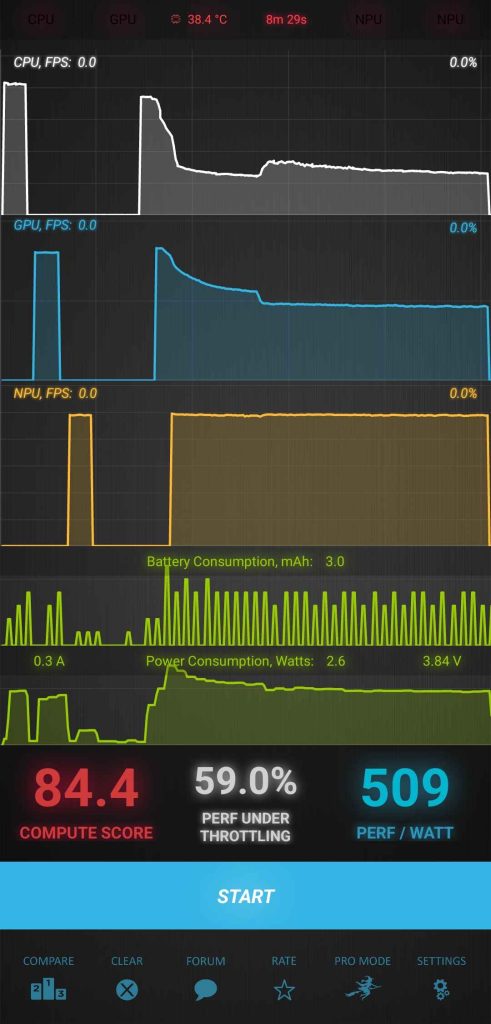
The Burnout benchmark helps determine how well a device can sustain performance under heavy workloads and how efficiently it utilizes power.
On the Burnout benchmark, the OnePlus smartphone obtained an 84.4 compute score, 509 performance per watt, and 59.0% performance under throttling.
OnePlus 12 Spec Sheet
OnePlus 12 Specs
Body
164.3 x 75.8 x 9.2mm 220g
Display
6.82″ 120Hz LTPO AMOLED 1440 x 3168 pixels resolution HDR10+, Dolby Vision, 4500nits (peak) Corning Gorilla Glass Victus 2
While Qualcomm is yet to release its 2024 flagship chipset, the Snapdragon 8 Gen 4, the cut-down version of it has already entered the rumor mill. Gizmochina spotted the chipset in Xiaomi’s HyperOS software with the model number “SM8735” a few days ago. Now X tipster Yogesh Brar suggests the chipset could launch in Q1 2025.
Previously, rumors suggested that Qualcomm might change the naming scheme of its upcoming flagship chipset to ‘Snapdragon 8 Elite.’ However, the tipster expects the current naming scheme to remain unchanged. Also, he mentioned the model number “SM8775” in his tweet, which is expected to be the Snapdragon 8+ Gen 4. However, nothing has been confirmed yet.
Qualcomm launched the Snapdragon 8s Gen 3 in March this year as a slightly downclocked version of the Snapdragon 8 Gen 3. While not much has been revealed about the new chipset, Qualcomm will likely follow a similar strategy to last year, where the ‘s’ branded chip features a slightly smaller footprint and reduced cache memories. However, it retains the same CPU and GPU cores from the flagship chipset.
Snapdragon 8s Gen 4 could serve as an alternative to SD 8 Gen 4
The presence of the Snapdragon 8s Gen 4 might make sense as rumors suggest that the top-of-the-line flagship chip will be more expensive than the Snapdragon 8 Gen 3.
It’s possible that we will see more cost-effective performance-centric devices using the ‘s’ branded chipset while still offering a reasonably good performance to manage all the heavy titles. For instance, Redmi Turbo 3 used the Snapdragon 8s Gen 3 chip.
While the Snapdragon 8 Gen 4 will launch in Q4 this year, a lot of flagships powered by this chipset will be released in Q1 next year, such as the vivo X200 Ultra, the Oppo Find X8 Ultra, and the Galaxy S24 Ultra. According to the GeekBench benchmark database, the performance core of Snapdragon 8 Gen 4 reaches 4.47GHz.
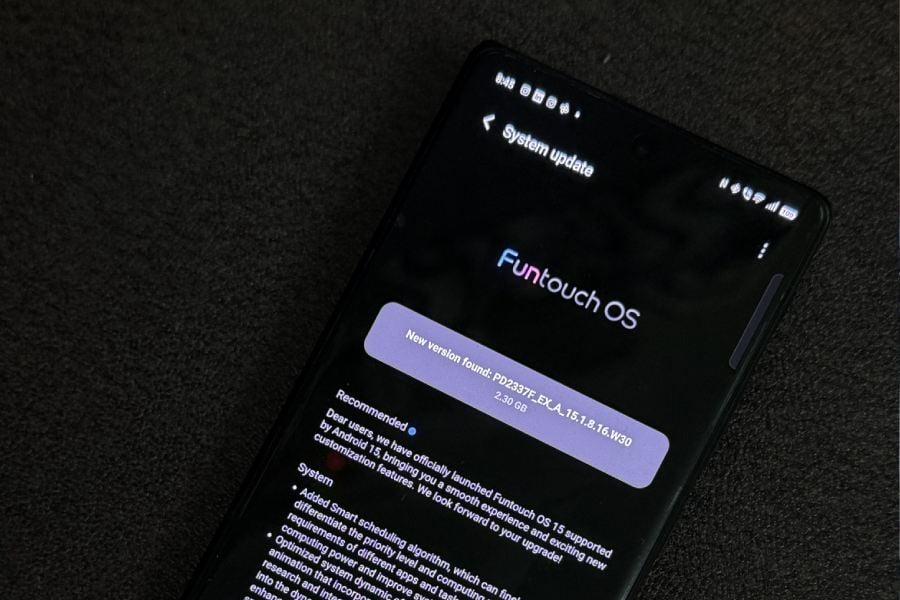
Vivo has become the first manufacturer to deliver Android 15 to users. Their custom skin, Funtouch OS 15, is rolling out to select flagship devices ahead of both Google and Samsung’s offerings. While the official launch is slated for September 30th, some lucky Vivo users are already experiencing Android 15.
Vivo rolls out Android 15 update
Google and Samsung have traditionally been the first to deliver major Android updates on their Pixel and Galaxy devices, respectively.
The Pixel 9 series, for example, is still waiting for its Android 15 update, with rollout expected to begin in mid-October. Samsung’s update schedule remains undisclosed, but it’s clear they’re currently behind Vivo.
So, which lucky Vivo devices get early access to Android 15? The update is currently rolling out to the Vivo X100 series, Vivo X Fold 3 Pro, and the iQOO 12.
For these users, Funtouch OS 15 brings a host of new features on top of the Android 15 offerings. These include an AI-powered “Eraser” tool in the Gallery app, likely similar to Google Photos’ Magic Eraser. There’s also a shadow removal tool for photo editing enthusiasts.
Additionally, Funtouch OS 15 includes a Live Transcribe feature that displays the words on your phone as they’re spoken. It’s an accessibility add-on for individuals who are deaf or hard of hearing.
Android 15 itself has some useful features like Private Space for managing personal apps (a function already offered by Vivo) and partial screen sharing for secure collaboration.
However, the biggest story is undoubtedly Vivo’s lead in the update race. It is probably the first time an Android update has graced non-Pixel devices before reaching Google’s flagship lineup.
Of course, it’s still early days, and we’ll have to see if Vivo can maintain this lead in future update cycles. But for now, Vivo users with compatible devices can enjoy the bragging rights (and the benefits) of being among the first to experience Android 15.
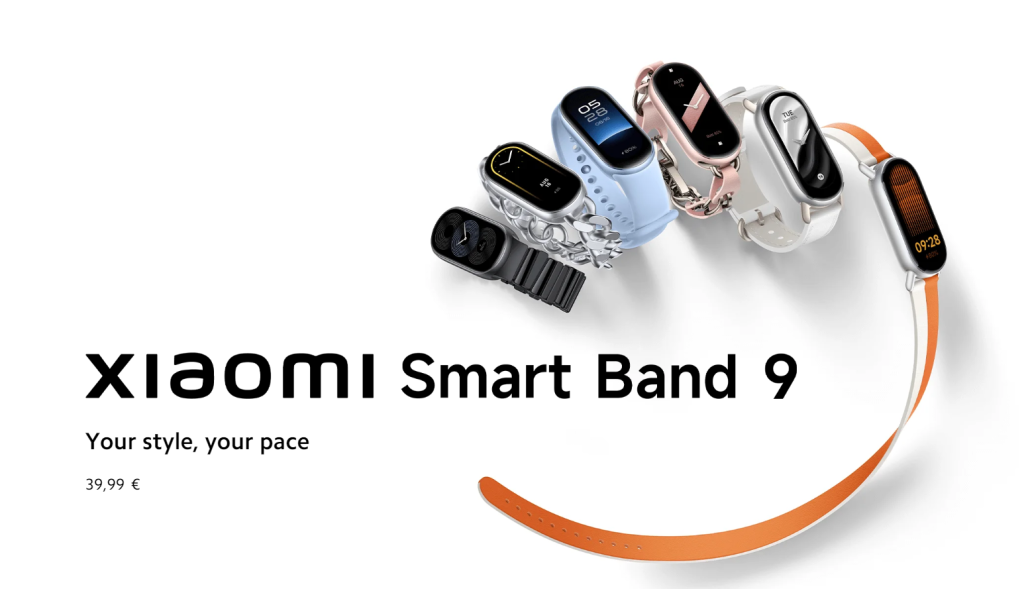
Xiaomi launched the Smart Band 9 along with its latest book-style foldable back in June this year in China. At the Xiaomi 14T series event, the company finally introduced its latest fitness band to the global market.
Xiaomi Smart Band 9 specs and features:
The fitness band features a 1.62-inch AMOLED display with a resolution of 192 x 490 pixels, which translates into a pixel density of 326ppi. The display reaches a peak brightness of up to 1200 nits and also lets users adjust the brightness. It offers 200+ watch faces, and a version of it also comes with NFC for contactless payment.
The fitness band weighs 15.8g (without the strap) and offers a battery life of 21 when AOD is turned off. With AOD on, it lasts about 9 days on a single charge. Under the hood, it packs a 233mAh battery which takes approximately 1 hour to charge.
The company claims it can withstand 5ATM water pressure, meaning it should survive up to 50 meters underwater. Xiaomi says they have also switched to a linear vibration motor for better haptic feedback.
For health tracking, it equips a 3-axis accelerometer, gyroscope, PPG, and ambient light sensor.
Health tracking features:
This smart band comes with 150+ health tracking features, which include walking, running, cycling, and much more. It also packs improved heart rate and SpO₂ sensor, for more accurate insights related to hearth health and blood oxygen level. It is 16% more accurate as compared to the Xiaomi Smart Band 8.
For connectivity, it supports Bluetooth 5.4 and offers basic features like music control, message replies, and weather updates. It can be connected to both Android and iOS devices.
Pricing & availability
The Xiaomi Smart Band 9 comes in a total of five different colors – Midnight Black | Glacier Silver | Mystic Rose | Arctic Blue | Titan Gray and is priced at 39.99 Euros (~ USD 44.51 / Rs. 3,720).
Lava introduced the Agni 2 5G last year, and now its successor, the Lava Agni 3, is set to launch in India. The brand has officially confirmed the release date of the device.
The Agni 3 5G will debut in India on October 4. Lava has been teasing the smartphone on its social media platforms for a few days now, and although no major details have been revealed yet, more information is expected to surface leading up to the launch.
Lava Agni 3 Specifications (Expected)
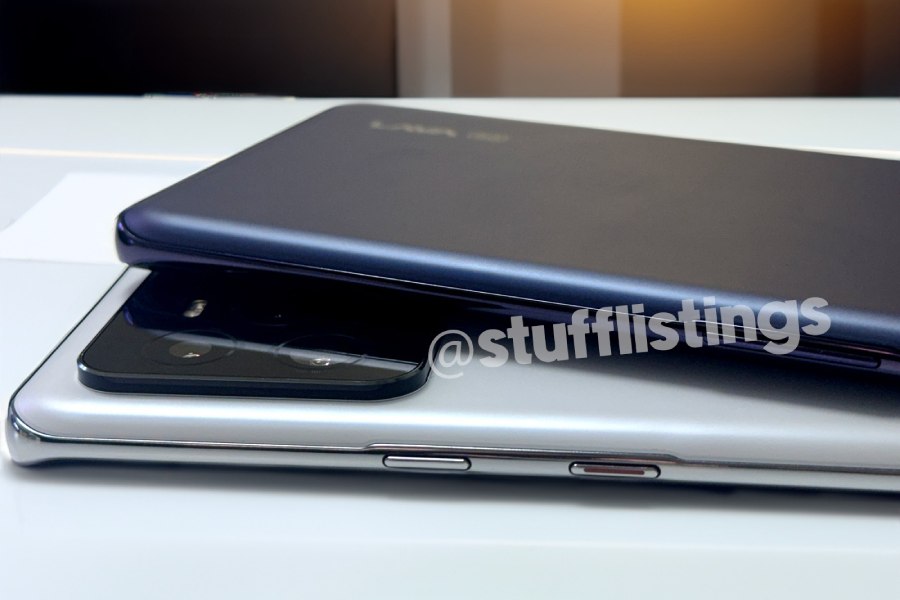
Ahead of the launch, though, live images of the Lava Agni 3 have surfaced, courtesy of tipster Mukul Sharma on X. The phone can be seen with curved edges on the back and what looks like a dual-camera setup.
The tipster claims the phone will also include a customizable button, similar to the Action button on iPhones. That is, users will be able to assign specific tasks to this button based on their needs.
While a third customizable button is an add-on I’m all in for, an even more exciting add-on on the Lava Agni 3 could be a secondary display on the back. Remember the Xiaomi 11 Ultra?
Words for this come from another X tipster who says that size-wise, the rear display is “tiny”. So we expect that it will offer a few basic functions like quick access controls. However, its usefulness will likely depend on Lava’s implementation.
Apart from this, the phone is expected to come with a 6.78-inch Full HD+ display featuring a 120Hz refresh rate, similar to the Lava Agni 2.
It will likely be powered by the MediaTek Dimensity 7300X SoC, with 8GB of RAM and up to 256GB of internal storage. Lava’s software experience is close to stock Android, and the Agni 3 could launch with Android 14 out of the box.
The expected price for the phone is around Rs 25,000, placing it in one of India’s most competitive smartphone segments. It will compete with models like the OnePlus Nord CE 4, Vivo T3 Pro, and Nothing Phone (2a).
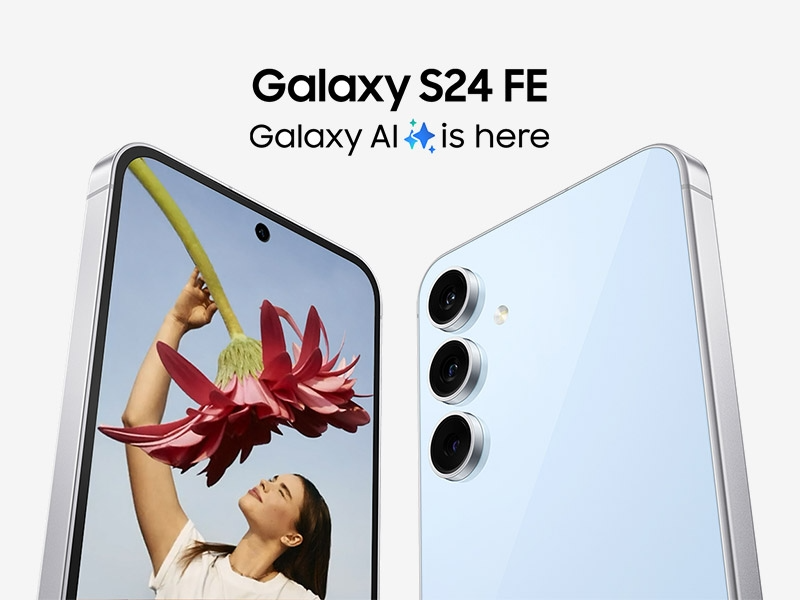
Samsung has launched its 2024 FE device, the Galaxy S24 FE, with a chipset that is expected to be a downgraded version of the Galaxy S24’s Exynos 2400 chip. This is called the Exynos 2400e. Now Samsung has officially confirmed that the Exynos 2400e only differs from the Exynos 2400 in one key area.
Samsung Galaxy S24 FE
100MHz lower clock speed as compared to Exynos 2400
The company reveals that the max frequency of the Exynos 2400e’s performance core is 3.1GHz, just 0.1GHz lower than that of Exynos 2400. “The silicon itself, however, is the same, and just the max frequency, or Fmax, has been slightly adjusted/optimized for the mobile device,” Samsung responds.
Samsung has managed to improve the power efficiency and stability of its Exynos 2400 chip to the point where both the Exynos and Snapdragon variants of the Galaxy S24 series offer similar performance in most use cases.
However, the reduction of peak clock speed for the S24 FE targets better thermal management, as the phone packs a relatively inferior heat dissipation system compared to the Galaxy S24 or S24+.
The 100MHz lower clock speed likely won’t result in a significant performance gap compared to flagship devices. Moreover, smartphone chips rarely reach their peak clock speeds in everyday use. This is good news for those considering the Galaxy S24 FE.
Nonetheless, it’s also important to note that the overall performance can still be tuned differently without reducing or changing the peak clock speed.
Other aspects of the Galaxy S24 FE
Speaking of other aspects, the Galaxy S24 FE packs a 6.7-inch Dynamic AMOLED 2X panel that supports an up-to-120Hz refresh rate. The panel reaches a peak brightness of 1900 nits, which ensures a reasonably good HDR video streaming experience. The phone weighs 213g and is 8mm thick.
The phone is currently available for sale on Samsung’s official website for Rs 65,999 (8+256GB), just Rs 2,000 less than the same configuration of the Galaxy S24. In comparison, the S24 is more compact and much lighter, with a 6.2-inch display and weighing 167 g.
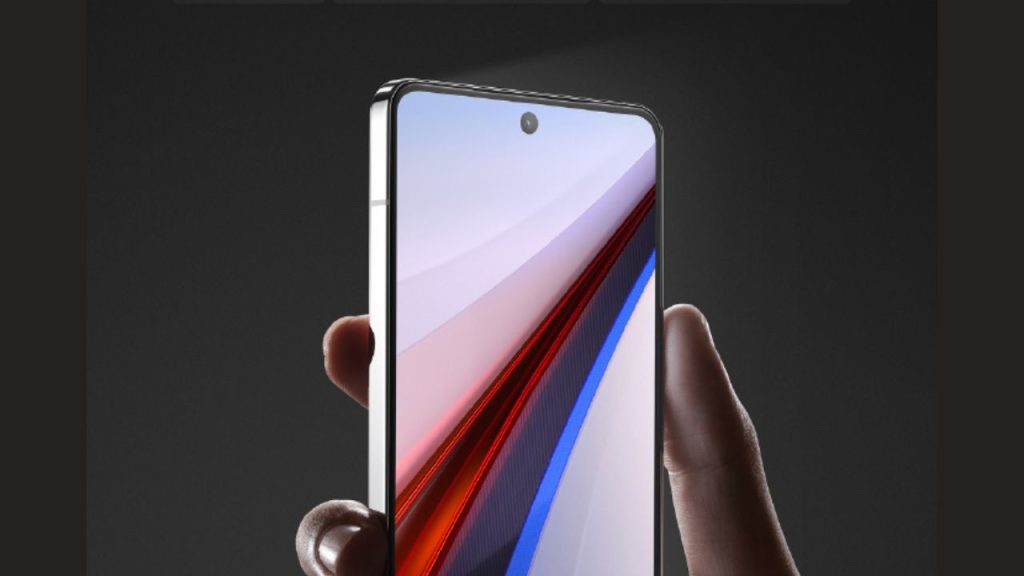
The iQOO 13 continues to be a hot topic in the rumor mill. Just a day after leak revealed its camera details, a new leak has surfaced with some interesting details about its display and improvements. Meanwhile, the phone has also appeared on the 3C certification site, revealing details about charging.
iQOO 13 to feature BOE’s latest OLED display
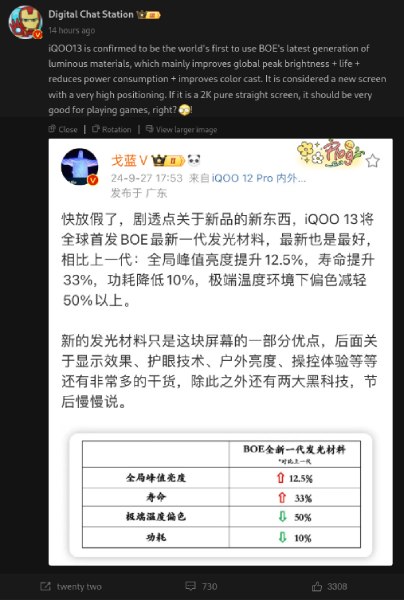
According to a post on Weibo by reliable leakster Digital Chat Station (DCS), the iQOO 13 could be the first phone to boast BOE’s latest light-emitting technology for mobile OLED panels.
The new tech is said to offer a host of improvements, including a 33% boost in panel longevity, and a 10% reduction in power consumption. The leak also suggests a jump in “global” brightness by 12.5% and the new display tech might also reduce the risk of screen burn-in by a whopping 50%.
These will be some quality-of-life upgrades to the already excellent display on the iQOO 12, with particularly promising claims for panel longevity and screen burn-in prevention.
iQOO 13 3C certification
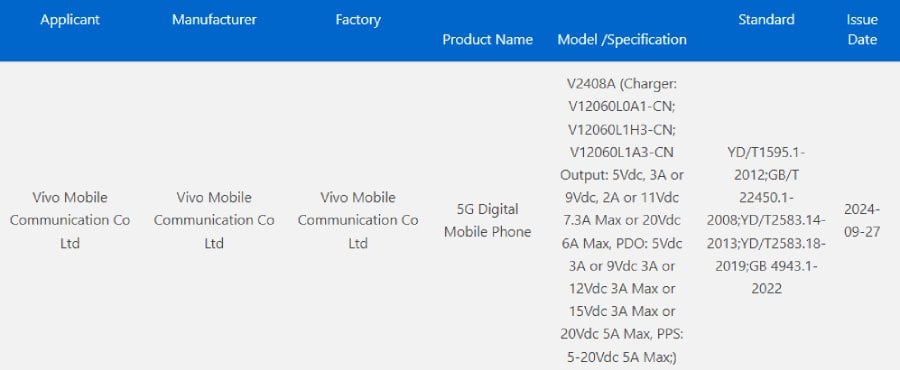
Expect the leak, 3C certification reveals some more details about the iQOO 13. The smartphone made an appearance on the certification site with model number V2408A and 120W charging support.
Rest of the specs
Apart from this, the phone is expected to pack the upcoming Snapdragon 8 Gen 4 SoC. The camera department could see a triple-sensor setup with a 50MP Sony IMX921 main sensor, a 50MP Samsung ISOCELL JN1 ultrawide lens, and a 50MP IMX826 telephoto lens with 2x zoom.
iQOO 12
Moreover, DCS previously teased RAM options reaching up to 16GB and storage up to 1TB. A large battery was also mentioned, though specific details remain under wraps.
iQOO itself hasn’t confirmed anything about the iQOO 13, but considering the continuous stream of leaks, a launch date shouldn’t be too far off. We will keep you on the loop for any new updates.
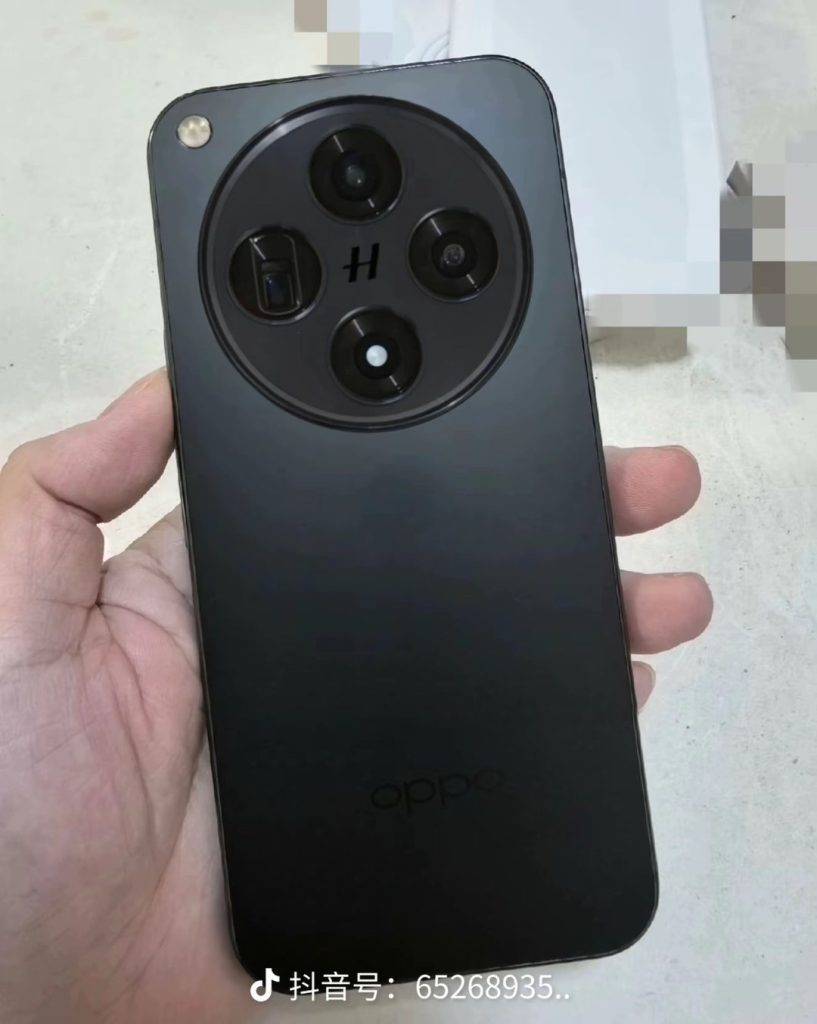
The front design of the upcoming Oppo Find X8 was recently leaked through some live images, revealing a very iPhone-like aesthetic with thin symmetrical bezels. Now, the back design of the device has also leaked, and it looks a lot like the OnePlus Open / Oppo Find N3.
An image shared on X (formerly Twitter) by user @feni_book has revealed the alleged rear design of the upcoming Oppo Find X8, and by the looks of it, Oppo is going with an iPhone-like flat sides, with a camera island that resembles the OnePlus Open.
The device will feature three camera sensors and the “H” branding in the middle of the camera island means that the Oppo will be working with Hasselblad to finetune the camera software as well as the color accuracy. Overall, the device also appears to be smaller in size compared to its predecessor, with a less pronounced camera bump.
In terms of performance, the Find X8 is likely to feature MediaTek’s Dimensity 9400 chipset, which was recently seen on Geekbench, showing strong results in both single-core and multi-core tests.
According to a recent report, the Find X8 will come with a 5,700mAh battery that supports wireless charging, while the X8 Pro will include a slightly larger 5,800mAh battery with 50W wireless charging. Both models will also support 80W wired charging. Additional features of the series include an IP69-rated body, an alert slider, and a dedicated camera control button.
We use cookies on our website to give you the most relevant experience by remembering your preferences and repeat visits. By clicking “Accept”, you consent to the use of ALL the cookies.
This website uses cookies to improve your experience while you navigate through the website. Out of these, the cookies that are categorized as necessary are stored on your browser as they are essential for the working of basic functionalities of the website. We also use third-party cookies that help us analyze and understand how you use this website. These cookies will be stored in your browser only with your consent. You also have the option to opt-out of these cookies. But opting out of some of these cookies may affect your browsing experience.
Necessary cookies are absolutely essential for the website to function properly. This category only includes cookies that ensures basic functionalities and security features of the website. These cookies do not store any personal information.
Any cookies that may not be particularly necessary for the website to function and is used specifically to collect user personal data via analytics, ads, other embedded contents are termed as non-necessary cookies. It is mandatory to procure user consent prior to running these cookies on your website.








![OnePlus Nord Buds 2r True Wireless in Ear Earbuds with Mic, 12.4mm Drivers, Playback:Upto 38hr case,4-Mic Design, IP55 Rating [Deep Grey]](https://www.gizmochina.com/wp-content/plugins/aawp/public/image.php?url=YUhSMGNITTZMeTl0TG0xbFpHbGhMV0Z0WVhwdmJpNWpiMjB2YVcxaFoyVnpMMGt2TXpGb1dIRjBkblYwWkV3dVgxTk1NVFl3WHk1cWNHYz18MTc5MjgxNDIyNQ=)