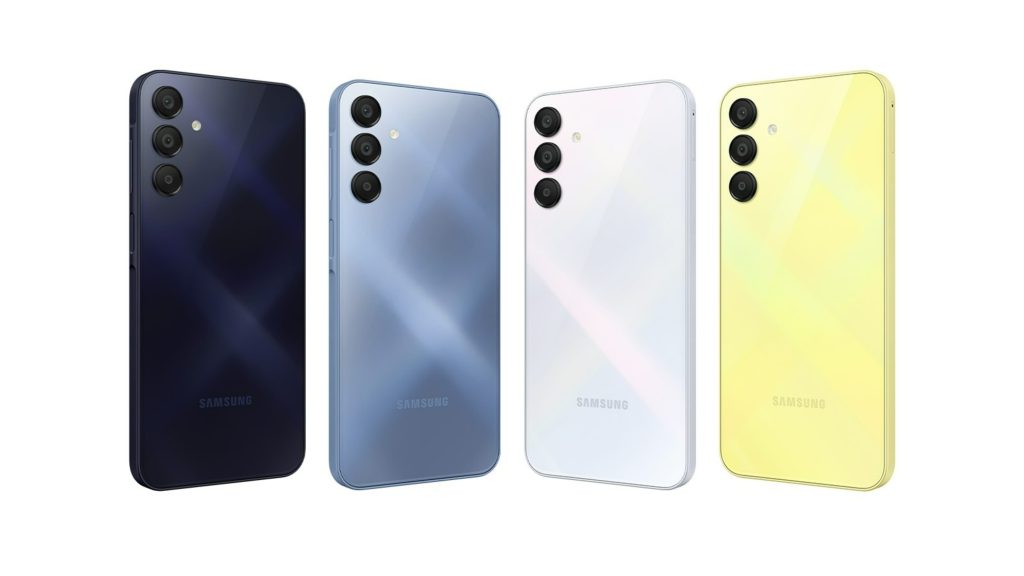
Samsung launched the Galaxy M55 and Galax F55 earlier this year. Looks like the company is prepping another device in that same vein. The phone in question is the Galaxy M55s that just showed up in leaked renders revealing a bit of a unique design from its siblings.
Like most Samsung mid-range phones, the M55s’ back panel is likely made of plastic. But it gets a unique textural treatment. There are at least three distinct textures visible on the renders, and that is very different from the matte finishes of the M55 and F55.
While the design is a clear differentiator, the leaked specifications paint a more familiar picture. The M55s are expected to mirror the existing M55 and F55 in terms of core hardware.
It is said to come with a 6.67-inch Super AMOLED display with a 120Hz refresh rate, and a triple rear camera system featuring a 50MP main sensor with optical image stabilization (OIS), an 8MP ultrawide sensor, and a 2MP macro sensor.
For selfies, there will be a 50MP front-facing camera. Memory option is said to include 8GB of RAM and 128GB of storage (with likely microSD expansion capabilities) while the device will be fueled by a 5,000mAh battery with 45W wired charging support.
This isn’t the first time that the Galaxy M55s has made headlines. Back in July, it received Wi-Fi Alliance certification. Last month, a Geekbench listing seemingly confirmed a Snapdragon 7 Gen 1 chipset under the hood. Now, we have also got a look at its design.
However, it’s unclear when the company is planning to launch the smartphone. We will keep you updated on the matter.
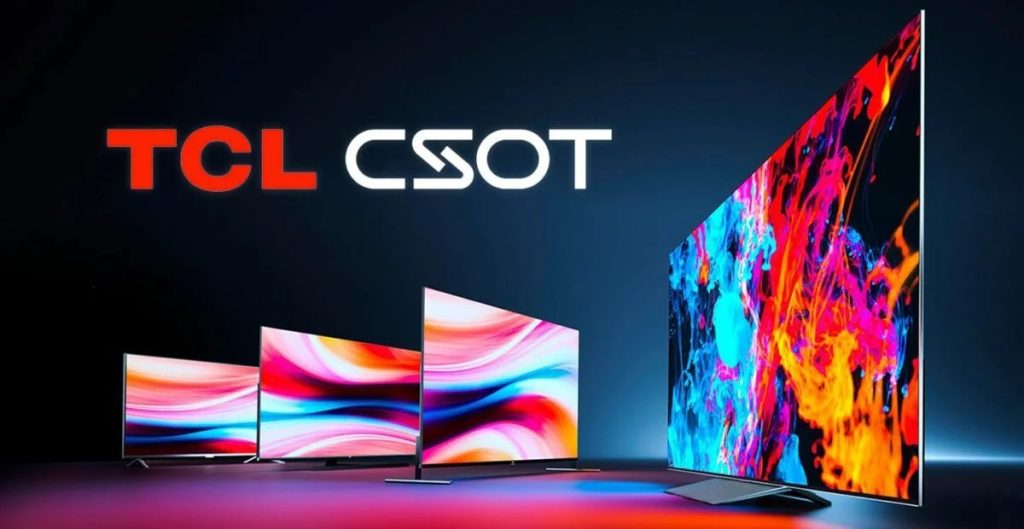
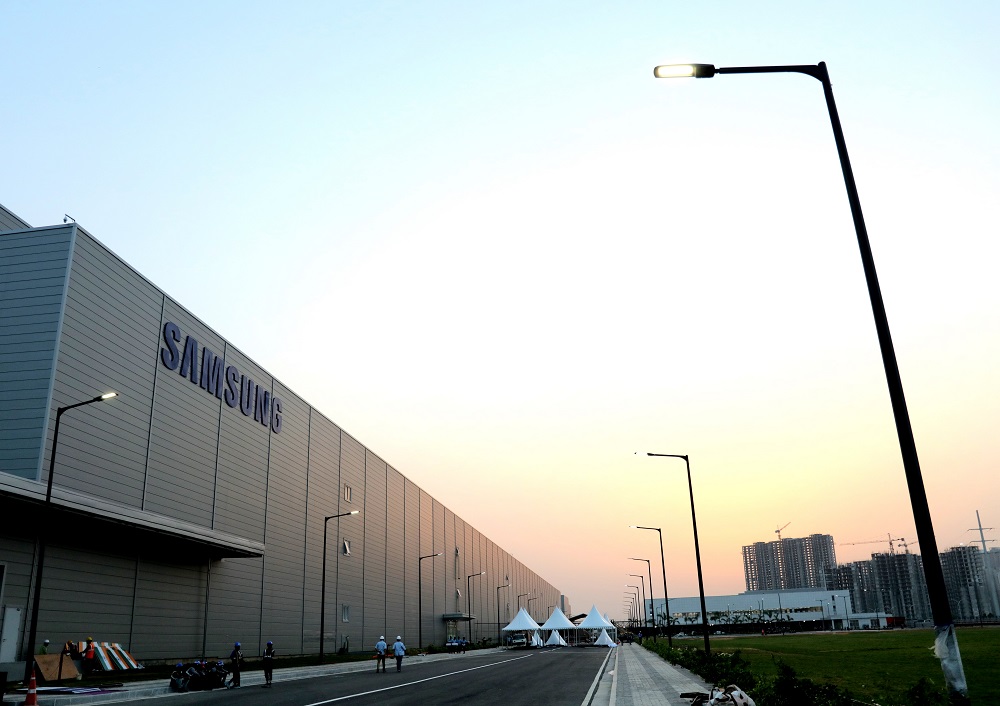
Today we have news about TCL overtaking Samsung in the MiniLED market, Samsung has a production crisis in India, and the iPhone 16 Pro’s first benchmark reveals disappointing results.
Today’s Tech Highlights:
Mini LED TV Market Surge: Know more about the unexpected rise of Mini LED TVs, as they overtake OLED in both shipments and revenue, with TCL leading the charge against Samsung.
Samsung’s Production Crisis in India: Get more details on the ongoing labor dispute at Samsung’s Indian factory, as workers strike for better wages and union rights, potentially disrupting global supply chains.
iPhone 16 Pro Benchmark Leak: Analyze the surprising Geekbench results of the alleged iPhone 16 Pro, and what they might mean for Apple’s latest flagship performance.
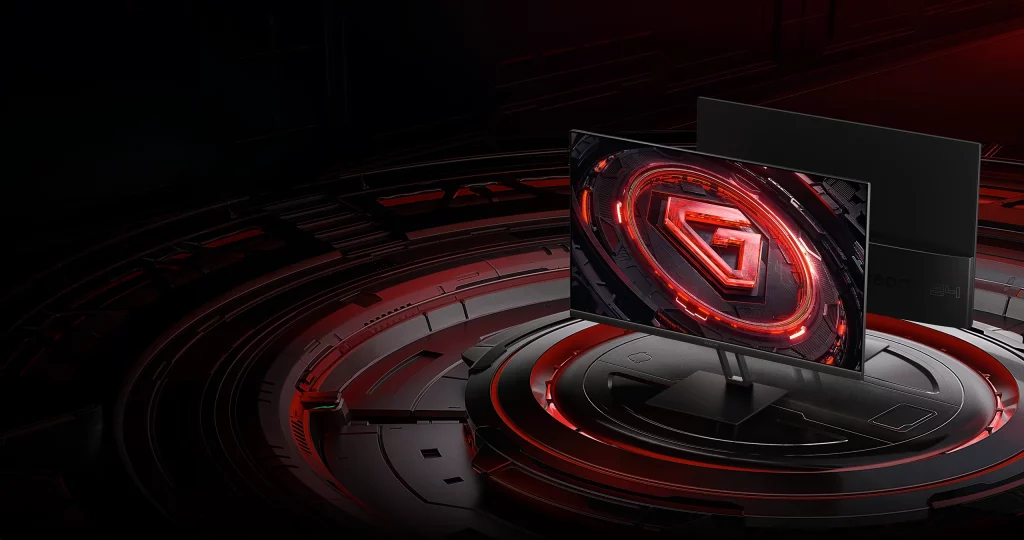
Xiaomi’s New Gaming Monitors: More details on Xiaomi’s latest entries into the gaming monitor market, as the company expands its global offerings for gamers and content creators.
Plus, don’t miss our roundup of other exciting stories, including Samsung’s more affordable Galaxy A15 5G, HMD Global’s new feature phones for the Indian market, a comparison between Amazfit’s rugged smartwatches, and the long-awaited launch of the Sony PS5 Pro!
According to a recent report by Display Supply Chain Consultants (DSCC), the Mini LED TV market witnessed significant growth in the second quarter of 2024, overtaking OLED TVs for the first time in both shipments and revenue.
Samsung is facing production disruption in India. The company’s plant in the country has been hit with backlash from its workers, who are currently on strike. These employees are protesting for multiple reasons, which include higher wages. Here’s what we know so far.
Apple has launched the much anticipated iPhone 16 series with a total of four models: iPhone 16, iPhone 16 Plus, iPhone 16 Pro, and iPhone 16 Pro Max. The devices will likely become available on September 20. However, ahead of the sale, the alleged iPhone 16 Pro has been spotted on Geekbench, revealing disappointing performance.
Xiaomi has added two new models to its gaming monitor lineup: the G24i and the G27Qi. These monitors are designed for both gamers and content creators, offering solid performance and useful features.
The past two months have been pretty amazing for foldable phones. From the familiar folding displays to the ambitious tri-fold design from Huawei, the category is brimming with new options.
While Huawei’s tri-fold will likely not launch in global markets yet, today we’re here to talk about two new foldables from Honor and Google.
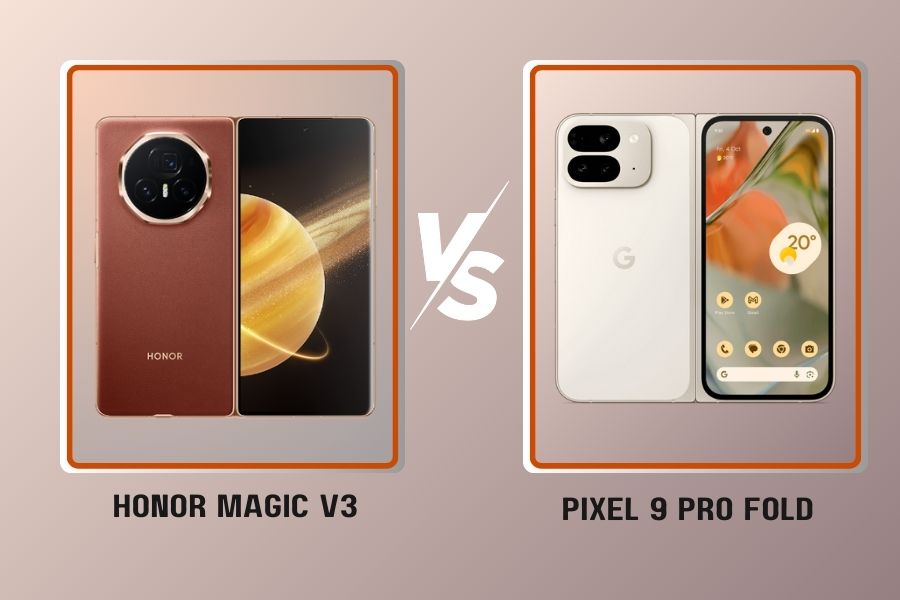
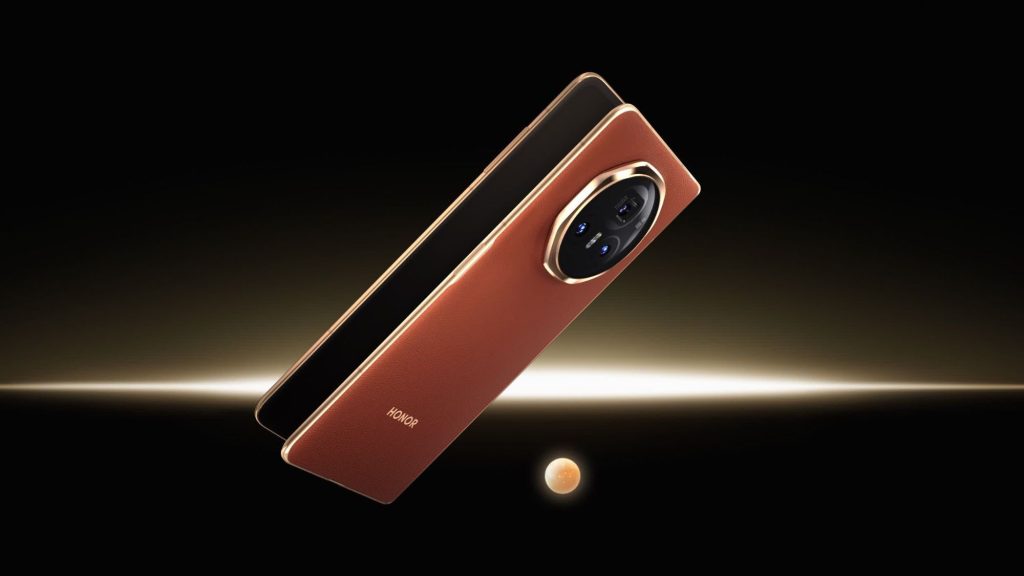
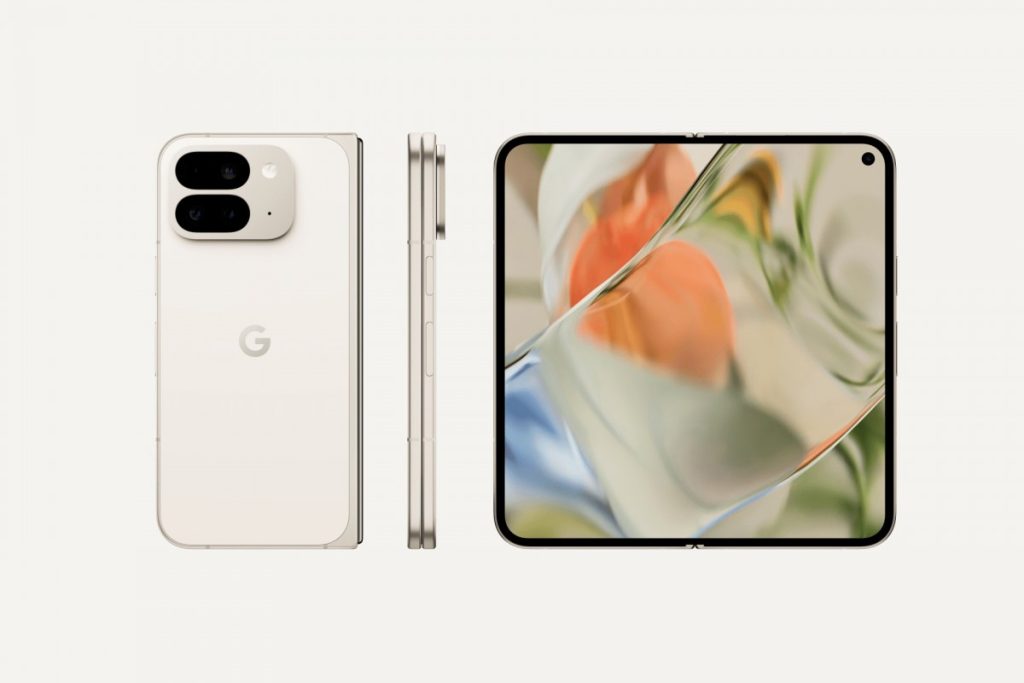
Honor just launched the Magic V3 as the world’s slimmest foldable, while the Pixel 9 Pro Fold from Google debuted last month, and it’s a major update in terms of hardware from its first generation offering. But which among these foldable is the best for you? Let’s find out.
Both the Honor Magic V3 and the Pixel 9 Pro Fold prioritize build quality and durability, but they take different paths in design. The Magic V3 is lighter at 230 grams while the Pixel weighs 257 grams.
For users who prioritize a lightweight device, the difference in heft should make a noticeable difference — particularly when holding the phone for extended periods or using it one-handed in folded mode.
Another notable difference is in terms of thickness. The Magic V3 is the thinnest foldable on the market with a profile of just 9.3mm when folded. Meanwhile, the Pixel 9 Pro Fold, at 10.5mm, feels bulkier in comparison.
Google has used a Gorilla Glass Victus 2 for protection on the cover screen. Honor also has opted for a screen cover, but it’s in-house King Kong Rhinoceros protection which is less familiar but can still prove reliable in long usage.
Both phones offer IPX8 water resistance, which is becoming a standard feature in high-end foldables. This protection gives users peace of mind against accidental water exposure, but neither device includes dust resistance—a common omission among foldable phones due to their hinge mechanisms.
Please Note: When you buy something using the links in our articles, we may earn a small commission at no cost to you.
2. Display and Usability
The screen experience on both foldables is where the differences become more apparent. The Honor Magic V3 features a 7.92-inch foldable LTPO AMOLED display with a peak brightness of 1800 nits.
While this is impressive, the Pixel 9 Pro Fold goes further with an 8.0-inch OLED display that peaks at 2700 nits. This means that Google’s offering will generally perform better in bright, outdoor conditions, making it the better option for users who often use their devices in direct sunlight.
Where the Honor Magic V3 stands out is in its cover display. The 6.43-inch LTPO OLED display supports up to 5000 nits of brightness, dwarfing the Pixel’s 6.3-inch OLED cover screen, which peaks at 2700 nits. This makes the Honor Magic V3 much better for outdoor visibility.
Both devices offer 120Hz refresh rates across the panels. However, those who prioritize multimedia consumption might prefer the Honor Magic V3 as it supports Dolby Vision. Google’s offering only has HDR support.
3. Performance and Software
Under the hood, the Honor Magic V3 and the Pixel 9 Pro Fold use different approaches to deliver performance. The Honor Magic V3 runs on Snapdragon 8 Gen 3, Qualcomm’s current best SoC.
Meanwhile, Google sticks with its in-house Tensor G4 chipset, which, while slightly behind in raw performance compared to Qualcomm’s offering, is optimized for AI-driven features.
The Pixel 9 Pro Fold offers up to seven major Android upgrades, which gives it a significant edge in terms of software longevity. Google’s integration of AI features such as Best Take and Zoom Enhance is also a selling point for photography enthusiasts, allowing for refined photo processing without requiring much user input.
Honor’s MagicOS 8.0.1, based on Android 14, delivers a seamless software experience, but it can’t quite match the level of Google’s AI integration, which is deeply embedded into the core of its OS.
4. Camera Capabilities
The camera systems on these foldables are one of the biggest differentiators. Honor focuses on hardware versatility with a 50 MP main camera, a 50 MP periscope telephoto lens, and a 40 MP ultrawide camera. These provide a solid range of shooting options, especially with 3.5x optical zoom on the telephoto lens.
On the other hand, the Pixel 9 Pro Fold leans heavily into computational photography, where its 48 MP main camera and 10.8 MP telephoto lens with 5x optical zoom come into play. Google’s camera software, aided by the Tensor G4’s AI capabilities, shines through features like Add Me and Best Take.
So for those who prefer letting the software do the heavy lifting, the Pixel 9 Pro Fold’s AI-driven enhancements make it a compelling option. It offers a superior experience in low-light conditions and dynamic range, making everyday photography more intuitive and less reliant on manual adjustments.
In terms of video capabilities, both devices support 4K recording at up to 60fps. However, the Pixel 9 Pro Fold goes further by offering 10-bit HDR recording. It can capture more color detail, while the Honor Magic V3 remains reliable with gyro-EIS and OIS stabilization.
5. Battery Life and Charging
In terms of battery, the Honor Magic V3 comes equipped with a 5150 mAh cell, bigger than the 4650 mAh battery on the Pixel 9 Pro Fold. On paper, the Magic V3 should offer a better run time. However real-world usage will depend on how the devices manage power consumption with their foldable displays.
For charging, Honor supports faster wired charging at 66W, while the Pixel maxes out at 21W. Honor’s device also supports faster wireless charging at 50W, compared to the Pixel’s 7.5W. And Magic V3 also supports 5W reverse wired charging, a feature missing from the Pixel 9 Pro Fold.
6. Additional Features
In terms of additional features, both devices offer side-mounted fingerprint sensors, which are fast and reliable. The Pixel 9 Pro Fold includes Ultra-Wideband (UWB) support and a satellite SOS service, which provides an extra layer of safety for users in remote areas. Meanwhile, Honor includes stylus support, which can appeal to users who like to sketch or take notes directly on their device.
For connectivity, both foldables feature Wi-Fi 7 and Bluetooth 5.3, ensuring fast and stable connections. NFC is supported on both, although the Pixel 9 Pro Fold adds UWB for precise spatial awareness, which may prove useful as more accessories and apps adopt this technology.
7. Price
As for the price, the Magic V3 is available in a single 12/512GB variant for €1,999. The Google Pixel 9 Pro Fold’s 512GB version is slightly higher at €2,029, but it also offers a base 256GB option for €1,899.
8. Conclusion
The Honor Magic V3 and the Google Pixel 9 Pro Fold are two different takes on what a foldable phone should be. Honor focuses on a lightweight, compact design, faster charging speeds, and hardware versatility, particularly in the camera department. It’s a great option for users who want a practical, high-performance foldable that doesn’t compromise on photography or battery life.
On the other hand, the Pixel 9 Pro Fold shines through software integration and AI-driven features. Its superior computational photography, along with Google’s extensive software support and deep integration of AI tools, makes it a compelling choice for users who prioritize long-term software updates and prefer a hands-off approach to photo and video editing.
Ultimately, the decision between these two foldables boils down to your priorities. If you value raw hardware performance and a more versatile camera system, the Honor Magic V3 is the better choice. However, if you’re drawn to Google’s ecosystem, its software-driven enhancements, and AI-powered camera tools, the Pixel 9 Pro Fold may offer a more cohesive, long-term experience.
The competition in the smartphone market is fiercer than ever, with brands continually pushing the envelope to offer the best value for consumers. Two such contenders are the Vivo V40 Pro and the OnePlus 12R. Both devices are packed with impressive features, but when deciding, which one should you choose, this detailed comparison helps you make an informed decision.
Design:
Features: The Vivo V40 Pro and OnePlus 12R both boast premium designs, yet they cater to slightly different aesthetics. The Vivo V40 Pro is slim and lightweight, with dimensions of 164.4 x 75.1 x 7.6 mm and a weight of 192 g. It features a glass front and back, providing a sleek, high-end feel, and it is IP68/IP69 certified, offering robust protection against dust and water.
In contrast, the OnePlus 12R is slightly bulkier, measuring 163.3 x 75.3 x 8.8 mm and weighing 207g. It also features a glass front and back but with a more durable aluminum frame and Gorilla Glass Victus 2 protection. The OnePlus 12R is IP64 certified, which provides basic dust and water resistance but is not as comprehensive as the Vivo’s rating.
Similarities: Both phones utilize a glass construction for the front and back, which not only enhances durability but also adds a touch of elegance. The dimensions are similar, making them comfortable to hold and use despite the slightly different thicknesses.
Differences: The Vivo V40 Pro is lighter and thinner, which might appeal to those who prefer a more minimalist design. The OnePlus 12R, however, offers a more rugged build with a stronger frame and superior glass protection, making it a better choice for those prone to dropping their devices or working in more demanding environments.
Advantages: The Vivo V40 Pro’s IP68/IP69 rating provides superior protection against the elements, making it ideal for users who require a more resilient device. On the other hand, the OnePlus 12R’s Gorilla Glass Victus 2 offers better drop protection, catering to those who prioritize durability over slimness.
Which is Better? For those who value a slim, lightweight phone with top-notch water and dust resistance, the Vivo V40 Pro is the winner. However, if you need a sturdier device with superior drop protection, the OnePlus 12R is the better choice.
Please Note: When you buy something using the links in our articles, we may earn a small commission at no cost to you.
Display, Media, and Software:
Features: Both the Vivo V40 Pro and OnePlus 12R come equipped with stunning displays that offer vibrant colors and smooth performance. The Vivo V40 Pro features a 6.78-inch AMOLED display with HDR10+ support, a 120Hz refresh rate, and an impressive peak brightness of 4500 nits. The resolution stands at 1260 x 2800 pixels, providing sharp visuals and an immersive viewing experience.
The OnePlus 12R also boasts a 6.78-inch LTPO4 AMOLED display, supporting HDR10+, Dolby Vision, and a 120Hz refresh rate. Its peak brightness matches the Vivo’s at 4500 nits, but it offers a slightly lower resolution of 1264 x 2780 pixels. However, the OnePlus 12R’s display is protected by Corning Gorilla Glass Victus 2, making it more resistant to scratches and minor impacts.
Similarities: Both devices offer HDR10+ support and a 120Hz refresh rate, ensuring smooth scrolling and vibrant colors. They also share the same peak brightness, making them ideal for use in bright sunlight.
Differences: While both displays are of similar size and brightness, the Vivo V40 Pro uses Schott Xensation Alpha protection, while the OnePlus 12R opts for the more widely recognized Gorilla Glass Victus 2. The OnePlus 12R also supports Dolby Vision, offering a slight edge in video playback quality.
Advantages: The Vivo V40 Pro’s display is slightly more pixel-dense, which could make a difference for those who prioritize resolution. However, the OnePlus 12R’s Dolby Vision support and stronger display protection may appeal more to media enthusiasts and those who prioritize durability.
Which is Better? For media consumption, the OnePlus 12R’s Dolby Vision support gives it a slight edge. However, if resolution and pixel density are more important to you, the Vivo V40 Pro might be the better choice.
Performance and Battery:
Features: Under the hood, the Vivo V40 Pro is powered by the Mediatek Dimensity 9200+ chipset, an octa-core processor that includes a Cortex-X3 core clocked at 3.35 GHz. It comes with up to 12GB of RAM and 512GB of UFS 3.1 storage. The battery is a robust 5500 mAh unit, supporting 80W wired charging and reverse wired charging capabilities.
The OnePlus 12R, on the other hand, is equipped with the Qualcomm Snapdragon 8 Gen 2 chipset, also featuring an octa-core processor with a Cortex-X3 core, but clocked slightly lower at 3.2 GHz. It offers up to 16GB of RAM and 256GB of UFS 3.1 storage. The battery is similarly sized at 5500 mAh, but the OnePlus 12R supports faster 100W wired charging, promising a full charge in just 26 minutes.
Similarities: Both devices offer powerful processors with Cortex-X3 cores and similar battery capacities, ensuring they can handle demanding tasks with ease. They also share the same storage technology, UFS 3.1, which offers fast read/write speeds.
Differences: The key difference lies in the chipset and charging capabilities. The Vivo V40 Pro’s Mediatek Dimensity 9200+ chipset offers slightly higher clock speeds, which may translate to marginally better performance in certain tasks. However, the OnePlus 12R’s Snapdragon 8 Gen 2 is a proven performer, and its 100W fast charging is significantly quicker than the Vivo’s 80W.
Advantages: The Vivo V40 Pro’s slightly faster processor might appeal to those who need every ounce of performance. However, the OnePlus 12R’s faster charging and higher RAM options (up to 16GB) make it a more compelling choice for power users.
Which is Better? For those who need the fastest possible charging and more RAM, the OnePlus 12R is the better option. However, if you’re looking for slightly higher CPU performance, the Vivo V40 Pro might have the edge.
Cameras:
Features: Camera performance is a critical factor for many users, and both the Vivo V40 Pro and OnePlus 12R offer impressive setups. The Vivo V40 Pro features a triple-camera system with three 50 MP sensors, including a wide, telephoto, and ultrawide lens. This setup is complemented by Zeiss optics and advanced stabilization features, making it a powerful tool for photography enthusiasts.
The OnePlus 12R, in contrast, also features a triple-camera system but with a different configuration: a 50 MP wide lens, an 8 MP ultrawide lens, and a 2 MP macro lens. While it offers a versatile shooting experience, the lower resolution of the ultrawide and macro lenses is a noticeable downgrade compared to the Vivo.
Similarities: Both phones feature a 50 MP wide lens with optical image stabilization (OIS), ensuring sharp and stable images in most conditions. They also support 4K video recording and have front-facing cameras capable of capturing detailed selfies.
Differences: The Vivo V40 Pro stands out with its triple 50 MP camera setup, offering superior versatility and image quality, especially in telephoto and ultrawide shots. The OnePlus 12R, while competent, doesn’t match the Vivo’s capabilities in these areas, particularly with its lower-resolution ultrawide and macro lenses.
Advantages: The Vivo V40 Pro is the superior choice for photography enthusiasts, thanks to its higher-resolution sensors and Zeiss optics. The OnePlus 12R, while still offering good camera performance, is more suited for casual users who don’t need top-tier photographic capabilities.
Which is Better? If photography is a priority, the Vivo V40 Pro is the clear winner. However, if you’re satisfied with solid but not exceptional camera performance, the OnePlus 12R will still serve you well.
Conclusion:
Vivo V40 Pro: Excels in design, and camera performance, and offers better protection against the elements. Ideal for users who prioritize photography, sleek design, and durability.
OnePlus 12R: Stands out with faster charging, a more robust build, and support for Dolby Vision. Best for power users and media enthusiasts who need top-tier performance and media capabilities.
Our Opinion:
Ultimately, the decision comes down to your priorities. If you’re a photography enthusiast who needs a phone that can capture stunning images and withstand harsh environments, the Vivo V40 Pro is the better buy. However, if you need a phone that charges quickly, offers robust performance, and provides an excellent media experience, the OnePlus 12R is the better option.
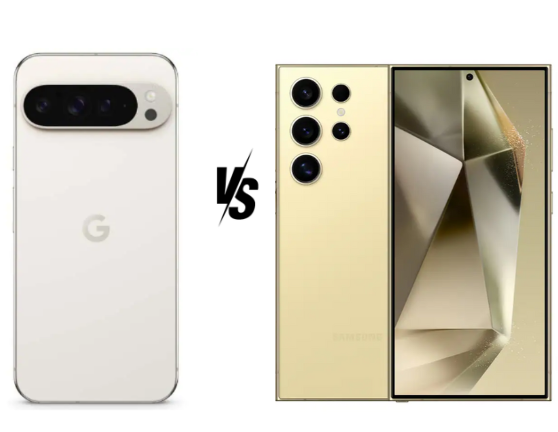
Pixel 9 Pro XL and Galaxy S24 Ultra are two of the most powerful smartphones on the market, both offering cutting-edge technology and premium designs. However, choosing between them can be challenging, given their distinct advantages in different areas. This detailed comparison will help you decide which of these flagship devices better suits your needs.
Design
Features: The Pixel 9 Pro XL and the Galaxy S24 Ultra both sport high-quality builds, but they take different approaches to design. The Pixel 9 Pro XL features a glass front and back made of Gorilla Glass Victus 2, with an aluminum frame, giving it a sleek and durable feel. In contrast, the Galaxy S24 Ultra goes a step further with Corning Gorilla Armor for both the front and back, and a titanium frame, which is not only stronger but also lighter than aluminum.
Similarities: Both devices are IP68 rated, meaning they are dust and water-resistant up to 1.5 meters for 30 minutes, ensuring durability in various environments. They also share a similar form factor with almost identical screen sizes, making them comparable in terms of handling and portability.
Differences: The Galaxy S24 Ultra’s titanium frame gives it an edge in robustness and premium feel, while the Pixel 9 Pro XL’s design leans towards a more traditional and minimalist aesthetic. Additionally, the S24 Ultra includes a built-in stylus with Bluetooth integration, a feature the Pixel lacks.
Advantages: For users who prioritize build quality and additional functionality, the Galaxy S24 Ultra’s use of titanium and the inclusion of a stylus make it the superior choice. However, the Pixel 9 Pro XL offers a sleek and slightly lighter design that might appeal to users who prefer a more understated look.
Which Is Better? In terms of design, the Galaxy S24 Ultra edges out the Pixel 9 Pro XL, particularly for those who value premium materials and additional features like the stylus.
Display, Media, and Software
Features: The Pixel 9 Pro XL features a 6.8-inch LTPO OLED display with a resolution of 1344 x 2992 pixels, offering a peak brightness of 3000 nits. It supports a 120Hz refresh rate, HDR10+, and always-on display functionality. The Galaxy S24 Ultra, on the other hand, boasts a 6.8-inch Dynamic LTPO AMOLED 2X display with a higher resolution of 1440 x 3120 pixels and a peak brightness of 2600 nits. It also supports a 120Hz refresh rate, HDR10+, and has an always-on display feature.
Similarities: Both displays offer stunning visuals with vibrant colors, deep blacks, and high brightness levels, making them perfect for media consumption. They also share similar sizes, refresh rates, and HDR capabilities, ensuring smooth and immersive viewing experiences.
Differences: The Pixel 9 Pro XL’s display is slightly less sharp than the Galaxy S24 Ultra’s due to its lower resolution, though it compensates with higher peak brightness. Additionally, the S24 Ultra’s display is equipped with Corning Gorilla Armor, providing enhanced protection compared to the Pixel’s Gorilla Glass Victus 2.
Advantages: For media consumption, the Galaxy S24 Ultra’s higher resolution and superior display protection offer a more premium experience. However, the Pixel 9 Pro XL’s higher peak brightness can be advantageous in bright outdoor conditions.
Which Is Better? The Galaxy S24 Ultra wins in the display department, especially for those who prioritize higher resolution and additional screen protection.
Performance and Battery
Features: The Pixel 9 Pro XL is powered by Google’s Tensor G4 chipset, an octa-core processor with a Mali-G715 MC7 GPU. It comes with up to 1TB of storage and 16GB of RAM, but it uses UFS 3.1 storage technology. The Galaxy S24 Ultra, in contrast, is equipped with the Qualcomm Snapdragon 8 Gen 3 chipset, also an octa-core processor, paired with the Adreno 750 GPU. It offers up to 1TB of storage with 12GB of RAM but utilizes faster UFS 4.0 storage.
Similarities: Both devices offer flagship-level performance with cutting-edge processors and ample RAM, ensuring smooth multitasking, gaming, and media experiences. They are also both equipped with Android 14 and promise up to seven major Android upgrades.
Differences: The Galaxy S24 Ultra’s Snapdragon 8 Gen 3 chipset and UFS 4.0 storage provide faster performance and data transfer speeds than the Tensor G4 and UFS 3.1 in the Pixel 9 Pro XL. Additionally, while both have similarly sized batteries (5000 mAh in the Galaxy S24 Ultra and 5060 mAh in the Pixel 9 Pro XL), the S24 Ultra supports faster wired charging (45W vs. 37W) and slightly slower wireless charging (15W vs. 23W).
Advantages: The Galaxy S24 Ultra’s superior processing power and faster storage technology give it a clear performance edge, especially for power users and gamers. However, the Pixel 9 Pro XL’s slightly larger battery and faster wireless charging might appeal to those who prioritize battery life and convenience.
Which is better? The Galaxy S24 Ultra is the leader in performance, offering a faster, more efficient overall experience.
Cameras
Features: The Pixel 9 Pro XL features a triple-camera setup: a 50MP wide lens, a 48MP periscope telephoto lens with 5x optical zoom, and a 48MP ultrawide lens. The Galaxy S24 Ultra, however, offers a more complex quad-camera system: a 200MP wide lens, a 10MP telephoto lens with 3x optical zoom, a 50MP periscope telephoto lens with 5x optical zoom, and a 12MP ultrawide lens.
Similarities: Both smartphones excel in photography, offering versatile setups with wide, telephoto, and ultrawide capabilities. They both support 8K video recording and include advanced features like optical image stabilization (OIS) and multi-directional phase detection autofocus (PDAF).
Differences: The Galaxy S24 Ultra’s 200MP wide lens offers unparalleled detail, especially in well-lit conditions, while the Pixel 9 Pro XL focuses on computational photography with features like Best Take and Zoom Enhance. Additionally, the S24 Ultra includes two telephoto lenses, allowing for more flexibility in zoom capabilities.
Advantages: The Galaxy S24 Ultra’s camera setup provides more versatility and higher resolution, making it the better choice for photography enthusiasts who need maximum detail and flexibility. The Pixel 9 Pro XL, however, offers superior software-driven photography features that produce excellent results with less effort, making it ideal for casual photographers.
Which Is Better? In terms of hardware, the Galaxy S24 Ultra is the clear winner, but the Pixel 9 Pro XL might be preferable for users who prioritize ease of use and computational photography.
Conclusion:
Galaxy S24 Ultra: Excels in build quality, display, performance, and camera versatility. Ideal for users who demand top-tier hardware, additional features like a stylus, and a more immersive media experience.
Pixel 9 Pro XL: Offers a more affordable option with superior software-driven features, higher peak brightness, and faster wireless charging. Best for those who prefer Google’s ecosystem and a minimalist design.
Our Opinion: If you’re a power user who values cutting-edge technology, premium materials, and the best possible camera experience, the Galaxy S24 Ultra is the better buy. However, if you appreciate the simplicity and efficiency of Google’s software, along with a focus on user-friendly features, the Pixel 9 Pro XL might be the smartphone for you. Ultimately, the choice comes down to your specific needs and preferences.
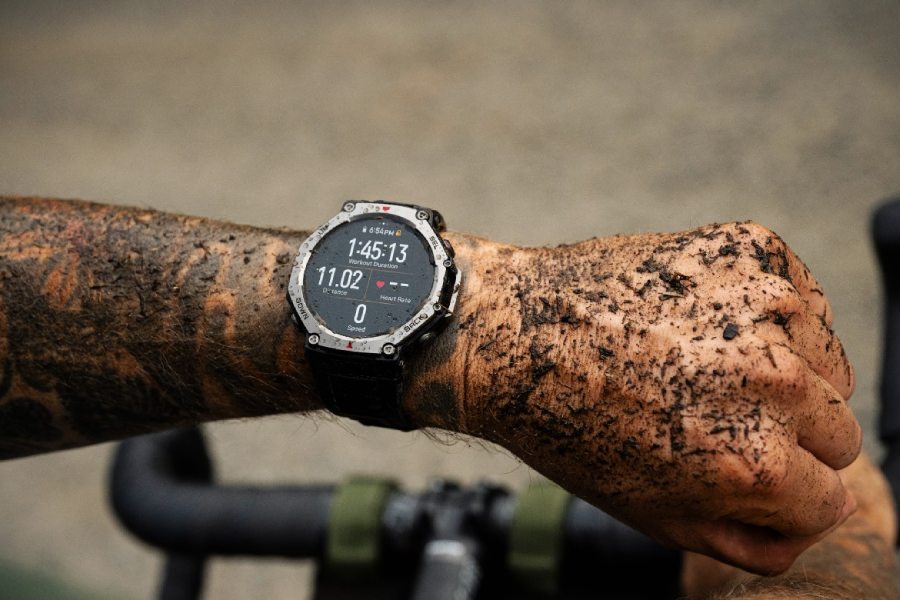
Amazfit is in the rugged smartwatch market since 2020, and with the recent release of the Amazfit T-Rex 3, the brand continues to innovate. While the T-Rex 2 was an impressive offering in the rugged smartwatch market, the T-Rex 3 builds upon its predecessor with significant upgrades in screen size, battery life, and AI integration. Let’s dive into a detailed comparison of the two models.
Both watches feature military-grade certifications (MIL-STD-810G) that ensure they can withstand harsh conditions. However, the T-Rex 3 introduces some key improvements. The most notable is the larger 1.5-inch AMOLED display, compared to the 1.39-inch AMOLED screen of the T-Rex 2.
Not only is the T-Rex 3’s screen larger, but it also offers 2,000 nits of peak brightness, a substantial upgrade from the 1,000 nits on the T-Rex 2. This makes the display on the T-Rex 3 much more visible in bright outdoor conditions, a crucial factor for those who rely on their smartwatch for outdoor adventures.
Both smartwatches come with always-on display functionality, and both offer Gorilla Glass protection for durability. However, the larger screen on the T-Rex 3 enhances the user experience, especially when viewing maps, workout data, or notifications.
Additionally, the T-Rex 3 retains a stainless steel bezel, adding to its premium feel, while the T-Rex 2 opts for a polymer middle frame and buttons, which may feel slightly less premium in comparison but keeps the weight lighter.
2. Battery Life
The T-Rex 2 is equipped with a 500mAh battery, which offers up to 24 days of usage in typical scenarios and up to 45 days in battery-saver mode. While these figures are impressive, the T-Rex 3 goes a step further with a 700mAh battery.
This larger battery promises up to 27 days of typical usage and 180 hours in maximum GPS mode, which is particularly useful for long hikes or camping trips. The extra battery life on the T-Rex 3 makes it a more reliable companion for those who spend extended periods away from charging points.
3. Sports Modes and Health Features
Both the T-Rex 2 and T-Rex 3 come with a comprehensive suite of sports and health features, including heart rate monitoring, SpO2 measurement, stress monitoring, and sleep tracking. However, the T-Rex 3 introduces new sports modes that cater to more extreme athletes.
It boasts over 177 sports modes, including Hyrox Race mode, Freediving, and Ultramarathon, as well as an upgraded strength training mode. The T-Rex 2, on the other hand, offers 158 sports modes, which are still impressive but lack some of the newer, more advanced options available on the T-Rex 3.
Both models support 24-hour heart rate and SpO2 monitoring, along with stress and sleep tracking. However, the T-Rex 3 adds a Readiness Score feature and Sleep Heart Rate Variability (HRV) for more detailed analysis of sleep quality and overall fitness.
4. Navigation and GPS
Both the T-Rex 2 and T-Rex 3 come with dual-band GPS and support for multiple satellite systems, ensuring precise tracking. However, the T-Rex 3 goes a step further by offering free offline maps and contour maps with turn directions, a feature not available on the T-Rex 2. This makes the T-Rex 3 a better choice for serious adventurers who need real-time navigation in remote areas.
The T-Rex 3 also offers enhanced privacy features for GPS usage, allowing users to enable or disable GPS tracking as needed, giving more control over how their location data is handled.
5. AI Integration and Voice Control
One of the most exciting new features on the Amazfit T-Rex 3 is the integration of OpenAI’s GPT-4o technology, which powers the Zepp Flow assistant. This AI-based feature allows users to control their watch through voice commands and even send speech-to-text replies. The T-Rex 2 does not offer voice control, making this a clear advantage for the T-Rex 3.
Zepp Flow also provides AI coaching, helping users manage their workouts and daily activities more efficiently. This feature elevates the T-Rex 3 beyond being just a rugged smartwatch, positioning it as a more versatile tool for everyday use.
6. Storage and Music
The T-Rex 3 also comes with 26GB of built-in storage for local music storage, allowing users to leave their phone behind during workouts or outdoor adventures. The T-Rex 2 offers 8GB of local storage and 4GB of RAM.
7. Water Resistance and Durability
Both the T-Rex 2 and T-Rex 3 are designed for extreme conditions, with 10 ATM water resistance that allows them to be submerged up to 100 meters. This makes both models suitable for swimming, snorkeling, and other water sports. However, the T-Rex 3 adds certification for freediving up to 147 feet, making it a better option for serious divers.
Both models can withstand extreme temperatures, but the T-Rex 3 offers better overall durability, handling temperatures ranging from 158°F (70°C) to -22°F (-30°C), making it ideal for adventurers in extreme environments.
8. Pricing
In terms of pricing, the Amazfit T-Rex 2 is currently priced at Rs. 15,999 in India, while the T-Rex 3 is expected to be priced around Rs. 34,999. It is priced at €299 in Europe, $299 in the US, and 1899 yuan in China. The T-Rex 3’s higher price reflects its additional features, including a larger display, more sports modes, longer battery life, and AI integration.
9. Conclusion
Both the Amazfit T-Rex 3 and T-Rex 2 are excellent rugged smartwatches, but the T-Rex 3 offers significant upgrades that make it a more compelling option for outdoor enthusiasts and athletes.
The larger display, improved battery life, advanced AI features, and enhanced sports modes make the T-Rex 3 a clear winner for those who want the latest in smartwatch technology. However, if you’re looking for a more budget-friendly option, the T-Rex 2 still provides excellent value with its solid performance and durability.
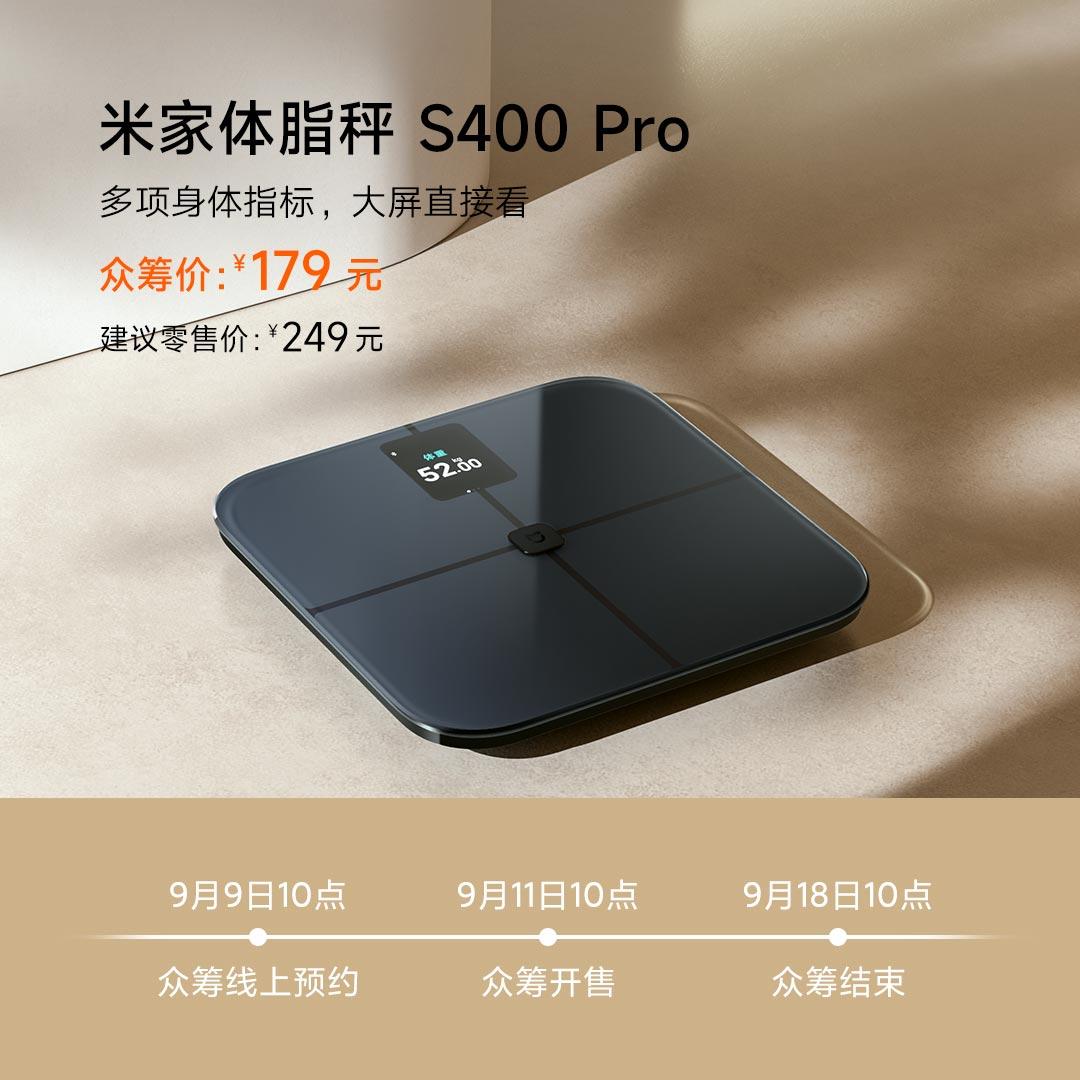
The Mijia Body Fat Scale S400 Pro is now available for pre-order in Xiaomi Youpin for a price tag of 179 Yuan (~$25). According to the platform, the shipping may start from September 18. Alongside body fat percentage, it measures different aspects such as weight, heart rate, body water content, protein content, visceral fat level, muscle mass, etc.
Mijia Body Fat Scale S400 Pro specifications and features
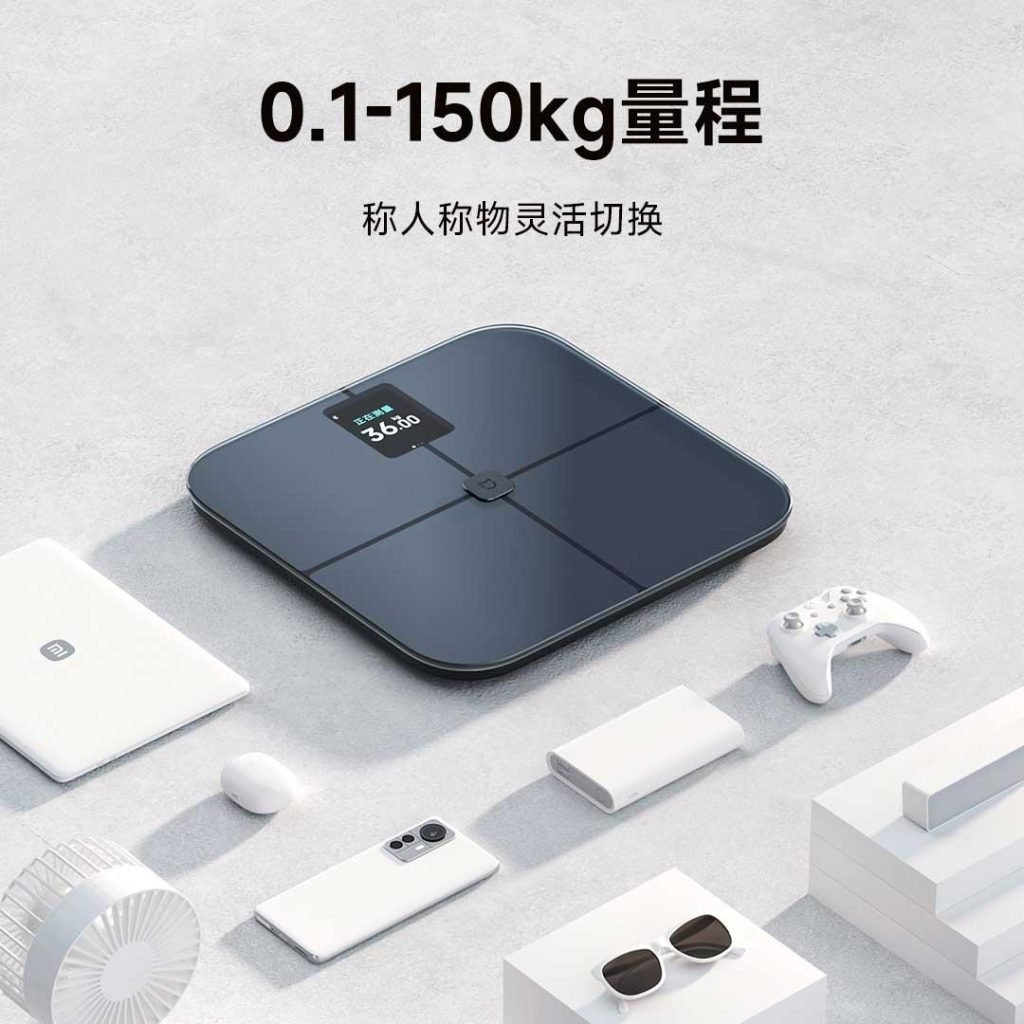
The S400 Pro uses ITO-coated tempered glass to replace the traditional electrode sheet design and the weight-measurable area is expanded from local to almost the entire scale surface. For those unfamiliar, ITO-coated tempered glass is also widely used in liquid crystal displays, solar cells, and optoelectronics among other use cases.
There are now fewer restrictions on how to step on the scale, which also supports a maximum size of 48 European size.
One of the biggest upgrades in the S400 Pro is the 3.5″ color screen as compared to the Mijia Body Fat Scale S400. According to the company, the screen offers a higher brightness and contrast as compared to traditional LED screens. The screen also offers guidance to help users stand correctly during the operation.
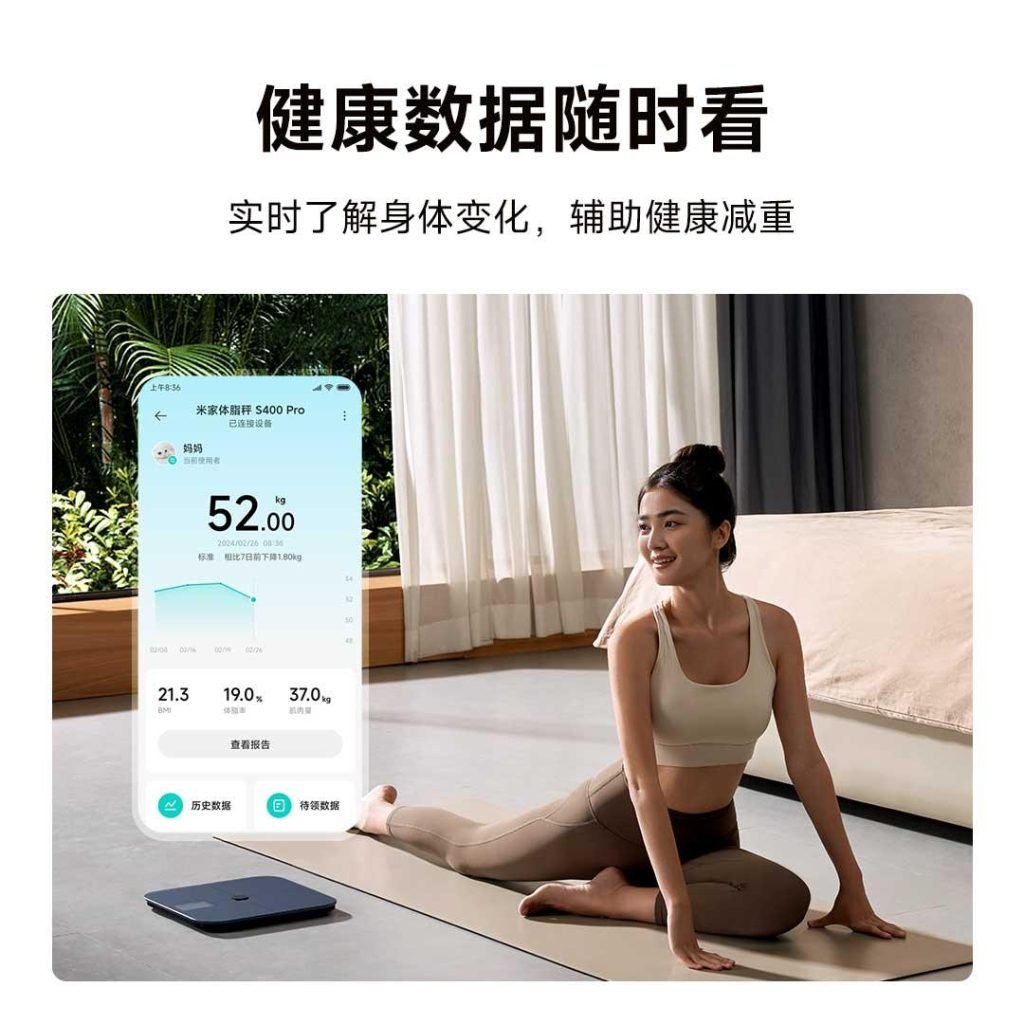
This product supports connectivity with the Xiaomi Home app and lets users customize different settings including the brightness of the screen conveniently from the app. Additionally, users can access health data at any time, track body changes, and receive guidance for healthy weight loss.
The S400 Pro uses 50kHz and 250kHz high and low dual-frequency bioimpedance measurement technology to measure the impedance values of intracellular and extracellular fluids respectively and accurately detect relevant data such as fat mass, body fat percentage, etc. Reportedly, the correlation between its measured data and the gold standard DEXA is greater than 93%.
The Mijia Body Fat Scale S400 Pro is powered by 4 AA batteries which reportedly offer a battery life of 150 days if used three times a day. While the device is currently available for pre-order for a price tag of 179 Yuan (~$25), the retail pricing will be 249 Yuan (~$35).
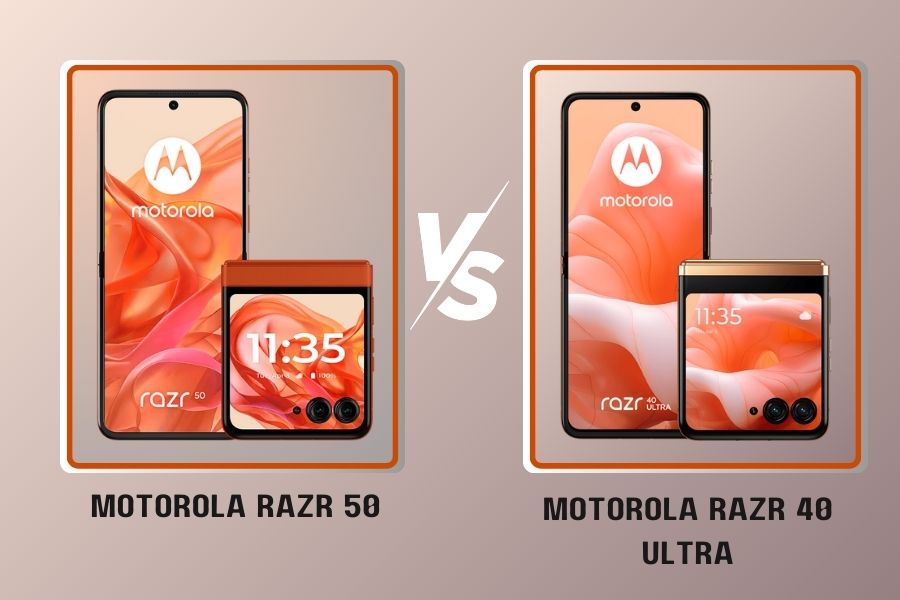
Motorola‘s Razr series is a compelling option for those seeking a nostalgic flip phone experience with modern capabilities.
The company recently launched the Razr 50 in India, priced at Rs 69,999. Interestingly, last year’s Razr 40 Ultra also launched at the same price, but it’s now available for Rs 45,000.
So, which clamshell from Motorola offers better value—the older model or the latest release? Let’s dive in and find out.
Both phones boast near-identical 6.9-inch main displays with high resolution, but the Razr 50 edges out the 40 Ultra in a few key areas. The Razr 50’s main display features a brighter peak brightness of 3000 nits compared to the 40 Ultra’s 1400 nits.
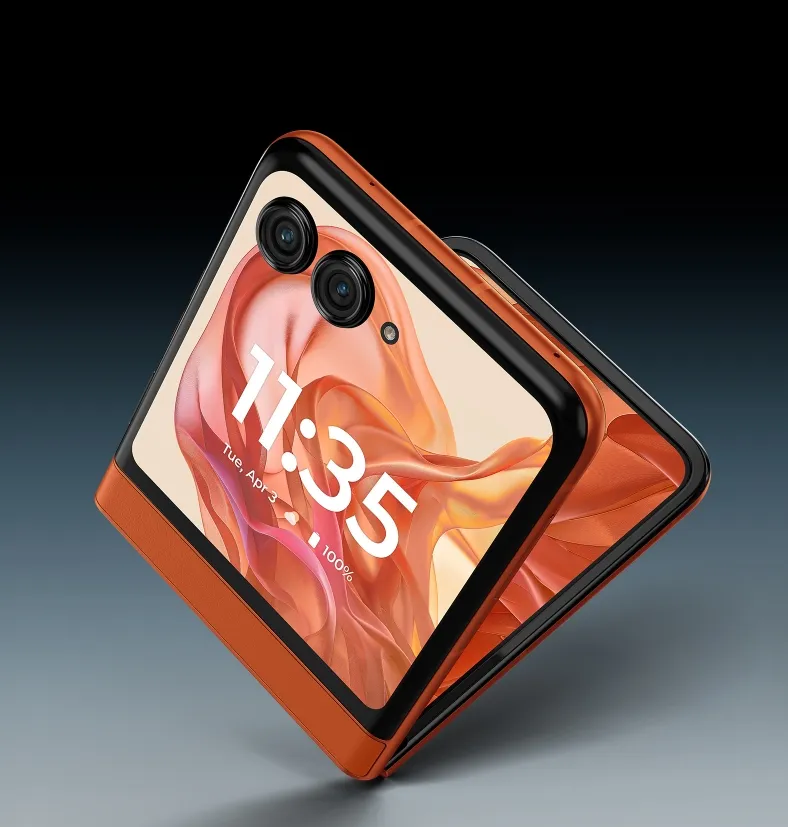
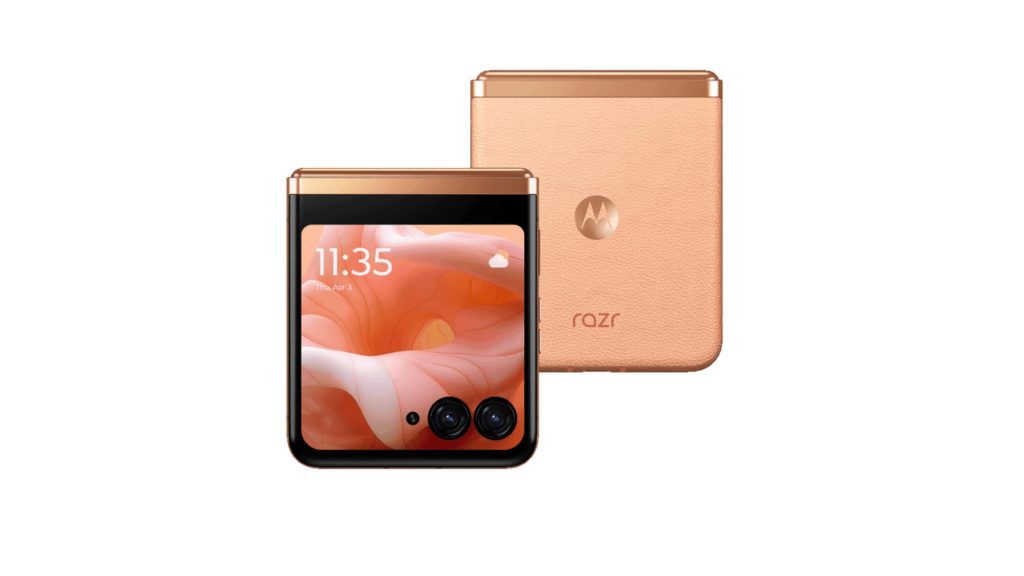
The new phone also has a slightly larger 3.6-inch display compared to the 40 Ultra’s 3.2-inch panel. This translates to a more usable experience for checking notifications, interacting with widgets, or even composing quick messages without unfolding the phone.
The Razr 40 Ultra takes the lead in terms of refresh rate. Its main screen refreshes at 165Hz compared to 120Hz on the Razr 50, and the cover panel has a refresh rate of 144Hz versus 90Hz on the Razr 50.
While higher refresh rates lead to smoother animations, this may not be a key factor for most users since the Razr series is not aimed at gamers.
Otherwise, both of them use a LTPO AMOLED panel and have HDR support with 10-bit color depth. The cover screens on both models also come protected by Gorilla Glass Victus.
Please Note: When you buy something using the links in our articles, we may earn a small commission at no cost to you.
2. Performance
As for the performance, the Razr 50 houses the MediaTek Dimensity 7300X, a 4nm chipset, compared to the Snapdragon 8+ Gen 1 (also 4nm) in the Razr 40 Ultra. However, the Snapdragon-powered Razr 40 Ultra clearly has the edge here with its flagship CPU and GPU setup.
So there’s no doubt that the Razr 40 Ultra delivers better performance, even when you think of gaming sometimes. Additionally, it comes with faster LPDDR5 RAM and UFS 3.1 storage, compared to the LPDDR4X RAM and UFS 2.2 storage on the Razr 50, ensuring smoother overall performance on the Ultra model.
3. Camera System
The Razr 50 features a dual camera system with a 50MP main sensor and a 13MP ultrawide sensor. The Razr 40 Ultra also has a dual camera setup, but with a lower resolution 12MP main sensor and the same 13MP ultrawide sensor.
The Razr 50 further stands out with a 50MP selfie camera, compared to the 12MP selfie camera on the Razr 40 Ultra.
While the megapixel count isn’t the sole indicator of camera quality, the Razr 50 might offer a slight edge in capturing detail. However, it’s best to check reviews for a clearer assessment. Note that both phones lack a dedicated telephoto lens, but it’s a common omission in flip phones for now.
4. Battery and Charging
In terms of battery, the Razr 50 packs a slightly larger 4200mAh battery compared to the 3800mAh battery in the Razr 40 Ultra. On paper, the Razr 50 should offer better battery life, thanks to its larger battery and more efficient mid-range SoC. Again, this is something reviews would need to confirm.
Both phones offer wired fast charging at 30W, but the Razr 40 Ultra falls behind with only 5W wireless charging compared to the Razr 50’s 15W.
5. Durability and Design
Both phones sport a similar design language with a foldable display and a premium build quality. The Razr 50 has a slightly lighter weight and uses a more eco-friendly silicone polymer back compared to the Razr 40 Ultra’s glass back. The hinge is of stainless steel material on both, so should offer a durable folding unfolding experience.
The Razr 50 also has an IPX8 water-resistant design, allowing it to withstand submersion in up to 1.5 meters of water for 30 minutes. In comparison, the Razr 40 Ultra only has a water-repellent coating, so it’s less resistant to accidental splashes.
6. Software
The Razr 50 comes pre-installed with the newer Android 14. The Razr 40 Ultra was launched with Android 13 and is promised three major Android upgrades. It recently received one of those updates and now runs Android 14.
However, Motorola is infamous for being very slow regarding its updates, and no surprise, that it affected the Razr 40 Ultra as well. It only received the Android 14 update in August 2024. Hopefully, Motorola will improve this going forward. By the way, the Razr 50 also comes with a promise of three years of updates.
7. Conclusion
The Razr 50 offers more practical upgrades compared to the Razr 40 Ultra, including a larger cover screen, bigger battery, and water resistance thanks to its proper IP rating.
The Razr 40 Ultra still has its strengths, like a higher refresh rate for both the main and cover screens, along with a more powerful processor. However, in terms of practicality, the Razr 50 clearly comes out ahead. What gives the Razr 40 Ultra an edge right now, though, is its price.
At just Rs 45,000, it’s Rs 25,000 cheaper than the Razr 50, making it a great deal. So, if you’re looking to try a flip phone, the Razr 40 Ultra might be the better choice.
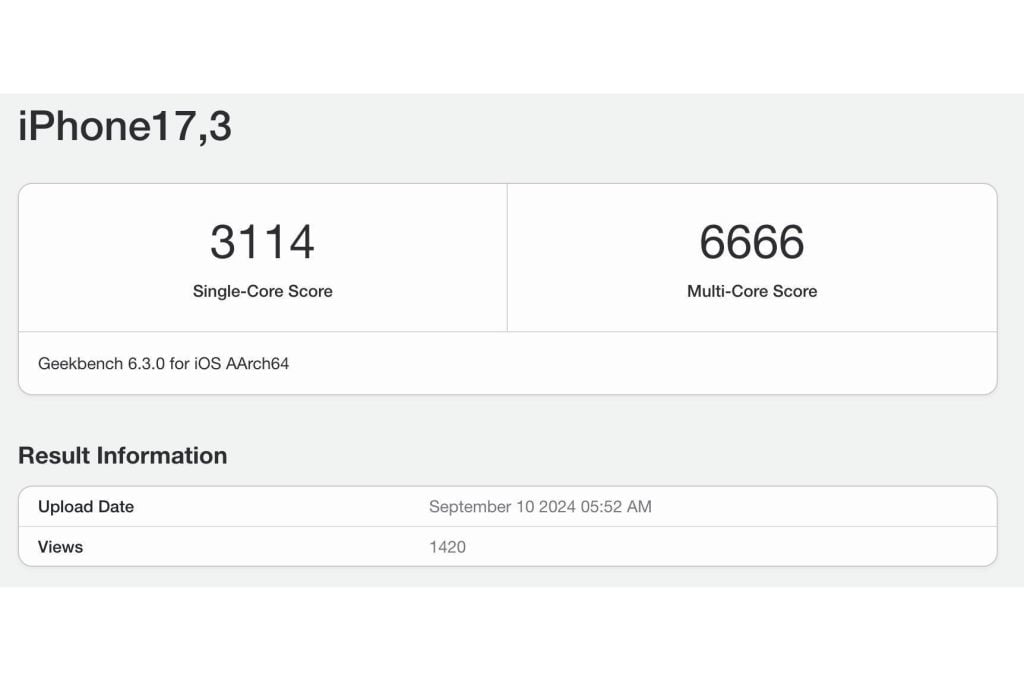
Apple has launched the much anticipated iPhone 16 series with a total of four models: iPhone 16, iPhone 16 Plus, iPhone 16 Pro, and iPhone 16 Pro Max. The devices will likely become available on September 20. However, ahead of the release, the alleged iPhone 16 Pro has been spotted on Geekbench, revealing disappointing performance.
The scores of the alleged iPhone 16 Pro are comparable to iPhone 15
The news comes from X user James Atkinson who noticed the Geekbench listing. It shows an iPhone with identifier 17,3 scoring 3114 and 6666 in single and multi-core tests of Geekbench 6 respectively. Based on the identifier, the model is expected to be the iPhone 16 Pro.
For context, last year’s iPhone 15 which equips the A16 Bionic chip scored 2,595 and 6,651 points on the same test. The iPhone 15 Pro which has packs the more powerful A17 Pro under the hood, scores around 2,900 and 7,440 points in the test. So as you can see, the alleged iPhone 16 Pro performs much lower than expected.
Nonetheless, we should also keep in mind that the phone has not been released yet and that Apple is testing the performance and stability of the phones. If that’s the case, we will likely see an improvement in performance by the time Apple releases the device.
Notably, this year’s non-Pro and Pro models come equipped with the A18 and A18 Pro chip, which has some minor differences. While both the chips are fabricated using TSMC’s 3nm process and boast 6 CPU cores, the A18 Pro has one more GPU core (6-core vs 5). This could lead to slightly improved graphics capability, resulting in better gaming performance on the Pro models.
That being said, we’ll have to wait for the official release before further assessing the raw performance capabilities of different models, as it depends on various factors like the heat dissipation system, which differs between models.
Lenovo’s Lecoo has launched its latest 25-inch gaming monitor called N2521 in the Chinese market. The monitor is priced at 599 yuan ($84) and it is now available on JD.com. Let’s delve into its key specs.
Lenovo Lecoo N2521 Monitor Specifications:
The monitor features a 24.5-inch Full HD display with a 1920×1080 resolution, 180Hz refresh rate, and 1ms GTG (Gray-to-Gray) response time, making it perfect for gaming. It also has a 178° viewing angle, offering versatility for various use cases.
The monitor supports Adaptive-Sync technology for smooth visuals, reducing screen tearing, ghosting, and motion blur. It also features HDR10 for enhanced color accuracy and depth, with 95.59% sRGB and 80.36% DCI-P3 coverage, providing vibrant colors ideal for gaming and content creation.
In terms of gaming-specific features, the Lenovo N2521 includes built-in modes like low motion blur, dark enhancement for better visibility in low-light scenes, and a smart aiming assist with an on-screen crosshair for precise targeting.
Eye-care technologies such as low blue light mode and flicker-free technology are also integrated to reduce eye strain during long gaming or working sessions. The monitor includes an EasyRead mode that mimics an e-ink display, making it easier on the eyes for extended reading.
In terms of connectivity, the Lenovo N2521 monitor includes HDMI and DisplayPort, both supporting the full 180Hz refresh rate. It features a multi-function stand with tilt adjustment, though it lacks height and rotation adjustments.
The monitor measures 556.4mm x 420.4mm x 331.5mm and weighs about 3.3kg. It is VESA mount compatible (100x100mm) for versatile installation options. The monitor comes packaged with a power adapter, an HDMI signal cable, and a quick start guide.
Samsung has reduced the price of its Galaxy A15 5G ahead of the anticipated launch of the Galaxy A16 5G. While Samsung hasn’t officially announced the Galaxy A16 5G, the price cut suggests its release could be soon, possibly during sales events like Flipkart’s Big Billion Days or Amazon’s Great Indian Festival.
The Galaxy A15 5G now comes with a ₹2,500 discount on all variants, available for online and offline purchases. For example, the 6GB+128GB model is now priced at ₹15,499 on Reliance Digital, while the 8GB + 128GB model is down to ₹19,999.
Samsung Galaxy A15 5G specs:
The Samsung Galaxy A15 5G comes with a 6.5-inch sAMOLED display featuring a waterdrop notch, FHD+ resolution, and a smooth 90Hz refresh rate. Its Key Island design includes a raised section on the right side, which houses the power button and volume controls. For photography, the smartphone is equipped with a 50MP main camera, along with a 5MP ultra-wide lens and a 2MP depth sensor.
Powered by a MediaTek Dimensity 6100+ processor, the Galaxy A15 5G offers up to 8GB of RAM and 256GB of internal storage. It is fueled by a 5,000mAh battery that supports 25W fast charging and operates on Android 14 straight out of the box.
In other news, the Samsung Galaxy S24 FE is expected to see a price increase of $100 compared to its predecessor, raising the starting price to $699. However, despite the higher cost, there may not be upgrades in RAM or storage, with the base model still offering 8GB of RAM and 128GB of storage.
According to a recent report by Display Supply Chain Consultants (DSCC), the Mini LED TV market witnessed significant growth in the second quarter of 2024, overtaking OLED TVs for the first time in both shipments and revenue.
The report reveals a surge in the global television industry, driven largely by the performance of Chinese brands, particularly TCL, which reclaimed its position as the top Mini LED shipper.
TCL Claims the Top Spot in Mini LED TV Shipments in Q2 2024
In Q2 2024, high-end TV shipments grew by 44% year-on-year, while revenue increased by 28%. OLED TV shipments saw a modest 21% increase in volume, with revenue rising by 5%. However, Mini LED TVs outperformed OLED with a staggering 68% growth in shipments and a 60% rise in revenue. Mini LED TVs accounted for 54% of total shipments in the quarter, marking a significant shift in the global high-end TV market.
TCL and Hisense led the charge in this category, with TCL’s high-end TV shipments growing by 78% year-on-year and revenue rising by 81%. Xiaomi also moved ahead of Sony, taking fifth place. TCL surpassed Samsung, which had held the top spot for three years, in Mini LED shipments. Samsung’s Mini LED unit share dropped to 23%, with shipments declining by 19% year-on-year, highlighting the increasing pressure from Chinese competitors.
The success of Mini LED technology is attributed to its superior brightness, contrast, and picture quality compared to traditional LCDs, as well as its advantages in lifespan and cost over OLED.
TCL’s strong performance can be traced back to its deep investment in Mini LED technology. Since 2017, the company has developed a full Mini LED supply chain and holds 48 key technology control points and 470 patents. By 2024, TCL’s production capacity reached 10 million units annually, solidifying its leadership.
As Mini LED technology continues to mature, it is evident that Chinese brands like TCL are reshaping the global high-end TV market, driving innovation, and challenging traditional industry leaders like Samsung.
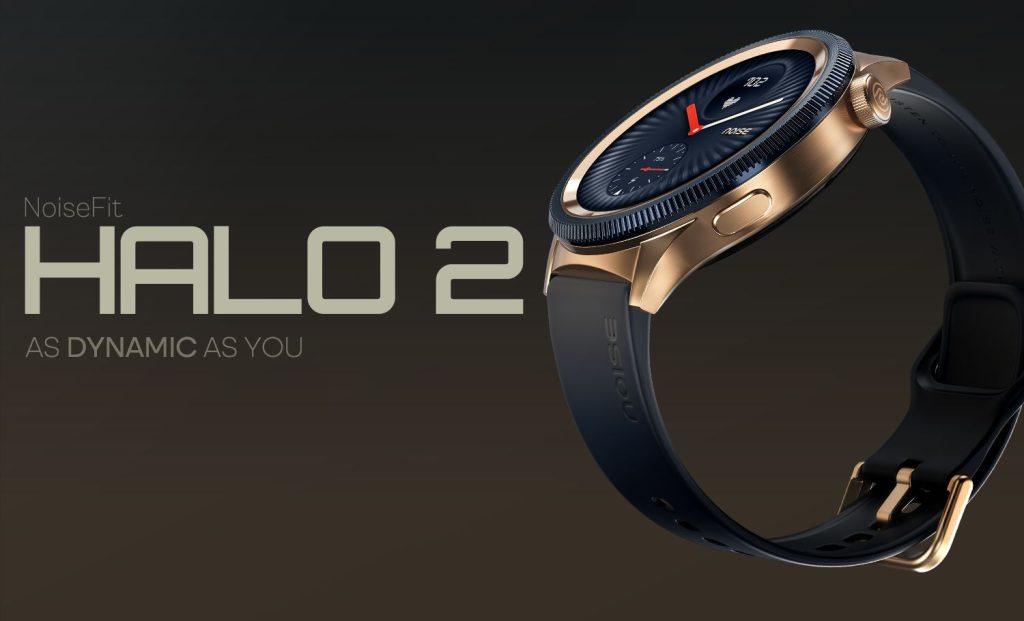
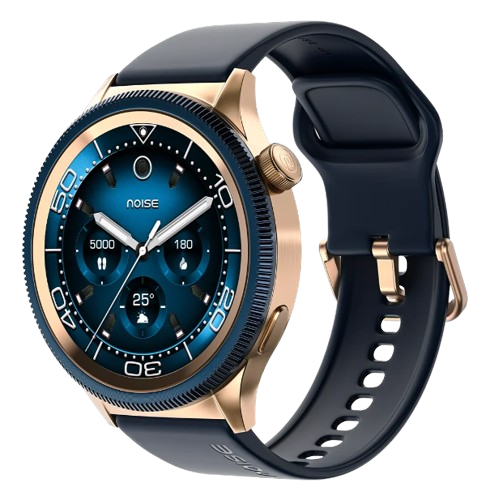
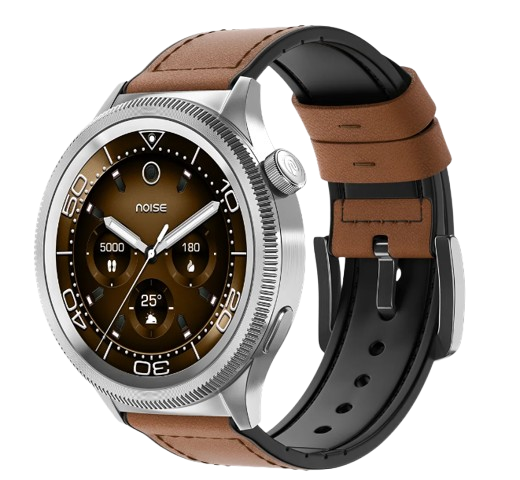
Noise, a leading Indian wearables brand, has introduced the NoiseFit Halo 2, the latest addition to its smartwatch lineup. Building upon the success of its predecessor, the NoiseFit Halo 2 offers a refined design, improved functionality, and a user-friendly experience.
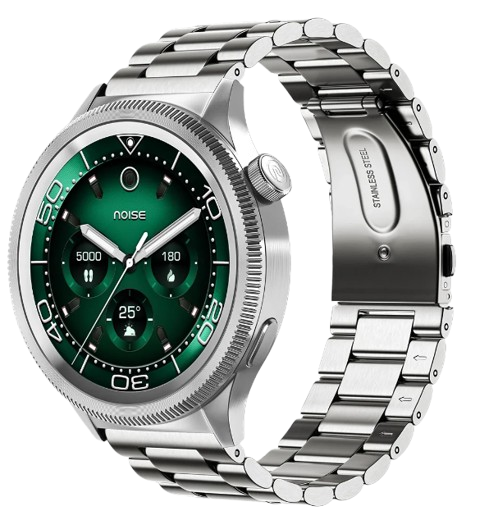
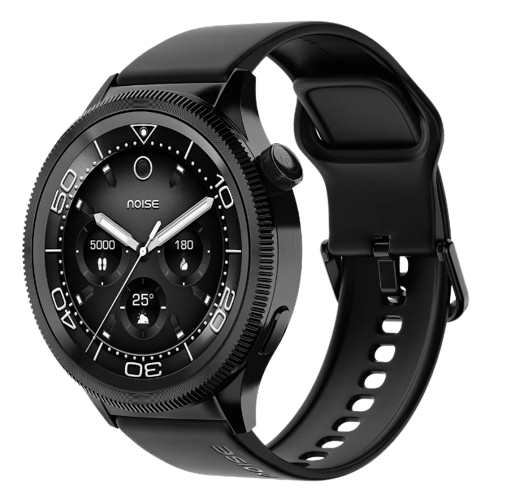
The smartwatch features a stunning 1.46-inch AMOLED display for vivid visuals and a unique rotating bezel for intuitive navigation. Its premium metallic finish and three stylish strap options cater to diverse preferences. The NoiseFit Halo 2 offers customizable transition effects, an Always-on Display, and seamless Bluetooth calling with Tru Sync technology.
For health-conscious users, the smartwatch includes the Noise Health Suite, which tracks heart rate, SpO2, sleep patterns, and stress levels. Additionally, the Productivity Suite provides reminders and weather updates. The IP67 water and dust resistance rating and durable build make it suitable for active lifestyles.
Pricing & availability
The NoiseFit Halo 2 offers over 100 sports modes and customizable watch faces. It boasts a 7-day battery life on a single charge. The smartwatch is available in five colors and is priced at INR 4,499/- for leather and silicone variants, and INR 4,999/- for the metallic variant. It will be available exclusively on gonoise.com, Amazon, and Flipkart.
In other news, Boat has recently launched the Storm Call 3 Plus, a budget-friendly smartwatch priced at Rs. 1,149. It features a 1.96-inch display, Bluetooth 5.2 calling with a dial pad, and turn-by-turn navigation via MapmyIndia. Powered by Crest+ OS, it offers 7-day battery life. The watch supports over 700 sports modes, heart rate and SpO2 monitoring, sleep analysis, and more, all integrated into the Crest App Health Ecosystem.
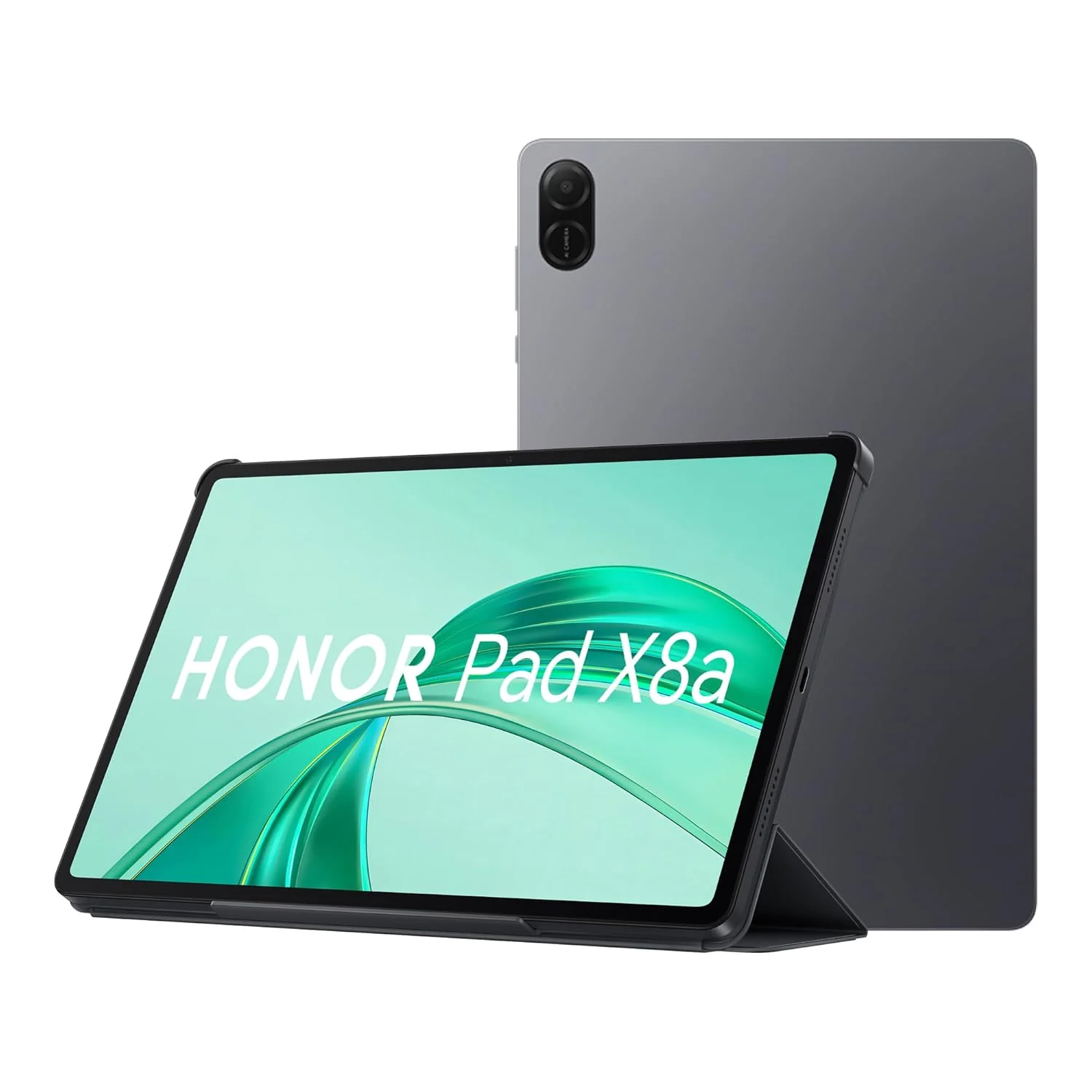
Honor recently debuted the Pad X8a in India as a new budget tablet. It arrives for the same price as the Redmi Pad SE, which was launched in the region back in April. So how does it stack up against Xiaomi’s budget tablet? Which one should you buy? Let’s find out.
1. Honor Pad X8a vs Redmi Pad SE 11: Design & Display
Honor Pad X8a
Honor’s new Pad X8a sports a tall 11-inch LCD display that offers an FHD+ resolution, a 90H refresh rate, and a 16:10 aspect ratio. The Xiaomi Redmi Pad SE has a nearly identical screen since it also boasts an 11-inch LCD panel with FHD+ resolution, a 90Hz refresh rate, and a 16:10 aspect ratio. So in terms of the display, both of these are evenly matched.
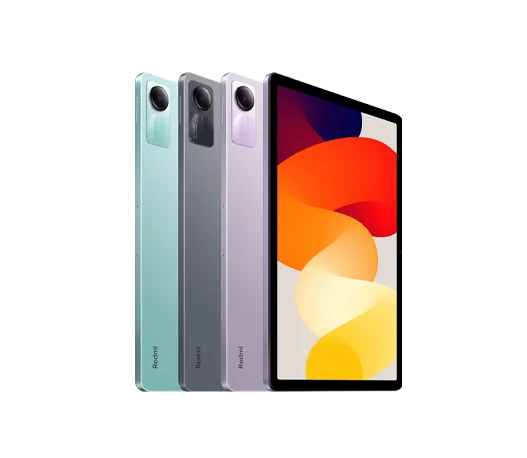
But even when talking about their design, both the Honor Pad X8a and Redmi Pad SE 11 are quite competitive. The two tablets feature an aluminum back and aluminum frame for a premium feel. Although, the budget Honor tablet only arrives with a single Space Gray color option, while the Redmi Pad SE comes in three color options, namely Lavender Purple, Graphite Gray, and Mint Green.
2. Hardware
Redmi Pad SE
The duo are very similar under the hood as well. Qualcomm’s Snapdragon 680 SoC powers both models. But the Honor Pad X8a only comes in a 4GB + 128GB option, while the Redmi Pad SE maxes out at 8GB + 128GB. Honor’s new budget tablet is powered by a large 8,300mAh battery pack, which is slightly larger than the 8,000mAh cell on the Pad SE. Unfortunately, there is no fast charging on either tablet, so you get a standard 10W charging speeds.
For optics, the Honor Pad X8a features a 5-megapixel camera on the front and back. The Redmi Pad SE has an 8-megapixel rear facing camera and a 5-megapixel selfie shooter on the front. Once again, the two tablets are neck in neck with most features including a quad stereo speaker setup. One area where Honor edges ahead is with software, the Pad X8a runs on the Android 14 OS based MagicOS 8 custom skin, while the Redmi offering runs on the Android 13 OS based MIUI for Pad.
3. Pricing and Verdict
As of right now, the Redmi Pad SE and Honor Pad X8a are listed on Amazon India for 12,999 INR. So choosing the newer tablet with the more updated software is the smarter choice. However, Redmi features higher RAM capacity, which helps in certain intensive tasks like gaming. So depending on your use, both tablets are viable.
HMD Global has introduced the HMD 105 4G and HMD 110 4G feature phones in India, following the earlier launch of their 2G counterparts in June. These devices aim to provide modern features, such as access to YouTube, YouTube Music, and YouTube Shorts via the Cloud Phone App, offering users entertainment and information on the go.
HMD 105 and HMD 110
The phones come preloaded with an app for secure UPI transactions and feature a robust design for easy handling. Key specifications include a 1450mAh battery, MP3 player, wireless FM radio, 32GB SD card support, and the Phone Talker app. The devices also support 23 languages and offer 13 input languages, catering to a wide user base.
Pricing and availability
The HMD 105 4G is available in Black, Cyan, and Pink for Rs. 2,199, while the HMD 110 4G comes in Titanium and Blue, priced at Rs. 2,399. Both phones will be sold through retail outlets, e-commerce platforms, and the official HMD website. A 1-year replacement guarantee is included with both models.
In other news, Reliance Jio has launched the JioPhone Prima 2, a budget-friendly 4G feature phone, succeeding the 2023 JioPhone Prima 4G. The Prima 2 features a 2.4-inch QVGA curved display, a Qualcomm SoC, 512MB RAM, 4GB storage (expandable to 128GB), and runs on KaiOS 2.5.3, offering apps like YouTube, Facebook, and Jio’s own suite. The phone supports 23 Indian languages, JioPay for UPI payments, and has a durable design with a leather-like back finish.
Canon, the global imaging leader, is making a strategic move to capture the Chinese market by focusing on the Gen Z demographic. The company aims to increase its digital camera sales in China by over 30% in 2024, targeting a massive population of approximately 300 million young consumers.
Credit: PetaPixel
Targeting Gen Z with Youth-Oriented Mirrorless Cameras and Experiential Marketing
To achieve this ambitious goal, Canon is leveraging the unique characteristics of Gen Z, a generation known for its digital-first mindset and affinity for high-quality content. The company is promoting the superior image quality and creative possibilities offered by digital cameras compared to smartphones, highlighting the ability to capture professional-grade photos and videos.
Canon has identified entry-level models like the R100 as ideal options for Gen Z, branding them as “youth mirrorless cameras.” These cameras offer a balance of affordability and performance, making them attractive to young consumers who are just starting their photography journey.
To further engage with Gen Z, Canon is implementing innovative marketing strategies. The company is partnering with popular brands among young consumers, such as bicycle brands and coffee shops, to host events where attendees can borrow digital cameras and experiment with photography. This hands-on approach allows Gen Z to experience the benefits of digital cameras firsthand and potentially become lifelong customers.
China has emerged as a vital market for Canon, with sales growth outpacing other regions. In the second quarter of 2024, Canon’s imaging business posted a strong 11.6% year-over-year revenue increase. Full-frame mirrorless cameras like the EOS R6 Mark II and EOS R50, along with compact digital models, have seen notable success.
Canon’s strategic emphasis on Gen Z aligns with the rising demand for high-quality imaging solutions among young Chinese consumers. By offering products and experiences tailored to their preferences, Canon is well-positioned to tap into this lucrative market.
Samsung is facing production disruption in India. The company’s plant in the country has been hit with backlash from its workers, who are currently on strike. These employees are protesting for multiple reasons, which include higher wages. So here’s what we know so far.
Hundreds of Samsung Workers Strike for Higher Wages and Union Recognition
According to a Reuters report, one of Samsung Electronics’ key production plants in South India has been hit with operations disruption. This marks the second day of disruption as hundreds of employees are on strike. The employees are striking for higher wages, while Samsung executives are looking to resolve the problem. Samsung is a major player in the Indian market, which is also a key region for the brands consumer electronics and home appliances.
Samsung’s Largest Mobile Factory in the world in Noida, UP, India
However, workers are on strike in the Sriperumbudur plant that mainly produces electronic products outside of smartphones. Regardless, it still contributes around 30 percent of Samsung’s annual revenue from India. The factory employs around 1,800 people, but the site in Chennai is on “Indefinite Strike” as per posters. Union Leader E. Muthukumar stated that the strike will continue for a third day as well.
The employees aren’t just asking for better wages but also for better hours. They even want Samsung to recognize the formation of a union, which is backed by the Entre of Indian Trade Unions group. As of right now, Samsung’s senior officials are set to visit the factory to find a resolution. About 800 employees have signed a register outside the factory to record their protest, which arrives right ahead of the crucial festive season in India. During this period, brands offer deals on their products to encourage purchasing these goods or getting gifts for others.
Android 15 was released by Google in October 2024, and it’s already rolling out to Motorola devices. The latest upgrade brings a host of new features and improvements, including a suite of theft protection features, Private Space, app archiving, and new accessibility features. Additionally, it should include a bundle of improvements from the development team at Motorola.
If you have a Motorola device that’s yet to receive the Android 15 update, here’s everything you need to know about the next major upgrade, including the eligible devices list, rollout timeline, and new features.
Motorola Android 15 update rollout timeline
Motorola isn’t the fastest, or among the fastest brands, when it comes to software updates. It takes at least a few months to begin the rollout once the stable version of a new Android OS goes live.
The company began rolling out the stable Android 15 update in December, with the Edge 50 Ultra and Edge 50 Fusion receiving the first bite. The update then gradually expanded to more Motorola devices over the coming weeks, including the Razr 50 series, Razr 40 series, Edge 50 series, Edge 40 series, and several Moto G-series models.
If your Motorola device hasn’t received the update yet, you may want to check if it’s actually eligible for Android 15 by looking at the list below.
These Motorola phones are eligible for Android 15 update
Motorola Razr lineup:
Motorola Razr 50 Ultra (Razr+ 2024) — released
Motorola Razr 50 (Razr 2024) — released
Motorola Razr 50s — released
Motorola Razr 40 Ultra (Razr+ 2023) — released
Motorola Razr 40 (Razr 2023) — released
Motorola Razr 40s — released
Motorola Edge lineup:
Motorola Edge (2024) — released
Motorola Edge (2023)
Motorola Edge+ (2023) — released
Motorola Edge 50 Ultra — released
Motorola Edge 50 Pro — released
Motorola Edge 50 Neo — released
Motorola Edge 50 Fusion — released
Motorola Edge 50 — released
Motorola Edge 40 — released
Motorola Edge 40 Neo — released
Motorola Edge 40 Pro — released
Motorola Edge 30 Ultra — released
Motorola Moto G lineup:
Moto G Power 5G (2024) — released
Moto G Stylus 5G (2024) — released
Moto G 5G (2024) — released
Moto G85 — released
Moto G84 — released
Moto G75 — released
Moto G64
Moto G55 — released
Moto G54 — released
Moto G45 — released
Moto G35
Moto G34 5G — released
Motorola ThinkPhone lineup:
ThinkPhone by Motorola — released
ThinkPhone 25 — released
Nearly all eligible Motorola phones have already been upgraded to Android 15, with the remaining few should be done in a few weeks from now.
What’s new in Android 15?
Android 15 does not bring many visual changes. In fact, you’d be hardly able to tell any difference just by looking at the home screen. However, there are still many new things to be excited about.
One of the great additions to Android 15 is the Theft Detection Lock feature. It uses Google AI to determine when your device has been snatched from your hands and then immediately locks it to prevent thieves from stealing your data.
If they manage to factory reset your device, they won’t be able to activate it unless they know your Google account login details. Therefore, the device becomes technically unusable, which reduces the incentive for thieves.
The new Android OS supports satellite connectivity to send and receive messages even if there are no cell towers nearby, as long as you have access to the open sky. However, this feature will likely require a special chip and carrier support. Additionally, there is real-time fraud protection that enables the Google Play Store to detect when malicious apps may misuse device permissions.
Android 15 brings significant changes to keep your data safer and more secure. There’s a new partial screen sharing feature that lets you share the screen with others for a single app. The other person can’t see any other data, including incoming notifications. This feature also works with screen recording.
Then, there’s Private Space — it lets you hide and secure apps you don’t want others to access. You can also hide videos, documents, or other types of files. The app archive feature, which allows you to remove an app while retaining user data, was previously restricted to Google Play Store apps and is now integrated into Android 15 to support other app stores. This means you’ll be able to achieve or unarchive apps, even those installed outside of the Play Store.
Google has announced native earthquake detection in Android 15 for U.S. users. There’s also a new high-quality webcam mode, which allows you to use your Android phone as a webcam for your PC. Last but not least, you’ll be able to create shortcuts for your favorite pair of split-screen apps on large screen devices.
Tecno has just announced the new Pova 6 Neo 5G after teasing the smartphone last week. The company’s latest device is a budget model that offers some notable specs despite its affordable price tag. So here are all the details like its specs, pricing, and special launch offers.
Tecno Pova 6 Neo 5G Specs
The Tecno Pova 6 Neo 5G sports a tall 6.67-inch LCD display that offers a 120Hz refresh rate and HD+ resolution. Under the hood, it is equipped with the MediaTek Dimensity 6300 SoC, which is paired with up to 8GB of RAM and 256GB of internal storage. Users can also expand storage by up to 1TB via a microSD card slot. A large 5,000mAh battery pack powers this device, which supports 18W wired fast charging.
Tecno Pova 6 Neo 5G Launched in India in three color options
For optics, the rear features a 108-megapixel dual camera setup with LED flash. Meanwhile, the front houses an 8-megapixel camera for selfies and video calls. Other notable features include an IP54 rating for water and dust resistance, a 3.5mm audio jack, stereo speakers, Bluetooth 5.3, NFC, side mounted fingerprint scanner, and dual SIM support. It also supports various AI powered features like AI cutout, AI magic eraser, AI wallpaper, and more.
Pricing and Availability
Tecno just launched the Pova 6 Neo 5G in three color options, namely Midnight Shadow, Azure Sky, and Aurora Cloud. It has a starting price tag of 11,999 INR for the 6GB + 128GB option, while the 8GB + 256GB variant costs 12,999 INR. These prices are inclusive of Rs 1,000 instant bank discount. Additionally, the company is offering 1,000 INR off as an exchange bonus. The first sale of the Pova 6 Neo 5G is set to kick off on 14th September 2024 via Amazon India. The company is even offering a free annual OTTPlay subscription with the phone.
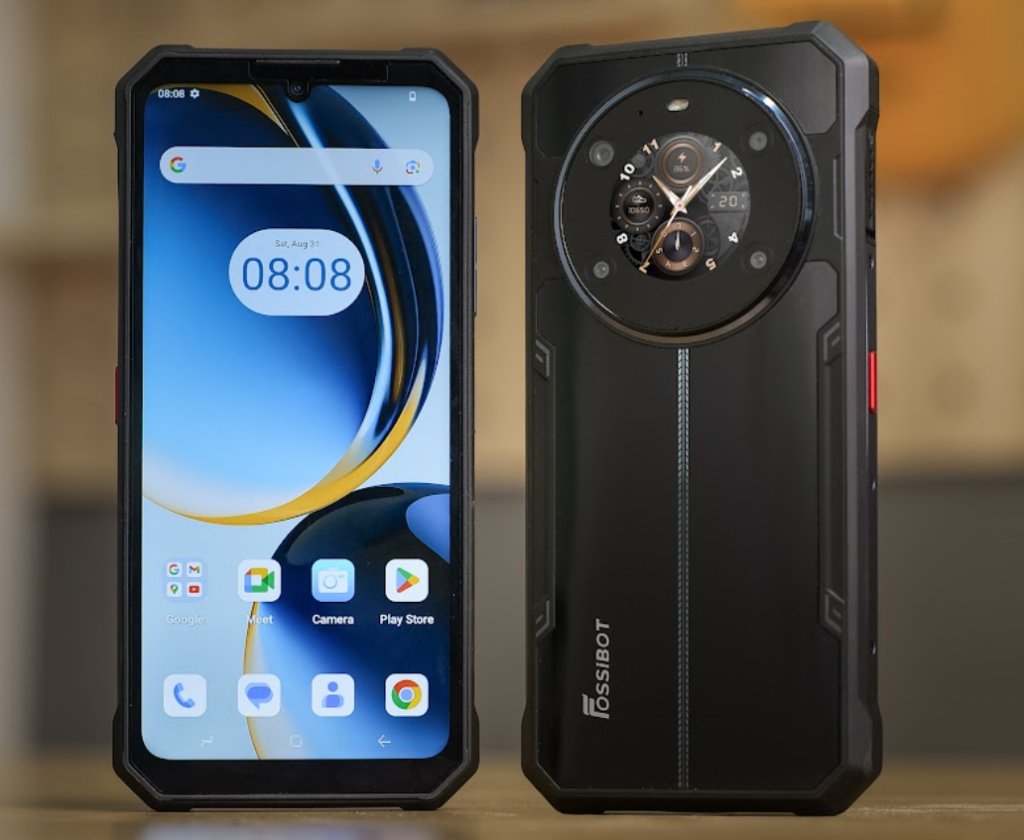
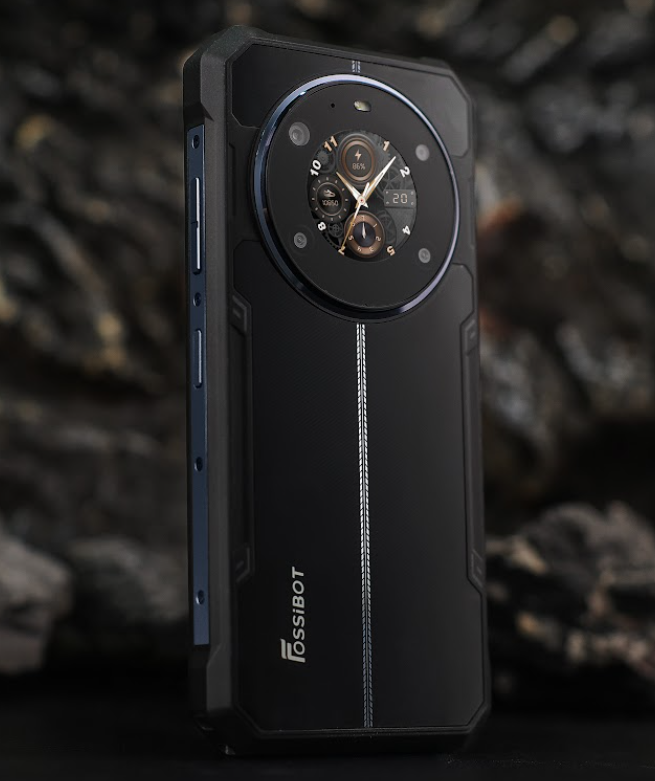
FOSSiBOT has launched the F109 5G Rugged Smartphone, a powerhouse device designed for extreme environments and heavy-duty use. Whether you’re an adventurer, a construction worker, or someone who values durability and performance, the FOSSiBOT F109 is crafted to handle tough conditions while offering advanced features. Officially launched on September 11th, the F109 will be available at a world premiere discounted price until September 18th.
Pricing and Availability:
The FOSSiBOT F109 is priced at a retail value of $269.99, but early buyers can enjoy significant discounts. On Aliexpress, the phone is being offered at the world premiere price of $159.99, while the FOSSiBOT Official Website lists it at $169.99. For its feature set, this is a great value, especially when compared to other rugged smartphones with similar capabilities, which typically retail for over $200.
Dual Display Innovation
One of the standout features of the F109 is its dual-display design. The main screen is a 6.745-inch HD+ display with a 20:9 aspect ratio and an 89% screen-to-body ratio, ensuring an immersive viewing experience. Complementing the main display is a 1.32-inch rear secondary screen designed to quickly access notifications, music controls, and essential tools such as a timer and clock. This secondary display helps conserve battery life by reducing the need to activate the main screen frequently.
Powerful Performance with MediaTek Dimensity 6300+
At the heart of the FOSSiBOT F109 is the MediaTek Dimensity 6300+ chipset built on a 6nm architecture, ensuring smooth and efficient performance. The octa-core CPU architecture includes 2 Cortex-A76 cores clocked at 2.2GHz for performance-intensive tasks and 6 Cortex-A55 cores at 2.0GHz for efficient everyday use. The device comes with 8GB of RAM, which can be expanded to 24GB with virtual RAM expansion. With 256GB of internal storage and support for up to a 2TB TF card, users will never run out of space for apps, photos, and videos.
Advanced Camera System
The F109 sports a versatile camera setup, making it an excellent choice for photography enthusiasts. The 50MP AI main rear camera delivers stunning shots, while the 5MP macro camera lets you capture intricate details. On the front, a 16MP centered camera is perfect for selfies and video calls. The camera system includes multiple modes such as night mode, bokeh, pro mode, and an underwater camera, allowing users to take professional-quality photos in various conditions.
Massive Battery Life for Long-Term Use
Battery life is another area where the F109 excels. Its 10,600mAh battery provides exceptional longevity, offering over 25 days of standby time with a single SIM card. For GPS users, the phone can last 16 days with medium screen brightness and half-volume settings. The device supports 18W fast charging, achieving 80% charge in 3 hours and a full charge in 4 hours, ensuring minimal downtime.
Rugged Design and Durability
The F109 is built to withstand the harshest conditions, with a waterproof rating of IP68/IP69K and MIL-STD-810H certification for military-grade toughness. Whether you’re working at a construction site, engaging in water-based activities, or hiking in extreme weather, the F109’s rugged design ensures that it can handle shocks, dust, and water without compromising performance. It’s the perfect companion for those who enjoy extreme outdoor activities or work in challenging environments.
Operating System and Security
Running on Android 14, the F109 offers the latest Android features and security updates, ensuring the device stays future-proof for years to come. For added convenience and security, the phone includes both facial recognition via the front camera and a fingerprint scanner integrated into the power button. Additionally, NFC support enables quick payments, file sharing, and access control.
The FOSSiBOT F109 5G Rugged Smartphone is available on both the Aliexpress FOSSiBOT Official Store and the FOSSiBOT Official Website starting from September 11th. With its combination of powerful performance, rugged durability, and long-lasting battery life, the F109 is a competitive option for those looking for a feature-packed smartphone at a value-driven price. The world premiere sale ends on September 18th, so be sure to grab this incredible device while the offer lasts.
We use cookies on our website to give you the most relevant experience by remembering your preferences and repeat visits. By clicking “Accept”, you consent to the use of ALL the cookies.
This website uses cookies to improve your experience while you navigate through the website. Out of these, the cookies that are categorized as necessary are stored on your browser as they are essential for the working of basic functionalities of the website. We also use third-party cookies that help us analyze and understand how you use this website. These cookies will be stored in your browser only with your consent. You also have the option to opt-out of these cookies. But opting out of some of these cookies may affect your browsing experience.
Necessary cookies are absolutely essential for the website to function properly. This category only includes cookies that ensures basic functionalities and security features of the website. These cookies do not store any personal information.
Any cookies that may not be particularly necessary for the website to function and is used specifically to collect user personal data via analytics, ads, other embedded contents are termed as non-necessary cookies. It is mandatory to procure user consent prior to running these cookies on your website.