
Researchers at the Shanghai Space Propulsion Institute (SSPI) have achieved a breakthrough with the development of China‘s first lightweight and fast-response cryogenic solenoid valve. This accomplishment marks a significant leap forward in the country’s space propulsion technology.
The valve has undergone rigorous testing, completing 20,000 life cycles
Developing a valve for cryogenic propellants, like liquid oxygen and methane, presents a unique challenge. The valve needs to be lightweight yet ensure a stable response and reliable seal at extremely low temperatures. The SSPI team tackled this hurdle through innovative design. They employed air gap insulation, reduced heat transfer paths, and optimized the magnetic circuit, allowing the valve to function flawlessly between -60 and -40°C while achieving a rapid switching action. Special attention was also paid to sealing materials and structures to guarantee a tight seal at both room and low temperatures.
Image Credits: NASA
The newly developed valve has undergone rigorous testing, successfully completing 20,000 life cycles with liquid nitrogen and performing flawlessly during engine thermal tests. These tests confirm its exceptional response speed, low-temperature adaptability, and reliable sealing. This achievement positions China at the forefront of cryogenic valve technology.
The SSPI’s innovative valve significantly enhances the efficiency and accuracy of liquid oxygen-methane engines. This paves the way for further advancements in cryogenic space propulsion technology, a critical area for future space exploration endeavors. The institute, known for its contributions to China’s prestigious space programs like “Shenzhou” and “Chang’e,” continues to push the boundaries of space tech, solidifying China’s position as a major player in the global space race.
Realme has confirmed that the Realme GT 6 is the next smartphone for the global market. Realme founder and CEO Sky Li touted the GT 6 as the new flagship killer, claiming that the company aspires to make a mark in the high-end market with its launch.
Realme GT 6 global launch confirmed
Realme GT 6 is the next flagship killer, confirms Sky Li
The Realme GT 6 is confirmed to debut in markets, such as Italy, India, Indonesia, Spain, Thailand, Malaysia, Mexico, the Philippines, Brazil, Poland, Turkey, Saudi Arabia, and others. One of the major highlights of the GT 6 is that it is an AI-driven phone, that integrates AI functionalities in three areas, such as imaging, efficiency, and personalization.
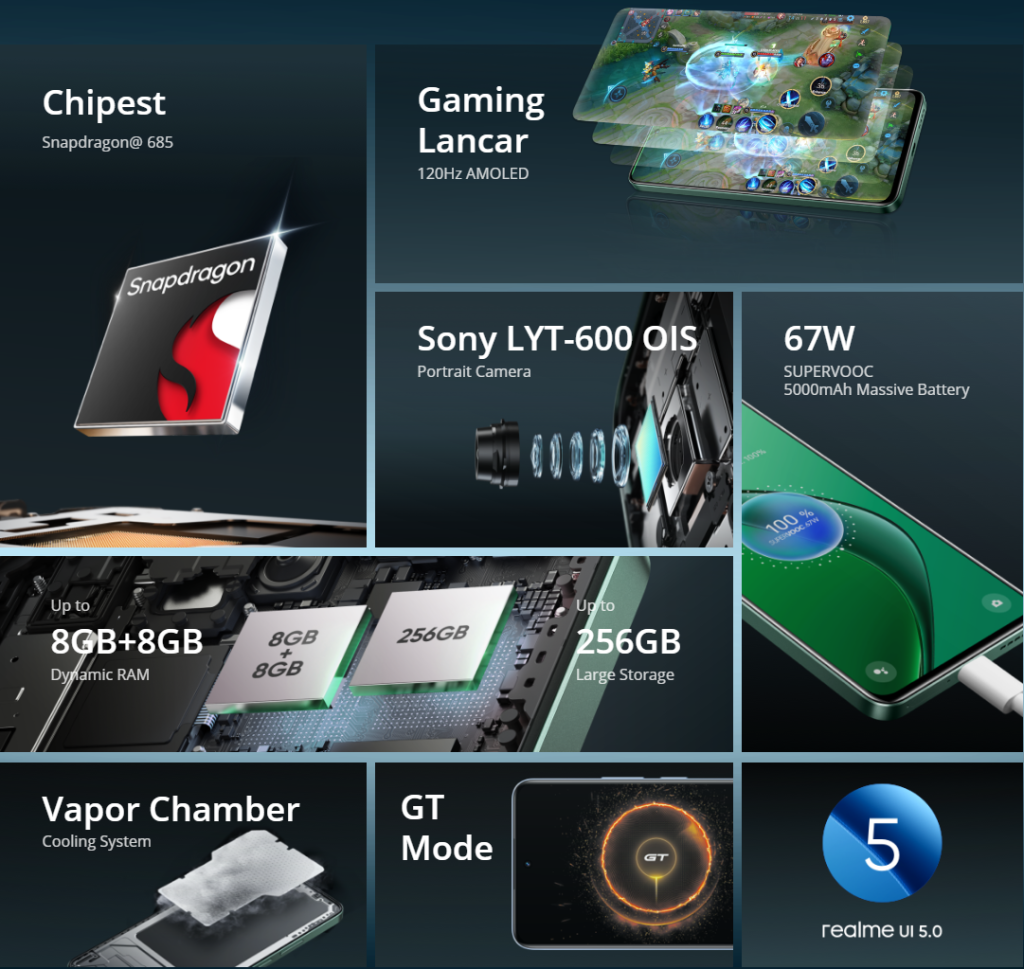
Realme is yet to disclose any technical details of the Realme GT 6. However, reports suggest that it will be a rebranded version of the Realme GT Neo 6, which debuted in the Chinese market recently. Here is a look at the key specifications of the GT Neo 6.
Realme GT Neo 6 specifications
The Realme GT Neo 6 has a 6.78-inch OLED BOE S1 curved-edge screen with Gorilla Glass Victus 2 protection and an in-screen fingerprint scanner. The display offers a 1.5K resolution, a 120Hz refresh rate, and up to 6,000 nits of peak brightness.
Under the hood, the Snapdragon 8s Gen 3 powers the device, along with up to 16 GB of LPDDR5x RAM and up to 1 TB of UFS 4.0 storage. It packs a 5,500mAh battery with 100W charging. The phone runs on Realme UI 5-based Android 14.
The GT Neo 6 has a 32-megapixel front-facing camera. Its rear camera module has an OIS-enabled 50-megapixel Sony LYT-600 main camera and an 8-megapixel IMX355 ultra-wide lens. In China, the device starts at 2,099 Yuan ($290) for the 8GB+256GB variant.
In related news, Realme is reportedly planning to launch the Snapdragon 8 Gen 3-powered Realme GT 6 in the Chinese market in June or July. Don’t confuse this device with the global Realme GT 6, which is likely a rebranded version of China’s GT Neo 6.
It looks like OnePlus has a new smartwatch in the making, which TheTechOutlook has recently spotted on China’s 3C and CMIIT certification websites with the model number OPWW234.
The databases do not provide the name of the smartwatch. The 3C database shows that the smartwatch will be sold without a power adapter and will support 10W fast charging. The CMIIT certification website indicates that it will support connectivity options such as WCDMA, TD-LTE, LTE FDD, WLAN, and Bluetooth.
This new smartwatch will likely be building on the success of the OnePlus Watch 2, which launched back in February. What made the OnePlus Watch 2 a big deal was the integration of Google’s WearOS 4 operating system. With that in mind, there is a high possibility that that upcoming smartwatch could also feature a WearOS-based operating system. More details are expected to emerge in the coming days. In the meantime, check out the specs of the OnePlus Watch 2.
OnePlus Watch 2 specs:
The OnePlus Watch 2 has a 1.43-inch AMOLED display with sapphire-reinforced glass and a peak brightness of 600 nits. It runs on the Qualcomm Snapdragon W5 SoC and BES 2700 MCU chips, with a 500mAh battery that lasts for 48 hours of heavy use. In smart mode, the battery lasts around 100 hours and fully charges in 60 minutes with 7.5W VOOC charging. The smartwatch uses Google Wear OS 4 and comes with 2GB of RAM and 32GB of internal storage for smooth operation.
Rumors are rife that the OnePlus Ace 3 Pro will debut in July in China. Well before the expected launch, the alleged device had emerged in the database of China’s 3C certification platform. Here’s a look at the details that emerged from the listing.
Alleged OnePlus Ace 3 Pro 3C certified in China
As can be seen, the purported Ace 3 Pro has emerged with the PJX110 model number in 3C’s database. It further reveals that the device may ship with a 100W charger. Here is a look at what the rumor mill has leaked about the Ace 3 Pro so far.
OnePlus Ace 3 Pro specifications (rumored)
OnePlus Ace 3 Pro mock render
Recent reports have revealed that the OnePlus Ace 3 Pro will come with a 6.78-inch BOE X1 8T LPTO panel that supports Dolby Vision and HDR10+. It may offer a 1.5K resolution, a 120Hz refresh rate, a manual maximum brightness of 1000 nits, a global maximum of 1600 nits, and a local maximum of 4500 nits for HDR content. It is expected to run on ColorOS 14.1-based Android 14.
The Ace 3 Pro will likely be powered by Qualcomm’s Snapdragon 8 Gen 3 processor. The SoC will be paired with a choice of 12 GB, 16 GB, or 24 GB of LPDDR5X RAM and 256 GB, 512 GB, or 1 TB of UFS 4.0 storage. A 6100mAh battery is rumored to provide power, supported by 100W SUPERVOOC fast charging. Security is expected to be handled by an optical in-display fingerprint sensor.
The rear camera setup is rumored to include a triple rear camera system with a 50-megapixel main sensor with OIS support, an 8-megapixel ultrawide lens, and a 2-megapixel sensor. A 16-megapixel front camera is expected for selfies and video calls.
In terms of design, the Ace 3 Pro may feature a metal frame with a choice of ceramic, glass, or leather back finishes. The device may offer IP64-rated dust and water resistance.
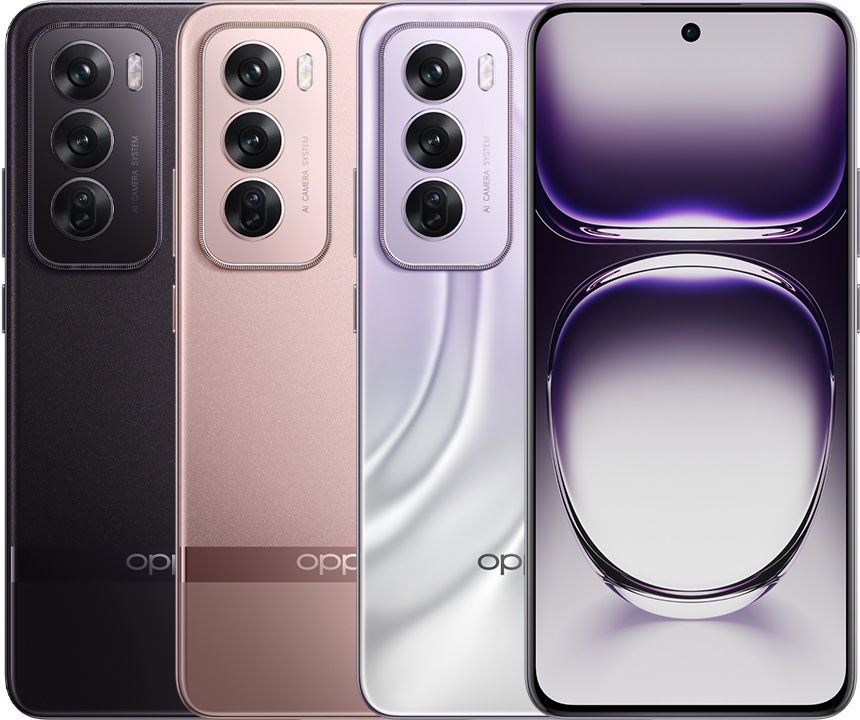
Oppo unveiled the Oppo F25 Pro in February of this year in India. The phone was made available for purchase in March. Later in the same month, the brand announced the F25 Pro’s new Coral Purple color variant. It has now rolled out a press release to confirm that the F25 Pro has achieved impressive sales results as compared to the Oppo F23 Pro from last year.
Oppo F25 Pro achieves impressive sales
Oppo F25 Pro 5G
According to Oppo, the F25 Pro has seen a staggering 46.2 percent increase in sales compared to the F23 Pro. This surge in popularity has helped the Oppo F Series surpass the 10 million user mark, solidifying its position in the competitive sub-Rs 25K segment in India.
The F25 Pro is currently available for Rs 23,999 in India through major retail outlets, Amazon, Flipkart, and Oppo India’s online store. It comes in three shades, such as Coral Purple, Lava Red, and Ocean Blue.
Oppo F25 Pro specifications
The Oppo F25 Pro has a 6.7-inch AMOLED FHD+ 12)z display, a 32-megapixel front camera, and a 64-megapixel (main) + 8-megapixel (ultra-wide) + 2-megapixel (macro) triple camera unit. The device runs on ColorOS 14-based Android 14.
The F25 Pro comes with the Dimensity 7050 chip, 8 GB of RAM, 256 GB of storage, and a 5,000mAh battery with 67W fast charging. For security, it has an in-screen fingerprint sensor. In other markets, the device is available with the Reno 11F branding.
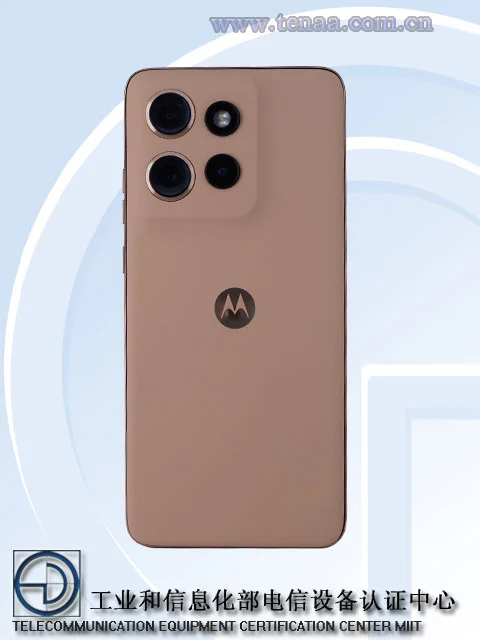
Recently, the Motorola Razr 50, which is identified with model number XT2453-2, was spotted at Chinese certification sites, such as 3C and TENAA. Now, the same certification agencies have approved the Razr 50 Ultra. The said device has been spotted with model number XT2451-4. Here is a look at the details that have emerged through the 3C certification of the Razr 50 Ultra.
Motorola Razr 50 Ultra specifications (rumoured)
Motorola Razr 50 Ultra TENAA images
As per the TENAA listing, the Motorola Razr 50 Ultra will feature a 6.9-inch foldable OLED screen with FHD+ resolution (1080 x 2460 pixels) and reportedly support a 120Hz refresh rate. On the outside, a 4-inch cover OLED screen will produce 1272 x 1080 pixels resolution.
Under the hood, the device will likely be powered by a 3.0GHz chip, possibly the Snapdragon 8s Gen 3. It may come with 8 GB / 12 GB / 16 GB / 18 GB RAM option and 128 GB / 256 GB / 512 GB / 1 TB storage choices.
A dual battery setup with a rated value of 998mAh+2832mAh (approximately 4,000mAh typical value) is expected to keep the device running. The device may ship with a 68W charger but support only 45W charging. It will have a 32-megapixel camera on the front and a dual rear camera setup with a 50-megapixel main sensor and a 50-megapixel sensor with 2x optical zoom.
The Razr 50 Ultra might incorporate a side-mounted fingerprint scanner for security. The device is said to measure 171.3 x 73.9 x 7.2mm and weigh 188 grams. According to other reports the Razr 50 Ultra will also offer eSIM support, IPX8 water resistance, wireless charging, and Android 14 with the Hello UI. It will be available in shades, such as Midnight Blue, Spring Green, and Hot Pink.
The Razr 50 and 50 Ultra will likely debut in June in the Chinese market.
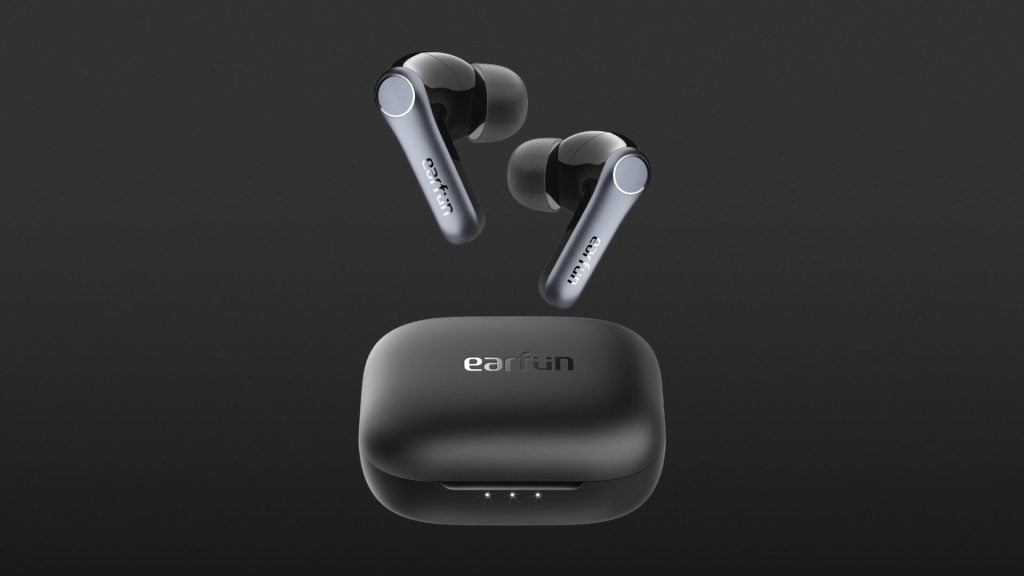
Beats‘ latest offering, the Solo Buds, are here to deliver big sound in a tiny package. Pre-orders start June 18th, with official sales following two days later on June 20th.
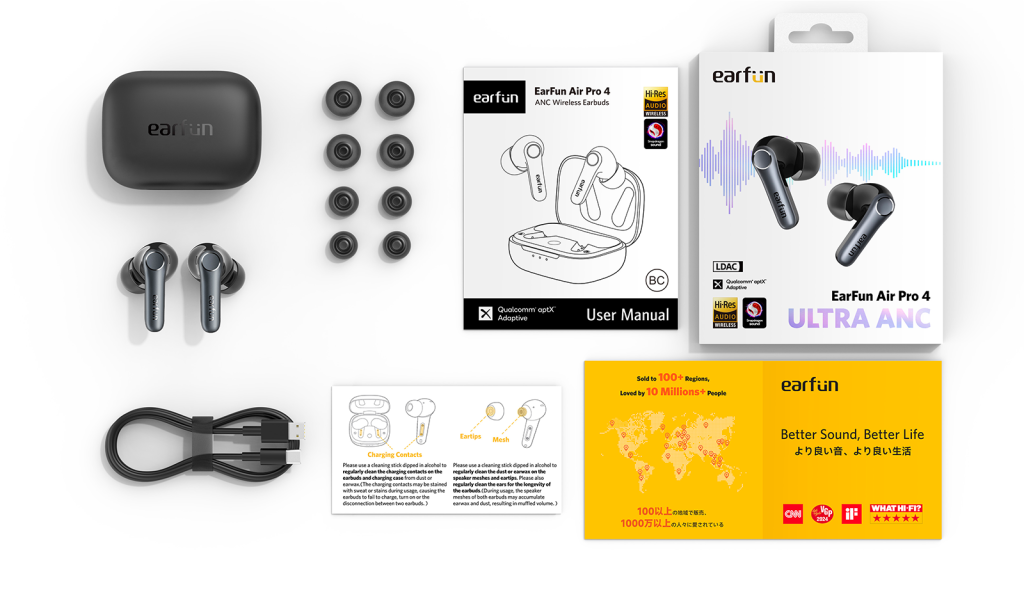
Four included earbud sizes ensure a comfortable fit for the user
Solo Buds boast Beats’ smallest design yet, ensuring a comfortable fit for extended listening sessions. Ergonomically angled nozzles and laser-cut vents work together to enhance audio performance while reducing ear pressure for added comfort. Four included earbud sizes (XS, S, M, L) guarantee a secure and comfortable fit for optimal noise reduction and personalized listening experience.
The Solo Buds don’t compromise on sound quality. Dual-layer transducers minimize distortion across all frequencies, delivering high-fidelity and detailed audio. Built-in microphones with advanced noise-reduction algorithms ensure crystal-clear call quality, so you can hear and be heard perfectly.
When it comes to connectivity, Solo Buds are equipped with Class 1 Bluetooth technology, providing extended range for a stable connection with minimal signal loss. The multi-functional “b” button allows you to control music, answer calls, or activate voice assistants. You can further customize “b” button functions for volume control via iOS settings or the Beats App.
Battery life is another highlight. Solo Buds offer the longest playtime ever offered in Beats earphones, with a total of 18 hours of playback. The included charging case allows for easy charging with a USB-C cable. Need a quick power boost while on the go? Solo Buds support Fast Fuel technology, delivering 1 hour of playback with just a 5-minute charge.
Solo Buds come in four stylish colors to match your personality: matte black, storm gray, aurora purple, and crystal red. All this for a price of RMB 699. So whether you’re a gym enthusiast or a music aficionado, the Beats Solo Buds promise exceptional sound quality, a comfortable fit, and long-lasting battery life in a portable package.
The discount spree continues across various electronics after last week’s Memorial Day sale. Samsung Galaxy Tab S9 FE is among the products still on sale with handsome discounts. Interested buyers can grab the latest Galaxy Tab S9 FE 128GB WiFi variant for the reduced price of $369. It is listed with an $80 discount over the usual retail price of $449.
Samsung Galaxy Tab S9 FE tablet with a 10.9-inch display is offering a value deal with the recent $80 discount. However, the current pricing is not the lowest, and the current discount also seems exciting.
The Korean giant introduced the Samsung Galaxy Tab S9 FE and Galaxy S9 FE+ late last year with some major advancements. These new Fan Edition tablets were launched alongside the Galaxy S23 FE. However, the Galaxy Tab S9 FE bundles a 10.9-inch WQXGA LCD offering 2560 x 1600 pixels resolution and a 90Hz refresh rate. It is powered by a Samsung Exynos 1320 SoC, 6/8GB of RAM, and 128/256GB of storage, with 1TB of expandable storage via a MicroSD card slot.
Samsung Galaxy S9 FE tablet bundles a single rear 8MP sensor and a 12MP front camera for video calling. In terms of connectivity, there’s support for WiFi 6, Bluetooth 5.3, and USB Type-C. Its 8000 mAh battery can withstand a couple of days on a single charge if used extensively.
The offer applies to all four color options: mint, silver, gray, and lavender. Interested users can grab the deal, and save $80 without any effort.
Fitbit, a subsidiary of Google, has announced the release of the Fitbit Ace LTE, a new smartwatch specifically designed for children. This device is priced at $229.95 and is tailored to cater to the needs of kids aged 7 and above, encouraging physical activity through interactive games and ensuring safety with real-time location features.
Google Fitbit Ace LTE Specifications:
Design-wise, the Fitbit Ace LTE showcases a 41.04 x 44.89 mm OLED display with a resolution of 333 PPI, protected by Corning Gorilla Glass 3. The device’s body combines stainless steel and recycled plastic materials, contributing to a durable yet eco-friendly design. It weighs approximately 28.03 grams and is designed to be kid-friendly with a raised plastic bumper for additional screen protection.
The Fitbit Ace LTE is powered by the Qualcomm Snapdragon W5 processor and operates on Wear OS, although it lacks support for the Google Play Store and third-party applications. The watch features 2GB of RAM and 32GB of storage and is equipped with a 328mAh battery that supports fast charging—reaching 60% charge in just 30 minutes and full charge in about 70 minutes.
The smartwatch offers standalone LTE connectivity, facilitated through an existing partnership with Google Fi/T-Mobile. Other connectivity features include Wi-Fi (802.11 b/g/n 2.4GHz), Bluetooth 5.0, NFC, and GPS/GNSS. The watch is also water-resistant up to 50 meters, allowing for use in various environments without concern.
For parents, the Fitbit Ace LTE provides peace of mind with location tracking through the Fitbit app, where a child’s location data is stored for only 24 hours to prioritize privacy. The device allows for messaging and calling up to 20 approved contacts, with no third-party apps or advertisements to ensure a focused and secure user experience for children.

The Fitbit Ace LTE prioritizes making physical activity fun and engaging for kids. It boasts a library of interactive 3D games accessible directly on the wrist. These games are designed to leverage the watch’s sensors, including the accelerometer, to integrate movement into the gameplay.
Beyond the dedicated games, the Ace LTE tracks all sorts of physical activity, from jumping on the bed to playing hide-and-seek. These movements are visualized through a unique “Noodle” activity ring on the watch’s home screen. As your child reaches their daily goals, the Noodle celebrates their progress, adding a fun and motivating element to fitness tracking.
Pricing and Availability
The Fitbit Ace LTE requires a subscription to the Fitbit Ace Pass for features like cellular connectivity (enabling calling, messaging, and location sharing), access to the Fitbit Arcade with its library of games, and regular software updates with new content. The Fitbit Ace Pass is available for a monthly fee of $9.99 or a discounted annual subscription of $119.99, which also includes a free collectable band.
The Fitbit Ace LTE itself is priced at $229.95 and is currently available for pre-order on the Google Store and Amazon, with general availability starting June 5th. The watch comes in two color options: Spicy and Mild, each bundled with a different themed band.
OPPO is set to release the OPPO A3 5G globally, following the recent launch of the OPPO A3 Pro in China. The device has now emerged on Google Play Console revealing some key details.
Details from the Google Play Console indicate that the OPPO A3 5G will have a display resolution of 720 x 1604 pixels and a pixel density of 320ppi. It will run on the MediaTek Dimensity 6100+ processor, which features two Cortex A76 performance cores, six Cortex A55 efficiency cores, and a Mali G57 GPU.
The smartphone is expected to come with 8GB of RAM and will be equipped with Android 14 from the start. There is some confusion about the model number as both the OPPO A3 5G and the OPPO A3 Pro are listed under the same model number, CPH2639.
The OPPO A3 Pro, previously launched in China, includes a 6.7-inch curved AMOLED screen with a 120Hz refresh rate, powered by a MediaTek Dimensity 7050 processor. It has a 5,000mAh battery that supports 67W SuperVOOC fast charging. The device features a dual-camera setup with a 64MP main sensor and an 8MP front camera. It also boasts an IP69 rating for dust and water resistance and has an in-display fingerprint scanner for security.
Chase Xu, Vice President of Realme, recently announced that the company plans to launch the GT 7 Pro in India later this year. The device aims to unify its market approach, offering the same model in China and globally.
Now, tipster Digital Chat Station reports that the Realme GT 7 Pro will feature the upcoming Snapdragon 8 Gen 4 chipset, making it the first smartphone with this processor available globally.
The new processor is rumored to deliver a significant performance boost, with Qualcomm targeting a peak clock speed of up to 4.26GHz. Reports indicate that Qualcomm will unveil the SD8G4 chip in October, suggesting the GT 7 Pro may debut in India in the last quarter of this year.
In the meantime, the brand is also preparing to launch the Realme GT 6 in the global market. The phone is expected to launch sometime in July, with specifications similar to those of the China-exclusive Realme GT Neo 6. This means that we can expect the device to have a Snapdragon 8s Gen 3 processor with multiple AI-driven features onboard. It will likely offer an OLED display with 1.5k resolution and 144Hz refresh rate. It is also expected to pack LPDDR5x RAM, UFS 4.0 storage, and a 50MP primary camera.
Is the Poco X6 Neo a worthy competitor against the newer Realme P1? Are you out shopping for a new device but are having troubles picking between which of these devices that you should purchase? These kinds of things can be quite challenging, but with this article, we’ll closely look at the specifications and features of these devices to help you with your purchase choice.
Please Note: When you buy something using the links in our articles, we may earn a small commission at no cost to you.
Realme P1 vs Poco X6 Neo: Design and colours
Realme P1:
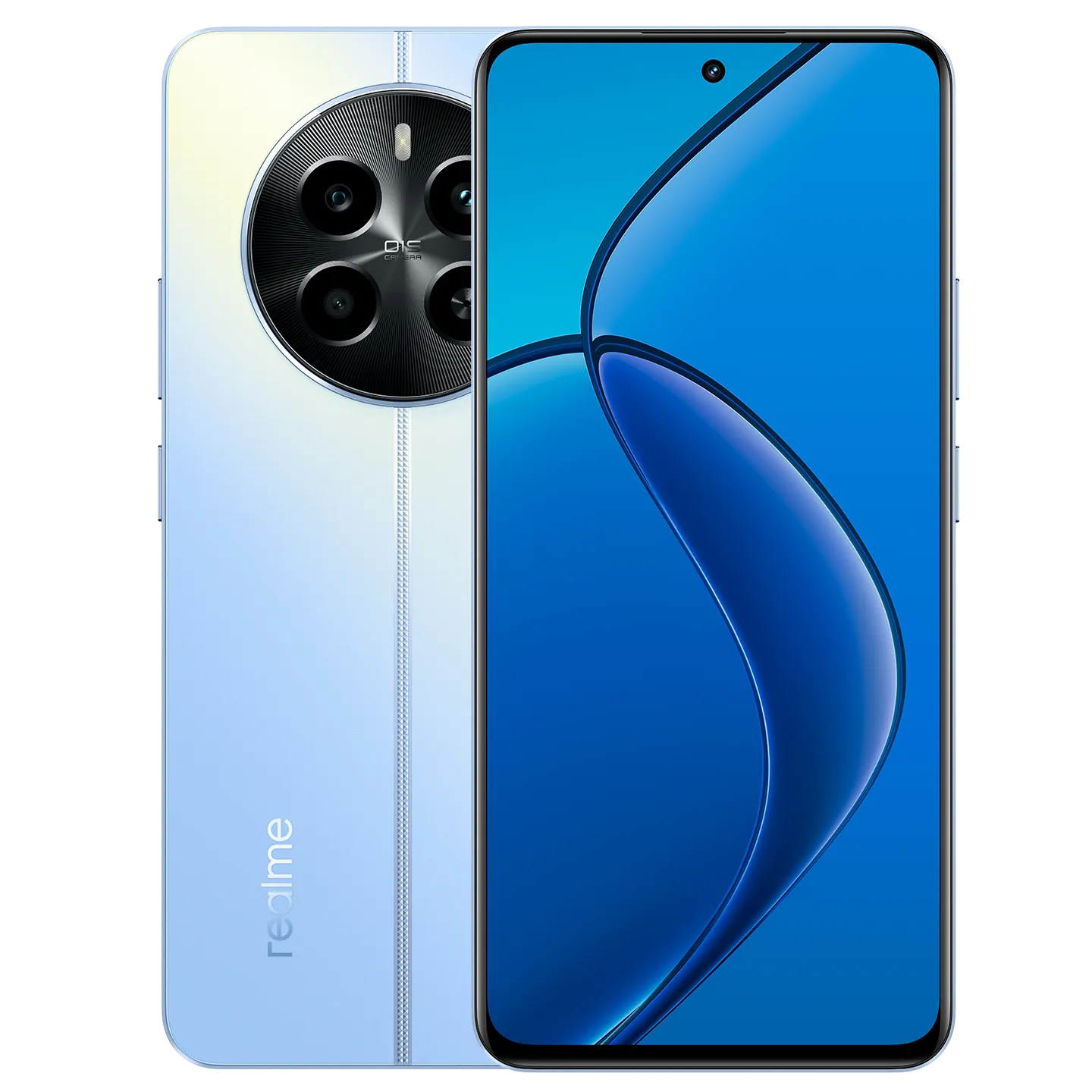
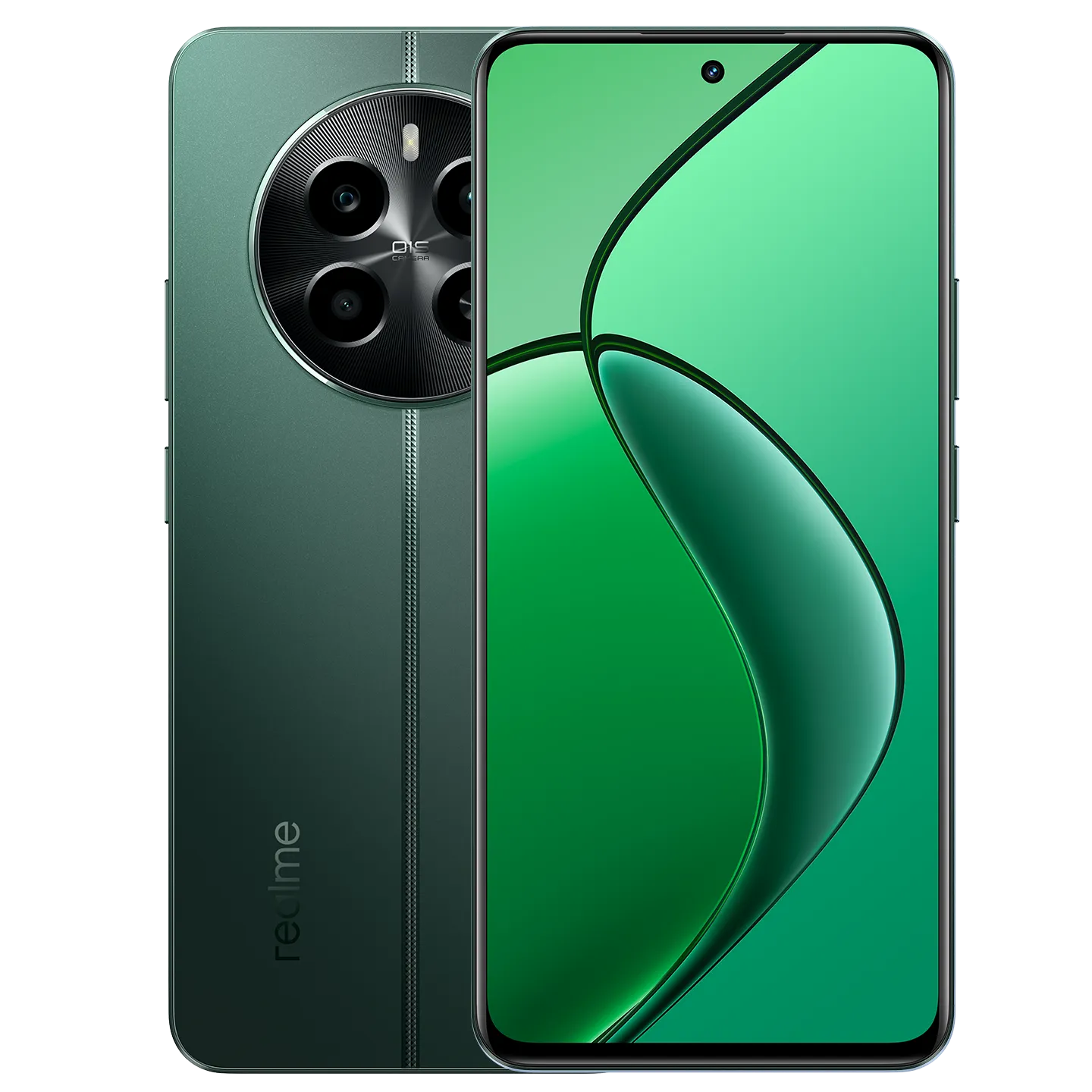
This new device follows the design language of the Realme 12 series with their circular camera cutout. On the cutout there sits five cutouts: two hold the cameras, one holds the flash, and the remaining two hold nothing at all. The Realme P1 also comes with a flat screen as well as flat edges around the device. Available colours in this series are Phoenix Red and Peacock Green, both of which feature a brushed finish that’s impressive to look at.
Poco X6 Neo:
Poco keeps things simple with the design on this device as it features a larger rectangular camera cutout. This cutout not only houses the cameras but also the Poco logo and the flash. The sides of the device are flat and so is its screen, which Poco advertises as being “bezel-less”. The buttons sit on the right side, the USB-C port, speakers and microphone sit at the base, while the 3.5mm headphone jack sits at the top of this device’s frame. Available colours here are Astral Black, Horizon Blue, and Martian Orange.
Major differences:
A 3.5mm headphone jack on the Poco X6 Neo.
Realme P1 vs Poco X6 Neo: Display
Realme P1:
Realme launched this device with a 6.67-inch AMOLED screen that supports 120Hz refresh rate. The screen also offers up to 1200 nits peak brightness, making it the brighter option of these two devices. In terms of screen to body ratio, this device comes with an 87.3% screen-to-body ratio, which is quite impressive.
Poco X6 Neo:
This device comes with a similar screen size with the Realme P1 measuring at 6.67-inch. The panel on this device is an AMOLED panel, and it supports 120Hz refresh rate, which ensures that users get a snappy response on all actions taken on the device’s screen. With a peak brightness of 1000 nits, this device slacks behind the Realme P1, however it outshines it by offering a screen-to-body ratio of 88.9%.
Major differences:
Brighter screen on the Realme P1.
Realme P1 vs Poco X6 Neo: Cameras
Realme P1:
When it comes to cameras, the Realme P1 comes with a dual camera setup housing a 50MP main camera and a 2MP front facing camera. Up front, we find a 16MP selfie camera that sits in the punch hole on this device’s screen. Both the front and rear facing cameras on this device don’t support 4K video recording.
Poco X6 Neo:
Also featuring a dual rear camera setup, this device gives off a similar experience like the competitor in the article. However, in place of a 50MP main camera sensor, this device from Poco features a 108MP main camera sensor and a 2MP depth sensor. Up front is a 16MP selfie camera like we see on the competition from Realme in this article.
Major differences:
108MP main camera on the Poco X6 Neo.
Realme P1 vs Poco X6 Neo: Performance
Realme P1:
Powering this device is the MediaTek Dimensity 7050 processor. Joining this processor is up to 8GB RAM and 256GB worth of storage capacity.
Poco X6 Neo:
Under the hood of this device is the MediaTek 6080 processor. Supporting this processor is up to 12GB worth of RAM as an option. For storage, buyers of this device get to choose between either 128GB and 256GB storage capacity.
Major upgrades & differences:
A better processor on the Realme P1.
More RAM on the Poco X6 Neo.
Realme P1 vs Poco X6 Neo: Software
Realme P1:
This device currently runs on Android 14 and the Realme UI 5.0 software, and it supports up to three years of OS update.
Poco X6 Neo:
Poco launched this device with Android 13 out of the box, as well as some software integrations unique to the brand.
Major differences:
Runs Android 14 out of the box with Realme UI 5.0.
Realme P1 vs Poco X6 Neo: Battery life and charging
Realme P1 and Poco X6 Neo:
Both devices launch 5000mAh battery capacity but the Realme X6 Neo supports faster charging at 45W.
Major differences:
Faster charging on the Realme P1.
Realme P1 vs Poco X6 Neo: Final Verdict
From the analysis of the specifications of these two devices, it’s clear that the Realme P1 is a more solid option to purchase. Not only is this entry from Realme cheap, it also comes with a newer Android version out of the box as well as a more eye-catching design. Despite this, the Poco X6 Neo is a great device with a larger RAM capacity, but its processor is not as powerful as that on the Realme P1.
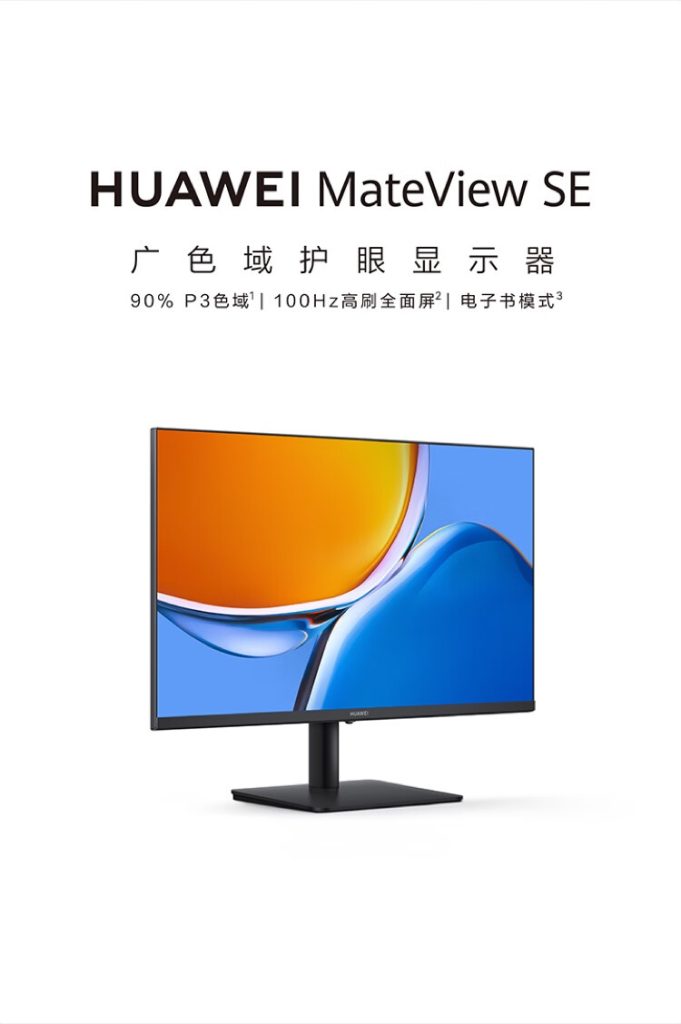
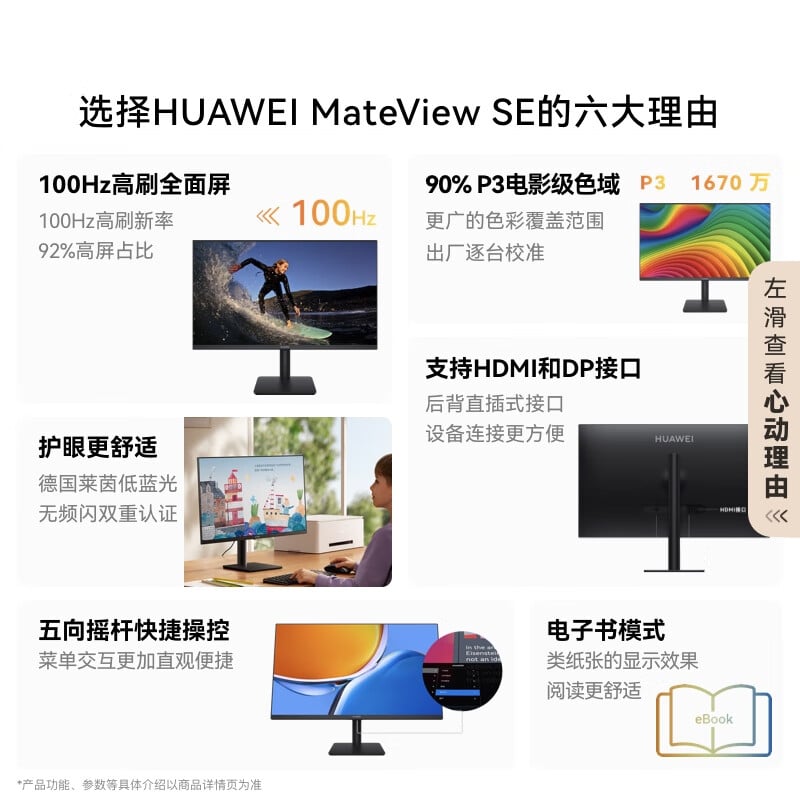
HP has unveiled a new monitor in the Chinese market aimed at business users, the HP 724pn. The monitor is available at a price of 1899 yuan ($262). Let’s check out the key specs of this monitor.
HP Series 7 Pro 724pn Monitor Specifications:
This 24-inch monitor boasts a 16:10 aspect ratio, offering a broader workspace than the typical 16:9 screens, making it ideal for professionals who need extra vertical screen real estate for editing documents or browsing lengthy websites. The display features a WUXGA (1920 x 1200) resolution that provides crisp and clear visuals, enhanced by an IPS panel that ensures color accuracy and wide viewing angles.
The HP 724pn supports a 100Hz refresh rate, allowing smoother motion clarity and less blur in fast-moving visuals, which is a significant boost for a commercial-grade monitor. It also has a gray-to-gray (GtG) response time of 5 milliseconds, which contributes to its sharp image transitions.
With a 1500:1 contrast ratio and 99% sRGB color gamut coverage, the HP 724pn delivers sharp visuals and accurate colors. This makes it well-suited for tasks like photo editing and design, where color accuracy is crucial. The monitor also covers 85% of the DCI-P3 color gamut. The brightness level peaks at 350 nits, which is sufficient for various lighting environments.
In terms of connectivity, the monitor includes HDMI 1.4 and DisplayPort 1.2, catering to a wide range of devices. The monitor also features a USB hub with four Type-A ports, capable of 5Gbps transfer rates, and a Type-B upstream port, which simplifies connectivity and desktop cable management.
For ergonomic comfort, the HP 724pn comes with a fully adjustable stand that provides 150mm of height adjustment, tilt, swivel, and pivot functionalities. This allows you to position the monitor for optimal viewing comfort, reducing neck and eye strain. The monitor also comes with a slim bezel design on all four sides, maximizing screen space and minimizing distractions.
The HP 724pn also boasts several features that cater to eye health. It includes HP Eye Ease, a TÜV Low Blue Light Hardware Solution certified technology that reduces harmful blue light emissions. Additionally, the monitor is flicker-free, further contributing to reducing eye fatigue during extended use.
Redmi Turbo 3 vs Realme GT Neo 6 SE comparison table
In this Redmi Turbo 3 vs Realme GT Neo 6 SE article, we’re putting two budget performance devices up against each other to determine which is the best buy. On one side we have the Redmi Turbo 3 and on the other side we have the Realme GT Neo 6 SE. While both devices offer impressive specifications and features, one clearly outperforms the other. We will be comparing all details on these devices to find out which is the best buy for you today.
Please Note: When you buy something using the links in our articles, we may earn a small commission at no cost to you.
Redmi Turbo 3 vs Realme GT Neo 6 SE: Design and colours
Redmi Turbo 3:
This is a very clear looking device from Redmi, and it packs a ton of bells and whistles under its hood. Here we’ll have a look at its design as it features slim bezels, dual rear camera cutouts as well as a circular dual flash finish. Redmi added a clean finish to this device, with slightly shiny sides that aren’t flat and help for better grip. To the right side are all the available buttons and at the base are the speakers, microphone port, USB-C port, and SIM tray. Available colours on this device are Black, Green, Titanium, Harry Potter.
Realme GT Neo 6 SE:
The Realme GT Neo 6 SE, on its part, comes with a simple design as well and a curved screen display. Just like the competition from Redmi in this article, the Realme GT Neo 6 SE comes with a dual rear camera setup and a dual flash setup. This device comes with a dual tone colour scheme, with the strip that runs from one side of the phone’s rear to the other being darker than the rest of the phone. All buttons on this device sit on the right-hand side, all ports as well as the SIM tray sit at the base of this device. Available colours on this device are Silver and Green.
Major differences:
Different rear design and camera cutouts.
Curved screen on the Realme GT Neo 6 SE.
Redmi Turbo 3 vs Realme GT Neo 6 SE: Display
Redmi Turbo 3 and Realme GT Neo 6 SE:
While the Redmi Turbo 3 comes with a 6.67-inch AMOLED screen, the Realme GT Neo 6 SE flaunts a slightly larger 6.78-inch LTPO AMOLED screen. Both screens offer up to 120Hz refresh rate, with the Redmi Turbo 3 packing Dolby Vision and HDR10+ display technology. The screen on the Redmi Turbo 3 comes with up to 2400 nits peak brightness while that on the Realme GT Neo 6 SE puts out 6000 nits peak brightness. In terms of screen to body ratio, the Redmi Turbo 3 comes with an 89.9% screen-to-body ratio, while that on the Realme GT Neo 6 SE features a 91.8% screen-to-body ratio.
Major differences:
Brighter screen on the Realme GT Neo 6 SE.
Impressive screen-to-body ratio on the Realme GT Neo 6 SE.
Redmi Turbo 3 vs Realme GT Neo 6 SE: Cameras
Redmi Turbo 3 and Realme GT Neo 6 SE:
On the rear, both devices in this comparison come with the same camera setups. Both devices feature a dual rear camera setup with dual LED flash on the Realme GT Neo 6 SE, but for the sensors, they both feature a 50MP main and 8MP ultrawide lens. Up front, the Redmi Turbo 3 comes with a 20MP shooter, while the Realme GT Neo 6 SE features a 32MP shooter. Both support 4K video recording on the rear cameras, and only the Realme GT Neo 6 SE features 4K video recording on its front facing camera.
Major differences:
4K video recording on the Realme GT Neo 6 SE front camera.
20MP selfie sensor on the Redmi Turbo 3.
32MP selfie sensor on the Realme GT Neo 6 SE.
Redmi Turbo 3 vs Realme GT Neo 6 SE: Performance
Redmi Turbo 3 and Realme GT Neo 6 SE:
Coming over to the performance of these devices, the Redmi Turbo 3 packs more power as it’s powered by the Snapdragon 8s Gen 3 processor. As for the Realme GT Neo 6 SE, it packs a Snapdragon 7+ Gen 3 processor which is less powerful than that of the competition in this article. For their storage configurations, the Redmi Turbo 3 comes with 12GB or 16GB RAM options and this is paired with either 256GB, 512GB, or 1TB worth of storage. The Realme GT Neo 6 SE however offers users 8GB, 12GB, and 16GB options and these pair up with 256GB and 512GB storage options.
Major upgrades & differences:
A more powerful processor on the Redmi Turbo 3.
Redmi Turbo 3 vs Realme GT Neo 6 SE: Software
Redmi Turbo 3 and Realme GT Neo 6 SE:
Both devices in this comparison run on Android 14 but with different software skins for customization and personalization. The Redmi Turbo 3 uses the HyperOS software out of the box, and the Realme GT Neo 6 SE uses the Realme UI 5.0 software. Both devices support up to three years of OS update.
Major differences:
Realme UI 5.0 on the Realme GT Neo 6 SE.
HyperOS on the Redmi Turbo 3.
Redmi Turbo 3 vs Realme GT Neo 6 SE: Battery life and charging
Redmi Turbo 3 and Realme GT Neo 6 SE:
In this section, the Realme GT Neo 6 SE features a slightly better battery and charging speed. The Realme GT Neo 6 SE comes with, a 5500mAh battery capacity and 100W fast charging. As for the Redmi Turbo 3, it features a 5000mAh battery and 90W fast charging.
Major differences:
Faster charging and larger battery on the Realme GT Neo 6 SE.
Redmi Turbo 3 vs Realme GT Neo 6 SE: Final Verdict
For our final verdict, we can comfortably tell you that if you’re going for performance and can pay more, then settle for the Redmi Turbo 3. However, if you’re going for a device that offers a bit more for less while sacrificing performance by a little margin, then the Realme GT Neo 6 SE is the best choice for you.
The new P-series from Realme is really packing a punch in terms of design, performance, and affordability. Also, the Z-series from iQOO is also doing the same as the Z9 entry is not only an impressive device in terms of design but also performance. So how does the Realme P1 stack up when compared with the iQOO Z9, and which of these devices is the better pick for you? Let’s find out.
Please Note: When you buy something using the links in our articles, we may earn a small commission at no cost to you.
Realme P1 vs iQOO Z9: Design and colours
Realme P1:
This new device follows the design language of the Realme 12 series with their circular camera cutout. On the cutout there sits five cutouts: two hold the cameras, one holds the flash, and the remaining two hold nothing at all. The Realme P1 also comes with a flat screen as well as flat edges around the device. Available colours in this series are Phoenix Red and Peacock Green, both of which feature a brushed finish that’s impressive to look at.
iQOO Z9:
Just like the competition, this device from iQOO comes with a very simple design. Its camera cutout sits towards the top left side of the device’s rear, and it houses two cameras and a flash. All control buttons on this device sit on the right side of the flat side frame, at the base sits the USB-C port, SIM tray, microphone, and speakers. Available colour options on this device are Brushed Green and Graphene Blue.
Major differences:
Different rear design and camera cutouts.
Realme P1 vs iQOO Z9: Display
Realme P1 and iQOO Z9:
Both of these devices launched with a 6.67-inch AMOLED screen that supports 120Hz refresh rate. The screen on the Realme P1 offers up to 1200 nits peak brightness, while that on the iQOO Z9 puts out 1800 nits peak brightness. In terms of screen to body ratio, the Realme P1 comes with 87.3% screen-to-body ratio, which is better than that on the iQOO Z9.
Major differences:
Brighter screen on the iQOO Z9.
Impressive screen-to-body ratio on the Realme P1.
Realme P1 vs iQOO Z9: Cameras
Realme P1 and iQOO Z9:
When it comes to cameras, both devices come with a dual camera setup housing a 50MP main camera and a 2MP front facing camera. Up front, we find a 16MP selfie camera that sits in the punch hole on both device’s screens. Both front-facing cameras on this device don’t support 4K video recording but the rear cameras on the iQOO Z9 support 4K video recording.
Major differences:
4K video recording on the iQOO Z9.
Realme P1 vs iQOO Z9: Performance
Realme P1 and iQOO Z9:
Powering the Realme P1 devices is the MediaTek Dimensity 7050 processor. The iQOO Z9 comes with the MediaTek Dimensity 7200 processor for better performance. Joining these processors is up to 8GB RAM and 256GB worth of storage capacity.
Major upgrades & differences:
A more powerful processor on the iQOO Z9.
Realme P1 vs iQOO Z9: Software
Realme P1 and iQOO Z9:
The Realme P1 runs on Android 14 and the Realme UI 5.0 software out of the box. As for the iQOO Z9, it runs on Android 14 out of the box but uses the Funtouch 14 software. Both devices support up to three years of OS update.
Major differences:
Realme UI 5.0 on the Realme P1.
Funtouch 14 on the iQOO Z9.
Realme P1 vs iQOO Z9: Battery life and charging
Realme P1 and Realme Narzo 70 Pro:
Both devices launch, 5000mAh battery capacity and the Realme P1 supports faster charging at 45W.
Major differences:
Faster charging on the Realme P1.
Realme P1 vs iQOO Z9: Final Verdict
With just a few major differences between these two devices, the iQOO Z9 takes the crown in this comparison. It comes with a better processor and 4K video recording on its rear cameras. Well, it’s easy to expect such a device like the iQOO Z9 considering that it’s more expensive than the Realme P1.
Samsung‘s Galaxy S24 smartphone was launched back in January with three color options available for third-party retailers and offline stores: Amber Yellow, Cobalt Violet, and Onyx Black, while an additional Marble Gray color option was available on Samsung’s website.
As per a new report from TheTechOutlook, the Marble Grey color option will now be available in the Indian offline market. This color option will be available in both 128GB and 256GB storage options, priced at Rs.74,999 and Rs. 79,999, respectively.
Samsung Galaxy S24 specs:
The Samsung Galaxy S24 maintains its core specifications, featuring a 6.2-inch LTPO AMOLED display with FHD+ resolution, a 120Hz refresh rate, and a peak brightness of 2,600 nits. The screen is protected by Gorilla Glass Victus 2.
In terms of cameras, the smartphone is equipped with a 50MP main sensor with OIS, a 10MP telephoto lens with OIS, and a 12MP ultra-wide-angle lens. For selfies, there is a 12MP front-facing camera.
Under the hood, the Galaxy S24 is powered by the Exynos 2400 processor, paired with 8GB of RAM and up to 512GB of storage. The device is fueled by a 4,000mAh battery, supporting 25W wired charging, 15W wireless charging, and 4.5W reverse wireless charging.
The Panasonic Lumix S9 lightweight and compact camera was announced last week in China. However, the company was discovered to have included images that were shot by a Nikon camera among the promotional pictures for the compact mirrorless camera. This erroneous impression presented by Panasonic attracted backlash to the company and it has now tendered an apology.
The images in question, about two of them, were shot by the Nikon Ambassador camera. The images, which have since been removed, were seen on Panasonic’s official website and the company was called out for the deceptive act. Panasonic then issued an official statement admitting that it used stock image services or authorized images in promoting the Lumix S9, without considering whether they were suitable in such circumstances.
Panasonic further stated that it has taken the comments by users who identified the issue seriously and revised the page to make the content easier to understand. Panasonic also expressed her deep apologies for any inconvenience caused to users, fans, and camera enthusiasts for the incident.
The Panasonic Lumix S9 was unveiled as a compact full-frame mirrorless camera and was offered for 10,999 yuan ($1,520) in China. It was also promoted as the lightest model in its category, weighing just 403 grams. It featured a free-flip screen for making flexible shots at any angle. The camera of the Lumix S9 consists of a 24.2 MP full-frame CMOS sensor that supports dual native ISO, 6K OpenGate, and 4K 60p (approximately 1.5x crop capability).
The petite LUMIX S9 weighs just 403 grams and comes with a flexible shooting setup – thanks to its free-flip screen. The LUMIX S9 also has a stylish design and comes in several color variants. It allows the user to easily generate high-quality original photos and videos that can be shared as-is without editing them on a PC.
The Lumix S9 features 5-axis body stabilization and phase focus functions. These help to significantly reduce the blur due to shaking when shooting handheld and allow the user to shoot stably in various scenarios. The camera body has a new LUT dedicated button for quickly utilizing the real-time LUT filter function. There are several LUT filters to choose from in the camera.
LG has released the Tone Free T80 wireless earbuds with several upgrades from its predecessor. The new LG T80 wireless earbuds come with a graphene speaker driver and feature Dolby Atmos, as well as Dolby Head Tracking. The Tone Free T80 is designed to offer an improved audio experience with its reinforced graphene driver and overall design.
Features
The Tone Free T80 earbuds are designed to deliver a balanced audio output covering mid and high frequencies, as well as a vibrant bass. The Dolby Atmos and Dolby Head Tracking functionality further enhances the product’s audio performance. The buds support Adaptive Active Noise Cancellation and can detect noise levels around you and adjust the intensity accordingly.
The buds have a four-mic setup for enhanced call performance. It optimizes the sound modes and allows the user to receive calls even in a pretty noisy environment. The buds also feature the Whisper Mode which allows you to take calls discreetly by speaking in hushed tones via the right bud.
The LG Tone Free T80 wireless earbuds are rated IPX4 and are protected from light rain or drops of water. They also come with medical-grade ear gels and offer comfortable use at any time. The T80 earbuds deliver up to 36 hours of runtime in total. It supports Bluetooth 5.4 connectivity, wear detection, Dolby Virtualizer, and Optimizer functionality.
Pricing & Availability
The LG Tone Free T80 earbuds are being sold on a bundled offer that includes a free XBOOM Go XG5QGR Bluetooth speaker. The price of the bundled package of the T80 earbuds is $199.99. It is unclear how long the bundled offer will be available before the model reverts to its original price.
Previously we have seen leaked screen protectors and CAD renders of the Galaxy Z Fold 6 suggesting a wider external screen and sharper corners. Now a real-life image of the phone has been leaked confirming that the phone will indeed come with sharper corners as compared to the predecessor. In addition to that, you can also notice that the borders are nearly symmetrical this time around.
Galaxy Z Fold 6
Today tipster Ice Universe has shared the image on X (formerly known as Twitter). Comparing the Z Fold 6’s image side by side with the Galaxy Z Fold 5 also suggests that the display is flatter this time. The top, left and right sides have the same width of border. However, we cannot be sure about the bottom bezel since the image is cropped.
Galaxy Z Fold 5
On the left side, the metal frame also doesn’t appear as visible as the predecessor, which improves the look of the device. It also allows the display to be a bit more wide within the same aspect ratio of the body. Additionally, it looks like the phone itself is also slightly wider.
Reportedly, Samsung is also working on another version of the 6th generation book-style foldable, the Galaxy Z Fold 6 Slim that will offer a larger inner and outer display with a slimmer form factor. According to Sammobile, it could be released in Q4 2024, months after the release of the Z Fold 6 and Flip 6.
Nonetheless, the phone we are seeing adopts the Galaxy-branded Snapdragon 8 Gen 3 chipset with slightly different clock speeds than the regular version. According to a previous report from South Korea, it won’t be viable for Samsung to include its foldable under its dual-platform strategy as the series has been designed for Qualcomm chips since the beginning and the company will have to make a lot of adjustments. For now, the Exynos 2400 is also reportedly unable to meet the power efficiency requirement of the foldable.
The ninth generation console wars rage on, and Sony continues its reign from the previous generation, leading the charge with the PlayStation 5. Recently, the company has been in the spotlight due to rumors about the PS5 Pro, yet it continues to sell millions of consoles every month.
Additionally, the company is doing everything it can to accelerate sales. Besides games that remain console-exclusive for a long time, Sony is also attracting potential customers with discount campaigns. The latest campaign targets gamers in India. Sony announces huge discounts on PS5 Slim, VR2. Here are the details…
Sony Announces Huge Discounts on PlayStation 5 Slim And VR2
The PlayStation 5 Slim Digital Edition is now available at a discounted price of Rs. 39,999, down from its regular price of Rs. 44,990. The console offers the same impressive performance as the standard PS5, but in a more compact design. For those interested in taking advantage of this deal, you can find more information and purchase the console here.
In addition to the PS5 Slim, Sony’s PlayStation VR2 is also on sale, now available for Rs. 51,999, reduced from its usual price of Rs. 61,999. The PlayStation VR2 promises to elevate your gaming experience with its cutting-edge VR technology. Delivering great visuals and responsive gameplay. For more details and to grab this offer, you can visit this link.
We use cookies on our website to give you the most relevant experience by remembering your preferences and repeat visits. By clicking “Accept”, you consent to the use of ALL the cookies.
This website uses cookies to improve your experience while you navigate through the website. Out of these, the cookies that are categorized as necessary are stored on your browser as they are essential for the working of basic functionalities of the website. We also use third-party cookies that help us analyze and understand how you use this website. These cookies will be stored in your browser only with your consent. You also have the option to opt-out of these cookies. But opting out of some of these cookies may affect your browsing experience.
Necessary cookies are absolutely essential for the website to function properly. This category only includes cookies that ensures basic functionalities and security features of the website. These cookies do not store any personal information.
Any cookies that may not be particularly necessary for the website to function and is used specifically to collect user personal data via analytics, ads, other embedded contents are termed as non-necessary cookies. It is mandatory to procure user consent prior to running these cookies on your website.