It is a familiar situation for anyone in the market for a new smartphone: do you buy the current model available today, or do you wait a few months for the next version?
Right now, in mid-2026, Google has left buyers with an interesting choice. The Pixel 10 series is currently available and offers a very capable experience. It introduced Qi2 magnetic charging, which Google calls Pixelsnap, brought a telephoto lens to the base model, and upgraded to the 3nm Tensor G5 chip. However, recent leaks have already detailed Google’s plans for the Pixel 11 lineup, which is expected to launch this August.
If you are using an older device like a Pixel 7 or a phone with a degraded battery, you might be wondering what to do. Let’s look at the practical differences between the Pixel 10 you can buy today and the rumored Pixel 11 coming later this summer.
If there is one distinct reason to hold off on buying a Pixel 10, it is the internal hardware.
The Pixel 10’s Tensor G5 is a capable processor built on a 3nm process, and it handles Google’s on-device AI features, like Camera Coach and Auto Best Take, quite well. But the Pixel 11 is expected to introduce a more significant update.
According to recent leaks, the Pixel 11’s Tensor G6 will be built on TSMC’s newer N2 (2nm) node. In processor manufacturing, smaller nodes generally translate to better power efficiency and improved heat management. If you often use your phone for demanding tasks like recording long 4K videos or gaming, the 2nm Tensor G6 could offer a more consistent, cooler experience.
Additionally, the modem is seeing a change. Pixel phones have occasionally faced criticism for connectivity and battery drain issues linked to their Samsung-based modems. The Pixel 11 is reportedly moving away from this setup in favor of the MediaTek M90 modem. Having a more efficient modem usually means more reliable cellular reception and better battery retention when you are off Wi-Fi. For people who travel frequently or rely heavily on mobile data, this hardware change alone might be worth the wait.
2. Design Tweaks
Google often experiments with unique hardware features, and the upcoming generation seems to continue that trend. On the Pixel 10 Pro and Pro XL, Google included the infrared temperature sensor in the camera bar. It is a functional tool for checking the temperature of objects, but it isn’t something most people use every day.
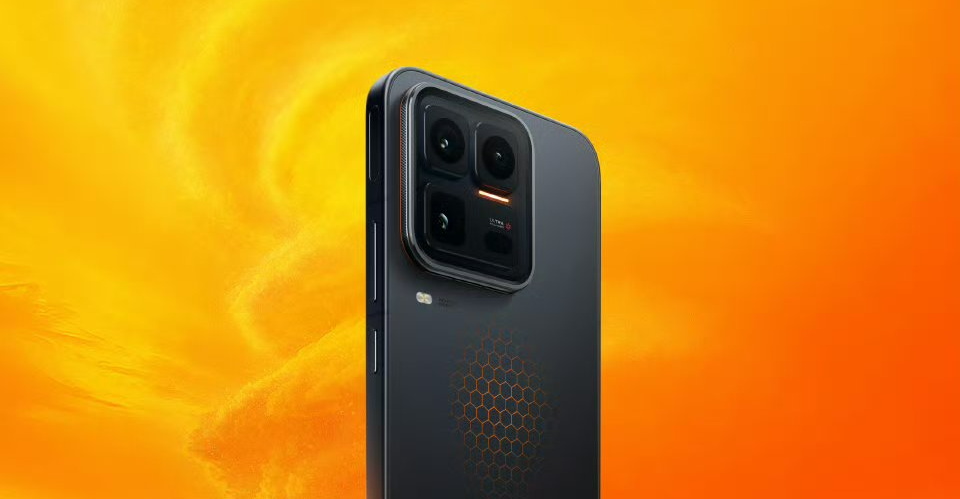
The Pixel 11 Pro series is reportedly dropping the thermometer. In its place, Google is expected to introduce a small RGB LED array called Pixel Glow in the camera bar.
It sounds similar to the notification lights we used to see on older smartphones, or a scaled-down version of the Glyph interface on Nothing’s phones. While it is more of a visual addition than a strict utility, it could be useful for custom notification alerts or as a soft fill light for photography.
3. Displays and Cameras
If you are expecting a major redesign or a completely new display technology, the Pixel 11 might look very familiar. The Pixel 10 already offers high-quality screens.
The Pixel 10 Pro XL features a 6.8-inch QHD+ display that reaches 3,300 nits of peak brightness. The Pixel 11 Pro XL is rumored to increase that to 3,600 nits. In daily use, especially indoors, you are unlikely to notice a difference. Both generations use 120Hz LTPO OLED panels that are easy to read in direct sunlight.
For the cameras, the Pixel 11 series is slated to receive a new 50MP main sensor and updated telephoto lenses. However, the Pixel 10 already has a highly capable camera system, including a 48MP 5x telephoto lens that supports high-resolution zoom. Much of Google’s photo quality comes from its software processing rather than just the hardware. While the Pixel 11 will feature a new TPU that might process images a bit faster or enable new AI editing tools, the actual difference in photo quality between the 10 and 11 will likely be minimal for standard point-and-shoot photography.
4. Battery Life and Charging
With the Pixel 10, Google integrated Pixelsnap, a Qi2-compatible magnetic charging system that allows you to easily attach wireless chargers and accessories. This feature is expected to remain on the Pixel 11.
Battery capacities between the two generations are also very similar. The Pixel 10 Pro XL has a 5,200mAh battery, while the Pixel 11 Pro XL is rumored to have a rated capacity of 5,000mAh, which will likely be marketed around the same 5,100 to 5,200mAh mark.
Any real-world improvements in battery life won’t come from larger batteries, but rather from the improved efficiency of the Tensor G6 chip and the new MediaTek modem.
5. Verdict
Deciding whether to buy now or wait comes down to your current needs.
Consider buying the Pixel 10 now if: Your current phone is broken or frustrating to use, and you need a reliable device today. The Pixel 10 is a refined smartphone with a great camera, magnetic Qi2 charging, and seven years of promised software support. It is a solid purchase that will last a long time.
Consider waiting for the Pixel 11 if: Your current phone can last a few more months, and you prioritize battery efficiency and cellular performance. The move to a 2nm processor and a MediaTek modem addresses some of the most common hardware complaints from previous Pixel generations. If you want the most efficient hardware Google has to offer, checking out the Pixel 11 in August is the practical move.
For more daily updates, please visit our News Section.
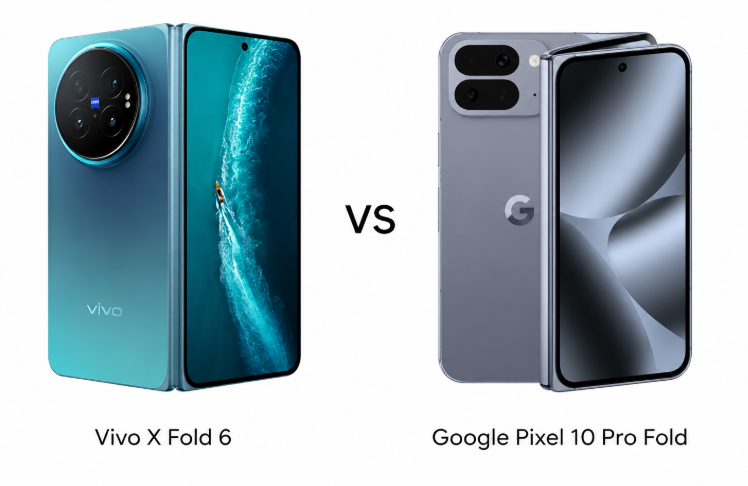
Foldable smartphones have reached a point where buyers expect flagship performance, premium cameras, long battery life, and durable designs without compromise. The Vivo X Fold 6 and Google Pixel 10 Pro Fold target the premium segment but take different approaches. Vivo focuses on powerful hardware, fast charging, and high-end camera hardware, while Google emphasizes software intelligence, AI-powered photography, and long-term software support. Here’s how these two flagship foldables compare.
Major Features:
Category
Vivo X Fold 6
Google Pixel 10 Pro Fold
Winner
Design & Build
Glass back, aluminum frame, IP58/IP59, IR blaster
Gorilla Glass Victus 2, aluminum frame, IP68, UWB, Satellite SOS
Both foldables offer premium construction with aluminum frames and excellent water resistance. The Vivo X Fold 6 features IP58/IP59 protection, while the Google Pixel 10 Pro Fold carries a higher IP68 rating for better dust and water protection. Vivo also includes an infrared blaster and dual Nano-SIM support, whereas Google combines Nano-SIM with eSIM while adding Ultra Wideband and Satellite SOS for extra connectivity. Both phones feel premium, but they appeal to different users. Vivo focuses on hardware versatility, while Google’s additional safety and smart connectivity features make it more practical for long-term everyday use.
Display Quality
The Vivo X Fold 6 features an 8.02-inch LTPO AMOLED inner display with Dolby Vision, HDR Vivid, HDR10+, and a brighter 5,000-nit peak cover display. Its higher pixel density also delivers sharper text and images. The Pixel 10 Pro Fold uses an 8-inch LTPO OLED panel with HDR10+ and a 3,000-nit peak brightness, offering excellent color accuracy and Google’s display tuning. Both support smooth 120Hz refresh rates, but Vivo’s brighter cover screen and richer multimedia support create a more immersive viewing experience.
Verdict
The Vivo X Fold 6 delivers a stronger overall display package thanks to its brighter cover display, sharper resolution, and broader HDR support. The Pixel 10 Pro Fold counters with superior durability and useful premium connectivity features, making it an excellent choice for users who value software integration alongside hardware quality.
2. Specifications Including Battery
Performance
The Vivo X Fold 6 is powered by the MediaTek Dimensity 9500 Super processor paired with UFS 4.1 storage and up to 16GB RAM. This combination is designed for demanding gaming, multitasking, and sustained performance. Google’s Pixel 10 Pro Fold runs on the Tensor G5 chipset with up to 16GB RAM, focusing more on AI features, image processing, and software optimization than outright benchmark performance. Both deliver flagship-level speed, but Vivo is likely to satisfy power users seeking maximum hardware performance.
Battery and Charging
Battery life is one of Vivo’s biggest strengths. The X Fold 6 packs a massive 7,000mAh silicon-carbon battery with 80W wired and 40W wireless charging, along with reverse wired and wireless charging. The Pixel 10 Pro Fold includes a 5,015mAh battery with 30W wired charging, 15W Qi2 magnetic wireless charging, bypass charging, and PPS support. Google’s charging options are convenient, but Vivo simply offers much longer endurance and dramatically faster charging, making daily usage far less restrictive.
Verdict
The Vivo X Fold 6 clearly leads in raw performance and battery technology. Google’s Tensor G5 shines through AI capabilities and software intelligence, but Vivo’s larger battery and significantly faster charging create a more complete flagship experience for demanding users.
3. Camera
Main and Secondary Lenses
The Vivo X Fold 6 features an impressive triple-camera setup consisting of a 200MP primary sensor, a 50MP 3x periscope telephoto camera, and a 50MP ultrawide lens enhanced by Zeiss optics, Zeiss T* coating, Laser AF, and 8K video recording. The Pixel 10 Pro Fold uses a 48MP main camera, a 10.8MP 5x telephoto lens, and a 10.5MP ultrawide camera. Google compensates with powerful computational photography features, including Best Take, Ultra HDR, Pixel Shift, and Zoom Enhance. Vivo delivers superior camera hardware, while Google extracts remarkable results through software processing. The better choice depends on whether hardware capability or computational photography matters more.
Selfie Camera
Vivo includes dual 20MP front cameras for both the inner and cover displays, ensuring a consistent selfie experience regardless of how the phone is used. Google equips both displays with 10MP autofocus selfie cameras capable of recording 4K video, offering better video quality but lower resolution. Vivo provides greater image detail, while Google’s autofocus improves reliability during video calls and content creation.
Verdict
The Vivo X Fold 6 takes the lead for camera hardware with its larger sensors, higher resolutions, Zeiss partnership, and 8K recording. The Pixel 10 Pro Fold remains one of the smartest camera phones available, thanks to Google’s AI-driven image processing, making it especially attractive for users who prefer effortless photography.
4. Pricing
Vivo X Fold 6 is priced around $1,200 (₹111,000), while the Google Pixel 10 Pro Fold is priced around $1,800 (₹160,000). That creates a price difference of roughly $600 (₹49,000), placing Google’s foldable firmly in the ultra-premium category. Vivo delivers flagship hardware, a larger battery, faster charging, premium Zeiss cameras, and an equally premium folding display for considerably less money. Google charges a noticeable premium largely for its software ecosystem, AI capabilities, and industry-leading Android update commitment.
Is the Price Justified?
Google’s pricing is justified for buyers who prioritize long software support, exclusive Pixel AI features, and computational photography. However, buyers focused on hardware specifications receive substantially more for their money with Vivo. The overall value proposition feels stronger on the Vivo side because very few compromises are made despite the lower asking price.
Verdict
The Vivo X Fold 6 offers significantly better value for money. The Pixel 10 Pro Fold earns its premium through software excellence, but Vivo delivers a flagship hardware package at a much more competitive price.
Disclaimer: Prices are approximate and may vary based on country, region, launch timing, and applicable taxes. Always check whether the listed price is for a China unit or a global/international variant when purchasing.
5. Conclusion
The Vivo X Fold 6 stands out with its 7,000mAh silicon-carbon battery, 80W wired and 40W wireless charging, 200MP Zeiss camera system, 8K video recording, brighter cover display, and infrared blaster. It is designed for buyers who want cutting-edge hardware with minimal compromises. The Google Pixel 10 Pro Fold distinguishes itself through seven years of Android upgrades, advanced AI photography tools, Satellite SOS, Ultra Wideband support, Qi2 magnetic wireless charging, and Google’s clean Android experience. Both are premium foldables, but their priorities are clearly different.
Verdict
The Vivo X Fold 6 is the better choice for buyers seeking flagship hardware, longer battery life, faster charging, and exceptional camera specifications at a more accessible price. The Google Pixel 10 Pro Fold is ideal for users who place greater value on AI-powered software, long-term updates, and the Pixel ecosystem. For most buyers looking at overall features and value, the Vivo X Fold 6 delivers the more compelling package.
Disclaimer: This comparison is based on the specifications provided and is intended for general informational purposes. Actual performance, camera results, battery life, and overall experience may vary depending on real-world usage, software updates, and individual preferences.
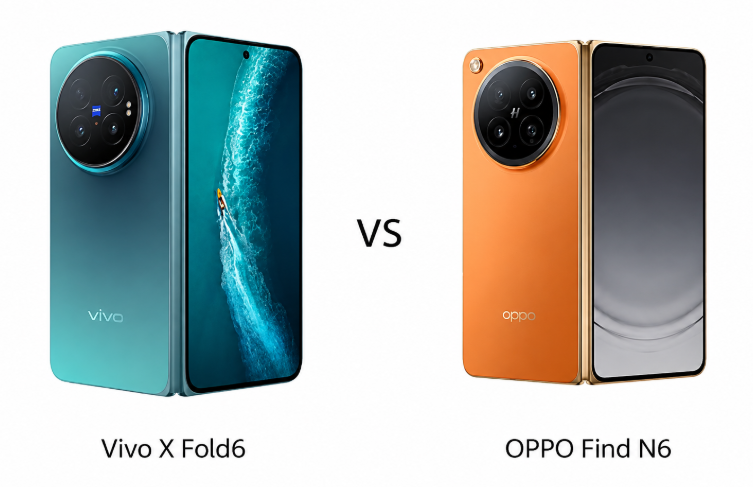
Foldable smartphones continue to evolve rapidly, and the Vivo X Fold6 and OPPO Find N6 represent two of the most advanced options available. Both target power users with flagship processors, premium cameras, large foldable displays, and fast charging technologies. While they share many high-end features, each phone focuses on different strengths. The Vivo X Fold6 emphasizes battery life and ZEISS imaging, whereas the OPPO Find N6 prioritizes premium display technologies, advanced software features, and productivity enhancements. Here’s a detailed comparison to help determine which foldable deserves a place in your pocket.
Both foldables feature premium materials, durable hinges, and IP58/IP59 dust and water resistance, making them reliable for everyday use. The Vivo X Fold6 combines an aluminum frame with a glass-fiber reinforced back, giving it a sturdy yet understated appearance. OPPO, meanwhile, takes a more premium approach by using an aircraft-grade aluminum frame, a Grade 5 titanium alloy hinge, Nanocrystal Glass, and self-healing memory glass for the internal display. The addition of stylus support on both screens also makes the Find N6 more versatile for productivity and creativity. The OPPO feels like the more feature-rich flagship, while the Vivo focuses on practicality and long-term durability.
Display Quality
The Vivo X Fold6 offers an excellent LTPO AMOLED display with Dolby Vision, HDR10+, HDR Vivid, a 120Hz refresh rate, and an exceptionally bright cover screen. The OPPO Find N6 raises the bar further with a larger LTPO OLED panel featuring 2160Hz PWM dimming, Zero-Feel crease technology, higher cover display brightness, Ultra HDR support, and stylus compatibility. Both displays deliver flagship-quality visuals, but OPPO provides a more refined viewing experience with additional display innovations.
Verdict
The Vivo X Fold6 delivers an excellent display package, but the OPPO Find N6 stands out thanks to its superior display technologies, stylus support, and more premium overall design experience.
2. Specifications Including Battery
Performance
The Vivo X Fold6 is powered by the MediaTek Dimensity 9500 Super chipset paired with UFS 4.1 storage and up to 16GB RAM, delivering flagship-grade multitasking and gaming performance. The OPPO Find N6 uses Qualcomm’s Snapdragon 8 Elite Gen 5 processor with the same fast storage standard and generous memory options. Qualcomm’s latest flagship chip offers stronger GPU performance, improved AI capabilities, and better long-term software optimization. Both devices easily handle demanding workloads, but the OPPO has a slight advantage for users seeking maximum processing power.
Battery and Charging
Battery life is where the Vivo X Fold6 shines. Its massive 7000mAh silicon-carbon battery comfortably exceeds the OPPO’s 6000mAh capacity while maintaining the same 80W wired charging speed. Although OPPO counters with faster 50W wireless charging compared to Vivo’s 40W, the larger battery in the Vivo is likely to provide noticeably longer endurance. Frequent travelers and heavy users will appreciate the additional battery reserve throughout the day.
Verdict
The OPPO Find N6 wins on raw performance, while the Vivo X Fold6 takes the lead in battery life. Overall, the Vivo delivers a slightly more balanced hardware package thanks to its outstanding endurance without sacrificing flagship performance.
3. Camera
Main and Secondary Lenses
Both smartphones feature an impressive 200MP primary camera accompanied by 50MP periscope telephoto and 50MP ultrawide sensors. Vivo partners with ZEISS, offering T* lens coating, Laser Autofocus, and excellent color consistency, while OPPO relies on Hasselblad Color Calibration for its signature image tuning. Vivo records up to 8K video and delivers excellent detail with its larger primary sensor, whereas OPPO focuses on smoother video recording with support for 4K at 120fps and Dolby Vision HDR. Photography enthusiasts may appreciate Vivo’s imaging hardware, while videographers are likely to prefer OPPO’s more advanced recording capabilities.
Selfie Camera
Each device includes dual 20MP selfie cameras, one on the cover display and one inside the foldable screen. The Vivo records Full HD video, whereas OPPO upgrades selfie recording to 4K with HDR and gyro-EIS for noticeably smoother footage. Content creators and video callers benefit from the additional flexibility offered by OPPO.
Verdict
The Vivo X Fold6 is the stronger option for still photography thanks to its ZEISS partnership and larger primary sensor. However, the OPPO Find N6 offers a more complete camera system with superior video recording and better selfie capabilities.
4. Pricing
The Vivo X Fold6 is priced around $1,200 (approximately ₹1,11,000), making it one of the most competitively priced premium foldables available. The OPPO Find N6 is priced around $1,800 (approximately ₹1,60,000), placing it firmly in the ultra-premium category. The significant price difference means buyers must carefully consider whether OPPO’s additional display features, Snapdragon chipset, stylus support, and premium construction justify spending considerably more. For many users, both devices deliver flagship experiences, but the Vivo offers far greater affordability without making major compromises in performance or camera quality.
Verdict
The Vivo X Fold6 delivers exceptional value for money by offering flagship hardware, an excellent camera system, and a huge battery at a substantially lower price. The OPPO Find N6 justifies its premium pricing with exclusive features, but its higher cost limits its value advantage.
Disclaimer: Prices are approximate and may vary based on country, region, launch timing, and applicable taxes. Always check whether the listed price is for a China unit or a global/international variant when purchasing.
5. Conclusion
The Vivo X Fold6 stands out with its enormous 7000mAh silicon-carbon battery, ZEISS camera system, 8K video recording, and highly competitive pricing. It is built for users who prioritize endurance, photography, and overall value. The OPPO Find N6 distinguishes itself through its Snapdragon 8 Elite Gen 5 processor, titanium alloy hinge, stylus support on both displays, Zero-Feel crease technology, satellite connectivity on the 1TB model, and advanced Dolby Vision video recording. These additions create a more premium experience aimed at productivity enthusiasts and users seeking the latest display innovations.
Verdict
For most buyers, the Vivo X Fold6 is the smarter purchase. It delivers flagship performance, excellent cameras, and class-leading battery life while costing significantly less than its rival. The OPPO Find N6 remains the better choice for users who want the absolute best foldable display technologies, premium build materials, and productivity-focused features, but those advantages come at a steep premium.
Overall, the Vivo X Fold6 offers a stronger balance between features, performance, and value.
Disclaimer: This comparison is based on the specifications provided and is intended for general informational purposes. Actual performance, camera results, battery life, and overall experience may vary depending on real-world usage, software updates, and individual preferences.
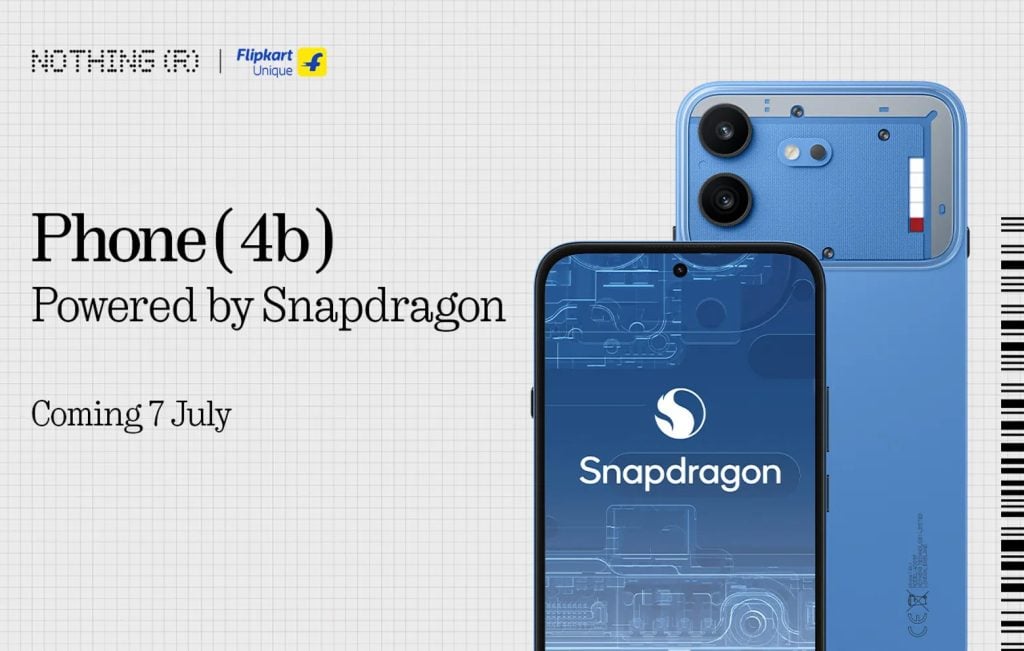
While there won’t be as many new smartphones as we are used to seeing next month due to rising memory costs and the ongoing chip crisis, there are still a few exciting launches lined up for July 2026. Oppo will unveil its Reno 16 mid-range lineup, while Nothing is preparing to launch its Phone (4b) with cut-down specifications.
Samsung could release the next-gen foldable phones next month, while Motorola is reportedly looking to bring its Razr 70 foldable phones into the Indian market in the same month.
5 Best upcoming smartphone launches: July 2026 edition
1. Oppo Reno 16 series
Launch date: July 2, 2026 (confirmed)
Oppo is expected to unveil two phones in the Reno 16 series at the upcoming event: the Reno 16 and the Reno 16c. The former will be a compact, premium mid-range phone, while the latter will sit below it with a slightly larger form factor.
The Reno 16 is confirmed to have a 6.32-inch Full HD+ AMOLED screen with a 120Hz refresh rate and a peak brightness of 1800nits. It will also have a new AI Snap Key for quickly saving content to MindSpace, similar to OnePlus’s AI Plus Key.
The smartphone will offer a versatile camera setup, featuring a 50MP primary camera, a 50MP ultrawide camera, and a 50MP telephoto lens with 3.5x optical zoom. All three sensors can capture 4K video at 60 fps. The selfie camera also has a 50MP resolution.
The Reno 16 is said to be powered by the Snapdragon 7 Gen 4 chipset. It will reportedly have a 6700mAh battery with 80W fast charging support. Plus, it carries IP66, IP68, IP69, and IP69K ratings, ensuring great protection against water and dust.
Oppo Reno 16c
The Reno 16c is expected to be an affordable sibling, featuring a 6.57-inch AMOLED screen with a 120Hz refresh rate and 1400nits of peak brightness. It could be powered by the MediaTek Dimensity 7300-Energy processor.
The smartphone is said to have a 7,000mAh battery with support for 80W wired charging. Like the Reno 16, the 16c also features the AI Snap Key, an aerospace-grade aluminum frame, and IP66/IP68/IP69/IP69K ratings.
2. Nothing Phone (4b)
Launch date: July 7, 2026 (confirmed)
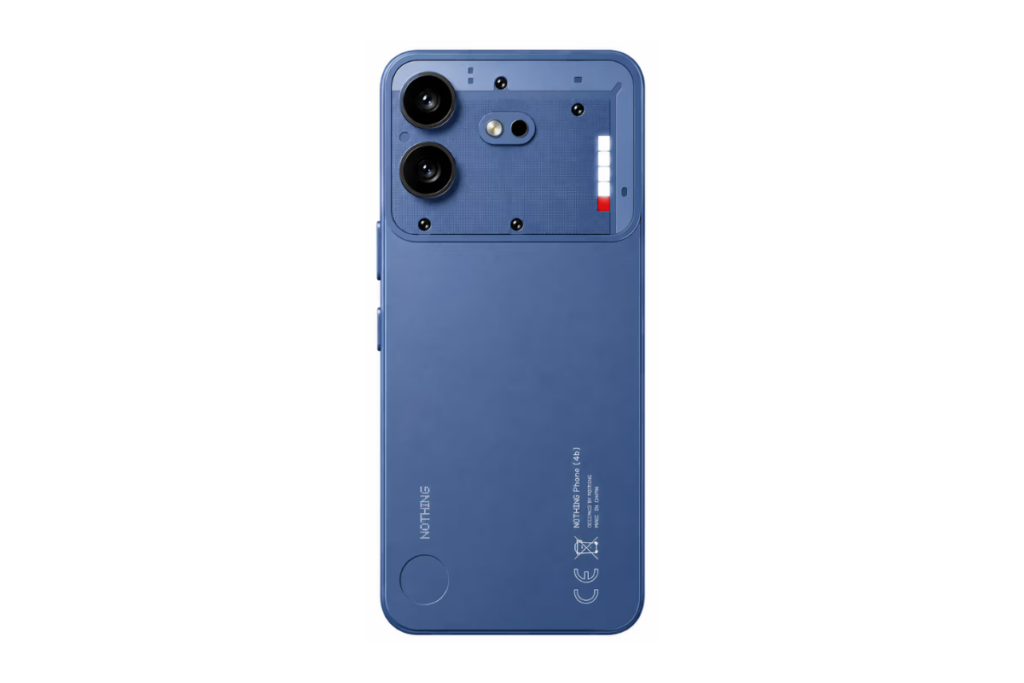
Nothing Phone (4b) marks the debut of the company’s new “B” series. With this new product line, Nothing aims to bring its core user experience to a wider audience. The Phone (4b) will feature a compact Glyph Bar with five LED panels on the rear side.
The phone reportedly features a 6.7-inch AMOLED screen with a 120Hz refresh rate. Official teasers confirm that it will feature dual rear cameras, including a 50MP primary camera and an 8MP ultrawide lens. It’s said to have a 32MP selfie camera.
Leaked benchmark listings have revealed that the Nothing Phone (4b) will be powered by the Snapdragon 6 Gen 4 chipset, paired with 8GB RAM and up to 256GB storage. The phone is said to house a 5,400mAh battery with 50W fast charging support.
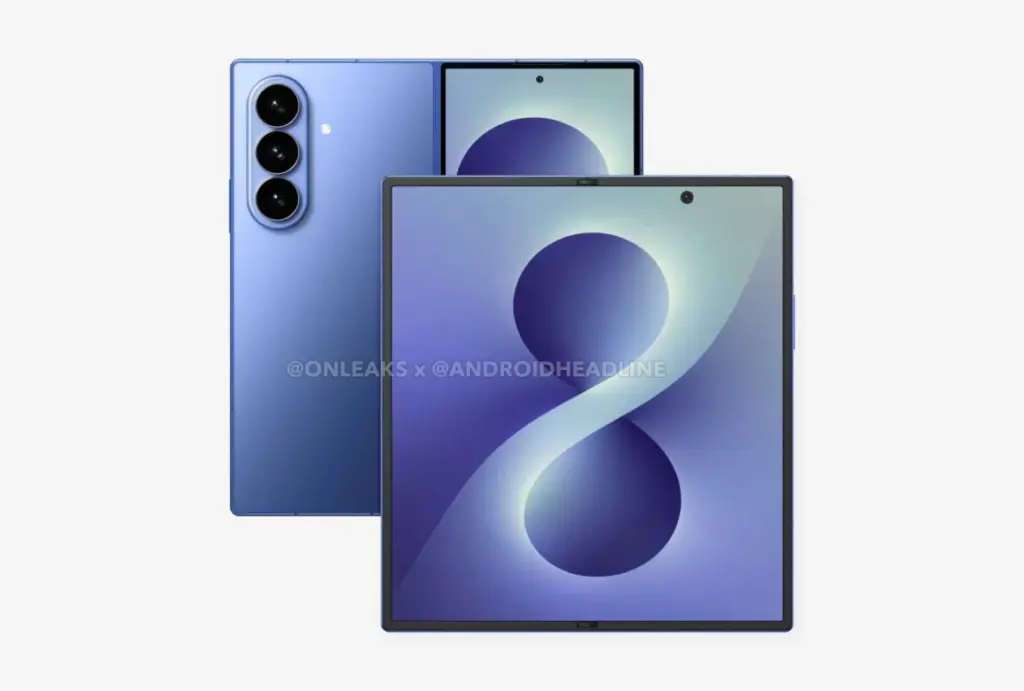
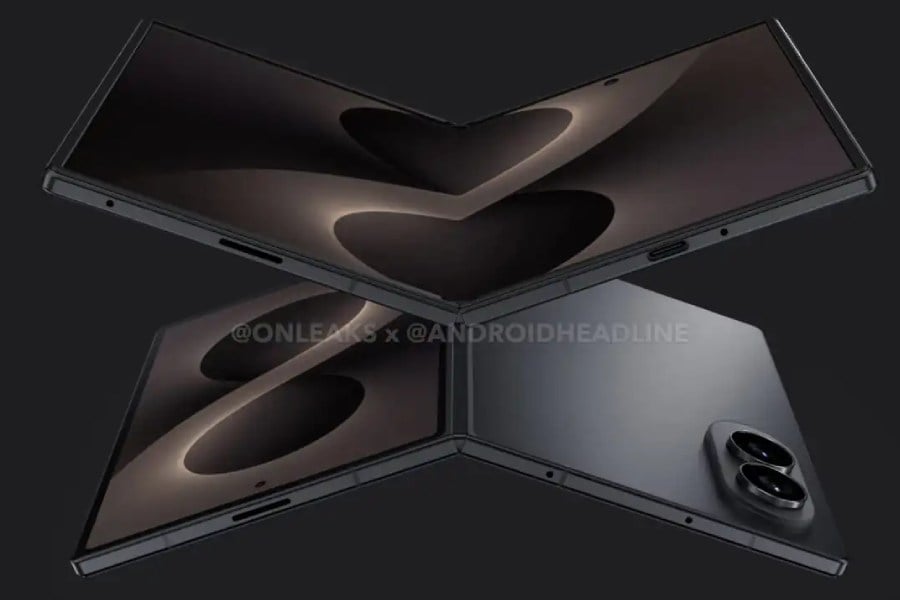
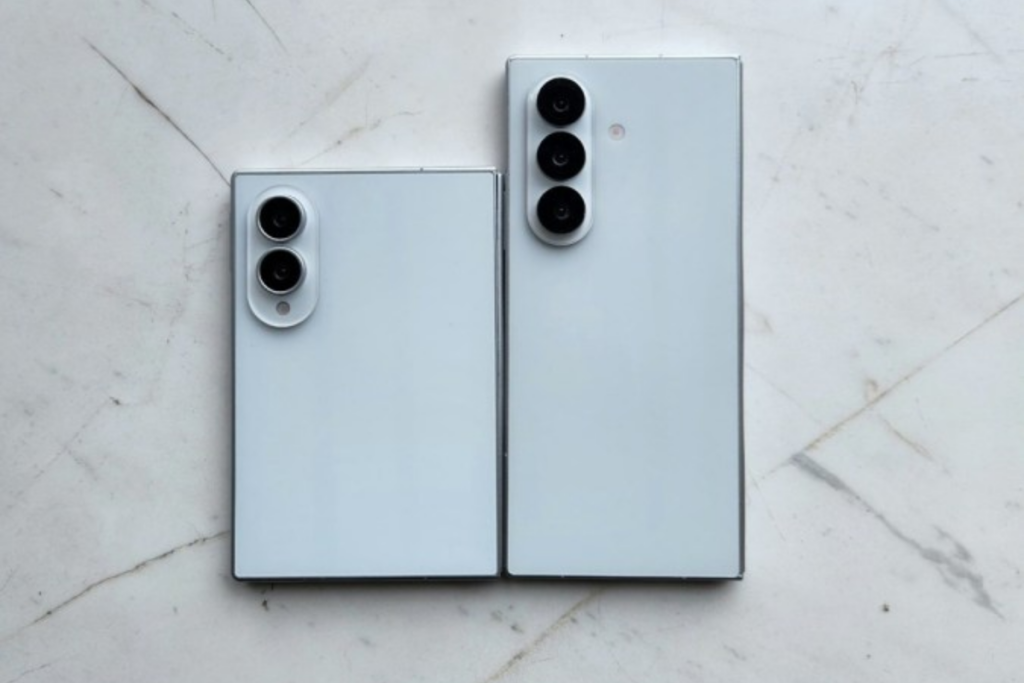
New Galaxy foldables are expected to drop next month, but this time, Samsung may also introduce an “Ultra” model of its next-gen book-style foldable. So, we’re expecting three new foldables: Galaxy Z Fold 8, Galaxy Z Fold 8 Ultra, and Galaxy Z Flip 8.
The Galaxy Z Fold 8 may not look familiar to previous generations, as Samsung is reportedly shifting to a wider 4:3 passport-style form factor for this device. This decision is rumored to have been influenced by Apple’s decision to make its first foldable with the same form factor.
The Fold 8 is leaked to offer a 7.6-inch AMOLED screen, and the cover screen could measure 5.4 inches. It could be powered by the Snapdragon 8 Elite Gen 5, paired with up to 16GB LPDDR5X RAM and up to 1TB storage.
According to recent leaks, the Galaxy Z Fold 8 will have a dual rear camera setup, including a 50MP primary camera and a 50MP ultrawide unit. No 200MP camera this time. It may feature two 10MP selfie cameras, one on the cover screen and another on the foldable inner screen. The Fold 8 is expected to pack a 4800mAh battery with support for 45W wired and 15W wireless charging.
While the standard Fold 8 will have a wider form factor, the Fold 8 Ultra retains the previous-generation form factor, paired with more powerful hardware. According to leaks, the Ultra phone will have an 8-inch folding screen, a 6.5-inch cover display, and the Snapdragon 8 Elite Gen 5 for Galaxy at the helm.
The phone is said to feature a triple rear camera setup, including a 200MP main camera, a 50MP ultrawide unit, and a 10MP telephoto camera with 3x optical zoom. It will have a vapor chamber for cooling, and a 5000mAh battery with support for 45W wired charging.
The Galaxy Z Flip 8 will launch alongside the new book-style foldable phones at the upcoming Galaxy Unpacked event. Leaks say the phone will have a 6.9-inch AMOLED main screen with reduced crease visibility, a 4.1-inch cover screen, and a 4,300mAh battery with support for 25W fast wired charging. It may also offer 15W wireless charging.
Samsung is expected to follow a dual-chip strategy for the Galaxy Z Flip 8: Snapdragon 8 Elite Gen 5 for Galaxy for the US, Canada, China, and Japan, and the Exynos 2600 for India and other markets. It will reportedly feature a dual camera setup on the back, including a 50MP primary camera and a 12MP ultrawide unit. It may have a 10MP selfie camera.
Motorola is reportedly bringing the premium Razr 70 series phones to the Indian market in July 2026. The rollout will likely include the standard Razr 70 and the premium Razr 70 Ultra.
The Razr 70 foldable phone has a 6.9-inch AMOLED screen with a 120Hz refresh rate, Dolby Vision, and 3000nits of peak brightness. The 3.6-inch cover screen features HDR10+ and a 90Hz refresh rate. The device is powered by the MediaTek Dimensity 7450X chipset and offers a 4800mAh battery with 30W wired and 15W wireless charging support.
The smartphone has a dual camera setup, featuring a 50MP primary camera and a 50MP ultrawide unit. It also has a 32MP selfie snapper, but you can use the rear cameras for better quality shots.
The Razr 70 Ultra upgrades to a much more powerful Snapdragon 8 Elite chipset, paired with up to 16GB of RAM and up to 512GB of storage. It has a 7.0-inch main screen with a 165Hz refresh rate and 5000nits of peak brightness, and a 4-inch cover screen.
The rear camera setup includes a 50MP primary camera and a 50MP ultrawide shooter, the same as the Razr 70. However, the selfie camera resolution jumps to 50MP. The phone has a 5000mAh battery capacity and supports 68W wired and 30W wireless charging. It also supports 5W reverse-wired charging to power your accessories.
OPPO Reno 16 Pro is now available for global customers through Giztop with worldwide shipping. The smartphone starts at $649, making it an attractive option for users looking for a premium Android device with flagship-level hardware. It combines a large OLED display, the latest MediaTek processor, powerful cameras, and a massive battery, making it suitable for gaming, photography, and everyday use.
Display
The OPPO Reno 16 Pro features a 6.78-inch AMOLED display with a 2772 × 1272 resolution and a smooth 120Hz refresh rate. The screen also supports HDR10+, 2160Hz PWM dimming, and reaches up to 1,800 nits of local peak brightness for better outdoor visibility. With a 240Hz touch sampling rate and centered punch-hole design, the display delivers a responsive and immersive viewing experience.
Performance and Software
Powering the device is the MediaTek Dimensity 9500s octa-core processor with built-in 5G support. It is paired with 12GB or 16GB of LPDDR5X RAM and up to 512GB of UFS 3.1 storage, ensuring smooth multitasking and fast app loading. The phone runs Android 16 with ColorOS 16, offering a clean interface along with productivity and customization features.
Cameras
The OPPO Reno 16 Pro comes equipped with a versatile triple rear camera setup. It includes a 200MP Sony IMX890 main camera with OIS, a 50MP periscope telephoto camera offering 3.5x optical zoom, and a 50MP ultra-wide camera for capturing landscapes and group shots. On the front, a 50MP selfie camera handles high-resolution selfies and video calls.
Battery and Other Features
The smartphone packs a large 7000mAh battery designed to last through heavy daily use. It supports 80W wired fast charging and 50W wireless charging, allowing users to recharge quickly. Security is handled by an in-display fingerprint scanner for fast and secure unlocking.
Price and Availability
OPPO Reno 16 Pro is currently available from Giztop with worldwide shipping. The phone starts at $649, making it a compelling choice for buyers looking for a premium smartphone with a high-quality display, capable cameras, strong performance, and long battery life.
Qualcomm has officially confirmed the dates for its 2026 Snapdragon Summit. The annual event, where the company usually unveils its next flagship mobile chip, will take place from September 22nd to 24th in Hawaii.
Last year, Qualcomm took the wraps off the Snapdragon 8 Elite Gen 5 during its annual Snapdragon Summit in Maui, Hawaii, and that chip went on to power devices from a long list of brands. The successor in 2026 is expected to be called Snapdragon 8 Elite Gen 6, and it’s not coming alone.
Snapdragon 8 Elite Gen 6: What to expect
This year, leaks suggest Qualcomm is splitting its flagship lineup into two distinct chips for the first time, internally codenamed SM8950 and SM8975. Expected to be called Snapdragon 8 Elite Gen 6 and 8 Elite Gen 6 Pro, both are reportedly built on TSMC’s advanced 2nm process.
According to tipster Digital Chat Station, the Snapdragon 8 Elite Gen 6 will feature a new 2+3+3 Oryon CPU layout, along with a shared 16MB L2 cache, paired with an Adreno 845 GPU featuring a six-slice design, 12MB GMEM and 6MB system-level cache, plus support for LPDDR5X memory and UFS 5.0 storage.
The Gen 6 Pro, meanwhile, will use an Adreno 850 GPU with 18MB of dedicated GMEM, a 50% increase in GPU bus width and memory capacity compared to the Snapdragon 8 Elite Gen 5, along with support for LPDDR6 memory in addition to LPDDR5X.
Clock speeds are also expected to climb. According to reports, Gen 6 Pro could reach a peak clock speed of 5GHz, which would make it the first smartphone chip to hit that mark. To handle the extra heat that comes with higher speeds, the Pro variant is also rumored to introduce new cooling tech.
A leaked block diagram revealed Qualcomm may adopt Heat Pass Block (HPB) technology, the same cooling method used in Samsung’s Exynos 2600, where a dedicated heat-spreading layer sits directly on top of the chipset package to move heat away from the silicon faster.
Now that official dates are out, expect leaks and benchmark numbers to ramp up over the coming weeks.
The skyrocketing prices of memory chips, driven largely by the huge demand for AI, have now landed the big three DRAM makers in hot water.
Samsung Electronics, SK Hynix, and Micron Technology (which together control nearly 95% of the global DRAM market) are facing a new class action lawsuit filed in California’s Northern District federal court. The suit accuses them of deliberately restricting production of key DRAM chips, even as demand from smartphones and PCs remains very strong.
According to the plaintiffs (which include individuals and small businesses), this artificial shortage has fueled what some are calling the “RAMpocalypse.” DRAM prices have shot up dramatically, in some cases by hundreds of percent, far more than what normal market forces would explain.
The impact is already being felt by everyday consumers. Apple recently raised prices on Macs, iPads, and other products, openly blaming surging memory and storage costs tied to the AI boom. Other PC and smartphone makers have also adjusted pricing or delayed launches.
The lawsuit, filed around June 25, 2026, claims the companies violated antitrust laws (specifically Section 1 of the Sherman Act) by shifting production capacity toward high-margin, high-bandwidth memory (HBM) for AI servers while holding back on standard DRAM. This isn’t the first time these companies have faced such allegations: they paid billions in fines in the 2000s after similar collusion investigations.
So far, Samsung, SK Hynix, and Micron haven’t given detailed public responses to the new suit. In the past, they’ve denied any wrongdoing, saying their decisions on production and pricing are simply reactions to market conditions and the massive surge in AI demand.
The memory market is still under heavy pressure. Lenovo expects supply to remain tight well into 2027–2028 as data centers keep eating up chips, with new factories taking time to come online.
With DRAM now being one of the most expensive parts in many devices, how this case unfolds could have a big impact on pricing, competition, and innovation across the entire tech world for years to come.
Huawei’s HarmonyOS 6 is picking up serious momentum. Just weeks after the company’s Developer Conference (HDC 2026), independent data shows the operating system has now crossed a major milestone.
According to data from Wonder Toolbox, HarmonyOS 6 is now installed on over 70 million devices, sitting at approximately 70.1 million. That’s a fast jump from the 66 million Yu Chengdong (Huawei’s Executive Director and Terminal BG Chairman) mentioned at the conference on June 12.
At the same event, Yu also shared that the wider open-source HarmonyOS ecosystem has now surpassed 1.3 billion devices. This includes not just phones and tablets, but also PCs, wearables, smart home devices, cars, and IoT products, showing how Huawei is pushing the OS across many different categories.
This growth is a big deal for Huawei. After facing US sanctions that cut off access to Google services, the company has been working hard to build its own independent software path. HarmonyOS has evolved a lot, especially with recent versions like HarmonyOS Next that moved away from Android compatibility toward a fully self-developed architecture. At HDC 2026, they even gave a first look at HarmonyOS 7, which focuses heavily on AI, agent-based intelligence, and spatial computing.
The numbers are impressive. Earlier in 2026, HarmonyOS 5 and 6 together were approaching tens of millions of devices, with a goal of hitting over 100 million by the end of the year. Analysts point to strong user satisfaction, a growing developer community, and an expanding app ecosystem as key reasons for the rapid adoption. In China, it’s become the country’s second-largest smartphone OS by some important metrics.
A big part of this success comes from Huawei’s tight integration between hardware and software. While most of the growth is still happening in China, Huawei has hinted at expanding availability and app support overseas. Overall, the latest 70 million figure for HarmonyOS 6 is a strong sign that Huawei’s software efforts are paying off.
For more daily updates, please visit our News Section.
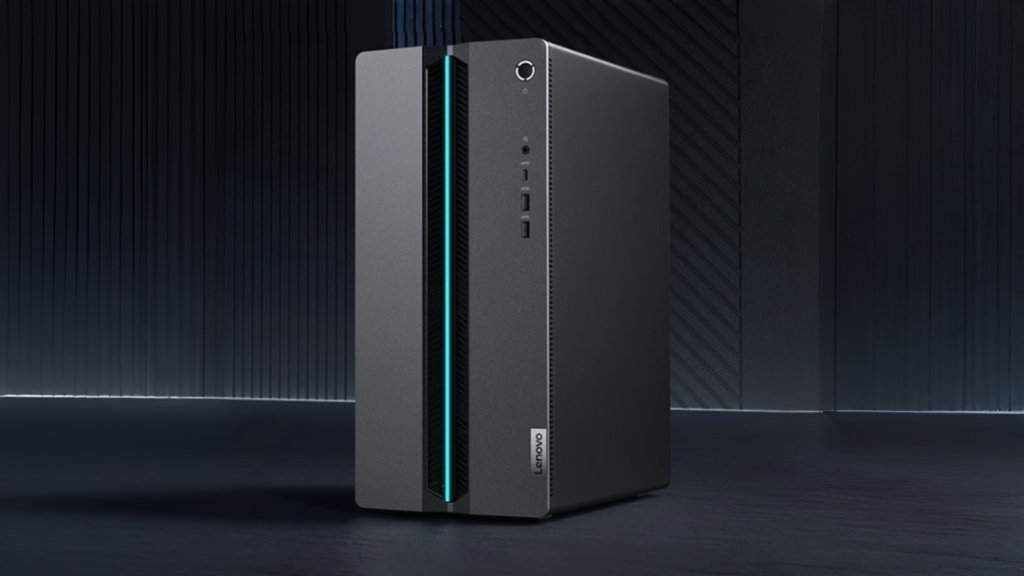
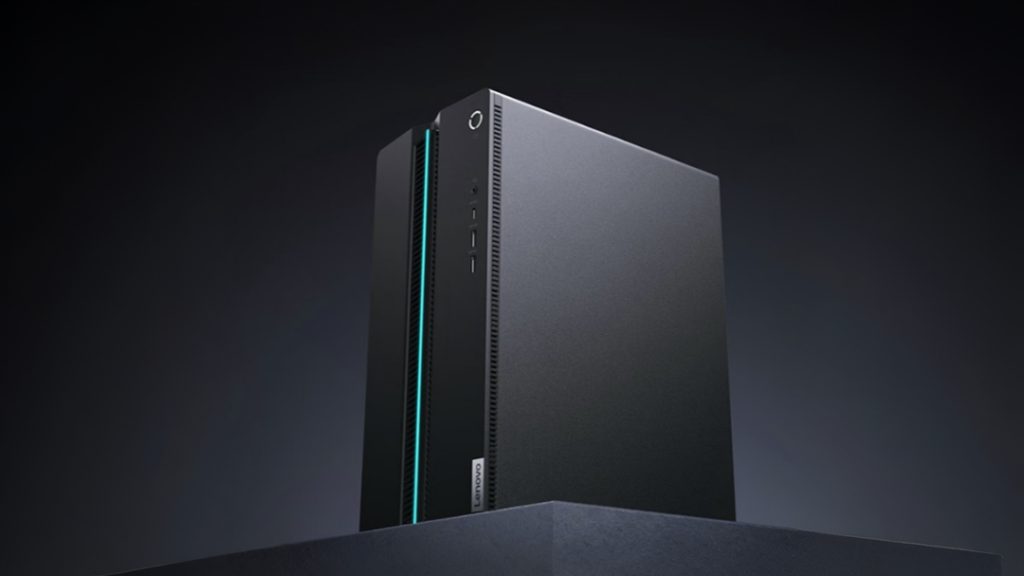
Lenovo has launched a refreshed version of its GeekPro desktop PC in China. The new model is currently listed on JD.com for 12,999 yuan (roughly $1,910), positioning it as a midrange option for users who need a machine for both daily productivity and gaming.
Lenovo GeekPro PC Specifications
Inside the 17-liter chassis, the system is built around Intel’s 14th Gen Core i7-14700F processor. The CPU features a 20-core, 28-thread configuration, split between eight performance cores and 12 efficient cores, and reaches a maximum turbo frequency of 5.4GHz.
For graphics, Lenovo has equipped the desktop with an 8GB Nvidia GeForce RTX 5060 Ti. It supports modern features such as real-time ray tracing and DLSS 4 with Multi Frame Generation, which help maintain stable frame rates in supported titles.
The memory configuration is a bit unusual but practical: it comes with 24GB of DDR5-5600 RAM running in dual-channel mode, sitting right between the standard 16GB and 32GB setups we usually see. Storage is handled by a 1TB PCIe 4.0 SSD that includes a dedicated heatsink. If you need more space for files or games later on, the case includes a tool-free mounting bracket to add a standard 3.5-inch hard drive.
Design-wise, the GeekPro avoids the aggressive angles and heavy RGB lighting often found on gaming desktops. It has a textured front panel with hidden ventilation and a simple, adjustable LED light strip. The system is powered by a 500W 80 Plus Platinum-certified power supply.
In terms of connectivity, it comes with front USB-A and USB-C ports, a 3.5mm audio jack, multiple rear USB-A ports, Gigabit Ethernet, HDMI 2.1 and DisplayPort 2.1 outputs, along with built-in Wi-Fi 6 and Bluetooth. The desktop ships with Windows 11 Home pre-installed.
Lenovo has released a new budget-friendly wired keyboard in China. The Legion MK2 is priced at just 99 yuan, which translates to roughly $14. At that price point, it is clearly an entry-level peripheral, but Lenovo has included a few practical features to make it a viable option for people who want one keyboard for both daily office work and casual gaming.
Lenovo Legion MK2 Specifications
Because it costs $14, the Legion MK2 does not use actual mechanical switches. Instead, it relies on a membrane design that Lenovo has tuned to mimic the physical feedback of tactile brown mechanical switches. The goal is to provide a noticeable bump when you press a key, giving you some physical confirmation of your keystrokes without the loud clicking noise associated with traditional gaming keyboards.
To make it functional for gaming, Lenovo included 19-key anti-ghosting. This ensures that if you press multiple keys at the same time during a game, the keyboard will actually register all of those inputs rather than dropping them.
The board features a standard, full-size 104-key layout. It keeps the dedicated number pad and the standard row of function keys. The keycaps are made from standard ABS plastic, but Lenovo used a laser-engraving process for the lettering. Physically, the keyboard weighs about 800 grams and includes dual-stage adjustable feet on the bottom so you can change the typing angle.
For aesthetics, the MK2 features 10 zone-based RGB lighting effects, including static lighting, flowing rainbow, wave, breathing, and other dynamic modes that can be switched using function key shortcuts. It also comes with dedicated multimedia hotkeys, allowing quick access to controls such as volume adjustment, mute, media playback, and track skipping without leaving your current application.
Lenovo has released a new wireless gaming mouse in China, the Lecoo Bellator GM103. It is priced at 249 yuan (approximately $36) and offers a set of hardware specifications that have become the standard for modern competitive gaming mice.
Lenovo Lecoo Bellator GM103 Specifications
The GM103 is built around the PixArt PAW3395 optical sensor. This is a widely used sensor in current gaming mice, known for reliable tracking. It supports a maximum sensitivity of 26,000 DPI, a tracking speed of 650 IPS, and up to 50G of acceleration. Alongside the sensor, the mouse supports an 8,000Hz polling rate in both its wired USB-C mode and its 2.4GHz wireless mode.
In terms of physical design, the GM103 weighs 59 grams (with a 5-gram variance). This fits into the current market trend of lightweight mice designed to reduce wrist strain during long sessions. The mouse measures 128 by 67 by 39 mm.
According to Lenovo, the shell’s ergonomics were designed specifically for Asian hand sizes, and the shape is intended to work with standard grip styles, including palm, claw, and fingertip. The main left and right buttons use mechanical switches rated for 80 million clicks, with a standard actuation force of 60±5gf.
For connectivity, the mouse includes three options: a wired USB-C connection, 2.4GHz wireless using an included dongle, and Bluetooth 5.2. The Bluetooth connection allows for dual-device pairing, meaning you can switch between two computers without needing to re-pair the mouse.
The mouse is powered by a 600mAh rechargeable battery. Lenovo claims the battery can last over 150 hours when used in a power-saving mode.
In related news, Lenovo has recently launched a 55g gaming mouse featuring the flagship PAW3950 sensor, while Logitech has introduced the new G305 X Superlight with a 44,000 DPI sensor and 8,000Hz polling support.
For more daily updates, please visit our News Section.
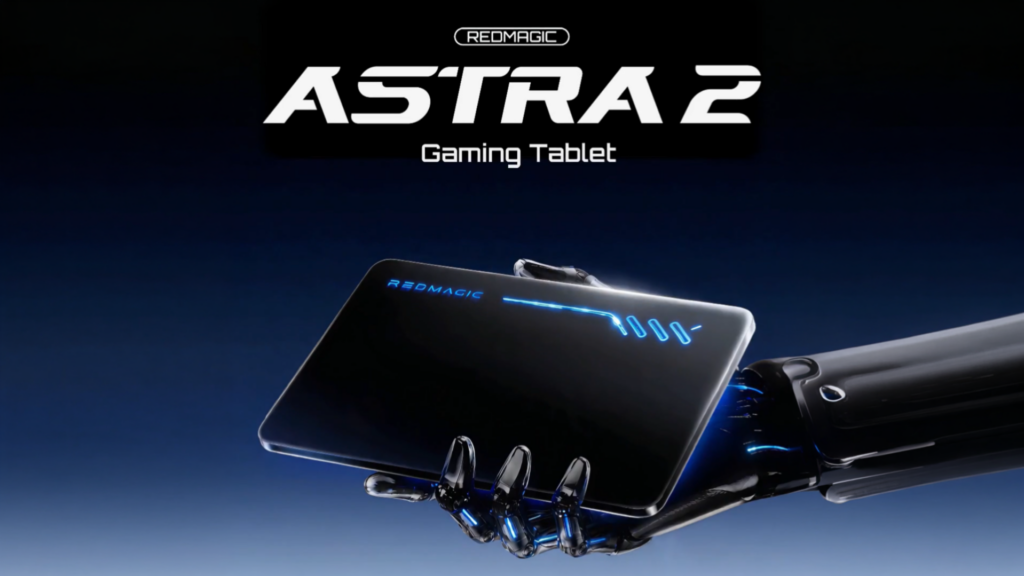
Red Magic officially announced that its latest flagship tablet, the Red Magic Gaming Tablet 5 Pro in China, will launch internationally as the Red Magic Astra 2. While we don’t have the full global release schedule yet, it’s set to debut in China on June 30, with international availability expected soon after.
The tablet is powered by Qualcomm’s latest Snapdragon 8 Elite Gen 5 chipset. Red Magic claims it can deliver “full frame rates” in over 100 major games.
One of the biggest highlights is the beautiful 9.06-inch BOE X10 OLED display. It offers a 185Hz refresh rate, 2.4K resolution, and 1600 nits of peak brightness for excellent visuals. A Synaptics S3930 touch chip helps with precise, responsive controls. For stable performance during long gaming sessions, it has an advanced cooling system that includes liquid cooling and a piezoelectric micro-pump. The liquid cooling loop is also enhanced with RGB lighting effects.
Other useful features include dual USB-C ports with 80W fast charging, reverse charging, and the ability to charge while using headphones. There’s also a new Steam direct connection mode for easier PC emulator integration, making it more versatile for gamers who switch between devices.
The Astra 2 looks ready to compete directly with tablets like Lenovo’s Legion series. It combines raw gaming power, innovative cooling, and some AI features, while still aiming to be practical for everyday use.
Overall, leaks and teasers around the Gaming Tablet 5 Pro show Red Magic is serious about carving out a bigger space in the premium Android tablet world. We still don’t have official pricing or complete global specs, but expectations are high.
The China launch on June 30 should give us a much clearer picture, and hopefully more details on when the rest of the world can get their hands on the Red Magic Astra 2.
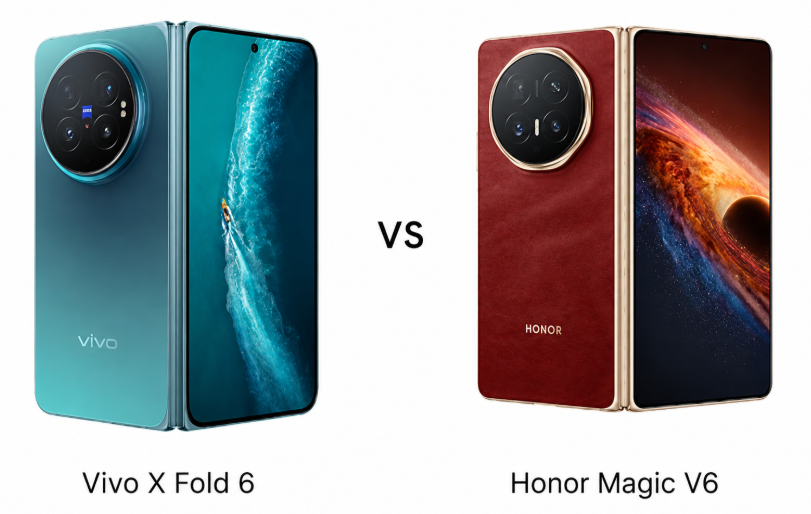
The premium foldable smartphone segment is becoming more competitive, and the Vivo X Fold 6 and Honor Magic V6 are among the most advanced book-style foldables available. Both feature flagship processors, premium AMOLED displays, large silicon-carbon batteries, wireless charging, and versatile triple-camera systems. However, they target different priorities.
Vivo focuses on imaging, battery life, and multimedia, while Honor emphasizes portability, software longevity, durability, and productivity. Here’s a detailed comparison to help determine which foldable delivers the better overall experience.
Both smartphones deliver premium craftsmanship with aluminum frames and excellent durability. The Vivo X Fold 6 features IP58/IP59 protection and a glass-fiber reinforced plastic rear panel that feels sturdy while maintaining a refined finish. Honor raises the bar with IP68/IP69 protection, a stronger armored inner display, NanoCrystal Shield on the cover screen, anti-reflective coating, and stylus support on both displays. Those additions make it feel slightly more versatile for productivity and long-term durability. Vivo, however, offers a polished flagship feel that prioritizes photography and entertainment without compromising build quality.
Display Quality
The Vivo X Fold 6 sports a larger 8.02-inch LTPO AMOLED inner display with Dolby Vision, HDR10+, HDR Vivid, and excellent color reproduction. Its cover display also supports Dolby Vision and reaches 5,000 nits peak brightness. Honor counters with a 7.95-inch LTPO2 AMOLED panel featuring 4,320Hz PWM dimming for better eye comfort, while its cover display reaches an impressive 6,000 nits. Both offer smooth 120Hz refresh rates, but Honor’s eye-friendly display technologies make daily usage slightly more comfortable, whereas Vivo’s Dolby Vision support enhances movie watching.
Verdict
Honor Magic V6 offers a more feature-rich display package thanks to stronger durability, stylus compatibility, higher brightness, and advanced eye protection. Vivo X Fold 6 remains an outstanding choice for users who prioritize immersive multimedia experiences.
2. Specifications Including Battery
Performance
The Vivo X Fold 6 runs on the MediaTek Dimensity 9500 Super chipset paired with UFS 4.1 storage, delivering flagship-level performance for gaming, multitasking, AI features, and demanding workloads. Honor Magic V6 is powered by Qualcomm’s Snapdragon 8 Elite Gen 5, which offers stronger graphics performance and excellent efficiency. Both phones provide up to 16GB RAM and 1TB storage, ensuring smooth long-term usage. Honor also promises up to seven major Android upgrades, making it a stronger long-term software investment. Vivo’s hardware remains exceptionally capable, especially for users seeking raw speed combined with optimized camera processing.
Battery and Charging
Battery life is one of Vivo’s strongest advantages. It packs a massive 7,000mAh silicon-carbon battery with 80W wired and 40W wireless charging, making it ideal for heavy users. Honor ships with a 6,660mAh global battery while Chinese variants receive larger capacities. It supports the same 80W wired charging but improves wireless charging to 66W. Vivo’s larger battery generally provides better endurance, while Honor finishes charging wirelessly much faster.
Verdict
Honor Magic V6 offers a stronger chipset and superior software commitment, but Vivo X Fold 6 wins for endurance with its significantly larger battery. Users prioritizing long battery life may find Vivo more rewarding.
3. Camera
Main and Secondary Lenses
Photography is where Vivo clearly aims to stand out. Its 200MP primary sensor captures exceptional detail, while the 50MP ZEISS periscope telephoto and 50MP ultrawide cameras are enhanced by ZEISS optics, T* coating, Laser AF, and a color spectrum sensor. Honor Magic V6 features a capable 50MP primary camera, a 64MP 3x periscope telephoto lens, and a 50MP ultrawide camera that delivers reliable versatility. Video recording favors Vivo with 8K support, whereas Honor tops out at 4K but includes 10-bit recording for richer color reproduction. Vivo feels more photography-focused, while Honor offers a balanced camera system suitable for everyday shooting.
Selfie Camera
Both devices feature dual 20MP selfie cameras, one inside and one on the cover display. Honor gains an advantage by supporting 4K selfie video with gyro-EIS, while Vivo records up to 1080p. For content creators and video calls, Honor delivers a more capable front-camera experience.
Verdict
Vivo X Fold 6 is the strongest overall camera phone thanks to its impressive 200MP main sensor, ZEISS imaging system, and 8K recording. Honor Magic V6 remains excellent, especially for selfie videos and balanced everyday photography.
4. Pricing
The Vivo X Fold 6 is priced around $1,200 (approximately ₹1,11,000), while the Honor Magic V6 is priced around $1,300 (approximately ₹1,10,000). Although the listed regional pricing is very close in Indian currency, Honor generally carries a higher global asking price. Vivo delivers flagship hardware, a larger battery, and a superior primary camera at a slightly lower international price point. Honor justifies its premium with better durability, stylus support, longer software support, and more advanced display technologies. The difference ultimately depends on whether productivity or multimedia is the higher priority.
Verdict
Vivo X Fold 6 delivers stronger value for buyers focused on hardware performance, battery life, and camera quality. Honor Magic V6 earns its premium through long-term software support, productivity features, and premium durability, making it worthwhile for users planning to keep the device for many years.
Disclaimer: Prices are approximate and may vary based on country, region, launch timing, and applicable taxes. Always check whether the listed price is for a China unit or a global/international variant when purchasing.
5. Conclusion
The Vivo X Fold 6 distinguishes itself with a 200MP ZEISS camera system, massive 7,000mAh battery, Dolby Vision displays, 8K video recording, and excellent multimedia capabilities. Honor Magic V6 responds with flagship Snapdragon performance, seven years of Android upgrades, stylus support on both displays, stronger water resistance, brighter cover display, anti-reflective coating, and one of the most durable foldable designs available. Each phone targets a slightly different audience, making the decision easier once priorities are established.
Verdict
Choose the Vivo X Fold 6 if photography, battery endurance, entertainment, and overall hardware value matter the most. Choose the Honor Magic V6 if long-term software support, productivity, display comfort, and premium durability are higher priorities.
Although the Honor Magic V6 wins more spec-sheet categories, the Vivo X Fold 6 is the better overall choice because its 200MP ZEISS camera, larger 7,000mAh battery, superior multimedia experience, and lower price deliver greater real-world value for most users.
Disclaimer: This comparison is based on the specifications provided and is intended for general informational purposes. Actual performance, camera results, battery life, and overall experience may vary depending on real-world usage, software updates, and individual preferences.
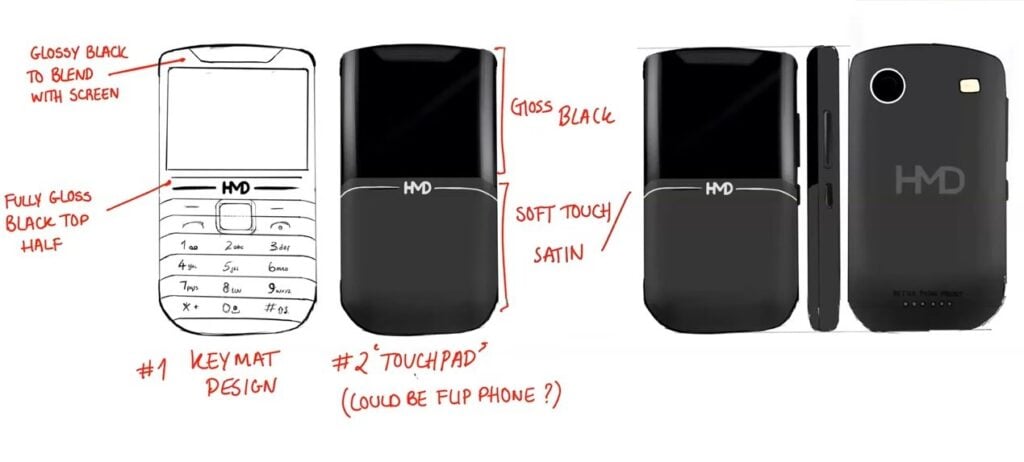
HMD Global is at it again with another interesting feature phone that mixes nostalgia with modern twists. This time, leaks point to a device that looks inspired by classic BlackBerry phones.
According to design sketches leaked by reliable source smashx_60, the upcoming phone has a compact, rounded body with a horizontal front panel and a traditional T9 numeric keypad. What makes it really stand out is that it appears to be a clamshell flip design. The flip part is expected to support touchscreen operation, creating a hybrid experience that blends old-school physical keys with modern touch capabilities.
This fits right into HMD’s current strategy of making “hybrid” phones, devices that are smarter than basic feature phones but not as overwhelming as full smartphones. It’s expected to run on the lightweight RTOS Touch operating system, which supports “cloud phone” services. That means you’ll be able to access some browser-based apps for messaging (through HMD’s Express Chat app), news, weather, video streaming, and other essentials without needing a full Android experience.
HMD has been quite active in this space lately. Late last year they launched the HMD Touch 4G, a compact touchscreen hybrid with Wi-Fi, a dedicated app for cross-platform messaging and video calls, and cloud features. On the flip side, models like the HMD 2660 Flip focus on durability, big buttons, excellent battery life, and simple call/text functionality.
The new leaked design stands out because it combines that BlackBerry-style keyboard vibe with a flip mechanism and touch support. It could appeal to people who miss physical keyboards or those looking for an affordable, reliable daily driver or secondary phone.
While we don’t have an official model number, full specs, battery details, or pricing yet, the RTOS Touch platform usually means great battery efficiency and focused, distraction-free usage. For reference, the HMD Touch 4G can last up to 2.5 days on a 1,950mAh removable battery.
At MWC earlier this year, HMD talked about its 2026 plans to reimagine feature phones with better connectivity, AI assistance, and a strong focus on accessibility, especially for the “next billion” users. This mystery flip phone seems to fit perfectly into that vision.
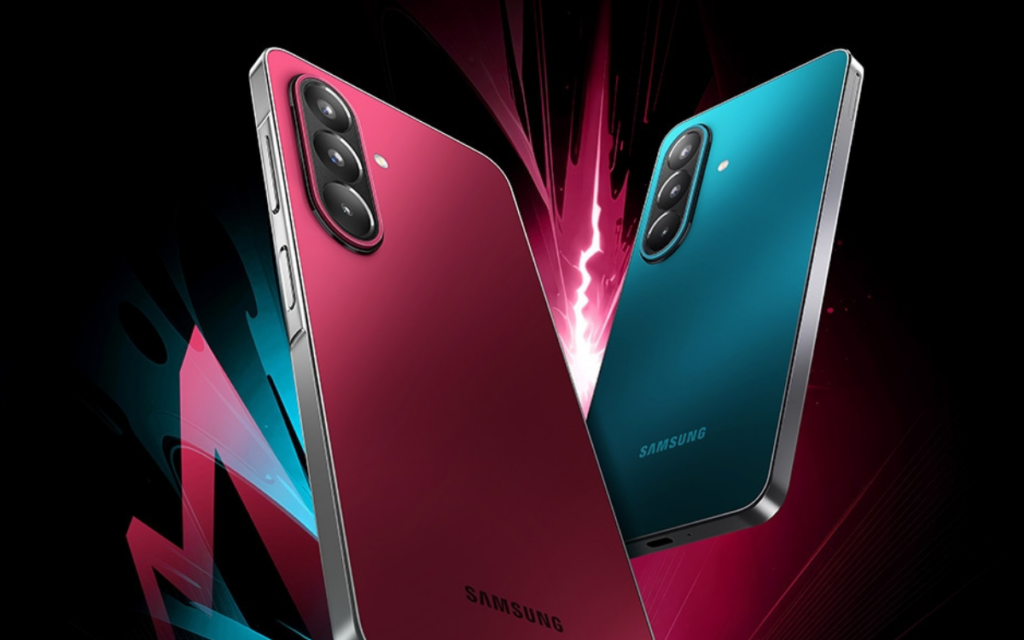
As expected, Samsung has launched its latest midrange smartphone, the Galaxy M47 5G, in India. Let’s check out its key specs and pricing.
Samsung Galaxy M47 5G Specifications
The Galaxy M47 5G features a 6.7-inch FHD+ Super AMOLED display. It supports a 120Hz refresh rate and reaches a peak brightness of 1,400 nits. For durability, the screen is protected by Corning Gorilla Glass Victus+.
Internally, the phone is powered by Qualcomm’s Snapdragon 6 Gen 3 processor, built on a 4nm architecture. It is paired with either 6GB or 8GB of LPDDR5X RAM and 128GB or 256GB of UFS 3.1 storage. If you need more space, there is a hybrid slot for microSD expansion up to 2TB.
On the software side, the Galaxy M47 5G ships with One UI 8.5, based on Android 16. Samsung is offering a long support window for a mid-range phone, promising six generations of major Android OS upgrades and six years of security patches. The software also includes current Google AI tools, such as Circle to Search and Gemini, alongside Samsung’s Knox Vault security and on-device voice mail.
Coming to the photography, the rear camera system consists of three lenses. The primary camera is a 50-megapixel sensor equipped with OIS. It is paired with an 8-megapixel ultrawide lens and a 2-megapixel macro camera. The front camera is a 12-megapixel sensor, and the phone supports 4K video recording.
Under the hood, the device packs a 6,000mAh battery with support for 45W wired charging. Samsung has also included a bypass charging feature.
Pricing and Availability
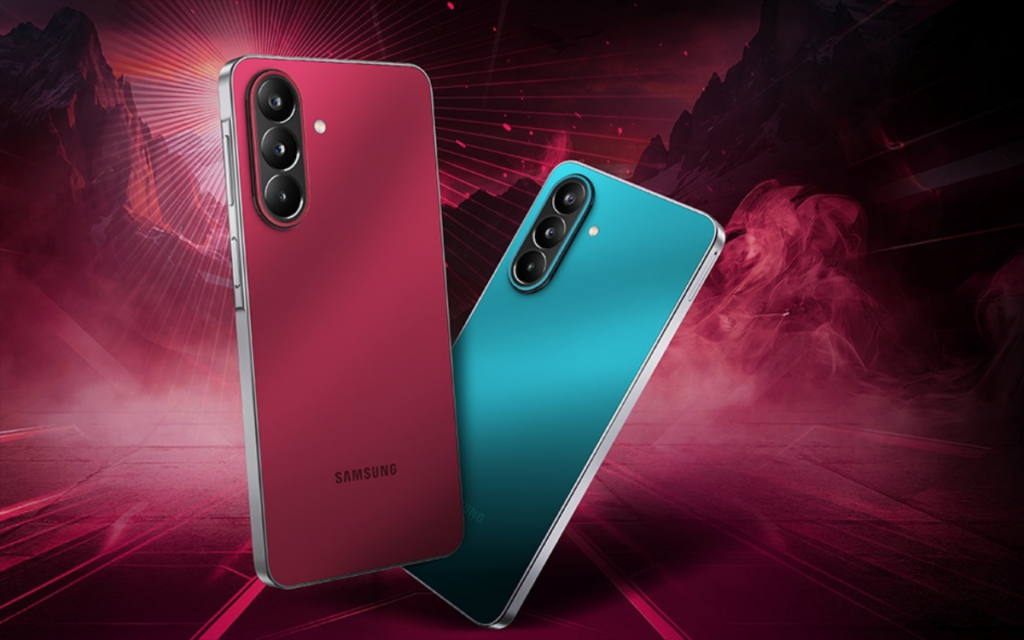
The Samsung Galaxy M47 5G will be available in two colors: Rogue Red and Blaze Blue. Pricing starts at Rs. 22,999, inclusive of launch coupon offers. The phone will go on sale through Amazon India starting July 4th.
In related news, Samsung has launched the Galaxy A27 5G globally with the Snapdragon 6 Gen 3 chipset and a 50MP OIS camera.
For more daily updates, please visit our News Section.
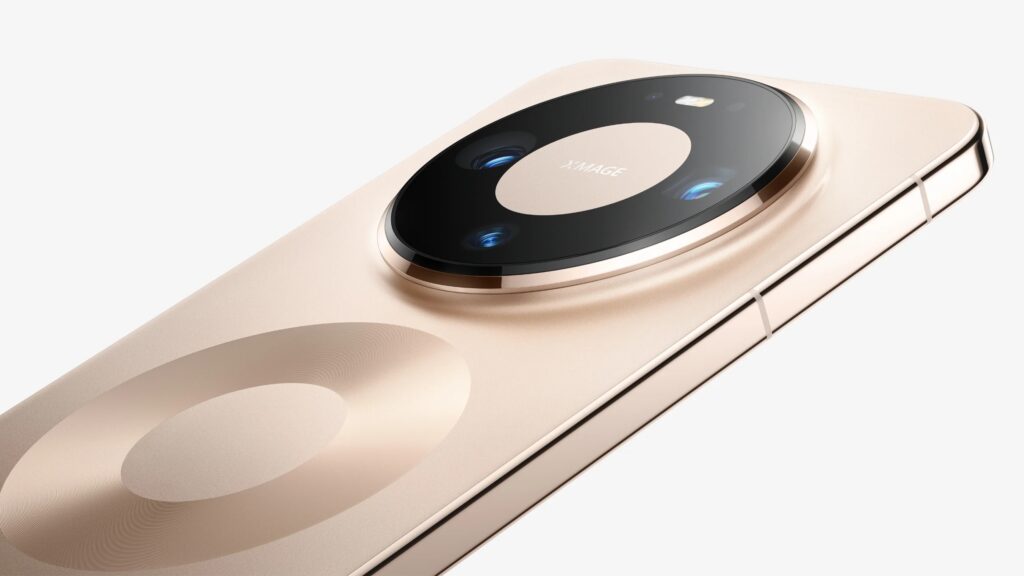
Huawei is playing its cards carefully in the competitive flagship smartphone market. Instead of putting all its weight behind one big launch, the company is spreading out its premium releases throughout the year to keep momentum going.
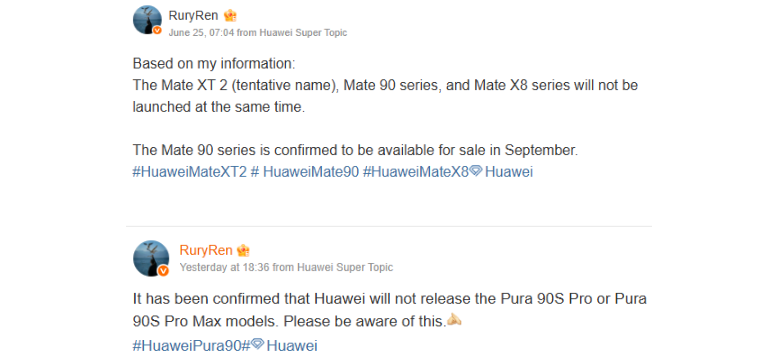
According to well-known tipster @RuryRen, the highly anticipated Huawei Mate 90 series is still on track for a September 2026 release. This is a bit earlier than the November timing we’ve seen in recent Mate generations, which could mean Huawei feels confident about its product readiness. September also puts it right in the middle of the usual high-season battle, including Apple’s expected new iPhones.
The tipster also mentioned that some additional models are expected to drop earlier, between July and August, though exact names weren’t revealed. Interestingly, they now claim that the previously rumored Pura 90s series has been cancelled.
This mid-year activity comes after the successful launch of the current Pura 90 series earlier in 2026. The Pura 90 Pro and Pro Max arrived in April as the first phones to use the new Kirin 9030S processor. The standard Pura 90 (with the Kirin 9010S) followed shortly after on May 8. Those releases showed Huawei continuing to push its in-house Kirin chips, with improvements in performance despite ongoing challenges.
The upcoming Mate 90 series is expected to build on that progress, likely bringing further refinements to the chipset, better power efficiency, stronger AI capabilities, and tighter integration with HarmonyOS.
For fans and potential buyers, this staggered strategy is actually pretty smart. The July–August models could act as a bridge with fresh features or improvements, while the Mate 90 in September aims to be the big flagship statement of the year. It’ll be interesting to see how it all plays out.
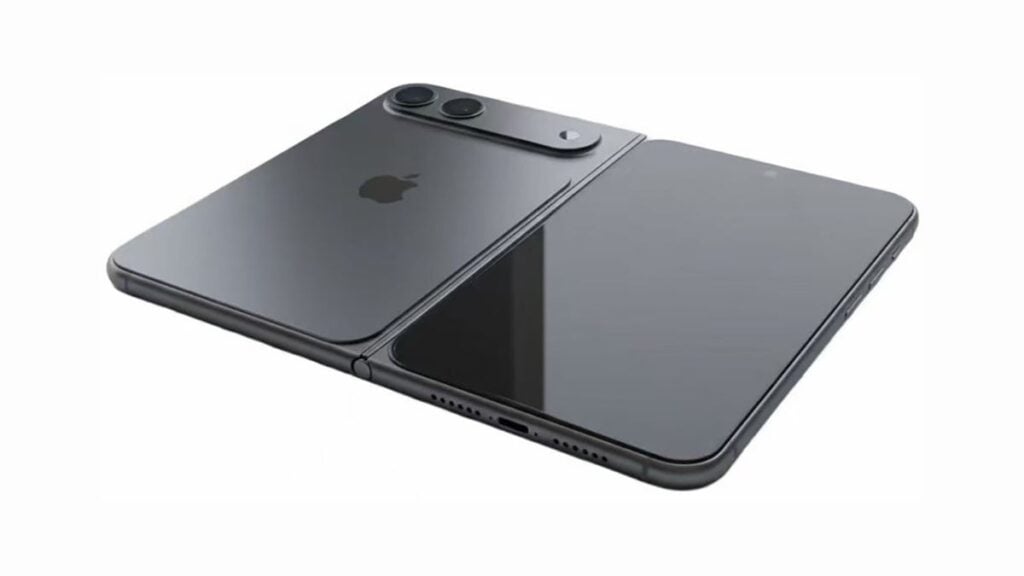
Apple‘s 2027 iPhone lineup is making it to the leak mill today, courtesy of tipster Digital Chat Station (DCS). The insider shared details about what Apple is planning for next year, covering both new models and early development work on future generations.
According to the leak, Apple’s 2027 lineup will include the iPhone Air 2, iPhone 18, and iPhone 18e. All three are said to come with 1.5K OLED displays.
iPhone 17 series
The iPhone Air 2 will have a 6.55-inch screen with a 120Hz LTPO refresh rate. The iPhone 18 comes in at 6.3 inches, also with 120Hz LTPO. The iPhone 18e is the smallest at 6.12 inches, and it also steps down to a 60Hz LTPS panel.
This fits with what has been reported about Apple’s split launch plan. Apple is expected to release the iPhone 18 Pro, iPhone 18 Pro Max, and its first foldable iPhone in fall 2026, with the standard iPhone 18 and iPhone 18e following in early 2027. The iPhone Air 2 would likely be part of that same early 2027 wave.
iPhone 19 Pro and Apple’s second foldable in testing too
Beyond the standard models, the leak mentions Apple has started iPhone 19 Pro series testing and molding behind the scenes. Not surprising, since hardware development typically begins a year or more before a device hits the market.
The leak also touches on the iPhone Ultra 2, Apple’s second foldable. DCS says its foldable screen has also been tested and molded, while a previous report clarified that it will have a wider canvas than its predecessor.
On the naming, DCS notes that “iPhone 19” is a tentative label. He described it simply as “the next generation iPhone,” so the final name could be different.
For context on where the iPhone 18 currently stands, the Pro models are expected to come with a variable aperture camera system and improved image sensors, with Apple reportedly pushing a bigger gap between standard and Pro tiers this generation. More details are available in our iPhone 18 Pro upgrades breakdown.
For more daily updates, please visit our News Section.
Xiaomi is finally jumping into the network-attached storage (NAS) market, and it looks like they want to make it much more accessible for regular people.
A crowdfunding campaign is already scheduled to run from July 1 to July 8 for the company’s first dedicated NAS device, called the Xiaomi Smart Storage. It’s positioned as an affordable, easy-to-use option for families, small offices, and anyone who wants more control over their photos, videos, and backups without relying entirely on the cloud.
The device has a clean, minimalist cube design with a grey finish. It’s a dual-bay model that supports both 2.5-inch and 3.5-inch SATA drives, giving users flexibility to mix and match storage.
According to a recent leak of an engineering sample, it’s powered by a Realtek RTD1619B quad-core ARM Cortex-A55 processor (up to 1.7 GHz), the same chip used in some entry-level Synology models. The sample comes with 2GB of DDR3L RAM and 8GB of storage for the operating system. It can reportedly handle up to 40TB total storage. While the prototype had a Gigabit Ethernet port, the final version is expected to include at least one 2.5GbE port, plus USB 3.0 and HDMI.
Xiaomi is offering three pre-configured bundles during the campaign (July 1–8):
Beginner (4TB) — CNY 2,299 (~$338)
Advanced (8TB) — CNY 2,899 (~$426)
Professional (16TB) — CNY 4,699 (~$690)
These prices look like solid deals compared to normal retail.
The device is expected to tie nicely into Xiaomi’s broader smart home ecosystem, with good cross-platform support for Android, iOS, Windows, macOS, and Linux.
This launch comes at the right time. A lot of people are getting tired of rising cloud storage costs and privacy concerns, and they’re looking for better ways to access their growing collections of photos and videos.
Of course, we still don’t know all the software details (things like Docker support are still unclear), but if Xiaomi nails the user experience, this could bring NAS devices to a much wider audience. It’ll be interesting to see how the market reacts once crowdfunding begins.
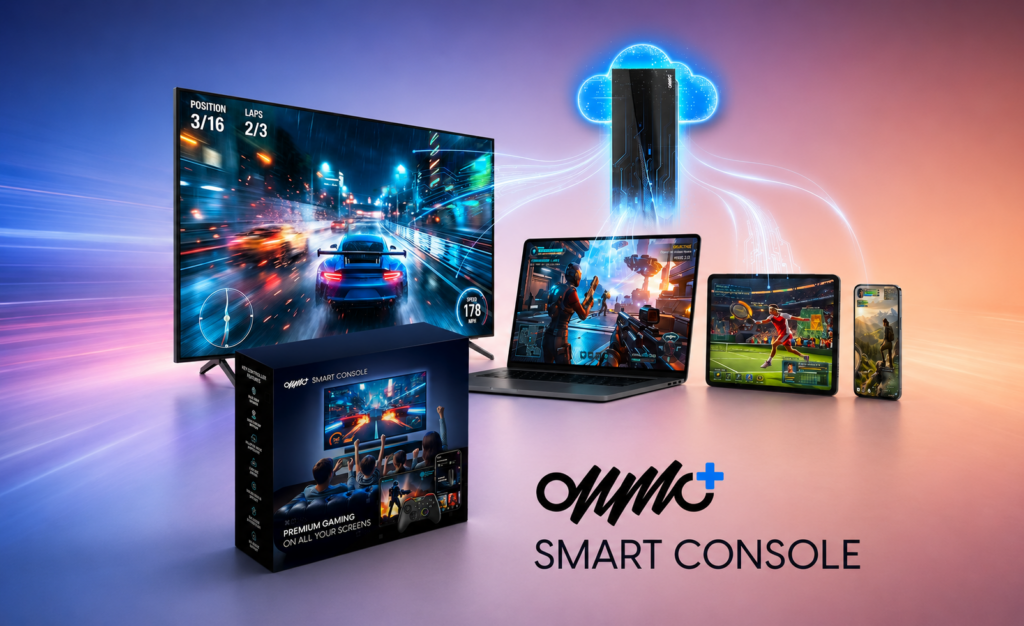
Gaming without a dedicated console or high-end PC is becoming more accessible, and Onmo+ is the latest brand to tap into this space. The company has unveiled the Onmo+ Smart Console in India, offering a cloud gaming experience that works across multiple screens while bundling everything needed to get started.
Onmo+ Smart Console: Key features
Onmo+ smart console
Unlike a traditional gaming console, the Onmo+ Smart Console streams games from remote cloud servers instead of running them locally. The bundle includes a Smart Console, a Pro Controller, and a three-month subscription that gives users access to hundreds of ready-to-play games.
The platform also supports compatible AAA titles through custom-built GPU servers developed in partnership with AMD and ASRock Rack, with infrastructure deployed across northern and southern India. The service supports cross-platform gameplay, allowing users to continue gaming on TVs, laptops, tablets, and smartphones.
Onmo+ says the platform is designed for both casual players and enthusiasts, removing the need to invest in expensive gaming hardware while still delivering a console-like gaming experience. The available game library includes titles such as The Forgotten City, Arise: A Simple Story, AO Tennis 2, and Gravity Circuit, with more content expected to be added over time.
Onmo+ Smart Console: Price and availability
The Onmo+ Smart Console is priced at Rs 4,999 (~$53) in India. The introductory package includes the Smart Console, a Pro Controller, and a three-month Onmo+ subscription. It is available for purchase through Flipkart.
For more daily updates, please visit our News Section.
After unveiling the iQOO 15 in October last year, the brand followed it up with other models, such as the iQOO 15 Ultra and iQOO 15T in China this year. Several reports have revealed the iQOO 16’s key specifications, and a recent report also revealed the existence of the iQOO 16T. While a leak from April this year claimed that the iQOO 16 Ultra with a built-in cooling fan was in the works, a newer leak from tipster Digital Chat Station suggests otherwise. Here’s what the tipster revealed.
iQOO may skip a generation
According to DCS, the iQOO 16 Ultra may not launch as expected, with the company reportedly planning to skip the Ultra model for one generation. The claim comes shortly after the tipster hinted at the possibility in the comments section of an earlier post.
Responding to a user, the tipster said the decision is likely linked to rising memory prices. However, Digital Chat Station added that iQOO had previously indicated its Ultra lineup would not follow a fixed annual release cycle. Instead, new Ultra models are expected to arrive only when the company has a significant technological breakthrough to introduce.
If accurate, the iQOO 16 series could launch without an Ultra variant, with the next Ultra model arriving at a later stage when iQOO is ready with more substantial upgrades. It remains to be seen whether the iQOO 17 Ultra will debut as part of the iQOO 17 series or if the company will extend the gap between Ultra models even further.
As far as the global market is concerned, iQOO reportedly has no plans to launch any Neo-branded phones this year. Therefore, among its flagship lineup, the iQOO 16 may be the only model to launch in multiple markets outside China.
For more daily updates, please visit our News Section.
We use cookies on our website to give you the most relevant experience by remembering your preferences and repeat visits. By clicking “Accept”, you consent to the use of ALL the cookies.
This website uses cookies to improve your experience while you navigate through the website. Out of these, the cookies that are categorized as necessary are stored on your browser as they are essential for the working of basic functionalities of the website. We also use third-party cookies that help us analyze and understand how you use this website. These cookies will be stored in your browser only with your consent. You also have the option to opt-out of these cookies. But opting out of some of these cookies may affect your browsing experience.
Necessary cookies are absolutely essential for the website to function properly. This category only includes cookies that ensures basic functionalities and security features of the website. These cookies do not store any personal information.
Any cookies that may not be particularly necessary for the website to function and is used specifically to collect user personal data via analytics, ads, other embedded contents are termed as non-necessary cookies. It is mandatory to procure user consent prior to running these cookies on your website.