TikTok is experimenting with AI-powered virtual influencers designed to help merchants promote products. This technology would create a digital celebrity persona for merchants, acting in ads based on scripts and store recommendations. However, the project raises concerns about competition with human creators and potential user backlash.
Internal testing revealed that the AI isn’t ready for replacing human influencers just yet.
According to The Information, internal testing by TikTok revealed the AI is not ready for primetime, generating fewer sales than real influencers. They believe AI will ultimately complement, not replace, human marketing efforts.
Advertisers familiar with the project say it’s in early development with an uncertain launch date. ByteDance, TikTok’s parent company, may further refine or even scrap the feature entirely.
This news comes amidst a similar trend on Douyin, the Chinese version of TikTok, where many creators rely on partnerships with established brands for income. This model gained traction after TikTok cancelled its $1 billion USD creator fund subsidy program, leaving some creators feeling financially squeezed.
Looking toward the future rollout of this AI feature, foreign media highlight the need for TikTok to navigate user sentiment carefully. The platform previously rallied users to lobby Congress against a potential ban in the US. Given this delicate situation, TikTok must ensure these AI influencers don’t alienate their human base.
BYD subsidiary Fangbao is gearing up to unveil its newest electric off-road vehicle, the “Leopard 3”, at their Spring Conference on April 16th. They released a poster that hides the major details of the new car, but still gives us an idea of what to expect from their upcoming EV launch.
The Leopard 3 will have a smaller body size compared to the Leopard 5
The Leopard 3 is positioned as a pure electric “hardcore” SUV, built on BYD’s DMO super hybrid off-road platform. This platform is known for its capabilities, but the Leopard 3 will have a smaller body size compared to its sibling, the Leopard 5. This positions the Leopard 3 as the third member of Fang Leopard’s “583 hardcore family”, hinting at a potential lineup of rugged electric SUVs in various sizes.
Based on leaked spy photos, the Leopard 3 appears to be a scaled-down version of the Leopard 5. It retains the family design language, featuring sleek through-type daytime running lights. A black grille and a bold front surround complete the look, giving the Leopard 3 a characteristic off-road presence.
With the official reveal just around the corner, stay tuned to Gizmochina for more details on the Fang Leopard 3’s specifications, features, and capabilities.
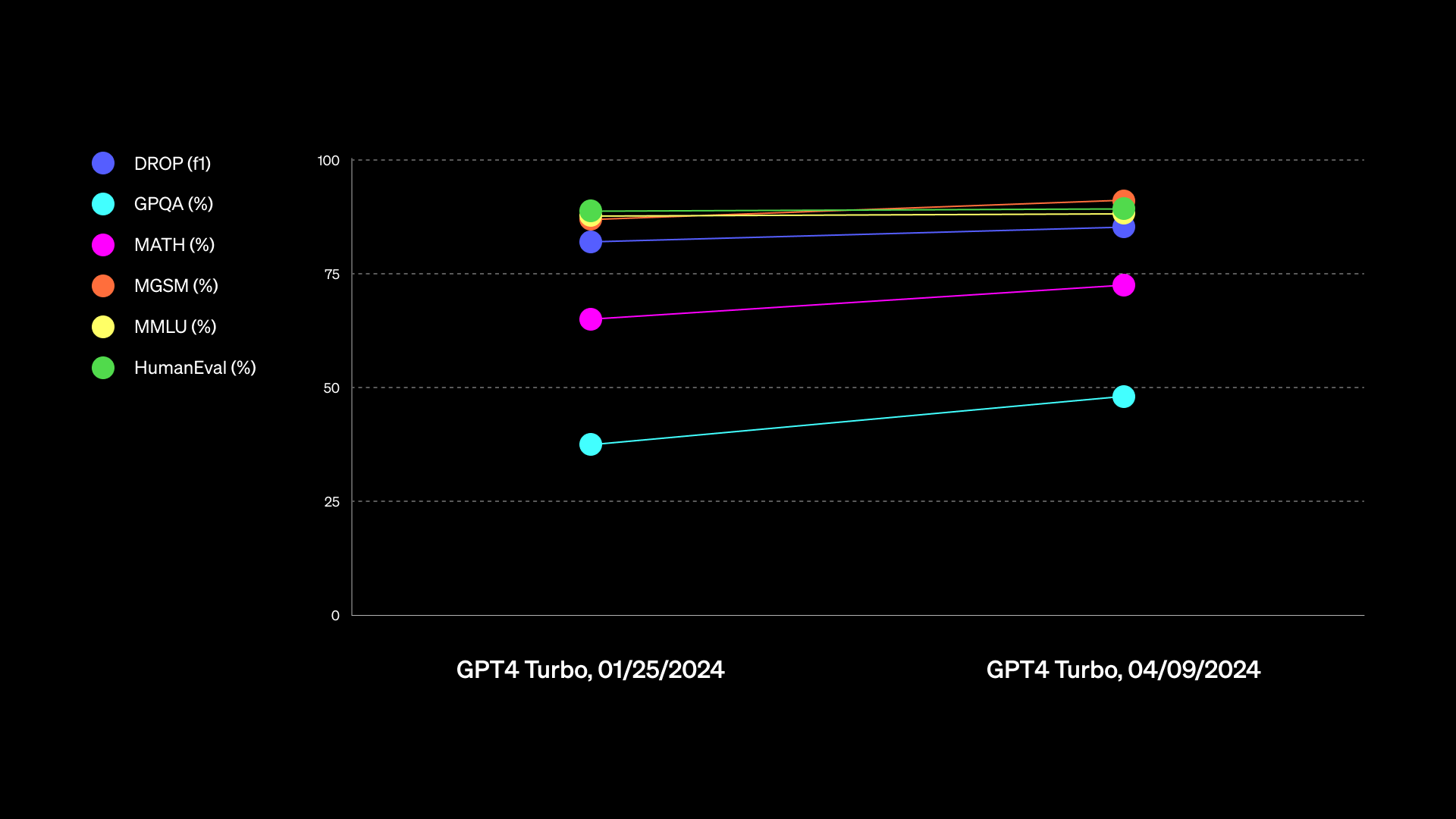
OpenAI has officially rolled out the GPT-4 Turbo upgrade to paid ChatGPT users, bringing a boost to its writing, coding, and reasoning abilities. Announced on X (formerly Twitter), the upgrade promises more direct, concise, and conversational responses when using ChatGPT. This aligns with a response to OpenAI’s post, suggesting a shift away from verbose and potentially repetitive outputs.
GPT-4 Turbo can handle 300 pages of data, compared to the previous limit of 50
This isn’t the first time GPT-4 Turbo has made headlines. Back in November, OpenAI announced its integration with Microsoft’s CoPilot AI chatbot and DALL-E 3 image generator, hinting at its wider applications.
The upgrade itself brings significant improvements. GPT-4 Turbo can now access and process six times more text data – 300 pages compared to the previous limit of 50. This expanded knowledge base allows for more intricate user prompts and potentially more nuanced responses. Additionally, GPT-4 Turbo can now generate captions and descriptions for images, and even handle text-to-speech requests.
But the learning doesn’t stop there. Since its initial announcement, GPT-4 Turbo has further enhanced its knowledge base. Originally capped at April 2023 (a significant leap from GPT-4’s September 2021 data cutoff), GPT-4 Turbo can now access and process information up to December 2023. This ensures users get the most up-to-date results and insights. The GPT-4 Turbo upgrade signifies a significant leap forward for ChatGPT.
Choosing the right smartphone chipset isn’t always easy. The raw specs like CPU and GPU can be overwhelming for some, and understanding how they affect your daily phone use isn’t straightforward.
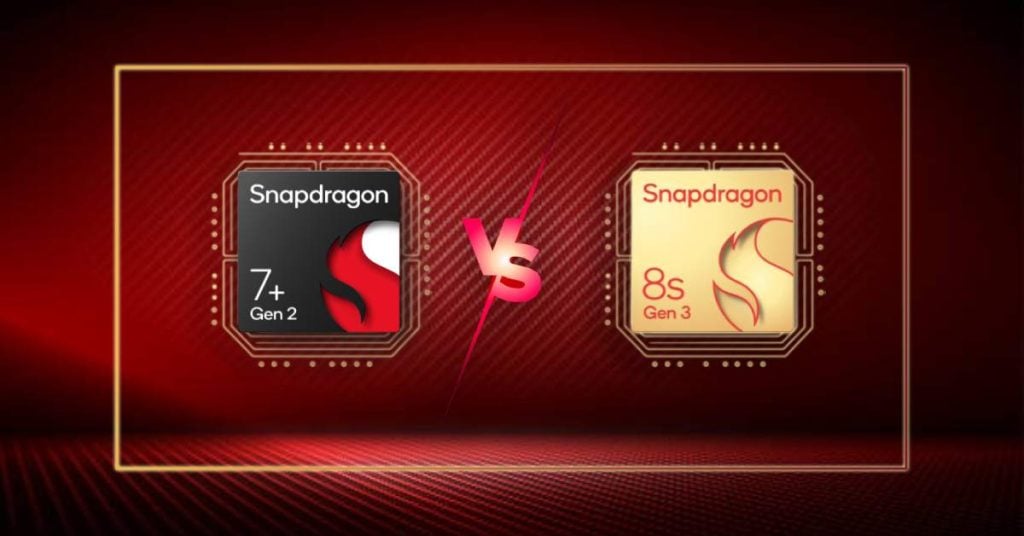
Today, we’re taking a look at two Qualcomm processors: the Snapdragon 8s Gen 3and the Snapdragon 7 Plus Gen 2. Here we’ll compare both SoCs to help you determine which one might be the best fit for your needs.
As we won’t dive into every spec difference to avoid overwhelming you, so here’s a quick comparison of the key specifications of the Snapdragon 8s Gen 3 and Snapdragon 7+ Gen 2:
As we delve into benchmarks and real-world scenarios for these chipsets, it’s essential to highlight some key differences that directly impact everyday performance:
CPU: The 8s Gen 3 has a faster prime core (3 GHz Cortex-X4) and more powerful mid-range cores (4x 2.8 GHz Cortex-A720) for demanding tasks.
GPU: The 8s Gen 3’s faster Adreno 735 GPU clocked at 1100 MHz allows for smoother visuals and better gaming performance compared to the Adreno 725 GPU at 580 MHz in the 7 Plus Gen 2.
Memory: The 8s Gen 3 supports faster LPDDR5X memory at 4200 MHz, improving overall responsiveness compared to the LPDDR5 memory at 3200 MHz in the 7 Plus Gen 2.
2. Benchmarks
Synthetic benchmarks like AnTuTu provide a general idea of a chipset’s overall processing power. The Snapdragon 8s Gen 3, for instance, averages an impressive 1,554,839 points, while the 7 Plus Gen 2 still holds its own with a respectable 1,120,902 points. But numbers-wise, the Snapdragon 8s Gen 3 is a clear winner here.
We can see this advantage reflected in GeekBench 6 scores as well. The 8s Gen 3 scores 19% higher in single-core tasks (2019 vs 1697) and 26% higher in multi-core tasks (5570 vs 4404). As a result, users can expect quicker app launches and smoother multitasking with smartphones powered by Snapdragon 8s Gen 3.
We’ve included the benchmark scores in the table below for easy comparison.
Benchmark
Snapdragon 8s Gen 3
Snapdragon 7+ Gen 2
AnTuTu
1,554,839
1,120,902
GeekBench 6 (Single-Core)
2019
1697
GeekBench 6 (Multi-Core)
5570
4404
*Data from Nanoreview.net
3. Real-World Performance
While benchmarks reveal the raw performance of the SoCs, pushing their capabilities to the limit, real-world performance is what truly matters for most users. Here’s how these chipsets might perform in everyday situations:
Gaming: Since the Snapdragon 8s Gen 3 has a faster CPU and GPU, it should translate to smoother gameplay; especially in demanding titles with high frame rates and complex graphics. The 7 Plus Gen 2 will still handle most games well but might struggle on the highest settings.
Everyday Tasks: Both chipsets will handle daily tasks like browsing the web, social media, and messaging with ease. However, the 8s Gen 3 might offer a slight edge in terms of app loading times and multitasking smoothness.
Photography & Videography: Both chipsets support high-resolution cameras, but the 8s Gen 3 can record 8K videos at 30 FPS and 4K video at 120 FPS. The 7+ Gen 2, on the other hand, is limited to 4K recording at 60 FPS.
While the 8s Gen 3 does have more flexibility and better recording options, it’s up to smartphone manufacturers to enable or disable those recording options. Thus, not every phone with the 8s Gen 3 chipset may support recording up to 8K resolution.
4. The Bottom Line: Finding the Right Fit
The Snapdragon 8s Gen 3 is a clear winner in terms of raw performance, making it ideal for power users who prioritize gaming, multitasking, and content creation. However, the flagship level of performance comes at a premium price.
On the other hand, the Snapdragon 7 Plus Gen 2 offers excellent performance for everyday tasks at a more affordable price point. It’s a great option for users who value affordability and don’t necessarily require top-tier specs.
Ultimately, the best chipset for you depends on your needs and budget. If you’re a casual user, the 7 Plus Gen 2 might suit you perfectly fine. However, if you’re a power user who demands the best performance, the 8s Gen 3 is definitely worth considering despite the higher cost.
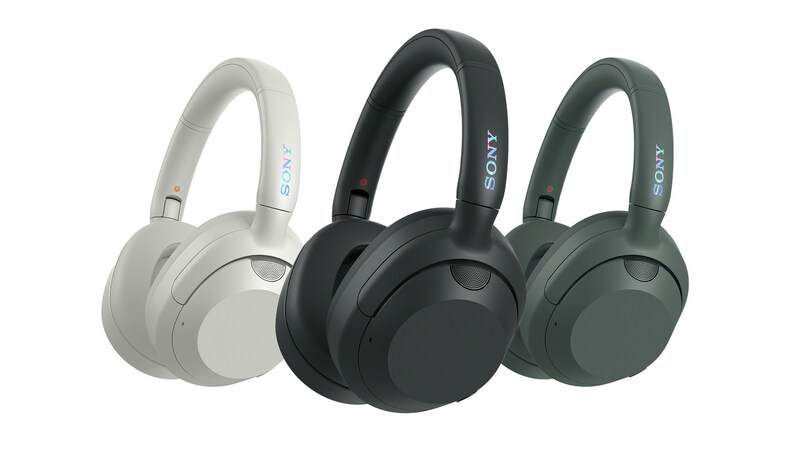
Sony has recently debuted the ULT Power Sound series of audio hardware, consisting of new speakers as well as a new pair of headphones called the Sony ULT Wear. These headphones are the recently leaked WH-ULT900N, however, Sony is branding them simply as Ult Wear.
These headphones are now available in Black, Forest Green, and Off-White. They feature 40 mm neodymium drivers, offering a frequency response range from 5 Hz to 20 kHz, ensuring rich and detailed sound across all genres. Connectivity is a strong suit, with Bluetooth 5.2 and Bluetooth Multipoint for easy device switching.
The headphones feature a bunch of attractive features, including a transparency mode, LDAC support for superior audio quality, and a sensor that detects when the user takes the headphones off. Sony’s Integrated Processor V1, known for its noise-cancellation capabilities, is included alongside Precise Voice Pickup Technology and voice control support for Google Assistant and Alexa.
The ULT WEAR headphones offer an immersive listening experience through premium Active Noise Cancellation (ANC), 360 Reality Audio, personalized EQs, gesture controls, and compatibility with the Sony Headphones Connect app for personalized settings. These headphones also come with a ULT button that enables powerful, punchy bass. Sony has also prioritized environmental sustainability by incorporating recycled plastic into their design of the ULT WEAR headphones.
Pricing & availability
The ULT WEAR is available for purchase starting Spring 2024 at Sony.com, Amazon, Best Buy, and other Sony authorized dealers. Sony has set the price at $199.99 in the US and €199 in the Eurozone.
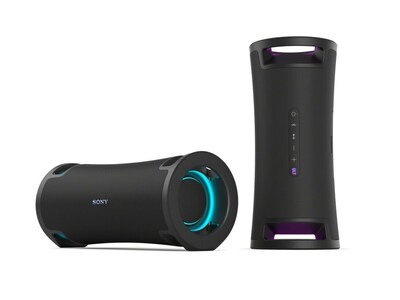
Sony is bringing the boom with its latest speakers. The new ULT lineup is the company’s latest speaker lineup that includes new portable Bluetooth speakers and Tower speakers. So here’s everything you need to know about these bass-boosted speakers.
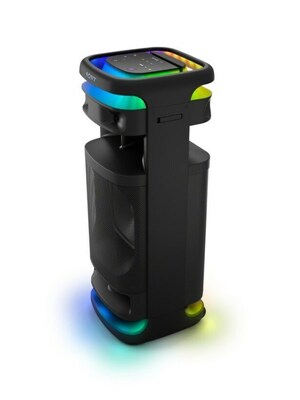
The first of the lot is the only Tower Speaker model. It was designed to elevate your party experience with a 360° party sound output that promises powerful thumping bass, 360° Party Light, and karaoke. It comes with a wireless microphone and supports seamless connection to a TV as well for an improved home theatre experience. The highlighting aspect of this device is the ULT POWER SOUND, which brings two different types of bass sound modes.
Simply push the ULT button to switch between the two sound bodes. ULT1 for deeper and lower frequency bass and ULT2 for a punchier bass experience. This device can even link with up to 100 compatible speakers to synchronize music and lighting through Party Connect. It is available for purchase via Amazon, Best Buy, Sony.com, and other Sony authorized dealers for 1,199 US Dollars.
2. Sony ULT Field 7
The Japanese giant is bringing the powerful bass emphasis to a portable form factor as well. Sony’s ULT Field 7 is the bigger option between two portable Bluetooth speakers and offers some similar specs as the ULT Tower 10. It offers dynamic lighting, a mic port for karaoke, and promises powerful bass. The ULT1 and ULT2 sound modes make a return for the punchy and deeper bass options.
On a single full charge, it can last for up to 30 hours. Just 10 minutes of charging promises to offer up to three hours of audio playback. Buyers also get an IP67 rating for water and dust protection. So you can take your party experience outdoors thanks to its convenient and portable design. It supports the Party Connect option as well. the ULT Field 7 has a 499 US Dollar price tag and can be purchased from Sony.com, Amazon, Best Buy, and other Sony authorized dealers.
3. Sony ULT Field 1
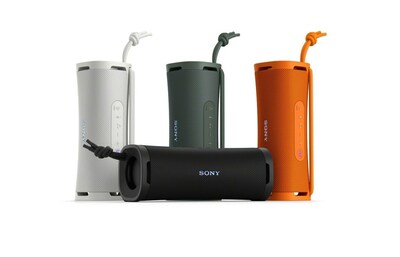
The last speaker model is another portable option dubbed the ULT Field 1. This Bluetooth speaker is even more portable than the Field 7, but it packs a powerful punch despite its compact form factor. It features a multi-way strap design to be a perfect companion for your outdoor adventures. For enhanced bass, you can Turn the ULT POWER SOUND on. Sony promises to offer up to 12 hours of battery life on a single full charge.
It comes with an IP67 water and dust resistance rating as well. So carrying the speaker for your adventures and outdoor parties shouldn’t be a concern. The ULT Field 1 comes with built-in microphone for hands-free calling and echo-cancelling technology. You can buy this model from Sony.com, Amazon, Best Buy, and other Sony authorized dealers as well for just 129 US Dollars. This speaker arrives in multiple color options, namely black, off white, forest gray, and orange.
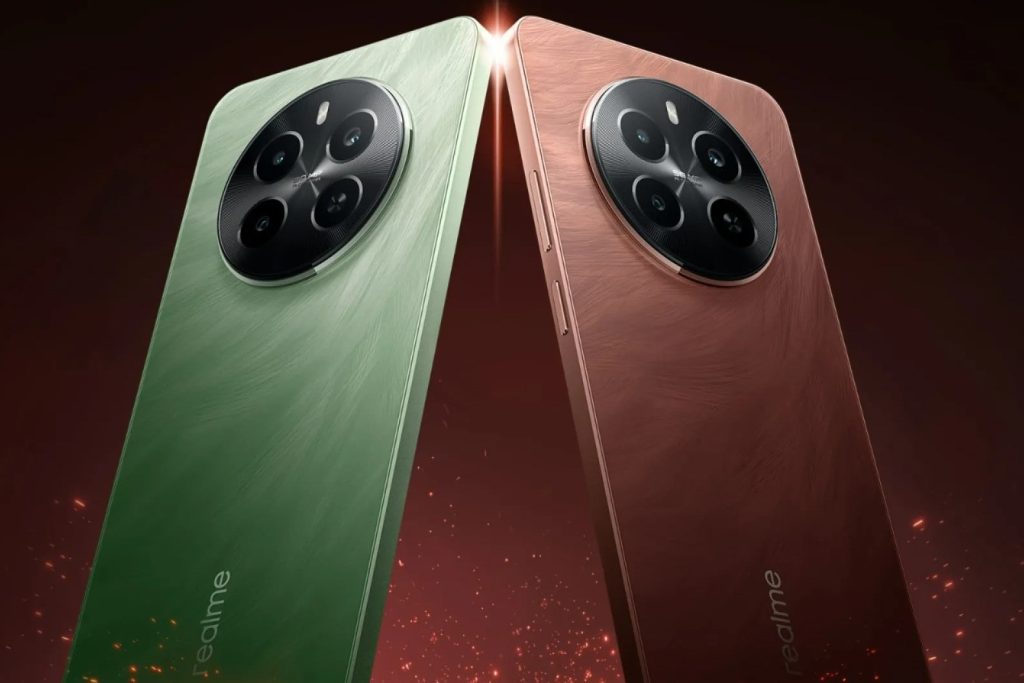
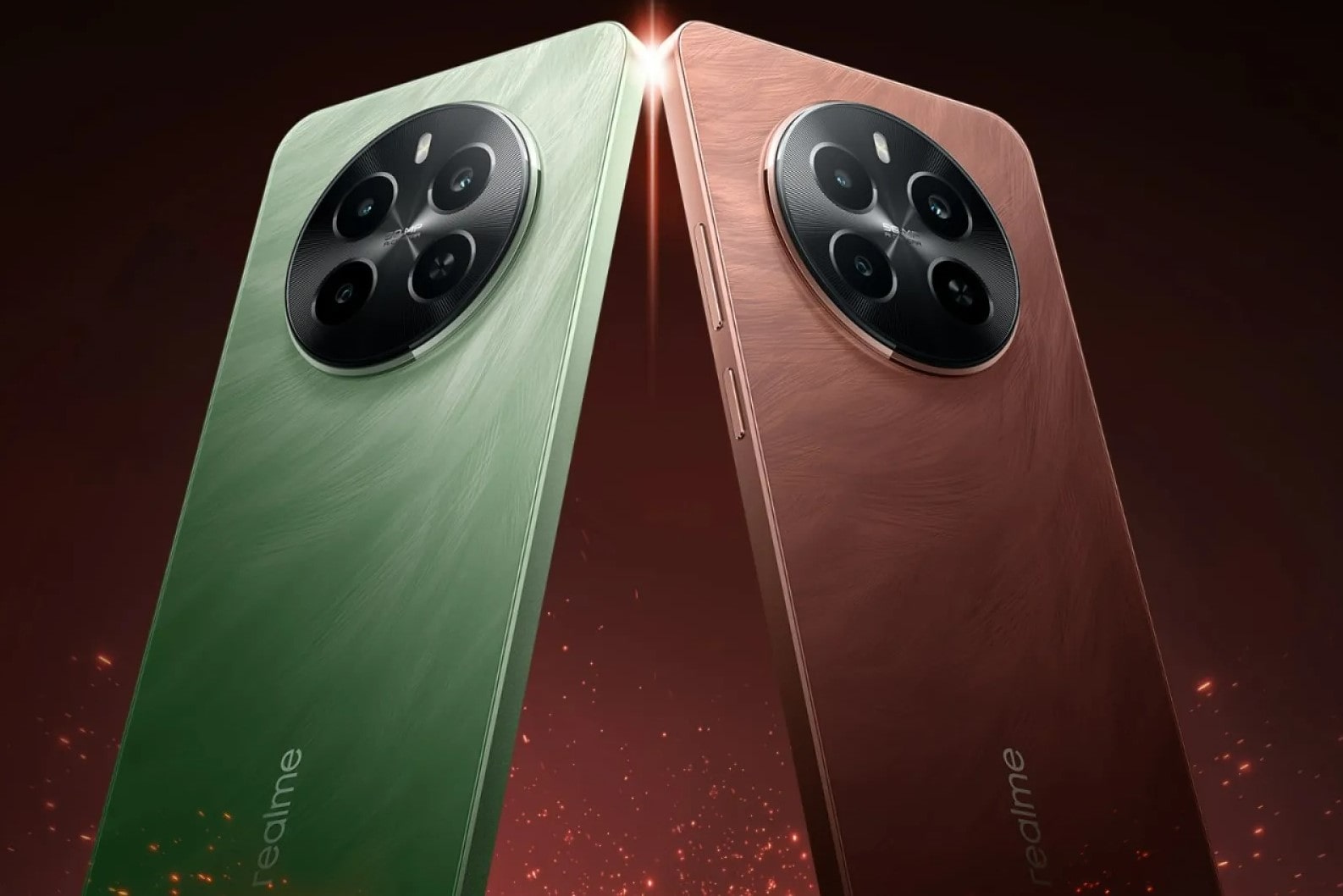
Realme is gearing up to launch the new Realme P1 series smartphones on April 15 in India. The brand has already revealed its design and some key features. Now Realme has revealed details about the cooling system on both upcoming offerings. Additionally, the early bird sale details of the devices have also been revealed.
Realme P1 5G cooling system teased and early bird benefit revealed
The Realme P1 5G is confirmed to feature a 4356.62mm vapour chamber and a 7-layer cooling system for heat dissipation. Meanwhile, the P1 Pro 5G will be equipped with a 3D vapour chamber for keeping the phone cool.
The early bird sale of the Realme P1 5G will commence on April 15 from 6 pm to 8 pm on the brand’s official website and Flipkart. Buyers can avail of coupons worth up to INR 2,000 on different variants of Realme P1 5G on both platforms.
Realme has already revealed that the P1 Pro 5G will sport a curved AMOLED display with a 120Hz refresh rate under the Rs 20,000 segment. It will have a 2,000-nit peak brightness, Pro-XDR, and a narrow chin. The phone will be powered by a Snapdragon 6 Gen 1. The device appeared on Geekbench with 8GB RAM and scores of 929 and 2,680 points in single-core and multi-core test results.
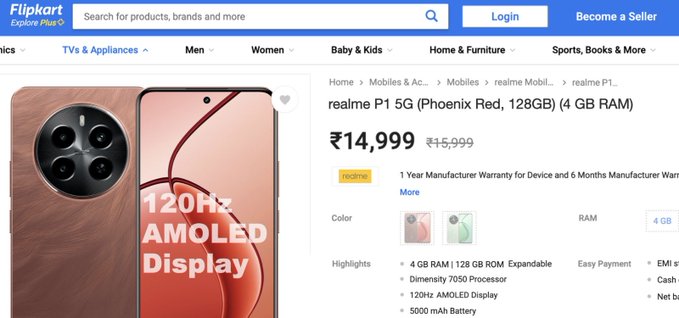
Meanwhile, the Realme P1 5G is teased to have a flat display and be equipped with Dimensity 7050 SoC. The P1 5G duo are confirmed to support 45W fast charging and Rainwater touch technology. Recently, Flipkart accidentally listed the Realme P1 5G with a price tag of Rs 14,999 for the base 4GB + 128GB model.
Realme is set to unveil the Realme P1 and P1 Pro in the Indian market next week. But ahead of the official announcement, it appears that the pricing for the base model has been revealed. The device carries a budget price but offers decent specs. So let’s see if it’s worth its price tag.
Realme P1 India Pricing
The Chinese brand’s upcoming smartphone was listed on Flipkart, a popular e-retailer in India. Realme’s new P1 model was found carrying a starting price tag of just 14,999 INR (roughly 180 US Dollars). This was for the 4GB + 128GB storage configuration. To recall, the Realme P1 lineup will be unveiled in India on 15th April 2024. On the other hand, the higher end P1 Pro is expected to launch for under 20,000 INR.
Based on what we know so far, the Realme P1 sports a flat AMOLED display that offers 120Hz refresh rate and an impressive 2,000 nits of peak brightness. This is a flat panel that supports Rainwater Touch technology and an under-display fingerprint scanner. Under the hood, it is equipped with the MediaTek Dimensity 7050 SoC, which is cooled via a 7-layer VC thermal dissipation system.
The Realme P1 model spotted on Flipkart was the Phoenix Red and Peacock Green color options. It is powered by a large 5,000mAh battery pack that supports 45W wired fast charging. For protection, the device supports an IP54 rating for water and dust resistance. These are some capable features at a budget and we can expect some launch offers as well. So we can expect the P1 at a sweet deal. So stay tuned as we will be covering the launch event.
The OnePlus Pad (review) debuted in the global market last February. The brand introduced the budget and toned-down OnePlus Pad Go in October last year for the Indian market. OnePlus seems to be working on the Pad 2 as we should have gotten the successor of the Pad by now. Now, the launch timeline of the upcoming offering has been tipped.
OnePlus Pad 2 expected to arrive in the second half of the year
OnePlus Pad2 will be launched in the second half of 2024
Tipster Max Jambor on X (formerly Twitter) reveals that the OnePlus Pad 2 will launch in the second half of 2024. However, he does not mention any further details about the tablet. To recall, the first-generation OnePlus Pad was released in China as OPPO Pad 2 a month after the former’s global debut. It remains to be seen if the case could be the same for the OnePlus Pad 2.
In recent times, we have been learning rumours about the OPPO Pad 3. Reliable tipster Digital Chat Station revealed that the tablet will be powered by a Qualcomm Snapdragon 8 Gen 3 processor. If this indeed turns out to be true, it will pack a significant upgrade compared to its predecessor which is equipped with a Dimensity 9000 SoC onboard. The same tipster had also stated last month that the OPPO Pad 3 could arrive in the second quarter of this year i.e. between April to June.
We will have to wait and see if the OnePlus Pad 2 or OPPO Pad 3 debut first. Because both are expected to be similar with the former available globally and the latter only limited to its home market.
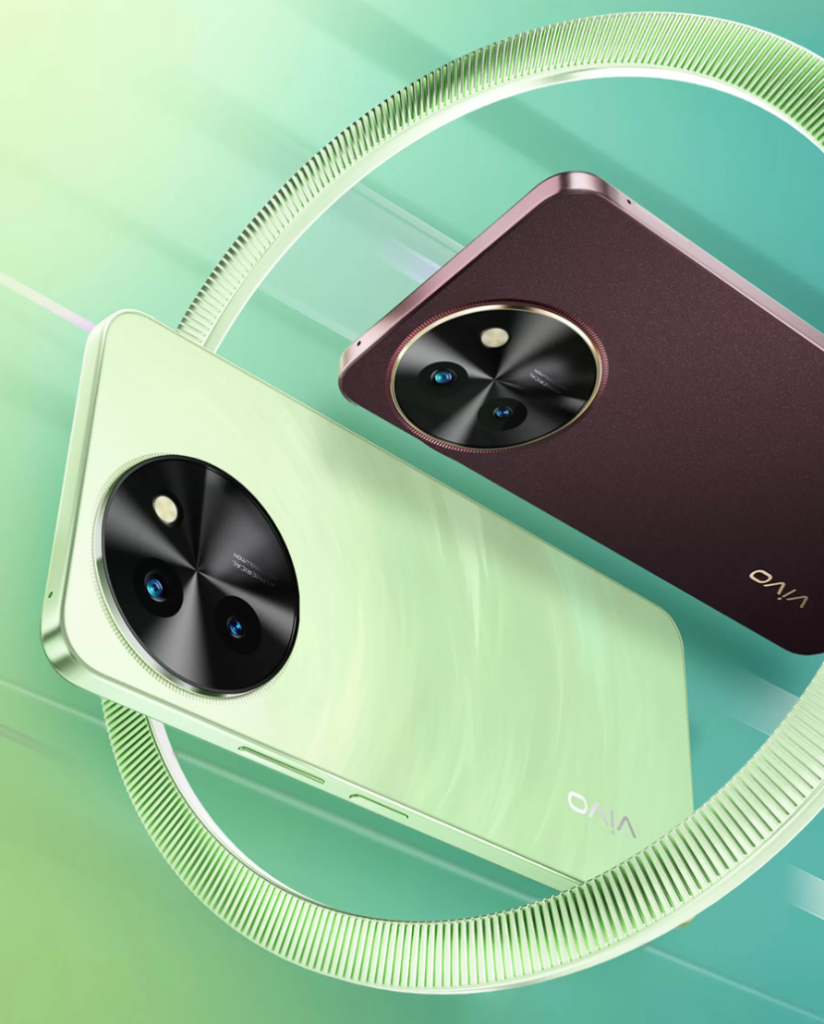
Vivo is gearing up for the launch of the Vivo T3x 5G smartphone in the Indian market. The launch date is set for April 17, and the brand has already revealed a few key details including what the device looks like.
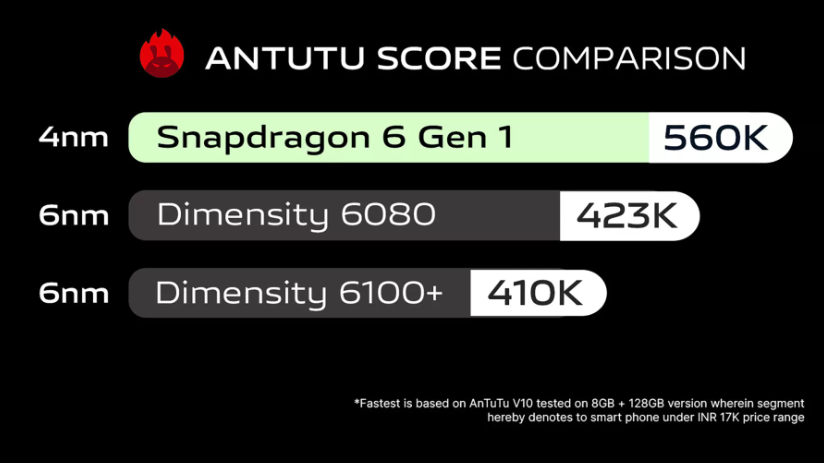
The brand has now confirmed the processor, RAM, and storage, as well as its price point and performance numbers. Starting with the processor, Vivo has unveiled that the T3x 5G smartphone comes with the Snapdragon Gen 1 chipset, which is built on TSMC’s 4nm process and features an octa-core CPU. Based on the numbers revealed on the Flipkart microsite, the device has scored 560K points on AnTuTu V10, where the device was tested with 8GB RAM and 128GB storage.
The Flipkart microsite listing also revealed that the phone will be priced under the INR 17,000 price point, which makes sense considering the fact that the Vivo T3 5G launched last month with a Rs 17,999 price tag.
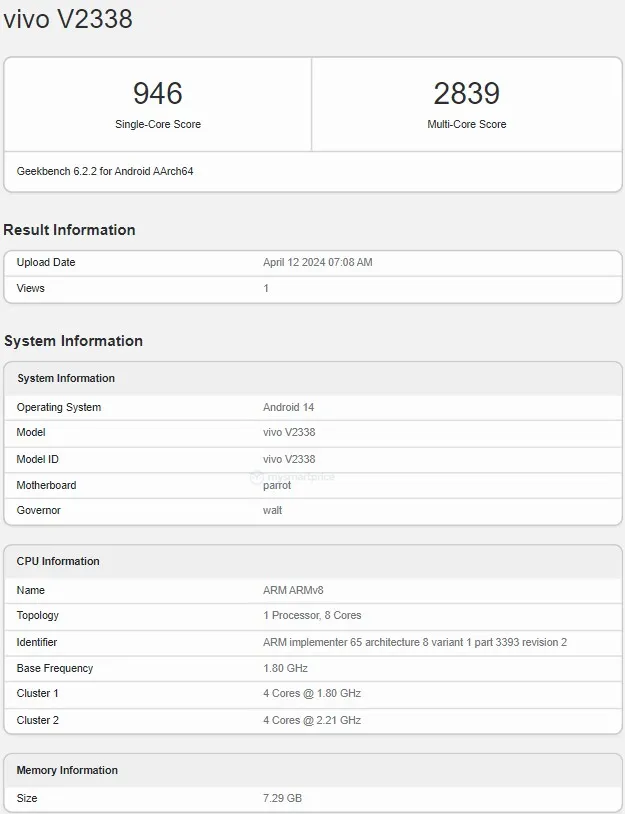
Apart from that, the Vivo T3x 5G has also emerged on Geekbench (via MySmartPrice), achieving a score of 946 in single-core and 2839 in multi-core tests. Its Snapdragon 6 Gen 1 chip has a base frequency of 1.80GHz and a boost clock speed of 2.21GHz. The listing has also revealed that the device will feature an Android 14-based operating system.
Previous reports have mentioned that the device will feature a large 6,000mAh battery unit with support for 44W. More details will likely be revealed as we get closer to the launch date, so stay tuned.
Realme will debut a new lineup of performance-oriented phones called the Realme P series on April 15 (Monday) in India. The inaugural phones are officially called Realme P1 and Realme P1 Pro.
The P1 will come with a MediaTek Dimensity 7050 chip, an IP54 rating, and a 120Hz AMOLED display. Whereas the P1 Pro will sport a 120Hz curved AMOLED display, a Qualcomm Snapdragon 6 Gen 1 SoC, an IP65 rating, and a 5,000mAh battery.
The duo will support 45W wired charging. The P1 and P1 Pro are said to cost below ₹15,000 and ₹20,000, respectively.
2. Motorola Moto G64
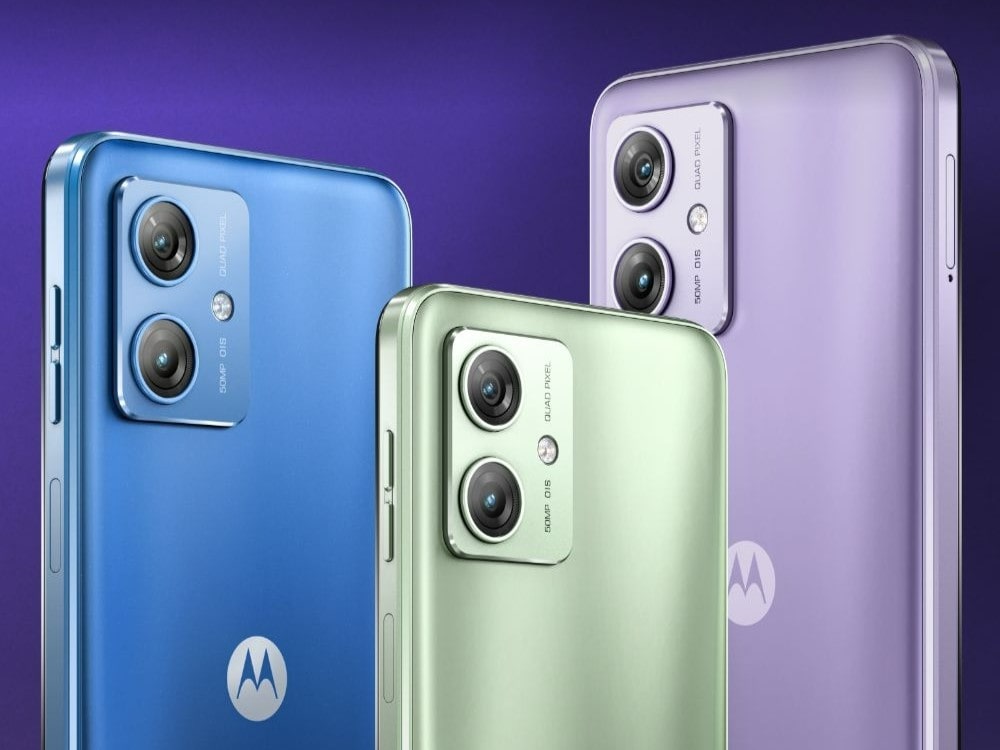
Motorola has confirmed to launch the Moto G64 in India on April 16 (Tuesday). Ahead of the announcement, the brand has already revealed almost everything about the handset.
The product will go official as the world’s first smartphone featuring a MediaTek Dimensity 7025 chip It will be built around a 6.5-inch centered punch-hole display with an FHD+ resolution and a 120Hz refresh rate.
The device will arrive with a 50MP main camera, dual stereo speakers, a side-mounted fingerprint sensor, and an IP52 rating. It will boot Android 14 and will receive Android 15 as well as 3 years of security updates.
3. Vivo T3x
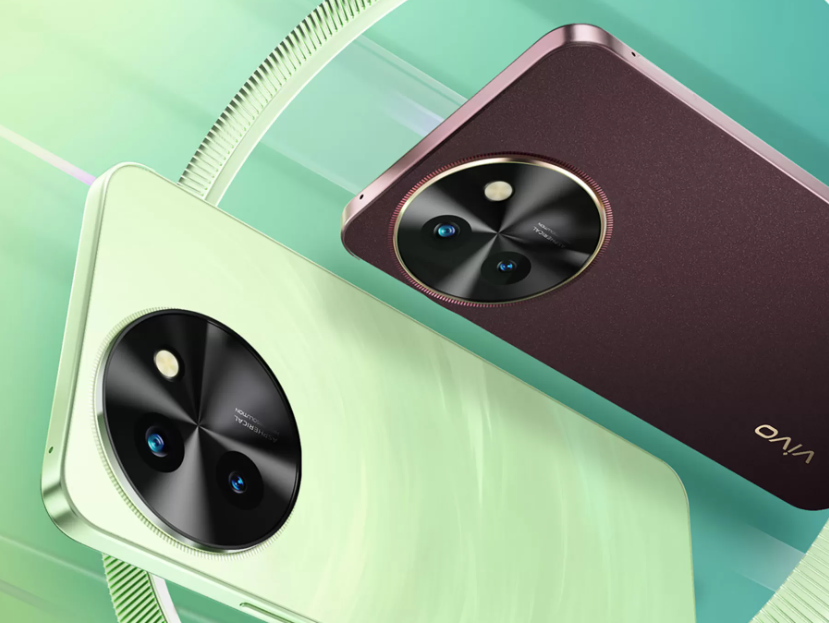
The Vivo T3x is scheduled to go official in India on April 17 (Wednesday). It will succeed the Vivo T2x from last year and will act as a variant of Vivo T3.
The handset will be powered by a Qualcomm Snapdragon 6 Gen 1 chip. It will be available in green and crimson colors.
The product is expected to come with a 6.72-inch FHD+ 120Hz display (LCD), a 6,000mAh battery, and 44W wired charging support.
A widely circulated photo online appears to show the first reported accident involving the new Xiaomi SU7 electric car. The photo shows a collision between a Xiaomi SU7 and a white Mercedes-Benz sedan.
The images depict significant damage to both vehicles. The Mercedes-Benz, which appears to be white, sustained a completely shattered right headlight, a bulged hood, and deformation of the front bumper and air intake grille.
The Xiaomi SU7, bearing the brunt of the impact on its right side, has two damaged doors and deployed airbags.
“Big Lizi Qiqili,” a well-known social media influencer in China, clarified that the Xiaomi SU7 belonged to him and that a colleague was filming when the accident occurred. He stated that both vehicles had green lights and that the traffic police placed full responsibility on his driver.
Following the accident, the blogger offered an update on the car’s condition. They reported that an emergency call was immediately made from within the car to confirm the situation. The airbags had deployed, but none of the interior accessories appeared to have fallen off.
Additionally, the rear flat panel remained intact, the door handles functioned normally, and the doors themselves opened without issue.
A later update confirmed the SU7 was taken to an after-sales service center for repairs. Thankfully, both the driver and the other party involved in the accident escaped with minor injuries. The blogger concluded by reminding everyone to prioritize safety while driving.
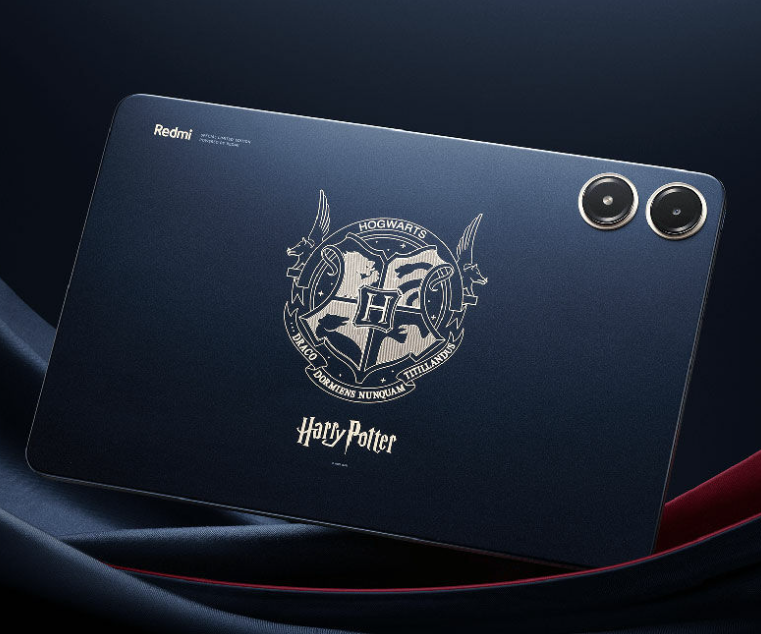
Redmi Pad Pro Harry Potter Edition is the latest limited edition tablet from Redmi that combines cutting-edge technology with the beloved wizarding world charm. You can get into the realm of Hogwarts with this special edition tablet, crafted with intricate Harry Potter-themed designs and accessories that will delight fans of all ages. You can now pre-order the special edition tablet for $459 only at Giztop
Immerse yourself in the world of Harry Potter with the Redmi Pad Pro Harry Potter Edition. From its unique envelope-style cover similar to the iconic Hogwarts acceptance letter to the elegant gold Hogwarts logo adorning the back, every detail is crafted to transport you to the enchanted halls of the wizarding school.
Unleash Power and Performance
Underneath its enchanting exterior lies a powerhouse of performance. Powered by the Qualcomm Snapdragon 7s Gen 2 octa-core processor, the Redmi Pad Pro delivers seamless multitasking and smooth performance for all your daily tasks, whether you’re streaming your favorite movies or diving into intensive gaming sessions.
Spellbinding Display
Prepare to be spellbound by the Redmi Pad Pro’s stunning 12.1-inch LCD. With a high resolution of 2560 x 1600 pixels and a smooth 120Hz refresh rate, every image and video springs to life with vibrant colors and crisp clarity. Whether you’re reading the latest magical adventures or sketching your wizarding creations with the included stylus, the Redmi Pad Pro’s display is sure to captivate your imagination.
Storage and Memory
With 8GB of DDR5 RAM and 256GB of USF 4 storage, the Redmi Pad Pro Harry Potter Edition offers ample space for all your photos, videos, and apps. Say goodbye to storage woes and hello to seamless multitasking, as you effortlessly switch between your favorite apps and games without missing a beat.
Capture Every Moment
Capture the magic of every moment with the Redmi Pad Pro’s dual 8MP cameras. Whether you’re snapping selfies with friends or capturing the breathtaking scenery of the wizarding world, the Redmi Pad Pro’s cameras deliver stunning clarity and detail with every shot.
Long-Lasting Battery
Never let the magic fade with the Redmi Pad Pro’s massive 10000mAh battery. With support for 33W fast charging, you can spend less time waiting and more time exploring the wizarding world to your heart’s content.
Xiaomi Hyper OS: Stay Connected, Stay Productive
Powered by Xiaomi Hyper OS, the Redmi Pad Pro Harry Potter Edition keeps you connected and productive wherever your adventures take you. Seamlessly switch between tasks, stay organized with intuitive productivity features, and unleash your creativity with a suite of powerful tools and apps.
Available Worldwide
While these special editions are exclusive to China, die-hard fans can still get their hands on the Redmi Pad Pro Harry Potter Edition through Giztop for global delivery. Don’t miss your chance to experience the magic, order yours today. Please note that the envelope-style cover may have to be purchased separately. Please confirm the same while placing your order.
TSMC has reportedly secured four major clients for its latest SoIC packaging – AMD, Nvidia, Broadcom, and Apple. The chip manufacturer is actively working on increasing its next-generation chip packaging (CoWoS) production capacity.
Apple is testing the next-generation packaging solution
Inage: TrendForce
Apple will reportedly use SoIC with Hybrid molding (thermoplastic carbon fiber board composite molding technology). The company is currently conducting a small-scale trial production and will reportedly start mass production in 2025. The company is expected to use this next-generation packaging method in its next generation of AI-powered Apple Silicon or the M4 chip.
TSMC’s SoIC is the industry’s first high-density 3D chip stacking technology which enables heterogenous integration of chips with different sizes using Chip-on-Wafer packaging. This innovative packaging method was first introduced in 2018. Reportedly, the planned advanced packaging facility in Chiayi, Taiwan will not only include two CoWoS (Chip on Wafer on Substrate) plants but also an SoIC facility.
Notably, AMD is TSMC’s first customer to adopt SoIC technology. The company used this SoIC tech along with CoWoS on the Instinct MI300 AI accelerator chips, designed for data centers.
As per Mark Gurman, Apple has officially commenced the development of the M4 chip, which will likely debut with the next-generation MacBook Pro. As TrendForce noted, there’s a possibility that Apple will switch to a 2nm process node for the M4 chip.
Regarding the release of the next Apple Silicon, we can see nearly a one and a half year gap between each of the previous iterations. The Apple M1 was released back in November 2020, the M2 was released in June 2022, and the M3 chip was released towards the end of October (a bit earlier) last year. So we can expect Apple to release the M4 chip in the first half of next year.
Redmi Turbo 3 Harry Potter Edition, is a magical fusion of cutting-edge technology and enchanting design, tailored specifically for the most devoted fans of the wizarding world. You can now get this special limited edition phone for just $499 at Giztop. Please note that this is a pre-order and actual shipping will start from April 16.
Step into the realm of Hogwarts with the Redmi Turbo 3 Harry Potter Edition, where every detail is meticulously crafted to evoke the spirit of J.K. Rowling’s beloved series. Adorned with the iconic Hogwarts logo and Harry Potter branding, this special edition phone set the stage for a truly enchanting experience. With the Lumos spell illuminating the tip of a wand on the device, you’ll feel like you’ve been transported straight to the wizarding world.
Elevated Performance
Underneath its bewitching exterior lies a powerhouse of performance. The Redmi Turbo 3 Harry Potter Edition is equipped with a Qualcomm Snapdragon 8s Gen 3 processor, ensuring lightning-fast speeds and seamless multitasking. Paired with a staggering 16GB of LPDDR5X RAM and a massive 512GB of UFS 4.0 storage, this device effortlessly handles even the most demanding tasks with ease.
Captivating Display
Prepare to be spellbound by the Redmi Turbo 3’s 6.67-inch 120Hz OLED display. With a resolution of 2712 x 1220 pixels and support for Dolby Vision and HDR10+, every image bursts to life with stunning clarity and vibrant colors. Whether you’re watching your favorite Harry Potter film or immersing yourself in the latest gaming adventure, the Redmi Turbo 3 delivers an unparalleled viewing experience.
Magical Photography
Capture every moment in breathtaking detail with the Redmi Turbo 3’s 50MP+8MP rear dual-camera setup. Featuring advanced optical image stabilization (OIS) and electronic image stabilization (EIS), every photo and video is guaranteed to be crisp, clear, and free from motion blur. And with a 16MP selfie camera, you can take stunning self-portraits worthy of any wizarding photo album.
Large Storage
Never worry about running out of space again with the Redmi Turbo 3’s generous storage capacity. With 512GB of UFS 4.0 storage, you’ll have more than enough room to store your favorite spells, potions, and memories.
Long-lasting Battery
Stay connected to the wizarding world all day long with the Redmi Turbo 3’s massive 5000mAh battery. With support for 90W Fast Flash Charge, you can recharge your device in a flash, ensuring that you never miss a moment of magic.
Enhanced Security
Protect your device from unauthorized access with the Redmi Turbo 3’s in-display fingerprint sensor. Simply place your finger on the screen to unlock your device safely and securely, keeping your device safe.
Xiaomi Hyper OS
Experience the magic of seamless connectivity and productivity with Xiaomi Hyper OS. Designed to keep you connected and productive on the go, Xiaomi Hyper OS offers a fresh, fast platform that enhances your overall user experience.
Connectivity
With support for both 4G and 5G networks, the Redmi Turbo 3 ensures that you stay connected wherever your adventures may take you.
The Redmi Turbo 3 Harry Potter Edition is more than just a phone, it’s a gateway to a world of magic and wonder. With its enchanting design, unparalleled performance, and innovative features, the Redmi Turbo 3 is the ultimate companion for every Potterhead out there.
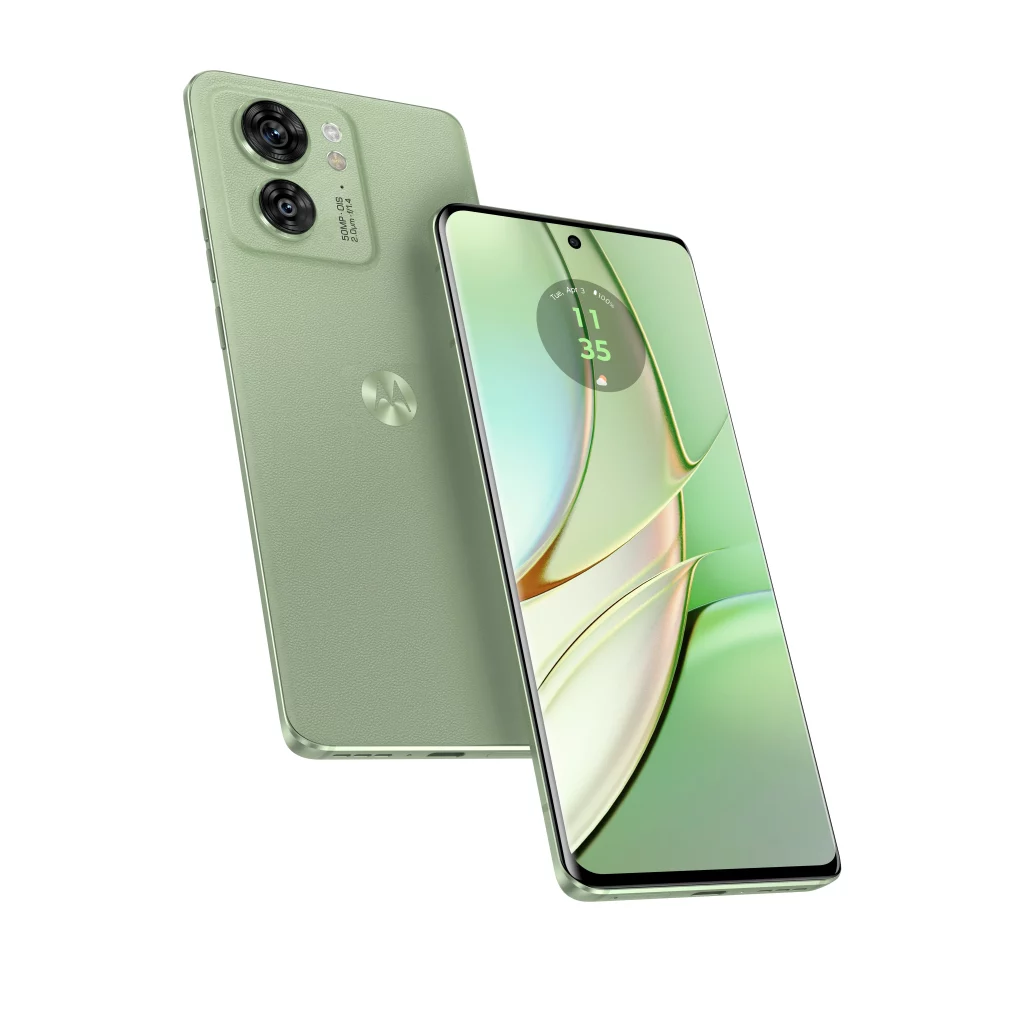
Motorola has started rolling out the Android 14 update for Motorola Edge 40 users in India. The update, not officially announced by Motorola, was spotted by a user on X (formerly Twitter).
This new software package is 1.49GB in size, marked with the firmware version U1TL34.115-13, and it’s currently reaching users in phases. Motorola previously promised two major updates for the device, which suggests that the phone will be getting the Android 15 update in the future.
Key Features of the Android 14 Update
The Android 14 update improves user control over personal data, allowing for better management of permissions for photos, videos, and location sharing. Specifically, it introduces:
Selective media sharing, letting users grant access to particular images or videos instead of all media.
Clearer information on apps that share location data with third parties and alerts for any policy changes in data sharing.
Notifications for users if an unknown Bluetooth tracker is detected moving with them.
The integration of Health Connect, offering a centralized place to store health data, with controls over what data is shared with fitness apps.
Flash notifications for incoming alerts, with customizable settings for the camera light, screen light, or both, respecting Do Not Disturb modes.
Recently, the Moto G84 5G received its Android 14 update in India, though the rollout was slightly delayed. This indicates that Motorola may soon begin updating its other eligible models to Android 14.
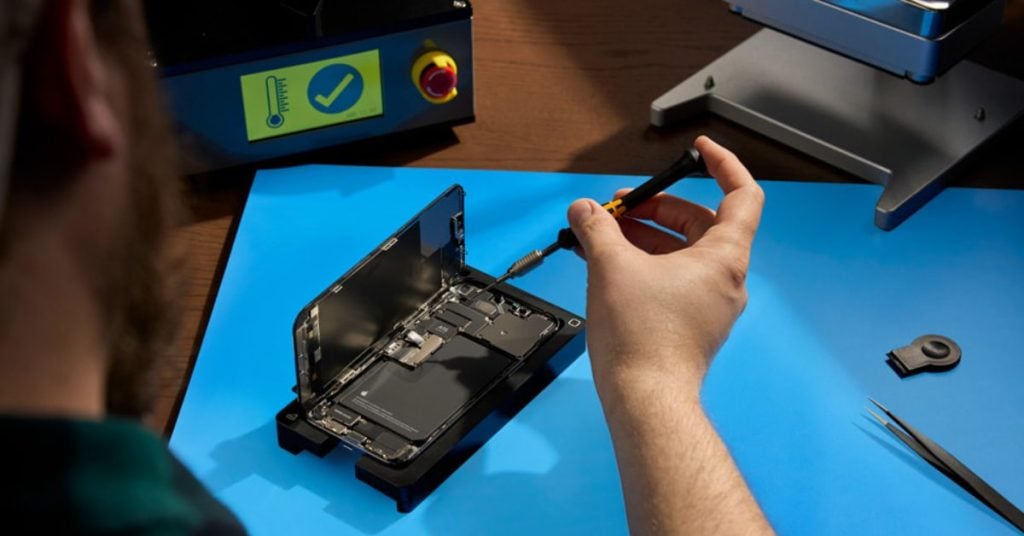
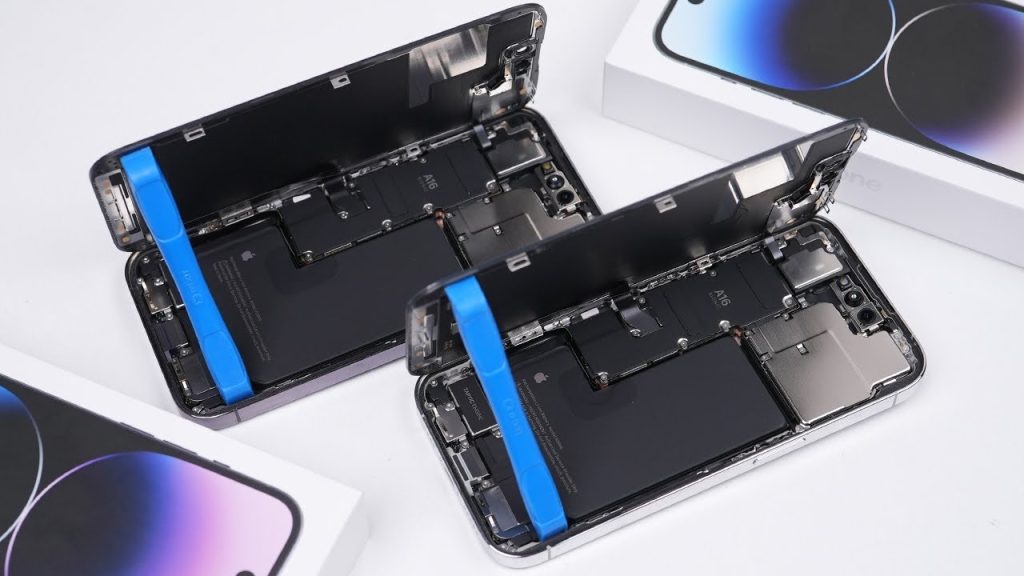
Apple has now expanded its self-repair and independent repair programs for iPhones. The change means you can now repair your smartphone on your own and most notably with used genuine parts. It’s a first for the company and a move towards a more sustainable future for iPhones.
If you’re unaware, repairs previously solely relied on new parts However, this all changes with Apple’s new “parts calibration” process. According to Apple, used parts will undergo this process upon installation in another iPhone. And as long as the part is genuine, it will function seamlessly without any restrictions.
This opens the door for users and independent repair shops to swap out faulty components with used parts from other iPhones. This program will begin this fall, starting with “select iPhone models.”
Apple emphasizes that these used genuine parts will offer the “full functionality and security afforded by the original factory calibration, just like new genuine Apple parts.”
The company also remains committed to “part pairing,” a process that verifies the authenticity of repair parts and gathers vital information about them. This ensures user privacy, security, and device safety. Previously, replacing an iPhone part with one from another phone caused issues because the part remained “paired” with its original device.
Over the past two years, Apple’s development teams have focused on enabling the reuse of even biometric components like Face ID and Touch ID sensors. This fall’s update will see the calibration process happening directly on the device itself, once the used part is installed.
Additionally, future iPhones will come pre-equipped to support used biometric sensors. This eliminates the need for customers and repair providers to provide a device’s serial number when ordering parts that don’t involve replacing the logic board.
To combat the use of stolen iPhones for parts, Apple is extending Activation Lock to encompass individual components. If a device under repair detects a supported part originating from another iPhone with Activation Lock or Lost Mode enabled, the calibration process for that part will be restricted upon installation.
Finally, Apple highlights the unique “Parts and Service history” feature within the iPhone’s Settings app. This feature allows second or third-hand iPhone owners to access a comprehensive history of repairs and replaced parts.
This fall, the “Parts and Service history” will be expanded to indicate whether a specific part is a new or used genuine Apple part, providing even greater transparency for consumers.
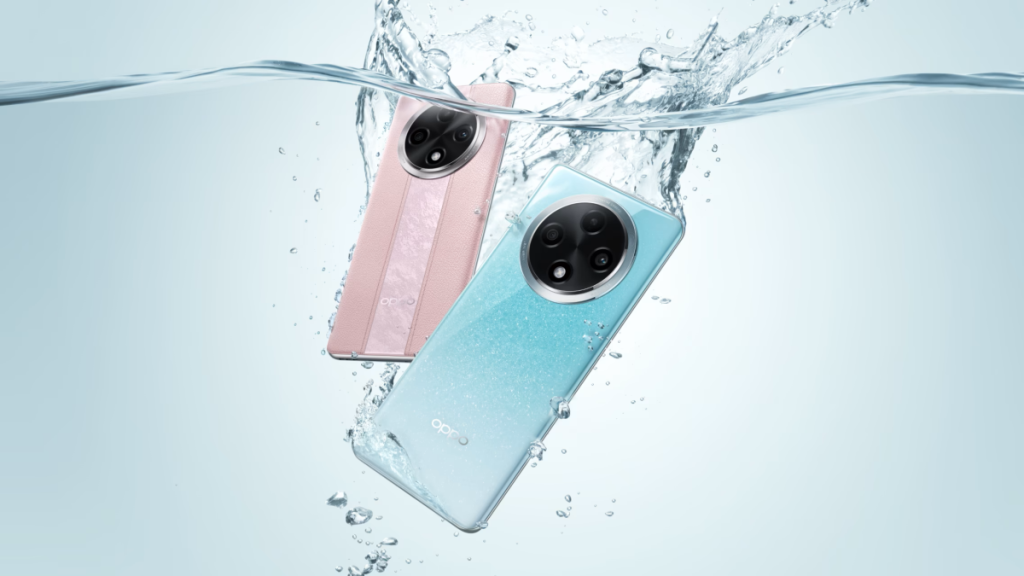
Oppo has launched the Oppo A3 Pro, a mid-range smartphone, in China. What’s interesting about this phone is that it is the first mainstream smartphone in recent times to pass IP69, IP68, and IP66 certification. The company claims that it is a fully waterproof smartphone that can withstand hot water, soaking water, and strong water spray. The device is equipped with Oppo’s Crystal Glass protection on the front and back. Furthermore, it is the first smartphone to receive Swiss SGS Gold Label 5-start drop resistance certification, and it has also passed a national military standard impact resistance test in China. Hence, Oppo claims that the A3 Pro is resistant to drops and scratches. Here is a look at the specifications, features, and price o
Oppo A3 Pro specifications and features
Oppo A3 Pro 5G
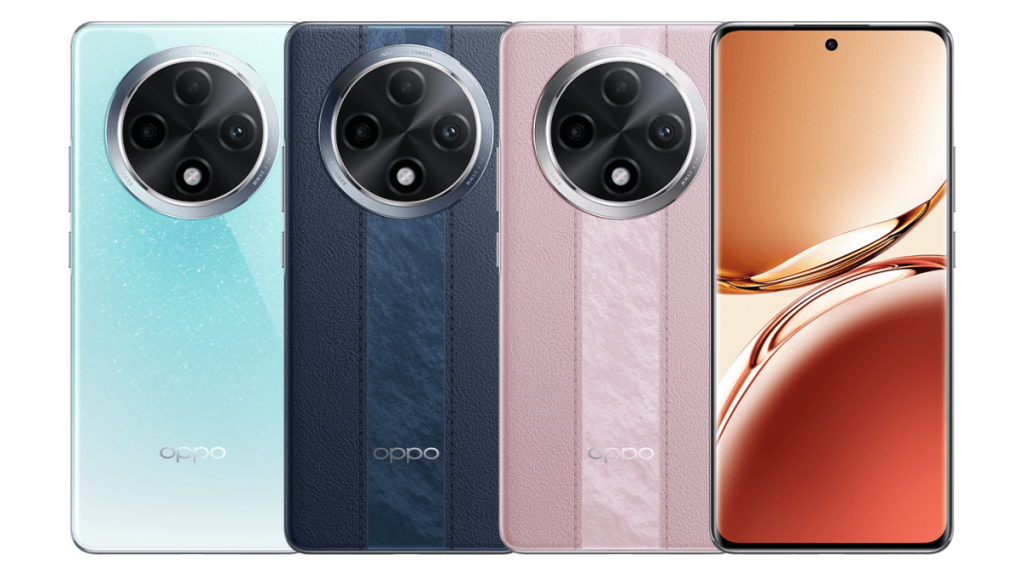
The Oppo A3 Pro houses a 6.7-inch AMOLED display that offers an FHD+ resolution, a 120Hz refresh rate, and up to 950 nits of brightness. It has an in-screen fingerprint sensor for added security. The phone comes with ColorOS 14-based Android 14.
The A3 Pro has the Dimensity 7050 chipset onboard. The mid-range phone is equipped with 8 GB / 12 GB of LPDDR4x RAM, 12 GB of virtual RAM, and 256 GB / 512 GB of UFS 3.1 storage. The phone is backed by a 5,000mAh battery with 67W fast charging support.
OPPO A3 Pro
The Oppo A3 Pro has an 8-megapixel camera on the front. On the back, it has a 64-megapixel primary camera and a 2-megapixel depth sensor. While the front camera supports up to 30fps FHD video shooting, the primary camera on the back supports up to 30fps 4K video recording. In addition, the device offers other specs, such as dual SIM, 5G, Wi-Fi 6, Bluetooth 5.3, GPS, and a USB-C port.
Oppo A3 Pro price
The Oppo A3 Pro has been introduced in China in three options, such as 8GB+128GB, 12GB+256GB, and 12GB+512GB. These variants are priced at 1,999 Yuan (~$275), 2,199 Yuan (~$300), and 2,499 Yuan (~$345). It comes in shades, such as Azure (glass back), Mountain Blue (leather back), and Yunjin Pink (leather back). There is no word on whether it will be released on the global market.
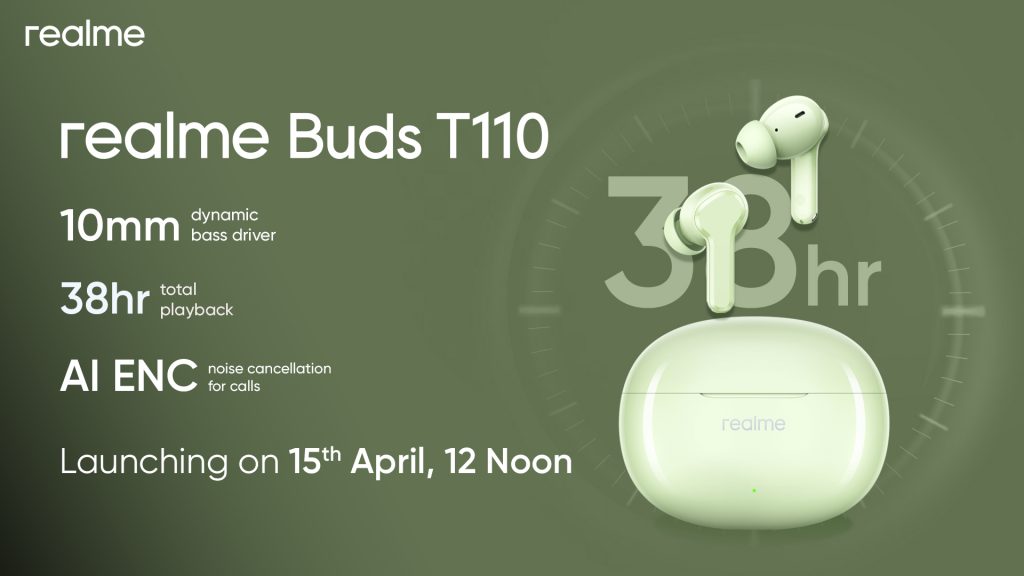
At the Realme GT Neo 6 SE launch event yesterday, the Chinese smartphone brand also debuted the Realme Buds T110 TWS earbuds in its domestic market. Now, the brand has announced that the earbuds are also coming to the Indian market.
As per the official announcement via X (formerly Twitter), the Realme Buds T110 will make its Indian debut on April 15th along with the Realme P1 series smartphones. The brand has confirmed that the earbuds will come with 10mm dynamic bass drivers a total battery life of 38 hours and AI ENC tech, which is used for noise reduction during calls. These specifications are identical to the Buds T110 Chinese variant that launched yesterday. You can check out the detailed specifications below.
Realme Buds T110 specs:
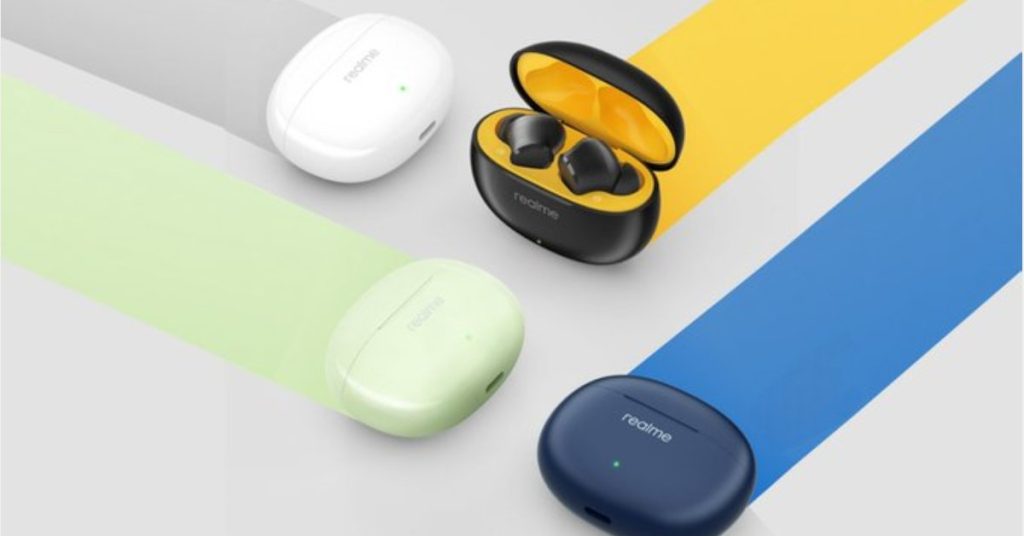
In China, the Realme Buds T110 has launched with a total of four color options: black, white, green, and blue. The Indian teaser so far has only revealed the green color variant.
Each earbud weighs 4.09 grams for comfortable, secure wear. They feature a 10mm dynamic driver with a PEEK+TPU dome-top titanium-coated diaphragm for improved audio.
The earbuds utilize AI noise reduction to minimize background noise during calls and offer an 88ms low latency mode for lag-free gaming. Battery life lasts up to 7 hours per charge, with the charging case providing a total of 38 hours of playback. Fast charging allows for 20 minutes of playtime with a 10-minute charge.
For connectivity, the earbuds use Bluetooth 5.4, which ensures a stable connection. They are IPX5 water-resistant, making them suitable for workouts and light rain. As for pricing, the Buds T110 debuted in China for around 129 yuan (approximately $18 or Rs 1,500), so we can expect them to launch in India well under the Rs 2,000 mark.
Smartphone cameras have become advanced over the last few years. Many phones come with a triple or quad rear camera setup, a higher megapixel primary sensor, software-based features, and more. Due to their compactness and additional usage, smartphones are also becoming an alternative to DSLRs unless you’re a professional photographer.
When the Xiaomi 14 Ultra (review) was unveiled globally, the company touted it as the pinnacle of smartphone imagery. Aside from top-of-the-line specifications, the phone packs flagship camera features.
A quick glance at the product page has a lot of information that we have broken down in this post. The smartphone retails at Rs 99,999 and EUR 1,499 in the Indian and European markets, respectively.
But does it justify the price tag for phone photography enthusiasts? Read on to know about it.
All things Leica
Xiaomi has partnered with legendary German camera maker Leica for the camera system on the Xiaomi 14 Ultra. The device is capable of clicking photographs quickly within just 0.7 seconds. This makes it incredibly helpful for shooting fast-moving scenes.
The phone can output Leica Authentic and Leica Vibrant looks that offer original tones and colors to images that you would get from a Leica camera. The device also features six Leica filters and adjustable parameters like tonality.
Additionally, the Xiaomi 14 Ultra is capable of shooting images in Ultra RAW format giving users the ability to post-process in software like Adobe Lightroom.
Decoding the quad-camera setup
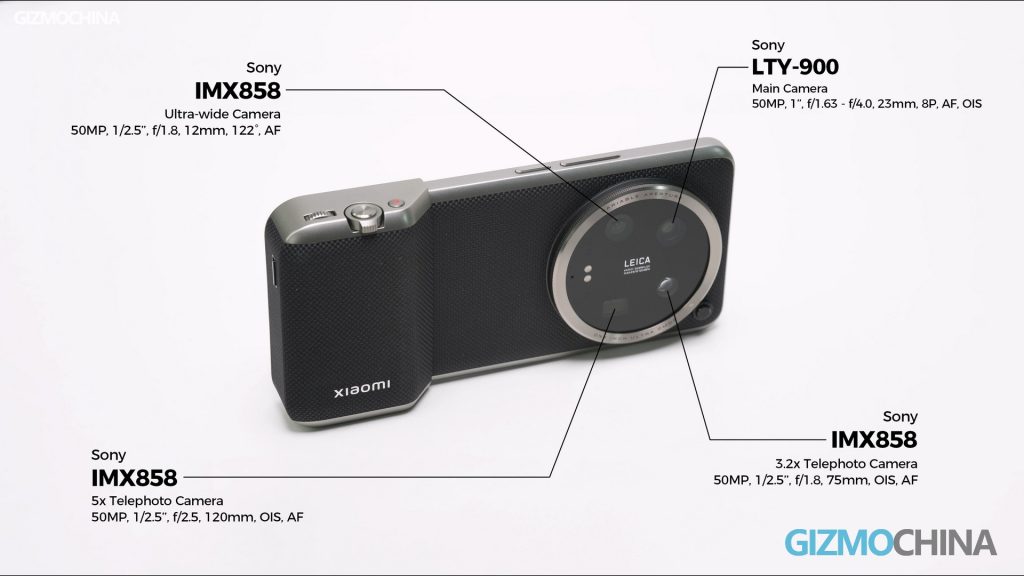
Coming to the core subject, the Xiaomi 14 Ultra has a 50MP Sony LYT-900 1-inch primary sensor. It has a variable aperture range of f/1.63 to f/4.0 for bokeh effect, starburst effect, and sharper details depending on the scene and how you want to make the photograph. The main sensor has a focal length of 23mm and 46mm with 2x zoom.
The ultra-wide-angle lens has a 50MP sensor with f/1.8 and a 12mm equivalent focal length for a wider 122-degree field of view making it ideal for landscape shots.
The Xiaomi 14 Ultra boasts 50MP telephoto and 50MP periscope lenses. Both have floating technology that lets you shift the focus range from 10cm to infinity. The telephoto unit has a focal range of 75mm whereas the periscope offers a 120mm to 240mm range. The latter also has up to 70x zoom capability.
The entire quad-camera setup on the Xiaomi 14 Ultra has OIS that ensures images are shake and blur-free.
Master Portrait lens system
If you have ever used a DSLR, you might be familiar with various lens systems available and the purpose they serve. The master portrait lens system on the Xiaomi 14 Ultra offers the same experience.
It lets you capture up-close portrait shots with a 23mm focal length. A 35mm focal length gives you a wider field of view in your portraits.
Meanwhile, a professional photographer’s favorite 50mm equivalent focal range lets you capture portraits with a stunning shallow depth of field and blur effect. A 75mm focal length is for capturing from a distance making it ideal for street portraits without being susceptible.
Doesn’t compromise on videography
Aside from photography, the Xiaomi 14 Ultra’s videography features are also impressive. All four lenses are capable of recording up to 8K resolution at 30 fps. If you want a higher 60 or 120 fps while recording, the resolution is scaled back to 4K.
The device supports Dolby Vision HDR technology and 10-bit LOG recording. However, the former is only limited to 4K at 60 fps. The phone is also said to achieve fast and stable focus tracking.
Finally, the smartphone is also equipped with a three-dimensional four-mic array setup that ensures audio in the video is captured clearly.
A compact professional camera-like looks
The Xiaomi 14 Ultra has a huge protruding circular module on its back panel that gives a professional camera-like look.
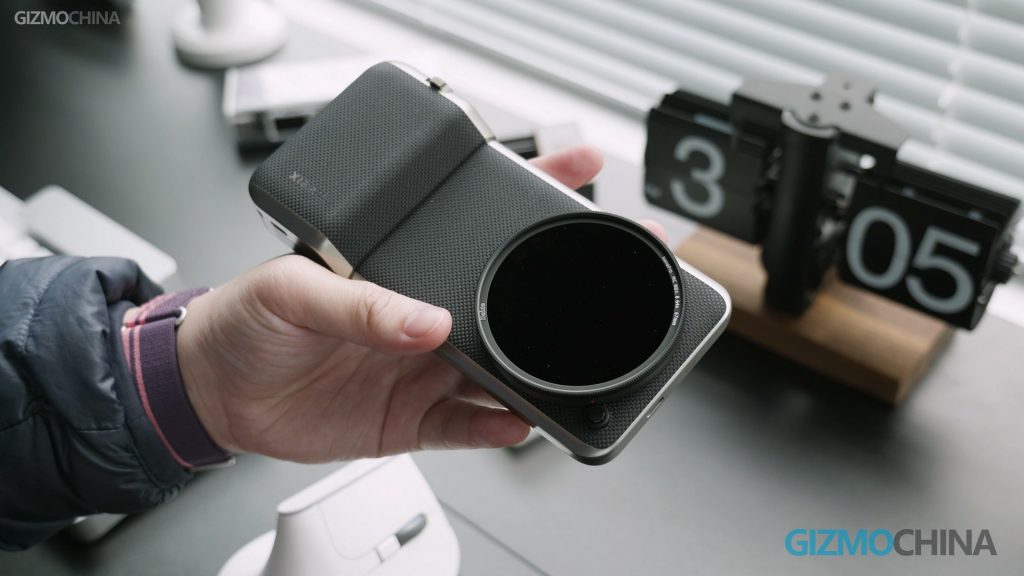
In India, the smartphone is also offered in Reserve Edition which has bundled accessories including a limited edition protective case, a 67mm filter adapter, and more.
Meanwhile, the China and global variants get a handle with a built-in 1,500mAh battery unit, a custom dial, a video recording button, a two-stage shutter button, and a zoom lever.
We use cookies on our website to give you the most relevant experience by remembering your preferences and repeat visits. By clicking “Accept”, you consent to the use of ALL the cookies.
This website uses cookies to improve your experience while you navigate through the website. Out of these, the cookies that are categorized as necessary are stored on your browser as they are essential for the working of basic functionalities of the website. We also use third-party cookies that help us analyze and understand how you use this website. These cookies will be stored in your browser only with your consent. You also have the option to opt-out of these cookies. But opting out of some of these cookies may affect your browsing experience.
Necessary cookies are absolutely essential for the website to function properly. This category only includes cookies that ensures basic functionalities and security features of the website. These cookies do not store any personal information.
Any cookies that may not be particularly necessary for the website to function and is used specifically to collect user personal data via analytics, ads, other embedded contents are termed as non-necessary cookies. It is mandatory to procure user consent prior to running these cookies on your website.