Samsung has been busy rolling out the One UI 6.1 update to Galaxy phones in the first half of 2024. Now that most of the compatible models have received the update, the company is shifting its focus to One UI 6.1.1, another major software update that will exclusively target Galaxy Fold and Flip phones and S-series tablets.
New details from tipster Tarun Vats suggest that Samsung has already started internal testing of One UI 6.1.1 for both the Galaxy Z Fold 5 and Flip 5.
Galazy Z Fold 5 One UI 6.1.1 firmwareGalazy Z Flip 6 One UI 6.1.1 firmware
The tipster spotted two new firmware versions of One UI 6.1.1 on Samsung’s servers: F946BXXU2DXF1 and F731BXXU2DXF1 which reportedly correspond to the Z Fold 5 and Z Flip 5 respectively. It’s important to note that these are internal builds, and Samsung may test several iterations of One UI 6.1.1 before a public beta is available.
Considering this internal testing phase, users will likely have to wait for several weeks to get their hands on the beta version of One UI 6.1.1.
The official release of a stable One UI 6.1.1 update is expected to coincide with the launch of the Galaxy Z Fold 6 and Flip 6, which is rumored to take place at Samsung’s Galaxy Unpacked event on July 10, 2024.
Although the specific features of One UI 6.1.1 are still unknown, more information about the OS is likely to emerge closer to its release. The update could introduce functionalities that specifically cater to the unique form factors of Samsung’s foldable smartphones.
Apple has been working on several AI features for the iPhone 16 series and above, which were also expected to reach older models with the iOS 18 update. However, Mark Gurman has recently revealed that more advanced AI features will only be rolled out to the iPhone 15 Pro and iPhone 15 Pro Max.
Only basic features could be rolled out to older iPhones
According to Mark Gurman, the basic AI functions in iOS 18 will run on-device, while more advanced features require more processing capability and will rely on Apple’s servers.
According to previous reports, Apple is also developing chips to deploy on its servers to run the advanced AI features. Reports have also mentioned that the company plans to use its M series chips in its servers to handle the AI processing.
Not offering the cloud-based AI features to more iPhones could be due to the limited infrastructure at present. Samsung and Google have also kept many of their cutting-edge AI features exclusive to newer models.
iOS 18 will reportedly include AI features like notification summarization (called Greymatter Catch Up), object removal from images, a revamped notes app with speech-to-text conversion and summarization capability, and more. The development also adds new capabilities to Siri, such as the ability to open a specific document, delete an email, summarize an article etc.
Older iPhone models may get some text-based AI features
Notably, most of the text-based features should be classified as the basic features that can also run on-device. So, recent iPhone models that are eligible for iOS 18 (iPhone 11 series and above, iPhone XS, iPhone XS Max, iPhone XR, iPhone SE (2nd generation), iPhone SE (3rd generation)) could get those features. However, it’s not clear yet which exact features will run on-device.
Additionally, Mark Gurman says there could also be some on-device AI-based functionality that the iPhone 15 Pro models and later can handle but not the older models and the non-Pro iPhone 15 models with A16 Bionic. Those features could also remain exclusive to the latest models.
iPadOS 18 and macOS 15 will also get some of the AI features. According to Gurman, the requirement for macOS and iPadOS devices will be at least an M1 chip or a later version. So, Intel-powered Mac devices won’t get the features either. It’s reasonable as the Intel chips and the Bionic chips in older iPhone models lack the capable NPU that’s necessary to run the on-device LLMs.
Oppo has launched a new color option for its popular Enco Buds 2 TWS earbuds in India. These earbuds were initially launched back in August 2022 in Black and White color options and later received a Lime Green color option.
The new color option is called Lilac Blue and is currently available on Flipkart as well as Oppo’s website. The Oppo Enco Buds 2 are currently selling for ₹1,599 on both of the above-mentioned platforms.
Oppo Enco Buds 2 specs & features
The OPPO Enco Buds 2 (review) features an in-ear design with a stem and silicone ear tips. The stem offers various touch control functions, including the ability to control the camera shutter. These earphones are IPX4 water-resistant.
In terms of audio performance, the OPPO Enco Buds 2 are equipped with a 10mm titanized driver, delivering powerful and rich bass. They include AI noise cancellation for clear call quality and feature Enco Live Stereo sound effects with three sound modes. For gaming, the earphones offer a low latency mode via Bluetooth 5.2. They also provide instant auto connection to a smartphone when the case is opened. The OPPO Enco Buds 2 boasts a total battery life of up to 28 hours with the included storage and charging case.
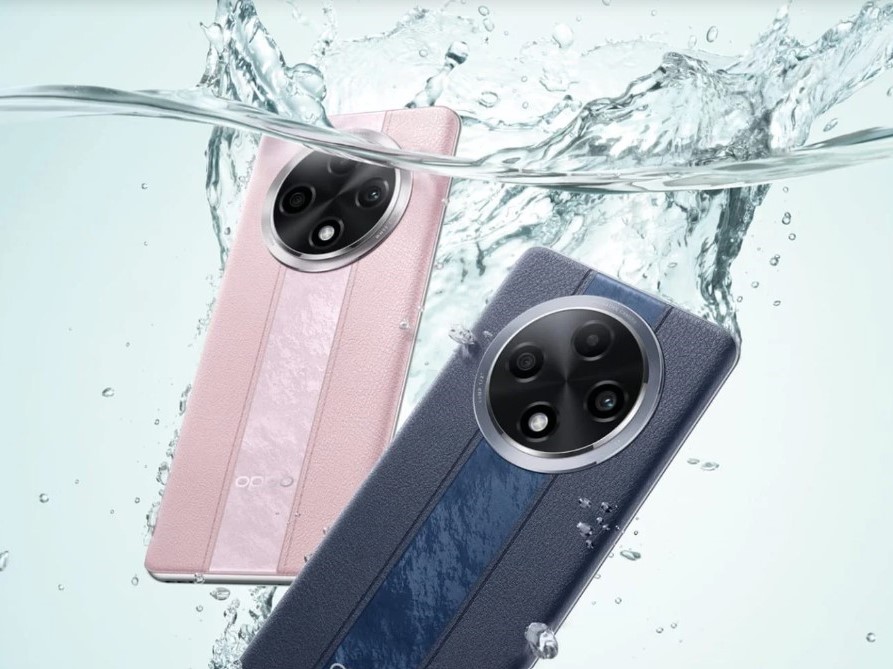
In related news, Oppo is preparing to debut the Oppo F27 Pro Series smartphones on June 13 in India. The series will feature two devices: Oppo F27 Pro and F27 Pro+. The F27 Pro+ is expected to be a rebranded version of the Oppo A3 Pro. The main attraction of this mid-range device will be its vegan leather design and its IP69 lever water and dustproofing. More details will be revealed as we get closer to the launch date, so stay tuned.
As Father’s Day 2024 approaches, it’s the perfect time to show our appreciation and love for the incredible men in our lives. This year, make your Father’s Day gift truly special with the LONGER Ray5 20W Pro Max Set Laser Engraving Machine, now available at an exclusive discount.
Laser engraving is a cutting-edge technique that allows for precise and detailed customization on a variety of materials. With the LONGER Ray5 20W, you can etch designs, text, or images onto wood, glass, metal, acrylic, leather, and more, delivering unmatched accuracy and detail. This versatility means you can create personalized gifts that reflect your heartfelt appreciation, from elegant wooden plaques to custom jewelry.
One of the standout features of the LONGER Ray5 20W is its large working area of 400 x 365 mm, which, combined with its ultra-fine 0.08 x 0.1mm laser spot size, makes it perfect for detailed work on various materials. Whether you’re crafting a unique piece of artwork or a personalized keepsake, the Ray5 20W ensures that every detail is captured with precision.
Speed is another key advantage of the LONGER Ray5 20W. Capable of reaching speeds up to 10,000mm/min, this machine allows you to complete projects quickly and efficiently. This is especially beneficial if you’re working on last-minute Father’s Day gifts or handling bulk orders. The powerful 20W optical output and advanced engraving technique using four diode lasers with FAC technology enable deep, precise cuts and engravings, making even the most complex designs achievable.
The customization options offered by the LONGER Ray5 20W are virtually endless. Whether you’re creating multi-color designs on metal surfaces or intricate patterns on wood and acrylic, this machine can handle it all. Its capability to cut 25mm pine wood, 35mm acrylic, and even 0.05mm stainless steel in a single pass showcases its versatility and power. This makes it a perfect tool for turning your creative ideas into reality.
Safety is a top priority with the LONGER Ray5 20W. The machine is equipped with movement detection, emergency stops, and safety glasses, ensuring a safe working environment. It meets FDA Class II safety standards, providing peace of mind while you work on your projects. This makes it a reliable and safe tool for all your engraving needs.
Exclusive Father’s Day Sale:
From June 5th to June 19th, 2024, LONGER is offering an exclusive Father’s Day sale. During this period, you can save up to $1020 on your purchase, with the LONGER Ray5 20W Pro Max Set available at a 45% discount. This makes it the best laser engraver deal of the season and an opportunity not to be missed.
The LONGER Ray5 20W is more than just a piece of equipment; it is a tool for creating beautiful, lasting memories. Imagine being able to etch your precious moments with your father permanently onto various materials, making this gift a treasure trove of memories for both of you. This Father’s Day, give a gift that combines creativity, precision, and heartfelt sentiment with the LONGER Ray5 20W Laser Engraving Machine.
Ubisoft has released the highly anticipated Assassin’s Creed Mirage for Apple’s latest iPhone and iPad models. This release signifies the growing power of mobile devices, allowing players to experience AAA titles previously exclusive to consoles and PCs.
A Familiar Assassin’s Creed Experience on Mobile
The game is playable on the iPhone 15 Pro and iPhone 15 Pro Max, leveraging the powerful A17 Pro chip. This chip boasts hardware-accelerated ray tracing and mesh shading, technologies crucial for rendering console-quality graphics. Additionally, select iPad models equipped with the M1 chip or later, including the iPad Air and iPad Pro, can run Assassin’s Creed Mirage.
In Assassin’s Creed Mirage, players step into the shoes of Basim, a cunning street thief haunted by visions, seeking answers and justice in 9th-century Baghdad. Following a vengeful act, Basim finds refuge with the mysterious Hidden Ones. As he delves into their secrets and hones his skills, he uncovers a new purpose that will redefine his destiny.
The mobile version features intuitive touch-based controls, with the added benefit of supporting external controllers for a more familiar console-like experience. Be mindful of the download size, though. While the App Store listing might say 5.1 GB, reports suggest the actual download can reach up to 10.21 GB on iPhones and over 11.9 GB on iPads. Make sure you have enough storage space before diving in.
Ubisoft is offering a 90-minute free trial, allowing players to experience the beginning of the game’s story before committing to a purchase. To unlock the full experience, players can make a single in-app purchase of $49.99. Ubisoft is offering a limited-time 50% discount until June 20th, bringing the price down to $24.99 to celebrate the launch.
It’s worth noting that regional pricing may differ. In India, for instance, the launch discount brings the price down to Rs 1,749, which is even cheaper than the discounted US price. After the promotion ends, the price will increase to Rs 3,498, which is still more affordable than the standard US price.
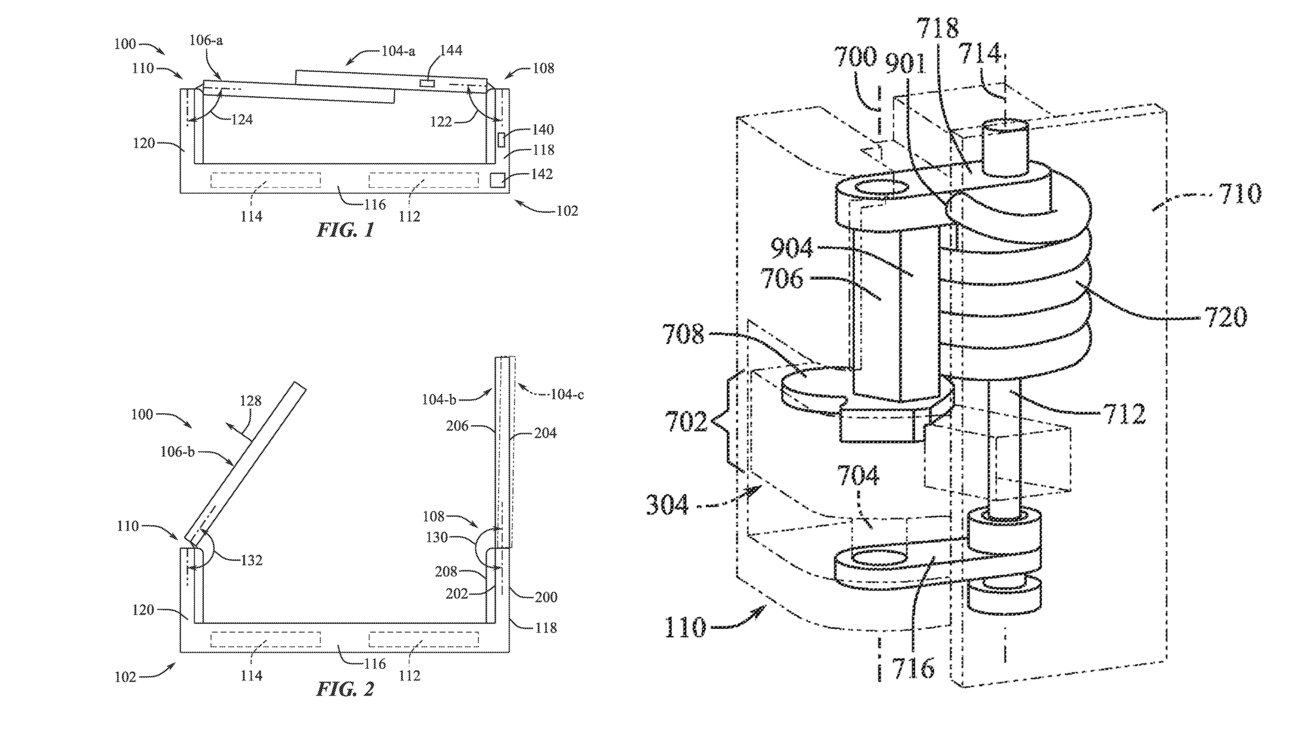
Apple might be reviving its smart glasses project, codenamed Apple Glass. A new patent application hints at a hinge mechanism designed specifically for eyewear, potentially for the rumored AR glasses. This news comes after the launch of the Apple Vision Pro, a high-tech headset focused on augmented reality experiences. While the Vision Pro offers a powerful AR solution, rumors suggest Apple Glass is aiming for a different approach.
The “Dual-Axis Hinge Mechanism” allows the glasses arms to fold in different ways
The patent describes a “Dual-Axis Hinge Mechanism” that allows the glasses’ arms to fold and unfold in various ways. This includes a wider-than-usual open position, which could benefit users with larger heads or improve durability when opening the glasses.
The design also prioritizes protecting the glasses’ electronic components when folded or in their standard open position. Additionally, the hinge automatically locks into specific positions and applies a comfortable “clamping force” to fit various head shapes.
Another interesting detail is the mention of cables routed through the hinge, potentially for connecting speakers in the earpieces or other components located on the arms. This further reinforces the idea of a glasses-like form factor as opposed to a head-strapped device like the Vision Pro.
It’s important to remember that patents don’t guarantee a product will ever see the light of day. However, this filing offers a glimpse into Apple’s research and development efforts, suggesting they might be revisiting the smart glasses concept with a focus on comfortable wearability and a potentially more streamlined design.
E-commerce giant Amazon is expanding its reach in India by acquiring key assets of the popular video streaming service MX Player from Times Internet. It seems that the company is trying to strengthen its presence in the crucial Indian market.
MX Player’s previous valuation was $500 million
The deal, valued at less than $100 million, marks a significant drop from MX Player’s previous valuation of $500 million. Amazon will retain the MX Player branding and is expected to absorb some of MX Player’s key executives.
MX Player offers Amazon a valuable distribution and marketing partner. The Indian streamer boasts a strong presence in smaller locations where Amazon’s e-commerce platform has yet to fully establish itself. This acquisition could bridge the gap between Amazon and these potential customers.
For MX Player, the story is one of strategic shift. Acquired by Times Internet in 2018 for $140 million, the app initially focused on video playback functionality, particularly supporting various video formats compatible with affordable Android devices. Times Internet then broadened MX Player’s scope, transforming it into a full-fledged video streaming platform with licensed content, original shows, and even games.
This acquisition isn’t the first time MX Player has been in the spotlight. In 2022, Sony explored a potential merger but those efforts stalled. Now, under Amazon’s umbrella, MX Player will hopefully leverage Amazon’s resources and potentially reach new audiences.
The Indian video streaming market is dominated by Reliance and Disney, who together control over half of the market share. Amazon’s acquisition of MX Player, with its 15% market share according to UBS, is a strategic move to challenge this dominance. While Netflix and Prime Video currently hold a smaller share, Amazon’s investment in MX Player suggests they are determined to be a major player in the Indian streaming landscape.
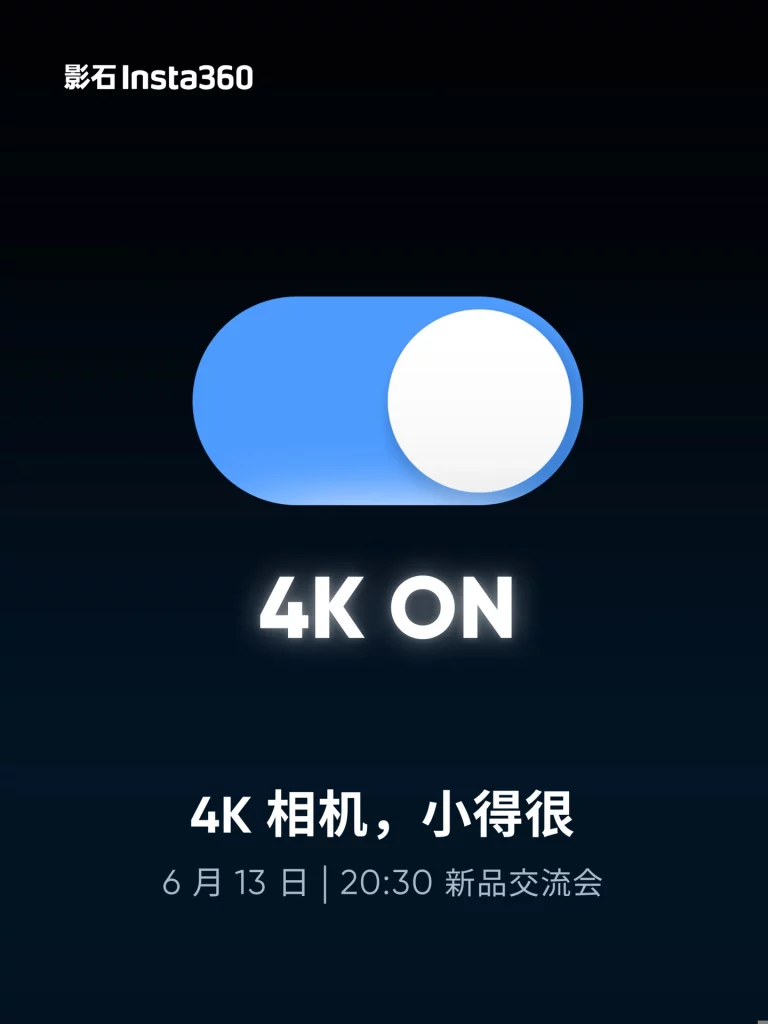
Insta360 is gearing up to release a new camera on June 13th, and rumors suggest it might be the GO 3S, a successor to their popular Insta360 GO 3 sports camera.
The new camera may be a successor to the Insta360 GO 3 Sports camera
While details remain under wraps, the 4K resolution hints at a potential mid-range offering compared to Insta360’s recently launched X4, boasting high-resolution 8K capabilities. The X4, released in April for 3,499 yuan, positions itself as a premium action camera for capturing ultra-detailed footage. The upcoming 4K model is likely to be priced more competitively.
Insta360 has carved a niche in the camera market with its innovative 360 cameras and action cams. The Insta360 GO 3, for instance, is a tiny, waterproof action camera known for its wide field of view and stabilization features. It’s a popular choice for capturing POV (point-of-view) footage or for situations where a traditional camera might be cumbersome.
With little information available yet, speculation is swirling around the features and design of the upcoming 4K camera. Will it offer improvements over the GO 3, or will it be an entirely new camera line? We’ll have to wait until June 13th for the official reveal from Insta360 to know for sure.
Oppo has a new smartphone series on the way to the Indian market called the Oppo F27 Pro series. It is expected to come with two models called the Oppo F27 Pro and F27 Pro+.
The brand has confirmed June 13 as the launch date. In this article, we will discuss if these are devices that you should be on the lookout for.
The design of the Oppo F27 Pro series, in particular the F27 Pro+ is identical to the Chinese Oppo A3 Pro. The phones feature a vegan leather back design accompanied by a circular camera island. While on the front, it is expected to come with a curved AMOLED display measuring 6.7 inches, offering a Full HD+ resolution with 120Hz refresh rate.
2. Key selling point
The key selling point of these upcoming smartphones, other than their elegant look is their ruggedness. The Oppo F27 Pro series will be India’s first IP69 water and dust resistance-certificated smartphones.
For those who are not familiar, IP69 is the highest level of protection against solids and liquids. Devices with an IP69 rating are engineered to function in extremely harsh conditions, including environments with frequent exposure to water, dust, and debris. This of course comes in addition to the ability of being submerged under water for long periods.
If that is not rugged enough, the front of the device will be protected by the latest Corning Gorilla Glass Victus 2. Victus 2 is the glass that is currently being used on all smartphones. This glass is made to survive a 3-foot fall onto hard surfaces like concrete and up to 6.5 feet on surfaces like asphalt.
3. Performance
Under the hood, the Oppo F27 Pro+ is expected to be equipped with the MediaTek Dimensity 7050 SoC. This chip was launched in May 2023 and features two Cortex-A78 cores clocked at 2600 MHz and 6 Cortex-A55 cores clocked at 2000 MHz. It is built using a 6-nanometer process. The chip will be coupled with LPDDR4X RAM and UFS 3.1 storage.
In terms of performance, we can expect it to score around 545,000 points on AnTuTu. The Oppo F27 Pro+ was also recently spotted on Geekbench 6 with 886 points in the single-core test and 2305 points in the multi-core test. What this means is that you won’t face any lag or stutter issues in day-to-day tasks.
4. Optics
In the camera department, the F27 Pro+ is expected to feature a 64 MP main camera with ƒ/1.7 aperture and AF autofocus. The second camera on the back will likely be a 2 MP portrait lens with fixed focus. On the front, the device will come with a basic 8 MP camera with ƒ/2.0 aperture. The phone will likely offer modes like portrait, night scene, ultra-clear picture quality, panorama, slow motion, time-lapse photography, and multi-scene recording.
5. Battery & other features
The battery of these devices could be around 5,000 mAh in capacity with support for 67W fast charging. Other than that, the device will likely offer an in-display fingerprint scanner, and Bluetooth 5.3.
6. Verdict
While the device is not that special in terms of specifications, what makes it unique is its design and ruggedness. If you are in the market for a premium-looking mid-range smartphone that can take some abuse, then it is worth waiting for the Oppo F27 Pro series.
As Father’s Day draws near, many of us face the annual challenge: how to find a gift that genuinely reflects our appreciation for Dad. While ties and watches are popular choices, they often feel too routine to fully convey our feelings. This year, consider something more distinctive and meaningful.
Handcrafted gifts have a special place in a father’s heart. Whether it’s a custom wooden plaque, a personalized leather wallet, or a handcrafted keychain, these gifts go beyond their monetary value, showcasing your love and effort. The Longer Laser B1 40W is the perfect tool for creating these heartfelt items, making this Father’s Day truly unforgettable.
Incredible Savings
The LONGER Father’s Day Sale, running from June 5th to June 19th, offers substantial discounts on the Longer Laser B1 40W. With potential savings of up to $1020 and up to 59% off on the Pro Max Set, this sale is a fantastic opportunity to give your father a memorable gift that demonstrates your genuine appreciation.
Superior Engraving Performance
The Longer Laser B1 40W, featuring advanced spot compression technology, can easily engrave various materials, such as 0.15mm thick stainless steel and 50mm thick black acrylic. Its powerful 8-core diode laser, with an output of 44-48W, ensures precise and intricate engravings, elevating the quality of your gifts.
Fast and Efficient Operation
Time is of the essence when crafting the perfect gift. The Longer Laser B1 offers an impressive engraving speed of up to 36,000 millimeters per minute, enabling you to complete your projects quickly without sacrificing quality. This high-speed capability is driven by a 32-bit chipset, ensuring smooth and efficient performance.
Ample Engraving Space
The machine provides a spacious engraving area of 450mm x 440mm, suitable for both large and small projects. This generous workspace allows your creativity to shine, whether you’re working on a sizable decorative piece or multiple smaller items simultaneously. The Longer Laser B1 accommodates all your creative needs.
Collaborative Creativity with Dad
One of the most rewarding aspects of the Longer Laser B1 is the opportunity to work together with your dad. Creating unique gifts as a team not only strengthens your bond but also adds sentimental value to the items you make. These collaborative projects become cherished memories, enhancing your Father’s Day celebration.
Comprehensive Safety Features
Safety is a top priority when using powerful tools. The Longer Laser B1 includes eight layers of safety protection and a robust framework, ensuring high safety standards. This allows you to focus on your creative endeavors with confidence, knowing the machine is designed to keep you safe.
Fathers often serve as selfless providers, offering unwavering support and love. When we give them gifts made with thought and effort, their joy is immeasurable. The Longer Laser B1 40W ensures that your gift-making process is efficient, safe, and full of creative potential.
Longer Laser B1 40W is an exceptional tool for crafting personalized, heartfelt gifts for Father’s Day. Combining advanced technology with user-friendly features, it is an excellent choice for anyone looking to make this Father’s Day special. Don’t miss the opportunity to take advantage of the LONGER Father’s Day event and give your dad a gift that truly expresses your love and appreciation.
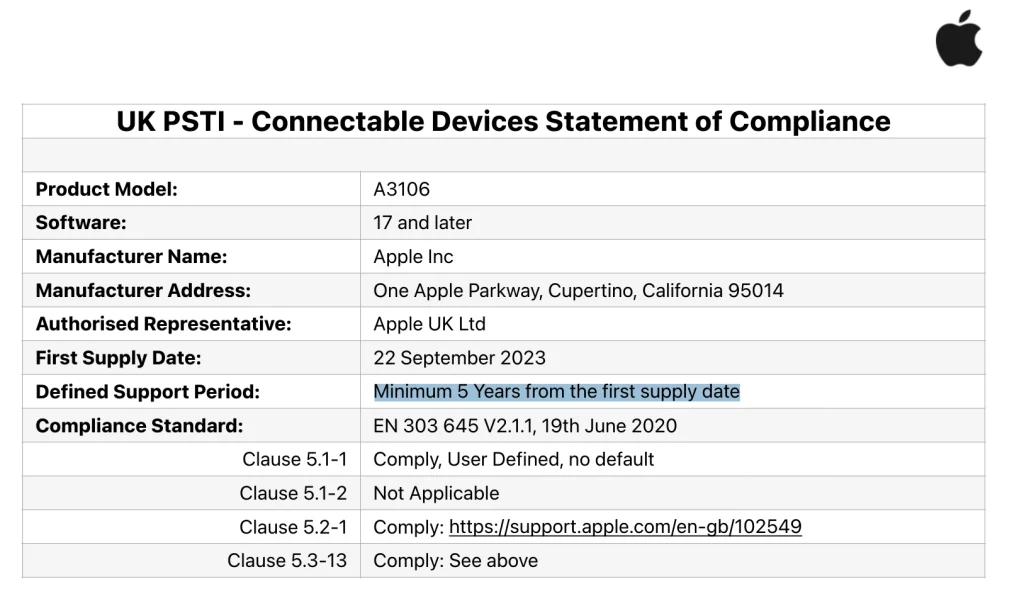
Apple’s iPhones have been widely known for their extended software support policy. The Cupertino-based tech giant usually provides OS updates for five years with some models surprisingly getting extended updates for few more years. Notably, the company never explicitly revealed the guaranteed years of software support. That is until today. The new UK regulations have forced Apple to announce the minimum number of years it will provide software support for its iPhones.
Apple confirms software support policy for iPhones
Samsung and Google announced seven years of software updates for their latest-generation flagship Galaxyx S24 series and the Pixel 8 series. Now, for the first time ever, Apple has officially revealed that it will provide software updates for a minimum of five years from the first supply date. The supply date refers to the first sale date of the device. It also confirms that the iPhone 15 series will be eligible to receive updates till September 2028 meaning that it will likely get iOS 22.
Apple’s five-year minimum software support policy is two years less than the company’s competitors. However, the keyword is ‘minimum’ so the company can go beyond the minimum window in releasing updates. Apple has done this plenty of times in the past. It’s not like the company will end software support after five years. The Cupertino-based tech giant does not differentiate its iPhone models into flagship and mid-range offerings, unlike most Android brands. Each device is eligible to receive the same number of software support.
The seven-year software support from Samsung and Google is only for top-tier flagship devices. The mid-range phones often get up to three years of updates. So, it seems that Apple still has an edge in the software support policy despite the longer support offered by its competitors.
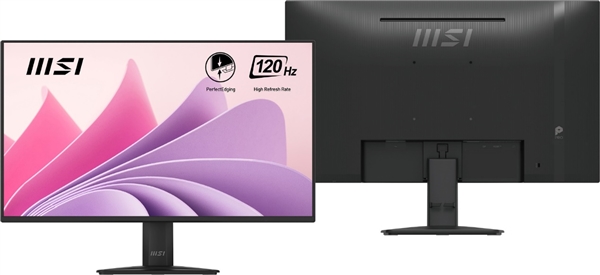
At Computex 2024 in Taipei MSI showcased a series of 120Hz commercial monitors – the MSI PRO MP252 E2 and PRO MP271AP E2.
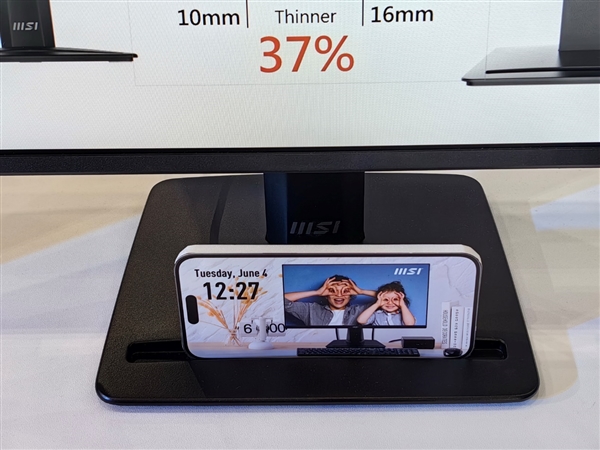
The monitors come with a stylish and lightweight design with narrow bezels. The PRO MP series has 37% slimmer lower borders, which further improves the look. Both monitors offer 1 millisecond MPRT response time, FHD resolution and also support HDR.
PRO MP252 E2
The PRO MP252 E2 comes with a 24.5-inch display and 2 x 2W speakers. For connectivity, you get HDMI 1.4b, and DisplayPort 1.2a, alongside a 3.5mm headphone jack.
PRO MP271AP E2
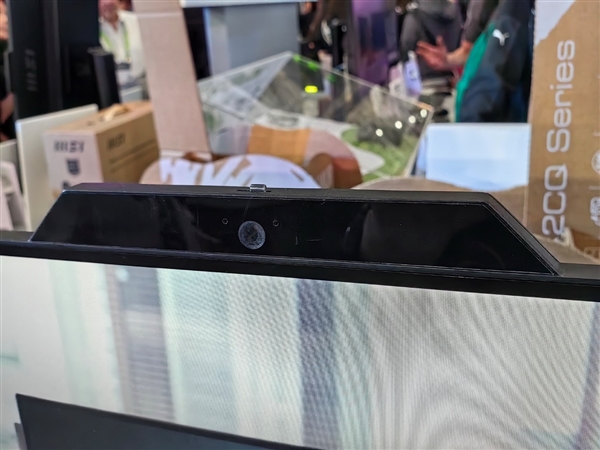
The PRO MP271AP E2 is slightly bigger and the display measures 27-inches. Alongside the 2 x 2W speakers this one also offers an FHD webcam, which is very convenient if your workflow includes video conferencing.
It also equips a VGA (some entry-level motherboards without a DP or HDMI port will benefit from it) and 2 x USB 2.0 Type-A alongside the HDMI 1.4b, DisplayPort 1.2a ports.
PRO MP275QDG
This is also measured at 27-inches, but offers a higher 2560×1440 resolution. It supports 100Hz refresh rate and 1ms MPRT response time.
For connectivity you get:
2 x HDMI 2.0b
4x USB 3.2 Gen 1
1x DP 1.2a input
1x DP output
1x RJ-45
A special offering of this one is Type-C 98W PD power supply to your supported device. It also offers a built-in webcam.
PRO MP245PG
This one measures at 23.8-inches, offers a FHD panel, and supports 100Hz refresh rate. It also offers 1ms MPRT response time, and supports MSI Power Link. For connectivity it offers HDMI 1.4b, DisplayPort 1.2a, and a VGA port.
There are a couple of notable features in the two monitors:
The series comes with an eye safety feature that reminds users to take a break from time to time. It can be beneficial for people who suffer from eye strain due to staring at a screen for a long time. The monitor also boasts flicker-free and low blue light certification that should be helpful in reducing the risk of such issues.
You can mount a mini PC on the back of this monitor, which will save some space on your desk and also offer a cleaner look. On top of that, the monitors also support Power Link, which means you can turn your mini PC on or off without having to reach its power button.
In addition, the stand also equips an accessory slot that can hold your phone. The slot is 189 mm wide and has a depth of 12.9mm. For context, the Galaxy S24 Ultra (162.3mm) or the Nubia Z60 Ultra (164mm) will fit in the space without any issue.
Xiaomi recently launched the Smart TV A Series 2024 edition in India. Now, the company’s sub-brand Redmi has also announced a refreshed version of its Redmi Smart Fire TV 32-inch that debuted last year. The 2024 edition retains the same specifications and features but is available at a cheaper price tag. Read on to know what the Redmi Smart Fire TV 32 2024 edition offers out of the box.
Redmi Smart Fire TV 32 2024 edition specifications
The Redmi Smart Fire TV 32 2024 edition has a 32-inch display bearing a resolution of 1366 x 768 pixels. There is a 60Hz refresh rate, a 6.5ms response time, and Vivid Picture Engine for realistic and immersive viewing. The television features a premium metal design with narrow bezels on three sides. On the audio front, the Redmi Smart Fire TV 32 2024 is equipped with two 10W speakers producing a sound output of 20W. There’s support for Dolby Audio, DTS-HD, and DTS Virtual: X.
Under the hood, the Redmi Smart Fire TV 32 2024 Edition is equipped with a quad-core processor comprising of four A35 cores and a Mali G31 MP2 GPU. It packs 1GB RAM and 8GB internal storage. The television runs on Fire OS 7 with over 12,000 apps, live TV channels, parental controls, and data monitoring. It ships with a bundled remote control that features a dedicated Alexa button and OTT hotkeys for quicker access.
Connectivity options on the Redmi Smart Fire TV 32 2024 include dual-band WiFi, Miracast, AirPlay, Bluetooth 5.0, two USB 2.0 ports, and HDMI ports.
The Redmi Smart Fire TV 32 2024 carries a price tag of Rs 11,999. There is an instant bank discount of Rs 1,000. The television can be purchased starting June 11 from the company’s official website, Amazon, and Flipkart.
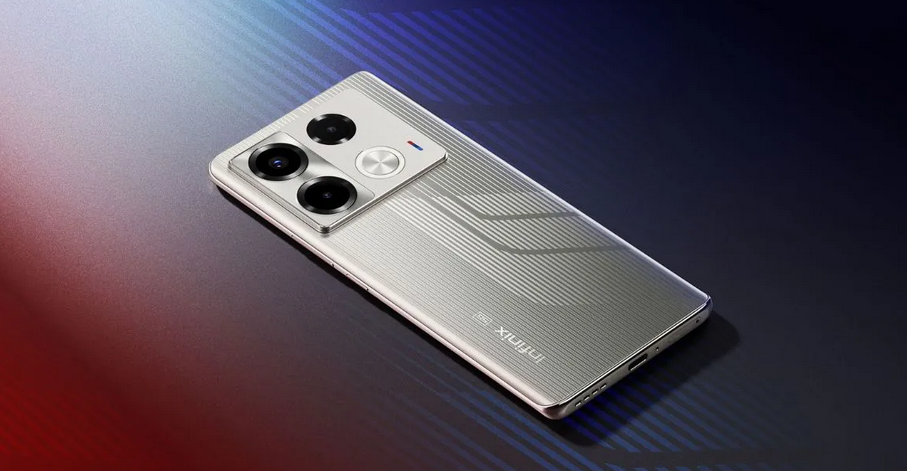
Infinix recently teased the arrival of new special edition models of its Note 40 series. Now, the company has officially announced the Infinix Note 40 series Racing Edition with a special new design. So what’s new and what’s different? Let’s have a look.
Infinix Note 40 Series Racing Edition Launch
The company has just unveiled the Note 40, Note 40 5G, Note 40 Pro, Note 40 Pro 5G, and Note 40 Pro+ 5G in the Racing Edition. These special edition models arrive in collaboration with BMW Group Designworks. This means that the Wing of Speed design makes in appearance with the iconic lines flowing across the rear of the device. The lines create grooves like tiny ridges to help offer better grip. These were made using an advanced UV transfer printing process.
All five smartphones in the Racing Edition lineup come with a silver color option along with a glossy finish. That’s not all, the easily recognizable tri-color is also present on the rear camera module. The Infinix Note 40 series Racing Edition also brings some changes in software as well. You now get exclusive wallpapers and UI elements that are inspired by racetracks.
Pricing and Availability
Apart from all the design changes, the internals have remained basically the same as the regular Infinix Note 40 lineup. So now, here are all the details regarding its pricing and availability:
Infinix Note 40 Racing Edition – Starting price tag of 209 US Dollars
Infinix Note 40 5G Racing Edition – Starting price tag of 259 US Dollars
Infinix Note 40 Pro Racing Edition – Starting price tag of 279 US Dollars
Infinix Note 40 Pro 5G Racing Edition – Starting price tag of 309 US Dollars
Infinix Note 40 Pro+ 5G Racing Edition – Starting price tag of 329 US Dollars
The new limited edition devices will be available globally starting today (6th June 2024).
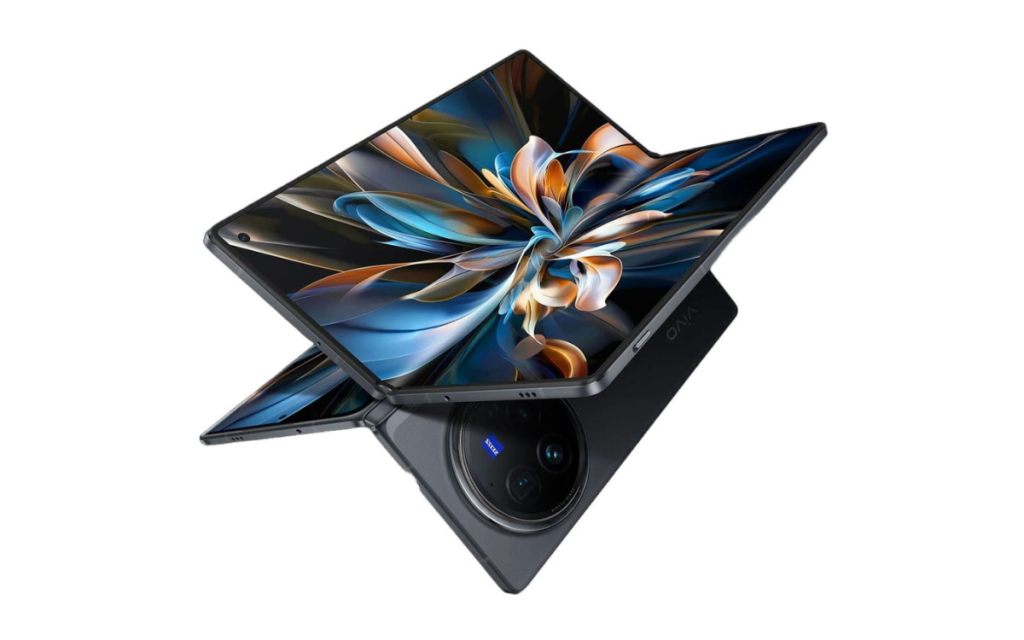
The Vivo X Fold 3 Pro has entered the Indian market today, boasting cutting-edge foldable technology and powerful specifications. The smartphone first launched in China back in March this year. Let’s delve into the details of its price, available variants, and enticing launch offers.
In India, the Vivo X Fold 3 Pro is available in a single variant with 16GB of RAM and 512GB of internal storage. This high-end configuration comes with a price tag of Rs. 1,59,999 ($1916). While this may seem steep, it aligns with the premium nature of foldable smartphones.
It’s worth noting that in China, the phone is also offered with a 1TB storage option, but as of now, this variant has not been introduced in India. It remains to be seen if Vivo will expand the storage options in the Indian market in the future.
The Chinese variant of the Vivo X Fold 3 Pro comes in two configurations. The 16GB + 512GB variant is priced at 9,999 yuan ($1,380) while the 16GB + 1TB variant is priced at 10,999 yuan ($1,518).
The Indian variant is available in Celestial Black, while the Chinese variant comes in Eclipse Black and Solar White.
2. Launch Offers in India
To sweeten the deal for early adopters, Vivo has rolled out a range of attractive launch offers for the X Fold 3 Pro in India:
Instant Discount: Customers can avail a flat Rs. 15,000 instant discount on their purchase using ICICI, SBI, HDFC, AMEX, or HSBC bank cards. This significantly reduces the effective price of the phone.
Free Screen Replacement: Vivo is offering a one-time free screen replacement, which is a valuable perk considering the delicate nature of foldable displays.
No-Cost EMI: Buyers can opt for no-cost EMI options for up to 24 months, making the phone more affordable through monthly installments.
Exchange Bonus: Vivo is providing an exchange bonus of up to Rs. 10,000 for those who trade in their old smartphones, further lowering the cost.
V-Shield Protection: Customers can also get a 20% discount on V-Shield protection, adding an extra layer of security to their investment.
3. Availability
The Vivo X Fold 3 Pro is available for pre-booking starting June 6th, 2024, and will officially go on sale from June 13th. You can purchase it from the Vivo India eStore, Amazon.in, Flipkart, and select offline stores.
Additionally, Vivo is launching a 50W wireless charger priced at Rs. 5,599, which will be available from June 17th through the Vivo India eStore and offline stores.
4. Comparison with Chinese Launch
The Vivo X Fold 3 Pro was initially introduced in China in March 2024, with a slightly different set of variants and pricing. The Chinese market had the option of a 16GB/1TB model alongside the 16GB/512GB variant, offering more storage choices for users.
Furthermore, the Chinese launch saw slightly lower prices for both variants compared to the Indian pricing. This discrepancy is often attributed to factors like import duties, taxes, and regional market dynamics. Additionally, the key distinction lies in the operating system, with the Chinese variant running on OriginOS 4, while the Indian version features Funtouch OS 14.
5. Quick Specifications
Vivo X Fold 3 Pro boasts an 8.03-inch 2K+ inner foldable screen and a 6.53-inch FHD+ outer display, both with 120Hz refresh rates. Under the hood, it’s powered by the Snapdragon 8 Gen 3 chip, paired with Adreno 750 GPU.
The camera system includes a 50MP main sensor with OIS, a 50MP ultrawide, and a 64MP telephoto lens. Dual 32MP selfie cameras cater to both the inner and outer displays. A large 5700mAh battery supports 100W wired and 50W wireless charging.
6. Conclusion
The Vivo X Fold 3 Pro has undoubtedly generated excitement in the Indian smartphone market with its innovative design, powerful specifications, and competitive pricing. The launch offers further amplify its allure, making it a compelling option. While the single variant and relatively high price might be potential drawbacks for some, the overall package presented by the X Fold 3 Pro is undeniably impressive. As the device becomes available for purchase, it will be interesting to see how it fares in the Indian market and whether it can carve a niche for itself among the growing number of foldable smartphones.
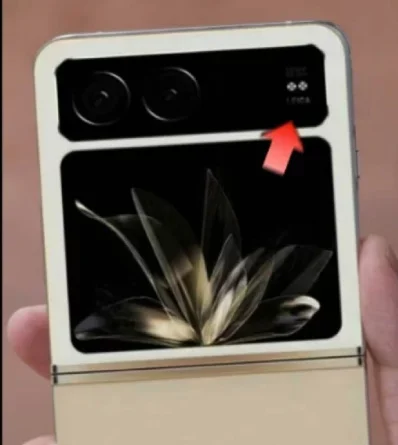
Xiaomi‘s next-gen flip phone is in the works, and a fresh certification sighting hints that the Mix Flip announcement could be near. The upcoming foldable device was spotted on the IMDA listing, which is a certification in Singapore. So here is everything you need to know.
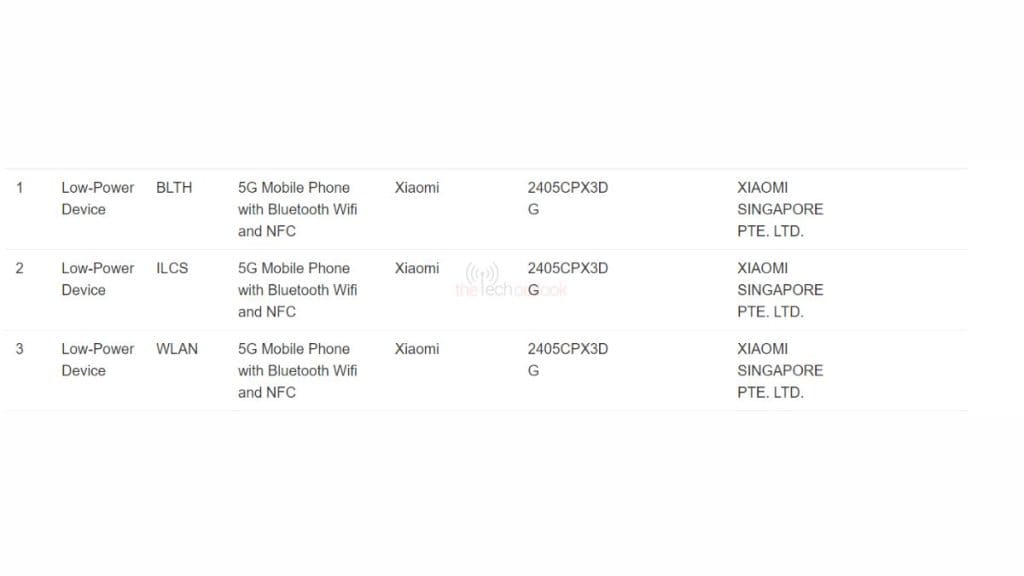
Xiaomi Mix Flip visits IMDA
The Chinese tech giant’s Mix Flip was spotted on the IMDA database carrying the 2405CPX3DG model number. The flip phone is listed as a “5G Mobile Phone with Bluetooth, WiFi, and NFC.” This device appears to be the global variant, considering it surfaced outside of the brand’s home market of China. The Xiaomi Mix Flip is expected to offer NFC support as well. To recall, the smartphone is a pure flagship
Just recently, the upcoming Mix Flip was spotted on the IMEI database alongside the Xiaomi 14T and the Xiaomi 14T Pro smartphone models. Based on what we know so far, the next-gen Mix Flip will likely feature flagship grade specs and features. So we can expect the Qualcomm Snapdragon 8 Gen 3 SoC under the hood. A 4,800mAh or 4,900mAh battery pack could power this device. Thanks to a 3C certification sighting, we know that this model may support 67W fast charging.
According to tipster Digital Chat Station, the Xiaomi Mix Flip could support two way satellite connectivity that allows users to send SOS signals for emergencies. An earlier leak also revealed the design of the smartphone, showcasing a primary display with ultra slim bezels on the front, which may offer a 1.5K resolution. Camera specifications of the device have been revealed as well. The primary sensor on the back has a 50-megapixel shooter that may be accompanied with a 60-megapixel telephoto Omnivision OV60A sensor that offers 2x zoom. Meanwhile, the front packs a 32-megapixel selfie shooter.
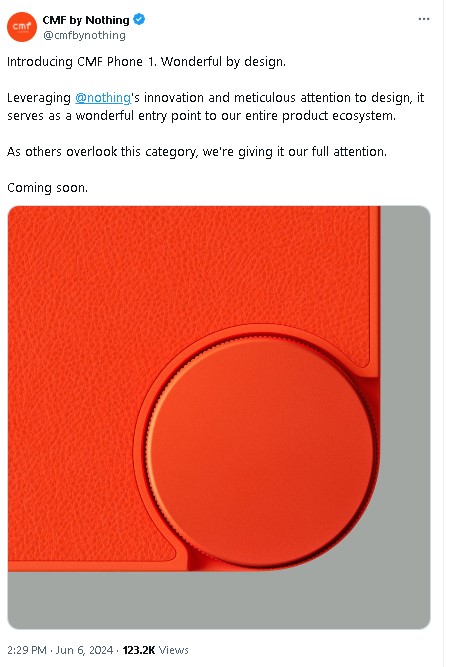
Earlier today, Nothing CEO Carl Pei dropped a hint at the Phone (3)’s launch being pushed to 2025. Now, the company’s sub-brand CMF has confirmed the launch of its first smartphone. It is called the CMF Phone 1. The teaser image gives us a slight glimpse at what to expect from the upcoming device. For those unaware, CMF by Nothing is catered towards the affordable segment. The key specifications of the sub-brand’s first smartphone were leaked previously.
CMF Phone 1 is indeed launching soon
In a tweet, CMF says that its first smartphone is wonderful by design. It will leverage Nothing’s innovation and meticulous attention to design. The Nothing sub-brand is focusing on this in a segment that is overlooked by other OEMs. The CMF Phone 1 will serve as an entry point to the company’s entire product ecosystem. This suggests that it will be an affordable smartphone.
However, one should not expect a similar design on the CMF Phone 1 as Nothing’s smartphones. The teaser image confirms that it won’t feature a transparent back panel and the Glyph interface either. Instead, the upcoming offering is seen with a leather-textured back panel in an Orange shade that is found on the sub-brand’s devices. There is also a dial on the bottom right side of the device. It is similar to the one found on the Neckband Pro. Its functionality on the smartphone remains unclear as of now.
The CMF Phone 1 is confirmed to be available from Flipkart in India similar to other devices.
Leaked specifications of the CMF Phone 1 revealed a 6.7-inch 120Hz OLED display, a 50MP rear camera, and a 16MP selfie snapper. The upcoming offering is rumoured to be powered by a Dimensity 7200 SoC paired with up to 8GB RAM and 256GB storage. The device is expected to be priced between $249 to $279 and could launch next month.
The latest leak about Samsung‘s upcoming Galaxy Watch lineup sheds light on the key specifications of both the standard Galaxy Watch 7 and the Galaxy Watch Ultra.
The leak coming from usually reliable Android Headlinesreveals that the Galaxy Watch 7 will stick with the 40mm and 44mm sizes as its predecessor, the Galaxy Watch 6. It will be available in green and cream colors.
The build quality seems to be getting an upgrade, with the Galaxy Watch 7 featuring Armor Aluminum 2 for the case and a Sapphire Crystal display which will offer 2000 nits of peak brightness, plenty for outdoor use.
Durability specifications remain unchanged though, with the same 5ATM and IP68 ratings for water and dust resistance as the Watch 6. And there won’t be any change in terms of battery capacities.
The smaller 40mm model of the Galaxy Watch 7 will get a 300mAh cell while the 44mm variant will be fitted with a 425mAh battery.
The most notable upgrade for the wearable could come in the form of a new 3nm processor. Storage capacity is also rumored to be doubled to 32GB, offering more space for music and apps.
As for the Ultra model, Samsung is improving its durability with a titanium case, a 10ATM water resistance rating, and compliance with the MIL-STD-810H military standard for toughness.
The Watch Ultra will be available in a single 47mm option with a rumored battery capacity of 590mAh. Color options will include gray, silver, and beige.
The Ultra model will also get the same processor and storage treatment as the vanilla Watch 7, but Samsung will bump the screen’s brightness to 3000 nits. It will also have an extra button (Quick button) compared to the standard Watch 7 which will keep the Home and Back buttons.
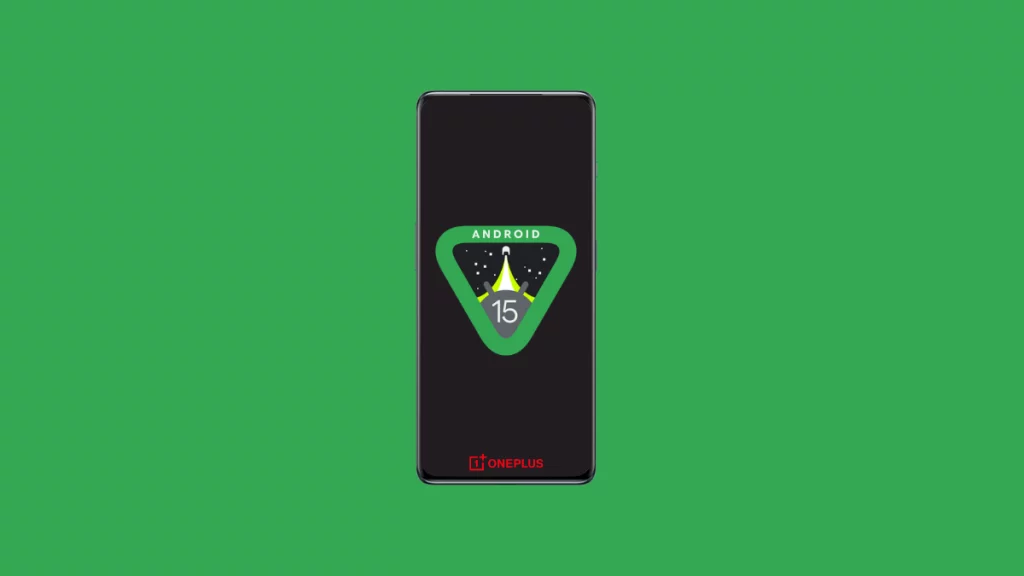
Android 15 is through its final stages of development as it’s nearing the platform stability phase for the final touches before it is released publicly. It will bring plenty of exciting features such as satellite connectivity, private space, app archiving, and more.
Like every year, many Android devices will reach their end of support for the major Android updates this year as well. Here, we have jotted down a list of OnePlus phones and tablets that will receive Android 15-based OxygenOS 15 as their final major upgrade.
Go through the list below to determine if you’ll need to upgrade to a newer model next year to continue receiving the latest features and enhancements.
OnePlus Devices That Won’t Get Any Major Updates After Android 15
OnePlus 10 Pro
OnePlus 10T
OnePlus 10R
OnePlus 10R 150W
OnePlus Nord N30 SE
OnePlus Nord CE 3
OnePlus Nord CE 3 Lite
OnePlus Pad Go
These devices will get the Android 15 update but it’ll be the last of such kind. They are likely to miss out on future OS upgrades post Android 15.
We have prepared this list by taking into account the software update policy for the OnePlus phones and tablets. Yes, this isn’t an official list, but it’s unlikely to change unless OnePlus makes any changes to its software update policy.
OnePlus offers generous software support for its phones and tablets. Their high-end phones get four years of OS updates and five years of security updates. The newer Nord models, including the OnePlus Nord 3, promise 3 OS updates, while the older models get two.
The OnePlus Nord N and Nord CE series models typically get two generations of Android updates.
OnePlus had a decent software policy for its phones. However, the extended support for newer models has made it one of the best smartphone brands in terms of software update policy.
Last year, Google announced the Pixel 8 series with 7 years of Android update support, setting a new benchmark. Samsung quickly followed this up by offering the same software support for its flagship Galaxy S24 series.
OnePlus has a completely different take on providing extended software support to its devices. In an interview with Tom’s Guide, OnePlus President Kinder Liu explains, “Simply offering longer software update policies completely misses the point. It’s not just software update policies that are important to the user, it’s the fluency of your phone’s user experience too.”
So, don’t expect extended software support from OnePlus, at least not in the near future. However, four OS updates aren’t bad either, which many brands struggle to offer.
Before I wrap up this post, let’s quickly take a look at the big changes coming in Android 15.
Android 15: What’s So Exciting About It?
The new OS is confirmed to support Satellite Connectivity, allowing users to send texts even if there are no cell towers nearby. It supports SMS, MSS, as well as preloaded RCS apps. This means, it’ll not be limited to emergency uses only.
Android 15 will let users choose a default note-taking app from Settings. It can use Android’s Content Capture API to capture all or part of the screen for insertion into a note. You’ll also be able to save your favourite split-screen combination for quicker access. A shortcut will be created on the home screen to instantly open both apps in the split-screen mode.
Taking inspiration from Samsung, Android 15 adds Private Space to protect your sensitive files and apps with an additional layer of security. This is similar to the Secure Folder on Samsung phones. This new feature creates a separate space hidden from the regular space. You’ll be able to use a different Google account and a different lock screen for better security.
Google has already bought the app archiving feature via the Google Play Store. It lets your unarchive apps to save storage while keeping the user data around. It works similarly to offloading apps on iPhones. So far, this feature has been limited to apps installed from the Play Store, but Android 15 integrates this feature at the OS level, allowing archiving/restoring any apps, even those installed outside of the Play Store.
One of the essential Android 15 features is partial screen sharing. It lets you share or record a single app rather than the entire screen. There’s also a new Notification Cooldown feature that lowers the volume of successive notifications from the same app. The new OS also brings a high-quality webcam mode to improve the video quality by disabling the power optimizations. You’ll be able to enable this mode by tapping the “HQ” symbol in the webcam preview mode.
Do you consider the software update policy when getting a new smartphone? Share your thoughts on the update policy for your device in the comments below.
ASML (Advanced Semiconductor Materials Lithography) is a Dutch corporation that designs and manufactures lithography machines for the semiconductor industry. The lithography machines are one of the most important equipment in chip building.
Access to ASML’s cutting-edge lithography technology is one of the reasons behind TSMC‘s massive success as a contract chip manufacturer that works with most of the big giants in the industry such as NVIDIA and Qualcomm.
The high-NA lithography technology is expected to reduce the transistor size by 66%
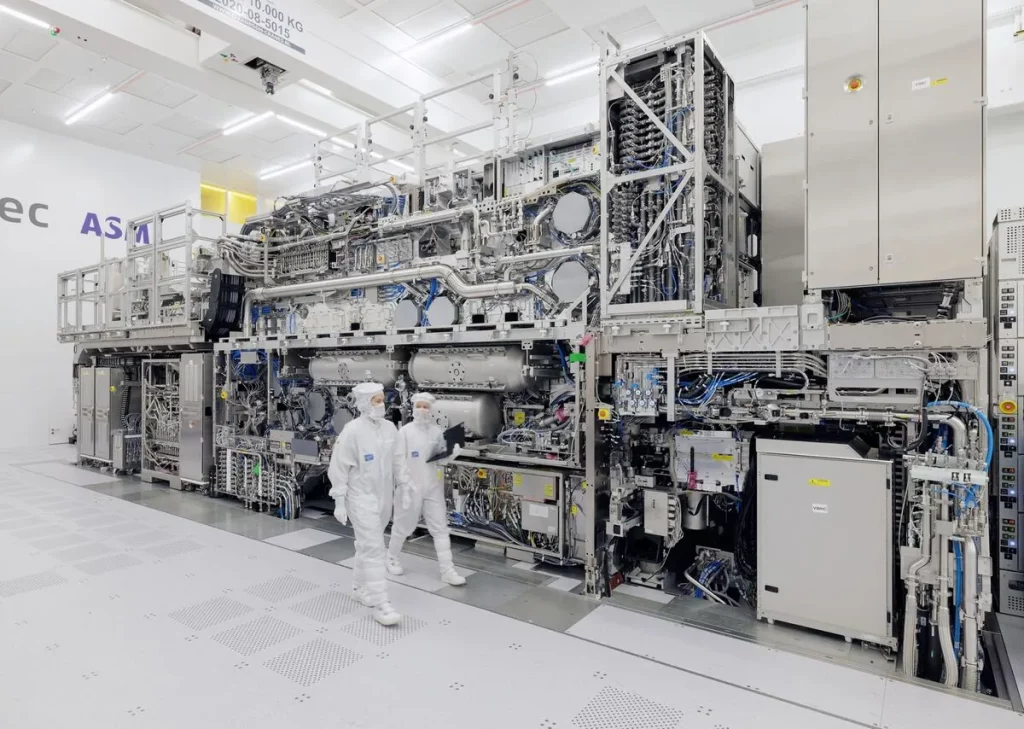
Now the latest news is that ASML is going to ship its most advanced lithography machine worth US$ 380 million (~2.753 billion yuan) to TSMC this year. ASML Chief Financial Officer Roger Dassen revealed in a recent conference call that the company’s two largest customers, TSMC and Intel, will obtain its high numerical aperture (high-NA) extreme ultraviolet (EUV) lithography technology within 2024.
Reportedly, ASML has already delivered the world’s first commercial high-NA EUV lithography machine to Intel, starting with the first unit delivered to a factory in Oregon in late December. The exact time when TSMC will get the latest and most advanced tool from ASML is unclear at this point.
The high-NA lithography technology is expected to reduce the transistor size by 66%. So, it could enable chip manufacturers to fit more of them in a same-sized piece of silicon. Obviously, there is much more than just the transistor count (such as power efficiency) when it comes to sustained performance. But the power efficiency also improves with the reduction of the size.
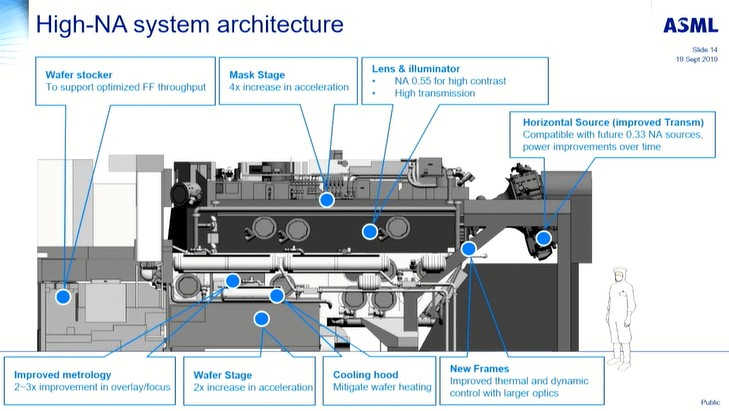
Reportedly, the high-NA EUV system achieves a numerical aperture of 0.55. Compared with the previous EUV systems equipped with a 0.33 numerical aperture lens, the accuracy will be improved and will enable more sophisticated patterning on the silicon.
The machine is also 30% larger than the predecessors which are already so large that they require three Boeing 747s to carry them.
Speaking of TSMC, the development of the 2nm nodes is reportedly progressing smoothly. The company has plans to start the development of N3X and N2 process in Q2 2025. Mass production of N2P and A16 will begin in Q2 2026. Its 2nm process will use Gate-all-around FETs (GAAFET).
TSMC expects its 2nm process could bring 10% to 15% performance improvement along with 25% to 30% lower power consumption.
We use cookies on our website to give you the most relevant experience by remembering your preferences and repeat visits. By clicking “Accept”, you consent to the use of ALL the cookies.
This website uses cookies to improve your experience while you navigate through the website. Out of these, the cookies that are categorized as necessary are stored on your browser as they are essential for the working of basic functionalities of the website. We also use third-party cookies that help us analyze and understand how you use this website. These cookies will be stored in your browser only with your consent. You also have the option to opt-out of these cookies. But opting out of some of these cookies may affect your browsing experience.
Necessary cookies are absolutely essential for the website to function properly. This category only includes cookies that ensures basic functionalities and security features of the website. These cookies do not store any personal information.
Any cookies that may not be particularly necessary for the website to function and is used specifically to collect user personal data via analytics, ads, other embedded contents are termed as non-necessary cookies. It is mandatory to procure user consent prior to running these cookies on your website.