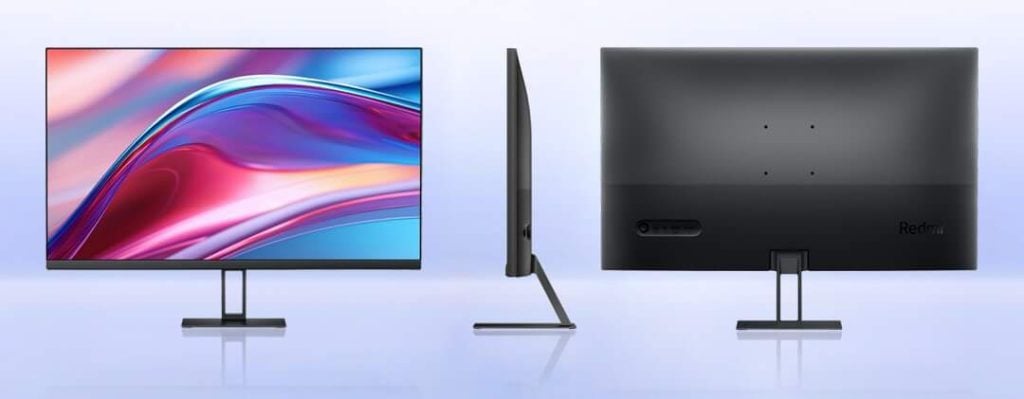
Xiaomi’s sub-brand Redmi has introduced a new monitor, the Redmi A27Q 2025, which is now available for presale at an affordable price. Redmi unveiled this monitor in China, so its availability in the global market remains uncertain, but here are the specifications of the Redmi A27Q 2025.
Redmi A27Q 2025 specs
Redmi A27Q 2025 features a 27-inch display with a 2K resolution (2560×1440) and a refresh rate of 100 Hz, and it is equipped with an IPS panel. The panel has a maximum brightness of 250 nits, covering 95% of the DCI-P3 color gamut and renders 8-bit colors, capable of displaying 16.7 million colors. Moreover, the monitor supports a wide 178-degree viewing angle.
Redmi A27Q 2025
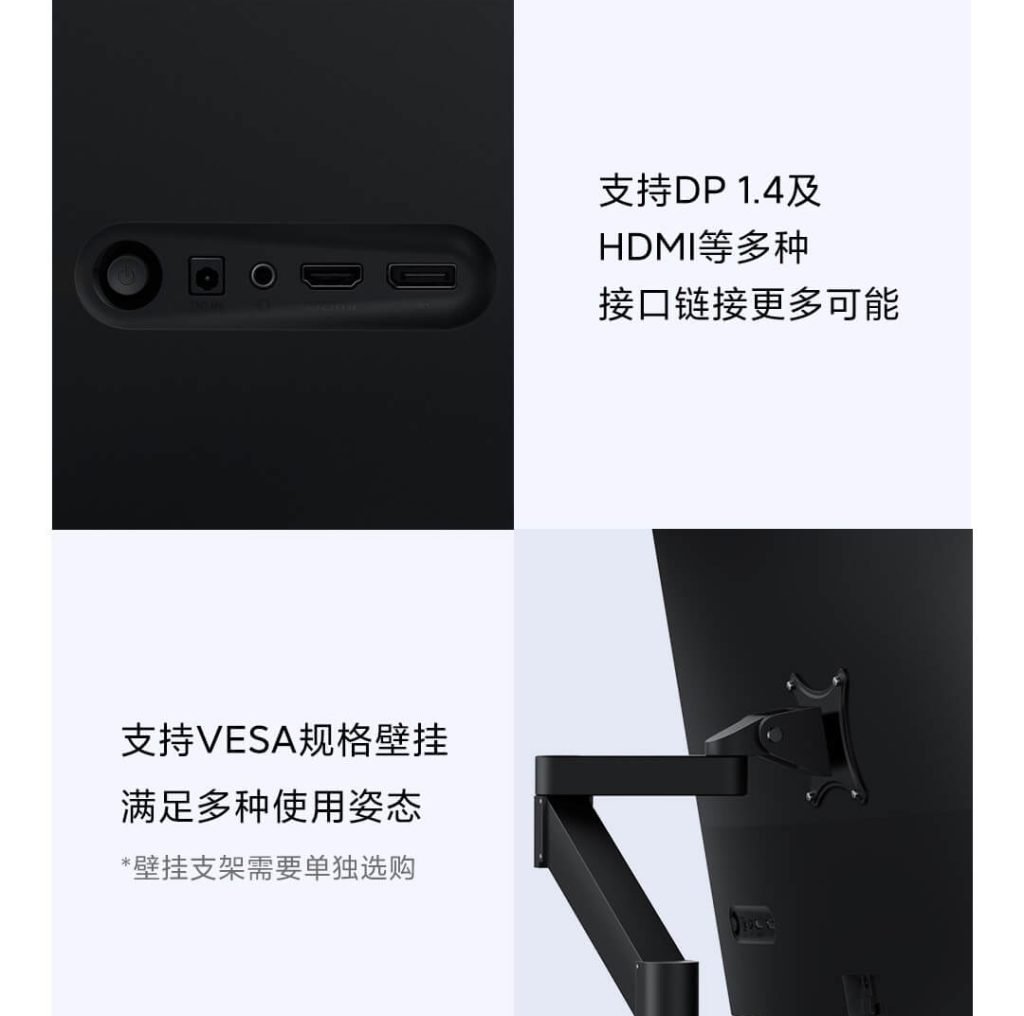
To maintain affordability, Xiaomi opted for a 100 Hz refresh rate which still provides a satisfactory experience compared to 60 Hz panels, making it a sweet spot. The screen-to-body ratio of the Redmi A27Q 2025 is 90%, and the monitor also supports Display Port 1.4 interface and VESA mount.
Rear ports
The monitor consumes 36W (12V/3A) power and is listed on Xiaomi’s official website under the model number P27QCA-RA. In China, the monitor is priced at 749 CNY, which is around 103 USD.
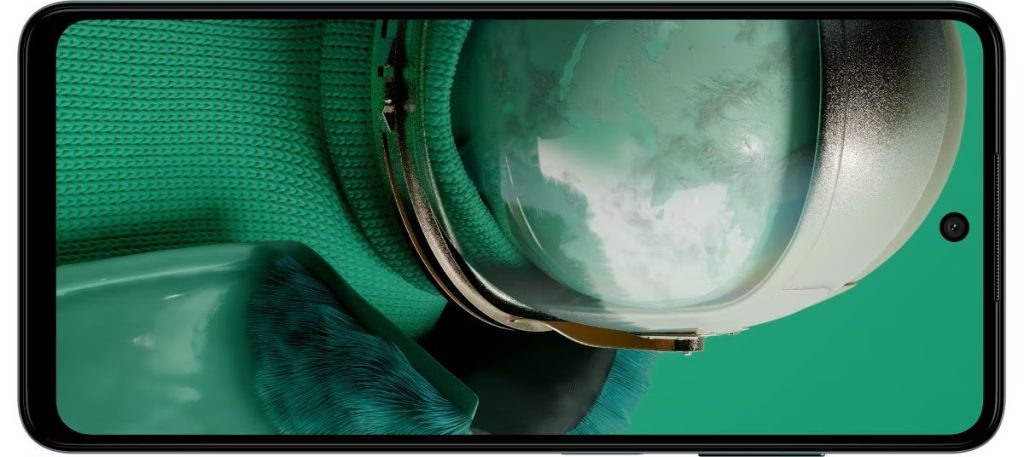
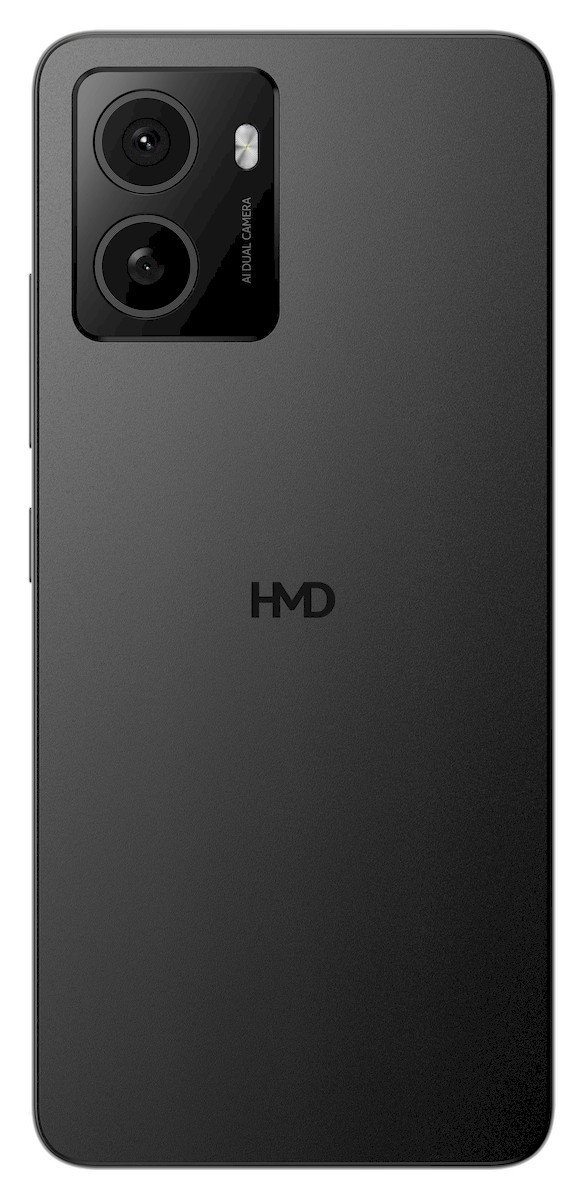
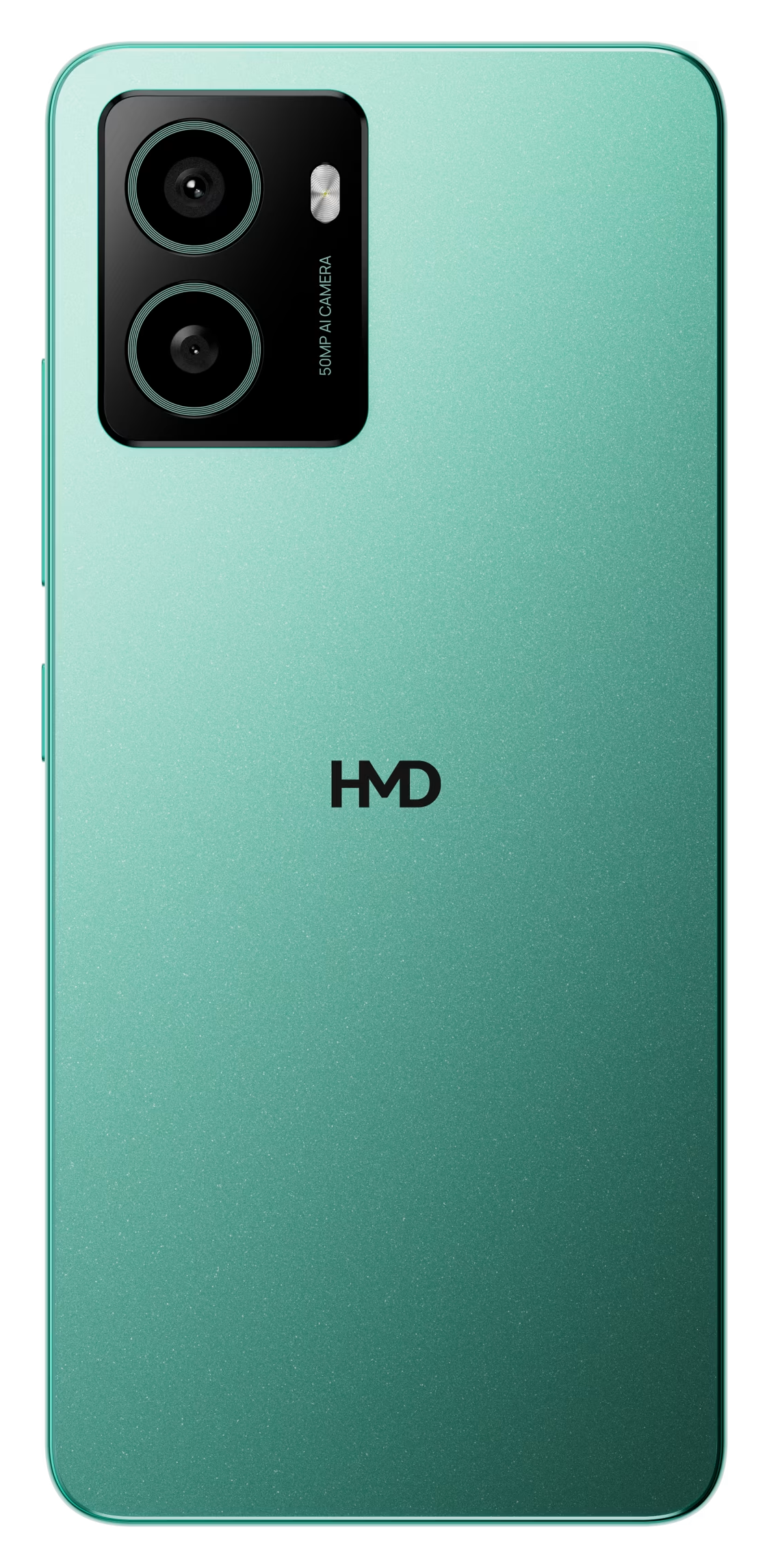
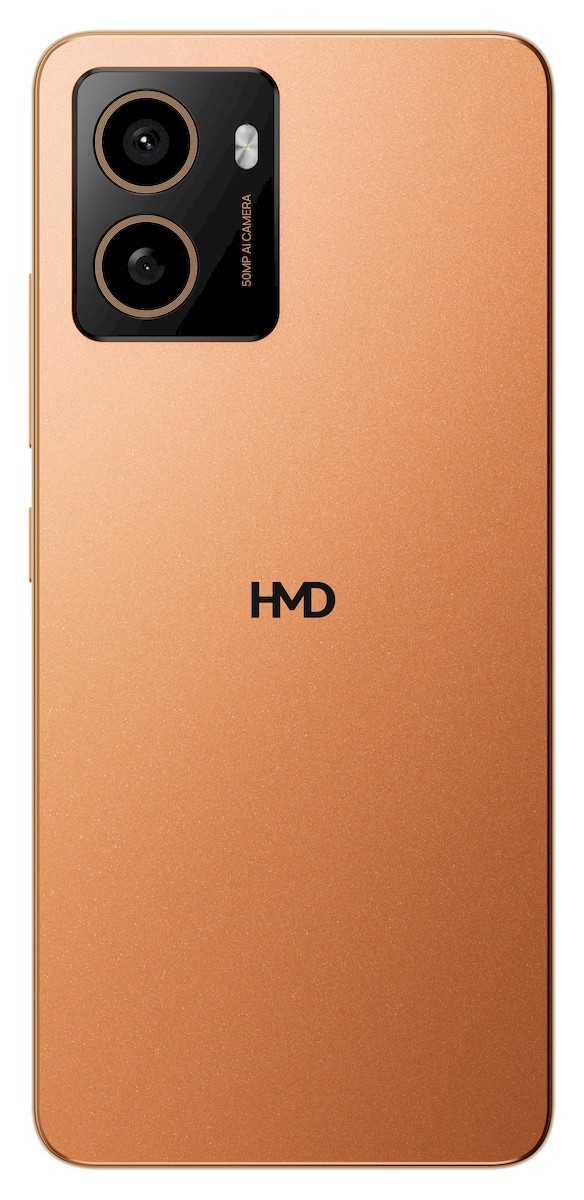
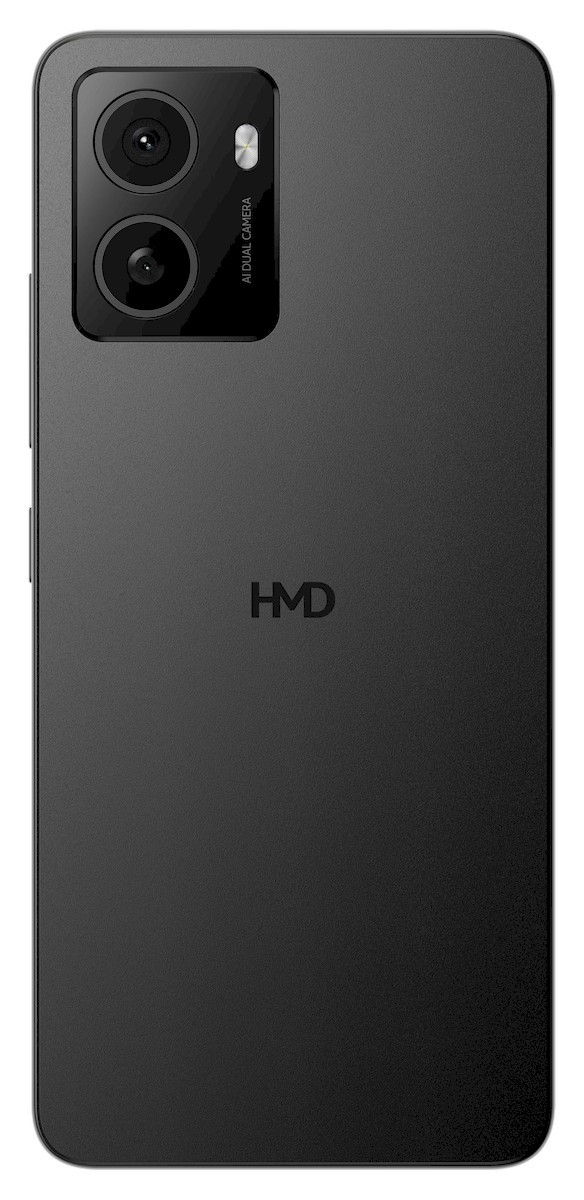
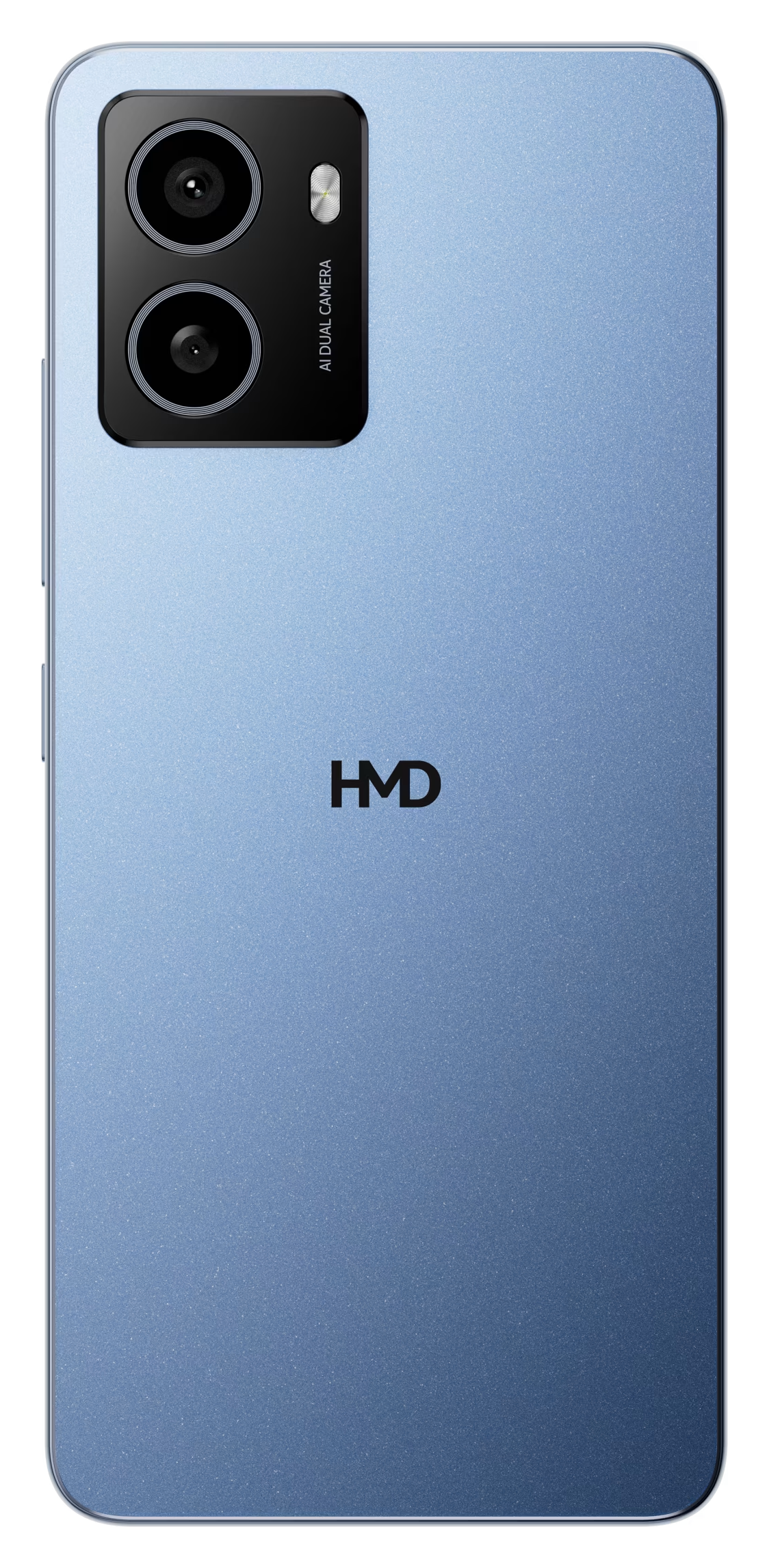
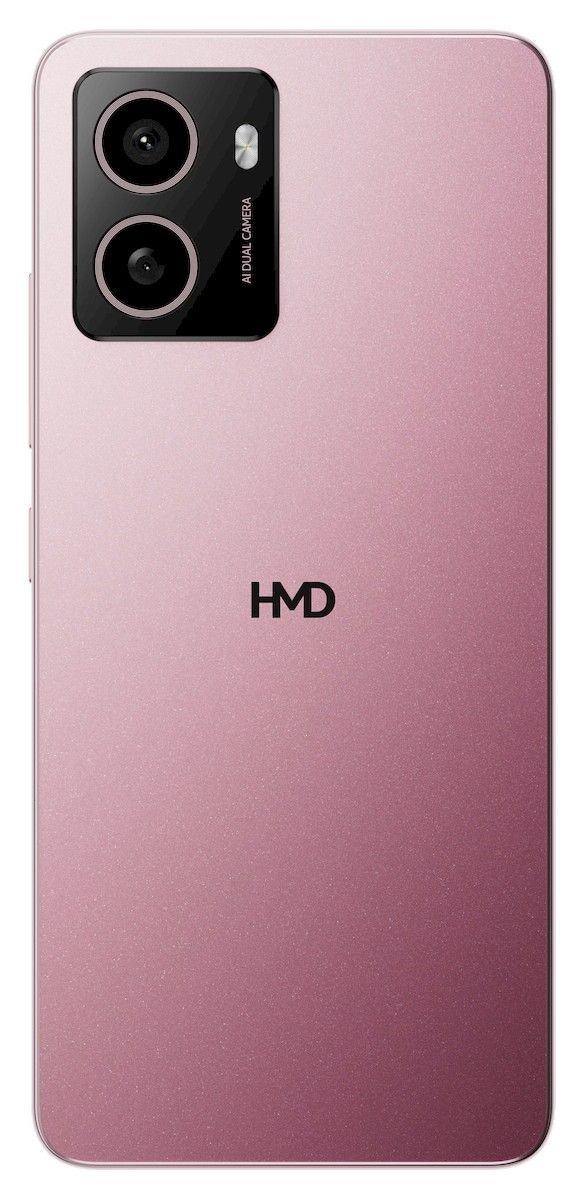
Human Mobile Devices (HMD) Global, the company known for Nokia-branded Android phones, just unveiled new smartphones in its Pulse series. While these phones are aimed at a global audience, HMD also introduced a specific model for the US market, called the HMD Vibe.
It’s designed to appeal to budget-conscious users in the United States. Let’s dive into its features, specifications, and price.
HMD Vibe Specifications
The Vibe runs on a Qualcomm Snapdragon 680 processor, which falls in the mid-range category, suitable for everyday use. It’s paired with 6GB of RAM and offers 128GB of storage, expandable with a microSD card for those needing extra space. Additionally, the phone boasts 4GB of virtual RAM.
It’s backed by a 4,000mAh battery that promises up to two days of use on a single charge. However, those who prefer fast charging might be disappointed as the Vibe supports only 10W wired charging.
The display is a decent size at 6.56 inches, with an HD+ resolution and a 90Hz refresh rate. The camera system is also pretty basic.
On the back, there’s a dual setup with a 13MP main sensor and a 2MP depth sensor, likely for portrait mode effects. For selfies, there’s a 5MP front-facing camera. All cameras include HDR, AI processing, and skin tone optimization features.
Moreover, the phone carries an IP52 rating, making it dust-proof and capable of withstanding light water splashes. Connectivity options include Bluetooth 5.0 and 4G LTE. Notably, there’s no fingerprint scanner; instead, the device relies solely on face unlock for biometric security.
Price and Availability
The HMD Vibe is priced at $150 and is set to launch in May in the US. It will be available for purchase from HMD’s website, as well as major retailers like Amazon and Best Buy.
AI has become a defining feature of smartphones in 2024, particularly in the field of photography. From image generation to object removal, AI is changing the way we capture and edit photos.
Huawei‘s latest Pura 70 series also features an object removal function powered by AI. But it has come under fire as the feature can inadvertently erase parts of people’s clothing.
Disgruntled users on Weibo, a popular Chinese social media platform, have been posting videos highlighting this concerning issue. The videos show how effortless it is to remove clothing with a single tap using the phone’s “smart AI retouching” feature.
The problematic nature of this feature is pretty evident — anyone can easily alter an image to expose parts of a person’s body without their consent. it raises serious privacy concerns and could lead to the misuse and sharing of inappropriate content.
Huawei customer service has acknowledged the problem, attributing it to loopholes within the AI algorithm. They have assured users that these issues will be addressed in upcoming system updates.
While this is a step in the right direction, Huawei must quickly fix the issue. The ability to alter photos in such a way brings up ethical questions and shows how AI technology can be misused.
This incident is a reminder of the importance of responsible AI development and implementation. AI features, especially those involving image manipulation, require careful testing and safeguards to prevent unintended consequences and potential privacy violations.
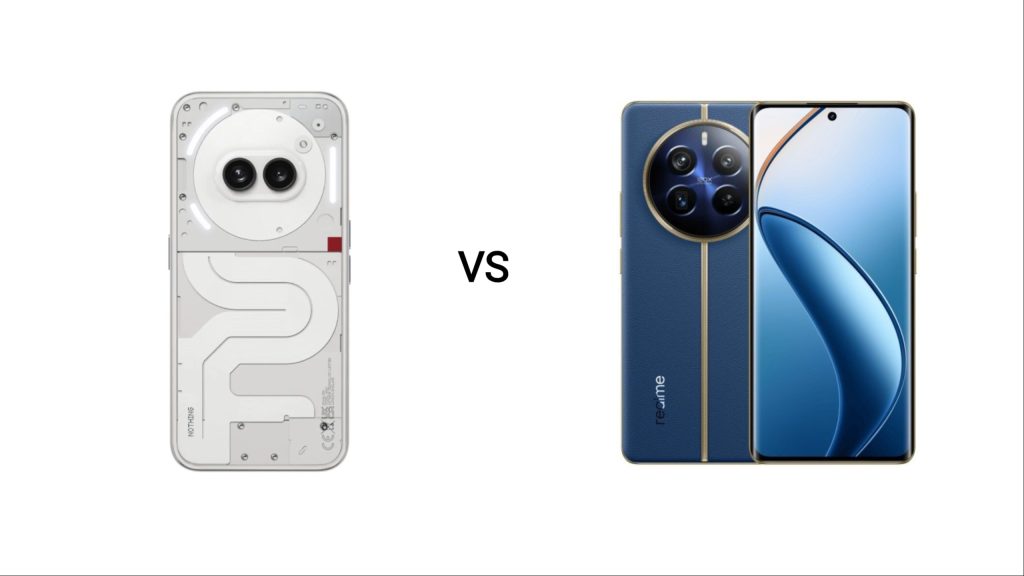
Nothing Phone 2a vs Realme 12 Pro Plus comparison table
Just like our previous comparison article where we put the Realme 12 Pro against the Nothing Phone 2a, we’re back with another comparison. This time around, we’re putting the Nothing Phone 2a up against the Realme 12 Pro Plus. Will this more powerful device from Realme outshine the competition from Nothing?
Is the Realme Pro Plus any better than its little sibling when going up against the Nothing Phone 2a? Will this other device from the Realme 12 series be a better purchase for you? Let’s find out more about this device as we place it side-by-side with the Nothing Phone 2a.
Please Note: When you buy something using the links in our articles, we may earn a small commission at no cost to you.
Nothing Phone 2a vs Realme 12 Pro Plus : Design and colours
Nothing Phone 2a:
Ever since the brand’s inception, Nothing has taken a different turn with the designs of their smartphone. This device, the Nothing Phone 2a, follows this design path featuring the Glyph interface, a glass see-through design revealing some screws and patterns in the device. On its rear sits a horizontal rear camera setup with a flash that suits towards the top right-hand side of this cutout. The volume rocker keys on this device sit on the left-hand side, while the power button sits on the right-hand side of the device. At the base of the device sits the USB-C port, microphone, speaker, and the SIM tray.
Realme 12 Pro Plus:
Featuring three impressive colours, this device is a real head turner, what’s even more interesting is the series collaboration with Rolex. The curved screen of this device also improved its looks as they stands out from the flat screen on the Nothing Phone 2a. There are three camera lenses on the rear circular cutout of this device, and a gold stripe runs through the middle of the device circling the camera cutout. The power button and volume rocker keys sit on the right-hand side, as for the charging port, speakers, SIM tray, and microphone, they sit under the Realme 12 Pro. Available colour options are Submarine Blue, Navigator Beige, Explorer Red.
Major differences:
Classic finish on the Realme 12 Pro Plus.
Curved screen on the Realme 12 Pro Plus.
Glyph interface lighting on the Nothing Phone 2a.
Nothing Phone 2a vs Realme 12 Pro Plus: Display
Nothing Phone 2a:
This device uses a 6.7-inch AMOLED panel that supports 120Hz refresh rate to ensure snappy response. This display supports HDR10+ technology, helping it attain a peak brightness of 1300 nits peak brightness. All round this display are sleek bezels, making this device give off a flagship feel. For protection, this display comes with Corning Gorilla Glass 5 technology.
Realme 12 Pro Plus:
Measuring 6.7-inch, the curved AMOLED panel on this device supports 120Hz refresh rate. Well, this isn’t the brightest screen display that is available on the market, as it boasts a 950 nits peak brightness. However, it makes up for this with sleek bezels and an impressive screen to body ratio, which is better than that on the Nothing Phone 2a. For stylishness, this device gives most of its users exactly what they need thanks to its curved screen.
Major differences:
Brighter display on the Nothing Phone 2a.
Slimmer bezels on the Realme 12 Pro Plus.
Nothing Phone 2a vs Realme 12 Pro Plus: Cameras
Nothing Phone 2a:
For midrange devices, photography isn’t a strong point, but that’s not the case with the Nothing Phone 2a. This device comes with a dual rear camera setup housing two 50MP sensors. Up front sits a 32MP selfie camera which is up to the task of taking crisp clear photos in different lighting conditions.
Realme 12 Pro Plus:
In comparison with the Nothing Phone 2a, the Realme 12 Pro Plus comes on top with its triple rear camera setup. This setup houses a 50MP main camera lens, a 64MP periscope telephoto lens, and an 8MP ultrawide sensor. Up front sits a 32MP selfie camera like we see on the Nothing Phone 2a.
Major differences:
Dual 50MP cameras on the Nothing Phone 2a.
64MP periscope telephoto lens on the Realme 12 Pro Plus.
Ton of professional photography features on the Realme 12 Pro Plus.
Nothing Phone 2a vs Realme 12 Pro Plus: Performance
Nothing Phone 2a:
Nothing powers this device with the MediaTek Dimensity 7200 Pro processor. Joining this is up to 12GB RAM and 256GB worth of storage capacity. This makes this device an impressive mid-range Android device that retails at an affordable price tag.
Realme 12 Pro Plus:
Powering this device is the Snapdragon 7s Gen 2 processor with up to 12GB worth of RAM capacity. When it comes to storage the Realme 12 Pro offers users up to 512GB worth of storage. Realme also equips this device with Dynamic RAM capabilities that can get users up to 16GB worth of RAM via virtual expansion.
Major upgrades & differences:
Expandable 12GB RAM on the Realme 12 Pro Plus.
Nothing Phone 2a vs Realme 12 Pro Plus: Software
Nothing Phone 2a:
This device runs on Android 14 and Nothing OS 2.5.4 out of the box. Users are getting 3 years of Android OS upgrades.
Realme 12 Pro Plus:
Launching out of the box with Android 14 and Realme UI 5.0 software which brings a ton of customizations. Users will also get up to 2 years of OS upgrade on this device as standard.
Major differences:
Nothing OS on the Nothing Phone 2a.
Realme UI 5.0 on the Realme 12 Pro Plus.
Nothing Phone 2a vs Realme 12 Pro Plus: Battery life and charging
Nothing Phone 2a:
For its battery capacity this device comes with 5000mAh which is more than enough for a day usage. Charging speed on this device is 45W as standard.
Realme 12 Pro Plus:
The battery capacity on this device matches that on the Nothing Phone 2a at 5000mAh. However, the Realme 10 Pro outshines the competition in this article by featuring 67W fast charging.
Major differences:
Faster charging on the Realme 12 Pro Plus.
Nothing Phone 2a vs Realme 12 Pro Plus: Final Verdict
This time around Nothing Phone 2a takes a blow from the Realme 12 Pro Plus. This device brings a better camera setup, more RAM via virtual expansion, and a much more refined design. Despite packing processors that offer similar performance outputs the Realme 12 Pro Plus is still the better pick for most buyers out there for a new device. With a sub-$400 price tag the Realme 12 Pro Plus is obviously the device for you as you embark on your shopping adventure.
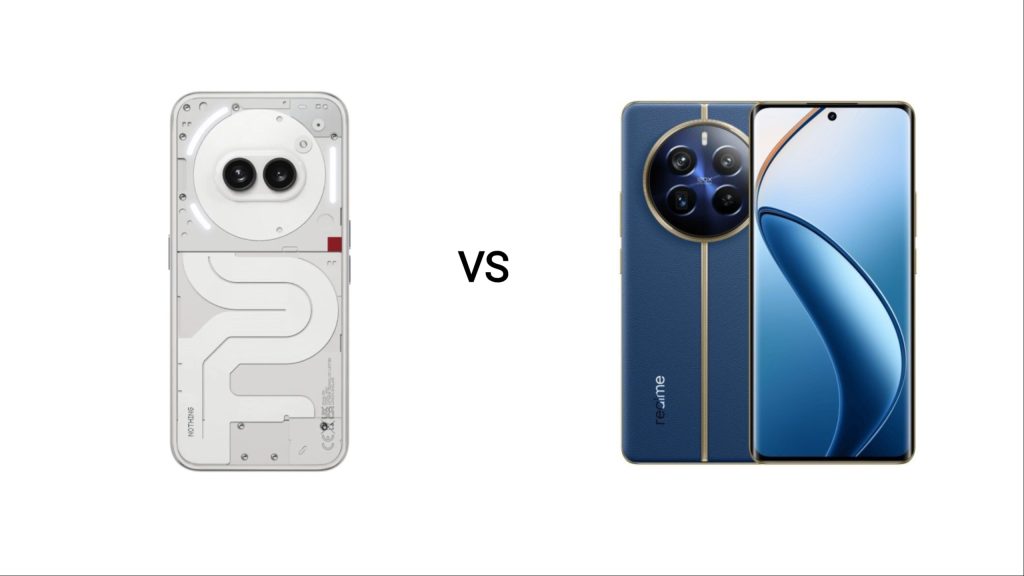
Nothing Phone 2a vs Realme 12 Pro comparison table
In this article, two contenders in the smartphone industry go head-to-head against each other for a winner. These devices are the Nothing Phone 2a and the Realme 12 Pro, both of which made their official launch this year. Both devices pack some very impressive features that make them stand out in the mid-range Android smartphone market.
But which of these two devices is the right choice to make when shopping for a new device? Are you caught in this little delima? Well, if you are, this article will help you make a well-informed decision on which device to purchase among these two options available in this comparison.
Please Note: When you buy something using the links in our articles, we may earn a small commission at no cost to you.
Nothing Phone 2a vs Realme 12 Pro: Design and colours
Nothing Phone 2a:
Ever since the brand’s inception, Nothing has taken a different turn with the designs of their smartphone. This device, the Nothing Phone 2a, follows this design path featuring the Glyph interface, a glass see-through design revealing some screws and patterns in the device. On its rear sits a horizontal rear camera setup with a flash that suits towards the top right-hand side of this cutout. The volume rocker keys on this device sit on the left-hand side, while the power button sits on the right-hand side of the device. At the base of the device sits the USB-C port, microphone, speaker, and the SIM tray.
Realme 12 Pro:
At launch, the design of this smartphone got a lot of heads turning as it looks very stylish and comes in two impressive colours. The curved screen of this device also improved its looks as they stands out from the flat screen on the Nothing Phone 2a. This device comes with a circular camera cutout that houses three lenses as well as a flash. Running through the device’s back panel is a gold strip that also runs around the device’s circular camera cutout. On the right side of this device are the power and volume rocker buttons, as for the charging port, speakers, SIM tray, and microphone, they sit under the Realme 12 Pro. Available colour options are Submarine Blue, Navigator Beige.
Major differences:
Classic finish on the Realme 12 Pro.
Curved screen on the Realme 12 Pro.
Glyph interface lighting on the Nothing Phone 2a.
Nothing Phone 2a vs Realme 12 Pro: Display
Nothing Phone 2a:
This device uses a 6.7-inch AMOLED panel that supports 120Hz refresh rate to ensure snappy response. This display supports HDR10+ technology, helping it attain a peak brightness of 1300 nits peak brightness. All round this display are sleek bezels, making this device give off a flagship feel. For protection, this display comes with Corning Gorilla Glass 5 technology.
Realme 12 Pro:
Measuring 6.7-inch, the curved AMOLED panel on this device supports 120Hz refresh rate. Well, this isn’t the brightest screen display that is available on the market, as it boasts a 900 nits peak brightness. However, it makes up for this with sleek bezels and an impressive screen to body ratio, which is better than that on the Nothing Phone 2a. For stylishness, this device gives most of its users exactly what they need thanks to its curved screen.
Major differences:
Brighter display on the Nothing Phone 2a.
Slimmer bezels on the Realme 12 Pro.
Nothing Phone 2a vs Realme 12 Pro: Cameras
Nothing Phone 2a:
For midrange devices, photography isn’t a strong point, but that’s not the case with the Nothing Phone 2a. This device comes with a dual rear camera setup housing two 50MP sensors. Up front sits a 32MP selfie camera which is up to the task of taking crisp clear photos in different lighting conditions.
Realme 12 Pro:
Coming with a total of three rear cameras, this device offers users impressive photography abilities for its asking price. The main rear camera sensor on this device is a 50MP sensor, and supporting it is a 32MP sensor and an 8MP sensor. Up front, we see a 16MP selfie camera sensor for taking impressive images on the go. There are a ton of professional photography features that this device packs under its hood.
Major differences:
Dual 50MP cameras on the Nothing Phone 2a.
32MP selfie camera on the Nothing Phone 2a.
Nothing Phone 2a vs Realme 12 Pro: Performance
Nothing Phone 2a:
Nothing powers this device with the MediaTek Dimensity 7200 Pro processor. Joining this is up to 12GB RAM and 256GB worth of storage capacity. This makes this device an impressive mid-range Android device that retails at an affordable price tag.
Realme 12 Pro:
Powering this device is the Snapdragon 6 Gen 1 processor, and backing this is up to 12GB worth of RAM capacity. For its storage, the Realme 12 Pro offers users up to 256GB worth of storage which is expandable. Realme also equips this device with Dynamic RAM capabilities that can get users up to 16GB worth of RAM via virtual expansion.
Major upgrades & differences:
Expandable 12GB RAM on the Realme 12 Pro.
Nothing Phone 2a vs Realme 12 Pro: Software
Nothing Phone 2a:
This device runs on Android 14 and Nothing OS 2.5.4 out of the box. Users are getting 3 years of Android OS upgrades.
Realme 12 Pro:
Launching out of the box with Android 14 and Realme UI 5.0 software which brings a ton of customizations. Users will also get up to 2 years of OS upgrade on this device as standard.
Major differences:
Nothing OS on the Nothing Phone 2a.
Realme UI 5.0 on the Realme 12 Pro.
Nothing Phone 2a vs Realme 12 Pro: Battery life and charging
Nothing Phone 2a:
For its battery capacity, this device comes with 5000mAh which is more than enough for a day usage. Charging speed on this device is 45W as standard.
Realme 12 Pro:
The battery capacity on this device matches that on the Nothing Phone 2a at 5000mAh. However, the Realme 10 Pro outshines the competition in this article by featuring 67W fast charging.
Major differences:
Faster charging on the Realme 12 Pro.
Nothing Phone 2a vs Realme 12 Pro: Final Verdict
In this comparison, we see that the Nothing Phone 2a outperforms the Realme 12 Pro. It offers a better processor and better overall camera specifications. However, the design of the Nothing Phone 2a might make some potential buyers turn to other devices when choosing an option to purchase. If you fall into this category of buyers, then the Realme 12 Pro is a great option that you can consider in the Android mid-range market.
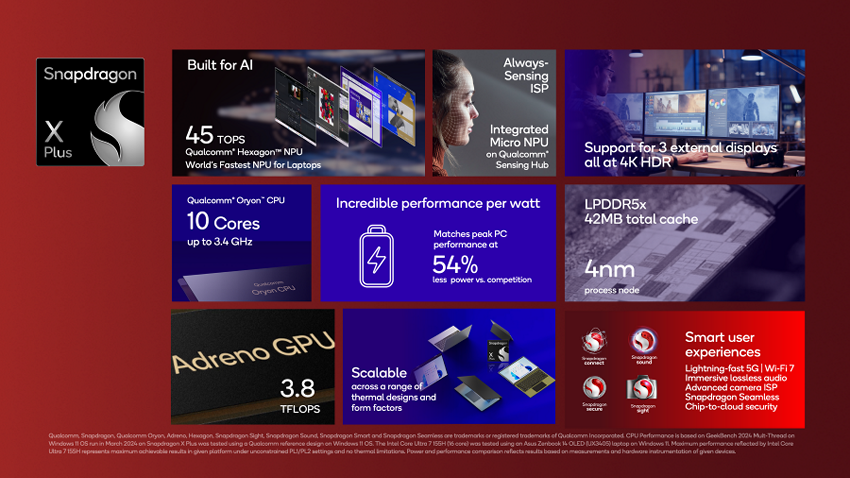
Back in October, Qualcomm introduced the Snapdragon X Elite chip that aims to compete with Apple Silicon. Today the company has introduced another offering from the Snapdragon X lineup, the Snapdragon X Plus. Just as the naming suggests, it’s a more affordable and slightly less capable version of the Snapdragon X Elite. Both the chips are expected to become available to power Windows-on-Arm laptops in mid-2024.
Image: Qualcomm
Qualcomm emphasized on the AI capabilities of the new Snapdragon X series chips
The Snapdragon X Plus chip equips a total of 10 custom Oryon CPU cores made by Qualcomm. According to the company, the CPU delivers 37% performance improvement with 54% less power as compared to its “competitors”. However, the company didn’t describe its “competition” any further.
Another aspect Qualcomm emphasized is the chip’s capable NPU and possible performance in on-device AI-related tasks. The Snapdragon X series chips reportedly equip “the world’s fastest NPU for laptops.” The capability of the dedicated Qualcomm Hexagon NPU is measured at 45 TOPS (trillions of operations per second), which, according to the company, will offer unprecedented performance, efficiency, and on-device AI capabilities to Windows PCs.
Image: Qualcomm
All these on-device AI capabilities are expected to enable developers to add a variety of new and exciting features to apps that will in turn make life a lot easier. Nonetheless, it takes more than just the capable chips and we will have to wait for the implementation of features.
Qualcomm demonstrated the AI capabilities of this chip with code generation in “Visual Studio Code” from Codegen. It is a program designed to assist developers by generating new lines of code in real-time with on-device generative AI. The company also demonstrated Music generation from text prompts in Audacity and automatic language translation into live captions in OBS Studio.
The Snapdragon X Plus chip has recently appeared on the GeekBench ML listing running on a mysterious device with 16GB memory. The codename of the device suggests that it could be a Surface laptop, the Surface Pro 10.
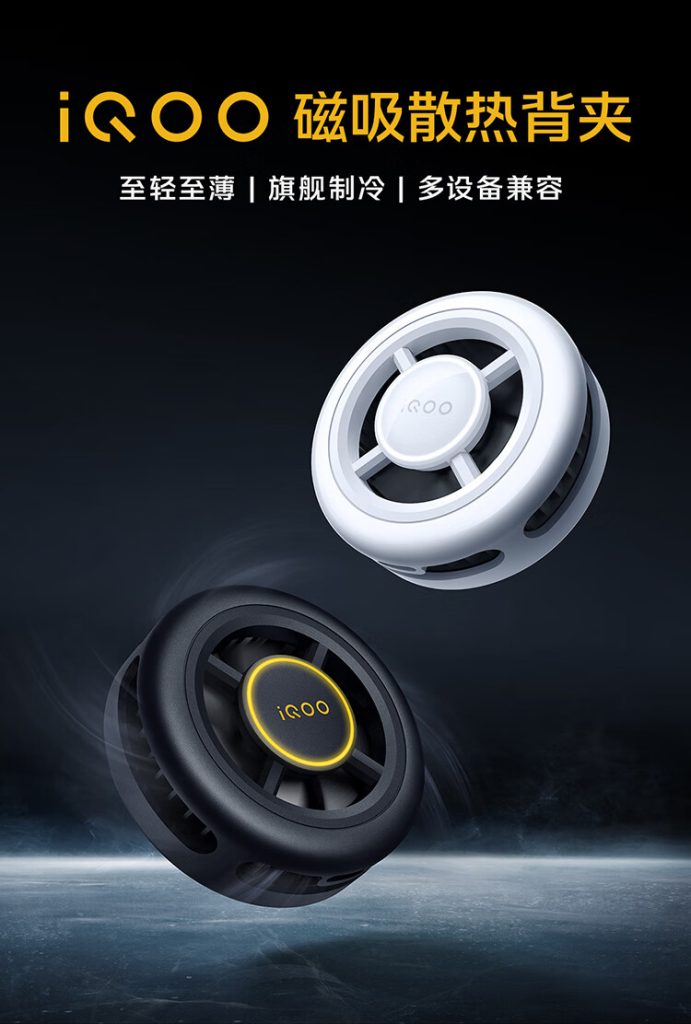
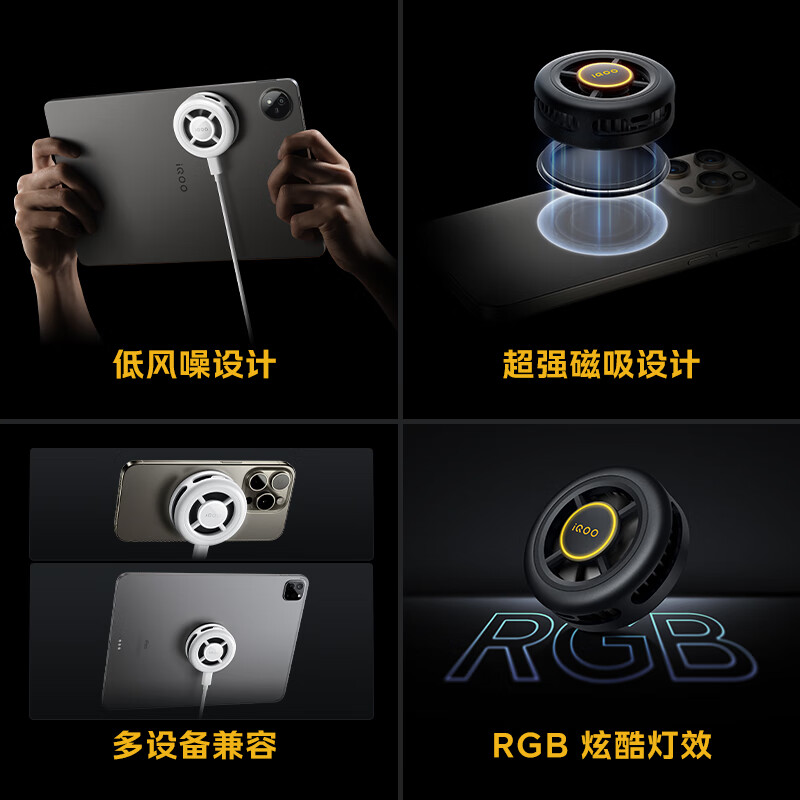
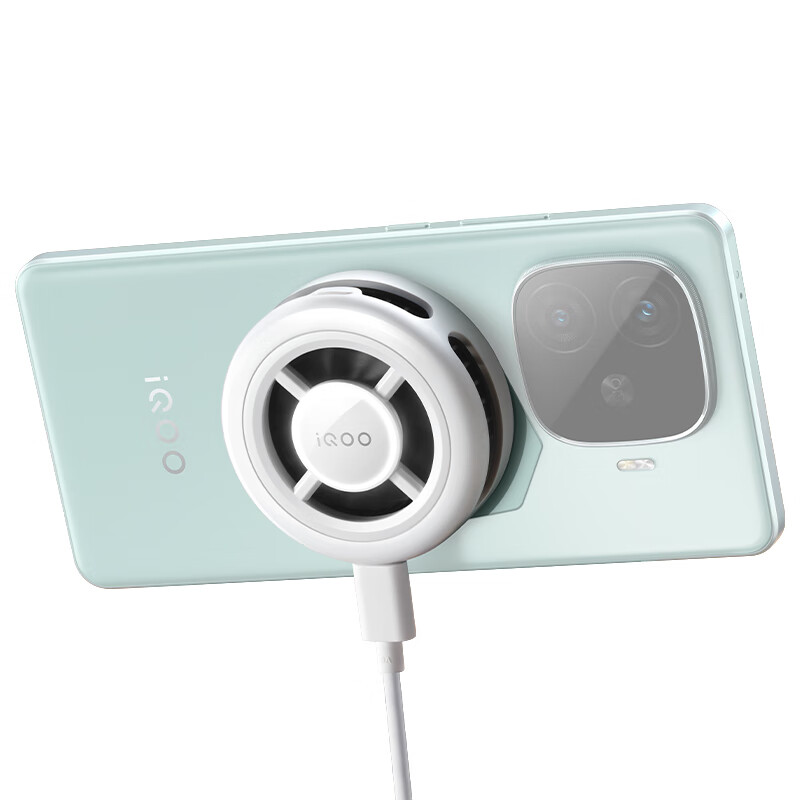
iQOO has launched its first magnetic heat dissipation back clip in the Chinese market, designed to combat overheating during intense gaming sessions. This new accessory boasts several features that promise to keep your phone cool and your performance optimal.
iQOO Magnetic Cooler Clip Specifications:
The clip utilizes MagSafe magnetic suction, ensuring a secure and convenient attachment to compatible devices like iPhones. It also comes with an additional magnetic sheet for non-MagSafe phones and tablets, offering wider compatibility.
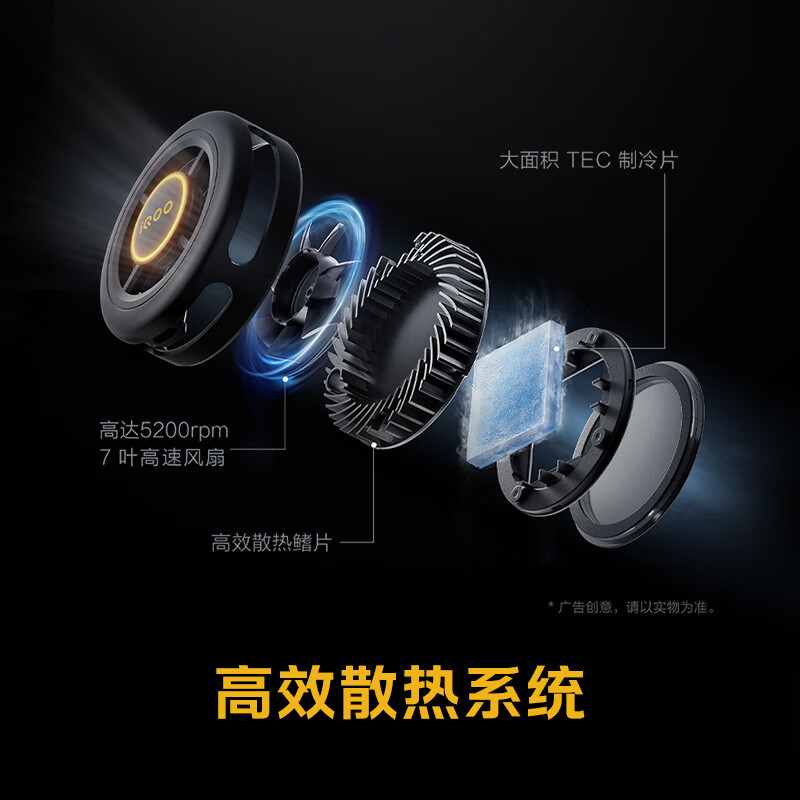
Under the hood, the back clip packs a powerful cooling system. A large TEC cooling plate (2623 mm² surface area), efficient heat dissipation fins, and a 7-blade fan spinning at 5200rpm work together to achieve concentrated cooling. This translates to a maximum temperature reduction of 32°C for individual components, ensuring your phone stays cool even during the most demanding games.
The system also boasts impressive speed. It can drop temperatures by 10°C in just 7 seconds, guaranteeing a quick response to thermal spikes and preventing performance throttling. The back clip is crafted from durable materials like polycarbonate, aluminum alloy, and silicone, ensuring effective heat transfer and longevity.
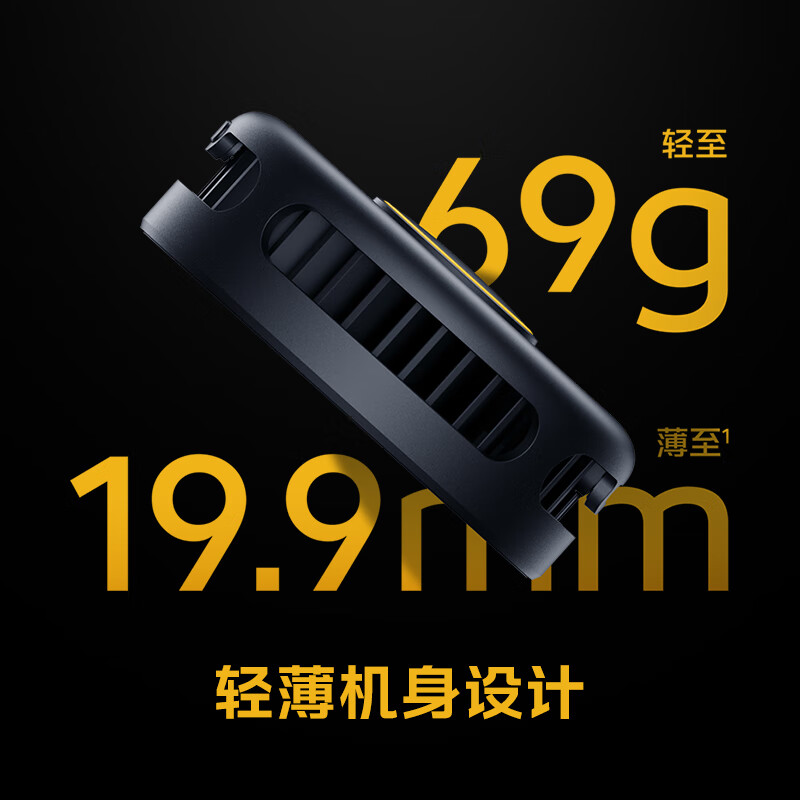
Despite its powerful cooling capabilities, the clip remains lightweight and comfortable to use. Weighing only 69g and measuring 19.9mm thin, it won’t add unnecessary bulk to your phone. Additionally, it operates at a low noise level of 26dB, preserving the immersive gaming experience.
The device has a Type-C input with a maximum power input of 12.5W. For added flair, the clip features customizable RGB lighting with monochrome, colorful, and breathing modes. This allows you to personalize your gaming setup and add a touch of style.
Pricing and Availability
The iQOO Magnetic Heat Dissipation Back Clip is available in Ice Shadow Black and Ice Crystal White for an initial price of 179 yuan (approximately $25). Purchasing it alongside an iQOO Z9 series phone offers a discounted price of 99 yuan (approximately $14).
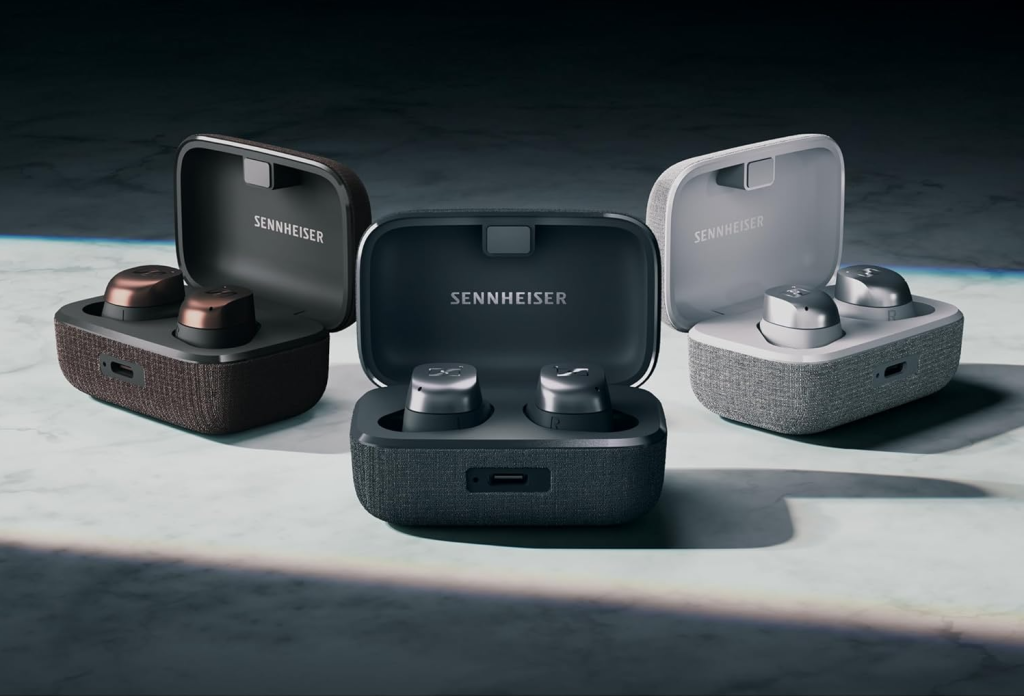
Sennheiser has just launched a new premium grade TWS in India. The new hearables in question is the Sennheiser Momentum True Wireless 4, which is a pair of flagship grade earbuds. It offers some top notch features, so here are all the details.
Sennheiser Momentum True Wireless 4 Specs
To recall, the company first unveiled the Momentum True Wireless 4 earlier this year for the global market, with the European launch following in March. The brand claims that these are the “most capable earbuds” yet and it bring some next-gen features. It supports Bluetooth 5.4 and the Qualcomm Snapdragon S5 Sound Gen 2 platform. Thanks to its AptX support, users also get lossless audio quality and ultra low latency. It supports other audio codecs like AptX Adaptive, AAC, and SBC.
The latest Mometum True Wireless 4 features improved Adaptive ANC (Active Noise Cancellation) and a new antenna design for better connectivity. On a single full charge, it has a battery life of up to 7.5 hours with a total battery life of around 30 hours. Battery life also sees a bump thanks to the power efficient Bluetooth LE audio. The charging case can be charged via USB Type-C and Qi wireless charging as well.
Pricing and Availability
Sennheiser has released the Momentum True Wireless 4 in multiple color options, namely metallic silver, graphite, and black copper. It is available for a special price tag of 18,990 INR. Pre-bookings for the earbuds are currently live and is valid till the 1st of May 2024. Customers can purchase this device from Amazon India, the brand’s official website, and other leading electronic retailers in the region.
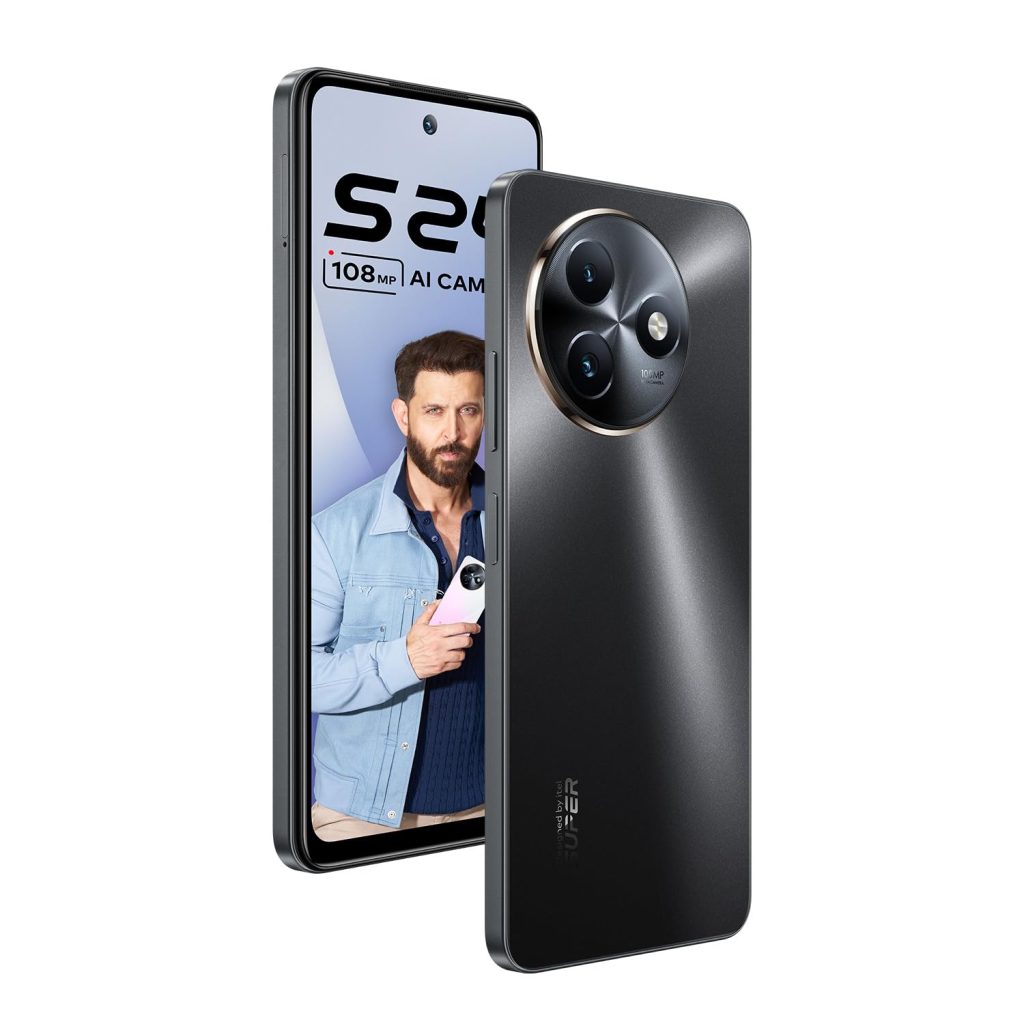
The itel S24 was officially announced in India earlier this week. Now, the new smartphone has gone on sale in the region with a 108-megapixel primary camera, 90Hz display, and a massive battery for a budget price tag. So let’s check it out.
itel S24 Specs
The company’s latest smartphone is a budget entry that sports a 6.6-inch HD+ display that offers a 90Hz refresh rate. The front also packs an 8-megapixel selfie shooter. Meanwhile, the rear features a 108-megapixel primary camera, with a secondary depth sensor. Under the hood, the MediaTek Helio G91 SoC that is paired with 8GB of RAM that can be further expanded via virtual RAM expansion by up to 8GB. There is even 128GB of internal storage.
A massive 5,000mAh battery pack powers this device, which supports 18W wired fast charging with a USB Type-C port. Other notable features include dual DTS speakers, side mounted fingerprint scanner, dual flash on the front, and punch hole cutout screen. This device runs on the Android 13 OS based itel OS 13.5 custom skin.
Pricing and Availability
The itel S24 is available in two color options, namely Starry Black and Dawn White. It is currently listed for purchase on Amazon India for a 10,999 INR price tag (roughly 132 US Dollars). The company is even offering the smartphone with an itel 42 smartwatch model for free.
Xiaomi’s sub-brand POCO is reportedly making its debut in the tablet market with its first device. The device recently appeared on the European EEC certification platform under the product name “Tablet brand POCO model,” clearly indicating that it’s a tablet.
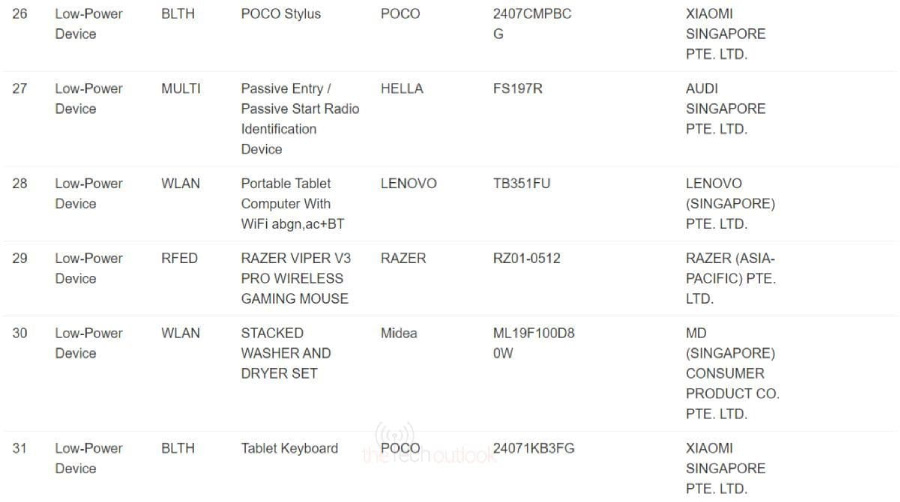
Additionally, it seems that POCO is also working on accessories for the tablet. A stylus under the POCO brand surfaced on the FCC database earlier this month with the model number 2407CMPBCG.
Now, the same stylus model number has appeared alongside a keyboard bearing the model number 24071KB3FG on the IMDA listing. So the tablet may come with these accessories available as optional purchases.
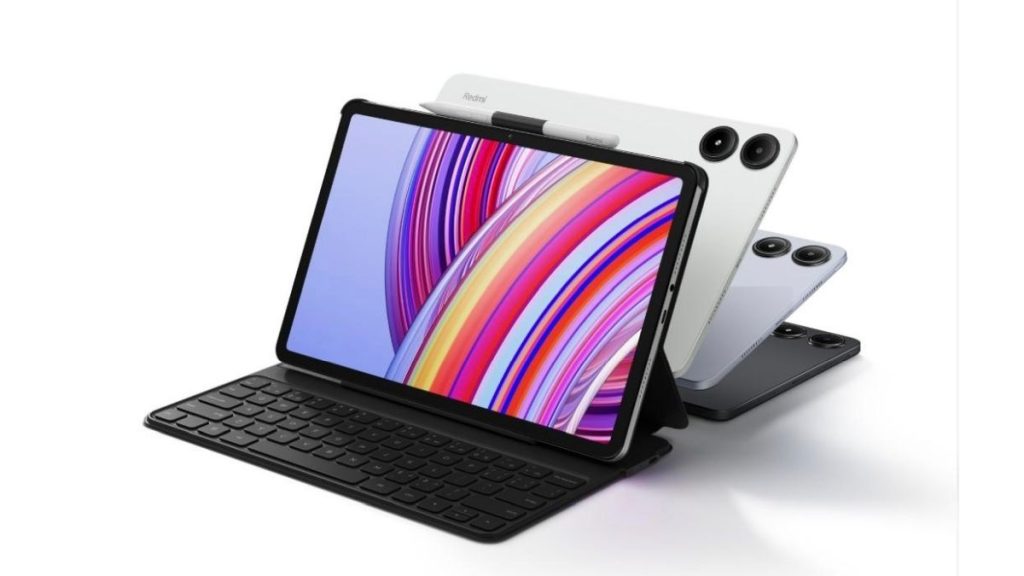
However, the listing doesn’t provide any further details about the POCO tablet or its accompanying accessories. Previous reports suggest that the POCO tablet, allegedly called POCO Pad, could be a rebranded version of the Redmi Pad Pro.
According to these reports, the tablet is expected to feature a 12.1-inch IPS LCD screen with a 2.5K resolution and a 120Hz refresh rate. It will be powered by the Snapdragon 7s Gen 2 processor paired with up to 8 GB of RAM and up to 256 GB of storage. Additionally, it will house a 10,000mAh battery with 33W fast charging support.
For the camera setup, it may include an 8-megapixel front camera and an 8-megapixel rear camera. Other expected features include the Android 14 OS, a 3.5mm audio jack, and quad speakers.
While the exact launch date and pricing details are still unknown, the fact that the device and its accessories have been through multiple certifications indicates that we can expect its launch in the next couple of months.
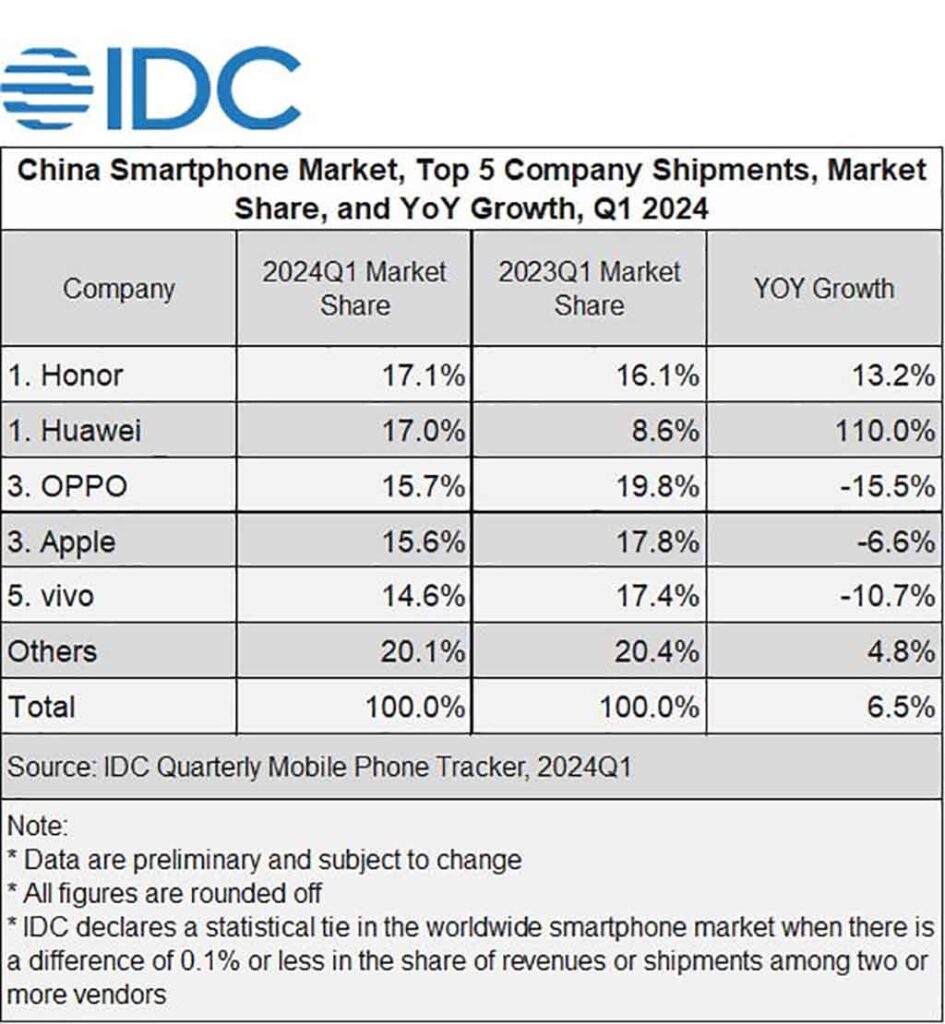
Market research firm International Data Corporation (IDC) today revealed the smartphone market share information for Q1 2024. According to the report, Honor and Huawei occupy the first position in market share in their home country, China.
The Chinese market alone sold 69.26 million smartphones in the first quarter of the running year. This is a 6.5% year-on-year increase in smartphone sales in the country.
Honor achieved a market share of 17.1%, which is a year-on-year increase of 13.2%. The foldable devices and the Honor Magic 6 have reportedly placed the brand as one of the competitors of the big giants.
Huawei is gaining its lost position
Notably, Huawei is also rapidly gaining its lost position since the launch of the Huawei Mate 60 series in August last year. In Q1 2024, Huawei has almost matched Honor with a market share of 17%, which is very close as to the 17.1%. The company has achieved a year-on-year growth of an astonishing 110%. The Nova 12 series accounted for 1/3 of the entire quarter’s shipments.
Notably, the supply chain issues still exist and it’s also limiting Huawei’s capabilities to fulfil the market demand. We have seen it with the recently launched Pura 70 series flagships. Nonetheless, the new series may offer Huawei an even more amazing number at the end of Q2 2024.
The third position is occupied by Oppo and Apple with a very close 15.7% and 15.6% market share respectively for the same period. However, the year-on-year growth isn’t positive for these two companies in China. OPPO’s shipments fell by 15.5% year-on-year, while Apple’s shipments fell by 6.6%. This could be a result of the rise of Huawei. vivo took the fifth place with a 14.6% market share, which is a year-on-year increase of 4.8%.
Speaking of Apple specifically, the company has been adjusting its prices looking at the current scenario in the market. However, IDC notes that it could face increasing competition from some of the other OEMs in the country.
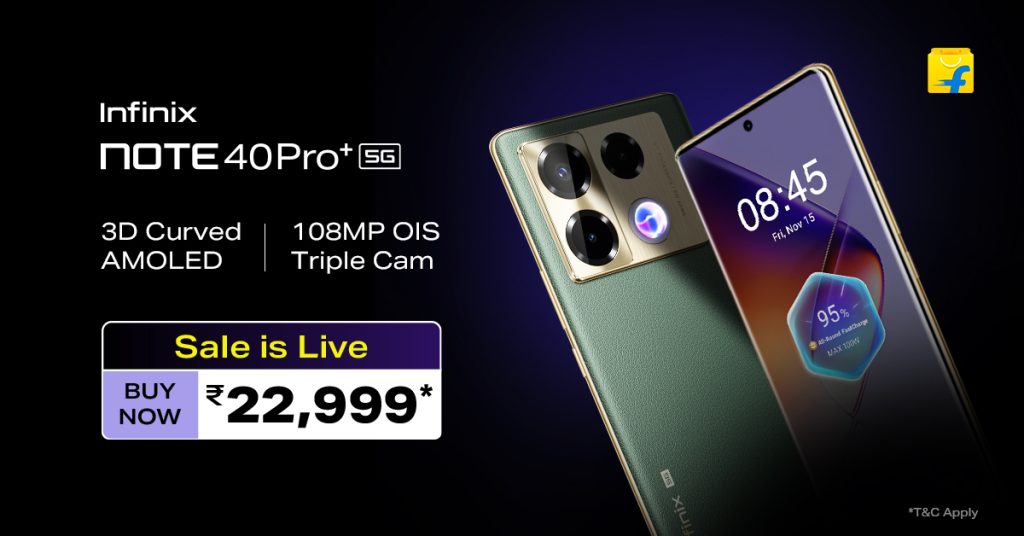
Earlier this month, the Infinix Note 40 Pro series was officially announced in India. The devices include the Note 40 Pro and Note 40 Pro+ series models. But now, the brand has finally started the first sale of the Note 40 Pro+ 5G in the region. So here’s everything you need to know.
Infinix Note 40 Pro+ 5G Specs
The brand’s latest Note series phone sports a tall 6.78-inch curved AMOLED display. It offers a Full HD+ resolution, 120Hz refresh rate, Corning Gorilla Glass protection, and up to 1300 nits of peak brightness. Under the hood, it is equipped with the MediaTek Dimensity 7020 SoC that is paired with 12GB of RAM and 256GB of internal storage. This device runs on the Android 14 OS based XOS 14 custom skin out of the box. A 4,600mAh battery pack powers this device, which supports an impressive 100W wired fast charging and 20W wireless fast charging as well as 5W and 10W reverse wireless and wired charging.
Notably, the device comes with a case with magnets for the phones, a magnetically attachable wireless power bank, and more. For optics, buyers get a 108-megapixel primary camera with OIS support that promises to offer 3x lossless zoom. It is paired with two 2-megapixel sensors for depth and macro shots. The rear also packs an Active Halo LED light on the rear, while the front offers a 32-megapixel selfie shooter. Other notable features include IP53 water and dust resistance, an IR sensor for remote control, and NFC.
Pricing and Availability
The Infinix Note 40 Pro+ 5G is currently listed for purchase on Flipkart for a 32,999 INR price tag (roughly 395 US Dollars). Although, the device is currently on sale with 24,999 INR, with 2,000 INR discount on HDFC and SBI debit and credit cards, which brings its effective price tag down to just 22,999 INR. It is available in three color options, namely Obsidian Black, Titan Gold, and Vintage Green.
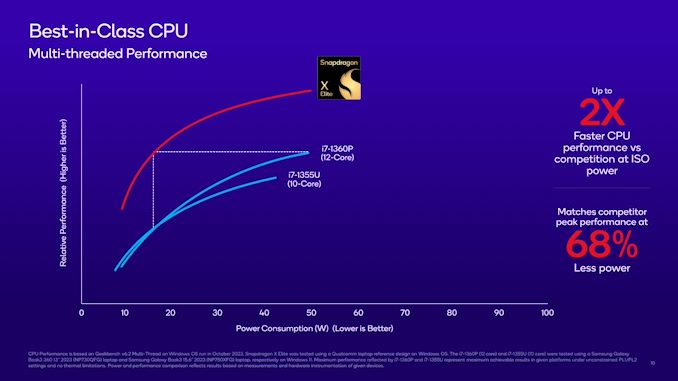
Qualcomm has shown off some impressive numbers showcasing the capabilities of its upcoming Snapdragon X Elite chip. The benchmark results Qualcomm revealed to the press hint that the upcoming Windows-on-Arm laptops powered by the Snapdragon X Elite chip will outcompete both Intel processors and Apple’s M series chips.
No details were shared about how they performed the tests, and the comparison charts were unverified
However, the company never provided much details about which setup tested the Snapdragon X Elite chip. “Qualcomm has been far from forthcoming with its curated benchmark results that have been presented to the press,” claims a recent report from SemiAccurate. “Qualcomm benchmarks are impossible to recreate even by class-leading OEM developers.” The charts comparing the performance with its competitors’ offerings were also unverified.
Later on, when device manufacturers got their hands on the new X series chip, they could not even get close to the numbers that Qualcomm showed off to the press. According to SemiAccurate, OEMs first saw numbers not even reaching 50% of the claims. In response to the disparity, Qualcomm engineers blamed poor optimization of Windows-on-Arm and poor cooling of the devices. OEMs couldn’t improve the results much even after working on the cooling solution. A source (anonymous) even compared the Snapdragon X Elite to Intel Celeron chips. For those unfamiliar, these are Intel’s entry-level chips with low power requirements.
Nonetheless, if the X Elite chips are going to be mounted on devices made by the same OEMs that are testing the chips and are going to run Windows, it shouldn’t matter how Qualcomm tested the new Snapdragon X Elite.
The company also avoided answering more technical questions about its upcoming Snapdragon X series. They promised deep technical briefings before the launch, which is scheduled to be somewhere around “mid-2024”.
Qualcomm has also revealed the Snapdragon X Plus, a cut-down and more affordable version of the previously announced Snapdragon X Elite chip. The announcement also reportedly lacked the deep technical elements originally promised, with more time spent on potential camera specs enabled by the SoC than any real technical stats or deep analysis.
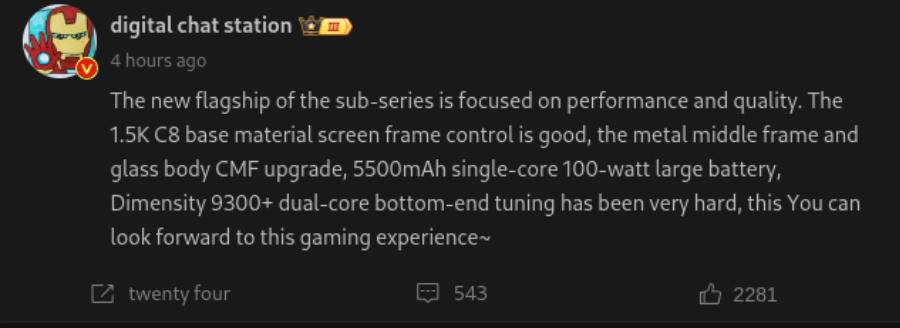
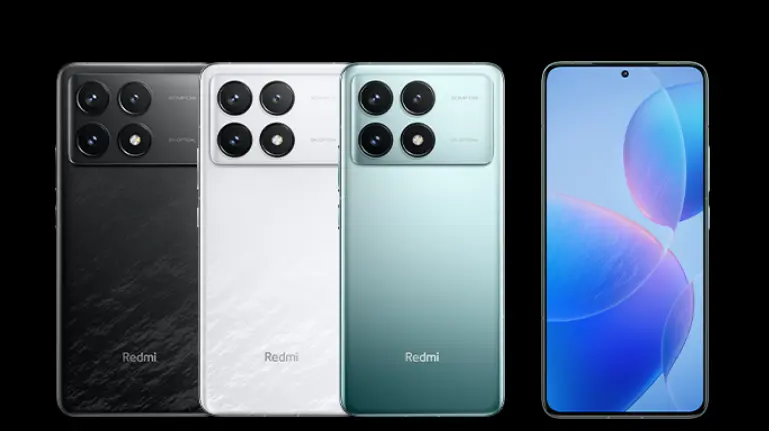
Leaks about the upcoming Redmi K70 Ultra keep coming, with reliable leaker Digital Chat Station (DCS) consistently sharing details on Weibo. The tipster in his latest post has now shared the specifications of the smartphone.
According to DCS, the K70 Ultra will feature a TCL C8 OLED panel with a 1.5K resolution. The design is expected to see an upgrade from its predecessor, featuring metal frames and a glass back with improvements in color, material, and finish or CMF.
The device is likely to run on MediaTek’s Dimensity 9300 Plus chipset, which hasn’t been officially announced yet. But the chipset is expected to have a slightly faster prime clock speed compared to the Dimensity 9300.
Moreover, it’s rumored to be paired with a dedicated graphics chip for a better gaming experience. To fuel this performance, DCS claims that the phone will pack a 5,500mAh battery with support for 120W fast charging.
Apart from this, previous reports of the K70 Ultra reveal up to 24GB of LPDDR5x RAM and a whopping 1TB of UFS 4.0 storage Details about the camera system are still up in the air, but rumors have it that the Redmi K70 Ultra will feature a 50-megapixel primary sensor accompanied by an ultra-wide sensor and a macro lens.
It is important to note that these are all leaks, and Xiaomi has not officially confirmed any details about the Redmi K70 Ultra. With an expected launch in the first half of 2024, we can expect more information to surface in the coming days or weeks.
UPDATE: Infinix will launch the GT 20 Pro globally starting with Saudi Arabia on April 28.
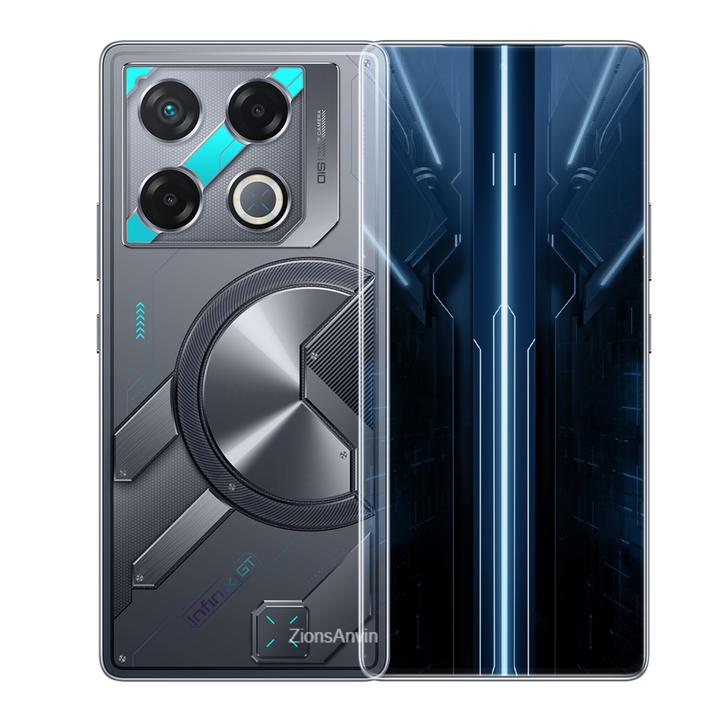
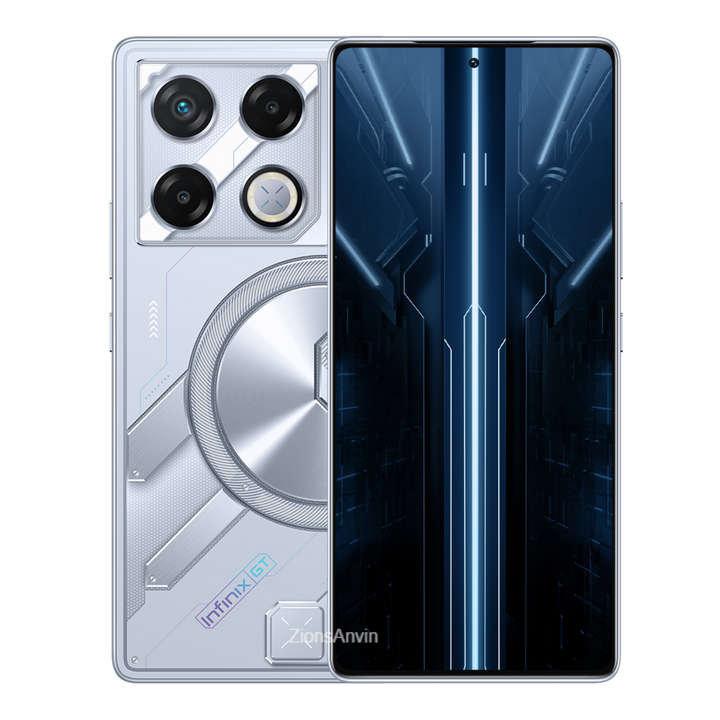
Infinix has confirmed that it will unveil the Infinix GT 20 Pro, a mid-range gaming phone, on May 2 in Malaysia. In the coming days, the phone is expected to be released in other markets, such as the Middle East and other Asian countries, including India. Ahead of the launch, the entire specification of the GT 20 Pro has emerged, along with its official renders. Here is a look at what to expect from the smartphone.
Infinix GT 20 Pro images, specifications (rumored)
Infinix GT 20 Pro – Mecha BlueInfinix GT 20 Pro – Mecha OrangeInfinix GT 20 Pro – Mecha Silver
The Infinix GT 20 Pro will come in three color options: Mecha Silver, Mecha Blue, and Mecha Orange. The official teaser for the phone suggests that the C-shaped pattern on the back will have RGB lighting.
The Infinix GT 20 Pro will arrive with a 6.78-inch AMOLED FHD+ screen that offers a 144Hz refresh rate and an in-screen fingerprint scanner. The device will feature a Pixelworks X5 Turbo visual processor and JBL dual speakers for an enhanced gaming experience. The device is said to have an IP54 rating for dust and water resistance. It measures around 164 x 75 x 8.15mm.
The GT 20 Pro will feature the Dimensity 8200 Ultimate chipset. It will be available in two RAM variants, such as 8 GB and 12 GB. Both will offer 256 GB of internal storage. The device will pack a 5,000mAh battery with 45W fast charging support.
The GT 20 Pro will run on Android 14, which will be overlaid with Infinix’s XOS 14 UI. On the front, it will have a 32-megapixel selfie camera, and its back panel will feature an OIS-enabled 108-megapixel primary camera and a pair of 2-megapixel auxiliary cameras.
Infinix GT 20 Pro price (rumored)
The Infinix GT 20 Pro is likely to cost 1,299 MYR in Malaysia. This is approximately $270, or Rs 22,640.
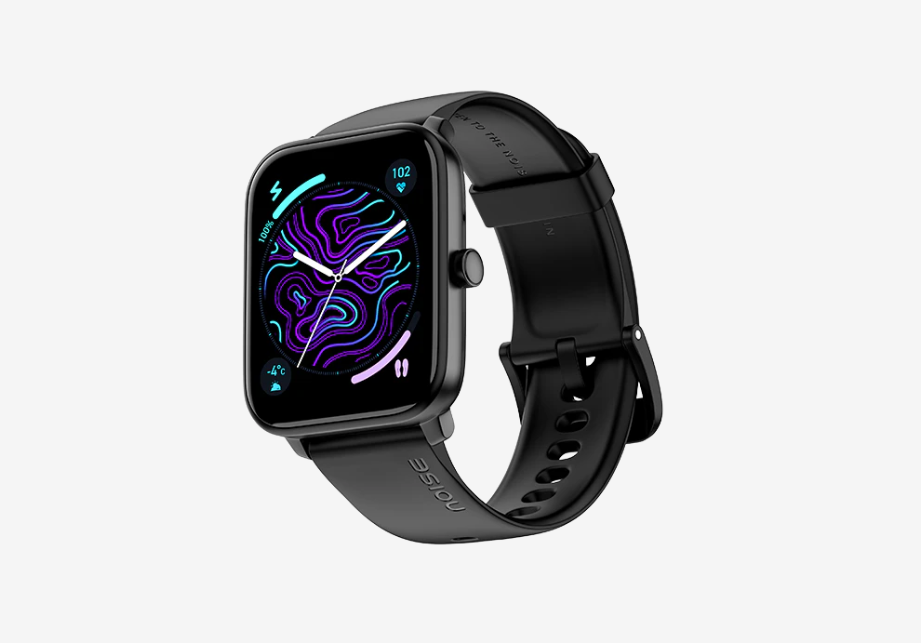
Noise has introduced the ColorFit Pulse 4, the latest model in their Pulse Series of smartwatches, available from April 24, 2024.
This new smartwatch boasts a 1.85-inch AMOLED display with 390 x 450-pixel resolution and 600 nits of brightness, ensuring clear visibility under any lighting conditions. It also features an Always-On Display for easy access to time and notifications.
The ColorFit Pulse 4 is equipped with IP68 water and dust resistance, making it suitable for any environment. It offers up to 7 days of battery life and supports Bluetooth 5.3 with Tru Sync for hassle-free calling directly from the watch.
The smartwatch comes loaded with the Noise Health Suite, which allows users to monitor health metrics such as heart rate, SpO2, sleep patterns, and stress levels. It is also fitted with productivity tools like daily reminders and weather forecasts.
Pricing & availability
Available at an introductory price of Rs 2,499, the watch comes in vibrant colors such as Jet Black, Space Blue, Forest Green, and Rose Gold Pink. It will also be available on Amazon starting April 26, 2024.
As a special launch offer, customers can get an extra Rs 250 discount by using the ‘Get Offer’ button on the official Noise website and providing their contact information for notifications.
Moondrop, primarily known for its high-end in-ear monitors and earbuds, has launched the MIAD 01, its first foray into smartphones. As expected from an audio brand, the phone focuses on audio rather than being specs-heavy. Let’s get into the specs, features, and price of Moondrop MIAD 01 here.
Moondrop MIAD 01 Specifications
The MIAD 01 runs on the MediaTek Dimensity 7050, a mid-range chipset suitable for everyday tasks but unlikely to impress power users. It comes with 12GB of LPDDR4X memory and 256GB of UFS 3.1 storage. You can further expand the storage via a microSD card slot up to 2TB.
On the front, the phone features a large 6.7-inch curved OLED display with a 120Hz refresh rate. The resolution is standard 1080p and there is a 32MP camera for selfies.
The rear features a 64MP primary sensor, likely accompanied by a depth sensor for portrait mode effects. Keeping the lights on is a 5000mAh battery with support for 33W fast charging.
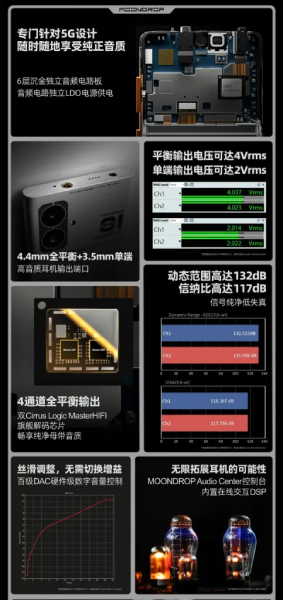
Things are intriguing when it comes to audio. It features a unique combination of dual headphone jacks – a 4.4mm balanced jack for audiophile-grade connections and a standard 3.5mm jack for wider compatibility. The balanced jack offers a higher output voltage compared to the 3.5mm jack.
Moreover, the phone has a quad-channel DAC setup powered by Cirrus Logic MasterHIFI DACs. With this, you can expect excellent audio quality with a high dynamic range and low signal-to-noise ratio.
These specifications are impressive, even surpassing what some dedicated portable DAC/amps offer. The audio circuit is further enhanced by a 6-layer gold-sinking design, an independent power supply, and 100-level hardware volume control. Moondrop has also included an Audio Center app for additional sound customization through DSP functionality.
Price and Availability
The Moondrop MIAD 01 is priced at 2499 RMB (approximately $345). The price makes it a compelling option for audiophiles on a budget seeking a phone with exceptional audio quality.
But, it’s unclear if the phone will be available internationally. It’s only out in China for now, where it will go on sale starting April 25.
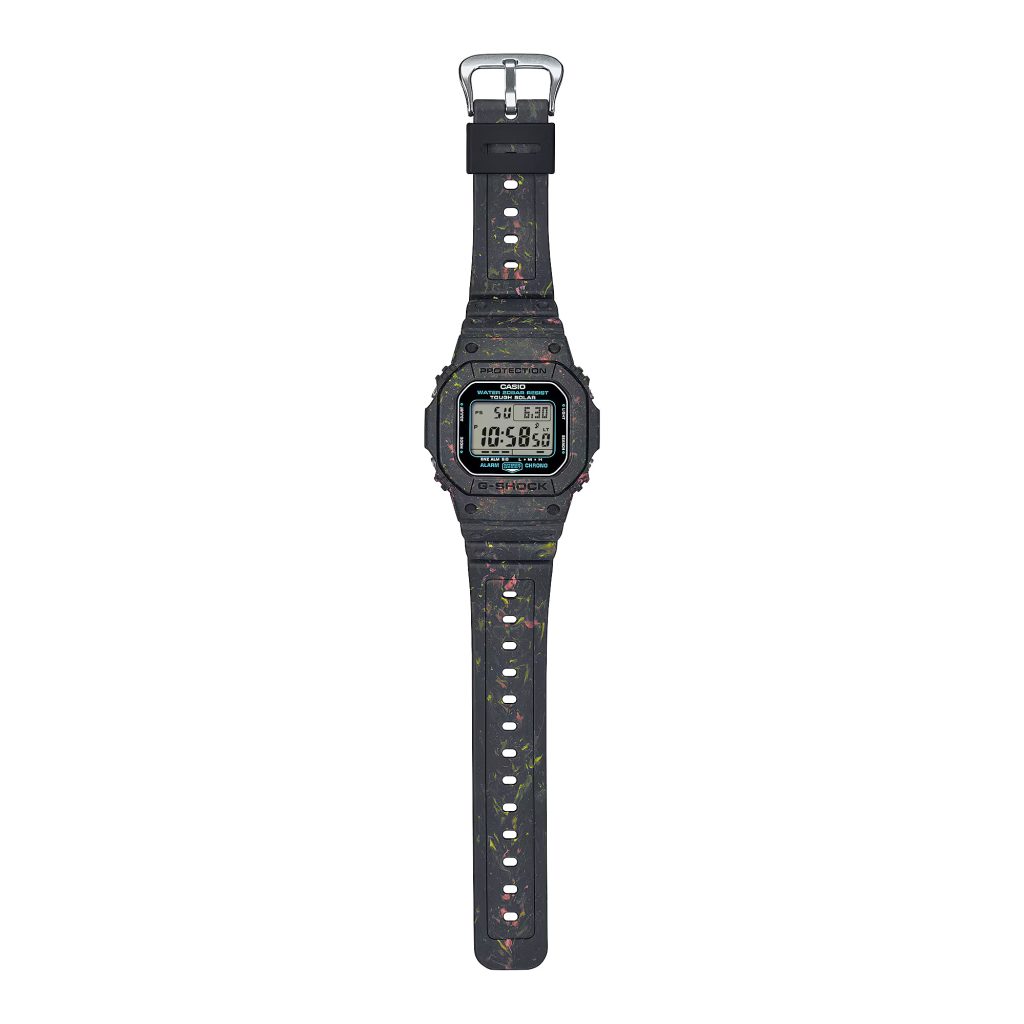
Casio has launched a new limited-edition watch, the ‘Back to G-SHOCK’ G-5600BG-1, as part of its Earth Day celebration and to honor its anniversary on April 12.
The G-5600BG-1 is crafted using recycled resin, aligning with G-SHOCK’s initiative to minimize environmental impact. The watch includes resin scraps from previous Casio productions. It maintains the brand’s standard for durability and design while promoting recycling efforts. Each unit features a unique, colorful pattern, distinguishing every watch as one-of-a-kind.
Equipped with Tough Solar technology, the G-5600BG-1 converts any light source into power, sustaining its charge efficiently. It also includes features such as shock resistance, 200 meters of water resistance, alarms, timers, and a fully automatic calendar, making it a robust option for everyday use.
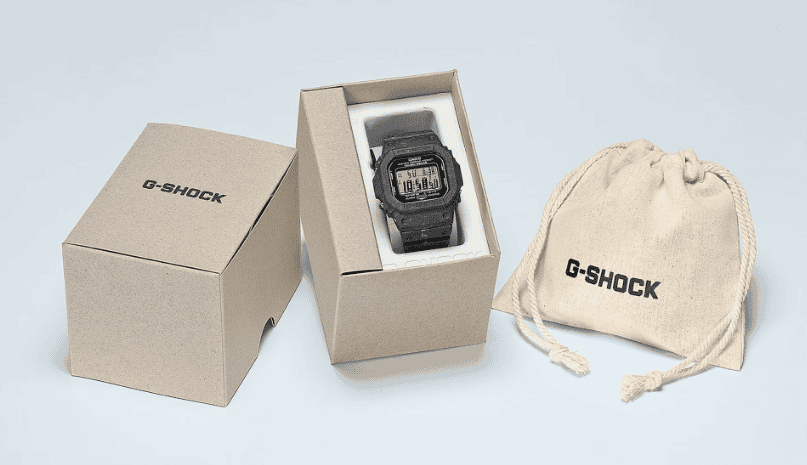
The eco-conscious approach extends to the packaging, which is made from environmentally friendly materials.
Pricing & availability
The Casio G-5600BG-1 will be sold for a price tag of $199. In India, the watch will be sold for Rs 9,995. This watch will be available exclusively in Casio & G-SHOCK stores starting at the end of April 2024.
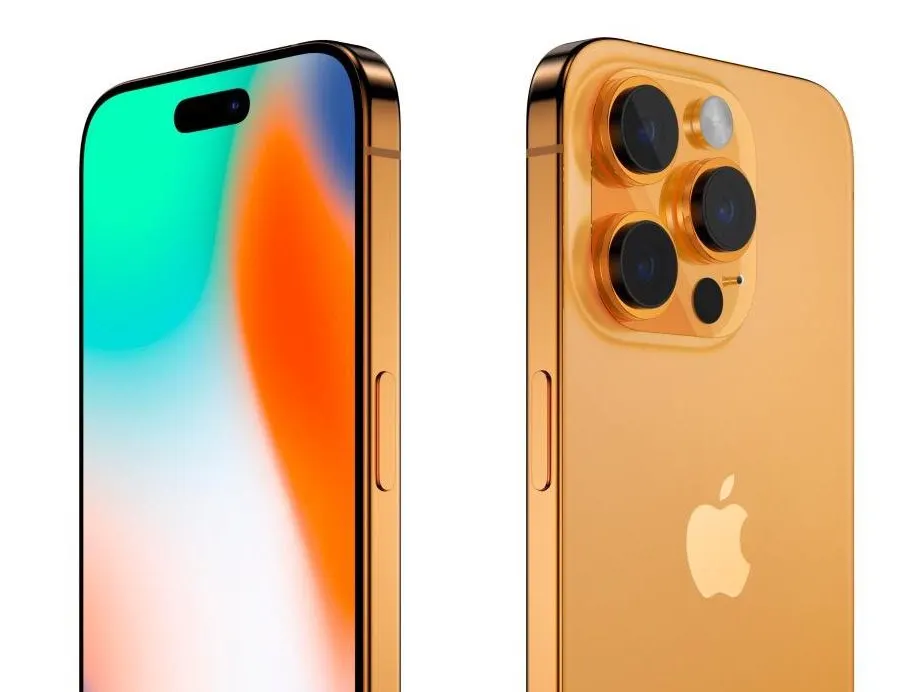
In the first quarter of 2024, China’s smartphone market registered growth, ticking up by 1.5% compared to last year. This was the second quarter in a row where things looked up for the Chinese market, sparking some optimism in the industry.
Huawei was the standout brand in this quarter, registering an impressive growth of nearly 70%. Thanks to their new 5G Mate 60 series, it grabbed a big chunk of the high-end market. While Huawei was climbing the ranks, HONOR wasn’t far behind. It managed 11.5% growth, thanks to their popular X50 and Play 40 models.
On the other hand, Apple had a rough start to the year. Their sales dropped by over 19% in China. A couple of things hit them hard: a government ban on Apple devices for employees and Huawei’s strong comeback. Despite some big discounts and promotions, Apple struggled to keep up.
Looking ahead, there’s a possibility that Apple might bounce back in the next quarter. They’re rolling out new color options and pushing sales hard. Everyone’s waiting for May 2, when Apple will share their earnings report. It’s going to be a key moment for them as they try to regain their footing in China’s competitive market.
So, the big question now is, can Apple turn things around with their new strategies?
US Is Nervous About China’s Growing Interest in RISC-V Chips
source: wikipedia
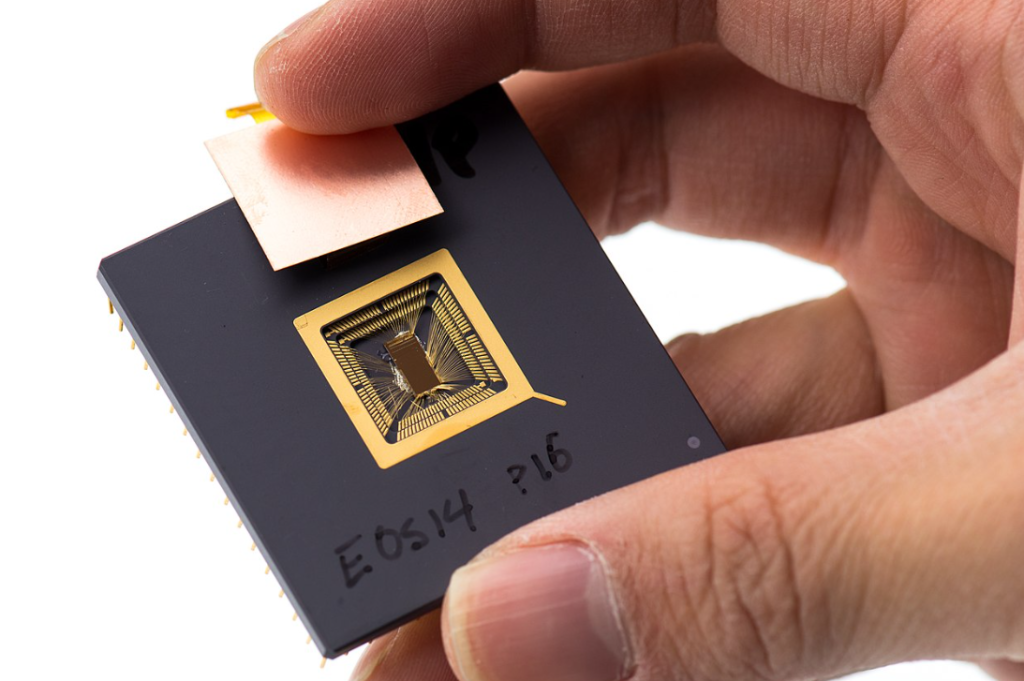
The US Department of Commerce is keeping a close eye on China’s growing interest in RISC-V chip technology, a rising star in the chip-making world. RISC-V is a free, open-source alternative to more controlled technologies like those from Arm Holdings, and it’s catching on everywhere, from smartphones to sophisticated AI chips.
China’s big tech players, like Alibaba, are really getting into RISC-V. This move has turned up the heat in the tech rivalry between the US and China, pushing 18 US lawmakers to press the Biden administration to make sure China doesn’t get the upper hand in this area.
The Commerce Department is on it, checking out the risks and figuring out the best steps to take. They want to be careful, though. They don’t want to mess up chances for US companies to work with others around the world on RISC-V projects. They’ve learned from past snags, like when US restrictions on sharing 5G tech with China made it tough for US firms in global tech groups, which could have knocked the US off its tech throne.
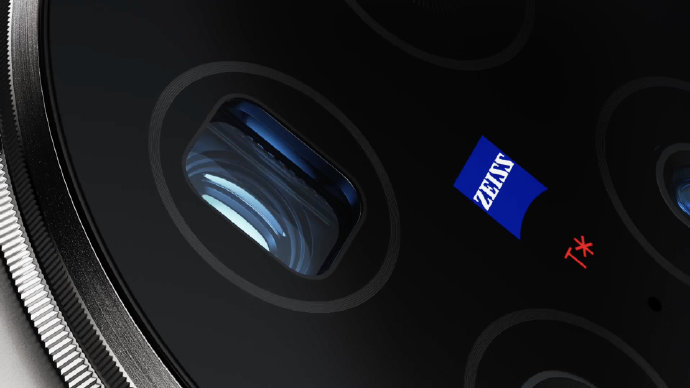
Vivo has just announced its BlueImage brand, shaking up the smartphone photography game with its own imaging technology. This move has sparked curiosity about whether this signals the end of their collaboration with Zeiss, the optics giant.
Vivo’s BlueImage is all about taking smartphone photography up a notch. The company has pumped resources into research and development to create a system that enhances the photos you snap on your phone. They’ve even developed their own imaging chips, now in their third generation, to power this tech.
But fans of Vivo’s partnership with Zeiss can breathe easy. Vivo has made it clear that their work with Zeiss isn’t going anywhere. They’ve committed to a new joint R&D agreement with Zeiss, reinforcing their collaboration. An executive from Vivo even teased this on social media, showing off the BlueImage and Zeiss logos together, along with a sneak peek at an upcoming device.
Last year, Huawei unveiled the “HarmonyOS NEXT” operating system exclusively for developers. This operating system does not support Android apps and could be the future of Huawei smartphones and other connected smart devices.
A previous report from Nikki Asia claimed that Huawei’s HarmonyOS NEXT (unveiled in January as the newest version of its proprietary operating system) could rival iOS and Android going forward.
The latest news is that Huawei is aiming to roll out the HarmonyOS ecosystem globally.
Xiaomi announced a couple of new products, such as the Redmi Pad SE, the Redmi Buds 5A, the Robot Vacuum Cleaner S10, and the Handheld Garment Steamer, in India through the 2024 Smarter Living launch event.
The Xiaomi Robot Vacuum Cleaner S10 and Handheld Garment Steamer will be available for pre-booking starting April 29 in India via Mi.com, Flipkart, and Amazon. On April 29, Mi.com will host the early access sale of these devices.
The iQOO Z9 Turbo is the top-end model in the Z9 series smartphones that was announced yesterday in China. It is a new addition to the Z9 series. The latest offering packs mid-range flagship specifications. The Z9 Turbo is also quite different compared to its siblings.
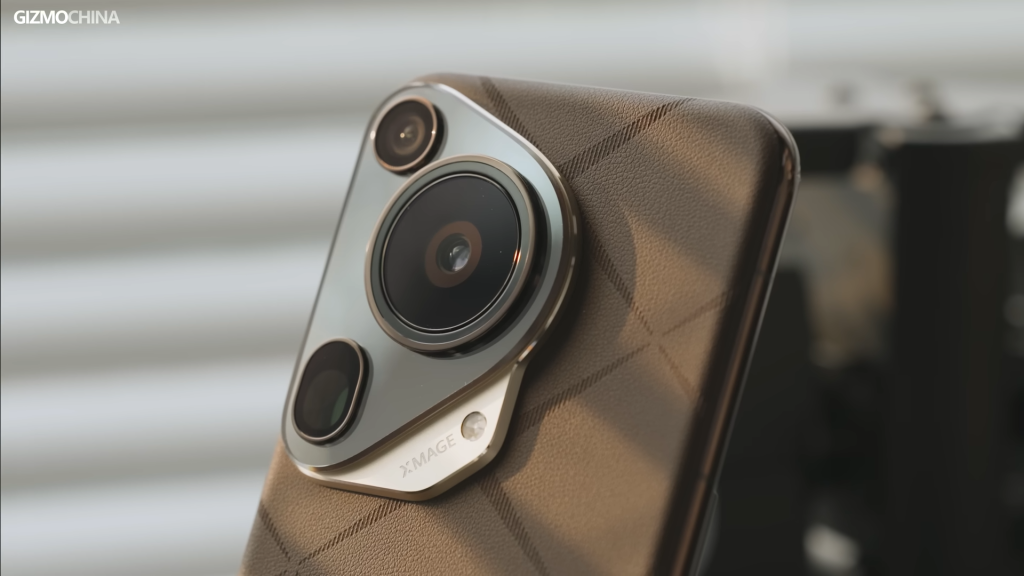
The Huawei Pura 70 Ultra (unboxing & hands-on) boasts a revolutionary feature: a retractable main camera. This isn’t the first phone to feature a retractable lens, though.
The first commercial phone that came with this feature was the Tecno Phantom X2 Pro. Well, this innovative design offers a unique solution to the age-old challenge of balancing large sensor sizes with a sleek phone profile.
Apple has added 8 new suppliers from mainland China while removing 4, highlighting the country’s significance in its supply chain. With 157 contractors operating in mainland China, representing over a third of its disclosed suppliers, Apple reaffirms its reliance on the region for manufacturing and assembly.
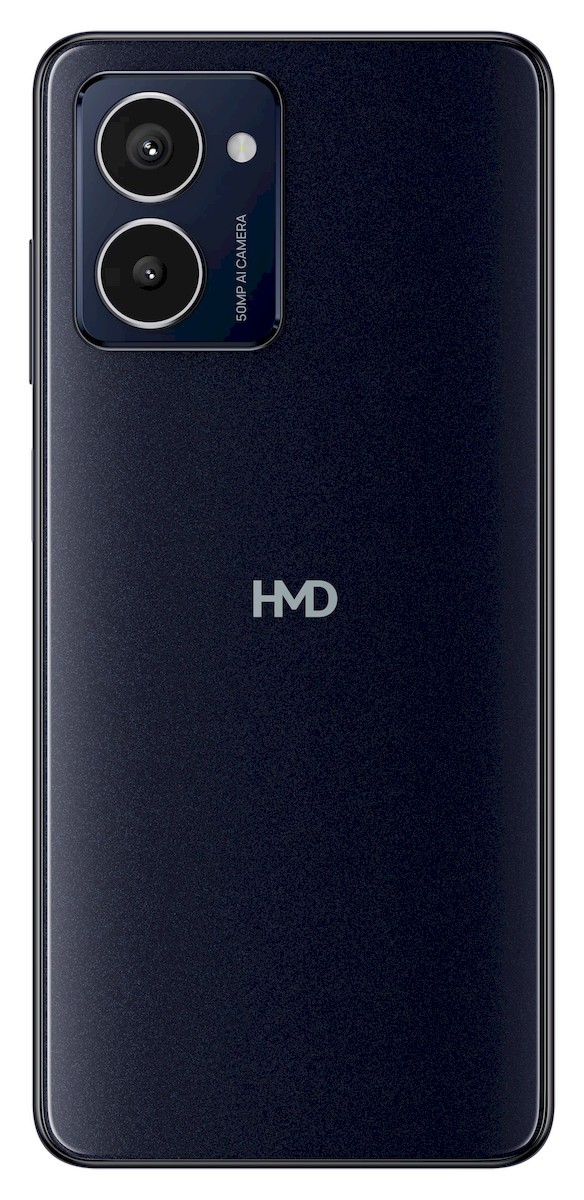
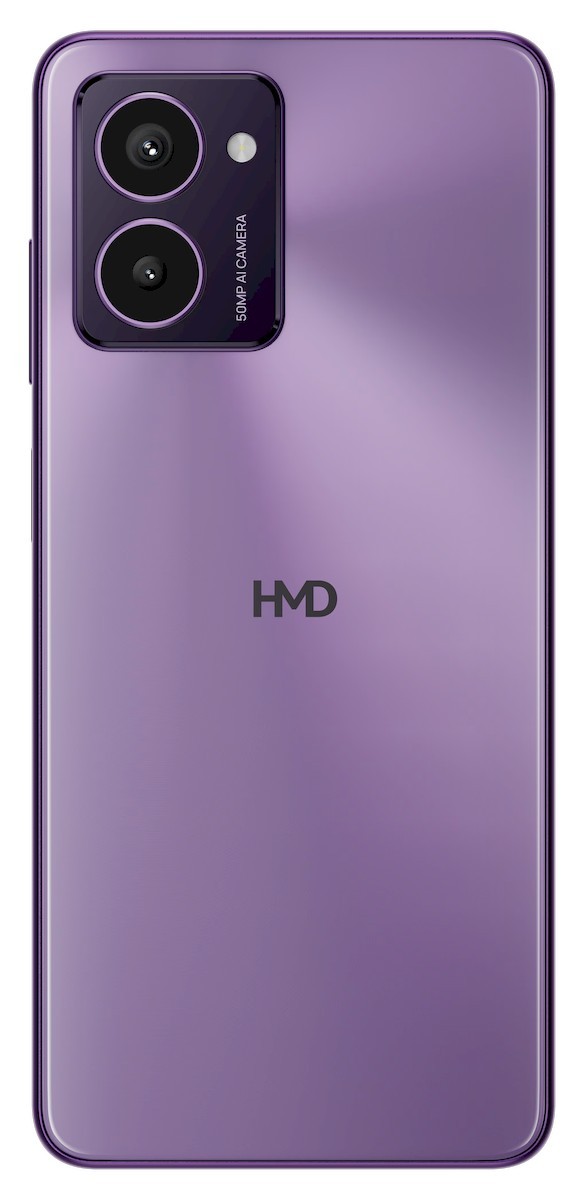
HMD Pulse, Pulse+, and Pulse Pro have debuted as the first HMD-branded phones in Europe. The new phones come with Gen 1 repairability, which will allow users to make use of iFixit self-repair kits to fix problems like replacing the battery and changing the display. Here’s a look at what each of these phones offers:
HMD Pulse Pro specifications and features
HMD Pulse Pro
Priced at 180 euros, the HMD Pulse Pro has a 6.65-inch HD+ 90Hz display and 600 nits of brightness. Under the hood, the device has the Unisoc T606 chipset, 4 GB / 6 GB / 8 GB of RAM, 128 GB of built-in storage, a microSD card slot, and a 5,000mAh battery with 20W fast charging.
HMD Pulse Pro display
On the front, it has a 50-megapixel selfie camera, and its rear panel has a 50-megapixel + 2-megapixel dual-camera system. For security, it has a side-facing fingerprint scanner. It comes in shades like Glacier Green, Black Ocean, and Twilight Purple.
HMD Pulse+ and HMD Pulse specifications, features
HMD Pulse Plus
HMD Pulse+ and HMD Pulse are priced at 140 euros and 160 euros, respectively. Both feature the same screen, a Unisoc T606 chip, and a 5,000mAh battery that is available on the Pro model. Instead of 20W charging available on the Pro model, the Pulse+ and Pulse models offer 10W charging.
Like the Pro variant, the HMD Pulse+ also comes with 4 GB 6 GB / 8 GB of RAM, 128 GB of storage, and a microSD card slot. It has an 8-megapixel front camera and a 50-megapixel camera with an LED flash on the back. The Pulse+ can be bought in shades like Midnight Blue, Glacier Green, and Apricot Crush.
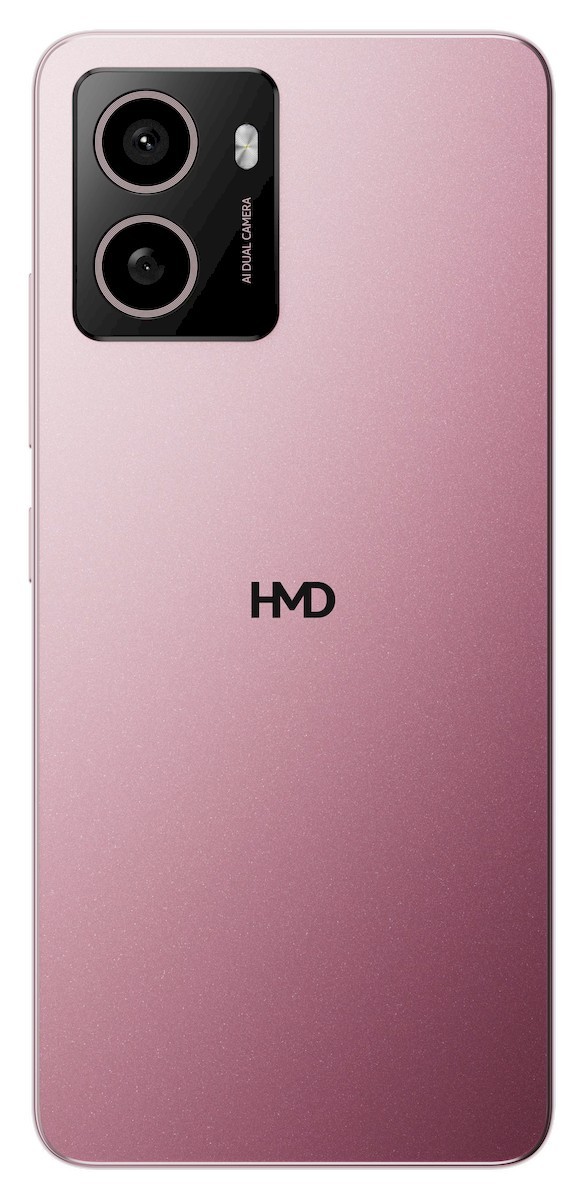
The HMD Pulse offers 4 GB / 6 GB of RAM, 64 GB of storage, and a microSD card slot. On the front, it has an 8-megapixel selfie camera, and its back panel has a single 13-megapixel camera. It comes in three color options: Meteor Black, Atmos Blue, and Dreamy Pink. Android 14 powers all three phones, promising two OS upgrades and three years of security patch updates.
HMD Pulse
As can be seen, the HMD Pulse series of smartphones mainly differ in departments like RAM, storage, charging speed, cameras, and color options.
Starting today, the Pulse and Pulse+ phones are available for purchase through HMD.com. The Pro variant’s availability is yet to be confirmed. The Gen 1 self-repair kits can be purchased on this page. The HMD Pulse is likely to get rebranded as the HMD Vibe in the US. The other Pulse models may be released in the US.
We use cookies on our website to give you the most relevant experience by remembering your preferences and repeat visits. By clicking “Accept”, you consent to the use of ALL the cookies.
This website uses cookies to improve your experience while you navigate through the website. Out of these, the cookies that are categorized as necessary are stored on your browser as they are essential for the working of basic functionalities of the website. We also use third-party cookies that help us analyze and understand how you use this website. These cookies will be stored in your browser only with your consent. You also have the option to opt-out of these cookies. But opting out of some of these cookies may affect your browsing experience.
Necessary cookies are absolutely essential for the website to function properly. This category only includes cookies that ensures basic functionalities and security features of the website. These cookies do not store any personal information.
Any cookies that may not be particularly necessary for the website to function and is used specifically to collect user personal data via analytics, ads, other embedded contents are termed as non-necessary cookies. It is mandatory to procure user consent prior to running these cookies on your website.