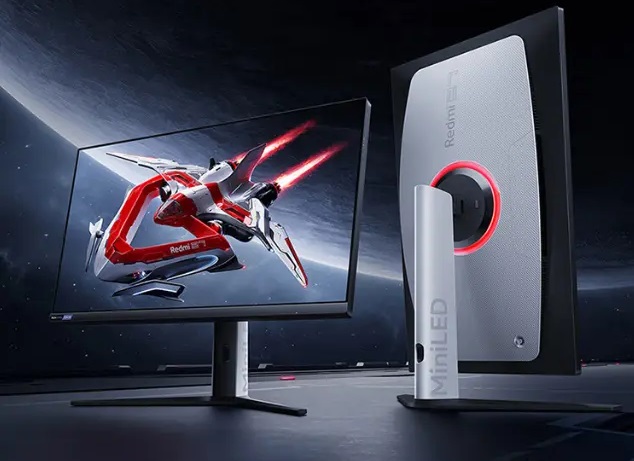
Xiaomi has unveiled its latest addition to the Redmi display lineup with the launch of the Redmi G Pro 27-inch monitor, now available for pre-sale on JD.com. Customers can secure this cutting-edge display at a pre-sale price of 2,199 yuan (~$300). The Redmi G Pro 27 boasts impressive features and specifications aimed at delivering a premium visual experience for users.
Technical details of this Mini LED gaming monitor
Equipped with 1152 partition Mini LED technology and 4608 lamp beads, the Redmi G Pro 27 promises precise control over screen brightness and detail, ensuring a visually immersive experience. Offering four-level light control modes and a dynamic backlight function, users can tailor their display settings to suit various usage scenarios, whether it’s gaming, multimedia consumption, or professional tasks.
This monitor sets itself apart with its remarkable specifications. It offers a peak brightness of 1000 nits and a black point brightness of 0.001 nits, coupled with HDR1000 support and a dynamic contrast ratio of 1000000:1. In short, the Redmi G Pro 27 delivers stunning visuals with deep blacks and vibrant highlights. Moreover, its impressive 180Hz refresh rate and 1ms GTG response time ensure smooth, blur-free motion and fast-paced gaming experiences, complemented by FreeSync anti-tearing technology for seamless gameplay.
Designed with eye comfort in mind
In terms of eye comfort and color accuracy, the Redmi G Pro 27 doesn’t disappoint. It has obtained TÜV low blue light certification, allowing users to filter short-wave blue light when the low blue light mode is activated, reducing eye strain during prolonged use. Additionally, with support for 100% sRGB, 99% DCI-P3, and 97% Adobe RGB color gamuts, along with a color accuracy of ΔE<2 and a 10-bit color depth, this monitor delivers precise, true-to-life colors with over 1.07 billion colors available.
Three-sided narrow frame design with joystick control
Visually striking both inside and out, the Redmi G Pro 27 features a sleek three-sided narrow frame design and convenient joystick control for easy navigation of settings. The stand offers versatile adjustments, including front and rear pitching, up and down lifting, left and right rotation, and even vertical screen rotation, ensuring optimal viewing comfort for users.
Available ports
2 x DP1.4
2 x HDMI 2.0
In summary, the Redmi G Pro 27-inch monitor presents a compelling option for users seeking a high-performance display for gaming, content creation, and professional tasks.
The highly anticipated global release of the Xiaomi 14 series is right around the corner. The flagship lineup is expected to consist of the Xiaomi 14 and Xiaomi 14 Ultra (14 Pro rumored to skip global launch), and now, a fresh ahead of the announcement has revealed the battery specs of the top end Ultra model. So let’s have a look.
Xiaomi 14 Ultra Battery
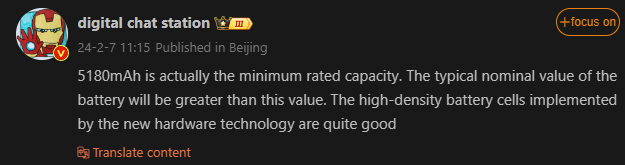
The Chinese tech giant is going to host a global launch event on 25th February 2024. But ahead of the official release, known tipster Digital Chat Station shared new information regarding the Xiaomi 14 Ultra on Weibo (a Chinese microblogging website). The premium grade handset is rumored to be equipped with a 5,180mAh battery pack. This is likely the rated value so its typical value could likely be around a 5,300mAh capacity.
In a previous report, we covered another leak, which claimed that the upcoming device will offer 80W wireless fast charging and 100W wired fast charging. Similar to the Xiaomi 14 and 14 Pro, the Xiaomi 14 Ultra could likely be equipped with the Qualcomm Snapdragon 8 Gen 3 SoC, which is paired with up to 16GB of RAM. The 14 Ultra is the flagship model that promises to offer a top notch photography experience.
The rear packs a 50-megapixel Sony LYT900 primary camera. Xiaomi 14 Ultra would likely run on the Android 14 OS out of the box. Recently, the device received certification on major platforms like TUV Rheinland and IMDA. Meanwhile, a GeekBench listing showcased its synthetic benchmark performance. So stick around for more, as we will be covering the launch event later this month.
In October 2023, Vivo announced the Vivo Y200 5G smartphone, equipped with the Snapdragon 4 Gen 1 chip, in India. Recent reports have revealed that the brand is working on a new phone dubbed the Vivo Y200 5G. The said device was recently spotted at the Bluetooth SIG certification and Geekbench. Now, 91mobiles has spotted the Google Play Console listing of the Vivo Y200e 5G.
Vivo Y200e 5G design, key specifications (rumored)
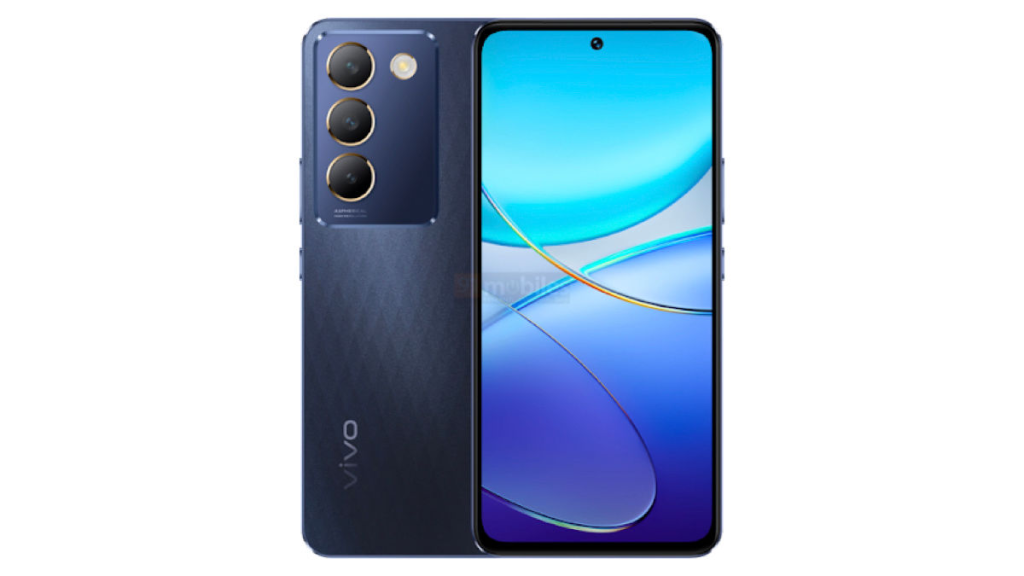
Vivo Y200e 5G image via Play Console listing
The Vivo Y200e 5G’s Play Console listing has an image of the device. As can be seen, it has revealed the front and rear design of the smartphone. On the front, it has a punch-hole screen and the blue-colored back panel has a rectangle module housing three cameras and an LED flash.
The overall design of the phone is like the Vivo Y200 5G. However, one significant difference is that the Y200 5G has a dual-camera setup, whereas the Y200e has an extra camera.
The Play Console listing mentions that the model number of the device as V2327. Just as the Geekbench listing did, the Play Console listing reveals that the device is powered by the Snapdragon 4 Gen 2 chip. The SoC is mentioned with the model number SM4450 in the listing.
It further reveals that the Y200e 5G has an FHD+ display, but it is not clear whether it has an AMOLED or LCD panel. Most likely, it will have an AMOLED screen like the Y200. In addition, the listing reveals that the device has 8 GB of RAM and 128 GB of storage.
The appearance of the Y200e 5G at Play Console, Geekbench, and Bluetooth SIG suggests that its launch is imminent. The phone may debut either by the end of this month or in March.
At the end of January, Motorolaunveiled the Moto G24 Power in India. The USP of the device is that it is a sub-Rs 9,000 smartphone packed with a 6,000mAh battery and the latest Android 14. As announced on the launch day, the phone is available for purchase starting today via Flipkart in the country. Here is a look at the price and offers for those who wish to avail the G24 Power.
Moto G24 Power price in India
Moto G24 Power Ink BlueMoto G24 Power Glacier Blue
The Moto G24 Power is available in two options in India. The 4GB+128GB edition is priced at Rs 8,999 (~$108), while the 8GB+128GB variant costs Rs 9,999 (~$120). Customers will be able to take advantage of Rs 750 (~$9)off on exchange on both variants as part of the launch offer. Hence, the G24 Power can be purchased with an effective starting price of Rs 8,249 (~$99). The phone comes in Glacier Blue and Ink Blue color options.
Moto G24 Power specifications
The Moto G24 Power houses a 6.6-inch IPS LCD punch-hole panel that offers an HD+ resolution and a 90Hz refresh rate. For photography, it has a 16-megapixel front camera and a 50-megapixel + 2-megapixel (macro) dual-camera system on the back. The phone ships with the latest Android 14 and is promised to receive three years of security updates.
The G24 Power features the Helio G85 chipset, 8 GB of RAM, 8 GB of virtual RAM, and a 6,000mAh battery with 33W fast charging. The phone offers 128 GB of built-in storage and a microSD card slot for more storage.
The G24 Power comes with other features, such as dual SIM, 4G VoLTE, Wi-Fi 6, Bluetooth 5.2, GPS, a USB-C port, and a 3.5mm headphone jack. The device has a thickness of 8.99mm and weighs 196 grams.
Xiaomi is set to unveil a new Redmi A series smartphone in India soon. While there was no word regarding the Redmi A3 release, the latest announcement has confirmed its launch date. The Redmi A3 drops in India on Valentine’s Day, with the teaser also confirms some key features as well.
Redmi A3 India launch set for Feb 14
The Chinese tech giant’s Redmi A 3 will be unveiled in the region on 14th February 2024. A dedicated microsite has also gone live on the brand’s official Indian website, which reveals certain specs. The upcoming device will offer a display with a 90Hz refresh rate and will be powered by a large 5,000mAh battery pack. Design elements of the Redmi A3 were also teased, showcasing a premium Halo design.
In other words, the rear packs a circular camera island that houses the image sensors and LED flash module. The teaser hints at a green color option. Unfortunately, this was all the information that was shared on the website. But based on what we know so far, the device will sport a 6.71-inch LCD panel and an 8-megapixel selfie camera on the front, while the rear features a 13-megapixel dual camera setup.
Under the hood, it could feature a MediaTek chipset that is paired with 4GB of RAM and 128GB of internal storage. The smartphone will likely run on Android 13 Go Edition and standard 10W charging. Xiaomi’s Redmi A3 is rumored to launch in multiple color options, namely Green, Blue, and Black. So stick around for more, as we will be covering the release next week.
Last year, Google entered the foldable phone market by announcing the Google Pixel Fold in May 2023. This year, the brand is expected to unveil its successor, the Pixel Fold 2. A new report by the Android Authority has revealed the key specifications of the device. In addition, it has also shed information on its launch timeframe.
Google Pixel Fold 2 key specifications (rumored)
Google Pixel Fold
According to the report, an anonymous source has revealed that Google has been testing the Pixel Fold 2 internally for the past few months. It has been found that the chipset that powers the prototype units of the Pixel Fold 2 is codenamed “zumapro.” For those who don’t know, the Tensor G3 chip that powers the Pixel 8 series has the “zuma” codename. Hence, it appears that the zumapro chip that powers the next-generation foldable could be the Tensor G4. To recall, the original Pixel Fold 2 features the Tensor G2 chip.
The Tensor G4 will be manufactured by Samsung and is said to be equipped with ARM Cortex-X4, A720, and A520 CPU cores. The Pixel Fold has 12 GB of LPDDR5 RAM and 256 GB of UFS 3.1 storage, whereas the Pixel Fold 2 appears to be a more powerful device, as it is said to have 16 GB of LPDDR5 RAM and 256 GB of UFS 4.0 storage. Likely, it may also feature the rumored Pixel AI assistant.
Google Pixel Fold 2 launch timeframe (rumored)
The report states that the Pixel Fold 2 is currently at the Engineering Validation Test (EVT) stage. It means it could be several months away from the mass production phase. Google is expected to unveil the Pixel 9 and 9 Pro in October of this year. Both phones are expected to feature the Tensor G4 chip. Now that the Pixel Fold 2 is also said to have the same chip, it is likely that it may launch alongside the Pixel 9 series.
A major consumer electronics manufacturer, Asus, jumped into lifestyle accessories with the launch of new backpacks, the URBN Traveler and URBN Laptop Backpack. Following the latest design and modern aesthetics, the bags can be a perfect fit for users who are looking to grab a professional-looking bag for everyday work.
Being from the electronics brand, both bags would offer high-quality cushioning, which safeguards your electronics from any damage due to any inadvertent fall. These backpacks are tailored for modern individuals who are always on the go, whether for travel or daily work routines.
The URBN Traveler series represents a fusion of innovation and style, offering an elevated experience for the modern explorer and urban professional alike. Designed to meet the daily needs of users, the backpacks are versatile enough for work, university, or travel. These offer ample storage space to carry all the essentials while staying trendy and stylish.
URBN Traveler Series Backpack Features
Equipped with two large front pockets, dual mesh side pockets for water bottles, and an impressive 18L carrying capacity, these feature-rich backpacks offer practicality without compromising on style. Additionally, they come with two internal accessory pockets and a luggage strap, enhancing their functionality for everyday use.
Asus AP1600 Backpack Details
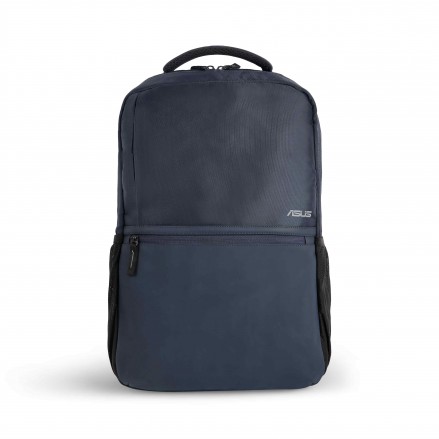
The ASUS AP1600 Backpack comes in an elite midnight blue color, perfect for 16” ROG/ASUS laptops. Weighing only 540 grams, it features a comfortable luggage strap, ensuring ease of use without adding unnecessary burden to the user. It is available for Rs 849 in Midnight Bue color. The Asus AP1600 is available from the Asus e-store and all the ASUS exclusive stores in India.
Asus AP1601 Backpack Details
On the other hand, the ASUS AP1601 Backpack sports a charcoal grey color, ideal for 15.3” ROG/ASUS laptops. Despite its lightweight design, it offers ample capacity, making it an ideal choice for travelers who prioritize mobility without sacrificing storage space. It is retailing for the price of Rs 719 in charcoal grey. Users can grab it from the ASUS e-shop, Flipkart, and Amazon, as well as multi-brand retailers including Reliance Digital, Croma, and Vijay Sales.
Following the global release, Amazfit is gearing up to launch the Active smartwatch model in the Indian market soon. The wearable is set to go on sale on 10th February 2024 and has officially been announced in the region. So here are all the details.
Amazfit Active Pricing and Availability
The Amazfit Active model will be available for purchase in multiple color options, namely Midnight Black, Petal Pink, and Lavender Purple. It has a price tag of 12,999 INR and will be sold in the market via Amazon India, the brand’s official website, and select offline stores.
Amazfit Active Specs
The upcoming smartwatch sports a 1.75-inch AMOLED display with 450 x 390 pixel resolution and 2.5D tempered glass. It runs on the ZeppOS 2.0 out of the box and supports Bluetooth 5.2 connectivity. The wearable comes with Bluetooth calling support via a built-in microphone and speaker. Users can even gain access to the Amazon Alexa voice assistant as well with this mic. The Amazfit Active offers various health related trackers as well.
This includes a BioTracker 3 PPG biometric sensor that enables Blood oxygen mapping along with a heart rate sensor and stress monitoring. Users also get an Accelerometer sensor, 3-axis motion sensor, and 4 satellite positioning systems. Other notable features include Zepp Coach, Smart trajectory correction, Virtual pacer, 5ATM water resistance, music and camera control, a 300mAh battery pack with up to 14 days of battery life, and up to 256MB of internal storage.
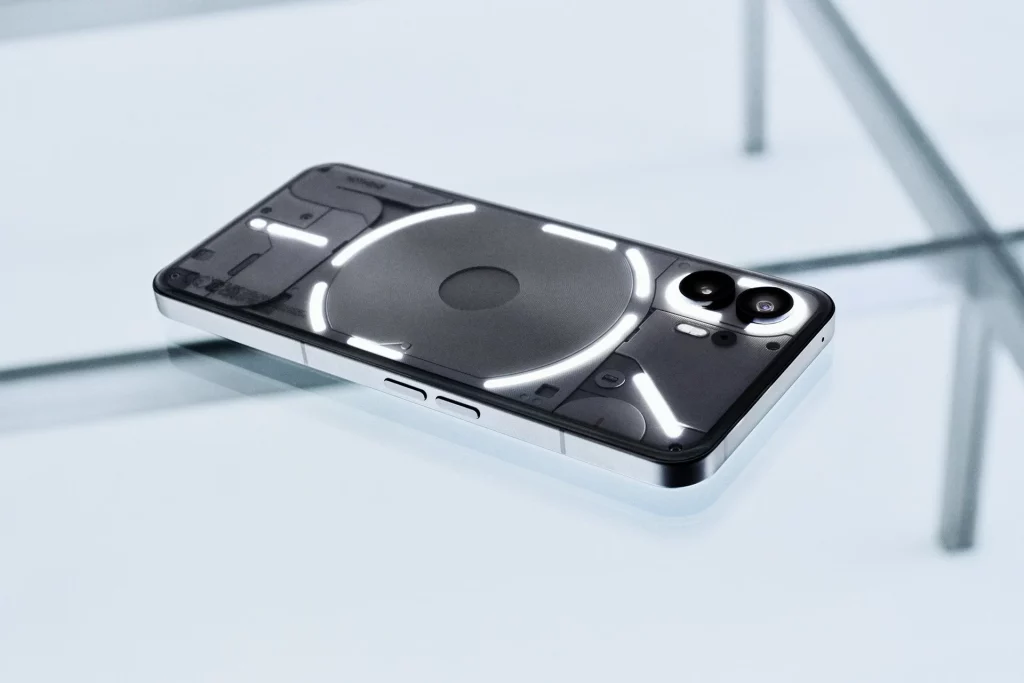
The Nothing Phone (2a) is expected to be announced in the market soon. But prior to its official launch, the company has discounted the price tag of the top Phone (2) storage model, which is the 512GB configuration. So here are all the details.
Nothing Phone (2) 512GB Price Cut
The brand’s Phone (2) is its current flagship device. It was released in a 12GB + 256GB and 12GB + 512GB variants. To recall, the latter was first released for a 59,999 INR price tag. But now, the smartphone is listed for purchase for 39,999 INR on Flipkart, a popular e-retailer in India. Citi credit card holders can avail a discount of up to 1,500 INR, while HSBC credit card holders get up to 1,000 INR discount.
However, there is currently no exchange offer or no-cost EMI options on this device. Talking about the handset, it sports a tall 6.7-inch LTPO AMOLED display with Full HD+ resolution, HDR10+, and a 120Hz refresh rate. Under the hood, the Nothing Phone (2) is equipped with the Qualcomm Snapdragon 8+ Gen 1 SoC. A 4,700mAh battery pack powers this device that supports 45W fast charging.
The rear packs a 50-megapixel dual camera setup and the front houses a 32-megapixel selfie shooter. This device runs on the Android 13 OS based Nothing OS 2 custom skin out of the box. Other notable features include 5W reverse wireless charging and 15W Qi wireless charging support, in-display fingerprint scanner, Bluetooth 5.3, NFC, and a stereo speaker setup.
☆【Memory, Storage, SIM & Battery】:- 12 GB RAM | 256 GB Storage (Not Expandable) & Dual SIM (Nano-SIM, dual stand-by) | 4500 mAh Li-Ion Battery, non-removable | (17.42 Wh) – 33W wired | PD3.0, QC4 | 50% in 30 min, 100% in 70 min, 15W wireless, 5W reverse wireless. || 12GB RAM – Smooth multitasking and gaming performance. || Spacious 256GB Storage – Store all your data, apps, and media.
☆【Exceptional Display】:- The Nothing phone (1) boasts a 16.63 cm (6.55) OLED display that reflects over 1 billion colours, allowing you to appreciate every vibrant shade. Furthermore, the HDR10+ technology in this phone allows you to enjoy rich colour and vivid contrasts that are tailored to each scenario. Moreover, this phone’s dynamic 120 Hz refresh rate provides seductively quick interactions while being encouragingly power-efficient.
☆【Powerful Processor】:- This phone’s Qualcomm Snapdragon 778G+ processor provides the necessary speed for uninterrupted operation and engaging gaming. Furthermore, with this phone’s fast-charging feature, you can effortlessly power your smartphone and enjoy up to 18 hours of amazing battery life that charges up to 50 % in just 30 minutes. Moreover, this phone’s Game Mode perfectly blends music with visuals for continuously seamless, constantly engaging gameplay.
☆【Camera】:- REAR – 50 MP Main Camera (Sony IMX766 Sensor, f/1.88 Aperture, 1/1.56 inch Sensor Size, OIS and EIS Image Stabilisation) + 50 MP Camera (Samsung JN1 Sensor, f/2.2 Aperture, 1/2.76 inch Sensor Size, FOV: 114 Degree), Camera Modes Night Mode Panorama, Portrait Mode, Beauty Mode, Bokeh, HDR, Google Filter, Scene Detection, Live Photo, Document Mode, Night mode, Extreme Night Mode, Night Video, Expert Mode, Panorama, Slow-Mo (120 fps), Timelapse | FRONT – 16MP Camera:(Sony IMX471 Sensor)
☆【Intuitive Glyph Interface】:- The innovative Glyph Interface of the Nothing smartphone lays the path for a one-of-a-kind sort of communication. Furthermore, distinct light patterns alert you to incoming calls, app alerts, charging status, and other information.
Please Note: When you buy something using the links in our articles, we may earn a small commission at no cost to you.
Realme is said to be working on the Realme 12+ 5G for global and Chinese markets. Reports have revealed that the Realme phone bearing the RMX3866 model number will be called the Realme 12+ 5G when it debuts globally. A similar model number Realme phone having the RMX3866 model code that has appeared in Chinese certification platforms like 3C and TENAA recently is believed to be the Chinese variant of the Realme 12+ 5G. In a new development, the Realme 12+ 5G’s global version has appeared on Geekbench benchmarking platform. As usual, the listing has revealed the chipset, RAM, and Android version of the device.
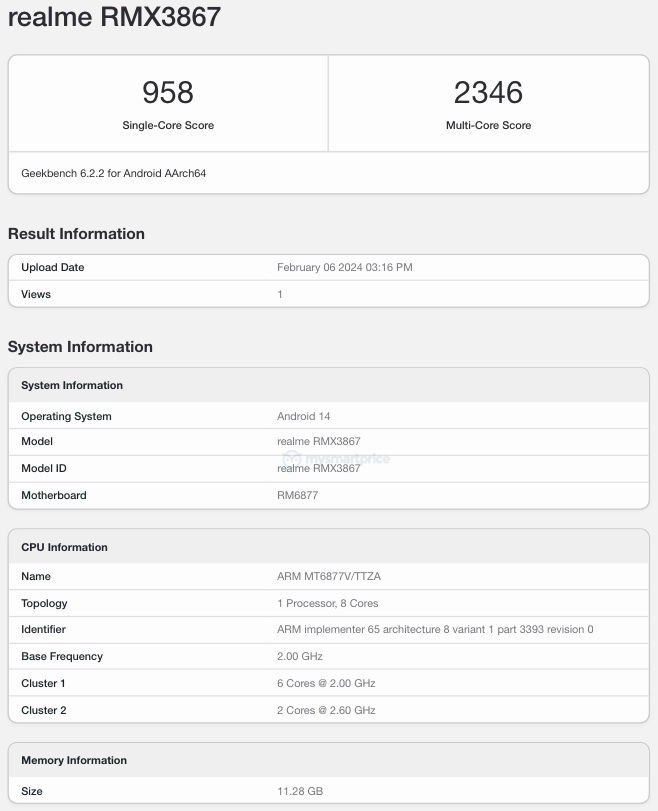
Realme 12+ 5G Geekbench listing
As per the Geekbench listing, the Realme 12+ 5G will feature the MT6877V/TTZA model number. The CPU and GPU details of the chip suggest that the device could be equipped with the Dimensity 7050 chipset. The listing further reveals 12 GB of RAM and Android 14 OS, which is likely to have the Realme UI 5 skin on top. In the single-core and multi-core tests, the device scored 958 and 2346 points, respectively.
It is speculated that the Chinese variant of the Realme 12+ 5G may launch along with the Realme 12 Pro and 12 Pro+ later this month in China. The Pro models have already launched in the global market. Hence, it is likely that the 12+ may break cover in March for markets outside of China. Here is a look at the rumored specs of the device.
Realme 12+ 5G specifications (rumored)
As per the TENAA certification, the purported Realme 12+ 5G will feature a 6.67-inch AMOLED display with FHD+ resolution and possibly a 120Hz refresh rate. Under the hood, it may feature a 2.6GHz octa-core processor and a 5,000mAh battery with 67W fast charging. In China, the device may arrive with up to 16 GB of RAM and up to 1 TB of storage.
The Realme 12+ 5G is expected to feature a 16-megapixel front camera and a 50-megapixel + 8-megapixel + 2-megapixel triple camera unit. For security, it may feature an in-screen fingerprint scanner. The device will measure 162.95 x 75.45 x 7.87 mm and weigh 190 grams.
Lava has officially announced a new update for its popular Agni 2 5G smartphone. The update has a bunch of improvements in tow along with the January 2024 Android security patch.
The official changelog poster via Lava mentions that the update has the following changes:
January 2024 Security update
Battery Performance optimization
Display Touch Optimization
Bug Fixes
The update promises to improve the battery performance of the device and also improve the responsiveness of the touch screen. The changelog also mentions “Bug Fixes”, however, Lava does not reveal any details about the fixes. That being said, the January 2024 itself patches a total of 58 vulnerabilities, 10 of which are of high severity related to Framework and System.
Lava Agni 2 5G specs:
The Agni 2 5G boasts a 6.78-inch Full HD+ AMOLED display, offering a 120Hz refresh rate, HDR10+, and a wide 105% NTSC color gamut. Running on the MediaTek Dimensity 7050 processor and operating on Android 13, it comes equipped with a 50MP quad-camera setup on the rear and a 16MP front camera. Connectivity features encompass 5G support, in-display fingerprint sensing, and a USB-C port for a rapid 66W fast-charging battery.
Lets look at two of the premium smartphones in the market today, the Galaxy S24 Ultra and the Apple iPhone 15 Pro MAx. Both the devices warrant a super premium price tag but at the same time, offer some of the best features that you’ll find in a 2024 smartphone.
So lets see how these two smartphones fare against each other and whether getting either one of them offers some kind of advantage in the long run.
Black Titanium, White Titanium, Blue Titanium, Natural Titanium
Galaxy S24 Ultra vs iPhone 15 Pro Max: Specs Comparison table
In the smartphone industry there are two brands that are always at a loggerhead with one another. These brands are none other than Samsung and Apple and in this comparison article we will port devices from these brands against one another to compare the features and specifications. The devices we will be putting against one another are the latest flagships from both of these brands.
With each Apple launch Samsung tries hard to outperform them with their next launch and vice versa. Both Apple and Samsung fanboys will give a thousand reasons why the latest flagship from their favourite brand is better than the competition. Well that’s not the aim of this article, as it aims to help you make a well informed decision when shopping for a new smartphone to purchase.
Galaxy S24 Ultra vs iPhone 15 Pro Max: Design and colours
Galaxy S24 Ultra:
The new Samsung Galaxy S24 Ultra comes with a ton of design upgrades from its predecessor. These updates place it inches ahead of the competition in this comparison. For its design, this new device comes with Gorilla Glass Armor on the front and Gorilla Glass on the back as well as titanium frame which is a new feature. This device weighs 232g and its dimensions are 162.3 x 79 x 8.6 mm (6.39 x 3.11 x 0.34 in).
A standard feature on the Samsung S Ultra entries is the S Pen, which is great for productivity. This flagship device comes with a ton of colour options which are very impressive. The colours available are Titanium Black, Titanium Gray, Titanium Violet, Titanium Yellow, Titanium Blue, Titanium Green, Titanium Orange.
iPhone 15 Pro Max:
Over the years Apple has stuck with its timeless design for the iPhones with each year bringing something new. This year the iPhone 15 Pro series got the titanium frame for durability and an improved appearance. The camera cutout is a bit larger than we saw on the predecessor of this smartphone.
Just like with the 14 Pro series the new iPhone 15 Pro Max comes with the dynamic island front facing camera cutout. Impressively Apple hasn’t locked down this cutout to just aesthetics as it serves a purpose thanks to its software abilities. The iPhone 15 Pro Max also comes with USB-C charging for the first time in Apple lightning history.
Major differences:
S24 Ultra is heavier than the iPhone 15 Pro Max.
S24 Ultra has an S Pen while the iPhone 15 Pro Max doesn’t.
The iPhone 15 Pro Max puts the volume rocker keys on the left side while the power button stays on the right.
The Samsung Galaxy S24 Ultra features smoother edges in comparison with the iPhones sharper edges.
Galaxy S24 Ultra vs iPhone 15 Pro Max: Display
Galaxy S24 Ultra:
When it comes to the design, the new S24 Ultra is at the top of its game when it comes to its display. This new device features a 6.8-inch dynamic LTPO AMOLED 2X panel that supports a 120Hz refresh rate. The display supports HDR10+ and maxes out at a display brightness of 2600 nits.
For protection this device comes with the Corning Gorilla Glass Armor which protects it from damage in case of a scratch or a drop. Users will also benefit from the new Always-On display that this device comes with. Samsung also puts to use the new anti-reflective screen coating that makes this device very usable even under bright light.
iPhone 15 Pro Max:
If you are looking out for really slim bezels on a smartphone the iPhone 15 Pro Max is a great place to start your search. With up to 2700 nits brightness this device is one of the best when it comes to its display abilities. For protection this display features Ceramic Shield glass which can protect against damage in an event of the device falling.
Users of this device will have no problem with its 6.7-inch screen as it is more than okay for usage. This display supports HDR10 and Dolby Vision technology which is great for gaming and watching movies. One feature that this screen display supports and most users like is the Always On display which is also available on the rival device in this comparison.
Major differences:
S24 Ultra features a special anti glare coating not found on the iPhone 15 Pro Max.
iPhone 15 Pro Max features a slightly better screen to body ratio.
Galaxy S24 Ultra vs iPhone 15 Pro Max: Cameras
Galaxy S24 Ultra:
The camera setup on the Samsung Galaxy S24 Ultra features 200MP, 50MP, 10MP, and 12MP sensors. Some of the features it packs include Multi directional PDAF sensor, AI picture enhancement feature, enhanced AI object-aware engine. Up front it features a 12MP sensor that supports up to 4K video recording.
The rear camera on this device supports8K video recording at 30fps. The entire camera system brings a ton of AI features and abilities that users can benefit from. These AI features and abilities help step up the photography experience that this device comes with.
iPhone 15 Pro Max:
The iPhone 15 Pro Max is one of the top photography devices on DXOMark’s camera ranking, falling behind the competition from Huawei.To ensure users of its impressive performance this device features a 48MP main camera sensor which is joined by two 12MP cameras. For depth sensing pictures this device relies on its TOF 3D LiDAR scanner which gives images a sense of depth.
When it comes to videography Apple calls the shots with its 4K video recording abilities. While this might be less than the 8K capability Samsung offers, it makes up for this lack with features like its ProRes Cinematic mode. On the front camera users can also record 4K videos and also employ the use of an SL 3D depth sensor.
Major differences:
S24 Ultra features a higher resolution main camera.
S24 Ultra features an extra camera.
S24 Ultra supports 8K video recording.
S24 Ultra comes with a ton of AI features.
Apple comes with a TOF LiDAR sensor for depth sensing.
Galaxy S24 Ultra vs iPhone 15 Pro Max: Performance
Galaxy S24 Ultra:
This new device comes with the Snapdragon 8 Gen 3 processor as well as the Adreno 750 GPU chip. It features a ton of performance improvements in comparison with its predecessor.
Users can get this new device in the following storage configurations: 256GB 12GB RAM, 512GB 12GB RAM, 1TB 12GB RAM.
The storage on this device is not expandable as it offers more than inbuilt enough storage for most users. Speaking of its performance , a benchmark review will be great to actually see how well this device holds up against the competition. ForGeekbench 6 this device secured a single-core score of 2297 and a multi-core score of 7142. As for its AnTuTu score this performance behemoth secures a score of 1,780,568.
iPhone 15 Pro Max:
While we have talked a bit about photography it’s good to understand that performance of a device helps enhance the quality of images. Most Apple users are not heavy duty users and might not need the biggest of RAM capacity like the standard 12GB on the S24. While 8GB RAM is more than enough for an average iPhone user, they also benefit from the more than capable Apple A17 Pro processor that sits under the hood of this device.
Just like the S24, storage on the iPhone 15 Pro Max is not expandable as you get what you get. But users can console themselves with this device’s performance test results with a 1,525,994 ranking on AnTuTu and 2927 single-core score and 7371 multi-core score on Geekbench 6. These scores shows how well the iPhone 15 Pro Max performs when put under test by experts.
Major upgrades & differences:
12GB available on the S24 Ultra.
Snapdragon 8 Gen 3 on the S24.
Apple A17 Pro on the iPhone 15 Pro Max.
Galaxy S24 Ultra vs iPhone 15 Pro Max: Software
Galaxy S24 Ultra:
This new flagship smartphone from Samsung launches with Android 14 out of the box. Following this is Samsung One UI 6.1 software which brings some features that are exclusive to the S24 Ultra. Amazingly, this smartphone will be able to boast seven years of OS updates on this device.
iPhone 15 Pro Max:
The iPhone 15 Pro Max comes out of the box with the iOS 17 software and it’s upgradable to newer software entries. This device will keep getting OS upgrades till 2029; that’s real value for your money. However, this is on par with the Samsung Galaxy S24 Ultra, but both devices feature different software that exists within different ecosystems.
Major differences:
Samsung S24 Ultra runs on Android.
iPhone 15 Pro Max runs on iOS.
Galaxy S24 Ultra vs iPhone 15 Pro Max: Battery life and charging
Galaxy S24 Ultra:
Samsung gives 5000mAh battery capacity on this new device which is enough for daily usage on a single charge. On a single charge, this device can last for hours of heavy usage, as proven by various tests. For its wired charging, Samsung equips this device with 45W fast charging to get the device from 0-65% in 30 minutes. For those that use wireless charging, they get 15W as standard and 4.5W reversed wireless charge.
iPhone 15 Pro Max:
Battery hasn’t been the strong point of Apple devices until recent years. The new iPhone 15 Pro Max comes with a 4441mAh battery capacity which lasts for 16 hours on a single charge. Charging is not the fastest on the market as this device supports 15W fast wired charging, 15W wireless charging, and 4.5W reversed wireless charging.
Major differences:
Larger battery capacity on the iPhone 15 Pro Max.
Faster wired, reversed wired, and wireless charging on the Galaxy S24 Ultra.
Please Note: When you buy something using the links in our articles, we may earn a small commission at no cost to you.
Galaxy S24 Ultra vs iPhone 15 Pro Max: Final Verdict
You can call this comparison the El Classico in the smartphone world. Two of the best devices from two of the top smartphone manufacturers go head-to-head to see who is the better pick for those shopping for a new device. However, the better pick in this comparison is solely dependent on the buyers and their preferences considering the fact that both devices run on entirely different software.
If you are shopping for either of these devices then money isn’t your problem, as you’re looking for the best product to suit your needs. Both Apple and Samsung have a solid ecosystem of products ranging from large-screen tablets to laptops, smartwatches, and so much more to help users build an ecosystem. But the final pick is solely dependent on the software the users prefer.
The S24 Ultra and the 15 Pro Max have impressive cameras as well as performance. They both feature impressive build quality and are very durable to last your money’s worth, but they run on different software. If you are an iPhone user looking to switch to Android, then the S24 Ultra is a great pick for you considering that it is a close competitor with the best iPhone available for purchase today.
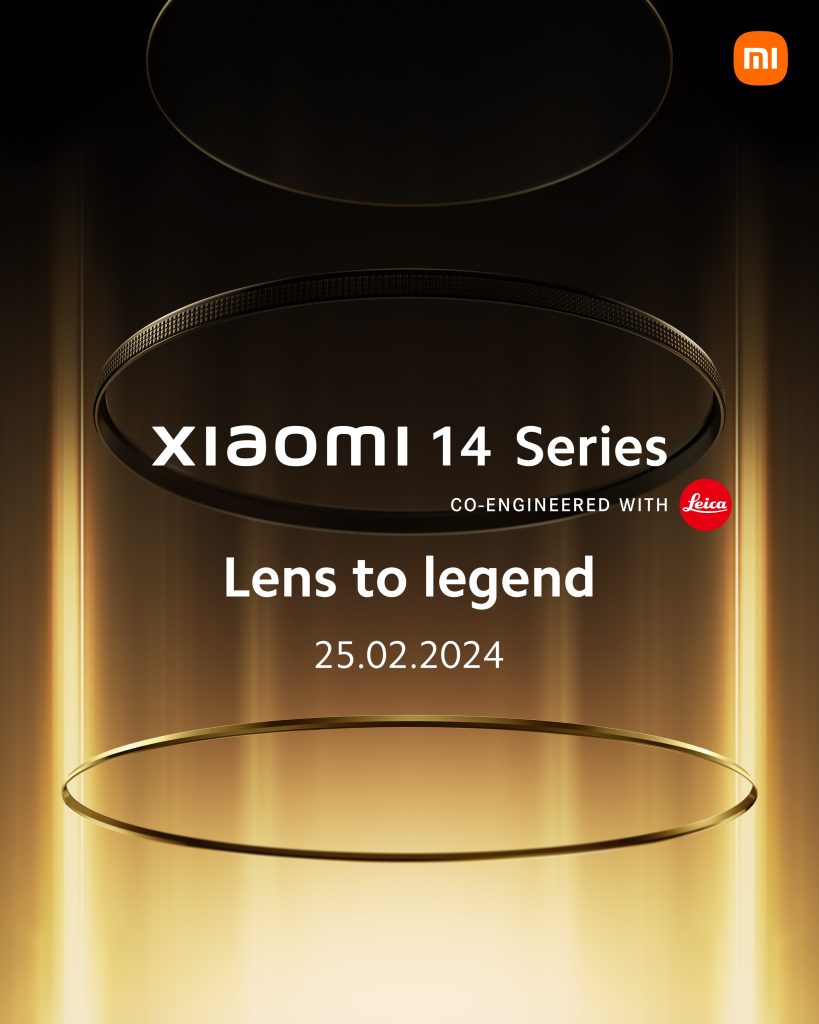
Yesterday, Xiaomi confirmed that it will announce the Xiaomi 14 series on Feb. 25 for the global market. To recall, the Xiaomi 14 and 14 Pro were announced in October 2023 in China. Since the company used the word “series” in the teaser for the global market, it seems that the brand may announce both phones on the mentioned date globally. However, a new report by GSMChina states that the Pro model will not be released globally. Instead of the Pro model, the company may unveil the Xiaomi 14 Ultra globally on the said date.
Xiaomi 14 series global launch teaser
Xiaomi 14 series launch teaser for global market
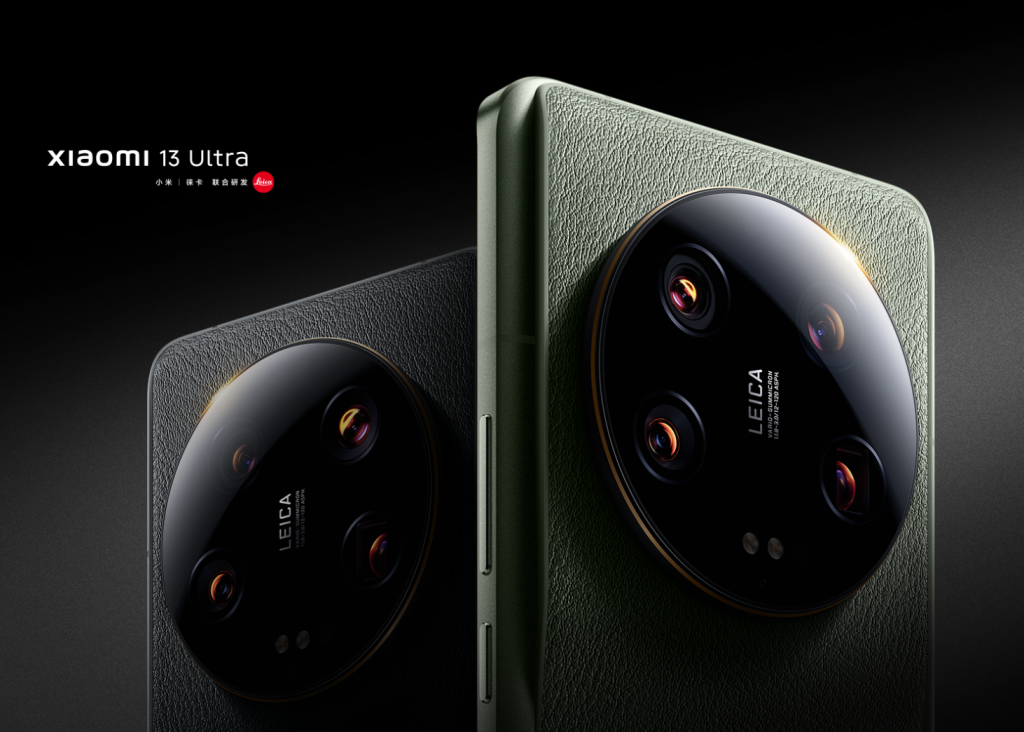
Shown above is the teaser image that Xiaomi released yesterday. The circular camera module shown in the image does not match the camera module design of the 14 and 14 Pro but suggests the Xiaomi 14 Ultra, which is said to have a circular camera module.
According to the above-mentioned publication, the URL of this page, which has the countdown for the Xiaomi 14 series, mentions “N1N3,” which is nothing but internal model numbers. For those who don’t know, the Xiaomi 14, 14 Pro, and 14 Ultra have internal model codes N1, N2, and N3, respectively.
Since only N1 and N3 are mentioned in the URL, it appears that only the Xiaomi 14 and 14 Ultra will debut on Feb. 25. In other words, the 14 Pro may not be released globally. The 14 Pro is just a bigger version of the Xiaomi, offering a bigger display and a larger battery. The rest of the specs are almost identical on both phones. Hence, it appears that the company may have decided to skip the Pro variant and launch the 14 Ultra instead.
As it is known, the Xiaomi 14 Ultra is expected to arrive with a top-notch quad-camera system pioneered by a LYT-900 50-megapixel main camera. It will also feature the Snapdragon 8 Gen 3 chipset. Readers can visit our posts on the 14 Ultra to learn about its other rumored specs.
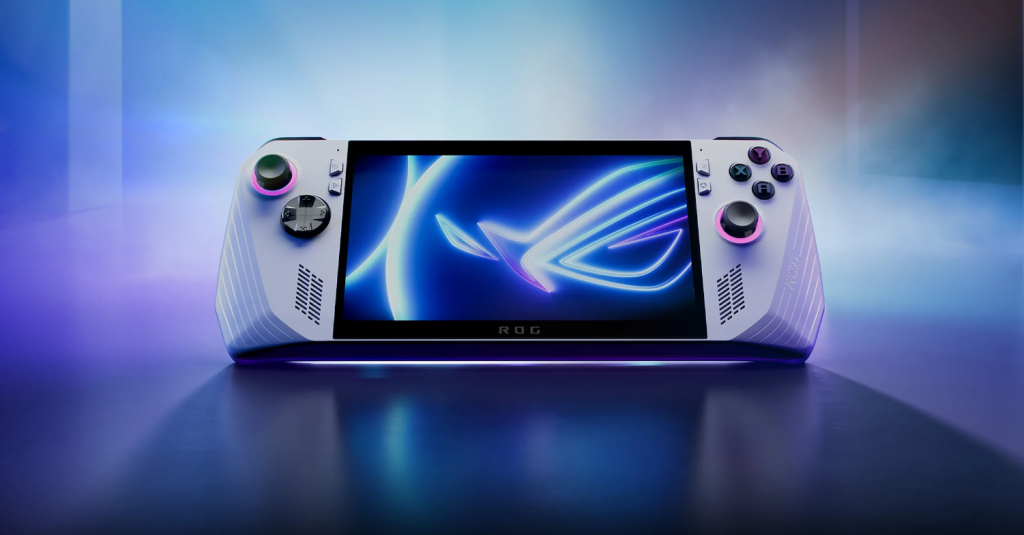
ASUS has released an update for the ROG Ally handheld gaming device, following up on the improvements made in the December update that introduced gyroscope controls, joystick response curve, and some bug fixes. The latest update, identified as ACSE 1.4.10, further optimizing the device for gaming performance and usability.
A key feature in this update is the addition of manual mode adjustments for power management, also known as a quick access TDP slider. It enables users to tailor their device’s performance to specific gaming needs. Additionally, the update allows for the gyro enable feature to be assigned to multiple buttons, improving gameplay flexibility.
We've released a new update to Armoury Crate SE, with a few small enhancements and a quick access TDP slider.
To adjust TDP on the fly, put your Ally in Manual Mode and you’ll be able to change the SPL, SPPT, and FPPT right from the Command Center. pic.twitter.com/jrmoX0EMSL
A notable quality-of-life improvement is the introduction of a “Never show again” option for campaign pop-ups, aimed at reducing interruptions during use. Also, to prevent configuration conflicts, new game profiles will now start in an “Unassigned” operating mode.
While the eagerly awaited AMD Fluid Motion Frames (AFMF) technology is not yet part of this update, ASUS indicates that it is in the final stages of testing. Once integrated, AFMF is expected to significantly improve the visual performance of games on the ROG Ally.
As OpenAI rolls out its latest feature for the DALL-E 3 image generator, it’s clear that the future of digital content is on a fast track to becoming more transparent and trustworthy. The addition of new watermarks to images created by DALL-E 3 is a significant step towards distinguishing AI-generated images from those created by humans, in an era where digital content’s origins are increasingly scrutinized.
Now it will be easier to trace the origins of digital images generated from OpenAI
This move involves embedding watermarks into the image metadata, a strategy backed by the Coalition for Content Provenance and Authenticity (C2PA). The implementation of these watermarks aims to make it easier for everyone to trace the origins of digital images, ensuring users can verify whether an image was generated by AI. The watermark comes in two forms: an invisible metadata component and a visible CR symbol, positioned discreetly in the image’s top left corner.
Starting from the ChatGPT website and extending to the DALL-E 3 API, this feature will soon be available for mobile users, promising a seamless integration that maintains the high quality of generated images. Despite concerns about potential increases in image sizes and processing times, OpenAI assures users that these changes will have minimal impact.
Behind the initiative is the C2PA, a consortium of tech giants like Adobe and Microsoft, advocating for digital content authenticity through the Content Credentials watermark. This effort is not just about adding a layer of transparency; it’s about fostering a digital ecosystem where the line between human and AI-created content is clear, enhancing the trustworthiness of online content.
However, challenges remain, such as the ease with which metadata can be stripped away, deliberately or accidentally, by social media platforms or through simple actions like taking a screenshot. This vulnerability underscores the ongoing battle against misinformation and the complex landscape of digital content verification.
Taiwan Semiconductor Manufacturing Co (TSMC) is taking a big step forward in Japan, announcing the construction of a second semiconductor plant. With Toyota Motor Corp coming on board as a new investor, the companies are clear that there will be signals a significant shift in the landscape of global chip manufacturing.
Construction will start later this year, and the factory will be operational by 2027
TSMC, recognized as the leading contract chip maker globally, is expanding its presence in Kumamoto Prefecture, Japan. This initiative is a strategic move, aligning with Prime Minister Fumio Kishida’s vision of enhancing Japan’s semiconductor production capabilities.
The collaboration between TSMC and Toyota is noteworthy. It highlights a cross-industry effort to strengthen the semiconductor supply chain, a critical component for a wide range of technologies from vehicles to smartphones. The investment, capped at US$5.26 billion for the new facility, underscores the importance of advancing semiconductor technology, with the addition of 6- and 7-nanometre process technologies at the new site.
Scheduled to start construction by the end of this year and operational by 2027, this project is more than a manufacturing expansion. It’s a commitment to innovation and technological advancement, with the potential to produce over 100,000 12-inch wafers monthly and create more than 3,400 high-tech jobs.
This development comes at a time when countries are keenly aware of the need for a robust semiconductor supply chain, highlighted by recent global shortages that impacted everything from automotive to consumer electronics.
No one could have ever imagined they would read a headline like this, yet here we are. Apparently, smart toothbrushes are becoming the latest recruits in the arsenal of cybercriminals. About 3 million of these everyday bathroom gadgets have been hijacked and used to flood online services with traffic, rendering them inaccessible. An unexpected twist in the sector of Internet of Things (IoT) security was highlighted by a recent report, which pointed out the vulnerabilities in seemingly harmless devices.
This unusual attack targeted a Swiss Company’s website
The incident involved smart toothbrushes being manipulated to target a Swiss company’s website, causing it to crash for several hours and resulting in significant financial damage. This scenario underscores a critical message: any device that connects to the internet can potentially be exploited for malicious purposes, from baby monitors to electric toothbrushes.
The Swiss branch of cybersecurity firm Fortinet has been at the forefront of sounding the alarm on this issue. Stefan Züger, from Fortinet, emphasized the importance of recognizing the risks associated with internet-connected devices. His team’s experiment, which involved exposing an unprotected computer to the internet, saw it compromised in just 20 minutes, illustrating the speed at which cyber threats can materialize.
The proliferation of IoT devices in homes and businesses increases the avenues through which attackers can execute distributed denial-of-service (DDoS) attacks. Devices ranging from routers and surveillance cameras to, now, toothbrushes, can be commandeered to disrupt online services.
To combat this threat, experts recommend keeping the software of all networked devices up to date with automatic security patches. Additionally, the use of antivirus software and monitoring for unusual spikes in energy and data usage can help detect and prevent malware infections.
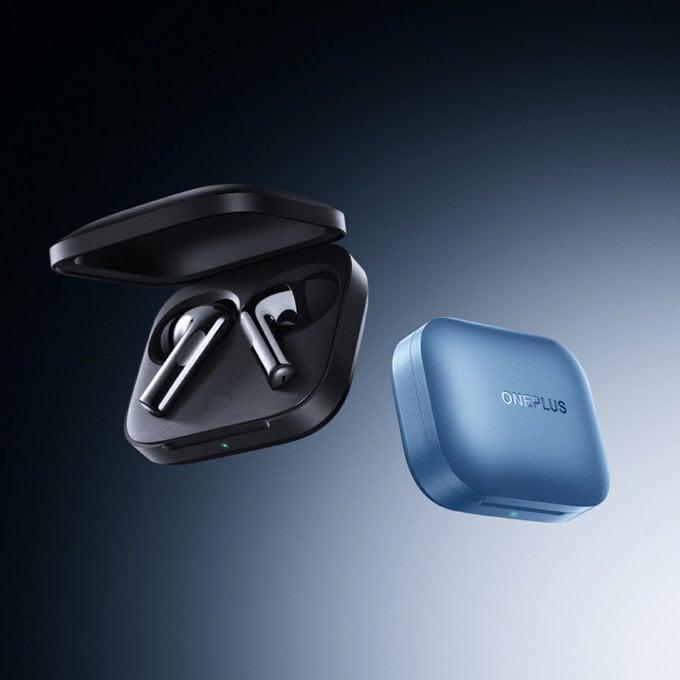
OnePlus has recently introduced the OnePlus Buds 3 to the global and Indian markets. On its first day of sales in India, these True Wireless Stereo (TWS) earphones recorded the highest day-one sales figures for any TWS product by OnePlus.
The OnePlus 12R, which also saw significant demand during its initial sale on February 6, sold out in mere hours. Similar to the OnePlus 12R, it is highly likely that the combination of amazing features at a reasonable price point is what has made these earbuds so popular. The earbuds provide 49dB noise cancellation, as well as LHDC, which is an alternative to LDAC codec, delivering high-quality audio with super low latency.
OnePlus Buds 3 specs:
The OnePlus Buds 3 are designed for comfort and quality audio performance. They feature an ergonomic design with a stem and silicone ear tips suitable for extended use. The earbuds are equipped with 10.4 mm and 6 nm dual drivers, delivering high-quality sound. Additionally, they offer up to 49dB noise cancellation for a disturbance-free audio experience.
Support for high-resolution audio and LHDC 5.0 codec, along with 3D spatial sound effects, further improves the listening experience. The OnePlus Buds 3 also boasts a long battery life, promising up to 44 hours of total playtime. A notable feature is the fast charging capability, which offers 7 hours of playtime with just 10 minutes of charging.
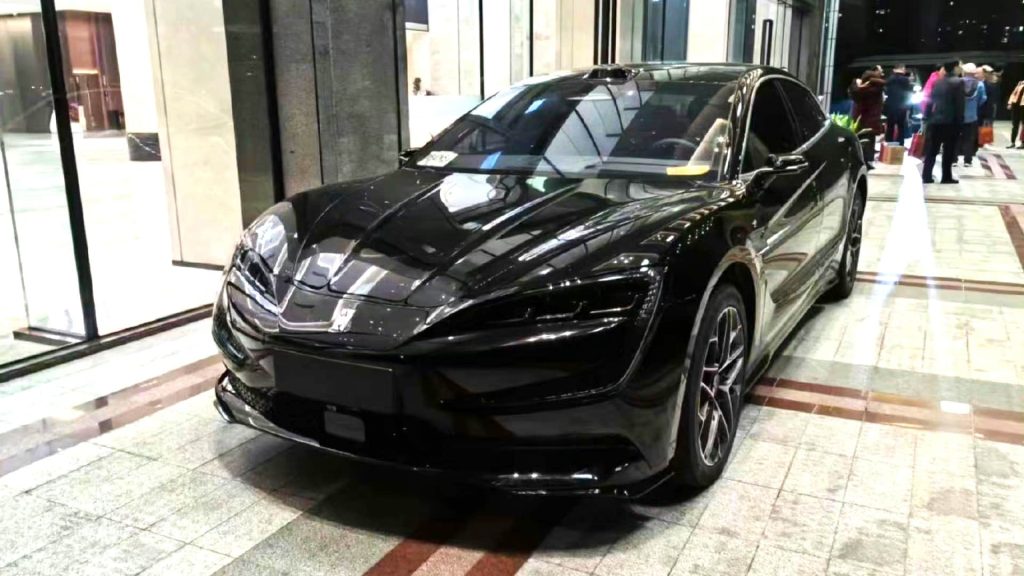
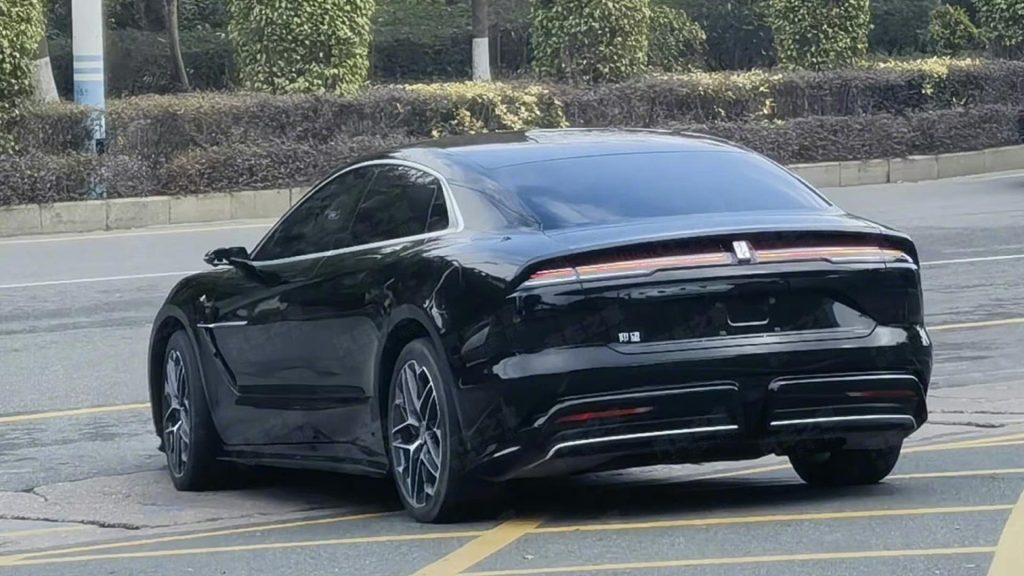
Prolific Chinese EV manufacturer BYD is working on the YangWang U7, a sedan packing a 135.5kWh battery that delivers up to 800km of range. The new BYD EV will offer two CLTC cruising ranges – 720km and 800km. The new detail was culled from the latest catalog of NEVs exempted from vehicle purchase tax. The catalog was released by the Chinese Ministry of Industry and Information Technology. Recall that the company recently announced the YangWang U8.
The U7 is being prepared for its market launch in China, having earlier applied for the sales license last month. BYD is the world’s biggest new energy vehicle maker and the YangWang brand is a luxury unit of the carmaker. YangWang currently sells the UB EREV offroader and the U7 will expand the YangWang portfolio. YangWang is also reportedly working on two other models apart from the U7. These are the U9 sports car and a fastback crossover whose name has not been revealed.
The Ministry’s catalog indicates that the YangWang U7 has an LFP battery manufactured by BYD’s FinDreams with a capacity of 135.5kWh. The battery weighs 903kg which translates to about a third of the electric sedan’s full weight of 3095kg. The substantial weight of the battery is due to its chemistry and configuration. There are several other batteries with higher capacity and less weight than the U7. The difference in the CLTC cruise ranges is due to the drag coefficient, as the curb weight and combined power output are similar. The U7 comes with four electric motors with a total power output of 960kW and a top speed of 270km/h.
The YangWang U7 will come with optional side-view cameras in place of traditional mirrors. It will also feature aerodynamic wheel covers and optional bumpers. With its full complement of aerodynamic elements in place, the U7 can achieve a drag coefficient of 0.195 Cd. It runs on the e4 platform (also called the YiSiFang) and implements the brand’s three-screen layout. The interior offers either four or five seats and the dimensions of the U7 are 5265 x 1998 x 1517 mm with a wheelbase of 3160mm.
Pricing & Availability
The YangWang U7 is expected to debut in China later this year but the release specifics and pricing details are lacking at this time.
Renowned sporting accessories manufacturer Reebok has showcased its new lineup of e-bikes and e-scooters. The range of e-mobility products was highlighted in a new catalog that also included accessories for the new lineup.
It is not known when the models will hit the market
The e-mobility space has a wide array of players and Reebok is making inroads into the segment. Reebok is known for its range of footwear and clothing but it launched its e-mobility arm last December. This was during the ISPO Munich and Asia Kingston is the licensee that will manufacture the e-bikes and e-scooters. The license to Asia Kingston is for five years and the images of the new lineup were given by Asia Kingston.
Asia Kingston is a Hong Kong-based company that has a growing repertoire of high-profile companies under its portfolio. The A-list clients of Asia Kingston include NASA, Alfa Romeo, Red Bull Racing, and Rover. The new Reebok offerings were designed in Europe and are offered in four categories namely Performance, Fitness, Commuter, and Freetime. The performance category features the RK Pro 29, an electric mountain bike with full suspension. It has a Shimano 12-speed groupset, a Samsung cell battery, and a MIVICE x700 motor situated at the bottom bracket area. There are three other variants of the RK Pro with a lower performance and price rating.
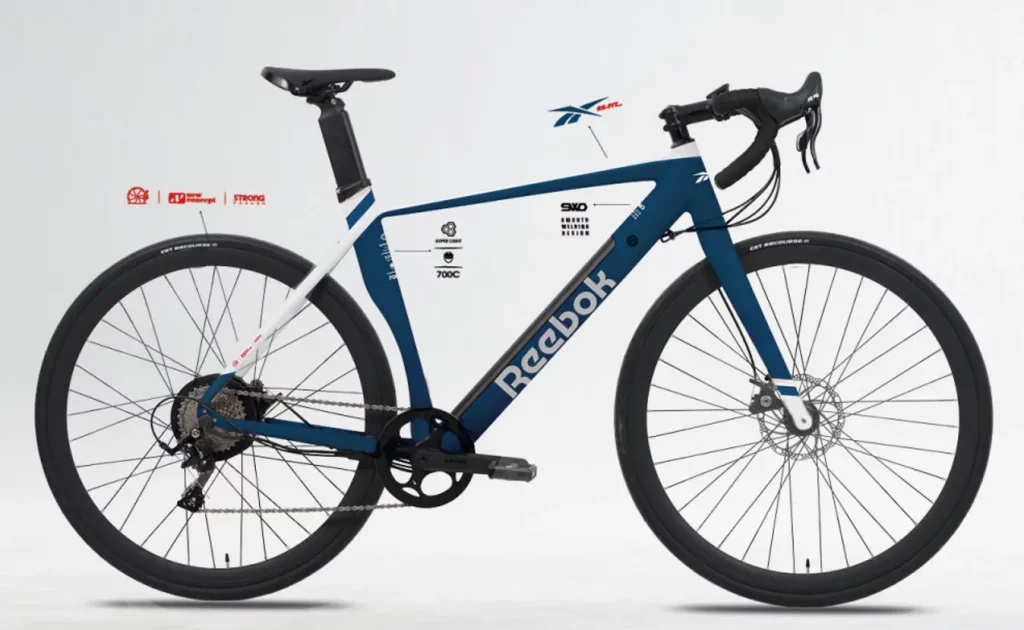
Reebok is also offering hybrid bikes in the lineup under the fitness and commuter categories. There are multiple step-through frame options for the model. Reebok is also offering a folding bike in the lineup – RK-Fun 20 Folding Full. It has Kenda 20-inch fat tires that are primed for adventure trails. Reebok is also offering road bikes in the new range of products. The RK-Fit Road comes with a deep seat tube and seat post. It is equipped with a Bafang motor and Shimano 2×8-speed groupset. The road bike comes with Tektro mechanical disc brakes which seems underwhelming for an electric bike.
The Reebok lineup also includes a selection of e-scooters with an exciting array of models such as the Urban Street Classic, Urban Sport, and Urban Pro Speed. Reebok also showcased a range of helmets. The Asia Kingston catalog did not provide pricing and release information for the new models. Reebok has also not provided an official clarification of the release of the models.
We use cookies on our website to give you the most relevant experience by remembering your preferences and repeat visits. By clicking “Accept”, you consent to the use of ALL the cookies.
This website uses cookies to improve your experience while you navigate through the website. Out of these, the cookies that are categorized as necessary are stored on your browser as they are essential for the working of basic functionalities of the website. We also use third-party cookies that help us analyze and understand how you use this website. These cookies will be stored in your browser only with your consent. You also have the option to opt-out of these cookies. But opting out of some of these cookies may affect your browsing experience.
Necessary cookies are absolutely essential for the website to function properly. This category only includes cookies that ensures basic functionalities and security features of the website. These cookies do not store any personal information.
Any cookies that may not be particularly necessary for the website to function and is used specifically to collect user personal data via analytics, ads, other embedded contents are termed as non-necessary cookies. It is mandatory to procure user consent prior to running these cookies on your website.