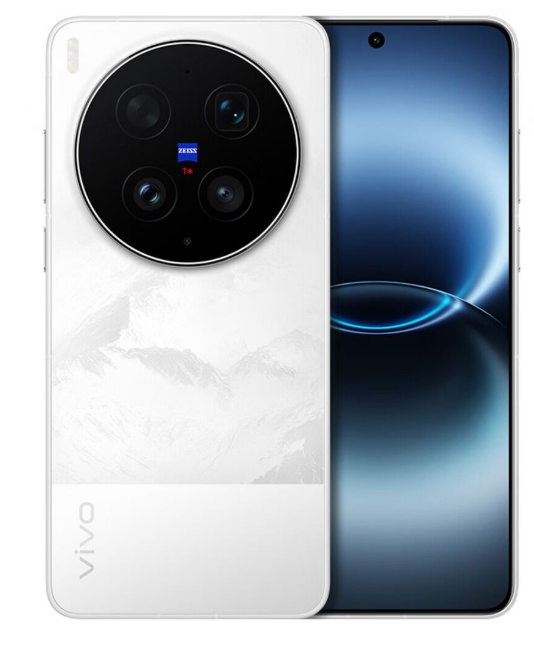
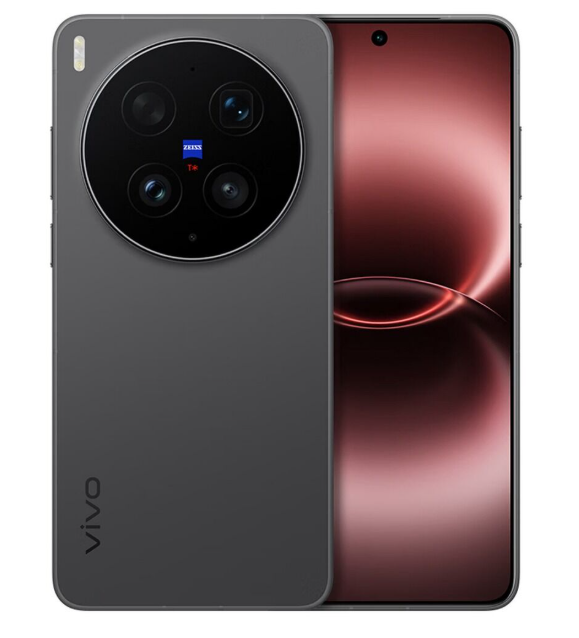
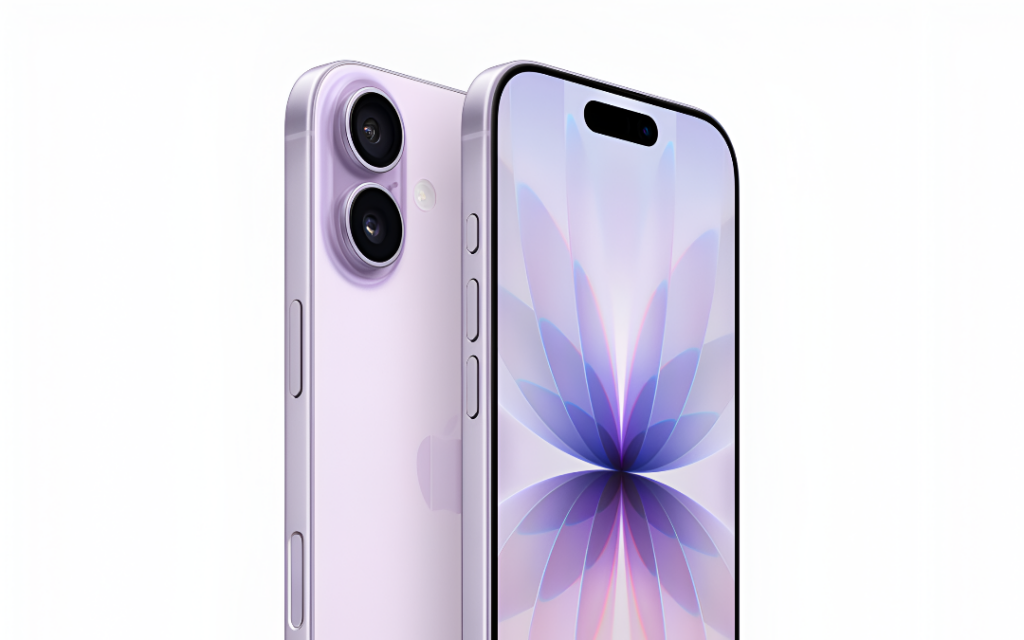
This month, Oppo will unveil the Reno 16 series in China. The lineup is expected to reach global markets around July. The Chinese lineup may include the Reno 16, Reno 16 Pro, and Reno 16c as successors to the Reno 15, 15 Pro, and 15c. A new development suggests that the global market may also receive a model called the Reno 16F.
Oppo Reno 16 Pro, Reno 16F global versions spotted
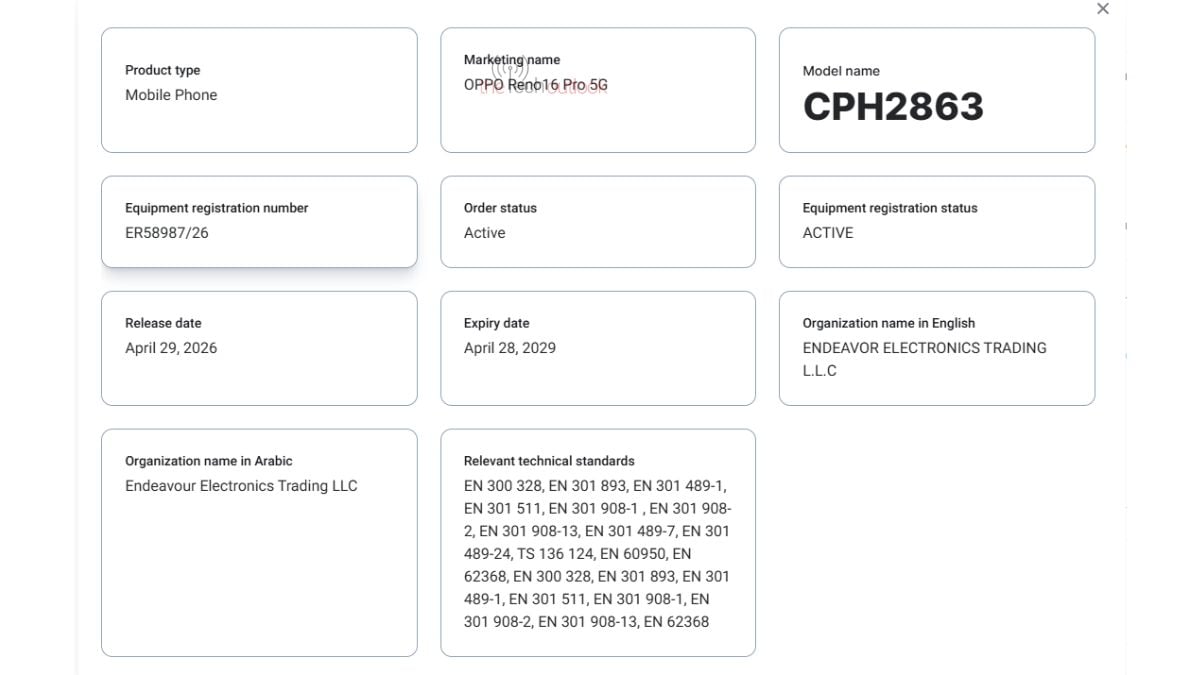
As seen above, the global versions of the Reno 16 Pro and Reno 16F have received multiple certifications. The UAE’s TDRA authority has approved the Reno 16 Pro with model number CPH2863, and the same device has also appeared on Europe’s EEC certification platform.
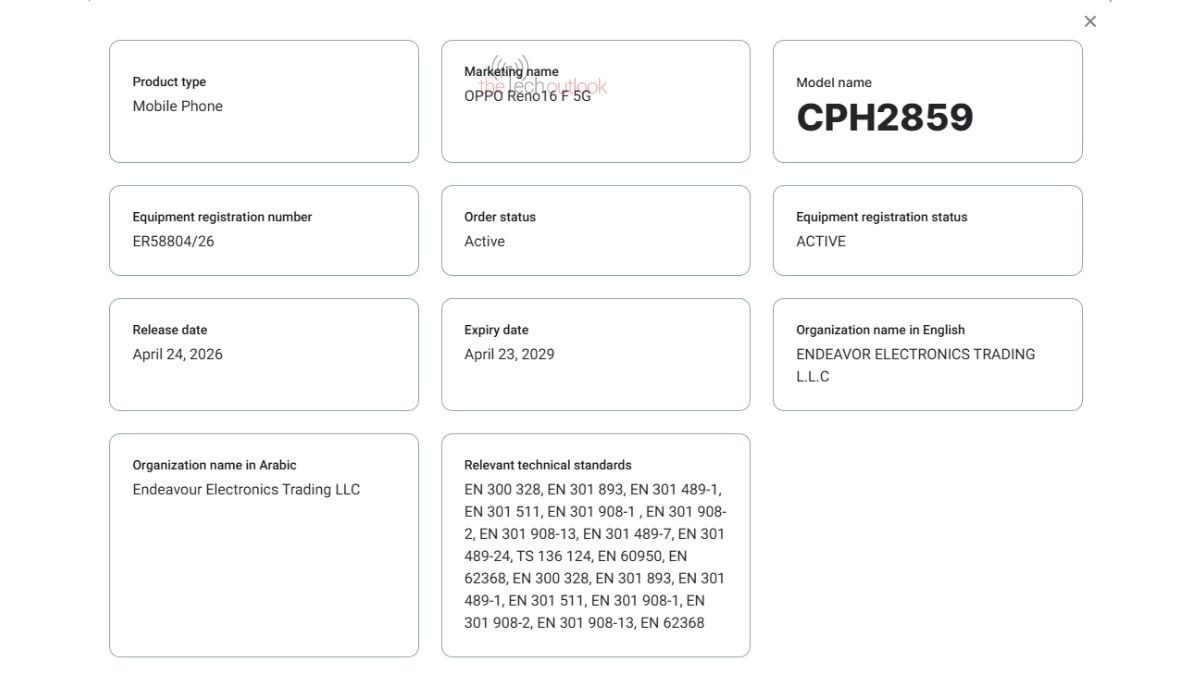
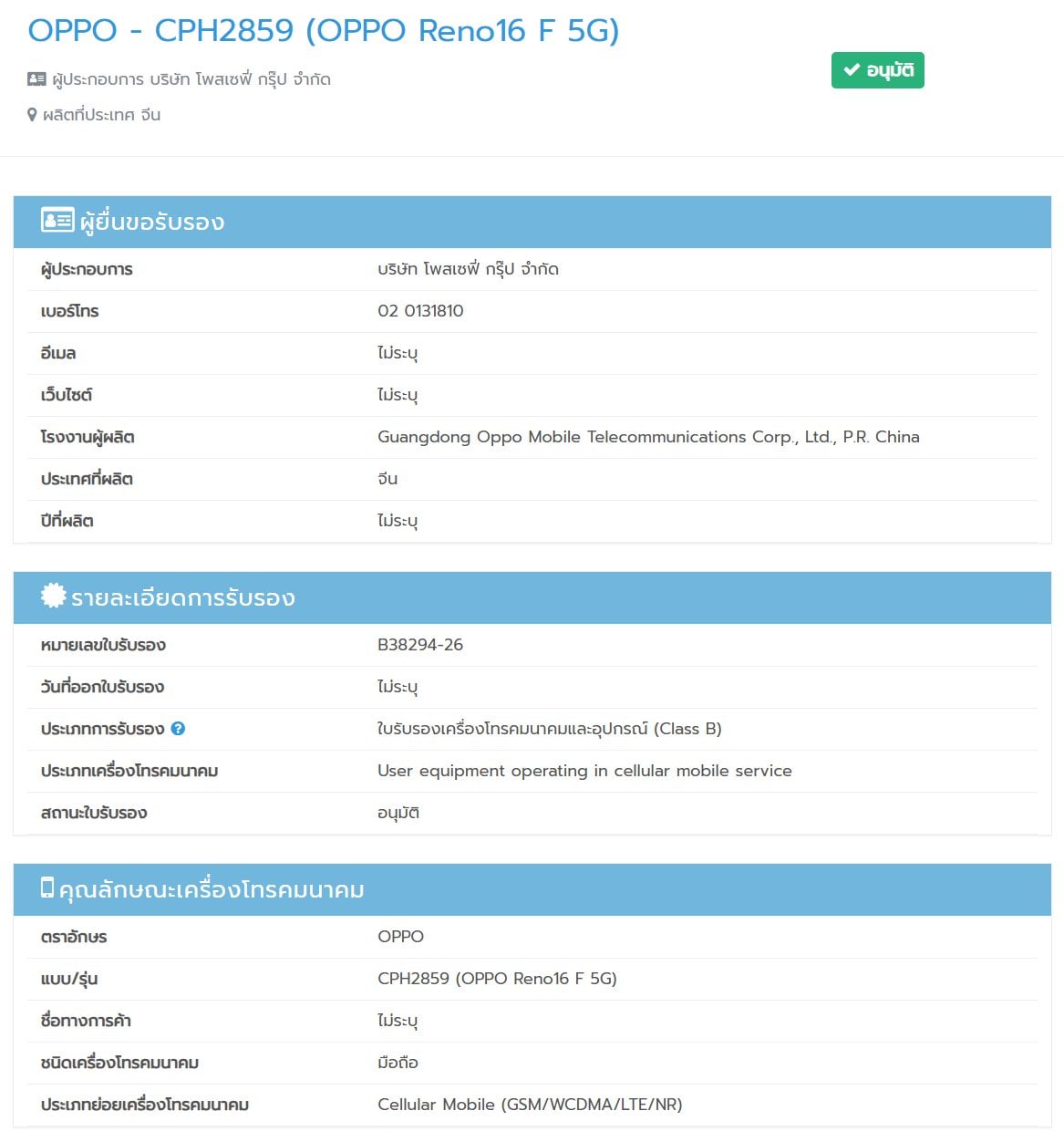
At the same time, the Reno 16F with model number CPH2859 has appeared in the databases of TDRA and Thailand’s NBTC certification authority. The device has also been approved by the TÜV certification platform, which reveals support for 80W fast charging.
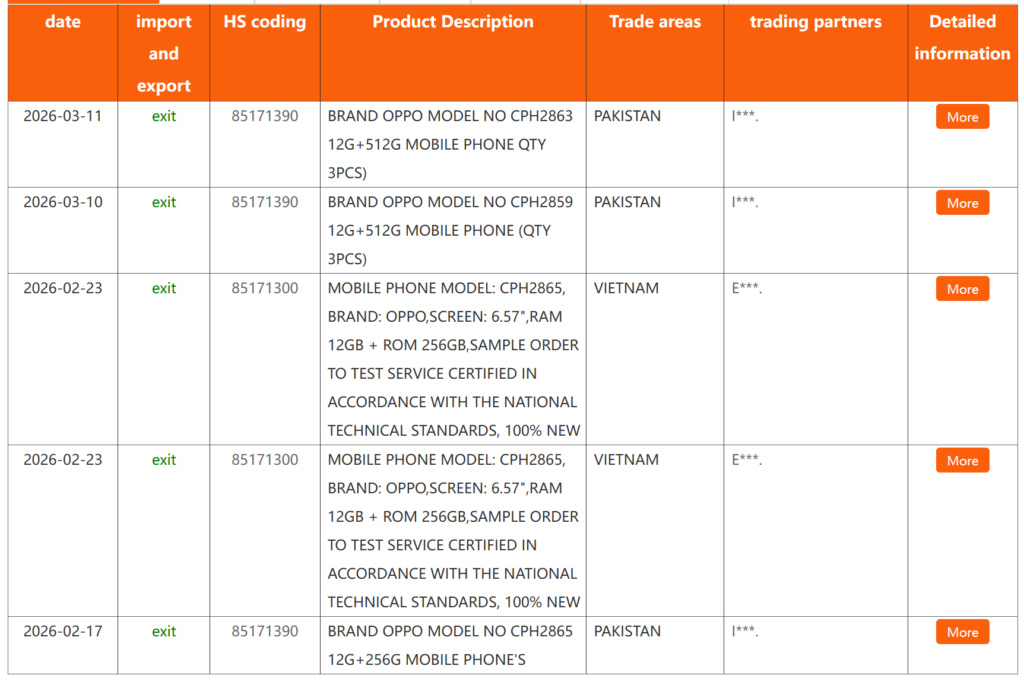
The Reno 16 Pro and Reno 16F have also surfaced in the NBD database, revealing that both devices could be available in a 12GB + 512GB configuration.
The NBD database also reveals details about another Oppo phone with model number CPH2865, which could be part of the Reno 16 series. The listing suggests that the device features a 6.587-inch display, 12GB of RAM, and 256GB of built-in storage.
Reports have revealed that the Chinese versions of the Reno 16 and Reno 16 Pro will be powered by the Dimensity 8500 and Dimensity 9500 chipsets, respectively. It remains to be seen whether the Chinese and global versions will share identical specifications.
For more daily updates, please visit our News Section.
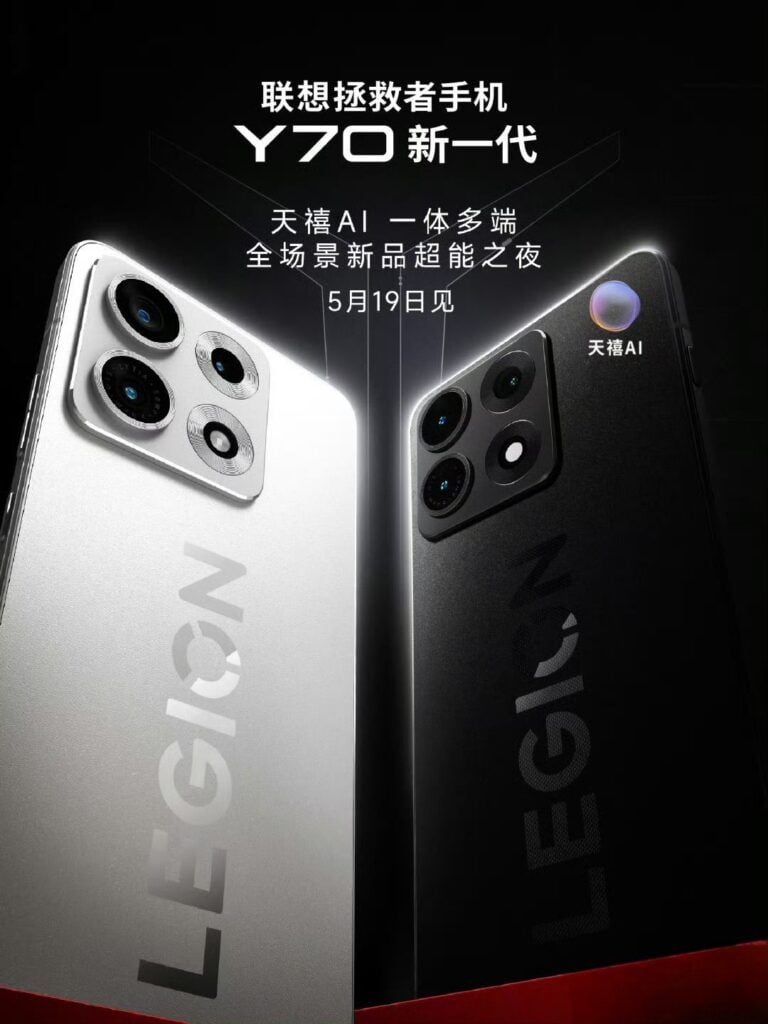
Lenovo is preparing to bring back its Legion gaming smartphone lineup after a long gap. The upcoming Lenovo Legion Y70 has now been confirmed for a May 19 launch in China, while several details about its hardware and gaming-focused features have surfaced online ahead of the announcement.
Lenovo Legion Y70 specifications
Legion Y70-
The Lenovo Legion Y70 is expected to arrive with a 6.8-inch flat display that supports a 2K resolution and a 144Hz refresh rate. The company is reportedly positioning the panel as an energy-efficient option despite its high resolution. Powering the device could be Qualcomm’s Snapdragon 8 Gen 5 chipset, which is likely to place it among the top-end gaming smartphones launching this year.
The phone is also said to focus heavily on thermal management. Reports suggest Lenovo may introduce a new three-layer cooling setup combining a vapor chamber, liquid metal cooling, and thermal gel. The cooling system is said to include a 5,500mm² VC plate aimed at keeping temperatures under control during extended gaming sessions and demanding workloads.
For battery performance, the Legion Y70 is tipped to pack a large 8,000mAh battery with support for 90W fast charging. Lenovo is also said to be focusing on long-term battery durability, with claims suggesting the battery could retain over 80 percent health even after several years of usage cycles.
In terms of design, the handset may continue the Legion gaming phone styling with a textured glass back panel and an aluminium frame. It is expected to arrive in black and silver color options. Apart from the Legion Y70, Lenovo is also expected to unveil several other products during its May 19 event, including new tablets, laptops, and foldable devices.
For more daily updates, please visit our News Section.
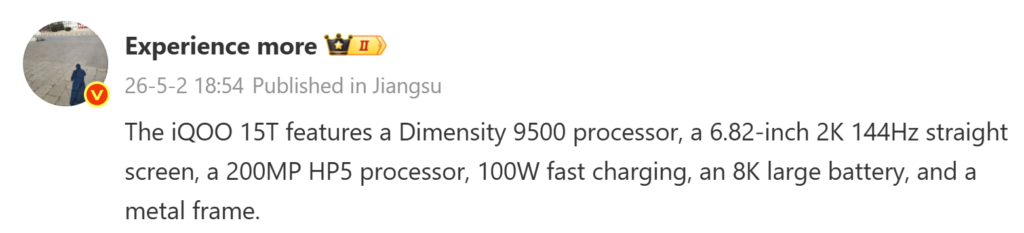
A couple of new flagship phones, including the iQOO 15T, are expected to hit the Chinese market this month. It is speculated that it may rival the likes of the OnePlus Ace 6 Ultra and Redmi K90 Max in its home market. Recently, tipster Digital Chat Station shared key details about the iQOO 15T, and now a new leak has emerged, revealing a few more details about it.
iQOO 15T specifications tipped
iQOO 15T key specs tipped
Starting from the front, the iQOO 15T will reportedly pack a massive 6.82-inch AMOLED panel delivering a 2K resolution along with a 144Hz refresh rate. Like its rivals, the 15T is said to feature the Dimensity 9500 chipset.
It is no slouch in the battery department, as it is said to pack a huge 8,000mAh battery. While it is expected to support 100W wired charging, it will reportedly lack wireless charging.
For photography, it will feature a 200-megapixel Samsung HP5 primary camera. However, details about its other rear cameras remain under wraps. The handset is also said to feature a metal frame.
Apart from this, iQOO is also said to be working on a new Neo 11 series phone for the Chinese market. While its specifications are yet to be revealed, it is said to be an incremental upgrade over the existing model.
Apart from these phones, iQOO is also expected to announce a flagship tablet called the iQOO Pad 6 Pro. This device is said to feature a 13.2-inch LCD screen with support for 4K resolution, a Snapdragon 8 Elite Gen 5chip, 16GB of RAM, 612GB of storage, and a 13,000mAh battery with 90W fast charging support. It may come in three shades: Man Dao, Grey Crystal, and Silver Wing.
For more daily updates, please visit our News Section.
Amazon is giving shoppers a wider look at how product prices have changed before they buy. Its price history feature, available through the AI shopping assistant Rufus, can now show pricing data across 30, 90, and 365 days.
Before Amazon built price history into its own shopping experience, customers often had to depend on third-party plugins, browser extensions, or external tracking sites. These services helped shoppers judge whether a deal was real, but they were not always reliable. Some had device or region limitations, and others could show missing or inaccurate pricing data.
Amazon is now bringing that information directly into the product page. Instead of relying only on a current discount label, shoppers can see how the price has moved over time before deciding whether to buy immediately or wait.
Amazon says more than 50 million customers have already used price history since the feature launched in 2024. The company also says the average customer checks price history three times a month, suggesting that it has become a regular part of the shopping process for both daily-use products and bigger purchases.
There are two ways to use the feature. On a product detail page, customers can click the price history link placed next to the product price. They can also open Rufus from the product page and ask questions such as “What’s the price history?”, “Has this item been on sale in the past 30 days?”, or “Is this the lowest price recently?”
On the Amazon Shopping app, the Rufus icon appears at the bottom right corner of the product detail page. On desktop, it is available in the top navigation bar.
The feature is currently available to customers in the U.S., UK, Canada, and India. The expanded 365-day price history view is now rolling out in the U.S., UK, and India, with broader availability expected in the coming weeks.
The tool could help shoppers compare prices on electronics, home appliances, furniture, winter clothing, or everyday essentials. A product may look heavily discounted on the day of purchase, but the one-year history can show whether that price is actually low compared with earlier months.
For more daily updates, please visit our News Section.
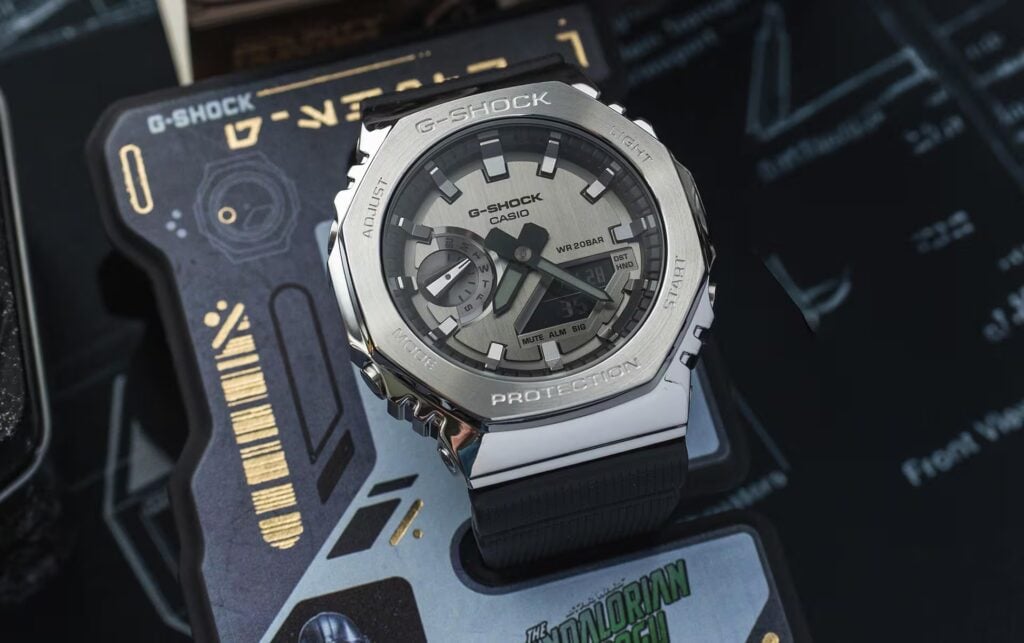
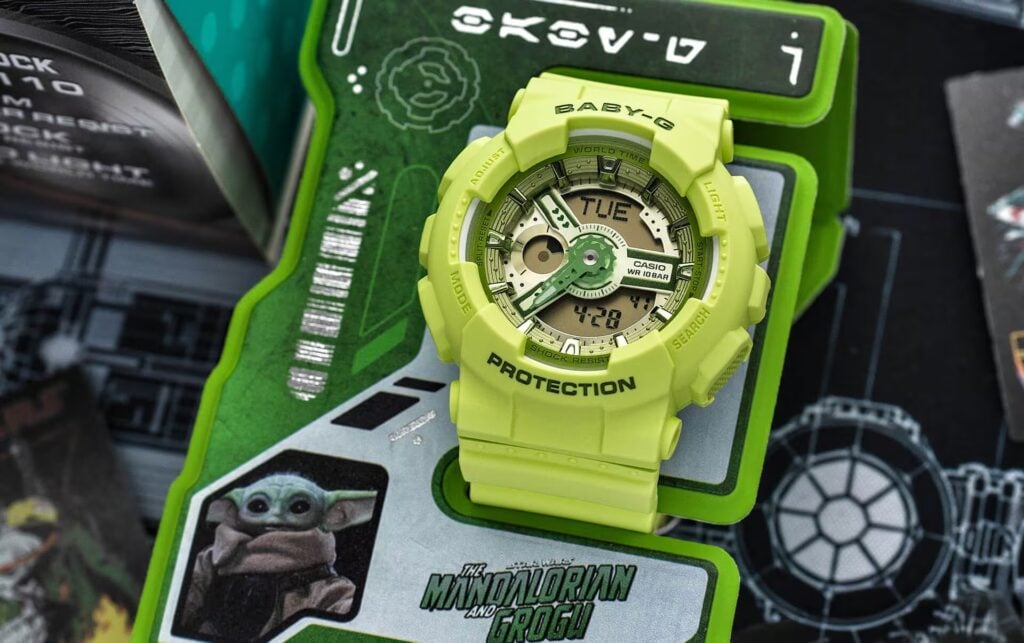
Casio has released two new Star Wars-themed watches ahead of the upcoming The Mandalorian and Grogu movie. The new models, which fall under the G-Shock and Baby-G product lines, are available starting May 1 in the US, UK, and the European Union.
Design Details
The release includes the $220 GM2100-1ASW and the $130 BA110YK-3ASW. Rather than just stamping a Star Wars logo on standard models, Casio customized the materials and colors to match the film’s two main characters. Both watches feature analog-digital hybrid displays, combining traditional watch hands with small LCD screens for additional data.
The GM2100-1ASW is the larger of the two, designed to reference the Mandalorian’s armor. It features a forged stainless steel bezel with an industrial, brushed finish that mimics the look of Beskar steel from the franchise. It measures 49.3 by 44.4 by 11.8 mm and weighs 72 grams.
As a standard G-Shock, it includes the company’s core guard structure for drop protection and offers 200 meters of water resistance. It also includes a hand shift feature, which temporarily moves the analog hands out of the way so you can read the digital display. It runs on two SR726W batteries, which Casio estimates will last about three years.
The second watch is the Baby-G BA110YK-3ASW, which serves as the Grogu tie-in. It costs $130 and comes in a green resin finish. It has a smaller footprint and weighs 45 grams, making it a better fit for smaller wrists.
The water resistance is lower on this model, rated at 100 meters, and the batteries are expected to last around two years. However, it still includes the standard shock resistance found across the lineup.
Both watches share a similar set of everyday features. They include world time tracking (31 time zones on the GM2100, 29 on the BA110), a 1/100-second stopwatch, countdown timers, and five daily alarms. The GM2100 uses a double white LED for illumination, while the BA110 uses an amber LED.
Casio is also including a custom watch stand with both models. The stand is designed to look like a Bounty Hunter ID card. It ships flat, but it has built-in magnets that allow you to fold it into a rigid 3D stand to hold the watch on a desk or shelf when you aren’t wearing it.
The watches are available now at select retailers, the G-Shock SoHo store, and Casio’s website.
Smartphone batteries naturally degrade over time, which often leads people to consider buying a completely new device. However, simply replacing the aging battery is a practical way to extend a phone’s lifespan. Recognizing this, Xiaomi has announced its May Service Week in China, running until May 7th, offering battery replacements at a noticeable discount.
During this event, the cost for a new battery starts at 47.2 yuan (roughly $7), which includes a 20% discount. What makes this program particularly useful is the wide range of supported devices. The promotion covers 67 different models across several generations.
Eligible smartphones include older devices, such as the Xiaomi 10 Pro, along with models from the Xiaomi 11, 12, 13, 14, and the newly released Xiaomi 15 series. It also covers the Mix series, including the Mix 4, Mix Fold models, and Mix Flip and key Redmi lineups.
This includes the Redmi Note series (such as the Redmi Note 10, 11, 12, 13, and 14 series), the performance-oriented Redmi K series (K40, K50, K60, and K70 series), and the Redmi Turbo series. Additionally, models from the broader Redmi number series, such as the Redmi 14C, are included.
Xiaomi regularly hosts these service weeks throughout the year in China, and they have become a popular initiative. It provides users with an affordable maintenance option, helping to keep functional hardware in use rather than requiring an expensive upgrade.
Alongside the promotion, Xiaomi shared some straightforward advice regarding battery health. The company clarified that normal battery degradation, where a battery gradually holds less charge after hundreds of cycles, is expected behavior. They said that users shouldn’t worry too much about normal wear and should simply consider a replacement when the battery no longer meets their daily routine.
However, Xiaomi also pointed out that abnormal degradation caused by physical impact, extreme temperatures, or poor charging habits should be addressed promptly. To help batteries last longer, the company recommends avoiding extreme heat or cold and maintaining standard charging routines.
For more daily updates, please visit our News Section.
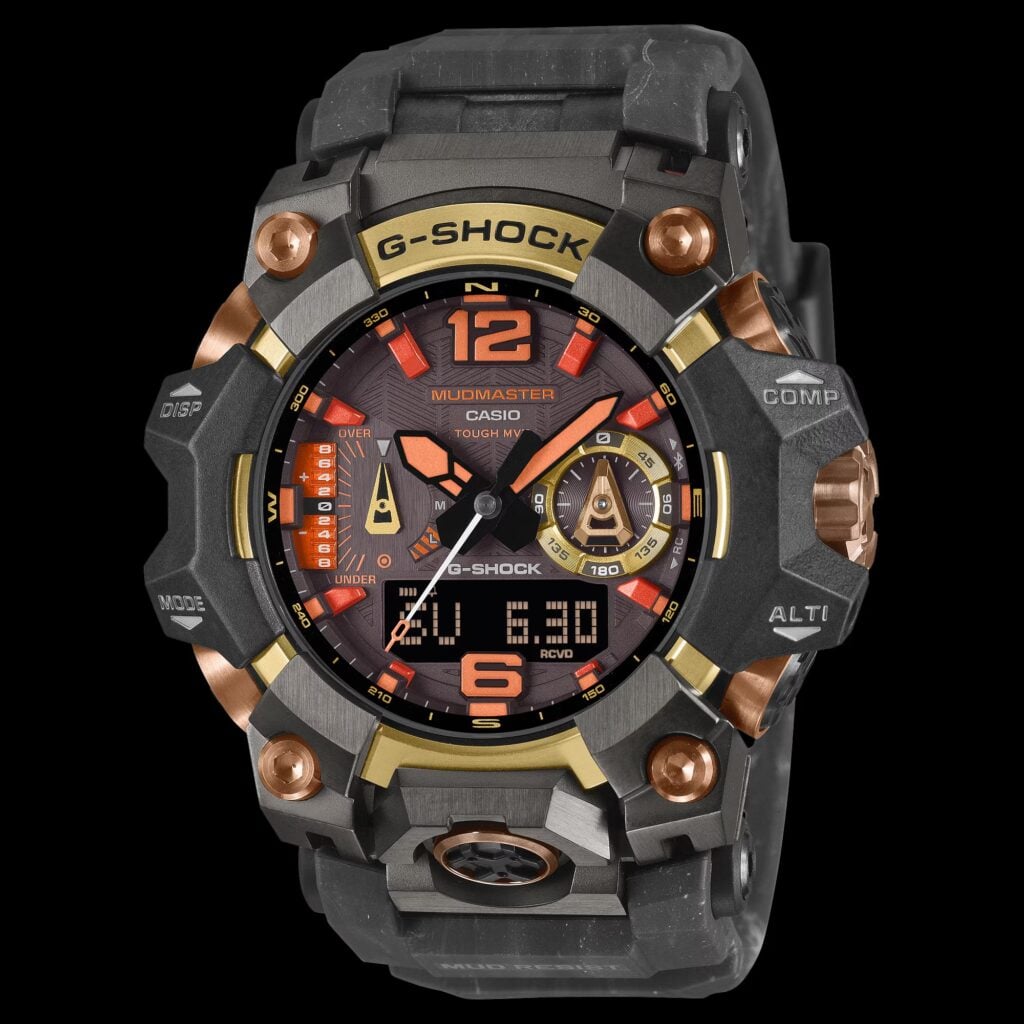
Casio has officially listed the newest addition to its Master of G lineup, the G-Shock Mudmaster GWG-B1000MG-1A9. After floating around the rumor mill for a bit, the watch is now up for pre-order on Casio’s Japanese website for ¥143,000 (roughly $910) and is scheduled to start shipping in later this month.
Design Details
The design of this specific model is heavily inspired by earth science and geology. Casio went with red and orange accents on the dial to mimic the look of magma, while the metal components feature a gold-tone finish. The resin band is also molded to look like different layers of rock strata.
Casio is continuing to use biomass plastics for the main resin parts of the case, bezel, and band. It’s a practical step toward using renewable materials, and it doesn’t seem to compromise the standard shock, dust, mud, and 20-bar water resistance that the Mudmaster series is known for.
Under the hood, the GWG-B1000MG-1A9 isn’t a full smartwatch, but it does have a good amount of connectivity. It features Casio’s Triple Sensor, meaning you get a built-in compass, an altimeter/barometer, and a thermometer. It’s also solar-powered.
Casio says a full charge will get you about six months of normal use without any light exposure, or up to two years if it drops into power-saving mode. For timekeeping, it relies on Multi-Band 6 radio control, which automatically syncs the time if you are in range of towers in Japan, North America, Europe, or China.
You can also pair the watch to your phone via Bluetooth using the Casio Watches app. This handles basic tasks like automatic time correction and adjusting settings, but it also includes a location indicator.
If you set a destination in the app, the physical hands on the watch will point toward it, a helpful feature if you’re hiking and don’t want to keep pulling out your phone. Casio does note that this specific location feature isn’t available in China, however.
Rounding out the spec sheet, the watch has a scratch-resistant sapphire crystal and a double LED light system so you can read the analog-digital display in the dark.
In related news, Casio has recently unveiled a new Coca-Cola G-Shock watch featuring an iconic bottle-inspired design, while the Casio Vintage A159WE-1 has been listed in Europe with its classic styling and a 7-year battery life.
For more daily updates, please visit our News Section.
Let’s be entirely honest with ourselves for a second: most of us do not need a robotic, AI-powered, pan-tilt-zoom (PTZ) 4K webcam to join a morning Zoom sync. The built-in laptop camera will technically suffice to prove you are awake and at your desk.
But over the last few years, the webcam market has evolved from a race for basic competence into a full-blown arms race for absolute overkill. And sitting right at the bleeding edge of that overkill is Obsbot.
I’ve spent the last month using the brand-new Obsbot Tiny 3 as my primary daily driver, alongside its more affordable sibling, the Obsbot Tiny 3 Lite. Obsbot’s Tiny series has been around since 2020, effectively pioneering the AI-tracking webcam space, but the Tiny 3 series feels like a culmination of every wild idea the company has ever had, crammed into an impossibly small chassis.
At $349 for the Tiny 3 and $199 for the Tiny 3 Lite, these are premium devices aimed squarely at content creators, streamers, remote educators, and office workers who simply refuse to look anything less than spectacular.
But after a month of having a tiny robot track my every move across my home office, I’ve realized that the magic of the Tiny 3 isn’t just in its spec sheet; it’s in how seamlessly it fades into the background while doing a dozen incredibly complex things at once.
Here is my deep dive into the Obsbot Tiny 3 and the Tiny 3 Lite.
Design and Hardware
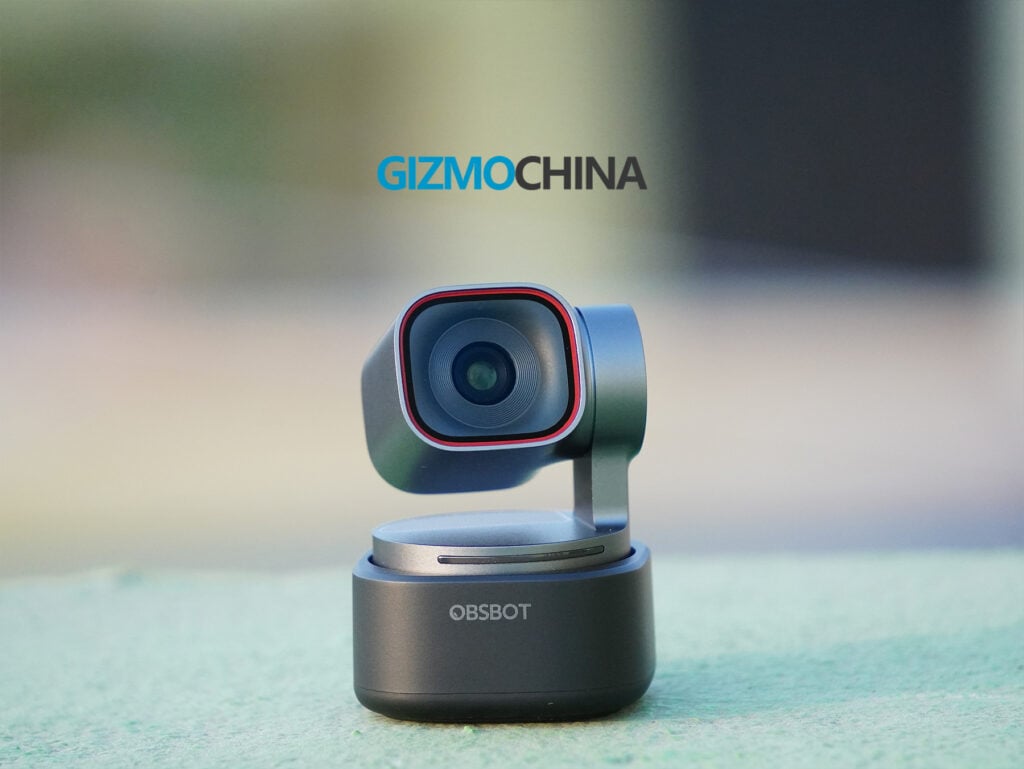
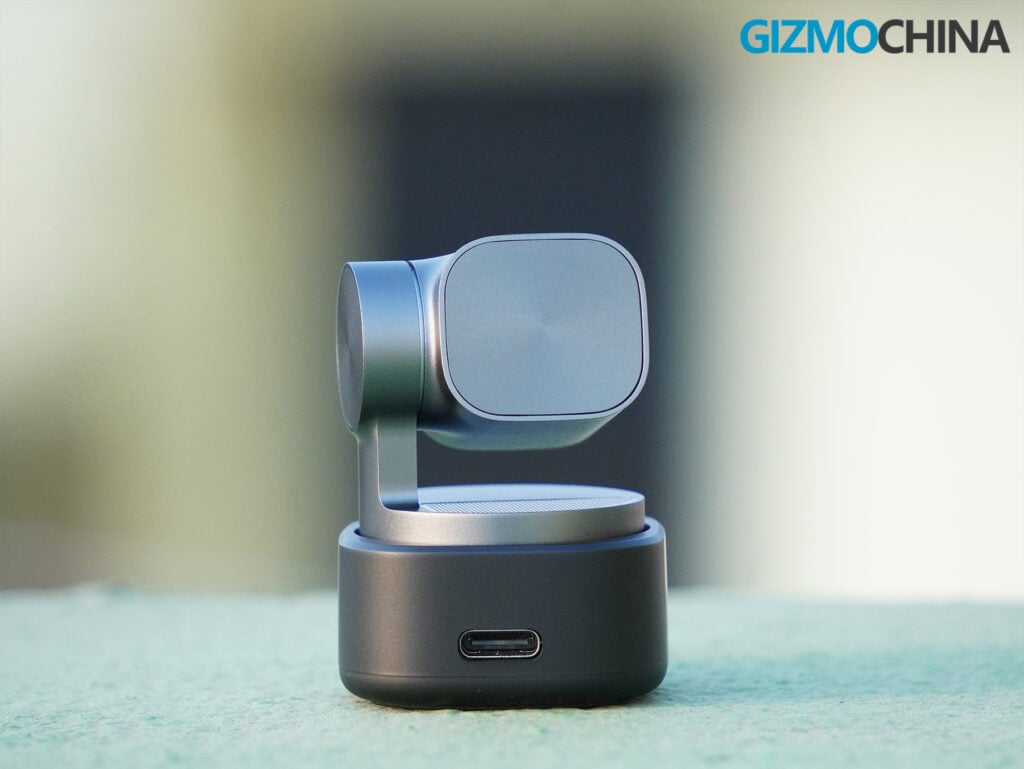
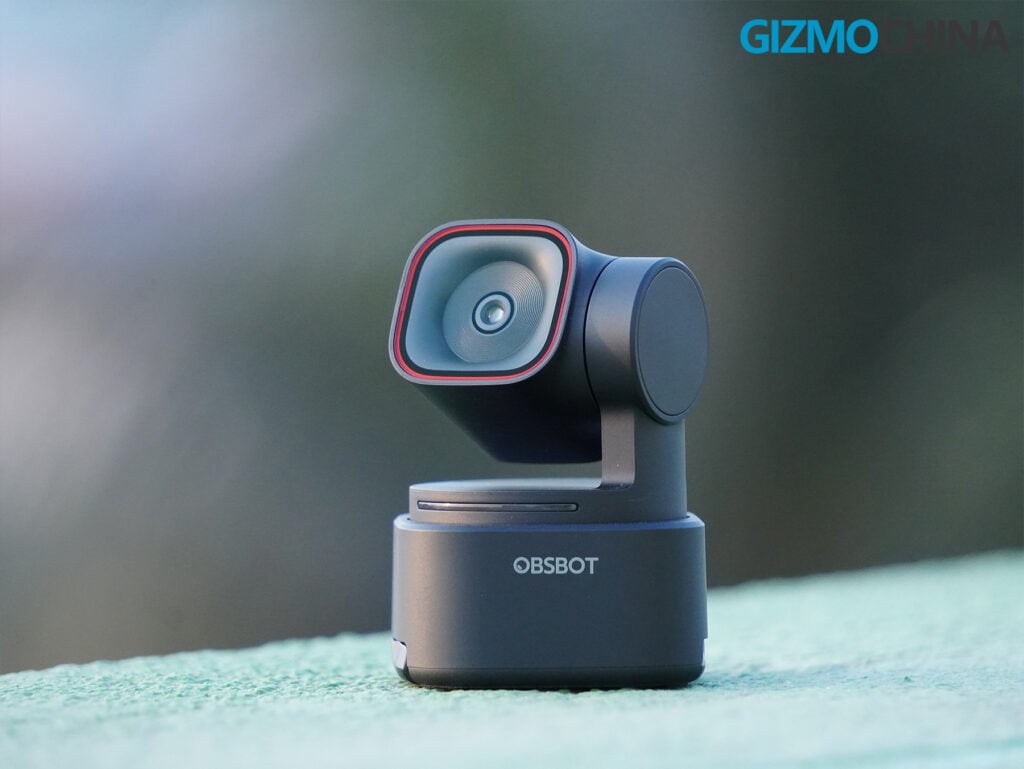
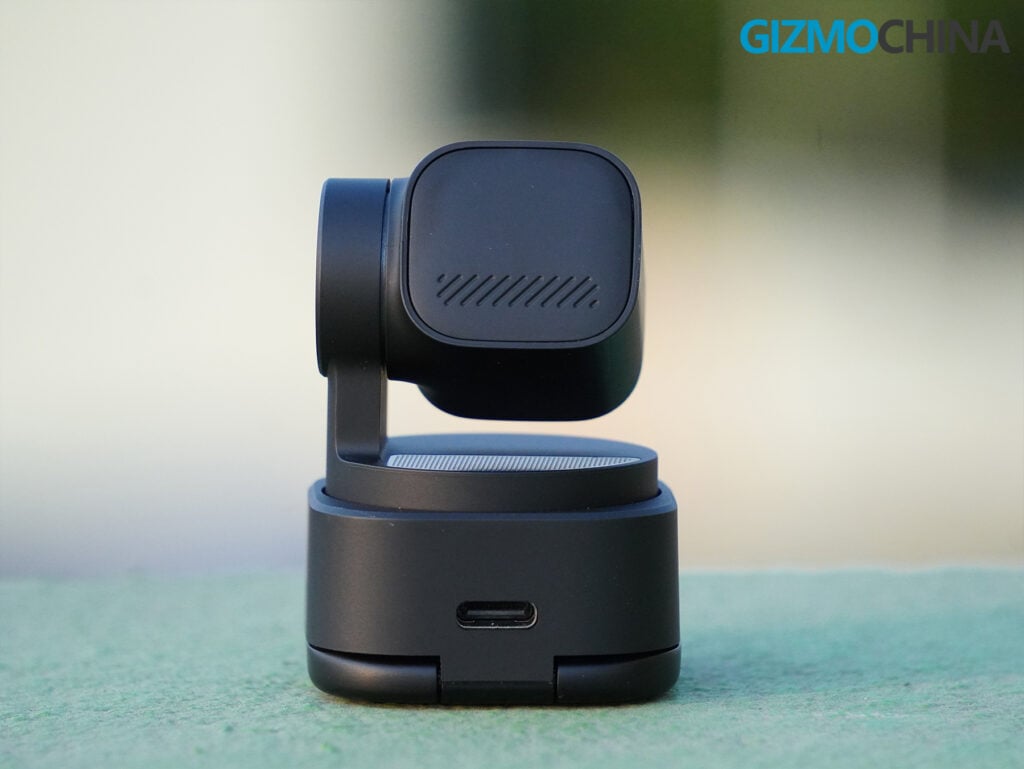
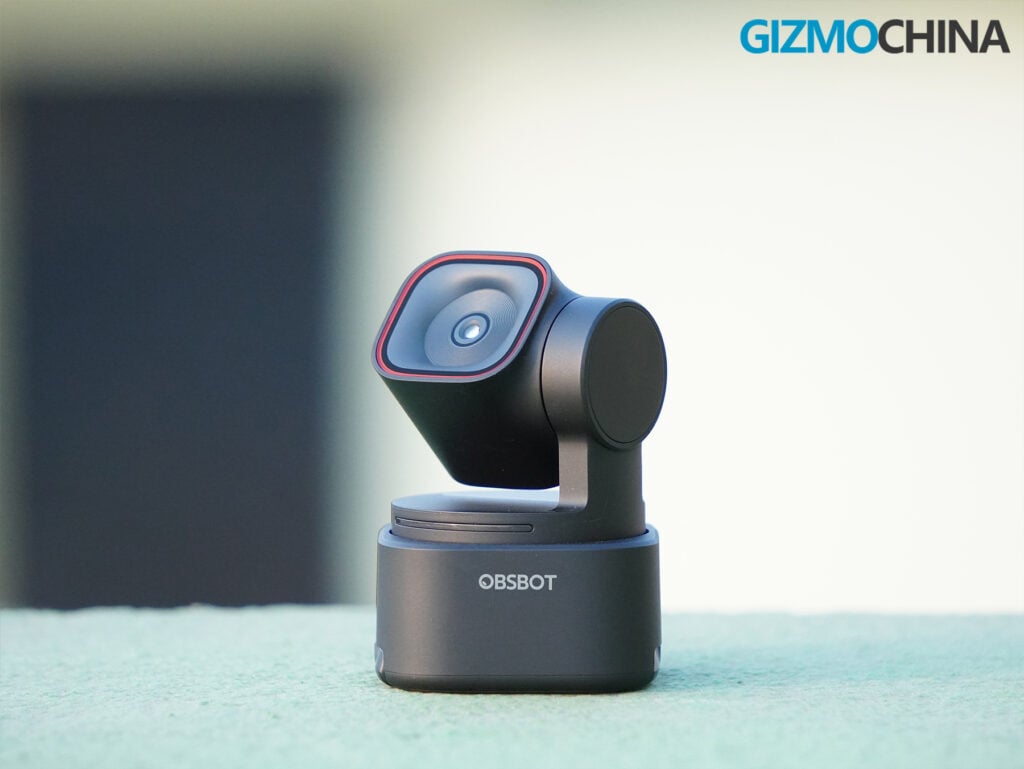
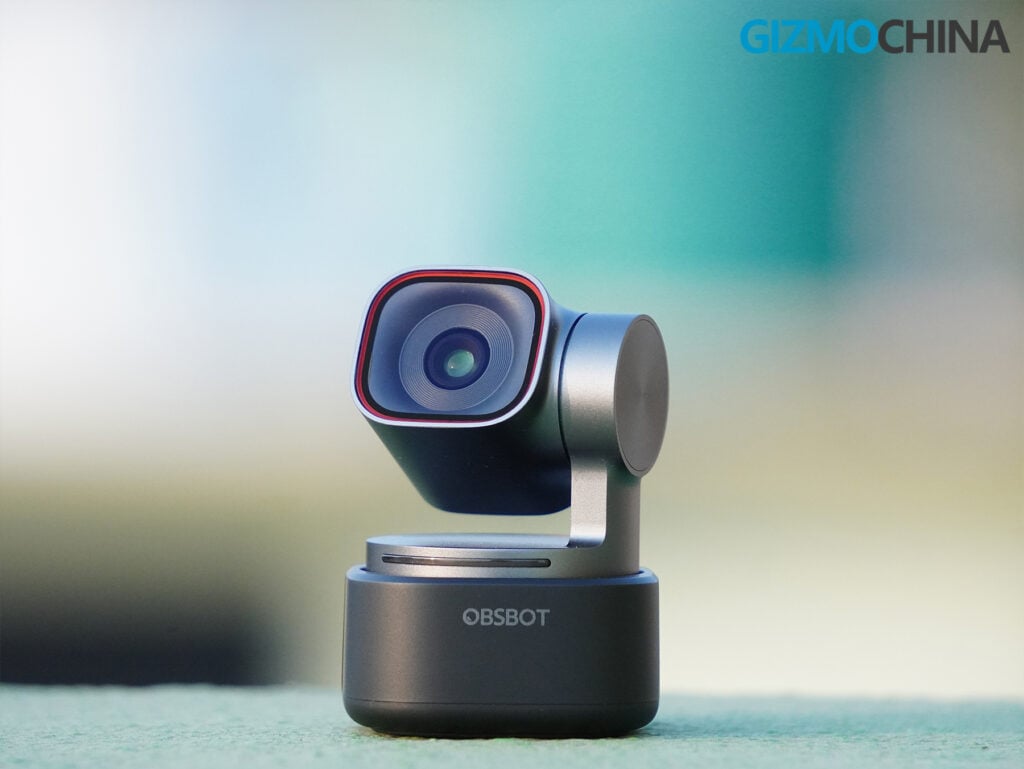
When I first unboxed the Tiny 3, I was genuinely surprised. The name is finally, aggressively accurate. Measuring just 1.5 by 1.5 by 1.9 inches and weighing a mere 2.2 ounces (63 grams), the Tiny 3 is absurdly small. It is 48% more compact and 34% lighter than its predecessor, the Tiny 2. Despite this, it feels incredibly premium.
The main camera module and the two-axis gimbal are encased in a dark gray metal alloy that stays cool to the touch even after hours of continuous 4K streaming.
Tiny 3Tiny 3
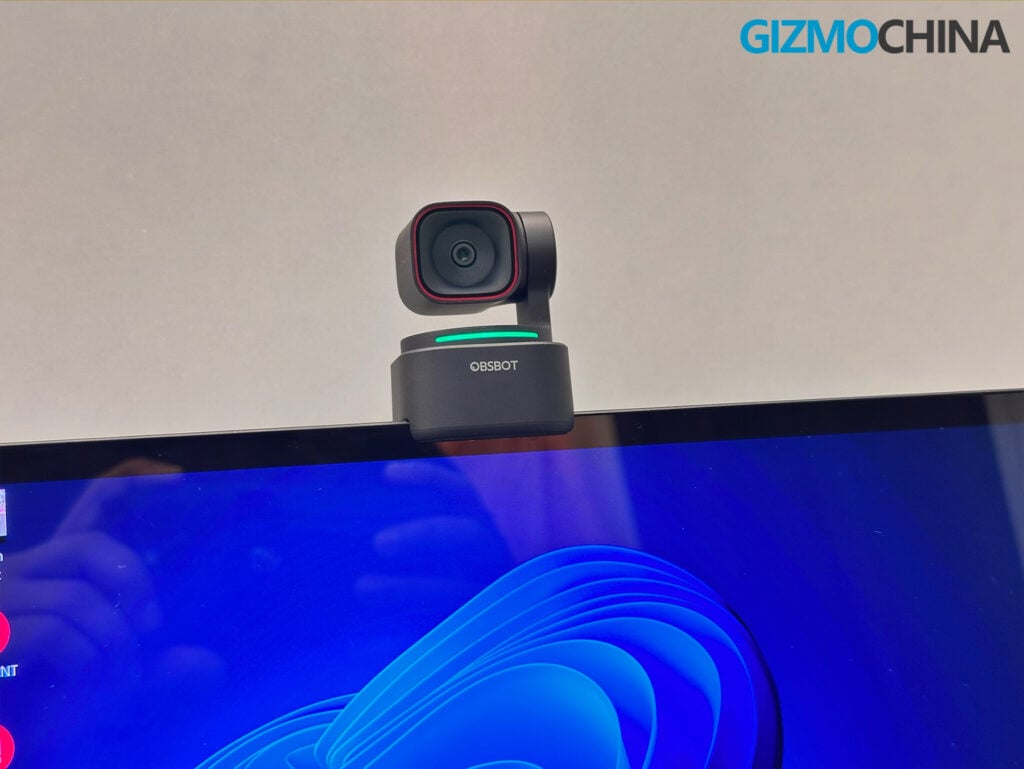
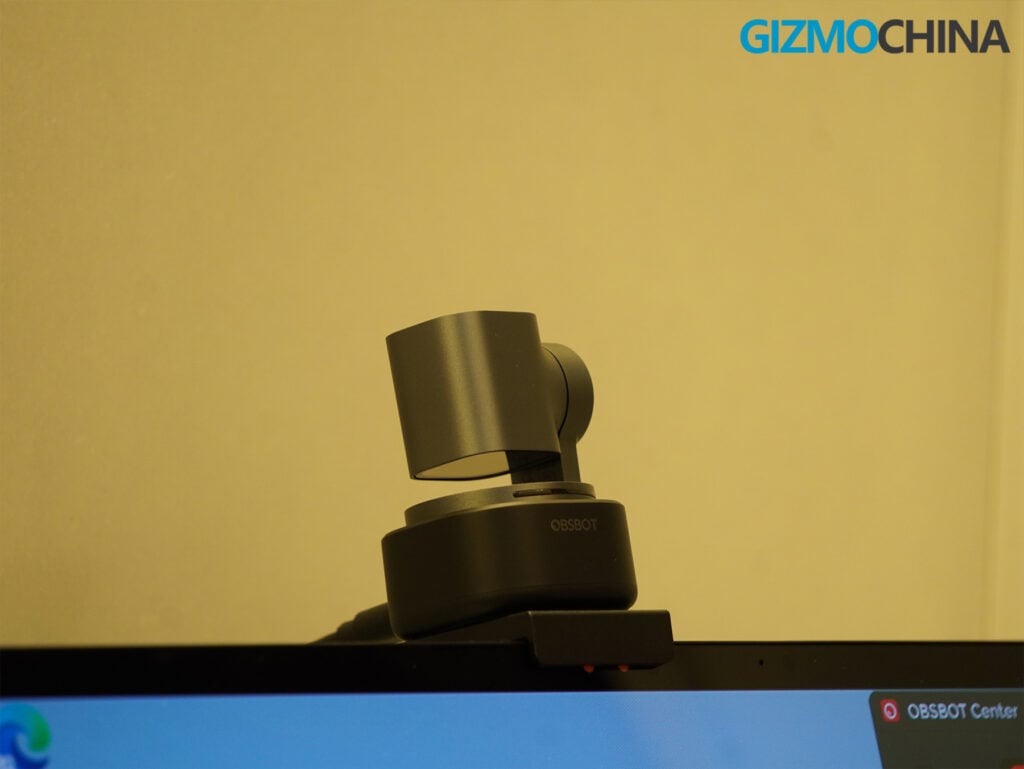
The Tiny 3 Lite, interestingly enough, goes in a slightly different direction. It is actually a bit larger in dimensions (1.6 by 1.6 by 2.3 inches) and adopts a softer, more minimalistic design language. Where the Tiny 3 looks sharp and industrial, the Lite feels a bit more approachable and rounded.
Tiny 3 LiteTiny 3 Lite
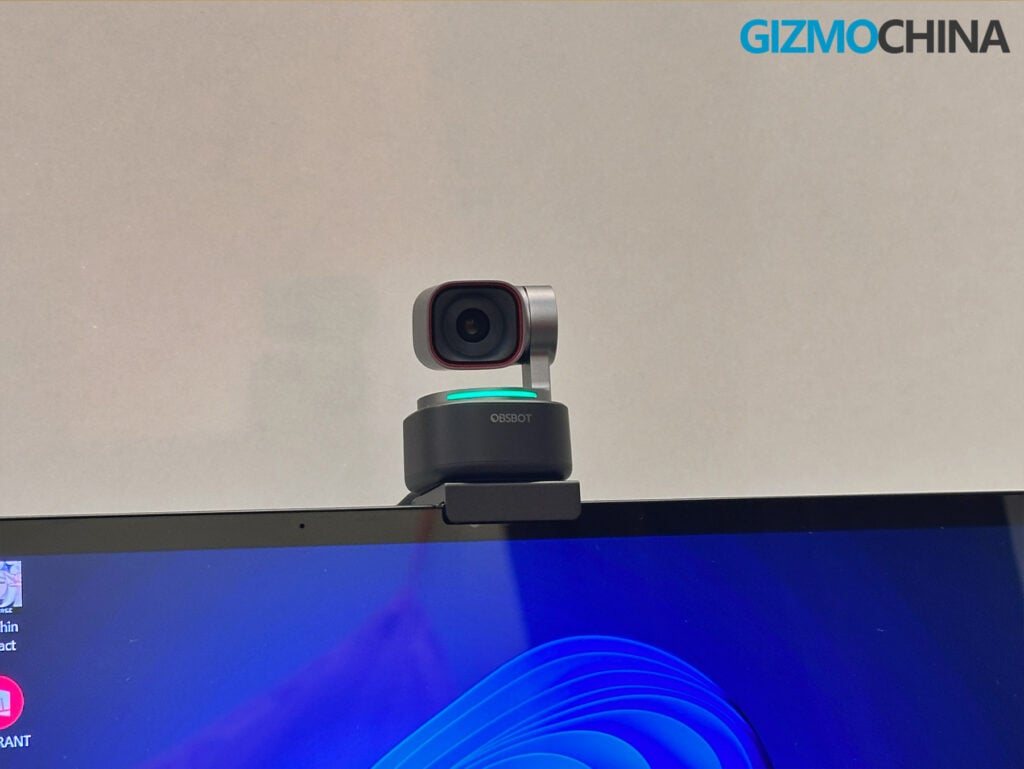
But the biggest physical divergence between the two lies in how you mount them. This is a point of slight contention for me. The Tiny 3 comes with a detachable magnetic base that snaps onto a separate, included screen clip.
The magnet is incredibly strong, and the modularity is great if you want to pop the camera off and snap it onto a tripod or a desktop stand. However, I can’t help but feel that if it had an internal, integrated clamp too, it would have made life just a bit easier for laptop users on the go. You have to keep track of two pieces.
The Tiny 3 Lite, on the other hand, features an integrated clamp. It’s permanently attached to the base, meaning you can just unfold it and slap it onto any laptop or monitor immediately.
It’s less flexible if you want to do complex tripod rigging, but for everyday use, it’s arguably more convenient. Still, the Tiny 3’s magnetic snap has a satisfying, premium tactility to it that the Lite lacks.
Video Quality
Let’s talk about the glass and the silicon, because this is where the $349 price tag of the Tiny 3 starts to justify itself.
The flagship Tiny 3 is packing a massive 1/1.28-inch 50-megapixel CMOS sensor. For context, that is a larger sensor than you’ll find in many premium smartphones, let alone webcams. It boasts a dual native ISO that scales all the way up to 12,800, and an f/1.8 aperture. It shoots in 4K at 30fps, or, if you want buttery smooth motion, 1080p at a staggering 120 frames per second.
In practice, the image quality is nothing short of breathtaking. I have my desk set up in a room where light hits me from all sides, including right from the ceiling. Usually, this kind of omnidirectional lighting makes things incredibly messy for most devices, as they struggle to cut through the glare and balance the frame properly.
But the Tiny 3, utilizing its DCG (Dual Conversion Gain) HDR technology, does an amazing job of managing this chaos. It handles the light so well that I haven’t faced a single issue with overlighting or harsh blasts of glare on my face. It balances the exposure so effortlessly that it looks like I have a perfectly calibrated, professional studio lighting rig.
The natural depth of field is also a massive win. Because the sensor is so large and the aperture so wide, you get actual, optical background blur. It’s not the aggressive, artificial cut-out you get from Zoom or Google Meet; it’s a gentle, natural fall-off that makes you pop off the screen.
The Tiny 3 Lite steps down to a 1/2-inch 48-megapixel sensor. It still shoots 4K at 30fps and 1080p at 120fps, and it still looks fantastic in good lighting. But in low light when I’m relying on the glow of my monitors and a single desk lamp, the difference becomes apparent.
The Tiny 3 remains clean and sharp, while the Tiny 3 Lite introduces a bit of static-like noise into the background. The Lite’s maximum ISO is capped at 6,400, and while it’s still vastly superior to your laptop’s built-in camera, it doesn’t quite have the night-vision-esque magic of the premium model. But for most users, it is more than enough.
Gimbal and AI Tracking
The defining feature of the Obsbot lineup is the mechanical gimbal, and the AI Tracking 2.0 system on the Tiny 3 series is the best I have ever used.
Both cameras feature a two-axis gimbal that can pan up to 150 degrees mechanically and tilt 90 degrees. When you turn on auto-tracking, the camera physically moves to keep you in the center of the frame. There is no robotic jerking or mechanical whining; it just glides. I can stand up from my desk, pace around my office, and the camera follows me seamlessly.
Obsbot gives you an absurd amount of control over this. You can set it to track your full body, your upper body, or just keep a tight crop on your face. But the new Object Tracking feature is what truly blew my mind. Inside the Obsbot Center software, you can draw a bounding box around anything: a coffee mug, a phone, a toy, a product you are demonstrating, and the camera will lock onto it.
Tiny 3Tiny 3 Lite
If you’re a YouTuber showcasing products or a teacher demonstrating crafts from a top-down view, this feature is honestly fantastic. However, it can occasionally be a hit or miss experience, but I believe this could be improved with a software update.
The Tiny 3 also supports gesture controls (holding up your hand to start tracking, making an ‘L’ shape to zoom). It also includes voice controls as well. Saying “Hi, Tiny” wakes it up, “Track me” initiates the gimbal, and “Sleep, Tiny” points the camera straight down at its base, physically cutting off the video feed for guaranteed privacy.
Audio
Built-in webcam microphones usually aren’t the best, but the audio on the Tiny 3 is actually a solid step up. Both the Tiny 3 and the Tiny 3 Lite use a new three-microphone setup (one omnidirectional and two directional), and the software does a good job of processing the sound for everyday use.
You get a few different audio modes depending on what you need. “Pure Audio Mode” leaves the audio raw without extra processing, which is nice if you want to tweak the sound yourself later. “Spatial Audio Mode” captures stereo sound, so if you move around the room, people on the other end can hear which direction you’re speaking from.
I find myself using “Directional Mode” the most. My room environment isn’t always perfectly quiet. I have a noisy fan, and sometimes I get some noise bleeding in from outside, though it’s pretty quiet when I just have the AC running. Directional Mode does a really good job of focusing on my voice and filtering out those background sounds. Even when the fan is running, it isolates my voice well enough that the people on my calls don’t seem to notice the background hum.
The Tiny 3 also has a Voice Tracking feature. The camera uses the microphones to figure out where a voice is coming from and physically turns to face the speaker. If you have two people in the same room sharing the webcam, it just automatically pans back and forth to whoever is talking at the moment, which makes group calls a lot easier to manage.
Software
To get the most out of these cameras, you need to use the Obsbot Center app (available for Windows and macOS). The software is dense, but beautifully laid out.
If you just want to plug and play, you can leave it in Lite mode. But if you click over to Pro, you get all the controls. You can manually adjust the exposure curves, tweaking shadows, midtones, and highlights independently. You can manually set the white balance by adjusting the red and blue gain. You can set up to three preset gimbal angles, allowing you to snap the camera from a wide shot of your room to a tight crop of your face with a single click.
Obsbot has also built in some virtual camera features, like background replacement and artificial bokeh. The background replacement is significantly better than the native tools in Zoom or Teams, handling the edges around my hair with impressive accuracy.
It is also worth noting that the flagship Tiny 3 has a couple of software tricks the Lite lacks, specifically Desk Mode and Whiteboard Mode. Desk Mode automatically tilts the camera down and digitally flips the image so you can show off documents or sketches on your desk without the image being upside down for your viewers. If you don’t need this, the Lite becomes an even more appealing option.
Final Verdict
After a month of living with both of these cameras, I am thoroughly impressed. Obsbot hasn’t just made a good webcam; they have built a genuinely exciting piece of consumer technology.
If you are a content creator, a streamer, a high-level executive, or someone who simply demands the absolute best image quality and low-light performance available, the Obsbot Tiny 3 ($349) is the undisputed king of the hill.
The 1/1.28-inch sensor is a marvel, the HDR processing is flawless, and the sheer amount of technology packed into a chassis the size of a golf ball is a masterclass in hardware engineering. Yes, I wish the magnetic mount had an integrated clamp for laptop convenience, and yes, it is painfully expensive. But it is the best webcam I have ever tested.
However, if you are looking for value, the Obsbot Tiny 3 Lite ($199) is the real scene-stealer here. For $150 less, you are getting the exact same world-class AI tracking, the exact same incredible triple-mic audio system, and the exact same 1080p 120fps capability.
You lose a bit of low-light fidelity due to the smaller sensor, and you miss out on the Desk/Whiteboard modes, but for 95% of users, the video quality is still going to blow away anything else in the sub-$200 price bracket. Plus, the integrated clamp design, while making the camera slightly larger, is undeniably practical for everyday laptop use.
For more daily updates, please visit our News Section.
A new leak suggests Xiaomi may bring back its experimental Mix line of smartphone. According to a recent report from XiaomiTime, the rumored Xiaomi Mix 5 is already in development, and it could land later this year with some new tricks.
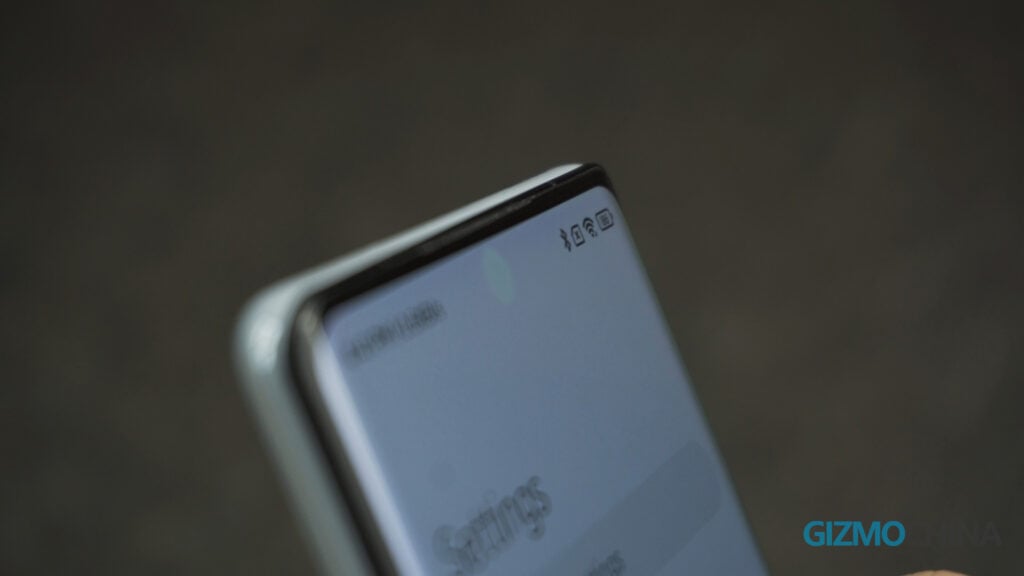
Xiaomi MIx 4 UD Camera is faintly visible from the side view
The report points to internal Xiaomi database entries that reference a device codenamed “hongkong” with the model number Q5. The source suggests that the “Q” prefix could mean a 2026 release window, while the “5” aligns closely with the Mix branding. Previous devices in the series followed similar naming pattern, E5 and E5G for Mix 3 and Mix 3 5G and K8 for Mix 4.
On the hardware side, the phone is expected to run on the upcoming Snapdragon 8 Elite Gen 6 Pro chip.
Xiaomi Mix 5 might still retain under display camera
As for the design, the Mix 5 is rumored to feature an under-display camera, like the Mix 4. The idea still hasn’t matured yet, although few niche brands like RedMagic offers their high-end gaming phones with a under-display camera. Of course, the camera performance is not as you’d expect from an over the surface camera.
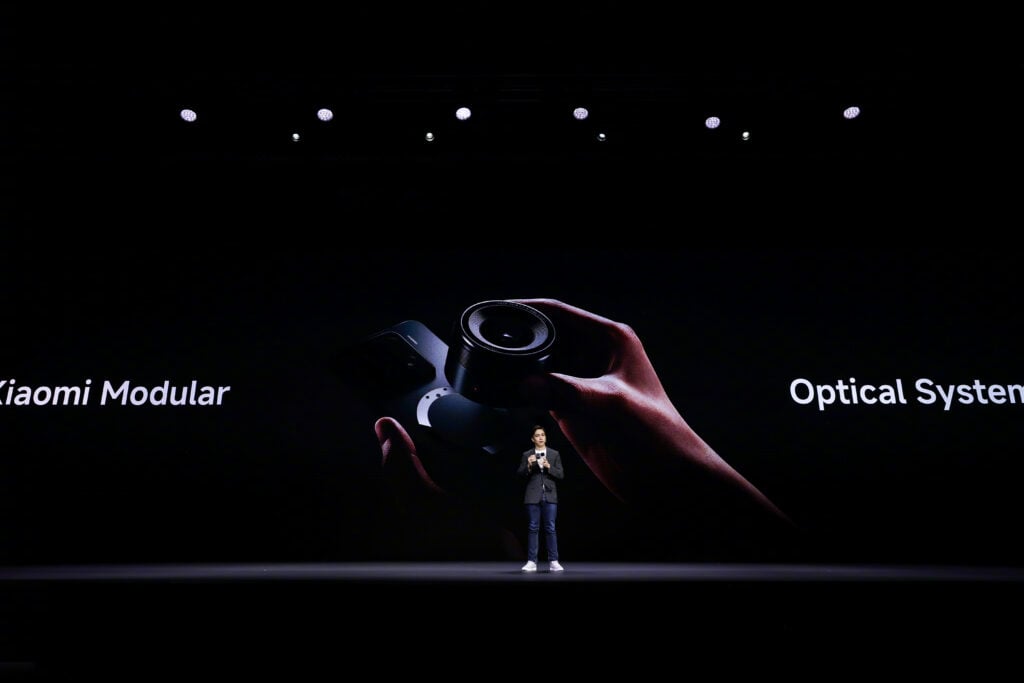
There’s also talk of a new “magnetic lens” system for the rear camera. Xiaomi in fact teased the acessory back in 2025 and a previous report claimed that the lens has started mass production and could be seen as early as this year.
Software-wise, the device is expected to ship with HyperOS 4 out of the box. That would make it one of the first phones to run Xiaomi’s next-generation software platform.
Perhaps more interestingly, the Mix 5 might not be limited to China this time. The report suggests Xiaomi is planning a broader global release, excluding Japan but opening availability to other international markets.
There’s still no confirmed launch date, and Xiaomi’s evolving naming strategy leaves some room for interpretation. But taken together, the leaks suggest the company is once again use Mix series to bring its innovative experimental features to masses.
For more daily updates, please visit our News Section.
Smartphones in India have become more expensive starting May 1, 2026, as multiple brands raised prices across mid-range and flagship segments. Companies like OnePlus, Nothing, Xiaomi, and Realme have increased prices by ₹1,000 to as much as ₹5,000. The revised pricing is already live across official brand websites and major online platforms.
Why Are Smartphone Prices Increasing?
The primary reason behind this sudden hike is the rising cost of essential components such as DRAM (RAM) and NAND storage. Global demand for these components has surged, especially due to the rapid growth of AI data centres that require massive memory resources.
At the same time, manufacturers are shifting production toward high-bandwidth memory (HBM), which is more profitable but reduces supply for smartphones. This imbalance is pushing up costs across the industry.
Nothing Phones See Major Price Increase
Nothing has introduced some of the highest hikes among all brands. The Nothing Phone (4a) Pro now starts at ₹44,999, with a ₹5,000 increase across all variants. The Nothing Phone (4a) has become ₹3,000 more expensive, and even the older Phone (3a / Lite) models have received a similar ₹3,000 hike.
This move signals a shift away from the brand’s earlier aggressive pricing strategy.
OnePlus Raises Prices of Flagship Models
OnePlus has also increased prices for its flagship lineup. The OnePlus 15 now starts at ₹77,999, marking a ₹5,000 increase, while higher variants have gone up by as much as ₹6,000. The OnePlus 15R has also seen a smaller increase of around ₹2,500.
This shows that even premium and upper mid-range devices are being affected by rising component costs.
Realme Hikes Prices Across Segments
Realme has increased prices across multiple models, ranging from budget to mid-range smartphones. While some devices saw a flat ₹1,000 increase, others, especially higher-end models like the Realme 16 Pro series, have received hikes of up to ₹5,000.
This impacts buyers across all price segments, including entry-level users.
Xiaomi’s Redmi Series Also Gets Costlier
Xiaomi’s Redmi Note 15 Pro series has also been affected, with price increases of up to ₹2,000. The Redmi Note 15 Pro now starts at ₹31,999, while the Pro+ variant goes up to ₹39,999.
Although the increase is relatively smaller, it still reflects the broader pricing pressure across the market.
Industry Facing a Tough Situation
The smartphone industry is now dealing with rising production costs at multiple levels. Memory prices are increasing rapidly and, in some cases, are becoming as expensive as chipsets. With AI companies consuming large amounts of memory supply, smartphone brands are left with limited options.
They must either increase prices or reduce specifications, both of which can impact consumer demand.
What This Means for Buyers
For buyers, this means smartphones are becoming more expensive across the board. The difference between budget and mid-range pricing is shrinking, and flagship devices are moving even higher in price.
If you are planning to buy a smartphone, it may be a good idea to take advantage of bank offers, discounts, or sale events. Waiting too long could result in paying more, as further price hikes cannot be ruled out.
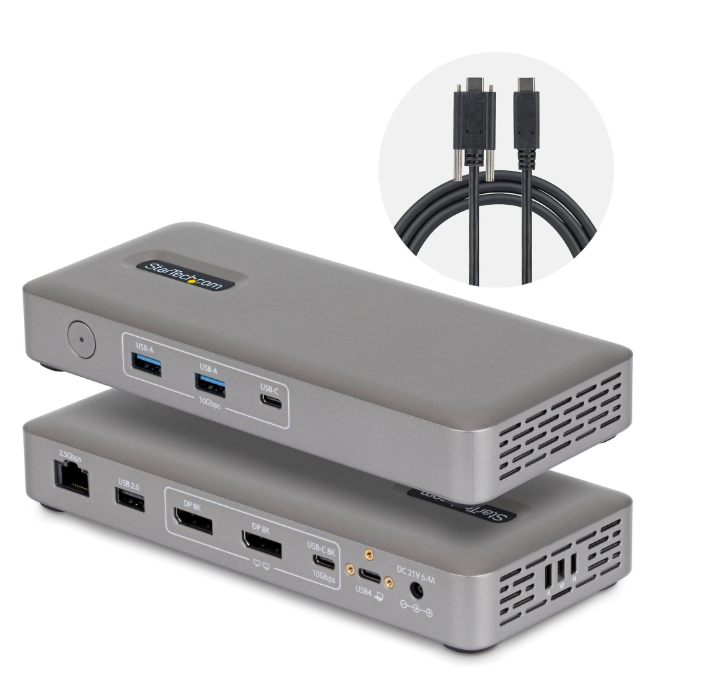
StarTech.com has introduced a new USB4 docking station designed to simplify connectivity across multiple platforms. Announced on April 30, 2026, the Driverless Dual 4K USB4 Docking Station (208N-USB4-DOCK) works seamlessly with macOS, Windows, and Linux devices. It is positioned as an industry-first solution that enables native dual-display support on MacBooks without requiring drivers or additional software, making it especially useful for mixed-device environments.
Key Innovation
The standout feature of this dock is its ability to support dual displays on MacBooks through USB4 without any drivers. This addresses a long-standing limitation where Mac users often needed expensive Thunderbolt docks for multi-display setups. The dock delivers near Thunderbolt-level performance and is compatible with newer MacBook models, including M3, M4, and M5 devices, ensuring broader usability for professionals.
Performance and Connectivity
The dock uses a single USB-C connection with 40Gbps bandwidth and supports up to 100W Power Delivery for charging. It includes a range of ports such as multiple USB-A and USB-C ports, a 2.5Gb Ethernet port, and dual DisplayPort 1.4 outputs. It can drive up to two displays simultaneously, supporting up to 6K resolution at 60Hz in dual mode or 8K at 60Hz for a single display. High refresh rate support like 4K at 144Hz is also available on compatible systems.
Enterprise-Focused Design
Built with enterprise use in mind, the dock eliminates the need for software installation, reducing deployment time and support issues. It also includes a screw-locking USB-C cable that helps prevent accidental disconnections, making it suitable for shared workspaces and IT-managed environments.
Availability and Pricing
The docking station is priced at $143.99 and is available through major retail and distribution channels. It offers a cost-effective and streamlined alternative to traditional docking solutions, especially for organizations managing diverse device ecosystems.
Xiaomi has officially introduced the YU7 GT at the Beijing International Auto Show 2026, with its launch expected by the end of May. Positioned as a flagship model in the YU7 lineup, the GT focuses on delivering a balance between performance and everyday usability rather than extreme track performance.
The company clarified why this model is called “GT” instead of “Ultra.” While “Ultra” models are designed for maximum performance and track dominance, the YU7 GT follows the Grand Touring philosophy. This means it is built for high-speed driving combined with comfort and long-distance capability, rather than being a pure racing machine.
Under the hood, the YU7 GT features a powerful dual-motor setup, producing around 1003 PS. It can reach a top speed of up to 300 km/h, making it one of the fastest SUVs in its category. The vehicle is powered by a ternary lithium-ion battery, offering a claimed range of up to 705 km (CLTC), which supports long journeys without frequent charging stops.
In terms of design, the YU7 GT carries a sporty and aerodynamic look. It features signature water droplet headlights, multiple air vents for improved airflow, and a rear ducktail spoiler for added stability. The overall design focuses on both performance and efficiency.
The SUV also emphasizes stability and comfort, with a chassis tuned for high-speed driving and long-distance cruising. With its combination of strong performance, premium comfort, and extended range, the YU7 GT targets users who want speed without sacrificing practicality.
Overall, the YU7 GT stands out as a balanced performance SUV built for real-world driving, not just track records.
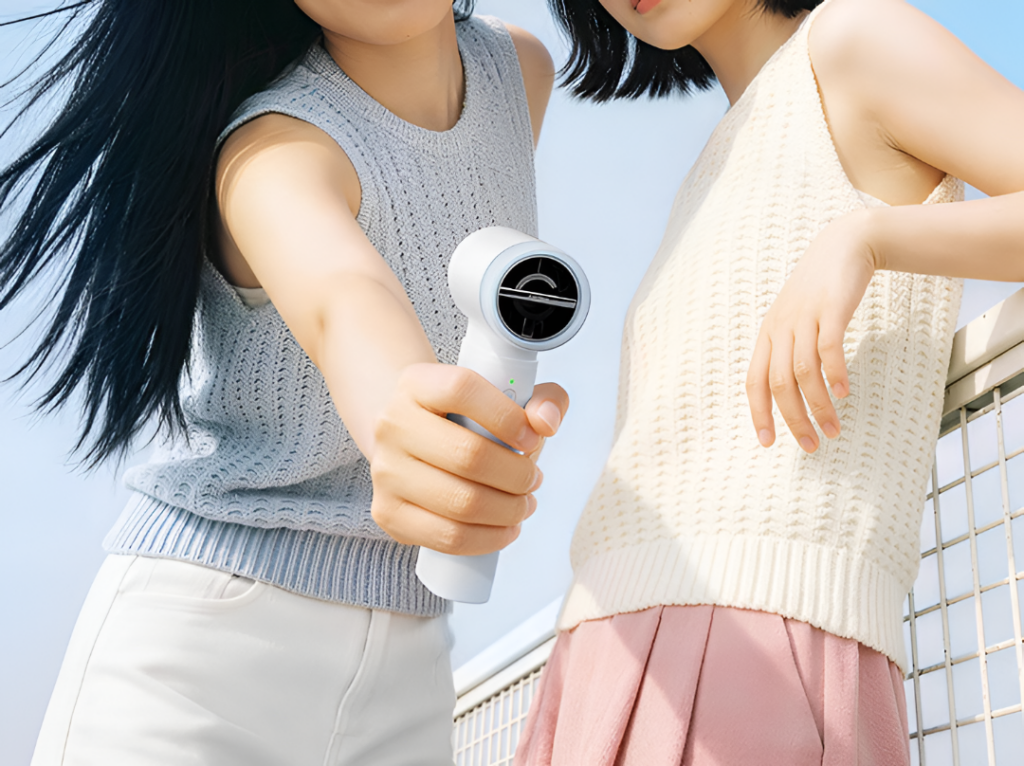
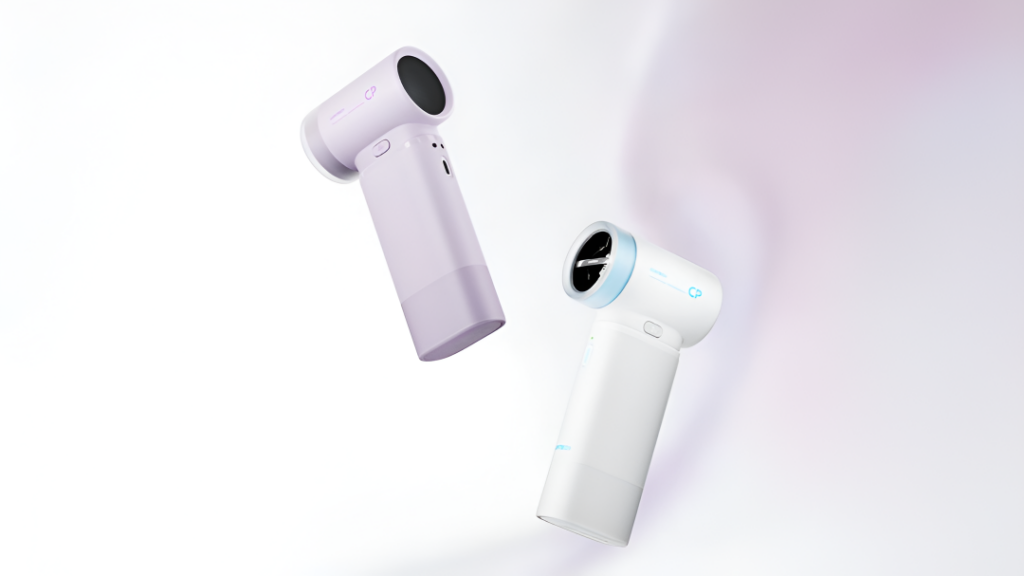
Portable fans are usually straightforward, single-purpose gadgets, but Cuktech is trying to make them a bit more versatile. The company has recently launched the CP Modular Fan Plus, a new portable cooling device that leans heavily into modularity and doubles as a fast-charging power bank.
Cuktech CP Modular Fan Plus Specifications
The CP Modular Fan Plus introduces a modular design powered by Cuktech’s proprietary Power-Pin magnetic interface. This system allows users to attach accessories such as external power modules and extension cables. The magnetic connection is rated at 15N, ensuring a secure and stable fit for everyday use. Cuktech has included a lanyard and a portable form factor, making it easy to carry or use on the go.
The fan runs on a high-speed three-phase brushless motor. It delivers wind speeds of up to 11 m/s and uses Turbo Charged vortex airflow technology to boost air output by 40%. The new motor features a larger diameter than its predecessor, improving airflow and reducing energy consumption by 75%. The fan provides three adjustable speed levels and a Boost mode for maximum cooling performance.
Cuktech has equipped the fan with a nine-blade turbine system. It supports dense airflow cutting and distributes air over a larger area. The CP Modular Fan Plus covers up to 65,516 mm² and operates with advanced acoustic tuning to minimize noise and vibration. It generates 50dB on the lowest setting, 62dB on medium, and 66dB on the highest setting.
The fan includes two built-in 5,000mAh batteries, resulting in a combined capacity of 10,000mAh. It provides up to 37 hours of use on the lowest setting, 24 hours on medium, and 4 hours on high.
The fan also functions as a power bank with 33W output and 27W input. It supports fast-charging protocols like PD, PPS, and MiPPS, enabling it to charge multiple devices efficiently.
The CP Modular Fan Plus allows pass-through charging, letting users operate the fan while it charges. It features built-in safety measures such as overcurrent protection, temperature control, and short-circuit protection. The fan includes a battery indicator system with LED lights for quick status updates.
In related news, the company has recently launched the Cuktech 15 Air power bank, featuring up to 65W output along with a built-in smart display.
For more daily updates, please visit our News Section.
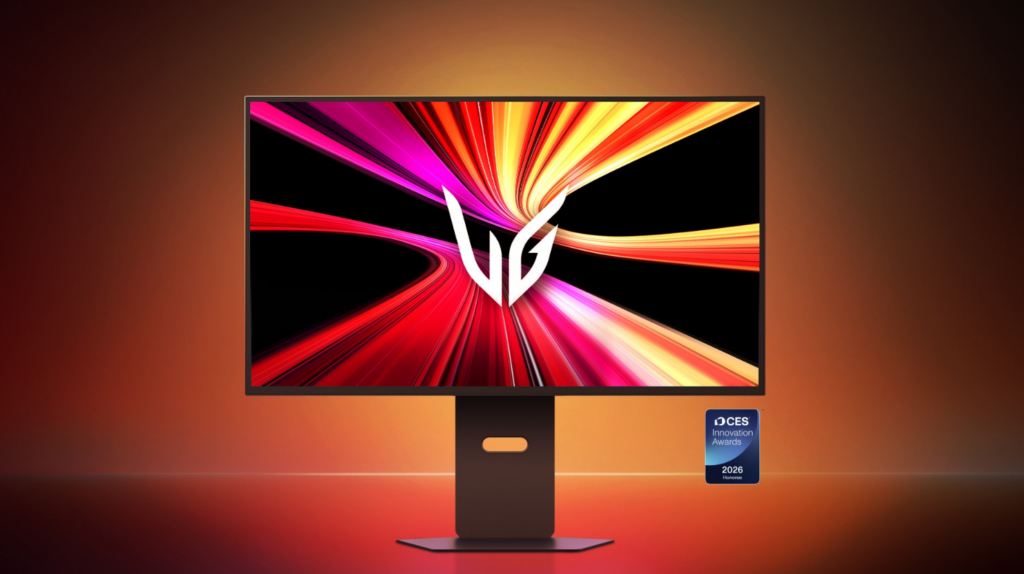
LG is bringing a new dual-mode OLED gaming monitor to the Japanese market. The UltraGear 32GX870B is a 31.5-inch display that lets you choose between a sharp 4K resolution at 240Hz for visually demanding single-player games, or a much faster 480Hz at 1080p for competitive shooters. It’s a practical two-in-one approach that is becoming increasingly common in the high-end monitor space.
LG UltraGear 32GX870B Specifications
The panel itself uses LG’s fourth-generation Tandem OLED technology. Unlike the previous 32GX870A model, which relied on a three-layer emission structure, this new version steps up to a four-layer Primary RGB design. In everyday terms, this translates to improved brightness and color performance.
LG notes the monitor hits a typical SDR brightness of 335 nits and can peak at 1,500 nits in HDR. It covers 99.5% of the DCI-P3 color gamut, boasts a Delta E of less than 2 for out-of-the-box color accuracy, and offers a dynamic contrast ratio of 1,850,000:1. There is also an anti-glare coating to help mitigate reflections from ambient room lighting.
The dual-mode functionality is the main draw here, supported by VESA’s Dual Mode standard. If you switch over to the 1080p 480Hz mode for esports titles like Valorant or Counter-Strike 2, playing on a 32-inch screen can sometimes feel too large for your field of view.
To address this, LG included a feature that scales the display area down to either 27 inches or 24.5 inches with black borders, mimicking the standard monitor sizes used in competitive tournaments. Add in a 0.03ms gray-to-gray response time, VESA ClearMR 13000 certification, and support for both Nvidia G-Sync and AMD FreeSync Premium Pro, and motion blur shouldn’t be an issue.
For connectivity, the monitor includes a DisplayPort 2.1 (UHBR20) connection, which provides enough bandwidth to run these high refresh rates without relying heavily on display stream compression. You also get two HDMI ports, a USB-C port with 90W power delivery (which is great for charging a laptop with a single cable), and a two-port USB 3.2 Gen 1 hub.
The monitor includes built-in 7W stereo speakers and a suite of AI-driven features for upscaling and sound optimization. The stand offers a standard array of ergonomic adjustments, including height, tilt, swivel, and a 90-degree pivot, all wrapped in a slim, four-side borderless design.
Pricing and Availability
The UltraGear 32GX870B is priced at 169,800 yen ($1,081), and shipments in Japan are slated to begin on June 11th. There is no official word yet on when it will hit other markets, but given LG’s usual release cycles, a wider rollout seems likely in the coming months.
Even in an era dominated by cloud storage and ultra-fast portable SSDs, there is still a very real need for a basic, reliable USB flash drive. Kingston is leaning into that dependable, everyday market with the launch of its new DataTraveler Exodia DTXG2 in China. The drive is currently listed on JD.com, with its first official sale scheduled to kick off on May 6.
Kingston DataTraveler Exodia DTXG2 Specs
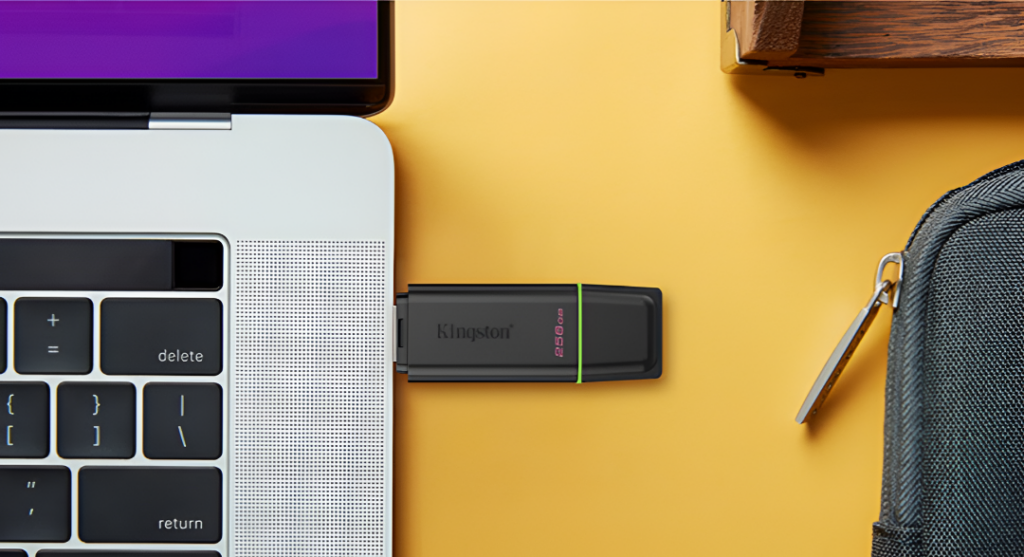
The DTXG2 is a straightforward piece of hardware that doesn’t try to reinvent the wheel. It utilizes a standard USB-A connector, making it immediately compatible with the vast majority of desktop computers, older laptops, and various digital peripherals you likely already have lying around. It supports a USB 3.2 Gen 1 interface, though it remains fully backward compatible with USB 2.0 ports, ensuring you won’t run into issues when plugging it into legacy hardware.
When it comes to performance, the specifications are firmly grounded in basic utility. The drive offers a maximum read speed of 50MB/s and a write speed of 5MB/s. Those numbers mean the DTXG2 isn’t built for transferring massive 4K video projects or acting as a scratch disk for heavy media editing. Instead, it is positioned strictly for everyday tasks, moving text documents, PDFs, a few photos, or small media files between devices without much fuss.
To make the drive a bit more practical for daily carry, Kingston has opted for a colorful, keyring-style design. The back end of the drive features a prominent loop, making it easy to attach to a set of keys, a lanyard, or a backpack zipper so it doesn’t get lost in your pocket. To protect the USB-A connector, it includes a basic black snap-on cap designed to stay firmly in place while bouncing around in a bag.
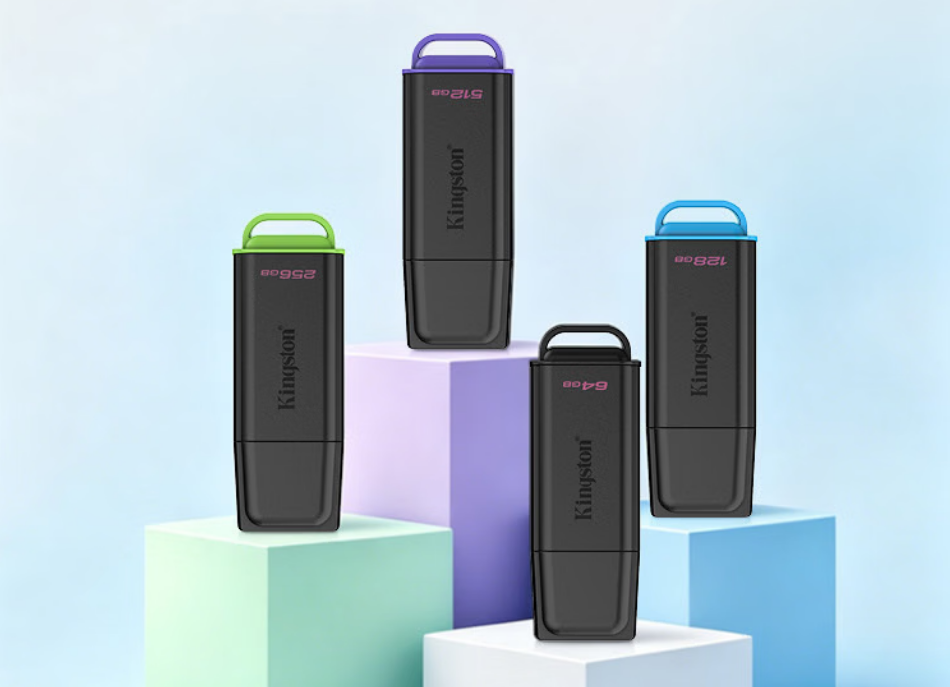
Kingston is also using color to differentiate the storage tiers, which is a helpful touch if you happen to own more than one or need to grab a specific drive at a glance. The entry-level 64GB model comes in a standard black finish and is priced at an accessible 59.9 yuan ($9).
Moving up the stack, the 128GB version costs 89.9 yuan ($13) and features an ocean blue accent. The 256GB variant comes in lemon green for 209 yuan ($30), while the top-tier 512GB model stands out in purple and will set you back 419 yuan ($61).
For a bit of added security, Kingston is backing the DTXG2 series with a five-year limited warranty.
OpenAI CEO Sam Altman has pushed back against growing fears that artificial intelligence will replace human jobs, calling such concerns “overly pessimistic” in the long run. Speaking on X (formerly Twitter), Altman emphasized that OpenAI’s goal is to build tools that “augment and elevate” human capabilities rather than replace people entirely.
His comments come at a time when layoffs across industries, especially in the United States, have raised alarm. Several companies have linked job cuts directly to AI adoption, fueling concerns that traditional roles could become obsolete. A widely discussed example is King, the company behind Candy Crush Saga, which reportedly laid off developers after they created AI tools capable of generating game levels.
The anxiety has been further intensified by statements from Dario Amodei, CEO of Anthropic. Amodei recently suggested that AI could soon write nearly all code within the next 6 to 12 months. Such predictions have strengthened the belief that AI may dominate large parts of the workforce.
Altman, however, disagrees with this outlook. He argues that while AI will transform jobs, it will not eliminate the need for humans. Instead, he believes people will shift toward more meaningful and higher-value work. According to him, adaptation, not replacement, will define the future of employment.
Looking ahead, Altman envisions a world where AI reduces the need for intense labor, allowing people to live more flexible and fulfilling lives. While debate continues within the industry, his stance highlights a more optimistic path where humans and AI work together rather than compete.
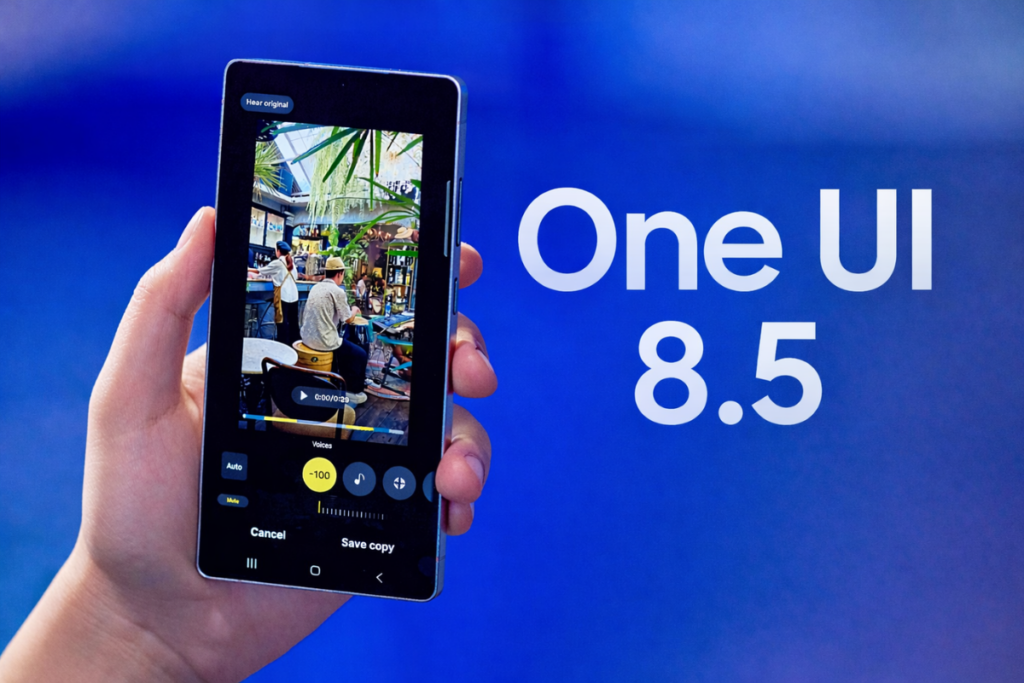
One UI 8.5 rollout is about to begin, and dozens of Galaxy models are lined up to receive this feature-rich upgrade that doesn’t look like an incremental upgrade at all. It brings numerous visual upgrades, new features, and expanded customization options that really level up the software experience.
Among the long list of changes coming to One UI 8.5, there are five features I am most excited about. I really wish Samsung would bring them to the majority of eligible devices.
1. Modern Liquid Glass interface with smoother animations
Liquid Glass interface in One UI 8.5
One UI 8.5 introduces Liquid Glass design for the first time on Galaxy devices. We know where the inspiration comes from (hello, Apple). The updated design language emphasizes transparency, floating surfaces, rounded controls, and soft depth effects across core apps and the system UI, making One UI feel more premium and modern.
Part of this new design language includes floating navigation bars with semi-transparent panels and more pronounced blur and shadow layering to create a “glass” feel. You’ll see it in the Settings app and first-party apps like Dialer, Gallery, and Calculator, replacing the traditional flat, rectangular navigation bar. The back button and other controls appear as separated floating elements, allowing more room for content.
The new Liquid Glass design is most prominent in Samsung’s own apps, but other areas, including notifications, widgets, and the control center, also receive a subtle glass-style treatment.
2. Fully customizable Quick Panel
Quick Panel customization in One UI 8.5
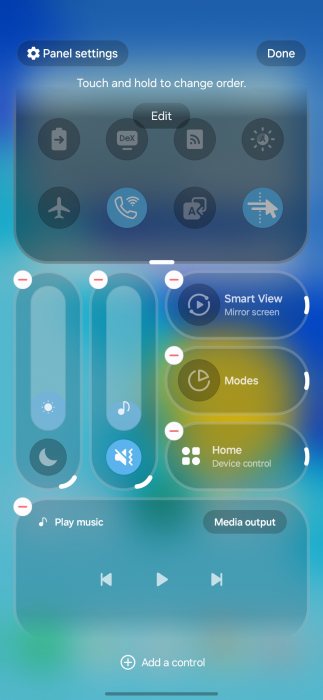
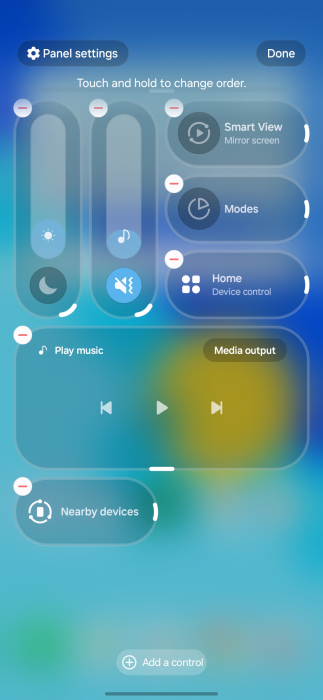
The Quick Panel in One UI 8.5 is receiving its biggest customization update yet. You can now move tiles and widgets wherever you want, resize them, or change their orientation to create a layout that is perfect for you. You can even remove every toggle to get an almost empty panel.
Brightness and volume sliders are also part of the latest changes, with the ability to switch between horizontal and portrait-style layouts. You can customize the panel however you like instead of using Samsung’s default layout. The panel can become messy if you over-customize, but Samsung’s got you covered. You can easily reset to the default layout.
3. Calling gets a major AI upgrade
Image credit: Sammobile
One UI 8.5 brings major upgrades to calling, now allowing the phone to automatically answer unknown or suspected spam calls. The AI assistant asks the caller’s purpose, shows you a live transcript, and lets you decide whether to pick up or mark as spam. This is a big step up from the manual Bixby Text Call, helping you avoid interruptions from robocalls or telemarketers.
You can also enable the auto answer with AI feature to let the device automatically answer calls after a specific delay (5-30 seconds) and provide a live text transcript. This is particularly useful when you are busy or have Do Not Disturb enabled, allowing you to see the caller’s query via a live transcript before even picking up the call.
One UI 8.5 also introduces a direct voicemail feature that lets callers leave a voice message directly on your device rather than a carrier server. You can see the live transcript of the voicemail as it is being recorded in real-time.
Even during a normal call, you can see real-time call options, making it easier to follow in loud environments. Another small but useful upgrade is that the Now Bar shows a dedicated counter for missed calls, making it easier to track without unlocking the device.
4. A new Creative Studio app for AI creativity
Samsung has added a new Creative Studio app in One UI 8.5, which is basically a central hub for generative AI creativity. The app lets users create wallpapers, stickers, greeting cards, invitations, and profile cards with simple sketches, existing photos, or text prompts.
Image credit: Sammyfans
The app supports multiple aspect ratios (such as 16:9 and 4:3) and various art styles, including Childhood Sketch, Marker Drawing, and Oil Painting.
5. Sharing files got a lot easier (even with Apple devices)
Samsung has made significant upgrades to file sharing to bridge the gap between its ecosystem and other platforms, particularly Apple devices. A major addition is a new “Share with Apple devices” option in the Quick Settings menu, enabling seamless, high-speed transfers to iPhones, iPads, and Macs that use AirDrop.
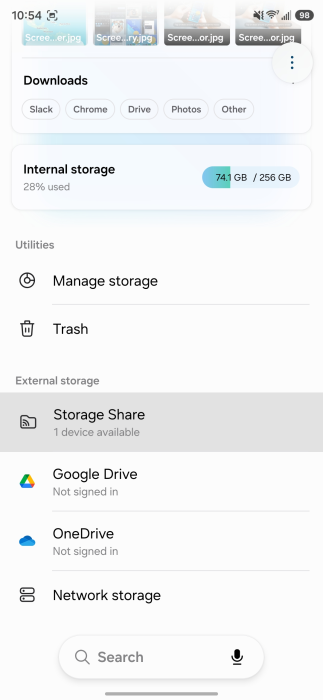
One UI 8.5 also makes it easier to access the storage of one Galaxy device directly from another through the My Files app. For example, you can browse photos, music, and documents stored on your Galaxy Tab directly on your Galaxy phone, provided both devices are signed into the same Samsung account.
We’ll keep sharing with you the latest One UI updates in the Samsung section on this website. You can visit that page regularly to get fresh details. Or, if you prefer news on the go, make sure to follow our Telegram channel.
Vivo X300 Ultra Global is shaping up to be one of the most powerful flagship smartphones of 2026, combining top-tier hardware with an advanced camera system and a massive battery. Designed for global users, this version supports networks in most countries, making it a flexible option for international buyers.
Availability and Price
Vivo X300 Ultra Global is currently available for pre-order and will begin shipping on May 16. It is listed at a starting price of $1,699, placing it firmly in the premium flagship category.
Display and Design
The phone features a large 6.82-inch BOE Q10+ AMOLED display with a sharp 2K resolution (3168 × 1440 pixels). It supports a smooth 144Hz refresh rate along with high-frequency dimming, ensuring both fluid visuals and comfortable viewing. This makes it ideal for gaming, streaming, and everyday use.
Performance and Software
Powered by the Snapdragon 8 Elite Gen 5 processor, the Vivo X300 Ultra delivers flagship-level performance. It comes with 12GB or 16GB RAM and storage options up to 1TB using fast UFS 4.1 technology. The device runs on Android 16 with OriginOS 6, offering a clean, fast, and modern user experience.
Camera System
Photography is a major highlight here. The triple rear camera setup includes a 200MP Sony YT-901 main sensor, a 200MP periscope telephoto lens, and a 50MP ultra-wide camera. It also supports telephoto macro shots and features Zeiss T* coating for improved image clarity. On the front, a 50MP camera handles selfies and video calls.
Battery and Charging
The device packs a large 6600mAh battery with 100W fast charging. It can reach 50% in just 10 minutes and fully charge in about 30 minutes, making it highly practical for heavy users.
The standard iPhone is typically the default choice for most buyers, offering a balance of new features and approachability. However, if recent supply chain reports are accurate, the base iPhone 18 might represent a shift in how Apple handles its non-Pro lineup.
Between a rumored change in the release schedule and a few specific hardware compromises, the standard iPhone 18 is shaping up to be an interesting, if slightly segmented, device.
Here is a look at what the rumors currently suggest for the base iPhone 18, and what it means for anyone planning to upgrade.
For years, consumers have expected a new lineup of iPhones every September. But Apple is reportedly adjusting its strategy for the iPhone 18 cycle. Instead of releasing all four models at once in the fall of 2026, the company is expected to focus its September event entirely on the higher-end devices: the iPhone 18 Pro, the Pro Max, and a rumored foldable model.
If you are waiting for the standard iPhone 18 or the more affordable iPhone 18e, reports indicate you will need to wait until the spring of 2027. Industry analysts suggest this split is largely driven by supply chain costs, particularly the rising price of memory. By spacing out the launches, Apple can prioritize its higher-margin Pro models first.
2. Shift in Display Priorities
The iPhone 18 is expected to keep the 6.3-inch display size and the 120Hz ProMotion refresh rate introduced with the iPhone 17. However, the underlying technology might take a slight step back compared to the Pro models.
According to supply chain leaks, the base iPhone 18 will use Samsung’s M12+ OLED material, which is an iterative version of the panel used in the iPhone 14 Pro. Meanwhile, the iPhone 18 Pro models will move on to the newer M16 material.
The primary difference here isn’t necessarily how the screen looks, but rather how efficiently it operates. Older OLED panels require more power to achieve the same brightness levels. While the iPhone 18 will benefit from Apple’s highly efficient new 2nm A20 chip, some of those battery life improvements might be offset by the older display technology.
There are rumors that all three iPhone 18 models will feature a smaller Dynamic Island cutout. However, conflicting reports suggest it may be limited to the Pro models.
3. 12GB RAM Standard Across All Models
Perhaps the best upgrade coming to the base iPhone 18 is its memory. Apple is reportedly standardizing 12GB of RAM across the entire iPhone 18 lineup, a notable increase from the 8GB found in previous base models.
The reasoning behind this is straightforward: on-device artificial intelligence. Apple Intelligence features, particularly the anticipated iOS 27 Siri upgrades powered by new language models, require significant memory to run smoothly without relying on cloud processing.
By giving the base iPhone 18 enough RAM to handle these tasks, Apple is ensuring the device will remain capable and responsive for years to come.
4. Cameras and Cost-Cutting Measures
On the camera front, the standard iPhone 18 is expected to retain a dual 48-megapixel rear setup (main and ultrawide), skipping the variable aperture lens rumored for the Pro models. However, the front-facing camera is slated for a welcome upgrade to 24MP, which should improve the clarity of selfies and video calls.
To keep production costs manageable, Apple might also simplify the Camera Control button. Current rumors suggest the company could remove the capacitive touch layer, relying solely on pressure sensors to register inputs.
It is a minor change that most users may not even notice, but it highlights Apple’s effort to maintain the phone’s expected $799 starting price amid rising component costs.
5. The Overall Picture
Apple is drawing a clearer line between its standard and Pro models. The base iPhone 18 seems designed to be a practical, capable device focused on delivering Apple’s latest software and AI features, rather than pushing the boundaries of hardware.
If you don’t mind waiting until the spring of 2027, the inclusion of 12GB of RAM and the new A20 chip should make it a reliable choice, even if it misses out on the most advanced display technology.
For more daily updates, please visit our News Section.
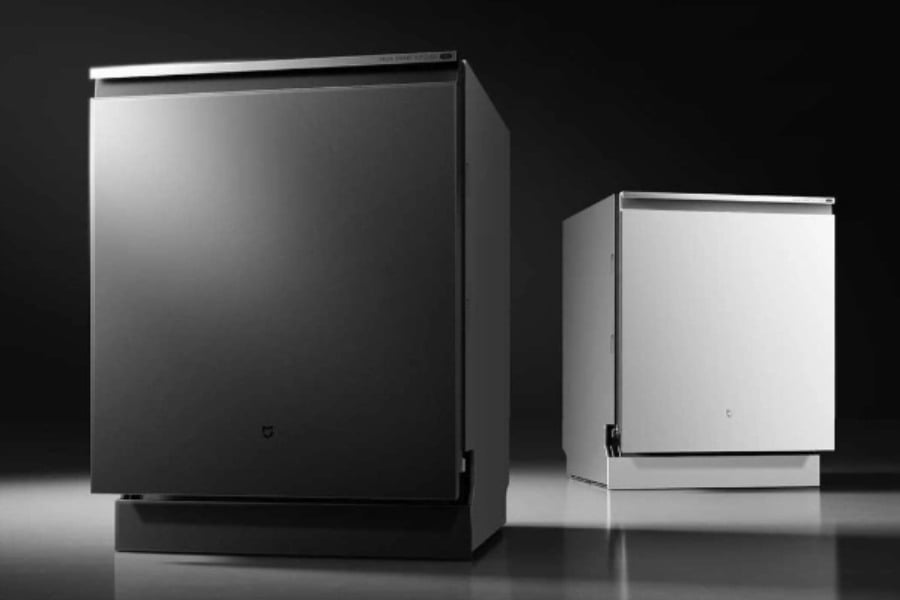
The smart home and home appliance brand of Xiaomi, called Mijia, has introduced a new Mijia Smart Dishwasher Pro Built-in 18-Set in China. Now available through Xiaomi Youpin at a listed price of 6,999 yuan (~$1,025), the dishwasher supports up to 18 place settings and claims it can clean around 130 pieces of tableware in a single cycle.
Its internal layout uses a three-layer rack system, designed in what Xiaomi calls a “Chinese-style” configuration. The dishwasher uses a triple-spray-arm system paired with a five-stage vortex wash. Xiaomi says this setup helps push water into corners and tight spaces that are usually harder to reach. There’s also a BLDC dual-frequency motor delivering up to 52,000Pa of washing pressure.
The machine includes a built-in 450ml detergent tank, and a single refill can last up to three weeks, depending on usage. One of the more noticeable features is the projected floor display. Instead of checking a panel, users can see the washing progress projected onto the ground.
Wash cycles and sterilization
Drying and sterilization are handled through a combination of high-temperature cycles and airflow. The dishwasher supports temperatures up to 135°C for internal sterilization, alongside what Xiaomi describes as a dual-duct disinfection system.
There’s also an automatic door-opening feature to speed up drying by releasing moisture after a cycle ends. For faster use cases, it has a 59-minute wash-and-dry mode.
The dishwasher supports 16+4 washing programs that cover different cleaning needs. It also integrates with Xiaomi’s ecosystem, allowing control through the Mijia app or voice commands via XiaoAI-enabled devices.
In terms of build, the unit measures 598 × 775 × 570mm and is designed for embedded installation. It weighs around 45.5kg and runs on standard 220V power. Water consumption is rated at 12.4 liters per cycle, with energy usage at about 0.835 kWh per run, aligning with China’s efficiency standards.
We use cookies on our website to give you the most relevant experience by remembering your preferences and repeat visits. By clicking “Accept”, you consent to the use of ALL the cookies.
This website uses cookies to improve your experience while you navigate through the website. Out of these, the cookies that are categorized as necessary are stored on your browser as they are essential for the working of basic functionalities of the website. We also use third-party cookies that help us analyze and understand how you use this website. These cookies will be stored in your browser only with your consent. You also have the option to opt-out of these cookies. But opting out of some of these cookies may affect your browsing experience.
Necessary cookies are absolutely essential for the website to function properly. This category only includes cookies that ensures basic functionalities and security features of the website. These cookies do not store any personal information.
Any cookies that may not be particularly necessary for the website to function and is used specifically to collect user personal data via analytics, ads, other embedded contents are termed as non-necessary cookies. It is mandatory to procure user consent prior to running these cookies on your website.