
Advertisement

Samsung Galaxy S26 Ultra debuts with a 6.9″ AMOLED privacy display & SD 8 Elite Gen 5 for Galaxy

Samsung has officially announced the highly anticipated Galaxy S26 Ultra at its Galaxy Unpacked event, setting a new benchmark for smartphone innovation.

Galaxy S26 Ultra

Galaxy S26 Ultra Specifications

The Galaxy S26 Ultra features a 6.9-inch Dynamic AMOLED 2X display with Quad HD+ resolution (3120 x 1440 pixels), a 120Hz refresh rate, and mDNIe technology for vibrant, precise colors. It includes Corning Gorilla Armor 2 for enhanced durability and a Privacy Display to hide the screen, apps, or notifications for added security.

Galaxy-S26-Ultra

Under the hood, the Galaxy S26 Ultra is powered by the Snapdragon 8 Elite Gen 5 for Galaxy chipset, customized exclusively for Galaxy devices. The processor supports advanced AI features like Photo Assist, which enables natural language text prompts for photo editing, Now Nudge, which offers intelligent shortcuts, and ProScaler, which enhances image clarity in real time.

To complement its powerful chipset, the S26 Ultra features Samsung’s largest Vapor Chamber and optimized thermal interface materials (TIM), delivering 21% improved thermal performance over its predecessor.

The Galaxy S26 Ultra runs on Android 13 with One UI 8.5. It includes Now Brief for reminders, Bixby for smart assistance, and an AI-powered Finder to search for reservations, notes, and more from the home screen.

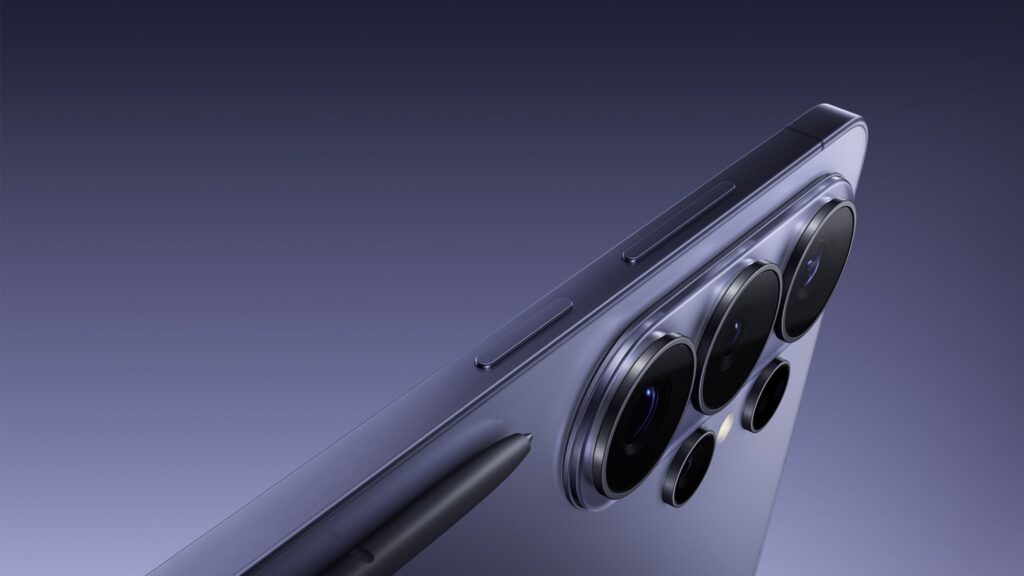
For photography, the S26 Ultra boasts Samsung’s most advanced camera system yet, headlined by a 200MP wide camera, 50MP ultra-wide sensor, 10MP telephoto lens with 3x zoom, and 50MP periscope lens with 5x zoom and 100x AI-powered Space Zoom.

Galaxy-S26-Ultra

The device comes with enhanced Nightography mode with wider apertures and noise reduction, ensuring crystal-clear photos and videos, even in low-light conditions. Additionally, it supports 4K 60fps and 8K 30fps video recording, with Laser autofocus and LED flash for added versatility.

For selfies, it includes a 12MP front camera with an AI image signal processor for natural skin tones and sharp detail, capable of recording in 4K at 60fps.

The device features a 5000mAh battery with 31 hours of video playback and 75% charge in just 30 minutes via Super Fast Charging 3.0. It also supports up to 25W wireless charging with compatible Qi 2.2 chargers and 4.5W reverse wireless charging.

Galaxy S26 Ultra

For connectivity, the S26 Ultra includes dual-SIM, USB Type-C, 5G, Wi-Fi 7, Bluetooth 6.0, UWB, and NFC. The device is built with Armor Aluminum and Corning Gorilla Glass Victus 2, offering premium durability. Additionally, S Pen support continues to empower creativity and productivity.

Pricing and Availability

The Galaxy S26 Ultra is priced at $1,299.99 for the 256 GB model, $1,499.99 for the 512 GB model, and $1,799.99 for the 1 TB model. It is available in six stunning colors: Cobalt Violet, Sky Blue, Silver Shadow, Pink Gold, White, and Black. Pre-orders are now open on Samsung.com.

For more daily updates, please visit our News Section.

Stay ahead in tech! Join our Telegram community and sign up for our daily newsletter of top stories! 💡

Roborock launches Z1 Ultra and M1S Ultra washer dryer combos with super hydrolysis technology

Roborock has announced two new washer-dryer combos in China, the Z1 Ultra and M1S Ultra, both equipped with its proprietary Super Hydrolysis technology. These are now available for pre-sale on JD.com.

Roborock Z1 Ultra Specs

Roborock Z1 Ultra

The Roborock Z1 Ultra is the flagship model, priced at 6,299 yuan ($916). It uses Super Hydrolysis technology to break water molecules into ions and microbubbles through electrolyzed water and atomization. This approach removes stains and sterilizes fabrics without leaving chemical residue.

The machine features FineFoam 2.0, which pre-mixes detergent, water, and air to create dense foam for deep fabric penetration. Roborock claims it achieves a high wash performance ratio of 1.34 and removes common stains such as blood, grease, and ink.

The Z1 Ultra comes with a full-range sterilization system that operates across all water temperatures. It delivers 99.99% sterilization efficiency with UV-assisted dual sterilization and an antibacterial drum coating. The machine also includes a 95°C high-temperature self-clean mode and a 15-minute quick self-clean option.

The Z1 Ultra features a Zeo-cycle molecular sieve system for gentle low-temperature drying, ideal for delicate fabrics like wool, silk, and linen. Its SteamEase 2.0 technology removes wrinkles and eliminates bacteria, mites, and odors in a 20-minute cycle. The machine has a 12kg washing capacity and a 7kg drying capacity, along with intelligent detergent auto-dispensing and Roborock App support for smart control.

Roborock M1S Ultra Specs

Roborock M1S Ultra

The Roborock M1S Ultra is a compact alternative priced at 3,299 yuan ($480). The M1S Ultra offers similar Super Hydrolysis technology for stain removal and sterilization. The appliance includes a 1.2kg washing capacity and a 0.5kg drying capacity, making it ideal for smaller households or lightweight laundry loads.

The M1S Ultra integrates FineFoam 2.0 technology and a real-time drum cleaning system that keeps the machine hygienic during every cycle. The machine supports 32 wash and dry programs, including options for intimate garments and delicate fabrics. Roborock claims its OxiPure Super Hydrolysis technology can remove bacteria, mites, and viruses with 99.99% efficiency.

In related news, Roborock has recently launched the P20 Max robot vacuum featuring 35,000Pa suction and AI-powered obstacle avoidance.

For more daily updates, please visit our News Section.

Stay ahead in tech! Join our Telegram community and sign up for our daily newsletter of top stories! 💡

(JD 1,2)

Razer Launches New Quartz and White Colorways for Kiyo V2 and Kiyo V2 X Webcams

Razer has announced new Quartz and White color options for its Kiyo V2 and Kiyo V2 X webcams. These new finishes join the original Black variant, giving creators more ways to customize their setups. The webcams, which launched in October last year, target streamers, content creators, and professionals who want high-quality video performance with a stylish design.

Razer Kiyo V2

The Kiyo V2 introduces a new feature called AI Face Retouching. This tool is available through the latest update to Camo Studio. It allows users to smooth imperfections on their face in real-time while maintaining a natural look. The feature automatically adjusts to changes in lighting and the user’s environment.

The Kiyo V2 supports 4K video at 30 FPS and uses a Sony STARVIS sensor for sharp detail and accurate colors, even in low-light conditions. Its Intelligent Auto-Framing feature keeps subjects centered, and One-Click Enhancement optimizes visuals automatically.

The webcam offers HDR support, a 93° ultrawide field of view, Razer Synapse controls, and Camo Studio tools like background blur, spotlight mode, and branding overlays. It also includes a built-in microphone for clear audio.

Razer Kiyo V2 X

The Kiyo V2 X, also available in Quartz and White, offers a more affordable option at $99.99. It provides 1440p resolution at 60 FPS, delivering a balance of sharp detail and smooth motion. The webcam features fast autofocus and an 80° wide-angle lens for consistent image quality.

Although it lacks HDR support and some of the advanced tools of the Kiyo V2, it still offers dependable video performance for streaming, video calls, and content creation. The built-in microphone adds convenience, making it a straightforward, plug-and-play option.

Both models are available now, starting at $149.99 for the Kiyo V2 and $99.99 for the Kiyo V2 X.

In related news, Razer recently brought back its first-ever gaming mouse, relaunching the Boomslang to mark its 20th anniversary.

For more daily updates, please visit our News Section.

Stay ahead in tech! Join our Telegram community and sign up for our daily newsletter of top stories! 💡

(Source, Via)

Samsung takes aim at iPhone’s photo editing ahead of Galaxy S26 launch

Just hours before Galaxy Unpacked kicks off, Samsung decided to stir the pot a little. The company dropped a short 15-second teaser across its social channels, and it doesn’t take much decoding to see who it’s aimed at. The target is clearly Apple, and more specifically, the iPhone’s photo editing capabilities.

The clip opens with a woman holding what appears to be an older iPhone model, complete with the notch and square camera bump. She’s trying to remove her ex from a shared photo using Apple’s built-in editing tools. What follows is a sequence of taps and retries that don’t quite go as planned. It’s the kind of messy edit most people have probably experienced at some point.

Then the scene cuts. The tagline flashes: “Can your phone do that?”

On a Galaxy device, strongly implied to be the upcoming Galaxy S26 series, removing unwanted elements from a photo happens quickly and cleanly. No visible artifacts. No obvious patchwork. Samsung doesn’t name Apple outright, but it doesn’t need to. The contrast is clear enough.

This isn’t new territory for Samsung. The company has a long history of taking playful (and sometimes pointed) shots at the iPhone. But this time, the focus is squarely on AI-powered photo editing. Apple’s on-devic Clean Up feature can sometimes struggle with complicated backgrounds or fine details. Samsung is positioning Galaxy AI as the more flexible, capable alternative.

The teaser also subtly leans into a broader theme Samsung has been pushing: creative freedom. Apple’s ecosystem is often described as tightly controlled. Samsung, on the other hand, wants to frame Galaxy devices as more open and adaptable — especially when it comes to generative AI tools integrated directly into the Gallery app.

There’s also a light nod to low-light photography in the campaign, though the main punchline revolves around editing.

Of course, a 15-second ad is one thing. Live demos are another. Whether the Galaxy S26 lineup actually delivers flawless object removal in every scenario is something reviewers will test soon enough.

In the meantime, interested readers can take a look at the early camera comparisons against the S25 Ultra, Vivo X300 Pro, and iPhone 17 Pro Max to get a clearer sense of what’s changed — and how Samsung’s new flagship holds up against the competition.

Stay ahead in tech! Join our Telegram community and sign up for our daily newsletter of top stories!

For more daily updates, please visit our News Section.

(Sources: 1, 2)

Nothing Phone (4a) Pink Variant Revealed With New Glyph Bar Lighting

Nothing has confirmed a Pink edition for its upcoming Phone (4a), representing the brand’s first-ever pink smartphone. The device launches March 5 at 10:30 AM GMT during a livestreamed event from Central Saint Martins in London.

Nothing Phone (4a)

The Pink variant will join the already confirmed White, Blue, and Black options. According to Nothing, the colour achieves its distinctive appearance through tinted transparency layers that allow light to interact with the underlying resin, creating depth and texture. The model pairs a pink frame with silver buttons and a camera plate, with retail packaging following the same colour scheme.

Nothing Phone (4a)

The Phone (4a) will also introduce a redesigned Glyph Bar lighting system, replacing previous configurations with six vertically-arranged white LEDs positioned alongside the camera module’s right edge. A dedicated red LED signals recording activity. The system supports notifications, progress indicators, camera timer countdowns, and shutter confirmation while retaining the hourglass effect from the Phone (3) despite the single-column layout.

Nothing stated that the camera bump has been reduced compared to the Phone (3a) due to the use of a tetra prism telephoto lens. The Glyph Bar will also integrate with system-level features such as Android 16 live updates, expanding its functional use beyond notifications. To promote the Pink variant, Nothing has launched marketing campaigns in London, including graffiti installations across central locations and themed flyposters. The Nothing Store in Bengaluru has also received a pink-themed window takeover.

Leaked specifications suggest the Phone (4a) may feature a 6.78-inch AMOLED display with a 120Hz refresh rate. It is expected to run on the Snapdragon 7s Gen 4 processor with 8GB or 12GB RAM and 256GB UFS 3.1 storage. The software will likely be Nothing OS 4 based on Android 16.

Camera details point to a 50MP main rear sensor and a 32MP front camera. Battery capacity and charging details have not been confirmed yet. Full specifications and pricing will be announced during the March 5 launch event, which will be streamed globally.

For more daily updates, please visit our News Section.

Stay ahead in tech! Join our Telegram community and sign up for our daily newsletter of top stories.

(Source 1, 2)

Vivo X300 Ultra name appears in a global certification for the first time, may debut with X300 FE

There have been reports that Vivo’s next Ultra-branded flagship—the Vivo X300 Ultra—will not be limited to the Chinese market. The global version of the Vivo X300 Ultra was spotted with model number V256 in the IMEI database in November 2025. Later, the said device was spotted on the EEC (Europe) and TKDN (Indonesia) certification platforms. These certifications only carried the model number and not its final moniker, but now a new certification has emerged revealing its model number and final marketing name together for the first time.

Vivo X300 Ultra, X300 FE SDPPI certified

Vivo X300 Ultra and X300 FE SDPPI certified

As can be seen, the Vivo X300 Ultra and X300 FE have appeared in the database of Indonesia’s SDPPI certification platform. These devices have emerged with model numbers V2562 and V2537, respectively. For those unaware, while TKDN measures the percentage of local Indonesian content in a product, SDPPI certifies that a telecom or wireless device meets Indonesia’s technical and radio regulations.

The Vivo X300 FE has previously been spotted on multiple certification platforms, indicating that its launch may not be far away. While it has been approved in India among other countries, the X300 Ultra is yet to receive the country’s BIS certification.

According to reports, the Vivo X300 FE will be a rebranded version of the Vivo S50 Pro Mini, which debuted in China back in December 2025. As far as the X300 Ultra is concerned, the rumor mill has already leaked several details about it.

Reports have revealed that the Vivo X300 Ultra will have a 6.82-inch flat BOE OLED display with around 2K resolution, LTPO technology, and four-sided narrow bezels. Under the hood, it will feature Qualcomm’s Snapdragon 8 Elite Gen 5 chipset and a massive battery of around 7,000mAh.

The X300 Ultra’s rear camera setup is expected to include an OIS-enabled 200-megapixel Sony LYT-901 main sensor, paired with a 50-megapixel Sony LYT-828 ultra-wide sensor and a 200-megapixel Samsung HPB periscope telephoto camera. For selfies, it will feature a 50-megapixel front camera with autofocus support. It may not feature the dedicated Action button, which was introduced on the X300 Ultra.

There’s a possibility that the Vivo X300 Ultra and X300 FE may debut together globally in the second quarter of this year. In China, the X300 Ultra is likely to break cover in March.

For more daily updates, please visit our News Section.

Stay ahead in tech! Join our Telegram community and sign up for our daily newsletter of top stories.

(via)

Poco X8 Pro and X8 Pro Max Teased Ahead of India Launch: Everything We Know So Far

Poco India has started teasing an upcoming smartphone launch, and the hints strongly point to the Poco X8 Pro series. The brand shared a post on X with the message, “Smart minds will wait for the smarter phone. They don’t rush. So shouldn’t you. #POCO.” Another line in the teaser says, “People with high IQ will wait for what’s coming neXt!” with the letter X highlighted, which clearly suggests the X series.

The company has not confirmed the product name yet, but the teaser timing indicates that the launch is close. Based on current information, the Poco X8 series could debut in India in early March. Two models are expected to launch, the Poco X8 Pro and the Poco X8 Pro Max, and specification details of both models have already leaked.

Poco X8 Pro Max leaked specs

The Poco X8 Pro Max is tipped to feature a 6.83-inch 1.5K TCL M10 OLED display with a 120Hz refresh rate, 2000 nits peak brightness, and 3840Hz PWM dimming. It may run on the Dimensity 9500s processor paired with an Immortalis-G925 MC12 GPU. The device is also expected to include LPDDR5x Ultra RAM and UFS 4.1 storage.

Poco X8 Pro Max
Poco X8 Pro Max

For cameras, it could use a 50MP Light Hunter 600 main sensor with optical image stabilization, along with an 8MP ultra-wide camera. A 20MP OV20B front camera is also expected. The phone may pack a large 8,500mAh battery with 100W wired charging and 27W reverse charging. Other features could include dual stereo speakers, LHDC 5.0 audio support, a 3D ultrasonic in-display fingerprint sensor, IP68, IP69, and IP69K ratings, Wi-Fi 7, and Bluetooth 5.4. The device is tipped to measure 8.15mm thick and weigh 219 grams.

Poco X8 Pro leaked specs

The standard Poco X8 Pro is expected to be slightly smaller with a 6.59-inch 1.5K TCL M10 OLED display, also with a 120Hz refresh rate and 2000 nits brightness. It may use the Dimensity 8500 Ultra processor with a Mali-G720 MC8 GPU, paired with LPDDR5x Ultra RAM and UFS 4.1 storage.

Poco X8 Pro 5G
Poco X8 Pro

The camera setup could include a 50MP Sony IMX882 sensor with OIS and an 8MP ultra-wide lens, along with a 20MP front camera. The phone is expected to include a 6,500mAh battery with 100W charging and 27W reverse charging. It may also feature a metal frame, NFC, IR blaster, IP68, IP69, and IP69K protection, an optical in-display fingerprint scanner, and Wi-Fi 6 connectivity. The X8 Pro may also arrive in a special Iron Man-themed edition, with leaked images of the variant recently appearing online.

For more daily updates, please visit our News Section.

Tech enthusiast? Get the latest news first! Follow our Telegram channel and subscribe to our free newsletter for your daily tech fix!

(Source)

This Xiaomi Smart Fan Can Run on a Power Bank and Use 3D Airflow to Cool Your Entire Room

Xiaomi has introduced the Mijia Smart Inverter Circulating Fan Pro, a new addition to its smart home lineup. The product is now listed for crowdfunding on Youpin and will be available at an introductory price of 429 yuan (~$62). Crowdfunding begins on March 4.

Xiaomi Mijia Smart Inverter Circulating Fan Pro

Mijia Smart Inverter Circulating Fan Pro Specs

The Mijia Smart Inverter Circulating Fan Pro uses an advanced air circulation system to improve indoor airflow efficiently. The fan delivers a maximum air volume of 28.7m³/min and can refresh the air in a room within two minutes. Xiaomi designed the fan to support long-distance airflow, reaching up to 13 meters, making it suitable for cooling large spaces.

Xiaomi Mijia Smart Inverter Circulating Fan Pro

In terms of airflow performance, the fan features automatic 3D oscillation with 100° vertical and 120° horizontal movement for wider coverage across the room. It supports precise 10° oscillation adjustments through the Mijia app and includes four natural wind modes designed to mimic outdoor airflow for a more comfortable cooling experience.

The Mijia fan integrates with Xiaomi’s HyperOS ecosystem, supporting remote control and automation through the Mijia app. It allows users to manage speed, oscillation, and power on/off remotely or via Xiao Ai voice commands.

Xiaomi Mijia Smart Inverter Circulating Fan Pro

In terms of design, the fan adopts a slim and minimalist look with a reduced head thickness to save space. It supports dual-use height adjustment for both tabletop and floor-standing modes, and a four-step detachable structure makes disassembly and storage simple and practical.

The fan equips a DC inverter motor that keeps noise as low as 28.62dB. It supports USB-C power input for adapters or power banks, with Xiaomi claiming up to 16.75 hours of runtime on a 10,000mAh power bank at low speed.

Xiaomi Mijia Smart Inverter Circulating Fan Pro

Xiaomi has included additional safety and convenience features. These include a removable washable grille, a child lock function, and anti-pinch sensing. The fan also comes with a magnetic Bluetooth remote control and an integrated touch control panel for easy operation.

The Mijia Smart Inverter Circulating Fan Pro weighs 3.5 kg and measures 278 x 310 x 1000 mm. It is available in Xiaomi’s signature off-white design.

In related news, Xiaomi has launched the new Mijia Refrigerator Cross Door 502L globally, while the company has also introduced the Mijia Smart Head Massage Comb with graphene thermal technology and app control.

For more daily updates, please visit our News Section.

Stay ahead in tech! Join our Telegram community and sign up for our daily newsletter of top stories! 💡

Galaxy S26 Ultra camera samples compared against Vivo X300 Pro and iPhone 17 Pro Max

Early camera samples from the Galaxy S26 Ultra are already making the rounds. This time, the comparisons go beyond last year’s model. Beyond the S26 Ultra vs S25 Ultra camera comparison, YouTube creator Sahil Karoul has also posted side-by-side shots on X against the iPhone 17 Pro Max and Vivo X300 Pro.

The tests aren’t perfectly controlled. Framing isn’t identical, and conditions shift between shots. Still, they offer a useful early look at how Samsung’s latest flagship might position itself against two of its biggest camera rivals.

Against the iPhone 17 Pro Max, the S26 Ultra’s images appear noticeably more restrained. Colors lean natural rather than punchy. Apple’s image looks more contrast-heavy and immediately eye-catching. Samsung’s version feels closer to what you’d see with your own eyes. It arguably looks more true-to-life.

The comparison with the Vivo X300 Pro highlights an even bigger stylistic difference. Vivo’s Zeiss-tuned system, especially in its default Vivid mode, delivers saturated, high-contrast images designed to impress at a glance. They’re bold and social-media ready. Samsung’s output, by contrast, stays relatively muted.

In one shot of a vase with red artificial berries, the Galaxy S26 Ultra, S25 Ultra, and Vivo X300 Pro all struggle slightly to render the reds accurately. Vivo’s version not only looks the brightest and most detailed, but also slightly overexposed. Interestingly, some viewers have commented that the S25 Ultra’s handling of the scene actually looked preferable to the newer model.

Overall, there isn’t a major shift in color processing between the S26 Ultra and its predecessor. In some situations — including this one — the S26 Ultra keeps the image a touch brighter and manages noise slightly better, but the differences are subtle.

On the technical side, the S26 Ultra appears to be using a 24MP shooting mode — enabled through Samsung’s Camera Assistant — instead of defaulting to 12MP binning like the S25 Ultra typically does.

In summary, Galaxy S26 Ultra seems to be evolving Samsung’s established camera philosophy rather than rewriting it.

Stay ahead in tech! Join our Telegram community and sign up for our daily newsletter of top stories!

For more daily updates, please visit our News Section.

(Sources: 1, 2)

Oppo A6 Series Gets Four New Models in China With AMOLED Display and 7,000mAh Battery

Oppo has expanded its A-series portfolio with four new models in China, including the Oppo A6 (PLS120), A6s, A6i+, and A6v. While the naming suggests entirely new devices, the lineup combines one upgraded variant with several rebranded or slightly modified models positioned at different price points. The A6 (PLS120) stands out as the most notable addition due to its display and charging improvements over the previously released global version.

A6 (PLS120): The Premium Variant

The China-exclusive Oppo A6 represents the most significant departure from its global counterpart. It features a 6.57-inch AMOLED display with 1080p+ resolution, replacing the global version’s 6.75-inch 720p+ LCD panel. An optical under-display fingerprint scanner replaces the side-mounted sensor.

Oppo A6

Charging capabilities have been substantially upgraded to 80W SuperVOOC and 44W PPS, compared to 45W and 33W on the global model. The 7,000mAh battery remains unchanged.

The device runs MediaTek’s Dimensity 6300 processor with LPDDR4X RAM and UFS 2.2 storage. Three configurations are available: 8GB + 256GB, 12GB + 256GB, and 12GB + 512GB, all supporting microSD expansion.

Durability is enhanced with IP68 and IP69 ratings. The camera setup includes a 50MP primary sensor, 2MP secondary camera, and an upgraded 16MP front camera. Video recording maxes out at 1080p/60fps.

Pricing starts at CNY 1,600 ($220) for the base model, CNY 1,900 for the middle tier, and CNY 2,100 for the top configuration.

A6s: Midrange Option With Compromises

The A6s uses a 6.75-inch 720p+ LCD display paired with the same Dimensity 6300 chipset. While it retains the 7,000mAh battery, charging is limited to 45W SuperVOOC.

OPPO A6s

The front camera has been downgraded to 8MP from 16MP. Memory configurations include 8GB + 256GB and 12GB + 256GB with microSD support. Despite overlapping specifications with other A6 variants, Oppo markets it as a distinct model.

A6i+: Rebadged Global Hardware

OPPO A6i+

The A6i+ is fundamentally a rebranded device, sharing its model number (PLT120) and specifications with the global Oppo A6. This naming strategy targets different market segments without introducing new hardware.

The device starts at CNY 1,500 for 8GB + 256GB.

A6v: Budget Entry With Reductions

OPPO A6v

The A6v (PLT130) makes several cuts to reach a lower price point. It features a 5MP front camera, a reduced 6,500mAh battery, and 45W SuperVOOC charging. Durability protection drops to IP64 from IP68/IP69.

This model closely mirrors the previously released Oppo A6t with updated branding, starting at CNY 1,200.

Stay ahead in tech! Join our Telegram community and sign up for our daily newsletter of top stories!

For more daily updates, please visit our News Section.

(Source: 123, 4)

Xiaomi Introduces Compact 6A USB-C Cable with Reverse Charging & 120W Fast Power Delivery

Xiaomi has quietly added yet another useful accessory to its growing ecosystem with the introduction of a new 6A reverse charging USB-C cable in China. While affordable and simple in design, this small cable packs 120W fast charging support, a durable build and an intelligent chip that automatically handles power negotiations, making it more versatile than the average charging lead.

Xiaomi Launches New 6A Reverse Charging USB-C Cable

At just 16cm (6.29 in) long, the new Xiaomi 6A Automatic Reverse Charging Data Cable is tailored for reverse charging. This is a feature where one smartphone is charged by drawing power from another device. Thanks to its short length, it’s especially convenient for on-the-go scenarios, like topping up a friend’s phone, a pair of earbuds, or a power bank in a pinch. The build is said to be durable, with a woven exterior and a high-quality inner core that’s designed to withstand daily use and bending.

Xiaomi 6A Automatic Reverse Charging Data Cable

Under the hood, the cable includes a smart chip that detects the connected device and negotiates power delivery automatically, helping ensure efficient and safe charging across different devices. For most reverse-charging use cases, you simply plug one end into the device that has power (like a smartphone), and the other end into the gadget you want to charge.

Although primarily marketed for reverse charging, Xiaomi notes that this cable can double as a standard charging lead when connected to a suitable power brick. With its 6A rating and supports up to 120W fast charging. So you’re not buying a one-trick pony. Thebrand isselling the Xiaomi 6A Automatic Reverse Charging Data Cable is available for purchase via the XiaomiYoupin platform for 9.9 Yuan (roughly 1.44 US Dollars).

For more daily updates, please visit our News Section.

Tech enthusiast? Get the latest news first! Follow our Telegram channel and subscribe to our free newsletter for your daily tech fix! ⚡

(Via)

Ninkear S13 2-in-1 Laptop Gets Big Price Cut: Core Ultra 5, Stylus & 2.5K Screen

Ninkear S13 Intel Core Ultra 5 115U 2-in-1 Tablet Touch Screen Laptop is currently available at a significant discount on the brand’s official website, making the AI-powered convertible device more accessible for buyers looking for a premium productivity-focused machine. The price drop positions the S13 as a strong value option in the compact 2-in-1 category, especially considering its high-resolution touchscreen, stylus support, and modern Intel Core Ultra platform.

Official Pricing and Discount Details

The Ninkear S13 has received a major price cut on the official website. The price drops from €1,099.00 to €859.00, saving buyers €240.00. For Indian customers, the price falls from ₹117,989.37 to ₹92,222.81, offering savings of ₹25,766.56, making it a more competitive option in the premium mid-range 2-in-1 laptop segment.

Premium 2-in-1 Design with Productivity Focus

The Ninkear S13 is designed as a flexible 2-in-1 system that combines laptop productivity with tablet convenience. It features a detachable magnetic keyboard connected via POGO pins, allowing users to switch between laptop mode and tablet mode depending on workflow. An adjustable kickstand supporting up to 155° further enhances flexibility, making it suitable for desk work, drawing, entertainment, and travel use cases.

The device is also positioned as a creative-friendly system thanks to its touchscreen and stylus support, targeting users who need note-taking, sketching, or digital drawing capabilities alongside traditional productivity tasks.

Intel Core Ultra Performance with AI Acceleration

Powering the Ninkear S13 is the Intel Core Ultra 5 115U processor, which features 8 cores and 10 threads with turbo frequencies reaching up to 4.2GHz. The chip includes Intel AI Boost NPU technology capable of delivering up to 11 TOPS of AI compute power, enabling faster AI-assisted workflows such as content creation, video editing, and multitasking optimization.

The laptop is paired with 16GB LPDDR5 RAM and a 1TB SSD, ensuring smooth multitasking, quick boot times, and enough storage for professional files and creative projects.

2.5K Touchscreen and Stylus Experience

The S13 features a 13-inch IPS touchscreen with a 2.5K resolution (2560 × 1600), offering sharp visuals and 100% sRGB color coverage for accurate color reproduction. The display supports 10-point touch and works with a 4096-level pressure-sensitive stylus, enabling precise input for drawing and writing tasks. With 350 nits of brightness and eye-protection technology, the panel is aimed at both productivity and entertainment use.

Connectivity, Battery, and Everyday Mobility

The laptop includes modern wireless standards such as Wi-Fi 6 and Bluetooth 5.0 for stable connectivity. Port selection includes dual full-function USB Type-C ports supporting charging, data transfer, and video output, along with a USB 3.0 port for external peripherals.

Battery capacity is rated at 42Wh, with the company claiming up to around eight hours of use depending on workload. A 65W USB-C GaN fast charger is included, with marketing claims suggesting up to 70% charge in approximately 30 minutes.

Availability and Value Positioning

With the current discount applied, the Ninkear S13 becomes a more attractive option for users seeking a compact AI-ready 2-in-1 device without stepping into ultra-premium pricing territory. The combination of Intel Core Ultra hardware, high-resolution touchscreen, stylus support, and flexible design makes the discounted pricing especially notable for students, creators, and mobile professionals looking for a portable productivity machine.

The ongoing price cut on the official website significantly improves the value proposition of the Ninkear S13. For buyers considering a lightweight convertible laptop with AI-focused hardware and creative-friendly features, the discounted pricing places the device in a more competitive position within the growing 2-in-1 Windows segment.

Read More:

TECNO POVA Curve 2 5G Brings 8000mAh Battery in a Ultra Slim Design

Key Highlights:

  • Ultra-slim 7.42mm design combined with a huge 8000mAh battery
  • 144Hz curved AMOLED display powered by MediaTek Dimensity 7100 5G
  • AI-driven software features focused on productivity and smart daily use

Announcement and Positioning

TECNO has officially introduced the POVA Curve 2 5G, expanding its POVA smartphone lineup with a strong focus on battery endurance and gaming-friendly performance. The device was launched on February 13, 2026. 

The smartphone will also be showcased at MWC 2026 in Barcelona, where TECNO plans to highlight its growing AI-driven ecosystem. The POVA Curve 2 5G is positioned as an ultra-slim device that combines futuristic styling, long-lasting power, and smart features for everyday users.

Design and Build

The POVA Curve 2 5G follows a futuristic design language inspired by interstellar spacecraft aesthetics. It features a curved AMOLED display that blends smoothly into a clean and modern body design. Refined textures and flowing lines give the phone a premium visual identity.

Despite housing a large battery, the device remains slim at just 7.42mm and weighs 195g. TECNO claims it is among the slimmest phones in its class with an 8000mAh battery. Color options include Melting Silver, Storm Titanium, and Mystic Purple.

For durability, the phone offers IP64 dust and water resistance. It also includes SGS-certified 1.5m drop protection and Corning Gorilla Glass 7i for added strength.

Battery, Charging, and Performance

One of the biggest highlights is the massive 8000mAh high-density battery, which is the largest battery TECNO has ever included in a smartphone. It is designed for heavy usage such as gaming, streaming, travel, and multitasking without frequent charging.

The phone supports 45W fast charging and includes bypass charging technology to reduce heat during extended gaming or heavy workloads. TECNO says the battery is engineered to last up to six years and can operate in extreme temperatures from -20°C to 60°C.

Powering the device is the MediaTek Dimensity 7100 5G chipset. Combined with a 144Hz curved AMOLED display, users can expect smoother visuals and responsive performance. Dual-signal enhancement chipsets improve connectivity, while offline communication allows voice, text, and image sharing up to 1.5km in open areas.

AI Features and Software

The POVA Curve 2 5G runs on HiOS 16 and introduces several AI-powered tools aimed at improving productivity. Features include AI content summarization, writing assistance, AI photo enhancement, and noise reduction during calls.

Additional smart tools include region-aware Muslim prayer reminders, FlashMemo for quickly capturing and summarizing on-screen content, and Mind Hub for organizing AI-generated notes and insights. Ella Assistant enables personalized AI interactions for a more intuitive experience.

TECNO says the AI system works quietly in the background to make daily usage smoother while keeping the interface playful and easy to use.

Software Support

TECNO POVA Curve 2 5G promised to receive two major Android OS upgrades and is designed to deliver long-term performance, making it a reliable daily companion for power-focused users.

Read More:

Infinix Smart 20 goes official with 102Hz display, 5200mAh battery

The Infinix Smart 20 is now official as it has appeared on the company’s official website, revealing its complete design and key hardware details. Positioned as an entry-level smartphone, it brings features like a 120Hz display, MediaTek Helio G81 Ultimate processor, and a slim 7.7mm profile. Continue reading ahead to know the Smart 20’s specifications, features, and expected positioning of the device.

Infinix Smart 20 specifications and features

Infinix Smart 20
Infinix Smart 20

The Infinix Smart 20 houses a 6.78-inch IPS LCD punch-hole display with HD+ resolution and support for multiple refresh rates, including 45Hz, 60Hz, 90Hz, and 120Hz. The screen delivers up to 700 nits peak brightness and includes features like Dynamic Bar and Always-On Display elements for quick interaction. For security, it is equipped with a side-facing fingerprint sensor.

The MediaTek Helio G81 Ultimate powers the device along with 4GB RAM, which can be expanded virtually up to 8GB. Storage options include 64GB and 128GB variants, with support for microSD expansion up to 2TB. The phone is backed by a 5200mAh battery with support for 15W charging and 5W reverse charging.

Infinix Smart 20
Infinix Smart 20

The Smart 20 runs XOS 16 based on Android 16. Camera hardware includes an 8-megapixel rear camera supported by dual flash and an 8-megapixel front camera. Other features include NFC with touch transfer, UltraLink offline communication up to 1km, Wi-Fi ac, Bluetooth, GPS navigation, dual nano SIM slots, USB Type-C port, OTG, 3.5mm headphone jack, FM radio, DTS audio, an IR blaster, and IP64-rated dust and splash resistance.

Infinix Smart 20 price and availability

The Infinix Smart 20 will be offered in Shadow Black, Polaris Titanium, Sunlike Orange, and Cloudline Blue colour options. Pricing, offers, and market availability have not been officially confirmed yet.

For more daily updates, please visit our News Section.

Stay ahead in tech! Join our Telegram community and sign up for our daily newsletter of top stories.

Oppo Find X10 Pro Max may adopt advanced 200MP Samsung HPC sensor with UFCC technology

Next month in March, Oppo will announce the Oppo Find N6 foldable phone. The same month could also see the arrival of the Find X9 Ultra and Find X9s Pro. The rumor mill has revealed several details about these flagships, and information about the next-generation Find X10 series is also gradually surfacing. In a new leak, tipster Digital Chat Station has revealed key details about what appears to be the Find X10 Pro Max’s primary camera.

Oppo Find X10 Pro Max’s primary camera details seemingly tipped

Oppo Find X10 Pro Max’s primary camera details seemingly tipped

According to tipster DCS, a new 200-megapixel camera sensor is currently under testing. While he has not specified the name of the Oppo flagship that will feature it, it could be the Find X10 Pro Max. The sensor is believed to be a Samsung HPC unit featuring an approximately 1/1.3-inch large sensor size, placing it among the larger sensors in the high-resolution category.

The leak suggests that it supports 4×4 RMSC technology, which rearranges pixel color data to improve image processing and enhance output quality. Another highlight mentioned is the inclusion of UFCC, or Ultra Full Color Capture technology, which is expected to improve dynamic range performance.

The tipster hinted that the sensor belongs to the ultra-high dynamic range segment and is built using advanced manufacturing techniques. Based on discussions in the comments section and contextual clues, speculation points toward this sensor being tested on the Oppo Find X10 Pro Max.

Oppo Find X10 series: What to expect

Reports also indicate that Oppo could be exploring a dual 200-megapixel camera setup for the upcoming Find X10 lineup, both featuring large sensor sizes. The lineup is expected to include standard, Pro, and Pro Max variants, followed by a later Ultra edition.

In terms of performance, the Find X10 could be equipped with the Dimensity 9500 Plus, which could be an overclocked version of the existing Dimensity 9500. The X10 Pro and X10 Pro Max could feature MediaTek’s first 2nm chip, the upcoming Dimensity 9600. The X10, X10 Pro, and X10 Pro Max are expected to debut in October this year in China.

For more daily updates, please visit our News Section.

Stay ahead in tech! Join our Telegram community and sign up for our daily newsletter of top stories.

Galaxy S26 Ultra vs S25 Ultra camera comparison reveal improvements ahead of launch

As tends to happen ahead of major launches, a handful of devices appear to have slipped into the gray market. Reports suggest units are circulating in parts of Southeast Asia, where eager buyers have been willing to pay a premium to get their hands on the phone early.

Indian YouTuber Sahil Karoul is one of them. He shared an unboxing video, some hands-on impressions, and several camera samples across YouTube and X.
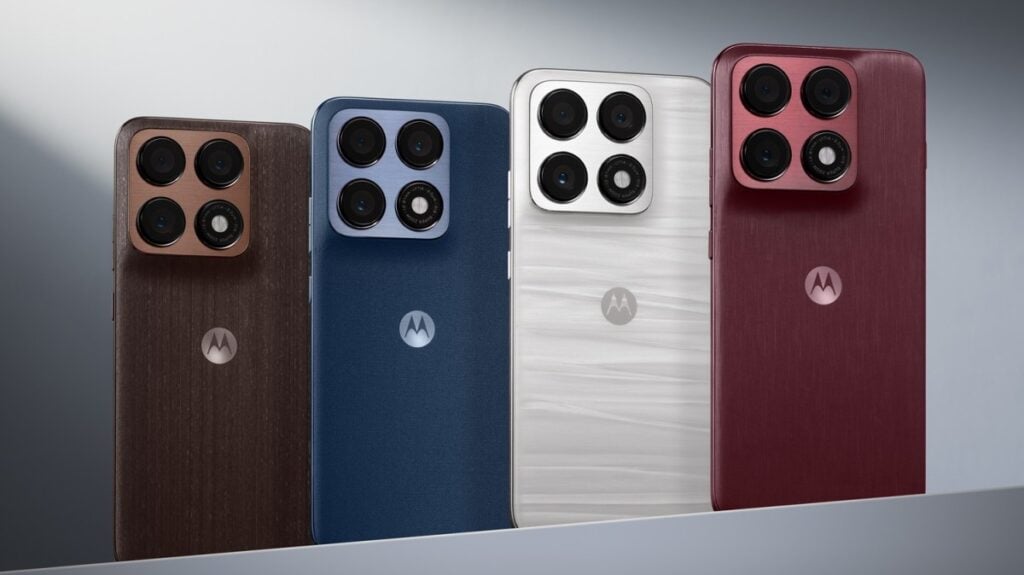
The creator posted side-by-side comparisons with the Galaxy S25 Ultra. And to be fair, these aren’t controlled tests. The framing varies slightly, and conditions aren’t identical between shots. Still, some patterns do stand out.

The Galaxy S26 Ultra images tend to look a bit brighter overall. Exposure appears slightly lifted, especially in harsher daylight and mixed lighting scenarios. If the rumored wider apertures on the main and telephoto cameras are accurate, that would explain the extra light intake. It could also simply be more aggressive processing.

Portrait shots show a similar trend. Skin tones look a touch brighter and, in some cases, more natural. That said, edge detection still isn’t flawless. Fine hair strands and tricky background edges occasionally show minor inconsistencies in the bokeh effect. Nothing disastrous, but not perfect either.

Low-light samples look marginally cleaner compared to the S25 Ultra — a bit less visible noise and slightly better shadow detail. The difference, however, isn’t dramatic.

The S26 Ultra retains the same core camera setup as its predecessor — a 200MP main sensor, 50MP ultrawide, 50MP 5x periscope, and 10MP 3x telephoto — with adjustments focused more on lens tuning and image processing rather than entirely new sensors.

If these early samples are anything to go by, Samsung’s approach this year seems evolutionary. The output looks a bit brighter, a bit cleaner, maybe slightly more polished — but not radically different. For S25 Ultra owners, nothing here immediately screams “urgent upgrade.”

Don’t miss a thing! Join our Telegram community for instant updates and grab our free daily newsletter for the best tech stories!

For more daily updates, please visit our News Section.

(Sources: 1, 2, 3)

New Casio G-Shock 2100 Camouflage Watches Arrive with Carbon Core Guard and 200m Water Resistance

Casio has released new camouflage versions of its G-Shock 2100 Series in the UK. The lineup includes the GA-2100CM-5A and GA-2100CM-8A, both priced at £119 on the company’s official online store. The watches were first introduced in Japan in February 2026.

Casio G-Shock GA-2100CM-5A and GA-2100CM-8A
Casio G-Shock GA-2100CM-5A (left) and GA-2100CM-8A (right)

The GA-2100CM-5A features a lighter camouflage palette with beige, gray, and khaki tones applied across the resin bezel and strap using a metallic print finish. The design also integrates a subtle G-Shock “G” motif within the camouflage pattern.

The GA-2100CM-8A is the darker counterpart in Casio’s new camouflage 2100 Series lineup. adopts a deeper color scheme with dark gray and reddish-brown accents across the bezel and strap. Casio uses bio-based resin derived from renewable organic materials such as corn for the bezel and band.

The watches measure 48.5 × 45.4 × 11.8 mm and weigh 51 g. They use a Carbon Core Guard structure for shock resistance and offer 200-meter water resistance. The mineral glass display includes Neobrite coating for improved visibility in low light.

Both offer a hybrid analog-digital layout that combines two hands with a digital screen that shows time, date, and day information. A hand-shift feature temporarily moves the hands to keep the digital display unobstructed. Double LED illumination with selectable duration and afterglow supports visibility in dark environments.

Functionality includes world time covering 31 time zones and 48 cities, a 1/100-second stopwatch, a countdown timer with a 24-hour range, five daily alarms, and an hourly signal. The watch also features a full auto-calendar through 2099, button tone mute, and 12/24-hour time formats. Accuracy is rated at ±15 seconds per month.

Power comes from two SR726W batteries with an estimated lifespan of three years. The GA-2100CM-5A and GA-2100CM-8A are manufactured in Thailand and support wrist sizes from 145 to 215 mm.

For more daily updates, please visit our News Section.

Stay ahead in tech! Join our Telegram community and sign up for our daily newsletter of top stories.

TECNO at MWC 2026: AI Ecosystem, CAMON 50 Series & Future Concepts Revealed

Key Highlights:

  • Launch focus on practical AI-powered devices, including the CAMON 50 Series and POVA 8 Series
  • Expansion of a connected AI ecosystem with improved cross-device integration
  • Showcase of future concepts featuring imaginative designs and next-generation interaction ideas

TECNO has announced its participation at Mobile World Congress 2026 (MWC 26) in Barcelona, where the brand will showcase its latest progress in building a connected AI ecosystem. Under the theme “Pioneering the Connection of Intelligence,” the company aims to demonstrate how AI can improve creativity, productivity, and connectivity in daily life through smarter devices and integrated experiences.

Pioneering Practical AI Devices

A major part of TECNO’s showcase will focus on practical AI devices designed for real-world use. Leading the lineup is the CAMON 50 Series, positioned as an AI imaging flagship. The series introduces smarter scene recognition, enhanced AI image processing, and tools aimed at content creators and everyday users who want more creative flexibility and intelligent photography experiences.

Alongside it, the POVA 8 Series targets users looking for performance and style. TECNO highlights its distinctive design, strong battery endurance, and smooth overall performance, making it suitable for users who need reliable daily performance without compromising on modern aesthetics.

Pioneering Connected AI Ecosystem

TECNO is also expanding its connected ecosystem beyond smartphones. The brand will showcase how computers, tablets, and smart accessories can work together through upgraded connectivity features.

At the center of this is the upgraded OneLeap platform, which improves cross-device data transfer, task handoff, and device management. Visitors at MWC will also be able to explore dedicated AI Experience Zones demonstrating practical AI applications in education, wellness, work productivity, and entertainment.

Pioneering Imaginative Designs

Beyond current devices, TECNO will present future-focused concepts exploring new form factors and interaction methods. These prototypes highlight future imaging technologies, adaptive intelligence, and more intuitive usability aimed at shaping the next generation of smart devices.

Event Details

Through its MWC 2026 presence, TECNO reinforces its goal of delivering accessible intelligent solutions while strengthening its role in AI ecosystem development. Visitors can explore the showcase at Hall 7, Stand 7A40 in Barcelona, where the brand will present its latest AI innovations, ecosystem experiences, and concept designs.

Read More:

Motorola announces Android 17 beta program in a surprising move

Motorola Android 17 beta

Even though the Android 16 rollout hasn’t gone smoothly for Motorola devices, the company has shown clear signs it’s focusing on improving the software rollout. But I wasn’t expecting a dramatic shift this soon. The company has just announced the Android 17 beta program, becoming the first non-Google brand to do so.

It has been just a couple of days since Google released the first Android 17 beta. We were expecting third-party manufacturers to launch the Android 17 beta program in a few weeks, as has typically been the case in the past, but Motorola had a different plan. The Android 17 beta program is live for Moto Edge 2025, Moto G57, and Moto G57 Power.

The Android 17 beta program for these Motorola smartphones is currently available in select regions, as Motorola posted on the official forum. We’ve listed the devices and supported regions below, along with the direct link to the official beta program page.
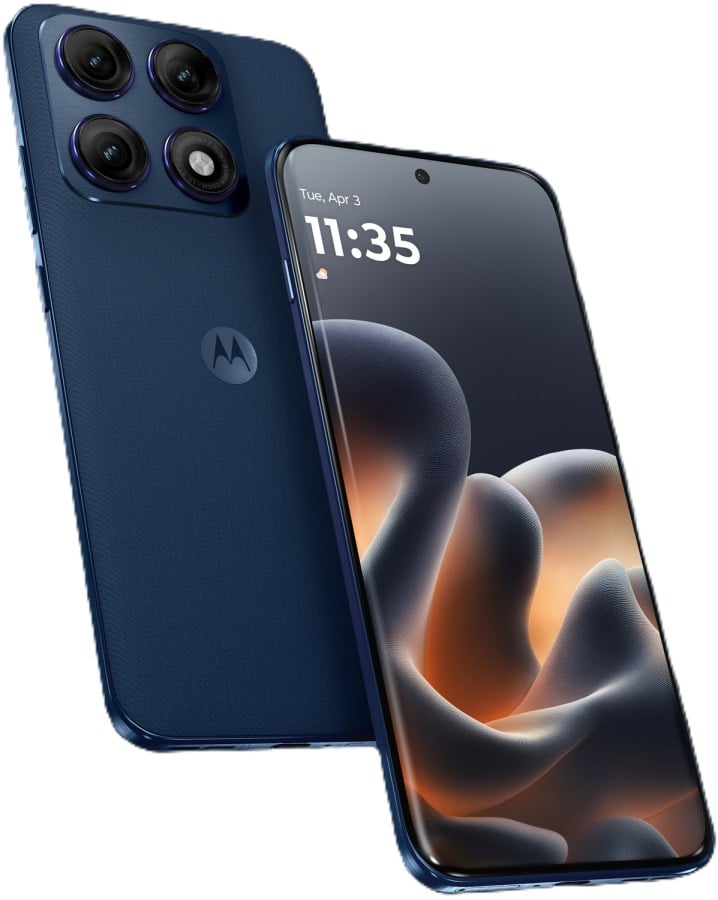
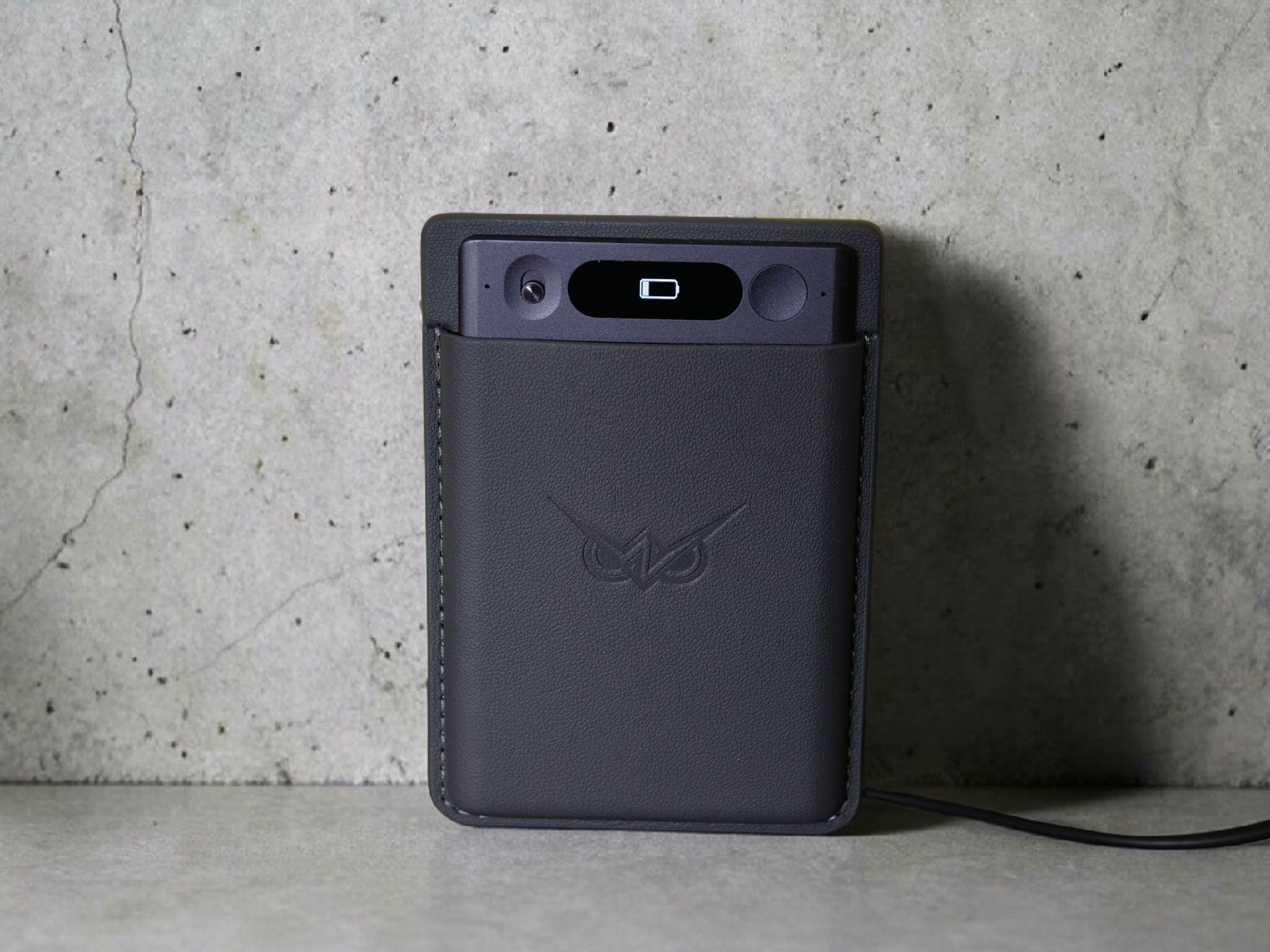
  • Moto Edge 2025 – US
  • Moto G57 – EMEA (Europe, Middle East, Africa)
  • Moto G57 Power – India, EMEA

If you want to test early builds of Android 17, you can sign up for the beta program by following the steps mentioned below. Note that beta builds are prone to having bugs and errors. So, it’s best to install them on a secondary device.

It’s surprising to see Motorola launching its Android 17 beta program, starting with mid-range and budget models, not premium models like other brands do. It should expand to more devices in the coming days and weeks. We’ll keep an eye on the latest information and post them in the Motorola section.

How to sign up for Motorola’s Android 17 beta program?

  1. Create an account on Motorola’s community website (if you haven’t already).
  2. Visit the profile page and update your IMEI or serial number (SN) details.
  3. Opt in for MFN on your Motorola community profile.
  4. Always ensure that your phone is running the latest software.
  5. Go to the MFN Beta Testing Opportunities page to see a testing opportunity for your Motorola device.
  6. Tap on the registration link for your Motorola phone.
  7. Fill in the required details and submit your application.

Motorola may send emails containing more details about your beta application. Therefore, remember to check your inbox regularly, including the spam folder. You can also manually check for new updates via the Settings app.

Google has planned a few more betas ahead of the stable release, which is scheduled for Q3 2026. For Motorola, that’s a quick start to Android 17, but it will be exciting to see how things go forward because that’s where Motorola struggles the most. Last year, it began the Android 16 rollout earlier than most brands but struggled to deliver updates to other devices on time.

For more daily updates, please visit our News Section.

Stay ahead in tech! Join our Telegram community and sign up for our daily newsletter of top stories! 💡

TECNO to Unveil World’s Thinnest Modular Smartphone Ecosystem at MWC 2026

Key Highlights:

  • TECNO will unveil what it calls the world’s thinnest modular smartphone ecosystem at MWC 2026, built around magnetic modular interconnection technology.
  • The concept introduces instant attachable modules such as a power bank, action camera, and telephoto lens, allowing users to customize hardware based on usage needs.
  • Despite modular expansion, the device maintains an ultra-thin 4.9mm base profile, with engineering focused on keeping the overall size comparable to standard smartphones.

Launch Overview and Industry Direction

TECNO has announced that it will showcase its modular magnetic smartphone ecosystem at MWC 2026, following a pre-event announcement made in Hong Kong on February 25, 2026. The company describes the project as the world’s thinnest modular smartphone ecosystem concept, positioning it as a new direction for smartphone evolution.

The idea centers on flexible hardware that can adapt to user needs instead of remaining fixed. Through magnetic modular interconnection technology, users can expand device capabilities without permanently increasing size or weight. TECNO says the platform is designed to meet rising AI computing demands while maintaining a slim and portable form factor.

The ecosystem is presented as a concept platform rather than a finalized commercial product, highlighting the company’s long-term innovation strategy.

Modular Design Editions

The concept device will be introduced in two design editions: the ATOM Edition and the MODA Edition. The ATOM Edition follows a clean and structured design philosophy described as “Rational Order with Personal Expression.” It features a silver aluminum body combined with signature red accents, giving the device a refined and minimal appearance.

The MODA Edition takes a more expressive approach with a bold, geek-inspired aesthetic that emphasizes the modular identity of the phone. Both editions are designed to highlight personalization and user choice, reinforcing TECNO’s goal of adaptable hardware design.

Modular Ecosystem and Key Modules

TECNO plans to introduce around ten high-performance modules designed for different scenarios such as professional photography, gaming, off-grid communication, and battery extension. Modules can be attached or removed instantly through magnetic alignment, allowing users to switch configurations quickly.

One of the key accessories is an ultra-thin 4.5mm power bank module. It is designed to double usable battery life while supplying power to both the phone and connected accessories, helping users extend usage without carrying separate devices.

Another featured module is the action camera, aimed at creators who need flexible shooting angles while keeping the device lightweight. The telephoto lens module functions as a standalone imaging system, using the phone display as a live viewfinder. TECNO says it supports low-latency live preview and instant capture to maintain a smooth shooting experience.

Ultra-Thin Engineering and Build Design

Maintaining portability is a core part of the concept. The base smartphone measures just 4.9mm in thickness, while the power bank module adds only 4.5mm. Even when combined, the overall profile is designed to remain comparable to standard smartphones.

The device features a high-quality glass back panel with a laminated anti-glare matte finish. A polished metal frame adds structural durability while maintaining a premium appearance.

The rear panel is divided into eight modular zones that act as alignment guides, helping users attach accessories accurately and quickly.

Connectivity and Technology Architecture

The ecosystem relies on a precision magnetic array that ensures secure attachment between the phone and modules. Pogo-pin connectors are used for efficient low-heat power transfer, helping maintain stability and performance during use.

TECNO says intelligent connectivity enables automatic switching between Wi-Fi, Bluetooth, and mmWave communication depending on the module and task. This allows seamless pairing and data transfer without manual setup, keeping the modular experience simple and intuitive.

Future Platform Vision

TECNO positions the modular ecosystem as a scalable platform built for future expansion. Possible additions include AI-powered tools, storage modules, and lifestyle accessories that can further extend device functionality.

The company’s broader vision is to create smartphones that evolve with user needs over time, suggesting a future where hardware becomes more flexible, customizable, and scenario-driven rather than fixed at the time of purchase.

Read More;