Advertisement

Lava Yuva 3 India launch near, Amazon microsite goes live

Lava is gearing up to launch a new smartphone in the Indian market soon. The brand previously unveiled the Yuva 3 Pro, and now, it appears the base model is also in the works. An online listing has teased the launch of the Yuva 3 and also revealed some of its specifications. So let’s have a look.

Lava Yuva 3 India Launch Imminent

Lava Yuva 3

A microsite on Amazon just went live, which teases the launch of the Lava Yuva 3 model. Looking at the online listing, the storage specs of the upcoming smartphone were also teased. It will be equipped with 128GB of UFS 2.2 storage. Furthermore, the company is also claiming that this storage will enable 3x faster speeds when compared to eMMC storage tech.

Apart from this, the teaser on the microsite confirms a 64GB storage configuration as well as support for up to 512GB of expandable memory. This is likely via a microSD card slot. Unfortunately, finer details regarding this device like its specs and pricing are still unclear. But we can expect it to be a cutdown version of the previously launched Lava Yuva 3 Pro model. To recall, the Yuva 3 Pro was also a budget grade handset, which was equipped with the UNISOC T616 SoC.

Lava Yuva 3

It offered a 6.5-inch LCD panel with a 90Hz refresh rate. A large 5,000mAh battery pack powered this phone, which supports 18W fast charging. The rear packs a 50-megapixel dual camera setup and the front houses an 8-megapixel selfie shooter. It launched for a starting price tag of 8,999 INR, so we can expect the vanilla Yuva 3 to start from around 6,999 INR price range in the Indian budget phone segment.

Get the LAVA Yuva 3 Pro here 

RELATED:

Huawei Pocket S2 launch date leaked, new notebook with Kirin PC processor may debut alongside

Rumors dating back to November 2023 revealed the existence of the Huawei Pocket S2 foldable phone and claimed that it would debut in December. However, a report that surfaced in December claimed that its launch has been pushed back to early 2024. A leaker from China with a reasonable track record has revealed the launch date of the Pocket S2. In addition, he also leaked that Huawei would launch a new notebook equipped with its in-house processor.

Huawei Pocket S2, New Notebook with Kirin PC incoming

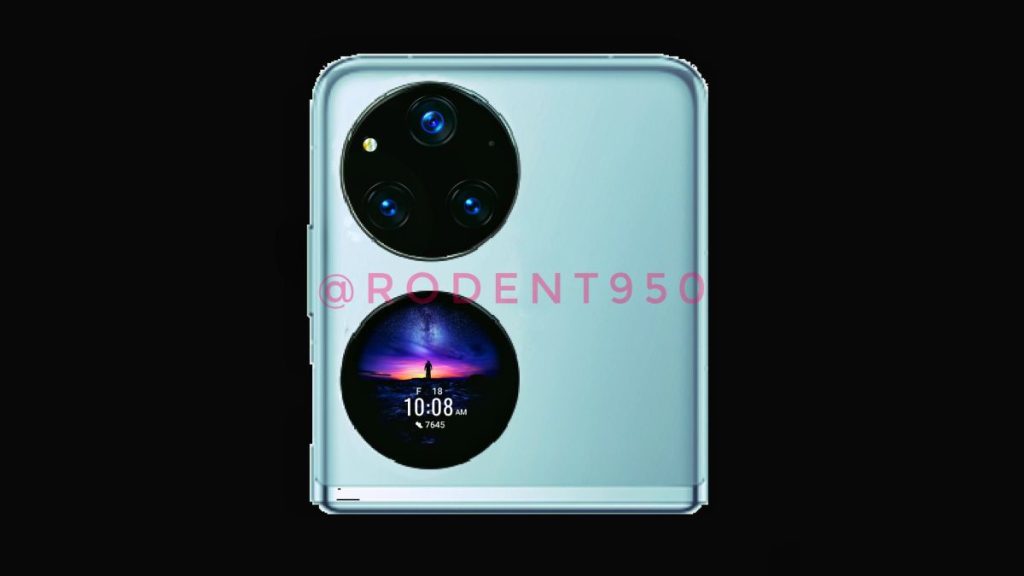
Huawei Pocket S2 leaked render
A previously seen Huawei Pocket S2’s leaked render by tipster Rodent950 (Teme)

According to a Chinese leaker, the Huawei Pocket S2 is expected to be officially announced on Feb. 27, indicating that its unveiling may take place during the Mobile World Congress (MWC) 2024 tech event. The leaker asserted that the device might be powered by an underclocked version of the Kirin 9000s.

For those unfamiliar, the Mate 60 series of flagship phones, introduced last year, also incorporates the same chip. As for the specifications of the Pocket S2, the rumor mill has not yet disclosed any details.

The leaker also claimed that Huawei’s new laptop equipped with the Kirin PC processor will also be unveiled soon. While he did not mention the launch timeframe, it appears that the device may go official alongside the Pocket S2.

Another leaker recently claimed that Huawei’s Kirin PC processor will feature 4 x TSV large core, 4 x TSV medium core, Maleoon 910 8-10cu for graphics, dual large-core NPU (Ascend Lite), dual micro-core NPU (Ascend Tiny), up to 32GB LPDDR5-6400, up to 2TB SSD, and support 2 or 3 x USB 4.0. Its performance is said to be comparable to Apple A12Z. The Maleoon 910 is Huawei’s in-house developed GPU. It is likely that the Kirin processor powered PC will run on the Harmony OS.

RELATED:

(source)

Vision Pro’s battery pack specs revealed, and surprisingly it still uses the Lightning port

We now have more detailed information on the battery specifications for the Vision Pro headset, clearing up the initial ambiguity of the pre-order period that only provided general usage and video playback estimates.

Apple Vision Pro Battery specs

Turns out, the battery pack included with the headset has a capacity of 3,166 mAh. While this might seem modest considering the weight (353 grams), the thing is it operates at a high voltage of 13V 6A, surpassing the typical 3.8V voltage of phone batteries. 

This higher voltage translates to an equivalent capacity of 9,440 mAh when compared to typical phone battery voltage, essentially making it comparable to a 10,000 mAh power bank (via GSMArena).

Moreover, as you might know, the Vision Pro’s battery is external and connects to the headset via a proprietary twist-to-lock connector. However, contrary to initial impressions we’ve seen so far, the connecting cable is indeed removable. 

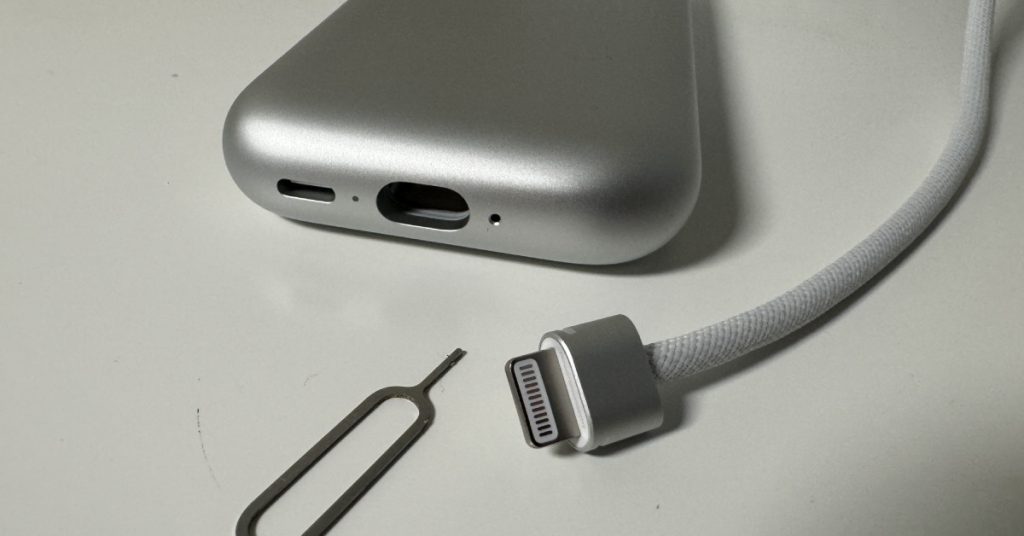
Journalist Ray Wong made an interesting discovery – the cable can be detached from the battery pack using a SIM ejector tool. This means you can replace the cable individually without having to purchase an entirely new battery pack if it gets damaged.

Ray Wong’s findings also reveal an interesting detail. Apple is still using a Lightning port for the Vision Pro proprietary headset and battery pack connecting cable. 

It’s a larger, 12-pin version than what we are typically used to see on iPhones. But the fact that Apple has not moved away from its proprietary connector is somewhat surprising, especially considering the current pressure it’s facing from the EU.

Another thing to note is Apple Vision Pro battery is not hot-swappable. This means that disconnecting the cable while using the headset will effectively shut it down. You will need a fresh reboot when you connect a new battery pack.

Related:

Upcoming Galaxy F14 could be rebranded version of this phone

Samsung is currently working on a couple of F-series smartphones. The Galaxy F15 5G, reportedly bearing the model number SM-E136B/DS, recently received approval from the BIS certification platform in India. The Galaxy F55 5G, with the model number SM-E556/DS, has been certified by both BIS and Wi-Fi Alliance. Now, a new report by 91mobiles reveals the existence of the Galaxy F14 and suggests that it will be a rebranded version of an existing A-series phone.

Galaxy F14 coming soon, here’s what to expect?

Samsung Galaxy F14
Samsung Galaxy F14

The Galaxy F14 has appeared in the Google Play Console’s database with an image and some key specifications. The listing reveals that it is the same phone as the Galaxy A05s but with the marketing name “Samsung Galaxy F14.” For those unfamiliar, the Galaxy A05s was unveiled in September 2023.

In terms of specifications, the Play Console listing reveals that the Galaxy F14 will be powered by the Qualcomm SM6225 chip, which is essentially the Snapdragon 680 chip. Therefore, it can be inferred that the F14 is a 4G-enabled device. Additionally, the listing states that the device features a Full HD+ display with a resolution of 1080 x 2400 pixels and runs on Android 13.

While the Galaxy A05s has the model number SM-A057F, the upcoming Galaxy F14 4G has the model number SM-E145F. There also seems to be an M-series variant of the phone with the model number SM-M145F, expected to launch under the Galaxy M14 moniker.

The support page for the Galaxy M14 has recently gone live on Samsung’s regional websites for India and Bangladesh, indicating an imminent launch. There is a possibility that the M14 could be released via Amazon in India, whereas the F14 could be sold through Flipkart. It is advisable to wait for further reports to learn more about the arrival of the Galaxy F14/M14.

RELATED:

(via)

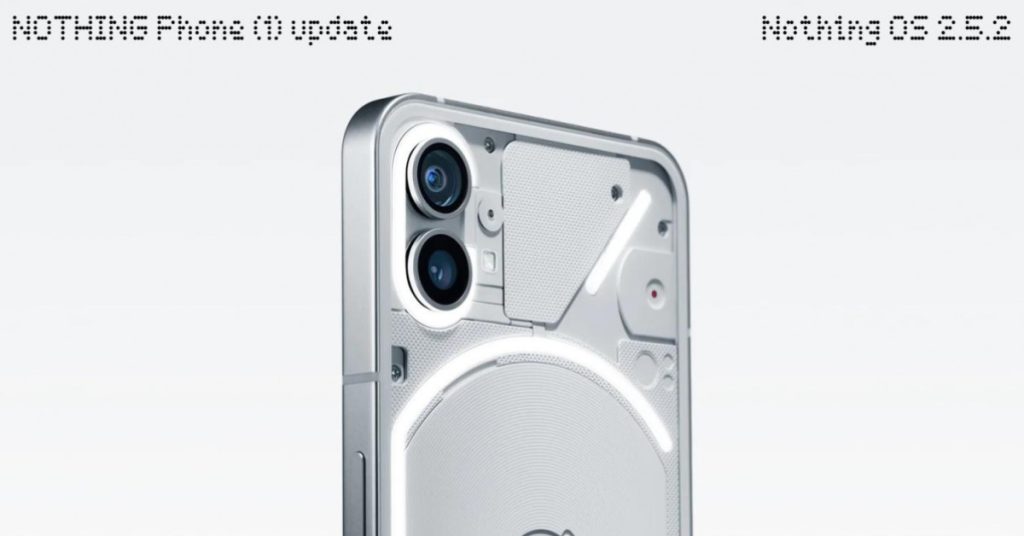
Nothing Phone (1) finally gets Android 14 update via Nothing OS 2.5

The Nothing Phone (1) is finally receiving its official Android 14 update, bundled with the Nothing OS 2.5 release. This update follows a month of beta testing and brings a variety of new features to the device.

Nothing Phone 1 Android 14

With Android 14, users can expect deeper customization options for wallpapers, themes, and other visual elements. Additionally, the update enhances the phone’s signature Glyph Interface interaction, provides streamlined gestures and shortcuts, expands Quick Settings functionality with more informative tiles, and offers new and improved widgets for the home screen.

Users can check for the update by navigating to their Phone (1)’s settings menu (Settings > System > System Update). It’s important to note that the rollout is gradual and may take a few days to reach all devices.

Here’s the complete changelog for the Nothing Phone (1) Android 14 update:

Customisation
● Redesigned a joint Home Screen and Lock Screen customisation page and improved the edit wallpaper flow for a more comprehensive view of options.
● New Atmosphere wallpaper effect. Transform your background photo into a dynamic wallpaper that brings motion to colours on your home screen. A seamless transition between your lock and home screens.
● Introduced solid colour wallpapers for a cleaner Home Screen appearance.
● Added a monochrome colour theme in the basic colour section.

Glyph Interface
● Get direct access to the Glyph Interface’s Music Visualisation feature (some of you may have already discovered it).
● Improved overall Glyph light playback effect when synchronising with your device’s audio.
● Added a new Glyph animation for when NFC is being used.
● Improved the experience of Flip to Glyph.

Gesture
● Customisable double-press power button to quickly access a chosen feature. Just head to Settings > System > Gestures.
● More Lock Screen shortcut options like: Do Not Disturb, mute, QR code scanner, and video camera.
● Capture screenshots quickly with a three-finger swipe gesture.
● New screenshot editor and menu, allowing for more advanced editing features and quick deletions.
● Refreshed the back gesture arrow visual to be more in line with Nothing’s style.

Quick Settings
● Added support for switching ring modes in Quick Settings.
● You can now directly set your network via Quick Settings without unlocking the device.
● Updated Quick Settings layout and support to show more devices icons.

New Widgets
● Pedometer Widget: Track your daily steps directly from your home screen. Set goals and monitor your progress to stay motivated.
● Media Player Widget: Displays the song currently playing. Control your music easily while on-the-move.
● Screen Time Widget: Monitor and manage your daily screen time to maintain a healthy digital lifestyle.

More improvements
● Optimised the experience of the Weather app and improved the notification of weather alerts.
● Made it possible to set ringtone and notification sound volumes separately, with an updated volume control interface.
● Automatically excludes the preview of the previous screenshot when taking continuous screenshots.
● Improved the stability of the camera.
● Enhanced the overall smoothness and responsiveness of the system for a more fluid user experience.
● Enhanced system stability and improved battery life.

Related:

(Via)

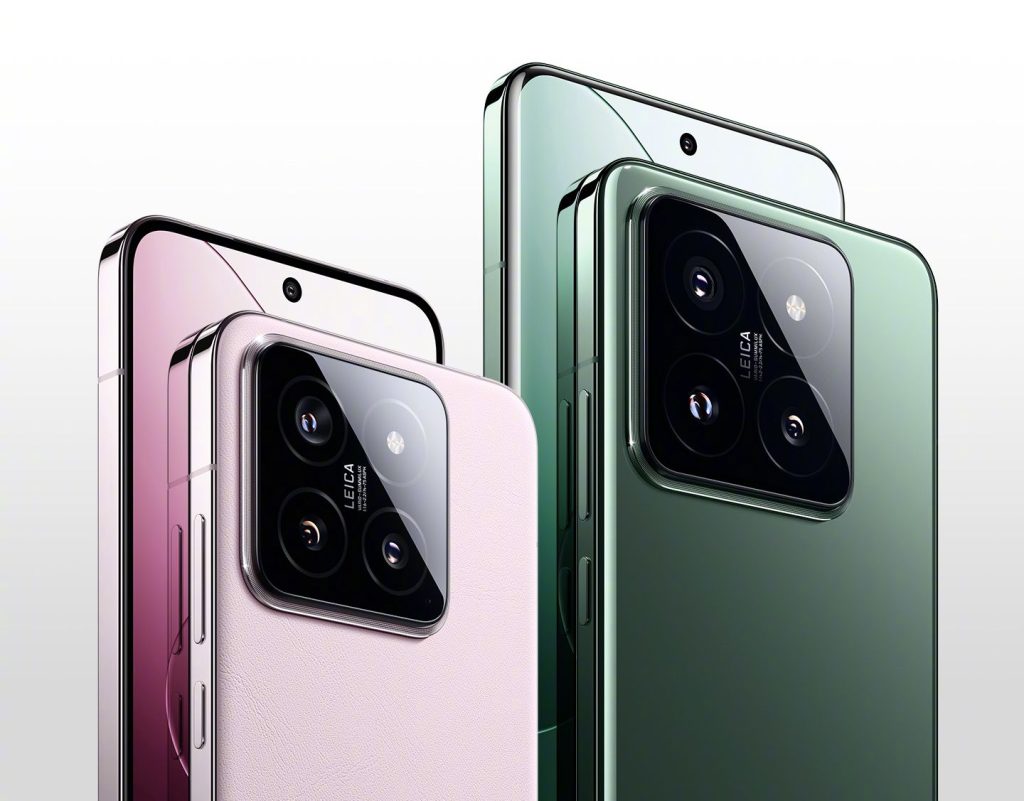
Xiaomi 14 Ultra could see a price hike due to an increased bill of materials; claims DCS

The latest information from renowned leaker @digitalchatstation unveils exciting details about Xiaomi’s upcoming flagship, the Xiaomi 14 Ultra. Described as a “remade” product, the smartphone boasts a Leica-branded quad-camera setup, promising “unexpected new unique skills.” The device reportedly incorporates Xiaomi‘s self-researched technologies, spanning communications, materials, batteries, and more.

However, the improvements come at a cost, with the Bill of Materials (BOM) estimation indicating a price increase. It signals a departure from the pricing of the predecessor, Xiaomi 13 Ultra.

Xiaomi 14 Ultra Hands on -1

The BOM cost of the Xiaomi 14 Ultra reportedly increased by more than 700 Yuan (~$100)

The focal point of the Xiaomi 14 Ultra’s camera system is the Leica optical full-focus quad-camera setup. While specific details about the unique skills remain undisclosed, the collaboration with Leica suggests a focus on delivering exceptional imaging capabilities. The incorporation of new self-researched technologies in communications, materials, and batteries indicates Xiaomi’s commitment to pushing the boundaries of innovation. DCS emphasizes that these advancements will be implemented for the first time on the Xiaomi 14 Ultra.

In terms of cost and pricing, the BOM (Bill of Materials) cost increase of more than 700 yuan (~$100) implies an inevitable price hike for the Xiaomi 14 Ultra. Despite potential concerns about the impact on consumer affordability, the tipster suggests that such enhancements are justified for a flagship device. Additionally, DCS expresses Xiaomi’s internal confidence in the Xiaomi 14 Ultra, noting that mass production has already commenced, and the release is anticipated earlier than initially expected.

Moreover, @digitalchatstation hints at a slew of “imaging flagships” in Xiaomi’s lineup, with one expected in February and three tentatively scheduled for March. While specific model names are not disclosed, this information adds to the anticipation surrounding Xiaomi’s upcoming releases.

Xiaomi 14 Ultra specifications

  • Snapdragon 8 Gen 3 chip
  • 50MP+50MP+50MP+50MP quad-camera setup with an f /1.63 – f /4.0 multi-stop variable aperture
  • 5180mAh battery supporting 90W wired fast charging and 50W wireless fast charging
  • Single-point ultrasonic fingerprint sensor
  • A slightly curved screen, with uniform bezel on all four sides

Related:

(Source)

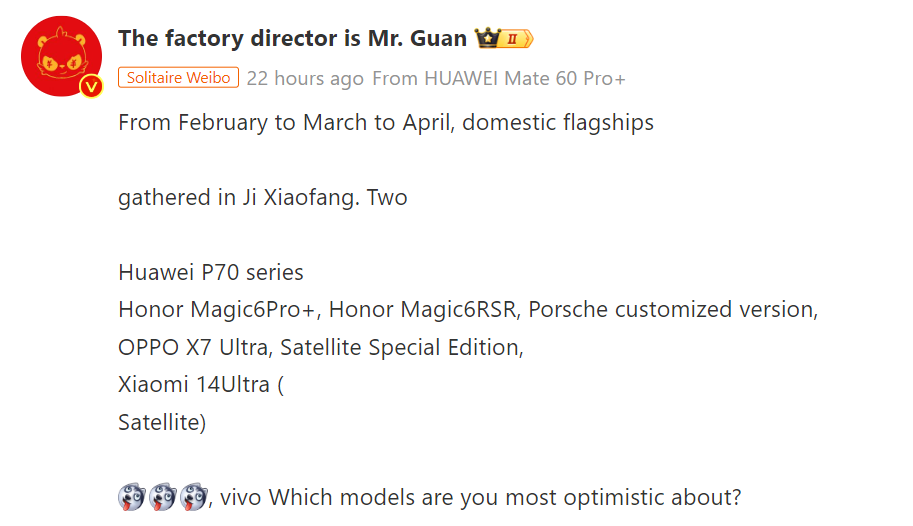
Honor Magic 6 RSR Porsche Design to rival Huawei P70 Art, Magic 6 Pro+ also incoming

Honor unveiled the Honor Magic 6 and Magic 6 Pro flagship phones equipped with the Snapdragon 8 Gen 3 chip last month in China. The Magic 6 RSR Porsche Design, which is the top-of-the-line device in the series, is yet to go official. A reliable leaker from China has revealed the launch timeframe of the device. In addition, he has claimed that the device will rival the upcoming Huawei P70 Art.

Honor Magic 6 RSR Porsche Design launch timeframe (rumored)

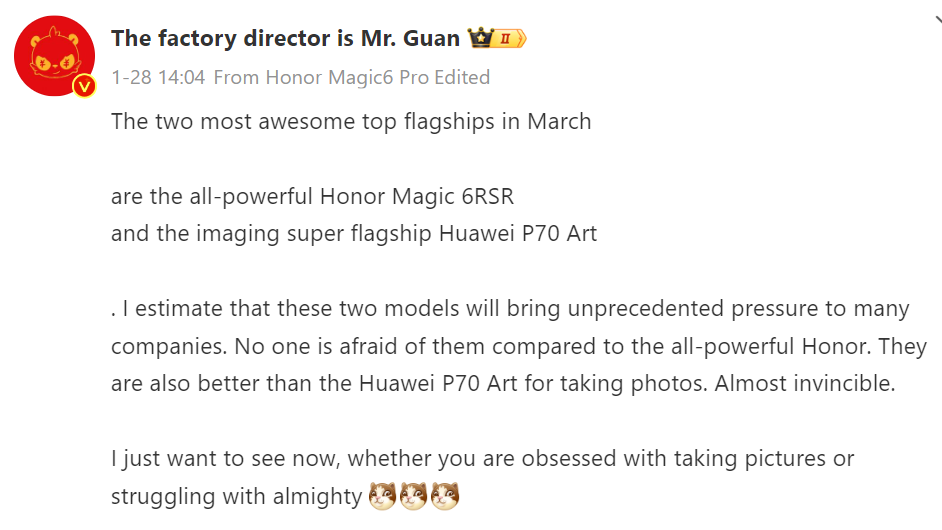
The Honor Magic 6 RSR Porsche Design will be the second device jointly developed by Honor and Porsche Design after the Magic V2 RSR Porsche Design foldable phone, which went official along with the Magic 6 lineup last month. According to the leaker, the Magic 6 RSR Porsche Design will debut in March and rival the Huawei P70, which is also expected to debut in the same month. The

While the Magic 6 RSR Porsche Design will feature the Snapdragon 8 Gen 3 chipset, Huawei may power the Huawei P70 series with a new Kirin chipset, probably the 9000s chip or its new variant. Reports have revealed that the P70 Art will have the 50-megapixel Sony LYT-900, a one-inch camera sensor. The same camera is available on the Oppo Find X7 Ultra and upcoming phones, such as the Xiaomi 14 Ultra and the Vivo X100 Ultra.

On the other hand, the Honor Magic 6 RSR Porsche Design is said to be the first phone to feature the one-inch OmniVision OV50K camera sensor. Unfortunately, the rumor mill is yet to leak other details about the smartphone. The leaker also revealed the existence of the Magic 6 Pro+ but did not share anything about its specifications. The Pro+ is expected to debut alongside the RSR Porsche Design in March.

RELATED:

Xiaomi 15 Ultra, 15 Pro may feature ultrasonic in-display fingerprint scanner, claims leak

Xiaomi unveiled the Xiaomi 14 and 14 Pro in November in China, and the brand is expected to unveil the 14 Ultra later this month in the Chinese market. While the Xiaomi 14 series hasn’t been released in the global market, the rumor mill has started talking about the Xiaomi 15 lineup. A new leak has revealed some details about the type of fingerprint sensor that will be seen on the Xiaomi 15 series.

Xiaomi 15 series likely to have an ultrasonic in-screen fingerprint sensor

XIaomi-14-series
XIaomi 14 series

According to a leak by Chinese tipster Smart Pikachu, the Xiaomi 15 Pro and the Xiaomi 15 Ultra will feature an ultrasonic in-display fingerprint scanner. There is no clarity on whether the Xiaomi 15 will have it, which suggests that it could be equipped with an optical in-display fingerprint sensor.

For those who don’t know, the ultrasonic variant makes use of sound waves to create a 3D map of the user’s fingerprint, offering a higher level of accuracy and security compared to its optical counterpart. This technology excels in challenging conditions, such as wet or dirty fingers, as it can penetrate surface imperfections.

On the other hand, optical sensors capture a 2D image of the fingerprint using light, making them generally faster but potentially more susceptible to spoofing. While optical sensors have made significant strides in recent years, ultrasonic sensors tend to provide a more robust and reliable biometric authentication experience, especially in adverse environmental conditions.

The Galaxy S24 series, Find X7 Ultra, and the iQOO 12 Pro are some of the recent phones that feature ultrasonic in-screen fingerprint sensors, while other phones, including the Xiaomi 14 series, are equipped with the optical version.

Recent reports have revealed that the Xiaomi 15 series will feature the Snapdragon 8 Gen 4 chipset. The Xiaomi 15 may feature a 6.36-inch OLED 120Hz flat display with support for 1.5K resolution, whereas the 15 Pro may house a larger curved-edge screen with 2K resolution. The mass production of the Xiaomi 15 series may begin in September of this year, suggesting that it may launch at some point in October.

RELATED:

(source)

iQOO Neo 9 Pro’s battery size, charging capabilities, camera details confirmed

iQOO is all set to announce the iQOO Neo 9 Pro on Feb. 22 in India. The landing page of the phone available on Amazon India has been gradually revealing the key specifications of the device. The updated page has now revealed the battery size and charging capabilities of the Neo 9 Pro.

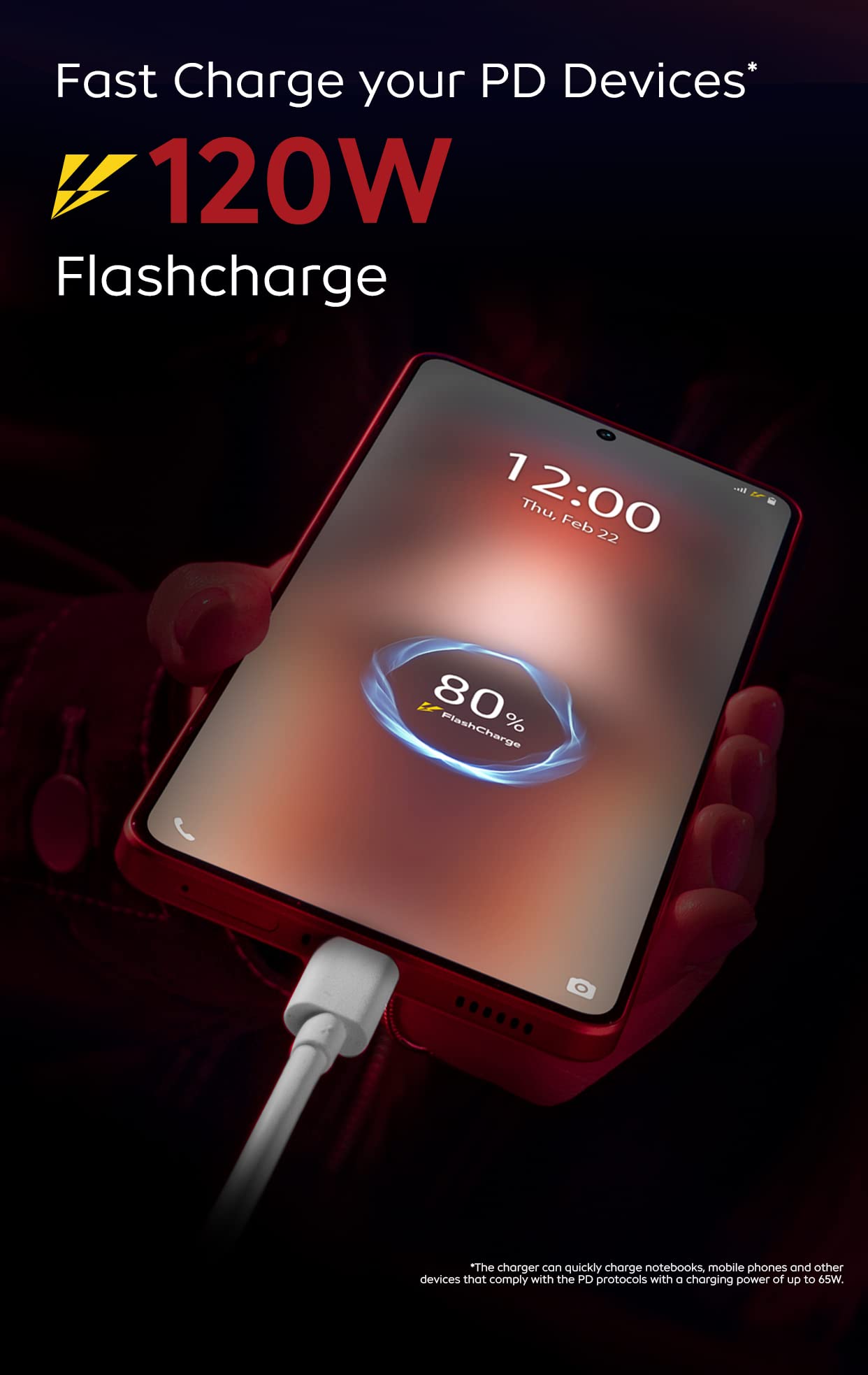
iQOO Neo 9 Pro to pack a 5,160mAh battery, 120W fast charging

In India, the Neo 9 Pro succeeds the Neo 7 Pro, which features a 5,000mAh battery with 120W fast charging. As seen in the above image, the iQOO Neo 9 Pro will house a larger 5,160mAh battery and offer 120W fast charging. With USB-PD charging support, the 120W charger can be used to power up other devices, such as phones and notebooks, with charging speeds of up to 65W.

It is already known that the Neo 9 Pro will feature the Snapdragon 8 Gen 2 chipset and the Q1 Supercomputing chip, which will offer an enhanced gaming experience. The brand recently revealed that the phone will be offered in two options: 8 GB RAM + 256 GB storage and 12 GB RAM + 256 GB storage.

For photography, the iQOO Neo 9 Pro is confirmed to feature the Sony IMX920 50-megapixel main camera with OIS support and an 8-megapixel ultra-wide lens. According to other reports, the phone may come with a 16-megapixel front-facing camera and a 6.78-inch AMOLED display that offers a 1.5K resolution and a 144Hz refresh rate.

While the company is expected to confirm its price on Feb. 22, it is speculated that it could be priced at around Rs 35,000 (~$420). It will be available in two colors: Fiery Red and Conqueror Black. The former will have a red-white dual-tone design equipped with a leather texture.

RELATED:

Google Maps’ AI Revolution: Personalized Navigation for Every User

Google Maps is positioned as the most widely used navigation application ahead of Apple Maps. To maintain this title, Google consistently introduces updates to the application. Alongside relatively minor updates, a major update is also in the pipeline. Google Maps is set to be enhanced with an artificial intelligence (AI) extension. But how will it work? Here are the details…

Google Maps will stand out with productive artificial intelligence

Google is integrating productive artificial intelligence into Maps. This feature is still in the early access stage and is currently available only for specific regions and members. The release date for the AI update, which will be available for general use, is yet to be announced. The update allows you to interact with the application through artificial intelligence when exploring new places in your city or traveling in your country.

Google Maps Dark Mode

How will it work? For example, if you want to go out to eat with your group of friends, but some have various dietary restrictions, you can explain your situation to the AI to filter restaurants accordingly. Google’s powerful language models will analyze information provided by community members under the Local Guides program, as well as information about more than 250 million locations.

This way, you can easily find a place that suits your preferences. Google states that the system will work “no matter how specific or broad your needs are.” The company provides a comprehensive example related to thrift stores in San Francisco.

In this example, a person requests vintage thrift spots in the city through the application. AI models analyze nearby places using photos, ratings, and community reviews. As a result, the application presents a series of options with photo carousels and review summaries.

This productive AI can go even further. If you want the application to find a suitable lunch spot that matches the retro vibe of the mentioned vintage store, it will automatically search for a place in line with that atmosphere. In other words, this AI remembers your preferences within a logical framework, predicting your next desired location based on where you’ve been and what you’re looking for.

RELATED:

Lotus Gears Up for an Electric Transition with the New Type 135 Sports Car

Lotus is eyeing the future with its eyes set on electrification. By 2027, the iconic British brand is expected to make a bold pivot, phasing out the Emira in favor of the electric Type 135 sports car. Pegged as a more accessible alternative to the high-flying, $1.5 million Evija, the Type 135’s anticipated price tag hovers around $95,345.

The New Electric Car is expected to have 872 hp for the two-motor version

Mike Johnstone, Lotus Group’s Chief Commercial Officer, emphasized the critical role of a two-seat sports car in maintaining the essence of the Lotus brand. It’s not just about having a car with a Lotus badge; it’s about capturing the spirit and innovation that have defined the marque.

Lotus Electric

The Type 135 is not just any electric vehicle. It’s set to be a marvel of engineering, riding on the Lightweight Electric Vehicle Architecture (LEVA). This innovative chassis is touted to be 37% lighter than that of the Emira, although the final weight will see an uptick due to the inclusion of a hefty battery pack.

Lotus is promising versatility with one- and two-motor setups, delivering 469 horsepower and 872 horsepower, respectively. This flexibility allows for both rear- and all-wheel drive configurations, keeping the door open for a high-tech torque-vectoring AWD system akin to what’s found in the Evija.

But it’s not just about power. The Type 135 aims to redefine driving dynamics for electric sports cars. Unlike many EVs that house batteries under the floor, Lotus plans to stack them behind the driver. This design choice ensures a lower seating position, providing a more authentic sports car feel that fans of the brand have come to expect.

Production of the Type 135 will be rooted in England, marking a significant move as Lotus’ other models, the Emeya sedan and the Eletre SUV, are manufactured in China. With an annual sales target of 10,000 to 15,000 units globally, Lotus is poised to electrify the sports car market, blending traditional driving joy with modern electric efficiency. As Lotus prepares to roll out this exciting new chapter, the automotive world watches with eager anticipation.

RELATED:

(Via)

Gaming Giants Alibaba and Tencent are Getting into the Palworld Hype

The gaming landscape is witnessing an unprecedented rush as Alibaba and Tencent, two of China‘s technology behemoths, dive into a competitive frenzy over cloud services. This rush is fueled by the explosive popularity of Palworld, a game that brings together open-world survival with creature collecting.

Alibaba and Tencent are trying their best to capitalize on this cloud gaming opportunity

Developed by Tokyo-based studio Pocketpair, Palworld has taken the gaming community by storm, selling a staggering 8 million copies on Steam within just days of its release. The game allows players to catch, raise, and battle with creatures known as Pals in an expansive open world, pushing the boundaries of the traditional creature-collecting genre. However, the game’s massive success has overwhelmed its servers, prompting Pocketpair to offer the option for players to run the game on private servers, a move that has sparked interest from China’s cloud service giants.

Alibaba

Alibaba and Tencent have quickly capitalized on this opportunity, offering dedicated server plans for Palworld players. Their competitive pricing aims to attract the game’s growing fanbase, indicating a new battleground in the cloud computing sector where these firms have historically competed fiercely.

Despite its success, Palworld has not been without controversy. The game has faced scrutiny over potential intellectual property issues with The Pokémon Company, highlighting the challenges of innovation within the tightly regulated world of gaming copyrights. As of now, the game is enjoying one of the biggest inflows of players witnessed in a long time, and it will be interesting to see how it goes!

RELATED:

(Via)

Social Media Giants Meta, TikTok, and X Under Fire for Failing to Shield Kids

Recent U.S. Senate hearings put the spotlight on the pressing issue of child safety online, dragging CEOs from major social media platforms like Meta, TikTok, and X into the hot seat. The emotional testimonials from parents and children, detailing exploitation and harm, set a grave tone for the proceedings. Lawmakers and children’s advocates argue that these tech behemoths are not doing nearly enough to protect young users from the darker facets of social media, including bullying, addiction, and exposure to harmful content.

The testimonials from parents and children set a grave tone at the proceedings

The Senate Judiciary Committee’s session revealed a stark reality: the very design and operational choices of these platforms contribute significantly to the dangers faced by children online. Despite Mark Zuckerberg‘s apology to affected families and promises of continued investment in safety measures, skepticism remains high. The exchange between Zuckerberg and Senator Josh Hawley underscored a critical disconnect, highlighting the question of profit over safety.

Meta

Snapchat’s proactive stance, advocating for legal measures to hold platforms accountable, stands out as a beacon of hope. Yet, the collective voice of the industry seems hesitant, often defaulting to assurances of existing safety features rather than committing to substantial change.

This hearing, while showcasing a rare bipartisan agreement on the issue, also underlines the complex challenge of regulating a space as vast and varied as social media. The CEOs’ testimonies and the heart-wrenching stories of impacted families underscore the urgent need for a balanced approach that safeguards children without stifling the positive aspects of these platforms.

As debates over regulation and corporate responsibility continue, the clear consensus is that the status quo is unacceptable. The path forward demands not only technological solutions but a fundamental reevaluation of the role social media plays in the lives of the youngest members of society. The call for action is loud and clear: it’s time to prioritize the well-being of children in the digital age.

RELATED:

(Via)

Canon’s 2023 financial report shows impressive year-on-year growth in camera sales and other products

The latest financial report released by Japanese tech giant Canon indicates the brand grew its revenue by 3.7% from 2022. The 2023 full-year revenue was about 4.18 billion yen ($28.335 billion). Canon’s net profit for the year 2023 increased by 8.4% from the previous year, the report also showed.

Canon Camera

The revenue was spread between Canon’s four main businesses namely printing solutions, imaging, medical solutions, and industrial equipment/ other products. The printing business accounted for 2.346 trillion yen ($15.90 billion) in revenue, with a YoY increase of 3.2%. The report indicates that the printing business accounted for about 56.1% of the overall revenue of the Canon brand for 2023. The products from this arm include digital printing systems with some recent innovative offerings like the color digital printer image PRESS V1350.

The imaging business of Canon in 2023 had a revenue profile of 861.6 billion yen ($5.81 billion) with a 7.2% year-on-year increase. The sales in this segment were fueled by Canon’s new interchangeable lens digital cameras, network cameras, and diverse products from the lineup. Some of the new products were the EOS R6 Mark II, the EOS R8, and the EOS R50 cameras. There is a huge market demand for network cameras with diverse applications.

Canon

The medical business field revenue for Canon in 2023 was 553.8 billion yen ($3.75 billion) with a 7.9% increase in revenue. Canon’s medical business field continued to enjoy strong sales, driven by demand for MRI equipment, X-ray equipment, and ultrasonic diagnostic equipment. The sales have been heavily situated in Japan and Europe and this year’s output surpassed the previous year’s record.

The industrial equipment arm of Canon got a revenue of 314.7 billion yen ($2.13 billion) which reflected a year-on-year decline of 4.4%. The demand for power equipment continues to be strong but FPD exposure equipment experienced market investment fluctuations. Overall, Canon expects the outlook for 2024 to be bright despite some setbacks, especially in the industrial equipment business.

Related:

Gogoro extends its battery-swapping electric scooters to South America

Gogoro is the global leader in battery-swapping electric scooters and the company is making inroads into the Americas. The Gogoro scooters will soon berth in Latin America, with other countries including the US to follow later. Gogoro has just announced its expansion to South America and will deploy its e-scooters and battery-charging networks in Chile and Colombia.

Gogoro will partner with Copec, a Latin American energy company to deliver its first lineup of e-scooters in South America. The partnership between Gogoro and Copec will see to the development of charging stations in the two countries in addition to the release of the Gogoro Smartscooters. The first scooters and battery-swapping stations (GoStations) will become active in Q2 2024, according to Gogoro. The scooters will be available both for commercial use and private use. The commercial option will include delivery riders.

Gogoro says its partnership with Copec is an important milestone in its mission to transform urban transportation globally. Gogoro also stated that the partnership with Copec will provide an accessible path for both consumers and delivery riders to adopt sustainable urban mobility and contribute to the fight against climate change. Gogoro’s CEO and founder, Horace Luke estimated that on average, last-mile delivery riders ride more than six times the distance a consumer rider rides. Therefore, enabling delivery riders to adopt sustainable and smart electric transportation is bound to have an accelerated impact on cities.

Since 2015 when it first rolled out its battery-swapping system, Gogoro has expanded beyond its home market of Taiwan to China, Indonesia, India, Israel, Singapore, South Korea, and the Philippines. The first GoStation units will be unveiled in Santiago, Chile utilizing Copec service stations. Gogoro will partner with Colombia company, Terpel to operate battery-swapping stations in Bogota, Colombia. The entry of Gogoro into South America holds lots of promise for the company, as the continent has a growing population of riders.

RELATED:

Xiaomi patents a wearable device that can notify you when there’s a secret camera near you

A recent report shows that Xiaomi Mobile Software Co. Ltd has obtained a patent for anti-peep prompt methods, devices, electronic equipment, and storage media. The new patent indicates that Xiaomi could be developing a wearable device that can give the user a prompt whenever he is being secretly photographed. The details and the method include obtaining environmental image data through a camera device and determining the shooting angle of the shooting device.

When the user is within the shooting range of the shooting device based on the shooting angle, it provides an anti-peep prompt via the attached wearable device. This prevents the user from being snooped at when in the range of a secret camera or other shooting devices. The new patent serves to secure the privacy of the user from unauthorized capturing. According to the patent, the wearable device achieves the anti-peep function only when it has an in-built camera. It is unclear whether the user can accurately pinpoint the position of the shooting device. This will help try to act on the anti-peep prompt by moving away from the range of the shooting device.

Current Xiaomi smartwatches and bracelets do not have cameras. However, the Mi Rabbit children’s watch has a camera, so it is unlikely that that device will feature this anti-peep functionality. MIJIA smart glasses are equipped with cameras and could be products that are capable of providing anti-peep prompt functionality.

Xiaomi may be preparing to launch a new lineup of wearable devices that will support the anti-peep function. Therefore, the next Xiaomi smartwatches and bracelets could come with in-built cameras.

Related:

Audio-Technica ATH-AWKG Black persimmon wood-limited headphones released in China for 32,800 yuan ($4,582)

Audio accessories brand Audio-Technica has released the ATH-AWKG black persimmon wood-limited headphones in China. The new pair of headphones are made from the traditional Japanese wood called black persimmon. The release of the new model marks the first time Audio-Technica will be using black persimmon material as an independent audio tuning element. The product, though, resembles the model the company launched in 2022 to mark its 60th anniversary.

Audio-Technica ATH-AWKG Black persimmon wood-limited headphones

The choice of black persimmon in the design of the ATH-AWKG headset has resulted in the exclusion of the traditional all-cavity LOGO painting. Rather, the model adopted the same Muji design that was used in the Narukami series. The Audio-Technica ATH-AWKG comes with a 53mm moving coil unit and uses a 6N-OFC (99.99%) oxygen-free copper coil. The driving part uses Permendur Iron-cobalt alloy units while titanium alloy flange rings are used in the inside of the earphones. The headphones also feature Audio-Technica’s Dual Air Damping System (DADS) in the cavity.

Audio-Technica ATH-AWKG Black persimmon wood-limited headphones

The ATH-AWKG headset is equipped with headphone pads made of lambskin, while the cables use the A2DC pluggable interface by Audio-Technica. The package also includes two 3.0m detachable braided shielded wires which correspond to 6.3mm single-ended and XLR (4-pin) balanced dual output specifications. The model reflects some of the functionality of the KG-NARU headsets. There are suggestions in some quarters that the natural sounding effects of black persimmon wood yield a more pleasant sound output to the ears.

Audio-Technica ATH-AWKG Black persimmon wood-limited headphones

The Audio-Technica ATH-AWKG black persimmon wood-limited headphones are available in China at a retail price of 32,800 yuan ($4,582). It is understood that this limited-edition model is the Chinese version of the Audio-Technica ATH-AWKG black persimmon headsets. The pricing of the model clearly indicates the premium nature of the gadget and it could well be a collector’s item. There are no indications at this time how many units of the Audio-Technica ATH-AWKG black persimmon wood-limited headphones were produced.

Related:

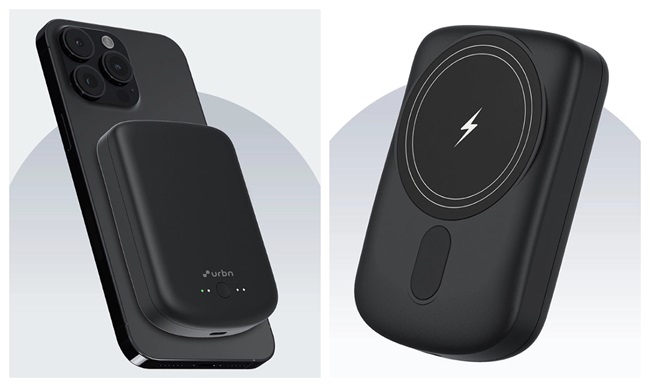
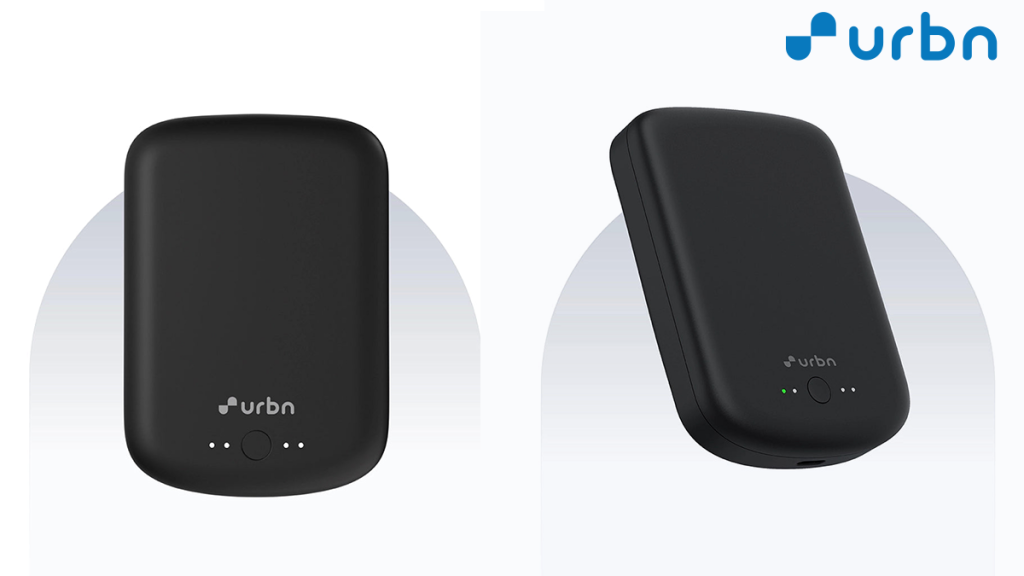
Urbn MagTag Wireless 5000mAh and 10000mAh power banks unveiled

Two Urbn MagTag magnetic wireless power banks have been launched in India. They are the Urbn MagTag 5000mAh and Urbn MagTag 10000mAh power banks. The two power banks are part of the Urbn premium black edition range.

Urbn Magsafe Power bank

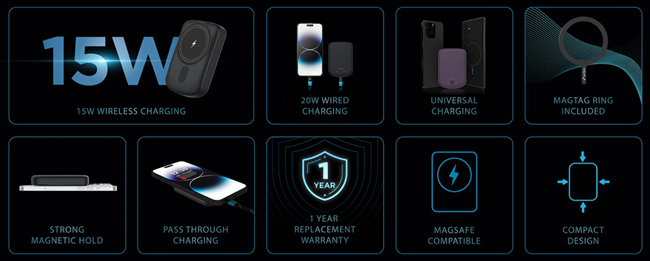
Both models come with a lithium polymer battery and are capable of fast charging via Power Delivery (PD) protocol. The MagTag comes with a unique ring to seamlessly wirelessly recharge an iPhone or Android device. The 10000mAh power bank offers 15W wireless and 20W wired charging for quick and efficient recharging of devices. The 5000mAh MagTag power bank is more compact than the bigger model but shares the same premium features. It offers 12W wired charging is BIS-certified and offers MagSafe compatibility and MagTag ring for secure charging.

Urbn Magsafe Power bank

Urbn says the MagTag wireless power banks are a reflection of the brand’s dedication to overcoming technological challenges with efficiency and convenience. The latest magnetic wireless compact power banks series, according to Urbn, exemplifies its commitment and addresses daily concerns about smartphone battery life. The power banks are versatile and are compatible with both iOS and Android devices. Urbn says it recognizes the significance of seamlessly integrating technology into the lives of users of Urbn products.

Urbn Magsafe Power bank

Pricing & Availability

The Urbn MagTag wireless power banks are available in black, blue, and purple color options. The bigger model (10000mAh) is priced in India currently for Rs. 2,999 ($36) but its original price is Rs. 3,499 ($42). The 5000mAh Urbn MagTag power bank is priced at Rs. 2,499 ($30). The models can be purchased from e-commerce platforms in the subcontinent including Amazon India, and Flipkart, and directly via Urban’s D2C platform.

Please Note: When you buy something using the links in our articles, we may earn a small commission at no cost to you.

RELATED:

Gogoro Pulse electric scooter launched as its highest-performance e-scooter yet

Popular battery-swapping electric scooter manufacturer Gogoro has unveiled the Pulse electric scooter. The new Gogoro Pulse utilizes the same swappable battery architecture of previous Gogoro models but comes with high-performance specs. The Gogoro Pulse has a pretty modern design and features sharp angles in place of the traditional bubbly curves of previous models.

Gogoro Pulse Electric Scooter

Features

The Gogoro Pulse is joining a long list of well-crafted electric scooters from the Gogoro repertoire. Gogoro has been widely recognized for its contribution to the transformation of the urban electric two-wheeler market over the years. It has integrated cutting-edge innovation with performance to deliver beautifully designed e-scooters with a smart user experience. In the view of Horace Luke, founder, and CEO of Gogoro, the Pulse e-scooter introduces a new and exhilarating Gogoro riding experience that utilizes Gogoro’s latest innovations in electric performance and aerodynamic efficiency. It also comes with advanced lighting tech and an immersive interactive user experience, according to the Gogoro CEO.

The Gogoro Pulse is equipped with a Gogoro-developed motor that powers its Hyper Drive powertrain. The new 9kW H1 motor works with the Gogoro Hypercore smart system. This allows the scooter to deliver top-notch traction control with a maximum torque of 378Nm at the rear wheel. The Gogoro Pulse goes from 0 to 50km/h in just 3.05 seconds but its top speed has not been stated yet. The acceleration of the Pulse puts it in an exclusive class as it surpasses that of any 125cc-equivalent scooter, gasoline or electric. It is noteworthy to state that the Pulse has up to 50% more power than Gogoro’s current scooters with a top speed of up to 100km/h. Therefore, the Pulse is expected to be a tad higher than 100km/h in terms of its top speed.

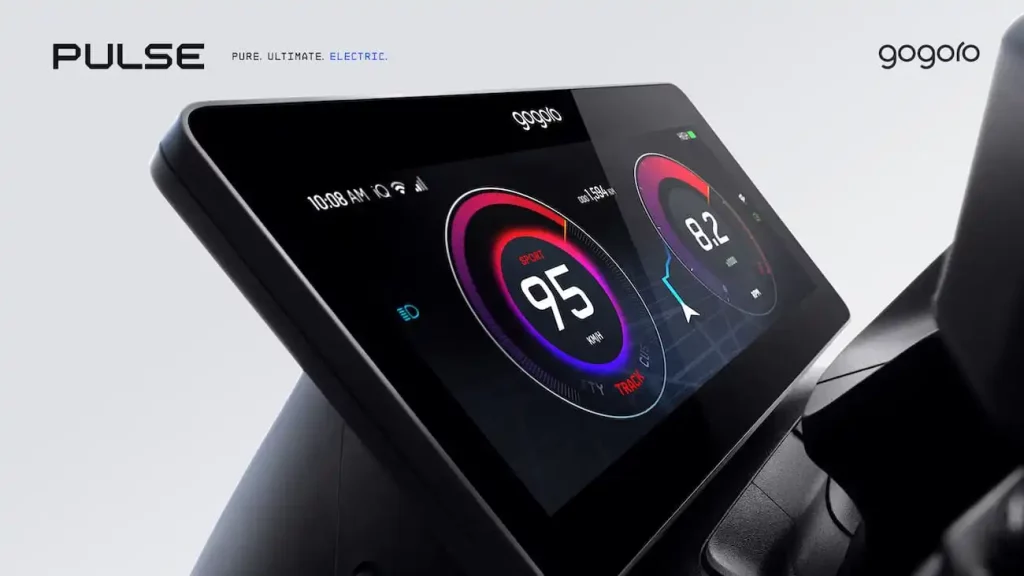
Gogoro seems to have incorporated traction control into the Pulse so that some new ride modes could be implemented on the scooter. These include Range, Dirt, City, Touring, Track, and a Custom mode. The Pulse also features Gogoro’s new Smart Cockpit dashboard with a 10.25-inch panoramic HD touch display with Gogoro’s iQ Touch HD user interface. The Smart Cockpit dashboard also features turn-by-turn GPS navigation with real-time traffic information and Gogoro Go stations for a quick swap of batteries.

Gogoro Pulse Electric Scooter

Pricing & Availability

The Gogoro Pulse will roll out sometime in Q2 2024 but the pricing and availability details are lacking at this time. It is expected that the full specs of the Gogoro Pulse will be out soon and it could come with a decent price rating due to Gogoro’s swappable batteries which may be on a rental basis.

Related:

Lenovo Yoga TWS earbuds clear TDRA certification ahead of global launch

The Lenovo Yoga True Wireless Stereo Earbuds were unveiled earlier this month at CES 2024. The earbuds are tailored to the Lenovo Yoga device ecosystem and are a perfect audio accessory for your Yoga tablet or Laptop. These earbuds have recently been spotted on the TDRA certification website, pointing to an imminent launch.

Lenovo Yoga True Wireless Stereo Earbuds

The Lenovo Yoga TWS earbuds have emerged on the TDRA certification database with model number LT310. Although the certification hints at a future launch in the UAE, it does not reveal any specifics. That being said, June this year is the anticipated time frame for their arrival.

Lenovo Yoga TWS earbuds: What we know so far

Each Yoga TWS earbud is equipped with three microphones, ensuring clear sound quality and communication. A standout feature of these earbuds is the Active Noise Cancellation (ANC), which is complemented by touch-sensitive controls and quick charging support. With an IPX4 rating, they are resilient against splashes, making them suitable for workouts.

In terms of technical specifications, the earbuds will utilize 12.2mm drivers, offering a frequency range of 20-20,000 Hz and 16 Ohm impedance, ensuring high-quality audio. The charging case, which houses a 500 mAh battery, can sustain the earbuds for up to 6 hours and 30 minutes when ANC is turned off. Priced at $69.99, the Lenovo Yoga True Wireless Stereo Earbuds will be available in a stylish Blue color variant.

RELATED: