The Lenovo Yoga True Wireless Stereo Earbuds were unveiled earlier this month at CES 2024. The earbuds are tailored to the Lenovo Yoga device ecosystem and are a perfect audio accessory for your Yoga tablet or Laptop. These earbuds have recently been spotted on the TDRA certification website, pointing to an imminent launch.
The Lenovo Yoga TWS earbuds have emerged on the TDRA certification database with model number LT310. Although the certification hints at a future launch in the UAE, it does not reveal any specifics. That being said, June this year is the anticipated time frame for their arrival.
Lenovo Yoga TWS earbuds: What we know so far
Each Yoga TWS earbud is equipped with three microphones, ensuring clear sound quality and communication. A standout feature of these earbuds is the Active Noise Cancellation (ANC), which is complemented by touch-sensitive controls and quick charging support. With an IPX4 rating, they are resilient against splashes, making them suitable for workouts.
In terms of technical specifications, the earbuds will utilize 12.2mm drivers, offering a frequency range of 20-20,000 Hz and 16 Ohm impedance, ensuring high-quality audio. The charging case, which houses a 500 mAh battery, can sustain the earbuds for up to 6 hours and 30 minutes when ANC is turned off. Priced at $69.99, the Lenovo Yoga True Wireless Stereo Earbuds will be available in a stylish Blue color variant.
Recently, OnePlus quietly launched an entry-level smartphone for select global markets. This product officially goes by the OnePlus Nord N30 SE 5G. It succeeds the OnePlus Nord N20 SE from 2022.
The latest model arrives with a couple of major upgrades. It houses a 5G-enabled more powerful chipset and flaunts a higher-resolution display.
Anyway, like the last-gen device, the current-gen phone is also a rebranded Oppo handset.
The newly introduced OnePlus Nord N30 SE 5G is a rebadged Oppo A79 5G. The smartphone is also known as Oppo A2 5G. These two products went official between late October and early November.
The Nord N30 SE 5G is powered by a MediaTek Dimensity 6020 SoC. Whereas its predecessor comes with a slower 4G-only MediaTek Helio G35 chip.
Further, the phone flaunts a larger 6.72-inch FHD+ (2400 x 1080 pixels) centered punch-hole display (LCD) with a 90Hz refresh rate. While the last-gen handset has a smaller 6.56-inch LCD panel that offers an HD+ resolution, a 90Hz refresh rate, and a dewdrop notch.
The rest of the specs are more or less the same on both devices. They arrive with a 50MP (wide) + 2MP (depth) dual camera setup, an 8MP selfie camera, dual stereo speakers, a side-mounted fingerprint sensor, a 5,000mAh battery, and 33W wired charging support.
There’s no official word on the pricing and availability of the OnePlus Nord N30 SE as of writing this article.
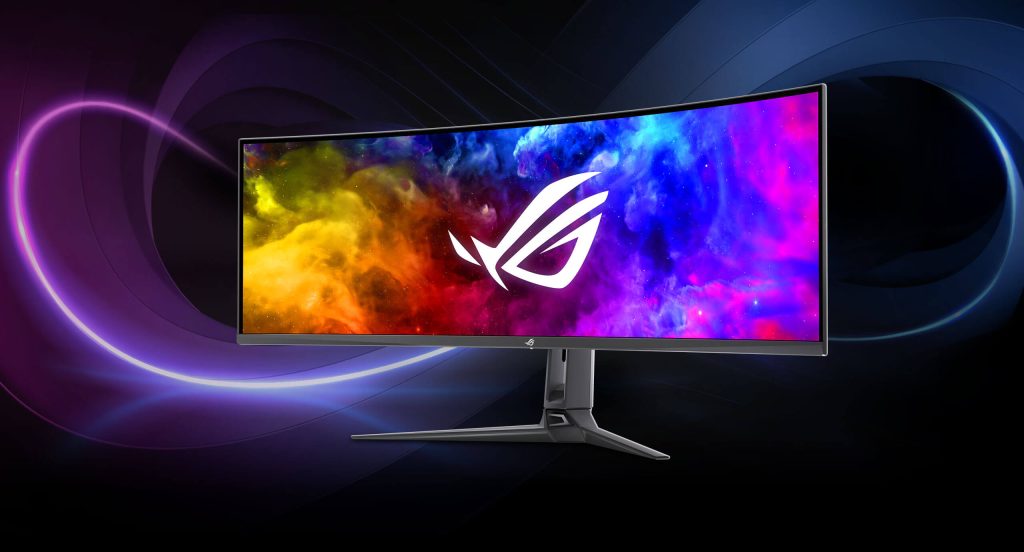
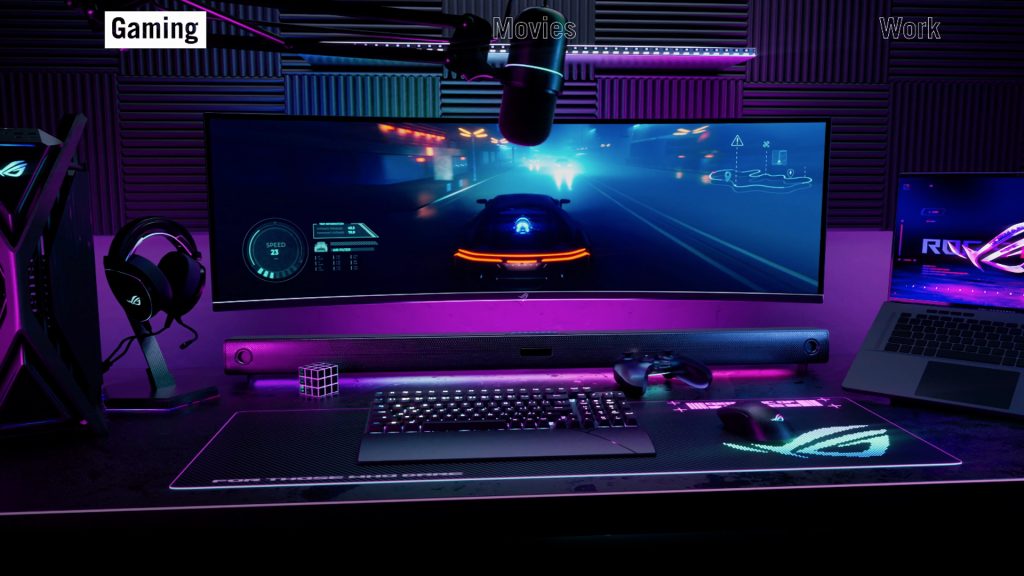
After a successful launch in China and the United States, the Asus ROG Swift OLED PG49WCD monitor has finally made its way to Europe. The monitor boasts a 49-inch QD-OLED panel with 5120×1440 dual 2K resolution and 32:9 aspect ratio. Its 1800R curvature is intended to increase immersion and reduce eye strain during extended use.
Key to the ROG Swift OLED PG49WCD’s appeal is its focus on speed and precision. The monitor boasts a 144Hz refresh rate and a rapid 0.03 milliseconds response time, aiming to provide smooth gameplay and reduce motion blur. This is particularly beneficial for fast-paced games where quick response times are crucial.
In terms of visual quality, the monitor achieves a peak brightness of 1000 nits and supports DisplayHDR True Black 400. With a 99% DCI-P3 color gamut and 10-bit color depth, it promises accurate color reproduction.
AMD FreeSync Premium Pro support is another feature of this monitor, targeting users with AMD graphics cards. This technology is designed to synchronize frame rates, providing a tear-free and smooth gaming experience.
In terms of connectivity, the ROG Swift OLED PG49WCD includes multiple options such as DP1.4, HDMI2.1, and USB 3.2 Gen 1 ports. Notably, it also offers a USB-C interface with a 90W power output, enabling device charging and laptop power supply.
Pricing & availability
The monitor’s entry into the European market comes with a price tag of €1,499. Some European retailers have offered minor discounts to remain competitive.
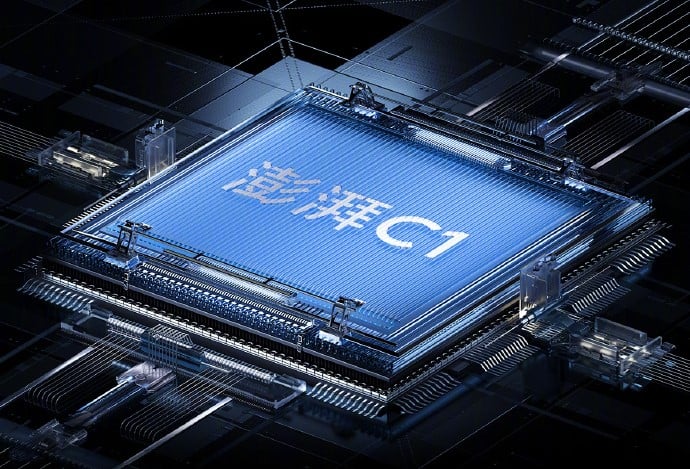
Xiaomi is preparing to introduce a series of self-developed chips that aim to improve imaging, charging speed, battery management, and communication in their upcoming smartphones. The new chips include the Imaging Chip Surge C4, Charging Chip Surge P3, Battery Management Chip Surge G3, and the Communication Chip Surge “xx,” and are expected to be featured in upcoming Xiaomi flagship devices.
Chinese tipster Digital Chat Station has reported an expansion in Xiaomi’s self-developed chip segment, covering imaging, fast charging, battery, and communication. Speculation suggests that these chips will likely be integrated into an upcoming Xiaomi flagship. As we know, Xiaomi is gearing up to launch the Xiaomi 14 Ultra, likely in the next month. That being said, these new chips could also emerge on the Xiaomi 15 series which is said to go into mass production this September.
While not much is known about the Xiaomi 15 series smartphones, we expect them to arrive with the Snapdragon 8 Gen 4 chip onboard. In addition to that, previous leaks have also mentioned that the Pro model could feature thinner bezels, with a 1400 nits bright 2K 120Hz LTPO display that could save up to 15-20% battery life. If the new battery management chip proves effective in power conservation, this combination has the potential to significantly enhance the device’s screen-on time.
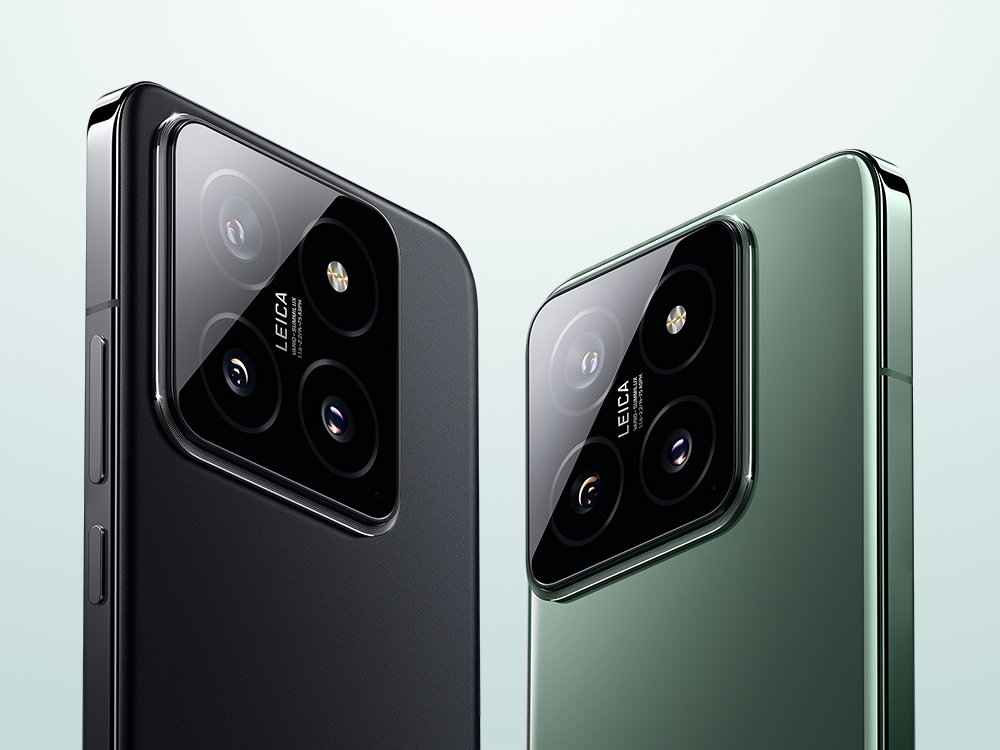
On the other hand, the Xiaomi 14 Ultra is rumored to be equipped with the Snapdragon 8 Gen 3 chipset and is expected to feature a curved-edge OLED display screen with a 2K resolution. The device might sport a quad-camera setup, housing four 50MP lenses, including a 50MP Sony LYT-900 primary shooter with a Leica-branded camera module. Powering the device is a sizable 5180 mAh battery, supporting both 90W wired and 80W wireless fast charging capabilities.
HMD Global CEO Jean Francois Baril had officially confirmed earlier that the first HMD models would be launched. Now the NokiaMobile account has been renamed to HMD (Human Mobile Devices), which means we can say goodbye to Nokia. Nokia lovers should know that this change is significant.
HMD is coming with new phones
HMD’s first two smartphones were leaked by people at GSMChina.
Now, the renaming of Nokia Mobile accounts to HMD is a sign of an important change. Nokia is no more, and the new name is HMD. This not only confirms the availability of new products from HMD in the future but also gives some insight into what the brand is capable of.
HMD (Human Mobile Devices)
HMD stands for Human Mobile Devices. It’s defined as Human Mobile Devices and this is an indication that Nokia can regain its former success with HMD. Nokia has launched some really successful products, but some mistakes over the years caused the brand to lose its former popularity.
Nokia’s name change to HMD confirms the rebirth of a powerful brand.
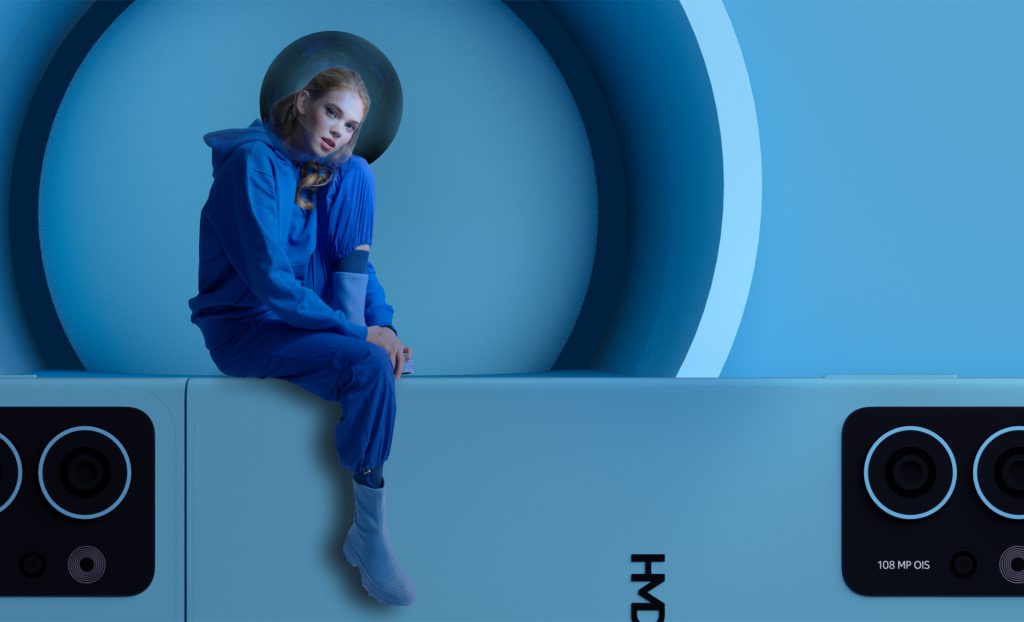
HMD Phone Render Image
Recently, 91mobiles revealed render images of some HMD models. The new HMD model is expected to have a 108MP OIS camera. The triple camera lineup and 1 flash do not go unnoticed. Read more about the leaked HMD smartphones here.
But, HMD will not be limited to just 2 smartphones. Some models have not yet been revealed. We expect other models to come to light in the coming days.
Contemporary Amperex Technology (CATL), a prominent player in the electric vehicle (EV) battery industry, showed substantial growth in 2023. Anticipating a net profit between 42.5 billion yuan and 45.5 billion yuan, the company expects a robust expansion ranging from 38.3% to 48.1%, building on its impressive 92.89% net profit gain in 2022.
CATL’s optimistic outlook is rooted in the global surge in electric car adoption, with the company commanding a remarkable 37.4% market share in 2023, producing 233.4 gigawatt-hours of batteries. Despite a 4.3% dip in Q3 2023 profits due to a currency exchange loss, the company projects a strong Q4, estimating a profit of 11.35 billion yuan to 14.35 billion yuan, attributed to increased sales volume and lower production costs.
In the ever-expanding Chinese EV market, where approximately 40% of new cars are battery-powered, CATL faces challenges from smaller rivals and the deceleration of demand, especially in the wake of a 37% year-on-year increase in EV deliveries in 2023. However, the company remains at the forefront, holding a 43.11% market share in China, though slightly down from 48.2% in 2022.
source: CATL
Notably, CATL’s global significance is underscored by 40% of its products being sold outside mainland China. As the electric vehicle industry experiences a shift in dynamics, with BYD emerging as a formidable competitor, CATL’s market share in China dipped slightly. BYD, China’s second-ranked EV battery maker, is forecasted to experience an 86.5% net profit increase in 2023, surpassing even Tesla in sales.
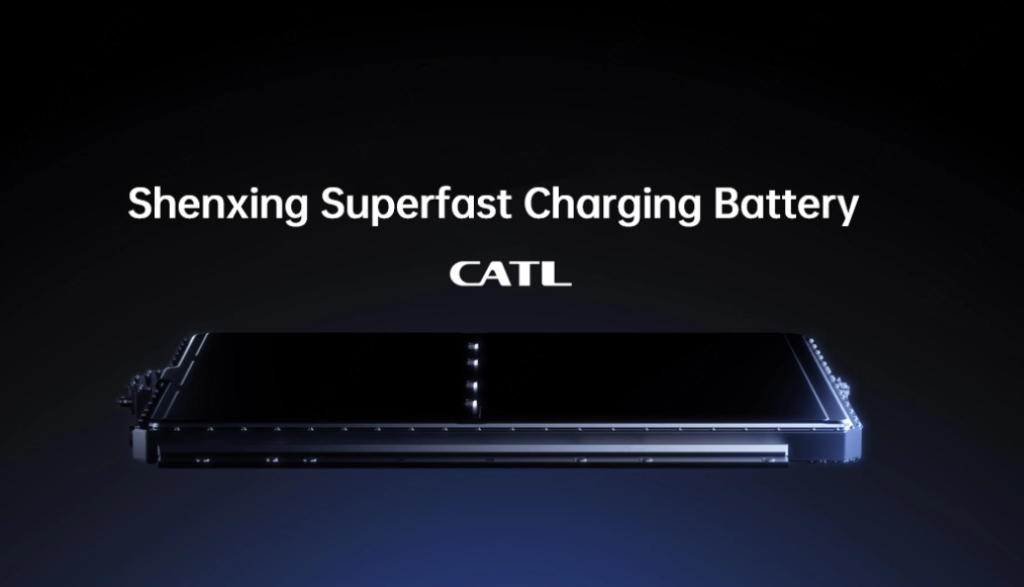
Looking ahead, CATL is set to introduce groundbreaking technological advancements, including the Shenxing battery with a 400km driving range in 10 minutes. Moreover, the collaboration with Didi on battery-swapping technology reflects the company’s commitment to innovative solutions in response to evolving market demands.
Despite challenges such as slowing demand and stiff competition, CATL remains a pivotal player in the global EV landscape, with its performance and strategic moves echoing far beyond the Chinese market.
Back in 2017, Xiaomi began working on a new operating system (OS) designed to cope with the problems caused by different device operating systems and problems with interoperability in the Internet of Things (IoT). This OS was developed to bring all Xiaomi ecosystem devices together, ensuring top performance, a consistent user experience, and easy connectivity within the Xiaomi ecosystem.
In 2023, they introduced it as HyperOS.
What is HyperOS from Xiaomi?
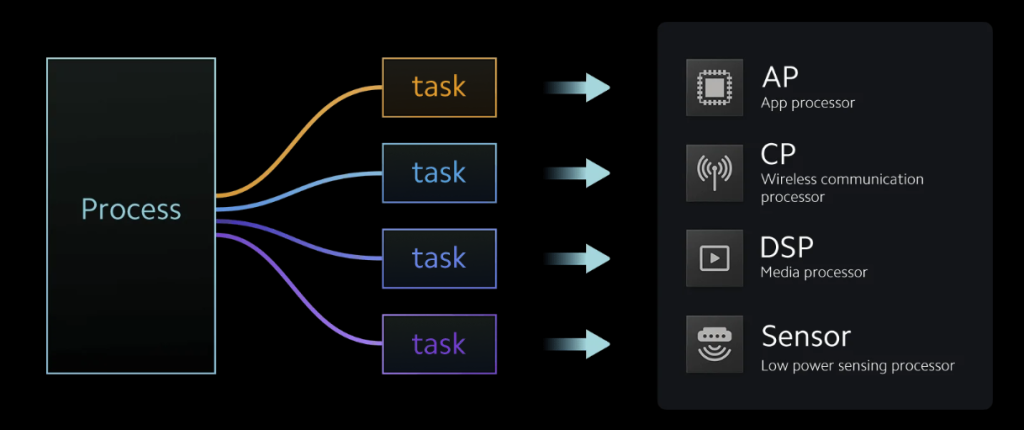
HyperOS is an operating system that is focused on people and was made for a smart ecosystem that includes people, cars, and homes. It advocates complete refactoring to make the most of the hardware capabilities of devices, ensuring smooth performance and effective resource scheduling. HyperOS lets powerful devices do computing faster, gives important tasks quick scheduling, and lets lightweight devices perform flexible distributed computing.
The operating system employs an extremely lightweight file system for continuous performance and reduced storage occupancy. It also enhances OTA upgrades and boasts superior heterogeneous compatibility, supporting various file systems and processor platforms.
HyperOS focuses on an “Alive Design Philosophy” with comfortable, fluid, and diverse graphics subsystem restructuring, enabling high-quality rendering and dynamic visuals. It also focuses on end-to-end security, featuring hardware-level protection, self-developed TEE (Trusted Execution Environment), and strengthened system app security.
HyperOS differs significantly from MIUI as it’s built on AOSP (Android Open Source Project) and Xiaomi’s Vela system, in contrast to MIUI’s reliance on Google’s Android. This change allows it to efficiently run on devices with varying RAM sizes and grants Xiaomi more flexibility in selecting features, free from Google’s service constraints.
Android 14-based HyperOS offers improved performance, faster boot times, and smooth background operations. It’s compatible with a wide range of Xiaomi ecosystem devices, such as smartphones, watches, and TVs, making it a promising choice for those seeking innovative features.
What are the new features of HyperOS?
HyperOS introduces a suite of innovative features:
User Interface Enhancements:
Design Philosophy
HyperOS maintains a similar design to MIUI but offers a more refined and clutter-free interface. It stands out by having fewer pre-installed applications and less bloatware, resulting in a cleaner and more streamlined user experience.
Animation Quality
HyperOS boasts smoother, more refined animations, offering a sophisticated touch compared to MIUI’s more dynamic and whimsical style.
Customization Approach
HyperOS introduces numerous customization options within both system settings and individual apps. For instance, users can now easily extract a portion of an image by tapping on it, allowing them to use it as a sticker or simply copy it.
Additionally, when accessing WiFi or Bluetooth settings via the command center, HyperOS displays a separate tab presenting available devices, mirroring the user-friendly approach seen in iOS. Now the Weather app provides not only essential weather information but also conveys the real feel of the current conditions outside.
HyperOS also introduces a Dynamic Island-like animation for phone charging. It elevates multitasking with improved floating window and split-screen functionalities. Additionally, the lock screen is more customizable, offering various styles and effects for a personalized user experience.
Performance Upgrades:
Storage Efficiency
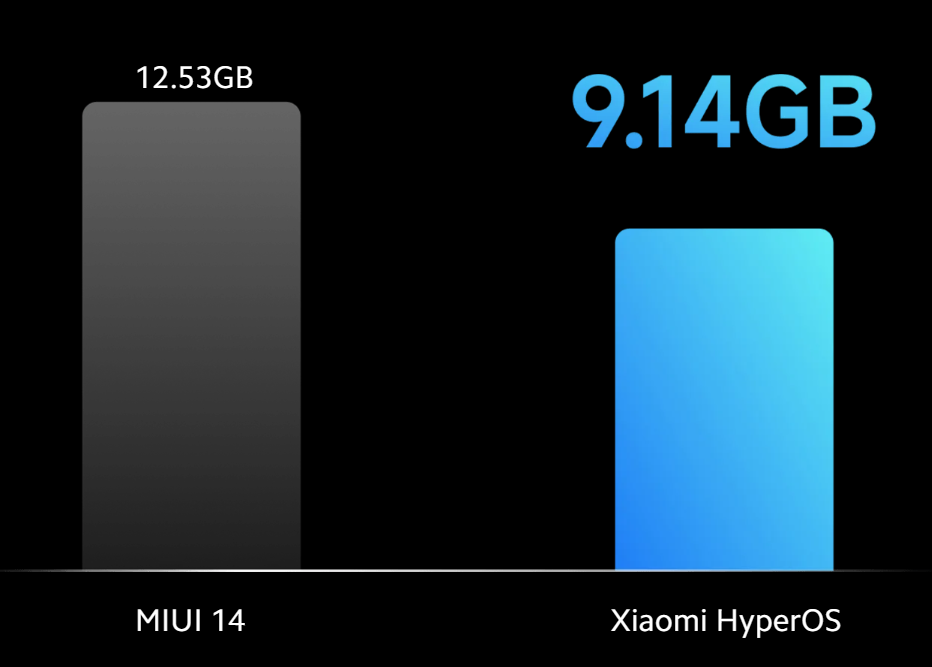
HyperOS is remarkably more storage-efficient than MIUI, using about 30% less space than MIUI 14, which contributes to a smoother and more fluid performance.
Enhanced RAM Management
HyperOS improves RAM utilization, allowing applications to remain active longer and reducing the frequency of app reloads.
Advanced System Operations
HyperOS has optimized resource allocation and power management, potentially extending battery life.
AI-Driven Features:
HyperOS integrates cutting-edge AI capabilities, such as AI-enhanced text recognition from images, advanced speech generation, and intelligent image search.
The operating system enhances device interconnectivity through Xiaomi’s HyperConnect and Hypermind technologies, augmenting the functionality of smartphones, smartwatches, and smart home devices within the Xiaomi ecosystem.
HyperOS supports seamless device switching, remote data, and app access, and offers faster app loading times.
Which Devices Will Get HyperOS Update?
Here is a list of Xiaomi and Redmi smartphones eligible for the HyperOS update:
Xiaomi 11 series, 11T series, 11X series, 11i series, 12 series, 12T series, 12S series, and 13 series are expected to receive the update in the first quarter of 2024
Xiaomi Mix Fold series and Civi series are expected to get the update in the first quarter of 2024
Xiaomi Pad 6 series started receiving the update in January 2024, while the Pad 5 series will get it in the first quarter of 2024
Redmi K40 series, K50 series, K60 series, and 11 series are set to receive the update in the first quarter of 2024
Redmi 11 Prime, 12 series will also get the update in the first quarter of 2024
Surprisingly Redmi 12C started getting the update in January 2024
Redmi Note 13 series is expected to receive the update in the first quarter of 2024
Redmi Pad and Pad SE will get the update in the first quarter of 2024
POCO M6 Pro 5G will also get the update in the first quarter of 2024
POCO C51 and C55 will receive the update in the first quarter of 2024, while various POCO X, F, and M series devices are expected to get the update in the same timeframe
POCO F5 has already got the update in January 2024
Update: Official update timeline for the Indian smartphones:
Xiaomi 13 Pro, Pad 6, Redmi 12 5G, Redmi 12C, Redmi 11 Prime, and Redmi Pad have received the update
Xiaomi 12 Pro, Redmi Note 12 5G, Redmi Note 12 Pro 5G, Redmi Note 12 Pro+ 5G will receive the update in March in India
Mi 11 Ultra, Xiaomi 11T Pro, Mi 11X, 11i HyperCharge, Mi 11 Lite, 11i, Mi 10, Pad 5, Redmi K50i, Redmi 13C series, Redmi 12, Redmi 11 Prime 5G, Redmi Note 11 series will receive the update in Q2 2024
Since there are a lot of devices getting this update we might miss one or two. If your device is not mentioned here I will ask you to research through our news section to get more info.
FAQs: Your Burning Questions Answered
What is HyperOS?
HyperOS is Xiaomi’s latest operating system, based on a fusion of Linux and Xiaomi Vela, featuring a compact firmware size and designed for a human-centric, smart ecosystem.
How do I get HyperOS?
Currently, availability is limited to specific devices with future OTA updates planned for eligible models.
When HyperOS is released in India?
Xiaomi has started to roll out HyperOS in India starting from January 2024. POCO F5 is the first device to receive the update.
Is HyperOS better than MIUI?
It’s subjective. HyperOS prioritizes clean design and performance, while MIUI offers a wider range of features and customizations. Ultimately, the choice depends on your preferences.
Will older Xiaomi phones get HyperOS?
Xiaomi plans to release HyperOS based on Android 13, for older Xiaomi devices in the second quarter of 2024. However, it’s important to note that these devices may not have all the features of the full HyperOS package.
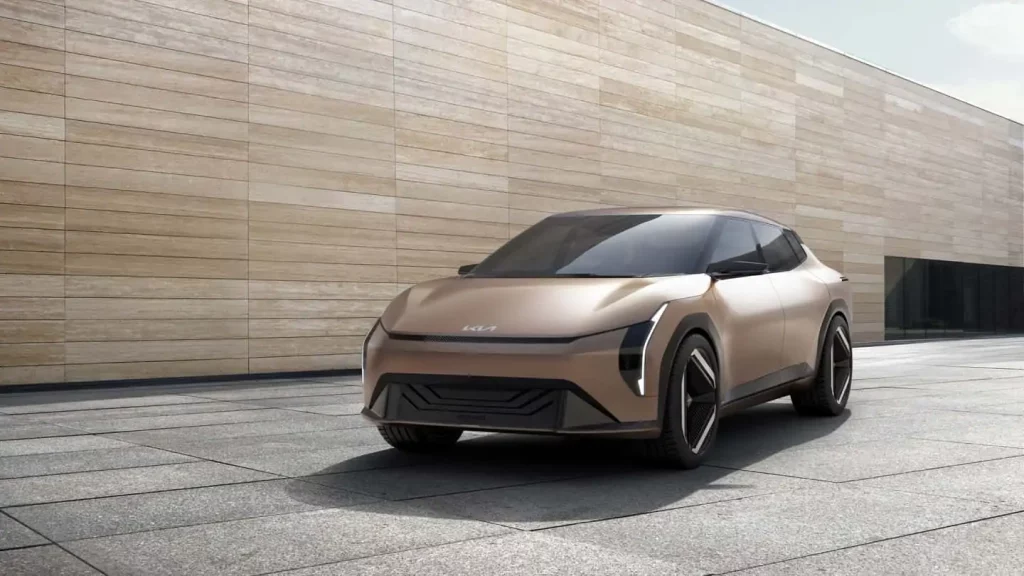
Kia Motors is redefining the compact sedan, merging a traditional design with future-forward SUV elements in its upcoming EV4. Set to enter production in early 2025, the EV4 offers a refreshing take on electric vehicles. The concept, revealed last year, showcases the classic sedan’s three-box design and SUV-like features such as a higher ride height and distinctive wheel arch cladding.
The car will enter production in early 2025
Initially slated for an earlier debut, the EV4’s production has been pushed back by a few months, as reported by The Korean Car Blog. This delay, though not explicitly explained, hints at Kia’s commitment to perfecting the vehicle’s quality. During a recent conference call, Kia’s CFO & Vice President Woo-Jeong Joo emphasized the critical role of electric vehicles like the EV4 in Kia’s future, underlining their strategy to adapt to market shifts over the medium to long term.
Kia’s EV4 is expected to be a game-changer in the electric sedan market, potentially challenging popular models like the Tesla Model 3. Unlike the rear or all-wheel-drive Model 3, the EV4 might feature front-wheel drive. While technical specifics remain under wraps, there’s speculation that it could either utilize the existing E-GMP platform or adopt the new Integrated Modular Architecture (IMA). The latter, an evolution of the E-GMP, could reduce production costs and introduce more affordable battery options.
This electric sedan embodies Kia’s vision of blending the past and the future. The EV4 not only symbolizes a step forward in electric vehicle technology but also represents a unique fusion of sedan comfort and SUV practicality. With the automotive world keenly awaiting its debut, the EV4 could potentially attract a wide range of customers, especially those who appreciate a mix of sedan and a modern SUV design.
As the electric vehicle (EV) market heats up, Chinese automakers partnering with Huawei face an unexpected hurdle. The issue lies with Huawei’s MDC 810 computing unit, essential for advanced driver assistance systems. Changan Auto and Chery Auto, two major players in China‘s EV industry, have felt the brunt of this challenge. Both companies, in collaboration with Huawei, have been forging ahead in the premium EV segment. However, these plans have hit a snag due to the component shortage, causing disruptions in their production schedules. Even smaller carmaker Seres has not been spared, underlining the widespread impact of this issue.
Huawei’s reliability as a supplier is under fire right now
This setback comes at a critical juncture for Huawei. The tech giant is in the midst of spinning off its Intelligent Automotive Solution business and is actively seeking investors. The timing of these production issues could not have been worse, as it raises questions about Huawei’s reliability as a supplier in the highly competitive EV sector.
Among the affected models are Changan’s Avatr 12 sedan and Chery’s Luxeed S7 sedan, both of which had garnered significant customer interest. The delays have forced these companies to offer compensation to their customers, a move that reflects the intense competition in China’s EV market. In such a landscape, even a minor delay can have major implications, not just in terms of financial costs but also in customer trust and brand reputation.
Huawei’s current predicament highlights a broader challenge in the EV industry: the reliance on complex, cutting-edge technologies that can be vulnerable to supply chain disruptions. As automakers race to integrate more intelligent features into their vehicles, similar challenges may become more common.
The ongoing dispute between TikTok and Universal Music Group (UMG) has taken center stage in the music industry. It’s not just about the songs of popular artists like Taylor Swift and Billie Eilish possibly disappearing from TikTok; it’s a larger conversation about the value of music in the digital age.
Popular artists such as Taylor Swift and Billie Eilish can disappear from TikTok
ByteDance, TikTok’s parent company, has accused UMG of prioritizing profit over the interests of artists and songwriters. TikTok argues that UMG is missing out on the promotional benefits offered by its billion-user platform, which serves as a key discovery tool for new talent.
The heart of the matter lies in compensation. UMG claims TikTok’s offer for their new deal is significantly lower than fair market value, highlighting that TikTok’s massive user base and rising ad revenues don’t translate to adequate returns for music creators. UMG emphasizes that despite TikTok’s popularity, it contributes a mere 1% to their total revenue.
The timing couldn’t be more critical, as the existing licensing deal is set to expire soon. TikTok prides itself on having reached favorable agreements with other labels and publishers, but this standoff with UMG could change the dynamics.
Adding another layer to the dispute is the role of artificial intelligence (AI) on TikTok. UMG is concerned about the increasing use of AI-generated content on the platform, suggesting it could dilute the royalties for human artists. TikTok dismisses these claims, defending its use of AI as an enhancement to user experience, not a replacement for artists.
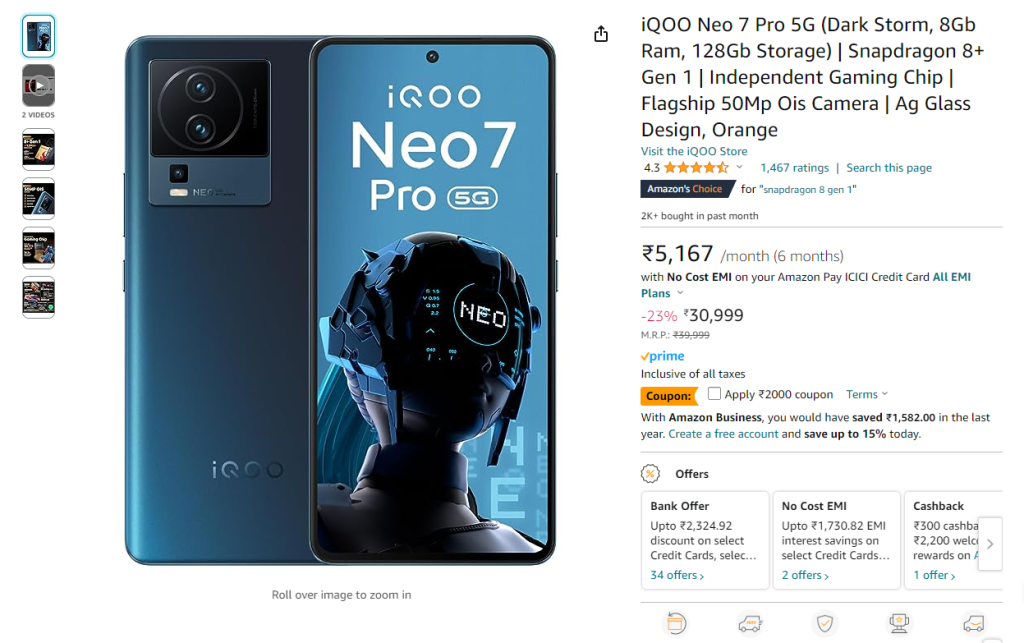
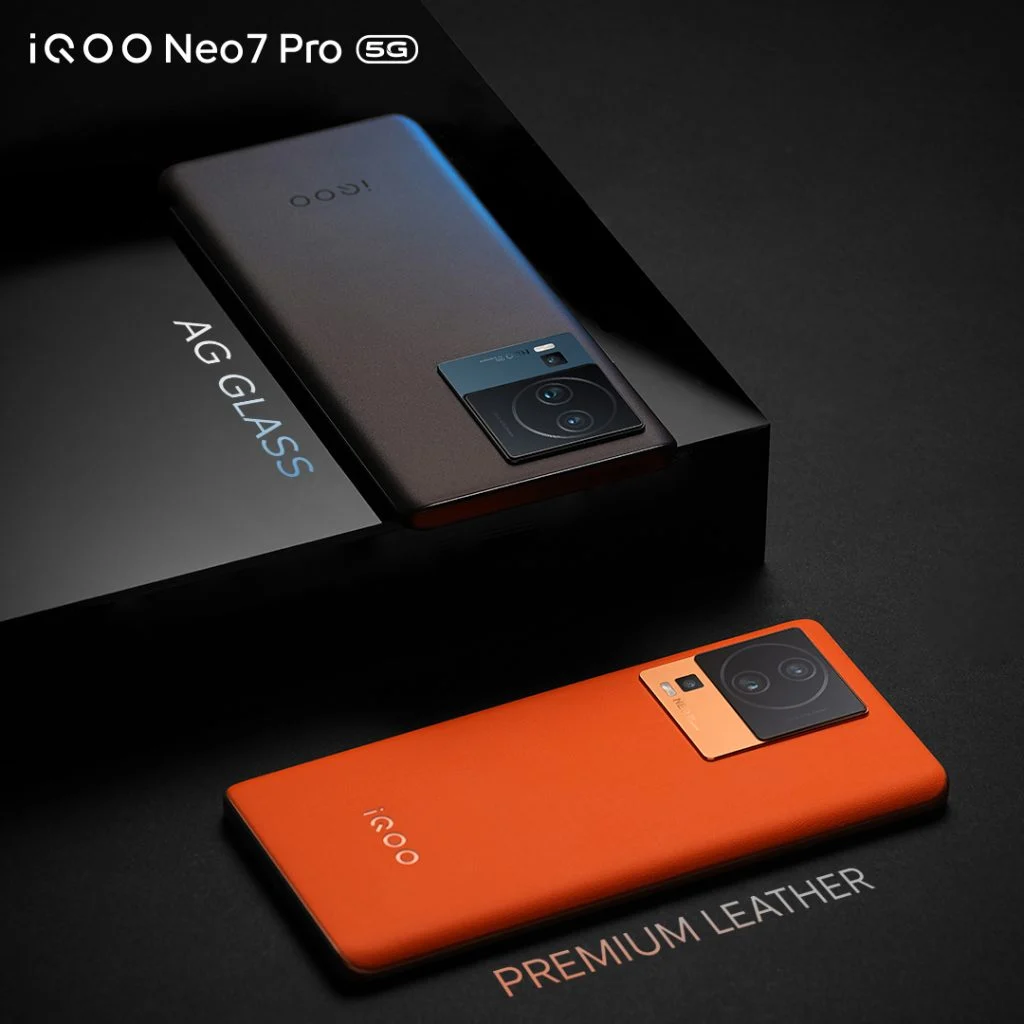
iQOO is gearing up to launch the iQOO Neo 9 Pro on February 22 in India. The performance-focused smartphone will launch with last year’s flagship Snapdragon 8 Gen 2 chipset. Ahead of the launch, the brand has slashed the price of its iQOO Neo 7 Pro model in India by up to Rs. 7,000.
iQOO Neo 7 Pro discount:
The 8/128GB model of the Neo 7 Pro, originally priced at Rs. 34,999, and the 12/256GB variant, initially Rs. 37,999, are now available for Rs. 30,999 and Rs. 33,999, respectively. Additional discounts include a Rs. 2,000 coupon and a Rs. 1,000 card discount for select banks, bringing the effective price down to Rs 27,999 for the 8/128GB variant and Rs 30,999 for the 12/256GB variant. This offer is available on Amazon India.
iQOO Neo 7 Pro specs:
The iQOO Neo 7 Pro boasts a 6.78-inch AMOLED display with Full HD+, 120Hz refresh rate, and 360Hz touch sampling. It runs on a Qualcomm Snapdragon 8+ Gen 1 processor, Adreno 730 GPU, and an independent gaming chip for robust performance. With options for 8GB or 12GB LPDDR5 RAM and 128GB or 256GB UFS 3.1 storage, it runs on FunTouchOS 13, upgradeable to Android 14 and 15.
Snapdragon 8+ Gen 1 Mobile Platform adopts TSMC 4nm Process & has Superior Flagship Grade Performance with LPDDR5 RAM & UFS 3.1 Storage
Please Note: When you buy something using the links in our articles, we may earn a small commission at no cost to you.
The camera setup includes a 50MP primary sensor with OIS, an 8MP ultra-wide lens, and a 2MP macro sensor. Selfies are captured by a 16MP front camera. A 5000mAh battery powers the device with 120W FlashCharge support. Stereo speakers with Hi-Res Audio enhance the audio experience. Security features include an in-display fingerprint scanner, and the device supports dual-SIM, 5G, WiFi 6, Bluetooth 5.2, and GPS.
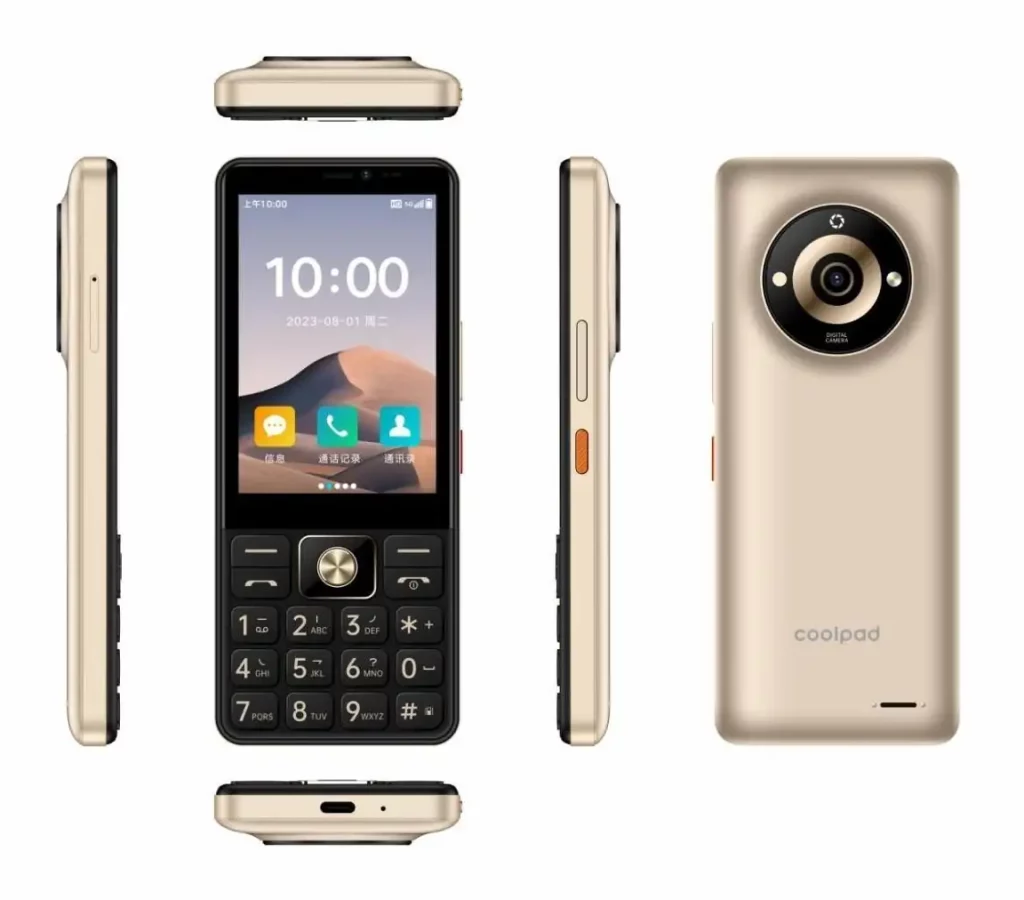
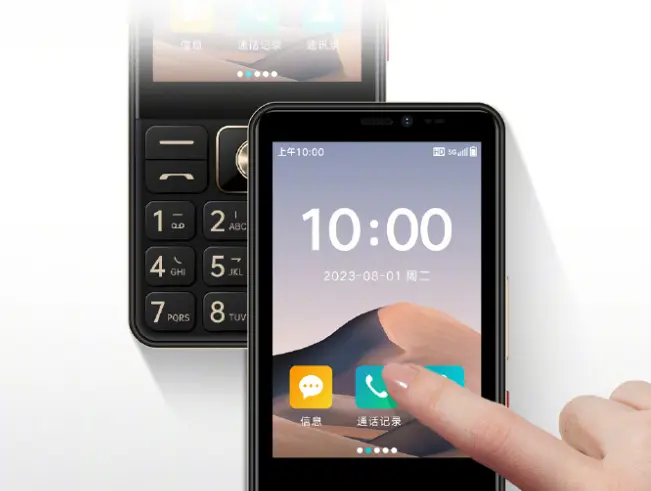
Coolpad has released a new feature mobile phone called the Golden Century Y60. What makes this phone special is that it mixes the 5G with a classic-style keypad. The phone is primarily designed with older people in mind.
Coolpad Golden Century Y60 Specifications:
The Golden Century Y60 stands out with its 3.5-inch touchscreen display and a classic nine-key numeric keypad. The back of the device is Golden while the front is Black. The phone’s dimensions are 146mm in length, 61.5mm in width, and 12.5mm in thickness, and it weighs 176g.
Under the hood, the phone is powered by an octa-core processor and supports 5G connectivity, which ensures fast internet speeds. The operating system is CoolOS 3.0, based on Android, and includes several features tailored for elderly users.
These features include an AI voice assistant, a one-touch SOS emergency button, a flashlight, a loudspeaker, and voice announcements for incoming calls. Users can also switch to a simplified mode, which offers large fonts and icons and amplified volume, making it easier for senior users to navigate and use the phone.
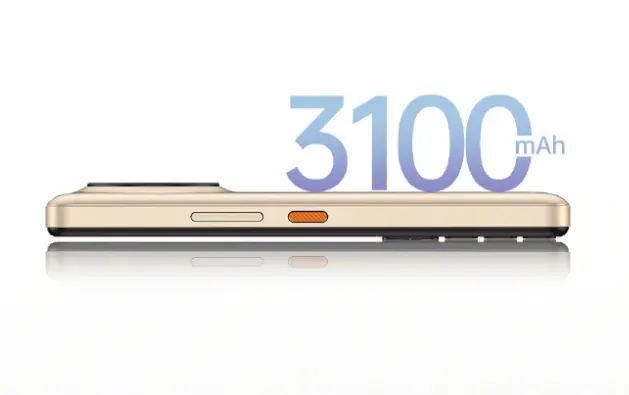
The device comes with a 3100mAh battery providing a standby time of 5-7 days on a full charge, and it charges via a Type-C interface. The phone also features dual cameras (main and front-facing), 3GB of RAM, and 32GB of internal storage. While details about the chipset are not fully disclosed, it’s rumored to be the UniSoC T157, an octa-core chip designed for 5G keypad phones.
Pricing and Availability
The pricing and availability of these phones are uncertain right now. Also, the availability outside China remains uncertain.
When Apple launched the iPhone 15 Pro and touted its AAA gaming capabilities, the company named three such titles as showcases: Resident Evil 4 remake, Assassin’s Creed Mirage, and Death Stranding. After the iOS launch of Resident Evil: Village and Resident Evil 4 Remake were both received well by Critics and Users alike, this month marks the launch of another such game; Death Stranding Director’s Cut.
The vanilla version of the game was originally released for other platforms in 2019 and was an instant hit. The game’s director’s cut edition brings with it new tools and equipment for players to experience, a firing range, racetrack, enhanced melee moves, extra missions, and more stories.
One thing to note is that even though both Resident Evil: Village and Resident Evil 4 came to iOS as a “try before you buy” model which allows you to get a taste of the game and test its performance on your device; a feature much appreciated by customers. This one appears to be buy-upfront only, which might be an issue for some people.
The game is compatible with iPhone 15 Pro and Pro Max along with all Macs and iPads with M-series chips. While the game requires around 70GB of storage space, it is now available with a 50 percent discount offer that is live till the 20th of February pushing the price to $19.99 down from the pre-order price of $39.99 on the App Store.
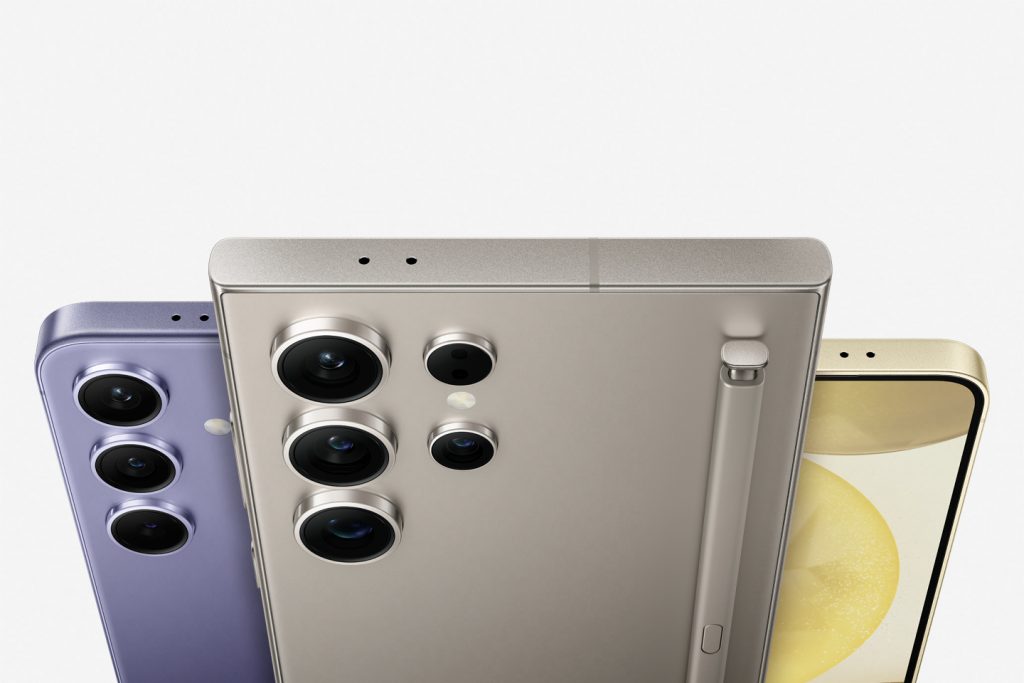
Samsung unveiled the Galaxy S24 series earlier this month. The Galaxy S24 Ultra is the most premium model in the lineup. Notably, it is equipped with a titanium build and also the new Gorilla Armor display. These are the two most striking aspects in the durability department of the smartphone. The device underwent scratch and drop test recently. Now, it has been subjected to an intense durability test courtesy of the popular JerryRigEverything aka Zack Nelson.
Samsung Galaxy S24 Ultra passes durability test
The display on the Samsung Galaxy S24 Ultra is layered with Corning’s latest Gorilla Armor. It is touted to reduce reflections by up to 75 percent and this is visible in the YouTuber’s test when the device is compared with the older Note 10 Plus. Another benefit of the Gorilla Armor is that it is scratch-resistant up to four times compared to previous iterations. As usual, the S24 Ultra gets scratched at level 6 on the Mohs hardness scale. Surprisingly, the deeper grooves appear at level 8 which is the first in the industry.
Samsung has not revealed which grade of titanium it is using for the side frame on the S24 Ultra. In the scrape test, the side frame gets scratched easily same as the iPhone 15 Pro Max. The back panel on the Samsung flagship is also coated with glass and it is resistant to scratches in the durability test. The S-Pen also gets dismantled and snaps easily with even a slight pressure.
In the burn test, the display pixels withstand the flame for 30 seconds before turning White and not recovering fully. The ultrasonic fingerprint scanner works even after getting scratched repeatedly.
Finally, the YouTuber proceeds to the bend test and tries bending the smartphone from both sides with ample pressure. The S24 Ultra suffers a slight flex during the process but it manages to hold its ground. Samsung will be happy with this result since Apple’s iPhone 15 Pro’s back glass cracked immediately in less than 5 seconds of applying pressure.
Samsung launched a new revision of their high-end 970 EVO Plus SSD. The new Samsung SSD 990 EVO offers performance improvements of up to 43% in read and write speeds with sequential reads hitting the 5,000 megabytes-per-second (MB/s) mark and write speeds reaching up to 4,200 MB/s with Random read and write speeds topping at around 700K and 800K input/output operations per second (IOPS) respectively, on the 2TB variant.
This new release also uses the new Host Memory Buffer (HMB) technology allowing the SSD to directly link with the host processor’s DRAM, letting the SSD deliver a consistent user experience without a dedicated DRAM cache. The SSD while being faster is also more power efficient than its predecessor having improved efficiency of up to 70%, making it a good fit for portable devices.
The SSD supports both PCIe 4.0 x4 and PCIe 5.0 x2 interfaces, making it a good fit for current computing needs for PC users along with being a good candidate for a PS5 storage upgrade. Available in both 1TB and 2TB capacity options with the 1TB option going for INR 9999 and the higher capacity 2TB variant going for INR 16,699 ($205). Starting today customers can expect to start seeing this being sold across all leading electronics retail stores and online platforms with a 5-year limited warranty.
OnePlus rolled out a first massive update for the OnePlus 12 earlier today. We also reported the OnePlus TV Q1 getting a surprise Android 11 update yesterday. Now, there’s another good news, this time for the OnePlus Open users. The brand’s first-ever foldable debuted in October last year with pre-installed Android 13 out of the box. Three months later, the device is finally receiving the Android 14 version. The OnePlus Open has received a few updates in recent months focussing on security and performance improvements.
OnePlus Open finally gets stable Android 14 update
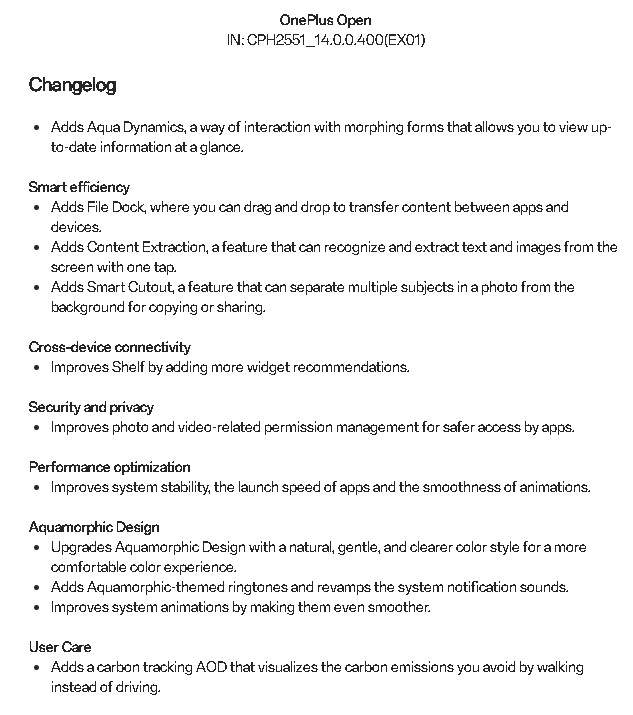
OnePlus on its official community forum revealed that OxygenOS 14 is now seeding to the OnePlus Open. However, it is only rolling out in India. Additionally, the brand says that it is first released to users who participated in the Close Beta and Open Beta versions. The update is currently pushed in a phased manner. Hence, it should take time to arrive on all Open units. OnePlus confirmed that the update will be rolled out via OTA in batches for users in other regions.
The OxygenOS 14-based Android 14 update for the OnePlus Open has a build number CPH2551_14.0.0.400(EX01) in India. To update to the latest version, users need to confirm that their phone is running on a detectable version which is the CPH2551_13.2.0.301. Those who haven’t received the update notification can manually check for it by heading to Settings > About device > Tap up to date > Select icon on the top right > Beta program > Follow the steps to apply > Check for updates
OnePlus cautions that users should ensure that the battery level is above 30 percent and a minimum 5GB storage is available on their OnePlus Open
Extraordinary materials blend the best of both. Titanium alloy, carbon fiber, and more. Built to the hilt with aerospace materials – with no expense spared. TÜV Rheinland “reliable folding” certified to 1,000,000 folds.Extreme durability for more than 100 folds every day – lasting over 10 years.
Dual ProXDR displays Cover Display: 6.31” 2K resolution, Super Fluid AMOLED at 1440 Hz – Shielded by Ceramic Guard Dual-Displays: 7.82” 2K resolution, Flexi-fluid AMOLED 89.6% screen-to-body ratio at 1440 Hz – Shielded by Ultra Thin Glass
Please Note: When you buy something using the links in our articles, we may earn a small commission at no cost to you.
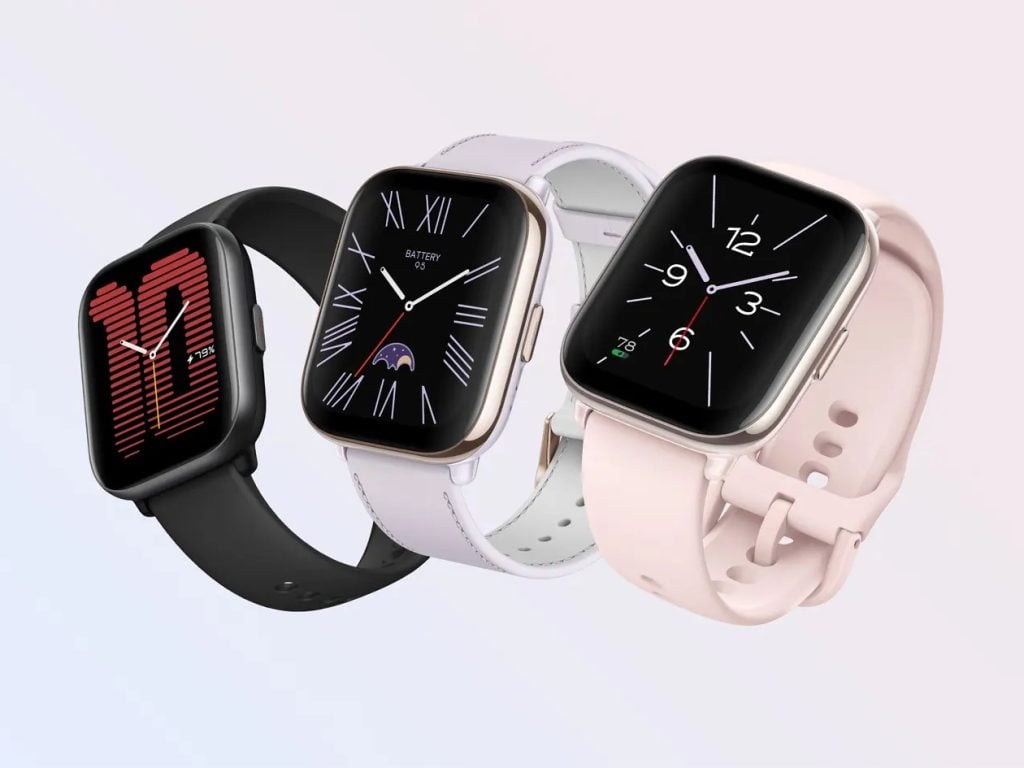
Amazfit has officially announced the introduction of its new smartwatch model, Amazfit Active, in the Indian market. The smartwatch was previously launched globally, along with the Amazfit Active Edge in the global market.
One of the notable features of the Amazfit Active is its AI-powered Zepp Coach. This function provides users with personalized fitness advice, integrating advanced technology into everyday health and fitness activities. Additionally, the smartwatch is noted for its lightweight and stylish design, weighing approximately 24 grams without the straps, which may be attributed to its plastic housing.
In terms of technical specifications, the Amazfit Active boasts a 1.75-inch AMOLED display with a resolution of 450 x 390 pixels. The display features a 73% screen-to-body ratio and a curved finish. The smartwatch is also designed to be 5 ATM water-resistant, enhancing its durability for various activities.
Battery life is a significant aspect of the Amazfit Active. The device is claimed to last up to 14 days on a single charge under normal usage conditions. However, continuous use of the GNSS location feature is likely to reduce the battery life to around 16 hours.
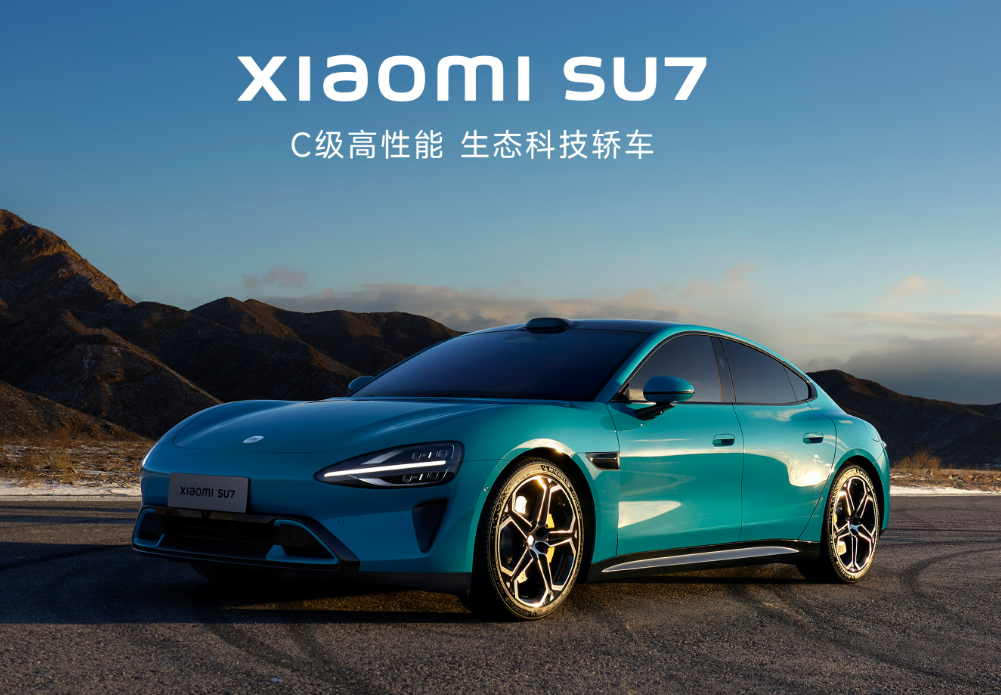
Xiaomi, the Chinese tech giant, is set to revolutionize the electric vehicle (EV) market with its first offering, the SU7 performance sedan. Following the company’s entry into the automotive industry in March 2021 with a substantial RMB 10 billion yuan investment, Xiaomi is ready to kickstart mass production of the SU7 in mid-to-late February, with an expected monthly output of 2,000 units in March.
The SU7, positioned as a direct competitor to Tesla’s Model S, boasts impressive specifications, including acceleration in under 3 seconds and an 800V fast-charging architecture. Despite Xiaomi’s reputation for budget-friendly products, the SU7 is priced competitively in two trims: the SU7 RWD at $35,200 and the SU7 AWD at $55,000. The top trim, equipped with a high-nickel 101 kWh battery from CATL and a powerful 495kW (664 hp) output, is expected to exceed $50,000.
Source: mi.com
The vehicle is built on Xiaomi’s internally developed 800V electric vehicle architecture named Modena, incorporating the advanced Hyper OS for smart functions and connectivity. The SU7 includes self-driving functionality with input from high-resolution cameras, LiDAR, and ultrasonic sensors, showcasing Xiaomi’s commitment to cutting-edge technology in the automotive sector.
Despite the pricing ranging from $35,200 to over $50,000, Xiaomi justifies the cost by highlighting the inclusion of advanced features, high-performance components, and a novel Hypercasting manufacturing method. The company has invested a significant $10 billion in research and development expenses and employed a dedicated team of 3,400 engineers for the SU7’s development.
As Xiaomi faces the challenges of the Chinese New Year holiday, the company anticipates increased communication and adjustment costs. However, with nearly all research and development and validation testing completed before the Start of Production (SOP) stage, Xiaomi aims to overcome challenges efficiently. The SOP phase typically sees monthly production surpassing 2,000 vehicles, marking a crucial transition from R&D to the production department.
Xiaomi’s ambitious plans include completing capacity ramp-up by mid-2024, with monthly production expected to exceed 10,000 units in July 2024. Despite deviating from Xiaomi’s traditional midrange pricing, the SU7’s competitive positioning in the modern EV market reflects the company’s determination to make a significant impact in the automotive industry. Consumers and industry enthusiasts are eagerly waiting for the official launch date.
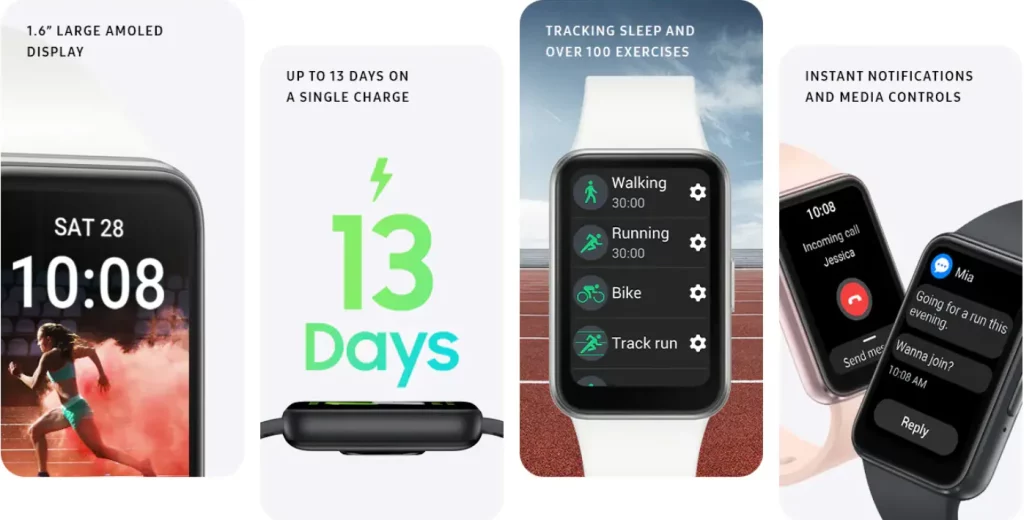
Samsung launched its latest-generation flagship Galaxy S24 series along with its first smart ring called the Galaxy Ring earlier this month. The South Korean brand is reportedly working on a fitness tracker. The Samsung Galaxy Fit 3 has been surfacing in leaks and certification websites since last November. Now, the wearable device was spotted on Samsung’s official website. It was taken down but not before Gadgets and Wearables and Samsung Community took and shared screenshots of the listing.
Samsung Galaxy Fit 3 pre-mature official listing reveals everything
One of Samsung’s regional website accidentally went ahead and published images of the Galaxy Fit 3. The upcoming wearable design has the same rectangular design as seen in the leaked renders. The band has a quick release button mechanism and it is seen in Orange and Black strap options. There is a physical button on the right edge of the device.
As per the specification sheet shared by Samsung Community, the Galaxy Fit 3 will feature a 1.57-inch AMOLED display. It will have an aluminum unibody with IP68 certification and 5ATM water resistance. The tracker will tip the scales at 18.5 grams. The display itself is a big upgrade compared to the Galaxy Fit 2 that debuted way back in 2020.
On the fitness front, the Samsung Galaxy Fit 3 will be equipped with an optical heart rate sensor, sleep tracking, light sensor, and fall detection. It will pack support for more than 100 exercise modes. However, the wearable device will lack a built-in GPS, speaker, and an NFC.
The leak also reveals that the Samsung Galaxy Fit 3 will be backed by up to 13 days of battery life. It will offer convenient features like notifications, music playback, camera control, find my phone, and more.
Now, only the pricing of the Samsung Galaxy Fit 3 remains under wraps. It is rumored to cost around the $80 mark. With today’s accidental listing, the wearable device could likely launch very soon.
Samsung Electronics recently announced the Galaxy S24 series in the Indian market. Now, the flagship smartphones are listed for purchase via the brand’s official website, which brings some exclusive color options as well as special launch offers. So here are all the details.
Samsung Galaxy S24 Series Official Sale & Exclusive Colors
To recall, the South Korean tech giant unveiled the Galaxy S24, Galaxy S24+, and Galaxy S24 Ultra across the globe earlier this month. Its first sale was set to kick off on 31st January 2024 in India, with pre-orders going live soon after the announcement. However, the company saw a sizeable booking of over 250,000 pre-orders in just three days. Following this, the sale of the Galaxy S24 series began via Amazon and Blinkit.
The base Galaxy S24 has a starting price tag of 79,999 INR. Meanwhile, the Galaxy S24+ and Galaxy S24 Ultra start from 109,999 INR and 129,999 INR respectively. These prices are also reflected on Samsung’s official website in India. However, a major difference between the Amazon and Samsung India website listings is the exclusive color options. There are a few variants that can only be found on the official website.
Samsung’s Galaxy S24 and Galaxy S24+ are available for purchase in special edition colors, which include the Sapphire Blue and Jade Green options. On the other hand, the Galaxy S24 Ultra is listed in special edition Titanium Blue and Titanium Green variants as well. For those unaware, the Galaxy S24 is being sold on Amazon in Amber Yellow, Cobalt Violet, and Onyx Black, while the Galaxy S24+ is offered in Cobalt Yellow and Onyx Black. Lastly, the Ultra comes in Titanium Gray, Titanium Violet, and Titanium Black.
Meet Galaxy S24 Ultra, the ultimate form of Galaxy Ultra with a new titanium exterior and a 17.25cm (6.8″) flat display. It’s an absolute marvel of design.
Please Note: When you buy something using the links in our articles, we may earn a small commission at no cost to you.
We use cookies on our website to give you the most relevant experience by remembering your preferences and repeat visits. By clicking “Accept”, you consent to the use of ALL the cookies.
This website uses cookies to improve your experience while you navigate through the website. Out of these, the cookies that are categorized as necessary are stored on your browser as they are essential for the working of basic functionalities of the website. We also use third-party cookies that help us analyze and understand how you use this website. These cookies will be stored in your browser only with your consent. You also have the option to opt-out of these cookies. But opting out of some of these cookies may affect your browsing experience.
Necessary cookies are absolutely essential for the website to function properly. This category only includes cookies that ensures basic functionalities and security features of the website. These cookies do not store any personal information.
Any cookies that may not be particularly necessary for the website to function and is used specifically to collect user personal data via analytics, ads, other embedded contents are termed as non-necessary cookies. It is mandatory to procure user consent prior to running these cookies on your website.