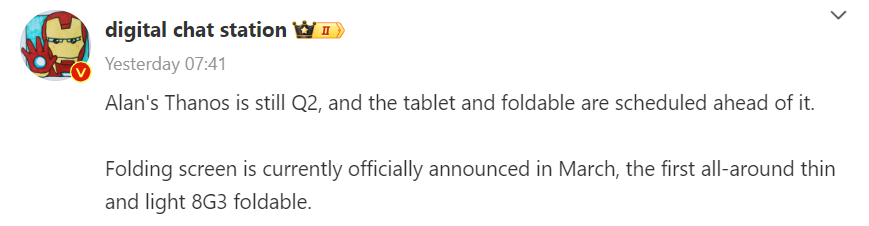
Smartphone brands are expected to launch new devices after the upcoming Chinese Spring Festival vacation. Vivo, too, is expected to launch a couple of new devices in the first half of this year. A recent leak by tipster Digital Chat Station has revealed the launch timeframes of the upcoming devices, such as the Vivo X Fold 3 series and the X100 Ultra.
Vivo X Fold 3
Vivo X Fold 3, VIvo Pad 3, Vivo X100 Ultra leak by DCS
A recent Weibo post by tipster Digital Chat Station revealed Vivo’s foldable phone and tablet will launch in March. He seems to be talking about the Vivo X Fold 3 series and the Vivo Pad 3.
As per reports, the Vivo X Fold 3 and X Fold 3 Pro will come equipped with the Snapdragon 8 Gen 2 and Snapdragon 8 Gen 3 chipsets, respectively. The former is expected to arrive as an affordable foldable phone, while the Pro variant is likely to feature exclusive features, such as an ultrasonic in-display fingerprint sensor, wireless charging, and a 64-megapixel periscope telephoto camera.
The Vivo Pad 3 is expected to feature the Dimensity 9300 chipset. Some reports have revealed that the tablet will offer a 13-inch display that offers a 3K resolution and 80W charging support.
Vivo X100 Ultra
The leak suggests that the Vivo X100 Ultra will debut after the Vivo X Fold 3 and Pad 3, indicating that it will break cover in the second quarter of the year. Hence, it appears that the X100 Ultra will be announced in April or May. Reports have claimed that the device will arrive with the Samsung E7 AMOLED display, the Snapdragon 8 Gen 3 chipset, and a quad-camera setup headlined by a 50-megapixel LYT-900 main camera. It will have a 5,000mAh battery that supports 100W charging and 50W wireless charging.
Infinix is offering the Infini Smart 8 and the Smart 8 HD smartphones in India. The brand recently listed the Smart 8 Pro on its global website without mentioning its price or availability. Now the brand has taken off covers from yet another Smart 8-series phone called the Smart 8 Plus. Here is a look at what the Plus variant offers.
Infinix Smart 8 Plus specifications and features
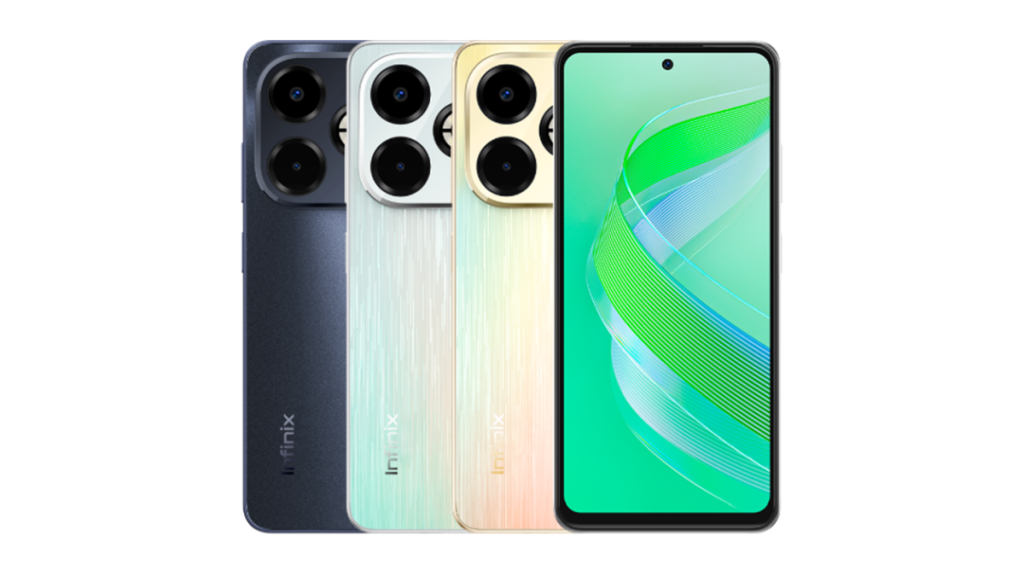
Infinix Smart 8 Plus
The Infinix Smart 8 Plus has a 6.6-inch IPS LCD panel with a punch-hole aligned at the center. It offers an HD+ resolution of 720 x 1612 pixels, a 20:9 aspect ratio, a 90Hz refresh rate, and up to 500 nits of brightness. On the front, the device is equipped with an 8-megapixel selfie camera, and its back panel has a 50-megapixel main camera, an AI lens, and a quad-LED flash.
The Helio G36 chip is present at the helm of the Smart 8 Plus. The device offers 4 GB of LPDDR4x RAM and 64 GB / 128 GB of storage. For more storage, it has a microSD card slot for additional storage. The device comes preloaded with XOS 13-based Android 13 Go, and it is equipped with a side-facing fingerprint sensor for security.
The Smart 8 Plus has a 6,000mAh battery with 18W charging via a USB-C port. The device offers other features, such as dual SIM, 4G VoLTE, Wi-Fi 802.11ac, Bluetooth, and a 3.5mm audio jack. The Smart 8 Plus measures 163.65 x 75.7 x 8.95mm and weighs 204 grams.
Infinix Smart 8 price and availability
Infinix is yet to confirm the price and availability of the Smart 8 Plus. As far as color variants are concerned, the Smart 8 Plus will be available in four shades, such as Timber Black, Galaxy White, and Shiny Gold.
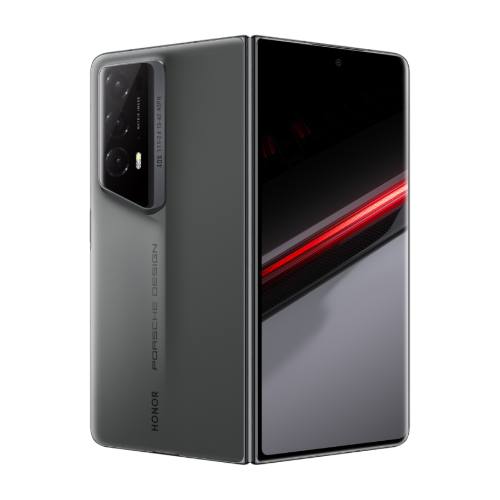
Honor recently hosted a launch event in Europe to unveil the Honor Magic V2 foldable smartphone. In conjunction with the Magic V2 debut, the brand has also announced the Honor Magic V2 RSR Porsche Design, a special edition foldable device featuring an upgraded SoC.
The Honor Magic V2 RSR Porsche Design was initially released in the Chinese market on January 11. Available in Porsche Agate Grey, this special edition smartphone integrates Porsche’s distinctive “Flyline” design, reflecting the characteristic slope of its cars’ rooflines towards the rear. Regrettably, the company has not disclosed specific pricing details or provided a precise release date for the device.
Honor Magic V2 RSR Porsche Design specs
The Honor Magic V2 RSR Porsche Design is equipped with the Snapdragon 8 Gen 2 chipset and operates on MagicOS 7.2, based on Android 13. It provides a single storage configuration, featuring an impressive 16GB of RAM and a generous 1TB of internal storage.
In terms of its display, the device boasts a 7.92-inch LTPO OLED foldable inner screen with a resolution of 2156 x 2344 pixels and a 120Hz refresh rate. Additionally, it incorporates a 6.43-inch LTPO OLED cover display with a resolution of 1060 x 2376 pixels and the same 120Hz refresh rate.
The camera capabilities of this model include a 50MP primary camera, accompanied by a 20MP telephoto lens and a 50MP ultrawide lens on the rear. For selfies, a 16MP front camera is available. Powering the device is a 5000mAh battery, supporting 66W wired charging and 5W reverse wired charging.
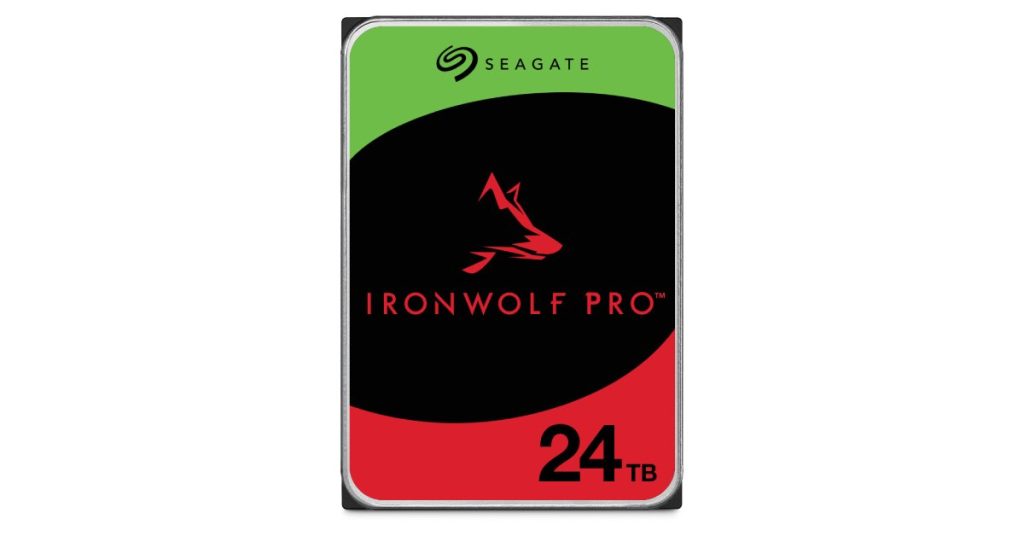
Seagate Technology, a renowned provider of storage solutions, has recently introduced the IronWolf Pro hard drives, targeting small to medium businesses (SMBs) and enterprises.
The new hard drive is specifically designed to deliver consistent performance for network-attached storage (NAS) systems.
NAS units function as centralized data hubs, facilitating easy file sharing and backup for multiple users and devices. However, these storage hubs require specialized hardware to handle demanding workloads and maintain reliable performance – a need addressed by the IronWolf Pro 24TB.
Featuring Seagate AgileArray technology, this hard drive is optimized for NAS systems, ensuring top-notch performance in multi-bin systems. The dual-plane balancing and time-limited failure recovery (TLER) technology contribute to its best-in-class performance.
Additionally, the hard drive comes with a built-in rotational vibration (RV) sensor, combined with dual-plane balance which effectively mitigates vibration issues, ensuring consistent high performance and reliability.
The hard drive also has an IronWolf Health Management system that further enhances data protection by offering preventive, intervention, and recovery recommendations for system health on compatible NAS systems.
The IronWolf Pro series comes in storage capacity ranging from 2TB to 24TB. All the storage variants have a transfer rate of 285MB/s, support a workload of up to 550TB/year, and feature a mean time between failures (MTBF) of 2.5 million hours.
The Seagate IronWolf Pro 24TB variant is competitively priced at US$649 (approximately RMB 4,652) and is already available in the market. Seagate is providing a five-year limited warranty, three years of free Rescue Data Recovery Services, and an IronWolf Health Management system with this product.
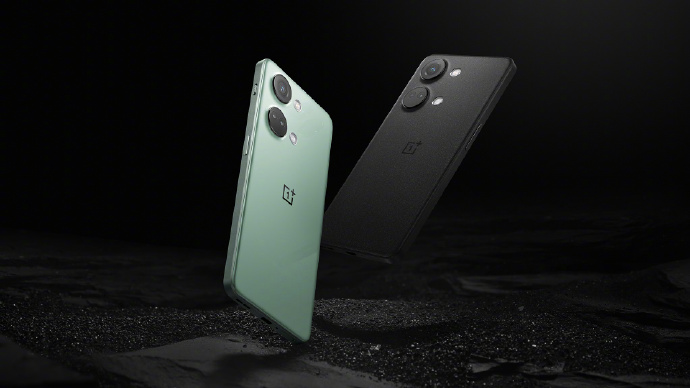
Last year, OnePlus launched three Ace-branded smartphones in China. The Ace 2 debuted in February, followed by the Ace 2V in March, and the second half of the year saw the arrival of the Ace 2 Pro. The company is likely to stick with the same release strategy for the Ace 3 series this year. The brand has already launched the Snapdragon 8 Gen 2-powered OnePlus Ace 3 earlier this month in China. Going forward, the brand is expected to release the Ace 3V and Ace 3 Pro, probably in the first and second halves of the year, respectively. A new leak that has surfaced on Weibo has revealed the key specifications of the Ace 3V.
OnePlus Ace 3V specifications (rumored)
OnePlus Ace 2V
According to a Chinese leaker, the OnePlus Ace 3V will feature an OLED screen that offers a 1.5K resolution and a 120Hz refresh rate. The Snapdragon 7 Gen 3 chip will be present under the hood of the device.
It will draw power from a 5,500mAh battery and support 100W charging. In addition, the device will be equipped with a plastic frame and a glass back. There is a possibility that there could be flat and curved-edge screen variants of the device.
The leak has no information on the camera, storage, or RAM of the Ace 3V. Therefore, it is advisable to wait for further reports to know these details.
Last year, the Ace 2V remained exclusive to the Chinese market, but it was rebranded as the OnePlus Nord 3 globally. Hence, it is likely that the Ace 3V may get repackaged as the OnePlus Nord 4 or Nord 5 in the global market.
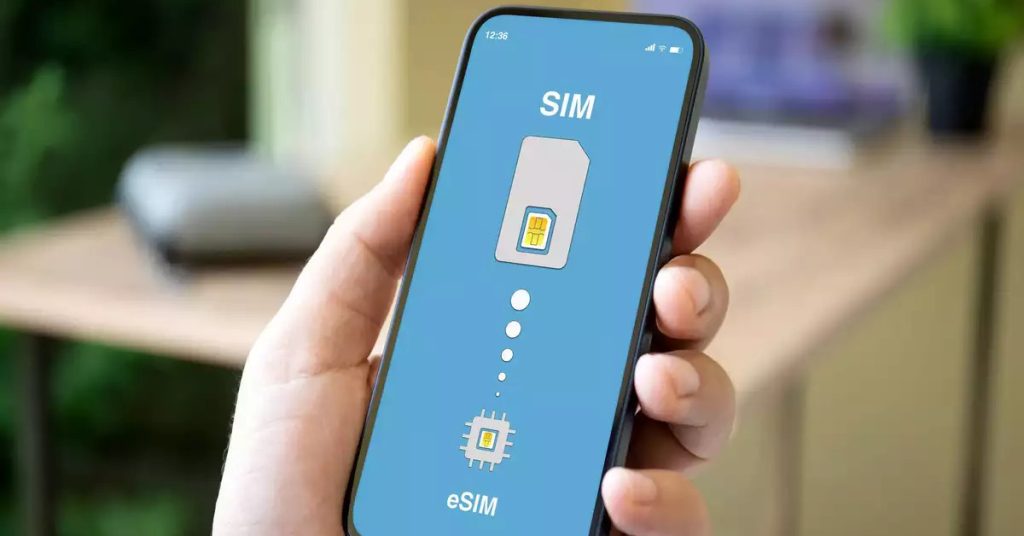
The shift from physical SIM cards to eSIMs is gradually gaining momentum. eSIMs, which are integrated into your device, offer potential security advantages.
Nevertheless, moving eSIM profiles between devices can still be a bit of a hassle, often requiring carrier assistance or new SIMs. A recent development involving Samsung and Pixel devices hints at a simpler approach.
The tool will allow users to securely and quickly move their mobile plans to new devices without the need for physical SIMs.
Although Google didn’t provide specifics or a launch date, users setting up their Pixel 8 devices noticed its practical implementation as early as October last year. Looks like the tool have now started becoming more widely available.
Recently, a user setting up their brand-new Galaxy S24 Ultra using Samsung’s SIM transfer tool encountered a new eSIM transfer option during the setup process.
According to the user, a pop-up appeared on their nearby LG V60 ThinQ, allowing them to transfer their SIM to the Galaxy S24 Ultra by scanning a QR code.
Samsung had previously introduced its own eSIM transfer tool within One UI 5.1, but it was limited only to Galaxy devices. The recent development, however, suggests that the eSIM transfer feature for Android is getting wider compatibility across brands and models in the future.
While there are no reports from other brands using this feature, it’s not surprising that Samsung is among the first to adopt it. After all, Samsung and Google have been building a strong partnership recently.
However, it’s important to note that, at present, T-Mobile is the only carrier confirmed to support this eSIM transfer functionality in the US. Although the growing interest suggests wider adoption by other carriers may be on the horizon, it’s still too early to confirm definitively.
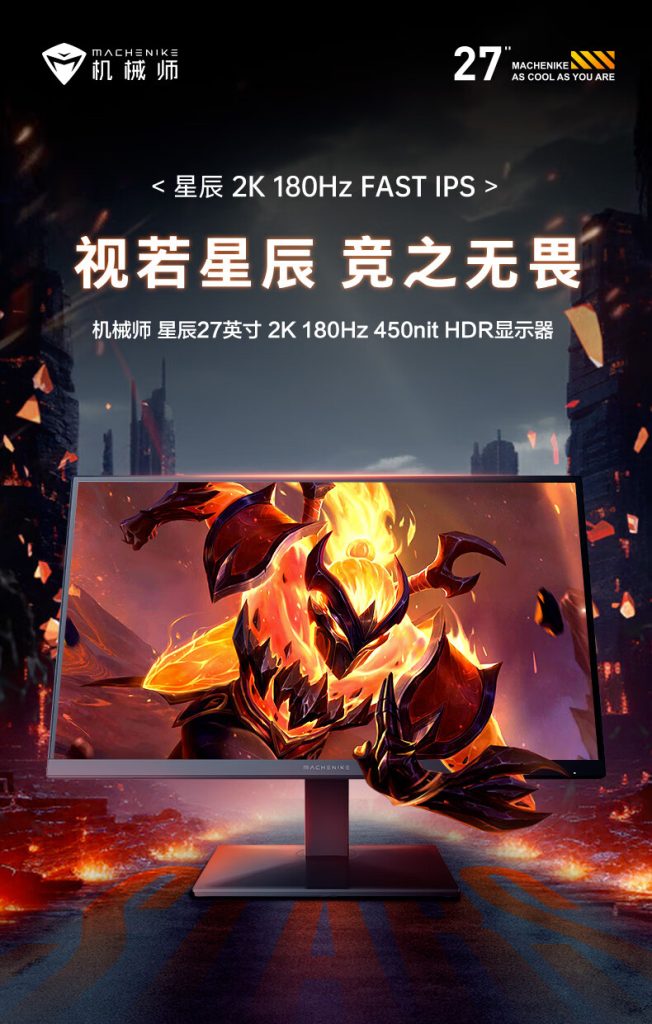
Machenike has introduced the Starlight MZQ27F180 gaming monitor, a new entrant in the market that combines high performance with affordability, priced at 899 Yuan ($126). This monitor, now open for pre-orders, is set to start sales from February 2nd.
Machenike Starlight MZQ27F180 Specifications:
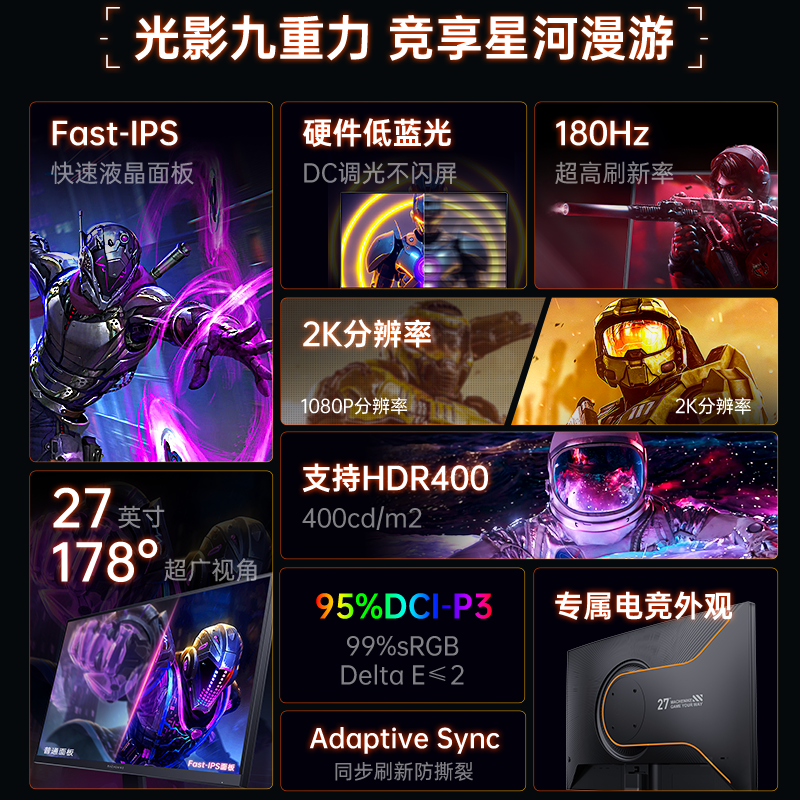
Starlight MZQ27F180 boasts a 27-inch Fast-IPS panel, offering a wide 178° viewing angle. It has a resolution of 2560 x 1440 (2K), making it suitable for detailed and sharp imagery.
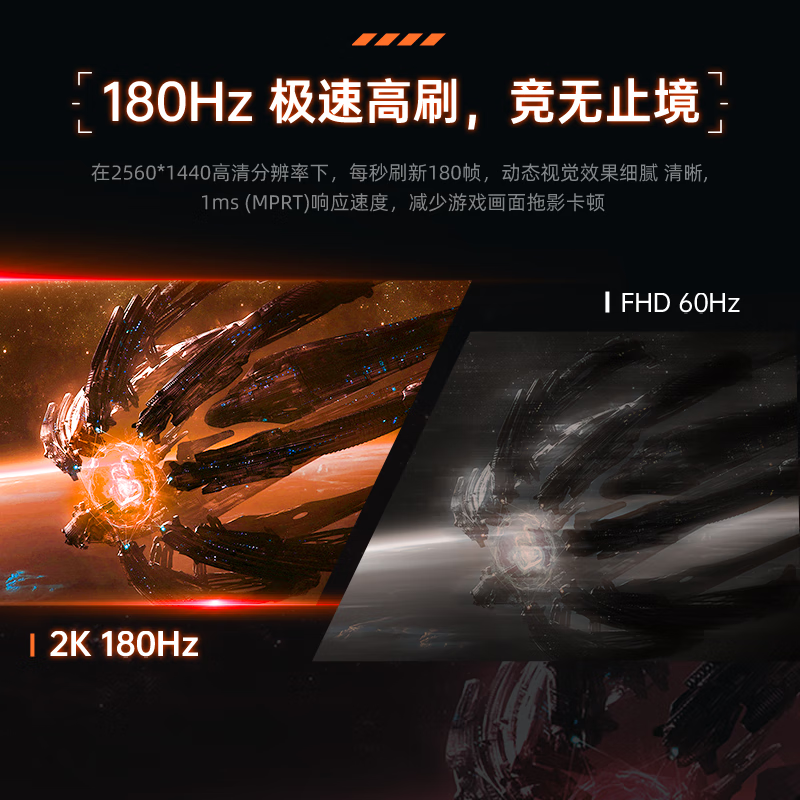
The monitor stands out with its high refresh rate of 180Hz when overclocked, coupled with a rapid 1ms (MPRT) response time. This feature set is particularly appealing to gamers and professionals who require smooth and precise visuals.
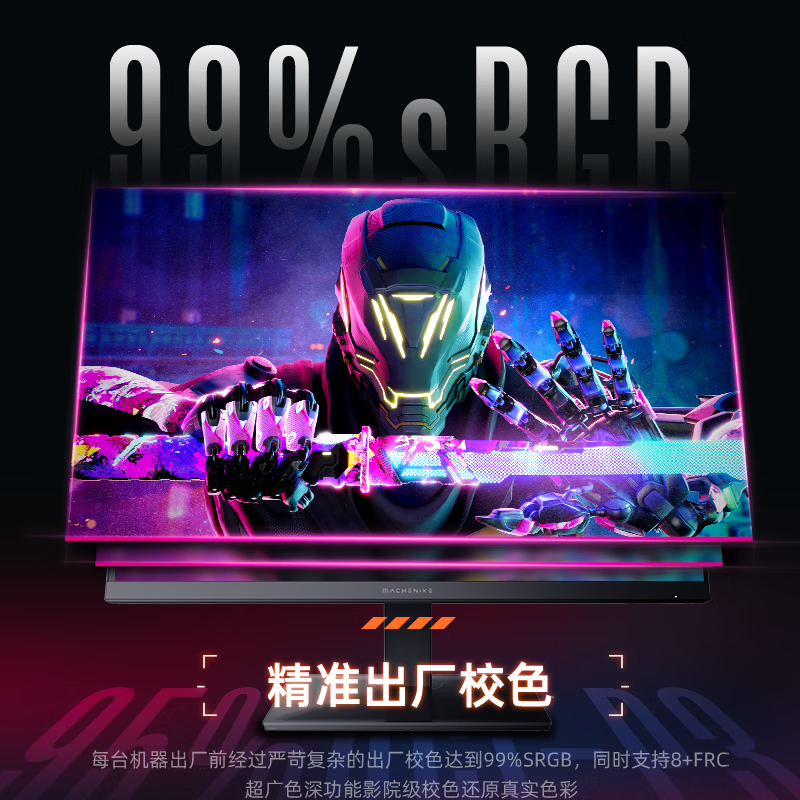
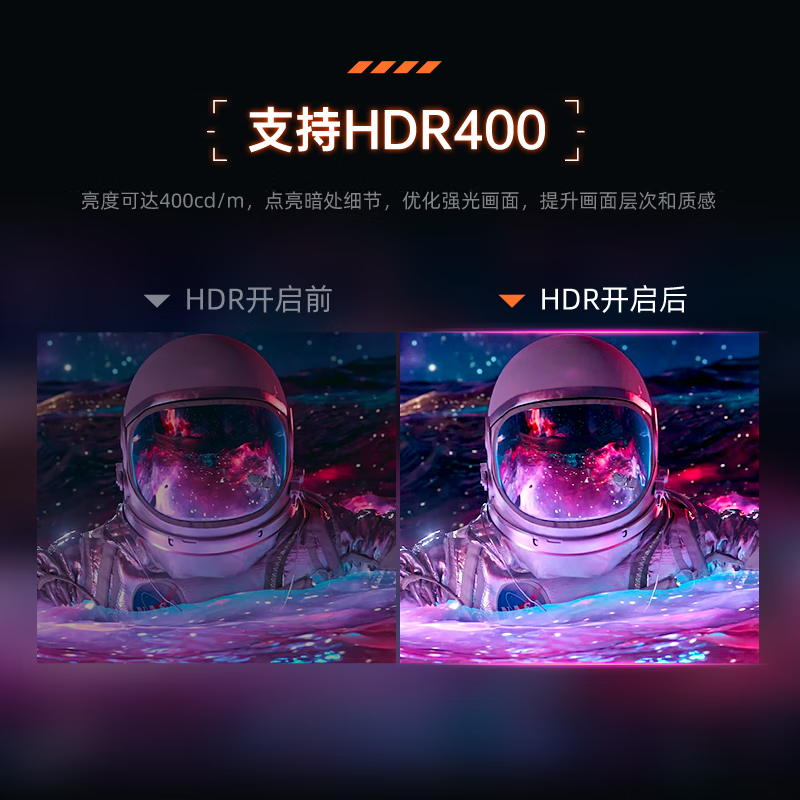
The monitor features HDR400 support for improved image depth and texture. It offers outstanding color performance, with 99% sRGB and 95% DCI-P3 coverage, ensuring vivid and precise colors, along with a Delta E value of ≤2 for high color accuracy. It also features a static contrast ratio of 1000:1 and a peak brightness of 450 nits in HDR mode, ensuring clear and dynamic visuals even in varying lighting conditions.
Furthermore, the monitor prioritizes user comfort and eye safety with hardware-based low blue light reduction and DC dimming technology, reducing strain during prolonged usage.
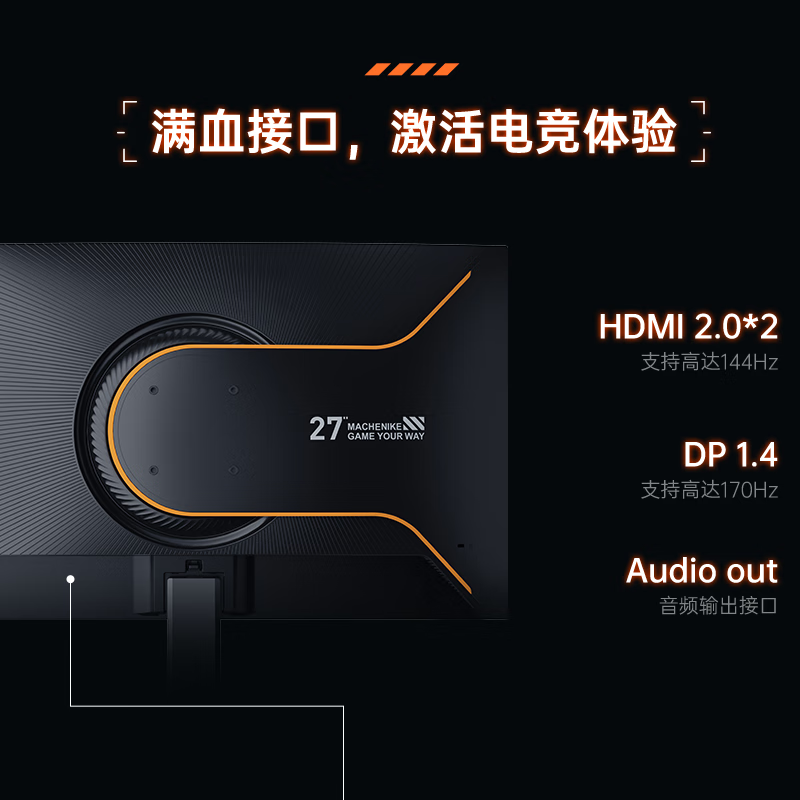
For connectivity, the Starlight MZQ27F180 is well-equipped with two HDMI 2.0 ports that support up to 144Hz, one DP 1.4 port supporting up to 170Hz, and an audio output port. This range of ports allows for versatile connection options for various devices and gaming consoles.
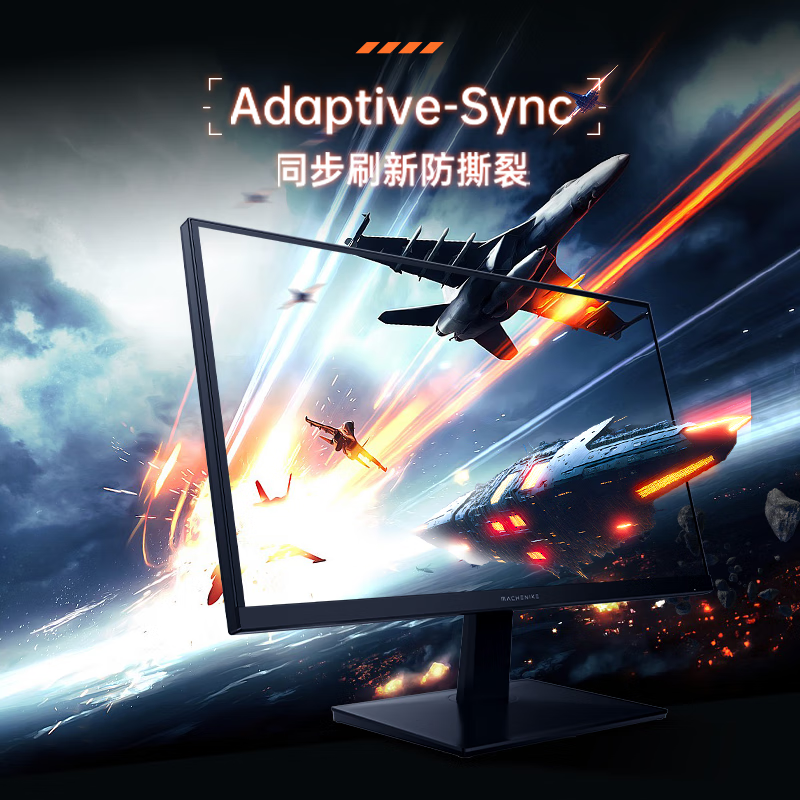
The Adaptive-Sync technology is another highlight, synchronizing the refresh rate between the graphics card and the monitor. This technology helps in reducing screen tearing and stuttering, delivering a smoother visual experience.
Machenike assures a robust after-sales service with its “Efficiency 100” system. This includes a lifetime online technical consultation, a 7-day no-reason return and exchange policy, and a 3-year free on-site hardware repair for hardware failures. The monitor comes with a three-year on-site after-sales service warranty, further adding to the value proposition of this product.
Last week, Machenike introduced several new laptops, including the Sugon 16 Air Core Edition, Dawn 15, and Dawn 16 models. These laptops are powered by processors with up to Core i7-13650HX and feature RTX 4070 graphics, offering high-performance computing and gaming capabilities.
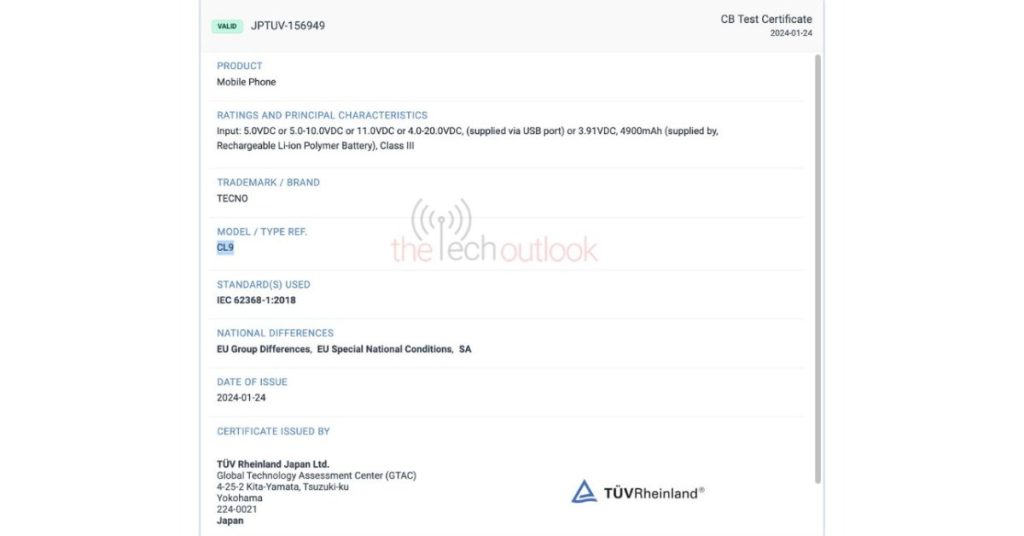
The upcoming smartphone has already made appearances on certification platforms like EEC, Bluetooth SIG, and Geekbench. The latest development now comes from the TUV certification website.
TUV certification for the Camon 30 Premier reveals a sizeable 4900 mAh battery. While the presence of a USB-C port for charging is confirmed, details on charging speed remain unknown. Besides this, there’s not much TUV certification revealed at the moment.
However, if we go by previous certification data, the Camon 30 Premier will come with a MediaTek Dimensity 8200 processor and will be paired with 12GB of RAM. The company might, however, offer other RAM configurations during the launch.
The Geekbench listing shows the phone scoring 529 points in the single-core test and 1355 points in the multi-core test. The device showed up on Geekbench with Android 13 OS, but Tecno could likely launch the smartphone with Android 14 out of the box.
That’s because the Camon 20 Premier was the first non-Pixel smartphone to receive an Android 14 OS update back in October. So naturally, we can expect its successor to come with the latest operating system already installed.
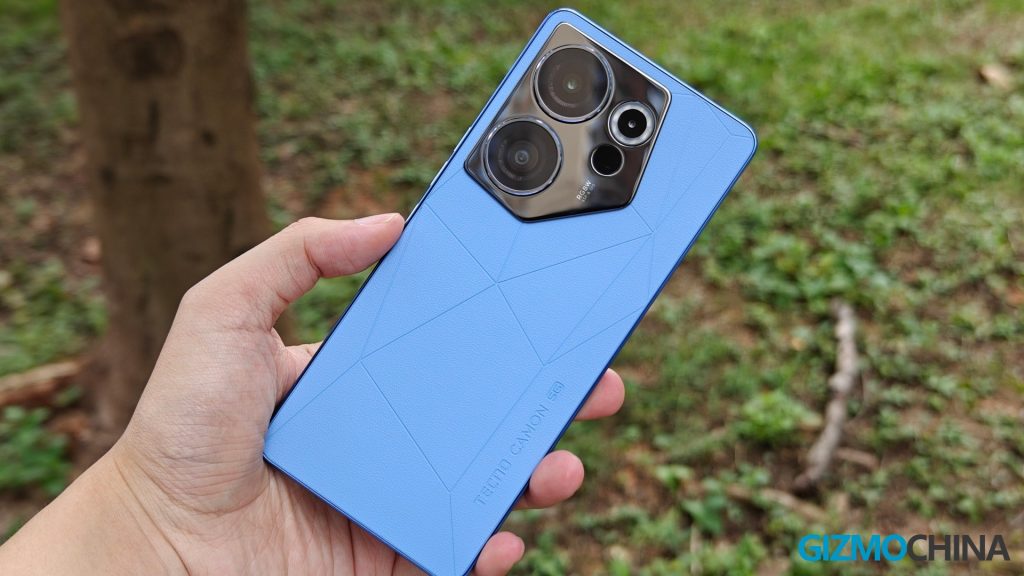
Tecno Canon 20 Premier.
Likewise, the phone will come with Bluetooth 5.3 support for connectivity as revealed by the Bluetooth SIG certification.
While Tecno has yet to announce an official launch date, these certifications suggest the Camon 30 Premier’s release could be drawing closer. We can expect more details about its complete specs and launch timeline in the near future.
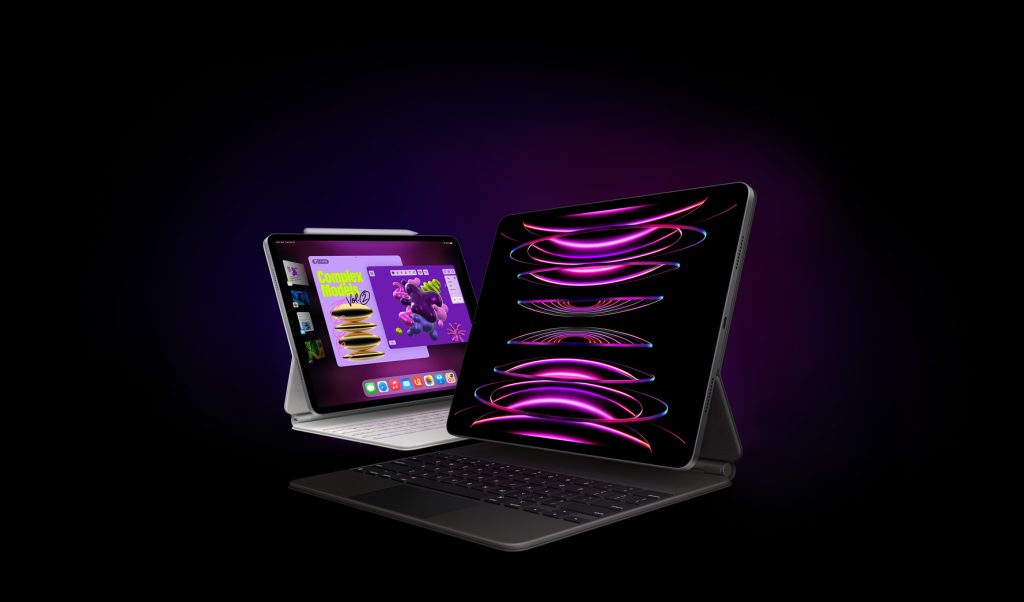
Apple recently released iOS 17.4 beta, introducing a notable change in line with the European Union’s Digital Markets Act (DMA). This update, exclusive to EU users, allows for sideloading, a process where users can download and install apps from sources outside the official App Store. However, this feature is currently limited to iPhones only, excluding iPads from this flexibility.
No Sideloading for EU iPad Users
The distinction between iPhones and iPads in this context is significant. Despite iPadOS and iOS sharing a similar foundation, Apple has chosen to restrict sideloading and related features to the iPhone. This means that iPad users cannot install third-party app stores or download apps from them. Additionally, options like selecting alternative browser engines or changing the default wallet payment app are confined to the iPhone.
The EU’s DMA plays a pivotal role in this development. It targets major tech platforms, referring to them as “gatekeepers,” and aims to foster a more competitive market by reducing restrictions. Under this act, iOS is categorized as a “gatekeeper” platform, necessitating these changes. Interestingly, the EU views iPadOS as a separate entity from iOS, which might explain Apple’s decision to limit sideloading to iPhones.
Alongside these changes, the Act also impacts Apple’s App Store, another “gatekeeper” service. To align with the EU regulations, Apple has adjusted its commission structure. Initially, developers are charged a 17% commission, which reduces to 10% after a year for most developers and subscribers. These revised commission rates apply to the App Store across all Apple devices, including the iPad.
Apple’s selective implementation of the DMA raises crucial questions about the future of app distribution and user freedom. While iPhone users in the EU gain some long-awaited flexibility, iPad users are left behind, feeling the sting of being treated as second-class citizens within the same ecosystem.
The coming months will likely see ongoing debates and legal challenges as regulators and users scrutinize Apple’s interpretation of the DMA and its impact on a fair and competitive app market.
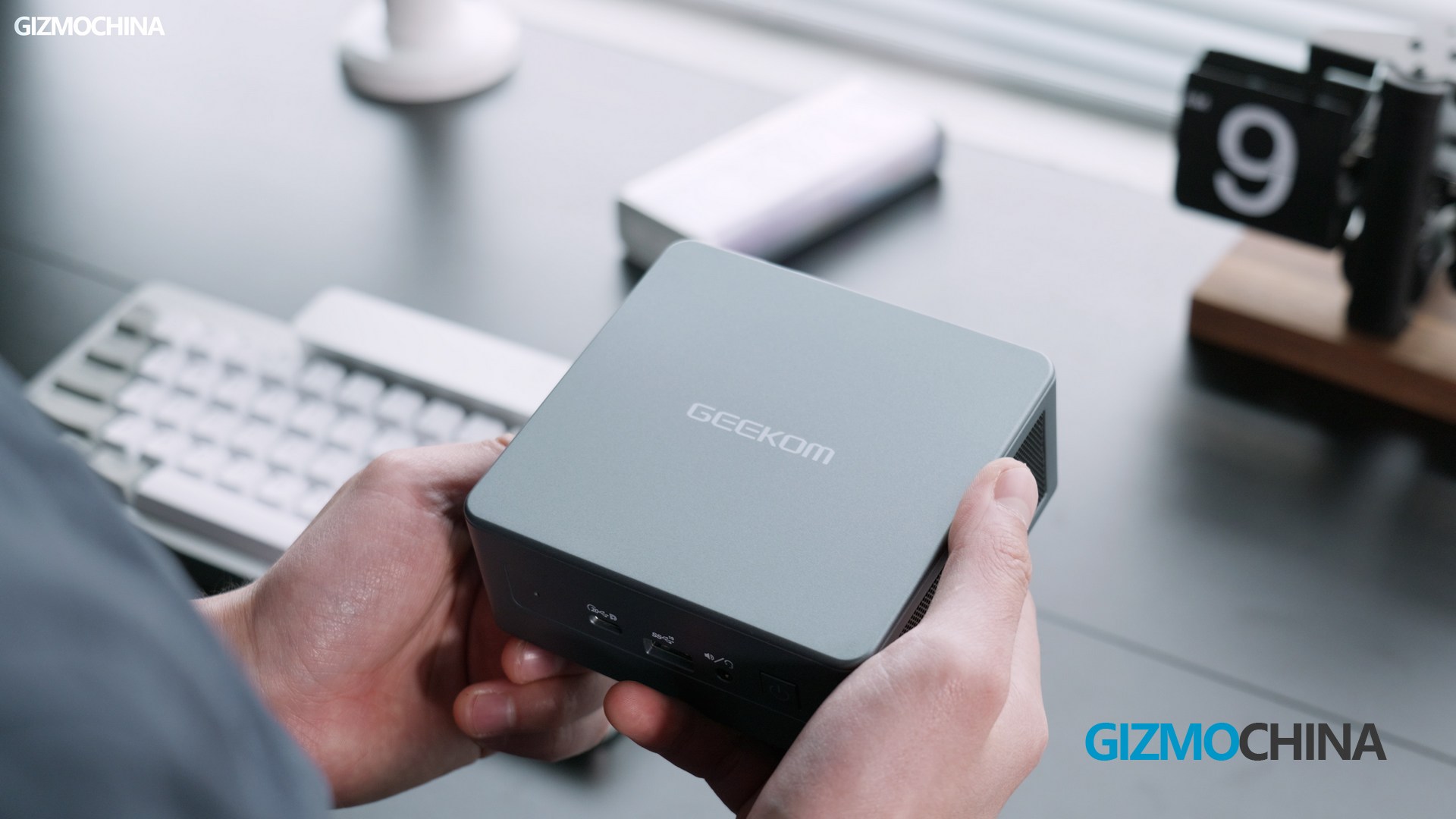
Geekom, the mini PC brand known for manufacturing high-performance models, built another alternative for average desktop PCs, again. So, curiously Gimzochina Review team got their hands on the latest Geekom model powered by an 11th Intel Core i7 chipset – The Geekcom Mini IT11. Specifically, it features an i7-11390H processor plus a decent combo of 32GB RAM and 1TB SSD.
Unboxing
First of all, like other machines from Geekom, the mini it11 comes in a smartphone-like packaging structure, the first thing appearing is the PC. Even though we have been familiar with the models from Geekom when showing all kinds of gameplay, I’d say this is a true pocket console that can easily fit in a backpack, or even in a jacket pocket.
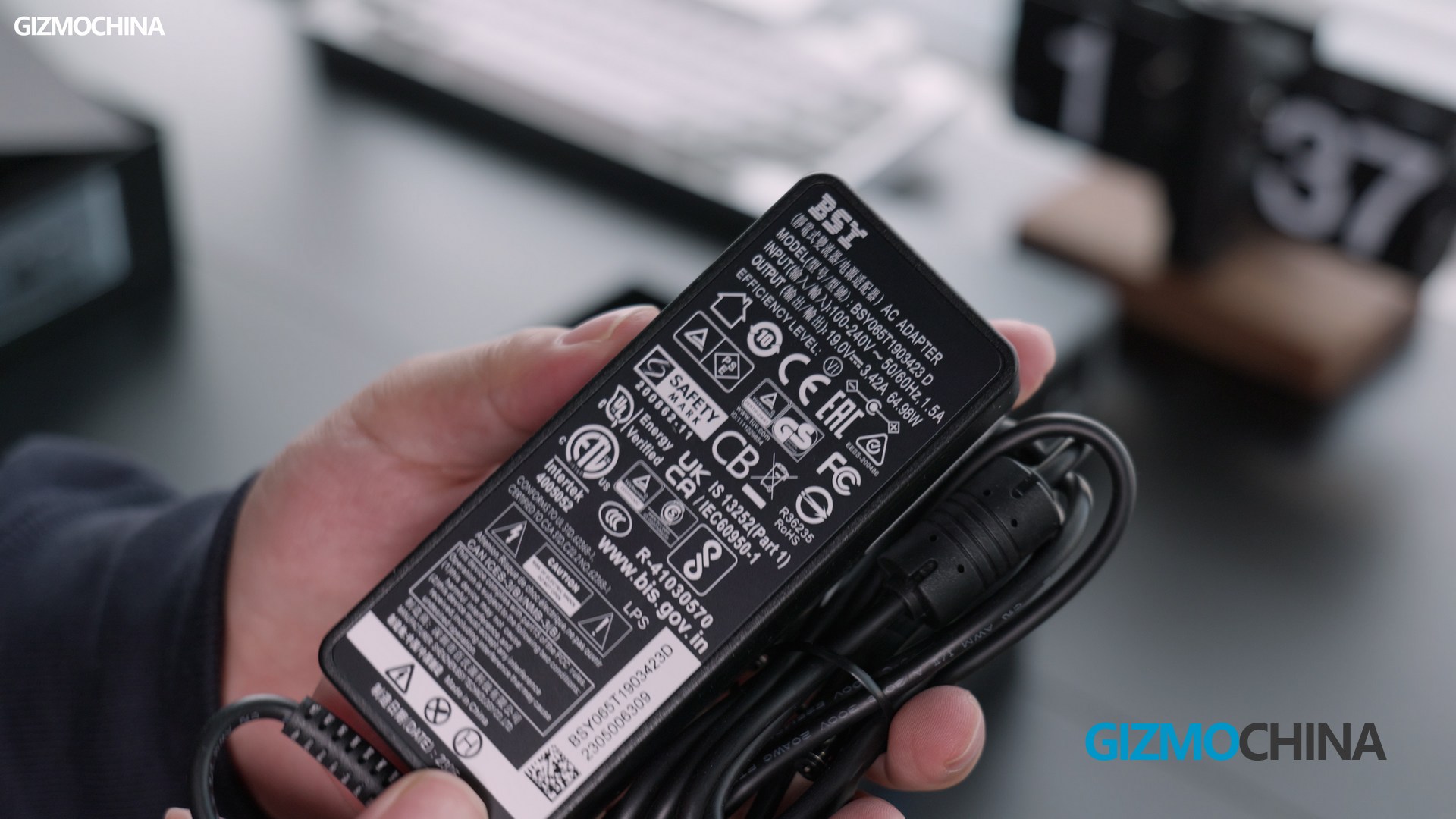
Moving on to the unboxing, underneath the PC are some accessories, there is a power adapter that supports wide inputs, an HDMI cable, and a VESA bracket for easily hiding at the back of your standard monitors.
Overall, the packaging list is still good for most people. At least we could confirm that it would be very easy to setup and use this PC without buying additional accessories.
I/O – Connectivity & Expandability
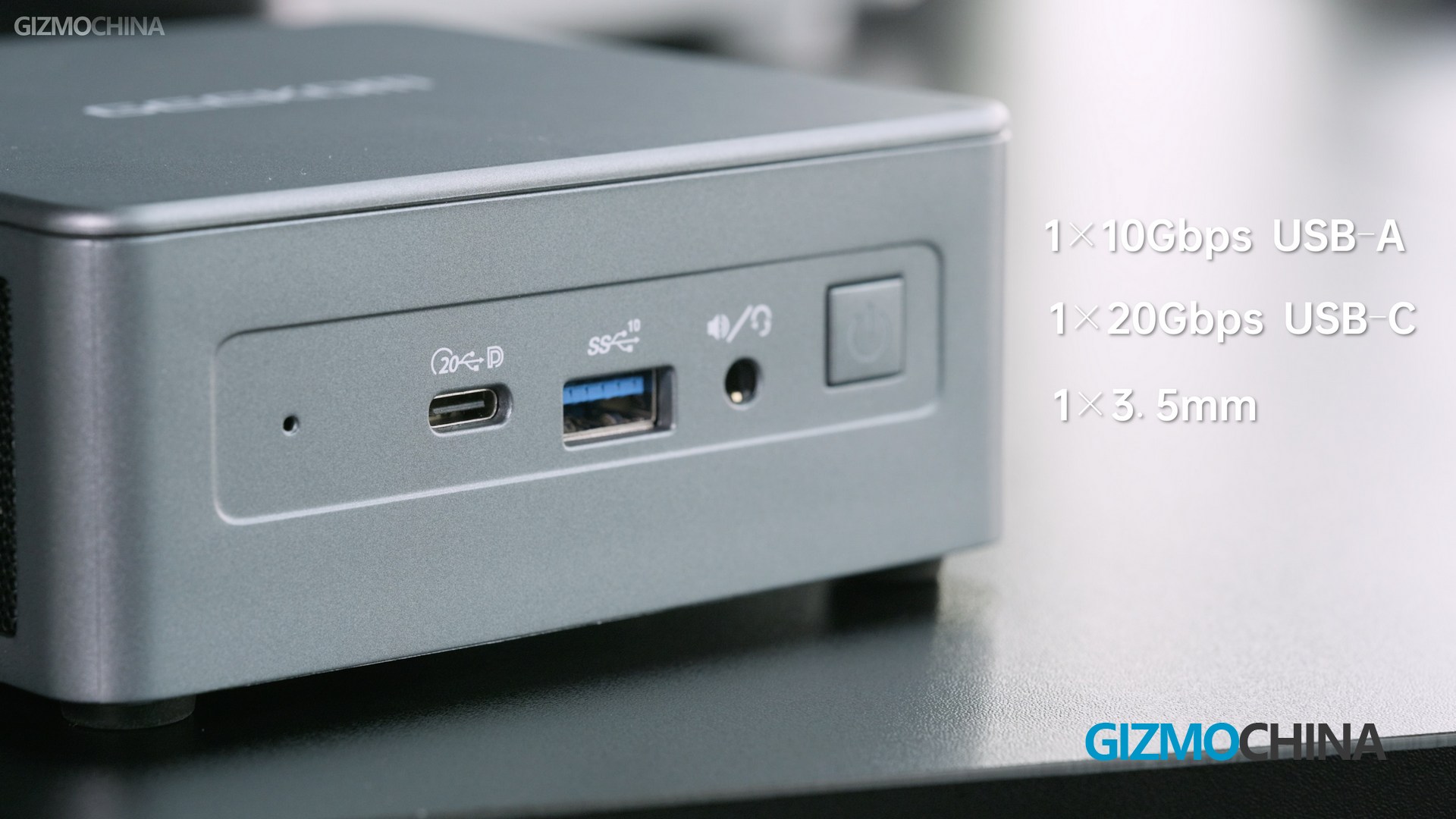
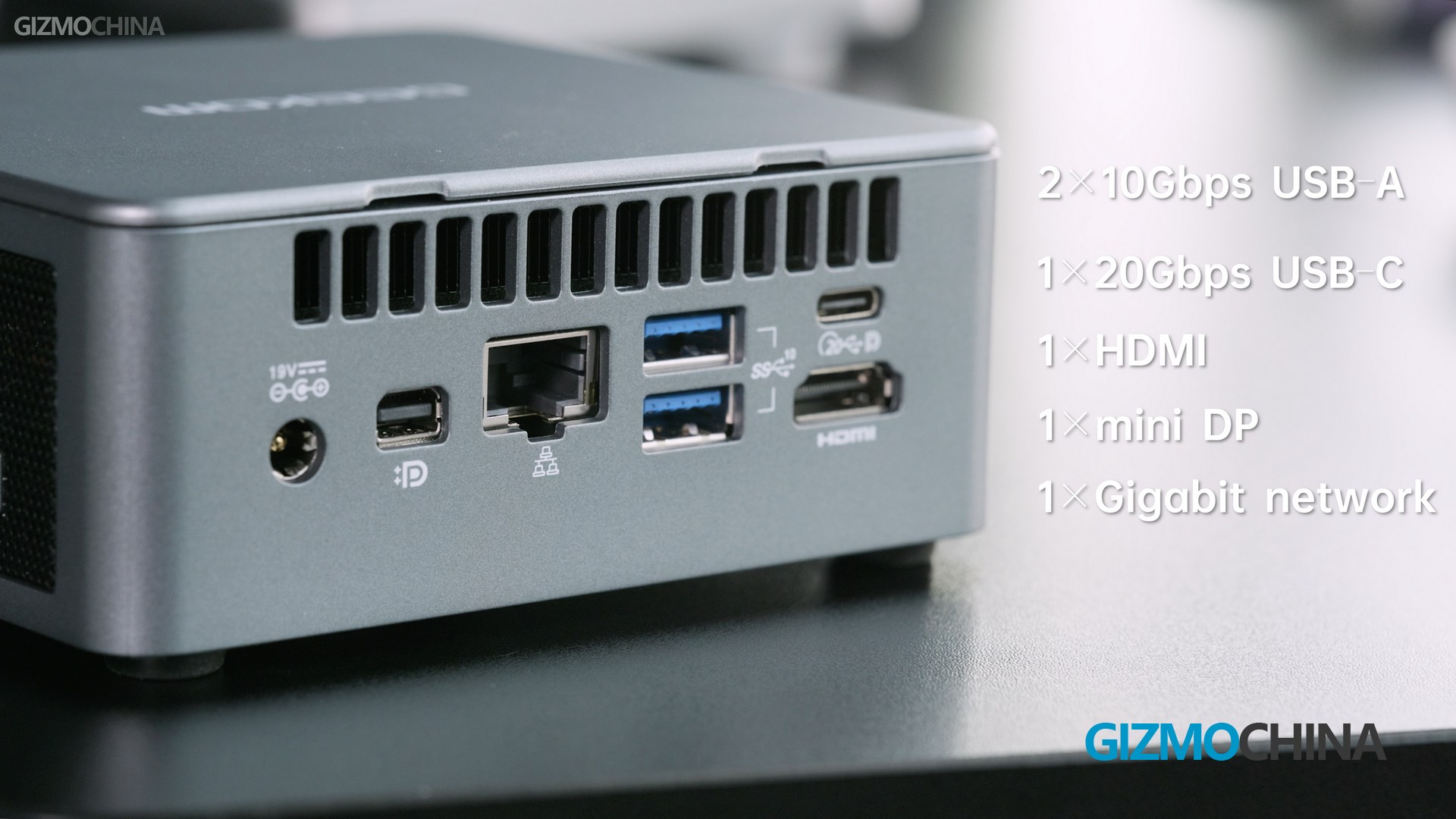
The Mini IT11 has a typical look, coming in a small rectangular box. It is almost as big as my palm and feels compact but solid. In terms of ports, it has three 10Gbps USB-A ports and two 20Gbps USB4 ports. That’s a surprise as it looks much like an integration with a useful docking station, which is commendable for a pocket PC.
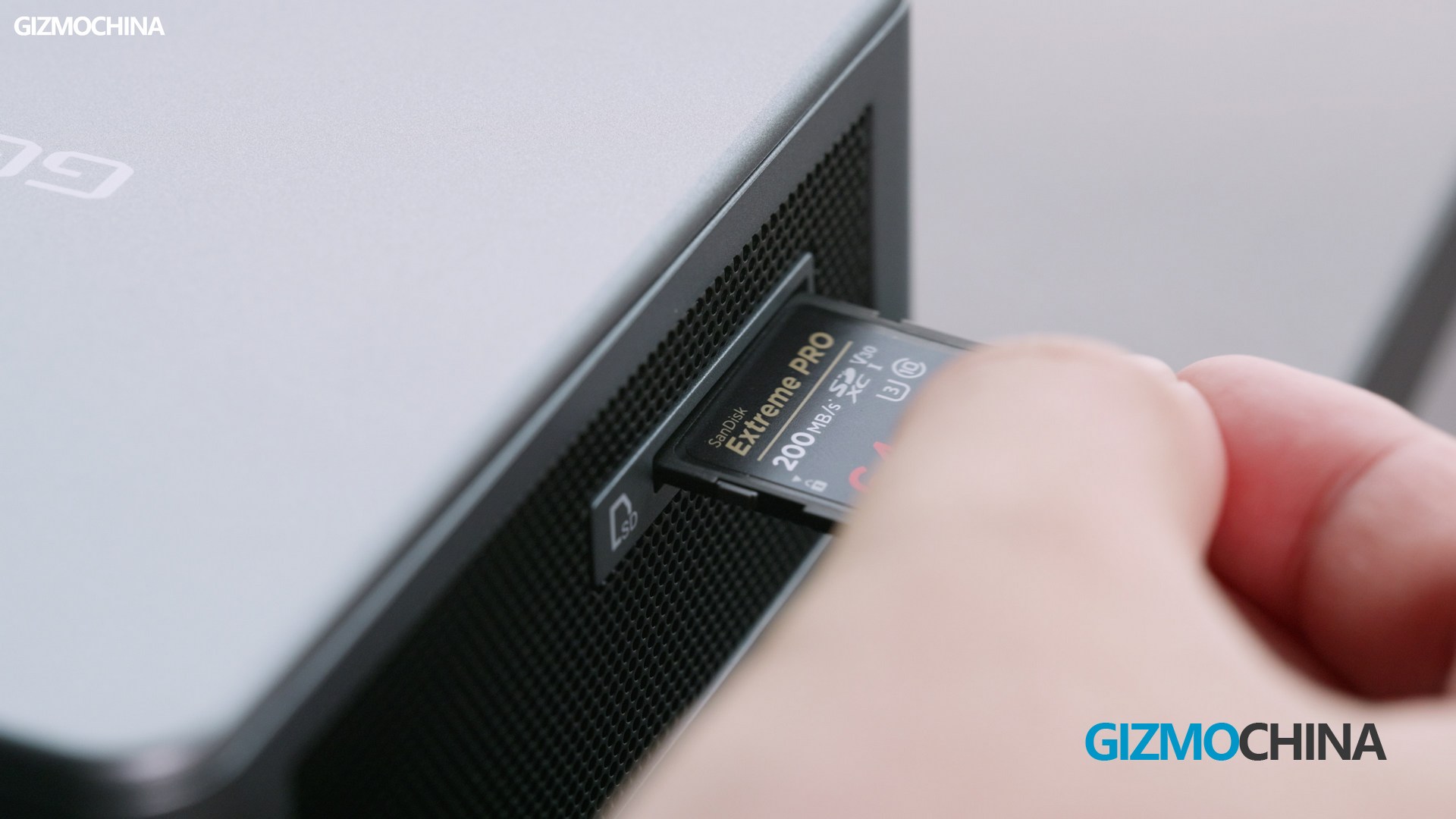
Not only that, the Mini it11 also has an SD card slot at the side.
So I‘d say, it is very much in line with traditional desktop PCs.
Expansion
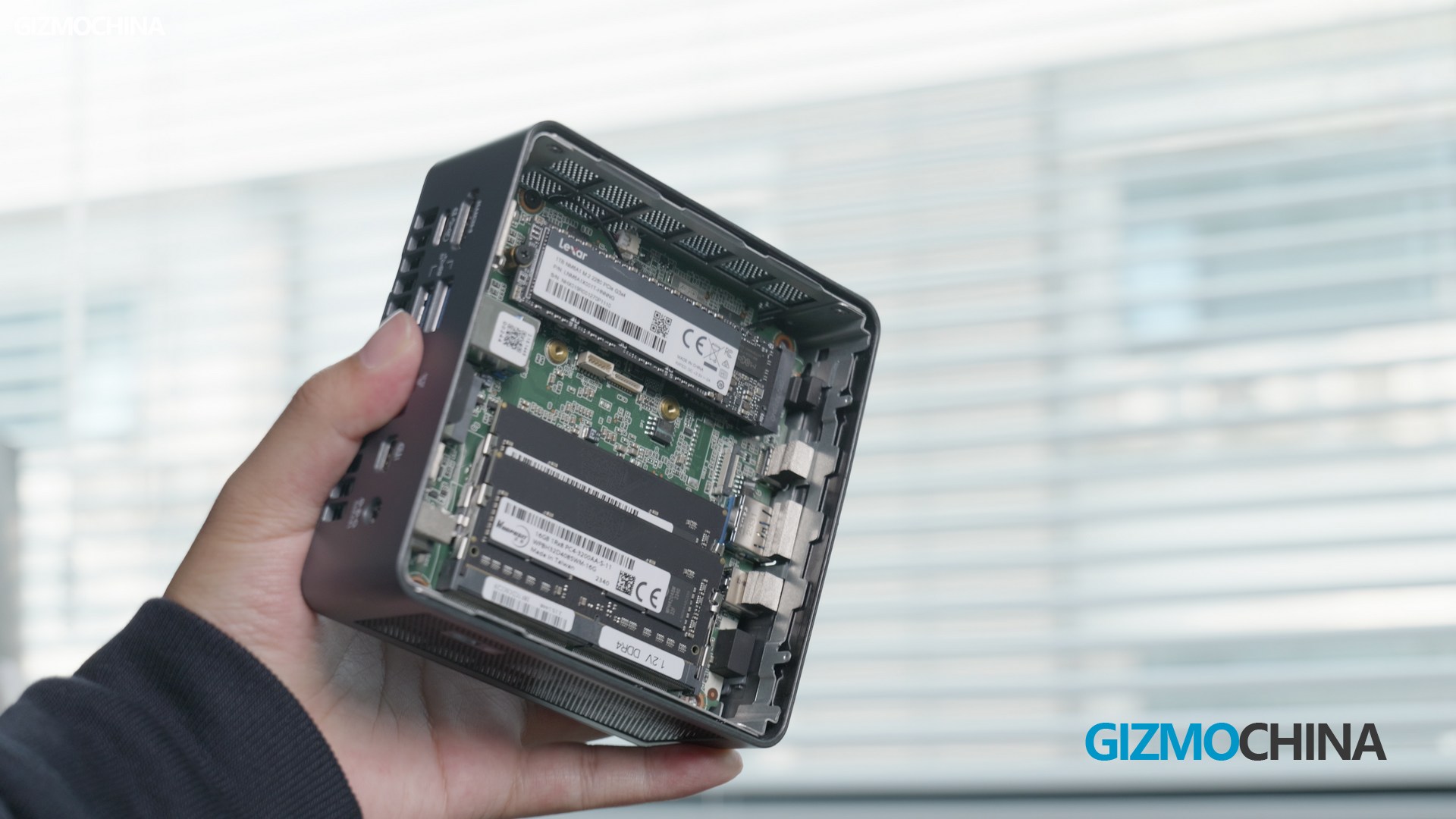
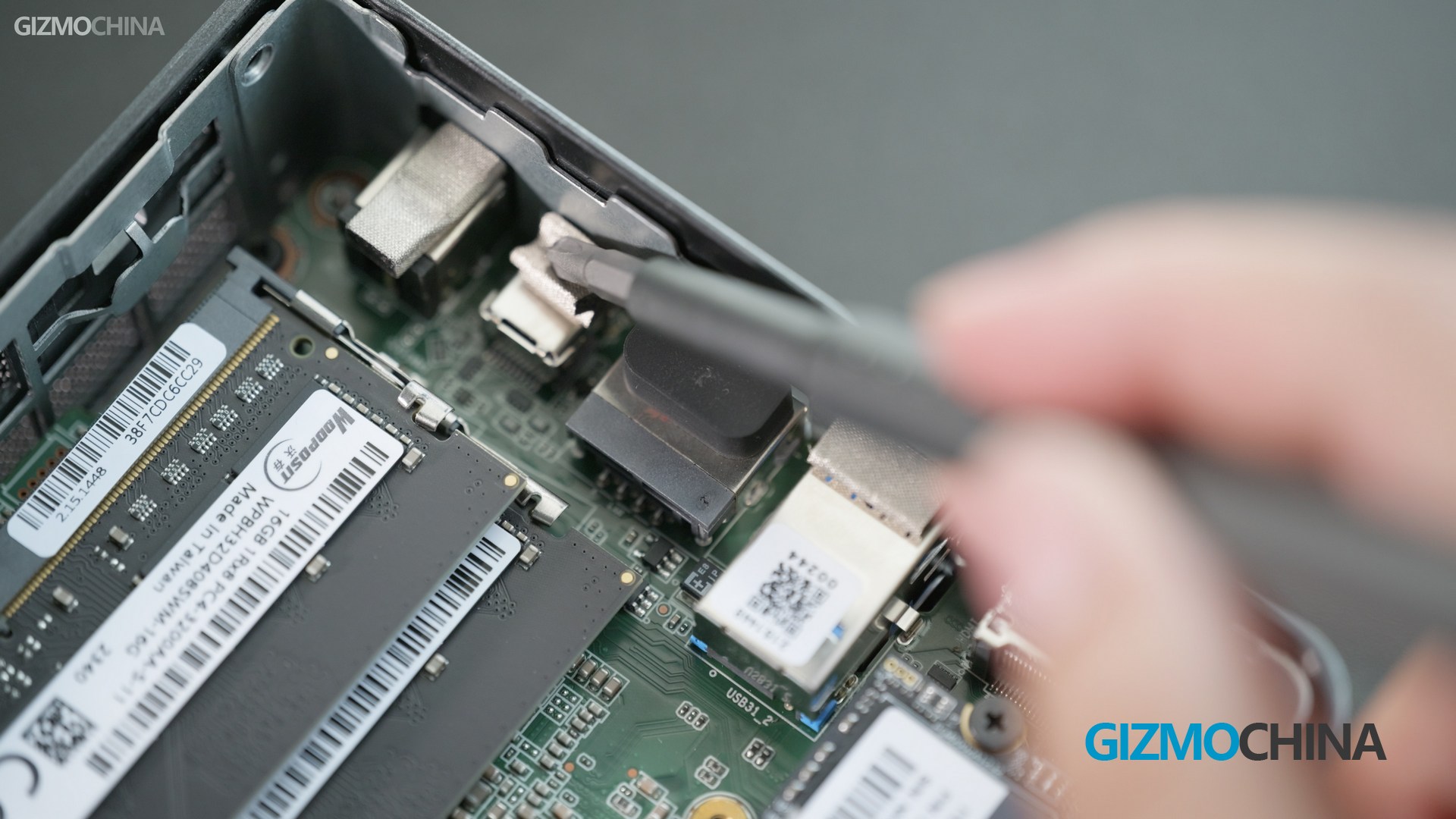
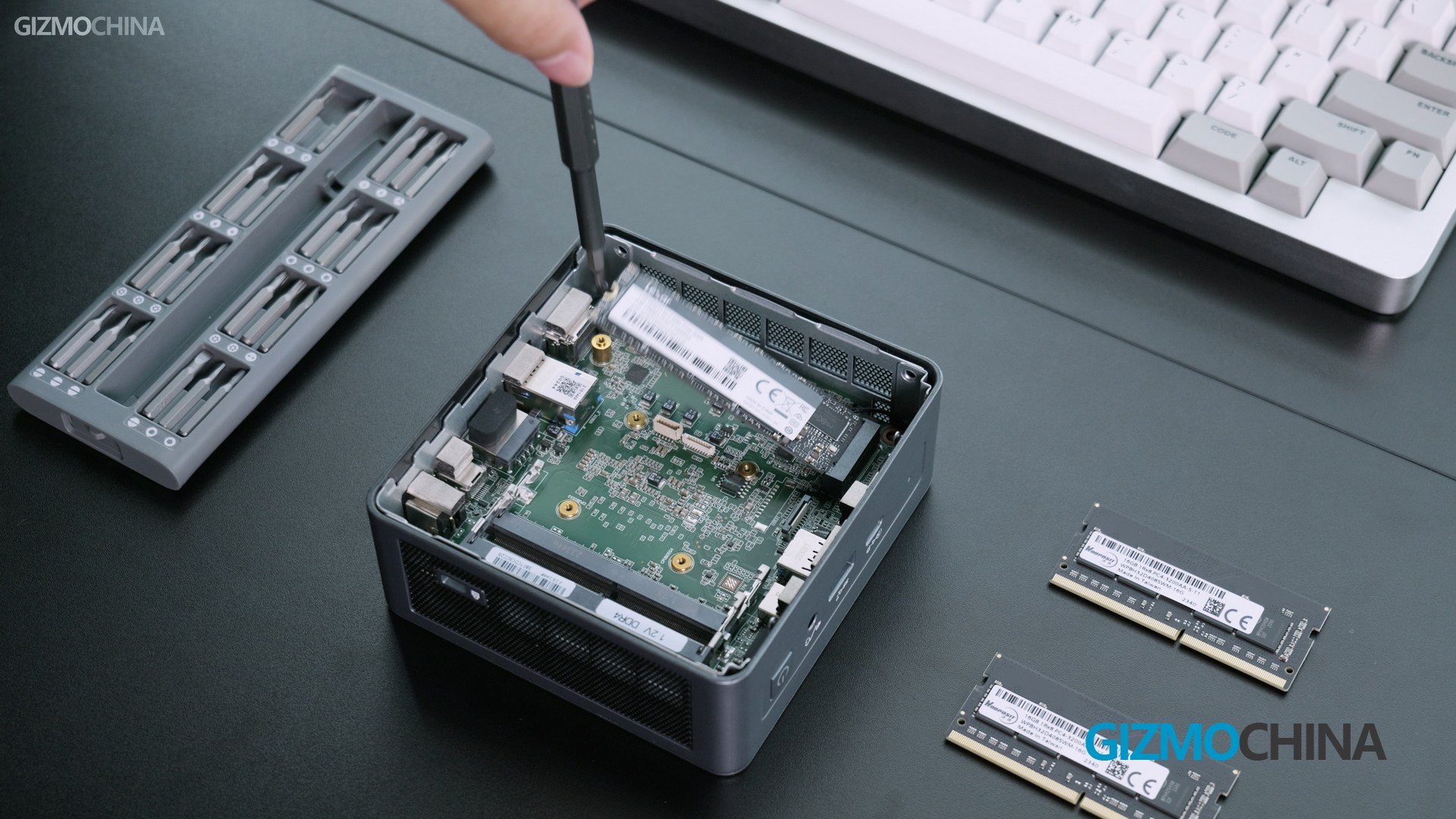
Like its brothers, this PC can be disassembled very easily and has a very sturdy metal frame fixing the motherboard. A small detail here, there is a layer of foam on top of each port to protect the ports, as I said in my previous review, the mini it series can be carried around without any worries.
This is also the reason why I like it, a lot of mini PC products on the market tend to show off some gimmicks and nonsense selling points, they always look a bit cheap and flashy, while Geekom is willing to spend money on a lot of details, to make the mini it series more reliable.
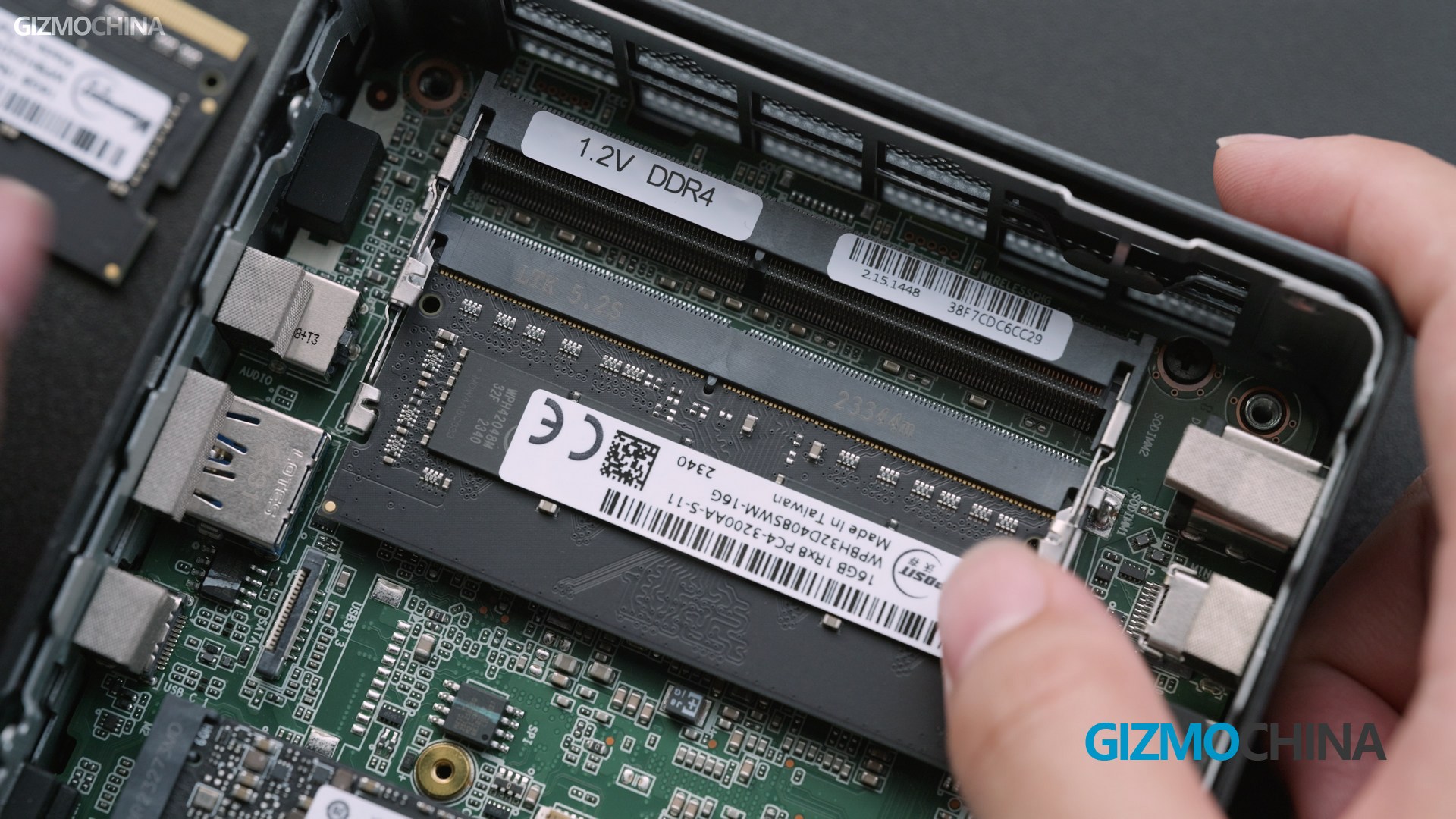
In terms of storage expandability, in addition to a PCIE3.0 2280 SSD, it also supports an extra 2.5″ SATA hard drive. Frankly, this is a bit mediocre compared to the mini-it13 we reviewed earlier, but it’s good enough for everyday use.
Of course, I’m most pleased with the upgradability, as the SATA port can support an up-to-2TB hard drive, and if you need more RAM, it supports up to 64GB.
Performance
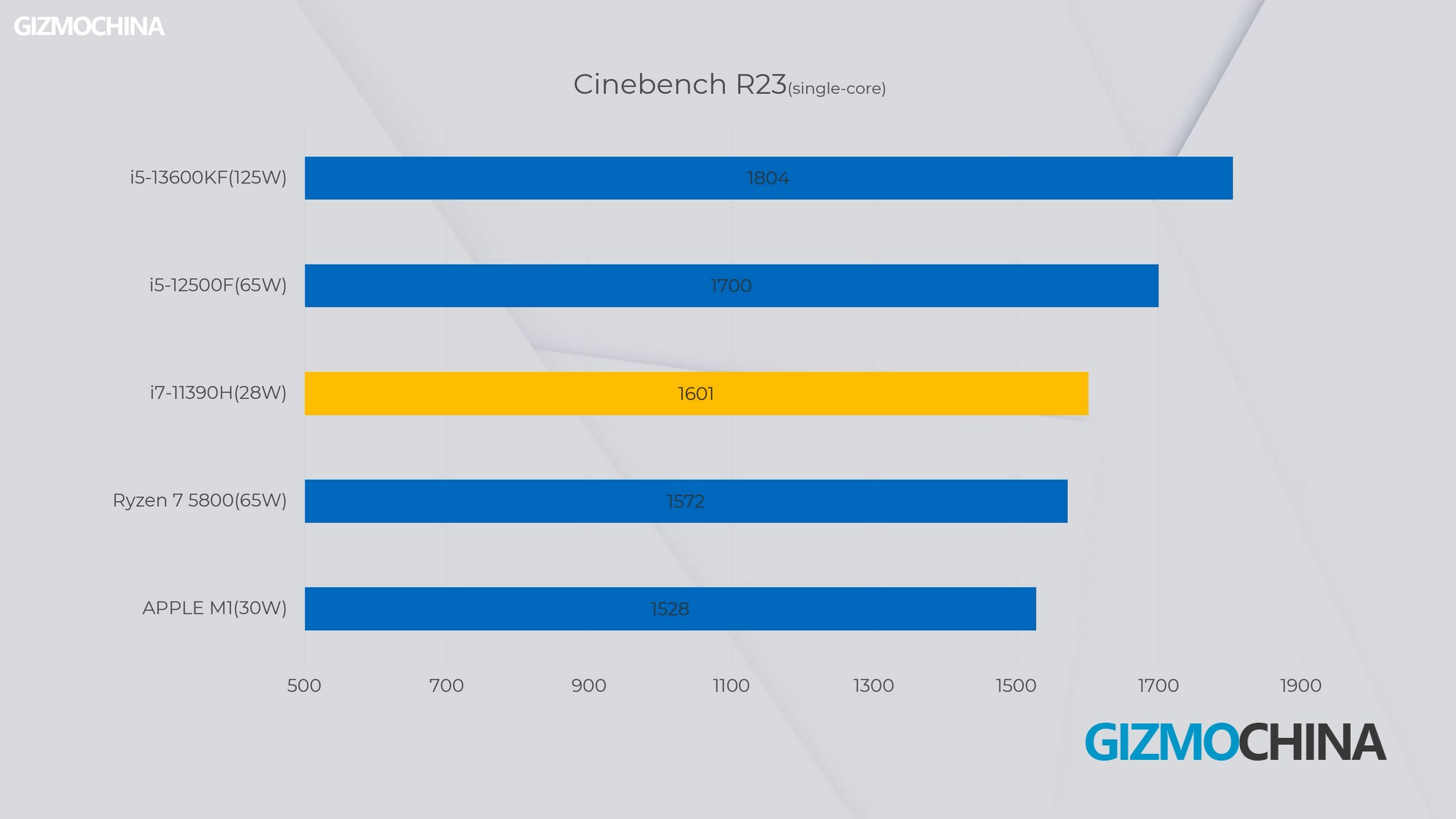
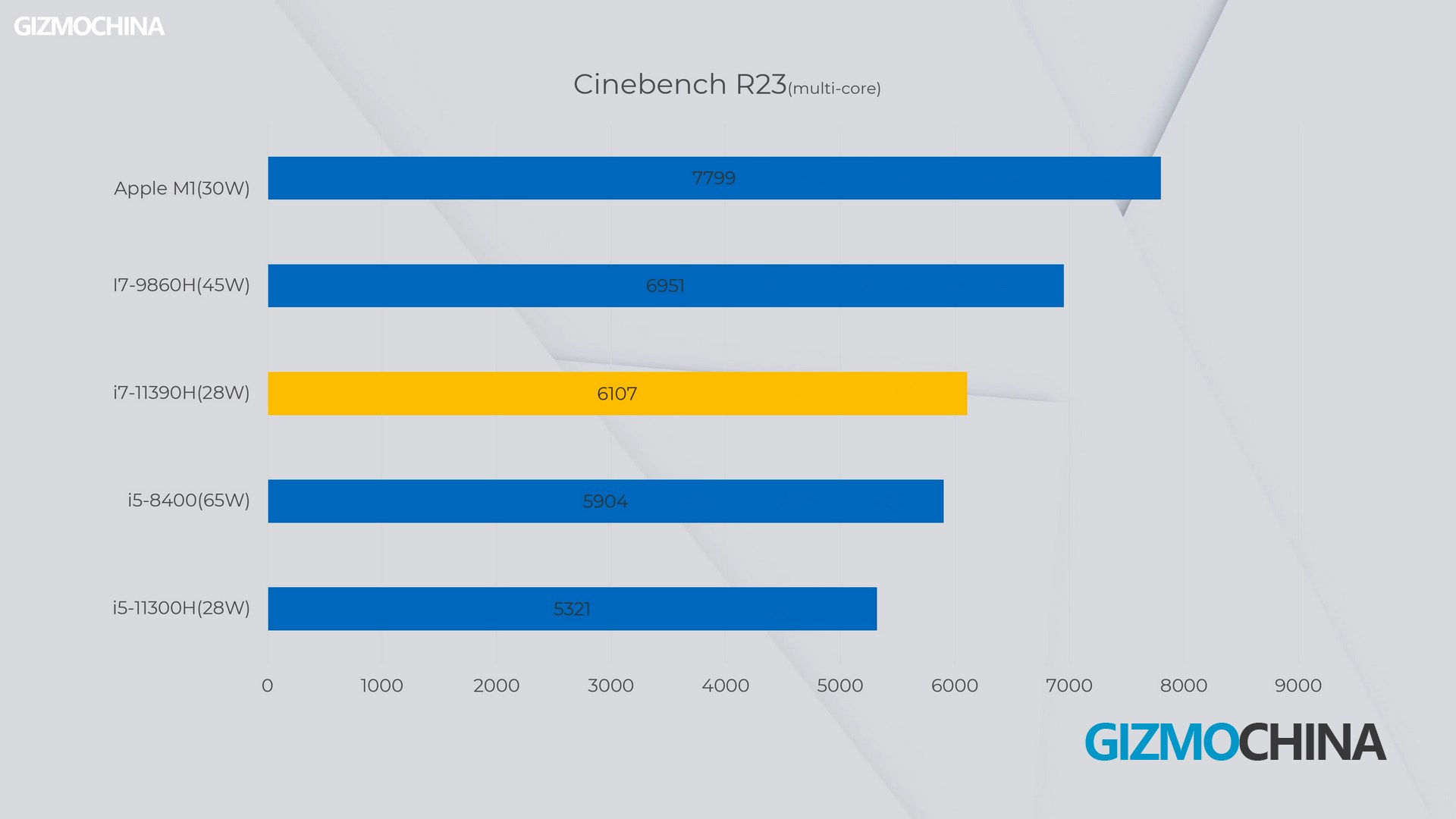
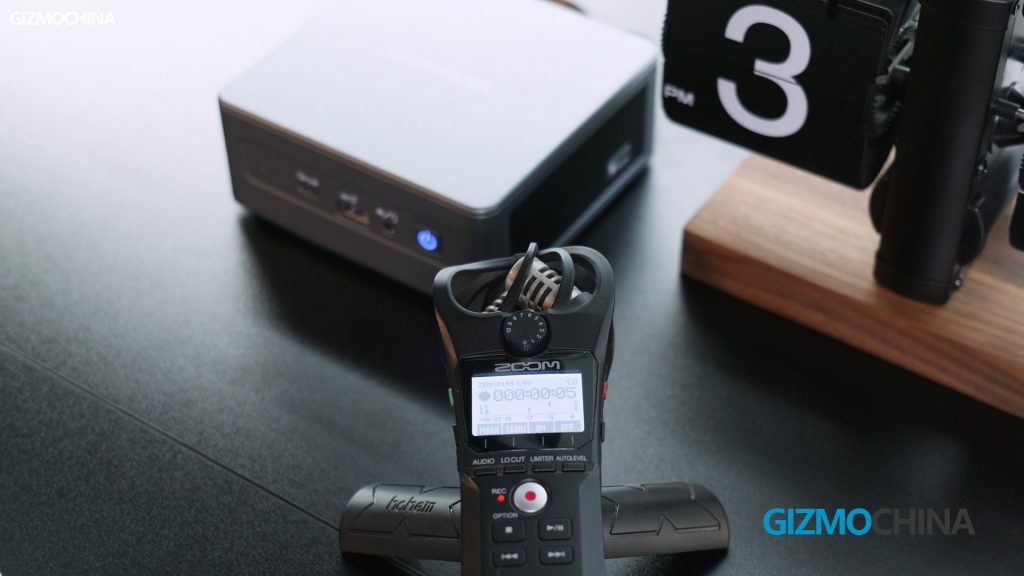
About performance, this PC is powered by an INTEL i7-11390H processor. I also ran some performance tests, and for everyday use, the quad cores, 8 threads, and 5GHZ clocking were capable of handling most of the tasks.
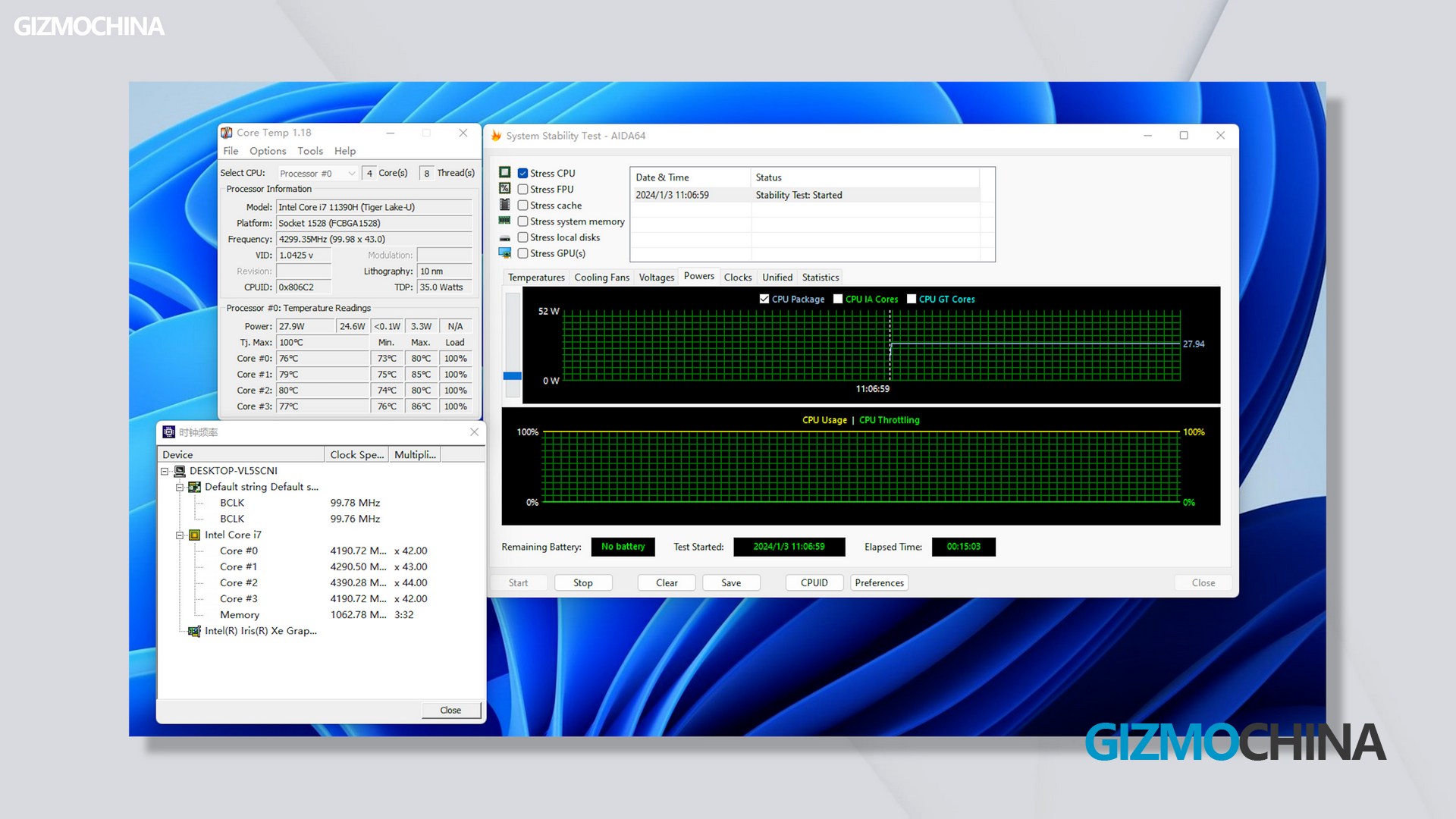
In the stress test, the chip was able to maintain a temperature of around 80° at 28W, with the CPU running at 4.5Ghz.
It’s also worth noting that the fan speed was very restrained even when I adjusted it to performance mode in the bios. If the i9 version mini it13 can be called a little monster, then this mini it11 is like a gentleman, delivering consistent performance with very little noise.
please watch the video!
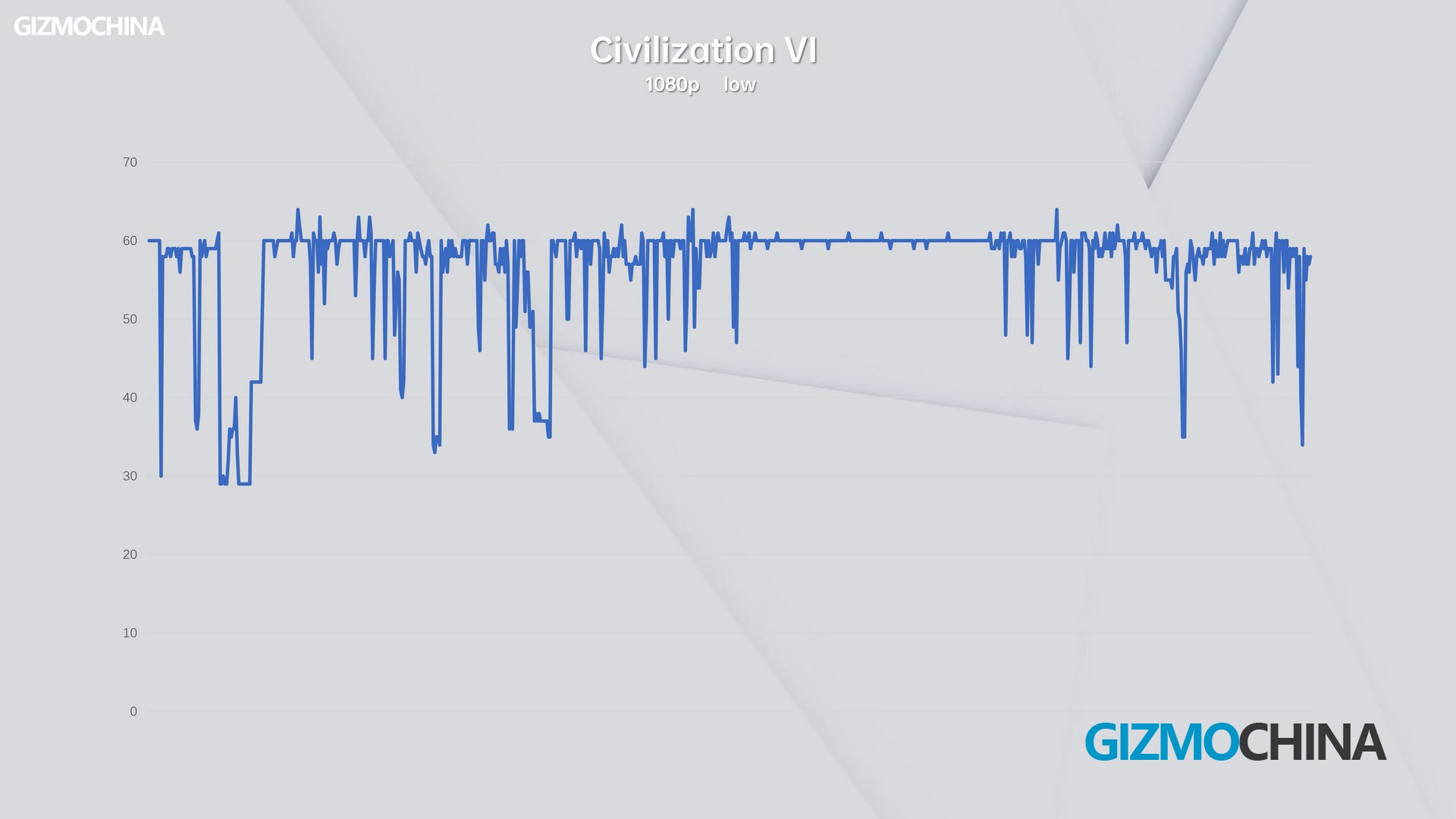
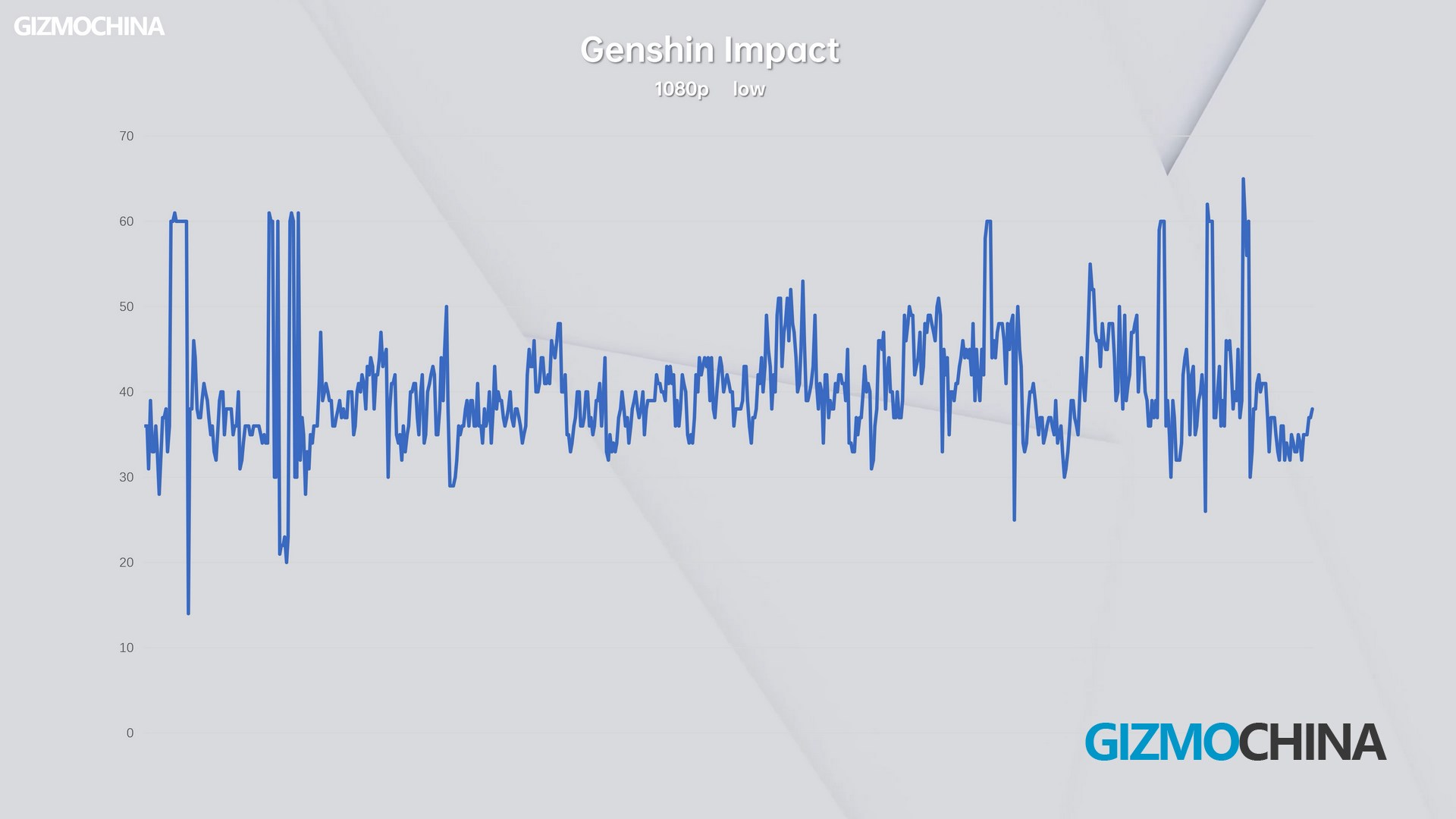
The PC uses a 96EU Intel XE GPU, when running games with low graphic requirements, such as Genshin Impact, it is capable of running at 1080p resolution, low graphics, and the gameplay is very smooth. of course, if you want to play some casual games, such as Civilization, there’s no need to worry about performance at all, the game just runs flawlessly.
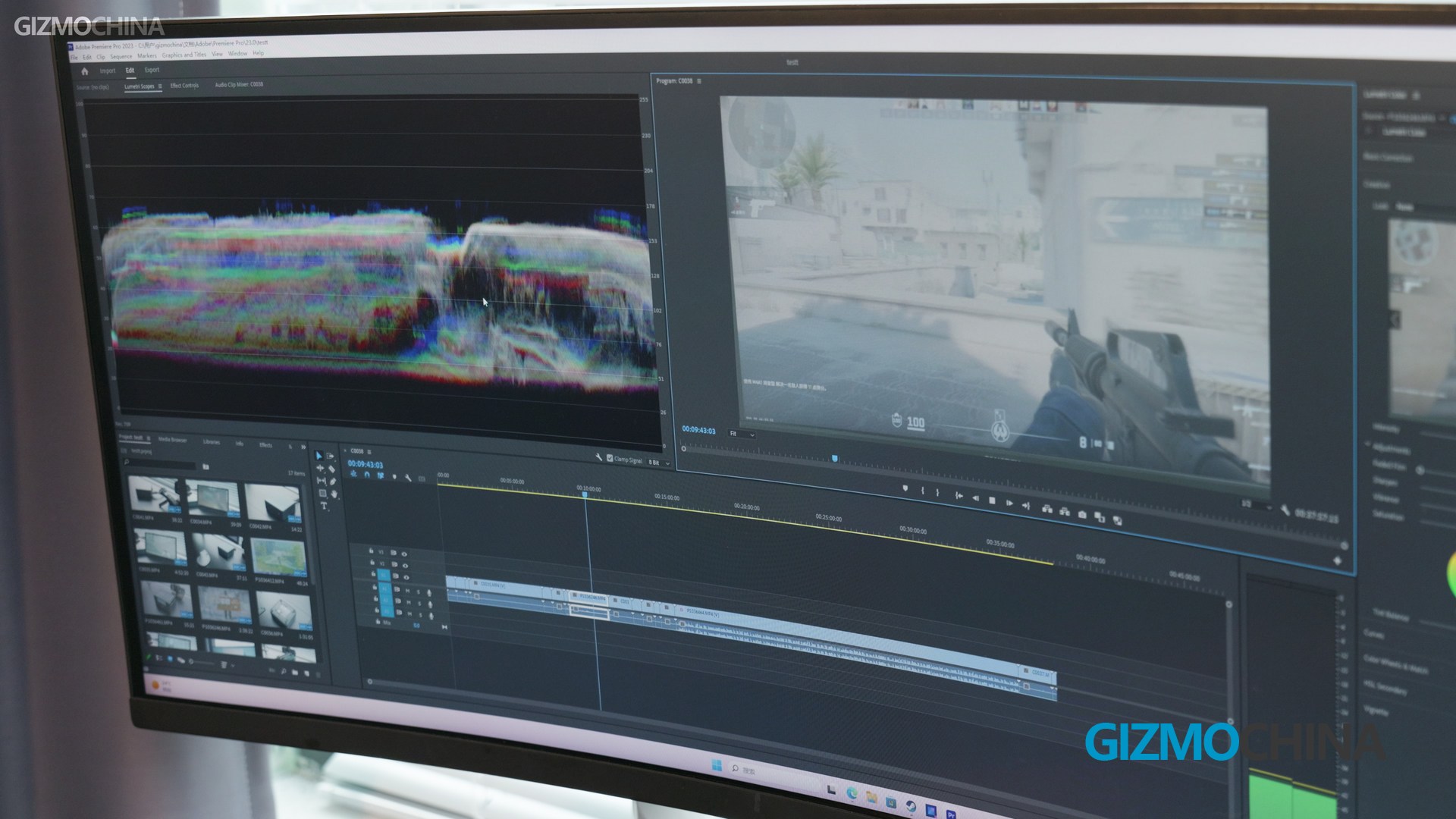
Of course, the advantage of Intel’s GPU is the excellent codec performance and some professional software support, so facing some light photo processing and video editing, this CPU is quite enough.
I try to use Premiere to process 4k video with 100M bitrate, and the playback is very smooth, if just make some short movies, this is enough.
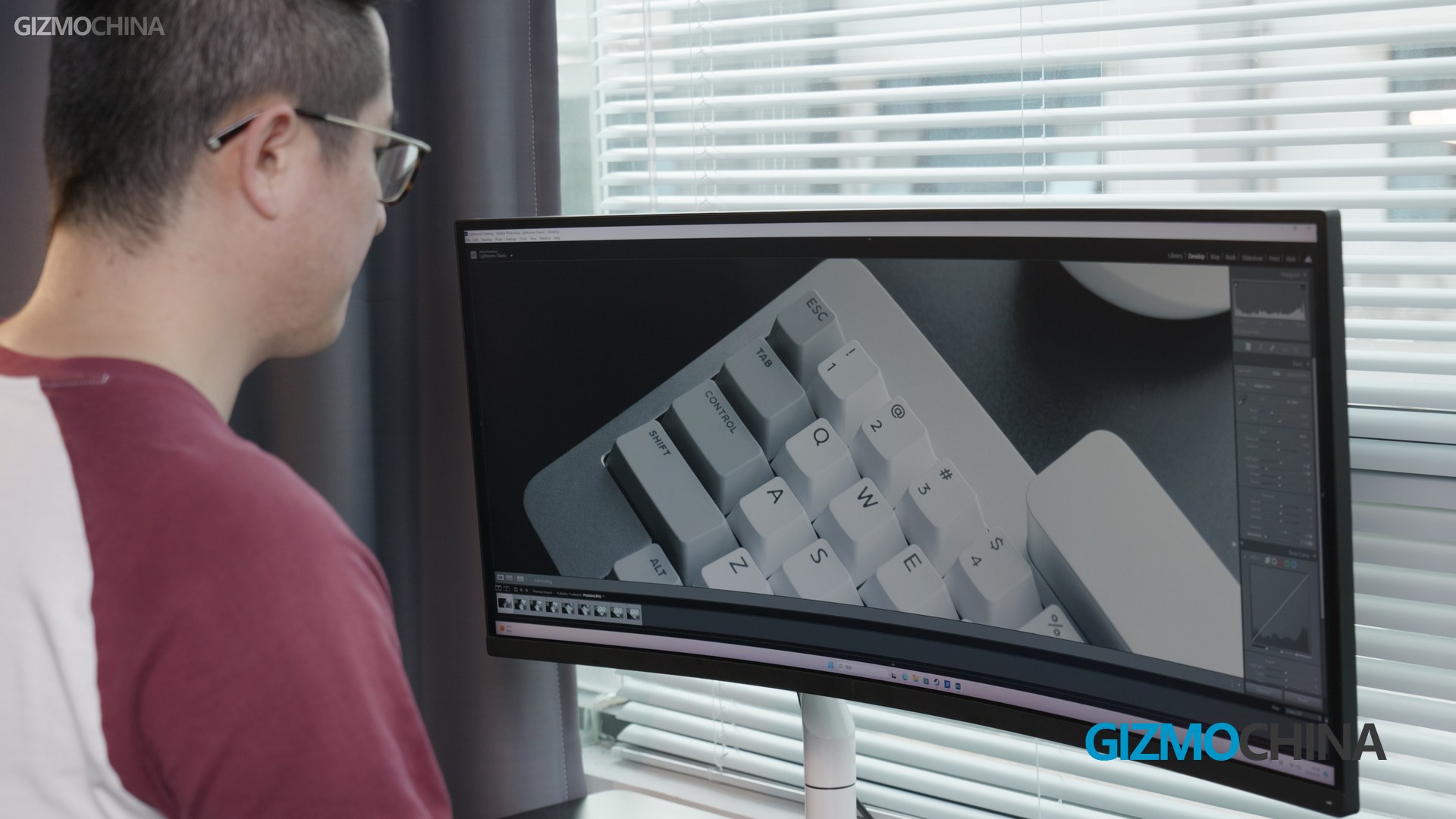
For photo processing I chose Lightroom for testing, thanks to the high CPU frequency and dual channel memory, it’s not difficult to process 24MP Raw photos.
Storage
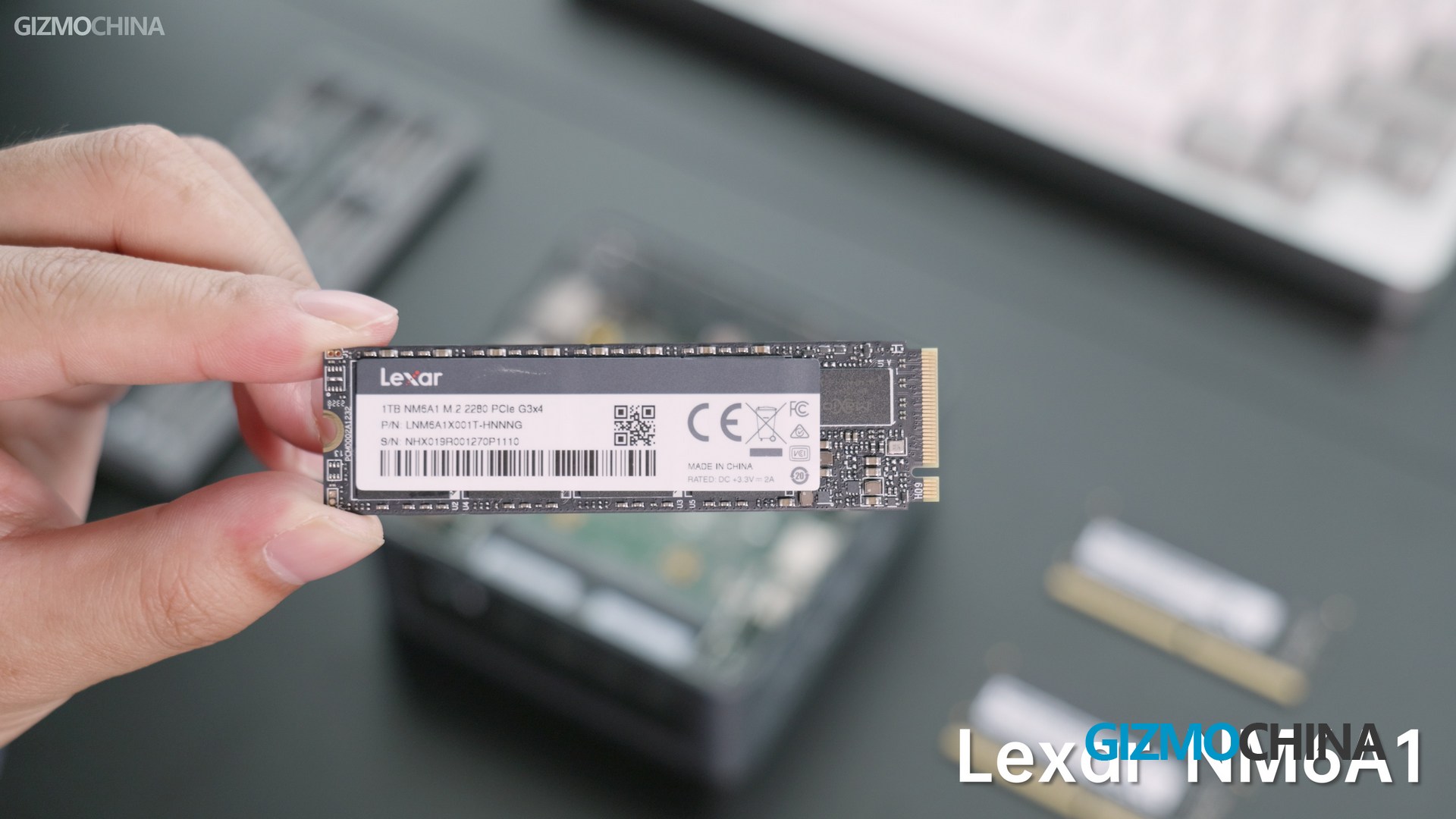
For the SSD, it is pre-installed with a Lexar NM6A1 SSD.
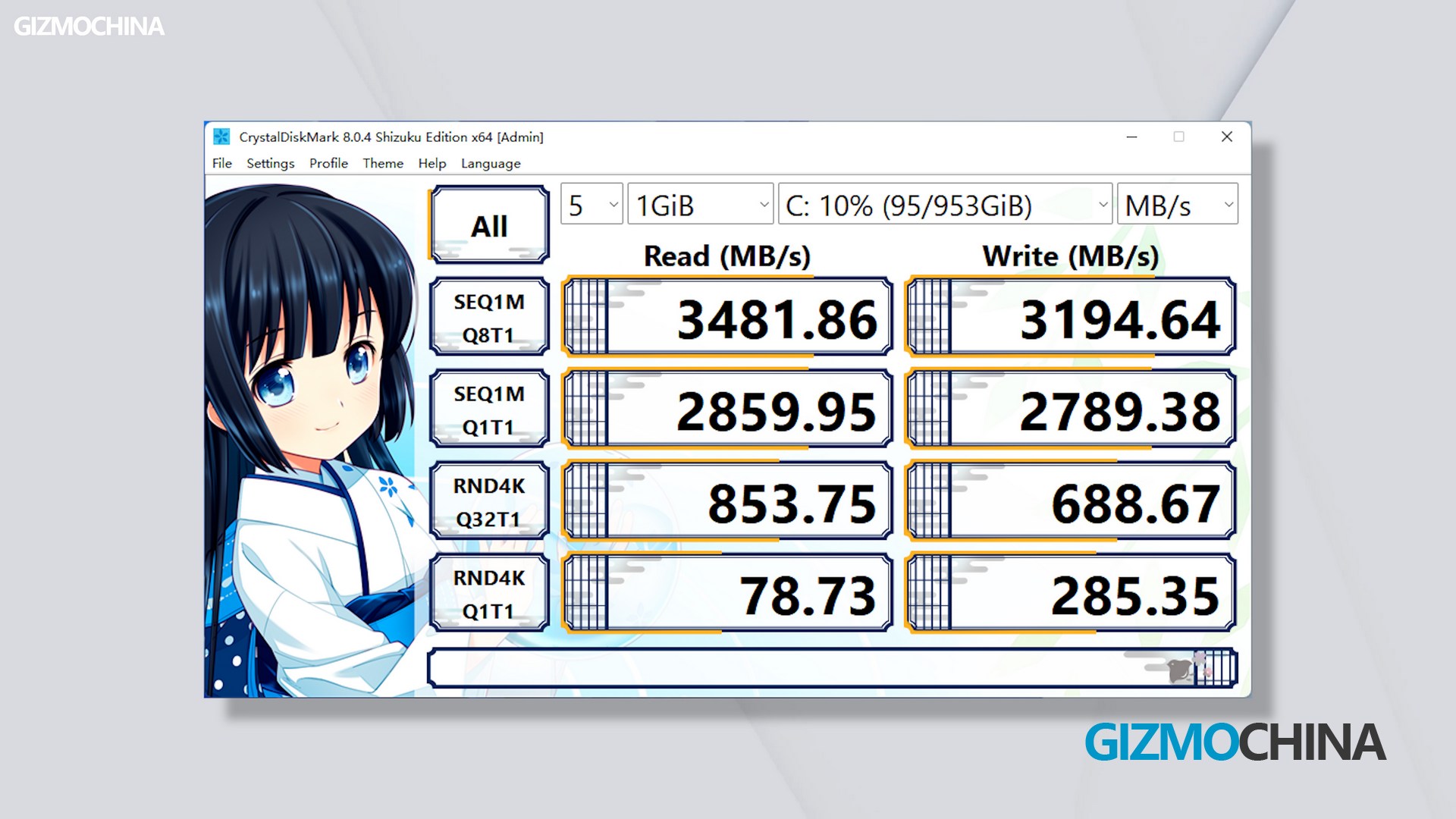
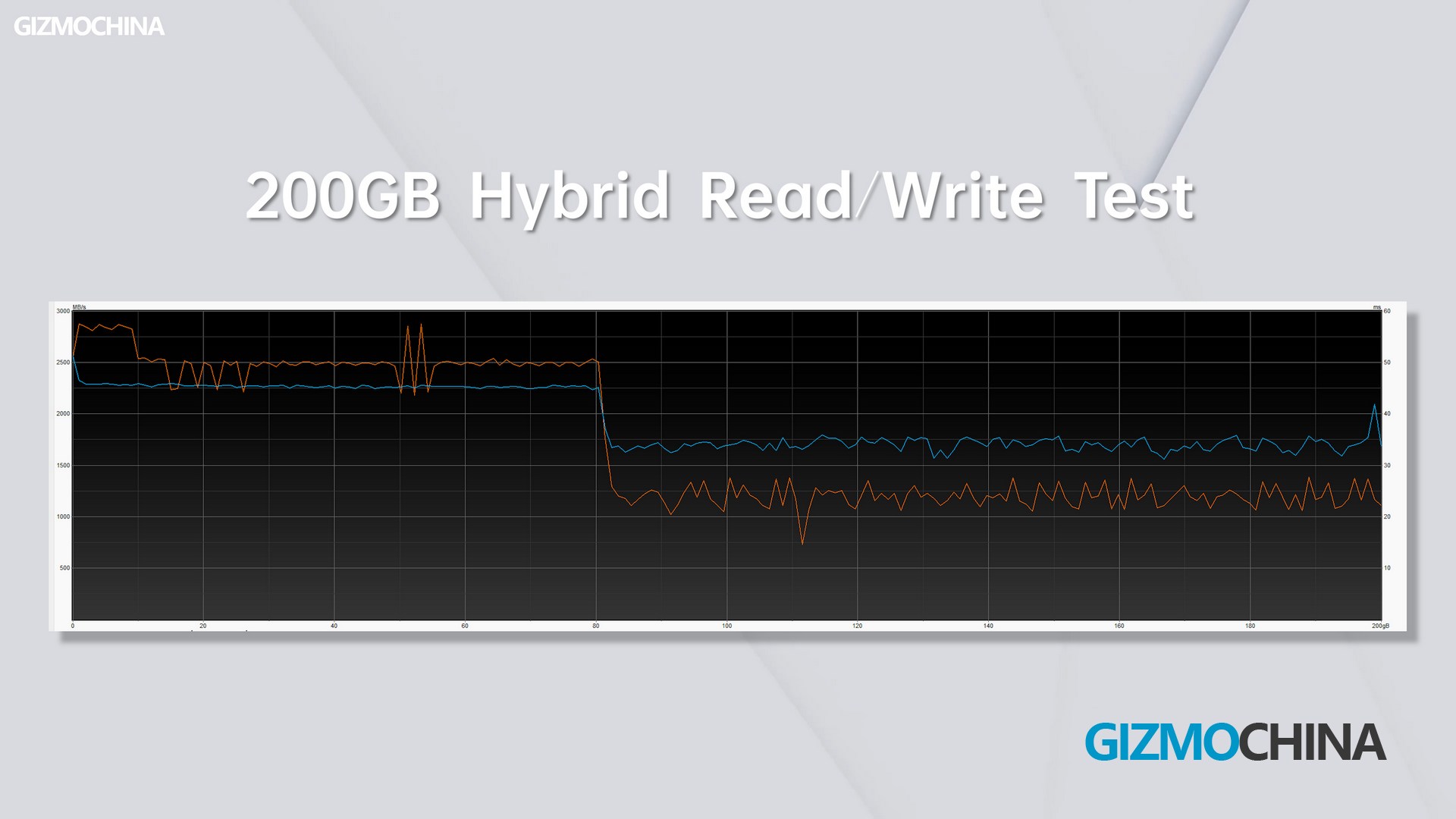
Although this is a PCIE Gen3 SSD, in the actual test it got very close to the theoretical maximum rate of PCIE gen3. The transfer speed of 3000MB/S would leave a great space in performance.
conclusion
Overall, the Geekom Mini IT11 has good performance, plenty of IO ports, and impressive workmanship and interior design. If you want a pocket PC to handle your daily work and entertainment, this quiet and compact IT11 is perfect.
If you are interested in trying it out for your daily uses, you can get it on Amazon US with US$20 off coupon code: GCIT114OFF; Or on Amazon UK with £20 off coupon code: GIZMO1105.
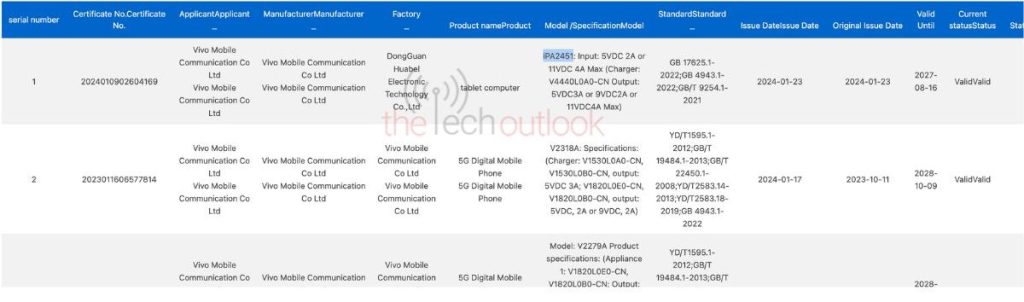
iQOO, known primarily for its smartphones, might soon be launching a new tablet called the Pad Air. The device has recently appeared on China’s 3C certification platform.
According to the listing, the Pad Air, bearing the model number “iPA2451,” comes equipped with support for 44W fast charging. This is evident from the accompanying listing for a 44W charging adapter with the model number V4440L0A0-CN.
iQOO Pad Air with the same “iPA2451” model number appeared on the Google Play-supported devices list last month. However, what’s interesting is that the tablet shares its codename with the already-launched Vivo Pad Air.
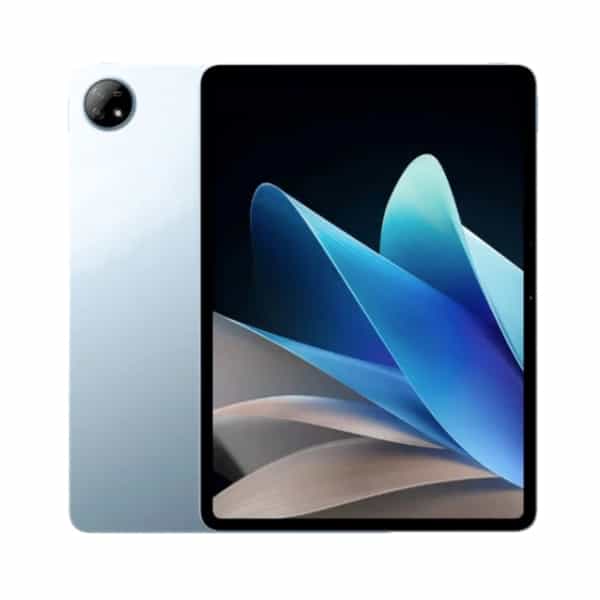
So there’s a possibility that the Pad Air could be a rebranded Vivo Pad Air. To recall, the Vivo Pad Air offers a large 11.5-inch 2.8K screen with a 3:2 aspect ratio, DCI-P3 color gamut, and a 144Hz adaptive refresh rate.
Vivo Pad Air.
The tablet is powered by a Qualcomm Snapdragon 870 processor and is complemented by 8GB of RAM and a generous 128GB of storage. Keeping the lights on is an 8500mAh battery with 44W fast charging.
The Vivo Pad Air supports the Vivo Pencil 2 stylus. In terms of connectivity, it offers options like up to 5GHz Wi-Fi, Bluetooth 5.2, NFC, and USB-C (USB 3.0). The rear shell is made of metal. The tablet measures 6.67mm in thickness and weighs 530 grams.
As for the iQOO Pad Air, details are currently limited, but its presence in certifications suggests an imminent launch. Leaks suggest a possible debut in Q2 2024, following the introduction of the Vivo Pad 3. We will be sure to keep you updated on any new developments about iQOO Pad Air as it becomes available.
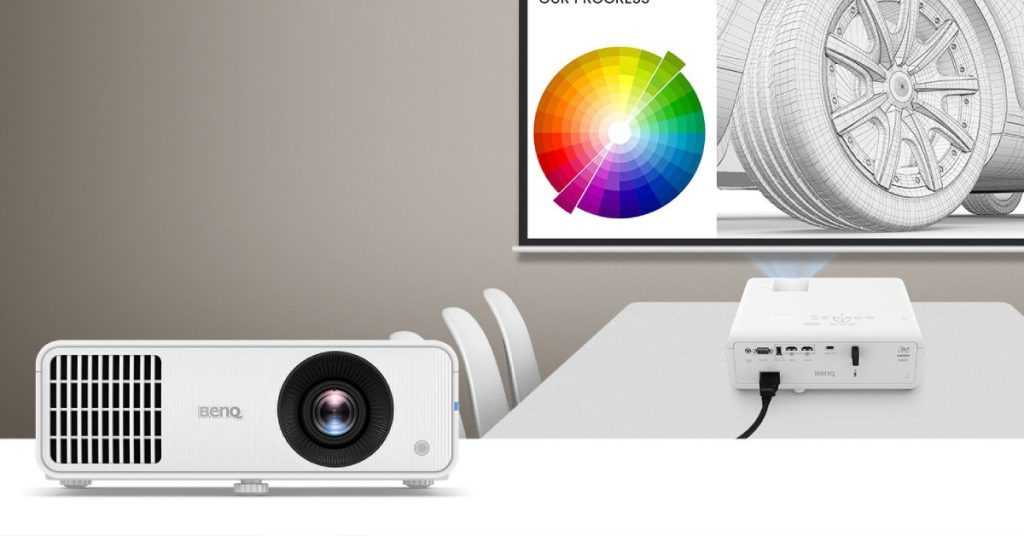
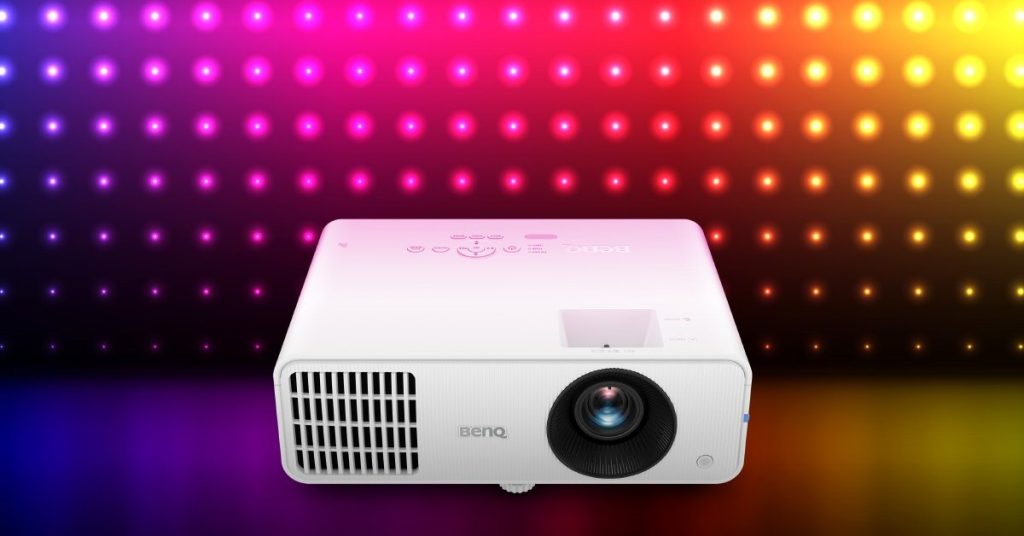
BenQ has introduced a new projector, the BenQ LH650, designed for workspaces and classrooms. This 1080p laser projector comes with a lightweight design and a brightness of 4000 ANSI lumens, among other notable features. Let’s explore more about it in this story.
BenQ LH650 specifications
The projector boasts 92% Rec. 709 color gamut coverage thanks to DLP technology and HDR10 support, delivering vivid hues for presentations and content. Users can project images up to 100 inches wide from a distance of 2-3 meters, making it suitable for smaller rooms.
Brightness shouldn’t be a concern in well-lit environments, as the LH650 packs a 4,000 ANSI lumens laser light source. Additionally, its laser technology promises a lifespan of up to 20,000 hours in Eco Mode, minimizing lamp replacements.
BenQ’s SmartEco technology further extends lamp life and reduces energy consumption by automatically adjusting brightness based on content.
Connectivity options are plentiful, with the LH650 offering USB-C DP, USB-A 2.0, and HDMI 2.0b/HDCP2.2 ports. An optional Wi-Fi dongle enables wireless connectivity for added convenience.
Presentations and meetings are well catered for with features like a built-in 10W speaker, image-perfecting tools like 2D keystone correction and corner fit, and dedicated modes for presentations, infographics, and spreadsheets.
Portability isn’t compromised by the LH650’s capabilities. Measuring just 304 x 112 x 225 mm and weighing under 3 kg, it’s easy to move around between classrooms, conference rooms, or even home theaters.
The BenQ LH650 is priced at $1,199 in the US, however, its currently available on Amazon US for a higher price tag of $1378.
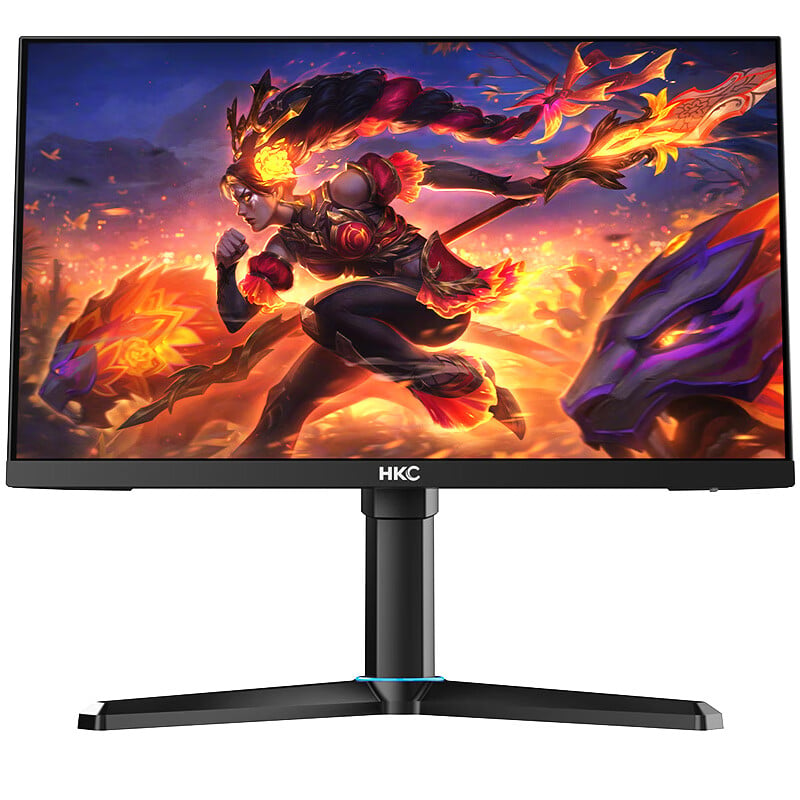
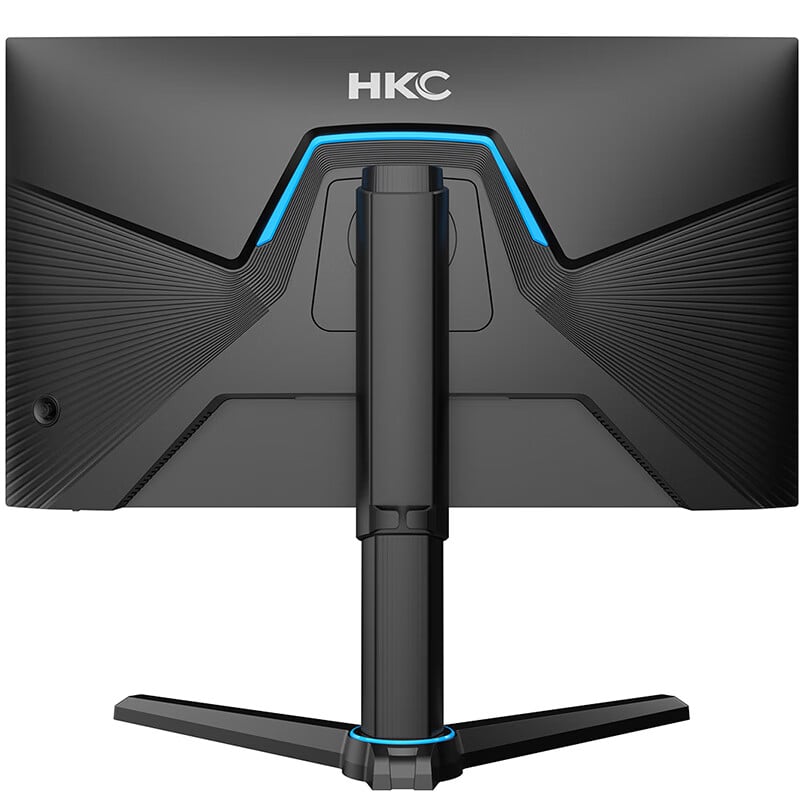
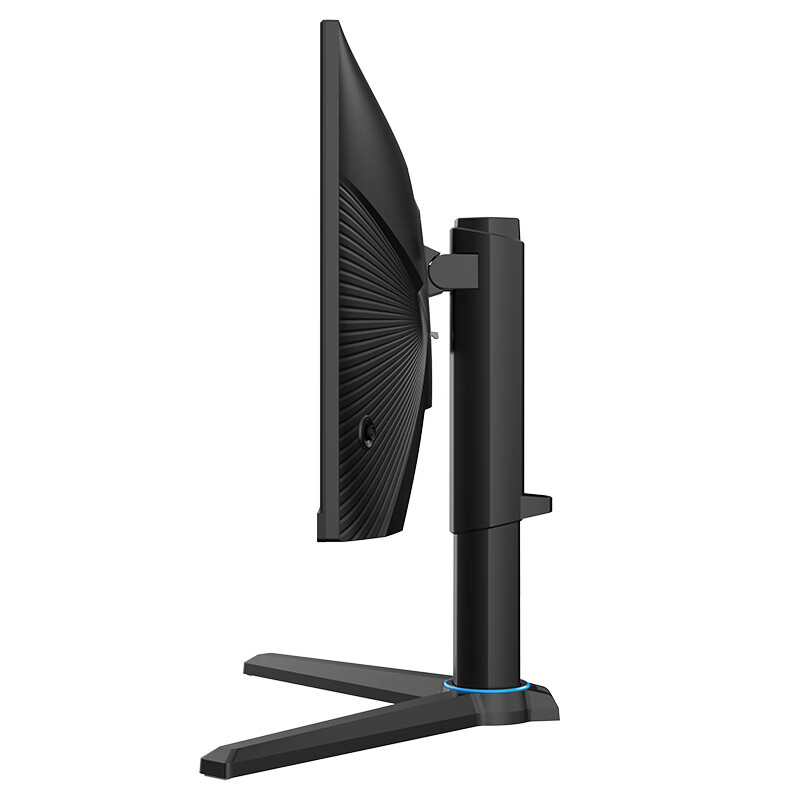
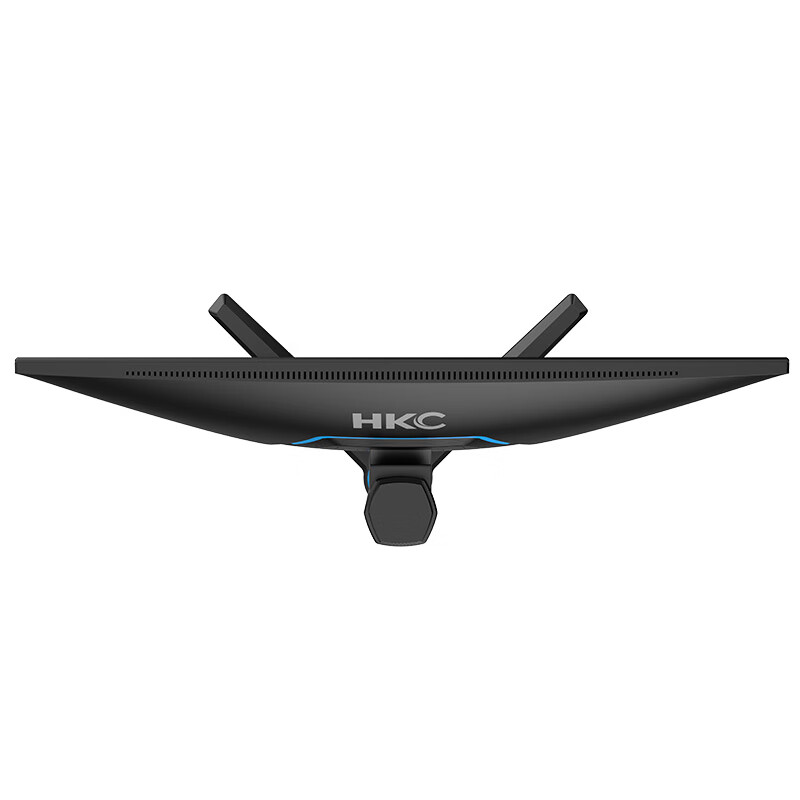
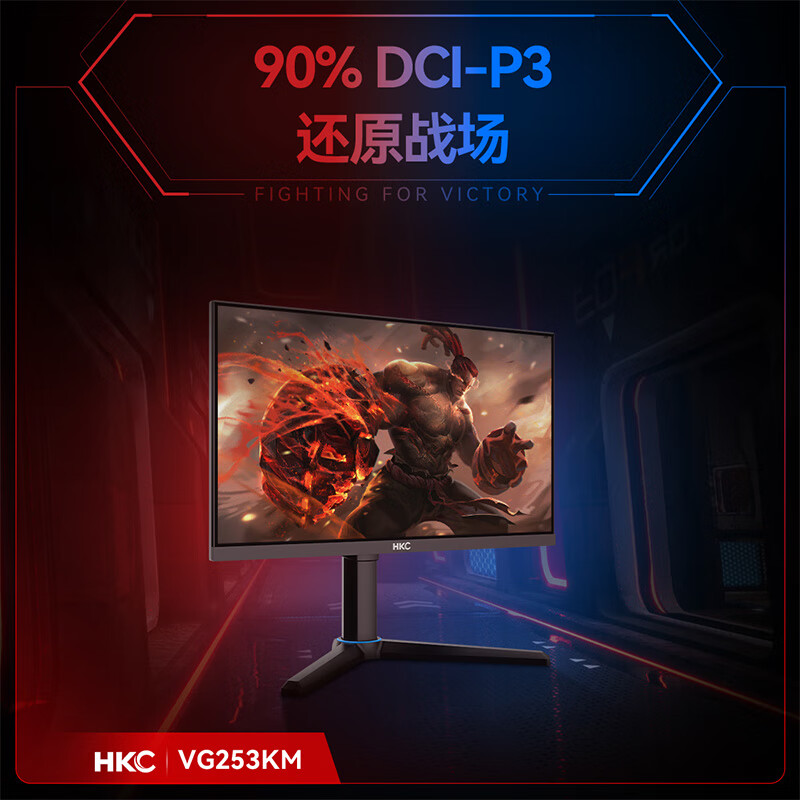
HKC has recently unveiled the VG253KM monitor in the Chinese market which stands out for its high refresh rate and gaming-oriented features. The monitor is priced affordably at 899 yuan ($126) and it is now up for pre-sale on JD.com. Let’s check out the key specs of this monitor.
HKC VG253KM Monitor Specifications:
The VG253KM gaming monitor features a 24.5-inch Full HD TCL Huaxing HVA fast liquid crystal display with a high refresh rate of 240Hz, significantly higher than the standard 60Hz, an aspect ratio of 16:9, and 1920×1080 resolution. The high refresh rate enhances smoothness and responsiveness, which is vital in fast-paced gaming scenarios. Additionally, the monitor boasts a rapid 1ms GTG response time, reducing motion blur and enabling crisp image transitions, crucial for competitive gaming.
In terms of color performance, the VG253KM covers 90% of the DCI-P3 color gamut and supports 1.07 billion colors. This wide color gamut and high color depth contribute to more vibrant and accurate color reproduction, enhancing the overall visual experience. The monitor also offers a brightness of 300 nits and a high static contrast ratio of 3000:1, ensuring that images are bright and contrast is deep, making for better visibility in various lighting conditions.
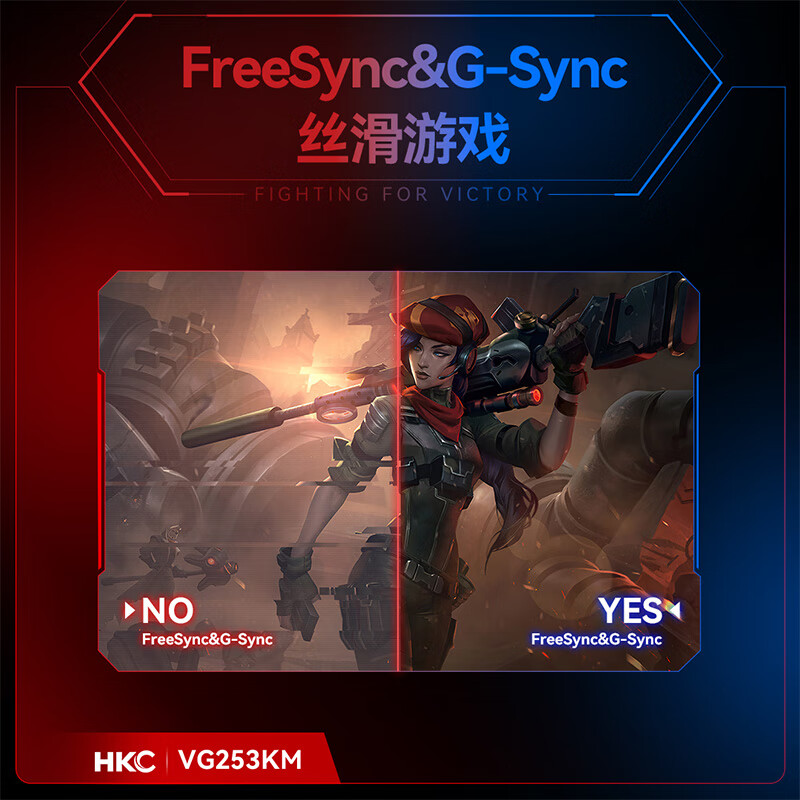
For gamers who use AMD or NVIDIA graphics cards, the VG253KM supports both AMD FreeSync and NVIDIA G-Sync technologies. This compatibility allows for real-time synchronization between the monitor and the graphics card, reducing screen tearing and stuttering, and ensuring a smoother gaming experience.
Connectivity-wise, the monitor is equipped with two HDMI 2.0 ports, a DP 1.4 port, and an audio-out interface. This variety of ports makes it versatile for connecting different gaming consoles, speakers, and other audio devices.
The VG253KM also features several gaming-specific enhancements like game aiming assistance, game timer, and optimal gaming display modes, which are designed to improve gaming performance and comfort.
Furthermore, the VG253KM is equipped with a VESA mount (75mm x 75mm), providing flexibility for wall mounting or attaching to monitor arms for ergonomic setups.
HKC also introduced two gaming monitors last month in the Chinese market. The HKC IG27U offers a 4K resolution with a high refresh rate of 160Hz, utilizing a FAST IPS panel, priced at 1899 Yuan ($266). Additionally, the company launched the P273U MAX monitor, featuring slim bezels and a 4K Nano IPS panel, available for 2699 Yuan.
Vivo has recently been in the news for launching several new devices. However, it seems like the company is not done yet, as a new Vivo smartphone has been spotted on the Geekbench database.
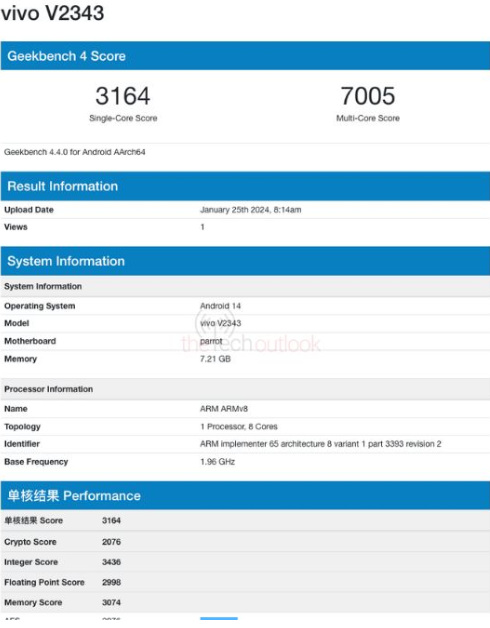
The smartphone, which carries the model number V2343, has revealed some of its key specifications, giving us a glimpse of what to expect from Vivo’s next offering.
Vivo V2343 Geekbench
According to the Geekbench listing, the Vivo V2343 will be powered by an octa-core processor with a base clock speed of 1.96GHz. The smartphone will also come with 8GB of RAM, which should be enough to handle most tasks smoothly.
The V2343 is also running Android 14, the latest version of Google’s operating system. This means that the smartphone will come with all the latest features and improvements that Android 14 has to offer.
The Geekbench listing also reveals that the Vivo V2343 scored 3164 points in the single-core test and 7005 points in the multi-core test. These scores are not too shabby, and they suggest that the smartphone should be able to handle most tasks without any issues. However, it is important to keep in mind that Geekbench scores are not always indicative of real-world performance.
While the Geekbench listing has revealed some of the key specifications of the Vivo V2343, there are still many details that we don’t know. For example, the official name of the smartphone is still under wraps.
It is likely that Vivo will officially announce the V2343 in the coming weeks or months. In the meantime, we can only wait and speculate about what the smartphone has to offer.
In addition to the upcoming V2343, Vivo has also launched a number of other smartphones in recent months. These include the Y100 5G, G2 5G, S18 series, Y28 5G, and X100 series. The Y100 5G is a budget-friendly 5G smartphone that is available in Indonesia. The G2 5G is a mid-range 5G smartphone that is available in China.
The S18 Pro and S18e are premium smartphones that are available in China. The Y28 5G is a budget-friendly 5G smartphone that is available in India. The X100 series is a line of flagship smartphones that is available in India.
Update: The device referred to as Xiaomi Pad 7 Pro here may actually be the Xiaomi Pad 7. However, there is still uncertainty regarding this information. Further updates will be provided when more accurate details become available.
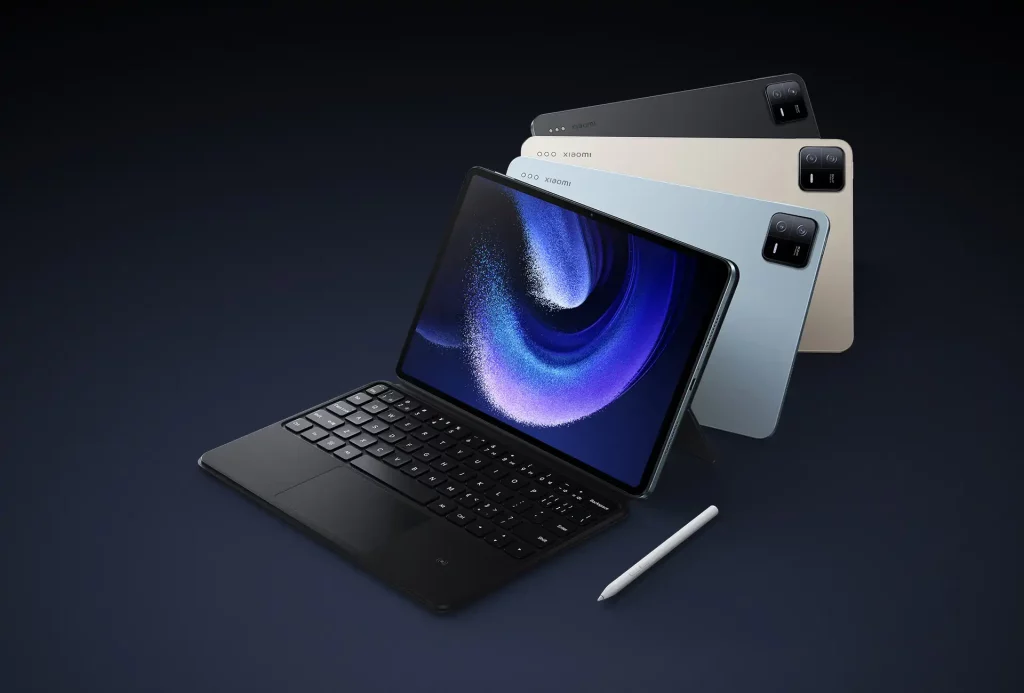
Xiaomi is rumored to be developing a new series of tablets, tentatively called the Pad 7 series, although no official confirmation has been provided yet. Recent leaks have surfaced regarding this upcoming Xiaomi tablet series, but concrete details are still pending. Digital Chat Station, a well-known tipster, has shared some additional specifications related to the tablet allegedly Pad 7 Pro.
Alleged Xiaomi Pad 7 Pro Specs Leak
According to Digital Chat Station, this upcoming tablet will boast a larger 12.45-inch LCD display with a 16:10 aspect ratio and an impressive 144Hz refresh rate. Under the hood, it will be powered by the Snapdragon 8 Gen 2 processor and support rapid 120W wired charging.
This information aligns with a recent certification from China’s 3C regulatory body for a Xiaomi tablet with model number 24018RPACC (Chinese version), which hinted at its 120W fast-charging capabilities.
Furthermore, a Xiaomi Pad 7 Pro with model number 24018RPACG (Global version) has appeared on Singapore’s IMDA certification platform, indicating an imminent launch. However, detailed specifications or pricing information have not been disclosed yet.
Previously, Digital Chat Station had hinted at some standout features for the tablet, including a high-refresh-rate screen at 144Hz, a dual 50MP camera setup, dual-core batteries supporting 67W/90W charging, a quad-speaker system, and an enhanced multi-device system.
The alleged Xiaomi Pad 7 Pro tablet, possibly the Xiaomi 24018RPACC, is expected to be released in China by the end of February. It is anticipated to offer a seamless interconnected experience with other Xiaomi devices and feature an Android 14-based HyperOS system.
Furthermore, there are hints of other upcoming tablets with OLED screens and Snapdragon 8 Gen 3 processors, likely part of the Pad 7 series. This model might be the Xiaomi Pad 7 Max tablet and is expected to be unveiled alongside the Xiaomi 14 Ultra in April.
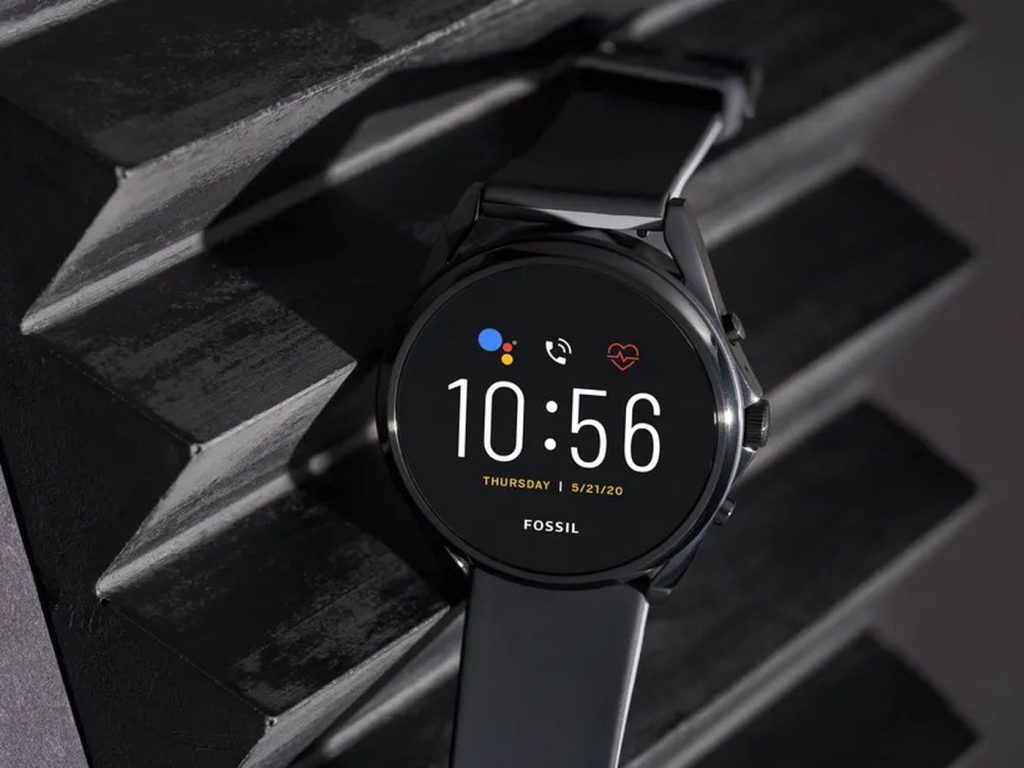
Fashion brand Fossil has announced that time’s up for its smartwatch business. In a statement to The Verge, the group said that it is exiting the category. Fossil entered the segment some years back and it was one of the early adopters of Google’s Wear OS. Notably, the company struck around even when other OEMs were uninterested in the smartwatch operating system.
Fossil quits smartwatch business
Fossil is entirely quitting the smartwatch business. For those unaware, alongside its main brand, the group also has smartwatches released under its sub-brands including Skagen, Diesel, and more. This means that the Fossil Gen 6 which debuted way back in 2021 is the brand’s last smartwatch.
Speaking to The Verge, Fossil spokesperson Amanda Castelli said “Fossil Group is redirecting resources to support our core strength and the core segments of our business that continue to provide strong growth opportunities for us” She added that the smartwatch landscape has evolved significantly over the past few years and the decision to exit the business is strategic one. This is understandable considering Fossil has been around during the worst phases of Wear OS. However, things changed for good when Google and Samsung came together to develop Wear OS 3 based on Android 11.
Castelli said that Fossil will continue to keep Wear OS watches updated for the next few years. Fossil smartwatches have often been hybrid with a mix of minimalist and fashion-centric design while also packing smart and fitness features. The company was expected to launch the Gen 7 last year but now we know why that did not happen. Users on Reddit had reported that Fossil was pulling out of the smartwatch business.
Regardless, Fossil would be missed in the smartwatch segment. Now, Withings remains the only brand in the market that offers hybrid smartwatches.
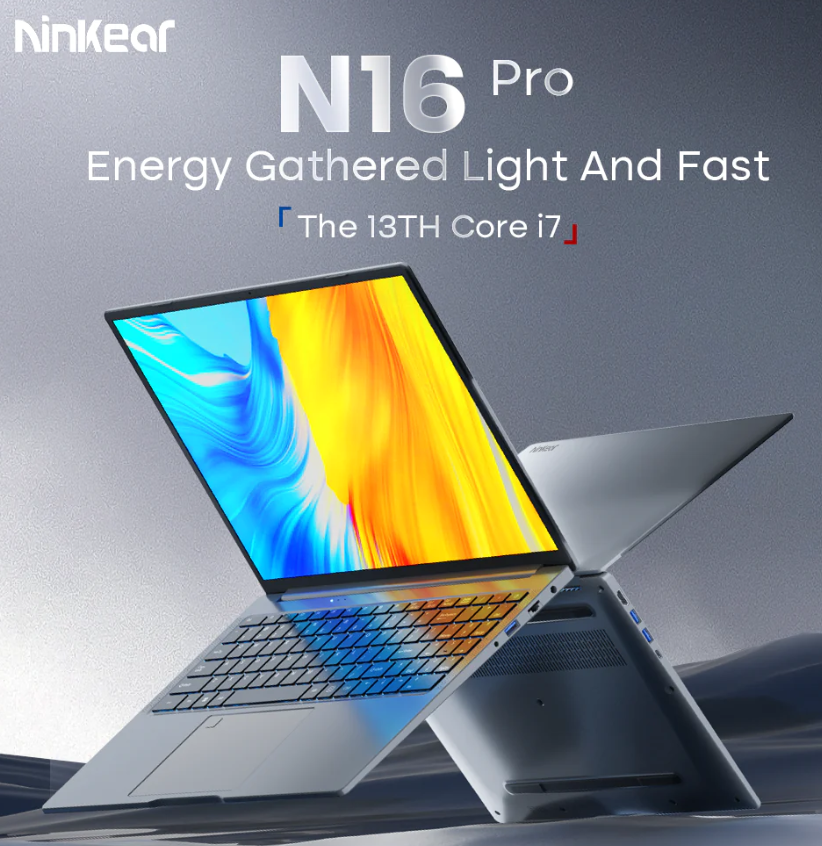
Ninkear N16 Pro is designed to enhance your portable computing experience. Packed with features that make it a standout contender, this device is set to redefine how you engage with your digital world. This 16-inch powerhouse combines cutting-edge technology with thoughtful design, making it a versatile tool for professional tasks and entertainment.
Processing Power:
At the heart of the N16 Pro lies the 13th Gen Intel Core i7-13620H processor, capable of reaching a blazing 4.90 GHz. This powerful chip, equipped with 10 cores and 16 threads, ensures seamless multitasking, faster graphics, and smoother gameplay.
Immersive Display:
The 16-inch IPS 2.5K display with a 165Hz refresh rate delivers an ultra-high resolution of 2560×1600. The LED backlight and QHD technology provide a stunning visual experience, ideal for professionals who demand precision and clarity.
Memory and Storage:
The N16 Pro is equipped with a generous 32GB dual-channel DDR4 high-frequency memory and a lightning-fast 1TB PCIe SSD. This powerful combination allows users to handle complex tasks with ease, ensuring a lag-free computing experience. Additionally, the support for M.2 SSD up to 4TB provides ample space for storage expansion.
Connectivity for the Modern World:
Featuring the latest WiFi 6 wireless chip, the N16 Pro ensures fast, stable connections with enhanced security and reliability. This is particularly beneficial in dense environments, offering lower latency and longer battery life than previous solutions.
Cooling System:
Engineered for optimal performance, the N16 Pro incorporates a dual cooling solution with copper tubes and silent fans. This ensures efficient heat dissipation, allowing the notebook to work stably and last longer, even during resource-intensive tasks.
Long-lasting Battery:
The N16 Pro is equipped with a monstrous 5500mAh battery, providing up to 8 hours of usage on a single charge. The high-capacity lithium-ion battery, coupled with excellent system-level power management, ensures that the notebook is ready to keep up with your demands throughout the day.
Design and Portability:
Crafted with a metal body and narrow bezels on all sides, the N16 Pro manages to house a 16-inch screen within the dimensions of a 14-inch body. The full-size backlit keyboard facilitates accurate typing in the dark and features a fingerprint unlock module that recognizes your fingerprint in just 0.5 seconds.
Comprehensive Connectivity:
The N16 Pro offers a range of ports, including USB 2.0 and USB 3.0, HDMI, Type-C, audio interfaces, and RJ45 for versatile connectivity options. The inclusion of Bluetooth 5.0 and support for LAN and WiFi 6 ensures you stay connected in various environments.
Price and Availability:
Get the Ninkear N16 Pro (32GB + 1TB ) for just $782. Enjoy swift EU delivery in 2-15 days, with no VAT, or customs duty in the EU. Take advantage of installment payments and secure your purchase with a 2-year warranty. Don’t miss out on this exclusive deal, available only on the official website.
Ninkear N16 Pro emerges as a well-rounded and powerful portable computing solution. From its high-performance processor and immersive display to its efficient cooling system and long-lasting battery, the N16 Pro is designed to cater to the needs of professionals and enthusiasts alike.
Nothing is reportedly working on a new smartphone as per multiple leaks and rumors in the past. The device is widely expected to be the Nothing Phone (2a). The London-based company’s founder Carl Pei has also been dropping cryptic teasers. Nothing has already confirmed its presence at the upcoming MWC event in Barcelona next month where it could announce its next product. Now, in a new development, the Phone (2a) has been spotted on a certification website.
Nothing Phone (2a) bags
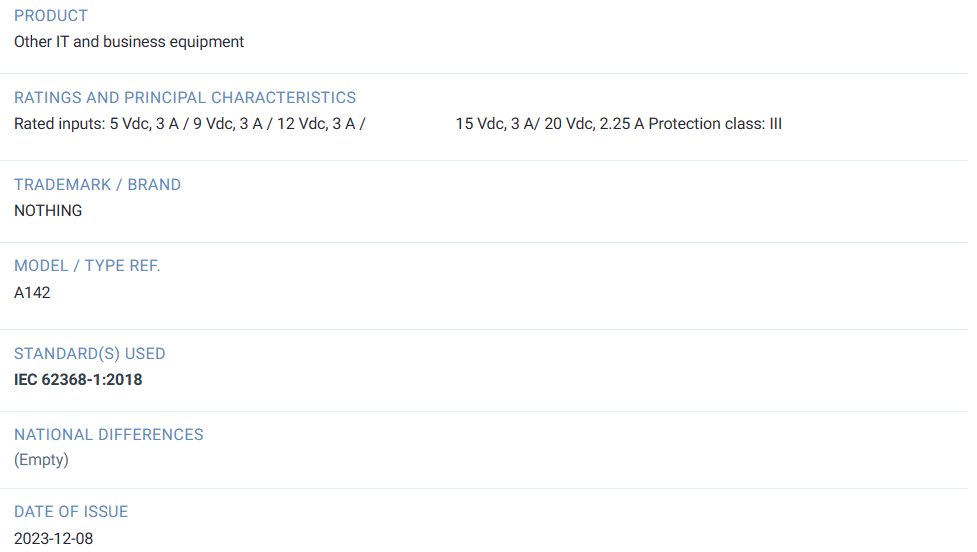
The Nothing Phone (2a) has bagged the TUV certification with model number A142. The listing reveals that it will support 45W wired charging speed. It is the same as the Nothing Phone (2). The certification does not reveal any additional information of the device. Apart from TUV, the phone has already bagged BIS and TDRA certifications hinting at its imminent launch.
As per a leaked prototype image, the Nothing Phone (2a) will feature a circular module housing two camera sensors (headlined by a 50MP primary lens) positioned horizontally. The camera island will be surrounded by Glyph LED light strips. As for the core specifications, the upcoming offering is tipped to come with a 6.7-inch AMOLED display bearing an FHD+ resolution.
The Nothing Phone (2a) is rumored to be powered by a MediaTek Dimensity 7200 SoC. As per a recent report, it will be offered in 8GB + 128GB and 12GB + 256GB RAM and storage configurations and in White or Black colors. It is tipped to carry a sub-EUR 400 price tag for the base model.
The upcoming Realme 12 and 12+ smartphones have surfaced on the Bureau of Indian Standards (BIS) certification platform, indicating their imminent launch in the Indian market.
While the Realme 12 Pro series launch is scheduled for January 29, 2024, these non-pro models appear poised to follow soon after.
Indian certification confirms arrival
Both the Realme 12+ (model number RMX3867) and Realme 12 (model number RMX3868) received BIS certification on January 24, 2024. This confirms their official entry into the Indian market, though an official launch date remains unannounced.
The Realme 12+ has also been cleared by the US Federal Communications Commission (FCC). This reveals some exciting features and design details.
The FCC documents show that the Realme 12+ will look a lot like the Realme 12 Pro, measuring about 162.9 mm by 75.5 mm. It will have a round camera setup on the back, likely with three cameras, including a possible periscope telephoto lens.
The phone is set to have a 5000 mAh Li-ion polymer battery (technically 4880 mAh). It’s also expected to come with Realme UI 5.0, which is probably based on Android 14.
Besides the BIS and FCC, the Realme 12+ has received certifications from other global authorities including MIIT, TDRA, NBTC, SIRIM, and SDPPI.
As previously announced, the Realme 12 Pro, and 12 Pro+ are scheduled to launch on January 29, 2024. With the non-pro models’ BIS certification and leaked specs, it’s reasonable to expect their launch to follow shortly after.
Apple’s Vision Pro headset enjoyed robust pre-order sales, estimated by analyst Ming-Chi Kuo to be between 160,000 and 180,000 units. However, potential buyers hoping to watch Netflix on their new device will be disappointed for now.
In an interview with Stratechery, Netflix co-CEO Greg Peters confirmed that the streaming giant has no plans for a dedicated Netflix app on the Vision Pro. The reason, according to Peters, is purely practical — the current user base of the headset isn’t large enough to warrant the resources required for app development.
“We have to be careful about making sure that we’re not investing in places that are not really yielding a return, and I would say we’ll see where things go with Vision Pro,” Peters responded. “Certainly we’re always in discussions with Apple to try and figure that out but right now, the device is so subscale that it’s not really particularly relevant to most of our members.”
This doesn’t necessarily mean Netflix will permanently snub the Vision Pro. Peters left the door open for a future app, depending on how the VR market evolves.
Netflix isn’t alone in choosing to sit out the initial round of native Vision Pro apps. YouTube and Spotify have also opted not to develop dedicated applications, though both can be accessed through the headset’s web browser.
Meanwhile, Apple’s own streaming service, Apple TV+, is embracing the VR scene with its launch of “Apple Immersive Video,” a format offering 180° 3D footage in 8K resolution with Spatial Audio.
While Netflix has experience in the VR space, having launched a VR app in 2015 and even producing a 360° video based on “Stranger Things,” it appears the Vision Pro won’t be adding its platform to its lineup anytime soon. However, the possibility of a future app remains on the table.
We use cookies on our website to give you the most relevant experience by remembering your preferences and repeat visits. By clicking “Accept”, you consent to the use of ALL the cookies.
This website uses cookies to improve your experience while you navigate through the website. Out of these, the cookies that are categorized as necessary are stored on your browser as they are essential for the working of basic functionalities of the website. We also use third-party cookies that help us analyze and understand how you use this website. These cookies will be stored in your browser only with your consent. You also have the option to opt-out of these cookies. But opting out of some of these cookies may affect your browsing experience.
Necessary cookies are absolutely essential for the website to function properly. This category only includes cookies that ensures basic functionalities and security features of the website. These cookies do not store any personal information.
Any cookies that may not be particularly necessary for the website to function and is used specifically to collect user personal data via analytics, ads, other embedded contents are termed as non-necessary cookies. It is mandatory to procure user consent prior to running these cookies on your website.