Advertisement

EU industry chief warns Apple of strong action amidst App Store overhaul

In a significant development surrounding Apple’s response to the European Union’s Digital Markets Act (DMA), EU industry chief Thierry Breton has issued a stern warning, stating that Apple will face robust action if its changes to the App Store do not align with the upcoming EU regulations. The DMA, enacted in 2022, addresses alleged anticompetitive practices by major tech companies, designating them as “gatekeepers” and imposing specific obligations.

Apple’s move to comply with the DMA includes allowing software developers to distribute apps through alternative stores starting in early March. Notably, developers can opt out of using Apple’s in-app payment system, which currently charges up to 30% commissions. However, critics argue that Apple’s fee structure remains unfair and may violate the DMA, with some contending that the changes offered by Apple do not go far enough.

Thierry Breton emphasizes that the DMA’s goal is to open the internet gates to competition for fair and open digital markets. The assessment of companies’ proposals will commence on March 7, and strong action will be taken if the proposed solutions are deemed insufficient.

Under the new regime, developers still need to submit apps to Apple for review regarding cybersecurity risks and fraud. However, developers now have the option to choose alternative app stores and payment systems. Apple has introduced a “core technology fee” of 50 euro cents per user account per year for developers opting into the new business terms.

Apple estimates that under the new terms, 99 percent of developers would reduce or maintain the fees owed to Apple. However, larger companies with millions of free users, such as Meta and Spotify, maybe more significantly affected. Spotify CEO Daniel Ek criticized Apple’s proposed changes, describing them as ‘vague and misleading’ and accusing Apple of ‘extortion.’

Ek points out that the 0.50 cent Euro fee per download, every year, in perpetuity, is tantamount to ‘extortion.’ He questions the need for an annual flat fee in addition to the existing commission on digital goods, raising concerns about the impact on developers, especially potential start-ups and those offering free apps.

The European Commission took note of Apple’s announcements ahead of the compliance deadline and encouraged designated gatekeepers to test their proposals with third parties. In response to the DMA, Apple announced changes to iOS, Safari, and the App Store in the European Union, allowing third-party app stores on iOS for the first time.

While Apple aims to comply with the DMA, criticism persists for the perceived inadequacy and potential negative impact on developers. As the compliance deadline gets closer, the tech industry is waiting to see what happens next and how the European Commission responds to Apple’s plans.

Related:

(via)
HMD smartphone surfaces with 108MP camera

Over the last couple of weeks, it was revealed that HMD Global is gearing up to launch new smartphones under its own branding. The company has released Nokia branded devices, and is now planning on expanding its very own Android phone portfolio. Now, the latest sighting has revealed a key camera spec of the upcoming device.

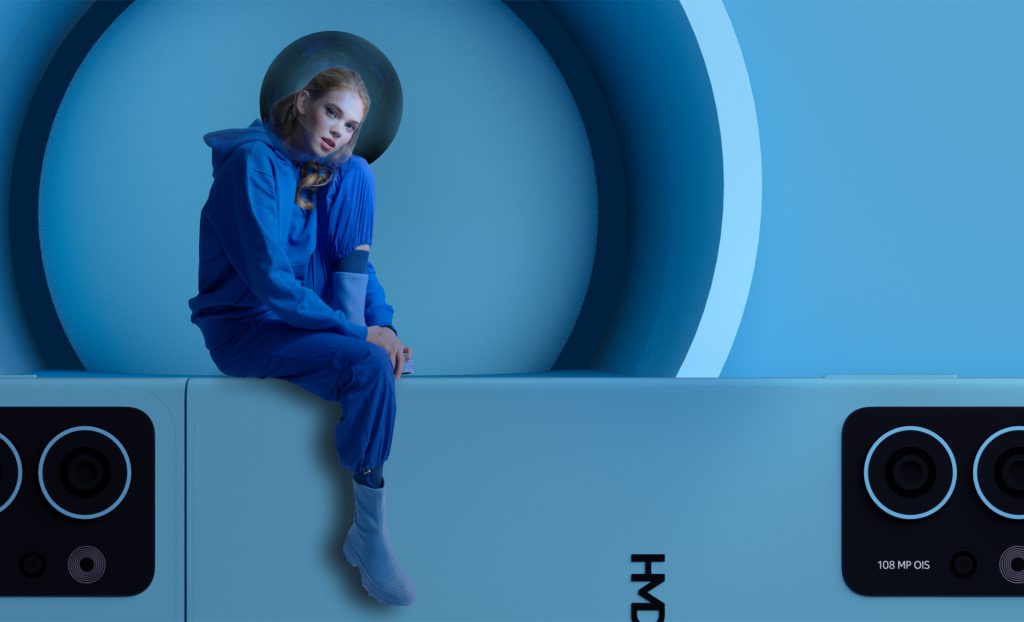
HMD Smartphone Spotted with 108MP Primary Camera

To recall, two HMD Global smartphones surfaced on the IMEI database back in November 2023. These devices were expected to launch sometime in April 2024. Earlier this month, a render leak also offered us a first look at the upcoming HMD phone. But while these were leaks or certification sightings, the fresh report from Suomimobiili (a Finnish publication) shared the product render that were spotted on the brand’s official website.

HMD Smartphone

Unfortunately, following the link shared by the original report shows a 404 Error, which likely means that the image was taken down soon after it went live. But the image was still shared and offered us a look at the rear camera module. The design appears to be in line with our previous report. A notable aspect spotted in the image is the 108MP OIS etching that confirms the primary sensor’s resolution and Optical Image Stabilization support.

The HMD smartphone can be seen in a Cyan color option. Finer details regarding this device like its specs and pricing are still unclear. Although, we do know that the device has a dual camera setup on the back. Just last week, known tipster Evan Blass also shared a series of codenames for HMD-branded devices that are set to launch soon. These include, Pulse, Legend, Pulse+, Legend Plus, Pulse Pro, and Legend Pro. This is all the information we have at the moment, so stick around for more updates.

RELATED:

Samsung’s new ” Samsung Find” app now available for Galaxy devices, replaces SmartThings Find

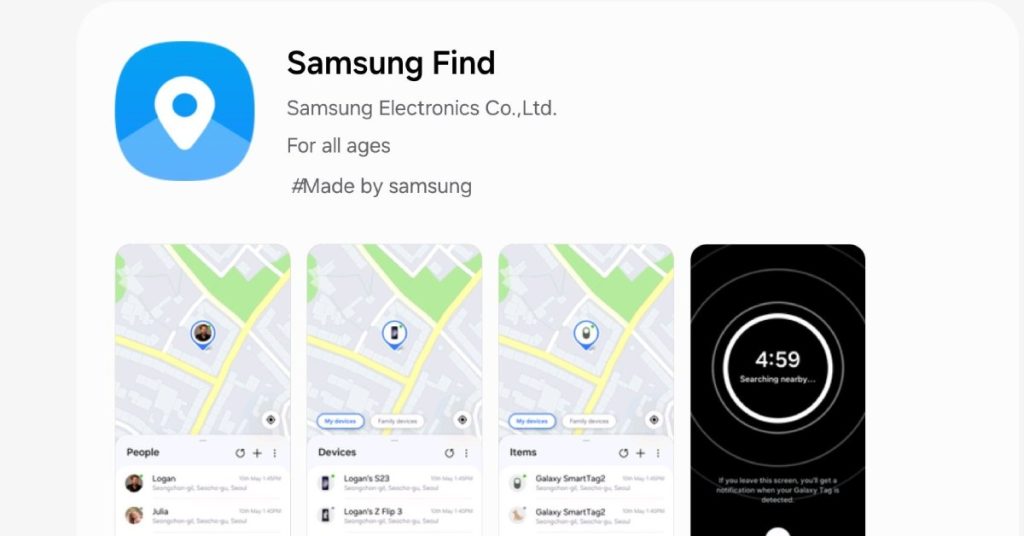
Earlier this month, we reported that Samsung is working on a standalone app to streamline device management for Galaxy users. Well, the company has officially launched the app, named “Samsung Find.” The new standalone app takes the place of the “SmartThings Find” section that used to be a part of the SmartThings app.

Before this change, if users wanted to locate their Samsung devices, such as smartphones, tablets, laptops, or SmartTags, they had to navigate through the SmartThings app. Now with “Samsung Find”, users get all tracking features built into one dedicated app, which should simplify things for users.

The app is available for download on the Galaxy Store and weighs around 70MB in size. It has three main tabs on the home screen:

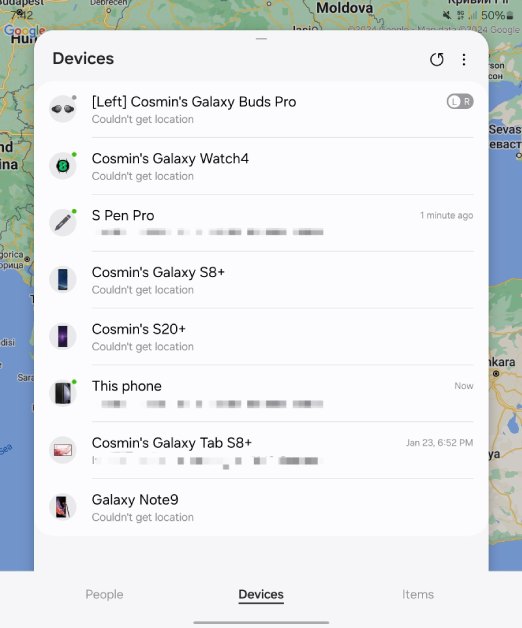
  • Devices: This section displays all your Galaxy smartphones, tablets, laptops, and smartwatches on a map, allowing you to easily pinpoint their location. 
Samsung Find “Devices” tab.
  • Items: If you misplace your accessories attached to the Galaxy SmartTag tracker, you can find them via the Items section on the app. Just simply open the app and you can view where your keys, wallet, or any other item attached to a SmartTag is located.
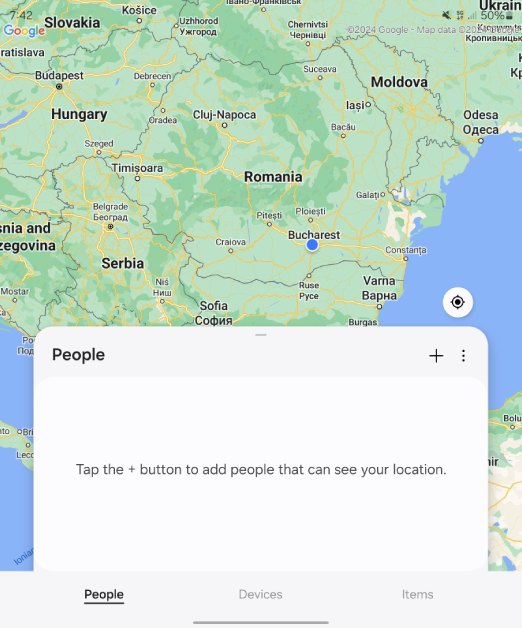
  • People: Within the People tab, you can view the location of your family members if they’re sharing it with you. It offers added peace of mind, knowing you can check in on their whereabouts, especially for children or older adults.
Samsung Find “People” tab.

Beyond just displaying locations, “Samsung Find” offers some additional features. For instance, you can share your own location or the location of your device/item with others, to keep your loved ones informed. 

Likewise, you can locate your lost device or item with an audible ping using the “Make Sound” feature. And for devices with Ultra-Wideband (UWB)  support, the app shows even more precise location data and directional guidance.

Related:

(Via 1,2)

Global Semiconductor Industry Faces Revenue Decline in 2023, AI Offers Growth Prospects – Counterpoint

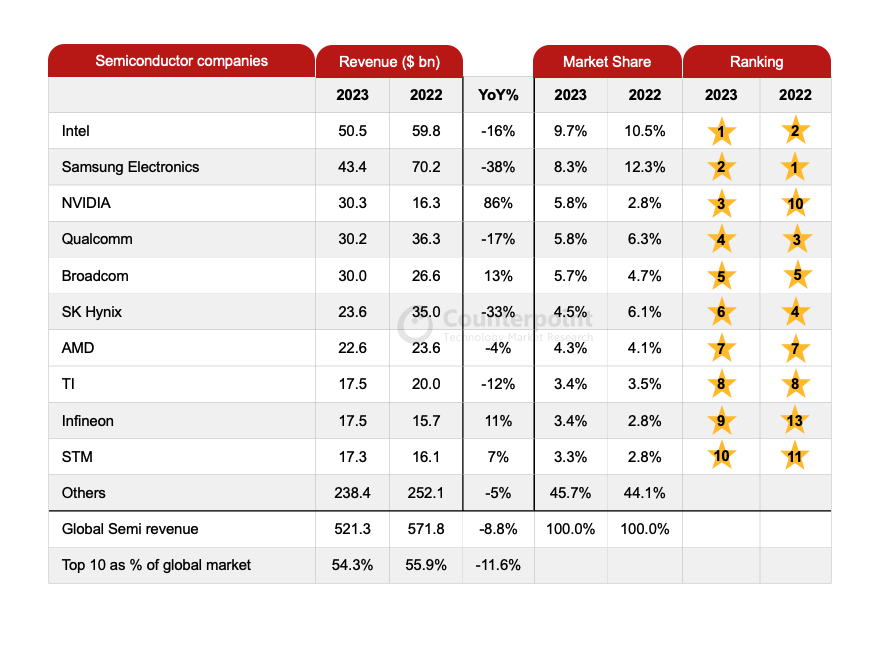
As per the latest Counterpoint report, the global semiconductor industry experienced an 8.8% decline in revenue in 2023, primarily due to reduced spending in both consumer and enterprise sectors. However, the landscape saw significant changes, with Intel overtaking Samsung for the top spot, as Samsung battled downturns in its memory and smartphone businesses.

Artificial Intelligence (AI) emerged as a key driver of growth in the semiconductor industry, especially in the second half of the year. NVIDIA, a major player in AI technology, benefited significantly, marking an 86% increase in year-over-year revenue, which positioned them third in revenue rankings for the first time.

Counterpoint’s semiconductor revenue tracker indicates that only six out of the top 20 global semiconductor vendors reported growth in 2023. The memory sector was particularly hard hit, witnessing a 43% decrease in revenue year-over-year. This decline contributed to the top 20 vendors’ market share falling from 76% in 2022 to 71% in 2023.

Global Semiconductor Revenues Decline 8.8% in 2023

Intel’s return to the lead in the semiconductor market came despite a 16% drop in its year-over-year revenue, attributed to declining shipments in PCs and servers. Samsung’s revenue fell by 38% due to challenges in the DRAM and NAND segments. Other major players in the memory market, SK hynix and Micron, also reported significant revenue decreases.

William Li, Senior Analyst at Counterpoint Research, points to AI as a primary growth driver for the semiconductor industry in 2024. He predicts a recovery in the memory sector due to a normalization of the oversupply situation and demand recovery. The automotive sector is also expected to contribute to market growth, as demonstrated by Infineon and STMicroelectronics in 2023.

With the semiconductor industry nearing the end of its inventory correction cycle and stable client demand, supply constraints are likely to be a key focus. TSMC, the world’s largest foundry player, maintains a positive outlook with plans for capacity expansion in 2024, anticipating strong demand throughout the year.

RELATED:

(Source)

Yamaha Enters the Hydrogen Vehicle Scene with Its Latest Golf Car

Yamaha has recently taken a significant step in the world of alternative energy vehicles by introducing the Drive H2, its first concept vehicle powered by hydrogen. Yamaha’s ongoing efforts are a step towards exploring sustainable fuel options, a journey that started in earnest a couple of years ago.

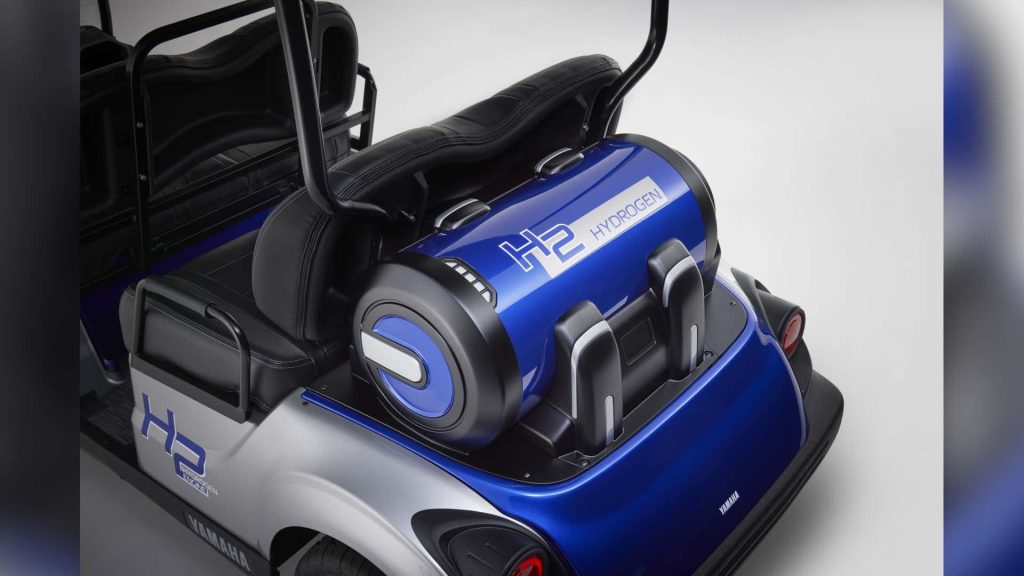
The car has two hydrogen tanks, with each tank having a 25-litre capacity

The unveiling of the Drive H2 occurred at the 2024 PGA Show in Florida. This vehicle is a modified version of Yamaha’s existing Drive2 Concierge 4 personal golf car, equipped with two hydrogen tanks. Each of these tanks can store up to 25 liters of hydrogen. One tank is positioned at the back of the car, while the other is situated under the driver’s seat.

Yamaha

Yamaha’s path to this innovation began in January 2022 with the announcement of a partnership with Kawasaki to develop hydrogen engines. This was followed by a collaboration with Toyota on a 5-liter V8 hydrogen engine. The commitment of Yamaha to hydrogen as a fuel source was reiterated by their president, Yoshihiro Hidaka, in mid-2023.

The adoption of hydrogen technology in vehicles, however, is not without its challenges. The main obstacle is the need for a supportive infrastructure, similar to the challenges faced by electric vehicles. The availability of hydrogen refueling stations is crucial for the widespread use of such vehicles.

While Yamaha has focused on a golf car for its hydrogen venture, the motorcycle segment is still an area of potential expansion. To date, Kawasaki and Suzuki have been the front runners in developing hydrogen-powered motorcycles. Given Yamaha’s history and the pace at which they are embracing new technologies, further developments in this area could be on the horizon.

RELATED:

(Via)

Hero MotoCorp and Zero Motorcycles Team Up for an Electric Bike Revolution

The Indian motorcycle market leader, Hero MotoCorp, has teamed up with Zero Motorcycles, an American electric bike maker, in a significant move for the motorcycle industry. More than a business deal; this is a huge step towards changing the way motorcycles are built and used, especially in a two-wheeler-dominant country like India.

Hero’s commitment is shown by their $60 million investment in 2023

Electric bikes are now a reality, and Hero MotoCorp’s collaboration with Zero Motorcycles aims to make them more common. This partnership goes beyond selling bikes; it’s about creating a new electric platform that will lead to a variety of electric motorcycles. This shows a major shift in the motorcycle world, where new ideas and eco-friendly approaches are becoming key.

Hero Electric

Hero MotoCorp, already in the electric vehicle market with its Vida brand, will now have access to advanced electric bike technology. They plan to launch four new electric motorcycle models. These bikes will suit different types of riders, from those seeking high performance to beginners wanting an eco-friendly option. The first phase includes two high-performance models, each with a unique style but sharing the same advanced tech.

In India, bikes with more than 25 horsepower are seen as high-performance, unlike in the US and Europe. This difference gives Hero and Zero a chance to create unique bikes – combining Zero’s electric tech with the style and efficiency needed in India.

Hero’s commitment is shown by their $60 million investment in 2023. This isn’t just for new models; it’s about imagining a future with accessible, affordable electric motorcycles for more people.

Currently, Hero MotoCorp’s electric efforts are seen in the Vida V1 scooter, but there’s more to come. Their plan includes electric bikes from mid-range to premium. This variety means there will be an electric bike for every rider, showing Hero’s commitment to an electric future.

RELATED:

(Via)

Samsung opens new research lab in Silicon Valley for next-gen 3D DRAM development

South Korean tech giant Samsung is doubling down on memory chips with a new research lab in Silicon Valley, USA. This lab, under the company’s US arm DSA, will focus on developing the next generation of 3D DRAM technology, aiming to maintain Samsung’s position as the world’s leading memory chip maker.

The company is actively working on developing innovative DRAM structures utilizing sub-10nm fabrication technologies. Yonhap News Agency reports that this breakthrough technology is expected to yield higher-capacity memory chips, reaching up to 100Gb per chip.

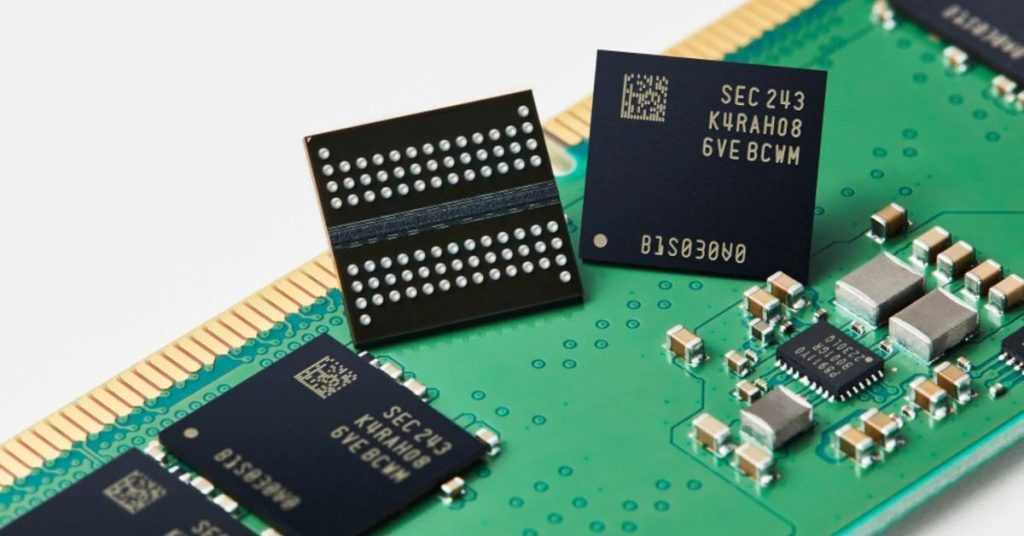
Samsung lab 3D DRAM

Samsung isn’t new to pioneering memory advances, having first released commercial 3D vertical NAND flash in 2013. Now, they could become the first to develop 3D DRAM as well.

This move comes as the memory chip market rebounds after a rough year.  Samsung’s semiconductor division faced its first-ever loss due to the chip market’s downturn last year.

The post-COVID-19 cloud server boom prompted numerous tech companies to order substantial quantities of memory chips. However, the global economic downturn led to a decline in demand, resulting in an oversupply of memory chips and a decline in prices.

However, thanks to the increasing demand for AI servers driven by tools like ChatGPT, memory chip prices are on the rise again. Experts predict 2024 to be a strong year for Samsung and its competitors like Micron and SK Hynix.

Samsung’s focus on advanced DRAM could also see them partnering with Intel. Their LPDDR5X DRAM chips are potential candidates for Intel’s upcoming Lunar Lake processors, due later this year. This partnership could further solidify Samsung’s position in the memory chip market.

Related:

China is Advancing in AI with Public Approval of Over 40 Models in the Last 6 Months

China has recently marked a significant milestone in artificial intelligence (AI) development by approving more than 40 AI models for public use. This milestone, taking place within six months of initiating a new approval process, is a reminder of China’s commitment to advancing in the global AI race. And this race is heating up fast.

Companies like Xiaomi Corp and 01.AI are amongst the most recent ones

The recent approvals include 14 large language models (LLMs), with well-known companies like Xiaomi Corp and 01.AI among the recipients. This is the fourth round of approvals, indicating a swift and focused adoption of AI technologies in the country.

Artificial Intelligence

The process began in August last year, when Beijing required tech companies to get regulatory approval for public use of their LLMs. This requirement was a strategic move, aiming to foster AI growth while ensuring it remains within the government’s regulatory framework.

Approvals have been issued in several batches since the policy’s implementation. The first batch, including AI models from major firms such as Baidu, Alibaba, and ByteDance, was granted soon after the policy introduction. Further approvals were given in November and December, with the latest batch cleared this month.

The exact list of all approved AI models is not publicly available. However, the brisk pace of approvals reflects the keen interest and effort by Chinese firms in the field of AI. This surge in AI development was partly motivated by the international success of OpenAI‘s ChatGPT in 2022. At that point, China had 40% of the world’s 130 LLMs, just behind the United States with 50%.

A highlight in China’s AI journey is Baidu‘s Ernie Bot, similar to ChatGPT, which has amassed over 100 million users. This example shows the significant potential and growing enthusiasm for AI in China.

RELATED:

(Via)

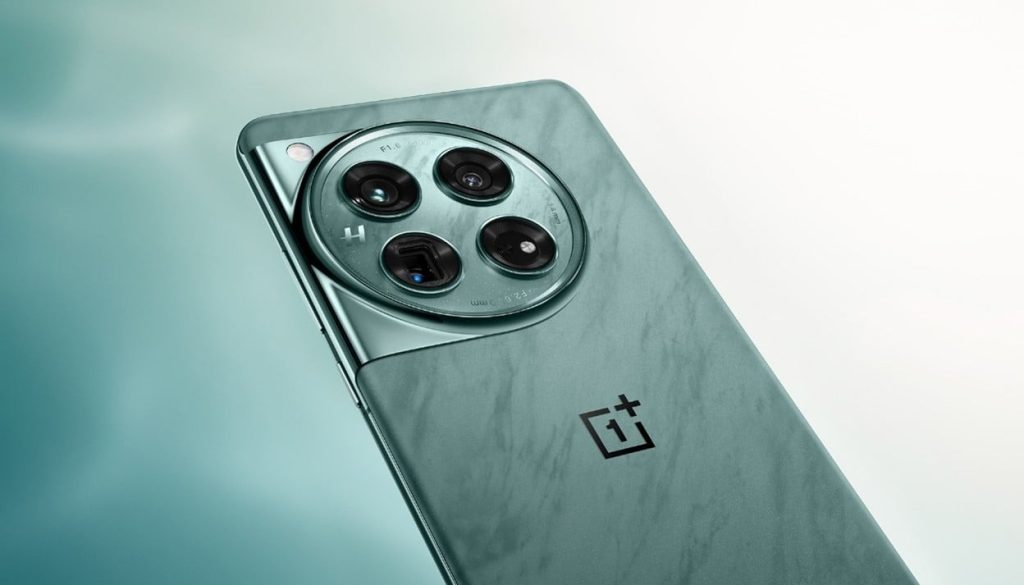
Chinese OnePlus 12 is reportedly region-locked

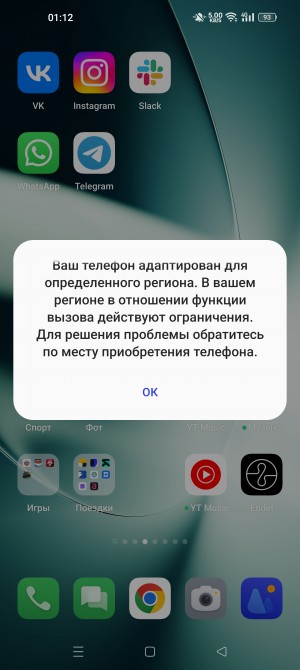
OnePlus has seemingly implemented a region lock on its Chinese-market OnePlus 12 series. The development follows closely on the heels of the global launch of the phone earlier this month.

Based on the information we’ve received, it seems that the region lock was enforced on Chinese OnePlus 12 units once the global version became available earlier this month. 

Users are reportedly encountering issues similar to those experienced with the OnePlus 11 last year, restricting the phone’s calling functionality.

Historically, OnePlus phones sold in China were usually unlocked and worked with global networks. However, starting with the OnePlus 11, the company introduced the region lock, and it seems like the same problem is happening with the OnePlus 12. The reason for this change is not clear.

The region lock creates problems for people outside China who want to buy the more affordable Chinese models. These users might end up with phones that can’t be used for calls when they travel to other countries.

While this move might be to discourage people from buying cheaper Chinese models in other regions, it causes issues for those who want to use their phones internationally.

Similar to last year, users might be able to unlock the region by entering an unlock code. The code could be obtained by contacting OnePlus support. However, it’s unclear whether support will be willing to unlock phones not bought through official Chinese channels but from third-party stores. This part is still not confirmed.

So OnePlus users thinking about getting a Chinese model should be aware of this limitation before deciding, especially if they plan on traveling outside of China.

Related:

Huawei is reportedly testing two screen sizes for the P70 series

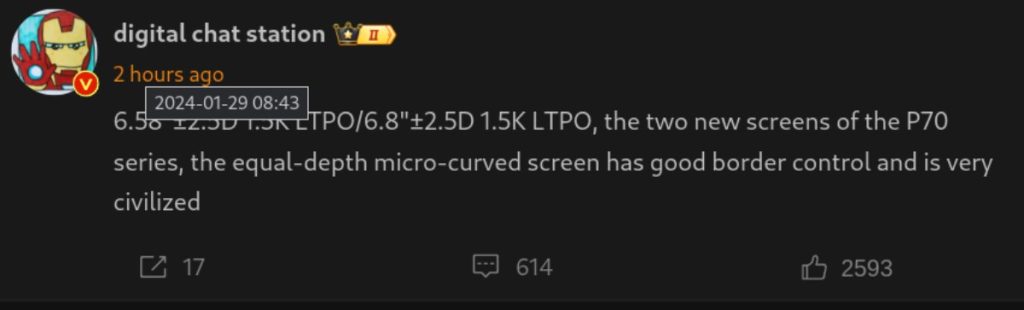
The Huawei P70 series is the upcoming line of smartphones from the company, and details about these devices have been gradually surfacing. Digital Chat Station, a renowned tipster, has recently shared additional information about the upcoming smartphones.

According to the leak, Huawei is testing two display options for the P70 series: 6.5 inches and 6.8 inches. Both sizes are expected to feature a 2.5D curved design with a 1.5K resolution and LTPO refresh rate technology for smooth visuals. The bezels are also rumored to be impressively thin.

huawei P70 screen sizes

Previous report suggests that the camera system of the Huawei P70 series will also receive significant improvements. It is expected to include the Omnivision OV50H sensor with variable physical aperture. 

The Omnivision OV50H sensor, released in January 2023, is a 50MP high-resolution sensor designed for premium smartphones. With a 1/1.3-inch sensor size and 1.2-micron pixel size, it is expected to deliver an excellent low-light photography experience. 

The sensor supports various HDR modes, high frame rates, and advanced features like 8K video recording and 4K video with electronic image stabilization (EIS).

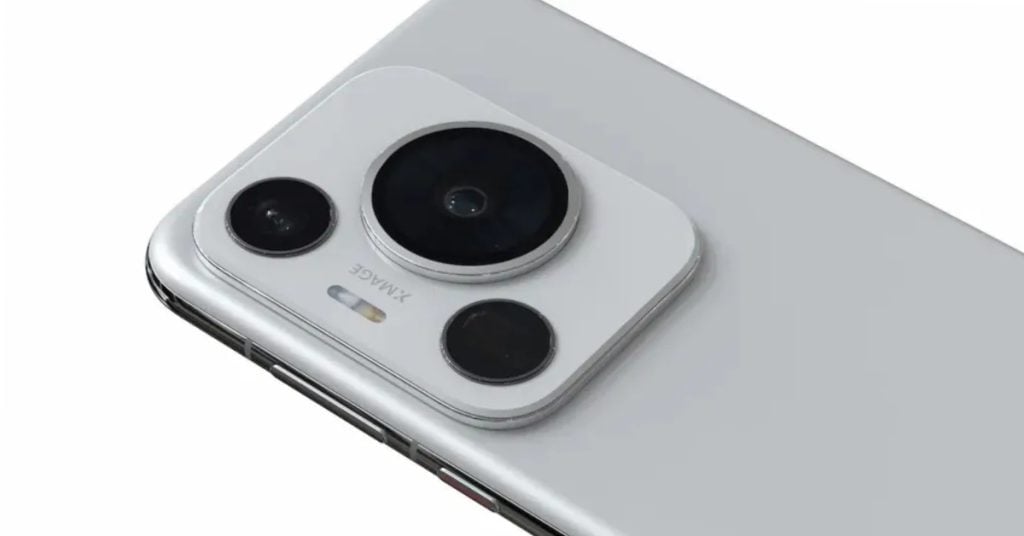
The Huawei P70 series is also expected to stand out with its unique rear camera design featuring a triple-lens setup arranged in a triangular pattern. The device will also include Huawei’s XMAGE branding.

In addition to these camera enhancements, the series is expected to feature a 5000mAh battery and stereo dual speakers with a receiver. The base model is likely to be powered by the Kirin 9000S chip, as indicated by a previous leak. Rumors suggest that the release date could be in late March or early April 2024.

Related:

Nintendo Switch 2 is reportedly targeting 10m units in 2024, no OLED screen during launch

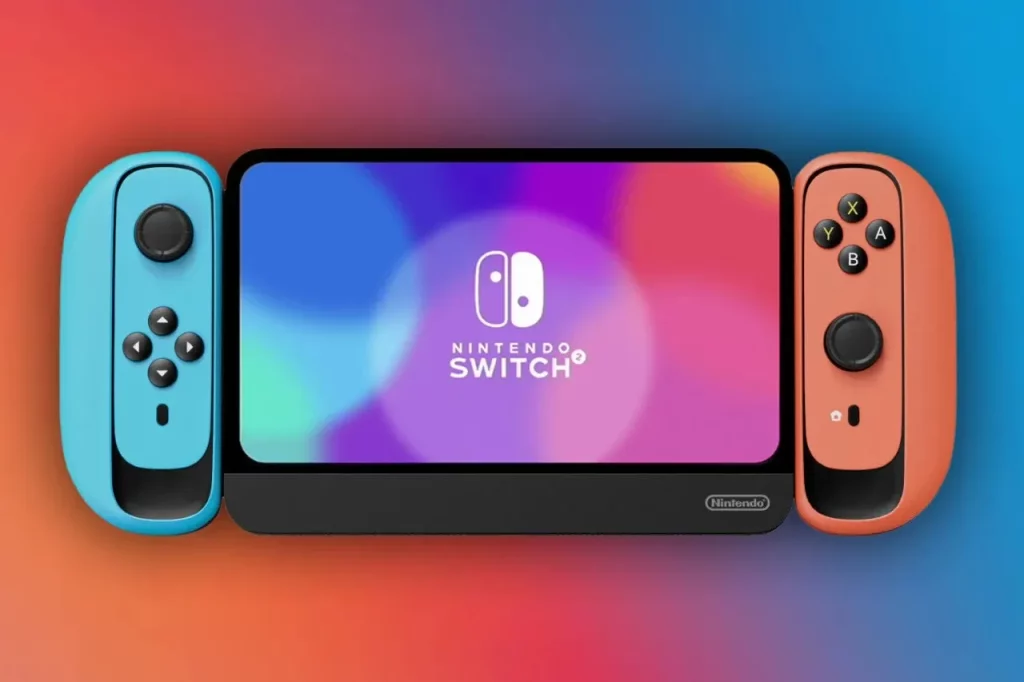
Nintendo, the Japanese game maker is reportedly gearing up to release a new gaming handheld, the Switch 2, later this year. Market research firm Omdia’s analyst Hiroshi Hayase and Bloomberg reporter Takashi Mochizuki have shared insights about this upcoming device.

Nintendo Switch 2

Nintendo Switch 2’s Major Production Plans

The Switch 2 is expected to feature an 8-inch LCD screen, and it appears that Nintendo is targeting a significant production volume. The company aims to manufacture around 10 million units in its first fiscal year. This goal is ambitious, especially when compared to the initial struggles faced by Sony’s PS5 and Microsoft’s Xbox Series X/S, which were hindered by chip shortages at their launch.

And it’s not just about production volume. According to the report, the initial release of the new Switch 2 is likely to exclude an OLED version, but there is a significant chance that it may be introduced in the future.

Nintendo reportedly showcased the Switch 2 to publishers and developers at Gamescom last year. Leaks suggest that it will feature the Nvidia Tegra 239 chipset. Along with this, the device will boast 8GB of RAM and a sizable 64GB of storage space, catering to the needs of modern gamers. There are also rumors of 1080p gameplay with Ray Tracing support and speculations about a 5nm or 8nm node-based processor.

The upcoming Nintendo Switch 2 is expected to be priced at approximately $399, which represents a significant increase compared to the original Switch. Earlier reports have also indicated a possible release this year with an expected price of around $400. This price hike is attributed to increased manufacturing costs and currency exchange rate effects.

Nintendo Switch Version 2 with Joy-Con – Neon Blue and Red 

RELATED:

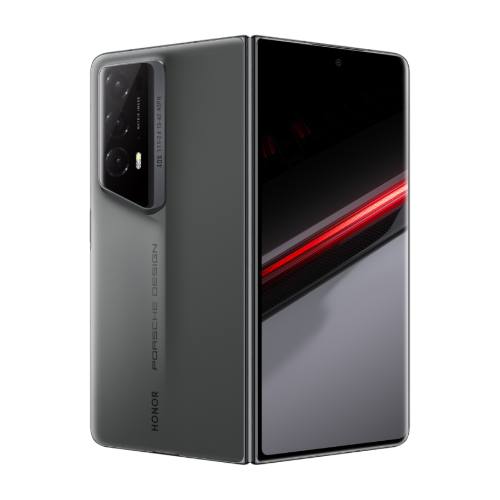
Honor Magic V2 RSR Porsche Design gets TDRA certified ahead of global launch

Honor recently debuted the Magic V2 foldable smartphone in Europe, while also announcing that the Magic V2 RSR Porsche Design smartphone is also on its way to Europe. That being said, the special edition device might be headed to more markets than just Europe as it has recently cleared the TDRA certification.

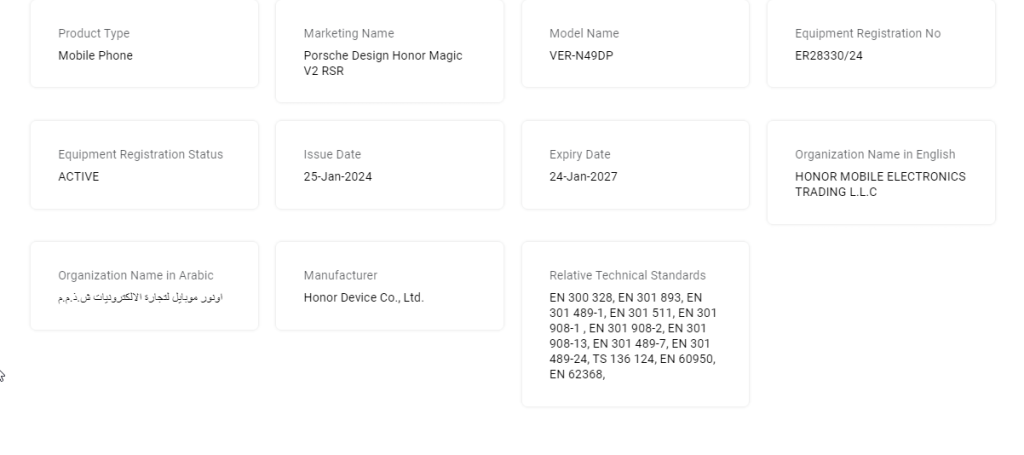
Honor Magic V2 RSR Porsche Design TDRA

The Honor Magic V2 RSR Porsche Design was spotted on the TDRA certification website with model number VER-N49DP. Although the certification does not reveal any specifics related to the launch or the spec sheet of the smartphone itself, it does confirm that Honor has started the process of a possible launch in the UAE.

Honor Magic V2 RSR Porsche Design specs:

The Magic V2 RSR Porsche Design is a result of the collaboration between Honor and Porsche Design. It is powered by a Snapdragon 8 Gen 2 chipset and runs on Android 13-based MagicOS 7.2. The device offers 16GB of RAM and 1TB of internal storage.

Honor Magic V2 RSR Porsche Design

Featuring a dual-display design, the smartphone includes a 7.92-inch foldable LTPO OLED inner display and a 6.43-inch LTPO OLED cover display, both with a 120Hz refresh rate. The device is backed by a 5000mAh battery, supporting 66W wired and 5W reverse wired charging.

Camera capabilities are a key highlight, with the phone sporting a 50MP primary camera, a 20MP telephoto lens, and a 50MP ultrawide lens. A 16MP front camera is available for selfies and video calls.

RELATED:

Realme GT Neo 5 SE gets Android 14 update in China

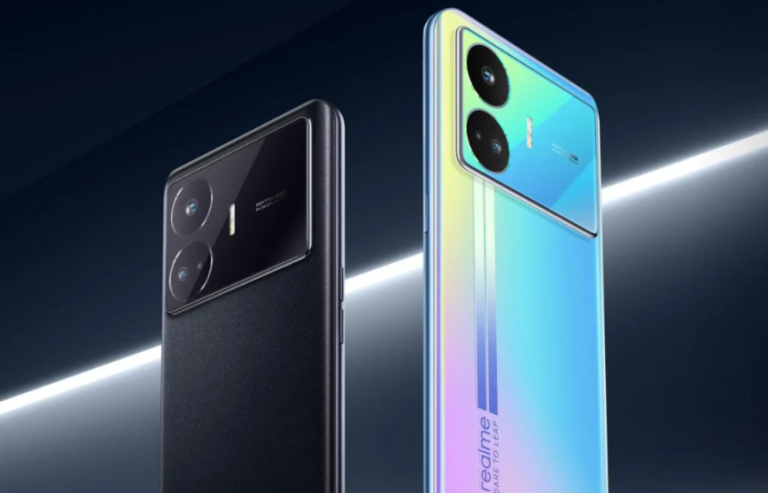
Realme has started to release the official version of Realme UI 5.0 for its GT Neo 5 SE smartphone in China. The Realme UI update for the GT Neo 5 SE smartphone in China will have the version number RMX3700_14.0.0.210(CN01), bringing the latest features of the Realme UI 5.0 custom look based on the Android 14 operating system.

Realme GT Neo 5 SE
Realme GT Neo 5 SE

Talking about changes, the update brings a feature called Fluid Cloud interaction form, which gives real-time reminders in different formats based on service status and content. This makes it easier for users to quickly access important information.

For drivers, the update includes the ‘Smart Car Space’ in the Realme UI ubiquitous service. This feature lets users show their phone screen directly on the car system, providing smart services while driving.

A notable improvement is the addition of a new transfer station, making it easier to move content between devices and applications, improving efficiency in multitasking. The update also improves the synchronization of the portable workbench and optimizes text recognition, including support for some handwritten languages.

Security and privacy are also improved. The update adds a privacy watermark feature for ID photos, making sharing images safer. It also improves how the phone manages permissions for photos and videos, making it more secure.

Performance improvements include a more stable system, faster app startup, and smoother animations. The update also introduces a better color system, offering a natural and clearer interface style, along with water-themed ringtones and better sound quality.

The update introduces the carbon footprint public welfare information screen, visualizing the user’s environmental impact based on their daily step count.

Finally, the update makes various system improvements, such as adjusting the volume for multiple apps, changing the screen color temperature, and fixing minor issues like problems with screen recording and NFC services.

RELATED:

(via)

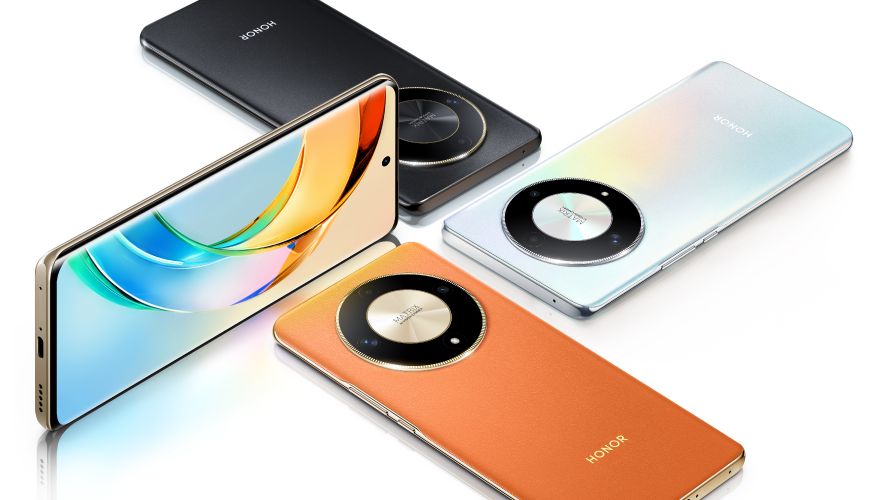
Honor X9B listed on Amazon India ahead of launch; RAM, Storage & combo details confirmed

HTech has started teasing the Honor X9B smartphone for India, making it Honor‘s second smartphone headed to the sub-continent after the brand re-entered the Indian market. Although the official launch date is still under wraps, leaks have claimed that it will debut between February 8 and 9.

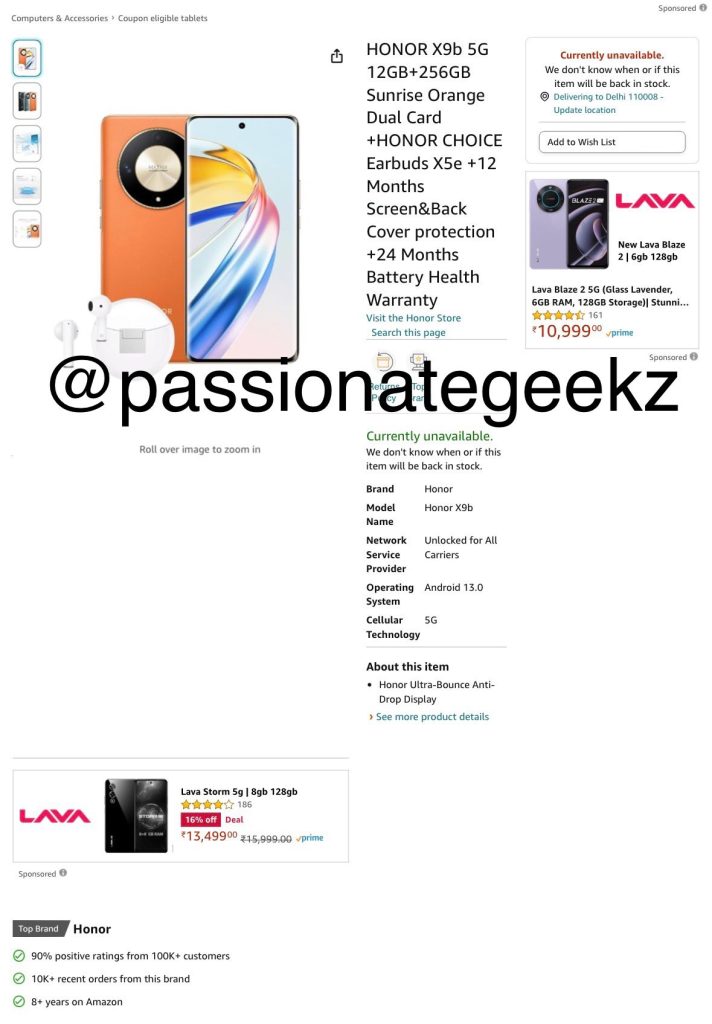
Honor X9B 5G Amazon listing

Ahead of the launch, the smartphone briefly appeared on Amazon India, revealing some key details. The listing confirms that the Sunrise Orange will be coming to India with 12GB RAM and 256GB storage. The listing also reveals that the phone will be available with a combo offer including the Honor Choice Earbuds X5E, as well as 12 months of screen and back cover warranty, and an extended 24-month battery health guarantee. The listing also reveals that the phone will launch with Android 13 onboard.

Honor X9b

While the rest of the specs are still unconfirmed, the phone is likely to be the same as the global model which boasts a 6.78-inch display with 1.5K resolution and a 120Hz refresh rate. Under the hood, it will likely be powered by the Snapdragon 6 Gen 1 SoC, accompanied by the Adreno 710 GPU.

For photography, the phone could boast a robust 108 MP primary camera, supported by a 5MP ultra-wide and a 2MP macro lens. While on the front, it will have a 16MP selfie snapper. The device will feature a large 5800 mAh battery, supporting 35W wired fast charging.

RELATED:

(via)

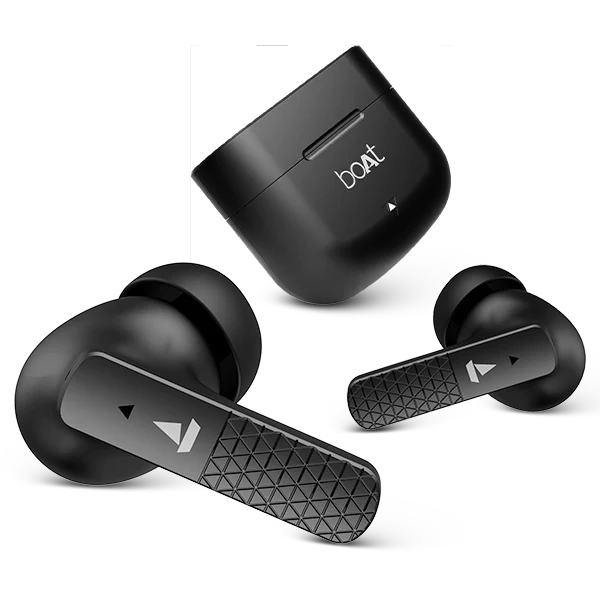
boAt Airdopes 91 TWS earbuds with 45 hours of battery life launched in India

Following the recent introduction of the Immortal 201 earbuds last week, boAt has unveiled the Airdopes 91, a new and budget-friendly addition to its product lineup in India.

boAt Airdopes 91

The Airdopes 91 earbuds feature a comfortable in-ear design, equipped with 10mm drivers and boAt Signature Sound technology, aimed at providing users with an immersive audio experience. They also incorporate Dual mic ENx Technology, which enhances call quality.

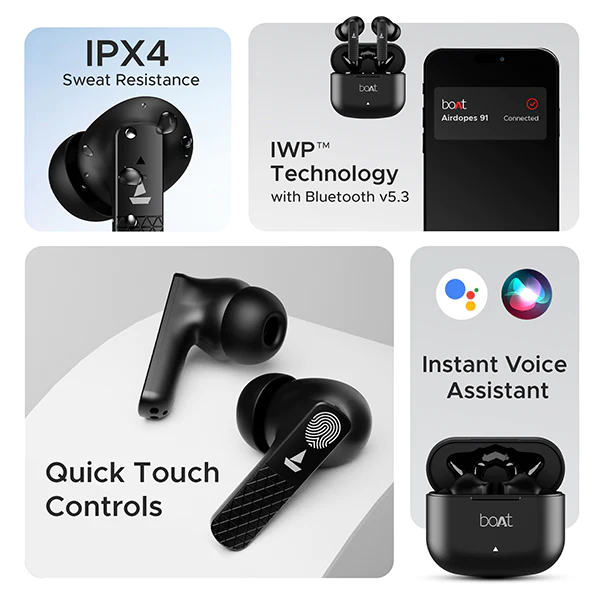
boAt Airdopes 91

A key feature of the Airdopes 91 is its battery life. The earbuds offer up to 45 hours of total playtime. The earbuds are also equipped with ASAP Charge Technology, featuring a Type-C connector that enables users to enjoy 120 minutes of playtime with just a 10-minute charge.

Additionally, the Airdopes 91 come with a 50ms low latency mode, making them suitable for gaming and movie watching. They also support voice assistants and have an IPX4 rating, ensuring resistance to water splashes and sweat.

Pricing & availability

The Airdopes 91 is available in Active Black, Starry Blue, and Mist Grey. It is priced at Rs. 1,199. Starting from February 1st, the Airdopes 91 will be available for purchase on Amazon.in and the boAt website.

RELATED:

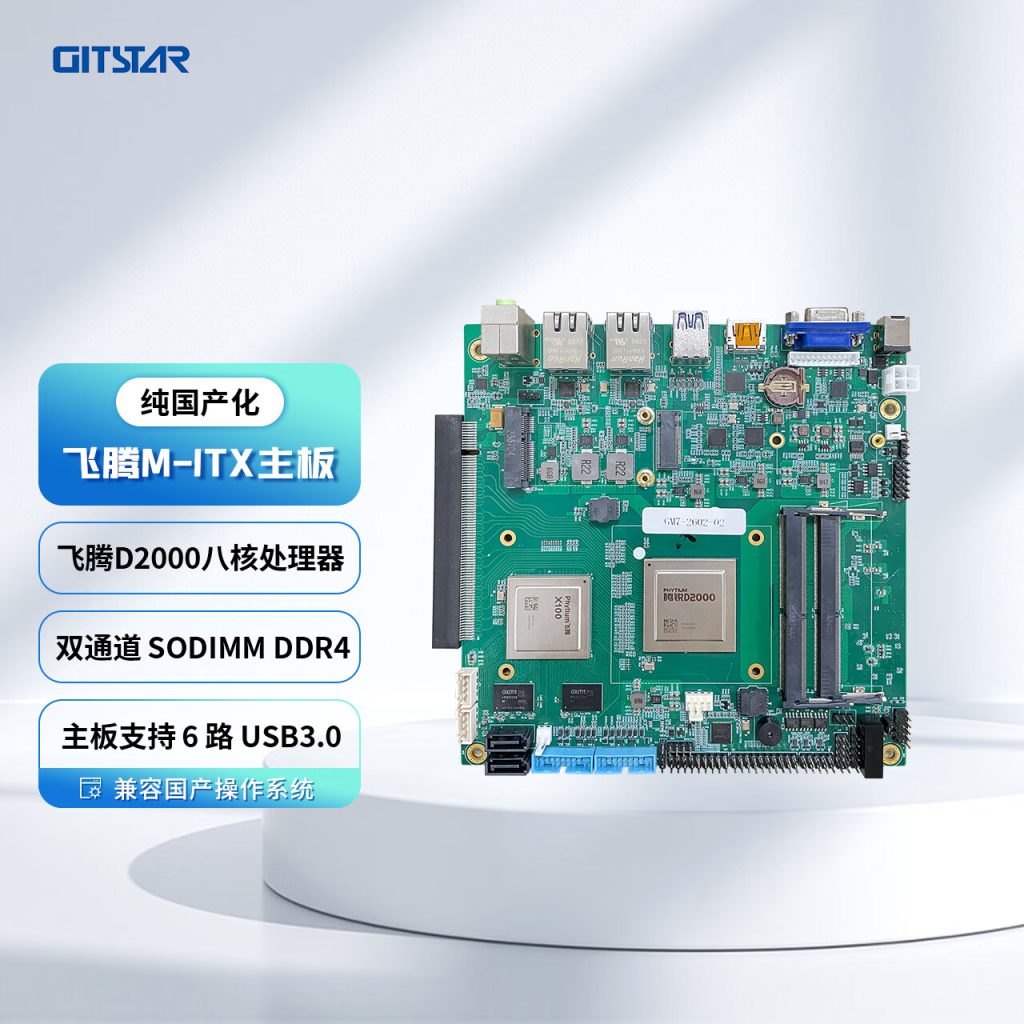
Gitstar launches GM7-2602-02, first fully Chinese-made motherboard supporting 32GB native memory

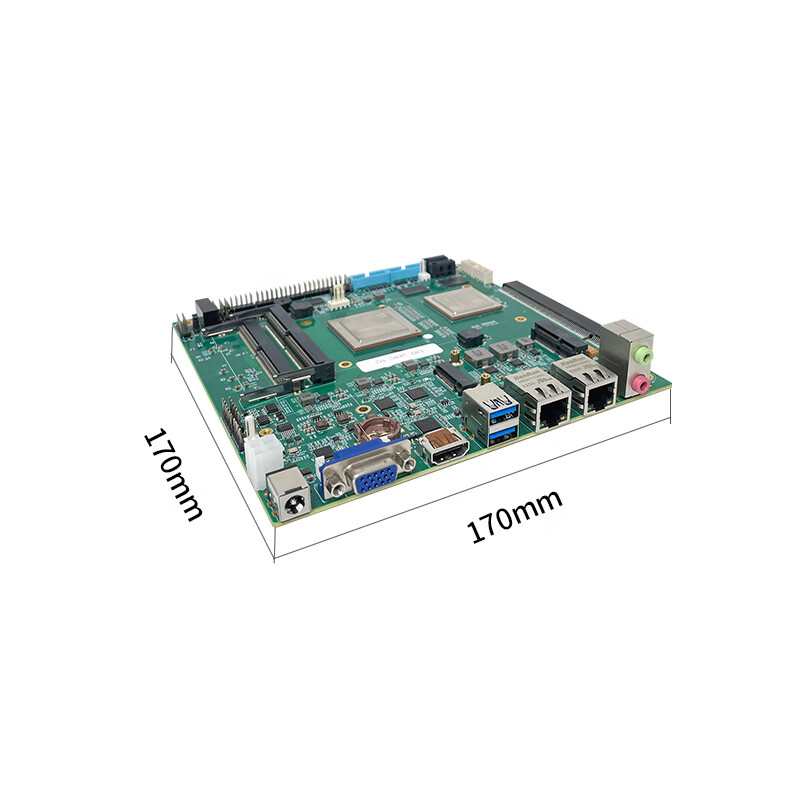
Gitstar, a Chinese PC hardware company, has recently unveiled its first fully domestically produced motherboard series. The flagship model, GM7-2602-02, marks a significant advancement in China’s tech industry, emphasizing self-reliance in technology.

Gitstar GM7-2602-02

Gitstar GM7-2602-02 Specifications:

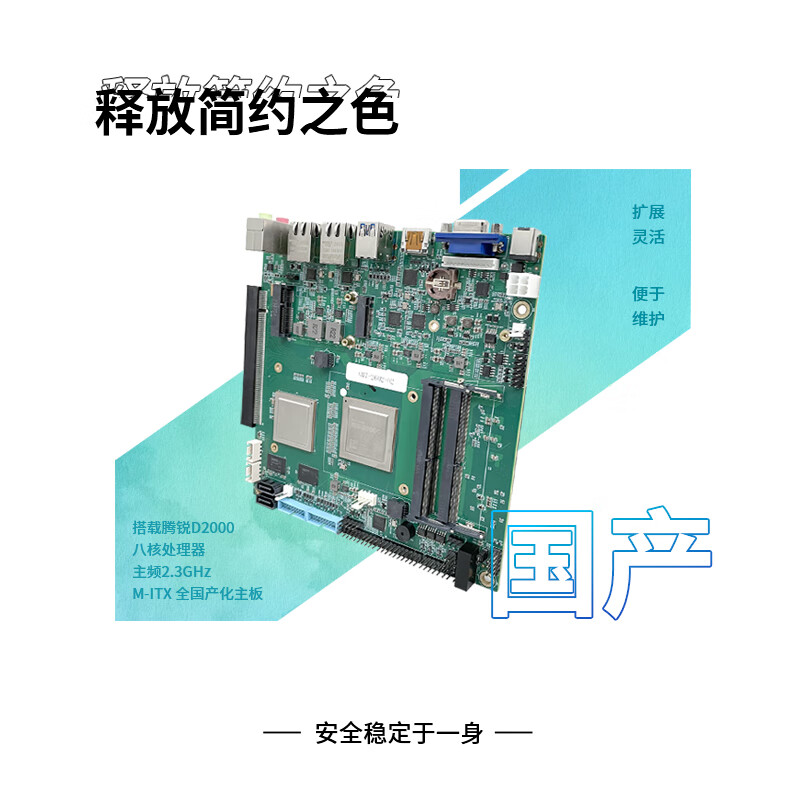
This motherboard is a mini-ITX (M-ITX) form factor board, a compact size of 170mm x 170mm and lightweight at about 200g, making it suitable for smaller computer cases. At the heart of the GM7-2602-02 is the Phytium’s Feiteng D2000 octa-core processor, which runs at a maximum speed of 2.3GHz. This processor ensures efficient performance for various computing tasks.

The GM7-2602-02 motherboard stands out for its support of up to 32GB of domestic memory, featuring dual-channel SODIMM memory slots that are compatible with both DDR4 and LPDDR4 memory types. This provides users with versatility and the potential for high-speed performance.

The motherboard is equipped with a range of connectivity options. It includes one PCIe 3.0 x16 slot, a PCIe 3.0 x1 (M.2) slot, and a PCIe 3.0 x1 (MINIPCIE) slot, providing ample room for expansion. For storage, there are two SATA power connectors. The board also features four USB 3.0 ports for chassis expansion, making it versatile for various peripherals.

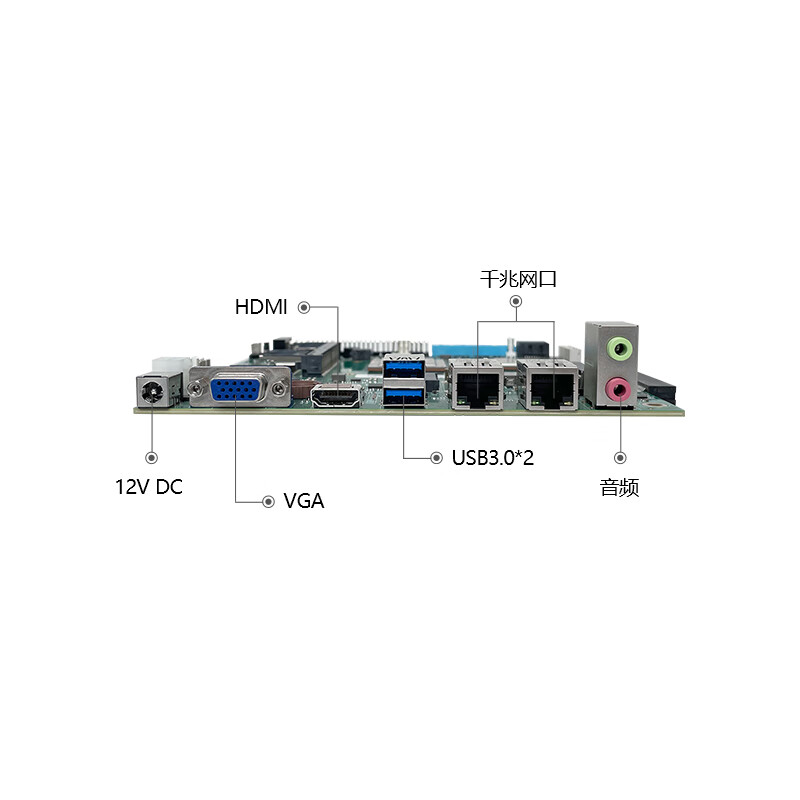
Additional onboard features include one LVDS connector, three CAN connectors, three TTL serial ports, two RS232 connectors, and two RS485 connectors. Externally, it offers a 12V DC input, one VGA port, one HDMI port, two USB 3.0 ports, two gigabit Ethernet ports, and a comprehensive set of audio interfaces. This range of ports ensures that the motherboard can handle multiple display outputs and network connections efficiently.

Moreover, the GM7-2602-02 is designed with domestically produced independent secure firmware, ensuring enhanced security and reliability. It is also compatible with domestic operating systems like Galaxy Kylin, Tongxin UOS, and Ubuntu, providing users with various software options.

Pricing

The GM7-2602-02 motherboard is priced at 4880 Yuan ($688) and can be purchased on JD.com. It offers customization options, such as an expansion board, to cater to specific user requirements and facilitate maintenance.

RELATED:

Thunderobot launches Beigou Civi projector with 600 ANSI lumens in China for 799 Yuan ($112)

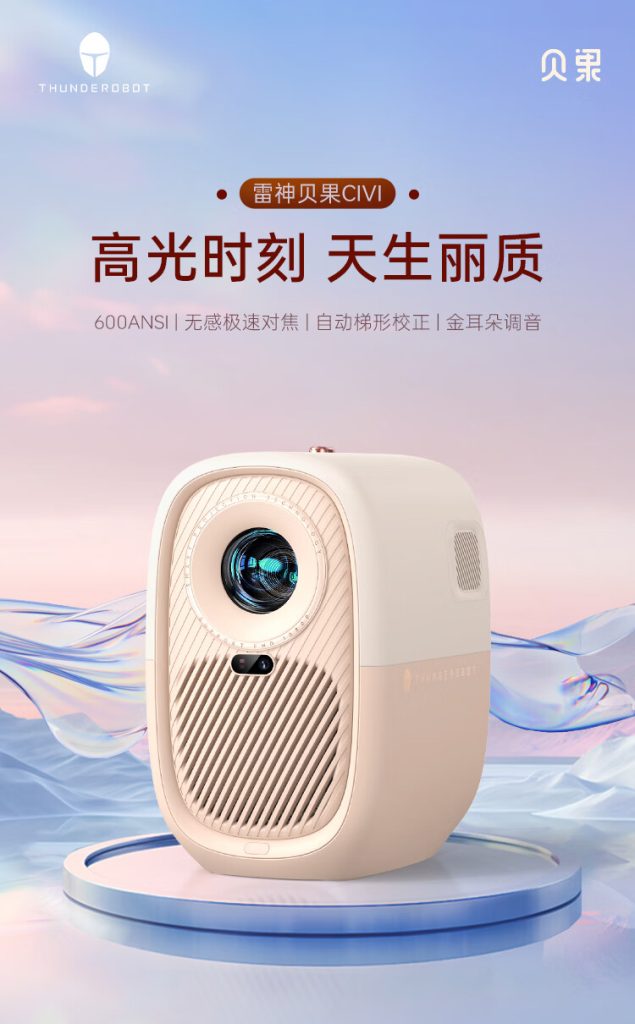
Thunderobot has introduced the Beigou Civi Smart Projector in China, which is currently open for pre-orders on JD.com for 799 Yuan ($112). This projector is available in three attractive colors: Milky White, Peach Pink, and Mint Green.

Thunderobot Beigou Civi

Thunderobot Beigou Civi Specifications:

The smart projector features a powerful LED lamp, providing a bright 600 ANSI lumens output, making it suitable for various lighting conditions, including daytime and nighttime viewing.

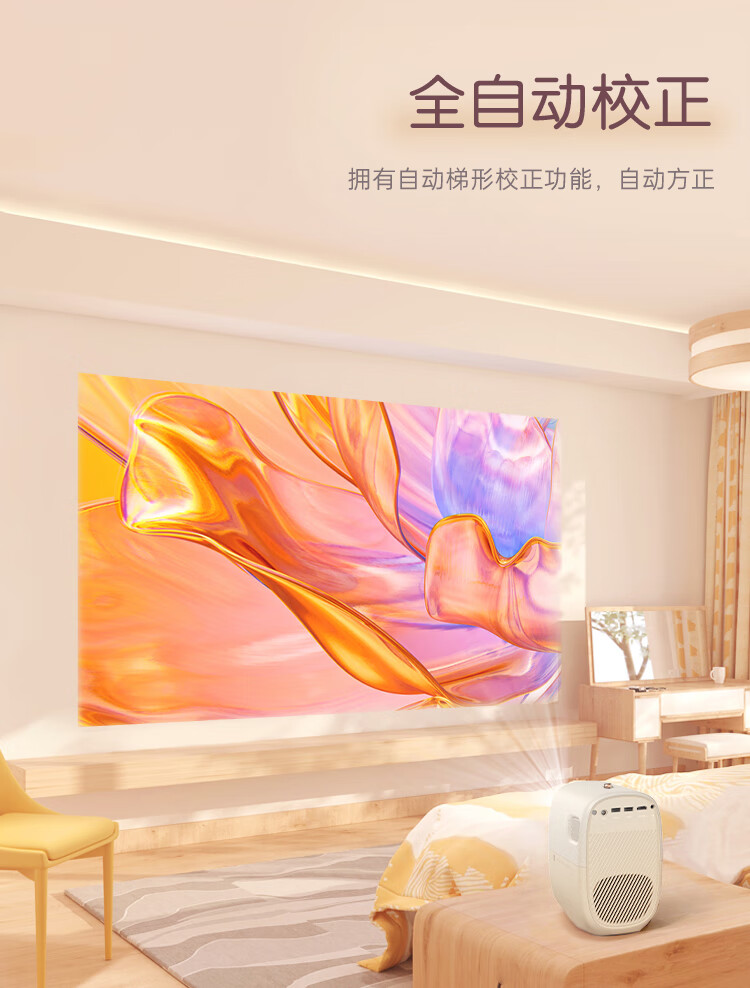
Beigou Civi features a high-precision laser TOF module and intelligent recognition algorithm, enabling rapid automatic focus adjustment and accurate keystone correction for consistently clear images. Additionally, it incorporates a third-generation enclosed optical engine that enhances brightness by 35% and prolongs the product’s lifespan, ensuring long-lasting image quality.

In terms of audio, the Beigou Civi excels with its professional-grade linear stereo speakers. These speakers have been expertly tuned to deliver a balanced, detailed, and transparent sound quality, comparable to hall-level audio. This makes it an excellent choice for both gaming and home cinema setups.

In terms of connectivity, it features HDMI and USB ports, allowing for easy connection with computers, gaming consoles like Nintendo Switch, and other devices. Additionally, it supports Wi-Fi 6 for faster, more reliable wireless connections and includes screen casting capabilities compatible with various operating systems like Android and iOS.

From a design perspective, the Beigou Civi is both stylish and functional. It has a smooth, rounded appearance with diagonal grid patterns, fitting seamlessly into any interior decor. The projector’s physical dimensions are compact, measuring 154mm in length, 126mm in width, and 211mm in height, with a weight of 1.5kg, making it relatively portable.

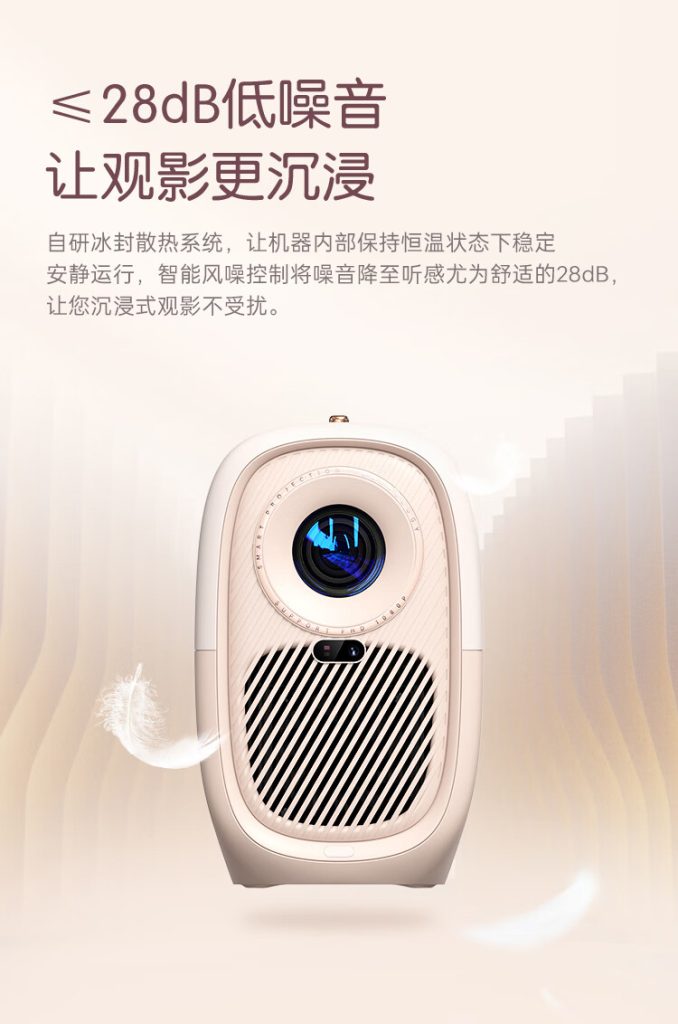
Under the hood, the projector operates on Android 9.0 and is equipped with a HiSilicon Hi3751 352 processor, 1GB DDR3 RAM, and 8GB eMMC storage. It boasts a long-lasting light source with over 20,000 hours of lifespan and features digital zoom, a 1.15:1 short throw ratio, and can project images up to 100 inches in size. Its self-developed Frost Cooling System ensures efficient cooling and quiet operation, generating less than 28dB of noise. Additionally, it comes with the Thunder OS System, which aggregates streaming content from various platforms for an enhanced viewing experience.

Earlier this week, the company also launched a Limited Edition ML903 Year of the Dragon gaming mouse to celebrate the Chinese New Year.

RELATED:

Ex-Google Chief Eric Schmidt’s Startup Develops AI Drones for Ukraine

Former Google CEO Eric Schmidt is at the center of a new tech venture, White Stork, a startup developing kamikaze drones powered by artificial intelligence. 

The project, operating under shell companies, aims to provide Ukraine with advanced drone technology for its ongoing conflict with Russia.

Schmidt, the industry veteran, previously led the National Security Commission on Artificial Intelligence after leaving Google. The commission issued a report in 2021 that stated “AI will transform the way war is conducted in every domain.” It seems Schmidt is capitalizing on that vision with the White Stork. 

White Stork is said to be a low-cost drone, estimated at $400 value each, and carries a small number of explosives, according to a Wall Street Journal column Schmidt wrote in July. 

In that column, Schmidt also highlighted their affordability and potential military significance, calling them “the most important” weapon against Russia. This coincides with the US scaling back deals with traditional arms manufacturers like Palantir.

Further fueling speculation about self-serving interests is Schmidt’s recent article claiming Ukraine’s “losing drone war” and predicting their reliance on millions of imported drones in 2024. 

Additionally, White Stork’s operation through shell companies, one listing Schmidt as a beneficiary and another (Volya Robotics OÜ) under the sole control of a family office employee, adds to the project’s opaqueness.

Sebastian Thrun, a co-founder of Google’s X research lab, is among the recruited tech veterans involved in White Stork. The project’s impact on the Ukrainian conflict and the future of AI-powered weaponry remains to be seen for now.

Related:

Chinese Crackdown on Apple ID Loan Scams Signals Caution for iPhone Users

Chinese authorities recently made significant arrests in connection with ‘Apple ID loan’ scams. This operation targeted iPhone users, alongside the growing issue of online fraud and the importance of safeguarding digital identities.

Authorities arrested over 40 people involved in these schemes

The scam involved tricking iPhone owners into giving up their Apple IDs for loans. The fraudsters then exploited these IDs, threatening victims with high interest rates and exposure of their personal data if they failed to repay. This issue is critical as it risks both the privacy and finances of individuals.

Apple

Authorities arrested over 40 people involved in these schemes, impacting more than 20,000 victims across 21 provinces, with a total of 130 million yuan implicated. This widespread operation reveals the serious threat posed by digital identity theft.

Some fraudsters used the surname of Apple’s CEO, Tim Cook, to lend credibility to their schemes, demonstrating the need for users to be cautious with their personal information. This detail highlights how scammers can manipulate trust.

In China, where about one in five smartphone users have an iPhone, the risk of such scams is high. This recent crackdown is a reminder for iPhone users everywhere to protect their digital identities. With smartphones increasingly used for personal and financial purposes, securing digital assets like Apple IDs is crucial.

The response of the Chinese police is a positive step, but it also underscores the global necessity for heightened awareness and education in digital security. As online fraud becomes more sophisticated, everyone, especially smartphone users, must stay informed and vigilant to protect their personal information.

RELATED:

(Via)

Vivo X Fold 3 series launch expected in March, X100 Ultra launch timeframe tipped again

Smartphone brands are expected to launch new devices after the upcoming Chinese Spring Festival vacation. Vivo, too, is expected to launch a couple of new devices in the first half of this year. A recent leak by tipster Digital Chat Station has revealed the launch timeframes of the upcoming devices, such as the Vivo X Fold 3 series and the X100 Ultra.

Vivo X Fold 3

Vivo X Fold 3, VIvo Pad 3, Vivo X100 Ultra leak
Vivo X Fold 3, VIvo Pad 3, Vivo X100 Ultra leak by DCS

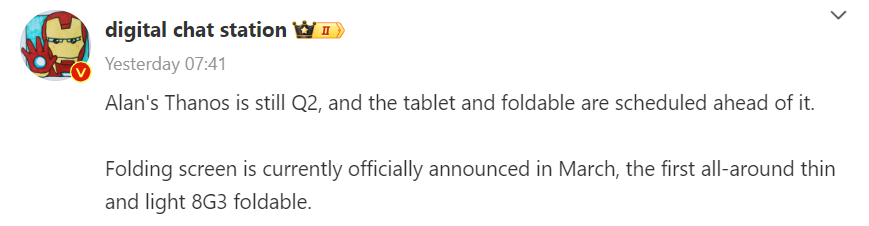
A recent Weibo post by tipster Digital Chat Station revealed Vivo’s foldable phone and tablet will launch in March. He seems to be talking about the Vivo X Fold 3 series and the Vivo Pad 3.

As per reports, the Vivo X Fold 3 and X Fold 3 Pro will come equipped with the Snapdragon 8 Gen 2 and Snapdragon 8 Gen 3 chipsets, respectively. The former is expected to arrive as an affordable foldable phone, while the Pro variant is likely to feature exclusive features, such as an ultrasonic in-display fingerprint sensor, wireless charging, and a 64-megapixel periscope telephoto camera.

The Vivo Pad 3 is expected to feature the Dimensity 9300 chipset. Some reports have revealed that the tablet will offer a 13-inch display that offers a 3K resolution and 80W charging support.

Vivo X100 Ultra

The leak suggests that the Vivo X100 Ultra will debut after the Vivo X Fold 3 and Pad 3, indicating that it will break cover in the second quarter of the year. Hence, it appears that the X100 Ultra will be announced in April or May. Reports have claimed that the device will arrive with the Samsung E7 AMOLED display, the Snapdragon 8 Gen 3 chipset, and a quad-camera setup headlined by a 50-megapixel LYT-900 main camera. It will have a 5,000mAh battery that supports 100W charging and 50W wireless charging.

RELATED: