ZTE Corporation, a leading global telecommunications provider, is riding the AI wave with a heightened focus on AI smartphones. During its 2023 performance briefing, executives announced plans to expand its AI mobile phone lineup with upcoming releases scheduled throughout the year.
In April, ZTE fans can expect multiple new Nubia AI mobile phones, with a flagship AI device aimed for a mid-year release.
Powered by the ZTE Nebula OS system, these devices will connect to a centralized AI platform, leveraging large models, big data, and 3D technology. ZTE promises full-stack AI integration across imaging, performance, and security features.
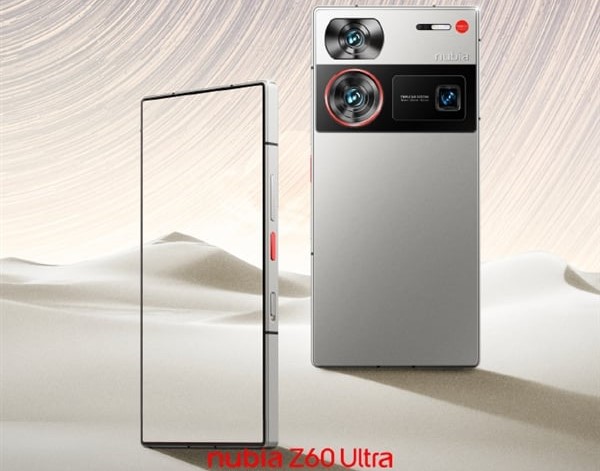
Nubia Z60 Ultra.
ZTE has already introduced several innovative products this year. In February 2024, the company launched devices like the Nubia Flip 5G foldable phone and the Nubia Pad 3D Ⅱ tablet. Additionally, they unveiled the Nubia Focus 5G and Pro 5G, along with the China-exclusive Z60 Ultra smartphone.
ZTE’s commitment to innovation is reflected in its robust 2023 annual report. The company reported a net profit of 9.325 billion yuan, marking a significant 15.41% year-on-year increase. Total operating income in 2023 was 124.2509 billion yuan, an increase of 1.05% compared to the previous year.
In 2023, the group’s gross profit margin was 41.53%, a year-on-year increase of 4.34 percentage points. This improvement was largely attributed to better gross profit margins across ZTE’s core businesses of operator network, government and enterprise, and consumer business.
Additionally, operating costs decreased by 5.93% to 72.6503 billion yuan, primarily due to cost reductions in the government, enterprise, and consumer business sectors. These strong financial results show that ZTE can invest in the competitive AI mobile phone market.
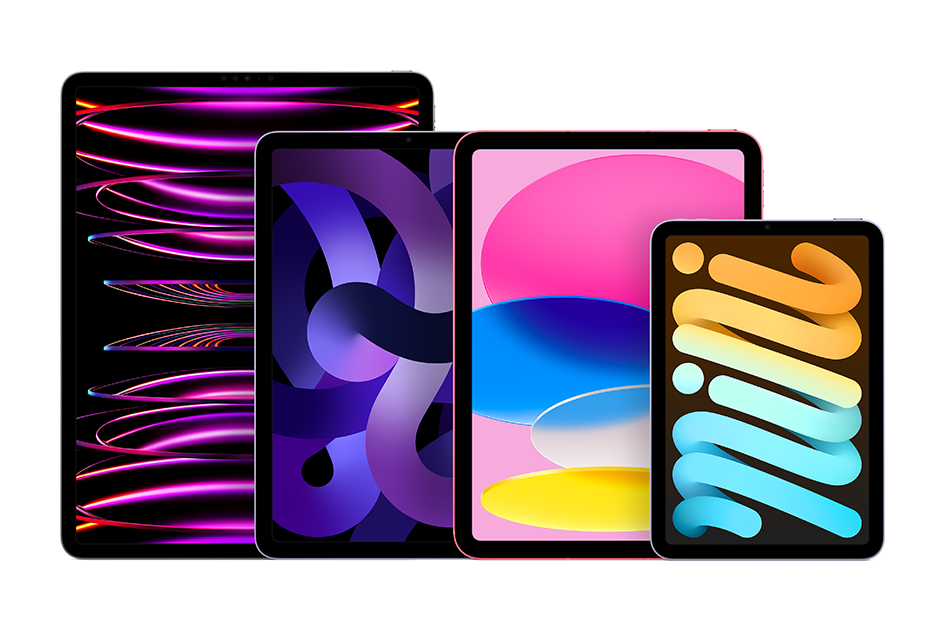
Apple was expected to announce refreshed iPads this month or early April. However, the next-generation tablets from the Cupertino-based tech giant are now delayed. The company announced the MacBook Air M3 earlier this month. In the latest development as per Bloomberg’s Mark Gurman, new iPads are now tipped to arrive in May.
New iPads delayed once again
Rumors about the new iPads especially the next-generation Air and Pro models have been circulating on the web for months. Last year was the first time, Apple did not announce any model in its tablet portfolio. It has become the longest stretch in the company’s history as the last iPad Pro and Air was announced in 2022. The latter is two years old now with the dated M1 chip.
Citing people familiar with the matter, Gurman reports that the iPad Pro tablets with OLED display and the iPad Air in two sizes are now set to arrive in May this year. The company’s overseas suppliers have fast-tracked the production of the long-anticipated tablets. The analyst adds that the delay in the initial launch timeline was due to software finalization and screen manufacturing complexity.
The iPad Pro with OLED display has four variants codenamed J717, J718, J720, and J721. It will pack significant upgrades since 2018 with a faster M3 chip, MagSafe, thinner designs, and more. Meanwhile, the sixth-generation iPad Air in 10.9 and 12.9-inch sizes is expected to be powered by M2 chip. With the upcoming tablets, Apple aims to boost its declining sales.
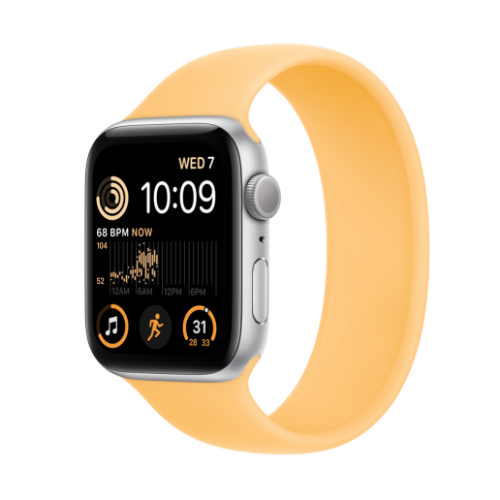
The relatively affordable Apple Watch SE (2nd Gen) has just become even cheaper in India. The smartwatch was first unveiled back in September 2022 for 29,900 INR in the region, but the latest sale is offering the 2022 Watch SE edition for the lowest ever price. So let’s check out this sweet deal.
Apple Watch SE (2nd Gen) Sells for a 23% Discount
The Apple Watch SE (2nd Gen) is currently listed for a starting price tag of just 22,900 INR (roughly 275 US Dollars) on Amazon India for the 40mm GPS only variant. In other words, buyers are getting a 7,000 INR off or about 23 percent discount. Apart from this, there are also bank offers that offer an instant discount of 2,000 INR on HDFC bank Credit and Debit cards. Customers can even avail an exchange offer of up to 20,400 INR.
The 44mm edition is also on sale at the moment, starting from 28,900 INR for the GPS only edition. This smartwatch is available in Midnight, Silver, and Starlight color variants. The GPS + Cellular version of the 44mm is out of the stock, but the 40mm variant is priced at 26,999 INR at the moment. There are no cost EMI options available for the Watch SE 2022.
For those unaware, the Apple Watch SE (2nd Gen) features a premium aluminum casing. It offers heart rate monitoring, crash detection, fitness, and sleep tracking. The Watch sports a Retina Display and is also resistant to water as well. All in all, this is an amazing deal for this price range, especially considering the additional bank deals and exchange options.
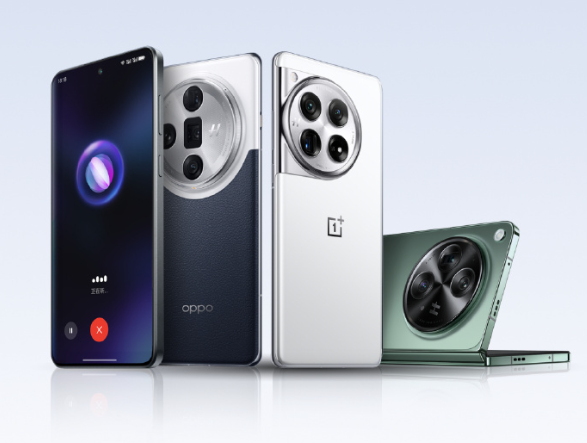
Oppo and OnePlus previously introduced their AI powered ColorOS New Year Edition update to users earlier last month. It offered several AI features designed to make life easier. Today Oppo officially announced a new ColorOS AI feature, an AI assistant named Xiaobu (in Chinese) powered by Oppo’s AndesGPT. It will reportedly guide users in learning English, preparing for an interview, and more.
Recent high-end devices from Oppo / OnePlus supports the AI assistant
Helping you prepare for an interview
ColorOS AI helps you simulate interviews and learn the required skills in a chat form. You can experience this feature yourself on supported Oppo and OnePlus devices by searching “Xiaobu Assistant” on the navigate screen, and selecting “Xiaobu Interviewer” inside the Assistant feature. Oppo has shared a demonstration of the feature which is provided below.
Xiaobu Interviewer
List of supported devices
OPPO Find N3 series
OPPO Find X7 series
OPPO Find X6 series
OPPO Reno 11 series
OPPO Reno 10 series
OnePlus Ace 3V
one plus 12
one plus 11
OnePlus Ace 3
OnePlus Ace 2 Pro
OnePlus Ace 2
Assistance in learn English
This functionality plays the role of an English teacher and also provides one-on-one oral practice to help you learn the language. It does that through oral practice, vocabulary Q&A, assistance with writing, translation, etc. To use this feature, you will find the “Xiaobu English Teacher” option inside “Xiaobu Assistant”.
Currently, it isn’t clear whether the Xiaobu Assistant will help you learn any other language or not.
This Xiaobu Assistant can also reportedly write essays for you, assist you with your travel planning, and even do things like writing a review of a restaurant you visited. You will find this feature as “Xiaobu Dialogue” inside the assistant.
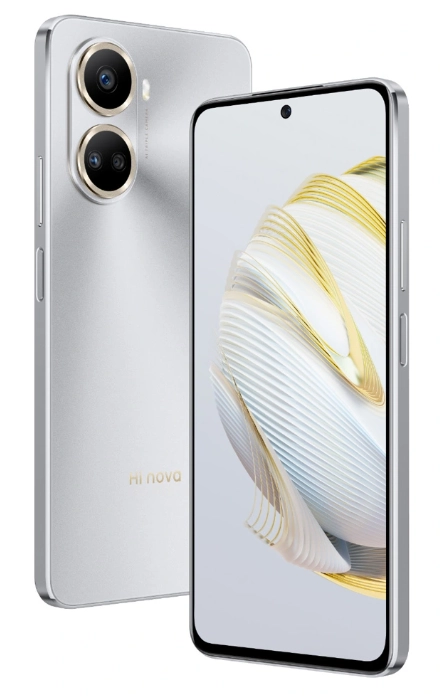
A new Hi Nova smartphone model is apparently in the works. The latest sighting on a major certification platform in China has revealed a couple of details regarding this upcoming device. So here is everything you need to know.
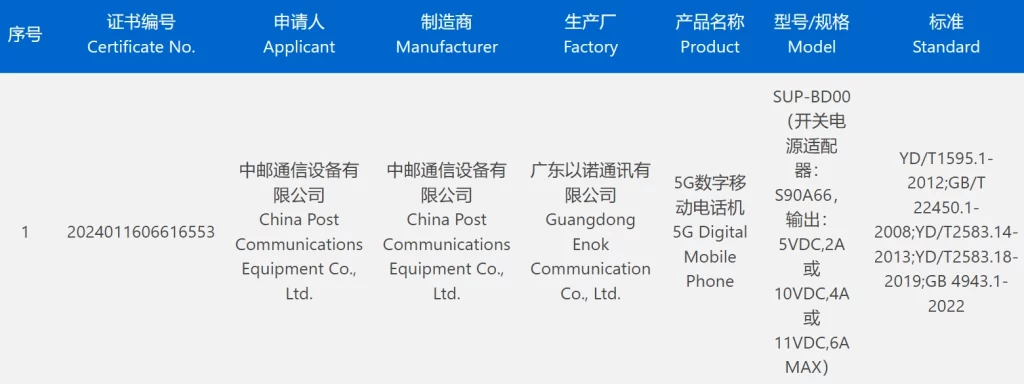
New Hi Nova phone certified on 3C
The Chinese brand was spotted on the 3C certification platform carrying the SUP-BD00 model number. On the database, the device can be seen under the 5G mobile phone category. While finer details like specs and features are still unclear, the 3C listing confirms that it supports 5VDC, 2A or 10VDC, 4A or 11VDC, and 6A MAX. In other words, it supports 66W wired fast charging.
Back in October 2023, the company announced the Hi Nova 10 SE model in China for 2,199 Yuan (roughly 305 US Dollars). It was launched with 66W fast charging as well, so the Hi Nova smartphone on 3C could be a successor to the Hi Nova 10 SE. To recall, the Hi Nova is equipped with the Qualcomm Snapdragon 695 SoC, which supports 8GB of RAM and 256GB of internal storage.
Hi Nova 10 SE
On the front, the Hi Nova 10 SE sports a tall 6.67-inch display that offers a 90Hz refresh rate, 270Hz touch sampling rate, P3 wide color gamut, and 91.85 percent screen to body ratio. The rear packs a 108-megapixel primary camera that is paired with an 8-megapixel ultra wide angle lens, and a 2-megapixel macro shooter.
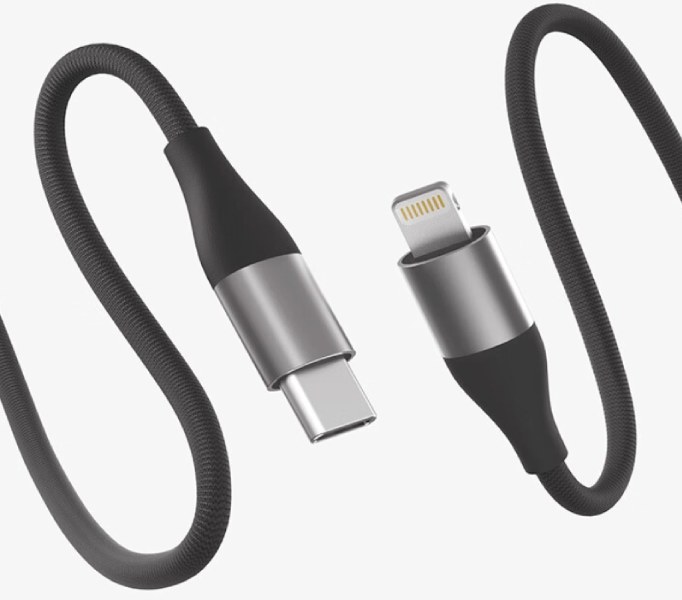
Xiaomi, the global tech giant, has added new options to its cable collection. The company recently debuted a Type-C to Lightning cable, a dual Type-C cable, and a 6A dual Type-C high-speed cable in China.
All the cables are made with a high-density polyester woven material, ensuring impressive resilience against pulling, breaking, and bending. Each cable is 1 meter in length. So let’s get into their details.
MFi Certified Type-C to Lightning Cable
The Xiaomi Type-C to Lightning data cable has official Apple MFi certification, ensuring seamless compatibility with iPhone and iPad devices. Equipped with a reversible Type-C interface, this cable supports the USB 2.0 transmission protocol. It offers up to 20W of charging power and comes in a standard 1-meter length. This cable is priced at 79 yuan (~ $10).
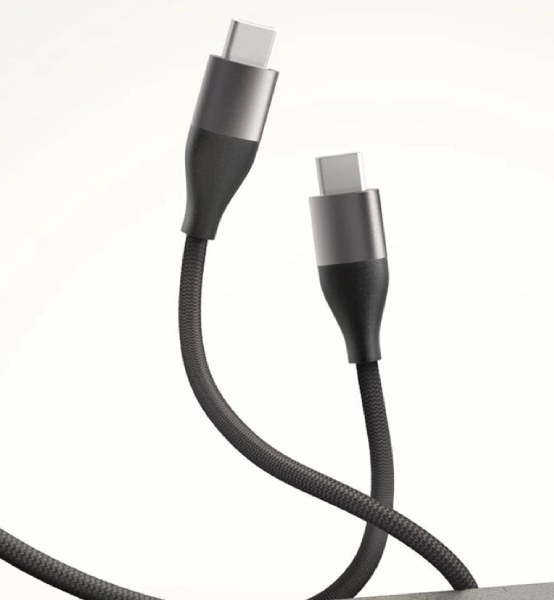
Dual Type-C Braided Data Cable
Xiaomi’s dual Type-C braided data cable is designed for high-power charging applications. It supports the PD 3.0 fast charging protocol, enabling fast charging for various devices including phones, tablets, and even laptops.
Like the Type-C to Lightning cable, this cable is also compatible with the USB 2.0 transmission protocol. The dual Type-C interfaces allow for reversible plugging and unplugging for greater convenience. The cable comes at acost of 29 yuan (~ $4).
6A Dual Type-C High-Speed Cable
Xiaomi’s most advanced cable in this release is their 6A dual Type-C high-speed braided data cable. It’s designed for swift data transfers thanks to its USB 3.1 Gen 2 compatibility.
The cable is well-suited for tasks such as screencasting, supporting lossless 4K video, and a 60Hz refresh rate. It also supports up to 100W of power and supports PD 3.0 protocol, so you can charge all the compatible devices with it.
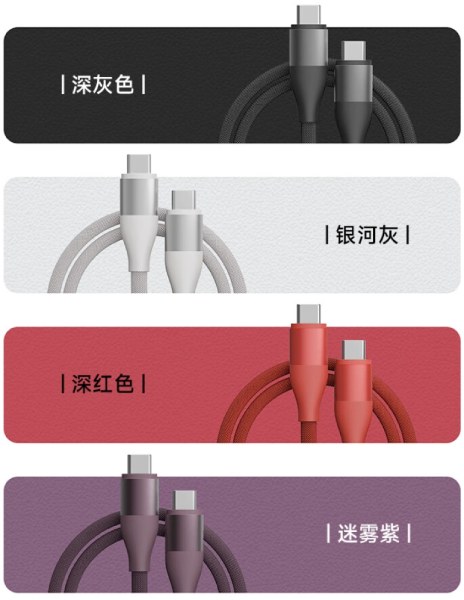
The cable is priced at 39 yuan (~ $5) and is available in dark gray, galaxy gray, dark red, and misty purple — the same color options as the Xiaomi SU7.
Let’s start with the conclusion, Although Xiaomi Civi 4 Pro is positioned similarly to previous phones in the same series, but in my opinion it has a full pack of upgrades. It’s no longer just a phone to attract female users, let’s see what it has to offer.
By the way, if you want to get your hands on this possible Xiaomi 14 Civi phone early, you can check it out on Gizmochina shop – Geekwills here.
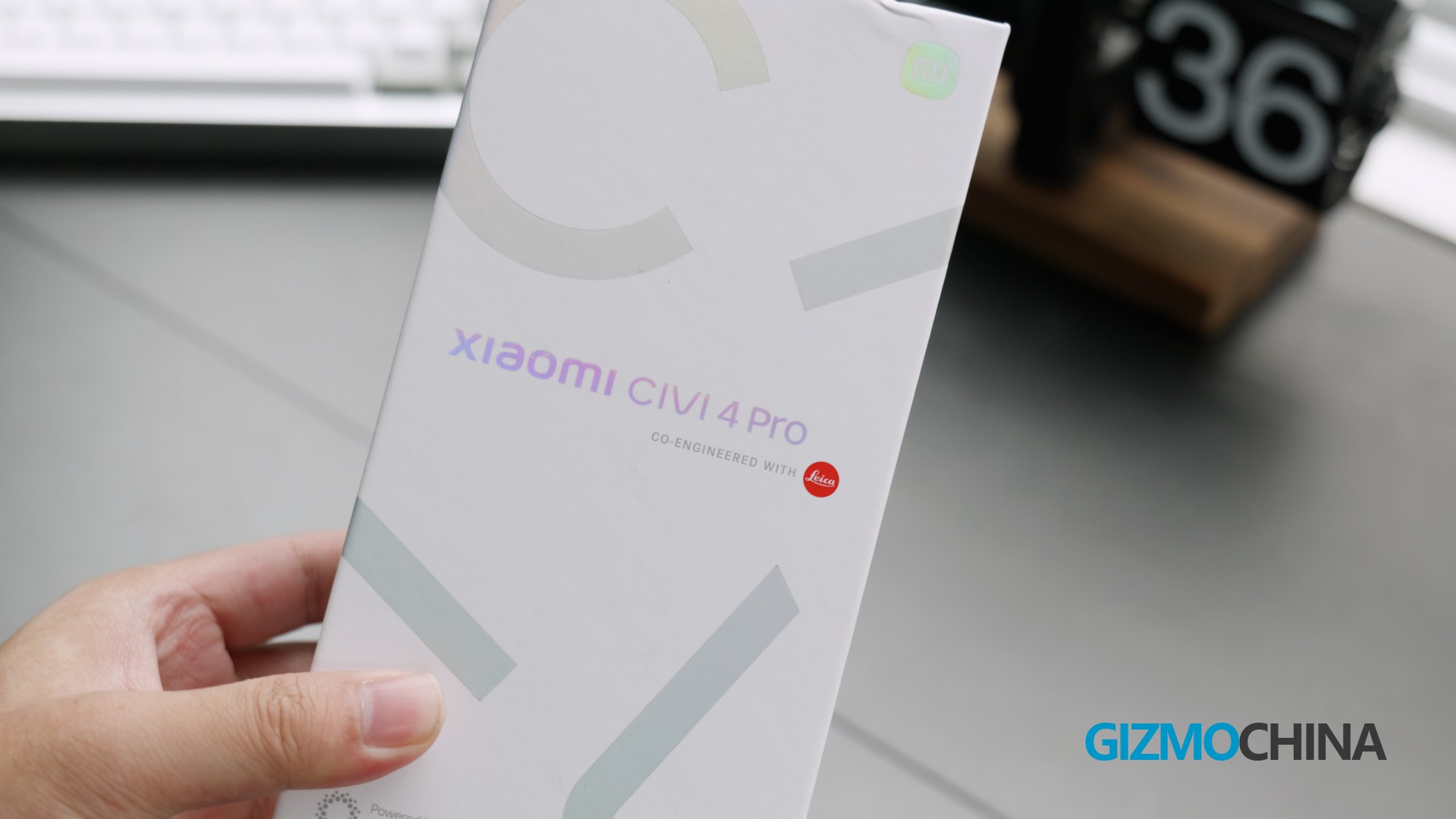
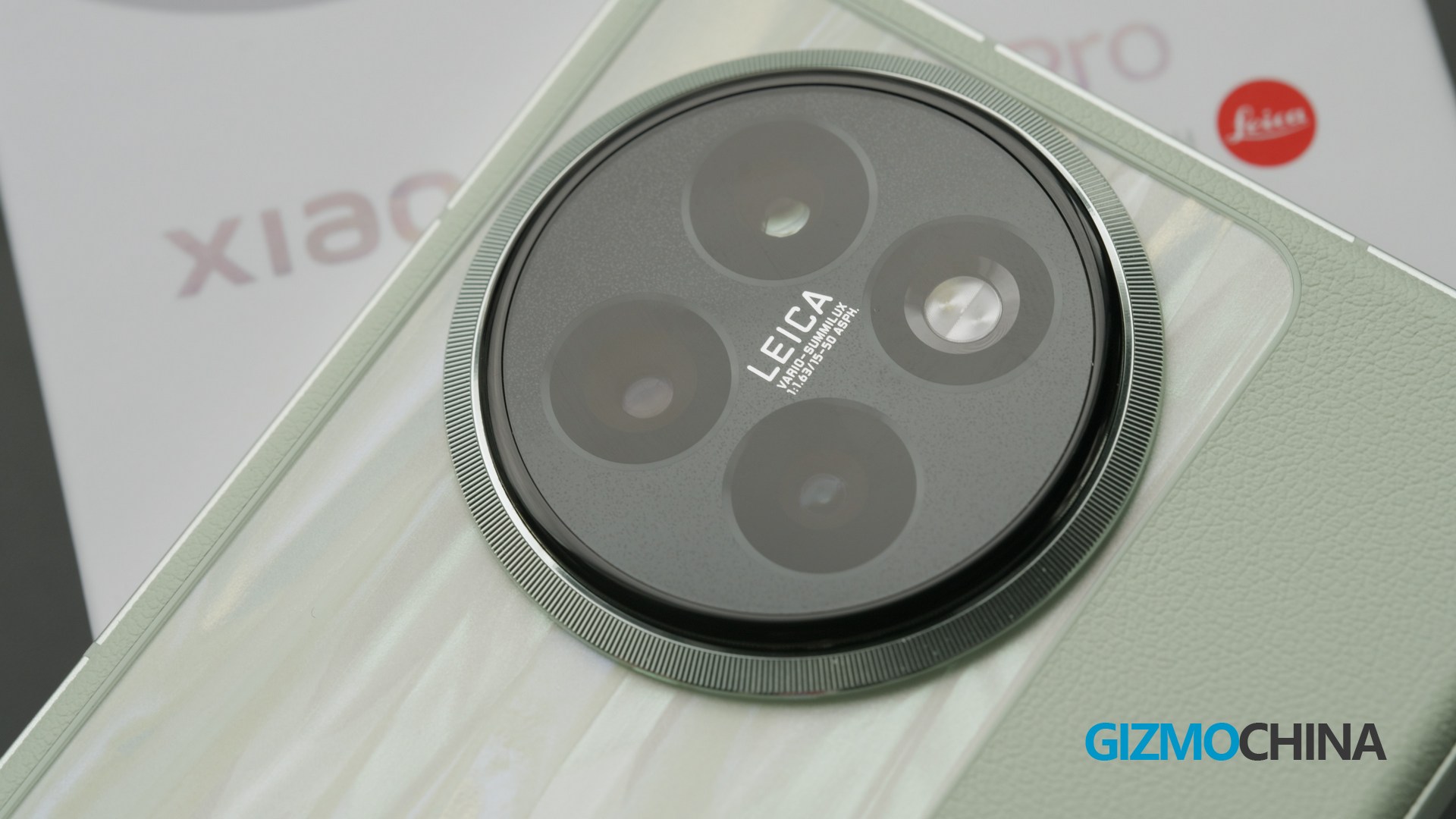
The Civi 4 Pro has this Leica logo on the packaging, SO it’s clear that this time the Civi 4 Pro supports Leica algorithms.
However, it’s worth noting that the selfie cameras don’t have the Leica supports. But I’m 100% sure that female users won’t complain about it, because they tend to opt for third-party camera apps when it comes to taking selfies.
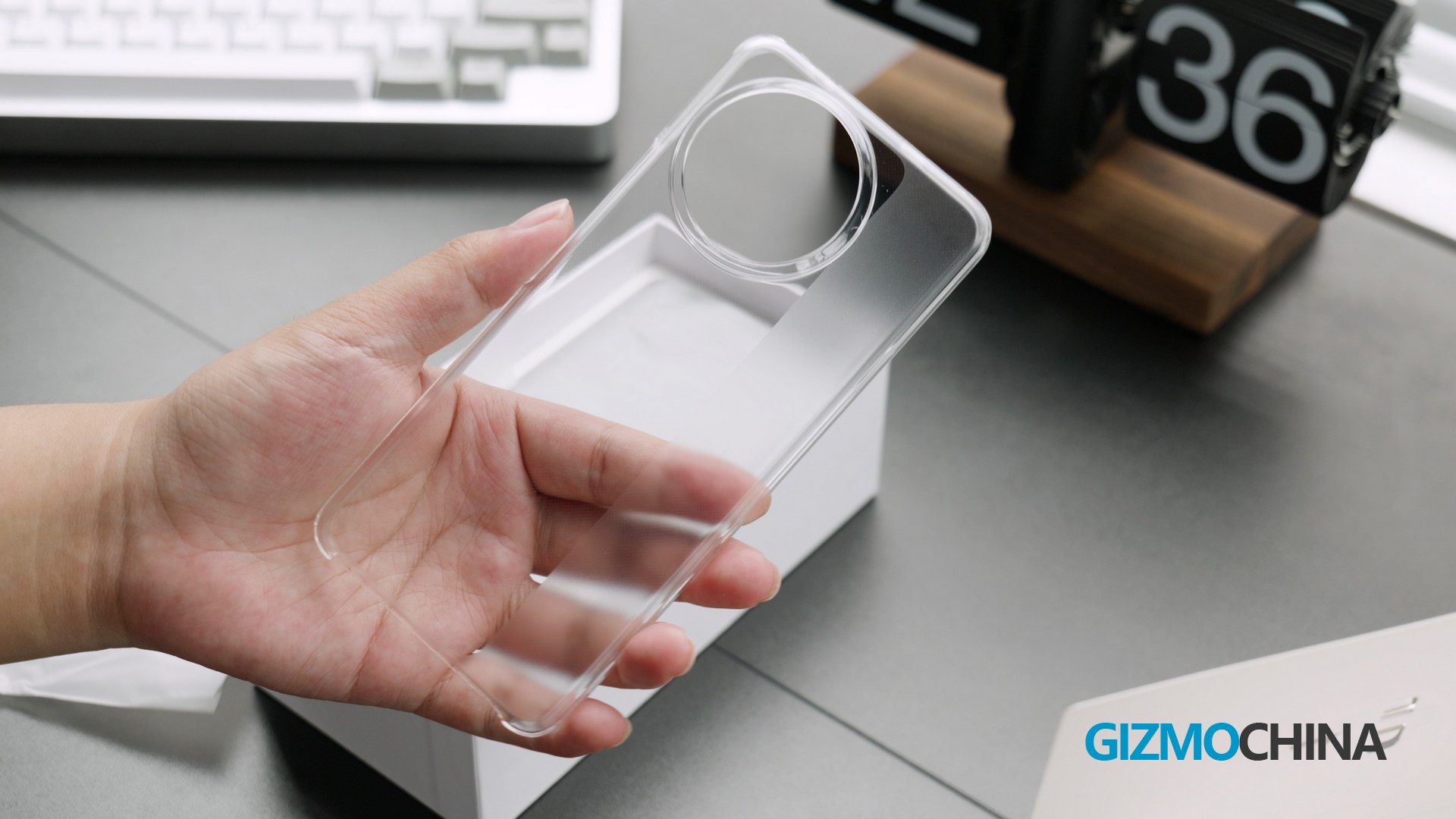
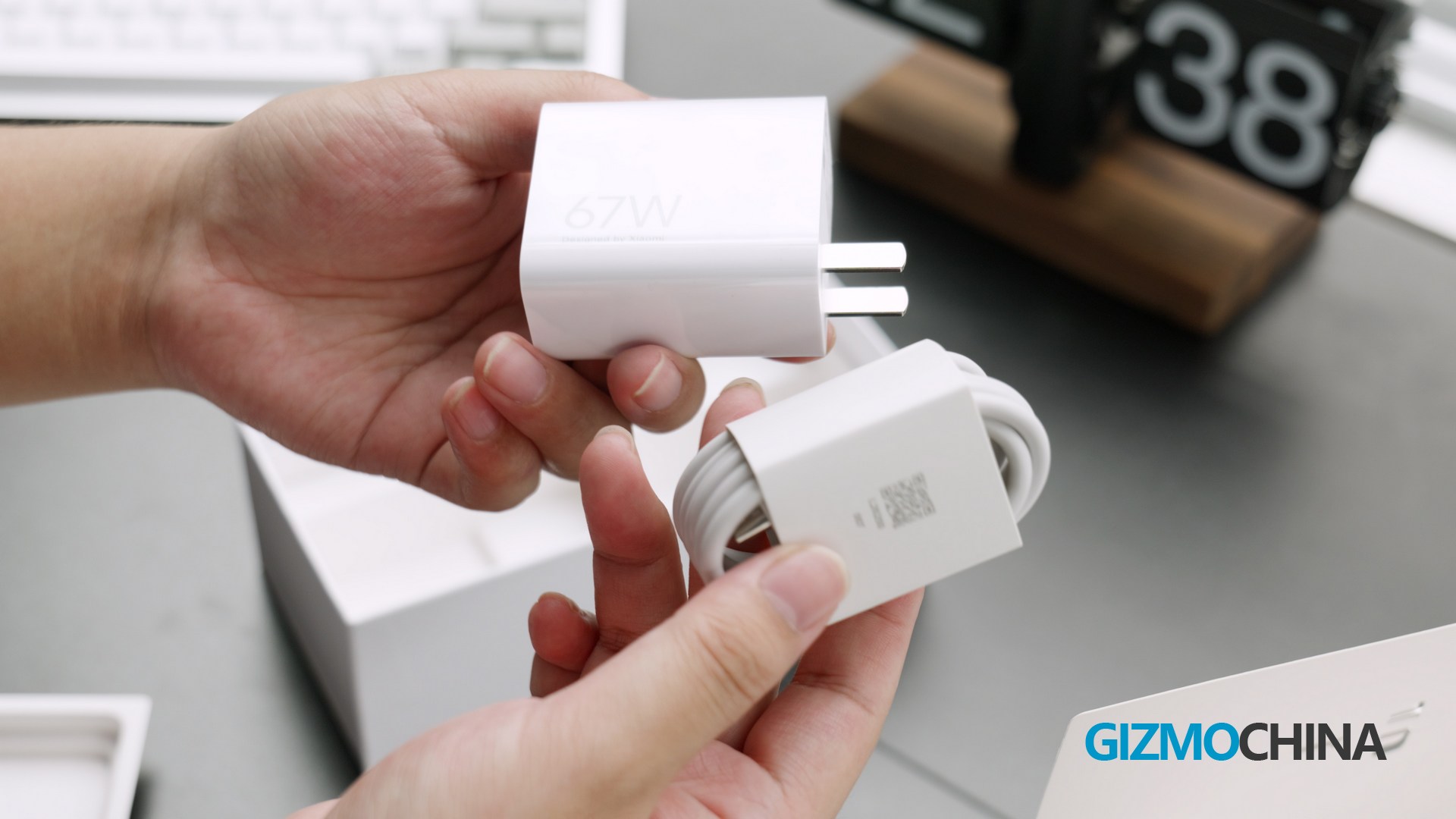
In addition to the phone, the package comes with a clear case, charging cable, and a 67W charger.
Design
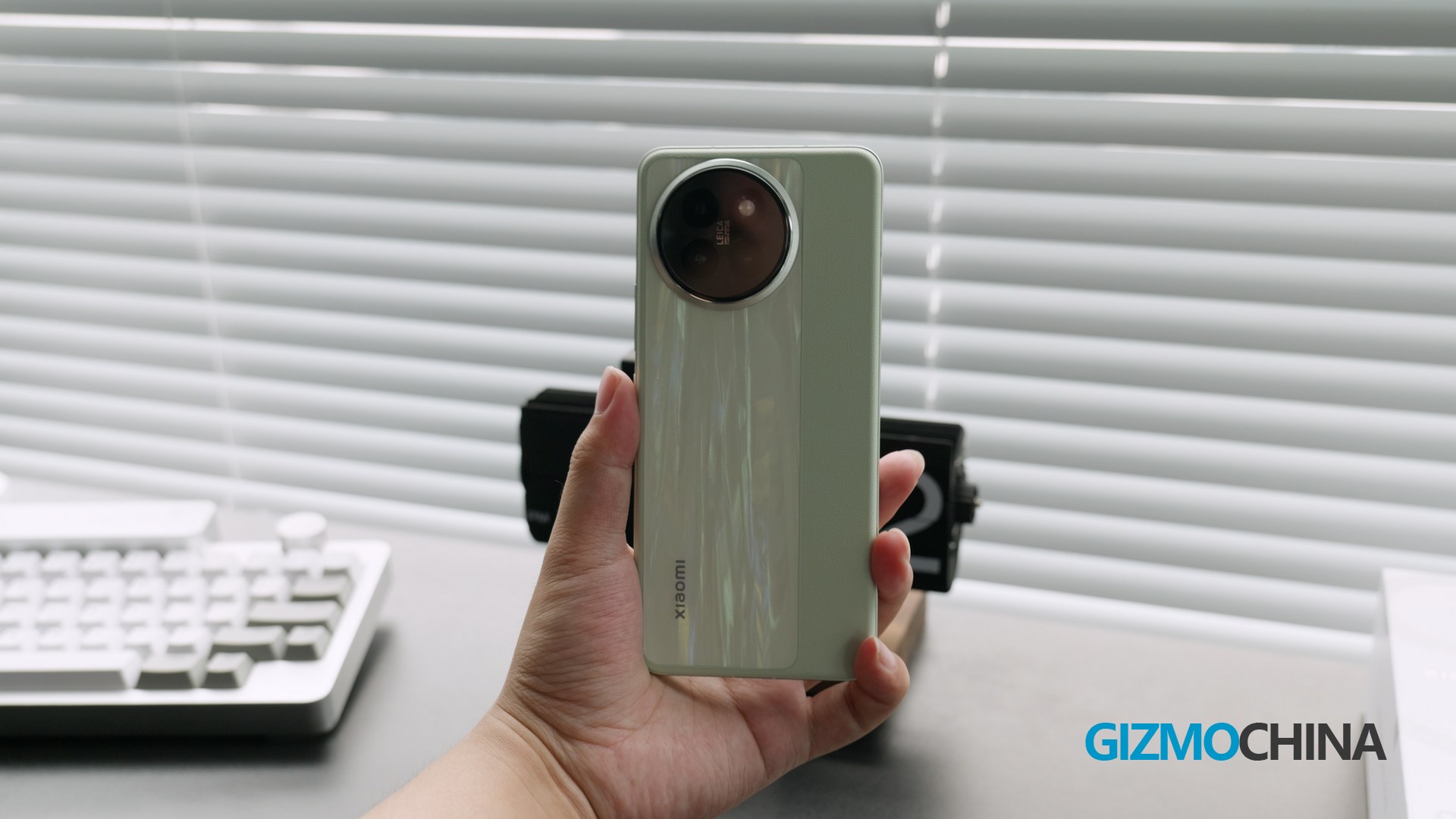
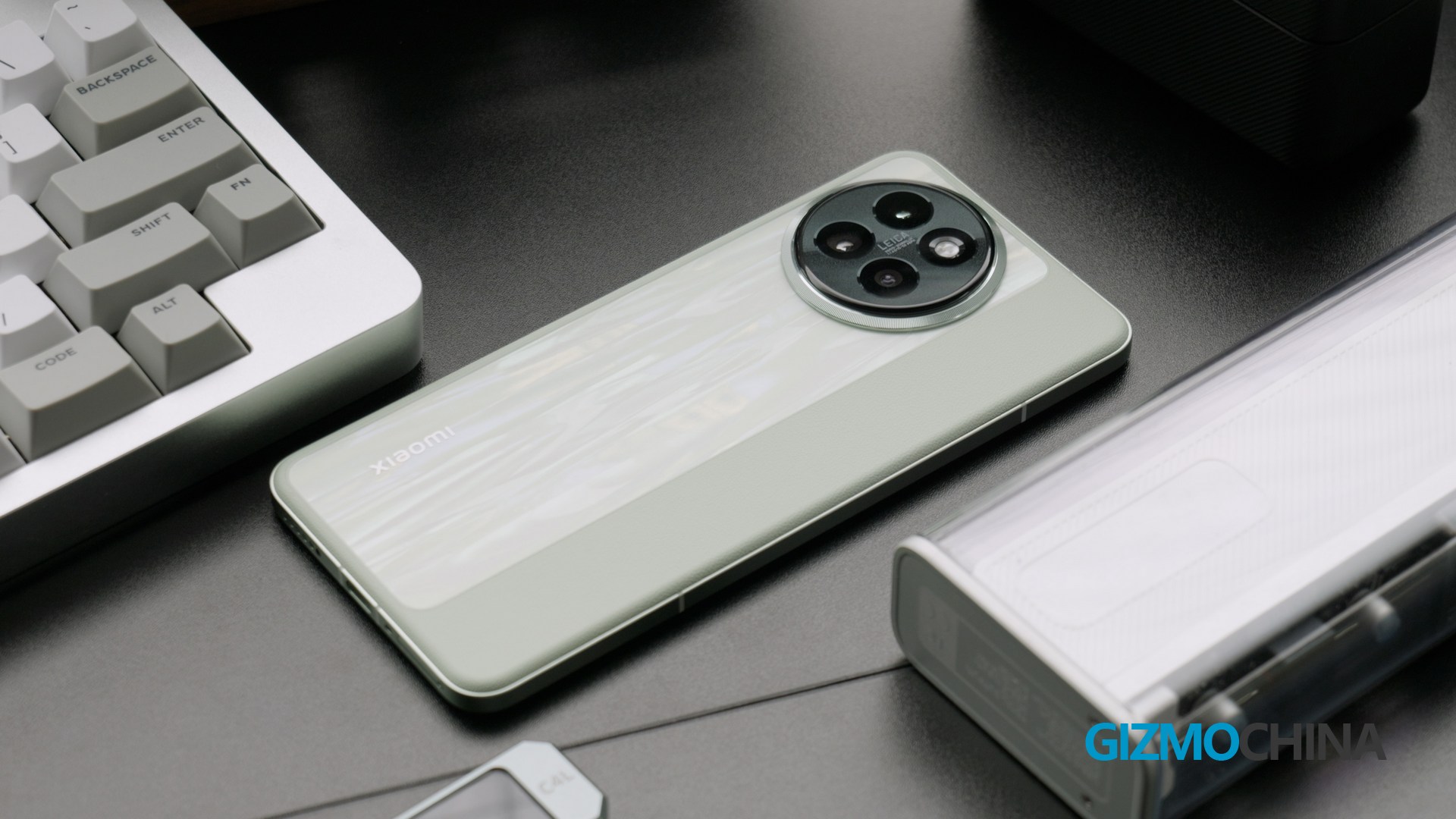
Back to the Phone. The version I got is named spring field green, which is a color that most people will like.
The back of this version is designed with PU and decorative panels, which make its pattern unique to all the other phones in the market. No doubt this will be the best-selling color variant.
The camera module is very small, and it is smoothed out around the camera.
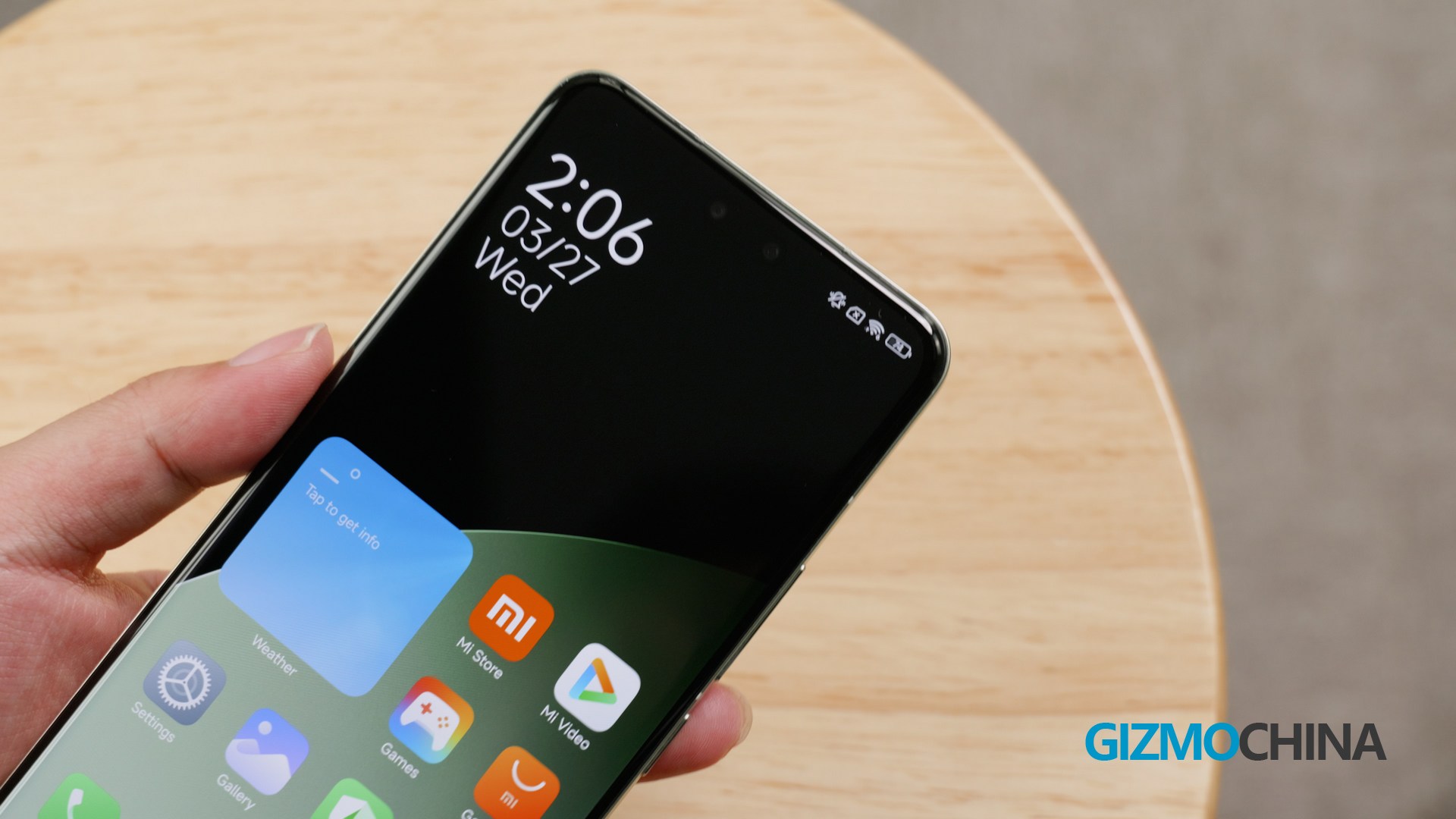
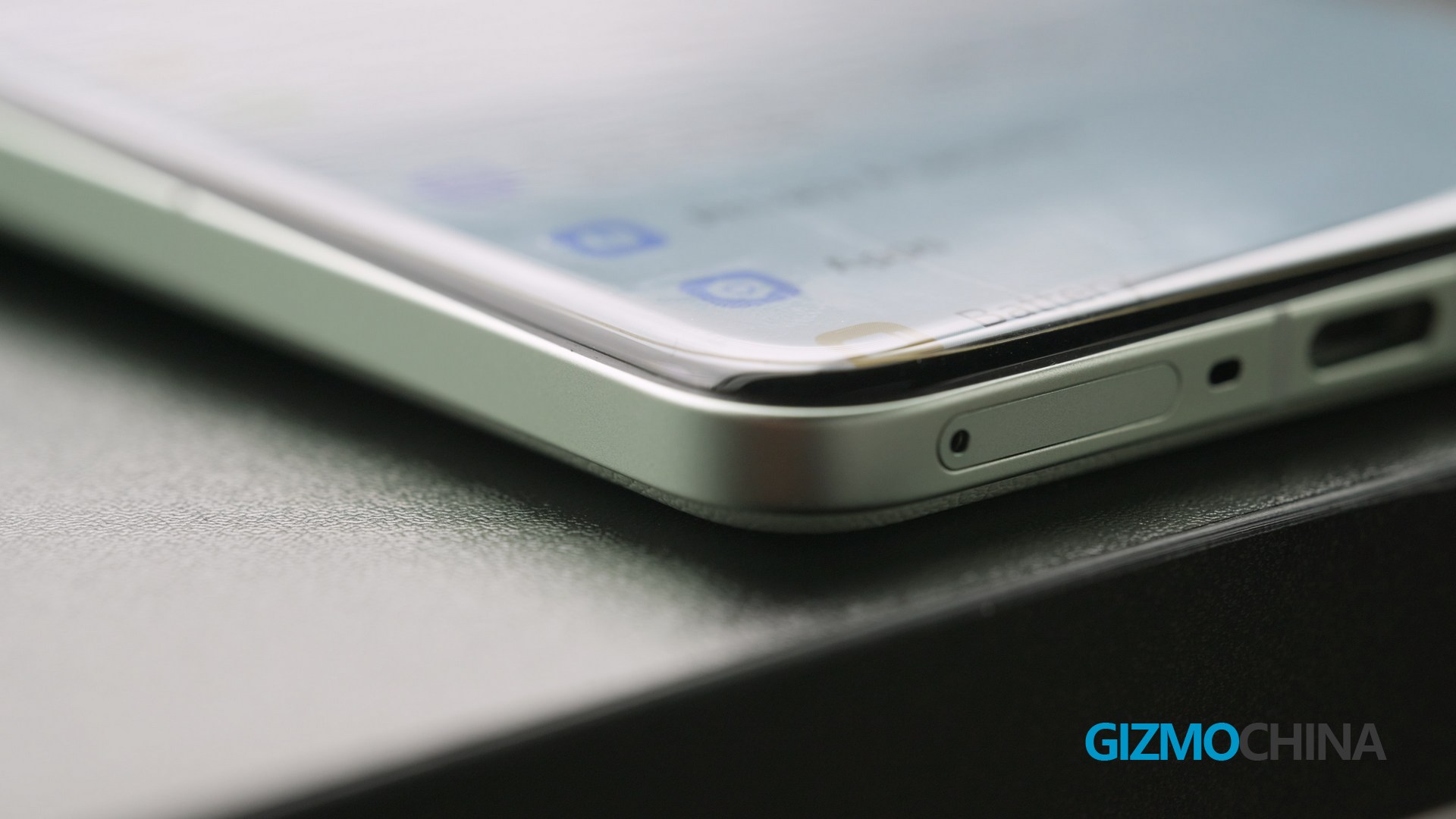
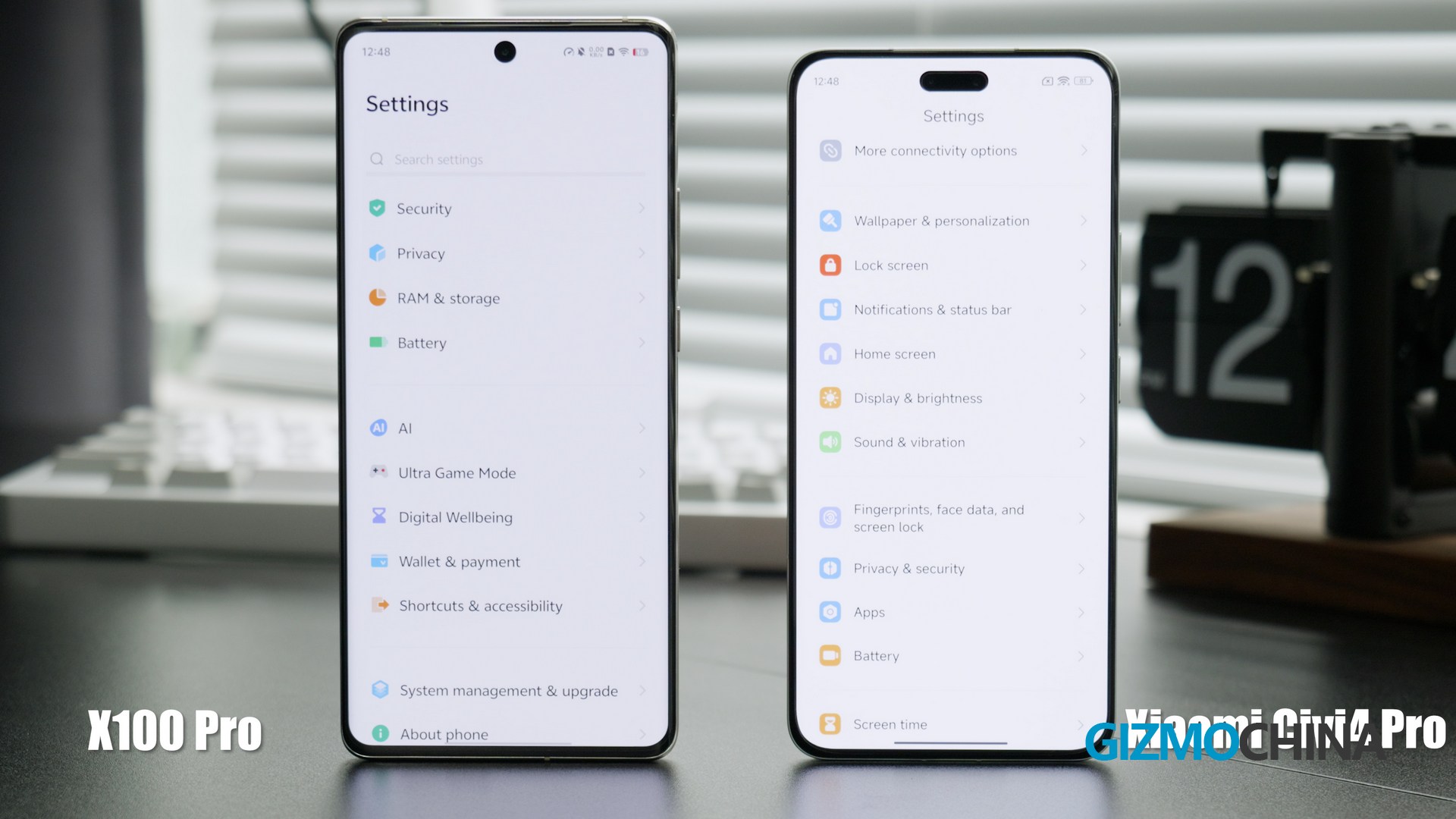
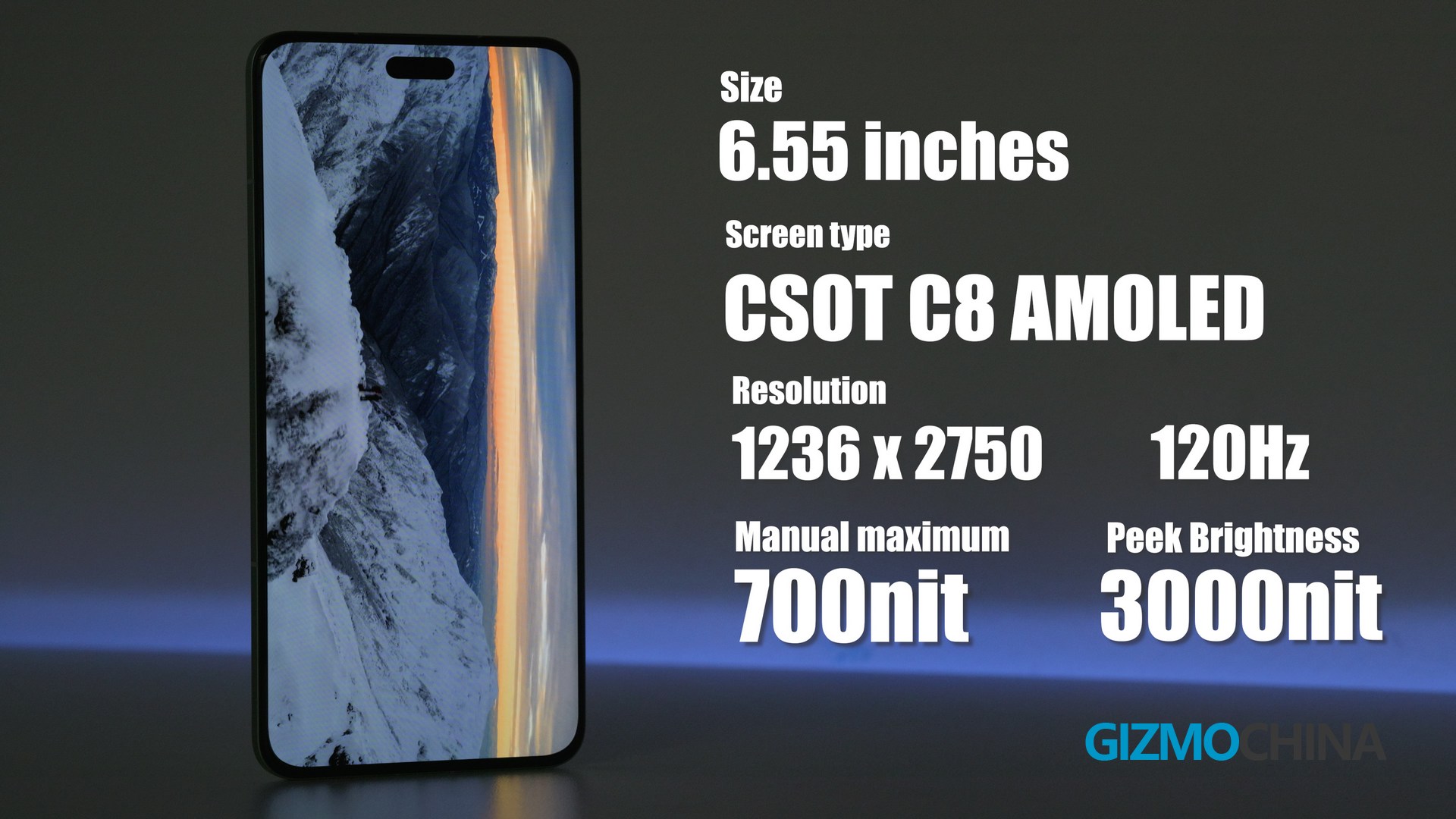
The Civi 4 Pro has a 6.55-inch four-sided micro-zone screen, similar to that of the Xiaomi 14 Pro.
It has a tiny curvature around the screen and is no different from a straight screen, as far as the experience goes.
I chose the Vivo X100 Pro for a comparison, you can also see how narrow the bezel exactly is.
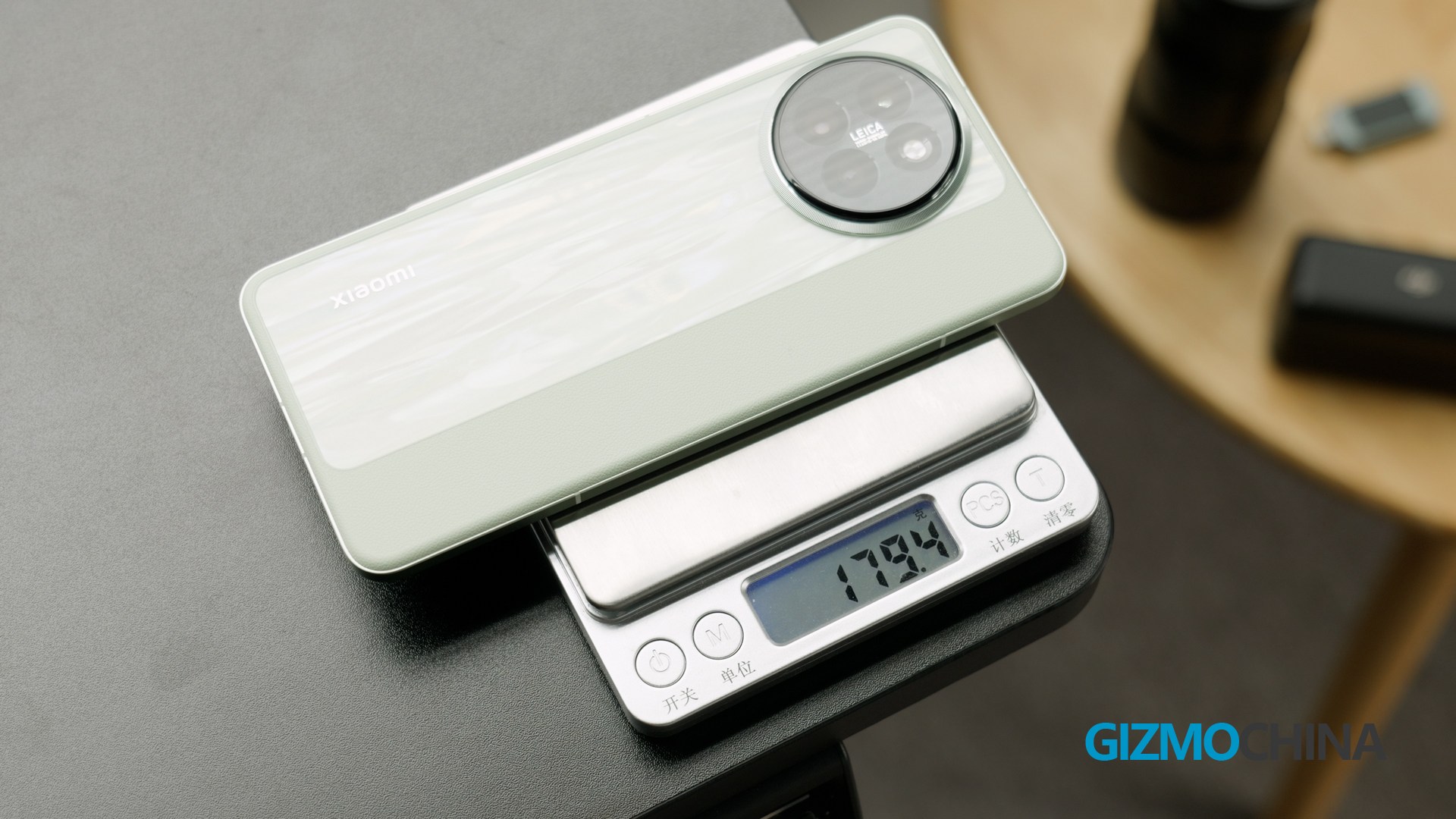
When I got my hands on this phone, my first impression was: it is really light! This version I have in my hand is just 179g.
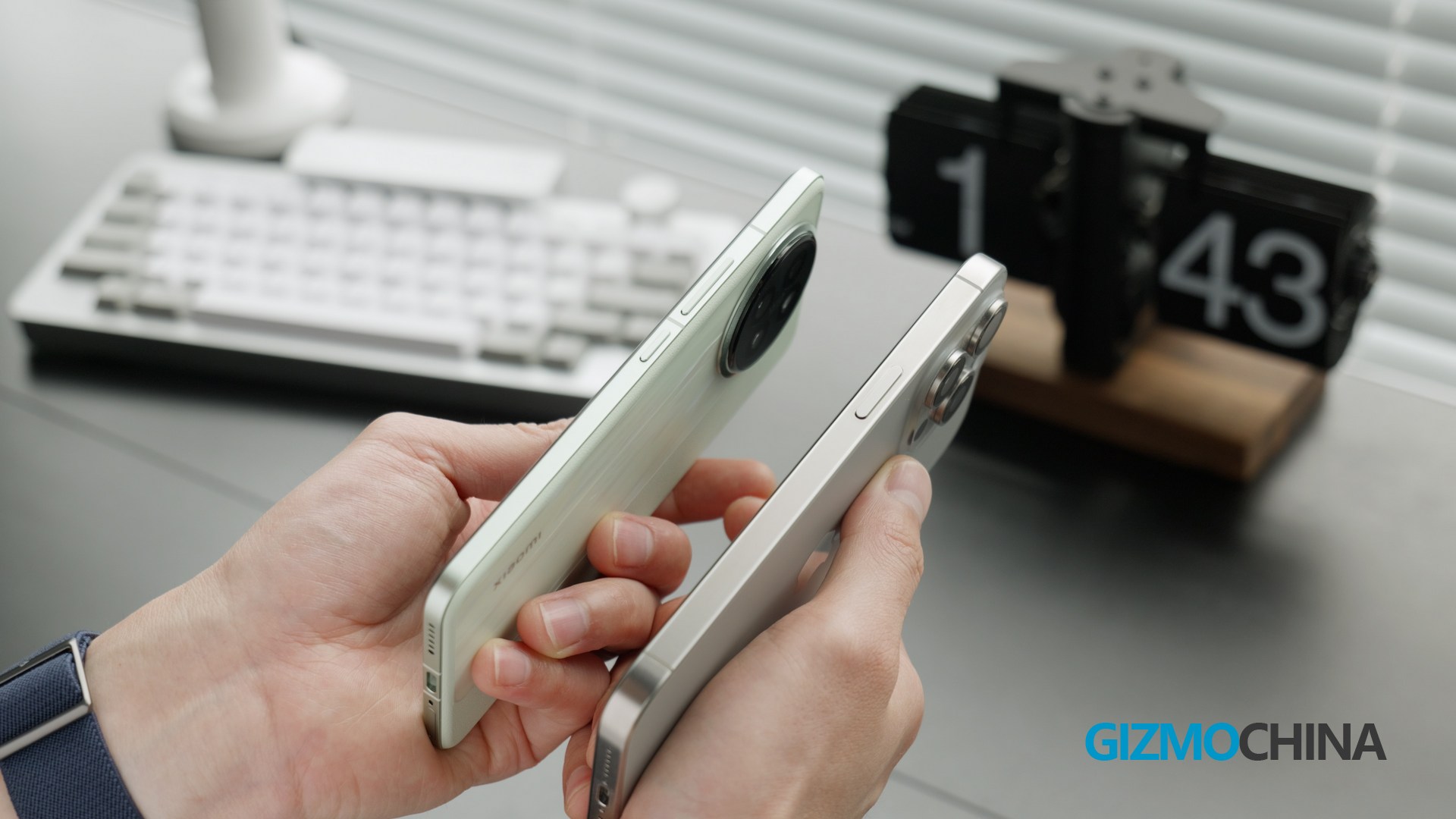
Comparing it to the 236g iPhone 15 Pro Max, it feels like it’s only half the weight of an iPhone. In terms of thickness, compared to the latest iPhone, you can clearly see the difference.
So I must say this phone has the best feel in the hand among all the phones we have reviewed this year. It is thin and light enough while having a lot of curved design.
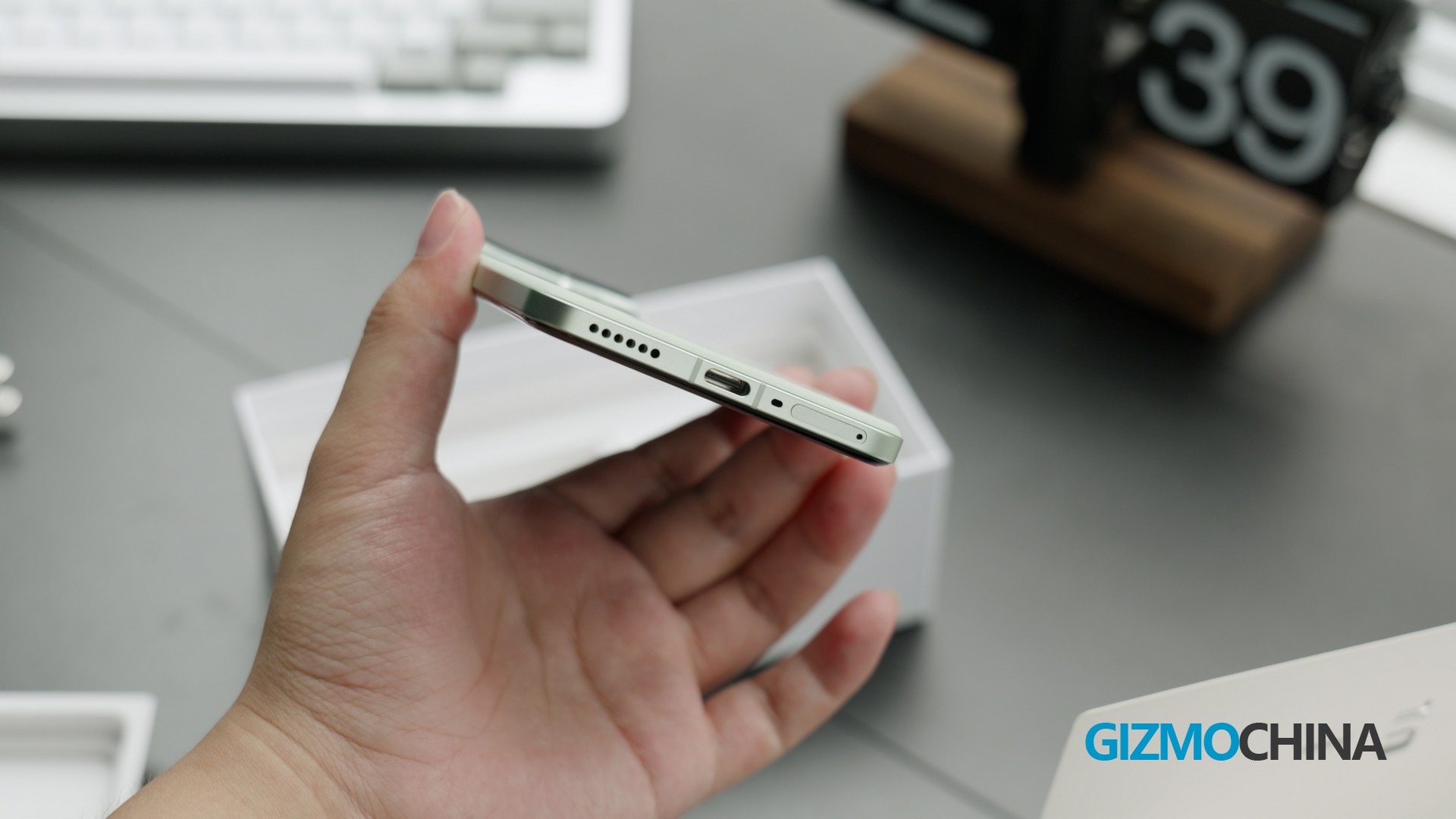
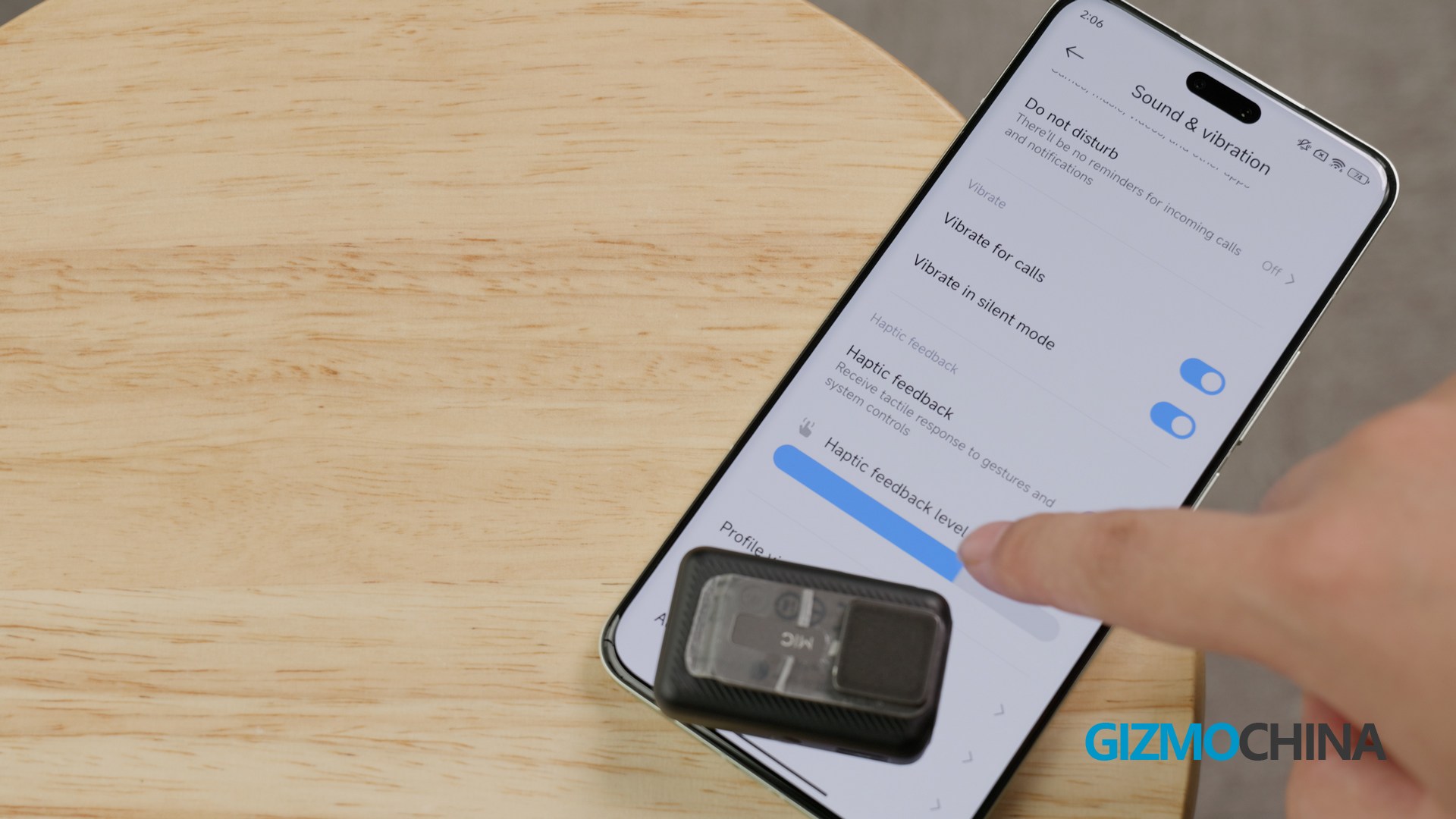
In terms of peripherals, it has dual speakers, IR remote control, NFC and more, but it’s worth noting that the phone comes with a Z-axis motor, so the vibrations won’t be as good as those flagships.
Please watch the video
Screen
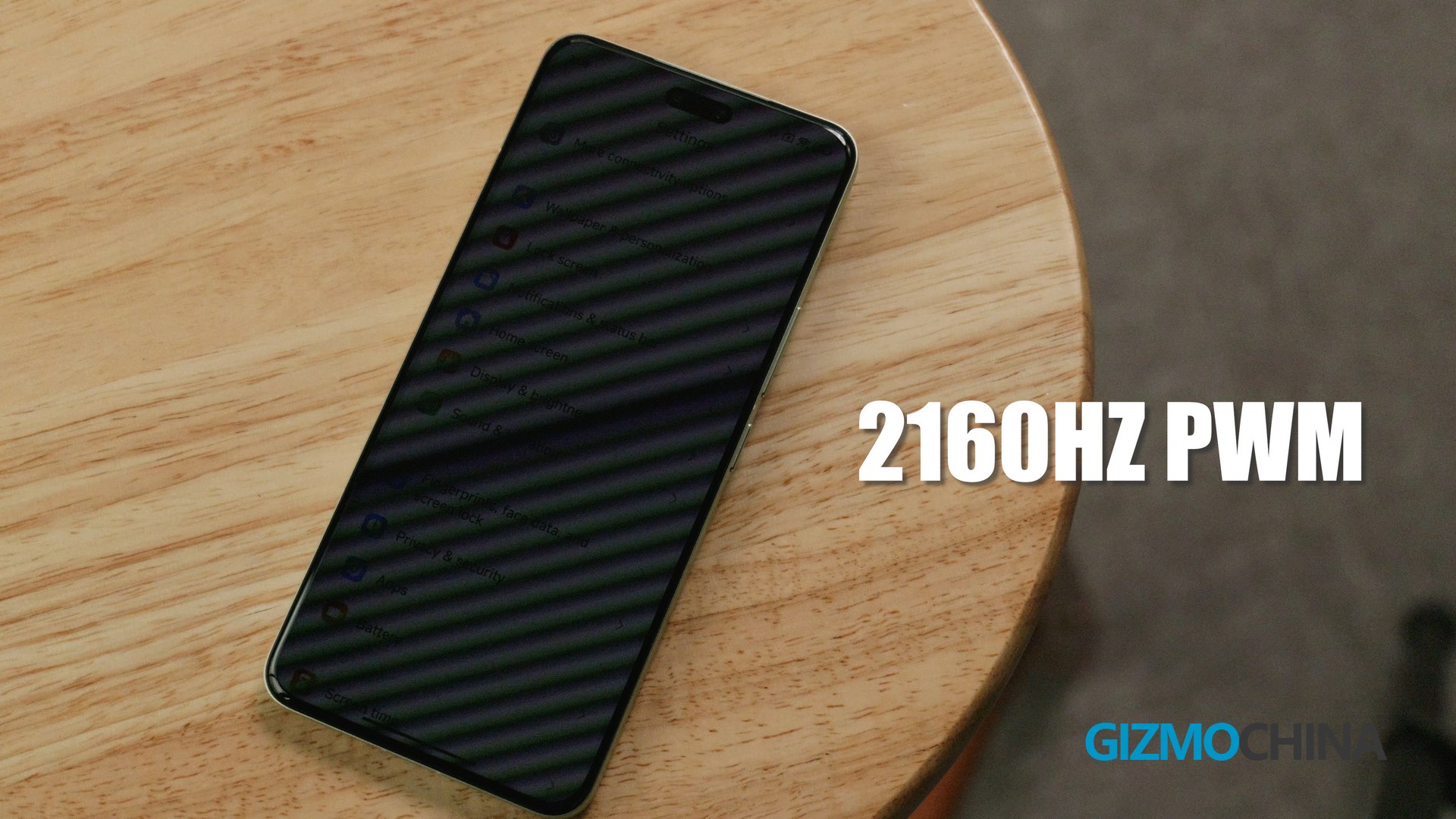
The screen of the Civi 4 Pro is not only designed in the same way as the Xiaomi 14 Pro – it is also made of the same C8 panel and has a resolution of 1.5K, the screen is undoubtedly the highlight of the phone.
Performance
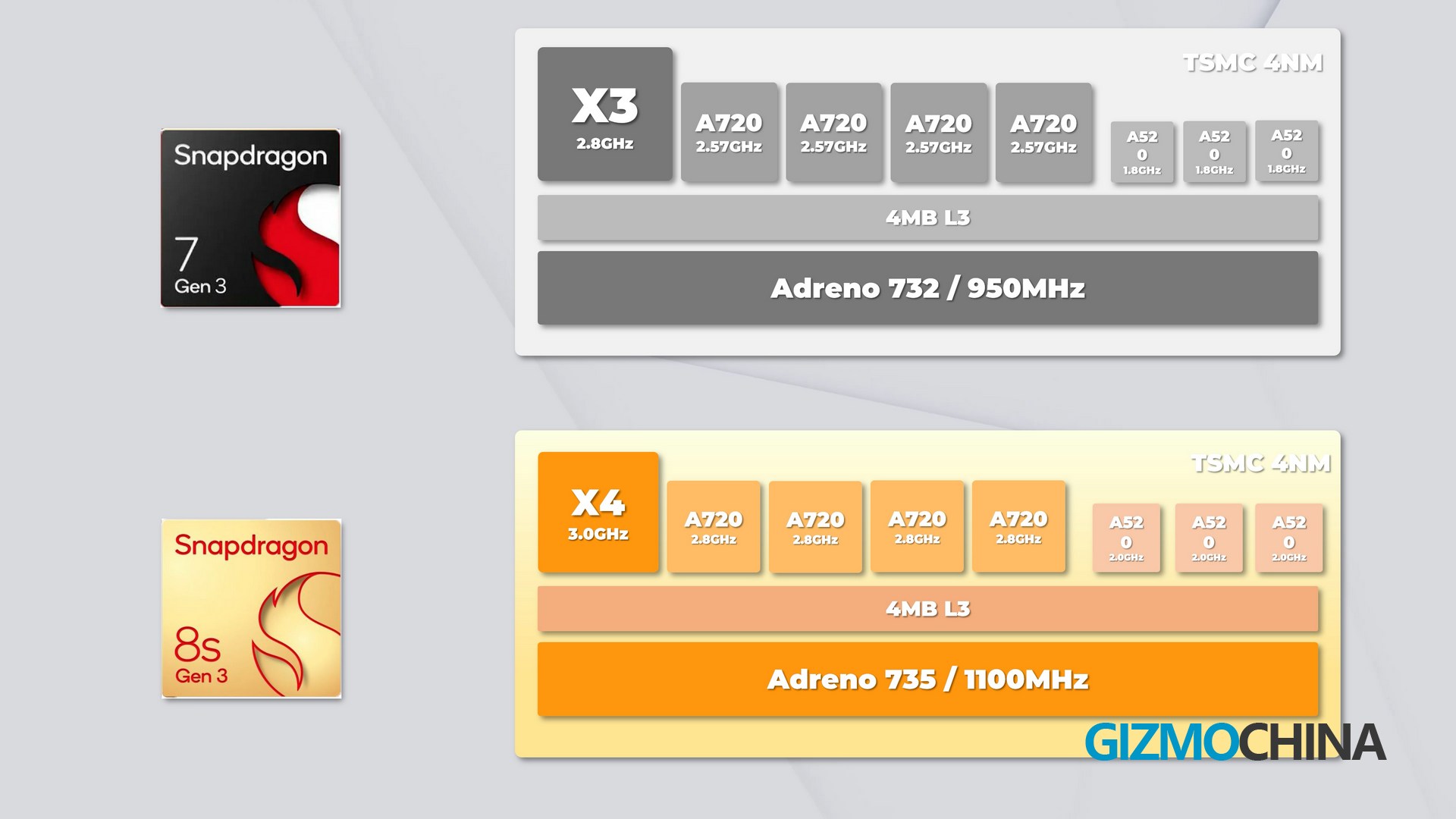
The Xiaomi Civi 4 Pro uses the newest combination of ‘Snapdragon 8s Gen 3 + LPDDR5 + UFS4.0’, a standard flagship combination. Just for the record, Xiaomi Civi 4 Pro is the world’s first smartphone that comes with the 8s Gen3. While this chipset sounds very close to the 8 Gen 3 in terms of naming, it is almost the same as another mid-ranger, the Snapdragon 7+ Gen3 in core specs.
So if you’re only concerned about performance, you can basically take it as an overclocked version of the 7+Gen3. However, they are not exactly the same, the 7+Gen3 has downgraded the band, ISP, etc.
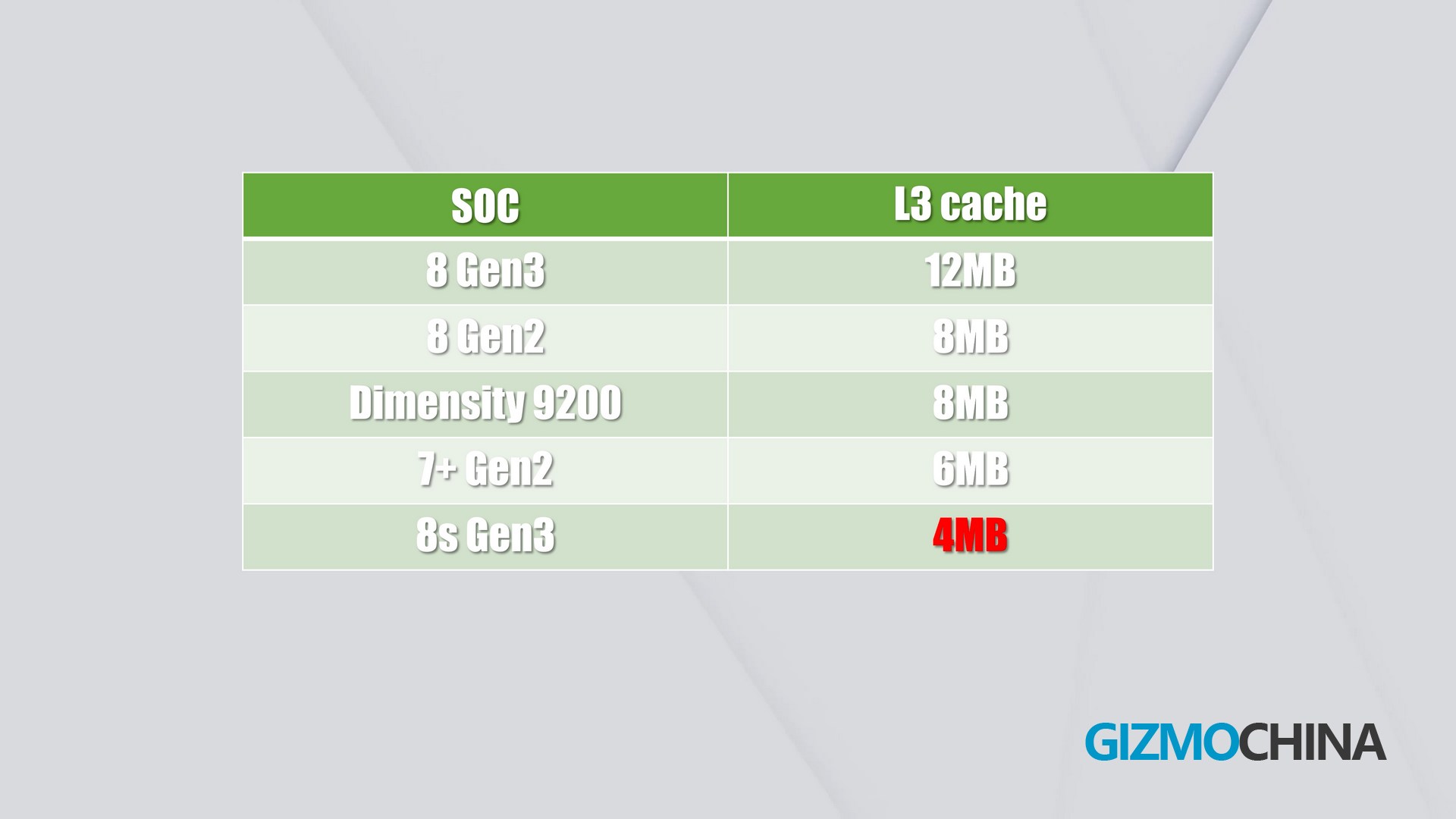
My biggest complaint about this chip is in the cache, the 8s Gen3 only has a mere 4MB of L3 cache, which will most likely affect the performance of this chip in some tasks.
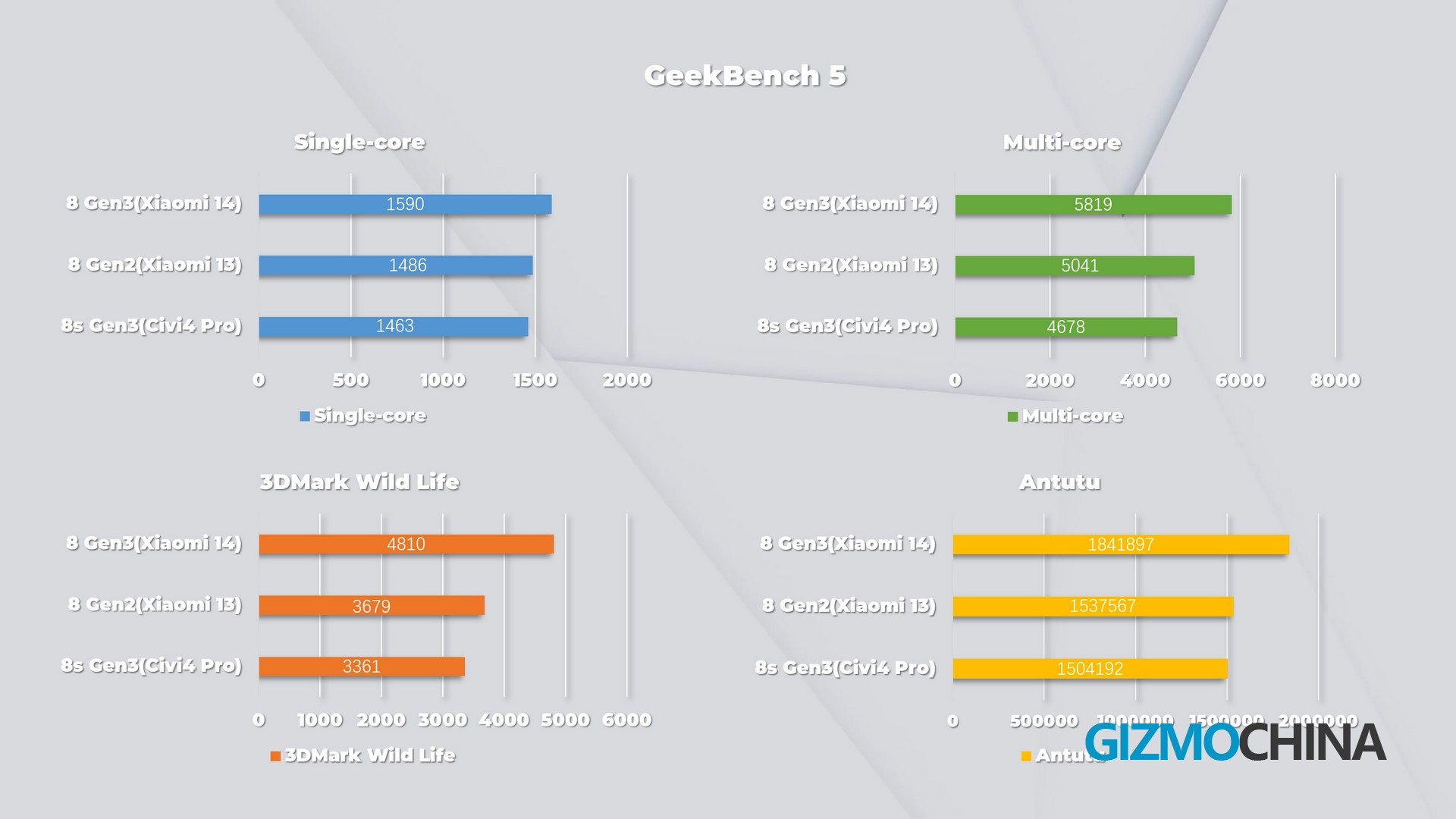
I also ran some tests for it, the 8s Gen3 performs very close to the 8 Gen2, so overall this is still a decent chip.
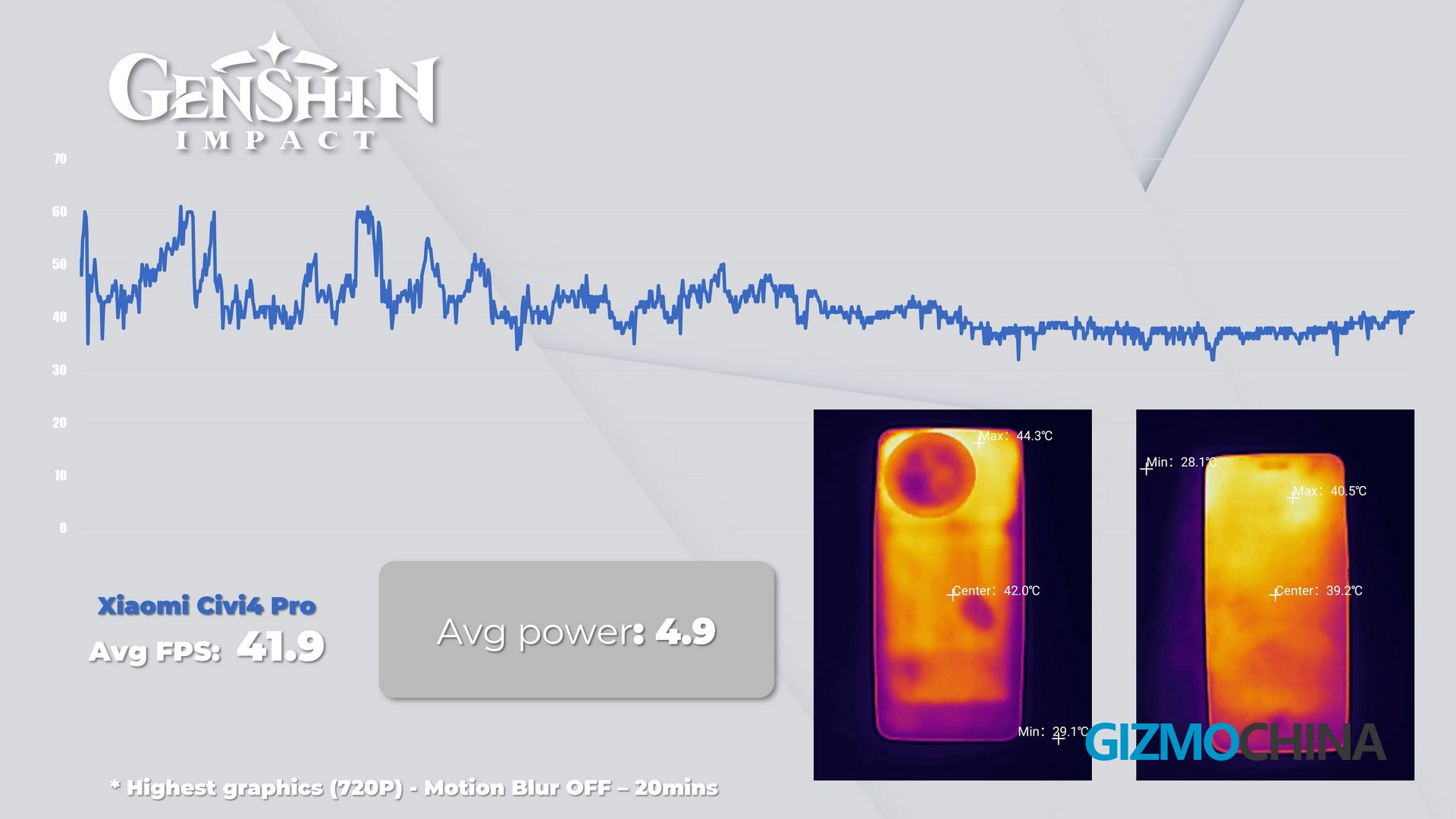
Gaming tests, FIRST, Genshin Impact, we set it to the Highest Graphics Underwater, average frame rates were 42fps with low power consumption during gameplay.
It’s clear that the 8s Gen3 isn’t firing on all cylinders. Later in the game, the power consumption was even just under 4W. So being Thin and light, or having good performance, there is only one way to go, isn’t it?
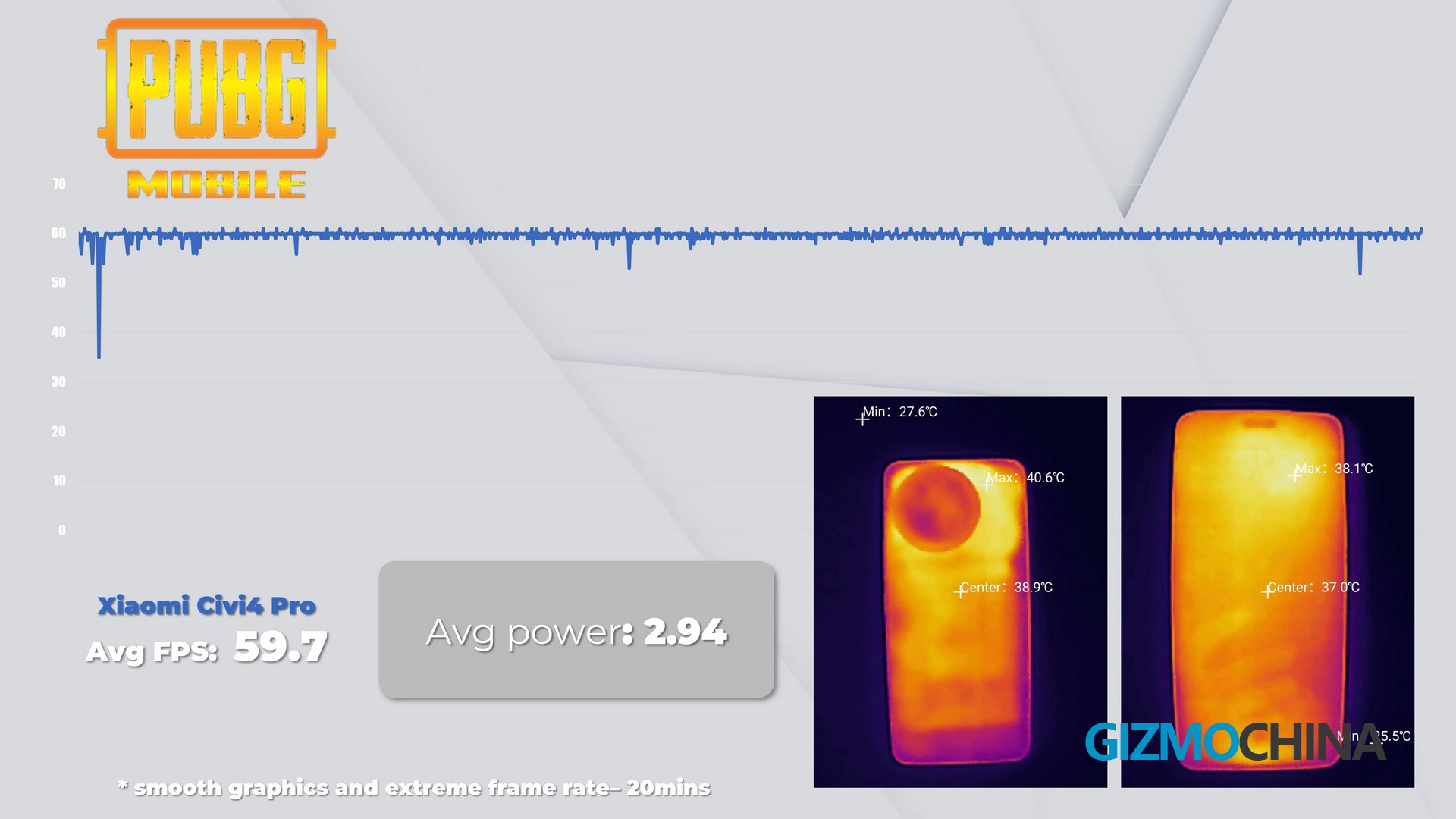
In the less stressful game PUBG mobile, we set it to smooth graphics and extreme frame rate, the game ran at 60fps throughout and consumed just 2.94W.
So, the answer is clear, the 8s Gen 3 is a good chip with good performance and power control, but Xiaomi Civi 4 Pro opted for a conservative performance strategy, because it is positioned as a thin, light, and photography phone.
Camera
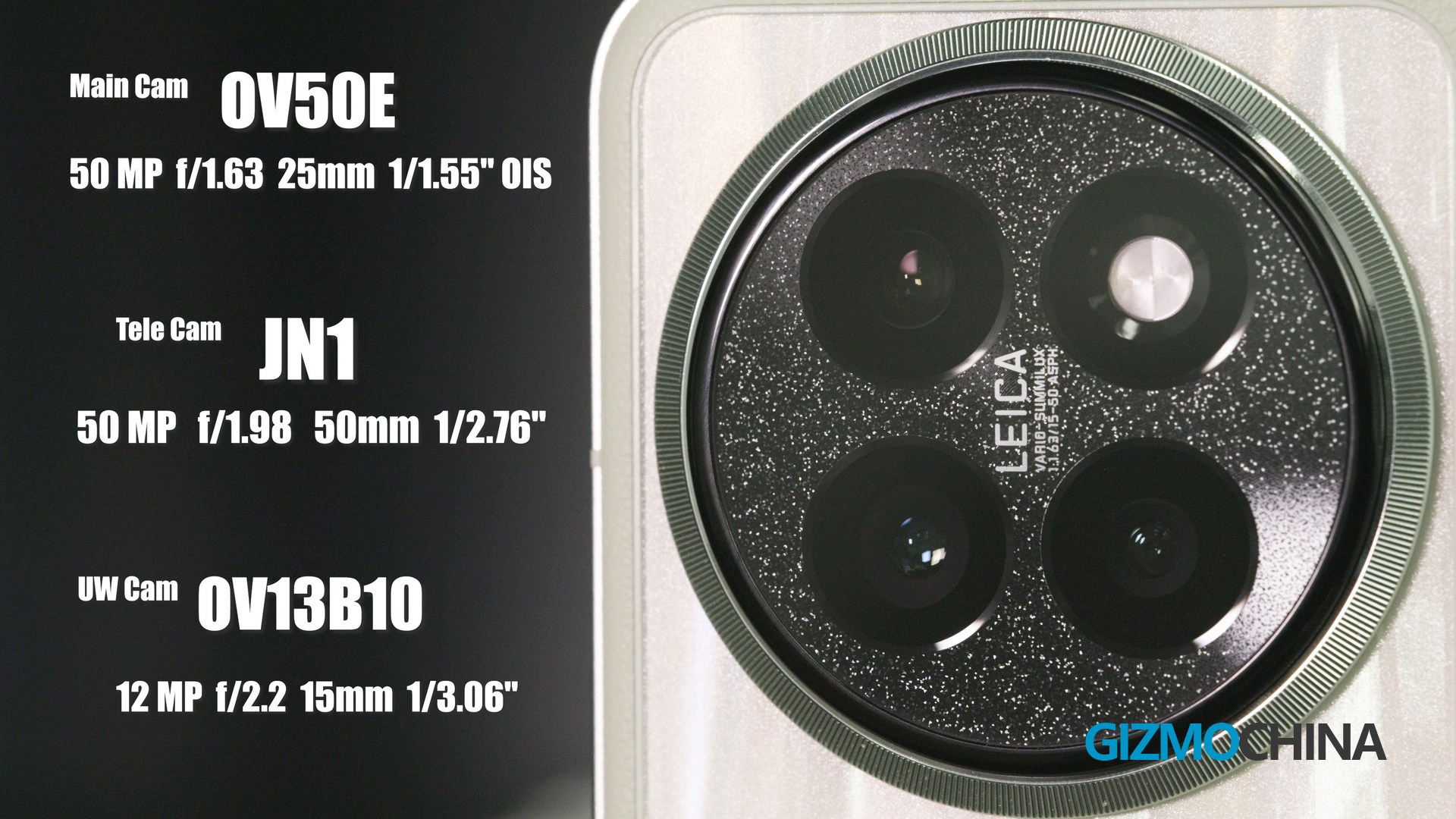
The cameras on the Civi 4 Pro have been upgraded across the board, compared to the Civi 3 it not only has an extra telephoto camera, but the main camera and ultrawide have also been enhanced, as well as support from Leica algorithms.
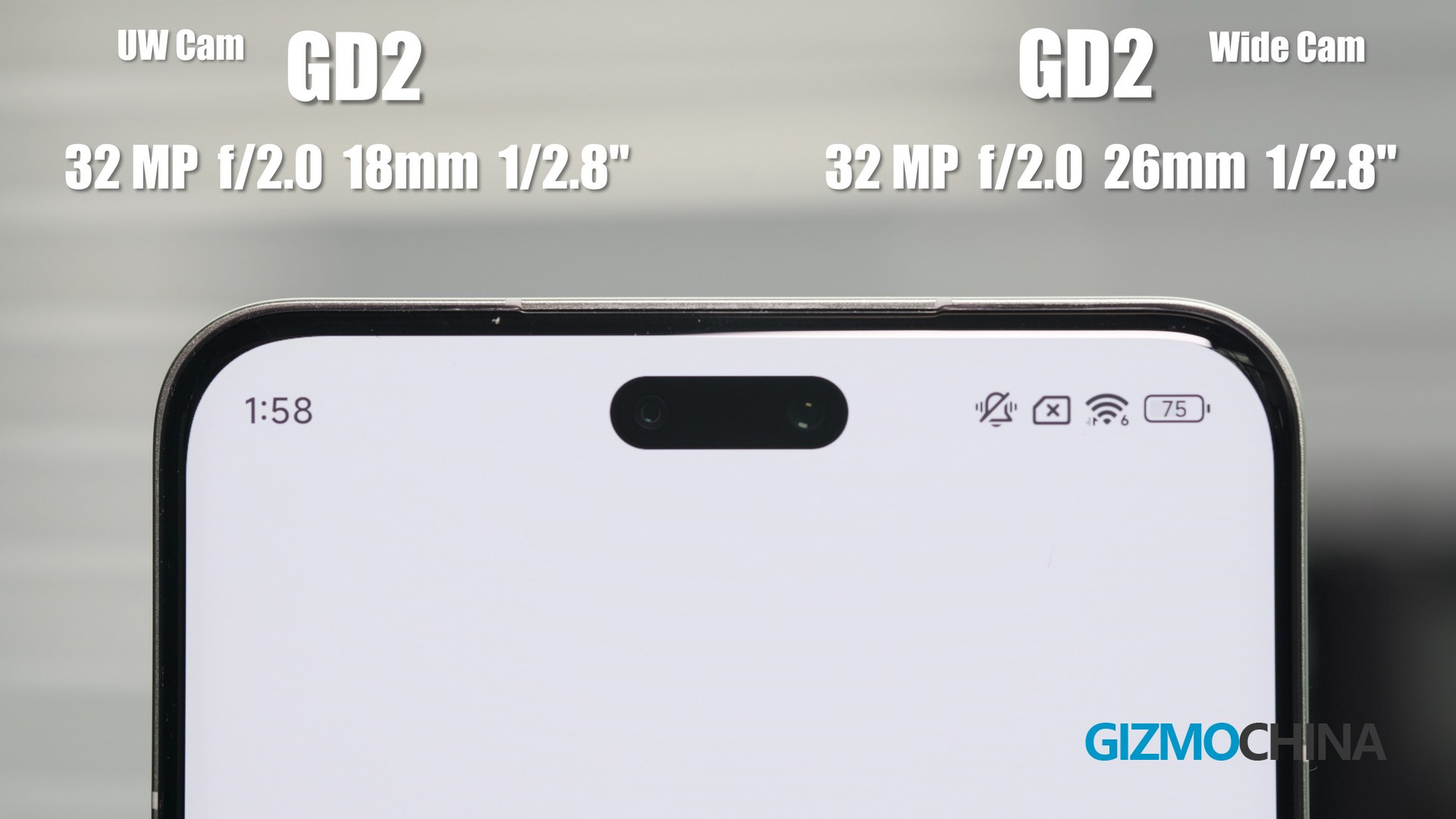
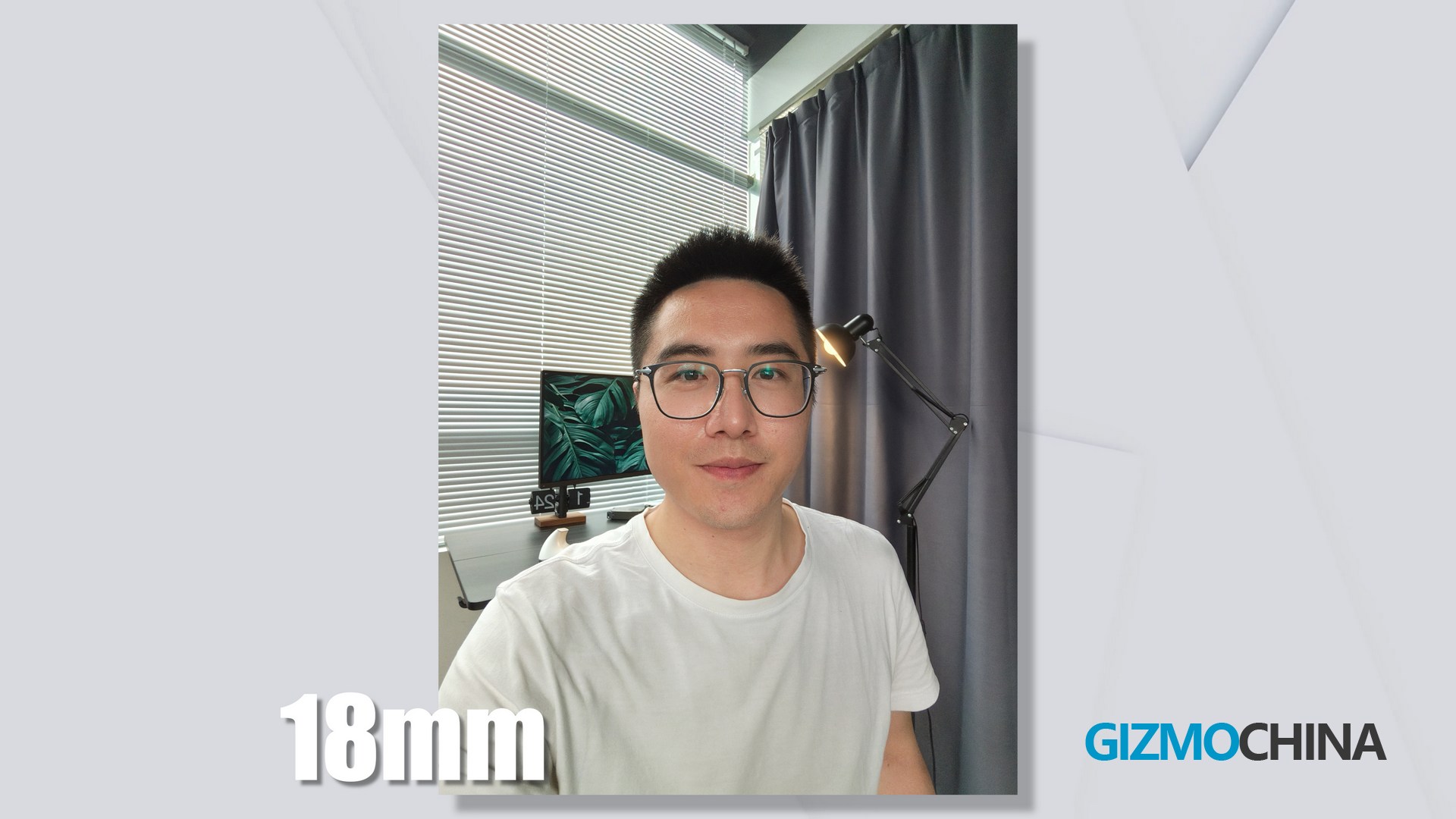
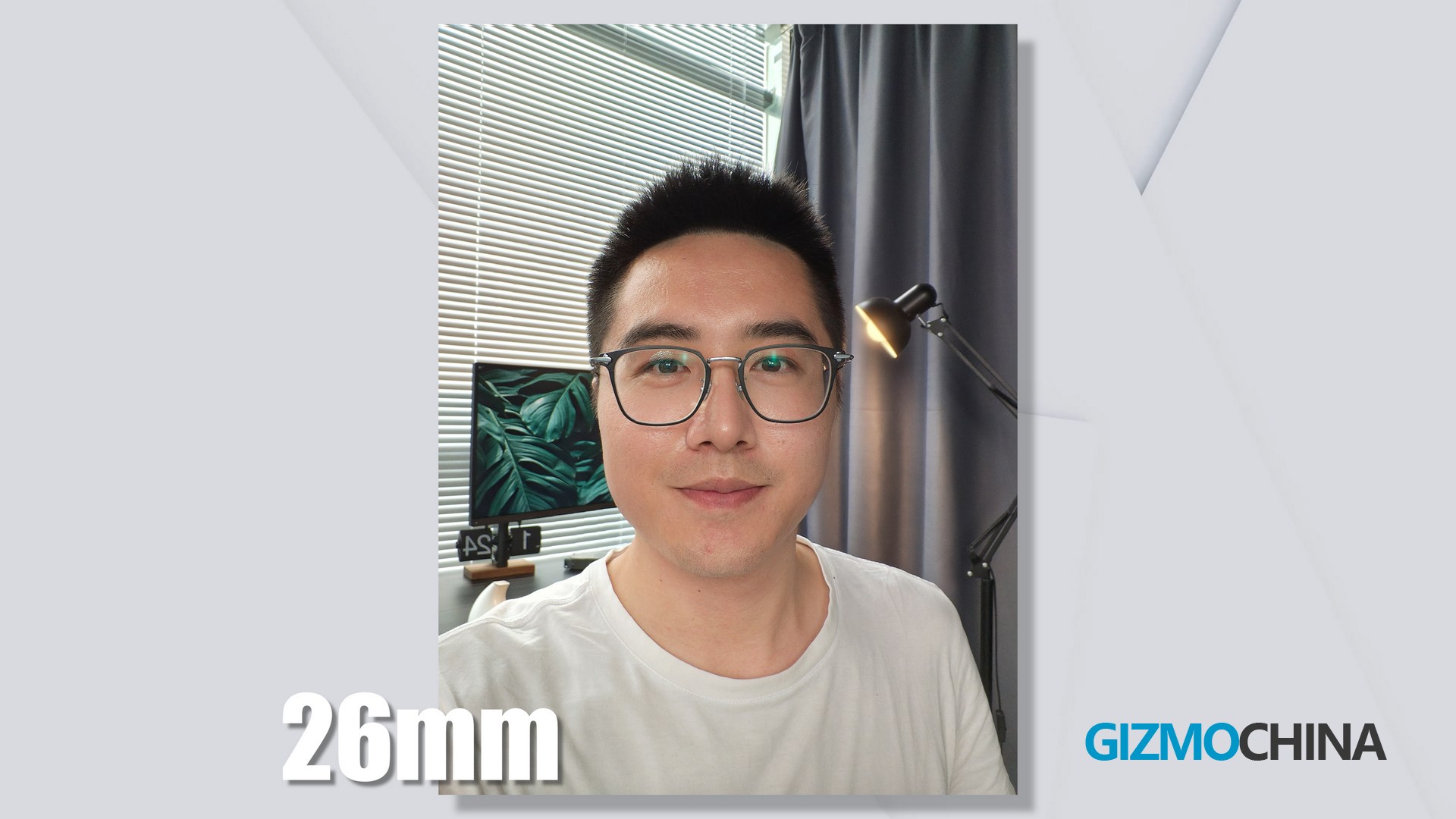
First, I tried the selfie camera, the Civi 4 Pro has an 18mm and a 26mm selfie camera.
not only can you take close-up photos of your face, but also portraits with some background.
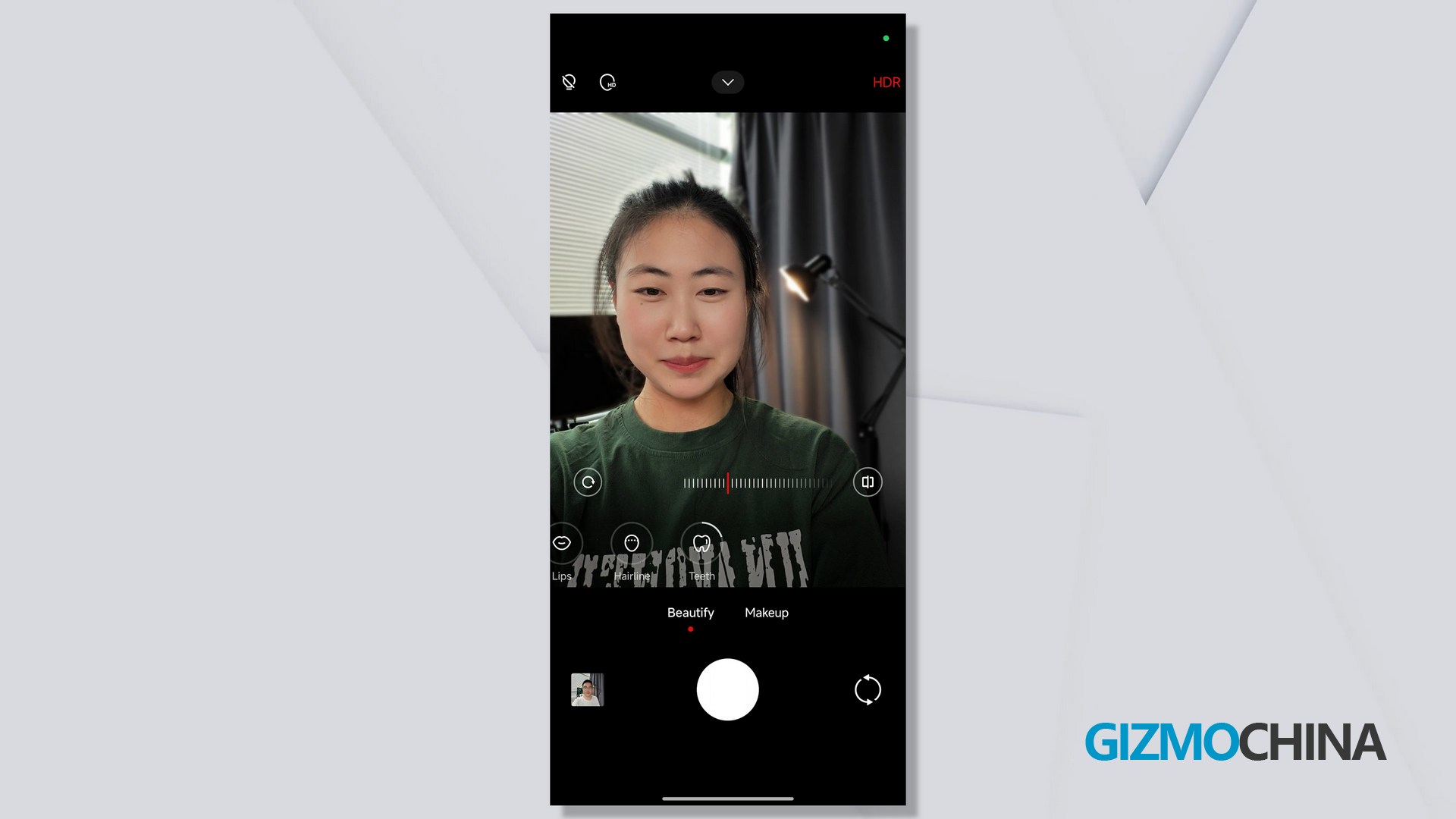
Compared to the Xiaomi 14 Ultra, the Civi 4 Pro’s selfie camera has more beauty options such as “Makeup” and “Teeth”.
But just like most phones, it can not get the edges of the hair quite right.
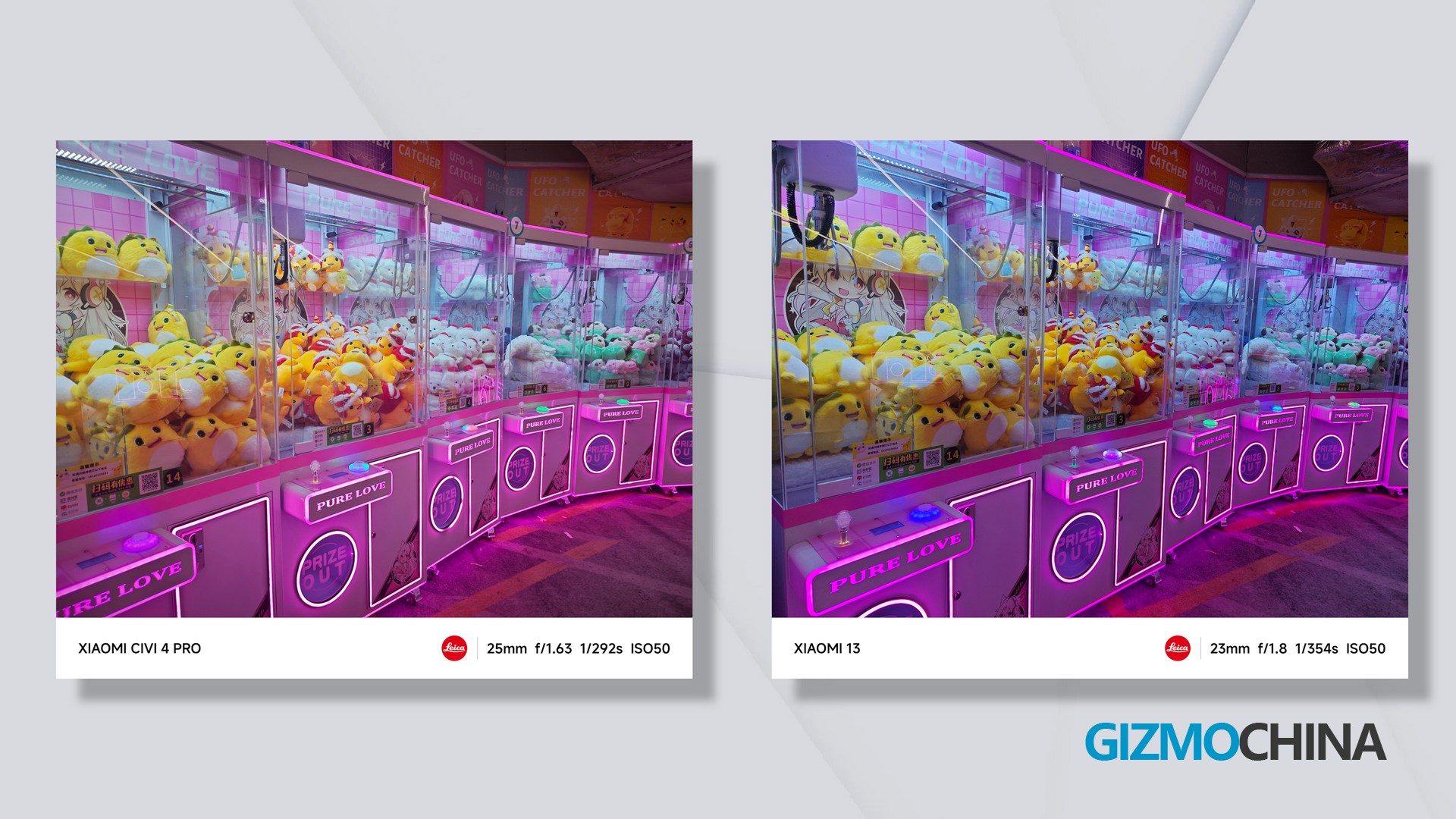
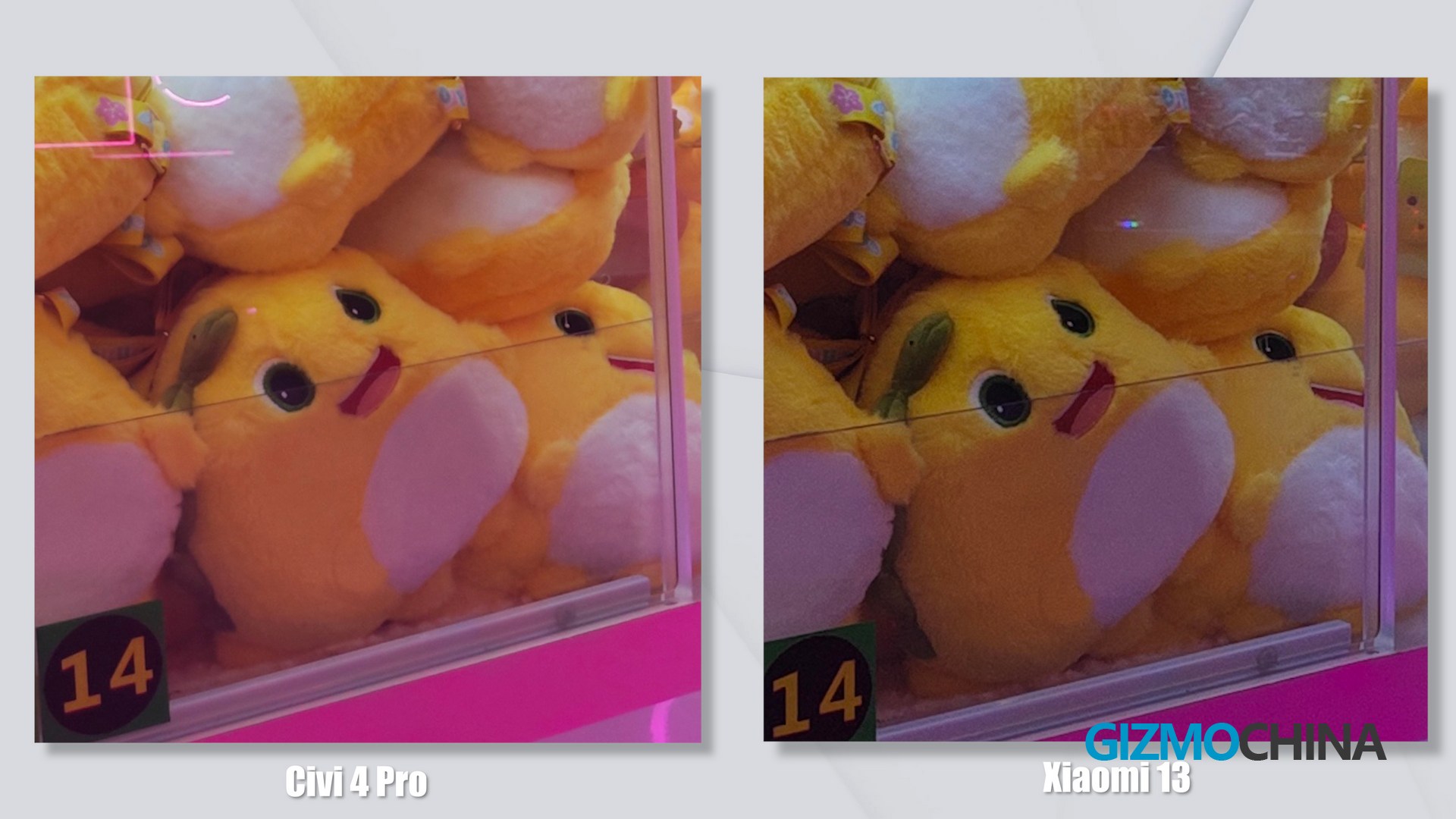
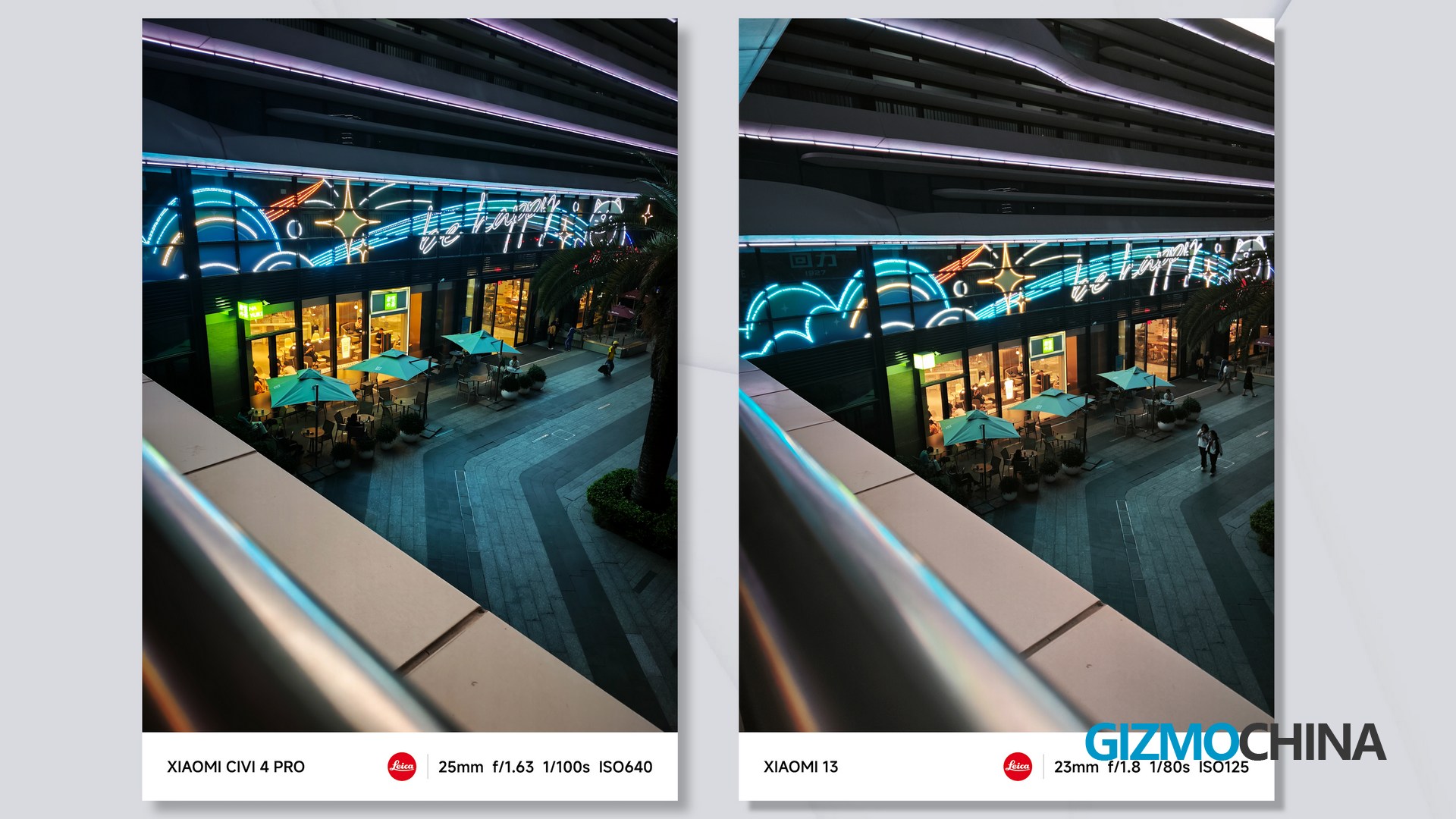
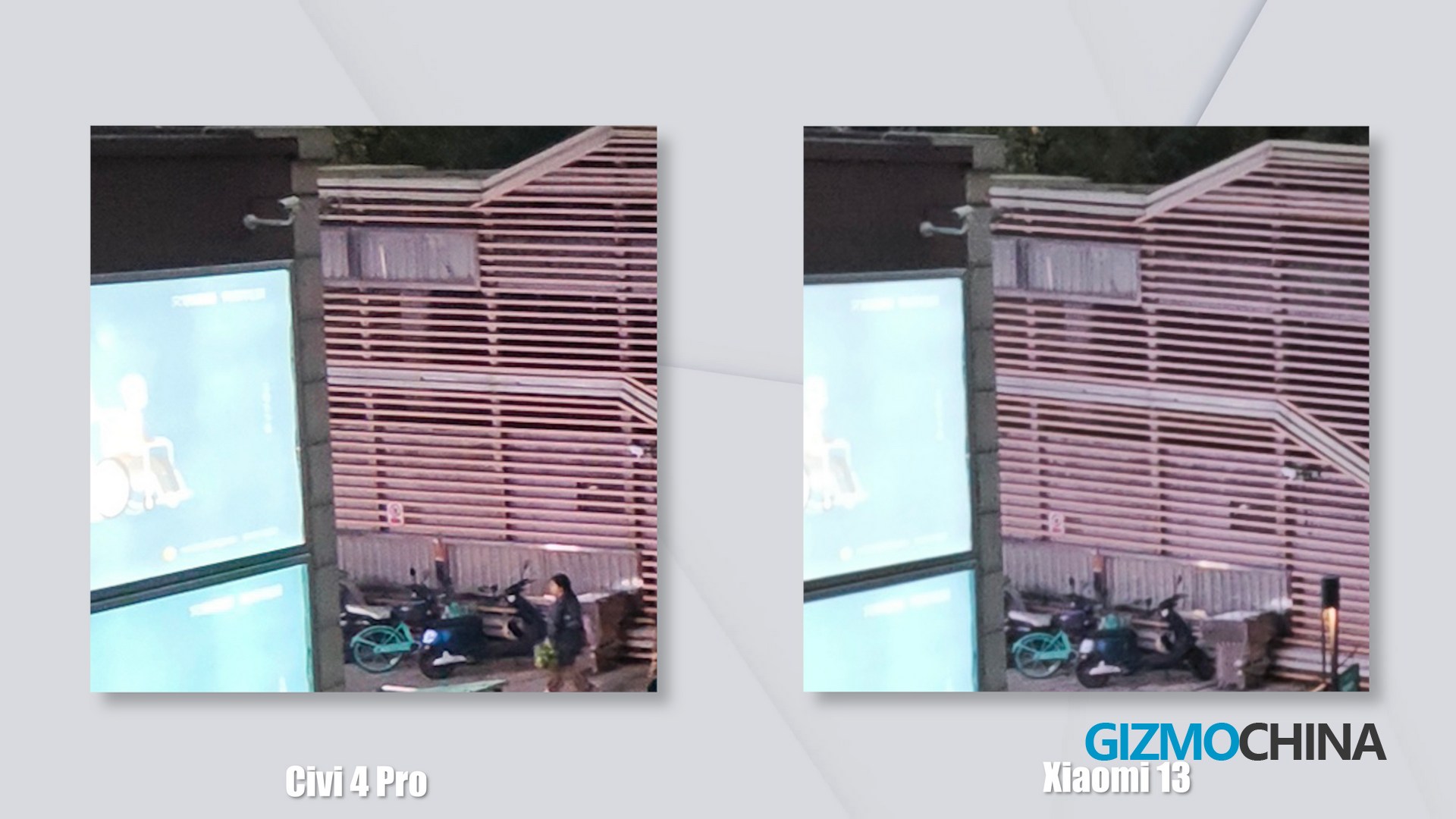
In terms of the main camera and ultrawide, we compared it with the Xiaomi 13, and in this photo, you can clearly see that the white balance of the Civi is more accurate than the Xiaomi 13, and in the shadows, the Civi has less noise.
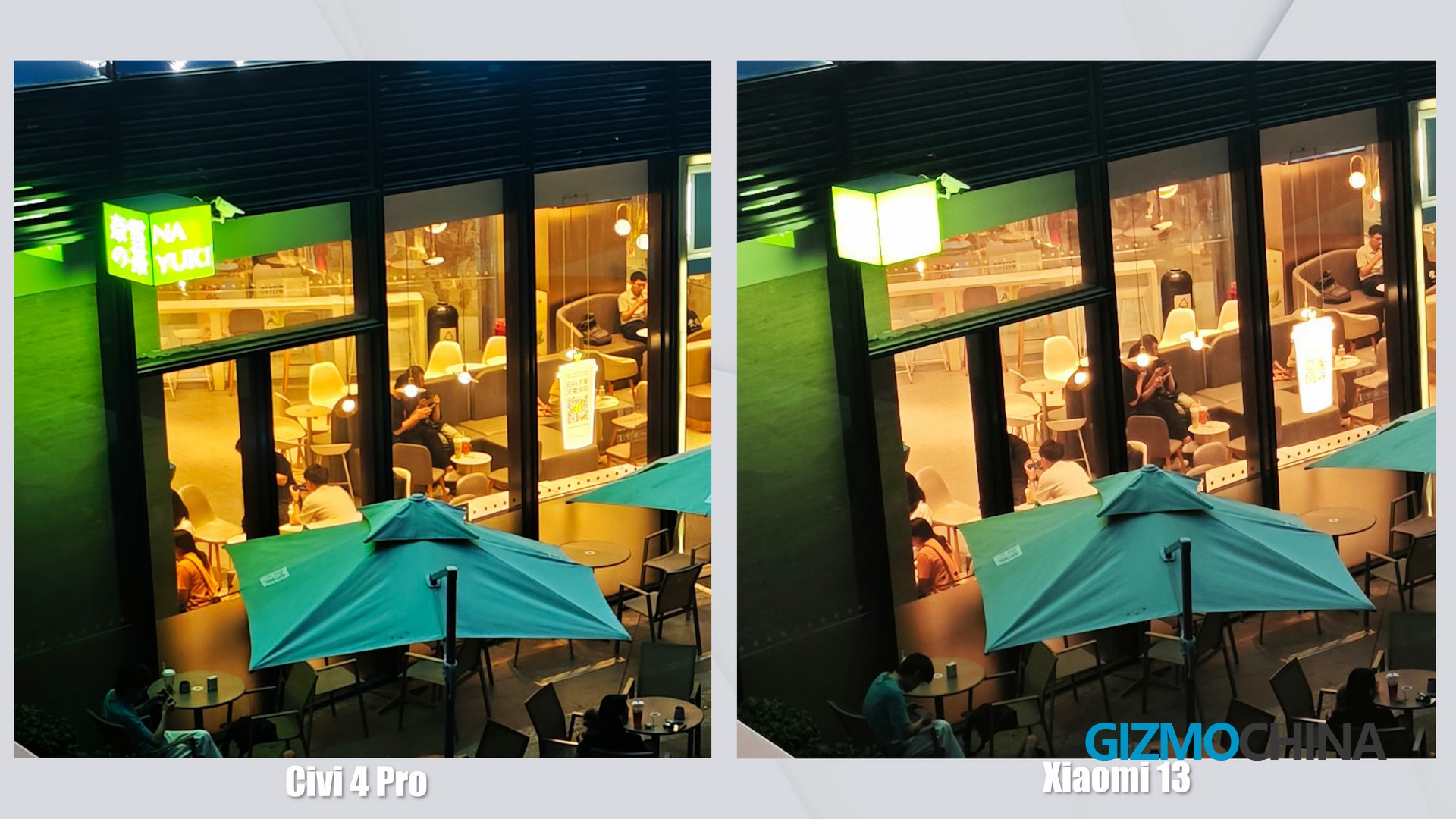
In this night shot, the Civi also has sharper details, this billboard shot shows off the HDR capabilities, you can clearly see the text on the billboard.
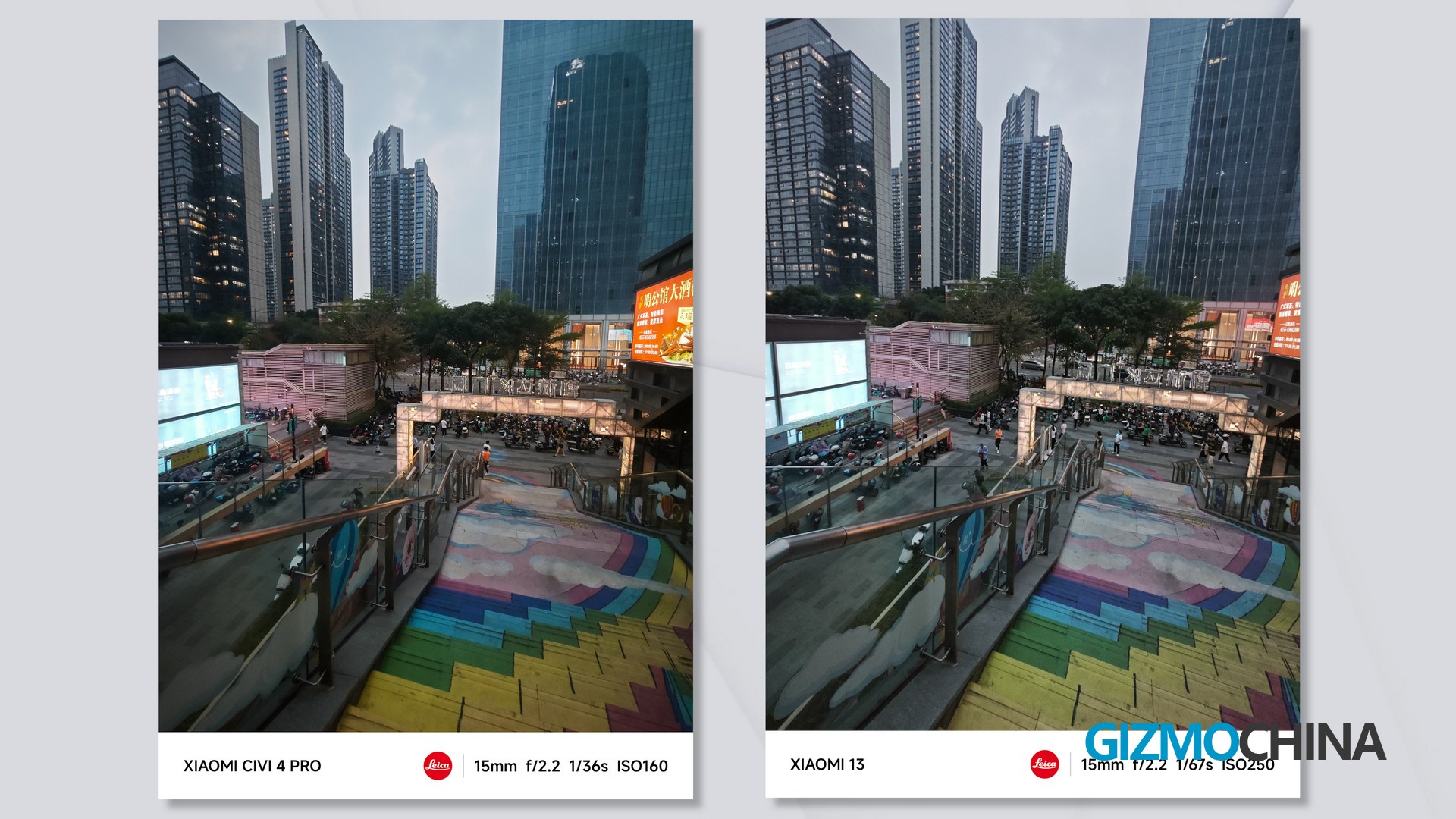
As for the ultrawide camera, both phones are close in both the center and edges of the photo.
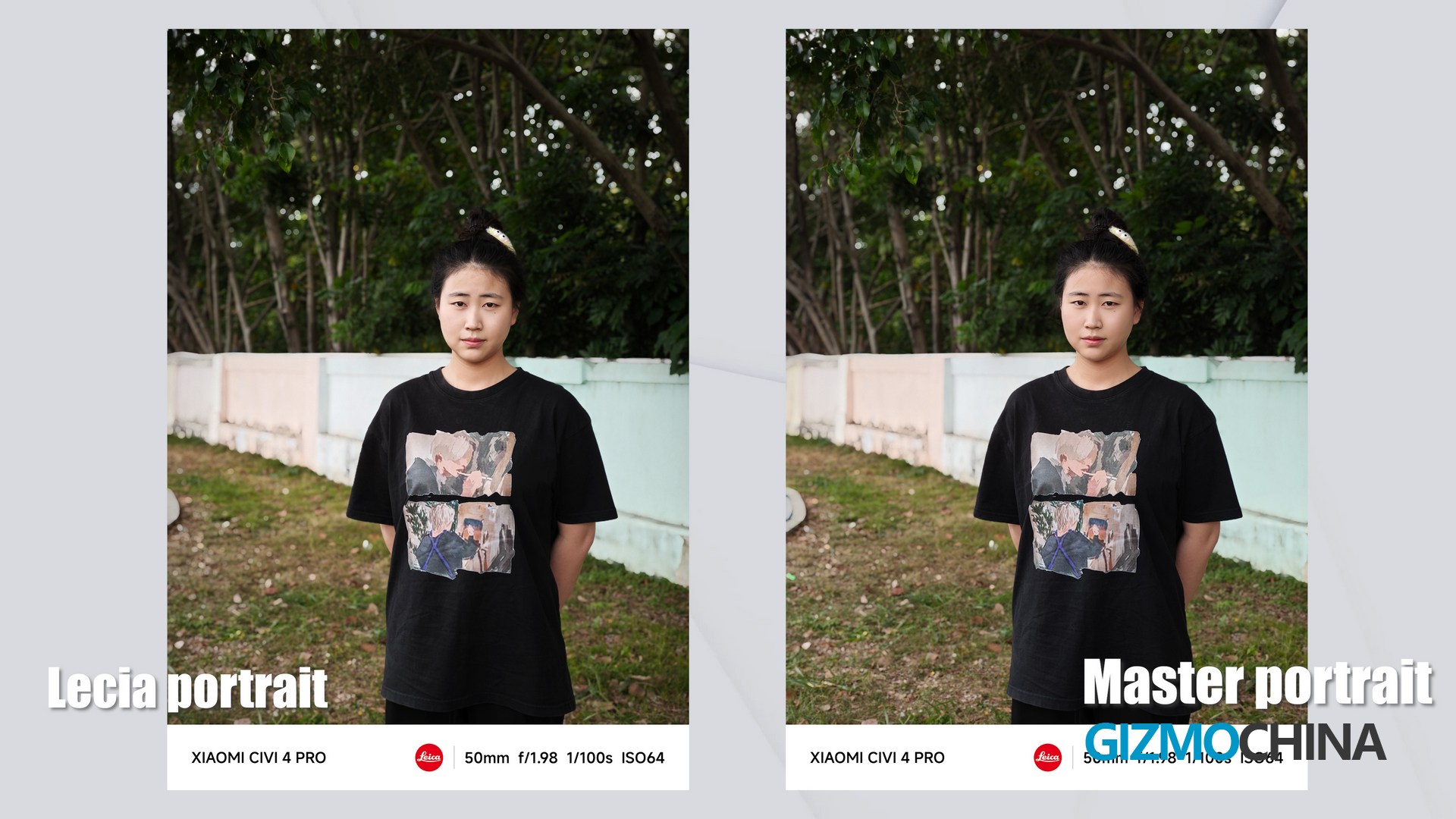
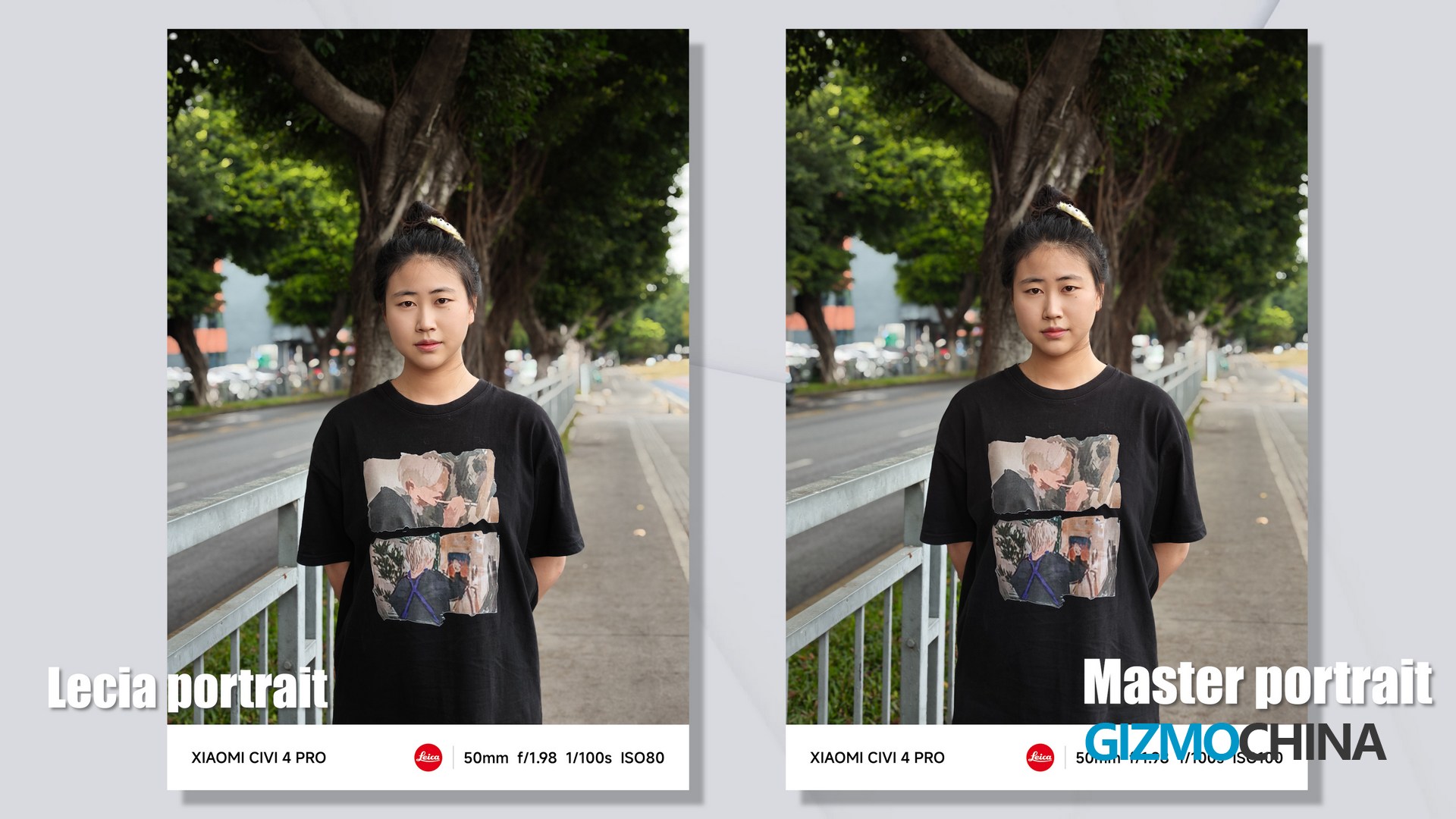
The phone’s 2x telephoto camera is equivalent to about 50mm, which is perfect for portraits. I took some photos with the Lecia portrait and Master portrait separately, you can pause and take a closer look. I really like the skin texture in the photos, to be honest.
Battery & Charging
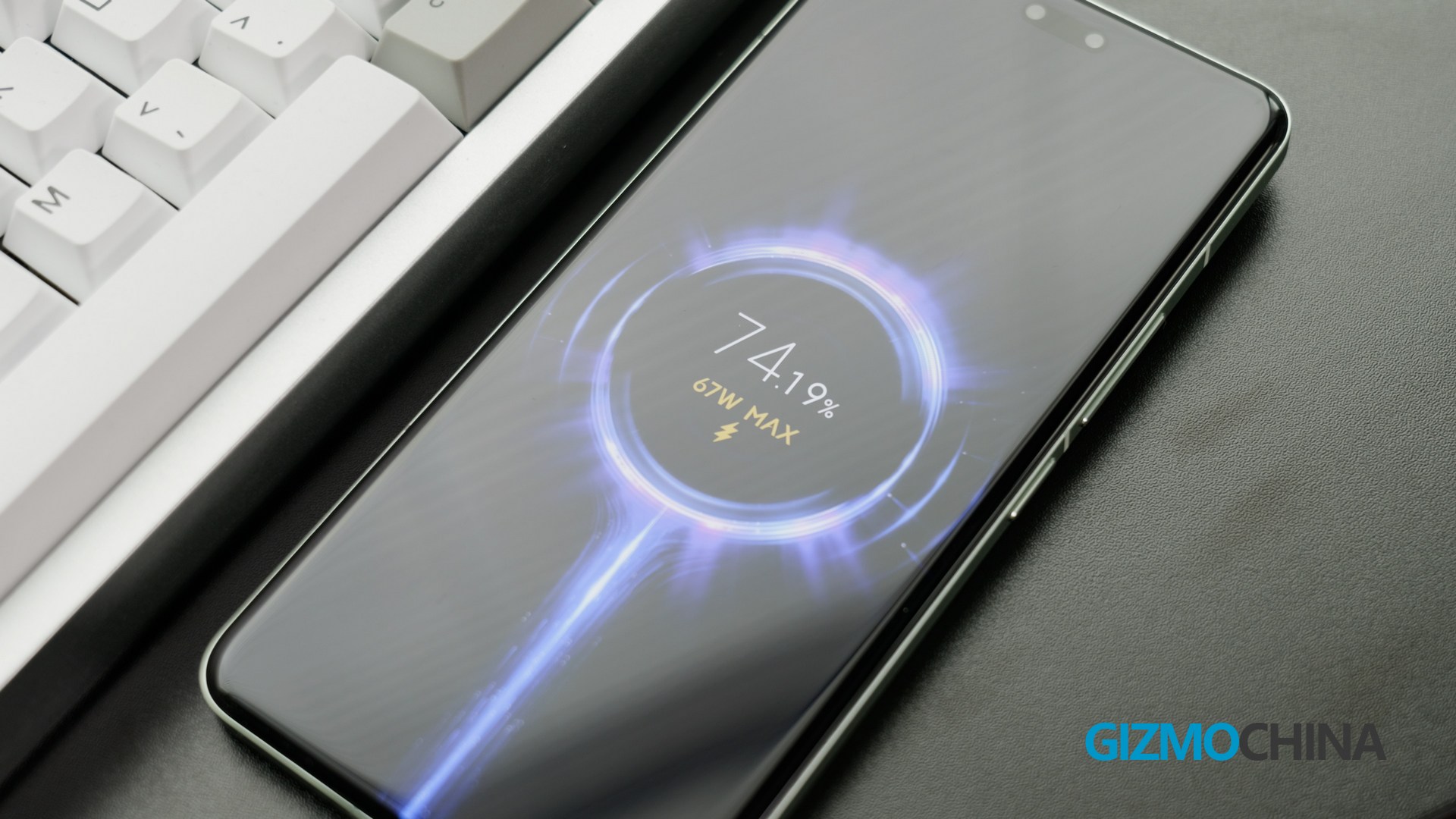
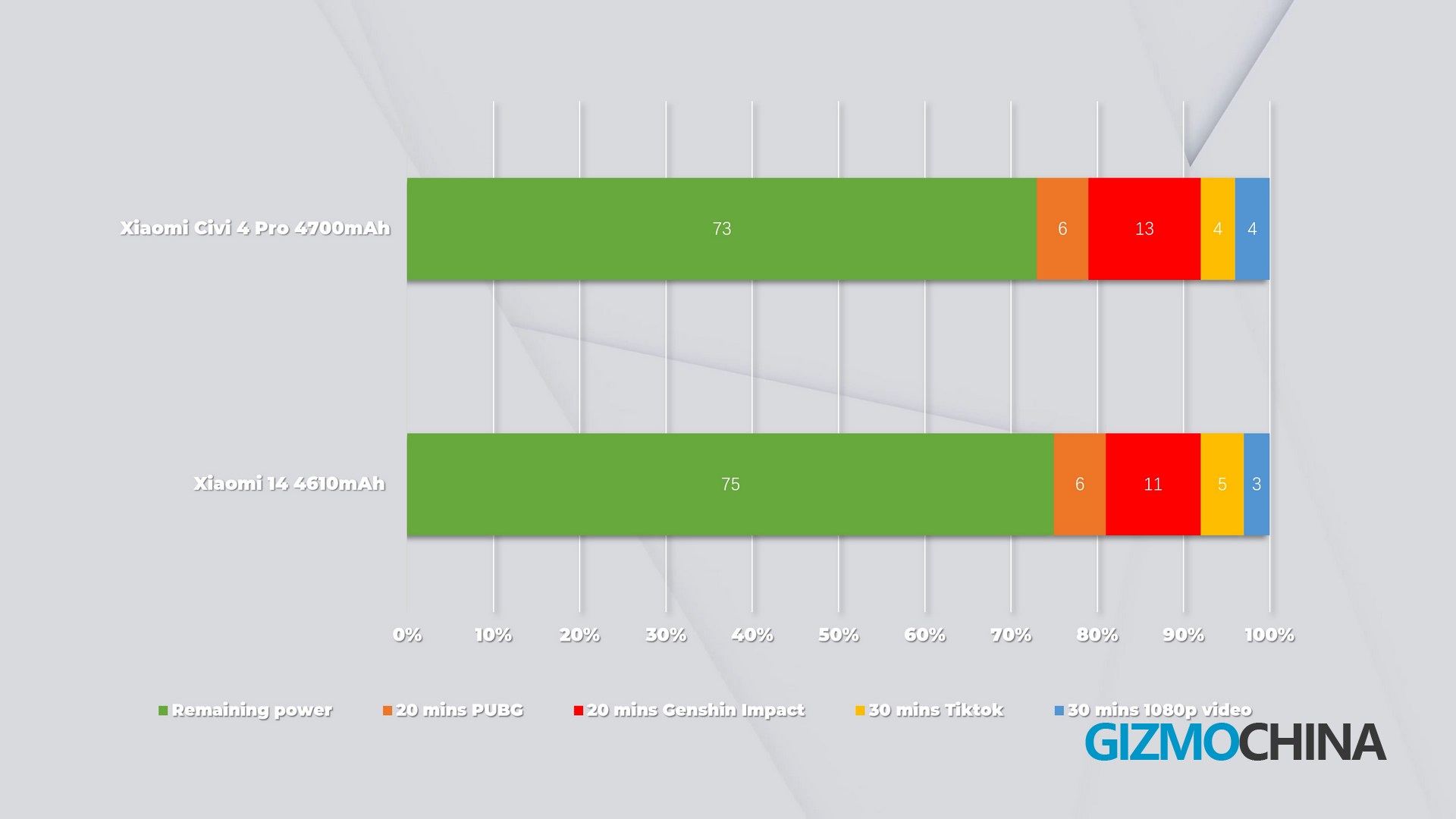
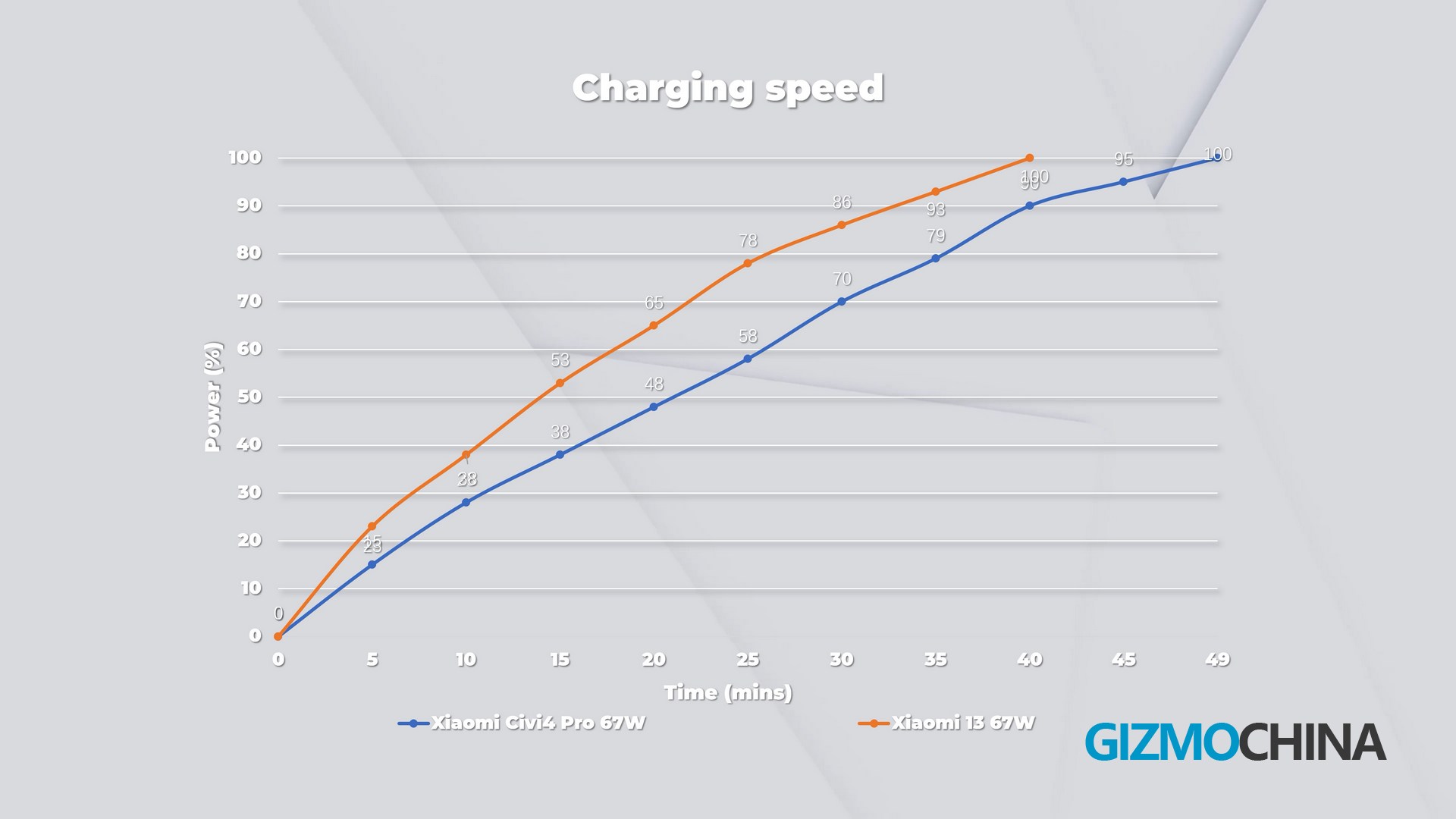
The Civi 4 Pro has a 4700mAh battery that supports up to 67W Mi-Tubro charge. Compared to the 4500mAh battery of the Civi 3, the Civi 4 Pro has some minor upgrades.
in terms of battery life, let’s compare it to the Xiaomi14 which has a similar battery size and you can visually see the difference.
There are no surprises when it comes to charging speed. It takes about 49 minutes to fully charge the battery.
Conclusion
So there is no doubt that this Civi 4 Pro or Xiaomi 14 Civi or Xiaomi 14 Civi, is the best Civi phone. But obviously, it’s not for everyone, if you have requirements for weight, looks, and photos, then the Civi is a good choice. But if you just want performance, maybe the cheaper Redmi K70 is a better choice.
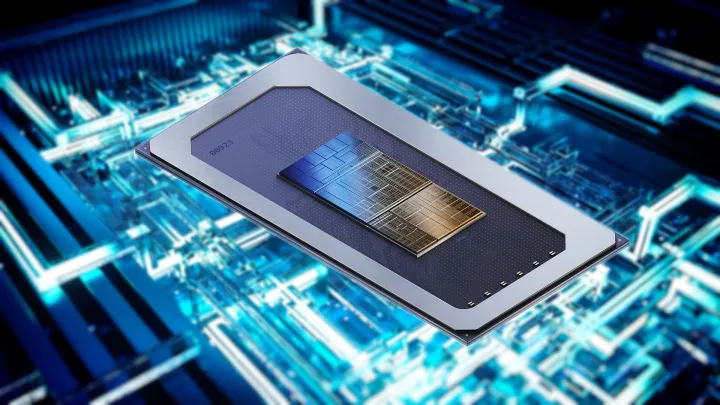
Intel officially announced its 14th generation Meteor Lake series chips towards the end of last year. We have seen plenty of high-end laptops with Core Ultra chips since then. Aside from the performance-focused Meteor Lake chips such as the Intel Core Ultra 9 185H or Core Ultra 5 125H, the company has silently released another efficiency-focused chip – the Intel Core Ultra 5 115U. Surprisingly, the company didn’t even include it in its SKU release list.
Image: Intel
Key details about Core Ultra 5 115U
This new Meteor Lake offering comes with a 2+4+2 configuration, that is two performance-cores, four efficient-cores and two more low power efficient-cores, with a total of 10 threads. These two performance cores offer a max turbo frequency of 4.2 GHz where their base frequency is only 1.5GHz.
The max turbo and the base frequency of the four efficient cores are 3.5GHz and 1GHz respectively. Speaking of the two low-power efficient cores their max turbo and base frequencies are measured at 2.1 GHz and only 700MHz respectively.
In comparison to the performance focused Core Ultra 5 125H (4+8+2 configuration), which powers recently launched laptops like the ThinkBook 14 2024 Core Edition and the ThinkBook 14+ 2024 SE, the Core Ultra 115U runs on lower peak frequencies for all cores. Notably, it is rated for a 300MHz higher base frequency for the E and LPE cores as compared to the 125H, probably to compensate for the less number of cores in certain scenarios.
The newly released processor comes with a 10MB cache. For context, the Core Ultra 5 125H boasts 18MB cache.
Speaking of graphics, the Core Ultra 115U can render up to 7680 x 4320 at 60Hz both with HDMI 2.1 and DP. Notably, the resolution output of this chip is exactly the same as the Core Ultra 125H.
Core Ultra 5 115U offers a base power consumption of 15W, which is nearly half of the 125H’s 28W. The maximum turbo power is also a lot lower at just 57W as compared to the 115W of the other.
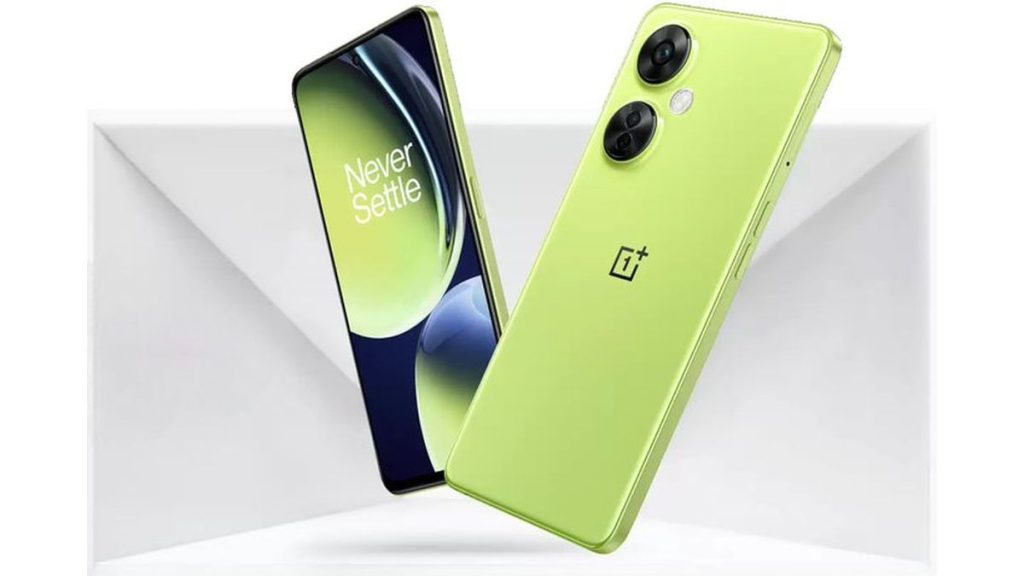
OnePlus Nord CE 3 Lite 5G, which launched back in April of 2023 is considered among the best choices for a device under the ₹20,000 in India. That being said, the device has been having a boatload of software issues for the past couple of months. Last month, OnePlus rolled out an update fixing a black screen issue occurring in multiple scenarios, a bug preventing users from recording videos in Time-lapse mode, and much more.
Now, OnePlus has rolled out a new update called the OxygenOS 14.0.0.302, which also brings fixes for a total of 9 bugs, some of which are new, while some have persisted despite claims of being fixed in the last patch. Other than that, it updates the drive to the March 2024 Android security patch level. You can check out the complete changelog below.
OnePlus Nord CE 3 Lite 5G OxygenOS 14.0.0.302 update changelog:
System
Fixes an issue that might cause the screen to turn black when you take a scrolling screenshot of a page that contains videos.
Fixes a black screen issue that might occur when you unlock your device using your fingerprint.
Fixes an issue that might cause the screen to go black when you tap a notification on the Lock screen.
Fixes an issue where certain third-party music players might become unresponsive.
Improves system stability.
Improves gaming experience.
Integrates the March 2024 Android security patch to enhance system security.
Communication
Improves the stability of Wi-Fi connections.
Fixes an issue where you might be unable to end three-way calls.
Fixes an issue where you might not get the data roaming alert even though you are roaming after restarting your device.
Fixes an issue where your device might not ring for incoming calls.
Fixes an issue where incoming call notifications might appear both as a banner and in full screen.
Improves the stability and expands the compatibility of Bluetooth connections.
Camera
Fixes an issue where you might be unable to record a video in Time-lapse mode when the watermark is enabled.
As usual, OnePlus is rolling out the update in phases and asking for user feedback. Indian users can submit their feedback and bug reports directly via the Google Dialer by dialing “*#800#. If you haven’t received the OTA notification on your device, you can manually check for its availability by going to Settings > About device > OxygenOS > Check for update.
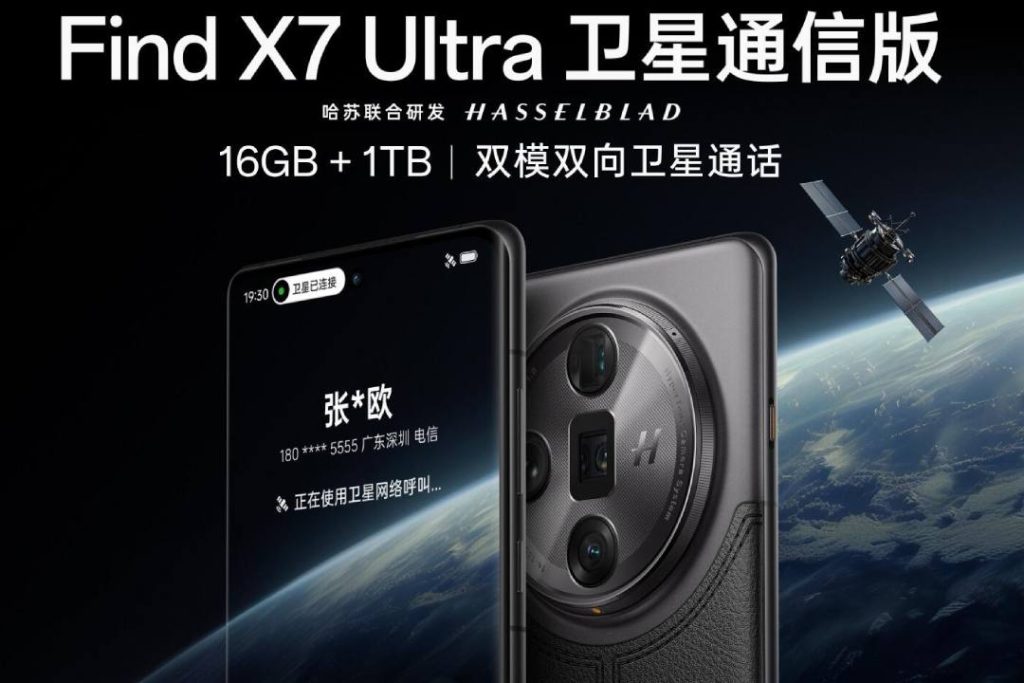
Oppo has officially launched the long-awaited satellite communication version of its flagship Find X7 Ultra smartphone. Initially released in early 2024, the Find X7 Ultra is the world’s first smartphone with dual-periscope camera setup.
Three months after the initial launch, the lineup is finally getting the hyped-up satellite connectivity models. Let’s delve into the specs and features here.
Oppo Find X7 Ultra Satellite Communication Specifications
As you would expect, the primary improvement in the new model is the addition of satellite communication capabilities. The Satellite Communication model is said to have an innovative, patented antenna design that allows users to make two-way satellite calls.
Additionally, the Find X7 Ultra Satellite Communication model also facilitates the exchange of satellite messages which means you also send texts from remote areas where cellular networks are unreliable.
Beyond its satellite features, the phone’s aesthetics and core specifications closely mirror those of the standard Find X7 Ultra. It boasts a 6.82-inch AMOLED curved display with a 3168×1440 resolution and supports an adaptive refresh rate of 1 to 120Hz for smooth visuals.
Under the hood lies the powerful Snapdragon 8 Gen 3 processor, along with LPDDR5X RAM and UFS 4.0 storage. A 5000mAh battery powers the device which supports 100W wired fast charging.
The Oppo Find X7 Ultra Satellite Edition continues to impress with its versatile camera array. It features a 50MP wide-angle camera with a large 1-inch sensor and f/1.8 aperture for excellent low-light performance.
Moreover, you get two telephoto lenses: a 50MP lens with 65mm focal length and f/2.6 aperture, along with a 50MP super telephoto sporting a 135mm focal length and f/4.3 aperture for incredible zoom capabilities.
For expansive landscapes and group shots, there’s a 50MP ultra-wide-angle camera with an f/2.0 aperture. Finally, a 32MP front-facing camera with an f/2.4 aperture handles selfies and video calls.
Pricing and Availability
The Oppo Find X7 Ultra Satellite Edition is currently listed in a single configuration with 16GB RAM + 1TB storage for 7,499 yuan. The phone will go on sale for the first time on April 2nd in China. You can purchase it from either Oppo China’s official site or JD.com.
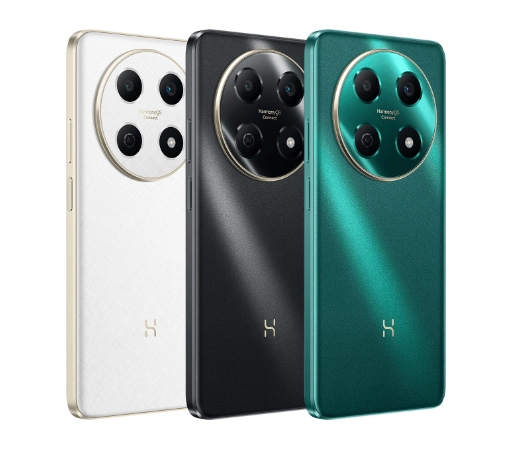
Wiko, an ecosystem brand under Huawei, has officially unveiled a brand-new budget smartphone in China. The company is known for relaunching Huawei’s existing 4G smartphones and creating 5G enabled versions. Now, the Wiko Hi Enjoy 70 Pro arrives as a rebranded version of Huawei’s previously released Enjoy 70 Pro. So here are all the details.
Wiko Hi Enjoy 70 Pro: Specs
The Chinese brand has officially announced the smartphone today (29th March 2024) with an attractive sleek design. While it is a budget phone, it offers a premium and thin design that measures 8.4mm in thickness and 199 grams in weight. The front sports a tall 6.7-inch LCD panel that offers Full HD+ resolution, Always On Display, and anti-blue light screen. It runs on the HarmonyOS out of the box.
Under the hood, it is equipped with the MediaTek Dimensity 700 SoC that is paired with up to 8GB of RAM and 256GB of internal storage. The Wiko Hi Enjoy 70 Pro 5G is powered by a massive 5,000mAh battery pack that supports 40W wired fast charging. This smartphone offers up to 18 days of ultra long battery standby. The rear packs a 50-megapixel primary camera that is paired with a 2-megapixel depth sensor. Meanwhile, the front houses an 8-megapixel shooter for selfies and video calls.
Wiko Hi Enjoy 70 Pro: Pricing and Availability
As of right now, the Wiko Hi Enjoy 70 Pro is available for pre-orders in China. The new device has a starting price tag of 1,799 Yuan (roughly 249 US Dollars) for the 8GB + 128GB variant. On the other hand, the 8GB + 256GB configuration costs 1,999 Yuan (roughly 277 US Dollars). This model is available in White, Black, and Green color options.
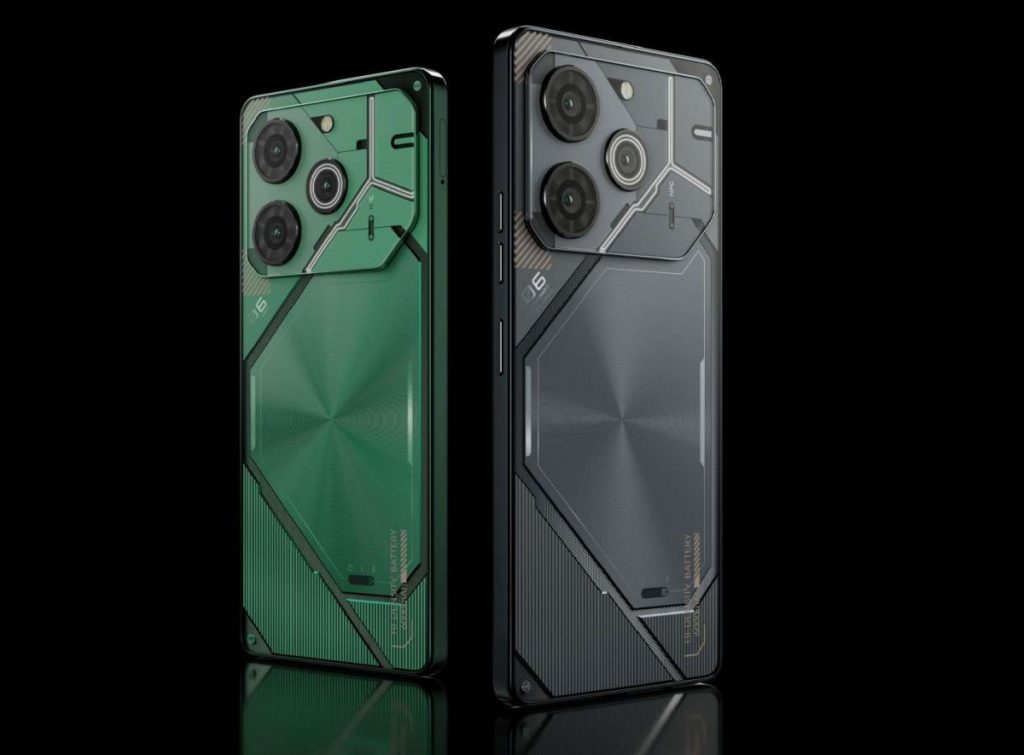
Tecno has finally unveiled the new Pova 6 Pro smartphone model in the Indian market. The device was first announced back during MWC 2024 with some notable specs and features. So here’s everything you need to know about its design, specs, pricing, and more.
Tecno Pova 6 Pro: Design & Display
The design of this smartphone is undoubtedly one of its highlight aspects. It features the Arc Interface that houses over 200 LEDs on the back, which can offer more than 100 customization options. Tecno employed a complex manufacturing technique, which is typically reserved for flagship-grade devices for a more futuristic and premium look. It has a sleek semi-transparent design that measures just 7.9mm in thickness as well. The LED’s are still housed on the right side of the camera sensors like its predecessors and retain the angular design. Meanwhile, the front sports a tall 6.78-inch AMOLED display that offers Full HD+ resolution, a 120Hz refresh rate, and 1300 nits of peak brightness.
Tecno Pova 6 Pro: Specs
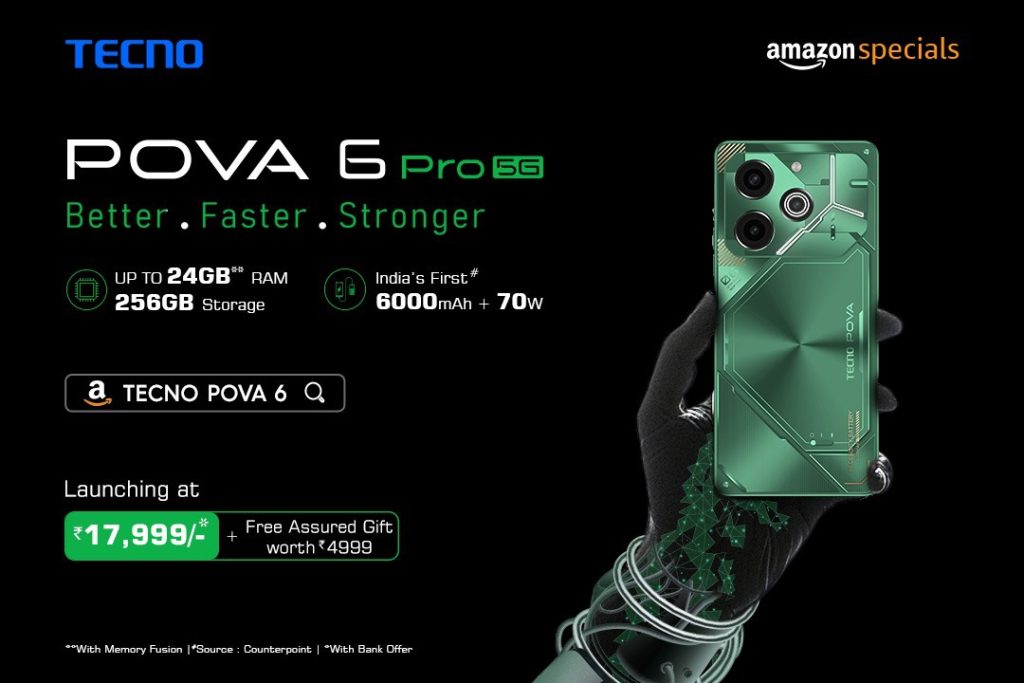
Under the hood, it is equipped with the MediaTek Dimensity 6080, which is paired with up to 12GB of RAM and 256GB of internal storage. The Tecno Pova 6 Pro is the first smartphone in India to be powered by a massive 6,000mAh Li-Polymer battery pack that supports 70W wired fast charging. This is quite impressive for a mid-range smartphone of its price. The brand promises that just 19 minutes of charging can power up the handset to 50 percent charge, while a full charge takes just 50 minutes.
The rear packs a 108-megapixel primary camera that offers 10x in-sensor zoom along with a 2-megapixel depth sensor, and an AI lens; while the front offers a 32-megapixel shooter for selfies and video calls. Other notable features include support for 10W reverse charging, an in-display fingerprint scanner, a dedicated heat dissipation system, nine lighting modes, and virtual RAM expansion that bumps the total memory up to 24GB.
Tecno Pova 6 Pro: Pricing & Offers
Tecno has launched the Pova 6 Pro with a starting price tag of 19,999 INR for the 8GB + 256GB storage option, On the other hand, the 12GB + 256GB configuration is priced at 21,999 INR. Buyers can even avail of an instant 2,000 INR discount on both models, which brings the effective price down to just 17,999 INR and 19,999 INR respectively. The brand is even offering complimentary goodies worth 4,999 INR to customers that purchase the device via online and offline channels. It is listed in two color options, namely Meteorite Gray and Comet Green. You can buy it from Amazon India, with the first sale set to kick off on 4th April 2024 at 12 PM IST.
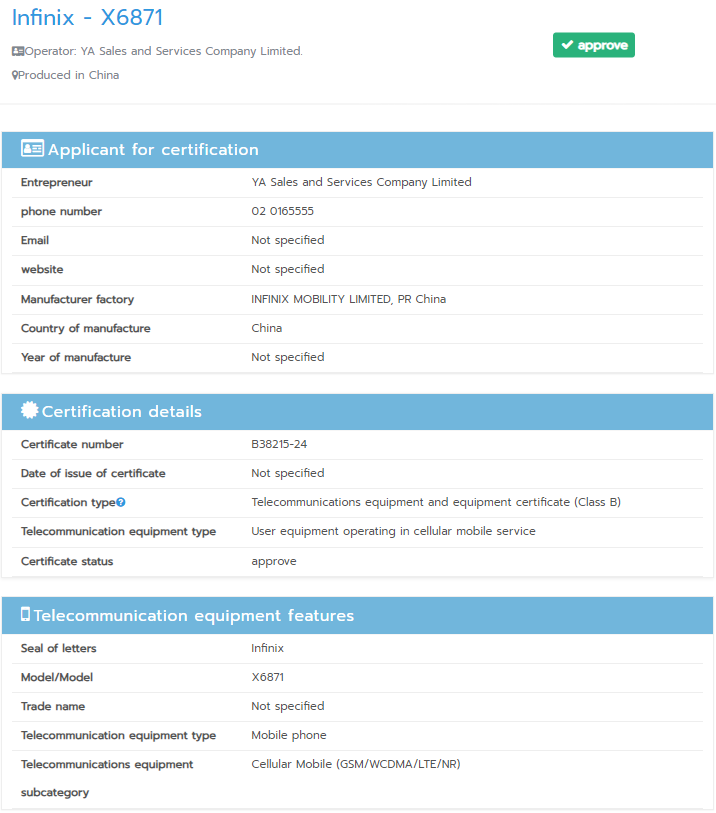
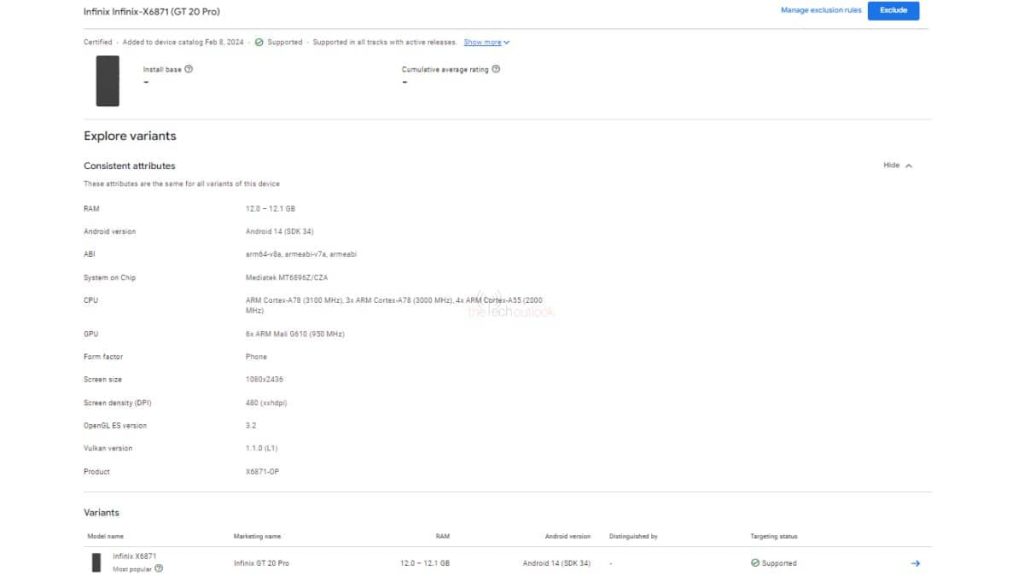
Infinix is reportedly working on the Infinix GT 20 Pro, a gaming-focused mid-range phone. The device will succeed the well-received GT 10 Pro, which was announced last year. Reports have revealed that the GT 20 Pro bears the X6871 model number. The said device was recently certified by platforms such as the TUV, Wi-Fi Alliance, EEC (Europe), TKDN (Indonesia), BIS (India), and the FCC. The device has also appeared on Geekbench, where some of its key specifications have been revealed. New developments reveal that the device has been approved by Thailand’s NBTC certification and it has also emerged in the Google Play Console database.
Infinix GT 20 Pro NBTC listing
Infinix GT 20 Pro NBTC listing
As can be seen, the Infinix GT 20 Pro has appeared with model number X6871 in NBTC’s database. However, the listing has no information about the other specs of the device.
Infinix GT 20 Pro Google Play Console listing
Infinix GT 20 Pro Play Console listing
The Play Console listing (via. TheTechOutlook) of the Infinix GT 20 Pro shows that its screen supports an FHD+ resolution of 1080 x 2436 pixels. The listing further revealed that the device has the Dimensity 8200 (MT6896Z/CZA) chip along with 12 GB of RAM. The report further states that the device runs on Android 14.
According to other reports, the GT 20 Pro will be available in two options, such as 8 GB RAM + 128 GB storage and 12 GB RAM + 256 GB storage. It will pack a 5,000mAh battery with 45W fast charging support. The screen of the GT 20 Pro will likely support up to a 120Hz refresh rate.
At present, there is no information about the camera specifications of the Infinix GT 20 Pro. It remains to be seen whether it continues to offer a near-stock version of the Android OS like its predecessor.
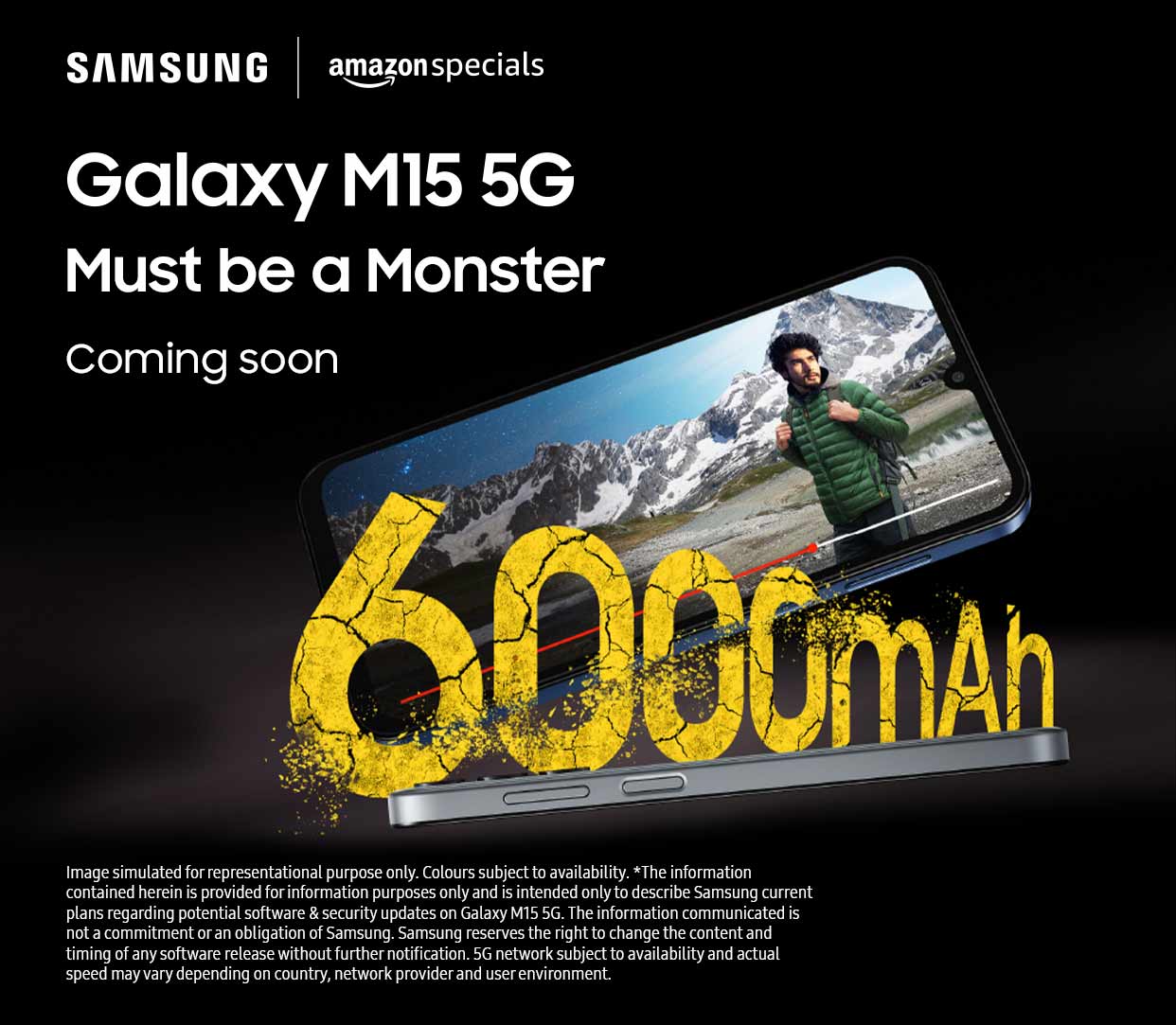
Samsung is preparing to debut a couple of Galaxy M series smartphones soon in India. We recently covered the Galaxy M55 5G’s Amazon India teaser, and now, the brand has also teased the Galaxy M15 5G on the online retailer’s website.
The Amazon microsite of the Galaxy M15 5G reveals that it has a massive 6,000mAh battery and an sAMOLED display. The phone is likely to be an Amazon exclusive since it is being promoted as an “Amazon Specials” launch. Although no further details have been revealed by the teaser, the device was officially unveiled by Samsung earlier this month, so we pretty much know everything about the specs already.
Samsung Galaxy M15 5G specs:
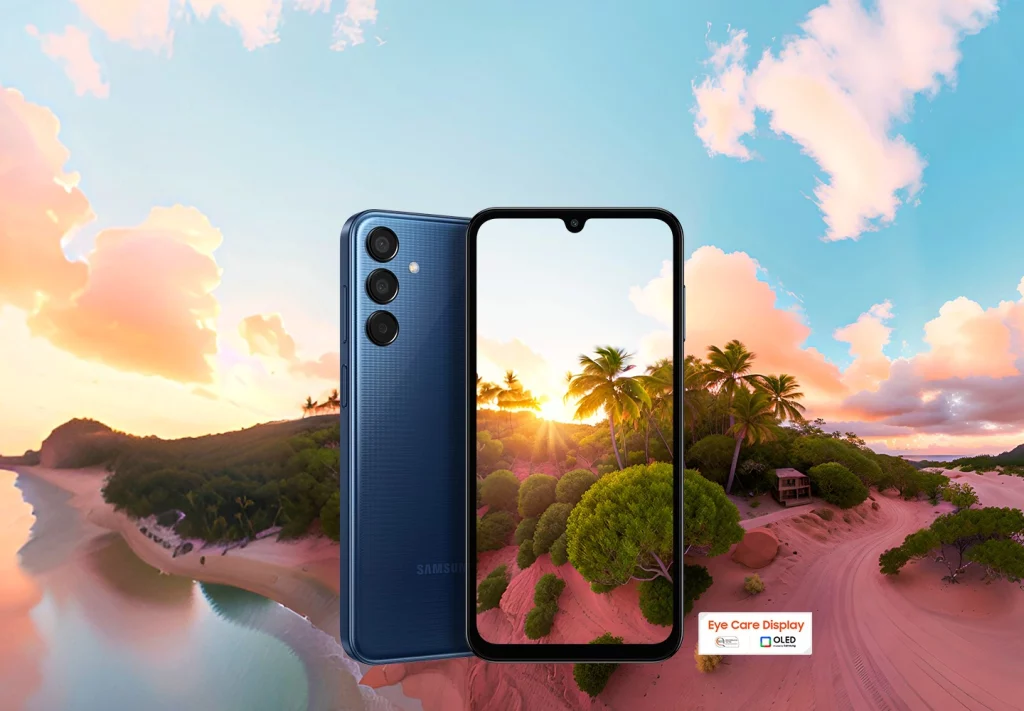
The Galaxy M15 5G has a 6.5-inch sAMOLED display with 90Hz refresh rate and a resolution of 1080 x 2340 pixels. The phone boasts a triple camera setup on the back consisting of a 50MP primary camera, paired with a 5MP ultra-wide camera and a 2MP macro lens. The front water-drop notch hosts a 13MP selfie snapper.
Under the hood, the smartphone boasts a 2.2Ghz octa-core processor that is more than likely to be a Dimensity 6100+ SoC. The processor is paired with 4GB of RAM and 128GB of storage, and there is an option for memory expansion via a microSD card. On the software side, the device runs on an Android 14 operating system. As mentioned above, it features a 6,000mAh battery with 25W fast charging.
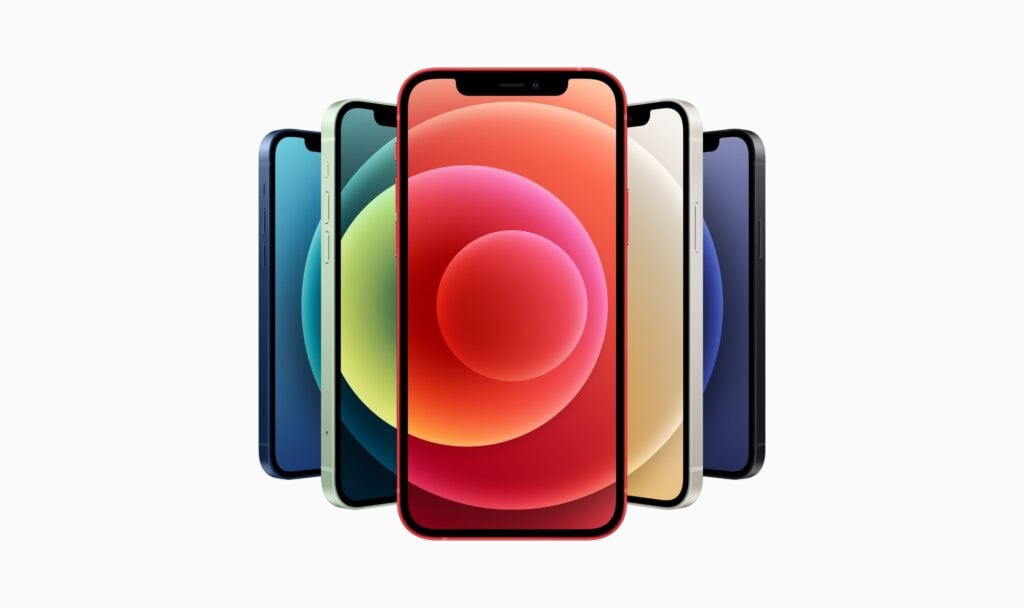
Apple’s latest iOS 17.4 update, primarily associated with compliance with the EU Digital Markets Act, came with a pleasant surprise for iPhone 12 users. The new update enables compatibility with the advanced Qi2 wireless charging standard for the smartphone.
Tests conducted by the publication Macworld reveal that iPhone 12s running iOS 17.4 can now wirelessly charge at 15W even when using a Qi2 charger that isn’t Apple’s certified MagSafe charger.
In their tests, iPhone 12’s charging times between MagSafe and Qi2 chargers were remarkably similar, taking around 20 minutes to reach 30 percent battery and 45-50 minutes to reach 50 percent.
Additionally, the report notes that the phone now shows the 15W-only charging animation when connected to these chargers, although Apple has not mentioned this feature in its official release notes.
Previously, iPhone 12s were limited to a charging speed of 7.5W on non-MagSafe Qi wireless chargers. Apple did a similar upgrade for the iPhone 13 and iPhone 14 back in December with the iOS 17.2 software update. And now 2020’s iPhone 12 has also joined the party.
Qi2 is a new wireless charging standard with better efficiency in wireless power transfer and robust magnetic alignment, bearing similarities to Apple’s MagSafe technology.
This resemblance isn’t surprising, considering Apple’s prominent role in the Wireless Power Consortium (WPC), the entity behind the Qi standard. So their influence on Qi2’s development is evident.
For iPhone 12 users, this update translates to more freedom in wireless charging. Now, even non-MagSafe Qi2 chargers can deliver the same speedy 15W charging, expanding the range of charger options available without compromising performance.
Musk’s AI startup xAI just introduced Grok-1.5 which apparently brings some significant improvement over the previous version.
An improved short-term memory
Grok-1.5 is now capable of processing 128k tokens which is 16 times higher than the previous version. It essentially enables the model to offer 16 times higher short-term memory and as a result, the ability to process substantially longer documents.
For those unfamiliar, in LLMs, tokens are the smallest units of data that can be processed. In the context of text, a token can be a word or a part of a word. Reportedly, the enhanced version of Grok can also deal with more complex prompts.
Grok-1.5 performs in coding and math-related problems
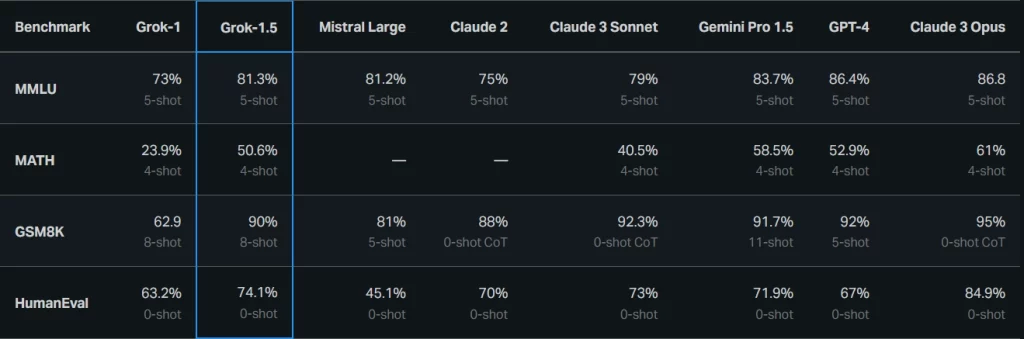
Grok-1.5 now also performs better coding and math-related tasks. To give an idea, Musk’s AI startup has shared some benchmark results they have tested with the new model.
“In our tests, Grok-1.5 achieved a 50.6% score on the MATH benchmark and a 90% score on the GSM8K benchmark, two math benchmarks covering a wide range of grade school to high school competition problems.” xAI added “Additionally, it scored 74.1% on the HumanEval benchmark, which evaluates code generation and problem-solving abilities.”
Grok-1.5 is built on a custom distributed training framework based on JAX, Rust, and Kubernetes. A custom training coordinator ensures that problematic nodes are automatically detected and removed from the training job. In short, they have managed to optimize their training process.
Grok is currently limited to X Premium+ subscribers. Speaking of the availability of Grok-1.5, the platform notes that early testers and existing Grok users or X Premium+ subscribers will get the opportunity ‘soon’. It’s expected to be gradually rolled out to a wider audience.
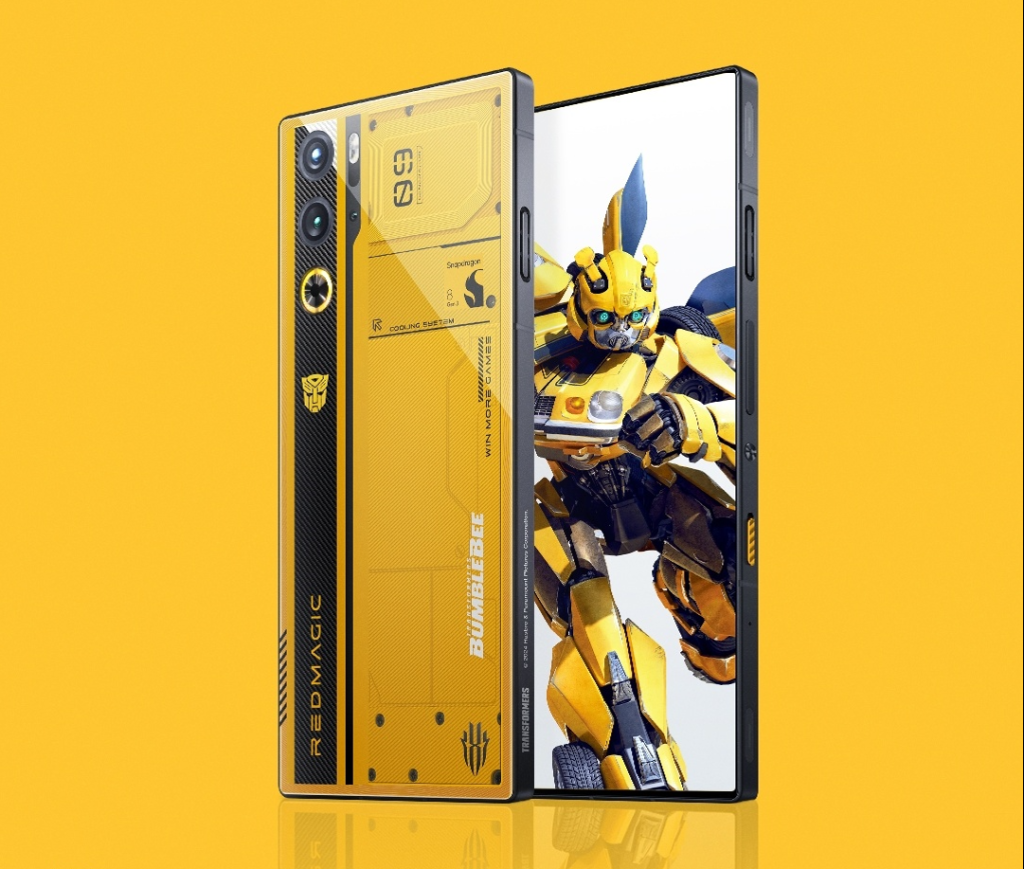
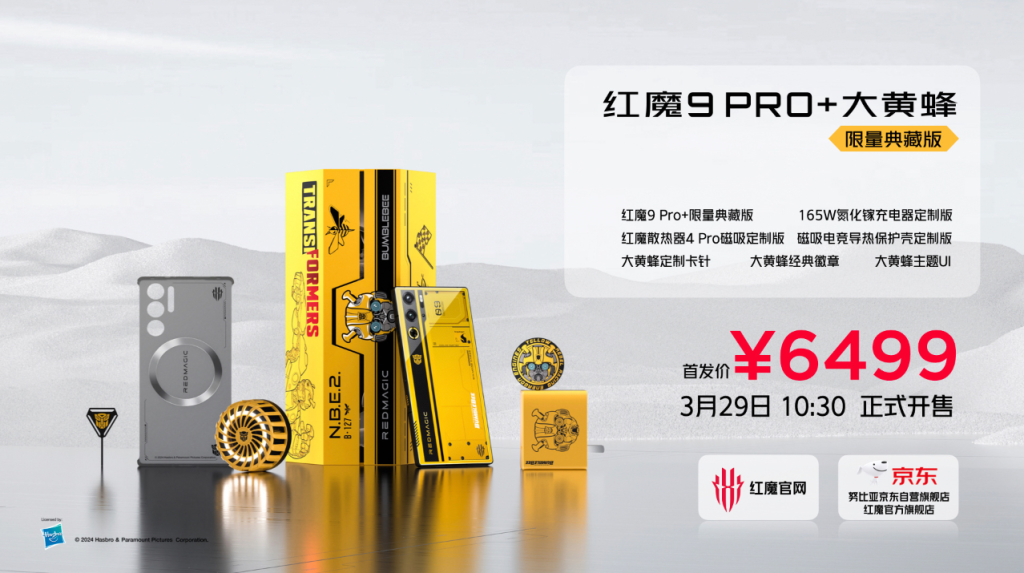
After multiple teasers, Nubia has finally launched the Red Magic 9 Pro+ Bumblebee Transformers Edition smartphone in China. While the core features of the device are the same as a regular Red Magic 9 Pro+, what makes it stand out is its highly customized look.
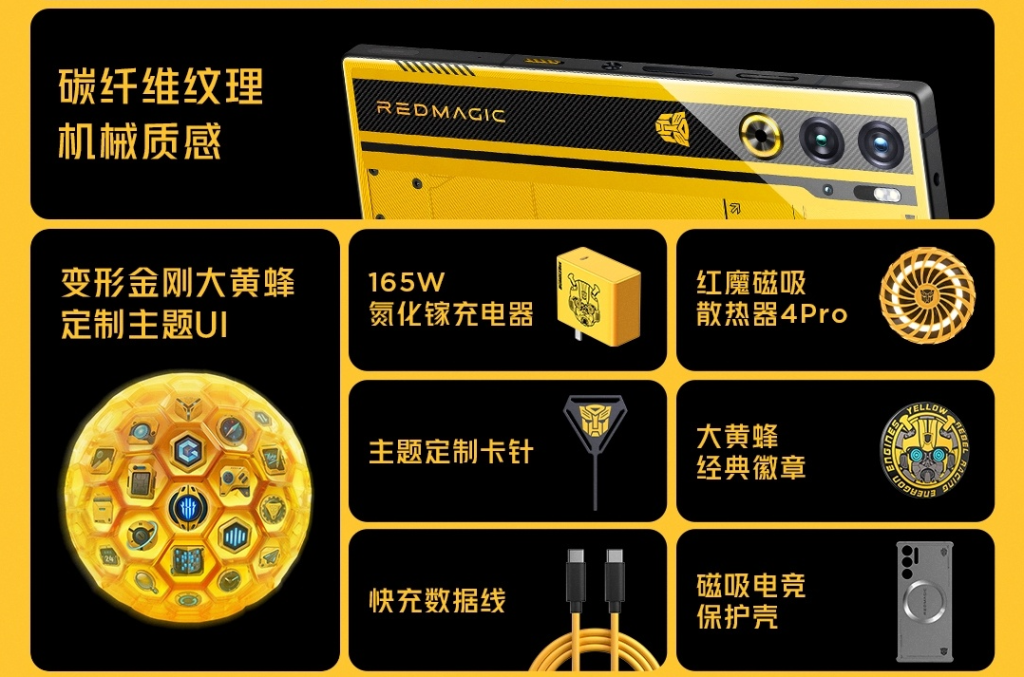
For starters, the device comes with a Black and Yellow paint job, paired with a metallic and carbon fiber texture finish. The back has the Autotos logo as well as “BUMBLEBEE” engraved on it. The packaging is also fully customized, with easter eggs like Bumblebee’s known codenames N.B.E.2. and B-127.
Inside the box, there are more customized goods, like a black and yellow magnetic Cooler 4 Pro, a custom 165W GaN charger, a themed card removal pin, and a black and yellow USB-C data cable. The package also includes a Bumblebee badge and a Magnetic eSports protective case. As for software, the new phone comes with a Custome UI themed after Transformers and Bumblebee.
Specifications:
The Red Magic 9 Pro + Bumblebee Transformers Edition comes with a 6.8-inch 1.5K OLED BOE Q9+ display with 120Hz refresh rate and a 1600nits peak brightness. Under the hood, it has a Snapdragon 8 Gen 3 chipset, paired with 16GB of RAM and 512GB of storage. It has a 50MP S5KGN5 OIS primary camera sensor, a 50MP S5KJN1 ultra-wide sensor, a 2MP GC02M1 macro camera, and a 16MP selfie camera.
The device draws power from a 5500mAh battery, supported by 165W fast charging. Like any gaming phone, it comes with dedicated shoulder buttons, as well as Dual stereo speakers. It also has a 3.5mm jack in case you wish to hook up wired earbuds for low-latency audio. The phone includes WiFi 7 support and Bluetooth 5.3 for connectivity.
Pricing & availability
The Red Magic 9 Pro + Transformers Bumblebee Edition comes with a price tag of 6,499 yuan ($899) for its sole 16GB RAM + 512GB storage configuration. It is currently on sale in China through retailers like JD.com. The brand has not released any information on if or when it plans to make this special edition available in the global market.
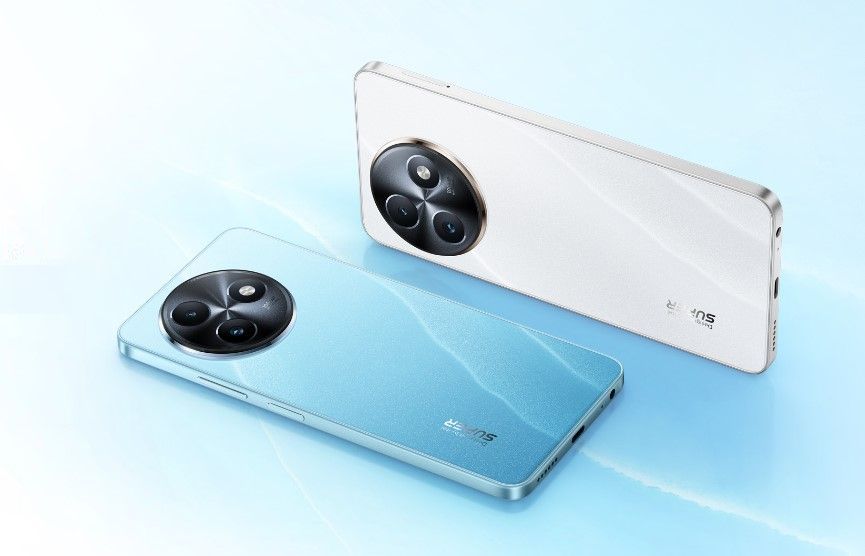
Last year, itel unveiled the S23 and S23 Plus smartphones. To be specific, the S23 was announced in June, whereas the Plus edition debuted in September. Now, without any fanfare, the brand has listed the itel S24 on its website with all its specifications and features. While the listing reveals almost everything about the device, there is no information about its price or availability.
Itel S24 specifications and features
itel S24
The itel S24 has a 6.6-inch IPS LCD panel with a punch-hole design. The screen offers an HD+ resolution, a 90Hz refresh rate, and a peak brightness of 480 nits.
Under the hood, the itel S24 will feature the Helio G91 chipset. It will arrive in three LPDDR4x + eMMC storage variants, such as 4GB + 128GB, 8GB + 128GB, and 8GB + 256GB. The device also offers up to 8 GB of virtual RAM and a microSD card slot.
The device will pack a 5,000mAh battery that will support 18W charging via a USB-C port. It will also have support for bypass charging, which sends power directly to the motherboard by bypassing the battery.
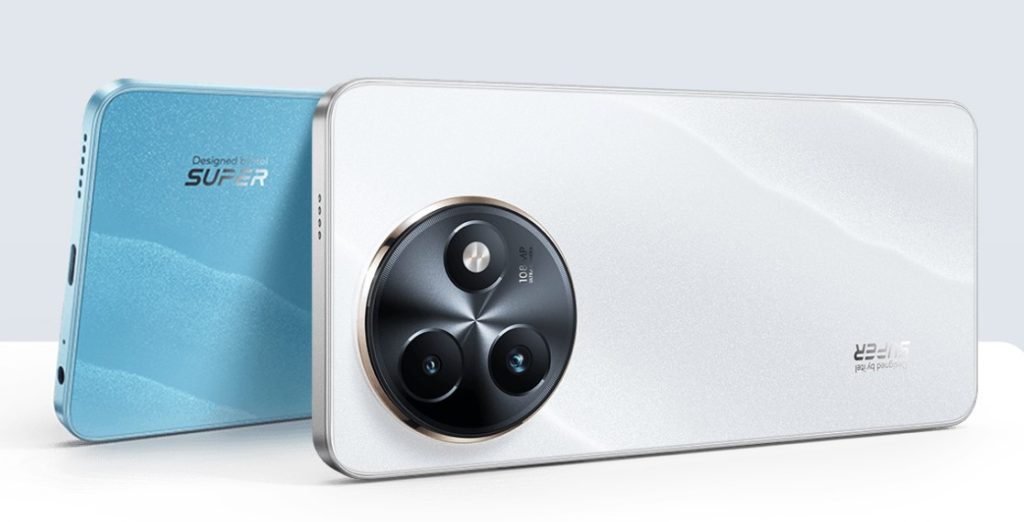
For selfies, the itel S24 has an 8-megapixel camera on the front. The round camera module on the back has a Samsung ISOCELL HM6 108-megapixel main camera with 3x in-sensor zoom and EIS support.
itel S24
The image of the itel S24 suggests that it also features dual speakers and a 3.5mm audio jack. It will come preloaded with itel OS 13, but the exact Android version has not been mentioned. The device has a thickness of 8.3mm and weighs 192 grams. It will be available in three shades, such as Starry Black, Dawn White, and Coastline Blue. It appears that the device will have a sub-$150 price tag.
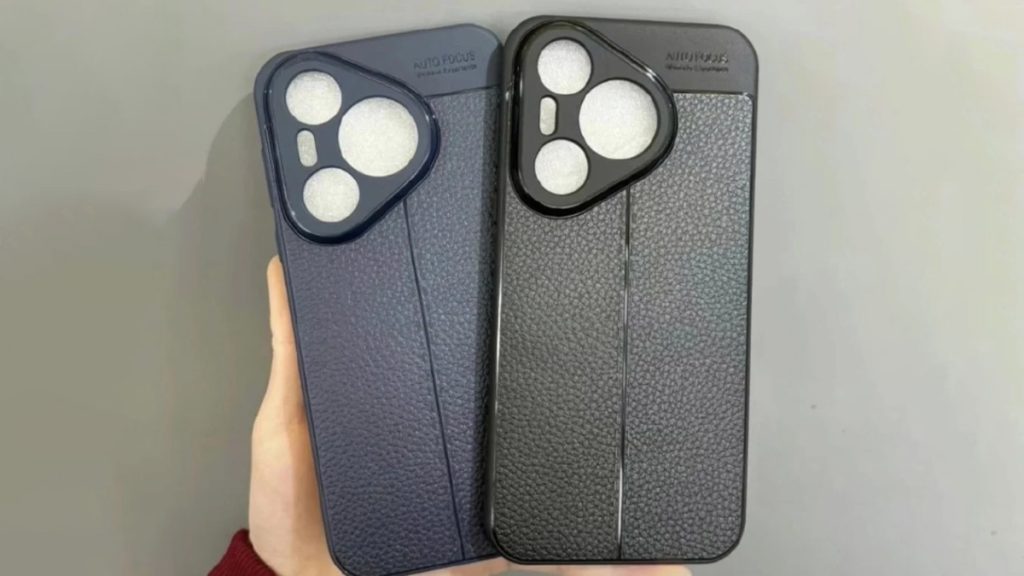
Rumors about Huawei‘s upcoming flagship P70 series have been swirling for a while now. A recent wave of leaks now suggests that an official unveiling is imminent.
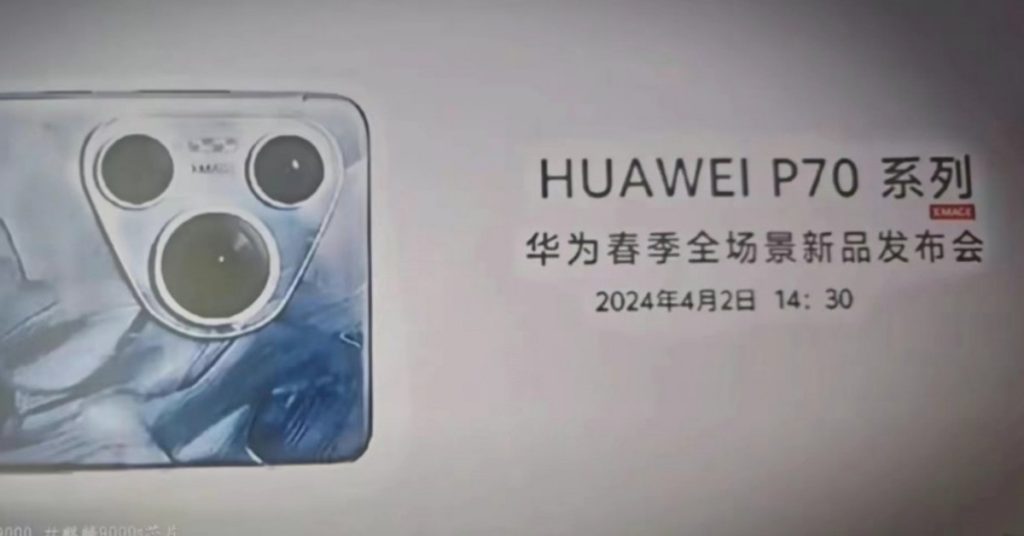
A leaked screenshot of what appears to be a Huawei P70 series launch poster surfaced on Weibo suggesting a possible launch date of April 2nd.
Following this leak, other sources started revealing key specifications of the smartphones. These leaks suggest that the P70 series might comprise four models — the Huawei P70, P70 Pro, P70 Pro+, and P70 Art.
However, it’s important to note that the authenticity of these leaks hasn’t been confirmed yet, so it’s best to approach them with caution.
Rumors suggest that Huawei plans to use the Kirin 9000S chipset in all P70 models. However, the chipset, manufactured by SMIC, is currently facing scrutiny due to potential violations of US export restrictions.
In terms of display sizes, the P70 series is expected to feature panels ranging from 6.58 inches to 6.76 inches, all using LTPO OLED technology.
The Pro and Pro+ models may come equipped with a 50MP IMX989 1″ main camera sensor, while the standard P70 might feature a 50MP OV50H sensor. Additionally, all variants are said to share a 13MP selfie camera.
Battery capacities are rumored to range from 5,000 mAh to 5,200 mAh, with support for fast-wired charging up to 88W and wireless charging up to 80W. As for pricing, if the leaks are accurate, it could start at around $700 for the base P70 model and go up to $1,400 for the top-of-the-line P70 Art variant.
Here’s a breakdown of the specs of the Huawei P70 series:
Huawei P70
Huawei P70 Pro
Huawei P70 Pro+
Huawei P70 Art
Chipset
Kirin 9000S
Kirin 9000S
Kirin 9000S
Kirin 9000S
Display
6.58″ LTPO OLED
6.76″ LTPO OLED
6.76″ LTPO OLED
6.76″ LTPO OLED
Main camera
50 MP OV50H 1/1.3
50 MP OV50H 1/1.3
50 MP IMX989 1″
50 MP IMX989 1″
Selfie camera
13 MP 1/2.36″
13 MP 1/2.36″
13 MP 1/2.36″
13 MP 1/2.36″
Battery
5,000 mAh
5,200 mAh
5,100 mAh
5,100 mAh
Charging
88W wired + 50W wireless
88W wired + 80W wireless
88W wired + 80W wireless
88W wired + 80W wireless
Starting price
CNY4,999 ($700) for 12/512 GB
CNY6,999 ($970) for 12/256 GB
CNY8,999 ($1,200) for 16/512 GB
CNY9,999 ($1,400) for 16/512 GB
If the rumored launch date holds true, Huawei will probably make an official announcement very soon.
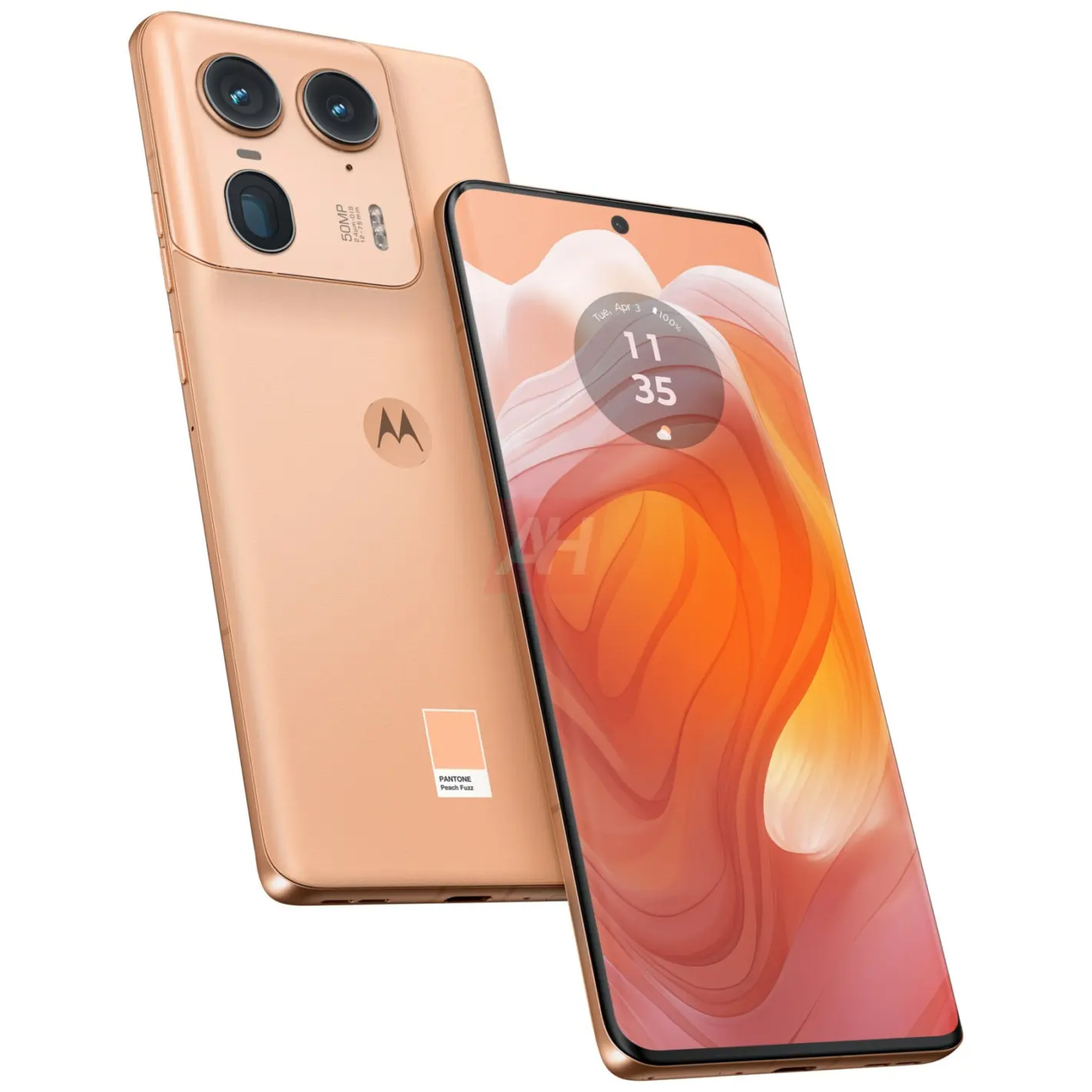
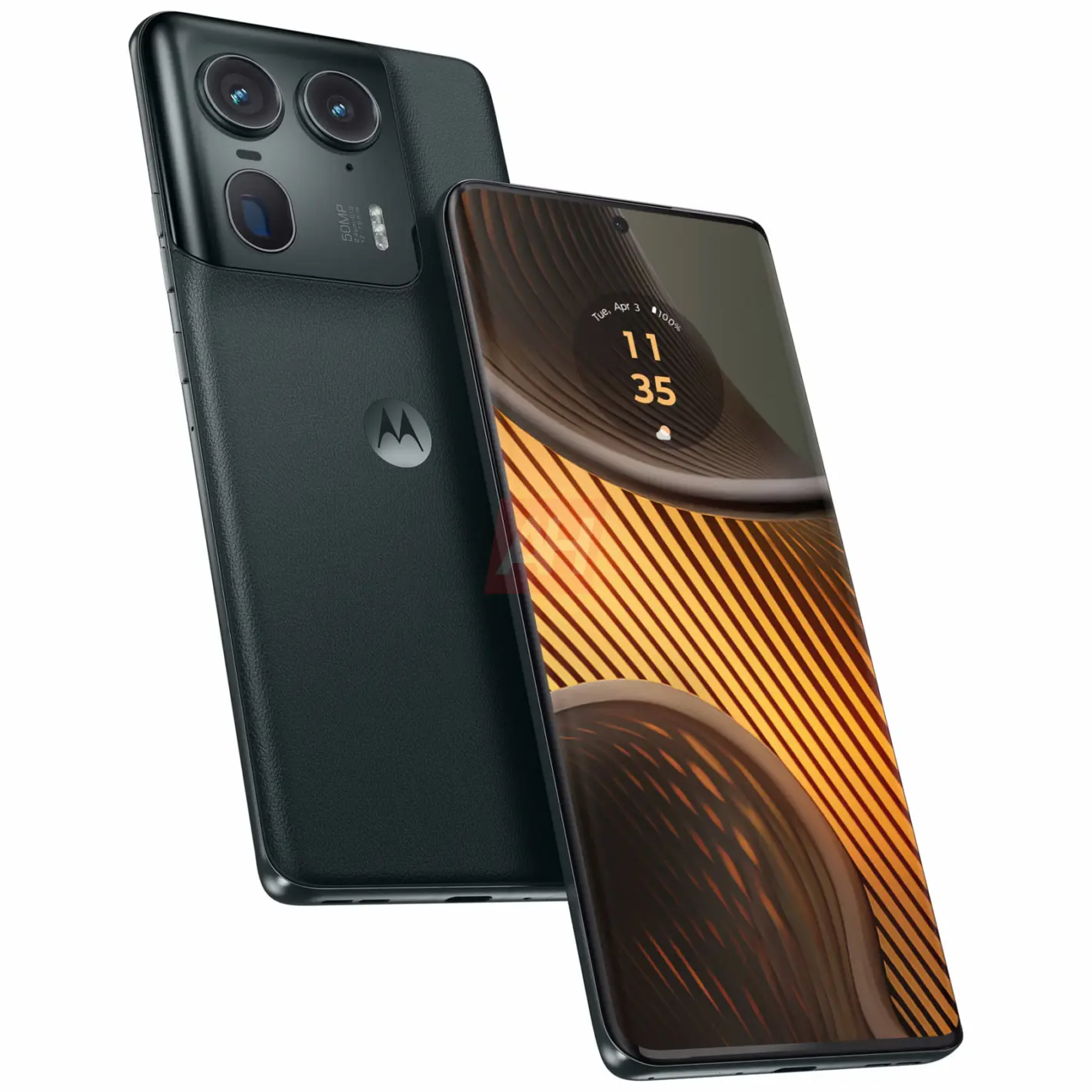
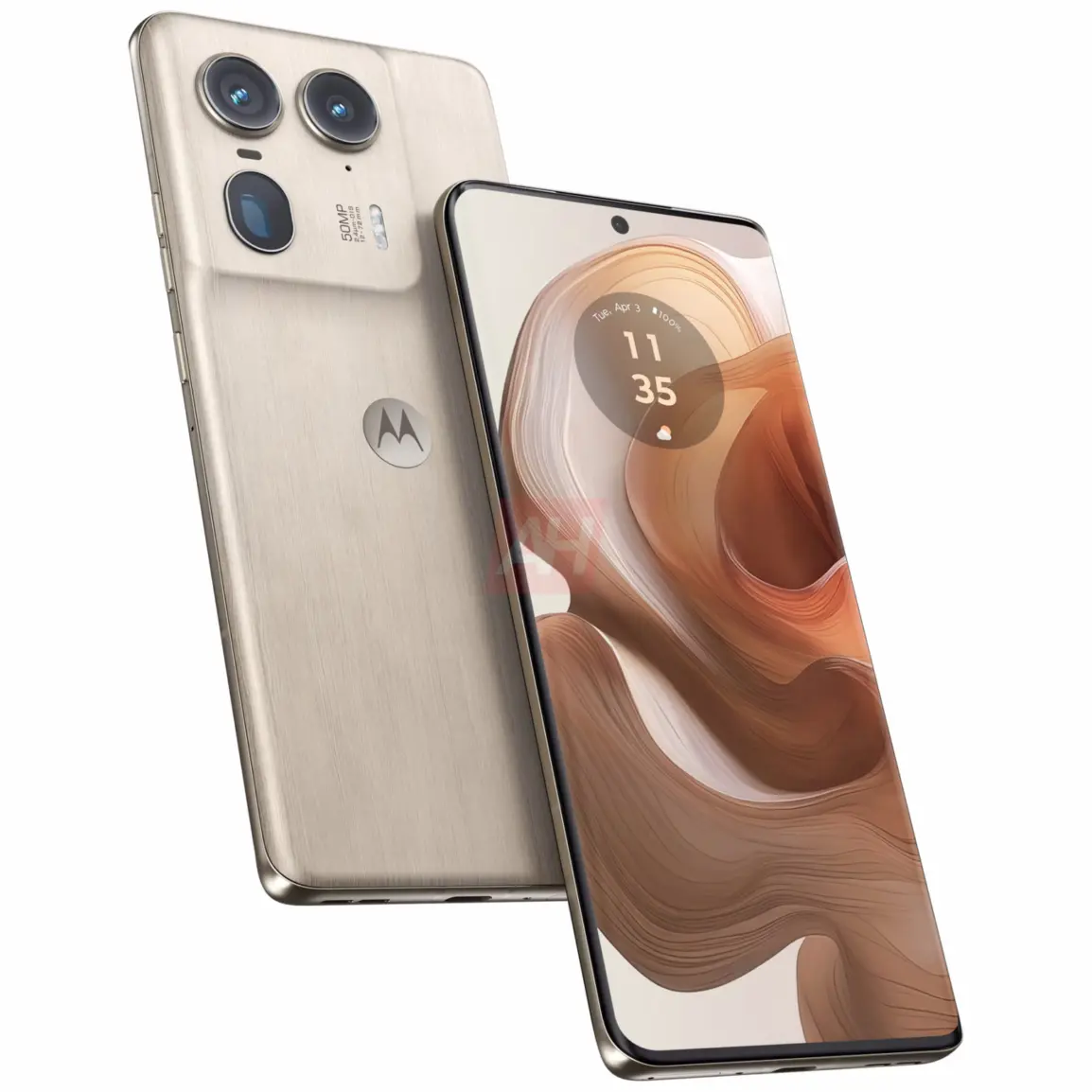
On April 3, Motorola will announce the Motorola Edge 50 Pro equipped with the Snapdragon 7 Gen 3 in India. The Edge 50 series is also said to include other models, such as the Edge 50 Fusion and Edge 50 Ultra. The Ultra variant is likely to be called the Moto X50 Ultra in China and the Motorola Edge+ 2024 in the US. A new report by AndroidHeadlines has revealed the design and color options of the Edge 50 Ultra. In addition, a leaker from China has tipped the key specifications of the device.
Motorola Edge 50 Ultra specifications (rumored)
It can be said based on the above leak that the Motorola Edge 50 Ultra / Moto X50 Ultra’s display will support a 1.5K resolution. The rear camera setup will have a 50-megapixel main camera with an f/1.4 aperture. Related rumors suggest that the main camera is coupled with a 50-megapixel ultra-wide lens and a 50-megapixel periscope telephoto camera with a 72mm focal length and 3x or 5x optical zoom.
Under the hood, the device will feature the Snapdragon 8s Gen 3 chipset and a 4,500mAh battery. The leak also reveals that the device will support 50W wireless charging and 125W wired charging. It is expected to run on Hello UI-based Android 14, like the Edge 50 Pro. For durability, it will feature a metal middle frame.
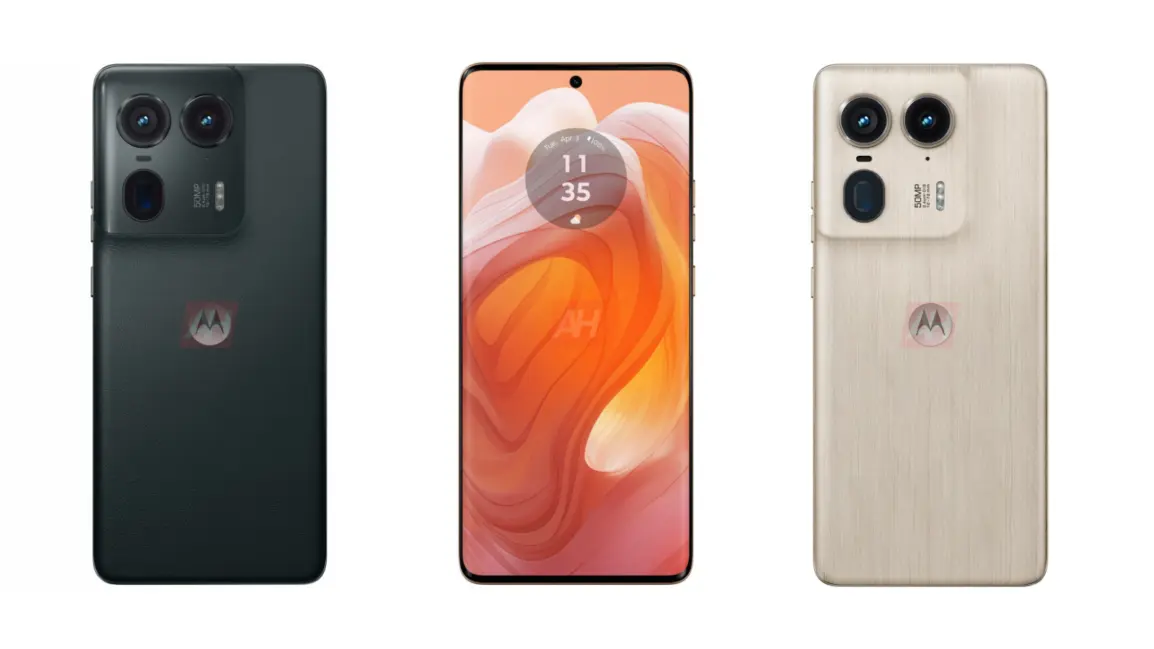
The Edge 50 Ultra’s render shows it has a curved-edge OLED display on the front. Its back panel has three cameras, accompanied by a laser autofocus unit, a microphone, and a triple LED flash.
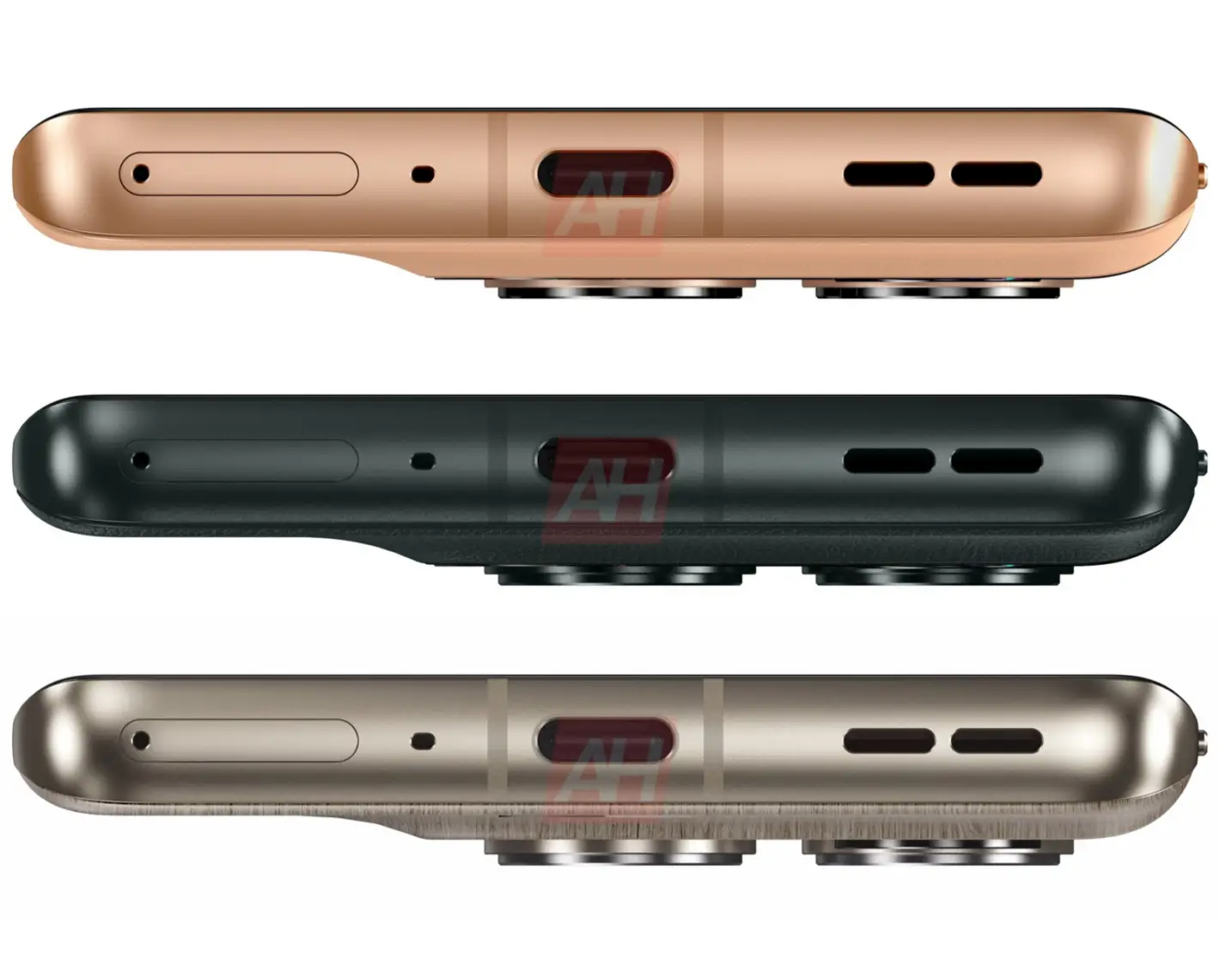
The right edge of the Edge 50 Ultra has buttons for volume and power. Its bottom edge features a speaker grille, a USB-C port, a microphone, and a SIM slot. As can be seen in the images, the device will come in three shades, such as Peach Fuzz, Black, and Light Beige.
We use cookies on our website to give you the most relevant experience by remembering your preferences and repeat visits. By clicking “Accept”, you consent to the use of ALL the cookies.
This website uses cookies to improve your experience while you navigate through the website. Out of these, the cookies that are categorized as necessary are stored on your browser as they are essential for the working of basic functionalities of the website. We also use third-party cookies that help us analyze and understand how you use this website. These cookies will be stored in your browser only with your consent. You also have the option to opt-out of these cookies. But opting out of some of these cookies may affect your browsing experience.
Necessary cookies are absolutely essential for the website to function properly. This category only includes cookies that ensures basic functionalities and security features of the website. These cookies do not store any personal information.
Any cookies that may not be particularly necessary for the website to function and is used specifically to collect user personal data via analytics, ads, other embedded contents are termed as non-necessary cookies. It is mandatory to procure user consent prior to running these cookies on your website.