The foldable is available in a sole 16GB of RAM and 1TB of storage and costs CNY 15,999. Following the release of this device, Honor has now revealed the prices for its spare parts as well.
As expected, spare parts for the foldable phone are priced on the higher side. Here’s a detailed list of the costs:
Component
Price (yuan)
Internal Display
5279
External Display
1679
Motherboard
5599
Battery
209
Back Cover
1379
Rear Camera
1167
– 50MP Main Camera
479
– Ultra-wide Angle Lens
339
– Telephoto Lens
349
Front-facing camera
249
It’s important to note that these prices are representative of repair costs in China and may vary in other regions. Additionally, these are just the prices for individual components, and the actual repair cost may be higher depending on the extent of the damage.
Apart from the cost of spare parts, there is also a labor fee associated with repairs. The labor fee ranges from 50 yuan to 150 yuan, depending on the maintenance level. For non-warranty repairs, the total cost will be the sum of the spare parts price and the labor fee.
Specifications
The Magic V2 RSR stands out with its unique design compared to the standard Magic V2. It features the iconic Porsche Agate Grey color and includes the signature “Flyline” design seen in Porsche cars.
In terms of technical specifications, the foldable shares much in common with the regular Magic V2 though. That is, you get a 6.43-inch 120 LTPO OLED cover display, and a 7.92-inch 2156x2344px 120Hz LTPO OLED inner display.
Powering the device is a Snapdragon 8 Gen 2 processor and juicing it up is a 5000mAh battery that supports 66W wired charging.
European users of Google’s suite of services are set for a major shift in data control. In response to the EU’s Digital Markets Act (DMA) which goes into effect on March 6th, Google is introducing a new policy that allows users to granularly adjust data sharing across select Google services like YouTube, Maps, and more.
This update means you can now pick and choose which Google services have access to your data. You have the freedom to stop sharing your data with all, some, or none of these select services.
So, what services can you unlink? The list includes some of Google’s most popular offerings:
Search
YouTube
Ad services
Google Play
Chrome
Google Shopping
Google Maps
However, certain limitations remain. Google clarifies that data sharing will still occur in certain situations, such as completing transactions, complying with legal obligations, or preventing fraud.
While Google has made this change, they didn’t really want everyone to stop sharing their data completely. They mention that having your Google services linked can help make your content and ads more personal. Also, if you unlink services, you might lose some features.
For instance, if you unlink Search, YouTube, and Chrome, your search recommendations and Discover feed won’t be as tailored to you. If you disconnect Search and Maps, your Search reservations won’t show up in Maps.
Ultimately, the decision to unlink rests with individual users. While it may result in some feature loss, it also offers more control over your data usage within the Google ecosystem.
The DMA’s reach extends beyond data sharing. It also restricts Google’s ability to favor its own services in Search results, creating a more level playing field for competitors. While Google embraces the DMA, other tech giants like Apple, Meta, and TikTok are challenging its designation in court.
Google Assistant, the popular voice assistant, is getting some changes. In a recent blog post, Google announced they’re removing 17 features from the Assistant from January 26. The company says this is to improve the “quality and reliability” of the service, making it “easier to use Assistant across devices.”
From January 26th, if you try to use any of the 17 features that are being taken away, you’ll get a notification that they are no longer available. Most of these features will be completely removed by February 26th, as reported by 9to5Google.
Here’s the full list of what’s being removed:
Controlling audiobooks on Google Play Books by voice is out. You can still cast them from your mobile.
No more cookbook management on Google Assistant – transferring recipes, instructional videos, and step-by-step guides are out. But fear not, as you can still use Google Assistant to search for recipes online and on YouTube.
No more setting media, music, or radio alarms on Google Assistant devices. Instead, you can create a custom Routine or use a standard alarm.
Stopwatch management on Smart Displays and Speakers will be a thing of the past. But worry not, as setting timers and alarms is still a go.
Voice calling a device or broadcasting to your Google Family Group will be a no-go. Still, you can broadcast to devices within your home.
Sending emails, video, or audio messages with your voice will no longer be an option. However, you can still make calls and send text messages.
No more asking for contact information. You can still make calls to them.
No more App Launcher in Google Assistant driving mode on Google Maps for messages and calls. However, you can use voice control on Google Maps in the same way.
Voice control for activities will be off the table for Fitbit Sense and Versa 3 devices. Instead, you will have to use the buttons on your device for activity control. Pixel Watches still support voice control for activities.
Calls from speakers and Smart Displays won’t display a caller ID unless you’re using Duo.
Voice-checking personal travel itineraries is out. However, you can still inquire about flight status.
Voice actions like sending payments, making reservations, or posting on social media will no longer be supported. However, you can still ask the Assistant to open your installed apps.
It’s not all subtractions though. Google is also refining the Google app, which will now trigger search responses when you tap the microphone icon. However, the microphone icon will no longer control smart home devices or send messages. This includes the Pixel Search bar, which now triggers Voice Search instead of Assistant.
Xiaomi’s latest flagship smartphones, the Xiaomi 14 and 14 Pro, received a stylish makeover in December, drawing inspiration from the company’s recently launched SU7 electric vehicle.
Clad in stunning Aqua Blue and Verdant Green hues that emulate the EV’s hero colors, these limited edition phones are now available for pre-reservations in China via JD.com (Xiaomi 14 | Xiaomi 14 Pro).
What’s great is Xiaomi is not charging more for these special editions. The Aqua Blue and Verdant Green variants of Xiaomi 14 and 14 Pro are priced at the same price as their regular counterparts. While currently up for pre-reservations, they will officially go on sale on January 15, 2024, at 10 AM China time.
Xiaomi 14 and Xiaomi 14 Pro specifications
The Xiaomi 14 and Xiaomi 14 Pro are both high-end smartphones with impressive specs. The Xiaomi 14 has a 6.36-inch 1.5K OLED display, while the Pro has a slightly larger 6.73-inch 2K OLED display. Both phones have 120Hz refresh rates and 3000nits peak brightness.
The Xiaomi 14 has a 50MP triple-camera system on the back, while the Pro has a 50MP quad-camera system. Both phones have optical image stabilization (OIS) on their main cameras.
The Xiaomi 14 has a 4610mAh battery, while the Pro has a 4880mAh battery. Both phones support 90W wired charging and 50W wireless charging.
Following the successful launch of the Redmi Note 13 series smartphones in India, Xiaomi is now set to introduce these devices to the European market. The official announcement confirms that the Redmi Note 13 series is scheduled for release in Europe on January 15. Alongside the Note 13 5G, Note 13 Pro 5G, and Note 13 Pro+ 5G smartphones, Xiaomi will also unveil the Redmi Watch 4 and Buds 5 Series earbuds on the same date. Ahead of the launch, Appuals has obtained and shared the leaked pricing details for these gadgets in the European market.
Redmi Buds 5, Buds 5 Pro & Watch 4 prices:
For those keen on budget-friendly options, the Redmi Buds 5 will be available at EUR 39, coming in Black, Blue, and White. The higher-end Redmi Buds 5 Pro, priced at EUR 69, offers additional features and color choices of Black, Purple, and White. The Redmi Watch 4, available in Black and Silver, will be priced at EUR 99.
Redmi Watch 4 specs:
The Redmi Watch 4 (review) features a 1.97-inch AMOLED display, 20 days of battery life without Always-On Display, and 5ATM waterproof protection. With Xiaomi HyperOS, it includes various features like GPS, Bluetooth calls, and fitness tracking capabilities.
Redmi Buds 5 and Buds 5 Pro specs:
The Redmi Buds 5 comes with 12.4mm titanium-coated drivers, four sound effect settings, and active noise cancellation up to 46dB/2kHz. With a 40-hour battery life (including the charging case), these earbuds aim to deliver a seamless audio experience. Additionally, a 5-minute charge provides 2 hours of music playback.
On the other hand, the Redmi Buds 5 Pro comes with a coaxial dual-driver acoustic system, offering Hi-Res audio playback with LDAC support. It boasts active noise cancellation up to 50 dB/4kHz and three transparency modes. The Buds 5 Pro gets access to fast charging and has a total battery life of 35 hours.
Google announced in October 2023 that its Pixel 8 series smartphones will get 7 years of Android updates. This was simply unheard of in the smartphone market, exceeding even Apple’s 5-year commitments for iPhones and iPads.
Samsung appears to be taking notice of this development. A recent report by Android Headlines suggests the upcoming Galaxy S24 series may also receive 7 years of updates.
Samsung Galaxy S24 Ultra
This move, if true, would significantly extend the lifespan of these devices, potentially lasting from Android 14 (expected on launch) all the way up to Android 21.
The publication, however, didn’t confirm if this includes just security updates or the full Android/One UI/feature package, but we’re hopeful it’s the latter.
Samsung will officially unveil the Galaxy S24 series on January 17. And, with the launch date approaching, we should soon find out if these long-term update plans are indeed true.
Samsung Galaxy S24 Series specifications
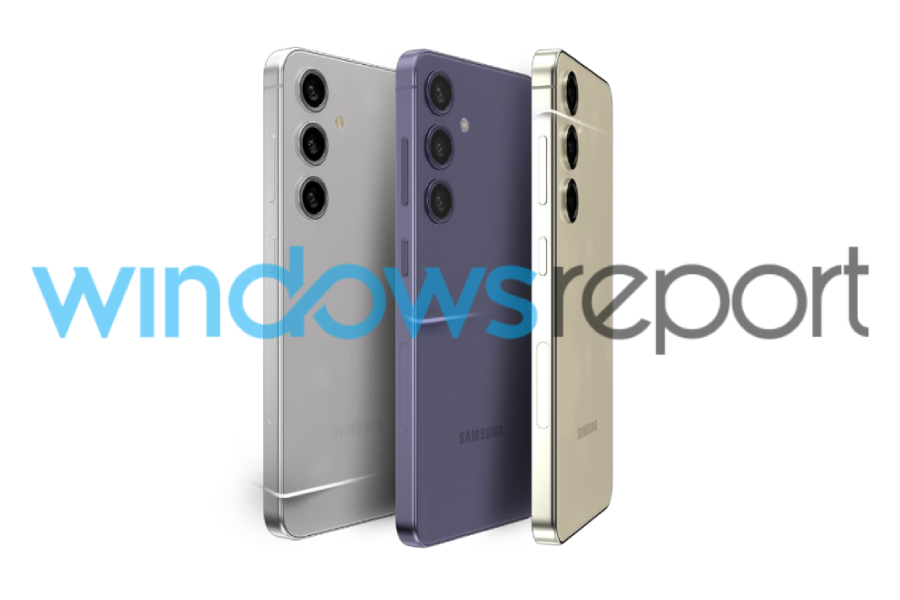
Samsung’s upcoming Galaxy S24 lineup boasts upgrades across the board, starting with a smoother 120Hz AMOLED display on all models. The base S24 sports a 6.2-inch FHD+ panel and Exynos 2400 chip (Snapdragon 8 Gen 3 in some regions), while the Plus model steps up with a larger 6.7-inch QHD+ display and the same chip options.
Both share a triple-camera setup (50MP main, 12MP ultrawide, 10MP telephoto) and 25W wired and 15W wireless charging.
Samsung Galaxy S24 / Galaxy S24+
The S24 Ultra stands out with its Qualcomm Snapdragon 8 Gen 3 everywhere, a flatter 6.8-inch QHD+ display, and a quad-camera system headlined by a 200MP sensor.
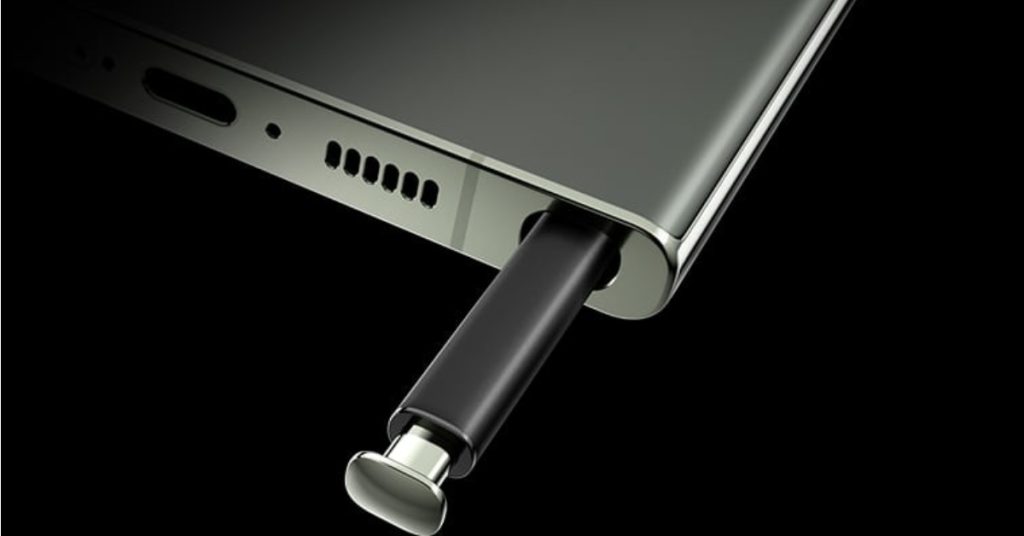
It also packs a 50MP periscope telephoto lens, an S Pen stylus, and a larger 5000mAh battery with 45W wired charging. All three models boast Gorilla Glass Victus, IP68 water resistance, and Samsung DeX support.
Realme GT 5 Pro Year of the Dragon Limited Gift Box, is a great gift option for people who love cutting-edge technology with a touch of exclusivity. This special edition package includes the Realme GT 5 Pro, Realme Buds Air 5 in a stylish blue color, and a random Year-of-the-Dragon blessing card in Chinese for an added touch of charm.
WHERE TO BUY
Realme GT 5 Pro Year of the Dragon Limited Gift Box at $819 @GeekWills
At the heart of this powerhouse is the Qualcomm Snapdragon 8 Gen 3 Octa-core processor coupled with a massive 16GB LPDDR5X RAM and an impressive 1TB UFS 4.0 storage, ensuring seamless multitasking and ample space for all your files and applications.
The device boasts a stunning 6.78-inch 2.5K 144Hz OLED display, providing an immersive visual experience with a peak brightness of 4500 nits. The 1000Hz touch sampling rate ensures responsiveness, making it ideal for gaming and media consumption.
Capture every moment with the 50MP+50MP+8MP triple rear cameras featuring OIS for steady shots. The 32MP selfie camera guarantees stunning self-portraits. With 1TB of internal storage, you’ll have ample space for all your photos and videos.
The Realme GT 5 Pro Year of the Dragon is equipped with a massive 5400mAh battery and supports 100W Supervooc charging, ensuring you spend less time plugged in and more time on the go. The 3D Tempered VC Cooling Technology and diamond ice core cooling system optimize gaming performance by efficiently dissipating heat.
Running on Realme UI 5.0 based on Android 14 OS, the device supports NFC and features an under-display fingerprint reader for fast and secure unlocking. The dedicated GT Mode 3.0 enhances gaming performance with improved image quality, 4D in-game vibrations, faster loading times, and dynamic sound effects.
Enjoy the immersive audio experience with dual stereo speakers and Dolby Atmos Games support. Additionally, the device comes with access to Google Play, allowing you to download a plethora of apps, movies, books, and more.
Realme GT 5 Pro Year of the Dragon Limited Gift Box offers a perfect blend of top-notch features, exclusive design, and high-performance capabilities, making it a must-have for tech enthusiasts and smartphone users alike.
Do you all remember T-Pain? The talented musician (who also streams on Twitch) has joined the creative force behind Grand Theft Auto VI. T-Pain’s involvement in GTA VI, revealed in a social media livestream, has come with its share of surprises and ironies. Previously an active player on the NoPixel server, a third-party platform for GTA V role-playing, T-Pain was advised by Rockstar Games to step back from role-playing. The rationale? To prevent conflicts with his new role in developing GTA VI.
Rockstar recently collaborated with the modding teams behind FiveM and RedM
Rockstar’s decision might raise eyebrows, considering their subsequent collaboration with the modding teams behind role-play servers like FiveM and RedM. This move, intriguingly, brings those enabling role-play experiences under the same umbrella as T-Pain, who was asked to step away from that world.
However, this transition for T-Pain isn’t just about the ironies and corporate decisions. It reflects a broader trend in the gaming industry where community involvement and modding increasingly influence official game development. T-Pain’s journey from a fan and community member to a contributor is a testament to this evolving dynamic.
As the details of GTA VI remain shrouded in mystery, one thing seems clear: the influence of role-playing and community creativity is likely to be a significant factor in the upcoming release. While T-Pain may no longer be a regular on GTA V’s role-play servers, his impact and the community’s influence will probably be felt in the next chapter of the Grand Theft Auto saga.
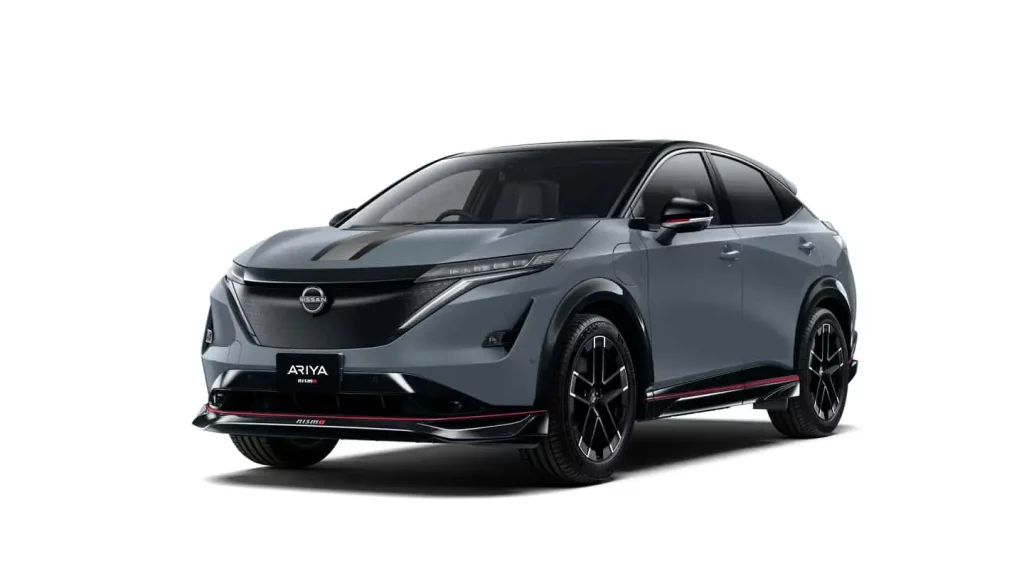
Nissan has recently introduced a head-turner at the Tokyo Auto Salon, the Ariya Nismo, but there’s a twist – it’s a Japan-exclusive offering. This new variant of the Ariya, Nissan‘s electric crossover, is not just about aesthetics; it packs a punch with significant performance upgrades.
The Ariya Nismo is designed to be a high-performance vehicle in all aspects
The Ariya Nismo, based on the dual-motor AWD Ariya e-4ORCE, flaunts a robust 430 horsepower in its most potent form. It’s not merely a facelift; this model undergoes a comprehensive transformation with mechanical enhancements and a bolder design. The 20-inch wheels, high-performance tires, and chassis improvements promise a more responsive driving experience. Additionally, the car’s exterior design isn’t just for show; it contributes to better aerodynamics and stability at high speeds.
Nissan has re-engineered the electric powertrain, boosting the output by 10%. The Ariya Nismo comes in two versions: the B6 with a 66 kWh battery, offering 362 horsepower, and the B9 featuring a 91 kWh battery, delivering the full 430 horsepower. While there are no official performance figures yet, expectations are high for the B9 model, especially with its new NISMO mode enhancing throttle response and adding an engaging engine sound.
However, there’s a significant caveat – Nissan has no current plans to market the Ariya Nismo outside Japan. This decision might disappoint EV enthusiasts globally, as the Ariya Nismo has the potential to rival popular sporty EV crossovers like the Tesla Model Y Performance and Ford Mustang Mach-E GT.
The Ariya, in its standard form, is a decent electric vehicle but lacks the thrill factor in driving. The Nismo version could have filled this gap, especially considering its impressive showing at the Nürburgring testing. For now, though, it remains an exclusive gem for the Japanese market, leaving the rest of the world waiting and hoping for a wider release.
Xiaomi has made an impressive start to 2024 with its Redmi Note 13 Series 5G, generating a substantial INR 1,000 crores (~$120 million) in revenue since its launch on January 10, 2024, at noon.
The Redmi Note 13 Pro+ 5G and the Redmi Note 13 Pro 5G are designed for users seeking premium features, including a high-quality display, flagship-level cameras, and rapid charging. The Redmi Note 13 5G maintains the Note series tradition of pushing boundaries at an affordable price. It offers an immersive display and a slim design, making it the thinnest Redmi Note to date.
Here are the pricing and availability details:
Redmi Note 13 Pro+ 5G: Net Effective Price of INR 29,999 (8GB+256GB), INR 31,999 (12GB+256GB), and INR 33,999 (12GB+512GB), inclusive of offers.
Redmi Note 13 Pro 5G: Net Effective Price of INR 23,999 (8GB+128GB), INR 25,999 (8GB+256GB), and INR 27,999 (12GB+256GB), inclusive of offers.
Redmi Note 13 5G: Net Effective Price of INR 16,999 (6GB+128GB), INR 18,999 (8GB+256GB), and INR 20,999 (12GB+256GB), inclusive of offers.
Customers can enjoy an instant discount of ₹2000 with ICICI Credit and Debit cards, along with a special introductory Xiaomi loyalty bonus of ₹2,500 for Xiaomi/Redmi customers.
Moreover, the Redmi Note 13 5G Series purchase comes with an enticing offer: customers can acquire the Redmi Watch 3 Active at just INR 1,999.
Redmi Note 13 Pro Plus 5G:
The Redmi Note 13 Pro Plus 5G showcases a boxy design available in glass and leather variants, and it holds an IP68 rating for dust and water resistance. The device features a 6.67-inch punch-hole curved OLED display with a 120Hz refresh rate and 240Hz touch sampling rate. It is powered by a MediaTek Dimensity 7200 Ultra chipset and boasts a triple rear camera setup led by a 200MP primary sensor. Additional features include Dolby Atmos-supported dual stereo speakers, an in-display fingerprint sensor, and a 5,000mAh battery supporting 120W wired charging.
Redmi Note 13 Pro 5G:
With a flat frame body and an IP54 splash resistance rating, the Redmi Note 13 Pro 5G is equipped with a Qualcomm Snapdragon 7s Gen 2 chip. Its 6.67-inch punch-hole AMOLED display supports Dolby Vision and features a 120Hz refresh rate. The device includes a triple rear camera setup with a 200MP primary sensor and supports 67W fast charging for its 5,100mAh battery. Connectivity options cover dual SIM, 5G, WiFi 6E, and an in-screen fingerprint sensor.
Redmi Note 13 5G:
Adopting a flat frame design, the Redmi Note 13 5G boasts a 6.67-inch punch-hole AMOLED display with a 120Hz refresh rate. It operates on a MediaTek Dimensity 6080 chipset and features a triple rear camera setup led by a 108MP primary sensor, accompanied by a 16MP selfie camera. The device supports dual SIM, 5G, WiFi 6E, and 33W wired charging for its 5,000mAh battery. Noteworthy elements include dual stereo speakers, a MicroSD card slot, and an IP54 rating for splash resistance.
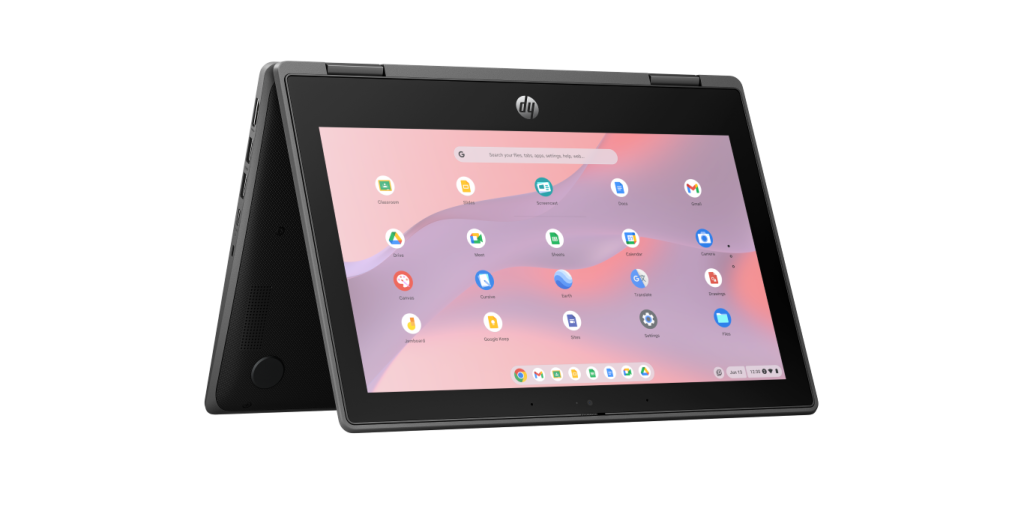
The Fortis G11 is among a raft of HP Chromebooks unveiled on January 11, 2024. The Fortis G11 is a rugged Chromebook with a 14-inch display. It comes with solid internal features for enhanced productivity. It also offers rapid charging of its battery.
Features
The HP Fortis G11 has a similar outlook as the Fortis G10 and is focused on a solution for students, office and frontline workers. The Chromebook is rated MIL-STD-810 and has gone through a battery of durability tests successfully. The chassis of the Fortis G11 Chromebook has an IP51 rating, as added protection for the device.
The Fortis G11 Chromebook’s 14-inch display is expansive enough to accommodate many productive tasks as well as for entertainment purposes. The screen is configurable to fit the user’s taste and the options include an FHD touchscreen panel with 250 nits of brightness or a non-touch FHD with 300 nits. The vanilla version of the laptop has an HD panel with 250 nits of peak brightness. There are several RAM and storage options for the Fortis G11 Chromebook ranging from 4GB LPDDR5-4800 to 16GB of RAM. Up to 128GB of UFS onboard storage could be gotten for the Fortis G11 Chromebook.
In terms of connectivity, the Fortis G11 Chromebook supports WiFi 6E and 4G LTE. It comes with an Intel N-Series processor but it is unclear whether it is the N200 or the N95. The Fortis G11 comes with several ports including USB Type-A 3.2 Gen 1 (x2), USB Type-C 3.2 Gen 1 (x2), HDMI 1.4, and a headphone and microphone combo jack. The new Fortis Chromebook also comes with a SIM card slot.
HP Fortis X360 G11
Pricing & Availability
The HP Fortis G11 Chromebook with a 14-inch display is already on sale in the US with a starting price of $319. There are no details yet on the global availability and pricing of the Fortis G11 Chromebook at this time.
The last day of CES 2024 in Las Vegas has seen a raft of product releases. One such release is the launch of the Segway Xyber electric scrambler termed the silent beast, alongside the Xafari step-through trekking commuter e-bike. Both models are coming from the rising electric two-wheeler brand Segway and are among the highlights of Segway’s performance at CES 2024.
The Segway Xyber is a Sur-Ron-style e-bike with chunky tires and can achieve up to 95 miles of range. It is a very capable off-road e-bike that comes with some solid parameters. The Xyber is a mix between the aggressive motorcycle styling of the Sur-Ron and the lightweight looks of the Super73. It also reflects some Cyberpunk aesthetics and comes as an off-road-ready machine. It has 120mm of suspension travel using front forks and a rear mono shock. It comes with wide tires and has pedals, despite its motorbike looks. The Segway Xyber has a partially exposed frame design with round tubes in the top part of the bike. The rear swingarm is made of square tubing, as well as the bottom half of the frame.
The front seat of the Xyber is covered by an angular metal/ plastic material while the battery is protected by a bash guard. The seat of the Xyber can accommodate one passenger but grab handles are omitted for the passenger. The Xyber is claimed to be capable of delivering a torque of 175Nm but its exact motor has not been specified.
Segway Safari
The Segway Xafari is a dual-suspension, all-purpose step-through e-bike. It seems to be a more practical bike than the Xyber and comes with 26-inch tires for improved comfort, safety, and efficiency. It has a dual suspension setup with 80mm at the front and 70mm at the rear. It also has a sizeable luggage rack and a kickstand for enhanced versatility. The Segway Xafari comes with a thick frame and a 913Wh battery combined with its 750W, 80Nm hub motor. While specifics for the range are not provided, Segway claims the Xafari outperforms the average e-bike in the US.
The Segway Xyber and Xafari e-bikes have a dial to increase motor output, auto-activating headlights, and a smart cockpit to display ride and battery information. The bikes also feature GPS tracking and Apple Find My tracking as added safety and security features. Segway is expected to release the full pricing information and availability details for the new e-bikes shortly.
The EarFun Wave Pro wireless headphones have been unveiled at CES 2024. The new device is EarFun’s first-ever over-ear headphones and offers up to 45dB active noise cancellation. It also has support for LDAC and offers up to 80 hours of playback on a full charge. The new EarFun Wave Pro comes with an affordable price tag that further accentuates its appeal.
Features
Unlike the bulk of OEMs that showcased their products during CES 2024, EarFun is going a step further to officially launch the Wave Pro wireless headphones. The audio accessories manufacturer says the design of the Wave Pro is aimed at delivering a premium experience for users but with affordability also in the mix. These are Bluetooth headphones with LDAC support which allows the gadget to deliver Hi-Res audio. The 45dB hybrid noise cancellation is another highlight of the EarFun Wave Pro wireless headphones. The headphones also come with anti-Wind Noise technology which helps to eliminate external wind disturbance.
The EarFun Wave Pro wireless headphones offer Bluetooth multipoint connection and also have a low latency gaming mode. The headset can also be used with a wired connection and supports fast charging. It has a five-mic setup that combines with an AI algorithm to deliver a unique listening experience for the user.
Pricing
The Wave Pro, in terms of its features, will square up against the Bose QuietComfort ultra and the Sony WH-1000XM5 which are priced at $429 and $398 respectively. However, the Wave Pro wireless headphones come at a super-affordable price of $80. More details about the EarFun Wave Pro wireless headphones with an over-ear design can be viewed on the EarFun website.
Xiaomi continues to expand its product family in India. The company recently launched the affordable Redmi 13C in the country. Now, they are gearing up to release the new Xiaomi 360 Home Security Camera 2K for those looking to smarten up their homes and enhance security. Xiaomi India even revealed the release date of the budget-friendly camera on its official Twitter account. Here are the details…
Xiaomi Announces Launch Date for 360 Home Security Camera 2K in India
Xiaomi India recently shared a tweet announcing the release of the Xiaomi 360 Home Security Camera 2K tomorrow at noon (January 13). This camera, offering 2K resolution, is an affordable choice for security. It boasts 1296p resolution, an F1.4 wide aperture, a 6P lens, and night vision. The camera’s dual-axis pan-tilt-zoom motor allows a 360° horizontal and 108° vertical field of view.
This New Year, prioritize your safety! Introducing the all-new #Xiaomi360HomeSecurityCamera2K – your safety in stunning 2K clarity. The ultimate guardian for your home. 🏠
Its AI-driven human detection minimizes false alarms, ensuring accurate alerts. Managed through the Mi Home app, it supports live streaming, motion detection alerts, and two-way audio communication. It’s also compatible with Amazon Alexa and Google Assistant for voice control.
The Xiaomi Mi 360 Home Security Camera 2K is an excellent option for budget-conscious users seeking reliable home monitoring. If you’re looking for more features or higher resolution, other alternatives are available. The current price in China is 299 yuan (around 450 TL), with the Indian price rs 3,299.
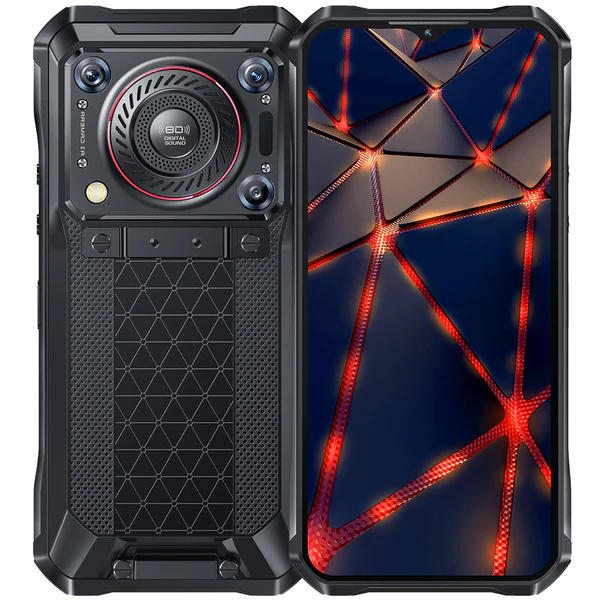
Oukitel is gearing up to launch the WP33 Pro in January 2024, bringing a fresh perspective to rugged smartphones. What makes it stand out is its unique combination of three key features.
Oukitel WP33 Pro specs
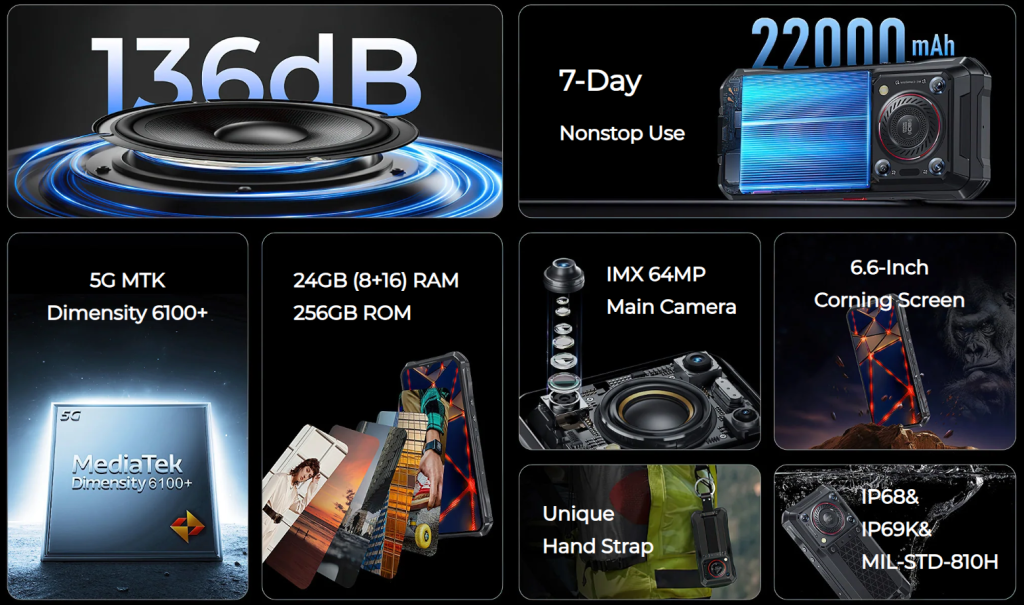
Let’s start with the sound. The Oukitel WP33 Pro boasts 136dB multimedia speakers with a powerful 5W output. This delivers crisp and clear audio for gaming, movies, or outdoor gatherings, accompanied by an 8D surround sound experience.
Moving on to power, the WP33 Pro packs a substantial 22,000mAh battery, offering an impressive 80 hours of continuous music playback or a week of regular use on a single charge. Charging is a breeze with 33W fast charging and an 18W fast reverse charging feature, allowing you to charge your iPhone 15 about nine times with one WP33 Pro charge.
Under the hood, the smart rugged phone is powered by the MediaTek Dimensity 6100+ 5G processor, paired with 8GB LPDDR4x RAM and 256GB UFS 2.2 storage. The phone offers a 6.6″ FHD+ IPS display with a 60Hz refresh rate, 450nits brightness, and 400 PPI pixel density. The WP33 Pro’s camera setup includes a 64MP Sony IMX686 main camera, a 20MP IMX350 night vision camera, and a 32MP IMX616 front shooter.
Concerned about durability? Fret not. The WP33 Pro is certified for IP68, IP69K, and MIL-STD-810H standards, making it resilient against water, dust, and shock. Additionally, it features a Corning Gorilla Glass screen for added protection.
Pricing & availability
The Oukitel WP33 Pro is set to release on January 13th, available at the Oukitel Official Store for $299.99 after a generous 25% discount.
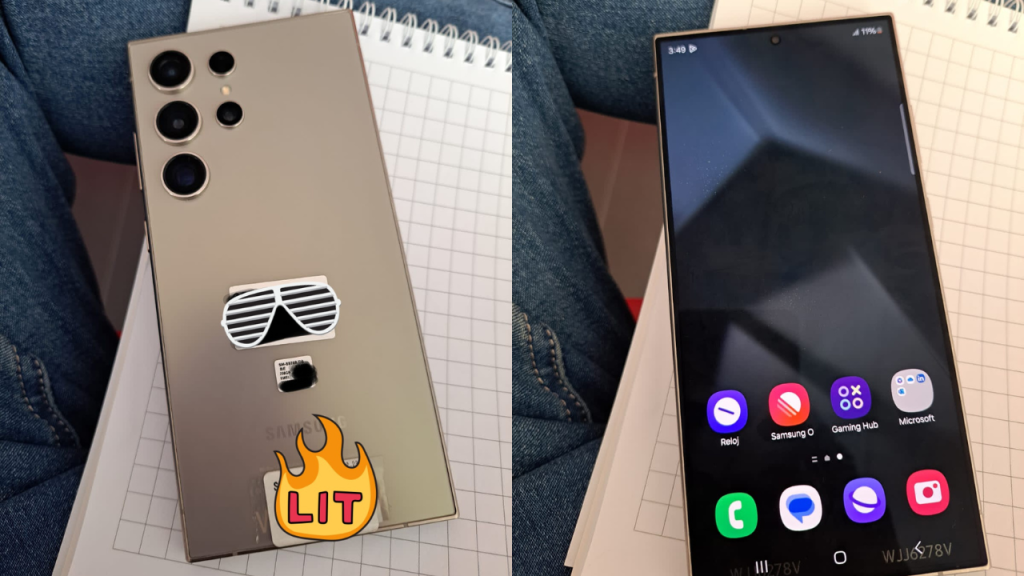
Samsung is set to unveil its latest flagship smartphones, the Samsung Galaxy S24 series, during the Galaxy Unpacked event scheduled for January 17. Consistent with past releases, the series will include three models: Galaxy S24, S24+, and the high-end Galaxy S24 Ultra. In our previous coverage, we discussed anticipated features for the standard and Plus models. In this article, we will delve into all the details currently available about the Galaxy S24 Ultra.
Design & display
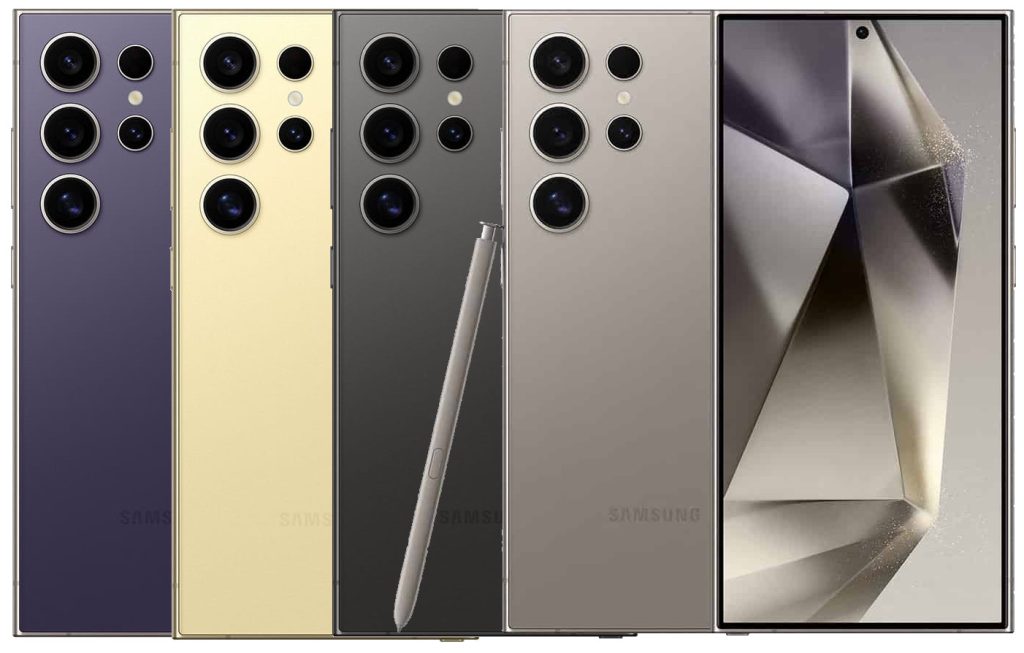
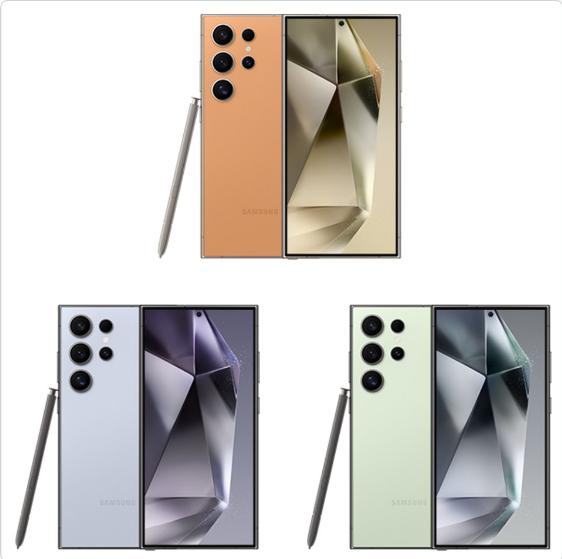
The design of the Galaxy S24 Ultra will largely remain the same as the S23 Ultra. Leaked renders of the device have revealed that the design this year could be even more boxy than before with the device featuring flatter edges compared to last year. The frame will be made of titanium, and the back and front will be protected by Corning Gorilla Glass Victus Armor. It will have four camera cutouts on the back along with another cutout for sensors like the Laser Autofocus. Like its predecessor, the device will come with an S-pen stored in a silo located at the bottom of the device.
On the front, the phone will feature reduced bezel size compared to its predecessor. It is said to come with a 6.8-inch QHD+ Dynamic AMOLED 2X Display featuring a 120 Hz refresh rate, an impressive resolution of 3120 x 1440 pixels, and 505 ppi pixel density. Its dimensions measure 79.0 x 162.3 x 8.6mm, with a weight of 232 grams. A leak has revealed that the device will launch in four color options: Titanium Black, Titanium Gray, Titanium Violet, and Titanium Yellow.
Camera system
The S24 Ultra’s primary camera setup is a quad-camera system featuring laser autofocus and an LED flash. It will boast a 200MP wide-angle lens with an F/1.7 aperture, Super Quad Pixel autofocus, OIS, and a Super Clear Lens. The two telephoto lenses offer 5x and 3x optical magnification, with 50MP and 10MP resolutions respectively, incorporating advanced autofocus technologies and OIS. Additionally, there’s a 12MP ultra-wide-angle lens with dual-pixel autofocus and a 120° field of view. The front camera is a 12MP shooter with dual-pixel autofocus.
Photography features include 100x Space Zoom, Portrait Mode with Bokeh Effect, Pro Mode, Panorama, Night Mode, Food, Selfie, Group Selfie, Single Take, automatic scene optimization, Bixby Vision, AR Zone, QR scanner, and the expertRAW photo app supporting 50 MP raw photos, Astrophoto, Multi Exposure, and a digital ND filter. Videography features encompass Nightography video, Super HDR, 12-bit HDR, 8K video recording, 8K video snap, portrait video with bokeh effect, Pro Video, Slow Motion, Super Slow Motion, Hyperlapse, Dual Recording, Audio Zoom, and Super Steady mode.
Notably, Samsung is rumored to introduce 60FPS support for 8K recording. Reports are suggesting a shift in the default camera resolution to 24MP for the Galaxy S24 Ultra, departing from the conventional 12MP, a move aimed at capturing more detail in non-RAW mode pictures. A similar adjustment was made by Apple in the iPhone 15, which now sports a 48MP primary camera sensor.
Specs
Under the hood, the Galaxy S24 Ultra is said to come with a Qualcomm Snapdragon 8 Gen 3 for Galaxy, a 4 nm Octa-Core processor with clock speeds of 3.39 GHz, 3.1 GHz, 2.9 GHz, and 2.2 GHz. The device will offer storage options of 256GB, 512GB, or a massive 1TB, coupled with 12GB of RAM. It is said to come with a 5000 mAh capacity battery that supports 45W wired and 15W wireless charging. The phone will also support Wireless PowerShare functionality to charge gadgets.
As for software, the Galaxy S24 Ultra will be launching with Android 14 onboard. That being said, the brand could launch the One UI 6.1 along with the flagship smartphone. The One UI 6.1 is said to be an improved version of the One UI 6, focusing heavily on AI features. It will introduce features like AI-generated wallpapers, object relocation and photo expansion for editing, subject transfer between photos, smarter Samsung Notes with improved text formatting, live translation for calls enabling real-time language translation during phone calls, and enhanced call quality with Voice Focus, eliminating background noise similar to Pixel’s Clear Calling functionality.
Connectivity options onboard the device are said to include include USB-C, USB 3.2 Gen 1, Bluetooth 5.3, Wi-Fi 7, WiFi Direct, Miracast, NFC, and UWB (Ultra-Wideband) technology. There are also reports of the brand including satellite communication on the device.
Pricing
The Galaxy S24 Ultra with a base storage option of 256GB will cost 1149 euros (~$1,259). Other than the above-mentioned color options, the devices will also be available in Jade Green, Sapphire Blue, and Sandstone Orange color options in the Samsung store.
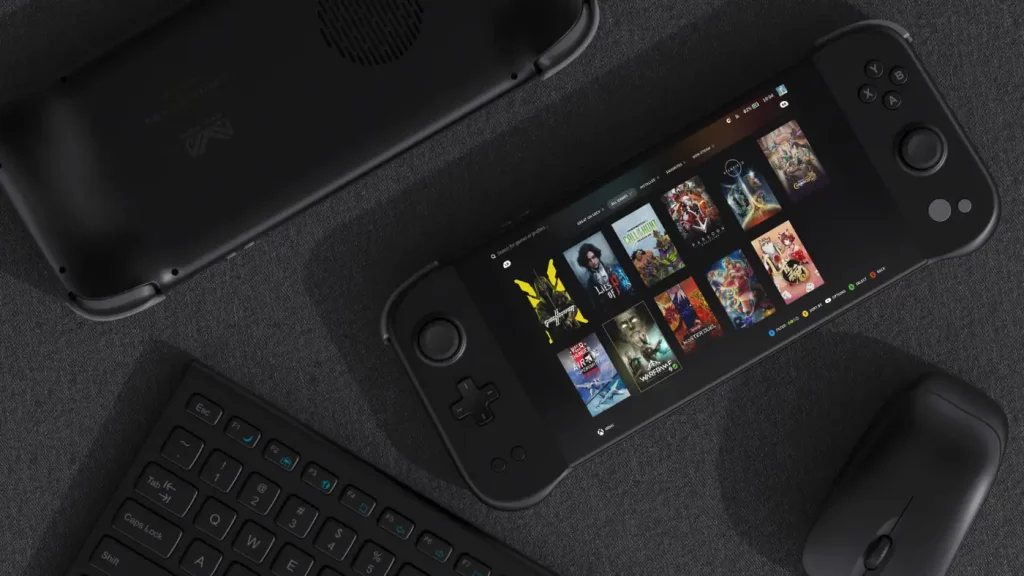
Ayaneo announced the Next Lite gaming handheld at CES 2024 a few days back. The product which is the first non-Valve handheld device that comes with SteamOS preinstalled has now been launched in China. The Ayaneo Next Lite is designed to be a budget device and hence could lack cutting-edge components.
Features
The Next Lite was officially announced via a seemingly muted press release by the company. The Next Lite has a standout feature that should catch the attention of industry watchers, running on SteamOS. The Next Lite will have a 7-inch 800p IPS display and a 47Wh battery. The parameters of the new mobile PC are the same as that of the Ayaneo Next Pro. The Ayaneo Next Pro is powered by the AMD Ryzen 7 5825U processor but the Next Lite could come with a newer processor either the AMD Ryzen 7 7840U or Ryzen 7 8840U. Price considerations for the model imply that the Next Lite could sport a less expensive processor.
The use of SteamOS for non-Valve handhelds like the Ayaneo Next Lite is a leap for Valve. Previously, the company had stated that it was considering getting the SteamOS on other machines, especially for handhelds. The SteamOS operating system has been used in the Steam Deck gaming handheld. Therefore extending its availability to other handhelds is technically easier than extending it to a full Dexktop PC. The SteamOS is a great advantage for the Ayaneo Next Lite over Windows-based competitors in terms of its pricing.
The Ayaneo Next Lite gaming handheld starts at 1,699 yuan ($289) which is way cheaper than the Next Pro’s $1,215 price tag.
When it comes to product strategies, many companies have different approaches. For instance, Oppo introduced its new smartwatch, the Watch 4 Pro, in August of last year. Despite unveiling the “Pro” version, the standard Oppo Watch was not seen. It seems we won’t have to wait long for it, as blogger Digital Chat Station confirmed the watch’s existence and leaked some technical specifications.
Digital Chat Station Reveals Oppo Watch 4’s OLED Display and Snapdragon Chip
Digital Chat Station reveals that the OPPO Watch 4 will sport an OLED display and a Snapdragon W5+BES2700 dual-chip. The release details for the OPPO Pad3 tablet and Enco X3 earphones are still pending. For comparison, the OPPO Watch 4 Pro’s starting price is 2,199 yuan. This smartwatch boasts a stainless steel middle frame, ceramic case, and metal brushed texture on the body’s side.
It comes in two colors: Midnight Black (fluororubber strap) and Dawn Brown (genuine leather strap). The OPPO Watch4 Pro features a 1.91-inch 378×496 LTPO full-curvature flexible screen with a C-shaped 3D glass cover, supporting 326ppi, peak brightness of 1000nit, Lingxi gesture control, negative one-screen function expansion, and global AOD watch face display.
Powered by Snapdragon W5 and Hengxuan 2700, it packs 2GB of RAM and 200+ deep scene optimizations. With a 570mAh battery, it lasts 5 days in full smart mode and 14 days in light smart mode. It includes high-precision sensors like an ECG sensor, wrist temperature sensor, 8-channel heart rate sensor, and 16-channel blood oxygen sensor.
People have been dreaming about flying cars for almost 100 years whenever they think about the future. Now, lots of companies are working on making flying cars real because go this collective dream. In fact, in places like Dubai, some companies already made the first versions of these flying cars. However, a widely accessible flying car is not currently on the market. Fortunately, you won’t have to wait much longer because Xpeng has announced the launch of the first modular flying car designed for individual mass production. Here are the details…
Xpeng Aeroht Paves the Way for Everyday Flying Cars in 2025
One of China’s leading electric vehicle manufacturers, Xpeng, has long been known to be working on a flying car. As we mentioned recently, the company aims to begin mass production of these flying cars by the fourth quarter of 2025. The good news is that you won’t have to wait that long to get your hands on one. Because Xpeng Aeroht has revealed that you can pre-order its modular flying car in the fourth quarter of 2024, and deliveries are set to commence in the fourth quarter of 2025.
When we say Modular flying car, we understand that it might be a bit confusing. However, don’t worry because there’s no catch; this concept is indeed a flying car. Moreover, it addresses some of the most serious challenges related to this technology. We’re not in a science fiction movie, so we haven’t developed a magical motor technology to lift a several-ton car off the ground.
That’s why, in today’s flying cars, we use the working principle of propellers, similar to the ones used in drones. However, this design allows it to be more of a giant flying drone than a conventional car. Xpeng’s modular flying car combines both, as shown in the concept video above. You can deploy a drone from the car’s trunk whenever you want, allowing you to realize your dream of a “flying car” to some extent, technically.
The Air module is an electric piloted aircraft with vertical takeoff capabilities and low-altitude flight. Its electric propulsion system follows safety standards to prevent single-point failures. The aircraft offers both manual and automatic driving modes, providing a versatile flying experience. Additionally, its 270° panoramic two-person cockpit ensures a wide field of view.
Certainly, there are things we don’t know about the vehicle, such as who can use it and where. Imagine thousands of people in your city commuting to work and school in flying cars – the potential for “traffic accidents” would likely break records throughout the day. However, usage without a special license is expected to be prohibited within city limits. Although the flight duration is currently uncertain, it’s anticipated to be more of an exploration and observation vehicle than a means of transportation. The video emphasizes this aspect. Nonetheless, who knows, maybe in the near future, we’ll truly travel everywhere with flying cars.
OnePlus is gearing up for a double launch on January 23, bringing the OnePlus 12R alongside the OnePlus 12 to the Indian and global markets. As we inch closer to the official unveiling, key details of the devices are surfacing through Geekbench listings.
OnePlus 12R launch date
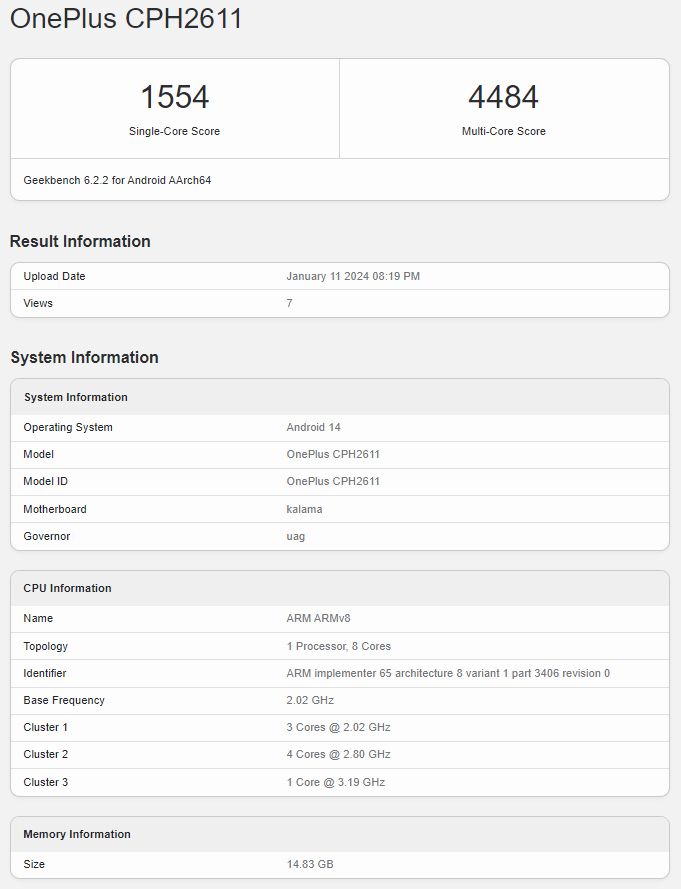
As per the Geekbench listing, the OnePlus 12 global model (CPH2611) is set to be fueled by Qualcomm’s Snapdragon 8 Gen 2 chipset, with a base clock speed of 2.02GHz and peak clock speed of up to 3.19GHz. The listing confirms that the device will have 16GB of RAM and Android 14 straight out of the box. As for the benchmark results, the OnePlus 12R scores 1554 and 4484 points in the single and multi-core tests, respectively, on Geekbench.
Expected to be a global version of the OnePlus Ace 3 (review), which has already been introduced in China, the OnePlus 12R is anticipated to feature a 6.78-inch LTPO AMOLED display with a 120Hz refresh rate and a resolution of 2480×1264 pixels.
The camera setup includes a 50MP triple-camera configuration and a 16MP selfie camera. The device is also set to house a robust 5,500mAh battery, consistent with the company’s earlier confirmation. Similar to the Ace 3, the OnePlus 12R is rumored to support up to 100W fast charging.
In related news, OnePlus has confirmed that the global OnePlus 12 model will debut with the Pixelworks X7 independent visual processor that will aid in improving the gaming performance of the device.
We use cookies on our website to give you the most relevant experience by remembering your preferences and repeat visits. By clicking “Accept”, you consent to the use of ALL the cookies.
This website uses cookies to improve your experience while you navigate through the website. Out of these, the cookies that are categorized as necessary are stored on your browser as they are essential for the working of basic functionalities of the website. We also use third-party cookies that help us analyze and understand how you use this website. These cookies will be stored in your browser only with your consent. You also have the option to opt-out of these cookies. But opting out of some of these cookies may affect your browsing experience.
Necessary cookies are absolutely essential for the website to function properly. This category only includes cookies that ensures basic functionalities and security features of the website. These cookies do not store any personal information.
Any cookies that may not be particularly necessary for the website to function and is used specifically to collect user personal data via analytics, ads, other embedded contents are termed as non-necessary cookies. It is mandatory to procure user consent prior to running these cookies on your website.