Advertisement

Samsung offloading DRAM production to allocate factory space to AI memory

The company is planning to hand off all extra production of regular DDR5 memory modules and SSDs to outside partners. The goal is simple: free up its limited in-house packaging capacity for the higher-margin stuff, high-bandwidth memory (HBM) that powers AI accelerators. HBM is currently Samsung’s strongest-performing memory segment, and the margins are far better than standard DRAM.

Rows of server racks filled with high-performance computing hardware in a data center.

According to reports from The Elec and other industry sources, Samsung has been pushing its OSAT partners since mid-2025 to expand their DDR5 module and SSD lines, and recently asked them to speed things up even more. The problem is space. Its existing packaging plants in Cheonan and Onyang reportedly don’t have enough room to grow both conventional modules and advanced HBM packaging at the same time.

So Samsung is reallocating floor space and equipment at those sites toward HBM and other AI-related packaging work. A brand-new KRW 6 trillion (about $4.3 billion) HBM plant at the Onyang campus is also set to start construction soon, though full production is still a few years away.
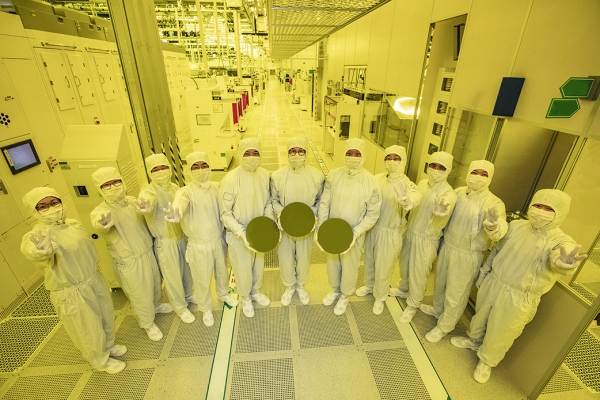
Samsung Foundry

Several partners are already scaling up. Dreamtech in India is converting its Noida Plant 1 into a big memory-module line aiming for more than 50 million units a year. Hanyang Digitech in Vietnam has poured over KRW 31.5 billion into new equipment and automation. And SFA Semicon in the Philippines is taking over DDR5 testing and assembly gear transferred from Samsung’s Onyang site, with operations expected to start in November and more expansion next year.

Important detail: the actual DRAM chips will still come from Samsung’s own fabs. What’s being outsourced is the back-end work, module assembly and packaging, the less complex steps that specialized OSAT companies can ramp up more easily. This way Samsung can keep feeding the ongoing demand for DDR5 in PCs, servers, and laptops without locking up the domestic capacity it needs for HBM.

The timing matters. DRAM supply is already tight, which has been making it harder to build new PCs, servers, smartphones, and laptops. Nothing CEO Carl Pei recently pointed out that memory is now the most expensive component in a smartphone. As a result, a decent chunk of entry-level phones are shipping with just 4GB of RAM, which is insufficient for apps in 2026.

Any hiccups during Samsung’s ongoing transition could put even more pressure on availability and prices in the conventional memory market, while HBM gets the priority treatment.

In short, Samsung is betting on higher-margin advanced packaging over simply chasing volume in standard products.

Don’t miss a thing! Join our Telegram community for instant updates and grab our free daily newsletter for the best tech stories!

For more daily updates, please visit our News Section.
(Source | Via)

Xiaomi 18 Fold vs OPPO Find N6: Which Foldable Should You Buy?

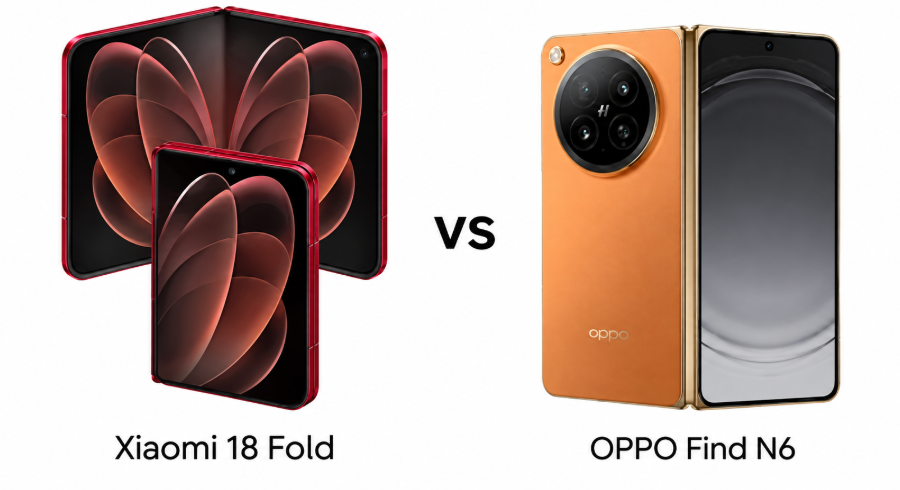
Xiaomi 18 Fold and OPPO Find N6 take different approaches to the premium foldable formula. Xiaomi focuses on a compact, highly protected design, a huge 6,000mAh battery and a Leica-backed 200MP camera system. OPPO counters with a larger foldable display, stylus support, a zero-feel crease and Snapdragon 8 Elite Gen 5 performance. The choice comes down to whether compact usability or a more expansive foldable experience matters more.

Side by side comparison of the red Xiaomi 18 Fold and orange OPPO Find N6 smartphones.

Major Features:

CategoryXiaomi 18 FoldOPPO Find N6Winner
Design & BuildDragon Crystal Glass 3, glass back, aluminum frame, IP58/IP59Nanocrystal Glass, titanium alloy hinge, aluminum frame, IP58/IP59OPPO – Titanium hinge and premium construction
Main Display7.58-inch LTPO AMOLED, 120Hz, 4000 nits8.12-inch LTPO OLED, 120Hz, 2500 nitsOPPO – Larger foldable canvas
Cover Display5.38-inch LTPO AMOLED, 120Hz, 4000 nits6.62-inch LTPO OLED, 120Hz, 3600 nitsOPPO – Larger cover screen
ProcessorXRing O3, 3nmSnapdragon 8 Elite Gen 5, 3nmOPPO – Stronger flagship performance platform
RAM & StorageUp to 16GB RAM, 1TB, UFS 4.1Up to 16GB RAM, 1TB, UFS 4.1Tie – Matching maximum memory and storage
Rear Cameras200MP + 50MP 3x telephoto + 50MP ultrawide, Leica200MP + 50MP 3x periscope + 50MP ultrawide, HasselbladOPPO – More versatile periscope setup
Selfie Cameras16MP front and cover cameras20MP front and cover camerasOPPO – Higher-resolution selfie cameras
VideoUp to 8K@24fps, 4K Dolby VisionUp to 4K@120fps, Dolby VisionXiaomi – Higher maximum resolution
Battery6000mAh6000mAhTie – Same battery capacity
Wired Charging67W80WOPPO – Faster wired charging
Wireless Charging50W50WTie – Same wireless charging speed
Unique FeaturesLeica optics, 4000-nit displays, UWB, IR blasterStylus support, zero-feel crease, titanium hinge, satellite connectivity on 1TBOPPO – More productivity-focused features
PricePriced around $1,600 / ₹155,000Priced around $1,800 / ₹170,000Xiaomi – Lower price and stronger value
OverallStrong displays, Leica cameras, large battery and lower priceLarger displays, stronger chipset, stylus support and faster chargingOPPO – More complete premium foldable package
Disclaimer: Specs are based on available data. Actual performance may vary. Verify details from official sources before buying.

1. Design and Display

Build and Feel

Xiaomi 18 Fold combines Dragon Crystal Glass 3, a glass rear panel and an aluminum frame, with IP58/IP59 protection. Its foldable construction is notably compact, while the side-mounted fingerprint sensor keeps unlocking practical. OPPO Find N6 adds Nanocrystal Glass, a titanium alloy hinge and aircraft-grade aluminum, giving it a more premium hardware package.

Display Quality

OPPO takes the lead in screen size with an 8.12-inch internal LTPO OLED supporting 120Hz, Dolby Vision, HDR10+ and stylus input. Its cover display reaches 3600 nits. Xiaomi counters with a 7.58-inch 120Hz LTPO AMOLED reaching 4000 nits, plus Dolby Vision and HDR Vivid. Xiaomi feels better suited to bright outdoor viewing, while OPPO offers more workspace.

Verdict

OPPO wins for its larger canvas, stylus support and zero-feel crease. Xiaomi remains highly compelling for users prioritizing compact foldable usability, strong durability and higher peak display brightness.

2. Specifications Including Battery

Performance

Xiaomi 18 Fold uses the 3nm XRing O3 with a 10-core CPU and Arm G2-Ultra NX MC16 GPU, paired with up to 16GB RAM and UFS 4.1 storage. OPPO uses Snapdragon 8 Elite Gen 5, with up to 16GB RAM and UFS 4.1. OPPO’s newer flagship Snapdragon platform gives it a stronger performance proposition for demanding workloads and gaming.

Battery and Charging

Both foldables pack a substantial 6,000mAh silicon-carbon battery. Xiaomi supports 67W wired and 50W wireless charging, while OPPO increases wired charging to 80W and retains 50W wireless charging. OPPO also adds reverse wireless charging. Xiaomi’s battery setup is already strong, but OPPO offers the more versatile charging package.

Verdict

OPPO gets the performance edge through Snapdragon 8 Elite Gen 5 and faster wired charging. Xiaomi remains competitive with the same battery capacity and efficient silicon-carbon technology.

3. Camera

Main and Secondary Lenses

Both phones feature a 200MP main camera with OIS, but their supporting cameras differ. Xiaomi adds a 50MP telephoto with 3x-class optical zoom and a 50MP ultrawide, alongside Leica lenses and a color spectrum sensor. OPPO uses a 50MP 3x periscope telephoto and 50MP ultrawide with autofocus, supported by Hasselblad color calibration. OPPO’s periscope implementation looks particularly versatile for zoom photography.

Selfie Camera

Xiaomi uses 16MP selfie cameras on both the inner and cover screens, with 1080p video recording. OPPO upgrades both cameras to 20MP sensors and supports 4K video on the selfie camera. That gives OPPO a clear advantage for creators, video calls and front-facing recording. Xiaomi still offers consistent camera hardware across both screens.

Verdict

OPPO takes the camera advantage with 20MP selfie cameras, 4K front-camera video and a periscope telephoto. Xiaomi remains attractive for Leica-assisted photography and 8K rear-camera recording.

4. Pricing

The Xiaomi 18 Fold is priced around $1,600 or ₹155,000, while the OPPO Find N6 is priced around $1,800 or ₹170,000. That creates a meaningful premium for OPPO, despite both offering 6,000mAh batteries, 200MP main cameras, 16GB RAM options and premium foldable construction.

Is the price justified? 

OPPO’s higher price is supported by its larger internal display, Snapdragon 8 Elite Gen 5 processor, stylus support, titanium hinge, 20MP selfie cameras and faster 80W charging. Xiaomi offers stronger value for buyers who want flagship foldable hardware without moving as high up the price ladder. Its 4000-nit displays and Leica camera system strengthen that proposition.

Verdict

Xiaomi offers better value at its lower price, especially for buyers prioritizing battery life, display brightness and flagship cameras. OPPO justifies its premium through performance, productivity and display advantages.

Disclaimer:
Prices are approximate and may vary based on country, region, launch timing, and applicable taxes. Always check whether the listed price is for a China unit or a global/international variant when purchasing.

5. Conclusion

Xiaomi 18 Fold stands out with Leica optics, 4000-nit displays, IP58/IP59 protection, a 6,000mAh battery and its XRing O3 platform. OPPO Find N6 counters with an 8.12-inch foldable display, zero-feel crease, stylus support on both screens, a titanium alloy hinge and Snapdragon 8 Elite Gen 5. Both bring unusually strong hardware to the foldable category.

Verdict

OPPO Find N6 is the overall winner for its larger display, stronger flagship processor, stylus support, more capable selfie cameras and faster charging. Xiaomi 18 Fold remains the better-value alternative with excellent displays, battery capacity and Leica camera hardware.


FAQs

1. Which phone has the better camera system?
OPPO Find N6 offers more versatile zoom and stronger selfie-video capabilities, while Xiaomi benefits from Leica-tuned photography and 8K recording.

2. Which phone is better for gaming?
OPPO Find N6 is better suited to demanding gaming thanks to its Snapdragon 8 Elite Gen 5 chipset.

3. Which foldable has better battery life?
Both feature 6,000mAh batteries, so battery endurance should be broadly competitive between the two.

4. Is Xiaomi 18 Fold cheaper than OPPO Find N6?
Yes. Xiaomi 18 Fold costs less, making it the more affordable entry into this premium foldable category.

5. Which foldable offers more productivity features?
OPPO Find N6 offers greater productivity flexibility with stylus support on both its internal and cover displays.

Disclaimer: Prices, specifications, and availability may vary by region and retailer. Recommendations in this article are based on editorial opinion, feature-based value, and market positioning at the time of writing. Readers are advised to do their own research before making a purchase.

Read More:

Samsung Galaxy Tab S12 Plus and Tab S12 Ultra full specs leak along with launch date

Samsung’s Galaxy Tab S12 series has been leaking for months, and we now have what could be the full specifications for both models. WinFuture has published the specs for the Galaxy Tab S12 Plus and Galaxy Tab S12 Ultra, along with their expected release date and European pricing.

The report claims both tablets will go on sale on October 7. Both models are expected to run One UI 9.0 and come in silver and gray.

A sleek Samsung Galaxy Tab S12 tablet shown from both front and back angles.

Under the hood, both tablets use the MediaTek Dimensity 9500. The chip was previously spotted in a Galaxy Tab S12 Ultra Geekbench listing in August. Other shared features include an IP68 rating, 120Hz AMOLED displays, 45W wired charging, and 12MP front cameras.

The main differences are in the display size, RAM and storage options, cameras, speakers, and battery capacity.

Samsung Galaxy Tab S12 Plus

The Galaxy Tab S12 Plus reportedly weighs 555 grams and comes with a 12.6-inch AMOLED display. The panel has a 2800 × 1752 resolution and a 120Hz refresh rate.

Samsung Galaxy Tab S12 Plus Render

The tablet is expected to have 12GB of RAM and up to 512GB of storage. It will reportedly pack a 10,600mAh battery and support 45W charging. For cameras, the Tab S12 Plus has a single 13MP rear camera. It also has two speakers, while the front camera is a 12MP sensor.

Samsung Galaxy Tab S12 Ultra

The Galaxy Tab S12 Ultra is the larger model, weighing 693 grams. It is expected to feature a 14.6-inch AMOLED display with a 2960 × 1848 resolution and a 120Hz refresh rate. The display size matches earlier reports, as does the tablet’s 11,600mAh battery.

Samsung is expected to offer the Ultra with 12GB or 16GB of RAM, while storage could go up to 1TB. Like the Plus model, it uses the Dimensity 9500 and supports 45W wired charging.

Samsung Galaxy Tab S12 Ultra

The Ultra also gets a more capable rear camera setup. It reportedly has a 13MP main camera paired with an 8MP ultra-wide camera. It also has four speakers, giving it twice as many speakers as the Tab S12 Plus.

One detail that remains unclear is the front camera design. Earlier August renders showed a notch similar to the Galaxy Tab S11 Ultra. However, an earlier One UI 9 beta finding suggested Samsung could move to a punch-hole camera instead.

Samsung Galaxy Tab S12 series pricing and release date

According to the leak, the Galaxy Tab S12 Plus will start at €1,299, while the Galaxy Tab S12 Ultra will start at €1,539 in Europe. That makes the Ultra €240 more expensive than the Plus.

The report does not mention pricing for other markets. Samsung also has yet to officially confirm the specifications, prices, or release date, so these details should still be treated as leaked information for now. 

For more daily updates, please visit our News Section.

Stay ahead in tech! Join our Telegram community and sign up for our daily newsletter of top stories!

(Source)

Oppo Find X10 series gets a Hasselblad teleconverter kit made for concert shooting

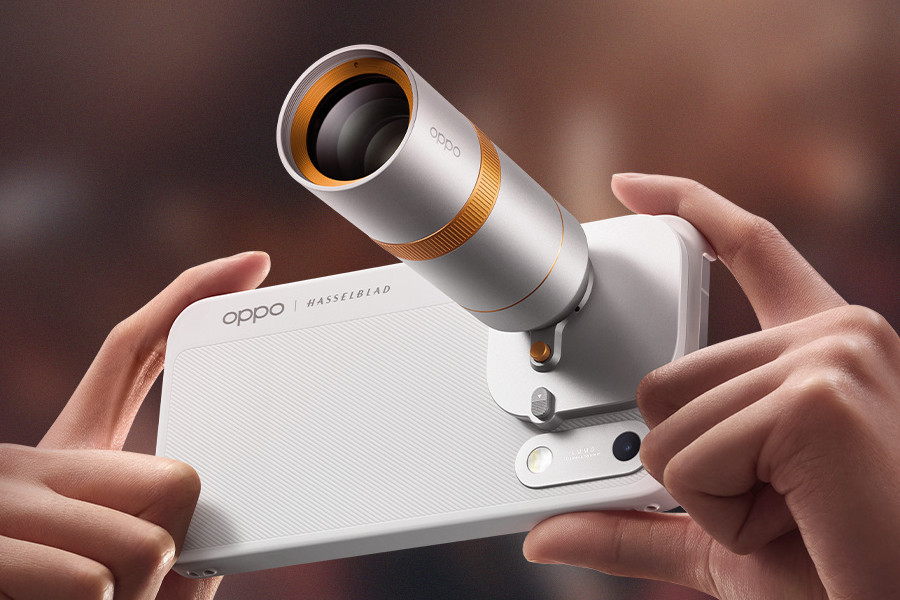
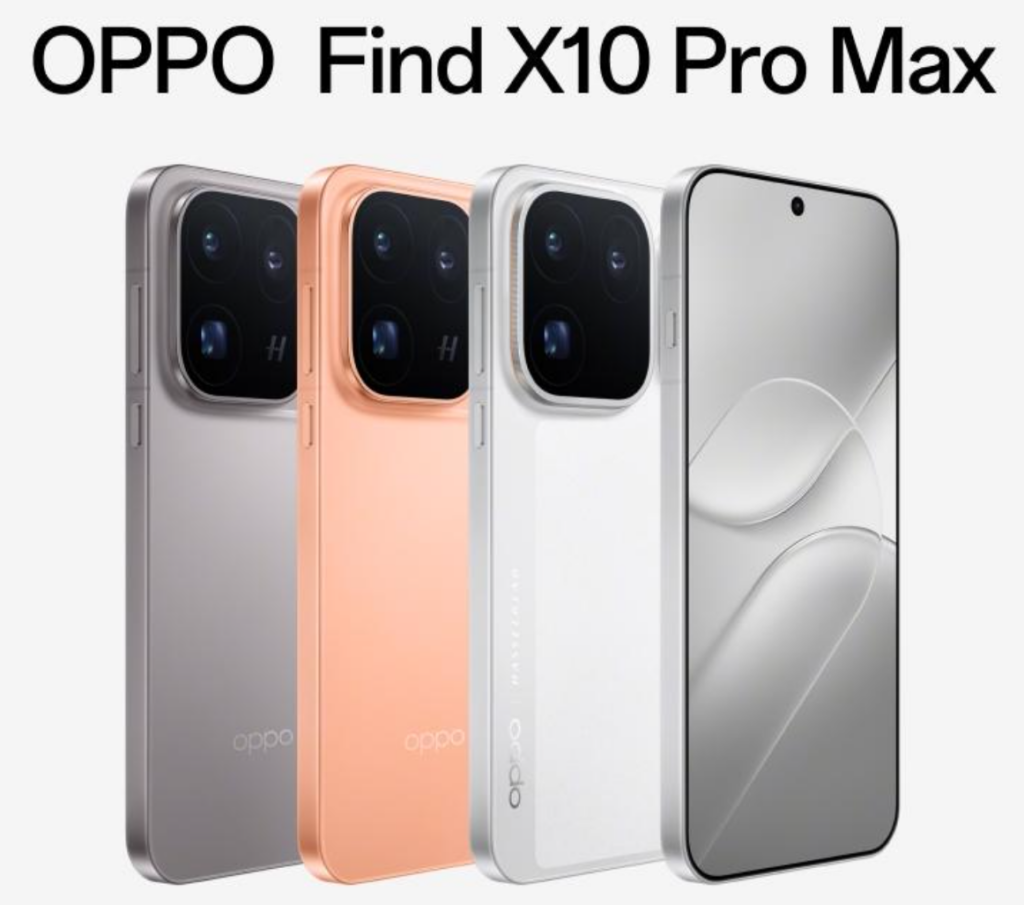
Oppo is bringing back its Hasselblad Teleconverter Kit for the Find X10 series. Zhuo Shijie, head of Oppo Find series products, announced today that both the Oppo Find X10 and Find X10 Pro Max will support the kit. 

As you may know, this isn’t the first time Oppo has done this. It already introduced a similar accessory with the Find X9 series. Last year, it launched a Hasselblad imaging kit for the Find X9 Pro that included a teleconverter, magnetic handle, magnetic case, and shoulder strap.

Oppo Find X10 Pro Hasselblad Teleconverter Kit

The 3.28x teleconverter gave the Find X9 Pro up to 10x magnification. It was sold separately, with an India price leak putting it at ₹29,999. The Oppo Find X9 Ultra Hasselblad Earth Explorer Master Set also came with a teleconverter lens.

Oppo has not yet revealed whether the Find X10 kit will work in the same way as the previous accessories. It also hasn’t confirmed whether the kit will come with the phones, be sold separately, or how much it will cost.

What Oppo says about the cameras

Oppo says the Find X10 series uses a telephoto camera with a large aperture and stabilization rated at up to CIPA 7.5 stops. The phones also include scene presets designed for stage and concert lighting.

For video, Oppo says users can record in 4K and capture a full video of a song while also getting a set of Live Photos from the same shoot. The company previously shared details about the Hasselblad imaging system and 200MP cameras earlier this month.

Three Oppo Find X10 Pro Max smartphones shown in different color finishes.

The Find X10 lineup will include three models. The Find X10 Pro Max sits at the top with a triple 200MP camera setup, while the standard Find X10 has a dual 200MP camera system. 

The Find X10 E will be the entry-level model. Oppo says it will still get a Hasselblad high-resolution imaging system, the Find series flagship design, and ColorOS 17.

All three phones will launch in China on September 22.

For more daily updates, please visit our News Section.

Stay ahead in tech! Join our Telegram community and sign up for our daily newsletter of top stories!

(Source)

Xiaomi launches new dishwasher with 156L cavity, 52,000 Pa water pressure, 115°C steam drying

Xiaomi just dropped a seriously spacious new dishwasher, and it’s aimed at people who are tired of running multiple loads every day.

A mother and daughter play while a Mijia Smart Dishwasher runs nearby.

The Mijia Smart Dishwasher Built-in 20-Set is now up for pre-order in China. It washes, dries, sterilizes, and can even keep clean dishes fresh for days, all in a fully recessed design that sits flush with your cabinets. It comes in two finishes: Starry Black and Ice Crystal White. There’s a little floor-projection light at the bottom that shows what the machine is doing, plus interior lights that come on when you open the door.

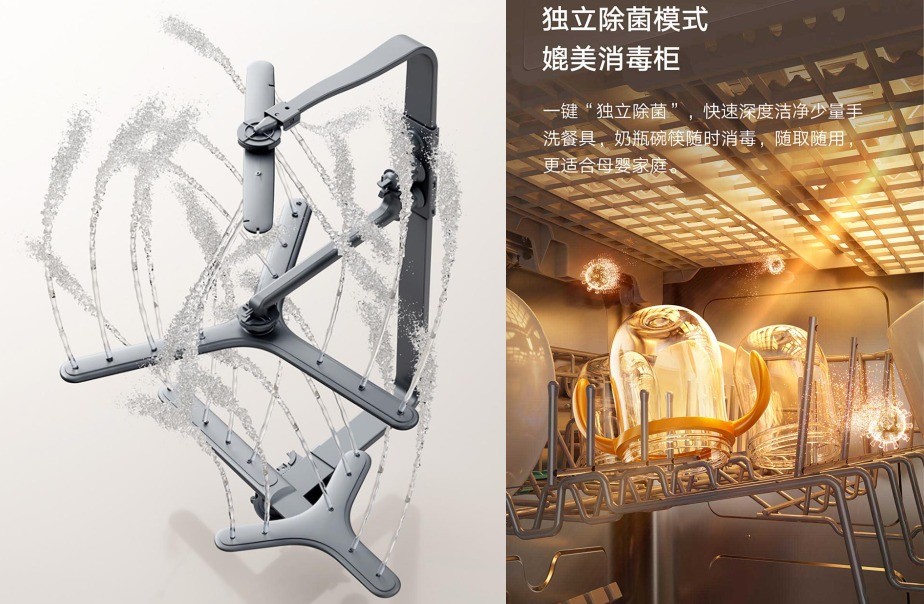
The big number here is capacity. The 156L cavity is rated for 20 place settings, which means it can handle around 144 pieces of tableware in one go. A BLDC inverter motor pushes water pressure up to 52,000 Pa, and the new dual-rotating satellite spray arms plus a triple-spray system are designed to reach the awkward spots.

Xiaomi dishwasher spray arms and interior racks showing high-pressure water cleaning baby bottles.

Wash temperatures hit 75°C, and the drying cycle uses 115°C steam so everything comes out properly dry and sanitized. It also has a soil sensor that picks the right program automatically, and a one-touch quick-wash that finishes in about 70 minutes.

Hygiene is clearly a focus. It carries a seven-star sterilization rating with a claimed 99.99999% kill rate, plus a dedicated sterilization mode. After the cycle finishes, a 240-hour intelligent fresh-air system keeps circulating air inside so you can leave clean dishes in there for days.

Open Xiaomi dishwasher showing organized racks filled with clean plates, bowls, and metal pots.

You control everything through the Mi Home app or Xiaomi’s Smart Connect ecosystem. The racks are full-size top and bottom with dedicated wine-glass holders, so loading is pretty flexible.

This 20-set model sits above Xiaomi’s earlier 18-set built-ins. It’s bigger, meets the latest water-efficiency standard, and adds more sterilization and storage features.

Price and availability

Price is around 4,600 yuan (about $658), dropping to 3,999 yuan in areas that qualify for the national subsidy. Right now it’s only available in China via platforms like JD.com and Xiaomi Youpin. Xiaomi recently announced an expansion of its Mijia brand to Europe, and it will be interesting to see if this spacious dishwasher crosses borders as part of that expansion.

Don’t miss a thing! Join our Telegram community for instant updates and grab our free daily newsletter for the best tech stories!

For more daily updates, please visit our News Section.
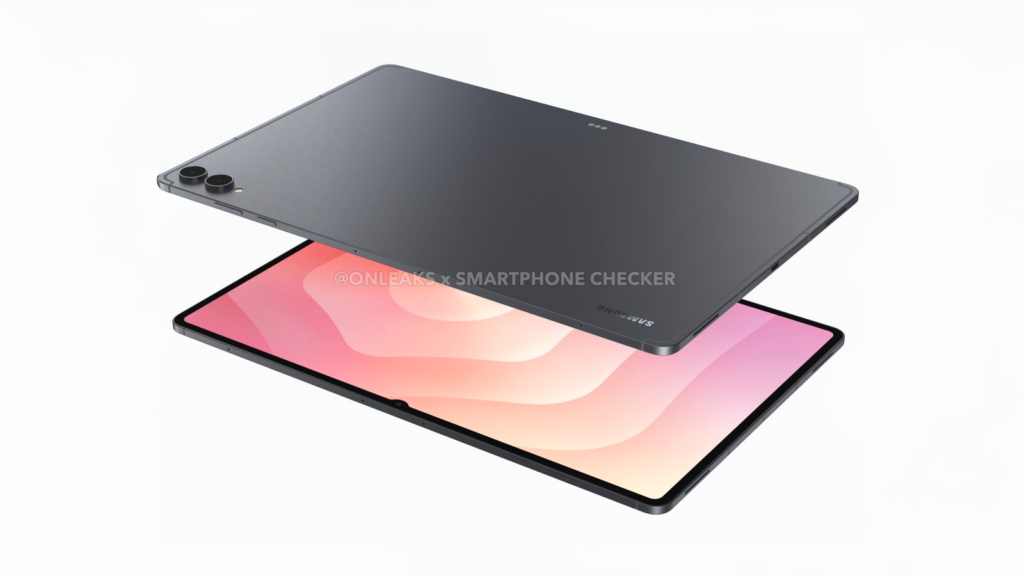
(Source: Xiaomi Youpin)

Galaxy S27 Ultra’s biggest upgrade in years? Major certification hints 5,700mAh battery

Samsung Galaxy S27 Ultra may finally bring the battery upgrade that Galaxy S Ultra users have been waiting for. The upcoming flagship is listed with a larger battery than the Galaxy S26 Ultra, while the Galaxy S27 Pro is also expected to gain a sizeable power cell. The new battery details have emerged alongside the previously reported 60W charging support.

Galaxy S27 Ultra battery to get long-awaited upgrade

Samsung Galaxy S27 Pro and S27 Ultra batteries bag 3C certification

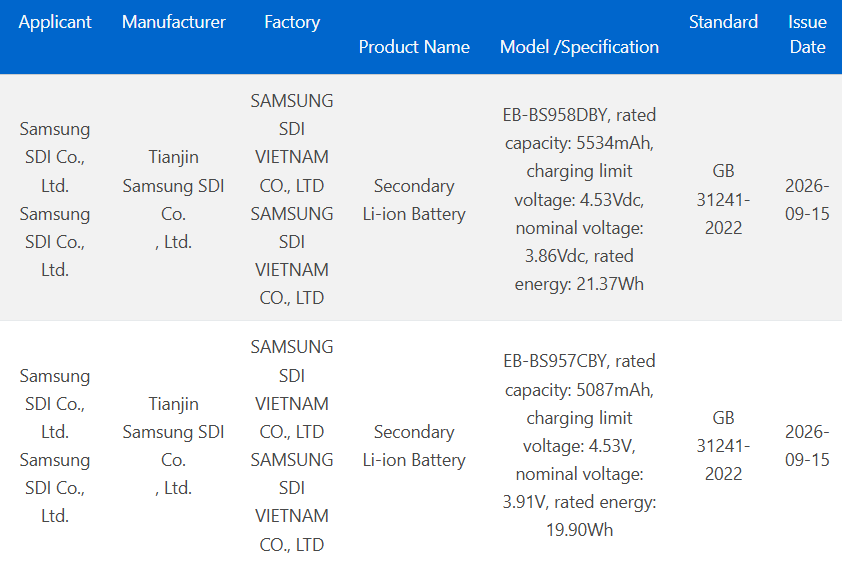
The Galaxy S27 Ultra is listed with a Samsung SDI battery carrying the model number EB-BS958DBY. It has a rated capacity of 5,534mAh, which could translate to a typical capacity of around 5,700mAh in the retail phone. The Galaxy S27 Pro, meanwhile, is listed with the EB-BS957CBY battery, offering a rated capacity of 5,087mAh and a possible typical capacity of around 5,200mAh.

For the Galaxy S27 Ultra, this could mark a significant change after years of Samsung sticking with the same battery capacity. The Galaxy S26 Ultra has a 5,000mAh battery, while the Galaxy S20 Ultra introduced the same 5,000mAh capacity when it launched in 2020. If the 5,534mAh rated capacity translates to a 5,700mAh typical capacity, the S27 Ultra would finally move beyond the 5,000mAh battery ceiling that has defined the Ultra lineup for several generations.

The battery information comes from Samsung SDI listings, with the rated capacities providing a more precise indication of the cells being used. The marketed battery capacities may differ because smartphone manufacturers generally advertise typical rather than rated capacity figures.

the3C certification previously listed both the Galaxy S27 Pro and Galaxy S27 Ultra with support for 60W charging, suggesting that Samsung will maintain the faster charging capability introduced with the Galaxy S26 Ultra.

The Galaxy S27 and S27 Plus have also appeared in China’s 3C database with 45W and 27W charging support, respectively. With all four models now certified, the Galaxy S27 series could arrive earlier than its predecessor, potentially as soon as January 2027.

For more daily updates, please visit our News Section.

Stay ahead in tech! Join our Telegram community and sign up for our daily newsletter of top stories!

Xiaomi 18 Fold vs Huawei Mate X7: Specs, Camera, Battery and Price Compared

Foldables are moving beyond novelty, with flagship models now competing on camera hardware, display quality, battery capacity, and everyday usability. The Xiaomi 18 Fold and Huawei Mate X7 take different approaches: Xiaomi focuses on a powerful 200MP Leica camera, a large battery and high-brightness displays, while Huawei counters with a larger inner screen, variable-aperture camera and premium foldable design. Here is how they compare.

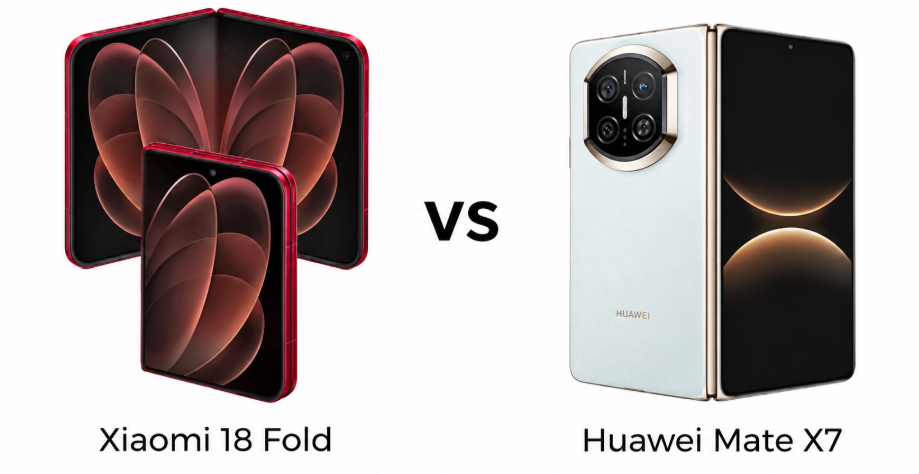
Side by side comparison of the Xiaomi 18 Fold and Huawei Mate X7 foldable smartphones.

Major Features:

CategoryXiaomi 18 FoldHuawei Mate X7Winner
BuildGlass, aluminum frame, IP58/IP59Glass, aluminum frame, IP58/IP59Xiaomi — Dragon Crystal Glass 3 and strong protection
Inner Display7.58-inch LTPO AMOLED, 120Hz, 4000 nits8-inch LTPO OLED, 120Hz, 2500 nitsHuawei — Larger foldable display
Cover Display5.38-inch, 120Hz, 4000 nits6.49-inch, 120Hz, 3000 nitsHuawei — Larger cover screen
ProcessorXRing O3, 3nmKirin 9030 Pro, 6nmXiaomi — Newer 3nm chipset
RAMUp to 16GBUp to 20GBHuawei — Higher maximum RAM
StorageUp to 1TB, UFS 4.1Up to 1TB, UFS 4.xXiaomi — Faster UFS 4.1 storage
Main Camera200MP Leica, OIS50MP variable-aperture, OISXiaomi — Higher-resolution Leica main camera
Telephoto50MP, 3.2x-class optical zoom50MP periscope, 3.5x optical zoomHuawei — Longer optical zoom
Ultrawide50MP40MP, 120°Xiaomi — Higher-resolution ultrawide
Selfie Cameras16MP + 16MP8MP + 8MPXiaomi — Higher-resolution selfie cameras
VideoUp to 8K, Dolby Vision 4KUp to 4K, HDR VividXiaomi — Higher-resolution video recording
Battery6000mAh5600mAh/5525mAhXiaomi — Larger battery
Wired Charging67W66WXiaomi — Slightly faster charging
Wireless Charging50W50WXiaomi — Equal charging speed with larger battery
ConnectivityWi-Fi 7, Bluetooth 6.0, UWBWi-Fi 7, Bluetooth 6.0Xiaomi — Adds UWB support
PriceAround $1,600 / ₹1,55,000Around $2,000 / ₹2,20,000Xiaomi — More hardware for less money
OverallPowerful, camera-focused foldableLarger-screen premium foldableXiaomi — Stronger overall value

1. Design and Display

Build and Feel

Xiaomi 18 Fold combines an aluminum frame, glass back and Dragon Crystal Glass 3 on the cover, with IP58/IP59 protection. Its dual-SIM setup and UWB support add practical touches. Huawei Mate X7 uses aerospace-grade aluminum with a glass front and either nylon fiber or silicone polymer back, plus the same IP58/IP59 rating and optional eSIM support internationally. Huawei also offers protection against immersion up to 2m.

Display Quality

The Xiaomi 18 Fold has a 7.58-inch LTPO AMOLED inner display with 120Hz refresh rate, Dolby Vision, HDR10+ and an impressive 4000-nit peak brightness. Its 5.38-inch cover screen also reaches 4000 nits. Huawei counters with a larger 8-inch 120Hz LTPO OLED panel, 2500 nits brightness and 1440Hz PWM, alongside a 6.49-inch 3000-nit cover display. Huawei suits large-screen use better, while Xiaomi delivers stronger brightness.

Verdict

Xiaomi feels more practical for durability and bright outdoor viewing, while Huawei offers the larger inner canvas. For display versatility and brightness, Xiaomi has the more compelling package.

2. Specifications Including Battery

Performance

Xiaomi 18 Fold is powered by the 3nm XRing O3 with a 10-core CPU clocked up to 4.35GHz and Arm G2-Ultra NX MC16 graphics. Storage reaches 1TB with up to 16GB RAM and UFS 4.1. Huawei uses the 6nm Kirin 9030 Pro, with up to 20GB RAM and 1TB storage. Xiaomi’s newer 3nm platform is the more performance-focused configuration on paper.

Battery and Charging

Xiaomi packs a substantial 6000mAh silicon-carbon battery with 67W wired charging, 50W wireless charging and reverse wired charging. Huawei offers a 5600mAh or 5525mAh battery, depending on configuration, with 66W wired and 50W wireless charging. Xiaomi therefore combines greater capacity with almost identical charging speeds, making it better suited to demanding foldable use throughout a busy day.

Verdict

Xiaomi wins the hardware battle with a newer 3nm chip, UFS 4.1 storage and a larger battery. Huawei’s higher RAM ceiling is notable, but Xiaomi offers the stronger overall specification package.

3. Camera

Main and Secondary Lenses

Xiaomi 18 Fold features a Leica-backed triple camera system led by a 200MP main sensor with OIS, alongside a 50MP 3.2x-class telephoto and 50MP ultrawide. It supports 8K recording and Dolby Vision 4K video. Huawei uses a 50MP variable-aperture main camera, 50MP 3.5x periscope telephoto and 40MP ultrawide with a 120-degree field of view. Huawei’s variable aperture adds useful versatility, while Xiaomi brings higher-resolution capture.

Selfie Camera

Xiaomi equips both displays with 16MP selfie cameras, giving the cover and inner screens matching hardware. Huawei uses 8MP cameras on both displays, with 4K video supported. For users who frequently rely on the internal camera during video calls or selfies, Xiaomi’s higher-resolution sensors provide more flexibility. Huawei’s 4K selfie recording is useful, but the lower resolution remains a clear hardware compromise.

Verdict

Xiaomi offers the more ambitious camera hardware, particularly with its 200MP Leica main sensor and 16MP selfie cameras. Huawei remains competitive with its variable aperture and periscope zoom.

4. Pricing

The Xiaomi 18 Fold is priced around $1,600 or ₹1,55,000, positioning it below Huawei’s flagship foldable. The Huawei Mate X7 is priced around $2,000 or ₹2,20,000, creating a significant premium. Xiaomi also offers configurations from 256GB to 1TB, while Huawei reaches 1TB and adds a 20GB RAM option at the top end. The pricing gap is substantial for buyers comparing flagship foldables.

Is the price justified? 

Huawei’s premium is partly reflected in its larger inner display, sophisticated variable-aperture camera, periscope telephoto and premium foldable construction. However, Xiaomi delivers a 3nm processor, 6000mAh battery, 200MP Leica camera, 4000-nit displays and 50W wireless charging for considerably less. For consumers focused on specifications and everyday functionality, Xiaomi’s package appears more cost-effective.

Verdict

Xiaomi offers stronger value for money, delivering newer silicon, a larger battery and high-end camera hardware at a considerably lower price. Huawei’s premium is easier to justify for buyers prioritising its larger display and camera versatility.

5. Conclusion

Xiaomi 18 Fold stands out with its 200MP Leica camera, 3nm XRing O3 chipset, 6000mAh silicon-carbon battery, 4000-nit displays, UWB and IP58/IP59 protection. Huawei Mate X7 counters with an 8-inch inner screen, variable-aperture main camera, 3.5x periscope telephoto, up to 20GB RAM, 1440Hz PWM and international eSIM support. Each model has a distinct approach to flagship foldable hardware.

Verdict

Xiaomi 18 Fold is the overall winner because it combines stronger core hardware, a larger battery, brighter displays and more ambitious cameras with a substantially lower price, making its package more complete.


FAQs

1. Which phone has better camera zoom, Xiaomi 18 Fold or Huawei Mate X7?
Huawei Mate X7 offers a 3.5x periscope telephoto, while Xiaomi provides 3.2x-class optical zoom.

2. Which phone is better for gaming?
Xiaomi 18 Fold is better suited to demanding gaming thanks to its newer 3nm chipset and high-performance GPU.

3. Which foldable has better battery life?
Xiaomi 18 Fold has the larger 6000mAh battery, giving it more capacity for intensive daily use.

4. Is Huawei Mate X7 worth the higher price?
It can be worthwhile for buyers prioritizing the larger inner display, variable-aperture camera and premium foldable experience.

5. Which phone should you buy overall?
Xiaomi 18 Fold is the more compelling choice for buyers seeking flagship hardware at a lower price.

Disclaimer: Prices, specifications, and availability may vary by region and retailer. Recommendations in this article are based on editorial opinion, feature-based value, and market positioning at the time of writing. Readers are advised to do their own research before making a purchase.

Read More:

Samsung’s 2026 Bespoke AI appliances bring Gemini, smarter cooling and connected home features

Samsung is bringing its 2026 Bespoke AI appliance lineup to India with a stronger focus on connected living and personalized experiences. The range covers refrigerators and air conditioners, while SmartThings ties different devices together. The company has also introduced new AI-powered features aimed at energy management, home care and everyday convenience.

Samsung’s 2026 Bespoke AI lineup brings Gemini and smarter cooling

Samsung AI Bespoke

The new lineup includes the Family Hub Refrigerator with AI Vision built with Google Gemini, the Bespoke AI WindFree Pro Air Conditioner and the Infinite 1-Way Cassette AC with WindFree. The 32-inch Family Hub refrigerator supports features such as Video-to-Recipe, Family Care and Pet Care, while AI Vision and AI Food Manager can recognize food items, suggest recipes and help track use-by dates.

The Infinite 1-Way Cassette AC is designed for Indian homes and uses 23,000 micro-holes to deliver draft-free cooling. Its AI Energy Mode can reduce energy consumption by up to 30%, while SmartThings and Home Appliance Remote Management enable remote controls. The WindFree Pro AC adds PM1.0 purification, AI controls and scalable climate management.

Samsung’s AI Home screen acts as a central interface on compatible appliances for controlling devices, accessing information and handling family communication. Bixby now adds Voice ID, allowing it to recognize individual users, while SmartThings Family Care can send alerts when unusual inactivity is detected. Pet Care adds activity tracking, breed-based health insights and reminders.

The ecosystem also connects with Samsung Health for calorie-aware meal planning and Galaxy Wearables for sleep-based AC adjustments. The Bespoke AI Laundry Combo can detect fabric types and adjust washing and drying cycles, while SmartThings Home Care helps monitor appliances. Samsung is also offering up to seven years of software updates for its appliances.

Sharad Jain

In India, the Infinite 1-Way Cassette AC starts at Rs 1,60,000 (~ $1,660), the Family Hub costs Rs 4,00,690 (~$4,175), and the Bespoke AI WindFree Pro AC is priced at Rs 69,990 (~$730).

For more daily updates, please visit our News Section.

Stay ahead in tech! Join our Telegram community and sign up for our daily newsletter of top stories!

OnePlus 16 Geekbench listing reveals Snapdragon 8 Elite Gen 6 Pro, 16GB RAM, and 11,000+ score

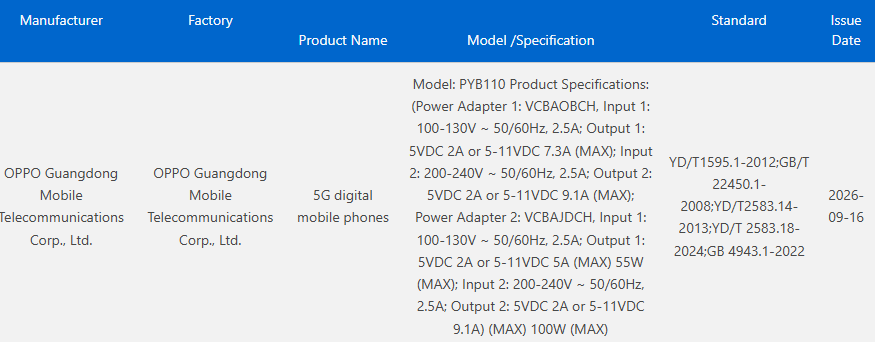
Rumors suggest that OnePlus is slated for an official announcement in October in China. Just recently, the device, which reportedly bears the model number PYB110, was spotted at the 3C certification. Now, the said device has appeared on the Geekbench benchmarking platform, revealing its chipset, RAM, and OS version.

OnePlus 16 Geekbench listing

ONePlus 16 Geekbench
ONePlus 16 Geekbench listing

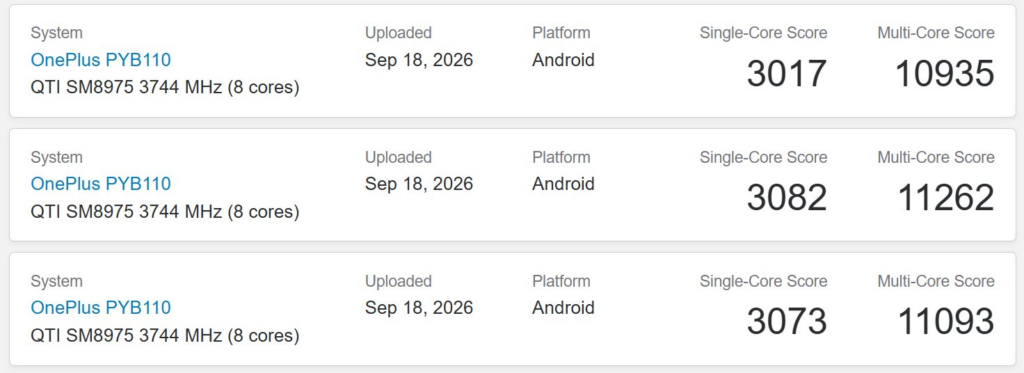
The Geekbench listing identifies the OnePlus 16 with the Qualcomm SM8975 chipset. This is reportedly the upcoming Snapdragon 8 Elite Gen 6 Pro, with the processor said to reach clock speeds of up to 5.01GHz. The listing does not directly mention the commercial chipset name, but the hardware identifier points towards Qualcomm’s next-generation flagship platform.

The chipset is paired with 16GB of RAM, while the phone is shown running Android 16. In China, the device is expected to use ColorOS 17. The benchmark results are also in flagship territory, with the OnePlus 16 reportedly scoring more than 3,000 points in the single-core test and around 11,000 points in the multi-core test.

OnePlus 16 specifications tipped

According to reports, the OnePlus 16 could feature a 6.78-inch BOE X4 OLED display with a 1.5K resolution and a 165Hz refresh rate. The higher refresh rate would put the display among the faster panels expected on upcoming flagship smartphones. The phone is also tipped to feature a 50-megapixel front-facing camera.

On the rear, the OnePlus 16 is expected to feature a triple-camera setup. This could include a 200-megapixel primary sensor with OIS, a 50-megapixel ultra-wide camera, and a 50-megapixel periscope telephoto camera offering 3x optical zoom

The OnePlus 16 is also tipped to pack a 9,000mAh battery. Its 3C certification has reportedly revealed support for 100W wired charging, while 50W wireless charging is also expected.

At present, there is no clarity whether the OnePlus 16 will be released in the global market.

For more daily updates, please visit our News Section.

Stay ahead in tech! Join our Telegram community and sign up for our daily newsletter of top stories!

(via)

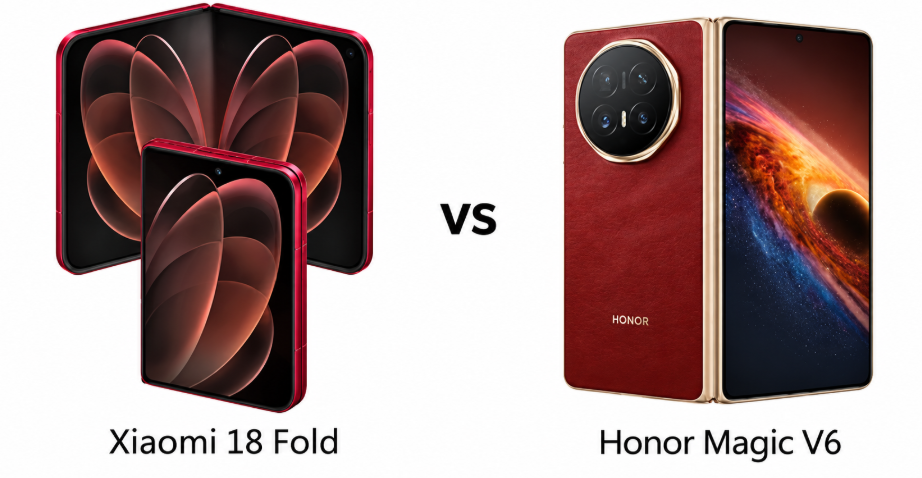
Xiaomi 18 Fold vs Honor Magic V6: One Has a 200MP Camera, the Other Wins on Battery

Xiaomi 18 Fold and Honor Magic V6 take very different approaches to the foldable-phone formula. Xiaomi focuses on a compact folded design, Leica cameras, and a 6000mAh battery, while Honor pushes a larger canvas, brighter displays, faster charging and a bigger battery. At similar flagship levels, the choice comes down to whether portability and imaging or screen size and endurance matter more.

Side by side comparison of the Xiaomi 18 Fold and Honor Magic V6 foldable smartphones.

Major Features:

CategoryXiaomi 18 FoldHonor Magic V6Winner
Design & BuildAluminum frame, glass back, IP58/IP59Aluminum build, IP68/IP69, stylus supportHonor — stronger durability and stylus support
Inner Display7.58-inch LTPO AMOLED, 120Hz, 4,000 nits7.95-inch LTPO2 AMOLED, 120Hz, 5,000 nitsHonor — larger and brighter
Cover Display5.38-inch LTPO AMOLED, 120Hz, 4,000 nits6.52-inch LTPO OLED, 120Hz, 6,000 nitsHonor — larger and significantly brighter
ProcessorXRing O3, 3nm, 10-coreSnapdragon 8 Elite Gen 5, 3nmHonor — flagship Snapdragon platform
RAM & StorageUp to 16GB RAM, 1TB, UFS 4.1Up to 16GB RAM, 1TB, UFS 4.1Tie — identical maximum memory and storage
Main Camera200MP Leica, OIS50MP, OISXiaomi — higher-resolution Leica main camera
Telephoto50MP, 3x optical zoom, OIS64MP periscope, 3x optical zoom, OISHonor — higher-resolution periscope camera
Ultrawide50MP50MP with autofocusHonor — autofocus adds flexibility
VideoUp to 8K, Dolby Vision 4KUp to 4K, 10-bitXiaomi — higher-resolution video and Dolby Vision
Selfie Camera16MP inner and cover20MP inner and coverHonor — higher-resolution selfie cameras
Battery6,000mAh6,660mAh globalHonor — larger battery
Wired Charging67W80WHonor — faster charging
Wireless Charging50W66WHonor — faster wireless charging
SoftwareAndroid 17, HyperOS 4Android 16, MagicOS 10, up to 7 major OS updatesHonor — longer stated update support
AudioStereo speakers, Dolby AtmosStereo speakersXiaomi — Dolby Atmos support
ConnectivityWi-Fi 7, Bluetooth 6.0, UWBWi-Fi 7, Bluetooth 6.0Xiaomi — adds UWB
Price/ValuePriced around $1,600 / ₹1,55,000Priced around $1,300 / ₹1,10,000Honor — more hardware at a lower price
Disclaimer: Specs are based on available data. Actual performance may vary. Verify details from official sources before buying.

1. Design and Display

Build and Feel

The Xiaomi 18 Fold uses an aluminum frame, glass back and Dragon Crystal Glass 3 on the outer display, with IP58/IP59 protection. Its compact folded profile makes it particularly practical for everyday carrying. Honor Magic V6 counters with IP68/IP69 protection and stylus support on both screens, giving it a more versatile productivity focus. Honor’s stronger water and dust resistance is a useful advantage for a foldable.

Display Quality

Xiaomi pairs a 7.58-inch LTPO AMOLED inner panel with a 5.38-inch 120Hz cover screen. Both support HDR10+, Dolby Vision and up to 4,000 nits. Honor offers a larger 7.95-inch 120Hz inner display with 5,000-nit brightness, while its 6.52-inch cover screen reaches 6,000 nits. The Magic V6 is clearly more immersive and visibility-focused.

Verdict

Honor offers the more capable display package, with larger screens, higher peak brightness, 4320Hz PWM and stylus support. Xiaomi remains more appealing for users prioritizing a compact folded experience.

2. Specifications Including Battery

Performance

Xiaomi 18 Fold runs Android 17 with HyperOS 4 and uses the 3nm XRing O3, featuring a 10-core CPU and Arm G2-Ultra NX MC16 GPU. Honor Magic V6 uses the Snapdragon 8 Elite Gen 5 with Adreno 840 and offers up to seven major Android updates. For sustained flagship performance and broader software longevity, Honor has the more familiar platform advantage.

Battery and Charging

Xiaomi packs a 6,000mAh silicon-carbon battery with 67W wired and 50W wireless charging. Honor goes further with a 6,660mAh global battery, 80W wired charging and 66W wireless charging. Both support reverse charging, but Honor’s larger battery and faster charging make it better suited to heavy daily use. Xiaomi still delivers a strong balance for its compact foldable format.

Verdict

Honor wins the specifications package with its Snapdragon flagship chip, larger battery and faster wired and wireless charging. Xiaomi remains highly competitive, particularly with Android 17 and its efficient XRing platform.

3. Camera

Main and Secondary Lenses

Xiaomi 18 Fold features a Leica-backed triple-camera system with a 200MP main sensor, 50MP 3x telephoto and 50MP ultrawide. It also supports 8K video and Dolby Vision recording. Honor Magic V6 uses a 50MP main camera, 64MP 3x periscope and 50MP ultrawide with autofocus. Xiaomi’s 200MP sensor and Leica tuning make it the more photography-focused package on paper.

Selfie Camera

Both foldables include cameras on the inner and cover displays. Xiaomi uses 16MP sensors for both, while Honor upgrades both positions to 20MP units. Honor also supports 4K recording from its selfie cameras, compared with Xiaomi’s 1080p limit. That gives the Magic V6 a practical edge for creators who frequently use the front-facing cameras for video calls or content.

Verdict

Xiaomi has the more ambitious rear-camera system with Leica optics, a 200MP main sensor and 8K recording. Honor offers stronger selfie hardware and 4K front-camera video, but Xiaomi is more compelling for photography.

4. Pricing

The Xiaomi 18 Fold is priced around $1,600 or ₹1,55,000, placing it firmly in premium foldable territory. Honor Magic V6 is priced around $1,300 or ₹1,10,000, making it considerably more accessible. Despite both offering flagship-grade hardware, Honor delivers a larger display, bigger battery, and faster charging at the lower price.

Is the price justified? 

Xiaomi’s premium is easier to understand if Leica imaging, the 200MP camera, Dolby Vision, 8K video, and its compact form factor are priorities. Honor offers more hardware for the money, including stylus support, stronger durability ratings, a larger battery and faster charging. For most buyers comparing specifications against cost, the Magic V6 makes the stronger value case.

Verdict

Honor offers better value at its lower price, combining a larger display, bigger battery, faster charging and stylus support. Xiaomi justifies its premium mainly through imaging capabilities and its distinctive compact foldable design.

5. Conclusion

Xiaomi 18 Fold stands out with Leica cameras, a 200MP main sensor, 8K video, Dolby Vision and a compact folded design. Honor Magic V6 counters with stylus support on both displays, IP68/IP69 protection, a larger inner screen, up to 6,000-nit cover brightness and a 6,660mAh battery. Both are feature-rich, but they target different priorities.

Verdict

Honor Magic V6 is the overall winner for its larger displays, stronger durability, bigger battery, faster charging and lower price. Xiaomi 18 Fold remains the better choice for buyers prioritizing compactness and advanced camera capabilities.


FAQs

1. Which phone has the better camera, Xiaomi 18 Fold or Honor Magic V6?
Xiaomi 18 Fold offers the more advanced rear-camera setup, led by its 200MP Leica main camera.

2. Which is faster, Xiaomi 18 Fold or Honor Magic V6?
Honor Magic V6 uses Snapdragon 8 Elite Gen 5, while Xiaomi uses the XRing O3.

3. Which foldable has better battery life?
Honor Magic V6 has the larger battery and faster charging, making it better suited to heavy usage.

4. Which phone offers better value for money?
Honor Magic V6 offers more hardware at a lower starting price, including faster charging and stylus support.

5. Which foldable should buyers choose overall?
Honor Magic V6 is the stronger all-round option, while Xiaomi suits buyers prioritizing cameras and compactness.

Disclaimer: Prices, specifications, and availability may vary by region and retailer. Recommendations in this article are based on editorial opinion, feature-based value, and market positioning at the time of writing. Readers are advised to do their own research before making a purchase.

Read More:

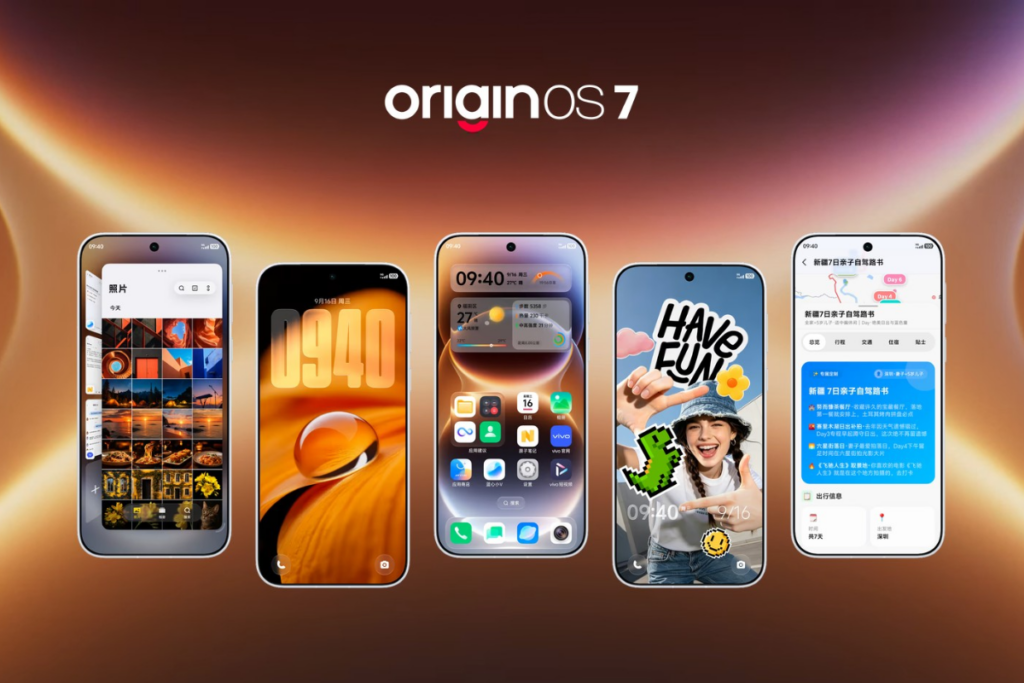
Here’s when OriginOS 7 update will reach Vivo and iQOO devices

OriginOS 7

Vivo has announced OriginOS 7, its latest custom skin featuring Android 17 at the core. The update introduces meaningful changes across the system, major visual upgrades, and new AI features. There are plenty of exciting upgrades bundled into the update package.

If you’re rocking a Vivo or iQOO device, you may be wondering when the OriginOS 7 update will reach your device. Well, the company has published the complete rollout details, but only for the Chinese market. The global announcement is scheduled for September 21. That’s when we’ll know about the wider rollout plans.

OriginOS 7 official rollout timeline

While this rollout plan only applies to the Chinese market, global models typically start receiving the update a few weeks later. The list also tells us which global models will receive the update.

Starting October 9, 2026

  • Vivo X Fold6
  • Vivo X Fold5
  • Vivo X300 Ultra Satellite Communication Edition
  • Vivo X300 Ultra
  • Vivo X300 Pro Satellite Communication Edition
  • Vivo X300 Pro
  • Vivo X300s
  • Vivo X300
  • Vivo X300 E
  • Vivo Pad6 Pro
  • iQOO 15 Ultra
  • iQOO 15
  • iQOO 15T
  • iQOO Neo11 Ultimate Edition
  • iQOO Neo11
  • iQOO Pad6 Pro

Starting October 29, 2026

  • Vivo X Fold3 Pro
  • Vivo X Fold3
  • Vivo X200 Ultra
  • Vivo X200 Pro Satellite Communication Edition
  • Vivo X200 Pro
  • Vivo X200 Pro mini
  • Vivo X200s
  • Vivo X200
  • Vivo S60
  • Vivo S60 Vitality Edition
  • Vivo Pad5 Pro
  • iQOO 13
  • iQOO Neo10 Pro+
  • iQOO Neo10 Pro
  • iQOO Neo10
  • iQOO Pad5 Pro

By November 2026 end

  • Vivo X Fold2
  • Vivo X100 Ultra
  • Vivo X100s Pro
  • Vivo X100 Pro
  • Vivo X100s
  • Vivo X100
  • Vivo S50 Pro mini
  • Vivo S50
  • Vivo S50t
  • Vivo S50t Vitality Edition
  • Vivo Pad5
  • Vivo Pad5e
  • Vivo Pad5c
  • iQOO 12 Pro
  • iQOO 12
  • iQOO Neo9S Pro+
  • iQOO Neo9S Pro
  • iQOO Neo9 Pro
  • iQOO Neo9
  • iQOO Z11 Turbo
  • iQOO Pad5
  • iQOO Pad5e
  • iQOO Pad5c

By December 2026 end

  • Vivo X90 Pro+
  • Vivo X90 Pro
  • Vivo X90s
  • Vivo X90
  • Vivo S30
  • Vivo S30 Pro mini
  • iQOO 11 Pro
  • iQOO 11S
  • iQOO 11
  • iQOO Z11
  • iQOO Z11S
  • iQOO Z10 Turbo+

By January 2027 end

  • Vivo S20 Pro
  • Vivo S20
  • Vivo Y600 Pro
  • Vivo Y600 Turbo
  • Vivo Y500 Pro
  • Vivo Y500i
  • Vivo Y500s
  • iQOO Z10 Turbo Pro
  • iQOO Z10 Turbo

While the list of eligible devices is likely going to remain the same for global release, the rollout timeline will vary. Global models usually receive the same update a few weeks later.

Regarding global plans, Vivo has already announced the OriginOS 7 Preview Program for the iQOO 15 and Vivo X300 Pro, with full rollout details to be announced on September 21st.

We’ll update here on Gizmochina when the global rollout is announced. You can visit the Vivo section for fresh updates or join our Telegram channel to receive instant alerts.

Galaxy M08, F08 support pages go live

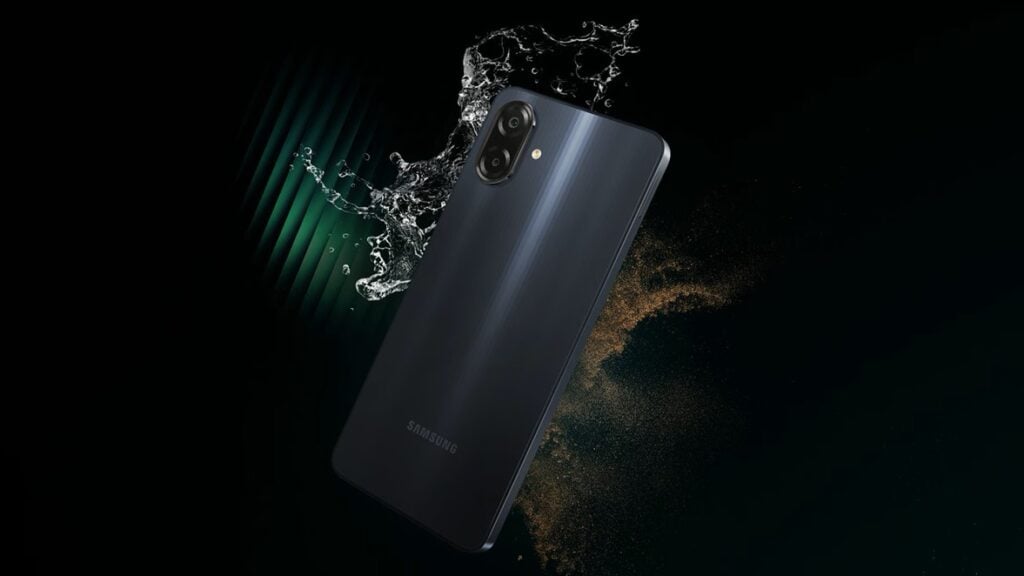
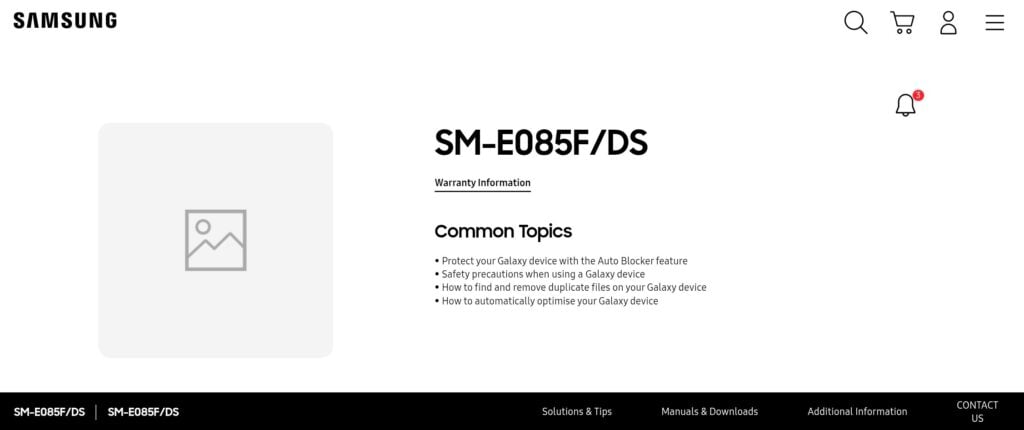
Samsung looks like it’s quietly getting ready to drop a couple of new entry-level phones. Support pages for the Galaxy M08 and Galaxy F08 have just gone live on the company’s official sites in India and Bangladesh.

A dark Samsung smartphone is displayed against a background of splashing water and dust.

Tipster Mohmmad Khatri spotted them, and the pages list the devices under the model numbers SM-M085F/DS and SM-E085F/DS. Samsung hasn’t said a word officially yet, but the sudden appearance of these support resources is a pretty classic sign that the phones are getting closer to launch.

Samsung support page displaying the model number for the Galaxy M08 smartphone.

The Galaxy M08 will likely target everyday users looking for solid value. The Galaxy F08, on the other hand, would likely target specific online retail channels in markets like India.

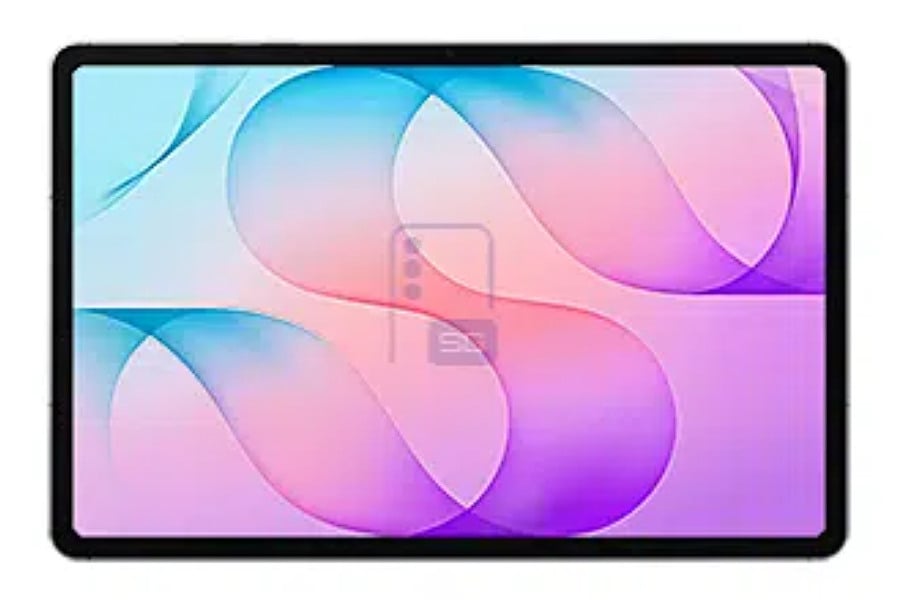
Samsung support page showing the model number for the upcoming Galaxy F08 smartphone.

It’s still still unclear whether the two models will share the same hardware or have a few small differences tailored to their series and sales channels.

These support-page sightings line up with earlier certifications. The same model numbers previously showed up in places like the GSMA IMEI registry and the Wi-Fi Alliance, which confirms the devices are real and headed for dual-SIM 4G versions. Looking at past releases, an October timeframe feels plausible, as the previous-generation M07 and F07 showed up around then in 2025, but nothing’s confirmed yet.

For now, the only solid info we have is that the support pages exist in India and Bangladesh, along with the official model numbers. We can expect more information to surface in the coming weeks. The quiet setup of support pages does suggest the Galaxy M08 and F08 are moving closer to being ready for select Asian markets.

Don’t miss a thing! Join our Telegram community for instant updates and grab our free daily newsletter for the best tech stories!

For more daily updates, please visit our News Section.
(Source)

Lenovo Googlebook 15 images leak, giving us an early look at Google’s new laptop platform

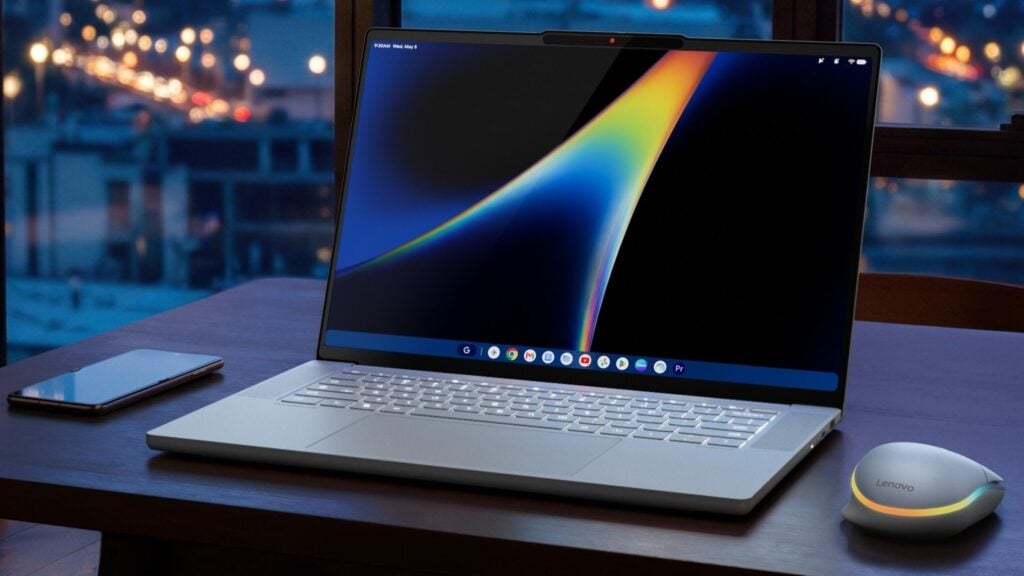
Fresh promotional images of Lenovo’s upcoming Googlebook 15 have started floating around online, giving us a pretty clear look at one of the first devices built for Google’s new laptop platform.

Lenovo Googlebook 15 laptop with a matching mouse on a wooden desk.

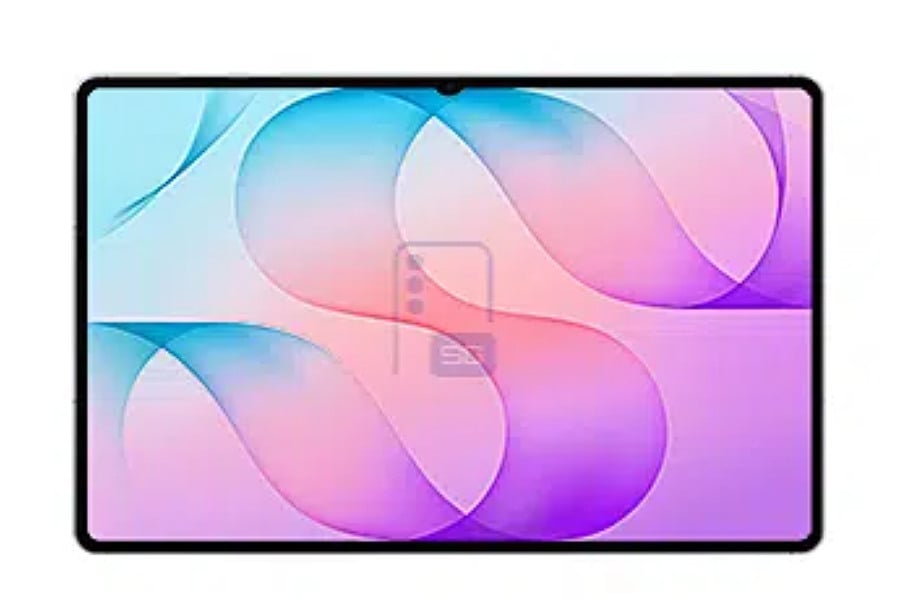
Tipster Evan Blass shared the renders, which also show a matching mouse with a light strip, plus a few other accessories. It looks like Googlebook isn’t just a single product. It’s coming with a small ecosystem around it. Pre-orders are expected to open on September 21.

The laptop measures roughly 341.1 × 236 × 16 mm and weighs about 1.29 kg. On the lid you’ll find a “Glowbar” indicator that shows battery and charging status. Inside is a 15.3-inch 2880 × 1800 OLED touchscreen that runs at 120 Hz, hits 500 nits peak brightness, and covers the full DCI-P3 color gamut.

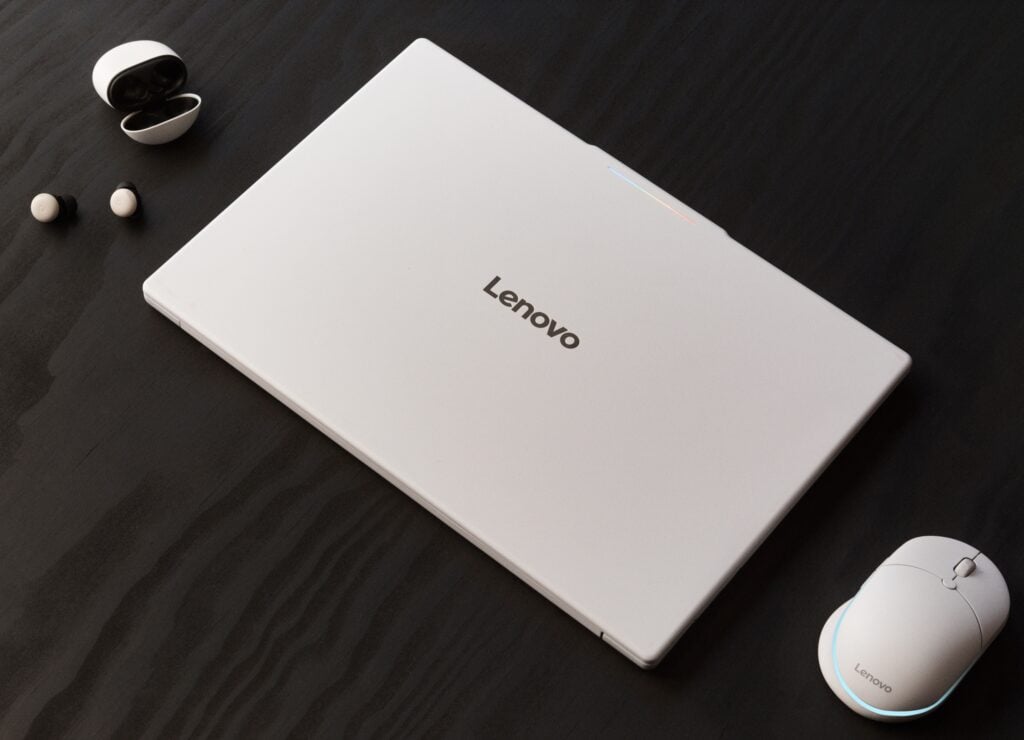
The Lenovo Googlebook 15 laptop sits on a dark surface with matching wireless earbuds and a mouse.

Above the display sits a 5 MP facial recognition camera with a physical privacy shutter. The keyboard deck has a large 150 × 95 mm haptic-feedback touchpad and a backlit keyboard with a dedicated Google “G” key sitting between the Fn and Alt keys. No one knows exactly what that key does yet, but most people expect it to launch Gemini AI or handle some system-level function.

Under the hood, the Googlebook 15 is expected to pack an Intel Core Ultra 5 325 processor, paired with either 16 GB or 32 GB of LPDDR5x RAM and 256 GB or 512 GB of SSD storage. It supports Wi-Fi 7 and Bluetooth 5.4, and the 70 Wh battery is rated for up to 11 hours of use. Ports include dual Thunderbolt 4, one USB-A 3.2, HDMI 2.0, and a 3.5 mm headphone jack. A four-speaker system handles the audio.

Lenovo is also prepping matching accessories, including the mouse that carries a similar LED light strip (its specific AI features still aren’t clear), Lenovo E310 true wireless earbuds, and a 540 Convertible Tote backpack that may end up in some bundles. On the software side, Googlebook mixes elements of Android and ChromeOS with Gemini Intelligence right at the center, aiming for tighter continuity between your phone and laptop.

Don’t miss a thing! Join our Telegram community for instant updates and grab our free daily newsletter for the best tech stories!

For more daily updates, please visit our News Section.
(Source: Evan Blass | ITHome)

Xiaomi 18 Fold vs Galaxy Z Fold 8: Xiaomi’s Foldable Has a Huge Hardware Advantage

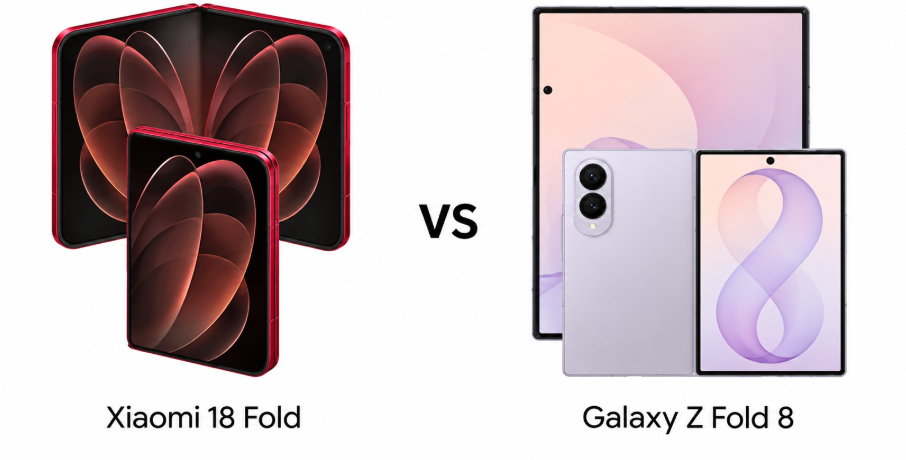
Xiaomi 18 Fold and Galaxy Z Fold 8 represent two different approaches to premium foldables. Xiaomi pushes aggressive hardware with a 200MP Leica camera, 6000mAh battery and 67W charging, while Samsung focuses on refined software, durability and long-term support. This comparison matters for buyers deciding whether raw hardware advantages outweigh Samsung’s more established foldable experience.

Side by side comparison of the Xiaomi 18 Fold and Galaxy Z Fold 8 smartphones.

Major Features:

CategoryXiaomi 18 FoldGalaxy Z Fold 8Winner
BuildDragon Crystal Glass 3, glass back, aluminum frame, IP58/IP59Gorilla Glass Ceramic 3, Victus 2, Armor Aluminum, IP48Xiaomi – Better protection
Inner Display7.58-inch LTPO AMOLED, 120Hz, 4000 nits, Dolby Vision7.6-inch Dynamic LTPO AMOLED 2X, 120Hz, 3000 nitsXiaomi – Higher brightness and richer HDR support
Cover Display5.38-inch LTPO AMOLED, 120Hz, 4000 nits5.5-inch Dynamic LTPO AMOLED 2X, 120HzSamsung – Larger cover display
ProcessorXRing O3, 3nm, 10-coreSnapdragon 8 Elite Gen 5, 3nmSamsung – Strong flagship platform
RAM/StorageUp to 16GB/1TB, UFS 4.1Up to 16GB/1TB, UFS 4.xXiaomi – Faster storage standard
Main Camera200MP Leica, OIS50MP, OISXiaomi – Higher-resolution main sensor
Telephoto50MP, 3x optical zoom, OISNo dedicated telephoto listedXiaomi – More versatile camera system
Ultrawide50MP50MPXiaomi – Higher-end overall camera setup
Selfie Camera16MP10MPXiaomi – Higher resolution
VideoUp to 8K 24fps, 4K 60fps Dolby VisionUp to 8K 30fps, 4K 120fpsSamsung – Stronger video options
Battery6000mAh4800mAhXiaomi – Much larger capacity
Wired Charging67W45WXiaomi – Faster charging
Wireless Charging50W20WXiaomi – Faster wireless charging
Software SupportAndroid 17, HyperOS 4Android 17, One UI 9, 7 major OS updatesSamsung – Longer stated support
Special FeaturesLeica cameras, IR port, UWBSamsung DeX, UWBSamsung – DeX adds desktop functionality
Price/ValuePriced around $1,600 / ₹155,000Priced around $1,900 / ₹180,000Xiaomi – More hardware for less
Disclaimer: Specs are based on available data. Actual performance may vary. Verify details from official sources before buying.

1. Design and Display

Build and Feel

The Xiaomi 18 Fold combines Dragon Crystal Glass 3, a glass back and aluminum frame with IP58/IP59 protection. Samsung uses Gorilla Glass Ceramic 3, Gorilla Glass Victus 2, Armor Aluminum and IP48 protection. Both feel premium, but Xiaomi’s higher-rated water and dust protection gives it a practical edge for everyday durability.

Display Quality

Xiaomi’s 7.58-inch inner LTPO AMOLED reaches 4000 nits and supports 120Hz, HDR10+, Dolby Vision and HDR Vivid. Samsung’s 7.6-inch Dynamic LTPO AMOLED 2X reaches 3000 nits and adds an anti-reflective coating. Xiaomi offers stronger headline specifications, while Samsung’s screen treatment should make outdoor viewing more comfortable.

Verdict

Xiaomi delivers the more feature-rich display package, while Samsung counters with anti-reflective treatment and a mature foldable design. For display specifications and protection, Xiaomi feels more compelling overall.

2. Specifications Including Battery

Performance

The Xiaomi 18 Fold uses the 3nm XRing O3 with a 10-core CPU and Arm G2-Ultra NX MC16 GPU. Samsung employs the 3nm Snapdragon 8 Elite Gen 5 with Oryon cores and Adreno 840 graphics. Both target flagship performance, but Samsung’s Snapdragon platform offers a more familiar high-end Android performance proposition.

Battery and Charging

Xiaomi packs a substantially larger 6000mAh silicon-carbon battery with 67W wired, 50W wireless and reverse wired charging. Samsung uses a 4800mAh battery with 45W wired, 20W wireless and reverse wireless charging. Xiaomi’s combination is considerably more aggressive and should appeal to power users who prioritize endurance and faster charging.

Verdict

Xiaomi has the clear hardware advantage here, pairing a larger battery with faster wired and wireless charging. Samsung remains capable, but Xiaomi is considerably better equipped for heavy daily use.

3. Camera

Main and Secondary Lenses

Xiaomi brings a Leica-backed triple-camera setup led by a 200MP main sensor with OIS, alongside a 50MP 3x telephoto and 50MP ultrawide. Samsung uses a 50MP main camera and 50MP ultrawide system. Xiaomi also adds laser autofocus and a color spectrum sensor, creating a more versatile camera package.

Selfie Camera

Both foldables use separate 16MP selfie cameras on Xiaomi and 10MP cameras on Samsung for their respective displays. Xiaomi’s higher-resolution sensors offer more capture detail, while Samsung supports 4K selfie video at up to 60fps. For creators and video callers, Samsung’s video capability is a useful advantage.

Verdict

Xiaomi offers the stronger and more versatile camera hardware, especially with its dedicated telephoto lens and 200MP main sensor. Samsung counters with stronger selfie-video specifications, but Xiaomi’s overall camera system is richer.

4. Pricing

The Xiaomi 18 Fold is priced around $1,600 / ₹155,000, while the Galaxy Z Fold 8 is priced around $1,900 / ₹180,000. That gives Xiaomi a substantial price advantage while still delivering flagship-grade specifications across its display, cameras, processor and battery.

Is the price justified? 

Samsung’s premium is easier to understand for buyers who value One UI, Samsung DeX, seven major Android updates and its established foldable ecosystem. Xiaomi, however, delivers considerably more battery capacity, faster charging and more elaborate camera hardware for less money. On specifications alone, Xiaomi offers stronger value.

Verdict

Xiaomi provides more hardware for the asking price, making its value proposition stronger. Samsung’s additional cost is more closely tied to software support, ecosystem features and the established Galaxy foldable experience.

Disclaimer:
Prices are approximate and may vary based on country, region, launch timing, and applicable taxes. Always check whether the listed price is for a China unit or a global/international variant when purchasing.

5. Conclusion

The Xiaomi 18 Fold stands out with its 200MP Leica camera, 6000mAh battery, 67W wired charging, 50W wireless charging, 4000-nit displays and IP58/IP59 protection. Samsung counters with DeX, seven major OS updates, an anti-reflective inner display and Snapdragon 8 Elite Gen 5 silicon. Each targets a different priority.

Verdict

Xiaomi 18 Fold is the overall winner for its combination of camera hardware, battery capacity, charging speeds, display specifications and lower price. Galaxy Z Fold 8 remains the stronger choice for buyers prioritizing Samsung’s software ecosystem and long-term support.

Disclaimer: Prices, specifications, and availability may vary by region and retailer. Recommendations in this article are based on editorial opinion, feature-based value, and market positioning at the time of writing. Readers are advised to do their own research before making a purchase.

Read More:

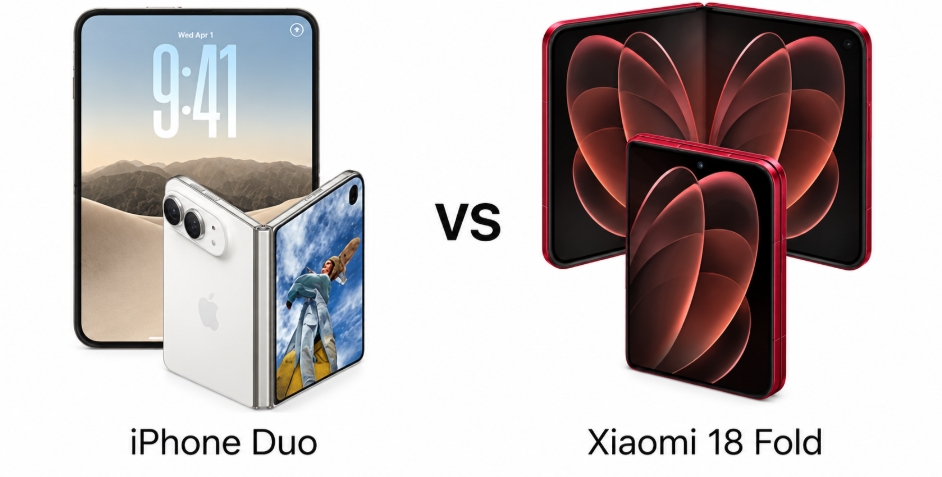
iPhone Duo vs Xiaomi 18 Fold: One Costs $400 More, But Is It Better?

iPhone Duo and Xiaomi 18 Fold represent two very different approaches to premium foldables. Apple focuses on premium materials, software integration and advanced video features, while Xiaomi pushes hardware specifications with a larger battery, faster charging and a versatile Leica camera system. The price gap also makes this an especially interesting flagship foldable comparison.

The iPhone Duo and Xiaomi 18 Fold are displayed side by side for comparison.

Major Features:

CategoryiPhone DuoXiaomi 18 FoldWinner
BuildTitanium frame, Ceramic Shield glass, IP68, stylus supportDragon Crystal Glass 3, aluminium frame, IP58/IP59Apple – More premium materials and stronger water resistance
Display7.6-inch LTPO OLED, 120Hz, nano-texture, anti-reflective coating7.58-inch LTPO AMOLED, 120Hz, 4000-nit peak brightnessXiaomi – Higher peak brightness and sharper resolution
Cover Display5.4-inch LTPO OLED, 120Hz, Dolby Vision5.38-inch LTPO AMOLED, 120Hz, Dolby VisionApple – Higher pixel density and anti-reflective treatment
ProcessorA20 Pro, 2nmXRing O3, 3nmApple – More advanced chip fabrication and tight software integration
RAM/Storage12GB RAM, up to 2TBUp to 16GB RAM, 1TB, UFS 4.1Xiaomi – More RAM and faster storage standard
Main Camera48MP wide + 48MP ultrawide200MP wide + 50MP telephoto + 50MP ultrawideXiaomi – More versatile triple-camera system
ZoomNo dedicated telephoto3x optical telephotoXiaomi – Dedicated optical zoom camera
VideoUp to 4K 120fps, Dolby Vision, ProRes, spatial videoUp to 8K 24fps, 4K 60fps Dolby VisionApple – More advanced professional video features
Selfie CameraUnder-display inner camera + 12MP cover camera16MP inner + 16MP cover camerasApple – Cleaner inner-screen design and 4K cover-camera video
BatteryLi-Ion, 25W wireless6000mAh, 67W wired, 50W wirelessXiaomi – Larger battery and significantly faster charging
AudioStereo speakersStereo speakers, Dolby Atmos, Hi-Res audioXiaomi – Broader high-resolution audio support
ConnectivityWi-Fi 7, Bluetooth 6.0, satellite SOS, UWBWi-Fi 7, Bluetooth 6.0, IR, UWBApple – Adds satellite connectivity alongside UWB
PricePriced around $2,000 / ₹3,00,000Priced around $1,600 / ₹1,55,000Xiaomi – Much lower price with extensive flagship hardware
OverallPremium ecosystem-focused foldableHardware-focused flagship foldableXiaomi – Stronger combination of cameras, battery and value
Disclaimer: Specs are based on available data. Actual performance may vary. Verify details from official sources before buying.

1. Design and Display

Build and Feel

The iPhone Duo takes a premium-first approach with a titanium frame, Ceramic Shield glass and IP68 protection. Its folding panel adds a matte, anti-reflective finish, while stylus support broadens productivity. Xiaomi counters with Dragon Crystal Glass 3, an aluminium frame and IP58/IP59 protection, making the Xiaomi 18 Fold a lighter-feeling flagship while still offering solid durability.

Display Quality

Both phones use 120Hz LTPO panels with HDR support and Dolby Vision. The iPhone Duo’s 7.6-inch inner OLED emphasizes readability with a nano-texture surface and anti-reflective coating, while Xiaomi offers higher peak brightness and sharper resolution. Xiaomi uses a conventional glossy inner display, whereas Apple’s matte treatment should appeal more to users who read or work in varied lighting.

Verdict

Xiaomi wins on display resolution and peak brightness, but Apple offers the more refined foldable display treatment. For premium build quality, water resistance and reduced reflections, the iPhone Duo feels more polished.

2. Specifications Including Battery

Performance

The iPhone Duo is powered by Apple’s 2nm A20 Pro, paired with up to 2TB storage and 12GB RAM. Xiaomi uses the 3nm XRing O3 with up to 1TB storage and 16GB RAM, plus UFS 4.1. Raw specifications favor Xiaomi in memory capacity, but Apple’s chip and tightly integrated iOS 27 platform should deliver strong sustained performance and efficiency.

Battery and Charging

Battery hardware is more clearly differentiated. Xiaomi packs a 6000mAh silicon-carbon lithium-ion battery with 67W wired charging, 50W PPS and 50W wireless charging. The iPhone Duo supports wired PD3.2 charging, reaching 50% in 20 minutes, alongside 25W MagSafe or Qi2 wireless charging. Xiaomi’s larger battery and faster wireless charging make it the more practical endurance-focused choice.

Verdict

Xiaomi wins for battery capacity, charging flexibility and memory options. Apple remains compelling for chip efficiency and software integration, but Xiaomi delivers the broader hardware package for power users.

3. Camera

Main and Secondary Lenses

Apple uses a dual-camera system with 48MP wide and 48MP ultrawide sensors, plus sensor-shift OIS and advanced video features including 4K Dolby Vision up to 120fps, ProRes and spatial video. Xiaomi goes further with a 200MP main camera, 50MP 3x telephoto and 50MP ultrawide, backed by Leica lenses, laser autofocus and 8K recording.

Selfie Camera

The iPhone Duo’s under-display selfie camera keeps the inner screen clean, while its 12MP cover camera adds autofocus and 4K video. Xiaomi uses 16MP selfie cameras on both displays, but limits them to 1080p video. For photography flexibility, Xiaomi’s dedicated telephoto is a major advantage; for video capture and the overall recording toolkit, Apple’s system looks more mature.

Verdict

Xiaomi wins for camera versatility, thanks to its telephoto, Leica optics and 200MP main sensor. Apple takes the edge for advanced video features and the cleaner under-display inner camera.

4. Pricing

The iPhone Duo is priced around $2,000 or ₹3,00,000, placing it firmly in ultra-premium territory. The Xiaomi 18 Fold is priced around $1,600 or ₹1,55,000, creating a substantial gap. Both target buyers seeking flagship foldable hardware, but Xiaomi asks significantly less while offering more RAM, a larger battery and a three-camera setup.

Is the price justified?

Apple’s premium can be easier to justify for buyers invested in iOS, MagSafe, satellite features and Apple’s broader ecosystem. Xiaomi offers stronger hardware value, with faster charging, more flexible cameras and up to 16GB RAM. Unless Apple’s ecosystem or software experience is the priority, the Xiaomi 18 Fold makes the pricing equation considerably easier to accept.

Verdict

Xiaomi wins on value for money. Its lower price combines with stronger hardware specifications, making the 18 Fold the more compelling purchase for buyers focused on features per rupee.

5. Conclusion

The iPhone Duo stands out with titanium construction, IP68 protection, a nano-textured anti-reflective inner display, stylus support, MagSafe, satellite connectivity and Apple’s video capabilities. Xiaomi answers with Leica cameras, a 3x telephoto, 8K video, infrared control, 50W wireless charging and a 6000mAh battery, giving it an unusually broad feature set.

These differences make the two foldables unusually distinct. The iPhone Duo is built around Apple’s ecosystem, premium materials and software-led polish, while Xiaomi emphasizes hardware breadth and charging speed. For most feature-focused foldable buyers, Xiaomi’s combination of camera flexibility, battery capacity and lower pricing creates a stronger practical package overall.

Verdict

Xiaomi 18 Fold is the overall winner for hardware value and versatility. The iPhone Duo remains the stronger fit for buyers prioritizing Apple’s ecosystem, premium materials and advanced video features.

Disclaimer: Prices, specifications, and availability may vary by region and retailer. Recommendations in this article are based on editorial opinion, feature-based value, and market positioning at the time of writing. Readers are advised to do their own research before making a purchase.

Read More:

Lava Bold N4 Pro launches as a new budget 5G phone in India

Lava has added a new model to its Bold N4 lineup. The Bold N4 Lite launched last month as an entry-level 4G phone, and now the company has introduced the Lava Bold N4 Pro 5G with a faster chipset, 5G connectivity, a larger display, and a bigger battery.

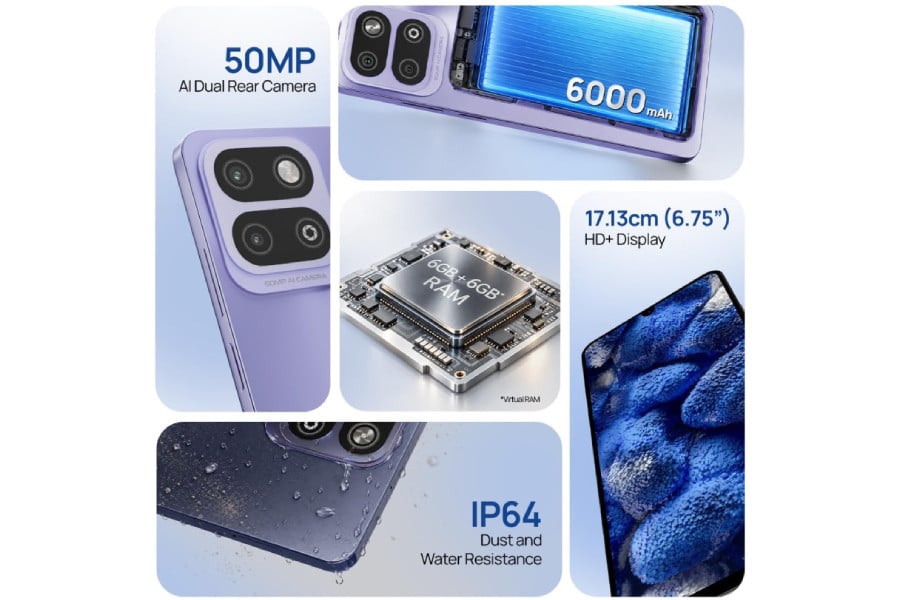
The phone has a 6.75-inch HD+ LCD display with a 120Hz refresh rate. It can reach up to 550 nits of brightness outdoors. 

Lava Bold N4 Pro 5G Launch Specs Price

Under the hood, the Bold N4 Pro 5G is powered by the Unisoc T8200 chipset. It comes with 6GB of LPDDR4X RAM and 128GB of UFS 2.2 storage. There is also a microSD card slot that supports cards up to 1TB.

For photography, the phone has a 50MP AI dual-camera setup on the back and an 8MP camera on the front. Biometric options include a side-mounted fingerprint sensor, and you get an IP64 rating for dust and water resistance.

🔌 You’ll NeedWith only 128GB storage, the phone’s microSD slot supports cards up to 1TB for extra space. Check 256GB microSD card price on Amazon →

The 6,000mAh battery is one of the phone’s bigger upgrades. It is 1000mAh larger than the N4 Lite and supports higher 18W charging compared to 10W. 

Lava Bold N4 Pro Specs

The phone runs Android 16 out of the box. Other connectivity options include Wi-Fi 802.11ac, Bluetooth 5.0, a USB Type-C port, and dual-SIM support.

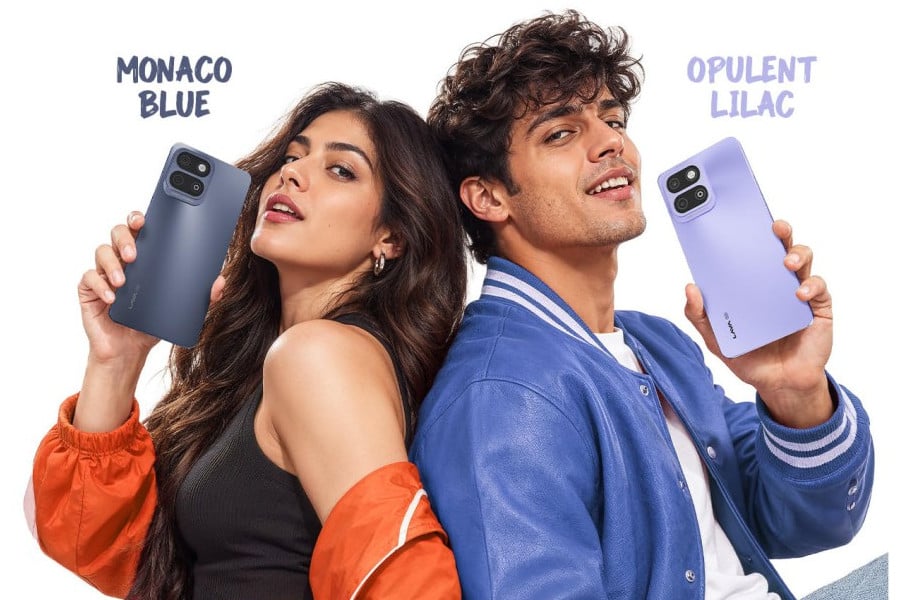
Lava is offering the Bold N4 Pro 5G in two finishes: Midnight Blue and a Lavender-to-Silver gradient. There is only one configuration, with 6GB of RAM and 128GB of storage.

Lava Bold N4 Pro 5G price and availability

The Lava Bold N4 Pro 5G is priced at Rs 13,999 for its special launch offer and will be sold exclusively through Amazon India. Sales will begin on September 26 at 12:00 PM IST.

The price is close to what Lava charged for the Bold N2 Pro earlier this year. The newer Bold N4 Pro 5G adds 5G support and a larger 6,000mAh battery, along with a 120Hz display and Android 16.

Don’t miss a thing! Join our Telegram community for instant updates and grab our free daily newsletter for the best tech stories!

For more daily updates, please visit our News Section.
OnePlus 16 clears 3C certification, confirms 100W wired charging

OnePlus looks just about ready to show off its next flagship. The OnePlus 16 has now picked up China’s 3C certification, which means it’s cleared all three mandatory approvals needed for a release in its home country. From the early details, it seems like they’re aiming for serious battery life, improved performance and cameras.

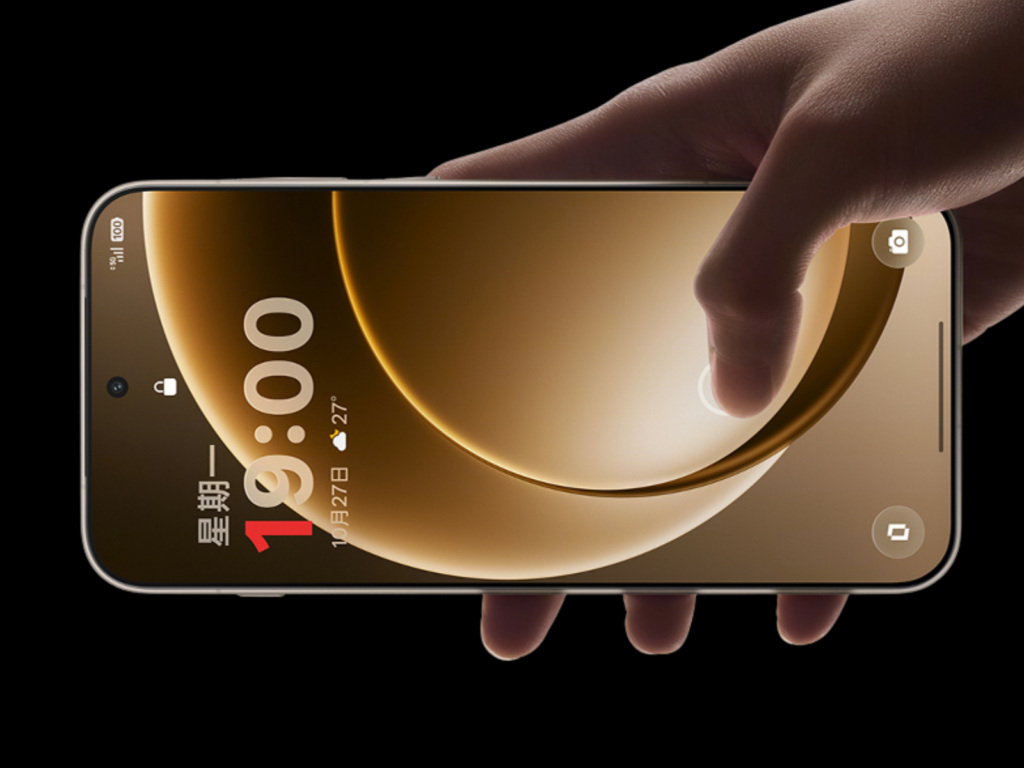
A hand holds a OnePlus smartphone displaying a lock screen with a clock.

The model number PYB110 passed 3C certification, and it confirms 100W wired fast charging. Earlier SRRC and Ministry of Industry and Information Technology approvals already verified N79 5G band support (4800–4960 MHz), so the full set of certifications is now complete.

According to the reliable tipster Digital Chat Station, that 100W charging will be paired with a dual-cell battery that has a typical capacity of 9000 mAh and a rated capacity of 8780 mAh, plus 50W wireless charging. That’s a pretty big jump from the OnePlus 15’s already generous 7300 mAh battery, and it could put the OnePlus 16 near the top of the endurance charts among 2026 flagships.

Official 3C certification document showing technical specifications for the upcoming OnePlus 16 smartphone.

On the camera side, leaks point to a versatile triple rear setup: a 200 MP main sensor (1/1.4″), a 50 MP ultra-wide, and a 50 MP periscope telephoto (1/1.95″). Performance should come from the Snapdragon 8 Elite Gen 6 Pro, built on TSMC’s 2 nm process with a 2+3+3 octa-core CPU and Adreno 850 GPU. OnePlus has already confirmed a global 165 Hz refresh rate on the display, with gaming scenarios going up to 185 Hz, running ColorOS 17 based on Android 17.

Put together, it feels like a clear focus on battery life without giving up performance. The dual-cell design should reduce heating and prolong battery longivity despite 100W charging. The camera upgrades, such as larger main and telephoto sensor, look like they’re addressing a few areas previous models left room to improve.

With the certifications done and official teasers already confirming the software and display details, an October launch in China is looking more and more likely. Unfortunately, a previous report says the phone might not cross borders at all. For now, the OnePlus 16 is shaping up as one of the more complete and ambitious flagship packages in the current leak cycle.

Don’t miss a thing! Join our Telegram community for instant updates and grab our free daily newsletter for the best tech stories!

For more daily updates, please visit our News Section.
(Source: DCS on Weibo)

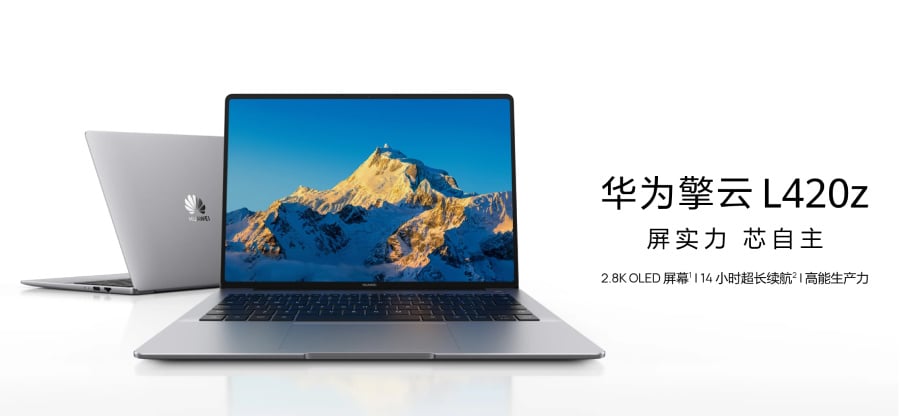
Huawei Qingyun L420z brings a 120Hz OLED display and 70Wh battery to its latest business laptop

Huawei has updated its Qingyun laptop lineup with a new model. The company announced the new Qingyun L420z, succeeding last year’s Qingyun L420x, and still focusing on locally made hardware and software.

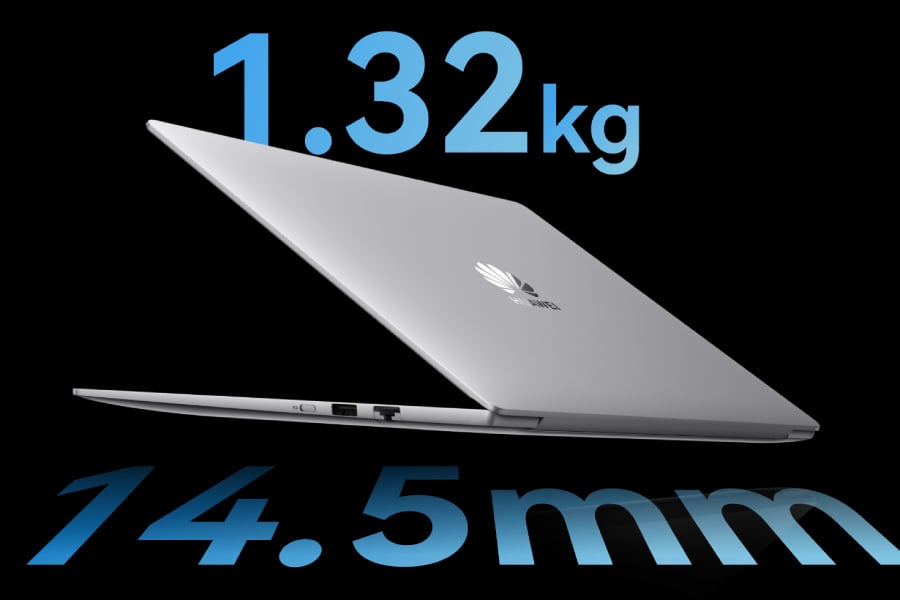
The L420z comes in a space gray all-metal body that is 14.5mm thick and weighs around 1.32kg. It measures 226.8mm x 312.6mm, making it fairly easy to carry around for meetings or daily office work.

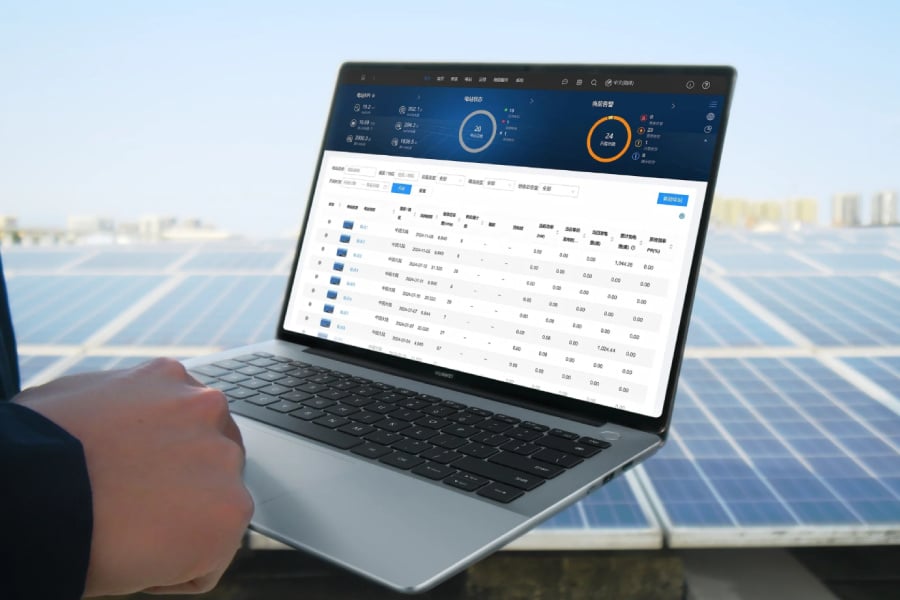
The laptop has a 14.2-inch OLED touchscreen with a 3:2 aspect ratio and a 2880 x 1920 resolution. That works out to 243ppi, while the screen covers around 91% of the front panel.

Huawei Qingyun L420z Launch Specs

Huawei rates the display at up to 450 nits of brightness and a 120Hz refresh rate. Each panel is factory calibrated with a ΔE below 1 and covers 100% of both the sRGB and P3 color spaces. The claimed contrast ratio is 1,000,000:1.

The 3:2 aspect ratio also gives the screen more vertical space than a standard 16:9 display, which can be useful for reading documents and working with spreadsheets.

For eye comfort, Huawei has included hardware-level low blue light reduction and 1920Hz PWM dimming. The display also carries TÜV Rheinland Eye Comfort certification.

Huawei hasn’t revealed the processor

Huawei has not yet named the processor inside the Qingyun L420z.  Yet, it supports LPDDR5x quad-channel memory and has a built-in SSD bay. Huawei says the new model boots 26% faster than the previous generation. Opening large PowerPoint files is 15% faster, while large file copying is 32% faster.

Huawei also says an acceleration algorithm helps improve app response times. The Qingyun L420z comes with domestic desktop operating system options, including Galaxy Kylin and UnionTech. 

Huawei Qingyun L420z Weight

For government agencies and companies that need more control over their hardware and software stack, support for domestic operating systems is one of the main reasons to choose this type of machine.

The laptop packs a 70Wh battery that can provide up to 14 hours of local 1080p video playback or 10 hours of web browsing based on its own lab tests.

The included charger can charge the battery to 25% in 15 minutes. The laptop can also be charged using compatible phone chargers that support UFCS and SCP fast-charging protocols.

Huawei Qingyun L420z design

The L420z has a full-size backlit keyboard, a large touchpad, and a fingerprint sensor built into the power button. For video calls, there’s a 1080p webcam with a physical switch that disables both the camera and microphone. 

The port selection includes one full-featured USB-C port, two USB-A ports, HDMI, an RJ45 Ethernet port, and a 3.5mm headphone jack.

Tested for durability and security

Huawei says it subjected the Qingyun L420z to more than 150 military-grade GJB reliability tests. The company also claims a mean time between failures (MTBF) of 1 million hours.

The laptop has received an information security excellence rating from China’s National Electronic Computer Quality Inspection and Testing Center. Huawei also highlights hardware encryption and a trusted operating environment as part of its security features. 

Huawei has not revealed the price or availability of the Qingyun L420z.

Don’t miss a thing! Join our Telegram community for instant updates and grab our free daily newsletter for the best tech stories!

For more daily updates, please visit our News Section.

Mivi One 5G teases its camera and a “Replaced, not repaired” service promise ahead of September 24 launch

Mivi has already confirmed the launch date and chipset for its first smartphone. In the lead-up to the September 24 launch, the company is sharing more details about what the One 5G will offer. 

The company shared two new teasers today, one about the camera and another about its after-sales support. 

The camera setup

Mivi’s first smartphone is confirmed to feature a 50MP main camera and a second sensor. On the back, it has two large circular camera modules placed diagonally, along with a pill-shaped LED flash.

Mivi One 5G 50MP camera

Mivi has not yet revealed the exact camera sensors or explained what the second camera will do. We will need to wait for the full specifications to know more about its low-light and zoom performance.

What’s confirmed is that the One 5G will use a Snapdragon 5G chipset and is expected to cost less than Rs 15,000. 

Mivi Care+ focuses on after-sales support

The second teaser is about what happens after you buy the phone. Mivi is introducing an after-sales program called Mivi Care+, which comes with the One 5G at no extra cost.

The service package includes:

  • A 1-year warranty
  • Access to more than 500 service centres across India
  • A 7-day replacement period under its “Replaced, not repaired” policy
  • A dedicated Mivi Care+ app for filing and tracking service requests
  • A concierge service that handles pickup, repair, and delivery back to the customer

The “Replaced, not repaired” promise and Mivi Care+ app could help Mivi stand out as it enters a market filled with brands that already have established service networks.

The Mivi One 5G will launch in India on September 24 and will be sold exclusively through Flipkart. Mivi has already revealed the chipset, expected price range, camera setup, and service package. Details about the display, battery, and complete camera specifications are still to come.

Don’t miss a thing! Join our Telegram community for instant updates and grab our free daily newsletter for the best tech stories!

For more daily updates, please visit our News Section.
Huawei Unveils World’s First NPO-Based AI SuperPoD Built for Massive AI Models

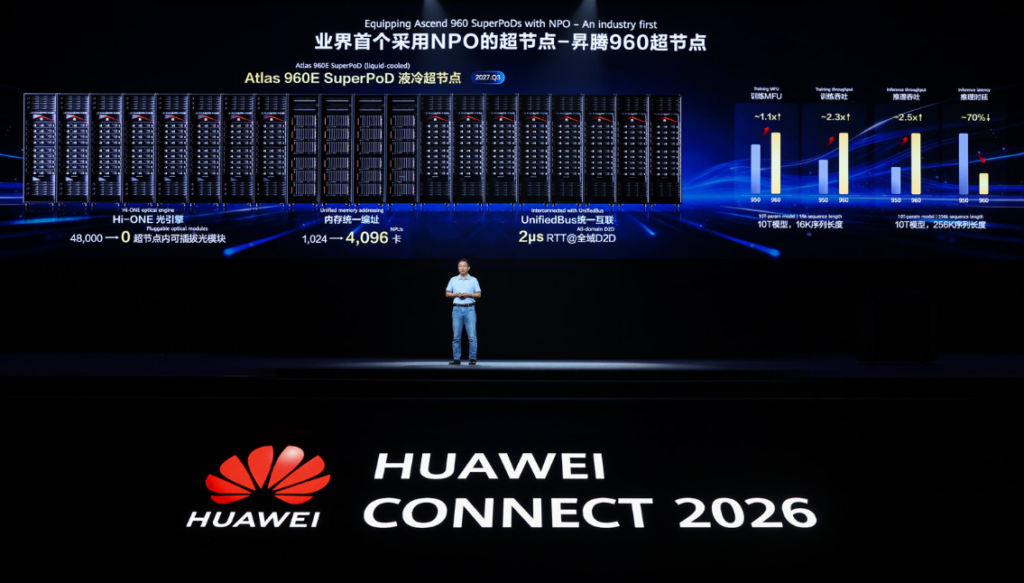
Huawei has unveiled the Atlas 960E SuperPoD, a new AI computing system designed to handle increasingly large artificial intelligence models. The company announced the system on September 17 at HUAWEI CONNECT 2026 in Shanghai.

Huawei says the Atlas 960E is the industry’s first SuperPoD based on Near-Packaged Optics (NPO). The system supports training and inference for AI models approaching 10 trillion parameters.

A presenter stands before a large screen detailing the Huawei Atlas 960E SuperPoD specifications.

Built for Large-Scale AI

The Atlas 960E combines Huawei’s UnifiedBus technology, also known as Lingqu, with the company’s Hi-ONE optical system. The architecture uses unified memory addressing, allowing computing resources to work more like a single system rather than separate machines.

A single SuperPoD can support up to 4,096 Ascend AI processors and deliver up to 8 EFLOPS of FP8 performance and 16 EFLOPS of FP4 performance. Huawei says the system uses a fully liquid-cooled design and an orthogonal architecture.

Hi-ONE Cuts Optical Hardware

A key part of the system is Huawei’s Hi-ONE NPO optical engine. Huawei says it offers 7.2 terabits per second of transmission capacity and includes an integrated light source.

The Atlas 960E uses about 5,500 Hi-ONE units, replacing roughly 48,000 traditional 800G optical modules. Huawei claims the design can reduce power consumption by more than 550 kilowatts, double fault-free operating time and provide 99.8% system availability.

Scaling to 1 Million AI Processors

Huawei is also extending the SuperPoD approach to general-purpose computing. Its upgraded TaiShan 950 SuperPoD supports up to 4,096 nodes and a 256 TB unified memory pool, while the OceanStor M900 provides petabyte-scale key-value caching for AI workloads.

Huawei also plans to connect multiple Atlas 960E SuperPoDs into larger AI clusters using UnifiedBus and RoCE networking. The company says its architecture can connect up to 512,000 AI processors, while a multi-rail topology can scale an Ascend SuperCluster to 1 million processors.

The Atlas 960E is scheduled for Q3 2027. Huawei is also preparing the Ascend 960 DT for Q1 2027, the Ascend 960 PR for Q3 2027, followed by the Ascend 970 in 2028 and Ascend 980 in 2029.

Huawei Atlas 960E SuperPoD: Key Specifications

FeatureHuawei Atlas 960E SuperPoD
LaunchQ3 2027
AI model targetUp to 10 trillion parameters
NPO optical engineHi-ONE
Transmission capacity7.2 Tbit/s
Maximum Ascend cards4,096
FP8 performance8 EFLOPS
FP4 performance16 EFLOPS
Optical modules5,500 Hi-ONE
Replaced 800G modulesAround 48,000
Claimed power reductionOver 550 kW
System availability99.8%
InterconnectUnifiedBus / Lingqu
CoolingFully liquid-cooled
Maximum SuperCluster scaleUp to 1 million Ascend processors
Disclaimer: Specs are based on available data. Actual performance may vary. Verify details from official sources before buying.

Read More:

(via)