Advertisement

Microsoft’s beloved PC accessories get a second life with Incase

Microsoft may have stepped back from the PC accessory market last year, but its popular keyboards, mice, and headsets are getting a new lease on life thanks to Incase. The laptop bag and sleeve specialist has struck a deal with Microsoft to revive the beloved Microsoft accessories under the new “Incase Designed by Microsoft” banner.

Microsoft Incase PC Accessories

This means you will now be able to purchase your favorite Sculpt Ergonomic Keyboard or Wireless Desktop 850 mouse, albeit with a subtle Incase logo replacing the familiar Microsoft branding. The lineup of devices that are confirmed for release under the new “Incase Designed by Microsoft” branding are:

  • Sculpt Ergonomic Desktop (keyboard, mouse, number pad)
  • Sculpt Comfort Desktop (keyboard, mouse)
  • Wireless Comfort Desktop 5050 AES (keyboard, mouse)
  • Wireless Desktop 850 (keyboard, mouse)
  • Wireless Desktop 900 (keyboard, mouse)
  • Wired Desktop 600 (keyboard, mouse)
  • Sculpt Ergonomic Keyboard
  • Ergonomic Keyboard
  • Wired Keyboard 600
  • Bluetooth Keyboard
  • Designer Compact Keyboard
  • Bluetooth Number Pad
  • Mobile Mouse 1850
  • Bluetooth Ergonomic Mouse
  • Bluetooth Mouse
  • Sculpt Ergonomic Mouse
  • Modern Mobile Mouse
  • Modern Wireless Headset
  • Modern USB Headset
  • Modern USB-C Headset
  • Modern USB-C Speaker
  • Audio Dock
  • Modern Webcam

This is a welcome development for fans of Microsoft’s practical and often ergonomic PC peripherals. They get to keep their trusted gear, while Incase gains access to a well-established product line without the burden of developing entirely new products. 

For Microsoft, it also means the return of cost-effective accessories priced below the Surface brand on its online and retail store shelves. However, it’s important to note that specific release dates and pricing of the products haven’t been announced yet, but you can expect to see these “Incase Designed by Microsoft” products roll out sometime in 2024.

Related:

(Via)

Honor Magic 6 RSR pre-reservations kicks off in China

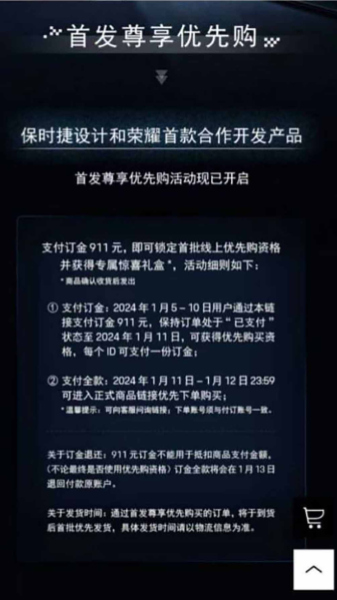
Honor yesterday revealed that its first smartphone co-branded with design house Porsche Design will be named RSR. The company has now quietly opened pre-reservations for the phone in China starting today.

Interested buyers can now reserve the Honor Magic 6 RSR Porsche Design by paying a 911 yuan deposit at the Porsche Store. This deposit will give them early access to the first round of online pre-orders on January 11th and 12th. Plus, they’ll receive a special surprise gift box.

However, this deposit is just for early access and will be refunded on January 13th; it doesn’t count towards the phone’s full price. This means the full payment for the Honor Magic 6 RSR will begin only on January 11th, 2024.

There’s not much we know about the Honor Magic 6 RSR edition phone, except the story behind the RSR suffix. The “RSR” in the phone’s name draws inspiration from Porsche’s racing history. It stands for “RennSport Rennwagen,” meaning “racing sport racing car” in German, typically reserved for track-only versions of the iconic Porsche 911.

Though specific details about the Magic 6 RSR are unavailable, Honor has already revealed the standard Magic 6 and Magic 6 Pro.

The Magic 6 Pro boasts a powerful 100x digital zoom periscope camera, while the Magic 6 features a still impressive 50x zoom. Both phones are expected to have 50-megapixel main and ultrawide cameras. The Pro model might also include a unique satellite connectivity feature.

Both phones will be powered by the latest Snapdragon 8 Gen 3 processor and run Magic OS 8.0 based on Android 14. Storage options start at 256GB and go up to 512GB, with the Pro model offering a 1TB option.

Related:

iPhone 16 Pro and 16 Pro Max early renders show off a new Capture button

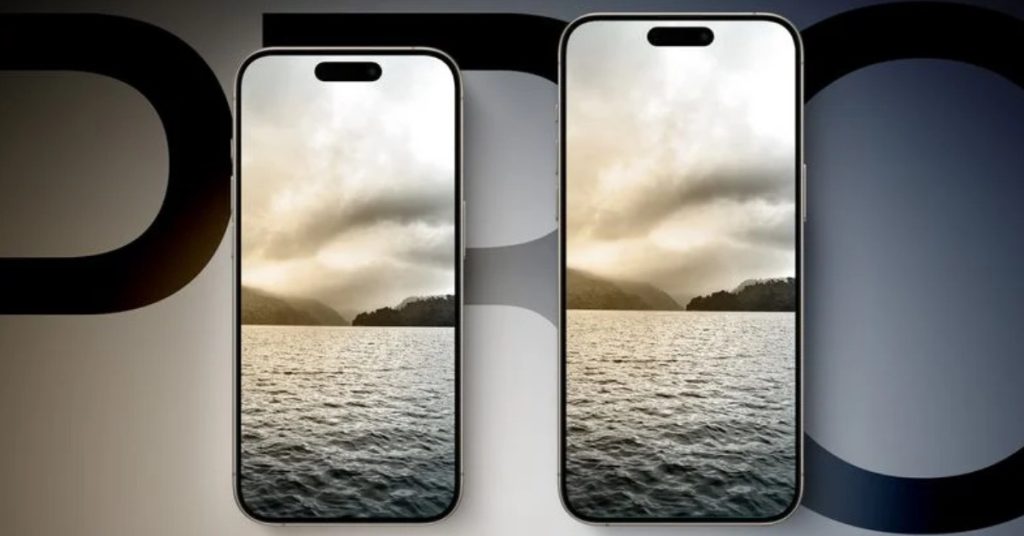
Apple‘s upcoming iPhone 16 Pro and Pro Max models, expected in September 2024, have leaked through early prototypes, courtesy of MacRumors. While the overall design remains familiar (unsurprisingly), several changes are said to be in the works. 

The most immediately evident alteration is said to be a bigger screen for both models. The Pro is expected to jump to 6.27 inches, while the Pro Max might boast a sizable 6.85-inch display. With the increase in overall screen real estate, the device will also have larger dimensions. 

The iPhone 16 Pro is said to measure 149.6 x 71.45 x 8.25mm and will weigh 194 grams, while the 16 Pro Max will have 163 x 77.58 x 8.25mm dimensions with 225 grams of weight.

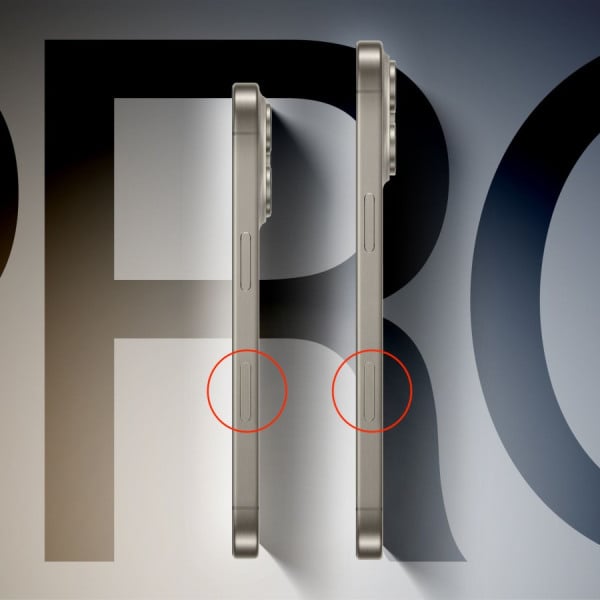
The smartphones are also said to get a new addition in the form of a Capture button. It is rumored to feature a force sensor and will be flush with the phone’s frame on the right below the power button. The new button is expected to be exclusive to the Pro model iPhones and will function as a shortcut for the camera app.

iPhone 16 Pro Capture Button

The camera department might also see an upgrade. Both Pro models could feature 48MP ultrawide lenses, a significant leap from the current 12MP sensors. Additionally, the smaller Pro might join the Pro Max in offering the impressive 5x tetraprism zoom lens, enabling closer views of distant subjects.

While internal specifications remain under wraps, the 16 Pro series is likely to be powered by Apple’s next-generation A18 Bionic chip.

It’s important to remember that these are merely leaks and rumors, and the final design and features of the iPhone 16 Pro and Pro Max could differ. However, these early leaks offer a glimpse of what Apple might have in store for its upcoming flagship models

Related:

(Via)

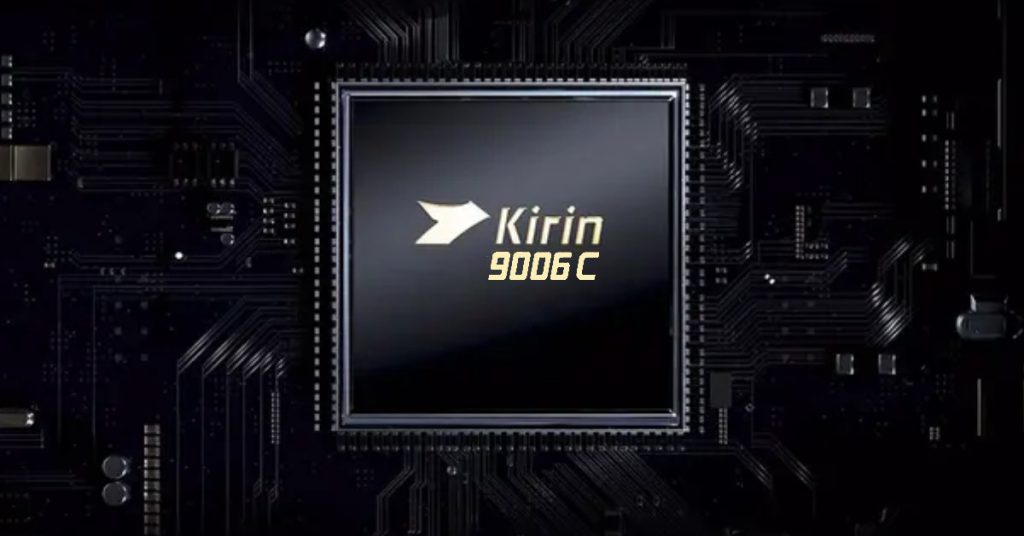
Huawei’s 5nm Kirin 9006C chip is made by TSMC, not SMIC

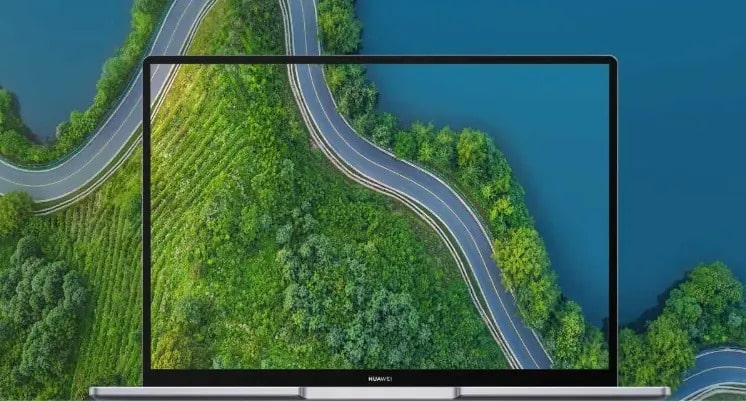
Huawei recently launched a laptop in China called Qingyun L450. It is powered by the HiSilicon 9006C chip, which is made using advanced 5nm technology. This has led to rumors that China’s chip giant SMIC from which Huawei is sourcing processors, is finally achieving a 5nm breakthrough in chip manufacturing technology. 

Huawei Qingyun L450.

But, a detailed look into the laptop by TechInsights, a tech analysis firm, showed something different. The chip wasn’t made by SMIC in China, but by TSMC in Taiwan.

Kirin 9006C is made by TSMC, not SMIC

Why is this significant? China has been pushing hard to become self-sufficient in semiconductors, especially after US sanctions cut Huawei off from TSMC’s 5nm chips in 2020. The Kirin 9006C seemed to be a breakthrough, suggesting SMIC had caught up.

But the teardown shows otherwise. However, TechInsights’ disassembly of the Qingyun notebook unit confirmed that TSMC’s 5nm technology, previously used in 2020, was behind the 5nm chipset. This suggests Huawei might be utilizing older TSMC stockpiles under a new name.

Huawei's new 5nm chip Kirin 9006C

SMIC’s shares saw a slight decline following the teardown, reflecting the setback in hopes of their 5nm progress. SMIC, however, is reportedly working on its own 5nm process, but using older technology that’s less efficient and more expensive. They’ve managed limited production of 7nm chips with the Kirin 9000S, but 5nm remains elusive.

The bigger hurdle for China’s chip ambitions lies in acquiring next-generation EUV lithography equipment, crucial for making advanced chips. The US has blocked ASML, a Dutch company, from selling EUV machines to China, hindering its progress.

This news likely comes as a relief for the US, and could lead to further restrictions on China’s chip industry. It also highlights the complex web of relationships and challenges China faces in its quest for technological independence.

Related:

Oppo teases Find X7 Ultra telephoto camera prowess with early portrait samples

Oppo is gearing up for an exciting start to the new year with the scheduled launch of their Find X7 series on Monday, January 8. The series is led by the Find X7 Ultra which is grabbing headlines for being the first smartphone globally to feature two telephoto lenses. With the launch date nearing, Oppo has started showing off what the Find X7 Ultra’s camera is capable of.

Oppo Find X7 Ultra camera samples

Oppo took to Weibo, a popular Chinese social media platform, to share a bunch of camera samples of Find X7 Ultra’s telephoto cameras. And, as you can see, the images have an impressive background blur while preserving natural color tones and details.

These sample images are taken with the shorter of the two telephoto lenses, which have a 65mm focal length. The second telephoto lens has a 135mm focal range and offers 6x optical zoom.

Oppo also shared photos taken with this second lens, and the results are equally impressive. These close-up shots are really clear, again, with impressive background blur.

However, since they were posted on Weibo, there might be some minor quality loss due to social media compression, but the way the subject stands out from the background still looks great. This zoom range would be further boosted by Oppo’s collaboration with Hasselblad on color science and processing.

Besides the two telephoto units, the Find X7 Ultra will also be the world’s first smartphone to feature a 1-inch Sony LYT-900 50MP camera as the primary sensor. The setup will be completed by a 50MP Sony LYT-600 ultrawide lens.

Although the full picture will only be revealed on January 8th, these initial glimpses suggest the Find X7 Ultra will have a really good set of camera specifications.

Related:

(Via)

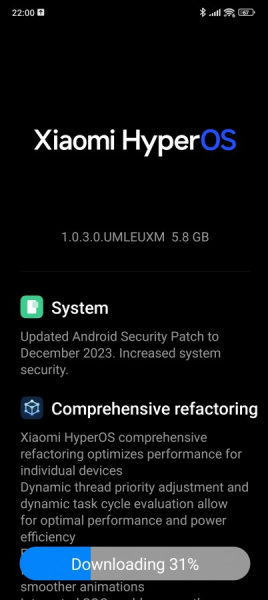
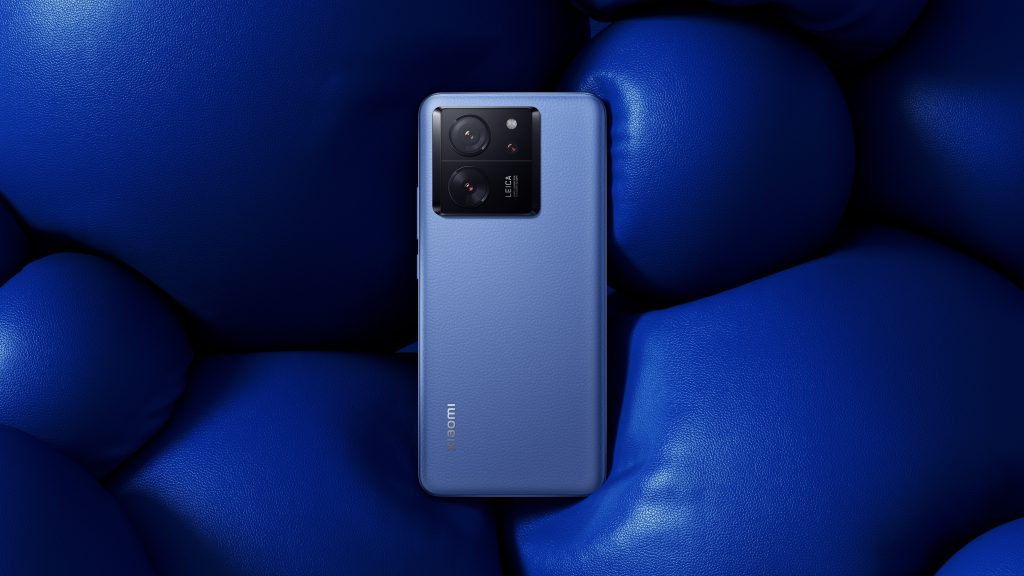
Xiaomi 13T Pro in Europe starts getting HyperOS update

Xiaomi‘s new operating system, HyperOS, has begun rolling out to European Xiaomi 13T Pro devices. The update, which arrives as a 5.8GB download, brings HyperOS 1.0.3.0 on top of Android 14 along with the latest December security patch.

However, users hoping for a dramatic departure from MIUI may be disappointed. HyperOS feels more like a refined iteration of MIUI rather than a significant overhaul. The overall look and feel are familiar, with some minor tweaks and improvements.

Xiaomi 13T Pro HyperOS update.

That’s not to say there’s nothing new. The update promises performance optimizations specific to each device and Xiaomi also claims improvements in power efficiency and signal stability.

The lock screen now offers greater customization options with various effects and styles. Home screen icons have also been refreshed, and the multi-window interface has received an upgrade. Additionally, the update incorporates all the latest improvements from Google’s Android 14.

The rollout is gradual, so Xiaomi 13T Pro users should get the update in a few coming days. The device is guaranteed to receive four years of major OS updates, with three remaining after this Android 14’s arrival.

For a quick recap, the Xiaomi 13T Pro boasts a 6.67-inch AMOLED display with a 1.5K resolution and a 144Hz adaptive refresh rate. The smartphone is also IP68-certified dust and water-resistant.

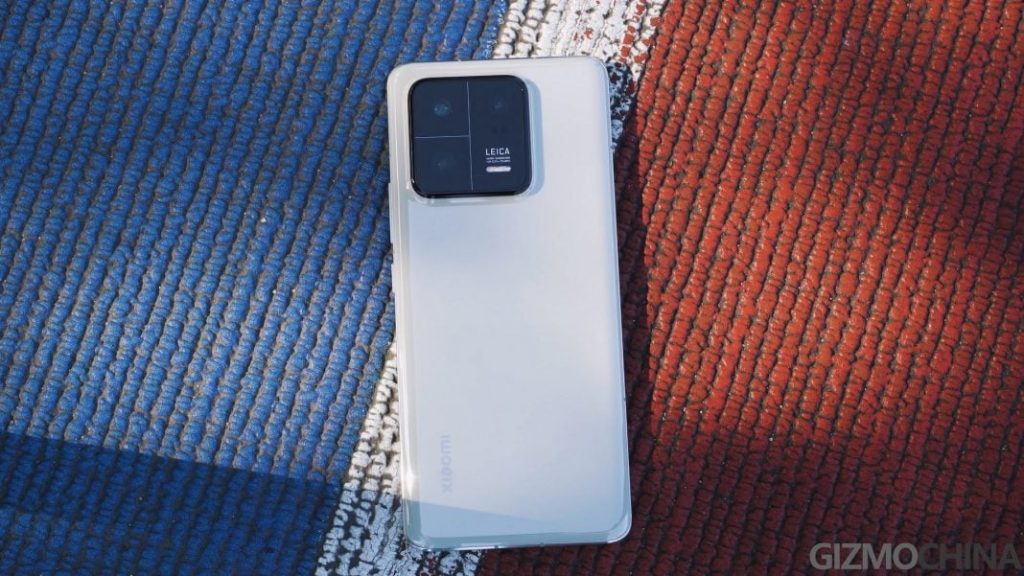
Around the back, you get a triple camera setup led by a Leica-branded 50MP main sensor with OIS. It is joined by a 50MP telephoto lens with 50mm focal length and a 12MP ultra-wide-angle camera. On the front, there is a 20MP selfie snapper. The smartphone is capable of recording 8K videos at 24fps and also supports 10-bit LOG recording.

Powering the device is a MediaTek Dimensity 9200+ processor. It packs up to 16GB RAM and 1TB storage. The smartphone runs on a 5,000mAh battery unit with support for 120W fast charging. There’s also a heat dissipation system to keep the phone’s thermal under control.

Related:

(Via)

Netflix is Looking towards Monetizing Games One Way or the Other

Netflix has been steadily dipping its toes into gaming. Two years after introducing Netflix Games within its existing subscription service, the company is exploring ways to turn its gaming venture into a profitable segment. This initiative, highlighted in a Wall Street Journal report, reveals the streaming giant’s internal discussions about potential revenue strategies for its gaming arm.

Netflix had 86 games on its platform before the year 2023 ended

Netflix Games has offered an ad-free gaming experience at no extra cost for all Netflix members. As of the end of 2023, the platform boasted 86 games, with an additional 90 in development. Notable additions include popular third-party titles like the GTA Trilogy and in-house creations like Oxenfree 2. Despite this impressive lineup, the service has yet to see significant engagement from Netflix’s subscriber base. A year after its launch, less than 1% of subscribers were playing games on Netflix, and this figure hasn’t shown much improvement, even with the expanded game library.

Netflix

The lukewarm response hasn’t deterred Netflix from investing heavily in this venture. The company has spent around $1 billion on building its gaming business, acquiring studios like Night School Studio and collaborating with renowned developers.

To monetize its gaming platform, Netflix is considering several options. These include introducing in-app purchases, charging extra for specific games, or embedding games with ads in the new Netflix ad-supported tier. Any of these steps would represent a significant departure from the current model.

Beyond direct monetization, Netflix is also exploring innovative ways to attract gamers. For instance, code found within the Netflix app suggests the company is experimenting with TV gaming, using smartphones as controllers. Cloud gaming is another area of interest, as indicated by recent job listings.

For now, these strategies remain under discussion. Netflix’s immediate plan for the new year includes launching new games like Cozy Grove: Camp Spirit, Sonic Mania Plus, Hades, Game Dev Tycoon, a game based on the Rebel Moon film, and a title set in the Squid Game universe.

RELATED:

(Via)

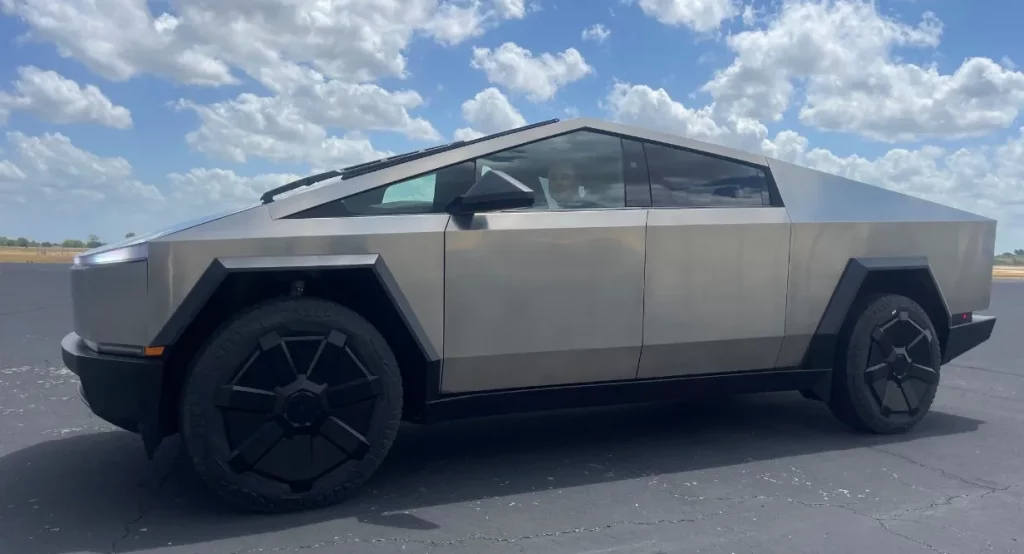
Tesla’s Cybertruck Hits only 254 Miles in a Real-World Test instead of the Advertised 320 Miles

Tesla has often been under scrutiny for its range estimates, especially for its new launches. The latest model to join this controversy is the Tesla Cybertruck. We previously covered that the charging curve for the car didn’t show too much promise. Well, a recent test by InsideEVs now revealed that the Cybertruck’s performance falls noticeably short of Tesla’s advertised range.

That is 20% lower than the advertised range in ideal conditions

The test, conducted by Kyle Conner from Out of Spec Motoring, was straightforward: drive the Cybertruck until it could no longer move. The conditions were typical – a 45 degrees Fahrenheit night in Texas, maintaining a speed of 70 mph. The vehicle used was a dual-motor Cybertruck fitted with 20-inch wheels and 35-inch all-terrain tires.

Tesla Cybertruck

Tesla claims that this model can cover 320 miles on a full charge. However, Conner’s test concluded after just 254 miles – a significant 20.6% less than the advertised range. This result is intriguing, especially when compared to competitors like Rivian, whose R1T model fell short by only 7.4% in a similar test.

One might argue that the Cybertruck’s performance is still commendable, considering the challenging test conditions. Yet, it raises questions about the accuracy of EV range estimates provided by manufacturers, including Tesla. This discrepancy is not just about numbers; it has real-world implications, particularly for those considering an EV for long-distance travel or heavy-duty tasks.

The test also hints at the impact of external factors on EV performance. While the Cybertruck was tested in relatively mild conditions with minimal load, one can’t help but wonder how it would fare in colder temperatures or with a heavier load. Additionally, most EV users tend to keep their battery charge between 20% and 90% to prolong battery life, which further complicates the real-world applicability of the advertised range.

Tesla’s option to switch to all-season tires, which allegedly increases the estimated range to 340 miles, might offer some relief. However, it remains to be seen whether this change alone can bridge the gap between expectation and reality. This test in itself serves as a reminder that while EVs are a leap forward in automotive technology, their real-world performance still requires careful consideration by potential buyers.

RELATED:

(Via)

CMF Watch Pro Silver Edition launched for Rs. 4,999 ($60)

Last year, CMF by Nothing introduced the Watch Pro Bluetooth calling smartwatch in Dark Grey and Metallic Grey variants. Expanding its lineup, the company has now unveiled the Silver Edition of the smartwatch. Embracing minimalist design principles, this latest variant showcases an aluminum alloy watch frame in an elegant silver finish, complemented by light grey straps. With this addition, customers now have a choice among Silver, Orange, Dark Grey, and Ash Grey color options for the watch.

CMF Watch Pro Silver

The Silver Edition of CMF Watch Pro will be available in India from mid-January through various platforms such as Flipkart, Myntra, Croma, Vijay Sales, and General Trade, priced at Rs. 4,999 ($60). Additionally, it will hit the markets of several other countries starting this month.

CMF Watch Pro specs

The CMF Watch Pro boasts a design reminiscent of Apple Watches, featuring a polished metal frame with a side dial and a plastic back. Its 1.96-inch AMOLED display offers 600+ nits peak brightness and a resolution of 410×502. The smartwatch offers 24-hour health tracking, including real-time heart rate and blood oxygen saturation monitoring, sleep and stress tracking, hydration and movement reminders, and personalized fitness goals.

With an impressive 110 sports modes, it caters to fitness enthusiasts. The integration of Bluetooth calling with AI technology ensures clear mic output. Powered by a 340mAh battery, the watch provides up to 13 days of regular usage and holds an IP68 rating for water resistance.

RELATED:

(Source)

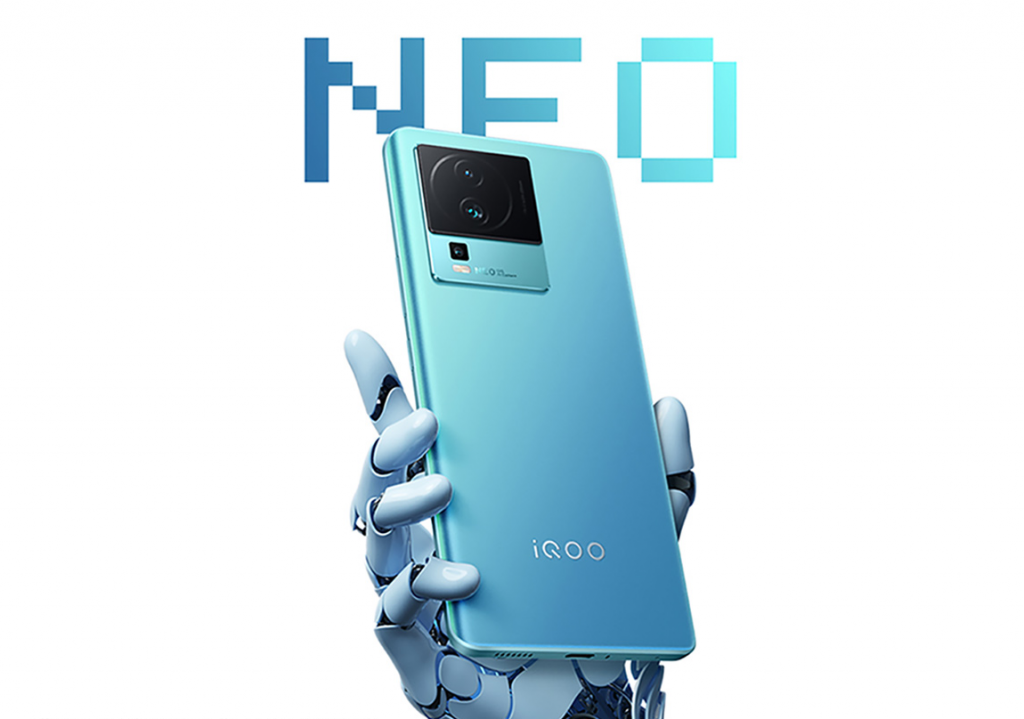
iQOO Neo 7 5G 12GB RAM + 256GB storage variant gets an attractive price cut in India

iQOO is gearing up to launch the iQOO Neo 9 Pro smartphone in February in India. Ahead of its launch, the brand has cut down the pricing of the iQOO Neo 7 5G’s 12GB RAM and 256GB storage model. Launched in February 2023, the smartphone comes with many impressive specifications. Let’s take it at the discounted price and see if the device is still worth buying.

Currently, the iQOO Neo 7 12GB + 256GB model is selling for Rs 27,999, down from its usual price of Rs 31,999. For this price, you get a 6.78-inch AMOLED display with Full HD+ resolution, a 120Hz refresh rate, and a 1300 nits peak brightness. Under the hood, the phone features a Dimensity 8200 processor. The phone is backed by a 5,000mAh battery with support for 120W fast charging.

iQOO

For optics, the phone features an OIS-enabled 64MP primary sensor, a 2MP macro lens, and a 2MP depth sensor. For selfies, there is a 16MP front-facing camera. The phone launched with and is currently on Android 13-based Funtouch OS 13, however, the Android 14 update is expected to arrive soon. At launch, iQOO promised 2 major Android updates and three years of security updates. So it is likely that Android 15 could be the last update this device receives.

In the sub-30,000 price range, there are currently a lot of attractive choices like the OnePlus Nord 3 5G, and Nothing Phone (1). People looking for high performance in this range can check out the Nord 3 5G, while if you are more interested in the camera and overall user experience, the Nothing Phone (1) will be a good option.

RELATED:

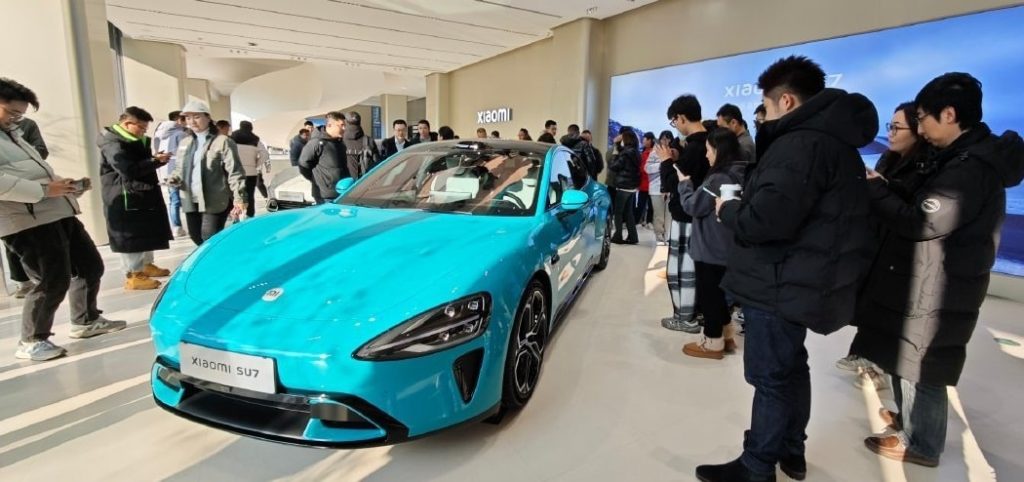
Video of Xiaomi SU7 self-parking in a multi-level garage surfaces

The Xiaomi SU7 EV was unveiled last week in China and is already available on display in select Xiaomi stores. The new Xiaomi EV comes with an array of impressive features including self-driving capabilities. A video of the SU7 parking by itself in a multi-level garage has surfaced. The SU7 is equipped with advanced Lidar, radar, and cameras for its self-driving features.

Xiaomi SU7 electric sedan

The EV revolution is in full swing in China with various new models entering the market every week. The new Xiaomi SU7 is unique as it does not come from an automotive company but from a tech brand. Xiaomi announced its EV manufacturing plans in 2021 and aims to be among the top five EV manufacturers in 15 to 20 years.

The self-parking video is part of the promotional materials released by Xiaomi after the launch of the SU7. It shows the SU7 parking autonomously in a multi-level parking garage at a location in China. The video shows the driver of the SU7 driving to the entrance of the garage and then tapping a button on the car’s infotainment screen. The driver then hopped out of the car and the car then moved autonomously into the parking garage, driving up the different levels.

The smart movement of the car is underscored by its being able to maneuver past a parked Audi A7. The car continued the movement until it reached the top level of the parking garage. It then found a parking space and reversed into it.

There are still some missing optics from the self-parking video of the Xiaomi SU7. It is unclear whether the SU7 relied solely on its onboard navigation system for parking or whether the parking area was already specially equipped to accommodate such activities. It would be an indeed impressive feat if the Xiaomi SU7 relied solely on its sensors and software for navigating through the parking lot.

The SU7 is confirmed to come with hands-off freeway driving functionality and auto-parking. Self-driving on city streets is also a possibility for the Xiaomi SU7 via an update of the software stack. Xiaomi will continue to deliver snippets of the SU7 ahead of its entry into the Chinese market later this year. Meanwhile, check out our preview video of the Xiaomi SU7 below.

RELATED:

Rogbid Tank G1 GPS smartwatch with an Altimeter, Barometer & Compass launched for $49.99

Rogbid has launched the Tank G1 – the brand’s inaugural GPS smartwatch and a great outdoors device. The Tank G1 comes with on the heel of the launch of the Tank M3 and is equipped with an altimeter, barometer, and compass. Rogbid had been focused in the latter half of 2023 on health-related innovative products and the new GPS smartwatch indicates a switch to the outdoors. According to the company, the release of the Tank G1 opens up a fresh array of options for outdoor enthusiasts, as the smart wearable comes well-kitted.

Rogbid Tank G1 GPS smartwatch

The Rogbid Tank G1 comes with a robust and durable design. It also features two balloons to facilitate navigation using the user interface. It has a sturdy zinc alloy bezel and a high-quality silicone-based strap. It is equipped with a 1.39-inch HD display with a resolution of 360 x 360 pixels. The smartwatch is rated IP68 waterproof resistant and can be used in the rain or while washing.

Tank G1 GPS smartwatch

The Rogbid Tank G1 has an impressive array of features for navigation using the global satellite system. It has access to all four global satellite systems namely GPS, GLONASS, Beidou, and Galileo, alongside its altimeter, barometer, and compass. The Tank G1 is thus a reliable companion in your outdoor adventures to ensure a secure and elevating exploration experience. It also has multiple sports modes, an Alarm, weather notification, a camera shutter, and a 24-hour heart rate sensor. The Tank G1 GPS smartwatch has a comprehensive sleep monitor, a pedometer, and calorie estimation. It supports Bluetooth calling with its built-in microphone and speaker, as well as an AI voice assistant. The smartwatch has a 430mAh battery that delivers up to 15 days of activity under regular usage.

Rogbid Tank G1 GPS smartwatch

Pricing & Availability

The Tank g1 comes in three color options – black, khaki, and orange and it is offered at an introductory price of $49.99. The original price of the Rogbid Tank G1 is $109.99, indicating that Rogbid is offering an impressive $60 (or 55%) discount for the smartwatch. An additional offer of an extra watch strap is also available for the Tank G1 for $54.99. These introductory offers are valid for 7 days and the Tank G1 is exclusively available from the Rogbid official store.

Related:

Russian Courts Clear Debts of Google, Meta, and TikTok

The tension between Russia and Ukraine has been highly destructive for the Russian economy. The country, which severed its trade activities with almost the entire world, lost numerous foreign investors from various sectors, including Apple, Samsung, Google, and Volkswagen. However, it seems that this devastating conflict has not impacted Russia’s relationship with its major tech companies as much as anticipated.

Fines imposed on Google, YouTube, Meta (Facebook and Instagram), and TikTok by Russian courts have been erased from the state enforcement officers’ database. Consequently, these companies no longer appear as debtors in Russia. Here are the details…

Debts of Google, Meta and Tiktok Removed from Russian Database!

The fines imposed by Russian courts on Google, YouTube, Meta, TikTok, and Telegram seem to have been resolved as these companies are no longer listed as debtors in the government enforcement officers’ database. Interestingly, despite this development, data accessed by Reuters on Wednesday still shows X (formerly known as Twitter) and Twitch with fines of 51 million rubles ($560,730) and 23 million rubles ($252,879), respectively.

meta

Following Russia’s invasion of Ukraine in February 2022, conflicts intensified with foreign tech companies on various issues, primarily related to the illegal content and non-local storage of user data, resulting in eventual fines. Post-invasion, Twitter and Meta’s Facebook and Instagram were blocked, while Google’s YouTube faced numerous legal challenges. In late 2023, a Russian court had imposed a fine of 4.6 billion rubles ($50.4 million), calculated as a portion of Google’s annual revenue in Russia.

Meta, labeled “extremist” in 2022, also faced fines proportionate to its income in Russia. As of today, according to the identified database, these companies do not have any debts to Russia.

RELATED:

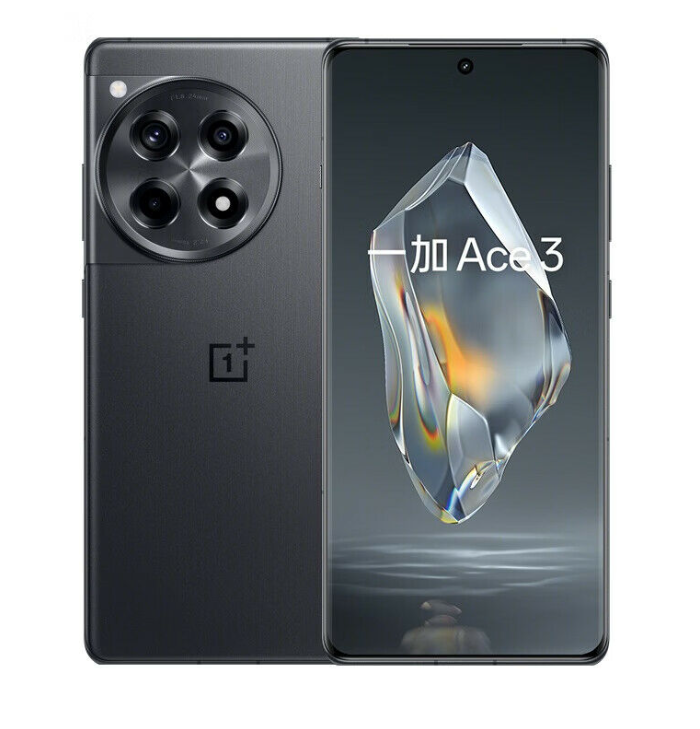
Get the latest OnePlus Ace 3 at Giztop for $459

OnePlus Ace 3 features a 6.78-inch 120Hz AMOLED display with a 1.5K resolution for a captivating visual experience. The display’s 120Hz refresh rate and 360Hz touch sampling rate provide seamless navigation. HDR10+ support and a 100% DCI-P3 color gamut ensure vibrant multimedia.

OnePlus Ace 3 is now available at Giztop for a starting price of $499. The device comes in Black, Rose Gold, and Blue color variants. 

WHERE TO BUY
OnePlus Ace 3 at $459 @Giztop

Powered by the Snapdragon 8 Gen 2 chipset and 12GB/16GB LPDDR5X RAM, the device excels in multitasking and smooth performance. Storage options range from 256GB to 1TB (UFS 4.0), providing ample space for data and apps.

The rear triple-camera setup includes a 50MP primary sensor with OIS, an 8MP ultra-wide lens, and a 2MP macro camera. The 16MP selfie camera with Samsung ISOCELL lens ensures impressive self-portraits. A robust 5500mAh battery coupled with 100W Super Warp charging ensures long-lasting usage. TÜV Rheinland certification guarantees safe and efficient fast charging.

Security is enhanced with an in-display fingerprint scanner, providing convenient and secure access. The device runs on ColorOS 14, based on Android 14 OS, offering a fresh and fast platform, including Dark Mode 2.0.

Gamers benefit from the HyperBoost Game Frame Stabilization Engine 2.0, reducing frame drops during gaming sessions. The Snapdragon 8 Gen 2 5G SoC supports dual 5G (NSA/SA) connectivity. Internationally versatile, OnePlus Ace 3 supports 5G/4G LTE bands across the US, Asia, Europe, and Australia. With support for 20+ languages, it caters to a diverse global audience. 

Mickey Mouse’s Dark Turn in ‘Infestation: Origins’ Game Shocks Fans

This might be the darkest timeline, especially for Mickey Mouse fans. The recent announcement of “Infestation: Origins,” a video game drawing inspiration from the now public domain character Steamboat Willie, underscores the creative and sometimes controversial ways in which classic characters can be reimagined. The game, developed by Nightmare Forge Games, is an episodic four-player co-op survival adventure, where players assume the roles of exterminators battling mutated vermin, including a monstrous version of Mickey Mouse.

This version of Mickey Mouse is very different from the conventional character

Unlike traditional portrayals, this Mickey is far from the cheerful icon we know. Here, he’s a person-sized menace in a game that melds elements of popular titles like “Phasmophobia” and “Lethal Company.” Players must use various tools and maintain power for equipment while evading these giant, murderous rodents.

However, the game hasn’t been without its controversies. Its original title, “Infestation 88,” was changed following backlash due to perceived Neo-Nazi associations (with “88” being a known dog whistle). Nightmare Forge Games responded swiftly, clarifying the title referenced the game’s late 1980s setting and denouncing any form of hate or Nazism.

Criticism has also been levelled at the game’s production quality, with accusations of asset flipping and the use of AI-generated voiceovers, common in lower-budget or “shovelware” games. The developers have acknowledged using assets from popular game development stores but assert that there’s significant original work involved. They also plan to replace AI voiceovers with real actors in the future. While “Infestation: Origins” promises a unique, albeit dark, take on a classic, it also serves as a reminder of the responsibilities that come with reinterpreting cultural symbols, something as massive as Mickey Mouse. The game, slated for an early access release on Steam, is being watched with a mix of curiosity and caution by the community.

RELATED:

(Via)

CD Projekt Red CEO Rejects Takeover Rumours

CD Projekt Red, the famed European video game developer known for hits like The Witcher and Cyberpunk 2077, is charting its own course in the gaming industry. Adam Kiciński, the CEO, recently made it clear in an interview with Parkiet, a Polish outlet, that the company is not looking to be part of a bigger conglomerate. This stance reflects a deep-rooted commitment to independence and a confidence in the studio’s future growth.

The studio is currently working on the next Witcher game

The company’s journey to its current standing is a testament to its dedication and hard work. Kiciński’s words resonate with a sense of pride and ambition, emphasizing that the team is passionate about their work and has big plans ahead. The acquisition of Molasses Flood in October 2021, known for games like The Flame in the Flood, was a strategic move. This acquisition aligns with CD Projekt Red’s philosophy of meaningful growth, as opposed to simply consolidating financial results. Molasses Flood is now working on a new game in the Witcher universe, codenamed “Sirius,” hinting at exciting developments for fans of the series.

CD Projekt Red

The studio is also progressing on various projects, including the next mainline Witcher game, “Polaris,” which is reportedly in full development with a growing team. “Orion,” the next Cyberpunk game, is still in the conceptual phase, but plans for its development are underway, promising an extension of the Cyberpunk universe. Additionally, CD Projekt Red is working on a completely new IP, “Hadar,” which Kiciński assures will be an intriguing addition to the pop culture landscape.

With a successful track record, including the recent launch of Cyberpunk 2077’s Phantom Liberty expansion, CD Projekt Red is one of the biggest leaders of the gaming industry for a clear reason. They’re not just creating games; they’re crafting unique experiences that resonate with gamers around the world. Their decision to maintain independence and carefully curate their portfolio reflects a strategic approach to growth and innovation in a world where commercialization is ruining the best of the best.

RELATED:

(Via)

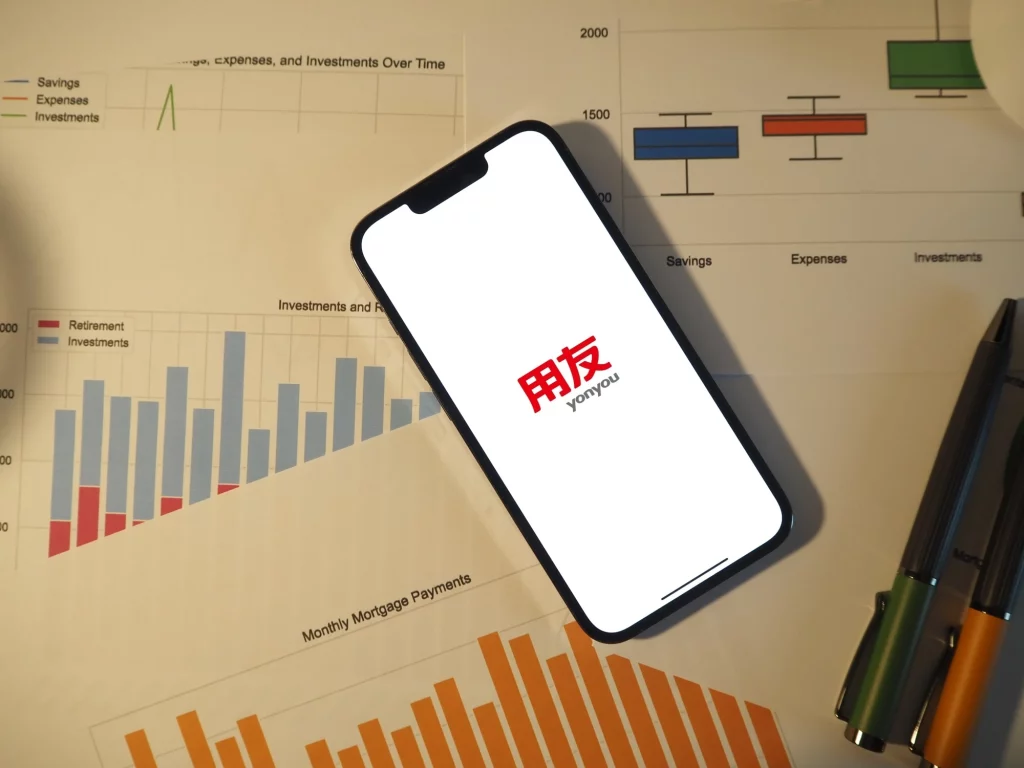
Chinese Software Company Yonyou Embarks on a New Era as President Wang Wenjing Steps Down

Change is inevitable. Whether it’s technology, or any sector in the world – without change, one cannot hope for progress. Wang Wenjing, once hailed as China‘s ‘king of software’, recently stepped down as president of Yonyou Network Technology. This marks a huge shift for the company, which has been a major player in enterprise management systems for many years. Despite Wang’s departure from the president role, he remains integral to Yonyou as its chairman and CEO, focusing on strategy and product development.

The company has faced a fair share of challenges recently

Yonyou, known for its enterprise resource planning (ERP) software, has faced its share of challenges. In a post-pandemic era, businesses worldwide have struggled, and Yonyou is no exception. With a history stretching back to 1988, the company has seen better days, with sluggish sales and growing losses in recent times. Yet, Yonyou’s resilience is noteworthy; it still holds a prestigious spot among the top 10 ERP software providers globally.

Yonyou

The appointment of Chen Qiangbin, a Yonyou veteran, as the new president is a strategic move. Chen’s experience in software development, sales, and management promises a fresh perspective and potentially a new direction for the company. His expertise could be crucial in navigating the current market challenges and leveraging opportunities in China’s booming digital economy.

Yonyou’s evolution over the years, from selling software licenses to offering cloud-based services, shows adaptability—a key trait in the fast-paced tech sector. In 2022, cloud services formed a significant part of the company’s revenue, highlighting its successful shift towards a software-as-a-service model. This transformation could be the catalyst Yonyou needs to return to profitability.

Despite the current economic climate impacting the tech industry, Yonyou’s third-quarter results last year showed positive signs, with revenue growth across all segments. This resilience in the face of adversity is commendable and suggests that demand for ERP systems remains strong.

Wang Wenjing’s journey with Yonyou, from its early days providing accounting software to competing with global giants like Oracle and SAP, has been remarkable. As Yonyou navigates this transition phase, the lessons from its past, combined with a fresh leadership approach, could pave the way for a brighter future. The company’s extensive global presence, with over 230 branches worldwide, positions it well to capitalize on new opportunities and overcome current challenges. Time will tell what the future has in store for the company.

RELATED:

(Via)

Elon Musk reverts Twitter Changes, Restoring Automatic Link Titles After Users Dissatisfaction

Elon Musk, the owner of Twitter (X), continues to make changes. Some of these lead to significant alterations on the platform (such as the app’s name), while others appear as minor adjustments. However, one thing is certain – the renowned billionaire doesn’t always become users’ favorite with each move and may need to backtrack. For instance, recently, Twitter stopped displaying link titles, causing inconvenience. Following user complaints, the titles have now been automatically restored to links. Here are the details…

Twitter Changes, Restoring Automatic Link Titles After Users Dissatisfaction

X had recently stopped displaying the titles of links in their posts, causing users not to see the titles in the preview when sharing any website link. People had to manually add titles or write detailed explanations when making posts. However, X has taken a step back to put an end to these discussions and has started automatically restoring titles to links.

Elon Musk Twitter

While it was thought that the company aimed for a more “clean” look when links lacked titles, both company accounts and many individual users were not pleased with this update. The main issue was that it wasn’t clear a link was present, and it didn’t capture users’ attention.Responding to these complaints, Elon Musk announced a reversal of this feature. Now, titles are automatically included in added links, and titles will be visible regardless of the size of the attached photos.

The main curiosity lies in whether these changes are effective or not. In fact, it’s possible to answer this question both with yes and no. For instance, short videos similar to TikTok, Instagram Reels, and YouTube Shorts undeniably brought some activity to Twitter. However, Musk’s other decisions overshadowed these small successes. We even mentioned recently that Twitter’s current value is 71% less than Musk’s purchase price.

RELATED:

Xiaomi 13 Pro HyperOS update arrives in India

Xiaomi has started releasing the HyperOS update for Xiaomi 13 Pro (review) smartphones in India. Xiaomi India’s Marketing Associate Director has also confirmed the arrival of the update on this smartphone by sharing screenshots on Twitter.

xiaomi-13-Pro

The Xiaomi 13 Pro HyperOS update carries the version 1.0.1.0.UMBINXM and has a file size of 1.9 GB. Additionally, it includes the Android security patch for December 2023.

The rollout is currently underway, with Xiaomi assuring users that it will be accessible to all by January 2024. The update brings several enhancements, including:

System:

  • Updated Android Security Patch to December 2023 for improved system security.

Comprehensive Refactoring:

  • Upgraded memory management engine to enhance resource allocation and memory usage efficiency.

Vibrant Aesthetics:

  • Global aesthetics inspired by life, altering the device’s look and feel.
  • Introduction of a new animation language for more intuitive interactions.
  • Natural colors for vibrancy and vitality across the device.
  • Redesigned Weather app offering essential information and a more sensory weather experience.
  • Streamlined notifications for efficiency.
  • Enhanced Lock screen with photo effects and dynamic rendering.
  • New Home screen icons with refreshed shapes and colors.
  • Improved multitasking with an upgraded multi-window interface.

Xiaomi also revealed that the Xiaomi Pad 6 is scheduled to receive the update in January. Although the recently launched Redmi Note 13 Pro and Note 13 Pro+ devices are currently running on Android 13-based MIUI 14, Xiaomi assures users that these devices are HyperOS-ready and will receive the update soon. Other than that, the upcoming POCO X6 Pro 5G will be confirmed to be the first smartphone to ship with HyperOS out of the box. The X6 5G series will launch on January 11 alongside the POCO M6 4G.

RELATED:

Razer Blade 16, Blade 18 With World’s First Display Features Set To Arrive At CES 2024

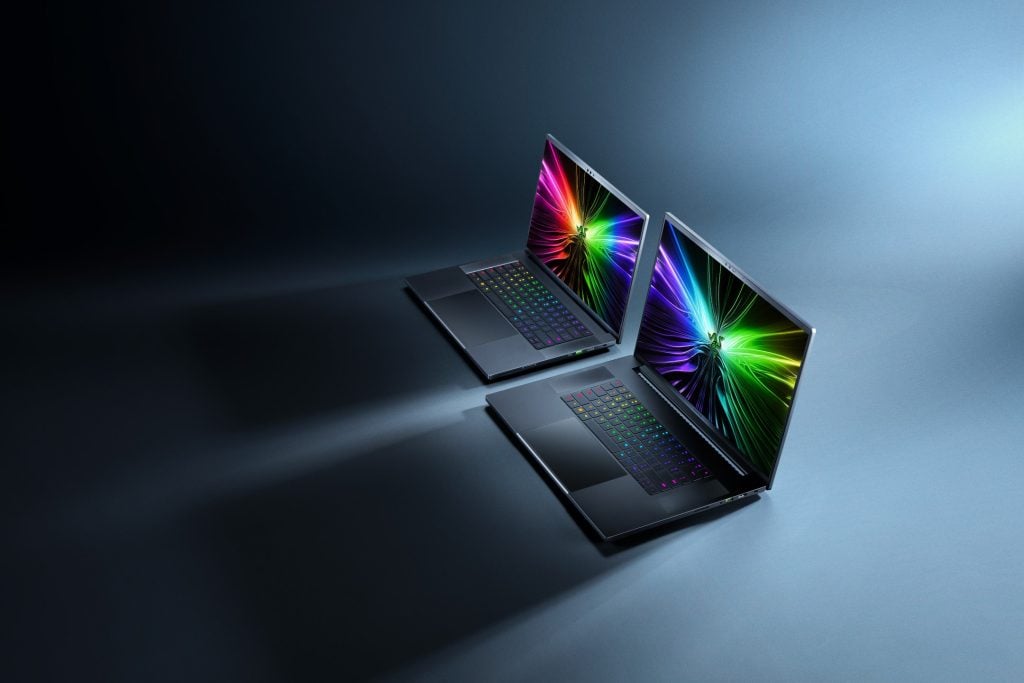
CES 2024 is just around the corner. A host of brands are gearing up to announce new devices at the tech trade show that commences from January 8. Meanwhile, some OEMs have already unveiled few products that will be showcased at the event. Now, Razer has announced that it will debut the upgraded Blade 16 and Blade 18 laptops at the upcoming CES. The brand has teased key display features of the devices ahead of the full unveiling. 

Razer Blade 16 and Blade 18 display details teased

The 2024 Razer Blade 16 and 18 models are touted to come with world’s first features in the display department. The Blade 16 will be the world’s first laptop with a 16-inch OLED screen and a 240Hz refresh rate. It will offer a display resolution of 2,560 x 1,600 pixels and a 0.2ms response time. The OLED panel is said to be developed in collaboration with Samsung. 

Additionally, the Blade 16 will also arrive as the world’s first VESA Certified Clear MR 11000 laptop for motion blur. It will also feature VESA Display HDR True Black 500 certification and a 1 million to 1 contrast ratio. 

As for the Razer Blade 18, it will be the first large 18-inch laptop bearing a 4K resolution and a 165Hz refresh rate. The device will have G-sync support and a 3ms response time for eliminating screen tearing and low latency respectively. The display will also have a 100 percent DCI-P3 color gamut for accurate reproduction. 

The Razer Blade 16 and Blade 18 seem to have the same design as the 2023 models. The brand revealed that the upcoming offerings will sport CNC aluminum chassis with an 89 percent screen-to-body ratio. 

Related: