Advertisement

Casio launches two affordable vintage style analog-digital watches in the US

Casio has launched two new watches in the United States, the AQ230EGL-9A and AQ230EL-1A. These models were previously released in some international markets last year. The watches combine retro-inspired design with practical features, appealing to fans of vintage aesthetics and modern functionality.

Casio AQ230EGL-9A and AQ230EL-1A

Design Details

Both models feature a rectangular case with softly beveled edges and short lugs. The compact design creates a clean and timeless look. The watches use an analog-digital hybrid display, which includes slim baton hour markers and slender hands above a small digital screen. This layout provides both analog elegance and the convenience of digital features, including a calendar, stopwatch, and alarm.

The AQ230EGL-9A has a gold-tone case, a champagne-colored dial, and a brown crocodile-textured leather strap. This combination creates a classic, luxurious style. The AQ230EL-1A, in contrast, has a silver-tone case, a black dial, and a black leather strap. The black-and-silver design offers a modern, versatile look suited for both casual and formal occasions.

Both models include water resistance, making them suitable for daily use. The dual-time feature lets users track two time zones simultaneously. This functionality makes the watches practical for travelers or anyone managing schedules across different regions.

Pricing and Availability

Casio priced the AQ230EGL-9A at $79.95 and the AQ230EL-1A at $69.95. These are now available via Casio’s website.

In related news, Casio has launched the premium G-Shock MTGB4000D-1A in the US with durable carbon-steel construction, alongside the W-800HD-1AV digital watch, which features a classic retro design.

For more daily updates, please visit our News Section.

Stay ahead in tech! Join our Telegram community and sign up for our daily newsletter of top stories! 💡

(Casio 1,2)

Vivo V70 vs Oppo Reno 15: Which Lite Flagship Phone Should You Buy?

Compact smartphones have been growing in popularity, with more brands launching their own small devices. Initially, most of these new releases were a part of the premium lineup. But now, Oppo and Vivo have just released two phones that are a part of their sub-flagship lineup, targeting users who want near flagship-level features in sleek, easy-to-hold designs without the bulk of larger phones. So in this comparison, we’ll break down the key differences between the Vivo V70 and Oppo Reno 15 to help you decide which deserves your attention this year.

1. Design & Display

Oppo Reno 15 (Global)
Oppo Reno 15

Both the Vivo V70 and Oppo Reno 15 lean into refined aesthetics, opting for minimalist designs with slim bodies and compact form factors. The duo features premium materials like aluminum frames and a glass rear panel. But while the Vivo V70 emphasizes a modern and minimalistic design, the Reno 15 pairs an elegant look with shiny new designs, especially in the Glacier White and Aurora Blue color variants.

In terms of display specs, both phones deliver similar visual experiences, with sharp resolutions and smooth refresh rates that make everyday interactions fluid and responsive. So you get a 6.59-inch OLED display with a 1.5K resolution, a 120Hz refresh rate, and solid brightness levels.

2. Performance

Reno15 Aurora Blue
Oppo Reno 15 – Aurora Blue

Just like with the design and display, Oppo and Vivo are basically tied in terms of performance as well. The two phones are equipped with the Snapdragon 7 Gen 4 SoC, which is paired with up to 12GB of RAM. Although the Vivo V70 maxes out at 256GB for storage, the Reno 15 has a more expensive 512GB variant. Under the hood, a massive 6,500mAh battery pack powers the Vivo V70 and Oppo Reno 15. Vivo has an edge with a faster 90W wired fast charging support. But this is only marginally faster than the 80W charging support on the Reno 15.

3. Camera

Vivo V70 vs Oppo Reno 15
Vivo V70

You get a versatile camera system on Oppo and Vivo, although there are a few differences. The main camera on the Reno 15 is a 50MP main shooter, which is coupled with an 8MP ultra wide angle lens and a 50MP periscope telephoto shooter with a 3.5x optical zoom.

The primary camera on the Vivo V70 is a 50MP sensor, with a same sensor size as the Reno 15. The tiny 8MP ultra wide angle lens returns here as well. But a big advantage is with the 50MP periscope telephoto shooter that has a 3x optical zoom and a larger sensor size. This should translate to better performance in lowlight scenes.

Furthermore, the tuning from Zeiss should offer another advantage in the shooting experience, thanks to various filters and more. For selfies and video calls, there is a 50MP camera on both devices, but the V70’s front camera gets autofocus support as well.

4. Software & Ecosystem

Vivo-V70-and-V70-Elite

In 2026, Vivo made the switch to OriginOS 6 that made its software experience more refined and modern. It has great customization options, a cleaner look, and various AI powered tools. But ColorOS 16 on the Reno 15 is one of the best Android skins out there. Despite being on the same Android 16 platform, the latter brings a bunch of thoughtful features and a UI that could appeal to fans of iPhones and iOS.

5. Which One Should You Pick?

Looking at their competitive specs and features on offer, picking between the two devices isn’t so easy. The starting price tag of the Vivo V70 and Oppo Reno 15 is Rs 45,999 for the same 8GB + 256GB base configuration. But there are a few things to consider.

Choose the Vivo V70 if:

  • You prioritise camera performance, especially in varied lighting conditions.
  • You want strong low-light imaging and refined colour output.
  • You prefer a minimalistic design.

Choose the Oppo Reno 15 if:

  • You prefer a slightly cleaner software experience with thoughtful refinements.
  • You enjoy stylish UI flourishes and additional customisation features.
  • You want a more unique design.

So the difference here basically boils down to the design, software, and camera. Meaning, the choice you make, depends on your priorities.

For more daily updates, please visit our News Section.

Tech enthusiast? Get the latest news first! Follow our Telegram channel and subscribe to our free newsletter for your daily tech fix! ⚡

TCL beats Samsung in global TV shipments for December 2025

TCL has officially dethroned Samsung as the top global TV shipper for December 2025, according to Counterpoint Research’s latest data. This marks a major milestone for the Chinese electronics giant, whose shipments surged 10% year-over-year (YoY) last month, giving it a commanding 16% market share. Meanwhile, Samsung, the perennial leader, slipped to second place with a 13% share, despite an 8% YoY increase in shipments.

TCL CES 2026

The performance of TCL was primarily driven by strong sales in Asia-Pacific, China, and the Middle East, which offset weaker demand in North America and Western Europe. The company achieved significant growth by focusing on mid-range and budget-friendly TVs, including the recently launched T7 series. TCL also boosted sales of its high-end QM8K and QM9K models through aggressive holiday pricing.

Global TV Shipments Monthly Report

However, Samsung still holds the crown for Q4 2025 overall, shipping 2% more TVs than TCL during the period. While North and South America provided growth opportunities for Samsung, declines in Western Europe and the Middle East hurt its performance. On the flip side, Hisense, which took third place in December, saw its shipments plummet 23% YoY, highlighting significant struggles in China’s shrinking TV market.

Looking ahead, the ambitions of TCL could spell bigger trouble for Samsung. The company’s upcoming partnership with Sony’s Bravia brand, set to finalize in March 2026, positions TCL to make a serious play in the premium TV market, a territory that Samsung has historically dominated with its high-end OLED and 8K offerings. If TCL can successfully leverage Sony’s reputation in this space, the dynamic of the global TV market could shift dramatically.

For now, TCL’s December triumph might be temporary, but its growth trajectory is impossible to ignore. With a mix of strategic pricing, regional demand timing, and potential premium market expansion, Samsung’s top spot may no longer be as secure as it once was.

For more daily updates, please visit our News Section.

Stay ahead in tech! Join our Telegram community and sign up for our daily newsletter of top stories! 💡

(Source, Via)

New Amazfit T-Rex Ultra 2 Debuts With Grade-5 Titanium, 3000nits Display, & Huge Battery

Amazfit has rolled out its latest rugged flagship smartwatch, the T-Rex Ultra 2, designed for outdoor adventurers and smart-watch lovers who want premium durability without compromise. With a new high-end titanium construction, a bright AMOLED display, and a larger battery pack, the brand’s latest flagship smartwatch aims to raise the bar for tough, long-lasting wearables.

Amazfit T-Rex Ultra 2: Premium Build and Super Bright Display

The T-Rex Ultra 2 is built around a Grade-5 titanium bezel, case back and buttons, combined with a fibre-reinforced polymer body to balance durability and weight. This rugged construction helps keep the watch lightweight (around 89.2 grams) while remaining tough enough for outdoor exposure. Adding to its durability is the 10ATM water resistance and dual diving certification for underwater use.

Amazfit T-Rex Ultra 2

Amazfit’s latest flagship smartwatch sports a 1.5-inch AMOLED display that is protected by scratch resistance sapphire glass. The screen offers an impressive peak brightness of up to 3,000nits, which is a big jump over its predecessor.

Power for Long Adventures

Battery life is a major strength of the Ultra 2, thanks to a larger 870mAh battery pack, which is rated for up to 30 days of endurance with typical use, making it ideal for multi-day trips without frequent recharging. In GPS mode, this can fall to around 50 hours depending on the settings. So it is a reliable companion for long hikes and trail runs as well.

Navigation and Mapping Built In

Amazfit T-Rex Ultra 2

One of the biggest upgrades over earlier rugged models is the Ultra 2’s advanced navigation suite. Supported by six satellite systems, the watch delivers fast, accurate tracking and turn-by-turn routing without needing a phone. Users can preload full-colour global maps via the Zepp app, plan offline routes up to 100 km, search for nearby points of interest, and get elevation profiles and rerouting on the fly. You also get built-in speakers and microphone for Bluetooth calling support and Zepp app integration.

Outdoor Tools and Practical Extras

The Ultra 2 packs several features aimed at real-world adventure use. This includes:

  • Built-in dual-mode flashlight with adjustable output and an SOS signal mode for emergencies.
  • Low-interference green light for clear viewing with night-vision goggles.
  • Checkpoint display and reminders to set milestones like water sources or cabins along routes.
  • Grade-adjusted pace and enhanced climb segmentation for better performance insights.
  • Built-in speaker and microphone for Bluetooth calls and audible alerts.

Buyers can even store maps, music, and activity data directly on the Amazfit T-Rex Ultra 2 thanks to the 64GB internal storage. Other notable features include a dual mode LED flashlight, NFC payment support, operation even at extreme temperatures up to -30∘C, and an SOS mode.

Pricing and Availability

The Amazfit T-Rex Ultra 2 targets outdoor adventurers and serious athletes who need endurance, navigation and rugged construction in one wearable. It complements other models in Amazfit’s lineup, such as the Amazfit T-Rex 3 Pro. The brand just launched its premium smartwatch for a starting price tag of 549.99 US Dollars. It is available for purchase on the company’s official website and Amazon. In related news, this release arrives around a month after Amazfit released its new Active Max smartwatch globally and in the Indian market. You can also click here to check out our list of the best smartwatches for Android in 2026.

For more daily updates, please visit our News Section.

Don’t miss a thing! Join our Telegram community for instant updates and grab our free daily newsletter for the best tech stories!

Tech enthusiast? Get the latest news first! Follow our Telegram channel and subscribe to our free newsletter for your daily tech fix! ⚡

Red Magic 11 Pro emulates Cyberpunk 2077 at playable 40+ FPS

We’ve seen Android phones get ridiculously powerful over the past few years, but this might be one of the clearest signs yet that mobile hardware is entering serious PC territory.

In a recent video, ETA Prime managed to run Cyberpunk 2077 locally on the Red Magic 11 Pro. No cloud streaming, no remote desktop tricks, just straight-up emulation. That alone is impressive. But the performance numbers make it even more interesting.

The Red Magic 11 Pro, powered by Qualcomm’s Snapdragon 8 Elite Gen 5, handled the game at 720p with the lowest graphics preset. AMD FSR 2.1 upscaling was set to Balanced mode. Without frame generation enabled, the game hovered around 30 FPS, dipping into the high 20s during heavier scenes.

Once FSR frame generation was turned on, performance improved noticeably. Frame rates jumped past 40 FPS consistently and even touched 50 FPS in lighter sections. On a phone screen, that’s surprisingly playable for a title that once pushed high-end gaming PCs to their limits.

ETA Prime also tried the Steam Deck preset, which slightly improves visuals while keeping FSR Balanced. Performance initially dropped to around 20 FPS, but enabling frame generation brought it back up to roughly 40 FPS. The tradeoff? Some visible artifacts and ghosting, which isn’t unexpected when relying on aggressive frame interpolation.

Under the hood, the Snapdragon chip was clearly working hard. CPU usage sat between 60% and 80%, while GPU usage ranged from 50% to 60%.

To be clear, this isn’t a replacement for a console or gaming laptop. But the fact that Cyberpunk 2077 can run locally on a smartphone at playable frame rates would’ve sounded ridiculous just a few years ago.

Now? It’s happening. And if this is where mobile silicon is today, the next couple of generations could get very interesting for portable gaming.

Don’t miss a thing! Join our Telegram community for instant updates and grab our free daily newsletter for the best tech stories!

For more daily updates, please visit our News Section.
(Source: ETA Prime)

ColorOS 17 & OxygenOS 17 leak reveals new upgrades with Android 17

Xiaomi recently confirmed the list of devices that will get the Android 17 OS update, which arrived soon after the first official Android 17 beta went live. Now, early leaks have revealed Oppo’s and OnePlus’s next major software updates based on Android 17. But ahead of any official release roadmap, the latest report has revealed a bunch of key updates for the upcoming ColorOS 17 and OxygenOS 17.

ColorOS 17 and OxygenOS 17: Smoother Performance & System Efficiency

One of the biggest themes across leaks is system performance optimization. Both ColorOS 17 and OxygenOS 17 are reported to refine CPU resource and memory management, resulting in faster app launches, fewer micro-stutters and better overall fluidity when navigating the interface.

OxygenOS 16
OxygenOS 16

Background multitasking is expected to benefit from improved app retention, meaning apps stay active longer instead of reloading frequently. Leaks also suggest deeper internal optimizations like improved garbage collection processes to reduce unnecessary workload on system resources and refine idle power usage, which could translate into more consistent battery life in day-to-day use.

Refined Animations & Interface Fluidity

Both the ColorOS 17 and OxygenOS 17 updates are tipped to bring smoother system-wide animations and reduced UI frame drops, helping make everyday interactions feel more consistent and responsive. Whether scrolling through apps or navigating menus, leaks suggest that transitions and motion feedback will look more polished than before, improving the overall feel and software experience.

ColorOS 16 design
ColorOS 16

Camera apps are also a focus here. Reports point to improved zoom transitions while taking photos and videos, meaning less lag, flickering and abrupt jumps between zoom levels. This would be a great quality tweak that could make major differences during real world shooting sessions.

Camera & Visual Improvements

OnePlus OxygenOS 16 rollout expansion

On the imaging side, one of the more practical changes highlighted in the leaks is smoother zoom behavior in the camera interface. These enhancements are for both stills and video capture. This hints at software-level improvements that could make switching between focal lengths or continuous zooming feel more natural and less jittery. That’s a welcome improvement for users who rely on their phones for quick photo/video tasks.

For more daily updates, please visit our News Section.

Tech enthusiast? Get the latest news first! Follow our Telegram channel and subscribe to our free newsletter for your daily tech fix! ⚡

Casio launches premium G-Shock MTGB4000D-1A in the US with carbon-steel construction

Casio has launched the G-Shock MTGB4000D-1A in the US under its premium MT-G lineup. The model debuted earlier this year in Japan and is now available via Casio’s website and select retailers for $1,600.

Casio G-Shock MTGB4000D-1A

Casio G-Shock MTGB4000D-1A Specs

The MTGB4000D-1A features an updated Dual Core Guard structure that uses a mix of carbon fiber and stainless steel for enhanced strength and reduced weight. Casio developed the design using artificial intelligence to analyze shock-resistant structures.

The watch’s frame is made from laminated carbon and glass fiber sheets, creating a layered pattern that is visible from the side. The stainless steel bezel uses a dual-layer design with separate hairline and mirror finishes, giving the watch a polished and textured appearance. The band uses a layered composite structure of stainless steel and carbon fiber-reinforced resin, providing a sturdy yet lightweight fit.

The dial uses a high-contrast layout with raised hour markers and bold hands for better readability. Multiple sub-dials add depth and support dual-time functions. Casio protects the dial with a sapphire crystal that includes an anti-reflective coating. The case measures 56.6 x 45.3 x 14.4 mm, and the watch weighs 178 grams.

The MTGB4000D-1A supports Triple G Resist protection against shock, vibration, and centrifugal force. The watch also offers 200-meter water resistance. Casio equips it with Tough Solar charging, Multi Band 6 radio-controlled timekeeping, and Bluetooth connectivity for pairing with the Casio Watches app to enable automatic time adjustment, world time settings, and status checks.

Additionally, the watch also includes a 1-second stopwatch, countdown timer, daily alarm, LED light, power-saving mode, and a full auto-calendar. The rechargeable battery delivers up to five months of use under normal conditions and up to 18 months with power saving enabled.

In related news, Casio has recently launched the W-800HD-1AV digital watch with a classic retro design in the US, alongside a new G-Shock collaboration model with ASSC featuring a transparent floral design.

For more daily updates, please visit our News Section.

Stay ahead in tech! Join our Telegram community and sign up for our daily newsletter of top stories! 💡

(Casio)

Poco X8 Pro and X8 Pro Max full specs out, thanks to this new leak

It’s no secret that Poco is preparing its next refresh with the Poco X8 series. The Poco X8 and Poco X8 Pro have surfaced in multiple leaks in recent weeks, and now a tipster claims to have shared the full specifications of both devices.

Poco X8 Pro Max Specifications

Starting with the Poco X8 Pro Max, the phone is tipped to feature a 6.83-inch 1.5K TCL M10 OLED display with a 120Hz refresh rate. The screen will have 2000 nits brightness, and it may use 3840Hz PWM dimming.

Under the hood, it’s said to run on the Dimensity 9500s processor paired with an Immortalis-G925 MC12 GPU. The device is also expected to use LPDDR5x Ultra RAM and UFS 4.1 storage.

On the camera side, the Pro Max may include a 50MP Light Hunter 600 main sensor with optical image stabilization, alongside an 8MP ultra-wide camera. A 20MP OV20B camera is expected on the front. The phone could pack an 8,500mAh battery with 100W wired charging and 27W reverse charging.

Other reported features include dual stereo speakers, LHDC 5.0 audio support, a 3D ultrasonic in-display fingerprint sensor, and IP68/IP69/IP69K ratings. Connectivity options may include Wi-Fi 7 and Bluetooth 5.4. The device is tipped to measure 8.15mm thick and weigh 219 grams.

Poco X8 Pro Specifications

The standard Poco X8 Pro, meanwhile, will be more compact with a 6.59-inch 1.5K TCL M10 OLED panel, also at 120Hz and 2000 nits HBM. It’s expected to run on the Dimensity 8500 Ultra with a Mali-G720 MC8 GPU. Like the Pro Max, it could offer LPDDR5x Ultra RAM and UFS 4.1 storage.

The camera setup may include a 50MP Sony IMX882 sensor with OIS and an 8MP ultra-wide lens, plus the same 20-megapixel selfie camera. Keeping it running could be 6,500mAh with 100W wired charging and 27W reverse charging.

Redmi Turbo 5
Redmi Turbo 5

The Poco X8 Pro is also tipped to carry IP68/IP69/IP69K ratings, a metal frame, NFC, and an IR blaster. It may feature an optical in-display fingerprint scanner instead of the ultrasonic unit on the Pro Max. Connectivity could top out at Wi-Fi 6.

Both devices are expected to ship with Android 16 and HyperOS 3 out of the box.

For more daily updates, please visit our News Section.

Tech enthusiast? Get the latest news first! Follow our Telegram channel and subscribe to our free newsletter for your daily tech fix! ⚡

(Source)

Xiaomi Launches QLED TV X Pro 75 (2026) With 4K 120Hz Screen & Dolby Vision in India

Xiaomi has just unveiled its latest premium large-screen TV for India: the QLED TV X Pro 75 (2026). This is a tall new smart TV that aims to deliver cinema-style visuals, immersive audio, and versatile smart features at a compelling price. This model expands the X Pro lineup with a feature-rich flagship-sized screen that goes on sale later this month.

Xiaomi QLED TV X Pro 75 (2026) Specifications

As the name suggests, the Chinese tech giant’s new X Pro 75 sports a tall 75-inch QLED panel. This screen offers 4K UHD resolution along with a DLG 120Hz refresh rate, which comes in handy for gaming and smoother motion. Xiaomi’s latest smart TV supports HDR10+ and Dolby Vision, along with the Filmmaker Mode to preserve the original frame rates, aspect ratios, and color accuracy.

Xiaomi QLED TV X Pro 75 2026 launch
Xiaomi QLED TV X Pro 75 2026

Under the hood, Xiaomi powers the QLED TV X Pro 75 with a quad core Cortex A55 chip, which is coupled with 2GB of RAM and 32GB of internal storage. Notably, this model runson the Google TV platform that also brings support for streaming apps like Netflix, Prime Video, YouTube and more. Chromecast and Apple AirPlay 2 support screen casting as well. Other notable features include an Auto Low Latency Mode (ALLM), MEMC motion smoothing, a 120Hz Game Booster, three HDMI (including eARC), two USB ports, Ethernet, optical audio, a 3.5 mm jack, dual-band Wi-Fi and Bluetooth.

For audio, there is a 34W speaker system that supports Dolby Atmos, DTS:X, and DTS Virtual:X. The Xiaomi QLED TV X Pro 75 (2026) is priced at Rs 69,999 in India. Early buyers who pre-book the TV with a Rs 999 deposit will have that amount credited back as Amazon Pay balance, and there’s a Rs 5,000 bank discount available. Buyers who pre-book can also receive a four-year comprehensive warranty at no extra cost. The TV will go on sale starting February 27 across mi.com, Amazon India, and select offline stores.

For more daily updates, please visit our News Section.

Tech enthusiast? Get the latest news first! Follow our Telegram channel and subscribe to our free newsletter for your daily tech fix! ⚡

Scientists Create World’s Smallest QR Code, Smaller Than Bacteria

Key Highlights

  • Researchers at TU Wien and Cerabyte created the world’s smallest QR code, measuring just 1.98 square micrometers.
  • The record has been officially verified by Guinness World Records, making it 37% smaller than the previous holder.
  • The breakthrough could lead to ultra-durable, low-energy data storage that lasts for centuries or longer.

source: tuwien.at

World’s Smallest QR Code Created

A research team from Vienna University of Technology (TU Wien), working with Austrian-German startup Cerabyte, has created the world’s smallest QR code. The tiny code measures only 1.98 square micrometers, making it smaller than most bacteria. The achievement has been officially recognized by Guinness World Records. Researchers say the project is not just about setting a size record but also about showing new possibilities for future data storage technologies.

How Small Is It?

The QR code is so small that it cannot be seen with the naked eye or even with standard optical microscopes. Scientists can only view and read it using an advanced electron microscope. The code is made up of a 29 × 29 module structure, with each pixel measuring only 49 nanometers wide. This is around one-tenth the wavelength of visible light, showing how far data encoding has moved into the nanoscale range.

Technology and Materials Used

To create the QR code, researchers used focused ion beam technology to etch the design into a thin ceramic film. Ceramic was chosen because it is extremely stable, durable, and resistant to harsh environments. Unlike atomic-level structures that may shift over time, ceramic materials help keep information stable and readable for long periods. The research was led by Professor Paul Mayrhofer and included several contributors from TU Wien’s Institute of Materials Science and Technology.

Real-World Impact and Usage

This technology could change how data is stored and preserved in the future. Ceramic-based nano storage may allow important information to survive for hundreds or even thousands of years without power, cooling, or regular maintenance. It could be used for long-term archives, scientific data, cultural records, and government documents that need permanent preservation. Because it consumes almost no energy after writing, it may also help reduce data center power usage and lower environmental impact, making digital storage more sustainable over time.

Read More:

(via)

Vivo V70 and V70 Elite Launched with ZEISS Cameras, 6500mAh Battery, Snapdragon 8s Gen 3

Vivo has launched the Vivo V70 and Vivo V70 Elite in India. Both phones focus on camera performance, AI features, and battery life, while the Elite model brings flagship-level hardware with the Snapdragon 8s Gen 3 processor.

Vivo V70 and V70 Elite

ZEISS Camera System with Multi-Focal Portrait

The main highlight is the ZEISS co-engineered camera system. Both devices include a 50MP ZEISS Night Telephoto camera using the Sony IMX882 sensor with NICE 2.0 Lite processing. It supports up to 10x zoom and is paired with a large 1.3cm sensor for better low-light shots and more detail. The primary camera is a 50MP Sony LYT-700V sensor with optical image stabilization for sharper photos and smoother videos in different lighting conditions. On the front, both phones feature a 50MP ZEISS group selfie camera with autofocus and a 92-degree field of view.

V70 and V70 Elite

The ZEISS Multi-Focal Portrait system allows users to shoot portraits at different focal lengths. These include 23mm landscape portraits with hexagonal bokeh, 35mm street portraits with triangular bokeh flares, 50mm classic portraits with swirling bokeh, 85mm figure portraits with soft cinematic blur, and 100mm close-up portraits with leaf-like bokeh effects.

Video recording supports 4K at 60fps on both the front and rear cameras with zoom clarity at 1x, 2x, and 3x levels. Vivo also added AI Audio Noise Eraser, which identifies voices, wind, music, and background noise to improve sound quality in recordings.

AI Photography Features

The phones include several AI photography tools designed for everyday use. India-exclusive AI Holi Portrait maintains natural skin tones in color-heavy scenes. AI Magic Weather can change skies with effects like morning glow, clear sky, evening glow, and twilight. AI Floral Blessing adds animated flower petals to portraits. AI Magic Landscape improves travel photos using scene detection and color optimization. AI Creativity Style adds artistic looks such as cyber, oil blend, animation, and fireworks without using third-party apps.

Performance and Gaming Capabilities

Performance is different between the two models. The Vivo V70 Elite runs on the Snapdragon 8s Gen 3 built on a 4nm process with a peak clock speed of 3.0GHz and an AnTuTu score of 1.89 million. It supports up to 90fps gaming. The standard V70 uses the Snapdragon 7 Gen 4 with 27 percent faster CPU performance, 30 percent better GPU performance, and 26 percent higher gaming efficiency compared to the previous generation. Both phones use LPDDR5X RAM and UFS 4.1 storage. A 4200mm² vapor chamber cooling system helps maintain stable performance. The Elite version also includes an X-axis linear motor and 4D gaming vibration for better haptic feedback.

Battery, Durability, and Security

Both devices have a 6500mAh BlueVolt battery with 90W FlashCharge support. They also come with IP68 and IP69 dust and water resistance, allowing submersion up to 1.5 meters for 120 minutes. A 3D ultrasonic fingerprint scanner provides faster unlocking even with wet fingers and adds anti-spoofing protection.

Display and Design

The display on both phones is a 6.59 inch 1.5K OLED panel with a narrow 0.125cm bezel, peak brightness of 5000 nits, SGS low blue light certification, and 100 percent P3 color gamut. The Elite model adds 3D Spatial Effect Wallpaper that reacts to movement. Both devices include Flip Cards, which create visual effects using gyroscope motion.

Software

The phones run OriginOS 6 with features like AI Creation, AI Captions for meeting transcription, Origin Island drag and drop multitasking, One-Tap Transfer for cross-device sharing, and Vivo Office Kit for workflow integration. Private Space provides secure storage. Gemini Assistant with Google is also included. Vivo promises four generations of Android updates and six years of security updates.

Pricing & availability

The Vivo V70 is priced at ₹45,999 for 8GB plus 256GB and ₹49,999 for 12GB plus 256GB. It comes in Passion Red and Lemon Yellow. The Vivo V70 Elite starts at ₹51,999 for 8GB plus 256GB, ₹56,999 for 12GB plus 256GB, and ₹61,999 for 12GB plus 512GB. It is available in Passion Red, Sand Beige, and Authentic Black.

Sales start February 26 through the Vivo website, Flipkart, Amazon, and retail stores. Pre-bookings are already open with bank discounts, exchange offers, EMI options, buyback schemes, and bundled accessories.

Nvidia’s “World-Shocking” Chip Is Coming: Here’s What We Know

Key Highlights:

  • Nvidia CEO Jensen Huang says a new chip revealed at GTC 2026 will “surprise the world.”
  • The announcement is expected during the March 16 keynote in San Jose.
  • Industry speculation points to major advances in Rubin architecture and HBM4 memory technology.

nvidia blackwell architecture
Nvidia Blackwell Architecture

Nvidia is preparing to unveil a major new chip at GTC 2026, according to CEO Jensen Huang. In an interview with the Korea Economic Daily, Huang teased that the company will introduce hardware designed to push current technology to its limits. While he did not share technical details or the official name, he suggested the chip could mark a big step forward in performance and design.

The reveal is scheduled for March 16, 2026, during Huang’s annual GTC keynote in San Jose. Analysts expect Nvidia to focus heavily on its next-generation Vera Rubin architecture, which has been positioned as a key platform for future AI systems. Reports suggest the new chip may use advanced packaging methods aimed at solving memory bottlenecks, one of the biggest challenges in modern AI computing.

Nvidia is also reportedly working closely with SK Hynix on HBM4 memory technology. The goal is to directly stack high-bandwidth memory onto GPU logic dies, a move that could make the chip one of the most complex semiconductor designs ever produced if mass manufacturing succeeds.

Some rumors have mentioned an early preview of Nvidia’s future Feynman architecture, expected later in the decade. This remains unlikely, but speculation continues due to its ambitious roadmap, which includes advanced manufacturing processes and silicon photonics.

Huang also hinted that multiple new chips could be announced at GTC 2026, making the event one of Nvidia’s most closely watched launches in recent years.

Read More:

(via)

Honor Magic 7 Pro Gets MagicOS 10 Update Based on Android 16

Honor has begun deploying MagicOS 10, built on Android 16, to Magic 7 Pro devices globally. The 3.27GB update (version 10.0.0.121) arrives eight months after Google’s Android 16 release and requires 4-5GB free storage.

Honor Magic 7 Pro

Performance Enhancements

The update introduces Turbo X performance engine with visible optimization indicators. System-level improvements include parallel operations during home screen navigation, refined app launch animations, enhanced camera performance, and more responsive keyboard input.

AI and Connectivity Features

Call translation functionality debuts through Honor AI settings. AI screenshot technology learns user behavior to automatically suggest relevant services. The update enables direct file sharing with iPhones via device-to-device contact, requiring Honor Connect app v1.1.18111 or later on iOS devices. Honor WorkStation software facilitates seamless transfers between Magic 7 Pro and Mac or Windows computers.

Interface Redesign

The Control Center receives a dark background with colorful icons and customizable layouts. Lock screen customization expands with additional clock styles accessible through two-finger pinch gestures. Transparency mode enhances visual effects for widgets and folders.

Magic Capsule Integration

Charging status and screen recording now integrate into Magic Capsule for real-time monitoring and quick access. Long take animations enable smooth transitions in Clock, Gallery, and Notes applications.

Additional Improvements

Bluetooth LHDC 5.0 high-definition audio codec support arrives alongside Android’s native extra dim accessibility feature. Motion Sickness Relief includes automatic activation during driving with customizable dot colors. Camera interface refreshments allow two-row imaging menu views, status bar customization, and improved video browsing in Gallery.

Screenshot functionality expands to capture floating windows with single-step area selection. Users can replace original images with edited screenshots directly.

Magic 7 Pro owners can check for updates through Settings > System & updates > Software update. The comprehensive update marks a significant functional expansion beyond standard Android 16 features.

Tech enthusiast? Get the latest news first! Follow our Telegram channel and subscribe to our free newsletter for your daily tech fix!

For more daily updates, please visit our News Section.

(via)

A Galaxy S26 Ultra clone is already selling for only $72

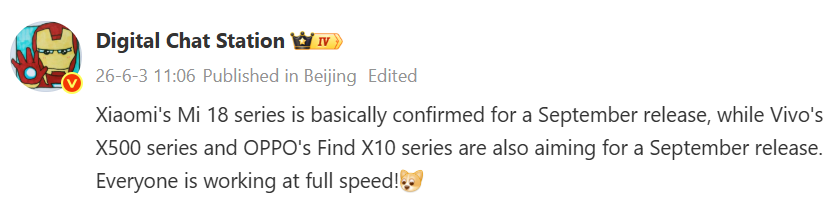
The hype around Samsung’s next flagship lineup is already in full swing. The Galaxy S26 series is set to go official next week, but in classic internet fashion, a “Galaxy S26 Ultra” has surfaced early, just not the one you’re expecting. Instead, it’s a budget clone. And it’s selling for around $72.

A video making the rounds on Instagram shows what appears to be a knockoff version of the upcoming Galaxy S26 Ultra. At first glance, it’s surprisingly convincing. The rear camera layout closely mirrors leaked renders, the wallpaper matches the rumored official imagery, and the overall design looks premium enough to pass in a quick scroll.

But that illusion fades fast once you look beyond the surface

Under the hood, this clone reportedly packs just 3GB of RAM and 16GB of storage — specs that feel outdated even for entry-level phones, let alone something pretending to be an Ultra flagship. While the seller advertises 5G support, the overall experience is worlds apart from what Samsung’s real flagship is expected to offer.

And of course, you’re not getting Samsung’s software ecosystem either. No Galaxy AI features, no long-term update commitment, no refined camera processing, just a shell designed to capitalize on hype.

This kind of thing isn’t new. Cheap replicas often pop up weeks, sometimes even months, before major launches. They ride the wave of leaks and rumors, targeting buyers who either don’t know better or are tempted by the price. The designs may look similar from a distance, but the similarities usually stop at cosmetics.

Meanwhile, the real Galaxy S26 lineup is set to debut at Galaxy Unpacked on February 25 in San Francisco. The event kicks off at 10 am PT, and as always, Samsung is likely to open up early registration perks and pre-order bonuses. Until then, this $72 “Ultra” serves as a reminder of how fast the knockoff market moves.

Don’t miss a thing! Join our Telegram community for instant updates and grab our free daily newsletter for the best tech stories!

For more daily updates, please visit our News Section.
(Source)

Here’s when your Xiaomi device will stop getting HyperOS updates

Xiaomi HyperOS update life

Xiaomi has one of the best software update policies among Android brands, but even that has to come to an end sometime. Thus, it becomes important to keep the update policy of your device in check to ensure it continues to receive the latest updates.

To make things easier, we dug through Xiaomi’s official website to prepare a list for you that shows when your Xiaomi, Redmi, or POCO device will stop receiving software updates.

List of Xiaomi, Redmi, and POCO devices with their EOL dates

The End-of-Life (EOL) date is when your device stops receiving all software updates, including major HyperOS updates and security releases.

Xiaomi devices

DeviceEOL Date (YYYY-MM-DD)
Xiaomi 15, 15 Ultra2031-03-01
Xiaomi 15T, 15T Pro2031-09-24
Xiaomi 142029-02-25
Xiaomi 14 Ultra2029-03-15
Xiaomi 14T, 14T Pro2029-09-26
Xiaomi 13, 13 Pro2028-03-08
Xiaomi 13 Ultra2028-06-12
Xiaomi 13 Lite2027-03-02
Xiaomi 13T, 13T Pro2028-10-04
Xiaomi 12, 12 Pro2026-03-17
Xiaomi 12 Lite2026-07-01
Xiaomi 12T, 12T Pro2026-10-13
Xiaomi Pad 7, Pad 7 Pro2028-03-01
Xiaomi Pad 62026-07-10
Xiaomi MIX Flip2029-07-18

Redmi devices

DeviceEOL Date (YYYY-MM-DD)
Redmi Note 15, Note 15 5G2032-01-15
Redmi Note 15 Pro, Note 15 Pro 5G, Note 15 Pro+ 5G2032-01-15
Redmi Note 142031-03-01
Redmi Note 14 5G2029-01-09
Redmi Note 14 Pro2029-01-15
Redmi Note 14 Pro 5G2029-01-30
Redmi Note 14 Pro+ 5G2029-01-01
Redmi Note 13, Note 13 5G2028-01-15
Redmi Note 13 Pro, Note 13 Pro 5G, Note 13 Pro+ 5G2028-01-15
Redmi Note 122027-03-23
Redmi Note 12 5G2026-03-23
Redmi Note 12 Pro2026-04-20
Redmi Note 12 Pro 5G, Note 12 Pro+ 5G2027-03-23
Redmi Note 12S2027-05-10
Redmi 152029-09-22
Redmi 15 5G2029-08-01
Redmi 15C2031-08-28
Redmi 15C 5G2031-09-30
Redmi 14C2028-09-26
Redmi 13C2026-11-10
Redmi 122027-06-16
Redmi 12 5G2027-09-01
Redmi 12C2026-03-10
Redmi A52029-04-30
Redmi A32027-02-21
Redmi A2, A2+2026-03-24
Redmi Pad 2, Pad 2 4G2032-06-15
Redmi Pad 2 Pro, Pad 2 Pro 5G2029-09-22
Redmi Pad Pro 5G2027-06-11
Redmi Pad SE 8.7, Pad SE 8.7 4G2026-08-15

POCO devices

DeviceEOL Date (YYYY-MM-DD)
POCO F8 Pro, F8 Ultra2031-11-26
POCO F72031-06-24
POCO F7 Pro, F7 Ultra2031-03-27
POCO F62028-05-23
POCO F6 Pro2028-05-22
POCO F5, F5 Pro2026-05-09
POCO X72029-01-30
POCO X7 Pro2029-01-07
POCO X6 5G, X6 Pro2028-01-11
POCO X5 5G2027-02-06
POCO X5 Pro 5G2026-02-06
POCO M8 5G, M8 Pro 5G2032-01-08
POCO M72031-08-19
POCO M7 Pro 5G2029-01-09
POCO M62028-06-05
POCO M6 Pro2028-01-11
POCO C852031-08-28
POCO C752028-09-26
POCO C652026-11-06
POCO Pad M12029-09-22

If your Xiaomi device is approaching its EOL date or has already reached it, you should really upgrade to a newer model. While an outdated device will still work just fine, it won’t be as secure as newer devices running the latest HyperOS software and security patch. Check out the list of Xiaomi devices that promise six years of software support to find a reliable upgrade that stays relevant for much longer.

Also read:
1. How to turn off ads in Xiaomi’s HyperOS system apps
2. Xiaomi devices eligible for Android 17 update
3. HyperOS 3.1: Here’s everything you need to know

To ensure you don’t miss out on the important updates from Xiaomi, remember to visit the Xiaomi section on this website regularly. Alternatively, you can join us on Telegram to get instant notifications about the latest HyperOS updates, along with the biggest tech headlines.

Apple reportedly working on three different wearables — all with cameras and AI

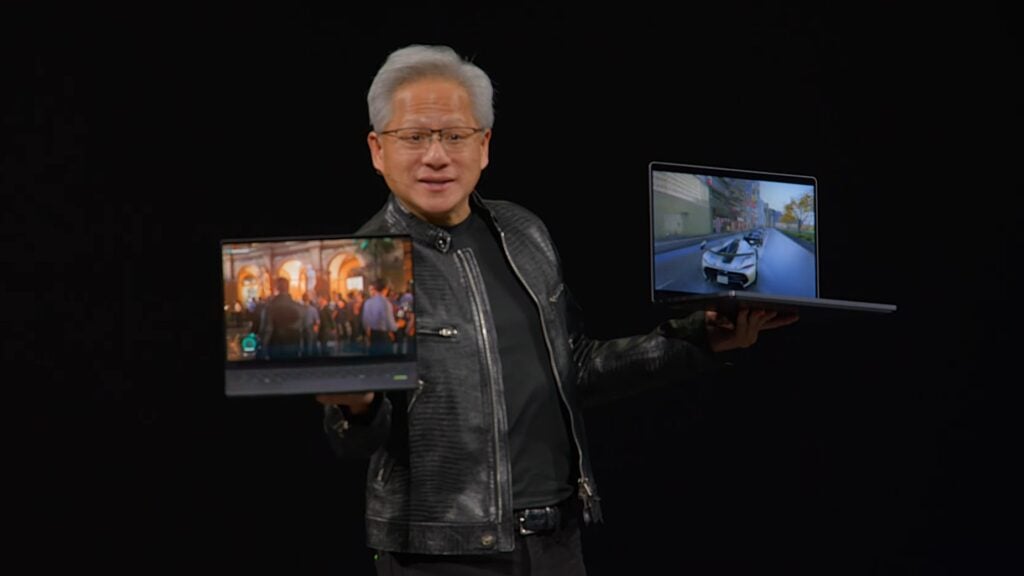
Apple appears to be preparing its most ambitious push into AI-powered wearables yet. According to a recent Bloomberg report, the company is fast-tracking development on three new wearable devices, all centered around a much smarter version of Siri. And interestingly, all three reportedly include cameras.

Apple seems to be exploring ways to bring contextual awareness directly to the accessories we wear every day. The idea? Let Siri not just hear you, but also “see” what’s happening around you.

The most intriguing product in the pipeline is a pair of AirPods with built-in cameras. These wouldn’t be for taking photos or videos. Instead, Apple is said to be experimenting with low-resolution sensor that would feed environmental data to Siri. Think real-time contextual assistance, or spatial awareness features powered by AI.

Smart glasses and an AI pendant are also in the works

Apple is also known to be working on a smart glasses project aimed at competing with Meta’s growing wearable ecosystem. These glasses could include dual cameras: one optimized for media capture and another dedicated to computer vision tasks such as navigation or visual intelligence features.

Then there’s the more unconventional device: an AI pendant. Designed to clip onto clothing or be worn around the neck, it sounds somewhat similar in concept to Humane’s AI Pin. The difference? Apple’s version would rely heavily on the iPhone for processing power rather than functioning as a fully standalone device.

The pendant would reportedly feature a camera and microphone for continuous AI interaction. Internally, Apple is still debating whether it should include a built-in speaker.

All three devices are expected to lean on a significantly upgraded Siri, with reports suggesting deeper integrations that could expand its AI capabilities beyond what we’ve seen so far.

Don’t miss a thing! Join our Telegram community for instant updates and grab our free daily newsletter for the best tech stories!

For more daily updates, please visit our News Section.
(Source: Bloomberg)

Galaxy A37 and Galaxy A57 appear on IMDA, hinting at imminent launch

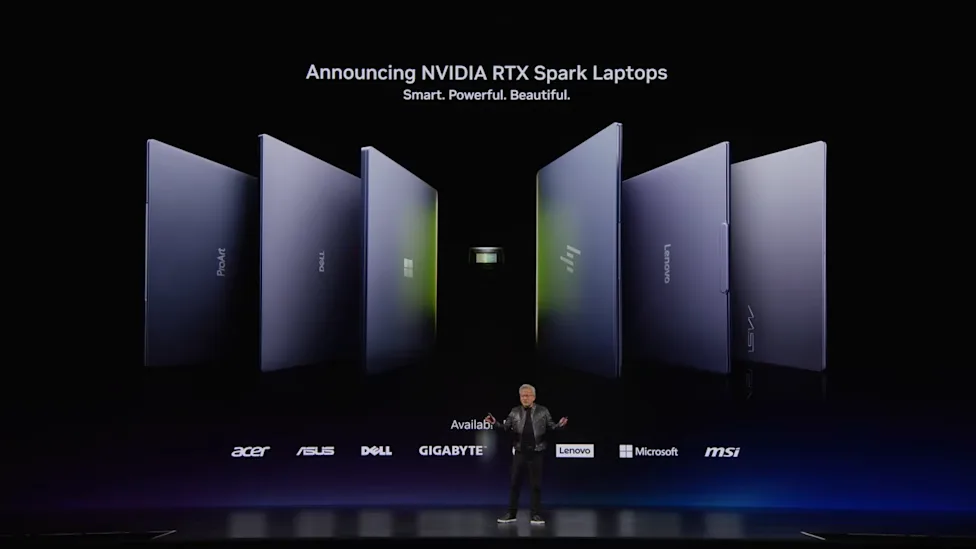
Samsung’s next Galaxy A-series refresh appears to be moving closer to launch. The Galaxy A37 and Galaxy A57 have now surfaced on Singapore’s IMDA certification database, suggesting that both phones are nearing an official announcement.

The listings include model numbers A376B/DS and SM-A576B/DS. The “DS” suffix indicates dual-SIM support, typically associated with global variants. As usual, the IMDA filings don’t reveal detailed specifications, but they confirm standard connectivity features.

This isn’t the first time the devices have shown up online. Both models were previously spotted on certification platforms and the Google Play Console. Based on Samsung’s past release patterns, a March 2026 debut wouldn’t be surprising.

What to expect from the Galaxy A37 and Galaxy A57

Leaks suggest the Galaxy A37 could use Samsung’s Exynos 1480 chipset, the same processor seen in last year’s Galaxy A55. That would position it as a solid upper mid-range option rather than an entry-level device. Early reports mention 6GB of RAM, with higher configurations possible.

On the camera front, rumors point to a 50MP primary sensor, potentially with optical image stabilization. An 8MP ultra-wide and a 5MP macro lens are also expected. Power could come from a 5,000mAh battery with 45W charging, which would match Samsung’s recent push toward faster charging in the A series.

Android 16 with One UI 8.5 is also rumored out of the box, though that will likely depend on final launch timing.

The Galaxy A57 is expected to sit slightly higher in the lineup. Reports suggest it may feature a newer Exynos 1680 processor. Display leaks mention a 6.6-inch AMOLED panel with a 120Hz refresh rate. Battery capacity is expected to remain at 5,000mAh with 45W charging. Other rumored features include IP67 water resistance and stereo speakers.

Samsung’s Galaxy A lineup has consistently been one of its strongest performers globally. The company tends to balance dependable hardware with long software support, which has helped the series compete well in crowded mid-range markets.

For now, the IMDA certification simply confirms that both devices are clearing regulatory steps. Official specs and pricing will likely follow soon.

Don’t miss a thing! Join our Telegram community for instant updates and grab our free daily newsletter for the best tech stories!

For more daily updates, please visit our News Section.
Multiple users of Samsung’s $2,899 Galaxy Z TriFold facing inner display failure

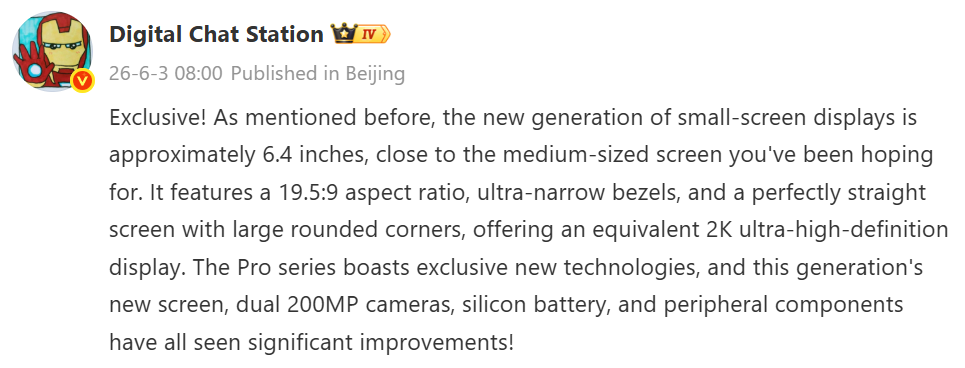
Samsung’s new Samsung Galaxy Z TriFold is only weeks into its retail life in the United States, but some early buyers are already reporting problems with the inner display.

Samsung Galaxy Z TriFold

The TriFold, which unfolds into a roughly 10-inch tablet-sized screen, launched in the US on January 30, 2026, at $2,899. Demand was reportedly strong at release. Now, multiple posts on Reddit are raising concerns about reliability.

In one case, a user said their device suddenly flashed green before the inner display went black. A restart brought it back temporarily, but the issue reportedly returned the next day. The owner claimed the phone had not been dropped or exposed to unusual stress.

Another user described ghost touch inputs appearing just days after purchase. By the following morning, the display allegedly turned completely white and stopped responding to touch. That same post mentioned a faint popping sound during folding, along with what looked like a small bubble under the display layer.

At this point, it’s difficult to determine whether these are isolated defects or early signs of a broader issue.

The complexity of a Tri-Fold design

Foldables have always carried additional durability challenges compared to traditional smartphones. A tri-fold design introduces even more moving parts and stress points than standard book-style foldables like the Samsung Galaxy Z Fold series.

Flexible OLED panels, ultra-thin glass layers, adhesives, and hinge assemblies all need to work together under repeated bending. Even minor manufacturing variances can show up quickly once devices are in real-world use.

Samsung has made steady improvements in hinge design and protective layers over the years, but entirely new form factors often reveal issues only after launch.

For now, the number of confirmed cases appears limited. Still, given the TriFold’s premium price and experimental design, even a few failures can attract attention.

It may take a few more weeks and more user data to determine whether these incidents are simply early-unit defects or something more systemic.

Don’t miss a thing! Join our Telegram community for instant updates and grab our free daily newsletter for the best tech stories!

For more daily updates, please visit our News Section.
(Sources: 1, 2)

Asus quietly adds a ‘Windows 11 pure OS’ option to its new ExpertBook laptops

Earlier this month, Asus introduced its new business laptops called the ExpertBook B5 G2 and ExpertBook B3 G2. Both machines are powered by Intel’s 3rd-generation Core Ultra chips, also known as Panther Lake, and come in 14-inch and 16-inch sizes. 

What’s interesting about these PCs is that they come with an operating system called “Windows 11 pure OS (not for open channel)”, next to the expected choices like Windows 11 Home and Windows 11 Pro. 

As TechRadar notes, Asus hasn’t highlighted this in the marketing slide or press release. Instead, you see the mention directly on the specifications table. So, what is Windows 11 pure OS?

Asus ExpertBook B3 G2 and B5 G2 have a Windows 11 pure OS version

Asus hasn’t explained what makes this version of Windows 11 different. There’s no public breakdown of features removed or added. The phrase “not for open channel,” however, is telling. 

In enterprise hardware terms, that usually means the configuration isn’t sold through regular retail stores or online marketplaces. Instead, it’s likely reserved for bulk corporate purchases handled through business procurement channels (via TechRadar).

The “pure OS” likely means a cleaner installation of Windows 11. In consumer laptops, Windows often ships with extra apps, trial software, or manufacturer utilities. For large organizations, that can be a headache. IT departments typically prefer a streamlined system image that’s easier to deploy and manage across hundreds — or thousands — of devices.

A stripped-down Windows build would save time. There’s less need to remove unwanted apps, fewer background services to monitor, and potentially fewer variables when troubleshooting. For companies standardizing their fleets, simplicity matters more than flashy features.

Interestingly, the ExpertBook B5 G2 also debuts as part of Asus’ broader push into Copilot+ PCs, tying into Microsoft’s AI-focused hardware branding. Yet this quiet software option may be just as relevant to enterprise buyers.

For more daily updates, please visit our News Section.

Stay ahead in tech! Join our Telegram community and sign up for our daily newsletter of top stories! 💡

(Source | Via)

Dyson introduces a $349 PencilWash for wet messes

Dyson is adding a new device to its growing lineup of slim home cleaners. The company just announced the PencilWash, a product that builds on the design of last year’s PencilVac, which Dyson describes as the “world’s thinnest vacuum cleaner.”

While the PencilVac focuses on dry debris, the PencilWash is designed for wet messes on hard floors.

Like its sibling, the PencilWash packs its motor, battery, and electronics into its narrow handle. However, there’s no dustbin here. Instead, Dyson has swapped in a water tank housed inside a larger cleaning head. The machine relies on a single high-density microfiber roller brush to clean floors.

Dyson PencilWash cleans your floor against hard stains

The PencilWash uses a pressurized water system to feed clean water and a low-foaming cleaning solution onto the roller. As it moves across tile, laminate, or sealed wood, the roller scrubs the surface and collects dirty water into a separate compartment. The floor won’t come out completely dry, but Dyson says any remaining moisture should evaporate quickly.

At 4.9 pounds (around 2.2 kilograms), the PencilWash is slightly heavier than the 4-pound PencilVac. Even so, it remains lightweight compared to many traditional floor scrubbers. Its handle can also recline nearly flat, allowing you to clean under beds, sofas, and other low furniture without any hassle.

The device is rated for over 30 minutes of run time on a full charge. For larger homes, Dyson will offer a spare battery that attaches to the end of the handle, though it’s sold separately.

There’s also a notable difference in price. While the PencilVac with four rotating cone brush heads sells for $600, the new PencilWash costs $349. That lower price also includes a charging dock in the box.

For more daily updates, please visit our News Section.
Stay ahead in tech! Join our Telegram community and sign up for our daily newsletter of top stories! 💡