Google is set to announce a new color variant of the Pixel 8 Pro tomorrow. The brand has been teasing the upcoming offering with Minty Fresh name over the last few days. Now, just a day before the official debut, tipster Evan Blass has shared an official looking image of the Pixel 8 Pro in Minty Fresh color. It gives us a look at the device.
Google Pixel 8 Pro Minty Fresh variant emerges before launch
The official looking leaked image reveals the Pixel 8 Pro in the Minty Fresh color option. The back panel of the new variant has a Light Green hue. The horizontal camera visor also seems to complement the new color. On the front, the image shows a Mint wallpaper along with the app logos with Mint Green background. This indicates that the phone will also come with some sort of a customized theme to go along with the new color variant.
The Pixel 8 Pro Mint Green’s availability and pricing remains should be officially revealed tomorrow. To recall, the smartphone launched in Sky Blue, Obsidian Black, and Procelain color options in October last year.
The core specifications of the Pixel 8 Pro will remain the same as the other color variants. It has a 6.7-inch OLED display bearing a resolution of 3,120 x 1,440 pixels, an LTPO adaptive refresh rate of 120Hz, and a 2,400 nits peak brightness. It is IP68-certified dust and water-resistant. The smartphone features a 50MP main sensor, a 48MP ultrawide lens, and a 48MP telephoto unit. The Pixel 8 Pro is powered by a Tensor G3 SoC paired with 12GB RAM and up to 1TB storage. It is backed by a 5,050mAh battery with support for 30W wired charging.
India accessories brand Fire-Boltt has recently added the Fire-Pods Zeus to its TWS earbuds range after launching the Fire-Boltt Kawaii TWS earbuds last month.
Fire-Boltt Fire-Pods Zeus specs:
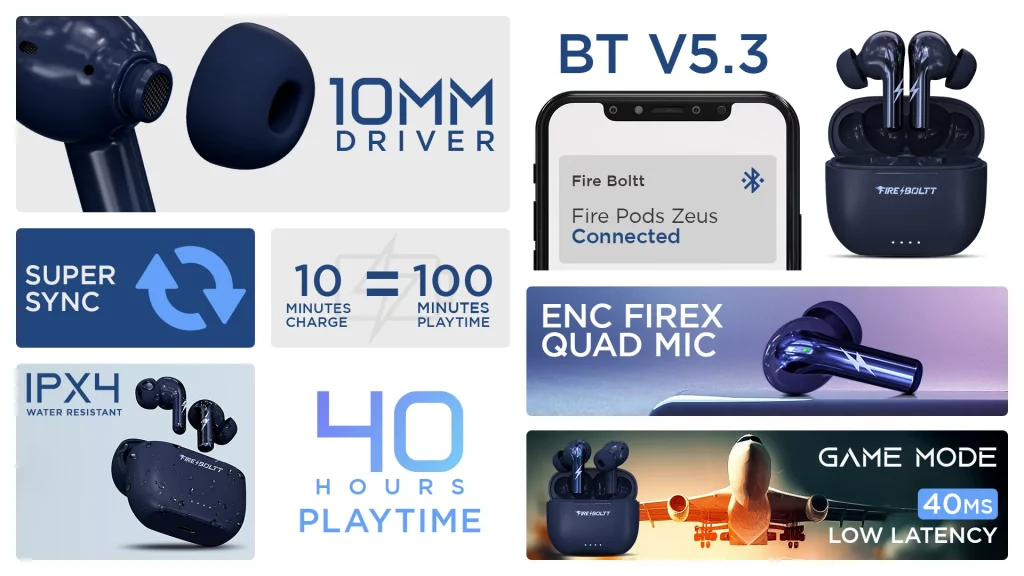
The Fire-Pods Zeus earbuds are designed in an in-ear style and are equipped with 10mm dynamic drivers. A key feature is the Quad Mic AI-ENC (Artificial Intelligence Environmental Noise Cancellation), aimed at reducing ambient noise during calls for clearer communication.
The earbuds boast a total battery life of 40 hours. They also feature fast charge technology, allowing for 100 minutes of playtime with just a 10-minute charge via the Type C port. This could be a significant advantage for users who need quick charging solutions.
Additionally, the Fire-Pods Zeus includes a 40ms low-latency gaming mode, appealing to mobile gaming users. The inclusion of Bluetooth v5.3 with Super Sync technology enhances audio synchronization and connectivity. With an IPX4 splash resistance rating, the earbuds are protected against minor splashes and sweat, adding to their durability. The earbuds also support AI Voice Assistants and come with a 1-year warranty.
Pricing & availability
Regarding availability and pricing, the Fire-Pods Zeus is offered in Black Chrome, Navy Shimmer, and White Silver Chrome. It is available on the Fire-Boltt website at an introductory price of Rs. 999.
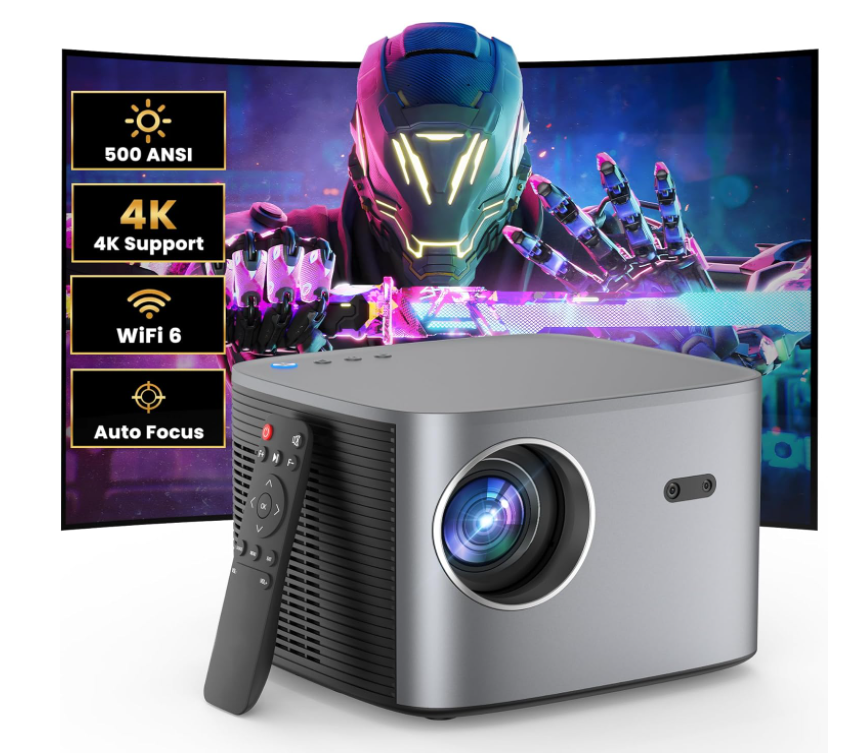
Groview C26 projector emerges as a game-changer in the world of home entertainment as it combines cutting-edge technology with an immersive viewing experience. Packed with advanced features, this projector is poised to elevate your home theater setup to new heights.
Boasting an impressive 1,500 ANSI Lumen brightness and a remarkable contrast ratio of 15,000:1, the Groview C26 projector delivers vibrant and lifelike visuals, surpassing its predecessor. The higher lumens ensure brighter images, while the expanded color gamut provides a spectrum of colors that enriches your viewing experience, making every detail come to life on the big screen.
One of the standout features of the C26 is its rapid start-up capability, producing clear rectangular pictures within just 5 seconds. This is made possible by the projector’s auto-focus and 6D/4P auto-keystone technology, guaranteeing hassle-free and quick setup for an optimal viewing experience.
Ensuring seamless content transmission, the C26 comes equipped with WiFi 6 compatibility, supporting both 2.4GHz and 5GHz networks. This not only enhances connectivity but also ensures a stable and smooth streaming experience, allowing you to enjoy your favorite content without interruptions.
The inclusion of the upgraded Bluetooth 5.2 chip is a testament to Groview’s commitment to audio quality. With a 70% increase in stable audio transmission efficiency, this projector minimizes damage to sound quality, delivering a rich and immersive audio experience that complements the stunning visuals.
For audiophiles, the C26 doesn’t disappoint, featuring a built-in 12W Hi-Fi speaker that provides a 360-degree surround sound experience. This enhancement ensures that every nuance of your home theater’s audio is delivered with clarity and precision, making your entertainment truly cinematic.
Price and Availability:
The Groview C26 projector is currently available on Amazon with a limited on-page coupon offering a generous 30% discount(as low as $125.99). Additionally, a special LD deal is set to go live at 08:45 – 20:45 GMT-8, providing an opportunity to save even more on this state-of-the-art home theater projector. Act fast to secure your unit and transform your home entertainment setup into an unparalleled cinematic experience.
For more details on the product, you can follow them on Instagram and Facebook.
Nokia and Oppo recently inked a significant multi-year patent cross-license agreement, putting an end to all ongoing patent disputes between the two companies. As part of the deal, Oppo will make royalty payments to Nokia, including catch-up payments for periods of non-payment during the dispute resolution. Here are the details…
Nokia signs 5G patent cross-license agreement with Oppo
The specific terms of the agreement are confidential. Jenni Lukander, President of Nokia Technologies, expressed excitement about the collaboration, emphasizing the mutual respect for each other’s intellectual property and Nokia’s contributions to R&D and open standards. This agreement is anticipated to bring long-term financial stability to Nokia’s licensing business.
Feng Ying, Oppo’s Chief Intellectual Property Officer, shared the sentiment, highlighting the agreement as a foundation for future collaboration. Oppo, a prominent player in the global smartphone market, continues to advocate for reasonable royalty fees and a constructive approach to intellectual property disputes.
Nokia’s extensive patent portfolio, built on a substantial investment in R&D, includes around 20,000 patent families, with over 6,000 related to 5G. The company adopts a fair licensing approach, allowing other companies to use these technologies without hefty investments in standards.
In the realm of 5G, Oppo holds a notable position as a key rights holder and innovator. The company has deployed 5G communication standard patents globally, showcasing a strong intellectual property presence. Reports from CAICT and IPlytics affirm Oppo’s robust standing in the 5G standard-essential patent landscape.
The collaboration not only resolves existing disputes but also opens doors for future joint initiatives. Both Nokia and Oppo, committed to innovation, aim to bring advancements in telecommunications technology, ultimately benefiting consumers worldwide.
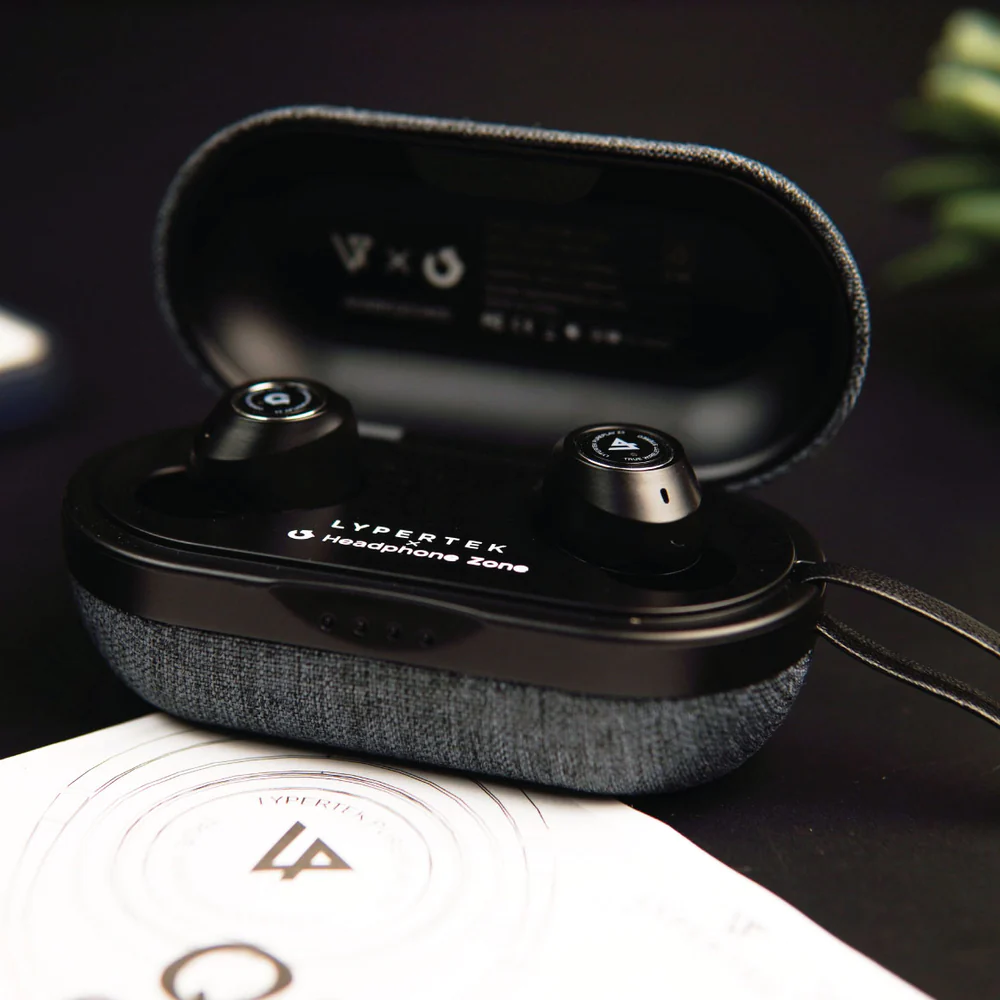
Headphone Zone and Lypertek have partnered to introduce a special edition of the PurePlay Z3 True Wireless Earbuds. Headphone Zone, recognized as India’s top audiophile store, operates both online and offline. This is the first instance of Headphone Zone’s branding appearing on any audio product.
Lypertek X Headphone Zone PurePlay Z3 earbuds specs:
The PurePlay Z3 features graphene drivers, which are known for delivering precise sound in a compact, true wireless format. The earbuds are equipped with foam ear tips, enhancing comfort and providing effective noise isolation.
The earbuds incorporate Qualcomm’s QCC3040 chipset and support Bluetooth 5.2, ensuring stable connectivity. They are compatible with Qualcomm’s aptX codec for Android devices and AAC for iOS devices, offering versatility across different operating systems.
Battery performance is a key aspect of the PurePlay Z3, with up to 10 hours of playtime on a single charge and an additional 70 hours available from the charging case. The earbuds also feature quick charge capability, where a 15-minute charge provides 2 hours of usage, and they support Qi-standard wireless charging.
For call clarity, the earbuds use Qualcomm’s Clear Voice Capture (CVC) technology, version 8.0, which helps in reducing background noise and echo. Additionally, the earbuds have an IPX7 rating, indicating significant water resistance.
Pricing & availability
The Lypertek X Headphone Zone PurePlay Z3 is priced at Rs. 5,999 and is currently available for purchase exclusively through the Headphone Zone online store.
Earlier this week, Nubia unveiled a special edition of its latest flagship smartphone without revealing the price. The new variant celebrates the Chinese New Year.
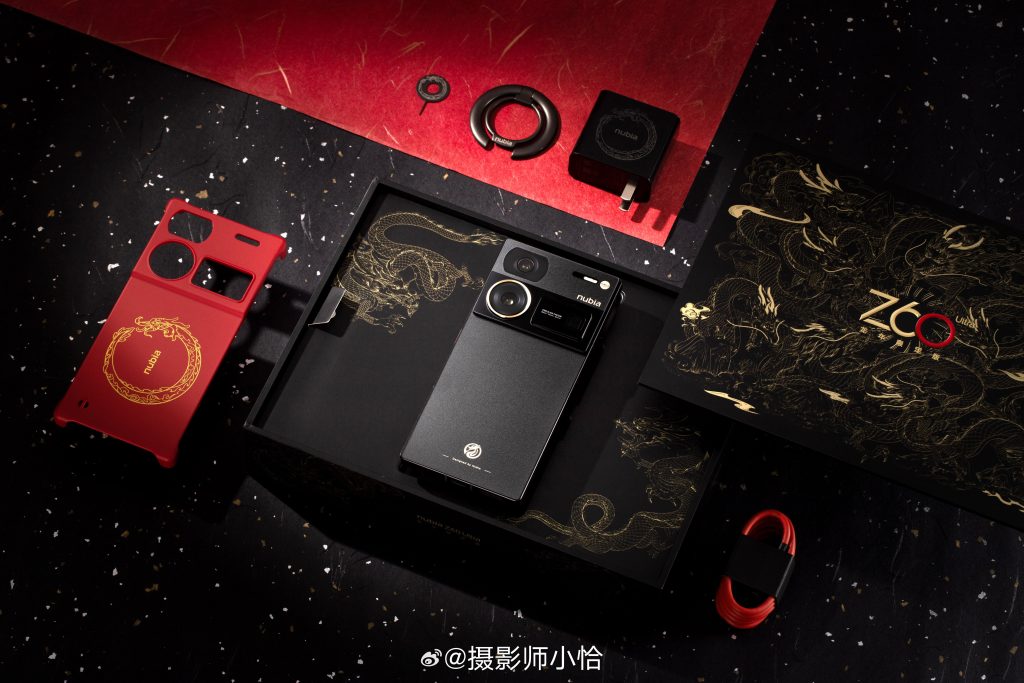
This version of the handset officially goes by Nubia Z60 Ultra Year of the Dragon Limited Edition. It is now up for sale in China priced at ¥6,299 (~$890).
The package includes the phone in 24GB + 1TB memory configuration and customized accessories.
For comparison, the regular version of the device with the same amount of RAM and storage retails at ¥5,999 (~$850). So the brand is charging ¥300 (~$40) premium for the special edition.
The handset arrives in black with golden accents. In contrast, the magnetic case and the charging cable are in red.
Further, the box also consists of a power adapter, a magnetic stand, and a SIM ejector pin. Just like the phone, they also come in black. Finally, all the items in the box have a dragon logo.
As for specs, they remain the same as the standard variant.
For the unaware, the Nubia Z60 Ultra is powered by a Qualcomm Snapdragon 8 Gen 3 SoC paired with LPDDR5x RAM and UFS 4.0 storage. It sports a 6.8-inch flat OLED display with a resolution of 2480 x 1116 pixels and a 120Hz refresh rate.
The device comes with a triple-camera system comprising a 50MP primary sensor, a 50MP ultrawide unit, and a 3.2x periscope telephoto shooter. On the front, it has a 16MP under-display selfie camera.
The product is IP68-rated for dust and water resistance. Lastly, it is backed by a 6,000mAh battery with support for 80W wired charging.
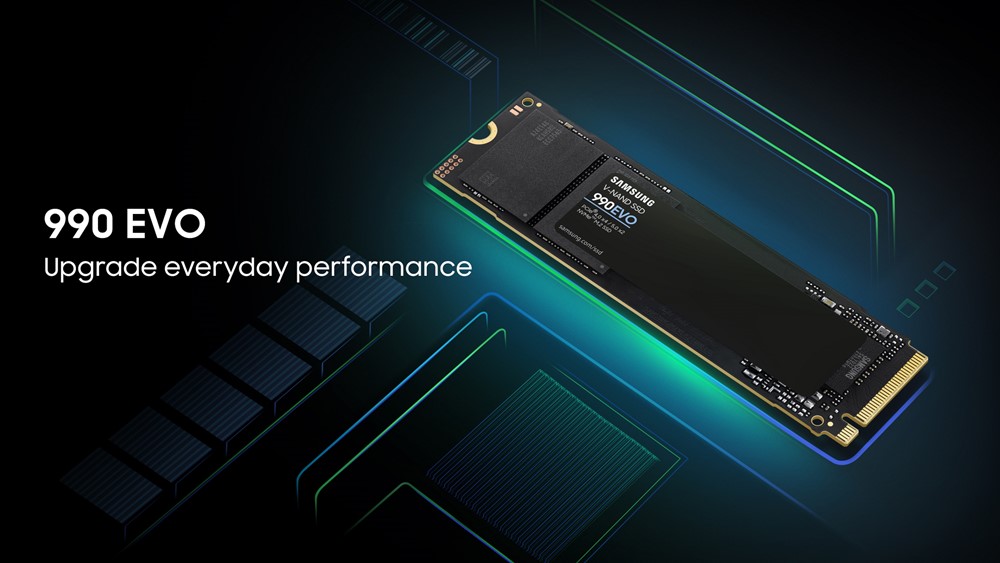
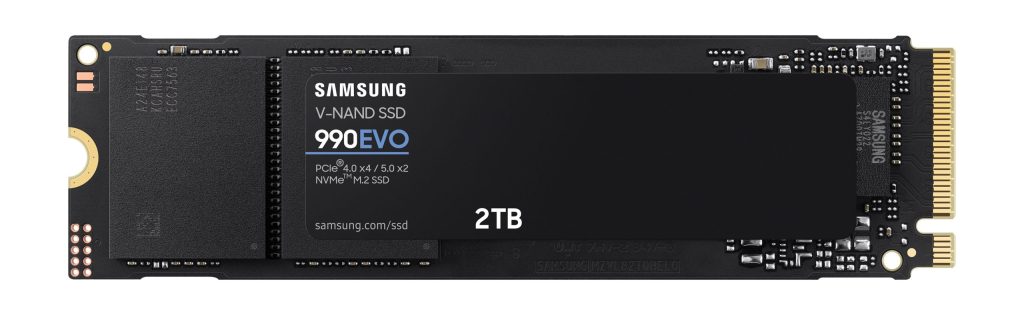
Samsung has introduced the 990 EVO SSD, an advanced solid-state drive that marks a significant improvement over its predecessor, the 970 EVO Plus. This latest offering from Samsung boasts an impressive 43% performance increase compared to the 970 EVO Plus. Aimed at enhancing user experience across various computing activities such as gaming, professional work, and video/photo editing, the 990 EVO SSD is a versatile and efficient choice for consumers.
Technical Specifications:
The 990 EVO SSD is notable for its support of both PCIe 4.0 x4 and PCIe 5.0 x2 standards, making it compatible with current and future computing interfaces. Its M.2 2280 form factor and V-NAND TLC flash memory contribute to its high performance. The SSD delivers impressive sequential read and write speeds of up to 5000 MB/s and 4200 MB/s, respectively, alongside random read/write speeds of up to 700k/800k IOPS. These features ensure quick loading times and swift access to large files, significantly enhancing the overall computing experience.
In terms of security, the SSD is equipped with AES 256-bit encryption, ensuring data safety and security. Additionally, it comes with Samsung’s self-developed controller chip, the S4LY022, which not only boosts power by 70% compared to the 970 EVO Plus but also aids in extending computer battery life. The SSD also supports a “new standby” feature, allowing for low-power notifications.
The Samsung 990 EVO SSD stands out for its improved power efficiency, which is up to 70% better than its predecessor. This feature is particularly beneficial for users who are conscious about their device’s battery life. Moreover, it incorporates a smart thermal solution to maintain optimal operating temperatures, ensuring consistent performance without compromising the drive’s integrity.
Pricing and Availability:
The SSD is available in 1TB and 2TB capacities. The 1TB Chinese variant is priced at 679 yuan, while the manufacturer’s suggested retail prices for the global market are $124.99 for the 1TB model and $209.99 for the 2TB model. Samsung also provides a comprehensive software suite, Samsung Magician, for data migration, drive health monitoring, and timely firmware updates. The 990 EVO SSD comes with a five-year limited warranty, offering consumers peace of mind regarding their investment.
Motorola has officially announced a price cut for the Moto G54 5G smartphone in India. The device is now available for a discounted price tag, which makes it a more affordable option than its original release. So here’s everything you need to know.
Moto G54 5G India Price Discount
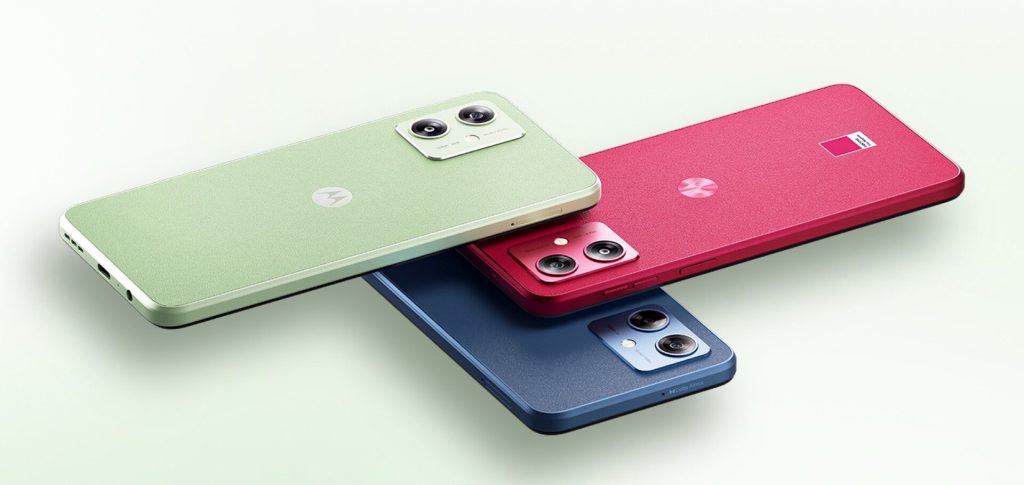
To recall, the company released the Moto G54 5G in the Indian market in two storage configurations back in September 2023. This includes the 8GB + 128GB and 12GB + 256GB option. It had a starting price tag of 15,999 INR and 18,999 INR respectively. Following the price cut, the smartphone has a new base starting price of 13,999 INR, while the higher end model is listed for 15,999 INR. In other words, the cost of the Moto G54 has been lowered by up to 3,000 INR.
The new prices are already live on the brand’s official website and even on Flipkart, a popular e-retailer in India. This change is for all three color options, namely Midnight Blue, Pearl Blue, and Mint Green. For those unaware, the Moto G54 5G sports a 6.5-inch display that offers Full HD+ resolution and a 120hz refresh rate. Under the hood, it is equipped with the MediaTek Dimensity 7020 SoC.
A large 5,000mAh battery pack powers this phone, which supports 33W wired fast charging. The rear packs a 50-megapixel dual camera setup, while the front houses a 16-megapixel selfie shooter. This model was launched running on the Android 13 OS out of the box, but it is confirmed to get the Android 14 update. Other notable features include stereo speakers, Dolby Atmos support, 3.5mm headphone jack, and a side mounted fingerprint scanner.
Regular Gaming test on OnePlus 12 without X7 & IRX Features
OnePlus 12 x Pixelworks
In the OnePlus 12’s review, we said that the OnePlus 12 didn’t squeeze the full potential of the Snapdragon 8 Gen3. However, I forgot to tell you that it’s not at its best for gaming experience. That’s because yet another chip in this phone hasn’t flexed its muscles, which is the Pixelworks X7 with integrations of the company’s IRX Rendering Acceleration solution and IRX device tuning services.
We got the global version of the OnePlus 12 a week ago, so we think this is a very good chance to tell you how this independent chip turns the phone into a super smooth gaming phone, but meanwhile, stay cool and chill.
Pixelworks X7 Independent Visual Processor
I’m sure you’ve heard of Pixelworks, they’ve been working on making smartphones obtain better gaming experience since 2016. The company has more than 20 years of history delivering innovative image-processing solutions to consumer electronics, professional displays, and video streaming services. The Pixelworks X7 is the most comprehensive visual processor designed for flagships and high-performance smartphones.
IRX Gaming Experience
It delivers higher frame rates, higher resolutions, and detailed graphics without draining excessive power. The just-released OnePlus 12 global version is armored with the X7 visual processor and IRX technology certification to deliver IRX gaming experience. It really isn’t a gimmick this time, and we’ll show you the upgrades in an easy-to-understand way.
Now we’re in Genshin Impact, and I’m having my character running around. The gaming experience is actually not bad right now, after all the OnePlus 12 is also a flagship phone. Just keep the graphics in mind, as
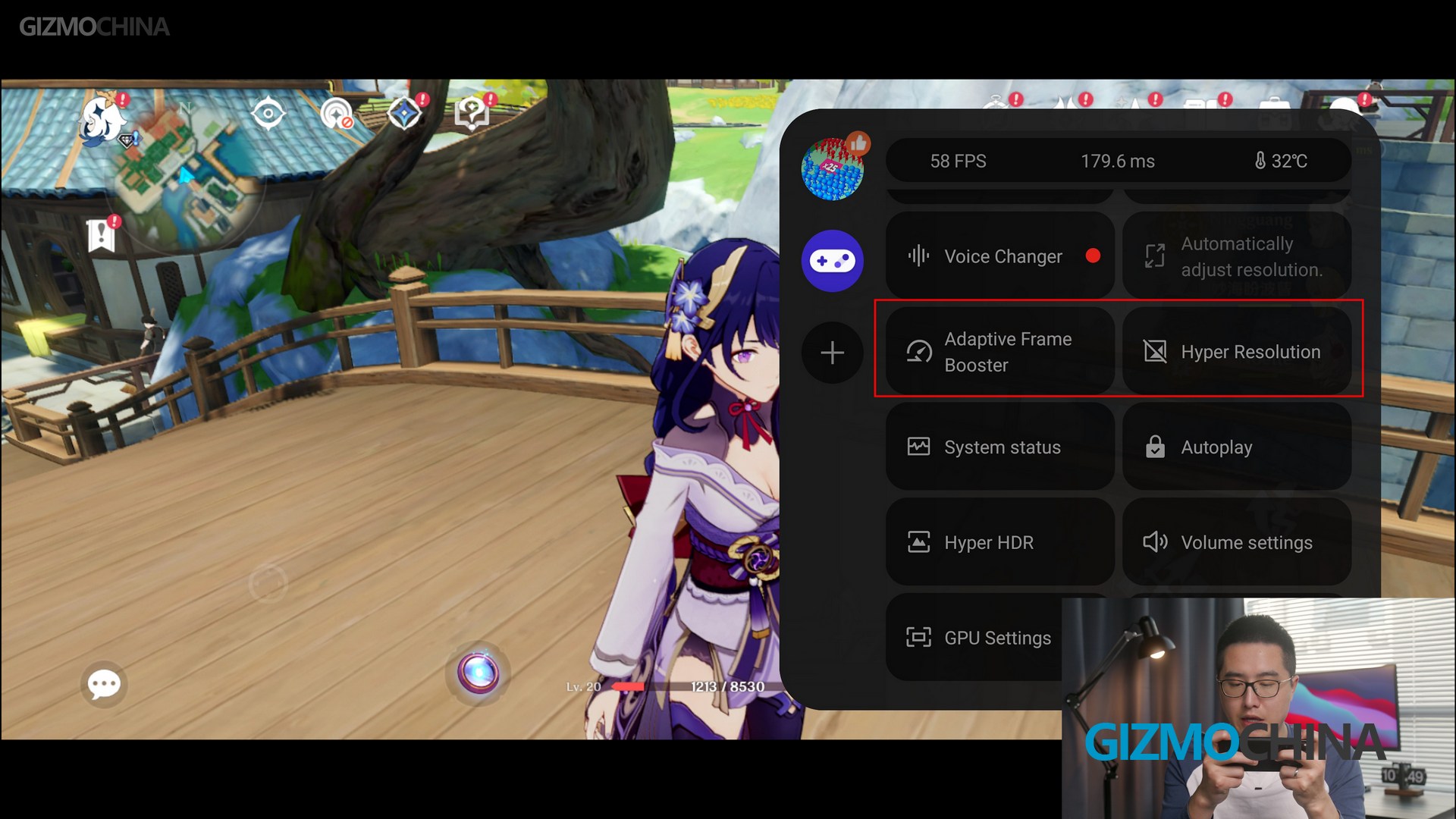
this gaming experience will be taken to the next level. Slide down from the bottom right corner to open the Gaming Center, now you can see the main features that are only available with the X7 visual processor: Adaptive Frame Booster and Hyper Resolution.
We used to see similar features on other phones, but almost all of them cannot work together at the same time. While the most surprising thing is that on this OnePlus 12 driven by the Pixelworks X7, you can activate both Adaptive Frame Booster and Hyper Resolution at the same time, enjoying higher framerate and better graphic details.
Now let’s go back to the game and take a look around. Can you feel the difference?
Gaming Tests
Actually, you may not be able to see much of a difference due to the resolution of the phone’s Screen recording and the framerate of our video. Don’t worry, I’ll show you the difference in slow-motion videos, and much closer shots, with screenshots as well. Visually they really do look like a completely different experience, and if your eyes are sensitive enough, the images are not only more detailed, but the motion is also much smoother. This is really more natural and smoother than any of our previous test results on Genshin Impact.
Please watch the video
For example, in this scene, after turning on Hyper Resolution, you can obviously see that the image and edges get sharper. The texture of the wall here can be more clearly presented, which is something that used to be found only with desktop-level graphic hardware. The whole graphics just look more delicate. Almost all mobile games are wasting these phones’ displays, so I’m really glad the OnePlus 12 can put it to better use with the X7 visual processor.
To verify its actual boosting effect, we also did some tests apart from observing with our eyes.
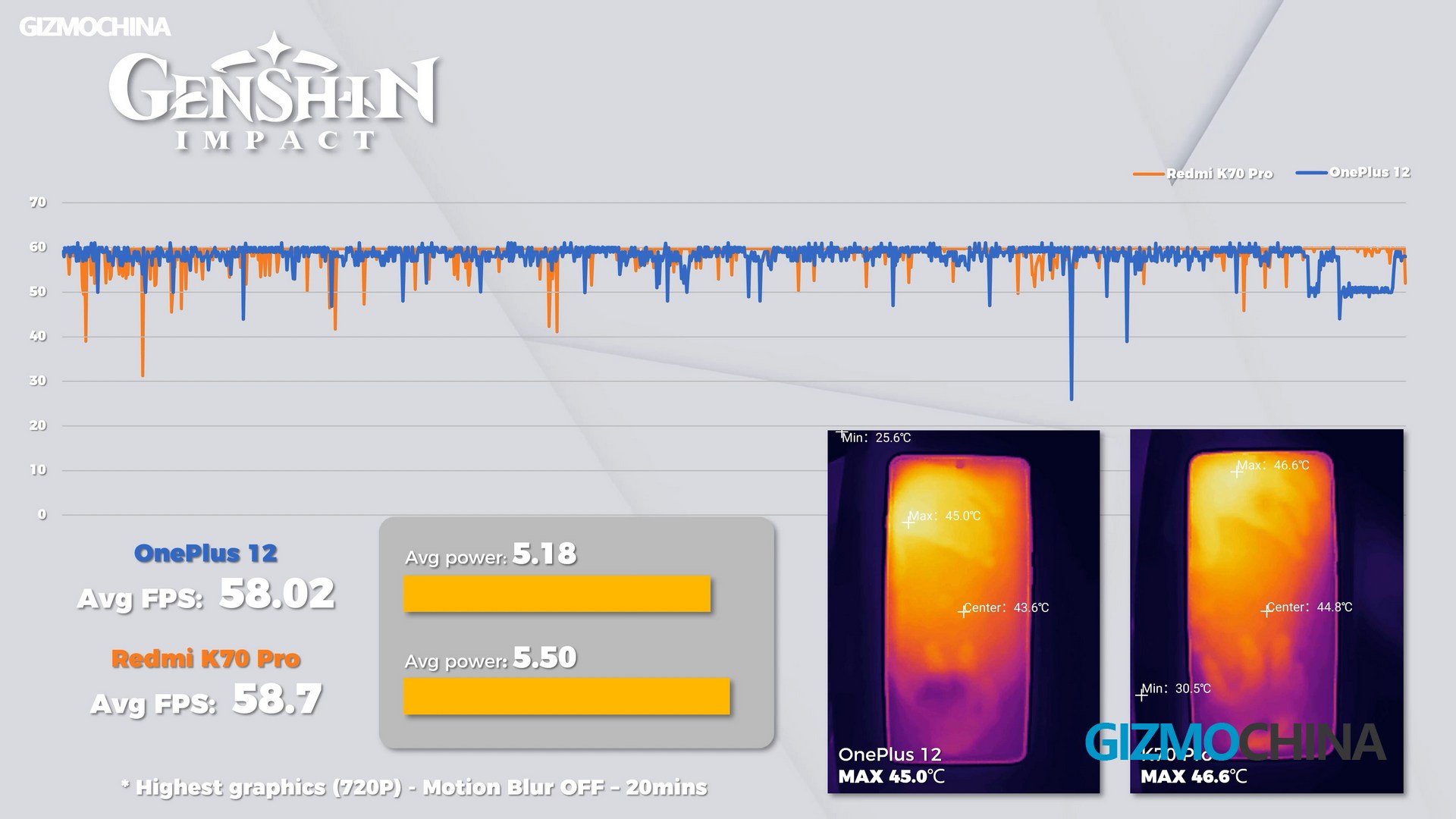
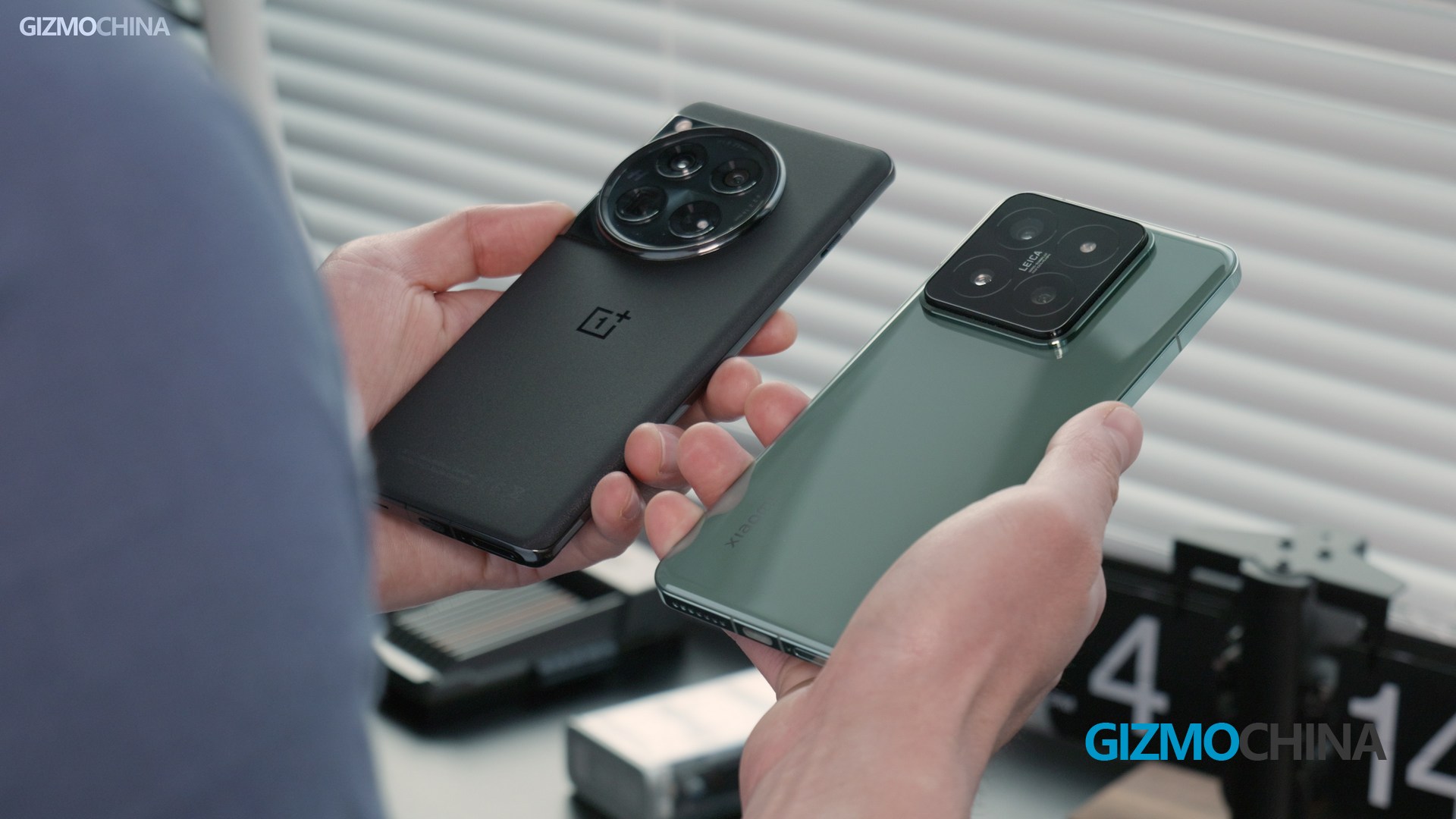
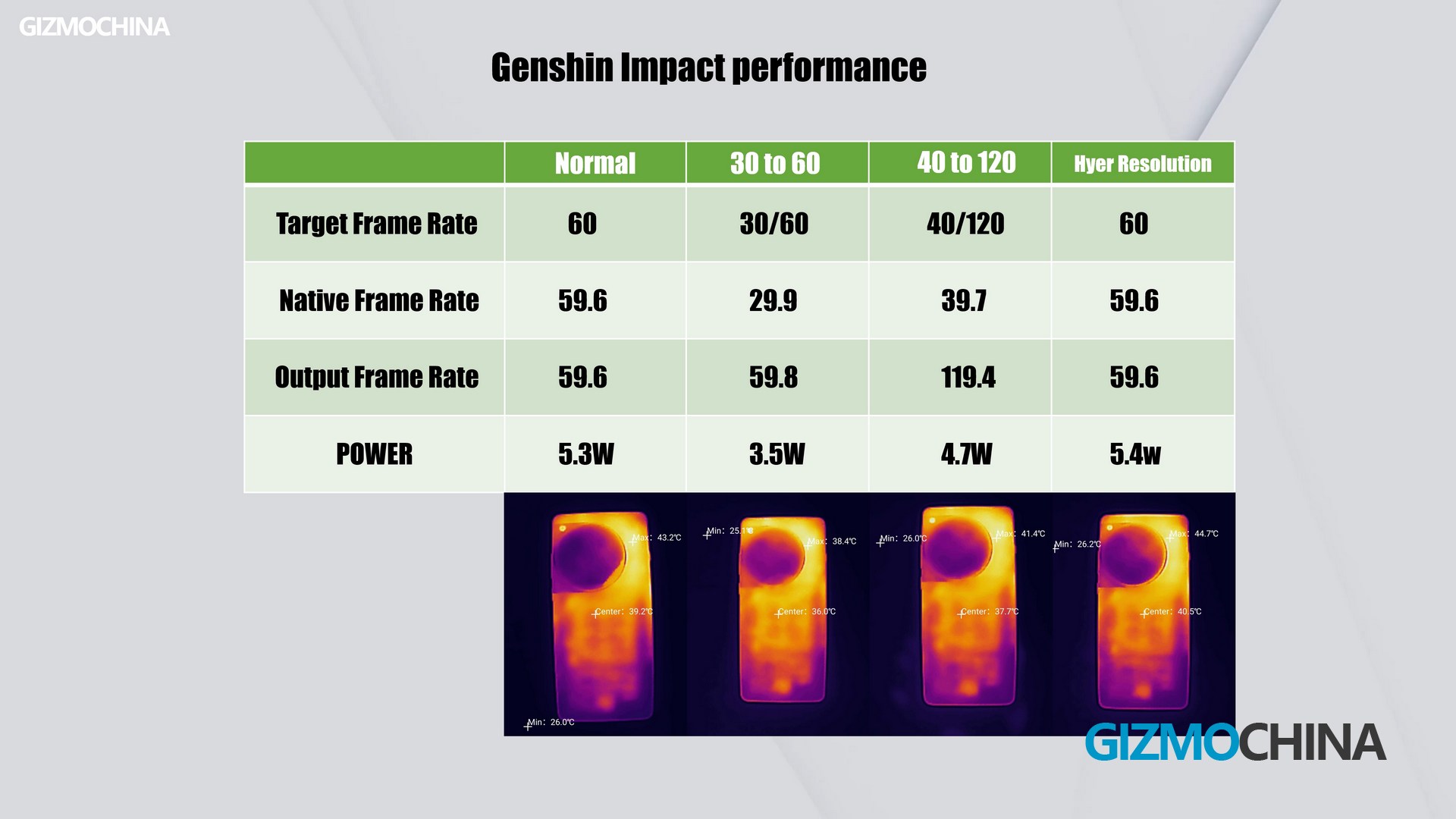
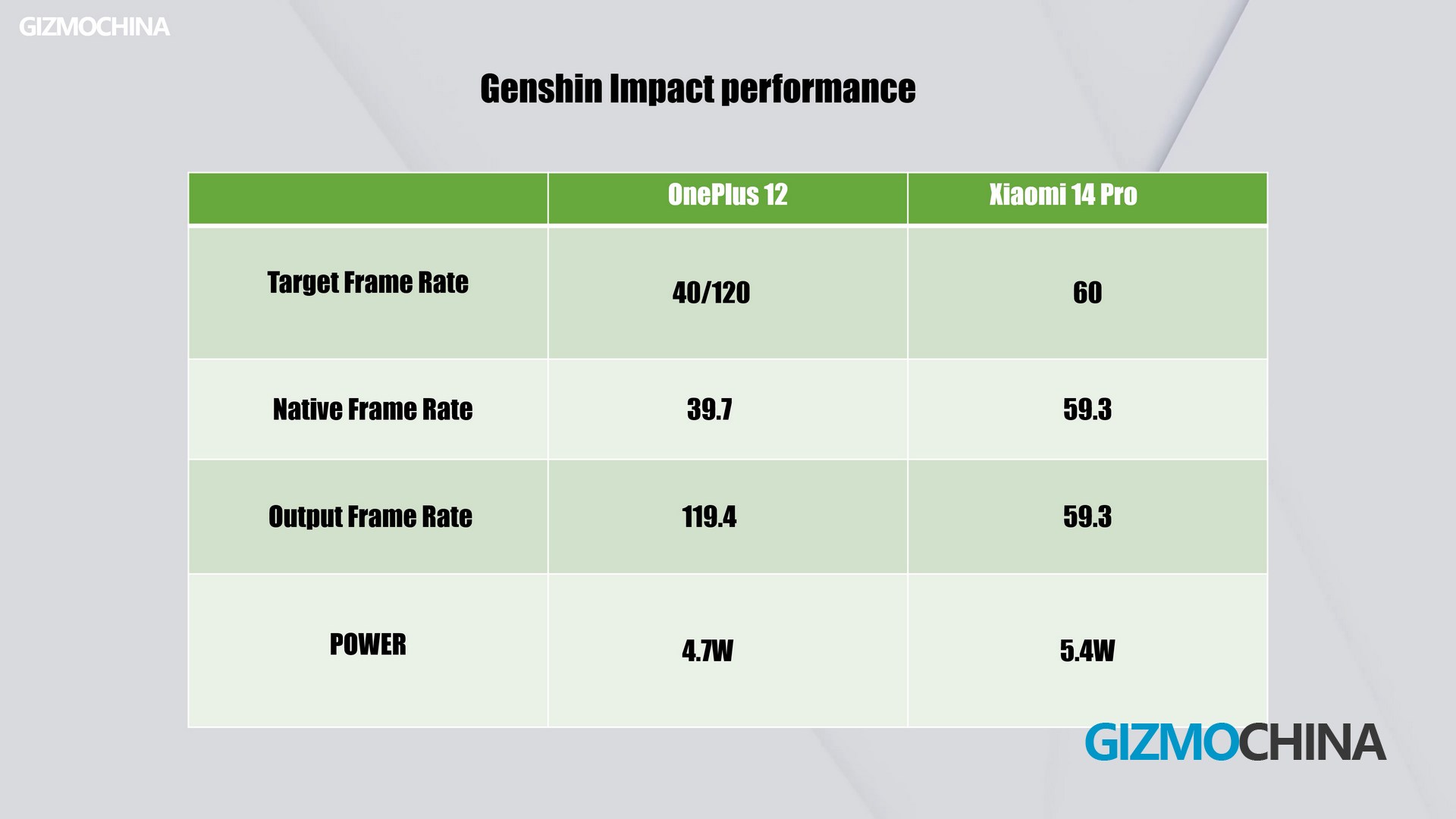
In addition to learning the gap between these two features on and off on the OnePlus 12, we also brought a Xiaomi 14 Pro as a reference for comparison, and they are both powered by the Snapdragon 8Gen3 chip. Here let’s see how the OnePlus 12 with the X7 processor challenges its rivals.
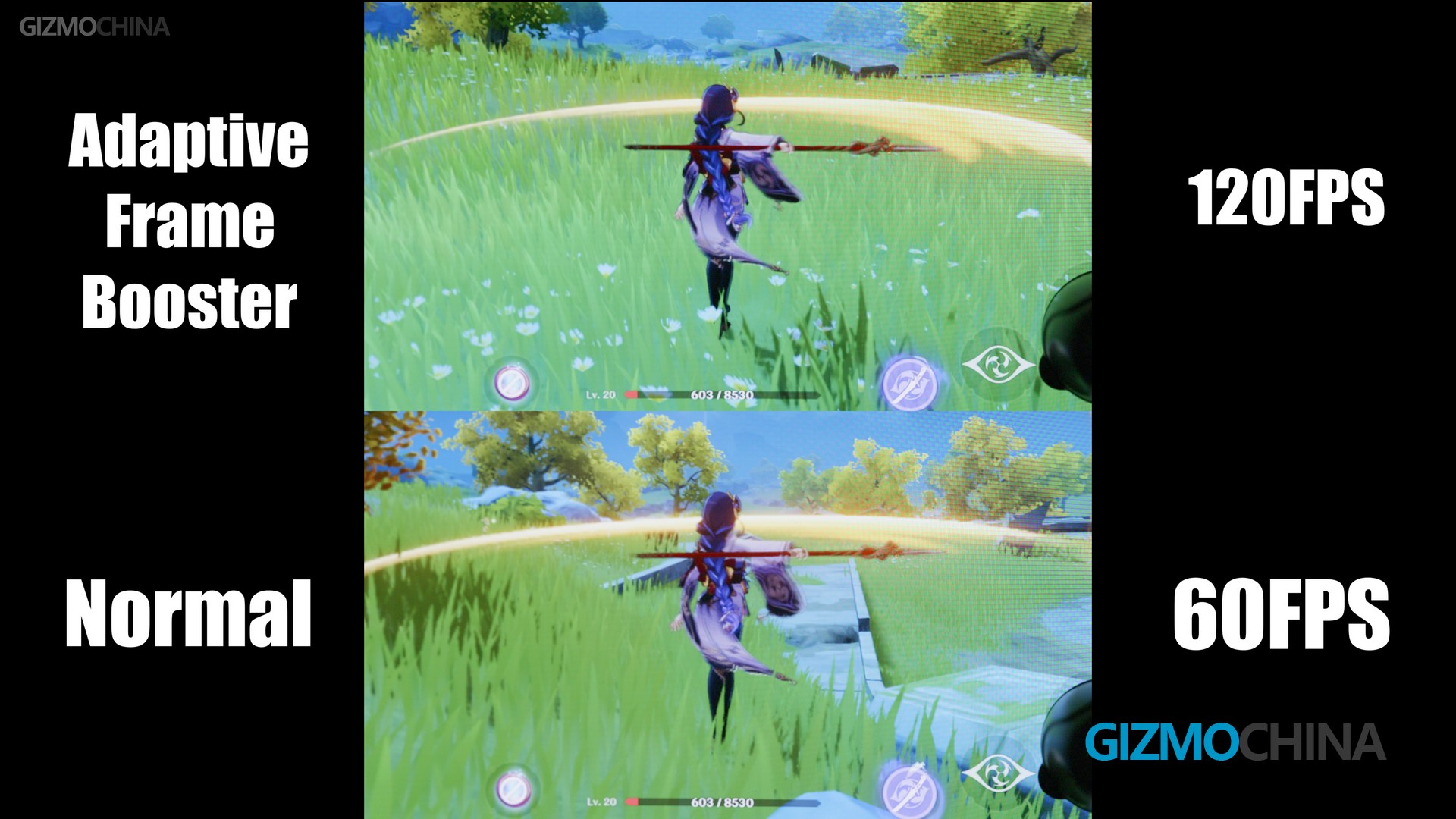
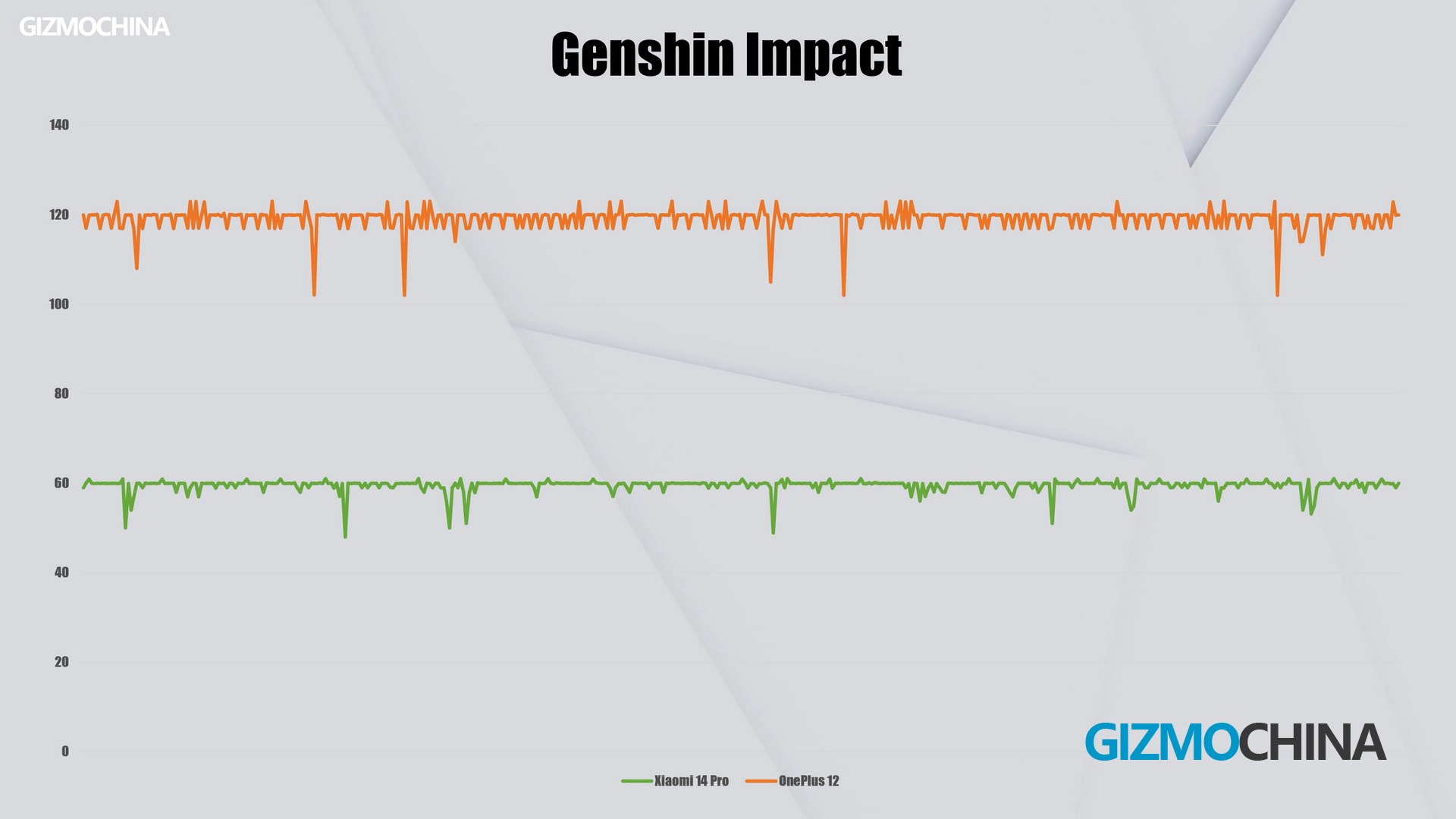
After turning on Adaptive Frame Booster, the OnePlus 12 just kept Genshin Impact running at 120fps, while the Xiaomi 14 Pro does have to take the face of the game’s frame lock at 60fps.
Based on data collected @Perfdog Performance test tool
As the X7 visual processor helps the GPU share the rendering pressure, the whole gaming on OnePlus 12 is less fluctuated but surprisingly smooth. I barely noticed the lag due to any framerate jitters. There is no doubt that the OnePlus 12 has a better gaming experience during the tests.
At the same time, another benefit is that: the OnePlus 12 was achieving smooth 120fps at the display end while its GPU was running at 40fps, so it even consumed less power than the Xiaomi 14 Pro!
As you can see, OnePlus 12’s power consumption is instead lower with higher-framerate gaming. Being power-saving during gaming is what those phone brands should figure out in the future. After all, playing games with a charging cable plugged in is always a terrible experience.
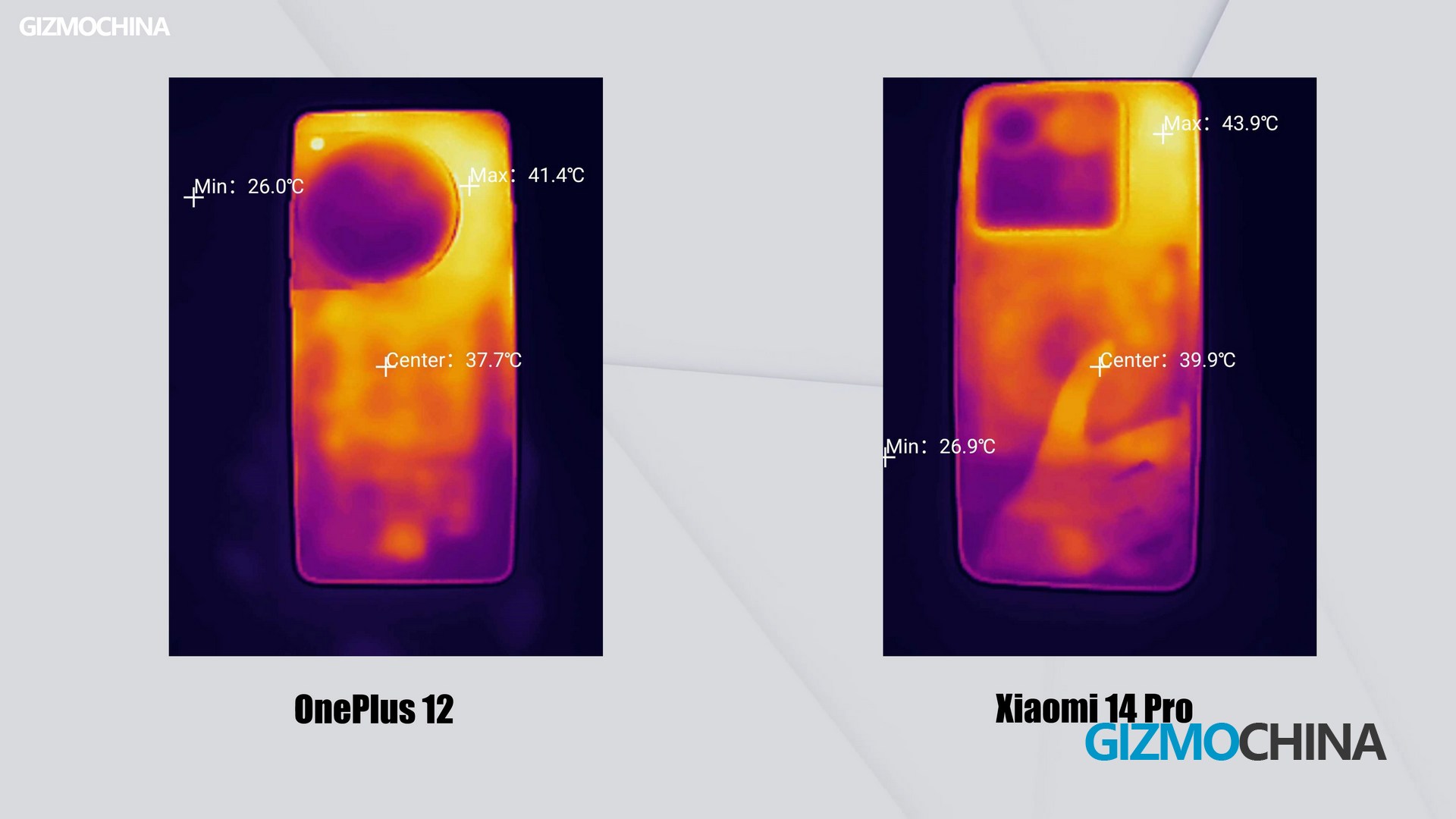
Overheating is always another big problem for mobile gaming. But this time, with the X7 processor providing rendering support and freeing up the CPU and GPU, the phone didn’t get heated up easily. After 20-min gaming test, they both have good temperature control, but the max temperature we detected on Xiaomi 14 Pro was still a bit higher.
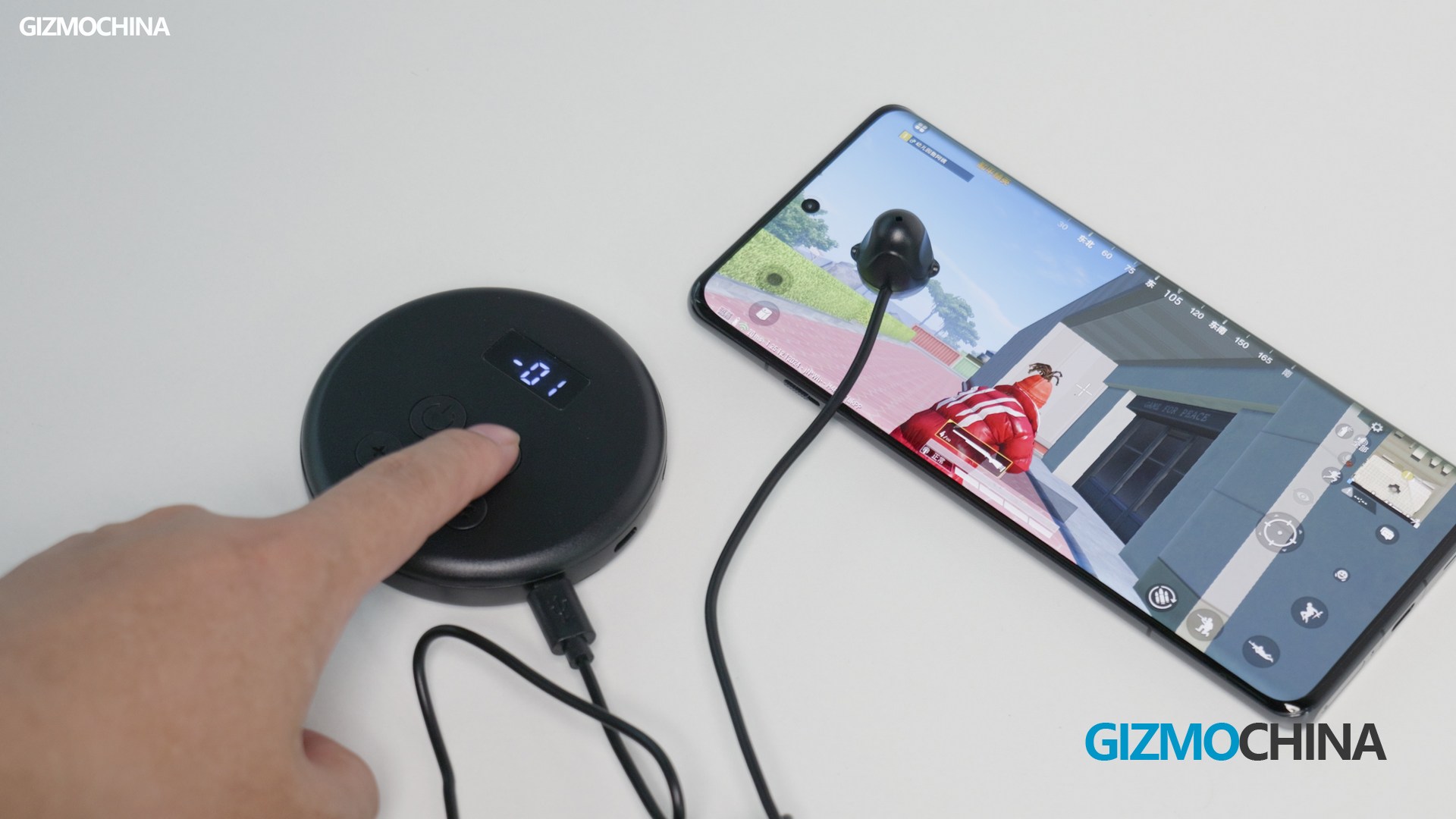
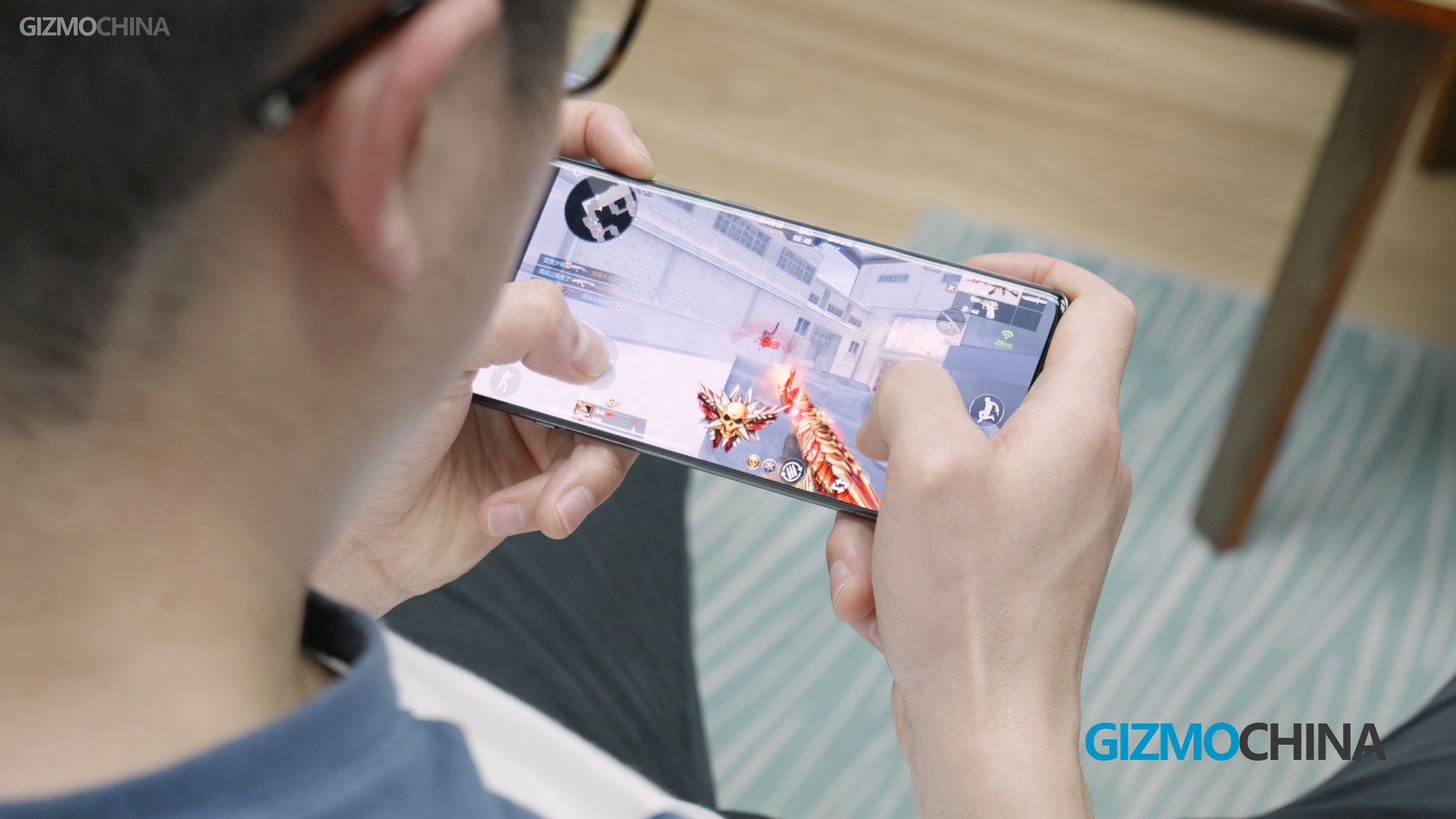
Meanwhile, we still have concerns about gaming latency when turned on frame interpolation. So let’s test the touch latency in another game, PUBG mobile.
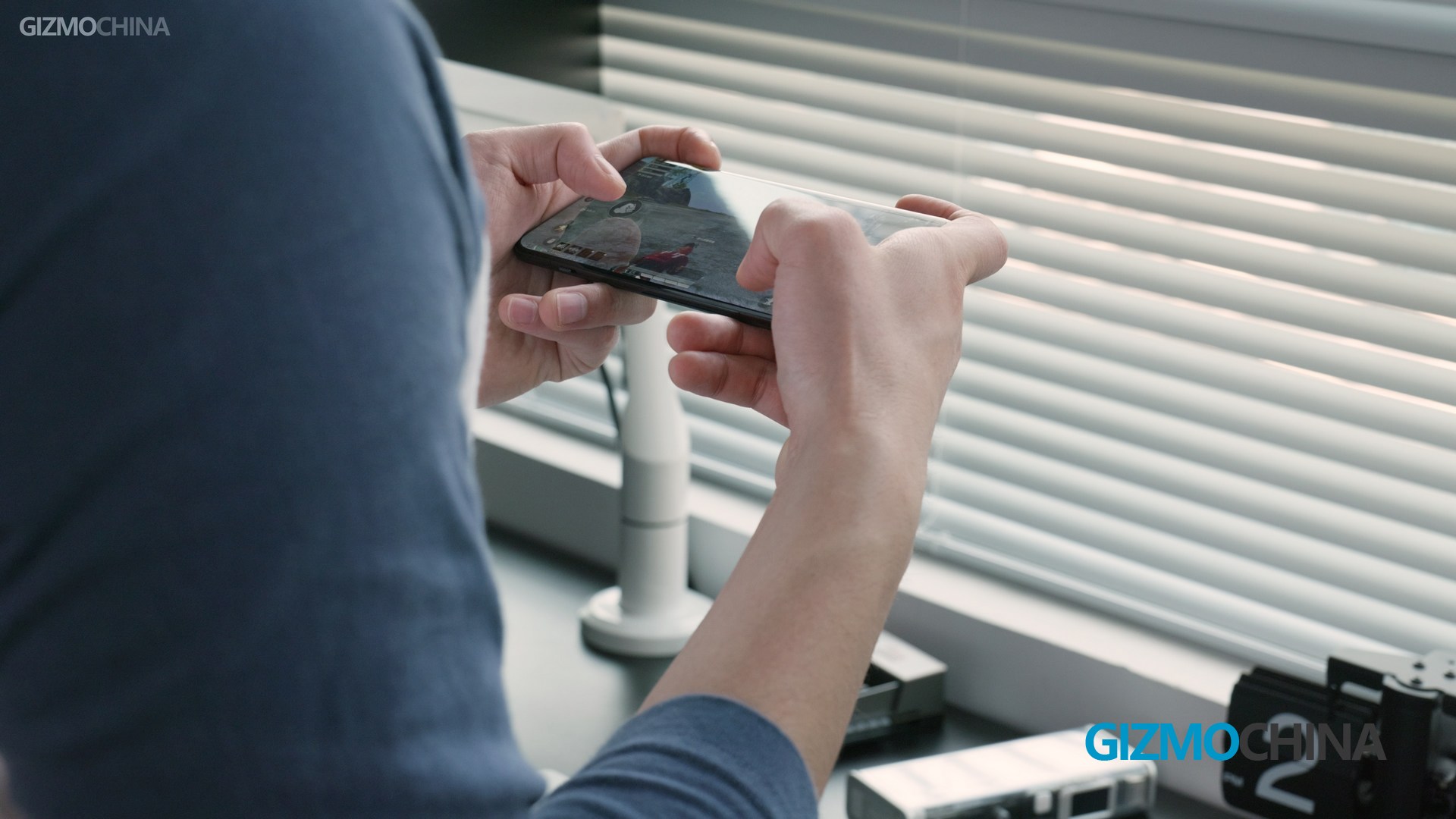
The FPS game is a perfect option to showcase the concerns. And I called up my colleague for a blind test. Since most phones aren’t thoroughly optimized for touch latency, while the OnePlus 12’s frame booster doesn’t seem to produce noticeable latency, it was almost impossible for him to tell which test was the result of the frame booster.
Extremely Low Latency Added
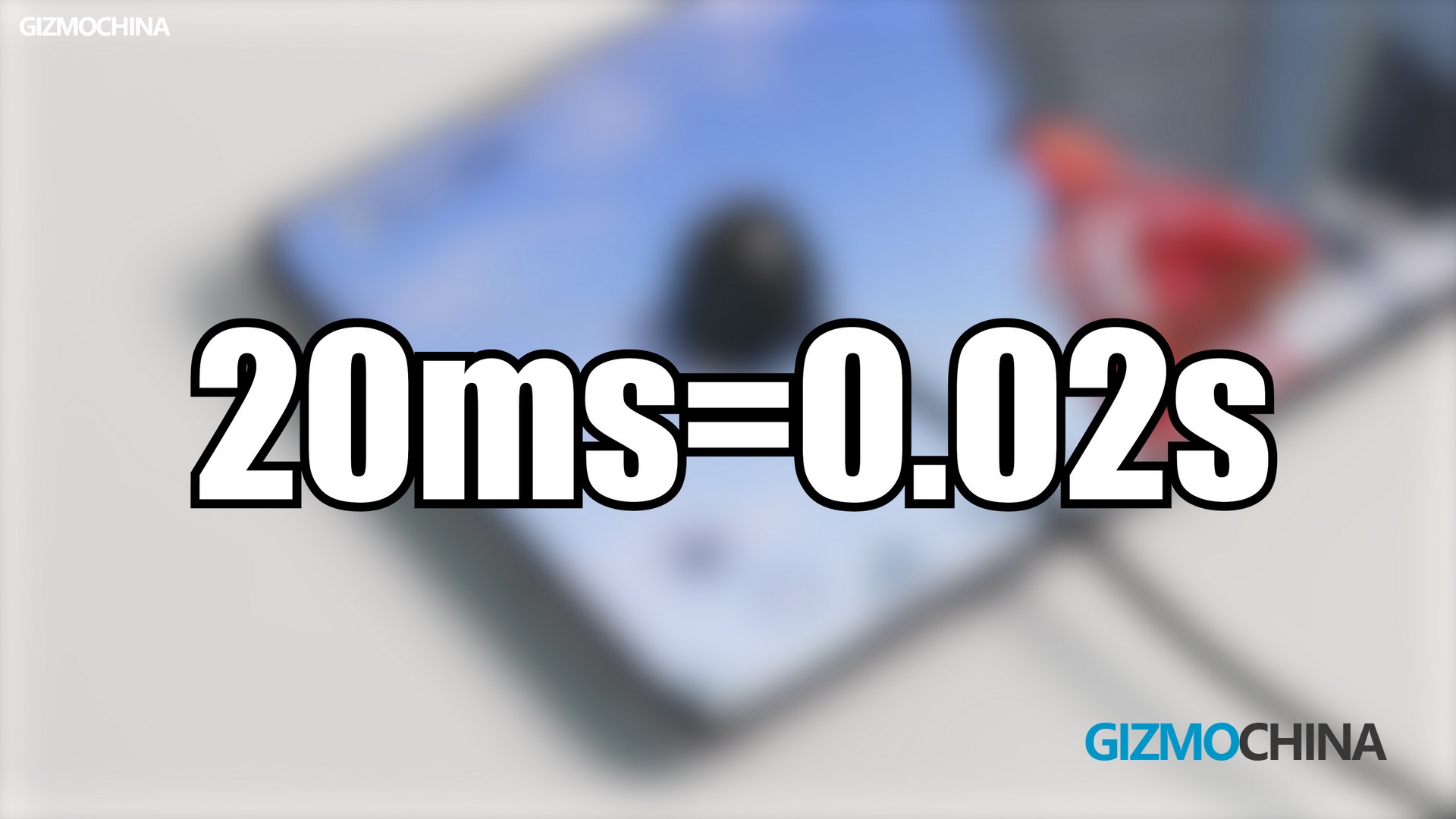
Then I had to use the slow-motion video again to confirm how much latency was added. By comparing in slow motion, turning on this feature did increase the touch latency by roughly 20 milliseconds. So if it were you, would you be able to detect the gap?
To support more devices getting the same results we just showed you, Pixelworks just rolled out a tech brand: the IRX gaming experience Brand. The IRX gaming experience brand aims to outdo traditional rendering solutions with high framerates, high resolutions, and detailed graphics solutions but without draining excessive power.
Verdict
Simply put: IRX Certified phones epitomize the advantages of Pixelworks’ professional visual processing technologies ( e.g. MEMC & Super-resolution) and profound expertise in mobile gaming performance and picture quality tunning to ensuring a great IRX gaming experience featuring silky-smooth motion, high-fidelity visual effects, and a sustained cool handling.
In addition to Genshin Impact and PUBG Mobile we showed here, IRX also supports a great number of top mobile games. Now the OnePlus 12 is the Only Globally Launched smartphone that passed IRX certification, and we learn that Pixelworks has promised that more phones and games will pass this certification soon. So mobile gamers, stay tuned!
We really want to show you how mobile gaming is going to evolve, as we’re excited to see something happening on the compact machines. I don’t know if you have more ideas about the Pixelworks‘ X7 visual processor and IRX gaming experience for the OnePlus 12. But Pixelworks’ idea of bringing a technology that used to be part of TVs to smartphones is genius. As it does benefit a lot of mobile gamers, Pixelworks definitely deserves wider attention.
The Realme 12 Pro series is set to be unveiled in the Indian market on 29th January 2024. But prior to the official announcement, the Indian pricing for the base model of the Realme 12 Pro+ was revealed. So here are all the details.
Realme 12 Pro+ India Pricing Tipped
The news arrives from known tipster Sudhanshu Ambhore who shared the information on X (formerly Twitter). In the tweet, he claims that the Realme 12 Pro+ model has a starting price tag of 34,999 INR (roughly 420 US Dollars). This is for the base storage configuration, which is reportedly features 8GB of RAM and 128GB of internal storage.
The tipster adds that this is the MRP of the upcoming smartphone, so we can expect the actual selling price of the device to be around the 30,000 INR mark. This means that the Realme 12 Pro+ may launch for around 32,000 to 33,000 INR. It will likely launch with special introductory launch offers as well. Although, this is still just speculation at the moment so take this report with a pinch of salt for now.
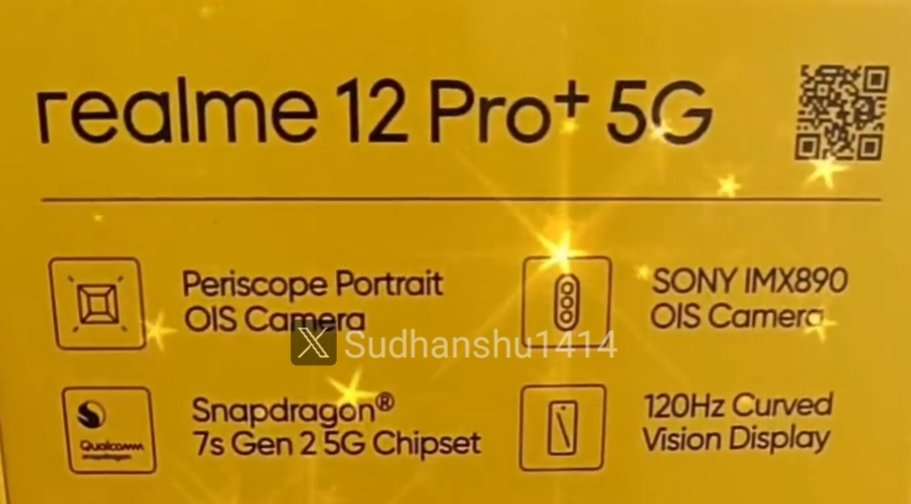
Sudhanshu Ambhore also shared an image that highlights some of the key specifications of the device as well. This includes a Periscope Portrait Camera that supports OIS (Optical Image Stabilization) along with a Sony IMX890 primary sensor with OIS for photography. The front sports a 120Hz Curved Vision display and a Qualcomm Snapdragon 7s Gen 2 SoC under the hood.
LEGO Fortnite, launched toward the end of 2023, is receiving its first major content update on Tuesday. The update is aimed at fixing some issues, which will smooth some rough patches. Despite adding the new content as awaited, the game has improved a lot after the update, as it fixes the little problems.
The update for LEGO Fornite arrives alongside the release of Fortnite update 28.10 on various platforms, including PlayStation, Xbox, PC, Android, and Nintendo Switch. The update brings new content, bug fixes, quality-of-life updates, and LEGO styles.
However, LEGO Fortnite fans can expect server downtime from 9 a.m. to around 11 a.m. GMT on January 23 as the update is implemented. The update introduces LEGO versions of Fortnite Icon skins and includes bug fixes, gameplay features, items, and balance changes. One notable addition is Rocket Racing, alongside Fortnite Festival and Battle Royale updates.
Hi Builders!
v28.10 has arrived with new features and a brickload of bug fixes!
🥏 New Launch Pad toy to bounce around 🏡 Village and building improvements 🛠 Quality-of-life changes ✨ More LEGO Styles
Read all about the new additions to LEGO Fortnite at…
The patch notes for the LEGO Fortnite update (28.10) include:
Mobile – Players Can’t Eat After Throwing or Pushing a Crate:
LEGO Fortnite players using mobile devices may experience issues where they cannot eat after pushing or throwing a crate.
Other Players May Spawn Far Away from You:
When loading into someone’s world, other players may spawn far away from the world owner.
“Joining from the Lobby” May Appear to be Disabled:
Confusing messaging may appear when attempting to join a LEGO world from the lobby, especially when using multiple controllers or accounts on the same device.
Villagers Not Working at the Metal Smelter:
Villagers assigned to work at the Metal Smelter do not progress and won’t yield any results.
Starting Location Sometimes Far Away from Resources:
Players’ starting spawn points may sometimes appear in the ocean, tundra, or desert instead of closer to resources.
Error Creating Worlds:
Some players may encounter errors when trying to create worlds.
As the game continues to receive updates, it may attract a broader audience, especially those who enjoy the cozy and creative gameplay reminiscent of titles like Animal Crossing, Stardew Valley, and Valheim.
With this update, LEGO Fortnite fans can anticipate exciting new content and improvements, reinforcing the collaboration between the popular game and the iconic LEGO brand.
Meizu is reportedly working on its next flagship phone, the Meizu 21 Pro, for the Chinese market. Recently, China’s 3C certification platform approved the said device, which goes by the model numbers M481S and M481Q. While the certification confirmed the phone’s anticipated fast-charging capabilities, the rumor mill has been gradually revealing additional information. A Chinese leaker has now disclosed some previously unknown information about the Meizu 21 Pro.
Meizu 21 Pro launch timeframe (rumored)
According to the leaker, the Meizu 21 Pro will be announced by the end of February. The device will be equipped with up to 16 GB of RAM and up to 1 TB of storage. For those who are unaware, the Meizu 21 is equipped with up to 12 GB of RAM and up to 512 GB of storage.
The machine translation of what the tipster said suggests that the Meizu 21 Pro will have a titanium frame. For security, the device will offer a large ultrasonic in-screen fingerprint sensor. The leaker also revealed that the rear camera setup of the device will feature a 50-megapixel main camera, an ultra-wide lens, and a telephoto camera that offers 3x optical zoom.
As per other reports, the Meizu 21 Pro will feature a large display that supports a 2K resolution and a 120Hz refresh rate. The Snapdragon 8 Gen 3 chipset will be present inside the device, and it is expected to draw power from a 5,020mAh battery, which will offer 50W wireless charging apart from 80W wired charging.
The Meizu 21 Pro will be positioned higher than the Meizu 21, which starts at 3,399 Yuan (~$480). If the 21 Pro is set to debut by February end, the rumor mill may be shedding more about it in the coming days.
Samsung has been rumored to be working on the new Galaxy A55 5G model. It has been spotted in various reports and certifications. Now, the upcoming device has also been sighted in the Bluetooth SIG database, so here are all the details.
Samsung Galaxy A55 visits Bluetooth SIG
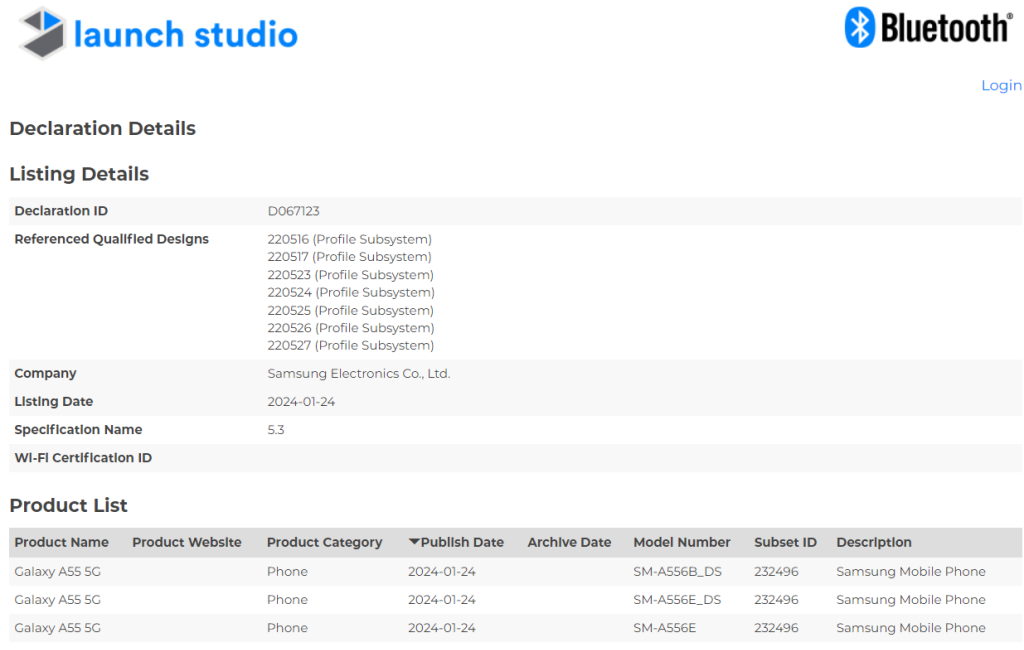
The South Korean tech giant’s Galaxy A55 5G surfaced on the Bluetooth SIG database carrying the model number SM-A556E. Apart from its moniker, the listing also confirms support for Bluetooth 5.4. The sighting on the database basically hints that the Galaxy A55 5G’s launch could be imminent. But unfortunately, no other finer details like specs were revealed in the certification platform.
Just recently, the Samsung Galaxy A55 was spotted on the TUV Rheinland and 3C certifications as well. These also revealed that the device supports 25W wired fast charging. Based on our previous report, it is expected to launch sometime between April and June 2024. This model is rumored to sport a 6.5-inch OLED display that offers Full HD+ resolution and 120Hz refresh rate. Under the hood, the new smartphone could be equipped with the Exynos 1480 SoC that is paired with an AMD GPU.
A large 5,000mAh battery pack may power this handset. The rear may pack a triple camera setup that consists of a 50-megapixel primary sensor, a 12-megapixel ultra wide angle lens, and a 5-megapixel macro shooter. Meanwhile, the front house has a 32-megapixel camera for selfies and video calls. So stick around for more as we will be providing updates when additional information is available regarding this matter.
Last night, OnePlus announced the OnePlus 12 (review) and 12R smartphones along with the Buds 3 TWS for the global markets. At the event, the brand also announced accessories for the newest smartphones. These include various Bumper cases and a AIRVOOC wireless charger for the OnePlus 12 that supports wireless charging. Read on to know the details about the accessories and their availability.
OnePlus 12, 12R bumper cases and accessories announced
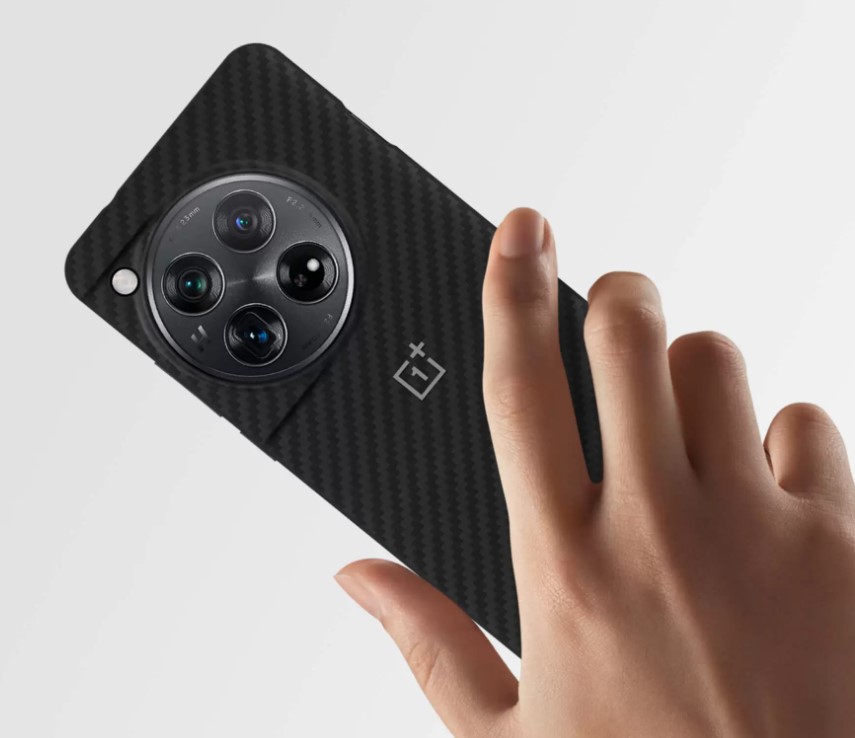
Beginning with the bumper cases, they come in three different types for the flagship OnePlus 12 whereas the OnePlus 12R gets two options. For the former, these include Sandstone, Aramid Fiber, and Walnut Texture.
The sandstone case features a classic jet-black design with sandstone texture offering extra friction to prevent accidental drops and slips. Meanwhile, the Aramid Fiber has a carbon-fiber like design with diagonal lines. It is touted to be refined through 11 different processes ensuring durability and scratch resistance. Lastly, the Walnut texture is a rugged bumper case with a secure, slightly grainy in-hand texture, and resembling hardwood. It is designed for maximum protection with a raised camera module. All three cases are said to be lightweight and comfortable to hold in hands. The Sandstone case starts at Rs 999 whereas the Aramid Fiber and Walnut Texture are priced at Rs 1,299 and Rs 1,999.
As for the OnePlus 12R, it is also offered in Sandstone Bumper case as the OnePlus 12. There is a Classic Texture case that has a smooth woven finish in Silver color option. Both cases for the smartphone are priced at Rs 799.
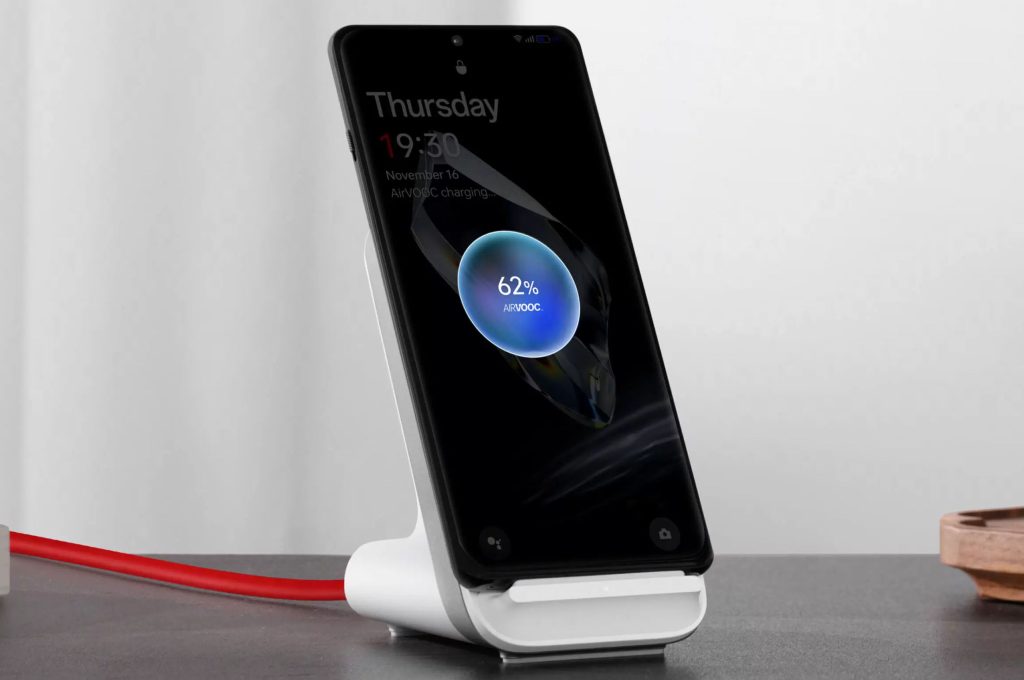
Alongside the smartphones, TWS earphones, and bumper cases, OnePlus has also announced the AIRVOOC 50W wireless charger. To recall, the company’s first wireless charger the Warp Charge 30 debuted way back in 2020. The latest offering has nearly the same design as the previous model. Users can place their smartphone horizontally as well as vertically. There is a built-in charging coil that intelligently senses the wireless charging zone of the device based on the placement orientation of the device.
The OnePlus AIRVOOC 50W Wireless Charger supports 50W maximum power output. It is claimed to top up 50 percent in 23 minutes and 100 percent in 55 minutes. The device is equipped with six security measures for protections against power fluctuations. Users can charge their smartphone without removing its case. The charging accessory also features a proprietary air cooling technology for improved heat dissipation and keeping the phone cool.
The OnePlus AIRVOOC 50W Wireless Charger is also compatible with Qi-certified devices. It carries a price tag of Rs 5,499 and can be purchased from the brand’s website,
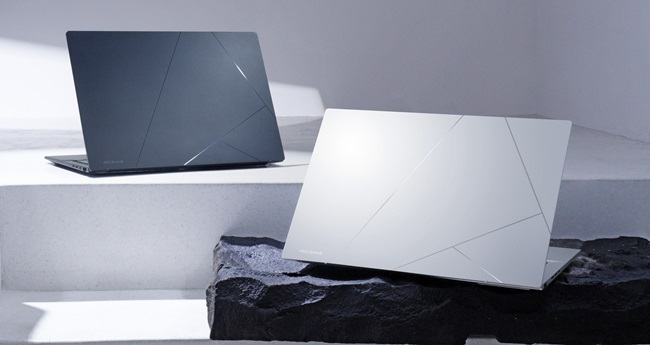
The ASUS Zenbook 14 OLED 2024 laptops was unveiled earlier this month in the Indian market. Now, the official pricing and availability details regarding the notebook have finally been revealed. So here are all the details regarding its specs, pricing, and availability.
ASUS Zenbook 14 OLED 2024 Pricing & Availability
The ASUS Zenbook 14 OLED model arrives in multiple variants with a starting price tag of 99,990 INR. These device will also be available for purchase via Amazon, Flipkart, official ASUS online stores, Reliance Digital, and other retail partners. The first sale will kick off on 31st January 2024. Here are the prices of all of these configurations:
Zenbook 14 OLED (UX3405MA-PZ552WS) – 99,990 INR
Zenbook 14 OLED (UX3405MA-PZ752WS) – 114,990 INR
Zenbook 14 OLED (UX3405MA-PZ762WS) – 120,990 INR
Zenbook 14 OLED (UX3405MA-PZ551WS) – 99,990 INR
Zenbook 14 OLED (UX3405MA-PZ751WS) – 114,990 INR
Zenbook 14 OLED (UX3405MA-QD552WS) – 96,990 INR
Zenbook 14 OLED (UX3405MA-QD752WS) – 109,990 INR
ASUS Zenbook 14 OLED 2024 Specs
To recall, the new Zenbook 14 OLED sports a 14-inch OLED panel that offers 3K/FHD resolution, 120Hz or 60Hz refresh rate, and a 16:10 aspect ratio. Users can also opt for screens that support touch input. Under the hood, the 2024 lineup is equipped with the Intel Core Ultra series processors (including Core Ultra 5, Core Ultra 7, and Core Ultra 9). This chipset is paired with up to 32GB of LPDDR5X RAM and up to 1TB of internal storage.
The entire lineup features a thin and light design with a metallic body and weighs around 1.2 kilograms. Other notable features include a 75Wh battery pack that powers this device, which supports 65W fast charging, stereo speakers with Dolby Atmos support, Windows 11 Home Edition, a 3.5mm headphone jack, and an infrared webcam.
Earlier this month, Motorola announced the Moto G34 5G smartphone in India. Now, a new device called the G24 Power is confirmed to arrive in the country. It seems that the Lenovo-owned brand is on track to launch a slew of G-series device as the G Play (2024), G24, and G04 have also debuted in the global markets recently.
Moto G24 Power India launch confirmed
Want to experience the true power? Get ready for #MotoG24Power !
Motorola announced on its X (formerly Twitter) handle that it will announce the G24 Power in India on January 30. It will be available for purchase from the brand’s official website, Flipkart, and retail stores across the country.
E-commerce platform Flipkart has put up a dedicated microsite of the G24 Power revealing its key specifications. It has a flat frame and a raised camera module as spotted in leaked renders. There is a side-mounted fingerprint scanner embedded in the power button. The device will arrive in Blue and Grey color options.
The Moto G24 Power will feature a 6.6-inch punch-hole display with an HD+ resolution and 90Hz refresh rate. It will have a 16MP front-facing selfie snapper. On the rear, the device is confirmed to come with a 50MP main sensor paired with a 2MP macro lens. The smartphone has stereo speakers with support for Dolby Atmos.
Under the hood, the Moto G24 Power is confirmed to be equipped with Helio G85 processor. It will be offered in 4GB and 8GB RAM options with both packing 128GB internal storage. There is also virtual RAM technology onboard. The upcoming offering will draw its power from a 6,000mAh battery unit with support for 33W fast charging. The smartphone will ship with the latest Android 14 OS out of the box and Moto gesture features.
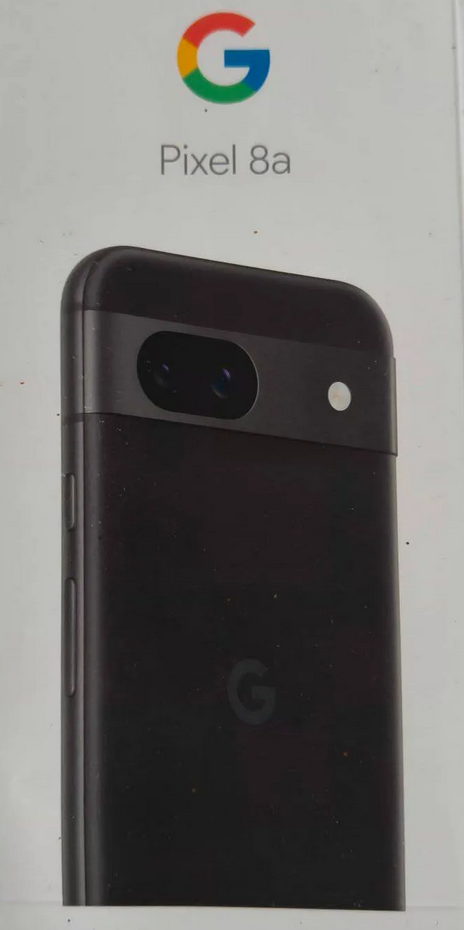
Back in November 2023, the design of the Google Pixel 8a was first revealed in leaked images. Now, the device has been spotted again. But this time, the retail box of the Pixel 8a was leaked, which has revealed key details regarding the upcoming smartphone.
Google Pixel 8a Retail Box
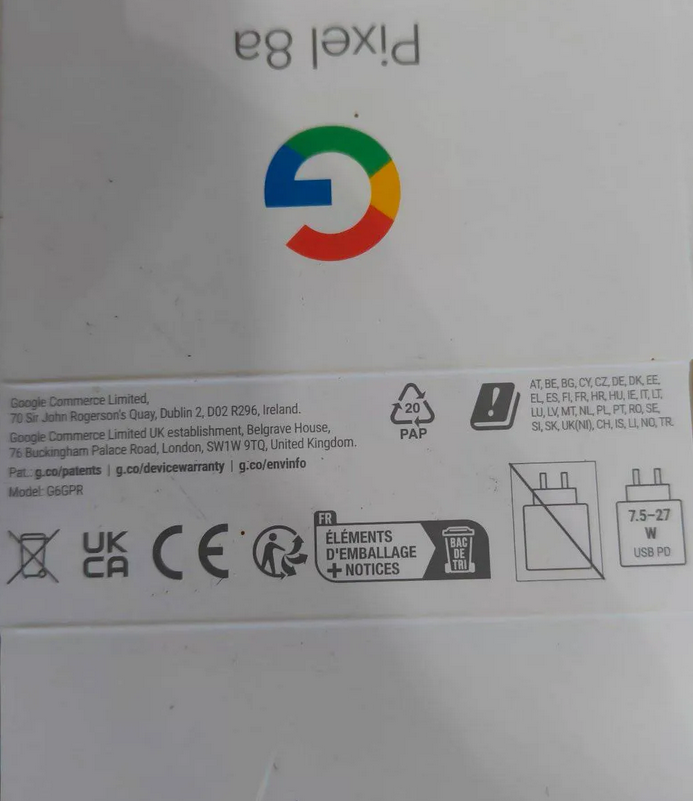
The images of the retail box were shared on a private Vietnamese Facebook group (Via MySmartPrice). Looking at the official packaging, we can see that the Pixel 8a has a design that is similar to the leaked renders we covered earlier. The smartphone features rounded corners and a dual camera setup on the rear. It retains the visor like camera module that also houses an LED flash module. The Pixel 8a can be seen in the black color model.
Meanwhile, a center aligned punch hole selfie camera is housed in the front. The volume rockers and power buttons are situated on the right side of the device. Notably, Google Pixel 8a’s G6GPR model number was also revealed. The retail box has also confirmed that the handset will support 27W wired fast charging. This leak shares the dimensions of the device as well, which is 152.1 x 72.6 x 8.9mm.
To recall, the Pixel 8a is an upcoming mid range model that will likely launch ahead of the flagship Pixel 9 series. It is believed to be equipped with an underclocked version of the Tensor G3 chipset. In a GeekBench sighting, the smartphone has scored 1218 points in the single core test and 3175 points in the multi core tests. This is all the information we have at the moment, so stick around for more updates.
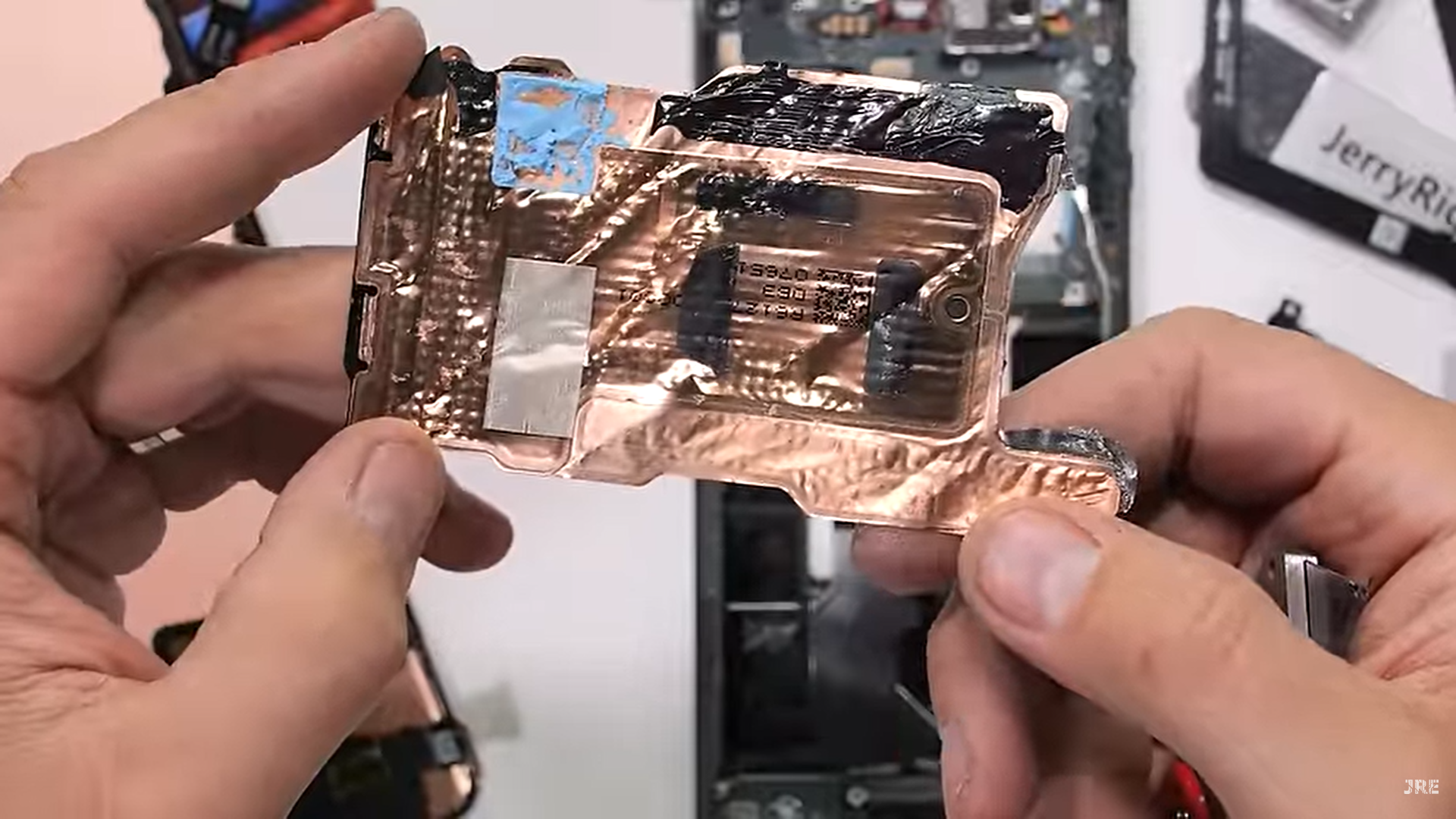
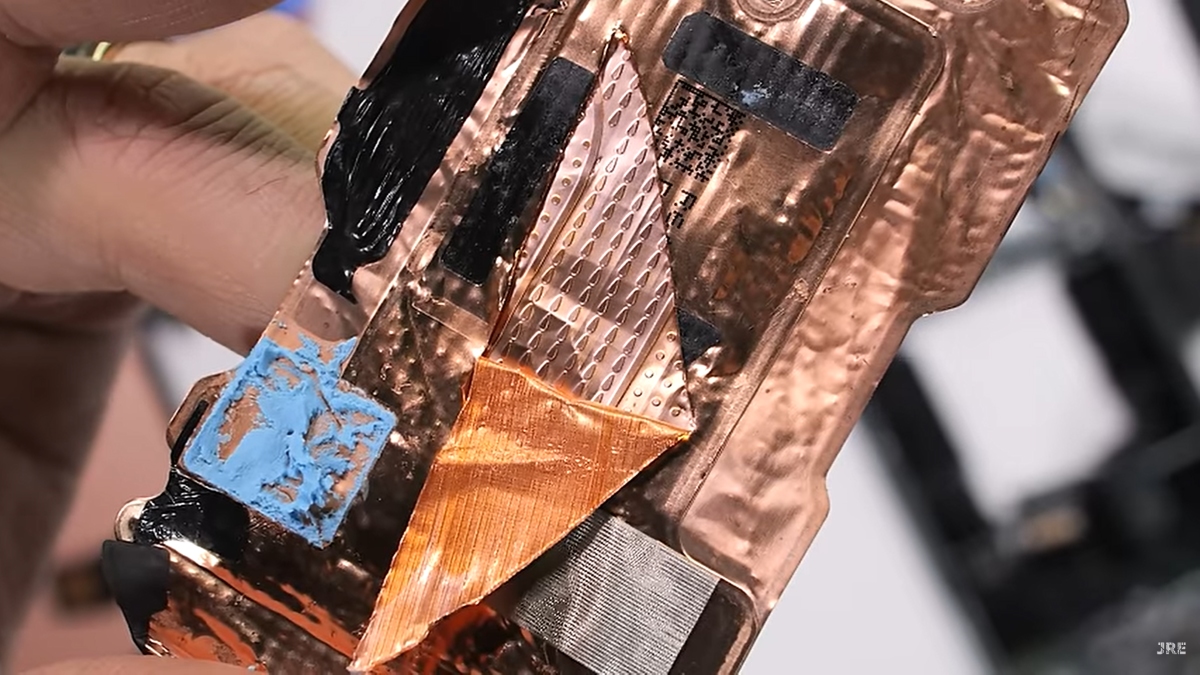
OnePlus has officially launched its latest flagship, the OnePlus 12 globally, marking the beginning of this year’s lineup of premium smartphones. Known for delivering a commendable price-to-performance ratio, OnePlus aims to maintain its reputation with the OnePlus 12. A recent teardown by Zack Nelson, the host of JerryRigEverything YouTube channel offers a closer look at the device’s internals, revealing a massive cooling solution that is said to be the biggest in mainstream smartphones.
The massive vapor chamber sinks heat from not only the SoC but also the dual cell battery
The teardown reveals a distinctive split battery configuration, allowing simultaneous recharging of each half, whether utilizing the 50W wireless charging or a faster 100W wired connection. This design not only enhances charging efficiency but also contributes to better overall battery management.
OnePlus has prioritized durability by incorporating rubber rings, gaskets around the USB-C connector, and numerous ribbon cable connectors to safeguard against water damage. However, the standout feature is the massive two-layer vapor chamber, aptly named Cryo Velocity Vapor Chamber. Positioned in direct contact with the Snapdragon 8 Gen 3 SoC and the display, this cooling solution covers an impressive 9,140 mm² area for efficient heat dissipation through the display.
The dual-layer configuration includes a thin gap with a small amount of fluid that recirculates through capillary action of a mesh within the chamber. The constant contact of vanes and recirculating fluid with the copper surfaces ensures effective temperature control.
OnePlus employs this advanced cooling design not only to manage the temperature of the Snapdragon 8 Gen 3 chip but also to cool the batteries and the wireless charging system.
While vapor chambers for smartphone cooling are not a novel concept, OnePlus takes a step further with its dual-chamber design, significantly increasing the surface area. The expanded surface area proportionately improves heat dissipation. The success of this innovative cooling solution in the OnePlus 12 could potentially improve the sustained performance under heavy workloads.
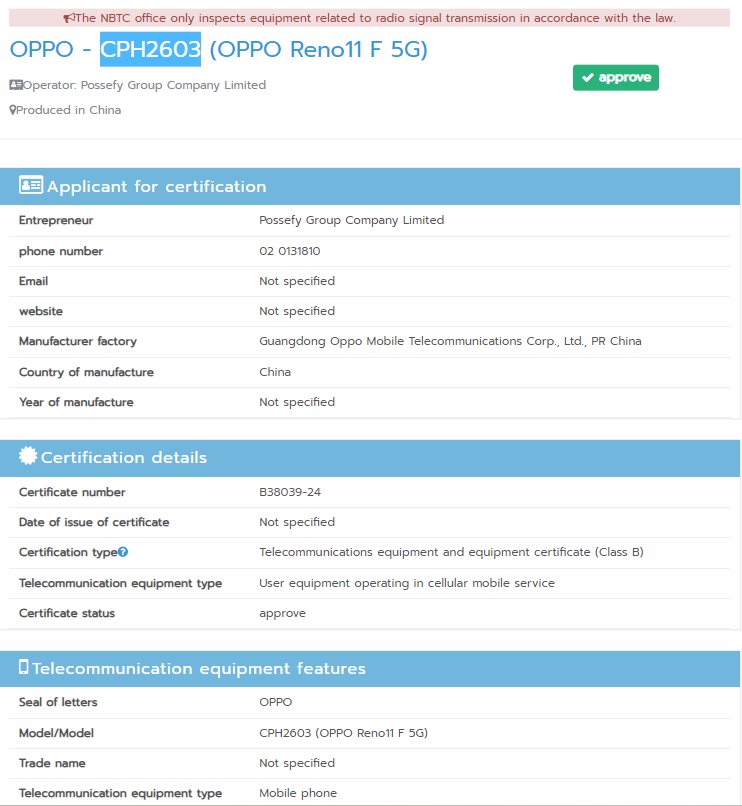
Following the launch of the Oppo Reno 11 Series, consisting of the Oppo Reno 11 5G and Oppo Reno 11 Pro 5G in Indonesia. The Oppo Reno 11F 5G is all set to launch soon, as it appeared on the UAE’s TDRA yesterday and today on Thailand’s NBTC. Oppo is also officially teasing the smartphone via Oppo Indonesia’s post on X.com.
The listing of the upcoming Oppo 5G smartphone hardly reveals anything related to the smartphone’s specifications and features. However, it does confirm the upcoming launch of the Oppo Reno 11F 5G smartphone in Thailand.
Apart from the certifications, Oppo Reno 11F 5G’s landing page is now live in Indonesia, indicating an upcoming launch, possibly on February 24. OPPO claims the Reno 11F 5G will be splash-resistant, with a durable battery life of up to 4 years. Even a recent teaser emphasizes the portrait features, a triple rear camera setup, and ultra-fast charging capabilities. It will be available in green, pink, and blue color options and is already reported to be open for pre-orders in offline markets.
The smartphone will have a 6.7-inch AMOLED FHD+ display with a 120Hz refresh rate, the Dimensity 7050 chipset, 8GB of RAM, and 256GB of storage. It will feature a 5,000mAh battery with 67W fast charging, a 32MP front camera, and a versatile rear camera setup with 64MP main, 8MP ultra-wide, and 2MP macro lenses. Security will be enhanced with an in-display fingerprint scanner, and the device has an IP67-rated chassis for durability. The Oppo Reno 11F 5G is anticipated to debut in India, possibly as the Oppo F25, in February. With its impressive specifications, it’s expected to be a significant addition to Oppo’s smartphone lineup.
Still, a month is left, if we believe the expected launch date of February 24. We expect more details to surface before the official launch.
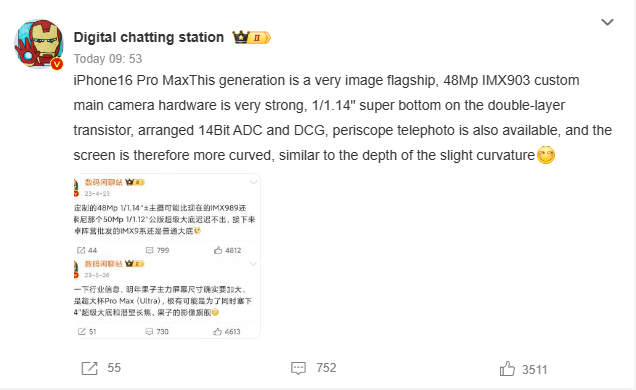
According to @digitalchatstation, the iPhone 16 Pro Max will boast a 48MP 1/1.14″ Sony IMX903 customized main sensor with double-layer transistor technology. With 14Bit ADC and DCG support, this camera promises enhanced image quality than its predecessor, iPhone 15 Pro Max.
The custom sensor to be complemented by 1MG+7P glass-plastic lens module
Continuing its commitment to advanced photography, the iPhone 16 Pro Max will include a periscope telephoto lens. This innovation, however, comes with a design change, as the screen’s edge curvature increases, resembling a subtle curve of equal depth.
Additionally, speculations from Ming-Chi Kuo suggest that the iPhone 16 Pro series might adopt 1MG+7P molded glass-plastic hybrid lens modules. The iPhone 16 Pro is expected to feature a 6.3-inch screen, while the Pro Max variant will boast a larger 6.9-inch display.
Ming-Chi Kuo highlights a significant imaging upgrade for the iPhone 16 Pro, with dual 48MP sensors, a first for Apple, and a 12MP telephoto lens. The iPhone 16 Pro may offer a 120mm tetra-prism telephoto lens same as the iPhone 15 Pro Max. Front cameras of the iPhone 17 series models are set for an upgrade, featuring a 24MP sensor and a 6P lens.
Apple plans to introduce a novel camera button, codenamed Nova, specifically for video shooting. Utilizing capacitive buttons and force sensor functions, this button aligns with Apple’s dedication to enhancing the video recording experience.
The iPhone 16 Pro and iPhone 16 Pro Max will retain the premium grade 5 titanium (Ti-6Al-4V) construction from the iPhone 15 Pro, maintaining a sleek and durable appearance. While overall design changes are minimal, Apple may introduce new color options.
In terms of performance, Ming-Chi Kuo and Jeff Pu anticipate the integration of the A18 Pro chip, Wi-Fi 7 support, and Qualcomm’s Snapdragon X75 modem, ensuring 5G download speeds of 7.5 Gbps. Notably, the series is rumored to feature a graphene-based battery with a capacity of 3355 mAh and a new battery stack design, potentially enabling 40W wired charging.
As Apple continues to push the boundaries of smartphone technology, the iPhone 16 Pro Max is poised to set new benchmarks in camera capabilities and overall performance.
We use cookies on our website to give you the most relevant experience by remembering your preferences and repeat visits. By clicking “Accept”, you consent to the use of ALL the cookies.
This website uses cookies to improve your experience while you navigate through the website. Out of these, the cookies that are categorized as necessary are stored on your browser as they are essential for the working of basic functionalities of the website. We also use third-party cookies that help us analyze and understand how you use this website. These cookies will be stored in your browser only with your consent. You also have the option to opt-out of these cookies. But opting out of some of these cookies may affect your browsing experience.
Necessary cookies are absolutely essential for the website to function properly. This category only includes cookies that ensures basic functionalities and security features of the website. These cookies do not store any personal information.
Any cookies that may not be particularly necessary for the website to function and is used specifically to collect user personal data via analytics, ads, other embedded contents are termed as non-necessary cookies. It is mandatory to procure user consent prior to running these cookies on your website.