Realme is soon going to launch the Realme Note series in Indonesia. It appears that the brand plans to launch two Note-branded phones, namely the Realme Note 1 and the Note 50, on the market. A leaked image that surfaced yesterday for the first time revealed the existence of the Note 1 along with its key specifications. However, it is still unclear whether Note 1 is the placeholder or the actual name of the device. Meanwhile, the Realme Note 50 moniker was confirmed through its NBTC certification in Thailand in the recent past. The name has been confirmed again, as it has now emerged in the database of the Bluetooth SIG certification platform.
Realme Note 50 Bluetooth SIG certified
Realme Note 50 Bluetooth SIG certified
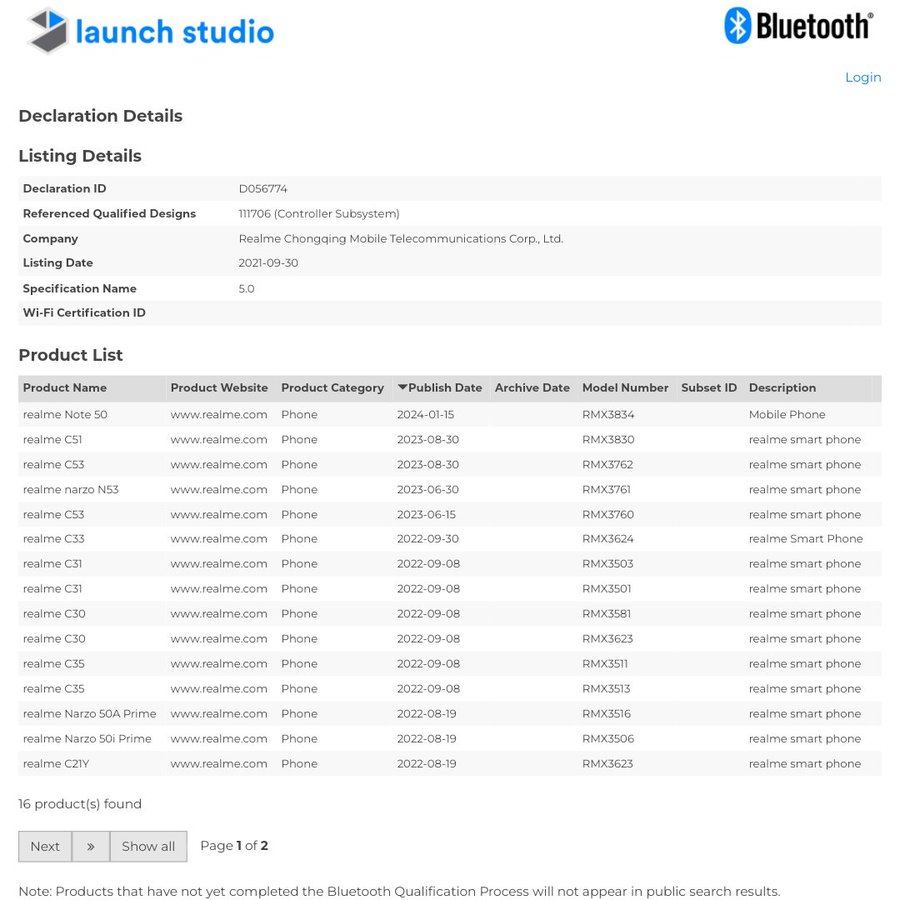
As can be seen in the above image, the Realme device bearing the RMX3834 model number has received approval from the Bluetooth SIG authority. The listing confirms that the device will be called the Realme Note 50 when it debuts on the market.
While the Realme Note 1 is said to be a mid-ranger powered by the Dimensity 7050 chip, the Note 50 is said to be an affordable offering. The reason behind it is that it was recently spotted with the Unisoc T612 chip, 6 GB of RAM, and Android 13 in Geekbench’s database.
Other reports have claimed that the Realme Note 50 will have a 6.67-inch LCD panel that offers an HD+ resolution, a 5-megapixel front camera, and a 13-megapixel + AI lens dual-camera system. It is likely to house a 5,000mAh battery with 10W charging support.
Realme is expected to announce Realme Note 1 on Jan. 24 in Indonesia. Devices that emerge in Bluetooth SIG’s database are known to break cover in a timespan of around one month. Hence, it is likely that the Note 50 may break cover in February in different markets.
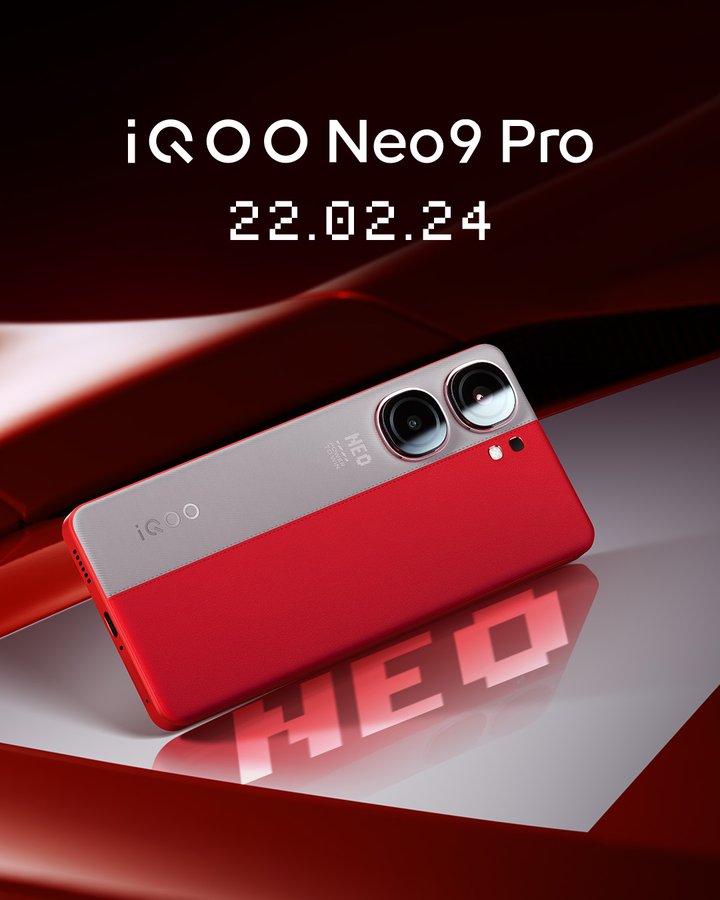
In the previous month, iQOO unveiled the iQOO 12 5G, featuring the Snapdragon 8 Gen 3 chip, in India. Soon after its launch, the company started teasing the arrival of the Neo 9 Pro in the country. The brand has finally confirmed that the device will go official on Feb. 22. Here is a look at what to expect from the device.
iQOO Neo 9 Pro launch date for India officially confirmed
In December, China received the iQOO Neo 9 and Neo 9 Pro smartphones equipped with the Snapdragon 8 Gen 2 and Dimensity 9300 chipsets, respectively. Multiple reports have claimed that the Neo 9 Pro released in India will be a rebranded version of the Neo 9 available in China.
iQOO Neo 9 Pro specifications (rumored)
The iQOO Neo 9 Pro is expected to arrive with a 6.78-inch OLED display that offers a 1.5K resolution and a 144Hz refresh rate. The device will run on FunTouch OS 14-based Android 14 and feature an under-display fingerprint sensor.
On the front, the Neo 9 Pro will have a 16-megapixel selfie camera. The rear panel of the phone will have an OIS-assisted Sony IMX920 50-megapixel main camera and an 8-megapixel ultra-wide lens.
Under the hood, the iQOO Neo 9 Pro will feature the Snapdragon 8 Gen 2 chipset. It will pack a 5,160mAh battery with 120W fast charging. It may arrive with up to 12 GB of LPDDR5x RAM and up to 512 GB of UFS 4.0 storage. It is expected to come with other features, such as dual speakers and an IR blaster.
iQOO Neo 9 Pro price in India (expected)
In India, the iQOO Neo 9 Pro is expected to rival the OnePlus 12R, which also features the Snapdragon 8 Gen 2. At present, there is no leak on the price of the Neo 9 Pro. However, it could likely be priced at around Rs 40,000 (~$482) in the country.
Xiaomi unveiled the Xiaomi Mix 4 back in 2021. It is the only Xiaomi phone in the recent past to feature an under-display camera. Recently, tipster Digital Chat Station leaked key details about an upcoming smartphone that will feature a pair of under-display cameras. It is speculated that he could be talking about the Xiaomi Mix 5.
Xiaomi Mix 5: Alleged key specifications leaked
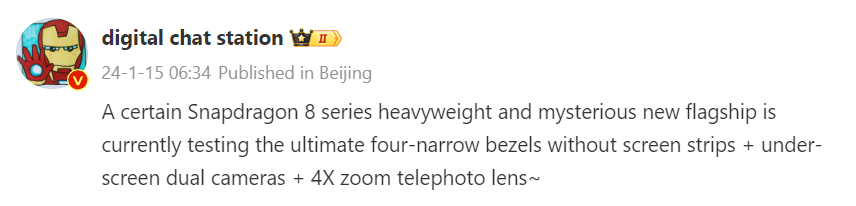
In the above-shown Weibo post, DCS claimed that a mysterious new flagship phone that is currently being tested is equipped with the Snapdragon 8-series chipset. The display of the phone has ultra-thin bezels on all four sides and seems to have a bezel-less look.
He added that the device is equipped with two under-display cameras. It appears that one of the rear-facing cameras of the phone is a telephoto lens that offers up to 4x optical zoom.
The tipster did not mention the name of the device, but the display design and the inclusion of two under-screen cameras suggest that he could be talking about the Xiaomi Mix 5. There is a possibility that the said device could be a ZTE flagship phone, as the brand has been consistently launching phones with under-display cameras for the past few years. Hence, it is advisable to digest this report with a pinch of salt.
Coming back to the Mix 5, recent reports have claimed that the brand may not have plans to launch it this year. While the device has been recently spotted in the IMEI database with the 2503AVP01C model number, it may break cover in March 2025. In related news, Xiaomi has reportedly planned to launch two Mix-branded phones this year. The first half of 2024 may see the arrival of the Snapdragon 8 Gen 2-powered Xiaomi Mix Flip, while the Mix Fold 4 featuring the Snapdragon 8 Gen 3 may launch in the remaining half of the year.
Last week, Honor held a launch event in China to unveil the Honor Magic 6, Magic 6 Pro, and Magic V2 RSR Porsche Design foldable phones. Before the official announcement of the Magic 6 series, several reports had claimed that the lineup would also include a Porsche Design model, but there was no announcement on it. A new development suggests that the Honor Magic 6 RSR Porsche Design is still in the works and is expected to debut in the next few months in China.
Honor Magic 6 RSR Porsche Design: What to expect?
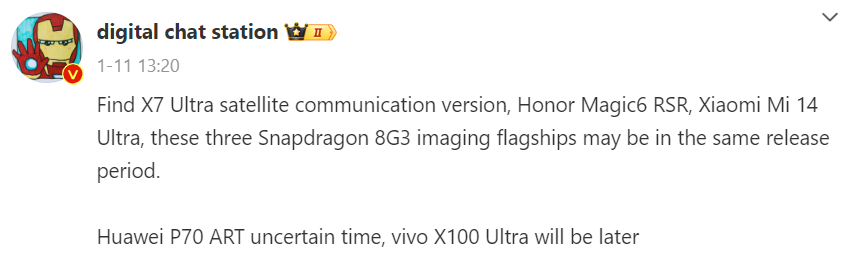
It appears that the Honor Magic 6 RSR Porsche Design will be a successor to the Magic 5 Ultimate, which was announced in March 2023. In the previous week, tipster Digital Chat Station claimed that the Find X7 Ultra Satellite Communication Version, Xiaomi 14 Ultra, and Honor Magic 6 RSR would have the same release timeframe.
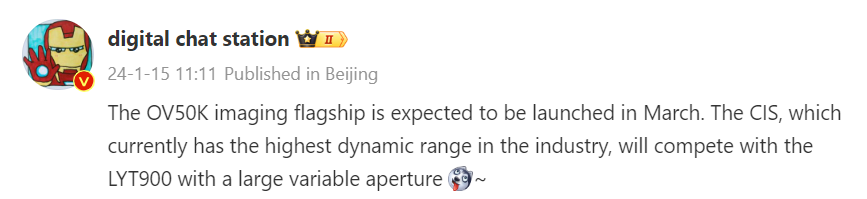
Several reports have claimed that the Honor Magic 6 RSR Porsche Design will be the world’s first smartphone to feature the one-inch OmniVision OV50K 50-megapixel camera sensor. The leaker claims that the device is planned to go official in March in China. He added that the OV50K, which currently has the highest dynamic range in the industry, will compete with the Sony LYT-900, which has a large aperture.
Hence, it appears that the Magic 6 RSR Porsche Design will compete with the likes of the Find X7 Ultra, Xiaomi 14 Ultra, and the Vivo X00 Pro+ (or X100 Ultra). Like the other Magic 6 series phones, the premium RSR variant is also said to have the Snapdragon 8 Gen 3 chip onboard. There is a possibility that most of its specs could be similar to those of the Magic 6 Pro.
ChatGPT Take Two Interactive, known for Rockstar Games and the GTA series, is gaining attention not just for gaming triumphs but also for its legal stance on copyright protection. Recently, Take-Two accused Remedy Entertainment of copyright infringement, pointing out resemblances between their new logo and the Rockstar Games logo.
Take-Two’s Copyright Accusation Against Remedy’s New Logo
Take Two Interactive entered into a trademark dispute with Remedy Entertainment, claiming that Remedy’s logo resembled the ‘R’ in Rockstar Games. Remedy had initially explained the logo in a blog post last April, stating that the bullet in the ‘R’ of the old logo represented the Max Payne era, but the new Remedy logo symbolizes a portfolio of games beyond a single title. Despite this, Take-Two opposes it, citing a potential confusion for the public.
Remedy Entertainment and Take Two Interactive are in a trademark dispute over Remedy's logo.
Shortly after the logo’s unveiling, in May, two trademark applications were filed for variations of the logo. Take-Two rejected both claims, firmly expressing its opposition to the use of the logo. This isn’t Take-Two’s first action in such matters, as the company has a history of filing copyright lawsuits against numerous companies in various fields over the years.
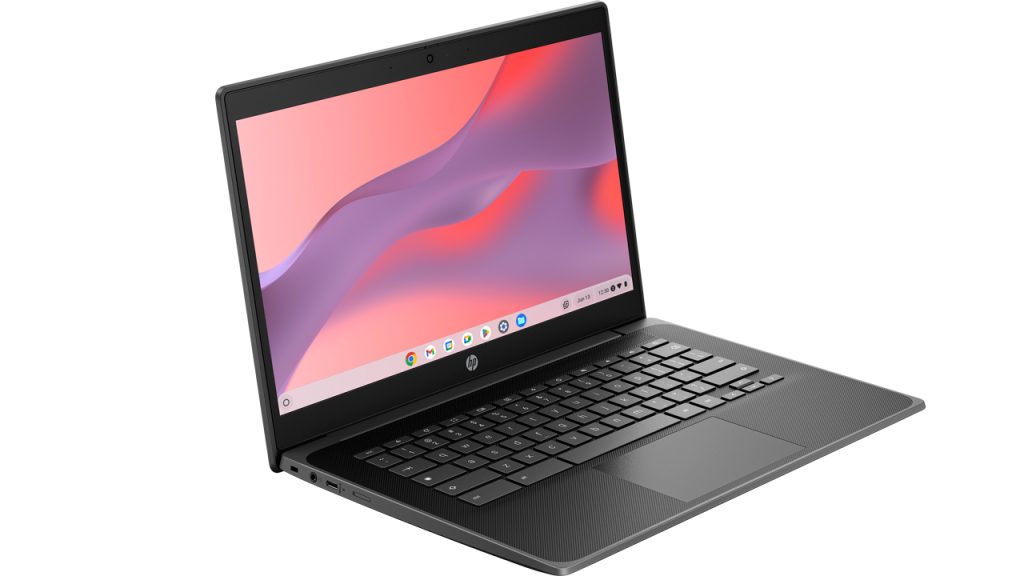
The HP Fortis G11 is among a raft of HP Chromebooks unveiled on January 11, 2024. The Fortis G11 is a rugged Chromebook with a 14-inch display. It comes with solid internal features for enhanced productivity. It also offers rapid charging of its battery. This is coming at the same time the company unveiled the Fortis X360 G11.
Features
The HP Fortis G11 has a similar outlook as the Fortis G10 and is focused on a solution for students, office and frontline workers. The Chromebook is rated MIL-STD-810 and has gone through a battery of durability tests successfully. The chassis of the Fortis G11 Chromebook has an IP51 rating, as added protection for the device.
The Fortis G11 Chromebook’s 14-inch display is expansive enough to accommodate many productive tasks as well as for entertainment purposes. The screen is configurable to fit the user’s taste and the options include an FHD touchscreen panel with 250 nits of brightness or a non-touch FHD with 300 nits. The vanilla version of the laptop has an HD panel with 250 nits of peak brightness. There are several RAM and storage options for the Fortis G11 Chromebook ranging from 4GB LPDDR5-4800 to 16GB of RAM. Up to 128GB of UFS onboard storage could be gotten for the Fortis G11 Chromebook.
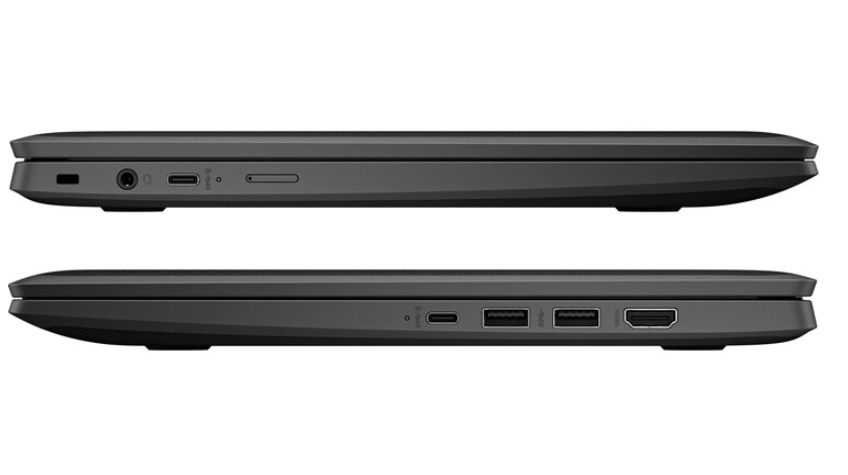
In terms of connectivity, the Fortis G11 Chromebook supports WiFi 6E and 4G LTE. It comes with an Intel N-Series processor but it is unclear whether it is the N200 or the N95. The Fortis G11 comes with several ports including USB Type-A 3.2 Gen 1 (x2), USB Type-C 3.2 Gen 1 (x2), HDMI 1.4, and a headphone and microphone combo jack. The new Fortis Chromebook also comes with a SIM card slot.
Pricing & Availability
The HP Fortis G11 Chromebook with a 14-inch display is already on sale in the US with a starting price of $319. There are no details yet on the global availability and pricing of the Fortis G11 Chromebook at this time.
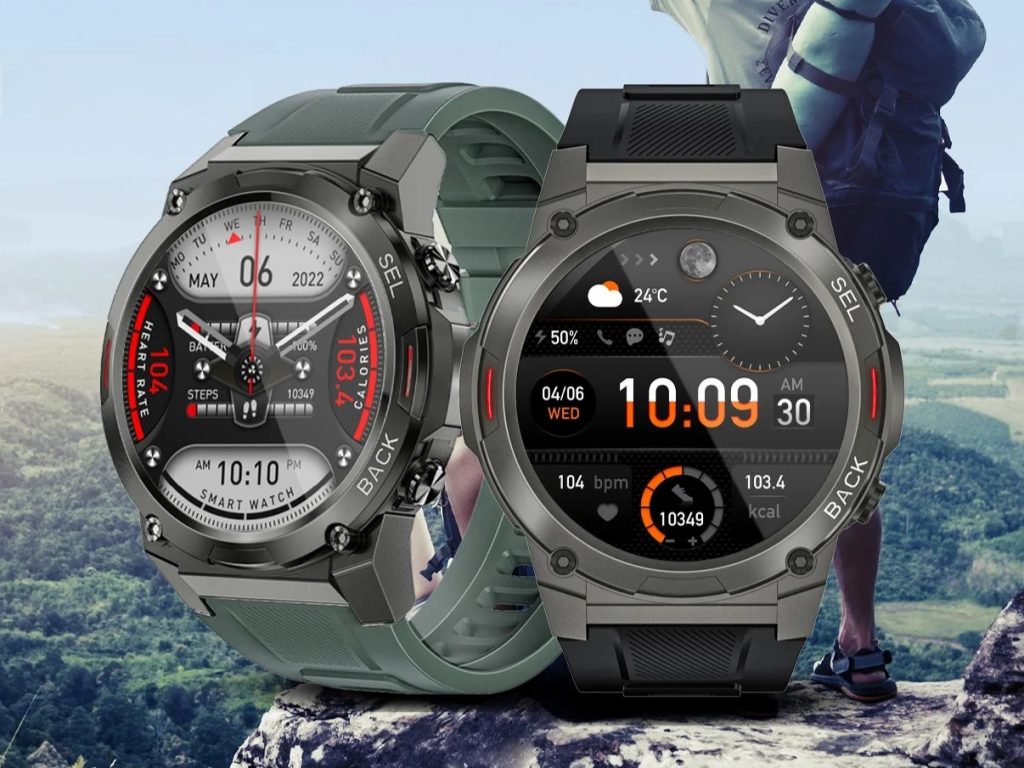
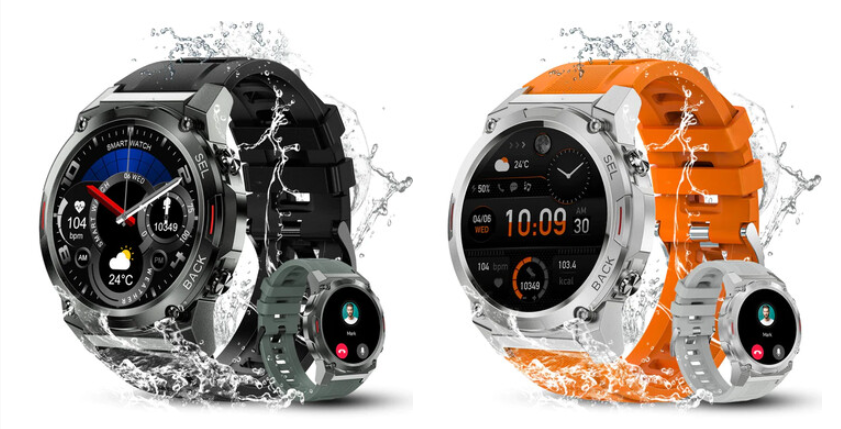
Chinese tech company Oukitel has always been known for its rugged smartphones. the company has now announced a new smartwatch – the Oukitel BT50 rugged smartwatch. As the name implies, the smartwatch is a rugged model designed with a military-grade ethos. It also comes with a budget-friendly price tag.
Features
Despite the ruged build, the Oukitel BT50 features a robust design which includes a chunky strap and a striking round watch face housing a vivid 1.43-inch AMOLED display with an impressive 466 x 466-pixel resolution. The combination of durability and style makes it an ideal companion for both outdoor enthusiasts and urban warriors.
While simplicity is key, the BT50 does not compromise on health tracking. Monitor your heart rate, blood oxygen saturation, and sleep health effortlessly. The reliability of the sensor data ensures that you stay informed about your well-being, even in the most challenging environments.
The Oukitel comes with essential health-tracking features
With over 100 sports modes, this smartwatch empowers you to log your exercises comprehensively. Whether you’re a seasoned athlete or a fitness novice, the Oukitel BT50 supports a wide range of activities. Additionally, connect your Android or iOS phone for accurate GPS data during your workouts.
Bluetooth 5.2 connectivity enables seamless phone calls, notifications from popular apps like WhatsApp and Instagram, and convenient music control. The inclusion of an AI voice assistant adds a touch of sophistication to your daily interactions, making tasks easier and more enjoyable.
A 400mAh battery propels the BT50 to impressive heights, offering up to 15 days of typical use or an astounding 45 days in standby mode. Quick two-hour recharging ensures that you spend less time tethered to a power source and more time on the go.
Rated IP68 waterproof, the Oukitel BT50 fearlessly withstands water exposure, allowing you to explore without limits. Choose from the bold black/green or the vibrant silver/orange color options to match your style.
Pricing & Availability
The Oukitel BT5 is presently available for $55.99/£49.99/€69.99. The price is even more enticing with a $10 coupon at Amazon US, bringing the price down to $45.99.
Weibo CEO Gaofei Wang, known on the platform as “Between coming and going” (来去之间), recently voiced his frustrations on Weibo after an unusual experience with his mobile service.
Gaofei shared that his mobile SMS receiving function was suspended because he missed a call from 96110, a number designated for anti-fraud alerts. This action was taken after his number received overseas calls, leading to a missed anti-fraud reminder call.
Weibo CEO Confronts SMS Suspension Over Missed Anti-Fraud Call
Seeking answers, Gaofei questioned the logic behind this decision by tagging China Mobile in his post. He inquired about the rationale for such a measure and the process for restoring his SMS service. This incident highlights the sometimes rigid policies telecom companies may have in place for fraud prevention, even affecting high-profile individuals like the CEO of a major social media platform.
The incident resonated with many netizens, with some humorously sharing their own negative experiences. One user commented, “Tell me how to complain about Weibo customer service, and I will tell you how to complain about the SMS suspension.” This sentiment resonated with Wang, who acknowledged the struggles many face with customer service, stating, “10086 (China Mobile’s customer service hotline) said they noted it, but couldn’t resolve it, just like our customer service…”
In addition, Weibo influencer “Granny from Jiangning” (江宁婆婆) joined the conversation by retweeting Gaofei’s post and playfully advising him to check Weibo more often. This was accompanied by an image urging people to always answer calls from 96110.
Gaofei acknowledged the reminder but pointed out the impracticality of always being available to answer calls, especially during meetings. He questioned the reasonableness of the business logic that led to the suspension of his SMS service for missing a call.
The number 96110 is part of a broader initiative to combat telecom and network fraud. It serves as a crucial tool for warning and prevention, making it imperative for users to respond to calls from this number. It also acts as a helpline for reporting suspicious activities, playing a significant role in fraud prevention efforts.
The online debate surrounding Wang’s experience is likely to continue, prompting further discussion about the effectiveness of anti-fraud strategies and the need for customer-centric approaches in the telecom industry. It remains to be seen how China Mobile will respond to the concerns.
Titan Army Unveils Cutting-Edge P27A6R: A 27-inch Gaming Monitor with Mini-LED Display and 180Hz Refresh Rate
The Titan Army P27A6R features a 27-inch FAST IPS panel with a 2K resolution (2560 x 1440) and a 180Hz refresh rate. This provides smooth, sharp visuals for gaming, video editing, and other demanding tasks.The P27A6R also features a mini-LED backlight with 384 dimming zones. This allows for better contrast and HDR performance than a traditional LED backlight. The monitor also supports HDR 1000, which provides a peak brightness of 1000 nits.
In terms of color reproduction, the P27A6R covers 97% of the DCI-P3 color gamut. This is a wide range of colors that is ideal for color-critical work. The monitor also has a 1ms response time, which is excellent for gaming. The P27A6R is also versatile, thanks to its adjustable stand. The stand allows you to tilt, swivel, pivot, and adjust the height of the monitor. The monitor also supports VESA mounting, so you can attach it to a wall or other mounting bracket.
The P27A6R is currently available for pre-order on JD.com for 1,999 yuan (about $290). Here are the full specifications of the TITAN ARMY P27A6R:
Model: P27A6R
Screen size: 27 inches
Color: White
Aspect ratio: 16:9
Panel type: FAST IPS
Dimensions: 613.9 x 518.7 (Max)/398.7 (Min) x 228.8 mm
Fans eagerly awaiting the U.S. premiere of “Pokémon Horizons: The Series” on Netflix will have to hold on a little longer, as its debut has been pushed to March 7. This delay, though short, has sparked a mix of anticipation and frustration among the Pokémon community.
The new series will move beyond the beloved Ash Ketchum
Unlike previous series, “Pokémon Horizons” breaks new ground by moving beyond the familiar face of Ash Ketchum. The spotlight now shines on Liko and her partner Pokémon, Sprigatito, along with a host of other characters including Friede and his unique Captain Pikachu. Set in the vibrant Paldea Region from the games Pokémon Scarlet and Violet, the series promises to offer a fresh narrative and exciting adventures.
This delay comes as a surprise, especially since the series has already been released in the UK, where fans have been enjoying it since December 2023. U.S. audiences, who are more accustomed to simultaneous releases, find themselves in an unusual position of waiting while their counterparts across the pond discuss the latest episodes.
The series’ plot revolves around Liko, a new character who arrives at Indigo Academy and quickly becomes embroiled in a mysterious plot involving a pendant necklace and a group known as the Explorers. She is not alone in her journey, as she is joined by Friede and Captain Pikachu, alongside other companions. Meanwhile, a boy named Roy dreams of becoming a Pokémon Trainer, unaware of the secret within his Ancient Poké Ball.
What makes “Pokémon Horizons” particularly interesting is its departure from the formula that has defined the franchise for decades. The introduction of new characters and settings, while still retaining the essence of the Pokémon world, is a bold move that could redefine how future series are approached.
In a groundbreaking move, a Chinese court recently recognized the copyright of an AI-generated image, setting a precedent that could significantly impact the burgeoning field of artificial intelligence and creativity. This decision, made by the Beijing Internet Court, revolves around a picture created using Stable Diffusion, a text-to-image software. The court’s recognition of the image as a protected artwork underlines the increasing significance of AI in the realm of artistic creation.
Acknowledging the human element in AI is a big deal for the future
The core of this ruling lies in the court’s understanding that the human creator’s originality and intellectual input played a crucial role in the creation of the AI-generated image. This perspective shifts the focus from the AI itself to the creative process and decision-making of the human behind the AI. By acknowledging the human element in AI-generated content, the court opens new doors for artists and creators who are exploring this novel domain.
This decision is particularly noteworthy as it diverges from the stance in other countries, like the United States, where the debate over copyright protection for AI-generated content remains unresolved. It emphasizes the need to view such creations on a case-by-case basis, considering the unique blend of AI and human input.
The dispute that led to this ruling began when an individual, identified as Li, used Stable Diffusion to create an image of a young Asian woman. After Li’s work was allegedly used without permission on Baijiahao, a Chinese content-sharing platform, he initiated an intellectual property infringement lawsuit. The court’s ruling in Li’s favor reinforces the idea that AI-generated images, when infused with human creativity and judgment, can be seen as personal expressions deserving of copyright protection.
This landmark ruling is a significant step for China’s growing interest in generative AI. It not only acknowledges the potential of AI in creative industries but also sets a legal precedent that could encourage more innovation and exploration in this field. As AI continues to evolve and find its place in various sectors, decisions like this will be crucial in shaping its role and the rights of those who harness its power for creative expression.
The Halo series, known for its innovative gameplay and storytelling, has been a cornerstone of the Xbox gaming experience. The concept of a Halo Battle Royale emerged after the release of Halo Infinite in 2021. With battle royale games like Fortnite and PUBG dominating the gaming landscape, it seemed like a natural step for Halo to explore this genre.
Halo Infinite received mixed reviews as well, which might explain this decision
Certain Affinity, a support studio, was reportedly at the helm of Tatanka’s development. In 2022, Paul Sams, the president of Certain Affinity, hinted at a major Halo project, sparking further speculation about the battle royale mode. This was a tantalizing hint for fans, suggesting a significant evolution for the franchise.
However, the gaming community has seen little to no concrete information about this project since then. Bloomberg’s report in early 2023 suggested that the project might have taken different directions, moving away from the typical battle royale format.
The decision to potentially shelve this project comes at a crucial juncture for Halo. The recent performance of Halo Infinite didn’t quite meet expectations, and there’s news of the franchise shifting to Unreal Engine for future developments. This indicates a desire for change and innovation within the series.
In the midst of this, Certain Affinity seems to be focusing on an original project, codenamed Project Loro. This shift could be a strategic move to diversify and expand the studio’s portfolio.
For Halo fans, this news brings mixed feelings. On one hand, the cancellation of a Halo battle royale may be disappointing for those eager to see the franchise enter this popular genre. On the other, it suggests that the creators are not afraid to change direction and innovate, keeping the Halo series fresh and exciting. As we look forward, the future of Halo remains a topic of great interest. With Season 2 of the Halo TV series set to release soon, the franchise continues to expand its universe in new ways, promising more intriguing developments for its loyal fanbase.
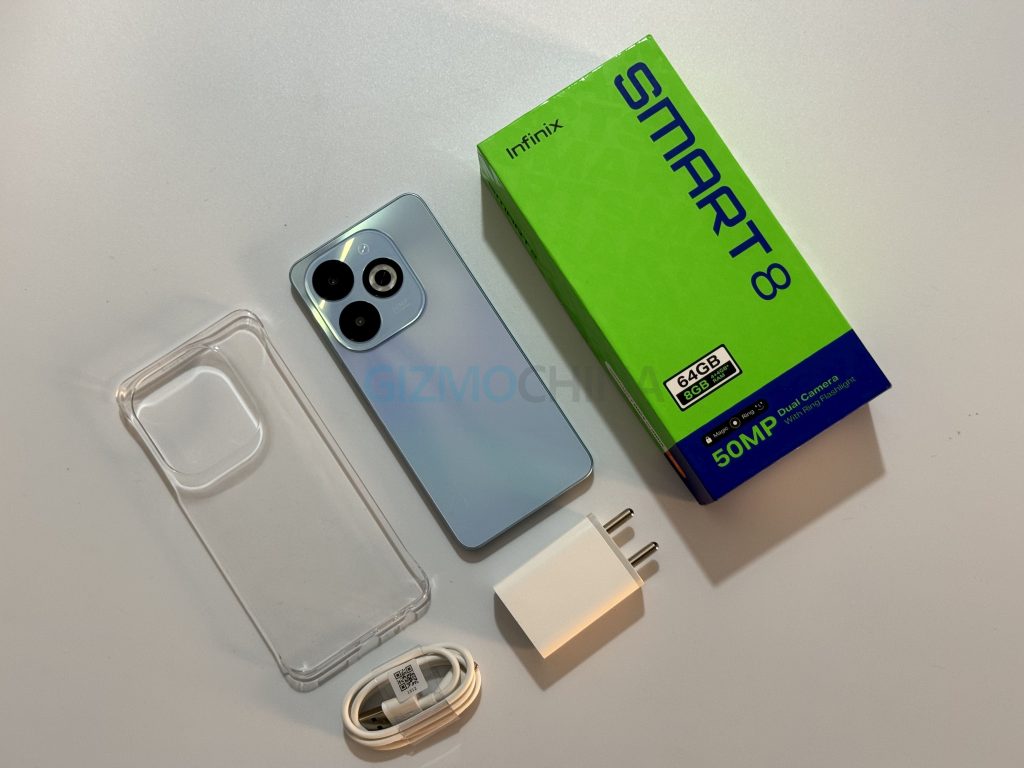
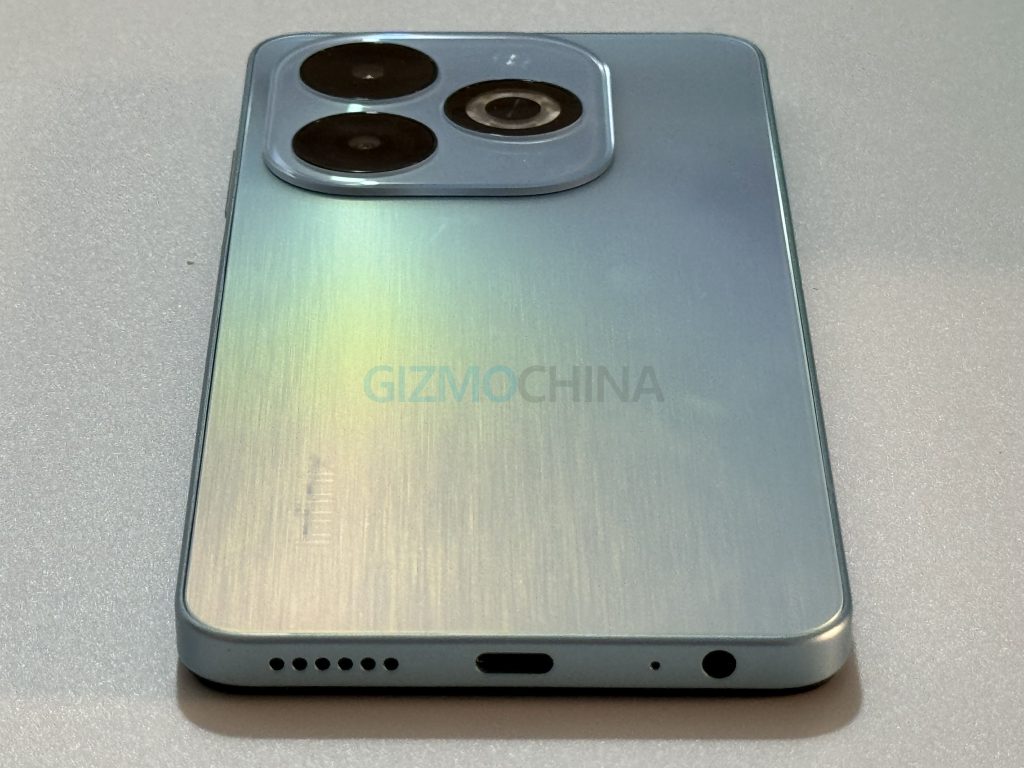
The Infinix Smart 8 was announced on Jan. 13 in India and is already available for purchase via Flipkart. For those seeking a phone around Rs 6,000 (~$72), the company offers the Smart 8 HD, and in the Rs 7,000 (~$84) segment, it provides the Smart 8. These offerings mirror Redmi’s A2 and A2 Plus, which are nearly identical phones with only a few differences. The Smart 8 and Smart 8 HD (hands-on) are powered by different chipsets, feature distinct primary cameras, and come with varying amounts of RAM. Here is a hands-on post on what to expect from the Smart 8.
Infinix Smart 8: Unboxing and First Impression
Infinix Smart 8
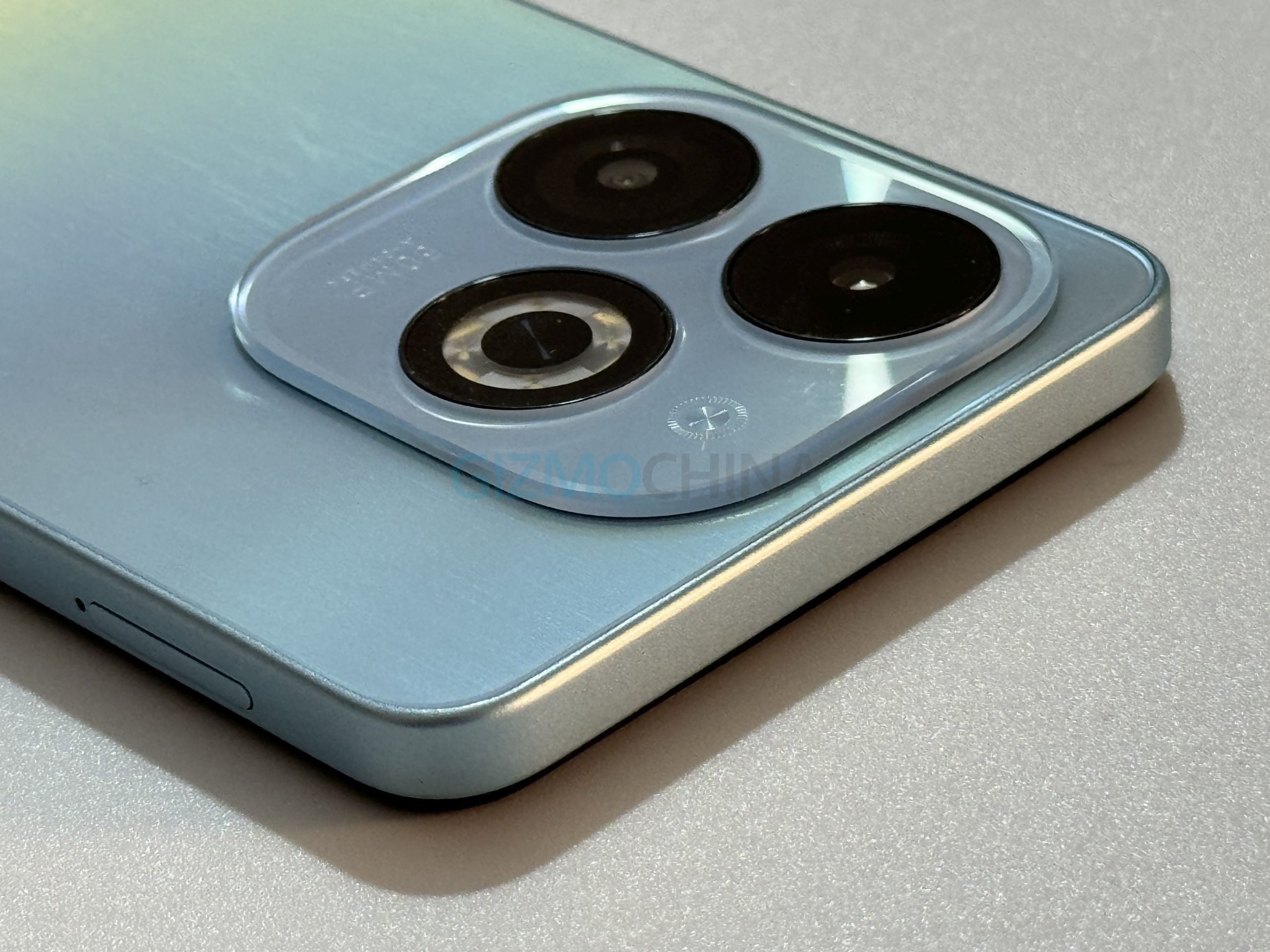
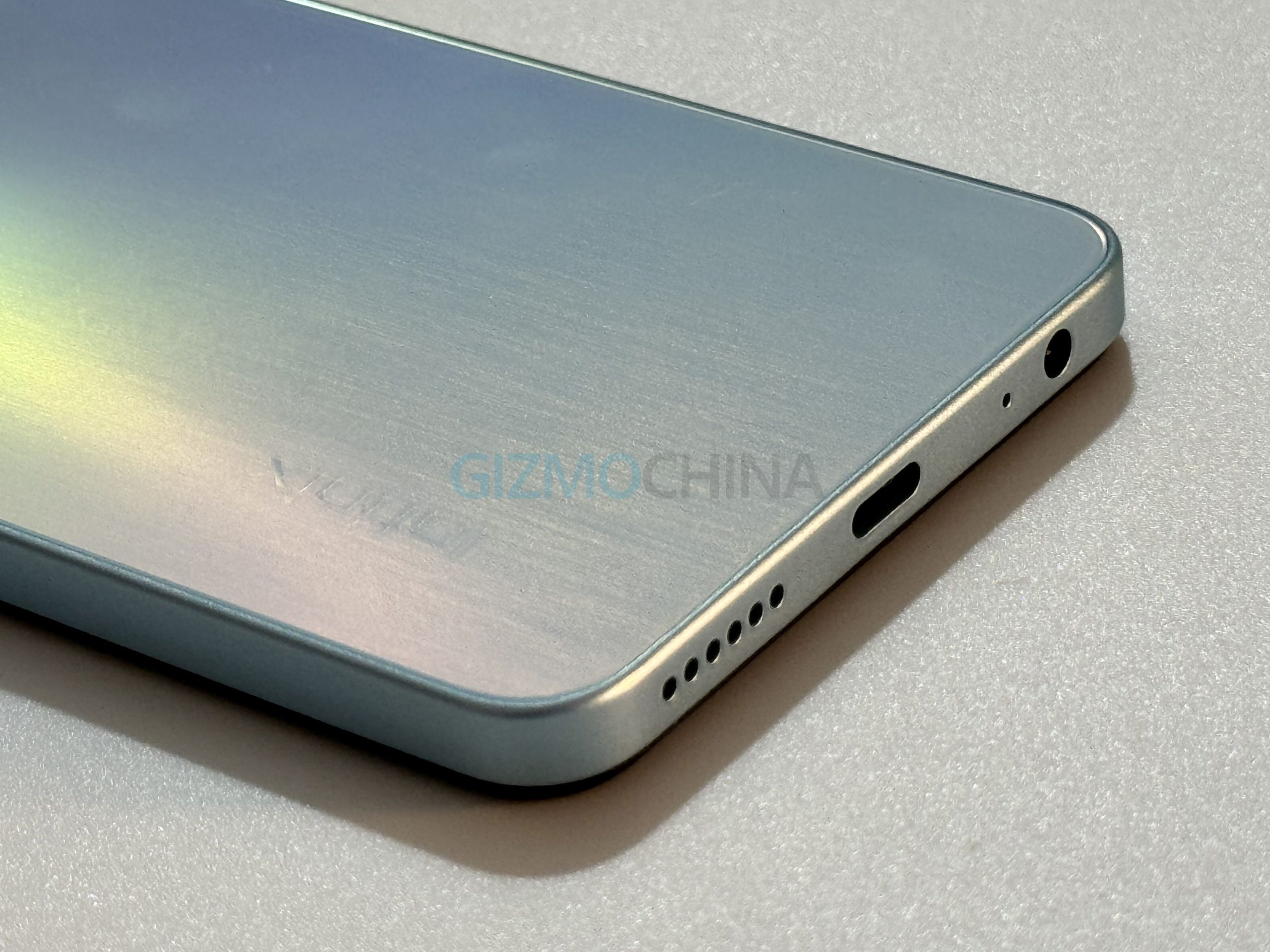
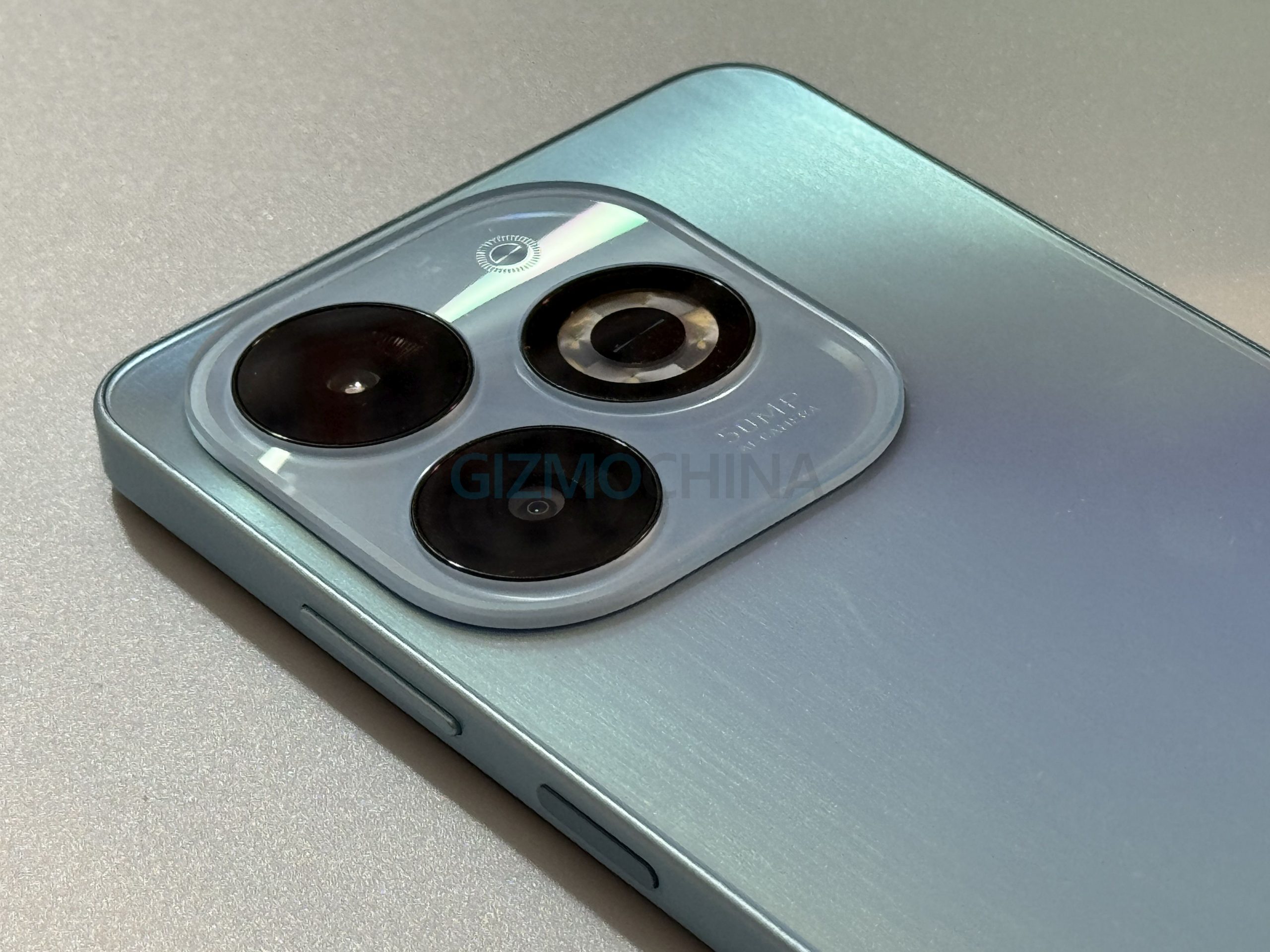
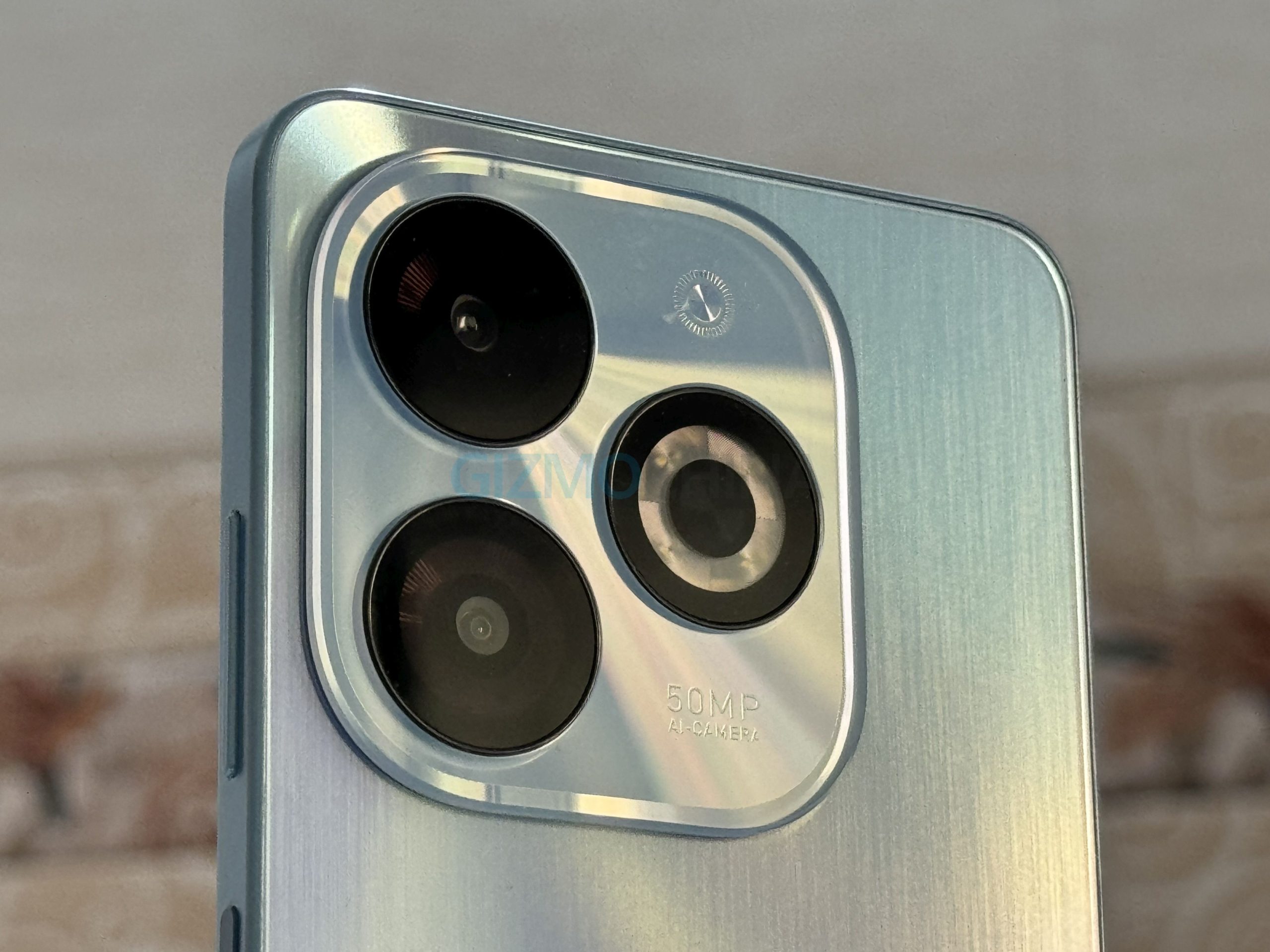
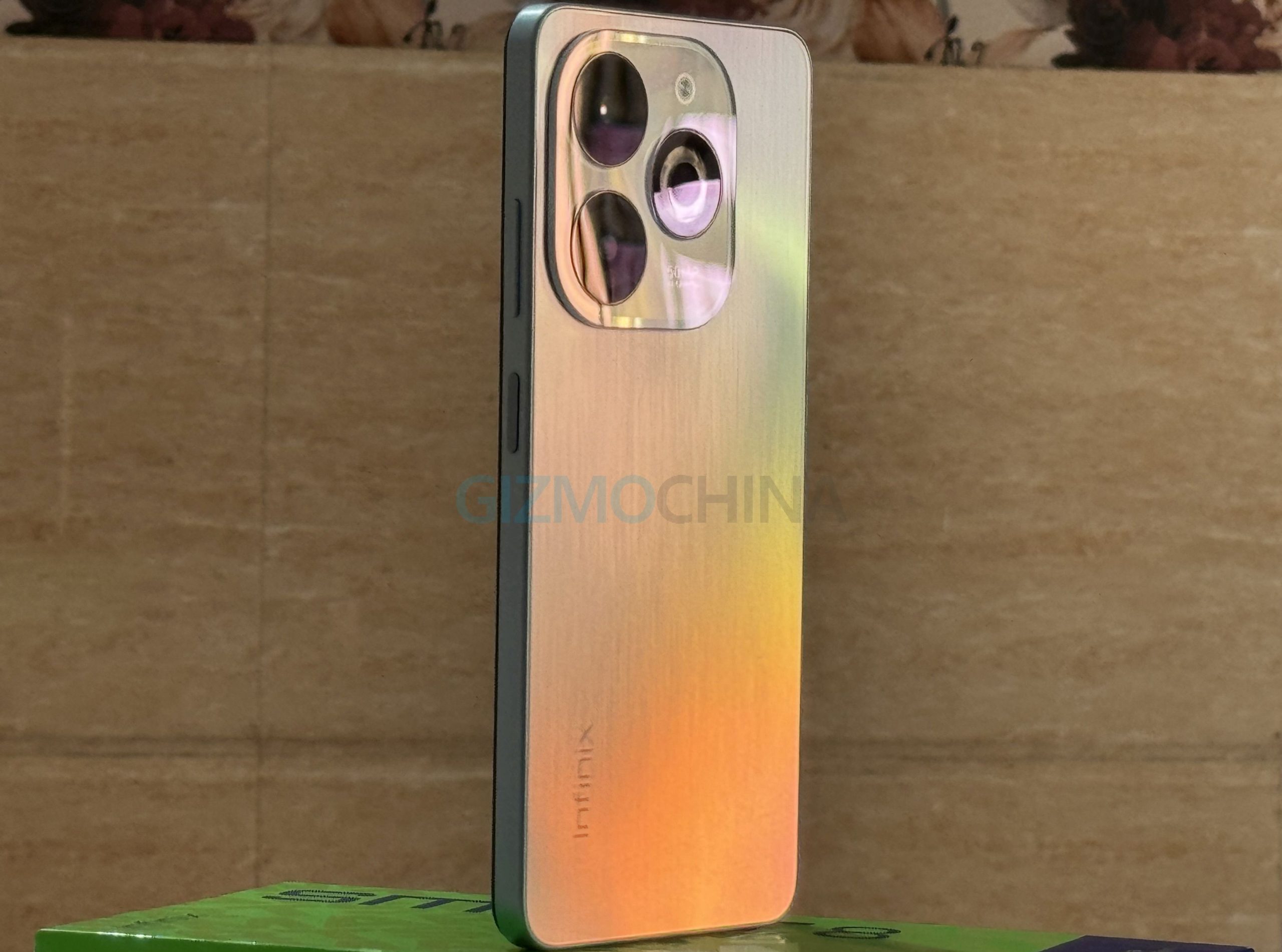
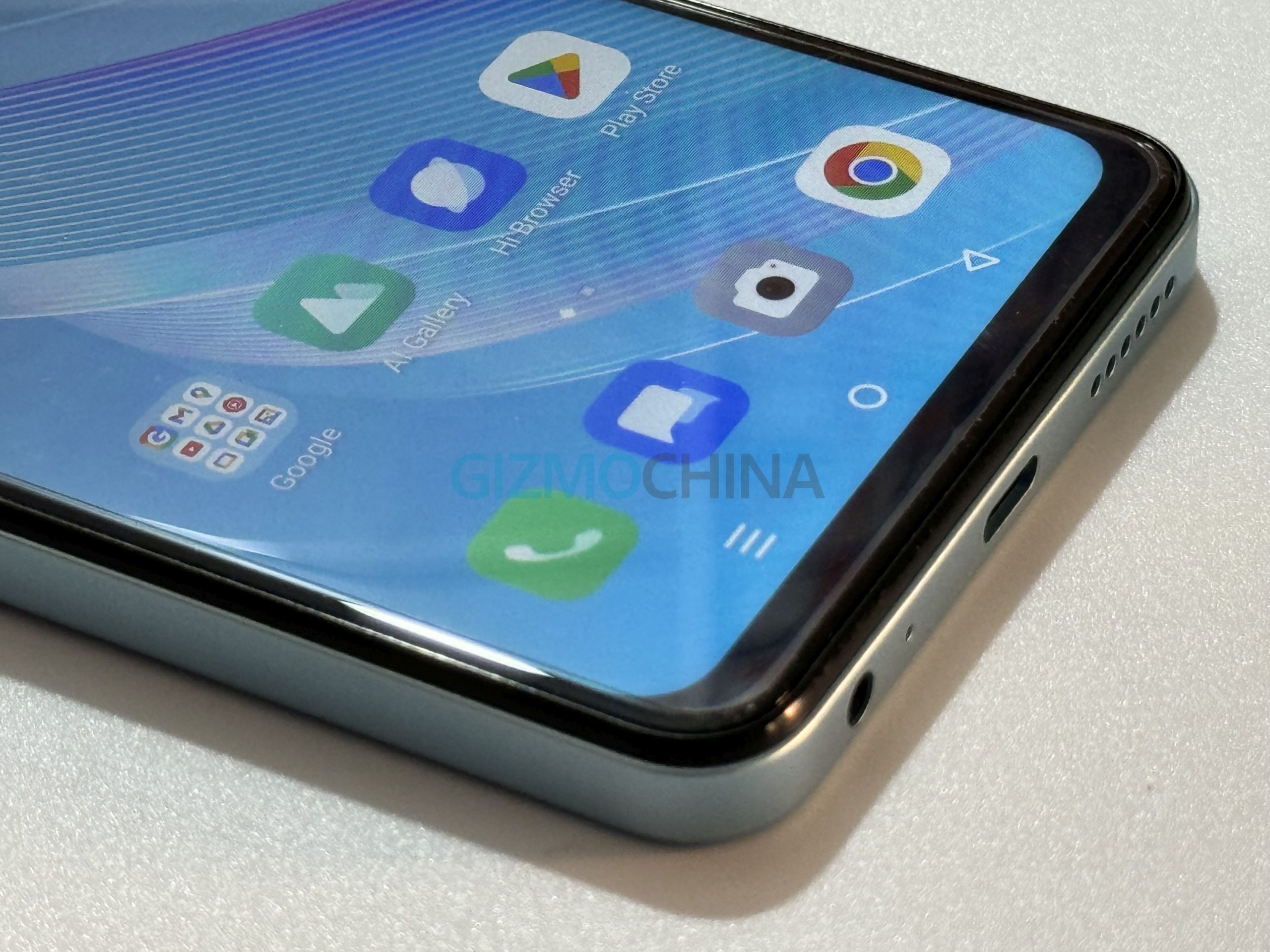
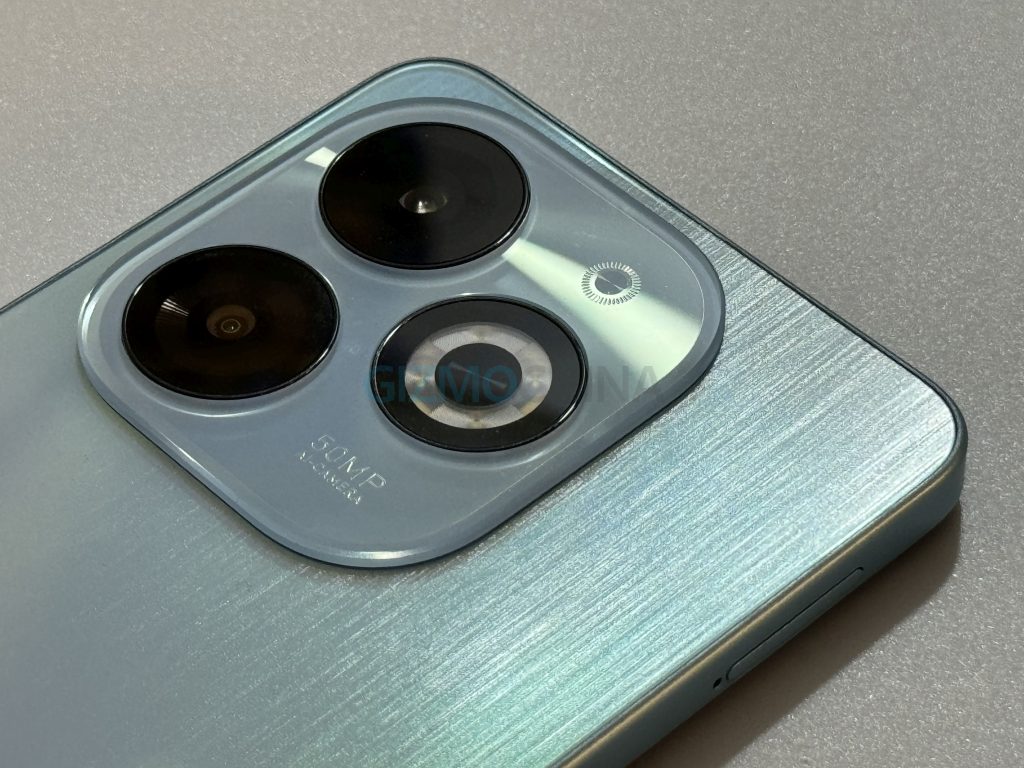
Undoubtedly, the Infinix Smart 8 stands out as a remarkably designed phone within its price range. The Rainbow Blue color variant, as depicted in the images, appears light blue at a cursory glance. However, when viewed from various angles, it reveals an array of shades, including pink, purple, yellow, and light green. The back panel of the phone features a timber-textured finish, while the front showcases a punch-hole screen with a noticeable bottom bezel. Notably, the overall design of the phone closely resembles that of the Smart 8 HD.
The top edge of the phone has “Designed by Infinix” branding, whereas its opposite end features a 3.5mm audio jack, a microphone, a USB-C port, and a speaker. The left spine has a SIM slot, while the right edge is equipped with a volume rocker and a power key. It weighs 189 grams and has a thickness of 8.5mm.
Display
Infinix Smart 8Infinix Smart 8
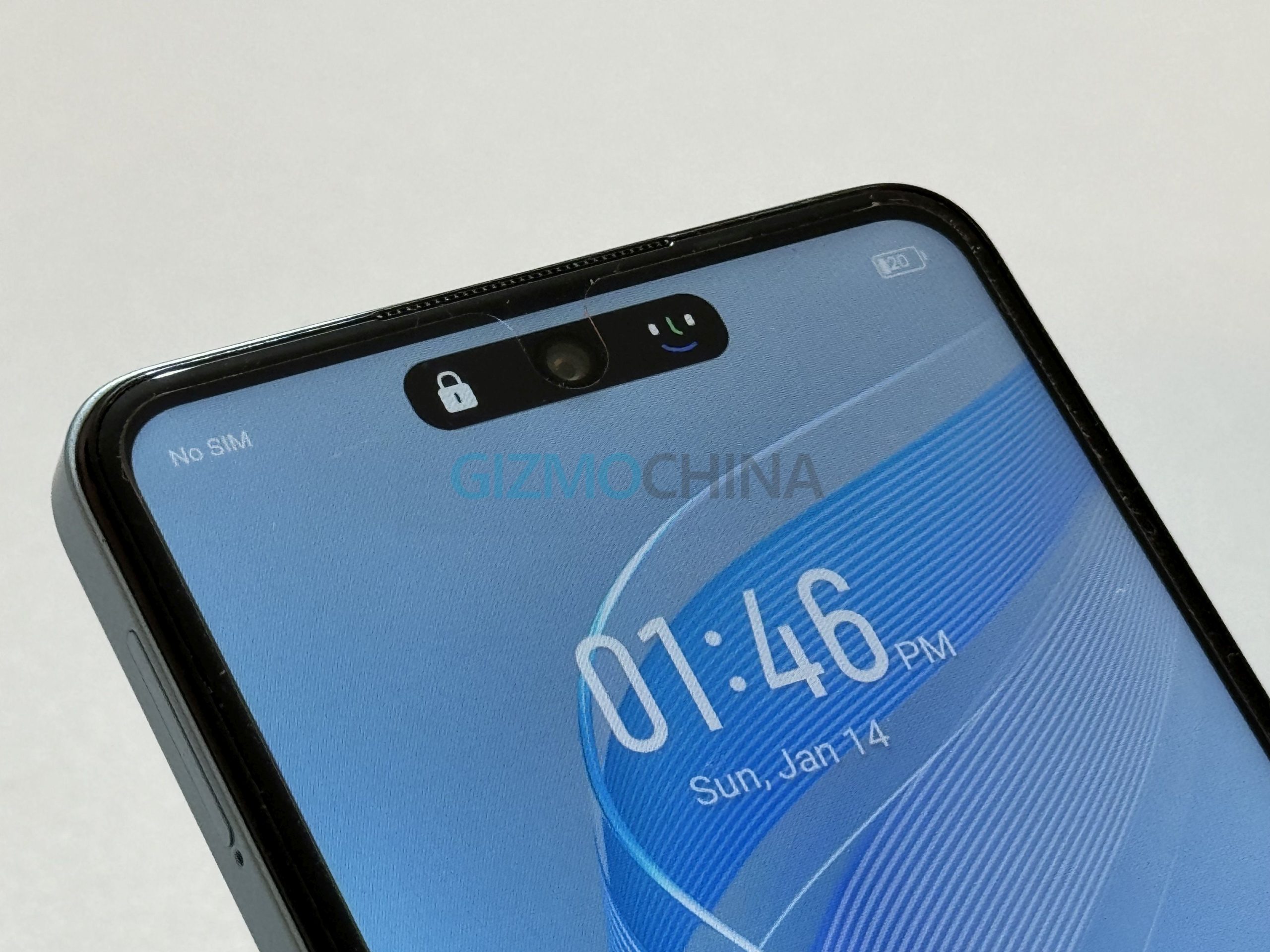
Starting from the front, the Infinix Smart 8 sports an LCD panel measuring 6.6 inches diagonally. It supports an HD+ resolution of 720 x 1612 pixels and a 90Hz refresh rate. The screen is shielded by a layer of NEG glass. Distinguishing itself from most other phones in the same price segment, the Smart 8 opts for a contemporary punch-hole display design instead of the conventional waterdrop notch screen. In terms of visibility, it is optimal for indoor use; however, under bright sunlight, users might encounter difficulties viewing the display contents even when the brightness is set to the highest level.
Performance
Infinix Smart 8
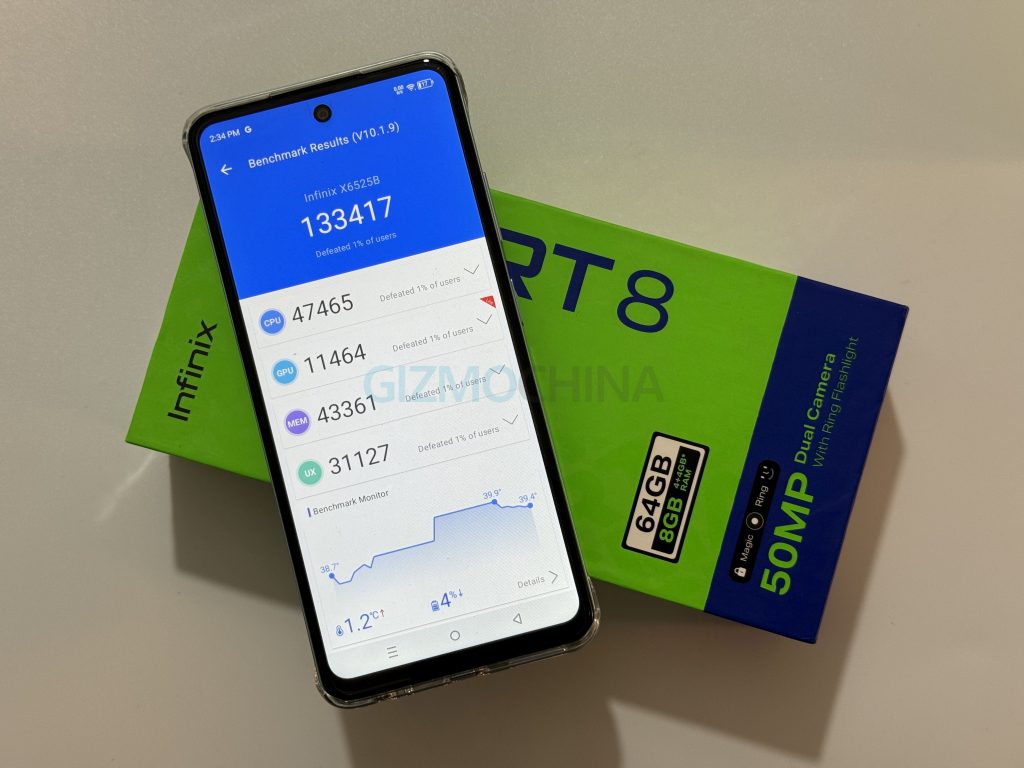
The Smart 8 features the MediaTek Helio G36, also found in devices like the Poco C51, Redmi A2, and Redmi A2 Plus. The device offers 4 GB of LPDDR4x RAM and 4 GB of virtual RAM for efficient multitasking while handling apps. There’s 64 GB of UFS 2.2 storage onboard and a dedicated microSD card slot for additional storage. In comparison, the Smart 8 HD has the Unisoc T606 chip, 3 GB of RAM, and 64 GB of storage.
The availability of the Magic Ring feature via XOS 13 (based on Android 13 Go) makes the phone capable of showcasing animated notifications around the display punch-hole for face unlock, background calls, charging, charging completion reminder, and low battery reminder. While there are around 40 preloaded apps on the device, it does not have unnecessary or shady apps despite being a low-priced device.
The Smart 8 packs a 5,000mAh battery but does not have a microUSB port like the above-mentioned competing phones. Instead, it offers a USB-C port, providing more convenient charging in line with modern connectivity standards. As far as charging speedi is concerned, it takes around two hours to achieve a full charge.
Camera and Other Features
Infinix Smart 8
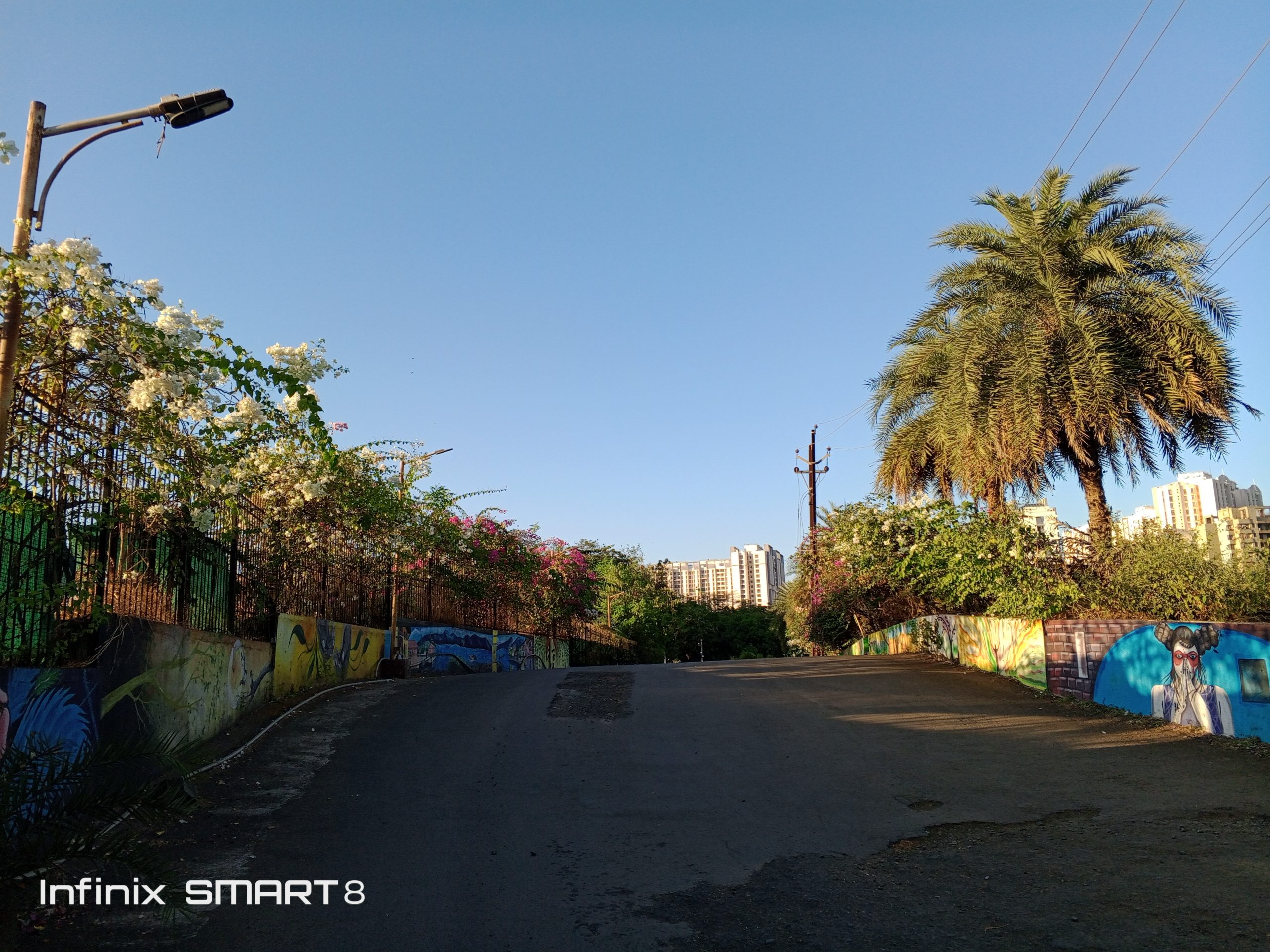
On the back, the Smart 8 features a 50-megapixel main camera (compared to the 13-megapixel camera on the Smart 8 HD), an AI lens, and a quad-LED ring flash. While expectations may be modest for a Rs 7,000 (~$72) phone in terms of photography, the Smart 8 endeavors to provide a decent photography experience, particularly in well-lit conditions. An 8-megapixel camera with an LED flash that boosts brightness for selfies in low light is located on the front.
1x2x zoom
For security, the Smart 8 features a side-facing fingerprint scanner and face unlock, both functioning flawlessly. There is a single bottom-firing speaker with DTS Audio processing, providing decent output only when the volume is set at 70 or 80 percent. Higher volume results in a noticeable slight distortion in sound output.
Overall Impression
Infinix Smart 8
The Infinix Smart 8 is a good option to consider if you are looking for a phone priced around Rs 7,000 (~$84). It is good to see the brand offering an impressive design, a high refresh rate display, a 50-megapixel camera, a big battery with USB-C charging, and a side-facing fingerprint scanner on such a low-priced device.
Price and Availability
The Smart 8, priced at Rs 7,499 (~$90), costs Rs 1,200 (~$14) more than the entry-level Smart 8 HD. Buyers can benefit from a 10 percent discount using ICICI debit and credit cards, and can get it for Rs 6,749 (~$81). Like other Infinix phones, the Smart 8 can be purchased through Flipkart. Apart from Rainbow Blue, the Smart 8 can be bought in shades, such as Galax White, Timber Black, and Shiny Gold.
Disclaimer: All opinions in this Infinix Smart 8 hands-on post are mine and based on my own experiences. There has been no editorial input from Infinix.
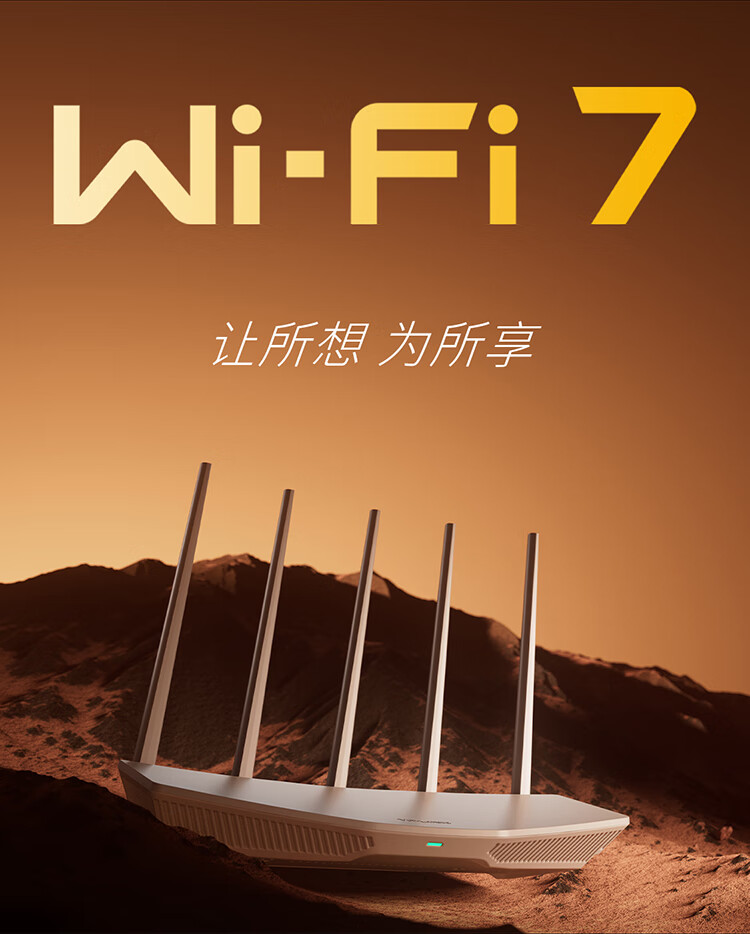
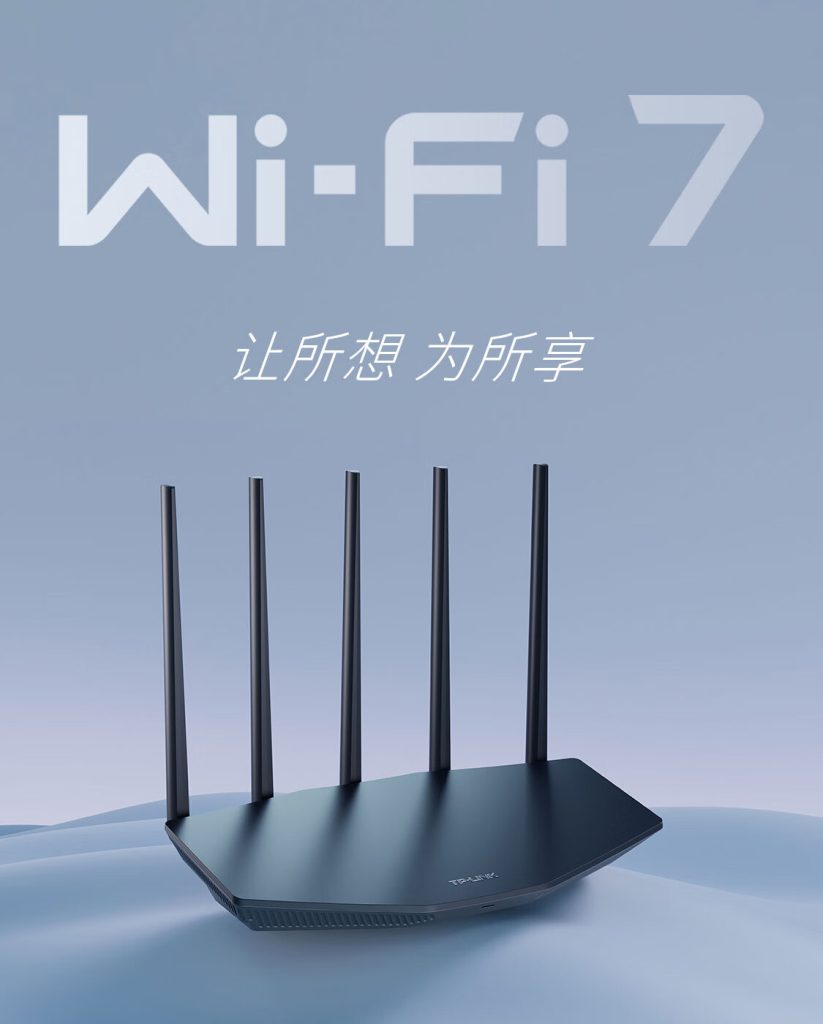
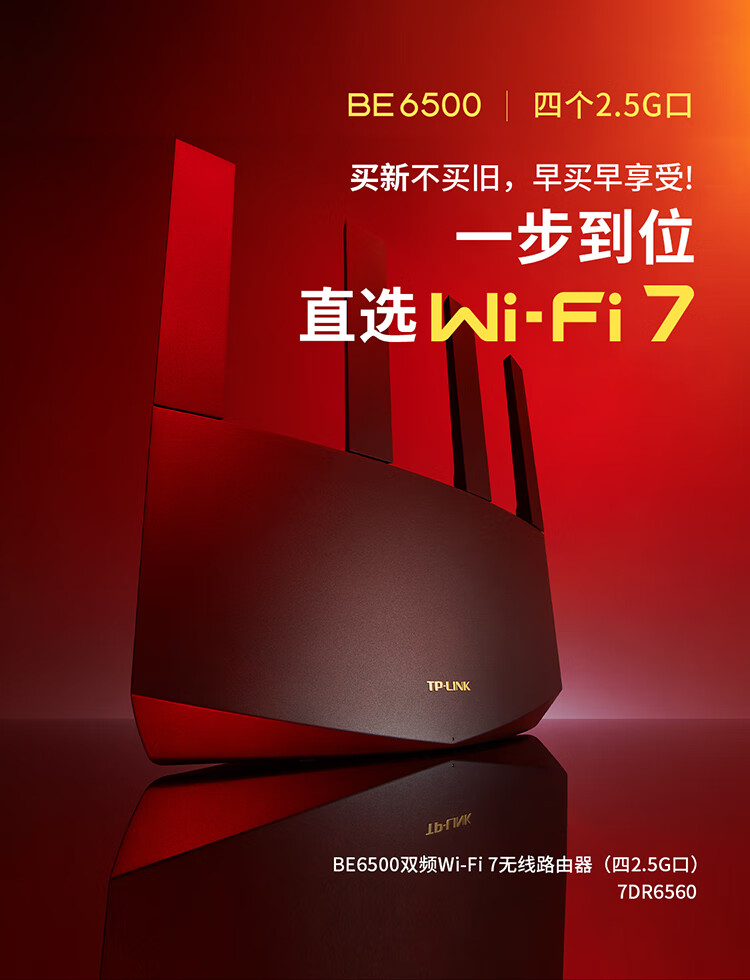
TP-LINK, a renowned manufacturer in the network equipment industry, announced three new Wi-Fi 7 routers last year: the BE3600, BE5100, and BE6500, with prices ranging from 229 Yuan ($32) for the BE3600 to 559 Yuan ($78) for the BE6500. These routers are now available for purchase in China from JD.com.
TP-LINK’s New Wi-Fi 7 Router Series
The BE3600 is priced at 229 Yuan ($32) and offers dual-band capabilities with a speed of up to 3600Mbps. It includes four Gigabit Ethernet ports and supports both dual WAN and LAN port aggregation, making it a versatile choice for standard home networking needs.
At 279 Yuan ($39), the BE5100 model steps up in performance with dual-band speeds of 5100Mbps. It features one 2.5G Ethernet port and three Gigabit Ethernet ports, also supporting dual WAN and LAN port aggregation. This model is suitable for users needing higher speeds and more robust connectivity options.
The BE6500, priced at 559 Yuan ($78), is a high-end option offering up to 6500Mbps speed. It is equipped with four 2.5G Ethernet ports and includes six high-power independent FEM amplifiers. This router is particularly well-suited for users with advanced networking requirements, such as gaming or high-bandwidth streaming.
Key features shared across these routers include MLO dual-band stacking, Xtra Range 2.0 technology (excluding the BE6500), which enhances the 5GHz band’s coverage, built-in gaming accelerators, support for frequency band and routing binding, and compatibility with remote PC wake-up and EasyMesh 3.0 networking.
Meanwhile, Xiaomi is also set to launch its most affordable Wi-Fi 7 router, the BE 3600, on January 30th in China, with a price expected to be below 299 yuan ($43). The router features a 2.5Gbps high-speed network port, a 4-core chip, and IoT connectivity for managing smart home devices, expanding Xiaomi’s Wi-Fi 7 router lineup.
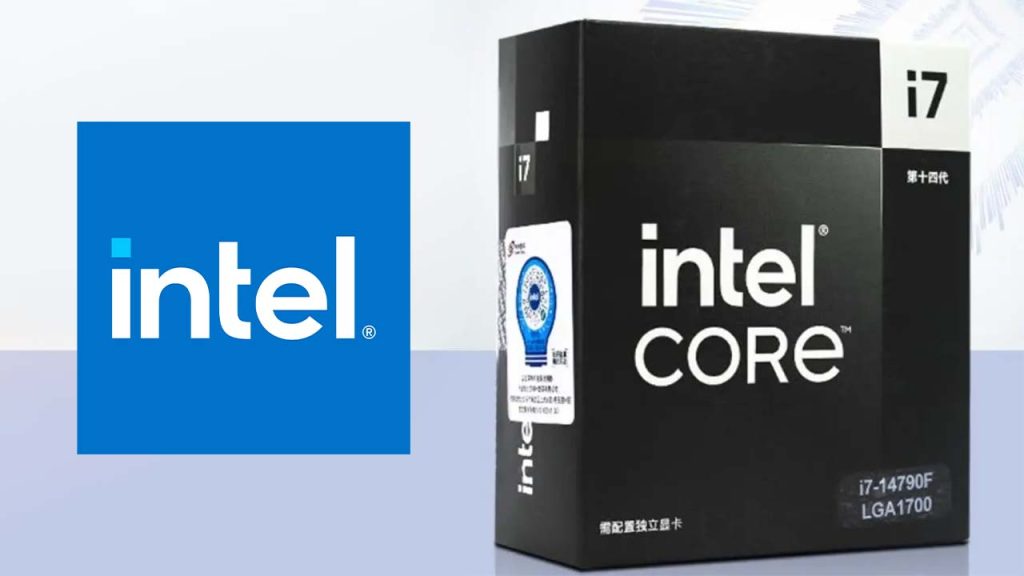
Intel continues to expand its product family. In this regard, the company recently showcased its new 14th-Gen mobile and desktop CPU lineup at CES 2024. However, competition with AMD is more intense than ever. Consequently, Intel aims to achieve success in different markets through diverse marketing strategies and products. The latest example of this is the release of the Core i7-14790F and i5-14490F processors, available exclusively in China. Here are the details…
Unveiling the Core i7-14790F and i5-14490F Processors for China
Intel recently released a new processor, the Core i7-14790F, featuring 16 cores and a maximum frequency of 5.40 GHz. It’s specifically available in China and can be identified by its black packaging. Despite its higher numerical designation compared to the i7-14700F, it has 4 fewer CPU cores. The cache increases by 3MB in line with the usual series. On the JD platform’s official store, these processors are priced at 2,909 yuan.
In addition, Intel also released the i5-14490F with a lower configuration, which has 10 cores and 16 threads, a turbo frequency of 4.9 GHz, and 24 MB of cache. It is priced at 1,659 yuan. The i5-14400F with a turbo frequency of 4.7 GHz and 20 MB of cache is also priced at 1,659 yuan.
The Core i7-14790F has a base frequency of 3.60 GHz and a TDP of 125 W
The Core i5-14490F has a base frequency of 3.20 GHz and a TDP of 65 W
Both processors are based on the Alder Lake-S architecture and use the LGA 1700 socket
The release of these processors is a sign that Intel is continuing to invest in the Chinese market. The company has been facing increasing competition from AMD in recent years, and these new products could help it regain market share.
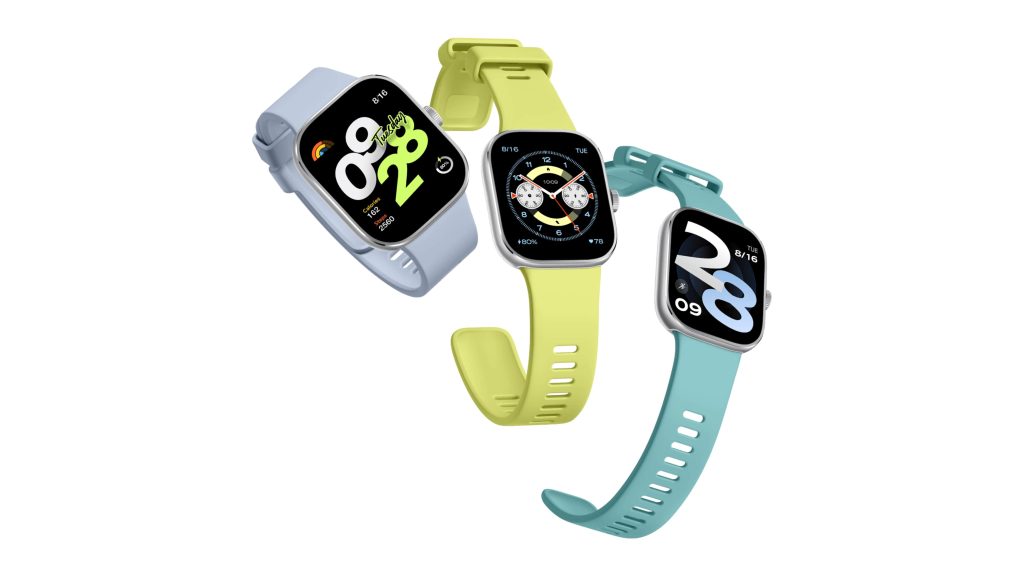
The Redmi Watch 4 debuted in China alongside the Redmi K70 series in late November, One and a half months later, the wearable has made its way to international markets today as scheduled.
The latest Redmi-branded wearable brings numerous upgrades in terms of hardware. In China, it even ships with HyperOS but that’s not the case for global markets.
Even without Xiaomi’s latest software, the Redmi Watch 4 is still an exciting product outside mainland China.
Redmi Watch 4 Specifications
The Redmi Watch 4 features an aluminum alloy frame. It also comes with a stainless steel crown and a quick-release strap.
The wearable sports a 1.97-inch rounded rectangular AMOLED display. The LTPS 5Hz screen offers a 60Hz refresh rate and 600 nits peak brightness level. It supports over 200 watch faces and auto brightness via an ambient light sensor.
The watch arrives with a 4-channel PPG sensor for heart rate and blood oxygen level monitoring. It also houses an accelerometer, gyroscope, and GPS for over 150 sports modes.
It offers all the standard features, such as sleep tracking, stress monitoring, weather, stopwatch, app notifications, and others. There’s also a built-in microphone and a speaker for Bluetooth calling.
The wearable is water resistant up to 5 ATM. Lastly, it is backed by a 470mAh battery, which is rated to last for up to 20 days on normal usage.
Redmi Watch 4 Price
The Redmi Watch 4 carries a suggested retail price of $107. It comes in two colors, such as Silver Gray and Obsidian Black.
Customers can opt for different-colored straps separately for an additional price.
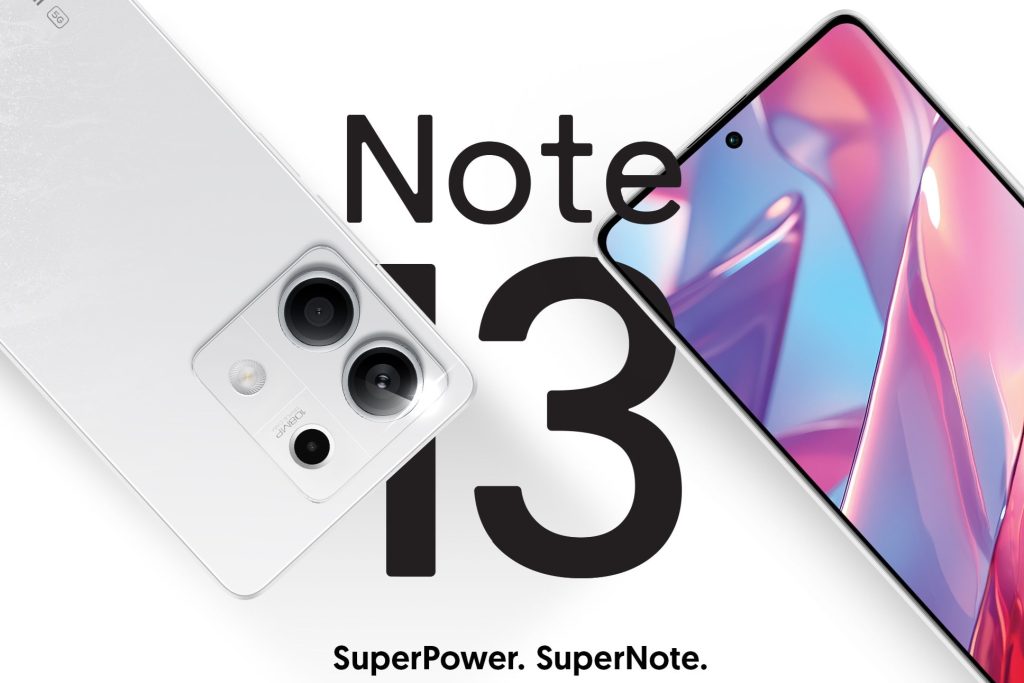
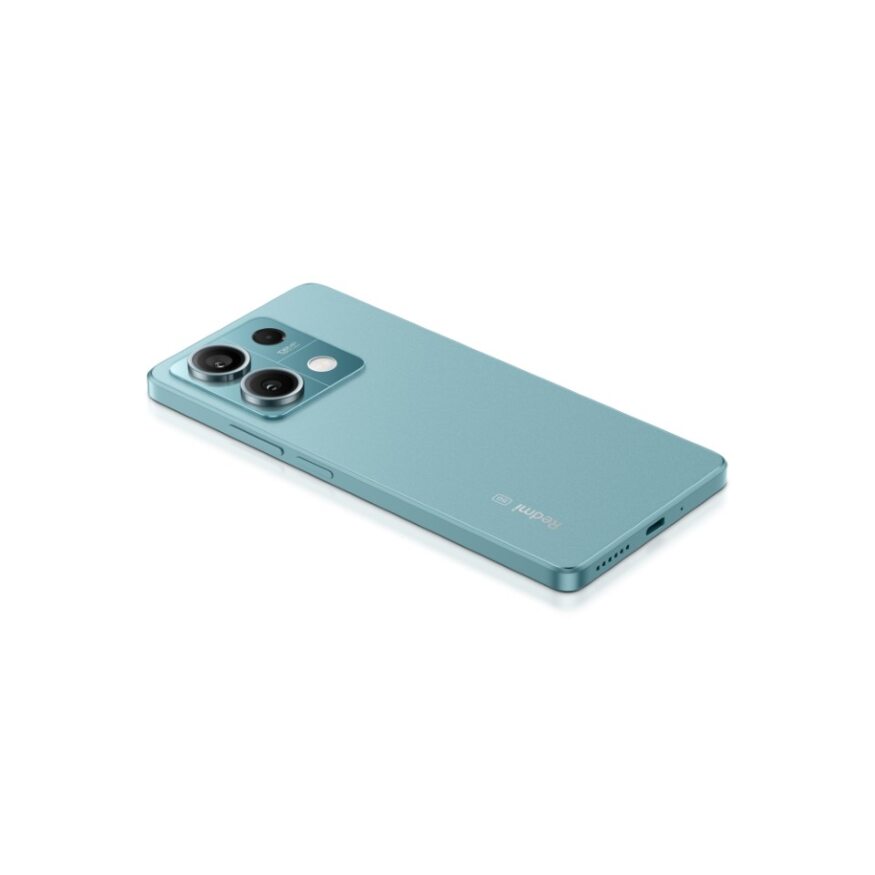
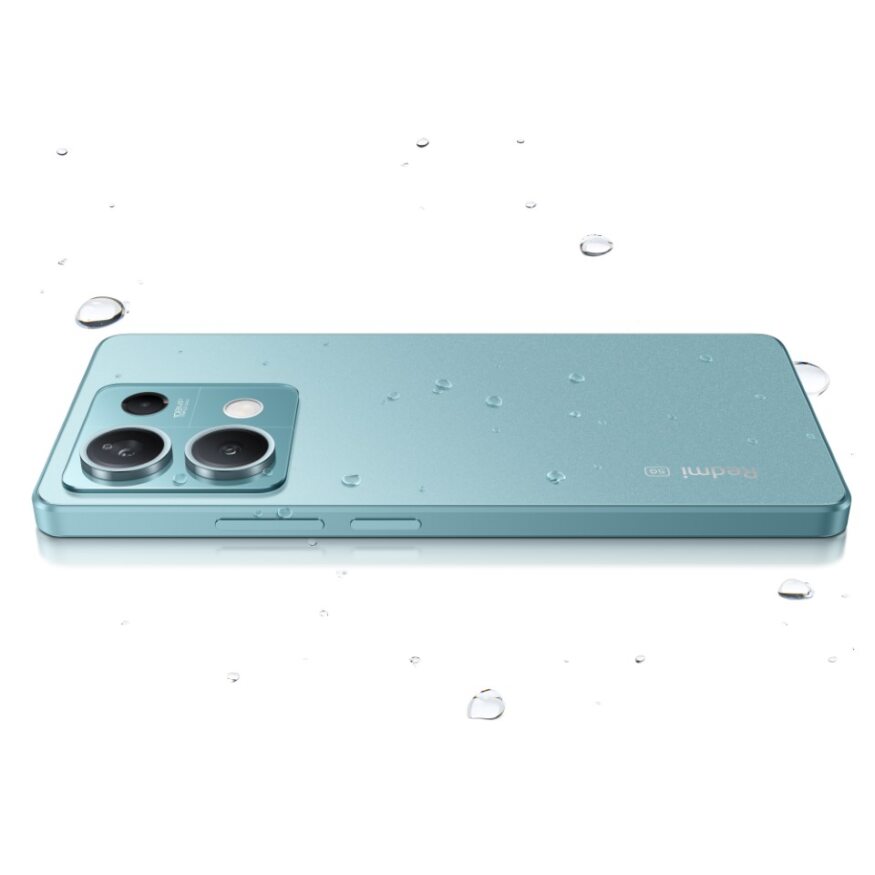
Redmi recently introduced a new range of devices globally, including the Note 13 Pro 5G series, the Note 13 4G series, the Redmi Watch 4, and the Redmi Buds 5 Pro. Adding to the mix is the budget-friendly Note 13 5G, offering an appealing hardware package.
Redmi Note 13 5G specs
The Redmi Note 13 5G showcases a 6.67-inch FHD+ AMOLED display with a 120Hz refresh rate and a peak brightness of 1000 nits. The screen’s contrast ratio of 5,000,000:1 and TÜV Rheinland certifications for Circadian Friendly, Flicker-Free, and Low Blue Light contribute to a comfortable viewing experience. The display resolution is 2400 x 1080, and it is protected by Corning Gorilla Glass 5.
Underneath, the device is powered by the MediaTek Dimensity 6080 SoC, featuring an octa-core processor with speeds up to 2.4GHz. Storage options include 6GB+128GB or 8GB+256GB, with expandable storage up to 1TB.
The Redmi Note 13 5G is equipped with a large 5,000mAh battery, supporting 33W fast charging via the included USB-C charger. The camera setup includes a 108MP main camera, an 8MP ultra-wide camera, a 2MP macro camera, and a 16MP front camera. The device has a 3.5mm headphone jack and offers Dolby Atmos support. Security features include a side fingerprint sensor and AI Face Unlock.
Connectivity options encompass SIM 1 + Hybrid (SIM or microSD), Wi-Fi at 2.4GHz and 5GHz, Bluetooth 5.3, NFC for wireless communication, and an IR Blaster for added convenience.
Pricing & availability
The Redmi Note 13 5G is available in Graphite Black, Ocean Teal, and Arctic White, with pricing starting from a suggested retail price of USD 229, making it a compelling choice for users seeking an affordable yet feature-rich device.
Mchose has introduced a new mechanical keyboard, the G98, in the Chinese market, which is currently available for pre-order at a price of 199 yuan ($28). Let’s check out the key specs of this keyboard.
Mchose G98 Specifications:
The G98 keyboard features a unique 98-key layout that includes numerical keys for practical daily use. It offers hot-swappable keys, providing flexibility for users to easily change switches. It provides a wide range of switch options, including TTC Ice, Kailh custom Nightfire, KTT Kangtong special Wisteria, and LEOBOG Greywood switches, accommodating different typing preferences and styles.
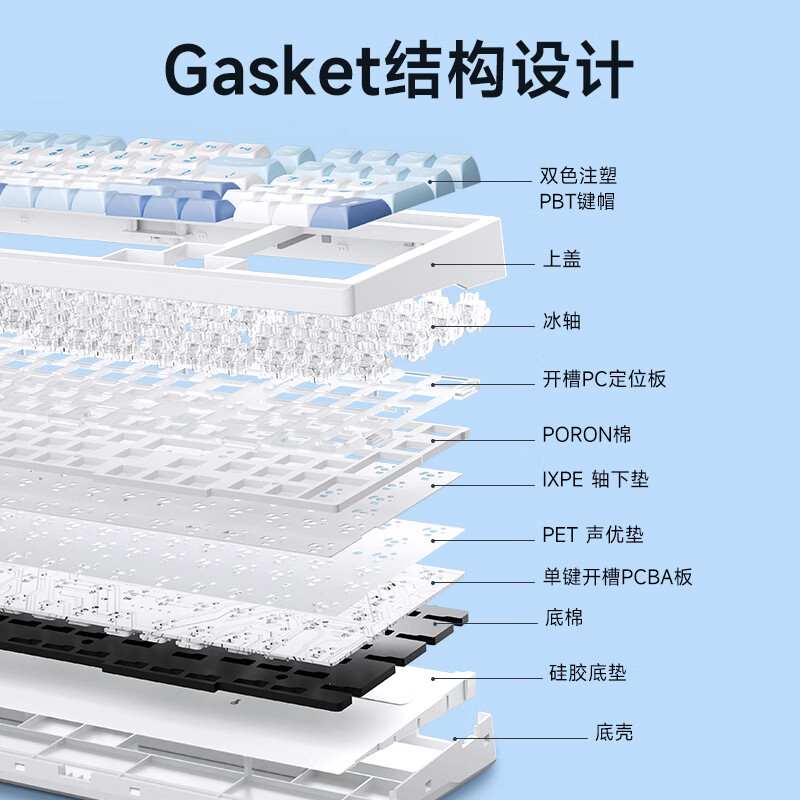
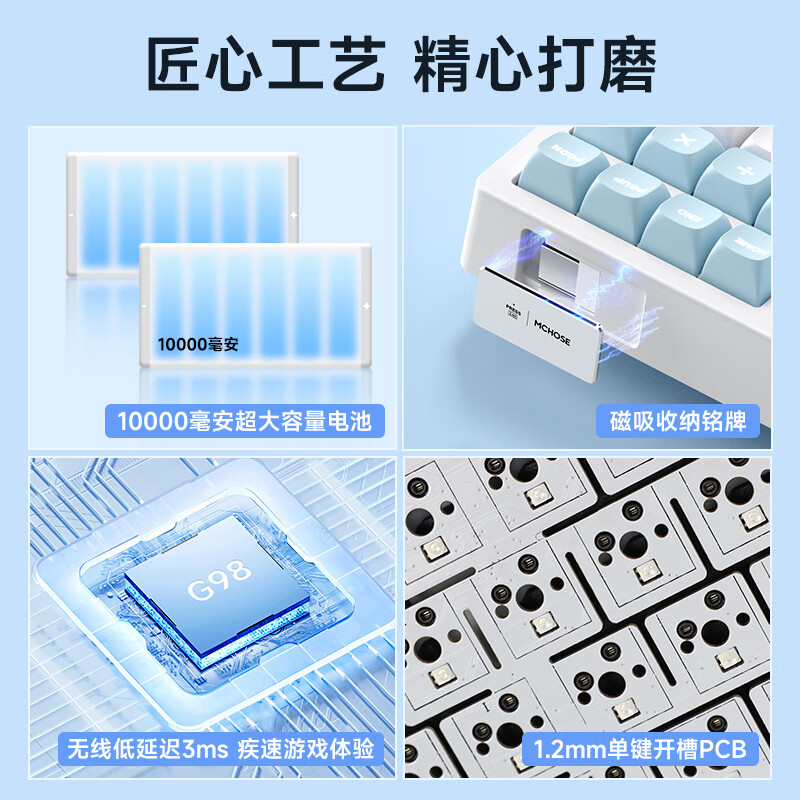
The keyboard also boasts an impressive array of technical specifications. It includes the Gasket structure and five layers of sound-dampening padding for reduced noise and improved typing experience. It features a 1.2mm single-slot PCB design for durability and attractive underglow lighting. The keyboard comes with dual-color PBT keycaps known for their durability and style, with an option to upgrade to MDA high-profile keycaps for a more personalized touch.
In terms of connectivity and performance, the G98 is a powerhouse. It offers three modes of connection: Type-C wired, 2.4GHz wireless, and Bluetooth, providing versatility for different user needs. The keyboard has a low wireless latency of just 3ms, ensuring a smooth and responsive gaming experience. Additionally, it’s equipped with a substantial 10,000mAh battery, which is quite large for a keyboard, offering extended use without frequent charging.
Aesthetic appeal is not overlooked in the G98. It features customizable RGB backlighting with an impressive range of 16 million colors, allowing users to create their desired ambiance or match their gaming setup. The keyboard’s dimensions are 389.2mm x 129.2mm x 41.9mm, making it a substantial yet manageable size for most desks.
The Mchose G98 keyboard boasts an ergonomic design with double-level adjustable feet for comfortable extended use. It also includes a magnetic nameplate for personalization and style.
Xiaomi is reportedly working on the Xiaomi 14 Ultra. The device has surfaced in leaks and rumors plenty of times along with hands-on images recently. The top-of-the-line flagship smartphone from the company is expected to debut in April. The Xiaomi 14 Ultra has already bagged EEC and IMEI certifications. Now, the device has been spotted on the Bureau of Indian certification website.
Xiaomi 14 Ultra passes BIS
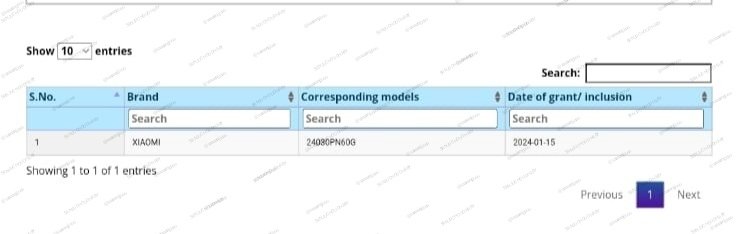
The Xiaomi 14 Ultra is listed with model number 24030PN60G on the BIS certification website. The model number is the same as the one found on the EEC and IMEI database. The BIS listing suggests that the Xiaomi 14 Ultra could debut in India. If this indeed turns out to be true, the brand may make a comeback with the Ultra model after nearly three years since it launched the Mi 11 Ultra way back in 2021.
Alongside the BIS certification listing, the X (formerly Twitter) user has also shared the Geekbench scores of the Xiaomi 14 Ultra codenamed Xiaomi Suiren. It logs 2,267 and 6,850 points in the benchmarking platform’s single-core and multi-core test results respectively.
As per leaked images, the Xiaomi 14 Ultra will have a huge protruding square camera bump. The upcoming flagship is rumored to feature an under-display camera technology, satellite communications, and an ultrasonic fingerprint scanner. It is tipped to come with a 1440p quad-curved display. The Xiaomi 14 Ultra is expected to come with four 50MP camera sensors with the primary lens featuring Sony LYT 900 sensor. Since the device will be a flagship offering, it will be powered by a Snapdragon 8 Gen 3 SoC.
We often talk a lot about Apple products, not just because of their features but also because they can be quite expensive. Because Apple is famous for making high-quality products so they usually charge higher prices. However, Apple occasionally surprises everyone by offering discounts during special occasions, with the latest being a rare Lunar New Year promotion in China, featuring reduced prices on all its major products, including the iPhone, iPad, MacBook, AirPods, and more. Here are the details…
Apple’s Lunar New Year Discounts in China Revealed
Apple’s Lunar New Year promotion offers a fantastic chance to get a new device at a discounted price. If you’re living in China and looking to purchase a new Apple product, such as the iPhone 15 Pro, iPhone 15 Pro Max, iPhone 15, iPhone 15 Plus, iPhone 14, iPhone 14 Plus, or iPhone 13, customers can benefit from discounts of up to 500 RMB (about $70). Similarly, if you buy a 13-inch or 15-inch MacBook Air (M2 chip model) or a 13-inch MacBook Air (M1 chip model), you can save up to 800 RMB.
Apple didn’t forget users who want an iPad. You can save up to 400 RMB when you purchase iPad Pro, iPad Air, iPad (10th generation), or iPad mini. Those buying Apple Watch SE can enjoy a discount of 200 RMB, while AirPods unfortunately only have a 100 RMB discount, making it the least discounted Apple product. If you want to take advantage of these discounted Apple products, simply click here to access the company’s Chinese website.
Discounts available from January 18 to 21. So, if you want to buy an affordable iPhone, you must act quickly. Apple, despite not favoring the term “discount,” made this decision due to competition. As you know, China is the world’s tech hub, and due to local manufacturers, there is unprecedented competition in the smartphone market. So, the company needs to do promotions during events like Lunar New Year to increase sales because of tough competition. Even Apple bows to consumers when market conditions are favorable, underscoring the importance of a competitive environment.
We use cookies on our website to give you the most relevant experience by remembering your preferences and repeat visits. By clicking “Accept”, you consent to the use of ALL the cookies.
This website uses cookies to improve your experience while you navigate through the website. Out of these, the cookies that are categorized as necessary are stored on your browser as they are essential for the working of basic functionalities of the website. We also use third-party cookies that help us analyze and understand how you use this website. These cookies will be stored in your browser only with your consent. You also have the option to opt-out of these cookies. But opting out of some of these cookies may affect your browsing experience.
Necessary cookies are absolutely essential for the website to function properly. This category only includes cookies that ensures basic functionalities and security features of the website. These cookies do not store any personal information.
Any cookies that may not be particularly necessary for the website to function and is used specifically to collect user personal data via analytics, ads, other embedded contents are termed as non-necessary cookies. It is mandatory to procure user consent prior to running these cookies on your website.