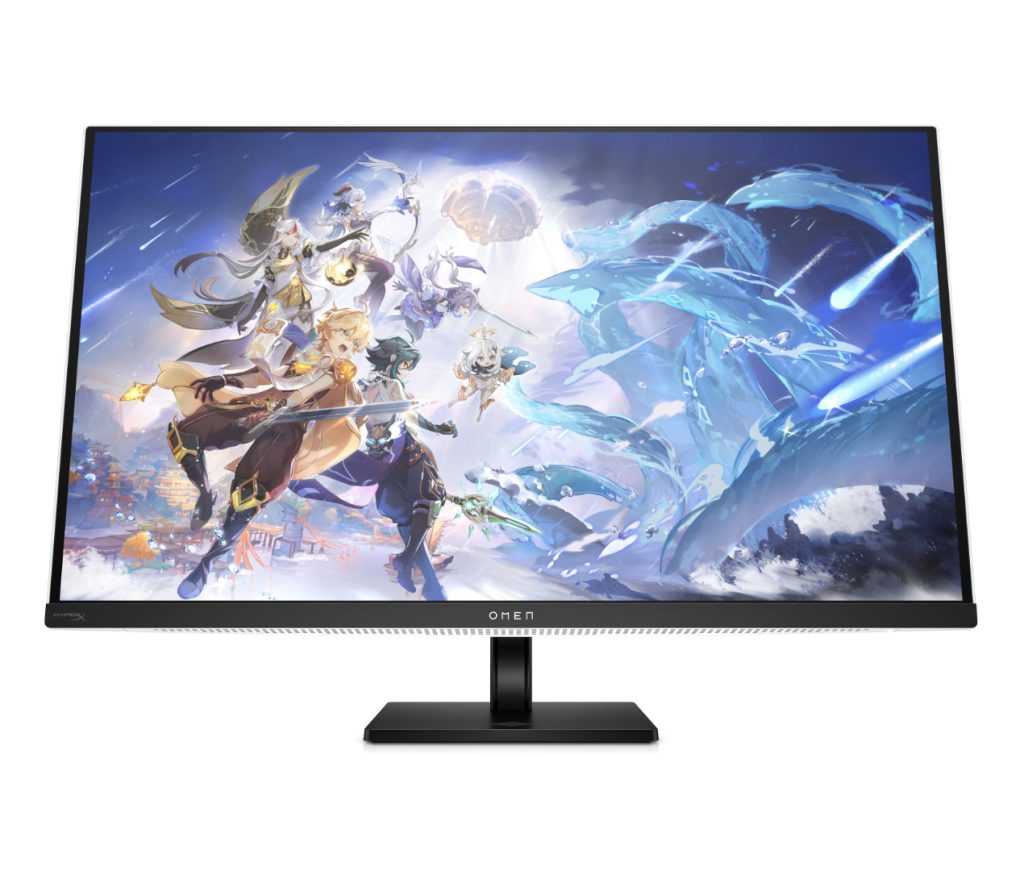
HP has officially introduced the Omen Transcend 32, a gaming monitor featuring a QD-OLED panel with a 4K resolution of 3,840 x 2,160 and a 240 Hz refresh rate. Despite its name suggesting a 32-inch display, the actual measurement is 31.5 inches, as confirmed by the company.
This release follows the debut of the Omen Transcend 14 laptop which was also launched during the recent CES 2024 event. HP’s Omen Transcend 32 is certified with VESA DisplayHDR True Black 400 and AMD FreeSync Premium Pro, featuring a swift 0.03 ms GtG response time and quad 3 W speakers for audio.
Designed with a flat finish, the monitor comes with an adjustable stand allowing users to raise, lower, tilt, or pivot according to their preferences.
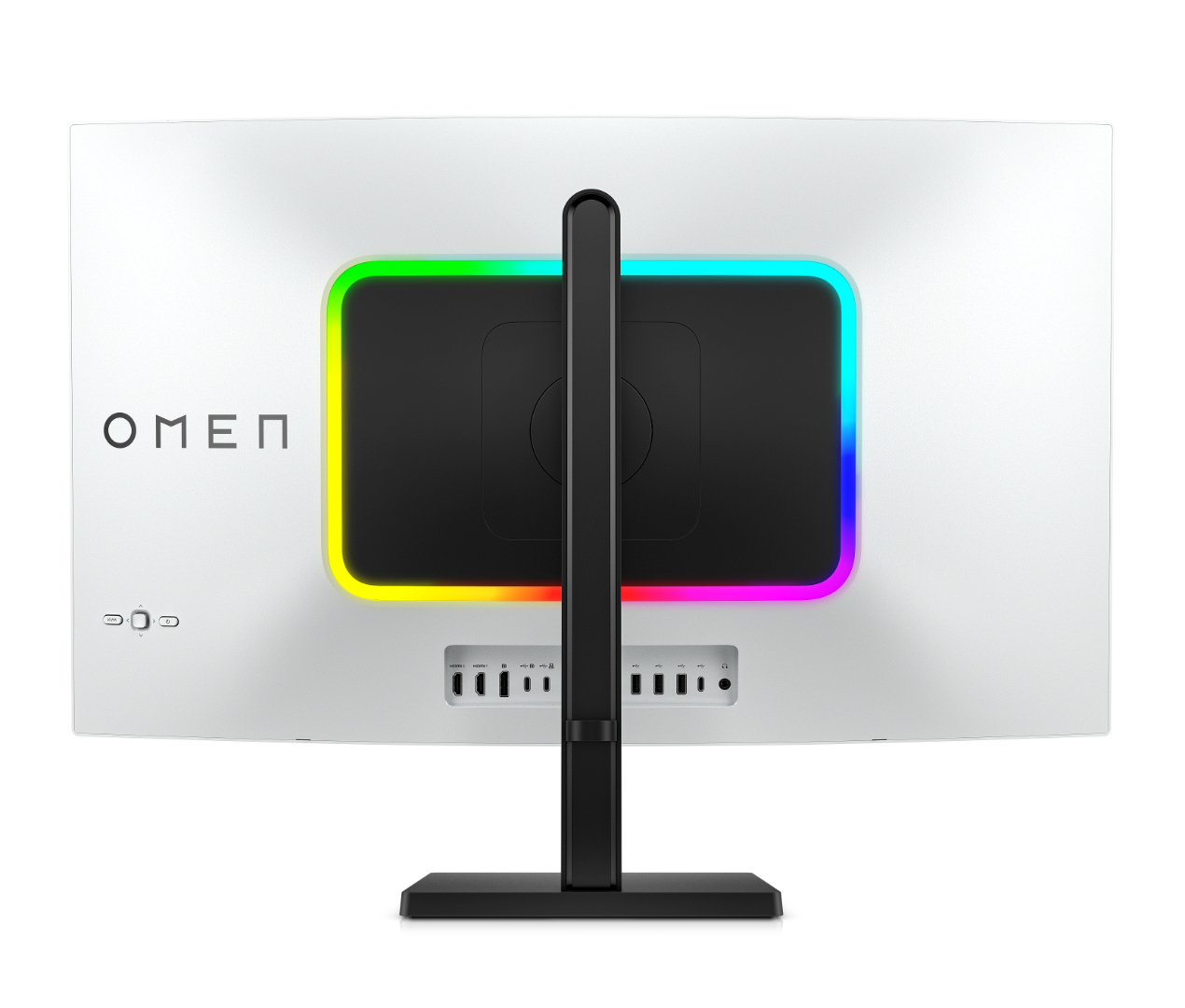
Connectivity is a highlight, featuring a DisplayPort 2.1 connection, two HDMI 2.1 ports, a USB Type-C port supporting DisplayPort Alt mode and 140 W Power Delivery, two additional USB Type-C ports, and three USB Type-A ports—all boasting 10 Gbps data transfer speeds and 7.5 W Power Delivery.
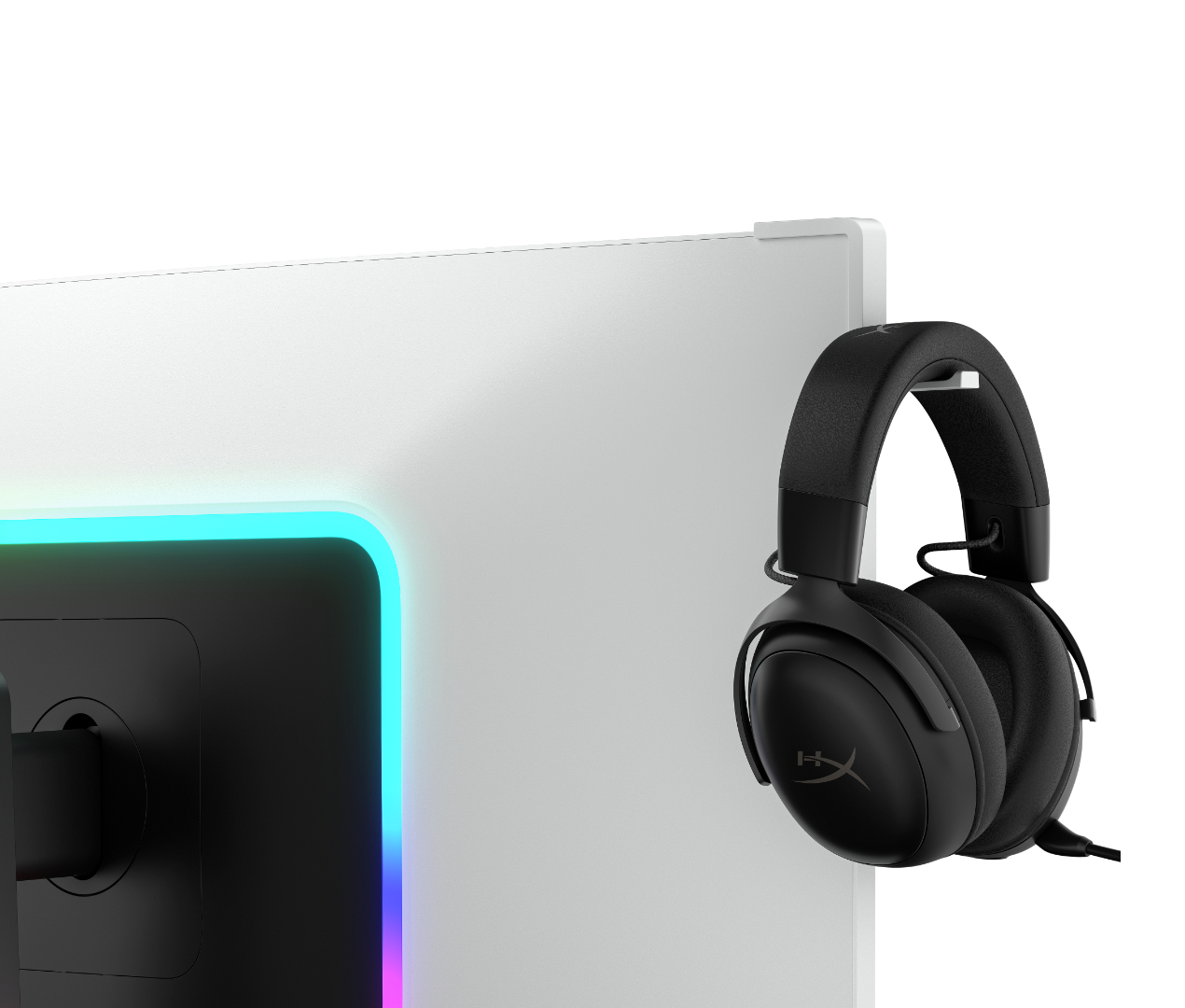
HP has not disclosed pricing or availability details yet, but the company has committed to a release sometime in 2024. In related news, HP has also launched its Omen 16 mid-tier gaming laptop in India. This laptop comes with a bunch of attractive features like a 16.1-inch 165Hz display, an Intel Core i7 14700HX processor, and an RTX 4070 GPU. The laptop is priced above the 150K mark, however, it comes with a bunch of freebies and goodies like the HyperX Cloud Stinger Core gaming headset.
f you are an iPhone user and thinking about getting new AirPods, it might be a good idea to wait a bit longer. Because, Apple is about to reveal the fourth-generation AirPods in the coming months. The upcoming version will bring several changes, including the addition of features like active noise cancellation. However, in addition to all this AirPods 4 will also come with a new design and an updated case. Here are the details…
Unveiling the All-New AirPods 4 and Its Enhanced Features
According to the lates reports, the AirPods 4 will make a breakthrough by offering two different versions. One will be a budget friendly option targeting the entry-level market, while the other will appeal to users looking for more advanced features. Currently, Apple offers both AirPods 3 and AirPods 2 models in both physical and digital stores. However, users are finding it confusing due to the minimal differences in features between the two headphone versions.
Fortunately, with the new model, the company might only sell the fourth-generation headphones to make things less confusing for customers. Unfortunately, it’s unclear what differences there will be between the cheaper and more expensive versions of AirPods 4. However, we can assume that some features present in the higher-end version may not be available in the cheaper one. For instance, the premium version of AirPods 4 will likely feature active noise cancellation, a capability that has so far been exclusive to the AirPods Pro.
However, there will be some similarities as well. For instance, both models will have a refreshed design. To give an example, the upcoming headphones will be a combination of the current models and the Pro series. Moreover, a new case featuring a USB-C port instead of Lightning will also be unveiled. Currently, these are the only details available to us. However, it’s worth noting likely come with a price increase. When thinking about prices, it’s a good idea to keep this in mind.
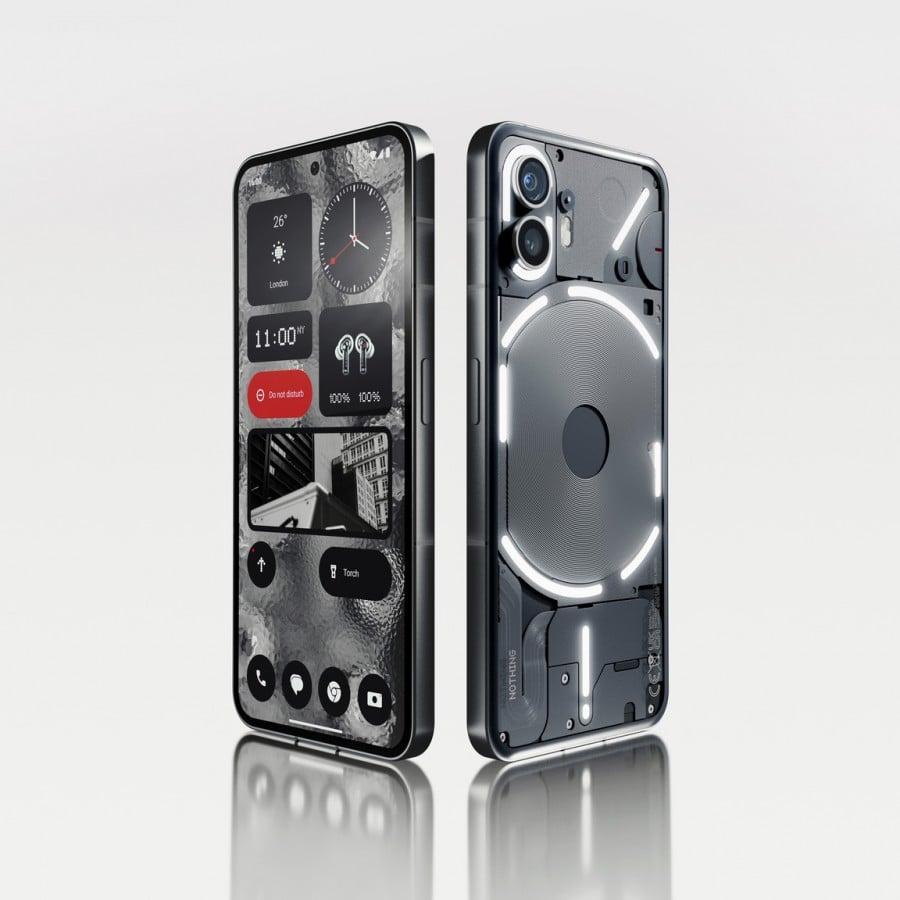
Nothing has announced its Republic Day 2024 sale on Flipkart, set to kick off on January 14th with an exclusive offer on all variants of the Nothing Phone (2).
During the sale period, the Nothing Phone (2) 12 GB + 128 GB will be available for INR 34,999. This includes a limited-time INR 3,000 discount for eligible device exchanges and an additional INR 2,000 off for customers using ICICI Bank cards.
For those interested in the 65W CMF charger, it will be available for INR 1,999 for customers purchasing the Phone (2) from Flipkart. The charger, originally priced at INR 2,999, is currently selling for Rs. 2,699.
Nothing Phone (2) specs:
The Nothing Phone (2) features an upgraded Glyph interface with more functionalities than its predecessor. It boasts a 6.7-inch LTPO AMOLED display with a 120Hz adaptive refresh rate, a resolution of 1080 x 2412, and a peak brightness of 1600 nits. Powered by a Snapdragon 8+ Gen 1 SoC processor with LPDDR5 RAM and USF 3.1 storage, the phone offers a robust performance.
The camera setup includes a 50MP Sony IMX890 main sensor with OIS and in-sensor zoom, a 50MP ultrawide camera, and a 32MP Sony IMX615 front-facing camera with EIS for selfies. The device is equipped with a 4,700mAh battery, supporting 33W wired and 15W wireless charging. Running on Nothing OS 2.0, based on Android 13, it introduces new widgets, theme colors, and folder layouts.
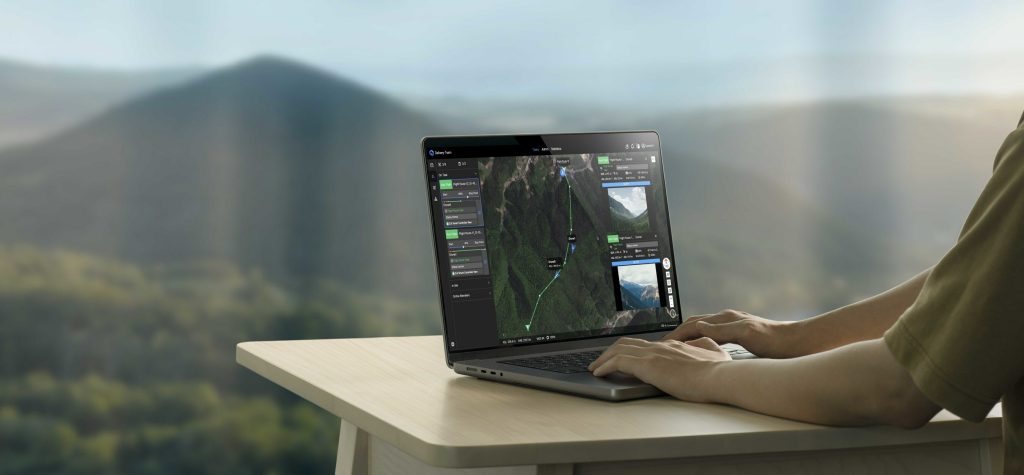
Foremost drone maker DJI has launched the FlyCart 30 drone. The DJI FlyCart 30 is a long-range, high-payload drone that is designed for professional usage. The FlyCart 30 has a flying range of up to 10 miles (16km) and can carry payloads of up to 70 pounds.
Features
The DJI FlyCart 30 drone is available to the global market. It uses a multi-rotor, coaxial 4-axis design and an 8-blade carbon fiber propeller system that takes it up to 20 meters/ second at an altitude of up to 3km in winds of up to 12m/s. The drone has a dual battery mode and an emergency single-battery mode. In the dual-battery mode, it can carry payloads up to 30kg while it can lift up to 40kg in emergency single-battery mode. The operator can use the DJI Pilot 2 app to keep it connected for mobile flights or DeliveryHub for up to 12 miles away. It uses the DJI O3 transmission technology.
The FlyCart 30 also features Cargo or Winch modes for carrying a 70-liter case or an auto-retracting cable of length 20m. The drone is equipped with sensors to ensure a seamless and safe flight. It can adjust itself to accommodate its center of gravity force or payload swing, or even the flight path and altitude. The FC30 operator can use AR projection to make sure the drone of its loads lands safely and in the right spot.
DJI DeliveryHub
Pricing & Availability
DJI expects the FlyCart 30 drone to be a popular drone with offshore/ mountain transport and emergency response professionals. Its features lend support to a wide array of industrial applications that further accentuate the appeal of the FC30. There is no pricing and release information yet for the DJI FlyCart 30, but these optics could be out shortly.
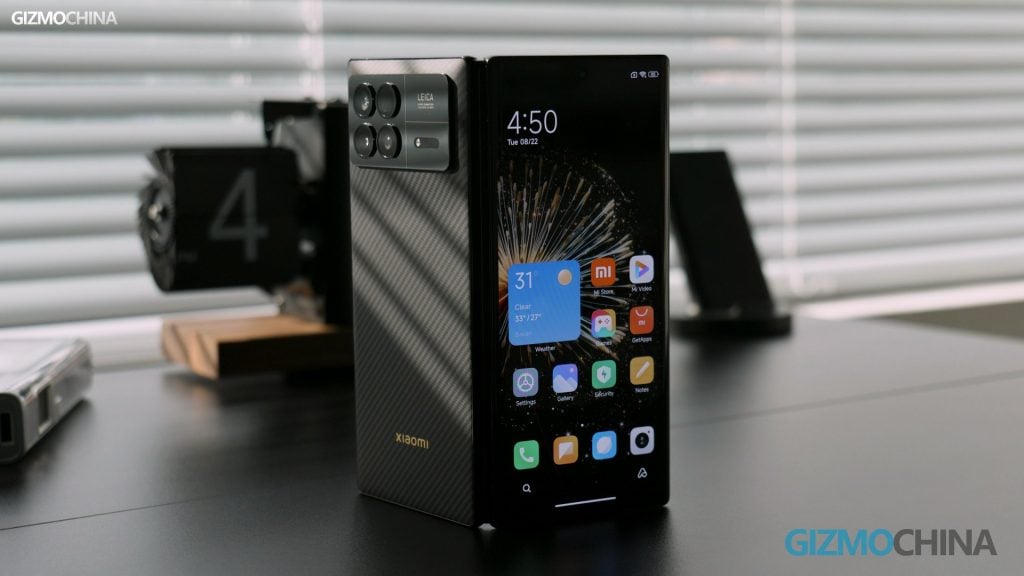
Xiaomi is reportedly testing satellite communication functionality on the MIX Fold 4 and two other folding screen phones. The Xiaomi MIX Fold 4 is a vertical folding screen phone with dual rear cameras. The horizontal folding phone is the flagship model and comes with four rear cameras.
The new details about satellite communications testing for the Xiaomi folding screen phone lineup were released by blogger Smart Pikachu. The accompanying images have what was claimed to be self-developed things. The new Xiaomi horizontal folding screen phone has also been launched and Xiaomi is reportedly developing a low-priced version of the model.
Satellite communications have been a feature that has been mooted previously in Xiaomi smartphones. In September 2023, it was reported that a special version of the Xiaomi Mi 14 Pro will feature satellite communication but this did not see the light of the day. The Xiaomi Mi 14 Ultra has also been speculated to be testing the satellite communication feature.
The mobile phone has been previously speculated to be powered by the Snapdragon 8 Gen 3 chipset and adopts a four-camera periscope dual-focal segment route. The previous iteration of the MIX Fold series is equipped with a Leica optical full-focus four-camera setup. The Xiaomi MIX Fold 3 has a 50MP Sony IMX800 main camera, a 10MP telephoto lens, a 10MP periscope telephoto, and a 12MP ultra-wide-angle lens.
The incorporation of satellite communications functionality is bound to increase the premium rating of the Xiaomi MIX Fold 4 folding screen smartphone. Additionally, the folding focus of the smartphone will mean it comes with a lighter design. There are no release optics yet for the Xiaomi MIX Fold 4, as well as pricing information.
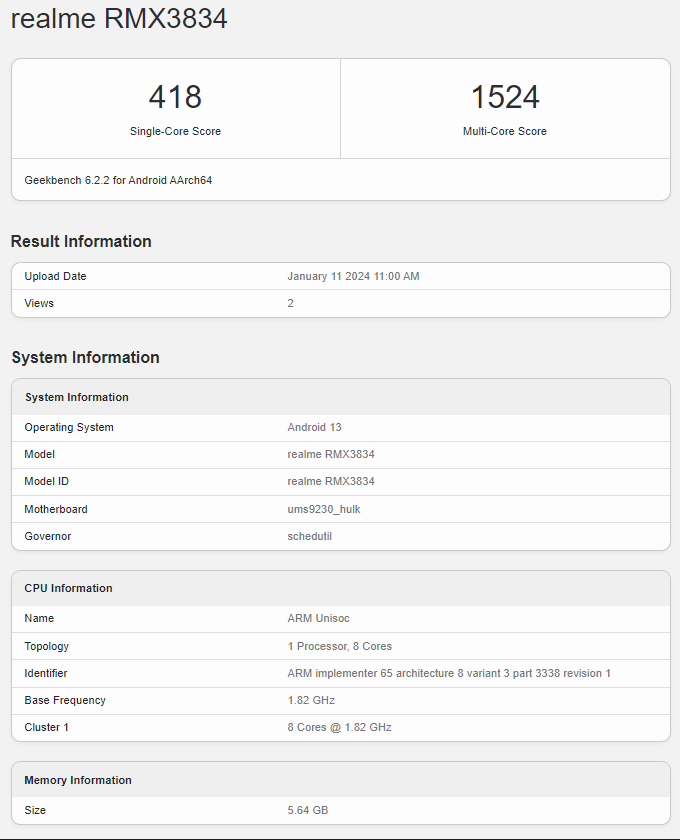
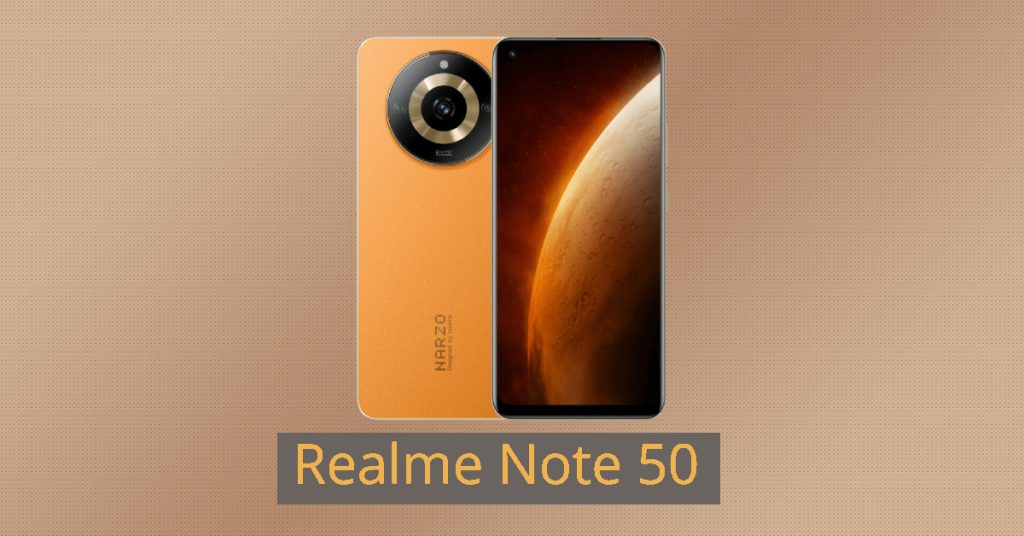
Realme is set to launch its Note 50 smartphone, recently surfacing on Thailand’s NBTC certification website with the model number RMX3834. The device has now appeared on the Geekbench database, recording a score of 418 in the single-core test and 1524 in the multicore test.
The Geekbench listing additionally reveals that the Note 50 will run on Android 13 right out of the box, and offer up to 6GB RAM. It has a Unisoc T612 octa-core CPU under the hood that has a peak clock speed of 1.82GHz. In terms of battery capacity, the TUV Rheinland certification indicates a 4890mAh battery, albeit with only 10W charging support. Detailed specifications remain undisclosed, building anticipation for the device’s official release.
Previously, leakster Paras Guglani had shared some insights into the Note 50’s features. As per the tipster, the device is expected to sport a 6.67-inch HD+ LCD display with a water-drop notch. Camera specifications include a 13MP primary and a 0.8MP secondary camera, with a 5MP selfie shooter on the front.
While pricing details are yet to be officially disclosed, speculations suggest a price point of around Rs 8,000 in the Indian market. In related news, Realme is gearing up to launch the Realme 12 series in the market soon. This time around, the Realme 12 Pro+ will come with a special Submarine Blue color option, developed in collaboration with luxury smartwatch brand Rolex.
Electric bicycles are evolving rapidly, and the latest buzz is all about ‘digital drive’ technology. Take the Rover 45, for example. It’s not your average e-bike. Developed by Look and Cixi, this bike breaks the mold by ditching the traditional chain or belt connection between the pedals and the rear wheel. Instead, it uses a high-tech method that could be the future of e-biking.
You can pedal anytime – even while the bike is static
Here’s how it works: The Rover 45 is equipped with sensors and wires. When you pedal, these sensors send signals to the motor at the back, which then moves the bike forward. What’s cool about this system is that you can pedal anytime, even when you’re at a stop or coasting. This action helps charge the bike’s battery, which is a smart way to make use of your effort.
The Rover 45 isn’t alone in this digital drive journey. Companies like Pendix are also exploring this territory, making e-bikes that are not just about getting from point A to B, but about how you get there. The Rover 45, in particular, stands out because it’s faster than most e-bikes in Europe, where the speed limit for e-bikes is typically capped.
But here’s the thing: This technology isn’t just about speed or making e-bikes fancier. It has some practical uses too. Think about cargo e-bikes, which are longer and bulkier than regular ones. The traditional chain or belt system can be a hassle for these bikes. Digital drive technology could simplify their design and make them more efficient.
Sure, the Rover 45 is still in the concept stage, but it’s a glimpse into what the future of e-biking could look like. It’s a blend of traditional cycling and advanced tech, pushing the boundaries of what we expect from our two-wheeled friends. This innovation might seem complicated, but it opens up new possibilities for different types of e-bikes, especially those that need a bit more than what the traditional design can offer.
Skyworth XR recently unveiled its latest offering at CES 2024, the MR PANCAKE 2, a device set to rival Apple’s Vision Pro. Notably, it’s the first single-eye 4K MR (Mixed Reality) product from China and globally, aside from Vision Pro. The MR PANCAKE 2 distinguishes itself with a Micro-OLED screen. Unlike the LCD screens common in current VR/MR gadgets, this one promises better color contrast, a broader range of colors, and quicker response times. With a single-eye resolution of 4K, and a combined 8K for both eyes, it offers an incredibly sharp and vibrant visual experience. This level of detail is not just a technical achievement; it’s about bringing the virtual world to life with unprecedented clarity.
The device is launched as a direct rival to the Apple’s Flagship Vision Pro
Interactivity is another area where the MR PANCAKE 2 shines. It moves beyond traditional controllers, embracing gesture recognition, eye tracking, and voice input. This means users can navigate virtual environments or interact with digital content simply by moving their hands, looking around, or speaking. This natural way of interacting could transform how we play games, watch movies, or even carry out work tasks, making them more intuitive and immersive.
Skyworth XR also launched its first AR (Augmented Reality) glasses, the A1, at CES. These glasses are a powerhouse of technology, boasting a 1080P Micro-OLED screen, high resolution, and a fast refresh rate. They promise to create a 172-inch screen-like experience six meters away. Plus, they’re designed to be inclusive, with support for external lenses and adjustments for varying degrees of myopia.
Both the MR PANCAKE 2 and the A1 glasses are more than just new gadgets. They represent a leap forward in how we interact with technology, blending the digital and physical worlds in ways that were once the realm of science fiction. As these devices become part of our daily lives, they could redefine entertainment, work, and social interaction, blurring the lines between what’s real and what’s virtual.
Read more about Gizmochina’s coverage of CES 2024 here.
D3 Publisher Inc. has recently brought “Those Games” to PlayStation 4 and 5, adding to its availability on Nintendo Switch and Steam. At a friendly price of $9.99 or £7.99, these games are an eclectic mix of challenges inspired by those ubiquitous mobile game ads that seem to pop up everywhere.
“Those Games” is now available on the PlayStation 4 and 5
Developed by Monkeycraft Co. and published by D3 Publisher, “Those Games” is officially titled YEAH! YOU WANT ‘THOSE GAMES,’ RIGHT? SO HERE YOU GO! NOW, LET’S SEE YOU CLEAR THEM! This collection of mini-games quickly caught the public’s attention in 2023, turning into a viral hit.
Producer Maya Ito, in a conversation with IGN, shared her inspiration for these games. She often found herself intrigued by the mini-games in mobile ads and wanted to experience them fully. This desire led to the creation of “Those Games,” where players can indulge in these ad-inspired challenges to their heart’s content.
The game features 250 levels across five different mini-games: Pin Pull, Number Tower, Parking Lot, Cash Run, and Colour Lab. Each game offers a unique challenge, ensuring that players always have something new to try. Additionally, players can earn coins, create personalized nameplates, and even compete with others. To keep the competition fresh, the rankings are reset every month, giving everyone a fair chance to top the charts.
“Those Games” offers a quirky yet engaging gaming experience, perfect for those looking to enjoy some light-hearted, casual gaming. Its simplicity and the familiar feel of the mini-games make it an appealing choice for gamers of all levels. With its expansion to PlayStation platforms, it’s now more accessible than ever, promising hours of fun and a bit of nostalgia for those pesky mobile game ads we’ve all encountered.
Last month, Honor launched the MagicBook X14 and X16 2024 laptops in China featuring Intel’s 13th Core i5 H series processors. The MagicBook X16 2024 has now been officially teased to arrive in India soon via an Amazon landing page.
The official teaser has revealed that the Indian variant of the MagicBook X16 2024 will have a 12th Gen Intel i5 H series processor rather than a 13th generation in the Chinese models. It will support 65W fast charging, along with a Flicker-free display with Blue Light protection. The display will have Full HD resolution, and the body of the laptop will be made out of metal. Other details of the MagicBook X16 2024 Indian variant are currently under wraps, so let’s take a look at the recently launched Chinese model to get an idea of what else we can expect.
Honor MagicBook X16 2024 specs:
Honor’s MagicBook X16 2024 laptop (Chinese model) features an i5-13420H processor with 4 large and 4 small cores. The laptop prioritizes heat dissipation with a large-sized fan, slim blades, and dual copper tubes providing a 29,700 mm² heat-dissipation area.
It has a 16″ IPS matte screen with a 16:10 ratio, 300nits brightness, and 100% sRGB color gamut. It incorporates full-range DC dimming and Honor’s “natural light-like eye protection” technology.
Weighing 1.75kg with a slim 17.9mm profile, the MagicBook X16 2024 packs a 60Wh battery. The brand ensures 11 hours of local 1080P video playback and 10 hours of daily office use. It also has a 65W fast charging.
Honor continues to expand its smartphonе family. The company introduced the new Magic 6 and Magic 6 Pro models at an event held in China today. However, the surprises from the Chinese manufacturer are not limited to these. Competing in the foldable smartphone market for a while, Honor also unveiled the Magic V2 RSR Porsche Design. The 16 GB + 1 TB version is priced at 15,999 yuan and will be available for sale tomorrow. Here are the details…
Honor has been in the foldable smartphone market with the Magic V2 for a while, and now they’ve introduced the Magic V2 RSR Porsche Design. The phone is powered by Qualcomm’s Snapdragon 8 Gen 2 leading edition processor (3.36GHz). It comes with 16 GB RAM and 1TB storage. The display features two screens. An inner 7.92-inch foldable flexible OLED with 2344 x 2156 pixels resolution and an outer 6.43-inch OLED with 2376 x 1060 pixels resolution. Both screens support 402 PPI and a 120 Hz refresh rate.
The phone comes with a 50-megapixel main camera (f/1.9 aperture, OIS), a 20-megapixel telephoto camera (f/2.4 aperture, OIS), a 50-megapixel ultra-wide-angle camera (f/2.0 aperture), and a 16-megapixel front-facing wide-angle camera (f/2.2 aperture). Plus, it boasts a 5000mAh battery that supports 66W wired fast charging.
Certainly, these features are already familiar to us in their standard form or with slight modifications. Similar to collaborations with every car manufacturer, the main focus here is on design. The Honor Magic V2 RSR Porsche Design showcases a new aerodynamic body design with a sleek sliding side window. The external screen glass from Porsche Design now features a silicon nitride coating, enhancing scratch and drop resistance. It also boasts Honor’s robust rhinoceros glass, leveraging second-generation nano-microcrystalline glass technology for increased crystal density, storage stress, and overall anti-fall capability.
Price & Availability
The Honor Magic V2 RSR Porsche Design is only available in China currently. The 16GB + 1TB version is priced at 15,999 yuan and went on sale on January 12, 2024.
At today’s event in China, Honor unveiled its latest flagship series, the Magic 6 series, which includes the Magic 6 and Magic 6 Pro, and also introduced the latest MagicOS 8.0. Alongside these launches, Honor has unveiled two fresh color options for the Watch 4 Pro – White and Blue. These new color choices will be on sale starting from January 11th. Alongside the color options, the company has also introduced new watch faces.
The Honor Watch 4 Pro was originally released on October 12th of the previous year in three colors: Dark Green (leather), Brown (leather), and Black (silicone), with prices starting at 1599 Yuan ($225). Coming to the new colors, the White variant with leather strap is priced at 1799 yuan ($253) while the Blue variant with silicone strap costs 1599 Yuan ($225).
Honor is also set to launch the “Run with You” training program by the end of January, a collaboration with Beijing Sports University, aiming to enhance user fitness experiences.
Honor Watch 4 Pro Specifications:
Honor Watch 4 Pro is powered by MagicOS, featuring a round dial design with a stainless steel matte finish, mechanical crown, and push button. It boasts a 1.75-inch (464×464) LTPO AMOLED screen with over 6000 customizable watch faces, e-SIM support for independent calls, GPS for routing, and compatibility with Android 9 or above and iOS 11 or above.
The Watch 4 Pro is equipped with the UNISOC W117 wearable chip, paired with 64MB of RAM and 4GB of storage. The watch includes various sensors such as an accelerometer, gyro sensor, geomagnetic sensor, optical heart rate sensor, ambient light sensor, and air pressure sensor.
It also offers 24×7 heart rate monitoring, SpO2, sleep tracking, stress tracking, and more. With a 5 ATM water resistance rating, it supports GPS, GLONASS, GALILEO, Beidou, QZSS, and NFC. The dimensions of the HONOR Watch 4 Pro are 46.4mm × 46.4mm × 11.4mm, with a weight of 50g. It provides up to 10 days of battery life in smart mode, including LTE network usage for 2 hours a day, and up to 3 days in eSIM mode.
Huawei unveiled HarmonyOS 4 in August. Since then, the company has been rolling out the update to eligible devices.
Now, as the company is almost done with the rollout of the software for phones, it is focussing on delivering the update to older wearables.
Recently, the firm announced the beta program for a bunch of smartwatches. Let’s go through the details.
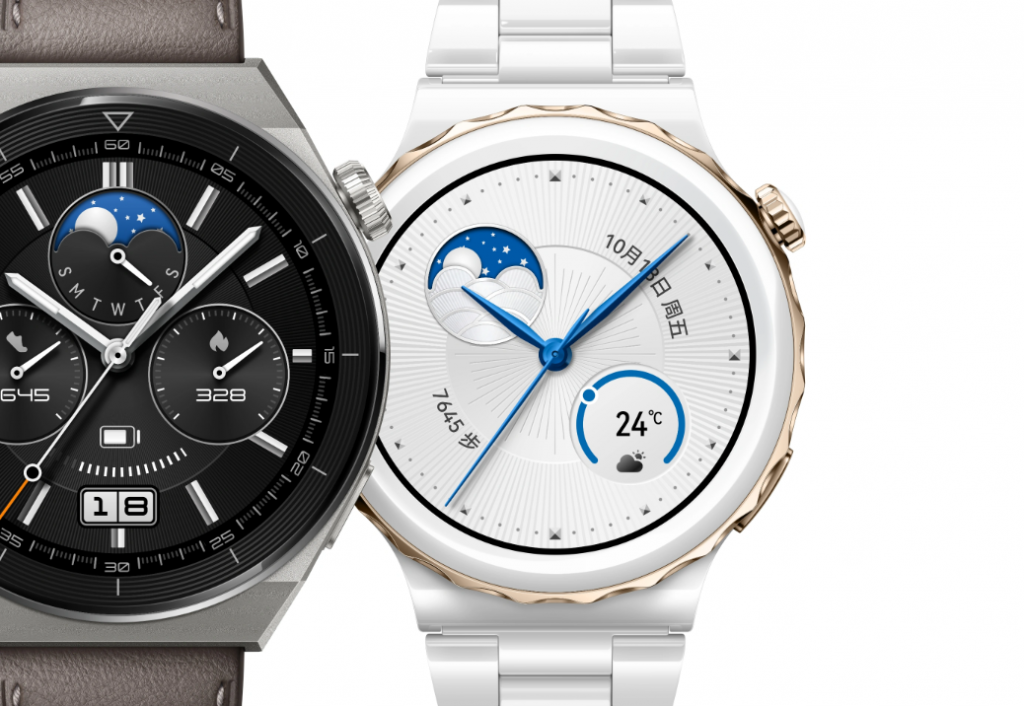
Huawei Watch GT 3 Pro
Huawei has started recruiting HarmonyOS 4 beta testers for 9 of its older smartwatches. This program is limited to China.
The below-listed wearables for eligible for the initiative.
Huawei Watch Buds (SGA-B19)
Huawie Watch GT 3 46mm (JPT-B19, JPT-B29)
Huawei Watch GT 3 42mm (MIL-B19)
Huawei Watch GT 3 Pro 46mm (ODN-B19)
Huawei Watch GT 3 Porsche Design (ODN-B19)
Huawei Watch GT 3 Pro 43mm (FRG-B19)
Huawei Watch GT 3 Pro Collector’s Edition (FRG-B19)
Huawei Watch GT Runner (RUN-B19, RUN-B29)
Huawei Watch GT Cyber (AND-B19)
The beta program for the aforementioned devices is divided into two versions: log and nolog. The latter has more number of seats than the former.
Once enrolled in the initiative, users cannot revert to the regular stable channel. In the following weeks, they will receive multiple builds, such as closed beta, open beta, and stable. At last, they will receive the public stable release.
Thus, if you have the Chinese variant of any of these watches and want to try out HarmonyOS 4 beta, we recommend you not to. It’s better to wait for the official release of the update.
Unfortunately, we don’t have info on a similar program for global users. Anyways, all eligible devices should get the update in the coming days.
Honor continues to expand its product lineup. The latest addition in to that lineup was the X50 GT, equipped with the Snapdragon 8+ Gen 1 processor and an OLED display. Now, they have introduced three new models: Magic 6 Lite, Magic 6, and Magic 6 Pro. Among the new products, the Magic 6 stands out for its impressive performance at a relatively affordable price. So, what are the technical specifications and price of the Honor Magic 6? Here are the details…
Honor Magic 6 Technical Specifications
The Honor Magic 6, similar to other high-end smartphones, runs on Qualcomm’s Snapdragon 8 Gen 3 processor. This chipset, manufactured using a 4nm process, consists of 1 Cortex-X2 super core, 3 Cortex-A720 big cores, 4 Cortex-A510 little cores, and is equipped with an Adreno 740 GPU. The phone comes with options for 12 and 16 GB of RAM, and it also offers storage choices of 256 and 512 GB.
The 6.78-inch 2800 x 1280 OLED LTPO OLED display on the Honor Magic 6 impresses with its 120 Hz refresh rate, ensuring a bright and smooth experience. The camera setup includes a 50 MP main camera, a 50 MP ultra-wide-angle camera, and a 32 MP telephoto camera. The main camera’s 1/1.28-inch sensor and f/1.9 aperture excel in capturing light with minimal noise.
The ultra-wide-angle camera boasts a 120-degree field of view, perfect for wide scenes or group photos. Additionally, the telephoto camera offers 2.5x optical zoom for clear shots of distant objects. The Honor Magic 6 comes with battery improvements, boasting a 5450 mAh capacity and 66W fast charging support. This means you can fully charge your phone in around 30 minutes. To give you an idea, the pro model has a slightly bigger battery at 5600 mAh.
Magic 6 Price & Availability
The Honor Magic 6 is available for purchase in China, with global availability expected soon. Official sale date is January 18, 2024, in China. The price is as follows:
Model
Chinese Price (¥)
US Dollar Price (USD)
Honor Magic6 12+256GB
4,399
710
Honor Magic6 16+256GB
4,699
750
Honor Magic6 16+512GB
4,999
790
Feature
Honor Magic 6
Design
Pillow design, five color options: black, snow, lake blue, purple, green
Honor has launched their latest flagship smartphone Magic 6 Pro alongside Magic 6 at an event in China. Let’s check out the specifications of this smartphone.
Honor Magic 6 Pro Specifications:
The Honor Magic 6 Pro features a 6.8-inch FHD+ curved OLED LTPO display with a resolution of 2800×1280 pixels and a 120Hz adaptive refresh rate (1-120Hz 8T LTPO). The display achieves an impressive peak brightness of 1600 nits and an exceptional local peak brightness of 5000 nits.
It’s the first domestic screen to include all-day low-power LTPO display technology, with a 360Hz overclocking synchronized display and support for Dolby Vision. Additionally, the display is protected by durable Giant Rhinoceros Glass, with a 10-fold anti-drop rating for enhanced durability.
Performance-wise, Honor Magic 6 Pro is powered by the Snapdragon 8 Gen 3 SoC and certified for long-term smoothness and all-scene smoothness by Swiss SGS. It runs on the new Honor MagicOS 8.0, which features AI-driven intent recognition for seamless human-machine interaction. The phone is available in different storage configurations, including 12GB+256GB, 16GB+512GB, and an impressive 16GB+1TB option.
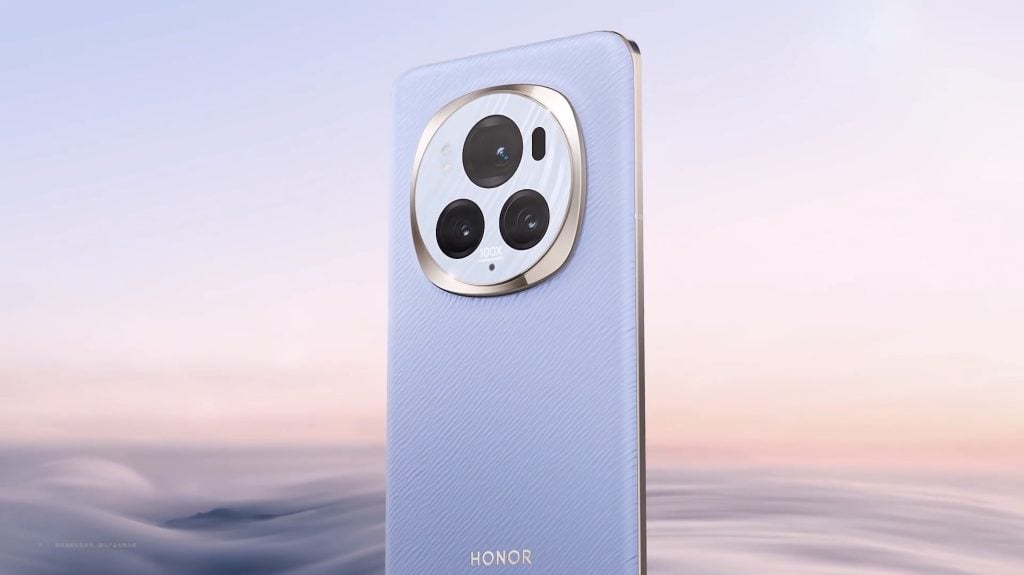
In terms of imaging, Honor Magic 6 Pro boasts a triple camera setup, including a 50MP ultra-dynamic main camera with rapid and precise focusing, an intelligent variable aperture (f/1.4-f/2.0) for excellent low-light performance, and optical image stabilization (OIS).
It also features a 50MP ultra-wide-angle camera for capturing wide scenes effectively. The standout feature is its groundbreaking 180MP periscope ultra-telephoto lens with 2.5x optical zoom, an astonishing 100x digital zoom, and OIS, ensuring clear and stabilized shots even at high zoom levels.
The pill-shaped front camera setup includes a 50MP+TOF sensor for high-quality selfies and depth-sensing capabilities. The cameras offer three distinct image styles: vivid, natural, and textured.
The Honor Magic 6 series features the self-developed RF enhancement chip C1+, offering a significant 41% increase in maximum transmission gain and a 51% increase in maximum reception gain. The Honor Magic 6 Pro stands out with its support for Honor Hongyan Communication, enabling direct satellite service connection to TianTong satellites.
This allows for real-time voice communication and two-way SMS and boasts the industry’s fastest satellite connection speed, with a 40% improvement in speed and a 50% reduction in standby power consumption. Moreover, the Honor Magic 6 Pro is compatible with major global 5G frequency bands and supports Google Mobile Services (GMS).
Honor Magic 6 Pro also offers comprehensive eye protection with five advanced technologies, including ultra-high-frequency PWM dimming at 4320Hz, natural light eye protection, sleep aid display, hardware-level blue light reduction, and natural color display. It has received certifications for eye protection, including German Rhine TÜV global eye protection 3.0 and VICO A+ visual comfort testing. The device has also received the world’s first Swiss SGS five-star anti-drop certification for multiple scenarios, ensuring its durability.
The Honor Magic 6 Pro features a large 5600mAh second-generation Qinghai Lake battery. It supports rapid 80W fast charging, fully charging in 39 minutes (normal mode) or 36 minutes (extreme mode), and offers the convenience of 66W wireless charging. The device is further enhanced by the self-developed energy efficiency enhancement chip Honor E1 and Honor Dujiangyan power management system, optimizing power efficiency and overall performance.
Pricing, Colors and Availability
Honor Magic 6 Pro offers a variety of color choices inspired by natural landscapes. It comes in five color options: Lake Blue, Cloud Purple, Qilian Snow, Barley Green, and Velvet Black.
Honor Magic 6 Pro is available in three storage configurations: 12GB RAM with 256GB storage priced at 5699 Yuan ($803), 16GB RAM with 512GB storage priced at 6199 Yuan ($873), and a top-tier variant with 16GB RAM and 1TB storage priced at 6699 Yuan ($944).
The device is set to start its pre-sale on January 11, 2024, at 21:08, and will officially go on sale on January 18, 2024, at 10:08. It will be available for purchase through various platforms, including the Honor online store, authorized e-commerce platforms, Honor experience stores, and authorized retail outlets.
Realme is gearing up to launch the Realme 12 Pro series in India later this month. Now, the brand’s Head of Product Marketing Francis Wong has revealed another interesting news. Realme is bringing a GT smartphone to India later this year. The last device in the GT lineup was the GT Neo 3 announced way back in 2022. Read on to know more details.
Realme to launch GT smartphone in India this year
We know how GT series were expected and we will bring it back in 2024.
After a quiet last year for Realme’s GT series in India, Francis Wong revealed how the smartphones were expected in the country. Hence, the company is bringing it back into the market later this year. The Realme executive does not divulge into the exact name of the GT smartphone or the launch timeline. However, this information was revealed in a response to an X user’s question on why Realme is not bringing the recently announced GT 5 Pro in India that debuted in China last month.
It remains to be seen which Realme GT series phone the brand will announce first in India later this year. The Realme GT smartphones pack premium specifications and the GT 5 Pro is a flagship offering. The brand has focussed on its number series, the budget C-series, and Narzo phones in India since launching the GT Neo 3.
To recall, the Realme GT 5 Pro boasts a 6.7-inch curved OLED display with a 1.5K resolution and a 144Hz refresh rate. It sports a 50MP Sony LYT-808 main camera paired with a 50MP OIS telephoto lens, and an 8MP ultra-wide-angle unit. Under the hood, the smartphone is powered by a Snapdragon 8 Gen 3 SoC paired with up to 16GB RAM and 1TB storage. The device is backed by a 5,400mAh battery unit with support for 100W wired and 50W wireless charging.
Last month, ASUS unveiled its latest ZenBook 14 OLED laptop models right on the heels of the announcement of the Intel Core Ultra processors. Now, the brand has announced that these laptops will arrive in the Indian market soon.
Brace yourselves for a revolution in computing, as the #NewZenwithAI, fueled by the mighty Intel Core Ultra processor, takes center stage. 🌐✨
This revelation comes from the company’s official Indian Twitter account, where it was teased that the laptop will be equipped with the Intel Core Ultra processor and integrated with AI capabilities. Pre-booking for the device is slated to begin on January 13, 2024, for Indian customers.
ASUS ZenBook 14 OLED specs:
The laptop features a 14-inch OLED display with 3K/FHD resolution and supports refresh rates of 120Hz/60Hz. Notable display attributes include 400 nits brightness, 500 nits/600 nits HDR peak brightness, 100% DCI-P3 color gamut, and a 1,000,000:1 contrast ratio. Users can choose between touch-screen and non-touch-screen display variants.
The 2024 model of the Zenbook 14 OLED offers three processor variants: Intel Core Ultra 5 Processor 125H, Intel Core Ultra 9 Processor 185H, and Intel Core Ultra 7 Processor 155H. These processors are complemented by Intel Arc graphics and Intel AI Boost NPU, emphasizing the device’s computational capabilities.
Additional features include a backlit chiclet keyboard with a 1.4mm key travel distance, a precision touchpad/touchpad with a number pad, and a range of multimedia components. The FHD camera comes equipped with an IR function and a camera shutter for enhanced privacy. The built-in speaker and microphone array utilize Smart AMP Technology and Harman/Kardon audio technology.
Connectivity options comprise Wi-Fi 6E and Bluetooth 5.3, with an optional stylus for users who prefer a hands-on approach. The device is powered by a 75Whrs battery and supports 65W type-C fast charging, ensuring a convenient and efficient power management system.
Alongside the launch of the POCO X6 series, the Xiaomi sub-brand also announced the POCO M6 Pro 4G. However, this has debuted in the global markets. The POCO M-series is a budget lineup but still packs some impressive specifications. The latest offering arrives as the successor to the POCO M4 Pro with significant upgrades. Let’s find out what the smartphone offers out of the box.
POCO M6 Pro 4G specifications
The POCO M6 Pro 4G features a 6.67-inch AMOLED display bearing an FHD+ resolution and a 120Hz refresh rate. The screen is integrated with a fingerprint scanner and coated with Gorilla Glass 5. The device has a dual-toned back panel where the top portion has a darker shade and the rest has a lighter hue. It also has an IP54 rating.
In the imaging department, the POCO M6 Pro 4G’s triple rear camera setup includes a 64MP main sensor with OIS, an 8MP ultra-wide-angle lens, and a 2MP macro unit. There is an 8MP front-facing selfie camera.
Internally, the POCO M6 Pro 4G is equipped with a MediaTek Helio G99 chipset. The SoC is coupled with up to 12GB RAM and 512GB storage. The smartphone draws its power from a 5,000mAh battery unit with support for 67W fast charging. Software-wise, it ships with HyperOS out of the box.
The POCO M6 Pro 4G is offered in Black, Blue, and Purple colors. The smartphone’s base 8GB + 128GB is priced at $199 while the 12GB + 256GB costs $249. It will be available for purchase starting January 11.
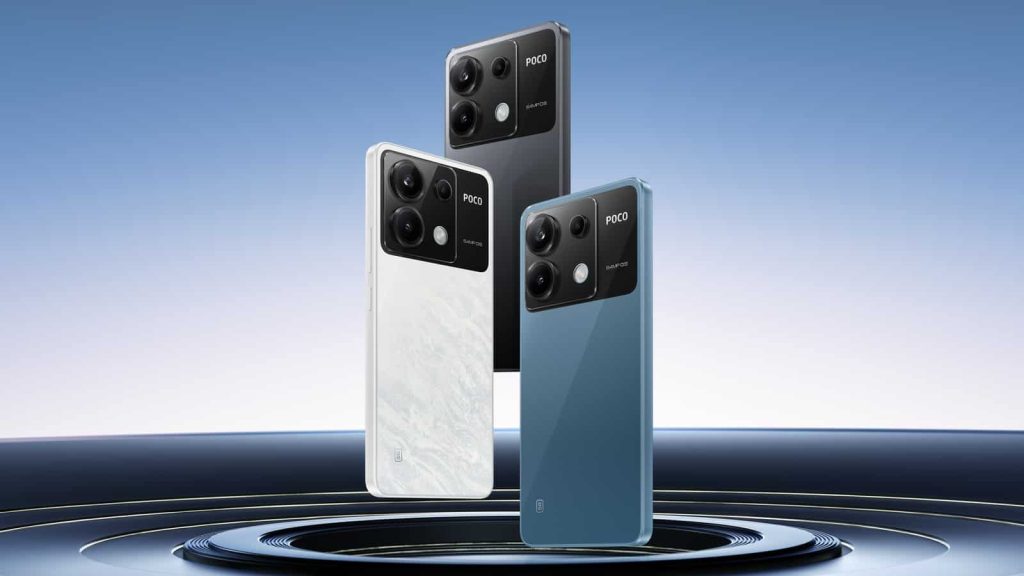
POCO held an event today where it announced the POCO X6 series and the POCO M6 Pro smartphones. The X6 lineup includes the standard and pro models. The Xiaomi sub-brand has been teasing some key features of the latest devices leading up to today’s launch event. The X6 and X6 Pro seem to be a rebadged version of the Redmi Note 13 Pro and Redmi K70e respectively. Both phones are quite identical to each other apart from a few differences.
POCO X6 series specifications and features
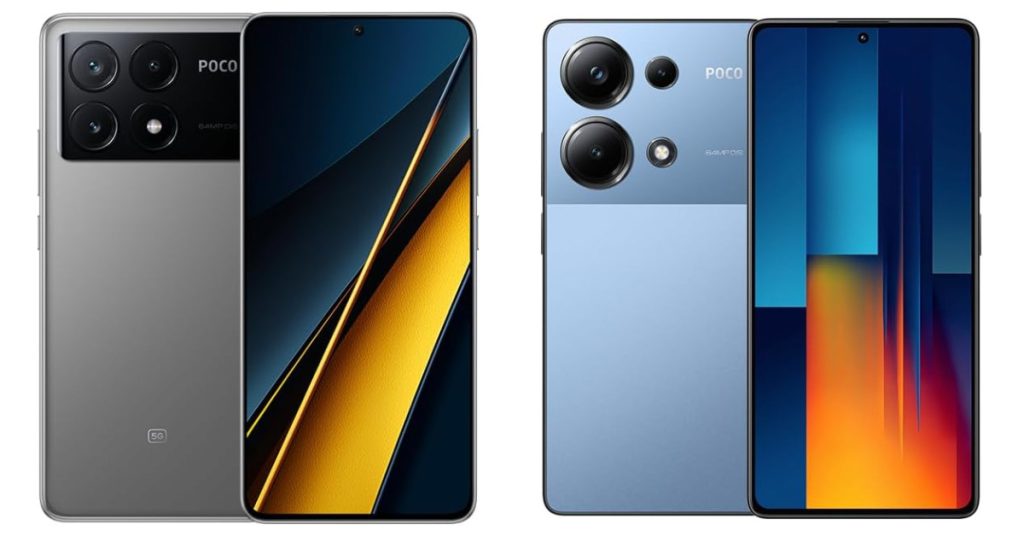
The POCO X6 and X6 Pro feature a flat OLED screen measuring 6.67 inches. The displays bear a resolution of 1.5K pixels, a 120Hz refresh rate, and support Dolby Vision. There is an in-screen fingerprint scanner. Both phones offer a 1,800 nits peak brightness and the display is shielded by Gorilla Glass Victus. Design-wise, there is an elongated rectangular Black colored camera island on the rear giving the phones a dual-toned look.
On the imaging front, the POCO X6 series has a triple rear camera system. The setup comprises an OIS-enabled 64MP primary camera, an 8MP ultra-wide-angle lens, and a 2MP macro unit. Up front, the devices are fitted with a 16MP selfie snapper in the centre-aligned punch-hole cutout.
Under the hood, the POCO X6 is powered by a Dimensity 8300 Ultra chipset whereas the X6 Pro is equipped with a Snapdragon 7s Gen 2 SoC. Both phones pack up to 12GB RAM and 512GB storage. The standard model is backed by a 5,100mAh battery unit with support for 67W charging while the pro variant is fueled by a 5,500mAh cell with 90W charging.
The POCO X6 Pro is the first Xiaomi phone to ship with the new HyperOS out of the box. The X6 runs on MIUI 14-based Android 14. Both phones are confirmed to get three years of OS updates and four years of security patches.
The POCO X6 starts at Rs 21,999 for the base 8GB + 256GB variant. The 12GB + 256GB and 12GB + 512GB option are priced at Rs 23,999 and Rs 24,999 respectively. Meanwhile, the X6 Pro carries a price tag of Rs 26,999 and Rs 28,999 for the 8GB + 256GB and 12GB + 512GB RAM and storage configurations as the standard variant.
The POCO X6 is offered in Mirror Black and Snowstorm White whereas the X6 Pro comes in Spectre Black, Racing Grey, and POCO Yellow colors. The X6 duo will go on sale from Flipkart starting January 16. ICICI Bank cardholders can avail Rs 2,000 discount.
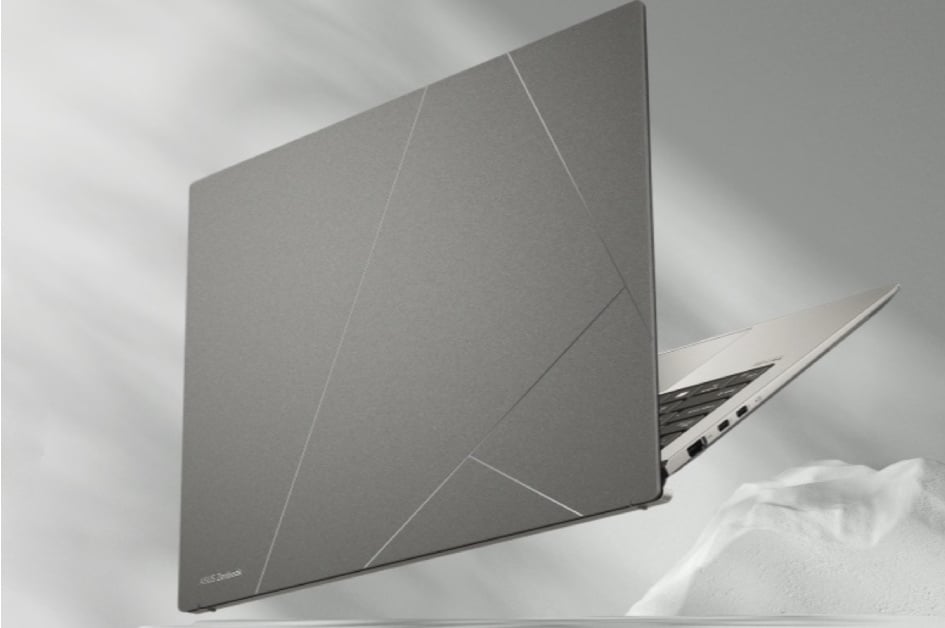
At CES 2024, Asus debuted its latest lineup of laptops, including the new Zenbook S 13 OLED. This ultraportable model features an incredibly slim design and comes equipped with the newest Intel Core Ultra processors. Let’s talk about it here.
Asus Zenbook S 13 OLED (UX5304)
At just 10.9mm thick on average, the new Zenbook S 13 OLED (model UX5304) claims the title of “world’s slimmest 13.3-inch OLED laptop.” It’s a hair’s breadth thinner than the already svelte MacBook Air M2, which comes in at 11.3mm. Also, the laptop is incredibly lightweight at just 1kg.
It’s 16:10 display boasts a sharp 2880×1800 resolution (roughly 3K), a vibrant 600 nits peak brightness, and an impressive 85% screen-to-body ratio. And since it’s an OLED panel, you can expect deep, inky blacks and incredibly vivid colors.
Powering the Zenbook S 13 OLED are the new Intel Core Ultra 5 125U and Core Ultra 7 155U processors. These Meteor Lake chips, unveiled by Intel in December, promise better power efficiency and are optimized for on-device AI tasks. There is also a new Copilot key on the keyboard, a feature becoming increasingly common in 2024 laptops.
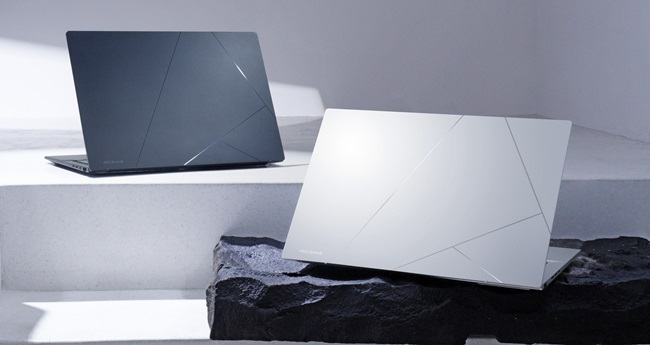
Asus has made some subtle design changes. The most interesting one involves the lid, which is now made from a unique “plasma ceramic aluminum” material. This Asus-exclusive material is said to resemble natural stone and give each lid a unique, one-of-a-kind look and feel.
Rounding out the package are a full HD webcam, a spacious Asus ErgoSense touchpad, up to 1TB of PCIe Gen 4 SSD storage, up to 32GB of RAM, a 63 Wh battery, Wi-Fi 6E, and Bluetooth 5.2. For ports, you get two Thunderbolt 4 Type-C ports, one USB 3.2 Gen 2 Type-A connector, HDMI 2.1, and a combo audio jack.
Asus hasn’t revealed the launch date or pricing for the new Zenbook S 13 OLED yet. We will keep you updated on it when Asus makes it official.
We use cookies on our website to give you the most relevant experience by remembering your preferences and repeat visits. By clicking “Accept”, you consent to the use of ALL the cookies.
This website uses cookies to improve your experience while you navigate through the website. Out of these, the cookies that are categorized as necessary are stored on your browser as they are essential for the working of basic functionalities of the website. We also use third-party cookies that help us analyze and understand how you use this website. These cookies will be stored in your browser only with your consent. You also have the option to opt-out of these cookies. But opting out of some of these cookies may affect your browsing experience.
Necessary cookies are absolutely essential for the website to function properly. This category only includes cookies that ensures basic functionalities and security features of the website. These cookies do not store any personal information.
Any cookies that may not be particularly necessary for the website to function and is used specifically to collect user personal data via analytics, ads, other embedded contents are termed as non-necessary cookies. It is mandatory to procure user consent prior to running these cookies on your website.