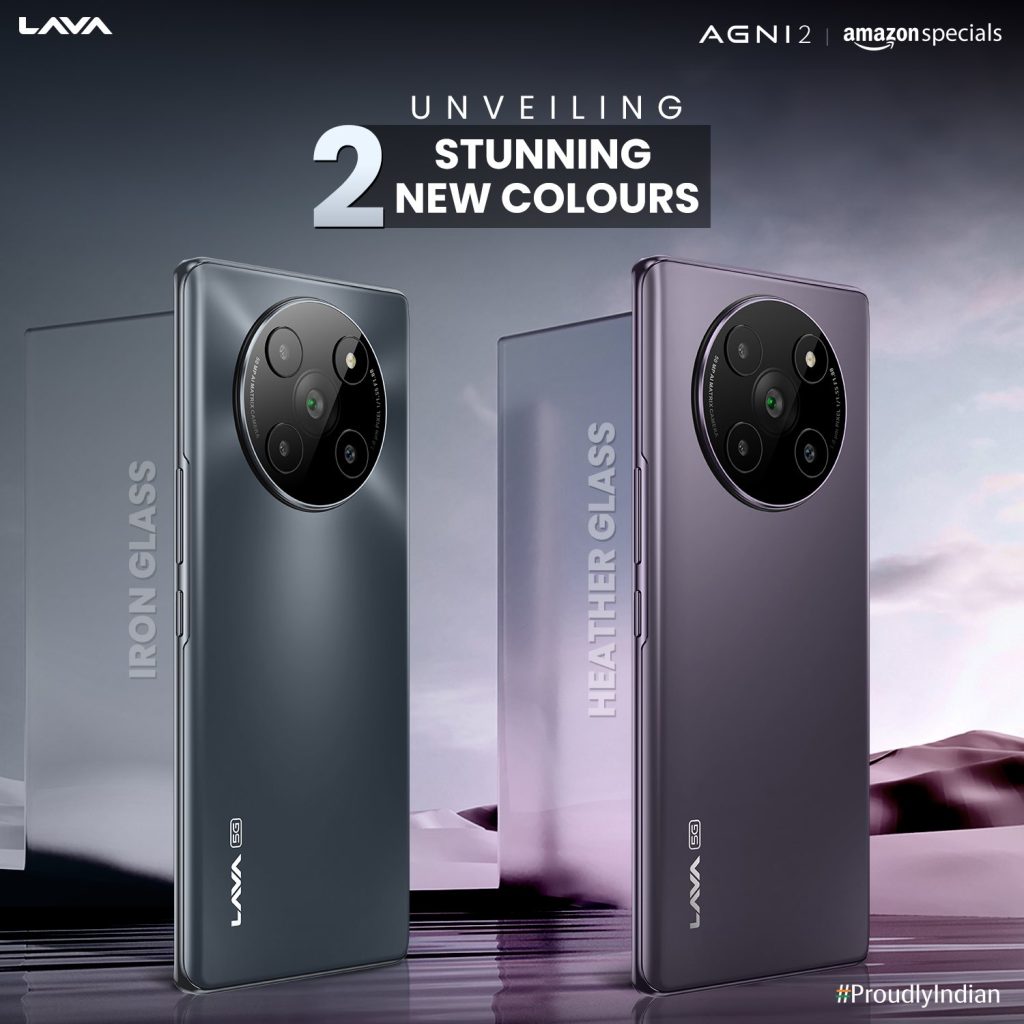
India’s homegrown smartphone brand Lava recently made waves in the market with the launch of the Lava Agni 2 5G. The device received an overwhelming response, so much so that the brand was struggling to keep up with the demand. Now, it is said to be launching a new device in India called the Lava Agni 2S.
The new device is said to feature similar specifications as the Agni 2 5G, however, the processor is said to be a different one. Tipster Yogesh Brar also shared in the report that Lava will debut this new smartphone before the end of this year. This means that we can expect the Agni 2S smartphone to launch in India within the next couple of weeks. With the launch being so near, we expect the official teasers to start rolling in soon. Till then, here’s the spec sheet of the Agni 2 5G, which will be almost similar to the Agni 2S.
Lava Agni 2 5G specs
The Agni 2 5G features a 6.78-inch Full HD+ AMOLED display with a 120Hz refresh rate, HDR10+, and a 105% NTSC color gamut. Fueled by the MediaTek Dimensity 7050 processor, the device runs on Android 13.
Camera-wise, it features a 50MP quad-camera setup on the rear and a 16MP front camera. Connectivity options are abundant, including 5G support, in-display fingerprint sensing, and a 66W fast-charging battery via the USB-C port.
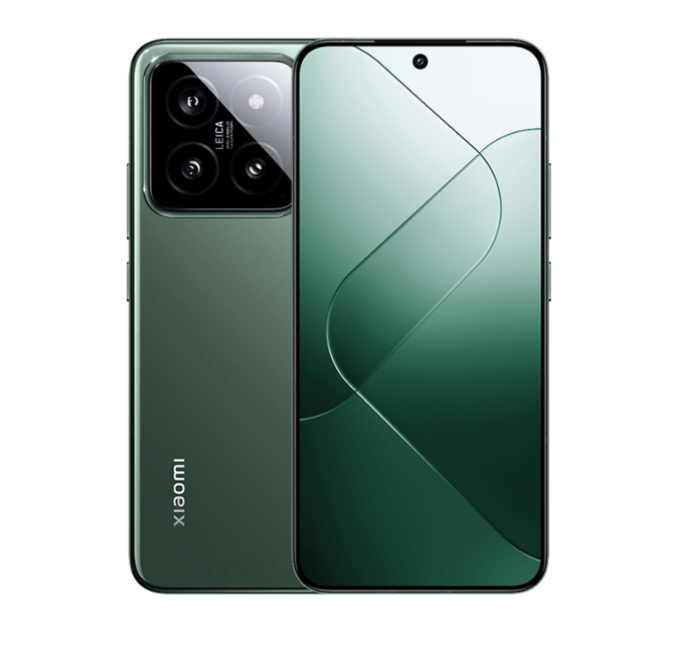
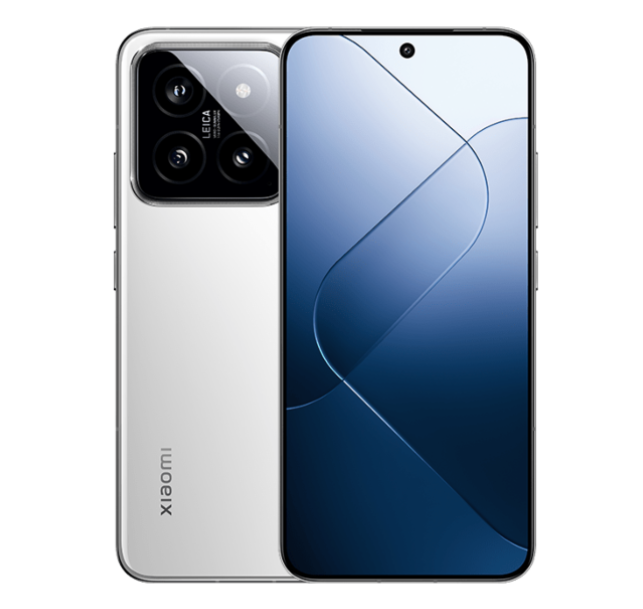
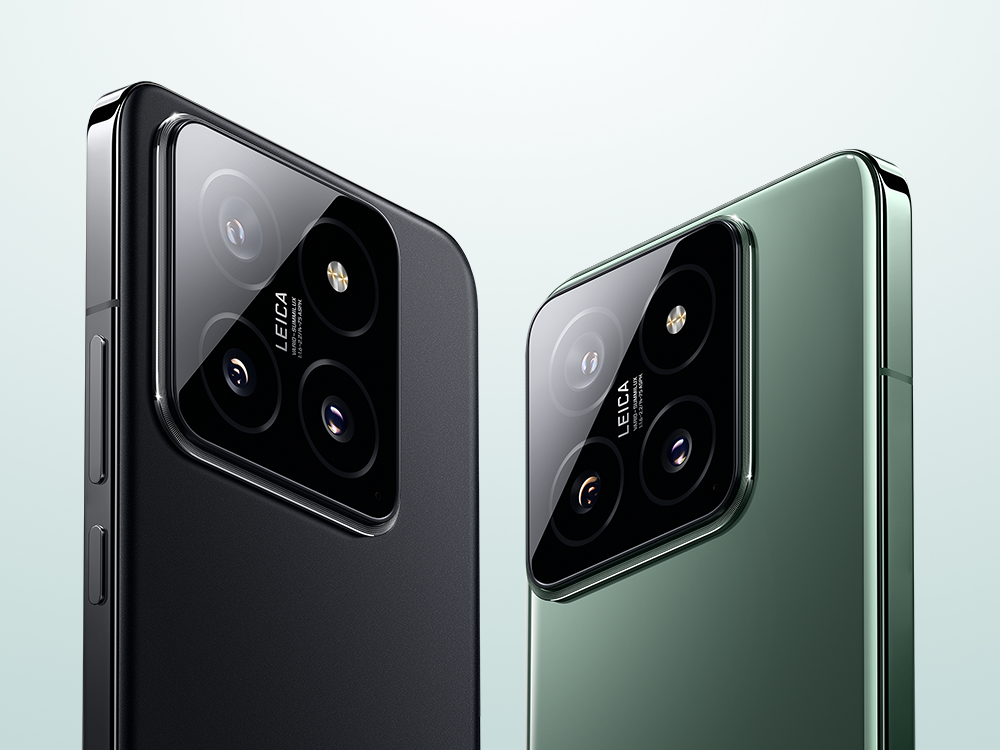
Xiaomi 14 the latest phone from Xiaomi is now available on Geekwills. You can buy the phone for a starting price of $599 only. The device comes in Black, Green, and White color variants.
At the heart of this device lies the Qualcomm Snapdragon 8 Gen 3, providing a dynamic performance experience through its 3rd Generation Snapdragon 8 Mobile Platform and Dynamic Performance Scheduling 4.0. Paired with LPDDR5X and UFS 4.0 storage, the Xiaomi 14 ensures seamless multitasking and quick access to your favorite apps.
The device boasts a 6.36-inch 1.5K UltraVision Display with an OLED Flexible Straight Screen. With a resolution of 2670x1200p and a display frame rate of up to 120Hz, the visual experience is nothing short of exceptional. The display’s peak brightness of 3000nit ensures clarity even in bright sunlight, and the support for P3 wide color gamut brings your content to life.
Capture every moment in unprecedented detail with the Leica Professional Optics. The 50MP Leica Super Dynamic Prime, equipped with the Light Hunter 900 Customized Image Sensor, offers a large sensor and an impressive f/1.6 aperture. This lens supports 4-in-1 2.4μm large pixel output and features OIS Optical Stabilization for shake-free images. The 75mm Floating Telephoto lens with an f/2.0 aperture and OIS optical stabilization allows you to focus on subjects from 10cm to infinity, while the 50MP Leica Super Wide Angle lens with a 115° ultra-wide-angle view adds versatility to your photography.
Immerse yourself in a superior audio experience with the Stereo Dual Speakers and High Dynamic 4-MIC Array. Whether you’re watching videos or engaging in video calls, the audio quality is clear and immersive.
Designed to keep up with your active lifestyle, the Xiaomi 14 is IP68-rated dust and water-resistant. The powerful 4610mAh Super Power battery, combined with the Xiaomi Hyper Battery Management System, ensures long-lasting usage. Additionally, the device supports 90W Xiaomi Hyper Wired Second Charge, 50W Xiaomi Hyper Wireless Second Charge, and Wireless Reverse Charge, providing you with flexible charging options.
Xiaomi 14 delivers a premium user experience through its powerful performance, exceptional display, and versatile camera system. Whether you’re a photography enthusiast, a multitasker, or someone who appreciates cutting-edge design, the Xiaomi 14 is sure to exceed your expectations.
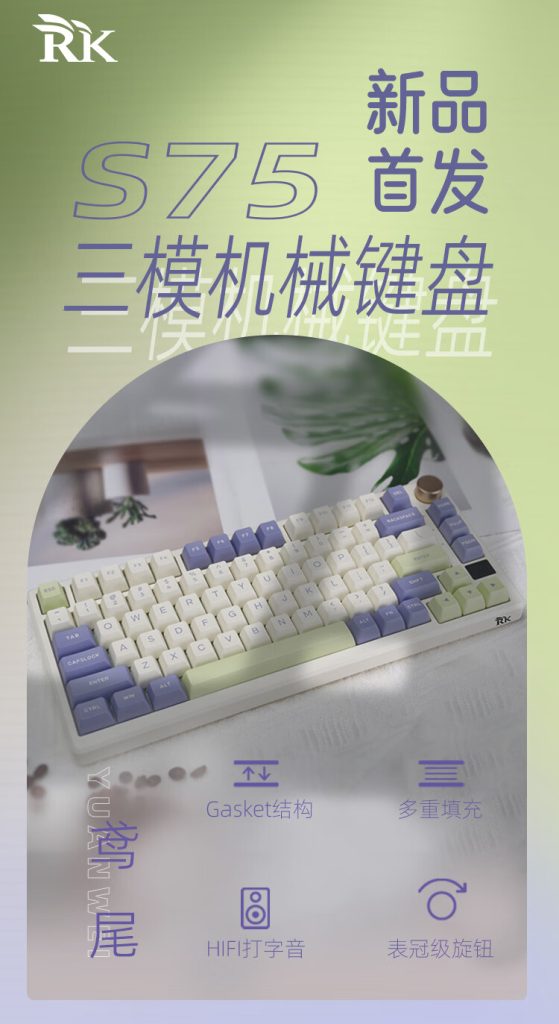
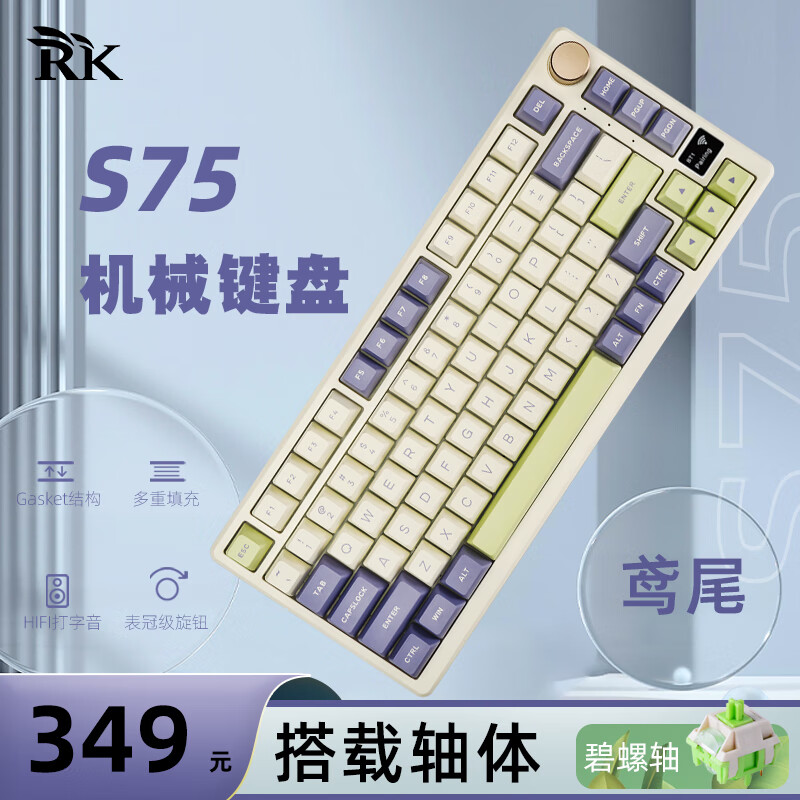
Royal Kludge (RK) released the S75 mechanical keyboard in China back in September, and they have now unveiled a new color variant called the S75 Iris-themed keyboard. This new keyboard is priced at 349 yuan ($48) and will be available for purchase starting on November 16th. Let’s check out the key specs of this keyboard.
RK S75 Keyboard Key Specs:
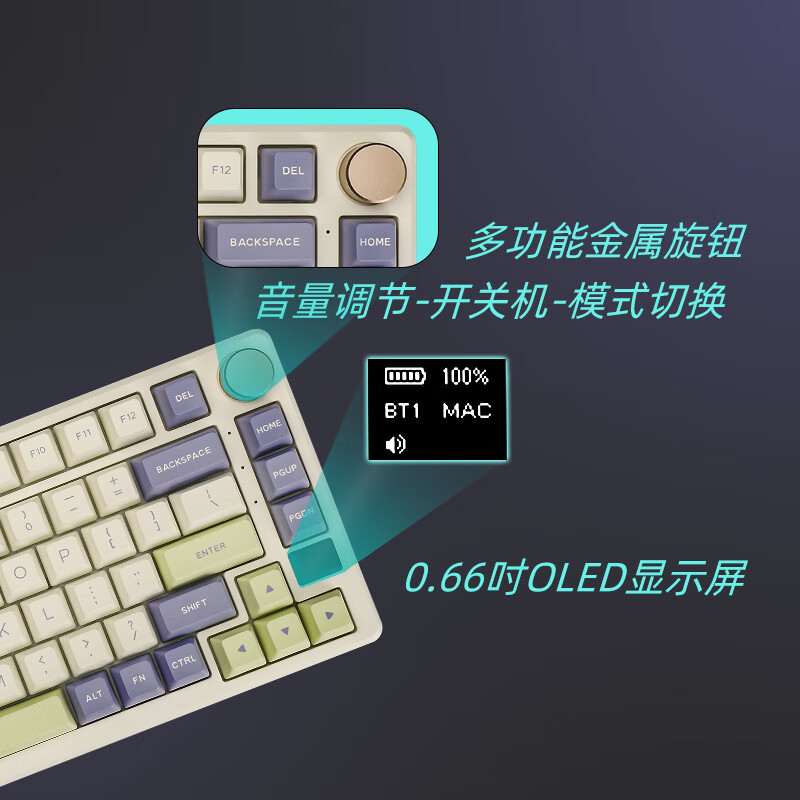
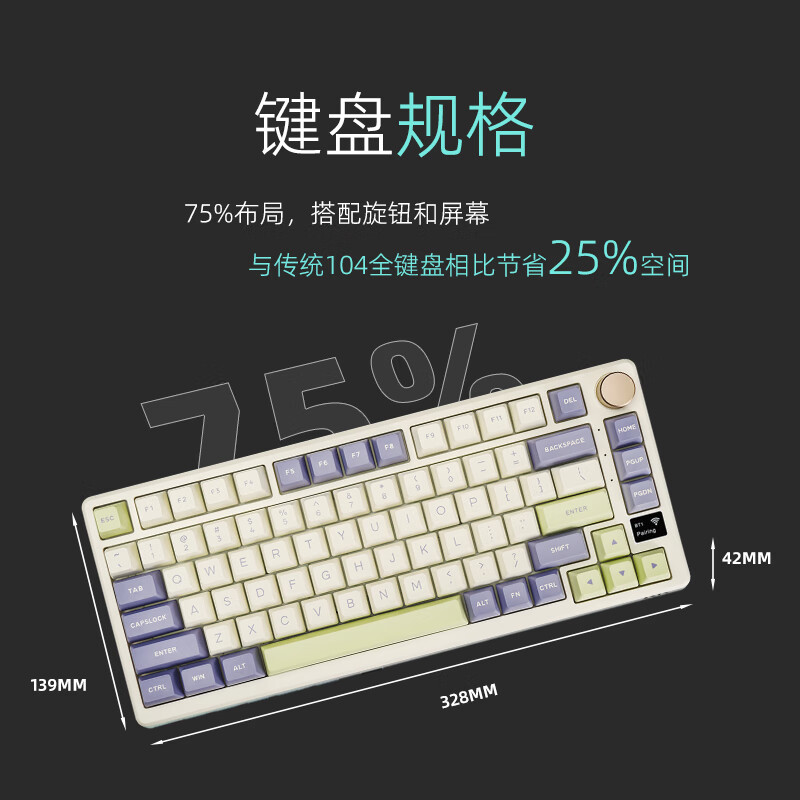
The keyboard stands out due to its compact 75% layout, saving space compared to standard 104-key keyboards. It features a 0.66-inch LED display screen for clear status information and includes a metal crown-level knob for easy and intuitive adjustments of connectivity modes, volume, power, and other settings, enhancing user interaction.
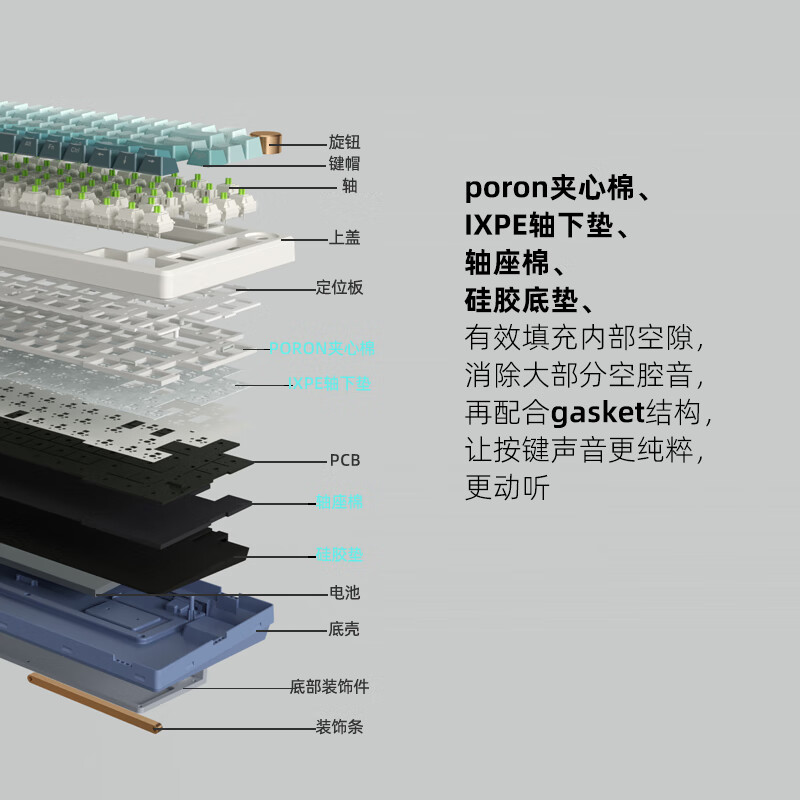
In terms of connectivity, the S75 supports three modes: wired, wireless, and Bluetooth, catering to various user preferences and usage scenarios, be it with Windows, iOS, or Android systems. The keyboard’s Gasket structure provides multiple fillings that result in a pure and pleasing typing sound, enhancing the overall user experience.
The S75 Iris-themed keyboard offers full-key hot-swappable switches compatible with both three-pin and five-pin switch bodies, allowing users to personalize their typing experience. Furthermore, it comes with a sizable 3750mAh lithium battery for extended usage and convenient recharging.
The keyboard boasts an appealing design with customizable RGB lighting effects, offering 16.8 million colors and 17 different lighting options. Alongside this Iris theme, the keyboard also comes in Lake Light, Dawn Moon, and Sea Abyss Side Engraving themes each providing a distinctive visual experience. The Sea Abyss Side Engraving variant includes durable and oil-resistant PBT side-printed keycaps, enhancing both tactile and visual qualities.
Chinese companies are successfully acquiring U.S. chipmaking equipment for advanced semiconductors, despite the Biden administration’s efforts to tighten export controls. The U.S.-China Economic and Security Review Commission’s annual report, spanning a comprehensive 741 pages, criticizes the October 2022 export curbs that aimed to restrict Chinese chipmakers’ access to U.S. tools for manufacturing advanced chips at the 14-nanometer node or below.
The restrictions, designed to prevent the flow of technology crucial for cutting-edge semiconductor production, revealed a significant loophole. Importers can claim equipment use on older production lines, complicating the verification process and rendering the restrictions less effective than intended. This raises concerns about the broader effectiveness of measures aimed at safeguarding sensitive technology.
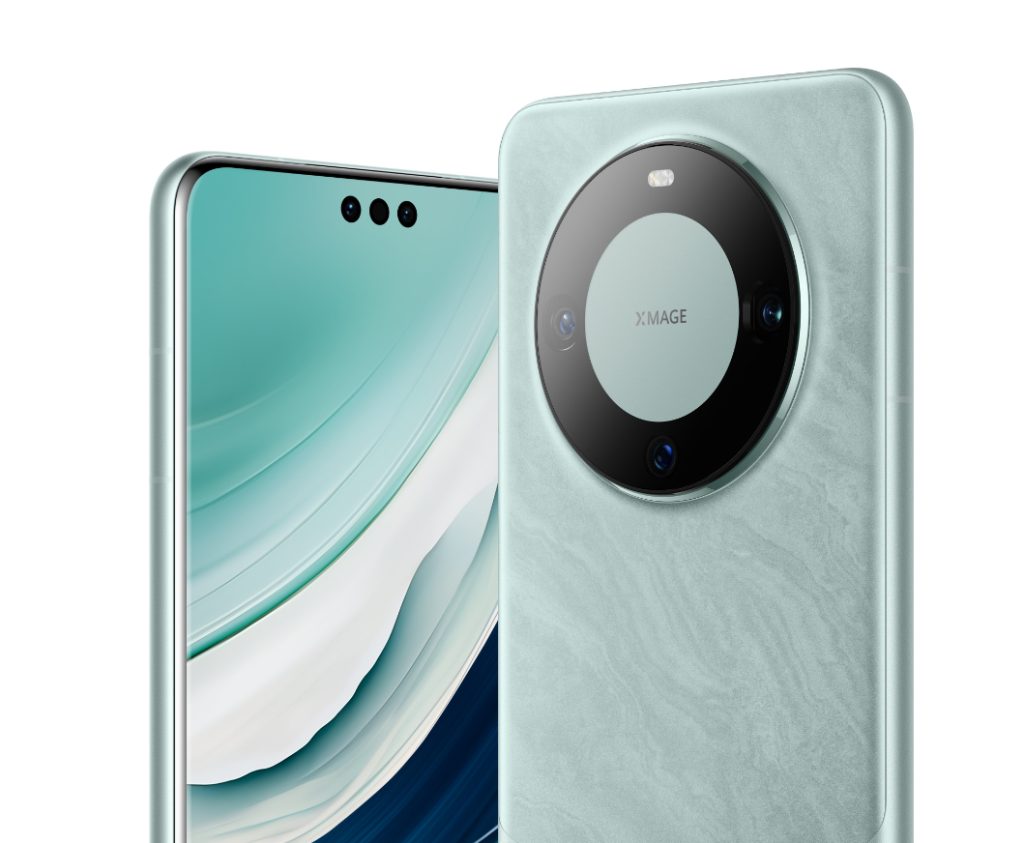
For instance, Huawei, despite being on the trade restriction list since 2019, managed to produce a 7 nanometer chip for its Mate 60 Pro smartphone at China’s leading chipmaker, SMIC. This suggests that Chinese entities are finding ways to exploit gaps in the export controls, undermining the sanctions imposed by the U.S. government. SMIC and Huawei, both subjected to trade restrictions, seemingly managed to stockpile equipment, taking advantage of the time gap between the U.S. rules in October 2022 and similar moves by Japan and the Netherlands in July and September 2023.
Efforts to close this loophole involved the U.S. convincing Japan and the Netherlands, both with robust chipmaking industries, to announce their own export restrictions on the coveted technology. While this managed to close some gaps, the report reveals that China, between January and August 2023, imported $3.2 billion worth of semiconductor manufacturing machines from the Netherlands, marking a staggering 96.1% increase from the same period in 2022. China’s total imports of semiconductor equipment from all countries reached $13.8 billion over the first eight months of 2023, reflecting the resilience of Chinese companies in circumventing restrictions.
The U.S.-China Economic and Security Review Commission suggests a way forward. The report recommends that Congress request an annual evaluation by the General Accountability Office to assess the effectiveness of export controls on chipmaking equipment to China. Established in 2000, the Commission aims to submit an annual report to Congress on the national security implications of economic ties between the United States and China, along with recommendations for government action.
U.S.- China Tech War:
The conflict between the U.S. and China in the semiconductor industry has been ongoing, with regulators introducing new rules in October 2022 to tighten export controls. The focus shifted to high-end AI system chips and semiconductor equipment machinery in China, aiming to address loopholes in previous sanctions that failed to curb domestic manufacturing effectively. The new rules marked a shift in approach, moving away from bandwidth-based restrictions to total processing performance (TPP) to prevent evasion. The implications for China include serious limitations on graphics processing units (GPUs) and performance application-specific integrated circuits (ASICs) crucial for AI applications. The restrictions on semiconductor manufacturing equipment extended to various tools, including etching tools, EPI tools, mask-making tools, and atomic layer deposition (ALD) tools. Despite these efforts, concerns persist about potential loopholes in restrictions on “advanced fabs” and the overall effectiveness of the supply chain.
Looking ahead, the new restrictions are expected to push China to develop homegrown capabilities in the AI industry. The emphasis is on faster growth of China’s AI chip infrastructure to reduce reliance on American technology, anticipating increased investments in memory computing, analog technology, and neuromorphic computing. However, the impact on the competitiveness of advanced chipmakers like Nvidia and AMD in the ongoing technology war remains uncertain, with potential repercussions on China’s semiconductor sector and overall technological competitiveness.
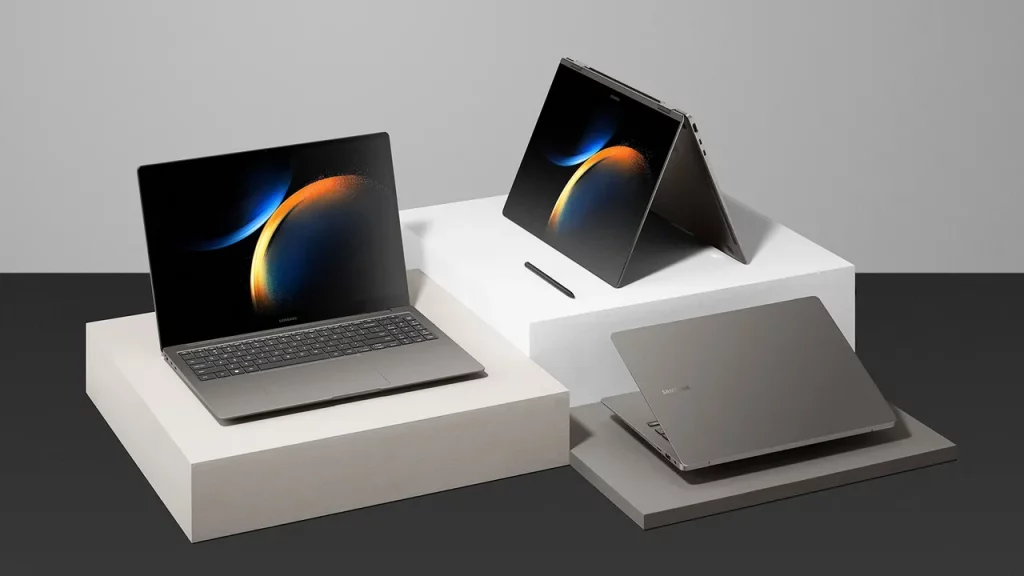
Recently, we received some more information on the Galaxy Book 4 Series, which is scheduled to launch in 2024. Five new devices will be launched: the Samsung Galaxy Book 4, the Samsung Galaxy Book 4 360, the Samsung Galaxy Book 4 Pro, the Samsung Galaxy Book 4 Pro, and the Samsung Galaxy Book 4 Ultra.
The Galaxy Book laptops from Samsung are renowned for their portability and versatility, providing adequate power for light work or light gaming when travelling. The series is thought to be a mild competitor to Apple’s MacBooks or Microsoft Surface computers.
Samsung Galaxy Book 4 Series leaked specs refreshed with Nvidia & Intel Arc GPUs
Samsung Galaxy Book 4 Series (Specifications)
According to the WindowsReport, the Galaxy Book 4 lineup has five models, and though they are all unique and appropriate in different contexts, the specs seem to indicate that they are all designed to be mobile.
Consumers who are seeking a lightweight laptop can choose the Galaxy Book 4. The Galaxy Book 4 and Galaxy Book 4 360 are basically for office work. But on the Galaxy Book 4 360 users will be able to perform light editing and light gaming.
The Galaxy Book 4 Pro mainly focuses on mobility and stunning specs to perform better than its predecessor. On the other hand, the Galaxy Book 4 Pro 360 is a 2-in-1 laptop which means it can be used for both work and gaming purposes.
Finally, the Galaxy Book 4 Ultra offers a high-end specification and is capable of handling high-graphics gaming, professional editing, content production, and more.
Here are the full specifications of the Galaxy Book 4 Series.
The global smartphone market, which has been in a downturn, is showing signs of revival due to the release of new models from major manufacturers like Huawei and Xiaomi. Research from Zheshang Securities suggests that the market is emerging from an adjustment phase, and Southwest Securities notes a substantial reduction in inventory levels over the past six quarters among major smartphone manufacturers and component companies. These reduced inventories are now approaching a healthy balance, indicating a forthcoming industry recovery.
Huawei Mate 60 and Xiaomi 14 Lead the Way in Chinese Smartphone Industry Recovery
Huatai Securities anticipates a moderate rebound in specific sectors like panels, passive components, storage, certain modules, and mobile chips in the third quarter. This recovery is expected to positively impact companies within the smartphone industry chain during the latter half of the year.
In the third quarter of 2023, the Chinese smartphone market saw a 5% year-on-year decline in shipment volume, according to Canalys. However, this decline is showing signs of easing, indicating a gradual market recovery.
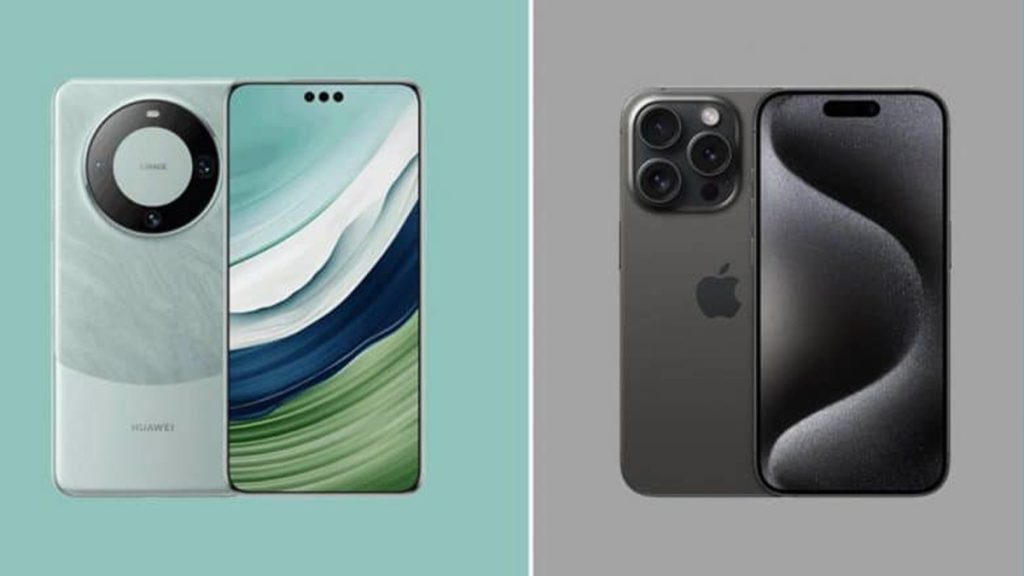
Huawei’s Mate 60 and Xiaomi’s 14 series have played a crucial role in the recent turnaround of the Chinese smartphone market. The Mate 60 series, despite U.S. technology restrictions, has made a significant impact, directly competing with Apple’s iPhone 15. In October, Huawei achieved an impressive 83% increase in sales, while the iPhone 15 only experienced an 11% growth, raising speculation about Huawei’s potential global resurgence.
In contrast, Apple’s waning demand in China has opened the door for local brands like Xiaomi to capitalize on the opportunity. Xiaomi’s market valuation saw a remarkable recovery, increasing by $20 billion after a low in June, fueled by successful smartphone launches, expansion into electric vehicles, and diversification into other business areas. This recovery was reflected in a 60% rise in Xiaomi’s stock, leading the Hang Seng Tech Index.
Xiaomi‘s success isn’t just confined to the stock market. The 14 series has been a consumer hit, garnering over a million orders since its announcement in October. Analysts point to Xiaomi’s growth potential not only in the smartphone sector but also in AIoT and their upcoming electric vehicle venture. Counterpoint Research’s data supports this optimism, highlighting Xiaomi as the only top-five smartphone brand to record shipment increases in key markets like China and India in the third quarter of 2023.
Overall, the recovery of the smartphone market appears to be in motion, aided by these new product launches and strategic shifts by key players. However, for a sustained recovery, companies within the industry will need to continue focusing on innovation, enhancing product quality, and managing production and supply chain efficiencies.
France has witnessed a remarkable increase in electric vehicle (EV) registrations in 2023. This change reflects a growing trend in the automotive industry, where consumers increasingly favor electric over traditional fuel-based cars.
A survey suggests that almost 27% of all new French Cars are Electric
As of October, France recorded a 22% year-over-year increase in new passenger car registrations, totaling 152,383 vehicles. However, the rise in electric cars is even more striking. According to data from L’Avere-France, 40,379 new passenger plug-in electric cars were registered, marking a 44% increase from the previous year. This surge indicates that nearly 26.5% of all new cars in the French market are now electric, a significant jump from 22.4% last year.
The market for all-electric cars (BEVs) is particularly robust, showing a 51% increase with 25,473 new registrations. Plug-in hybrids (PHEVs) are also on the rise, with a 34% increase leading to 14,906 units sold. Together, these figures underscore a crucial shift in consumer preferences and industry offerings.
The commercial vehicle sector is not far behind, with over 43,600 new rechargeable vehicles registered, a 45% increase from the previous year. This growth is not just a temporary surge but part of a consistent upward trend in EV adoption. In fact, so far in 2023, France has registered over 385,000 new plug-in electric vehicles, including over 361,000 passenger cars, accounting for 25% of the market.
The most popular electric models in France include the Dacia Spring, the Fiat 500 electric, and the Tesla Model Y, pointing towards a diverse range of options for consumers. These figures are not just numbers; they represent a shift in consumer behavior and a commitment to reducing carbon emissions.
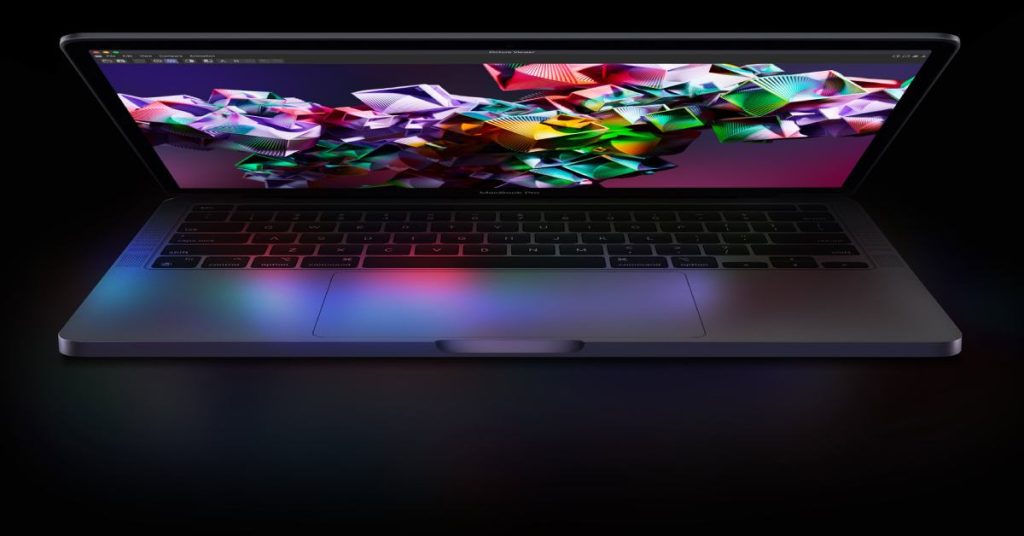
Apple is making waves in the laptop market with its new MacBook Pro models. Thanks to features like the M-series processors, the company provides a unique experience in terms of both performance and usability, making it a favorite among many technology enthusiasts, myself included. However, even the design marvels of the company’s laptops are not perfect, far from it, in fact. According to emerging information, the screen of your MacBook could malfunction one day, and there’s nothing you can do about it. Here are the details…
New MacBook Pro ‘Dustgate’ Problem Is Breaking Apple Laptop Displays
Apple recently introduced the new MacBook Pro models with the M3 processor. However, for the first time, the company’s latest product is making headlines not for its price and features, but for a flaw. Moreover, the main source of the issue is nothing other than a gap in the hinge area that connects the screen and the body. This gap, especially in the new Pro models, is causing damage to the screen.
The question that probably comes to many of your minds is, “how is this possible?” In fact, the answer to this question is quite simple: dust. The gap in the new MacBook Pro models quickly fills up with dust and dirt. Unfortunately, the screen cable responsible for image transfer is located right at this point. This cable, subjected to pressure every time you open your laptop, is damaged over time due to the filling of the gap during movement.
Moreover, there’s nothing you can do about this issue. The only thing you can do regarding this matter is to use our products in environments with less dust and keep them clean. However, this is almost equally ineffective. Nevertheless, we are still waiting for Apple to address the issue and, if necessary, replace the devices.
OpenAI‘s decision to temporarily halt new sign-ups for its ChatGPT Plus service, announced by CEO Sam Altman, is a direct reflection of the soaring demand and interest in AI technology. This move, while seemingly a step back, actually highlights the significant strides and public interest in AI.
The company is slowing down in order to keep up with standards
Last week, OpenAI hosted its inaugural developer conference, unveiling advancements that let users create customized AI models, called GPTs, for specific tasks. This innovation allows even those without coding skills to develop AI tools for diverse applications, like teaching maths or explaining board games.
The staggering figures shared at the conference – 100 million weekly users and over 90% of Fortune 500 companies using OpenAI’s platform – speak volumes about the AI revolution. These numbers not only illustrate the widespread adoption of AI technology but also its potential to transform various industries.
OpenAI’s decision to pause new ChatGPT Plus subscriptions is a tactical move to ensure quality service amidst growing demand. It’s a testament to the company’s commitment to delivering a seamless user experience, even if it means slowing down to keep up.
A recent shift has been observed where domestic brands like Huawei, Xiaomi, and Honor are increasingly outperforming Apple, a global tech giant. The first four weeks of October witnessed an impressive 11% rise in smartphone sales in China, hinting at a recovery from a prolonged slump.
The Mate 60 Pro is largely responsible for Huawei’s recent revival
Leading this resurgence, Huawei has made a remarkable comeback, with a staggering 90% increase in sales year-on-year, largely credited to its Mate 60 series. These handsets, notably the Mate 60 Pro, have gained attention for their advanced, locally produced 5G chips—a huge achievement amidst U.S. sanctions. This surge in Huawei’s sales is not just confined to its new releases; there’s a ripple effect boosting its other models as well.
Xiaomi, another key player, reported a 33% jump in sales within the same period, driven by the launch of its Xiaomi 14 flagship smartphone. This model quickly became a sensation, selling over a million units in less than two weeks and dominating sales during the Singles’ Day shopping festival. The brand’s robust performance is further evident in its record-breaking Singles’ Day sales, surpassing 22.4 billion yuan in revenue across various online platforms.
Honor, originally a Huawei spin-off, also showed a solid performance with a 10% rise in sales. These gains by domestic brands contrast with Apple’s 12% decline in sales in China during this period. Despite launching the iPhone 15, Apple hasn’t replicated its previous success in China, as observed in the initial sales data.
This trend underlines a broader narrative in China’s smartphone market, poised to exit an extended period of stagnation. The recovery, however, is contingent on how these companies tackle production constraints and supply chain challenges. For instance, high demand for Huawei phones has led to shortages, impacting the availability of their latest models like the Mate 60 Pro. Similarly, Apple has faced production issues, particularly with certain color variants of the iPhone Pro Max.
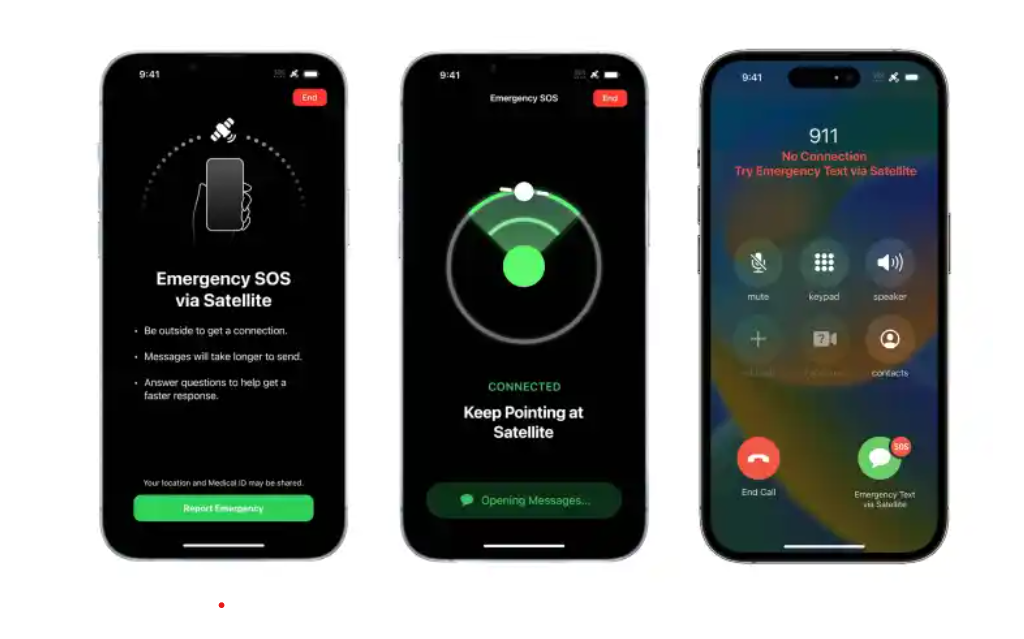
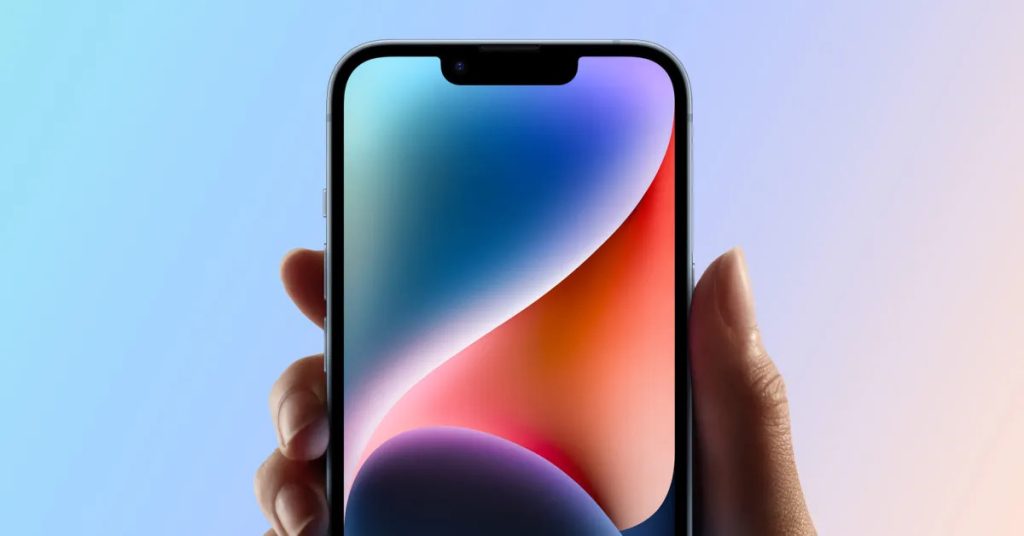
Apple introduced Emergency SOS via Satellite on last year’s iPhone 14 series. The groundbreaking feature has been available in several select countries. It has been praised numerous times by first responders and rescue teams for saving lives of customers who have been struck in emergency situations. The Cupertino-based tech giant promised two years of free Emergency SOS during the launch of the iPhone 14. Now, the company has announced that it is extending the service for an additional year at free of cost.
Apple extends Emergency SOS service for iPhone 14
Apple launched the iPhone 14 in September last year. The Emergency SOS via Satellite is available in Australia, Austria, Belgium, Canada, France, Germany, Ireland, Italy, Luxembourg, the Netherlands, New Zealand, Portugal, Spain, Switzerland, the U.K., and the U.S. The service is free for two years starting at the time of activation of the new iPhone 14 models.
The Cupertino-based tech giant is extending the Emergency SOS for an additional year for the existing iPhone 14 users in countries where it is supported. Apple says that the free trial will be extended for users who activated their devices prior to 12am PT on November 15, 2023.
Emergency SOS via Satellite is also free for the current-generation iPhone 15 for two years starting at the time of activation. Apple is yet to announce the pricing of the service once the free trial ends. The feature allows users of the device to send emergency message alerts in remote places where there is no cellular or WiFi coverage without any special hardware.
Xiaomi sub-brand Redmi is tipped to announce the K70 series smartphones by the end of this month. The lineup will reportedly comprise of multiple models. Plenty of details of the K70 series phones have surfaced in leaks and rumors in the past. The K70 and K70 Pro were spotted in leaked images giving a rather blurry look at the devices. Now, a leaked render of the Redmi K70 gives us a better look at the design of the upcoming smartphone.
The leaked render of the Redmi K70 has been shared by X user (@zionsanvin). It reveals the device in a White color option. The phone has a flat-screen with a centre-aligned punch-hole cutout surrounded by slim bezels on all sides. The upcoming offering features a boxy design. The back panel has a rectangular island that appears to be slightly protruding. It houses three camera sensors and an LED flash unit that protrude as well. The rectangular camera island design gives POCO vibes. The power and volume rocker buttons are located on the right side of the device. The latest leaked render of the Redmi K70 falls in line with the recently leaked image.
As per past reports, the Redmi K70 and K70 Pro will be powered by Snapdragon 8 Gen 2 and Gen 3 processors respectively. Both phones are said to feature a metallic middle frame for durability. The K70 and K70 Pro are tipped to be backed by 5,000 and 5,120mAh battery units with support for 120W fast charging. Additionally, the K70 series are also reported to ship with HyperOS-based Android 14 OS.
ASUS is said to be working on its next iteration of the ROG Phone 8 series. The Taiwanese brand debuted the ROG Phone 7 and 7 Ultimate earlier in April this year. Recently, ASUS confirmed that the ROG Phone 8 series will be powered by Qualcomm’s latest flagship Snapdragon 8 Gen 3 processor. Now, the ROG Phone 8 Ultimate has been spotted on China’s 3C certification website. It had previously appeared on the Geekbench benchmarking platform.
ASUS ROG Phone 8 Ultimate bags 3C
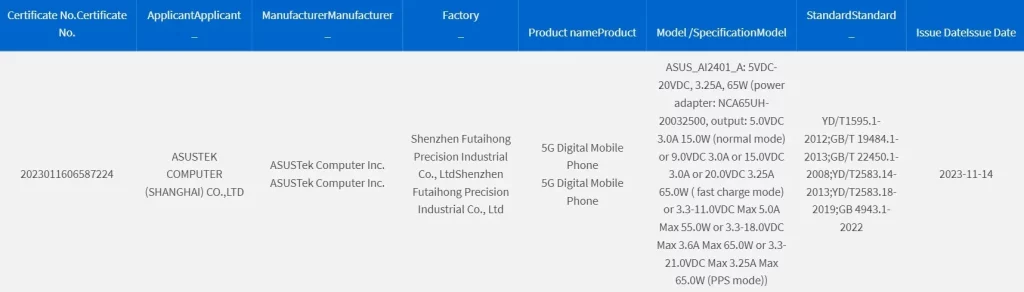
The ASUS ROG Phone 8 Ultimate has been listed on 3C certification with the model number ASUS_AI2401_A. This is the same as the Geekbench listing. The latest 3C certification reveals that the device will support 65W fast charging which is the same as its predecessor. Additionally, the device will also come with 5G connectivity. The listing does not reveal any further information.
The Geekbench database revealed that the ROG Phone 8 Ultimate will be equipped with Snapdragon 8 Gen 3 SoC which is already confirmed now. It will come with 16GB RAM and we can expect more variants at launch. The gaming smartphone will ship with Android 14 OS out of the box. The ROG Phone 8 Ultimate scores 2,213 and 7,048 points in Geekbench’s single-core and multi-core test results.
The rest of the information about the ROG Phone 8 Ultimate remains a mystery. We can expect more details to surface in the coming weeks.
Tesla continues to expand its product lineup. While the company prepares for Cybertruck deliveries starting on November 30th, it is also reintroducing its first and only product designed for children, and this time without the risk of causing harm. The mini-ATV, Tesla Cyberquad, priced at $1,900, is now available on the company’s online store. Here are the details…
Tesla Cyberquad for Kids is Back on Sale With Safety Upgrades
Children’s safety is a major concern to every parent, but their happiness is equally important. This often leads parents to shower their children with gifts. However, these gifts can sometimes pose certain risks, as seen with the $1,900 Tesla Cybertruck mini ATV. Upon its release, the vehicle drew criticism from the Consumer Product Safety Commission in the United States. The CPSC cited concerns about the vehicle’s mechanical suspension quality, maximum tire pressure, and the lack of adequate safety information for young drivers.
However, Elon Musk was reluctant to part with this vehicle that garnered intense interest from parents. Consequently, he re-released the product with minor modifications under the code Model 915. Initially, the company increased the use of metal in the overall structure of the vehicle, thereby enhancing its durability. Additionally, the Tesla Cyberquad, previously stated to be suitable for the 8-12 age group, had its age suitability revised to 9-12.
Additionally, extra warnings related to the vehicle have been added to the Cyberquad for young drivers. Tire pressure alerts and suspension enhancements are also included in this revised version. Of course, it’s still a vehicle designed for children, equipped with a 500-watt motor and a maximum speed of no more than 16 kilometers per hour. When fully charged, the vehicle lasts approximately five hours and can cover a distance of 24 kilometers. For those of you aged 12 and older who are hoping for a regular version, there’s good news! The Tesla Cyberquad will soon be available with a special version for adults. Hopefully, it will be as “safe” as the second version designed for children.
Apple introduced the iPhone 15 Series on the 12th of September 2023, at the Apple Event held in California. Obviously, the iPhone 15 Series was a big leap by the brand. However, back on the 15th of November, various local media sites reported that the Weibo hashtag “Apple Fails, Netizens Demand Refund” trended on the internet.
Apple Fails, Customer Demand Refund
In the final two hours of the Double 11 promotion, the price of the iPhone 15 Series at Apple shops was reduced by an additional 200–300 yuan. Netizens who bought the device earlier during the sale felt that Apple had deceived them and sought a refund.
After a big controversy, the final statement says that since this is not a misleading promotion, price protection rules won’t really apply in this case. Later, Apple customer care in China clarified that the platform’s coupons, not a real shop discount, were the reason for the price drop. So the usual price protection policies won’t be applicable.
During this year’s Double 11 sale, Chinese shoppers swarmed to the e-commerce platform, purchasing discounted items. Customers were more prudent and knowledgeable about potential purchases, seeking maximum value with every purchase. Over 60 brands surpassed 1 billion yuan, and nearly 20,000 brands saw their turnover increase threefold year-on-year.
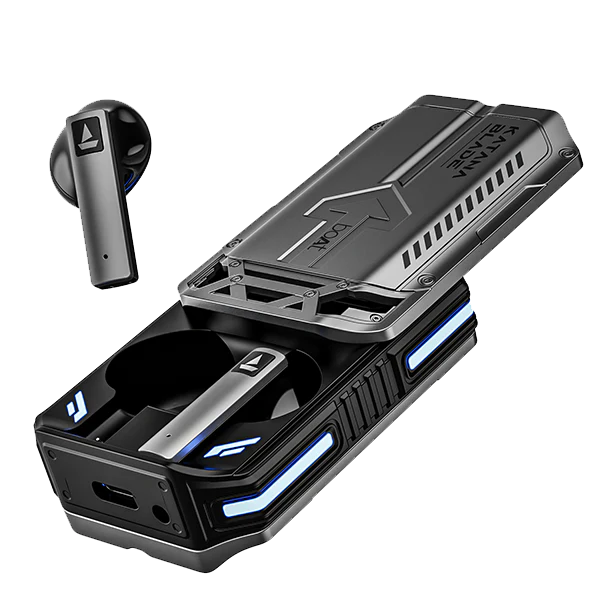
As per last month’s Counterpoint Research’s report, boAt outshined industry veterans in the TWS earphones segment in the first half of 2023. Now, the homegrown brand boAt has launched a new TWS earphone in India. It is called the boAt Immortal Katana Blade. The USP of the latest audio device is that it features a unique case design making it appealing to gaming enthusiasts. Read on to know what the TWS earphone offers out of the box.
boAt Immortal Katana Blade specifications and features
The boAt Immortal Katana Blade are in-ear earbuds with a stem and lack silicone ear tips. The most notable highlight of the TWS earphone is that it comes in a unique rectangular case with a metal chassis. Users need to slide the case to open it and it also produces a sound with its built-in speakers. Additionally, the case also has RGB light strips on two sides. The earbuds are IPX4-rated splash and sweat-resistant.
On the audio front, the boAt Immortal Katana Blade is equipped with 13mm dynamic drivers along with the brand’s signature sound for an immersive audio experience. There is a 50ms low latency mode for gaming purposes. The TWS earphones are backed by a 500mAh battery unit with each earbud having a 35mAh cell. They are claimed to offer a playback time of up to 50 hours. There is also support for fast charging via USB-C port. The earbuds can be instantly connected when the case is opened.
The boAt Immortal Katana Blade is priced at Rs 2,299 and is offered in Gunmetal Black and Gray colors. It will be available for purchase from the brand’s website, Amazon, and Flipkart starting November 30.
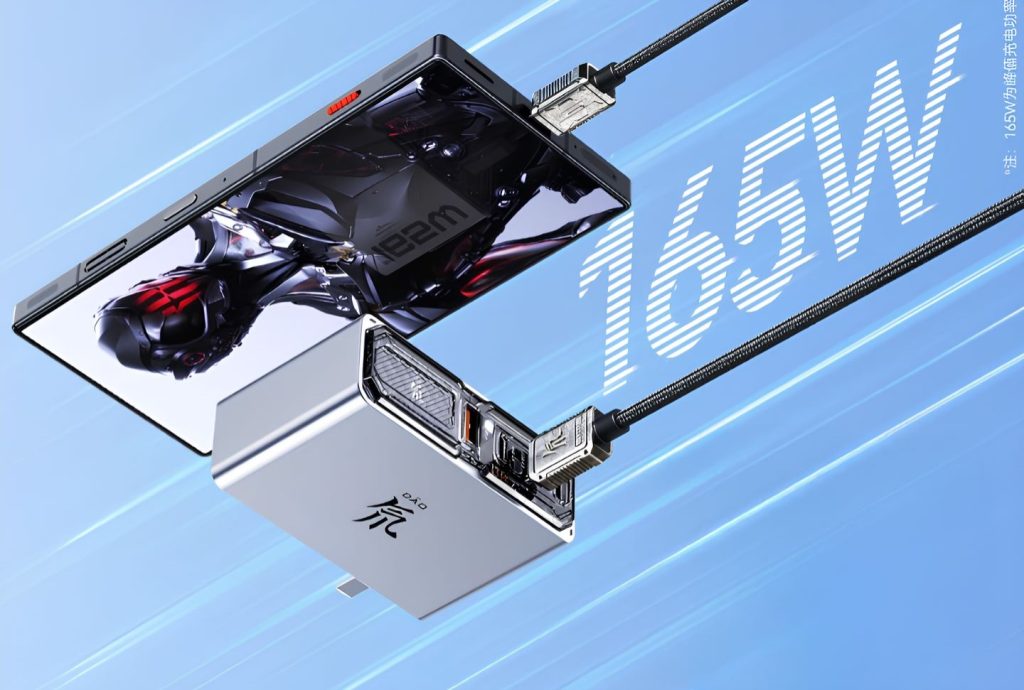
Nubia has recently introduced its Red Magic 165W four-port transparent exploration version GaN charger, revolutionizing the world of fast charging. Priced at 349 yuan, it promises a slew of advantages that set it apart from the competition.
165W for your Red Magic device, 20% power efficient that it’s predecessor
At the heart of this innovation is the fifth-generation GaN charger technology embedded within the charger. Nubia claims that this technology reduces heat by an impressive 17%, slashes energy consumption by 20%, and enhances response speed by 19%. Specifically designed for Red Devil mobile phones, the charger supports an astounding 165W fast charging capability, ensuring lightning-fast replenishment.
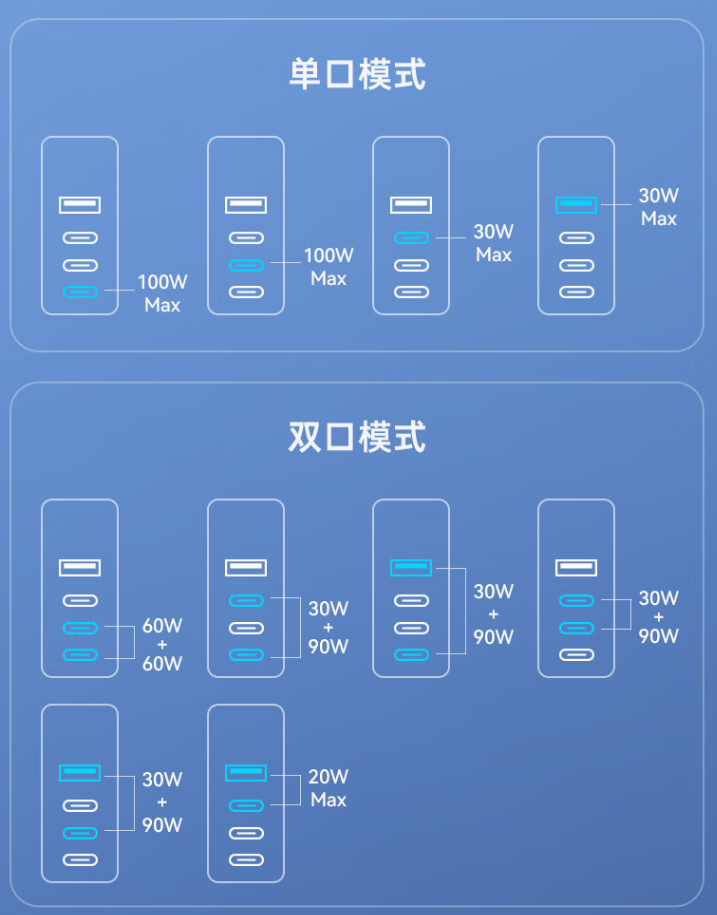
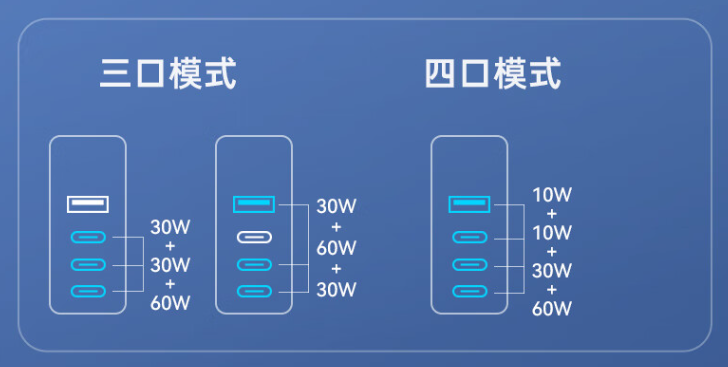
The charger’s design boasts three Type-C ports and one USB-A port, providing a power output of up to 100W for the C port and 120W for dual or triple ports. This means users can simultaneously fast-charge two laptops, making it a versatile solution for those with multiple devices. The power output combination of the ports are shown below.
Nubia’s proprietary NeoCharger3.0 fast charging technology is at the core of this charger, supporting mainstream fast charging protocols such as PD3.0, PD2.0, PPS, QC3.0, QC2.0, FCP, SCP, AFC, PE, and APPLE2.4/BC1.2. It also supports 165W charging for capable Red Magic devices.
The charger’s thoughtful design includes 90° folding pins, measuring 87x58x31mm and weighing 240g, ensuring both compactness and portability. Additionally, it comes with a 6A cable for added convenience.
Nubia’s commitment to compatibility is evident in the charger’s support for a USB-C output interface, sparking curiosity about its potential to charge laptops and other devices seamlessly. The included data cable, adhering to the classic Red Magic brand color scheme, supports 9A charging.
In compatibility testing, the Nubia 165W GaN charger demonstrated excellent charging performance for various devices. From the Red Magic 7 Pro to iPads and MacBook Pro 16, the charger showcased its prowess, providing ample power for diverse gadgets.
With the promise of 135W fast charging for smartphones and 65W PD fast charging, the Nubia 165W GaN charger emerges as a versatile and efficient charging solution.
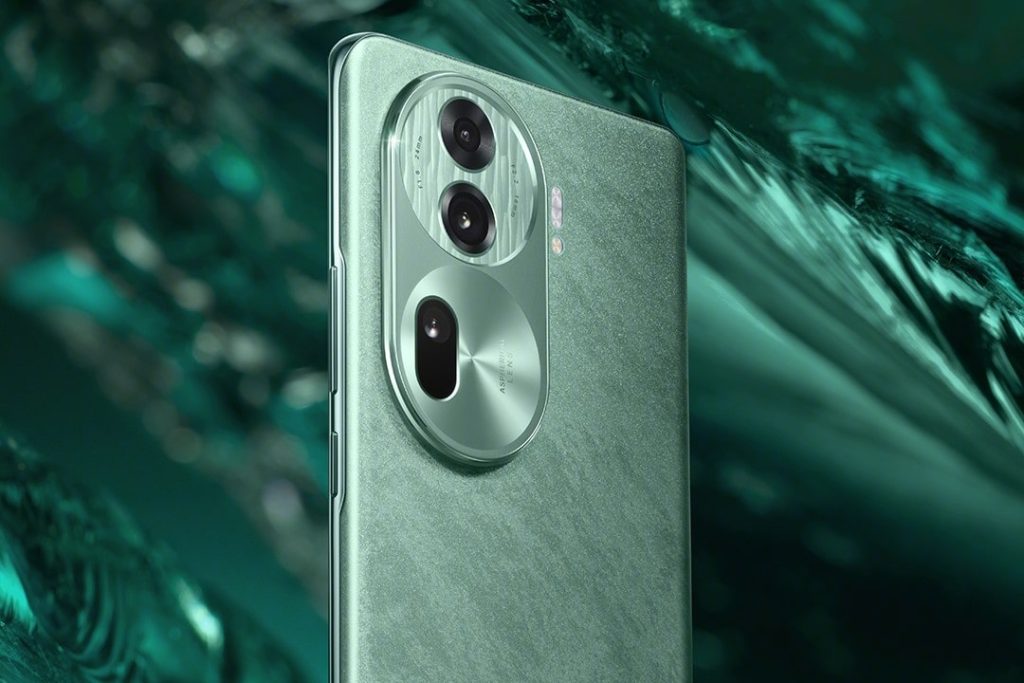
As expected, Oppo revealed the launch date for the Reno 11 series earlier today. However, the smartphones went up for reservations yesterday itself.
Within a day, the devices are already popular among consumers. A huge number of people have reserved the phones. Let’s go through the details.
Oppo Reno 11 Pro
More than three hours ago, MyDrivers reported that over 82,000 people have reserved the Oppo Reno 11 series across Oppo Mall and JD.
The number stood at over 52,000 for the former and close to 32,000 for the latter. The total count has breached 100,000 now.
Since JD.com requires login to check the latest figure, we couldn’t get the data. However, on Oppo Mall, the number stands at nearly 68,000 as of writing this article.
It is worth noting that these handsets are also available for reservations on TMall and Pinduoduo. We don’t have data for these platforms
Thus, the actual reservation figure could be way more than 100,000. The popularity of these products is attributed to its ambassador Chinese actor Zhu Yilong.
According to leaks, the Oppo Reno 11 series will comprise vanilla and pro models. They will be powered by MediaTek Dimensity 8200 and Qualcomm Snapdragon 8 Plus Gen 1 chipsets, respectively.
They will arrive with a 32MP selfie camera, an 8MP Sony IMX355 ultrawide unit, and a 32MP Sony IMX709 2x telephoto shooter. But their primary cameras will be different. The pro model will be equipped with a 50MP Sony IMX890 sensor compared to a Sony LYT-600 sensor on the latter.
The duo will boot ColorOS 14 but their charging speeds will be different. The Reno 11 will charge slightly slower at 67W as opposed to 80W charging capability on the Reno 11 Pro.
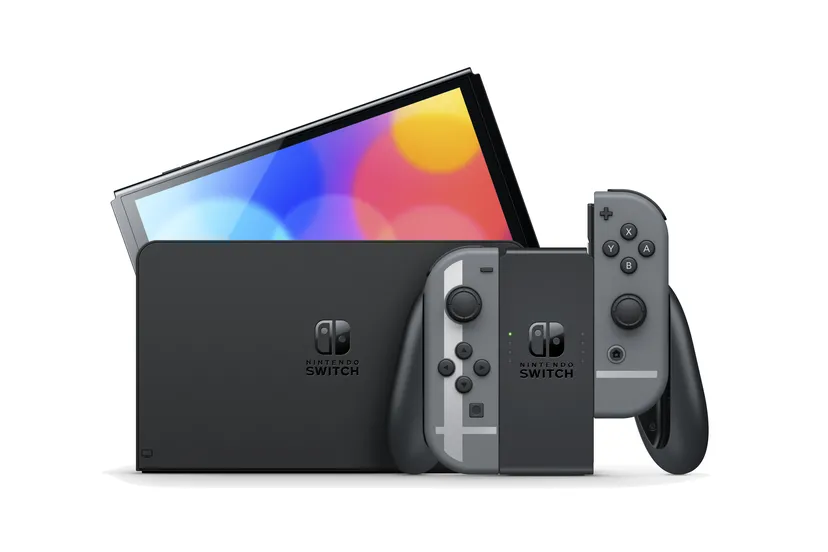
Hogwarts Legacy was released across the globe back in February 2023. The game is set in the popular fantasy universe of the Harry Potter franchise and was initially launched for the PC and console platforms. Now, the title has finally been rolling out for the Nintendo Switch.
Hogwarts Legacy Nintendo Switch Release
For those unaware, Hogwarts Legacy was intended to launch on the Switch handheld gaming console earlier, but it faced a delay. The game was first released on the PC, PS5, Xbox Series X, and Series S in February, while the PS4 and Xbox One release followed in May. The Switch port was initially scheduled for July but was postponed to November.
According to the developers, Hogwarts Legacy was optimized to offer gamers the “best possible experience”. The game running on this portable console is quite a task considering the Switch’s hardware. This means that there would likely be compromises with visual fidelity like lowered resolution and texture quality to maintain a playable framerate during intense gameplay. The Hogwarts Legacy is set around 100 years before the Harry Potter series and allows players to create their very own wizarding character.
So expect to learn and use various magic spells to get ahead in class and also in combat. Hogwarts Legacy is currently available for purchase on the Nintendo Store for a 60 US Dollars price tag. Meanwhile, the Digital Deluxe Edition offers a Dark Arts Pack, Dark Arts cosmetics, and a new battle arena that will cost 70 US Dollars.
The future generation of Apple iPhones may soon offer improved battery life. Samsung Display is apparently planning on using new materials on its OLED panels, which should make the screens more energy efficient. So here are all the details.
Apple iPhones may last for longer soon
According to a new report from The Elec, Samsung Display plans to include blue phosphorescent material in its OLED displays. This new material will basically reduce the power consumption of the panels, so next generation iPhones could have a longer battery life. Unfortunately, this new screen might not be featured on devices until 2026. In other words, the new display technology shouldn’t be featured till the iPhone 18 lineup.
For those unaware, The red and green phosphorescent materials in OLED panels have a 100 percent internal luminous efficiency. However, blue has fluorescent materials that have an efficiency of just 25 percent. So switching it with phosphorescent material could help lower the power usage of the new OLED screens. Samsung is currently at work in creating this blue phosphorescent material.
Notably, the new materials under development by Samsung has a lifespan of around 55 percent of the lifespan of the blue fluorescent material that was employed on the M11 OLED material. This is the same screen featured on the iPhone 13 series. This means that the technology is still not ready, with UBI analyst Yoon noting that development “does not seem to be going smoothly”. Keep in mind that this is still just an unconfirmed report, so take this news with a pinch of salt.
We use cookies on our website to give you the most relevant experience by remembering your preferences and repeat visits. By clicking “Accept”, you consent to the use of ALL the cookies.
This website uses cookies to improve your experience while you navigate through the website. Out of these, the cookies that are categorized as necessary are stored on your browser as they are essential for the working of basic functionalities of the website. We also use third-party cookies that help us analyze and understand how you use this website. These cookies will be stored in your browser only with your consent. You also have the option to opt-out of these cookies. But opting out of some of these cookies may affect your browsing experience.
Necessary cookies are absolutely essential for the website to function properly. This category only includes cookies that ensures basic functionalities and security features of the website. These cookies do not store any personal information.
Any cookies that may not be particularly necessary for the website to function and is used specifically to collect user personal data via analytics, ads, other embedded contents are termed as non-necessary cookies. It is mandatory to procure user consent prior to running these cookies on your website.