Motorola Edge 70 Pro and Samsung Galaxy A57 target two very different types of buyers in the premium mid-range segment. Motorola focuses on delivering aggressive hardware with a faster display, bigger battery, and more versatile cameras, while Samsung emphasizes polished software, premium build quality, and longer update support. Both phones bring flagship-like features at lower prices, but their priorities make this comparison far more interesting than a simple specs battle.
Major Features:
Feature
Motorola Edge 70 Pro
Samsung Galaxy A57
Winner
Display
6.78-inch AMOLED, 144Hz, 1272p, 5200 nits
6.7-inch Super AMOLED+, 120Hz, FHD+, 1900 nits
Motorola – Sharper, brighter, and smoother
Build
Gorilla Glass 7i, eco leather back, IP69
Gorilla Glass Victus+, aluminum frame, IP68
Samsung – More premium materials
Processor
Dimensity 8500 Extreme
Exynos 1680
Motorola – Faster overall performance
GPU
Mali-G720 MC8
Xclipse 550
Motorola – Better gaming capability
Storage Type
UFS 4.1
UFS 3.1
Motorola – Faster storage speeds
RAM & Storage
Up to 12GB + 512GB
Up to 12GB + 512GB
Tie – Similar configurations
Software Support
3 Android upgrades
6 Android upgrades
Samsung – Longer software support
Main Camera
50MP OIS
50MP OIS
Tie – Similar primary camera quality
Telephoto Camera
50MP periscope, 3.5x zoom
No telephoto
Motorola – Superior zoom photography
Ultrawide Camera
50MP ultrawide
12MP ultrawide
Motorola – Better detail and versatility
Selfie Camera
50MP AF
12MP
Motorola – Sharper selfies with autofocus
Video Recording
4K 120fps rear
4K 30fps rear
Motorola – More advanced video features
Battery
6500mAh
5000mAh
Motorola – Larger battery capacity
Charging
90W wired, wireless charging
45W wired
Motorola – Faster and more versatile charging
Wireless Charging
Yes
No
Motorola – Extra flagship-level feature
Audio
Stereo speakers, Dolby Atmos, Hi-Res Audio
Stereo speakers
Motorola – Richer audio experience
Connectivity
Wi-Fi 7, Bluetooth 5.4
Wi-Fi 6E, Bluetooth 6.0
Motorola – Better Wi-Fi support
Durability
IP68/IP69 + MIL-STD-810H
IP68
Motorola – Stronger protection
Starting Price
~$400 / ₹39,000
~$550 / ₹57,000
Motorola – Better value for money
Overall Winner
—
—
Motorola – Better specs, cameras, battery, and pricing
Disclaimer: Specs are based on available data. Actual performance may vary. Verify details from official sources before buying.
The Motorola Edge 70 Pro focuses on a sleek yet practical design with its eco-leather finish and curved AMOLED panel. The texture gives the phone a more comfortable grip and a slightly more premium in-hand feel despite the plastic frame. Samsung takes a different route with the Galaxy A57 by using Gorilla Glass Victus+ on both the front and back, along with an aluminum frame, making it feel more flagship-inspired. Both devices offer IP68 protection, but Motorola adds IP69 resistance and MIL-STD-810H certification, which gives it a more rugged personality for long-term use.
Display Quality
Motorola clearly pushes display hardware harder with a 144Hz AMOLED panel, higher resolution, and an impressive 5200 nits peak brightness. Animations feel smoother, gaming appears more responsive, and HDR content looks richer. Samsung’s Super AMOLED+ display is still excellent with strong color tuning and HDR10+ support, but the 120Hz refresh rate and lower resolution make it feel slightly less premium beside Motorola’s panel. Samsung’s display tuning remains more natural for streaming and social media consumption.
Verdict
The Galaxy A57 feels more refined in materials, but the Edge 70 Pro delivers the more exciting overall multimedia experience. Motorola’s brighter and sharper display gives it the edge for gaming and entertainment lovers.
2. Specifications Including Battery
Performance
The Motorola Edge 70 Pro gains a major advantage from the Dimensity 8500 Extreme chipset paired with UFS 4.1 storage. App launches feel quicker, gaming performance remains more stable, and multitasking is noticeably smoother during heavier workloads. Samsung’s Exynos 1680 is efficient and optimized well for One UI, but it does not match Motorola in raw speed or GPU performance. The Galaxy A57 compensates with a stronger software commitment, offering up to six major Android upgrades compared to Motorola’s three. That longer support cycle makes Samsung a safer long-term choice for users who prioritize stability and updates.
Battery and Charging
Motorola dominates battery hardware with a massive 6500mAh silicon-carbon battery and 90W charging support. The addition of wireless and reverse wireless charging also adds flagship-level flexibility rarely seen in this segment. Samsung’s 5000mAh battery is dependable for daily use, but 45W charging feels conservative at this price point. Motorola simply feels more future-ready for heavy users.
Verdict
The Edge 70 Pro is the stronger performance and battery package by a clear margin. Samsung’s software longevity is attractive, but Motorola offers more power, faster storage, and significantly better charging technology.
3. Camera
Main and Secondary Lenses
Motorola equips the Edge 70 Pro with one of the more versatile camera systems in its category. The triple 50MP setup includes a periscope telephoto lens with 3.5x optical zoom alongside a high-resolution ultrawide camera, giving users far more flexibility for portraits and long-range photography. The camera tuning also benefits from Pantone color validation, helping images look vibrant without becoming overly saturated. Samsung’s Galaxy A57 keeps things simpler with a reliable 50MP main sensor, a decent ultrawide camera, and a macro lens that adds limited real-world value. Daylight shots from Samsung are clean and social-media friendly, but the lack of a telephoto lens makes the setup feel less ambitious.
Selfie Camera
Motorola again takes the lead with a 50MP autofocus selfie camera capable of detailed 4K recording. Samsung’s 12MP front camera delivers natural skin tones and strong HDR handling, though it lacks the sharpness and flexibility of Motorola’s sensor.
Verdict
The Edge 70 Pro offers a more complete camera experience. Samsung delivers consistency, but Motorola feels far more versatile and premium for photography enthusiasts.
4. Pricing
The Motorola Edge 70 Pro is priced at around $400 or ₹39,000, while the Samsung Galaxy A57 sits much higher at roughly $550 or ₹57,000. That price difference immediately changes how both devices are viewed. Motorola enters the market as a value-focused performance flagship, while Samsung positions the A57 closer to a premium mid-range device built around software support and brand trust. For many buyers, the hardware gap does not justify Samsung’s significantly higher pricing.
Motorola offers a sharper display, a larger battery, faster charging, stronger gaming performance, and a more capable camera setup at a noticeably lower cost. Samsung’s higher price mainly reflects its polished software experience, longer update cycle, and premium materials. Those advantages matter, but they may appeal more to users planning to keep a phone for four to five years.
Verdict
The Edge 70 Pro delivers substantially better value for the money. Samsung offers long-term reliability, but Motorola provides more hardware for far less cash.
Disclaimer: Prices are approximate and may vary based on country, region, launch timing, and applicable taxes. Always check whether the listed price is for a China unit or a global/international variant when purchasing.
5. Conclusion
The Motorola Edge 70 Pro stands out with features rarely seen at this price, including a 144Hz AMOLED display, periscope zoom camera, 90W charging, wireless charging support, and a huge silicon-carbon battery. It feels designed for users who want flagship-like hardware without crossing premium pricing territory. Samsung’s Galaxy A57 takes a more balanced approach by focusing on polished software, longer Android support, and a refined premium design. One UI continues to be one of the most user-friendly Android experiences, especially for productivity and ecosystem integration.
Motorola feels more exciting from a hardware perspective, while Samsung feels safer and more dependable for long-term ownership. The choice ultimately depends on whether cutting-edge specifications or long software support matters more in daily use.
Verdict
The Motorola Edge 70 Pro is the stronger overall smartphone for most buyers because of its superior value, performance, display, and camera versatility. The Galaxy A57 remains a solid option for users prioritizing software longevity and Samsung’s ecosystem experience.
Disclaimer: This comparison is based on the specifications provided and is intended for general informational purposes. Actual performance, camera results, battery life, and overall experience may vary depending on real-world usage, software updates, and individual preferences.
Motorola has quietly launched the new Moto Tag 2 in parts of Europe. At first glance, the tracker looks fairly simple. It’s a compact tracker designed for attaching to things like keys, bags, wallets, or luggage, and it connects through Google’s Find Hub network on Android devices.
But the more interesting upgrades are happening underneath. The Moto Tag 2 supports Ultra-Wideband (UWB) alongside Bluetooth 6.0 and Bluetooth Channel Sounding, which allows for much more accurate nearby positioning compared to regular Bluetooth trackers.
In practice, that means your phone can guide you toward the lost item with directional indicators and more precise distance measurements instead of just vaguely telling you it’s “nearby.” That’s especially useful indoors, where traditional Bluetooth trackers can sometimes feel frustratingly imprecise.
Motorola claims the tracker can last up to 600 days using a standard replaceable CR2032 battery. This is a major upgrade over the “one-year battery” of the first-generation Moto Tag. The Moto Tag 2 is also rated IP68 for dust and water resistance, so it should survive rain, spills, and general everyday abuse without much trouble.
Design-wise, Motorola has kept things fairly minimal. The tracker is slim enough to fit inside wallets or luggage compartments and comes in green and orange color options instead of the usual plain white or black approach most trackers use.
There are a couple of smaller convenience features too. The built-in button can apparently be used to ring your connected phone or even trigger the camera shutter remotely. Motorola is also leaning on Google’s encrypted Find Hub ecosystem for privacy and secure location sharing.
Overall, the Moto Tag 2 feels like Motorola trying to make a more capable Android alternative to Apple’s AirTag without overcomplicating the product. And honestly, UWB support alone already gives it a pretty noticeable advantage over many cheaper Bluetooth trackers still relying entirely on signal strength estimation.
Pricing and availability:
The Moto Tag 2 is currently available in markets like the UK and Germany, priced at around £29.99 and €40 respectively. So far, the rollout seems limited to parts of Europe, though broader availability will likely follow later on.
Motorola Edge 70 Pro and OnePlus Nord 6 take two very different approaches to the premium mid-range market. One focuses on flagship-style cameras and premium features, while the other pushes raw performance and massive battery life. With both phones priced similarly, this comparison breaks down which one actually delivers the better overall value.
The Motorola Edge 70 Pro and OnePlus Nord 6 both aim at premium mid-range buyers, but their designs appeal to different audiences. Motorola focuses more on elegance and comfort with its eco-leather finish, curved styling, and slimmer overall profile. The phone feels cleaner and more refined in daily use, especially with the soft-touch rear panel that gives it a flagship-like character. The Nord 6, in comparison, adopts a more aggressive and performance-oriented look with a glass back and a bolder frame design. Both devices offer IP68/IP69 protection along with MIL-STD-810H certification, making durability a strong point on either side.
Display Quality
Both smartphones feature sharp AMOLED displays with 1B colors and identical resolution, but the tuning differs noticeably. The Nord 6 pushes a faster 165Hz refresh rate, giving animations and gaming a smoother appearance. Meanwhile, the Edge 70 Pro counters with higher peak brightness and stronger HDR optimization, making streaming and outdoor visibility more impressive. Motorola’s display feels more cinematic and balanced for multimedia, while OnePlus leans heavily toward responsiveness and gaming fluidity.
Verdict
The Edge 70 Pro feels more premium and polished overall, while the Nord 6 is better suited for users who prioritize ultra-smooth visuals and gaming-focused display performance.
2. Specifications Including Battery
Performance
The OnePlus Nord 6 clearly targets enthusiasts with the Snapdragon 8s Gen 4 chipset and Adreno 825 GPU. Gaming performance, multitasking, and sustained thermal management are stronger here, especially during heavier workloads. OxygenOS also keeps the software experience extremely fluid and responsive. The Motorola Edge 70 Pro, powered by the Dimensity 8500 Extreme, still delivers excellent day-to-day performance and reliable gaming capability, but its approach feels more balanced rather than aggressively performance-focused. Motorola’s near-stock Android experience also gives the device a lighter and cleaner feel in regular usage.
Battery and Charging
Battery capacity heavily favors the Nord 6. The global version carries a massive 7500mAh battery, while the Indian model stretches all the way to 9000mAh, giving it exceptional endurance for gaming and media consumption. However, Motorola answers with faster 90W charging, wireless charging support, and reverse wireless charging, features rarely available in this segment. The Edge 70 Pro feels more complete in terms of convenience, while the Nord 6 focuses purely on long-lasting power.
Verdict
The Nord 6 wins for raw performance and battery endurance, but the Edge 70 Pro offers a more balanced flagship-style experience with better premium hardware features.
3. Camera
Main and Secondary Lenses
Motorola takes a major lead in camera versatility with its triple-camera setup. The Edge 70 Pro includes a 50MP main sensor, a 50MP ultrawide camera, and a 50MP periscope telephoto lens with 3.5x optical zoom. This combination delivers far more flexibility for photography enthusiasts, especially for portraits and zoom shots. The Nord 6 uses a simpler dual-camera system with a 50MP primary sensor and an 8MP ultrawide lens. While the main camera performs well in daylight and social media photography, the secondary sensor feels less impressive for this price segment.
Selfie Camera
The Edge 70 Pro also pushes ahead with a sharper 50MP autofocus selfie camera capable of 4K recording. The Nord 6 still produces respectable selfies through its 32MP front camera, but detail retention and focus consistency are noticeably stronger on Motorola’s device. Motorola’s image processing also tends to look more natural and balanced without excessive sharpening.
Verdict
The Edge 70 Pro is clearly the stronger camera smartphone overall. Its periscope zoom lens and higher-quality secondary cameras give it a more flagship-like photography experience.
4. Pricing
Both the Motorola Edge 70 Pro and OnePlus Nord 6 are priced around $400 or roughly ₹39,000, placing them directly against each other in the premium mid-range category. At this price, the competition becomes extremely close because both phones prioritize different strengths. The Nord 6 focuses heavily on performance, battery capacity, and gaming-oriented hardware. Buyers who want maximum endurance and stronger sustained gaming performance will likely find better value in OnePlus’ approach.
The Edge 70 Pro, however, feels like a more complete premium smartphone package. Wireless charging, reverse wireless charging, a dedicated periscope telephoto camera, and a more premium eco-leather finish help it stand out from typical mid-range competitors. These additions give Motorola a stronger flagship-like identity, especially for multimedia and photography-focused users. The decision ultimately depends on whether raw power or overall versatility matters more.
Verdict
The Nord 6 delivers stronger value for gamers and power users, while the Edge 70 Pro feels like the better all-around premium smartphone for the same money.
Disclaimer: Prices are approximate and may vary based on country, region, launch timing, and applicable taxes. Always check whether the listed price is for a China unit or a global/international variant when purchasing.
5. Conclusion
The Motorola Edge 70 Pro stands out because it combines premium extras rarely seen in this segment. Wireless charging, reverse wireless charging, a periscope zoom camera, Pantone-validated imaging, and a cleaner, premium design help it feel more refined and feature-rich. It targets users who want a flagship-style experience without stepping into ultra-premium pricing territory.
The OnePlus Nord 6 takes a completely different route by focusing on raw hardware power. The Snapdragon 8s Gen 4 chipset, huge battery capacity, bypass charging support, and 165Hz AMOLED display make it one of the most performance-oriented phones in its category. It feels specifically designed for gamers and heavy users who prioritize endurance and speed above everything else. OxygenOS also continues to appeal to users who prefer a fast and responsive software experience.
Verdict
The Motorola Edge 70 Pro is the better-balanced smartphone overall, especially for cameras, multimedia, and premium features. The OnePlus Nord 6 is the stronger choice for gaming, battery life, and long-term performance-heavy usage.
Disclaimer: This comparison is based on the specifications provided and is intended for general informational purposes. Actual performance, camera results, battery life, and overall experience may vary depending on real-world usage, software updates, and individual preferences.
Xiaomi has started teasing the upcoming Xiaomi 17 Max in China. Fresh teasers released by the brand suggest that it will also unveil a couple of other products alongside the flagship phone. These include a new fitness tracker and a few audio products.
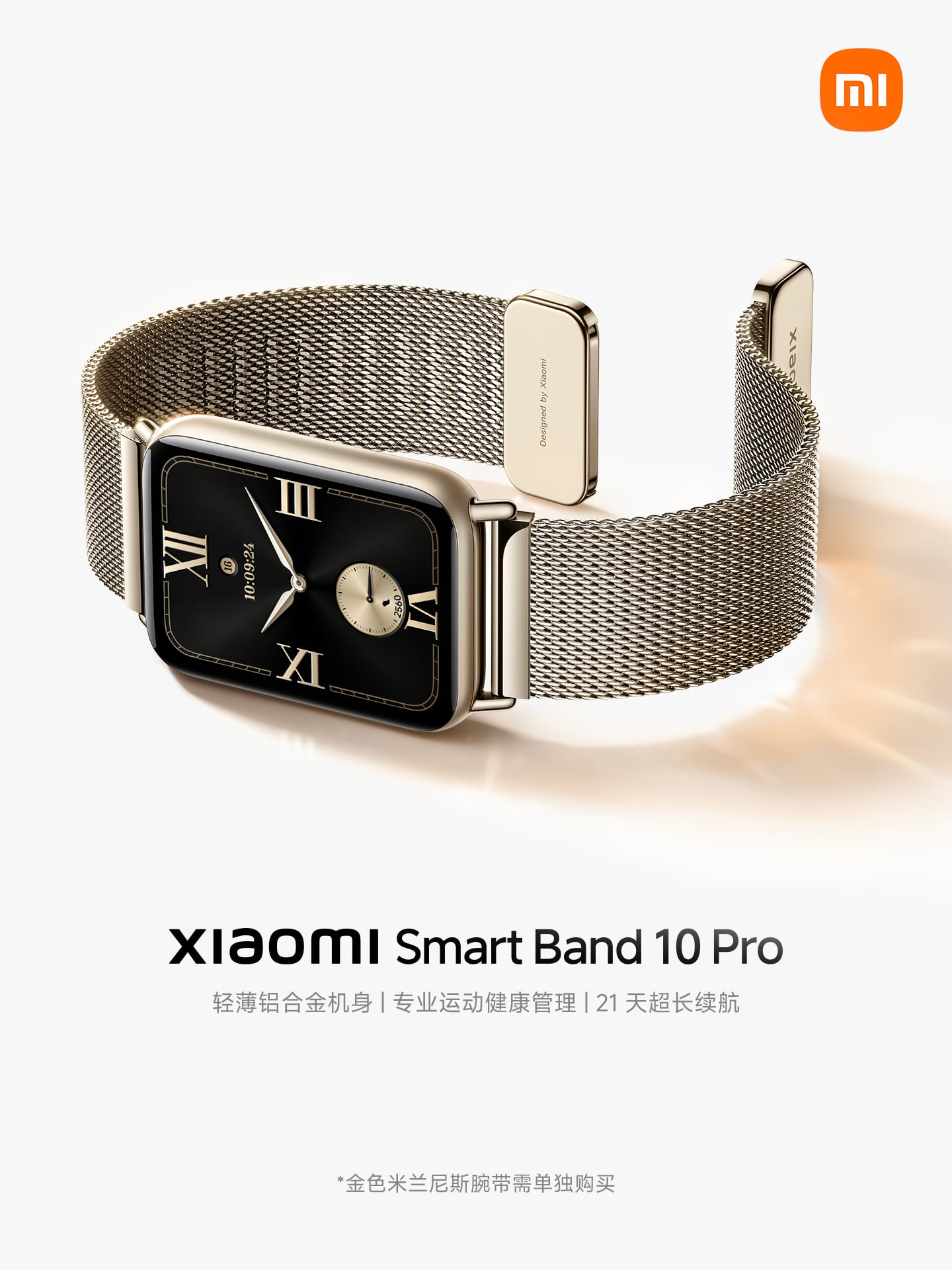
Xiaomi Smart Band 10 Pro incoming
Xiaomi Smart Band 10 Pro teaserXiaomi’s first-ever clip-on earbuds teased
The latest teaser confirms that the upcoming Xiaomi Smart Band 10 Pro will debut soon, likely alongside the Xiaomi 17 Max. The teaser highlights an upgraded, slim, and lightweight design.
The device measures just 9.7mm in thickness and weighs 21.6 grams. It also features an aluminium alloy body paired with a gently curved display.
Recently, the Smart Band 10 Pro was spotted on a Brazilian retailer platform in black, silver, and pink colour options. Reports suggest that the Chinese version may also arrive in additional variants, including white, orange, and a white ceramic edition.
The retailer listing revealed that the Xiaomi Smart Band 10 Pro features a 1.74-inch AMOLED display and a 380mAh battery that may deliver up to 25 days of battery life. In Brazil, the device is expected to be priced between $150 and $170. The Smart Band 10 Pro will reportedly sit above the existing Xiaomi Smart Band 10, which debuted in June last year.
Apart from the Smart Band 10 Pro, Xiaomi has also teased a new pair of earbuds, hinting at the launch of the company’s first clip-on style audio product. However, the company has yet to confirm the official name or specifications of the earbuds. Reports also suggest that a few Redmi-branded audio products may debut at the same launch event, the date of which is yet to be announced.
For more daily updates, please visit our News Section.
Reliable tipster Digital Chat Station has seemingly leaked the display sizes of the four devices expected to be part of the upcoming Oppo Find X10 lineup. In the comments section of the same post, the tipster also revealed what appear to be the display sizes of the Vivo X500 series. Here’s a look at what the tipster shared.
Vivo X500 series display sizes tipped
The post suggests that the Vivo X500 series will feature three display size options, including 6.59-inch, 6.37-inch, and 6.85-inch panels.
It appears that the standard Vivo X500 will feature a 6.59-inch display. The X500 Pro may come with a 6.37-inch screen, as the device could be positioned as an alternative to the iPhone 18 Pro, which is also expected to feature a similar display size.
The Vivo X500 Pro Max may feature a 6.85-inch display. Reports suggest that the Vivo X500 Ultra could debut in the first half of 2027 and may feature the same display size as the X500 Pro Max.
Digital Chat Station claimed in another Weibo post that only the large-screen variant in Vivo’s next-generation 2nm flagship series is currently testing a 200-megapixel periscope telephoto camera. In other words, only the X500 Pro Max may feature the said camera, while the other variants could arrive with a 50-megapixel periscope telephoto camera.
The tipster further claims that the prototype device is equipped with a 50-megapixel primary camera featuring a large 1/1.28-inch sensor and LOFIC technology for improved dynamic range and light capture. In addition, Vivo is reportedly considering an upgraded 50-megapixel ultra-wide camera for the lineup.
In related news, a recent report revealed that the lineup may also include a device named the Vivo X500e. However, the technical details of this device remain unknown, and it is unclear whether it will launch in the Chinese market, where the lineup is expected to debut in September.
For more daily updates, please visit our News Section.
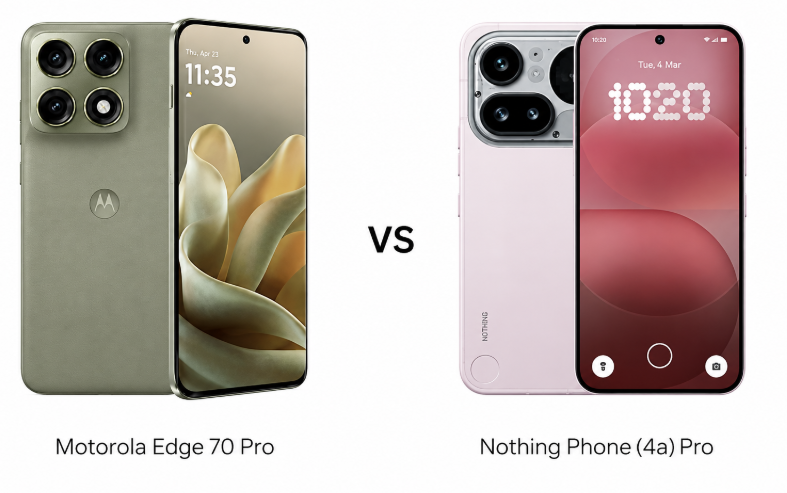
Motorola Edge 70 Pro and Nothing Phone (4a) Pro target the same premium mid-range audience, but they approach the experience very differently. Motorola focuses on raw hardware value with a massive battery, flagship-style cameras, and faster performance, while Nothing leans into bold design, software polish, and visual identity. Both promise high-end features without entering true flagship pricing, making this one of the most interesting smartphone comparisons in the segment right now.
Major Features:
Feature
Motorola Edge 70 Pro
Nothing Phone (4a) Pro
Winner
Display
6.78-inch AMOLED, 144Hz, 5200 nits peak
6.83-inch AMOLED, 144Hz, 5000 nits peak
Motorola – Brighter outdoor visibility
Protection
Gorilla Glass 7i, IP68/IP69
Gorilla Glass 7i, IP65
Motorola – Better durability and water resistance
Build
Eco leather back, plastic frame
Aluminum unibody design
Nothing – More premium in-hand feel
Chipset
Dimensity 8500 Extreme
Snapdragon 7 Gen 4
Motorola – Higher performance tier
Storage Type
UFS 4.1
UFS 3.1
Motorola – Faster app and file speeds
RAM & Storage
Up to 12GB + 512GB
Up to 12GB + 256GB
Motorola – Higher storage option
Main Camera
50MP OIS
50MP OIS
Tie – Similar flagship-grade main sensors
Telephoto Camera
50MP periscope, 3.5x zoom
50MP periscope, 3.5x zoom
Tie – Comparable zoom hardware
Ultrawide Camera
50MP ultrawide
8MP ultrawide
Motorola – Much stronger secondary camera
Selfie Camera
50MP AF, 4K video
32MP, 1080p video
Motorola – Better detail and video support
Rear Video
4K up to 120fps
4K up to 30fps
Motorola – More advanced video recording
Battery
6500mAh
5080mAh / 5400mAh India
Motorola – Larger capacity
Charging
90W wired, wireless charging
50W wired
Motorola – Faster and more versatile charging
Wireless Charging
15W wireless, reverse wireless
No
Motorola – Extra flagship feature
Audio
Stereo speakers, Hi-Res audio
Stereo speakers
Motorola – Better audio feature set
Connectivity
Wi-Fi 7, Bluetooth 5.4
Wi-Fi 6, Bluetooth 5.4
Motorola – More future-ready connectivity
Software
Android 16, 3 upgrades
Nothing OS 4.1, 3 upgrades
Nothing – Cleaner and more unique UI
Special Features
Smart Connect, MIL-STD durability
Glyph-style LED interface
Nothing – More distinctive experience
Price
₹39,000 / $400
₹40,000 / $500
Motorola – Better hardware value
Disclaimer: Specs are based on available data. Actual performance may vary. Verify details from official sources before buying.
The Motorola Edge 70 Pro and Nothing Phone (4a) Pro take very different approaches to design. Motorola focuses on practicality with its eco-leather finish, slimmer profile, IP68/IP69 protection, and MIL-STD-810H certification. It feels cleaner and easier to grip, while the curved styling gives it a more premium in-hand experience. Nothing, meanwhile, leans heavily into visual identity with its aluminum unibody chassis and signature Glyph-style mini-LED setup on the back. The metal construction feels more flagship-like, though the glossy finish may not appeal to users who prefer understated designs.
Display Quality
Both phones offer 144Hz AMOLED panels with HDR support and excellent sharpness, but the experience differs slightly. Motorola pushes brighter peak brightness levels and delivers stronger outdoor visibility, while Nothing counters with richer HDR tuning and slimmer bezels for a more immersive look. The Nothing display feels more cinematic, whereas Motorola’s panel appears more aggressive and vibrant for gaming and scrolling.
Verdict
Motorola feels more practical and durable for daily use, while Nothing delivers a stronger visual personality. Users who prefer clean usability may gravitate toward Motorola, but Nothing stands out more in a crowd.
2. Specifications Including Battery
Performance
The Motorola Edge 70 Pro clearly targets power users with the Dimensity 8500 Extreme chipset, UFS 4.1 storage, and faster CPU cores. App loading, multitasking, and gaming performance should feel noticeably quicker, especially during sustained workloads. The Nothing Phone (4a) Pro uses the Snapdragon 7 Gen 4 paired with UFS 3.1 storage, which remains efficient and capable for everyday tasks, but it does not reach the same performance tier. Motorola also gains an advantage with Wi-Fi 7 support, making it feel slightly more future-ready.
Battery and Charging
Battery capacity is another major win for Motorola, thanks to its 6500mAh silicon-carbon battery and 90W charging. It also includes wireless and reverse wireless charging, features usually missing in this price segment. Nothing’s 5080mAh global battery and 50W charging are respectable, though less impressive considering the price. Charging speeds remain good, but Motorola simply offers more flexibility and endurance overall.
Verdict
Motorola provides stronger raw hardware value and a more complete battery package. Nothing focuses more on balanced efficiency, but Motorola feels better suited for heavy users and long-term performance needs.
3. Camera
Main and Secondary Lenses
Both phones use a 50MP primary camera with OIS and a 50MP periscope telephoto lens offering 3.5x optical zoom, making this one of the closest camera battles in the segment. Motorola gains an edge with its 50MP ultrawide camera, which should preserve more detail and consistency across focal lengths. Nothing uses an 8MP ultrawide sensor, which feels less competitive beside its otherwise premium setup. Video capabilities also favor Motorola with support for 4K at up to 120fps and HDR10+, while Nothing focuses more on Dolby Vision HDR tuning and cinematic processing.
Selfie Camera
Motorola again appears stronger on paper with a 50MP autofocus selfie camera capable of 4K recording. Nothing’s 32MP front camera is solid for casual use, but the lack of 4K selfie video makes it feel less premium. Motorola’s setup seems more creator-friendly overall.
Verdict
Motorola offers a more versatile and technically complete camera system. Nothing may produce more stylized processing and social-media-friendly colors, but Motorola delivers stronger consistency across all lenses.
4. Pricing
The Motorola Edge 70 Pro is priced at around ₹39,000 ($400), while the Nothing Phone (4a) Pro sits near ₹40,000 ($500). Despite the small gap in India, the hardware difference is surprisingly noticeable. Motorola includes a stronger chipset, a larger battery, faster charging, wireless charging support, a higher-resolution ultrawide camera, and faster storage. On pure specifications alone, it feels aggressively priced for the segment.
Nothing justifies part of its premium through design identity, software polish, and the Glyph-inspired LED experience. The aluminum body and cleaner Nothing OS experience also add emotional appeal that some buyers may value more than benchmark numbers. It feels more lifestyle-oriented, while Motorola is clearly chasing maximum hardware value.
Verdict
Motorola Edge 70 Pro delivers stronger value for money and offers more flagship-grade hardware for the price. Nothing Phone (4a) Pro still appeals to buyers who prioritize unique design and software experience over raw specifications.
Disclaimer: Prices are approximate and may vary based on country, region, launch timing, and applicable taxes. Always check whether the listed price is for a China unit or a global/international variant when purchasing.
5. Conclusion
The Motorola Edge 70 Pro stands out through its performance-focused approach. Features like the Dimensity 8500 Extreme chip, 6500mAh silicon-carbon battery, wireless charging, Wi-Fi 7, and triple 50MP camera setup make it feel unusually complete for its price category. It targets users who want flagship-like hardware without crossing premium pricing territory.
The Nothing Phone (4a) Pro focuses more on identity and software personality. Its Glyph-inspired LED system, aluminum unibody design, and clean Nothing OS experience create a device that feels different from mainstream Android phones. The interface and visual styling give it a more distinctive character, especially for users bored with conventional smartphone designs.
Verdict
Motorola Edge 70 Pro is the stronger all-rounder with better specifications, battery life, charging, and camera versatility. Nothing Phone (4a) Pro succeeds more as a design-first smartphone with a cleaner aesthetic and unique personality.
Buyers focused on value and power will likely prefer Motorola, while Nothing remains appealing for users who prioritize style and software experience.
Disclaimer: This comparison is based on the specifications provided and is intended for general informational purposes. Actual performance, camera results, battery life, and overall experience may vary depending on real-world usage, software updates, and individual preferences.
Xiaomi has introduced a new Mijia shower system in China, and it’s very much in line with the company’s recent approach to smart home products: clean design, practical features, and a surprisingly premium-looking finish without an ultra-premium price tag.
The new Mijia shower head was officially announced today with a retail price of 1,099 yuan (roughly €138 at the current exchange rate), though Xiaomi is initially offering it through crowdfunding for 899 yuan (around €112). The campaign is scheduled to begin next week.
One of the biggest highlights is the built-in storage area. Xiaomi has integrated a large 370mm tempered glass shelf directly into the shower system, giving users a place to store bottles and bathroom essentials without needing separate wall-mounted racks. The main overhead shower itself is also fairly large, measuring 305mm across with a square design intended to provide wider water coverage.
As for controls, Xiaomi seems to be aiming for a more tactile and mechanical feel rather than going fully digital. The shower system uses a stepless rotary knob for temperature adjustment, alongside separate piano-style buttons that independently control different water output modes. According to Xiaomi, the system supports 4 spray modes and can output water from multiple channels simultaneously.
The overall design looks quite minimal as well, especially with the tempered glass finish. Xiaomi says the main structure uses antibacterial brass construction designed to improve corrosion resistance and reduce bacterial buildup over time.
In a way, this feels like a continuation of Xiaomi’s earlier Mijia smart shower systems, but with more focus on usability and physical interaction rather than just smart features or digital displays.
At its current crowdfunding price, the new shower system already looks fairly competitive considering the size, materials, and overall feature set Xiaomi is offering here.
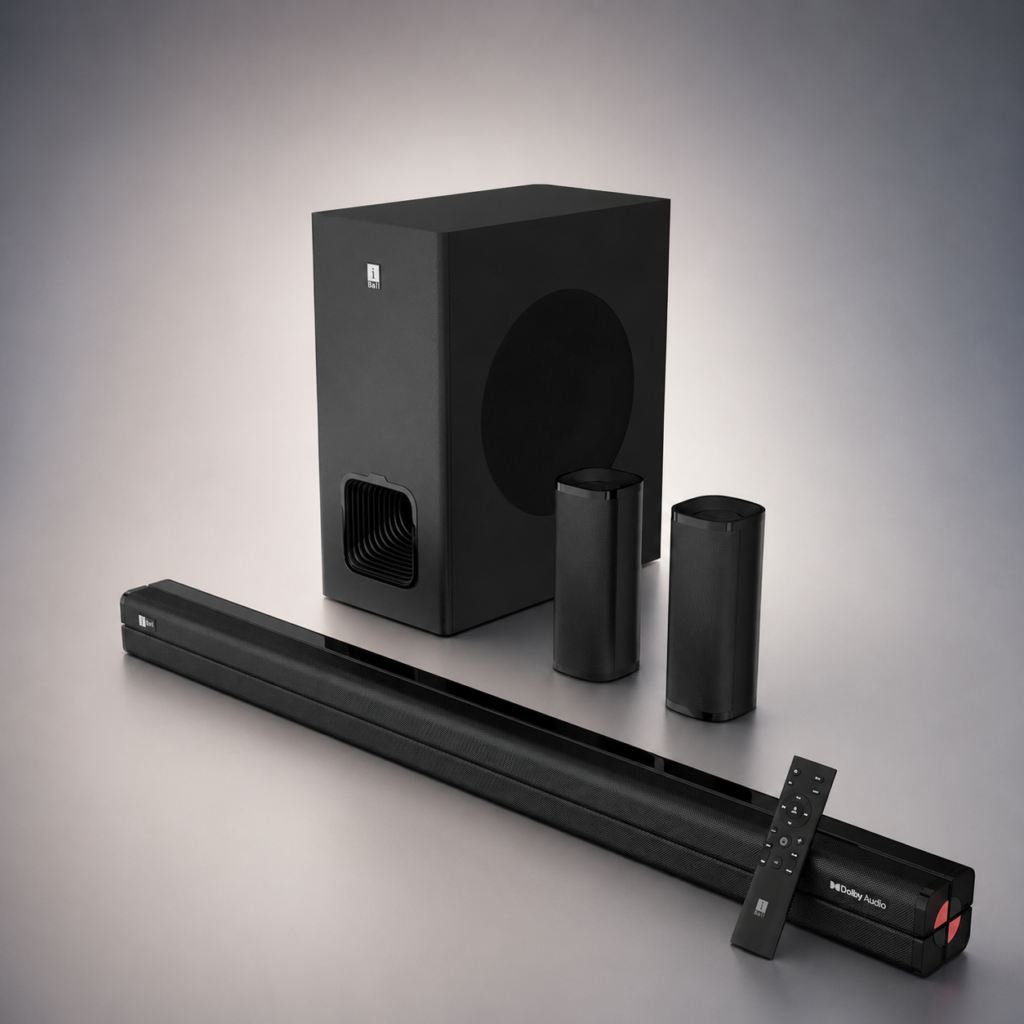
iBall has announced the launch of the Cinebar 560, a new 5.1 channel soundbar designed for users looking for a more immersive home entertainment experience. The latest sound system focuses on combining cinematic surround sound with a sleek design that blends easily into modern living room setups. Alongside audio performance, the company is also highlighting versatile connectivity and wireless speaker support.
iBall Cinebar 560 key features
iBall Cinebar 560
The iBall Cinebar 560 features a true 5.1 channel setup consisting of a three-driver soundbar, dual wireless rear satellite speakers and a 20.32cm wireless subwoofer. Powered by Dolby Audio, the system delivers up to 800W RMS output aimed at movies, OTT content, gaming, music playback and live sports viewing.
According to iBall, the soundbar has been tuned to offer wider sound separation, stronger bass response and clearer dialogue reproduction. The wireless rear speakers are designed to create a more room-filling surround sound effect without requiring excessive cable management across the room.
The soundbar also comes with multiple connectivity options, including Bluetooth 5.3, TV ARC, Optical IN, USB and AUX support. This allows compatibility with televisions, smartphones, laptops, gaming consoles and streaming devices. Users additionally get dedicated EQ modes for adjusting the audio profile based on the type of content being played.
Apart from audio performance, the Cinebar 560 features a premium gloss finish combined with a perforated mesh design for a more modern appearance. iBall has also included a front LED display, remote control support and wall-mount compatibility for easier installation and day-to-day usage.
iBall Cinebar 560 soundbar is available with an introductory price of Rs 19,999 (~$210) on Amazon.
Interestingly, the launch also marks another step in iBall’s return to the consumer electronics space. While the brand remained relatively inactive after 2018 in the Indian market, Zebronics confirmed the acquisition of iBall in January 2026. Following the acquisition, the Cinebar 560 becomes the company’s second major product announcement after the recently introduced GLIDR Ai1 AI wireless mouse earlier this month.
For more daily updates, please visit our News Section.
Last year, the brand unveiled only two flagship phones, namely the Find X9 and Find X9 Pro, in October in China. This year, the company expanded the lineup by adding two more models, such as the Find X9 Ultra and Find X9s Pro.
Coming this October, Oppo may unveil the Oppo Find X10 series. If a new leak is to be believed, the X10 lineup could include as many as four models.
Oppo Find X10 series display sizes tipped
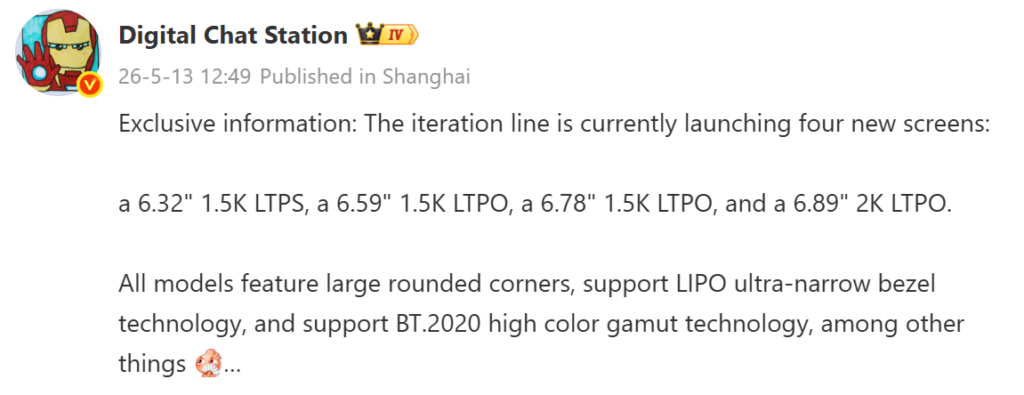
Reliable tipster Digital Chat Station has shared fresh details about what appear to be the display sizes of the upcoming Find X10 series. According to the leak, the series is currently being tested with four different screen sizes, including a 6.32-inch 1.5K LTPS panel, a 6.59-inch 1.5K LTPO display, a 6.78-inch 1.5K LTPO screen, and a 6.89-inch 2K LTPO panel.
To recall, the Find X9 features a 6.59-inch screen, whereas the X9 Pro packs a larger 6.78-inch display. The X9s Pro is a compact flagship with a 6.32-inch screen, while the X9 Ultra is the largest model with a 6.82-inch display panel.
Coming back to the X10 lineup, previous reports suggest that the Find X10 could feature a 6.59-inch 1.5K display, while the Find X10 Pro may arrive with a 6.78-inch 1.5K panel. The Find X10 Pro Max edition could feature a 6.89-inch 2K screen.
It remains to be seen what the 6.32-inch model will be called when it debuts in the market. The X10 Ultra’s display size is not known, but it could be same as the Pro Max edition.
The tipster also claims that all models in the lineup will feature large-radius corner designs for a more rounded appearance. In addition, the entire Find X10 series is expected to support LIPO ultra-narrow bezel packaging technology, which could help achieve slimmer and more symmetrical bezels around the display. Another highlighted feature is support for the BT.2020 wide color gamut standard, suggesting improvements in color reproduction and visual accuracy across the lineup.
For more daily updates, please visit our News Section.
Insta360’s upcoming Luna Ultra is starting to look a lot more real now. New promotional renders and what appear to be official certification photos of the device have surfaced online, giving a much clearer look at Insta360’s next high-end pocket gimbal camera. And honestly, it seems like the company is aiming well beyond casual vlogging this time.
The biggest change is the camera system itself. The Luna Ultra appears to use a dual-camera setup built around a 1-inch primary sensor paired with a dedicated 3x telephoto lens, reportedly developed alongside Leica. Based on current leaks, the main camera uses an f/1.8 aperture, while the telephoto lens enables around 6x “lossless” zoom and up to 12x hybrid zoom overall. That already puts it much closer to a compact mirrorless-style setup than a typical Pocket camera.
But the hardware design is arguably even more interesting. Images shared by leaker Igor Bogdanov (@Quadro_News) show a detachable front grip that magnetically separates from the body and turns into a wireless remote controller with a 2-inch OLED touchscreen. There is also a joystick for gimbal control, zoom controls, and a dedicated record button. For solo creators, that could end up being genuinely useful instead of just another gimmick accessory.
The Luna Ultra also appears to retain a full three-axis mechanical gimbal, which remains one of the biggest advantages these dedicated pocket cameras still have over smartphones.
On the video side, the rumored specs are fairly serious. Reports mention support for 6K recording at 50fps, 4K at 120fps, 10-bit i-Log, and Dolby Vision. Some leaks even suggest certain slow-motion modes may push beyond that.
Audio seems to be getting proper attention too. The camera is said to support 32-bit audio recording at 48kHz, alongside compatibility with Insta360’s wireless microphone ecosystem. That matters more than people sometimes realize, especially for creators shooting unpredictable outdoor content where clipping and sudden volume spikes can ruin otherwise usable footage.
Current leaks suggest the Luna Ultra could start around ¥5,299 (roughly $780 at the current exchange rate), while larger Creator-style bundles may approach ¥6,499 (around $950). At those prices, Insta360 is no longer competing only with DJI’s Pocket lineup. It’s starting to edge into territory normally occupied by entry-level mirrorless cameras and premium compact shooters from Sony and Canon.
Whether creators are willing to spend that much on a pocket-sized gimbal camera remains to be seen. But based on the hardware alone, Insta360 clearly isn’t trying to make a budget travel gadget here. The Luna Ultra looks much more like a serious creator tool that just happens to fit in your pocket.
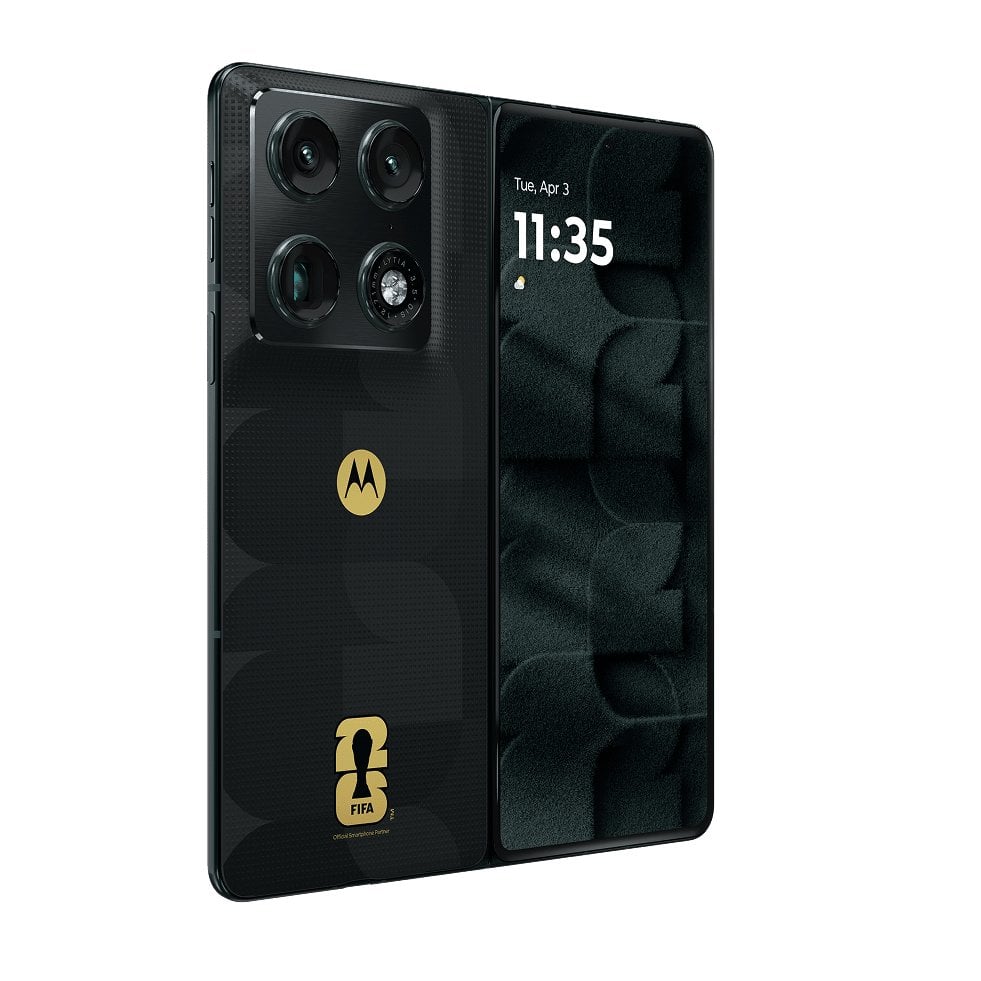
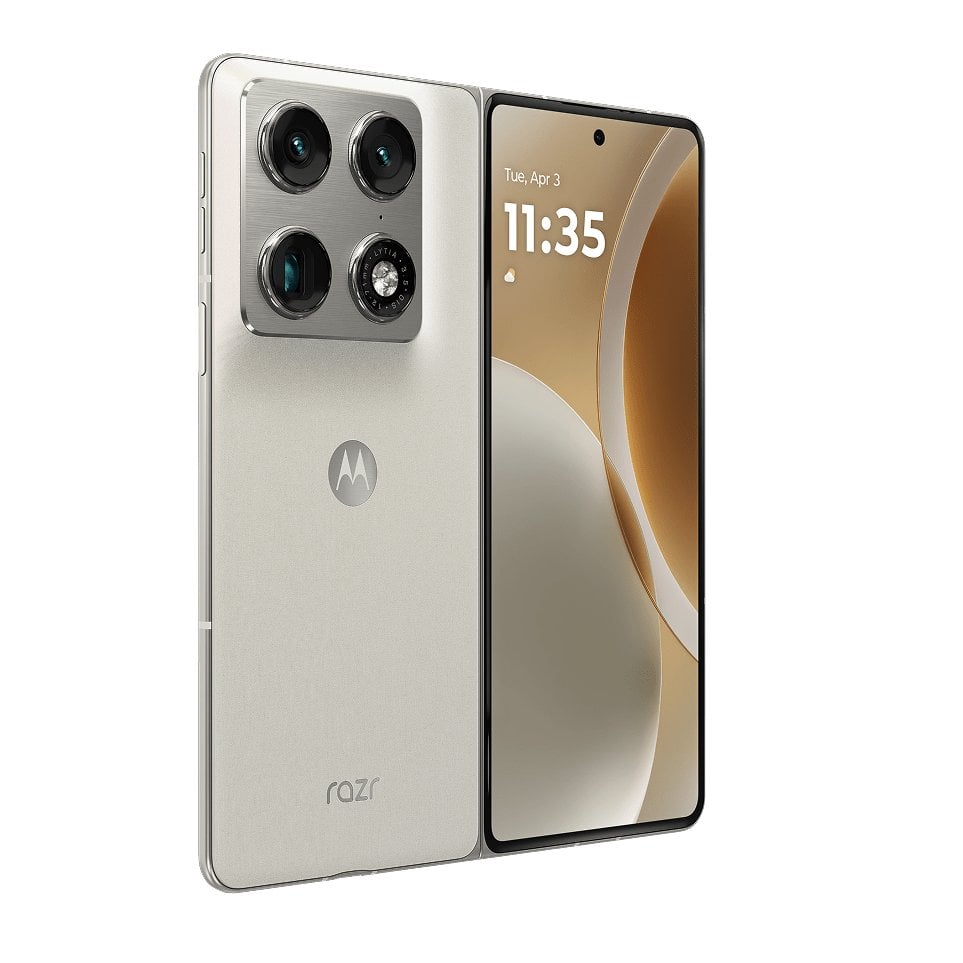
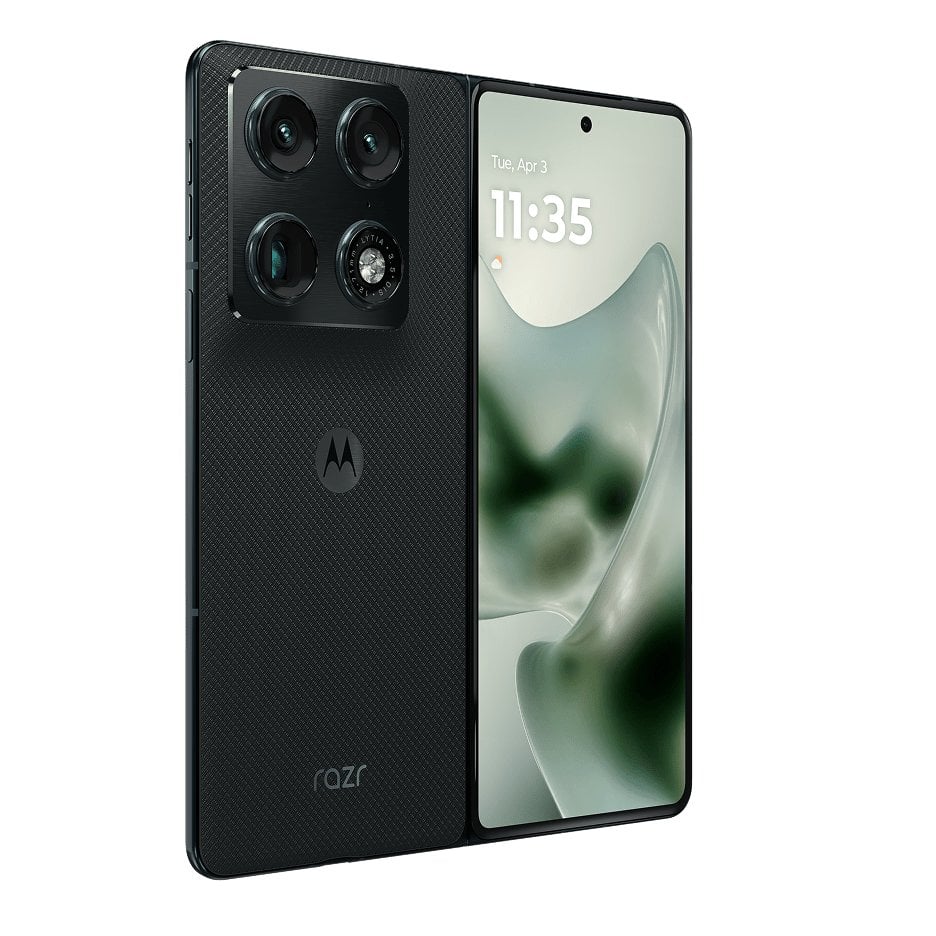
Motorola has officially launched the Razr Fold in India after introducing its first book-style foldable smartphone in select global markets earlier this year. Alongside the standard models, India is also getting the special Motorola Razr Fold FIFA Edition, which comes with exclusive FIFA-themed UI customizations, a FIFA Heroes game and 24 karat FIFA logo plating on the rear panel. The limited-edition model is available only in the 16GB+512GB configuration and adds a more premium appeal to Motorola’s latest foldable lineup.
Motorola Razr Fold specifications and features
Motorola Razr Fold FIFA World Cup 26 Edition
The Motorola Razr Fold features a slim body measuring 9.9mm when folded and just 4.6mm when unfolded. The device weighs 244 grams and carries IP48/IP49 certification for dust and water resistance. Motorola has also added support for the Motorola Pen Ultra, targeting users interested in productivity and creative tasks on the large foldable display.
Motorola has equipped the phone with a 6000mAh silicon-carbon battery along with 80W wired charging, 50W wireless charging and 5W reverse wired charging support. The foldable is powered by the Snapdragon 8 Gen 5 chipset coupled with up to 16GB LPDDR5X RAM and up to 512GB storage.
For photography, the Razr Fold packs a triple rear camera setup featuring a 50-megapixel Sony LYTIA 828 primary camera with OIS, a 50-megapixel ultra-wide camera with a 122-degree field of view and an OIS-enabled 50-megapixel periscope telephoto camera with 3x optical zoom and OIS. The device also gets a 32-megapixel external front camera and a 20-megapixel camera on the inner display.
The phone sports a 6.6-inch external pOLED display with a 165Hz refresh rate, Gorilla Glass Ceramic 3 protection and up to 6000 nits peak brightness. Inside, it features an 8.1-inch LTPO foldable display with a 120Hz refresh rate and up to 6200 nits brightness. The Razr Fold runs Android 16 out of the box and Motorola promises seven Android upgrades along with seven years of security updates.
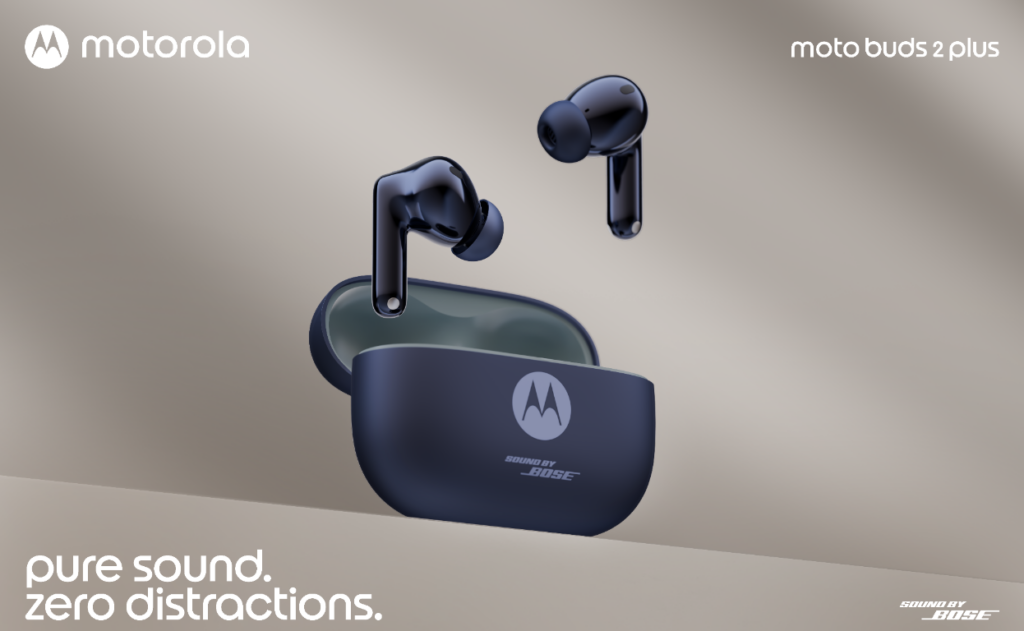
Motorola has also launched the Moto Buds 2 Plus alongside the Razr Fold. The earbuds are powered by Sound by Bose tuning and feature 11mm dynamic drivers, Dynamic ANC, LHDC and LDAC codec support, and up to 40 hours of total playback time with the charging case.
Motorola Razr Fold price and availability
The Motorola Razr Fold 12GB + 256GB variant is priced at Rs 1,49,999 (~$1,570), while the 16GB + 512GB model costs Rs 1,59,999 (~$1,670). The special Motorola Razr Fold FIFA Edition with 16GB+512GB storage is priced at Rs 1,69,999 (~$1,780). The phone comes in Lilly White and Blackened Blue shades and will go on sale starting May 20. Meanwhile, the Moto Buds 2 Plus are priced at Rs 5,999 (~$65).
Motorola is also offering launch benefits for buyers. Customers purchasing the Razr Fold can avail either an instant bank discount of Rs 10,000 or an exchange bonus of Rs 10,000. The company is additionally offering no-cost EMI options for up to 18 months on select bank cards. Buyers of the Moto Buds 2 Plus can get an instant bank discount of Rs 1,000.
For more daily updates, please visit our News Section.
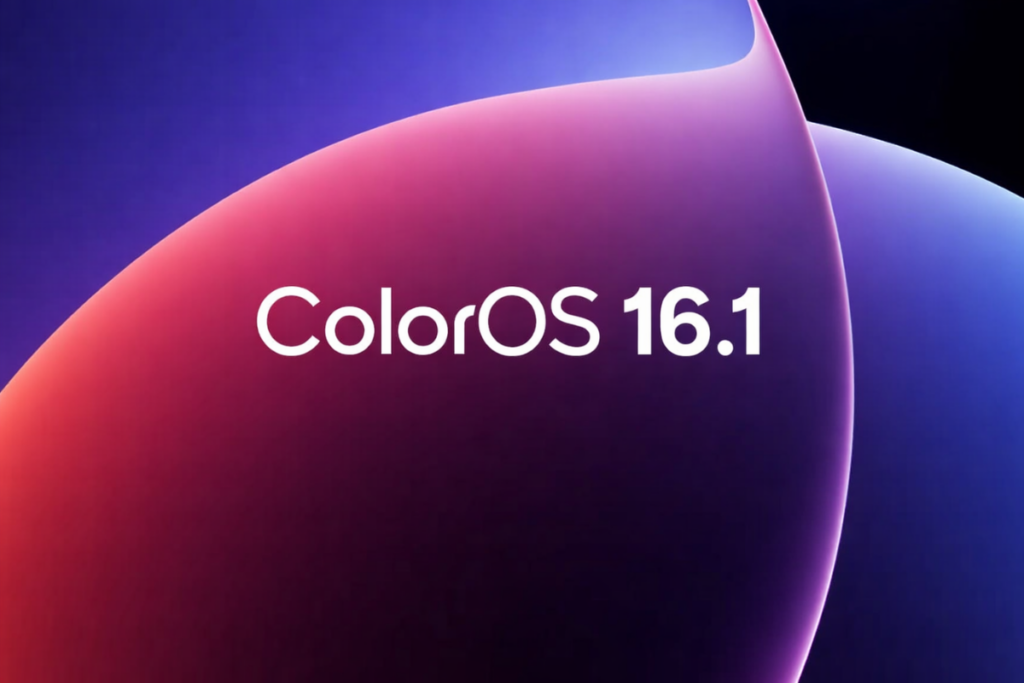
Alongside Android 17, Oppo has been working on a mid-cycle upgrade, ColorOS 16.1, which has just started rolling out to initial devices. It’s still based on Android 16, but there are a host of visual changes, AI upgrades, and enhancements that make it feel like more than an incremental upgrade.
ColorOS 16.1 rollout progress and timeline
The ColorOS 16.1 update is currently rolling out to Oppo Find X9 series phones, with expansion to the Reno 15 series and the Find X8 series expected to follow soon. The upcoming Oppo Find X9s and Find X9 Ultra will boot the latest software out of the box.
Oppo has yet to announce a global rollout schedule for ColorOS 16.1. The rollout schedule for China has already been released, which suggests the update will only be released for a limited set of devices, mainly recent flagship phones and select mid-range phones. We’ll update you on the website when the global rollout schedule is announced.
ColorOS 16.1 update: New features and major upgrades
1. Live Space
It’s one of the biggest additions to ColorOS 16.1, which looks and functions similar to the Now Bar on Samsung phones. It’s a capsule-shaped UI element that sits at the bottom of the screen and displays ongoing activities, such as timers, music playback, food delivery tracking, and notifications.
You can tap a capsule to expand it for more controls, and swipe between multiple live activities to see updates without unlocking your phone or opening apps.
Live Space also works with Google Maps. You can tap the album art to expand it to full-screen mode, which offers more controls and real-time scrolling lyrics on the lock screen.
2. Contour Glow effect
ColorOS 16.1 brings the Contour Glow effect to Settings, adding a subtle shimmer animation around UI elements like Control Center toggles, lock screen widgets, and the search bar. You can enable or disable this feature anytime.
3. Redesigned Camera app
The Camera app receives several big upgrades with the ColorOS 16.1 update. It now features translucent layers, glossy blur effects, floating cards, and smoother transitions throughout the interface.
As Smartprix noted, the controls have been moved as well. EV and exposure controls now don’t sit together, and the swipe-up function from the viewfinder opens quick controls like aspect ratio, macro mode, action mode, and soft light. The Settings section now opens in pop-up cards instead of full-screen. Modes like Portrait and Text now use popup-style menus.
4. MindPilot AI
ColorOS 16.1 introduces MindPilot AI to Mindspace, a deeply integrated AI assistant to manage everyday contextual requests. It supports ChatGPT, Gemini, and Perplexity models to ask questions and suggestions, with Mindspace content and integrations as context, for a more personalized response.
5. AI Bill Manager
The update also introduces a new AI Bill Manager to help you track your expenses. It can track expenses, income, daily averages, and monthly spending patterns.
You can manually add expense records and import older data from supported apps or use Excel and CSV files. Further, users can also set spending limits and ask the AI to get spending data.
6. AI Menu Translation
Those who frequently travel abroad would find this feature very helpful, as it instantly translates foreign languages through the camera. So, you don’t need to take the image and paste it into a translator app. The AI Menu Translation feature can also identify prices and convert currencies.
You can download the language packs, totaling about 518MB, for offline translation support. This new feature can also generate AI summaries during real-time conversations.
7. AI Home Screen Organization
The AI can also handle home screen organization, grouping apps by category (such as games, social media, music) or by icon color. The feature also saves layout history, so you can restore it later.
8. AI Document Scanning
The upgraded AI Document Scanning feature now filters out shadows, glare, blur, and distortion, resulting in better output. With upgraded capabilities, it can now recognize handwriting, long paragraphs, and tables more accurately.
Scanned docs are automatically saved in the Documents app and can be exported to Word or copied instantly.
9. Audio Sharing
ColorOS 16.1 adds support for Audio Sharing, allowing users to connect two audio devices at the same time. You can play the audio through both connected audio devices simultaneously. This feature works with earbuds and supported Audio devices.
All you need to do is connect the second audio device through the Audio Sharing menu.
10. Smoother animations
Oppo continues to refine animations to make it feel smoother and more polished, with ColorOS 16.1 taking it a step further. You’ll experience better animations with floating windows, app closing, and app opening. Scrolling inside apps also feels more refined with reduced jitters.
11. Quick Share with AirDrop support
Oppo has added AirDrop support to Quick Share on several devices running ColorOS 16.1. It allows users to share files with Apple devices without third-party apps. This feature is currently available on the Oppo Find X9 and Find X9 Pro.
Remember to visit the Oppo section regularly to get the latest updates. Alternatively, you can join our Telegram channel to get instant notifications when we post new stories.
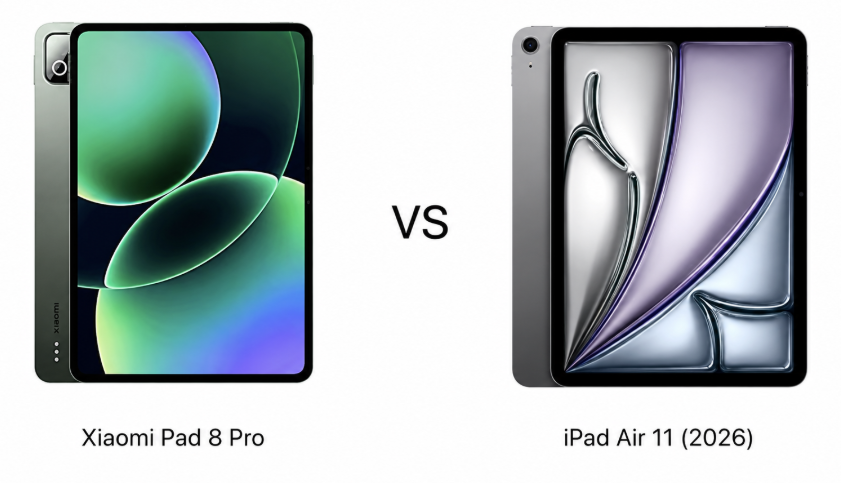
Xiaomi Pad 8 Pro and the Apple iPad Air 11 (2026) represent two very different ideas of a premium tablet. One focuses on flagship hardware and aggressive value, while the other leans on ecosystem polish and professional-grade performance. From gaming and entertainment to productivity and creative work, this comparison breaks down which tablet actually delivers the better experience for the price.
The Xiaomi Pad 8 Pro and the Apple iPad Air 11 (2026) both use premium aluminum builds, but they target slightly different users. Xiaomi focuses on a sharper entertainment-first approach with stylus support, Dolby Atmos quad speakers, and a more aggressive hardware package. The iPad Air 11 feels cleaner and more refined in software integration, especially for users already invested in the Apple ecosystem. The anti-reflective coating on the iPad also helps during long reading or editing sessions.
Display Quality
Xiaomi clearly pushes harder on display specifications. Its 144Hz IPS LCD panel supports HDR10, Dolby Vision, HDR Vivid, and reaches higher brightness levels, making streaming and gaming noticeably smoother. The taller 3:2 aspect ratio also works well for productivity. The iPad Air’s Liquid Retina display still looks accurate and natural, but the 60Hz refresh rate feels conservative in this price range. Apple’s color tuning remains excellent, though Xiaomi’s panel simply feels more modern for media-heavy users.
Verdict
The Xiaomi Pad 8 Pro delivers a more exciting display and entertainment experience, while the iPad Air 11 prioritizes polish and ecosystem consistency. For pure visual value, Xiaomi takes the lead.
2. Specifications Including Battery
Performance
The Xiaomi Pad 8 Pro runs on the Snapdragon 8 Elite chipset paired with up to 16GB RAM and fast UFS 4.1 storage, making it a powerhouse for Android gaming and multitasking. However, the iPad Air 11’s Apple M4 chip still sets the benchmark for tablet-class performance. Video editing, creative workloads, and long-term optimization feel more effortless on iPadOS. Apple’s app ecosystem also remains stronger for professional tablet software.
Battery and Charging
Xiaomi packs a larger 9200mAh battery with 67W fast charging and reverse wired charging support. The charging speed difference is dramatic in daily use, especially for users constantly on the move. Apple’s battery optimization is reliable, but the slower charging experience feels dated compared to modern Android tablets. Xiaomi’s setup simply offers more flexibility and convenience.
Verdict
The iPad Air 11 wins in raw processing efficiency and professional app optimization, but Xiaomi balances flagship performance with faster charging and better battery practicality. For gaming and daily versatility, the Xiaomi Pad 8 Pro feels more complete.
3. Camera
Main and Secondary Lenses
Neither tablet is designed primarily for photography, but both handle casual shooting and document scanning comfortably. Xiaomi uses a 50MP rear camera with HDR support and 4K recording at up to 60fps. The higher resolution helps with sharper detail and better flexibility in bright lighting. Apple counters with a 12MP sensor supported by strong image processing and gyro-EIS, producing cleaner and more natural-looking video stabilization.
Selfie Camera
The Xiaomi Pad 8 Pro includes a 32MP ultrawide front camera that performs well for online classes and video conferencing. It captures more detail and offers a wider field of view for group calls. The iPad Air 11 uses a 12MP ultrawide selfie camera with Apple’s reliable video optimization, resulting in smoother and more consistent FaceTime quality. Apple still feels slightly more polished for video communication.
Verdict
Xiaomi offers better camera hardware overall, especially on the front side, while Apple delivers more refined image processing and stabilization. Users focused on video meetings and casual content creation may prefer Xiaomi’s sharper setup.
4. Pricing
The Xiaomi Pad 8 Pro is priced at around ₹47,000 ($500), while the iPad Air 11 (2026) starts at around ₹65,000 ($600). That pricing gap changes the overall value discussion significantly. Xiaomi offers a flagship Snapdragon chipset, 144Hz display, larger battery, faster charging, quad speakers, and high-resolution cameras at a noticeably lower price. On pure hardware specifications, it delivers exceptional value.
The iPad Air 11 justifies its higher pricing through the Apple M4 chip, longer software support expectations, a premium app ecosystem, and smoother ecosystem integration with other Apple devices. Creative professionals and users deeply tied into macOS or iPhone workflows may still find the premium worthwhile. However, casual users could find the extra cost difficult to justify when Xiaomi already covers most high-end tablet needs.
Verdict
The Xiaomi Pad 8 Pro is the stronger value-for-money option. The iPad Air 11 makes sense mainly for users prioritizing Apple’s ecosystem and professional software advantages.
Disclaimer: Prices are approximate and may vary based on country, region, launch timing, and applicable taxes. Always check whether the listed price is for a China unit or a global/international variant when purchasing.
5. Conclusion
The Xiaomi Pad 8 Pro stands out with its 144Hz Dolby Vision display, Snapdragon 8 Elite processor, massive battery, and ultra-fast charging. It feels designed for users who want maximum hardware value, gaming power, and multimedia performance without crossing ultra-premium pricing territory. The feature-to-price ratio is difficult to ignore.
The iPad Air 11 focuses more on efficiency, ecosystem continuity, and long-term software refinement. The Apple M4 chip brings desktop-level power to a thin tablet experience, and iPadOS still offers some of the best optimized creative applications available on any tablet platform. The overall experience feels cleaner and more mature for productivity-focused buyers.
Verdict
The Xiaomi Pad 8 Pro is the better all-rounder for entertainment, gaming, and hardware value. The iPad Air 11 remains the stronger choice for professional workflows and ecosystem-driven users. For most buyers comparing specifications against price, Xiaomi delivers the more compelling package.
Disclaimer: This comparison is based on the specifications provided and is intended for general informational purposes. Actual performance, camera results, battery life, and overall experience may vary depending on real-world usage, software updates, and individual preferences.
Samsung has confirmed that a second wave of the One UI 9 beta rollout will begin later this month for Galaxy S26 users in additional regions. The Android 17-based software was recently introduced in limited markets, and the company is now preparing to expand beta access gradually. Apart from visual changes, the update also introduces AI-focused features, customisation improvements and stronger security tools.
One UI 9 beta expands to more Galaxy S26 users
One UI 9 beta
According to Samsung, the second phase of the One UI 9 beta rollout will begin on May 26. The company had previously announced beta availability for countries including India, the US, the UK, Germany, South Korea and Poland, although not all users received access during the first phase. Galaxy S26 owners can register for the beta program through the Samsung Members app once it becomes available in their region.
One UI 9 introduces several interface changes across the system. Samsung has redesigned the Quick Panel, allowing users to independently adjust the size and placement of controls for brightness, media playback and sound. The update also adds new features to Samsung Notes, including additional pen styles and decorative tape effects aimed at improving journaling and note customization.
Samsung has also integrated Creative Studio tools inside the Notes app, allowing users to create profile cards without switching between multiple applications. Accessibility features have been improved as well, with adjustable Mouse Key speeds and enhanced TalkBack integration. A new Text Spotlight feature enlarges selected text inside a floating window to make reading easier.
The company says One UI 9 also focuses heavily on proactive security. The software can reportedly detect suspicious or potentially harmful apps more aggressively and warn users before installation or execution. Samsung may also recommend deleting risky applications through updated security policies.
While the beta is currently limited to the Galaxy S26 lineup, Samsung is already rolling out stable One UI 8.5 updates for older devices, which suggests wider One UI 9 beta support could arrive later. The stable version of One UI 9 is expected to debut alongside Samsung’s next flagship Galaxy smartphones later this year. Which One UI 9 feature are you most excited to try on your Galaxy device?
For more daily updates, please visit our News Section.
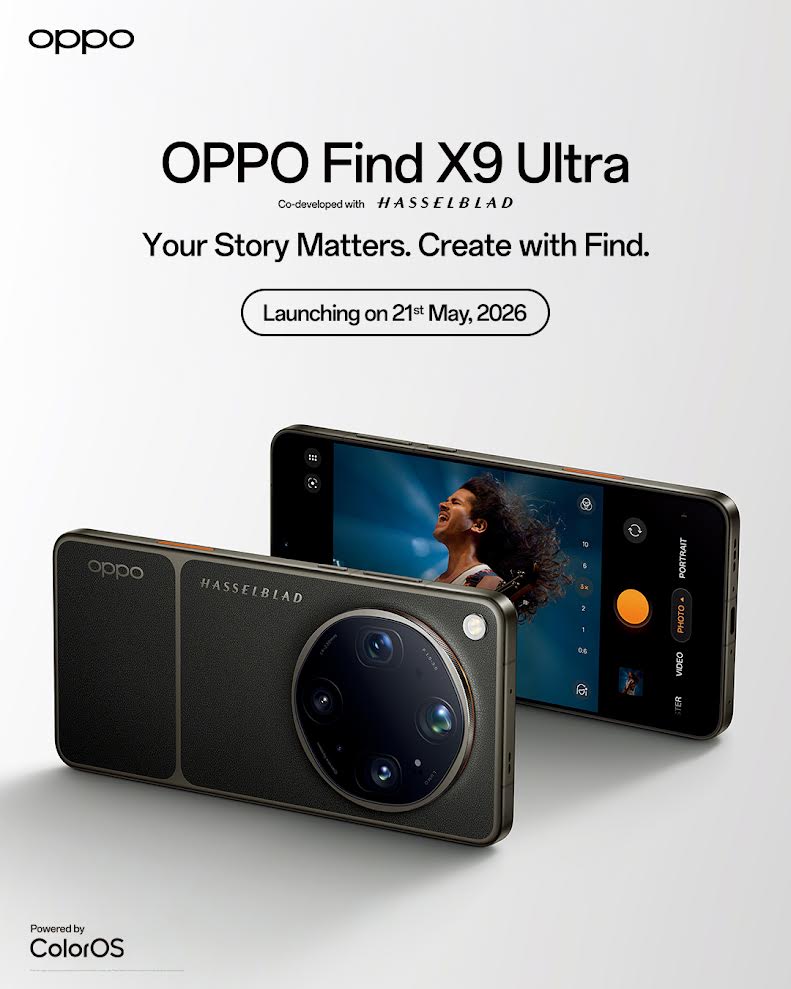
Oppo has confirmed that the Find X9s and Find X9 Ultra will launch in India on May 21. The new additions to the Find X9 lineup are heavily focused on photography, video recording and sustained flagship performance. Alongside upgraded Hasselblad camera systems, both devices also feature large silicon-carbon batteries and dedicated cooling technologies designed for extended camera use.
Oppo Find X9 Ultra focuses on long-range photography
Oppo Find X9 Ultra launch date-Oppo Find X9s launch date
The Find X9 Ultra introduces Oppo’s latest Hasselblad Master Camera System paired with the company’s LUMO Image Engine for computational photography enhancements. The device features a 200-megapixel primary camera, a 200-megapixel 3x telephoto camera, and a dedicated 50-megapixel 10x optical telephoto camera designed for long-range shooting.
Oppo says the phone uses an industry-first Quintuple Prism Periscope Structure, where incoming light is reflected five times internally before reaching the sensor. This allows the device to deliver an approximate 230mm equivalent focal length without making the camera module excessively large. The company says the setup prioritizes optical image capture before software processing to preserve more natural details at higher zoom levels.
The Find X9 Ultra also supports O-Log2 recording, ACES color workflows, custom 3D LUT integration, 8K 30fps video recording and 4K 120fps recording across both the primary and telephoto cameras. Powering the device is the Snapdragon 8 Elite Gen 5 chipset paired with OPPO’s Trinity Engine and a next-generation 3D Cryo-velocity Cooling System. The phone packs a 7050mAh silicon-carbon battery aimed at longer shooting endurance.
Oppo Find X9s brings flagship imaging in a slimmer body
The Find X9s comes with a triple 50-megapixel Hasselblad camera setup housed inside a slim 7.99mm body. It supports 4K 60fps Dolby Vision recording across all cameras and includes dual-video capture capabilities alongside AI-powered features through ColorOS 16.
The device is powered by the MediaTek Dimensity 9500s chipset built on a 3nm process. OPPO has also included an advanced vapor chamber cooling system with a 32,052.5mm² heat dissipation area and a 7025mAh silicon-carbon battery. To sum up, it is a toned-down version of the existing Find X9.
Pricing details for both models will be announced during the India launch event on May 21.
For more daily updates, please visit our News Section.
Garmin has launched the Forerunner 70 and Forerunner 170, two new running-focused smartwatches aimed at users who want structured training tools without moving into the company’s higher-end watch lineup. Both models will be available from May 15, with prices starting at $249.99.
What does the Forerunner 70 offer?
The Forerunner 70 is the entry point in the new range. It has a 1.2-inch AMOLED display, touchscreen support, and Garmin’s familiar five-button layout, which remains useful during sweaty workouts or runs in the rain. The watch includes built-in GPS, wrist-based heart-rate tracking, pace, distance, time, smart notifications, and safety tools such as LiveTrack.
Garmin is also adding more guided training features to this price tier. Quick workouts can be created using basic inputs such as fitness level, time, and intensity. Garmin Coach plans adjust daily using health and recovery data, while Garmin Run Coach adds run/walk and lower-volume training options for newer runners or users easing back into training.
The watch also supports daily suggested workouts, training readiness, training status, wrist-based running power, and running dynamics. Garmin says these features are powered by its Human Performance Lab. The Forerunner 70 also includes more than 80 sports modes, covering running, cycling, swimming, strength training, and other activities.
Health tracking includes sleep monitoring, sleep coach, HRV status, Pulse Ox, breathing variations, lifestyle logging, and Health Status. Battery life is rated at up to 13 days in smartwatch mode. Color options include citron, soft pink, tidal blue, cool lavender, black, and whitestone.
What does the Forerunner 170 add?
The Forerunner 170 carries the same core training, recovery, and health features as the Forerunner 70, but adds Garmin Pay for contactless payments. The Forerunner 170 Music variant also supports offline music downloads from compatible third-party services, with a subscription required, and playback through Bluetooth headphones.
That makes the Forerunner 170 the more convenient pick for runners who want to leave their phone behind during workouts. It keeps the same fitness tracking tools, while adding payments and music support for everyday use.
How much do the new Garmin watches cost?
The Forerunner 70 costs $249.99, the Forerunner 170 costs $299.99, and the Forerunner 170 Music costs $349.99. Garmin says all three models will be available from May 15.
For more daily updates, please visit our News Section.
Sony has officially unveiled the Xperia 1 VIII, introducing a mix of camera-focused upgrades, AI-driven software features, and hardware elements that are becoming increasingly rare in flagship smartphones. The latest Xperia model continues Sony’s creator-first approach while refining imaging performance, audio quality, and overall processing capabilities.
Sony Xperia 1 VIII specifications and features
Sony Xperia VIII
The Sony Xperia 1 VIII features a 6.5-inch OLED LTPO display with up to 120Hz refresh rate support, Gorilla Glass Victus 2 protection, and creator-focused color tuning. One of the biggest highlights of the Xperia 1 VIII is its upgraded telephoto camera system. Sony has replaced the previous continuous zoom setup with a new 70mm telephoto camera featuring a much larger 1/1.56-inch sensor and 48-megapixel resolution.
According to the company, the larger sensor is designed to capture better detail and improved low-light shots. The phone also includes a 48-megapixel primary camera, a 48-megapixel ultra-wide sensor, and a 12-megapixel front camera. Sony says RAW multi-frame processing works across all rear cameras to improve dynamic range and reduce image noise.
Sony Xperia VIII
The smartphone is powered by Qualcomm’s Snapdragon 8 Elite Gen 5 chipset. It comes with up to 16GB of RAM and up to 1TB of UFS 4.1 storage. The support for microSD cards up to 2TB remains intact.
Sony has also retained several signature Xperia features, including a dedicated two-stage camera shutter key and a 3.5mm headphone jack. The phone includes stereo speakers with identical left and right speaker units for balanced audio output. A 5000mAh battery powers the device with support for 30W wired charging and wireless charging.
Sony Xperia 1 VIII price and availability
The Xperia 1 VIII is available for pre-orders starting May 13 in select regions. The standard 256GB variant is priced at €1499 / £1399, while the exclusive 1TB Native Gold edition costs €1999 / £1849 and will be sold through Sony’s online store in select markets. Sony is also bundling WH-1000XM6 headphones with eligible pre-orders for a limited period.
For more daily updates, please visit our News Section.
iQOO has officially confirmed the launch date of the iQOO 15T, with the smartphone set to debut in China on May 20 at 7 PM local time. The company has also revealed key details about the phone’s display, chipset, battery, and gaming-focused features, giving a clearer idea of what to expect from the upcoming flagship.
iQOO 15T aims to stand out with a rare 2K gaming display
iQOO 15T launch date
The iQOO 15T will become the first smartphone to feature the Dimensity 9500 Monster Edition chipset globally. The company claims the chip includes exclusive low-level tuning alongside the in-house Q3 gaming chip to deliver smoother frame rates and lower power consumption in demanding games such as Genshin Impact. iQOO says the phone can maintain near full-frame gameplay for 30 minutes while keeping power draw under 5W.
One of the biggest highlights of the device is its 6.82-inch 2K “Everest” flat display with narrow bezels. While many flagship phones have shifted back to 1.5K panels to reduce costs and simplify game optimisation, iQOO appears to be positioning the 15T as a premium performance phone that still prioritises display sharpness. The Q3 chip is also expected to support simultaneous 2K resolution and 144Hz frame interpolation during gaming.
The Dimensity 9500-powered phone is expected to pack an 8000mAh battery with support for 100W wired fast charging. iQOO has also confirmed a dual rear camera setup consisting of a 200-megapixel primary sensor and a 50-megapixel secondary camera, while the front camera uses a 16-megapixel sensor.
In terms of design, the iQOO 15T follows the styling of the iQOO 15 Ultra with a transparent-inspired square camera module. The device will be available in Qingyun, Track Edition, and Legend Edition color variants. It is expected to run OriginOS 6 based on Android 16 and weighs around 216 grams.
For more daily updates, please visit our News Section.
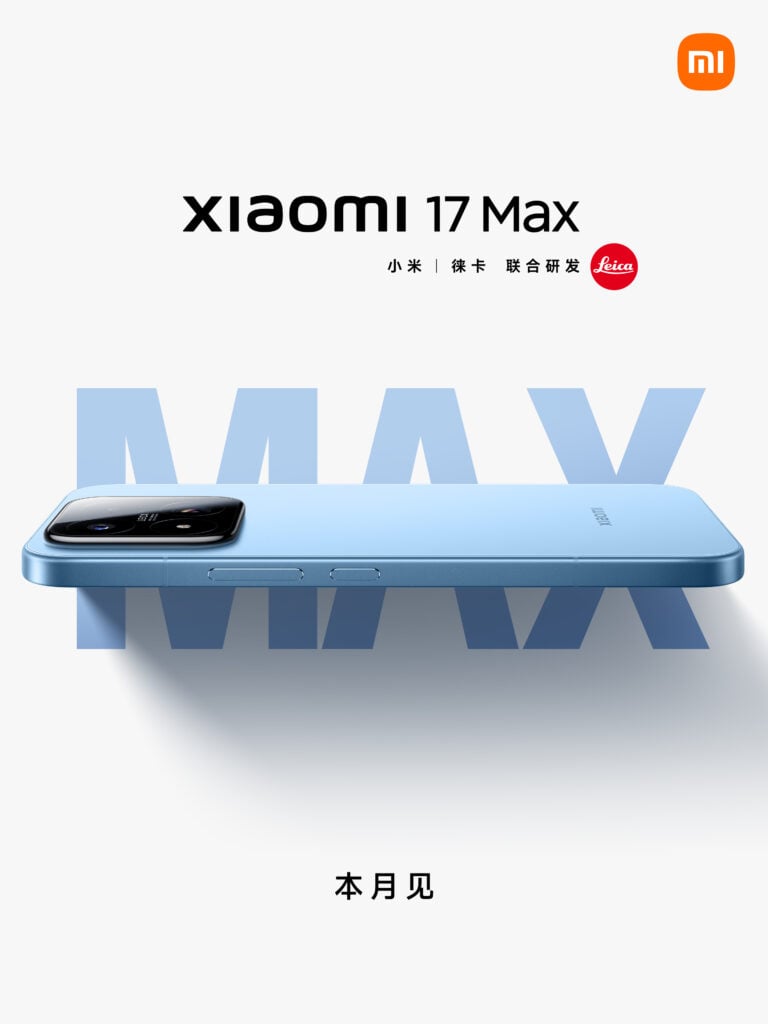
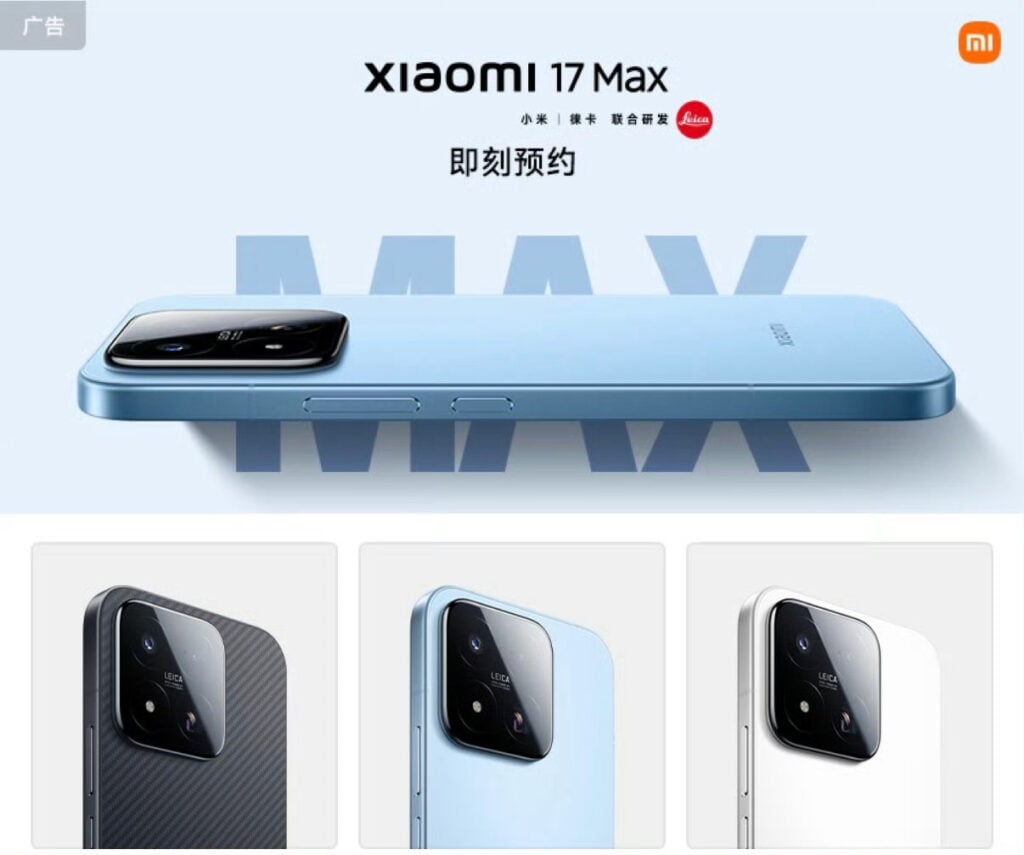
Xiaomi has officially started teasing the Xiaomi 17 Max ahead of its launch later this month, giving users an early look at the phone’s design and some of its key upgrades. The device appears to focus heavily on offering a premium large-screen experience while improving battery life, camera hardware, and overall performance compared to the standard Xiaomi 17.
Xiaomi 17 Max focuses on a true big-screen flagship experience
Xiaomi 17 Max teaser
The Xiaomi 17 Max features a 6.9-inch flat display with narrow bezels and a design language similar to the Xiaomi 15 series. Official images show a rounded camera module integrated smoothly into the rear panel, while reports suggest the phone could continue using premium materials such as ceramic or a carbon fibre-inspired finish on select variants. Xiaomi has confirmed black, blue, and white color options for the device.
Lu Weibing, who is a partner and president of Xiaomi Group, president of the mobile phone division, and general manager of the Xiaomi brand, described the 17 Max as a “fully upgraded” version of the standard Xiaomi 17 rather than just a bigger phone.
Xiaomi 17 Max: What’s known so far?
Xiaomi 17 Max color options
As per reports, the Xiaomi 17 Max is expected to feature a 1.5K LTPO panel with a 120Hz refresh rate and symmetrical dual speakers. It is also tipped to come with advanced water resistance and an ultrasonic in-display fingerprint scanner.
The phone is expected to include an 8000mAh battery, which could become the largest battery ever offered on a Xiaomi-branded smartphone. Charging support may include 100W wired fast charging alongside 50W wireless charging with PPS compatibility.
The camera setup is also expected to receive notable upgrades, including a 200-megapixel Samsung ISOCELL HP-series primary sensor, paired with a 50-megapixel ultra-wide camera and a 50-megapixel periscope telephoto lens offering 3x optical zoom. Leica branding is expected to remain part of the imaging system. Powering the device could be Qualcomm’s Snapdragon 8 Elite Gen 5 chipset paired with LPDDR5X RAM and UFS 4.1 storage.
For more daily updates, please visit our News Section.
Google is trying something new with laptops. Fifteen years after introducing the Chromebook, the company has announced the Googlebook. Instead of ChromeOS, these new laptops will run on an Android-based operating system that heavily integrates its Gemini Intelligence.
The basic idea is to combine the standard Chrome browser with standard Android apps. The most noticeable change is how you interact with the mouse. Google and DeepMind built a feature called Magic Pointer.
If you wiggle your cursor, Gemini pops up to offer contextual actions based on what’s on your screen. For example, pointing at a date in an email can create a calendar event, or selecting two images can merge them visually. It’s a different approach to standard clicking.
It also includes a prompt-based widget maker. You can type what you need, and Gemini will pull information from your Google apps or the web to make a custom widget. If you’re planning a trip, it can gather your flight details and hotel reservations into one temporary spot on your screen.
Because it runs on Android, the OS is designed to work closely with Android phones. You can open your phone apps on the laptop screen to reply to a message or finish a quick task. It also offers a Quick Access feature that lets you browse your phone’s files directly from the laptop’s file manager without having to transfer them to the cloud first.
Google is working with Acer, Asus, Dell, HP, and Lenovo to build the hardware. The laptops are expected to use higher-end materials and will feature a physical glowbar to distinguish them from regular Chromebooks. There is no word on pricing or an exact release date yet, but Google says more details are coming later this year.
For more daily updates, please visit our News Section.
We use cookies on our website to give you the most relevant experience by remembering your preferences and repeat visits. By clicking “Accept”, you consent to the use of ALL the cookies.
This website uses cookies to improve your experience while you navigate through the website. Out of these, the cookies that are categorized as necessary are stored on your browser as they are essential for the working of basic functionalities of the website. We also use third-party cookies that help us analyze and understand how you use this website. These cookies will be stored in your browser only with your consent. You also have the option to opt-out of these cookies. But opting out of some of these cookies may affect your browsing experience.
Necessary cookies are absolutely essential for the website to function properly. This category only includes cookies that ensures basic functionalities and security features of the website. These cookies do not store any personal information.
Any cookies that may not be particularly necessary for the website to function and is used specifically to collect user personal data via analytics, ads, other embedded contents are termed as non-necessary cookies. It is mandatory to procure user consent prior to running these cookies on your website.