Advertisement

Honor Magic 8 Pro Air compact phone pears with Dimensity 9500, 16GB RAM on Geekbench      

Honor Magic 8 Pro Air has surfaced online ahead of its official launch, offering an early glimpse into its performance credentials. A new benchmark listing suggests that Honor’s upcoming Air-series phone, despite being a compact offering, will pack powerful specs. Here’s a look at the details that have emerged through its Geekbench listing.

Honor Magic 8 Pro Air Geekbench listing
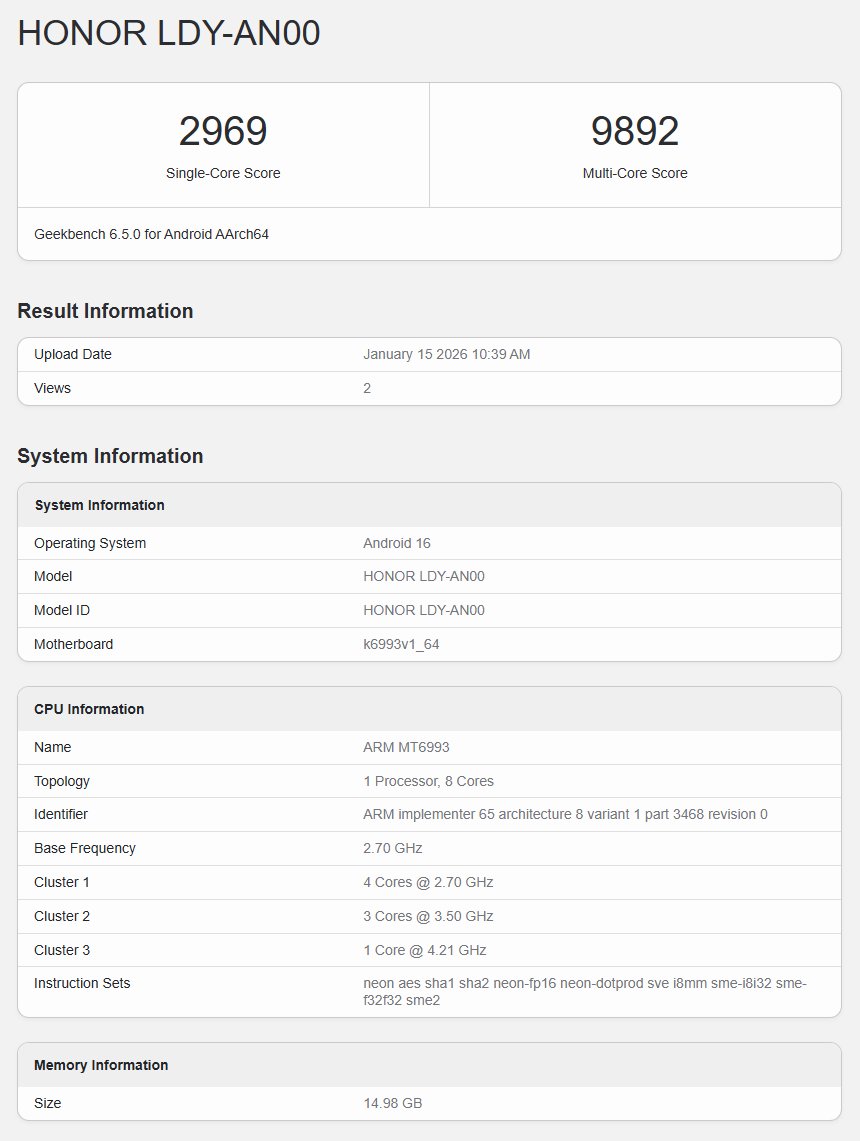
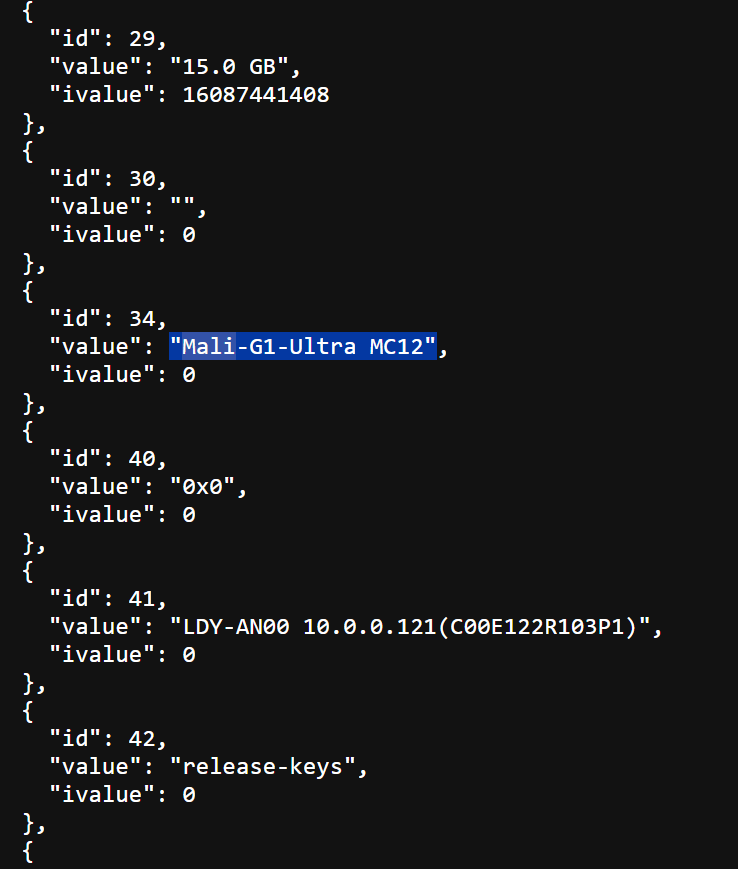
A device believed to be the Honor Magic 8 Pro Air has appeared on Geekbench with the model number LDY-AN00. The listing confirms that the phone is powered by the MediaTek Dimensity 9500 chipset running at full clock speeds. The chipset follows an octa-core layout with one prime core clocked at 4.21GHz, three performance cores running at 3.50GHz, and four efficiency cores at 2.70GHz. As per the metadata, it features the Mali-G1-Ultra-MC12 graphics processor.

The unit tested on Geekbench runs Android 16 with MagicOS 10 and is paired with 16GB of RAM, suggesting a focus on smooth multitasking and sustained performance. It scored 2,969 points in the single-core test and 9,892 points in the multi-core test, indicating strong CPU performance for a compact flagship.

Honor Magic 8 Pro Air specifications

Honor Magic 8 Pro Air

According to recent reports, the Honor Magic 8 Pro Air will feature a 6.31-inch AMOLED display with a 1.5K resolution, 120Hz refresh rate, LTPO technology, and ultra-slim symmetrical bezels. The screen is also said to support high-frequency PWM dimming for improved eye comfort.

In terms of photography, the Magic 8 Pro is expected to carry a 50-megapixel main camera with a 1/1.3-inch sensor, a 50-megapixel ultra-wide camera, and a 64-megapixel periscope telephoto lens offering over 3x optical zoom. A 50-megapixel front camera is tipped for selfies.

The device is rumored to pack a 5,500mAh battery with 80W wired and 50W wireless charging, along with a 3D ultrasonic fingerprint sensor, dual speakers, eSIM support, a dedicated AI button, and IP68 and IP69 ratings. Despite these features, the phone is said to measure just 6.1mm in thickness and weigh 155 grams, positioning it as one of the slimmest flagship Android phones in its class.

The Magic 8 Pro Air is scheduled to launch with the Magic 8 RSR on Jan. 19 in China. There’s no information about the global availability of these phones.

For more daily updates, please visit our News Section.

Stay ahead in tech! Join our Telegram community and sign up for our daily newsletter of top stories.

(via)

Realme Buds Clip open-ear earbuds launching soon

Realme is gearing up to introduce its Buds Clip TWS earbuds in India soon. These are a pair of new open-ear hearables that bring a fresh form factor that rests on the outside of the ear rather than entering the canal. So here’s what you need to know.

Realme Buds Clip Launching in India Soon

In a fresh teaser, the Chinese brand confirmed that the Realme Buds Clip is launching in the Indian market later this month. Looking at the earbuds, these feature a look design that goes around the ear. Unlike a tradition in-ear design with the silicone tips going inside the ear canal, these earbuds sit on the external part of the ear. So you get reduced ear fatigue and make them comfortable for extended listening sessions.

Realme Buds Clip
Realme Buds Clip

Another major advantage of these earbuds is that they offer a press free fit that lets users stay aware of their environment. Realme positions the Buds Clip as a practical choice for people who balance music consumption with daily activities. To recall, the Realme Buds Clip was previously launched globally and is now finally arriving in India. So far, Realme has only confirmed its light 5.3 gram weight, NextBass algorithm, and up to 36 hours of battery life.

But based on the earlier release, we can expect it to also offer 11mm drivers, built-in AI Translator with support for multiple languages, Bluetooth 5.4 with support for Swift Pair and dual device connection, 45ms low latency mode for gaming, and an IP55 rating for water and dust resistance. Looking at the teaser poster, the upcoming Realme Buds Clip can be seen in the Titanium Gold colorway, but it’s unclear if the Titanium Black variant will also debut in India.

For more daily updates, please visit our News Section.

Tech enthusiast? Get the latest news first! Follow our Telegram channel and subscribe to our free newsletter for your daily tech fix! ⚡

Tecno Spark Go 3 for ~$100 brings 120Hz screen, offline call up to 1.5km, IP64 rating

Tecno Mobile has launched the Tecno Spark Go 3 in India as its latest budget 4G smartphone, targeting users who need a phone that can handle daily wear and tear. Key highlights include IP64-rated durability, a 120Hz smooth display, regional-language AI support, and a large battery for all-day usage. Positioned for students, young professionals, and field workers, the Spark Go 3 focuses on real-world usability rather than cosmetic upgrades. Here’s a closer look at its specifications, features, and pricing.

Tecno Spark Go 3 specifications and features

Tecno Spark Go 3

The Tecno Spark Go 3 features a sturdy design with IP64 dust and splash resistance and drop-resistant construction. On the front, the phone sports a 6.745-inch HD+ display with a 120Hz refresh rate, 240Hz touch sampling rate, and a 90.3 percent screen-to-body ratio. The panel delivers up to 580 nits of brightness and a 20:9 aspect ratio for smoother scrolling and media viewing.

Powering the phone is the Unisoc T7250 processor built on a 4nm process. It comes with 4GB RAM and an additional 4GB virtual RAM through memory fusion, paired with 64GB internal storage. A 5,000mAh battery supports up to 15W fast charging, with a 10W charger provided in the box.

Running on HiOS 15 based on Android 15, the Tecno Spark Go 3 focuses on long-term usability, with Tecno claiming up to four years of lag-free performance. One of its standout features is Ella AI, the brand’s voice assistant that supports multiple Indian languages including Hindi, Tamil, Bengali, Gujarati, and Marathi.

The phone features a 13-megapixel rear camera capable of 2K video recording and an 8-megapixel front camera with AI Flash Snap and 1080p video support. Additional features include an in-built infrared remote sensor, DTS-tuned single speaker, Ella AI with Indian language support, AI noise reduction, and AI song identification. The device also supports Bluetooth, Wi-Fi, GPS, and dual SIM functionality.

Tecno Spark Go 3

One of the major features of this phone is the no-network communication support for up to 1.5km, which allows users to communicate via messages or calls, whether there is low or no network. This feature can come in handy in places like factories, construction sites, and basements, where network issues are quite common.

Tecno Spark Go 3 price and availability

The Tecno Spark Go 3 is available in a single 4GB RAM and 64GB storage variant priced at Rs 8,999 (~$100). It comes in Titanium Grey, Ink Black, Galaxy Blue, and Aurora Purple color options.  It will go on sale starting Jan. 23 via Amazon India and leading offline retail stores across the country.

For more daily updates, please visit our News Section.

Stay ahead in tech! Join our Telegram community and sign up for our daily newsletter of top stories.

FiiO EH11 Now Available at Geekwills for $49.99: Retro LDAC Bluetooth Headphones

FiiO EH11 is now officially available at Geekwills for $49.99, making its retro-futuristic design and high-quality wireless sound more accessible than ever. Combining a bold transparent look with modern features like LDAC Bluetooth audio, dual-device connectivity, and long battery life, the EH11 targets users who want standout style without paying a premium price.

Retro-Futuristic Design

The EH11 stands out with its transparent mechanical housing and classic wooden control knobs. This retro-futurism design mixes nostalgia with a modern edge, giving the headphones a bold, fashionable look that feels unique and expressive.

Powerful and Natural Sound

Equipped with 40mm dynamic drivers, the EH11 delivers deep bass, clear mids, and detailed highs. Bass extends down to 17Hz, making low-end sounds rich and impactful. Its semi-open acoustic design creates a more open, airy sound while keeping sound leakage under control.

High-Quality Wireless Audio

The EH11 supports LDAC Bluetooth audio, allowing high-resolution wireless playback with much better detail than standard codecs. Bluetooth 6.0 ensures stable performance and smooth dual-device switching.

Battery and Connectivity

A quick 2-hour charge provides up to 30 hours of playback. Dual connectivity lets you stay connected to both your phone and PC without reconnecting.


DJI RS 5 gimbal debuts with touchscreen subject tracking, 3kg payload support, and 50% higher peak torque

DJI has officially unveiled the DJI RS 5, its latest professional camera stabilizer, with a clear focus on smarter subject tracking and easier single-operator shooting. Launched in China with a starting price of 3,099 yuan, the new gimbal builds on the RS lineup with practical upgrades rather than a full redesign.

Enhanced intelligent tracking is the main upgrade

The biggest addition is the RS Enhanced Intelligent Tracking Module. The magnetically attached unit shows a live feed on the gimbal’s touchscreen, letting users tap directly on a subject to lock tracking. It supports people, vehicles, and pets, and can maintain recognition at distances of up to 10 meters. DJI says the system can quickly re-acquire a subject even if it briefly leaves the frame, which should help during fast or unpredictable shots. Screen-based tracking also reduces reliance on gesture controls or external triggers.

Motor performance has been improved as well, with DJI claiming up to a 50% increase in peak torque. This is paired with the company’s fifth-generation stabilization algorithm, designed to handle quick directional changes and vertical shooting more effectively.

On the usability side, DJI has added a native electronic handheld adapter for easier one-handed operation and low-angle shots. There’s also a real-time Z-axis stability indicator on the display, intended to help operators adjust their movement and reduce vertical shake. Switching between portrait and landscape modes is now quicker and doesn’t require additional accessories.

Despite weighing just 1.46 kg with the grip and quick-release plate, the RS 5 supports payloads of up to 3 kg. Adjustable leveling knobs on all arms and a folded locking design aim to speed up balancing and transport. Battery life is rated at around 14 hours, with fast charging taking about an hour. An optional high-capacity battery can extend usage to roughly 30 hours.

The DJI RS 5 starts at 3,099 yuan, while a higher-end bundle is priced at 3,899 yuan. Pre-orders are currently open in China.

Don’t miss a thing! Join our Telegram community for instant updates and grab our free daily newsletter for the best tech stories!

For more daily updates, please visit our News Section.

(Source: 1, 2)

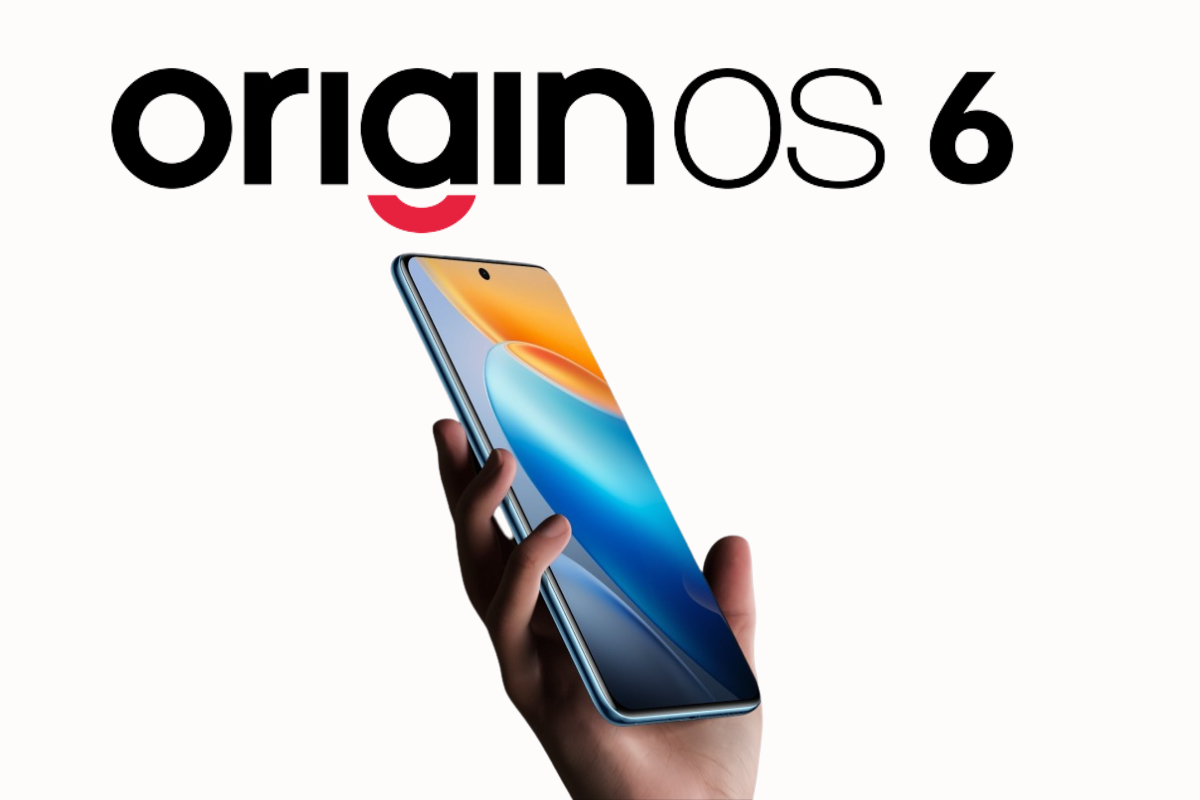
Still waiting for the OriginOS 6 update? Here’s when your phone will get it

OriginOS 6 update rollout

The OriginOS 6 rollout began in early November, and so far, it has already reached almost two dozen eligible devices. Most importantly, the rollout has been smooth and mostly on time. However, given the company’s large smartphone portfolio, a bunch of Vivo and iQOO devices are still waiting for this major upgrade.

If you’re still in the queue for OriginOS 6 (Android 16) update, check the official rollout schedule below to know when it’s your turn to hit the install button.

Here’s when your Vivo, iQOO device will receive the OriginOS 6 update

Early November 2025

  • Vivo X Fold 5 – released
  • Vivo X200 Pro – released
  • Vivo X200 – released
  • Vivo X200 FE – released
  • Vivo V60 – released
  • iQOO 13 – released

Mid November 2025

  • Vivo X Fold 3 Pro – released
  • Vivo X100 Pro – released
  • Vivo X100 – released
  • iQOO 12 – released

Mid December 2025

  • Vivo V60e – released
  • Vivo V50 – released
  • Vivo V50e – released
  • Vivo T4 Ultra – released
  • Vivo T4 Pro – released
  • iQOO Neo 10 – released
  • iQOO Neo 10R – released
  • iQOO Neo 9 Pro – released

First half of 2026

  • Vivo X90 Pro – released
  • Vivo X90 – released
  • Vivo V60 Lite 5G – released
  • Vivo V60 Lite
  • Vivo V50 Lite 5G
  • Vivo V50 Lite
  • Vivo V40 Pro – released
  • Vivo V40 – released
  • Vivo V40e
  • Vivo V40 Lite 5G
  • Vivo V40 Lite
  • Vivo V40 SE 5G
  • Vivo V40 SE 80W
  • Vivo V40 SE
  • Vivo V30 Pro
  • Vivo V30
  • Vivo V30e
  • Vivo V30 Lite 5G
  • Vivo V30 Lite
  • Vivo V30 SE
  • Vivo T4 5G
  • Vivo T4R 5G
  • Vivo T4x 5G
  • Vivo T3 Ultra
  • Vivo T3 Pro 5G
  • Vivo T3
  • Vivo Y400 Pro 5G
  • Vivo Y400 5G
  • Vivo Y400
  • Vivo Y300 Plus 5G
  • Vivo Y300 5G
  • Vivo Y200 Pro 5G
  • Vivo Y200
  • Vivo Y200e 5G
  • Vivo Y100 5G
  • Vivo Y100
  • Vivo Y58 5G
  • Vivo Y39 5G
  • Vivo Y38 5G
  • Vivo Y31 Pro 5G
  • iQOO 11
  • iQOO Z10R
  • iQOO Z10x
  • iQOO Z9
  • iQOO Z9s Pro
  • iQOO Z9s

This is the global rollout plan for OriginOS 6. Many of the devices have already received the update, which we’ve marked as “released”. If your device hasn’t received it yet, it should arrive within the first quarter, which means by March 2026.

Note that the rollout usually happens in batches, so it may take a few days to a few weeks for the update to reach all the users. Even if your device is mentioned on the list with a “released” tag but no new update shows up, don’t worry. The update may arrive anytime soon. Go to Settings > About Phone > System updates to manually check for updates.

However, if your Vivo or iQOO device is not on the rollout schedule, it will not receive the OriginOS 6 update. In that case, you may want to upgrade to a newer model to ensure the device will continue to receive major upgrades. Here’s a list of devices that promise up to four major Android OS updates.

Remember to visit the Vivo section regularly for the latest information. If you prefer your news instant and on-the-go, hop into our Telegram channel for rapid-fire software updates and all the biggest tech headlines.

OpenAI plans AI-powered “SweetPea” earbuds as an AirPods alternative

OpenAI’s long-rumored move into consumer hardware is starting to feel very real. According to new reports from China, the company is developing an AI-powered earphone project codenamed “Sweet Pea,” which could eventually challenge Apple’s AirPods.

The hardware is reportedly being designed by Jony Ive, Apple’s former chief design officer and the man behind some of the most iconic products of the iPhone era. His involvement alone gives the project a level of credibility that most AI gadgets lack.

OpenAI acquired Ive’s design firm, io hardware, in May 2024 for $6.5 billion, and Sweet Pea could become the first major outcome of that acquisition.

A new form factor for earbuds

Unlike traditional true wireless earbuds that sit inside the ear canal, Sweet Pea reportedly features a pebble-shaped metal main unit paired with two capsule-like components that rest behind the ear. This unconventional design allows more space for high-performance chips and onboard AI computing.

At the heart of the device is a custom 2nm processor capable of handling most AI tasks locally. Instead of sending every request to the cloud, Sweet Pea would process voice commands, contextual understanding, and user interactions directly on the device.

The report also suggests that Sweet Pea could replace many basic phone functions, allowing users to control apps and services entirely through voice. To enable this, the device would include microphones and cameras that continuously perceive the surrounding environment.

Because of this constant awareness, users wouldn’t need to say a wake phrase like “Hey.” Instead, the AI would proactively offer suggestions and assistance based on what it sees and hears.

OpenAI is reportedly targeting a September 2028 release for Sweet Pea, with a first-year shipment goal of 40 to 50 million units. That’s an ambitious number for a brand-new product category, but it highlights the company’s confidence in the device.

The only problem is that 2028 is still a long way off—and a lot can change before then.

(Via 1, 2)

Vivo X300 Ultra promises next-level color accuracy with 5MP multispectral lens

Vivo is expected to announce the Vivo X300 Ultra in March this year in China. So far, the rumour mill has already leaked several details about its camera setup. Now, a new leak, courtesy of tipster Digital Chat Station, reveals that the X300 Ultra will offer the best possible colour accuracy.

Vivo X300 Ultra’s multispectral lens details leaked

Vivo X300 Ultra’s multispectral lens details leaked

According to the tipster, the Snapdragon 8 Elite Gen 5-powered Vivo X300 Ultra will feature a custom multi-spectral camera. It is said to use Vivo’s highest-resolution multi-spectral sensor yet (around 5MP), with a larger sensor size and more colour channels, designed to improve both photo and video quality. He suggests this could be the best multi-spectral imaging solution of the year.

A 5MP multi-spectral sensor can significantly improve color accuracy, skin tones, and white balance by capturing more color information than standard sensors. It should also enhance HDR, night photography, and video consistency across different lighting conditions.

According to other reports, the Vivo X300 Ultra’s rear camera setup will include an OIS-enabled Sony LYT-901 200MP primary camera. It will be accompanied by a Sony LYT-828 50MP ultra-wide lens and a Samsung HPB 200MP periscope telephoto camera. For selfies, it will feature a 50MP front-facing camera with autofocus support.

One of its major attractions is said to be support for multi-focal-length continuous optical zoom. To recall, the X200 Ultra from last year came with a dedicated Action button for accessing camera functions. Reports suggest that this feature will not be present on the X300 Ultra.

Vivo X300 Ultra’s global launch drawing near

Vivo X200 Ultra
Vivo X200 Ultra

Recent reports have revealed that the Vivo X300 Ultra is also heading to the global market. So far, it has been certified in Europe and Indonesia. It is likely to debut globally in the second quarter of this year.

For more daily updates, please visit our News Section.

Stay ahead in tech! Join our Telegram community and sign up for our daily newsletter of top stories.

Nothing Phone (2) Gets UI, Camera, and Glyph Improvements in Latest Beta Update

Nothing has released a new beta update for the Nothing Phone (2) with Nothing OS build B4.0-251226-1110. This update does not add major new features, but it focuses on visual tweaks, better stability, and fixes that improve daily use across the system.

The most visible change is the updated battery percentage icon, which now shows the number inside the battery symbol. Extra dark mode has been optimised to work better across more apps and lighting conditions, making it more consistent. Volume adjustment using the hardware keys now feels smoother due to improved slider animations. The Recorder app also looks cleaner, with refined sound wave and wheel animations that move more smoothly during recording.

The update adds support for setting different ringtones for dual SIMs, which helps users quickly identify incoming calls. Pedometer widgets are now more stable, reducing errors and refresh issues. Camera performance has been improved overall, with better stability during use and more consistent colours when using camera presets. Pop-up view has been optimised to run more smoothly and behave more reliably during multitasking.

Vibration and haptic feedback have been tuned to feel more consistent across system actions. The Glyph Interface now responds more reliably to notifications and incoming calls in certain situations. Lock screen, always-on display, and unlocking behaviour have also been refined to make transitions feel smoother. Multi-user mode has been improved so changes made in the main user profile no longer affect other users on the device.

Several visual issues have been fixed in the status bar, Quick Settings panel, and notifications to improve overall consistency. The Battery widget now correctly shows the AirPods icon when AirPods support is enabled. Wi-Fi performance has also been improved, with faster automatic reconnection to saved networks.

The update includes the December 2025 Google Mobile Services update along with the December security patch.

For more daily updates, please visit our News Section.

Stay ahead in tech! Join our Telegram community and sign up for our daily newsletter of top stories! 

This MSI Gaming Monitor Basically Gives You Cheats

MSI is reviving its high-end MEG monitor lineup, recently showcased at CES 2026 earlier this month. The new MEG X goes beyond being a standard hardware upgrade and instead delivers a built-in competitive advantage. Rather than simply displaying the game, the monitor analyzes on-screen activity and provides real-time assistance to the player. In several cases, it introduces features that would normally be considered unfair advantages.

MSI MEG X

The MEG X is built around a 34-inch fifth-generation QD-OLED panel with a 3440 x 1440 resolution and a 21:9 ultrawide aspect ratio. It runs at a 360Hz refresh rate and has a 0.03ms response time, putting it firmly in the same class as the fastest OLED gaming monitors on the market. These core specs alone make it suitable for competitive shooters and fast-paced action games, with strong contrast, clear motion, and excellent low-light performance.

What sets the MEG X apart is its AI system, which works at the display level instead of relying on game software. The monitor analyzes the video feed itself, meaning its features can work across different games without developer support. With a single toggle, players can activate AI tools that highlight characters on screen, making enemies easier to spot during fast movement or chaotic scenes. The monitor can also reduce the impact of flashbang-style effects by cutting down how long the screen stays washed out after a bright flash.

MSI MEG X

In darker scenes, the AI dynamically adjusts brightness and contrast to keep details visible without manual tuning. There is also a zoom function that digitally magnifies targets to help with precision aiming, with an optional night-vision style view for low-light areas. The monitor can detect what type of content is being shown and automatically switch display presets, such as moving into a racing mode when it recognizes a driving game.

MSI adds extra feedback through RGB lighting that syncs with in-game status indicators and includes a hands-free assistant that lets players open menus or adjust settings using voice commands. Because all of this processing happens inside the monitor, it does not rely on game files or software hooks.

MSI itself recommends using these features in single-player games or practice sessions. That suggestion matters, since display-level assistance like this would be difficult for anti-cheat systems to detect. The situation is similar to Snap Tap Mode on keyboards from Razer, which drew attention for providing input advantages that competitive games quickly moved to restrict. In titles like Counter-Strike 2 and other competitive shooters, developers can ban or disable features that offer unfair advantages, even if they come from hardware rather than software. Tournament rules already limit certain mouse and keyboard behaviors, and display-level AI assistance could face the same treatment. If MEG X ships as described, it may be powerful hardware for solo play, but its AI tools are unlikely to be welcome in serious competitive environments where fair play rules still draw a hard line.

For more daily updates, please visit our News Section.

Tech enthusiast? Get the latest news first! Follow our Telegram channel and subscribe to our free newsletter for your daily tech fix!

(Source)

Honor Magic 8 RSR becomes the only 24GB RAM flagship confirmed for 2026

Honor has officially confirmed key hardware details of the Magic 8 RSR Porsche Design, offering an early look at what the brand positions as its most advanced flagship yet. For those who are unaware, this ultimate flagship phone from Honor is scheduled to launch along with the Honor Magic 8 Pro Air on Jan. 19 in China. Here’s a look at what the new RSR edition will offer.

Honor Magic 8 RSR’s chipset and RAM confirmed

Honor Magic 8 RSR chip and RAM

The Honor Magic 8 RSR Porsche Design has been confirmed to feature a combination that remains unmatched in the smartphone industry so far. It pairs the Snapdragon 8 Elite Gen 5 chipset with 24GB of LPDDR5X RAM, making it the only confirmed flagship in 2026 to offer such a memory configuration.

While this combination of chip and RAM is already available on the Red Magic 11 Pro+, which is a gaming-focused phone, the Magic 8 RSR is the only camera-centric offering with such a powerful hardware.

With DRAM and NAND prices rising sharply, many manufacturers have stepped away from 24GB RAM variants altogether, making Honor’s decision notable. Industry analysis suggests memory costs now account for nearly one-fifth of a smartphone’s total manufacturing expense, which could influence the final pricing of the Magic 8 RSR.

This hardware approach positions the device as a performance-focused flagship aimed at demanding tasks such as AI workloads, advanced imaging, and long-term multitasking stability. The phone will be offered in 16GB RAM with 512GB storage and 24GB RAM with 1TB storage options, both using UFS 4.1 storage.

Beyond raw performance, the Magic 8 RSR continues Honor’s collaboration with Porsche Design. The phone features a refined rear design with flowing contours inspired by sports car aerodynamics, paired with a redesigned camera module that improves grip and visual distinction. It will be available in Moon Gem and Slate Grey Neo colour options.

As per other reports, the Honor Magic 8 RSR features a 6.71-inch LTPO OLED micro-quad-curved display with a 1.5K resolution, 120Hz refresh rate, and peak brightness reaching 6000 nits. The display supports high-frequency PWM dimming and circular polarisation for eye comfort. Imaging is handled by a triple rear camera system with a 50-megapixel main sensor with OIS, a 50-megapixel ultra-wide macro camera, and a 200-megapixel telephoto sensor with OIS. A 50-megapixel front camera is paired with a 3D depth sensor.

The Magic 8 RSR runs Android 16 with MagicOS 10, packs a 7,200mAh battery with 120W wired and 80W wireless charging, and includes features such as ultrasonic fingerprint scanning, 3D face recognition, satellite connectivity, stereo speakers, and IP68, IP69, and IP69K ratings. The device is scheduled to launch on January 19, with pricing expected to be revealed at the event.

For more daily updates, please visit our News Section.

Stay ahead in tech! Join our Telegram community and sign up for our daily newsletter of top stories.

(via)

Vivo X200T May Show Why Flagship Phones Don’t Have to Be Pricey

The smartphone game is no longer just about cutting edge specs and record breaking benchmarks. Now, value flagship phones are emerging as the all-rounder devices that deliver near flagship level performance, excellent cameras, long battery life, and long-term support at significantly lower prices. One such phone is the upcoming Vivo X200T model that is expected to blend powerful hardware with balanced features that satisfy performance, excellent cameras, long battery life, and long-term support at significantly lower prices. So here’s how it redefines flagship value in 2026.

1. High-end Performance for Everyday and Gaming

MediaTek Dimensity 9400 Plus
MediaTek Dimensity 9400+

Under the hood, the Vivo X200T is tipped to be powered by MediaTek’s Dimensity 9400+ chipset, which is a 3nm based chip. It is the high end chip that powered older flagship models, so we can expect it to handle everyday tasks, multitasking, and demanding games with ease. The chipset might be paired with up to 16GB of RAM and up to 1TB of storage. This hardware combo ensures smooth performance without any hiccups.

While there are more powerful chips out there, like the Snapdragon 8 Elite Gen 5 and Dimensity 9500, all-rounders like the X200T focus on balanced performance, meaning users get strong real-world responsiveness along with good energy efficiency. Coupled with advanced cooling solutions, this makes the device capable across a variety of use cases. Other notable specifications should include robust connectivity options like WiFi 7, Bluetooth 5.4, eSIM support, and much more.

2. Camera Capabilities that Punch Above the Price

Vivo-X200T-Teaser

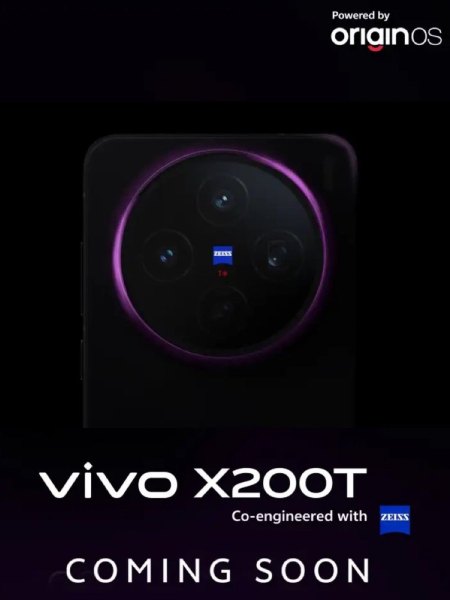
The Vivo X series has been known for its reliable photography experience, and the Vivo X200T will likely be no different. Rumors have hinted at the Vivo X200T featuring Zeiss tund triple camera setup on the rear. This may include a 50MP Sony LYT702 main sensor (OIS, 1/1.56″) along with a 50MP Samsung JN1 ultra wide angle lens (OIS, 1/1.56″), and a 50MP periscope telephoto shooter (1/1.95″, OIS, 3x optical zoom).

This configuration promises versatility for day-to-day photos, landscape shots, portraits, and zoomed-in captures for that compressed look. A few years ago, such a camera combination was once exclusive to premium smartphones. For selfies and video calls, the front is expected to house a 32MP camera.

3. Premium Design & Display

Vivo X200s
Vivo X200s

Value flagship phones like the Vivo X200T don’t cut corners when it comes to design. It likely features a design similar to the older X200 lineup, bringing a refined metallic frame and a glass rear panel. For improved water and dust resistance, the device should offer high end IP ratings like IP68 and IP69.

Moving to the front, the Vivo X200T will reportedly sport a 6.67-inch AMOLED display with a 1.5K resolution (around 2800 x 1260 pixels), a 120Hz refresh rate, and an ultrasonic in-display fingerprint scanner for security. This could also bring high brightness levels and HDR certifications.

4. Endurance & Future-Proof Software

Vivo T4 Pro OriginOS 6
OriginOS 6

A standout area where these all-rounders surpass expectations is endurance. Just like recent flagship devices coming out of China, this model is rumored to feature a massive battery pack that outclasses any phone from the likes of Samsung and Apple. Based on what we know so far, the model is powered by a large 6,200mAh cell that also supports 90W wired fast charging and 40W wireless fast charging. So one can expect more than a day of battery life.

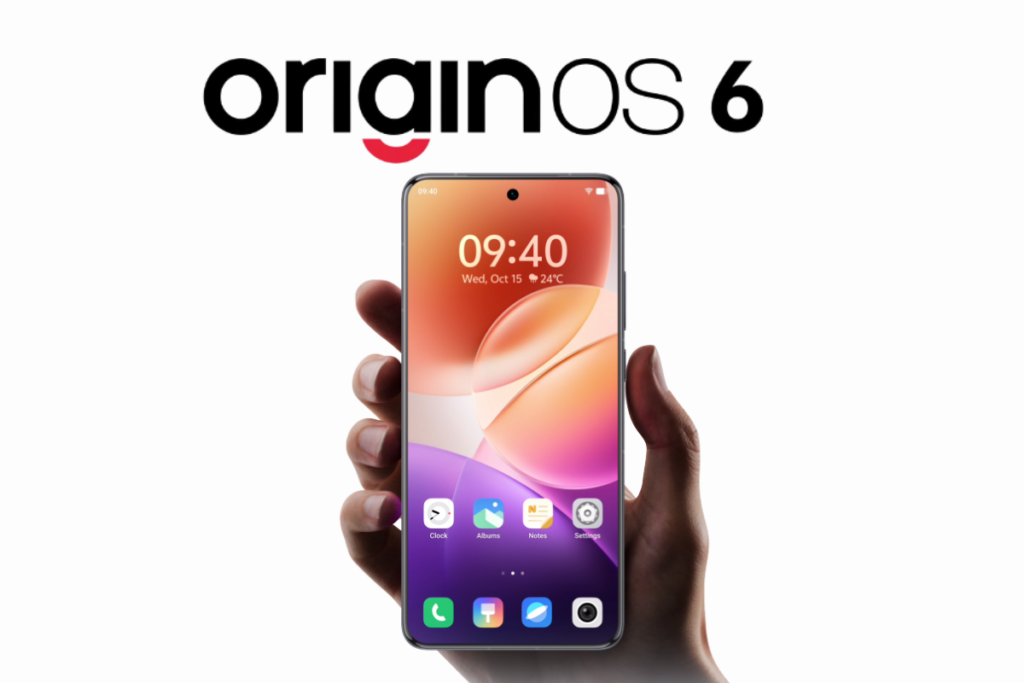
On the software front, Vivo’s commitment to five major Android updates and seven years of security patches pushes it into true flagship-territory support, nearly matching known brands such as Google for long update cycles. This future-proofing enhances the value proposition for buyers who keep their phones for multiple years.

5. What This Means for Flagship Value in 2026

The Vivo X200T embodies a trend that’s reshaping how we define flagships. Instead of chasing top-tier performance or flashy stats, all-rounders focus on delivering balanced capabilities that matter in real life. From day-to-day performance to battery life and solid cameras, these devices can do it all without breaking the bank. For many users, this balance provides enough performance and features without spending flagship money.

For more daily updates, please visit our News Section.

Don’t miss a thing! Join our Telegram community for instant updates and grab our free daily newsletter for the best tech stories!

Xiaomi 17 Max might ditch the rear screen: Here’s why that’s brilliant

Smartphone companies are always looking for new tricks to keep people interested. That’s also what usually brings innovations—like foldable screens, under-display sensor or more recently, bigger batteries. 

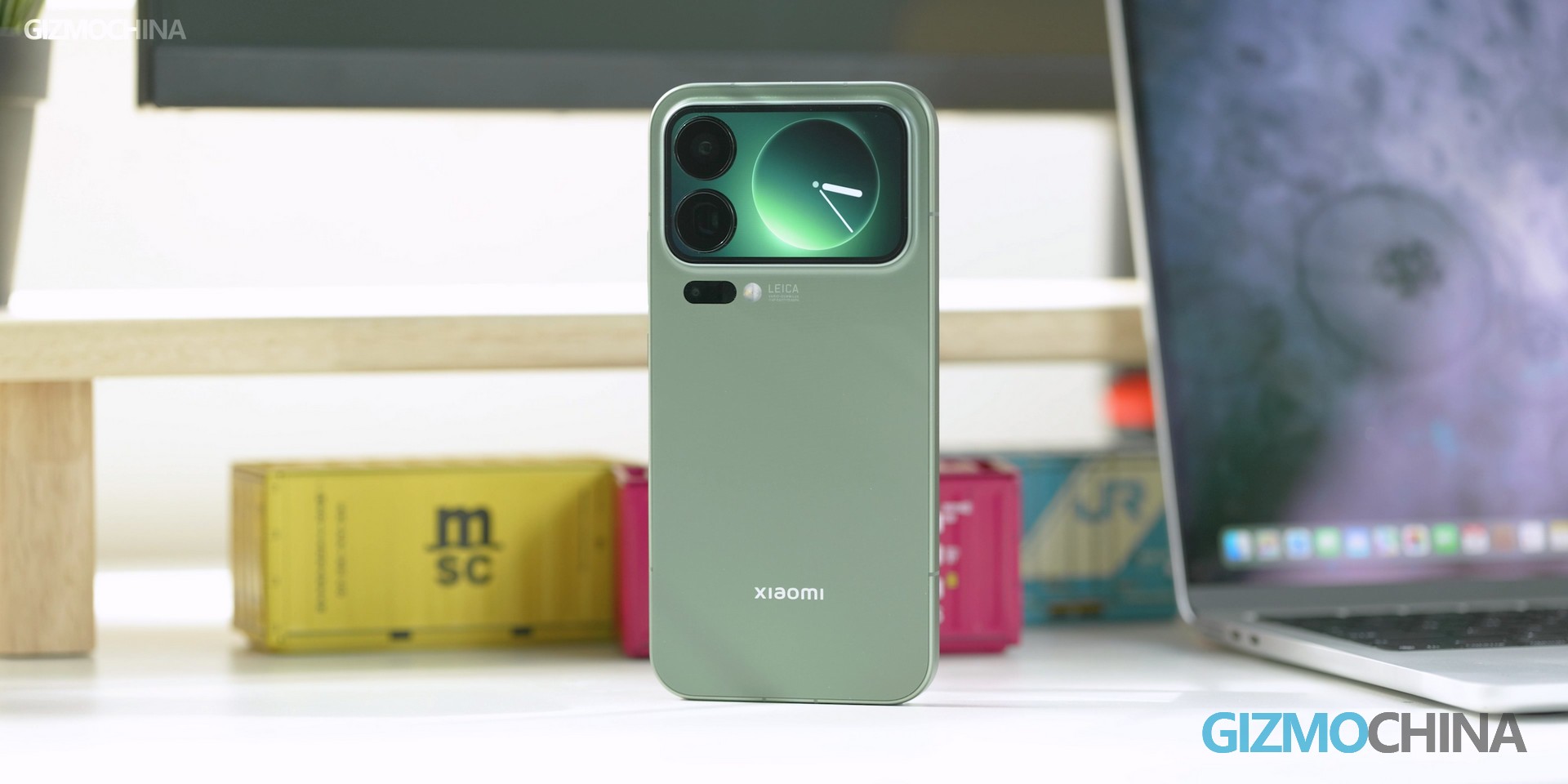
Xiaomi, in its own way, joined this trend by adding a small secondary display next to the camera module on Xiaomi 17 Pro and 17 Pro Max. It is a bit unusual, but the trick has worked for the company as both the Pro phones have reached the 1 million sales milestone in China.

Xiaomi 17 Pro Max
Xiaomi 17 Pro Max

Soon, the brand will expand the line with Xiaomi 17 Max, but it might take a different approach. According to rumors, the Max model might completely drop the rear screen and go back to a more traditional design.

Here’s why we think this is a smart decision by the brand. 

1. The case against the rear screen

Xiaomi 17 Pro Max

Let’s be honest about what the rear display actually is.

Sure, it’s a clever idea. You can use it to preview selfies with the main camera, check quick notifications, or display a clock. For some people, that’s genuinely useful. But for the majority, it’s still a feature that they play with for a week and then mostly forget about.

The problem with features like this is that they add complexity for brands without necessarily improving the core experience of using a phone. A second screen means more components, more software to maintain, more potential for bugs, and higher production costs.

And all of that eventually shows up in the price.

If Xiaomi removes the rear display from the 17 Max, it will simplify the phone to its core. This could mean better battery life, lower cost, and a cleaner design, which are the things many buyers care about far more than a tiny extra panel on the back.

2. Not every phone needs to be a showpiece

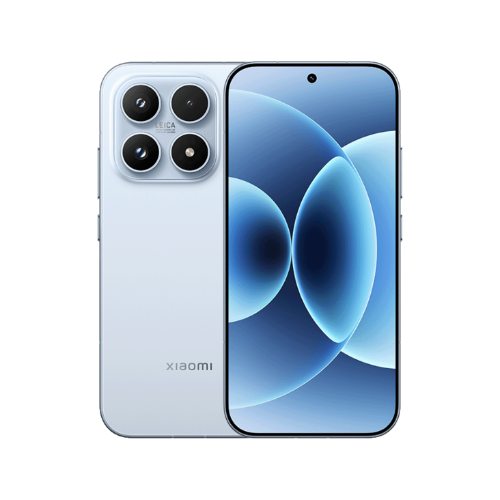
Xiaomi 17
Xiaomi 17

One of the hardest things for any brand is figuring out how to structure a lineup.

Right now, Xiaomi’s high-end range includes multiple devices: standard models, Pro models, Ultra, and the upcoming “Max” version

The Ultra has a clear distinction that it offers the very best Xiaomi has to offer in terms of imaging and experience. The standard models bring flagship power in a relatively compact form factor. Likewise, the Pro models separate them with a screen on the back. 

The Xiaomi 17 Max, as we see it, could be the perfect big-screen flagship for buyers who don’t want the extra premiumness of the Ultra, the rear screen of the Pro, or the compact size of the vanilla model.

By keeping the rear screen exclusive to the Pro and Pro Max models, Xiaomi can give each version a clear identity.

The Pro phones can be the flashy, feature-packed devices for people who like having the newest and unique additions. The Xiaomi 17 Max, on the other hand, will serve as the practical big screen flagship with huge battery, strong performance, and none of the experimental extras.

When you think about it, this kind of separation actually makes a lot of sense.

3. Bigger battery beats smaller novelty

Xiaomi 17 Pro

One of the most interesting rumors around the Xiaomi 17 Max is its battery size.

According to the most recent report, the device will feature a battery of 8000mAh. If true, this would be the biggest battery phone on Xiaomi 17 series. 

However, the space inside a smartphone is limited. You can’t just keep adding components without sacrificing something else.

A secondary rear display takes up physical room, requires connectors, protection layers, and extra power management. Removing it gives Xiaomi more flexibility to prioritize what really matters for a Max device: endurance.

For a lot of users, a phone that lasts two full days on a charge is far more valuable than one that has a tiny screen next to the cameras.

That’s the trade-off Xiaomi seems to be making, and it’s hard to argue with that logic.

4. Practical features over marketing features

Even companies often fall into the trap of adding things because they look impressive in advertisements.

A rear screen is a perfect example of that. It photographs well. It gives reviewers like us something to talk about. It makes a phone feel different from everything else on a store shelf.

But the actual day-to-day benefit is limited for most users.  

People interact with their phones through the main display. It’s this screen people care about most: how bright it is, how smooth it feels, how long the battery lasts. A secondary panel doesn’t really change any of those fundamentals.

So by skipping the rear display, Xiaomi can focus on improving the parts of the phone that users notice constantly instead of occasionally. It could be better cooling, faster charging, stronger cameras, or longer software support.

5. Pricing could be the real advantage

There’s also a financial angle to all of this.

Every extra component in a phone increases the cost. And when a company builds millions of units, even small additions become expensive.

If the Xiaomi 17 Max launches without the rear screen, the company gets the chance to price it more aggressively than the Pro Max model. That creates a very appealing option for people who want a Pro-level experience without paying the Pro price.

And this sounds like the better deal for a lot of buyers. It also helps Xiaomi target different kinds of customers more clearly. 

Those who want the most advanced Xiaomi phone can go with Ultra, those who love something experimental can take Pro / Pro Max, and those who want a big, practical phone can buy the 17 Max. 

6. Verdict

In the end, the Xiaomi 17 Max skipping the rear screen isn’t a feature loss. It’s more like Xiaomi diversifying its offerings based on users. 

For normal users, phones should just work how they are supposed to. They don’t need to be overloaded with gimmicks to be good. Sometimes the best upgrade is removing something unnecessary and using that space, money, and engineering effort on features people actually notice. And the Xiaomi 17 Max could build on this strategy.

Don’t miss a thing! Join our Telegram community for instant updates and grab our free daily newsletter for the best tech stories!

For more daily updates, please visit our News Section.

Samsung confirms basic Galaxy AI features will remain free forever

AI has become one of the biggest selling points of Galaxy smartphones over the past few years. In fact, all the launch events for the last two generations of Galaxy S and Galaxy Z series flagships focused heavily on how these devices aim to make life easier through AI-driven features. On the other hand, the list of hardware improvements has been relatively short in those releases. This has also raised concerns about Samsung potentially charging for the very features that were highlighted as the key selling point of these devices.

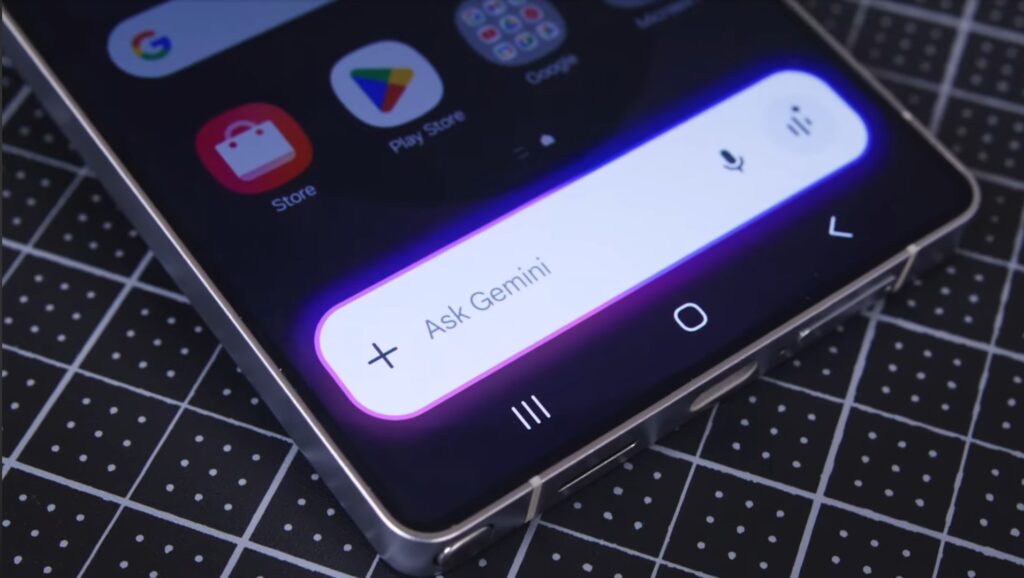
Galaxy S25 Ultra Gemini

The brand initially promised to keep Galaxy AI features “complimentary through 2025,” a statement that didn’t clearly explain what would happen beyond that period. It made headlines and, quite reasonably, sparked concerns among Galaxy fans who were convinced by, and grew to rely on, these features.

Now, Samsung has finally clarified its future plans regarding the key selling point of its phones. The Galaxy AI landing page has been updated with a footnote stating: “Galaxy AI basic features provided by Samsung are free. Future releases may include enhanced features or new services that are offered on a paid basis. Different terms may apply for AI features provided by third parties.”

Samsung hints at plans to charge for some advanced AI features

Samsung is likely to push more advanced — and possibly more convenient — AI features going forward that make Galaxy phones smarter. However, the statement also hints that the brand plans to eventually charge for some advanced and potentially niche AI features. The upcoming Galaxy S26 series, for instance, is expected to focus heavily on proactive, on-device AI.

“Galaxy AI basic features are those services listed under ‘Advanced Intelligence’ in the current Samsung Services Terms and Conditions,” the company further explained in the footnote.

Under “Advanced Intelligence” in Samsung’s Terms, the basic, free Galaxy AI features include communication tools such as Live Translate, Interpreter, Chat Assist, and Transcript Assist, along with productivity-focused features like Note Assist, Writing Assist, Browsing Assist, Now Brief, and Photo Assist.

While the “basic” Galaxy AI features are now confirmed to remain free indefinitely, Samsung’s decision to potentially charge for future AI capabilities could signal a broader industry shift. After all, it’s common for smartphone brands to take notes from each other’s playbooks. How the “AI features” category evolves by the end of the year will be worth watching.

It’s also worth noting that some features powered by Google Gemini, such as Gemini Live, fall under the “AI features provided by third parties” category, meaning different terms could apply to them.

Don’t miss a thing! Join our Telegram community for instant updates and grab our free daily newsletter for the best tech stories!

For more daily updates, please visit our News Section.

(Source | Via)

Realme 16 specifications, official images revealed via premature retailer listing

Realme’s Vietnamese wing has started teasing the arrival of the Realme 16 in the country. Early teasers reveal a horizontal camera bar on the back, similar to the design language seen on Google Pixel phones and the recently launched iPhone Air. However, Realme adds its own twist by integrating a dedicated selfie mirror next to the rear cameras.

At the same time, the device has been prematurely listed on a Vietnamese retailer’s website, revealing almost everything about the smartphone ahead of its official announcement.

Realme 16 specifications (rumored)

Realme 16 color optins

The Realme 16 is listed with a 6.57-inch AMOLED display offering a Full HD+ resolution and a smooth 120Hz refresh rate. The panel is said to deliver up to 4,500nits of peak brightness, making it suitable for outdoor usage. For protection, the display is covered with AGC DT-Star D+ shield glass. An in-screen fingerprint scanner is integrated for biometric authentication.

On the camera front, the Realme 16 features a 50-megapixel front camera for selfies and video calls. At the back, it houses a dual-camera setup consisting of a 50-megapixel primary sensor paired with a 2-megapixel secondary lens. The smartphone is listed to run Android 16 out of the box, which is likely to be layered with Realme UI 7.

Realme-16-5G-images-1
Realme 16 official teaser

Powering the Realme 16 is the MediaTek Dimensity 6400 Turbo chipset. The phone will be available with either 8GB or 12GB of RAM, paired with 256GB of internal storage. Storage expansion is supported via a microSD card slot. One of the standout features is its large 7,000mAh battery, which supports 60W fast charging.

For connectivity, the Realme 16 has Wi-Fi, Bluetooth 5.3, NFC, an IR blaster, and a USB-C port. Despite packing a large battery, it maintains a slim 8.1mm profile and weighs 183 grams. Durability is another highlight, with the phone carrying IP66, IP68, IP69, and IP69K ratings for dust and water resistance.

Realme 16 variants, color options, and availability

The listing reveals that the Realme 16 will be available in two variants: 8GB+256GB and 12GB+256GB. It will launch in Air Black and Air White colour options. The device is listed for availability starting February 2, which appears to be its official launch date. Pricing details have not been disclosed yet.

For more daily updates, please visit our News Section.

Stay ahead in tech! Join our Telegram community and sign up for our daily newsletter of top stories.

(via)

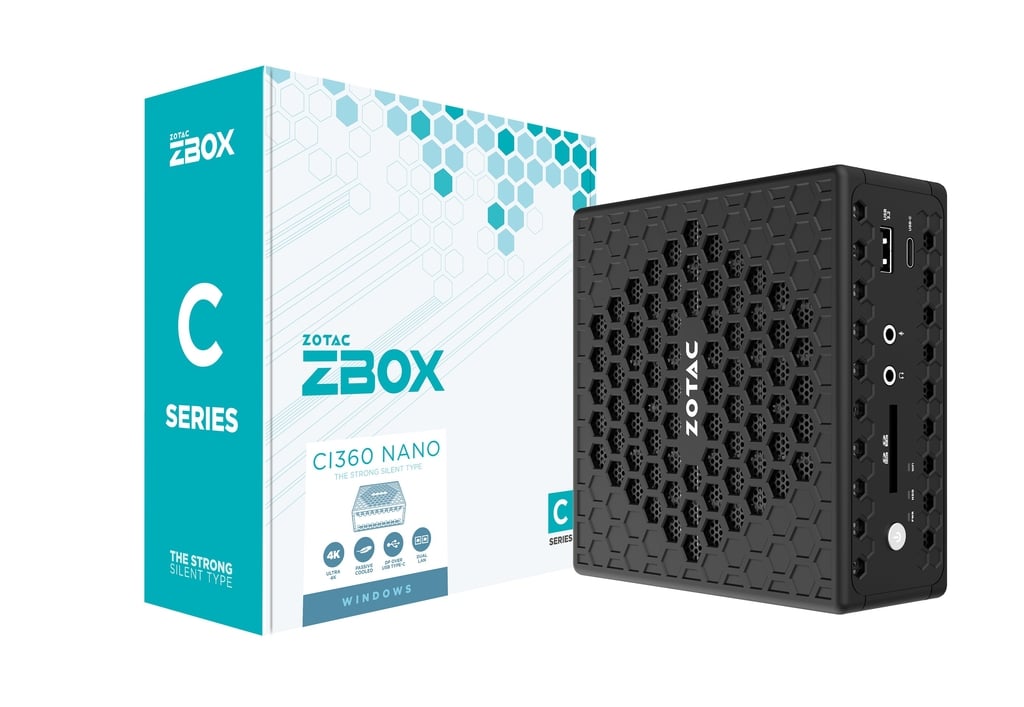
Zotac CI360 Mini PC Unveiled with Intel N150 Processor and DDR5 Support

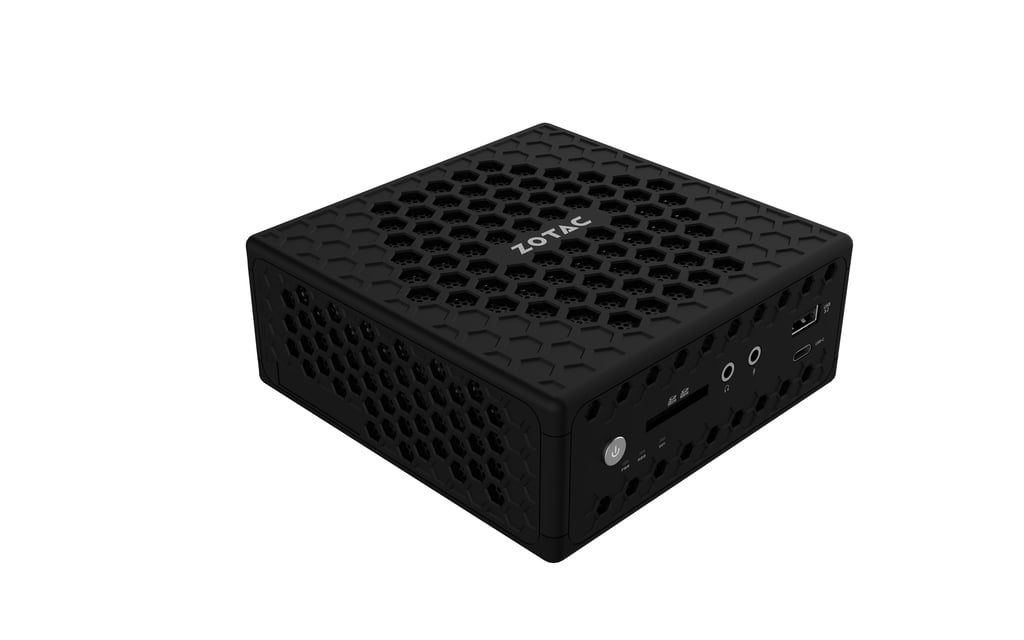
Zotac released the Zbox CI360 nano, a 0.9-liter mini PC aimed at users who need basic computing on a budget.

ZBOX CI360 nano

The system runs on Intel’s N150 processor, a quad-core chip that uses 6 watts of power. It runs at 0.8 GHz base speed and boosts up to 3.6 GHz. Benchmarks show it performs like Intel’s Core i5-8250U from 2017. This makes it fine for web browsing, email, and simple tasks.

The CI360 has one DDR5-4800 SODIMM slot that supports up to 16GB of RAM. The base model comes with 4GB. For storage, you get two M.2 2280 slots. One has a 128GB SSD installed. The other slot accepts PCIe 3.0 x1 or SATA drives.

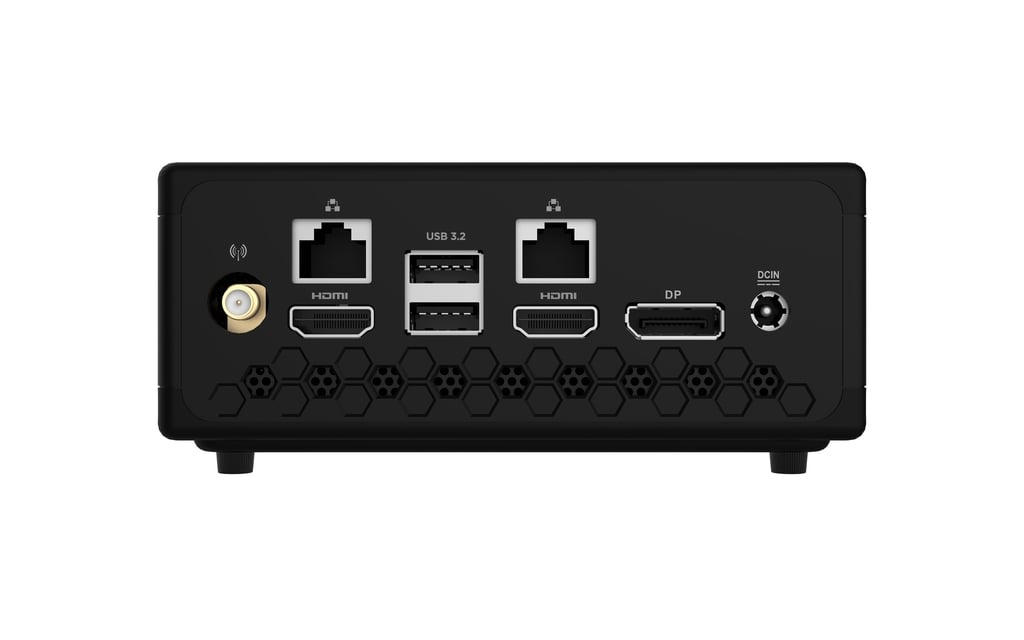
The front panel has one USB 3.2 Gen 2 Type-A port and one Type-C port. The Type-C port doubles as a DisplayPort output. The back has two more USB 3.2 Gen 2 Type-A ports. All USB ports run at 10Gbps speeds.

You can connect up to three displays using two HDMI 2.0 ports and the USB-C DisplayPort. All support 4K resolution at 60Hz. Network options include two Gigabit Ethernet ports, WiFi 6E, and Bluetooth 5.3. There’s also an SD card reader and standard audio jacks.

Graphics come from Intel’s integrated GPU with 24 execution units. It handles video playback and basic acceleration but nothing more intensive. The CI360 replaces the year-old CI338 model. Zotac includes Windows 11 support, VESA mounting hardware, and a power adapter in the box.

Zotac hasn’t announced pricing or when the CI360 will be available.

For more daily updates, please visit our News Section.

Tech enthusiast? Get the latest news first! Follow our Telegram channel and subscribe to our free newsletter for your daily tech fix!

(Source)

Is Motorola Razr Fold with bigger screen, cheaper price a better deal than the Samsung Z Fold?

While Samsung and Motorola have both been prominent fixtures in the American foldable landscape for several years, their strategies have followed different paths. Samsung has long provided a dual-track lineup of both book-style and clamshell devices. In contrast, Motorola focused exclusively on the flip-phone format until this year.

That changed at the CES 2026 tech exhibition in Las Vegas, where Motorola unveiled the Motorola Razr Fold, its first book-style foldable designed to challenge the traditional leaders of the category.

3A better value proposition: Price and features

The most compelling argument for the Razr Fold is the sheer value it provides. It is expected to hit the market at a lower price point than the Galaxy Z Fold, yet it doesn’t feel like a “budget” alternative. Motorola has managed to pack in high-end features that are often missing or less impressive on more expensive devices.

The Razr Fold’s camera setup, which includes triple 50MP cameras, including a periscope telephoto camera, appears more impressive on paper compared to what Samsung offers on its foldable. For instance, the Galaxy Z Fold 7 features a 200-megapixel main camera, a 12-megapixel ultra-wide lens, and a 10-megapixel telephoto camera.

Motorola hasn’t disclosed all the detailed specifications of the Razr Fold yet. Therefore, details about its chipset and battery remain unknown. What appears certain is that its battery pack could be significantly larger than the Z Fold 7’s 4,400mAh unit. The Razr Fold is also expected to offer faster charging capabilities.

By undercutting Samsung’s pricing, Motorola is effectively removing the entry barrier for users who want a book-style foldable but cannot justify a $2,000 investment.

The Razr Fold is expected to hit North American markets by the third quarter of this year. Therefore, more details about its specifications and pricing are likely to surface around that time.

For more daily updates, please visit our News Section.

Stay ahead in tech! Join our Telegram community and sign up for our daily newsletter of top stories.

Next

Redmi Buds 8 Lite launched globally with 12.4mm drivers, 42dB ANC & 36h battery

Xiaomi has officially launched the Redmi Buds 8 Lite in global markets alongside the Redmi Note 15 series. The new true wireless earbuds target budget-conscious consumers while packing a range of features usually seen in higher-end models.

Redmi Buds 8 Lite Specifications

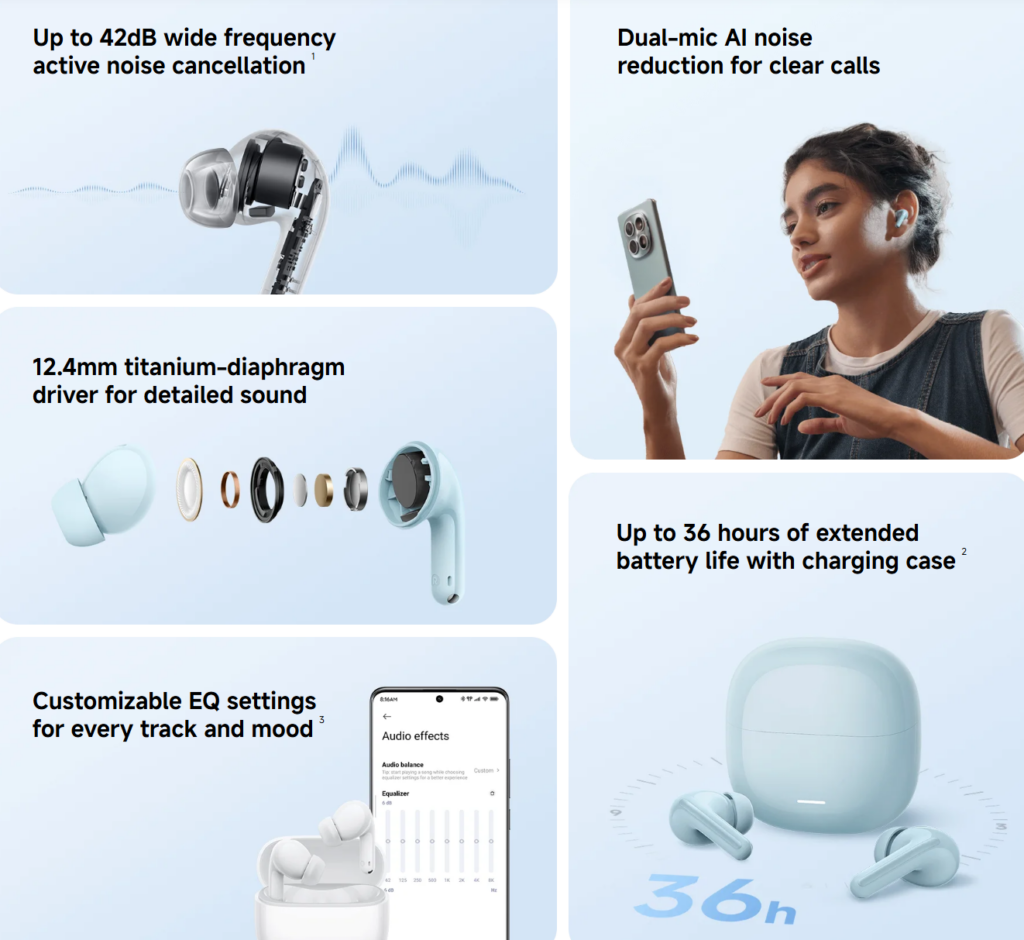
The Redmi Buds 8 Lite support up to 42dB of hybrid active noise cancellation, which helps reduce low-frequency sounds such as traffic, subway noise, and air conditioning. The earbuds use a dual-microphone setup powered by an AI-based ENC algorithm to improve call clarity. The system separates the user’s voice from background noise and helps keep calls stable in busy environments.

Each earbud houses a 12.4mm titanium-diaphragm dynamic driver. Xiaomi says the large driver improves sound quality across all frequency ranges, from deep bass to detailed highs. The earbuds support SBC and AAC codecs and are compatible with both Android and iOS platforms.

Redmi Buds 8 Lite

In terms of battery life, the earbuds deliver up to 8 hours of playback on a single charge, while the charging case extends total listening time to 36 hours. It also supports fast charging, and a quick 10-minute charge provides up to 2 hours of use.

The Redmi Buds 8 Lite support dual-device connectivity, allowing connections to two devices at the same time. The Xiaomi Earbuds app lets users adjust EQ settings and touch controls, manage firmware updates, and fine-tune noise-canceling modes.

The earbuds weigh 4.5g each and come with three sizes of silicone ear tips. Xiaomi has designed the Buds 8 Lite with comfort in mind, offering a smooth exterior and curved fit to reduce pressure during long listening sessions. The earbuds carry an IP54 rating for protection against sweat and light rain.

Pricing and Availability

The Redmi Buds 8 Lite are available in Black, White, and Blue color options. The global price is set at €22.9, and sales have already begun in several countries.

For more daily updates, please visit our News Section.

Stay ahead in tech! Join our Telegram community and sign up for our daily newsletter of top stories! 💡

OnePlus Nord 4 January Update Brings Private Safe Editing, Storage Tools & Circle to Search Fix

OnePlus has started rolling out OxygenOS 16.0.2.401 for the Nord 4 in India. The update arrives in batches and will reach more users over the next few days.

OnePlus Nord 4

Storage and Home Screen Changes

The update lets you access storage cleanup tools straight from Smart Sidebar instead of digging through settings. OnePlus has also improved icon customization—you can now resize app icons and rearrange shortcuts by dragging them around. The same goes for app clone icons.

Photos App Gets Faster

Three new filters have been added to the Photos app: Motion Photo, Screenshots & screen recordings, and Edited. OnePlus says they’ve also sped up how quickly thumbnails load when you open the app.

Circle to Search Tweak

If you use gesture navigation with the gesture bar hidden, you can still activate Circle to Search by tapping where the bar would normally be. It’s a small fix but removes an annoying limitation.

Privacy Updates

Private Safe now lets you edit photos and videos without unlocking them first. Phone Manager will also start asking if you want to enable automatic blocklist updates over Wi-Fi and mobile data, which should catch more spam calls and threats.

Security Patch

The January 2026 Android security patch is included, patching vulnerabilities and tightening up system security.

This update only works if you’re already on OxygenOS 16. If you’re still running OxygenOS 15, you’ll need to upgrade to the base OxygenOS 16 version first.

OnePlus is starting with a small group of users before opening it up wider. Standard practice to catch any bugs before everyone gets it.

For more daily updates, please visit our News Section.

Tech enthusiast? Get the latest news first! Follow our Telegram channel and subscribe to our free newsletter for your daily tech fix!

(Source)

iQOO Z11 Turbo debuts with Snapdragon 8 Gen 5, 200MP camera & 7600mAh battery

As expected, iQOO has officially unveiled the Z11 Turbo in China, expanding its mid-range lineup with flagship-grade features at aggressive pricing. Here are the details.

iQOO Z11 Turbo

iQOO Z11 Turbo Specifications

The iQOO Z11 Turbo features a 6.59-inch flat AMOLED display with a 2750×1260 resolution and a 144Hz refresh rate. It uses TCL’s C9+ luminescent material and supports 10-bit color, P3 wide color gamut. The panel reaches up to 5,000 nits of local peak brightness while dropping to 1 nit for eye comfort.

It supports 4,320Hz PWM dimming, a 3,200Hz touch sampling rate, with Schott reinforced glass protection, Eye Comfort 2.0, and an AI-powered Sunlight Algorithm for better outdoor visibility and reduced eye strain.

Under the hood, the phone runs on the Snapdragon 8 Gen 5 chipset built on a 3nm process, paired with iQOO’s Q2 gaming chip and Monster Core Engine. It combines LPDDR5X Ultra quad-channel RAM with UFS 4.1 storage, delivering over 3.59 million points on AnTuTu.

iQOO Z11 Turbo

Cooling is handled by the Ice Dome VC system, which claims to reduce core temperatures by up to 15°C. It also integrates the Thunder Z1 signal enhancement chip and an AI Gaming Signal Engine 2.0 for more stable gameplay. The Z11 Turbo runs OriginOS 6 based on Android 16.

For photography, the phone comes equipped with a 200MP large-sensor main camera with OIS and support for up to 4x lossless zoom. It is paired with an 8MP ultra-wide camera for wide-angle shots. On the front, a 32MP camera supports wide-angle selfies and can record videos in up to 4K resolution.

iQOO Z11 Turbo

The Z11 Turbo houses a 7,600mAh Blue Ocean battery with second-generation semi-solid-state battery technology. It supports 100W ultra-fast charging and bypass charging during gaming. iQOO claims stable operation across extreme temperatures, from 40°C to −20°C.

The device includes an ultrasonic 3D fingerprint sensor, stereo speakers, X-axis linear motor, and IP68/IP69-rated dust and water resistance. For connectivity, it includes dual 5G SIM, Wi-Fi 7, Bluetooth 5.4, NFC, and an infrared remote control.

iQOO Z11 Turbo

Pricing and Availability

The iQOO Z11 Turbo is available in four colorways: Blue, Pink, White, and Black. The black model features a fiberglass back, while others come with glass backs.

Pricing is as follows:

  • 12GB + 256GB: 2,699 yuan ($378)
  • 16GB + 256GB: 2,999 yuan ($420)
  • 12GB + 512GB: 3,199 yuan ($448)
  • 16GB + 512GB: 3,499 yuan ($490)
  • 16GB + 1TB: 3,999 yuan ($560)

The device is now available in China across all retail channels.

For more daily updates, please visit our News Section.

Stay ahead in tech! Join our Telegram community and sign up for our daily newsletter of top stories! 💡