The GOVO GoBuds 945 true wireless earbuds have been introduced in India. The gadget comes with chrome finishing and offers up to 52 hours of playback. The GoBuds 945 is the latest model in the GOVO GoBuds lineup and promises exceptional audio performance.
The GoBuds 945 offers a deep bass output and is equipped with dynamic 12mm drivers. The earbuds feature the Chrome X technology finish and support Bluetooth 5.3 connectivity for enhanced clarity during calls. Bluetooth 5.3 support also implies that users can remain connected within a 30 feet radius. The earbuds have touch controls that make navigation through music a seamless and fast experience. You can use the touch controls to adjust the volume, change tracks, answer calls, and deploy the voice assistant.
The GOVO GoBuds 945 has a 400mAh battery which can be replenished via fast Type-C charging. The earbuds can deliver up to 52 hours of playtime on a single charge. Call quality using the earbuds is enhanced via the use of four mics that achieve Environmental Noise Cancellation (ENC). This effectively reduces background noise and enhances voice clarity during calls. The GoBuds 945 can also be used as a gaming accessory. It features a Gaming Mode with less than 60ms latency for seamless and lag-free gaming sessions.
The GOVO GoBuds 945 TWS Earbuds are being offered at an introductory price of Rs. 1,199 (~$15). The original price of the gadget is Rs. 4,999 (~$61) although the duration of the introductory offer has not been specified. GOVO is offering a 1-year warranty on the GoBuds 945 TWS Earbuds. The earbuds can be purchased from retail platforms like Amazon India and two color options – Dark Knight and Artic Silver are available.
Samsung is preparing for the release of the Galaxy M34 5G, which is a slightly less powerful variant of the Galaxy A34 5G. Instead of the Dimensity 1080 SoC, the M34 5G will feature the Exynos 1280 chip. Additionally, Samsung India’s support page has unveiled another mid-range device named the Galaxy F34 5G, suggesting that its launch in the country may be imminent.
The device with model number SM-E346B has surfaced, matching its BIS certification from the previous month. Although no specific details have been disclosed, it is likely to be a slightly less powerful variant of the Galaxy M34 5G. For instance, it may come with an LCD display instead of an AMOLED panel. To gain insight into its potential features, let’s examine the expected spec sheet of the Galaxy M34 5G.
Samsung Galaxy M34 5G specs
The upcoming Galaxy M34 will sport a 6.4-inch sAMOLED display with a teardrop notch, providing a refresh rate of up to 120Hz. Its rear-mounted triple camera setup will include a 50-megapixel primary camera featuring OIS (Optical Image Stabilization), alongside two additional cameras.
Under the hood, the Galaxy M34 will be powered by the Exynos 1280 chipset. It has also been confirmed to come with a substantial 6,000mAh battery supporting 25W fast charging. The device is expected to come preloaded with Android 13 OS and One UI 5. Moreover, it will feature a 3.5mm audio jack, microphone, speaker grille, and a USB Type-C port located at the bottom.
Red Magic 8S Pro is launching in China next week and we are starting to learn about its specifications through various teasers. The company has already confirmed the device gets an overclocked Snapdragon 8 Gen 2 processor, a particularly large 6,000mAh battery unit, and 165W fast charging support. In the latest development, the Nubia subsidiary has revealed some of the gaming-focused features of the device, including its dedicated gaming chip, and a 3.5mm headphone jack, among others.
Red Magic 8S Pro could be the gaming phone of your dreams
According to the recent set of teasers, the Red Magic 8S Pro will come equipped with a self-developed Red Core R2 chip, paired with a 520Hz game somatosensory shoulder key and a dual X-axis vibration linear motor. The company also confirms the presence of RGB lights on the device, as well as support for Wi-Fi 7. The Red Magic 8S, being a gaming phone, includes a 3.5mm headphone jack, which is rare in a high-end device.
Mind you, the Red Core R2 chip is not new and has already been used in the Red Magic 8 Pro. This chip supports various synchronization algorithms that allow for features like fingertip touch, vibration feedback, colorful lights, and impressive sound effects. It enables a unique three-dimensional control experience with vibration, shock, and touch.
Red Magic is going all in with the 8S Pro. The handset packs an overclocked Snapdragon 8 Gen 2 SoC with a higher 3.36 GHz frequency. This is the same SoC used on the Galaxy S23 series. Further, the Red Magic 8S Pro is claimed to debut as the first phone with 24GB of RAM. You also get the company’s fourth generation of under-display selfie camera and a 6,000mAh battery with 165W charging support.
The Google fact checking tool has just been updated which has made it even more useful. The company’s tool can now fact check images as well, with the functionality currently being live in a global beta.
Google fast checking now applies to images too
Since its conception, the Search Engine giant’s fact checking tool has already helped many. Now, people can even scrutinize a picture found online as well. To use this tool, one simply requires the image itself that they can upload or copy and paste the URL and click on the search image option on the right corner of the search bar. After this, the fact checker tool kicks in, providing key details and references of this image from all across the internet. Notably, this announcement also arrives a couple of days after the brand’s researchers introduced a new language model dubbed the AudioPaLM.
Furthermore, the beta tool can also offer details about topics and locations that are related to the image being searched. This, in turn, help make the process much fast as well. As per official notes, Google’s new tool can find out if an image is being used in the wrong context. In other words, it can find out if someone is manipulating the truth by using an image to spread misinformation.
Apart from this, the Fact Check Explorer will one to trace the origin of the image as well as its original context. As an example, you can find the image listed based on the timeline where Google first indexed it or found a mention of it on the internet. Keep in mind that the tool is still in beta stages, so it might not work as intended every time. But for those interested, you can join the waitlist to try out this feature by clicking here.
The United States and the Netherlands are intensifying efforts to restrict China’s access to crucial equipment required for semiconductor manufacturing. This move follows recent reports of potential sanctions on American companies supplying AI chips to Chinese clients. These measures aim to further limit business dealings between vendors like ASML and Nvidia and Beijing, as new export controls take effect.
The Dutch government is set to unveil fresh regulations, introducing a licensing requirement for ASML’s second-best product line. The government announced that new controls on ASML, the world’s sole provider of advanced lithography equipment for cutting-edge chips, will take effect on September 1. ASML is already prohibited from selling its most advanced technology, EUV lithography machines, to Chinese clients. The forthcoming controls will extend the restrictions to ASML’s second most powerful line, DUV machines, requiring a special license for sales in China. By imposing stricter controls, the Netherlands aims to curtail certain equipment exports to China.
The US is poised to adopt a comprehensive approach, imposing licensing requirements for the export of equipment to around six Chinese facilities, including a fab operated by SMIC, a prominent semiconductor manufacturer in China. This move, part of the ongoing US-China tech war, aims to restrict specific equipment not only from ASML and other Dutch companies but also to exert control over additional Dutch equipment destined for targeted Chinese wafer fabs.
The US government is set to release a list of the six semiconductor factories, which includes China’s largest chipmaker SMIC, where ASML will be required to obtain licenses for deploying DUV (Deep Ultraviolet) equipment. However, according to Reuters, it is expected that requests for equipment licensing to these facilities will likely be denied on security grounds.
These measures reflect an escalating effort by the US and the Netherlands to curb China’s technological advancements in the semiconductor industry. By tightening export controls, the two countries aim to safeguard their strategic interests and protect sensitive technologies from reaching Chinese companies operating in the semiconductor sector.
A brief overview of the US-China Tech War:
The US-China tech war intensifies as trade restrictions on semiconductors tighten. Former President Donald Trump’s administration initiated the conflict by cutting off Fujian Jinhua Integrated Circuit in October 2018, accusing the Chinese firm of stealing trade secrets. Subsequent actions included blocking the sale of Dutch chip manufacturing technology to China and banning semiconductor shipments to Huawei Technologies in May 2020. The US added China’s top chipmaker SMIC and other firms to a trade blacklist in December 2020, limiting their access to advanced semiconductor production technology. These measures reflect the growing competition and security concerns in the semiconductor industry.
In September 2022, US chip designers Nvidia and Advanced Micron Devices were instructed to halt certain exports to China, affecting computing chips for AI work. The Biden administration further escalated the conflict in October 2022 by introducing comprehensive export controls, including limitations on certain semiconductor chips made using US equipment.
Meanwhile, the Netherlands plans to curb sales of ASML equipment to Chinese chipmakers, as reported on June 29, 2023. Additionally, the US is expected to go even further by withholding more Dutch equipment from specific Chinese fabrication plants. US officials are considering tighter export control rules on AI semiconductors to China, including restrictions on computing power. These developments highlight the ongoing battle for dominance and protection of critical technologies between the US and China.
Lenovo Legion series laptops are quite popular in China, and they have a lot of takers in the international market as well. The lineup includes machines that are powerful enough for both work and play, and the more recent releases even feature a thinner design instead of the bulky look. Lenovo is preparing to introduce a new laptop in the series called the Legion Y9000X 2023. The notebook will feature a sleek design and 13th gen Intel Core processors. Here’s what we know.
Legion Y9000X 2023 could be a solid gaming machine
According to the official announcement, the Lenovo Savior Y9000X 2023 notebook will be released at the Bilibili World 2023 event on July 22nd. The laptop series is pictured in white with a sleek design and is equipped with 13th-generation Core series processors. Other details of the upcoming machine are still under wraps.
As is the case with Legion series laptops, this unit could also focus on providing smooth gaming performance. It can be seen with its solid build and numerous ports for connecting various accessories. Additionally, large vents are there on the device for effective heat dissipation. We hope to learn the pricing and other specifications of the device in the days to come.
In related news, Lenovo has been teasing the launch of the new YOGA Air 14s 2023 Ultrabook. The device is powered by AMD’s Ryzen 7040 series processor, paired with a 14.5-inch 3K OLED display and six speakers. There is 32GB of RAM and a 1TB SSD. This laptop gets a 70Wh battery as well as a sleek and thin look. The device only weighs 1.3kg. We expect the notebook to be released pretty soon.
ZTE Corporation recently held a showcase during the MWC event in Shanghai. During this conference, the company showcased cutting-edge technology and computing infrastructure that will back the growing computing demands for complex machine learning-based models like ChatGPT.
ZTE unveils new intelligent computing infrastructure at MWC
The Chinese telecommunications giant announced a new type of intelligent computing infrastructure at the 10th MWC event in Shanghai. This system was built specifically to meet the growing demands for complex computing models. These are typically large-scale models and also aim at generative AI-based businesses as well. With the explosive roll out of ChatGPT, there has been a massive digital transformation and advancement in AI technology.
ZTE’s infrastructure will seek to meet the requirements for these complex deep learning models that deal with massive data volumes and consume vast resources. Due to the vast growth of AI-based businesses, there has been a surge in demand for capable servers and the even storage market, which require high standards of stability, reliability, and performance. For this, ZTE has unveiled a new series of server solutions that support GPUs and liquid cooling.
Meaning, it supports large-scale applications despite running on exceptionally low power consumption. One of these new servers includes the R6500G5 GPU series that can house up to 20 GPUs. The company even plans to release a new R6900G5 GPU training server as well by the end of this year. Alongside these, ZTE will even offer options in the field of storage and networking to basically become an integrated solution provider of intelligent computing infrastructure.
Nintendo has long been rumored to be working on a successor to the original Switch handheld console. The next gen entry is expected to offer a notable bump in performance thanks to more powerful hardware, but now, we might have a fair idea just how capable this Switch 2 model could be.
Nintendo Switch 2 could be on the same level as the Xbox One & PS4
Interestingly enough, the information this time around weren’t shared by some tipster or an anonymous source. Rather, the details comes from Activision Blizzard’s CFO Armin Zerza. To elaborate, the executive in an email sent to Nintendo stated that Activision can ‘make something compelling for NG (next generation) switch as well’. Apparently, the development plans for new the titles for the upcoming Switch 2 model is thanks to the handheld console being ‘closer’ in performance to Gen8 platforms.
The 8th Gen consoles are basically the Xbox One and PlayStation 4. In terms of raw performance, these consoles operated within a performance range of between 1.3 TFLOPS and 1.84 TFLOPS (FP32) and featured 8GB of RAM. However, the next gen Switch console can possibly output up to 4 TFLOPS from its new Nvidia Tegra T239 processor. This chipset is the customized variant of the Tegra T234 chip that features Team Green’s Ampere architecture and 2,048 CUDA cores.
If this rumor is true, then the Switch 2 could possibly offer around 10 times the power of its predecessor. While this is a huge jump over two generations, Nintendo hadn’t updated its Switch series in years, except a Lite model and an OLED refresh. So stick around for more, as we will be providing updates when additional information is available regarding this matter.
Google is expected to launch its next-generation flagship Pixel 8 series later in October this year. The Pixel 8 and 8 Pro will arrive as the successors to the last year’s Pixel 7 series. Leaks and rumors have started gathering pace about the upcoming Pixel flagships. Now, in a new development, an interesting new feature of the Pixel 8 series has surfaced.
Pixel 8 series to support external displays
Android Authority citing a source inside Google reported that the Pixel 8 and Pixel 8 Pro may gain the ability to support external displays. This could potentially transform the phones into desktop replacements.
The report reveals that the feature could work through the default USB-C port. The Pixel 8 series will come with support for USB DisplayPort’s Alternate Mode. Basically, it allows devices to connect to displays via USB-C. USB-C plugs are said to have a lot of connector pins and were designed with versatility and extendibility in mind. They are also able to transmit massive amounts of data.
The most common alternate mode standards are ThunderBolt and DisplayPort for sharing a device’s screen onto an external and potential display. While USB-C can also support the DisplayPort alternate mode without ThunderBolt, it is said to be less versatile but still a useful option for devices that don’t offer a way to output high-resolution video to an external display. Smartphones do not have the space to accommodate a dedicated HDMI display port. Hence, the USB-C charging port doubling down on its functionality will be quite interesting.
The publication also dived into Google’s code base stating that Google might have the feature in mind for the Pixel 8. Additionally, as per a spotting by Mishaal Rahman, recent Android 14 betas have support for USB-C DisplayPort Alternate Mode and introduced improvements to the desktop mode that was present in the launcher code.
The support for external displays is not a new feature. Samsung’s DeX mode has been quite popular allowing a desktop experience via a USB-C cable or HDMI adapter. Motorola also has its ‘Ready For’ feature that is similar to DeX. Microsoft also had a mode in its Lumia series phones.
Samsung has officially announced its online gaming store. It is called the Game Portal. As the name suggests, it will be a one-stop place for all gaming-related products launched by Samsung. The South Korean brand known for smartphones, tablets, wearables, and home appliances also offers gaming monitors, SSDs, and more. Read on to know more about Game Portal below.
Samsung Game Portal online store announced
Game Portal is a dedicated online store from Samsung. It will cater to the needs of gamers by bringing all relevant devices in one place. The store will be accessible through Samsung’s official website in select markets. It is currently available in the US, UK, Germany, Italy, Brazil, France, and Spain. The online gaming store will also expand to over 30 countries later in the future.

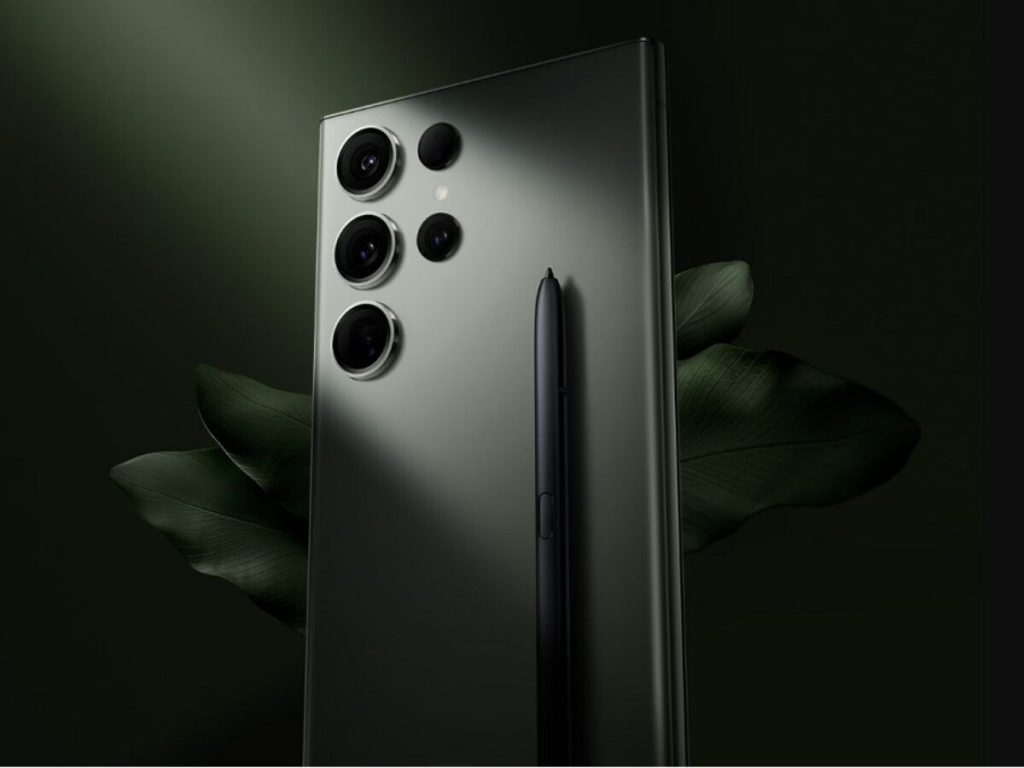
There are dedicated sections for smartphones, gaming TVs, gaming monitors, gaming storage, and gaming headsets on the Samsung Game Portal. The brand is highlighting the Galaxy S23 Ultra, Neo QLED TV, Oddysey OLED G9 monitor, and the 990 PRO SSD.
The store also provides expert reviews, gaming tips and how-to’s, gaming news, and more. There will also be special offers, however, these will vary from region to region.
Commenting on the launch, Evelyn Kim, Executive Vice President, D2C Center at Samsung Electronics, said, “Gaming has become an important part of consumers’ lifestyle, not just entertainment, especially for Millennials and Gen Z. We will implement various initiatives to provide customers with a superior gaming experience, from purchase to use, by providing an environment that makes it enjoyable and easy to purchase gaming-related products.“
Targeting gamers and music enthusiasts, Noise has recently unveiled the Noise Buds Aero, a pair of budget-friendly true wireless earbuds in India. These earbuds offer an impressive 45-hour battery life, effectively eliminating any concerns about running out of battery. Now, let’s explore the detailed specifications and features of the Noise Buds Aero.
Noise Buds Aero specs
The Noise Buds Aero earbuds boast an elegant design with a sleek matte finish complemented by chrome accents. They are equipped with 13mm drivers, ensuring immersive sound quality with support for AAC audio format. With Bluetooth v5.3 technology, these earbuds offer seamless connectivity for uninterrupted audio streaming.
A standout feature of the Noise Buds Aero is its dedicated gaming mode, which achieves an impressively low latency of only 50ms. This means gamers can enjoy a lag-free gaming experience, responding quickly to in-game actions. Additionally, the earbuds provide an extended battery life of up to 45 hours, allowing for prolonged usage before needing to recharge. Even a quick 10-minute charge delivers an impressive 120 minutes of playtime.
The HyperSync technology implemented in the Noise Buds Aero enables effortless pairing as soon as the charging case is opened. This convenient feature saves time and ensures a hassle-free connection to your devices. Moreover, the earbuds incorporate Environmental Sound Reduction (ESR) technology to effectively block out distractions and enhance focus on your audio.
The Noise Buds Aero earbuds are designed to withstand active lifestyles with an IPX5 water resistance rating, making them suitable for workouts and outdoor activities. The inclusion of a USB Type-C port enables convenient charging, and the Instacharge feature provides quick charging capabilities.
Price & availability
The Noise Buds Aero are competitively priced at Rs. 799 and will be available for sale starting tomorrow, July 1st, 2023, at 12 PM. Interested buyers can purchase them from Myntra and gonoise.com. These earbuds come in two stylish color options: Charcoal Black and Snow White.
Xiaomi debuted the Pad 6 tablet in China in April this year. It arrived in India earlier this month. Now the device is set to make its way to Europe. However, Xiaomi is yet to confirm about its arrival in European markets. Now details about the Xiaomi Pad 6’s variants and pricing have emerged courtesy of tipster Ishan Agarwal.
Xiaomi Pad 6 European pricing tipped
As per Agarwal, the Xiaomi Pad 6 will be offered in 6GB + 128GB and 8GB + 256GB RAM and storage configurations. These will be priced at EUR 399 and EUR 499 respectively. The starting price of the tablet in the UK market will be EUR 369. The tipster added that the Xiaomi Pad 6 will be available in Blue and Grey color options. It will skip the Gold hue.
Details about the Xiaomi Pad 6’s exact launch date and availability remain a mystery for now. Ishan is usually accurate with his leaks, so we can expect the tablet to debut in the coming weeks.
In Europe, the Xiaomi Pad 6 is expected to retain the same specifications as its Chinese and Indian variants. It has a boxy design and a square camera module housing a 13MP main sensor. The tablet features an 11-inch LCD display bearing a 2,8K resolution, a 144Hz refresh rate, and 550 nits peak brightness. It is compatible with HDR10 and Dolby Vision content. There are quad-speakers tuned by Dolby Atmos.
The Xiaomi Pad 6 is powered by a Snapdragon 870 SoC coupled with up to 8GB RAM and 256GB storage. The tablet is backed by an 8,840mAh battery with support for 33W charging.
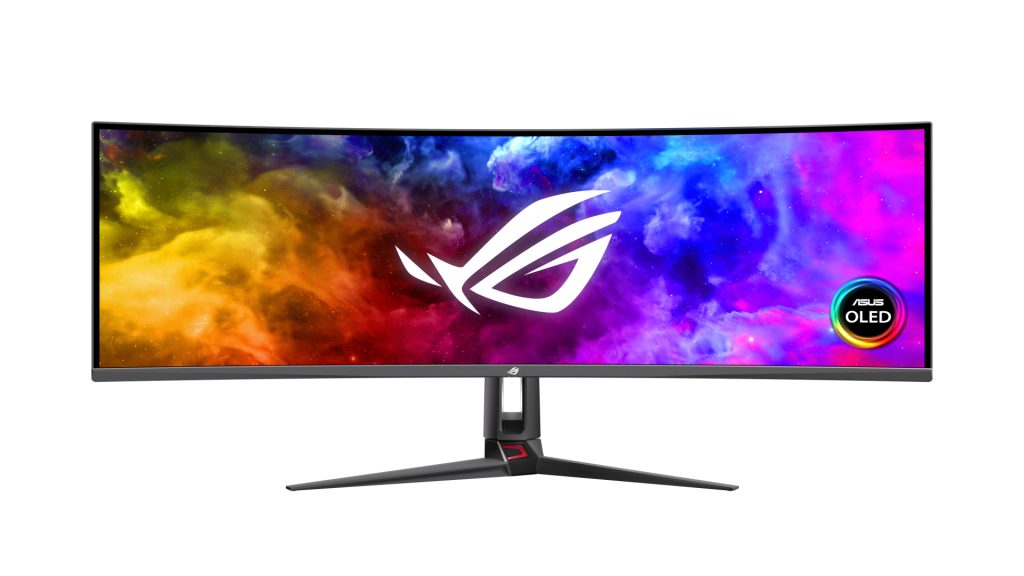
Samsung has launched a new monitor in India. It falls under the company’s Odyssey lineup. The latest offering is dubbed the Samsung Odyssey G9. It had debuted in the USA and Korea markets earlier this month. The monitor is aimed at gaming enthusiasts and packs flagship specifications at a premium price tag. Read on to know what it offers out of the box.
Samsung Odyssey G9 monitor specifications and features
The Samsung Odyssey G9 is a curved monitor with an OLED panel. It features a 49-inch screen with a 180R degree curvature. The monitor’s wide screen offers a dual quad high definition (DQHD) resolution of 5,120 x 1,440 and a 32:9 aspect ratio. The G9 features a 240Hz refresh rate and a 0.03ms rapid response rate. There is also VESA Display HDR400 and AMD FreeSync.
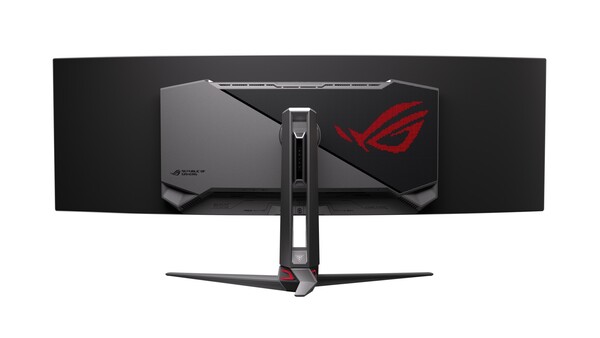
Design-wise, the Samsung Odyssey G9 features a slim design and a metallic frame. There is a CoreSync and Core Lighting+ technology on the back panel that syncs colors with the on-screen content. The VESA-mounted stand can be tilted and users can also make height adjustments. In terms of audio, the monitor is equipped with dual 5W built-in speakers.
The Samsung Odyssey G9 is equipped with the brand’s Neo Quantum Processor Pro for immersive viewing experience. It offers a smart TV experience with apps, IoT hub, voice assistance, and game hub. Connectivity options on the monitor include a DisplayPort, one HDMI 2.1, micro HDMI 2.1, and a USB hub.
The Samsung Odyssey G9 monitor carries a price tag of Rs 1,99,990. It can be purchased starting today from Samsung Shop, Amazon, and leading retail stores across the country.
Earlier this week renders of the Samsung Galaxy S23 FE were leaked, revealing that the design of the device will be more in line with the other Galaxy 23 series smartphones, rather than the Galaxy S21 FE. Now, the smartphone has emerged on the 3C certification website, revealing its charging capabilities.
According to the certification, the SM-S7110 also referred to as the Galaxy S23 FE, will offer 5G compatibility and feature 25W fast charging technology. Previous certification by Safety Korea revealed that the device with model number SM-S7110 is rumored to be equipped with a 4,500mAh battery. While specific details remain undisclosed, let’s delve into the rumors surrounding the Galaxy S23 FE for further insights.
Samsung Galaxy S23 FE specs (rumored)
According to a recent report, the Galaxy S23 FE is rumored to have a launch timeframe in the third quarter of 2023, albeit with limited availability in select markets. In terms of specifications, the device is speculated to be powered by an Exynos 2200 chipset, although there are rumors suggesting that certain markets might receive a Snapdragon 8 Plus Gen 1 variant.
The Galaxy S23 FE is expected to sport a 6.4-inch FHD+ AMOLED panel with a smooth 120Hz refresh rate. It is speculated to offer various storage configurations, allowing users to choose between 6GB or 8GB of RAM and 128GB or 256GB of storage. The device is rumored to house a 4,500mAh battery with support for 25W fast charging. Notably, there are reports indicating that the Galaxy S23 FE might feature a significant improvement in camera quality, possibly offering a 50MP camera instead of the 12MP camera found on its predecessor, the Galaxy S21 FE.
DxOMark has just recently shared the results of its testing for display on another new smartphone model. This time, the firm tested out the Google Pixel Fold, which is the company’s first-ever foldable smartphone. However, it appears that the brand has struck gold on its very first try.
Google Pixel Fold takes the throne in DxOMark’s Display Test
According to DxOMark, the Search Engine giant’s Pixel Fold model has achieved the throne as the number 1 in both its Ultra premium rankings and even the Global rankings as well. With a score of 151 points in the display test, the device has managed to outperform every other smartphone that has been tested by the firm. The device received praise for the display’s color rendering in most lighting scenarios.
Furthermore, it managed to offer a great HDR10 video experience and offered good levels of brightness in most conditions. The only issue with the screen was a lack of brightness after a few minutes of outdoor use, but the overall readability, colors, and viewing experience received high praise. But despite such great performance in the display segment, the device didn’t even manage to enter the top 20 in the camera tests.
The Pixel Fold scored just 133 points, which puts it in the 28th position in the global rankings. But overall, it was still a fairly capable smartphone in terms of photography. Interestingly enough, the Google Pixel Fold received the top spot in the DxOMark display test around the same time many users have been complaining about issues regarding the device’s screen. Owners of the device have complained about internal display issues that are causing its display to malfunction or even die in some cases.
Infinix has just teased the launch of a new product in the Indian market. The company is apparently planning to be the first in the region to release a 32 inch smart TV, which features QLED display technology. So let’s have a look.
Infinix teases new 32 inch QLED TV powered by WebOS
For those unaware, QLED displays are typically found in premium grade TV models, the likes of which Samsung offers. However, it appears that the smartphone brand is aiming on disrupting the Indian market by making an affordable QLED TV, which is also the first of its kind in the region thanks to its 32 inch screen size. At this size, most OEMs do not even offer Full HD resolution (1080p) and usually opt for HD resolution (720p). So using a QLED panel is quite surprising.
Based on what we know so far, the upcoming QLED TV will b powered by WebOS and promises to offer a user friendly experience with innovative features. Apart from the 32 inch base model, the upcoming Infinix QLED TV will even arrive in a higher end 43 inch variant as well. Notably, the company has hinted at its price tag being under 12,000 INR, which is quite affordable for a QLED TV model.
Furthermore, the new Infinix WebOS TV will offer a frameless design with a slim body and claims to offer vivid colors and accurate color reproduction as well. Unfortunately, this is all the information we have at the moment, so stick around for more updates.
The Realme Narzo 60 series is set to be released in India next week. However, the upcoming smartphones aren’t the only products that will be announced during the launch event. The company is even gearing up to unveil the new Realme Buds Wireless 3 neckband earphones as well.
Realme Buds Wireless 3 to feature improved ANC
As per an Amazon listing, the Chinese smartphone maker’s Buds Wireless 3 will be announced on July 6, alongside the Narzo 60 lineup. However, the wireless neckband earphones will go on sale in India on July 12. In other words, its sale will coincide with the Amazon Prime Day Sale event. Based on what we know so far, the successor to the popular Buds Wireless 2 will house 13.6mm Dynamic drivers and offer up to 30 decibels of ANC (Active Noise Cancellation).
This is higher than the 25 decibels found on its predecessor. Furthermore, the online listing also reveals that the earphones will be offered in two color options, namely White and Black. Apart from this, the device carries the model number RMA2119 and will have a weight of just 30 grams.
Realme Buds Wireless 3 will go on sale on July 12 and is hinted to have a sub 3,000 INR price tag. The Buds Wireless 2 had launched for 2,299 INR and had an introductory price tag of 1,999 INR. So we can expect the Buds Wireless 3 model to also cost around the 2,500 INR mark. This is all the information we have at the moment, so stick around for more updates.
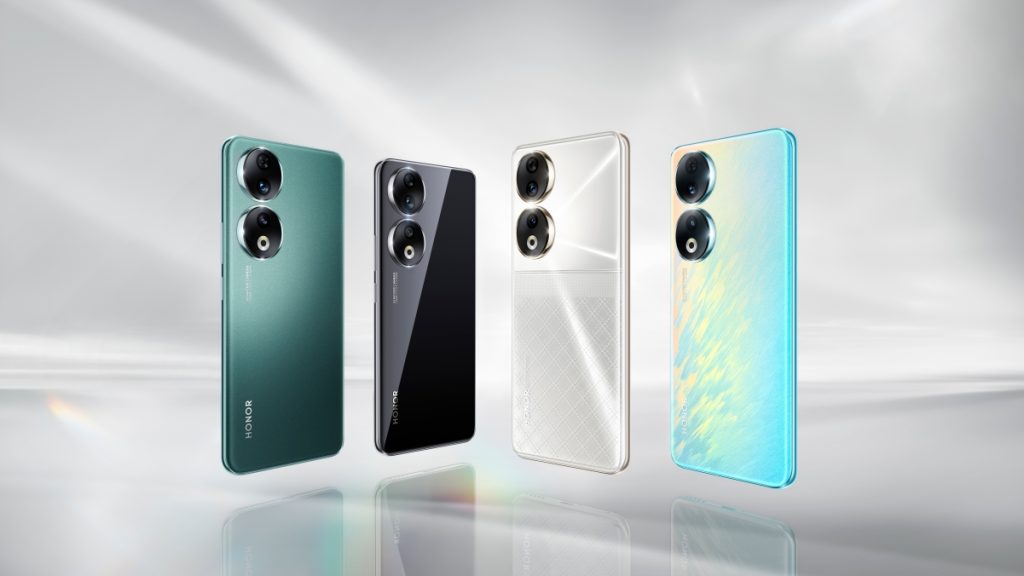
Honor recently debuted the Honor 90 Lite 5G in Europe. It is a lower-mid-range device with a EUR 300 price tag and a 100MP main camera sensor. Now, it looks like the smartphone is headed toward Asia as it has recently emerged on the IMDA certification website.
According to the listing, it appears that the Honor 90 Lite 5G with model number CRT-NX1 is expected to be released in Singapore. While the listing does not provide any specific details or specifications about the device, it is worth mentioning that the Honor 90 Lite 5G has already been launched in Europe, and therefore, we already have comprehensive information regarding its specifications.
Honor 90 Lite 5G specs
The Honor 90 Lite 5G boasts a large 6.7-inch punch-hole display with a center-aligned design. It offers FHD+ resolution and a smooth 90Hz refresh rate.
In terms of camera capabilities, the Honor 90 Lite features a triple rear camera setup. It includes a high-resolution 100MP primary sensor with an f/1.9 aperture, accompanied by a 2MP macro lens and a 5MP ultra-wide-angle unit. For selfies, there is a 16MP front-facing camera.
Under the hood, the Honor 90 Lite is equipped with a powerful Dimensity 6020 processor. It is equipped with 8GB of RAM, and it also utilizes 5GB of virtual RAM technology. The device provides ample storage with its 256GB onboard storage capacity. The smartphone is fueled by a 4,500mAh battery that supports 35W fast charging.
Remember the days when feature phones ruled the mobile industry? They had their flaws, but one thing we loved about them was the ability to swap out the batteries when they ran out of juice. However, as smartphones took center stage, removable batteries became a thing of the past. But wait, recent developments, including the proposed legislation by the European Union (EU), are reigniting the debate about removable batteries in smartphones.
Credit: iStock
Let’s dive in and explore why smartphone makers moved away from removable batteries and why we’re starting to question that decision.
Why the EU Wants to Removable Batteries on Smartphones
The EU aims to promote environmental sustainability through its proposed legislation. It believes that non-removable batteries contribute to electronic waste, as many devices are discarded solely due to battery aging. By reintroducing removable batteries, the EU hopes to extend the lifespan of smartphones, reduce waste, and align the industry with green principles.
Some of the key points mentioned in the EU Ecodesign Requirements for smartphones are as follows:
Smartphone makers, importers, or their authorized representatives are required to make available to professional repairers certain spare parts, including necessary fasteners (if the originals can’t be reused). This should be for a time period starting one month after the phone is introduced to the market until 5 years after it’s no longer sold.
These entities should provide professional repairers access to repair and maintenance information for certain parts. This should start from one month after the phone is released to the market until 7 years after it stops being sold.
They also need to make sure that the battery can be replaced easily:
The replacement should be doable without any tools, or with tools supplied with the phone or the spare part, or basic tools.
The battery replacement should be possible to carry out in any typical use environment.
The process should be simple enough for a regular person to do it.
If Removable Batteries Were Good, Why Did Smartphone Makers Remove Them?
When smartphones started entering the market, manufacturers sought to prioritize sleek and seamless designs, pushing the boundaries of technology. Removable batteries seemed like a relic from the past as fast charging technologies emerged as a viable alternative. After all, who needs to swap batteries when you can charge your phone at lightning speed?
The convenience of quick charging and sleek design seemed to outweigh the need for removable batteries. Not to mention, added features such as IP rating was made possible with non-removable parts.
However, it’s time to take a fresh look at the benefits and drawbacks associated with removable batteries.
Advantages of Removable Batteries in Smartphones:
Let’s not dismiss the advantages that removable batteries offer:
Flexibility and convenience: Remember the days when you could carry spare batteries and swap them out whenever your phone ran out of power? That was the epitome of convenience, giving you uninterrupted usage.
Extended device lifespan: The ability to replace aging batteries breathed new life into smartphones, allowing you to keep using your trusted companion for longer.
Cost-effectiveness: Instead of shelling out big bucks to replace the entire phone, you could simply purchase a new battery, saving you some serious cash.
Reduced downtime: No more waiting for your phone to charge or sending it off for repair. With a spare battery, you could easily swap it in and continue using your phone while the other battery charged or was being fixed.
Disadvantages of Removable Batteries in Smartphones:
As much as we may love the convenience, there are some downsides to removable batteries:
Design constraints: The sleek and slim designs we’ve grown accustomed to could be compromised if smartphone manufacturers had to accommodate removable batteries. Who wants a bulky phone in their pocket?
Compromised durability: Adding removable batteries often meant compromising the water and dust resistance capabilities of smartphones. After all, extra seals and covers were required, which could affect their overall durability.
Reduced battery capacity: Making space for removable batteries often resulted in smaller battery capacities. That means shorter battery life between charges, and nobody wants that!
Potential for damage or loss: Swapping out batteries might have been convenient, but it also introduced the risk of mishandling, accidental drops, and misplacing the batteries. Losing a battery could leave you stranded and frustrated.
Shockproof: Non-removable batteries provide added safety in fast-charging smartphones, as they are integrated and designed to withstand the high voltage and power associated with fast charging.
Conclusion
The debate surrounding removable batteries in smartphones is a complex one, with valid arguments on both sides. While removable batteries offer advantages such as flexibility, extended device lifespan, cost-effectiveness, and reduced downtime, they also present drawbacks related to design constraints, compromised durability, reduced battery capacity, and potential damage or loss.
Nonetheless, the smartphone industry has evolved, and non-removable batteries now provide sleek designs, enhanced durability, larger capacities, and compatibility with fast-charging technologies. Furthermore, advancements in battery life and charging technologies have mitigated the concerns that removable batteries once addressed.
The proposed legislation by the EU highlights the importance of environmental sustainability, as removable batteries can extend the lifespan of devices and reduce electronic waste. However, it is essential to consider the progress made with non-removable batteries and their ability to meet the demands of modern users while minimizing drawbacks.
What do you think? Do you want your next smartphone to have a removable battery?
Xiaomi is gearing up to launch the Xiaomi 13T and Xiaomi 13T Pro smartphones in the global market soon. According to reports, the launch is expected to happen sometime before October. Ahead of the launch, the Xiaomi 13T Pro has emerged on Amazon UK revealing its price tag and launch date.
The Xiaomi 13T Pro is scheduled to launch on September 1, as mentioned in the listing. The initial price at launch is expected to be £799, which is £100 higher than the £699 price tag of the previous model. It is important to highlight that this pricing corresponds to the 12GB + 512GB variant. The listing currently lacks a visual representation of the device, which is typical for early listings of this nature.
Xiaomi 13T Pro specs
Leaks suggest that the Xiaomi 13T Pro will feature a CrystalRes AMOLED display that offers a 144Hz refresh rate. Under the hood, it could feature a Dimensity 9200 Plus or a Snapdragon 8 Gen 2 SoC. The device will also feature Leica-tuned cameras, although the exact details on it are currently missing.
The listing confirms a 5,000mAh battery with support for 120W fast charging. Lastly, we can expect the device to run Android 13-based MIUI 14 out of the box.
We use cookies on our website to give you the most relevant experience by remembering your preferences and repeat visits. By clicking “Accept”, you consent to the use of ALL the cookies.
This website uses cookies to improve your experience while you navigate through the website. Out of these, the cookies that are categorized as necessary are stored on your browser as they are essential for the working of basic functionalities of the website. We also use third-party cookies that help us analyze and understand how you use this website. These cookies will be stored in your browser only with your consent. You also have the option to opt-out of these cookies. But opting out of some of these cookies may affect your browsing experience.
Necessary cookies are absolutely essential for the website to function properly. This category only includes cookies that ensures basic functionalities and security features of the website. These cookies do not store any personal information.
Any cookies that may not be particularly necessary for the website to function and is used specifically to collect user personal data via analytics, ads, other embedded contents are termed as non-necessary cookies. It is mandatory to procure user consent prior to running these cookies on your website.