Advertisement

Redmi K50i drops to its best price yet in India, available for Rs. 18,999

The Redmi K series phones often remain exclusive to China but last year Xiaomi made an exception, and released the Redmi K50i in India. This was three years after the company launched the K20 series in the country. The device arrives as a solid mid-ranger with a powerful Dimensity 8100 chip and 144Hz refresh rate display. It was a decent deal at the launch price but the company has made it more tempting by offering a sweet discount. Here are the details.

Redmi K50i becomes a solid deal

Redmi K50i 5G base model with 6GB of RAM and 128GB of internal storage can now be purchased for Rs. 18,999 in India. Although the handset is listed on the company’s website for Rs. 20,999, there’s an exchange bonus of Rs. 2,000 for any old Redmi or Xiaomi phone, which brings down the price to Rs. 18,999. In addition, users can get up to Rs. 1,500 instant discount with ICICI Credit Cards & Credit EMI, as well as with ICICI Net Banking transactions.

Redmi K50i

With the discounts, the Redmi K50i becomes a really good phone for what you are getting. You get snappy performance with the Dimensity 8100 processor, a 5,000mAh battery with fast charging, and decent cameras. The display department of the device is also pretty solid with a 6.6-inch LCD panel, offering an FHD+ 2460 x 1080 pixels resolution, 144Hz variable refresh rate, DC dimming, 100% DCI-P3 color gamut, Dolby Vision, HDR10, and 650 nits peak brightness.

For clicking pictures, you get a 64MP camera with f/1.89 aperture, 8MP ultra-wide lens with 119° FOV, f/2.2 aperture, and a 2MP macro camera. Selfies are covered by a 16MP front-facing camera. The device supports 67W charging.

RELATED:
(Source)

Apple Store Becomes India’s Leading Electronics Retailer, Generating Over 22-25 Crore Rupees in Monthly Sales

In today’s digital world, we can do many things without ever leaving our homes. We can shop online, bank online, and even work online. This has led some people to believe that physical stores are becoming obsolete. However, Apple’s new stores in India are proving that there is still a demand for physical retail. According to the latest reports, Apple’s two stores in India have been generating more than 22-25 crore Rupees (approximately $3 million) in sales every month. Here are the details…

Apple India Stores Generate Monthly Sales of Rs 25 Crore Each

Apple recently opened its first physical store in India, following a lengthy period of anticipation. These stores, located in Delhi and Mumbai, were immediately met with strong interest from local users. Apple’s two stores in India have been generating sales of 22-25 crore Rupees (approximately $3 million) every month. This makes the Apple Store the country’s leading electronics retailer in terms of revenue. So what is the price of iPhones in India?

Unfortunately, geography plays a significant role and can affect your purchasing power in a particular region. Moreover, tax policies in some countries can contribute to a widening gap between technology enthusiasts and the products they aspire to acquire. In this context, India can be considered a country in the middle ground. While it may not experience alarming price increases like Brazil and Turkey, it is slightly more expensive compared to the United States and European countries. For instance, the prices of iPhone 14 in the country are as follows:

ModelStoragePrice (INR)Dollar Equivalent (USD)
iPhone 14128GB₹79,900$966.45
iPhone 14 Pro128GB₹99,900$1175.29
iPhone 14 Max128GB₹89,900$1064.89
iPhone 14 Pro Max128GB₹109,900$1263.33

One of the main factors contributing to the relatively affordable prices of iPhones in India is the accessibility of sales in the country. However, we cannot ignore the success generated by Apple’s brand perception. The company manages to achieve significant sales figures even in countries with high taxes, as mentioned above.

RELATED:

(via)

Surface Duo and Duo 2 Update Causes Device to Reboot Randomly, Microsoft Says It’s Investigating

Microsoft has been in the smartphone market for nearly two years with its dual-screen Android phone, the Surface Duo. The device was not a huge sales success, but it did attract a loyal customer base. In September 2022, Microsoft released the Surface Duo 2. Both devices offer the openness of Android with unique features from Microsoft. However, the latest software update for the Surface Duo and Surface Duo 2 is causing some major problems. Here are the details…

Microsoft Surface Duo Users Report Random Reboots After Installing May 2023 Update

If you’re developing a smartphone with two screens and aiming to create some advantages that dual-screen offers, your task is quite challenging. Even Microsoft, a company valued at $141.6 billion and employing 221,000 people worldwide, is struggling to achieve this. We all remember the software issues that were present at the launch of the Surface Duo and Surface Duo 2. Although this situation was not well-received by some users, we all acknowledged the problems that Android phones had when they first launched. Especially after the bug festival that Google Pixel models presented to their users and us.

However, bugs coming with updates long after their release, are simply unacceptable. Unfortunately, this is precisely what Surface Duo and Duo 2 users are experiencing. A recent May 2023 security update has introduced new and serious issues. Users from all over the world have reported that their devices are randomly rebooting after installing the update. The subsequent reboot screen apparently also asks users whether they’d like to try booting up again or factory resetting their device. Even though these issues are driving users insane, they won’t last long.

Microsoft, aware of the problem users are facing, made a statement about the issue to a competitor as respectable as Gizmochina, saying: “Microsoft is aware and is looking into it. For additional information please refer to our Microsoft’s Q&A community page: Surface Duo 2 – permanent reboots after Update May 30 2023 – Microsoft Community.” Unfortunately, the statement did not provide information on when the problem would be resolved.

RELATED:

(via)

Porsche unveils the eBike Cross Performance & e-bike Cross Performance EXC electric bicycles

Luxury automaker Porsche has unveiled two new electric bicycles on the higher end of the price spectrum. The two new Porsche e-bikes are the Porsche eBike Cross Performance and eBike Cross Performance EXC. The release comes after the company’s first electric bicycle, the Porsche Rodeo. The latest Porsche electric bikes are yet another set of e-mobility products from an automotive company. Porsche has been within the e-bike market with a few models previously delivered.

Porsche eBike Cross Performance

Porsche recently completed the acquisition of Greyp Bikes, a high-performance electric mountain bike company. This will further enhance its in-house capacity which has seen it build e-bikes for several years. The two e-bikes were created in collaboration with Rotwild, the e-bike designer. The two models are hyped as capable of getting hearts racing both on asphalt and on the trail.

The Porsche eBike Cross Performance is equipped with the Shimano EP-801 mid-drive motor and Fox Factory suspension. It is also equipped with a 630Wh battery that ensures maximum performance on the trail. The eBike Cross Performance will also possibly come with the 12-speed Shimano rear derailleur to achieve the optimal gear ratio and pedaling cadence both uphill and downhill.

Porsche eBike Cross Performance

There are two riding profiles in the eBike Cross Performance and several modes including Eco, Trail, Boost, and Fine Tune. Riders can set up to 15 support parameters in the Fine Tune Mode of Profile 2. This allows the rider to customize the profile to suit the terrain for an optimal riding experience. There are several other exquisite features of the Cross Performance including Auto-Shift, Free Shift, and the MT7 Magura brake system.

Porsche eBike Cross Performance EXC

The Porsche eBike Cross Performance EXC is designed to meet individualized requirements with a fine touch of exquisite craftsmanship. It retains the features of the eBike Cross Performance in several respects. It also comes with exclusive colors from the Porsche Exclusive Manufaktur and is available in Star Ruby Neo, Mamba Green Metallic, Carmine Red, and Ice Gray Metallic, amongst others.

The Porsche eBike Cross Performance is priced at $14,250 while the more powerful Porsche eBike Cross Performance EXC is priced at $15,350.

RELATED:

Hyundai launches the Rayvolt Exxcite electric bicycle with a sleek and stylish design

Hyundai is throwing its hat into the fast-expanding e-mobility market with the launch of the Hyundai Rayvolt Exxcite e-bike exclusively for the French market. Hyundai is the latest automaker that has expanded to the e-mobility scene. While not taking the place of cars, electric bikes are fast providing sustainable and compact options for last-mile movements within the urban jungle.

Hyundai Rayvolt Exxcite electric bicycle

The e-mobility market is fast expanding with several car and motorbike manufacturers dabbling into it. These include Porsche, Yamaha, Ducati, and Mercedes-AMG. Hyundai is partnering with Rayvolt for a special edition, limited version of the popular Rayvolt Exxite Next e-bike. The Hyundai Exxcite Next e-bike will be limited to the French market. It will be entering a rapidly-expanding market and is bound to compete with established brands in the market.

The Hyundai Exxcite Next is equipped with a 250W EPAC hub motor with a maximum torque of 50Nm. It has a top assisted speed of 16mph and its in-built torque sensor ensures a seamless and smooth power delivery. The e-bike has a removable 14Ah battery pack that seats neatly within the seat post. The battery offers a range of up to 50 miles on a single charge. The limited-edition Hyundai Exxcite Next e-bike has the Intelligent Regenerative Brake Sensor (IRBS) and a back pedal braking system. There is an intuitive control panel at the front for setting the drive parameters. The control panel also enables the user to monitor ride information like speed, battery usage, and assist mode.

Hyundai Rayvolt Exxcite electric bicycle

The Hyundai Exxcite Next electric bike can be used at home as a fitness trainer, using the RegenFit accessory and the Eiva app. The Exxcite Next e-bike is priced at €3,490 (~$3,755) in France. It is unclear whether Hyundai may extend the new electric bicycle to other markets.

RELATED

Xiaomi India to source 50% of smartphone components locally, partners with Optiemus for Bluetooth device

Xiaomi India has announced its plans to use local content in the production of its smartphones in India. The company has also signed up Optiemus Electronics to manufacture Bluetooth audio devices, thus extending the Xiaomi brand to the hearables segment in India. Xiaomi currently produces smartphones and smart TVs in the subcontinent.

Xiaomi

Optiemus Electronics manufactures smart hearables for a number of brands including Noise and Ambrane. The company will manufacture the upcoming Bluetooth neckband from the partnership at its Noida manufacturing facility. The single-assembly line facility can produce 40,000 units per day and employs about 70 persons. It is however unclear the value of the new Xiaomi-Optiemus partnership.

Xiaomi hopes to leverage the Optiemus deal to accelerate its localization policy for both its products and components. It says it hopes to expand such collaborations to a wider range of categories across its product lineup. The move snugly fits into the Made in India policy that encourages local manufacturing. Xiaomi says that Optiemus will be making the printed circuit board assemblies (PCBAs) for the devices and also do the final assembly and testing of the product.

Optiemus expressed satisfaction with the partnership with Xiaomi India. It stressed that the collaboration is a significant testimony to its expertise and growing capabilities. Xiaomi and Optiemus both expect the new partnership to grow beyond the initial level and expand the use of local components in their products. Xiaomi also seeks to shore up its outlook in India on the back of a negative bounce in 2022.

RELATED:

Dell Suffers Major Setback in China PC Market as Huawei Takes Second Spot with Premium Products

Huawei is one of the most unfortunate tech companies in recent years. It was once a global leader in the smartphone market, but it has been struggling since the US-China trade war began. In an effort to recover, Huawei has been expanding into new sectors, including computers. The company’s efforts seem to be paying off. In the first quarter of 2023, Huawei’s PC shipments surged by 34.1% year-on-year. This helped the company re-enter the top three of China PC market. However, the tech giant says that it’s only a matter of time before Huawei claims the top spot. Here are the details…

Dell’s shipments plummeted by 50%, Huawei’s share rose to second in China’s PC market

Huawei has re-entered the top three of China’s PC market, with shipments surging by 34.1% year on year in the first quarter of 2023. The company’s Vice President of Consumer Business Group’s Strategic Marketing, Li Changzhu, says that it’s only a matter of time before Huawei claims the top spot.

dell logo and Huawei laptop

According to the latest reports, Lenovo and HP remained steady in the Chinese PC market, with market shares of 24.2% and 22.1%, respectively. However, Dell, which declared a plan to “decouple from China” in its supply chain, experienced a “halved” drop in shipments, falling out of the top three. The market share that Dell lost was seemingly “swept up” by Huawei.

Huawei’s approach to the PC and tablet market is somewhat distinctive from traditional PC manufacturers. The company is primarily concentrating on the integration of intelligent ecosystems as a novel area for innovation. Their products are designed with specific audiences in mind, such as office environments, student demographics, and existing customers of Huawei’s phones and tablets. I can vouch for this as a former user of a MateBook X Pro; the company’s premium products exceed their competition.

Since the beginning of 2022, the PC market has been shrinking for over a year. Despite Huawei’s continual growth against the trend, it is still inevitably affected by the industry’s overall downturn. Over the last three quarters starting from the third quarter of last year, Huawei’s growth rates in the Chinese PC market were 110%, 73%, and 34%, respectively, indicating that its growth is gradually slowing. However, according to current trends, it’s expected that there will be some demand for device replacement starting in 2024, which could stimulate growth in the entire market.

RELATED:

(source)

Garmin Fenix 7 Pro Series launches with solar cells and flashlights

Garmin recently unveiled the Epix 2 Pro series smartwatch, which boasts remarkable features and a solid build. Now, the company has introduced the new Fenix 7 Pro series to the market, equipped with several advanced features. For one, the series gets more efficient Memory-In-Pixel (MIP) displays along with solar cells and even flashlights. These watches will be perfect for those who love to go on outdoor adventures. Here are the details.

Garmin Fenix 7 Pro Series Specifications

The Fenix 7 Pro Series is built with a focus on durability. The multisport GPS smartwatch is designed to stand harsh circumstances while offering reliable performance. It is offered in three sizes— 42mm, 47mm, and 51mm— and in a number of materials. Most of its capabilities are similar to the recently launched Epix 2 Pro but it gets a more power-efficient MIP display that can be easily viewed in bright sunlight.

fenix-7-Pro-Series

One notable addition to the watch is the built-in LED flashlight, which comes with different intensities. There’s also a red safety light and a strobe mode. It gets sensors for tracking of activities like hiking, running, swimming, and others. Further, the Fenix 7 Pro Series provides powerful multi-band GPS tracking, mapping, and navigation features. It includes various sensors, including an altimeter, barometer, and compass.

The new series features numerous health and fitness tracking capabilities, such as heart rate monitoring, VO2 Max, sleep analysis, and advanced training metrics. The Fenix 7 Pro comes with 22 days of battery life, which boils down to 73 hours with GPS tracking and 48 hours with multi-band enabled.

The Fenix 7 Pro is available in three sizes: 42mm, 47mm, and 51mm. The 42mm and 47mm models start at $800, while the 51mm model starts at $900. The Sapphire upgrade, which adds a scratch-resistant sapphire crystal to the display, is available for all three sizes for an additional $100.

Related: 

Xiaomi 14 Ultra could continue using a 1-inch primary sensor

The latest Xiaomi flagships, the Xiaomi 13, 13 Pro, and 13 Ultra, all come with impressive cameras that are at par with some of the most high-end phones. The Xiaomi 13 Ultra, in particular, boasts a quad Leica-tuned camera setup on the rear, with a 1-inch 50MP Summicron lens. One might say that this is as good as smartphone cameras get, but there is always room for improvement. And the next-generation Xiaomi 14 Ultra may just up the ante further but it will likely have to make do with a 1-inch main sensor, the same as its predecessor.

But Xiaomi 15 Ultra may bring a larger sensor

Xiaomi 14 Ultra is going to be the next mega flagship from the Chinese company and just like this year’s model, the new phone is also expected to get serious camera hardware. However, tipster Digital Chat Station riddled in a recent Weibo post that the smartphone will have to continue using a 1-inch camera sensor. DCS notes that the M43 sensor, which has a size of 1.33 inches, is still too big for the phones and will likely not be seen in one anytime soon.

Xiaomi-13-Ultra

The tipster, however, suggests that the Xiaomi 15 Ultra will come with major improvements in the sensor size. Given that these are early leaks, we can’t be too sure about the details but DCS has a neat track record so these claims do hold some water.

To remind you of Xiaomi 13 Ultra’s (review) camera prowess, the device gets a Leica Vario-Summicron lens on the back with a 1-inch 50MP Sony IMX989 primary camera sensor, carrying support for variable aperture between f/1.9 and f/4.0. The smartphone also boasts a 50MP Sony IMX858 f/1.8 ultrawide sensor with a 122-degree FOV, along with a pair of 50MP Sony IMX858 telephoto lenses.

RELATED:

(Source)

Samsung Galaxy S24 Ultra rumored to feature 5x optical zoom camera

In the latest round of rumors surrounding Samsung’s upcoming flagship smartphones, it has been reported that the Galaxy S24 Ultra will receive a significant camera upgrade. According to a recent article by GalaxyClub, Samsung is planning to enhance the zoom capabilities of the Galaxy S24 Ultra by introducing a 5x optical zoom.

Samsung Galaxy S24 Ultra Leaks Suggest 5x Optical Zoom Lens

Galaxy S23 Ultra

To achieve this improvement, Samsung is reportedly considering eliminating the current 3x telephoto sensor, which is currently paired with a 10x periscope lens. This move would mark a departure from the dual zoom sensor setup introduced with the Galaxy S21 Ultra and potentially pave the way for a more advanced zoom system.

The evolution of Samsung’s camera technology in its S-series smartphones has been noteworthy. The Galaxy S20 Ultra, for instance, introduced a groundbreaking 100x digital zoom camera, courtesy of its 48MP telephoto lens with 4x optical zoom. Subsequently, the Galaxy Note 20 Ultra featured a 12MP telephoto lens capable of 5x optical zoom and an impressive 50x space zoom.

In recent iterations, such as the Galaxy S21 Ultra, Galaxy S22 Ultra, and Galaxy S23 Ultra, Samsung equipped its devices with two telephoto sensors, each capable of 10MP resolution. This setup allowed for 3x and 10x optical zoom using each lens, while the maximum Space Zoom was capped at 100x until the release of the S23 Ultra.

Initial rumors had suggested that the Galaxy S24 Ultra would introduce a new telephoto sensor with variable zoom, potentially comprising a three-camera system. However, subsequent reports indicate that Samsung has altered its plans and decided to maintain the current camera configuration for the Galaxy S24 Ultra.

The potential inclusion of a 5x optical zoom camera in the Galaxy S24 Ultra represents an exciting development for photography enthusiasts and smartphone users. As Samsung continues to push the boundaries of smartphone camera technology, the upcoming flagship device is expected to deliver impressive zoom capabilities, allowing users to capture intricate details from afar.

RELATED:

(Source)

Asus ROG Ally Handheld Console Achieves 20% Performance Boost with Latest Driver Update

Last month, Asus launched the ROG Ally handheld gaming console globally. The console is a direct competitor to the popular Steam Deck, and should have been significantly more powerful than the Valve console solely based on the fact that it uses the newer Ryzen Z1 Extreme chip. However, that wasn’t the case in the early testing of the console.

Asus ROG launch

In a recent video, Youtuber Dave2D discussed this issue revealing that the low performance was due to Asus sending out undercooked drivers. Fortunately, this issue has now been resolved before the console started shipping to customers across the globe.

The latest drivers sent out by Asus bump up the performance of the ROG Ally Console by 15 to 20% AT 15W and 25W profiles. The 9W silent profile has also improved in performance, now offering ballpark framerates compared to the Steam Deck. However, the Steam Deck still outperforms it at 9W, and the ROG Ally is not expected to catch up in this scenario. This is mostly due to the Ryzen Z1 Extreme being close to a laptop chip, derived from the Ryzen 7 7840U which is designed to run between 15W to 30W.

Image source: Dave2D

That being said, the battery life of the ROG Ally is still the same, making the Steam Deck still a more balanced choice if you want to play older titles or indie games without battery anxiety.

RELATED:

Mysterious Xiaomi “N7” device is in development, leak suggests

Rumors have emerged regarding a new Xiaomi device, known only as the “N7,” which is said to be part of the company’s upcoming lineup. A recent report revealed the model numbers for Xiaomi 14 and Xiaomi 14 Pro smartphones, expected to launch later this year in China. In addition, a Weibo post by tipster Digital Chat Station hinted at the existence of an entirely new model.

Xiaomi Flip concept
Credit: TS Designer

Could the “N7” be Xiaomi’s entry into the clamshell foldable market?

The Xiaomi 14 and 14 Pro are said to feature model numbers 23127PN0CC and 23116PN5BC for the Chinese market, respectively. For the global market, these devices are identified by model numbers 23127PN0CG and 23116PN5BG. Interestingly, these smartphones are given shortened model names, with “N3” and “N2” representing the Xiaomi 14 and 14 Pro, respectively. The upcoming Xiaomi 14 Ultra, on the other hand, is rumored to have the model name “N1.” All of these devices are expected to be powered by the Snapdragon 8 Gen 3 chipset, slated for a potential November debut.

Mysterious Xiaomi "N7" device

However, a screenshot shared by the tipster reveals another mystery device with the shortened model name “N7.” This device seems to be entirely new, as there are no previous generations associated with it. Speculation suggests that Xiaomi might be entering the clamshell foldable smartphone market with the N7, potentially introducing the Xiaomi MIX Flip. However, it is advised to await further reports to confirm the identity of this enigmatic N7 device.

In related news, renowned tipster Ice Universe claims that the Xiaomi 14 Ultra could see an early launch compared to its predecessor, the Xiaomi 13 Ultra, which debuted in April this year. This hints at the possibility of the Xiaomi 14 Ultra making its appearance in the first quarter of 2024.

RELATED:

(Source, Via)
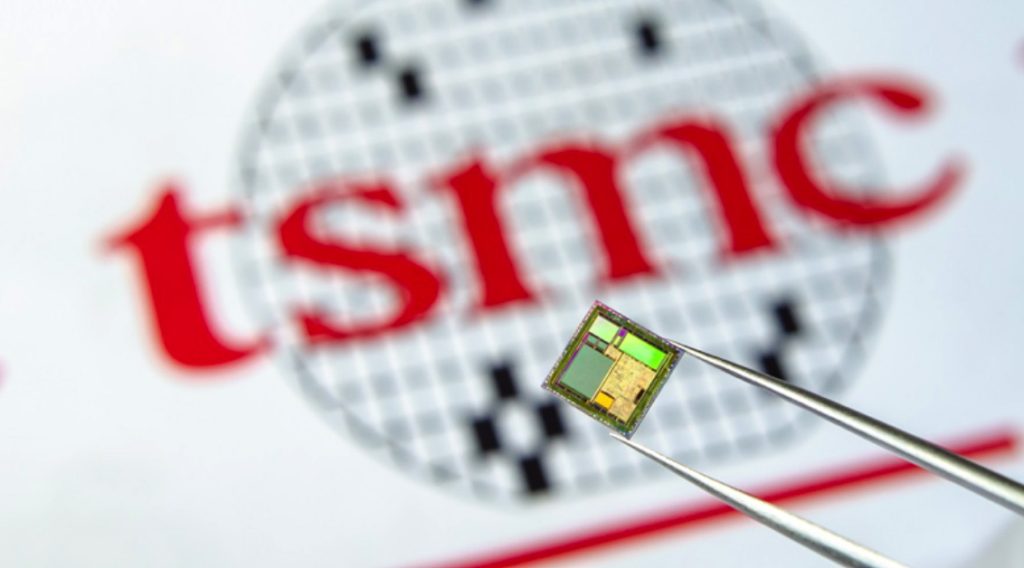
US plans to curb investment in Chinese Semiconductor and AI industries

On Wednesday, a US treasury officer announced that there are discussions to implement new regulations to limit the transfer of U.S. investments and expertise to Chinese companies involved in cutting-edge sectors such as advanced semiconductors, artificial intelligence, and quantum computing. These new rules aim to exert greater control over the flow of critical technologies and knowledge to China.

During a Senate Banking Committee hearing, Paul Rosen, the Treasury official responsible for investment security, addressed the issue of restricting U.S. investments that involve valuable know-how and expertise in specific sectors. These sectors include advanced semiconductors, artificial intelligence, and quantum computing. 

Rosen emphasized that officials are actively working on implementing measures to curb investment from the United States in order to safeguard sensitive knowledge and expertise. The focus is primarily on sectors and subsectors such as advanced semiconductors, artificial intelligence, and quantum computing. The concern lies in China’s military and the potential implications of allowing unrestricted access to these advanced technologies.

However, even amidst the growing sanctions and uncertainties, the CEO of American Tech giant Nvidia is planning a trip to China to meet top-level executives. According to undisclosed sources, Jensen Huang, CEO of Nvidia s reportedly intends to visit China in June for the first time in several years. 

Nvidia has emerged as a key player in the field of AI globally. However, the geopolitical landscape has presented complexities for the company’s operations in China. The US sanctions have restricted Nvidia from selling its advanced AI chipsets to Chinese customers, which includes major companies like Tencent and ByteDance.

In the upcoming visit, Huang is planning to visit executives from prominent companies such as Tencent Holdings, one of the world’s top gaming companies, and ByteDance, the parent company of TikTok.

The ongoing US-China trade war has global repercussions as countries like Japan, South Korea, and Taiwan have also joined the US in adding sanctions. Recently Chinese Commerce Minister Wang Wentao, called upon Japan to cease its export restrictions on chip manufacturing in China, emphasizing the need for a change in policy. 

Shu Jueting, a spokesperson at China’s commerce ministry said that China firmly expresses its objection and determination to respond if the United States imposes restrictions on Chinese firms’ investments in the semiconductor industry.

During a news briefing, Shu stated that the actions taken by the United States to curb tech exports to China, would not only disrupt the normal operations of companies but also undermine the integrity of the international economic and trade order.

Related:

(via)

Samsung launches its first-ever OLED TVs in India

Samsung re-entered the OLED TV segment in 2022 by releasing televisions with QD-OLED panels. The second-gen models, namely S90C and S95C were released earlier this year.

These latest TVs have been now launched in India. The variants sold in the country are made locally in the region.

Most importantly, these are the first-ever Samsung-branded OLED TVs in India. These televisions arrive in the country within a month from the launch of the 2023 Neo QLED TVs.

Samsung S90C S95C QD OLED TV

Both Samsung S90C and S95C QD-OLED TVs come in 55-inch, 65-inch, and 75-inch size variants. Pricing starts from ₹1,69,990 (~$2,060) and will be sold at Samsung.com and leading offline as well as online retailers.

The company is offering up to 20% cashback on credit cards issued by leading banks. Customers can also avail of EMIs starting at only ₹2,990.

Given the premium price tag and as a new entrant in the OLED category, Samsung is providing 2 years of warranty.

As far as features are concerned, these televisions offer 4K resolution and up to a 144Hz refresh rate (with ALLM). Unfortunately, they don’t support Dolby Vision but come with HDR10, HDR10+, HLG, and AMD FreeSync Premium Pro. 

They offer a peak brightness level of 1,500 nits and ship with solar-powered remote control. You get all the important connectivity options like HDMI 2.1, USB, optical, Ethernet, WiFi, and Bluetooth. There’s also support for Miracast and Apple AirPlay.

The televisions boot Tizen OS which has all the leading streaming apps and much more. Finally, the S90C comes with 40W speakers compared to 70W speakers on the S95C.

RELATED:

Infinix Note 30 5G With JBL-Powered Speakers Teased To Launch In India By Mid-June

Infinix launched the Note 30 series earlier this month. Now, one device from the lineup is confirmed to arrive in India. The Infinix Note 30 5G is set to launch in the country by the middle of this month. Ahead of the launch, the brand has started teasing key features of the upcoming offering. 

Infinix Note 30 5G teased to launch later this month

The Infinix Note 30 5G is confirmed to come with JBL-powered stereo speakers. It is said to deliver enhanced audio with distortion-free volume, deeper bass, and JBL’s signature sound for an enjoyable experience when listening to music or watching videos. 

Commenting on the partnership with Infinix, JBL VP and GM said “The JBL brand is all about delivering the fullest sound experience, and we are therefore extremely proud to collaborate with the Infinix team to deliver superior audio through Sound by JBL”

The Infinix Note 30 5G is teased to feature a 108MP camera sensor. It will feature a film mode with a cinematic flair and a super night mode for low-light images for clear shots with minimal noise. The smartphone will also come with a dual-view feature that will let users record through the front and rear cameras simultaneously. 

To recall, the Infinix Note 30 5G has a 6.78-inch LCD center-aligned punch-hole display with an FHD+ resolution and a 120Hz refresh rate. It has a square camera module on the rear housing 108MP, 16MP, and 2MP camera sensors. The phone is powered by a Dimensity 6080 SoC paired with up to 8GB RAM. It is backed by a 5,000mAh battery unit with support for 45W charging. 

Related: 

Motorola Razr 40 With Snapdragon 7 Gen 1, 144Hz Display Launched

Alongside the launch of the Motorola Razr 40 Ultra, the Lenovo-owned brand also announced an affordable clamshell foldable phone. It is dubbed the Motorola Razr 40. This device packs mid-range specifications. Read on to learn more about the smartphone. 

Motorola Razr 40 specifications and features

The Motorola Razr 40 features the same 6.9-inch OLED LTPO display with a center-aligned punch-hole cutout and an FHD+ resolution as the Ultra variant. It offers a stripped-down 144Hz refresh rate, HDR10+ support, and a 10-bit color panel. The Motorola Razr 40 comes with a smaller 1.5-inch secondary screen on the back panel. It is located at the top beside the camera sensors. This is similar to the Samsung Galaxy Z Flip 4. 

The Motorola Razr 40’s dual camera setup consists of a 64MP primary sensor paired with a 13MP ultra-wide-angle lens. There is a 32MP front-facing selfie snapper. In terms of audio, the device is equipped with dual stereo speakers and features Snapdragon Sound as well as Dolby Atmos. 

Internally, the Motorola Razr 40 is powered by a Snapdragon 7 Gen 1 processor. It packs up to 12GB RAM and 256GB storage. The foldable phone is backed by a 4,200mAh battery unit with support for 30W wired and 8W wireless charging. Software-wise, it runs on Android 13 OS out of the box.

Connectivity options on the Motorola Razr 40 include a USB-C port, NFC, WiFi-6E, 5G, Dual 4G VoLTE, MIMO, and Bluetooth 5.3. There is a side-mounted fingerprint scanner and the device IP52-rated dust and splash resistant.

The Motorola Razr 40 starts at RMB 3,999 (~$562) for the base 8GB + 128GB variant. The 8GB + 256GB and 12GB + 256GB RAM and storage configurations cost RMB 4,299 (~$604) and RMB 4,699 (~$660) respectively. The foldable phone is offered in Azure Grey, Cherry Powder, and Bright Moon White colors. 

Related: 

Samsung Galaxy Tab S9 tipped to come in a new Beige color

Samsung is set to enhance its tablet lineup with the upcoming release of the Galaxy Tab S9, which will now be available in a luxurious new color: Beige. Renowned tipster Roland Quandt has revealed that this elegant color variant will be a fresh addition to Samsung’s tablet offerings, distinct from their previous Gold, Mystic Bronze, and Pink Gold options. Beige is expected to feature a slightly lighter shade than Gold, potentially resembling the Starlight color of the Apple iPad Air (2022).

Galaxy Tab S8 Ultra

Galaxy Tab S9 series specifications (rumored)

The Galaxy Tab S9 series will consist of three models: Galaxy Tab S9, Galaxy Tab S9+, and Galaxy Tab S9 Ultra. While the overall design is anticipated to be similar to their predecessors, notable improvements include an IP67 rating for dust and water resistance. This added feature will be particularly appealing to frequent travelers or individuals who enjoy spending time near water bodies, such as beaches or pools.

All three tablets in the Galaxy Tab S9 series will be powered by the Snapdragon 8 Gen 2 For Galaxy processor, ensuring powerful performance. According to a recent report, Samsung will stick to 45W fast charging capabilities for this tablet lineup.

One notable upgrade in the Galaxy Tab S9 series is the transition from an LCD display to a vibrant OLED screen. This enhancement provides users with the opportunity to enjoy the benefits of an OLED display without the need to invest in higher-end models. These highly anticipated tablets are slated for release in the second half of this year, potentially alongside the Galaxy Z Flip 5 and the Galaxy Z Fold 5.

RELATED:

(Source)

Amazon’s Ring Accused of Spying on Customers: Resolves with $5.8 Million Settlement

The Ring doorbell camera unit of Amazon has reached a settlement of $5.8 million with the US Federal Trade Commission (FTC) following an incident in 2017 where a former employee was discovered to have unlawfully monitored female customers. The surveillance took place using cameras that were positioned in bedrooms and bathrooms.

The FTC has made allegations against Ring, accusing the company of granting its employees unrestricted access to customers’ sensitive video data. This lack of regard for privacy and security allowed both employees and third-party contractors to view, download, and transfer the sensitive video data of customers.

During the course of the investigation, one troubling case emerged where an employee was found to have viewed videos recorded by a minimum of 81 female customers and Ring employees. Shockingly, this unauthorized spying went unnoticed for several months before being discovered by a colleague. Subsequently, the employee responsible for the misconduct was ultimately terminated.

Another incident highlighted in the FTC complaint involved an employee who unlawfully shared a customer’s recordings with their ex-spouse without obtaining the customer’s consent. This breach of trust further emphasizes the concerning mishandling of sensitive data by certain Ring employees.

Additionally, the FTC complaint disclosed an unsettling revelation where an employee provided Ring devices to individuals and secretly watched their videos without their knowledge or consent. These actions raise serious concerns about the protection of customer privacy and the potential for abuse of the video data collected by Ring’s devices.

In another case, Amazon has agreed to pay $25 million in order to settle accusations of violating children’s privacy rights. The allegations revolve around the company’s failure to delete recordings made by its voice assistant, Alexa, upon the request of parents. Additionally, it was found that Amazon retained these recordings for a longer duration than necessary, further infringing upon children’s privacy.

The settlement was outlined in the court filing and pertains to a separate case. It highlights concerns regarding the handling of sensitive data and the potential breach of privacy, particularly when it involves minors.

The settlement serves as a reminder of the importance of safeguarding individuals’ privacy rights, especially in cases involving children. It also underscores the need for companies to implement robust measures to protect and properly handle sensitive user data, ensuring compliance with regulations and respecting user privacy preferences.

The FTC is currently conducting a probe into Amazon’s acquisition of iRobot Corp for $1.7 billion. This deal, announced in August 2022, marks Amazon’s venture into the smart home devices market. Additionally, the FTC is actively engaged in a separate antitrust investigation specifically focused on Amazon, emphasizing its commitment to scrutinizing the company’s practices and ensuring fair competition.

In response to the allegations, Amazon said that it was ready to implement certain practice changes, especially for the Ring doorbell. However, the company expressed disagreement with the FTC’s claims concerning Alexa and Ring, and firmly denied any violation of the law. It further stated that the settlements reached with the FTC allowed the company to move forward and resolve these matters.

Related:

(via)

Motorola Razr 40 Ultra Debuts With A 3.6-inch 144Hz Secondary Display

Motorola has launched two new foldable phones in China. These include the Razr 40 and Razr 40 Ultra. Both phones are quite different from each other with the Ultra model being the more premium offering. The Razro 40 Ultra goes up against the likes of the Vivo X Flip, OPPO Find N2 Flip, and more in the market. Read on to know what it offers out of the box. 

motorola razr 40 ultra
Motorola Razr 40 Ultra

Motorola Razr 40 Ultra specifications and features

The Motorola Razr 40 Ultra comes with a 6.79-inch pOLED display bearing a center-aligned punch-hole cutout. It offers an FHD+ resolution, a 165Hz refresh rate, 1,400 nits peak brightness, and support for HDR10+. The Razr 40 Ultra joins the bandwagon of clamshell foldable phones with a large secondary screen on the back panel. The display measures 3.6 inches that stretches toward the camera sensors and an LED flash unit. The secondary screen features a pOLED panel with a 144Hz refresh rate making it the first in the clamshell foldable phone segment. It is shielded by Gorilla Glass 7. 

The Motorola Razr 40 Ultra can be used in multiple ways. It can be used in tent mode as well as in multiple angles.

On the imaging front, the Motorola Razr 40 Ultra has a dual rear camera setup comprising a 12MP OIS-enabled main sensor paired with a 13MP ultra-wide and macro lens. There is a 32MP front-facing selfie snapper. Audio-wise, the foldable phone is equipped with dual stereo speakers with Dolby Atmos.

Under the hood, the Motorola Razr 40 Ultra is equipped with a Snapdragon 8+ Gen 1 SoC. It packs up to 12GB RAM and 512GB onboard storage. The foldable phone draws its power from a 3,800mAh battery unit with support for 33W fast charging. Software-wise, it runs on the stock version of Android 13 with the brand’s Ready For feature. 

The Motorola Razr 40 Ultra features a side-mounted fingerprint scanner embedded in the power button and an IP52 splash-resistance rating. Connectivity options on the device include 5G, WiFi-6E, Bluetooth 5.3, USB-C port, and NFC. 

motorola razr 40 ultra

Motorola Razr 40 Ultra pricing and availability

The Motorola Razr 40 Ultra is offered in Viva Magenta, Glacier Blue, and Infinite Black colors. It starts at RMB 5,699 (~$801) for the 8GB + 256GB variant whereas the 12GB + 512GB configuration carries a price tag of RMB 6,399 (~$899).

Update: Motorola Razr 40 Ultra is available on Giztop for $999, grab it here.

Related: 

App Store Economy Grows to $1.1 Trillion in 2022, Outpacing 52 Countries

Apple is one of the world’s largest technology companies. In 2022, they earned $394.3 billion. They also made a profit of $99.8 billion, which is more than most countries. Apple’s contribution to the world economy goes beyond its own earnings. Millions of developers from all over the world use Apple’s services such as App Store to sell their products and reach more customers. In 2022, App Store developers generated $1.1 trillion in total billings and sales. Here are the details…

App Store Developers Generate $1.1 Trillion in Total Billings and Sales in 2022

Apple released a report on the financial performance of its app ecosystem in 2022. The report showed that the App Store generated $1.1 trillion in total billings and sales, an increase of 29% from the previous year. Of this revenue, 90% was not subject to Apple’s commission. Apple takes a commission of 15% to 30% on in-app purchases and paid downloads through the App Store.

This impressive sum of $1.1 trillion comprises of $910 billion derived from sales of physical goods and services, $109 billion from in-app advertising, and $104 billion from digital goods and services. This performance demonstrates a significant increase from the 2019 figures, when the App Store managed $519 billion in commerce with only $61 billion coming from digital goods and services. According to Apple, from 2008 to 2022, iOS app developers have collectively earned over $320 billion on the App Store, representing a substantial increase from the $260 billion reported in 2021.

  • $910 billion from sales of physical goods and services
  • $109 billion from in-app advertising
  • $104 billion from digital goods and services

The report also showcases other growth-related metrics about the App Store. The data indicates a slight rise in the growth of developer billings and sales from 2021 to 2022 at 29%, slightly higher than the 27% growth experienced in the preceding two years. Small developers, in particular, saw their earnings grow by an impressive 71% from 2020 to 2022, surpassing the growth of larger app developers.

Here is a list of the countries with GDPs less than $1.1 trillion in 2022:

  • Afghanistan
  • Angola
  • Benin
  • Bhutan
  • Burundi
  • Cambodia
  • Central African Republic
  • Chad
  • Comoros
  • Congo, Democratic Republic of the
  • Congo, Republic of the
  • Djibouti
  • Equatorial Guinea
  • Eritrea
  • Eswatini
  • Ethiopia
  • Gambia, The
  • Guinea
  • Guinea-Bissau
  • Haiti
  • Honduras
  • Iraq
  • Kenya
  • Kosovo
  • Lesotho
  • Liberia
  • Libya
  • Madagascar
  • Malawi
  • Mali
  • Mauritania
  • Mozambique
  • Myanmar (Burma)
  • Nepal
  • Niger
  • Nigeria
  • Pakistan
  • Rwanda
  • Sao Tome and Principe
  • Senegal
  • Sierra Leone
  • Somalia
  • South Sudan
  • Sudan
  • Syria
  • Tajikistan
  • Tanzania
  • Togo
  • Uganda
  • Ukraine
  • United Republic of Tanzania
  • Yemen

RELATED:

(source)