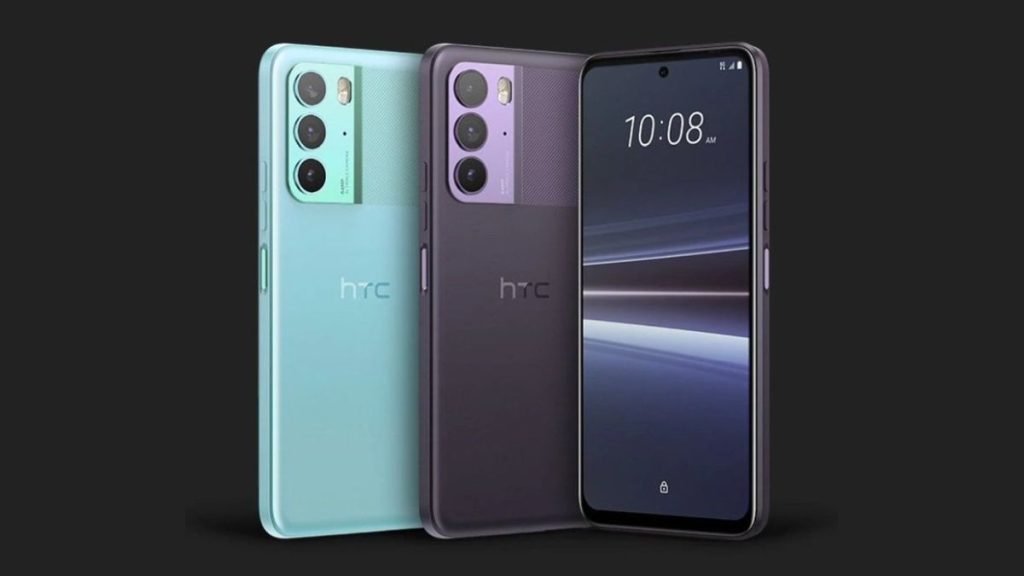
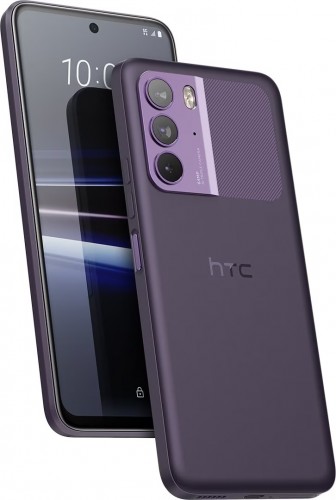
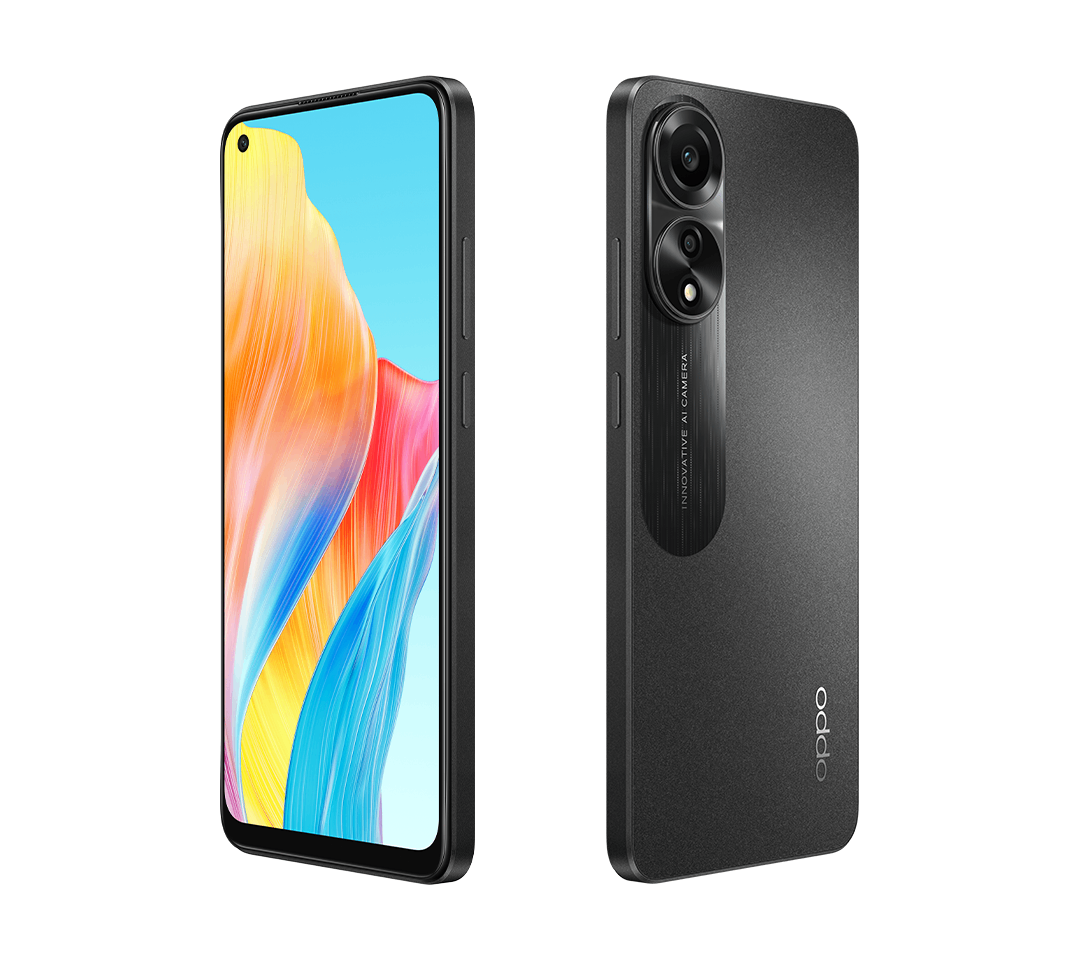
Three brands have confirmed to launch new smartphones in the next few days. One of them will debut a premium model, while the remaining two will announce mid-range handsets.
The companies we are talking about are Xiaomi, Realme, and Samsung. The latter two will release their new phones in India. On the other hand, the former will be announcing its device for multiple international markets.
Except for the Samsung phone, the other ones are already official. These devices are expected to be the same as their original variants sold in China.
With that out of the way, let’s take a look at all the handsets launching in the next few days.
The Samsung Galaxy F54 is scheduled to launch in India on June 6 (Tuesday) at 3 PM IST. As per leaks and teasers, the phone will be a rebranded Galaxy M54.
The device will arrive with a 6.7-inch 120Hz Super AMOLED Plus display, an Exynos 1380 chip, a 6,000mAh battery, and 25W charging support. It will feature a 108MP primary camera, a side-mounted fingerprint sensor, and a microSD card slot.
Interestingly, the handset is said to receive 4 Android updates and 5 years of security updates.
The duo comes with a 120Hz curved OLED display, a MediaTek Dimensity 7050 SoC, dual stereo speakers, an in-screen fingerprint sensor, and a 5,000mAh battery. The two phones come in optional leather versions.
Finally, the pro plus offers a 200MP camera and 100W charging compared to a 100MP camera and 67W charging on the pro.
3. Xiaomi 13 Ultra
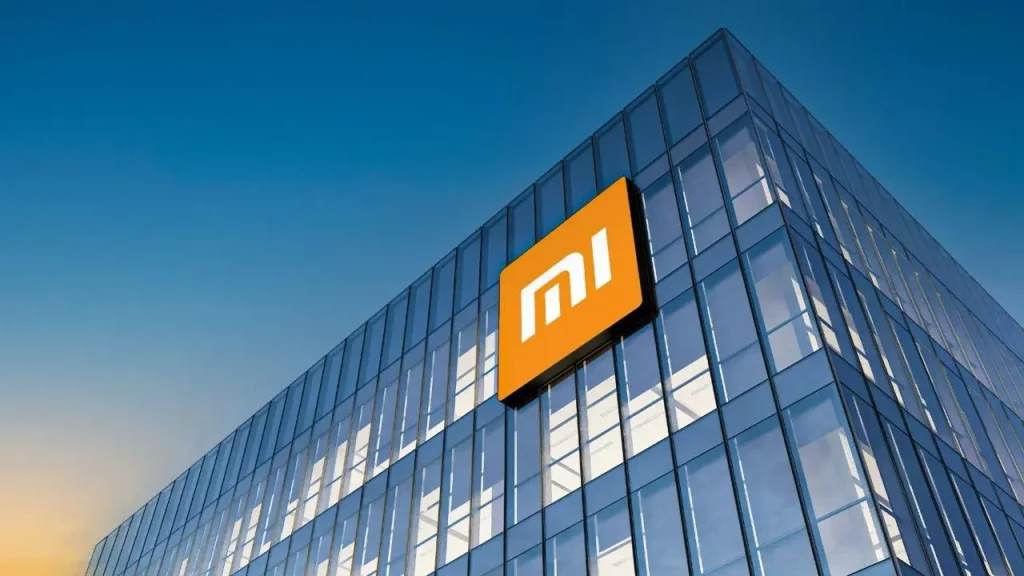
The Xiaomi 13 Ultra will be announced for global markets on June 8 (Thursday). It is the most-premium slab smartphone from Xiaomi to date.
The handset arrives with a 120Hz LTPO QHD+ OLED display, a Qualcomm Snapdragon 8 Gen 2 chipset, an IP68 rating (dust and water resistance), dual stereo speaker, and USB 3.2 (Type-C). It is backed by a 5,000mAh battery with support for 90W wired charging, 50W wireless charging, and 10W reverse wireless charging.
Most importantly, the smartphone sports a Leica-powered quad-camera system. This setup comprises a 50MP 1-inch main sensor and three other 50MP sensors for ultrawide/macro, 3.2x telephoto, and 5x periscope.
Do you remember the Dangbei Mars Pro we tested a year ago? It was not only impressive as a laser projector but surprisingly cheaper than other laser models. But after all, it’s still a high-end projector with a decent build and excellent performance, and there are still many people who’re more looking at budget projectors.
For those who need a not-that-pricy projector, today I would like to introduce you to the Dangbei Neo Smart Projector: a lightweight, compact, Netflix Officially Licensed, and much cheaper projector than Mars Pro. I think this projector will probably be the choice of most people.
Because Dangbei Neo is not Dangbei’s most high-end projector model, the package offers the most basic accessories. A manual, a power cable, a power ad, an apter and a remote control.
Design
When you look at the Dangbei Neo, you should easily guess its main selling point, portability. The small size allows you to take it with you wherever you go. With a size of about two cell phones plus a weight of 1.4kg, I can easily lift it with one hand. Even if you stuffed it into your backpack, it wouldn’t be a burden to you at all. I think it would be a lot of fun if we carry it out for camping, such as watching films with it at a field party.
The Dangbei Neo is designed like a mini version of Mars Pro. We got the same rectangular shape with rounded ends. The shell with a matt finish looks and feels very much like metal, but not as heavy as metal. There is its lens and focus module at the front, a power button at the top, and you can see the heat sink and speaker at the sides.
The reason why Dangbei doesn’t compress its size further is that the high-brightness projector has high special demands for heat dissipation. The Neo’s proper size combined with a solid built-in fan allows it to keep the noise below 24 dB. The dual 6w speakers are also DOLBY Audio certified, which is enough to ensure your most basic audio and video experience.
Interfaces
All of the I/O ports on the Dangbei Neo are on the back. Two USB ports, one HDMI port with ARC support, one LAN port, one S/PDIF, and power interface. Although the Dangbei Neo is only a mid-range projector, it only lacks a headphone jack compared to the premium Dangbei Mars Pro. It is still very expandable.
System& Function
Dangbei Neo’s system is different from Mars Pro’s and got simplified a lot. The home page is almost showing all it can do. The Neo comes with NETFLIX, Amazon Prime Video, and YouTube pre-installed. In addition, the projector supports installing apps from App Store on the home page but it’s not available for app installation from other sources.
Settings also include the basic Auto keystone, auto-focus, and zooming. The Neo’s remote control is also quite special, especially the three buttons at the bottom, which are printed with the three pre-installed applications on the home page. You can access various streaming services with one click. Obviously, the main target of this projector is people who like to watch streaming media and programs. Now you can watch videos from anywhere in the world.
Image quality
In addition to watching streaming media, you can also use HDMI to connect to your computer or console such as Switch. Although the size got smaller, the Neo doesn’t really compromise its image quality. The projector’s native resolution is 1080P, and it is a DLP projector. The biggest advantage over other LCD projectors is that it has much better-projected quality. The brightness uniformity of the projected image is better, and there will be no typical problem we found on most LCD projectors that the cornered brightness is lower than the center. And the clarity will be better than LCD projector in the same resolution.
Another advantage of a DLP projector is that it has a very long lifespan. 3000 hours means that even if it is used for 8 hours a day, it can last for 10 years. The Dangbei Neo has a maximum brightness of 540 ISO Lumens. Although it doesn’t sound like a great figure, the experience is actually much better because it doesn’t have inflated figures like ANSI Lumens.
If it’s your first time using a projector, you must know that any projector is better used in a low-light environment, otherwise, the visual effects will be greatly reduced. A great detail that is the speakers also support custom bass and treble. I will play a clip from an episode in the review video, you can feel the image and sound quality by yourselves.
Conclusion
The Dangbei Neo’s position is very clear: it is designed for people who need to take projectors out and people who like to watch streaming videos or local media. Of course, it is also impressively versatile even at home in place of a TV, or just for an open-air movie. As long as your needs for projectors are not that high, Dangbei Neo should be able to surprise you.
If you do have higher demands for image quality and brightness, the Dangbei Mars Pro that we tested would be a better choice. Anyway, you can find more information about it down below this video. Hope this video help.
Android 14 has apparently rolled out a new BatteryManager API on its latest iteration, which let’s you check your smartphone’s battery health. This function would also bring a number of other useful features and insights, so here are all the details.
Android 14 could add a phone battery health checking feature
The news arrives from Esper.io’s Mishaal Rahman who stated that the new APIs are built to offer useful information such as cycle count, charging status, manufacturing date, date of first use, charging policy, and most importantly, the state of battery health. As of right now, the new BatteryManager API is only available on Google’s Pixel smartphones that are running on Android 14 Beta 2 or higher.
Thanks to this API, developer @narektor created an open source battery health app called Batt. This let’s you provide users with battery health statistics. But keep in mind that the data of the battery health provided may not be completely accurate. Although, this does create a framework that implies that Google will eventually release a battery health tracking feature of its own that will likely be found in the Settings app.
Unfortunately, it is also likely that the company may skip the feature entirely on the upcoming Android 14 iteration and add it into Android 15. This feature has been highly requested by many for sometime now, so we can expect it to hit the live built sometime in the future. So stick around for more updates.
Motorola Razr 40 Ultra the latest premium foldable smartphone from Motorola is now available on Giztop. You can get the phone for a starting $999 only.
Motorola Razr 40 Ultra features a 6.9-inch foldable P-OLED 165Hz FHD+ inner screen and a 3.6-inch P-OLED external display. Powered by the latest Snapdragon 8+ Gen 1 processor and Adreno 730 GPU, the phone comes in multiple memory variants viz. 8GB / 12GB LPDDR5 RAM and 256GB / 512GB UFS 3.1 internal storage.
Motorola Razr 40 Ultra is fueled by a 3800mAh battery and supports 33W fast charging. It has dual rear cameras with a 12MP main sensor and a 13MP wide-angle camera. For your selfies, you have a 32MP sensor in the front. Other features include a side-mounted fingerprint scanner, Wi-Fi 6E, MYUI 6.0, etc.
You can now buy Motorola Razr 40 Ultra foldable phone for $99 on Giztop. Please note that this price is applicable to the base variant only. The phone is available in Black, Blue, and Red color variants.
For more information on such exciting deals and offers, check out our deals hub.
Vivo‘s sub-brand iQOO is expected to add a new device to the series 11 series called the iQOO 11s. Key specifications of the device have already leaked. Now, a known tipster on the Chinese microblogging site Weibo (via. TechGoing) has tipped off the sale date of the iQOO 11s.
According to tipster Panda is Bald, the iQOO 11s is scheduled to be available for purchase in China starting from July 8. However, it remains uncertain whether the device will be launched a few days earlier or specifically on that date. Additionally, there is no information regarding its release in international markets. Let’s take a look at the specs of the new device.
iQOO 11S leaked specs
iQOO 11 5G
According to reports from DCS, the iQOO 11s is positioned as a flagship smartphone emphasizing high-performance capabilities and fast-charging capabilities. It is rumored to feature an overclocked version of the Snapdragon 8 Gen 2 processor, utilizing a 4nm process and offering a higher-core frequency. Initial speculations suggested that the device might come with a Dimensity 9200+ SoC instead. While the battery capacity remains unknown, it is expected to support 200W fast charging.
The iQOO 11S is expected to retain the E6 AMOLED display with a 2K resolution and an impressive 144Hz refresh rate. Furthermore, it is rumored to feature the same 50MP primary rear camera equipped with a V2 ISP imaging system.
Infinix has just launched the new INBook X2 Slim laptop in the Indian market, expanding its notebook portfolio in the region. The latest model arrives with an ultra thin form factor and some notable upgrades over its predecessor. So here are all the details.
Infinix INBook X2 Slim: Display & Design
The company’s latest notebook arrives as a laptop that seeks to offer premium design and specs while maintaining a great value. In other words, it features a premium design and display with capable processors without breaking your bank. The laptop weighs just 1.24 kilograms and measures just 14.8mm in thickness. Even the bezels are ultra thin, measuring just 4.7mm. Infinix has launched the INBook X2 Slim in multiple eye catching colors, including a new Red, Green, Silver, and Blue variants.
This makes it the slimmest and lightest laptop in this segment. It features a lightweight aluminum metal body. This makes it quite portable, which is great for students or working professionals that require productivity on the go. On the front, the laptop sports a 14 inch FHD display that offers 300 nits of peak brightness. Furthermore, this panel will even arrive with 100 percent sRGB color gamut support on its IPS display. The brand promises great viewing angle, clarity, and sharpness on this model.
Specifications
Under the hood, Infinix INBook X2 Slim can be equipped with 11th Gen Intel Core processors like the i3, i5, and i7. The higher end processors are also capable enough for taking on intensive tasks like video editing, light gaming, and more. These processors are paired with different RAM and storage configurations, with the top end model features 16GB of RAM and 1TB of internal storage. Another major upgrade over its predecessor is the addition of a high capacity 50Wh battery pack that promises to offer 11 hours of web browsing and around 9 hours of video playback.
The laptop is offered with a 65W USB Type C port based charger. Other notable features include, 720P camera with Dual LED Flash, NVMe PCIe 3.0 SSD storage, DTS Audio from its Stereo speakers, and 1.0 Cooling system that will help keep the temperature in check. For connectivity, the device supports WiFi 5, Bluetooth 5.1, two USB 3.0 ports, USB Type C port, one SD card slot, and 3.5mm headphone jack.
Pricing & Availability
The Infinix INBook X2 Slim is set to go on sale starting on June 9 from Flipkart. It will be offered in 6 different variants, so let’s have a look at their pricing:
i3 (8GB+256GB) – 27,990 INR (with all offers included)
i3 (8GB+512GB) – 30,990 INR (with all offers included)
The competition is heating up in the virtual reality world. Just days before Apple’s expected reveal of its first mixed reality headset at WWDC 2023, Meta has announced its Quest 3 VR headset. This new headset, which boasts a 40% slimmer profile compared to the Quest 2, is set to launch this fall. A 128 GB version will be available for $499.99 and an unspecified price for the 256GB model. Here are the details…
Meta vs. Apple: The Battle for Mixed Reality Dominance
Meta, has been working on virtual reality for a long time. For instance, the company purchased Oculus VR for $2 billion in March 2014. If we consider that this technology still has some shortcomings today, we could say that nine years is quite old. Since then, the social media giant, which has introduced a few headsets and brought the concept of the Metaverse into our lives, now about to face a very strong competitor.
Apple’s mixed reality headset has long been in the news with ongoing leaks. Although nobody has a clear idea of what it will be like, the consensus is that Apple is expected to succeed in this field. As you know, the tech giant is more interested in being the best at doing something rather than being the first. It seems that this situation may have scared Meta a bit, as they suddenly announced the Quest 3 VR headset in a released video.
Quest 3 Features New Design, Improved Performance, and More for an Immersive VR Experience
At first glance, the Quest 3 doesn’t seem drastically different from its predecessor. However, it actually brings significant innovations in both design and technical terms. According to the company’s claim, the headset is more ergonomic, lighter, and equipped with a more powerful processor and higher resolution. This opens the door for a more comfortable and realistic gaming experience. The Quest 3 is also compatible with Quest 2’s games, allowing users to continue playing their favorite titles on the new headset. Meta also announced a price reduction for the Quest 2 starting from June 4th. The 128 GB model will be available for $299.99 and the 256 GB model will be priced at $349.99.
Microsoft is gearing up to bring a bunch of new games in its Xbox Game Pass. The company plans to add a number of new exciting titles in the game pass over the course of this month. So let’s have a look.
Microsoft brings new games to Xbox Game Pass
The American tech giant is set to bring in eight new games on its vast library of video games on the Xbox Game Pass. These games will be added within the first half of this month. Just today (1st June 2023), the brand has brought in two titles in the game pass. Back on May 30, the company brought in Chicory: A Colorful Tale and Farworld Pioneers. And now, the Xbox Game Pass will offer Car Mechanic Simulator 2021, Slayers X: Terminal Aftermath: Vengeance of the Slayer, and The Big Con.
Furthermore, Microsoft will add the Amnesia: The Bunker and the Hypnospace Outlaw on June 6. Similarly, the Rune Factory 4 Special and Stacking will be brought onto the platform o June 8. Following this, Dordogne will be added to Xbox Game Pass on June 13. On the other hand, titles Bridge Constructor Portal, Chorus, Maneater, Mortal Shell, Serious Sam 4, and Total War: Three Kingdoms will be leaving the Game Pass on June 15. So over the next couple of weeks, there are plenty of fun titles are being added that gamers should definitely check out.
Qualcomm has confirmed the dates for its annual Snapdragon Tech Summit, which will be held from October 24th to 26th this year. Notably, the event is scheduled a month earlier than its usual timeframe. The highly anticipated summit is expected to serve as a platform for Qualcomm to unveil its flagship Snapdragon 8 Gen 3 chip, showcasing the company’s latest advancements in mobile technology.
Although the brand has not revealed any details officially, leaks have already emerged regarding the upcoming Snapdragon 8 Gen 2 chip. Rumors suggest that the upcoming Snapdragon 8 Gen 3 (SM8650) SoC will feature an updated architecture, shifting from a “1+2+2+3” setup to a “1+5+2” configuration. This change is expected to introduce a more powerful performance core with a higher frequency. Additionally, the chip will reportedly be manufactured using the TSMC N4P process, known for its advanced capabilities.
The Snapdragon 8 Gen 3 is rumored to consist of 1 x Cortex-X4 prime core, 5 x A720 performance cores, 2 x A520 power efficiency cores, and an Adreno 750 GPU. Notably, according to reputable leaker Ice Universe, the Adreno 750 GPU is anticipated to deliver significant performance improvements compared to its predecessor, the Adreno 740. It is also rumored to feature a 10MB L3 cache, up from the 8MB L3 cache found in the previous iteration.
Other than that, the performance of the new chip has also been revealed. According to a Geekbench listing, the Snapdragon 8 Gen 3 scored 2563 points in GeekBench single-core test and 7256 points in the multi-core test. Both of these scores are quite impressive, however, the jump in the multi-core test scores compared to the Snapdragon 8 Gen 2 SoC shows some serious improvements coming our way. In contrast, the device achieved an impressive AnTuTu score of 1,712,271, with the CPU contributing 331,292 points and the GPU contributing 853,295 points.
HMD Global has just unveiled a couple of new budget series of smartphones that target the entry level segment of the market. The two new phones are the Nokia C300 and C110 model, which are a pair of 4G enabled devices. So let’s have a look.
Nokia C300 & C110 are the brand’s latest budget phones
The Nokia C110 sports a 6.3 inch LCD display that has a HD+ resolution, 2.5D toughened glass, 20:9 aspect ratio, and up to 400 nits of peak brightness. Under the hood, this model is equipped with the MediaTek Helio P22 SoC that is paired with 3GB of RAM and 32GB of internal storage that can be further expanded up to 256GB via a microSD card slot. On the rear, the handset features a 13 megapixel camera, while the front houses a 5 megapixel selfie shooter.
Other notable features include Android 12 OS, 3.5mm headphone jack, FM Radio, IP52 dust and splash resistance. It is powered by a 3,000mAh battery pack with 5W charging. Meanwhile, the Nokia C300 sports a taller 6.52 inch HD+ display, 20:9 aspect ratio, 2.5D toughened glass, and up to 450 nits of brightness. This model is powered by Qualcomm Snapdragon 662 SoC that is paired with 3GB of RAM and 32GB of internal storage as well. It also supports memory expansion and runs on Android 12. It has a larger 4,000mAH battery pack that supports 10W charging.
It also offers 3.5mm headphone jack, FM Radio, 13 megapixel triple cameras on the rear and an 8 megapixel front facing shooter, IP52 rating, and side mounted fingerprint scanner. The Nokia C110 has been launched in grey for just 99 US Dollars, while the C300 arrives in blue for 139 US Dollars. These new devices are currently available in the US.
With the Computex 2023 event show kicking off, various brands have taken the stage their latest breakthroughs in technology and innovations. AMD is one of these companies and has just announced the new Ryzen XDNA AI tech that was demoed during the major tech event.
AMD Ryzen XDNA AI tech demoed on laptops at Computex 2023
With the new technology, Team Red is gearing up to prepare the operating system and the software ecosystem for carrying out AI related tasks locally on the PC. Ryzen XDNA AI engine was found running on an ASUS Strix Scar 17 gaming laptop that was also equipped with the Eyzen 9 7940HS SoC and the Radeon 780M graphics. The XDNA AI engine is basically a dedicated accelerator that resides on the die with the CPU cores.
As the name suggests, this tech will seek to execute AI interference based workloads such as audio, video, and photo processing. These are typically lower intensity tasks but with the new AI engine, it is more energy efficient than using the CPU or GPU. In other words, this will help boost performance while also saving battery life. During the Computex 2023 event, the XDNA AI engine was spotted working on facial recognition tasks.
The engine can handle up to 4 concurrent AI streams and also supports INT8 and bfloat16 instructions. AMD also claims that XDNA AI is faster than the neural engine present on the Apple M2 processors. We can expect to see this technology makes it way across a number of its future products. So stick around for more.
Schenker‘s renowned gaming brand, XMG, has made an exciting announcement regarding its latest APEX-series laptops. In an unexpected move, the APEX line-up will now serve as the entry-level range, typically filled by the CORE line. Despite this change, the newly introduced M23 variants are anticipated to deliver a performance level in the mid to upper-mid-range category. This is made possible by the inclusion of graphics options with a 115W TGP (Total Graphics Power), which can further increase by up to 25W through the Dynamic Boost feature, enabling a maximum power rating of 140W for the mobile RTX 40-series.
Notably, the APEX series is not merely a refresh; it boasts a revamped chassis with significant improvements in cooling and a user-serviceable design featuring dual DDR5 and PCIe Gen 4×4 slots. The M23 design, in particular, will serve as the foundation for future models that will adopt AMD Phoenix platforms and offer WQHD display options.
The APEX 15 and 17 models feature 144Hz, 300-nit FHD IPS matte panels, covering 90% of the sRGB color gamut. While there is only one USB type-C (3.2 Gen 2) port, separate headphone and mic jacks, as well as a full-sized SD card reader, are included. The rear of the APEX M23 laptops showcases HDMI 2.1 and mini-DisplayPort 1.4a ports with G-SYNC support, along with a Gigabit Ethernet jack. It’s worth mentioning that these laptops lean towards the base-model range, employing predominantly plastic construction. However, it’s important to note that retail models of the APEX 15 and 17 will feature keyboards with a more standard ISO layout and ‘normal’ Enter keys.
Excitingly, the XMG APEX 17 and 15 laptops are expected to be available for pre-order soon, starting at a minimum of 16GB RAM. The APEX 17 will be priced at €1,299 ($1,383), while the APEX 15 will be priced at €1,399 ($1,489).
Yesterday, we reported on a leak revealing the launch timeline of the iQOO Neo 7 Pro smartphone in India. It is reported that the device could launch around June 20. Now, the price range of the device has also been tipped.
Tipster Paras Guglani has shared some insights regarding the upcoming iQOO Neo series smartphone. According to Guglani, the iQOO Neo 7 Pro will be exclusively available in black color in India. The smartphone is expected to come in a configuration option of 16GB RAM and 256GB storage.
Furthermore, Guglani suggests that the iQOO Neo 7 Pro’s price in India will fall within the range of Rs 38,000 to Rs 42,000. However, it remains unclear whether this pricing applies to the base variant or the specific 16GB + 256GB configuration. Earlier reports have claimed that the iQOO Neo 7 Pro coming to India is essentially a rebrand of the iQOO Neo 8 launched last month in China.
If that turns out to be the case then we can expect the smartphone to come with a 6.78-inch AMOLED display with 1260 x 2800 pixels resolution, a 20:9 aspect ratio, a 144Hz refresh rate, and up to 1,300 nits of brightness.
Under the hood, the device might feature an underclocked version of the Snapdragon 8 Plus Gen 1 chipset. The iQOO Neo 7 Pro is expected to offer generous memory options, with the possibility of up to 12 GB of LPDDR5 RAM and up to 256 GB of UFS 3.1 storage. Powering the device will be a substantial 5,000mAh battery, supporting rapid 120W fast charging capabilities to ensure prolonged usage without interruption.
For optics, we can expect the device to debut with a 16-megapixel front-facing camera and a 50-megapixel (OIS enabled) +2-megapixel (depth) dual-camera system.
Google Bard is an innovative and versatile platform developed by Google that revolutionizes the world of creative writing. With its advanced natural language processing capabilities, Google Bard provides writers with a powerful tool for crafting compelling and engaging content. It offers a wide range of features, including intelligent suggestions for rhymes, synonyms, and word choices, helping users enhance their writing skills and unlock their creative potential. In an attempt to go up against the likes of more popular chatbots such as ChatGPT and Bing Chat, the company is introducing new updates to Bard, and the latest one is aimed towards getting more relevant responses out of Bard.
Google Bard also got updated with some UI enhancements with the new upgrade
Following a series of significant updates in May, Google Bard is kicking off June by introducing support for precise location, enabling users to receive more relevant responses tailored to their immediate surroundings. This new feature leverages a combination of information from users’ Google Account’s Home and Work addresses, their IP address, and their device’s precise location to deliver personalized and location-specific search results. With this update, Google Bard aims to enhance the overall search experience, providing users with highly targeted information about their local area and enabling them to make more informed decisions. Similar to how Google Search operates, this update will prompt users to grant the necessary location permission within their browser or device settings.
The latest update to Google Bard introduces not only precise location support but also includes several user interface enhancements. Located in the bottom-left corner of the Bard interface, users can find a light/dark theme button. Furthermore, Bard now displays the user’s current city along with an explanation of how it is derived, providing an interesting insight into the underlying algorithms. Users can easily update their location by tapping on the “Update location” option if they initially dismissed the prompt.
This recent addition of precise location support to Google Bard follows a string of updates that have been rolled out to enhance the overall user experience. Just last week, Bard introduced image support, allowing users to receive visual responses alongside text-based information. Additionally, during the I/O 2023 conference, Google showcased a range of new features and previews, indicating its commitment to continual innovation and advancement.
In a move set to transform the constantly-evolving food delivery industry, Uber Eats and Serve Robotics have officially announced their plans to introduce robot food delivery services in major cities across the United States starting in 2026. This joint venture aims to revolutionize the way meals are delivered to customers, providing an automated, seamless and efficient experience.
The robots can go 40 kilometres on a single charge
Serve Robotics, an independent company that broke off from Uber’s business, has developed a four-wheeled robot powered by advanced AI technology for precise path planning. With a remarkable battery life of approximately 40 kilometres, these robots can transport packages weighing up to 23 kilograms, effectively catering to a wide range of delivery needs. Each robot is capable of managing multiple orders daily, ensuring swift and reliable service.
Uber has pledged its commitment to achieving a zero-carbon emission delivery platform by 2040, and the integration of robot deliveries plays a pivotal role in this mission. As part of the service, Uber Eats customers will soon have the option to choose robot delivery for their meals. Once the robot reaches the specified destination, the customer can securely retrieve their order by entering a password, ensuring a seamless and safe experience.
Field testing of robot food delivery services has already commenced in California, marking a significant milestone in the journey toward a fully automated delivery system. Building on this success, Uber plans to expand its partnership with Serve Robotics to include additional cities in 2026. San Jose, California, Dallas, Texas, and Vancouver, Canada are among the locations expected to witness the deployment of up to 2,000 delivery robots.
While the introduction of robot food delivery services holds great promise, there are several potential challenges that these robots may face in urban environments. One significant issue is navigating complex city streets and crowded sidewalks. The robots need to safely maneuver through various obstacles such as pedestrians, cyclists, and vehicles, while adhering to traffic rules. Additionally, they must accurately identify and reach specific delivery locations, which can be challenging in densely populated areas with high-rise buildings and intricate addresses. Moreover, there is the concern of potential theft or vandalism of the robots and their cargo, which may require robust security measures.
During Computex 2023, Asus unveiled its latest addition to the ROG lineup, featuring expansive gaming displays with 4K resolution. Following suit, ASRock has now entered the scene by introducing the ASRock PG558KF, an enormous 55″ monitor boasting an impressive 8K resolution. Let’s take a closer look at its features.
ASRock PG558KF gaming monitor specs
Boasting its 55-inch display with an impressive 8K resolution, this monitor delivers a stunning visual experience. The flat IPS panel ensures vibrant colors and sharp imagery, resolving at an impressive 7,680 x 4,320 pixels with a 16:9 aspect ratio.
In terms of performance, the PG558KF offers a 60 Hz refresh rate and a 1,200:1 contrast ratio with 252 local dimming zones. While these specifications may seem modest compared to some high-end gaming monitors, it’s worth noting that achieving 8K gaming at a higher refresh rate is currently beyond the capabilities of most modern graphics cards. Moreover, the monitor carries the VESA DisplayHDR 1000 certification, capable of reaching a peak brightness of 1,000 nits when viewing HDR content. ASRock specifies a typical maximum brightness of 750 nits.
Connectivity options on the PG558KF are abundant, with two DisplayPort 1.4 and HDMI 2.1 ports each. It also features a USB hub equipped with four USB 3.1 Gen2 Type-A downstream ports, along with a USB Type-C upstream port supporting 90 W charging through the USB PD 3.0 protocol.
While pricing and availability details for the PG558KF remain undisclosed at this time, it is expected that ASRock will provide further information later in the year.
In a surprising turn of events, Ella Irwin, the head of trust and safety at Twitter, has tendered her resignation. This development adds to the growing concerns surrounding the social media giant’s lax protection measures against harmful content since it was acquired by billionaire Elon Musk in October.
Twitter might face another setback with the departure of Ella Irwin
There could be several factors contributing to Irwin’s decision. It is possible that she may have received a better career opportunity elsewhere or decided to pursue a different professional path aligned with her goals and aspirations. It is also conceivable that there were internal dynamics or strategic disagreements within the company that influenced her decision to step down.
It is crucial to recognize that executive-level resignations can occur in any organization, and the circumstances behind them are often complex and multifaceted. Without further information, it is challenging to ascertain the precise motivations behind Irwin’s departure from Twitter. During her tenure, she played a crucial role in overseeing content moderation efforts. However, her departure signals a potential setback for Twitter’s ongoing battle against harmful and unsuitable content.
Notably, Musk recently announced the appointment of Linda Yaccarino, former NBCUniversal advertising chief, as Twitter’s new CEO. This move indicates Musk’s commitment to repositioning the company and addressing the mounting concerns regarding content moderation and brand safety.
Since Musk’s acquisition, Twitter has embarked on a cost-cutting spree, resulting in significant layoffs. Unfortunately, this has included dedicated employees who were actively engaged in efforts to combat harmful and illegal content, preserve election integrity, and promote accurate information on the platform – which it tried to achieve recently with Community Notes. We’ll see how Twitter’s current decisions shape the future of the company with a different Head of Trust and Safety.
In April, Xiaomi unveiled the Xiaomi 13 Ultra in China. The ultimate flagship phone from Xiaomi was also confirmed to be released in the global market. A microsite for the Xiaomi 13 Ultra for a global audience is now live. The countdown timer available on it confirms the launch date.
Xiaomi 13 Ultra global launch date
The countdown timer on the official site reveals that the Xiaomi 13 Ultra global launch will be held on June 8. Those who purchase the 13 Ultra will be able to take advantage of benefits, such as a 3-month YouTube Premium subscription for free and a 6-month 100 GB Google One subscription for free.
Recent reports have revealed that the Xiaomi 13 Ultra will be available in a 12GB+512GB version only in the global market. In Europe, it could be priced at 1,299 euros or 1,499 euros. It will be available in black and green colors.
Update: you also can grab the Chinese version Xiaomi 13 Ultra phone for $999 on Giztop now, click HERE.
Xiaomi 13 Ultra specifications
The Xiaomi 13 Ultra has a 6.73-inch AMOLED LTPO display equipped with Quad HD+ resolution, a 120Hz refresh rate, and an under-display fingerprint scanner. It runs on Android 13 and MIUI 14.
The Snapdragon 8 Gen 2 chipset powers the 13 Ultra with LPDDR5x RAM and UFS 4.0 storage. It packs a 5,000mAh battery that supports 90W wired and 50W wireless charging.
The 13 Ultra has a 32-megapixel front-facing camera. On the back, it has a 1-inch Sony IMX989 50-megapixel primary camera, which is paired with a 50-megapixel ultra-wide lens, a 5-megapixel telephoto camera with OIS, and a 50-megapixel periscope lens with OIS and 5x optical zoom.
Dell, a renowned name in the technology industry, recently announced its quarterly results, defying expectations and showcasing its enduring legacy. While the PC market faced challenges, Dell’s financial figures exceeded analyst estimates, highlighting the company’s ability to adapt and thrive in an ever-changing landscape.
Dell’s Enterprise PC Segment was the saving grace for the company
With a rich history spanning decades, Dell has established itself as a key player in the technology sector. Founded in 1984 by Michael Dell, the company initially gained recognition for its direct-to-consumer sales model, revolutionizing the way computers were distributed. By cutting out the middleman and offering customizable solutions, Dell rapidly gained a loyal customer base.
Over the years, Dell expanded its product portfolio, encompassing a wide range of offerings, including personal computers, laptops, servers, and storage devices. The company’s commitment to innovation and customer-centric solutions propelled its growth, allowing it to become a global leader in the industry.
In the face of a challenging PC market, Dell’s recent financial report offered a glimmer of hope. Despite an overall revenue decline of 20% compared to the previous year, the figures surpassed analysts’ predictions. Dell’s effective cost control measures contributed to improved earnings, underlining the company’s ability to navigate turbulent times successfully.
One particular highlight within the report was the performance of Dell’s enterprise PC segment. Sales exceeded expectations, generating substantial revenue and showcasing the company’s strong foothold in the corporate sector. However, the consumer PC business faced headwinds, experiencing a significant decline in sales. Even in China, Dell doesn’t seem to be doing too well.
While Dell’s competitors also struggled with lower-than-expected PC sales, the company remains optimistic about the future. Looking ahead, Dell’s Vice President, Yvonne McGill, revealed that revenue for the upcoming quarter is expected to range between $20.2 billion and $21.2 billion, signalling a potential turning point. As Dell continues to evolve and adapt to changing market dynamics, it will be interesting to see how the company’s future success plans look like.
Google’s Gmail introduced a new feature that used Brand Indicators for Message Identification (BIMI) technology to verify the identity of email senders. When an email was received from a verified sender, a blue checkmark appears next to the company’s name in the inbox. Google initially introduced BIMI in Gmail in 2020, allowing enrolled brands to include authenticated logos in their emails. The blue checkmark is supposed to be a more noticeable indicator that the sender is legitimate, providing users with an extra layer of protection against email scams. It seems that it might’ve backfired on Google to some degree, as scammers seem to have already found a way around this.
Google ignored the first bug report made, but then social media did its thing
Chris Plummer, a diligent cybersecurity engineer, uncovered a concerning trend: scammers finding a way to deceive Gmail’s authentication systems, enabling them to appear as legitimate sources and bypass security checks. Despite Plummer’s sincere efforts to bring this to Google’s attention, his bug report was shockingly dismissed as “intended behavior.” Obviously surprised by the response, Plummer took to social media (specifically Twitter) to voice his frustrations, sparking a significant and m outcry from concerned users.
Plummer’s revelations on Twitter resonated with users and experts alike, highlighting the severity of the issue and the need for action. The collective opposition seems to have caught Google’s attention, prompting the company to reconsider its initial reaction to the same. Realizing the potential consequences of scammers exploiting the system, Google is now compelled to address the vulnerability and fix it swiftly. Social media can be a really useful tool at times, it seems.
While it is kind of annoying that Plummer had to resort to public pressure to elicit a response from Google, it is essential to acknowledge the company’s subsequent acknowledgement of the issue (even though it might be for the sake of the company’s image). Users must remain optimistic that Google will try to identify and resolve the problem.
We use cookies on our website to give you the most relevant experience by remembering your preferences and repeat visits. By clicking “Accept”, you consent to the use of ALL the cookies.
This website uses cookies to improve your experience while you navigate through the website. Out of these, the cookies that are categorized as necessary are stored on your browser as they are essential for the working of basic functionalities of the website. We also use third-party cookies that help us analyze and understand how you use this website. These cookies will be stored in your browser only with your consent. You also have the option to opt-out of these cookies. But opting out of some of these cookies may affect your browsing experience.
Necessary cookies are absolutely essential for the website to function properly. This category only includes cookies that ensures basic functionalities and security features of the website. These cookies do not store any personal information.
Any cookies that may not be particularly necessary for the website to function and is used specifically to collect user personal data via analytics, ads, other embedded contents are termed as non-necessary cookies. It is mandatory to procure user consent prior to running these cookies on your website.