Boult Audio has launched a new smartwatch in India. It is a part of the brand’s Striker series. The latest offering is dubbed the Boult Striker Pro. It competes against the likes of other wearable devices offered by brands like Noise, boAt, Fire-Boltt and more in the market. Read on to know what the smartwatch offers out of the box.
Boult Striker Pro specifications and features
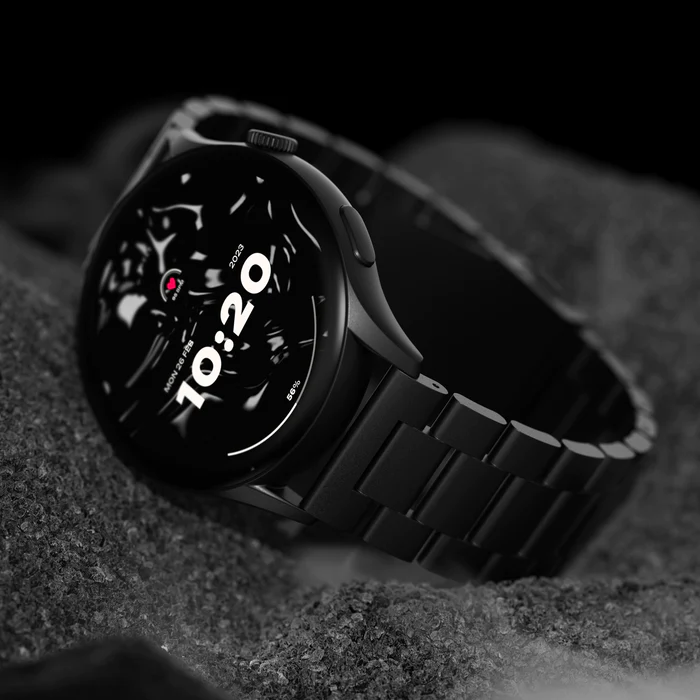
The Boult Striker Pro has a circular dial with a metallic body. There is a rotating crown and a second physical button on the right side. The device features a 1.43-inch AMOLED display bearing a resolution of 466 x 466 pixels. It has an always-on display, a 60Hz refresh rate, and 750 nits peak brightness. The smartwatch is IP67-certified dust and water-resistant.
On the fitness front, the Boult Striker Pro is equipped with a heart rate monitor, SpO2 sensor, blood pressure monitor, menstrual cycle tracker, and sleep monitor. It offers breath training along with sedentary reminders. The wearable device packs support for more than 120 sports modes.
The Boult Striker Pro comes with a built-in microphone and speaker along with a dial pad, contacts sync, and recent logs for voice calling function via Bluetooth 5.1 connectivity. The smartwatch packs convenient features like a notification display, voice assistant, weather updates, find my phone, built-in calculator, and more.
The Boult Striker Pro is priced at Rs 2,499 and is offered in Blue and Grey silicone strap colors as well as a Black metal strap option. The smartwatch can be purchased from the brand’s website and Flipkart.
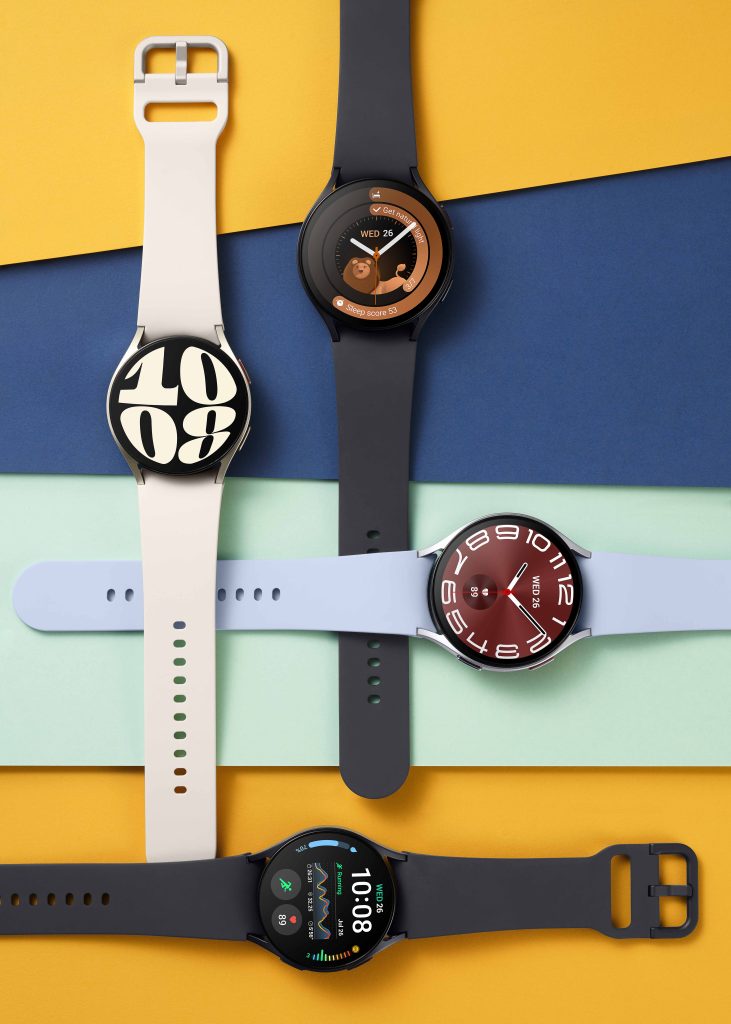
Samsung finally unveiled the Galaxy Watch 6 series today at the Galaxy Unpacked event held in Seoul, South Korea. The new wearables get notable improvements in the health tracking department, with Watch 6 Classic also bringing back the popular rotating bezel. Both Watch 6 and Watch 6 Classic models have been launched in sizes varying from 40mm to 47mm, supporting LTE and Bluetooth v5.3 connectivity. Here are the details.
Galaxy Watch 6 series
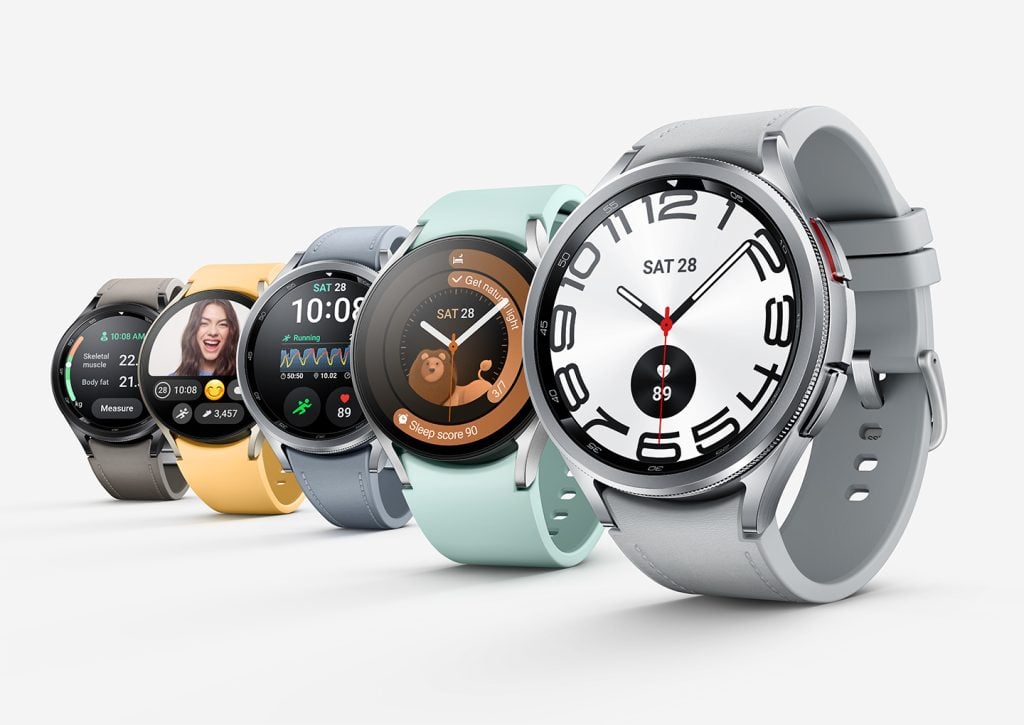
Samsung has put special emphasis on the bezels with the Galaxy Watch 6 series. While the Watch 6 classic comes with the iconic rotating bezel, the standard version has thinner bezels than its predecessors. Both models get Sapphire Crystal Super AMOLED panels with full color Always-On-Display (AOD).
Galaxy Watch 6
As a result of thinner bezels, the 40mm version of the Watch 6 features a 1.3-inch screen, while the larger 44mm version has a 1.5-inch display. The former gets a 300mAh battery and the latter boasts a 400mAh unit. Additionally, the Galaxy Watch 6 Classic in 43mm has a 1.3-inch screen and the 47mm model comes equipped with a 1.5-inch panel. The battery capacity is the same as the standard model. Samsung says the wearables offer up to 30 hours of battery life with the AOD feature on and up to 40 hours with it off.
The health tracking department of the Galaxy Watch 6 series is pretty strong. Samsung is using heart rate and temperature sensors to provide more detailed sleep tracking. The Watch 6 and Watch 6 Classic have a lengthy list of sensors. These wearables feature the Samsung BioActive Sensor for optical heart rate, electrical heart signal, and bioelectrical impedance analysis, as well as an accelerometer, barometer, gyro, geomagnetic sensor, and light sensor.
Galaxy Watch 6 Classic
Both watches are powered by Google’s Wear OS-based One UI 5 and are compatible with WPC-based wireless fast charging. They offer various connectivity options, including LTE, Wi-Fi 2, NFC, and GPS. Additionally, every model in the Galaxy Watch 6 series is equipped with 5ATM and IP68 ratings for added durability.
Price and Availability
The Galaxy Watch 6 has a starting price of $299, whereas the Galaxy Watch 6 Classic starts at $399. These two models are available for pre-order in certain markets as of July 26th and will be for sale on August 11th. You can choose between Bluetooth and LTE options for both.
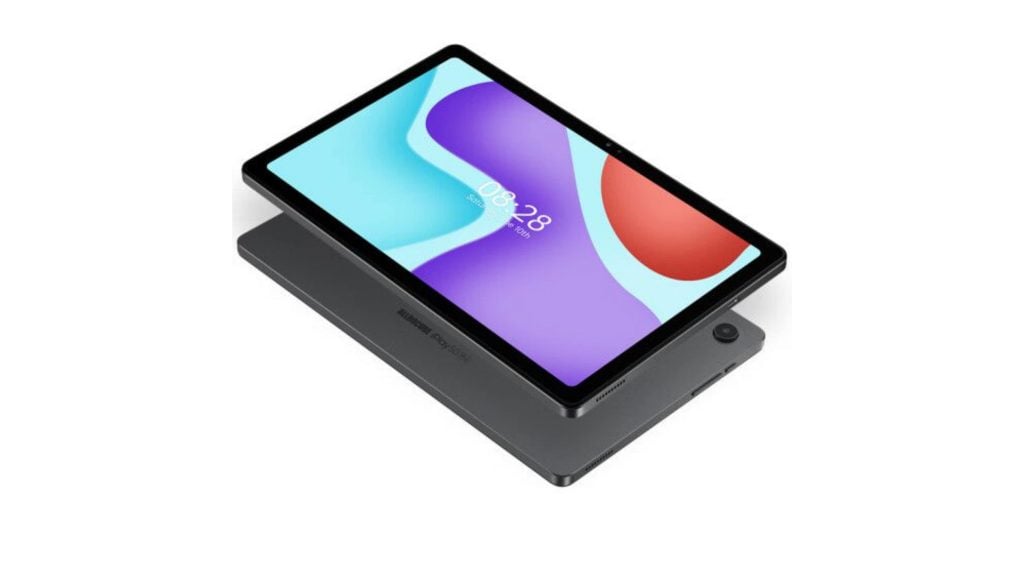
Back in December, Alldocube launched a tablet in China called iPlay 50 Pro. The device was later announced for global markets as well.
Now, more than half a year later, this tablet gets a new variant. The latest version shares almost everything with the original, except for the memory configuration.
The new variant arrives with more storage but the RAM remains the same. Let’s go through the details.
Alldocube iPlay 50 Pro gets an 8GB + 256GB memory version in China. This model is priced at ¥899 for a limited time. It will go on sale from August 1.
Talking about specs, the tablet sports a 10.4-inch IPS LCD screen with a resolution of 2000 x 1200 pixels. The panel offers 225 PPI and a 300 nits peak brightness level.
It is powered by a MediaTek Helio G99 chipset paired with LPDDR4x RAM and UFS 2.1 storage. On the software front, it boots Android 12.
The connectivity options on the device include dual SIM 4G, dual-band WiFi, Bluetooth 5.2, and GNSS. It also comes with a 3.5mm headphone jack, dual stereo speakers, and a USB Type-C port.
Finally, the tablet sports an 8MP rear camera and a 5MP front-facing camera. It draws energy from a 6,000mAh battery and supports 18W charging. It measures 8.4mm in thickness and weighs 466g.
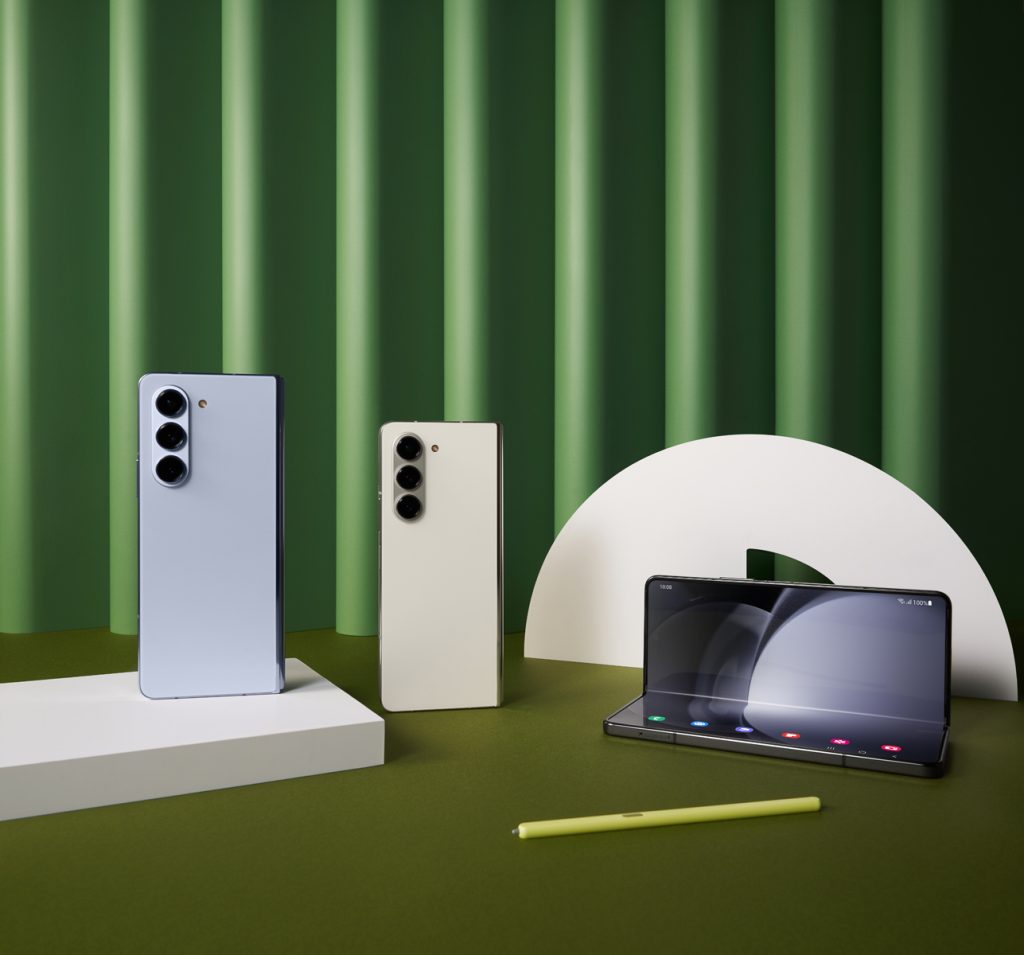
Samsung today held its annual Galaxy Unpacked event in Seoul, South Korea. The event witnessed the launch of several new products, including the most awaited Samsung Galaxy Z Fold 5. Debuting as a minor upgrade over the Galaxy Z Fold 4, the foldable brings a new hinge that lets it fold flat. You also get the Snapdragon 8 Gen 2 for Galaxy chip from the flagship S23 series. Here are the details.
Design and Display
If you have seen the Galaxy Z Fold 4, you have also seen the Galaxy Z Fold 5. The camera module on the rear is the same as last gen model and so is the ingress protection (IPX8). What is not the same on the phone is the hinge. The company has opted for a new teardrop-shaped hinge that allows it to close flat. It will also let you use the phone at any angle. The Z Fold 5 measures 13.4mm thick when closed whereas the Fold 4 was 14.2mm thick. It has also lost some weight and is 10g lighter than the Z Fold 4, which weighs 263g.
The display on the phone hasn’t changed much either. The outer display measures 6.2 inches and offers a 2316x904px resolution. The AMOLED panel has a 120Hz adaptive refresh rate. On the inside, you get a 7.6-inch Dynamic AMOLED 2X with 2176x1812px resolution, and an adaptive 120Hz refresh rate. The main screen can reach a peak brightness of 1,750 nits.
Cameras and Other Specs
You’ll not find many changes in the hardware department. Sure, the new Galaxy Z Fold 5 is powered by the Snapdragon 8 Gen 2 Mobile Platform for Galaxy but that’s about all. The camera system remains unchanged. There’s a 50MP primary shooter on the rear, accompanied by a 50MP wide-angle sensor, and a 10MP zoom camera. For selfies, you get a generous 10MP shooter on the cover screen and a 4MP under-display camera on the inside.
Samsung Galaxy Z Fold 5 is fueled by the same 4,400mAh battery with support for 25W wired and 15W wireless charging. It runs Android 13-based One UI 5.1.1 on the software front with a redesigned taskbar, a two-handed drag-and-drop feature, among other features. The S Pen for the foldable has also been made 40% thinner.
Price and Availability
The Samsung Galaxy Z Fold5 can be pre-ordered in select markets today and it will start shipping from August 11. The phone is offered in Icy Blue, Phantom Black, and Cream. Talking about the price, Galaxy Z Fold 5 comes priced at $1,799 for the 256GB variant, $1,919 for the 512GB version, and $2,159 for the 1TB storage option.
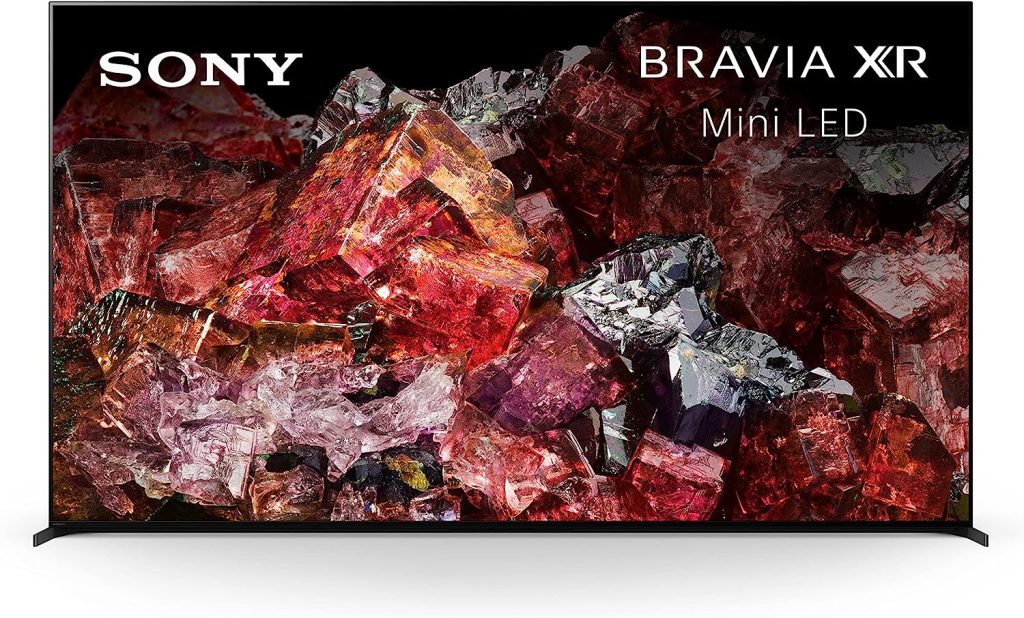
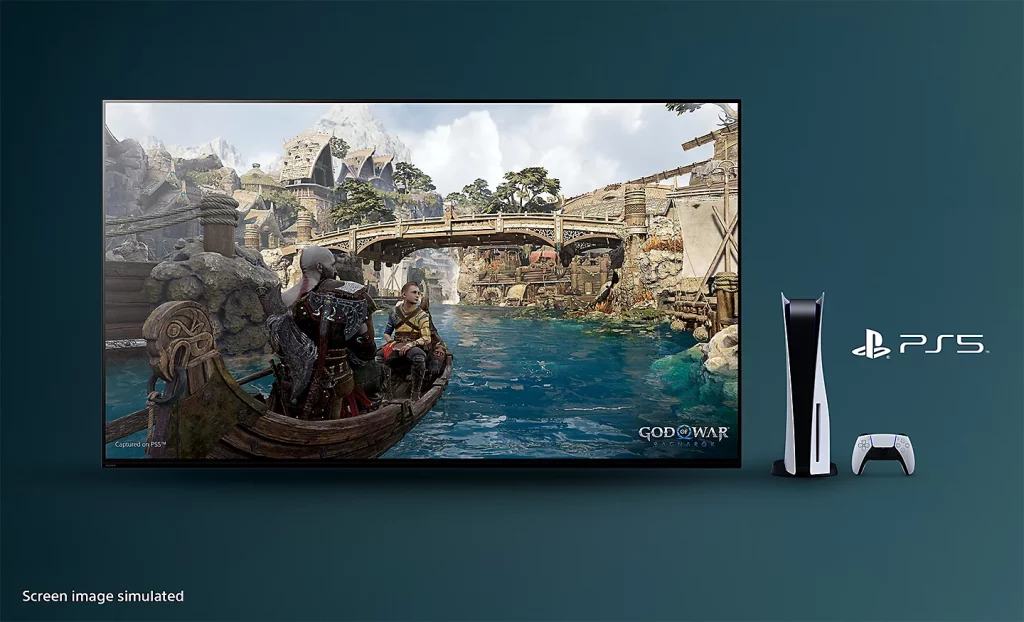
Sony has recently introduced the Bravia XR X95L in the Indian market, following its successful launch in the US back in May. The Bravia XR X95L is an 85-inch Mini LED TV premium television that comes with HDR10 support.
Sony Bravia XR X95L TV specs
The Sony Bravia XR X95L Mini LED 4K TV is a cutting-edge television offering a massive 85-inch screen with 4K resolution and a 100Hz refresh rate, providing smooth and lifelike visuals. The Direct Full Array Mini LED backlight technology ensures precise contrast and brightness levels, while support for HDR 10, HLG, and Dolby Vision.
Powered by the Cognitive Processor XR with AI technology, the TV optimizes both picture and sound quality. XR 4K Upscaling, Dual database processing, and XR Super Resolution enhance the viewing experience even further. XR TRILUMINOS PRO provides a wide array of accurate colors, and XR Motion Clarity reduces motion blur.
The TV offers various picture modes and impressive audio capabilities, including Acoustic Multi-Audio+ and Frame Tweeter technology, along with support for Dolby Audio, Dolby Atmos, and DTS Digital Surround Sound.
The Bravia XR X95L Mini LED 4K TV offers smooth navigation and access to a wide range of content with Google TV, 32GB storage, and a voice search remote. It provides versatile connectivity options, including dual-band Wi-Fi, Bluetooth, Built-in Chromecast, Apple AirPlay, and Bravia Sync.
The TV features x4 HDMI (HDCP2.3) inputs, x1 RF, Ethernet, 2x USB ports, x1 Digital audio output, and Headphone output for versatile connectivity.
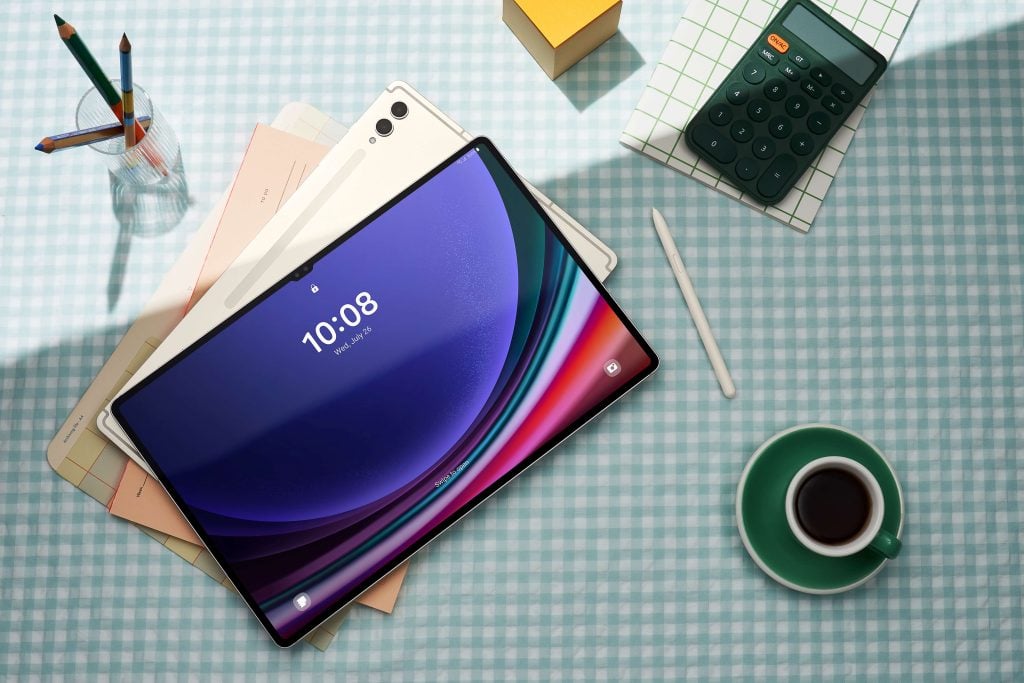
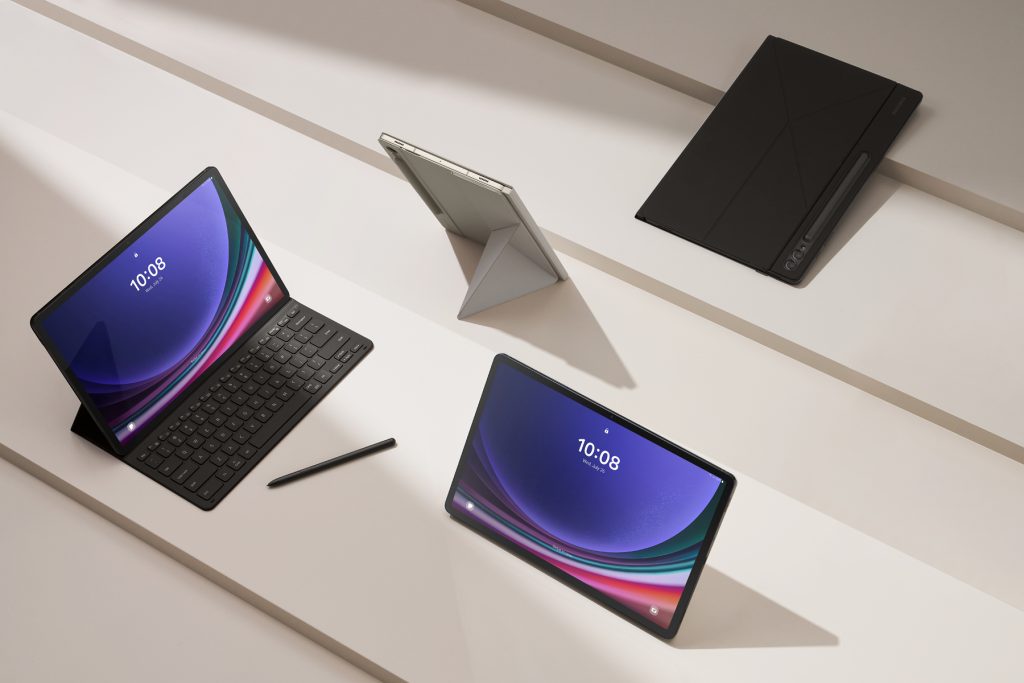
The Samsung Galaxy Tab S9 series comprises the standard, plus, and ultra variants. The Tab S9 Ultra is a top-of-the-line model with high-end specifications. It is the successor to the last year’s Tab S8 Ultra. Read on to know what the device offers out of the box.
Samsung Galaxy Tab S9 Ultra specifications and features
Beginning with the display, the Galaxy Tab S9 Ultra has a huge 14.6-inch dynamic AMOLED screen with a notch on the left bezel. It offers a WQXGA+ resolution, a 120Hz refresh rate, an optical fingerprint scanner, and support for the S-Pen that can be magnetically attached to the side frame and charged on the vertical strip of the back panel. The Galaxy Tab S9 series are the first tablets to feature an IP68 dust and water-resistant rating.
The Samsung Galaxy Tab S9 Ultra features two protruding camera sensors on the back panel. The dual camera setup comprises a 13MP main sensor paired with an 8MP ultra-wide-angle lens. The notch on the front houses a 12MP primary and another 12MP ultra-wide-angle lens.
On the hardware front, the Samsung Galaxy Tab S9 Ultra is equipped with a Snapdragon 8 Gen 2 processor. It packs up to 16GB RAM and 1TB onboard storage expandable via a microSD card slot. The tablet draws its power from an 11,200mAh battery unit with support for 45W fast charging. Software-wise, it runs on OneUI 5.1 based Android 13 OS.
Samsung Galaxy Tab S9 Ultra pricing and availability
The Samsung Galaxy Tab S9 Ultra starts at $1,199/ £1,199 for the 12GB + 256GB WiFi variant. The 12GB + 512GB WiFi model is priced at £1,299 whereas the 1TB WiFi variant carries a price tag of £1,549. The 5G versions of the same configurations are priced at £1,349, £1,449, and £1,1699 respectively. The tablet is up for pre-orders with open sales beginning from August 11. The device is offered in Beige and Graphite colors.
Alongside the launch of new devices, Samsung also unveiled the next-generation Galaxy tablets. The Galaxy Tab S9 lineup comprises of the standard, plus, and ultra variants. These arrive as the successors to the last year’s respective Tab S8 series models. In this post, we will take a look at the Galaxy Tab S9 and S9+.
Samsung Galaxy Tab S9, S9+ specifications and features
Both the Samsung Galaxy Tab S9 and Tab S9+ boast a dynamic AMOLED 2X display. The former offers an 11-inch WQXGA resolution whereas the latter has a slightly upgraded 12.4-inch WQXGA+ panel. Both devices feature a 120Hz refresh rate, an optical in-screen fingerprint scanner, and S-Pen support.
Design-wise, the Galaxy Tab S9 duo has minimal bezels on the front surrounding the display. The back panel has dual protruding camera sensors and there is a vertical strip that can be magnetically used to attach the stylus. The Galaxy Tab S9 series are the first tablets to feature an IP68 dust and water-resistant rating.
The Samsung Galaxy Tab S9 features a single 13MP rear camera whereas the S9+ has 13MP and 8MP camera sensors. Both tablets pack a 12MP front-facing selfie snapper. On the audio front, the tablets are equipped with quad speakers tuned by AKG and Dolby Atmos.
Under the hood, the Samsung Galaxy Tab S9 and S9+ house a Snapdragon 8 Gen 2 processor. Both pack up to 12GB RAM and 512GB storage. The standard variant is backed by an 8,000mAh battery unit whereas the plus model draws its power from a 10,090mAh cell.
Samsung Galaxy Tab S9, S9+ pricing and availability
The Samsung Galaxy Tab S9 starts at $799 / EUR 799 whereas the Tab S9+ carries a starting price tag of $1,149 / EUR 999 for the base model. Both tablets are available for pre-order with shipments commencing from August 11. They are offered in Beige and Graphite colors.
At the Galaxy Unpacked event held today in South Korea, Samsung unveiled a host of new devices. Among those, the Samsung Galaxy Z Flip 5 arrives as the successor to the last year’s Galaxy Z Flip 4. The newest generation clamshell foldable comes with significant upgrades over its predecessor. It also heats up the competition in the clamshell foldable segment with a large secondary display and goes up against the likes of the Motorola Razr Ultra (review), OPPO Find N2 Flip (review), and Vivo X Flip. Read on to know the technical details of the device below.
Samsung Galaxy Z Flip 5 specifications and features
The Samsung Galaxy Z Flip 5 is a vertical folding clamshell phone. Internally, it has a 6.7-inch AMOLED display bearing an FHD+ resolution and an adaptive 120Hz refresh rate. The key highlight of the newest foldable phone is that it features a large 3.4-inch secondary sAMOLED display (Samsung calls this the Flex Window) with 1,600 nits peak brightness and a 60Hz refresh rate on the back panel. The screen looks like a folder-shaped icon making it appear unique. Users can do a lot of stuff on the secondary screen like reply to a text, view notifications, control music playback, access Samsung Wallet and quick settings without having to open the main display.
The Samsung Galaxy Z Flip 5 has a side-mounted fingerprint scanner embedded in the power button. The brand says that it has used a new hinge mechanism featuring a dual rail structure and diffusing external impacts. The phone is also capable of folding flat without leaving any gaps so that dust and water doesn’t settle in. The foldable device is also IPX8-certified dust and water-resistant. It is also shielded by Corning Gorilla Glass Victus 2.
On the imaging front, the Samsung Galaxy Z Flip 5 comes with a dual rear camera setup of a 12MP OIS-enabled sensor and a 12MP ultra-wide-angle lens. It has a 10MP front-facing selfie snapper. The foldable phone has dual stereo speakers tuned by Dolby Atmos.
Under the hood, the Samsung Galaxy Z Flip 5 is powered by the Snapdragon 8 Gen 2 processor clocked at 3.36GHz. It packs up to 8GB RAM and 512GB internal storage. The device is backed by a 3,700mAh battery unit with support for 25W fast charging as well as wireless charging. Software-wise, the foldable phone runs on Android 13-based Samsung UI on the top.
Connectivity options on the Samsung Galaxy Z Flip 5 include a USB-C port, WiFi-6E, Bluetooth 5.3, NFC, 5G, and 4G.
Samsung Galaxy Z Flip 5 pricing and availability
Coming to the pricing, the Samsung Galaxy Z Flip 5 starts at $999 for the base 256GB model. The 512GB variant is priced at $1,199. The device is offered in Mint, Graphite, Cream, and Lavender colors. The foldable phone is up for pre-orders starting today with sales commencing from August 11. Pricing and availability depend on different markets.
The competition in the electric vehicle market continues to grow. Each day, more companies are turning to this field, trying to get their share of the ever-growing market. For this reason, many companies are implementing different strategies to get ahead of their competitors and reach more users. One of these companies is Nio. According to the latest information, the company is gearing up to produce affordableelectric vehicles. Here are the details…
Affordable Nio Electric Vehicle Models to Launch in August
Although most of us think of Tesla when we talk about electric vehicles, the market leader is currently the Chinese manufacturer BYD. The main reason for this is the company’s pricing and sub-brand strategy. The Chinese car giant, aiming to appeal to a wide user base, creates brands instead of models suitable for different segments. In this way, they manage to produce both affordable and expensive vehicles at the same time without damaging the brand perception. Now, a similar strategy is being implemented by Nio with affordable electric vehicle brand, codenamed Firefly.
The company has completed the two-dimensional sketches of the first model, and will start making scale models in clay as early as August. The Firefly brand’s prices will range from $13,999 to $27,999. This is cheaper than Nio’s current cars, which start at about $50,000. Nio’s President, Qin Lihong, stated in January that the company plans to start delivering the first Alps and Firefly vehicles in 2024. They plan to introduce the Firefly brand in Europe first, then in China.
At first glance, this may seem like a quite interesting strategy. However, it’s a fact that there is a gap in the European and American markets for affordable electric vehicles. Companies like BYD, which generally produce relatively cheap models, are usually active in the Asian market. For now, the West is under the control of traditional manufacturers such as Tesla and Volkswagen. Therefore, selling affordable EV models in these regions could have serious advantages for Nio.
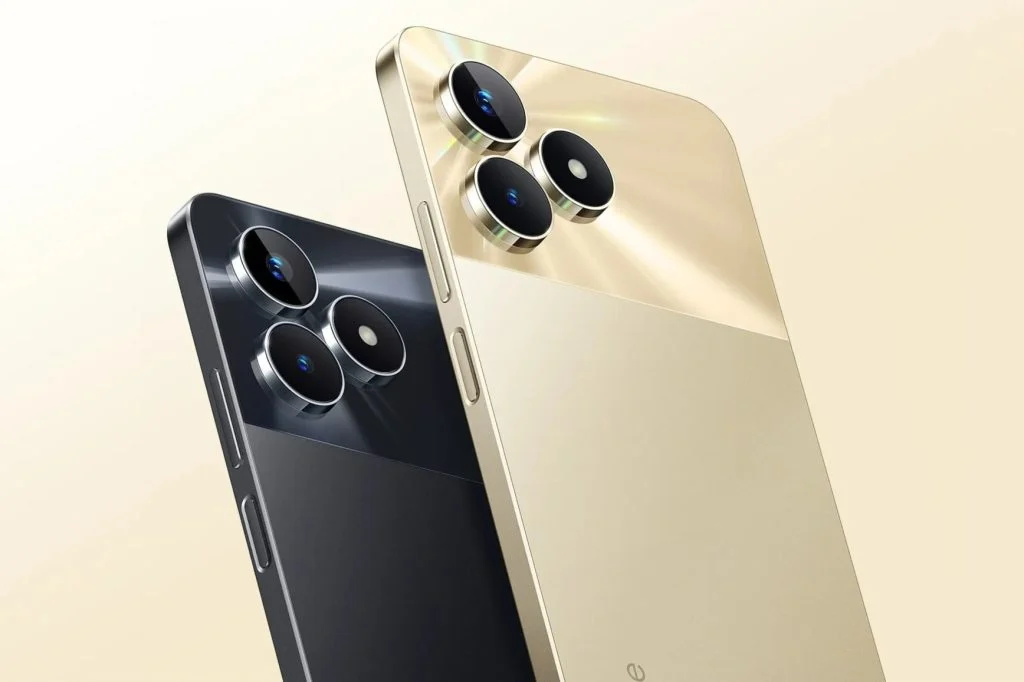
After a couple of flash sales, the Realme C53 has finally arrived for open sale on Flipkart and Realme Store. The device features a 6.74-inch 90Hz LCD display and a 108MP primary camera.
Realme C53 price & offers
The Realme C53 offers two configuration options: 4GB + 128GB and 6GB + 64GB, priced at Rs 9,999 and Rs 10,999, respectively. It will be available for purchase exclusively on Flipkart and the Realme Store, starting at 12:00 PM today, July 26.
As a part of the launch offer, Realme is providing a Rs 500 discount coupon. Additionally, buyers can enjoy an extra Rs 500 discount with ICICI, HDFC, and SBI Credit Card transactions. Flipkart Axis Bank Credit cardholders will also receive 5% cashback on their purchases.
Realme C53 specs
The Realme C53 boasts a 6.74-inch LCD screen with an HD+ resolution of 1600 x 720 pixels. The display offers a 90Hz refresh rate and supports up to 180Hz touch sampling rate. The screen can reach a brightness level of 560 nits.
For photography, the phone features an impressive 108MP primary camera along with a 2MP auxiliary sensor, while the front has an 8MP selfie camera. Underneath, the Realme C53 runs on a Unisoc T612 chip with Realme UI T Edition based on Android 13. It comes with LPDDR4x RAM and eMMC 5.1 storage.
In terms of connectivity, the phone supports dual SIM, 4G, dual-band WiFi, and Bluetooth 5.0. It also includes a MicroSD card slot, a 3.5mm headphone jack, and a USB Type-C port for added convenience. The phone is powered by a 5,000mAh battery, but its charging speed is limited to 18W.
ARknovv has introduced the world’s first fully functional consumer-grade AR glasses, the ARknovv A1 and ARknovv A1 HUD. These wearable AR glasses are tailored for outdoor use and incorporate AI technology, promising a new era for AR consumer products.
ARknovv A1 is a sleek and lightweight AR glass, weighing only 68 grams, with a dual-eye resolution of 3840×1080. It offers a retina-level display effect, a 55-degree field of view, and a 70Hz refresh rate. The glasses feature a high-definition, high-brightness, and high-transparency optical display system, providing an unmatched visual experience. Additionally, the electrochromic lenses ensure comfortable wear throughout the day.
A standout design element is the “Magic Ring,” a thoughtfully designed interaction accessory. Users can effortlessly interact with the digital world by moving their fingers, even with the ring in their pockets. This enables seamless control and navigation through AR content and applications, eliminating the need for external controllers or touchscreens.
The ARknovv A1 is powered by their proprietary Aladdin OS, integrating deep AI functionalities that redefine the way users interact with both digital and physical environments. The glasses can connect to various devices, including smartphones, computers, and gaming consoles, via USB-C or HDMI interfaces.
It introduces three core features:
Voice Recognition: The intelligent assistant, “Spirit Ball,” employs an in-house GPT model for voice recognition and object perception, acting as an intuitive personal assistant.
AR Photo Album: ARknovv A1 allows users to capture and record real-world moments from their first-person perspective using photos. The AR glasses utilize self-developed AI algorithms, enabling users to review 2D photos in 3D and apply one-click stylization to transform photos into a unique comic world. In the future, ARknovv A1 will expand its capabilities to include 2D videos, offering more powerful and diverse visual creation abilities.
AR Navigation: ARknovv A1 offers pedestrian navigation directly superimposed on the physical world, eliminating the need to look down at a smartphone while walking. It also provides AR-HUD driving navigation for vehicles, enhancing driving safety.
ARknovv A1 HUD is an extension of the ARknovv A1, specially designed for in-car use, elevating the driving experience through augmented reality features. Key features include precise in-car space positioning for accurate navigation guidance, 3DoF SLAM algorithm for displaying virtual objects without obstructing the driver’s view, intuitive turn-by-turn navigation instructions, and real-time notifications for calls and messages.
Furthermore, ARknovv A1 HUD aims to integrate with Advanced Driver-Assistance Systems (ADAS) for real-time safety prompts and Point of Interest (POI) information, making driving safer and more efficient by keeping essential information in the driver’s line of sight. Totoya is also working on a similar AR glass concept to replace in-car displays, indicating competition in the automotive AR glasses market.
Another exciting feature, AR Big Bang, leverages local GPT capabilities for natural language interaction and semantic understanding, offering users textual feedback merged with real-world scenes. Users can point the glasses at objects to learn more about them, creating an immersive experience that seamlessly blends the digital and physical worlds.
ARknovv A1 aims to be a versatile tool for creativity, productivity, and entertainment, offering services that cater to various aspects of daily life through deep AI integration with the mobile internet. The company plans to collaborate with developers and partners to create even more immersive consumer experiences.
The ARknovv A1 is priced at 2988 yuan ($417), and alongside it, the ARknovv A1 HUD version will be launched at 3988 yuan ($557), catering to the needs of drivers. The official pre-order channel is now open, and pre-sales on platforms like Tmall and JD.com will begin on September 26.
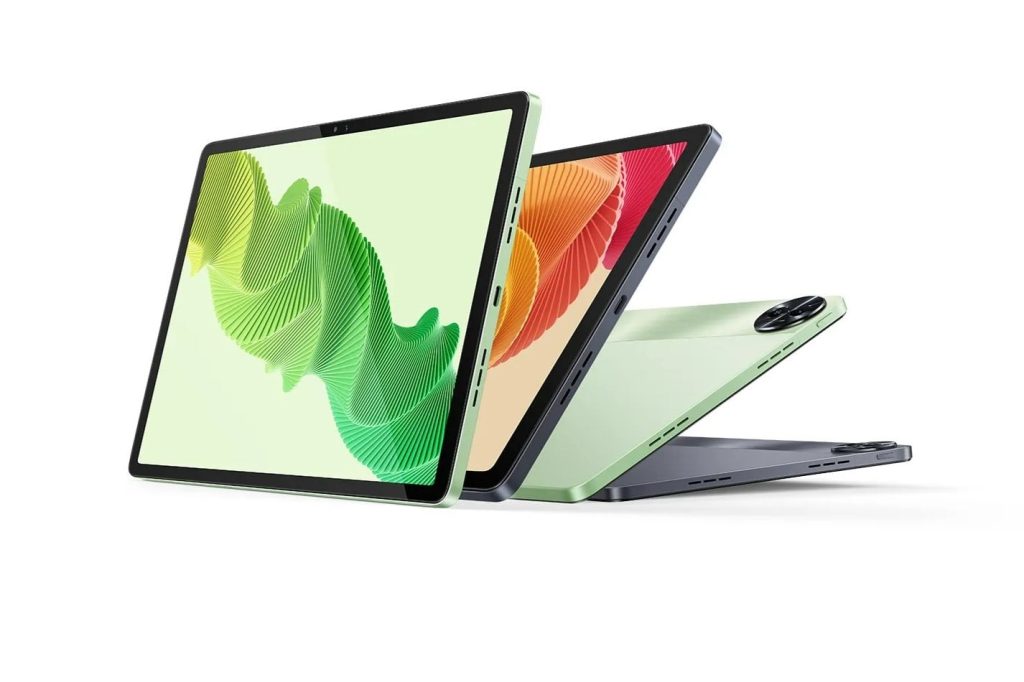
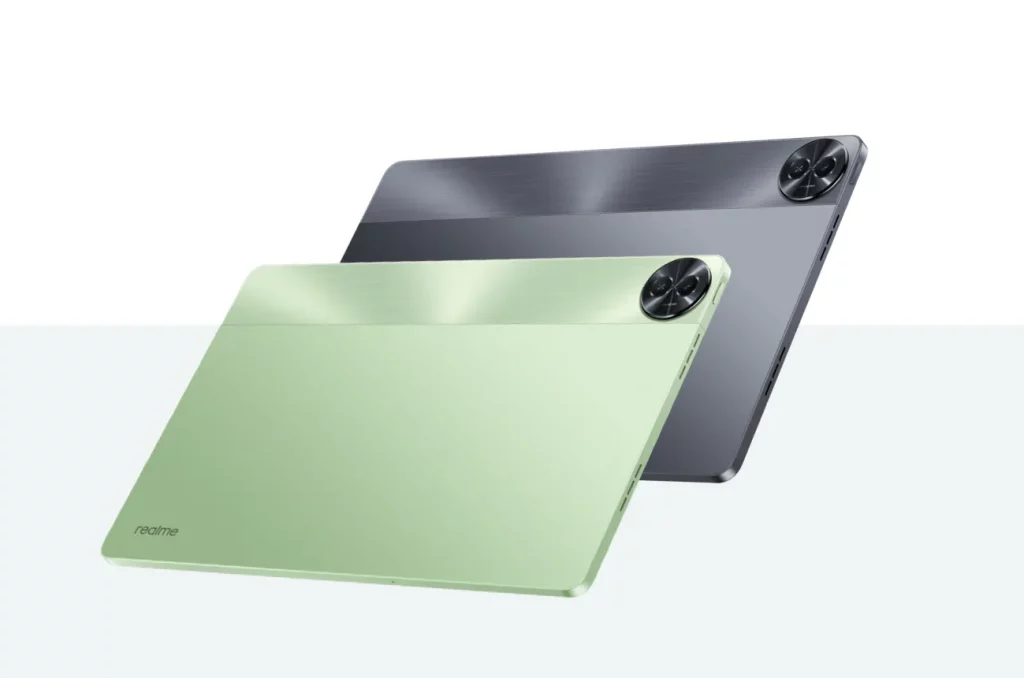
Realme recently introduced the Realme Pad 2 tablet in India, featuring an expansive 11.5-inch display and powered by a Helio G99 SoC. While the open sale is scheduled to start on August 1, interested customers can already pre-reserve their units to secure one ahead of time.
Realme Pad 2 pre-order offers
The Realme Pad 2 is now available for pre-order on the Realme Store and Flipkart in India. Customers can enjoy a Rs 500 discount through a coupon when purchasing from the Realme Store. Additionally, students can avail a Rs 1000 discount coupon on the platform.
The Realme Pad 2 offers two configuration options: 6GB + 128GB and 8GB + 256GB, priced at Rs 19,999 and Rs 22,999, respectively. Realme is providing a flat Rs 1500 discount on the purchase of the Realme Pad 2 for transactions made with ICICI, SBI, and HDFC Credit Cards.
Realme Pad 2 specs
The Realme Pad 2 features an 11.5-inch LCD screen with a resolution of 2000 x 1200 pixels, a peak brightness level of 450 nits, and an 85.2% screen-to-body ratio. The 10-bit panel supports adaptive refresh rate (40Hz/60Hz/120Hz) and DC dimming.
On the top left corner, there is an 8MP rear camera placed on a circular island, while the front 8MP shooter is located on the right bezel. Under the hood, the tablet runs on a MediaTek Helio G99 chipset and comes with Realme UI 4.0 for Pad based on Android 13.
The Realme Pad 2 comes with Dolby Atmos-supported quad speakers, providing an immersive audio experience. Inside its slim 7.2mm body, it packs an 8,360mAh battery and supports 33W wired charging for quick recharging.
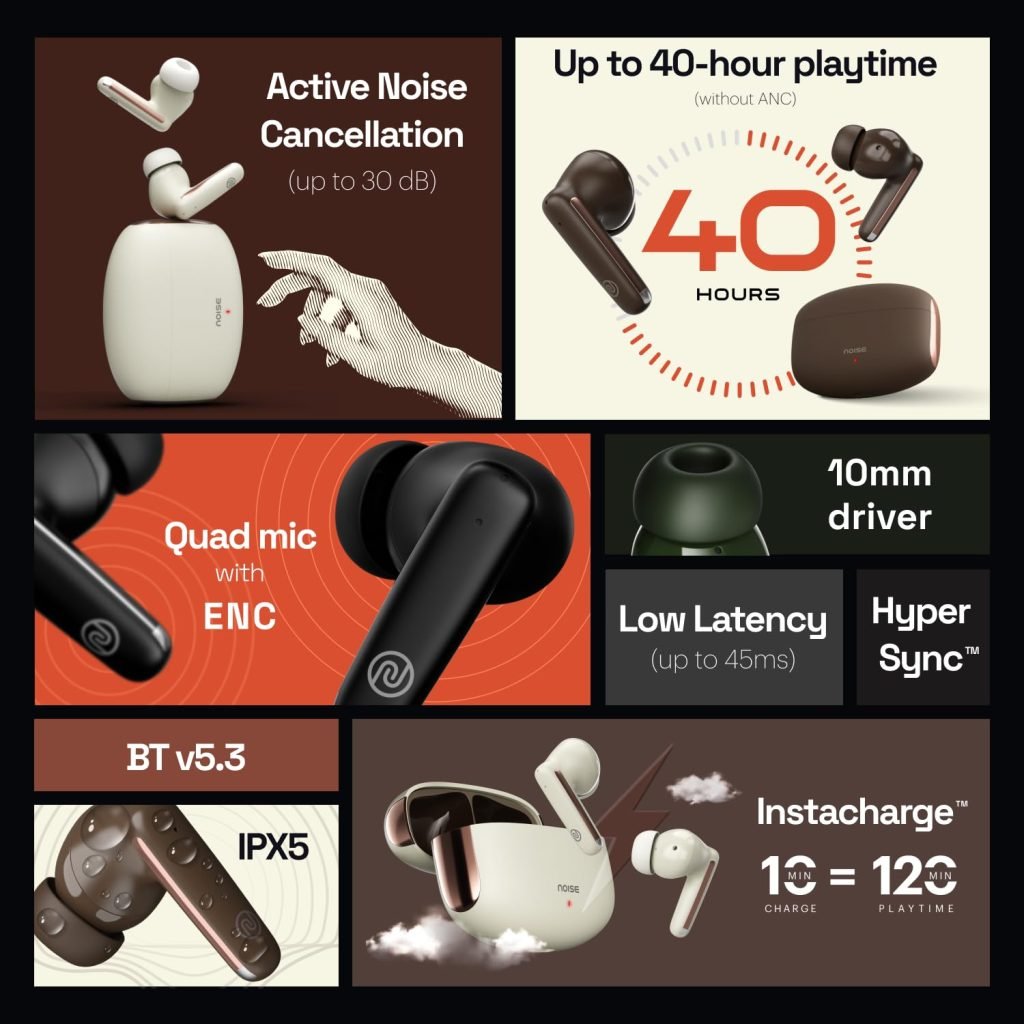
After unveiling the Noise Luna smart ring yesterday, the brand has now launched a new pair of TWS earbuds with active noise cancellation called the Noise Buds Venus. Let’s take a look at its specs and pricing.
Noise Buds Venus earbuds specs
The Noise Buds Venus has 10mm drivers, offering a powerful and immersive sound experience. It features Bluetooth v5.3 connectivity, ensuring a stable and reliable connection to your devices. With support for SBC and AAC codecs, you can enjoy high-quality audio streaming.
The earbuds boast convenient touch controls, allowing you to easily manage your music and calls. It comes with a Quad mic setup that incorporates Environmental Noise Cancellation Technology, ensuring clear and crisp calls even in noisy environments. The active noise cancellation (ANC) feature can block out up to 30dB of external noise, providing a peaceful listening experience.
One of the highlights of the earbuds is its impressive battery life. You get up to 40 hours of total playback time without ANC, and a single charge offers 7 hours of continuous usage. Thanks to the Instacharge fast charging support, just 10 minutes of charging provides an additional 120 minutes of playback time.
For gamers and videos, the earbuds offer low latency of 45ms, reducing any delay between audio and video. The Noise Buds Venus features IPX5 splash and sweat resistance. This makes it suitable for workouts and outdoor activities without worry about damage from rain or sweat. Additionally, the earbuds support AI voice assistants, making it easy to access information and control your devices hands-free.
Pricing & availability
The Noise Buds Venus TWS is priced at an introductory price of ₹1,699. It is available in Cosmic Black, Lunar Ivory, Galaxy Green, and Stellar Brown colors and can be purchased from the company’s website and Amazon.in, starting today, July 26th at 12 P.M.
Japan’s new chip equipment export rules will take effect on July 30, 2023. The new regulation aims to provide controls that prevent advanced chip technology from reaching Beijing. Japan has been a long-term ally of the United States and the rules are in tandem with that of the US.
The new rules require export licenses for semiconductor manufacturing equipment. Twenty-three items have been added to the list. It includes the equipment required to produce circuit patterns (EUV lithography) and test chips. The tightening of export controls in the chip manufacturing industry makes it harder to export advanced chipmaking tools into China.
The move is seen in some quarters as a direct frontal assault against Beijing and a response is expected from China. Some industry experts have hinted that producing cutting-edge semiconductor devices will be more difficult for China in the short and medium term. The new rules are also the aftermath of the US direct call to Japan and the Netherlands for tightening restrictions on advanced semiconductor equipment. Japan and the Netherlands are two of the world’s biggest suppliers of semiconductor manufacturing equipment. The Netherlands has also formulated new restrictions that will kick in this September.
Currently, Japan accounts for up to a third of China’s semiconductor-manufacturing equipment imports. It is China’s leading source of such critical advanced equipment and the new rules expand suppliers’ reporting requirements. There are exemptions however that cover 42 countries and territories. Japanese suppliers may still enjoy a favorable market in China in low-end aspects of the chipmaking industry. China had scaled up its capacity in the production of legacy (older) chips following the US clampdown.
There could be a reciprocal response from Beijing that will hurt aspects of Japan’s growing trade with China. China continues to hit at US suppliers as reprisal for the US action and the Japanese move may also yield a strong response.
Intel has been losing ground to rivals in the chip manufacturing race. You read that right. Even though many of us know Intel from the processors we use in our computers, the company also makes chips for other companies. Intel was actually the world’s leading chipmaker for many years, from 1971 to 2021. But in the past few years, it’s been falling behind rivals like TSMC and Samsung. However, Intel wants to turn things around. That’s why they’ve teamed up with Ericsson. They’re planning to make a special 5G chip using Intel’s cutting-edge production methods. Here are the details…
Intel and Ericsson Unveil Plans for Custom 5G Chip
Intel has been losing ground to competitors in the chip manufacturing competition for some time now. The main reason for this is that rivals like TSMC and Samsung have heavily invested in new production technologies. As a result, they are now capable of creating chips that are smaller, more powerful, and use less energy. However, Intel has been working hard not to let this continue. Over the past few years, the company made serious investments in both their production facilities and acquisitions like Tower Semiconductor. Now, these investments are paying off with the Ericsson deal.
Intel and Ericsson are planning to work together to create a special 5G chip. This chip will be built using Intel’s 18A technology and is planned to be used in Ericsson’s 5G network equipment. It is expected to be available in 2025. The chip they’re making is designed to match the specific requirements of 5G network equipment. These include performing tasks quickly, using less power, and being able to adjust to different sizes or scales. This chip should also be able to work with many types of 5G standards.
Unfortunately, there is not much information about the deal yet. The main thing we’re curious about is whether this agreement will truly change things for Intel. What do you think about this? Do you believe Intel can regain its title as the world’s leading chipmaker?
It’s almost certain that Exynos chips are making a comeback. For months, we’ve been hearing rumors about a deca-core Exynos 2400 processor that’s rumored to power some Galaxy S24 models next year. The Galaxy S23 FE model, which should launch later this year, is also said to pack an Exynos-branded processor. Now, a new reliable report is here to confirm these long-standing rumors.
Exynos’ return seems inevitable
Pocket-lint reports that Samsung is siding with its own Exynos processors for the upcoming Galaxy S23 FE, which is said to be debuting later this year. While the report didn’t mention the exact processor, Geekbench recently listed the device with the older Exynos 2200. However, the S23 FE units shipping to the US may pack a Qualcomm processor, possibly the Snapdragon 8+ Gen 1.
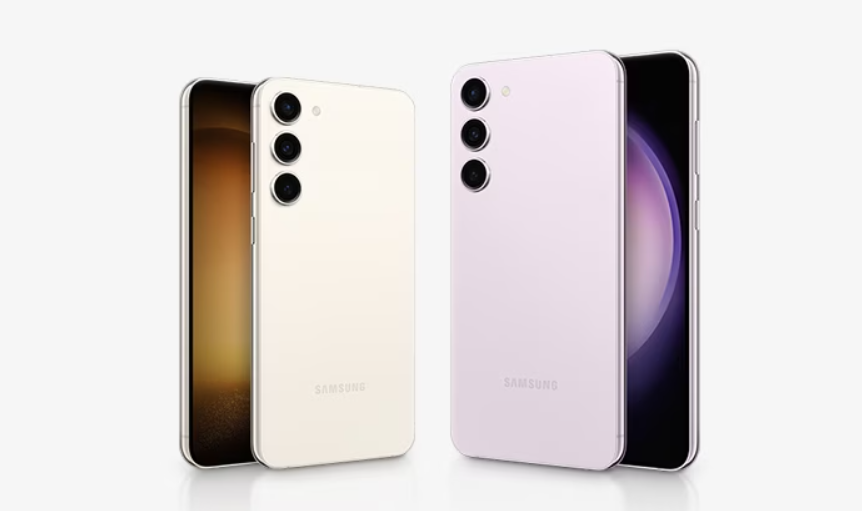
Samsung Galaxy S23
The report, citing sources, also claims that Samsung will revert back to Exynos chips for the flagship S24 series, launching next year. The current Galaxy S23 models are all powered by an overclocked Snapdragon 8 Gen 2 for Galaxy processor. Pocket-lint says Exynos Galaxy S24 could remain limited to Europe and the US region might still get the Snapdragon variants.
We understand Samsung fans might be having mixed emotions about this news. However, they might be relieved to know the Exynos 2400 chip, said to power the Galaxy S24, is shaping up to be an impressive contender to Qualcomm’s upcoming Snapdragon 8 Gen 3. The GPU on this chip reportedly has four times the number of compute units of the Xclipse 920 of Exynos 2200. The CPU benchmark scores (multi-core) are reported to be 20% more than that of the Snapdragon 8 Gen 2.
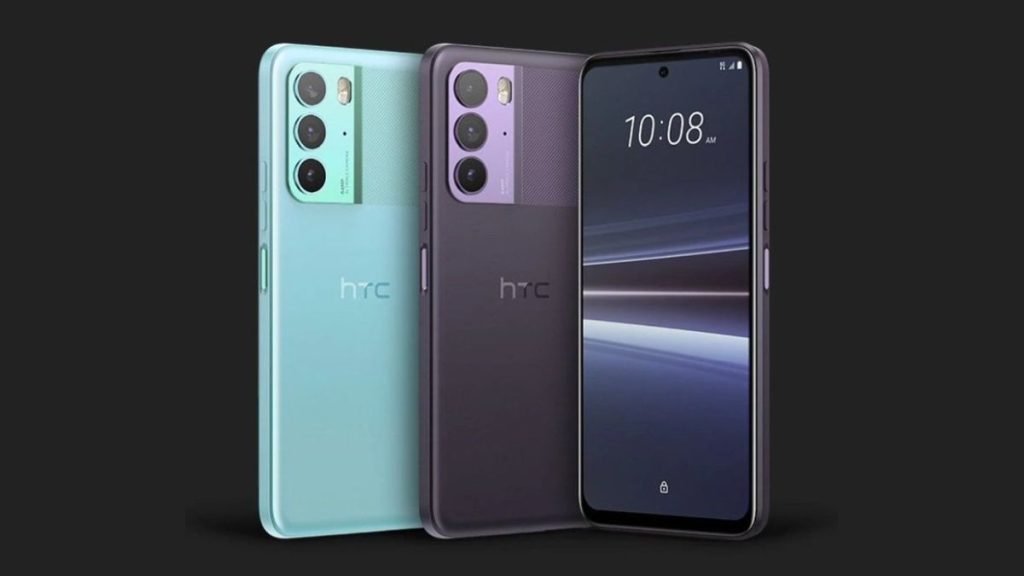
After unveiling the HTC U23 and U23 Pro back in May, the brand has finally started selling the U23 in Taiwan. The device comes with standout features like an FHD+ OLED display, a triple camera setup, and a Snapdragon 7 series processor.
HTC U23 pricing & availability
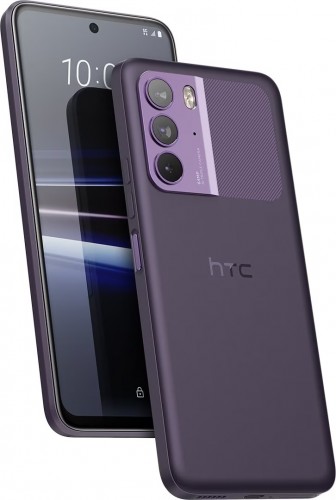
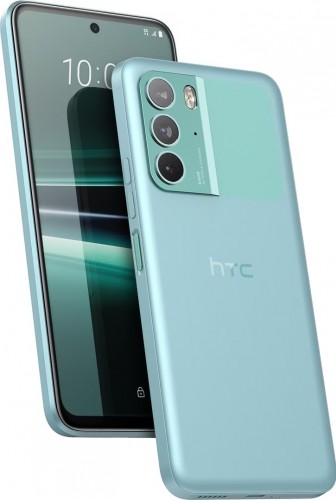
The HTC U23 is offered in a single 8GB RAM + 128GB storage variant which costs TWD14,990 ($480). It is available to purchase from the brand’s website and comes in two color options: Roland Purple and Aqua blue.
HTC U23 specs
The HTC U23 features a 6.7-inch FHD+ 120Hz OLED display with Gorilla Glass Victus protection, making it resistant to scratches and impacts. Running on the Qualcomm Snapdragon 7 Gen 1 processor, the HTC U23 comes with 8GB of RAM and 128GB of internal storage. It packs a 4,600mAh battery with support for 30W fast charging, 15W wireless charging, and reverse charging. The device is IP67 certified, offering water and dust resistance.
The main camera setup includes a 64-megapixel lens, an 8-megapixel lens, and a 2-megapixel lens, offering various shooting modes like professional, night scene, portrait, wide-angle shots, beauty adjustments, time-lapse, and slow-motion photography. The main camera also supports 4K video recording with Electronic Image Stabilization (EIS). On the front, there’s a 32-megapixel camera with beauty adjustment, portrait mode, night scene mode, and time-lapse capabilities. The device has dual speakers and a 3.5mm audio jack. It also supports Wi-Fi 6 for improved connectivity.
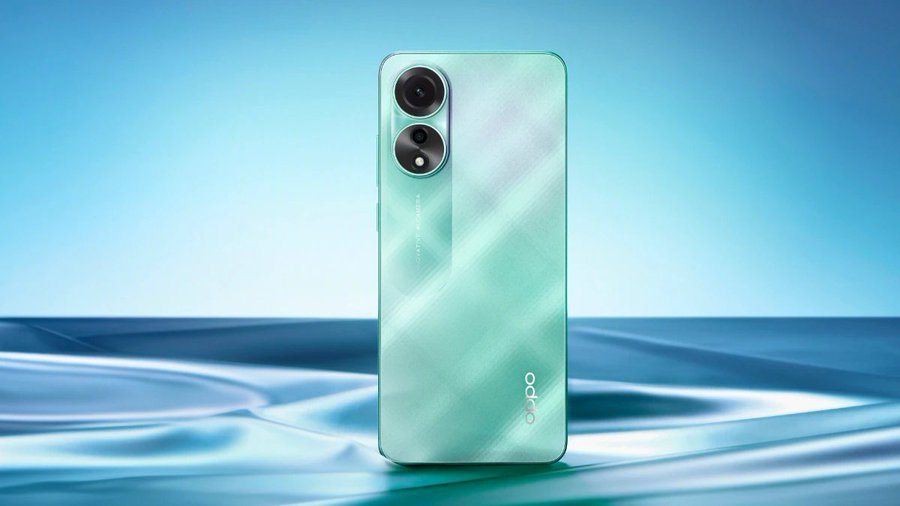
Earlier this month, Oppo launched the A78 4G smartphone in Indonesia. Now, a new report has emerged with details about the Indian pricing and availability.
as per TheTechOutlook, the stock of the Oppo A78 4G will arrive at Indian shores today, meaning that we can expect the device to be on store shelves by tomorrow (June 27). The report also mentions that the MOP(Market Operating Price) of the device will be Rs. 17,499 ($213), while the MRP(Maximum Retail Price) will be slightly higher.
A previous report has mentioned that the device will cost around Rs 18,000 ($219) to Rs 20,000 ($244) in the Indian offline market. For comparison, the Oppo A78 4G costs IDR 3,599,000 (~$236) in Indonesia.
Oppo A78 4G specs
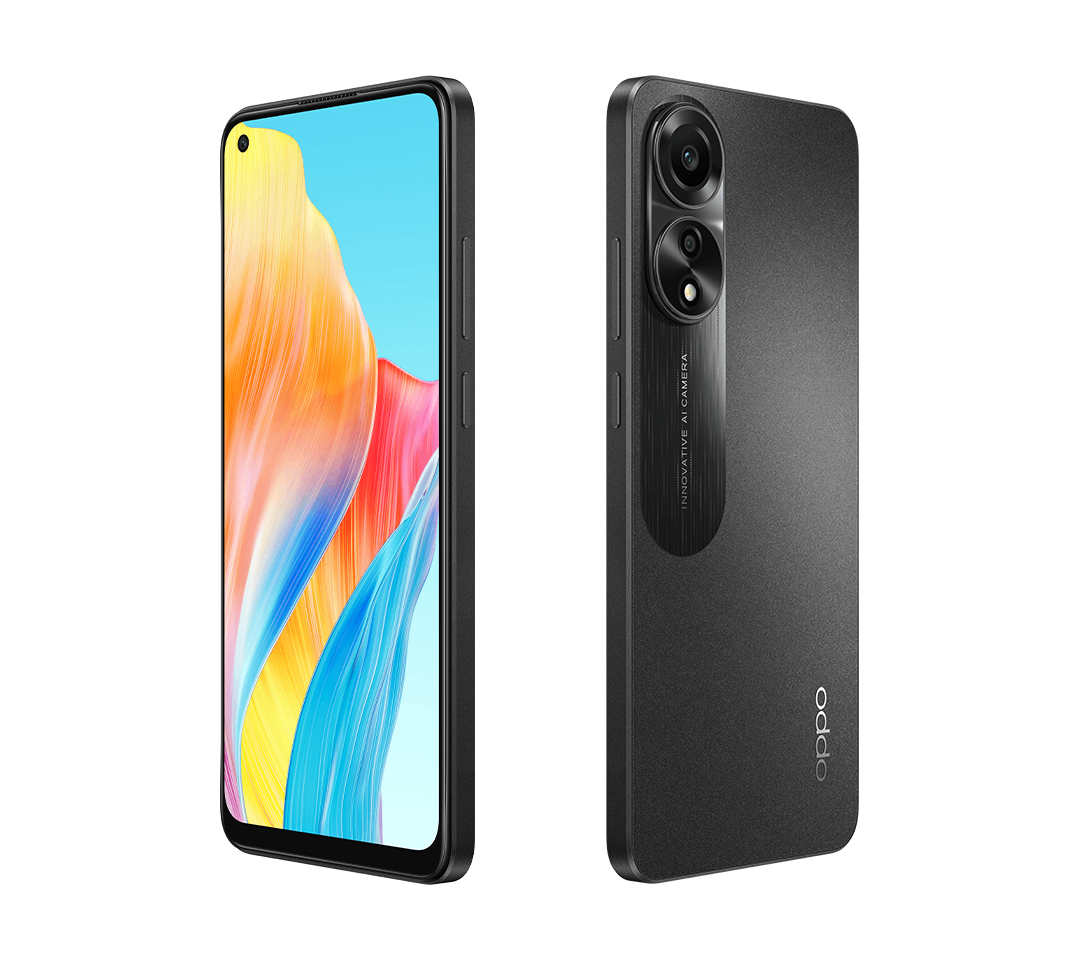
The Oppo A78 4G boasts a 6.43-inch AMOLED display with a Full HD+ resolution of 1080 x 2400 pixels. It offers a smooth visual experience with a refresh rate of up to 90Hz. For photography, the phone features a 50MP primary camera and a 2MP bokeh lens on the rear. The device has an 8MP front camera.
Under the hood, the Oppo A78 4G is powered by a Qualcomm Snapdragon 680 SoC. It comes in a single configuration with 8GB of RAM and 256GB of storage, expandable up to 1TB with a microSD card. The device also supports 8GB of virtual RAM. It has a 5000mAh battery with 67W SuperVOOC fast charging, reaching 75% battery capacity in just 30 minutes. The Oppo A78 4G comes with Android 13 and Oppo’s ColorOS 13.1. Notable features include an in-display fingerprint scanner, dual speakers, ultra-volume mode, and NFC support.
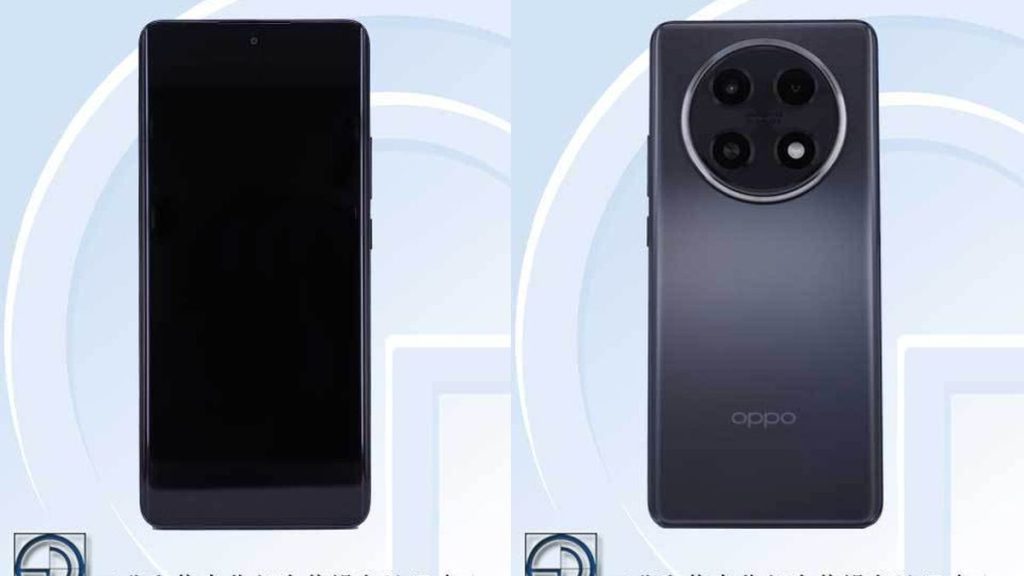
Three Oppo phones with similar model numbers, namely PJA110, PJC110, and PJG110, have appeared in the database of China’s TENAA certification site. Despite the close model numbers, these phones appear to be different devices. The PJC110 handset has already made its debut as the Oppo K11 5G, while the PJA110 seems to be the upcoming OnePlus Ace 2 Pro. However, the specifications and images of the PJA110 are yet to be revealed by the TENAA listing. Interestingly, the PJA110 is expected to share the same design as the OnePlus 12R, which is believed to be a renamed version for the global market. As for the PJG110, it remains a mysterious phone as no information is currently available about it. Fortunately, images of the Oppo PJG110, which reveal its design, are available in TENAA’s database.
OPPO PJG110 design
According to the TENAA images, the PJG110 showcases a curved-edge AMOLED display with a cantered punch-hole design. It seems to be equipped with an under-display fingerprint scanner. The right side of the phone features a volume rocker and a power key.
There is a circular camera module housing three cameras and an LED flash on its rear panel. Further details about the smartphone’s specifications are yet to be reported, so it’s recommended to await additional information. Some sources have claimed that it could be the OPPO A2 Pro 5G smartphone, but there is no concrete evidence to support this claim.
In related news, Oppo’s next major launch event is likely to be held in China in August. The event may see the arrival of the Find N3 foldable phone, the Oppo Pad Air 2 mid-range tablet, and the Oppo Watch 5 series. Recent reports have claimed that the Find N3 and Pad Air 2 will be released in the global market later.
What do you think the PJG110 smartphone could be? Share your speculations and thoughts in the comments section below.
In a recent legal battle, Alphabet’s Google has been found guilty of violating a software developer’s patent rights related to remote-streaming technology. A federal jury in Waco, Texas, handed down the verdict on Friday, ordering Google to pay $338.7 million in damages to Touchstream Technologies, a New York-based software company also known as Shodogg.
The lawsuit was filed by Touchstream Technologies from New York, which is now $338.7 million richer
The lawsuit, filed in 2021, alleged that Google’s popular Chromecast and other devices infringed upon Touchstream’s patents, which pertain to the technology that allows users to stream videos from one screen to another. The technology was reportedly invented by Touchstream’s founder, David Strober, in 2010, with the goal of seamlessly “moving” videos from small devices like smartphones to larger screens like televisions.
According to Touchstream’s complaint, Google had a meeting with the company in December 2011 to discuss their technology but later showed no interest. Surprisingly, Google introduced its Chromecast media-streaming devices in 2013, which Touchstream claimed were copied from their innovations and infringed upon three of their patents. Additionally, Touchstream alleged that Google’s Home and Nest smart speakers, as well as third-party televisions and speakers with Chromecast capabilities, also infringed upon their patents.
Google’s spokesperson, Jose Castaneda, responded to the verdict, stating that the company will appeal and firmly asserting that Google has always developed its technology independently and competed based on the merits of its ideas. On the other side, Touchstream’s attorney, Ryan Dykal, expressed satisfaction with the verdict, affirming that they believe in the strength of their case.
This legal battle is not an isolated incident for Touchstream, as earlier this year, they filed similar complaints against major cable providers, including Comcast, Charter, and Altice, also in Texas. Those cases are still pending resolution.
As the legal drama unfolds, industry experts and technology enthusiasts alike are keeping a close eye on the outcome. The ruling may have significant implications for the tech giant, potentially affecting the development and release of future products, and could also set a precedent for future patent infringement cases in the technology sector.
The appeal process will undoubtedly be closely monitored, and both companies will prepare to defend their positions vigorously. In the end, the final verdict may shape the landscape of intellectual property rights in the sector of digital streaming.
We use cookies on our website to give you the most relevant experience by remembering your preferences and repeat visits. By clicking “Accept”, you consent to the use of ALL the cookies.
This website uses cookies to improve your experience while you navigate through the website. Out of these, the cookies that are categorized as necessary are stored on your browser as they are essential for the working of basic functionalities of the website. We also use third-party cookies that help us analyze and understand how you use this website. These cookies will be stored in your browser only with your consent. You also have the option to opt-out of these cookies. But opting out of some of these cookies may affect your browsing experience.
Necessary cookies are absolutely essential for the website to function properly. This category only includes cookies that ensures basic functionalities and security features of the website. These cookies do not store any personal information.
Any cookies that may not be particularly necessary for the website to function and is used specifically to collect user personal data via analytics, ads, other embedded contents are termed as non-necessary cookies. It is mandatory to procure user consent prior to running these cookies on your website.