Lenovo has launched a new mini PC in its home market China. The product has been released under the company’s Xiaoxin brand.
Officially called the Lenovo Xiaoxin Mini PC, the computer comes with a good set of features. Let’s go through everything it offers along with its pricing and availability.
The newly launched Lenovo Xiaoxin Mini PC sports a compact design despite featuring a 13th Gen Intel H series processor. The volume of the metal casing is only 1 liter and it has a detachable white-colored top cover. The entire product weighs just about 1.8kg.
It resembles an Xbox Series S but can only be placed horizontally. The device is fitted with a 150W 80 Plus Platinum power supply. It has two cooling fans, one for the CPU and the other for the power supply.
The PC boots Windows 11 and comes pre-loaded with Microsoft Office. It uses DDR4 RAM and PCIe 4.0 SSD.
It offers all the important connectivity and port options. There’s support for WiFi 6, Bluetooth, 3 x USB 3.2 Gen 2 (Type-A), 1 x USB 3.2 Gen 2 (Type-C), 1 x Thunderbolt 4, 1 x USB 2.0 (Type-A), HDMI 2.1, DisplayPort 1.4, LAN, and a 3.5mm headphone jack.
Finally, the Lenovo Xiaoxin Mini PC retails at the following price tags in China
i7-13700H 32GB + 1TB – ¥4,999 (~$725)
I5-13500H 16GB + 1TB – ¥3,999 (~$580)
Just like most Xiaoxin devices, this one will likely remain exclusive to China. At the moment, we have no details on whether it would be released in other markets under any global brand of Lenovo.
Samsung has launched the Neo QLED TV 2023 series in India. The lineup comprises multiple models available in both 4K and 8K resolution. They arrive as the successors to the last year’s models. The televisions pack many flagship features and carry a premium price tag. Read on to know more below.
Samsung Neo QLED TV 2023 series specifications
The Samsung Neo QLED TV 2023 series features an Infinity Screen and Infinity One design with an ultra-slim frame and four-sided thin bezels. The 4K and 8K TV range are both offered in 65, 75, and 85-inch screen sizes. Additionally, there is a 50 and 55-inch variant of the former whereas the latter also comes in a larger 98-inch option. The QLED 8K packs a 50Hz refresh rate and ultimate 8K dimming pro whereas the 4K variant features up to 144Hz refresh rate. Both television series have anti-reflection, HDR10+, one billion colour, and 100 percent color volume with quantum dot.
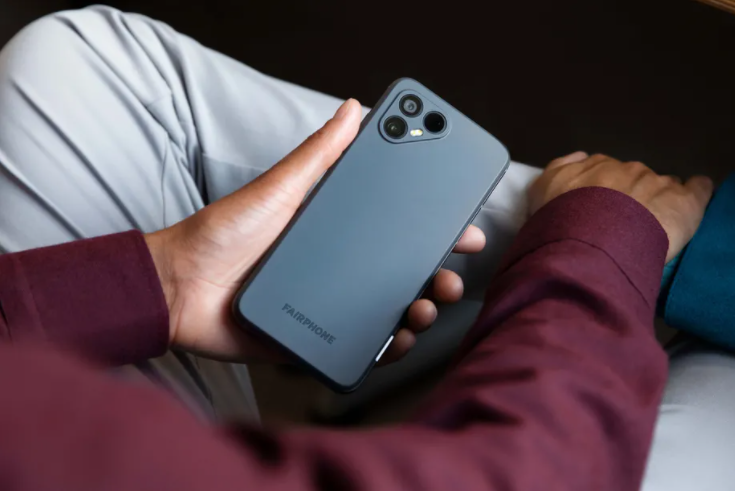
On the audio front, the Samsung Neo QLED TV 2023 series are equipped with a 60W speaker with Q-Symphony and Dolby Atmos. There is an object tracking sound pro and adaptive sound pro. The televisions feature far-field voice recognition for voice commands.
The Samsung Neo QLED TV 2023 series is powered by a Neural Quantum Processor 8K and 4K for their respective models. There is auto-low latency mode along with Motion Xcelerator Turbo Pro for a lag-free gaming experience. The TVs pack IoT-enabled sensors for a seamless connection with third-party appliances offering complete control of smart devices.
The Samsung Neo QLED TV 2023 series has connectivity options like Bluetooth, WiFi-5, four HDMI ports, three USB ports, an Ethernet port, and USB-C.
The Samsung Neo QLED TV 2023 8K lineup starts at Rs 3,14,990. The 4K series starts at Rs 1,41,990. Customers purchasing the former before May 25th will be eligible for a free Samsung Soundbar HW-Q990 worth Rs. 99,990 and Soundbar HW-Q800 worth Rs. 44,990 with Neo QLED 4K TVs.
Poco is gearing up to launch the Poco F5 smartphone in India. This is a highly anticipated device as it is essentially a rebrand of the impressive Redmi Note 12 Turbo. Ahead of the launch, the brand recently confirmed that the base configuration will start with 8GB RAM + 256GB storage for the device. And now, Poco India head Himanshu Tandon has shared live images of the device.
Himanshu shared two images of the device in Carbon Black and Snowstorm White. This design reveal finally cements that the smartphone is indeed a rebranded Note 12 Turbo. Ahead of the May 9th launch, tipseter Abhishek Yadav has revealed that the device will debut with a price tag below Rs 30,000 in India. Additionally, there bank offers will knock the price down to as low as Rs 26,000. Let’s look at what we will be getting for this price.
Poco F5 specs (rumored)
Reports suggest that the upcoming POCO F5 smartphone will boast of a large 6.67-inch AMOLED display with a 120Hz refresh rate and a front-facing punch-hole camera. The device is expected to pack a powerful Qualcomm Snapdragon 7+ Gen2 SoC, coupled with an Adreno GPU for delivering impressive graphics and seamless multitasking. There are rumors that the device will offer up to 12GB of RAM and 256GB of internal storage, expandable further as per users’ needs.
On the software front, the POCO F5 is likely to run on the Android 13-based MIUI 14 custom skin, which should provide a smooth and user-friendly experience. The device is expected to be powered by a 5,160mAh battery that supports 67W fast charging, ensuring long-lasting battery life and reduced charging time.
As for the camera, the POCO F5 is speculated to come equipped with a triple camera setup on the rear panel, including a high-resolution 64MP primary camera sensor, an 8MP ultra-wide-angle lens, and a 2MP macro sensor. For selfies, the device could feature a 16MP front camera to capture high-quality pictures and videos on the go.
BeReal had rolled out support for sharing music with their friends on its application. However, this update only featured the popular streaming app Spotify. But now, the platform has also brought Apple Music integration as well.
BeReal now supports Apple Music for song sharing
For those unaware, BeReal is a relatively newer social media platform that has recently become quite popular across the globe. This platform was basically built to motivate its users to share glimpses of their lives in real time to their followers. This is done to ensure real and authentic content by having users share an image from the front and rear cameras at the same time without having the option to add filters or any form of editing.
The social media platform is now allowing its users to connect their Apple Music account. This update is already live on the latest build of this application. This integration will offer similar functionality similar to the Spotify support. So Apple Music subscribers can seamlessly share what they are listening to with their BeReal followers. Notably, the feature was available only for a select number of people, however, it is now seeing a wider roll out.
Furthermore, the new music sharing feature will even work with podcasts. Meaning, BeReal users can even listen to a podcasts apart from just songs on the application. Thanks to the seamless integration, the app will now be able to detect the content and add a link to it. The exact message reads “Listen to music or podcasts when you take your BeReal to share it with your friends”.
Google is gearing up for its annual I/O Developer conference. It is taking place starting May 10th. The search giant is expected to make a host of announcements at the event including the Pixel 7a, first-ever foldable phone dubbed Pixel Fold, Pixel Tablet, Android 14, and more. The mid-ranger Pixel 7a has been leaked left, right, and center leaving nothing to the imagination. Read on to know everything we know about the upcoming smartphone.
Google Pixel 7a design
The Google Pixel 7a is confirmed to retain the same design as its predecessor and the flagship Pixel 7 series. It will feature a horizontal bridge on the back panel housing two camera sensors in a pill-shaped cutout. The front of the phone will have a center-aligned punch-hole cutout and an in-screen fingerprint scanner. The upcoming offering is tipped to come in Grey, Light Blue, Silver, and Coral color options.
Google Pixel 7a display and cameras
The Google Pixel 7a will come with a 6.1-inch OLED display bearing an FHD+ resolution and a 90Hz refresh rate. On the optics front, it will reportedly feature an upgraded dual rear camera setup comprising a 64MP main sensor and a 12MP ultra-wide-angle lens. There will be a 10.8MP selfie snapper.
Google Pixel 7a hardware
The Google Pixel 7a is expected to be powered by the brand’s Tensor G2 SoC under the hood. It will be paired with 8GB RAM and 128GB onboard storage. The smartphone is tipped to be backed by a 4,400mAh battery unit with support for 20W wired as well as wireless charging.
Google Pixel 7a pricing and availability
As per reports, the Google Pixel 7a is tipped to carry a price tag of $499. This means that it will be expensive by $50 compared to the Pixel 6a which was launched at $449. The expected price hike in the Pixel 7a seems justifiable since it will reportedly come with upgrades compared to its predecessor. The Pixel 7a is also tipped to be available for purchase immediately after the announcement unlike the Pixel 6a which was available after two months.
TSMC is all set to start manufacturing chips from its latest cutting edge semiconductor site that it is situated in the US. Although, it appears that the pricing for these advanced chips will be noticeably more expensive than the ones it makes in its home market of Taiwan.
TSMC’s US made chips are more expensive than their Taiwanese counterparts
For those unaware, TSMC (Taiwan Semiconductor Manufacturing Company) is the world’s largest contract chipmaker and usually made chips for various tech giants from its facility in Taiwan. However, the new chips that will be manufactured in the US will be around 30 percent more expansive than its ‘home made’ counterparts, as per a DigiTimes report. The reason for this move from the company is due to the higher cost of its operations in the US.
According to the new report, TSMC’s N4 and N5 process (4nm and 5nm respectively) that will be manufactured in the US will likely be between 20 percent to 30 percent higher. This isn’t surprising since the new site will carry heftier operations costs. The same can be expected from its new plant in Japan where it setup a semiconductor manufacturing site to build less advanced N28/N22 and N16/N12 process nodes. These chips will cost around 10 to 15 percent more than the same chips made in Taiwan.
The report adds that these price hikes are being made to maintain the company’s 53 percent margin rate. In other words, it has to raise the cost to clients to ensure its own profits. It remains to be seen how the customers of TSMC, which includes the likes on AMD, Qualcomm, Apple, and others would offset this rise in cost in their own products. Notably, this news also arrives as the company eyes a 15 billion US Dollars incentive in the US.
Samsung has announced exciting news for Galaxy Watch users – the upcoming release of the One UI 5 Watch update. The update will be available later this year for select Galaxy Watches, including the Galaxy Watch 4 and Galaxy Watch 5, both of which currently run on Wear OS 3.
One UI 5 Watch features
The One UI 5 Watch update promises to bring significant upgrades and new features, with a focus on enhancing three main aspects of the user experience: sleep, fitness, and safety. Samsung aims to help users get a better night’s rest through features such as Sleep Insights UI, Sleep Coaching, and better connectivity between Galaxy Watches and SmartThings-compatible devices.
Fitness enthusiasts can look forward to an improved personalized Heart Rate Zone that analyzes physical capabilities and offers tailored running tools, such as real-time running analysis and a customized interval training program. One UI 5 Watch also introduces an expanded Route Workout with the addition of running and walking activities and enables Watch 5 Pro users to access GPX Files through the Samsung Health app.
One UI 5 Watch also provides improved safety features, such as an updated SOS system that enables direct communication to an emergency phone number and relays information regarding the wearer’s location and medical information. Additionally, the update enables Fall Detection by default for users aged 55 or older, making Galaxy Watches a safer option for older adults.
Galaxy Watch 4 and Watch 5 users will have the opportunity to beta test One UI 5 Watch through the Samsung Members app. The beta program will be available soon, though Samsung has not yet revealed where it will be available.
Overall, the One UI 5 Watch update promises to bring exciting new features and improvements to enhance the user experience for Galaxy Watch users.
In addition to the upcoming One UI 5 Watch update, Samsung recently collaborated with Pitaka to provide a premium carbon fiber band upgrade for the Galaxy Watch 4 and Watch 5. Meanwhile, rumors suggest that the tech giant is planning to increase the screen size of its upcoming Galaxy Watch 6.
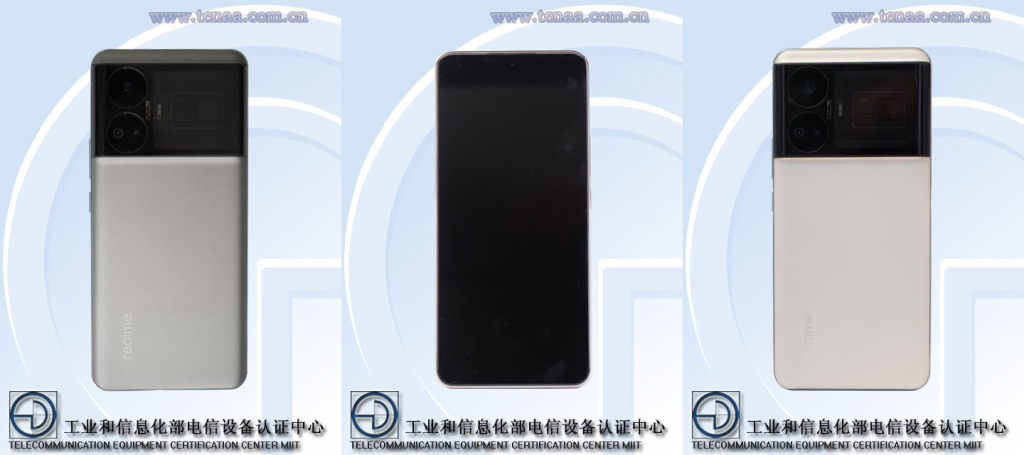
The Realme 11 series is scheduled to launch in China on May 10. The lineup is expected to include three devices, namely Realme 11, Realme 11 Pro, and Realme 11 Pro Plus.
The brand has been teasing the features of its upcoming smartphones for the last few days. At the same time, details about these products have been emerging via leaks and certifications.
Today, the company officially confirms the primary camera of the premium model.
According to Xu Qi Chase, the president of global marketing at Realme, the upcoming Realme 11 series will sport a 200MP main camera. Though he does not reveal it, this camera should be limited to the Pro Plus model.
This high-megapixel camera is said to offer lossless zoom. The camera app will include 2x and 4x zoom buttons.
The previous teasers revealed the display specifications of Realme 11 Pro Plus. The phone is confirmed to flaunt a centered punch-hole curved OLED display. This 10-bit screen will carry support for up to 120Hz refresh rate and 2160Hz PWM dimming.
While initial teasers had disclosed the handset’s design. The smartphone will arrive with a circular camera island and a faux leather back.
As per other leaks and certifications, the device will be powered by a MediaTek Dimensity 7050 chipset. It will draw energy from a 5,000mAh battery and will charge at the maximum rate of 100W.
Smartphones have become an integral part of modern day life with each year bringing new advancements in the technology. But due to these added features and various improvements, the average selling price of smartphones for certain brands have risen. Although, Apple takes the cake with the an average selling price of an iPhone hitting nearly a 1,000 US Dollars.
Apple iPhones costs nearly $1,000 on average
Just a decade ago, 500 US Dollars for a smartphone was already considered pretty pricey. But now, we have devices that cost more than twice this amount, with the Cupertino based giant being the first to surpass the 1,000 Dollar mark in 2017 with its iPhone X model. Now, a new survey from CIRP (Consumer Intelligence Research Partners) has found that the average selling price of the iPhones has hit an all time high of 988 US Dollars as of March 2023.
This is quite notable considering it marks an over 100 US Dollar rise over the 882 US Dollar average iPhone selling price from just last year. One of the aspects that led to the rise is the new iPhone 14 Plus model, which replaces the iPhone 13 mini variant in the latest lineup. The mini model costed around 699 US Dollars at launch, while the Plus model went on sale for 899 US Dollars. Owing to the larger screen real estate, the latter has also been better received in the market.
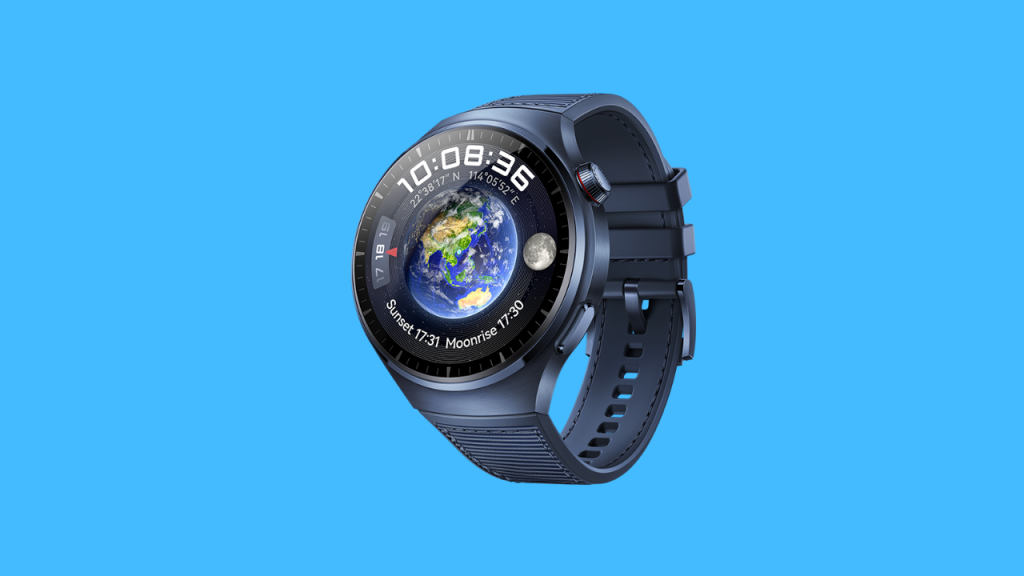
But regardless, the Pro iPhone models still makeup for the majority of Apple smartphone sales. This is thanks to the brand’s efforts in offering exclusive features on the higher end models, which has led to a larger gap between the vanilla and top end model. So it won’t arrive as a surprise if the average selling price soon crosses the 1,000 US Dollars mark.
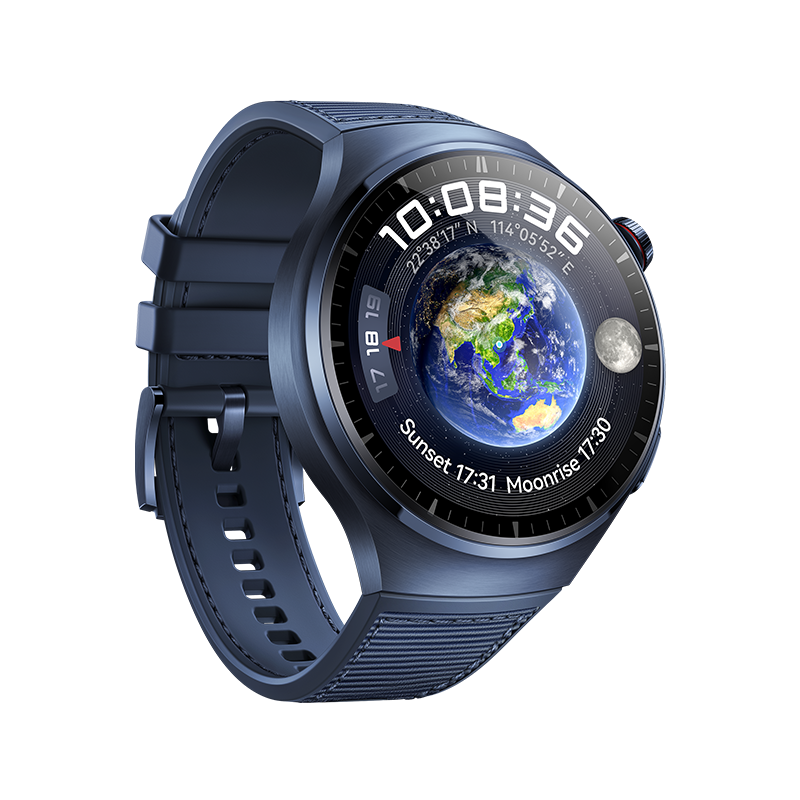
WhatsApp is the world’s most popular messaging app, and almost all of us use it for daily communication. As a result, many of our conversations with loved ones are stored within the app. Therefore when we get a new phone, one of the first things we do is transfer our backed-up chat history to the new device. Up until recently, this process was done using iCloud or Google Drive. However, according to the latest information, WhatsApp now allows chat transfers to another iPhone without using iCloud. Here are the details….
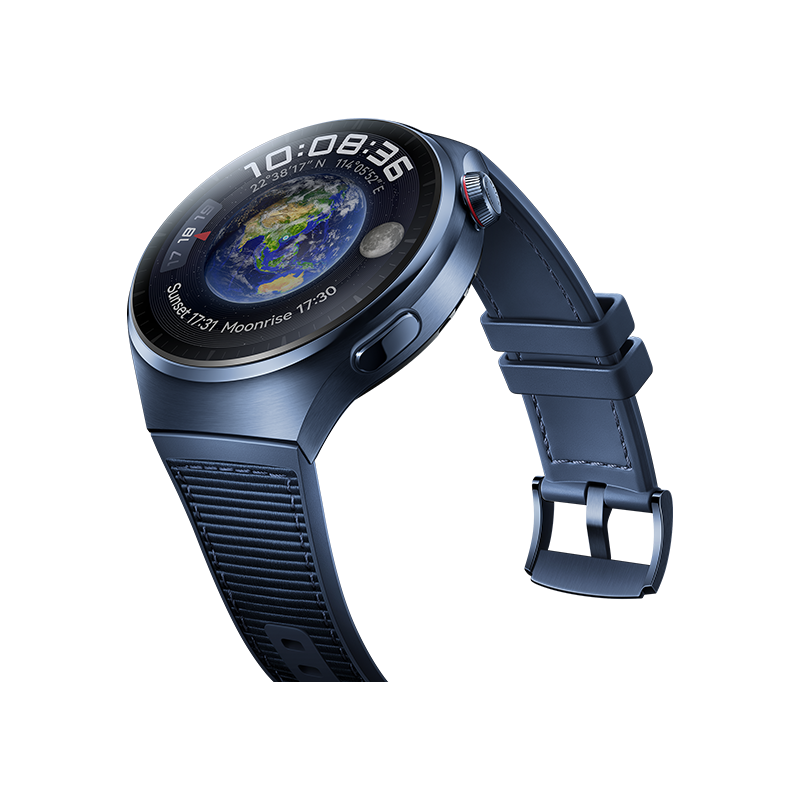

WhatsApp to allow chat transfer to another iPhone without iCloud
WhatsApp has long been using cloud storage services to back up chat history. However, the developer Meta decided to make a change. Not long ago, we mentioned that WhatsApp would stop using Google Drive to back up Android users’ data. Now, WhatsApp is working on a new feature that will allow users to transfer their chat history to another iPhone without using iCloud.
Let’s say you’ve decided to upgrade from your current iPhone to an iPhone 14 and want to transfer your WhatsApp chat history to your new phone. The current method requires iPhone users to create a Chat Backup and upload it to iCloud before migrating their chat history and media to another iPhone. However, the upcoming “Transfer Chats to iPhone” feature eliminates this necessity.
To transfer their chat history, users will only need to download WhatsApp on their new iPhone, register using the same phone number, and then scan a QR code displayed on the new device with their old iPhone. This change will make a significant difference in the lives of users with limited iCloud storage space. Many of us may not realize it, but our accumulated chat history takes up a lot of space over time, and the free storage offered can fill up quickly.
At the moment, the chat transfer feature is available to a select group of beta testers who have installed the latest version of WhatsApp beta for iOS via the TestFlight app. The feature is expected to be rolled out to a broader audience in the coming days
The Amazon Great Summer Sale has finally kicked off with some notable discounts being offered on various products. One such good deal is the Sony PlayStation 5 gaming console, so here are all the details.
Sony PS5 console goes on sale with an attractive discount
The Japanese tech giant is offering cashback offers as well as bank discounts to help bring down the price tag of the PS5 on Amazon during the sale period. So now, the PlayStation 5 is available for 49,999 INR for the standard edition. On the other hand, the Digital version is now on sale for 39,999 INR. In other words, there is a 5,000 INR discount for both models over their actual costs.
Furthermore, there are additional offers on the Sony gaming console. There is an additional 10 percent instant discount for ICICI and Kotak bank card holders. Similarly, there are also no cost EMI for up to 12 months and even Prime members get an additional 250 INR cashback. Lastly, the e-commerce giant is also offering up to 5,000 INR discount on certain smart TV models to those that are also buying the PS5 console.
To avail this offer, customers have to purchase the PlayStation 5 and await its delivery. Once the console is delivers, the buyers can even choose from a select number of smart TVs from bands like Samsung and Sony to get the 5,000 INR discount. For those unaware, this also follows mere months after the company had hiked the price tag of the PS5 by 5,000 INR.
Realme, the Chinese smartphone brand, has announced the launch of a new color variant for its C55 model. The Realme C55 Rainforest edition has been launched to celebrate the company’s fifth anniversary. It features a unique back cover design that showcases a picturesque scene of a summer rainforest. The brand claims that the phone’s design has been inspired by the natural phenomenon of Sunshower that creates vertical microscope lines resembling rain droplets. The new variant joins the previously launched Rainy Night and Sunshower models of the Realme C55.
The C55 Rainforest edition will be sold in India from May 8 through Realme’s official Indian website, Flipkart, and mainline channels. The phone shares its specs and features with the Rainy Night and Sunshower models, with the difference being purely cosmetic. The device will be available in three memory options: 4GB/64GB, 6GB/64GB, and 8GB/128GB, priced at INR10,999, INR11,999, and INR13,999, respectively.
Realme C55 specs
Realme’s C55 smartphone comes packed with an impressive array of features that are sure to catch your eye. Its 6.52-inch LCD display boasts Full HD+ resolution, a 90Hz refresh rate, and a 180Hz touch sampling rate, all of which combine to deliver a visually stunning experience. The punch-hole notch located at the front of the phone’s display is home to the front-facing camera, ensuring that the screen is never obscured.
Powered by an octa-core MediaTek Helio G88 processor and Mali G52 graphics unit, the C55 offers up to 8GB of RAM and 256GB of internal storage, expandable through virtual RAM. It runs on Realme’s UI 4.0, based on Android 13.
One of the phone’s standout features is the Mini Capsule, which allows users to quickly access important information such as battery level and data usage status, similar to the Dynamic Island feature on Apple’s iPhone 14 Pro series smartphones.
The C55’s camera setup includes a dual-rear camera with a 64MP primary sensor, a 2MP depth sensor, and an LED flash, as well as an 8MP front camera. The phone packs a 5000mAh battery with 33W SuperVOOC fast charging and features a side-mounted fingerprint scanner. The device weighs 189.5 grams with a thickness of approximately 7.89mm. It comes with a dedicated microSD card slot and a 3.5mm audio jack, making it a great option for those who prefer wired headphones.
I think photography has two meanings: to create and to record. Professional photographers take their cameras and create all kinds of amazing photos. Their photos often express their thoughts. Most people don’t have cameras, so they use their phones and record their lives. I took these photos in Hong Kong with my Xiaomi 13 Ultra. Finding this phone, it is really different from all the previous phones. It can record life, and create your own works of photography.
Xiaomi 13 Ultra is a phone, but it can make people really love photography. For this review, I don’t want to zoom in on the picture to compare other phones. You must already be well aware of its pros and cons after watching many comparison videos. Let’s talk a little bit about what you don’t know, such as its user experience.
If a photo looks good at first glance, color, and light must be the main reason that makes you feel that way. As Leica’s mobile partner, the Xiaomi 13 Ultra certainly takes its cue from Leica in terms of photography style. In addition to the design being very similar to the M10R, the photo style is also. Give up the high dynamic range of traditional phones and increase the contrast and vignetting. this is one of the best options for making the subject of a photo look more prominent.
If you have used a professional camera, you will find that they actually look like these photos without post-processing. To be precise, it’s the Xiaomi 13 Utlra that’s more like a professional camera, without much AI processing. On this phone, you won’t see over-sharpening, you won’t see too strong HDR, and you won’t see oversaturated. With this camera grip, sometimes I forget I’m using a phone and not a camera.
One thing it’s even better than the camera is the “convenience”. Compared to other phones, the Xiaomi 13 Ultra is big and heavy, but compared to the camera, it must be small and light. You can pull it out of your pocket when you need to take a picture and put it in when you don’t. The feeling is really good.
There are four different focal lengths to use without changing lenses. The phone is also much less invasive, allowing for more natural photos without disturbing people’s activities. Isn’t this the Street Photographer’s dream camera? I mean, a cell phone. When you’re out, the camera won’t always be with you, but the phone certainly will be. So this can be your second camera, and you won’t miss any of those great moments around you.
For the normal person, like me, the unique color style of the Xiaomi 13 Ultra can inspire a person to take photos. This time in Pro mode, you can customize the tone. to make the style more retro, I turned up the tone and the resulting photo looks more like the feeling of an old camera shot. Even if it’s just to record what you see on your travels, the photos look like they’re full of stories. You don’t have to be afraid of taking a bad photo, even the most ordinary ones look good after Leica’s processing. This is perhaps the charm of Leica.
Cons
Just because I say the Xiaomi 13 Ultra looks like a professional camera, doesn’t mean it can really replace one. The difference in their sensor area, aperture, and lens quality is still very large, so shooting at night can be very difficult. Often you can take a blurry picture. Do not get me wrong, even if the camera, taking pictures at night is actually not simple. If you learn to hold up the phone in advance and wait for the right time to press the shutter, as long as you do not zoom in, then you are actually able to take some good photos.
There are a few camera experiences that I feel Xiaomi hasn’t done well enough, the Pro mode doesn’t allow for continuous shooting, and the button to switch lenses with one hand is very far away. This made it very difficult to shoot on a rainy day when my other hand was holding an umbrella. Regardless of the mode, when the 13 Ultra detects a human face, it will automatically increase the exposure for you. I have not found a way to turn off this feature, which is really annoying to take pictures in crowded environments.
I did find that the 13 Ultra added the Auto-adjust lens switch, finally, you can not automatically switch the lens, good job. Another annoying thing is that sometimes it can’t remember your choices. For example, HDR is always on, and video recording always defaults to 1080p 30fps. even if you have changed to 4k, the next time you open the camera it will still change back to 1080p.
Variable aperture
This time, the Xiaomi 13 Ultra has some special features. For example, variable aperture. To be honest, most of the time you don’t need to change the aperture because there is not much difference between F1.9 and F4.0 on the phone. A small aperture will become a disadvantage at night, and the 13 Ultra’s aperture auto switch is almost useless, so you can just use F1.9 for everyday use.
There are only two situations where you can switch to F4.0: shooting food or text. A small aperture will allow you to see them overall, and excessive bokeh will make it difficult to see the details behind them.
Ultra Raw
It’s no shock that flagship phones nowadays shoot Raw, but the 13 Ultra uses multiple Raw photo stacks to bring out a new Ultra Raw mode. when you try to bring up the exposure in the dark areas, you’ll find that Ultra Raw photos have much less color noise. The price is that the file size is twice as large.
Video Recording
It is hard to believe that it is now possible to record 4K 30fps 10bit Log video with a cell phone. This has improved the phone’s ability to shoot video. However, only the main camera is currently supported, and you can’t shoot at 60fps, and the video bitrate is a bit low. To shoot high bitrate and 60 fps video you can choose to turn on the Dolby Vision switch. But it requires a very professional post-processing process, non-professionals who do not open this option are better.
In fact, the auto mode can also be very good for basic shooting jobs. The most impressive thing is that you can switch between four shots during recording. Seamless shooting at the ultra-long range and ultra-wide angle.
Wireless camera grip
Finally, let’s talk about the wireless camera grip, which is secured to the case by a fastener and is still very solid. The case can be fitted with a 67mm camera filter via an adapter ring, meaning you don’t need to fit those junky plastic phone filters. The biggest benefit of this camera grip is that it makes the 13 Ultra more like a camera, and operates like a camera. A firmer grip allows you to capture photos faster. The battery is also very durable, I used it the whole day also only consumed 1% of the power.
But the Zoom experience is very bad, once the operation is fast will be sluggish, or no response. Pro mode also can not switch lenses through the grip, only digital zoom within a lens. Plus the current super expensive price, I do not recommend you buy now. I think $70 should be a price I can accept.
Conclusion
The Xiaomi 13 Ultra is a phone truly built for photography. And his real competition would be smaller cameras like the RICOH GR series. 13 Ultra has four fixed-focus lenses, super-fast autofocus, and excellent video recording, plus Leica’s color science. Anyone considering a RICOH might really want to consider this phone, after all, the price is about the same. the Xiaomi 13 Ultra, would have to be my favorite camera of the year. Yep, cameras, not phones.
The Vivo X90 series was announced as the company’s latest flagship smartphone back in November 2022. Now, a new online database sighting has revealed the key details of its successor, the new X90S model that is set to launch soon.
Vivo X90S surfaces online with Dimensity 9200 & 12GB RAM
As per our previous report, the Chinese smartphone maker was set to announce the X90S model with a MediaTek Dimensity 9000 series chipset. And after being spotted on the Google Play Console listing, this device has now been confirmed to feature the flagship grade Dimensity 9200 SoC. The processor will also be paired at least one variant that has 12GB of RAM. The online database revealed that the Vivo X90S will run on Android 13 OS out of the box as well.
Apart from this, the only information revealed on the Google Play Console listing is the V2241A model number. Furthermore, there was also an image of the device on the listing, which revealed its design from the front. We can see that it features minimal bezels on all sides with a center aligned punch hole cutout for its selfie camera. It was recently rumored that the Vivo X90S could be powered by a Dimensity 9200+ SoC, which will be announced on May 10.
In other words, the chipset might also be the Dimensity 9200+ that has yet to be unveiled. This is all the information we have regarding this matter so stick around for more, as we will be providing updates when additional details are available.
AMD has announced 4 new processors under the Ryzen 7040U based on the current-gen ‘Zen 4’ architecture with a new RDNA3-based iGPU. Made for thin and light laptops, these chips are claimed to outperform the competition— Apple and Intel. The new line is headlined by the AMD Ryzen 7 7840U, which is paired with Radeon 780M graphics and Ryzen AI using the XDNA architecture. The other processors are no less impressive. Here are the details.
Ryzen 7040U Chips will power ultra-slim laptops
The new AMD Ryzen 7040U processors were unveiled earlier this year at CES but the company did not share the specifications. That changes now as AMD has announced the details of the new series codenamed “Phoenix”. It consists of four processors- the Ryzen 7 7840U, Ryzen 5 7640U, Ryzen 5 7540U, and Ryzen 3 7440U. As per AMD’s naming convention, the U in their name should confirm a TDP of 15-30 Watts.
The RDNA3-based Radeon 780M iGPU powers all four chips. AMD confidently compares its top-tier Phoenix CPU— Ryzen 7 7840U with Intel’s Raptor Lake-based Core i7-1360p, boasting performance advantages ranging from 29% to an impressive 128% across various workloads. Not only that, the chip is claimed to be 5% to 75% faster than the Apple M2 found in the 13-inch MacBook Pro.
These new chips from AMD also come with Ryzen AI acceleration, which helps lighten the workload on the main compute units by handling certain tasks. AMD highlights improved efficiency, aiming to offer laptops with the longest possible time on battery power, although they haven’t provided specific estimates. Major manufacturers are expected to announce laptops based on these chips in the upcoming weeks, although we’re still waiting for details on availability.
Smartphones have become an extension of people’s arms. We use phones all the time. They are with us 24×7.
So it’s no surprise that consumers research a lot before buying a new handset these days. Consumers want their phones to not only offer a good set of features but also look good and feel nicer to hold in their hands.
Devices that prioritize the latter part while still offering a decent range of features belong to the affordable premium category. These products typically do not carry the same high price tag as flagship devices but are not as budget-friendly as mid-range devices either.
Some of the popular handsets in this category are the Oppo Reno series and the Vivo S series (aka Vivo V series). These devices make up a significant chunk of the brand’s sales figures.
On the other hand, Xiaomi, a company that’s been in the industry for over a decade, still cannot boast of a successful affordable premium smartphone lineup.
I have some thoughts on why it couldn’t keep up with the competition.
Xiaomi started as an Online-only Value-focused brand
It’s a known fact that Xiaomi started as an online-only brand. It was the one who popularized the infamous flash sale strategy. As with most new companies, it had a leaner portfolio and its products were value-focused.
However, as the company grew, it had to enter offline markets. Slowly, it even rolled out its own retail stores across the world.
When a brand like Xiaomi which mostly caters tonerds evolvesinto a mainstream brand, there are bound to be changes in its product portfolio. Xiaomi went through this process, but things weren’t so smooth. Xiaomi made a lot of mistakes trying to enter into the new market.
Xiaomi’s Fumbled Entry into the Affordable Premium Smartphone Segment
The company initially tried to break into the affordable premium smartphone category with two lineups – the Mi Mix and Mi X.
The Mi Mix was targeted at a premium audience with industry-first features like bezel-less displays. On the other hand, the Mi X series was a budget option with good cameras and a design to boast for. The latter was released as Android One handsets in the global markets.
But what happened next was unexpected. The company discontinued the two series after a couple of generations. The Mi was replaced by Mi CC in partnership with Meitu but it did not last long either. Though the Mix series made a comeback in 2021, there hasn’t been a successor in 2 years but a new one is expected soon.
Amidst this, Xiaomi even introduced lite variants of its flagship Mi series. Though this lineup still exists, at least in some markets, there’s no progress.
Then, in 2021, Xiaomi surprised everyone with another attempt at affordable premium smartphones with the debut of the Civi lineup. Unlike previous models, these phones are mostly targeted at the female audience.
The Civi series is expected to enter the third generation later this month with the launch of the Civi 3. Will it be the last one? Only Xiaomi knows the answer.
Limited Availability and an Inconsistent Product lineup
To make consumers trust your brand, you need to be consistent with branding. At the same time, the products should be built around their standalone features.
Both Oppo and Vivo have nailed this formula with their Reno and S series, respectively. These two lineups focus more on design andsome interestingcamera features that are mostly software-based. Above all, they have been consistent for years.
Then, there’s the availability factor. Xiaomi’s affordable premium phones have always been subjected to limited availability. They are only released in some markets and at times, successive models don’t make it to the regions where the prior model debuted.
Finally, the least discussed factor is accessibility. In India, Oppo and Vivo have a robust offline presence. They have even partnered with multiple financial companies to aid their buyers. The same is the case in China and other Asian markets.
On the other hand, Xiaomi still lacks expertise in this regard. Most of its target customers reside in developing countries and these customers are not only price-sensitive but also brand conscious.
Sub-par offline experience
The worldwide smartphone market has been declining for the last few quarters due to low demand in the budget segment, however, the premium category is actually rising. Consumers are willing to spend more money on better phones.
Offline experience matters a lot to sell expensive products. Personally, I don’t get the premium vibes at Xiaomi stores. As a nerd, Xiaomi stores are really a good place to hang out. But as a regular customer, I am yet to experience an emotional attachment even after visiting a store in my city multiple times.
In comparison, the OnePlus store, which is nearby, screams premium to me. It is well-lit and the products inside the store are fairly organized. Even the promotional posters and displays feel much better than Xiaomi’s.
If the experience zone itself doesn’t feel premium, would customers prefer buying expensive handsets from that brand? And in some markets, Xiaomi is yet to clear off its name as a cheap smartphone brand, courtesy of its tremendous success associated with the Redmi products.
With not-so-good performance in non-budget segments, the brand is losing market shares globally. Once the market leader in India, it has now dropped to third place in the last couple of quarters.
Despite setbacks, Xiaomi has the potential for a comeback
Xiaomi cannot mitigate the above-discussed issues in a short time period. Changing a brand identity takes time, however, the company does not seem to be making any effective decisions so far.
Xiaomi kicked off 2023 with the promise of a leaner and more streamlined product portfolio in key markets like India. We will have to wait a couple of more quarters to know whether the company achieved its goal.
Xiaomi has enough resources to get it on track with the competition. But will it be able to?
We would love to know your thoughts on Xiaomi’s future. Feel free to drop your opinions in the comment section below.
HTC is reportedly preparing to launch its latest upper-midrange smartphone, the HTC U23 Pro and real photos of the device have been leaked online. The images were shared by netizen Symbian on the PTT forum, revealing a raised camera module with “108MP (OIS)” printed on it.
The HTC U23 Pro is said to be powered by a Qualcomm Snapdragon 7 Gen 1 chipset and 12GB of RAM, a substantial upgrade from its predecessor, the HTC U20 Pro. Interestingly, the device in the leaked image features 8GB of RAM and a 4600mAh battery, suggesting there will be two or more storage variants. The U23 Pro is equipped with a quad-camera setup at the rear, including a 108MP primary lens with OIS support. A punch-hole selfie camera is located on the front of the device.
HTC U23 Pro specifications (leaked)
The device recently appeared on Geekbench, revealing that the HTC U23 Pro runs on Android 13 OS and features a high-performance CPU with four cores clocked at 1.80GHz, three CPU cores operating at 2.36GHz, and a single CPU core running at 2.40GHz, along with an Adreno 644 GPU. In the single-core and multi-core tests of Geekbench 6, the device scored 933 and 2351 points, respectively.
While there has been no official announcement regarding the phone’s additional specifications, rumors suggest that the device may include a 120Hz AMOLED display, up to 256 GB of storage, top-notch cameras, and a large battery with fast charging support. Expected to debut in Taiwan in June, the HTC U23 Pro could become a significant contender in the midrange smartphone market.
AI Language models are taking over the world by storm. Every other day, we hear research being conducted using ChatGPT-based models. For instance, an engineer recently integrated ChatGPT with Boston Dynamics’ Robot Dog, Spot. In another piece of news, an AI based on the GPT-4 model was being used to plan Defense and War Strategies.
The Breakthrough can help Patients with Locked-in Syndrome
Now, another recent breakthrough achieved by researchers at the University of Texas at Austin in decoding functional magnetic resonance imaging (fMRI) signals of the human brain using a neural network marked a significant step forward in the field of neuroscience. The use of GPT-1 model in analyzing fMRI data and decoding cortical semantic representation of continuous language opens up new avenues for the development of non-invasive methods of exploring the brain’s neural activity.
This research has great potential to help patients with conditions such as locked-in syndrome, where patients are unable to communicate due to paralysis. The use of non-invasive methods for decoding the neural activity of the brain could provide a means for patients to communicate with others and express their thoughts, thereby enhancing their quality of life.
Furthermore, this research also has the potential to revolutionize the field of artificial intelligence by enabling machines to better understand human language and communication. The ability of the neural network to decode the brain’s semantic representation of language could have far-reaching implications for natural language processing and the development of conversational AI.
The breakthrough achieved by the researchers at the University of Texas at Austin is a significant step forward in the field of neuroscience and has the potential to benefit both patients and the development of artificial intelligence. The use of non-invasive methods for decoding neural activity in the brain has enormous potential for future research and could lead to significant advancements in our understanding of the brain and its functions.
Panasonic has launched its latest true wireless earbuds, the RZ-B310W and RZ-B110W, which come in both active noise-canceling (ANC) and non-ANC versions. The earbuds are designed to fit snugly in the ear canal and come in a single black finish. The RZ-B310W features a more angular design compared to the RZ-B110W. The earbuds are equipped with 10mm drivers and support Panasonic XBS technology for enhanced audio quality.
The RZ-B110W earbuds are rated IPX4, making them water-resistant and suitable for use during exercise. The earbuds offer a battery life of up to 26 hours, with 6 hours of playback on a single charge, and an additional 20 hours of battery life from the USB type-C charging case. The RZ-B110W earbuds also support Google Assistant or Siri for voice commands.
On the other hand, the RZ-B310W earbuds feature hybrid ANC technology, with feedback and feed-forward with both external and internal microphones. The ANC version offers up to 16 hours of battery life, with 5.5 hours of playback on a single charge, and an additional 10.5 hours of battery life from the USB type-C charging case. The earbuds also support Google Assistant or Siri for voice commands.
The Panasonic RZ-B310W earbuds are currently priced at $99.99 on Amazon, while the RZ-B110W earbuds have an MSRP of $59.99. Both earbuds feature Bluetooth 5.3 for seamless connectivity with devices.
Relatedly, Panasonic also debuted an Ultra-short throw Laser Projector with a 16:10 aspect ratio called the PT-CMZ50 last month. You can find out more about it here.
The world of home entertainment has seen some remarkable advancements in recent years. With the proliferation of streaming services, there has been an increased demand for high-quality projectors that can deliver a cinematic experience in the comfort of your own home. BenQ, a leading provider of visual display solutions, has just launched four new projectors that cater to different user requirements, ranging from videophiles to those who want to enjoy movies in bright rooms. Let’s take a closer look at each of these projectors and see what they have to offer.
The High-Performance Projectors range from $1,699 to $3,499
If you’re a videophile who demands the best possible performance from your home theater, then the HT4550i is the projector for you. This projector boasts of CinematicColor 100% DCI-P3 performance and 3200 ANSI lumens of brightness from a 4LED light source, delivering performance comparable to a professional screening room. The HDR-PRO technology enhances the local contrast, delivering vivid colors and deep blacks, resulting in an immersive viewing experience. The retail price of the HT4550i is $2,999, making it one of the more expensive projectors in the market.
The HT3560 is aimed at users who want to enjoy movies in regular dark rooms. This projector features perfect HDR detail at 100% Rec. 709, delivers 95% DCI-P3 CinematicColor performance, and produces 2200 ANSI lumens of brightness. The HDR-PRO technology enhances the local contrast, delivering crisp and detailed images. The HT3560 is priced at $1,699, making it more affordable than the HT4550i.
TK860i provides true 4K cinematic HDR performance. The projector was unveiled earlier this month. The TK860i is designed to deliver true 4K cinematic HDR performance in any bright room. With a high brightness of 3300 ANSI lumens and providing 98% Rec. 709 CinematicColor quality in any bright environment, the TK860i delivers vivid colors and deep blacks even in brightly lit rooms. The HDR-PRO technology optimizes the local contrast, delivering rich and detailed images. The retail price of the TK860i is $1,799, making it a more affordable option for users who want high-quality performance in bright rooms.
The V5000i is a unique projector that features an RGB laser TV projector with a dedicated BenQ 100″ ALR Fresnel screen for daytime live-room entertainment. With 95% ultra-wide BT.2020 CinematicColor and low input lag, the V5000i delivers an immersive and engaging viewing experience. The ALR screen bundled solution eliminates the guesswork of choosing a suitable screen for your projector, making it easy for users to enjoy a home experience comparable to a TV. The retail price of the V5000i with a 100-inch ALR screen is $3,499, making it the most expensive projector in the lineup.
We use cookies on our website to give you the most relevant experience by remembering your preferences and repeat visits. By clicking “Accept”, you consent to the use of ALL the cookies.
This website uses cookies to improve your experience while you navigate through the website. Out of these, the cookies that are categorized as necessary are stored on your browser as they are essential for the working of basic functionalities of the website. We also use third-party cookies that help us analyze and understand how you use this website. These cookies will be stored in your browser only with your consent. You also have the option to opt-out of these cookies. But opting out of some of these cookies may affect your browsing experience.
Necessary cookies are absolutely essential for the website to function properly. This category only includes cookies that ensures basic functionalities and security features of the website. These cookies do not store any personal information.
Any cookies that may not be particularly necessary for the website to function and is used specifically to collect user personal data via analytics, ads, other embedded contents are termed as non-necessary cookies. It is mandatory to procure user consent prior to running these cookies on your website.