The console wars are still going strong, with Nintendo, PlayStation, and Xbox all vying for gamers’ attention. Even though Sony and Microsoft released next-generation consoles in 2020, the Nintendo Switch, which was released in 2018, is still one of the best-selling consoles. One of the reasons for the Switch’s success is the games that are specifically developed for the platform. Titles like Mario, Pokemon, and Zelda are some of the most popular games on the Switch. Now, another great game is coming to the Switch, Oxenfree II: Lost Signals. The game is set to be released on July 12, but you can already pre-order it on the Nintendo eShop for 25% off. Here are the details…
Pre-order Oxenfree II: Lost Signals and Save 25%
The next big game coming to Nintendo Switch in July is Oxenfree II: Lost Signals. It’s scheduled to be released on July 12, but you can already pre-order it on the Nintendo eShop for 25% off. That means you can get the game for just $14.99 instead of its regular price of $19.99. This is a great deal, but it does come with a small risk.
Many people base their game purchases on reviews and scores. However, if you pre-order Oxenfree II: Lost Signals, you won’t have access to any reviews or scores until after the game is released. So, if you’re willing to take a small risk, you can pre-order Oxenfree II: Lost Signals and save 25%.
But if you want to wait for reviews and scores, you can always buy the game after it’s released. Oxenfree II: Lost Signals is a single-player narrative adventure game. It takes place five years after the events of the first game, and follows Riley Poverly as she returns to her hometown of Camena to investigate mysterious radio signals.
If you have already purchased the game and are eagerly waiting for its release date, you can always take a look at the first game. This way, you can experience the story of Oxenfree, which was released in 2016, and more clearly see the progress made between the first and second game.
Hyundai Motor America has reason to celebrate as it reports a significant increase in vehicle sales in the United States for the month of June. With year-over-year growth of nearly 10 percent, the company sold 69,351 vehicles, reflecting a strong market demand for Hyundai’s offerings. Furthermore, the year-to-date results are even more impressive, with a remarkable 15 percent increase compared to the previous year, reaching a total of 394,613 units sold.
The company’s strong retail presence also helped establish its footing in the EV market
A standout achievement for the South Korean automaker is the substantial growth of its all-electric vehicle sales. In June, Hyundai sold a total of 4,298 units of its Ioniq 5 and Ioniq 6 models, representing a remarkable 51 percent increase compared to the same period last year. This exceptional performance also set a new monthly record for the company. The sales figures for the Ioniq 5 crossover/SUV and Ioniq 6 sedan were particularly noteworthy, with 3,136 and 1,162 units sold, respectively.
What makes these sales figures even more remarkable is the absence of the $7,500 federal tax credit for new purchases, making Hyundai’s achievement even more impressive. Despite the lack of this incentive, customers are drawn to the brand’s electric vehicles, indicating a growing preference for eco-friendly transportation options.
The success of Hyundai’s electric lineup can be attributed to several factors. Randy Parker, CEO of Hyundai Motor America, acknowledged the positive impact of the company’s strong retail partners and the timely introduction of attractive products to the market. Parker expressed his satisfaction with the performance, stating, “Our award-winning EV lineup continues to build momentum with the best all-time monthly sales for the IONIQ 5 and the first time with over a thousand units sold for the IONIQ 6. Our strong retail partners and the right product at the right time have enabled us to attract new and existing customers to the Hyundai brand.” Although specific sales figures for the Hyundai Kona Electric were not provided, the company did disclose that the model achieved an impressive year-over-year growth of 239 percent.
Looking at the bigger picture, Hyundai’s electric vehicle sales for the second quarter totalled 10,928 units, representing a substantial 47 percent increase compared to the same period in the previous year. Year-to-date figures show that Hyundai has sold over 16,800 units of the Ioniq 5 and Ioniq 6 models in the US alone, marking a 23 percent increase from the previous year.
With a promising start to the year, Hyundai’s electric vehicle sales are expected to continue flourishing throughout the remainder of 2023. The company’s Ioniq family, comprised of the Ioniq 5 and Ioniq 6, is solidifying its position in the market, capturing a 4.3 percent share of the total sales for the year. It’s important to note that while the statistics provided reflect Hyundai’s all-electric offerings, the sales results for other electric or plug-in hybrid models are combined with conventional hybrid sales, making it difficult to assess their individual performance.
In terms of Hyundai’s hydrogen fuel cell model, the Hyundai Nexo, the sales figures have been less promising. With only eight units sold last month, representing an 84 percent decrease, and a total of 105 units delivered so far this year, indicating a 61 percent drop compared to the previous year, the demand for hydrogen-powered vehicles clearly seems to be decreasing.
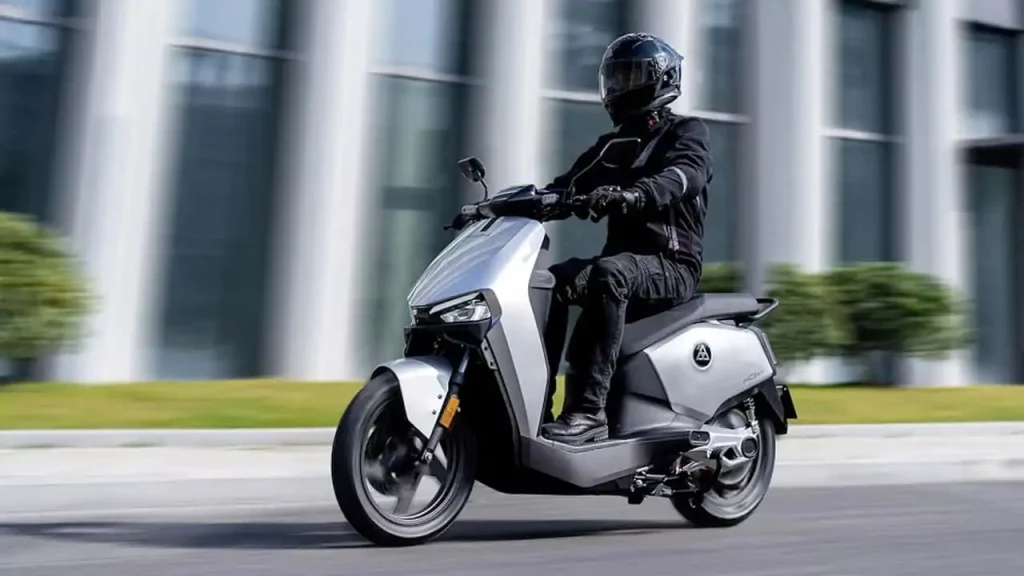
Electric scooters have taken the world by storm, and it seems like they might be surpassing motorbikes as well! The Sarkcyber HC 200 Ursa is the latest addition to this rapidly growing market. With its sleek design, impressive performance, and affordable price tag, this electric scooter is capturing the attention of urban commuters across Europe, one of the biggest e-bike markets in the world right now!
The HC 200 Ursa has a top speed of 70 kilometres per hour
Designed to be user-friendly, this scooter requires minimal effort to operate and navigate, making it an ideal choice for both experienced riders and beginners alike. Whether the riders are zipping through busy city streets or cruising along suburban roads, the HC 200 Ursa provides a reliable and efficient means of transportation.
The team behind Sarkcyber is no stranger to the industry, with members who previously worked in Honda’s two-wheeler department. This expertise shines through in the design and performance of the HC 200 Ursa. Honda itself has made significant strides in the electric scooter market, and the influence is evident in the attention to detail and engineering of this new model.
With a top speed of 70 kilometers per hour (44 miles per hour), the HC 200 Ursa offers a thrilling ride without compromising safety. Its modern minimalist design caters to the preferences of the on-the-go generation, while features like the digital display, smartphone connectivity, remote key, and LED lights ensure a convenient and enjoyable riding experience.
The scooter is powered by a rear wheel hub motor, delivering a nominal output of 2.5 kilowatts (equivalent to 3.5 horsepower). This allows for smooth acceleration and effortless maneuverability, making it easy to overtake slow traffic in bustling city environments. With a maximum output of four kilowatts (approximately five horsepower), the HC 200 Ursa offers a burst of power when needed, ensuring a dynamic and responsive ride.
Priced at 4,390 Euros (around $4,770 USD), the HC 200 Ursa is competitively priced, making it an attractive option for budget-conscious consumers. It has recently made its debut in the Italian market and is available for purchase through the MBP and Keeway dealer for interested buyers.
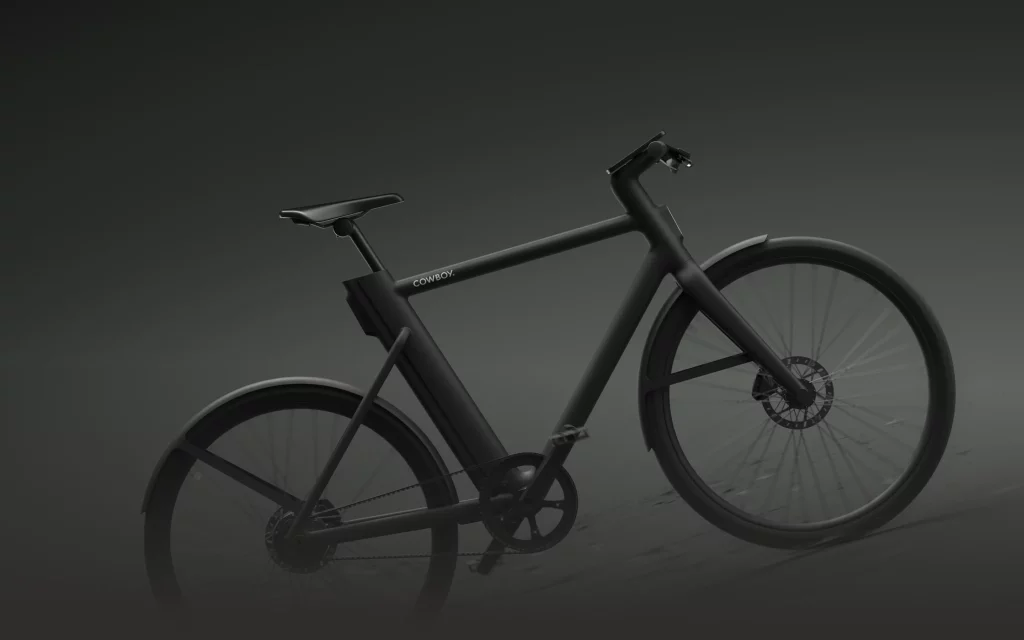
In recent years, e-bikes have witnessed a remarkable surge in popularity across the globe. They offer an eco-friendly mode of transportation, emitting fewer emissions and contributing to reduced air pollution. They also provide a convenient solution for commuting, especially in congested urban areas by allowing riders to effortlessly navigate through traffic and reach their destinations way faster. Moreover, e-bikes promote physical fitness by encouraging individuals to incorporate cycling into their daily routines to some degree. The new Cruiser e-bike manufactured by Dutch company Cowboy blends technology and minimalism in the latest overhaul to its e-bike lineup.
The E-Bike’s minimalistic design definitely stands out amongst the competition
One of the many standout features of the Cowboy Cruiser is its focus on rider comfort. The new variant boasts a more upright design than its predecessor. In addition, Cowboy has addressed a common request by introducing a wider seat. It can make a huge difference to rider comfort, especially on rides across town. The ergonomic raised and curved handlebar seems as if it aligns with the natural hand position.
Weighing in at just 19.3 kg (42.5 lbs), the Cowboy Cruiser is lighter as compared to other e-bikes in its category. It comes equipped with comfort grips, a wireless charging phone mount, and an integrated companion app that seamlessly integrates with Google Maps. The removable battery, carbon belt, mudguards, and puncture-resistant 47mm tires are standard features that lay the foundation of a smooth ride. And, as with all Cowboy models, the company claims that safety remains a priority with crash detection capabilities.
Excitingly, the Cowboy Cruiser is now available for purchase at an introductory price of $3,393. Customers can choose from black and sand colorways on the Cowboy website. Alternatively, they can pick it up from any of their 300 retail partners across Europe. E-bikes have already been booming in Germany, with the country manufacturing over a million e-bikes this year so far.
Honor is all set to announce the Honor X50 on July 5 in China. Recently, the smartphone was spotted on the Geekbench benchmarking site with the Snapdragon 6 Gen 1 chipset. A Weibo user has shared a screenshot of the AnTuTu benchmark scores of the unannounced smartphone. Here is a look at how it performed on AnTuTu.
Honor X50 AnTuTu listing
Honor X50 5G AnTuTu listing
In the CPU test of AnTuTu, the Honor X50, which features the Snapdragon 6 Gen 1 chip (SM6450 part number), recorded a score of 1,74,760. In the GPU, memory, and UX tests, the device scored 138,731, 144,348, and 120,879 points, respectively. Hence, the X50 managed to record an impressive total score of 578,718.
To recall, the device scored 909 and 2726 in the single-core and multi-core tests of Geekbench, respectively. The benchmarking scores suggest that the Snapdragon 6 Gen 1 chip may offer better performance than the Snapdragon 778G SoC.
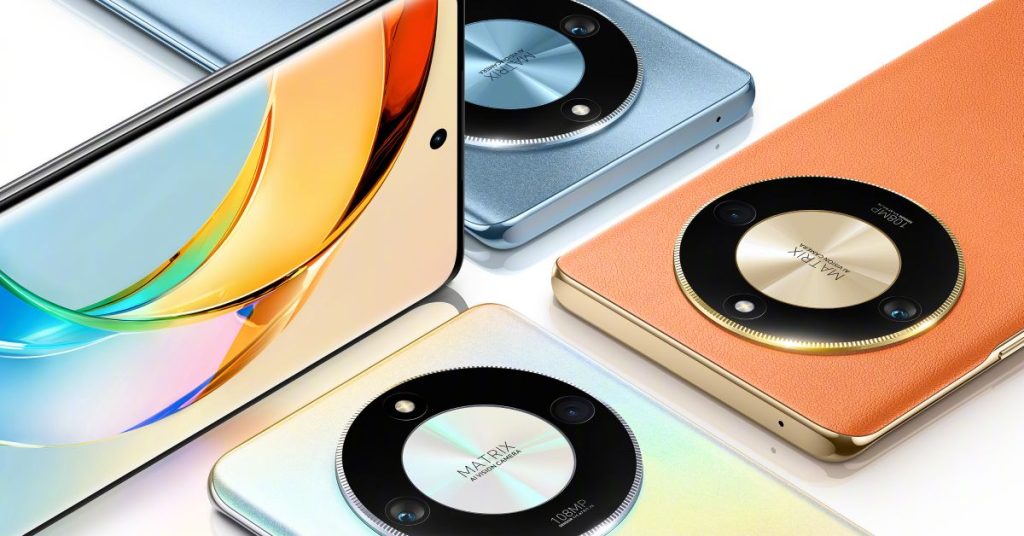
Honor X50 poster
Other reports have revealed that the Honor X50 will feature a curved-edge display of 6.78 inches. The AMOLED display will offer a resolution of 2652 x 1200 pixels and an in-screen fingerprint sensor. It will run on the Magic UI 7.1-based Android 13 OS. It will feature an 8-megapixel front camera and a 108-megapixel (main) + 2-megapixel dual-camera system.
The X50 will feature up to 16 GB of RAM and up to 512 GB of storage. It will pack a 5,800mAh battery with 35W fast charging. It will measure 7.98mm in thickness and weigh 185 grams. It will arrive in three shades, such as white, silver, and orange. It is speculated that the 8 GB RAM + 256 GB storage edition of the X50 will be priced at 1,599 Yuan (~$220).
OnePlus will announce the OnePlus Nord 3 5G and the Nord CE 3 5G on July 5 in India. The company recently confirmed that the Nord 3 will be equipped with a 50-megapixel camera. In a new teaser, it revealed that the Nord CE 3 will also feature the same primary camera.
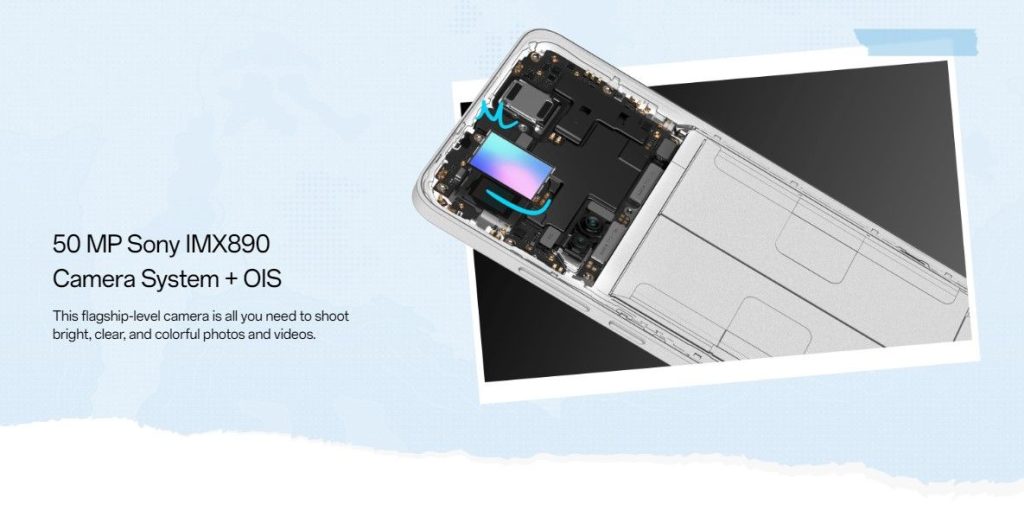
The image below reveals that the OnePlus Nord CE 3 5G will come equipped with a 50-megapixel Sony IMX890 camera. To ensure stabilization, the device will feature support for Optical Image Stabilization (OIS). The more powerful OnePlus Nord 3 will feature the same primary camera.
OnePlus Nord CE 3 5G OIS 50MP camera
OnePlus has been gradually revealing the details of the OnePlus Nord CE 3. It was recently confirmed that the device will come equipped with an AMOLED display that offers a 120Hz refresh rate. The device will be powered by the Snapdragon 782G chipset. Furthermore, the Nord CE 3 will include an IR blaster and will be offered in an Aqua Surge (blue) color option.
OnePlus Nord CE 3 specifications (rumored)
According to a recent leak, the Nord CE 3 will feature a large 6.7-inch AMOLED display with FHD+ resolution and a peak brightness of up to 950 nits. It will sport a 16-megapixel front camera, while the rear camera setup will consist of a 50-megapixel main camera, an 8-megapixel ultra-wide camera, and a 2-megapixel macro camera.
Powered by the Snapdragon 782G chipset, the device is expected to offer up to 12 GB of LPDDR4x RAM. It will be equipped with a 5,000mAh battery that supports 80W SuperVOOC charging. The Nord CE 3 will run on the Android 13 OS with OxygenOS 13.1 and will receive two years of OS upgrades and three years of security updates.
The device is anticipated to have a price tag of approximately Rs 25,000 (~$304) and will be available in a new color variant called Grey Shimmer.
Last month saw the emergence of several CAD renders of the upcoming Nothing Phone (2). However, since the official design has not been disclosed by the company, it remains unclear whether these renders accurately represent the device’s design. A recently released teaser suggested that the device could be equipped with a dual-camera system like its predecessor. A leaked poster that has surfaced now online has revealed the rear camera design of the Phone (2) for the design.
Nothing Phone (2) features a dual-camera setup
Nothing Phone 2 leaked image
The leaked image of the Nothing Phone (2) released by tipster Paras Guglani showcases a vertical dual camera setup similar to its predecessor. The design closely resembles the CAD renders by renowned tipster OnLeaks, which were previously published on SmartPrix. Unfortunately, there is no information available about the camera configurations of the Phone (2).
The image also reveals the Phone (2) has flat edges and a dual LED flash, in contrast to the single LED flash found on the Phone (1). Below is a cropped image from one of the CAD renders, demonstrating that the renders provided an almost accurate depiction of the rear camera setup and dual LED flash unit.
A cropped version of Nothing Phone (2) CAD render by OnLeaks / SmartPrix
With around a week remaining for the Phone (2)’s launch, it appears that the company will soon roll out more teasers to reveal its design. One of the recent teasers revealed that the Nothing Phone (2) will come equipped with a display with a centred punch-hole, unlike the corner camera cutout, which was seen on the Phone (1). As far as specifications are concerned, the Phone (2) will feature a 6.7-inch AMOLED display that offers an FHD+ resolution and a 120Hz refresh rate.
The device will pack a 4,700mAh battery with wireless charging. The back panel of the phone will have an improved version of the Glyph interface. It will be powered by the Snapdragon 8 Plus Gen 1 chipset and run on the Nothing OS 2.0-based Android 13. It will also feature an aluminium frame for enhanced durability and a premium feel.
Last month, Android Authority revealed key details about the display and camera specifications of the Google Pixel 8 series of smartphones. In a new report, the publication has revealed new information regarding the battery size and charging capabilities of the Pixel 8 and Pixel 8 Pro.
Pixel 8 series battery size, charging speeds
Google Pixel 7 and Pixel 7 Pro
Citing a Google insider as the source, the publication revealed that the Pixel 8 will pack a 4,480mAh battery and support 24W wired charging. In comparison, the Pixel 7 packs a smaller 4,270mAh battery with 20W wired charging.
The Pixel 8 Pro will arrive with a 4,950mAh battery and offer 27W wired charging. To recall, the predecessor model featured a 4,926mAh battery with 23W wired charging. Like the Pixel 7 and Pixel 7 Pro, their successors will continue to offer 20W and 23W wireless charging, respectively.
The report also reveals that with the inclusion of the Broadcom BCM4398 chip, the Pixel 8 series will support Wi-Fi 7. The new-generation Wi-Fi connectivity offers faster speeds, stability, and low latency. Furthermore, the ultra-wideband will be available on the Pixel 8 Pro, but the Pixel 8 will not receive it.
Google Pixel devices suffer from limited availability compared to other manufacturers, leading consumers to either buy them from unofficial sources at higher prices or import them without warranty or support. Nevertheless, there are indications that Google might broaden the distribution of Pixel devices.
The publication reported that by comparing the list of languages available on the Pixel 8 and Pixel 7 in the electronic warranty terms, it can be speculated that the official distribution list for the Pixel 8 might expand to include a few more countries like Austria, Switzerland, Belgium, and Portugal.
The report has no information on the launch date of the Pixel 8 series. In all likelihood, it may debut in October, like its previous Pixel phones.
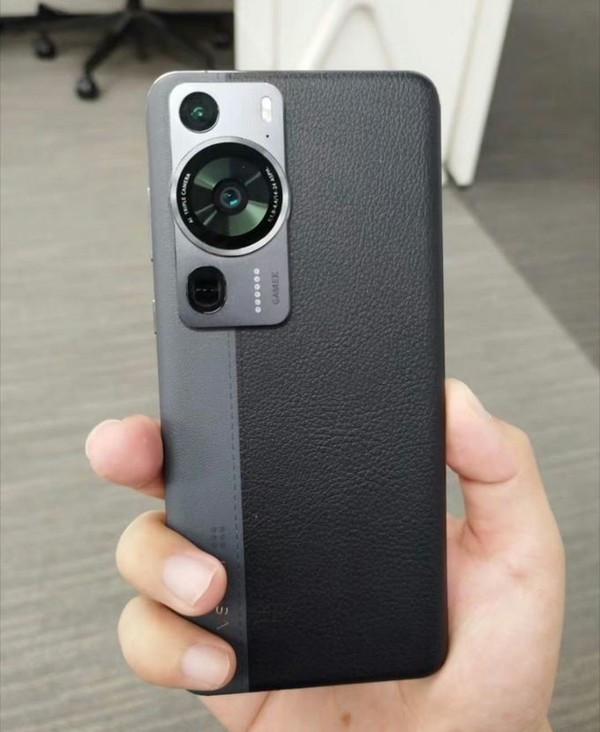
The Huawei P60 series has been well-received in the market since its launch, especially the popular Rococo White variant. Recently, an image of the Huawei P60 Pro Matte Leather Edition, an engineering model, surfaced online, showcasing a stylish and sophisticated color scheme.
A Closer Look at the Matte Leather Back Panel
The leaked images reveal that the key changes in this matte leather version are concentrated on the back of the device. The back panel is crafted from two different shades of matte leather, black and grey, with intersecting stitching design, adding an elegant touch.
Additionally, the camera module appears to be made of silver-grey metal material, which complements the overall aesthetic. While rumors suggest that this version might be released for sale, it has not been officially teased yet. Speculation among netizens indicates that the matte leather material may pose challenges in terms of heat dissipation, possibly making this color variant exclusive to engineering models.
The Huawei P60 Pro, as a flagship phone emphasizing photography capabilities, features an impressive camera setup. It boasts a 48-megapixel ultra-high-resolution main camera, a 13-megapixel ultra-wide-angle camera, and a 48-megapixel ultra-high-resolution night vision telephoto camera. Notably, its long-range camera with ultra-high-resolution night vision supports 100x digital zoom and employs an industry-leading multi-lens long-range module, enabling exceptional light intake and clear captures in dark or low-light environments.
During the recent 618 shopping festival, the Huawei P60 Pro experienced strong sales with attractive price reductions, particularly the 12GB+256GB version, which emerged as the top-selling variant in the P60 series. According to JD.com’s recent smartphone sales rankings, the Huawei P60 Pro secured the fifth position among models priced above 6,000 yuan ($827), becoming the second best-selling Chinese flagship model, following the Huawei Mate50 Pro.
Oppo has launched the Reno 10 Pro Star Sound Edition smartphone in China. The Oppo Reno 10 Pro Star Sound Edition will be available in a limited quantity and retails for 3,899 yuan (~$538).
Oppo Reno 10 Pro Star Sound Edition sports a gold thread yarn lining and a matte gradient effect that does not leave fingerprints. It also features Nebula ambient light which is built-in with a full set of custom themes. The smartphone comes with 41 native apps out of the box and it flashes this design when a call comes in.
As per its core features, the limited-edition Reno 10 Pro Star Sound Edition is not significantly different from the other versions. It is equipped with a 6.7-inch screen and powered by the MediaTek Dimensity 8200 chip. The smartphone comes with a 4,600mAh battery and supports 100W flash charging. The camera setup of the Oppo Reno 10 Pro includes a 32MP super-light and shadow telephoto lens with a 1/2.74-inch sensor area. It has a f/2.0 aperture and a focal length of 47mm.
The Oppo Reno 10 Pro uses computing power to restore the expressiveness of portraits under different natural light and shadow scenarios. This can achieve three-dimensional views and optimized light shadow. This helps to highlight the natural beauty and reality of images. In addition, the smartphone features the ColorOS supercomputing platform which enables it to dynamically adjust memory access performance and data transmission by up to 16 fold. This greatly improves the memory utilization of the device.
The Oppo Reno 10 Pro Star Sound Edition is available for purchase from JD.com. There are no indications yet on the number of units of the limited-edition model that are up for grabs.
The highly anticipated Samsung Galaxy Watch 6 series is set to make its global debut soon, with an expected unveiling at the upcoming Unpacked event in Seoul on July 26. The series will consist of two smartwatches: the Galaxy Watch 6 and the Galaxy Watch 6 Classic. Ahead of their launch, both smartwatches have been spotted on various certification websites, including the FCC, GCF, and Safety Korea.
Galaxy Watch 6 and Galaxy Watch 6 Classic Model Numbers Surface
Adding to the excitement, the watches have now made an appearance on the Google Play Console listing. While the listing doesn’t provide much information about the upcoming smartwatches, it does reveal their respective model numbers. The 40mm variant of the Galaxy Watch 6 carries the model number SM-R930, while the 44mm variant is identified by the model number SM-R940. On the other hand, the Galaxy Watch 6 Classic comes in a 42mm variant with the model number SM-R950, and a 46mm variant with the model number SM-R960.
Previous leaks have already shed light on the battery specifications and official marketing images, offering insights into the design and battery capacity of both smartwatches. We have also previously shared the pricing details for the upcoming Galaxy Watch 6 lineup.
According to recent leaks, the upcoming smartwatches will feature slimmer bezels and larger screens compared to their predecessors. Powering these watches will be the Exynos W930 processor, built on a 5nm process, complemented by 2GB of RAM and 16GB of onboard storage. While the battery capacity is expected to be upgraded for the 40mm and 44mm variants of the Galaxy Watch 6, the Classic version will reportedly see a slight downgrade compared to last year’s model.
Chinese company Jiangsu Snail Zhixing Technology has announced the S80 Solar Scooter. The S80 Solar Scooter is a compact electric scooter that offers an unlimited range, thanks to its solar power generation mechanism. The new e-scooter was on display during the Eurobike 2023 trade show. The scooter marks an important milestone in the evolution of the electric scooter as a micro-mobility solution.
The stand-up kick scooter comes with a design that seems to overcome the challenge of lack of surface area for solar panel integration. The S80 Solar Scooter was designed in such a way that the little surface area available for the scooter was maximized. The scooter comes with an expansive front portion that houses the solar panel for electricity generation. The S80 Solar Scooter is the latest e-scooter to attempt to utilize the power of the sun in order to eliminate range anxiety while on the go.
S80 Solar Scooter requires between 7 and 14 hours of sunlight to be fully charged. This scooter can deliver between 35W and 70W of power to charge the in-built battery on the unique-looking scooter. A full charge of the scooter yields a range of 22 miles (~35km) which is sufficient for most daily urban commutes. The battery is housed within the floorboard and it powers a rear hub motor of up to 350W output. The S80 Solar Scooter has a top speed of 15.5mph (25km/h).
The scooter is also not a barebones product as it comes with some decent tech features. These include built-in GPS for location and anti-theft purposes, and a well-kitted digital panel for ride particulars like speed, battery status, turn signal, and cruise controls.
It is expected that the Jiangsu S80 Solar Scooter could soon berth in the US market. It has reportedly passed all certification tests to warrant its legal sale in the US. The scooter will cost $1,400 in the US but Jiangsu has not stated any official release date yet for the product.
The Samsung Galaxy Smart Tag 2 has gotten Bluetooth SIG certification. The Smart Tag 2 comes with Bluetooth 5.3 support and it could be released as early as this month. Its release could coincide with the July Galaxy Unpacked event. The Bluetooth 5.3 support is an improvement over its predecessor, the Smart Tag which supported Bluetooth 5.2. This will improve power consumption, overall device performance, and an enhanced user experience.
The Galaxy Smart Tag 2 is the first iteration of the Samsung Galaxy SmartTag. The gadget had been a subject of a rumor back in April hinting that Samsung was working on the product. It was even speculated at that time that the gadget will be unveiled at the Unpacked event.
The latest listing of the Galaxy Smart Tag 2 on Bluetooth SIG points to the likely possibility of the gadget being launched this month. Although the Bluetooth SIG listing of the Smart Tag 2 provided scanty details, a few things are already known about the device. A previous leak has provided details that the new Smart Tag 2 will come with improvements across several aspects including the wireless range, enhanced security, and a longer-lasting battery.
Samsung’s scheduled Galaxy Unpacked event will see the launch of some of Samsung’s premium offerings of 2023. These could be signposted by the unveiling of the Galaxy Z Fold 5 and Z Flip 5 flagships. There are still aspects of the launch event that are yet to be clarified. Samsung has not provided any pricing details for the upcoming Smart Tag 2.
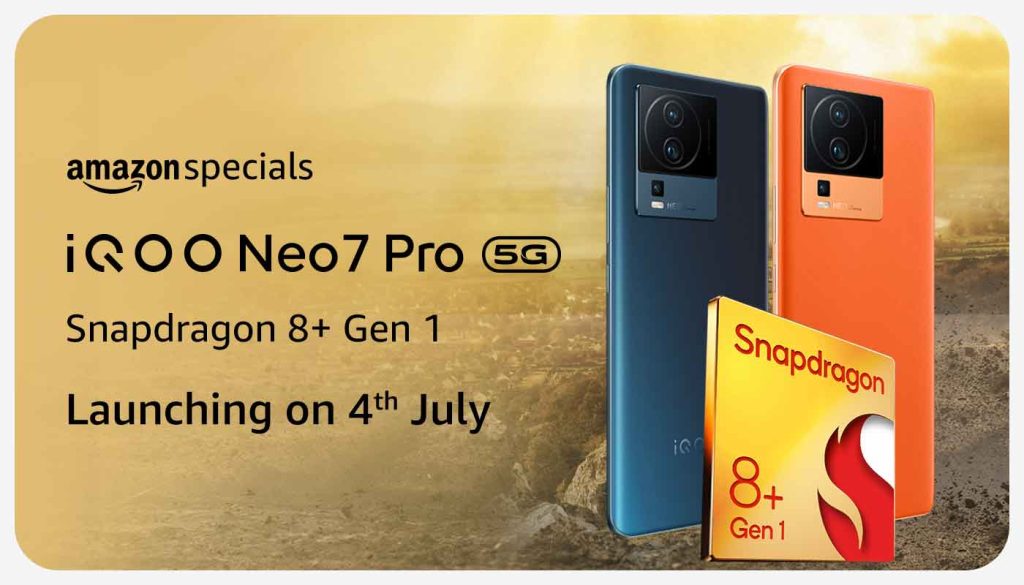
iQOO is preparing to introduce new devices in the market, including the iQOO 11S, which is scheduled for a domestic launch on July 4. Additionally, the highly anticipated iQOO Neo 7 Pro smartphone will also be launched in India on the same day. The Neo 7 Pro is expected to be a rebranded version of the iQOO Neo 7 Racing Edition. Here is a comprehensive overview of what we know about the upcoming iQOO Neo 7 Pro before its official launch.
Design & display
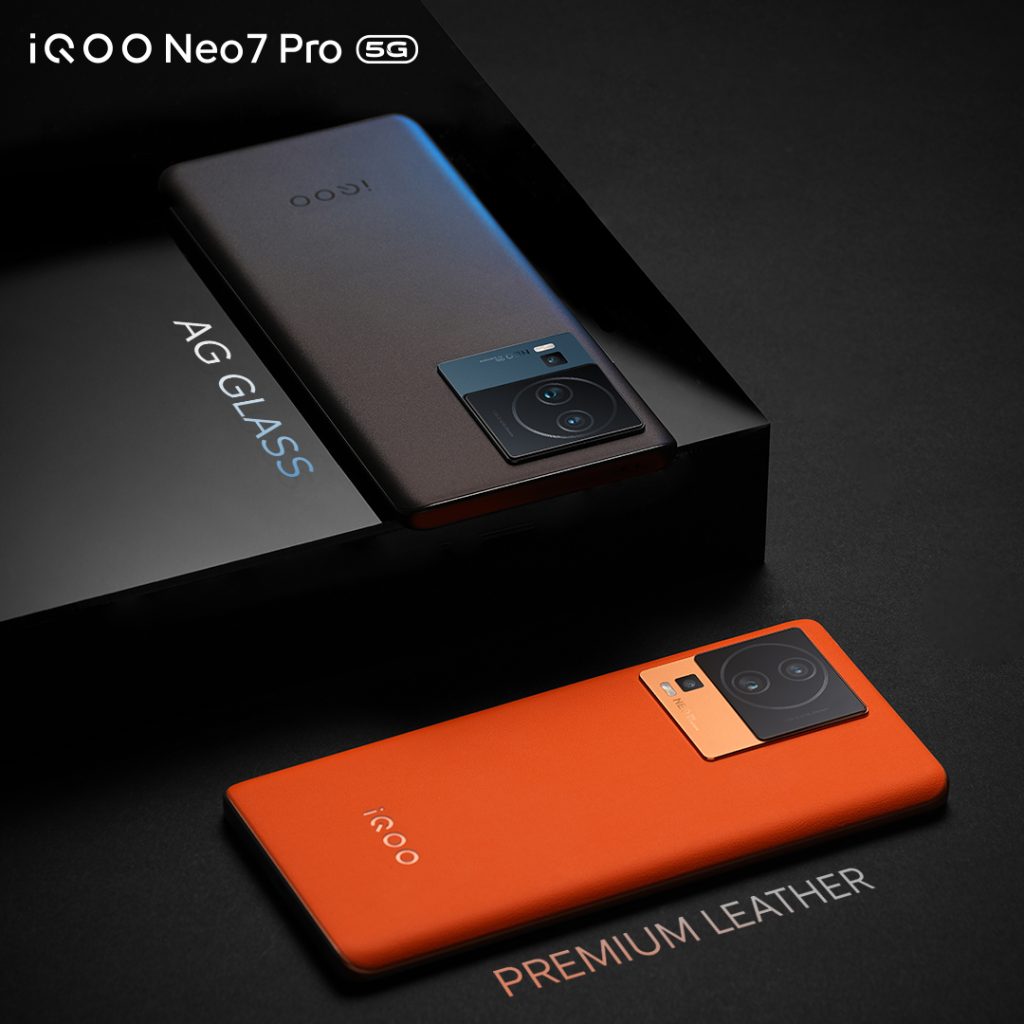
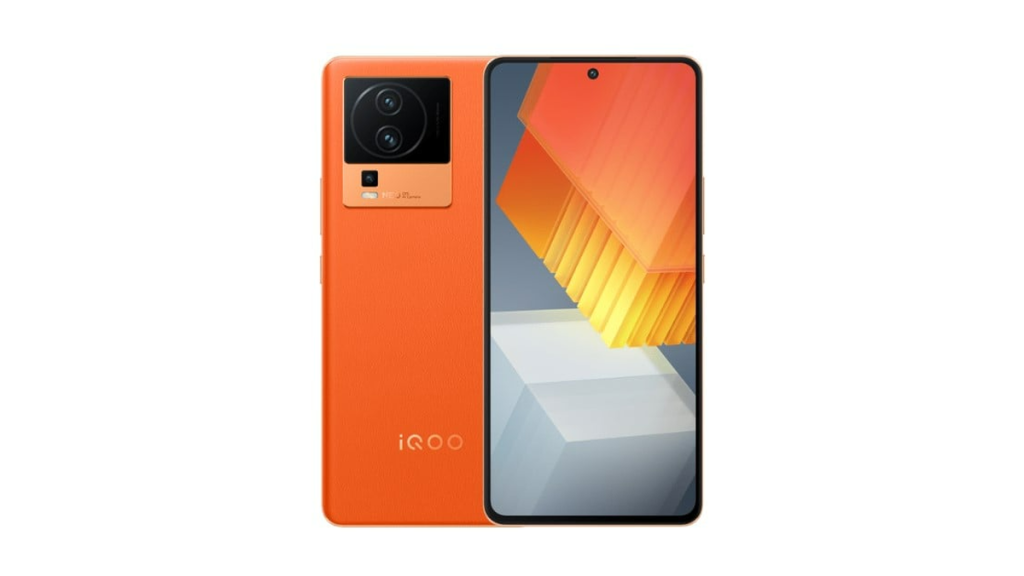
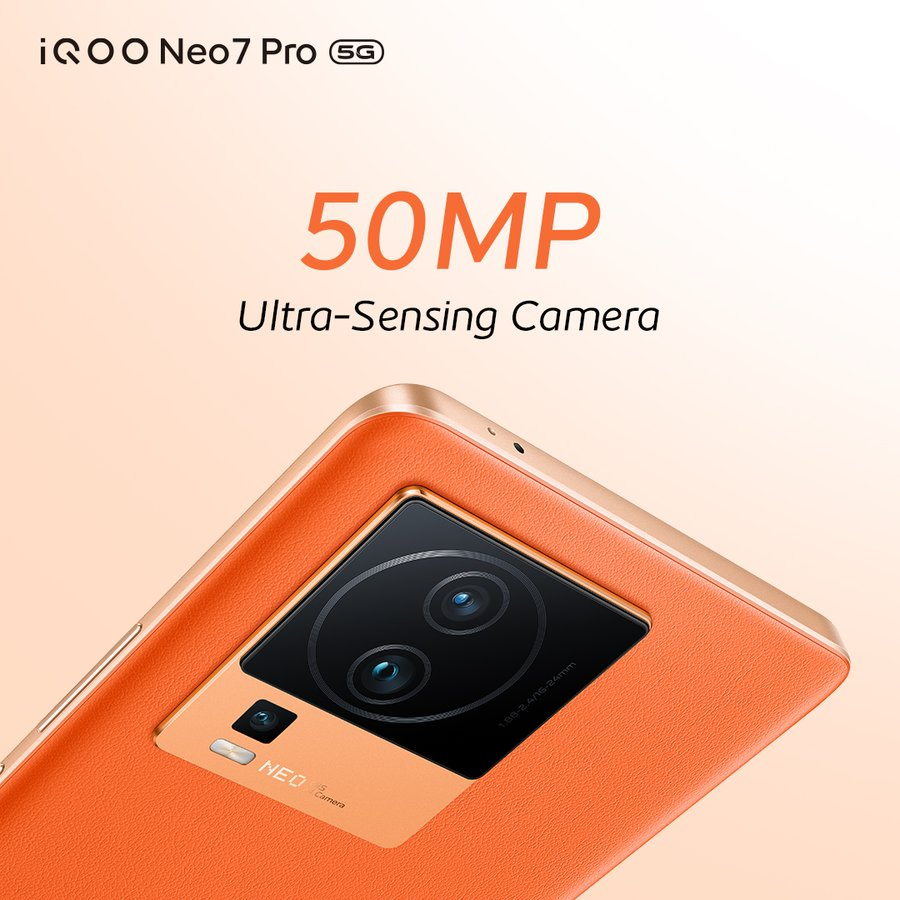
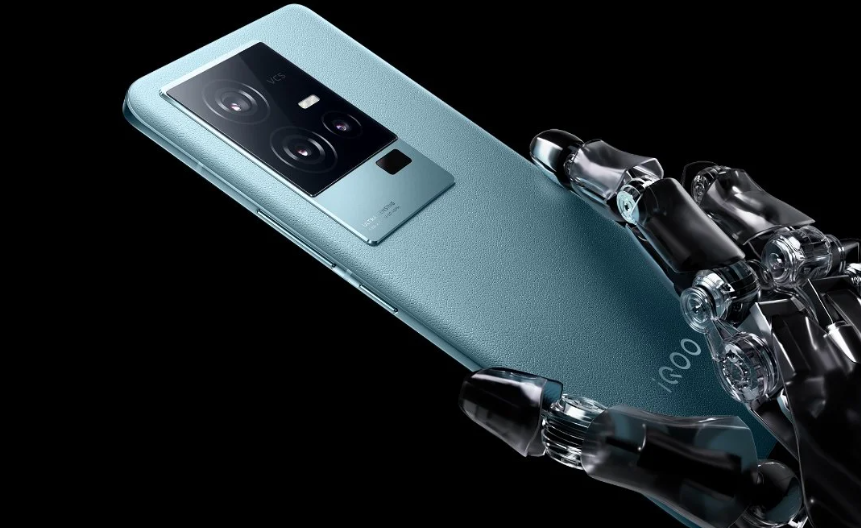
The design of the iQOO Neo 7 Pro will closely resemble that of the Neo 7 Racing Edition, showcasing a curved back panel and a rectangular camera module positioned on the top left. Official teaser images have confirmed the presence of three rear cameras accompanied by an LED flash. The device is expected to sport a plastic body complemented by a metal frame. iQOO has officially announced two color choices for the Neo 7 Pro: Fearless Flame and Dark Storm. The Fearless Flame variant will notably showcase a faux leather back, while the Dark Storm will have an AG Glass coated back.
On the front side, the iQOO Neo 7 Pro is anticipated to showcase a 6.78-inch E5 AMOLED display with a flat design. The screen will offer an FHD+ resolution and a punch-hole cutout positioned at the center. Noteworthy display features of the device include a 120Hz refresh rate, a peak brightness of 1,500 nits, HDR10+ support, and an integrated in-screen fingerprint scanner. Similar to the Neo 7 Racing Edition, the Neo 7 Pro will also incorporate a Pro+ display chip, providing enhancements for gaming performance, image rendering, and more. The device will sport slim bezels surrounding the display.
Performance
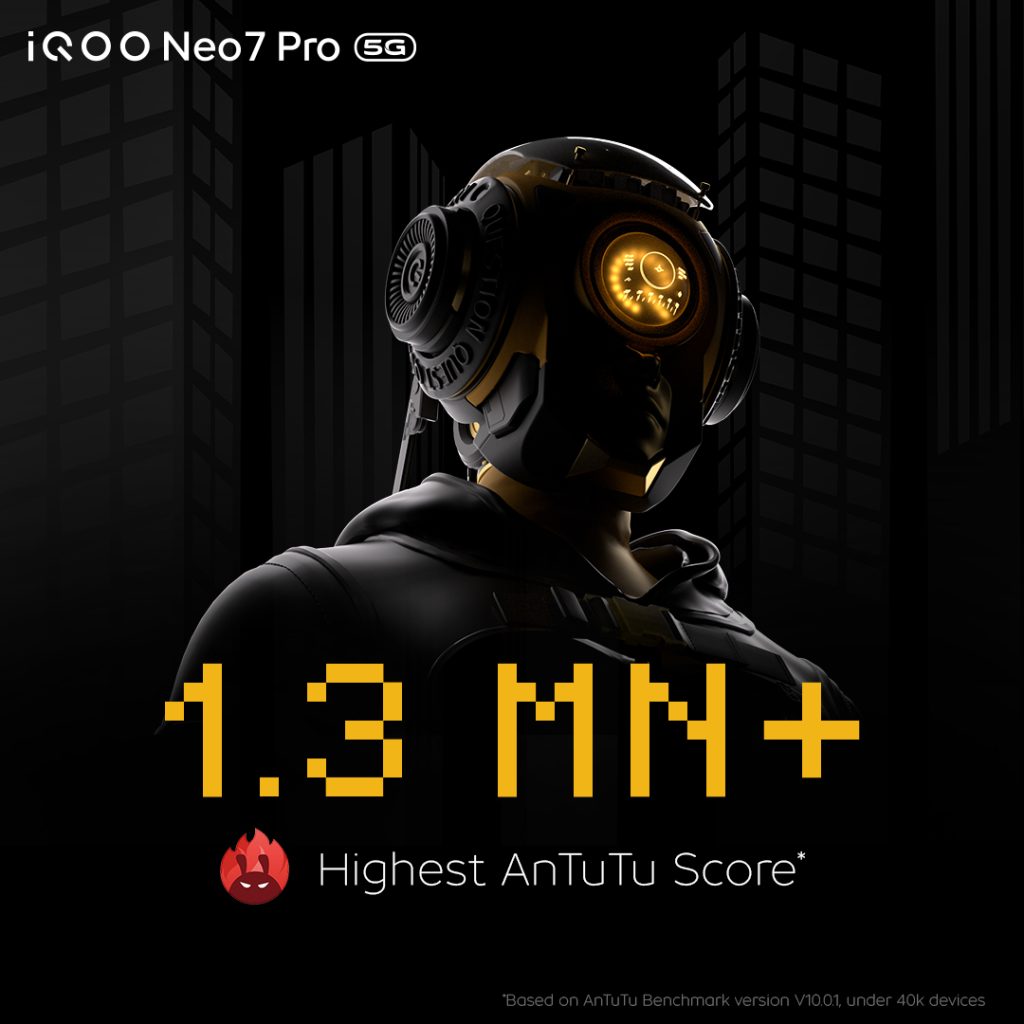
The iQOO Neo 7 Pro has been officially confirmed to be powered by the Snapdragon 8+ Gen 1 processor. This marks a significant upgrade compared to its predecessors, the iQOO Neo 6 Pro and iQOO Neo 7, which featured the Snapdragon 870 and MediaTek Dimensity 8200 SoC, respectively. The performance of the Neo 7 Pro is expected to be impressive, as iQOO has teased that it can achieve over 1.3 million points on the AnTuTu benchmark. This claim is supported by a leaked benchmark result, revealing a score of 1,316,514 points for the device. This is particularly beneficial for gamers seeking since the GPU performance of the device is leagues above the other two.
If that was not enough, iQOO is also throwing in an independent gaming chip that will guarantee stable and high framerates while gaming. According to leaks, the iQOO Neo 7 Pro 5G is expected to be available in two configurations: 8 GB RAM with 128 GB of storage and 12 GB RAM with 256 GB of storage. These configurations are likely to feature LPDDR5 RAM and UFS 3.1 storage, providing users with fast and efficient performance.
Rumors suggest that the iQOO Neo 7 Pro will be equipped with a 5,000mAh battery and support 120W fast charging technology. The brand has hinted that users will be able to charge their devices from 0 to 50% in a mere 8 minutes. Given the high-powered specifications, efficient cooling will be crucial to maintain optimal temperatures. To address this, it is rumored that the device will incorporate a VC Cooling system with a size of 4013mm², ensuring effective heat dissipation. Other than that, we can expect the device to arrive with an Android 13-based operating system, likely running the FuntouchOS 13 skin on top.
Cameras
iQOO has officially confirmed that the iQOO Neo 7 Pro features a 50-megapixel Samsung ISOCELL GN5 primary camera with Optical Image Stabilization (OIS). This camera module is identical to the one found on the iQOO 11 5G and is designed to deliver excellent low-light performance. The device will also include an 8MP ultra-wide-angle lens and a 2MP third camera unit. Additionally, it will come equipped with a 16MP front-facing selfie camera housed within the punch-hole cutout on the display.
Pricing
So far, leaks suggest that the iQOO Neo 7 5G 8GB + 128GB configuration will debut in India with a price tag of ₹35,999. With initial bank offers, the price is said to be around ₹33,999.
iQOO flagships are a great option if you want the latest and greatest mobile hardware without breaking the bank. The phones from this Vivo subsidiary are typically more affordable than other brands with similar features, making them a great value for money. The recently released iQOO 11 is a good example of this, offering a solid balance of price and specifications. The upcoming iQOO 11S is expected to follow suit.
iQOO 11S is the latest flagship smartphone from the brand, scheduled to launch in China on July 4. The device is powered by the Snapdragon 8 Gen 2 processor and also features a dedicated display chip. While the launch is just a few days away, here’s everything you need to know about the upcoming iQOO 11S.
Design and Display
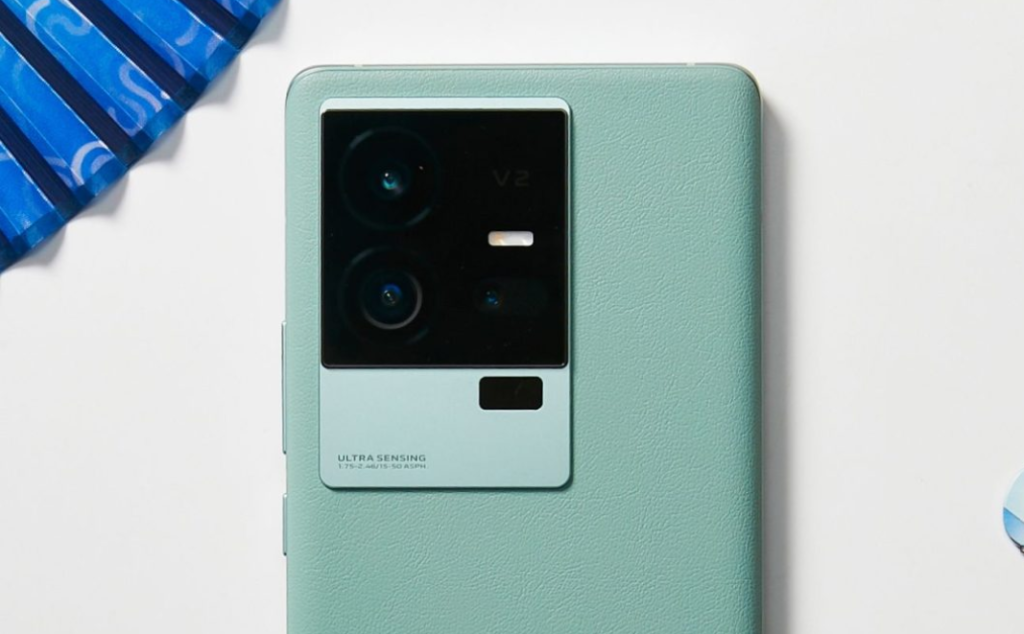
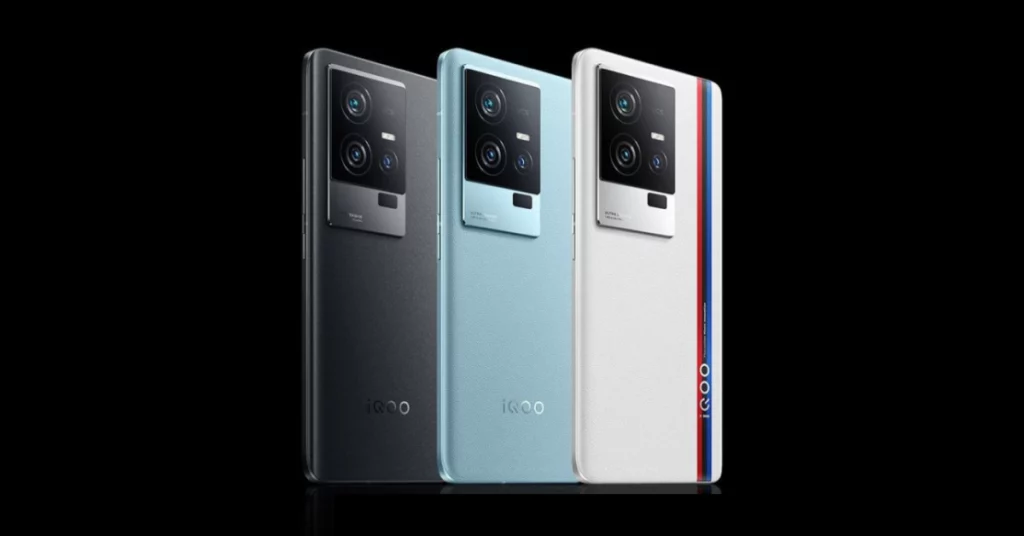
You will find some nice-to-have upgrades on the iQOO 11S, but design is not one of them. The smartphone essentially retains the same look as the iQOO 11, featuring a large camera island. It will be available in three color options, one of which will be the result of the continued collaboration between iQOO and the BMW M division (M for Motorsport). This version will showcase the iconic BMW three-stripes logo on its vegan leather-clad back. Other than this, you also get green and black color options.
Regarding the overall design, the iQOO 11S features a slightly curved back with a rectangular camera bump. The camera module gets three rings aligned in an L shape. The presence of the V2 branding on the back confirms that the smartphone uses Vivo’s V2 ISP, enhancing camera performance. Although the front of the device has not been unveiled by the company yet, you can expect to see a center-punched hole for the selfie camera and thin bezels.
Official teasers reveal that the iQOO 11S will feature an E6 AMOLED display with a 144Hz refresh rate, a 2K resolution, a pixel density of 517 PPI, and a peak brightness of up to 1800 nits. Similar to the vanilla model, the iQOO 11S’s screen will also support both PWM and DC dimming. Although the exact dimensions are yet to be confirmed, it is expected to feature the 6.78-inch screen from the iQOO 11.
The iQOO 11S is claimed to surpass the other two models in the series with a dedicated display chip. Official information posted on Weibo reveals that the smartphone will feature the world’s first super-computing dedicated display processor. This chip is expected to assist the Snapdragon 8 Gen 2 chip in distributing the workload and improving the smartphone’s overall performance.
Other Specifications
Rumors were rampant that the iQOO 11S would come equipped with an overclocked Snapdragon 8 Gen 2 SoC. However, these rumors were put to rest when iQOO confirmed that the smartphone would continue to use the Snapdragon 8 Gen 2 SoC clocked at 3.2GHz, without opting for the overclocked 3.36GHz version. This decision is not surprising, as both the iQOO 11 and 11 Pro also utilize the same processor with identical clock speeds. The handset will also feature VC cooling technology.
The iQOO 11S smartphone will come with LPDDR5x RAM and UFS 4.0 storage. The company has confirmed that one of the configurations will have 16GB of LPDDR5x RAM and 1TB of UFS 4.0 storage. It will also offer up to 8GB of virtual RAM. According to a report from last month, the iQOO 11S will be available in four configurations: 12GB RAM + 256GB storage, 16GB RAM + 256GB storage, and 16GB RAM + 512GB storage.
iQOO is pushing the limits of fast charging with the iQOO 11S. The phone supports 200W charging, which can fully charge the battery in just 5 minutes. This means you can go from 0% to 100% in the time it takes to make a cup of coffee. The iQOO 11S is also compatible with third-party UFCS chargers, so you can use your existing charger or buy a new one from iQOO. To ensure safety and reliability, the iQOO 11S uses a new boron nitride material that helps to reduce the temperature of the battery protection board. The battery capacity on the device is expected to be 4,700mAh.
The iQOO 11S may have a 50-megapixel Sony IMX866 primary camera with OIS support. Other camera details are not yet known. The phone will run Android 13 with Funtouch OS skin on top.
Expected Pricing
There have been no leaks regarding the price of the iQOO 11S. Since it packs some decent upgrades over the vanilla model, you can expect it to cost more. For your reference, the iQOO 11 comes in three configurations in India. The 8GB RAM + 128GB storage configuration costs $710. The 12GB RAM + 256GB storage configuration costs $800. And the 16GB RAM + 512GB storage trim is priced at $920.
The past week was buzzing with exciting revelations, product launches, and strategic shifts that gave us a glimpse into the future of technology. Key players in the industry made headlines as they continued to push boundaries and set new standards. From ground-breaking chip manufacturing plans to phone launches, and game-changing sales data disclosures, the week was a testament to the relentless pace of tech innovation.
In the wearables sector, we saw a custom edition of Samsung’s earbuds, while we saw the launch of two new phones, the Zenfone 10 and the Redmi Note 12R in the smartphone segment. Meanwhile, console sales data released by Microsoft spotlighted the competitive dynamics in the gaming industry.
From folding phones to game console sales, and chips getting smaller, this week served up an interesting blend of tech news and a quick summary of them are below.
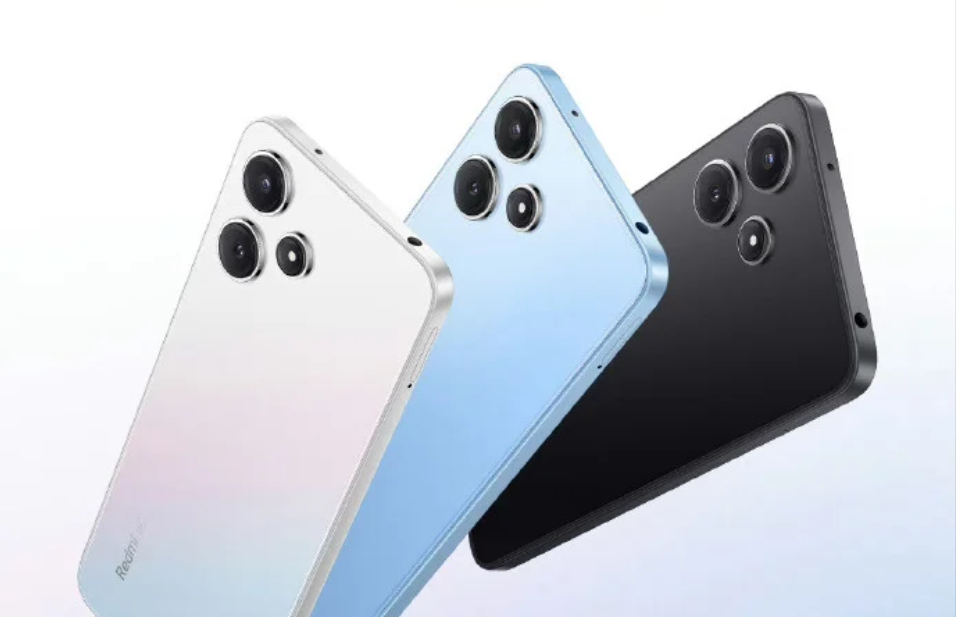
Xiaomi’s new Redmi Note 12R, featuring the cutting-edge Snapdragon 4 Gen 2 chipset and 5G connectivity, may hit international markets under the name ‘Redmi 12 5G.’ In India, it could be introduced as the ‘Poco M6 Pro 5G.’ Boasting impressive specs such as a 6.79-inch LCD panel with 90Hz refresh rate, dual-camera setup, and Android 13, this rebranded model promises to make a big splash worldwide.
The ASUS Zenfone 10 has officially made its global debut, succeeding the previous Zenfone 9 model with several upgrades while retaining its compact, boxy design. This flagship phone boasts a 5.9-inch sAMOLED display with a peak brightness of 1,100 nits and a 144Hz refresh rate. Powered by a Qualcomm Snapdragon 8 Gen 2 processor, it supports up to 16GB LPDDR5x RAM and 512GB UFS 4.0 storage. Starting at EUR 799, the ASUS Zenfone 10 is set to be available globally soon.
Samsung, the world’s second-largest contract chip producer, has announced plans to initiate mass production of 2nm mobile chips by 2025, aiming to rival TSMC’s similar timeline. A smaller nanometer (nm) size indicates denser transistor packing on a chip, enhancing performance. Samsung plans to leverage the 2nm process for high-performance computing by 2026 and design a variant specifically for automotive chips by 2027. Samsung claims the 2nm process will deliver a 12% performance increase and 25% more power efficiency compared to the current 3nm process, with the chips being 5% smaller. Additionally, the tech giant revealed its ambition to start mass production of 1.4nm process chips by 2027.
Nothing is ready to launch its much-anticipated Nothing Phone (2) in India on July 11, with pre-orders now open on Flipkart. Customers can avail themselves of instant discounts and an exclusive offer on the official back case for the new phone. Meanwhile, the company announced a successful fundraising round, gathering $96 million led by Highland Europe, indicating its future expansion plans. Collaboration with the music group, Swedish House Mafia, for the Glyph Composer feature on the Phone (2), underscores the company’s innovative approach. Nothing, which has a global staff of over 450, has also emphasized its commitment to sustainability, claiming that the Phone (2) will have a lower carbon footprint than its predecessor. The company continues to focus on community feedback to drive its product innovation.
Microsoft revealed that as of June 2023, the Xbox Series S|X has sold a total of 21 million units, which is very close to earlier estimates made by industry experts. Additionally, the Xbox One series has sold a staggering 58 million units, demonstrating the continued popularity of these consoles. In comparison, Sony’s PlayStation 5 had reportedly sold approximately 38.5 million units as of May 2023, reinforcing Microsoft’s previous statement that Xbox console sales were roughly half of Sony’s PlayStation sales. These figures highlight the highly competitive gaming market and Microsoft’s solid position within it.
Google, in partnership with iFixit, has extended its self-repair services to the Pixel Fold, making it the first foldable smartphone to support such a program. Owners will have access to OEM repair tools, parts, and guides for DIY fixes, alongside traditional mail-in and official service options. Additionally, Google will offer an extended “Preferred Care” warranty.
The 0/1 Phone concept marries simplicity and functionality, offering a retreat from the high-octane digital world. Its foldable design switches between a full-fledged smartphone when unfolded and a minimalist phone when closed. However, despite its intriguing mix of high-tech features and deliberate simplicity, its commercial launch appears uncertain.
Samsung has launched three new Pokémon-themed Galaxy Buds 2 cases, modelled after Jigglypuff, Ditto, and Snorlax, exclusively in South Korea. This continues Samsung’s trend of Pokémon-themed products, such as the Galaxy Z Flip3 Pokémon Edition phone and Galaxy Buds 2 Poké Ball edition, both of which sold out rapidly.
Apple is reportedly preparing for high sales of the iPhone 15, set to launch later this year. The tech giant aims to stock up on retailers from July, to avoid previous supply chain disruptions. The iPhone 15 lineup is expected to perform better than its predecessors, with features such as an improved design, faster A17 Bionic chipset, a 48-megapixel camera, Wi-Fi 6E support, and a longer battery life. The official launch date is yet to be confirmed, but is likely to follow Apple’s usual September release schedule.
According to reports, Huawei’s supply chain has begun production preparations for the company’s next flagship series, Mate 60, indicating a potential imminent launch. The move suggests a return to Huawei’s traditional dual flagship launch cycle, following the announcement of the P60 lineup earlier this year. Although finer details remain unclear, the Mate 60 is speculated to feature a Qualcomm Snapdragon 8+ series processor, limited to 4G networking, similar to the previous P60 series.
Having had hands-on experience with a couple of Acefast chargers, including the Acefast A19 65W charger and Acefast PD40W dual-port charger, we now bring you our hands-on experience with the Acefast PD65W Wall Charger. In this post, we will delve into the charger’s transparent design, charging capabilities, compatibility, and safety measures, providing you with an overview of our experience. Continue reading to learn more about this versatile charging device.
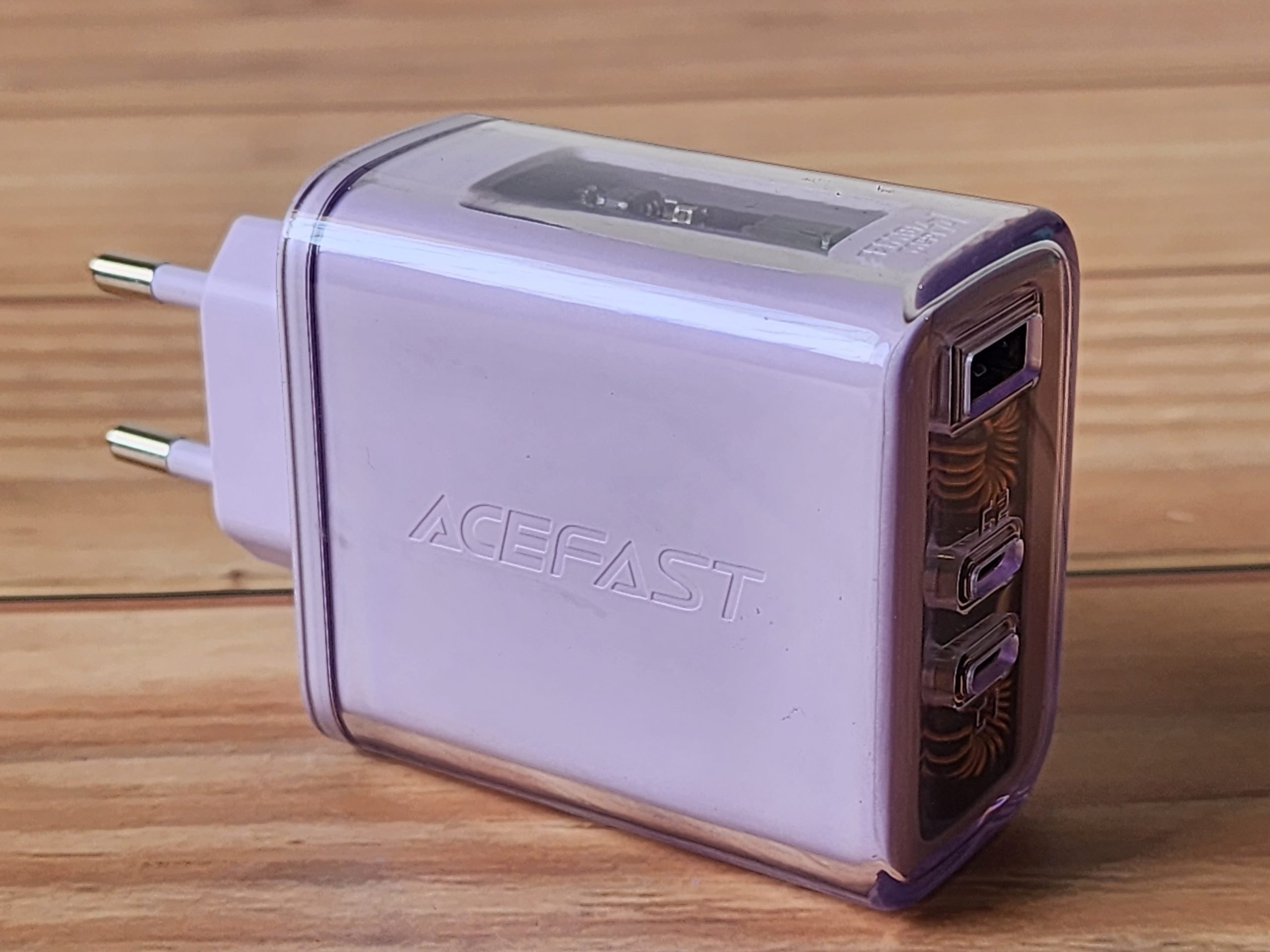
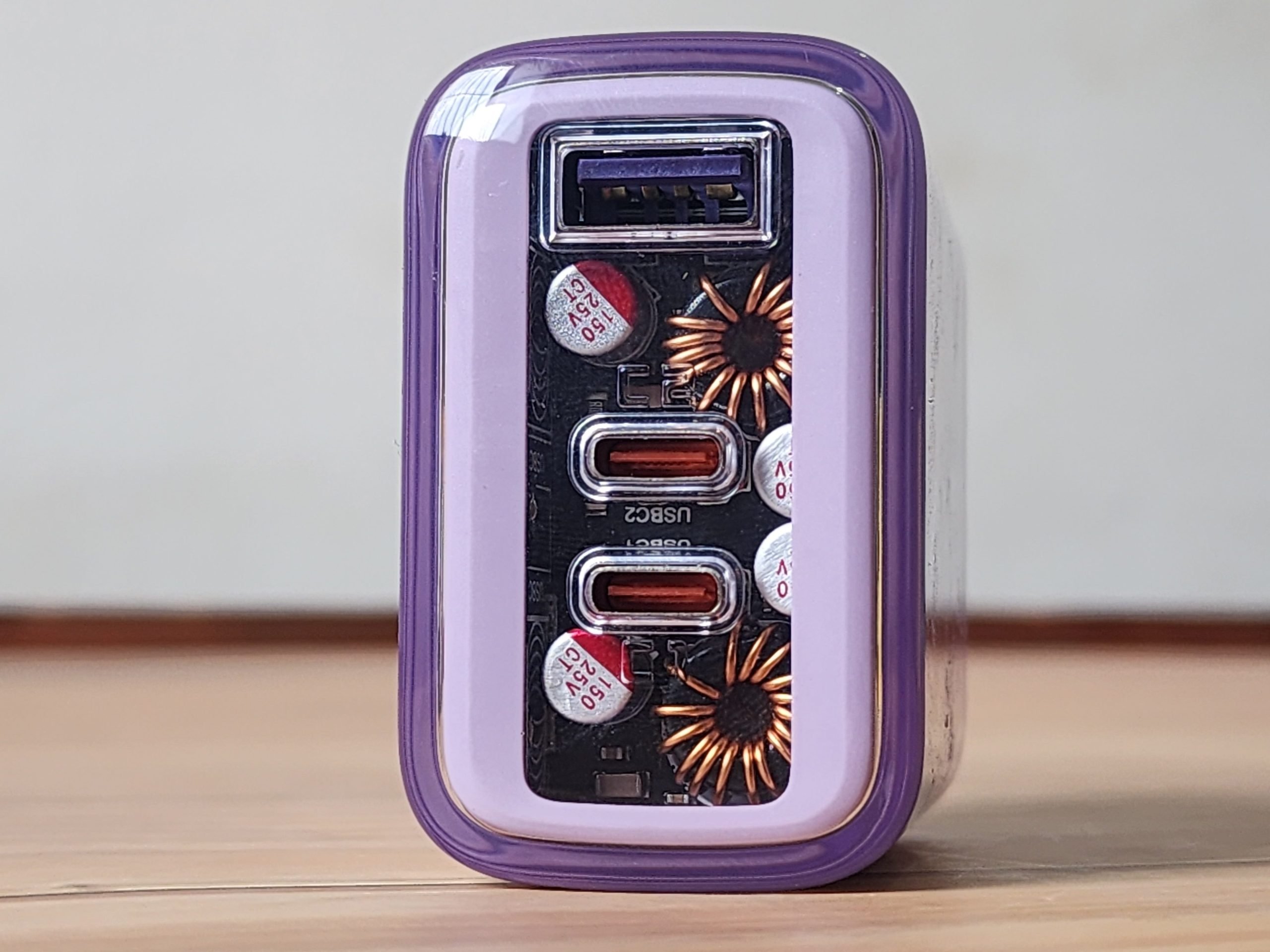
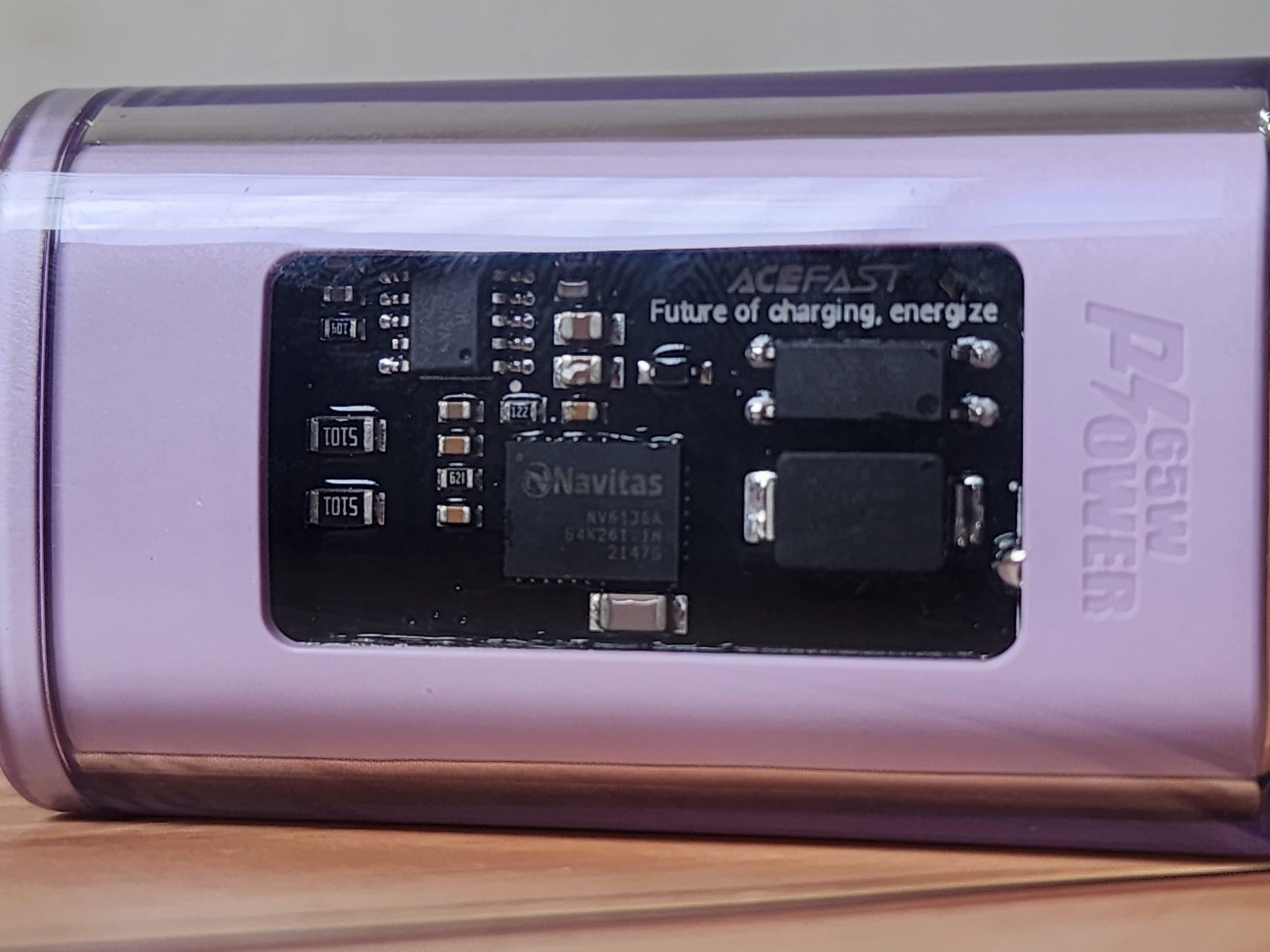
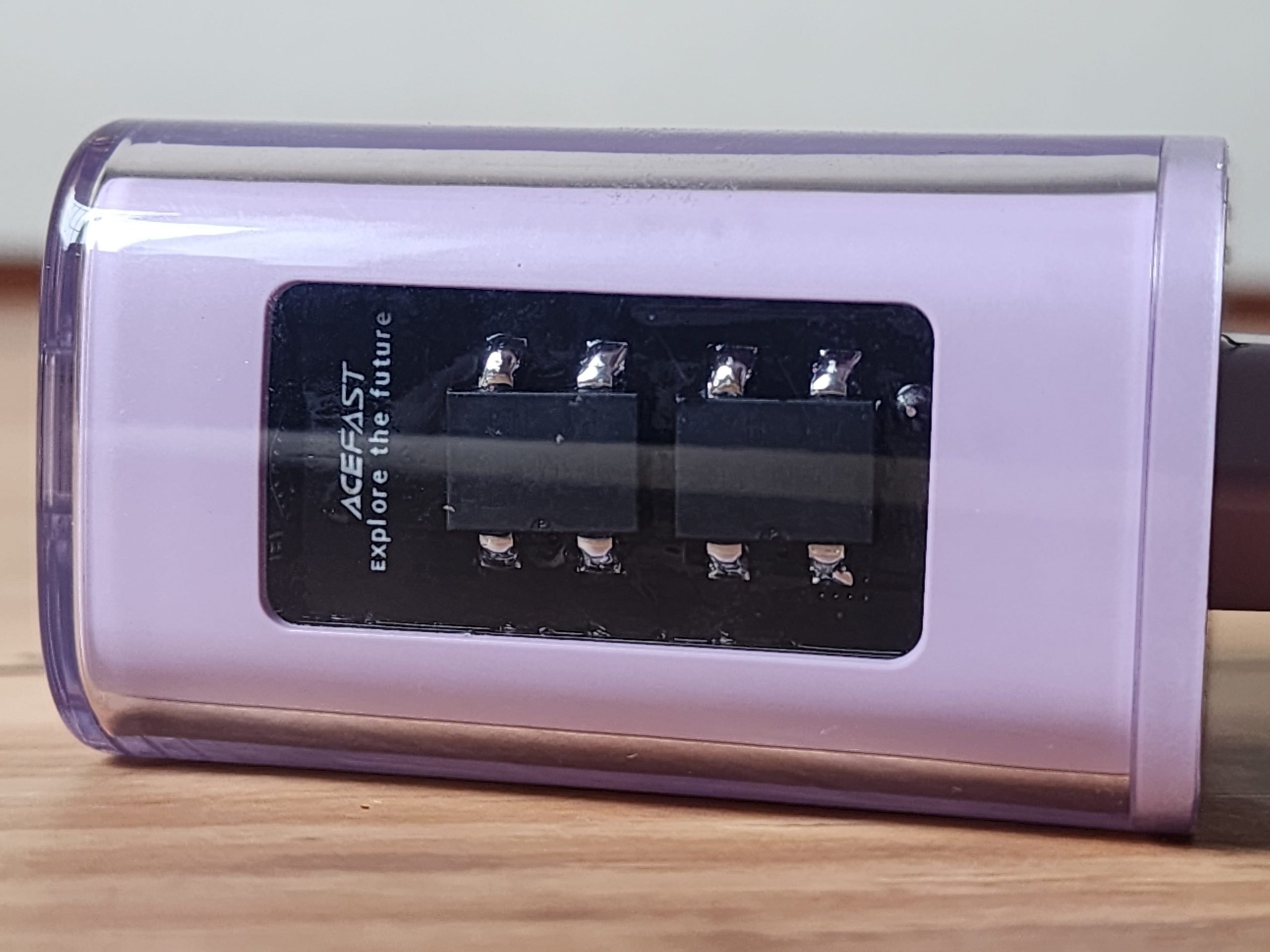
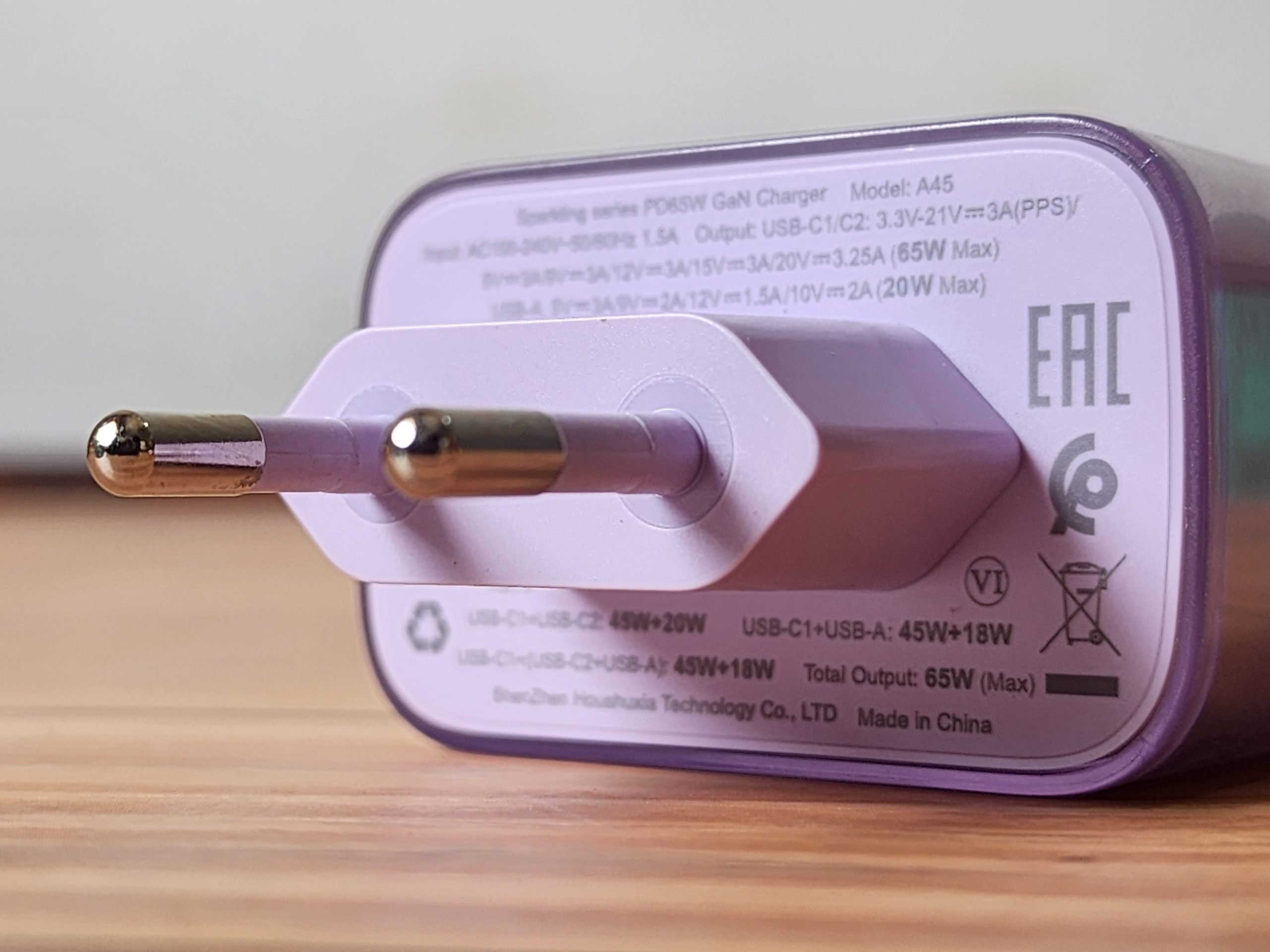
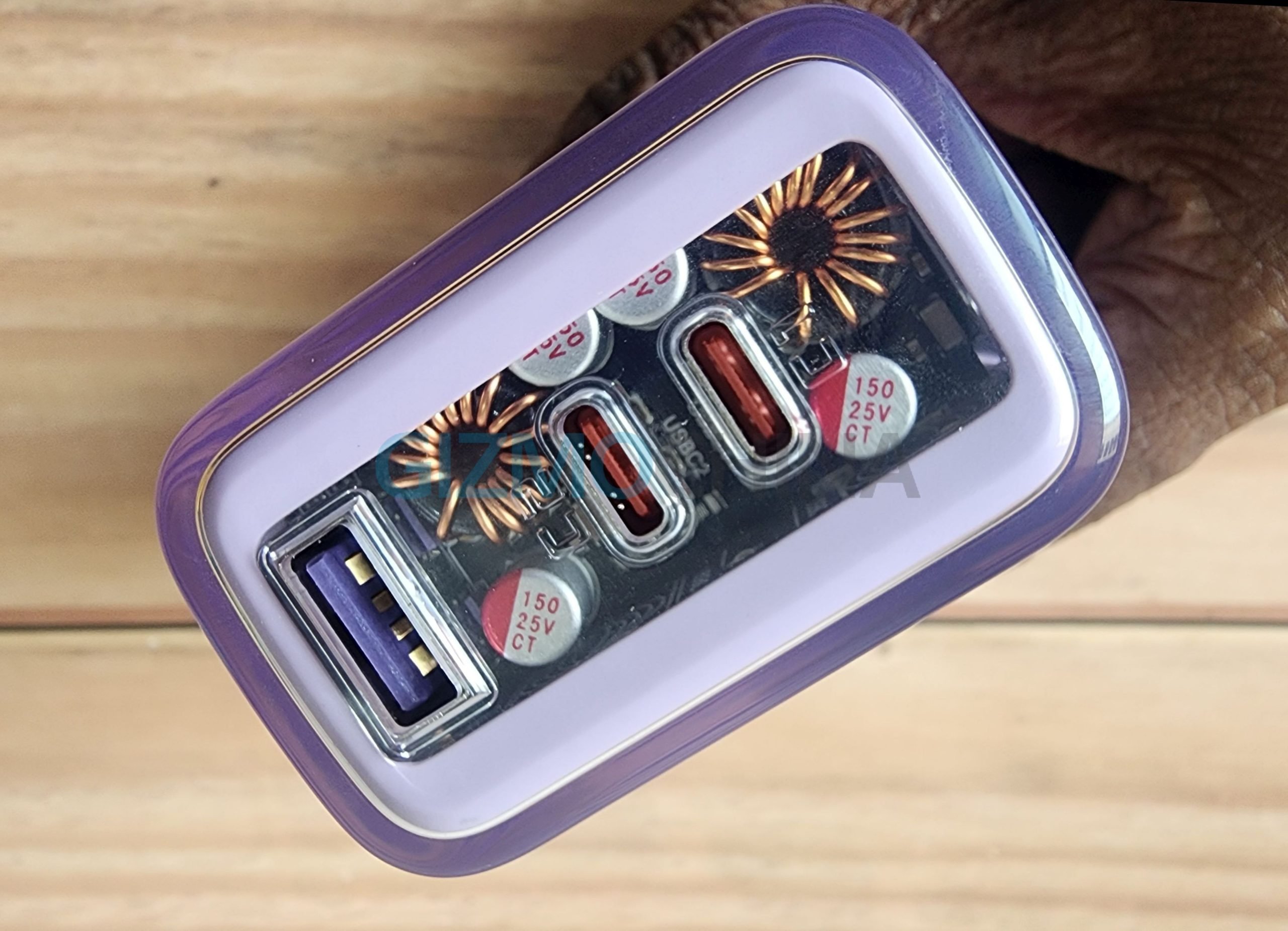
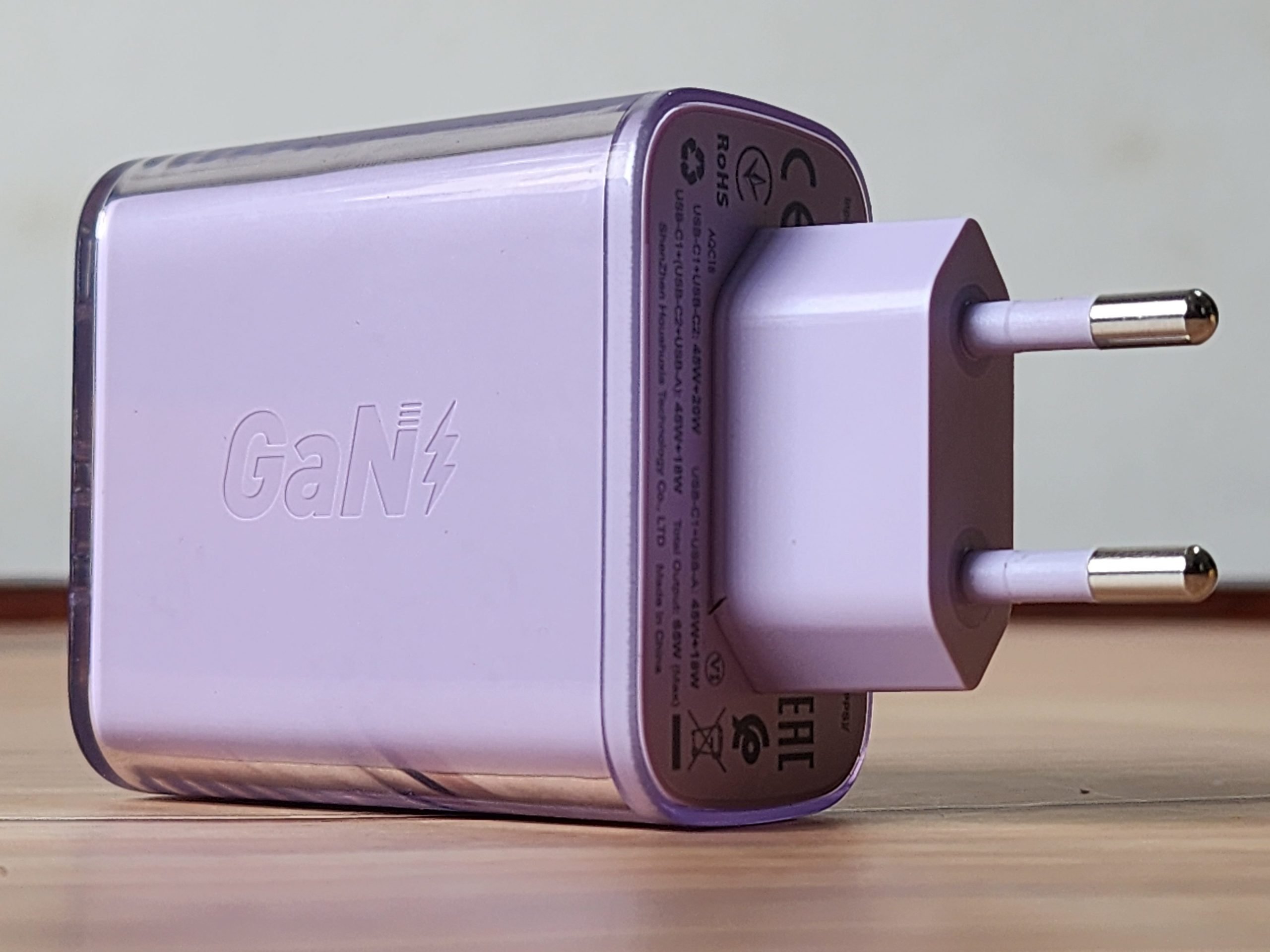
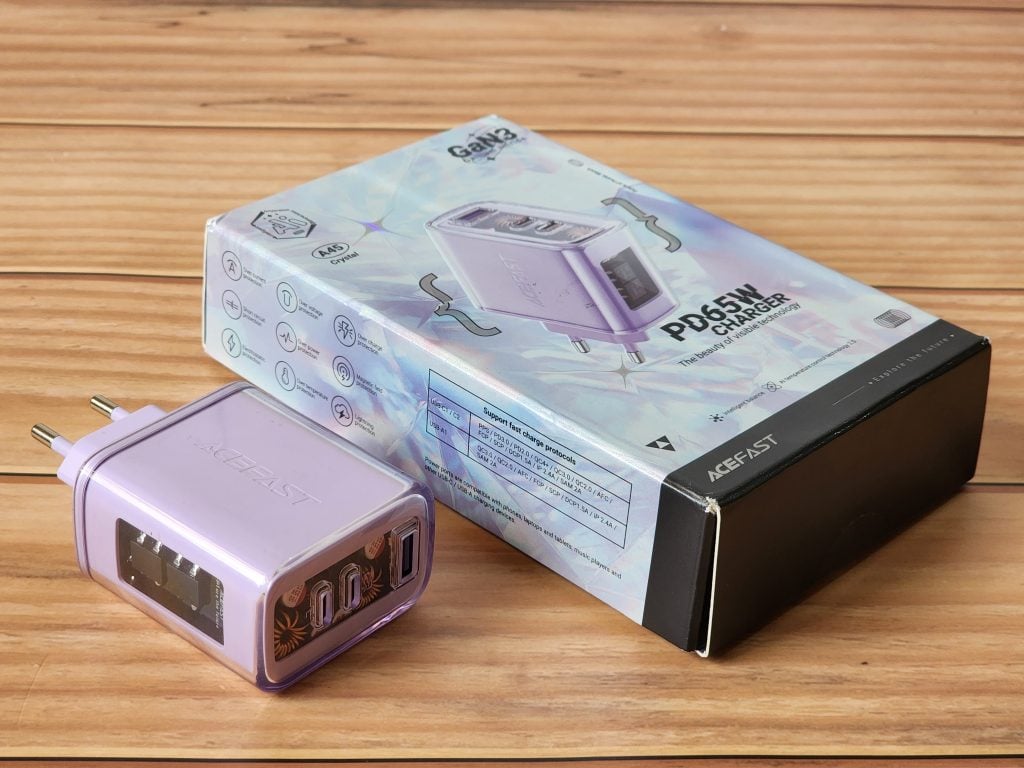
The Acefast PD65W Wall Charger boasts a simple yet functional design that blends with any environment. The transparent shell adds a touch of visual appeal, while the available color options, such as Purple Alfalfa, Mountain Mist, Cherry Blossom, and Mica Gray, offer a range of choices to suit personal preferences. The brand sent us the purple variant, which exudes a subtle yet attractive appeal. Its retail package includes a 65W GaN charger, a catalogue of Acefast products, and a user manual.
For those who don’t know, the GaN 3 charging technology, also known as the third-generation gallium nitride technology, is an advanced method of fast charging electronic devices, from smartphones to laptops. As the name suggests, it is based on the use of a material named gallium nitride (GaN), which has unique properties that make it highly efficient for power delivery. In simple terms, GaN 3 technology, allows chargers to be smaller, generate less heat, and charge devices more quickly than traditional charging methods.
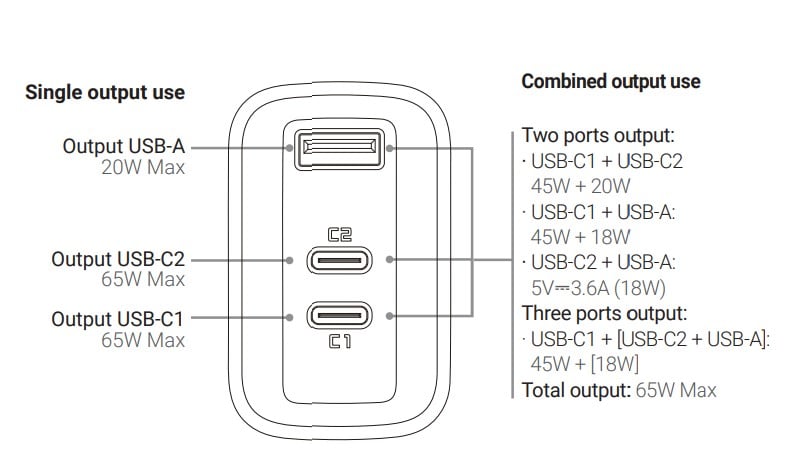
One of the key highlights of the Acefast PD65W Wall Charger is its 65W fast charging capability. With this high-power output, it can quickly charge a wide range of devices, including smartphones, tablets, and laptops.
Multi-Port Functionality
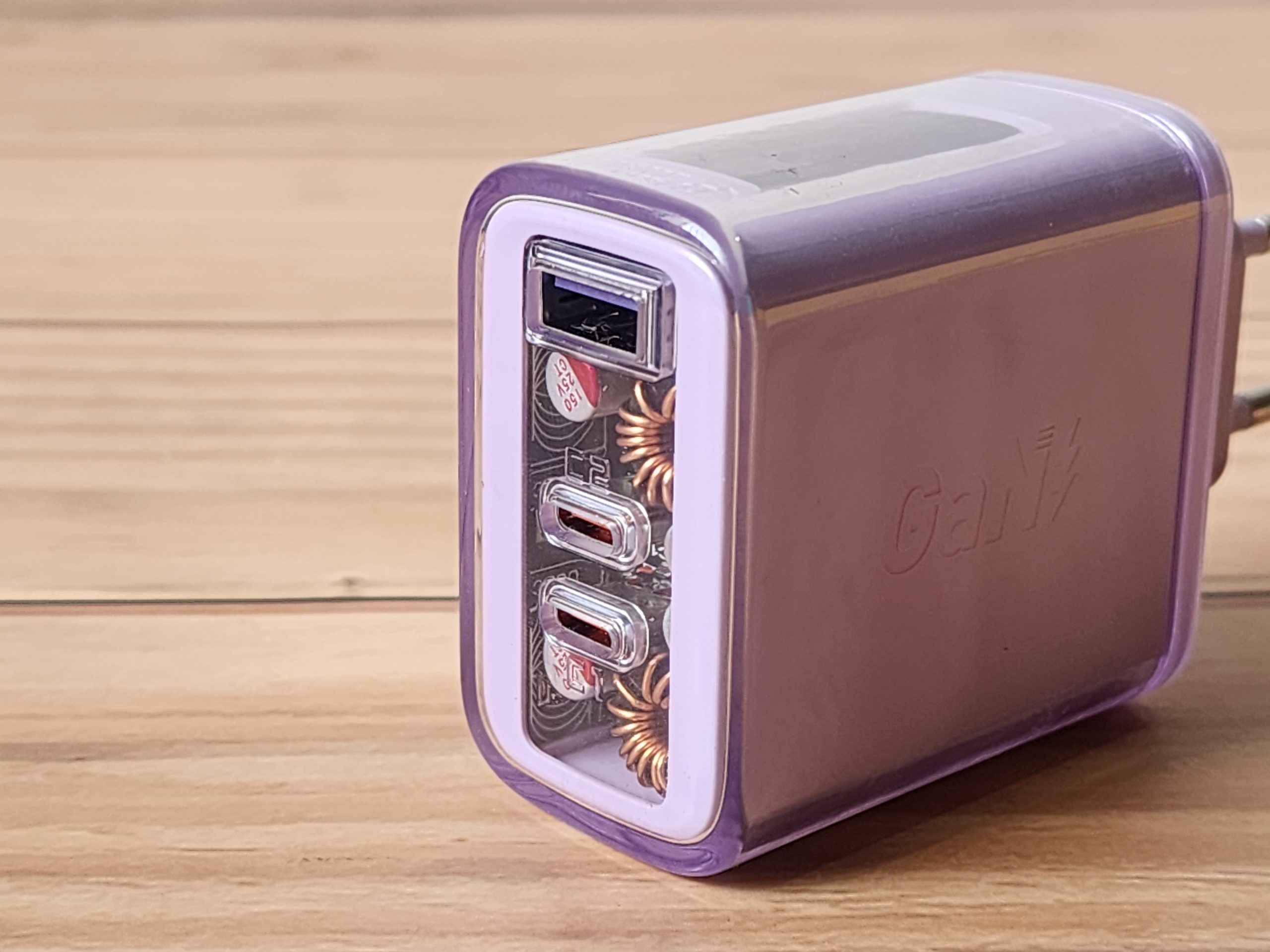
Acefast 65W charging ports
The Acefast PD65W Wall Charger features multiple ports, enabling simultaneous charging of multiple devices. This eliminates the need for additional chargers, reduces clutter, and simplifies charging solutions. It is equipped with a pair of USB-C ports with up to 65W charging speeds and a USB-A port with up to 20W charging speeds.
The charger is designed to support various fast charging protocols, such as PPS, PD3.0, PD2.0, QC4+, QC3.0, QC2.0, AFC, FCP, SCP, DCP1.5A, iP 2.4A, and SAM 2A. It is compatible with popular brands like Apple, Samsung, OPPO, Huawei, and more. The wide compatibility ensures that a range of devices can benefit from its fast and efficient charging capabilities.
The Acefast PD65W wall charger prioritizes user safety with its comprehensive protection mechanisms. It incorporates multiple intelligent safeguards, including overcurrent, overvoltage, overcharge, short circuit, overpower, magnetic field, electrostatic, overheating, and lightning protection. Additionally, the charger comes with AI Intelligent Temperature Control Technology 2.0 to filter out potential hazards and maintain safe charging conditions.
During my usage, I found that the Acefast 65W Wall Charger remained cool and did not heat up. The temperature control technology implemented in the charger effectively regulates the heat generated during charging, providing a worry-free charging experience.
Conclusion
Acefast PD65W Wall Charger
The user experience of the Acefast PD65W Wall Charger is highly satisfactory. Its transparent design adds aesthetic appeal while allowing users to monitor the charging process. The charger’s compact size and lightweight construction make it convenient for travel.
With its 65W maximum charging output, it delivers fast charging for various devices. Safety measures, including overcurrent and overheating protection, provide peace of mind. Overall, the Acefast PD65W Wall Charger provides a reliable and convenient charging solution.
Those who wish to purchase it should know that the Acefast PD65W Wall Charger comes in A45, A46, and A47 variants that are meant for Europe, China, and the US. The product comes with 24 months of warranty. Visit this link to purchase the Acefast PD65W Wall Charger.
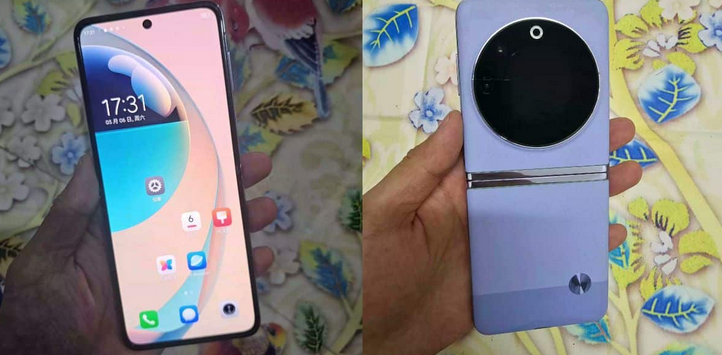
Tecno made its entry into the foldable device market in March with the release of the Tecno Phantom V Fold. Unlike other leading brands that focused on creating high-end, expensive foldable devices, Tecno took a different approach by offering a foldable device with mid-range hardware at an affordable price. This strategy proved successful as the Tecno Phantom V Fold received positive reception and achieved strong sales figures.
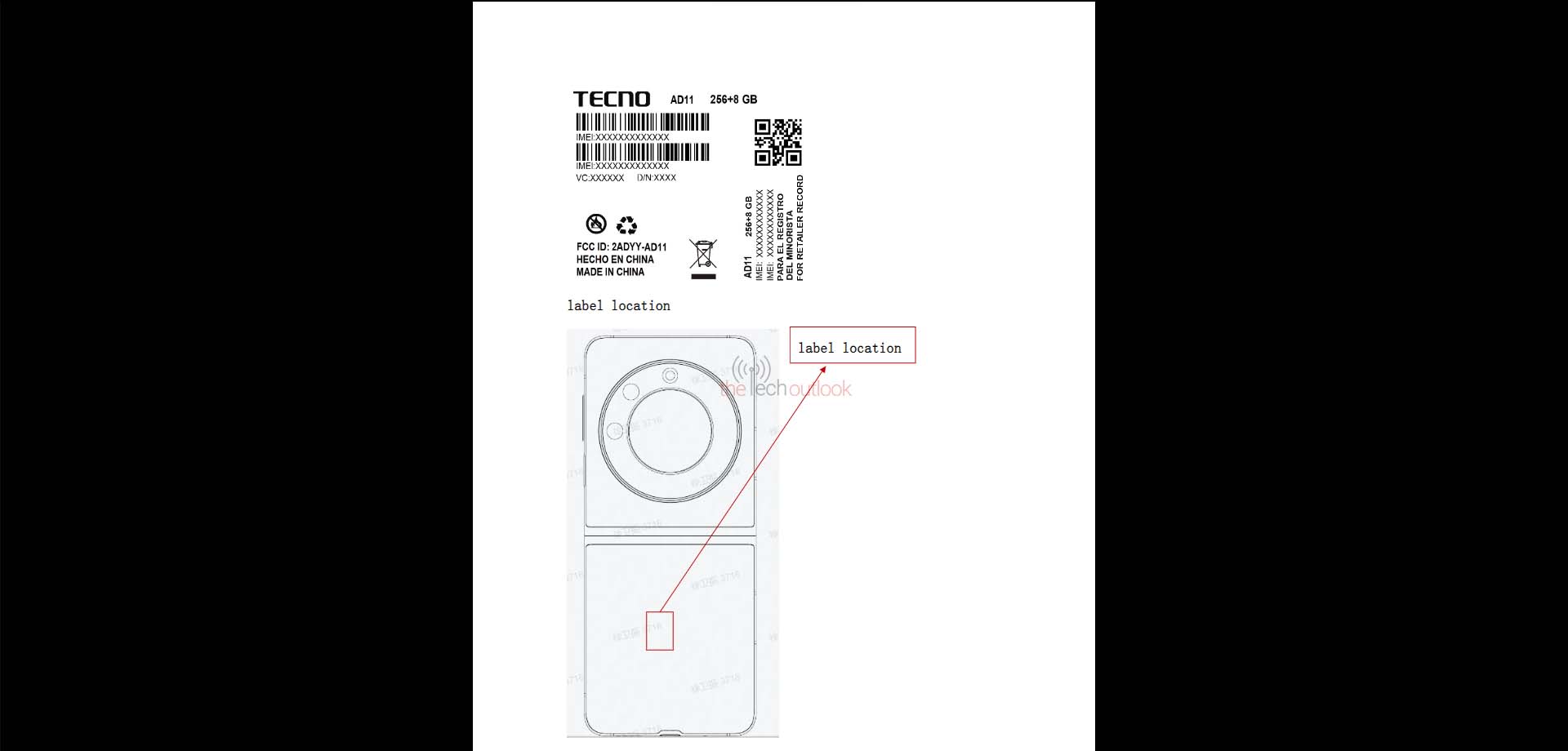
Building on this achievement, Tecno is now gearing up to launch a flip smartphone in the near future, potentially named the Tecno Phantom V Flip or Phantom V Yoga. Recently, the device appeared on the FCC certification website, unveiling some important specifications.
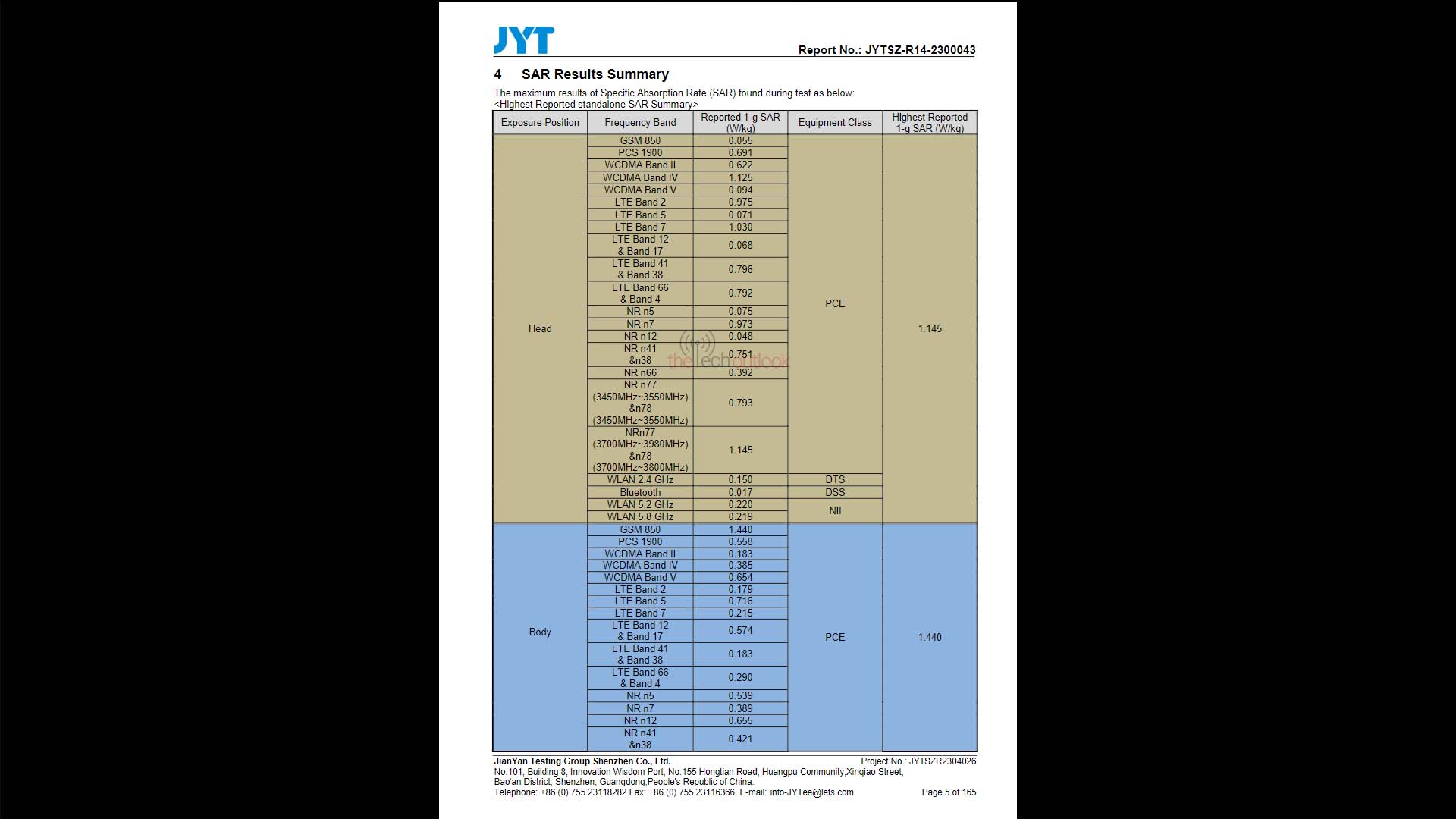
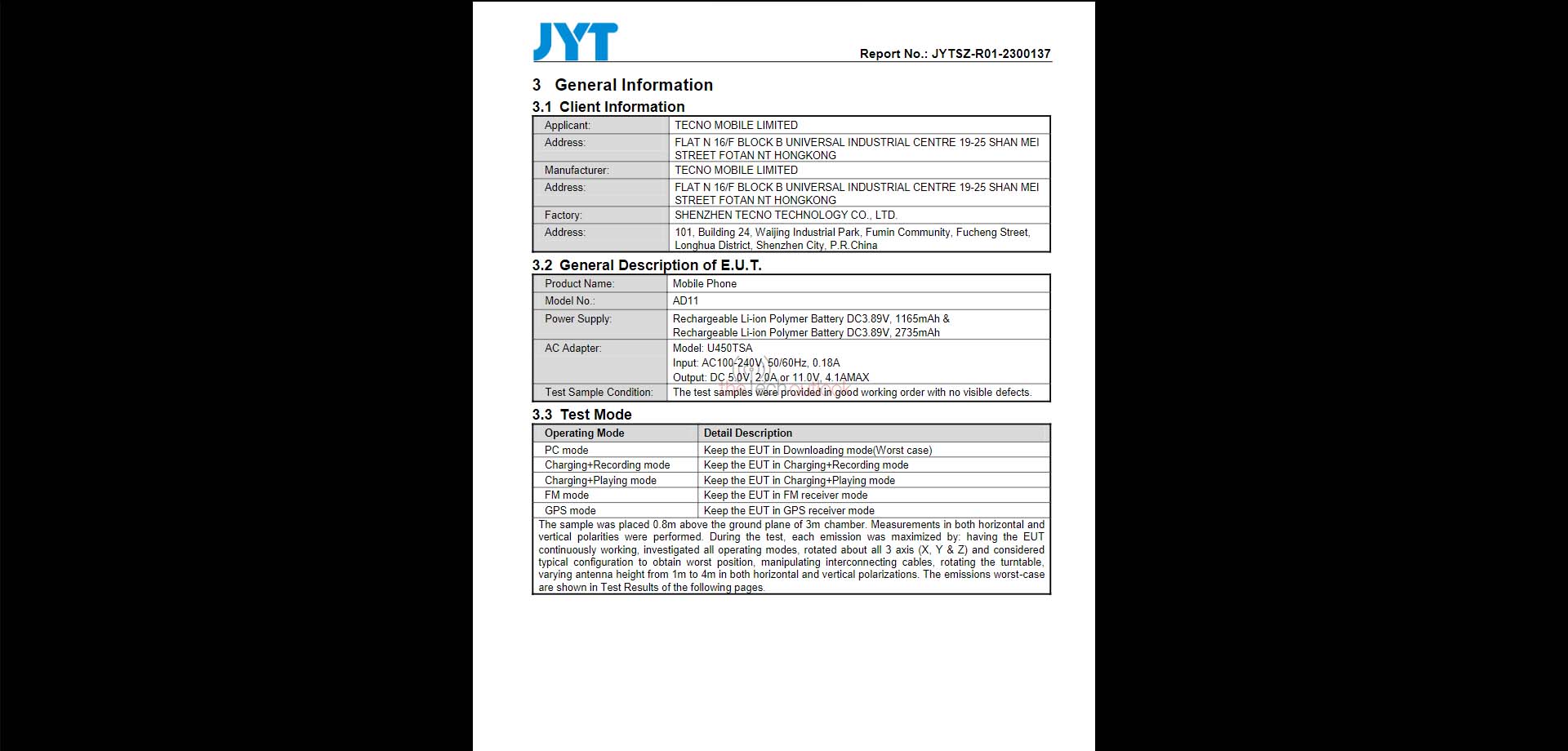
As per the FCC listing, the Tecno Phantom V Flip with model number AD11 will be compatible with 5G networks, providing connectivity options for 2G, 3G, 4G, and 5G, as well as Wi-Fi and Bluetooth. One interesting feature of the Tecno Phantom V Flip 5G is its dual battery setup, consisting of two batteries with capacities of 1165 mAh and 2735 mAh. This configuration is typical for flip phones and results in a combined battery capacity of 3900 mAh.
Furthermore, the FCC listing reveals that the device will support fast charging up to 45W, as evidenced by the presence of the U450TSA charging adapter, which is the same as the one used in the Tecno Pova 5. The listing does not reveal any other specifications, so let’s take a look at what the rumors have to say.
Tecno Phantom V Flip specs (rumored)
According to recent rumors, the Tecno Phantom V Flip 5G is expected to feature a Full HD+ resolution display. Powering the device could be the MediaTek Dimensity 8050 chipset, offering robust performance, accompanied by 8GB of RAM. Additionally, the phone may offer up to 256GB of internal storage.
In terms of battery, the Tecno Phantom V Flip 5G might come with a 4,000mAh battery pack. On the software front, the device may run on the Android 13 operating system, customized with Tecno’s HiOS 13 user interface.
When it comes to photography, the Tecno Phantom V Flip 5G is rumored to boast a 32-megapixel front-facing camera. On the rear, it may feature a dual-camera setup with a 64-megapixel primary sensor.
WhatsApp, the popular messaging app, is rolling out an update through the Google Play Beta Program, bringing the version to 2.23.14.12. The latest update brings a notable change to the user interface, aligning with the latest Material Design 3 guidelines.
An Inside Look: Redesigned Alerts and Their Impact on WhatsApp’s Interface
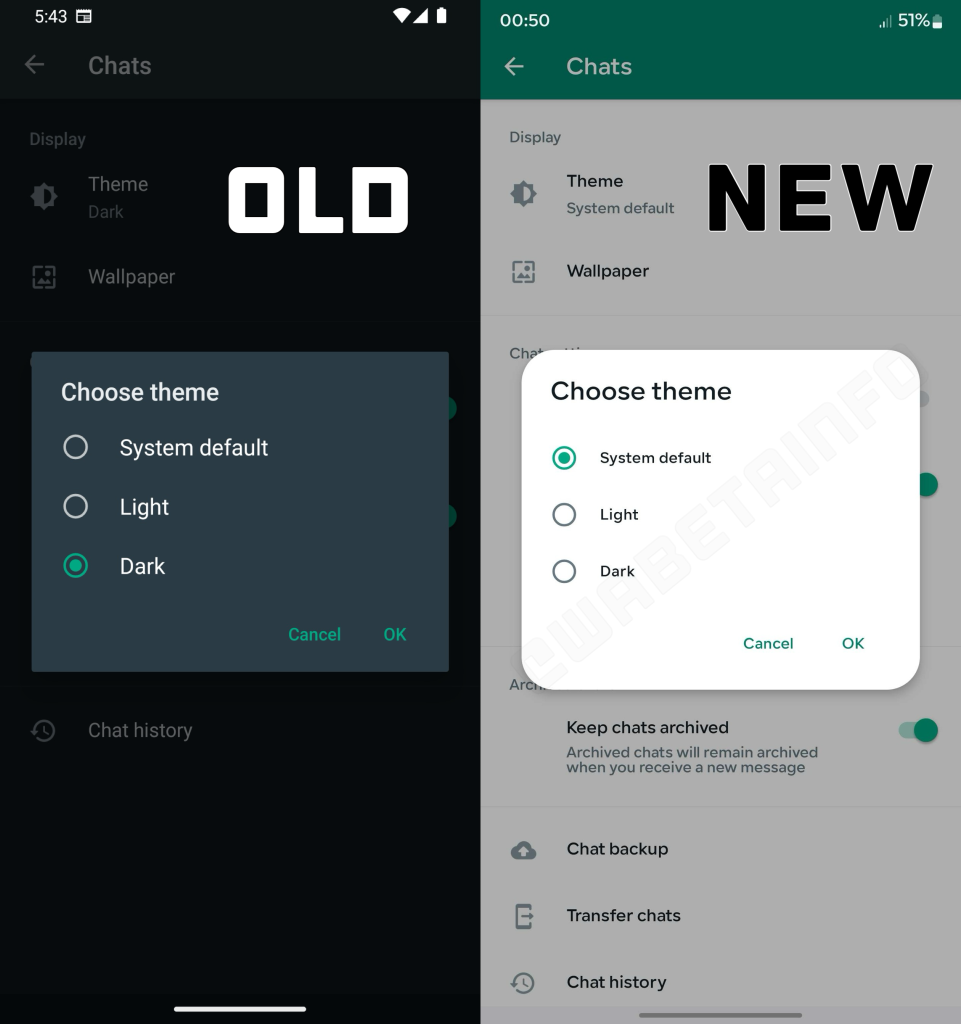
In a previous update, WhatsApp introduced a redesigned interface featuring updated switches and floating action buttons. Now, with the latest beta update (2.23.14.12), WhatsApp has further enhanced the user experience by implementing rounded alerts that adhere to the Material Design 3 guidelines.
The new design is apparent in the alerts within the app, as seen in the attached screenshot. Previously, WhatsApp used a standard interface for alerts, but now they feature highly rounded edges, giving the app a modern and cohesive appearance. This design change not only improves the overall visual aesthetic but also ensures consistency throughout the app, aligning with Material Design 3 principles. It’s worth mentioning that this update encompasses all alerts within the app, not just the one displayed in the provided screenshot.
While rounded alerts are currently available to select beta testers who have installed the latest WhatsApp beta for Android update from the Google Play Store, the feature will gradually roll out to more users in the coming weeks.
Stay tuned for further updates as WhatsApp progresses towards a complete redesign of its interface, aiming to provide a more seamless and visually appealing experience for its users.
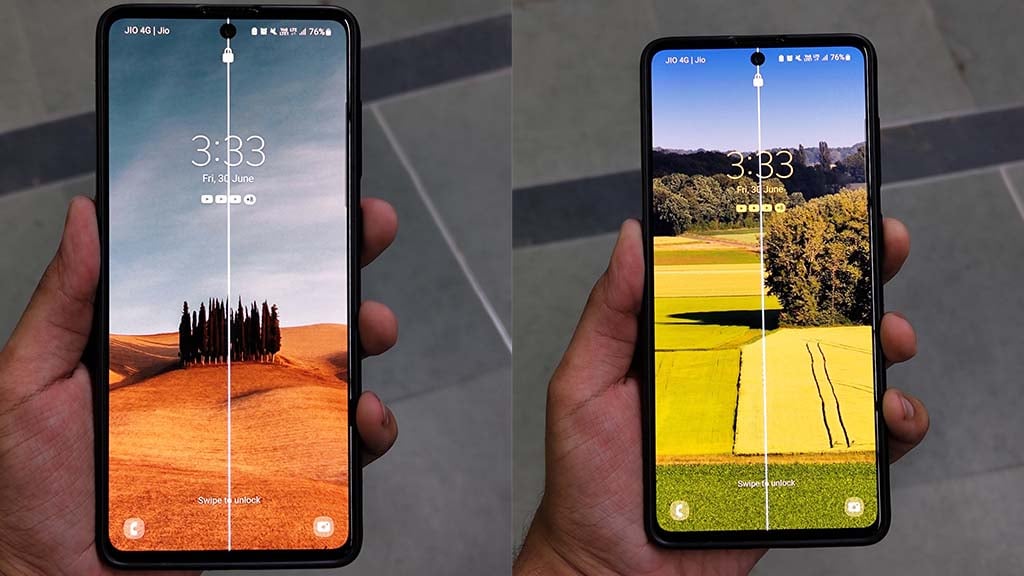
A new issue has surfaced in the Samsung smartphone lineup, with the appearance of a white line on the display. This time, the problem has affected a Samsung Galaxy A71, marking a departure from the previous cases involving green, pink, or purple lines seen on flagship models like the Galaxy S20 Plus, Note 20 Ultra, and S21 Ultra.
Similarities with Previous Display Problems on Samsung Flagships
A user took to Twitter to report the presence of a white vertical line on their Samsung Galaxy A71’s display. Notably, the device had not been dropped or damaged prior to the appearance of the line. In response to the issue, Samsung requested the user’s contact details through direct message, following their usual protocol for addressing consumer complaints.
This is not the experience we would expect our customers to have and would like to help. Kindly share your detailed concern and contact details via direct message (DM) so that we can look into this. https://t.co/avriiVOR5I
While Samsung has not officially acknowledged the problem, their swift action in replacing affected OLED screens and batteries at no cost suggests a potential fault with either the software or the screen itself. The appearance of a white line on the display of the Galaxy A71 highlights the need for further investigation into the underlying causes of these screen issues.
We use cookies on our website to give you the most relevant experience by remembering your preferences and repeat visits. By clicking “Accept”, you consent to the use of ALL the cookies.
This website uses cookies to improve your experience while you navigate through the website. Out of these, the cookies that are categorized as necessary are stored on your browser as they are essential for the working of basic functionalities of the website. We also use third-party cookies that help us analyze and understand how you use this website. These cookies will be stored in your browser only with your consent. You also have the option to opt-out of these cookies. But opting out of some of these cookies may affect your browsing experience.
Necessary cookies are absolutely essential for the website to function properly. This category only includes cookies that ensures basic functionalities and security features of the website. These cookies do not store any personal information.
Any cookies that may not be particularly necessary for the website to function and is used specifically to collect user personal data via analytics, ads, other embedded contents are termed as non-necessary cookies. It is mandatory to procure user consent prior to running these cookies on your website.