Advertisement

Redmi Note 12 Turbo Front Design, Flaunts Slimmer Bezels Than iPhone 14

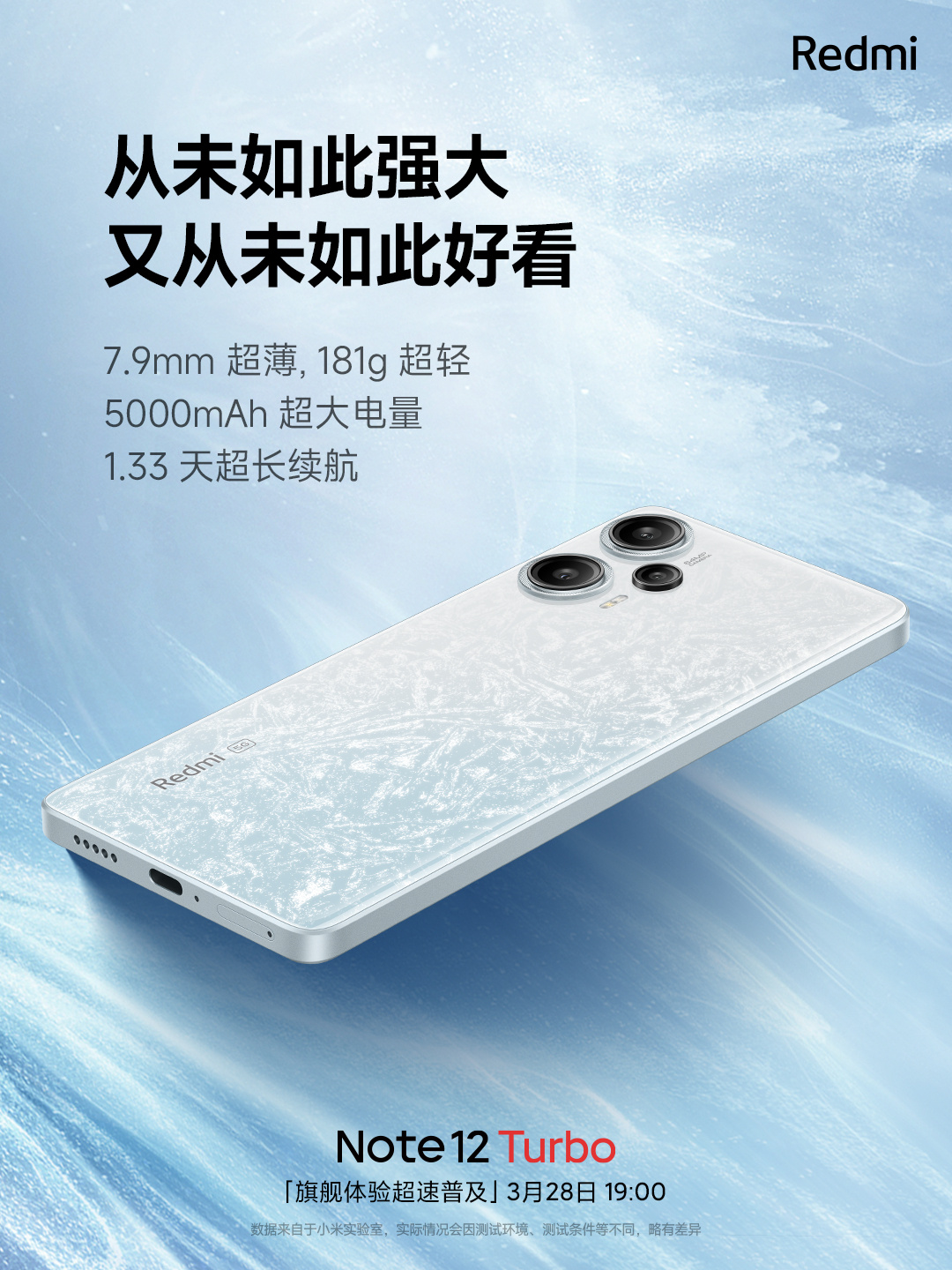
Yesterday, Redmi confirmed that the Redmi Note 12 Turbo will be unveiled on March 28 in China. It will be the first-ever phone to feature the Snapdragon 7 Plus Gen 2 chipset. The poster that was released yesterday revealed the rear design of the phone. Now, Redmi has released new promotional material about the Redmi Note 12 Turbo, providing additional details about its design.

Redmi claims that the Redmi Note 12 Turbo’s bezels are slimmer than those of the iPhone 14. The new posters indicate that the Note 12 Turbo has ultra-thin bezels on all four sides, with the side bezels measuring 1.95mm, the top bezel measuring 1.42mm, and the chin measuring 2.2mm.
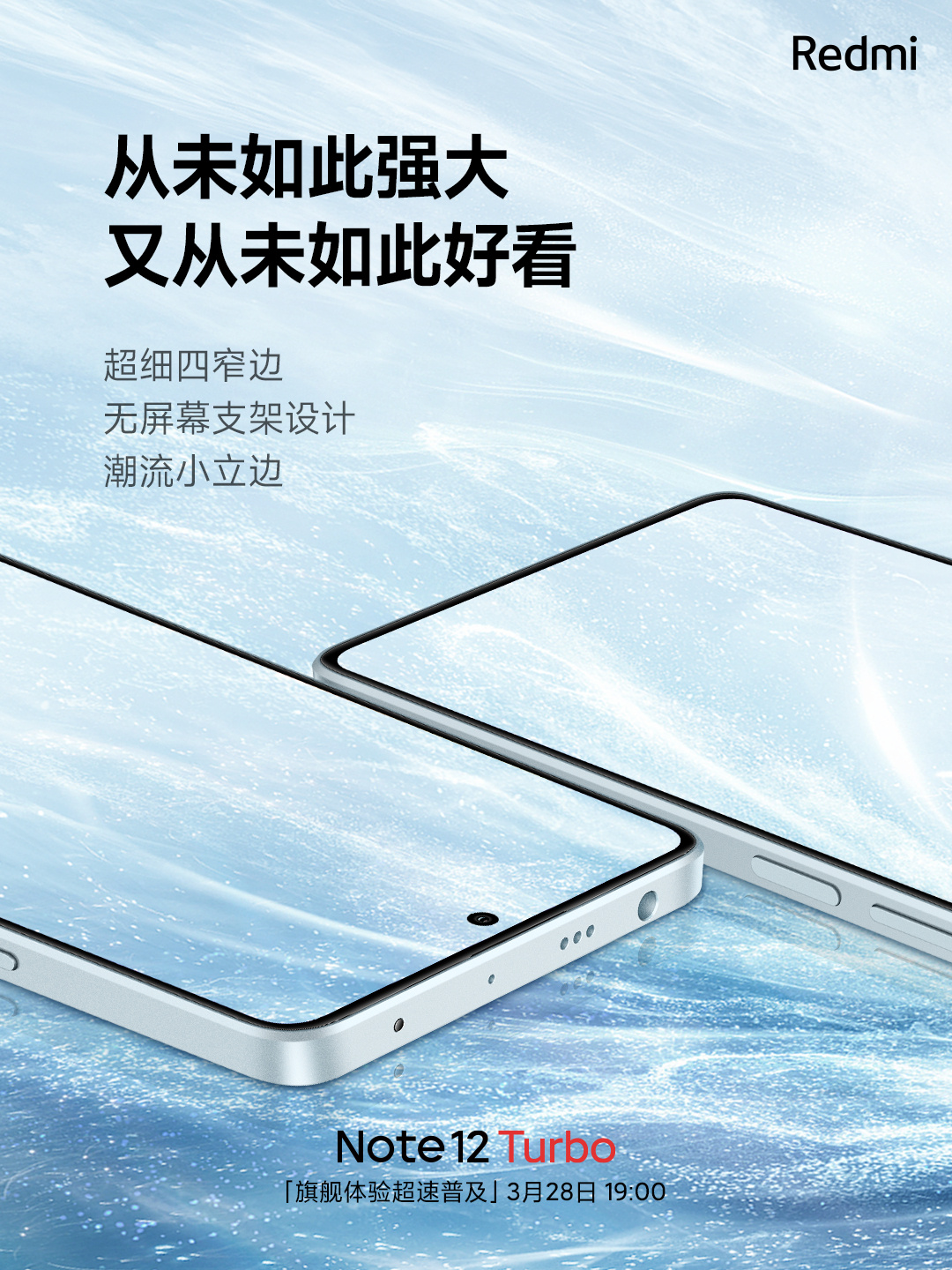
Thanks to its slim bezels, the Redmi Note 12 Turbo’s OLED panel will take up 93.4% of its space. Instead of a plastic frame, the device will come equipped with a metallic frame.

The Redmi Note 12 Turbo weighs 191 grams and is just 7.9mm thin. It comes with a 5,000mAh battery and supports 67W fast charging, as confirmed through its 3C certification. According to Redmi, the smartphone will offer 1.3 days of battery life.

The phone might also have a fingerprint scanner under the screen, but this hasn’t been confirmed. The posters have also revealed that the device is equipped with a 64-megapixel triple camera setup, dual stereo speakers, a 3.5mm audio jack, and an IR blaster.

The device is expected to feature a 6.67-inch OLED FHD+ 120Hz display, a 16-megapixel front camera, and a 64-megapixel + 8-megapixel + 2-megapixel triple camera unit. It will come with up to 12 GB of LPDDR5 RAM and 512 GB of UFS 3.1 storage. It will run on MIUI 14-based Android 13 OS.

RELATED:

Huawei Watch Ultimate Hands-On Images Leaked Online Ahead of Launch

As Smartwatches become more and more mainstream, tech giants such as Huawei are leaving no stone unturned to cover all bases for their upcoming smartwatches. The Huawei Watch Ultra is the company’s latest offering, and it is due to launch on March 23. Ahead of its official launch, hands-on images of the smartwatch have surfaced online, increasing the anticipation of the same.

Huawei Watch Ultimate

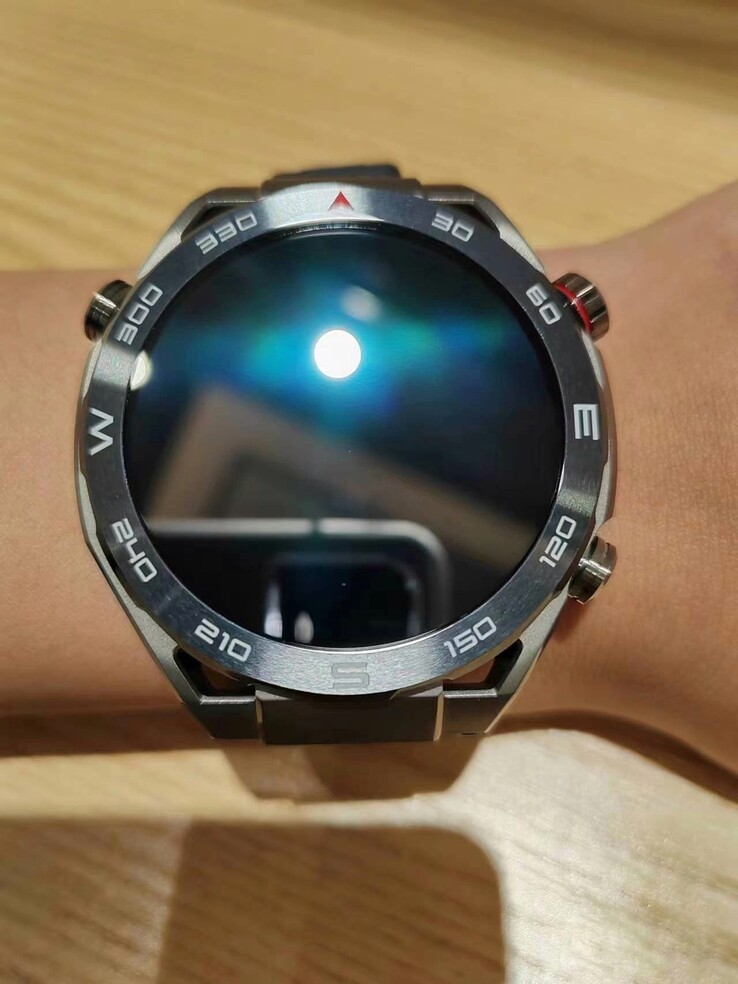
Although the photo’s source has not been disclosed by the leaker, it is likely to have originated from Chinese social media. At first glance, the Watch Ultimate appears to be a sturdier iteration of Huawei’s other high-end smartwatches, such as the Watch 3 Pro. However, Huawei has abandoned the digital crown found on the likes of the Watch Buds and replaced it with three circular hardware buttons. This is quite reminiscent of the design of the Apple Watch Ultra.

It seems that the Watch Ultimate does not support interchangeable watch straps, as there is no apparent gap between its strap and body. Additionally, the hands-on image below illustrates the watch’s minimal bezels. It remains uncertain whether its tachymeter serves a decorative or operational purpose. The Huawei WATCH Ultimate has a tough shape design with a fully functional bezel scale. The smartwatch is being promoted with the “Start Up Now” slogan and the appearance of satellite points to support satellite communications. It is also likely that the smartwatch will have a longer battery life to go with its rugged outlook. The Watch Ultimate is set to launch in China on March 23, and it is yet to be confirmed by Huawei whether there will be a global release.

RELATED:

(Via)

Acer Swift 14 premium ultrabook now on sale, features i7-13700H CPU & 2560 x 1600 touch display

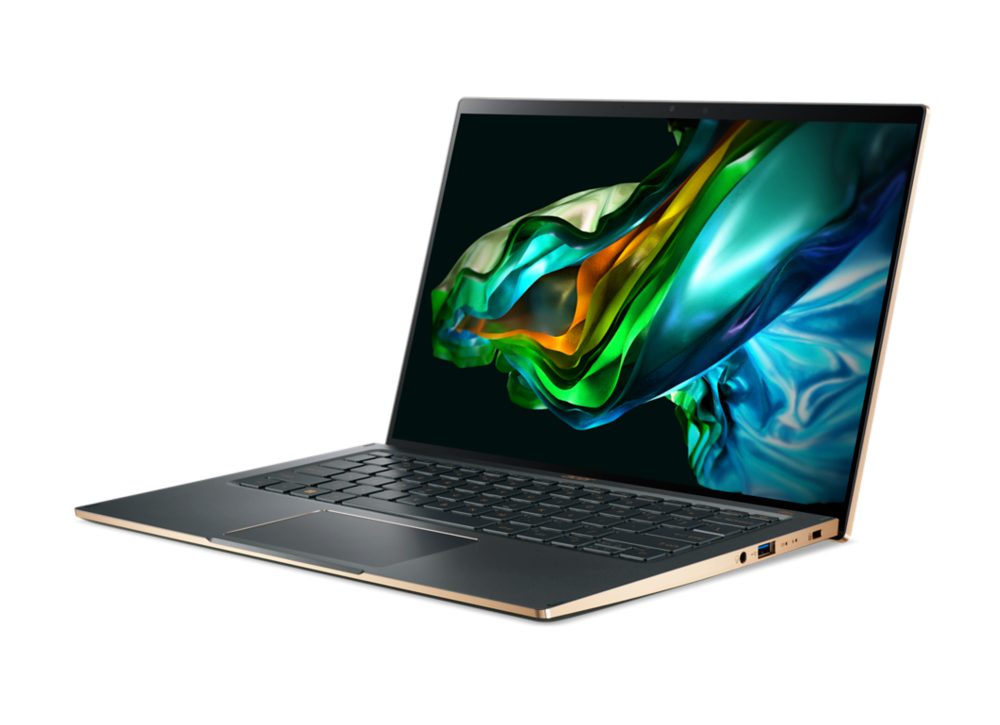
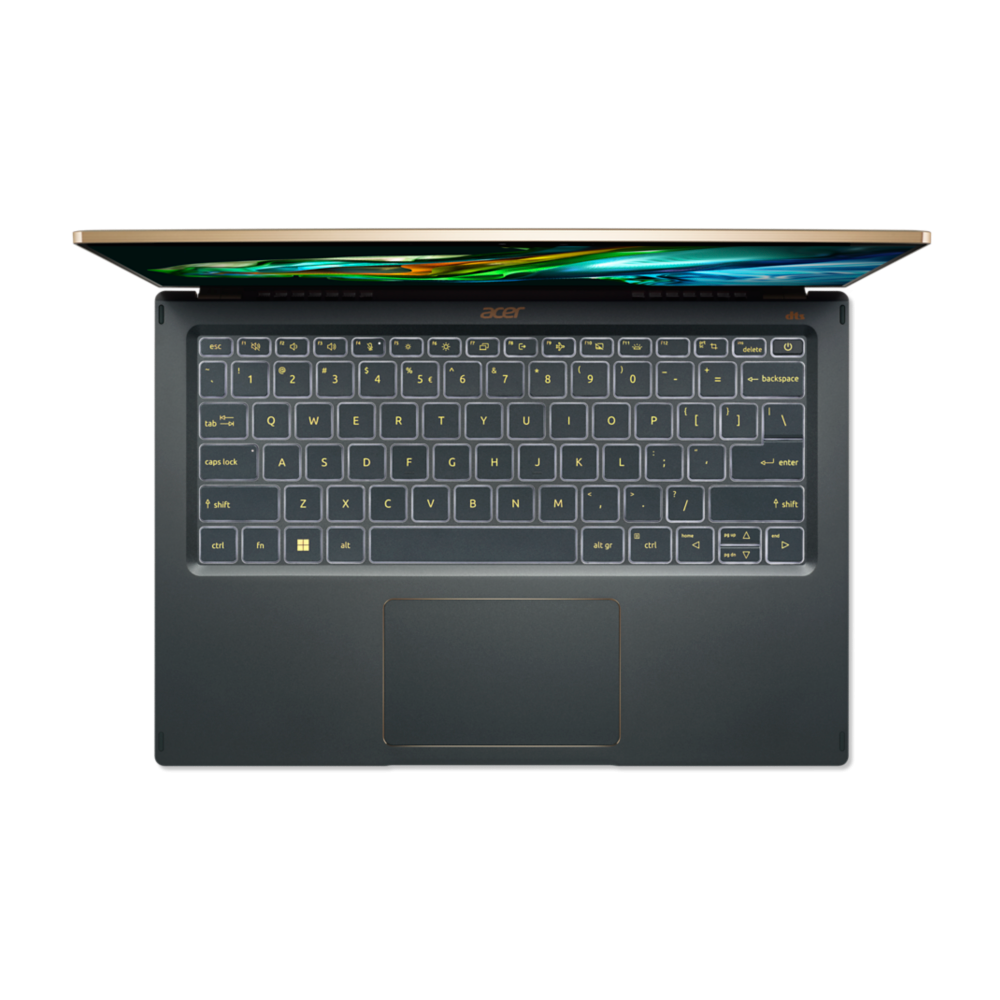
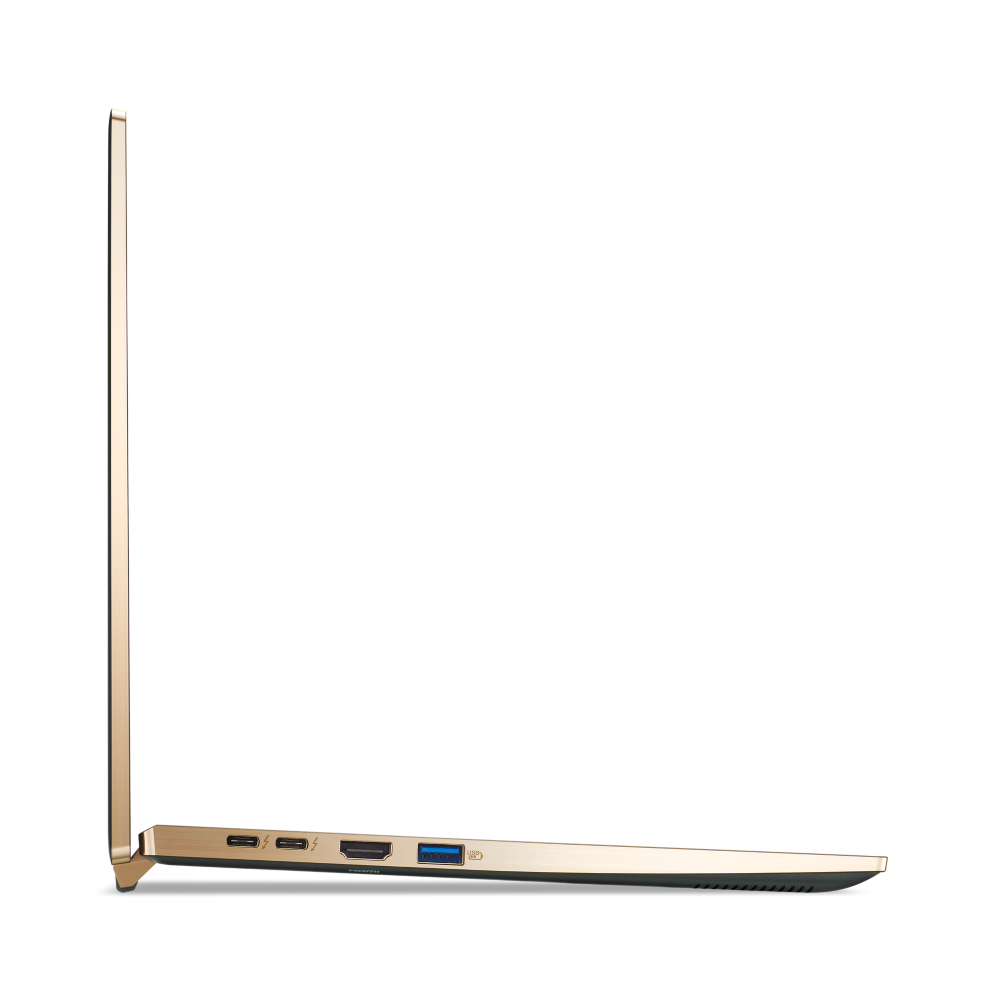
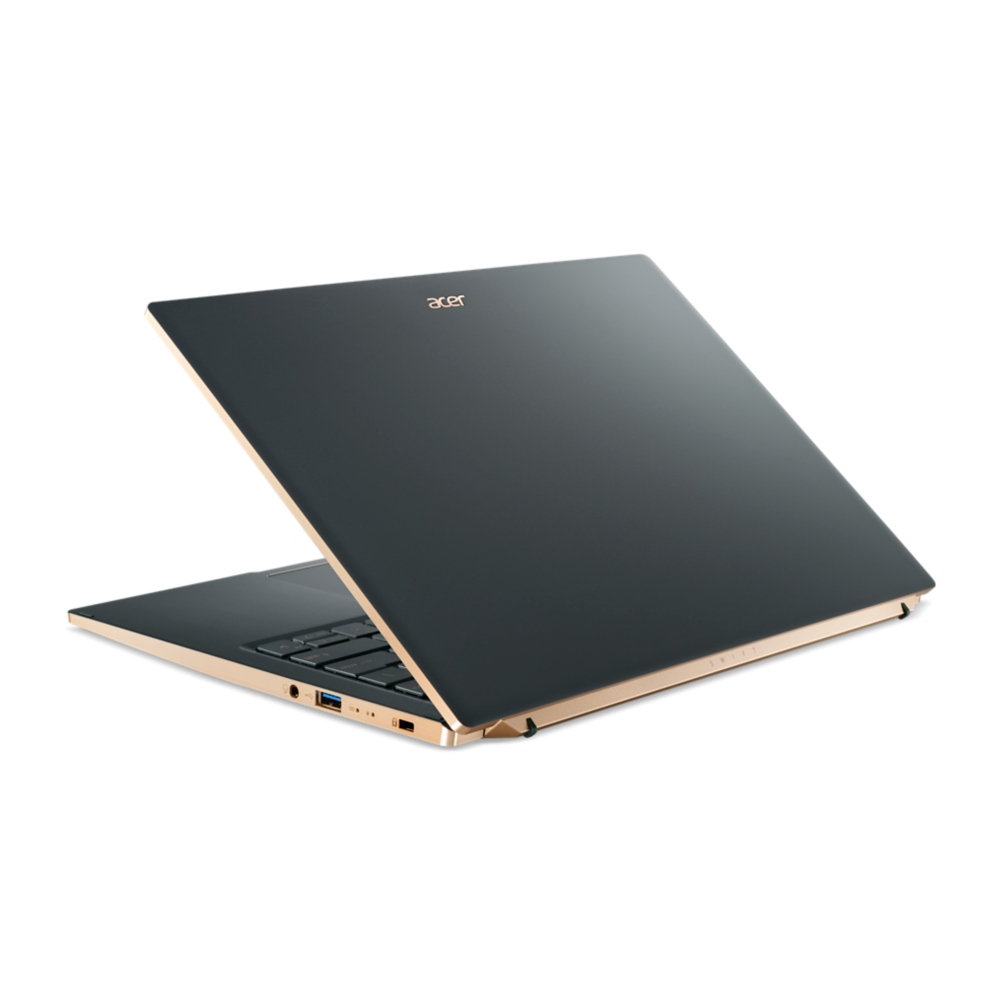
In January, Acer announced the Swift 14 (SF14-71T-74F) laptop at CES 2023. The brand states that this thin and light notebook is a spiritual successor of the popular Swift 5 laptop and boasts a high-end CNC-machined aluminum body with dual-anodized gold-colored edges.

Currently, Acer is offering only one model of this machine that features a 14-inch 2560 x 1600 60 Hz IPS touchscreen display and an Intel i7-13700H processor. It also has 16 GB LPDDR5 RAM soldered onto the motherboard and a 1TB PCIe Gen 4 NVMe SSD for storage. This model has a price tag of $1,399.99 in the US.

Acer intends to offer a more affordable option of the Swift 14 laptop, estimated to be priced around US$1,000. This variant is likely to feature an i5-13500H processor, 8 GB LPDDR5 RAM, 512 GB storage, and a 14-inch touchscreen displaying 1920 x 1200 resolution. The RAM specifications also indicate a pricier edition with 32 GB capacity.

All versions of the Swift 14 laptop come with a standard set of features, including 2x Thunderbolt 4 and 2x USB-A 3.2 Gen 1 connector, an HDMI 2.1 video output, and an audio jack. The laptop also offers wireless connectivity via an Intel Killer Wi-Fi 6E and Bluetooth 5.1 card. The audio system comprises two 2W speakers that are powered by DTS Audio, a 1440p webcam with temporal noise reduction and dual mic array, and a fingerprint sensor that is cleverly integrated into the power button. The laptop’s battery can keep it running for up to 16 hours on a single charge.

Acer offers the Swift 14 in two striking color options: Mist Green and Steam Blue. The laptop is incredibly slim, measuring a mere 0.59 inches (14.95 mm) in thickness, and weighs approximately 2.65 lbs (1.2 kg).

RELATED:

Realme GT Neo 5 SE to Launch on April 4, Final Fantasy Color Variant Revealed

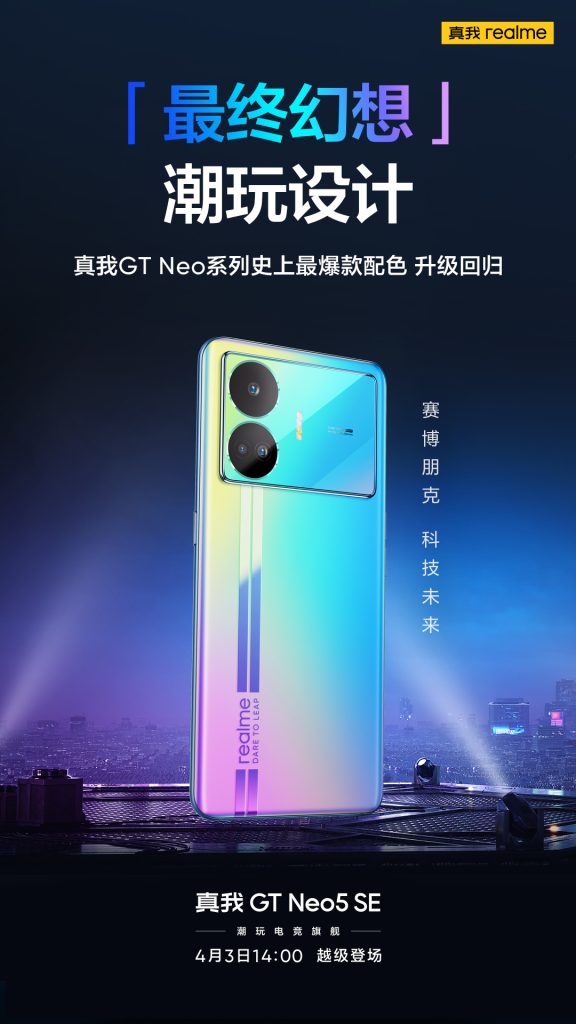
After weeks of leaks, Realme has finally revealed that it will unveil the Realme GT Neo 5 SE at 2 pm (local time) on April 4 in China. The device will be positioned lower than the Realme GT Neo 5, which debuted as an affordable flagship phone in the Chinese market last month. The Chinese manufacturer has released a poster to reveal the appearance of the Final Fantasy color variant of the device.

The back panel of the Realme GT Neo 5 SE has a rectangle block at the top, which houses two camera rings, an LED flash strip, and “Matrix PDAF F1.79 / EFL 25mm” text. On the left, there are logos for “Realme” and “Dare to Leap” placed within the double stripes.

Realme GT Neo 5 SE launch date

Based on how light hits the Final Fantasy variant, it shows different shades of blue, light green, and pink. The left edge of the device has the volume buttons, whereas its right spine has the power key. To sum up the design, the GT Neo 5 SE looks like a toned-down version of the Realme GT Neo 5.

The company is yet to reveal the front design of the Realme GT Neo 5 SE. However, it is expected to inherit the same 6.74-inch OLED panel with a flat design and a centrally positioned punch-hole, that is available on the Realme GT Neo 5. The device measures 8.95mm in thickness and weighs 193.1 grams.

One of the major attractions of the Realme GT Neo 5 SE is that it will come equipped with the all-new Snapdragon 7 Plus Gen 2 chipset. The brand has also revealed that the device will support 100W charging. Readers can visit the following links to know the rumored specifications of the GT Neo 5 SE.

RELATED:

Samsung Galaxy M54 goes official; features a 6.7-inch FHD+ display, Exynos 1380 SoC, 8GB RAM, and more

After launching the Galaxy S23 flagship series smartphones a couple of months back, Samsung is now focusing on the mid-range lineup, and in line with that, the company has today launched the Samsung Galaxy M54 in the Middle East.

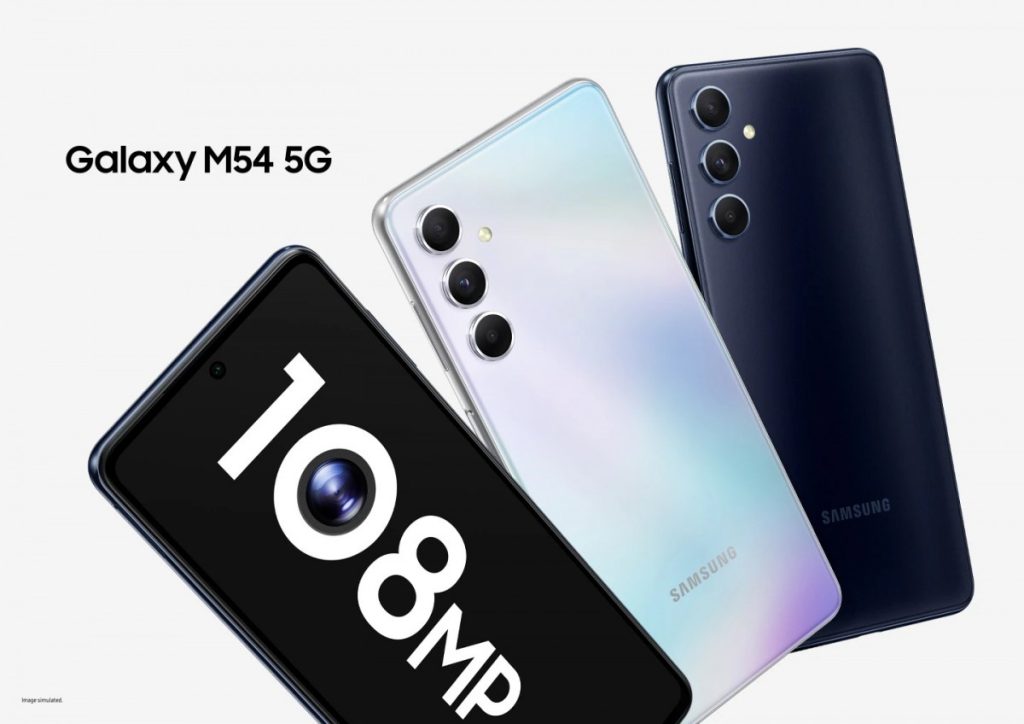
Looking at the specifications, the phone appears to be a slightly bumped-up version of the Samsung Galaxy A54 with a larger screen, a higher resolution display, and a bigger battery.

Samsung Galaxy M54 5G

The Samsung Galaxy M54 features a 6.7-inch Full HD+ Super AMOLED display offering a screen resolution of 2400 x 1080 pixels, a refresh rate of 120Hz, and Gorilla Glass 5 protection. Under the hood, the device is powered by the company’s own Exynos 1380 processor, which is manufactured using a 5nm process.

As for the memory, the phone comes packed with 8GB of RAM and offers two options in terms of internal storage — 128GB and 256GB. There’s also a microSD card slot, allowing users to expand the phone’s storage capacity.

In the camera department, there’s a triple-camera setup on the back consisting of a 108-megapixel primary camera sensor with OIS, an 8-megapixel ultrawide lens, and a 2-megapixel macro lens. On the front side, there’s a 32-megapixel snapper for selfies and video calling.

The smartphone runs the Android 13 operating system out-of-the-box with the company’s own One UI 5.1 custom interface on top. It is powered by a 6,000mAh battery and comes with support for 25W fast charging.

Currently, the company has not revealed the pricing information as well as availability details. However, we expect the Galaxy A54 smartphone to soon get launched in other markets.

RELATED:

Source

Latest Galaxy Z Fold 5 Leaks Hint Towards Sleek Design & Gapless Hinge

Foldable devices are designed to offer users a larger screen when unfolded, while still being portable and easy to carry around. The technology behind folding smartphones is still relatively new, and there are some concerns about durability and long-term reliability. However, many consumers are excited about the potential of folding phones, and several major tech companies have already released or announced devices in this category. Samsung currently leads that category, with the South Korean tech giant poised to drop two new foldables later this year – the Galaxy Z Fold 5 and Z Flip 5. Latest leaks reveal the super sleek design of the upcoming Galaxy Z Fold 5.

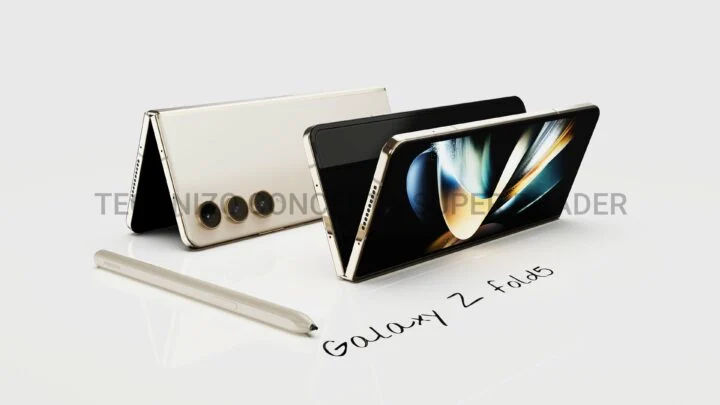
Galaxy Z Fold 5 Render

SuperRoader, a popular YouTuber, has recently shared concept renders of the Samsung Galaxy Z Fold 5. The design features an individual camera ring on the rear, reminiscent of the Galaxy S23, resulting in a sleek appearance. Additionally, the phone folds flat, a characteristic similar to other foldable devices from Chinese brands.

According to several reports, Samsung is working on a new hinge that will make the phone gapless when folded, and the foldable screen’s crease less visible. If these reports are accurate, Samsung will have resolved the two most significant issues that Galaxy Z Fold series users have been complaining about. The smartphone will feature a 6.2-inch cover display with a 120Hz Super AMOLED panel, a tripe rear-facing camera with 50MP+12MP+10MP sensors, a Snapdragon 8 Gen 2 For Galaxy processor, and a 4,400mAh battery. Although the device will likely not come with a built-in S Pen slot, it will be compatible with an S Pen Fold Edition.

RELATED:

(Via)

Pebble Might Make a Comeback with a Compact Android Smartphone

Eric Migicovsky, the founder of Pebble, previously made a plea for a small Android phone to compete with the iPhone Mini. Now that Apple has stopped producing small phones, Migicovsky’s Small Android Phone petition has evolved into a community-based project, including a team working to design and produce the phone. The petition received 38,700 signatures, with almost all of them coming from an article from The Verge.

Pebble

The Small Android Phone team has been quietly working on sourcing a display, choosing a chip, and designing the phone’s body in a small Discord group. The team has also discussed how they might pay for it all. The team aims to create a phone for small phone enthusiasts and is seeking feedback at every step of the process.

The team has a couple of leads on camera software, including options from Chinese developers and individuals who’ve worked on RAW camera apps for other phones. While they haven’t decided on the material of the phone yet, they’re considering a metal frame covered in glass composite or ceramic-coated aluminium. The team aims to stand out with their attention to detail, not with the expensive use of unusual materials.

The phone’s internal codename is “Marvin,” but the team hasn’t decided on a name for the phone yet. The team is looking to make a premium flagship, but that doesn’t necessarily mean top-tier performance. They’re currently considering the Snapdragon 8 Plus Gen 1 and a yet-to-be-released mid-tier Qualcomm chip for the phone’s chipset. The team hopes to provide at least two years of software updates.

The phone’s price is not yet finalized, but the team is preparing the community for a potential $850 price tag. A phone from an established manufacturer with similar specs and a more standard form factor would cost around $650-700. The team is still negotiating with the manufacturer and considering various factors that could impact the phone’s final price.

Overall, the Small Android Phone project aims to produce a small Android phone for enthusiasts who prioritize the phone’s size. The team is seeking feedback and is carefully considering various factors, including the phone’s materials, camera software, and chipset, to make it a premium flagship phone.

RELATED:

(Source, Via)

Anker 778 Thunderbolt Docking Station with up to 12 ports including a Thunderbolt 4 port Launched

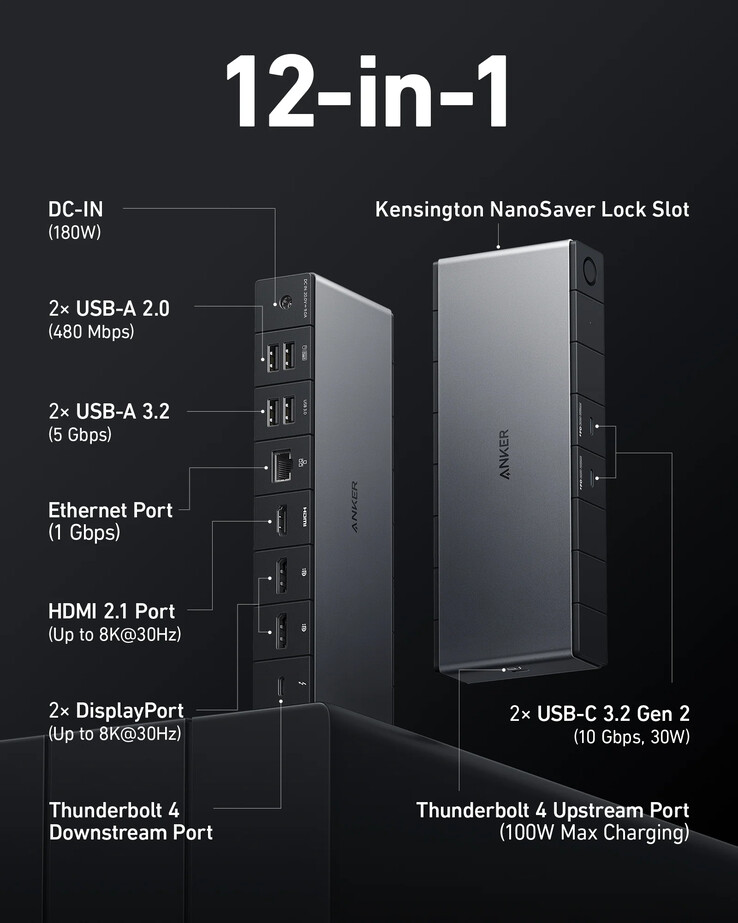
The Anker 778 Thunderbolt Docking Station has gone on sale. The new device provides connectivity for up to 4 displays and is a 12-in-1 hub. The product is currently available in the United States and the UK. It offers versatility, power, quality, and affordability for connected laptops.

Anker 778 Thunderbolt Docking Station

The Anker 778 Thunderbolt can charge a connected device at speeds up to 100W and it connects to 4K@60Hz displays. It also has two 30W USB-C and four USB-A ports. The data transfer rates of the Type-A ports are up to 5Gbps while the USB-C 3.2 Gen 2 data transfer speed reaches 10Gbps.

The Thunderbolt 4 downstream port, HDMI 2.1, and two 8K@30Hz DisplayPort 1.4 provide the interfaces for connecting to four monitors. The maximum resolution on Windows is 4K@30Hz and that of Mac is 4K@60Hz. The connections are however not compatible with some MacBook and ASUS laptops.

Anker 778 Thunderbolt Docking Station

The Anker 778 Thunderbolt Docking Station has a 180W power adapter, power cable, and more than 2ft of Thunderbolt 4 cable. Compatibility of the Anker 778 docking station is spread among a wide array of Windows and macOS laptops including Dell, HP, and MacBooks. The Anker 778 Thunderbolt docking station is available from Anker Store for $379.99 in the US. The gadget retails in the UK for £379.99 but there are no details yet on availability in other markets.

RELATED:

(source)

Anker 737 MagGo Charger (3-in-1 station) released

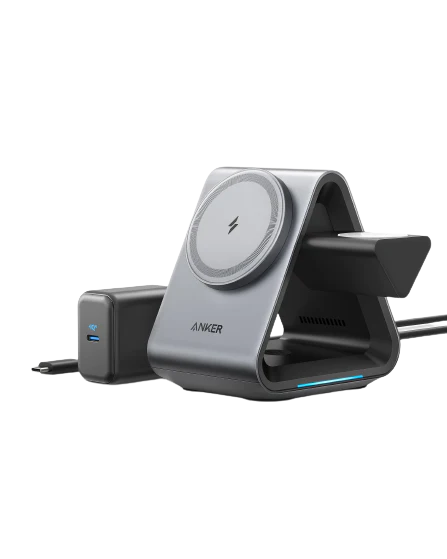
The Anker 737 MagGo Charger has been launched with compatibility for Apple devices. The new MagGo Charger is a 3-in-1 station that can be used to charge an iPhone, Apple Watch, and AirPods simultaneously. The device has a wireless charging pad that can charge an iPhone at 15W. It is compatible with the most recent iPhone models like the iPhone 14 Pro Max.

Anker 737 MagGo Charger (3-in-1 station)

The Anker 737 MagGo charger can charge an iPhone 14 Pro Max from 0-50% in 47 minutes. There are three charging ports in the triangular device. On the front are a MagSafe wireless charging pad, and a charging port for an Apple Watch, and the middle houses the wireless charging pad for AirPods. The stand of the device is adjustable so that you can set your phone vertically or horizontally. The safety of your gadgets is assured with the built-in MultiProtect Safety System with temperature control and foreign object detection.

Anker 737 MagGo Charger (3-in-1 station)

The charger is compatible with iPhone 12 devices and younger models. It is a portable, lightweight, and handy charging station and weighs just 386g. It has dimensions of 4.2 x 4.5 x 3.9 inches and comes with a 30W USB Type-C charger. The charging accessory also includes a USB-C to USB-C cable which is 5ft long. The Anker 737 MagGo Charger is being retailed in the US at a launch price of $139.95. The original price of the Anker 737 is $155.50 and it is currently available from Amazon and the Anker Store.

RELATED:

(source)

US proposes restrictions to stop China from using the $52 billion semiconductor fund

The US Commerce Department has proposed rules and policies to stop China and other foreign nations of concern from benefitting from the $52 billion fund of the US Semiconductor Manufacturing and Research program. The proposed rules will affect countries like China, Russia, North Korea, and Iran. 

Companies that receive grants under the federal semiconductor fund will not be allowed to invest or expand their semiconductor business in countries like China and Russia. Moreover, they will also not be allowed to engage in joint research or share technology related to semiconductors with these nations. For the next 10 years, the companies who receive the grant will be barred from building or expanding semiconductor manufacturing factories in countries that come under the list of foreign entities of concern. 

The US Commerce Department has also classified the chips according to their importance and designated some advanced chips including the quantum chips and military use chips as ‘critical to national security’. These chips will be subject to tighter restrictions as they play a critical role in the technological advancement of the country.

Commerce Secretary Gina Raimondo said that the tighter restrictions cover chips used in current-generation, mature-node chips used for quantum computing, chips used in radiation-intensive environments, and other specialized military capabilities. She further added that these restrictions would help to ensure that the US stays ahead of its adversaries in the coming decades.

What is the US Semiconductor Manufacturing and Research Fund?

The US Semiconductor Manufacturing and Research Program is a specially designed fund under the CHIPS and Science Act of 2022. The Biden administration created the $52 billion fund to encourage the domestic manufacture of semiconductor chips, as well as continued research in the field. 

On Tuesday the Commerce Department released the proposed rules and regulations for the use of these funds. From late June, the department plans to start accepting applications for a $39 billion manufacturing subsidy program. The law also creates a 25% investment tax credit for building chip plants estimated to be worth $24 billion. 

The application will be a five-step process where companies will have to submit a workforce plan that includes an outline of workforce needs. Companies that are accepted and receive more than $150 million in direct funding will have to comply with additional rules and regulations. These companies for instance will be required to share with the US government a portion of any cash flows or returns that exceed the applicant’s projections by an agreed-upon threshold. 

The companies will get somewhere around 5% to 15% of project capital expenditure as direct funds and the total amount of an award including a loan or loan guarantee, will not exceed 35% of project capital expenditures. All recipients of the fund will be required to sign an exclusive agreement accepting restrictions on the expansion of semiconductor manufacturing capacity in foreign countries of concern like China for 10 years after winning the funding. 

Related:

(via)

Nothing Ear (2) with LHDC 5.0, Bluetooth 5.3 support, enhanced ANC launched

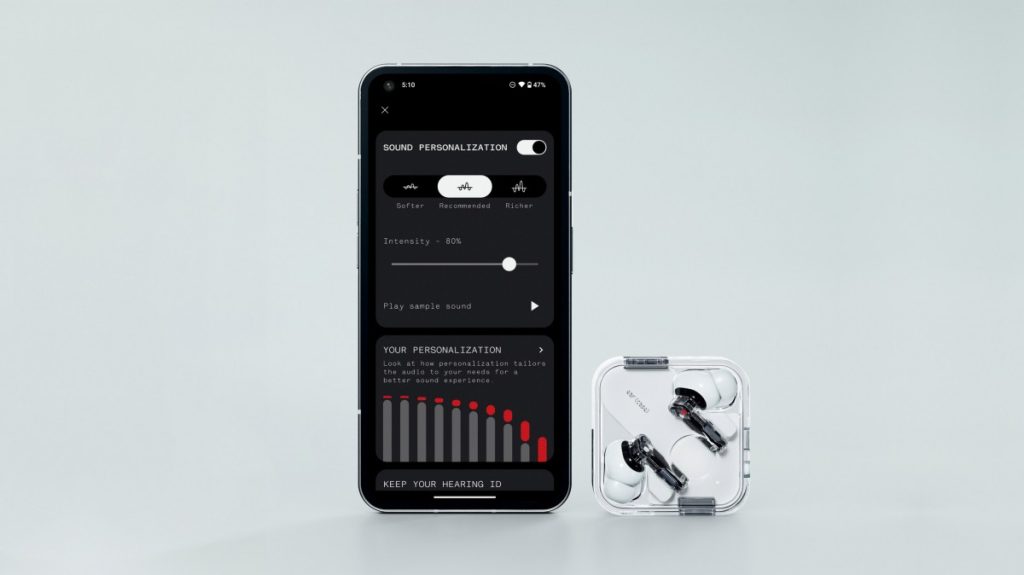
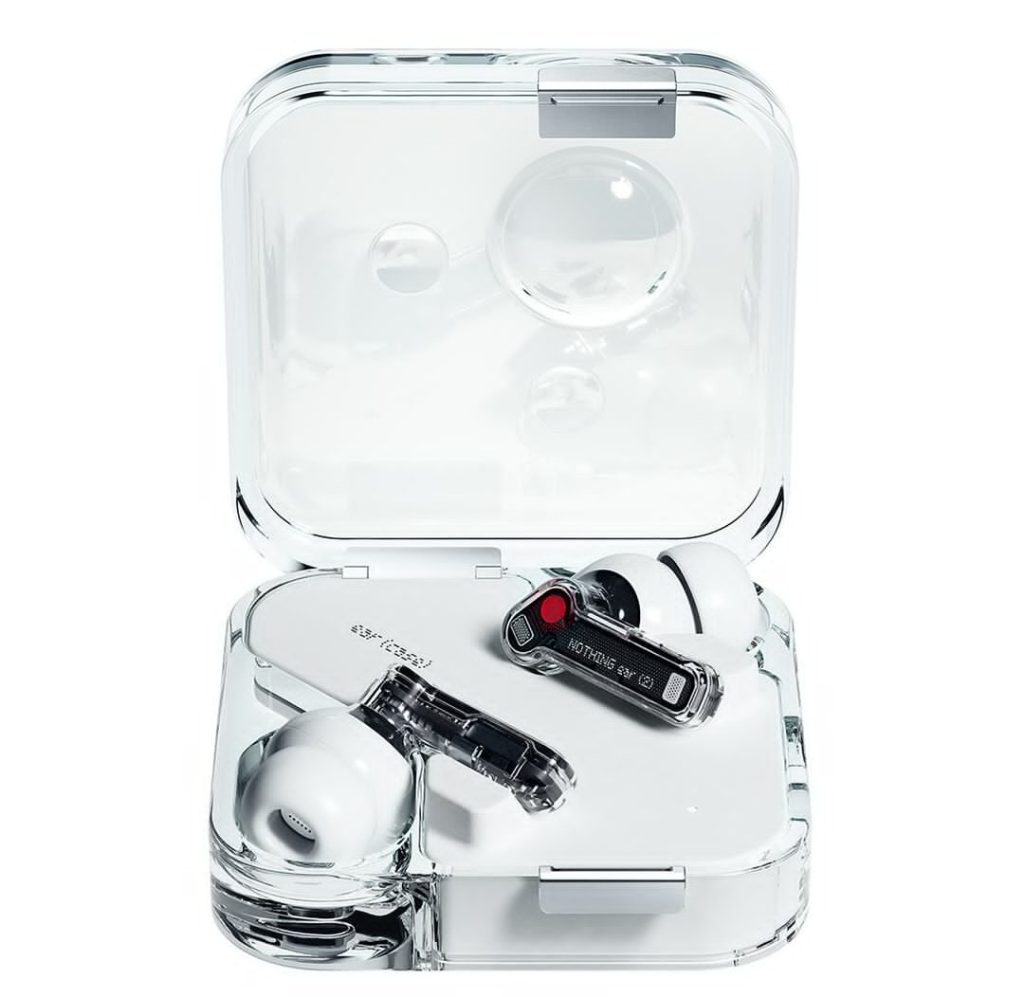
UK-based consumer tech startup Nothing has announced the launch of its latest wireless earbuds, the Nothing Ear (2). The earbud is the direct successor of the Nothing Ear (1), which was launched in June 2021.

Nothing Ear (2)

In terms of design, the Nothing Ear (2) looks almost identical to its predecessor as it comes with the same transparent design with black accents. However, the company has made significant improvements in terms of the specs and features of the earbuds.

One of the major upgrades in the Ear (2) is the addition of support for the LHDC 5.0 audio codec, which enables users to stream high-resolution audio. The earbuds also come with a new personalized sound profile feature, which allows users to calibrate the earbuds to their specific hearing after taking a quick test in the Nothing X companion app. Users can further adjust the equalizer settings to their liking from the app.

Nothing Ear (2)

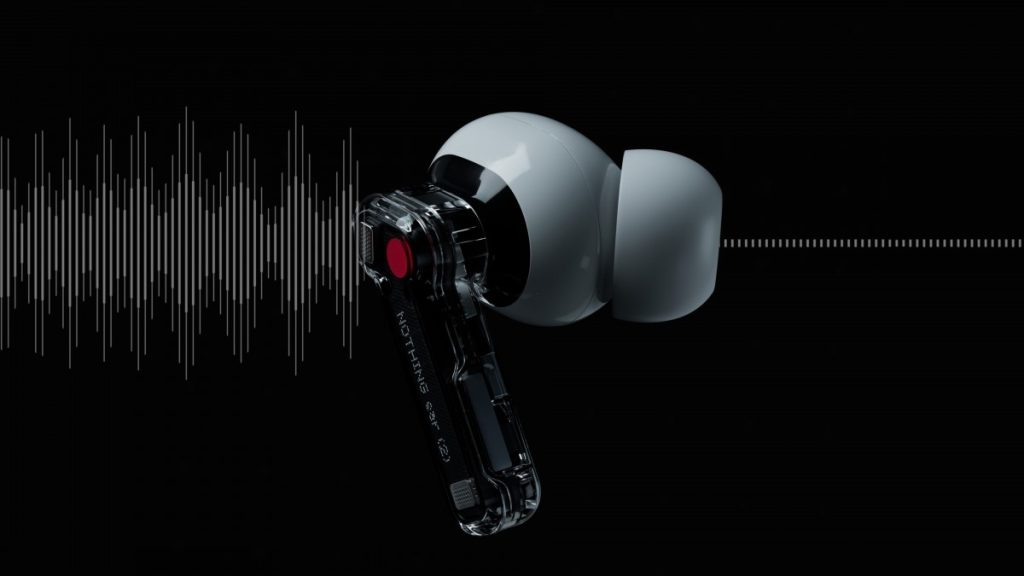
The new wireless earbuds also feature adaptive active noise cancellation (ANC), which can tune out unwanted noises based on the user’s specific ear profile and surroundings. The earbuds are equipped with 11.6mm drivers that have a new diaphragm unit made with graphene and polyurethane materials, resulting in improved sound quality.

The voice pickup feature has been reworked as well, with improved wind-proofing that should be better at isolating the user’s voice in noisy environments. The Ear (2) also offer dual pairing, meaning that users can connect the earbuds to two devices simultaneously.

Nothing Ear (2)

The battery life of the Ear (2) is rated at up to 36 hours with the charging case. The case can be charged via USB-C or wirelessly at 2.5W speeds. The earbuds support Google Fast Pair for Android devices and Microsoft Swift Pair for Windows users. The storage case has an IP55 rating against dust and water splashes, while the earbuds themselves have an IP54 rating.

Nothing Ear (2)

As for the price, the Nothing Ear (2) will retail for $149 in the US, for €149 in Europe, and for £129 in the UK. The earbuds are available for order from the Nothing website, and they can also be purchased at the Nothing Store in Soho, London, as well as select Kith stores worldwide. The Ear (2) will be available for open sale from March 28 through Nothing’s official online and offline retail partners.

RELATED:


Nvidia Adapts Flagship H100 Chip for Chinese Market with H800 Variant

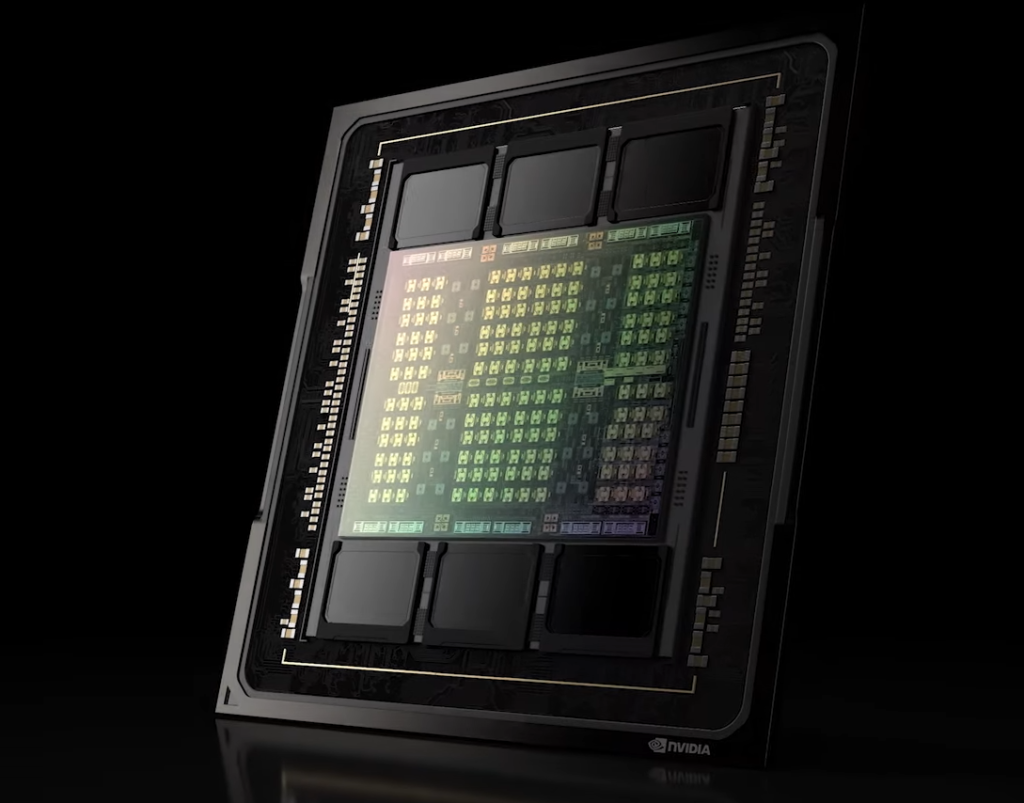
Nvidia has announced a modification of its flagship H100 chip to create a version that complies with export regulations for the Chinese market. This move comes after US regulators imposed rules that prevented Nvidia from selling its most advanced chips, the A100 and H100, to Chinese customers, citing national security concerns. Here are the details…

Nvidia tweaks flagship H100 chip for export to China as H800

Last November, Nvidia had designed the A800 chip, a slightly less capable version of the A100, to make it legal for export to China. Now, the company has similarly developed a China-export version of the H100 chip, called the H800. This new chip is being utilized by the cloud computing units of major Chinese technology firms, including Alibaba Group Holding, Baidu, and Tencent Holdings.

Nvidia H100

The H800 chip is poised to support a growing number of startups focusing on developing large language models and generative AI technologies. Nvidia CEO Jensen Huang stated that these startups can now rely on Alibaba, Tencent, and Baidu to provide excellent cloud capabilities powered by Nvidia’s AI.

US regulators imposed restrictions on AI chips last fall to slow down China’s development in crucial technology sectors such as semiconductors and artificial intelligence. The intent was to hinder the country’s efforts to modernize its military. The imposed rules ban chips with both powerful computing capabilities and high chip-to-chip data transfer rates, as transfer speed is crucial when training AI models on vast amounts of data. Slower transfer rates result in extended training time.

According to a chip industry source in China, the H800 primarily reduces the chip-to-chip data transfer rate to about half the rate of the flagship H100. Although the Nvidia spokesperson did not elaborate on how the H800 differs from the H100, they emphasized that “our 800 series products are fully compliant with export control regulations.”

RELATED:

(via)

HarmonyOS 3 Public beta Announced for Huawei Mate 10, P20 series, and more

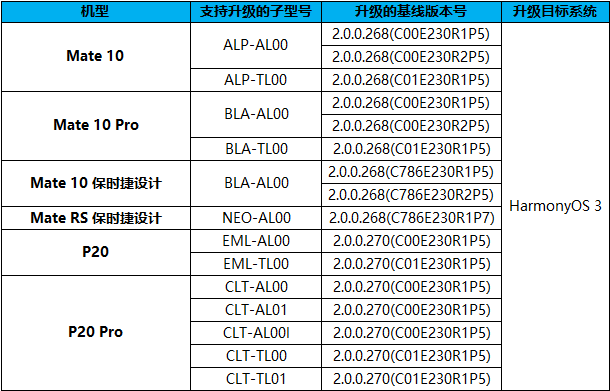
Huawei has been slowly seeding the latest version of its software— HarmonyOS 3— to eligible smartphones. A sizeable number of handsets have already received the update and the latest devices to get the software treat are the Huawei Mate 10, Mate 10 Pro, P20, P20 Pro, and more. Users of these devices can now sign up for the beta version of the HarmonyOS 3. Here are the details.

Huawei today announced that users of Mate 10, Mate 10 Pro, P20, P20 Pro, and Mate RS Porsche Edition smartphones in China can now enroll in the HarmonyOS 3 Public beta program. After enrolling, users will be able to test the software before the stable build is rolled out.

Huawei HarmonyOS 3

However, it should be noted that the public beta build is a test version released to the public during the version development stage. It may not function as smoothly as the stable build and could even hamper your day-to-day usage. Some applications (including third-party applications) may be unstable or incompatible with the software.

After the beta testing is over, Huawei will start pushing the official version of the HarmonyOS 3 to users in batches. Updating to the stable build should not clear user data, but it is still recommended to back up all important data to a PC or cloud before upgrading, and confirm that the contents are safely stored.

Prior to taking part in the early adopters for the public beta, it is important for users to confirm that their phone system version meets the minimum requirements for upgrades. If their current version falls short of the baseline version, users must first update their device to the appropriate version in order to participate.

RELATED:

(Via)

Redmi Note 12 Turbo Stops by Geekbench with Snapdragon 7+ Gen 2

Redmi Note 12 Turbo will be the latest smartphone to join the brand’s popular Note 12 series. It has been confirmed to make its debut in the Chinese market on March 28 with Qualcomm’s latest Snapdragon 7+ Gen 2 SoC under the hood. While we wait, the handset has popped up on Geekbench with the mentioned processor. Let’s look at the details.

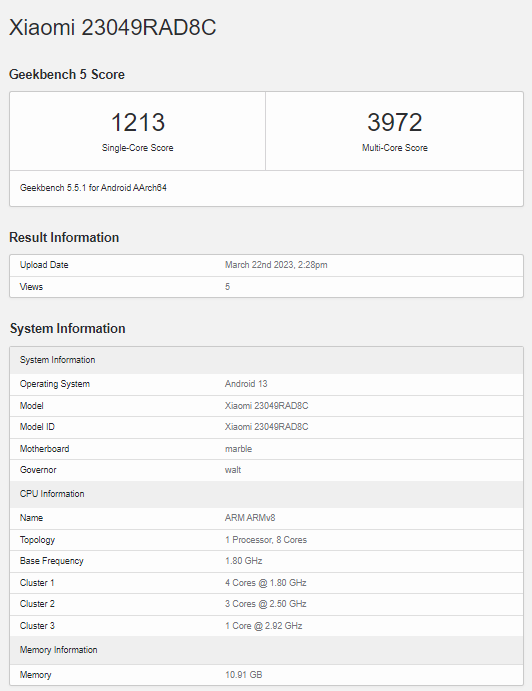
The Redmi Note 12 Turbo has been listed on Geekbench with model number 23049RAD8C. The benchmarking platform reveals the handset has managed to score 1213 points in the single-core and 3972 in the multi-core tests. The scores suggest the Snapdragon 7+ Gen 2, which powers the device, will offer impressive performance for a mid-range SoC.

Redmi Note 12 Turbo Geekbench

Qualcomm says the Snapdragon 7+ Gen 2 will offer substantial performance and power efficiency improvements. Its main Kryo CPU core is clocked at 2.91GHz and the whole 1+3+4 CPU architecture is claimed to deliver over a 50% jump in performance compared to the Snapdragon 7 Gen 1.

Geekbench reveals the Redmi Note 12 Turbo’s processor will be paired with 12GB RAM. The company may announce other RAM variants as well. Further, the smartphone is listed to run Android 13 OS out of the box. It will likely have Xiaomi’s custom MIUI 14 skin on top.

Previous reports suggest the Redmi smartphone will arrive with a 6.67-inch FHD+ AMOLED display with a 120Hz refresh rate. The handset may get a triple camera system on the back with a 50MP primary sensor, an 8MP Ultrawide, and a 2MP macro lens. It will likely be fueled by a 5,500mAh battery with 67W fast charging support.

RELATED:

(Via)

Microsoft may add Exclusive Call of Duty features for PS5 owners

Microsoft has stated that it plans to continue offer support for exclusive features on its popular Call of Duty franchise for the Sony PlayStation 5. This would mean that we can expect to see some beloved features being retained rather than the company making the experience worse on its rival platform.

For those unaware, the American tech giant had acquired Activision Blizzard, which is behind the massively successful franchise of Call of Duty. Call of Duty on the Sony console was capable of offering exclusive features like adaptive triggers and haptic feedback from the PS5 controllers. These are features that are not offered on the Microsoft Xbox Series S and Series X. But despite the brand acquiring the popular shooter title, the experience on the PS5 will apparently remain the same.

Microsoft

According to a new report, the company has no real reason to continue supporting these exclusive features but are still planning on maintaining the experience to avoid damaging future sales. In other words, rather than bringing both console platforms on a similar playing field, the company will seek to ensure that Call of Duty on the PS5 will run just as well to make sure the sales of the major gaming franchise doesn’t get impacted.

Interestingly enough, this is the exact opposite of what Sony is claiming. The Japanese tech giant has argued against this major acquisition, stating that Microsoft could technically release an inferior version of the Call of Duty games on its PlayStation platform. This could be through a buggy port or other issues to ensure that the games are best experienced through their own Xbox gaming consoles.

RELATED:

OnePlus 11 Special Edition teased with a Jupiter-inspired back design

OnePlus 11 is the brand’s most premium smartphone, and it recently made its debut in the global market in two beautiful colors – Eternal Green and Titan Black. These two colors were well-received by consumers, but it appears that OnePlus is looking to spice things up a little with a Space-inspired special edition of the handset.

Li Jie, president of OnePlus China, recently shared images of an upcoming special edition OnePlus 11. The smartphone is shown with the planet Jupiter suggesting it could debut with some kind of space-inspired design. It is claimed to feature “unprecedented materials and craftsmanship, making each mobile phone unique”.

OnePlus 11 Special edition

According to the trustworthy tipster Digital Chat Station, the upcoming special edition phone will sport a unique space material on its back that has never been used in the industry before. Unlike glass, the back panel will have a cool and cold sensation when touched. The tipster also clarified that this is not the same phone as the OnePlus 11 Concept, which was revealed at MWC Barcelona last month.

A Weibo user has suggested that the smartphone’s back panel could be made of marble, while some others speculate that it could have color-shifting capabilities similar to the Vivo V27. There’s no official confirmation from the brand yet but we hope to learn more in near future.

To remind you, the OnePlus 11 arrives with the latest Snapdragon 8 Gen 2 SoC under the hood and features a 120Hz 6.7-inch OLED display with a resolution of 3216 x 1440 pixels. The smartphone gets a 5,000mAh battery with support for 100W wired charging. There are three rear cameras, headlined by a 50MP main camera, a 32MP telephoto, and a 48MP ultra-wide-angle lens.

RELATED:

(Source 1,2) (Via)

Pure Advance electric scooter sports a revolutionary design that will shake the e-scooter market

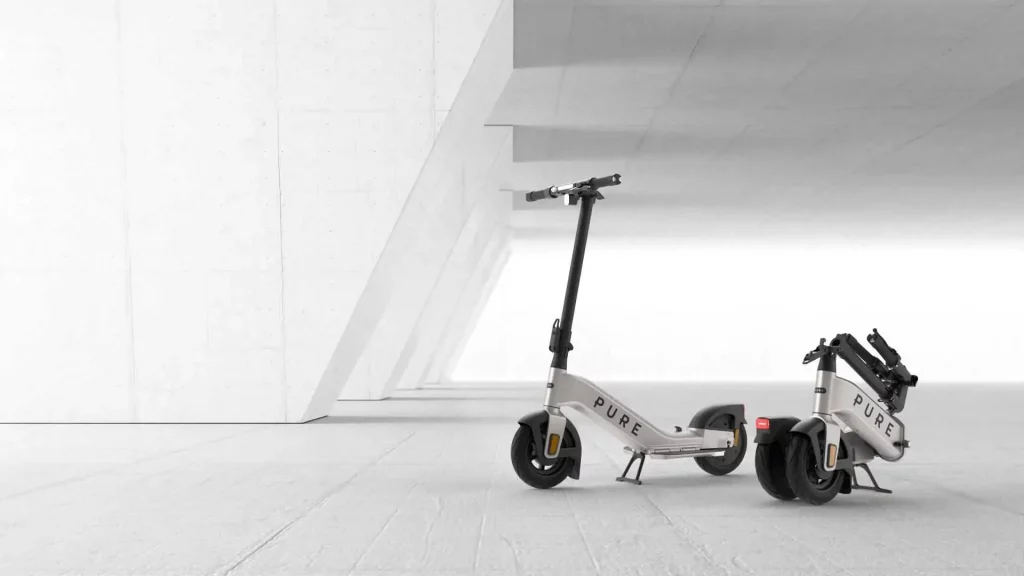
Pure Electric has announced the Pure Advance e-scooter and it comes with a revolutionary concept. The Pure Advance e-scooter has become a regular sight during F1 races and the company hopes for a global expansion beyond F1.

Pure Advance electric scooter

Recent Formula One races have showcased at least one electric scooter during races. Such e-scooters have become the ultimate tool of convenience during the F1 weekend. The choice of an e-scooter solution is driven by environmental considerations. And Pure Electric CEO Adam Norris feels humans are polluting the environment too much and man should do what needs to be done to stem the tide. The clean solutions provided by e-scooters are therefore boosts for environmental protection.

Pure Electric began tinkering with designs for Pure Air in 2019. The company drew inspiration from Chinese high-volume, low-price models which were refined over time. Pure Electric only refined the design gradually unlike others who relied on an uncertain market to drive their sales.

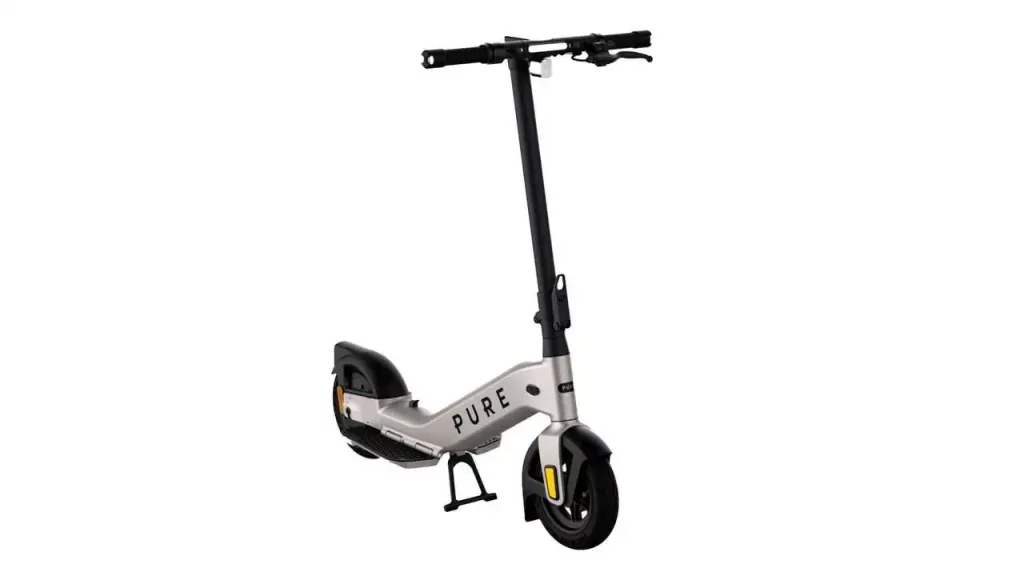
The Pure Advance flagship model has a forward–facing riding position and two fold-up floorboards that places the rider’s feet parallel with the direction of travel. The lowered center of gravity of the e-scooter enhances control and stability. Safety is enhanced by the self-centering steering wheel. The e-scooter has a lightweight aluminum frame design that houses a 9.6Ah Lithium-ion battery with IP65 waterproof protection.

Pure Advance electric scooter

The Pure Advance has a 500W electric motor that delivers a top speed of 25km/h and a range of 40 km. The Pure Advance+ has a range of 50km, but with the same top speed as the base model and foldable flex variant. The lineup adopts a 60-lux headlamp, taillight, and integrated indicators on the bar ends of the foot pads.

The Advance e-scooter has three drive modes, Bluetooth connectivity, and support for its companion app (iOS- and Android-compatible). The models are also designed to be affordable. Pure Electric hopes to expand beyond its European reach and enter the US market by August 2023. The Middle East (Dubai and Saudi Arabia) is also slated for an entry of the Pure Air scooters later this year.

RELATED:

Samsung Exynos Connect U100 UWB chip for mobile, automobile, and IoT devices announced

Samsung has announced the Exynos Connect U100 ultra-wideband (UWB) chipset optimized for mobile, automobile, and internet of things (IoT) devices. It is the company’s first UWB chipset and offers excellent accuracy and precise location information. The Samsung Exynos Connect U100 builds on Samsung’s UWB applications for short-range wireless communication via Bluetooth and Wi-Fi. The new U100 UWB chipset is designed to facilitate improved hyperconnectivity across a wide range of devices.

Samsung

The Exynos Connect U100 uses the time of arrival (ToA) and 3D angle of arrival (AoA) measurements to deliver significantly improved accuracy of location and distance parameters. The accuracy of the chipset is within a single-digit centimeter and 5º. It comes in handy when tracking locations in challenging indoor circumstances where GPS is unavailable. It is also useful in AR and VR situations when tracking real-time, the movement of persons or objects. The U100 integrates RF, eFlash memory, and power management IP in the chip. This makes it possible to use the chip in compact devices.

The U100 has a power-saving mode that can maximize the battery life of the device. That means smart tracking devices with the U100 chip can run on limited battery power effectively. The U100 has a scrambled timestamp sequence function and a secure hardware encryption engine to prevent hacking. The chip has the FiRa Consortium’s certification for conformability with interoperability standards. There are other industry standards that the Samsung Exynos U100 UWB chipset is certified.

Smartphones that are equipped with the U100 can securely communicate digital key information with vehicles without compromising the security of the vehicle. There are no indications yet on the first devices to debut the new Samsung Exynos Connect U100 UWB chipset.

RELATED:

(source)

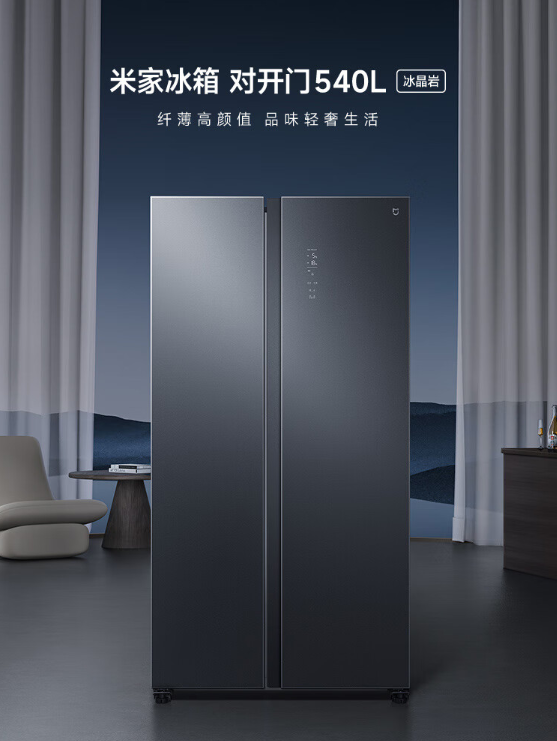
Xiaomi MIJIA 540L refrigerator with air-cooled frost-free preservation unveiled in China

Xiaomi has unveiled the MIJIA 540L ice crystal refrigerator with two doors and a 540L storage capacity. The new MIJIA refrigerator has an ice crystal glass panel and a natural ice crystal texture on the glass surface. It also features anti-fouling technology and substantially eliminates dirt buildup in the system.

Xiaomi MIJIA 540L refrigerator

The refrigerator has a 360-degree encircling three-dimensional air supply that avoids frost condensation and manual defrosting. The refrigerator’s design ensures air-cooled, frost-free preservation of food items inside the appliance.

The MIJIA 540L ice crystal refrigerator is equipped with four sensors and it has four cooling modes. The cooling modes enable the user to customize the cooling dependent on the type of food and other considerations. The cooling modes are Intelligent, Quick cooling, Quick freezing, and Holiday. The 540L capacity of the refrigerator is divided into two freezing compartments of 189L and 351L There are 20 smaller compartments and you can store different foods and ingredients including hot and raw foods without generating odors.

Xiaomi MIJIA 540L refrigerator

The refrigerator adopts the silver ion antibacterial technology to eliminate bacteria and prevent fouling. The silver ion technology has a bacterial removal rate of 99.99%. This creates a healthy and hygienic fresh storage environment at all times. The refrigerator has an inverter fan and inverter compressor for delivering customized and effective cooling. The refrigerator has an intelligent interconnection interface with an 8-inch touchscreen and Xiaoai voice assistant support. The refrigerator also accommodates OTA online upgrades.

Xiaomi MIJIA 540L refrigerator

The interface provides a rich list of functions including weather updates, a cooking countdown timer, and setting shelf-life reminders for ingredients.

The Xiaomi MIJIA 540L ice crystal refrigerator is currently retailing in China for 2,999 yuan (~$436). There are no indications yet on the availability of the gadget in other markets.

RELATED:

(source)

iQOO Z7x 5G Could also be on the way as it gets SIRIM certified

iQOO is on the roll. The brand has been launching smartphones back-to-back in the Indian market. It has only been a few days since the launch of the new iQOO Z7 and details about another Z series smartphone have started to appear. The product in question will likely be called iQOO Z7x 5G and it may launch very soon as it has recently bagged Malaysia’s SIRIM certification.

By itself, the SIRIM listing (Via Mukul Sharma) isn’t anything interesting. It’s for an upcoming smartphone, named iQOO Z7x 5G with the model number I2216. We assume from the moniker that the handset will debut as the successor of last year’s iQOO Z6x and will support 5G connectivity. While the listing did not reveal any of its specifications, it hinted at an imminent launch.

iQOO Z7x

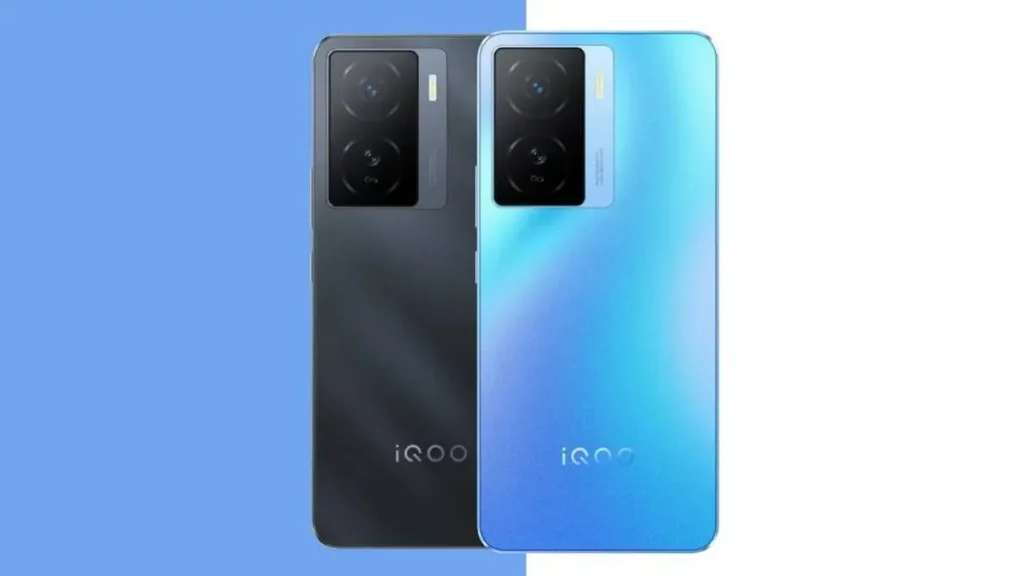
Currently, the details about the handset are scarce. It is expected to debut as a mid-range smartphone with a decent processor and cameras. The smartphone could share its design with the recently launched iQOO Z7, meaning we could see a rectangular camera island on the front with two cameras and an LED flash.

iQOO
iQOO Z7

iQOO Z7x should debut in the global market with a price tag of under $250. For reference, the iQOO Z7 carries a price tag of Rs 18,999 (~$230) for the 6 GB RAM + 128 GB storage version and Rs 19,999 (~$242) for the 8 GB RAM + 128 GB storage model. These prices are for the India-exclusive version.

As of now, there is no official announcement from the brand regarding the release of iQOO Z7x 5G. The information we have about the device is only initial, and we anticipate getting more details in the coming days. Stay tuned for the updates.

RELATED

(Source)