Earlier this month, we had shared an exclusive first look at the Infinix Hot 30i smartphone. Now it is confirmed to launch in India on March 27th. The upcoming offering will be available from Flipkart. The e-commerce platform has put up a microsite of the device revealing its key specifications.
Aapne win-win kar dikhaya!🔥Aapke enthusiasm aur participation ne HOT 30i ka price kam kar diya hai.
The HOT 30i is launching on 27th March, 12 PM, only on @flipkart 🔥
As per the Flipkart listing, the Infinix Hot 30i will feature a boxy form factor. The back panel has a geometric diamond pattern design and it houses two camera rings along with an LED flash. The upcoming offering is teased to come with a 6.6-inch display bearing an HD+ resolution and a waterdrop notch. It will offer a 90Hz refresh rate and 500 nits peak brightness. The Infinix Hot 30i is said to pack 16GB RAM but we assume this to be after including the virtual RAM.
The Infinix Hot 30i is teased to be priced under the Rs 10,000 price segment. Apart from the Flipkart listing, Infinix has also put up a microsite of the upcoming offering on its official website. It reveals that the device will be available in 8GB RAM and a 128GB storage option. The smartphone will feature a side-mounted fingerprint scanner. It will be backed by a 5,000mAh battery unit and come with a 50MP primary camera. The Infinix Hot 30i will be offered in Black, White, and Blue colour options.
We will learn more details about the smartphone in the coming days leading up to the launch event,
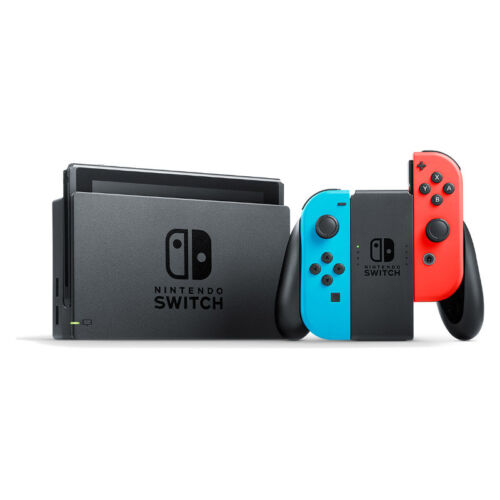
Nintendo has long been rumored to be working on a new and improved handheld console that will be the successor to its popular Switch. But while finer details are still at large, a new report has hinted that the chipset that power the device could be built by Samsung Foundry.
According to a tipster, the company is apparently planning on equipping its upcoming Switch console. There have already been various rumors regarding a new generation handheld console and the latest one talks about the chipset that will power this new Switch. Nintendo will reportedly feature a new and improved Nvidia Tegra chipset. While no details regarding its specifications or its performance, the leak claims that it will be built using Samsung’s 5nm 5LPP process (5nm Low Power Plus).
For those unaware, the company is working on either a higher end Switch Pro or a direct successor with the Switch 2. Furthermore, recent rumors that had also hinted at the next gen Nvidia Tegra chip will be based on the Ampere architecture. Although, this Nvidia platform is based on the 7nm TSMC or Samsung’s 8nm process. Keep in mind that this is still just an unconfirmed report so take this news with a pinch of salt for now.
Nintendo is also rumored to be planning on skipping the Switch Pro model entirely and simply build a true next gen console. Meaning, the upcoming handheld console could offer a better battery life and performance thanks to a more advanced fabrication process. So stick around for more as we will be providing updates when additional information is available regarding this matter.
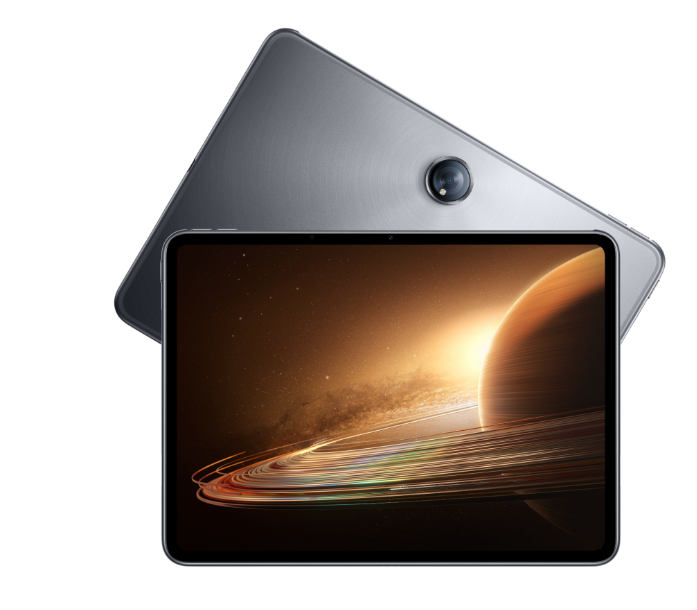
OPPO Pad 2 features an 11.61-inch LCD display with a 2800 x 2000p resolution and a 144Hz refresh rate. The display has a 88% screen-to-body ratio and 10 bits colors which is perfect for readings texts, presentations, and PDFs, viewing videos and movies, and even playing games.
The device is powered by MediaTek Dimensity 9000 chipset Octa-core processor which gives great computing performance and is perfect for gaming, imaging, multimedia, and connectivity. It comes with multiple memory options viz. 8GB/12GB LPDDR5 RAM and 256GB/512GB UFS 3.1 storage options.
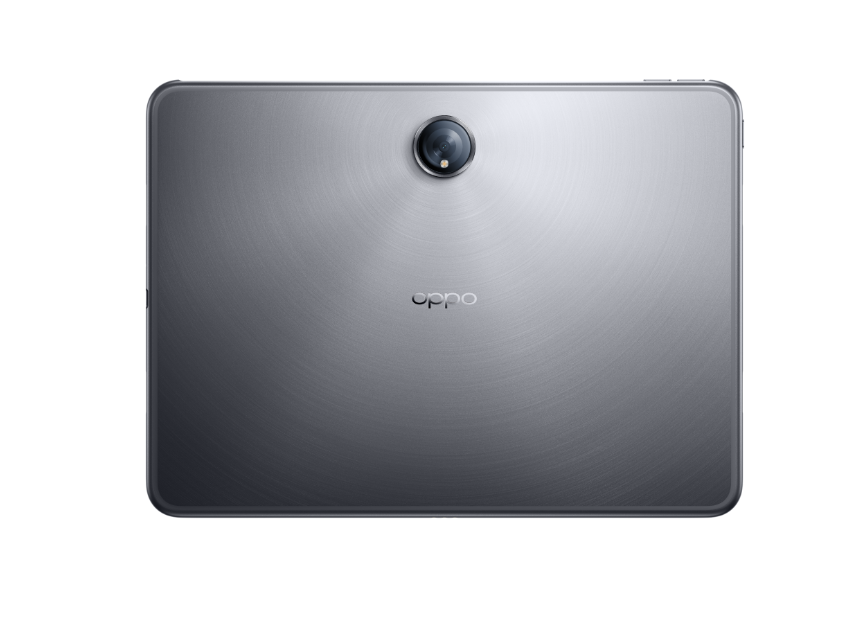
OPPO Pad 2 comes with an 8MP HD wide-angle front camera which is great for taking family and group video calls and a 13MP rear camera which is good for capturing images. The device is fitted with multi-layered graphite + silicone heat dissipation system, that offers a large heat dissipation area of 27413mm². This cooling solution makes sure that the device is able to give the best performance during long periods of heavy work.
The tablet is fueled by a massive 9510mAh battery and supports 67W SuperVOOC charging. Other interesting features include Android 13 OS-based ColorOS 13, four-finger pinch, two-finger split-screen, parallel windows, multi-device cross-screen collaboration, Bluetooth 5.3, Dolby Atmos Quad speakers, and more.
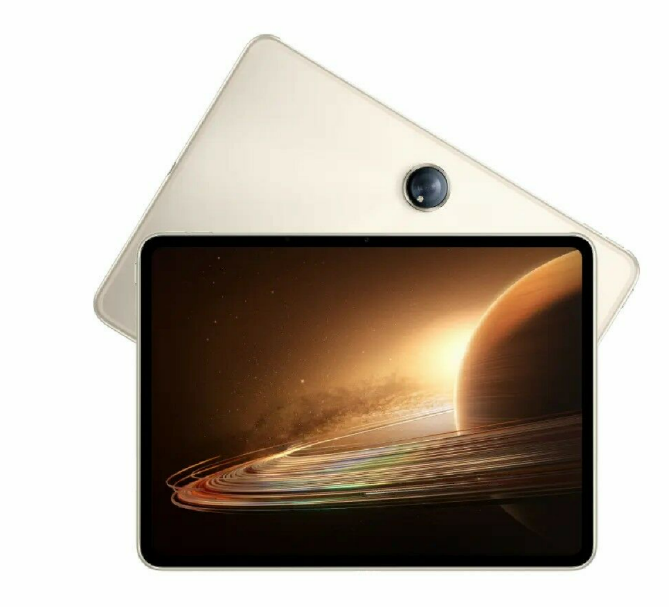
Available in Gray and Gold color variants, you can now buy OPPO Pad 2 for $549 only on Giztop. Please note that this price is applicable to the base variant only.
For more information on such exciting deals and offers check out our deals hub.
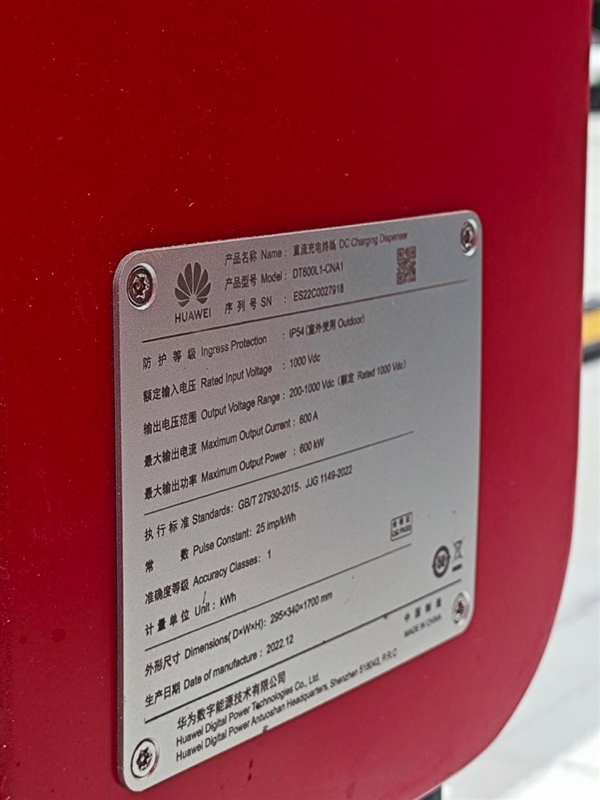
Huawei, the Chinese tech giant known for its smartphones, has been making strides in the electric vehicle (EV) industry by partnering with car manufacturers to build better EVs and smart cars in China. However, a recent leak of their 600kW Huawei charger station shows that they are far ahead of the competition, including Tesla.
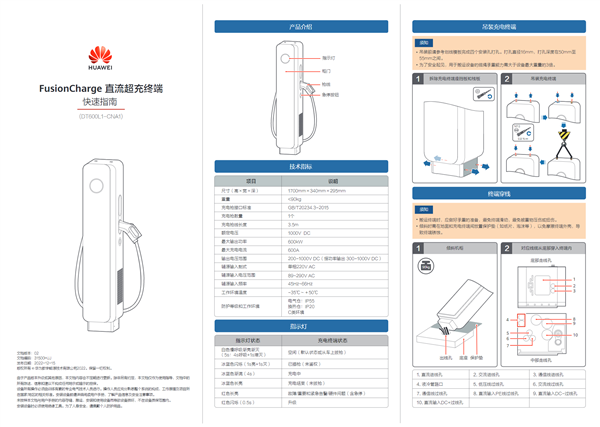
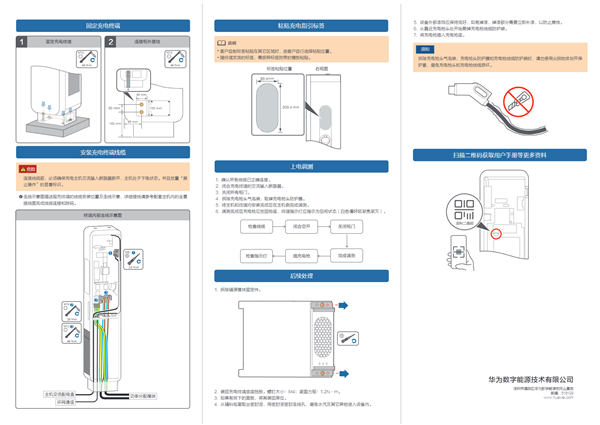
Leaked images of the charging station show that it is a square-shaped unit with a cooling device at the bottom. The charger’s dimensions are 295 x 340 x 1700 mm, and it is painted in the signature red color of Huawei. The model number of this charger is DT600L1-CNA1, and it supports China’s national standard 2015 DC fast charging, single-gun output, and the output voltage range is 200-1000V. The maximum output current is 600A, and the maximum output power is 600kW.
Named the “FusionCharge,” it is a liquid-cooled charger with a charging hub that ranges up to 3.5 meters. Industry experts suggest that Huawei initially planned to roll out these chargers in 2025, but the company is already testing them with limited users in advance, with some speculating that it could be an advance move to cover the upcoming Huawei AITO Wenji M9 model, which will launch later this year.
Huawei’s FusionCharge lineup includes a DC Supercharger, a DC Fast Charger, and a DC Split Charger, with the maximum power of the DC Supercharger at 600kW, rated voltage at 1000V, maximum current at 600A, and maximum power at 600kW. The DC Fast Charge is a double-split pile with a total power of 360kW, with each pile having a maximum power of 180kW and a charging cable length of 5 meters. The DC Split Charger has an output voltage range of 200-1000V, with a rated output power of 600kW.
In comparison, Tesla’s current V3 chargers can only provide 250kW power, and even the upcoming V4 supercharger is expected to max out at 350kW. Thus, the 600kW Huawei charger is faster than Tesla’s current offerings, but we will have to wait for the final release to know more about its specs.
It’s worth noting that achieving such a high charging power requires grid support, but the fact that Huawei is making such a bold move in terms of energy supplementation shows its commitment to the EV industry’s growth. With its superior charging technology, Huawei may soon emerge as a formidable player in the EV market.
Adobe has incorporated AI into popular software such as Adobe Photoshop and Adobe Illustrator, speeding up the image and text effects generation process. Creators whose work is utilized by these tools will be compensated. Nvidia unveiled “Picasso”, a service using AI to create images, videos, and 3D applications based on text descriptions. Nvidia trained Picasso on images licensed from Getty Images, Shutterstock, and Adobe, with plans to pay royalties.
Adobe, Nvidia AI imagery systems aim to resolve copyright questions
These developments represent a significant milestone in the ongoing debate between copyright holders and emerging technology. Image-generation technology is often trained on billions of images, but the legality of this usage is not always evident. Getty Images sued Stability AI earlier this year for copying over 12 million images without permission.
Getty Images CEO Craig Peters praised the collaboration with Nvidia as a testament to responsible AI development and the unique nature of Getty Images content. Peters emphasized the importance of using permissioned data, visuals, and respecting individual privacy. Adobe’s AI-enhanced feature, “Firefly,” allows users to generate images, illustrations, or videos using textual descriptions.
As the AI has been trained on Adobe Stock images, openly licensed content, and older content with expired copyrights, the generated creations are safe for commercial use. Adobe also supports a universal “do not train” tag, enabling photographers to request their content not be used in training models.
Adobe’s Ely Greenfield emphasized the importance of making the system creator-friendly. If users request an image in a specific artist’s style, the system will not replicate the style but offer the artist an opportunity to sell the right to use their style. Nvidia’s Picasso AI-image generator is part of a suite of AI-powered cloud products introduced at the GTC Developer Conference. Nvidia’s Greg Estes noted the importance of working with partners like Getty to ensure that generated images have a clear provenance.
Jun-Yan Zhu, assistant professor at Carnegie Mellon’s Robotics Institute, suggested that photographers and artists could potentially benefit from using AI technology to license their artistic styles. Getty’s Peters highlighted the importance of respecting intellectual property rights and fairly compensating artists for their work, especially for commercial purposes.
Xiaomi has launched two new televisions in China. The latest offerings are the Xiaomi TV S75 and S65. As the names suggest, they feature 75 and 65-inch screen sizes. Both televisions pack the same specifications apart from different display sizes. Read on to know what the Xiaomi TV S75 and S65 offer out of the box.
The Xiaomi TV S75 and S65 come with 75 and 65-inch screens respectively with thin bezels on all four sides. They offer a 4K display resolution of 3,840 x 2,160 pixels. The televisions feature 144Hz refresh rate, HDR10 support, 94 percent DCI-P3 colour gamut, and MEMC.
On the audio front, the Xiaomi TV S75 and S65 are equipped with dual stereo speakers producing 25W sound output. They pack Dolby Vision Atmos and DTS: X. The TVs also feature far-field microphones that allow the users to control hands-free by giving voice commands.
Under the hood, the Xiaomi TV S75 and S65 are equipped with a quad-core Cortex-A73 processor. They pack 3GB RAM and 32GB onboard storage. The televisions run on MIUI TV with various built-in app and the ability to control other smart home devices. The Xiaomi TV S75 and S65 come with variable refresh rate, auto-low latency mode, and AMD Freesync.
Connectivity options on the Xiaomi TV S75 and S65 include WiFi-6, three HDMI 2.1 ports, two USB 3.0 ports, an Ethernet port, Bluetooth 5.2, IR Blaster, and NFC.
The Xiaomi TV S75 carries a price tag of RMB 4,499 while the S65 variant costs RMB 3,499. Both televisions are up for pre-booking in China.
Great news for Star Wars fans. The Xiaomi Buds 3 Star Wars Edition is now available on Giztoip. The special edition earbud with a stormtrooper logo on the charging case is available for $99 only.
Xiaomi Buds 3 Star Wars edition features 40dB deep noise reduction, effectively blocking out almost all noise and sound in most common environments. The earbuds come with a transparency mode that lets outside noise in as and when you require. It features Hi-Fi (High Fidelity) sound quality that has low noise and distortion and is perfect for music lovers and audiophiles and comes with three built-in microphones with noise-reduction function that give you crystal-clear calls.
Xiaomi Buds 3 Star Wars Edition delivers up to 7 hours of non-stop music on a single charge, and up to 32 hours with the charging case. The device supports a Type-C charging interface and Qi wireless charging and is compatible with multiple devices like smartphones, tablets, laptops, etc.
Xiaomi Buds 3 Star Wars Edition supports multi-functional touch control and is IP55-certified water and dust resistant. The earbuds are now available on Giztop for $99 only.
For more information on such exciting deals and offers check out our deals hub.
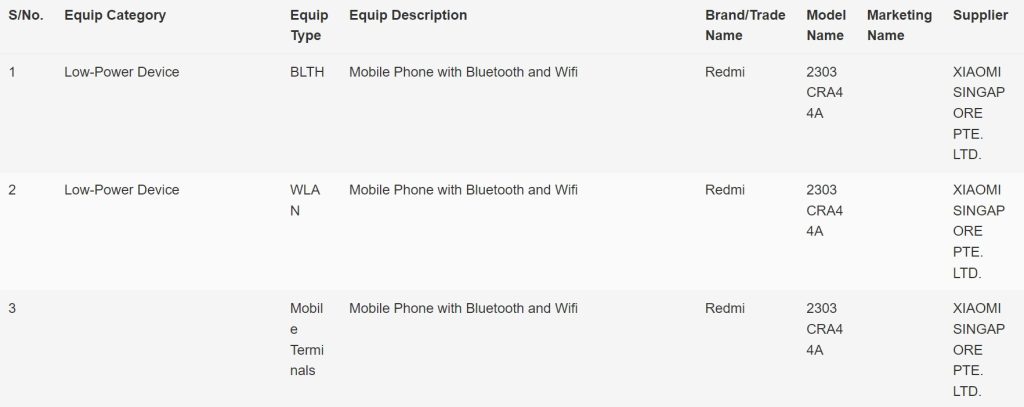
Xiaomi’s sub-brand Redmi is gearing up for the launch of its upcoming smartphone, the Redmi Note 12S in the global market. According to recent reports, the device with model number ‘2303CRA44A’ has received certifications from various authorities, including FCC, EEC, and IMDA, indicating that the launch could be just around the corner.
The recent IMDA certification by Singapore has revealed that the Redmi Note 12S will have Bluetooth and Wi-Fi connectivity. However, the certification has not revealed any major specifications of the device.
Reports suggest that the Redmi Note 12S will be a rebranded version of the Note 11S launched last year. While the Note 11S supported 33W charging, the Note 12S is expected to come with even faster 67W charging.
As per rumors, the Redmi Note 12S will feature a 6.43-inch AMOLED display with Full HD+ resolution and a 90Hz refresh rate. Under the hood, it is likely to be powered by the Helio G96 chipset with up to 8GB of RAM and 128GB of storage. It may run on the latest Android 13 OS with MIUI 14 on top.
In terms of optics, the Redmi Note 12S is speculated to come with a quad-camera setup on the rear, consisting of a 108-megapixel primary sensor, an 8-megapixel ultra-wide lens, a 2-megapixel macro sensor, and a 2-megapixel depth sensor. On the front, it may house a 16-megapixel camera for selfies and video calls. Redmi’s Note series is known for its budget-friendly yet feature-packed smartphones, and the Redmi Note 12S seems to be no exception.
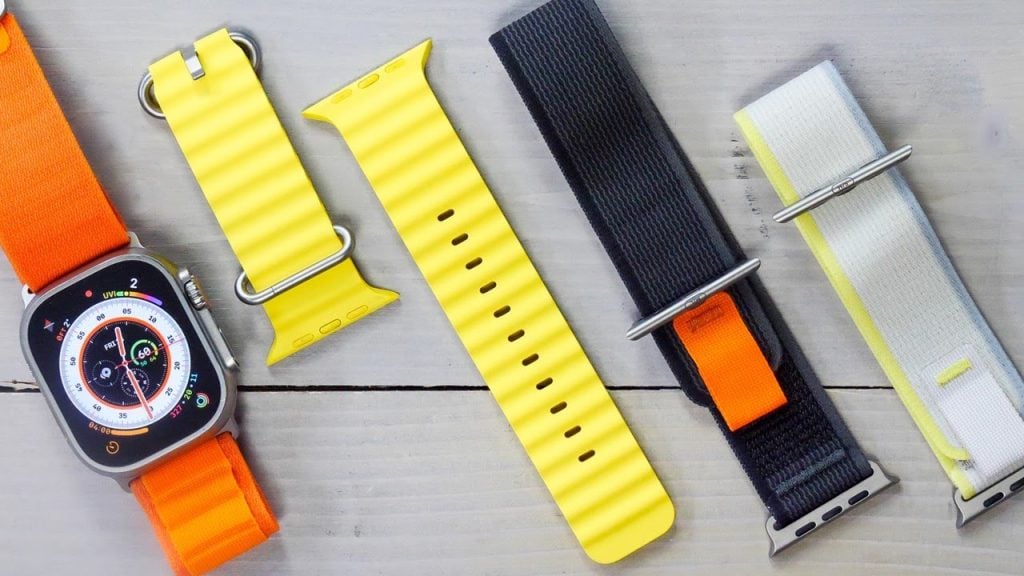
Apple is known for continually researching and developing new technologies and accessories for its products, and the Apple Watch is no exception. Earlier this year, a patent revealed the possibility of a color-changing Apple Watch band. Now, the US Patent and Trademark Office has granted Apple a patent for an Apple Watch band with an integrated NFC module. This could lead to numerous applications, both beneficial and controversial. Here are the details…
Apple granted patent for Apple Watch NFC tech that could warn users of ‘unauthorized’ bands
The patent, first discovered by Patently Apple, describes an Apple Watch band with an integrated NFC chip, enabling communication with the Apple Watch’s internal NFC chip. This connection would allow the Apple Watch to identify the connected band and use this information for various purposes.
Some of the potential applications of this technology include dynamic user interface changes depending on the connected band. WatchOS could change watch faces or adapt the design of the current watch face to better match the color of the new band. Moreover, the Apple Watch could toggle different apps, such as the workouts app, when a specific band is connected.
The patent also suggests that this technology could be used to control unauthorized third-party Apple Watch bands. The patent states that a warning may be issued, or certain features may be disabled or modified if an unauthorized band is detected. Furthermore, specific bands may be associated with particular applications or services on the Apple Watch, activating or granting access to features related to those applications or services.
The patent goes on to describe a system where Apple Watch bands could include components other than the NFC chip, such as environmental, biometric, gesture, or inertial sensors. This broadens the scope of potential features for the Apple Watch and its accessory ecosystem. It’s essential to note that just because a technology is patented, it doesn’t guarantee its implementation in an actual product. Apple is known to patent various ideas, and not all of them become reality.
While the NFC-enabled Apple Watch bands could provide exciting new features and customization options, there’s a possibility that the technology could be used to crack down on third-party accessory makers. This raises concerns among users who appreciate more affordable alternatives to Apple’s official bands. As with any technology, the ultimate impact will depend on how Apple decides to implement it.
Huawei has a major launch event planned for tomorrow where the brand plans to introduce a bunch of new devices for its domestic Chinese market. These will include the Huawei P60 series, the Mate X3 foldable, the MatePad 11 (2023), and the FreeBuds 5 TWS earbuds. Read on to learn more about tomorrow’s event.
Huawei P60 series launch event: when and where to watch
Huawei is preparing to launch its P60 series in China tomorrow, on March 22nd. The event will be broadcasted live on the company’s official Weibo account at 2:30 pm local time. The live stream link and post will be shared by Huawei near the time of the launch event.
Hauwei P60 series: what to expect
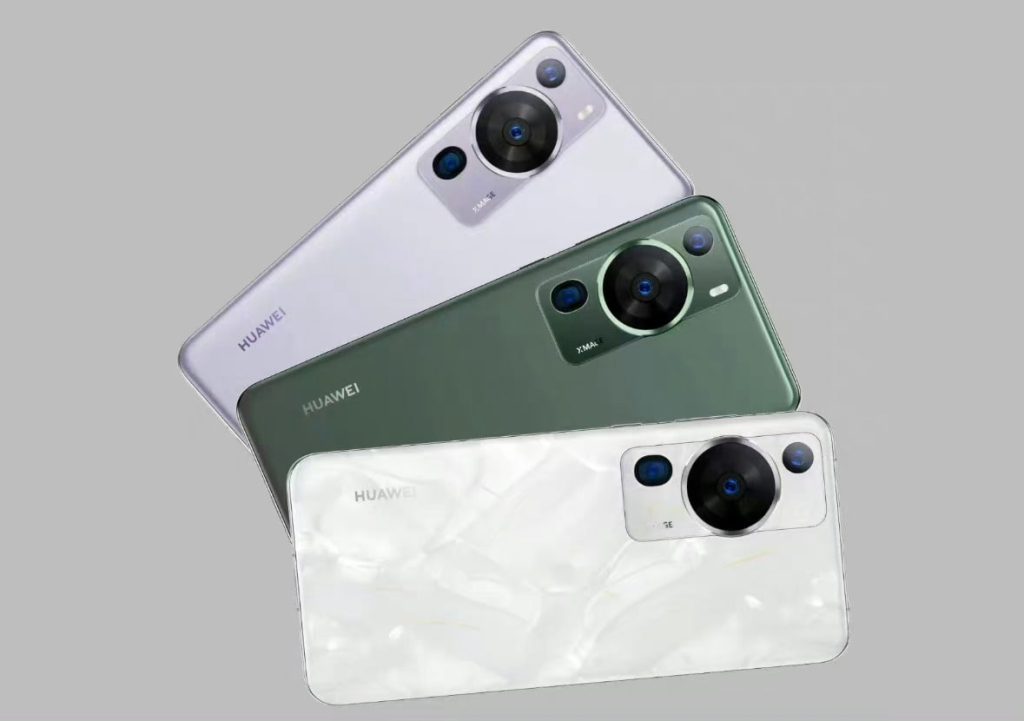
The star of the show will be the Huawei P60 series smartphones. The Huawei P series smartphones are known to be the company’s flagship camera phones and are usually among the best camera phones of their generation. Therefore, it will be interesting to see what Huawei has in store for us this time around.
So far, it is said that the Huawei P60 series will feature two models: the vanilla P60 and the P60 Pro. The Pro model is rumored to feature three cameras on the back including a 50MP main camera (Sony IMX888), a 50MP ultra-wide camera, and a 64MP telephoto camera. It is expected that the standard version of the P60 smartphone will feature two new sensors: IMX789 and IMX888. Both sensors have a 50MP resolution and are 1/1.4 inches in size. Reports suggest that the phones will come with variable apertures, similar to those found in last year’s Mate 50 Pro, as well as a 32MP front-facing camera. Additionally, both devices will incorporate XMAGE 2.0 technology.
Huawei Mate X3, MatePad 11 (2023): What to expect
The successor of the current Mate X2 foldable will also make its debut tomorrow. The Mate X3 foldable will offer a 7.85 inch 2K display with Snapdragon 8+ Gen 1 (4G) SoC under the hood. The camera setup will also be quite competent with a 50MP Sony IMX766 camera, assisted by a Sony IMX688 ultra-wide lens, and an IMX351 periscope zoom camera.
On the other hand, the upcoming MatePad 11 tablet will come with an 11-inch 2560 X 1600 pixels LCD display with 120Hz refresh rate. The tablet is expected to operate on HarmonyOS 3.1 software and be powered by a 7250mAh battery with 22.5W fast charging support. The processor inside will likely be a Snapdragon 870.
BYD, the world’s leading manufacturer of electric vehicles, has announced an extended partnership with Nvidia, a frontrunner in artificial intelligence (AI) and computing. The collaboration will involve the use of Nvidia’s advanced centralized compute platform across various models in BYD’s forthcoming Dynasty and Ocean series of EVs. This joint venture aims to bring safe, intelligent, and software-defined vehicles to the market. Here are the details…
BYD and NVIDIA Partner to Revolutionize Electric Vehicles with Software-Defined Solutions
Rishi Dhall, Vice President of Automotive at Nvidia, applauded the ongoing partnership with BYD and the industry’s confidence in the centralized compute platform as a future-proof solution for intelligent vehicles. Both companies share the belief that future cars will transition from numerous embedded controllers to high-performance centralized computers, delivering and enhancing functionalities through software updates throughout a car’s life.
The compute capabilities of the centralized compute platform are essential for diverse, real-time sensor processing. It provides automakers with the necessary resources to develop and support new software-driven services for the entire life of the vehicle. Since entering production last year, the platform has become the transportation industry’s go-to AI engine for EVs, robotaxis, shuttles, and trucks.
Designed to meet strict industry safety standards, the scalable compute platform can perform up to 254 trillion operations per second. This power enables it to run AI cockpits and automated driving functions simultaneously while operating numerous deep neural networks, ensuring the highest levels of safety and reliability.
In addition to adopting NVIDIA’s centralized compute platform for its EV fleets, BYD announced earlier this year its collaboration with NVIDIA to enhance the in-vehicle experience by integrating cloud gaming services into its vehicles. BYD has already made a significant impact in the industry with groundbreaking technologies like the Blade Battery, super hybrid technology, and the e-platform. As of February 2023, the company has sold more than 3.7 million EVs worldwide, creating an enhanced mobility experience for consumers.
To learn more about the latest technology breakthroughs in the automotive industry and beyond, watch the keynote speech by NVIDIA’s founder and CEO at the GTC conference. Register for the GTC event free of charge to attend a variety of sessions featuring NVIDIA and other mobility leaders.
Realme has been working on a new GT Neo 5 SE model, which has been spotted on various benchmarking platforms. Now, the device has been spotted on a popular benchmarking website AnTuTu, so now we have its scores on this platform as well.
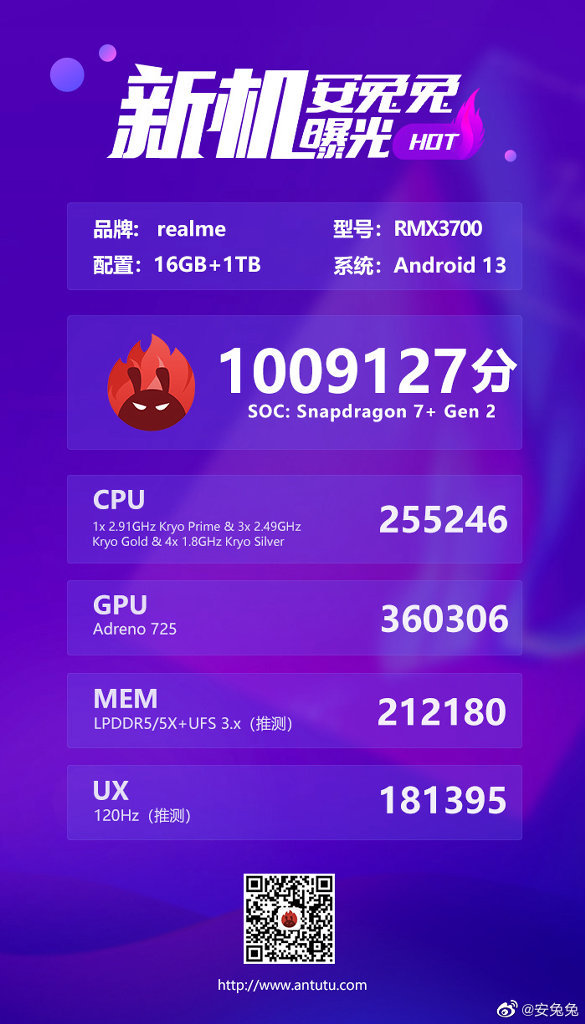
The Realme GT Neo 5 SE was previously spotted on MIIT, 3C, and TENAA certification platforms, which hints that its launch in China is just around the corner. Looking at the AnTuTu scores, the GT Neo 5 SE had achieved a score of 1,009,127 points. Apart from just its synthetic benchmark performance, the listing also revealed some of its key specifications. This includes the Qualcomm Snapdragon 7+ Gen 2 SoC that is paired with 16GB of LPDDR5x RAM, 1TB of UFS 3,1 storage, and Android 13 OS out of the box.
Furthermore, it will also sport a display with 120Hz refresh rate and 2772 x 1240 pixels resolution. Breaking things down, the Realme GT Neo 5 SE scored 255,246 points in the CPU test, 360,306 points in the GPU test, 212,810 points in the memory test, and 181,395 points in the AnTuTu UX tests. This was all the information spotted on the benchmarking platform. Based on what we know so far, the GT Neo 5 SE variant is an upcoming mid range device.
It is rumored to sport a 6.74 inch OLED display that and could be powered by a large 5,500mAh battery pack that supports an impressive 100W fast charging. The front will house a 16 megapixel selfie shooter, while the rear is believed to feature a triple camera setup that consists of a 64 megapixel primary sensor that is paired with an 8 megapixel ultra wide angle lens, and a 2 megapixel macro sensor.
Switching to a new smartphone is a tedious job. One needs to migrate their data from the old phone to the new one.
Companies have been providing built-in tools to achieve this. However, for the most part, they only work well when users switch phones between the same brand.
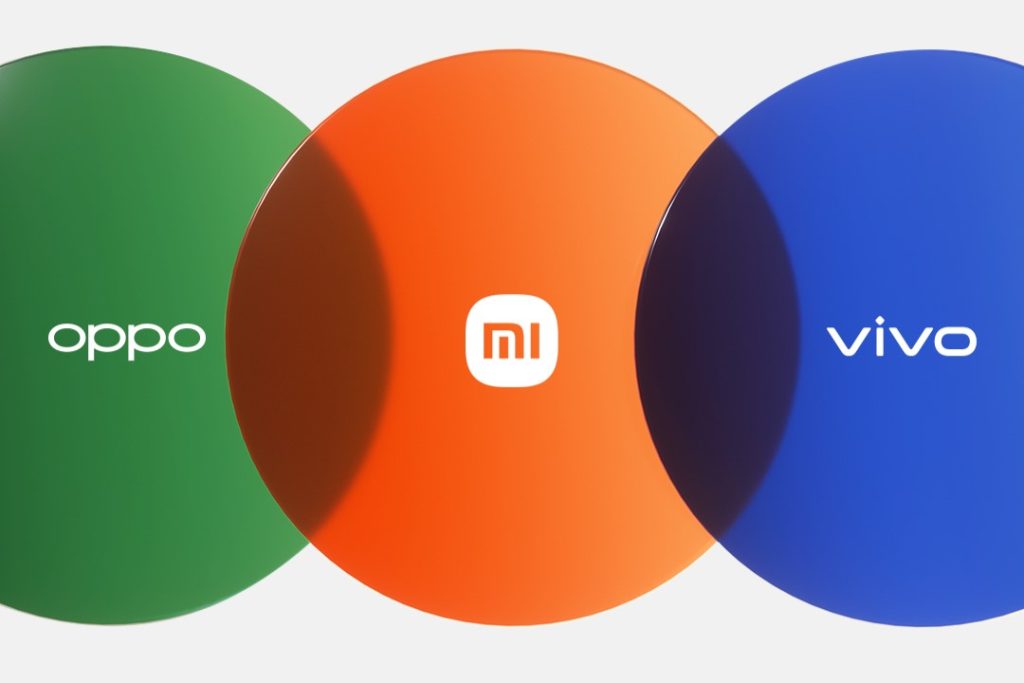
To mitigate this issue, the top 3 Chinese OEMs have partnered to build a new solution.
Thanks to this new partnership, users can migrate data from their old smartphones to new handsets belonging to any of these three brands efficiently.
Previously, users were only able to transfer photos and contacts between devices from these brands. But now, they can also transfer third-party apps and their data. Thus, the experience is now almost similar to migrating data between handsets from the same brand.
As of now, we are not sure if this functionality will make its way to global markets. Since peer-to-peer transfer is available outside mainland China, the improved data migration feature may also arrive in the near future.
Also, almost all brands, including Samsung (exclusive to China), joined the transfer alliance since its formation in 2019. So we can expect other brands to collaborate for the new better migration system.
Internationally, Google allows users to migrate data between different brands. But it is not perfect. Similarly, the search giant offers ‘Nearby Share’ to transfer files.
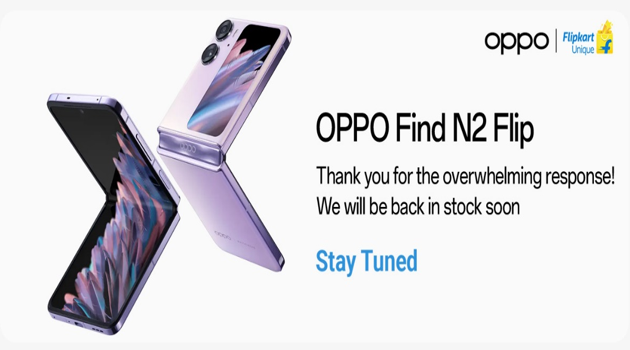
Oppo has just recently launched the Find N2 Flip in India, which is its latest foldable smartphone. But just a week into its release, it appears that the company’s new high end device has already been sold out in the region.
For those unaware, the Chinese smartphone maker had finally released the Find N2 Flip back on 17th March 2023. but earlier this week, the company announced that the Find N2 Flip model has been sold out within the first week of its availability on Flipkart. In other words, the device has been quite successful in the region, despite having an exorbitant price tag of 89,999 INR (roughly 1,088 US Dollars).
Talking more about this device, the Find N2 Flip also debuts the brand’s all new Flexion Hinge design that creates a water drop fold. In simpler terms, it has a much shallower and narrower crease on the main display compared to any other foldable phone. Oppo has also managed to fit a large 3.26 inch secondary display, which is quite large for a clamshell like handsets.
According to Damyant Singh Khanoria, Oppo India’s Chief Marketing Officer, “We are thrilled to bring the OPPO Find N2 Flip to our customers. The remarkable response within first week of its launch is a testament to the love for the best flip phone ever launched.” He further added that “Our partnership with Google further enhances the user experience by providing six months of free YouTube Premium and Google One to Find N2 Flip consumers. This partnership is a win-win for our customers and elevates the Find N2 Flip experience.”
This is our most anticipated premium phone this year, the OPPO Find x6 Pro. It’s been in my hands for about a week, and now I’m pretty sure it will probably become the legendary model of the whole series. It has the best display for a smartphone, the biggest sensors for triple main cameras, and the top performance and power solution. I know it sounds almost perfect, but I’m not exaggerating.
Design
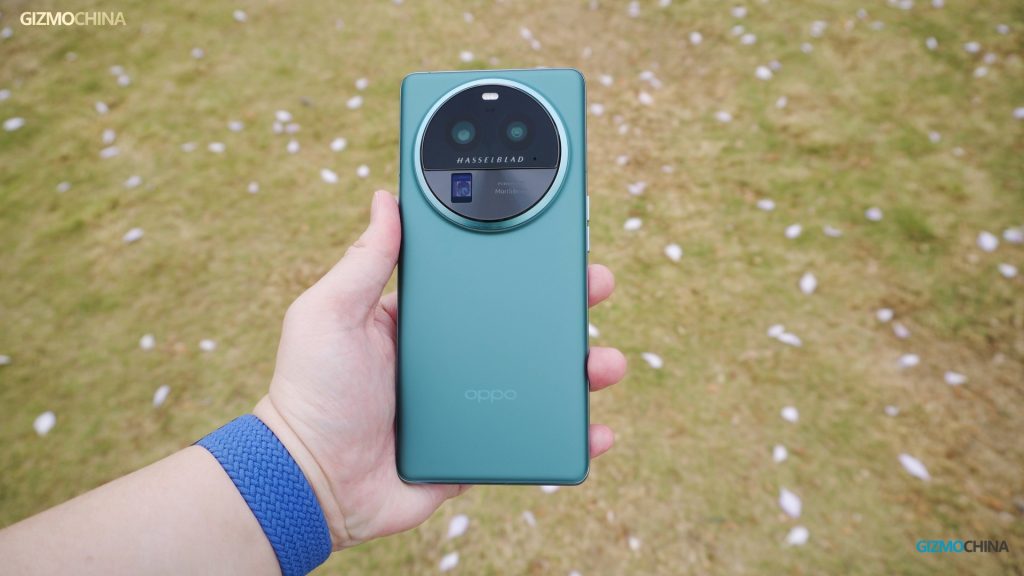
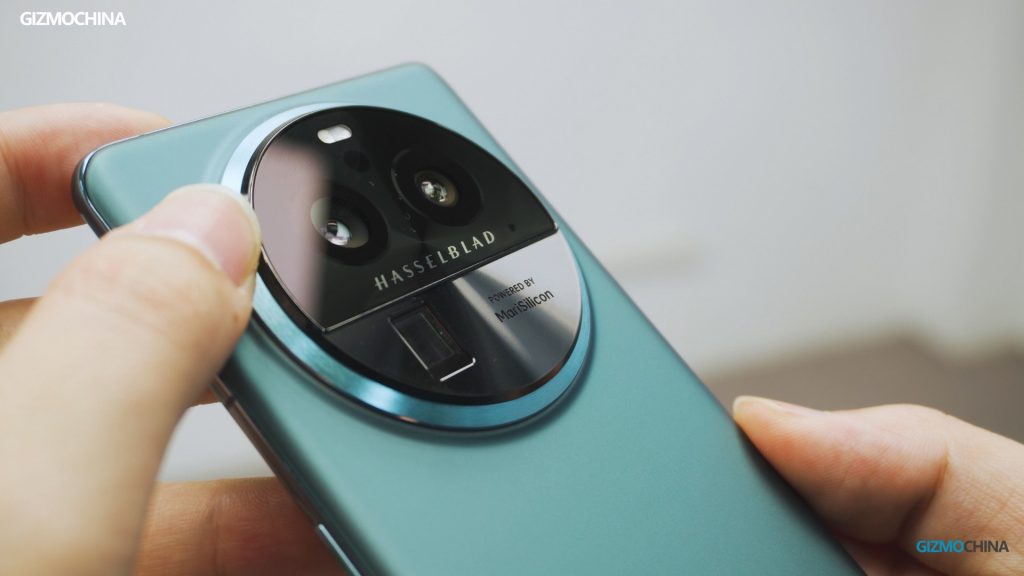
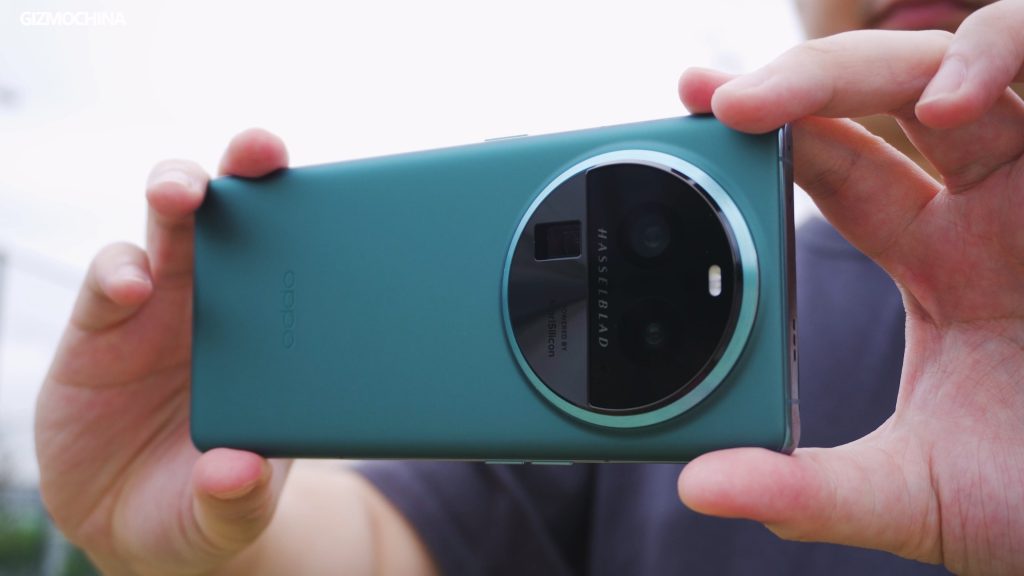
As the top flagship of OPPO, the Find X6 Pro still has excellent built quality with a smart and recognizable design. OPPO abandoned the sloping camera island design that they used on the Find X5 Pro, which was almost my favorite phone design last year. The brand-new huge round-camera module is swearing to us that aesthetics is giving way to powerful functionality. As the triple lenses with great sensors require much more space inside, the camera bump couldn’t flowingly blend with the back.
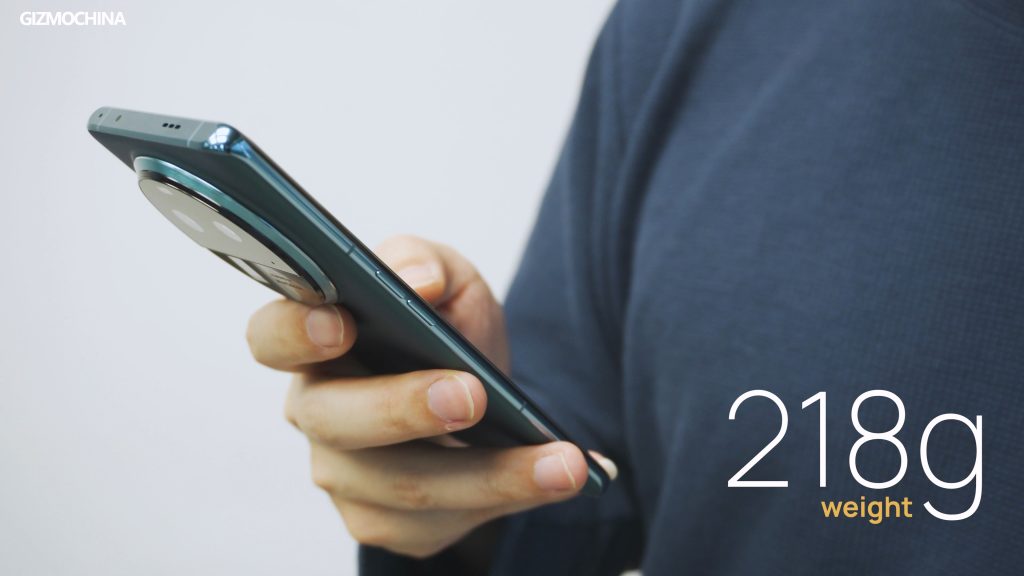
However, its center of gravity is not much affected by the large and thick module and neither shifted forward. And the weight of 218g is surprisingly lighter than I thought. So for me, the grip is good, not too heavy or too thick for holding. The glass variant looks pretty premium but it does feel a bit slippery.
I pretty much like the line they add to the camera module, which keeps the three lenses from being disorganized and also gives the location of the Hasselblad logo a reasonable reference. Actually, the upper part is covered with an extra protective glass panel.
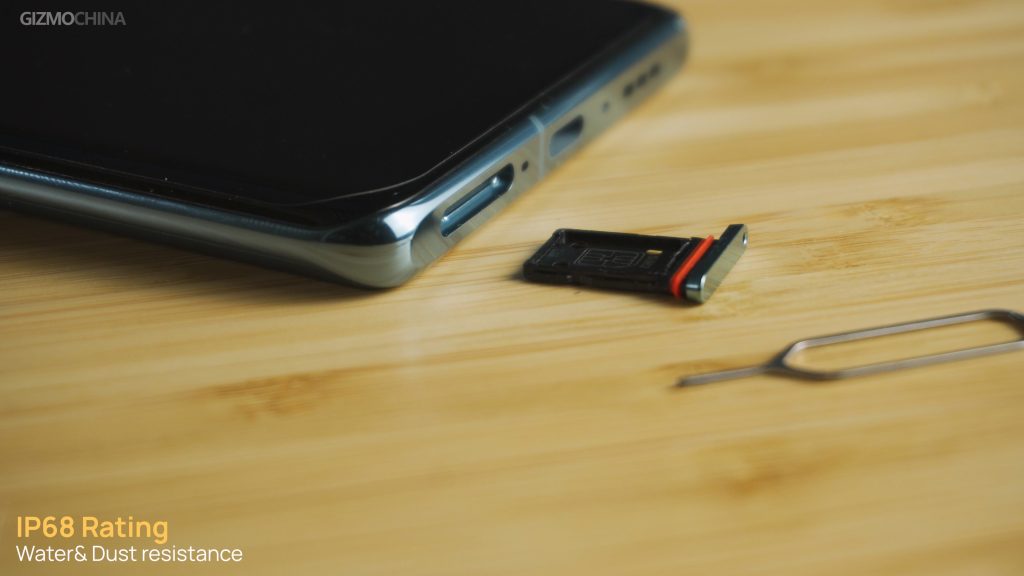
The glass cover mainly curves towards both sides where it meets the polished aluminum frame. Like its predecessor, the frame is thin but solid on the sides and interrupted by antenna strips in 7 spots. The SIM slot with a rubber ring is on the bottom, which can take up to two nano-sized cards. As claimed, the phone supports IP68 rating water and dust resistance.
The Brightest Display
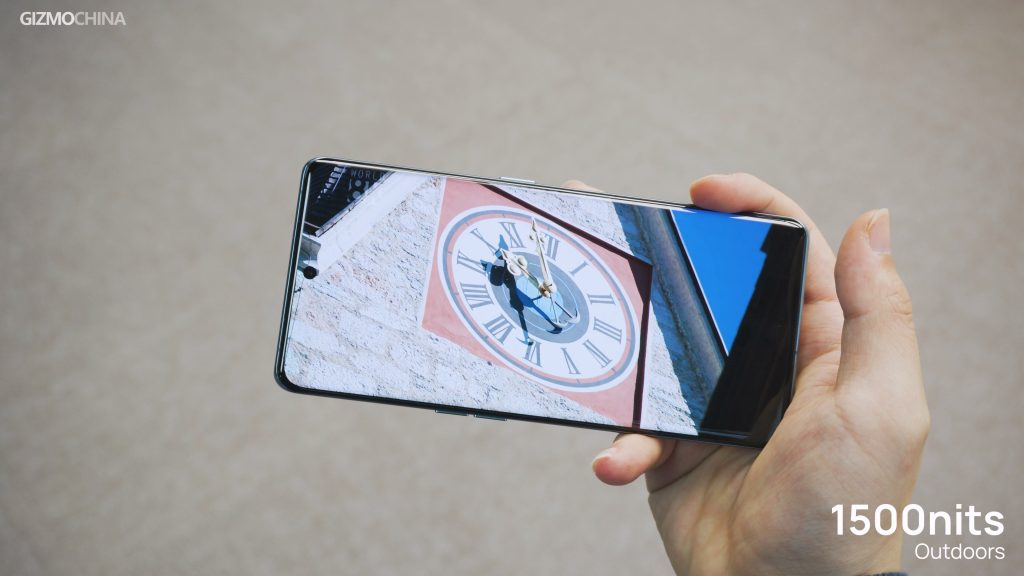
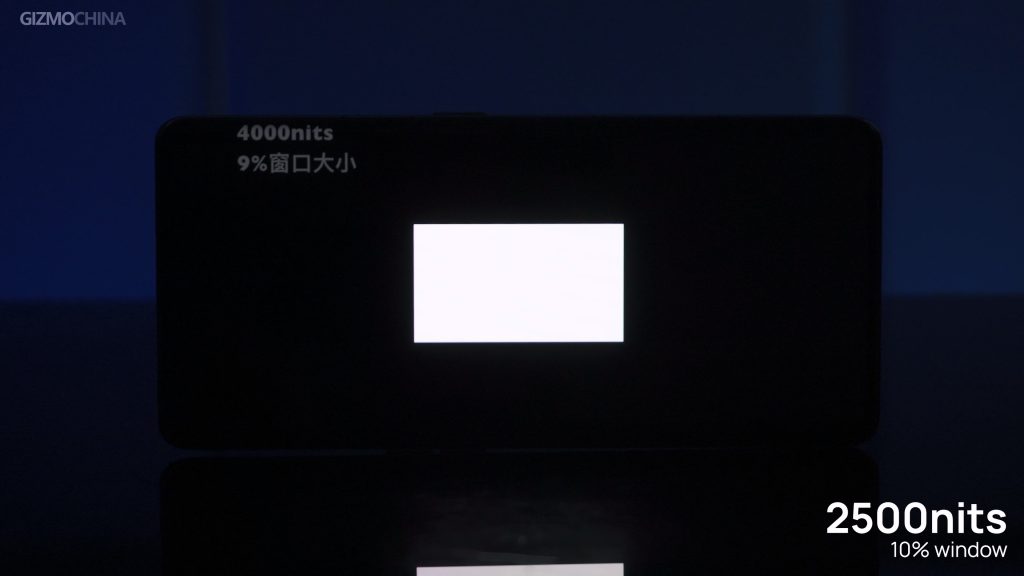
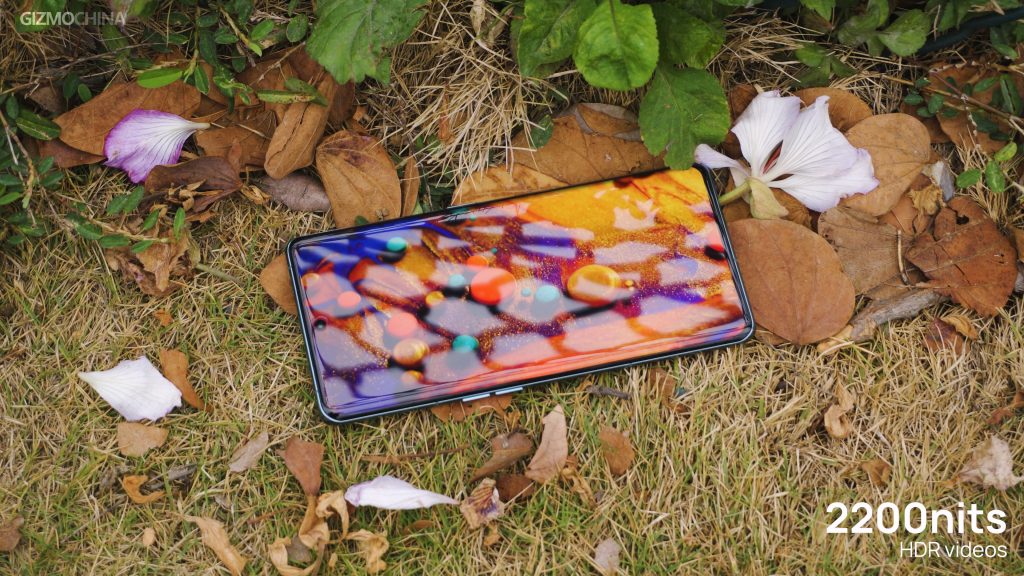
The front face covers a 6.82″ 2K-level 120Hz LTPO Amoled display, which is one of the most stunning phone screens I’ve ever seen, because it’s so bright! The screen is OPPO’s brightest screen ever and probably the brightest one that I’ve ever reviewed. It can be boosted up to 1500 nits outdoors, and reach around 2500 nits in a 10% window. What made me so surprised is for watching HDR content. If we turn on the bright HDR video mode in settings, the activated brightness can be boosted up to around 2200nits.
Outdoorslocal 10% windowHDR 10+ & Dolby Vision
Sometimes I even felt uncomfortable when activating the maximum brightness indoors. But this’s not its fault. The super-bright screen provides a better option to enjoy Dolby Vision and HDR videos. And of course, the Find X6 Pro comes with dual loudspeakers for stereo sounds. You can check it out here by yourselves.
Triple main cameras with big sensors
It’s almost like an end-game of all brands’ camera phones this year since there’s not much space for the existing technologies to support the annual upgrade. You will probably find a lot of new flagship models coming with similar multi-lens setups, but hard to figure out what exactly got improved. Even though the shooting experience could be improved, it’s hard to say how much progress in imaging it has made over tough conditions.
But the OPPO Find X6 Pro is an exception. It’s done almost all it can do to construct the huge round module. And the fact is that its upgrade of the cameras is so straightforward, instead of just staying on the advertisement and so-called algorithm optimization.
So what’s the most effective way to improve the imaging quality of the three lenses? It’s quite easy to answer the question: a bigger sensor, another bigger sensor, and another bigger sensor.
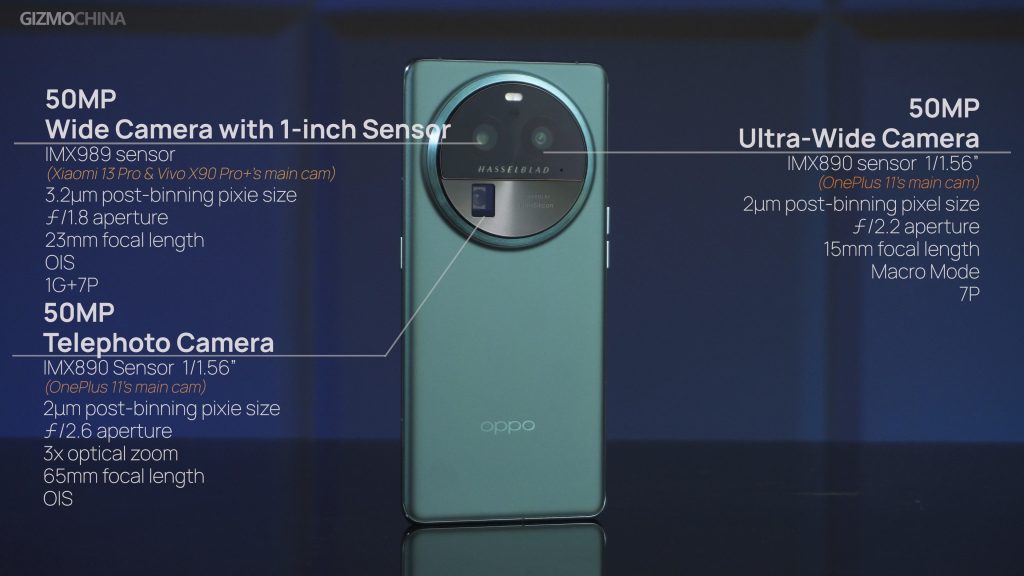
This is their most aggressive solution ever. The 0.6x ultrawide angle lens and 3x telephoto lens both use the same SONY IMX890 sensor as the main camera of the OnePlus 11, while the 1x main camera uses the same SONY IMX989 as the main camera of the Vivo X90 Pro+ and the Xiaomi 13 Pro. We can even say that the Find X6 Pro comes with three main cameras without any secondary lenses.
So technically the Find X6 Pro should have the best 3x telephoto lens and best ultrawide lens for smartphones and is likely to have one of the best 1x main cameras.
HDR – Colors are not oversaturated but great in original image
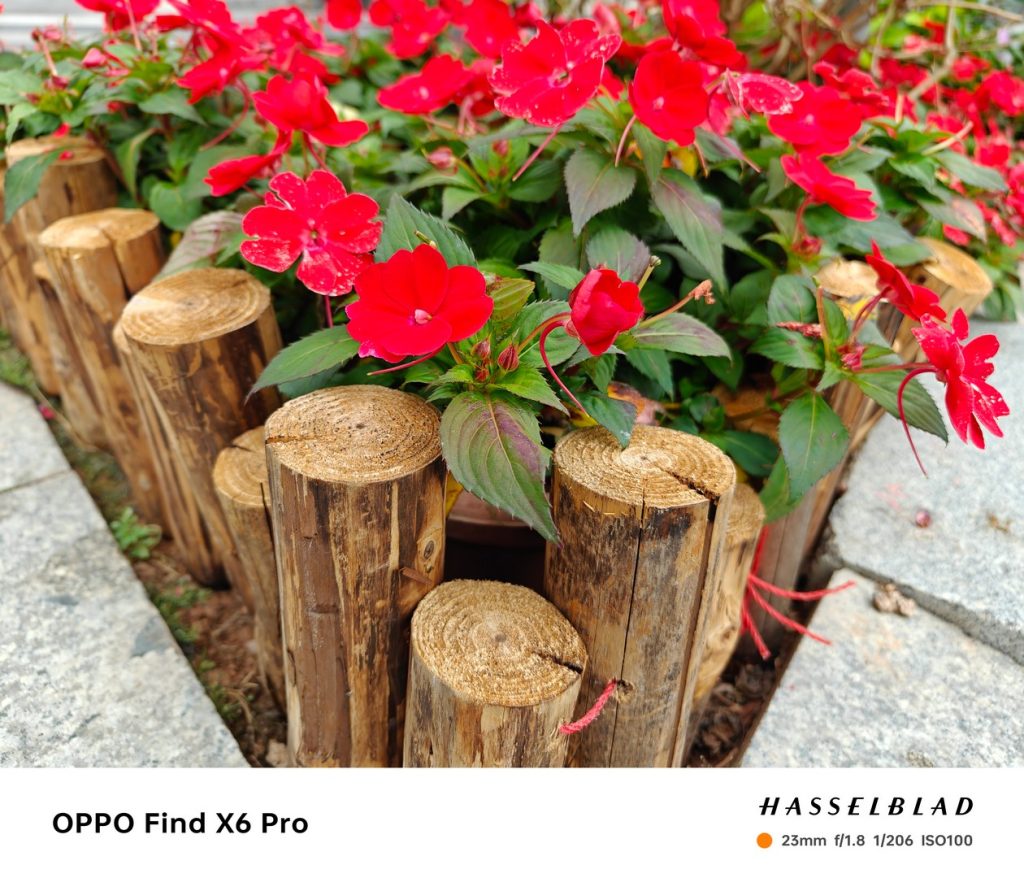
The sample was taken outdoors on a cloudy day, and the Find X6 Pro has the same natural but stylish colors, and the excellent dynamic range is also impressive under such a complex scenario. We can see that the sky is not overexposed and we can see some detail in the clouds, while the buildings in high contrast also reserve good detail with correct exposure.
The SONY IMX890 has almost twice the size of other telephoto sensors on flagship phones, so actually, it’s what we really anticipate. In this section, we will focus on the telephoto lens.
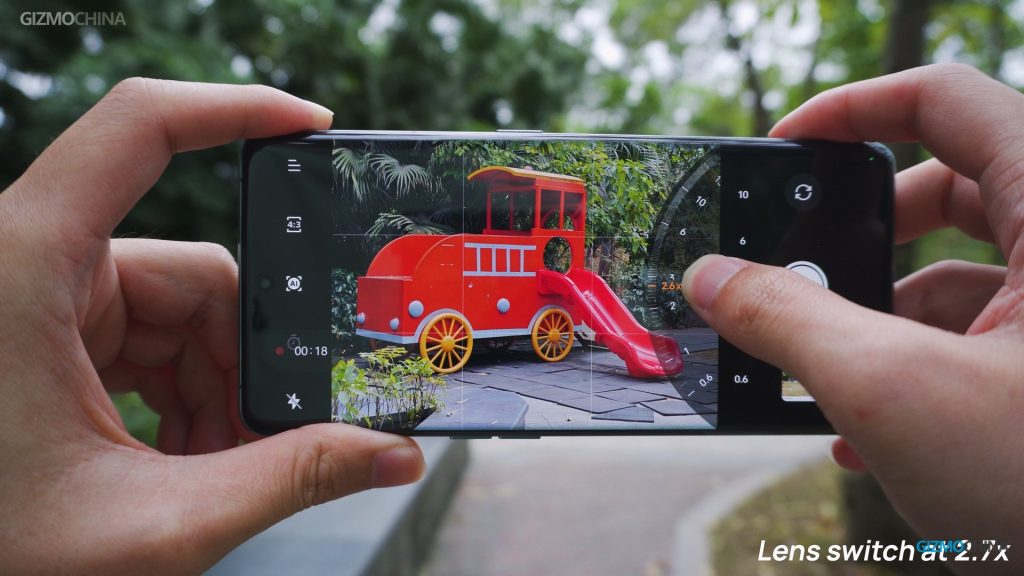
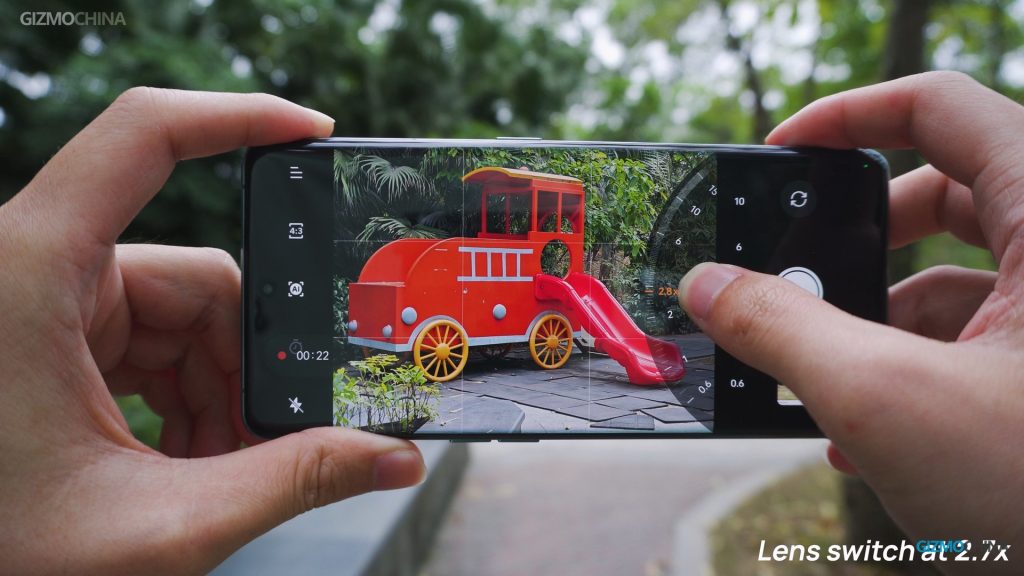
Because of the large sensor size, the Find X6 Pro’s telephoto camera couldn’t have a high-x optical zoom. Although the default optical zoom option is 3X, you will find that the lens could be switched to 2.7X if you manually zoom in. So it’s actually a 65mm full-frame equivalent lens.
2.7x – Lens switch2.6x – 1x lens
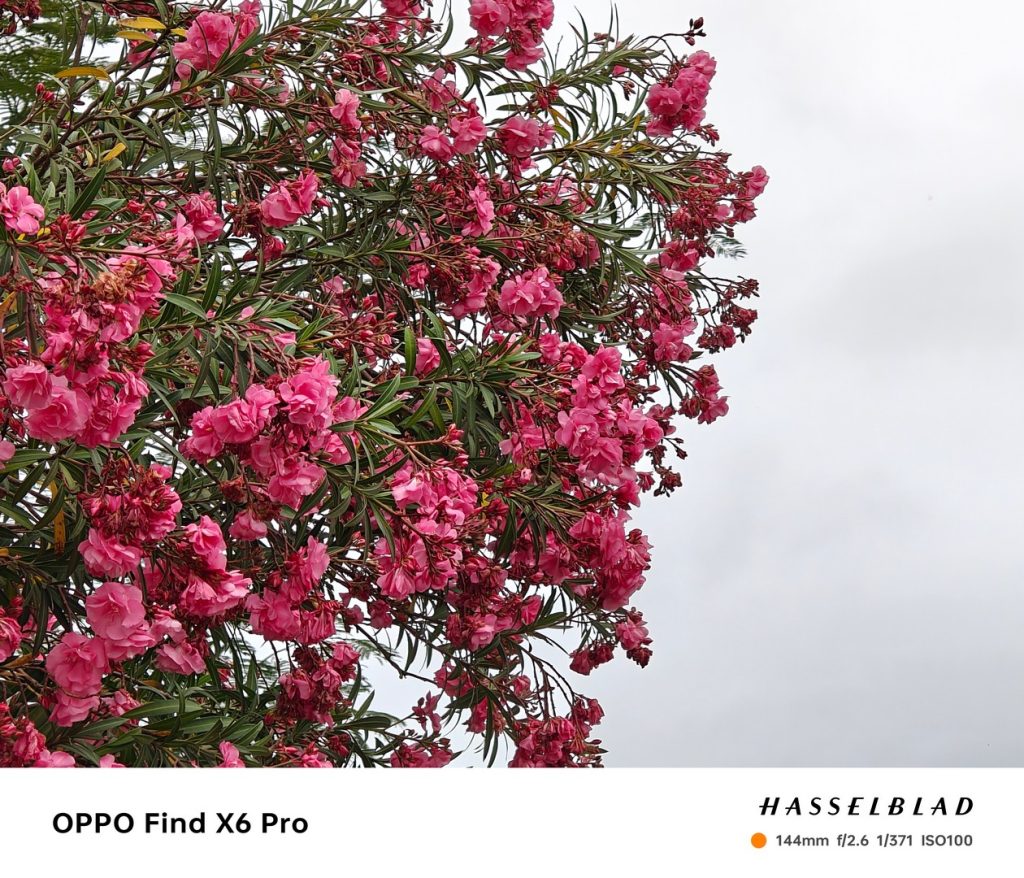
There is also a 6X option on the default list. Thanks to the huge size and sufficient pixels of the imx890 sensor, OPPO brought the in-sensor Zoom technology to the Find X6 Pro’s telephoto lens, which delivers sharper detail and less noise than traditional digital zooms.
Another impressive experience is the smooth zooming in and out between the three lenses. The image and colors are almost consistent in the view-finder when the lenses switch.
When switching to the telephoto lens, the optical zoom brings much more subtle detail compared to the other lenses. When switched to the 6X Zoom, the detail of the photos was even further enhanced, which is not attributed to the excellent optical quality of the sensor, but also thanks to the optimization of OPPO’s Mari silicon NPU over the past two years. The AI capacity allowed for further enhancement of the textures of various objects in the photos.
From the samples here we can see that the Find X6 Pro’s telephoto lens not only brings amazing detail to the photos, but also achieves great consistency in color and white balance with the 1x lenses, and once again, if you capture zoom-in photos a lot, I highly recommend you try the 6X Zoom on the X6 Pro. The in-sensor Zoom took better advantage of the huge number of pixels on the sensor. And you no longer need to tolerate the slow capture speed and huge photos under the high-resolution mode and crop the picture by yourself. On the Find X6 Pro, it’s really smooth and convenient.
3x6x3x6x3x6x3x6x
There is no doubt that the ultrawide angle lens with SONY IMX890 is the best ultrawide lens I’ve ever experienced. It has the least noticeable lens distortion and the best detail we’ve seen on an Ultrawide angle lens. The Sony IMX890 sensor makes it no longer a dispensable appendage: great dynamics, consistent colors, and no more fringing.
When we moved indoors with more complex lighting, the Find X6 Pro’s telephoto lens even showed us a comparable dynamic range with the sample shot with the one-inch sensor, The complex reflections on the surface of the model bear are so fantastic as you can see with your naked eye, and its colors are more vibrant and vivid.
When I came to this scene the ambient light was even worse, and it is a common fact that in this case, many flagship phones with a telephoto lens will auto-switch to a main camera when it detects insufficient lighting. Because the smaller sensor on most telephoto cameras may get worse photos by optical zoom in low light. But on the Find X6 Pro, we can see that the photos captured by the telephoto lens are substantially better than the 1x camera in terms of detail, color, and dynamic range.
3x6x3x6x3x6x3x6x3x6x
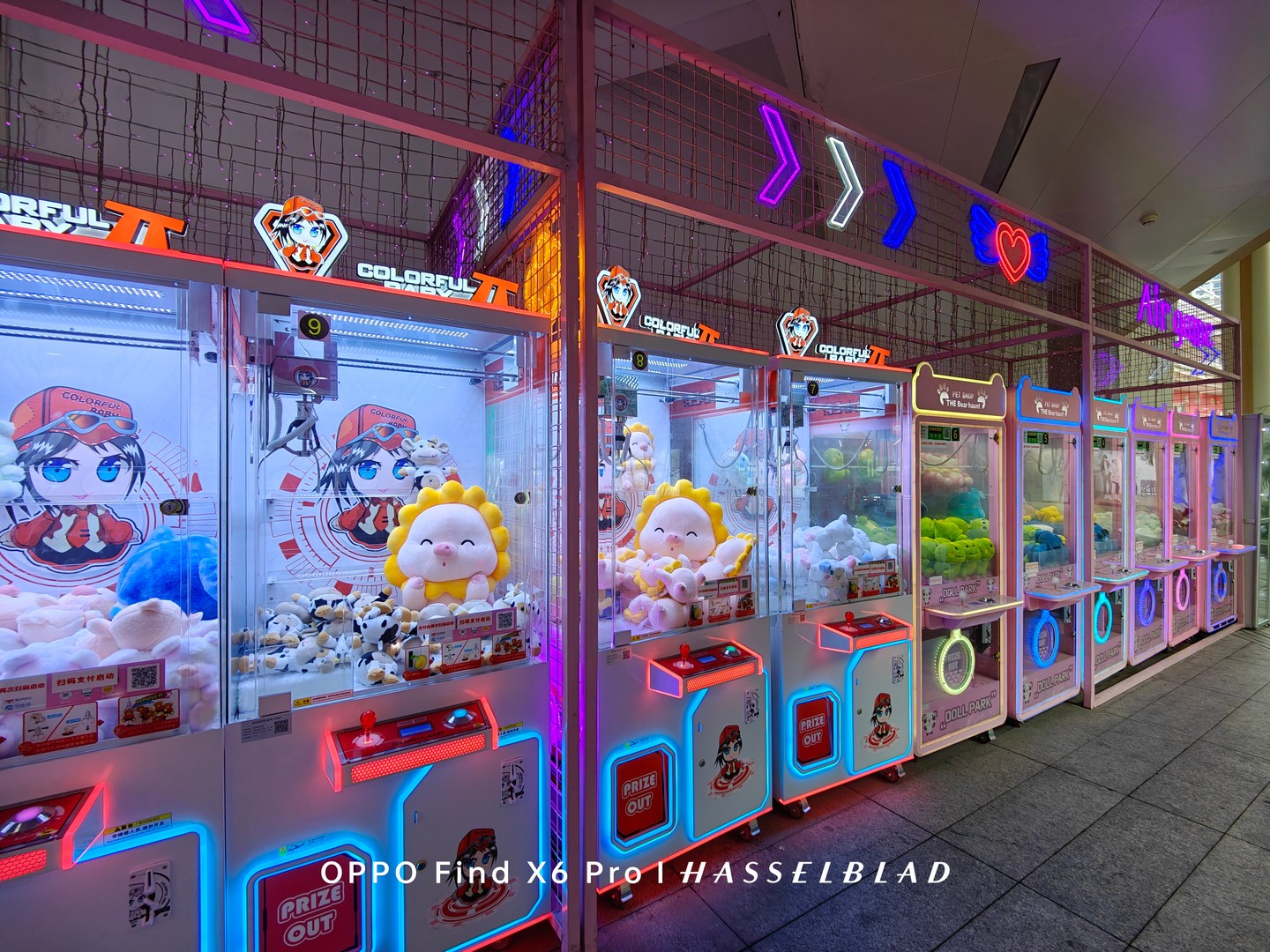
I tried shooting these samples in low-lighting conditions to find out which lens is better for night shooting. But there’s no absolute answer on the Find X6 Pro, which now is really up to users. No matter which lens you use, it can handle well with night scenes. You just have to make sure that the composition is what you really want. The Find X6 Pro makes the lenses indeed no priority. All three lenses are able to get the best photos at their own focal length.
The new Hasselblad Portrait Mode is also impressive. Available at 24 and 65-mm focal lengths, the simulated lenses bring a stunning bokeh effect and impressive contrast. The photo keying does look pretty accurate and natural, as they claimed a new bokeh algorithm is applied here.
Given the OPPO Find X6 Pro’s incredible improvement in all the lenses, especially in telephoto shooting, I think it’s likely to be the best camera phone of 2023, even if the upcoming Xiaomi 13 Ultra may gain ground in other dimensions, My only complaint about the Find X6 Pro is still not able to bring live preview to the camera, although it’s not a problem specific to OPPO phones. When you take a night shot, you can only see the final result in the album. While this is a process that can bring surprises, I think users would be happier if they could see what they would get in the camera viewfinder.
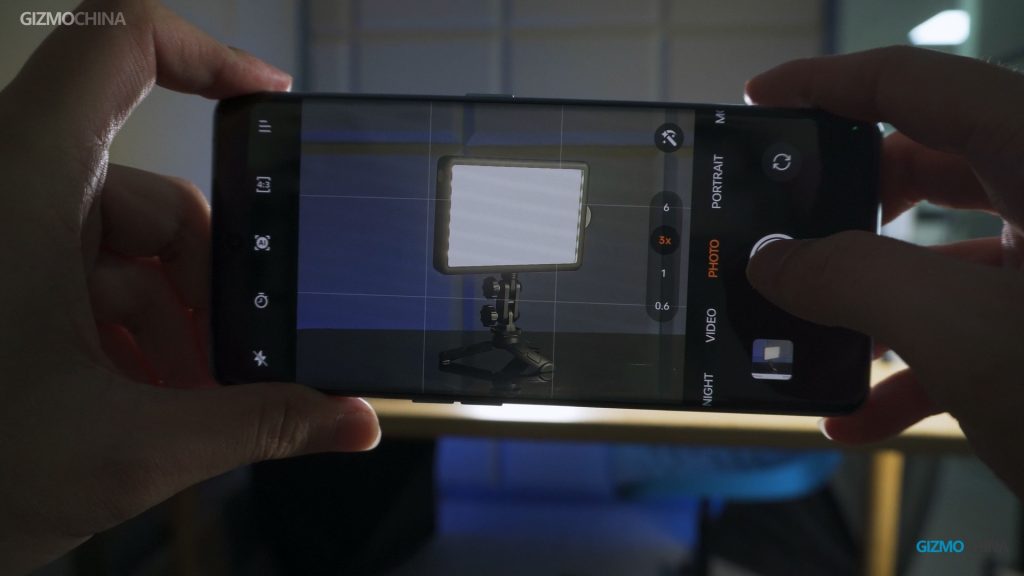
viewfinderimage we got
The delayed preview also led me to an unexpectedly small bug. The telephoto lens sometimes would incorrectly handle the color of the lights at night. You can see that the algorithm incorrectly recognizes the purple lightbox as black&white, but the camera handles the colors correctly once switching to the 6X Zoom. But apparently, OPPO applies complex algorithms here to perform great real-time processing on each photo, and hopefully, they will fix it in the near updates.
Video shooting
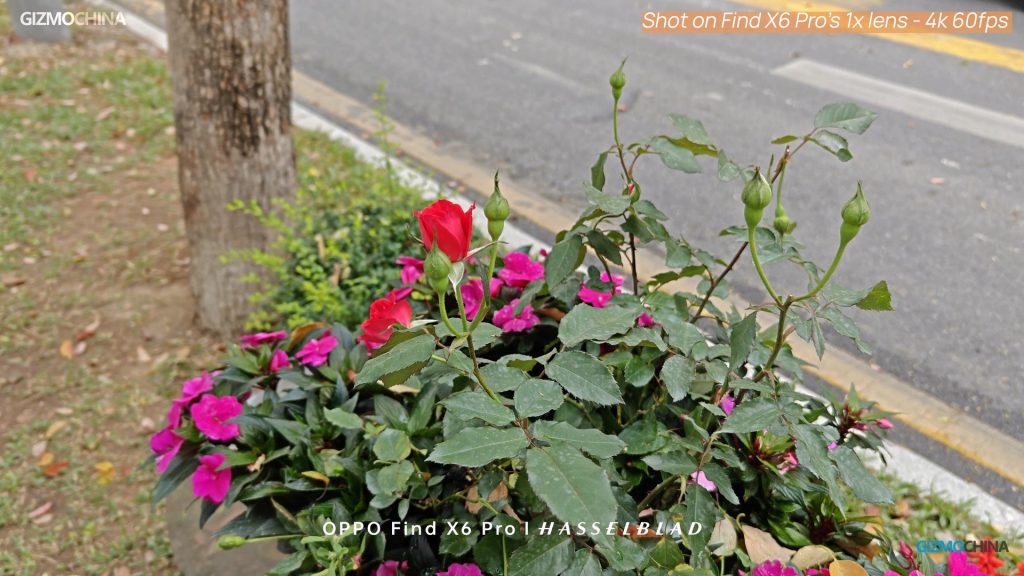
In terms of video recording, OPPO didn’t pursue 8K resolution, but put more effort into color and dynamic range for up to 4K videos shot on all three lenses including a 6x option. The footage here shows that the cloud has a good transition without over-exposure issues. Even when we switch to the telephoto lens, the rich details of the surface of distant objects can be captured very well.
1x3x
The telephoto lens with great aperture is impressive to have close shots. You can get a very nice depth of field and pretty sharp details, This is the first time I feel that smartphones are finally catching up with some portable digital cameras over video shooting.
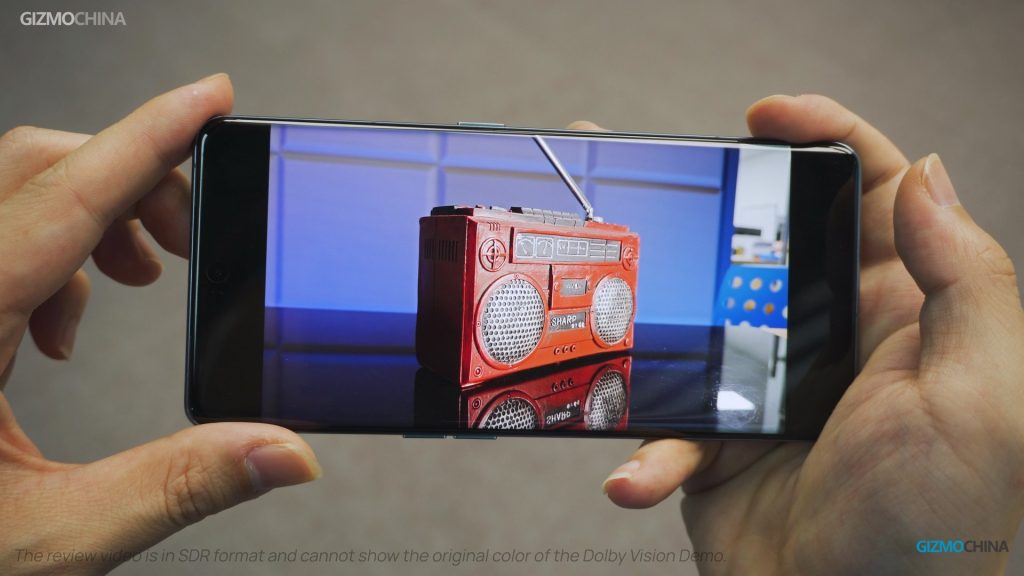
4K 30fps Dolby Vision shot & playback on Find X6 Pro
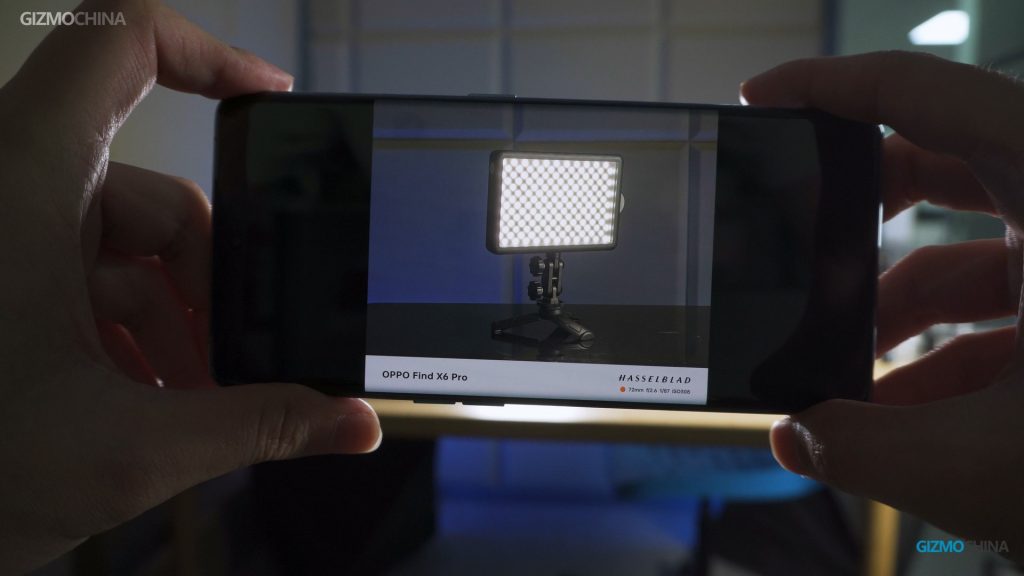
Another great surprise is the capacity of shooting Dolby Vision videos. And it’s also a pleasure to play back the footage with the bright display. The Dolby-Vision shooting seems to be more meaningful at the same time, as we can see a more immersive dynamic image on the phone, and its rich colors and high contrast easily pull us into the memories of the shoot.
Verdict
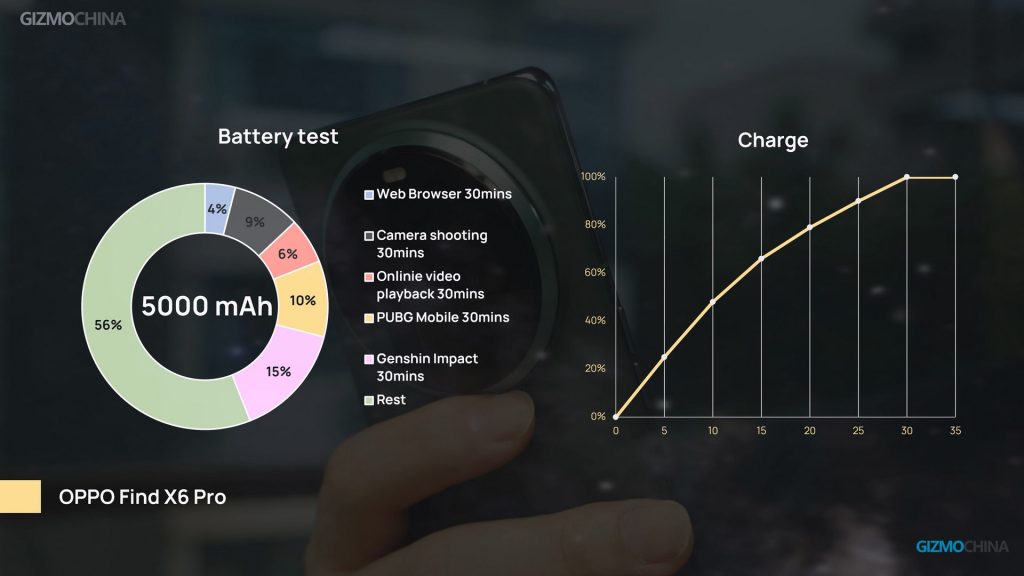
To be honest, there’s still a lot to share with you about the OPPO Find X6 Pro, like Snapdragon 8 Gen 2 performance, 100W wired plus 50W wireless charge, and new software features of Color OS. It doesn’t seem to have any drawbacks, and I did try very hard to dig into it for more details. But that will have to wait until our next video about it, so please stay tuned and subscribe to our YouTube channel Gizmochina.
Disclaimer: All of the opinions in this Oppo Find X6 Pro review are the Gizmochina Review team’s and based on editors’ own experiences. There has been no editorial input from Oppo.
According to a recent report by Mandiant, a leading information security company, hackers exploited 55 zero-day vulnerabilities in 2022. Zero-day vulnerabilities refer to security flaws in software that are publicly disclosed or exploited before the company responsible for patching it is aware of the issue. Due to the lack of protections or firewalls in place, hackers often take advantage of these vulnerabilities to carry out attacks.
The report by Mandiant found that the three largest technology vendors in the world, Microsoft, Google, and Apple, were the most commonly exploited vendors for the third year in a row, with 18, 10, and 9 zero-day vulnerabilities respectively. The most frequently affected product types were operating systems (19), browsers (11), security, IT, and network management products (10), and mobile operating systems (6).
Interestingly, the report revealed that desktop operating systems were most exploited, with 19 zero-day vulnerabilities identified. Windows was the most affected, with 15 zero-day flaws, followed by macOS with four. In the case of mobile operating systems, 5 zero-day vulnerabilities were exploited in iOS and one in Android.
The report also highlights that China was the country that exploited the most zero-day vulnerabilities in 2022, followed by North Korea and Russia.
While the number of zero-day vulnerabilities exploited in 2022 decreased from the previous year, the report indicates that these kinds of exploits will likely continue. The report recommends that organizations take proactive measures to address these vulnerabilities, such as implementing security patches and conducting regular vulnerability assessments.
Recently, Microsoft fixed a critical zero-day issue in Outlook that had been exploited by a hacker group to attack a number of European government and military organizations in 2022. It is important for organizations to remain vigilant and take necessary precautions to prevent potential zero-day vulnerabilities from being exploited by cybercriminals.
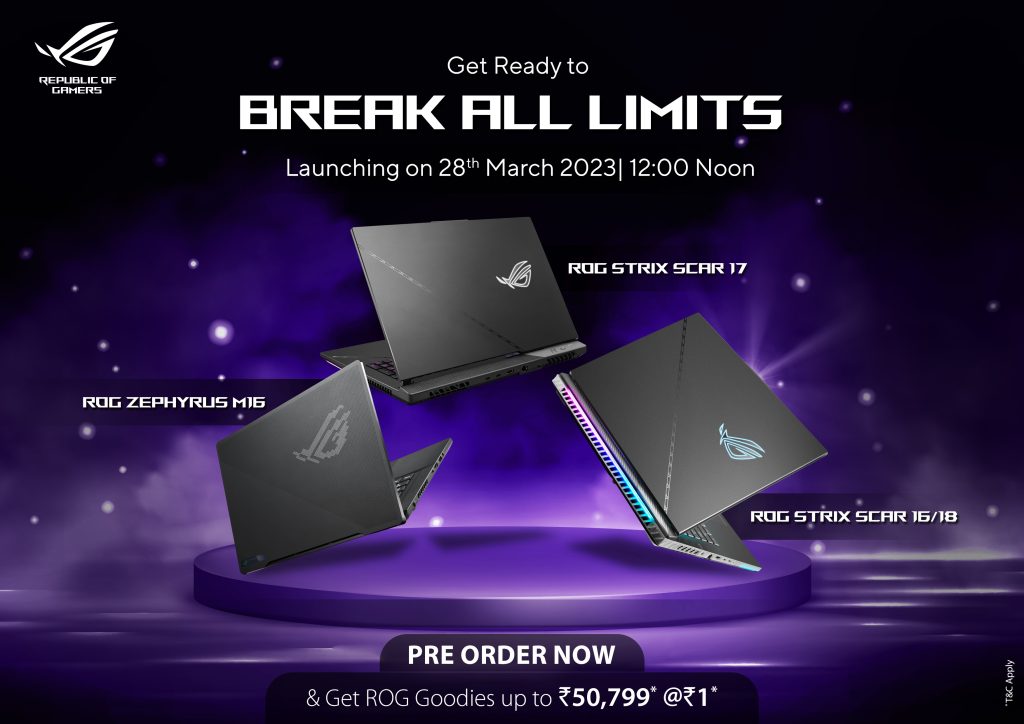
Asus has just began taking pre-orders for a couple of its latest generation of gaming laptops. These notebooks fall under its ROG (Republic of Gamers) lineup’s Zephyrus and Strix Scar series. So here are all the details.
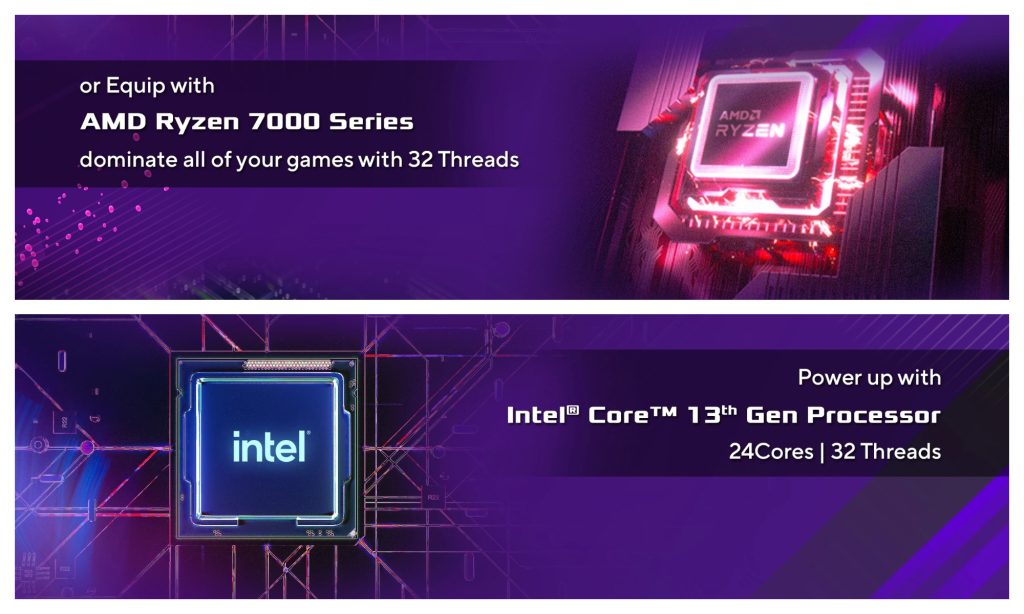
With the new ROG laptops, the company is aiming to offer a top notch gaming experience. These new gaming notebooks will be equipped with the latest CPUs and GPUs from the likes of AMD, Intel, and Nvidia. These beefy specs will also be paired with a robust thermal management system called Intelligent Cooling Technology for improved cooling efficiency to avoid throttling. Talking about the ROG Strix Scar 2023 series first, the these models feature a much more capable cooling mechanism to allow for longer gaming sessions.
Apart from refresh in internal hardware to bring latest specs, Asus has also bumped up the size of the display on these gaming laptops, which now start from 16 inches and go up to 18 inches for a more immersive experience. The ROG Strix Scar models basically aim to offer the best gaming experience, while the new Zephyrus models are thin and light models that aim to offer strong performance on the go.
The new models include the new Zephyrus M16 and the Zephyrus 16 Duo, which feature sleek and lightweight design. This model is equipped with an AniMe Matrix display, which is basically an array of LED lights. Furthermore, users can also customize the screen to display different patterns and animations. Despite its portable form factor, the Zephyrus M16 will still offer a great platform for gamers.
The Asus ROG Strix Scar Series and Zephyrus M16 are currently available for pre-order along with the Zephyrus Duo 16. The Strix Scar models includes the new Strix Scar 16, Scar 17, and the Scar 18. For those that register to get a chance to pre-order these new laptops, they can expect to receive a bundle of ROG accessories. This includes the new Gladius Il Mouse, ROG Scope Keyboard, and ROG Strix go core Headphones.
Alongside this, users can also get a 1+2 warranty and a 3 year LADP on the laptops, valued at up to Rs. 50,799, all for just 1 INR. You can redeem these goodies by filling out the pre-order form which will get you a coupon code that you can redeem at asuspromo.in. For those interested, you can also read to Asus Exclusive Stores, Flipkart, Amazon, or the company’s official website, as well as Reliance, Vijay Sales, Croma, and JioMart to pre-order the new laptops between 22nd March to 27th March 2023.
Xiaomi launched theRedmi Note 12 series in India in early January. The company introduced three models and all of them are 5G-enabled.
Now, weeks later, the firm has confirmed to debut a new phone in the lineup. This device is limited to 4G connectivity and it is officially called Redmi Note 12 (without 5G at the end).
The 4G variant of Redmi Note 12 is scheduled to launch in India on March 30. It will be one of the many new products debuting at the Xiaomi Fan Festival, which will run from March 30 to April 20.
The teaser page for the handset discloses its key features. The smartphone will look similar to its 5G counterpart, however, the specs will be nearly identical to those of the Redmi Note 11.
The phone is said to come with a 120Hz Super AMOLED display. The screen is expected to offer FHD+ resolution and measure 6.67 inches in size.
The device will be powered by a Qualcomm Snapdragon 685 SoC, which is nothing but an overclocked Snapdragon 680. It will flaunt a 50MP (wide) + 8MP (ultra-wide) + 2MP (macro) triple rear camera system and a 13MP selfie camera.
Last but not least, the handset will be backed by a 5,000mAh battery with support for 33W wired charging.
Huawei is gearing up to launch the P60 series flagship smartphones in China tomorrow. These devices will be accompanied by the Enjoy 60 smartphone and the Huawei FreeBuds 5 TWS earphones. The upcoming TWS earphones feature quite an interesting design that looks like a weather drop. Leaked images and specs of the earbuds have given us a fair idea of what to expect. Although the gadget will launch tomorrow only in China, the global launch will likely happen soon after as the FreeBuds 5 have cleared SIRIM certification.
Spotted by tipster Mukul Sharma, the listing reveals that the Huawei FreeBuds 5 bears the model number T0013 and confirms the Huawei FreeBuds 5 moniker. No further details are revealed by the listing, but it’s almost certain that the earbuds will soon launch in Malaysia. Let’s take a look at what we know so far about these earbuds.
Huawei FreeBuds 5 specs (rumored)
The much-awaited Huawei FreeBuds 5 have been creating quite a buzz lately, and leaked images have now revealed their unique design. With a waterdrop-shaped structure that boasts a rounded handle and textured appearance, the earbuds offer a comfortable fit with no discomfort. Furthermore, they weigh only 5.5g each, making them incredibly lightweight, while the charging case weighs 44.4g, bringing the total weight of the set to 55.3g.
Apart from their design, the FreeBuds 5 are also reported to offer exceptional sound quality and noise reduction. They support active noise cancellation and LDAC sound quality, as well as adaptive environmental noise reduction. Users will also have the option to customize swipe, double tap, and hold actions to their liking. Additionally, these earbuds are HWA/ Hi-Res Audio Wireless gold standard certified, which guarantees an exceptional audio output.
Although there is not much information available about the FreeBuds 5 yet, Huawei has confirmed that they will launch on March 23 in China, along with the Huawei P60 series, Mate X3 foldable, and the MatePad 11 (2023).
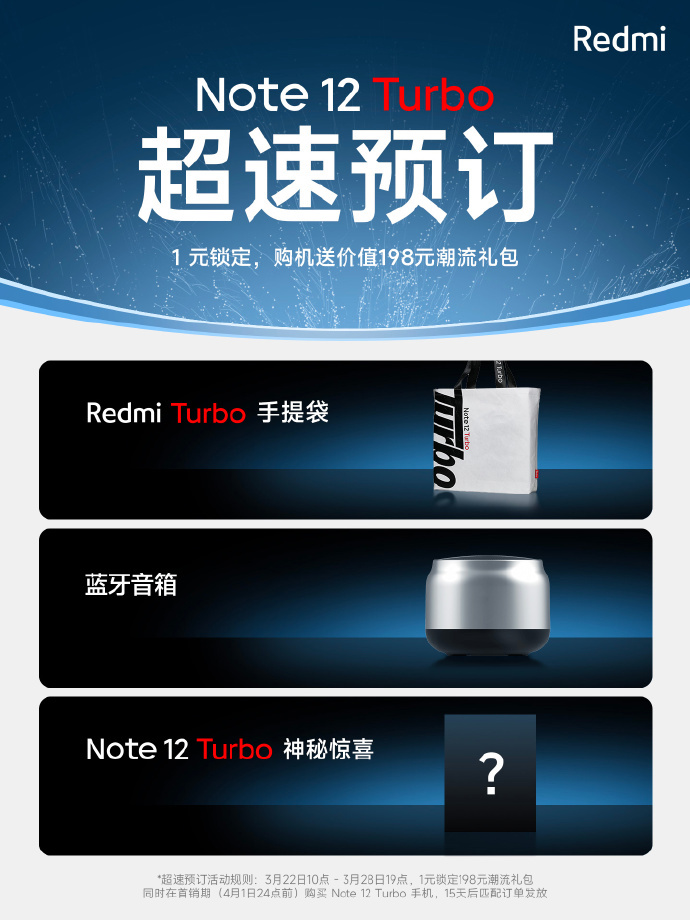
Xiaomi-backed Redmi has confirmed that the company will be launching its new Redmi Note 12 Turbo smartphone in its home country on 28th March.
Now, ahead of its launch next week, the Redmi Note 12 Turbo is available for reservation in China. The phone can be reserved by paying 1 yuan and when it’s purchased after the launch, the buyer will get goodies worth 198 yuan.
The teaser poster shared by the company reveals that the smartphone will feature a triple-camera setup on the back panel with a 64-megapixel primary sensor. There are volume rocker keys on the right side of the device, along with a side-mounted fingerprint sensor.
The top edge of the phone has a microphone, an IR blaster, a speaker grille, and a 3.5mm audio jack. On the bottom side, there’s a speaker grille, a USB-C port, a microphone, and a SIM slot.
Coming to the specifications, the Redmi Note 12 Turbo is expected to feature a 6.67-inch flat OLED display with a 120Hz refresh rate and a Full HD+ screen resolution. Under the hood, the device will be powered by the Qualcomm Snapdragon 7+ Gen 2 processor, making it the world’s first smartphone to come powered by this chipset.
As for the memory configuration, it packs up to 12GB of LPDDR5 RAM and 256GB of UFS 3.1 internal storage. Along with the 64MP primary camera sensor on the back, there could also be an 8MP ultra-wide lens and a 2MP macro lens. On the front side, there will be a 16MP snapper for taking selfies and video calling.
The smartphone is likely to run the Android 13 operating system out-of-the-box with the company’s own MIUI 14 custom user interface. It will be powered by a 5,000mAh battery with support for 67W fast charging.
We use cookies on our website to give you the most relevant experience by remembering your preferences and repeat visits. By clicking “Accept”, you consent to the use of ALL the cookies.
This website uses cookies to improve your experience while you navigate through the website. Out of these, the cookies that are categorized as necessary are stored on your browser as they are essential for the working of basic functionalities of the website. We also use third-party cookies that help us analyze and understand how you use this website. These cookies will be stored in your browser only with your consent. You also have the option to opt-out of these cookies. But opting out of some of these cookies may affect your browsing experience.
Necessary cookies are absolutely essential for the website to function properly. This category only includes cookies that ensures basic functionalities and security features of the website. These cookies do not store any personal information.
Any cookies that may not be particularly necessary for the website to function and is used specifically to collect user personal data via analytics, ads, other embedded contents are termed as non-necessary cookies. It is mandatory to procure user consent prior to running these cookies on your website.