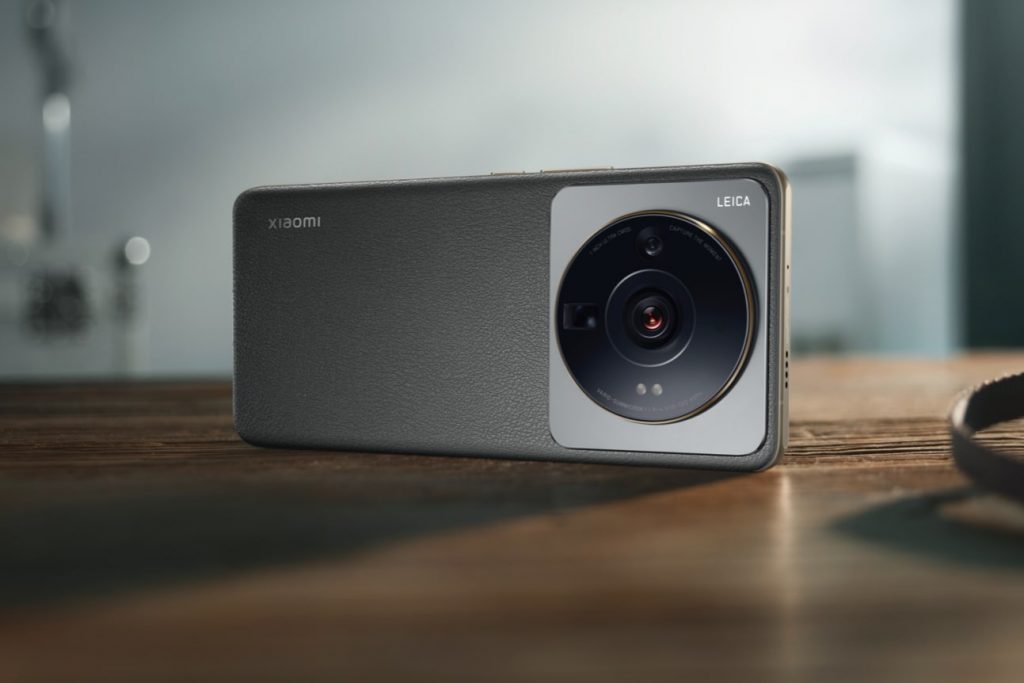
The existence of Xiaomi 13 Ultra was confirmed by the company’s CEO last August. He revealed that this device will be available outside mainland China, unlike the Xiaomi 12S Ultra.
We have been hearing about this handset consistently since December. A few days earlier, we even got to learn about its launch timeline.
Now, an alleged poster has emerged on the internet disclosing the exact launch date.
According to this leaked poster, the Xiaomi 13 Ultra will launch in China on April 17. The press conference will begin at 7 PM GMT+8.
The person who shared this image on Weibo is not sure whether it’s real or fake. Therefore, we would advise you to take this information with a pinch of salt.
As per reliable tipster SnoopyTech, the Xiaomi 13 Ulra will be unveiled in May. But he didn’t say whether this timeline is for global markets or China.
If it is for international regions, then there’s a chance that the China launch may indeed happen in April. In that case, we expect official teasers to arrive in the coming weeks.
According to leaks and certifications thus far, the Xiaomi 13 Ultra will come with 90W wired charging, 50W wireless charging, a Qualcomm Snapdragon 8 Gen 2 chipset, a QHD+ LTPO OLED display, a Leica-powered camera system, and MIUI 14 based on Android 13.
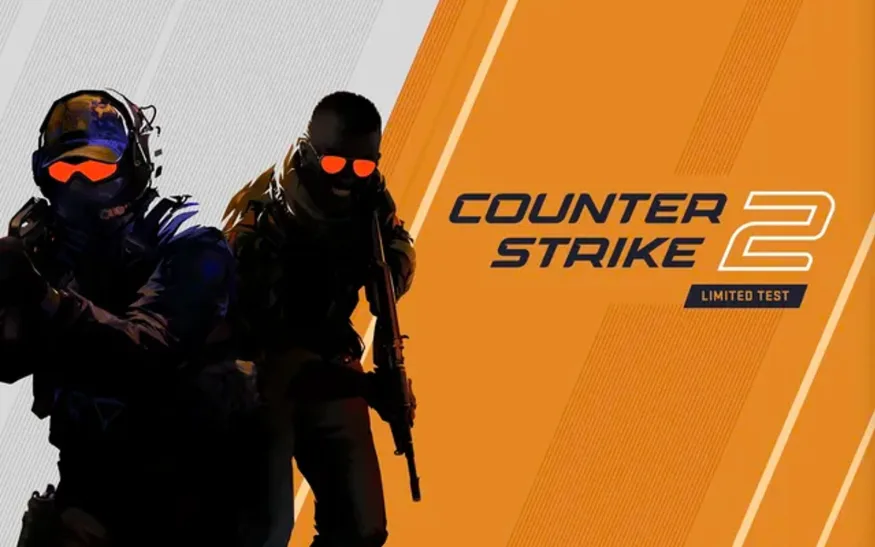
Counter-Strike is a first-person shooter video game that was originally developed as a modification of the popular game Half-Life in 1999. It was created by two developers, Minh Le and Jess Cliffe, who later worked with Valve Corporation to develop the game into a standalone game. The game quickly gained popularity, becoming one of the most played online games in the world. Counter-Strike 1.6 was released in 2003 and remained the most popular version of the game until the release of Counter-Strike: Global Offensive (CS:GO) in 2012. The game stayed that way for more than ten years, until yesterday when Valve finally announced Counter-Strike 2, the long-awaited upgrade to CS:GO.
Valve is offering a limited beta to select members of the game’s community. The game has been fully overhauled to update every system, content and aspect of the Counter-Strike experience. Valve has moved the game to the latest version of its in-house Source 2 engine, which will result in a noticeable improvement in graphic quality. Counter-Strike 2 will feature sharper textures, more realistic lighting, and additional geometry.
Valve has taken a three-tier approach to level design. Touchstone maps, such as Dust 2, will mostly remain untouched. Upgrade maps will use the enhanced lighting pipeline to improve the materials and reflections’ realism, while Valve plans to completely overhaul a handful of levels to take full advantage of its engine.
The gameplay has also been enhanced with the move to Source 2. For example, smoke grenades will now exist as volumetric 3D objects within the game world, which will make them responsive to other gameplay elements. For instance, shooting or throwing grenades through the smoke will allow vision through the smoke for a split second. Valve is also overhauling the game’s server architecture to support sub-tick updates, which should make the new entry feel like the most responsive Counter-Strike game to date. This will be the biggest gameplay shift from the last game, which relied on 64-tick updates for registering in-game movements and other actions, such as shooting.
Valve’s announcement of Counter-Strike 2 has generated a lot of excitement within the gaming community. With its enhanced graphics, improved gameplay, and overhauled server architecture, Counter-Strike 2 looks set to deliver an upgraded and thrilling experience for its loyal fans.
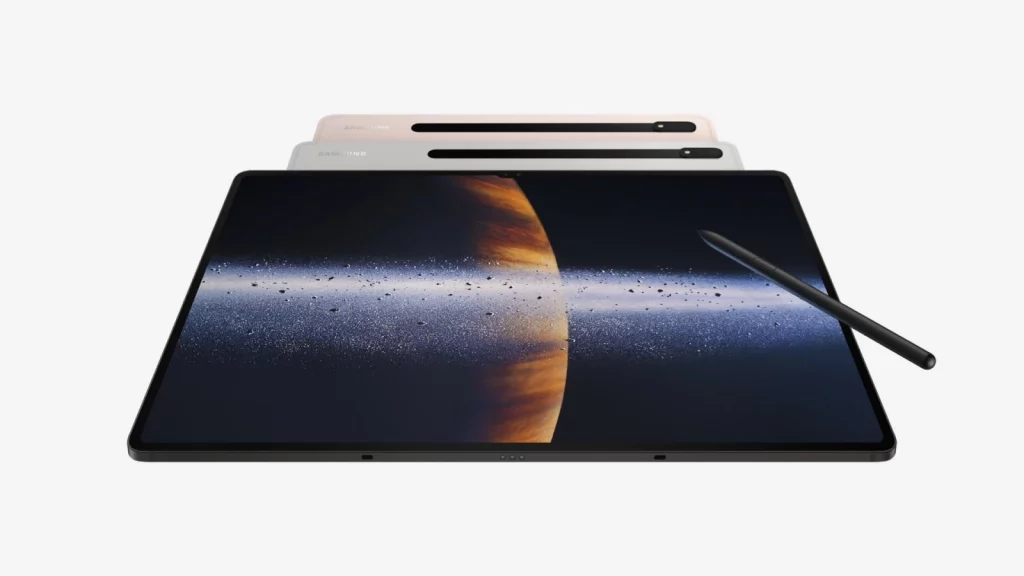
Tablets typically require larger batteries compared to smartphones because they have larger screens and more powerful processors, which require more energy to operate. Additionally, tablets often have a higher-resolution display, which requires more battery power to produce a sharper image. In addition to the hardware components, tablets are also designed to be used for longer periods of time compared to smartphones, so they need larger batteries to provide sufficient power throughout the day. Samsung is gearing up to unveil its Galaxy Tab S9, and as per the latest leaks, the tablet will get a significant battery bump this time around.
Samsung’s latest leak, which first surfaced on Galaxy Club and later on Sammobile, suggests that the company is taking battery performance even more seriously with its upcoming Galaxy Tab S9. According to a listing by the Chinese agency CQC, the unannounced tablet will have a rated capacity of 8160mAh, which should translate to a typical capacity of up to 8500mAh. This is a pretty good increase from the current Samsung Galaxy Tab S8‘s 8000mAh typical capacity.
It is unclear whether the other tablets in the lineup will receive the same treatment. However, previous leaks suggest that the flagship Galaxy Tab S9 Ultra will not have a larger battery capacity. Nonetheless, there are several other improvements expected to come with the Galaxy Tab S9, such as an IP67 certification. Samsung’s latest tablets are likely to debut later this year, possibly at the Galaxy Unpacked event in August. While the vanilla Galaxy Tab S9 is an exciting device, the most anticipated release is the rumoured Galaxy Tab Fold, Samsung’s first foldable tablet.
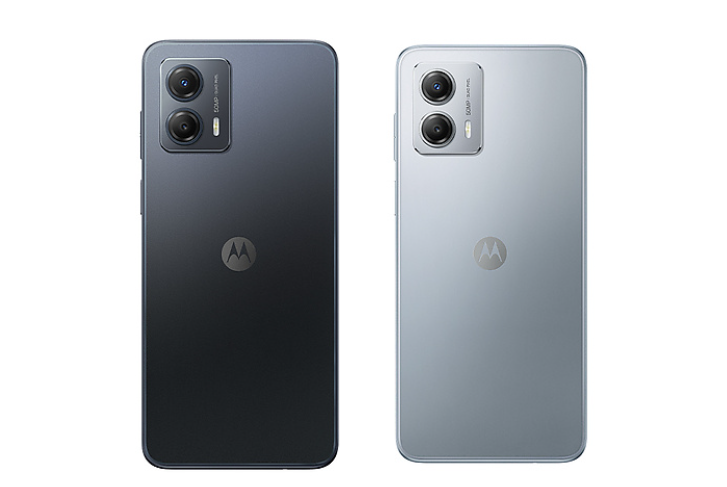
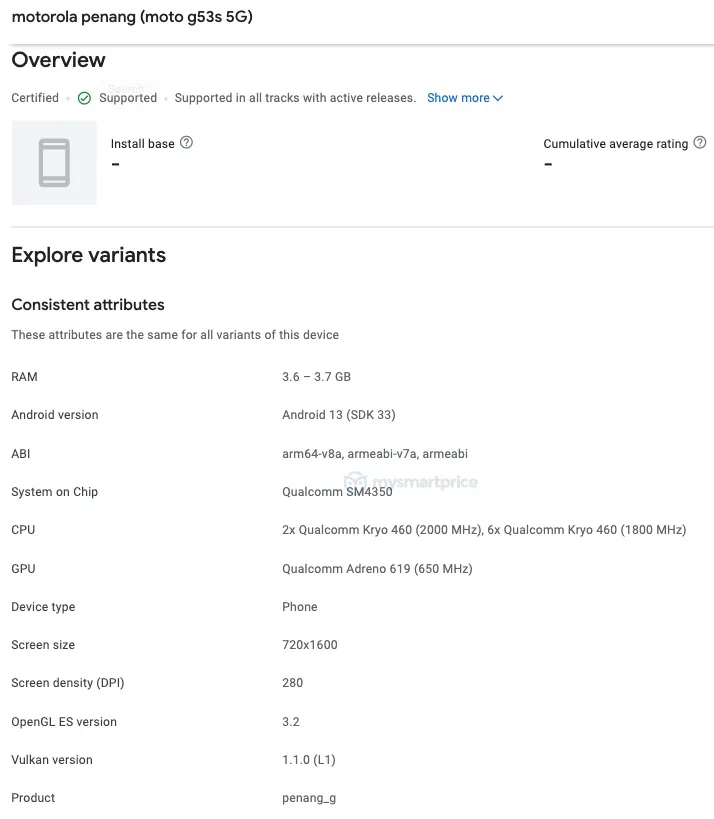
Earlier this year, Motorola launched the Moto G53 5G budget-range smartphone in China. The global variant of the device has also appeared on GCF certification, hinting at an upcoming global launch. Now, the Moto G53s has made an appearance on the Google Play Console listing with hardware and software information.
Moto G53 5G
Moto G53s 5G Google Play Console
Motorola is set to introduce the Moto G53s 5G, a new 5G smartphone in the mid-range segment, sometime later this year. While the official launch date has yet to be announced, the device has already surfaced on the Google Play Console with the codename Penang, suggesting that it may debut soon.
The listing has confirmed the phone’s name and also revealed that it will be equipped with the Qualcomm Snapdragon SM4350 chipset, which is believed to be the Snapdragon 480 SoC. The processor includes two Kryo 460 cores that run at 2.0GHz and six Kryo 460 cores that run at 1.8GHz, along with an Adreno 619 GPU to handle graphics processing.
The smartphone is expected to come with 4GB RAM and feature an Android 13-based operating system layered with MyUX on top. The last bit of information reveals that the smartphone has an HD+ display with 720 x 1600 pixels resolution.
In related news, the brand has recently launched a new mid-range smartphone in Europe and Asian markets called the Moto G73 5G. It is currently on sale in the Indian market and has a price tag below Rs 20,000.
iQOO has recently unveiled the iQOO Z7i, iQOO Z7x, and iQOO Z7 in China. It also unveiled an iQOO Z7 phone with different specs in India recently. A recent report revealed that China’s iQOO Z7 will be rebadged as the iQOO Z7 Pro 5G in the Indian market. However, there is no word on its Indian launch date. Now, a new report courtesy of Pricebaba reveals that the iQOO Z7x will debut in India by mid-April.
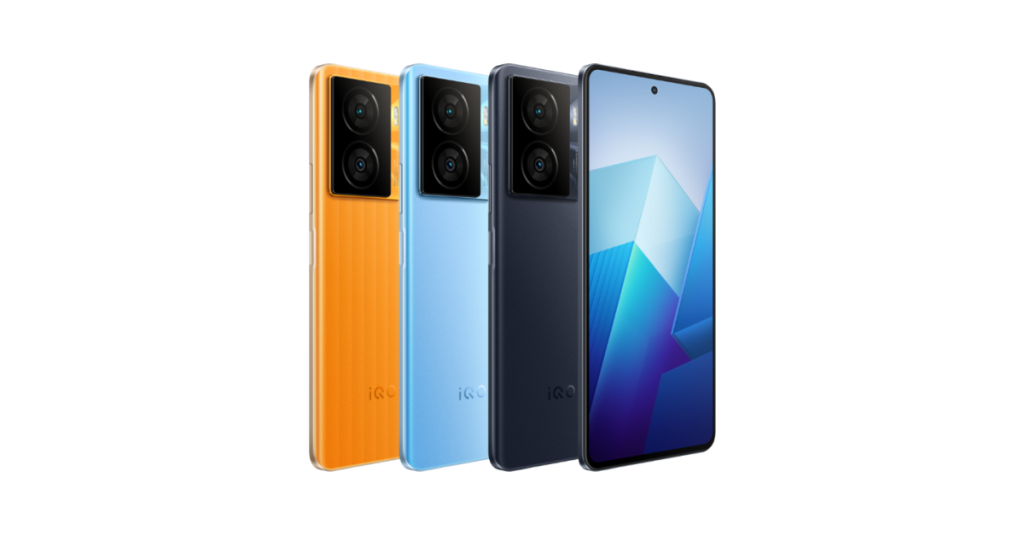
According to the report, the iQOO Z7x 5G will be priced lower than the iQOO Z7, which features the Dimensity 920 chip, in the Indian market. The smartphone is likely to be priced between Rs 14,000 and Rs 16,000. It is expected to arrive in three colors, which could be black, blue, and orange, as shown in the image below.
iQOO Z7x 5G
The iQOO Z7x 5G heading to India will pack the same specifications as its Chinese variants, claims the publication. However, there is a possibility that the Indian model may support slower charging. For those who don’t known, the iQOO Z7x available in China supports 80W rapid charging. While it is available in 6GB+128GB and 8GB+256GB variants in China, India is likely to receive only the 8GB+256GB version of the device.
iQOO Z7x 5G specifications
The iQOO Z7x 5G has a 6.64-inch IPS LCD panel with a centrally aligned punch-hole. It supports an FHD+ resolution, a 19:9 aspect ratio, and a 120hz refresh rate. Under the hood, it has the Snapdragon 695 chipset, a 5,000mAh battery, LPDDR4x RAM, and UFS 2.2 storage. It has a 16-megapixel front camera, a 64-megapixel (main) + 2-megapixel (depth) dual-camera unit, Android 13 OS, and a side-mounted fingerprint scanner.
Samsung has two lineups of flagship smartphones — Galaxy S-series and Galaxy Z-series, both of which comes with support for eSIM connectivity.
While eSIM is considered a premium feature, given that there are only a few smartphones in the market with support for eSIM, the South Korean giant is now bringing it to mid-range phones.
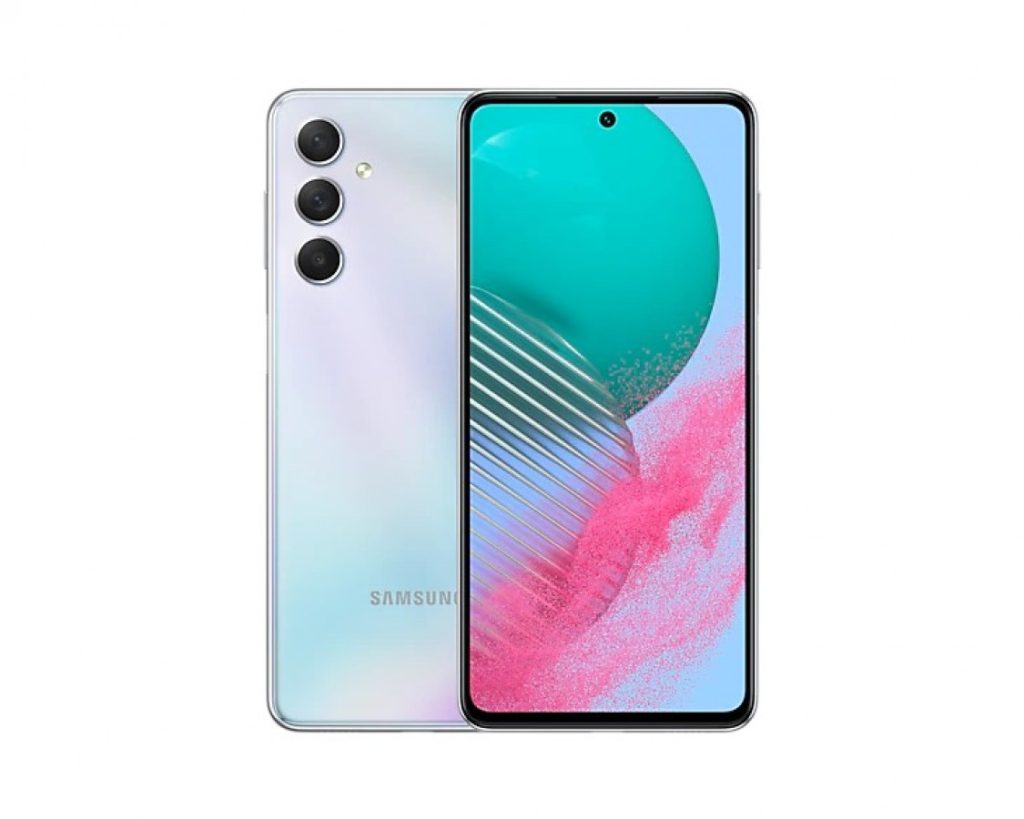
Samsung Galaxy M54 5G
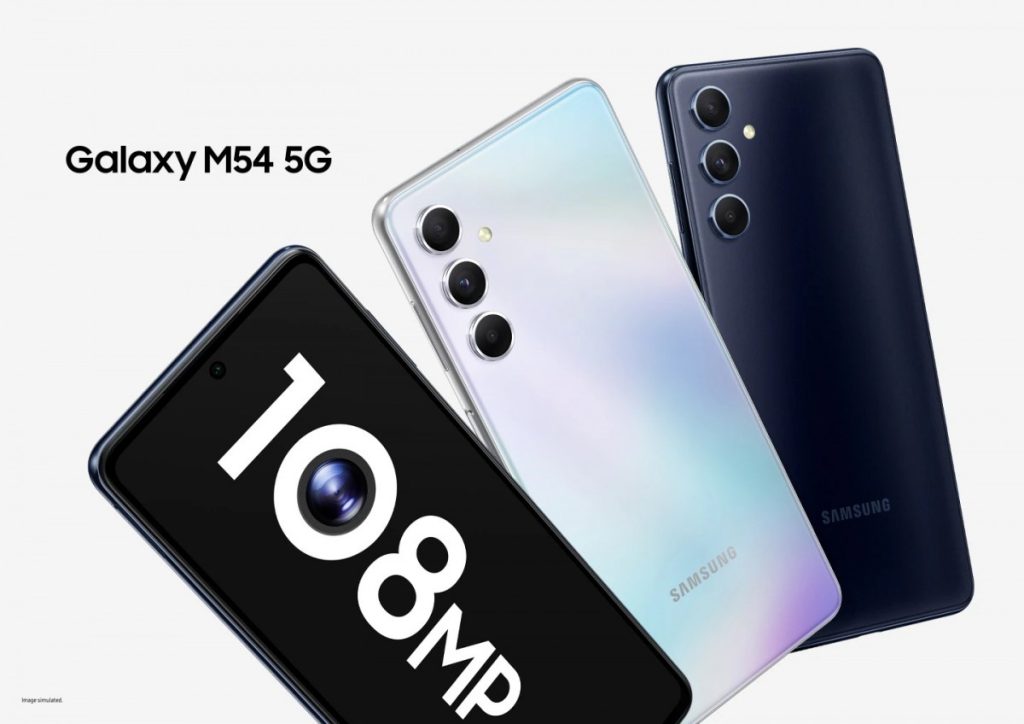
The newly launched Samsung Galaxy M54 5G smartphone comes with support for eSIM connectivity, which makes it the first mid-range smartphone from the company to have support for it.
However, similar to other Samsung phones with eSIM and unlike the iPhone 14 lineup in the US, the phone does have a physical SIM card slot for those who are still not comfortable using an eSIM.
Samsung started offering eSIM support for its premium smartphones a few years back, starting with the Galaxy S20 series launched in 2020. The feature enables users to connect to a network without the need to insert a physical SIM card into the smartphone.
The Samsung Galaxy M54 features a 6.7-inch Full HD+ Super AMOLED display with a screen resolution of 2400 x 1080 pixels and a refresh rate of 120Hz. Under the hood, the device is powered by the company’s own Exynos 1380 processor, coupled with 8GB of RAM and two options for internal storage — 128GB and 256GB.
In the camera department, there’s a triple-camera setup on the back consisting of a 108-megapixel primary camera sensor with OIS, an 8-megapixel ultrawide lens, and a 2-megapixel macro lens. On the front side, there’s a 32-megapixel snapper for selfies and video calling. The phone runs the Android 13 operating system out-of-the-box with the company’s own One UI 5.1 custom interface on top. It is powered by a 6,000mAh battery and comes with support for 25W fast charging.
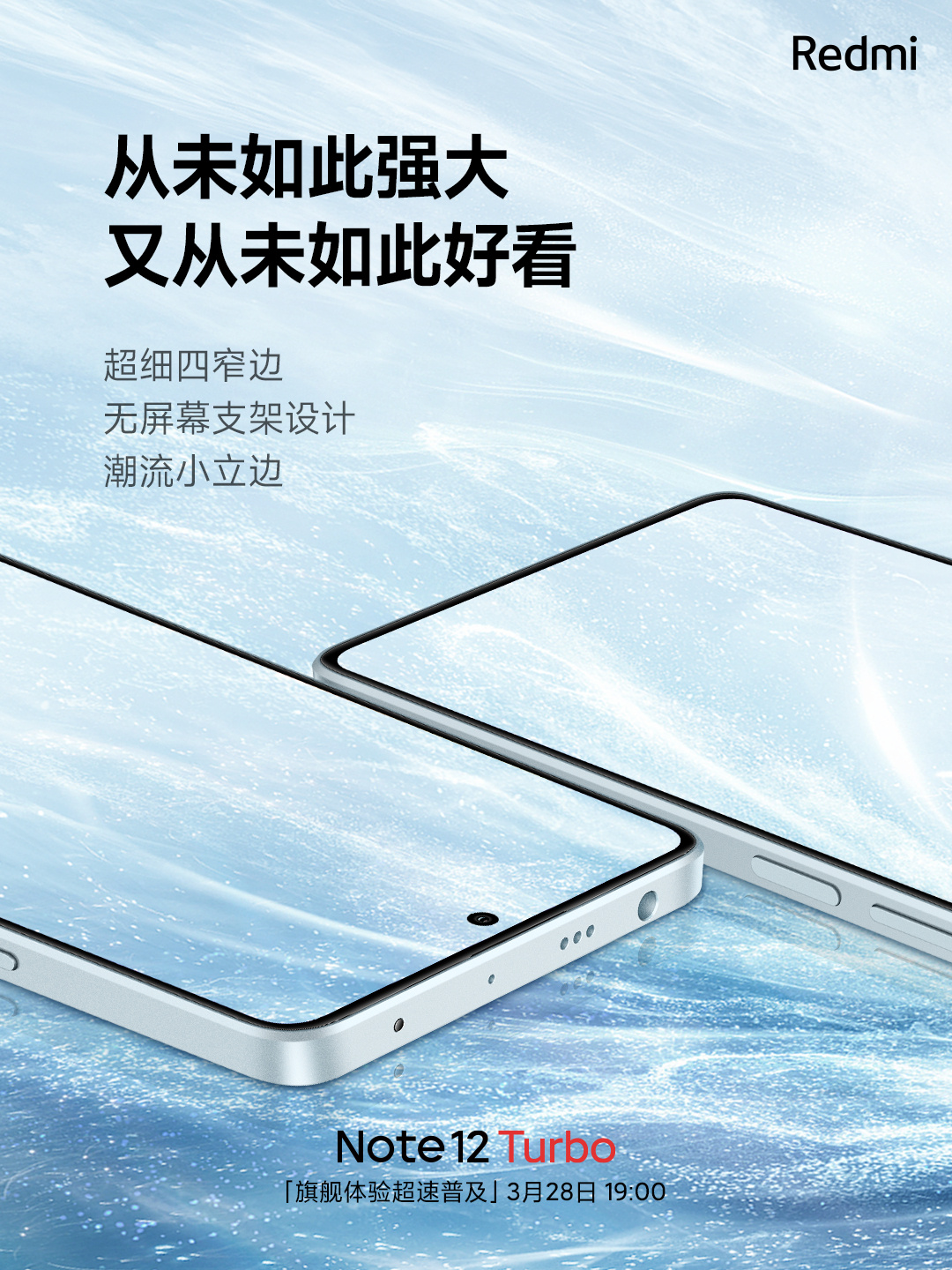
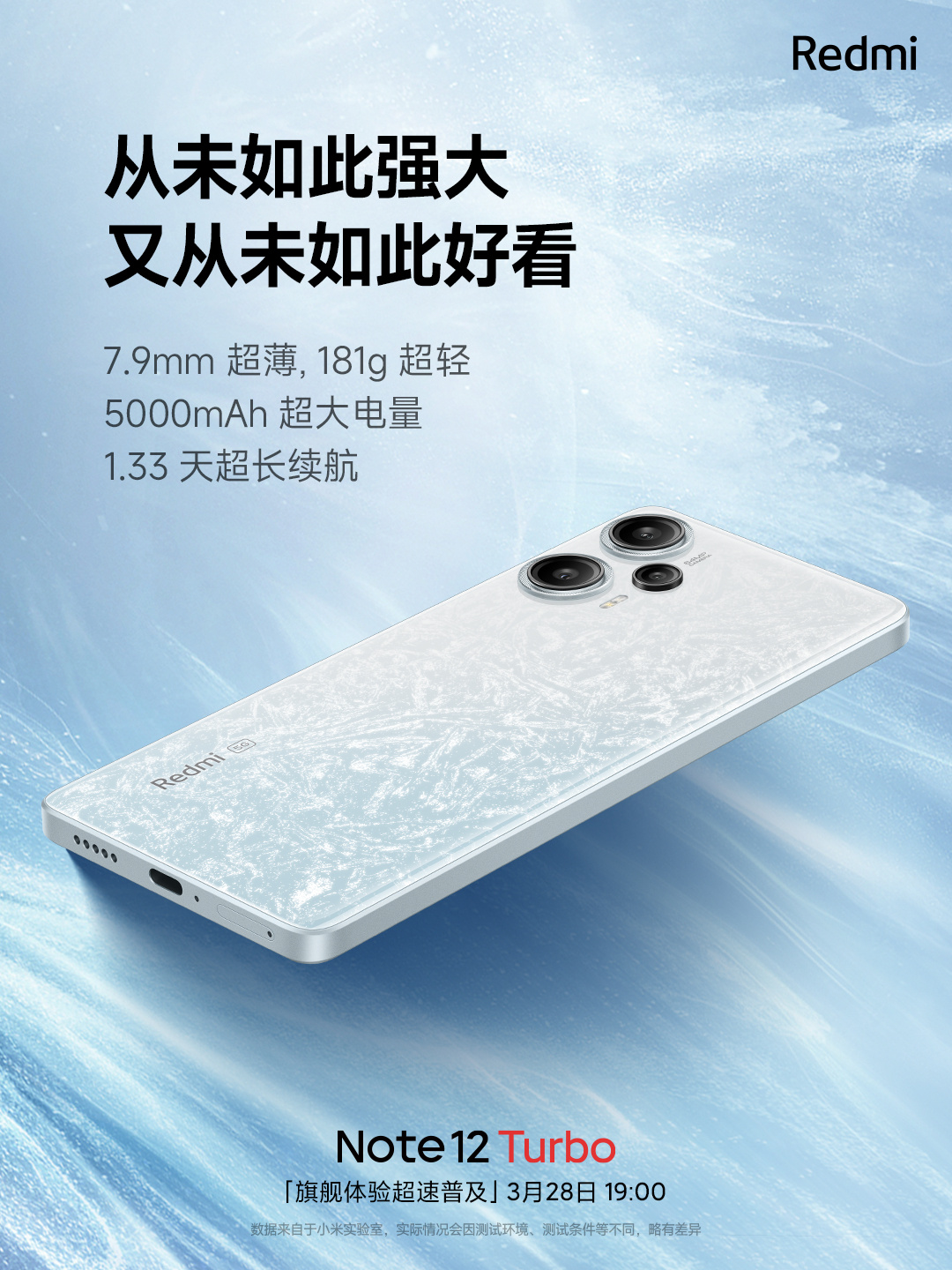
Yesterday, Redmi confirmed that the Redmi Note 12 Turbo will be unveiled on March 28 in China. It will be the first-ever phone to feature the Snapdragon 7 Plus Gen 2 chipset. The poster that was released yesterday revealed the rear design of the phone. Now, Redmi has released new promotional material about the Redmi Note 12 Turbo, providing additional details about its design.
Redmi claims that the Redmi Note 12 Turbo’s bezels are slimmer than those of the iPhone 14. The new posters indicate that the Note 12 Turbo has ultra-thin bezels on all four sides, with the side bezels measuring 1.95mm, the top bezel measuring 1.42mm, and the chin measuring 2.2mm.
Thanks to its slim bezels, the Redmi Note 12 Turbo’s OLED panel will take up 93.4% of its space. Instead of a plastic frame, the device will come equipped with a metallic frame.
The Redmi Note 12 Turbo weighs 191 grams and is just 7.9mm thin. It comes with a 5,000mAh battery and supports 67W fast charging, as confirmed through its 3C certification. According to Redmi, the smartphone will offer 1.3 days of battery life.
The phone might also have a fingerprint scanner under the screen, but this hasn’t been confirmed. The posters have also revealed that the device is equipped with a 64-megapixel triple camera setup, dual stereo speakers, a 3.5mm audio jack, and an IR blaster.
The device is expected to feature a 6.67-inch OLED FHD+ 120Hz display, a 16-megapixel front camera, and a 64-megapixel + 8-megapixel + 2-megapixel triple camera unit. It will come with up to 12 GB of LPDDR5 RAM and 512 GB of UFS 3.1 storage. It will run on MIUI 14-based Android 13 OS.
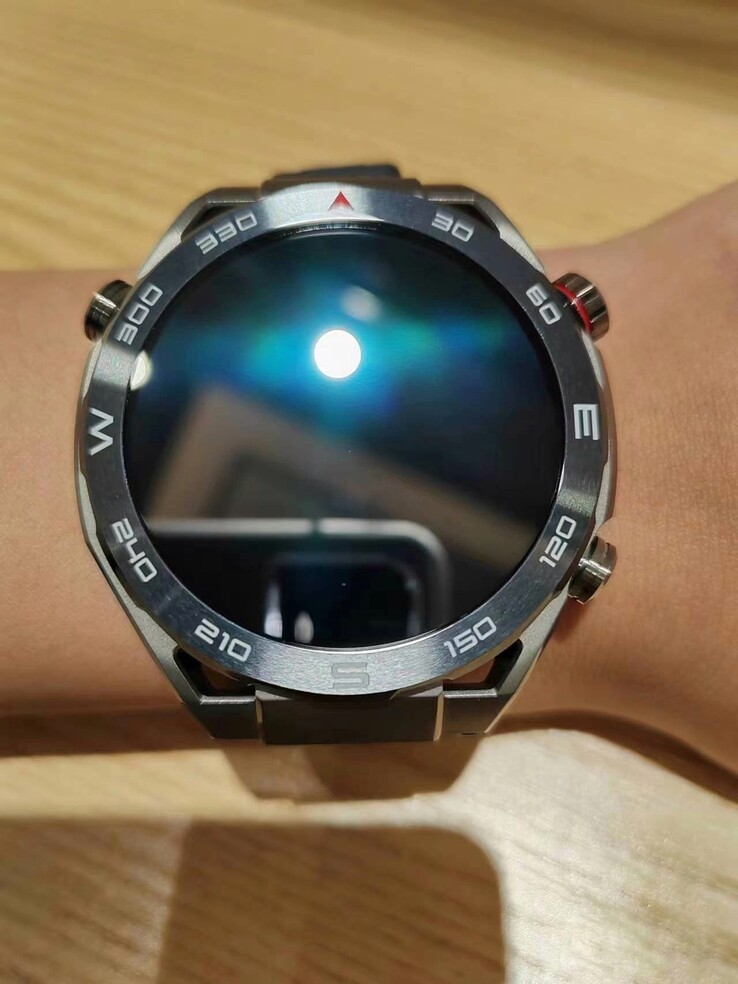
As Smartwatches become more and more mainstream, tech giants such as Huawei are leaving no stone unturned to cover all bases for their upcoming smartwatches. The Huawei Watch Ultra is the company’s latest offering, and it is due to launch on March 23. Ahead of its official launch, hands-on images of the smartwatch have surfaced online, increasing the anticipation of the same.
Although the photo’s source has not been disclosed by the leaker, it is likely to have originated from Chinese social media. At first glance, the Watch Ultimate appears to be a sturdier iteration of Huawei’s other high-end smartwatches, such as the Watch 3 Pro. However, Huawei has abandoned the digital crown found on the likes of the Watch Buds and replaced it with three circular hardware buttons. This is quite reminiscent of the design of the Apple Watch Ultra.
It seems that the Watch Ultimate does not support interchangeable watch straps, as there is no apparent gap between its strap and body. Additionally, the hands-on image below illustrates the watch’s minimal bezels. It remains uncertain whether its tachymeter serves a decorative or operational purpose. The Huawei WATCH Ultimate has a tough shape design with a fully functional bezel scale. The smartwatch is being promoted with the “Start Up Now” slogan and the appearance of satellite points to support satellite communications. It is also likely that the smartwatch will have a longer battery life to go with its rugged outlook. The Watch Ultimate is set to launch in China on March 23, and it is yet to be confirmed by Huawei whether there will be a global release.
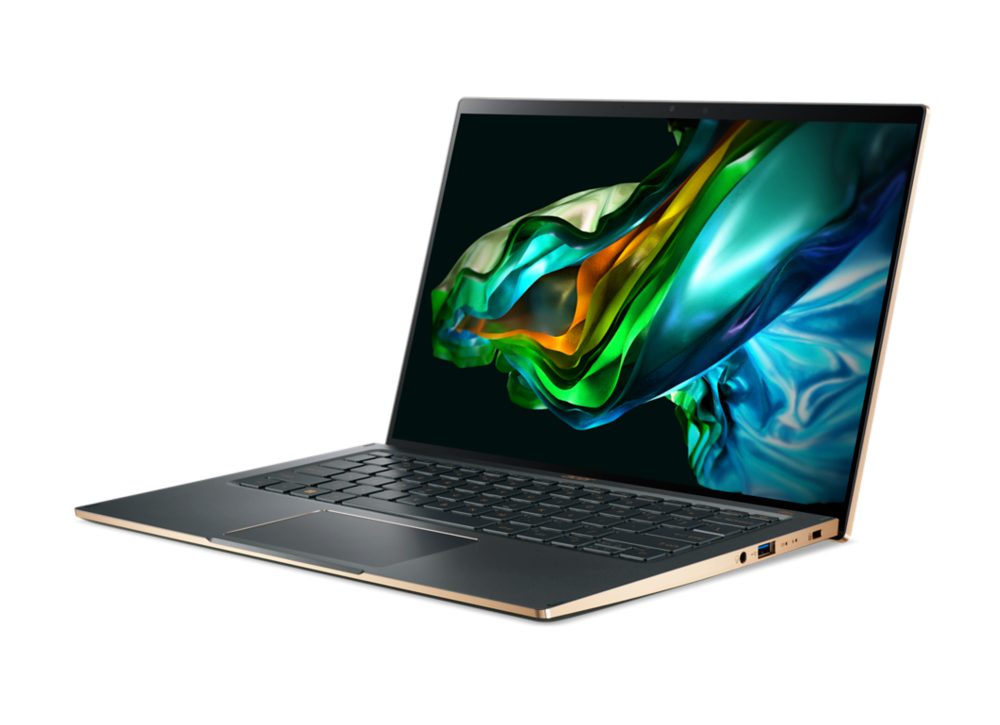
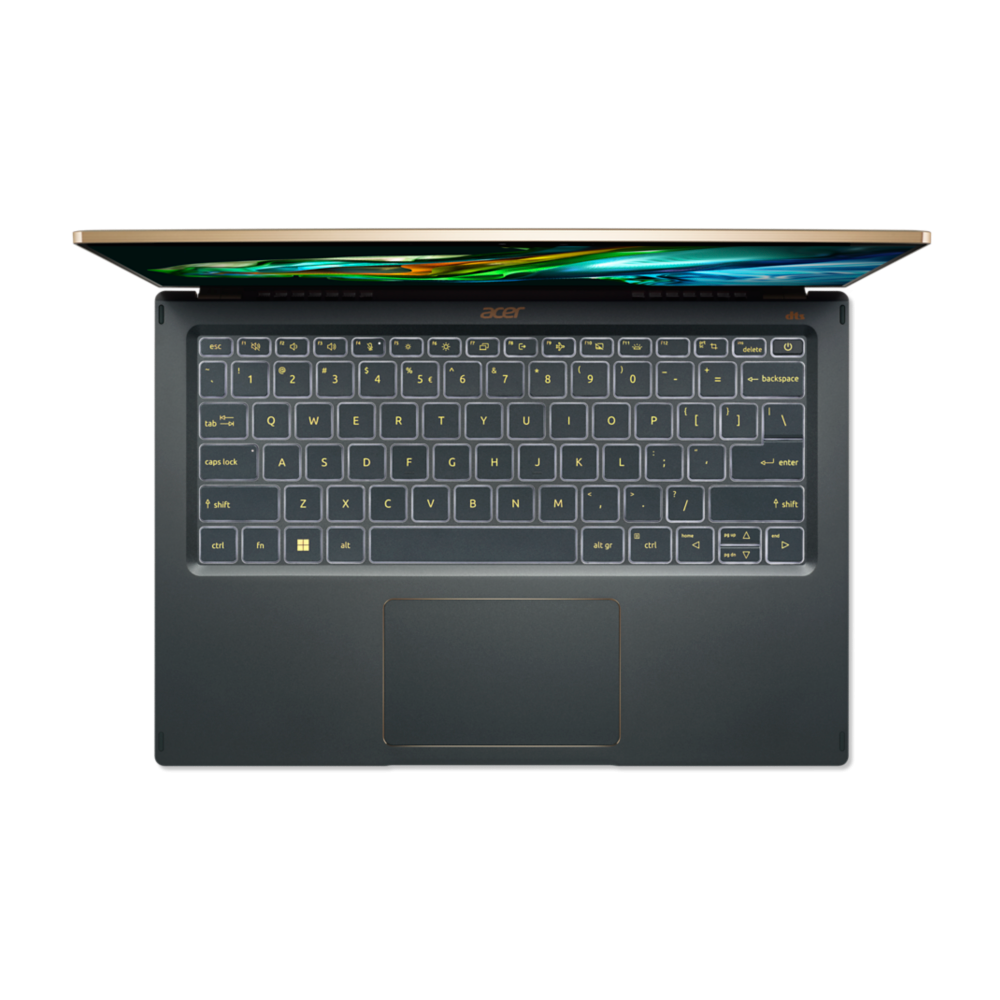
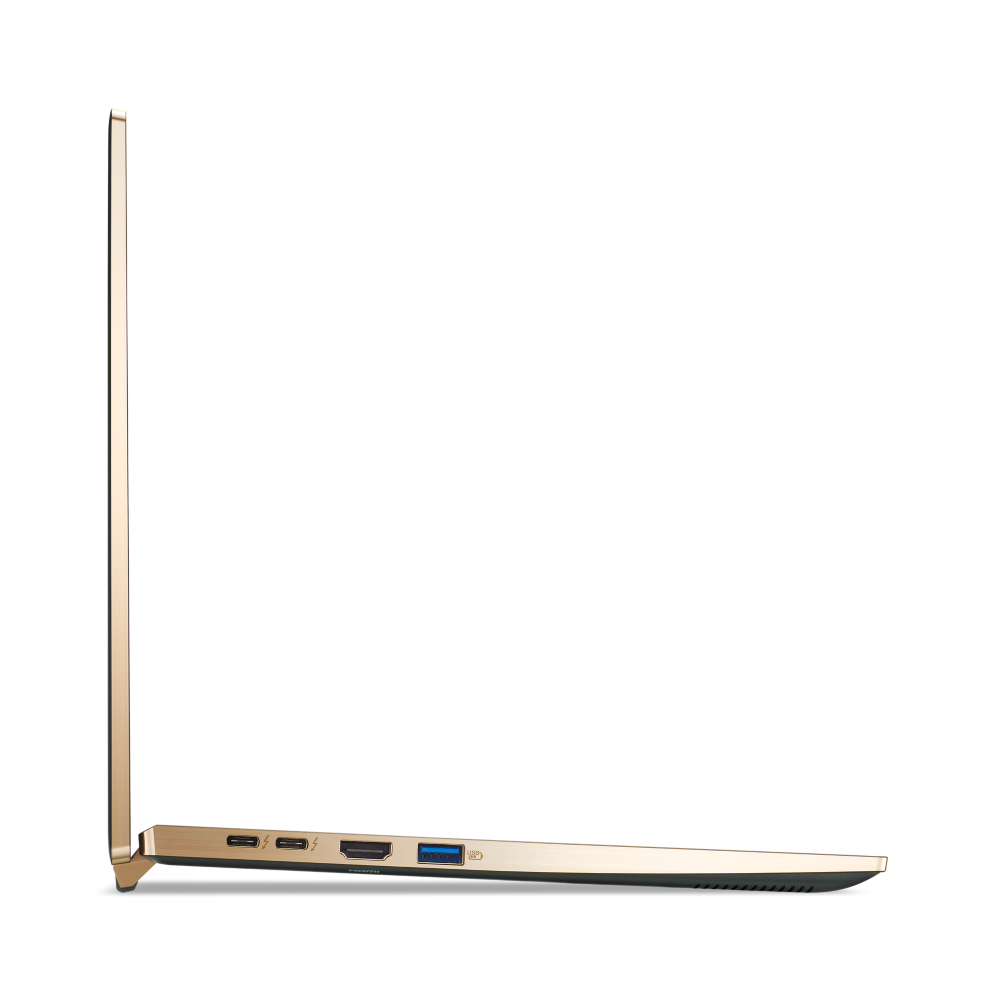
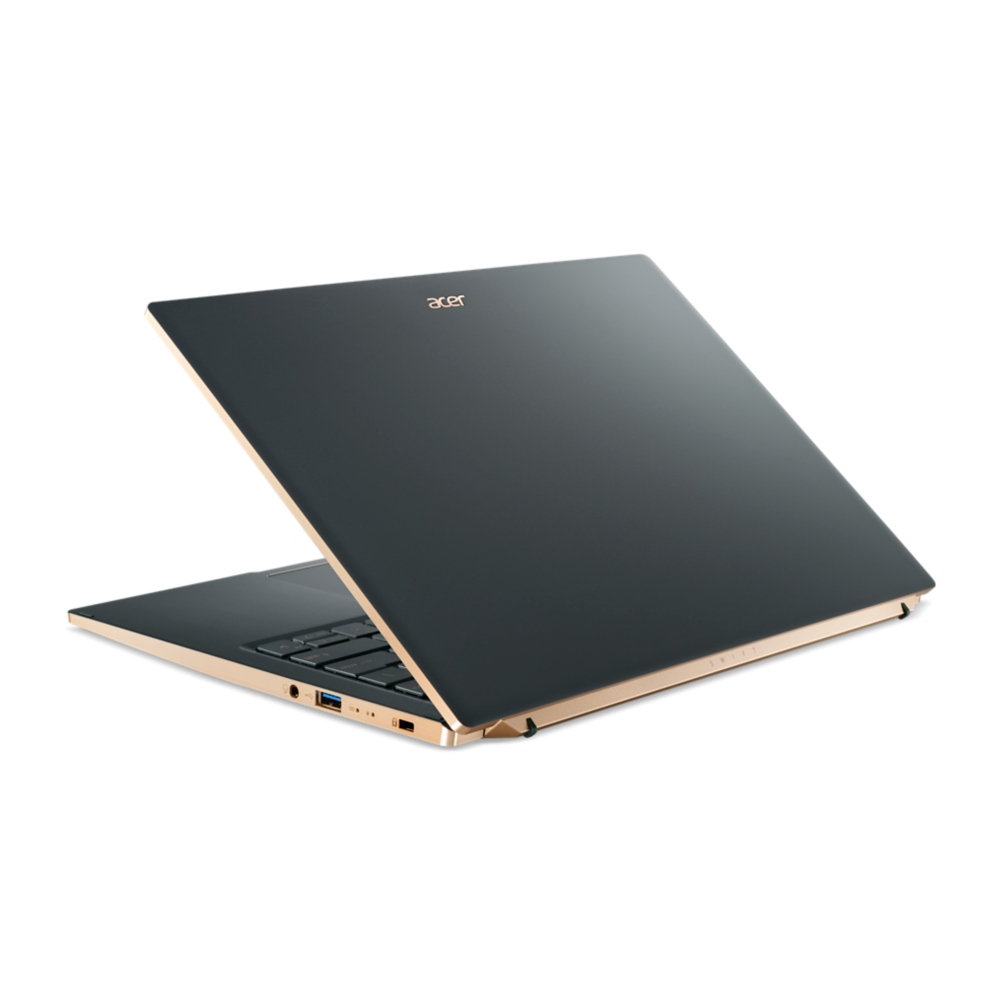
In January, Acer announced the Swift 14 (SF14-71T-74F) laptop at CES 2023. The brand states that this thin and light notebook is a spiritual successor of the popular Swift 5 laptop and boasts a high-end CNC-machined aluminum body with dual-anodized gold-colored edges.
Currently, Acer is offering only one model of this machine that features a 14-inch 2560 x 1600 60 Hz IPS touchscreen display and an Intel i7-13700H processor. It also has 16 GB LPDDR5 RAM soldered onto the motherboard and a 1TB PCIe Gen 4 NVMe SSD for storage. This model has a price tag of $1,399.99 in the US.
Acer intends to offer a more affordable option of the Swift 14 laptop, estimated to be priced around US$1,000. This variant is likely to feature an i5-13500H processor, 8 GB LPDDR5 RAM, 512 GB storage, and a 14-inch touchscreen displaying 1920 x 1200 resolution. The RAM specifications also indicate a pricier edition with 32 GB capacity.
All versions of the Swift 14 laptop come with a standard set of features, including 2x Thunderbolt 4 and 2x USB-A 3.2 Gen 1 connector, an HDMI 2.1 video output, and an audio jack. The laptop also offers wireless connectivity via an Intel Killer Wi-Fi 6E and Bluetooth 5.1 card. The audio system comprises two 2W speakers that are powered by DTS Audio, a 1440p webcam with temporal noise reduction and dual mic array, and a fingerprint sensor that is cleverly integrated into the power button. The laptop’s battery can keep it running for up to 16 hours on a single charge.
Acer offers the Swift 14 in two striking color options: Mist Green and Steam Blue. The laptop is incredibly slim, measuring a mere 0.59 inches (14.95 mm) in thickness, and weighs approximately 2.65 lbs (1.2 kg).
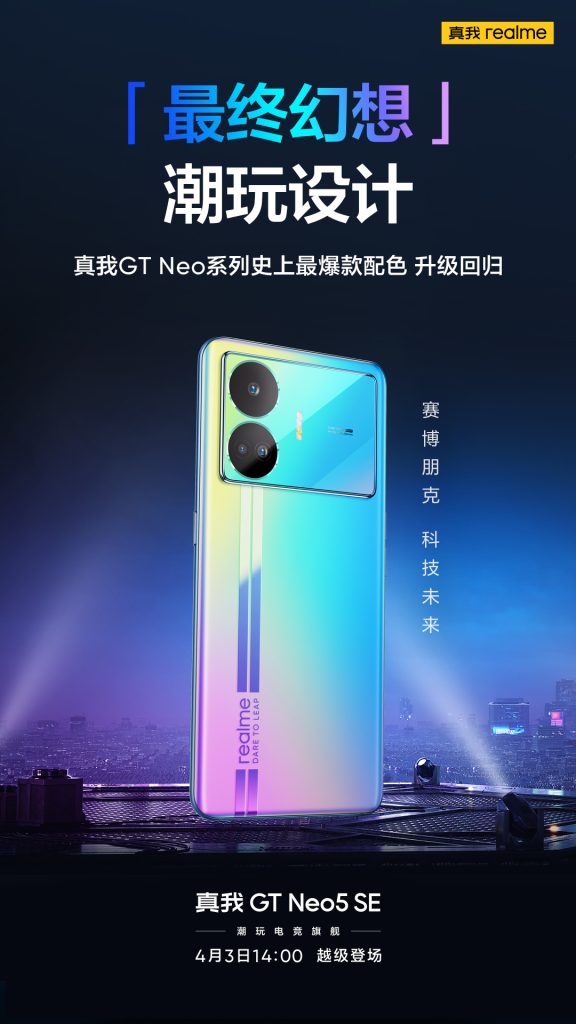
After weeks of leaks, Realme has finally revealed that it will unveil the Realme GT Neo 5 SE at 2 pm (local time) on April 4 in China. The device will be positioned lower than the Realme GT Neo 5, which debuted as an affordable flagship phone in the Chinese market last month. The Chinese manufacturer has released a poster to reveal the appearance of the Final Fantasy color variant of the device.
The back panel of the Realme GT Neo 5 SE has a rectangle block at the top, which houses two camera rings, an LED flash strip, and “Matrix PDAF F1.79 / EFL 25mm” text. On the left, there are logos for “Realme” and “Dare to Leap” placed within the double stripes.
Realme GT Neo 5 SE launch date
Based on how light hits the Final Fantasy variant, it shows different shades of blue, light green, and pink. The left edge of the device has the volume buttons, whereas its right spine has the power key. To sum up the design, the GT Neo 5 SE looks like a toned-down version of the Realme GT Neo 5.
The company is yet to reveal the front design of the Realme GT Neo 5 SE. However, it is expected to inherit the same 6.74-inch OLED panel with a flat design and a centrally positioned punch-hole, that is available on the Realme GT Neo 5. The device measures 8.95mm in thickness and weighs 193.1 grams.
One of the major attractions of the Realme GT Neo 5 SE is that it will come equipped with the all-new Snapdragon 7 Plus Gen 2 chipset. The brand has also revealed that the device will support 100W charging. Readers can visit the following links to know the rumored specifications of the GT Neo 5 SE.
After launching the Galaxy S23 flagship series smartphones a couple of months back, Samsung is now focusing on the mid-range lineup, and in line with that, the company has today launched the Samsung Galaxy M54 in the Middle East.
Looking at the specifications, the phone appears to be a slightly bumped-up version of the Samsung Galaxy A54 with a larger screen, a higher resolution display, and a bigger battery.
The Samsung Galaxy M54 features a 6.7-inch Full HD+ Super AMOLED display offering a screen resolution of 2400 x 1080 pixels, a refresh rate of 120Hz, and Gorilla Glass 5 protection. Under the hood, the device is powered by the company’s own Exynos 1380 processor, which is manufactured using a 5nm process.
As for the memory, the phone comes packed with 8GB of RAM and offers two options in terms of internal storage — 128GB and 256GB. There’s also a microSD card slot, allowing users to expand the phone’s storage capacity.
In the camera department, there’s a triple-camera setup on the back consisting of a 108-megapixel primary camera sensor with OIS, an 8-megapixel ultrawide lens, and a 2-megapixel macro lens. On the front side, there’s a 32-megapixel snapper for selfies and video calling.
The smartphone runs the Android 13 operating system out-of-the-box with the company’s own One UI 5.1 custom interface on top. It is powered by a 6,000mAh battery and comes with support for 25W fast charging.
Currently, the company has not revealed the pricing information as well as availability details. However, we expect the Galaxy A54 smartphone to soon get launched in other markets.
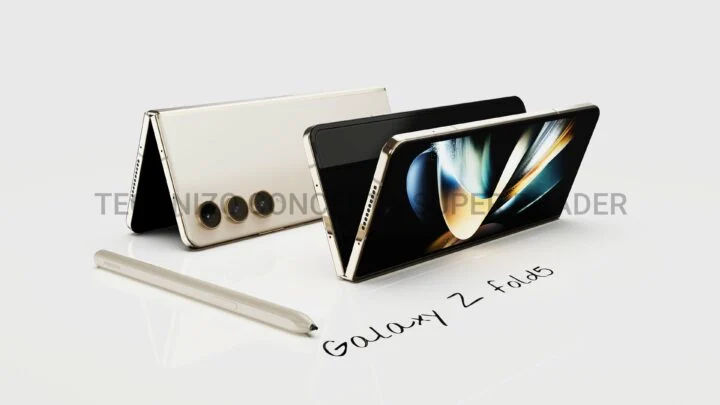
Foldable devices are designed to offer users a larger screen when unfolded, while still being portable and easy to carry around. The technology behind folding smartphones is still relatively new, and there are some concerns about durability and long-term reliability. However, many consumers are excited about the potential of folding phones, and several major tech companies have already released or announced devices in this category. Samsung currently leads that category, with the South Korean tech giant poised to drop two new foldables later this year – the Galaxy Z Fold 5 and Z Flip 5. Latest leaks reveal the super sleek design of the upcoming Galaxy Z Fold 5.
SuperRoader, a popular YouTuber, has recently shared concept renders of the Samsung Galaxy Z Fold 5. The design features an individual camera ring on the rear, reminiscent of the Galaxy S23, resulting in a sleek appearance. Additionally, the phone folds flat, a characteristic similar to other foldable devices from Chinese brands.
According to several reports, Samsung is working on a new hinge that will make the phone gapless when folded, and the foldable screen’s crease less visible. If these reports are accurate, Samsung will have resolved the two most significant issues that Galaxy Z Fold series users have been complaining about. The smartphone will feature a 6.2-inch cover display with a 120Hz Super AMOLED panel, a tripe rear-facing camera with 50MP+12MP+10MP sensors, a Snapdragon 8 Gen 2 For Galaxy processor, and a 4,400mAh battery. Although the device will likely not come with a built-in S Pen slot, it will be compatible with an S Pen Fold Edition.
Eric Migicovsky, the founder of Pebble, previously made a plea for a small Android phone to compete with the iPhone Mini. Now that Apple has stopped producing small phones, Migicovsky’s Small Android Phone petition has evolved into a community-based project, including a team working to design and produce the phone. The petition received 38,700 signatures, with almost all of them coming from an article from The Verge.
The Small Android Phone team has been quietly working on sourcing a display, choosing a chip, and designing the phone’s body in a small Discord group. The team has also discussed how they might pay for it all. The team aims to create a phone for small phone enthusiasts and is seeking feedback at every step of the process.
The team has a couple of leads on camera software, including options from Chinese developers and individuals who’ve worked on RAW camera apps for other phones. While they haven’t decided on the material of the phone yet, they’re considering a metal frame covered in glass composite or ceramic-coated aluminium. The team aims to stand out with their attention to detail, not with the expensive use of unusual materials.
The phone’s internal codename is “Marvin,” but the team hasn’t decided on a name for the phone yet. The team is looking to make a premium flagship, but that doesn’t necessarily mean top-tier performance. They’re currently considering the Snapdragon 8 Plus Gen 1 and a yet-to-be-released mid-tier Qualcomm chip for the phone’s chipset. The team hopes to provide at least two years of software updates.
The phone’s price is not yet finalized, but the team is preparing the community for a potential $850 price tag. A phone from an established manufacturer with similar specs and a more standard form factor would cost around $650-700. The team is still negotiating with the manufacturer and considering various factors that could impact the phone’s final price.
Overall, the Small Android Phone project aims to produce a small Android phone for enthusiasts who prioritize the phone’s size. The team is seeking feedback and is carefully considering various factors, including the phone’s materials, camera software, and chipset, to make it a premium flagship phone.
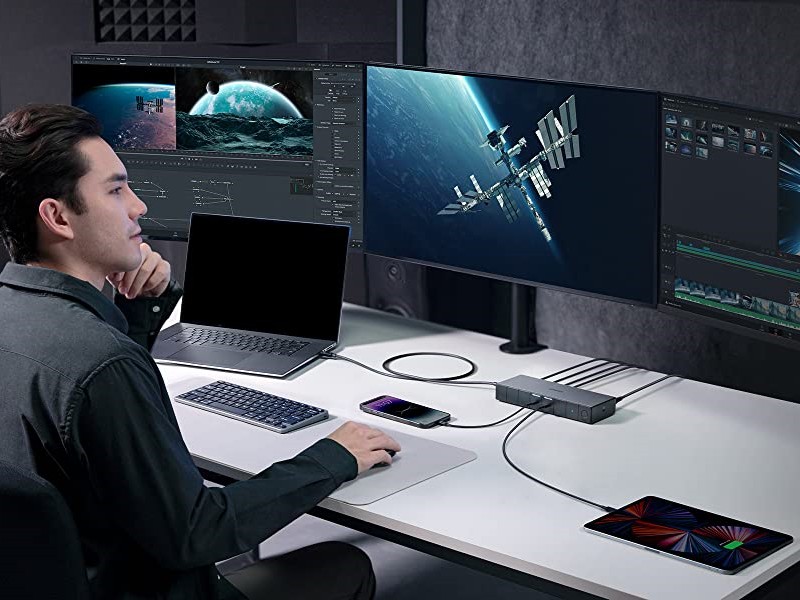
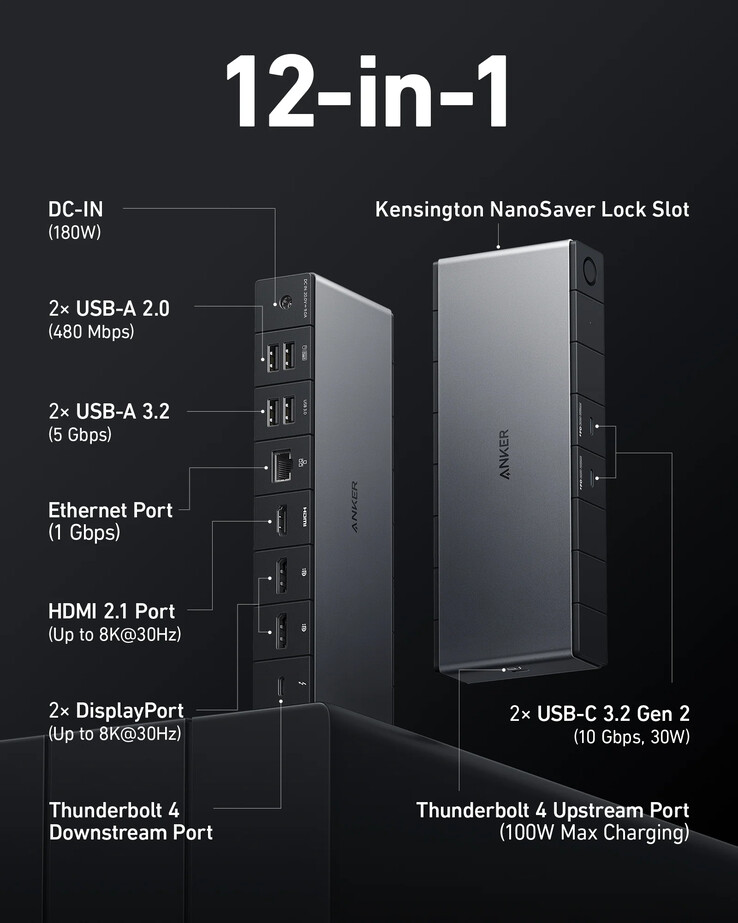
The Anker 778 Thunderbolt Docking Station has gone on sale. The new device provides connectivity for up to 4 displays and is a 12-in-1 hub. The product is currently available in the United States and the UK. It offers versatility, power, quality, and affordability for connected laptops.
The Anker 778 Thunderbolt can charge a connected device at speeds up to 100W and it connects to 4K@60Hz displays. It also has two 30W USB-C and four USB-A ports. The data transfer rates of the Type-A ports are up to 5Gbps while the USB-C 3.2 Gen 2 data transfer speed reaches 10Gbps.
The Thunderbolt 4 downstream port, HDMI 2.1, and two 8K@30Hz DisplayPort 1.4 provide the interfaces for connecting to four monitors. The maximum resolution on Windows is 4K@30Hz and that of Mac is 4K@60Hz. The connections are however not compatible with some MacBook and ASUS laptops.
The Anker 778 Thunderbolt Docking Station has a 180W power adapter, power cable, and more than 2ft of Thunderbolt 4 cable. Compatibility of the Anker 778 docking station is spread among a wide array of Windows and macOS laptops including Dell, HP, and MacBooks. The Anker 778 Thunderbolt docking station is available from Anker Store for $379.99 in the US. The gadget retails in the UK for £379.99 but there are no details yet on availability in other markets.
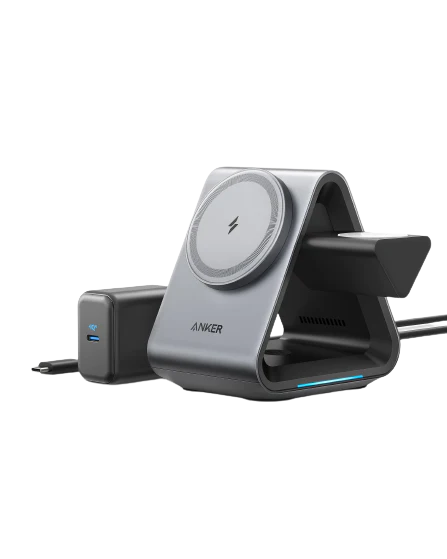
The Anker 737 MagGo Charger has been launched with compatibility for Apple devices. The new MagGo Charger is a 3-in-1 station that can be used to charge an iPhone, Apple Watch, and AirPods simultaneously. The device has a wireless charging pad that can charge an iPhone at 15W. It is compatible with the most recent iPhone models like the iPhone 14 Pro Max.
The Anker 737 MagGo charger can charge an iPhone 14 Pro Max from 0-50% in 47 minutes. There are three charging ports in the triangular device. On the front are a MagSafe wireless charging pad, and a charging port for an Apple Watch, and the middle houses the wireless charging pad for AirPods. The stand of the device is adjustable so that you can set your phone vertically or horizontally. The safety of your gadgets is assured with the built-in MultiProtect Safety System with temperature control and foreign object detection.
The charger is compatible with iPhone 12 devices and younger models. It is a portable, lightweight, and handy charging station and weighs just 386g. It has dimensions of 4.2 x 4.5 x 3.9 inches and comes with a 30W USB Type-C charger. The charging accessory also includes a USB-C to USB-C cable which is 5ft long. The Anker 737 MagGo Charger is being retailed in the US at a launch price of $139.95. The original price of the Anker 737 is $155.50 and it is currently available from Amazon and the Anker Store.
The US Commerce Department has proposed rules and policies to stop China and other foreign nations of concern from benefitting from the $52 billion fund of the US Semiconductor Manufacturing and Research program. The proposed rules will affect countries like China, Russia, North Korea, and Iran.
Companies that receive grants under the federal semiconductor fund will not be allowed to invest or expand their semiconductor business in countries like China and Russia. Moreover, they will also not be allowed to engage in joint research or share technology related to semiconductors with these nations. For the next 10 years, the companies who receive the grant will be barred from building or expanding semiconductor manufacturing factories in countries that come under the list of foreign entities of concern.
The US Commerce Department has also classified the chips according to their importance and designated some advanced chips including the quantum chips and military use chips as ‘critical to national security’. These chips will be subject to tighter restrictions as they play a critical role in the technological advancement of the country.
Commerce Secretary Gina Raimondo said that the tighter restrictions cover chips used in current-generation, mature-node chips used for quantum computing, chips used in radiation-intensive environments, and other specialized military capabilities. She further added that these restrictions would help to ensure that the US stays ahead of its adversaries in the coming decades.
What is the US Semiconductor Manufacturing and Research Fund?
The US Semiconductor Manufacturing and Research Program is a specially designed fund under the CHIPS and Science Act of 2022. The Biden administration created the $52 billion fund to encourage the domestic manufacture of semiconductor chips, as well as continued research in the field.
On Tuesday the Commerce Department released the proposed rules and regulations for the use of these funds. From late June, the department plans to start accepting applications for a $39 billion manufacturing subsidy program. The law also creates a 25% investment tax credit for building chip plants estimated to be worth $24 billion.
The application will be a five-step process where companies will have to submit a workforce plan that includes an outline of workforce needs. Companies that are accepted and receive more than $150 million in direct funding will have to comply with additional rules and regulations. These companies for instance will be required to share with the US government a portion of any cash flows or returns that exceed the applicant’s projections by an agreed-upon threshold.
The companies will get somewhere around 5% to 15% of project capital expenditure as direct funds and the total amount of an award including a loan or loan guarantee, will not exceed 35% of project capital expenditures. All recipients of the fund will be required to sign an exclusive agreement accepting restrictions on the expansion of semiconductor manufacturing capacity in foreign countries of concern like China for 10 years after winning the funding.
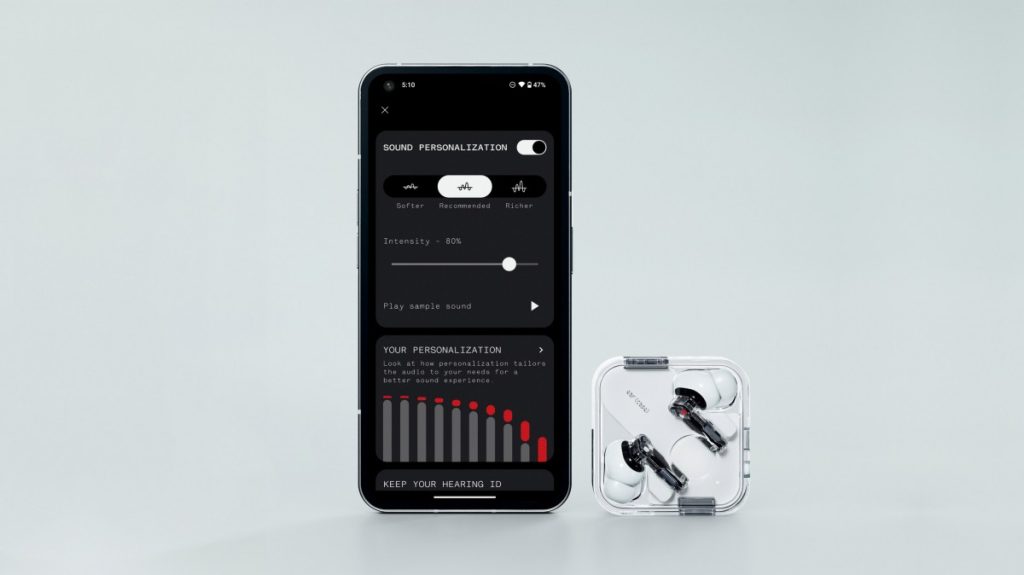
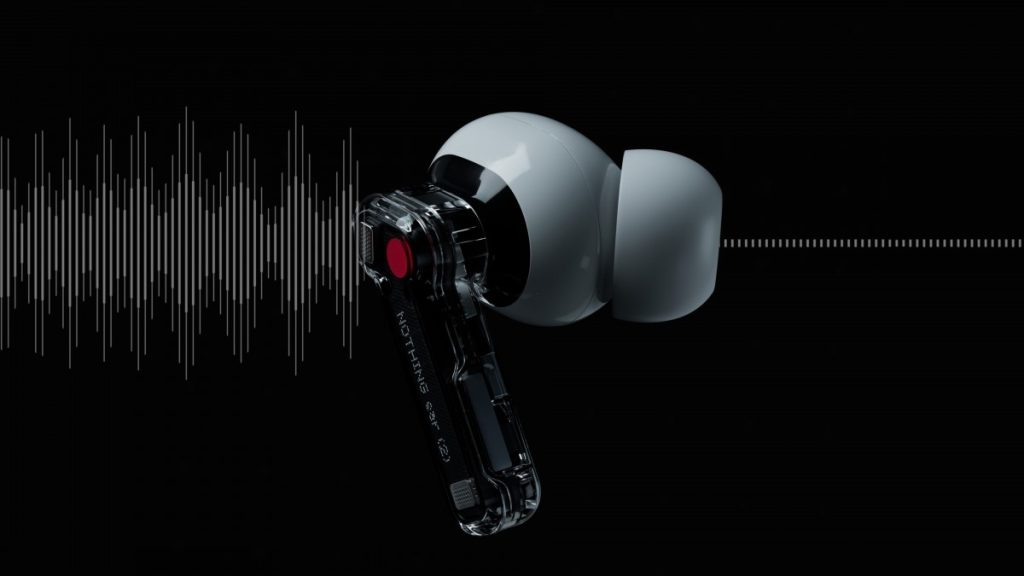
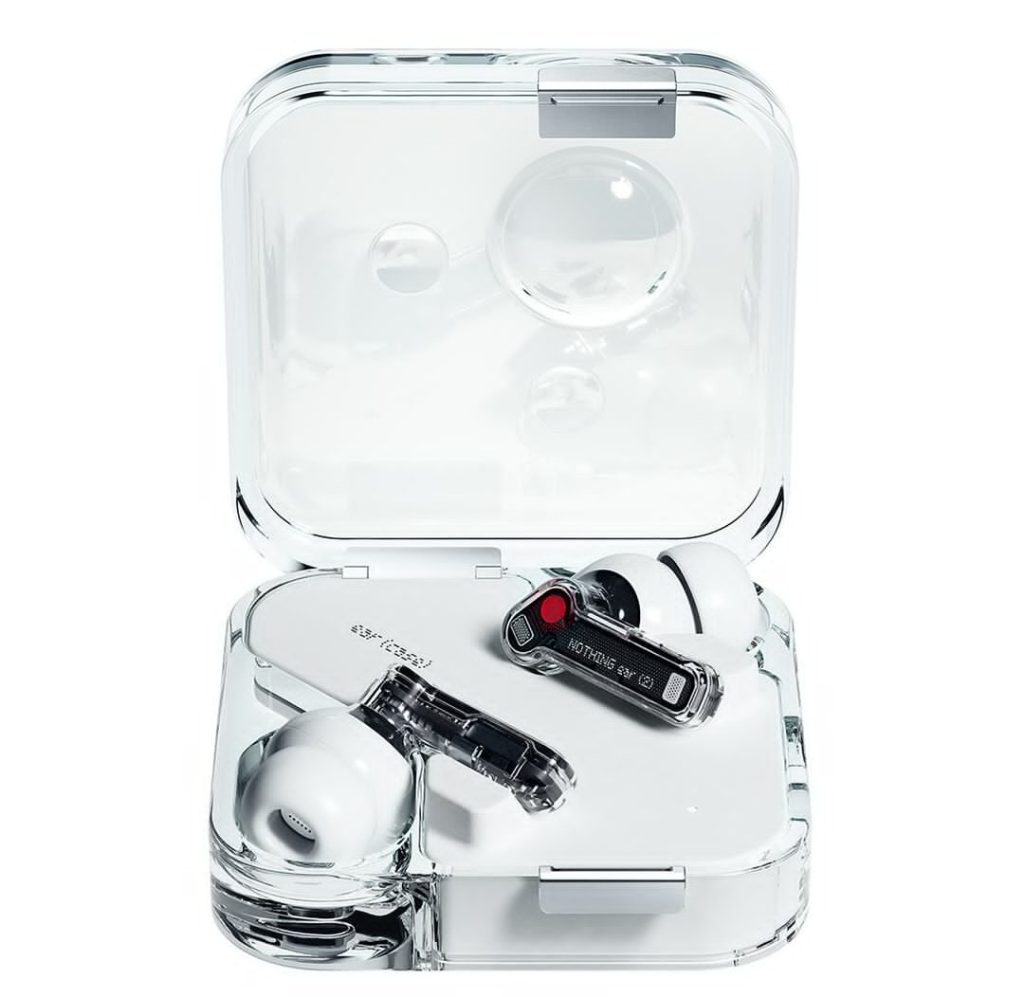
UK-based consumer tech startup Nothing has announced the launch of its latest wireless earbuds, the Nothing Ear (2). The earbud is the direct successor of the Nothing Ear (1), which was launched in June 2021.
In terms of design, the Nothing Ear (2) looks almost identical to its predecessor as it comes with the same transparent design with black accents. However, the company has made significant improvements in terms of the specs and features of the earbuds.
One of the major upgrades in the Ear (2) is the addition of support for the LHDC 5.0 audio codec, which enables users to stream high-resolution audio. The earbuds also come with a new personalized sound profile feature, which allows users to calibrate the earbuds to their specific hearing after taking a quick test in the Nothing X companion app. Users can further adjust the equalizer settings to their liking from the app.
The new wireless earbuds also feature adaptive active noise cancellation (ANC), which can tune out unwanted noises based on the user’s specific ear profile and surroundings. The earbuds are equipped with 11.6mm drivers that have a new diaphragm unit made with graphene and polyurethane materials, resulting in improved sound quality.
The voice pickup feature has been reworked as well, with improved wind-proofing that should be better at isolating the user’s voice in noisy environments. The Ear (2) also offer dual pairing, meaning that users can connect the earbuds to two devices simultaneously.
The battery life of the Ear (2) is rated at up to 36 hours with the charging case. The case can be charged via USB-C or wirelessly at 2.5W speeds. The earbuds support Google Fast Pair for Android devices and Microsoft Swift Pair for Windows users. The storage case has an IP55 rating against dust and water splashes, while the earbuds themselves have an IP54 rating.
As for the price, the Nothing Ear (2) will retail for $149 in the US, for €149 in Europe, and for £129 in the UK. The earbuds are available for order from the Nothing website, and they can also be purchased at the Nothing Store in Soho, London, as well as select Kith stores worldwide. The Ear (2) will be available for open sale from March 28 through Nothing’s official online and offline retail partners.
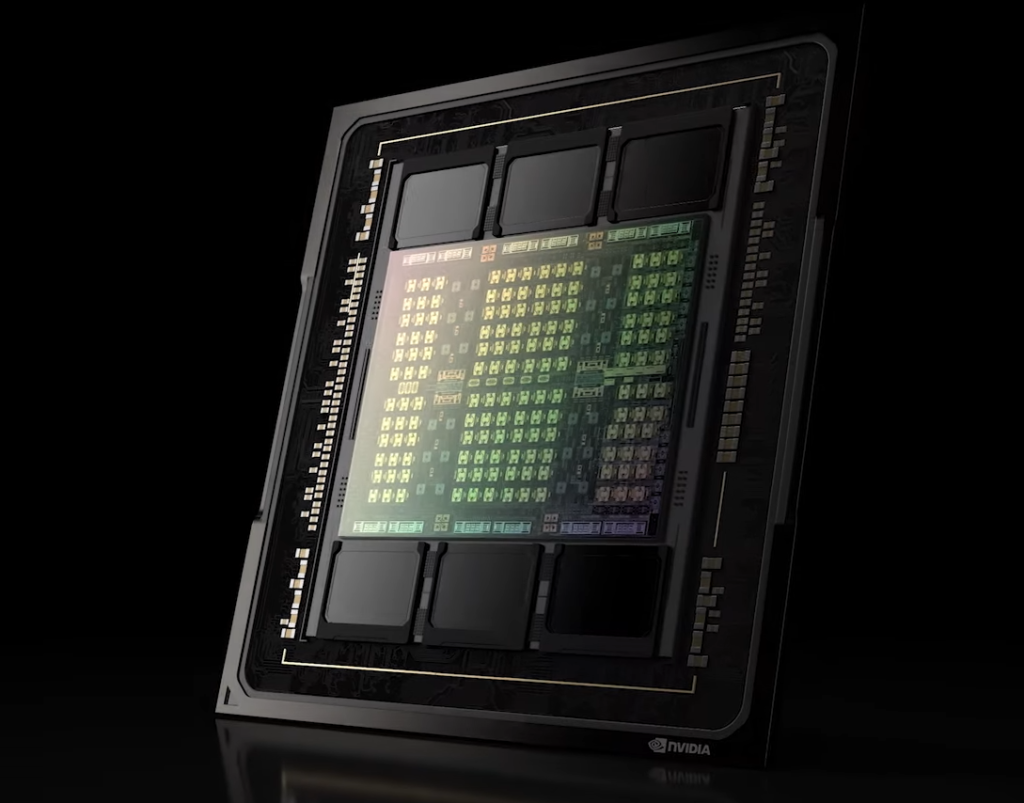
Nvidia has announced a modification of its flagship H100 chip to create a version that complies with export regulations for the Chinese market. This move comes after US regulators imposed rules that prevented Nvidia from selling its most advanced chips, the A100 and H100, to Chinese customers, citing national security concerns. Here are the details…
Nvidia tweaks flagship H100 chip for export to China as H800
Last November, Nvidia had designed the A800 chip, a slightly less capable version of the A100, to make it legal for export to China. Now, the company has similarly developed a China-export version of the H100 chip, called the H800. This new chip is being utilized by the cloud computing units of major Chinese technology firms, including Alibaba Group Holding, Baidu, and Tencent Holdings.
The H800 chip is poised to support a growing number of startups focusing on developing large language models and generative AI technologies. Nvidia CEO Jensen Huang stated that these startups can now rely on Alibaba, Tencent, and Baidu to provide excellent cloud capabilities powered by Nvidia’s AI.
US regulators imposed restrictions on AI chips last fall to slow down China’s development in crucial technology sectors such as semiconductors and artificial intelligence. The intent was to hinder the country’s efforts to modernize its military. The imposed rules ban chips with both powerful computing capabilities and high chip-to-chip data transfer rates, as transfer speed is crucial when training AI models on vast amounts of data. Slower transfer rates result in extended training time.
According to a chip industry source in China, the H800 primarily reduces the chip-to-chip data transfer rate to about half the rate of the flagship H100. Although the Nvidia spokesperson did not elaborate on how the H800 differs from the H100, they emphasized that “our 800 series products are fully compliant with export control regulations.”
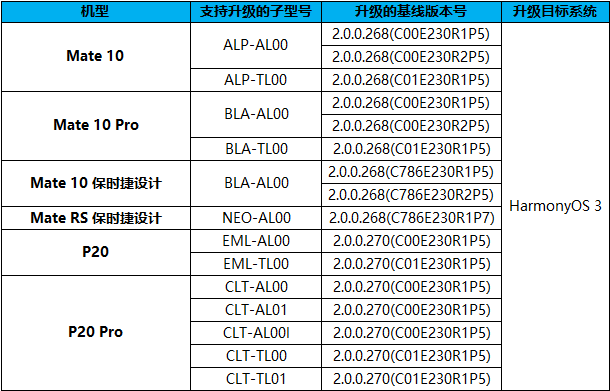
Huawei has been slowly seeding the latest version of its software— HarmonyOS 3— to eligible smartphones. A sizeable number of handsets have already received the update and the latest devices to get the software treat are the Huawei Mate 10, Mate 10 Pro, P20, P20 Pro, and more. Users of these devices can now sign up for the beta version of the HarmonyOS 3. Here are the details.
Huawei today announced that users of Mate 10, Mate 10 Pro, P20, P20 Pro, and Mate RS Porsche Edition smartphones in China can now enroll in the HarmonyOS 3 Public beta program. After enrolling, users will be able to test the software before the stable build is rolled out.
However, it should be noted that the public beta build is a test version released to the public during the version development stage. It may not function as smoothly as the stable build and could even hamper your day-to-day usage. Some applications (including third-party applications) may be unstable or incompatible with the software.
After the beta testing is over, Huawei will start pushing the official version of the HarmonyOS 3 to users in batches. Updating to the stable build should not clear user data, but it is still recommended to back up all important data to a PC or cloud before upgrading, and confirm that the contents are safely stored.
Prior to taking part in the early adopters for the public beta, it is important for users to confirm that their phone system version meets the minimum requirements for upgrades. If their current version falls short of the baseline version, users must first update their device to the appropriate version in order to participate.
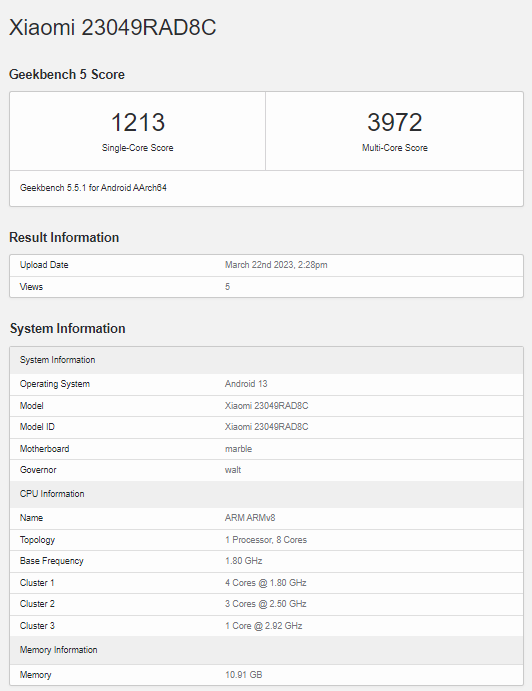
Redmi Note 12 Turbo will be the latest smartphone to join the brand’s popular Note 12 series. It has been confirmed to make its debut in the Chinese market on March 28 with Qualcomm’s latest Snapdragon 7+ Gen 2 SoC under the hood. While we wait, the handset has popped up on Geekbench with the mentioned processor. Let’s look at the details.
The Redmi Note 12 Turbo has been listed on Geekbench with model number 23049RAD8C. The benchmarking platform reveals the handset has managed to score 1213 points in the single-core and 3972 in the multi-core tests. The scores suggest the Snapdragon 7+ Gen 2, which powers the device, will offer impressive performance for a mid-range SoC.
Qualcomm says the Snapdragon 7+ Gen 2 will offer substantial performance and power efficiency improvements. Its main Kryo CPU core is clocked at 2.91GHz and the whole 1+3+4 CPU architecture is claimed to deliver over a 50% jump in performance compared to the Snapdragon 7 Gen 1.
Geekbench reveals the Redmi Note 12 Turbo’s processor will be paired with 12GB RAM. The company may announce other RAM variants as well. Further, the smartphone is listed to run Android 13 OS out of the box. It will likely have Xiaomi’s custom MIUI 14 skin on top.
Previous reports suggest the Redmi smartphone will arrive with a 6.67-inch FHD+ AMOLED display with a 120Hz refresh rate. The handset may get a triple camera system on the back with a 50MP primary sensor, an 8MP Ultrawide, and a 2MP macro lens. It will likely be fueled by a 5,500mAh battery with 67W fast charging support.
We use cookies on our website to give you the most relevant experience by remembering your preferences and repeat visits. By clicking “Accept”, you consent to the use of ALL the cookies.
This website uses cookies to improve your experience while you navigate through the website. Out of these, the cookies that are categorized as necessary are stored on your browser as they are essential for the working of basic functionalities of the website. We also use third-party cookies that help us analyze and understand how you use this website. These cookies will be stored in your browser only with your consent. You also have the option to opt-out of these cookies. But opting out of some of these cookies may affect your browsing experience.
Necessary cookies are absolutely essential for the website to function properly. This category only includes cookies that ensures basic functionalities and security features of the website. These cookies do not store any personal information.
Any cookies that may not be particularly necessary for the website to function and is used specifically to collect user personal data via analytics, ads, other embedded contents are termed as non-necessary cookies. It is mandatory to procure user consent prior to running these cookies on your website.